Anteater
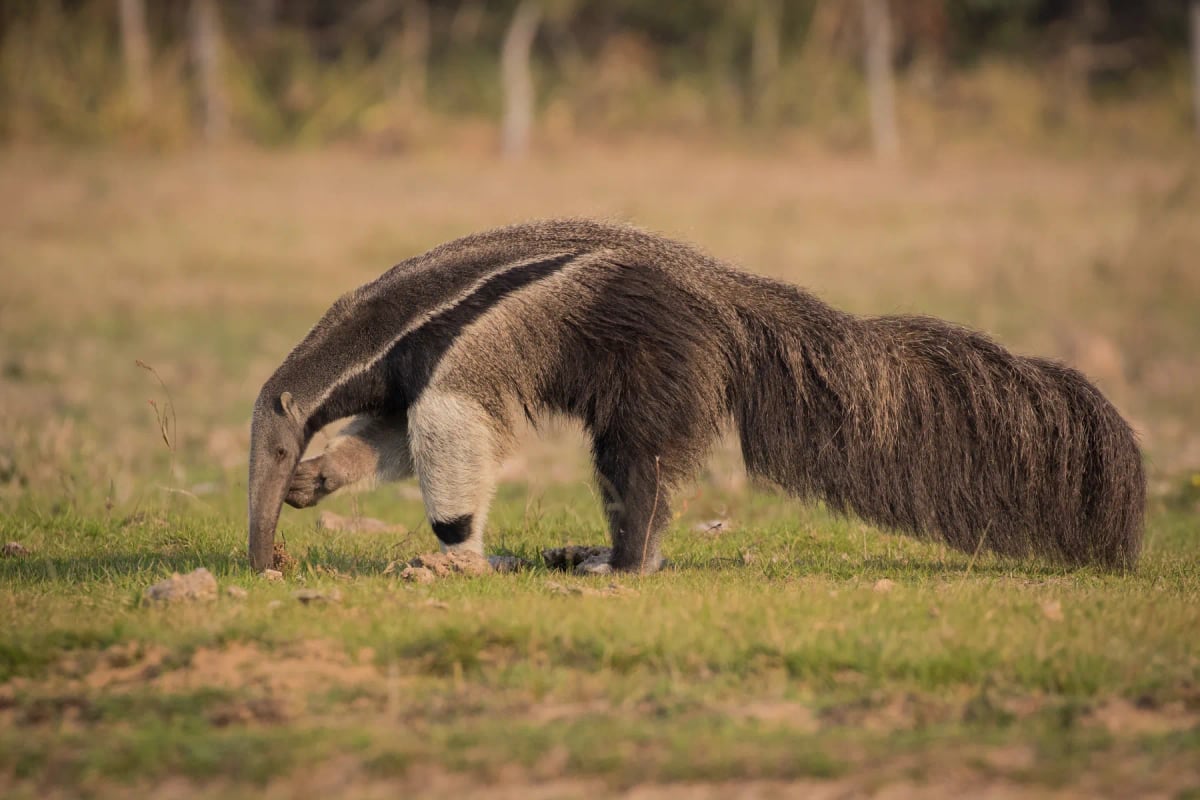
The giant anteater (Myrmecophaga tridactyla) is a large, highly specialized mammal native to Central and South America. It inhabits savannas, grasslands, wetlands, and open forests, where ants and termites are abundant. Its long, tubular snout and extended sticky tongue allow it to feed efficiently without teeth, consuming thousands of insects per day. Strong forelimbs and large curved claws are used to tear open nests and logs, while a muscular stomach grinds the food. Although it appears slow and defenseless, the giant anteater can be dangerous when threatened, using its claws to protect itself. Habitat loss, road mortality, fires, and direct persecution have caused significant population declines, and the species is currently classified as Vulnerable.
Habitat and distribution
The giant anteater is found from Belize and Guatemala in Central America south through Panama and into South America as far as northern Argentina. It occupies a broad range of habitats including tropical savannas, grasslands, wetlands, and open or gallery forests where ant and termite colonies are plentiful. In South America the species is most abundant in the Cerrado and Llanos regions, as well as in the Pantanal and parts of the Amazon basin. It requires large territories to find sufficient food and is sensitive to habitat fragmentation, which isolates populations and limits their ability to recover from local losses.
Diet
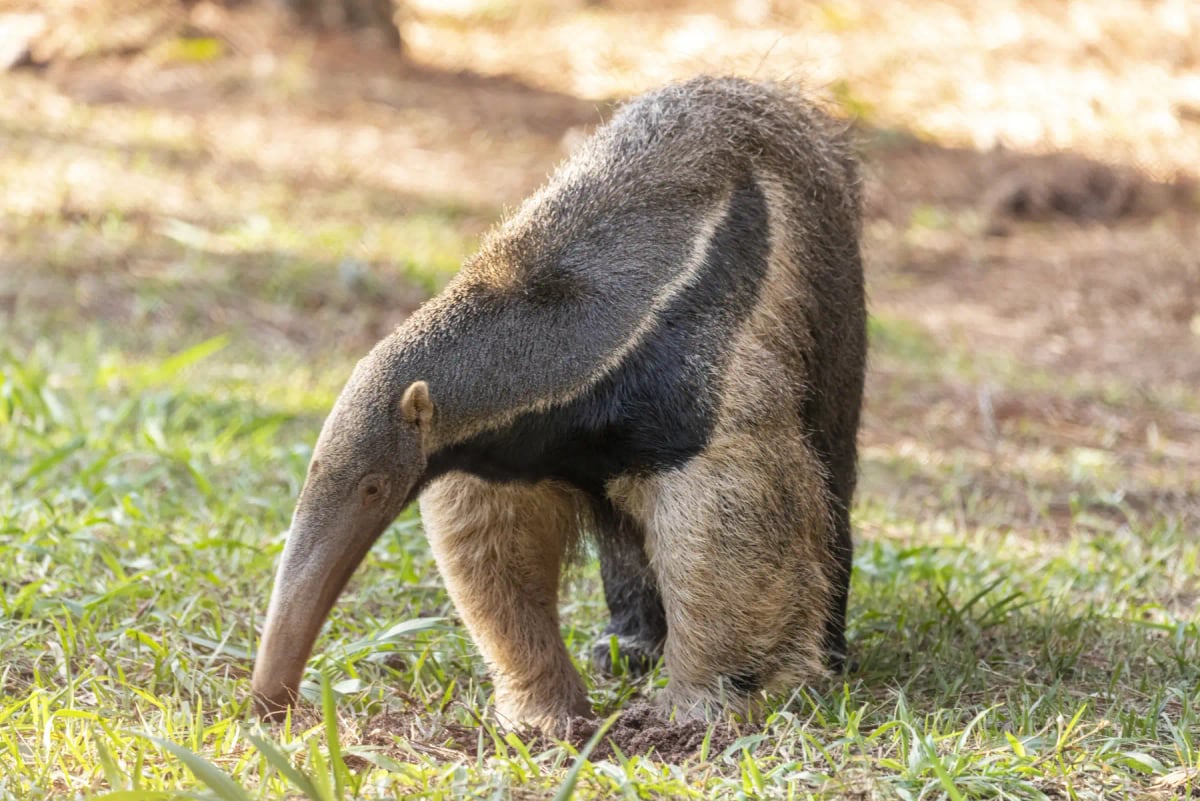
The giant anteater feeds almost exclusively on ants and termites, consuming up to 35,000 insects in a single day. It locates nests by smell, then uses its large curved claws to break open mounds and rotten logs. Its tongue, which can reach over 60 centimeters, darts in and out up to 150 times per minute, collecting insects on its sticky surface. The anteater avoids destroying nests entirely, moving on after a brief feeding to allow colonies to recover, which helps ensure a renewable food supply. It has no teeth and grinds food using a muscular stomach.
Behavior
The giant anteater is solitary and covers large home ranges in search of food, sometimes walking several kilometers per day. In undisturbed areas it tends to be active during daylight hours, but becomes nocturnal where human pressure is high. Despite its slow gait, it can run at speeds of up to 30 kilometers per hour when threatened. Its primary defense is its powerful forelimbs and large claws, capable of causing serious injury. Females carry a single offspring on their back for up to a year. The young are born with full markings and are able to cling immediately after birth.
Threats
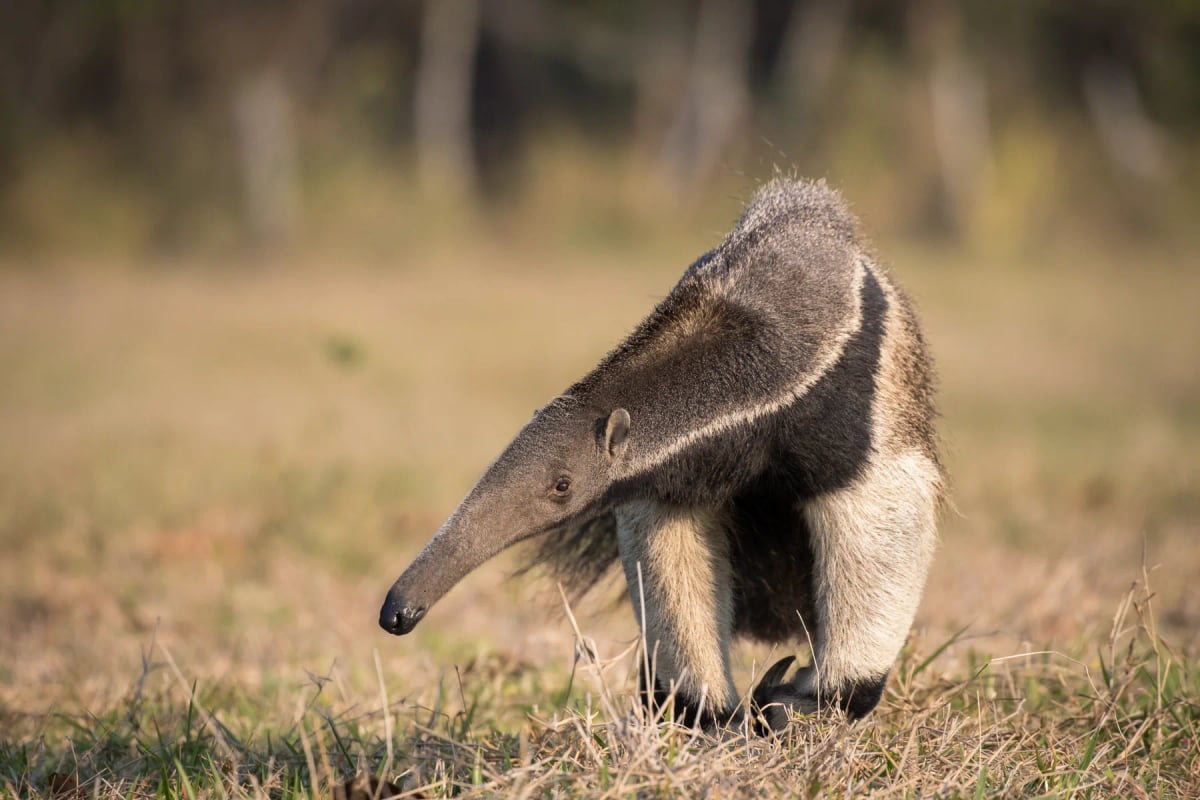
The giant anteater faces serious threats across its range. Deforestation and the conversion of savannas and grasslands for agriculture and cattle ranching destroy the open habitats the species depends on. Wildfires, both natural and intentional, kill individuals directly and destroy food colonies across large areas. Road mortality is one of the leading causes of death in many regions, particularly in Brazil, where the Cerrado is bisected by expanding road networks. Hunting for meat and persecution by farmers who fear the animal's claws also contribute to decline. The species has already disappeared from much of Central America.
Conservation
The giant anteater is classified as Vulnerable on the IUCN Red List with a declining population estimated at fewer than 10,000 mature individuals. Key conservation efforts include the creation and expansion of protected areas in the Cerrado and Pantanal, wildlife crossing structures on major roads, and rescue and rehabilitation programs for road accident victims. In Brazil, the Giant Anteater Reintroduction Program has successfully returned animals to areas where the species had been locally eliminated. Public education campaigns work to reduce persecution and inform drivers about road mortality in areas with high anteater presence.
Where it is found
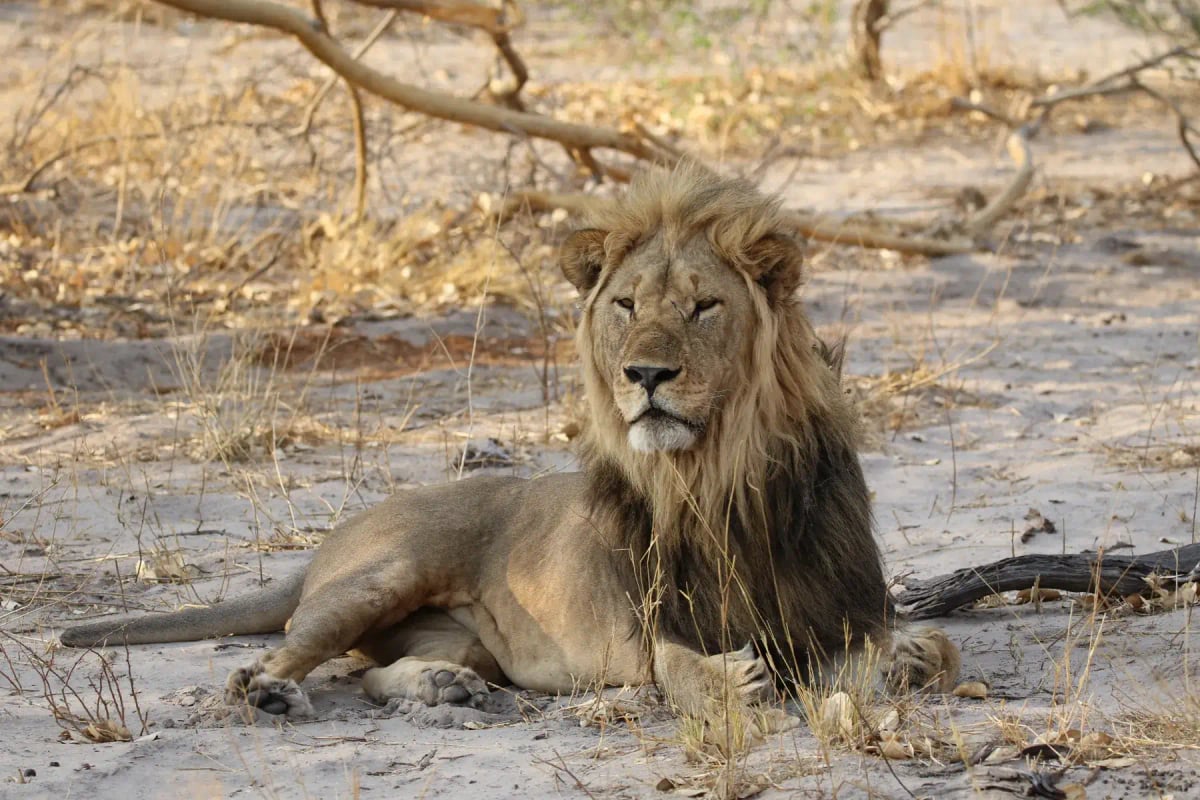
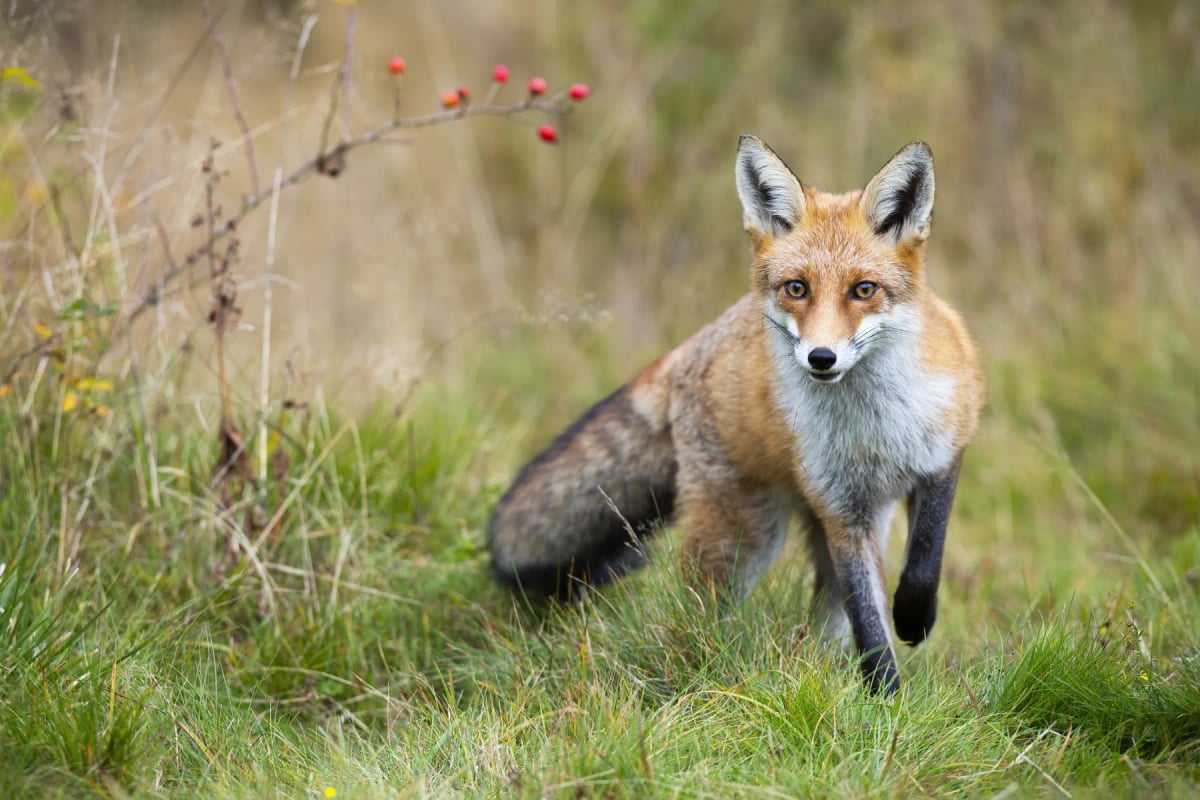
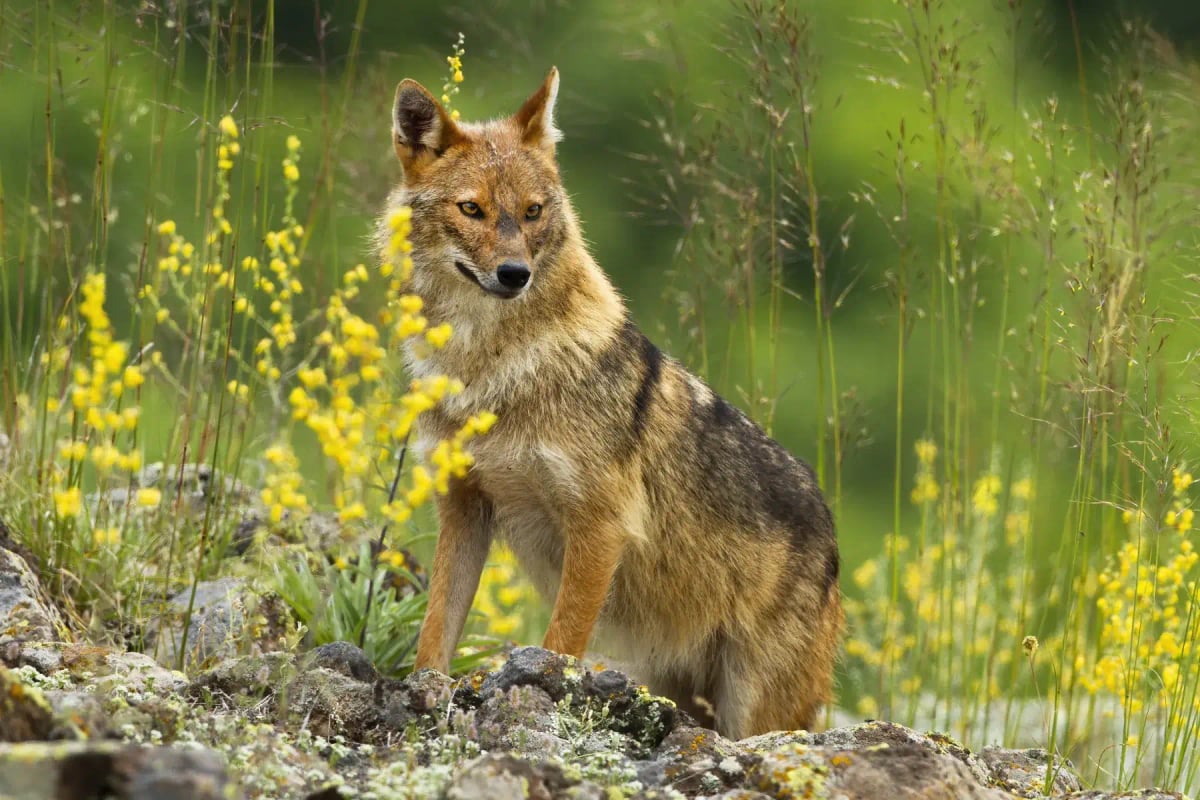
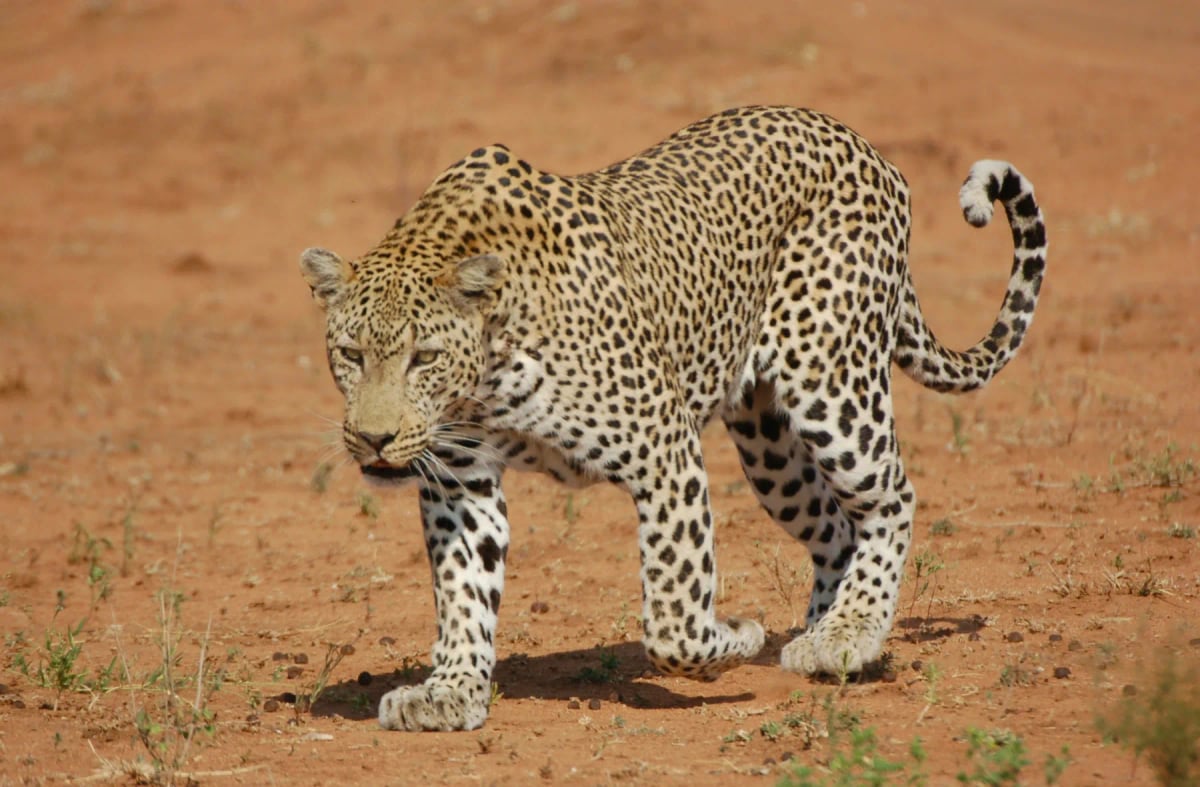
The Anteater can be found in places such as:
Researched and written by Juan Pablo. Sources: IUCN Red List, scientific literature and regional field guides. Last updated: .
Technical factsheet
Frequently Asked Questions
What does the giant anteater eat?
The giant anteater feeds almost exclusively on ants and termites, consuming up to 35,000 insects in a single day. It locates nests by smell, breaks them open with its powerful curved claws, and collects insects with a tongue that can extend over 60 centimeters and dart in and out up to 150 times per minute. It has no teeth and grinds food in a muscular stomach. To preserve its food supply, it avoids destroying nests completely and moves on after a brief feeding.
Is the giant anteater dangerous?
The giant anteater is not aggressive by nature, but it can be genuinely dangerous when cornered or threatened. Its forelimbs are extremely powerful and its large curved claws, designed for breaking open termite mounds, can cause serious injuries to people or large predators. There are documented cases of humans being severely wounded and even killed by giant anteaters defending themselves. The safest approach is to observe them from a distance and never attempt to handle or corner one.
Why is the giant anteater endangered?
The giant anteater is classified as Vulnerable by the IUCN, with fewer than 10,000 mature individuals remaining and a declining population. The main threats are deforestation and conversion of savannas for agriculture and cattle ranching, wildfires that destroy both habitat and food colonies, and road mortality, which is one of the leading causes of death in Brazil's Cerrado. Hunting for meat and persecution by ranchers also contribute to the decline. The species has already disappeared from much of Central America.
How does the giant anteater's tongue work?
The giant anteater's tongue is one of the most specialized feeding tools in the animal kingdom. It can extend over 60 centimeters beyond the tip of the snout and moves in and out up to 150 times per minute. The surface is coated in sticky saliva that traps insects on contact. The tongue attaches at the sternum rather than the base of the mouth, which allows it to reach such extraordinary lengths. The anteater has no teeth and relies entirely on its muscular stomach to grind up what it swallows.
Where does the giant anteater live?
The giant anteater is found from Panama in Central America south through much of South America to northern Argentina. It occupies savannas, grasslands, wetlands, and open forests where ant and termite colonies are abundant. In South America it is most numerous in the Cerrado, the Llanos, and the Pantanal. It requires large territories to find sufficient food and is sensitive to habitat fragmentation, which reduces its ability to move between areas and recover from local population losses.
How does the giant anteater carry its young?
Female giant anteaters give birth to a single offspring and carry it on their back for up to a year. The young anteater clings tightly to the mother's fur, and its markings align closely with hers, providing effective camouflage. This long period of dependence means females can only raise one young every year or two. Young anteaters begin exploring on their own gradually but return to the mother's back when tired or threatened. The close physical bond between mother and offspring is essential for the survival of the young.