Animals in Zambia
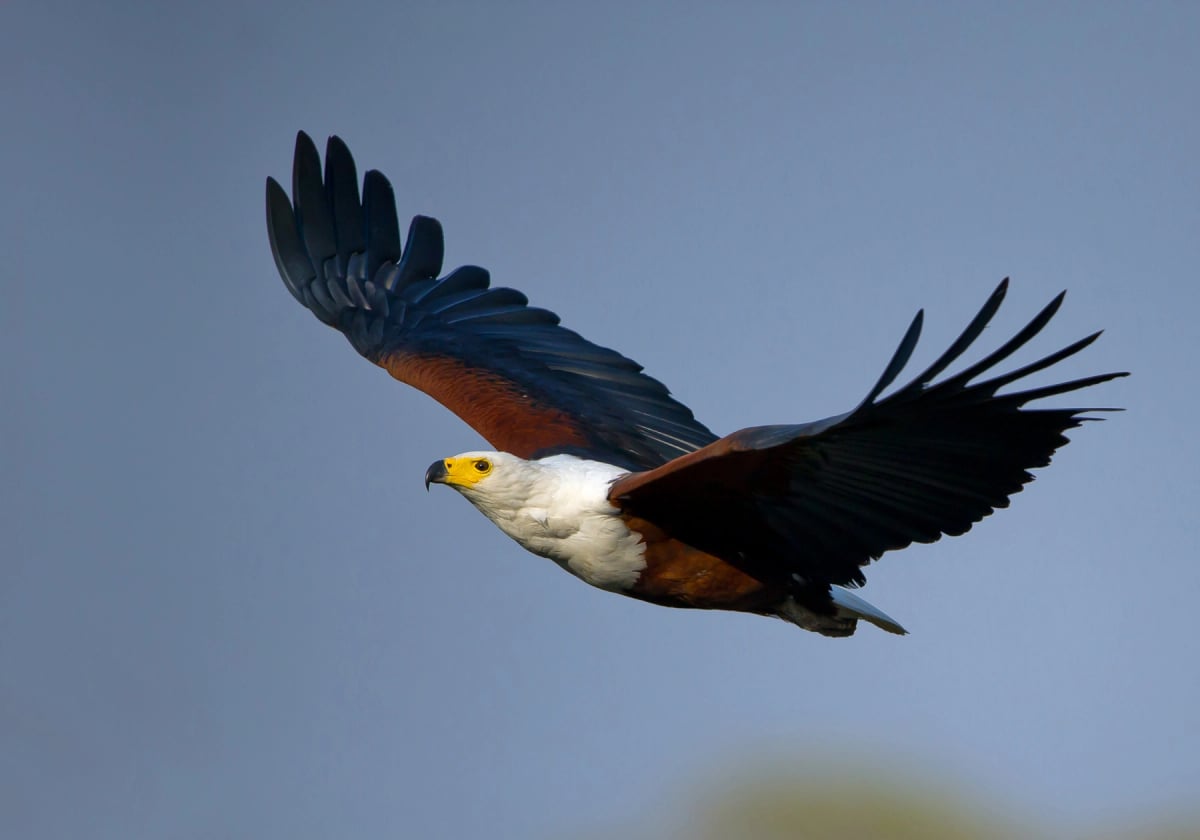
African Fish Eagle
Haliaeetus vocifer
The African fish eagle, Zambia’s national bird, is admired for its distinctive call and elegant flight over lakes and rivers. It embodies strength, precision and freedom, representing the spirit of the country’s waterways and its long tradition of coexistence with nature.
View details→Wildlife in Zambia
Zambia’s wildlife flourishes in vast savannas, river valleys and wetlands that sustain an extraordinary mix of species. Elephants, giraffes, crocodiles and eagles define its natural identity, while national parks such as South Luangwa and Kafue attract travelers eager to experience Africa’s wilderness and thriving ecosystems.
Most Dangerous Animals in Zambia
Wildlife in Zambia demands respect, especially near rivers and reserves. Hippos, elephants, big cats, crocodiles and venomous snakes are known for unpredictable behavior. Visitors are encouraged to explore with guides to ensure safety and promote responsible tourism.
Top 10 Animals in Zambia
Among Zambia’s most iconic animals are elephants, crocodiles, giraffes and big cats that dominate its protected areas. Their presence attracts ecotourism and supports local conservation projects, reinforcing Zambia’s reputation as one of Africa’s leading wildlife destinations.
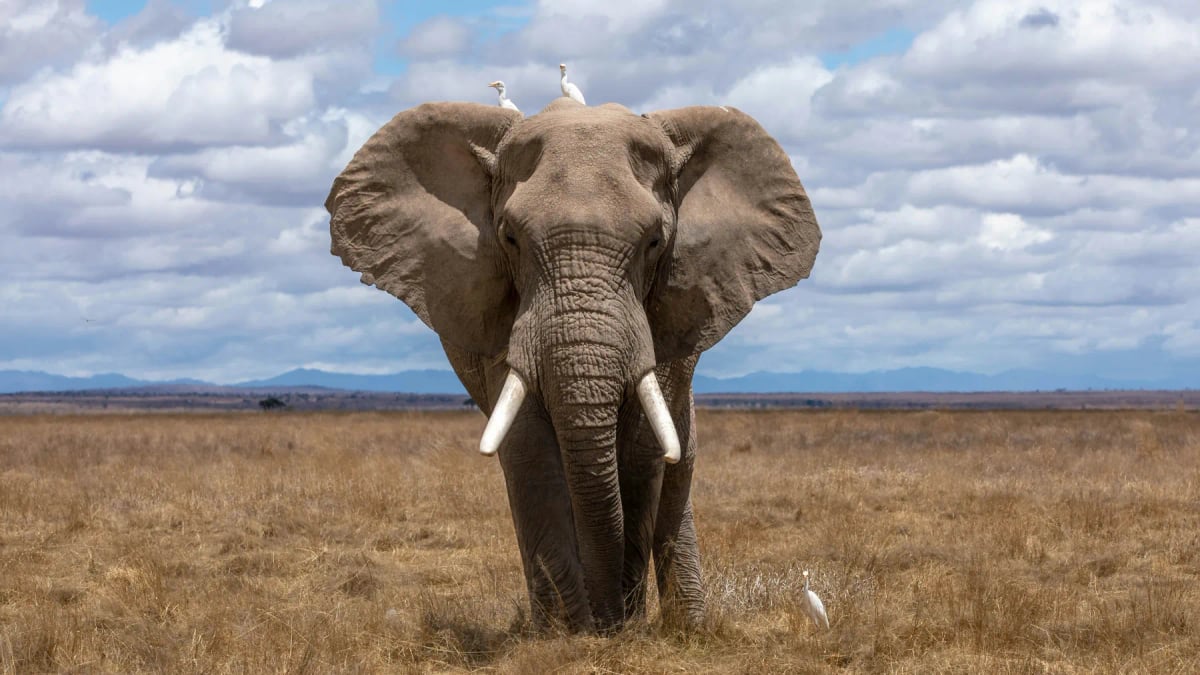
African Elephant
Loxodonta africana
Zambia's elephant population is part of the broader Kavango-Zambezi ecosystem and is concentrated in the Luangwa Valley in the east and in Kafue National Park in the center. South Luangwa National Park is one of the best places in Africa to see large elephant herds, particularly during the dry season when they gather around the Luangwa River. Zambia was one of the countries hardest hit by the poaching crisis of the 1970s and 1980s, losing the vast majority of its elephants in those two decades.
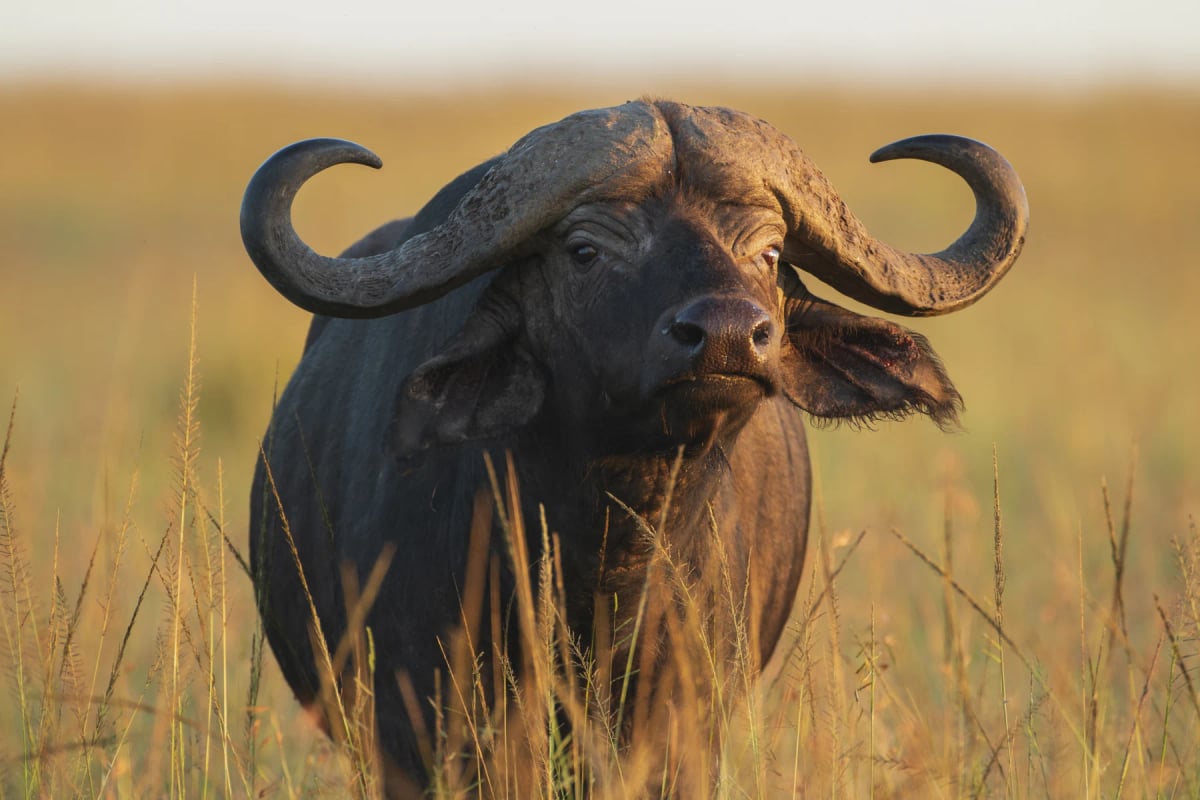
Buffalo
Syncerus caffer
Zambia's extensive network of national parks and game management areas provides strong habitat for buffalo. Kafue National Park and the Luangwa Valley, which hosts both North and South Luangwa National Parks, are particularly important strongholds. Buffalo in these areas move seasonally in search of fresh grazing, forming herds that can number in the thousands. They are a cornerstone species in Zambia's broader predator-prey community. IUCN status: Least Concern.
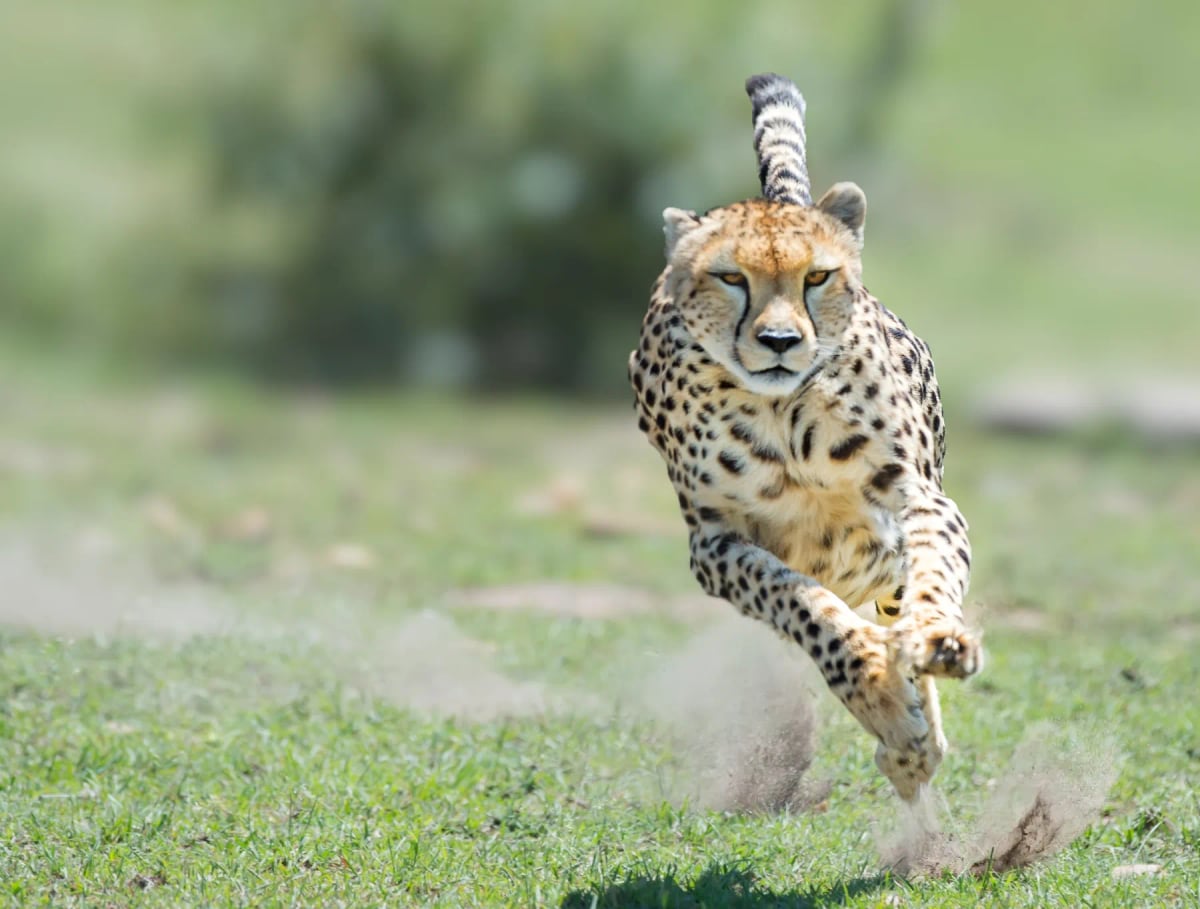
Cheetah
Acinonyx jubatus
In Zambia, cheetahs inhabit open woodland and grassland ecosystems, with populations documented in the Kafue National Park and in parts of the Luangwa Valley. The species faces pressure from habitat conversion and prey scarcity outside protected zones. Conservation programs that engage local communities are considered essential for ensuring the survival of cheetahs across the broader Zambian landscape over the long term.
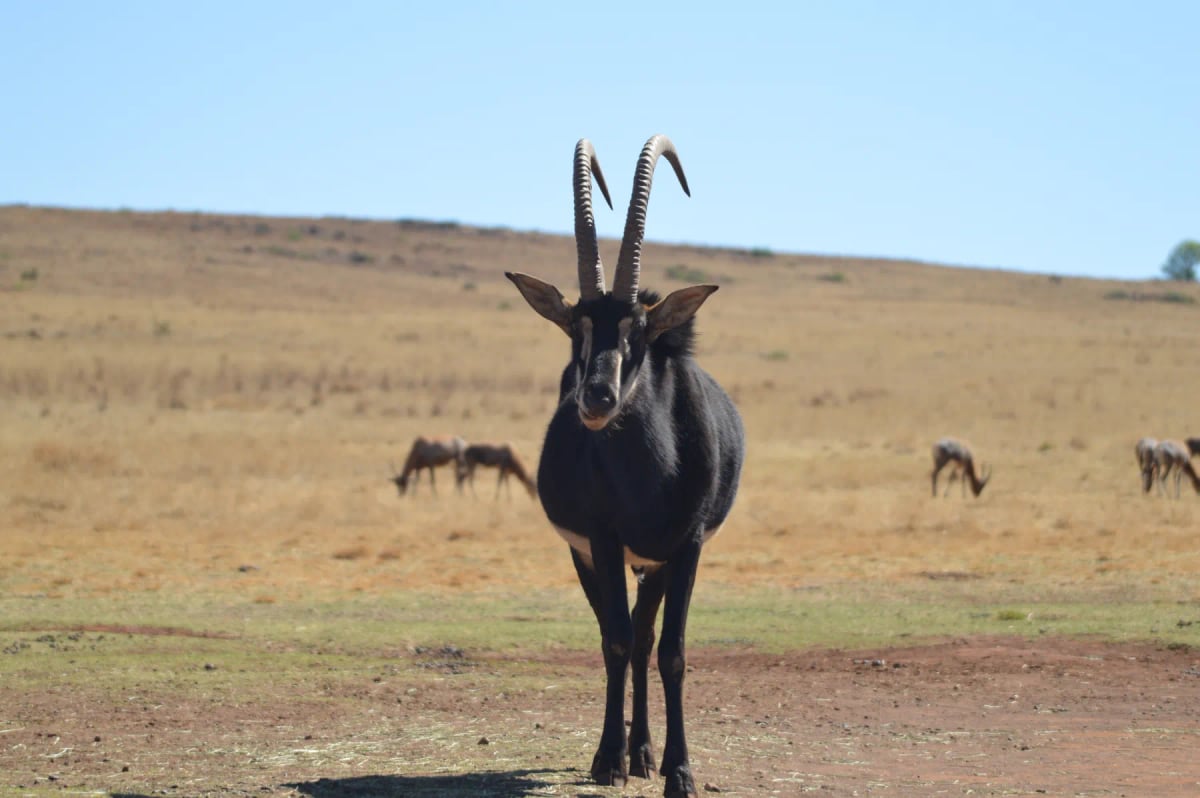
Sable Antelope
Hippotragus niger
Zambia is home to a healthy population of sable antelopes, distributed across the miombo woodlands that cover much of the country. Protected areas such as Kafue National Park and the Luangwa Valley provide important refuge for the species. Zambia's extensive wild landscapes mean that sable herds here face relatively lower pressure from habitat loss compared to some neighboring countries, supporting their continued presence across the region.
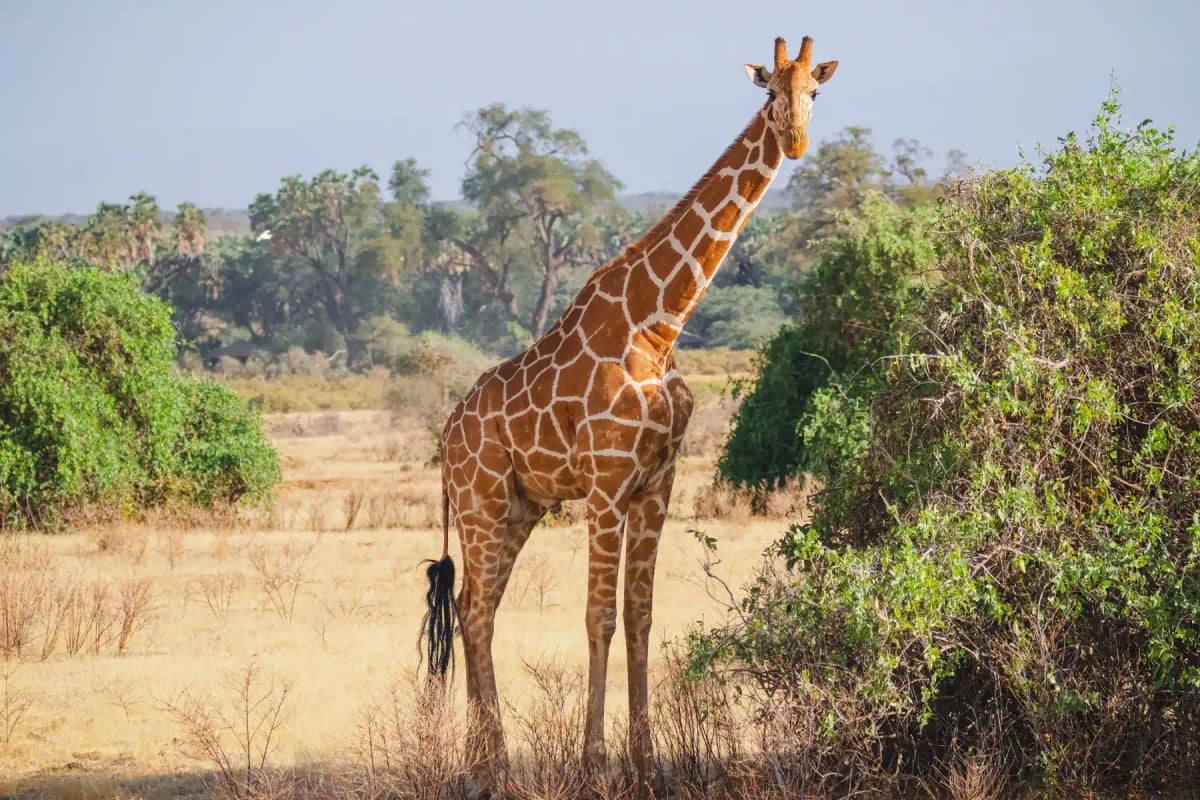
Giraffe
Giraffa camelopardalis
Giraffes in Zambia are found in the Luangwa Valley, South Luangwa National Park, and parts of the Zambezi region, where open woodland and savanna offer plenty of browse. The Thornicroft's giraffe, a subspecies unique to the Luangwa Valley, is found nowhere else on Earth and is one of the rarest giraffe populations in Africa. The IUCN classifies the giraffe as Vulnerable, and protecting this distinct Zambian subspecies is a conservation priority.
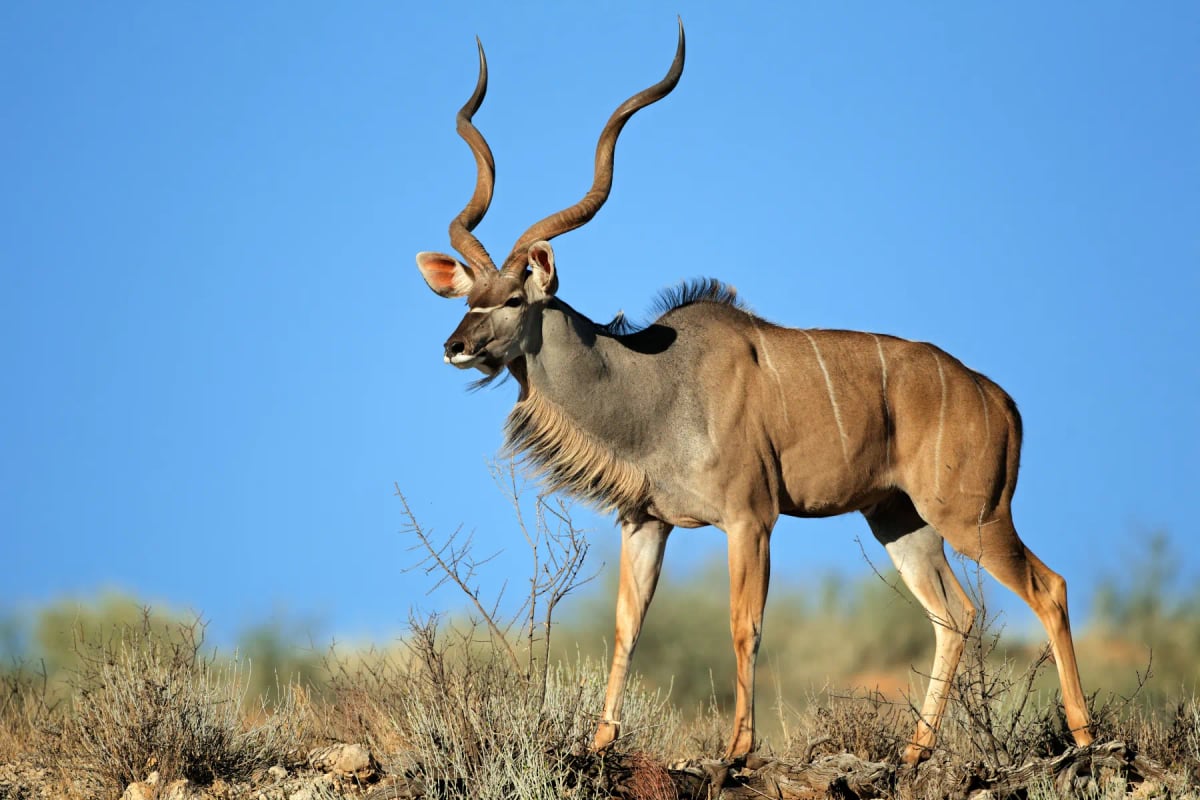
Greater Kudu
Tragelaphus strepsiceros
In Zambia, greater kudus inhabit the miombo woodlands and mixed bushland that stretch across much of the country. They are regularly seen in South Luangwa National Park and Lower Zambezi National Park, where the riverine vegetation offers both food and shelter. Females and young travel in small groups, while adult males are often seen on their own. Their IUCN status is Least Concern.
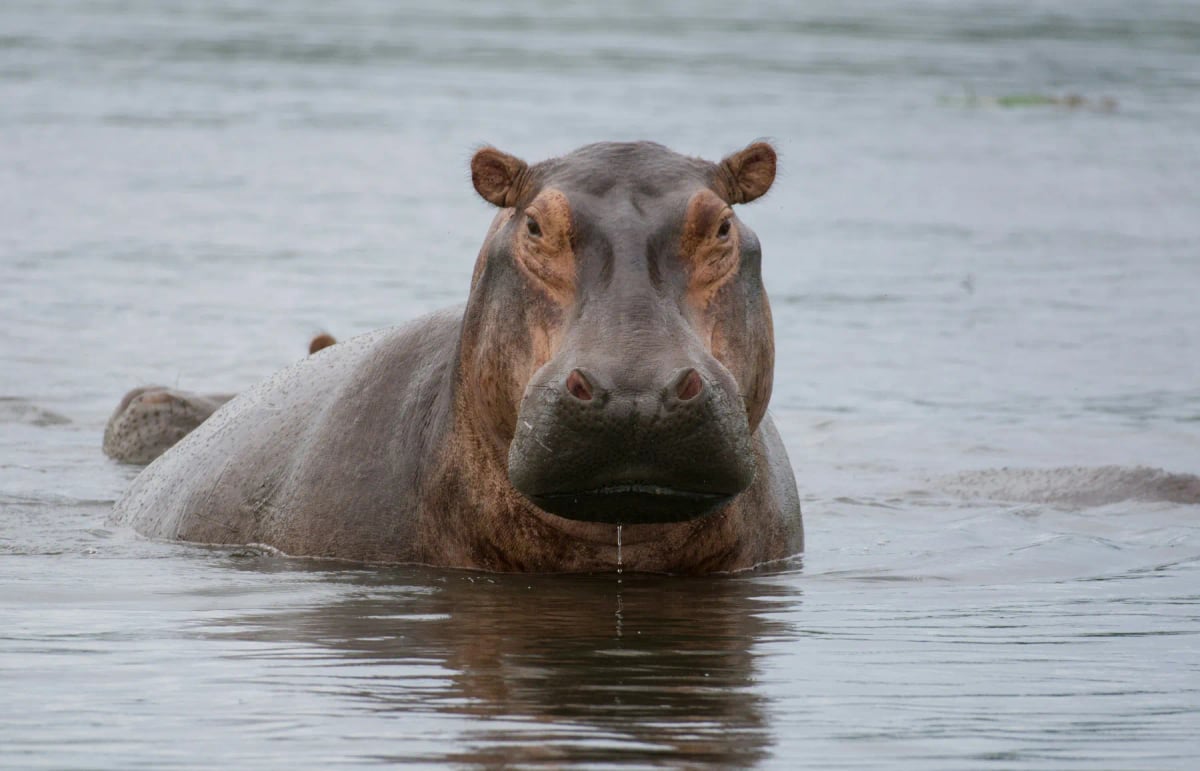
Hippopotamus
Hippopotamus amphibius
Zambia is home to one of Africa's healthiest hippo populations, spread along the Luangwa, Zambezi, and Kafue rivers. South Luangwa National Park is particularly famous for its remarkable density of hippos, with hundreds gathering in shrinking pools during the dry season. Their wallowing and grazing habits play an important role in shaping the riverine ecosystems they inhabit. The IUCN lists them as Vulnerable.
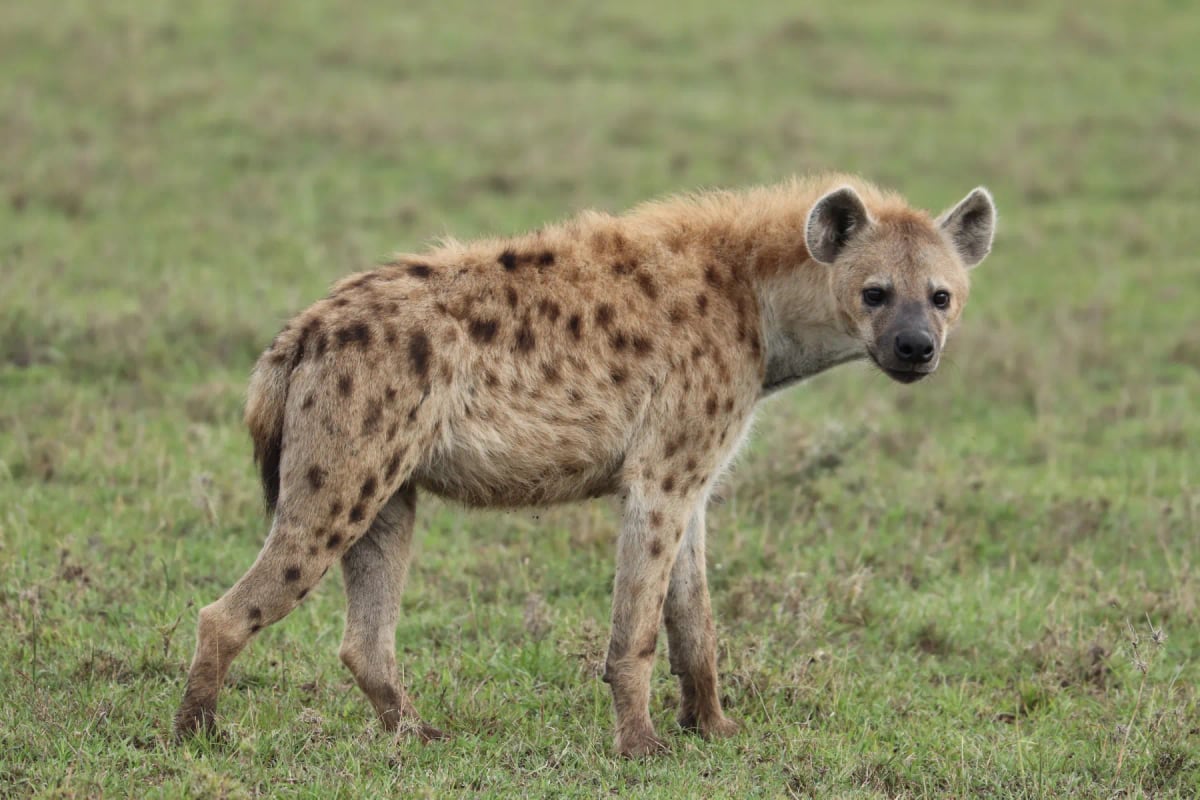
Spotted Hyena
Crocuta crocuta
Zambia's mix of miombo woodland, floodplains, and open savanna supports healthy populations of spotted hyenas across several protected areas. The Luangwa Valley, including South Luangwa National Park, is one of the best places in Africa to observe them. Kafue National Park also holds a significant population. Hyenas here compete with lions and leopards and are crucial to regulating prey populations and recycling nutrients. Their IUCN status is Least Concern.
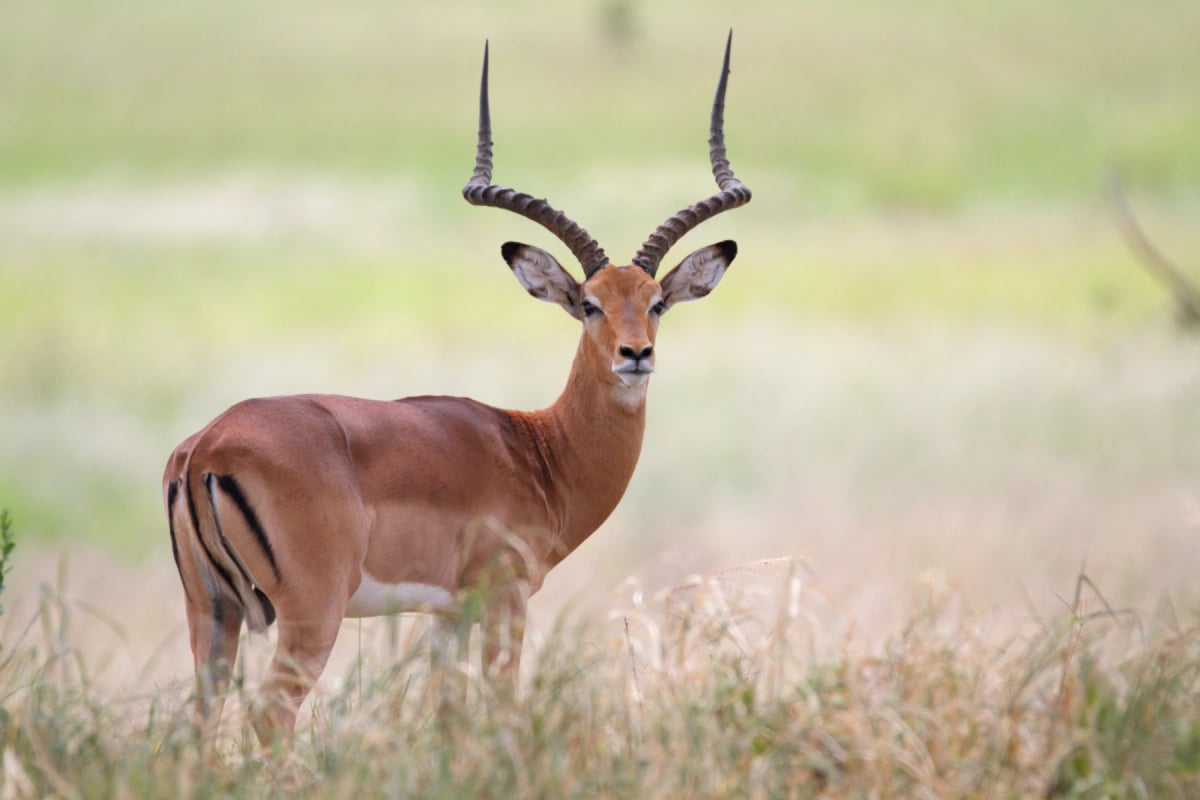
Impala
Aepyceros melampus
Impalas are widespread across Zambia's wildlife areas, thriving in the miombo woodlands and floodplain edges of parks such as South Luangwa and Kafue. They are among the most commonly seen antelopes on safari, often forming large herds near water during the dry season. Capable of reaching 60 km/h, they rely on speed and agility to escape predators. The IUCN lists them as Least Concern.
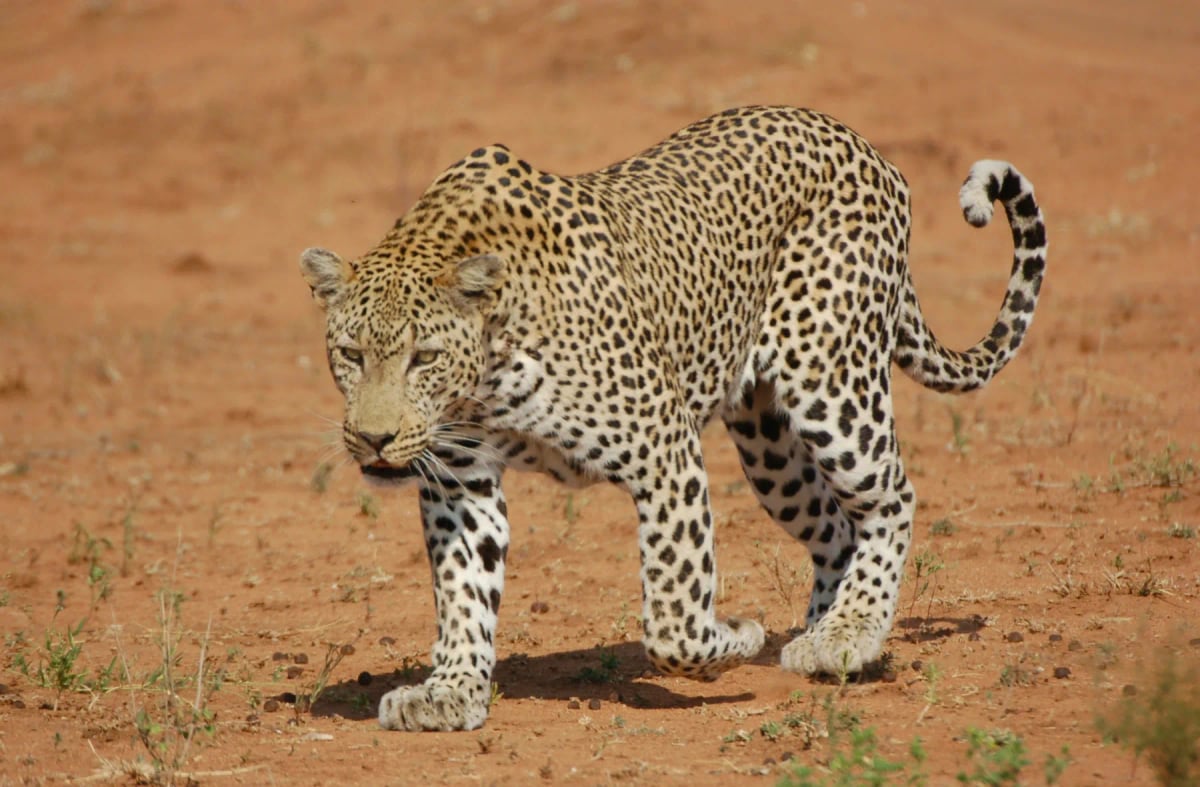
Leopard
Panthera pardus
Zambia's leopards are distributed across its miombo woodlands, river valleys, and national parks, including South Luangwa, which is particularly well known for leopard sightings at night. South Luangwa's walking safaris and night drives have made it one of the best places in Africa to observe leopards in their natural setting. Despite legal protections, snaring and retaliatory killing remain ongoing threats. IUCN status: Vulnerable.
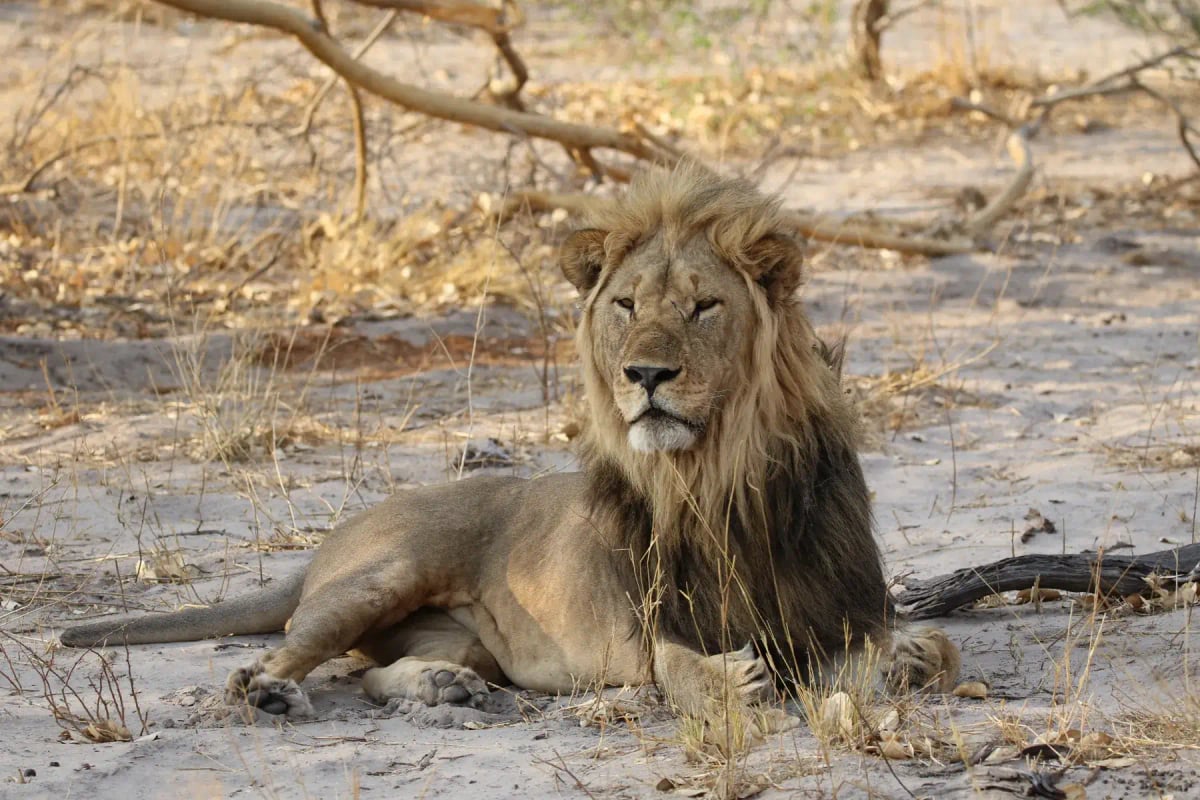
Lion
Panthera leo
Zambia holds important lion populations across several of its major protected areas, including South Luangwa, Kafue and Lower Zambezi national parks. South Luangwa in particular is one of the best places in Africa to observe lion behavior, and walking safaris in the park offer close encounters with prides on the open floodplains. Zambia is considered one of the stronger countries for lion conservation in southern Africa.
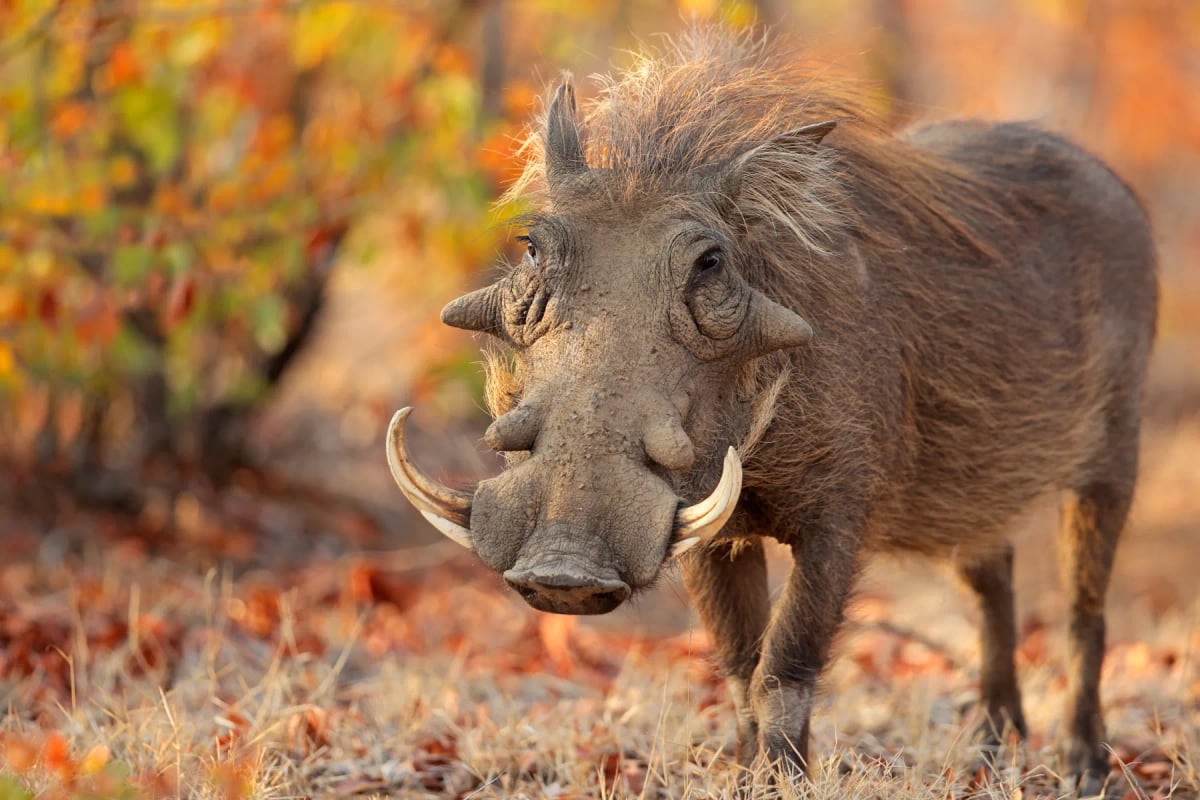
Warthog
Phacochoerus africanus
Warthogs are widespread in Zambia, found across the Luangwa Valley, Kafue National Park, and the Lower Zambezi region. The miombo woodlands and open flood plains of Zambia provide excellent habitat for this species. They are a regular sight on game drives and play an important role as prey for the lions, leopards, and wild dogs that share these ecosystems. Populations across Zambia are considered stable and healthy.
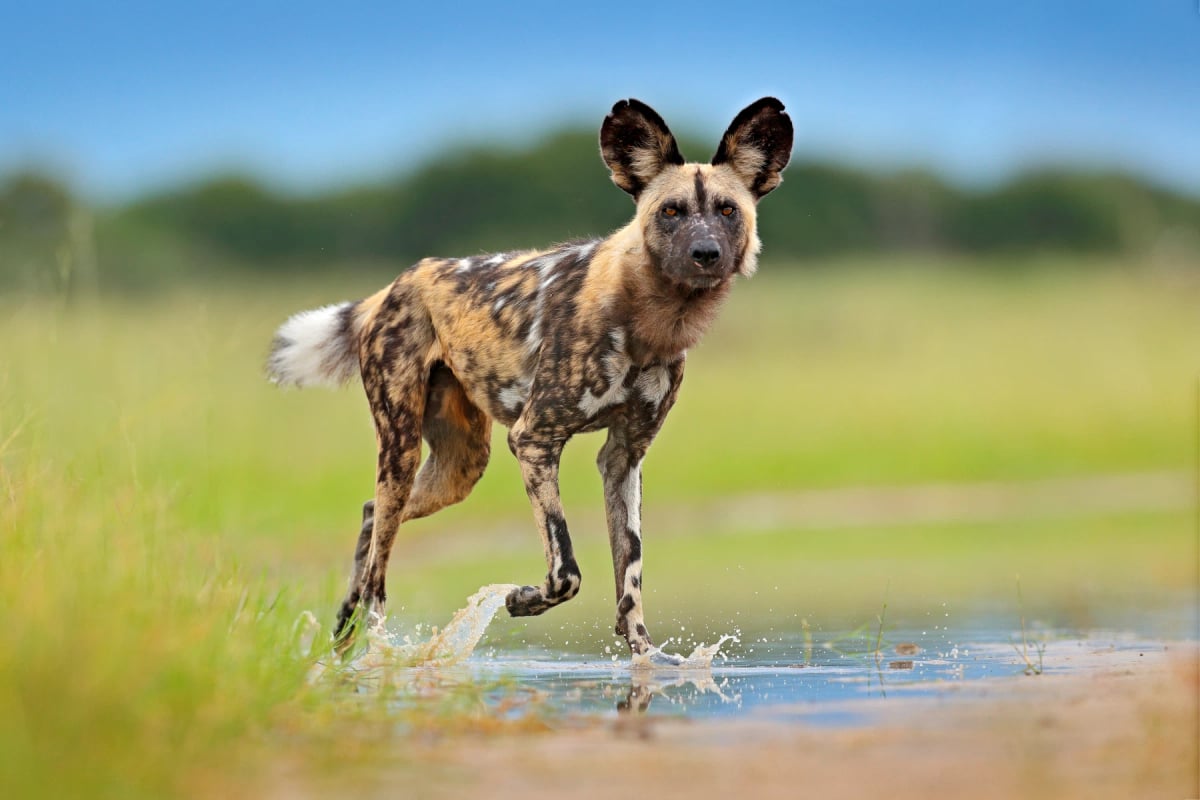
Wild Dog
Lycaon pictus
Zambia supports a notable wild dog population spread across its network of game management areas and national parks, with the Luangwa Valley and Kafue National Park among the most important sites. Packs in Zambia face threats from snares set for other animals and occasional clashes with livestock owners. Conservation organizations working in the region have helped improve tolerance among local communities, making Zambia a meaningful stronghold for this endangered species.
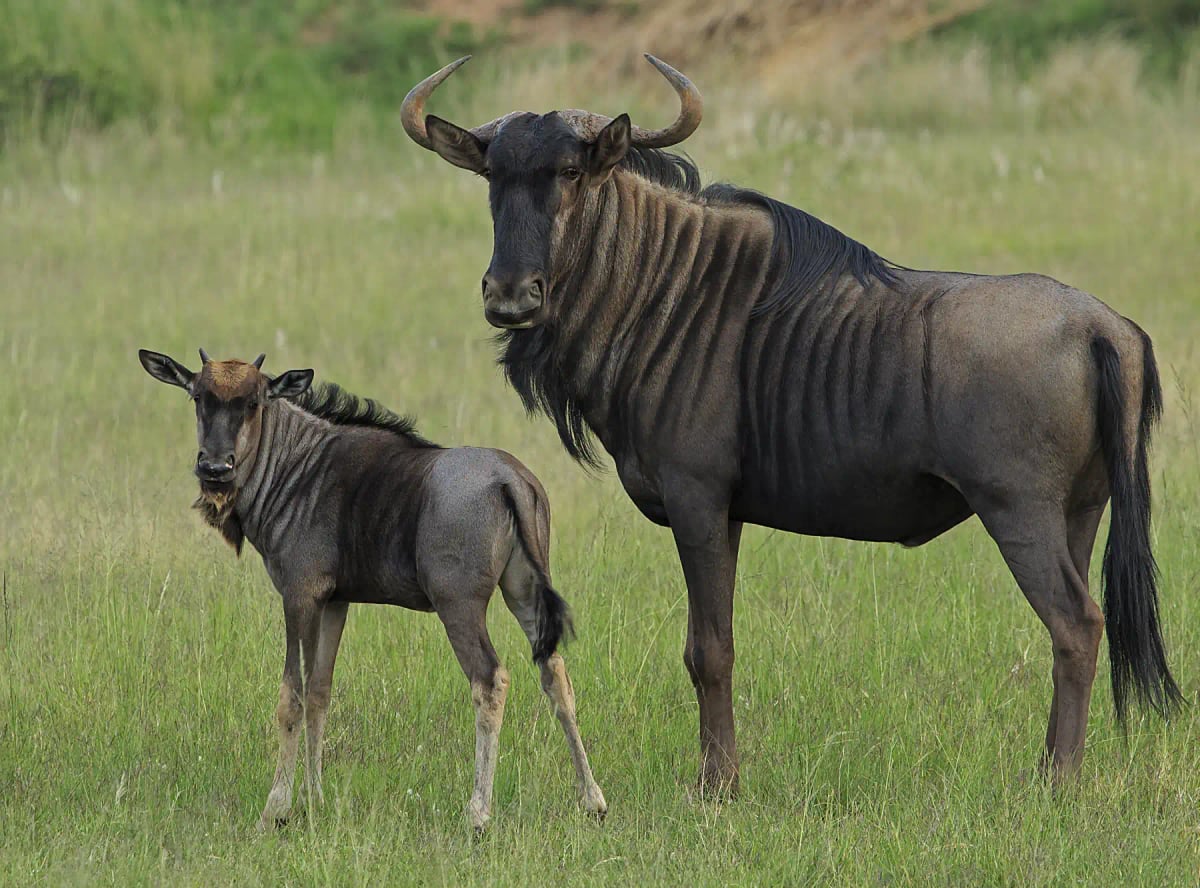
Wildebeest
Connochaetes spp.
In Zambia, wildebeest are present in parks such as Kafue National Park and the Lower Zambezi area, where savanna grasslands provide suitable grazing. Populations here are smaller than those in East Africa but contribute to a broader network of wildlife across the region. Zambia's community conservation programs help protect the corridors that wildebeest and other large mammals depend on for seasonal movement.
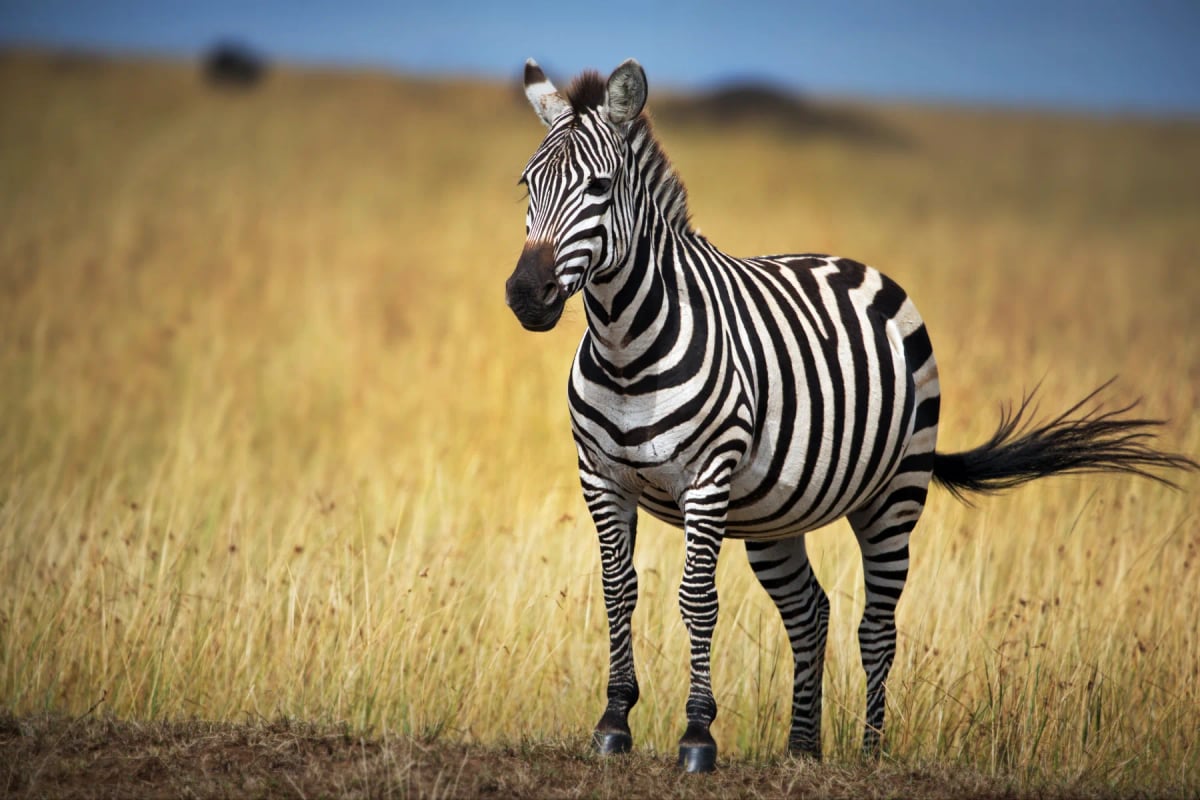
Zebra
Equus spp.
Zambia is home to healthy plains zebra populations, particularly in South Luangwa, Kafue and Liuwa Plain National Park, where large herds graze open floodplain and woodland savanna. Zambia's zebras belong to a subspecies with notably narrow, closely spaced stripes. Liuwa Plain also hosts a lesser known seasonal migration involving zebras alongside wildebeest, second in scale only to the Serengeti's.
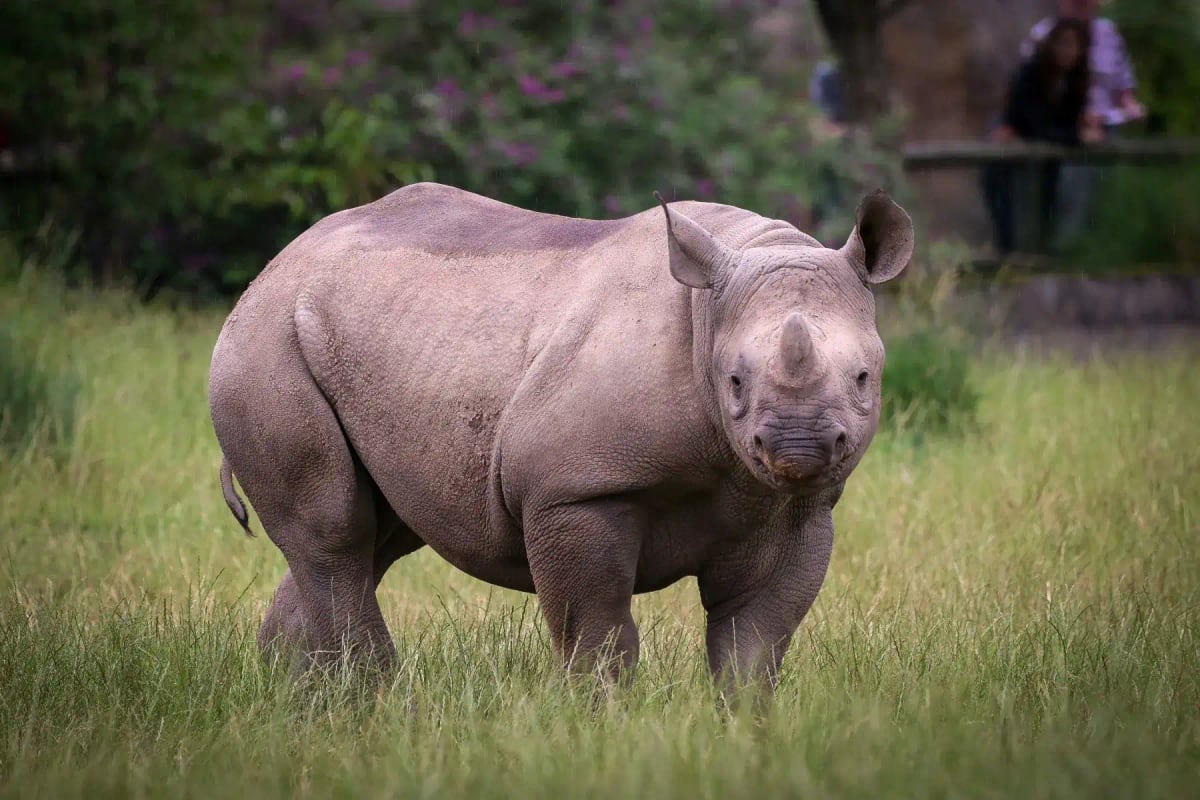
Black Rhinoceros
Diceros bicornis
The black rhinoceros was once native to Zambia but was driven to local extinction by poaching during the late twentieth century. Conservation efforts are working to restore the species, with North Luangwa National Park identified as a potential site for future reintroduction. Zambia's commitment to wildlife protection and its expansive wilderness areas make it a promising candidate for re-establishing a self-sustaining population of this Critically Endangered mammal.
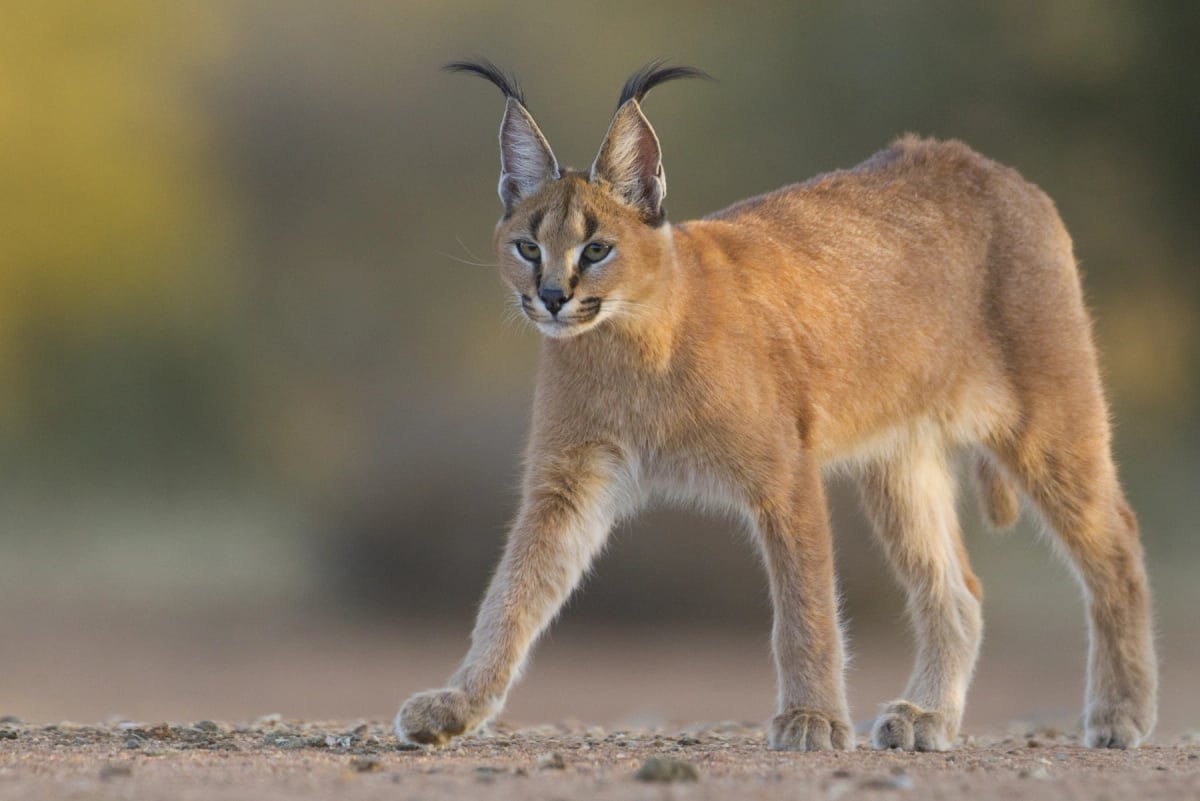
Caracal
Caracal caracal
In Zambia, the caracal is distributed across savanna woodlands, grasslands, and scrubby terrain throughout much of the country. It is more widespread here than in many parts of its Central African range. Preying on rodents, hares, and birds, it fills an important ecological role as a medium-sized predator. The IUCN lists the species as Least Concern, though habitat loss from agricultural expansion puts pressure on populations across Zambia.
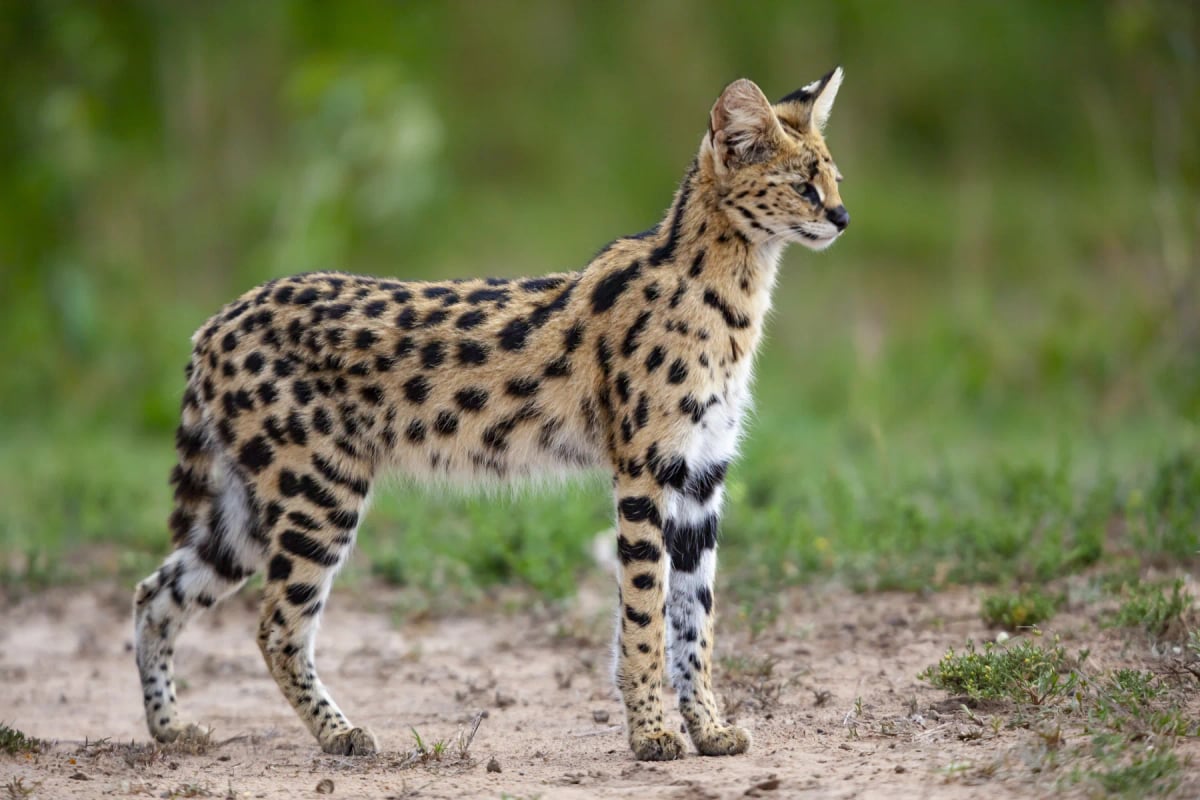
Serval
Leptailurus serval
Servals are widely distributed across Zambia, particularly in the dambos, which are the shallow, grassy wetlands that dot the country's plateau regions. These open, waterlogged grasslands are prime hunting territory, rich in rodents and frogs. Zambia's large national parks, including Kafue and South Luangwa, help protect the species. The IUCN lists the serval as Least Concern, and populations in Zambia are considered relatively stable.
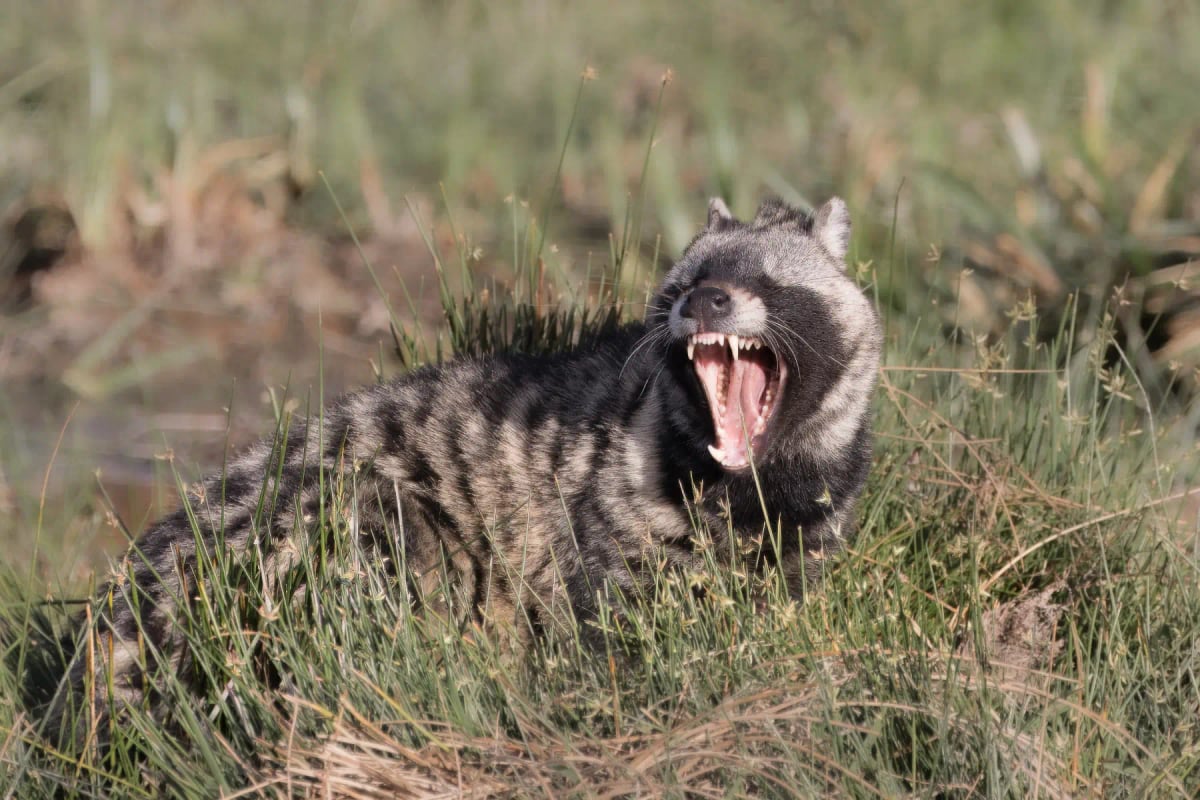
African Civet
Civettictis civetta
The African civet ranges widely across Zambia's miombo woodlands, the Zambezi and Kafue river systems and the forests of the northern provinces. South Luangwa, Kafue and Lower Zambezi National Parks are among the most reliable sites for nocturnal sightings. Civets forage along roads and watercourses after dark, and their presence across such varied woodland types reflects the species' broad ecological tolerance.
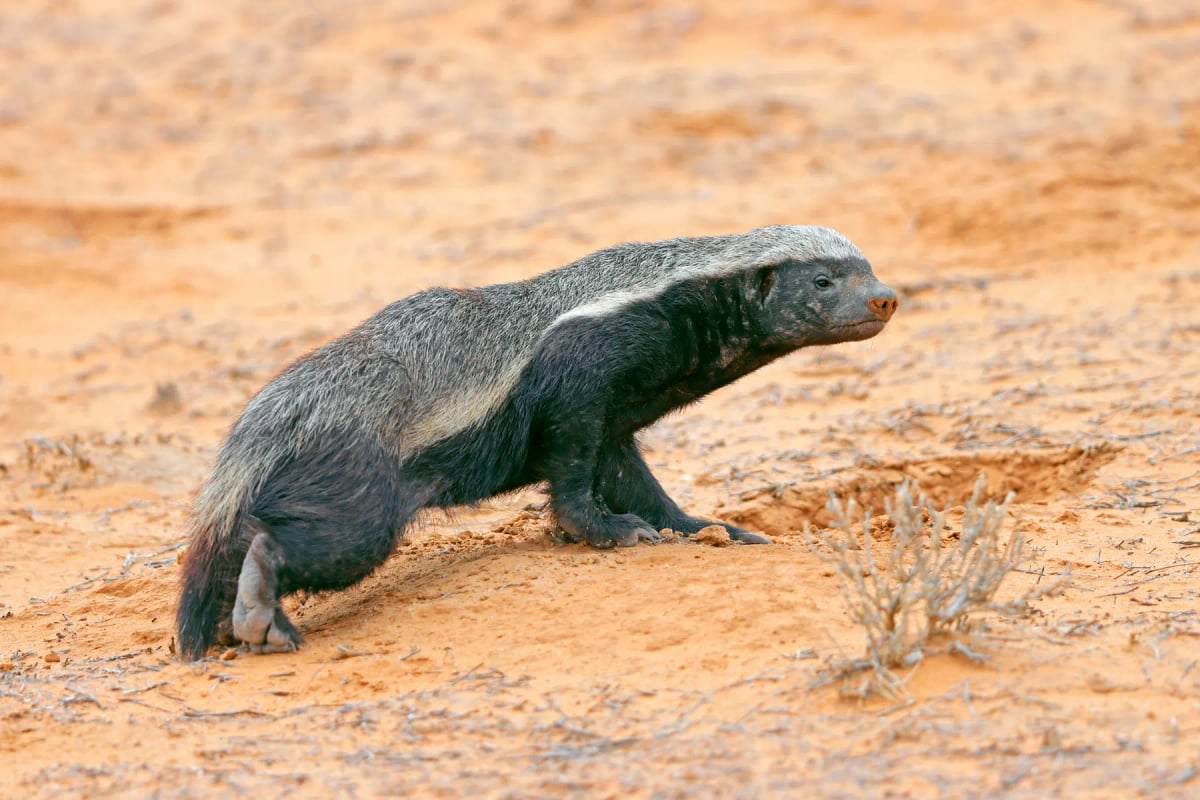
Honey Badger
Mellivora capensis
The honey badger is widespread in Zambia, found across miombo woodland and savanna in major parks such as South Luangwa and Kafue. It digs for rodents, reptiles and insects and is known for its fearless reputation among guides, who occasionally report it standing its ground against lions. It also raids beehives when given the chance. The IUCN lists the species as Least Concern across its full range.
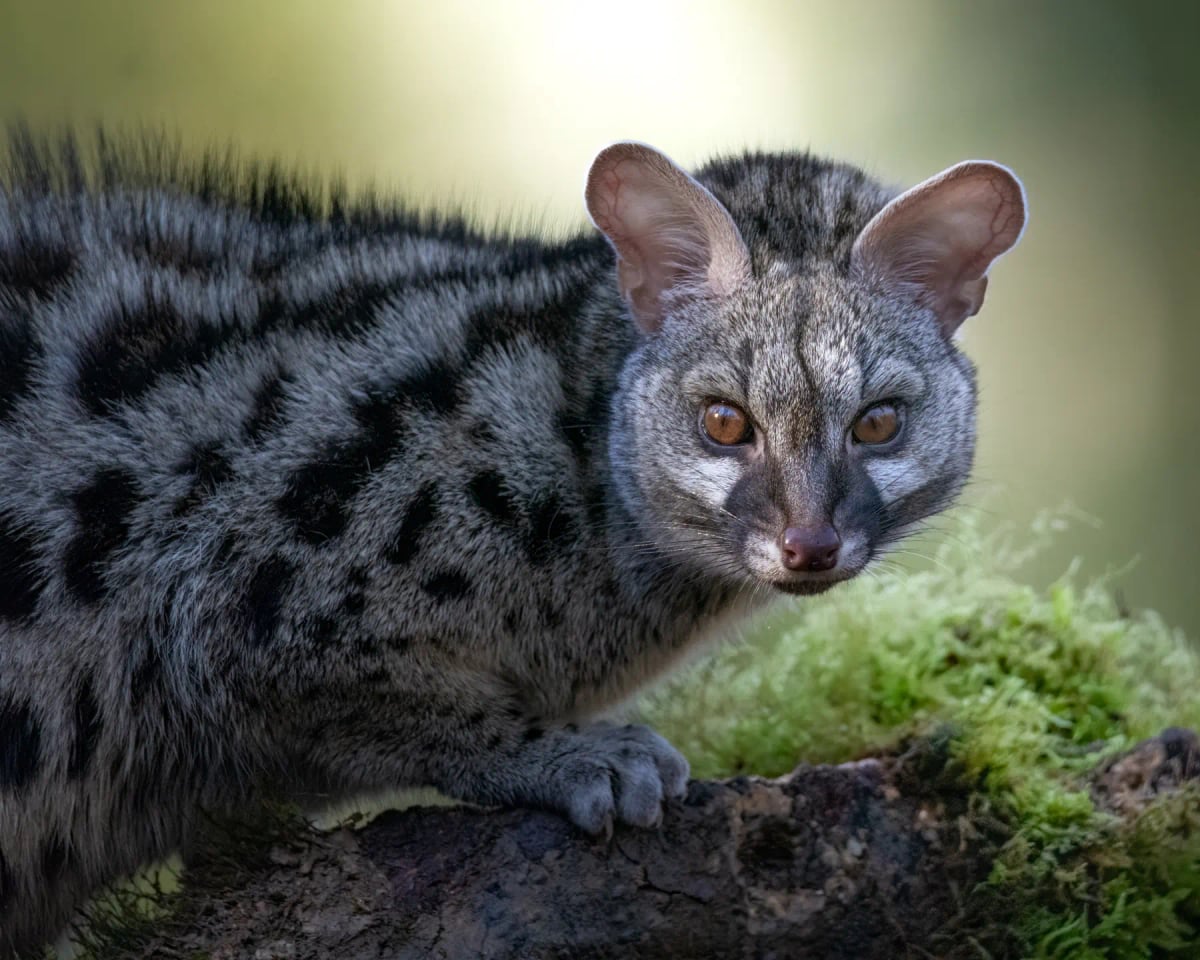
Common Genet
Genetta genetta
The common genet is widely distributed across Zambia, where miombo woodland dominates much of the landscape. It is also found along rivers and in areas with rocky terrain. Like elsewhere, it is active only at night, hunting rodents, birds, lizards, and large insects. It is not considered threatened in Zambia and holds a status of Least Concern on the IUCN Red List.
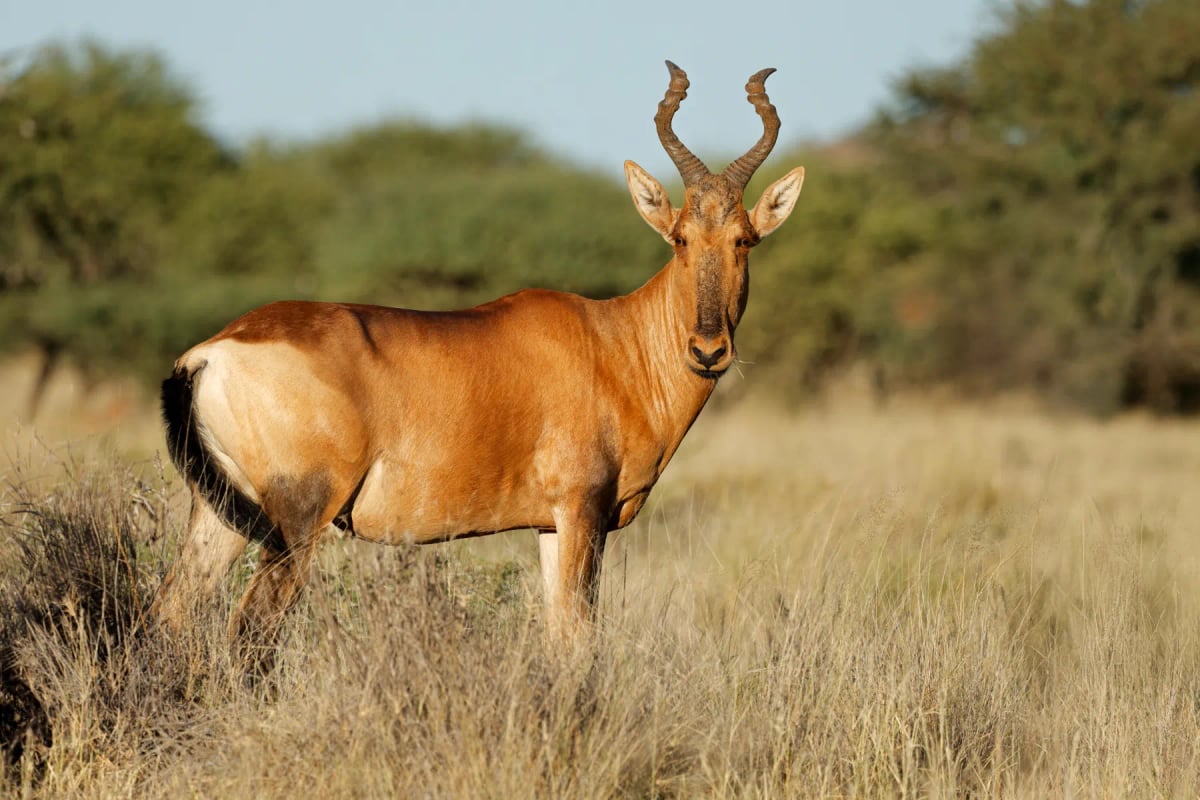
Hartebeest
Alcelaphus buselaphus
Hartebeests are found across several of Zambia's national parks and game management areas, including Kafue National Park and the Luangwa Valley. They favor open grasslands and the fringes of miombo woodland, habitats that Zambia has in abundance. Males defend clear territories and use scent marking to communicate boundaries. The species remains relatively secure in Zambia thanks to the size and protection offered by the country's network of conservation areas.
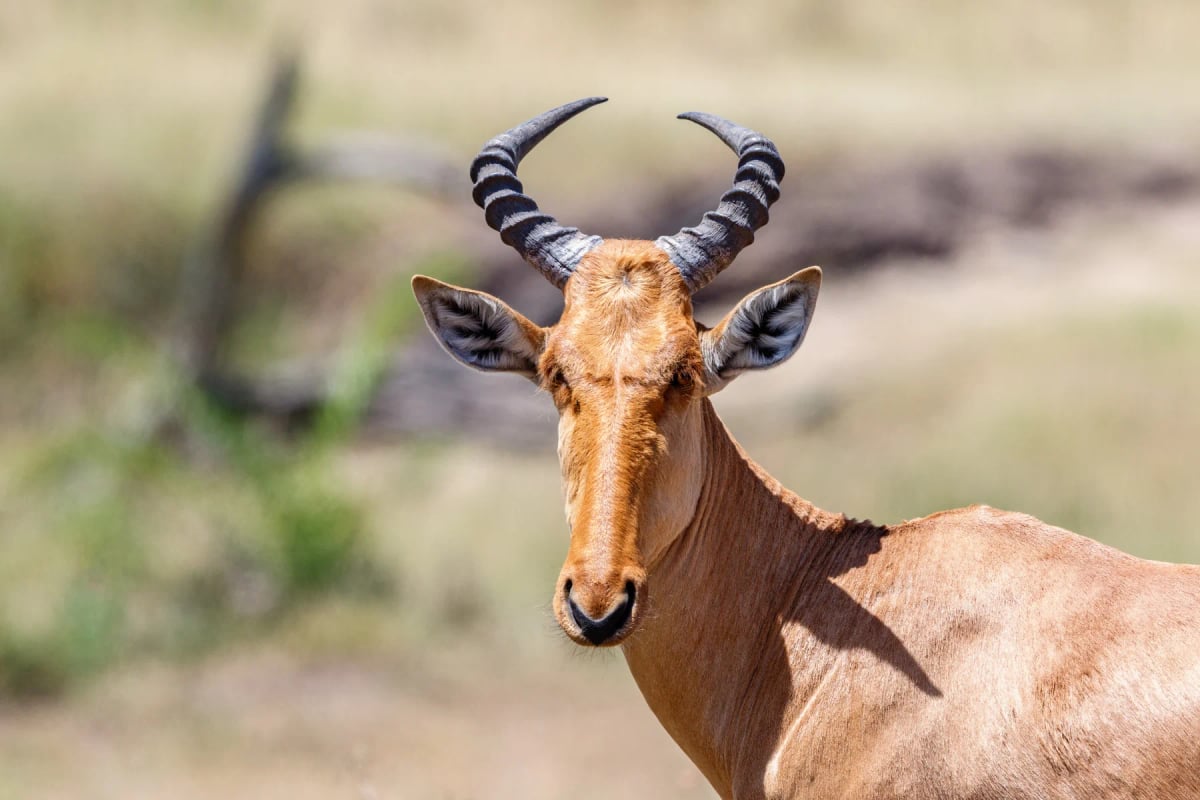
Topi
Damaliscus lunatus
Zambia's topi populations are found in the northern and western parts of the country, in areas with open grassland and seasonal floodplains, including parts of the Kafue National Park region and the broader western savanna. These landscapes provide year-round grazing opportunities, especially where grasses regenerate after seasonal flooding. Zambia's network of national parks and game management areas helps protect their habitat. IUCN status: Least Concern.
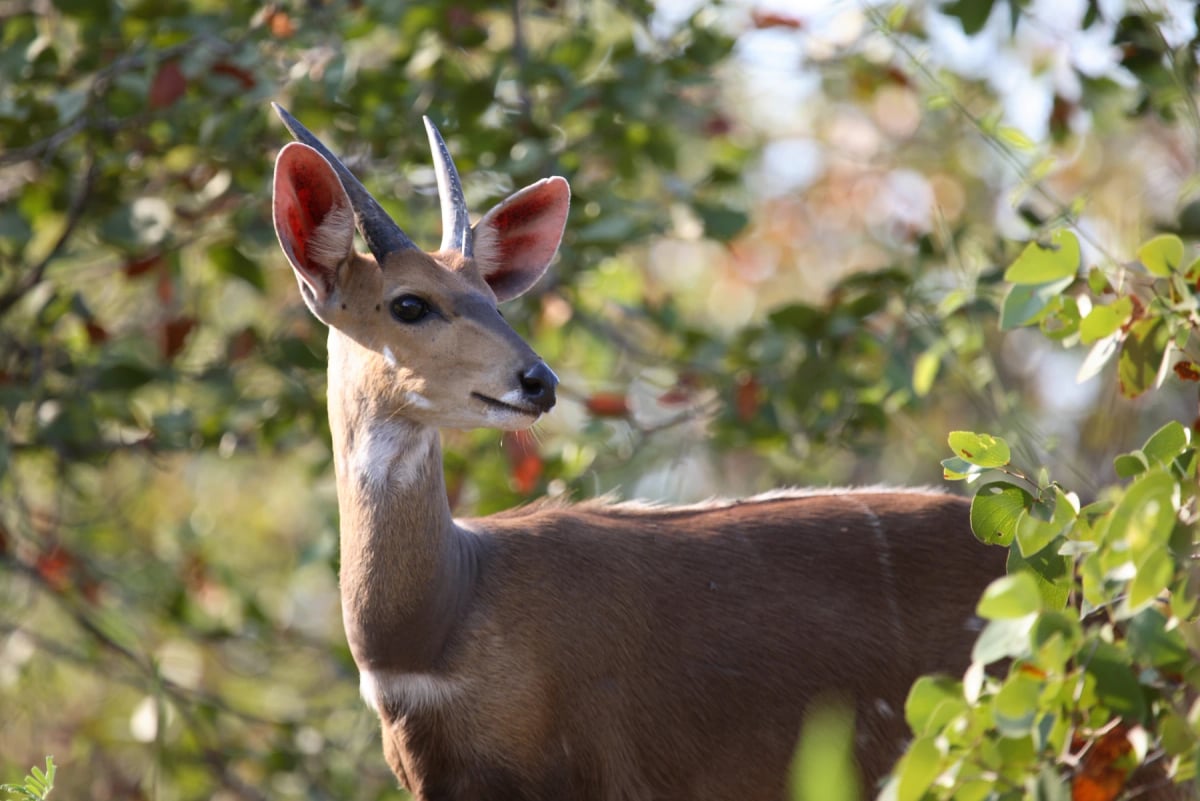
Bushbuck
Tragelaphus scriptus
Bushbucks are widespread across Zambia's woodlands, miombo forests, and riverine thickets, particularly in eastern and northern provinces. These solitary antelope rely on dense vegetation for protection from predators and remain hidden during daylight hours. Their distinctive white spots and stripes vary by individual and subspecies across different regions. Active primarily at night and dusk, bushbucks feed on a varied diet of leaves, bark, shoots, and fallen fruits.
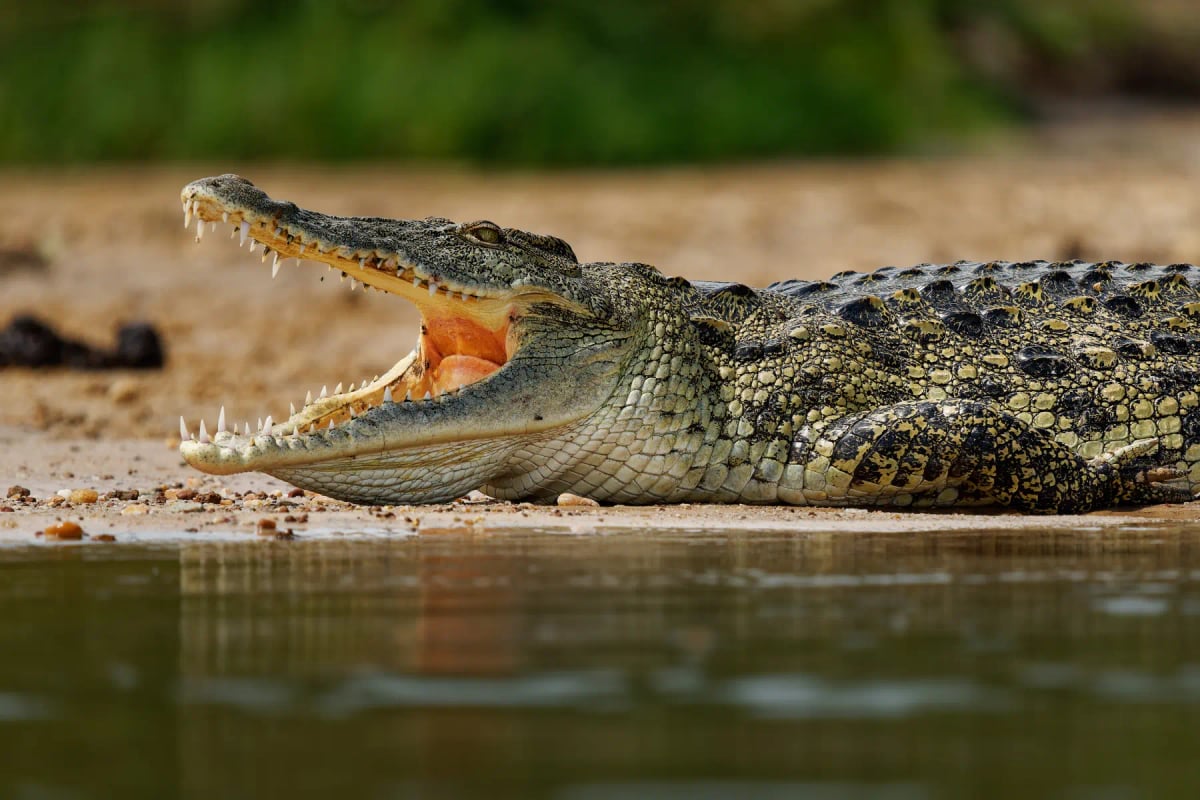
Nile Crocodile
Crocodylus niloticus
Zambia's Luangwa and Zambezi rivers support thriving Nile crocodile populations, with the Lower Zambezi and South Luangwa areas offering some of the best sightings in Africa. Large individuals bask on sandy banks in great numbers, particularly during cooler months. The species is well protected within Zambia's network of national parks, though communities living along rivers outside these areas can face risks from encounters with large adults.
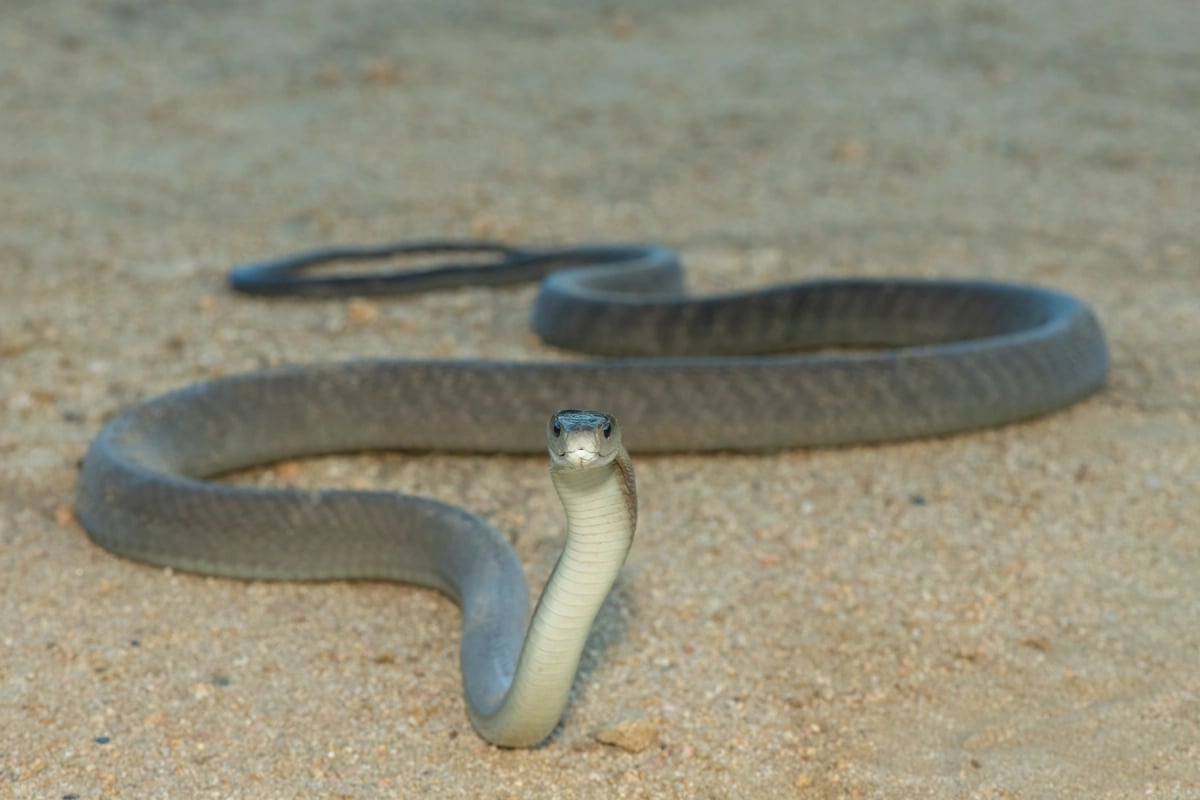
Black Mamba
Dendroaspis polylepis
Zambia's miombo woodlands and river valley savannas, including areas around the Luangwa and Zambezi valleys, provide excellent habitat for the black mamba. The species preys on rodents and birds and plays a role in regulating small mammal populations across these ecosystems. While antivenom is available in larger hospitals, access in remote areas of Zambia remains limited, making awareness of this snake's behavior an important safety consideration. IUCN status: Least Concern.
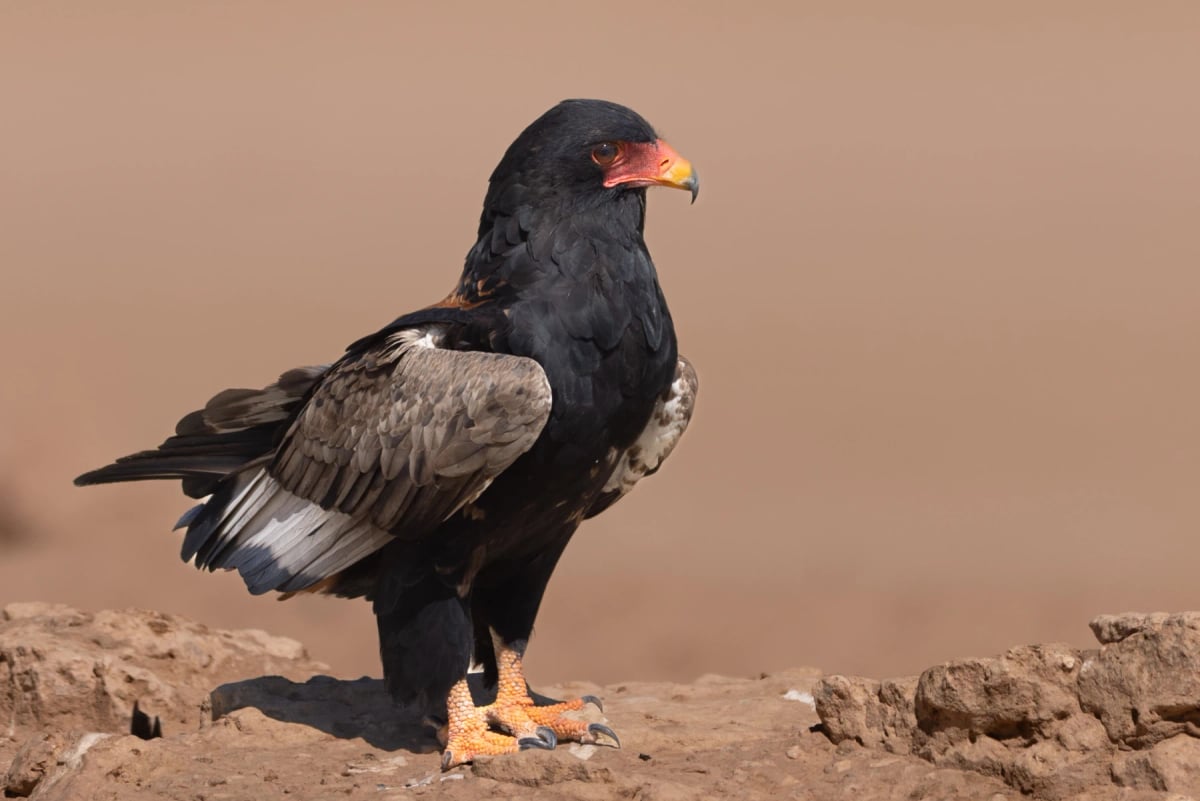
Bateleur
Terathopius ecaudatus
Zambia supports Bateleur populations across its miombo woodlands and open savanna, with sightings recorded in parks such as South Luangwa, Kafue, and Lower Zambezi. The species relies on large, undisturbed trees for nesting and wide open areas for its characteristic soaring flight. Classified as Endangered, it faces threats from habitat loss and poisoning. Zambia's protected areas play a key role in sustaining viable numbers of this eagle.
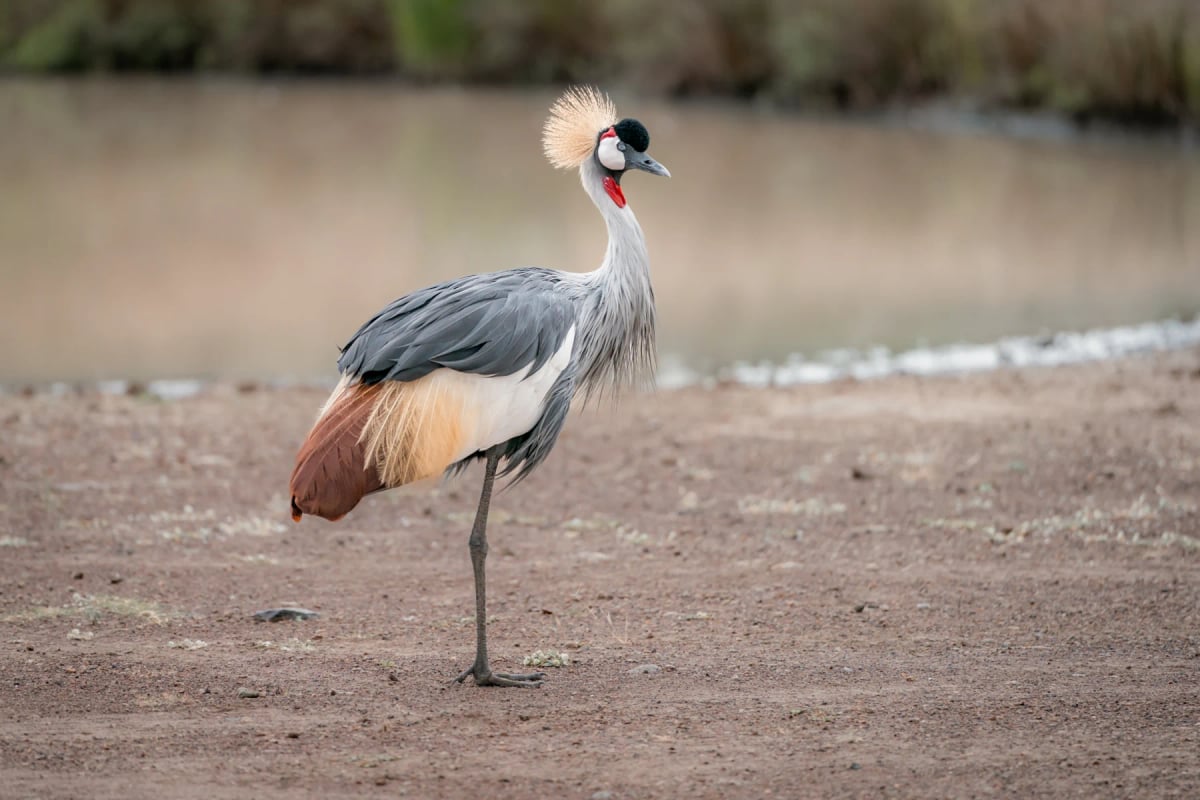
Grey Crowned Crane
Balearica regulorum
In Zambia, the Grey Crowned Crane inhabits the dambos, floodplains, and wetlands that spread across much of the country, including areas near the Kafue and Zambezi river systems. It forages for seeds, insects, and small vertebrates in shallow water and open grasslands. The species is listed as Endangered, and in Zambia it faces threats from the drainage of seasonal wetlands for agriculture and capture for the live bird trade.
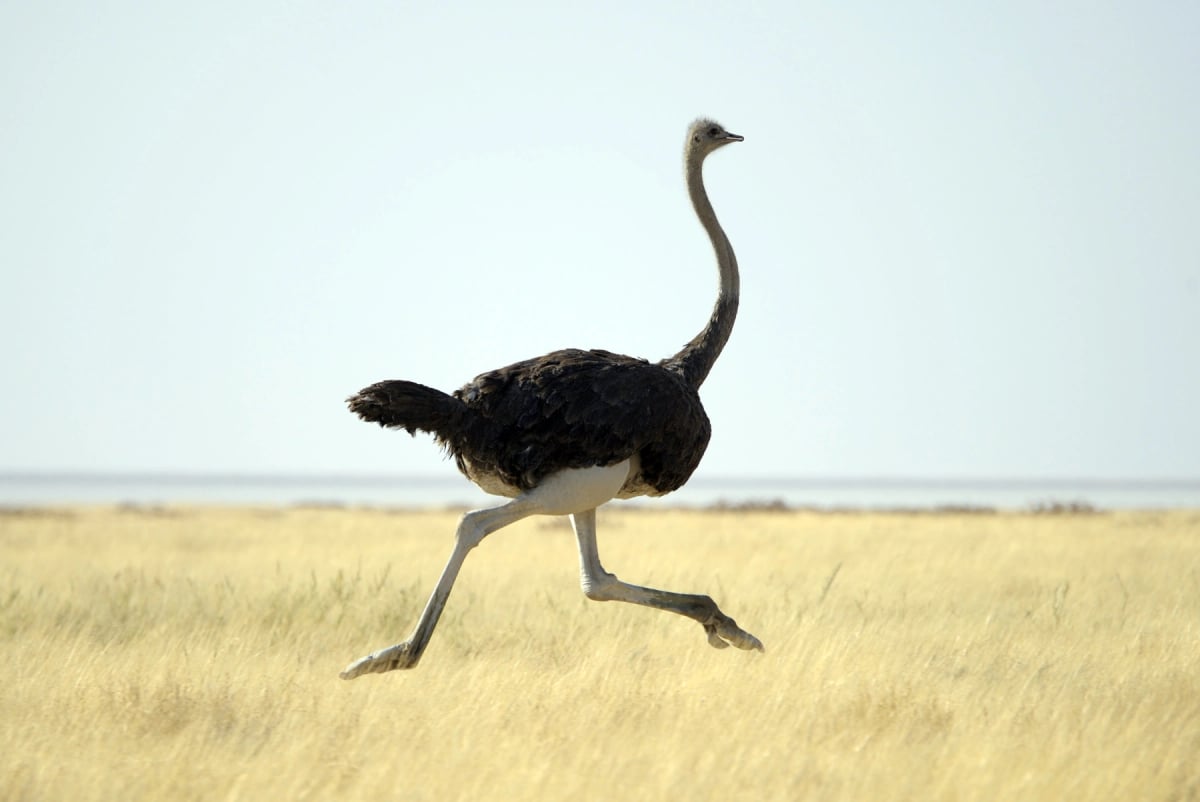
Ostrich
Struthio camelus
Ostriches in Zambia are mainly found in the open grasslands and woodland savannas of the south and west, including areas around Kafue National Park. They tend to favour open terrain where they can spot predators from a great distance. Capable of running at up to 70 kilometres per hour, they rely on speed as their first line of defence. Their IUCN status is Least Concern.
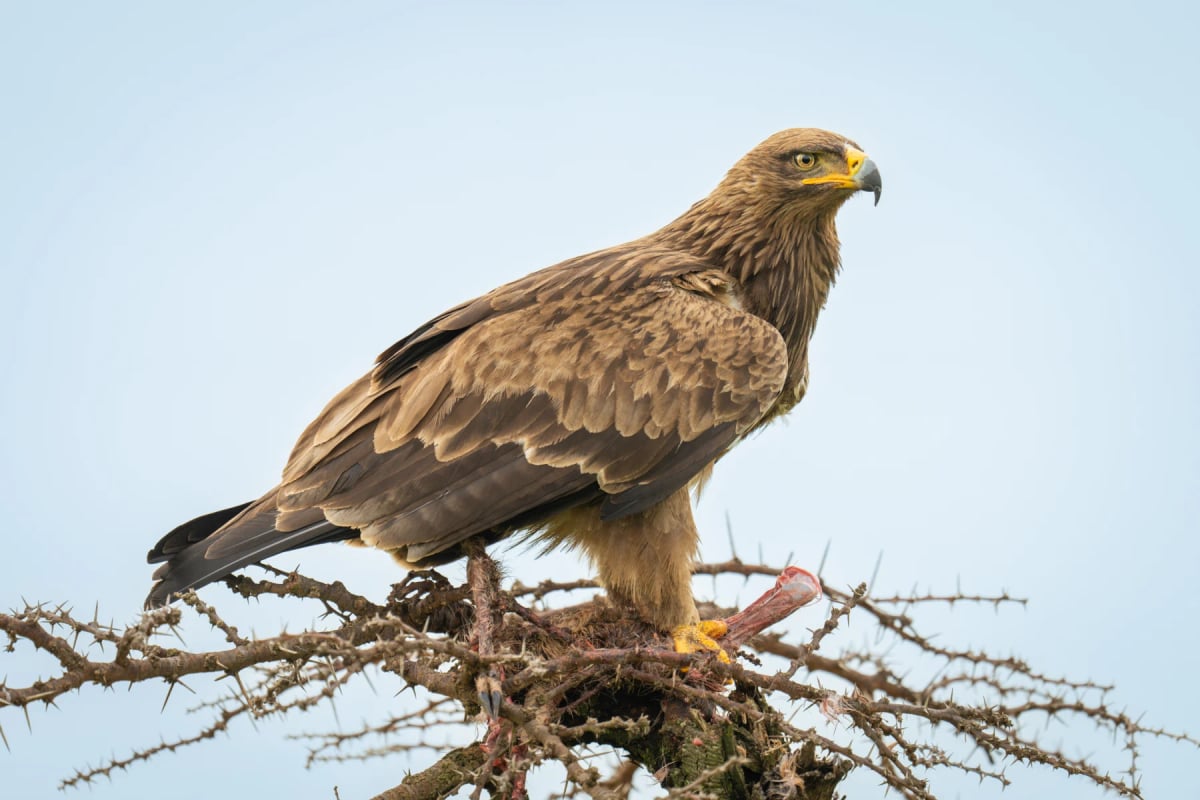
Steppe Eagle
Aquila nipalensis
Zambia's miombo woodlands and open grasslands host Steppe Eagles during the non-breeding season, when birds from Central Asia spread across sub-Saharan Africa. They are sometimes seen in flocks, particularly at termite emergences or carrion. The species is listed as Endangered by the IUCN, with roughly 30,000 individuals remaining worldwide. Zambia's large wilderness areas and national parks offer important refuge during the critical wintering period.
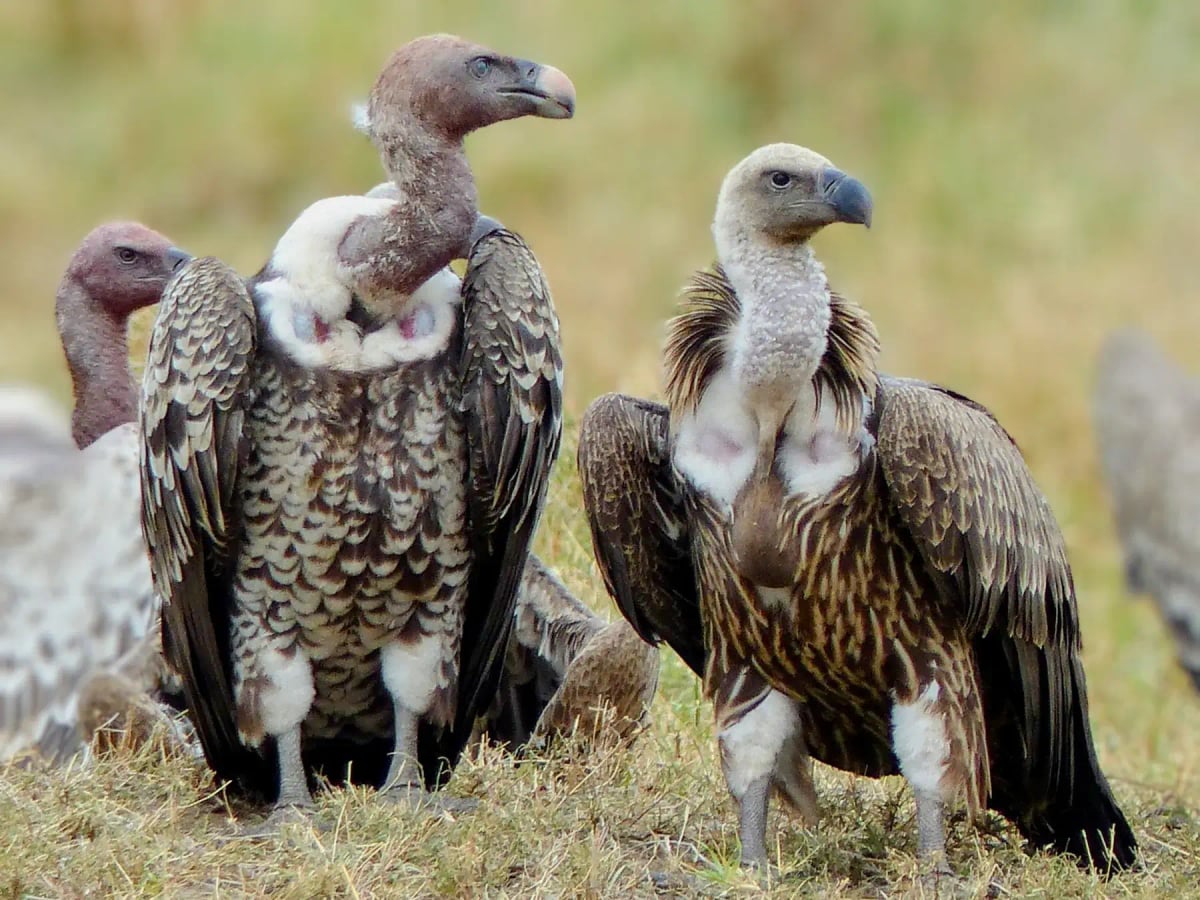
White backed Vulture
Gyps africanus
Zambia's national parks, including South Luangwa and Kafue, support meaningful populations of the white backed vulture within their miombo woodland and floodplain habitats. The species is a regular presence wherever buffalo, elephant, and other large animals are found. Poisoning by poachers trying to prevent vultures from alerting rangers to illegal kills is a documented and growing threat to this Critically Endangered species across Zambia.
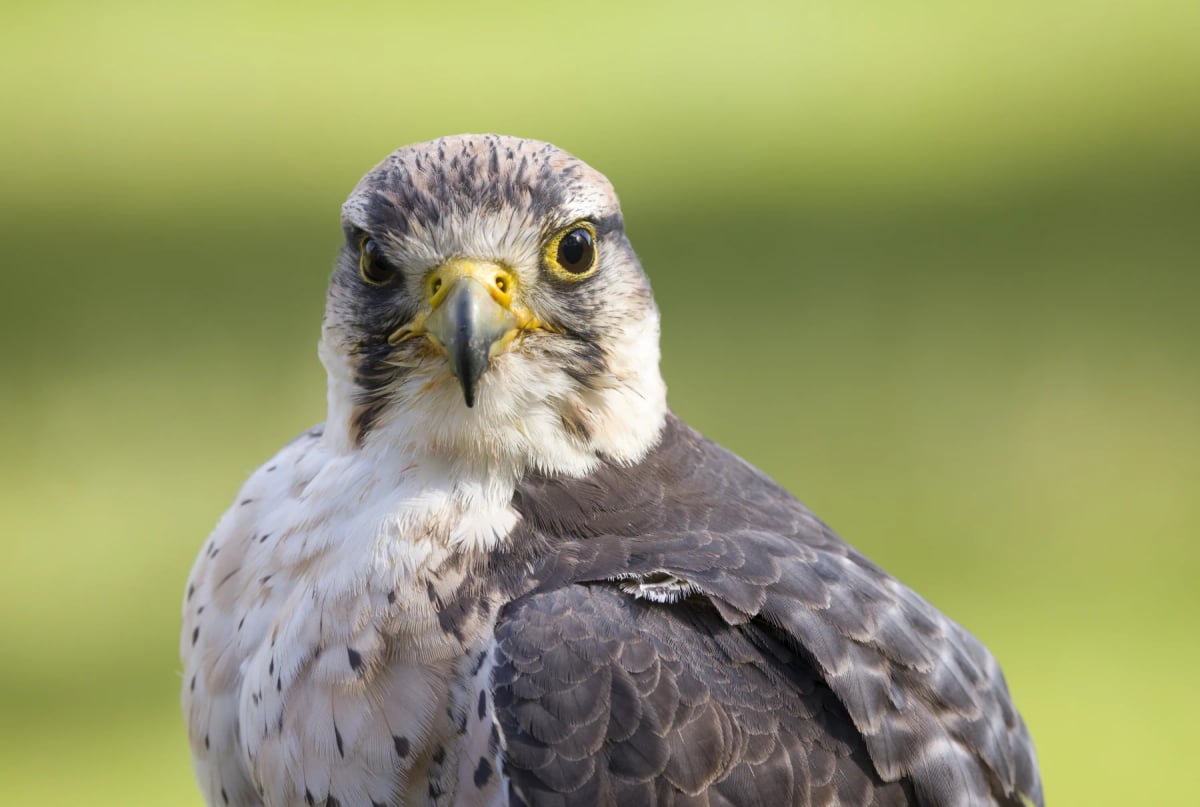
Lanner Falcon
Falco biarmicus
The lanner falcon is present across Zambia's open woodlands, river valleys, and rocky outcrops. It is frequently seen in miombo woodland areas and around escarpments near the Luangwa and Zambezi valleys. Pairs hunt cooperatively, chasing birds into open ground. Electrocution on power lines is a known hazard across southern Africa. The IUCN lists the species as Least Concern.
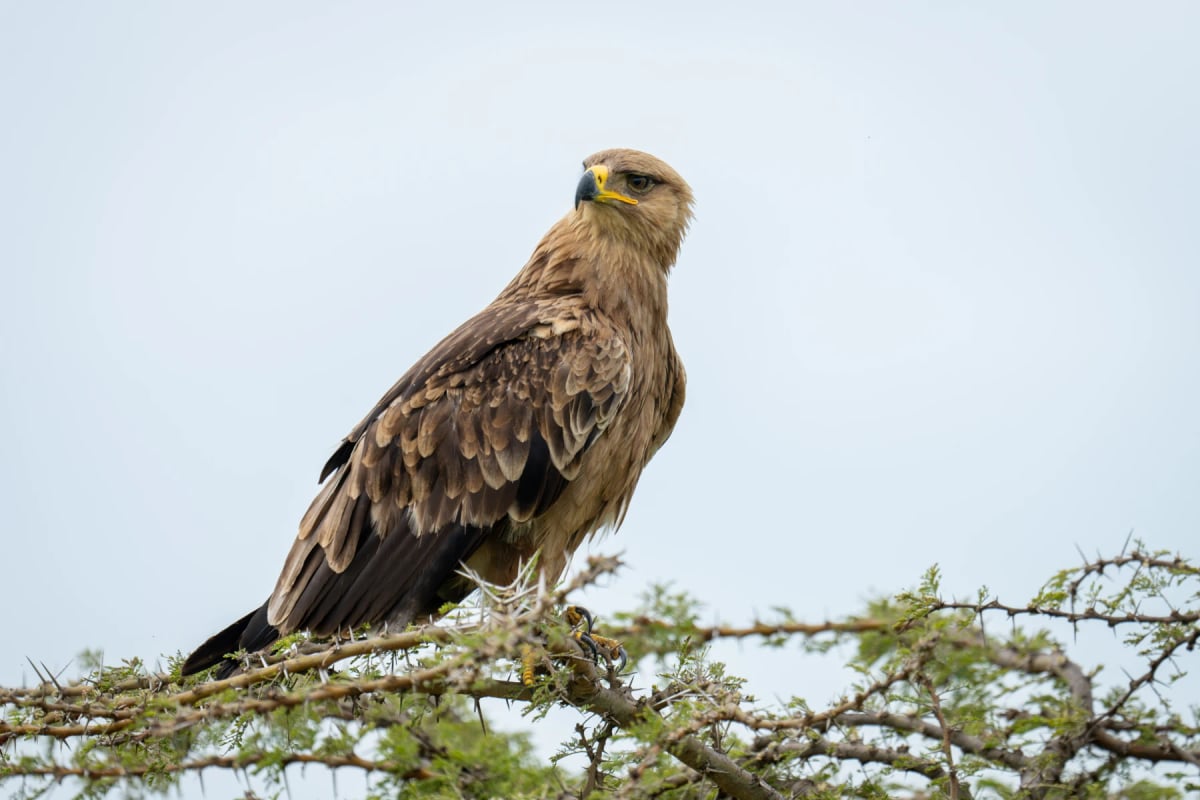
Tawny Eagle
Aquila rapax
Zambia's broad miombo woodlands and open grasslands, including areas within the Kafue and South Luangwa national parks, support populations of the tawny eagle. It hunts small prey and readily feeds on carrion alongside vultures. Poisoning incidents linked to illegal wildlife activities and human conflict with large predators remain a major threat to raptors across Zambia. The IUCN classifies this eagle as Vulnerable.
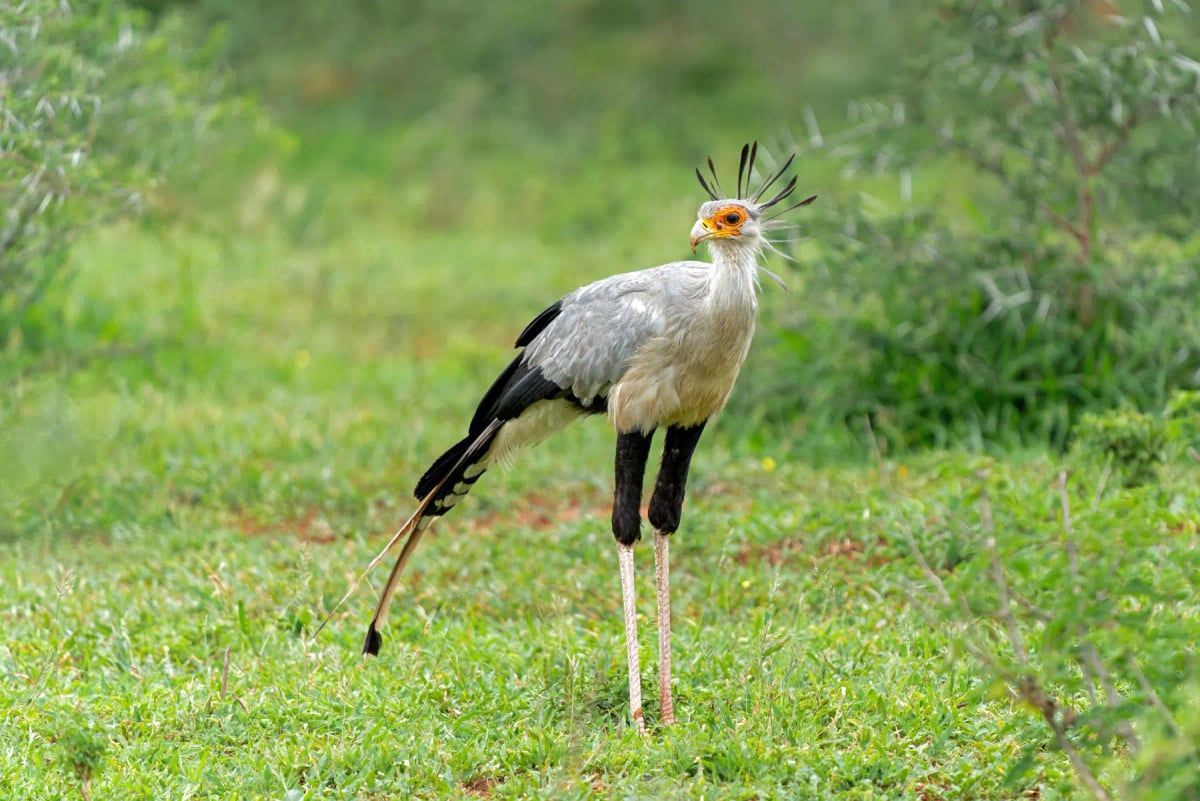
Secretary Bird
Sagittarius serpentarius
Zambia's broad miombo woodlands and open grasslands provide habitat for the secretary bird across much of the country. It is regularly seen in national parks such as Kafue, where intact savanna ecosystems remain. This powerful bird hunts by stomping on prey, including venomous snakes, with remarkable force. Although Zambia holds areas of good habitat, grassland loss to agriculture and charcoal production is a threat to the survival of this Endangered species over the long term.
African Fish Eagle
Haliaeetus vocifer
The African fish eagle is the national bird of Zambia and one of the most visible raptors across the country. The Zambezi River, the Kafue floodplains and Lake Kariba along the southern border are among the most important sites. The bird is also abundant in the Bangweulu and Kafue wetlands and throughout the Luangwa Valley. Its iconic call echoes across Zambia's waterways year round, and it is a defining image of the country's rich wildlife.
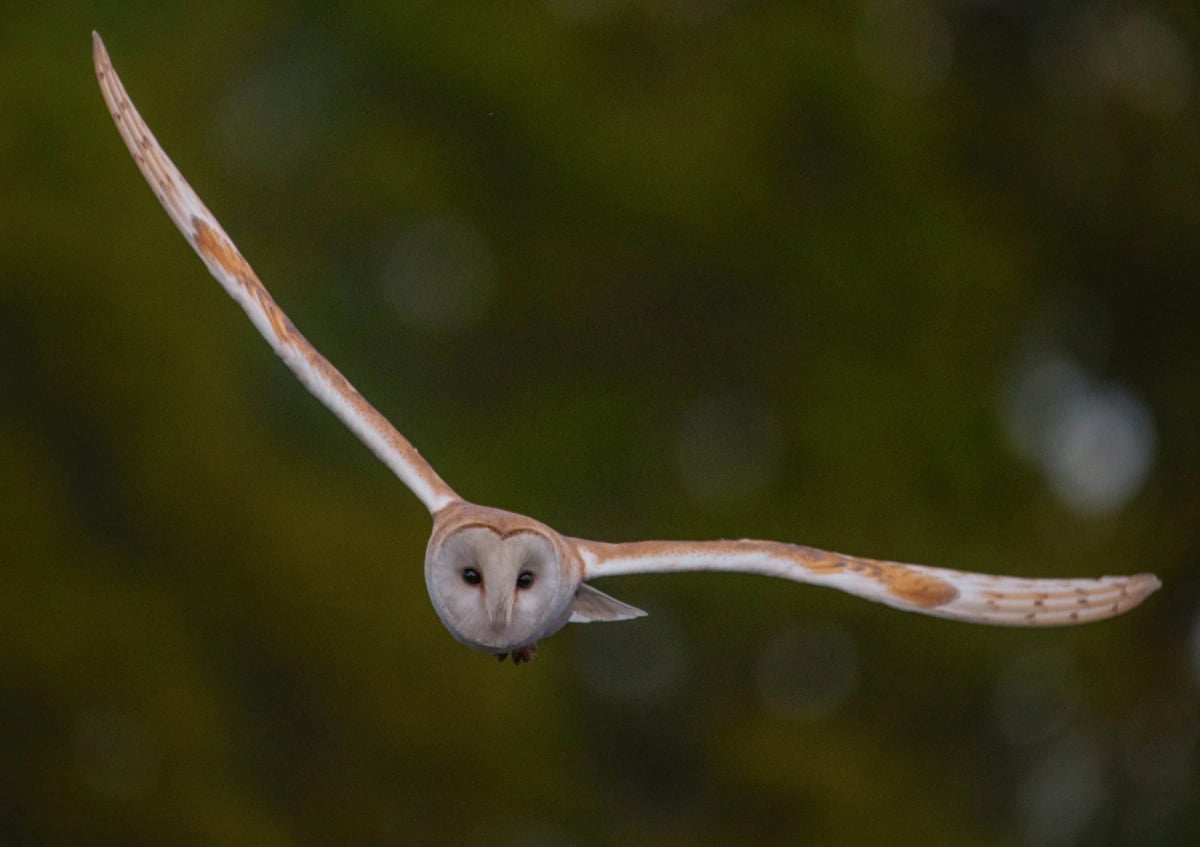
Barn Owl
Tyto alba
The barn owl is found across Zambia in open savanna, farmland, and areas near villages and towns throughout the country. It nests in old buildings, hollow trees, and cliff faces, and hunts rodents at night by sound alone. In the agricultural communities of the Copperbelt, the Central Province, and the Southern Province it plays a useful role in controlling the small mammal populations that damage stored maize and other crops. It is present across a wide range of Zambia's landscapes, from the Zambezi floodplains to the higher plateau regions.
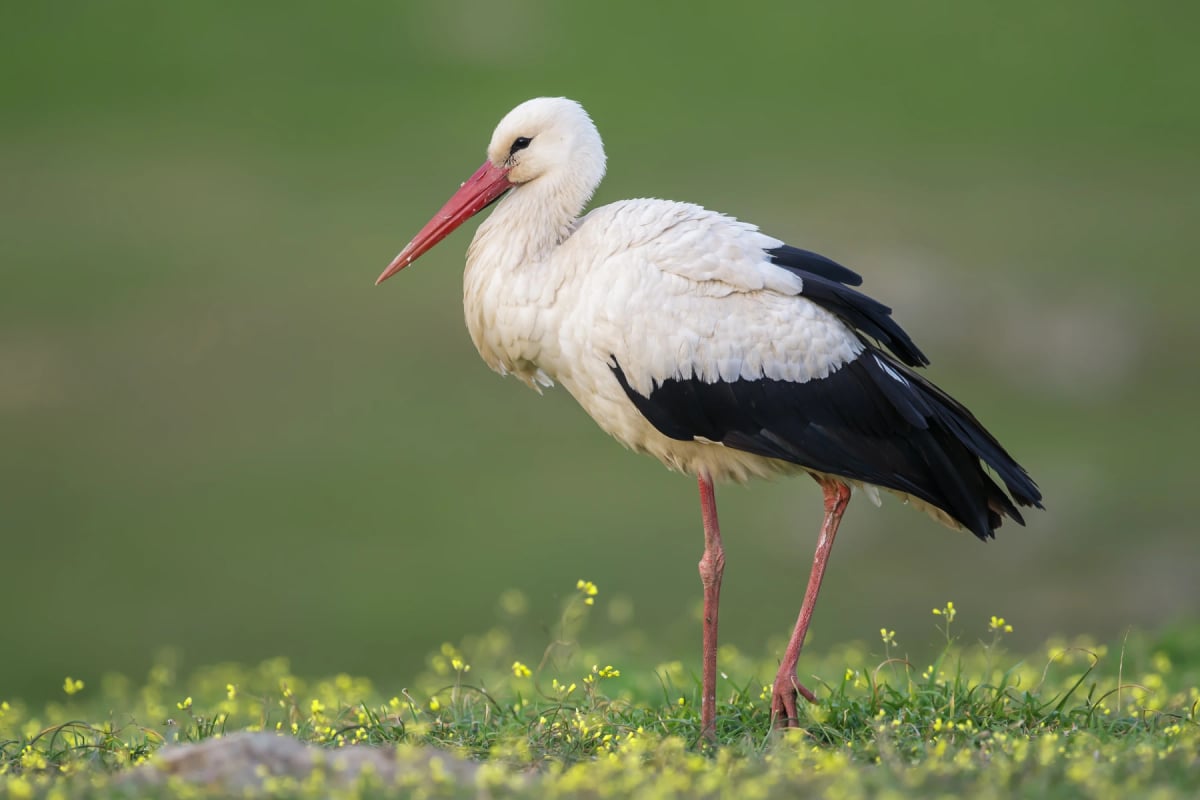
Stork
Ciconia ciconia
White storks visit Zambia as non-breeding migrants from Europe, typically present between November and March. The country's open miombo woodlands, floodplains, and agricultural areas in the southern and central regions offer good foraging conditions. Birds feed on insects, frogs, and small animals in grassy, open terrain. Zambia's broad Kafue and Zambezi floodplains can attract significant numbers of storks during the peak of the migration season. IUCN status: Least Concern.
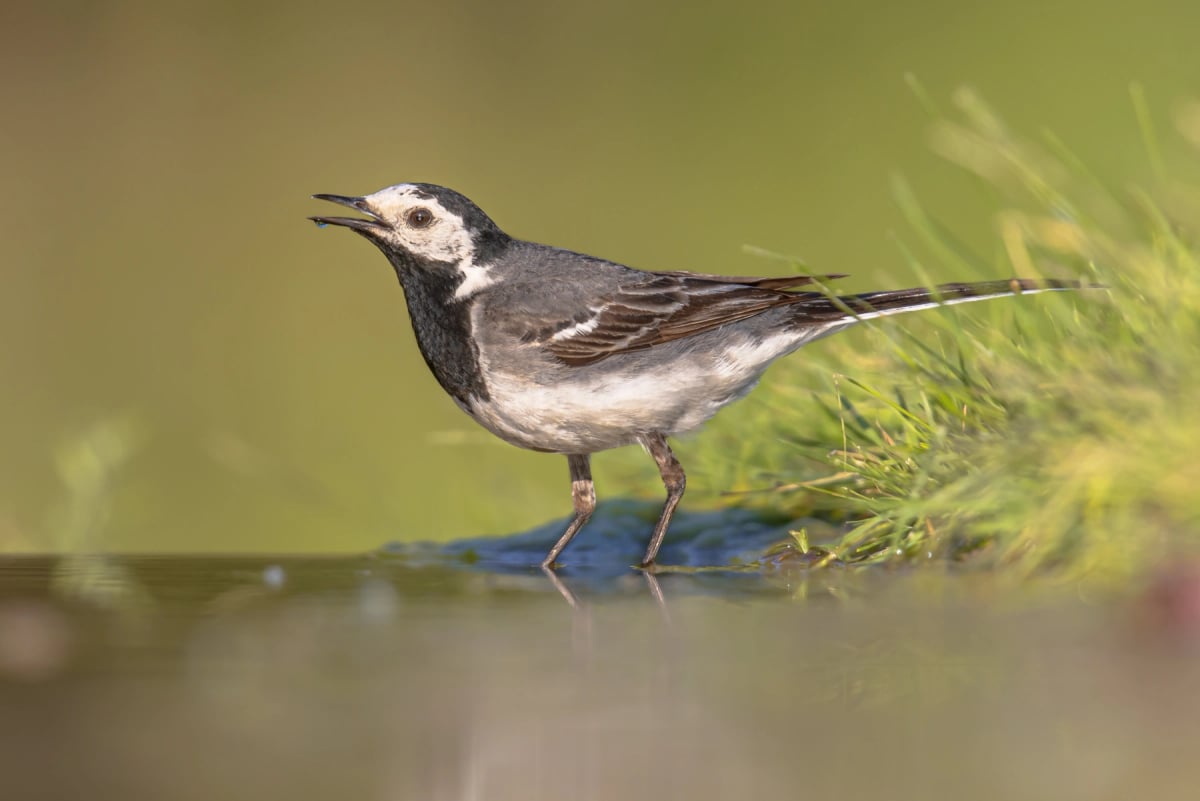
White Wagtail
Motacilla alba
Small black, white and grey bird with a slender tail that bobs up and down as it walks and feeds along the edges of water and open ground.
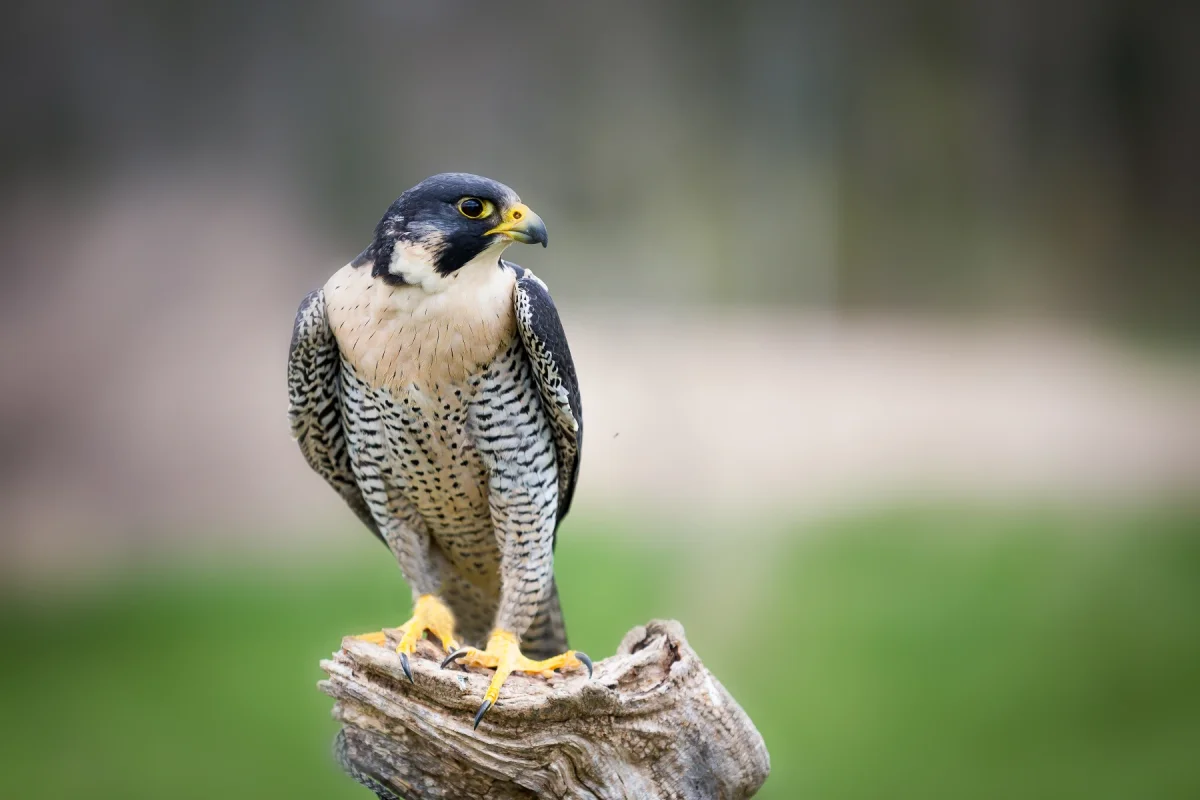
Peregrine Falcon
Falco peregrinus
In Zambia, the peregrine falcon is mainly a non-breeding visitor, appearing during the migration season across open savanna, river valleys, and the escarpments bordering the Zambezi basin. The Luangwa Valley and areas near Lake Kariba provide good hunting ground, where the falcon pursues smaller birds with its characteristic high-speed dive. It is rated Least Concern on the IUCN Red List.
Researched and written by Juan Pablo. Sources: IUCN Red List, scientific literature and regional field guides. Last updated: .