Animals in Nigeria
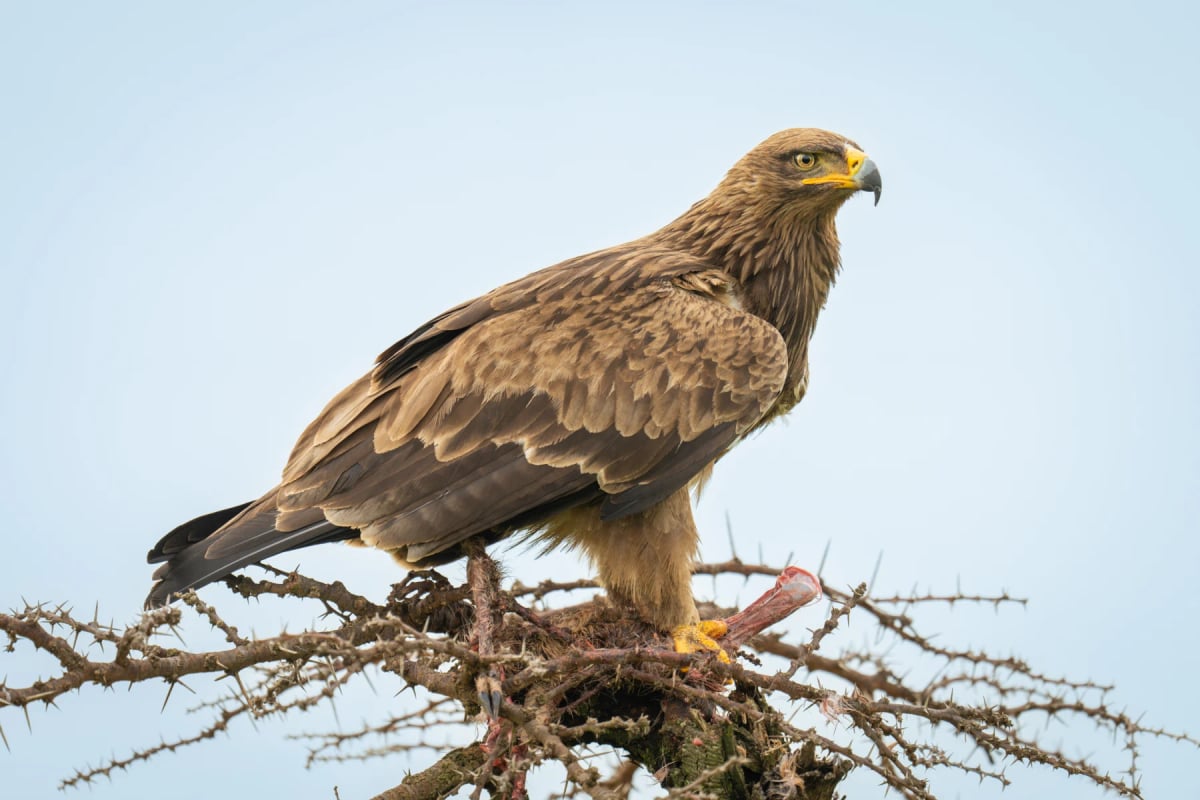
Steppe Eagle
Aquila nipalensis
The steppe eagle, often linked to Nigeria’s heritage, symbolizes strength, focus and independence. Seen gliding above open lands, it embodies the freedom and vision valued in Nigerian culture. Its presence in folklore and art connects traditional beliefs with respect for nature and the skies.
View details→Wildlife in Nigeria
Nigeria’s wildlife extends from humid rainforests in the south to open savannas in the north and the Atlantic coast in the south. Gorillas, chimpanzees, elephants and dolphins inhabit these contrasting regions. National parks and coastal reserves protect many of these species, attracting eco travelers interested in West Africa’s natural diversity.
Most Dangerous Animals in Nigeria
Some animals in Nigeria can be dangerous, especially elephants, lions and hippos when approached too closely. Dolphins remain peaceful but other marine species require caution. Guided tours in national parks and coastal zones help visitors explore safely while respecting wildlife behavior.
Top 10 Animals in Nigeria
Nigeria’s remarkable animals include chimpanzees, gorillas, lions, elephants and dolphins. Their presence across forests, savannas and coastal waters reflects the nation’s environmental diversity. Conservation programs in Cross River and Yankari protect habitats and promote sustainable tourism focused on African wildlife.
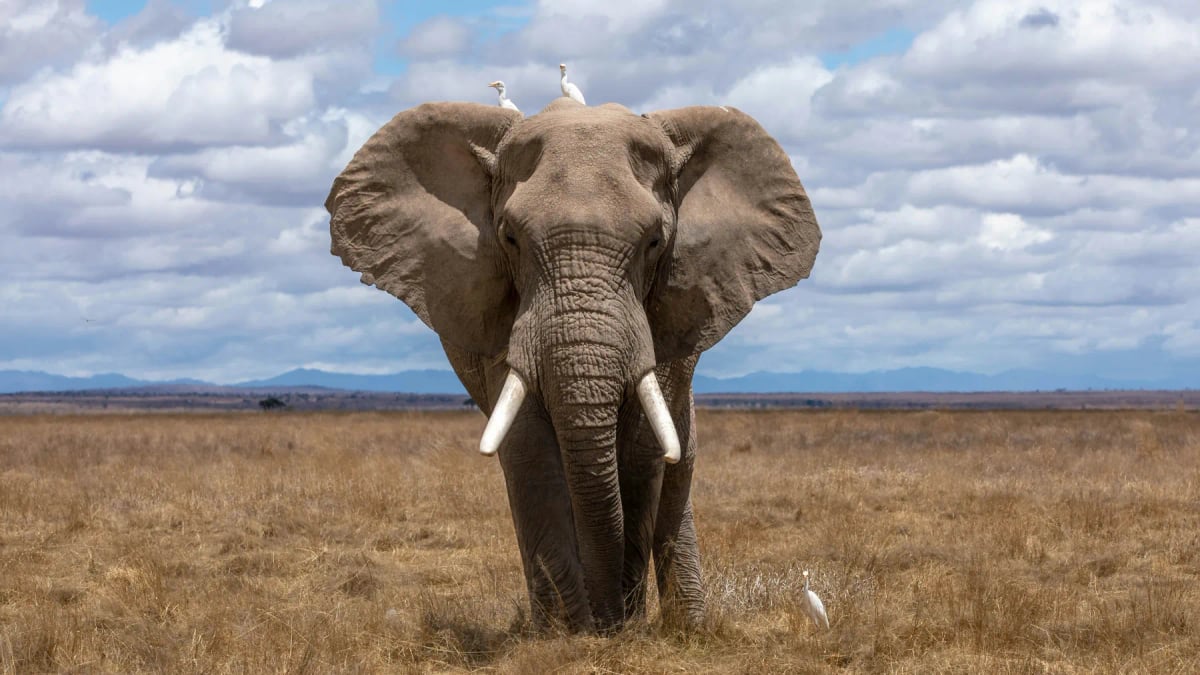
African Elephant
Loxodonta africana
Nigeria's elephant population is small and fragmented, scattered across several protected areas in the south and center of the country. Yankari Game Reserve in Bauchi State holds the most significant group, estimated at several hundred individuals. Heavy poaching and rapid habitat loss driven by one of Africa's fastest growing human populations have placed Nigeria's elephants under constant pressure. Cross River State in the southeast also has small groups in forest zones near the Cameroon border.
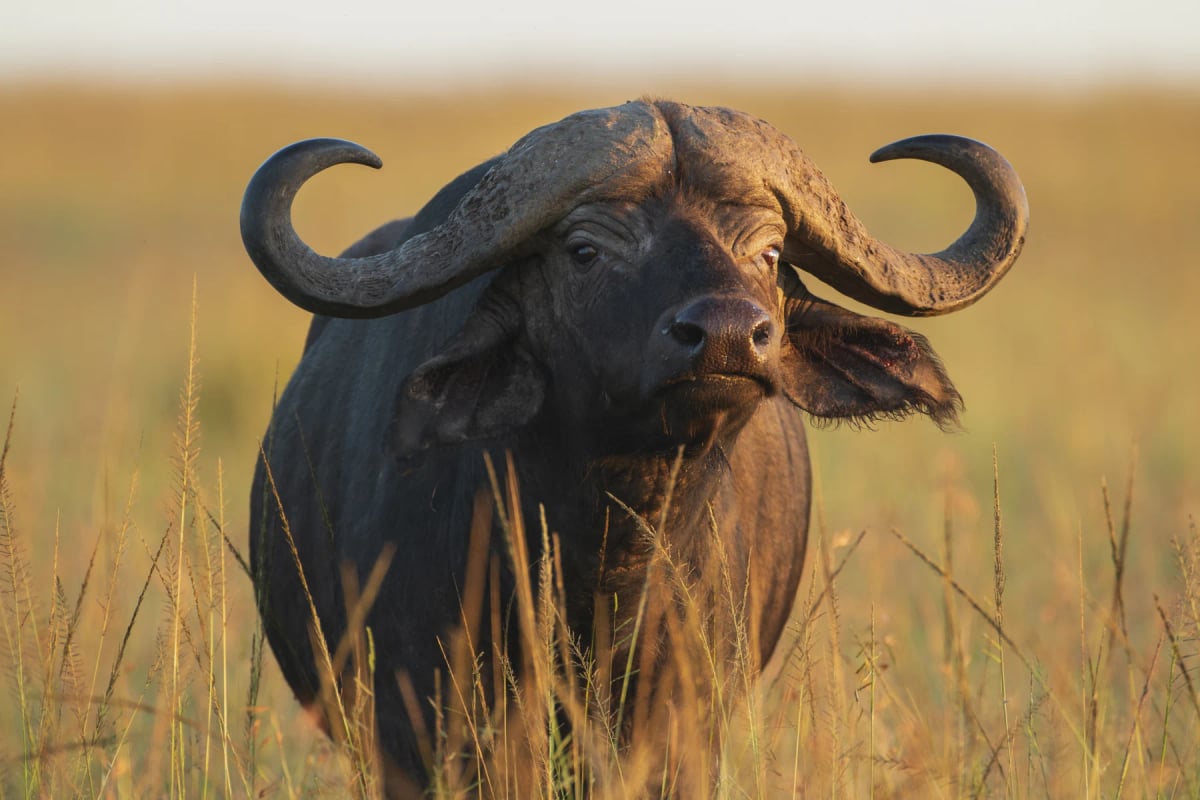
Buffalo
Syncerus caffer
In Nigeria, African buffaloes persist in several protected areas, including Yankari Game Reserve in Bauchi State and Gashaka Gumti National Park in the southeast. They occupy a range of habitats from Guinea savanna to montane forest edges. Populations have declined significantly due to habitat fragmentation and hunting pressure. Yankari remains one of the most reliable places in the country to observe these animals in the wild. IUCN status: Least Concern.
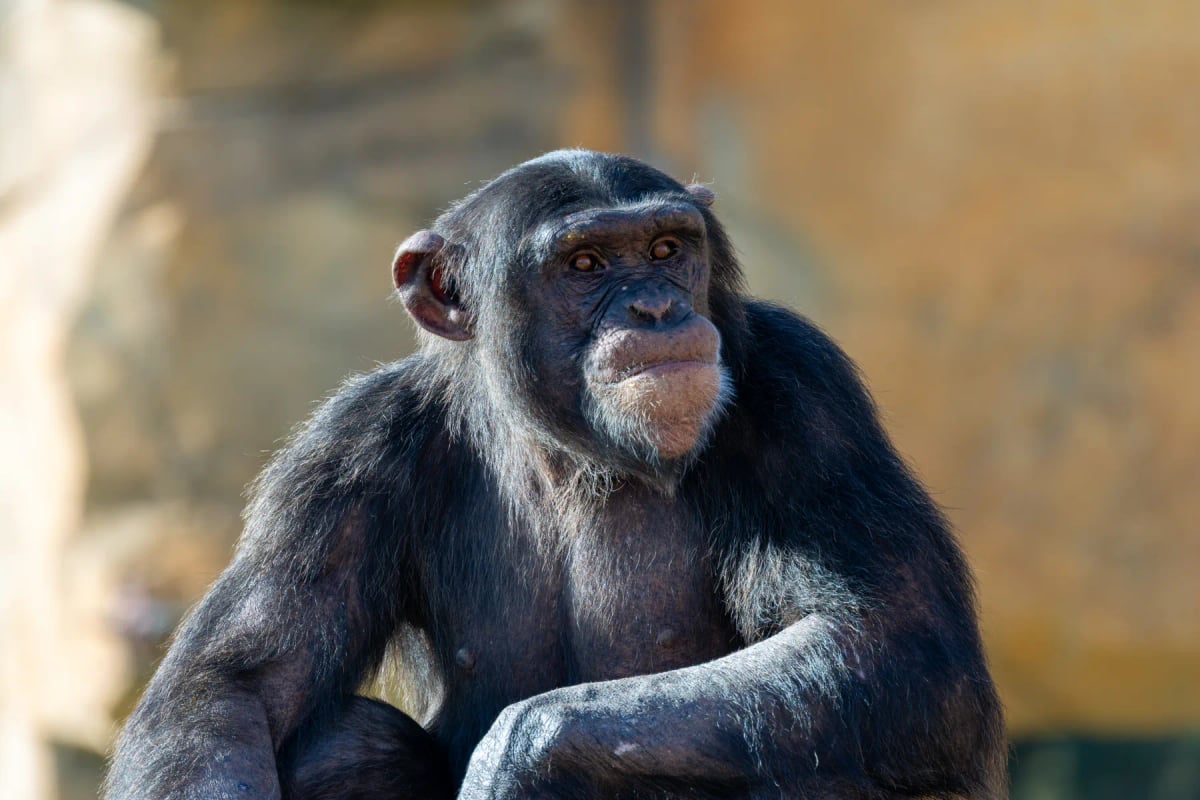
Chimpanzee
Pan troglodytes
Nigeria's chimpanzee population is small and fragmented, confined mainly to rainforest patches in the south and southeast, including the Gashaka Gumti National Park near the Cameroon border. This park holds the largest known population in the country and has been the focus of long-term field research. Widespread deforestation and bushmeat hunting have severely reduced numbers, and Nigeria's chimpanzees are considered among the most at risk in all of Africa.
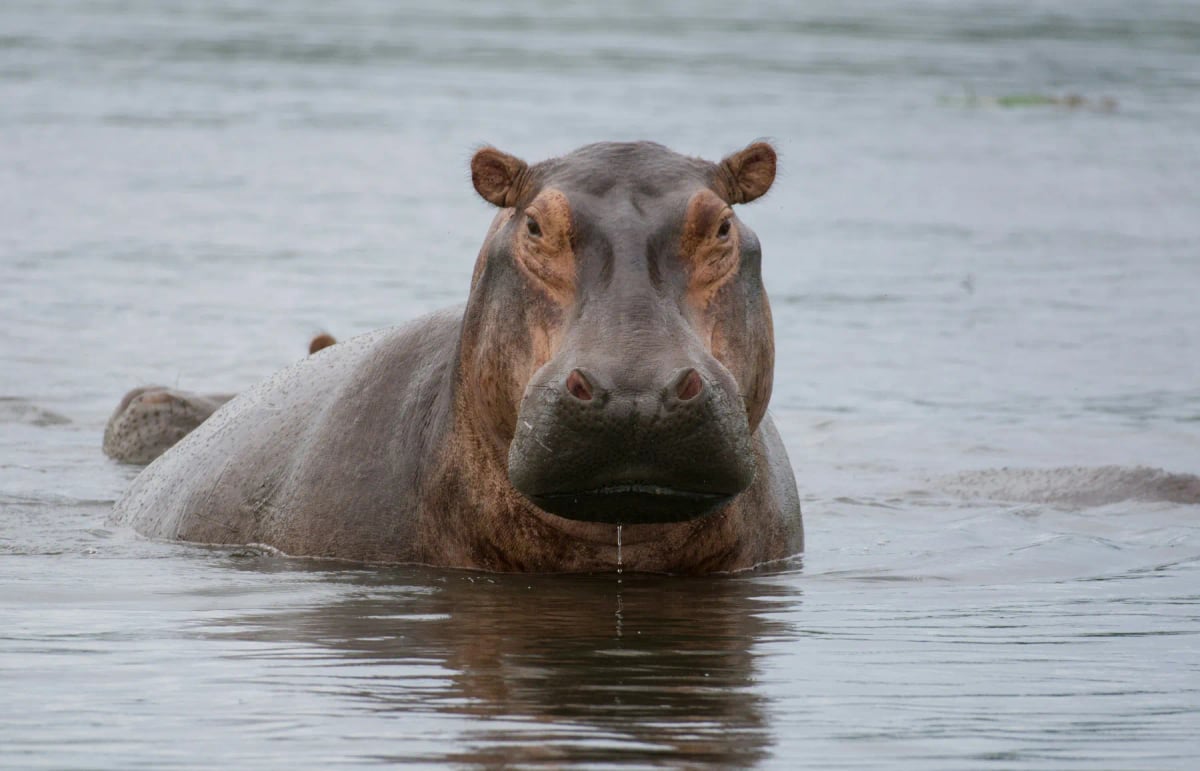
Hippopotamus
Hippopotamus amphibius
Nigeria's hippos are found in rivers and wetlands across the middle and southern parts of the country, including areas around the Niger and Benue rivers. Gashaka Gumti National Park shelters some populations in the east. Habitat loss, poaching, and growing pressure from farming communities near waterways have made hippos increasingly rare across much of the country. The IUCN lists the hippopotamus as Vulnerable.
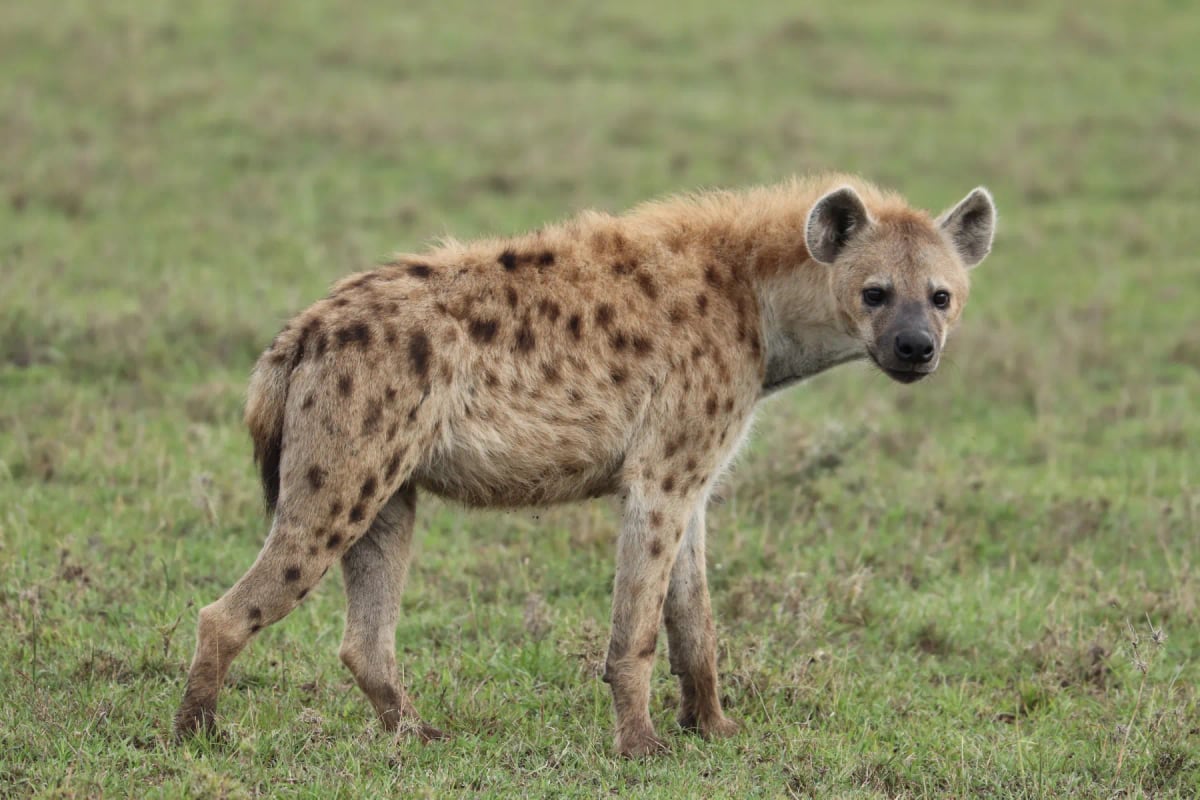
Spotted Hyena
Crocuta crocuta
In Nigeria, spotted hyenas are found in the northern savannas and within protected areas such as Yankari Game Reserve and Kainji Lake National Park. Populations have declined significantly due to habitat loss, poaching, and persecution linked to traditional medicine, as hyena body parts are traded in some markets. Conservation attention in Nigeria's remaining wild areas is essential for their continued presence.
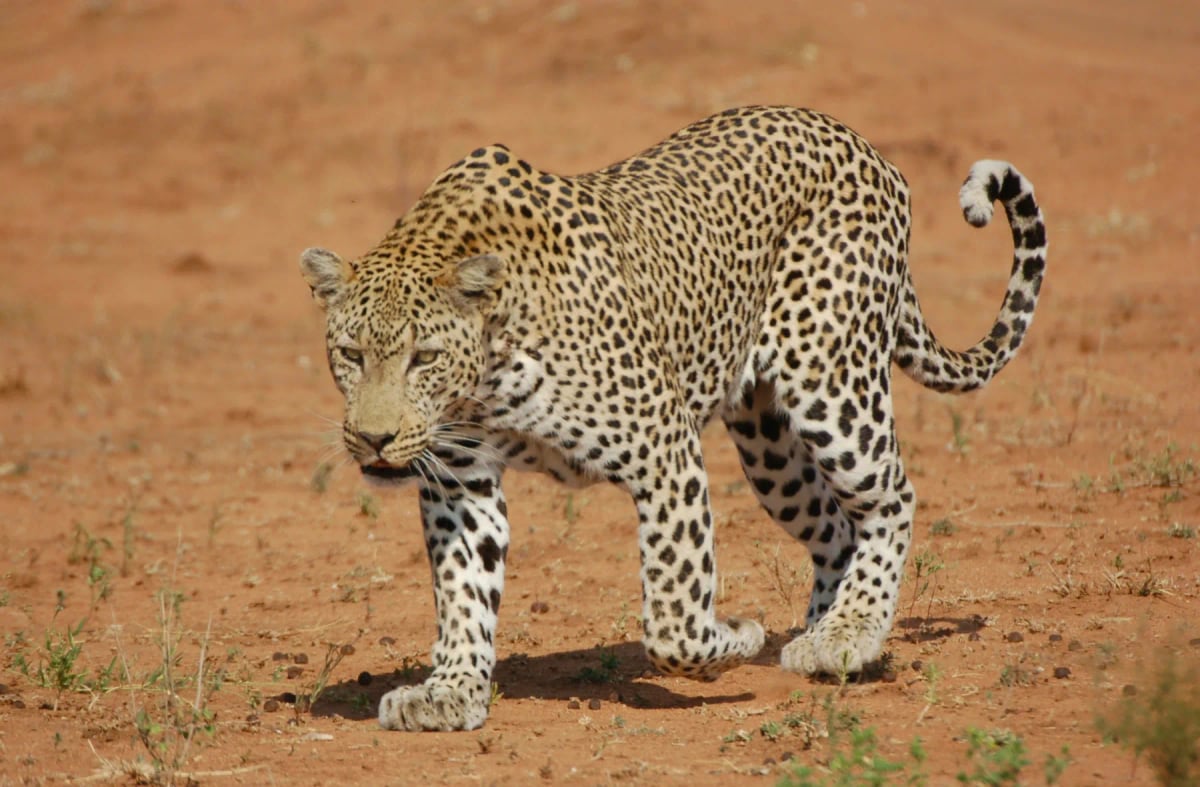
Leopard
Panthera pardus
Nigeria's leopards are found in forest reserves and protected areas such as Gashaka Gumti National Park, the largest national park in the country. They move through forest and savanna zones, relying on dense vegetation for cover. Poaching and widespread deforestation have reduced their numbers significantly. As an adaptable predator, the leopard persists in fragmented habitats, though its survival over the long term depends heavily on stronger conservation efforts.
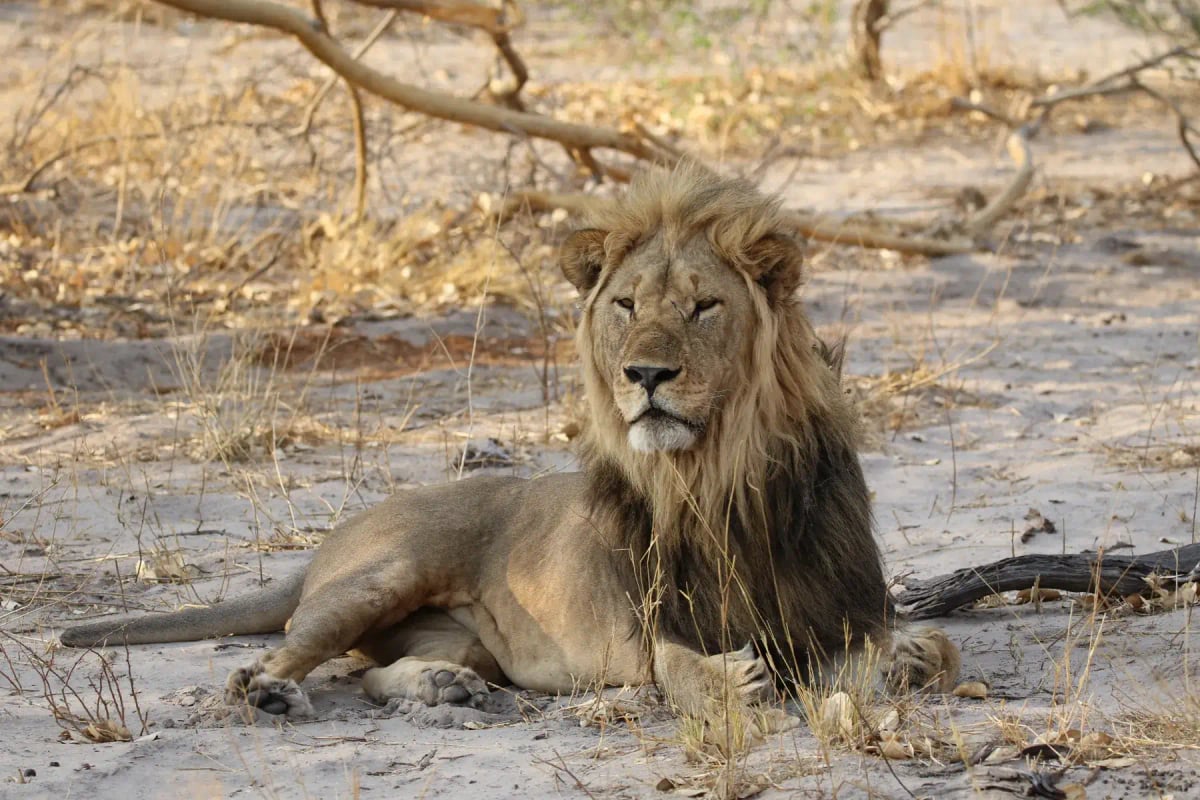
Lion
Panthera leo
In Nigeria, lions survive in very small numbers in Kainji Lake National Park and in the Yankari Game Reserve. Once found across much of the country, lion populations have collapsed due to habitat loss, prey depletion and human conflict. Nigeria's remaining lions are among the most endangered in Africa, and their long term survival depends on urgent conservation intervention.
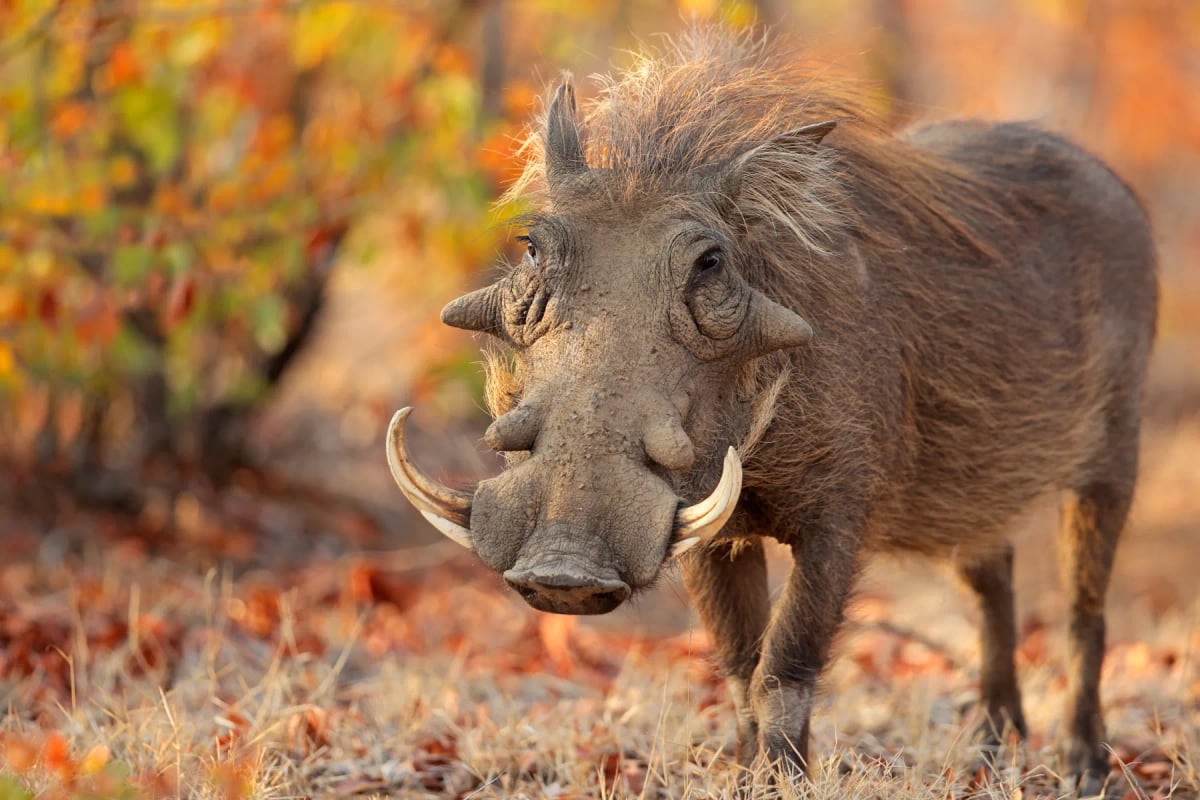
Warthog
Phacochoerus africanus
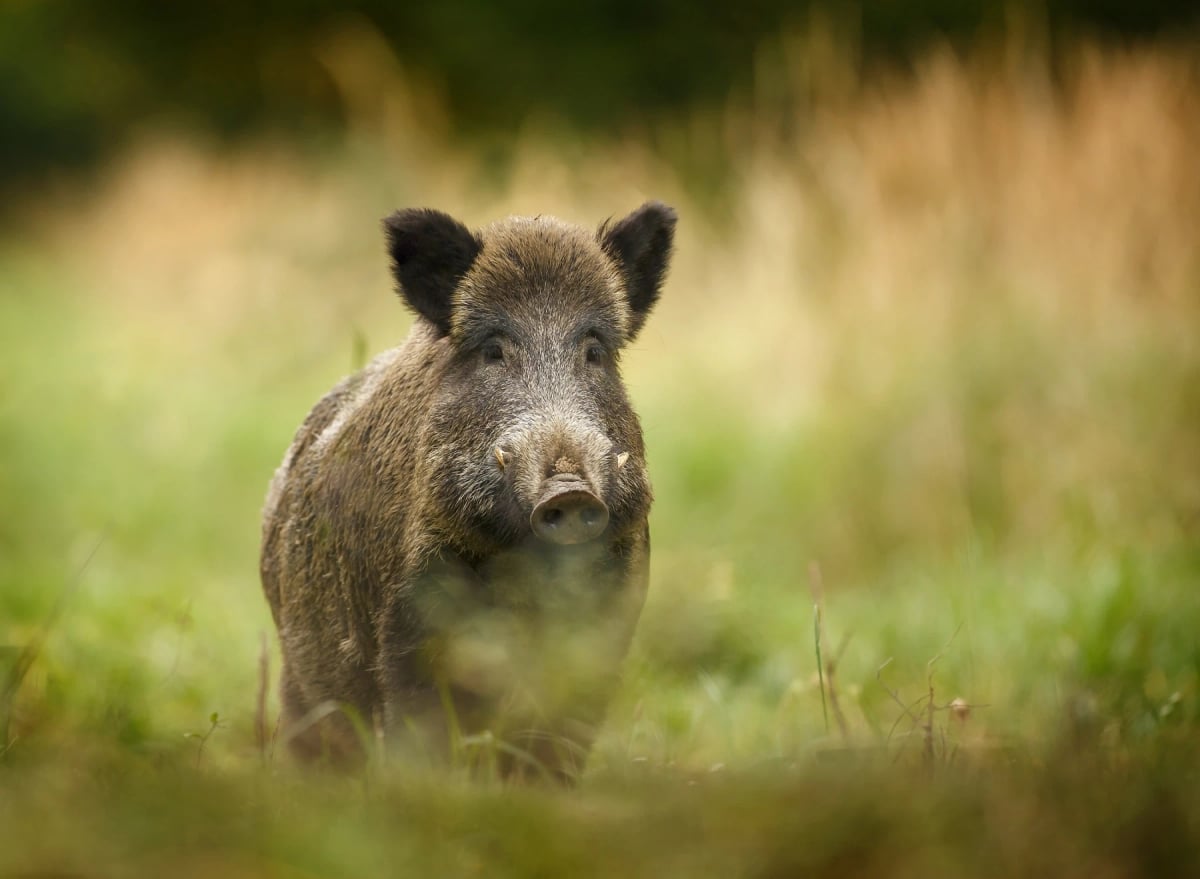
Warthogs are present across Nigeria's Guinea and Sudan savanna zones in the north and central regions. They are found in protected areas such as Yankari Game Reserve, one of the country's most important wildlife sanctuaries. Increasing agricultural expansion and hunting pressure have reduced their range in some areas, but they remain a familiar part of the Nigerian savanna. IUCN status: Least Concern.
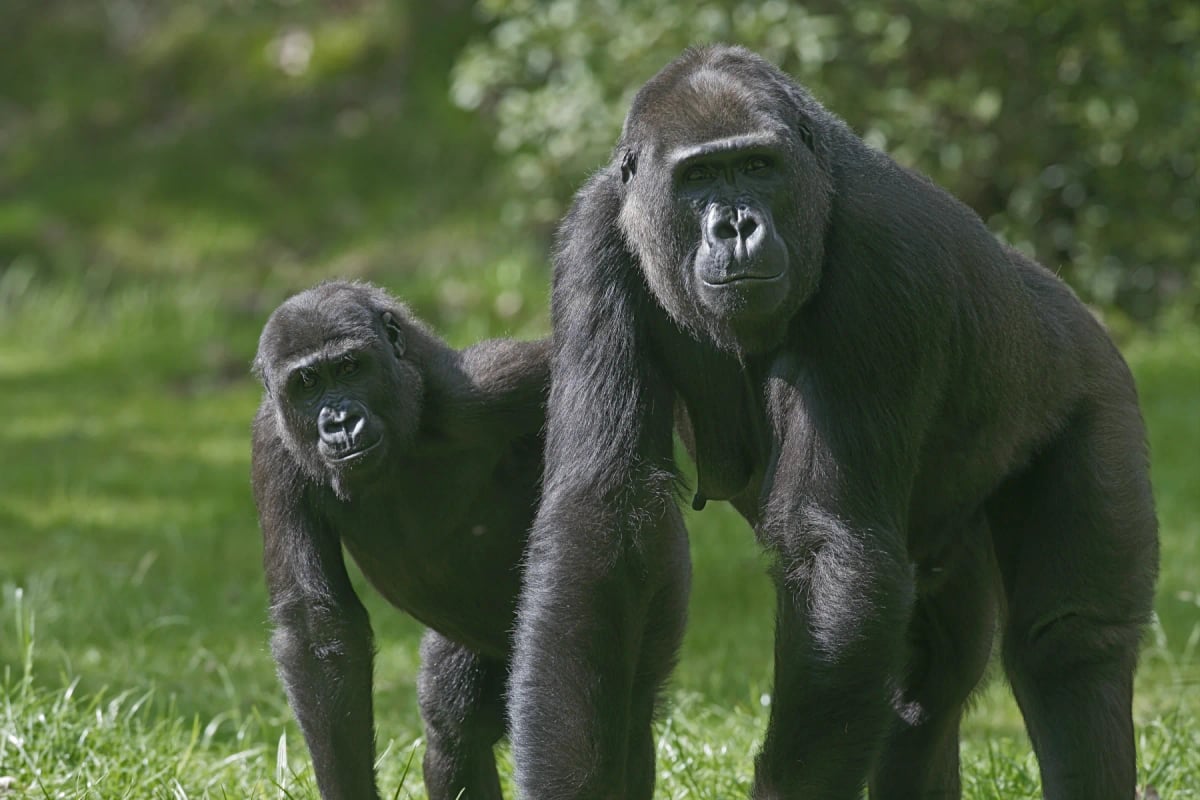
Western Lowland Gorilla
Gorilla gorilla gorilla
Nigeria sits at the far northwestern edge of the western lowland gorilla's range. Populations here are small and highly fragmented, living in isolated forest patches in the Cross River region and near the Cameroon border. These gorillas face intense pressure from agriculture and hunting. Their situation is considered especially critical, and they represent one of the most vulnerable groups of the entire subspecies.
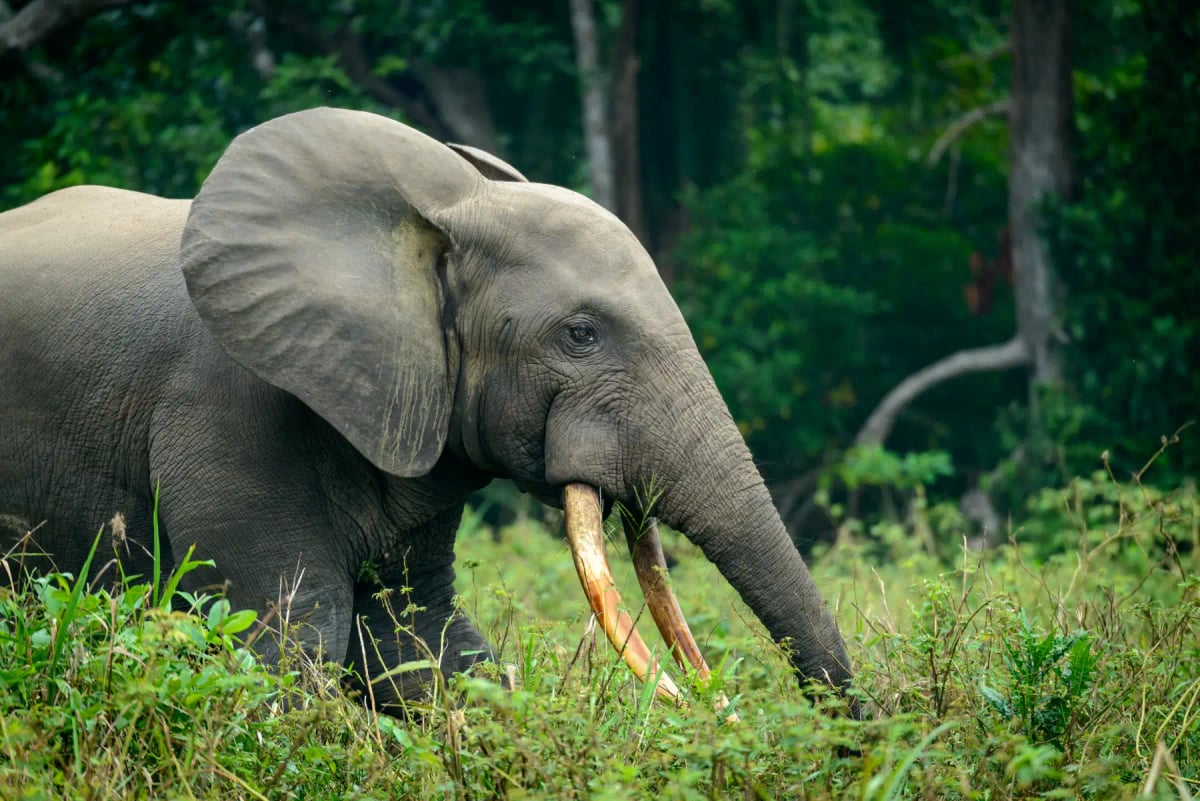
African Forest Elephant
Loxodonta cyclotis
Nigeria's forest elephant population is critically small and restricted to a handful of protected areas in the southeast, particularly around Cross River National Park and the Okwangwo Division near the Cameroon border. Nigeria has no MIKE monitoring sites for forest elephants, reflecting a population that remains very limited and whose status is poorly documented. Habitat loss and poaching have pushed the species to the edge of local extinction in the country.
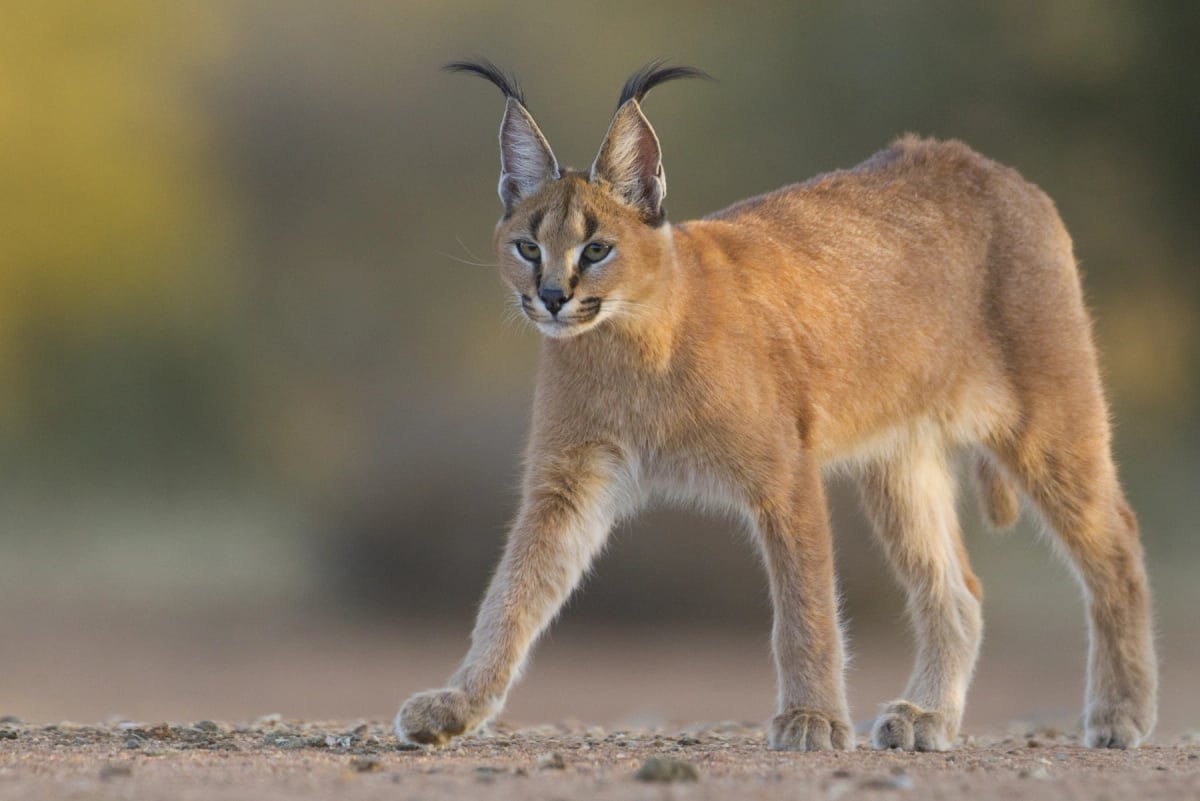
Caracal
Caracal caracal
The caracal occurs in Nigeria primarily across the drier savanna and Sahel zones of the north, where open terrain and rocky areas suit its hunting style. It avoids the dense rainforest of the south. Prey includes hares, rodents, and birds. Habitat loss driven by agriculture and human settlement, combined with occasional persecution, threatens its presence in the country. The IUCN currently lists the caracal as Least Concern.
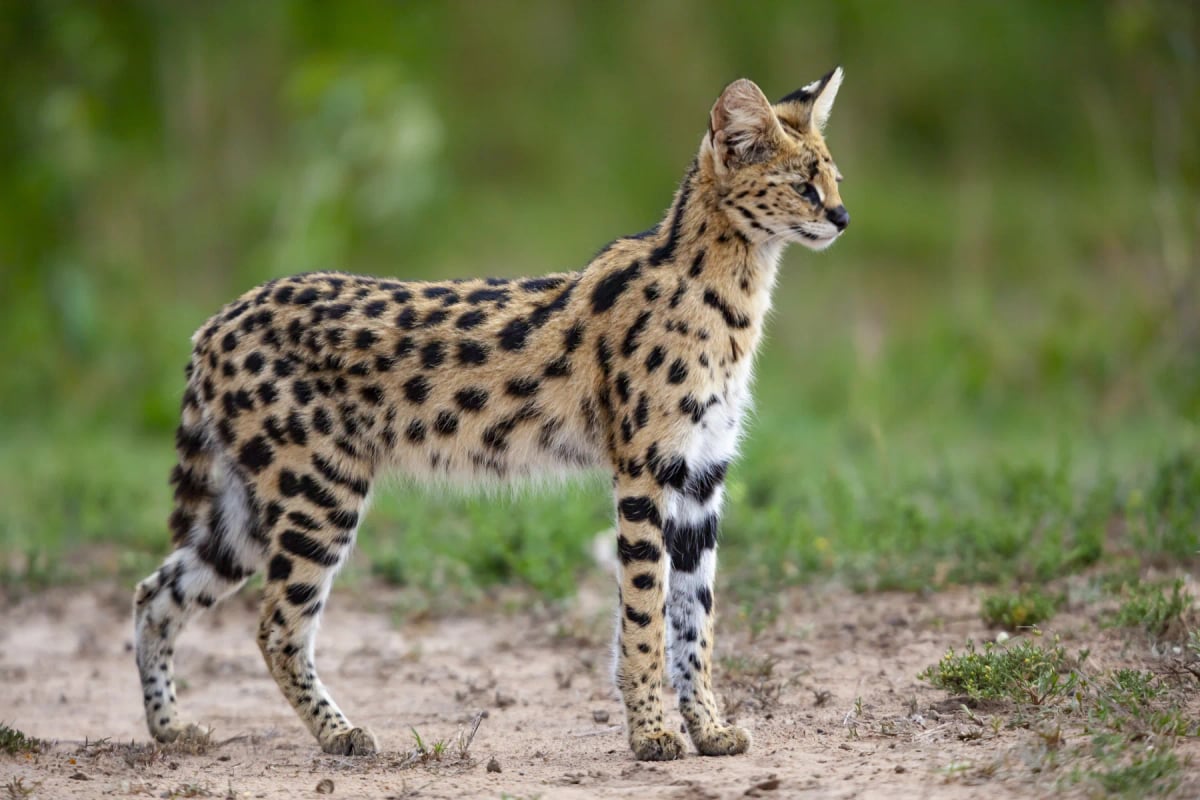
Serval
Leptailurus serval
Servals occur across Nigeria's central and southern zones, favouring the moist savanna and tall grasslands of the middle belt as well as wetland edges in the Niger Delta region. They live alone and hunt mainly at dusk, catching rodents, birds, and occasionally frogs. The IUCN lists the serval as Least Concern, though in Nigeria heavy habitat conversion for agriculture and urban growth puts steady pressure on local populations.
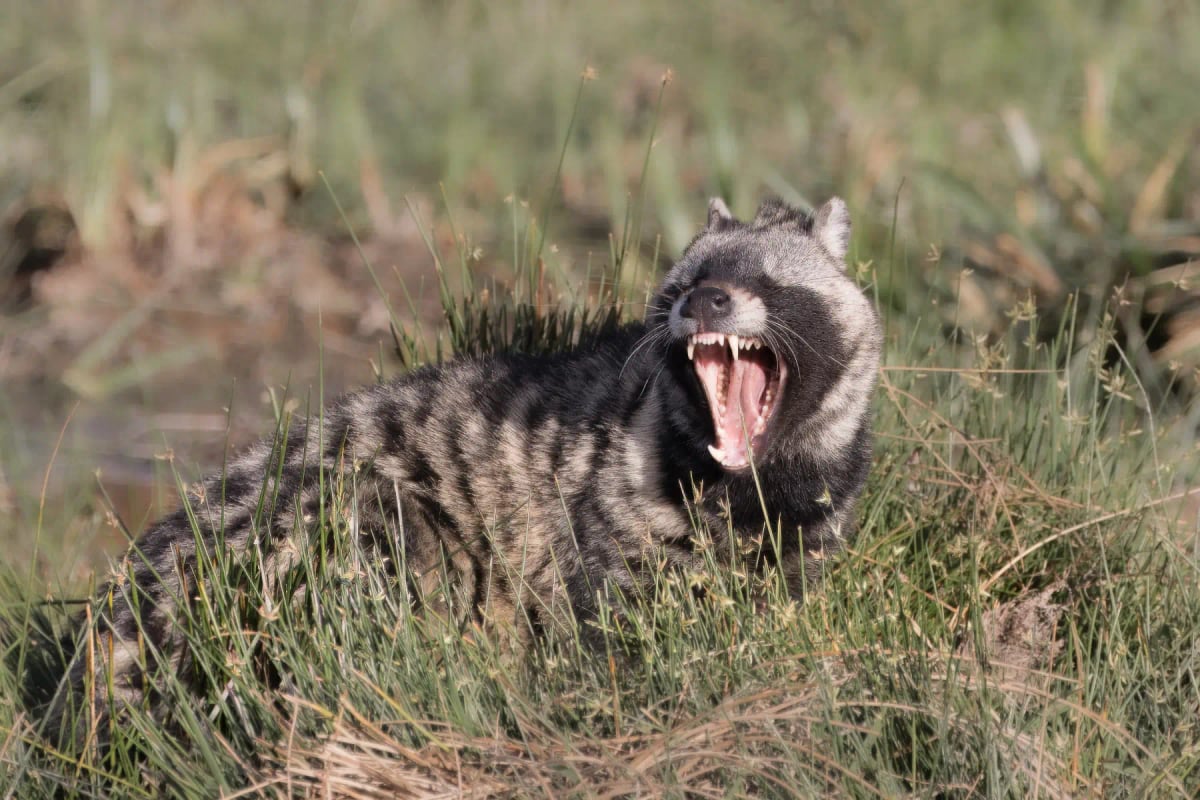
African Civet
Civettictis civetta
Nigeria supports significant African civet populations in its remaining forest zones, particularly in the Cross River rainforests of the southeast, the Niger Delta and the Guinea savanna woodlands of the center and north. Cross River National Park is a key protected site. In Nigeria's densely populated south, civets face heavy hunting pressure and are among the most frequently traded wild carnivores in bushmeat markets across the region.
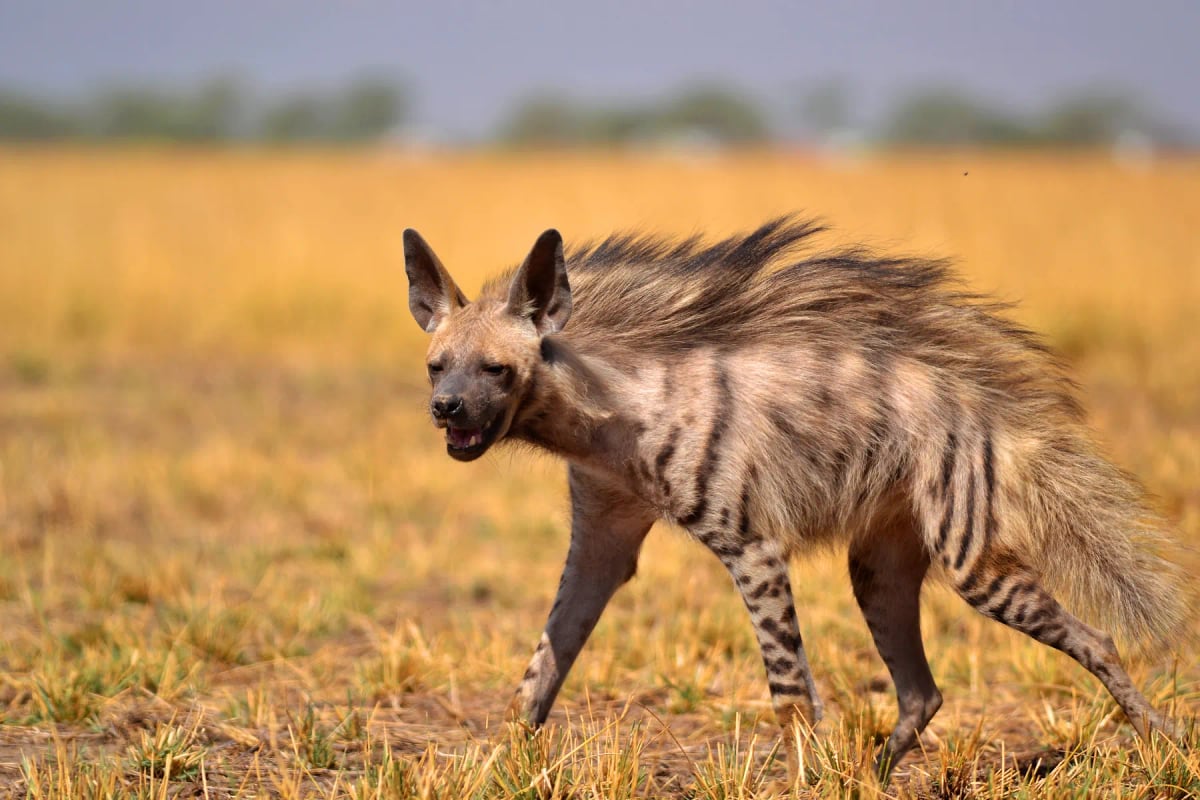
Striped Hyena
Hyaena hyaena
In Nigeria, the striped hyena is present in the drier northern regions, where savanna and semi-desert landscapes border the Sahel. It is rarely spotted, living a quiet, solitary life and venturing out only at night. Pressure from habitat conversion for agriculture and hunting linked to traditional practices have made sightings increasingly uncommon. The IUCN lists it as Near Threatened.
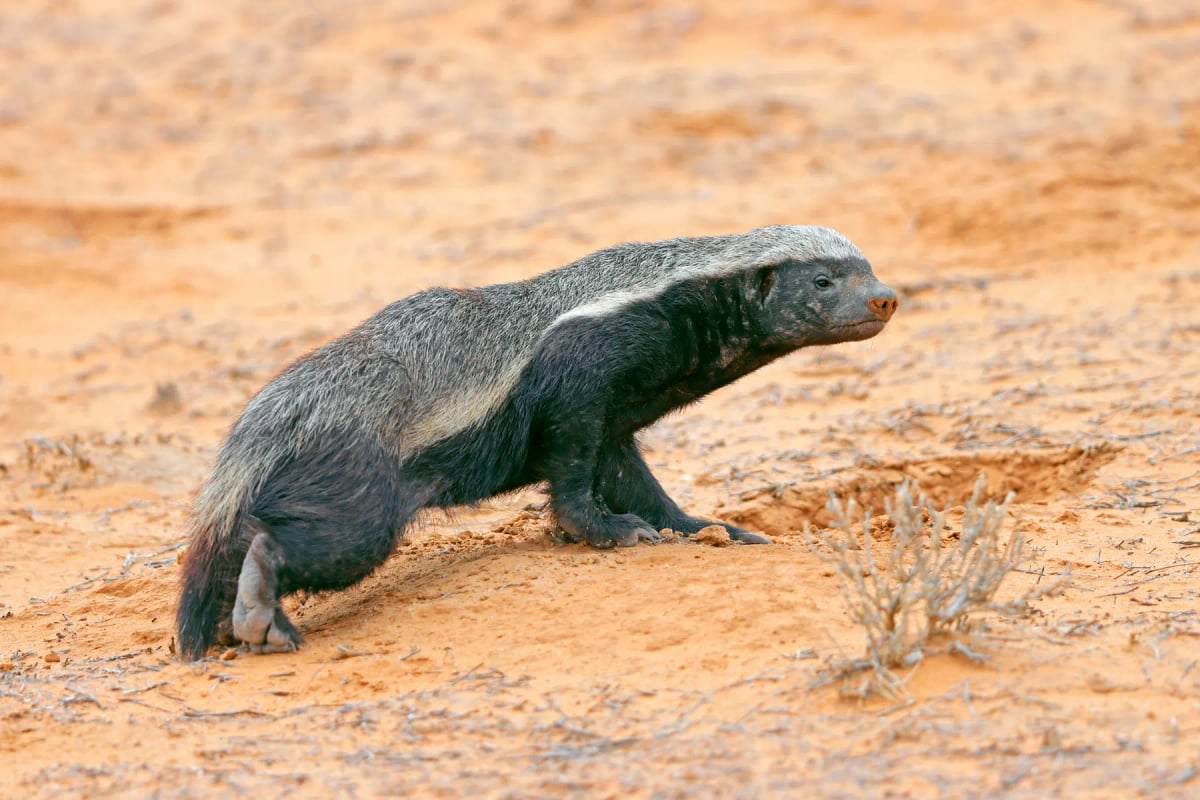
Honey Badger
Mellivora capensis
The honey badger is found across northern Nigeria's savanna and Sahelian woodland, including areas around Yankari and other protected reserves, with sparser presence in the drier far north. It digs for rodents, insects and reptiles and is known to raid beehives, sometimes drawing conflict with local farmers. Habitat loss from agriculture and human settlement is an ongoing pressure, though the species holds Least Concern status.
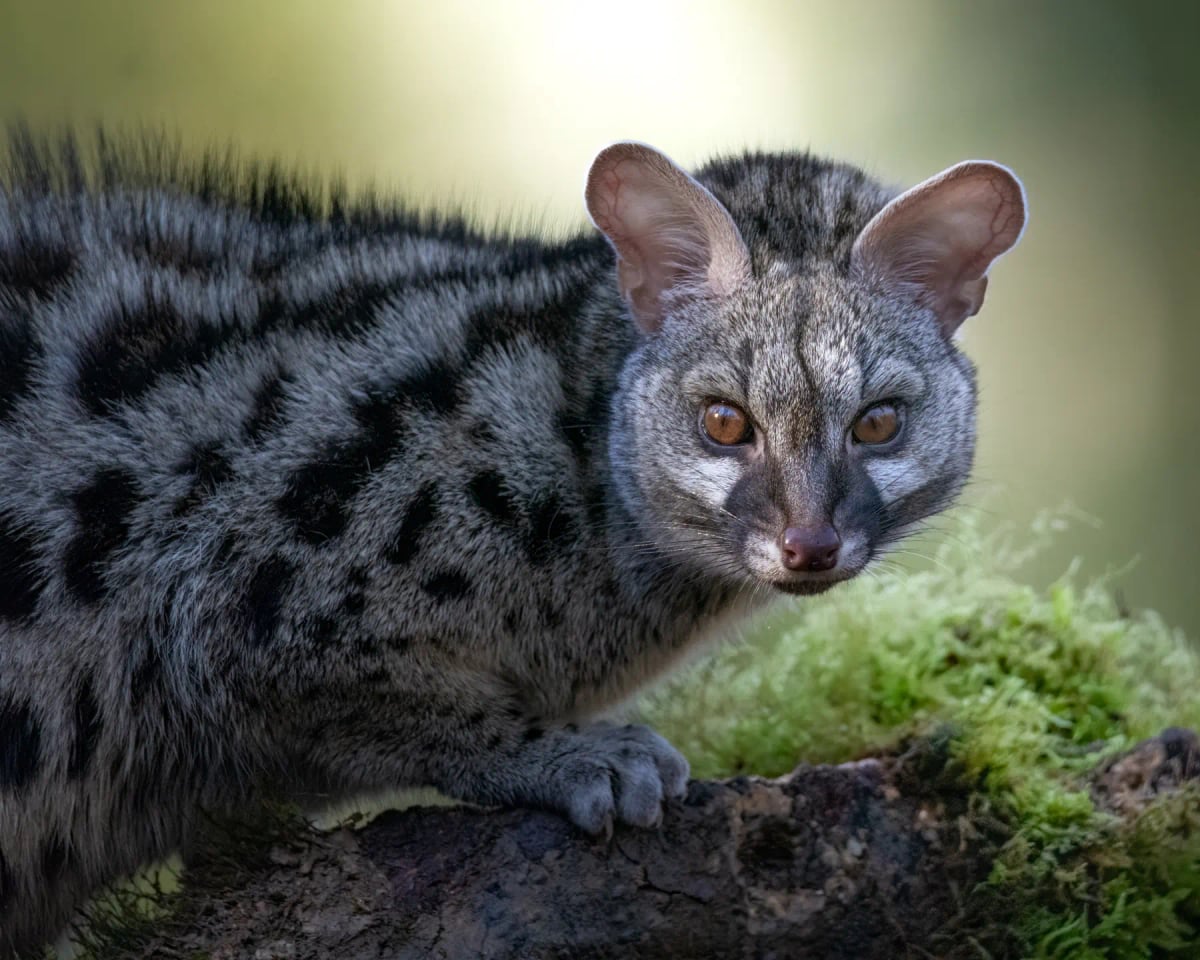
Common Genet
Genetta genetta
In Nigeria, the common genet inhabits wooded savanna, gallery forest, and areas of dense bush across the country's middle and northern belts. It is a solitary, nocturnal predator with a varied diet that includes small mammals, birds, insects, and occasionally fruit. With Nigeria's forests under pressure from deforestation, suitable genet habitat is increasingly fragmented. IUCN status: Least Concern.
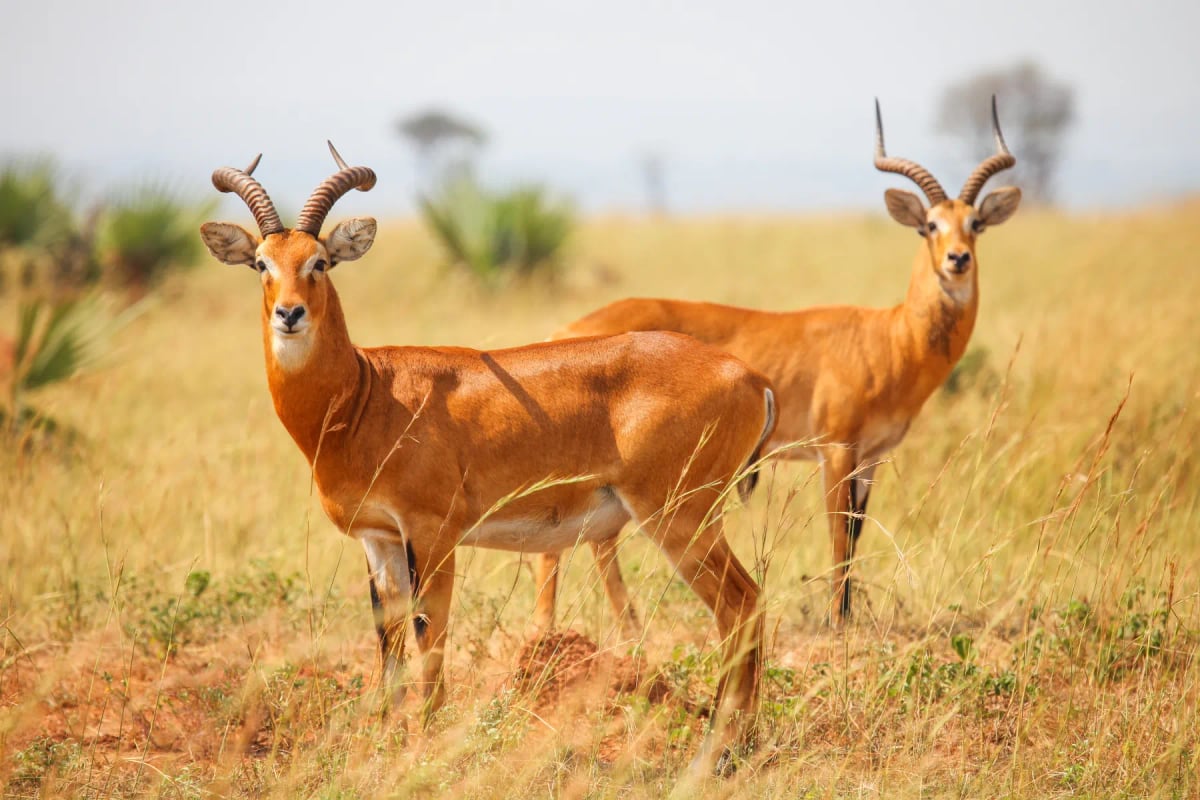
Kob
Kobus kob
In Nigeria, the kob is found in the Guinea savanna zone and in protected areas such as Kainji Lake National Park. It favors grassy floodplains and woodland edges near water. Social herds graze together, and males gather in lekking grounds during the breeding season. The IUCN lists the kob as Least Concern, though poaching and the reduction of grassland habitat have pushed populations down across much of the country.
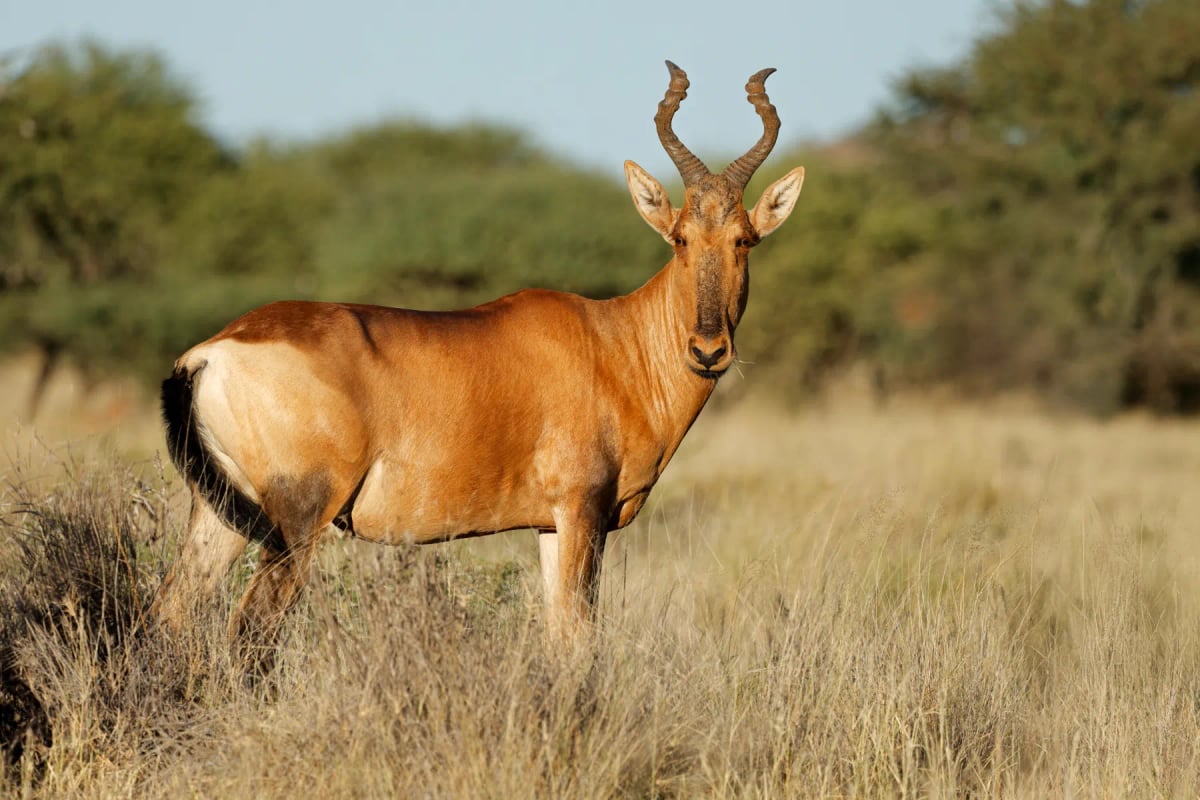
Hartebeest
Alcelaphus buselaphus
In Nigeria, the hartebeest is found in the Guinea savanna and Sudan savanna zones of the north, with Kainji Lake National Park among the protected areas where the species has been recorded. Habitat loss through farming expansion and poaching have reduced populations significantly. The hartebeest feeds on coarse grasses and can sustain a fast trot over long distances, making it a challenge to hunt. It is listed as Least Concern globally by the IUCN.
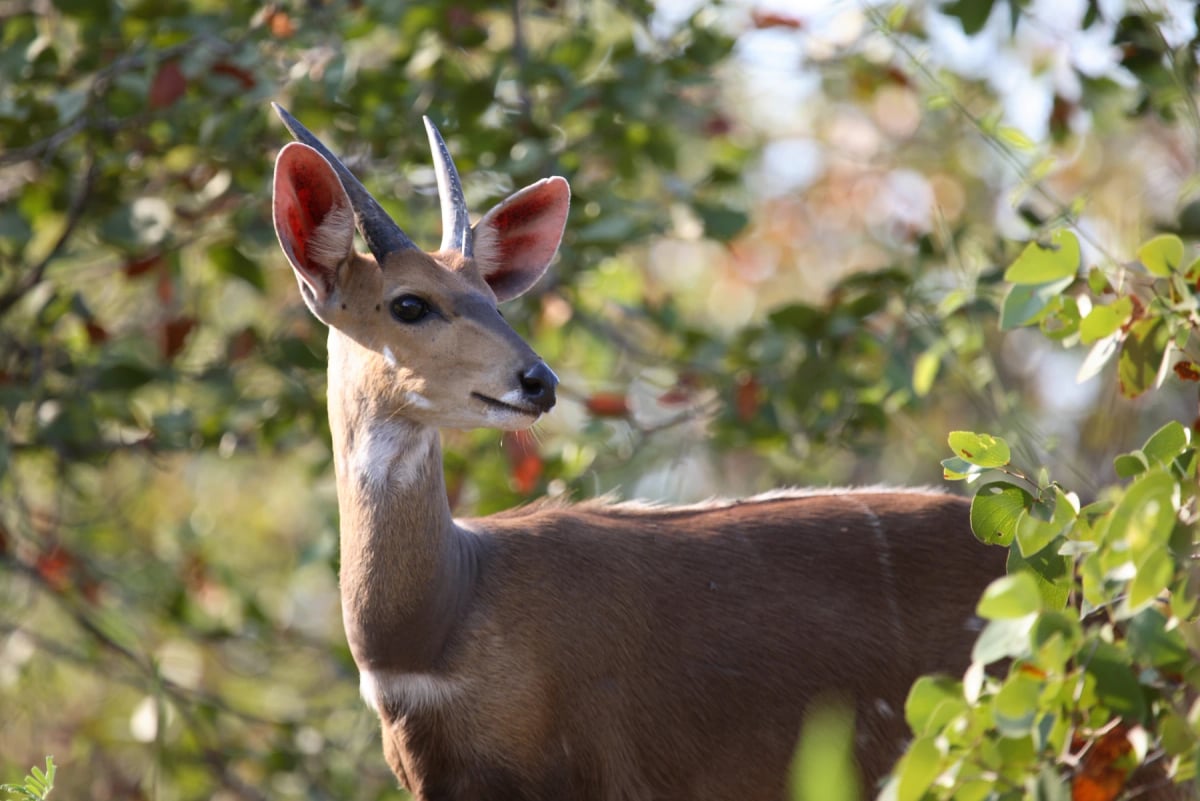
Bushbuck
Tragelaphus scriptus
Nigeria's bushbucks inhabit dense forests, woodland edges, and riverine vegetation across multiple ecological zones within the country. These solitary antelopes browse on leaves, shoots, and fruits within protected forest reserves and less disturbed woodlands. Their reddish brown coats with white spots and stripes provide effective camouflage in shaded forest environments. Primarily nocturnal and naturally wary, bushbucks remain difficult to observe despite their presence across Nigeria's forested regions.
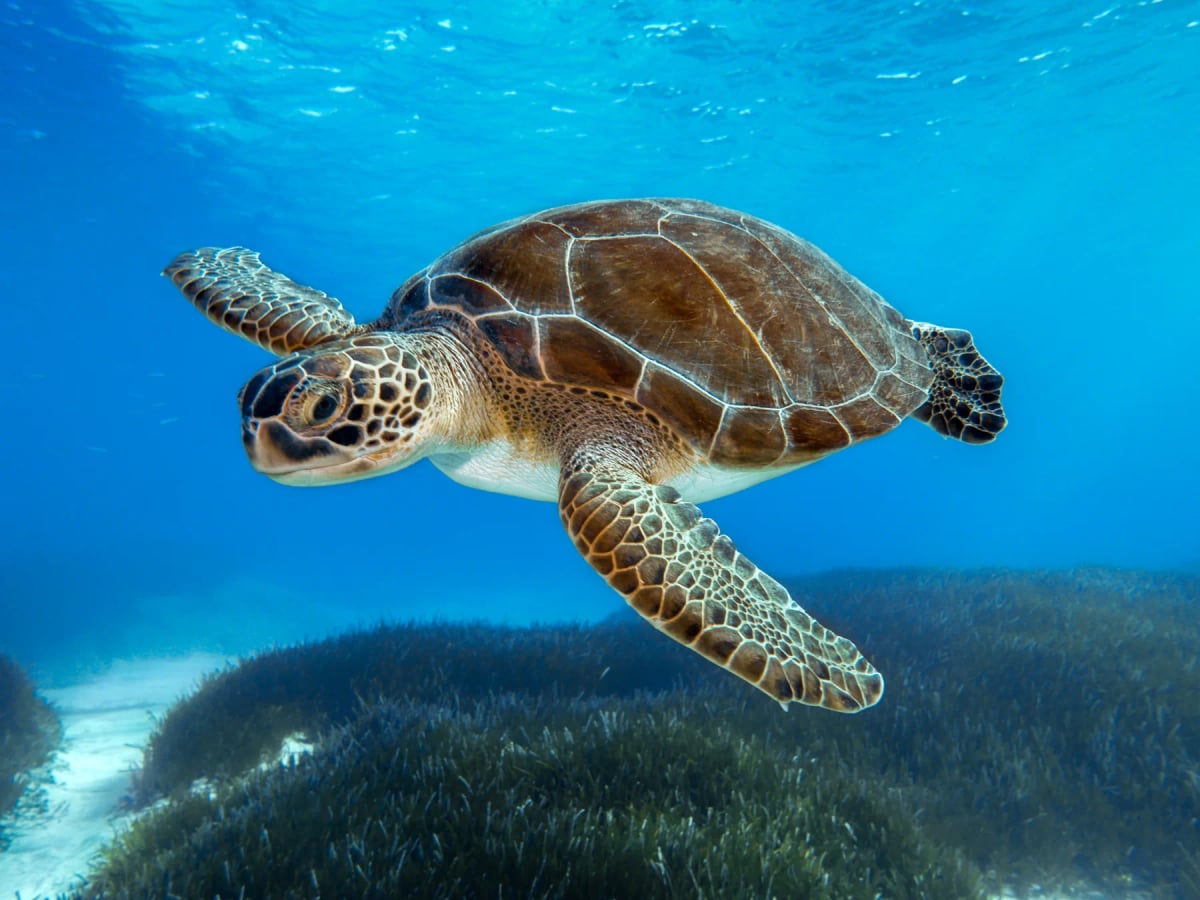
Sea Turtle
Cheloniidae & Dermochelyidae (families)
Nigeria's Gulf of Guinea coastline is part of the West African sea turtle nesting region. Leatherback and olive ridley turtles nest on Nigerian beaches, and green and hawksbill turtles are also recorded in coastal and offshore waters. Beaches in Cross River State and along the Niger Delta coast have documented nesting activity. Conservation programs work with local communities to monitor nesting and reduce egg poaching, though habitat loss from coastal development and oil industry activity poses ongoing challenges.
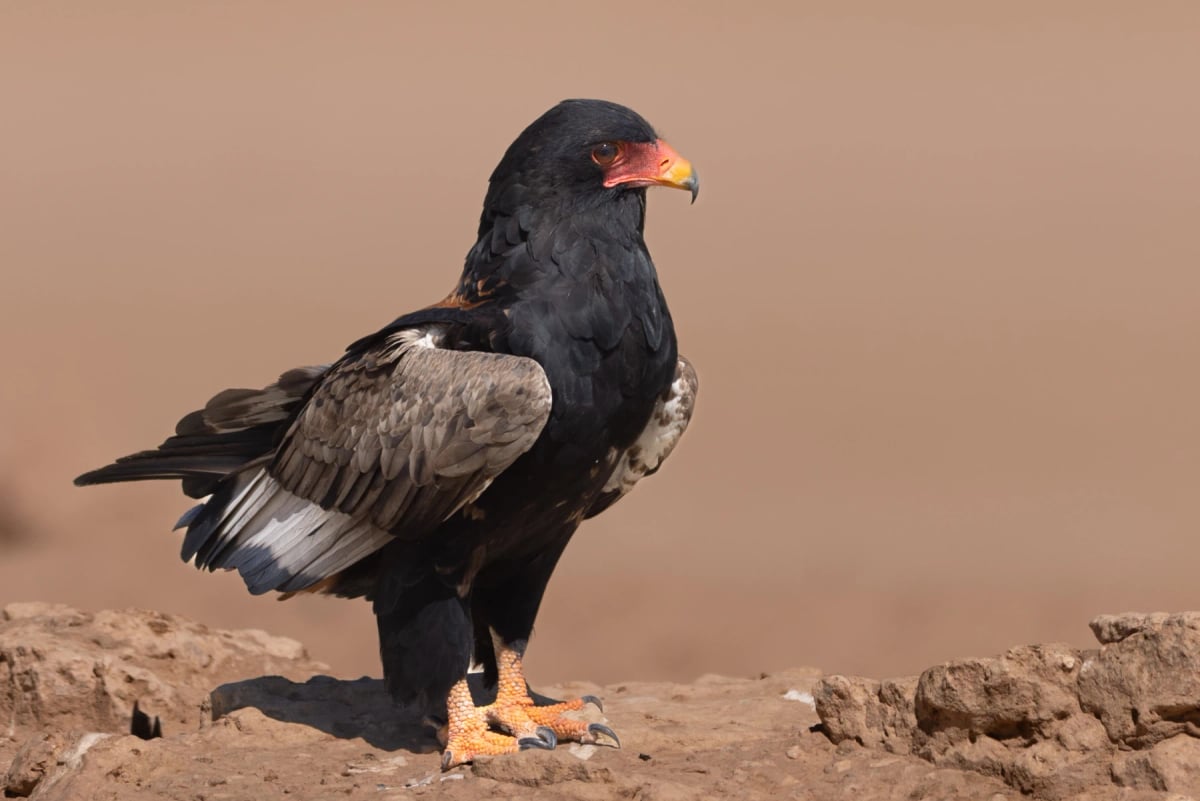
Bateleur
Terathopius ecaudatus
The Bateleur occurs across Nigeria's Guinea and Sudan savanna zones, from the middle belt southward through areas such as Yankari Game Reserve. It soars over open woodland searching for carrion and reptiles, relying on large trees for nesting. Classified as Endangered by the IUCN, it faces significant threats in Nigeria from widespread habitat destruction, human disturbance, and the poisoning of carcasses intended for other predators.
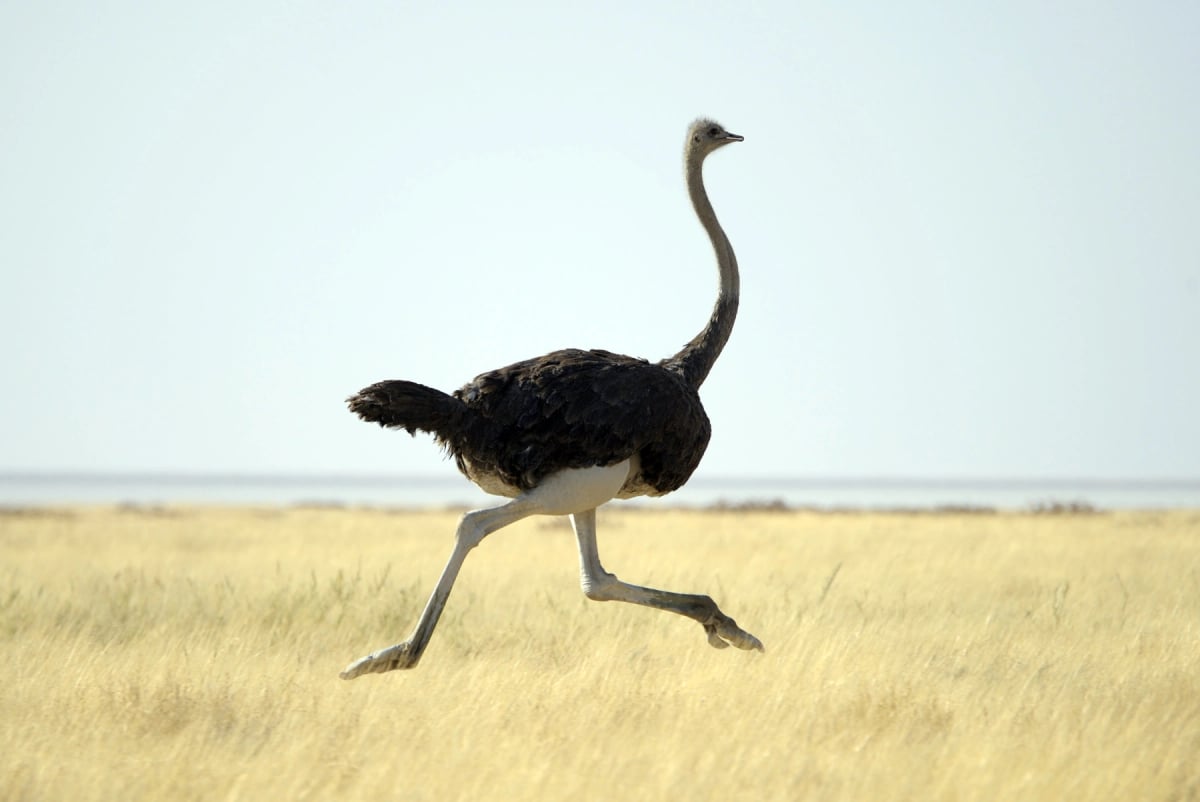
Ostrich
Struthio camelus
Ostriches are found in the semi-arid north of Nigeria, particularly across the Sahel zone near Lake Chad and the open plains of the northeast. They feed on grasses, seeds, and leaves in these dry, flat environments. Habitat loss and poaching have reduced wild populations across the region over recent decades. The species is classified as Least Concern by the IUCN, though local pressures continue to affect numbers in Nigeria.
Steppe Eagle
Aquila nipalensis
Nigeria lies along the Steppe Eagle's migration corridor and serves as a wintering destination for some individuals. The species favors the open savannas and grasslands of northern Nigeria, where food is accessible during the dry season. It is known to gather in groups at insect emergences and carcasses. The global population stands at around 30,000 birds and is declining, earning the species an Endangered rating from the IUCN.
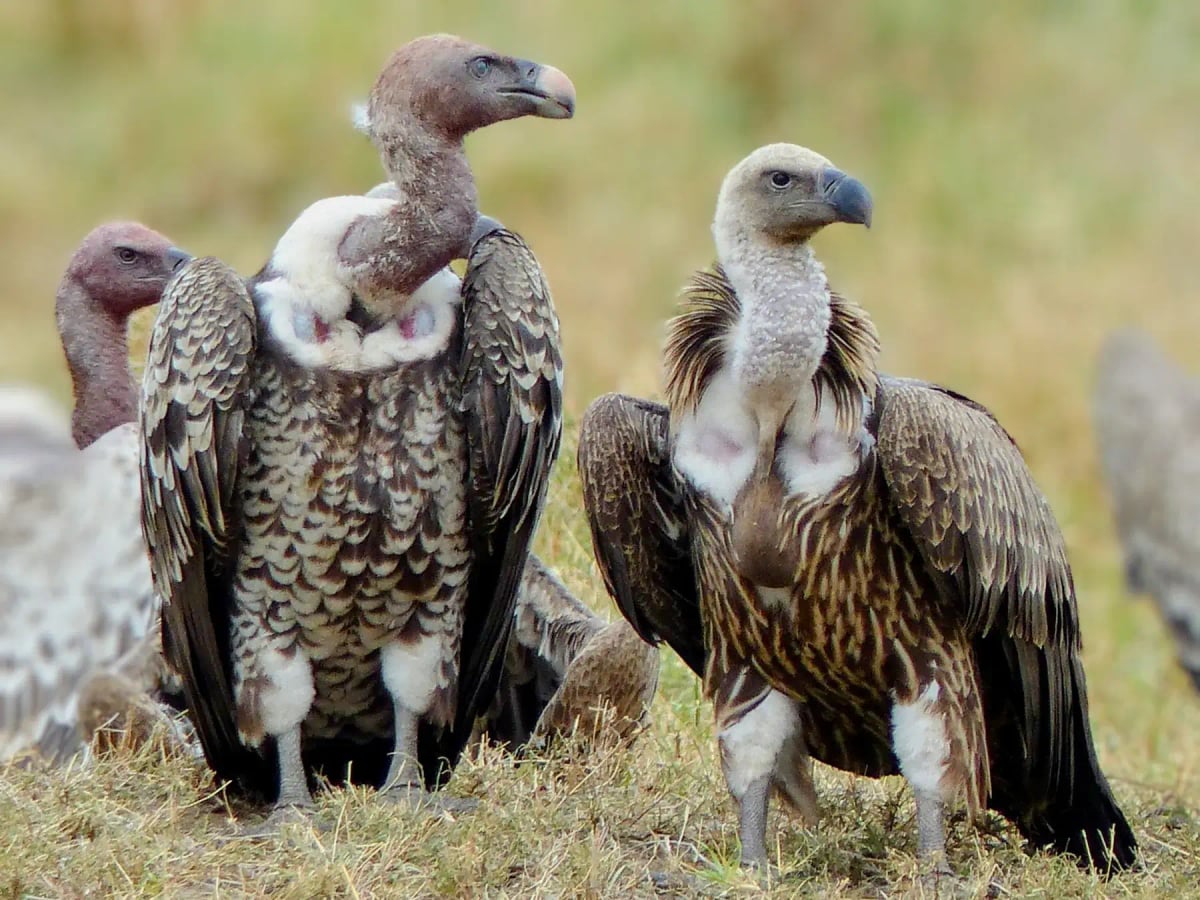
White backed Vulture
Gyps africanus
The white backed vulture is found in Nigeria's northern and central savannas, with the Yankari Game Reserve serving as one of the more important habitats for the species in the country. It plays a vital role in keeping the environment free of disease by rapidly consuming animal carcasses. Critically endangered across its range, the species faces mounting pressure in Nigeria from poisoning and the demand for its body parts in traditional medicine markets.
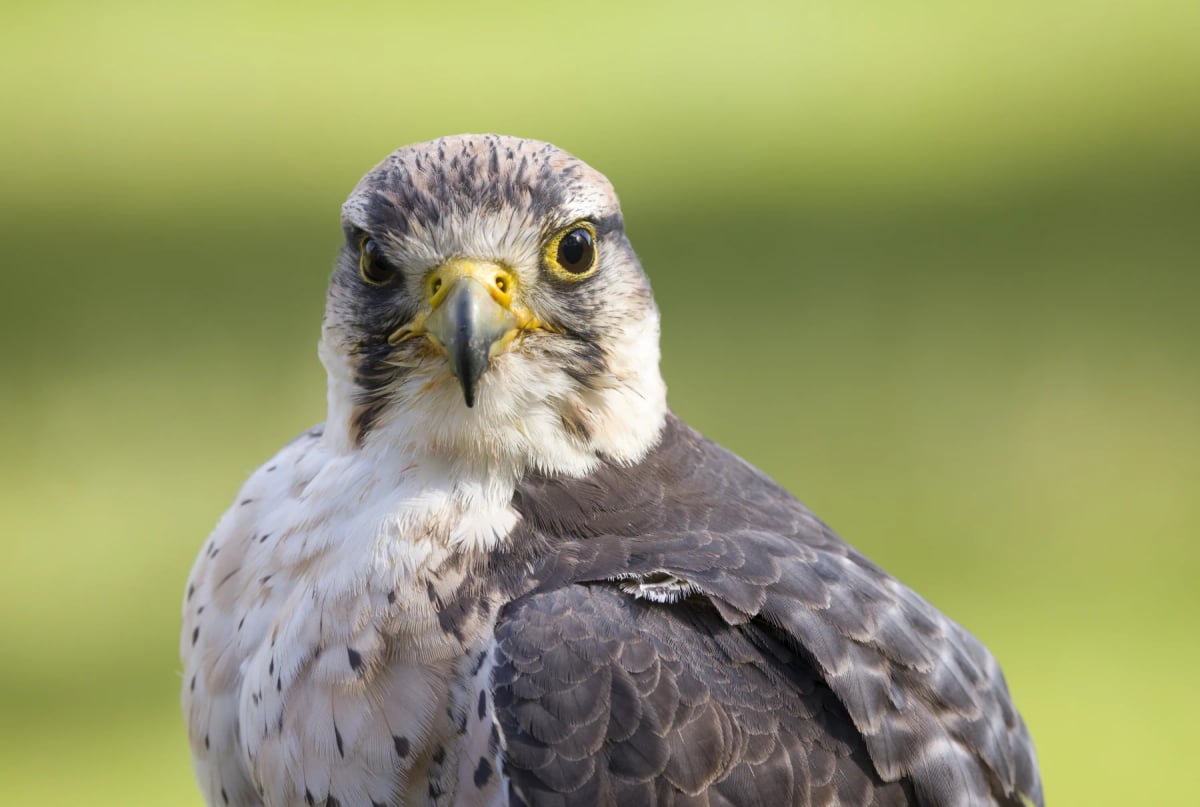
Lanner Falcon
Falco biarmicus
The lanner falcon occurs across Nigeria's drier northern regions, including the Sudan savanna zone and rocky inselbergs of the central plateau. It hunts birds with swift, low pursuit flights, sometimes working in pairs to drive prey into the open. Nesting takes place on cliff faces and rocky outcrops. The IUCN lists it as Least Concern, but ongoing habitat loss in West Africa affects local numbers.
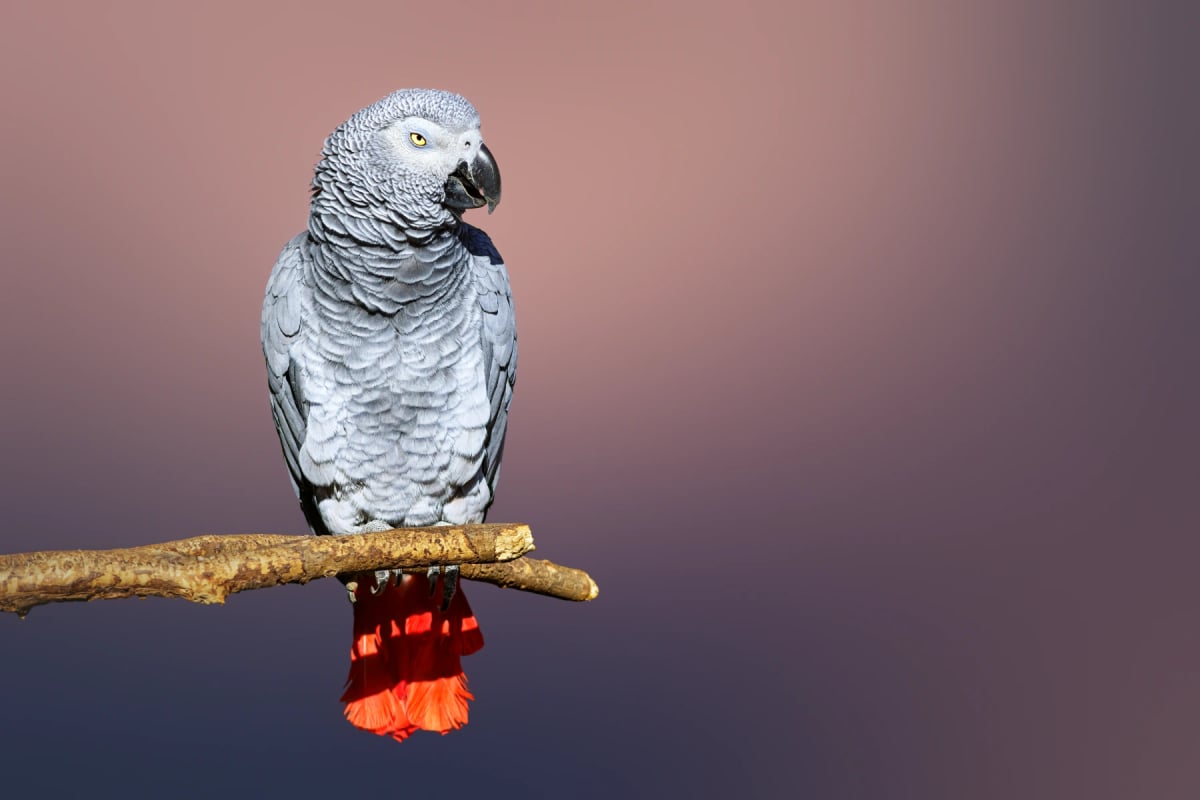
African Grey Parrot
Psittacus erithacus
Nigeria's African grey parrot population survives in the remaining forest patches of the south and southeast, particularly in Cross River State, which holds some of the most intact rainforest left in West Africa. The Cross River National Park and surrounding forests are the most important refuge for the species in the country. Nigeria has one of the highest rates of deforestation in Africa and its grey parrot population has declined sharply as a result. The southeast forest zone near the Cameroon border remains the last significant habitat for the species in the country.
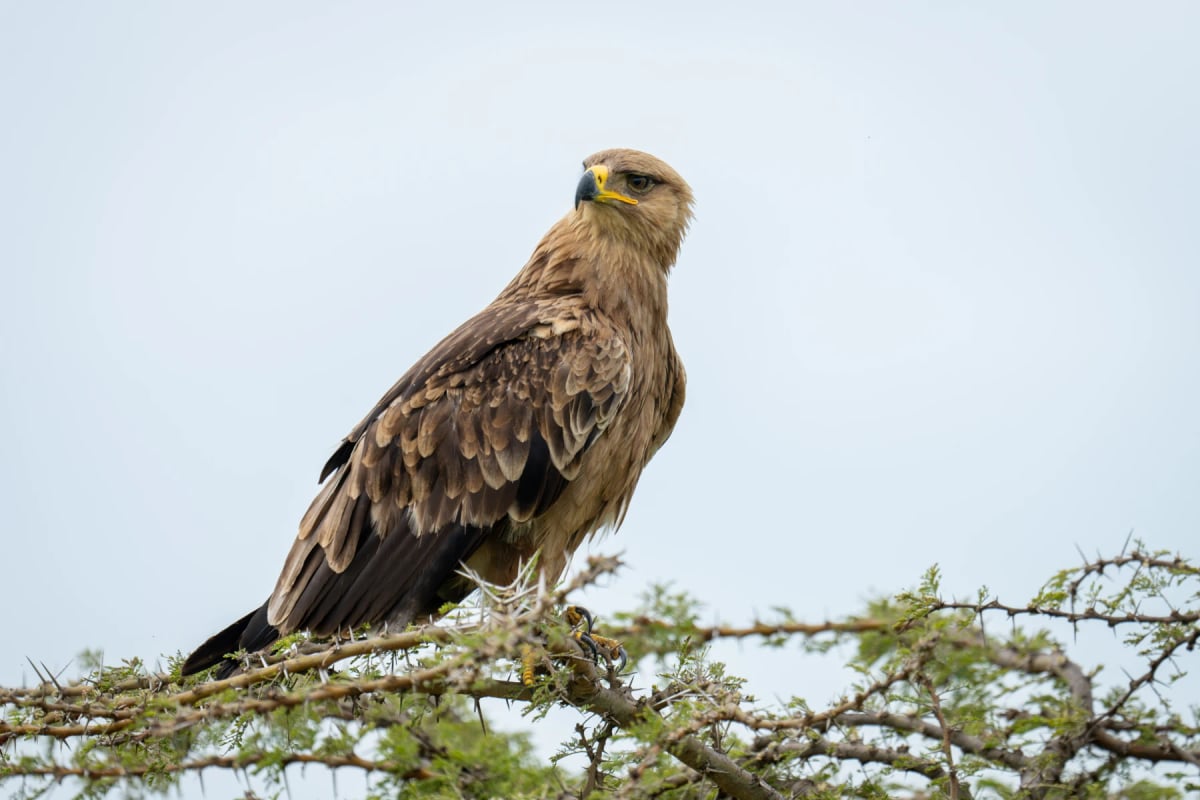
Tawny Eagle
Aquila rapax
In Nigeria, the tawny eagle inhabits the drier northern savannas and open woodlands, where it hunts small prey and readily feeds on carrion. It is known to steal food from other raptors, a behavior seen regularly in areas where vultures and other eagles gather. Habitat degradation and poisoning are key threats driving its decline across West Africa. The IUCN lists it as Vulnerable.
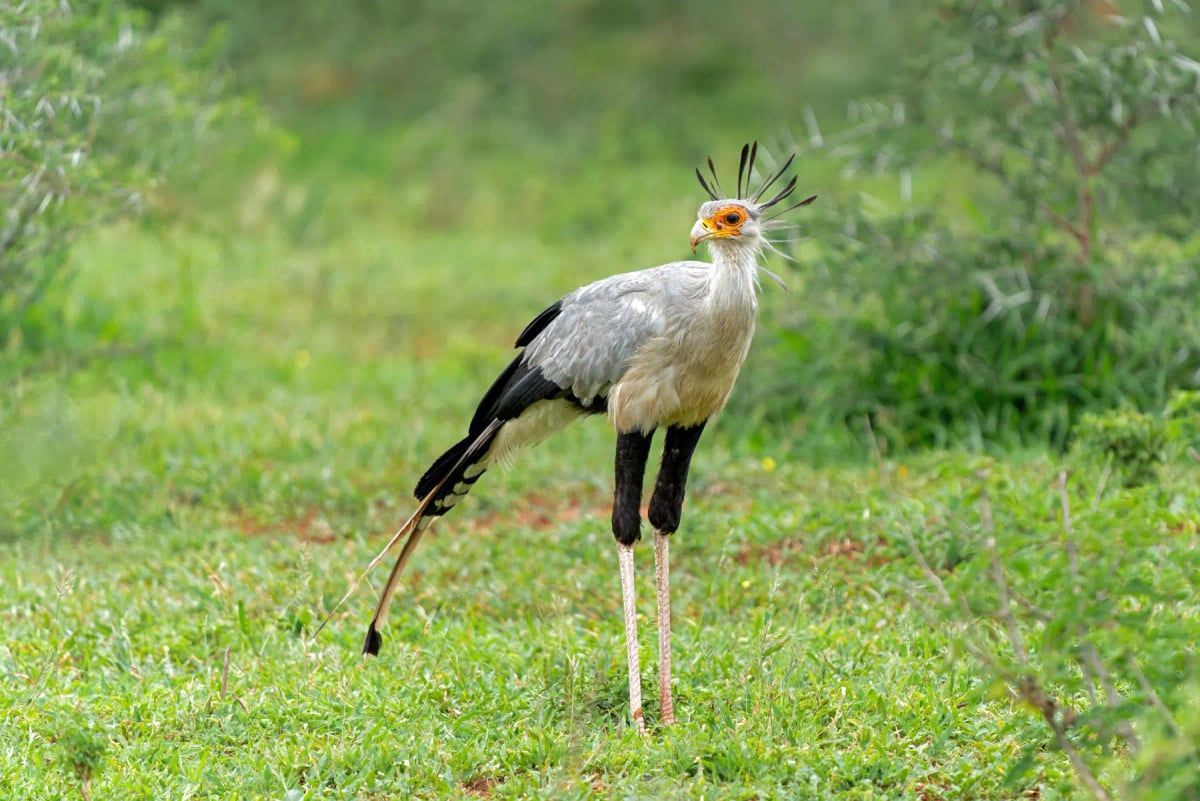
Secretary Bird
Sagittarius serpentarius
The secretary bird occurs across the Guinea and Sudan savanna zones of northern and central Nigeria, where open grasslands provide suitable hunting ground. It walks through dry terrain in search of snakes, rodents, and lizards. Agricultural expansion across the Nigerian savanna has reduced suitable habitat considerably over recent decades. The IUCN lists the species as Endangered.
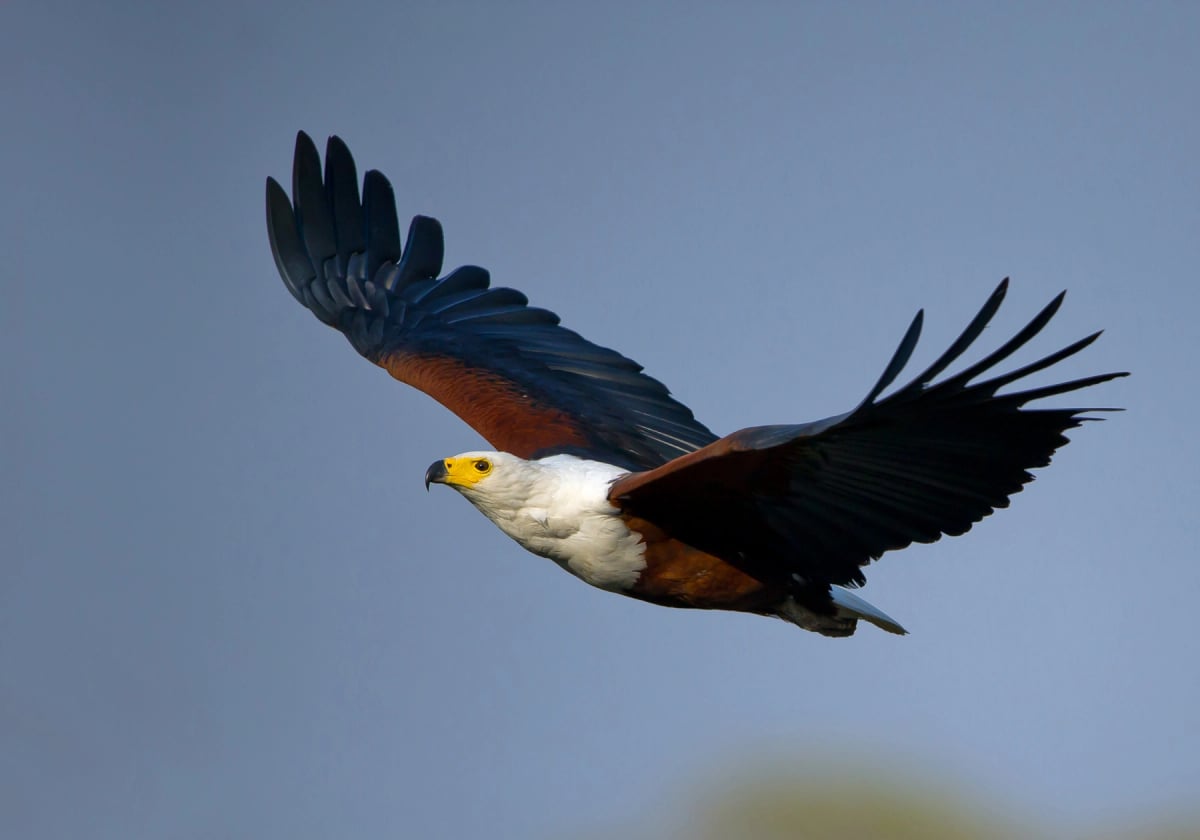
African Fish Eagle
Haliaeetus vocifer
The African fish eagle is found in Nigeria near the country's major rivers and wetlands, particularly in the Niger Delta region, along the Niger and Benue rivers and around Lake Chad in the far northeast. The Niger Delta, with its vast network of creeks and freshwater channels, provides extensive habitat. The bird is also present in Yankari National Park and along the rivers of the middle belt. Its range across Nigeria corresponds closely to the availability of open freshwater.
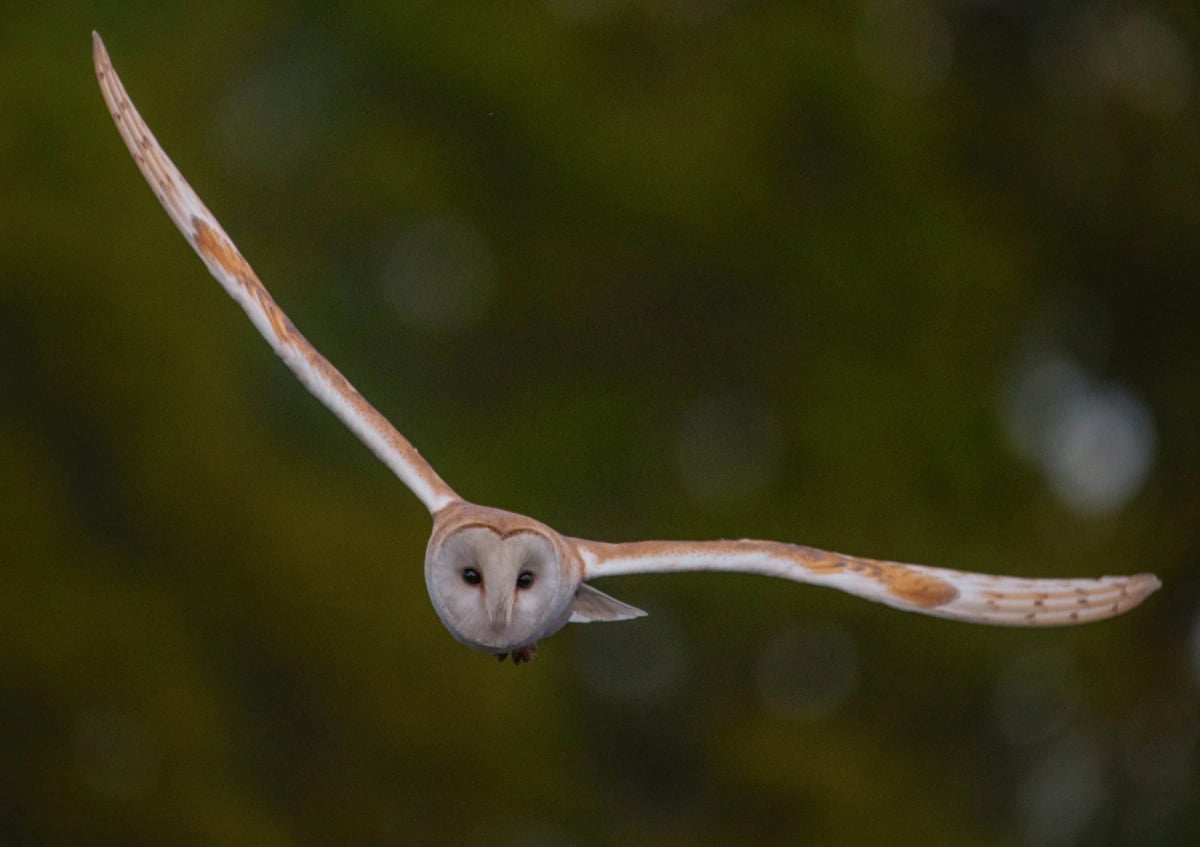
Barn Owl
Tyto alba
The barn owl is widespread across Nigeria in open savanna, farmland, and areas near towns and villages from the Sahel zone in the north through the Guinea savanna to the transition zone in the south. It nests in old buildings, hollow trees, and rocky outcrops, and hunts rodents at night. In Nigeria's large agricultural communities it is a valuable natural controller of the small mammal populations that damage stored grain. It is less commonly found in the dense rainforest areas of the Niger Delta and the southeast.
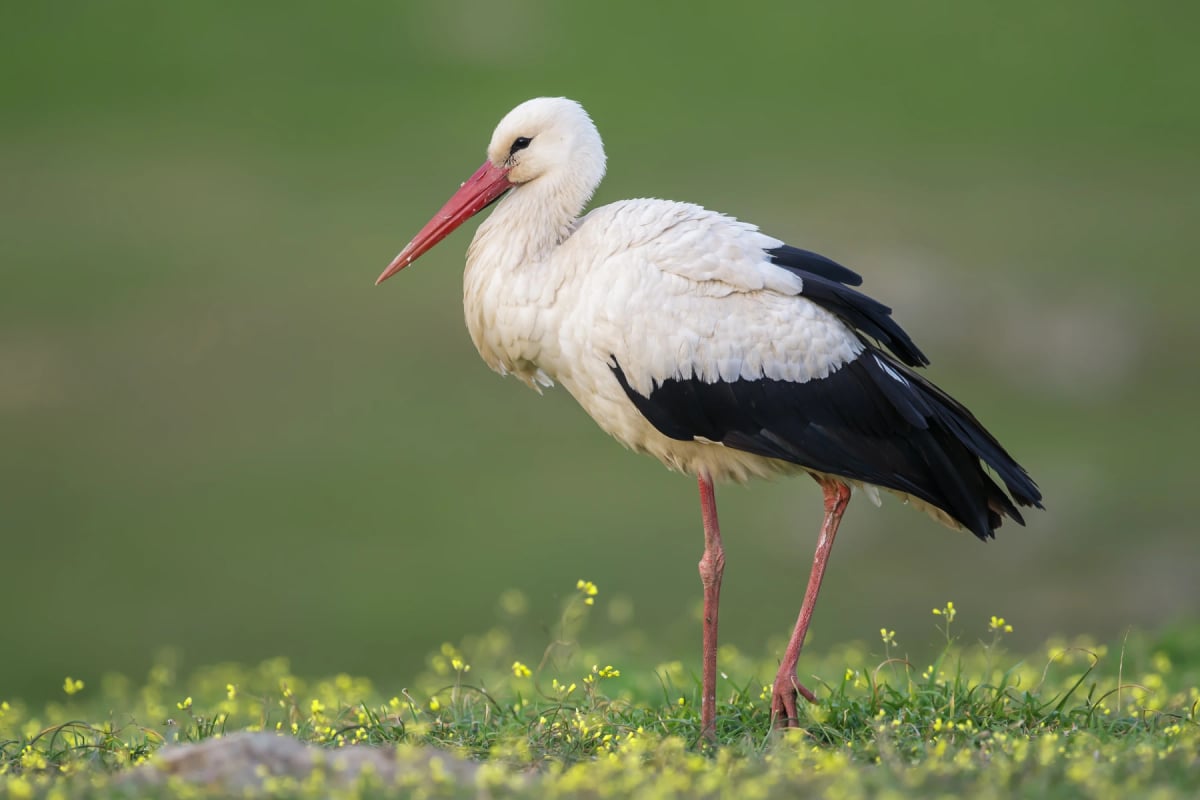
Stork
Ciconia ciconia
White storks arrive in Nigeria during the northern winter, spreading across the savannah belt of the north and the wetlands along the Niger and Benue rivers. They gather in large flocks to feed on locusts, grasshoppers, and other invertebrates. Nigeria sits along one of the main overland routes used by storks migrating between Europe and southern Africa, making it an important stopover country.
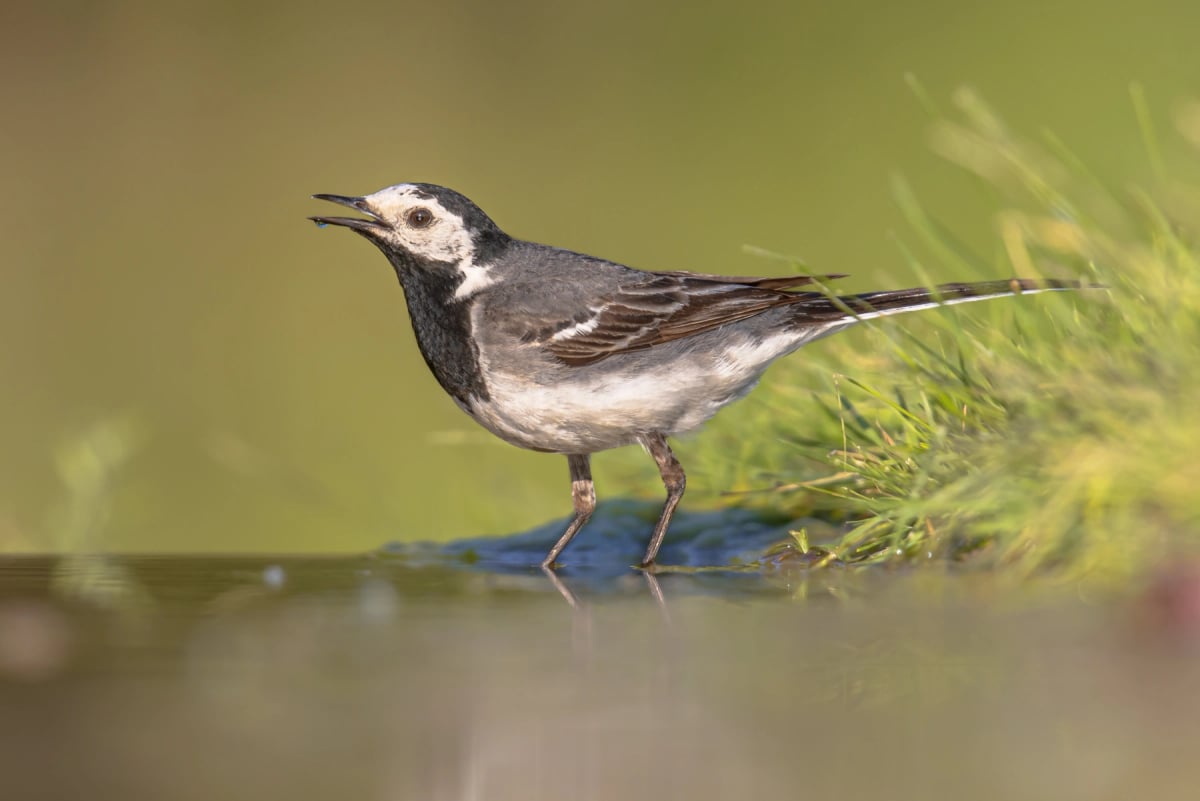
White Wagtail
Motacilla alba
White wagtails arrive in Nigeria each winter, having travelled south from Europe and Asia. They tend to favour open habitats near rivers, lakes and wetlands, including the Lake Chad basin in the northeast and the floodplains of the Niger and Benue rivers. In these areas they feed actively on insects, running across muddy shores and grassy margins with their characteristic tail wagging. They leave again as the northern spring approaches.
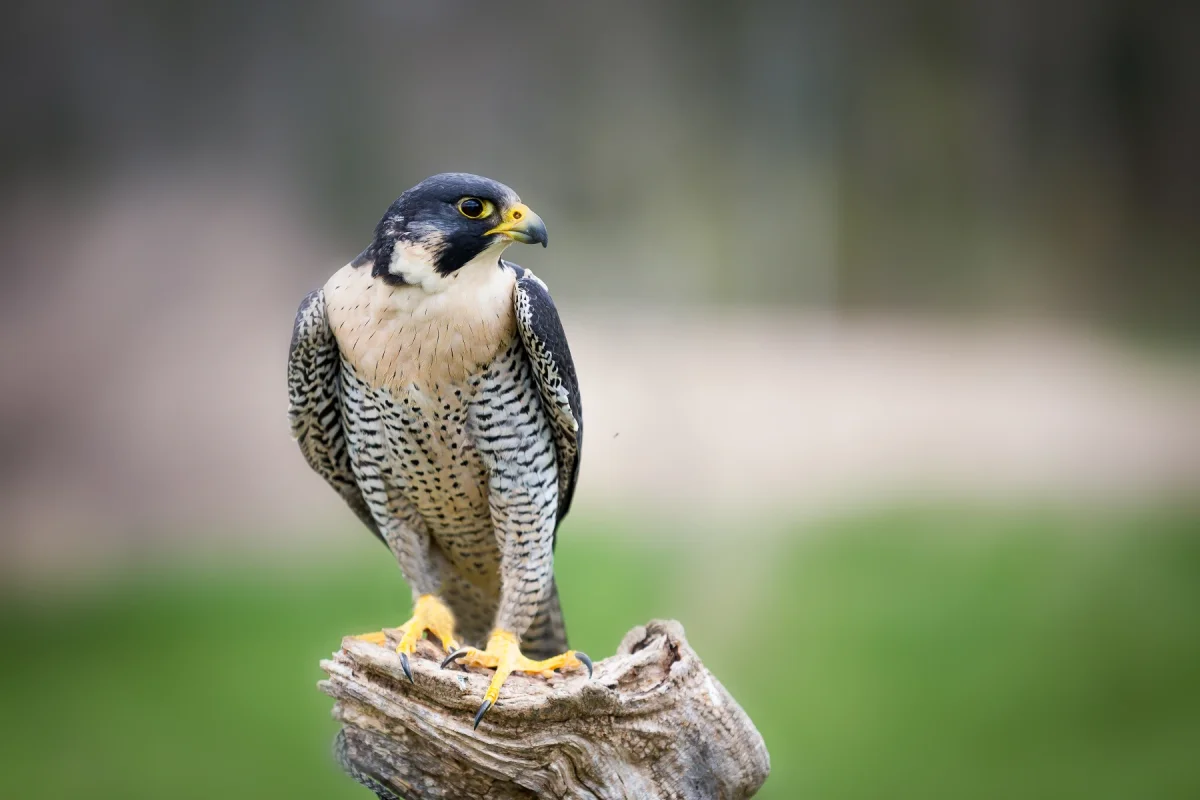
Peregrine Falcon
Falco peregrinus
Nigeria receives peregrine falcons as non-breeding visitors during the northern winter, with birds moving down from European and Asian breeding grounds. They are recorded across a range of habitats from the dry north to the wetter coastal south, hunting smaller birds over open farmland, wetlands, and urban areas. The Jos Plateau in central Nigeria is a noted area for raptor sightings. Its IUCN status is Least Concern.
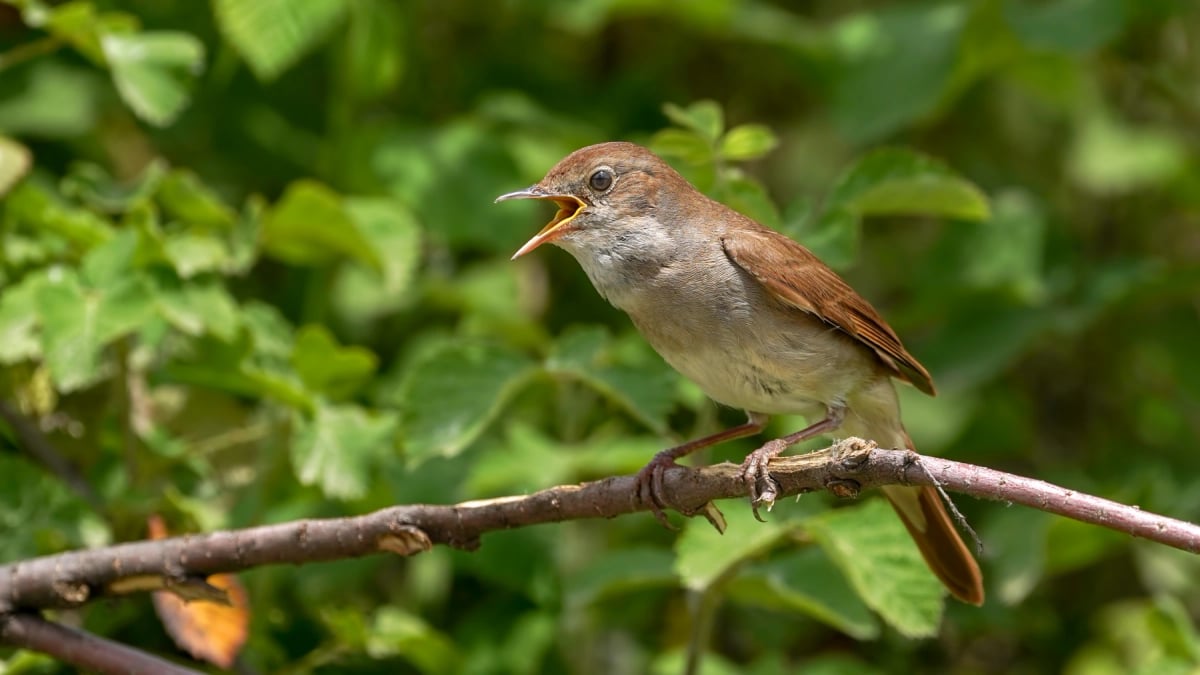
Nightingale
Luscinia megarhynchos
The nightingale visits Nigeria as a winter resident, spreading across the savanna and scrubland of the northern and central regions after making the long crossing from Europe and the Mediterranean. It is a small, understated bird with a warm brown back and a rusty orange tail it frequently cocks upward. Although its famous song is not performed here, it remains an energetic forager in dense low cover. Its IUCN status is Least Concern.
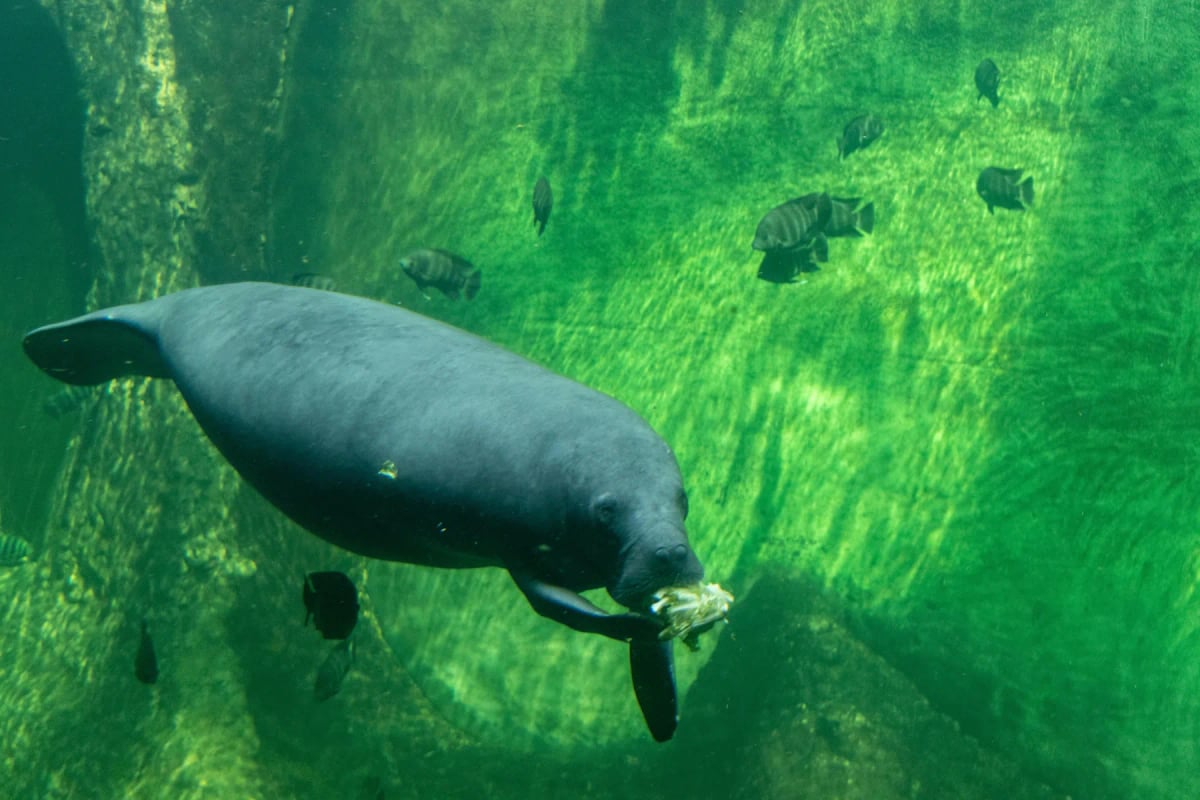
African Manatee
Trichechus senegalensis
Nigeria contains some of the most significant manatee habitat in West Africa, centered on the Niger Delta and the lower reaches of the Niger and Benue rivers. The vast network of creeks, lagoons and coastal waterways in the delta supports substantial populations. Hunting for bushmeat, heavy fishing activity and oil pollution across delta waterways pose serious and ongoing threats to the species.
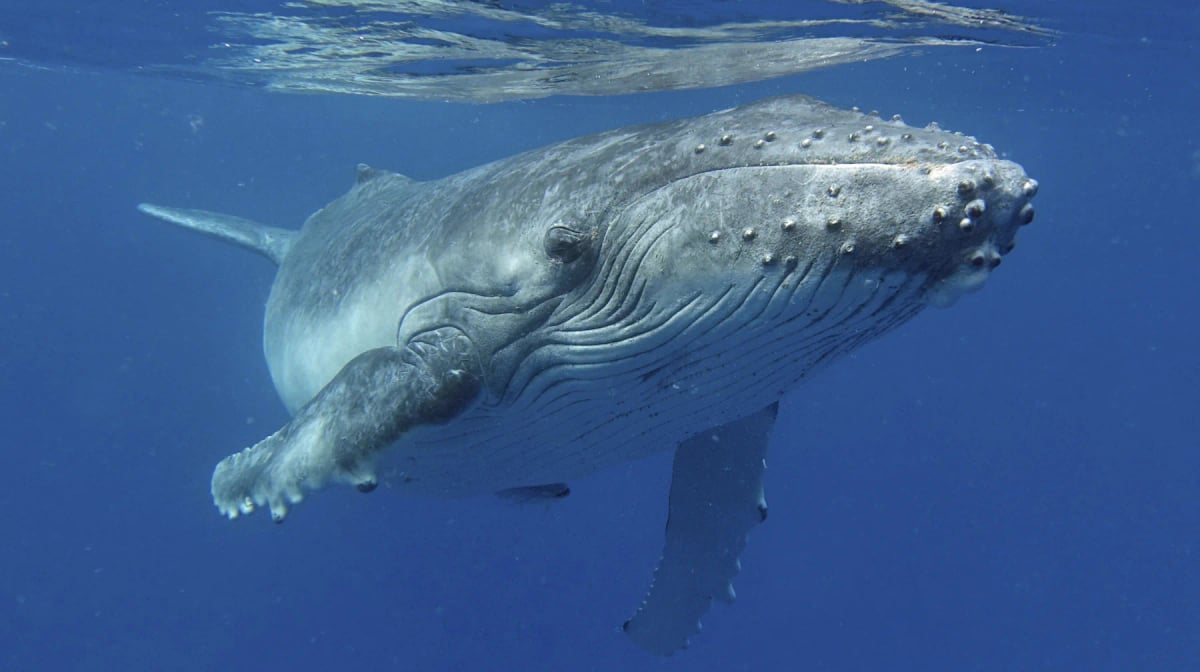
Humpback Whale
Megaptera novaeangliae
Humpback whales pass through the waters off Nigeria's Gulf of Guinea coastline during their migrations along the West African Atlantic. These enormous mammals, reaching up to 16 metres long, are more likely to be spotted here during seasonal movements between feeding and breeding grounds. Nigeria has growing interest in marine conservation, and sightings contribute to regional efforts to monitor whale populations across West Africa.
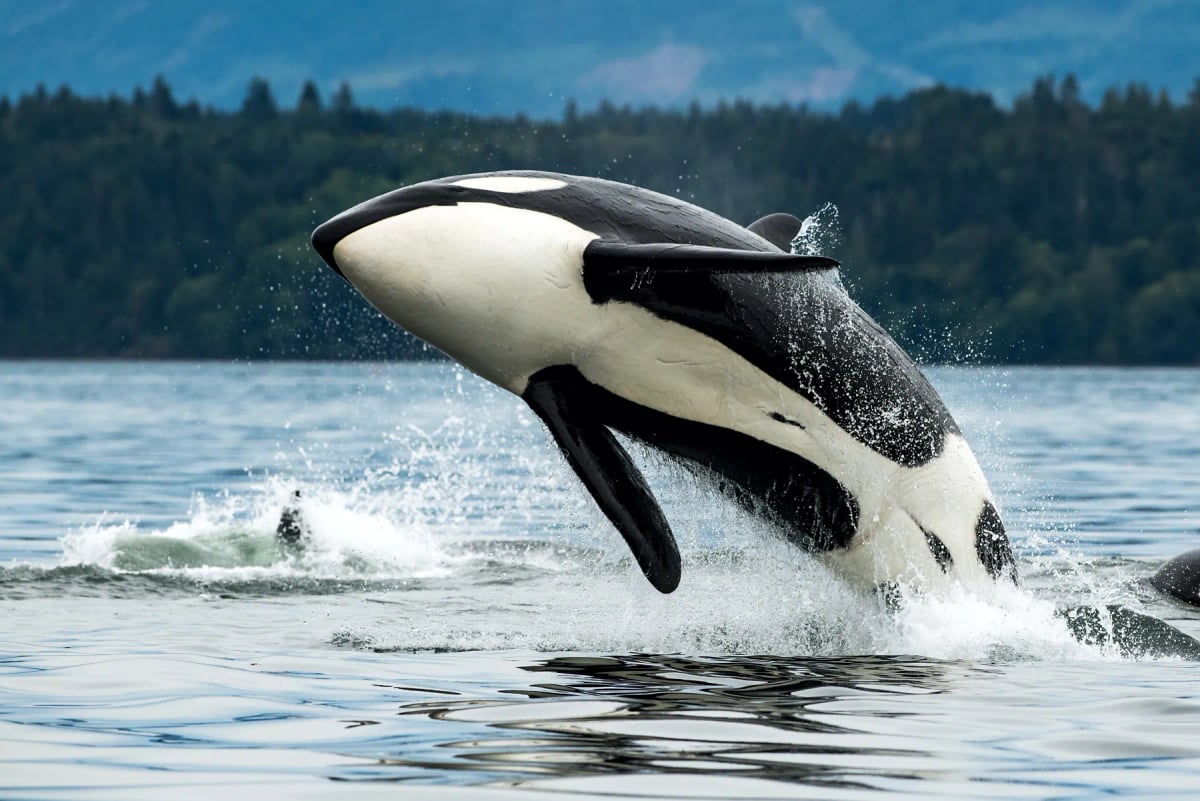
Orca
Orcinus orca
Orcas are occasional visitors to the waters of the Gulf of Guinea off Nigeria's coastline. These apex predators travel in family groups called pods and are known for their intelligence and cooperative hunting. Sightings in this part of West Africa are rare, making each encounter notable. Globally listed as Data Deficient by the IUCN, orcas face threats from ocean pollution and noise from shipping traffic.
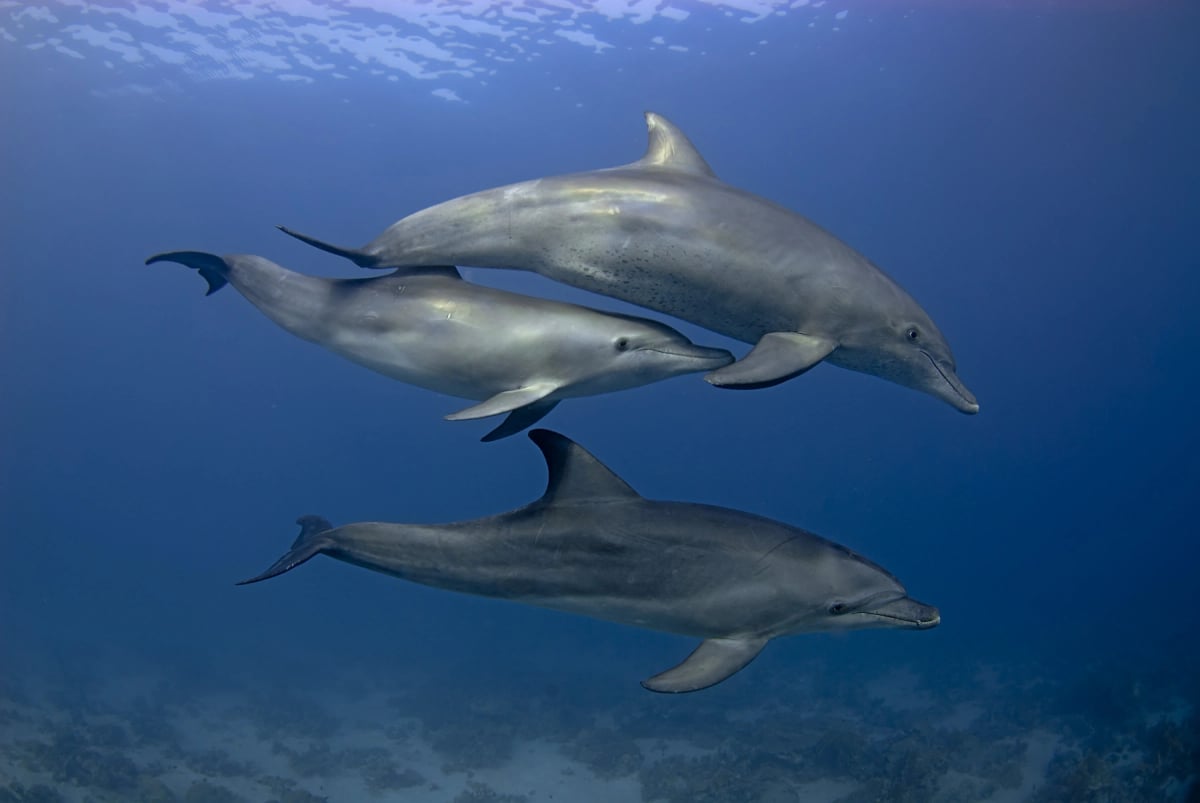
Bottlenose Dolphin
Tursiops truncatus
Bottlenose dolphins are present along Nigeria's Gulf of Guinea coastline and in the Niger Delta's estuarine waters. These intelligent marine mammals navigate the murky channels and coastal shallows in small pods, feeding on fish and squid. They face pressure from accidental capture in fishing gear and habitat degradation in the delta. The IUCN lists the species globally as Least Concern.
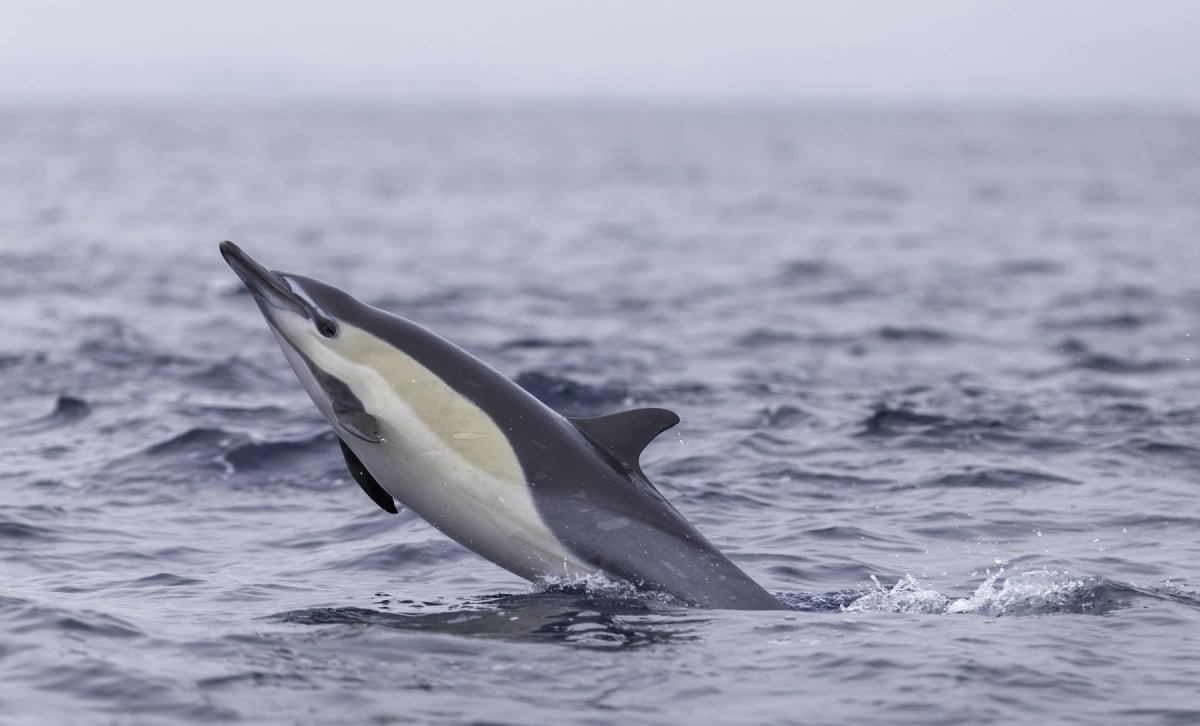
Common Dolphin
Delphinus delphis
The common dolphin occurs in the offshore Atlantic waters along Nigeria's coastline in the Gulf of Guinea. This tropical region sees smaller groups compared to temperate zones, but the species is a confirmed presence in Nigerian waters. It feeds on small fish and squid found in the equatorial Atlantic. Listed as Least Concern by the IUCN, the common dolphin faces growing pressure from industrial fishing in the Gulf of Guinea.
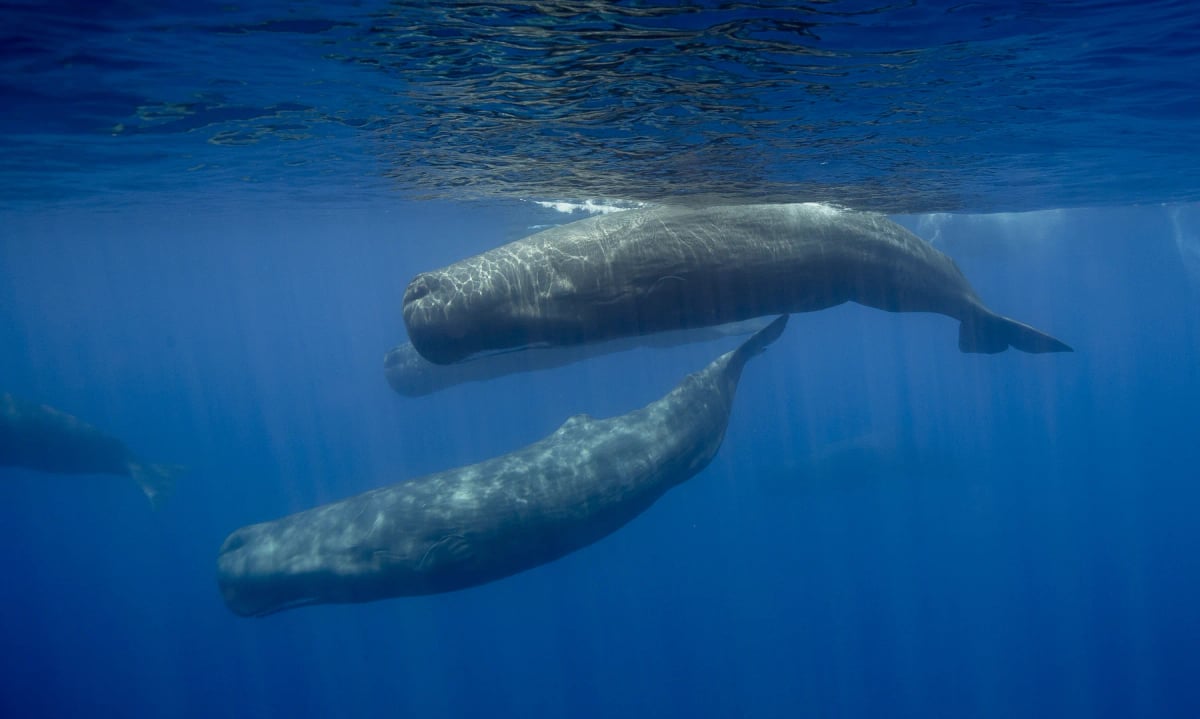
Sperm Whale
Physeter macrocephalus
Sperm whales inhabit the deep Atlantic waters off Nigeria's coast, where the Gulf of Guinea drops to great depths beyond the continental shelf. This area supports healthy populations of squid that sustain these large predators. Nigeria's expanding offshore oil industry introduces noise and vessel traffic that can disturb sperm whale behavior. Listed as Vulnerable by the IUCN, their conservation in this region depends on careful management of industrial activity at sea.
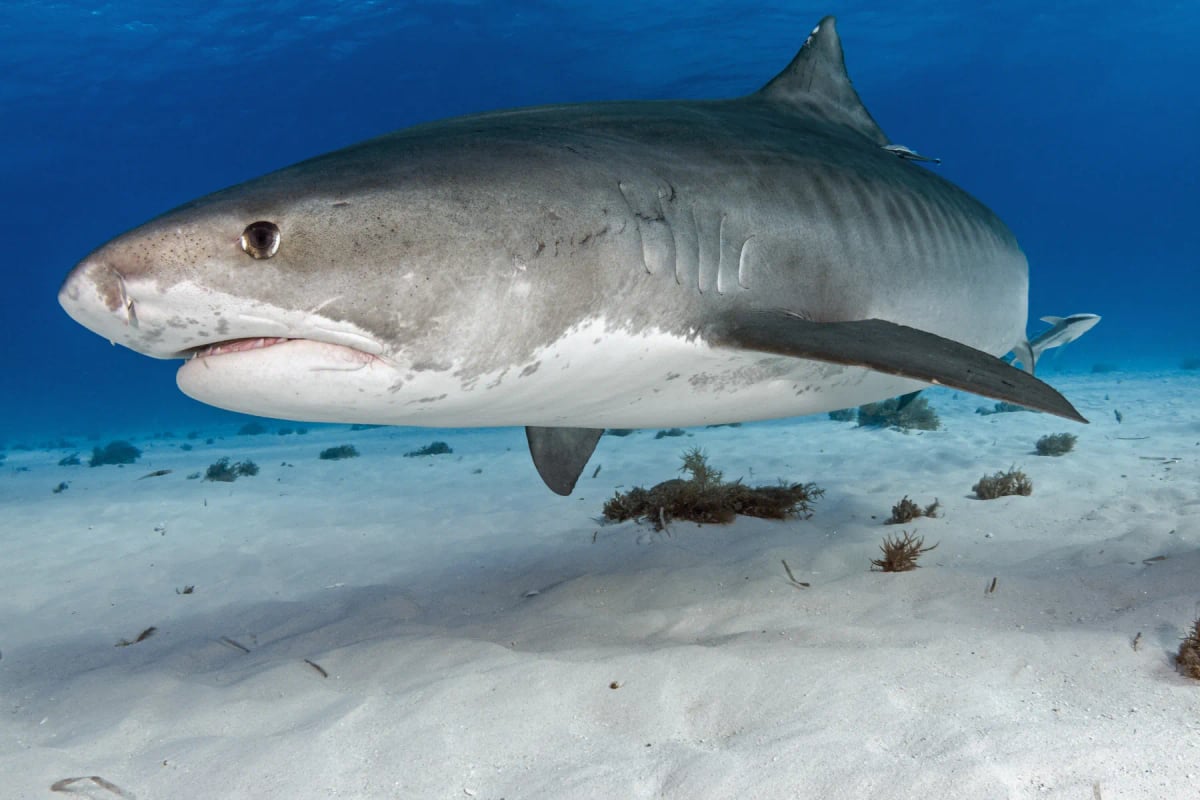
Tiger Shark
Galeocerdo cuvier
Along Nigeria's Gulf of Guinea coastline, tiger sharks inhabit warm, turbid coastal waters, river deltas, and offshore zones. The Niger Delta region, with its network of estuaries and nutrient-rich outflows, attracts a variety of marine life that tiger sharks pursue. Growing up to 5 metres long and weighing nearly 900 kilograms, they are among the largest predators in these waters. Fishing pressure across West Africa poses a significant threat to their regional populations.
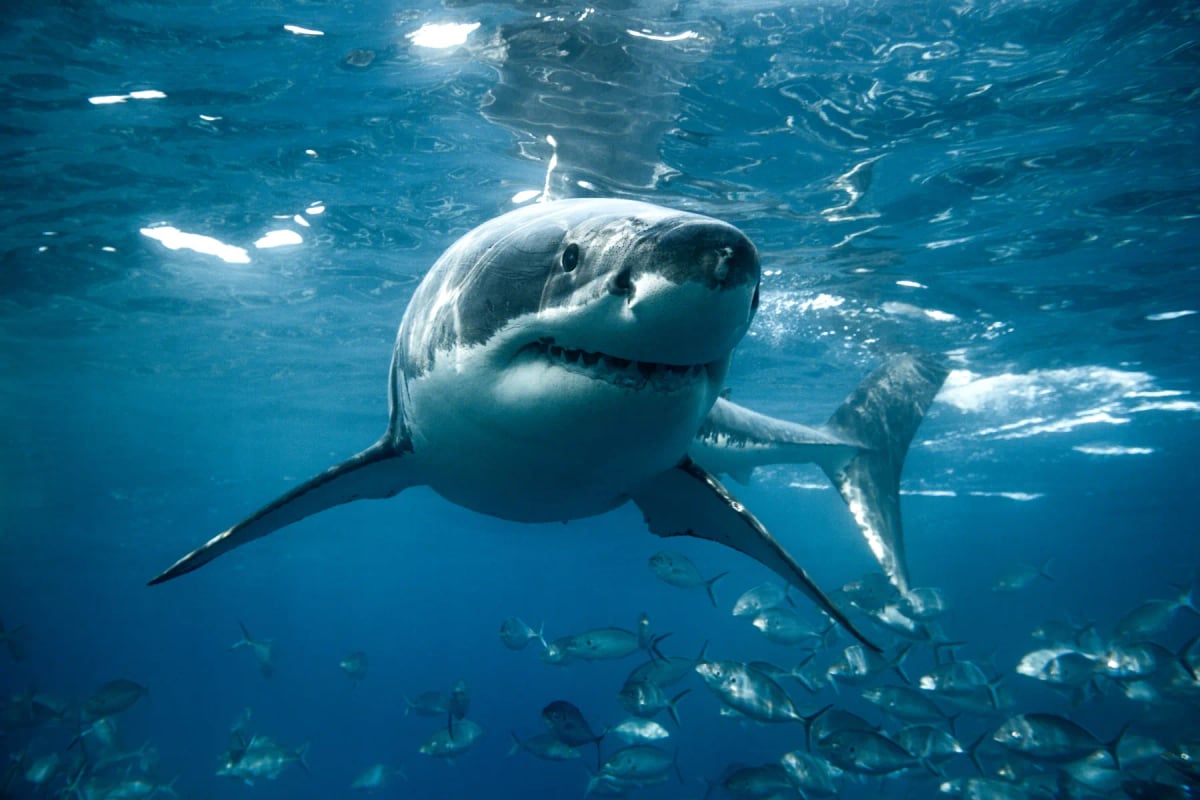
Great White Shark
Carcharodon carcharias
The great white shark has been recorded in the coastal waters of Nigeria, along the Gulf of Guinea in the eastern Atlantic. Sightings are infrequent, and the species is considered a rare visitor to this tropical stretch of West African coastline. Overfishing and habitat pressure in the region make conservation awareness increasingly important for all large marine predators passing through these waters.
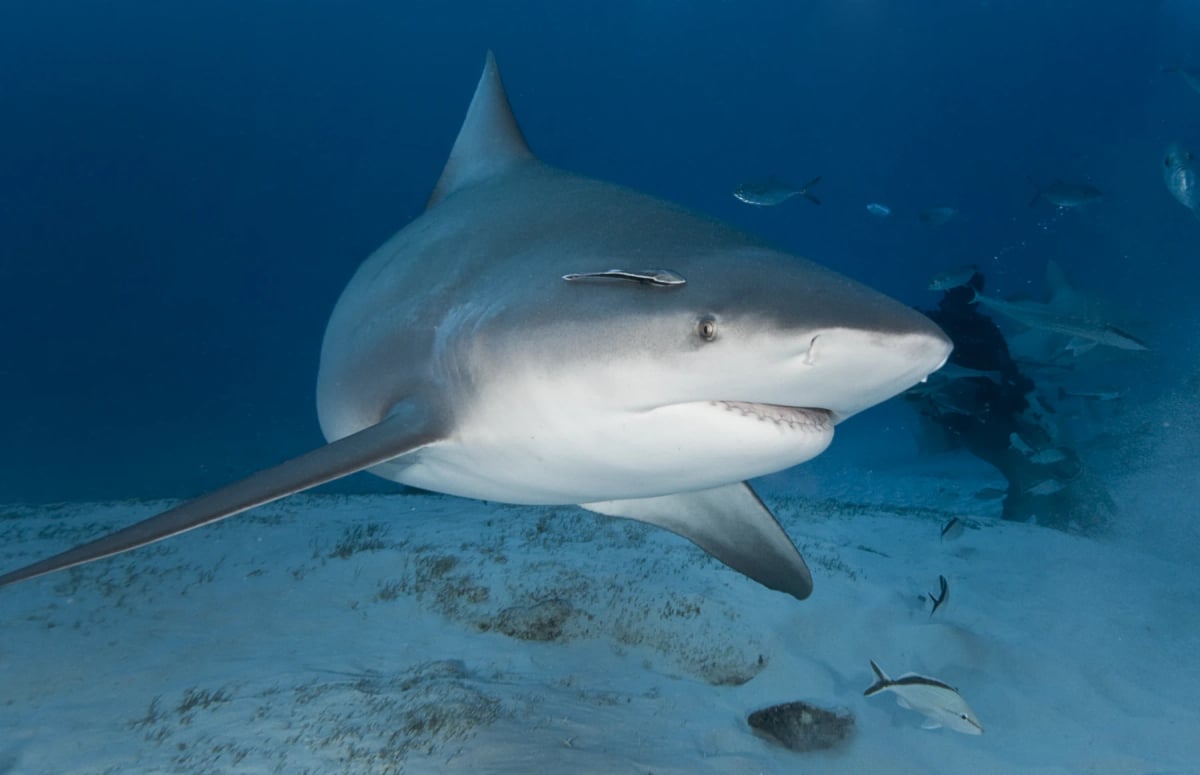
Bull Shark
Carcharhinus leucas
Along Nigeria's coastline and through the Niger Delta, one of the largest river delta systems in Africa, bull sharks find ideal conditions in warm, turbid shallows and brackish waterways. The delta's vast network of creeks and estuaries provides both feeding grounds and access to freshwater environments. They are Near Threatened globally, and fishing pressure in the Gulf of Guinea adds to the conservation concern for the species across West Africa.
Researched and written by Juan Pablo. Sources: IUCN Red List, scientific literature and regional field guides. Last updated: .