Animals in Angola
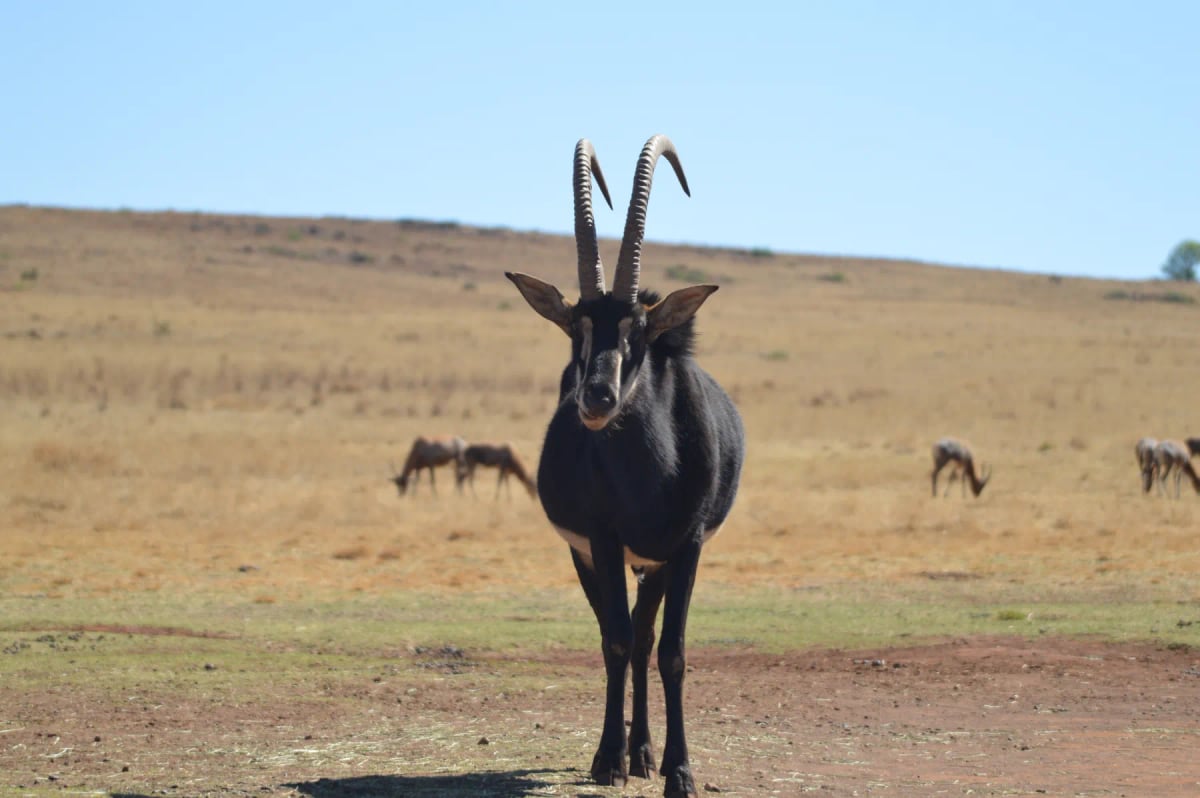
Sable Antelope
Hippotragus niger
The photo shows a sable antelope, a species related to Angola’s national animal, the Giant Sable Antelope. The giant subspecies is rare and found only in Angola, symbolizing endurance and national pride. Conservation programs and limited safaris protect this emblematic animal in its remaining forest habitats.
View details→Wildlife in Angola
Angola’s wildlife extends from the Atlantic coast to forests and inland savannas. Elephants, giraffes, chimpanzees, manatees and whales share diverse habitats that remain little explored. National parks such as Kissama and Iona are regaining attention as emerging destinations for eco tourism and wildlife conservation.
Most Dangerous Animals in Angola
Angola is home to powerful and potentially dangerous animals such as elephants, hippos, leopards and venomous snakes. These species inhabit forests, rivers and savannas. Guided tours and park supervision help ensure safe encounters for visitors exploring its natural areas.
Top 10 Animals in Angola
Angola’s notable fauna includes elephants, chimpanzees, cheetahs, giraffes, hippos, leopards, black rhinos, crocodiles and black mambas. These animals represent the country’s ecological diversity and are increasingly featured in nature tours that promote Angola’s recovery as a wildlife destination.
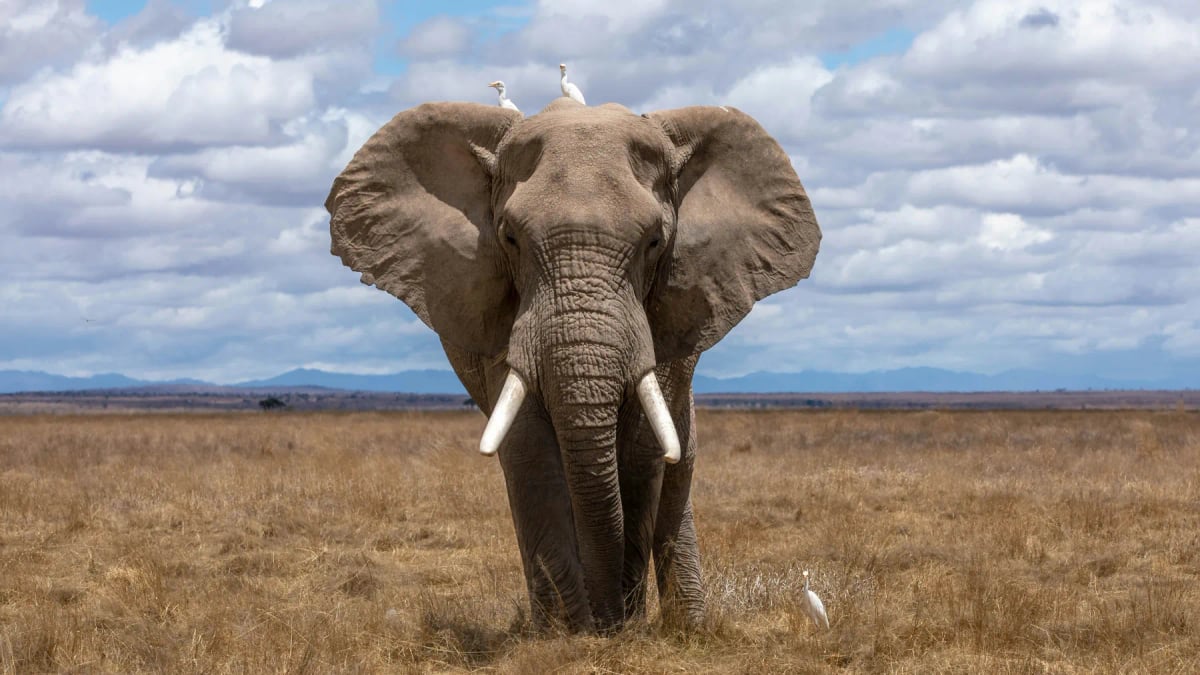
African Elephant
Loxodonta africana
Angola's elephant population is concentrated in the vast wilderness of the Cuando Cubango province in the southeast, particularly in Luengue-Luiana and Mavinga national parks. The population was severely reduced during the civil war that lasted until 2002, but numbers have been recovering steadily as security returned and conservation efforts expanded. Many of Angola's elephants roam across the border with Botswana and Namibia as part of the Kavango-Zambezi Transfrontier Conservation Area.
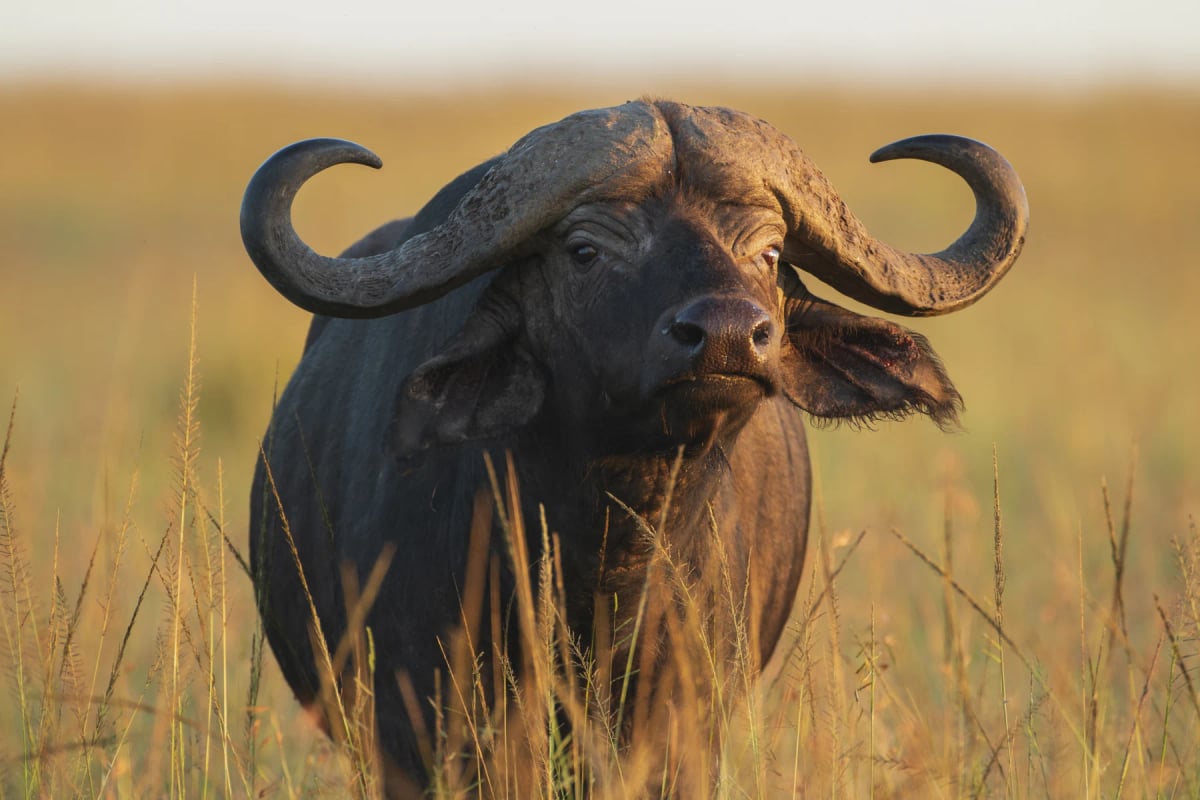
Buffalo
Syncerus caffer
The African buffalo is found across Angola's diverse landscapes, from the miombo woodlands of the interior to the floodplains of the Okavango and Cuando rivers in the southeast. Herds gather near permanent water sources, particularly in Cuando Cubango province. Angola's populations are recovering after decades of civil conflict that severely reduced wildlife numbers. The species holds Least Concern status globally, though local pressures from poaching and habitat loss remain concerns.
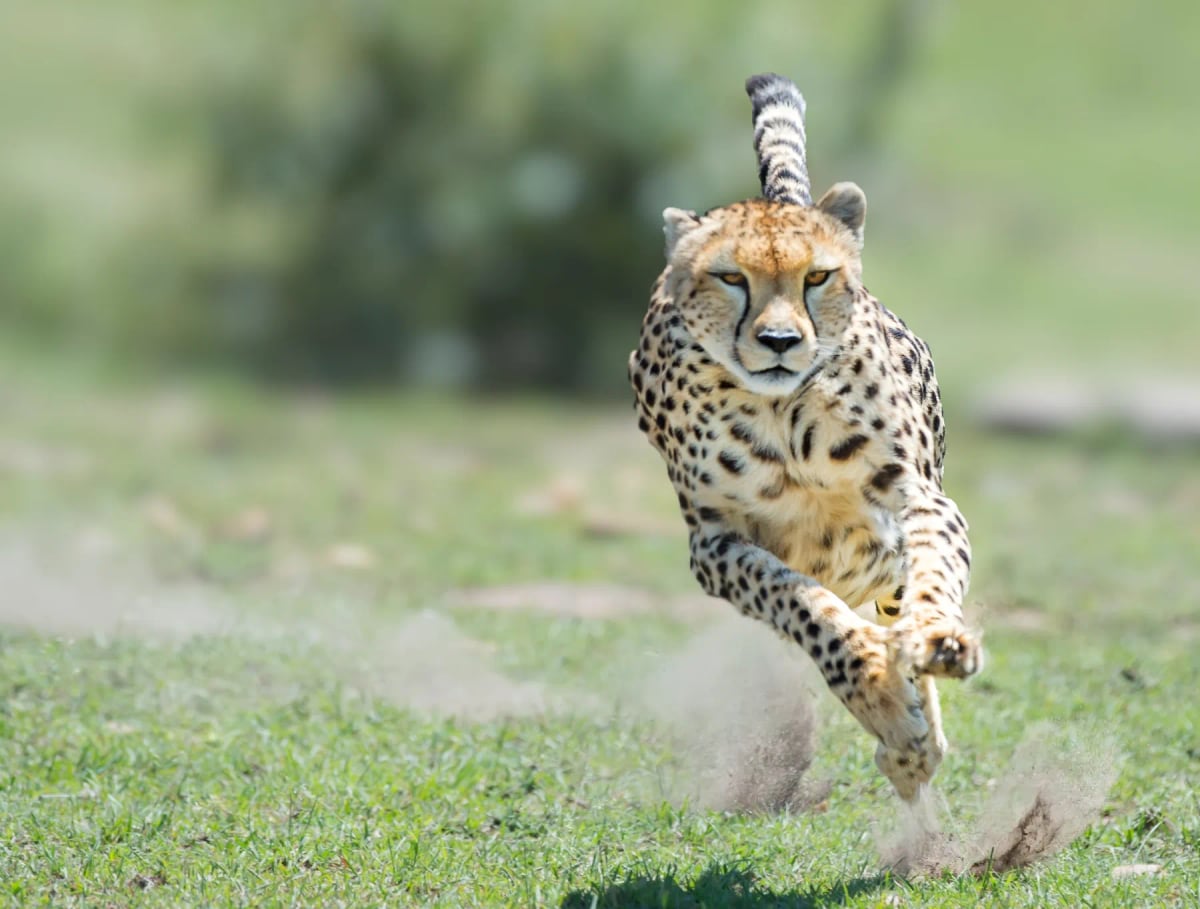
Cheetah
Acinonyx jubatus
Angola holds a scattered cheetah population across its southern savanna regions, particularly in areas bordering Namibia and Botswana. Decades of civil conflict disrupted wildlife monitoring, so population estimates remain uncertain. The open woodlands and grasslands of the south provide suitable habitat, but prey depletion and human encroachment continue to apply pressure. Conservation efforts in Angola are still developing, and the cheetah's presence is confirmed but not well documented.
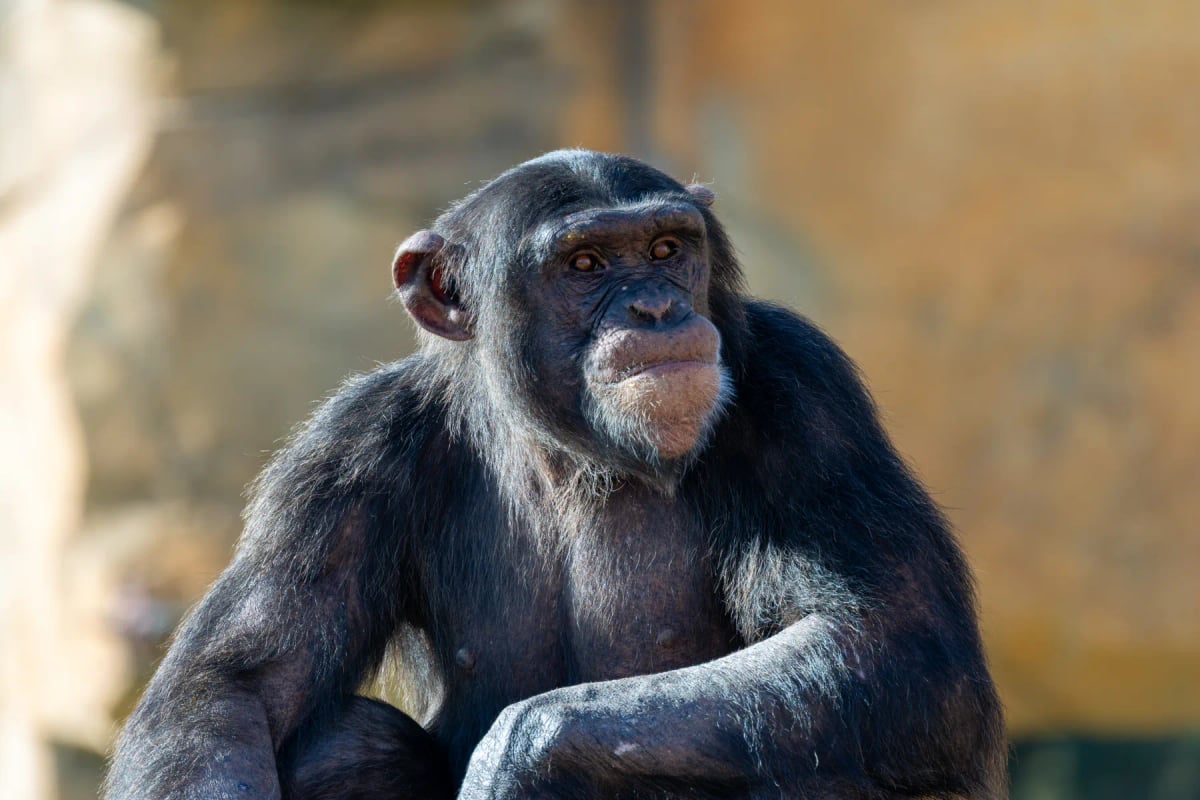
Chimpanzee
Pan troglodytes
In Angola, chimpanzees are found in the northern Cabinda enclave, where dense tropical forest provides shelter and food year round. This isolated population faces intense pressure from habitat loss and hunting. Classified as Endangered, chimpanzees in Angola represent one of the range's southern limits, making their conservation critical for the survival of the species across Central Africa.
Sable Antelope
Hippotragus niger
Angola holds one of the most significant populations of sable antelope in Africa, including the rare giant sable, a subspecies found nowhere else on Earth. These animals roam the miombo woodlands of the Malanje and Kuanza Norte provinces. Decades of civil war took a heavy toll on their numbers, but ongoing conservation efforts inside Cangandala National Park are working to bring the population back.
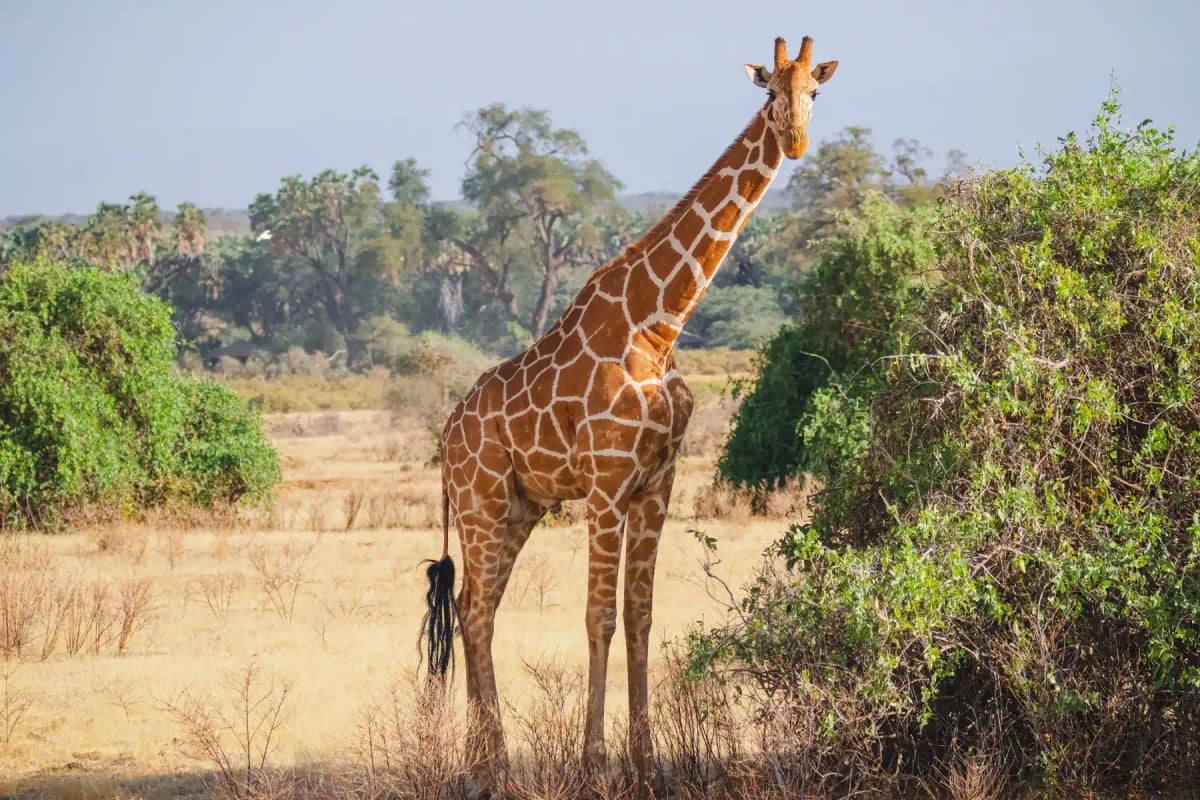
Giraffe
Giraffa camelopardalis
Giraffes in Angola are found in the northeastern savannas, particularly in areas bordering the Democratic Republic of Congo. Populations here suffered heavily during decades of civil conflict, which disrupted conservation efforts across the region. Recovery has been slow, and numbers remain low. As one of the tallest animals on Earth, the giraffe plays a key role in shaping the woodland ecosystems it calls home. Its status is Vulnerable.
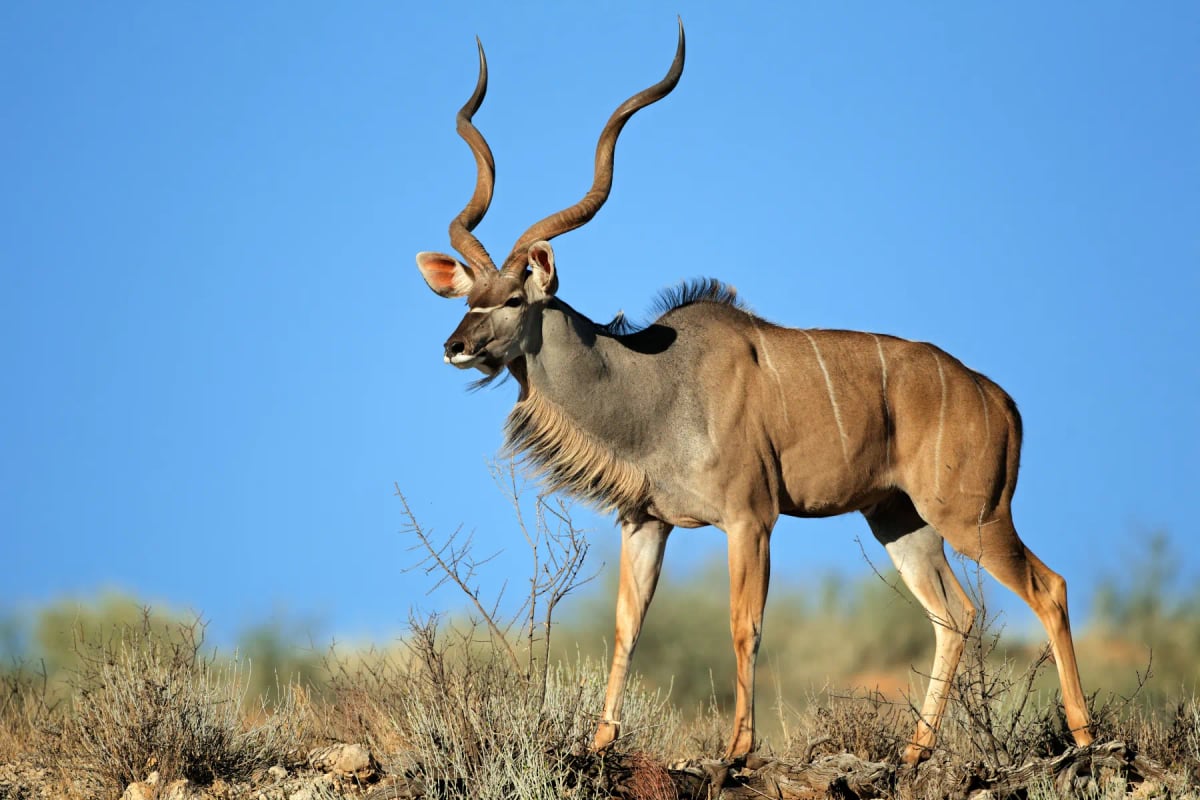
Greater Kudu
Tragelaphus strepsiceros
In Angola, the greater kudu is found across woodland areas in the east and south of the country, including regions around Cuando Cubango. Males carry spectacular spiral horns that can exceed 1.8 metres along the curl. The species browses on leaves and wild fruits in areas with dense bush cover. Angola's vast and relatively undisturbed miombo woodlands provide important refuge for this large antelope, listed as Least Concern by the IUCN.
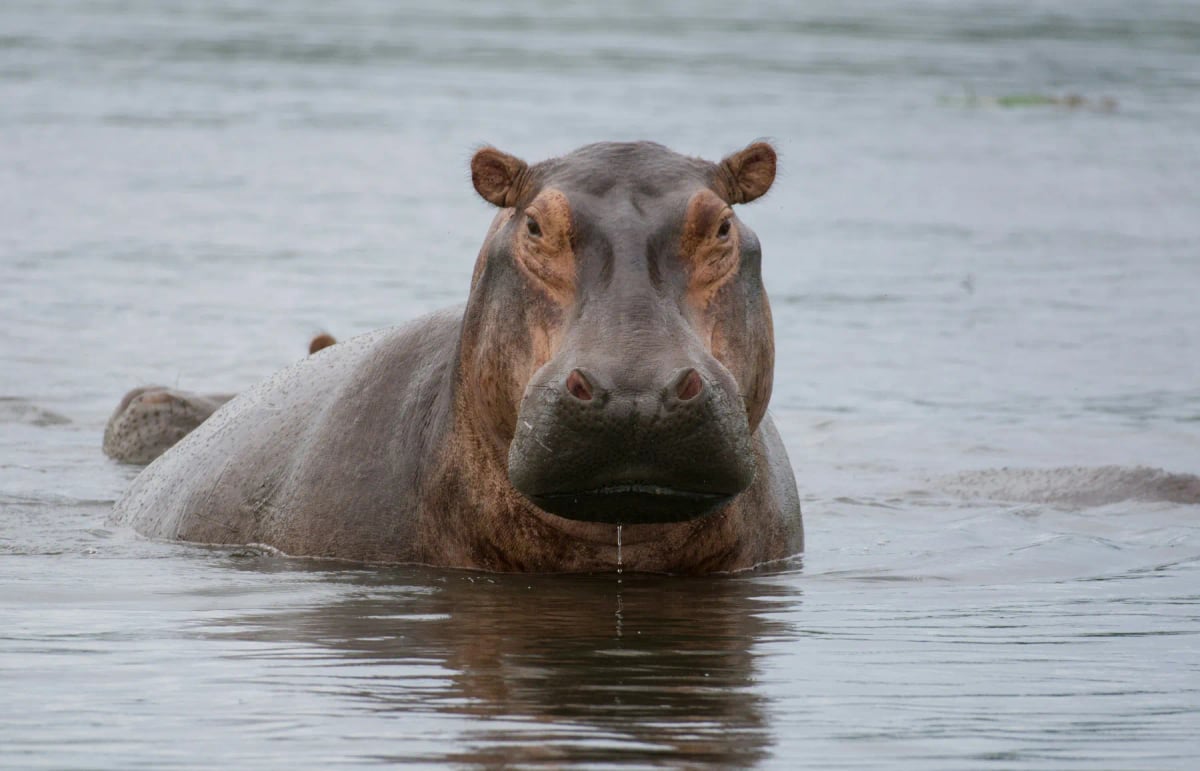
Hippopotamus
Hippopotamus amphibius
In Angola, hippopotamuses are found along the rivers of the north and the Okavango system in the southeast, where wetlands provide the calm, shallow water they depend on. Decades of civil conflict took a serious toll on hippo populations here, and numbers are still recovering. Protected areas such as Cameia National Park offer some refuge. The IUCN lists the hippopotamus as Vulnerable.
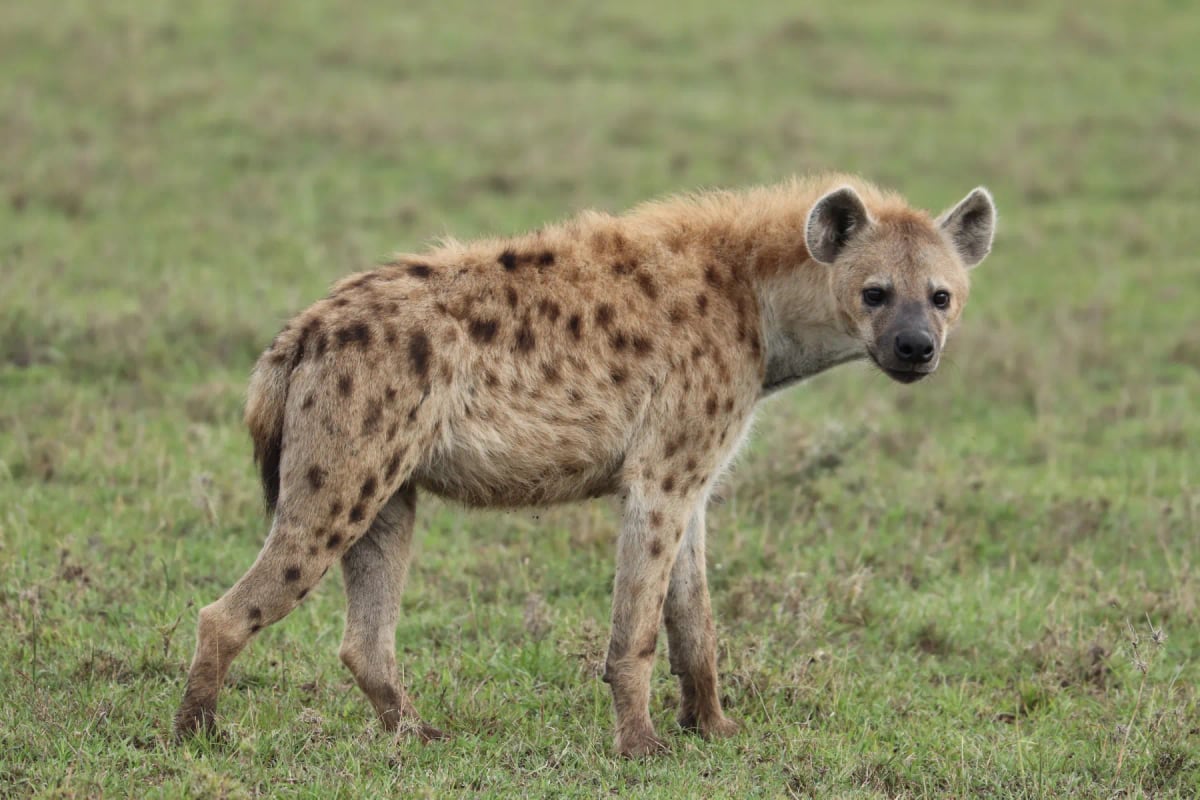
Spotted Hyena
Crocuta crocuta
The spotted hyena roams Angola's vast savannas and miombo woodlands, particularly across the southeast, where the Cuando Cubango province holds some of the country's most intact wildlife habitat. Living in female-led clans, these animals hunt and scavenge with equal skill. Angola's decades of civil conflict reduced wildlife populations significantly, but spotted hyenas have shown resilience and are slowly recovering alongside other large carnivores.
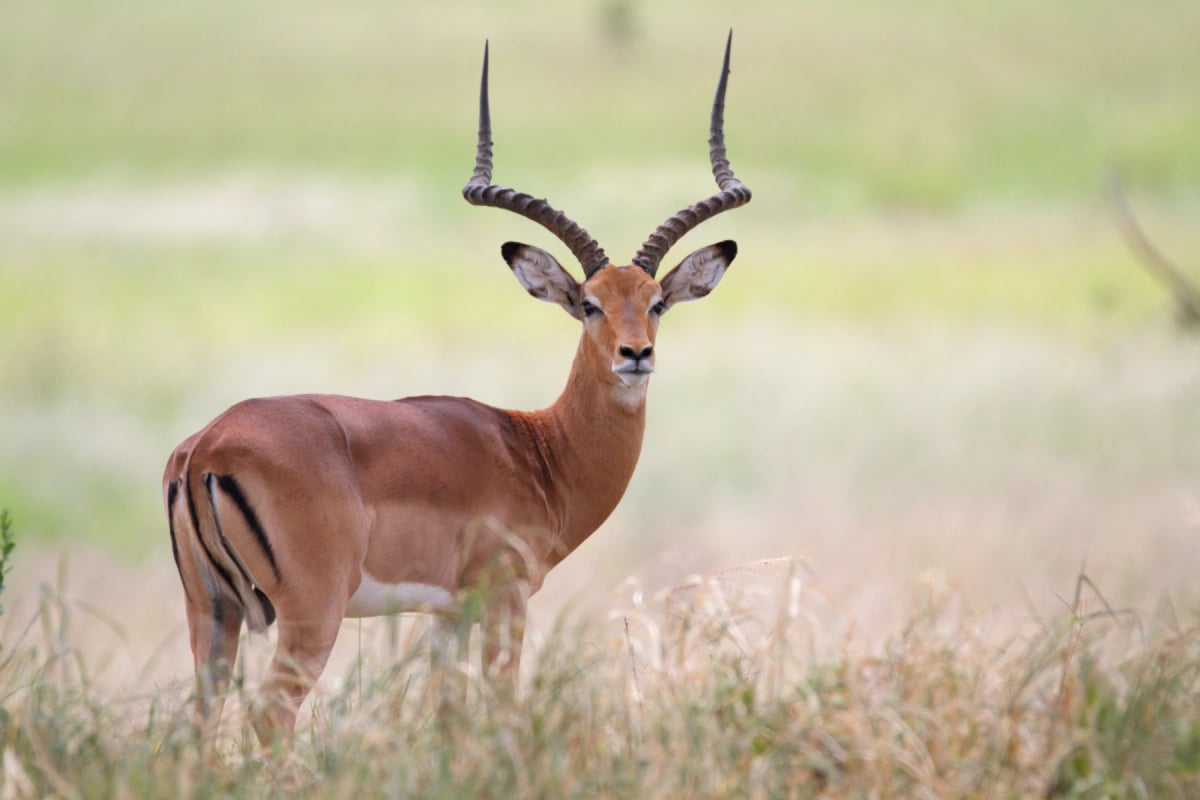
Impala
Aepyceros melampus
The impala is a slender, medium-sized antelope found in the woodland savannas of eastern Angola, including areas around Cuando Cubango province. Its reddish brown coat fades to white underneath, and only males carry the graceful, lyre-shaped horns. Impalas graze on grass in the wet season and browse shrubs when rain is scarce. They can leap up to 10 metres and reach speeds of around 60 km/h when fleeing predators. The IUCN lists them as Least Concern.
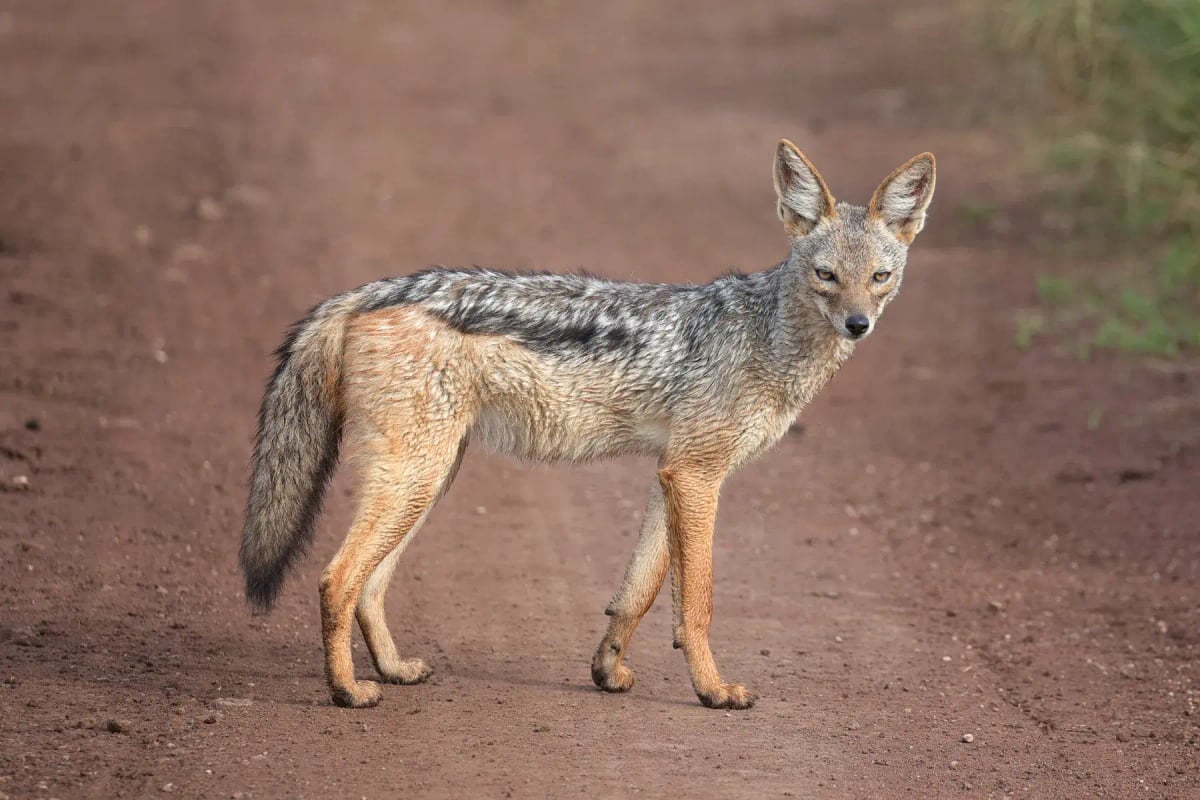
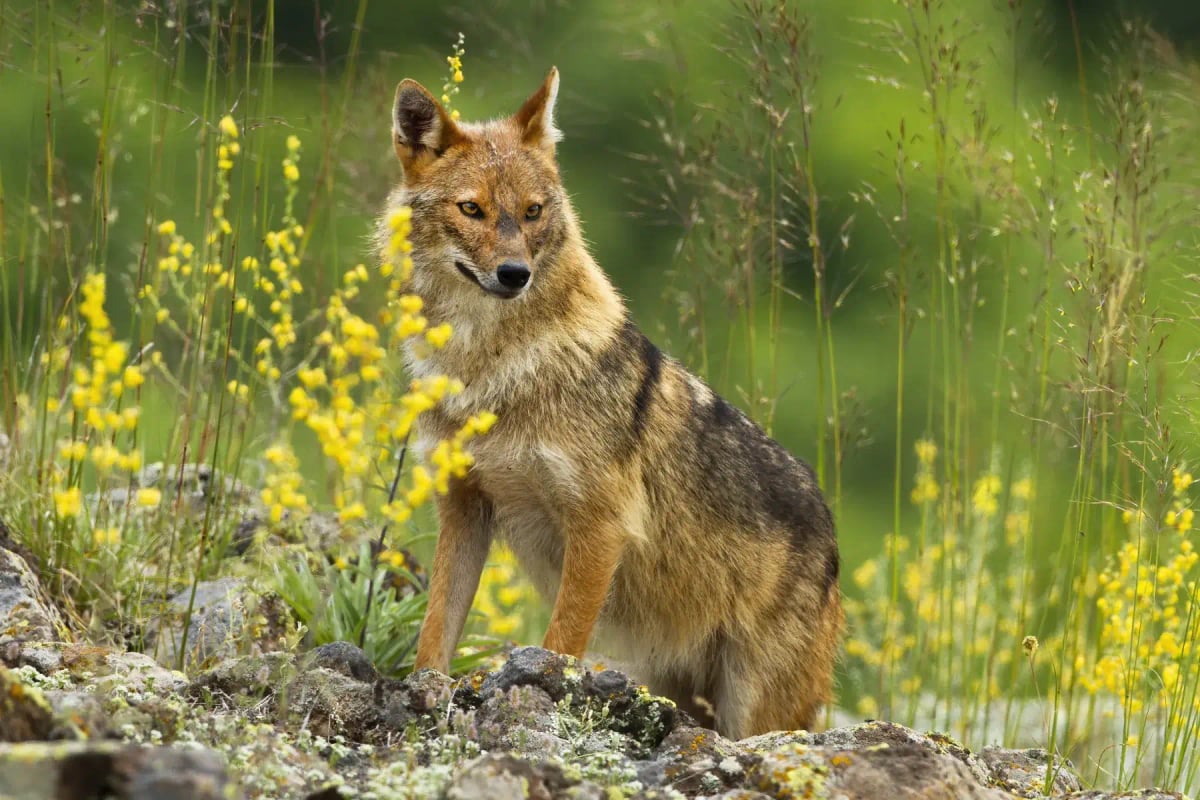
Black backed Jackal
Canis mesomelas
The black backed jackal is found in the southern and central regions of Angola, particularly in the arid Namib border zone and the miombo and thornbush savannas inland. Its distribution in Angola is less thoroughly documented than in neighboring Namibia or Botswana. It fills the role of a generalist predator and scavenger across these habitats. Its IUCN status is Least Concern. Bonded pairs are the core social unit, often assisted by offspring from prior breeding seasons.
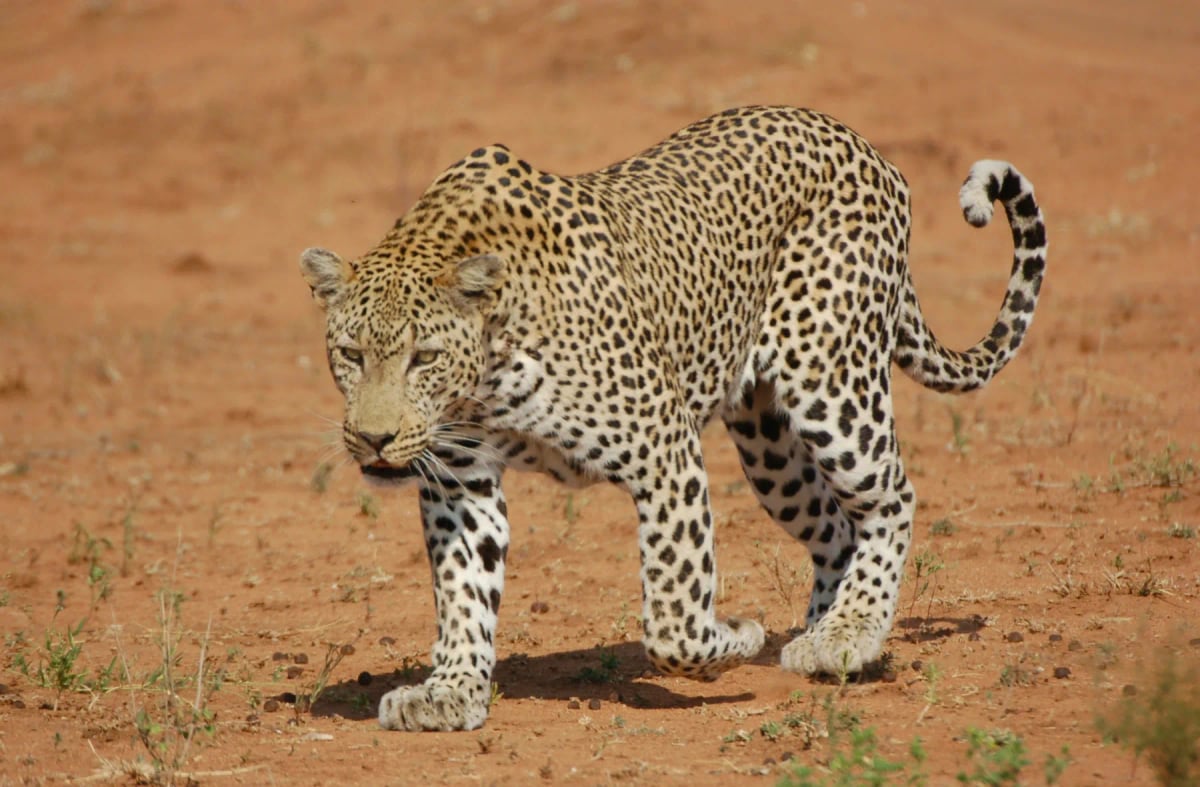
Leopard
Panthera pardus
In Angola, leopards are found across a range of habitats, from the woodlands of the north to the drier savanna regions of the south. They are adaptable hunters, taking advantage of the country's varied landscapes. Angola's recovering wildlife sector, following years of civil war, offers some hope, though leopards still face threats from bushmeat hunting and conflict with livestock farmers across rural areas.
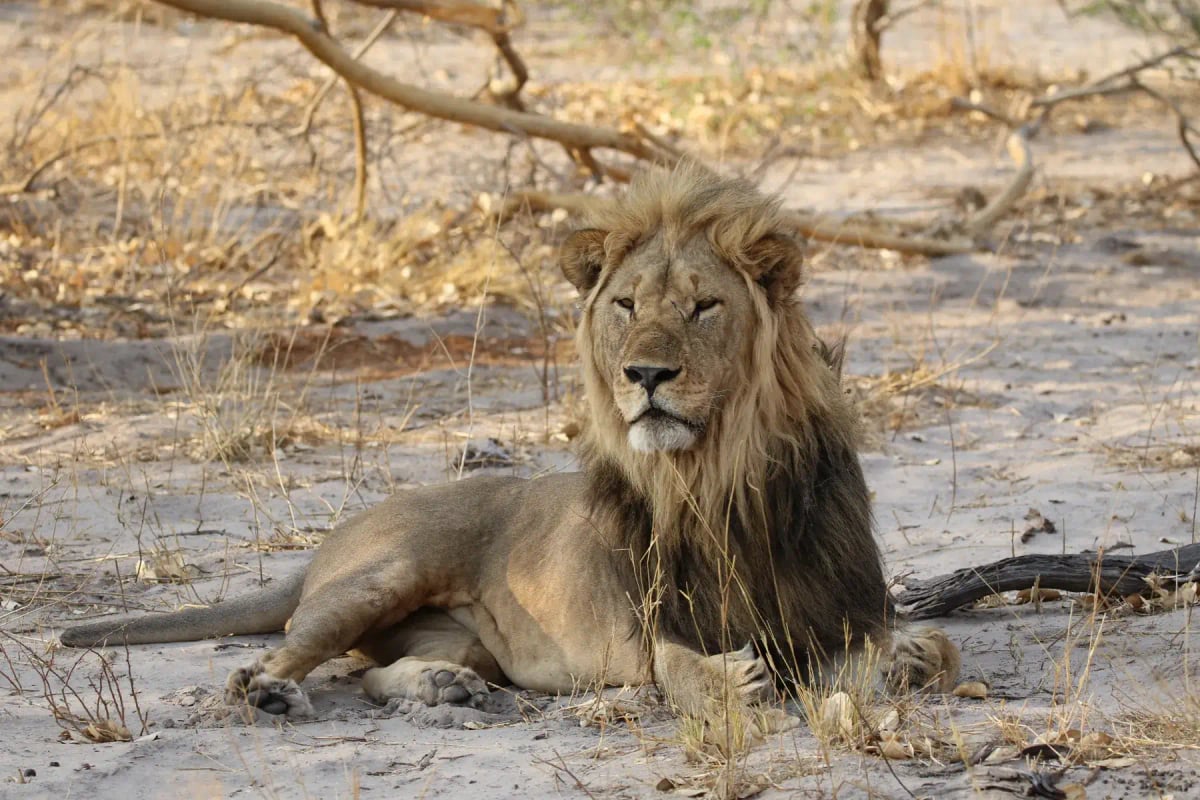
Lion
Panthera leo
In Angola, lions are found in the south and southeast of the country, particularly in Bicuar National Park and areas connected to the Okavango basin. Much of Angola's wildlife was severely impacted by decades of civil war, and lion populations are still recovering. The country has significant potential for wildlife conservation given its vast and largely undisturbed landscapes in the interior.
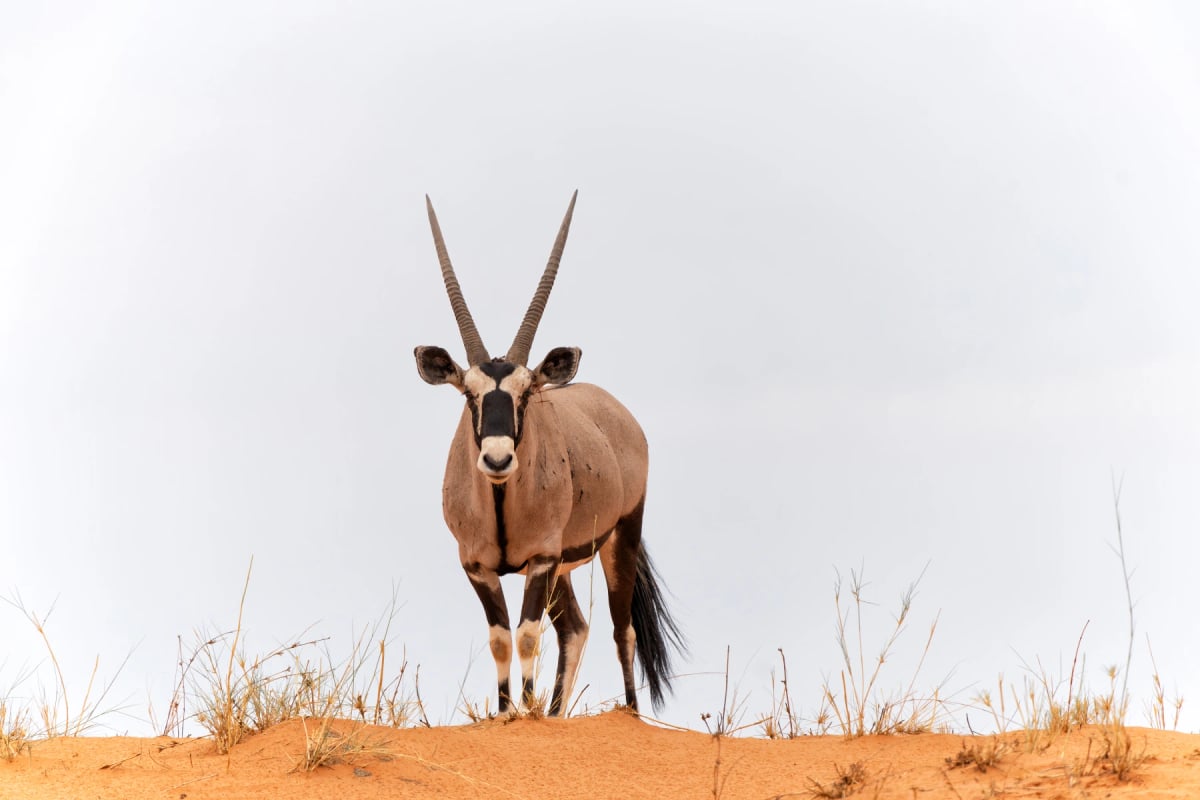
Oryx
Oryx spp.
In Angola, oryx are found in the arid southeastern regions, particularly around the Namib Desert fringes and the Cuando Cubango province. These large antelopes thrive in open, dry grasslands where few other mammals survive. Their ability to raise their body temperature during the day reduces water loss, letting them go days without drinking. Both males and females carry long, straight horns that can exceed one meter.
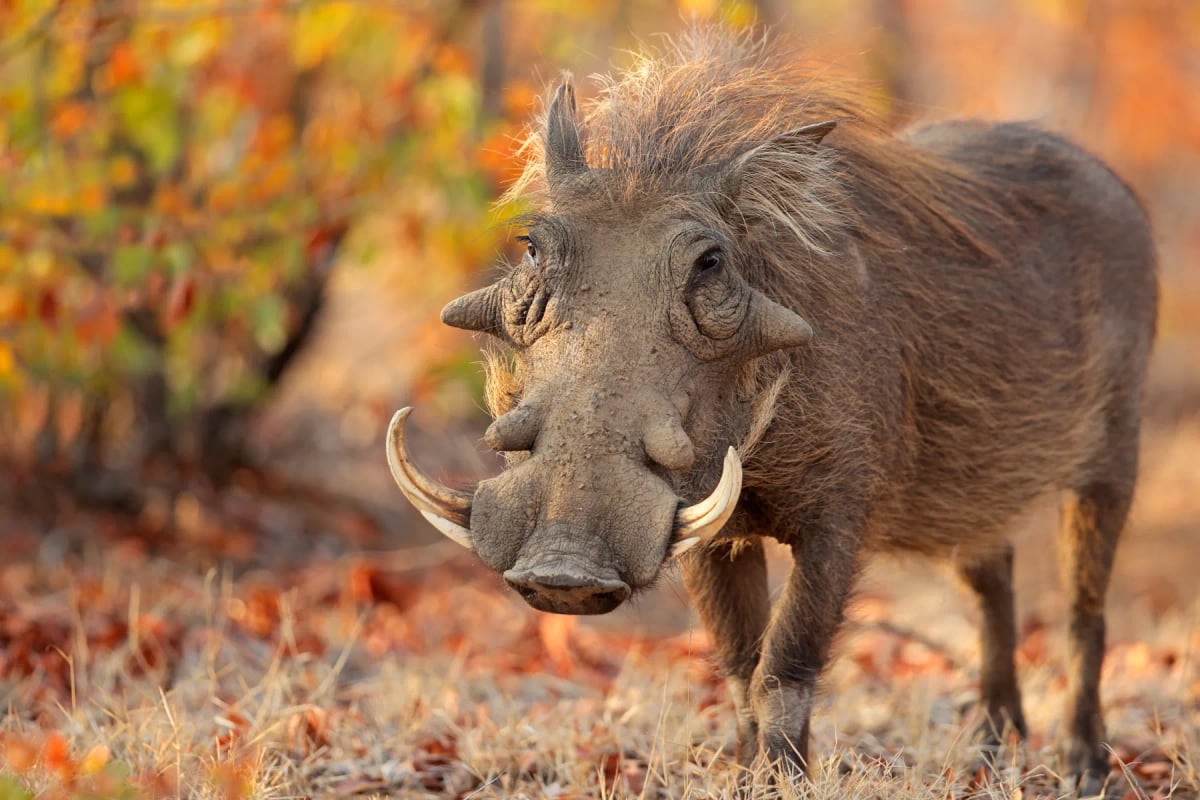
Warthog
Phacochoerus africanus
The common warthog is a familiar sight across Angola's vast savannas, particularly in the miombo woodlands and grasslands of the central plateau. It grazes on grasses and roots, often kneeling on its front legs to reach low vegetation. Family groups shelter in burrows, and predators such as lions and leopards keep populations in check. Its IUCN status is Least Concern.
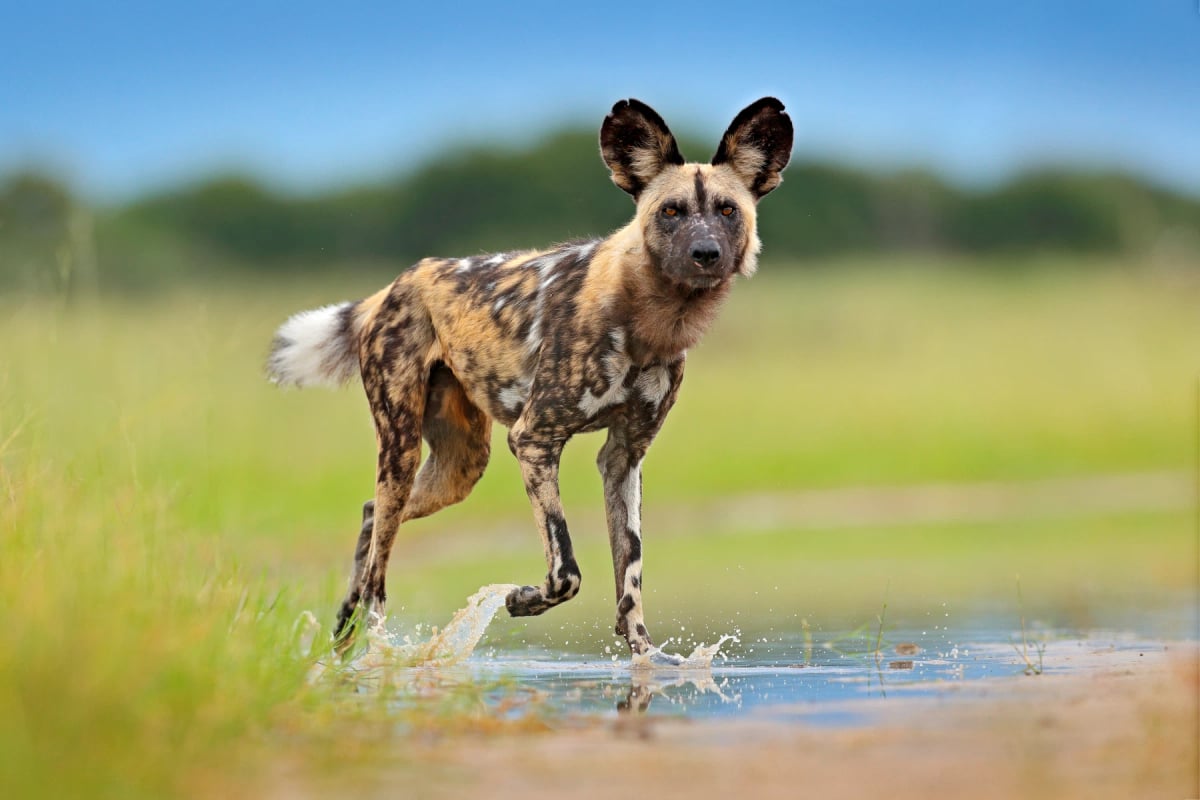
Wild Dog
Lycaon pictus
The African wild dog, or painted wolf, roams the remote savannas and woodlands of Angola, particularly in the country's southeastern regions. With a coat of black, white, and amber patches unique to each individual, it hunts in coordinated packs with remarkable success. Angola's vast and largely undisturbed wilderness offers real hope for populations that have been pushed to the edge across much of Africa. IUCN status: Endangered.
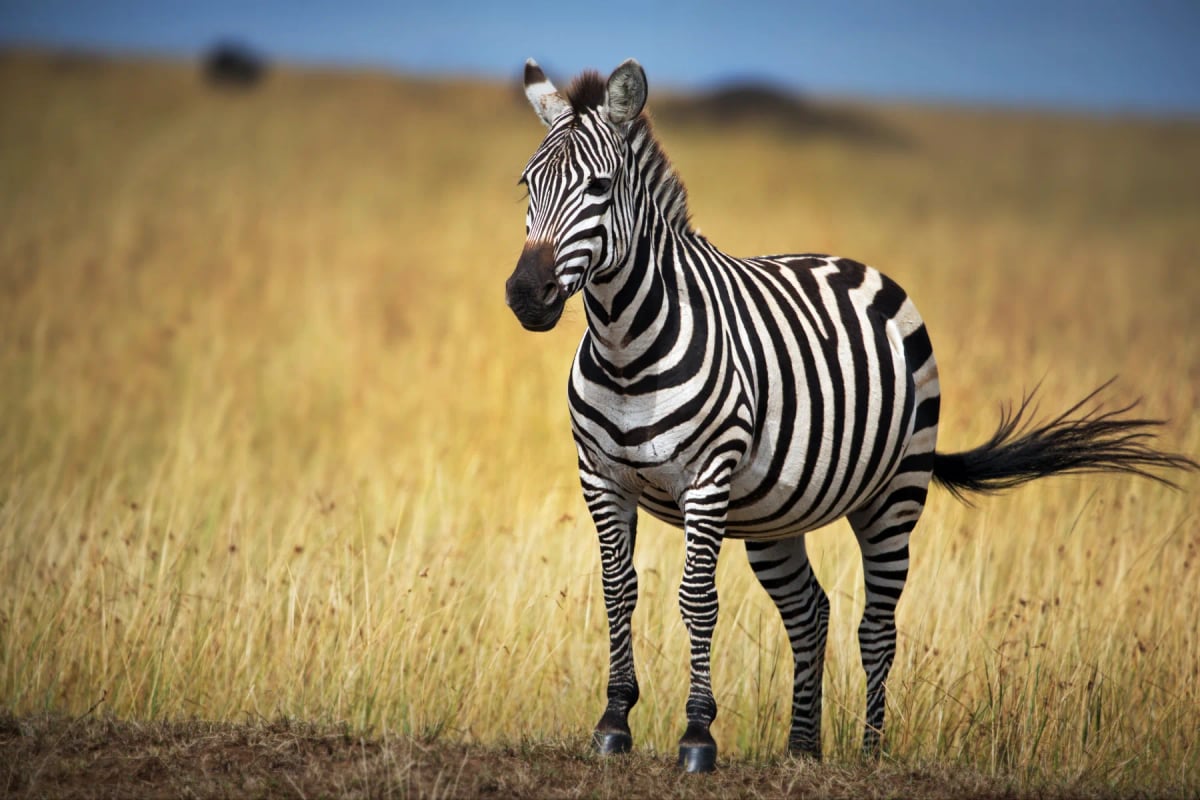
Zebra
Equus spp.
In Angola, plains zebras occur mainly in the south, in parks such as Iona, Mupa and Bicuar, where populations are slowly recovering after decades of civil war reduced wildlife across the country. Herds favor open savanna and mixed woodland, often grazing alongside other plains species. Conservation efforts and improved park management have helped numbers grow in recent years, though zebras remain less common in Angola than in neighboring countries further south and east.
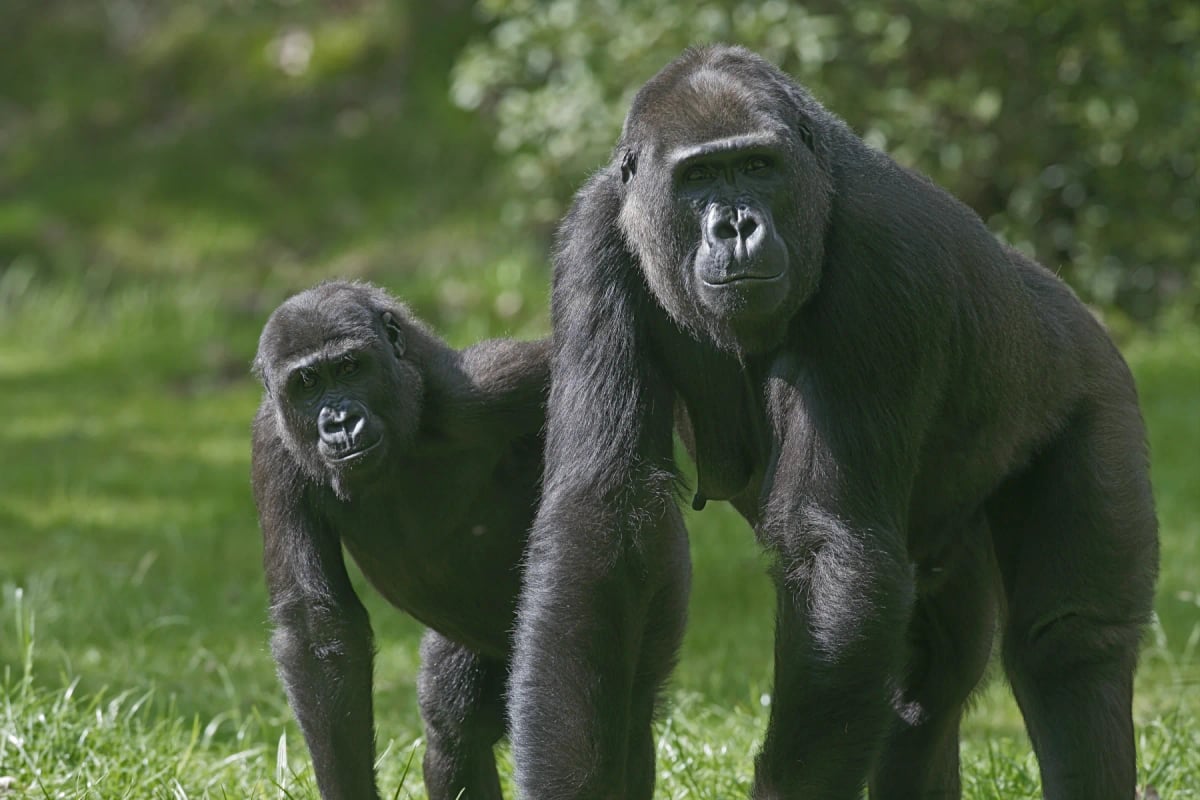
Western Lowland Gorilla
Gorilla gorilla gorilla
In Angola, western lowland gorillas are found in the forests of Cabinda, the small enclave separated from the rest of the country. This isolated population lives at the southern edge of the subspecies' range. Habitat loss from agriculture and decades of civil conflict have put pressure on these gorillas. They remain Critically Endangered, and conservation efforts in Cabinda are limited compared to other parts of Central Africa.
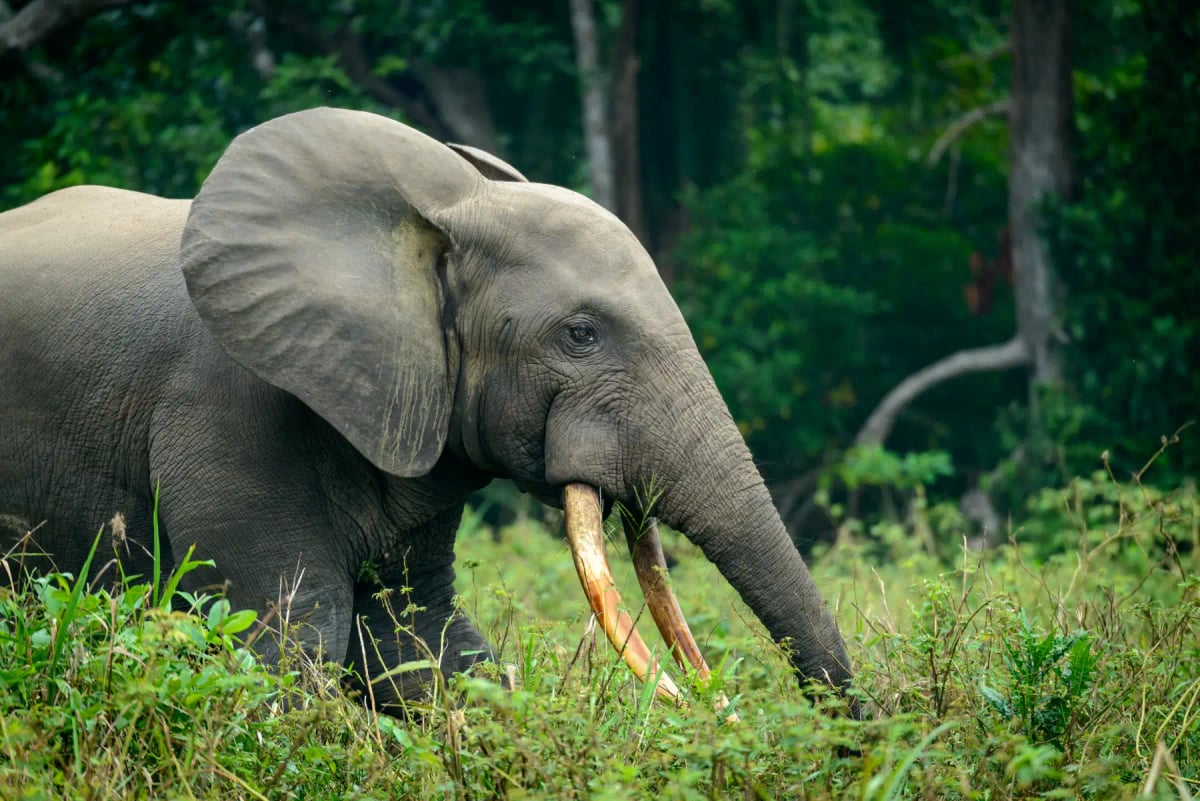
African Forest Elephant
Loxodonta cyclotis
The African forest elephant is present in Angola mainly in the northern rainforest areas, particularly in the Mayombe forest of Cabinda and the humid forests of Uíge and Kwanza Norte provinces bordering the DRC. These populations are isolated and poorly studied, and no reliable survey data exists for the country. Ongoing deforestation and past poaching have reduced numbers significantly, and the species is considered rare across its Angolan range.
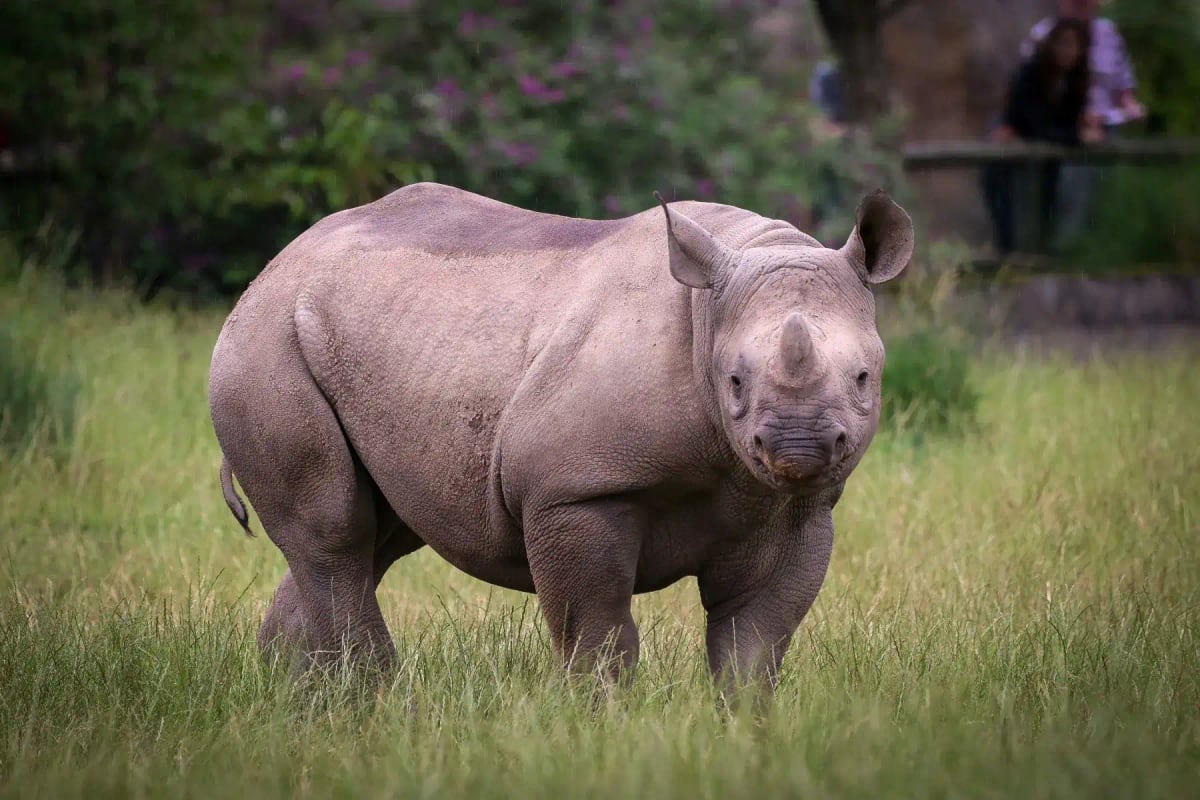
Black Rhinoceros
Diceros bicornis
Angola holds a small and recovering population of black rhinoceros, historically present in the southwestern regions near the Namibian border. Decades of civil conflict devastated wildlife across the country, and rhinos were effectively wiped out. Efforts are now underway to explore reintroduction possibilities in protected areas. The species remains Critically Endangered, and any future presence in Angola depends entirely on sustained political will and conservation investment.
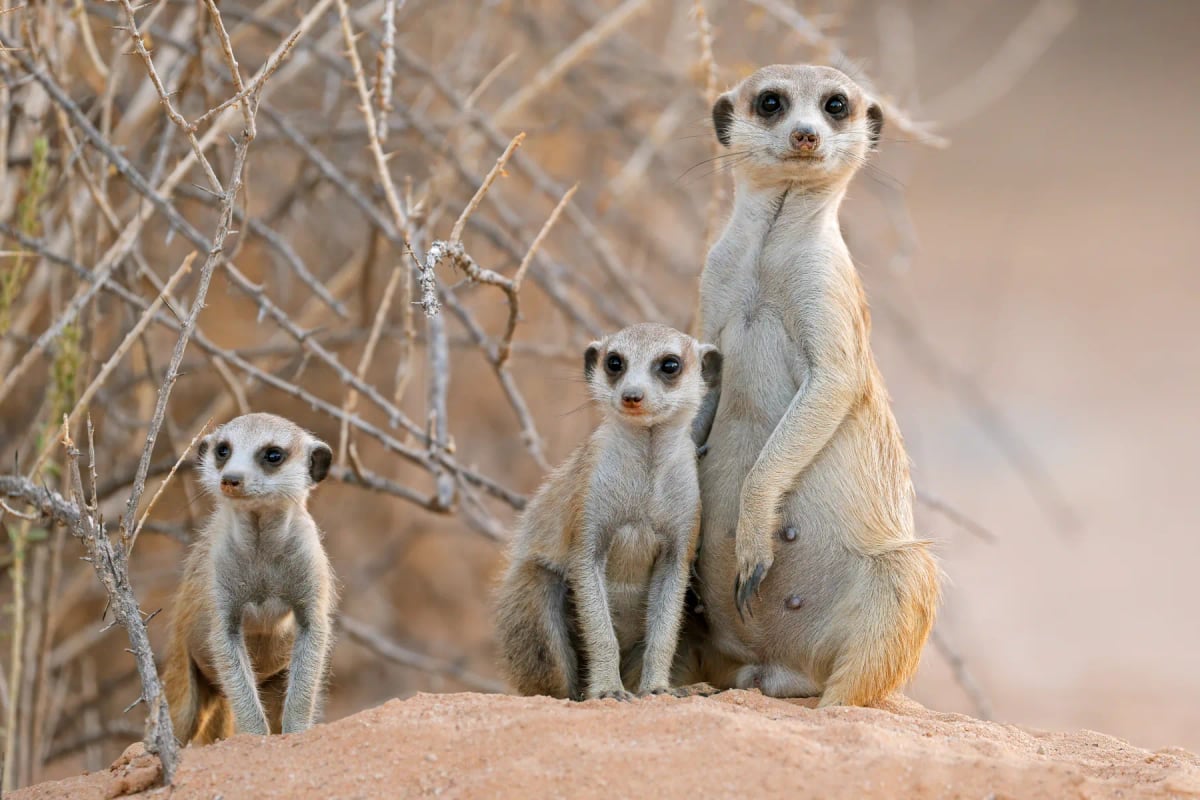
Meerkat
Suricata suricatta
In Angola, meerkats occupy the arid and semi-arid zones of the southwest, particularly around the Namib desert extension near the Namibian border. Here they form close family groups that share burrow systems offering shelter from the intense heat. Their varied diet of insects, scorpions and small lizards helps them thrive where food resources can be scarce. The IUCN lists them as Least Concern.
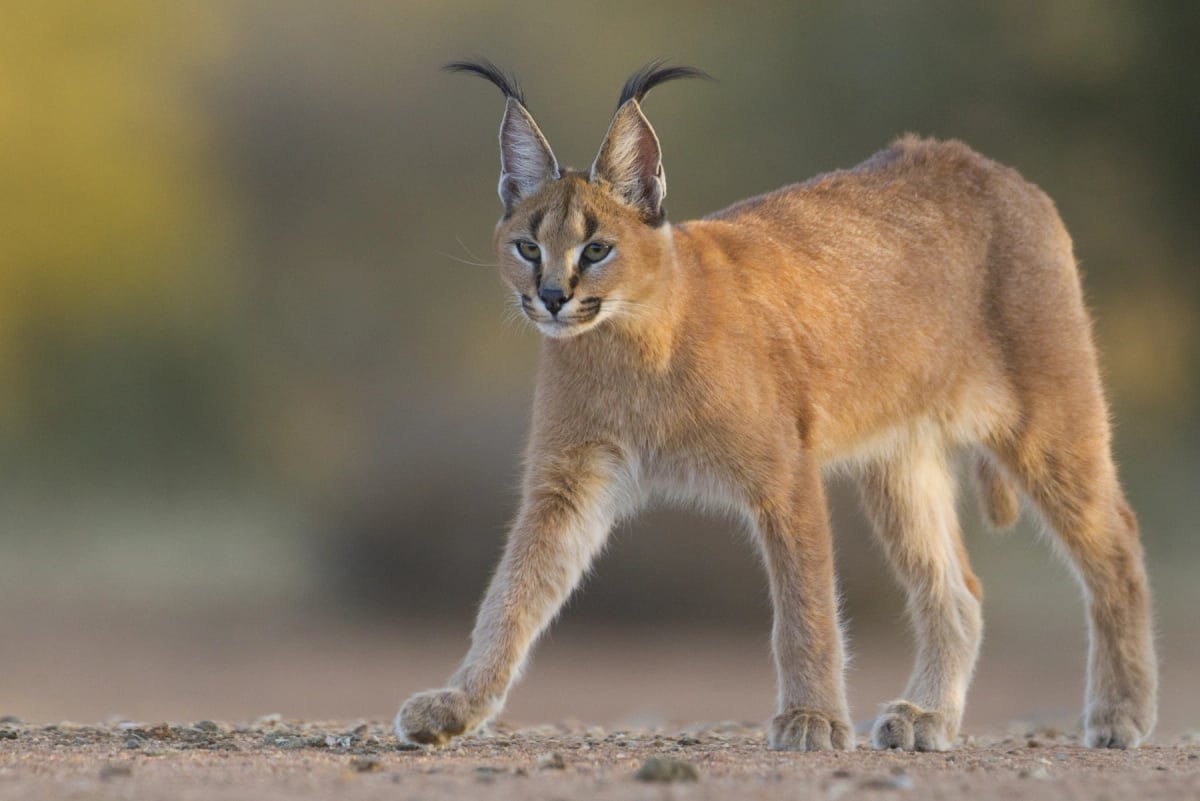
Caracal
Caracal caracal
The caracal occurs across much of Angola, from the dry miombo woodlands of the interior to the arid scrublands of the southwest near the Namib Desert edge. It avoids the dense forests of the north. A solitary and largely nocturnal hunter, it targets small antelopes, hares, and birds. Habitat loss linked to agricultural expansion is an increasing concern for the species across the country. IUCN status: Least Concern.
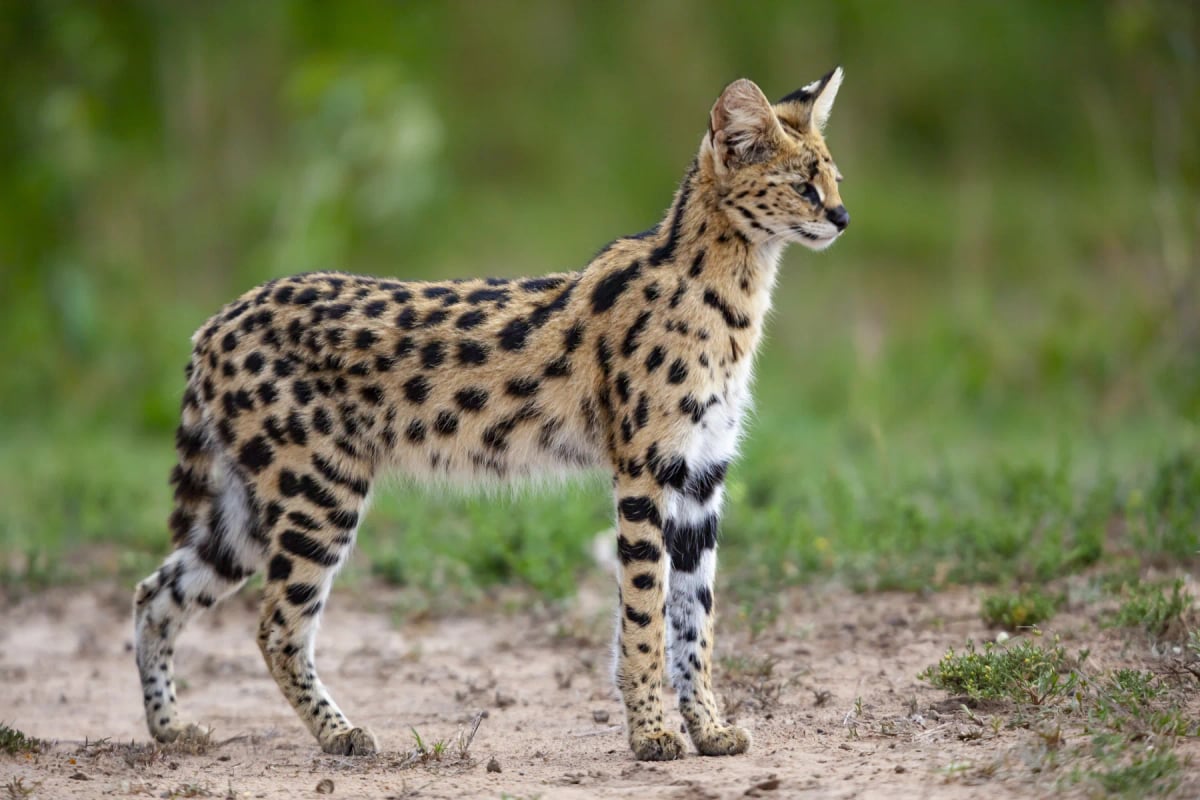
Serval
Leptailurus serval
The serval roams Angola's central highlands and the wetland edges of the Okavango Basin in the south. It favors tall grasslands and reed beds where prey is plentiful. Rodents make up most of its diet, caught with a powerful leaping strike. Angola's mix of savanna and seasonal floodplains suits this solitary cat well. The IUCN lists it as Least Concern, though the pelt trade remains a local pressure.
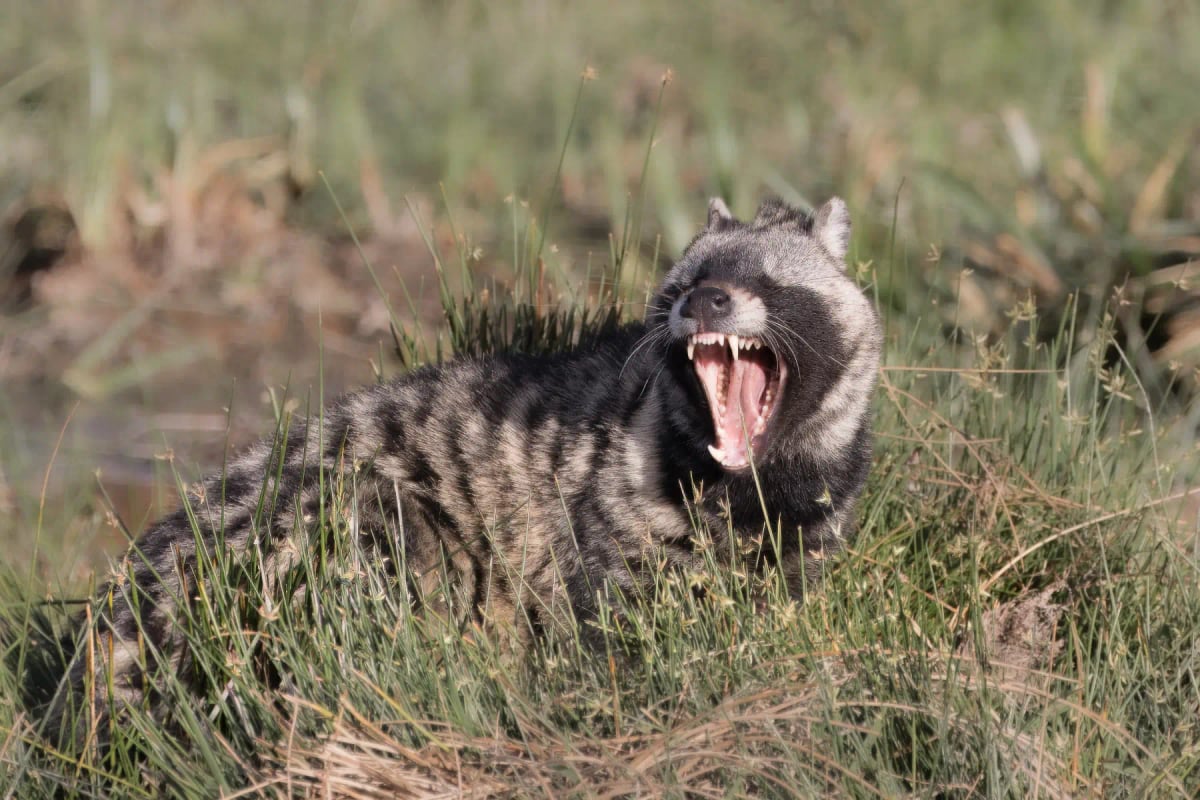
African Civet
Civettictis civetta
The African civet ranges through Angola's northern Congo Basin forests, the humid woodlands of the central Malanje plateau, and the savanna corridors of the east. It follows riverine vegetation into drier zones but avoids the southwestern coastal desert. In Angola's less disturbed woodland areas, civets share the nocturnal landscape with genets and mongooses, thriving wherever dense ground cover and permanent water remain accessible.
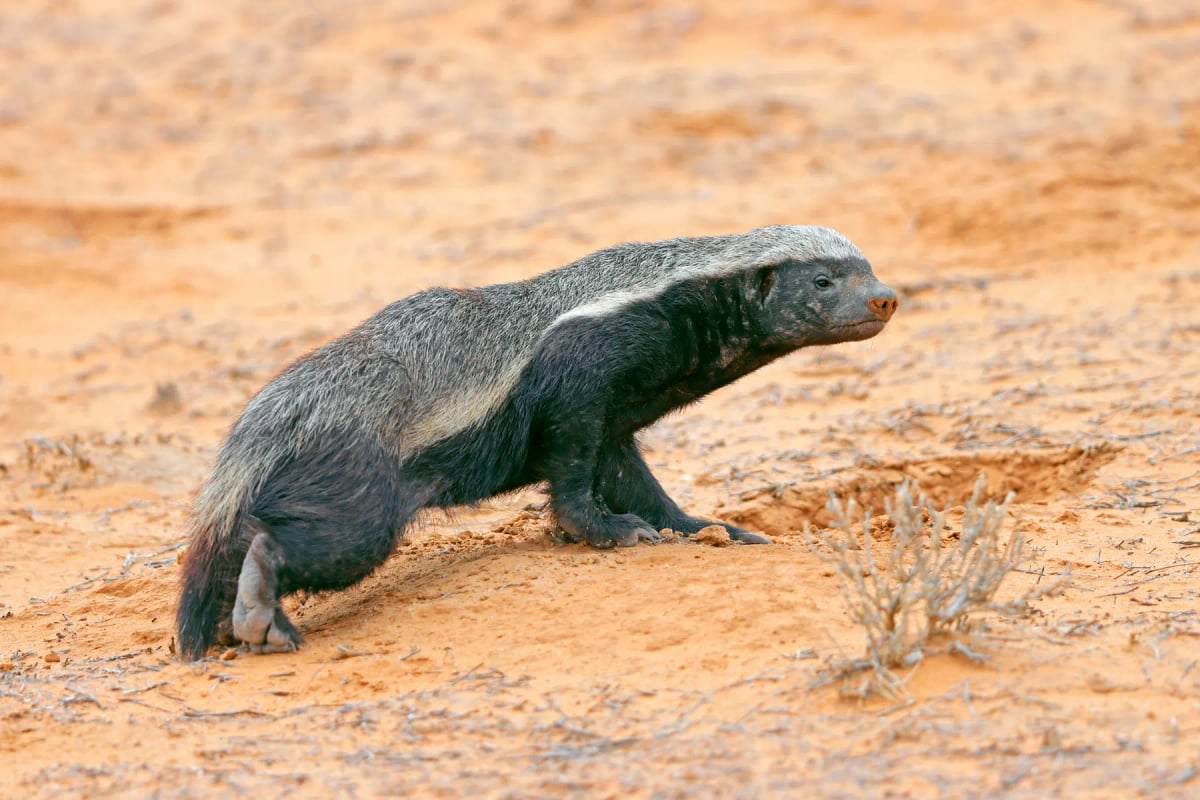
Honey Badger
Mellivora capensis
In Angola, the honey badger roams savannas and miombo woodlands, ecosystems that provide plenty of prey and soft ground for digging. Its thick, loosely attached skin protects it from bites and stings as it raids beehives and hunts venomous snakes. Conflict with farmers and ongoing habitat pressures affect local numbers, though the species remains Least Concern on the IUCN Red List.
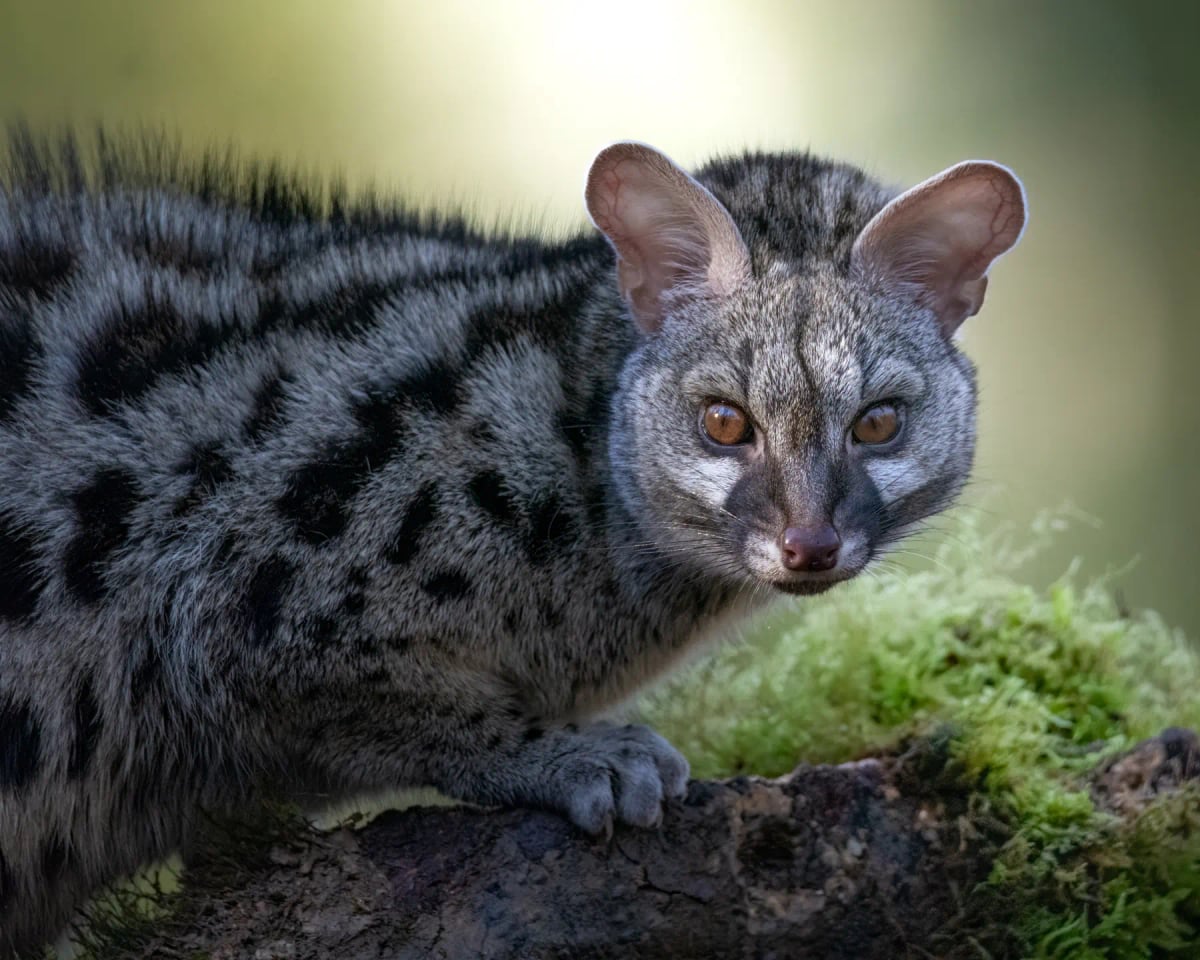
Common Genet
Genetta genetta
In Angola, the common genet inhabits woodland savannas, gallery forests, and bushland across much of the country. It is a solitary and nocturnal animal that rests during the day in hollow trees or thick cover. It feeds on small prey including rodents, birds, and insects. Angola's mosaic of forests and open habitats supports a healthy population of this adaptable carnivore. Its IUCN status is Least Concern.
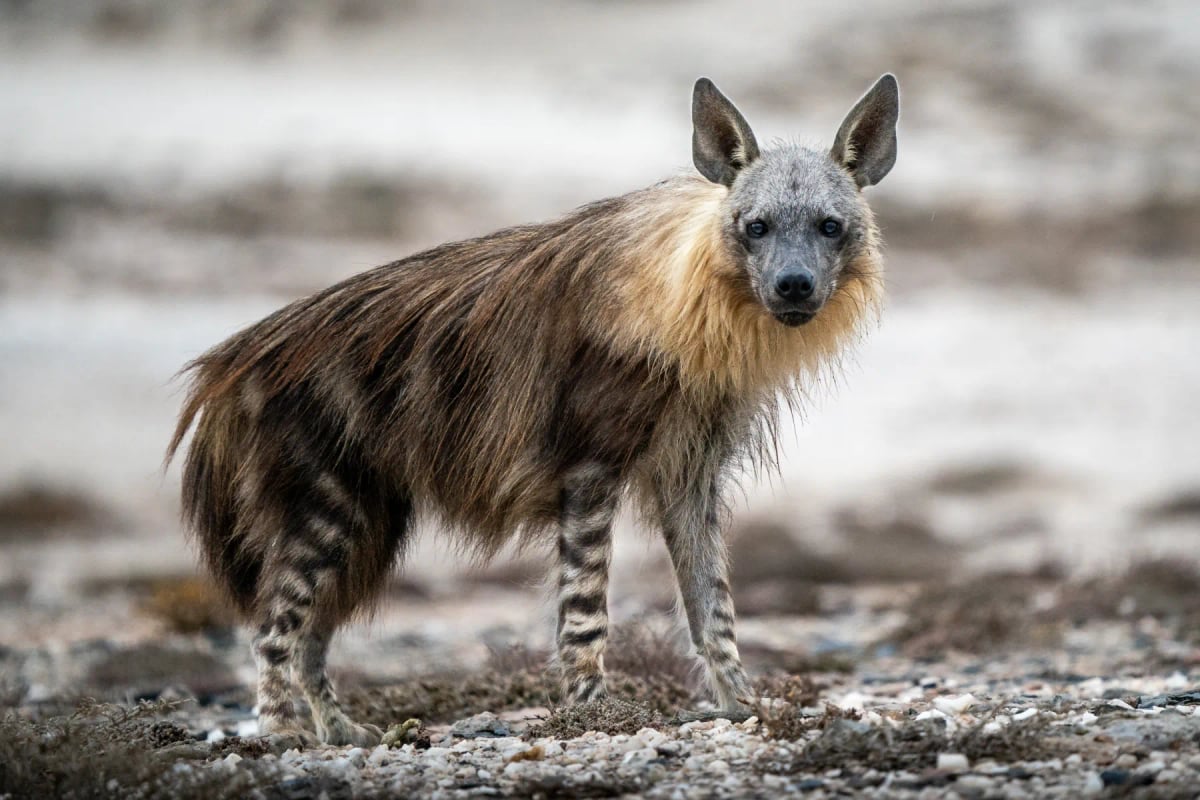
Brown Hyena
Parahyaena brunnea
Angola marks the northern limit of the brown hyena's confirmed range, with records concentrated in the southern arid zones bordering Namibia, particularly around the When and Cunene regions. Habitat here transitions from desert scrub to open dryland savanna. Data on population size and distribution within Angola remain limited, making conservation assessment difficult. Broader regional instability has historically hindered wildlife monitoring. The IUCN lists it as Near Threatened.
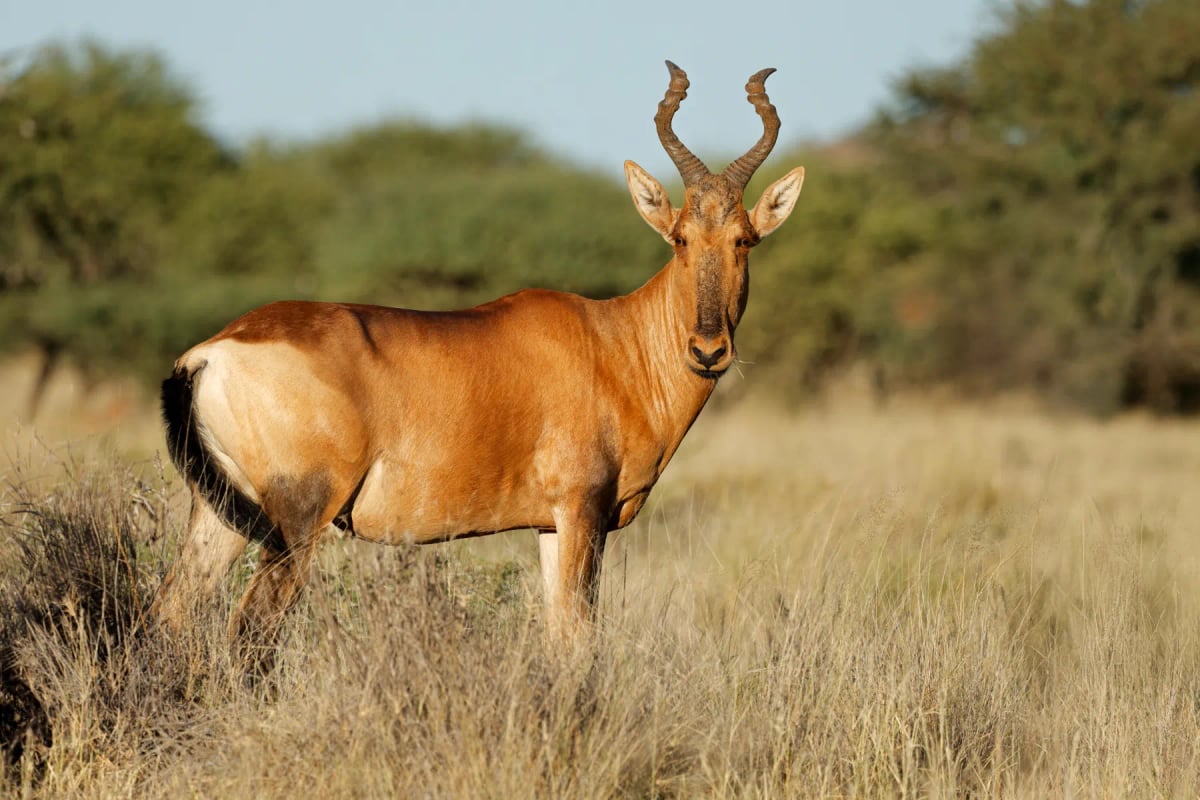
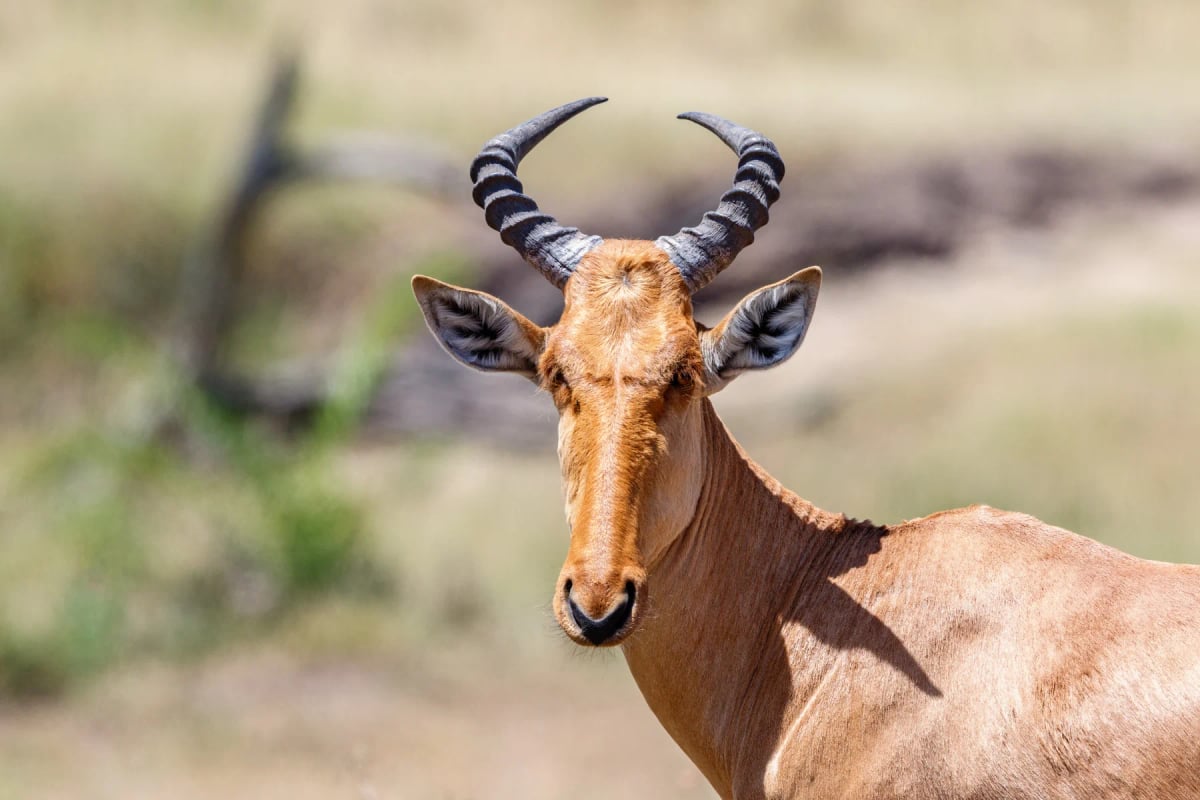
Hartebeest
Alcelaphus buselaphus
The hartebeest roams the open savannas and grasslands of Angola, particularly in the eastern and southern regions. With its steeply sloping back and long face, it is hard to mistake for any other antelope. Both sexes carry bracket-shaped horns. A dedicated grazer, it can handle coarse grasses that most animals ignore, and its speed helps it escape lions, cheetahs, and wild dogs.
Topi
Damaliscus lunatus
The topi is found in Angola's northeastern grasslands and floodplain areas, where seasonal rains bring fresh grazing. With its reddish brown coat and dark leg patches, it is one of the more striking antelopes in the region. Topis live in herds and males often stand on termite mounds to watch for danger. In Angola, populations are recovering after decades of civil conflict disrupted wildlife across the country. IUCN status: Least Concern.
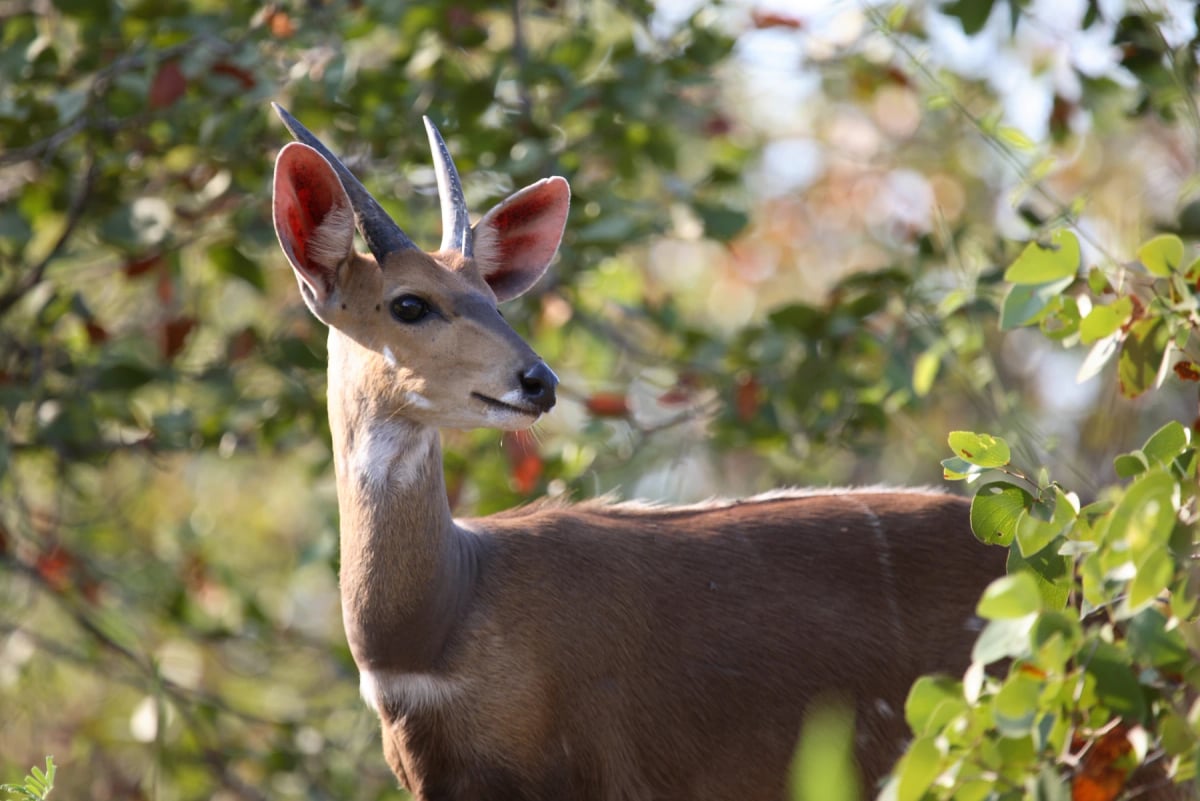
Bushbuck
Tragelaphus scriptus
In Angola, bushbucks inhabit the country's woodlands and dense thickets, particularly in the northern and central regions where suitable vegetation provides shelter. These solitary antelopes are nocturnal browsers, feeding on leaves and shoots under cover of darkness. Their elusive nature makes them challenging to spot, though their distinctive white spotted coat and spiraled horns identify males when encountered.
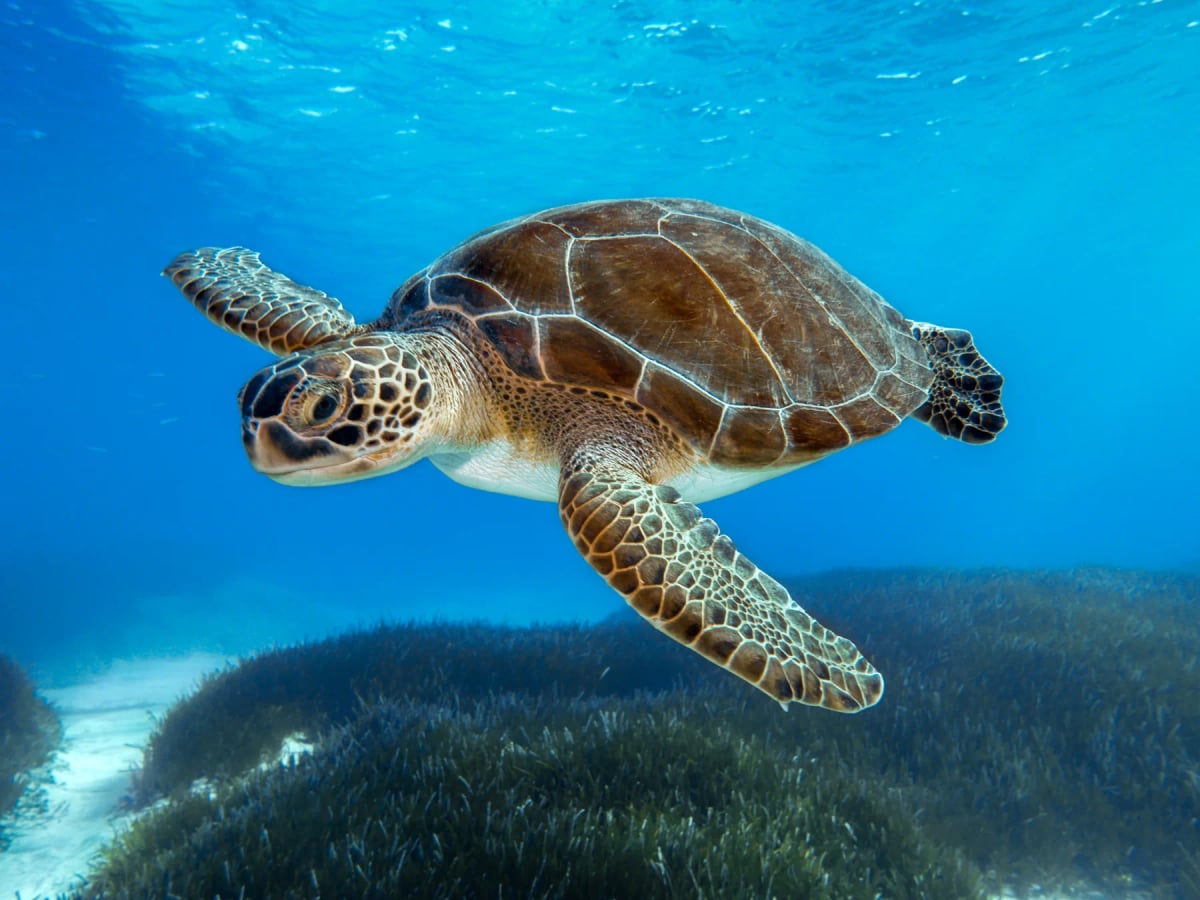
Sea Turtle
Cheloniidae & Dermochelyidae (families)
Angola's long Atlantic coastline is home to nesting populations of several sea turtle species. Leatherback and olive ridley turtles nest on beaches in the north, particularly around the Soyo area near the mouth of the Congo River. Green and loggerhead turtles also frequent Angolan waters. The country is part of the broader West African sea turtle nesting region, though monitoring and protection efforts remain limited compared to neighboring countries.
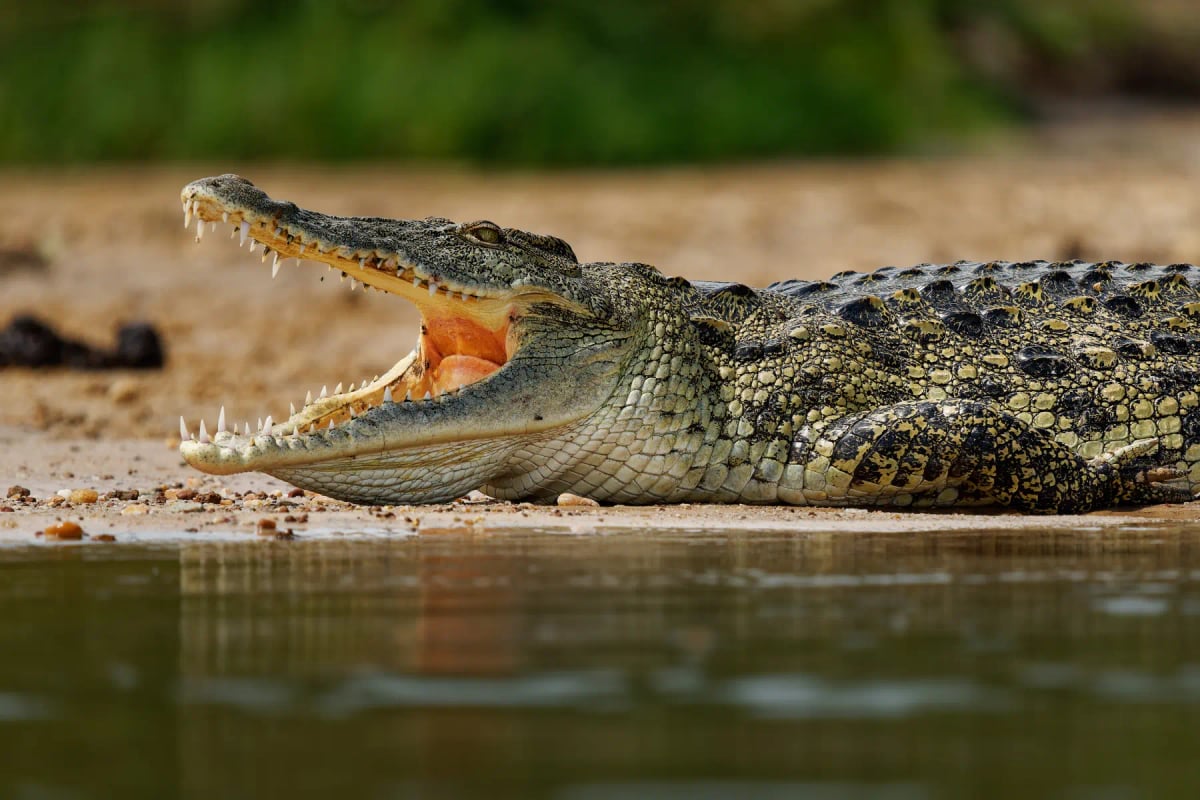
Nile Crocodile
Crocodylus niloticus
The Nile crocodile is found in Angola's major river systems, including the Cubango and Cuando rivers in the southeast, which flow into the broader Okavango basin. These waterways provide the shallow banks and steady fish populations that crocodiles depend on. Adults can reach 5.5 metres and weigh up to 750 kilograms. Listed as Least Concern by the IUCN, the species still faces local pressure from hunting and habitat disturbance.
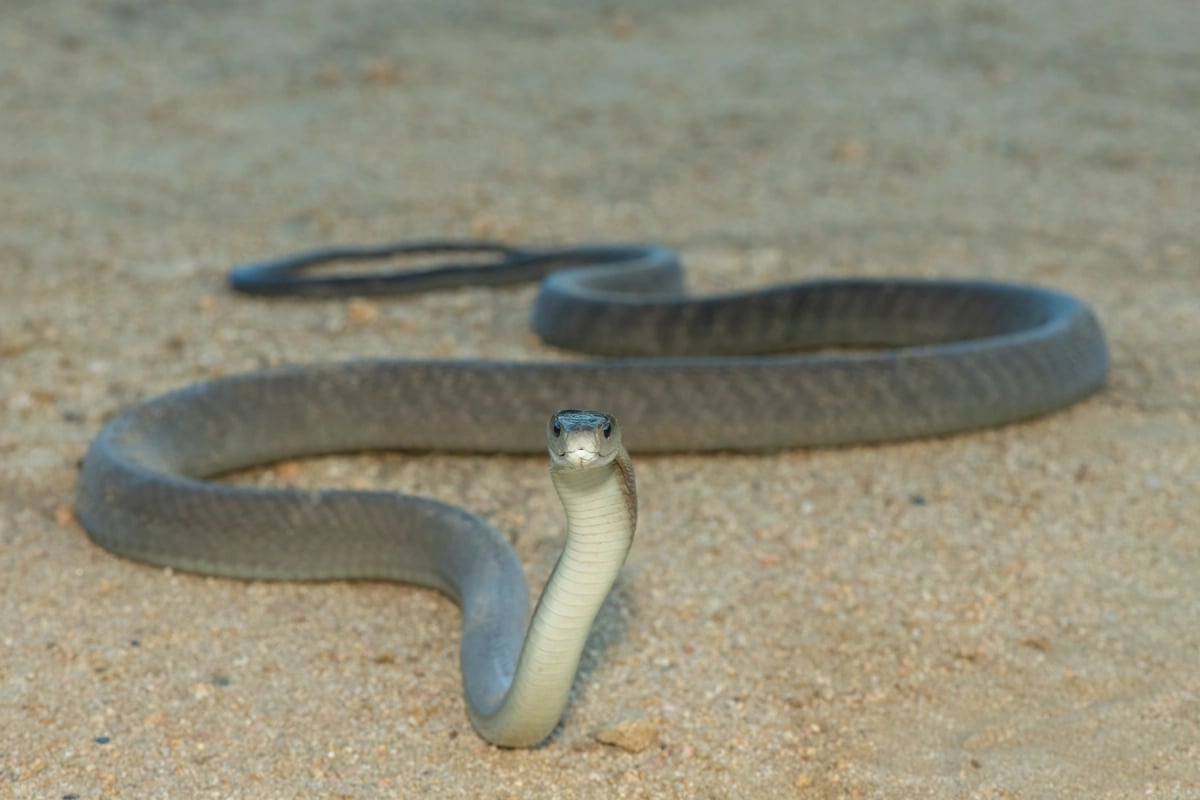
Black Mamba
Dendroaspis polylepis
The black mamba is present across much of Angola, favoring the savanna woodland and rocky terrain of the interior plateaus. Its olive to gray body helps it blend into dry scrub, though the jet black mouth lining gives it away when threatened. Angola's vast undisturbed bush provides ideal habitat. Bites are a serious medical concern, and access to antivenom outside major cities remains limited.
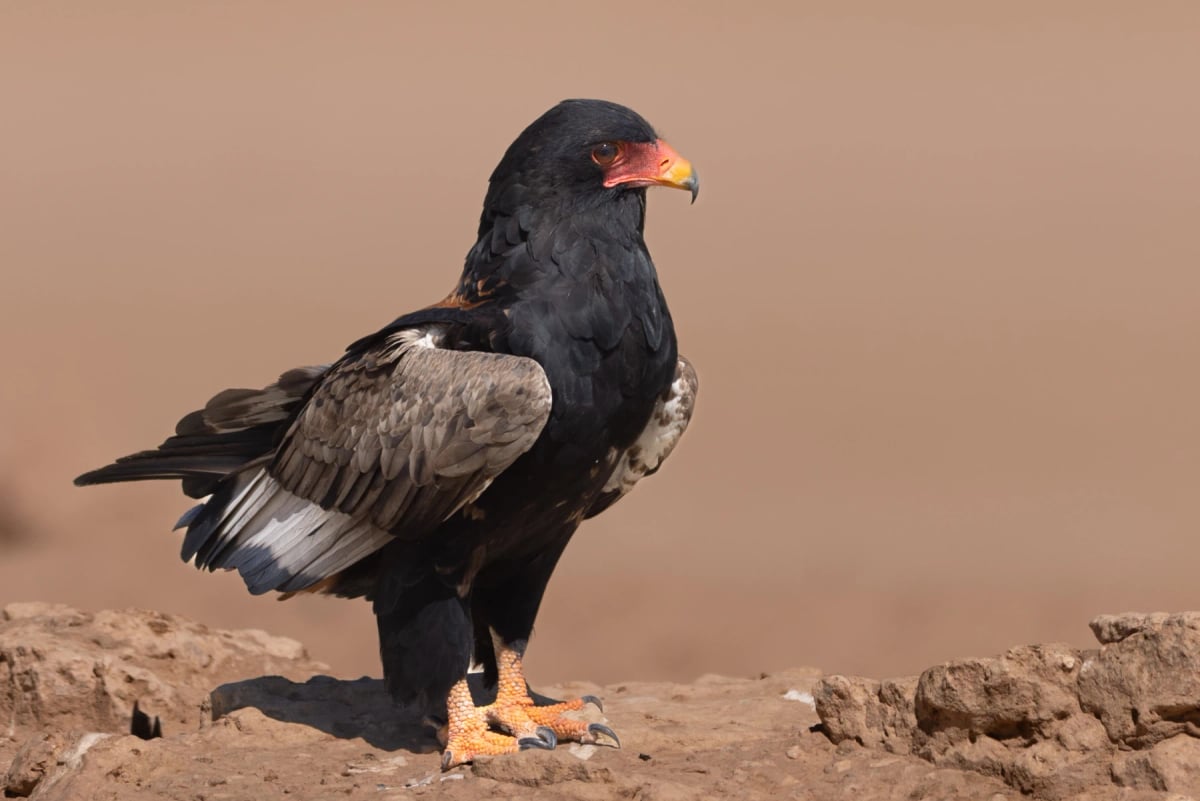
Bateleur
Terathopius ecaudatus
The Bateleur soars over Angola's vast miombo woodlands and southern savanna zones, where its rocking flight and vivid scarlet face make it one of the most striking birds in the sky. It patrols large territories in search of carrion and reptiles. Classified as Endangered by the IUCN, it faces pressure from poisoning and habitat loss across the region.
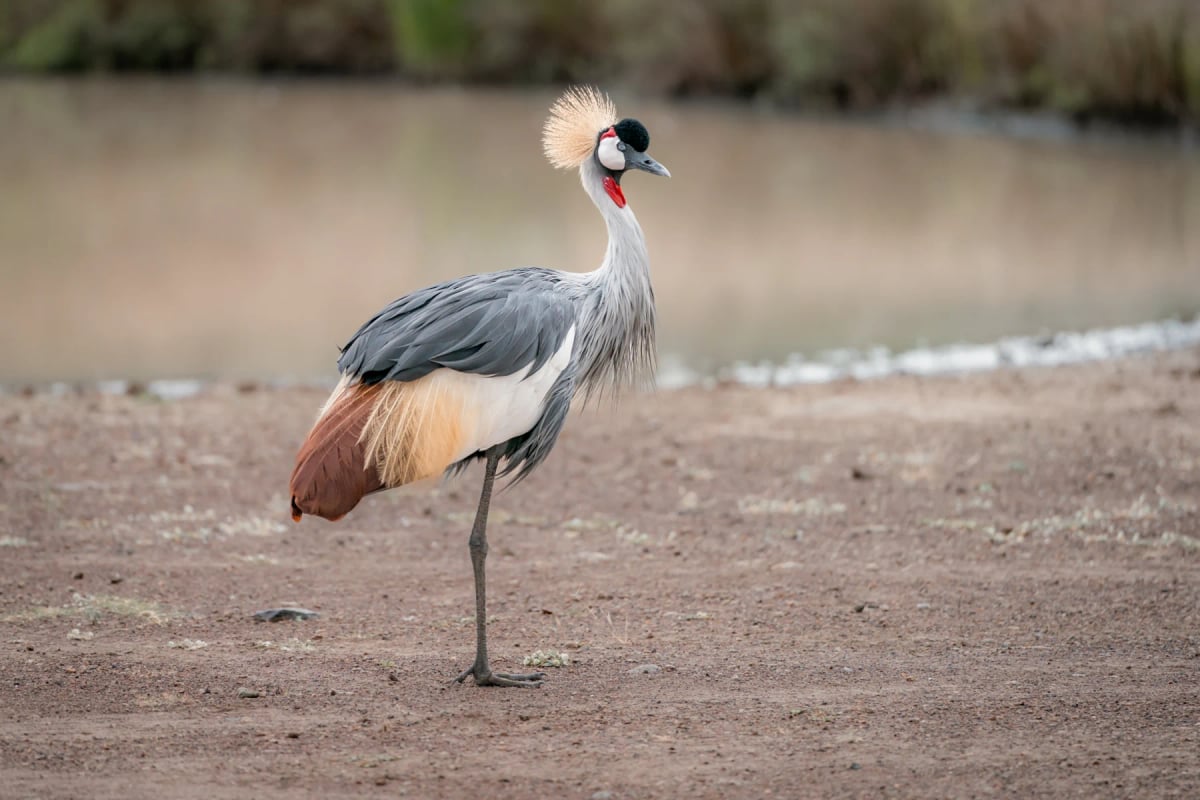
Grey Crowned Crane
Balearica regulorum
The Grey Crowned Crane appears in Angola's central and eastern highlands, where wetlands and moist grasslands provide good foraging ground. Recognizable by its golden crown and striking black and white wings, it feeds on seeds, insects, and small frogs. Angola sits at the western edge of this bird's range, and populations here face pressure from wetland loss and capture for the live bird trade. It is listed as Endangered.
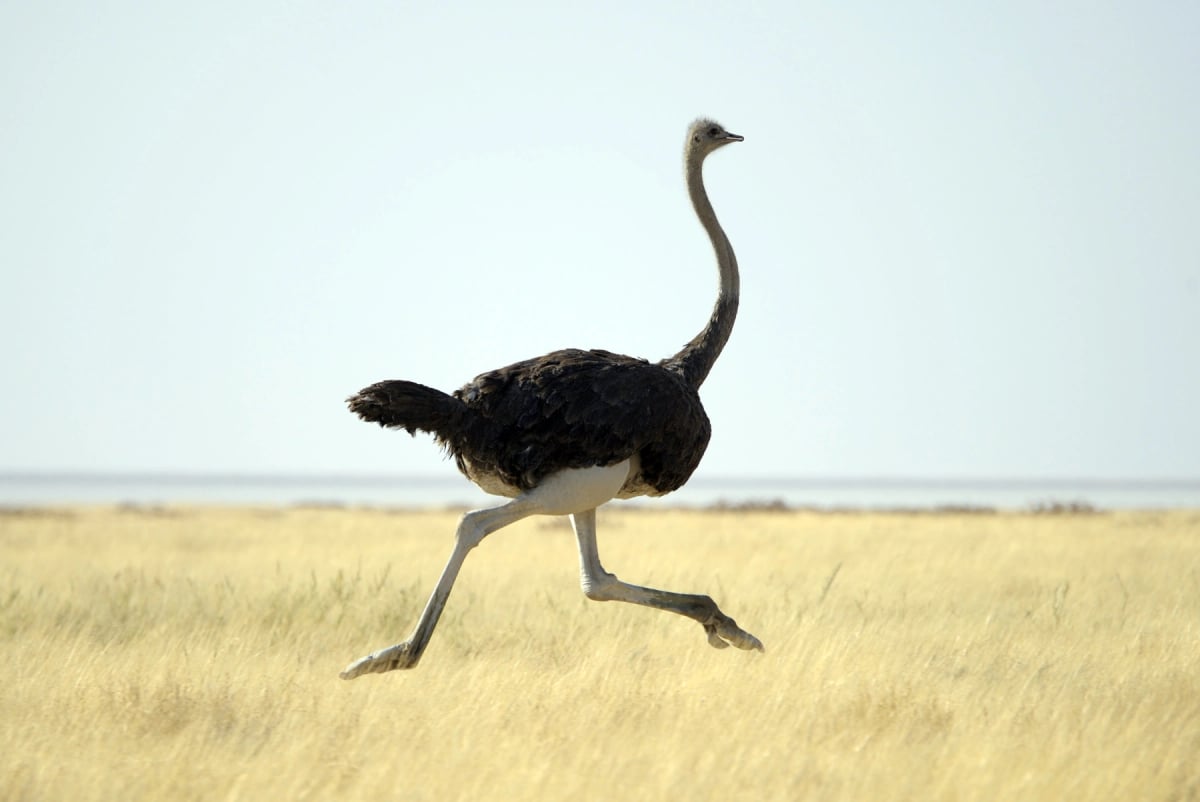
Ostrich
Struthio camelus
In Angola, ostriches are found across the open grasslands and dry woodland edges of the central plateau and southern regions. The Namib desert fringe in the southwest also supports a small population. These birds tend to gather in loose groups, moving across the landscape in search of grasses and seeds. Angola's vast and relatively undisturbed interior gives ostriches some of the most expansive habitat available to them in southern Africa.
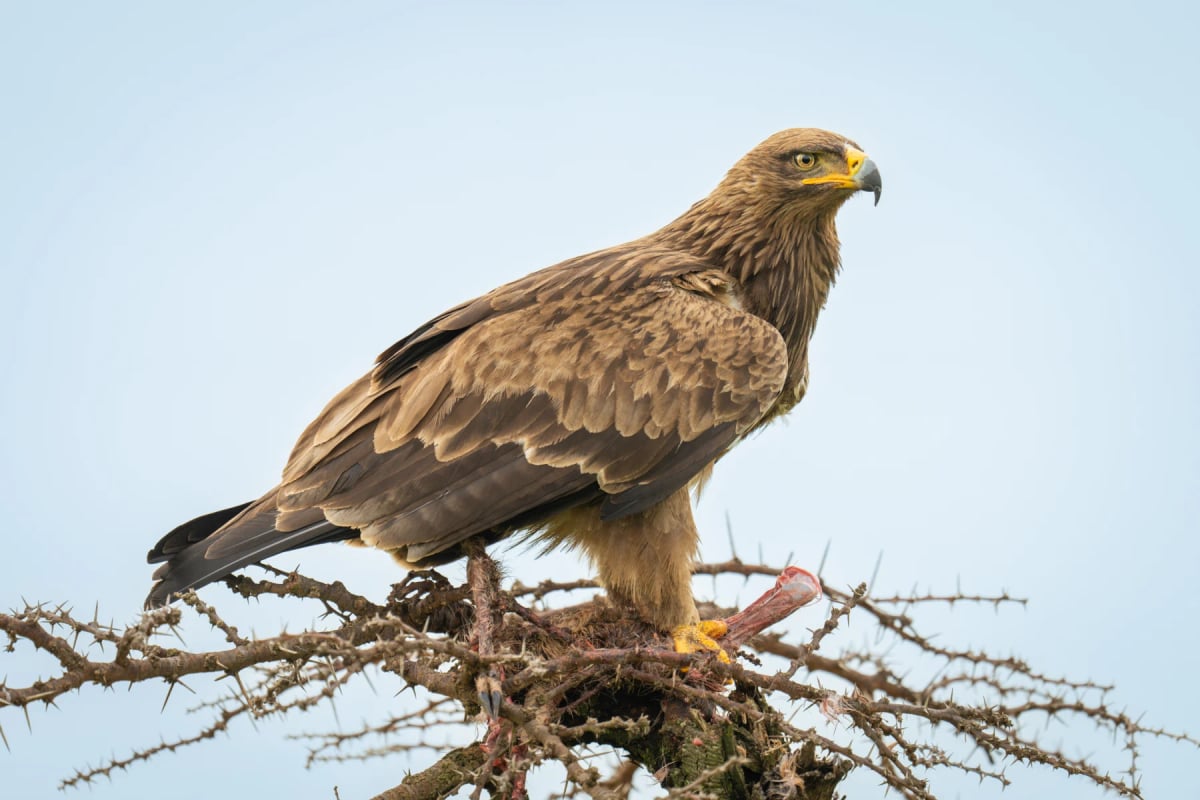
Steppe Eagle
Aquila nipalensis
Angola serves as an important wintering destination for the Steppe Eagle, with birds arriving from their Central Asian breeding grounds each year. Open savannas and grasslands in the south and east of the country provide good foraging conditions. Eagles here often gather in groups near termite emergences or animal carcasses. The species is considered Endangered globally, and conditions in wintering areas directly affect its long-term survival.
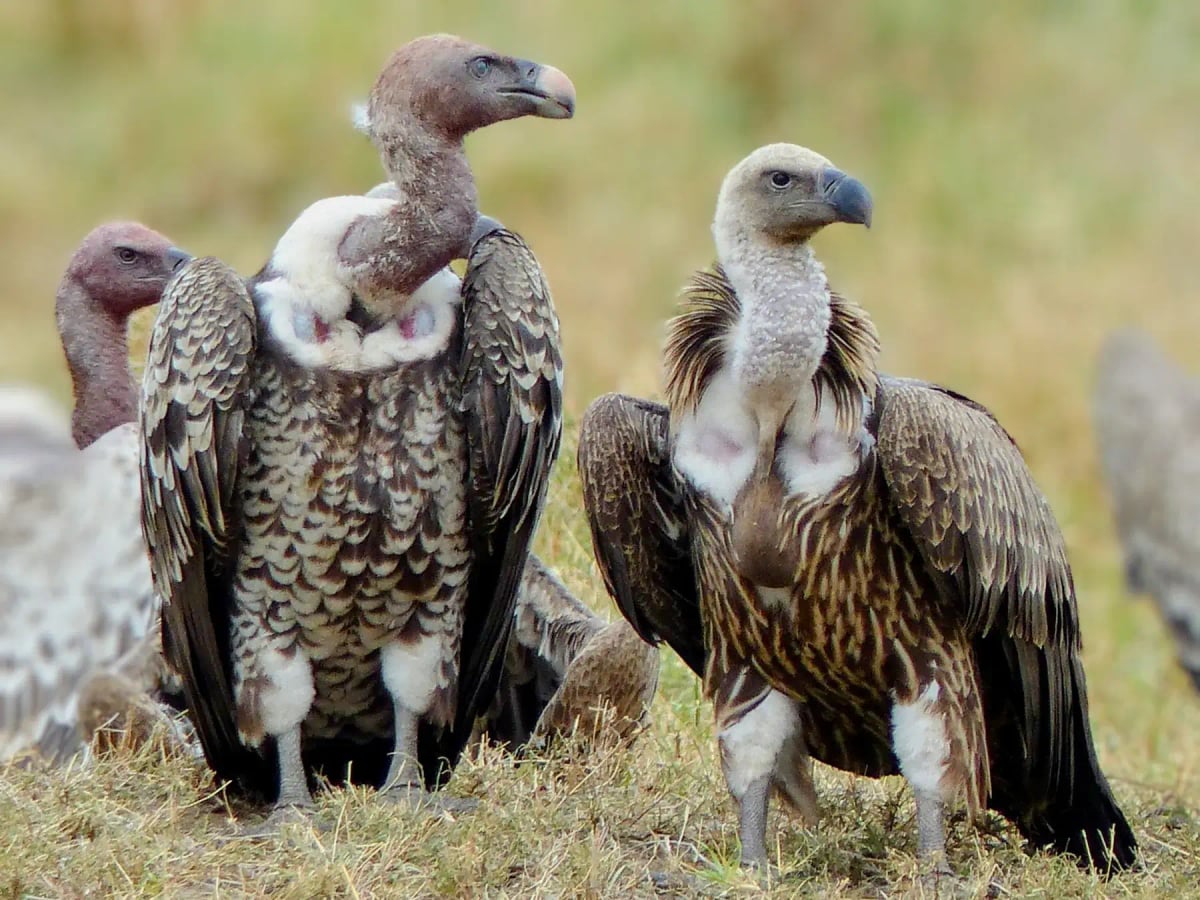
White backed Vulture
Gyps africanus
Angola's broad savannas and miombo woodlands in the central and southern regions provide habitat for the white backed vulture. Years of civil conflict disrupted wildlife surveys, so population data remain incomplete. The species benefits from Angola's relatively low human density in key areas, but poisoning of carcasses, often targeting large predators, kills vultures as unintended victims. Conservation awareness in rural communities is critical for this Critically Endangered bird.
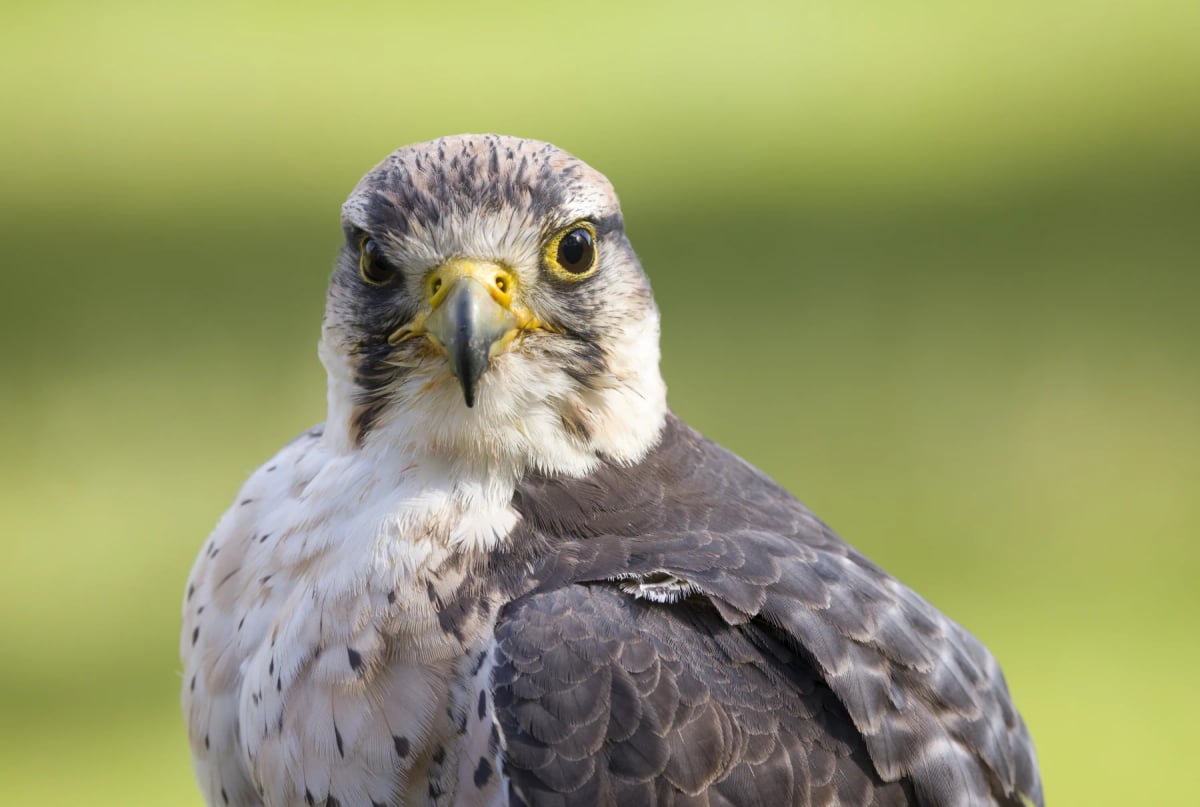
Lanner Falcon
Falco biarmicus
In Angola, the lanner falcon occurs across the central plateau and the drier open habitats of the south, where rocky escarpments offer nesting ledges. It feeds mainly on birds, often hunting in pairs to flush prey into the open. Angola's mix of savanna and semi-arid terrain suits this adaptable raptor well. It is listed as Least Concern by the IUCN, though habitat changes in the region require monitoring.
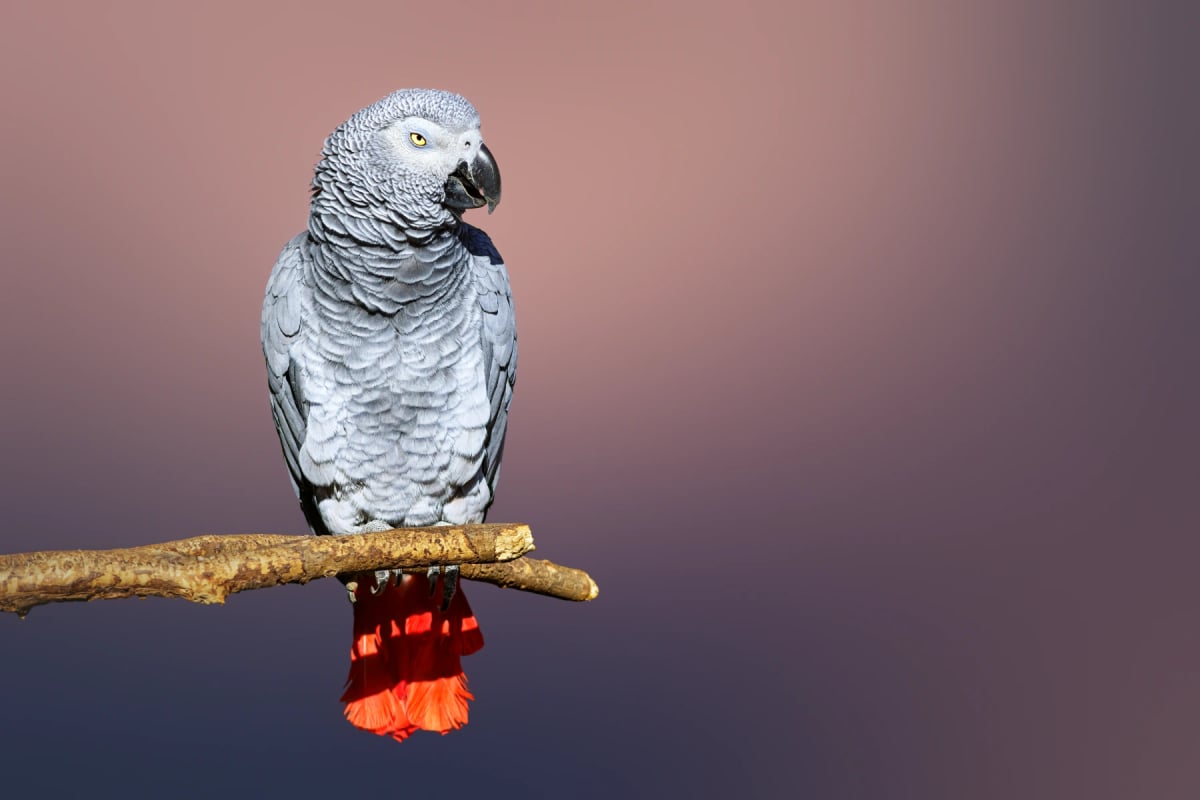
African Grey Parrot
Psittacus erithacus
In Angola, African grey parrots are found in the forested areas of the north, particularly in Cabinda and the provinces bordering the Congo Basin. The species reaches the southern edge of its range here, making Angola one of the most peripheral countries in its distribution. Trapping pressure during and after decades of civil conflict reduced populations significantly, and the lack of systematic wildlife monitoring across much of the country makes current population estimates uncertain.
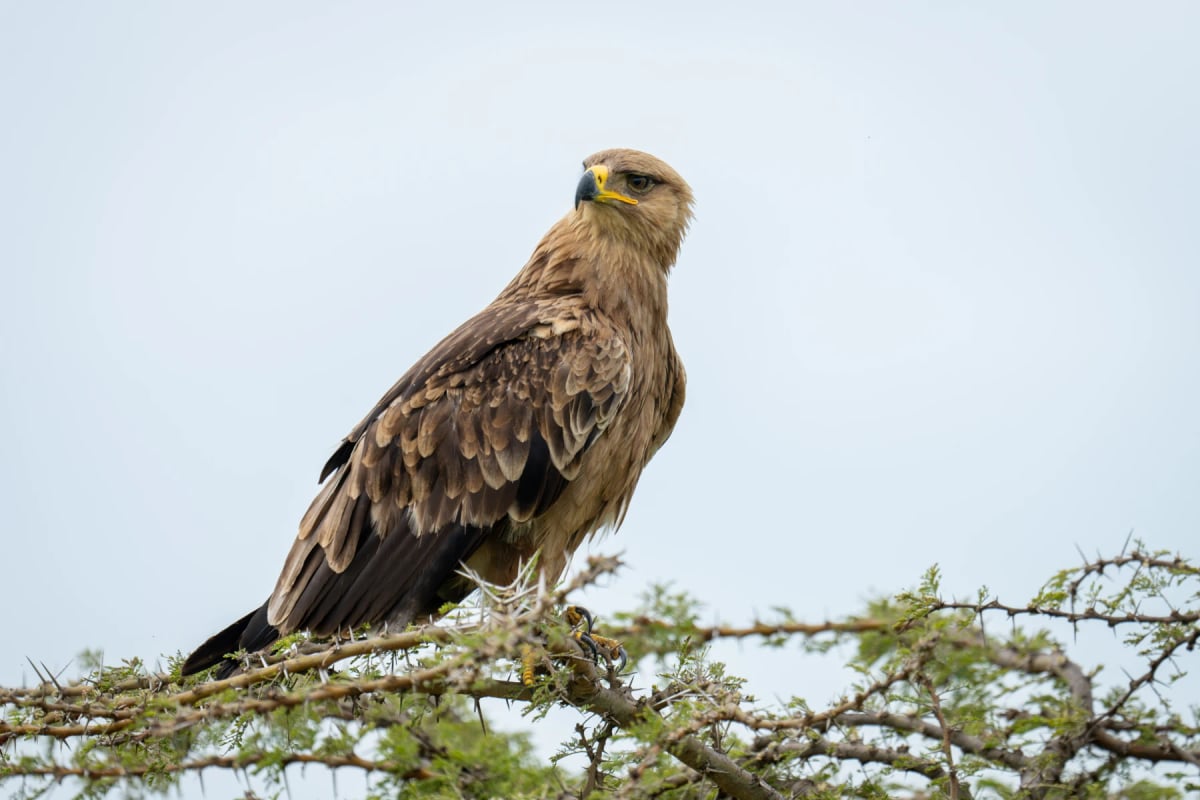
Tawny Eagle
Aquila rapax
In Angola, the tawny eagle inhabits the dry savannas and open woodlands of the interior, particularly across the central plateau and southern plains. It is an opportunistic feeder, taking carrion, small animals, and food stolen from other birds of prey. Habitat degradation and poisoning have reduced its presence across the country. The IUCN lists it as Vulnerable.
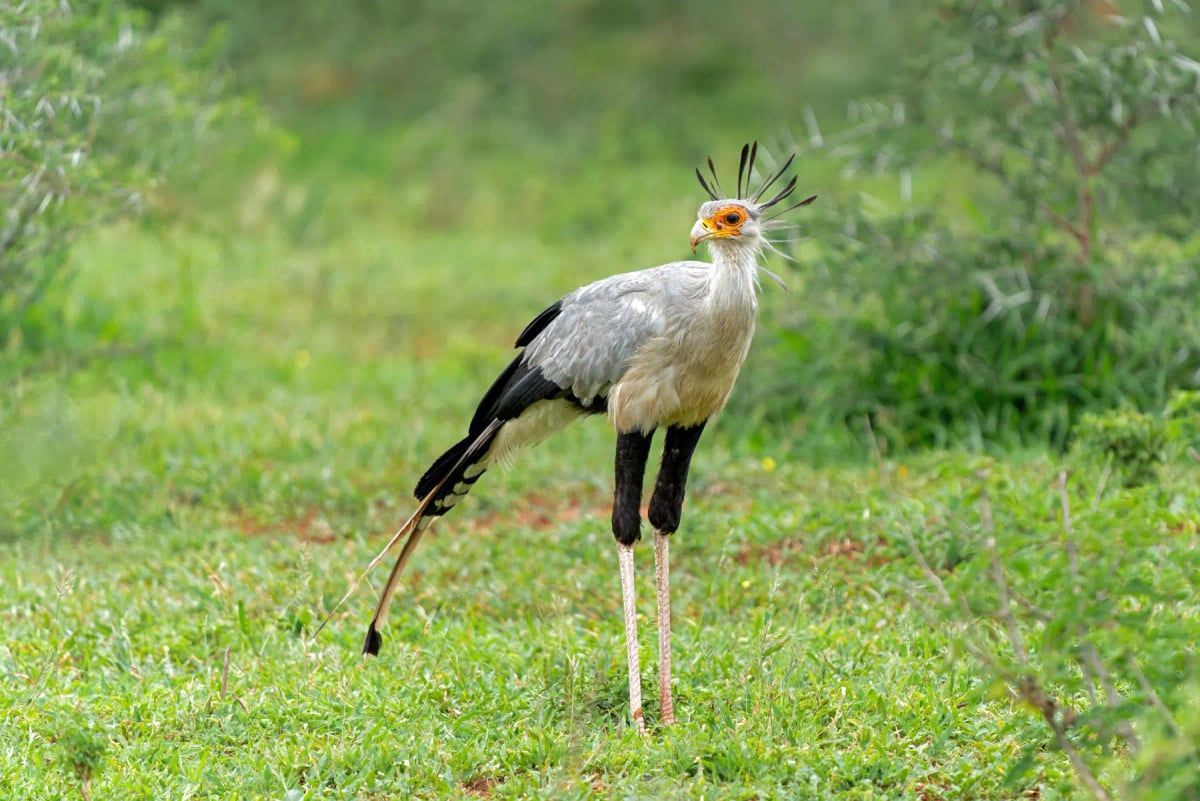
Secretary Bird
Sagittarius serpentarius
The secretary bird strides across Angola's vast savanna grasslands, particularly in the central plateau and southern plains. It hunts on foot, stomping on snakes and rodents with powerful kicks. Pairs build large stick nests on flat-topped acacia trees and return to them each breeding season. Habitat loss from agricultural expansion is a growing threat. The IUCN lists it as Endangered.
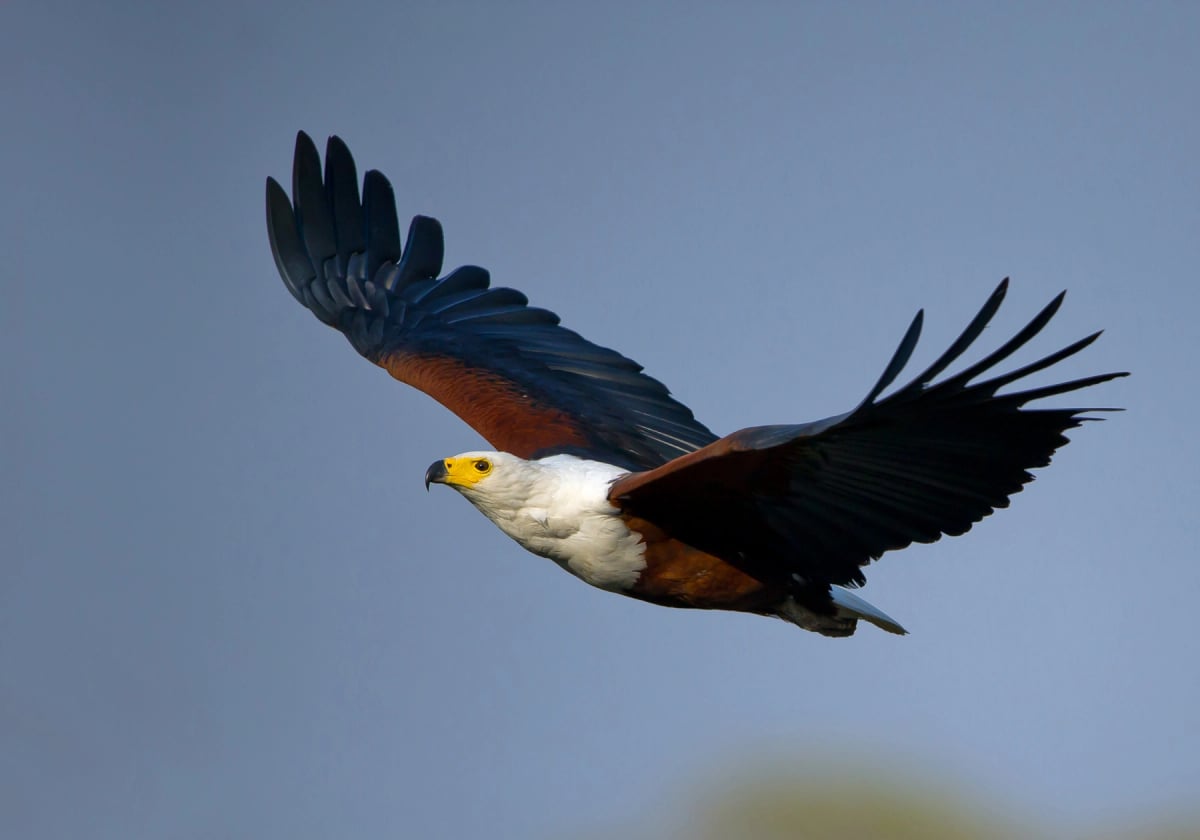
African Fish Eagle
Haliaeetus vocifer
Angola's rivers, floodplains and wetlands provide ideal habitat for the African fish eagle. The bird is a resident near most permanent water across the country, including the Kwanza River basin, the Okavango headwaters in the southeast and the Cuando River floodplains. Its loud call carries across Angolan waterways year round, and it is regularly spotted perching high above the water scanning for fish below.
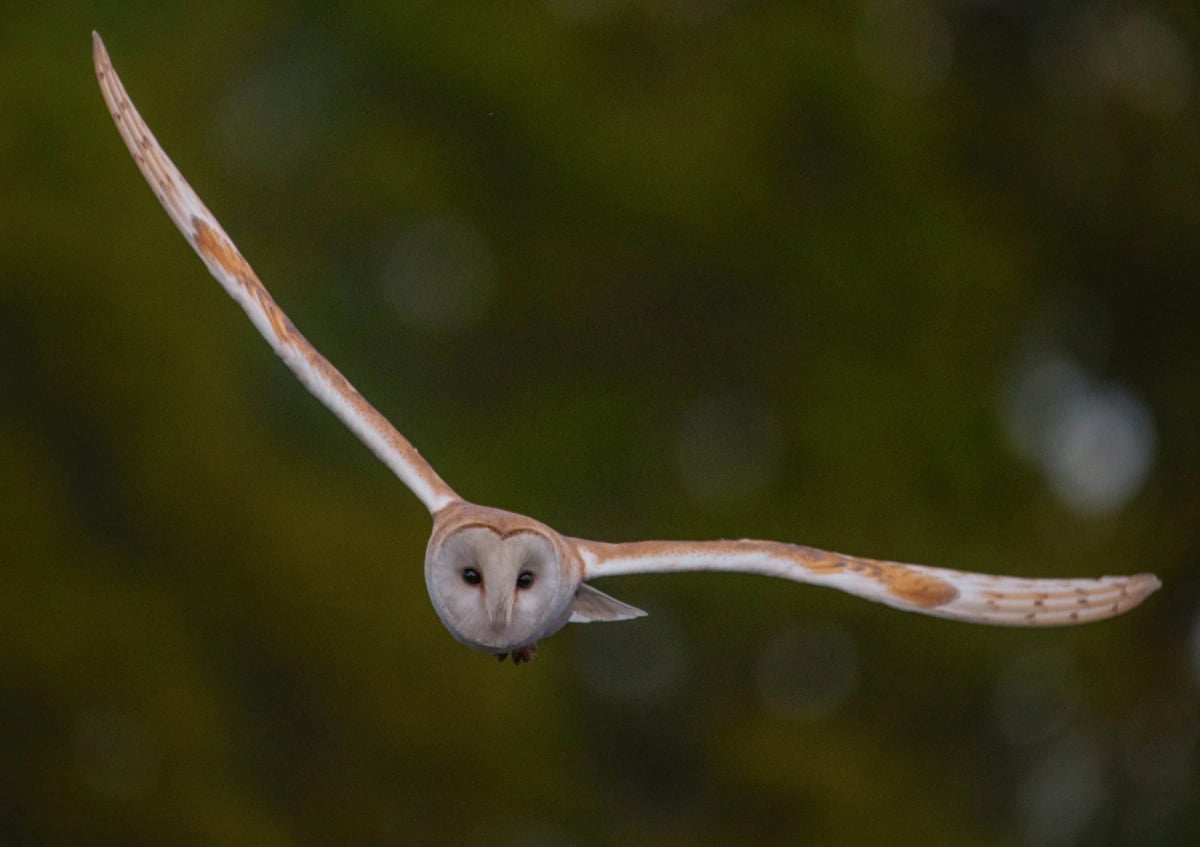
Barn Owl
Tyto alba
The barn owl is found across Angola in open savanna, farmland, and the outskirts of villages and towns throughout much of the country. It nests in old buildings, rocky outcrops, and hollow trees, and hunts rodents at night with exceptional precision. In agricultural communities it is valued as a natural pest controller, keeping populations of rats and mice in check across a wide range of habitats.
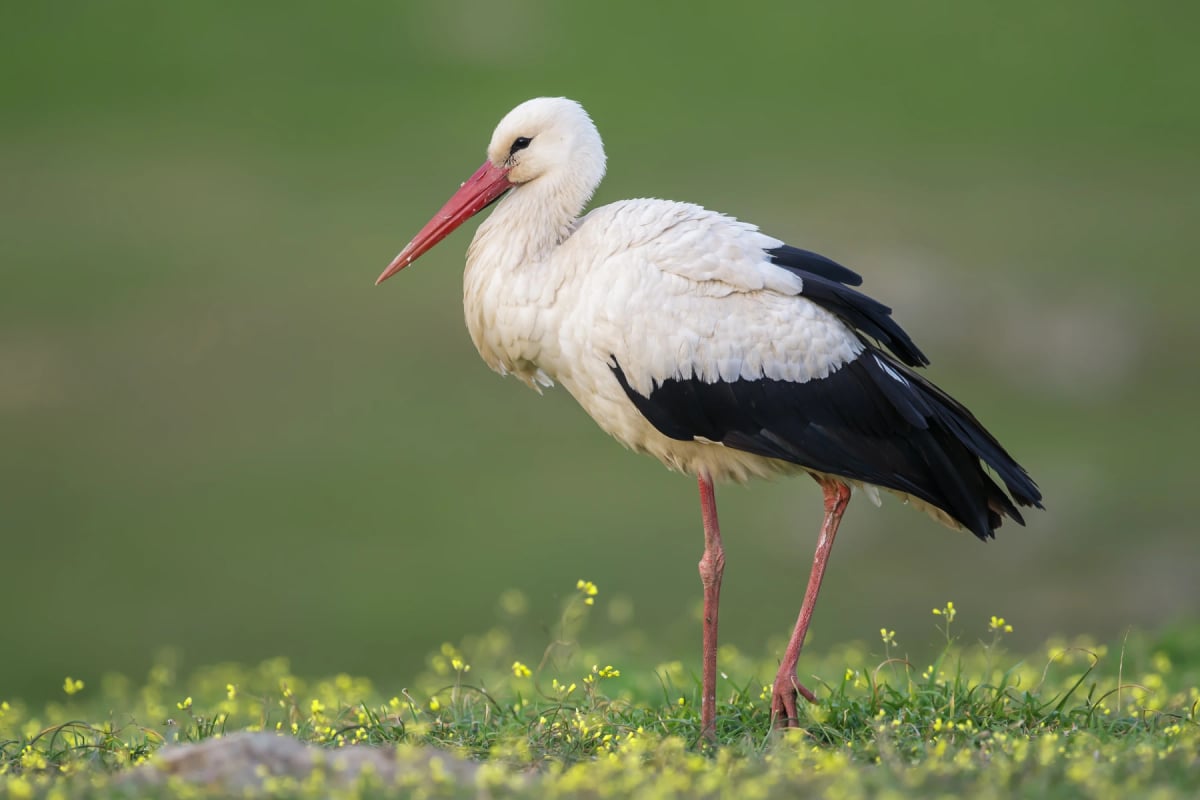
Stork
Ciconia ciconia
Angola serves as a wintering destination for white storks that travel south from their European and Asian breeding grounds each year. The open savannas and floodplains of the country offer plenty of insects, frogs, and small animals to feed on during the southern hemisphere summer. Storks are typically seen in flocks scattered across agricultural and grassland areas. The IUCN lists the species as Least Concern.
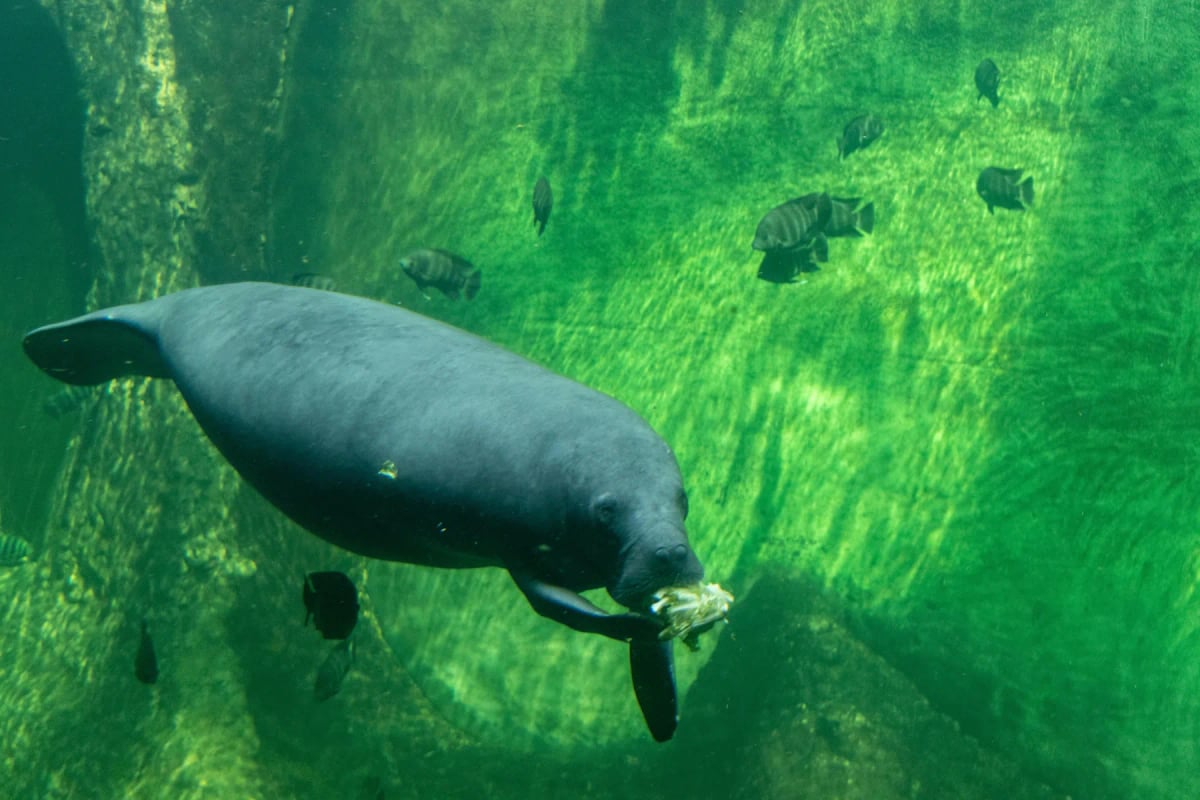
African Manatee
Trichechus senegalensis
The African manatee is found along Angola's Atlantic coastline and in the lower reaches of rivers such as the Kwanza and the Congo. It inhabits coastal lagoons, estuaries and calm river stretches where it feeds on aquatic vegetation. Angola marks the southern limit of its range, and populations here face pressure from accidental capture in fishing nets and occasional hunting.
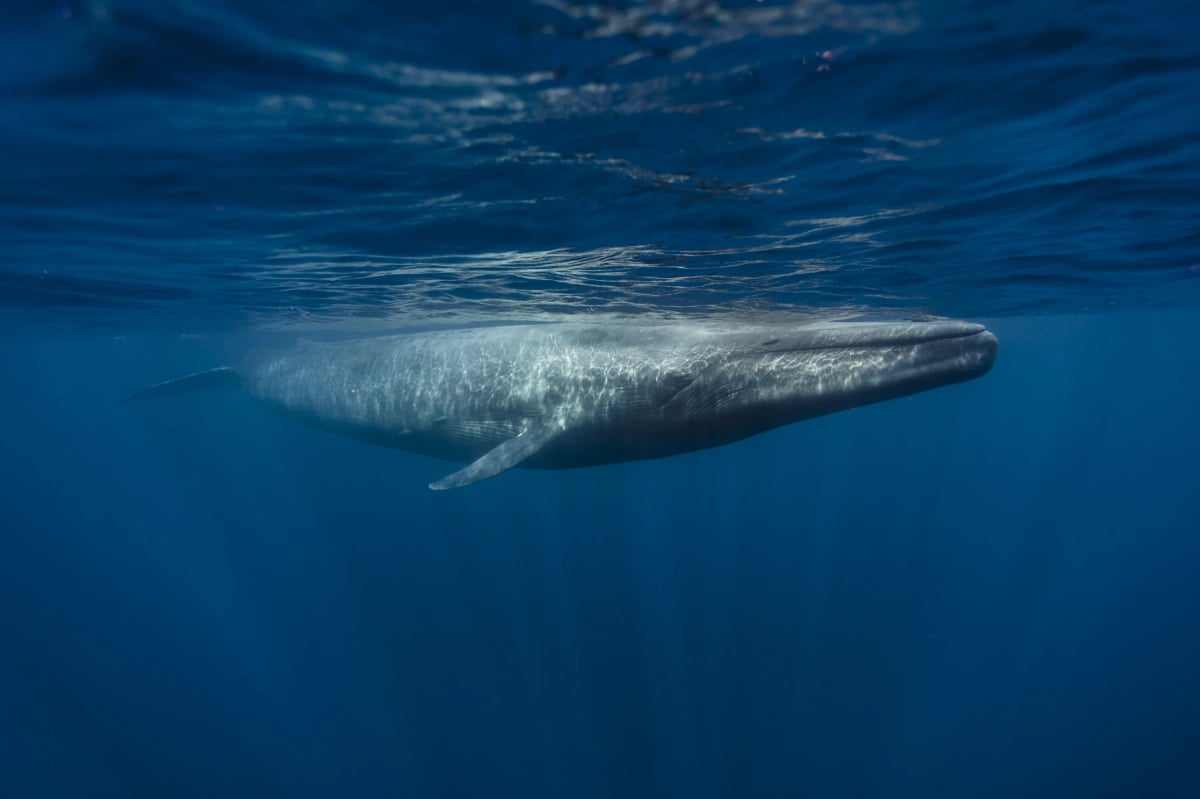
Blue Whale
Balaenoptera musculus
The blue whale occurs in Angolan waters along the southeastern Atlantic coast, where warm and cold currents converge to support productive marine ecosystems. These waters form part of a broader migratory corridor used by the species as it moves between feeding and breeding grounds. As the largest animal on Earth, it remains listed as Endangered, and ship traffic along Angola's busy oil export routes poses a real collision risk.
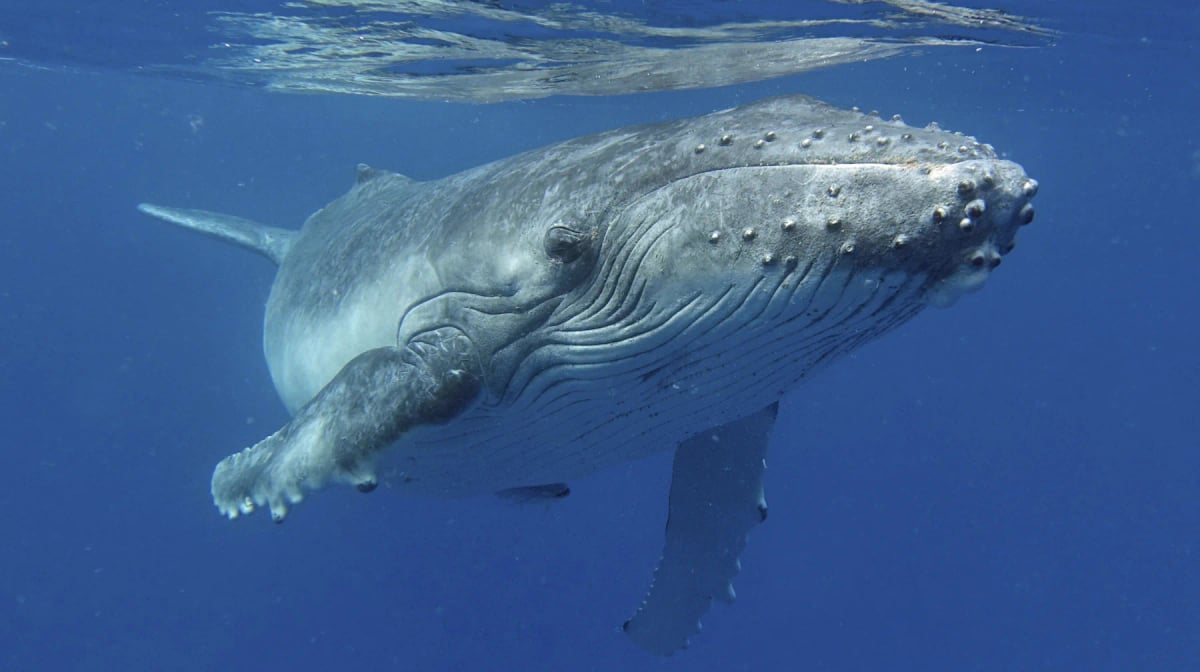
Humpback Whale
Megaptera novaeangliae
Humpback whales pass through Angolan waters as part of their annual migration along the west coast of Africa. The warm waters off Angola serve as an important breeding and calving area for whales traveling between Antarctic feeding grounds and tropical nursery zones. These giants can reach 16 metres in length and 40 tonnes in weight. The IUCN lists the species as Least Concern following decades of recovery from commercial whaling.
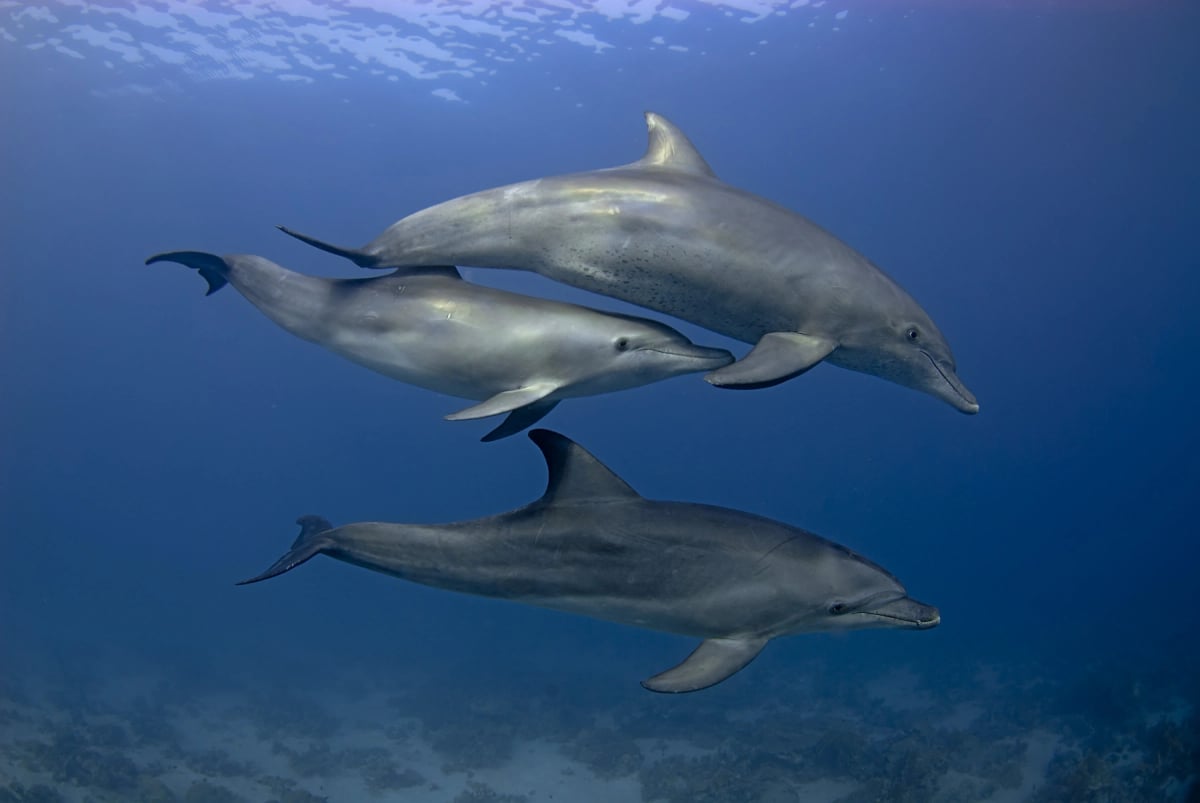
Bottlenose Dolphin
Tursiops truncatus
Bottlenose dolphins inhabit Angola's warm Atlantic coastal waters, where upwelling systems along the Benguela Current zone support rich marine life. They are seen in coastal bays and near river mouths, feeding on the abundant fish populations that these productive waters attract. Interaction with artisanal fishing communities is common. The IUCN considers the species to be of Least Concern at the global level.
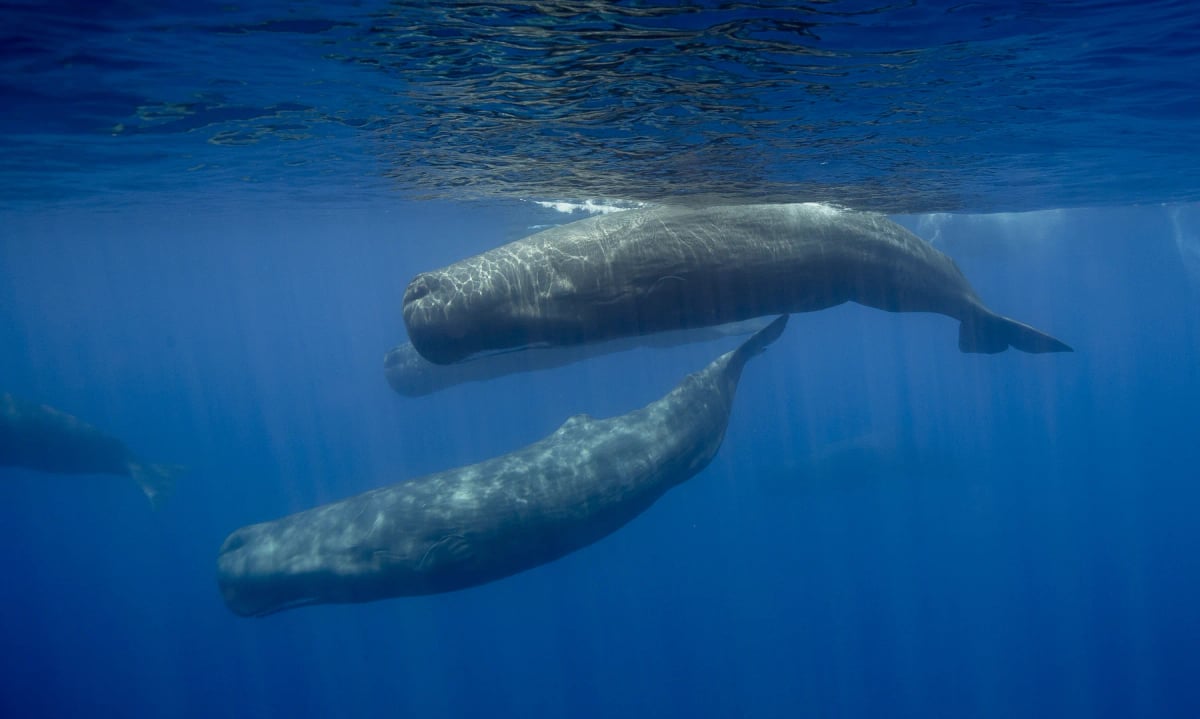
Sperm Whale
Physeter macrocephalus
The Atlantic Ocean off Angola's long coastline forms part of the range of sperm whales in the South Atlantic. The productive waters of this region, influenced by the Benguela Current to the south, support rich marine life that sustains large predators like the sperm whale. Groups of females and calves are more commonly seen in these warmer tropical waters, while adult males tend to range further toward colder seas.
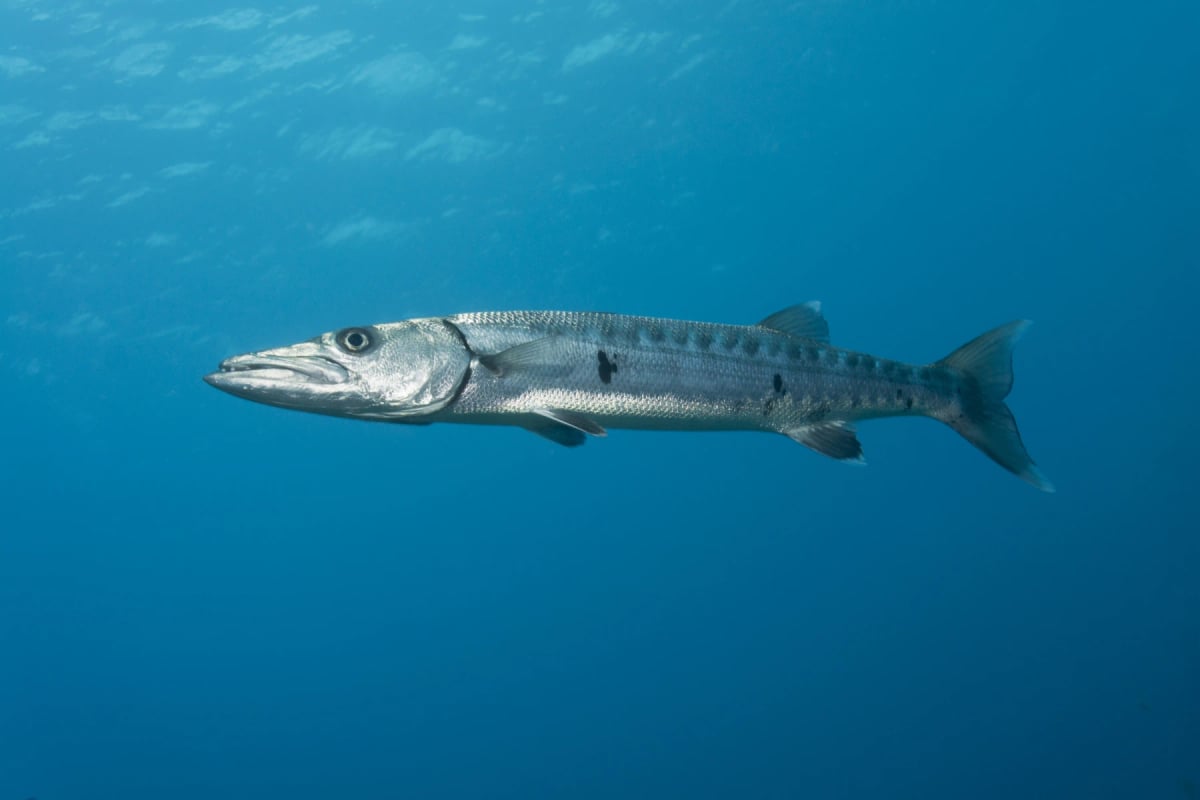
Barracuda
Sphyraena spp.
Barracudas are found in Angola's warm Atlantic coastal waters, inhabiting reef structures, rocky outcrops, and open coastal areas along the country's extensive coastline. Several species are present, with the Atlantic barracuda and related species encountered by divers and fishermen along the northern and central coast. Angola's coastal waters support a diverse marine fauna, and barracudas are among the larger predatory fish encountered in reef and nearshore environments. They are also taken by commercial and artisanal fishermen along the coast.
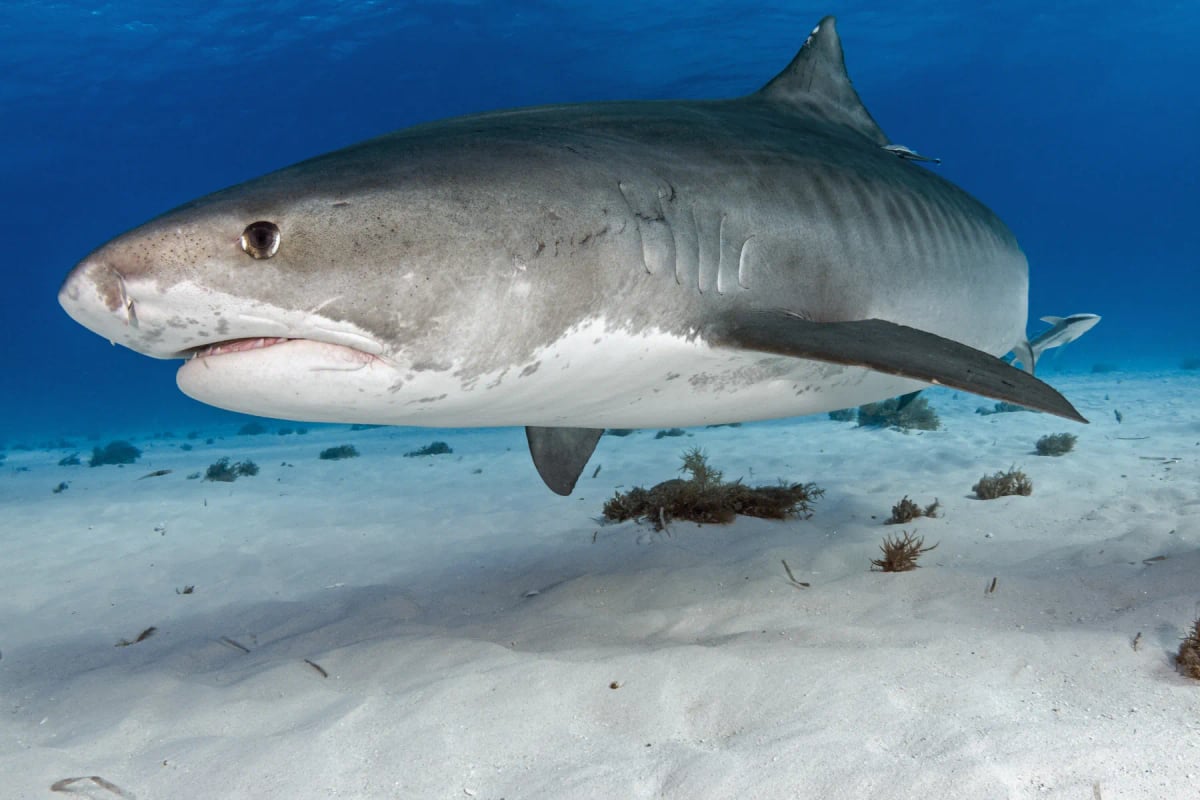
Tiger Shark
Galeocerdo cuvier
The tiger shark patrols the warm Atlantic waters along Angola's extensive coastline, where upwelling zones attract rich concentrations of fish, rays, and sea turtles. This powerful predator can reach 5 metres in length and will eat almost anything it encounters. Listed as Near Threatened by the IUCN, it faces pressure from artisanal and commercial fishing fleets that operate heavily along the Angolan coast.
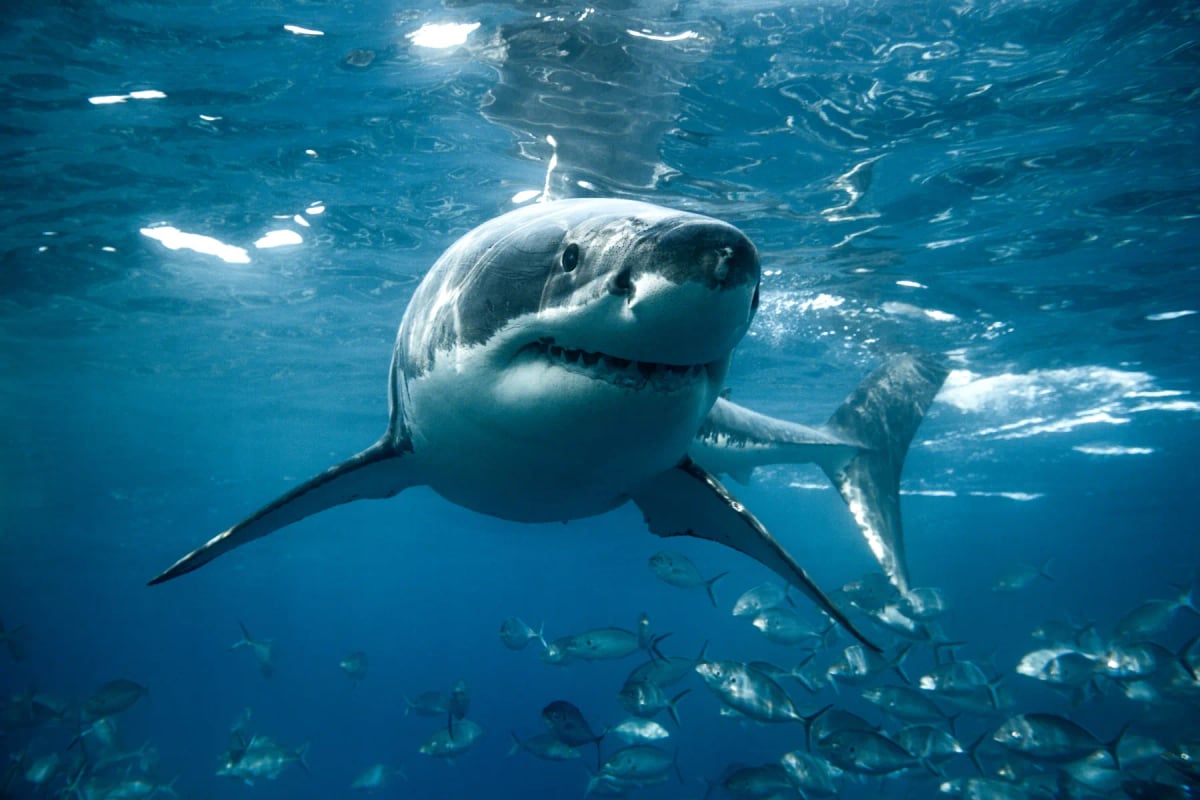
Great White Shark
Carcharodon carcharias
The great white shark is found along Angola's Atlantic coastline, where cold nutrient currents support a rich marine ecosystem. This stretch of the southeastern Atlantic connects to waters shared with Namibia and South Africa, two countries known for significant white shark populations. Adults in this region prey on marine mammals and large fish. Angola has limited dedicated shark conservation measures, leaving the species reliant on regional and international protections. Its IUCN status is Vulnerable.
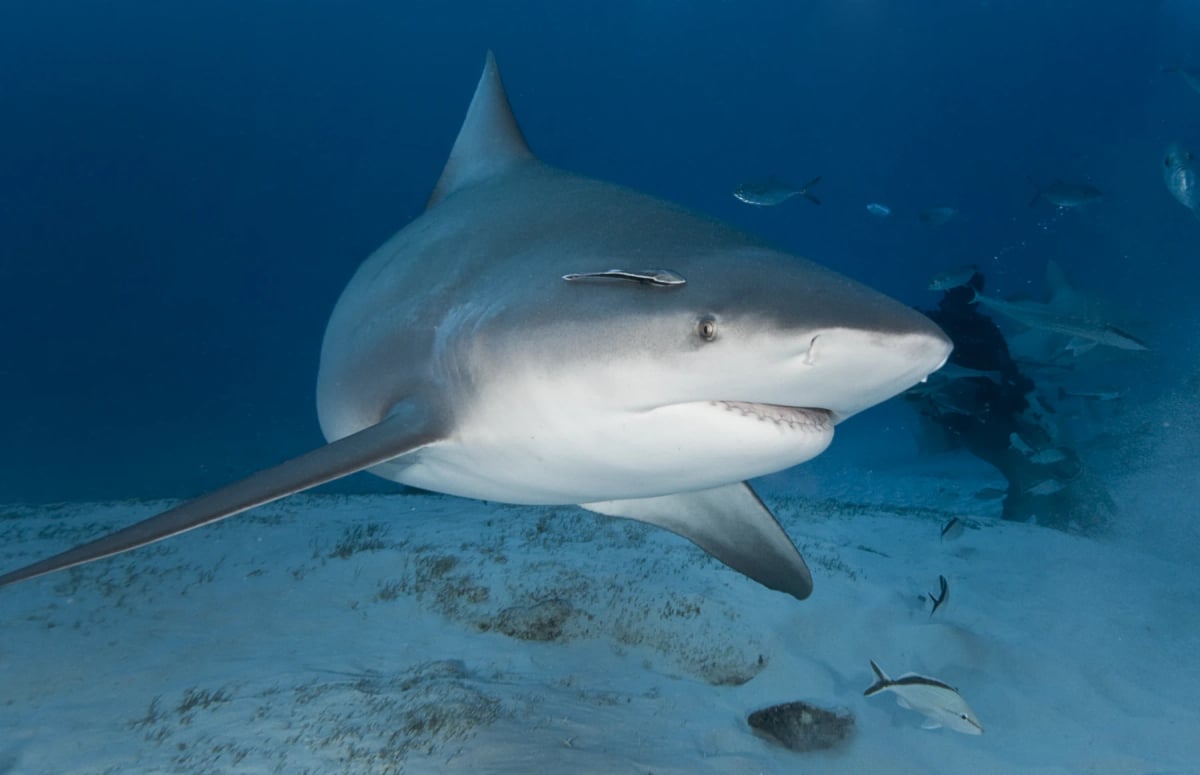
Bull Shark
Carcharhinus leucas
Bull sharks are present along Angola's Atlantic coastline, moving through warm coastal shallows and the mouths of rivers such as the Kwanza. They hunt bony fish and rays in these productive inshore waters. Angola's developing fisheries sector poses pressure on the species through incidental catch. As a Near Threatened species globally, continued monitoring of populations along the Central African coast remains important for long term conservation planning.
Researched and written by Juan Pablo. Sources: IUCN Red List, scientific literature and regional field guides. Last updated: .