Animals in Somalia
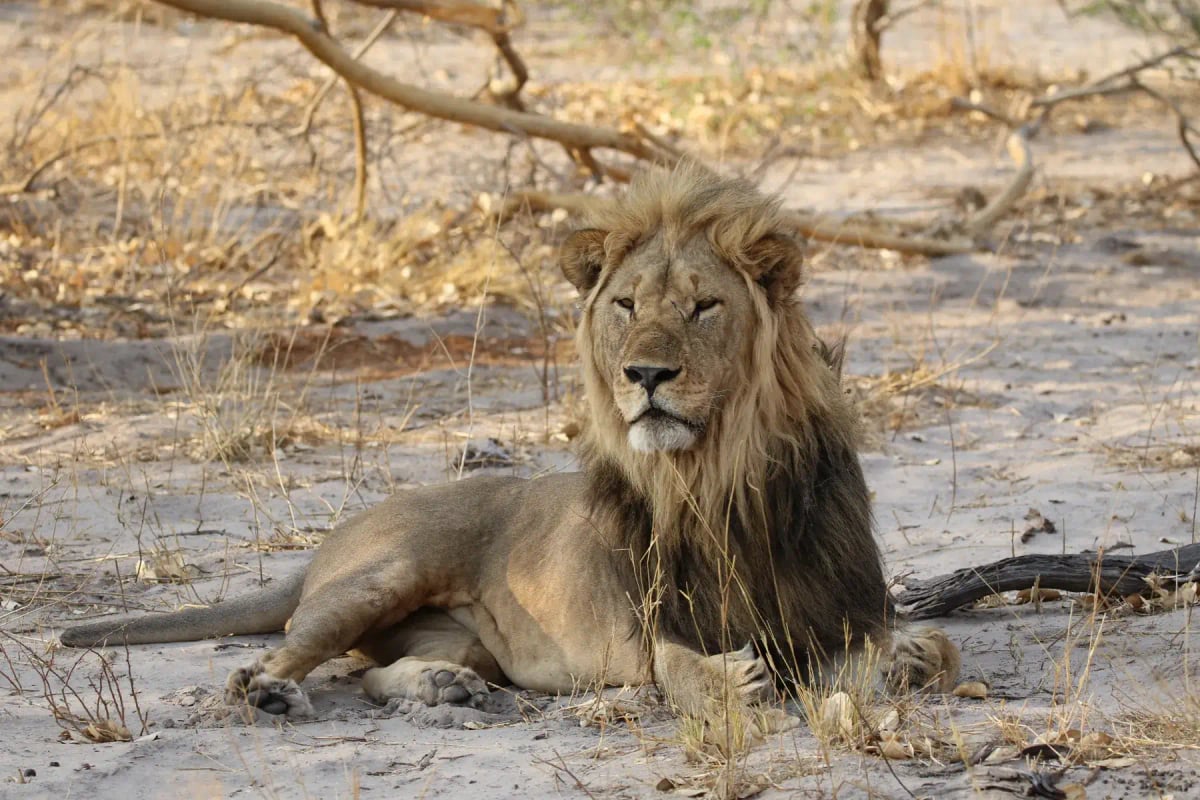
Lion
Panthera leo
The lion, regarded as Somalia’s national animal, symbolizes strength, leadership and pride. It holds a deep place in Somali heritage and appears in traditional stories and clan symbols. Lions still inhabit remote savannas and are sometimes referenced in tourism promoting the country’s natural identity.
View details→Wildlife in Somalia
Somalia’s wildlife reflects its contrast between arid lands and a long Indian Ocean coastline. Inland areas host elephants, lions, giraffes and gazelles, while the coast shelters dolphins, whales, dugongs and reef sharks. The combination of desert and marine habitats gives the country significant ecological value and growing interest for eco tourism.
Most Dangerous Animals in Somalia
Several animals in Somalia can be dangerous if disturbed. On land, lions, elephants, hippos and venomous snakes such as the black mamba pose risks, while in the sea, tiger sharks and hammerheads are potential threats. Caution and guided tours are essential for safe exploration of these environments.
Top 10 Animals in Somalia
Somalia’s representative species include elephants, lions, hippos, leopards, crocodiles, giraffes and black mambas. These animals inhabit savannas and rivers that define the country’s wild character. Nature excursions and marine tours increasingly attract visitors interested in its diverse wildlife.
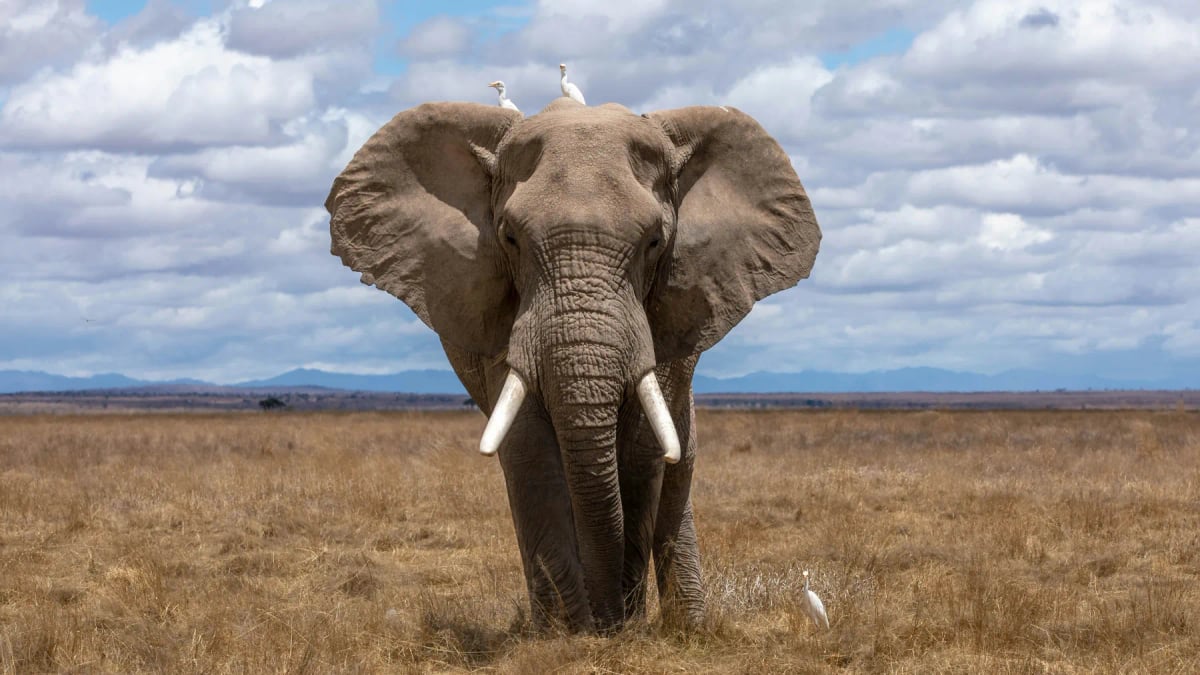
African Elephant
Loxodonta africana
Somalia has one of the most precarious elephant populations in Africa, with a small group surviving near the Ethiopian border in the south of the country. Decades of conflict and the absence of functional wildlife management have left these elephants without any meaningful protection. Very little current data exists on their exact numbers or movements, and their survival has been largely incidental to the broader regional instability. They represent one of the most vulnerable elephant populations on the continent.
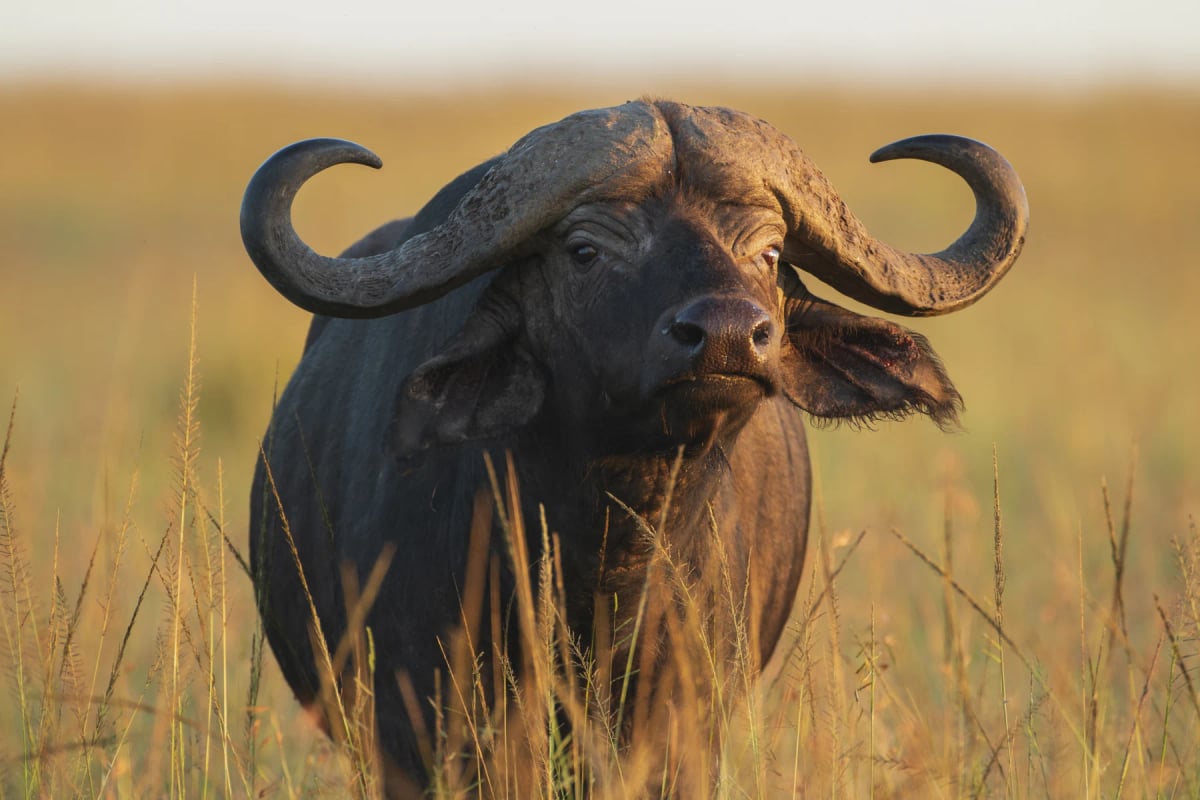
Buffalo
Syncerus caffer
The African buffalo has a marginal and poorly documented presence in Somalia, with records associated with riverine and woodland habitats in the southern regions near the Jubba and Shabelle rivers. Prolonged conflict and the collapse of wildlife management infrastructure have made population assessments extremely difficult. The species is considered rare within the country and faces serious threats from unregulated hunting and the widespread degradation of its habitat. IUCN status: Least Concern.
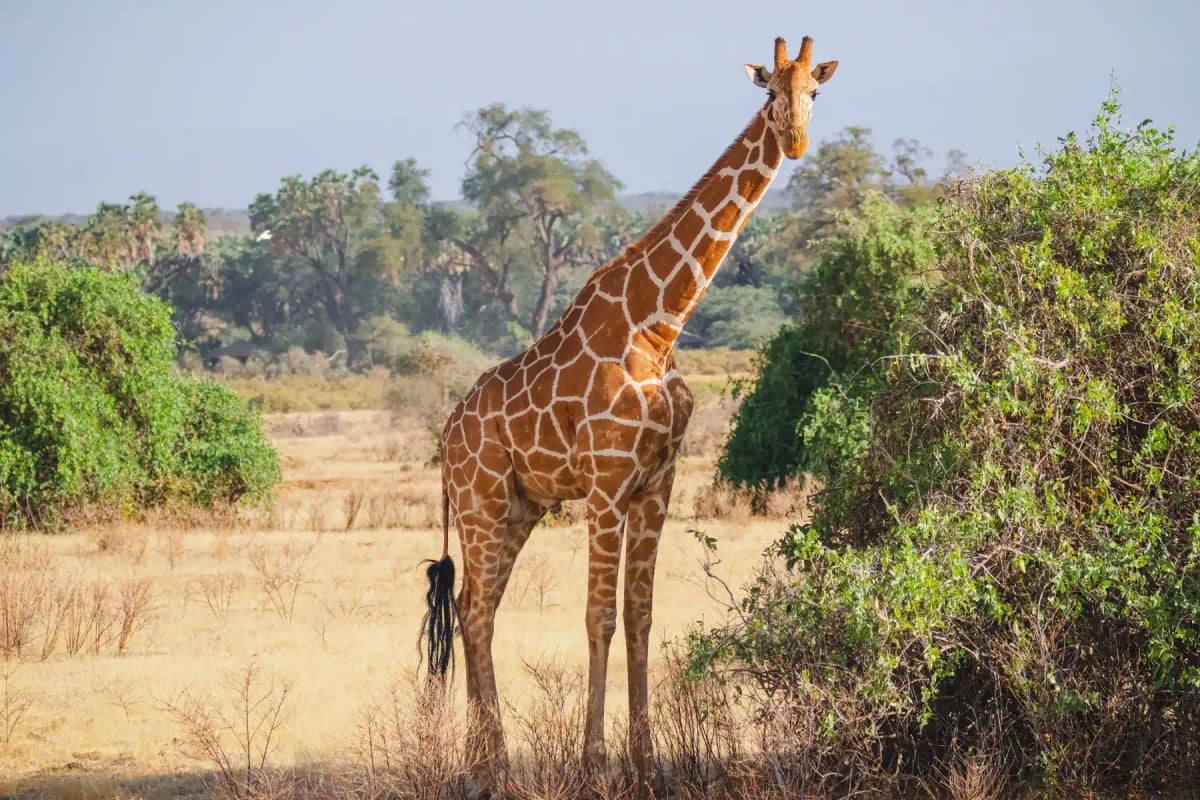
Giraffe
Giraffa camelopardalis
Giraffes are found in small, scattered numbers across southern Somalia, where the reticulated giraffe subspecies historically roamed through dry woodland and savanna. Decades of civil conflict have made conservation efforts extremely difficult, and populations here remain poorly monitored. Habitat loss and unregulated hunting have placed serious pressure on these animals. The giraffe is classified as Vulnerable by the IUCN, and Somalia's population needs urgent attention.
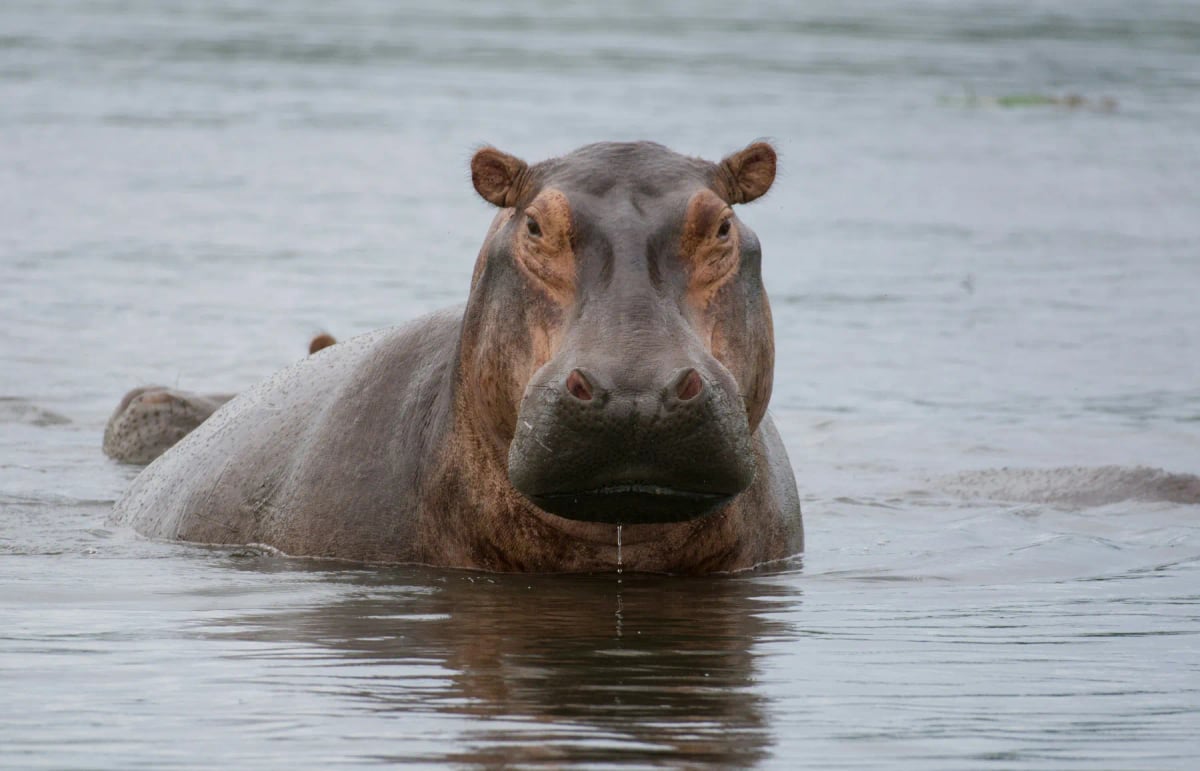
Hippopotamus
Hippopotamus amphibius
Somalia once had hippos along the Jubba and Shabelle rivers in the south of the country. Decades of conflict and the collapse of wildlife protection systems have taken a severe toll on these populations. Today, hippos in Somalia are considered extremely rare and may have been locally wiped out in many areas. Their current status is difficult to confirm due to limited access for researchers. The IUCN lists the hippopotamus as Vulnerable.
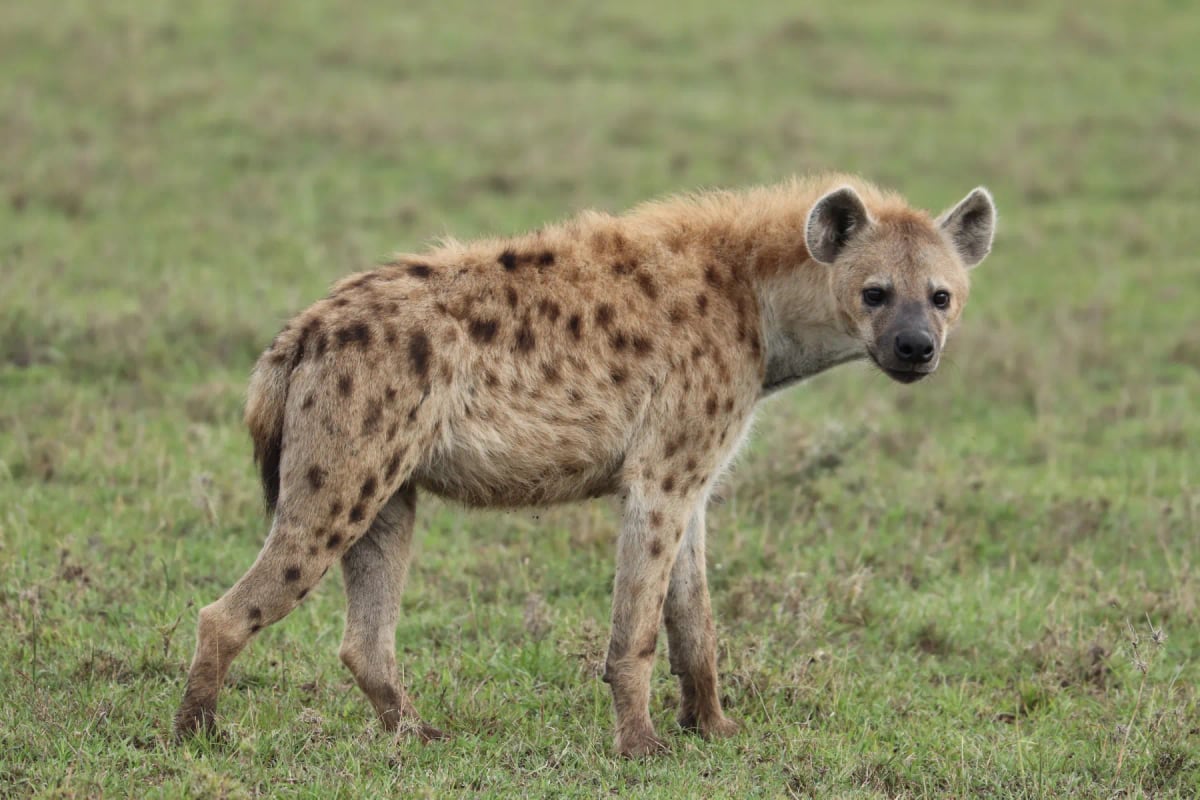
Spotted Hyena
Crocuta crocuta
Spotted hyenas are widespread across Somalia, roaming arid plains, scrublands, and the more vegetated river valleys of the south. Decades of instability have left wildlife largely unmonitored, but hyenas have proven resilient in disturbed landscapes. They are known to live close to human settlements, where they scavenge and occasionally come into conflict with livestock herders. Their IUCN status is Least Concern.
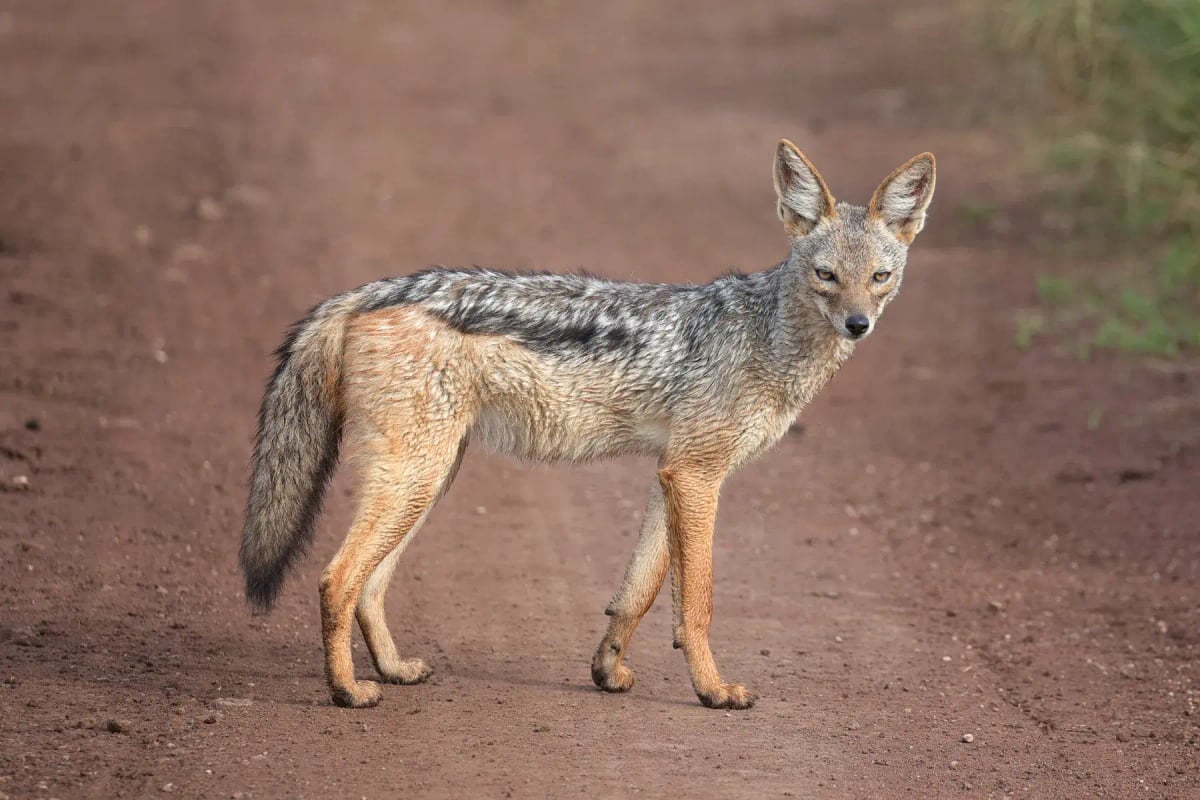
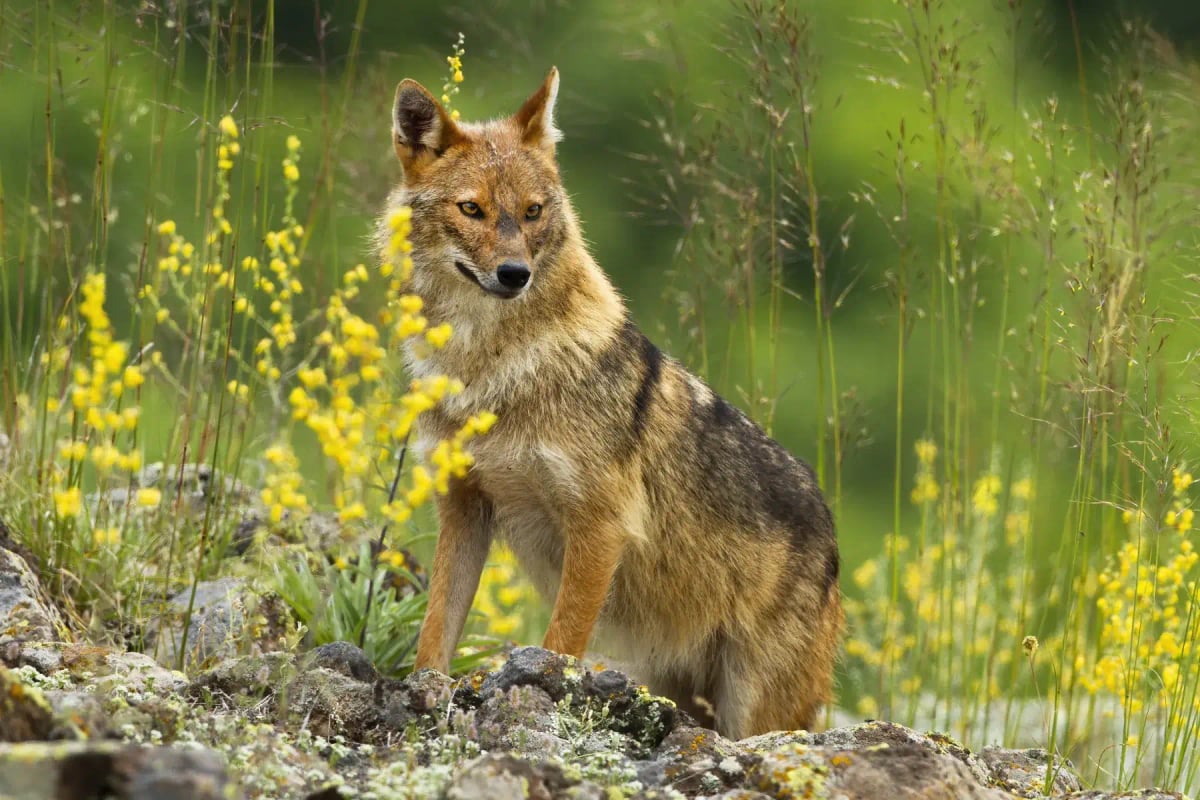
Black backed Jackal
Canis mesomelas
In Somalia, the black backed jackal inhabits arid and semi arid scrublands, particularly across the northern and central regions. It is well suited to harsh, dry conditions and feeds on a broad diet of rodents, reptiles, insects, wild fruits, and carrion. Pairs form lifelong bonds and raise offspring cooperatively. Though wide ranging across eastern Africa, population data for Somalia specifically remains limited. Its IUCN status is Least Concern.
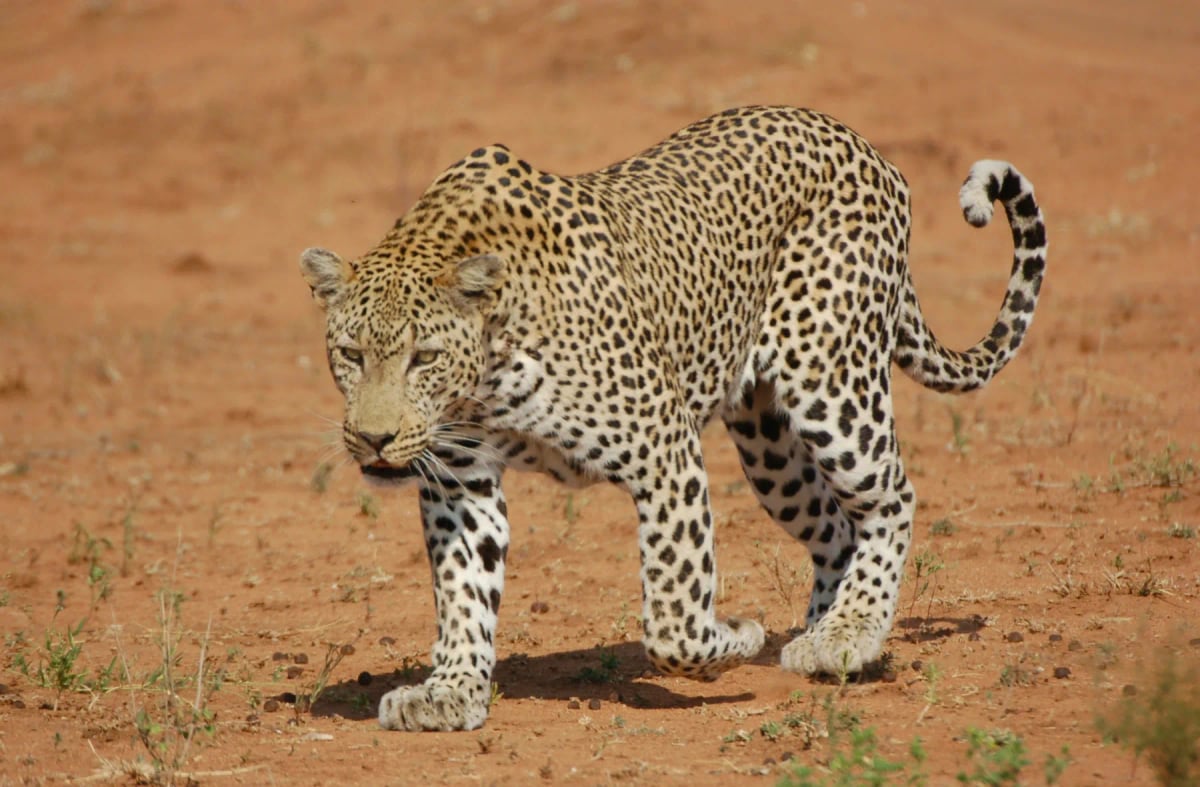
Leopard
Panthera pardus
Leopards in Somalia inhabit the northern highlands, particularly the forested slopes and rocky terrain of areas bordering Ethiopia. Much of Somalia's wildlife has suffered severely due to decades of instability, which has made systematic monitoring extremely difficult. Uncontrolled hunting and habitat degradation are the main threats. Despite this, the leopard's adaptability means it likely persists in remote areas where human presence is limited, though reliable population data remains scarce.
Lion
Panthera leo
Historical records place lions in parts of Somalia, but confirmed recent sightings are extremely rare. Decades of instability have made systematic monitoring nearly impossible. If any population persists, it would likely be in remote areas of the south or interior, but the species is considered functionally absent from most of the country.
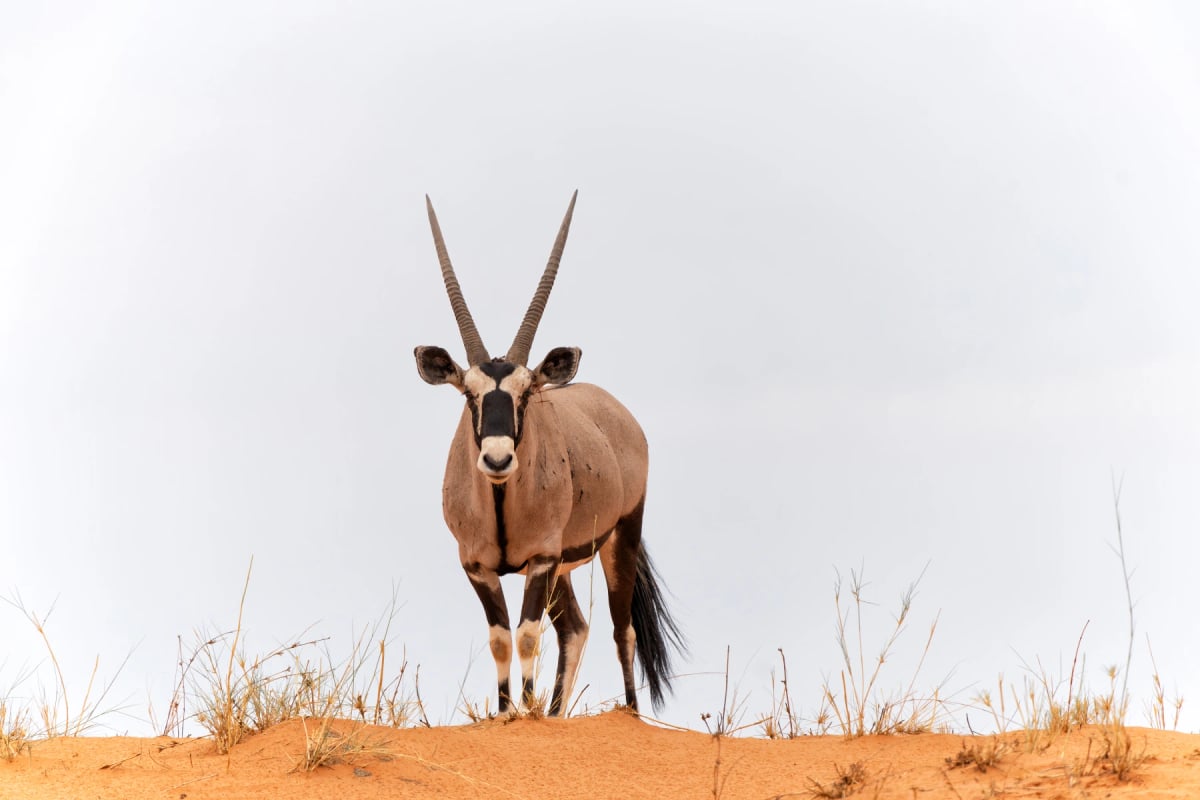
Oryx
Oryx spp.
In Somalia, the beisa oryx roams the arid plains and semi-desert scrublands across much of the country. Decades of instability have made wildlife monitoring extremely difficult, but oryx are known to persist in areas where vegetation and space allow. They rely on grasses, roots, and wild melons for food and moisture, helping them survive in one of the driest environments in the Horn of Africa. Their status in Somalia remains a conservation concern.
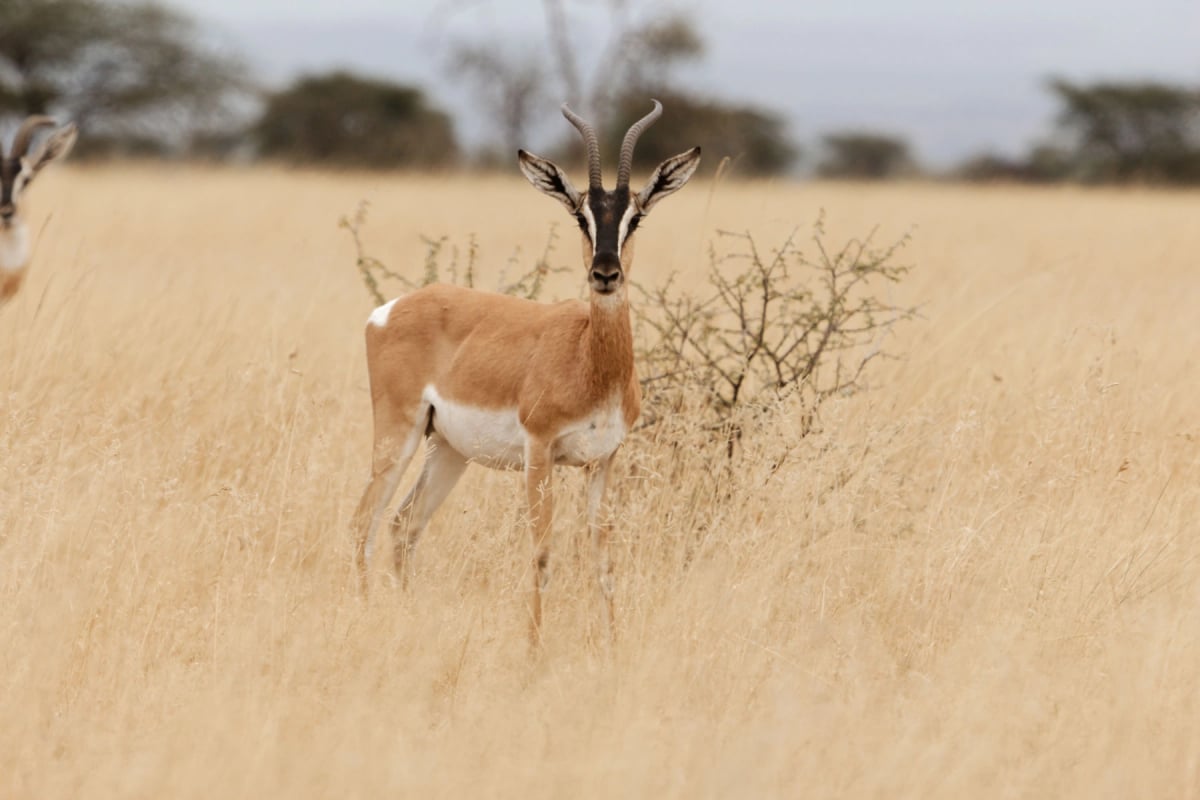
Soemmerring's Gazelle
Nanger soemmerringii
Soemmerring's gazelle survives across Somalia's arid interior and northern scrublands, where sparse vegetation and open terrain suit its way of life. It extracts most of its moisture from the plants it eats, an important adaptation in such a dry environment. Decades of unregulated hunting and widespread overgrazing by livestock have taken a heavy toll on populations. Somalia represents an important part of this species' remaining range in the Horn of Africa.
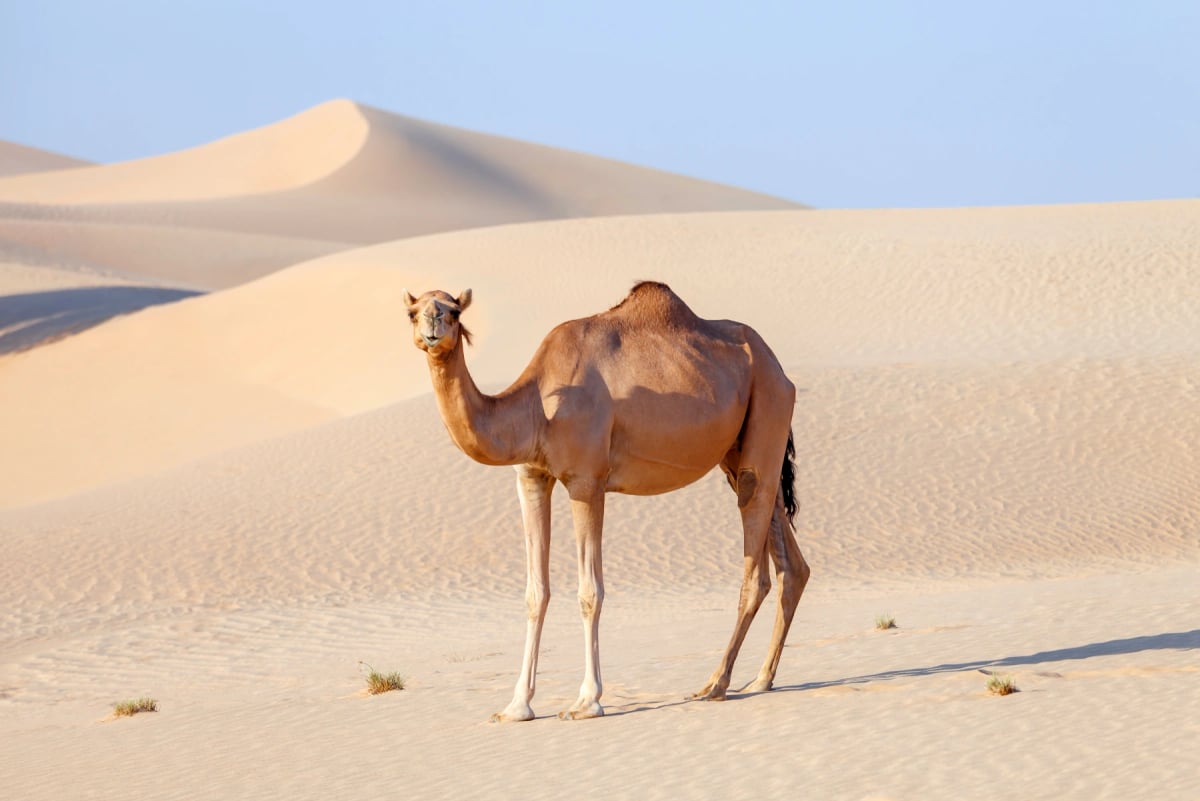
Dromedary Camel
Camelus dromedarius
Somalia has one of the largest camel populations in the world, and the dromedary sits at the heart of Somali pastoral culture. Across the scrublands and semi-arid plains of the north and centre of the country, camels provide milk that sustains entire families through dry seasons. They are also a symbol of wealth and are central to ceremonies, trade, and daily rural life.
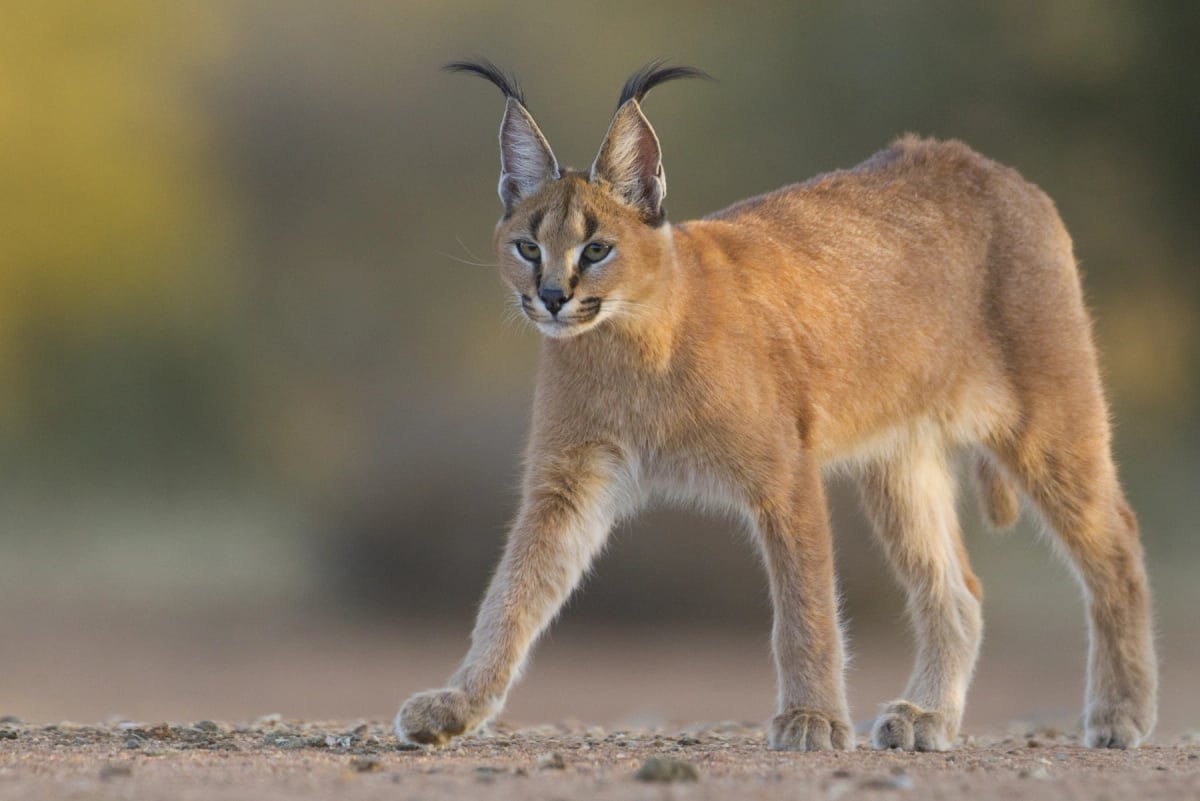
Caracal
Caracal caracal
In Somalia, the caracal is distributed across arid plains, rocky outcrops, and dry scrublands that cover much of the country. With a uniformly tawny coat and powerful hindquarters built for explosive leaping, this medium-sized cat hunts hares, rodents, and birds under the cover of night. Monitoring populations in Somalia is challenging due to ongoing instability. Globally, the IUCN considers the species to be of Least Concern.
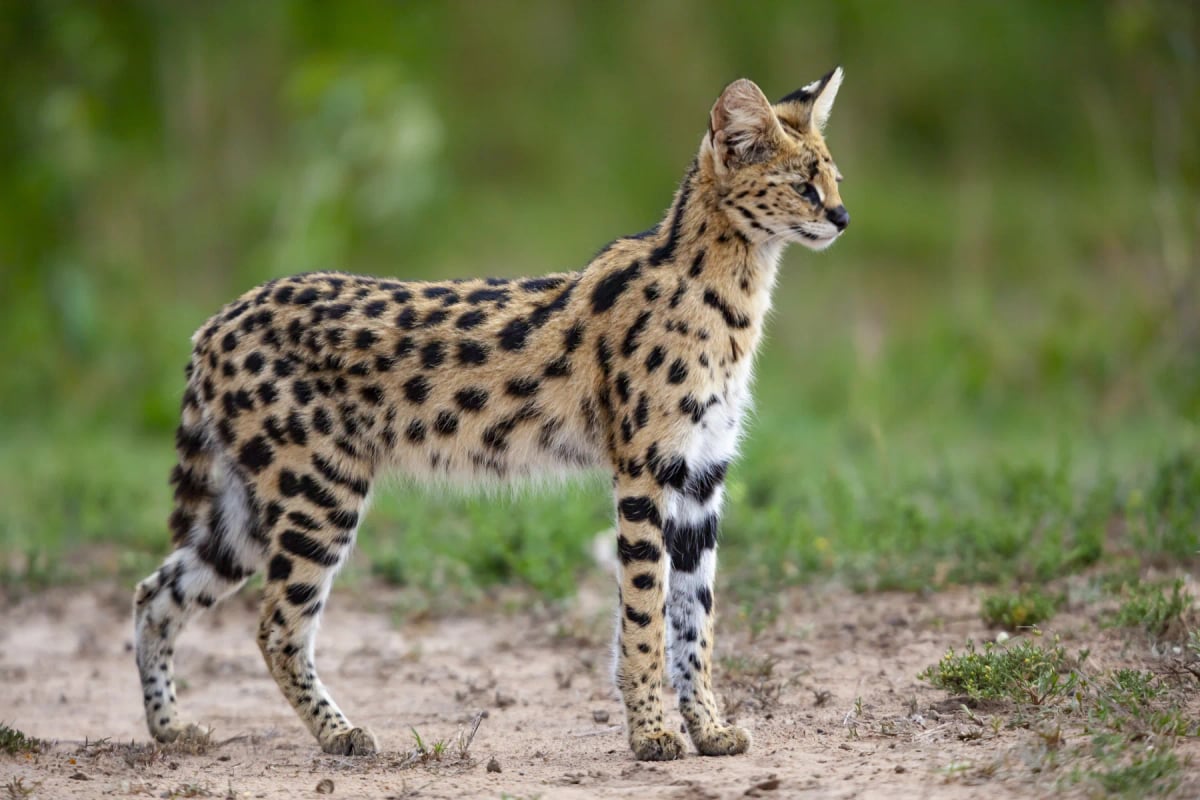
Serval
Leptailurus serval
In Somalia, the serval is restricted to areas with reliable water and tall grass, such as the river valleys of the south. It is far less widespread here than in other parts of Africa, partly due to the country's predominantly arid landscape. Servals prey mainly on rodents and small birds. The IUCN rates the species as Least Concern globally, though data from Somalia specifically remains limited.
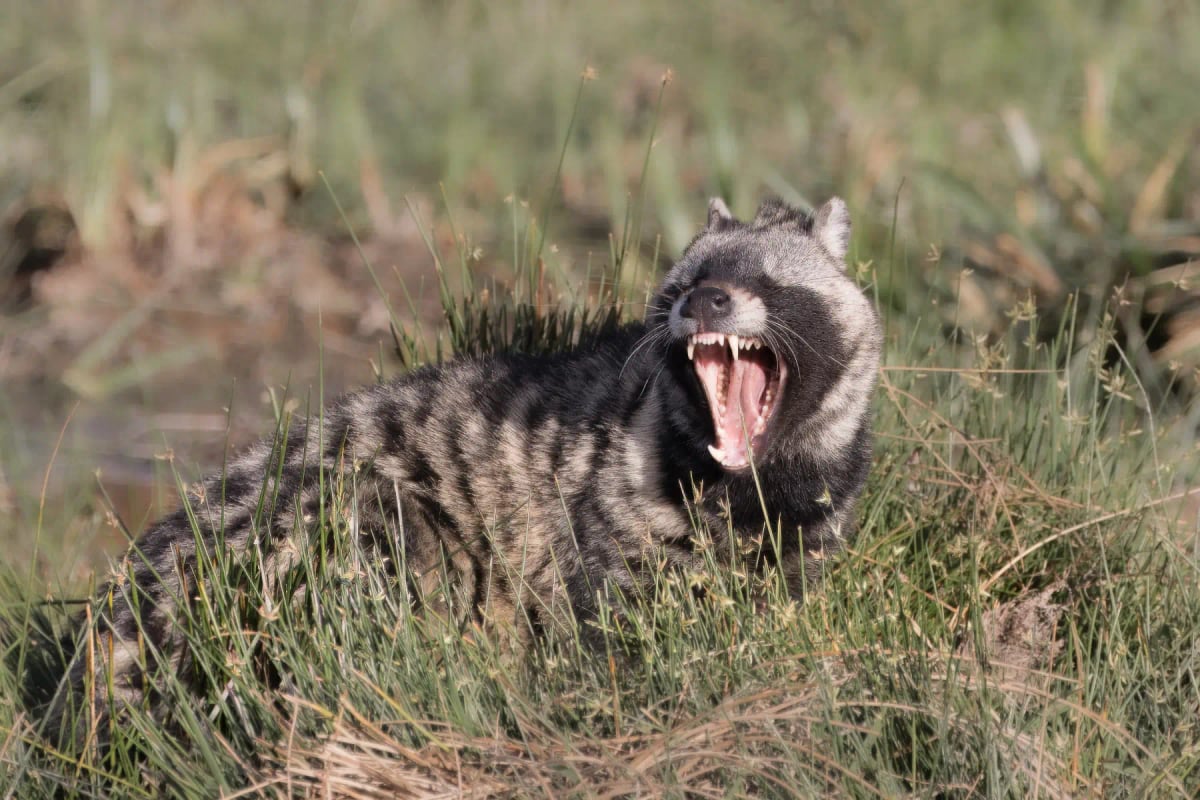
African Civet
Civettictis civetta
The African civet occurs in southern Somalia, where the Jubba and Shabelle rivers and their gallery forests create pockets of suitable habitat in an otherwise arid country. It does not reach the dry northern regions. Populations in the south face pressure from prolonged instability and weakened protected area management, which has allowed uncontrolled hunting across much of the country for decades.
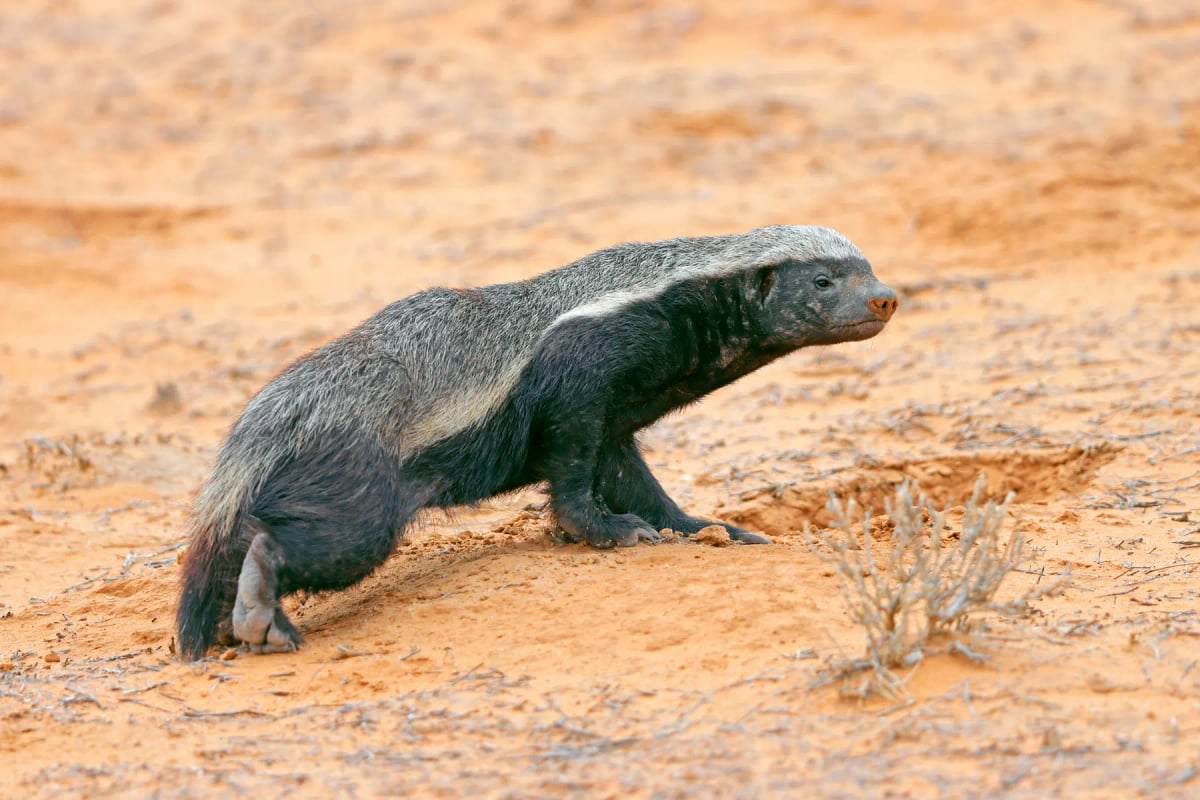
Honey Badger
Mellivora capensis
The honey badger ranges across Somalia's dry savanna and semi desert terrain, from the northern highlands to the scrubland near the Indian Ocean coast. It tolerates heat and drought well, feeding on rodents, reptiles and insects in a landscape with limited vegetation. Decades of instability have made surveys difficult, leaving much about its local population unknown. The IUCN lists the species as Least Concern across its full range.
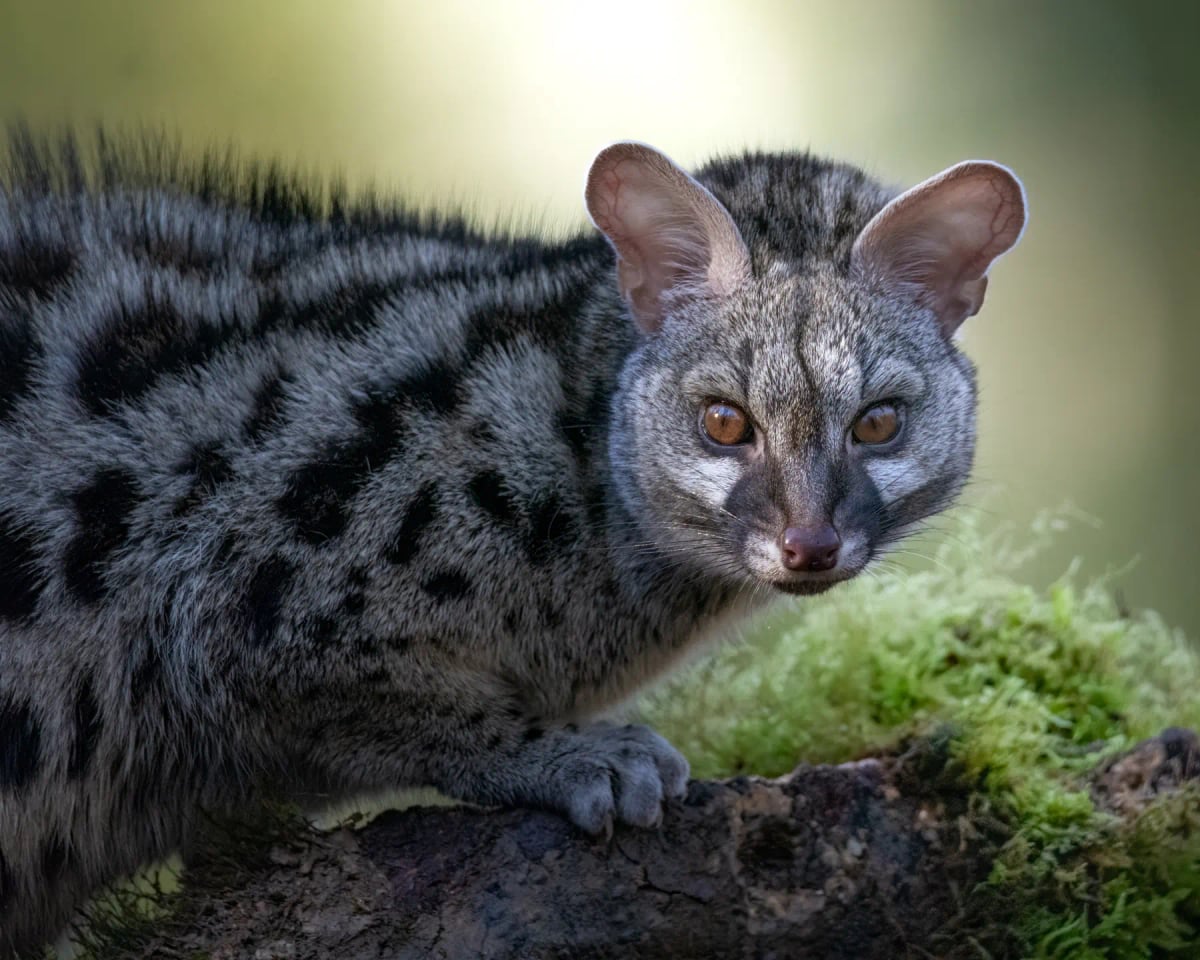
Common Genet
Genetta genetta
In Somalia, the common genet occupies areas with rocky outcrops, scrub, and dry woodland, particularly in the northern highlands near the Ethiopian border and in Somaliland. It relies on rocky shelters for resting during the day. Like elsewhere in its range, it hunts at night, feeding on small mammals, birds, reptiles, and insects. IUCN status: Least Concern.
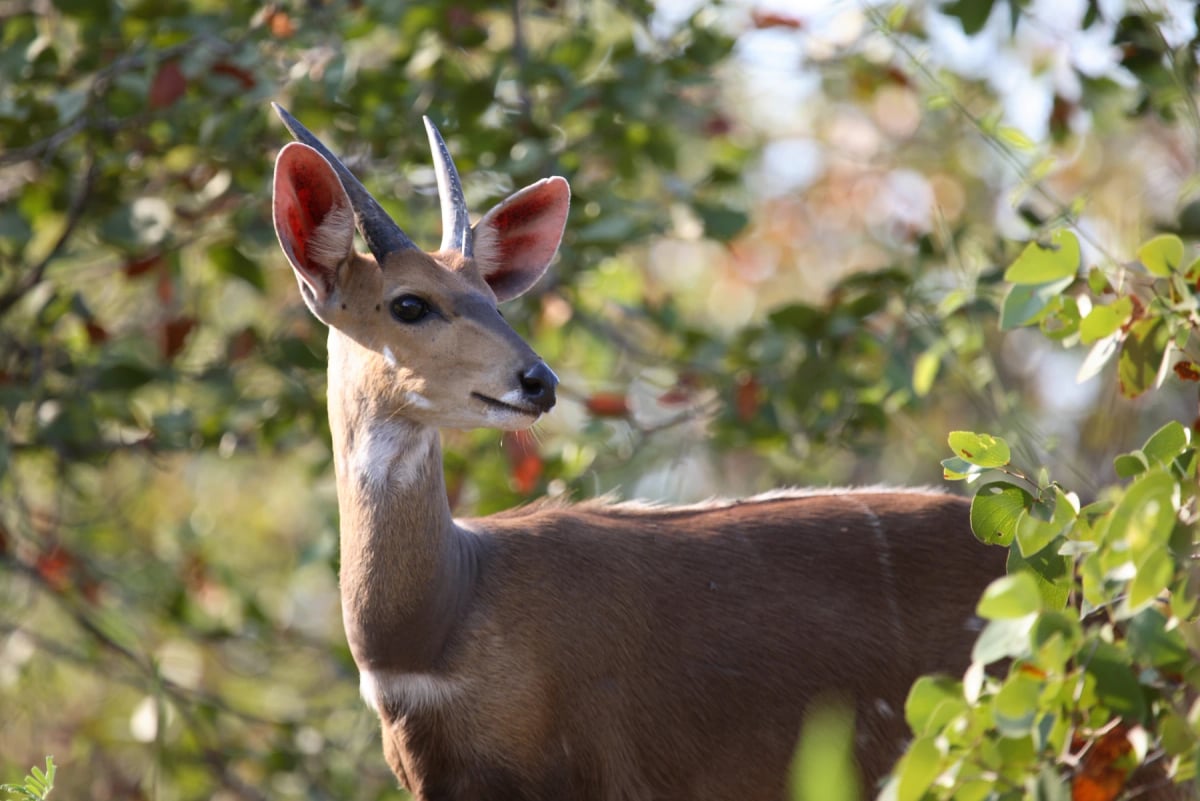
Bushbuck
Tragelaphus scriptus
The bushbuck occurs in Somalia's limited forest reserves and dense vegetation along major river valleys, particularly in southern and central regions. This antelope has adapted to the semi arid conditions by remaining strictly nocturnal and crepuscular. Its solitary nature and preference for thick cover make it rarely observed despite its presence across suitable habitats. Males possess short, tightly spiraled horns used in territorial disputes.
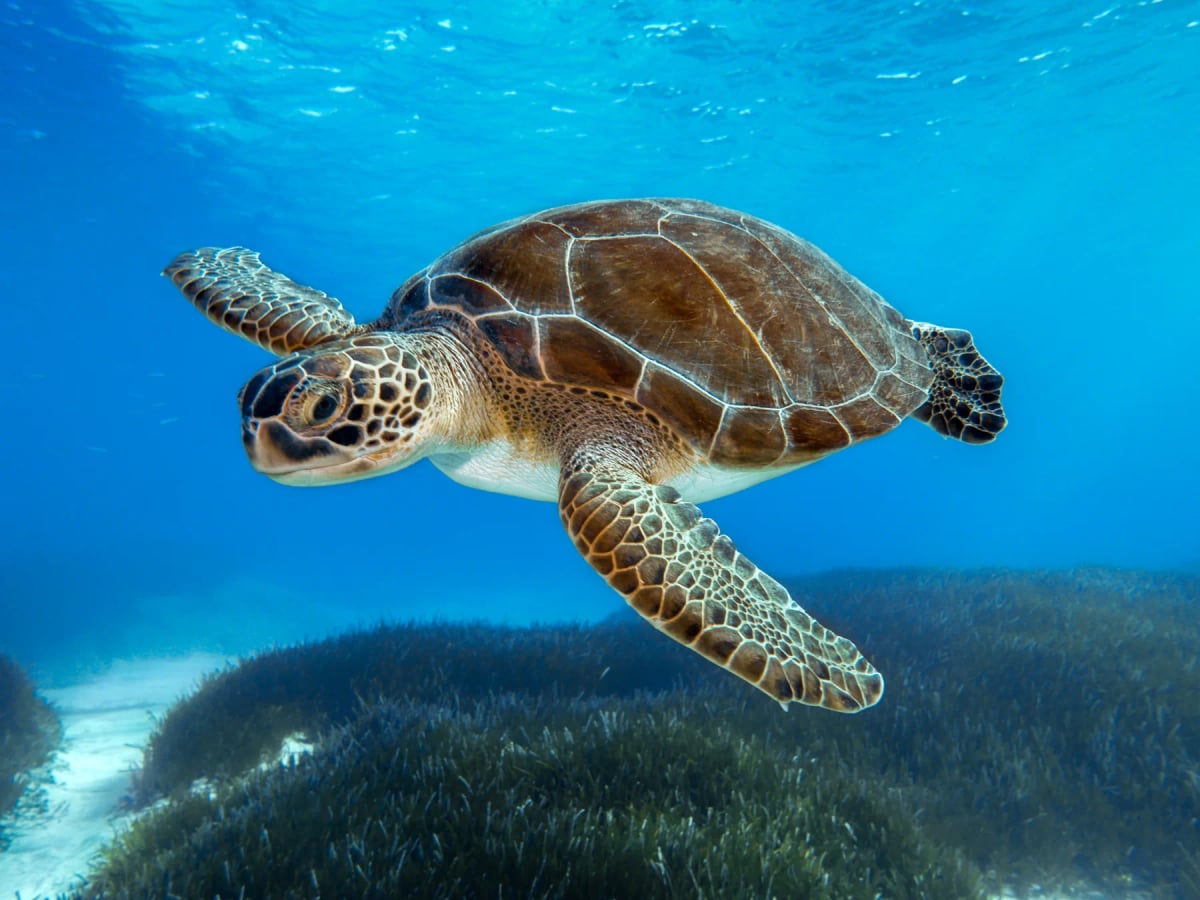
Sea Turtle
Cheloniidae & Dermochelyidae (families)
Somalia's long Indian Ocean and Gulf of Aden coastline provides habitat for green, hawksbill and loggerhead sea turtles. The largely undeveloped nature of much of the Somali coast means that some nesting beaches remain relatively undisturbed. Green turtles forage in the productive upwelling waters off the Somali coast, and hawksbill turtles are associated with coral reef areas in the north. Systematic conservation monitoring has been limited by ongoing instability, leaving sea turtle populations in the country largely unstudied.
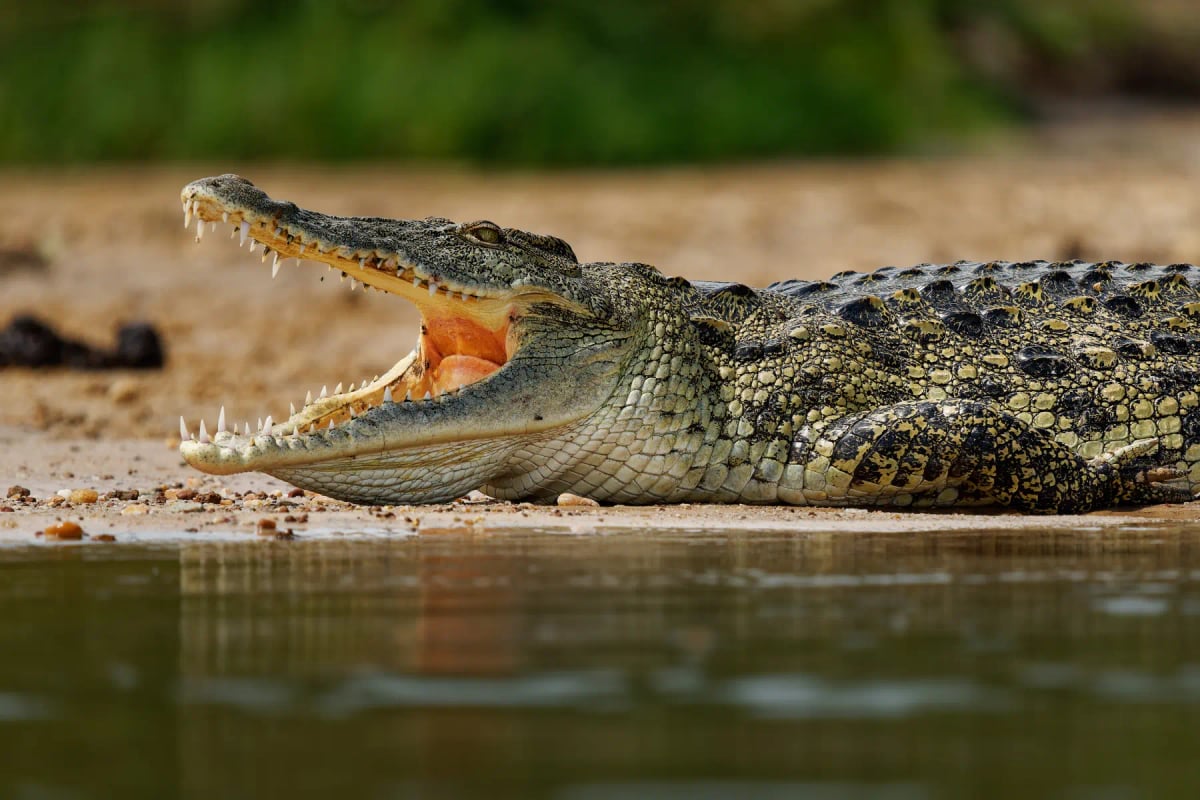
Nile Crocodile
Crocodylus niloticus
In Somalia, the Nile crocodile is found along the Jubba and Shabelle rivers, the country's two permanent river systems, which flow from the Ethiopian highlands toward the Indian Ocean. These rivers pass through dry and semiarid terrain, making them critical corridors for wildlife. Decades of instability have made it difficult to monitor crocodile populations accurately. The IUCN lists the species as Least Concern globally, though the situation in Somalia remains poorly documented.
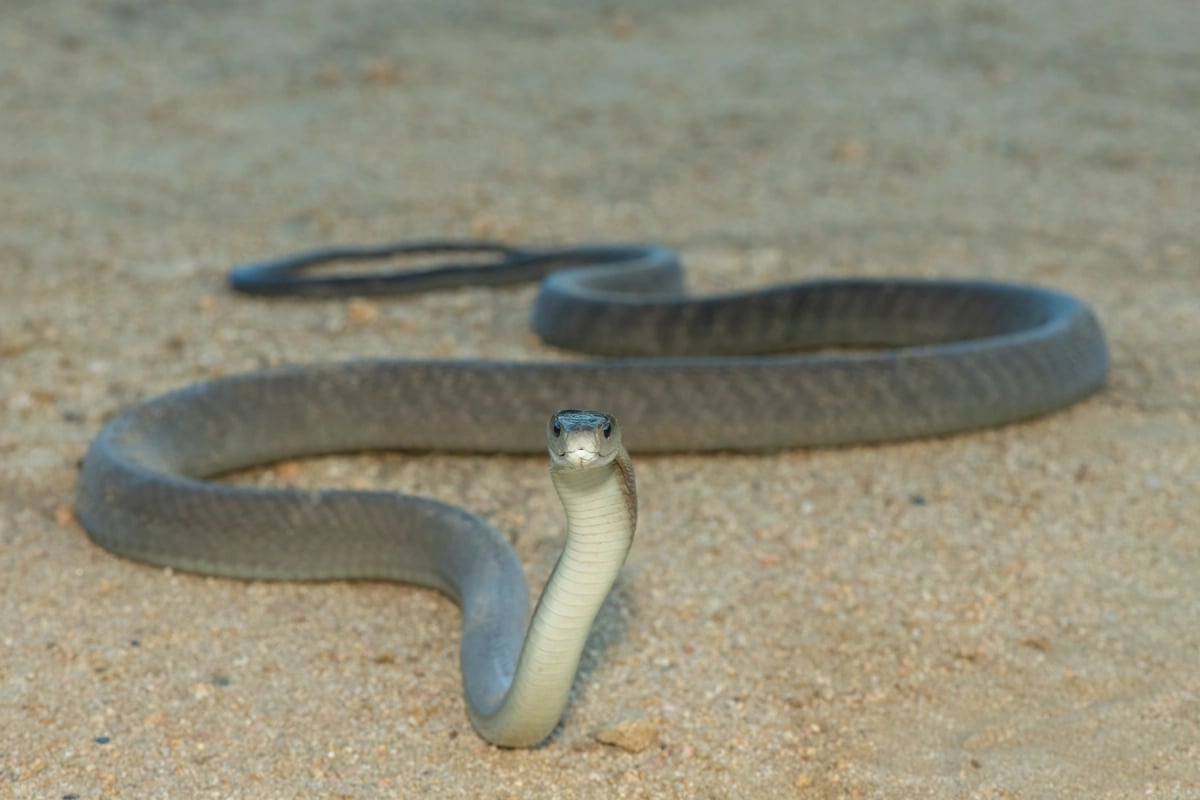
Black Mamba
Dendroaspis polylepis
In Somalia, the black mamba inhabits savanna and open woodland areas, particularly across the southern and central regions where suitable habitat remains intact. This olive to gray snake, Africa's longest venomous species, delivers a neurotoxic venom that can cause respiratory failure within hours. Access to antivenom is severely limited across much of Somalia, making encounters with this fast-moving reptile especially dangerous for rural communities.
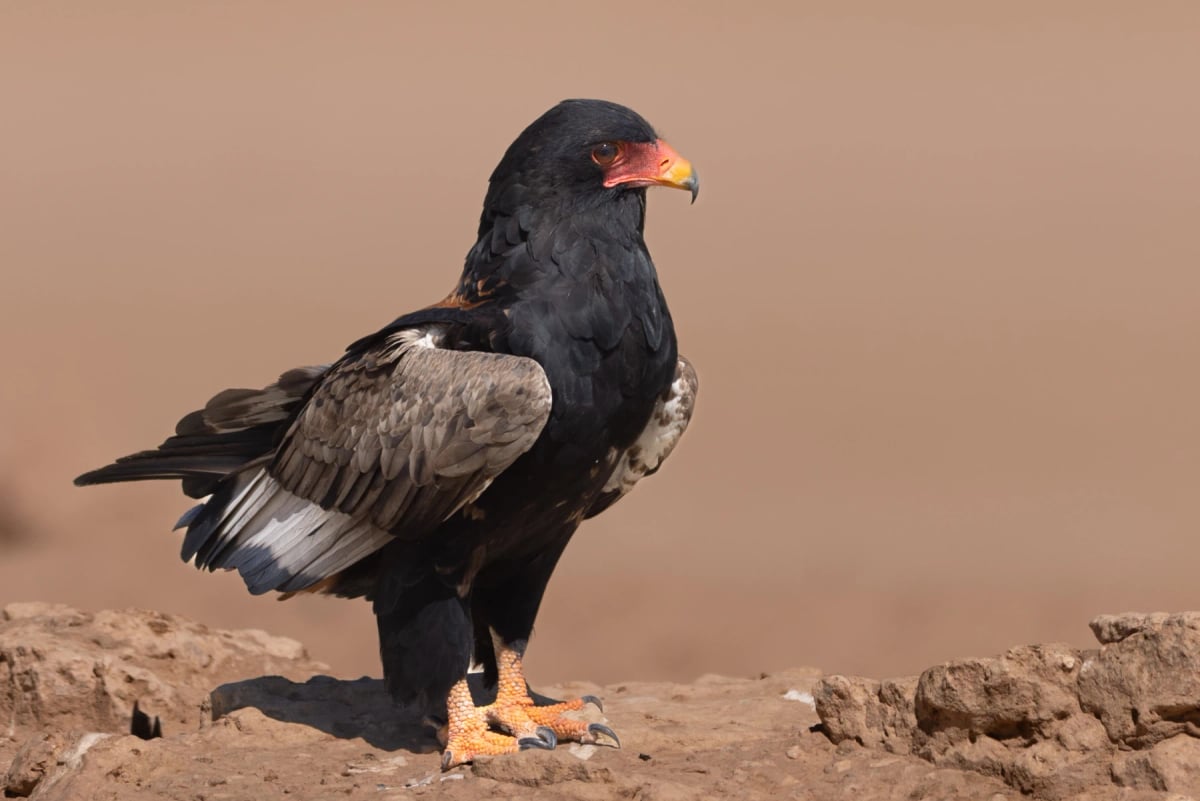
Bateleur
Terathopius ecaudatus
The Bateleur is a rare and striking eagle found across Somalia's open bushland and savanna regions, particularly in the south and central areas. Its vivid scarlet face and tilting flight are unmistakable. Classified as Endangered, it faces serious threats from habitat loss and poisoning. Its presence in Somalia represents one of the easternmost reaches of its range in the Horn of Africa.
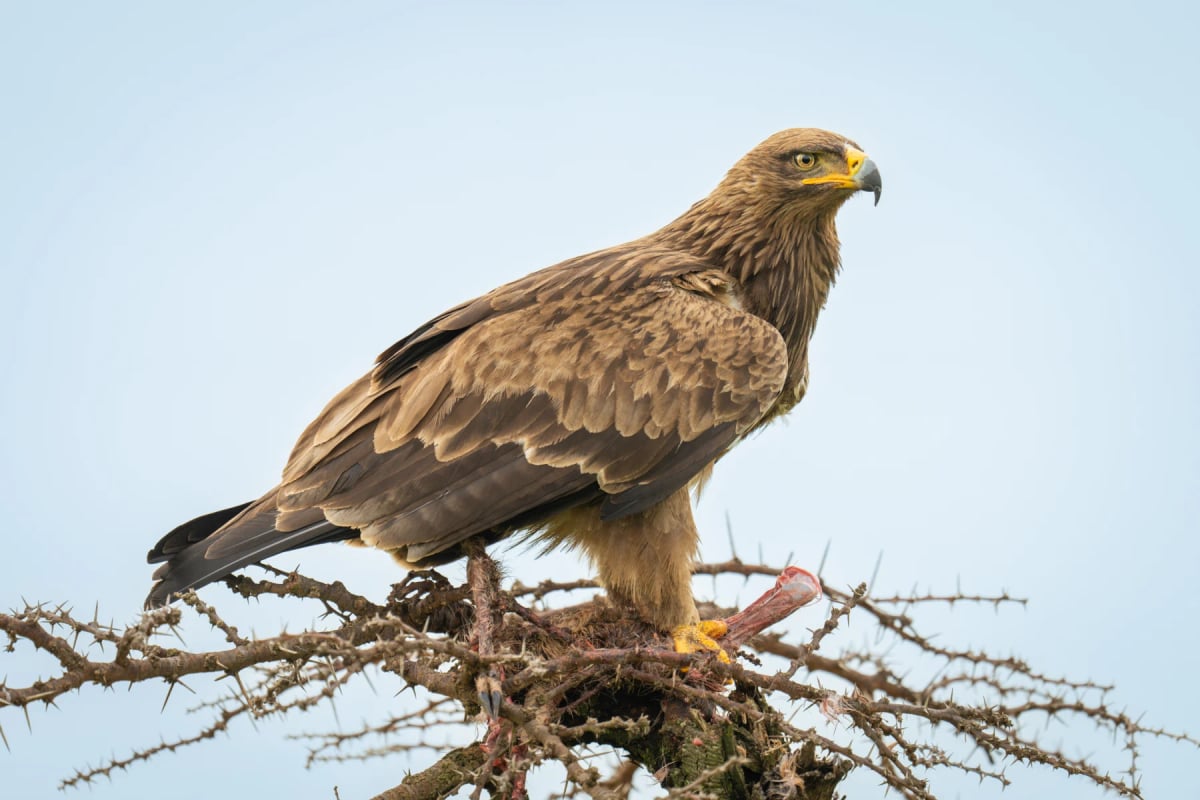
Steppe Eagle
Aquila nipalensis
Somalia's dry open plains and semi-arid bush country are used by the Steppe Eagle as wintering and passage habitat during its migration to and from Central Asia. The species benefits from the abundance of termites and carrion in Somalia's grazing lands. Somalia sits along the East African flyway that many of these eagles follow each year. The IUCN lists the Steppe Eagle as Endangered, reflecting a global population of roughly 30,000 birds that continues to shrink.
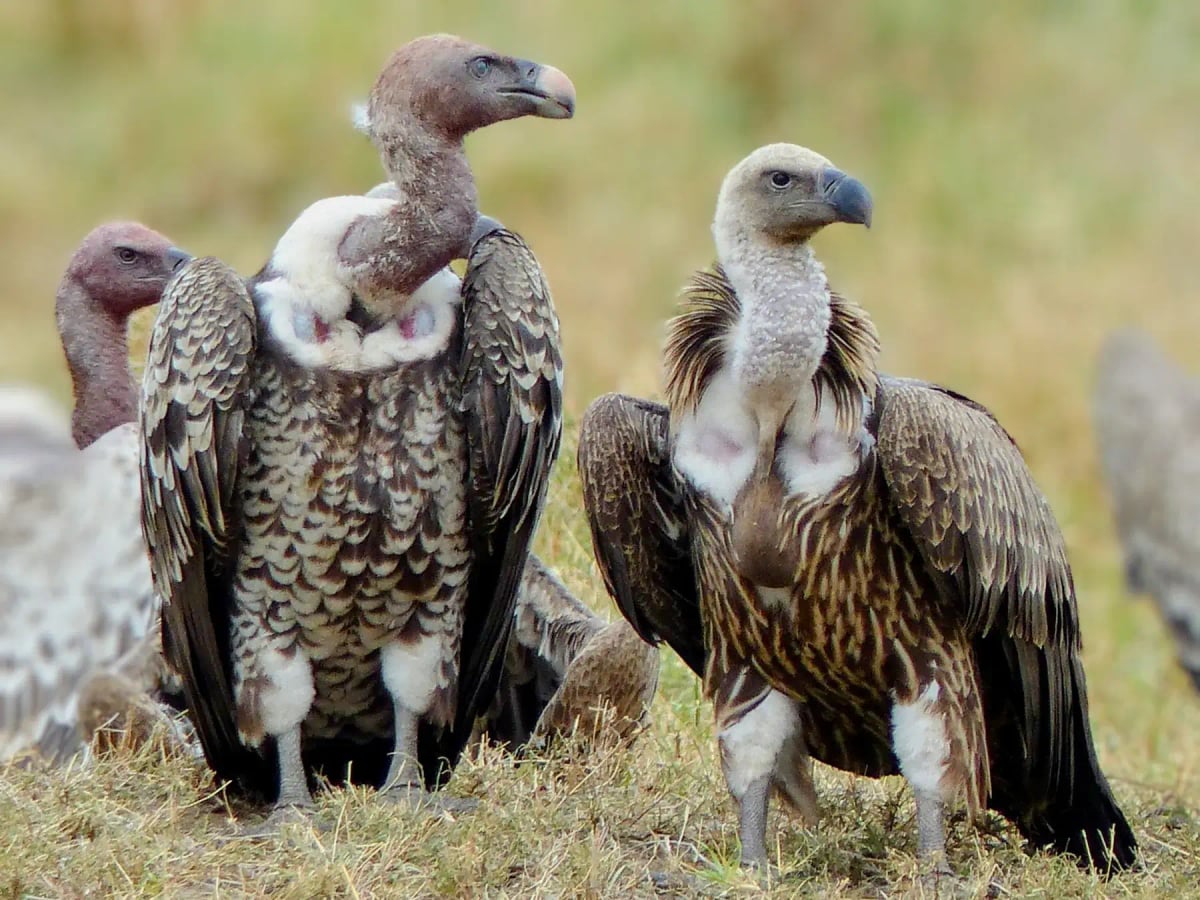
White backed Vulture
Gyps africanus
The white backed vulture is rarely recorded in Somalia, where decades of instability have made wildlife monitoring extremely difficult. Sightings tend to occur near the Ethiopian border and in areas where livestock and wildlife coexist. As a bird rated Critically Endangered by the IUCN, its presence here is poorly understood, and poisoning of carcasses remains a serious threat across the region.
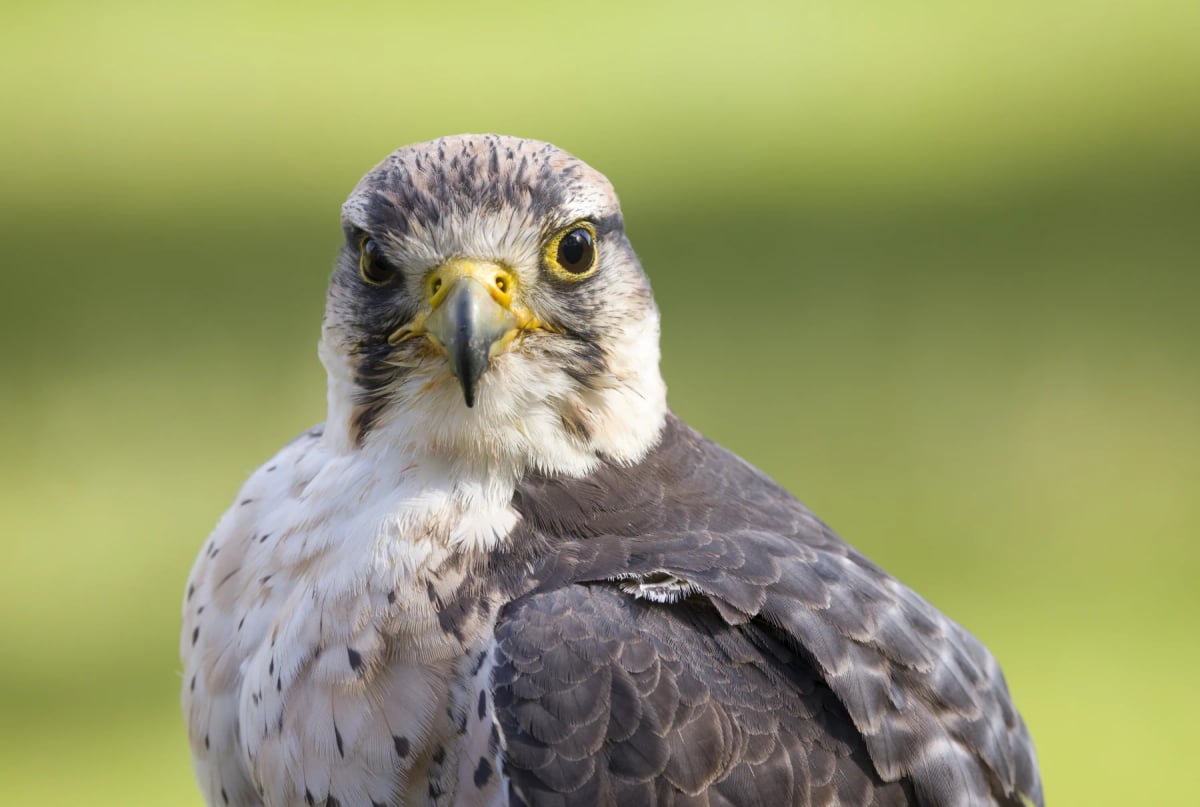
Lanner Falcon
Falco biarmicus
The lanner falcon is found across Somalia's arid plains, rocky escarpments, and dry thornbush country. It is well suited to the harsh conditions of the Horn of Africa, hunting doves and other birds with low, rapid pursuit flights. Pairs nest on cliff ledges in the more rugged inland terrain. Prolonged conflict and instability in the region make monitoring populations difficult. The IUCN lists the species as Least Concern.
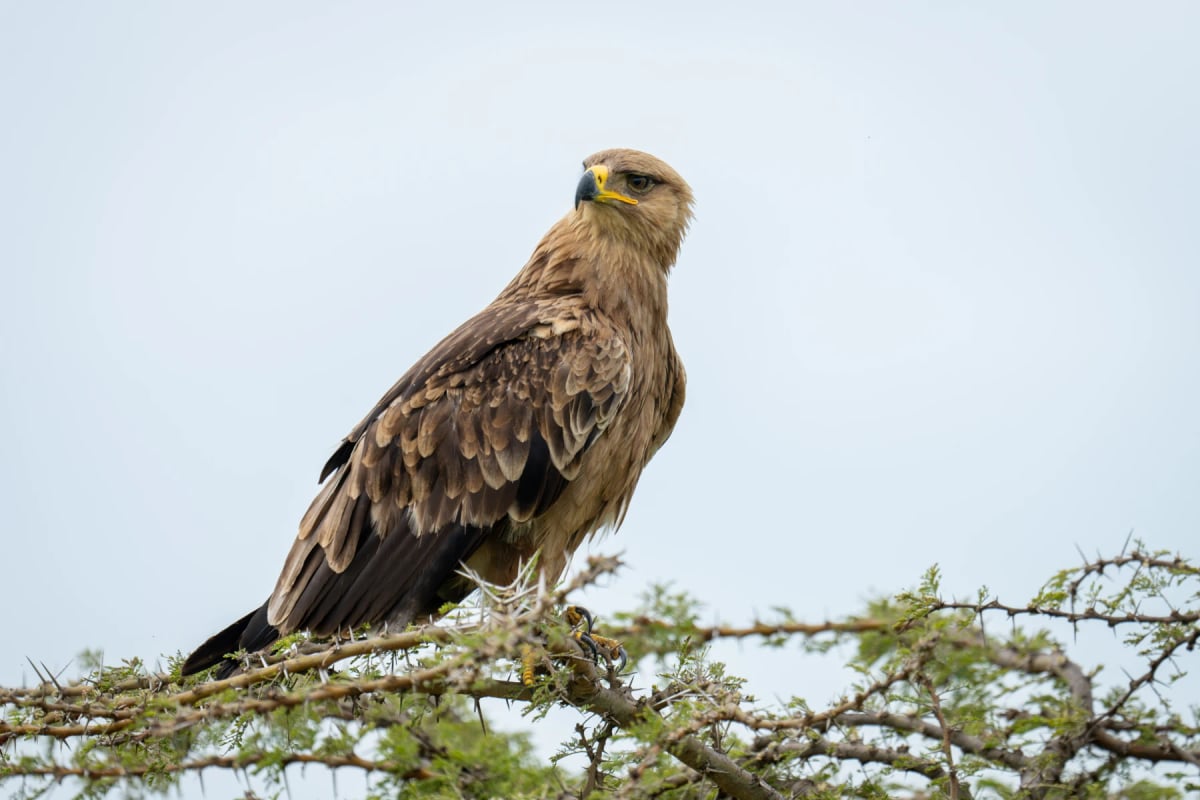
Tawny Eagle
Aquila rapax
Somalia's dry plains, semi-arid scrublands, and open savanna habitats provide suitable territory for the tawny eagle. It soars over large areas in search of small prey and carrion, and is well adapted to the harsh, open landscapes found across much of the country. Limited conservation infrastructure makes monitoring difficult. The IUCN lists it as Vulnerable, reflecting sustained population declines throughout its African range.
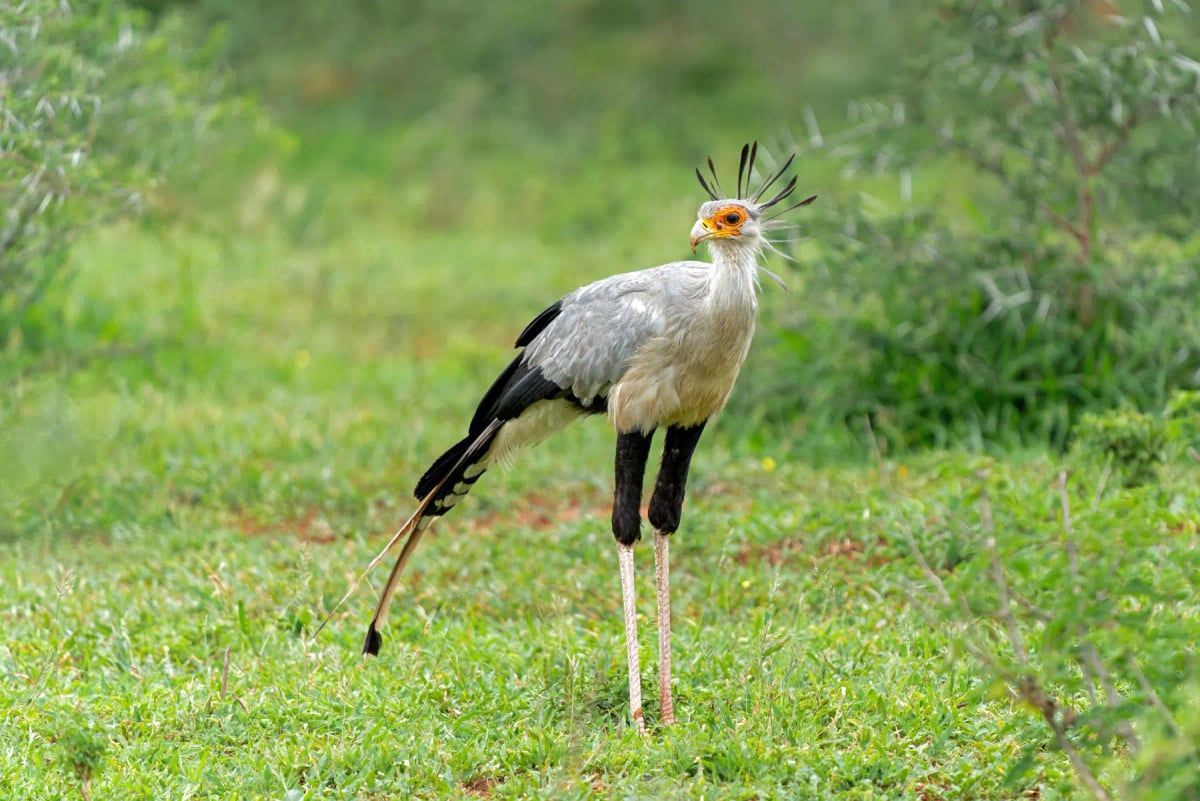
Secretary Bird
Sagittarius serpentarius
The secretary bird inhabits the open grasslands and dry savannas of southern and central Somalia, where it hunts on foot for snakes, rodents, and large insects. Decades of conflict and land degradation have made conservation monitoring in Somalia extremely difficult, and the true status of the population there remains poorly known. The IUCN lists the species as Endangered across its entire range.
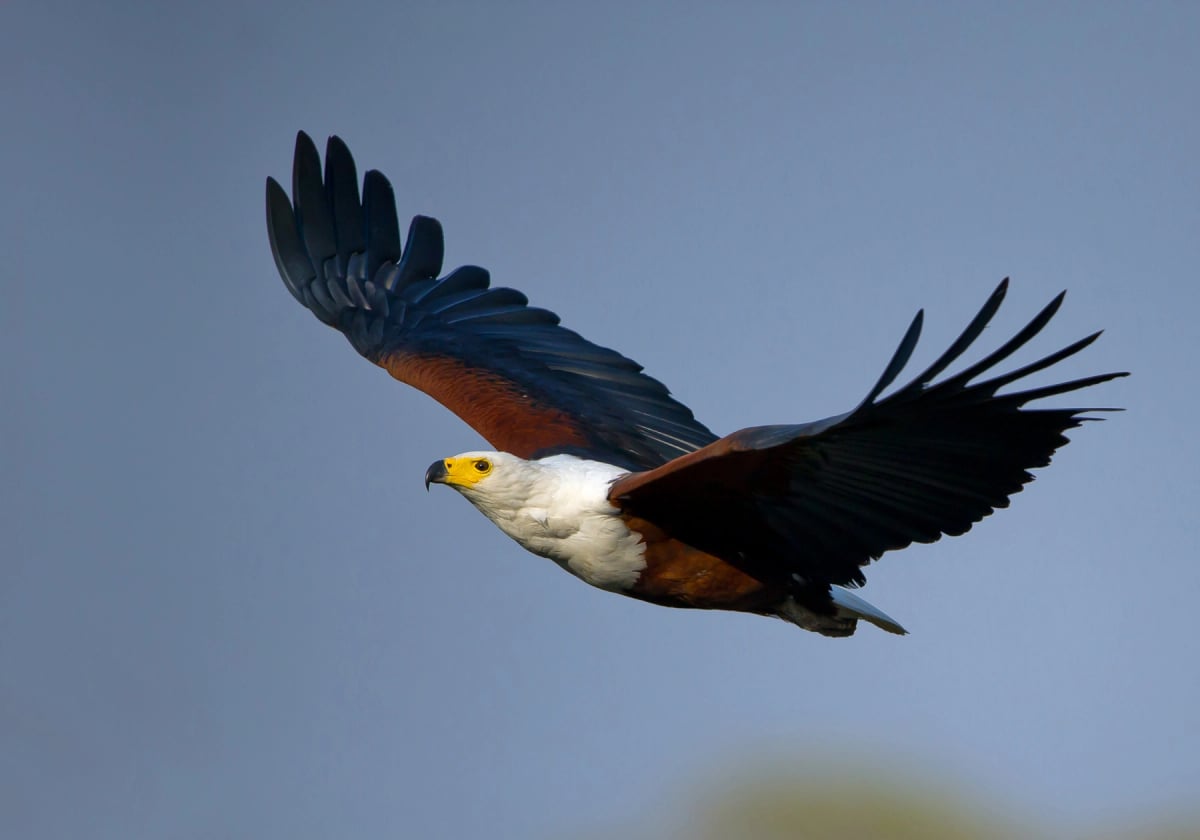
African Fish Eagle
Haliaeetus vocifer
The African fish eagle is present in Somalia along the Jubba and Shabelle rivers, the two main permanent waterways that cross the country from the Ethiopian highlands toward the Indian Ocean coast. These river corridors provide the primary freshwater habitat in an otherwise dry landscape. The species is not common and is restricted to areas near reliable water. Sightings are most likely along the middle and lower reaches of both rivers where open water and perch trees are available.
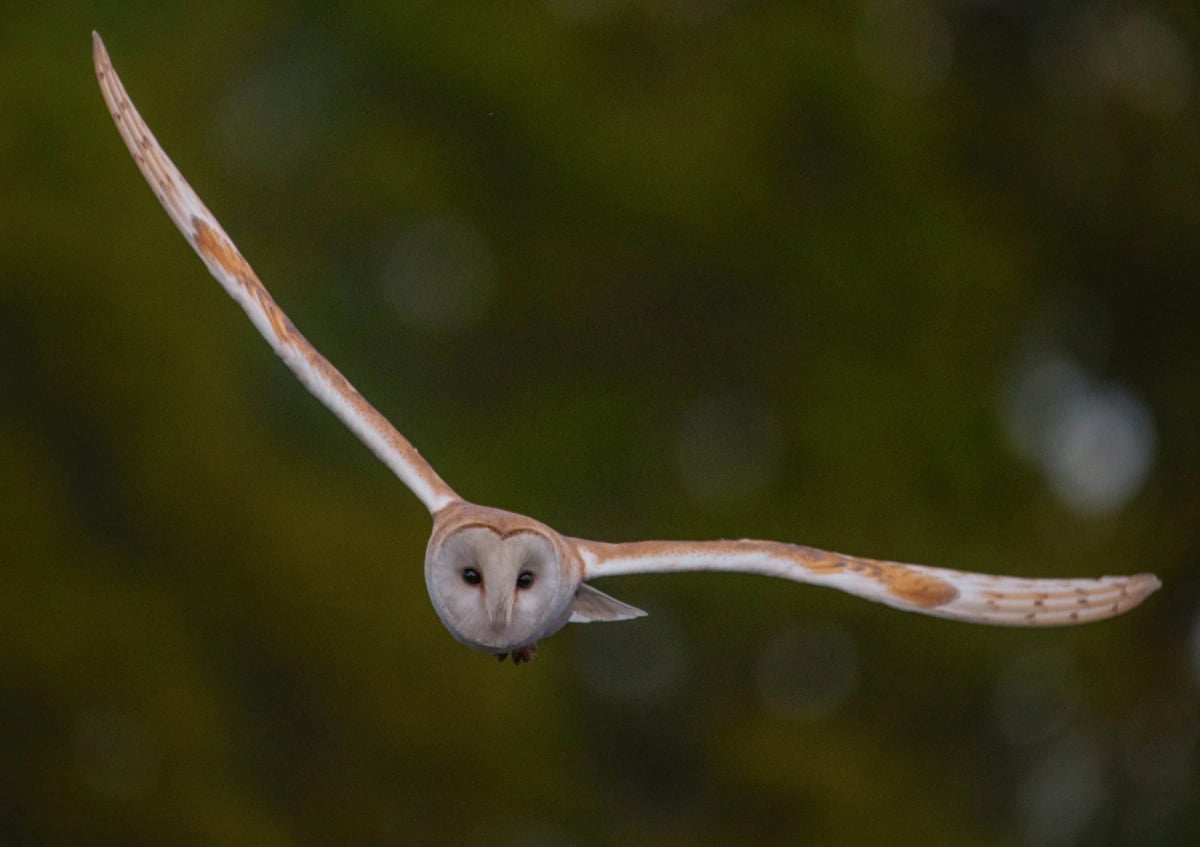
Barn Owl
Tyto alba
The barn owl is found in Somalia in open scrubland, farmland, and areas near villages and towns across the more settled regions of the south and northwest, including Somaliland. It nests in old buildings, cliff faces, and rocky outcrops, and hunts rodents at night. The arid and semi-arid conditions across much of the country limit its distribution to areas near water sources and agricultural land. In farming communities of the south, particularly around the Jubba and Shabelle river valleys, it provides natural control of rodent populations.
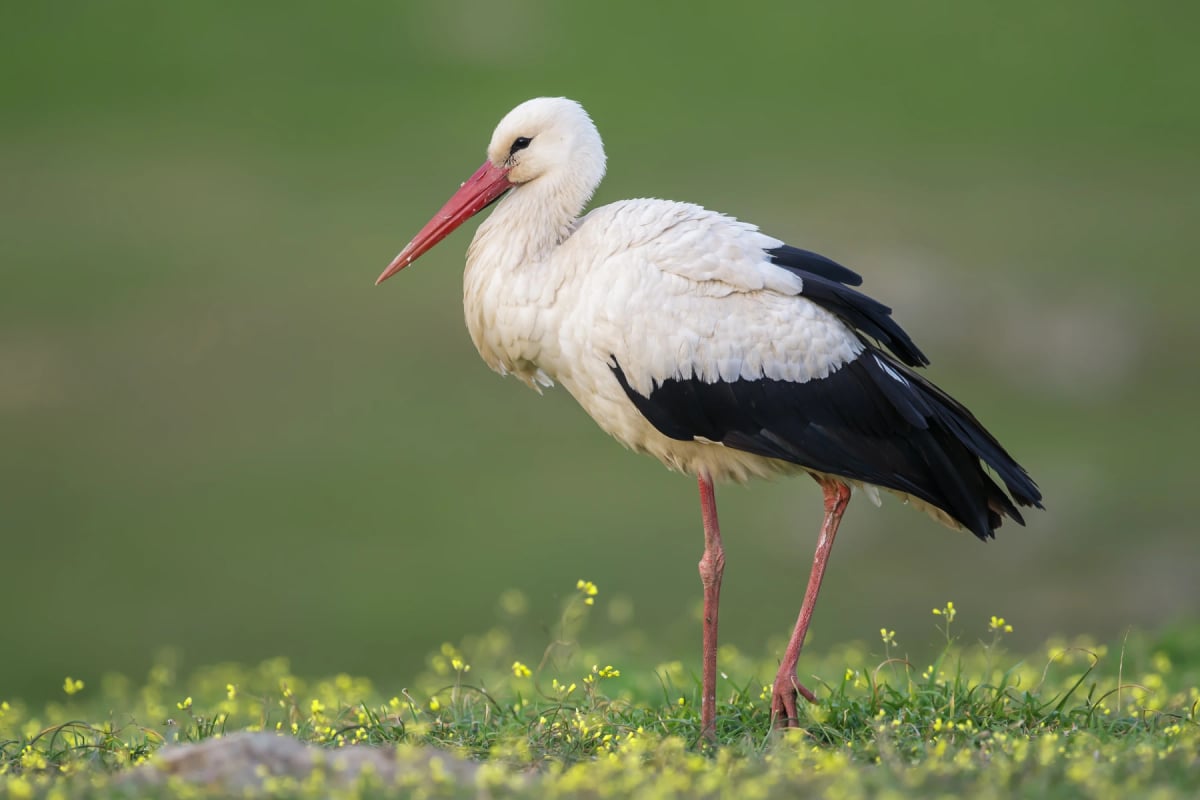
Stork
Ciconia ciconia
Somalia lies along the white stork's migration corridor between Europe and southern Africa. Birds pass through during autumn and spring, and some individuals winter in parts of the country where open savanna and grassland provide suitable feeding grounds. The Horn of Africa represents an important transit zone for storks that follow the eastern migration route rather than crossing through the Bosphorus or Gibraltar.
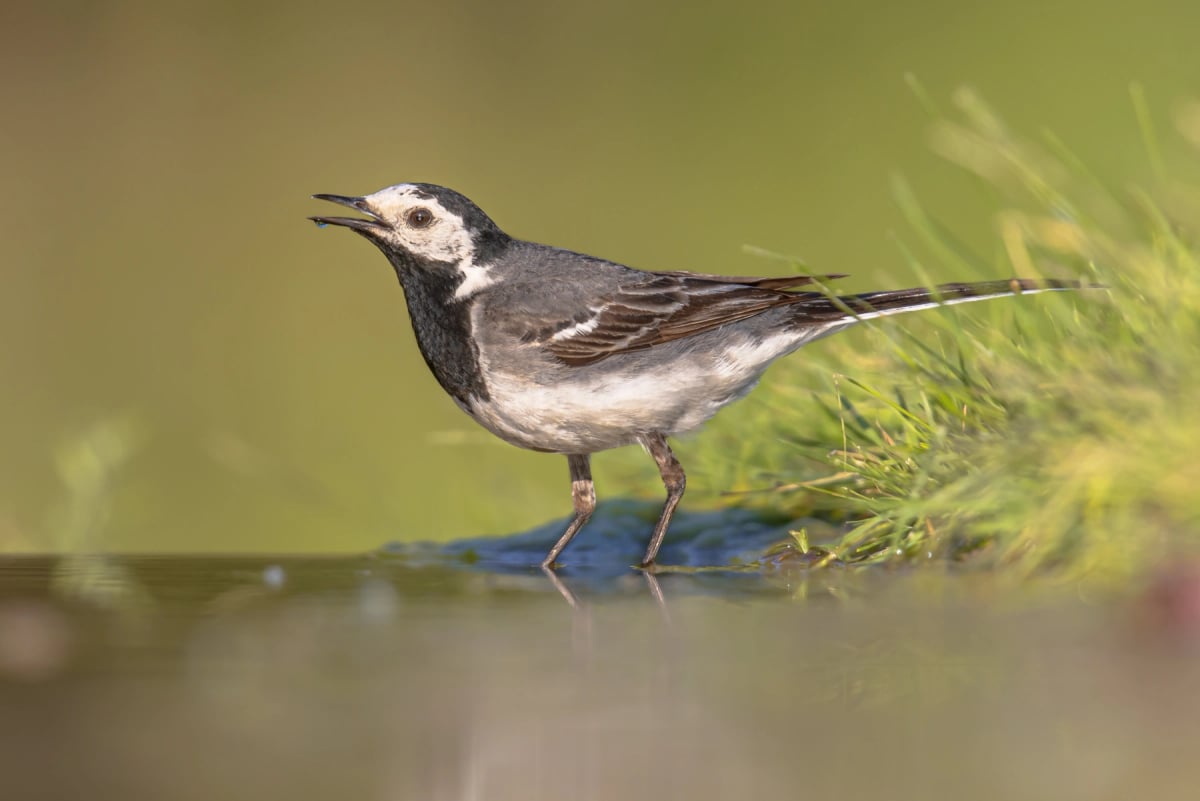
White Wagtail
Motacilla alba
Small black, white and grey bird with a slender tail that bobs up and down as it walks and feeds along the edges of water and open ground.
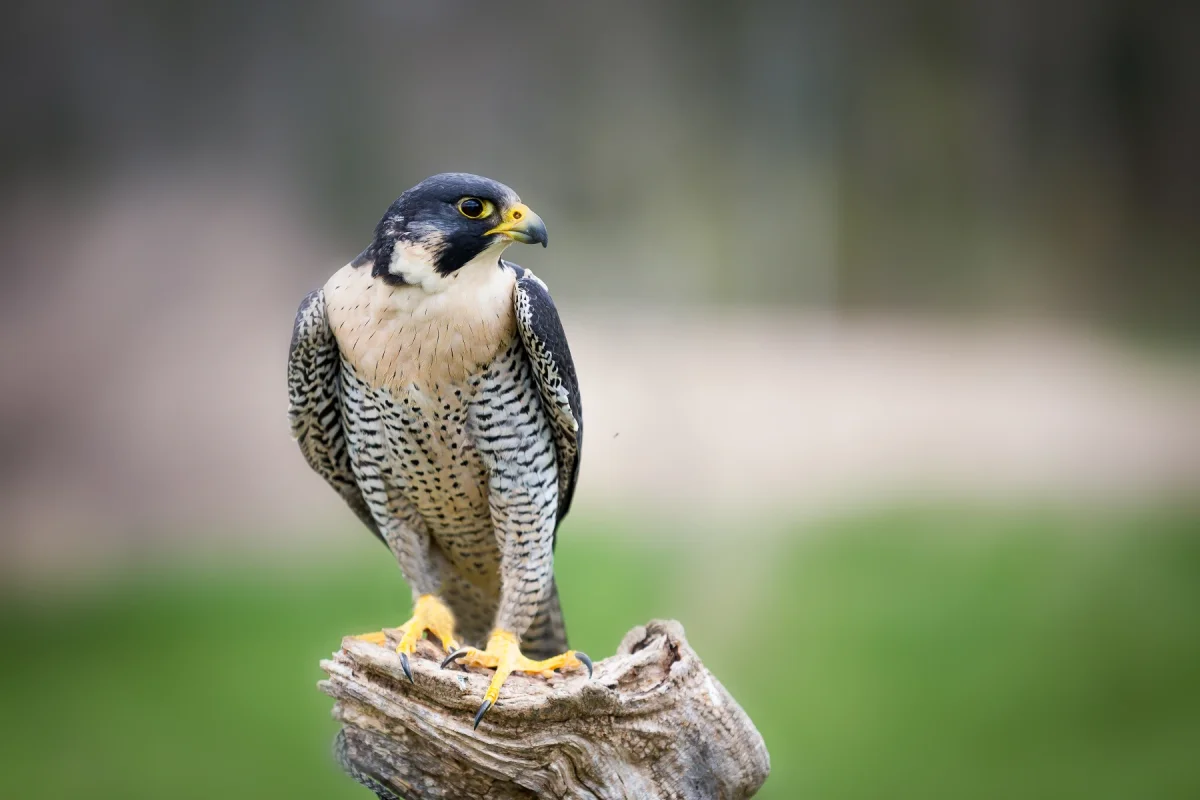
Peregrine Falcon
Falco peregrinus
The peregrine falcon occurs in Somalia mainly as a passage migrant and winter visitor, moving along the eastern African coast and over open interior plateaus. The long Somali coastline along the Indian Ocean and the Gulf of Aden provides hunting grounds rich in shorebirds and seabirds. Some resident birds may also be present on rocky escarpments in the north of the country. It is one of the fastest predators seen in Somali skies. Its IUCN status is Least Concern.
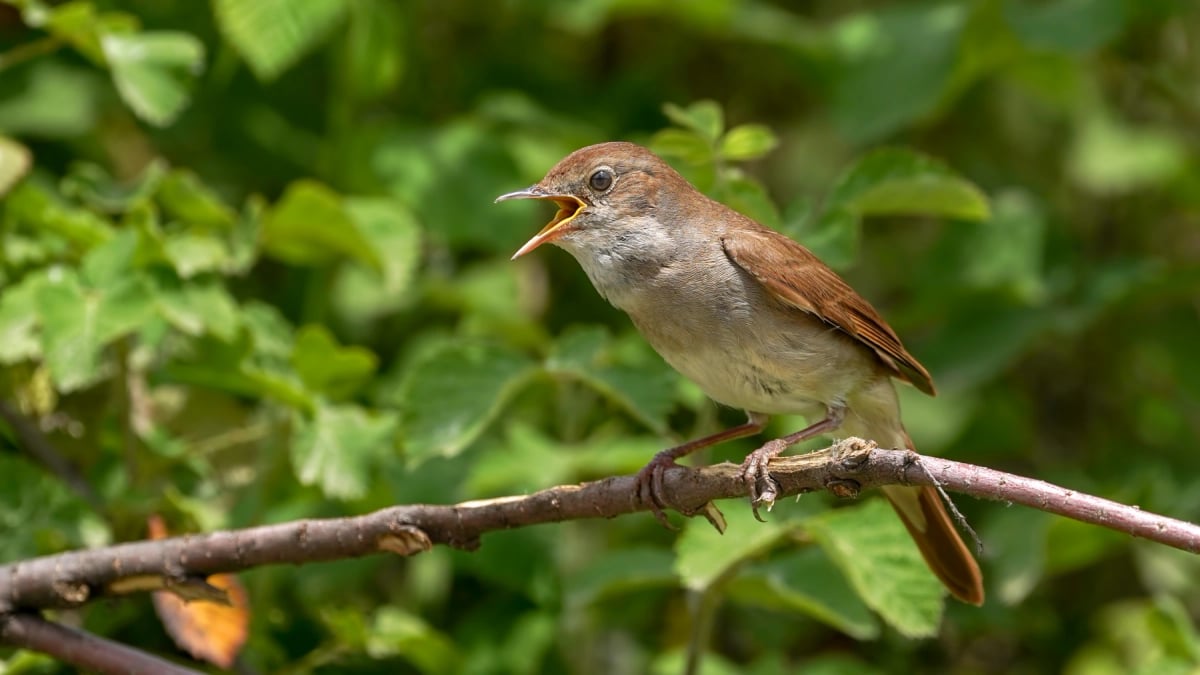
Nightingale
Luscinia megarhynchos
In Somalia, the nightingale is recorded as a winter visitor and passage migrant, moving through scrubby habitats and riverine vegetation particularly in the northern and central parts of the country. It is a small, quiet bird during this period, with warm brown plumage and a reddish tail that distinguishes it from similar species. The arid conditions across much of Somalia limit the habitat available to it. Its IUCN status is Least Concern.
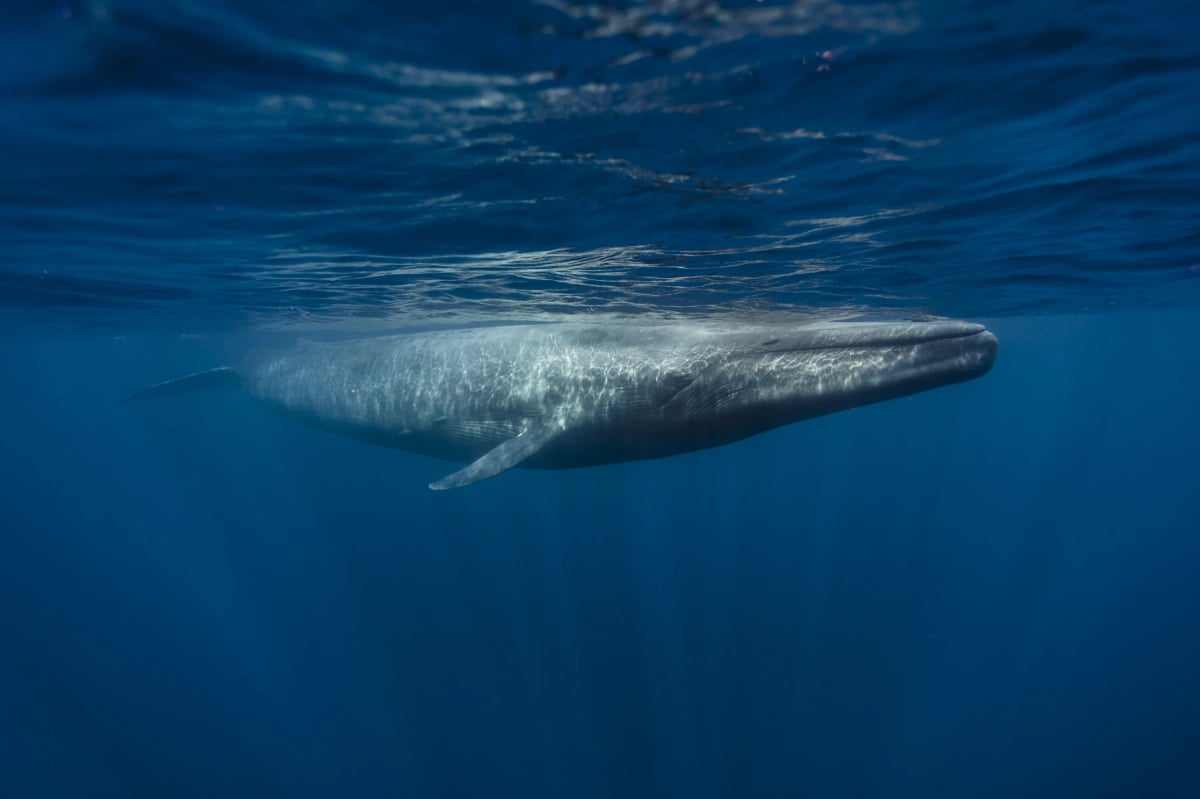
Blue Whale
Balaenoptera musculus
The waters off Somalia, particularly in the northwestern Indian Ocean and near the Gulf of Aden, fall within a known range for blue whales. Seasonal monsoon-driven upwelling in this region produces concentrations of krill and other prey that support large whale populations. Political instability and limited enforcement of marine protections make conservation especially difficult here, leaving these whales vulnerable to unregulated shipping and fishing pressure. IUCN status: Endangered.
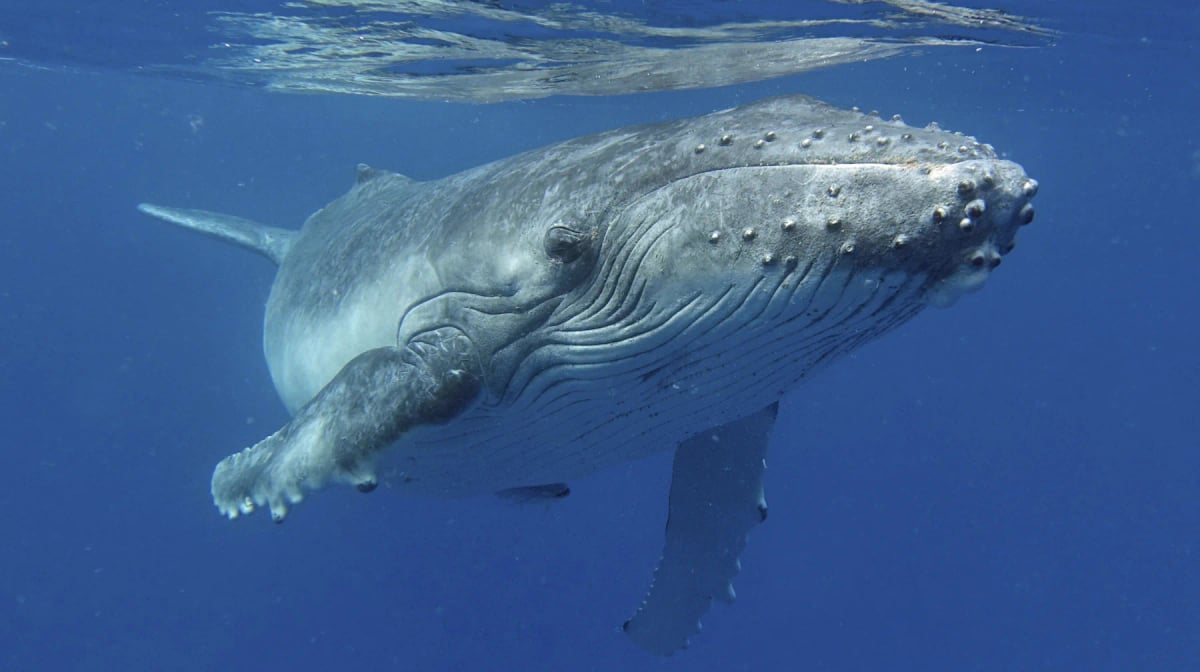
Humpback Whale
Megaptera novaeangliae
The waters off Somalia, stretching along the Horn of Africa into the Indian Ocean and the Gulf of Aden, are part of the migratory range of the humpback whale. The Arabian Sea population, a distinct group listed separately by the IUCN, moves through this region. Somalia's long coastline borders some of the Indian Ocean's most travelled whale corridors. Despite limited research infrastructure in the area, humpback whales are a documented presence in these waters. The IUCN lists the overall species as Least Concern.
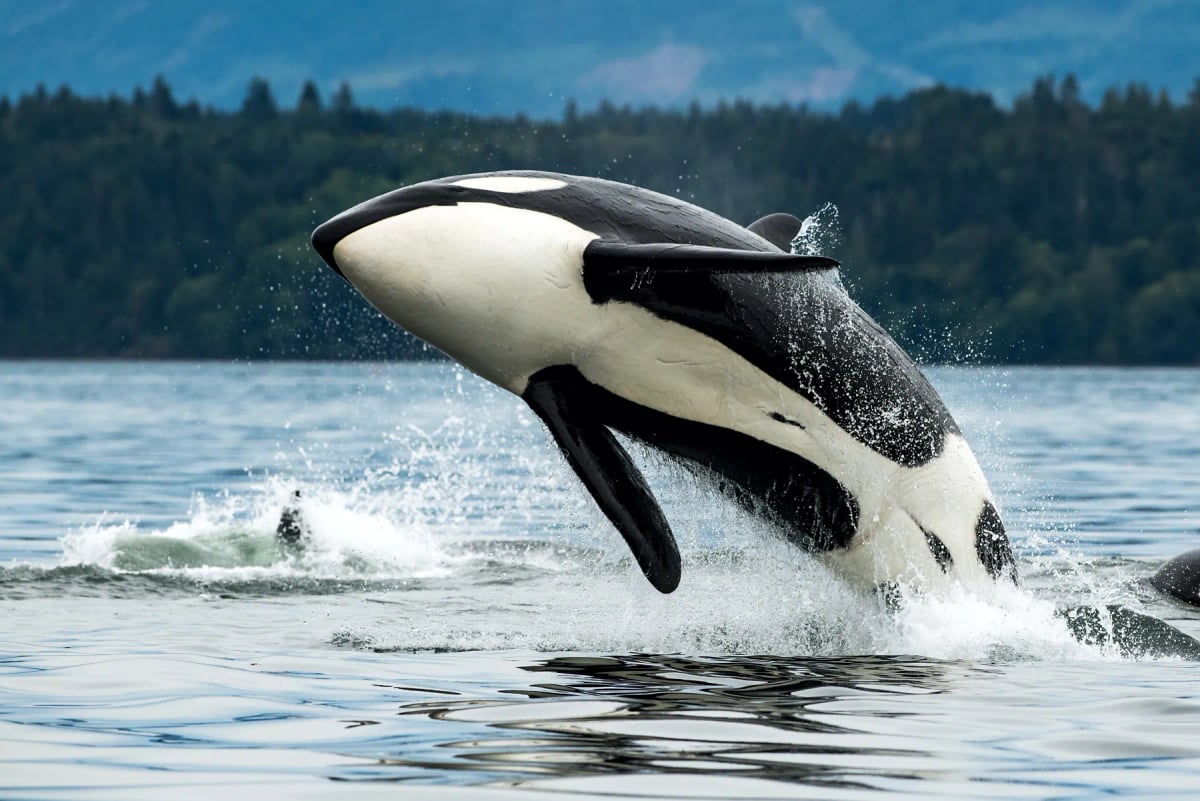
Orca
Orcinus orca
The waters off Somalia, along the Horn of Africa and into the western Indian Ocean, fall within the broad range of orcas. These seas are highly productive and support diverse marine life that can sustain large predators. Formal research on orcas in Somali waters is extremely limited. The region's complex political situation has made scientific monitoring difficult, leaving much about their local presence still unknown.
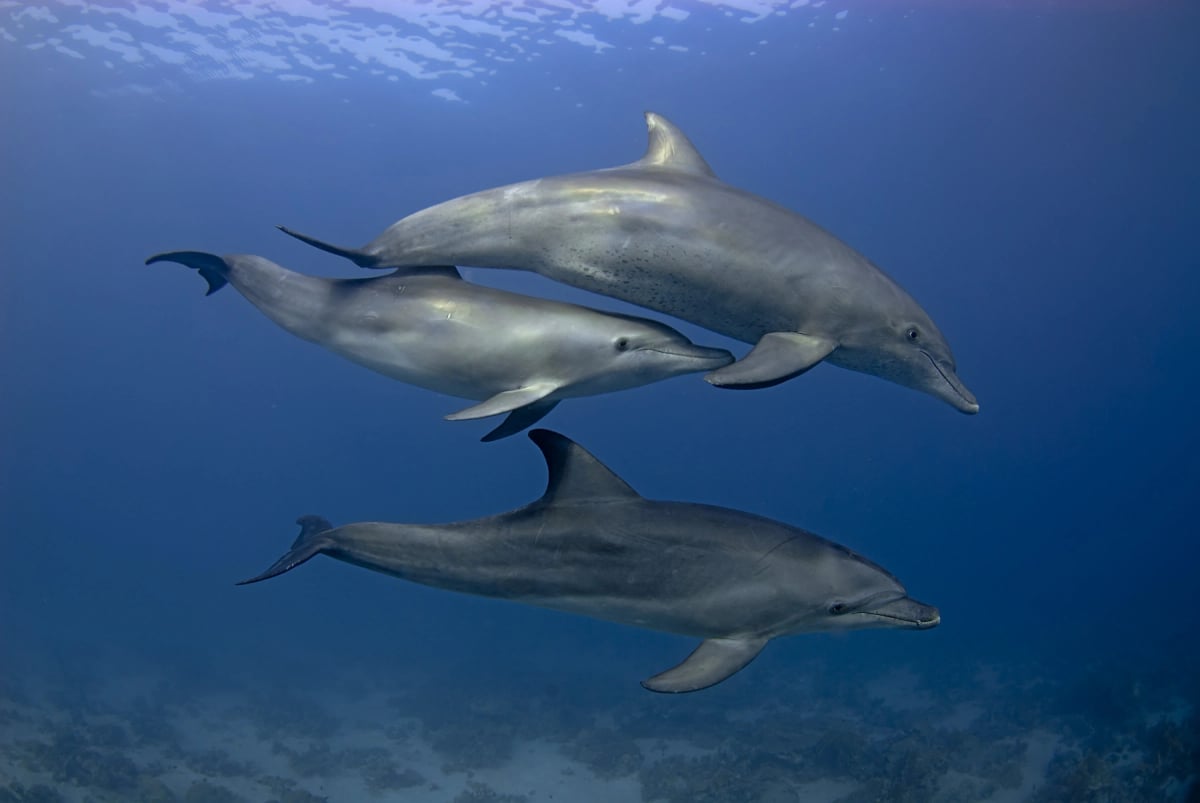
Bottlenose Dolphin
Tursiops truncatus
Somalia's long coastline along the Indian Ocean and the Gulf of Aden provides extensive habitat for bottlenose dolphins. These waters are part of a broader population distributed across the western Indian Ocean. Decades of instability have limited scientific research in Somali waters, leaving local populations relatively understudied. The dolphins feed on the fish stocks of the Somali upwelling system, one of the most productive marine zones in the world. IUCN status: Least Concern.
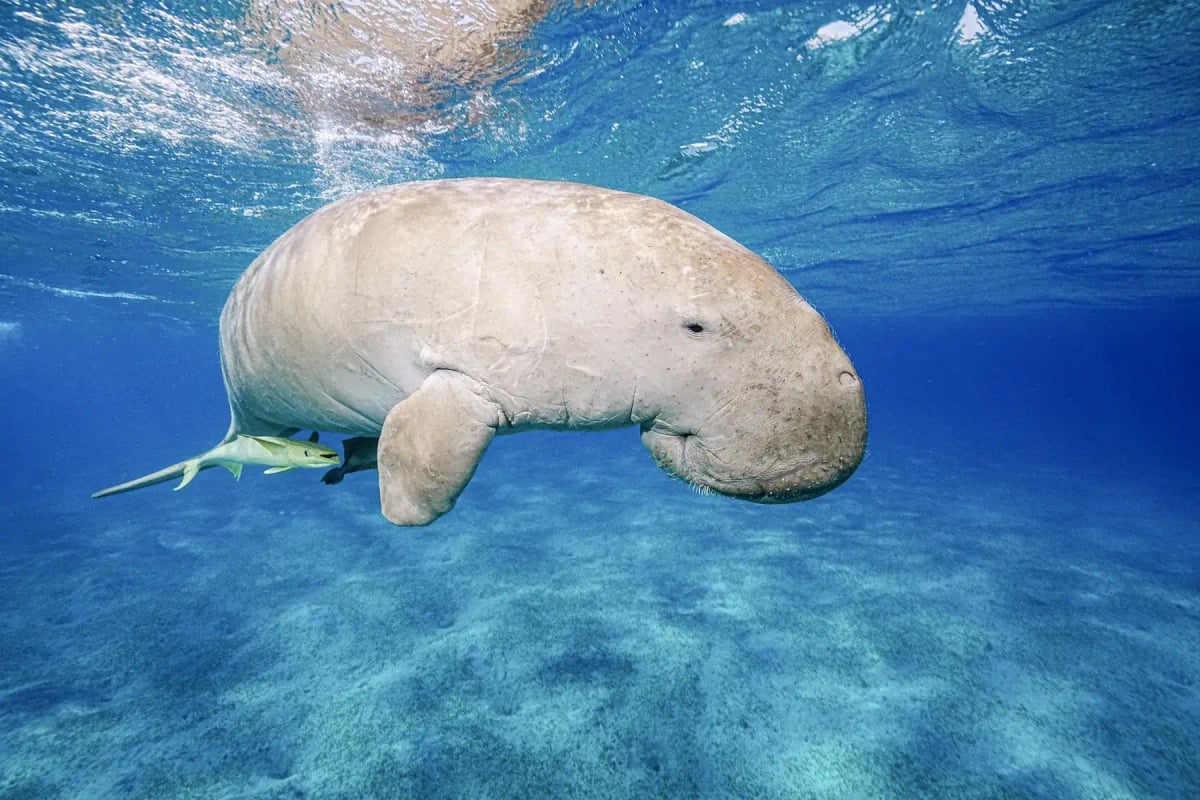
Dugong
Dugong dugon
Dugongs are present along the Somali coastline, where shallow inshore waters and patches of seagrass provide suitable habitat. However, the species is considered rare in this region, and little systematic survey work has been carried out due to ongoing instability in the country. Artisanal fishing activity, including the use of nets in shallow coastal areas, poses a risk to any dugongs present. More research is needed to understand the true status of the population here. IUCN status: Vulnerable.
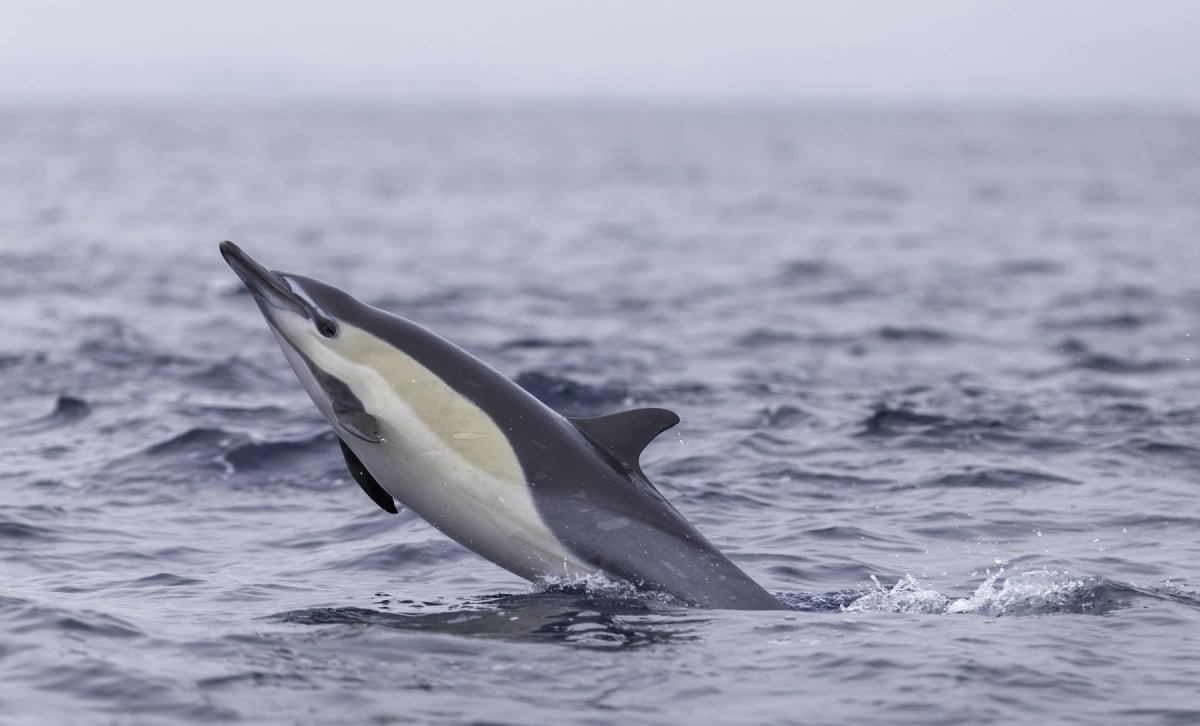
Common Dolphin
Delphinus delphis
The waters off Somalia, including the Gulf of Aden and the Indian Ocean coastline, provide habitat for common dolphins. Seasonal upwellings driven by the monsoon system make this one of the most productive marine regions in the world, attracting large concentrations of fish and the dolphins that follow them. Scientific monitoring of cetaceans in Somali waters remains limited due to access challenges in the region. IUCN status: Least Concern.
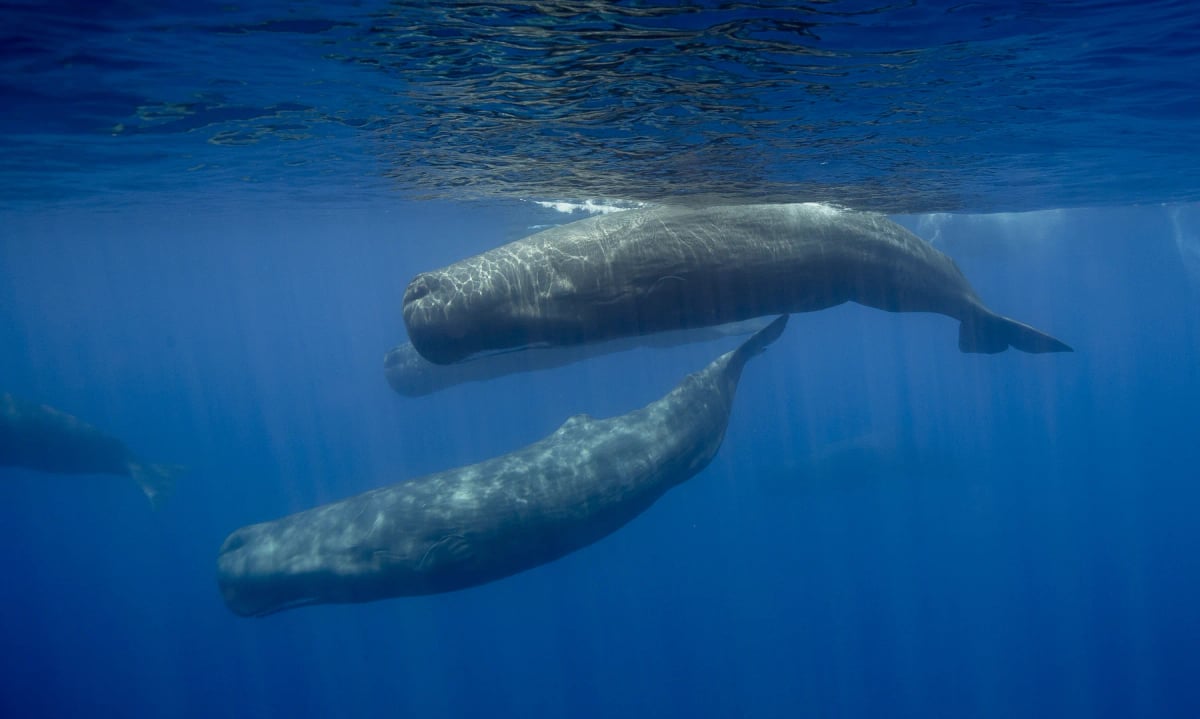
Sperm Whale
Physeter macrocephalus
The waters off Somalia, along the western Indian Ocean, lie within one of the sperm whale's key range areas. The deep offshore trenches and upwelling zones in this region support rich concentrations of squid, a primary prey for this species. Despite being Vulnerable on the IUCN Red List, sperm whales here face little formal protection due to limited marine enforcement capacity in Somali waters.
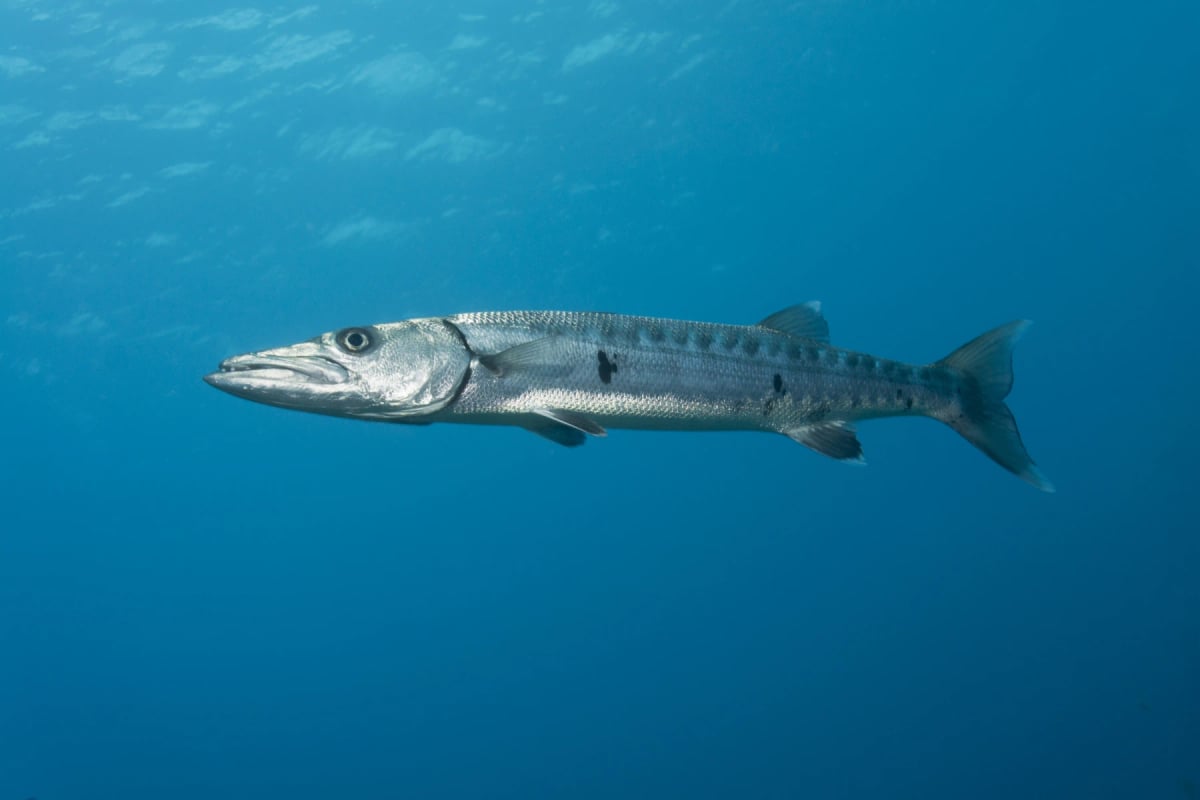
Barracuda
Sphyraena spp.
Barracudas are present in the coastal and offshore waters of Somalia, inhabiting the coral reefs and rocky coastal areas of the Indian Ocean coast and the Gulf of Aden. Several species are found in these waters, benefiting from the productive upwelling systems off the Somali coast that support diverse marine life. Barracudas are encountered by local fishermen and are taken as food fish along the coast. The limited diving activity in Somali waters means their reef populations are not well documented, but they are considered a regular component of the coastal marine fauna.
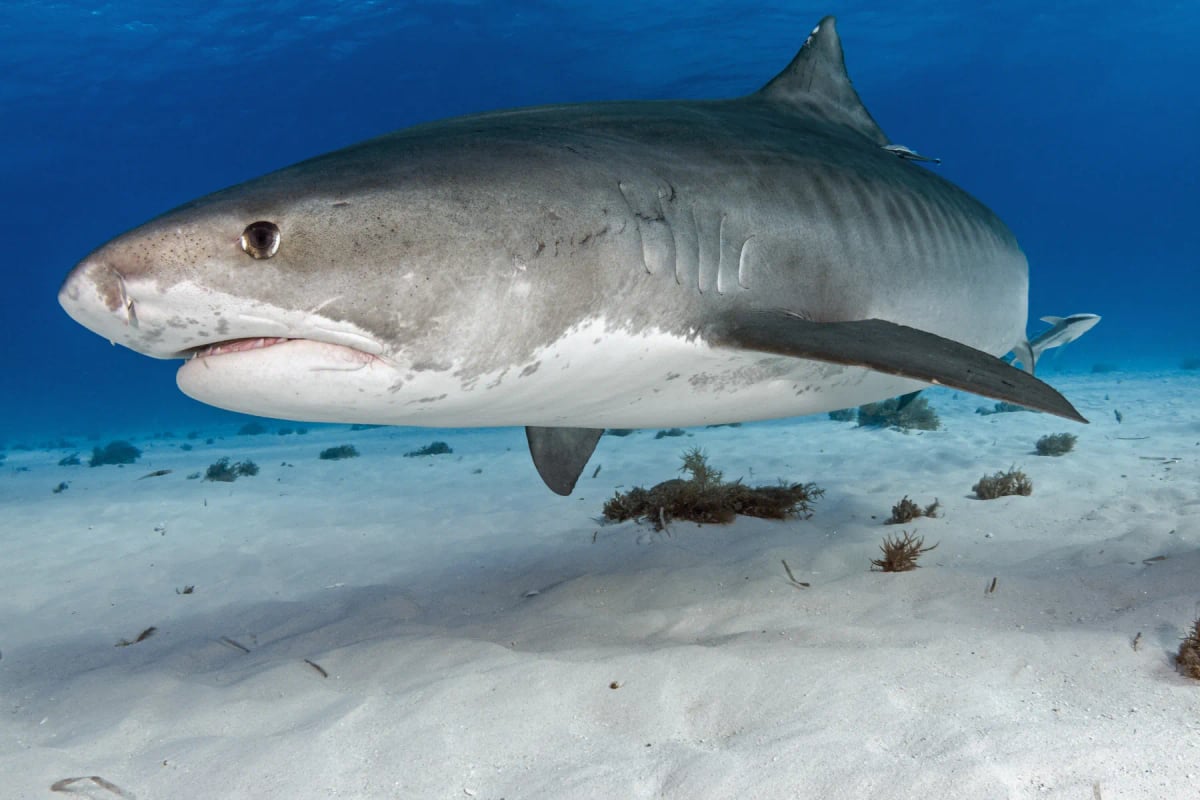
Tiger Shark
Galeocerdo cuvier
The tiger shark is present in the waters of the Indian Ocean off Somalia's extensive coastline, one of the longest in Africa. This powerful predator feeds on fish, rays, and sea turtles and can grow to around 5 metres in length. The lack of effective fisheries management in Somali waters, combined with widespread illegal fishing, poses a serious challenge to the survival of this Near Threatened species.
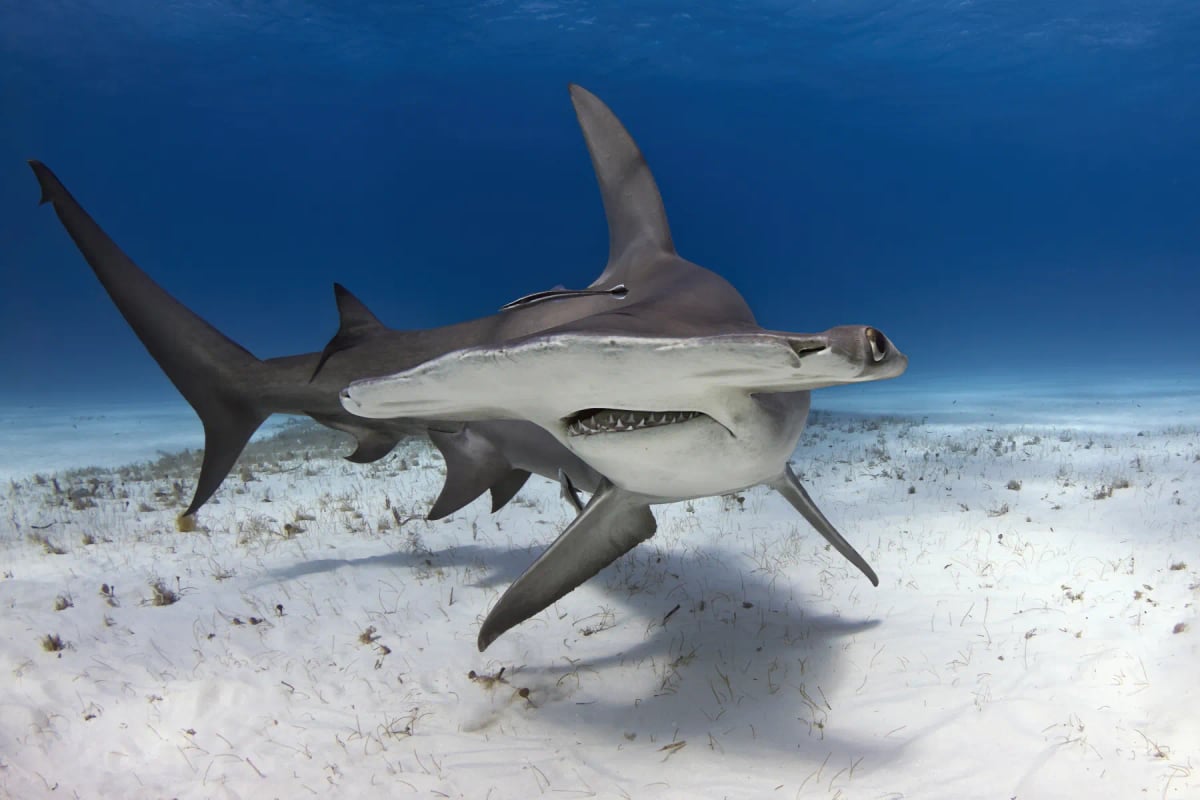
Hammerhead Shark
Sphyrna spp.
Somalia's extensive coastline along the Indian Ocean and the Gulf of Aden provides important habitat for hammerhead sharks. These waters are rich in prey, including rays and schooling fish. Decades of limited fisheries regulation in the region have made these sharks vulnerable to overfishing and finning. Their presence is vital to maintaining balance in one of the western Indian Ocean's most productive marine ecosystems.
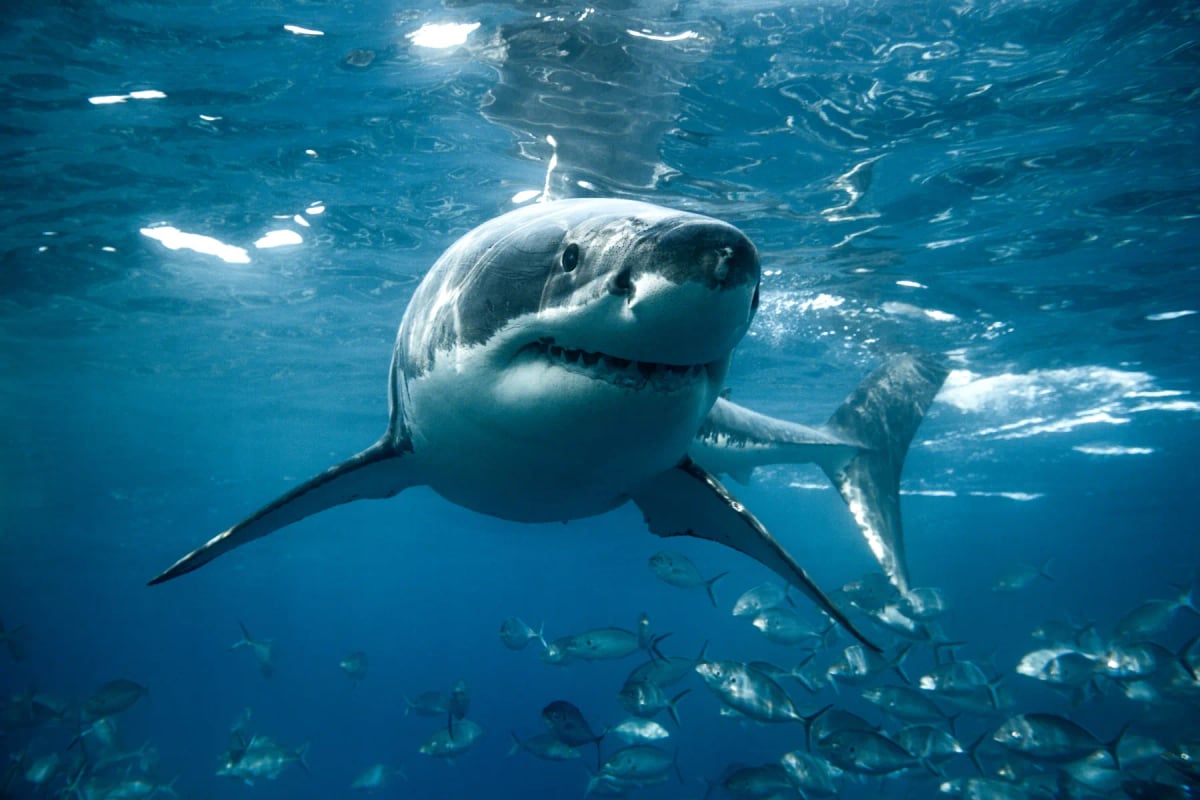
Great White Shark
Carcharodon carcharias
The waters off Somalia span both the Indian Ocean and the Gulf of Aden, two areas that fall within the known range of the great white shark. This coastline stretches for thousands of kilometres, offering open oceanic habitat and productive coastal zones. Monitoring efforts in the region are limited, so much about the shark's presence and frequency along the Somali coast remains poorly understood.
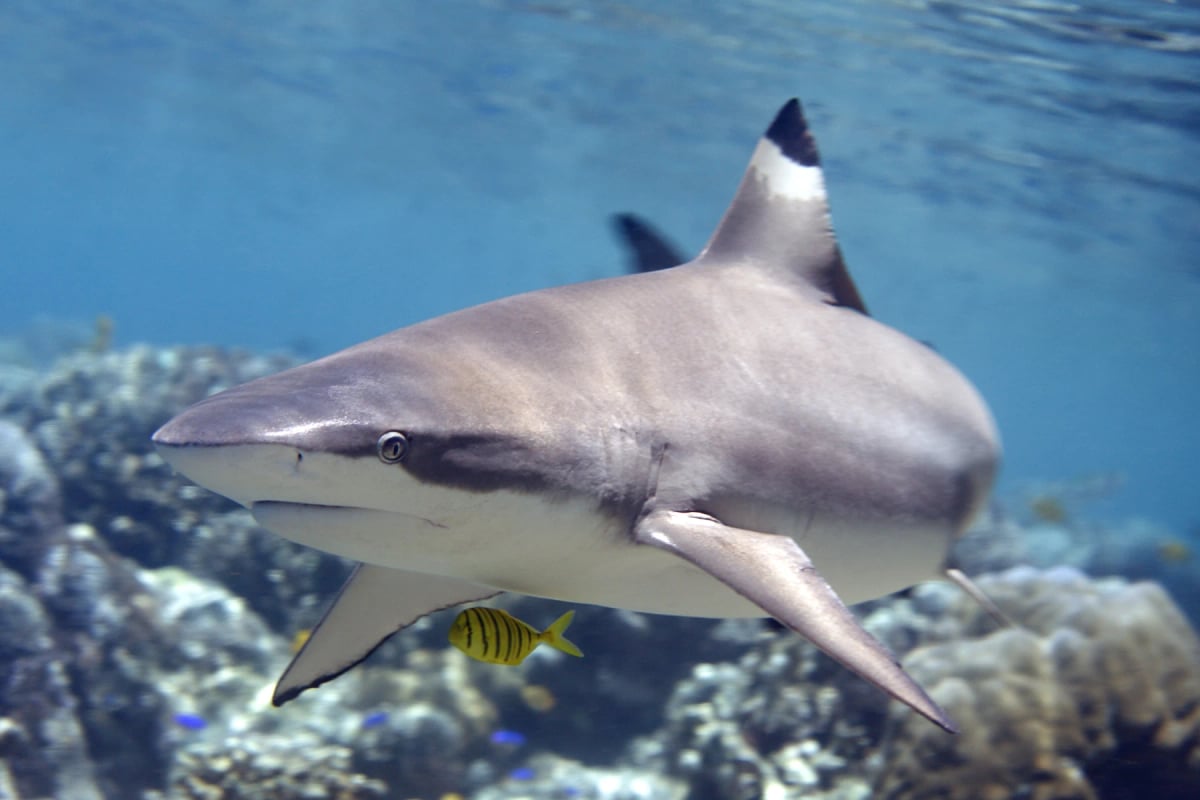
Reef Shark
Carcharhinus spp.
Somalia has an extensive coastline along both the Indian Ocean and the Gulf of Aden, where reef sharks inhabit shallow coastal reefs and warm nearshore waters. Decades of conflict and limited fisheries management have made it difficult to monitor and protect these animals. Illegal and unregulated fishing in Somali waters has put significant pressure on shark populations throughout the region.
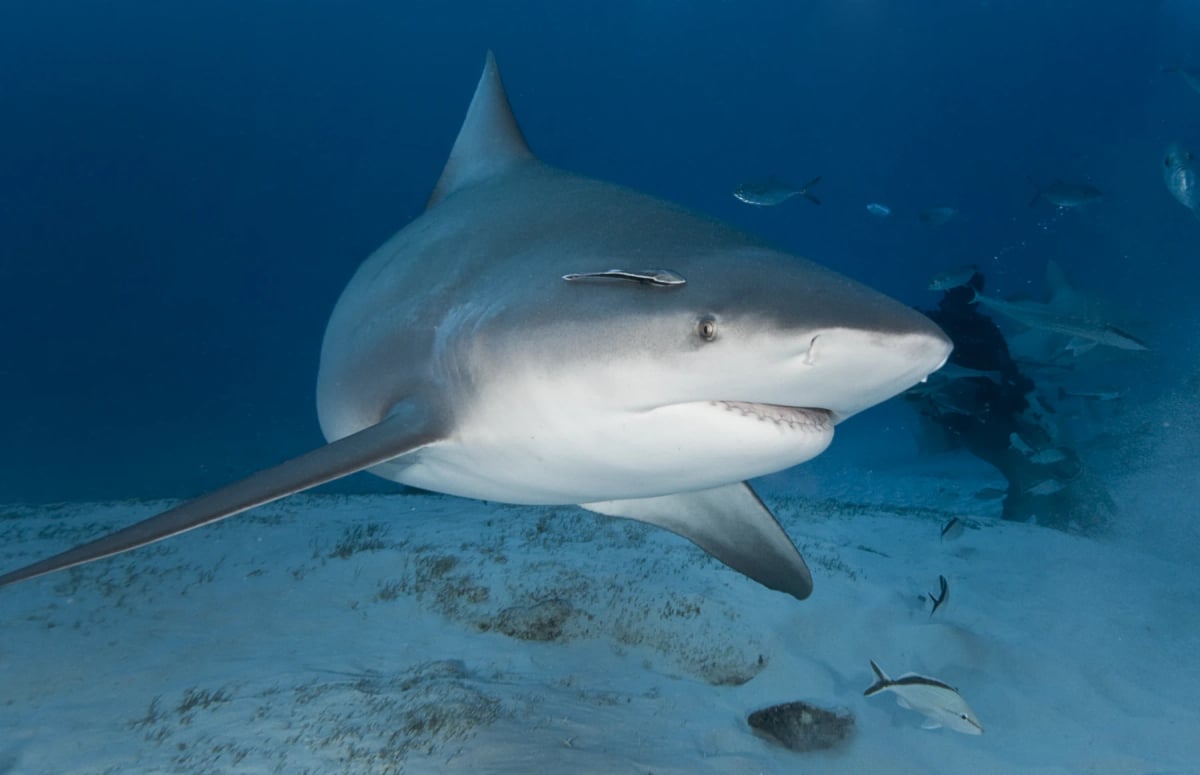
Bull Shark
Carcharhinus leucas
Bull sharks are present along the Somali coastline, where the Indian Ocean offers warm, productive waters rich in prey. Shallow estuaries and river mouths provide important habitat for this species. Overfishing in Somali waters, including unregulated shark fishing, poses a significant threat to marine predators in the region. Listed as Near Threatened by the IUCN, the bull shark's status in Somalia underlines the need for stronger regional marine protections.
Researched and written by Juan Pablo. Sources: IUCN Red List, scientific literature and regional field guides. Last updated: .