Animals in New Zealand
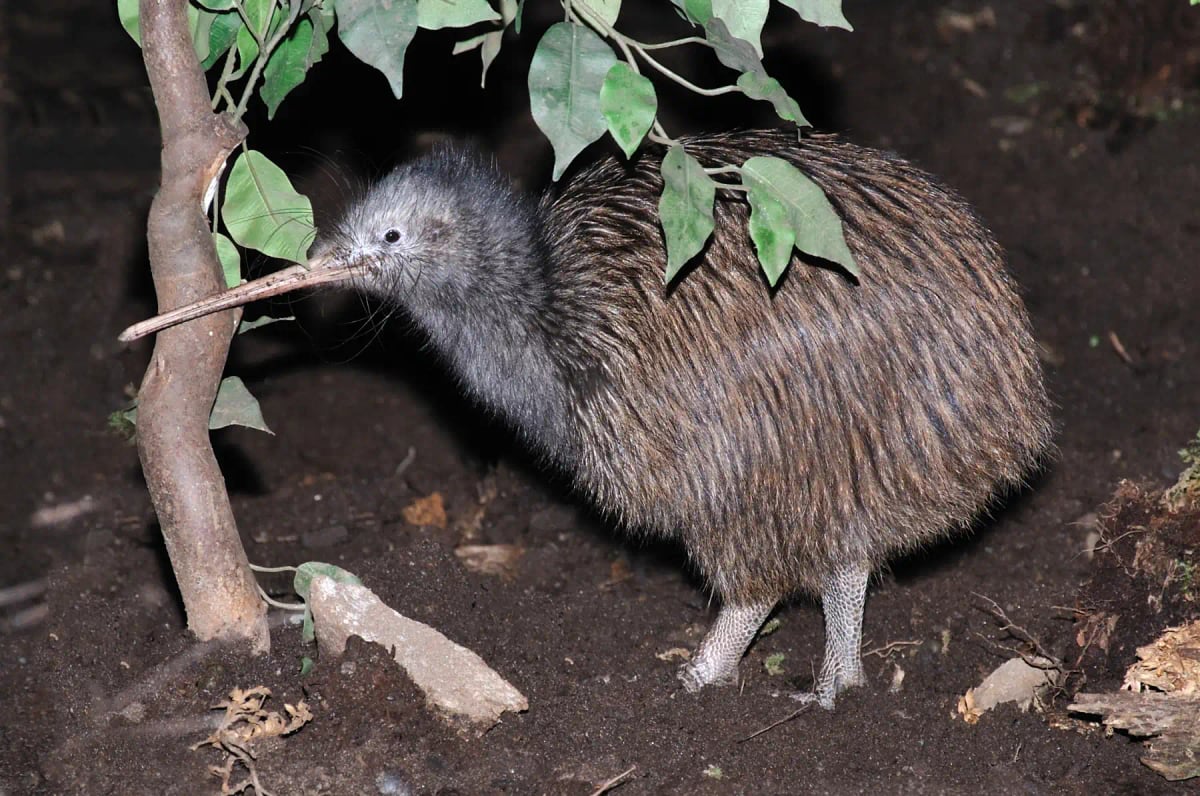
Kiwi
Apteryx spp.
The kiwi is a small nocturnal bird that lives on the ground in native forest and scrub. It has a rounded body, short legs, loose feathers and a long bill with nostrils near the tip, which helps it find insects and worms in leaf litter and soft soil. By day it stays hidden in burrows, hollow logs or dense roots, and at night it walks quietly through its territory in search of food. Several species exist across different parts of New Zealand, and many populations have declined due to introduced predators such as dogs, cats and stoats. Predator control and captive breeding programs are now essential to its survival.
View details→Wildlife in New Zealand
New Zealand is an island country with mountains, forests, rivers and long coastlines in a cool temperate ocean. For millions of years it had almost no land mammals, so many birds, reptiles and insects filled roles that mammals would hold elsewhere. Native wildlife includes flightless birds such as kiwi, forest parrots, wading birds, lizards and the ancient tuatara, along with seals and sea lions on rocky shores. Offshore waters support dolphins, whales and many seabirds that follow rich currents and fishing grounds. Walking tracks, birdwatching sites and coastal boat trips let visitors see this mix of land and marine animals as part of nature based tourism.
Most Dangerous Animals in New Zealand
New Zealand is often seen as a country with few dangerous animals, yet some species still require caution, especially in remote areas and open water. In forests and rural zones, wild pigs can cause serious injury if they are surprised at close range or feel trapped. At sea, large sharks such as tiger, hammerhead, bull and great white sharks patrol deeper channels and coastal areas, and killer whales sometimes travel along the same coasts in search of prey. Serious incidents with people are rare, but avoiding risky swimming spots, respecting local warnings and keeping distance from wildlife are simple ways to stay safe.
Top 10 Animals in New Zealand
New Zealand's top 10 brings together animals that reflect the country's unique position as an island nation shaped by millions of years without land mammals. The kiwi and the kea represent native birds that evolved without ground predators. In the surrounding ocean, sperm whales and orcas are the most powerful hunters, while fur seals and sea lions haul out on rocky southern shores. The great white shark patrols deeper coastal channels near seal colonies. On land, the chamois in the Southern Alps and the wild boar in rural areas represent introduced species that have become part of the modern landscape. The tuatara, a reptile unchanged since the age of dinosaurs, completes a list unlike any other in the world.
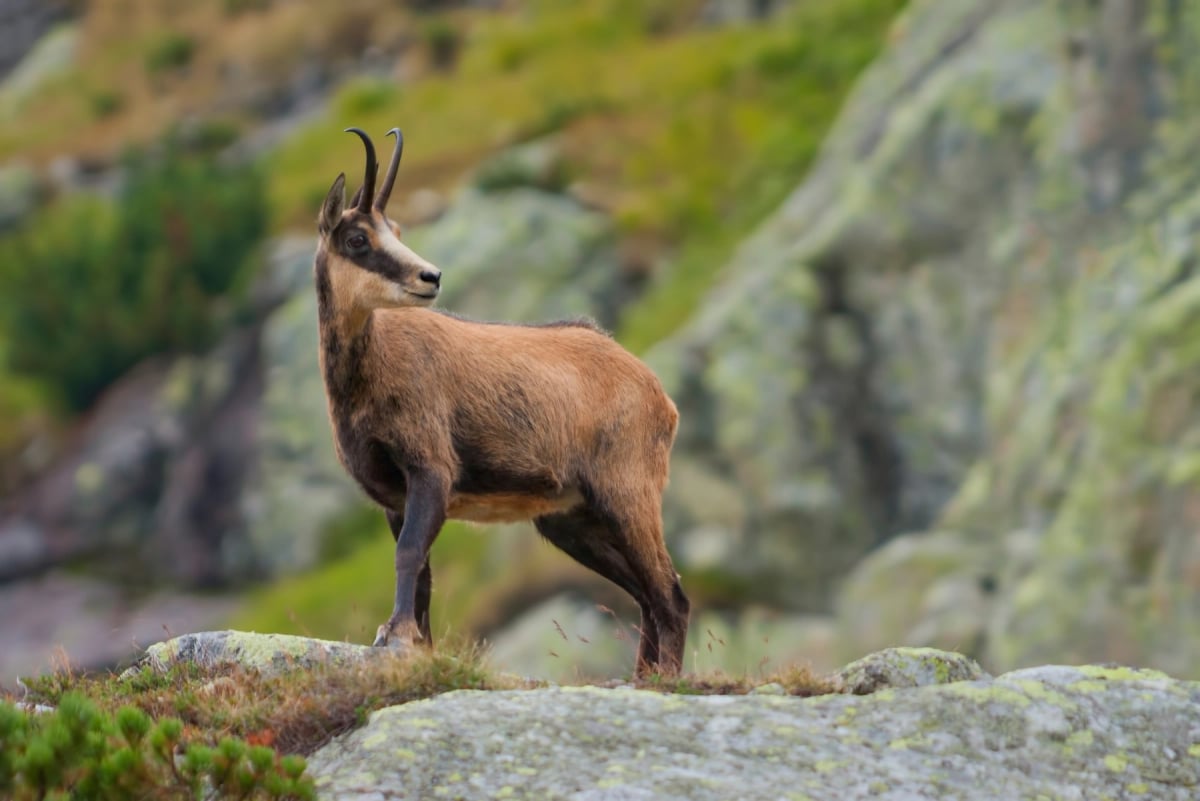
Chamois
Rupicapra rupicapra
Chamois were introduced to New Zealand's South Island in 1907 as a gift from the Austro-Hungarian Emperor Franz Joseph I. They have since spread widely across the Southern Alps, where they graze on native tussock grasslands and alpine herbs. Conservation agencies consider them a threat to fragile mountain ecosystems, and active control programs are in place. Hunting also plays a role in keeping population numbers in check. IUCN status: Least Concern.
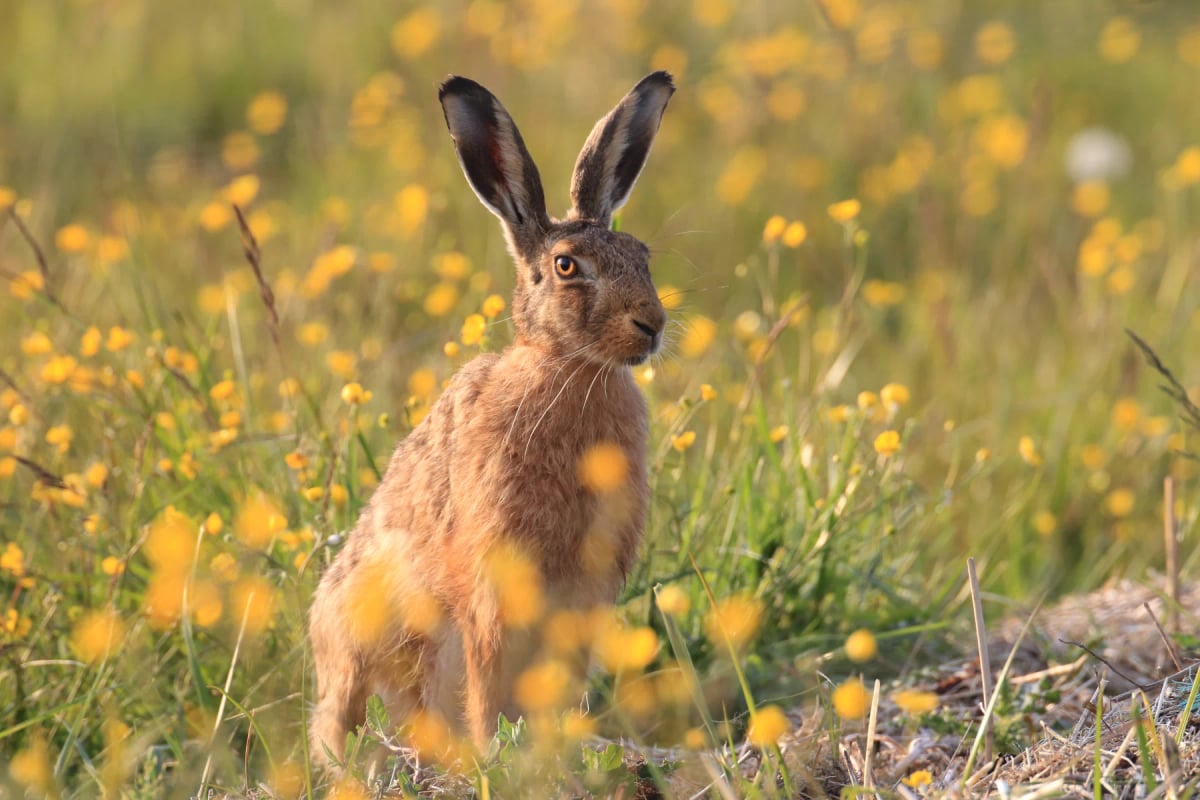
Hare
Lepus europaeus
Introduced to New Zealand in the 1850s, the European hare is now found across much of the South Island and parts of the North Island, particularly in open farmland, tussock grasslands, and high country areas. It is classed as a pest species due to the damage it causes to crops, pastures, and young trees. Farmers and land managers regularly carry out control efforts to limit its impact on agriculture and native ecosystems.
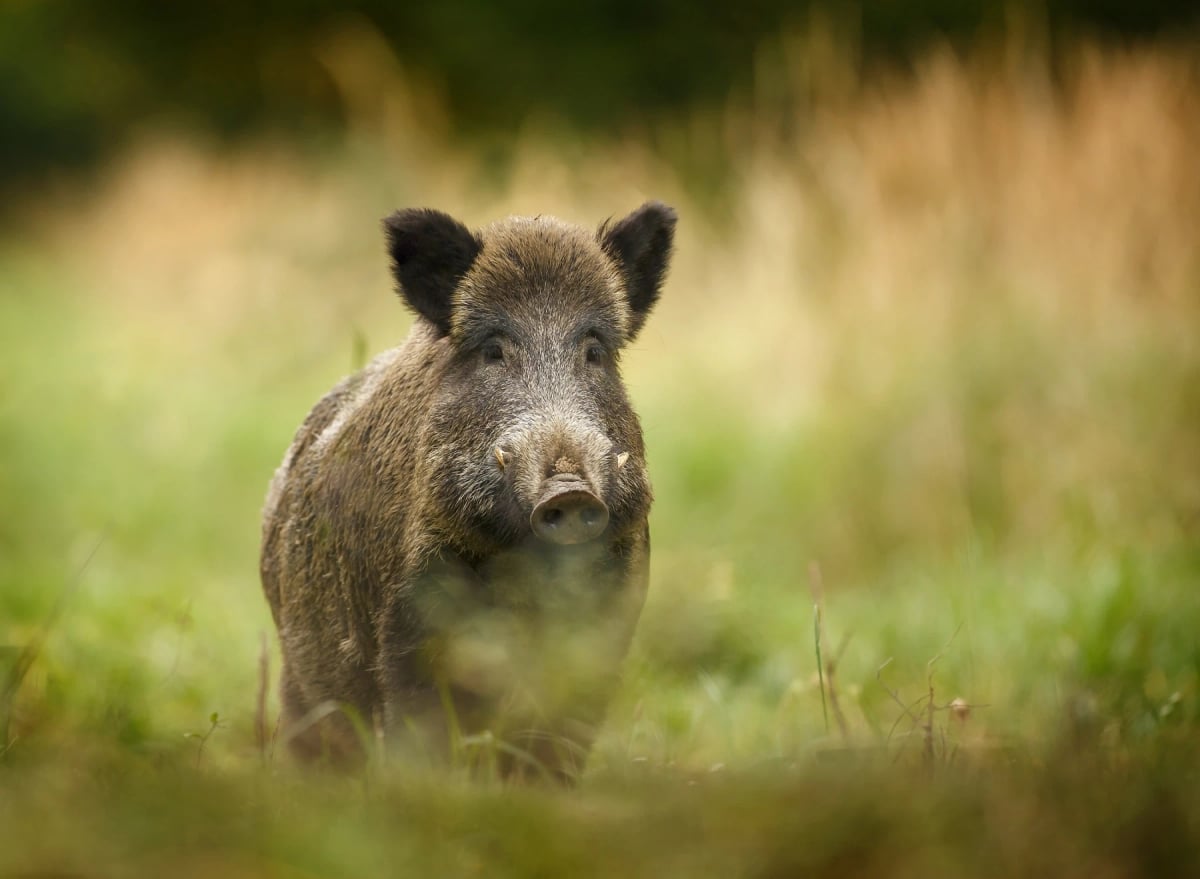
Wild Boar
Sus scrofa
Wild pigs descended from animals brought by early Polynesian and European settlers and are now found across much of New Zealand, particularly in forested and rugged terrain on both main islands. They cause damage to native bush by rooting through soil and destroying ground cover plants. Despite this ecological impact, they are widely hunted and form a major part of recreational hunting culture, especially in Northland, the Waikato and the West Coast.
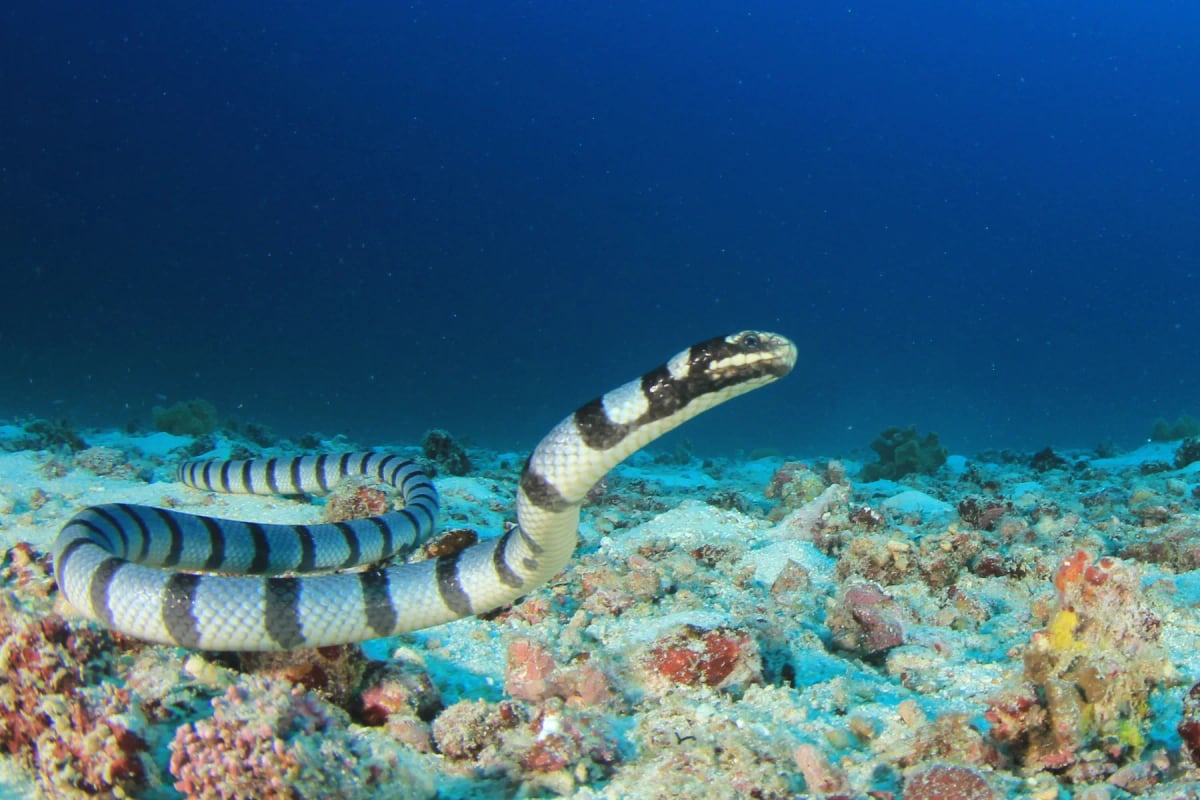
Sea Snake
Hydrophiinae / Laticauda spp.
Sea snakes are occasional visitors to New Zealand rather than permanent residents. Yellow bellied sea snakes and sometimes other pelagic species are carried south by warm ocean currents and wash up on New Zealand beaches, most often along the North Island coast. These sightings are rare and the animals are usually exhausted or stranded. New Zealand sits well outside the core range of sea snakes in the Indo-Pacific.
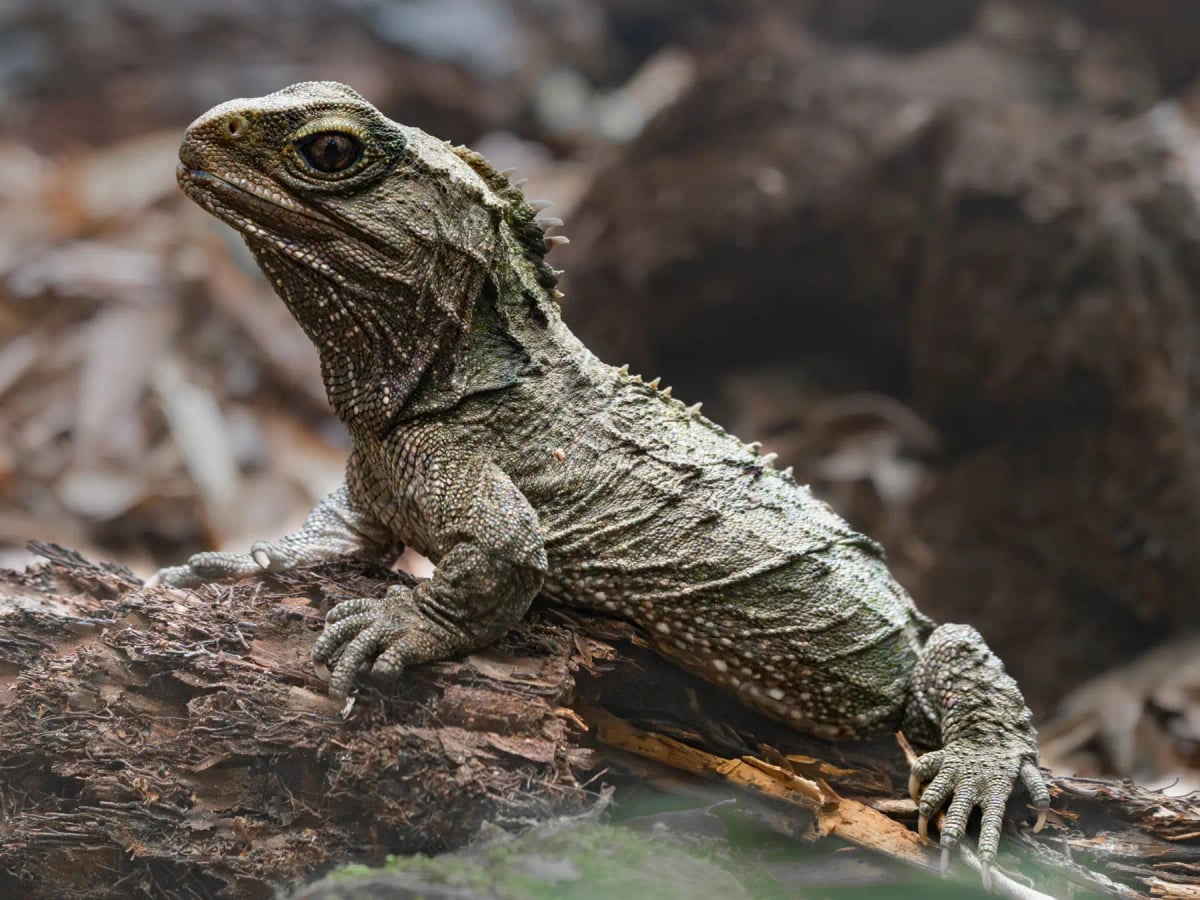
Tuatara
Sphenodon punctatus
The tuatara is New Zealand's most ancient reptile and the sole survivor of a lineage stretching back over 200 million years. Found on predator-free offshore islands and a handful of mainland sanctuaries, it hunts insects, worms, and small lizards at night. Remarkably, it thrives in cool temperatures and can live well beyond 100 years. Its IUCN status is Least Concern, though climate change poses a growing threat.
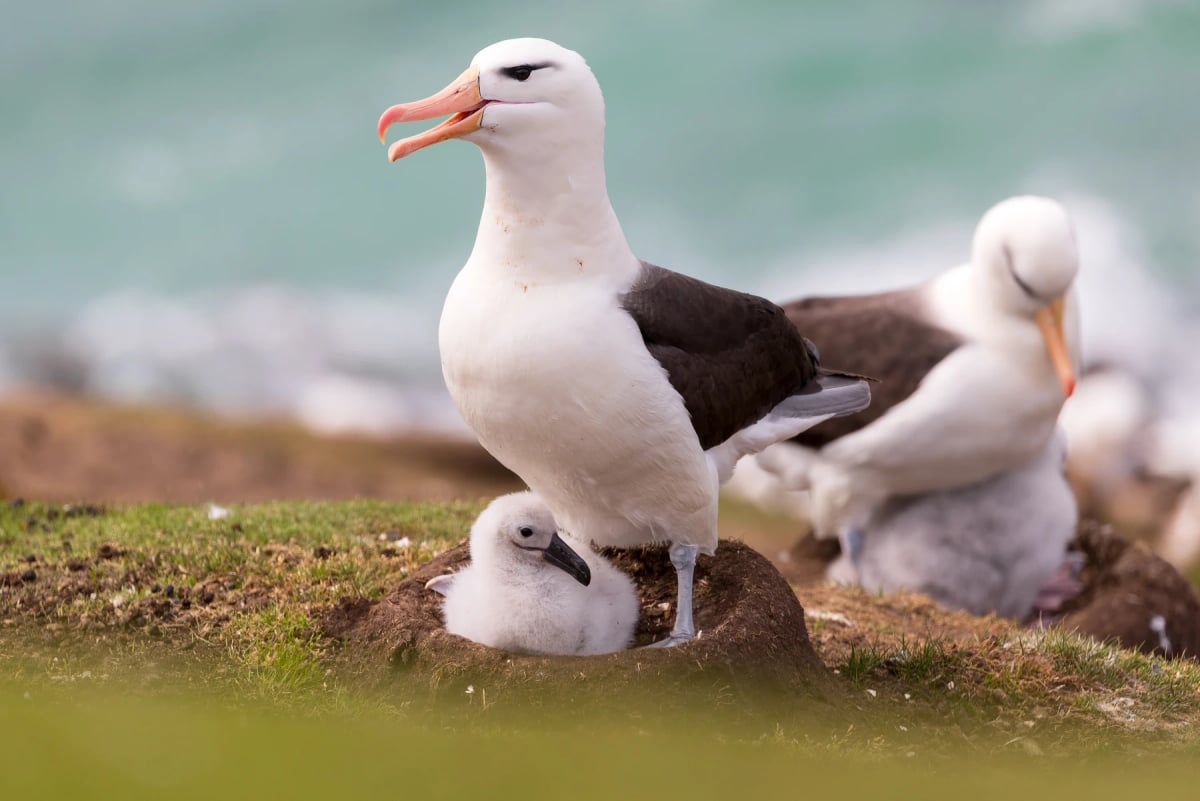
Black browed Albatross
Thalassarche melanophris
In New Zealand, the Black Browed Albatross is primarily a visitor to offshore and pelagic waters rather than a breeding resident. Birds wandering from sub-Antarctic colonies are occasionally observed around the South Island and the country's sub-Antarctic island territories. New Zealand's efforts to reduce seabird bycatch in its exclusive economic zone are relevant to the survival of this wide-ranging species. IUCN status: Near Threatened.
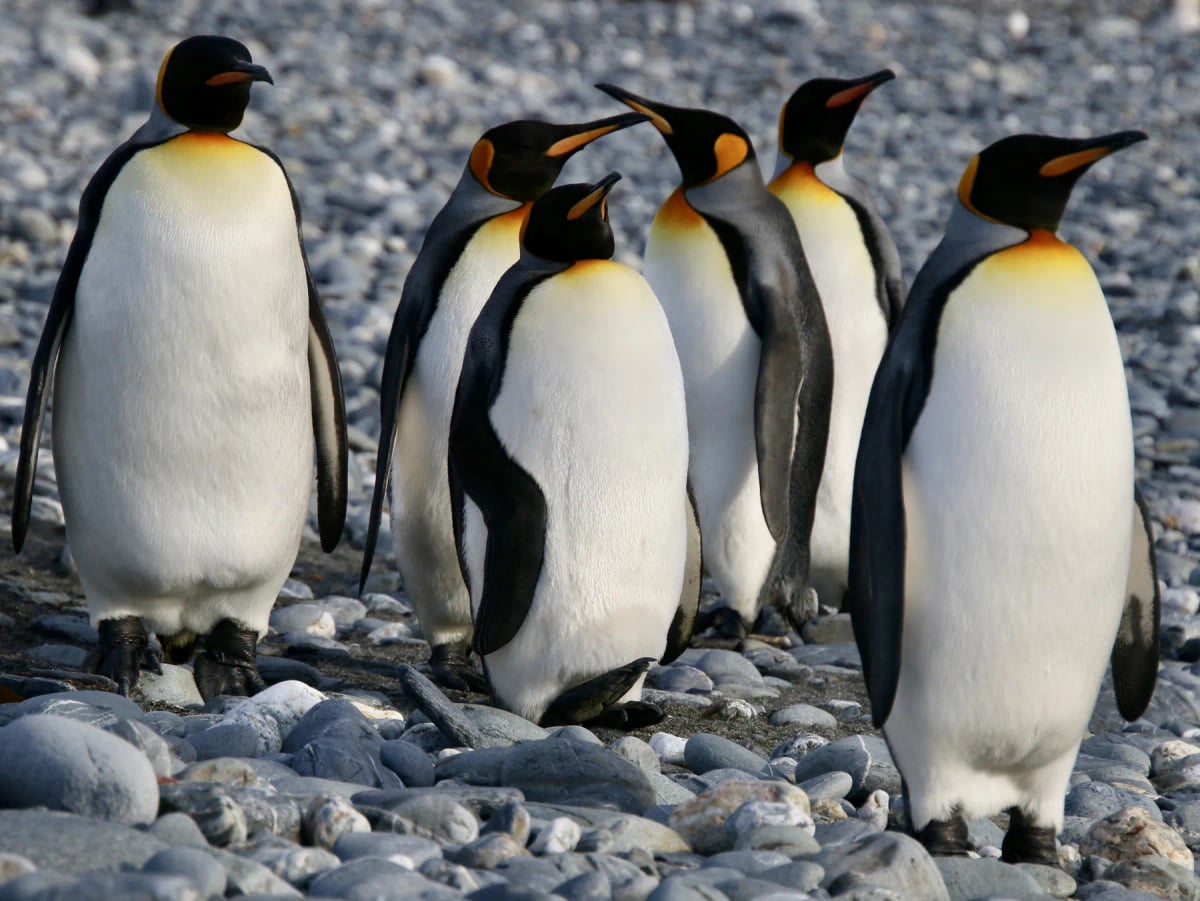
King Penguin
Aptenodytes patagonicus
King penguins occur in New Zealand's subantarctic islands, including Macquarie Island and the Campbell Island group. These remote, wind-swept islands provide ideal breeding grounds away from human disturbance. Colonies gather in large numbers, with chicks spending over a year developing before they are ready to fledge. New Zealand's subantarctic islands are UNESCO World Heritage Sites, offering strong protection to the species and the ecosystems it depends on. IUCN status: Least Concern.
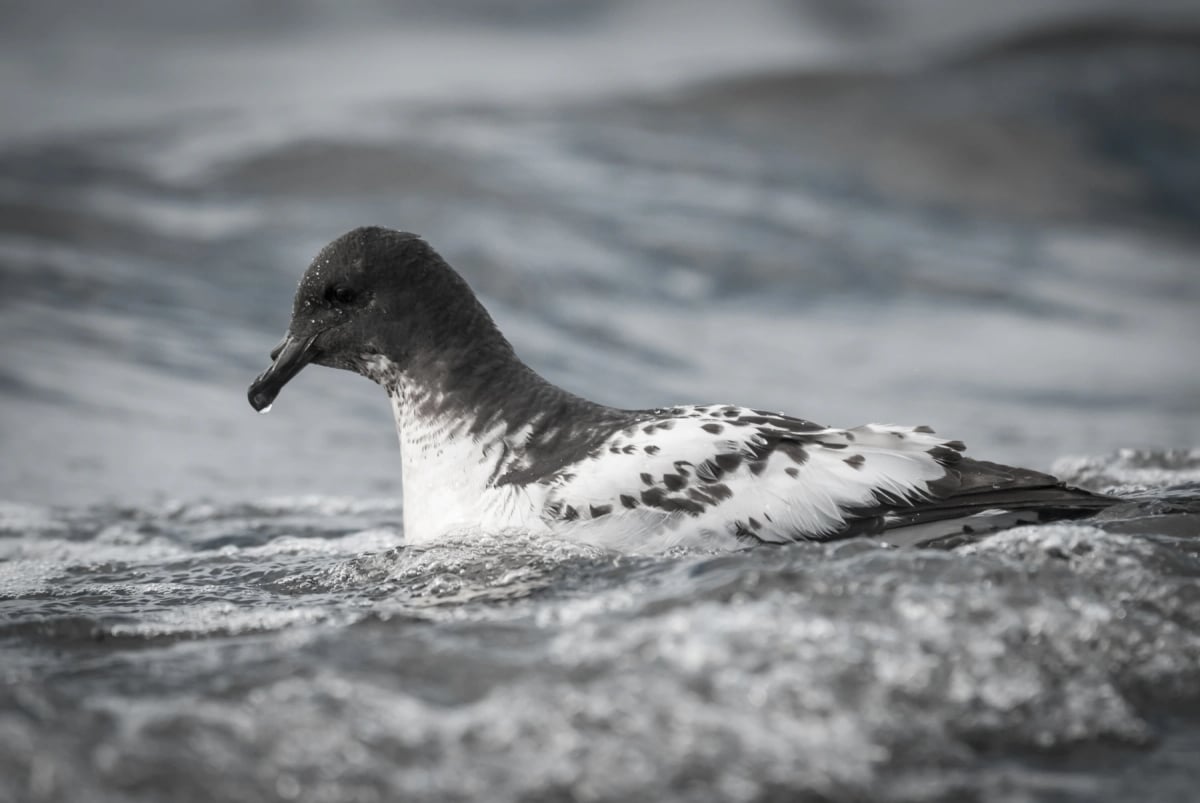
Cape Petrel
Daption capense
New Zealand sits within the regular range of the Cape Petrel, which visits the country's surrounding oceanic waters primarily outside the breeding season. It is frequently observed on pelagic trips from both the North and South Islands, as well as around the subantarctic islands to the south. Its striking patterned plumage makes it one of the more easily identified seabirds encountered on New Zealand pelagic surveys. IUCN status: Least Concern.
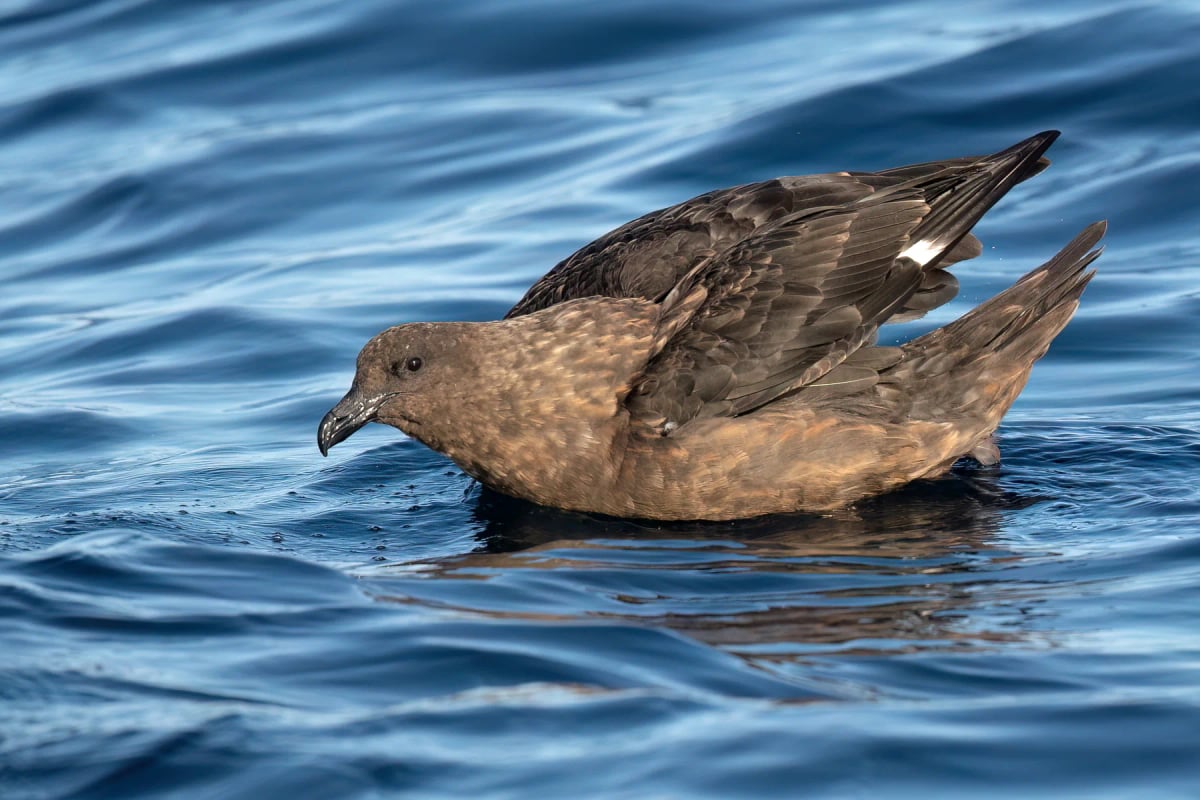
Brown Skua
Stercorarius antarcticus
The brown skua breeds on New Zealand's sub-Antarctic islands, including Campbell Island, the Antipodes, and the Auckland Islands, where it nests on open coastal terrain and preys on the eggs and chicks of penguins, petrels, and albatrosses. These islands are among the most important seabird habitats in the Southern Ocean. The IUCN lists the species as Least Concern, and New Zealand's island conservation programmes help protect the broader seabird communities it depends on.
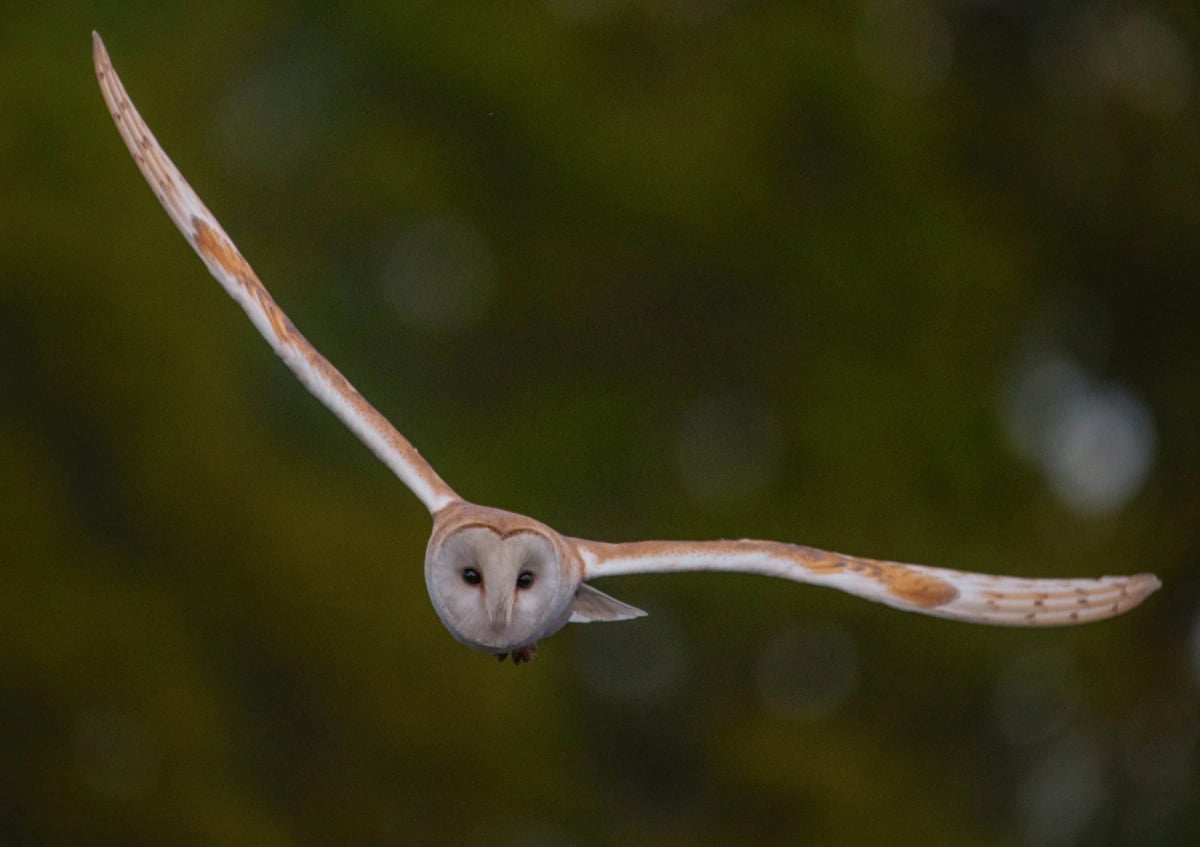
Barn Owl
Tyto alba
The barn owl has a small and uncertain presence in New Zealand, where it was introduced at various points to help control rodent populations. It is not considered a native species and sightings are uncommon across the country. Where it does occur, it nests in old farm buildings and hollow trees and hunts at night. The native morepork is far more widespread and deeply connected to the New Zealand landscape.
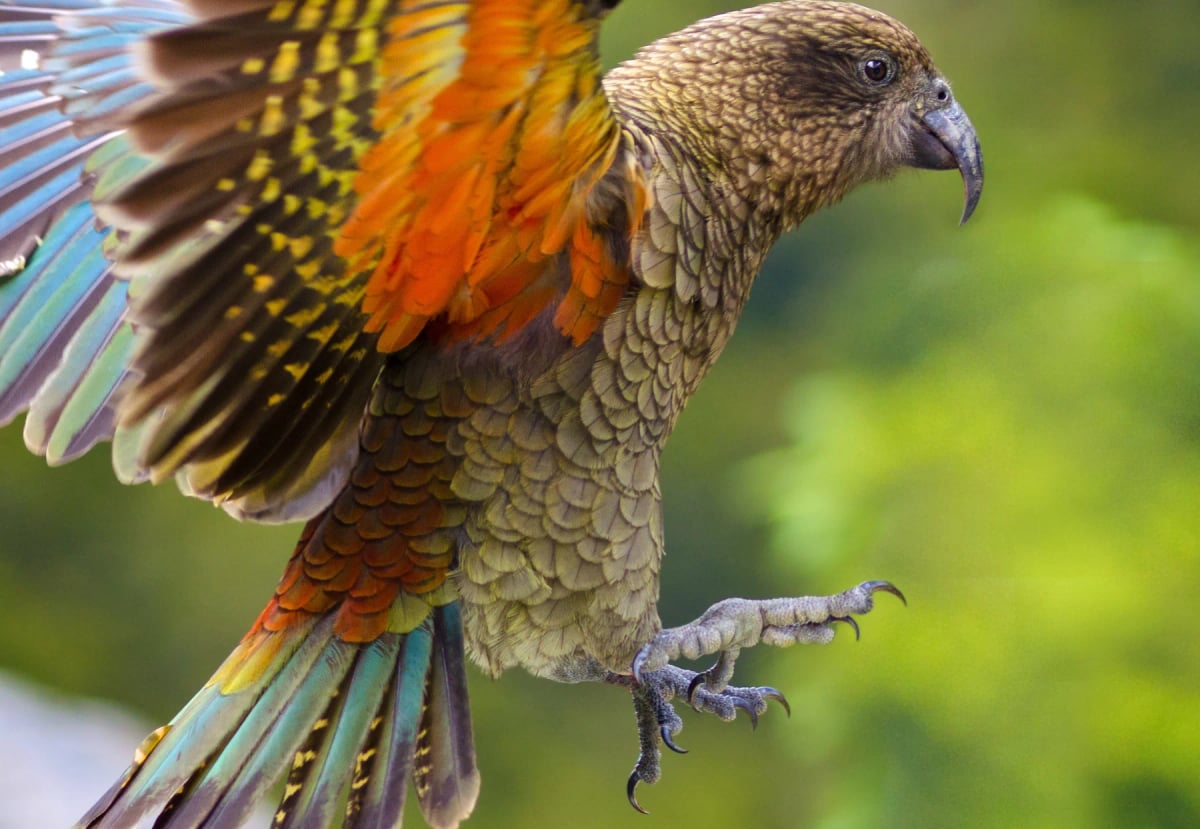
Kea
Nestor notabilis
The kea lives only on New Zealand's South Island, where it roams subalpine forests, rocky slopes, and high valleys of the Southern Alps. Olive green with a burst of orange under its wings, it is the only alpine parrot in the world. Famous for its curiosity and intelligence, it can solve puzzles and work in teams. It is listed as Endangered, largely due to introduced predators such as stoats and rats.
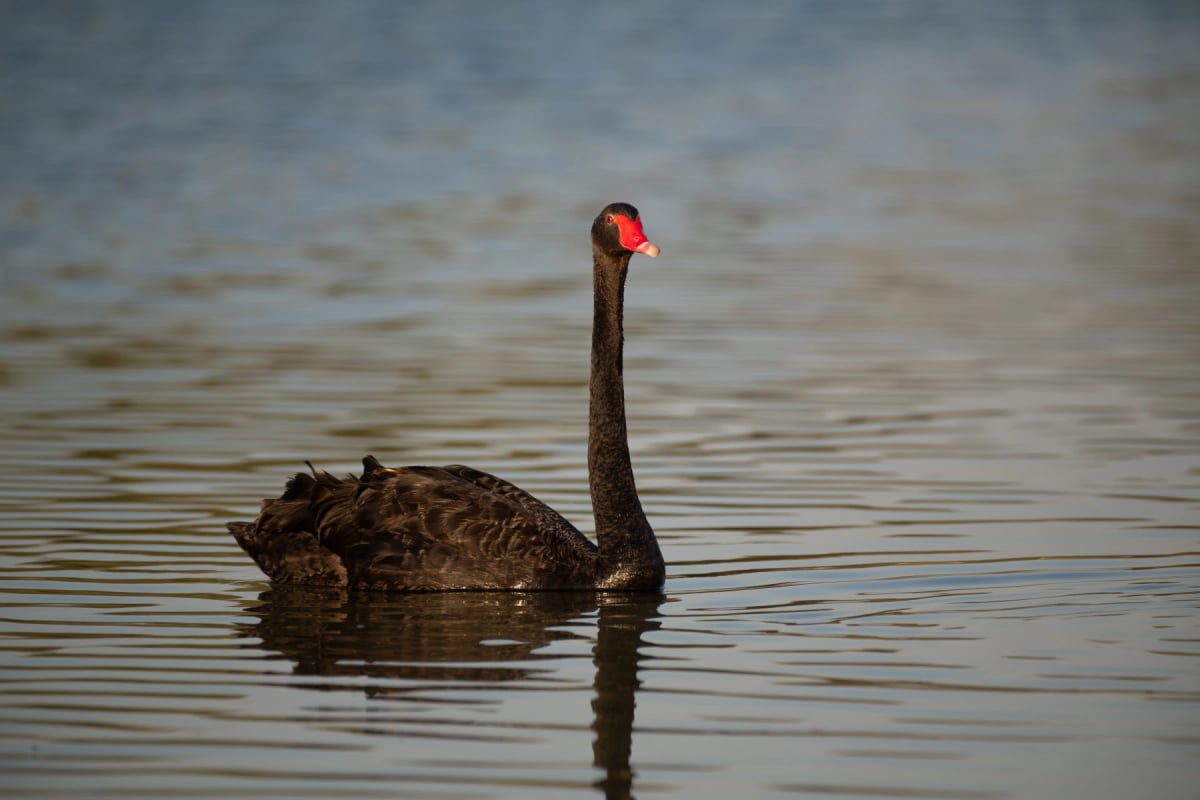
Black Swan
Cygnus atratus
Introduced to New Zealand in the nineteenth century, the black swan is now well established across both the North and South Islands, particularly on open lakes and coastal lagoons. It feeds on aquatic plants and algae and forms lasting breeding pairs that nest near the water's edge. Large flocks gather outside the breeding season. The species is listed as Least Concern and is considered naturalized throughout the country.
Kiwi
Apteryx spp.
The kiwi is found nowhere else on Earth, making it a true symbol of New Zealand. It shelters in forests and scrublands across both the North and South Islands, as well as several offshore islands used as predator-free sanctuaries. Nocturnal and flightless, it probes the soil with its long bill to find worms and insects. Conservation programmes run by the Department of Conservation have helped stabilise wild populations.
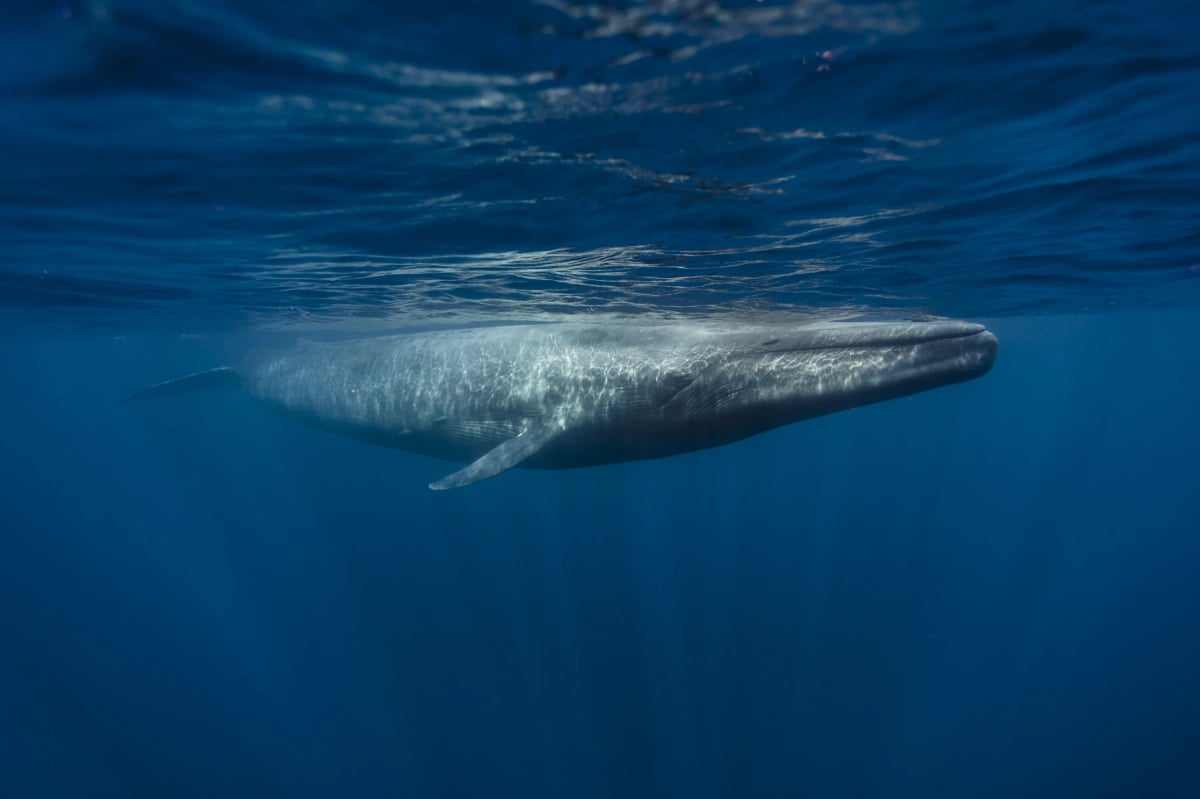
Blue Whale
Balaenoptera musculus
Blue whales are recorded in New Zealand waters, particularly in the South Tasman Sea and around the South Island, where cold subantarctic currents bring nutrients that support krill populations. The pygmy blue whale subspecies is also documented in the region. New Zealand's Exclusive Economic Zone encompasses vast stretches of ocean, and research efforts here have contributed to a broader understanding of Southern Hemisphere blue whale movements.
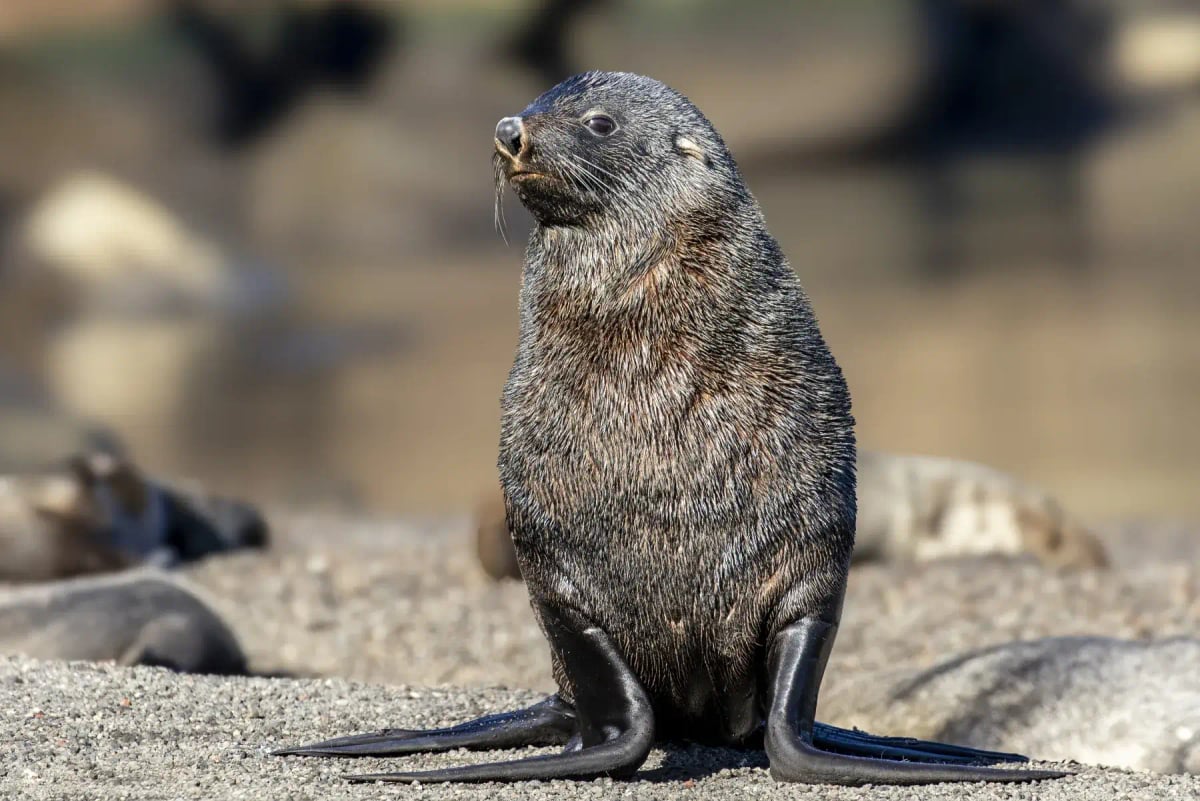
Fur Seal
Arctocephalus spp.
The New Zealand fur seal (Arctocephalus forsteri) breeds on rocky coastlines around both the North and South Islands, as well as on subantarctic islands to the south. Colonies are especially prominent on the Kaikōura Peninsula and at Cape Palliser. Numbers fell sharply due to hunting but have rebounded strongly since receiving full legal protection in 1978. Today they are a popular wildlife attraction, though entanglement in fishing gear still causes annual deaths.
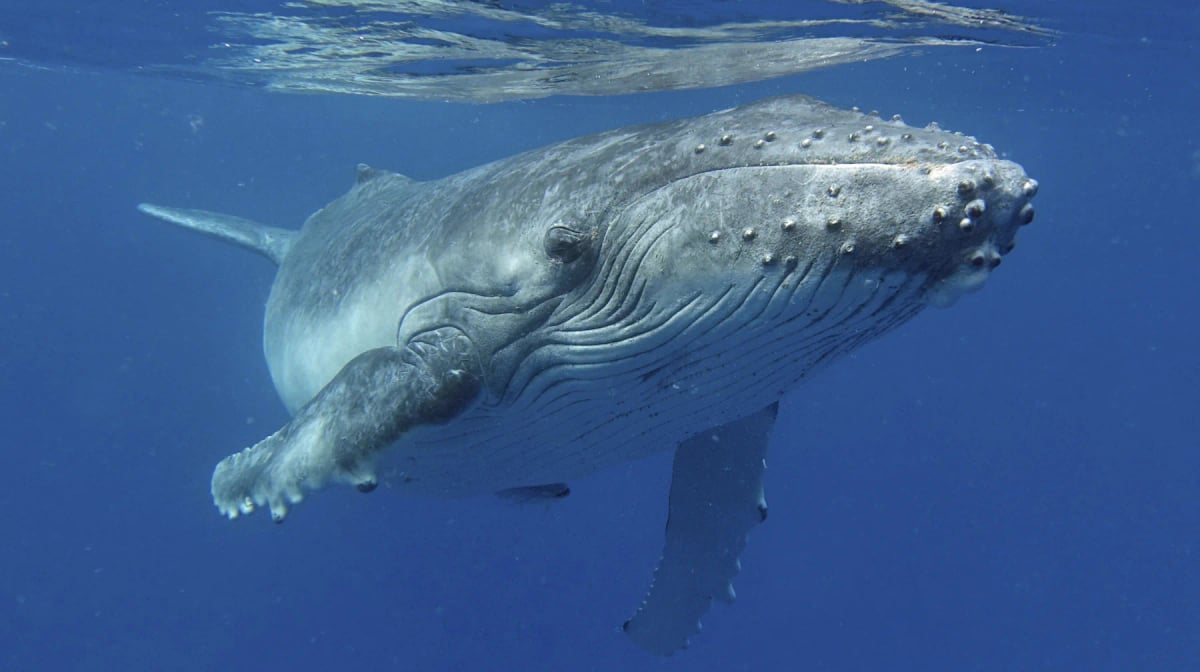
Humpback Whale
Megaptera novaeangliae
New Zealand sits along key migratory routes for humpback whales traveling between Antarctic feeding areas and warmer breeding waters in the Pacific. Whales are sighted around both the North and South Islands, particularly in Cook Strait and off the coast of the South Island. New Zealand waters also fall within the range of the endangered Oceania population. The IUCN classifies the species overall as Least Concern, but some regional populations require continued monitoring.
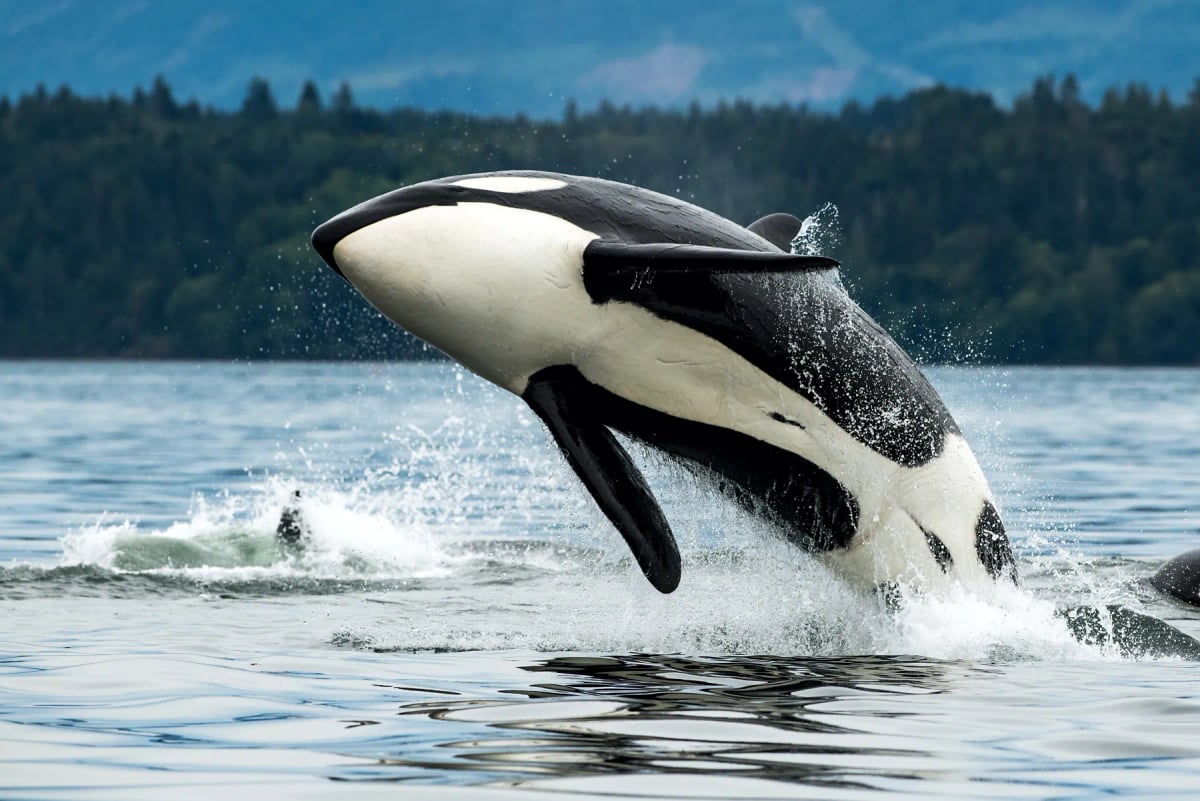
Orca
Orcinus orca
New Zealand is one of the best places in the Southern Hemisphere to observe orcas. They are seen regularly around the coastline, particularly in the Hauraki Gulf and around the South Island. New Zealand orcas are well studied and known to feed on rays, sharks, and fish. Local research groups have identified individual animals by their dorsal fins, building detailed records of family groups that return to these waters year after year.
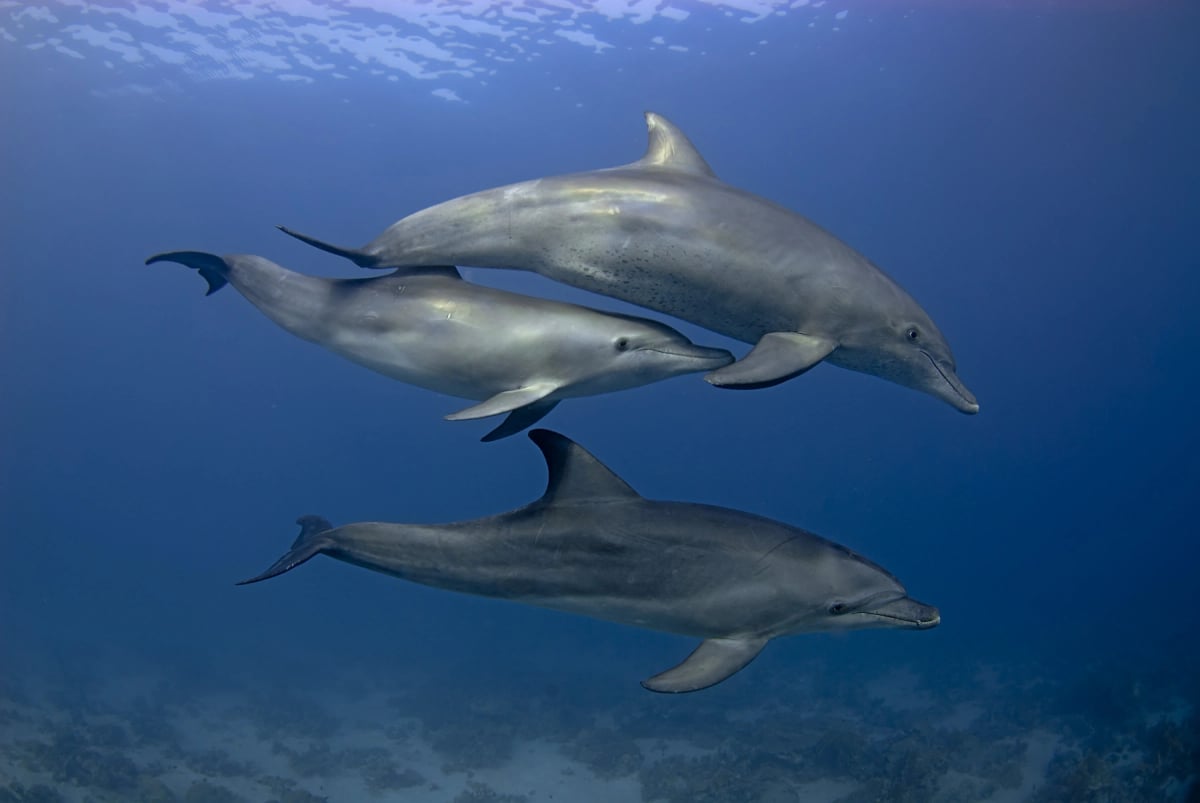
Bottlenose Dolphin
Tursiops truncatus
Bottlenose dolphins are found in New Zealand's coastal waters, with notable populations in Doubtful Sound and the Bay of Islands. These groups have been extensively studied and are known for their site fidelity, returning to the same coastal areas across generations. Boat traffic and tourism activities are managed carefully to protect local pods. The IUCN classifies the species as Least Concern globally.
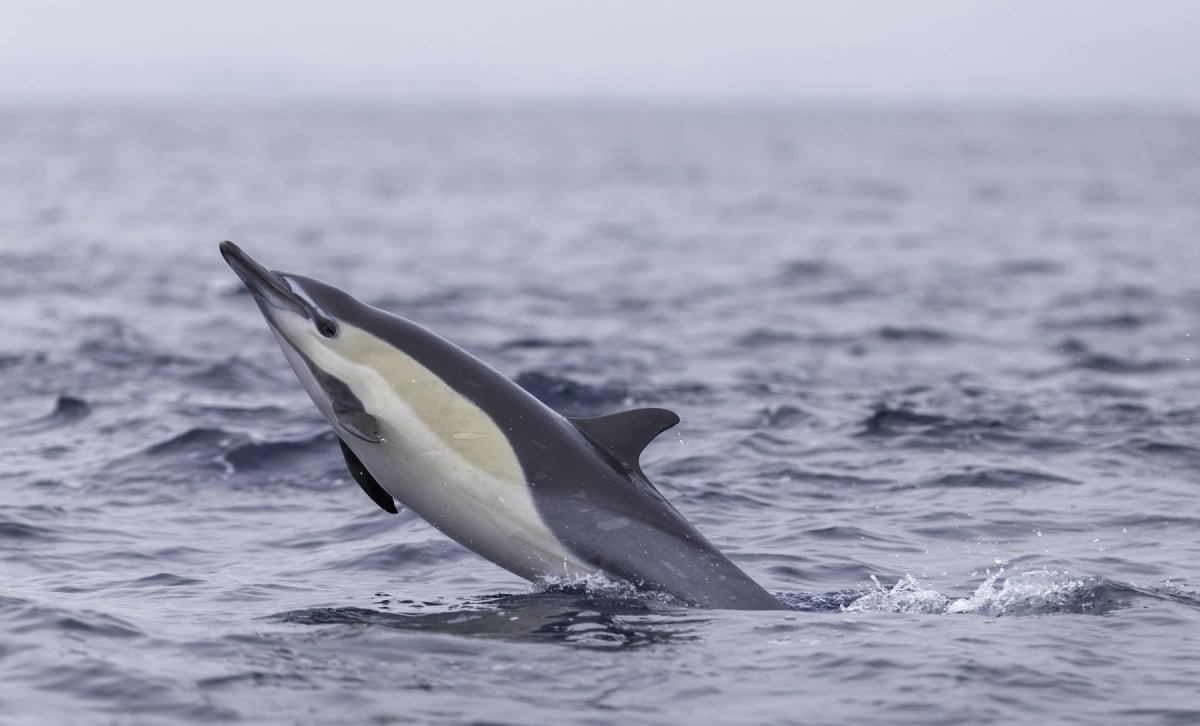
Common Dolphin
Delphinus delphis
New Zealand's coastline offers some of the finest common dolphin habitat in the Southern Hemisphere. Large pods gather regularly in the Hauraki Gulf and in the waters of the South Island, feeding on schooling fish and squid. They are well known for riding the bow waves of ferries crossing Cook Strait. The species is listed as Least Concern by the IUCN, and New Zealand supports a substantial and well-studied population.
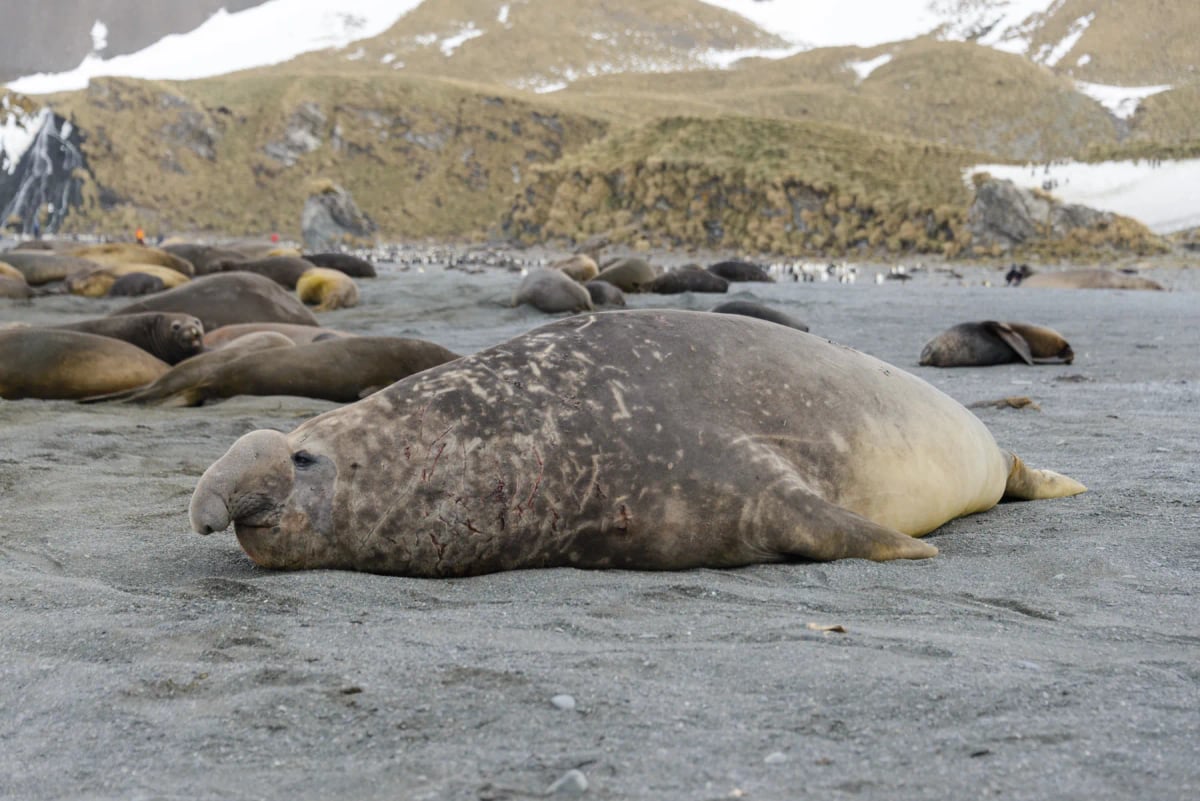
Elephant Seal
Mirounga spp.
Southern elephant seals are occasional visitors to New Zealand's mainland shores and are more regularly seen on the subantarctic islands administered by New Zealand, including Campbell Island and the Auckland Islands. Campbell Island supports a small but established breeding population. These islands lie within cold, productive southern waters that provide excellent foraging for the seals before and after the breeding season on shore.
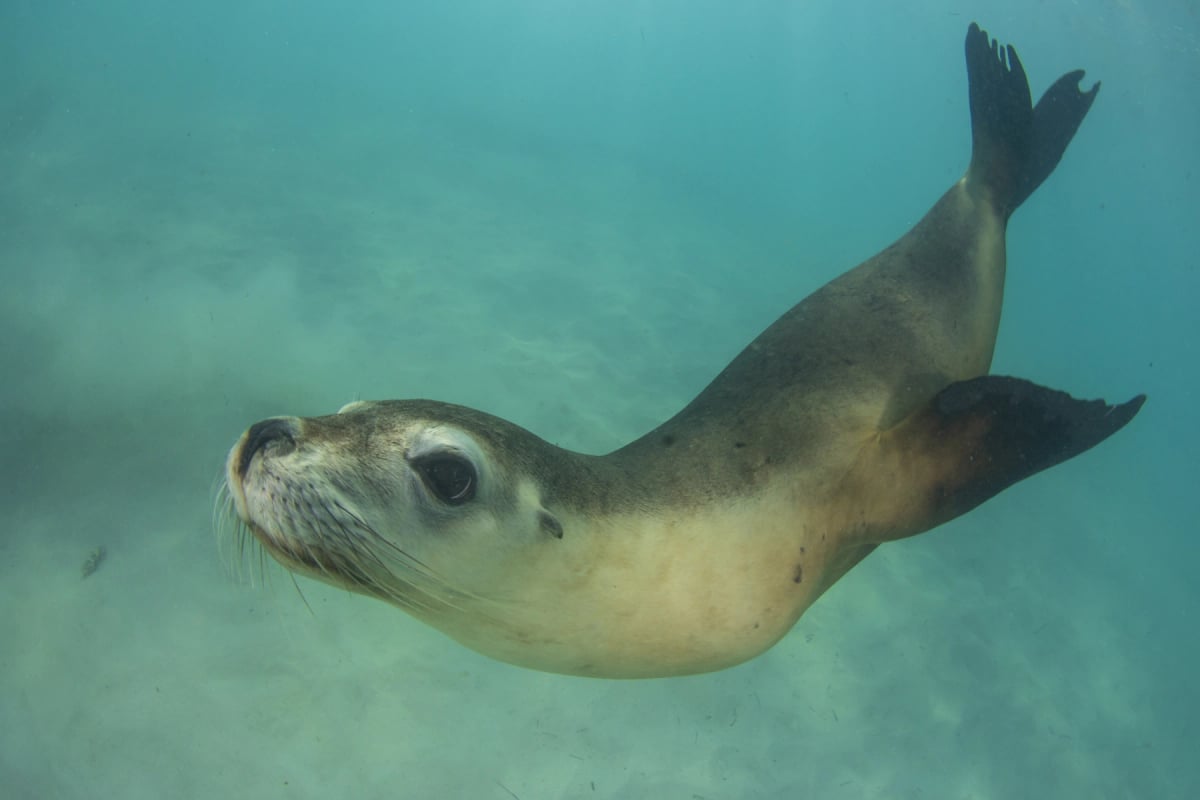
Sea Lion
Otariinae spp.
The New Zealand sea lion, also known as Hooker's sea lion, is one of the rarest sea lion species in the world. Most of the population breeds on the subantarctic Auckland and Campbell Islands, with smaller numbers appearing on the South Island's Otago coast. Bycatch in squid trawl fisheries and outbreaks of disease have caused serious population declines. The IUCN lists this species as En peligro.
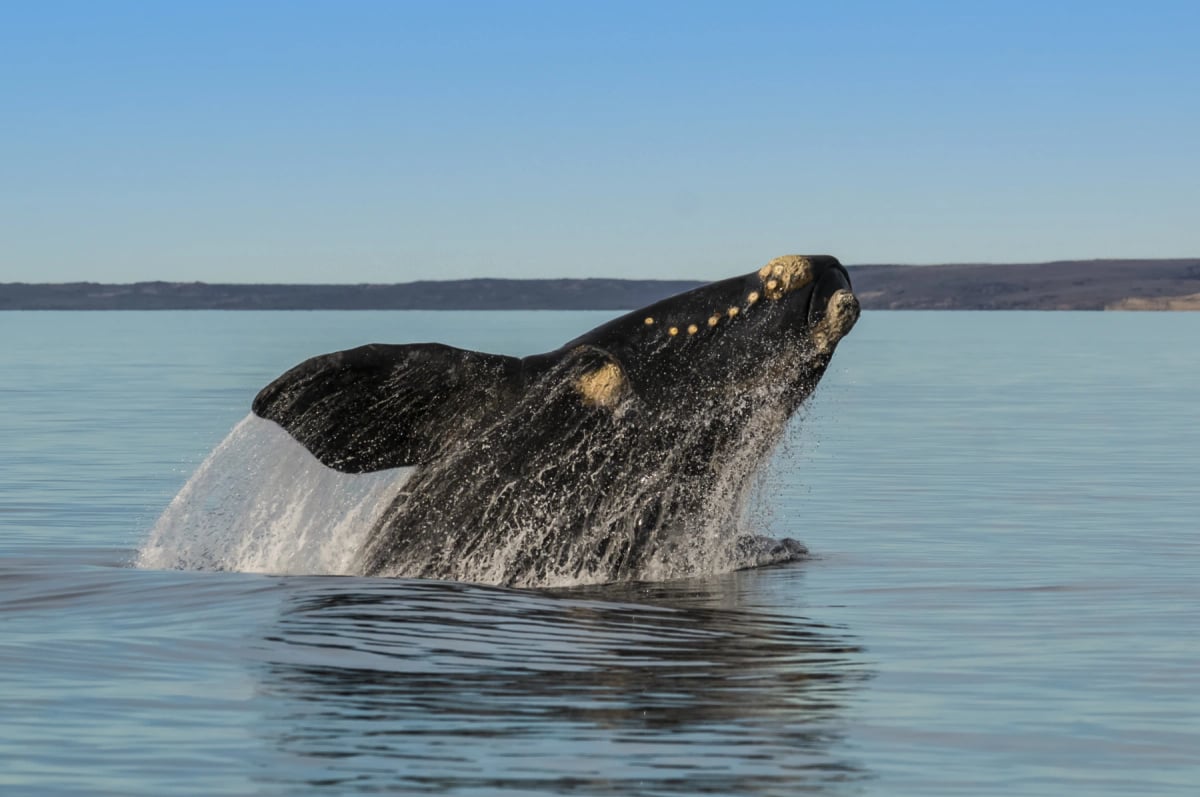
Southern Right Whale
Eubalaena australis
New Zealand is a key part of the southern right whale's range in the South Pacific. The Auckland Islands, a subantarctic territory of New Zealand, serve as an important calving ground for the species. Mothers bring their newborn calves to the sheltered bays of these islands each winter. After near extinction due to whaling, the population in New Zealand waters is recovering, though it remains relatively small. Listed as Least Concern.
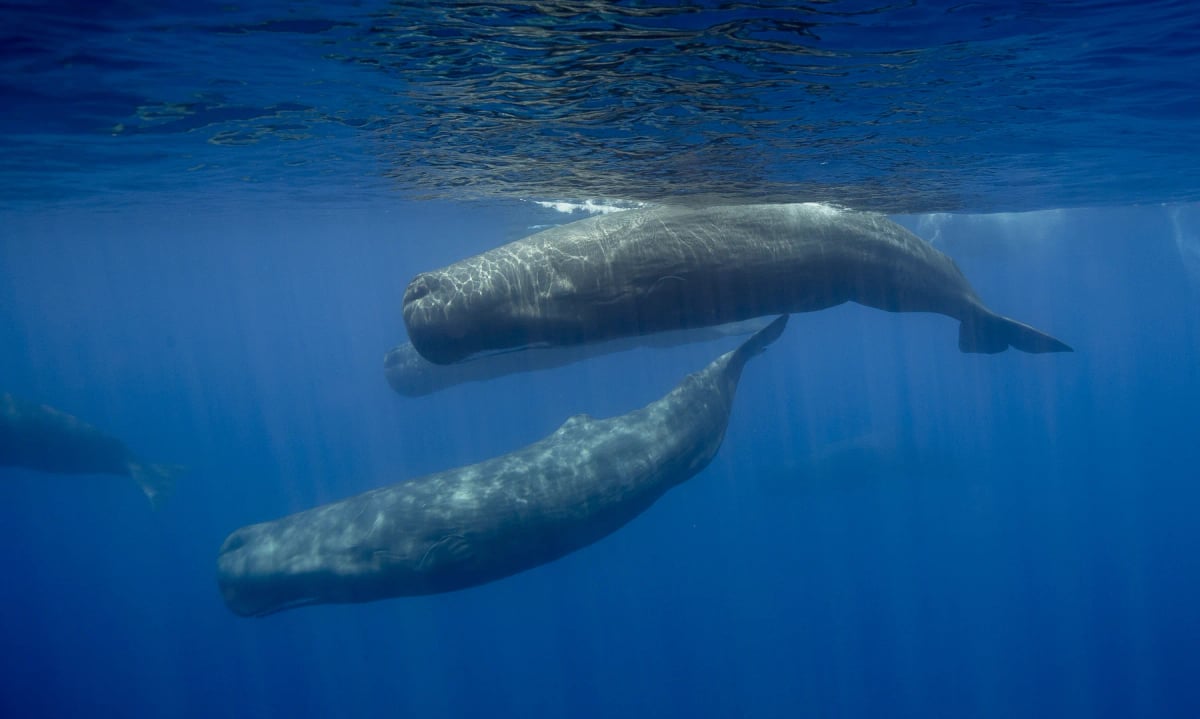
Sperm Whale
Physeter macrocephalus
New Zealand is one of the best places in the world to observe sperm whales close to shore. The deep Hikurangi Trench off Kaikōura on the South Island creates perfect conditions for year-round feeding, particularly for males. Whale watching operations in Kaikōura have made sperm whales a cornerstone of the local economy. Despite protections, the IUCN lists them as Vulnerable due to ongoing global pressures.
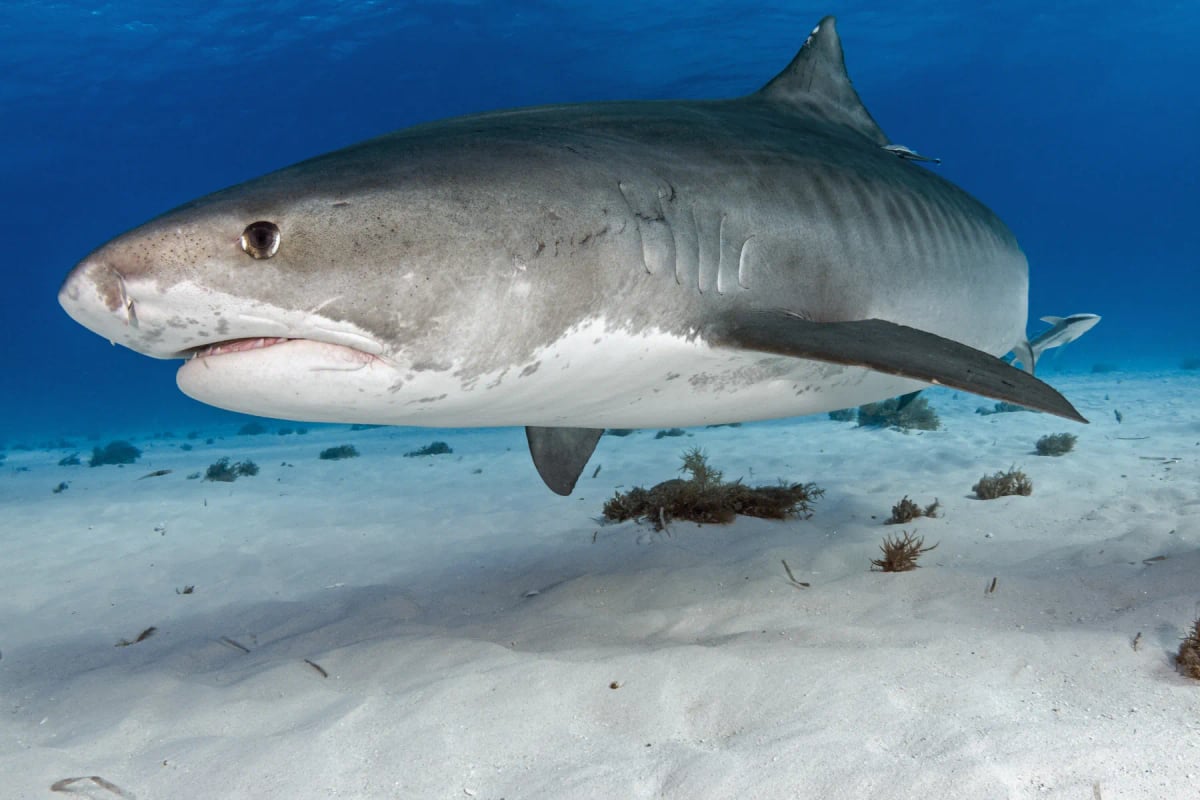
Tiger Shark
Galeocerdo cuvier
Tiger sharks visit New Zealand's northern waters, particularly around the upper North Island and the warm currents that flow down from the subtropics. They are occasional rather than resident visitors, typically appearing during summer months when sea temperatures rise. Feeding on fish, rays, and other marine animals, they can reach up to 5 metres in length. The IUCN considers the species Near Threatened due to fishing pressure throughout its global range.
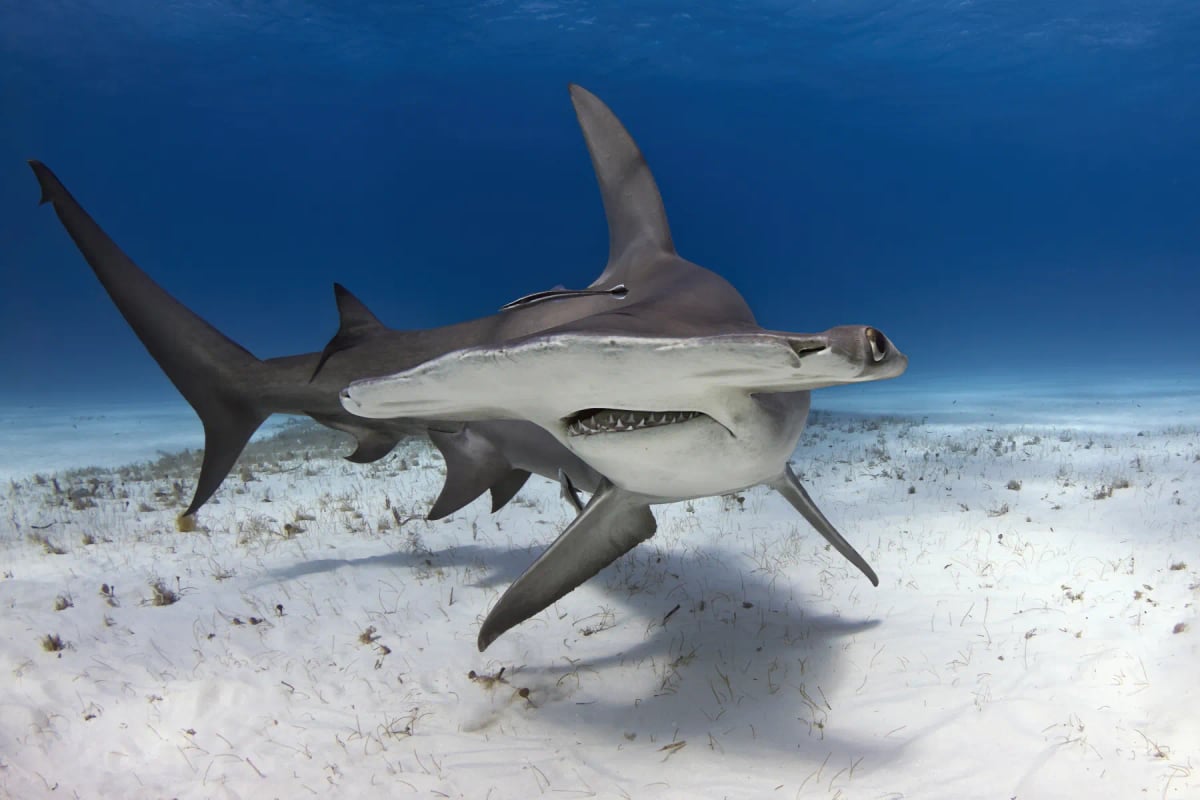
Hammerhead Shark
Sphyrna spp.
Hammerhead sharks, particularly the scalloped hammerhead, are found in the warmer coastal and offshore waters around the northern North Island of New Zealand. The waters of the Hauraki Gulf and the northeastern coastline offer suitable habitat during warmer months. New Zealand has introduced fins naturally attached regulations to reduce the shark fin trade. Even so, hammerheads remain Critically Endangered and are not commonly encountered in New Zealand waters.
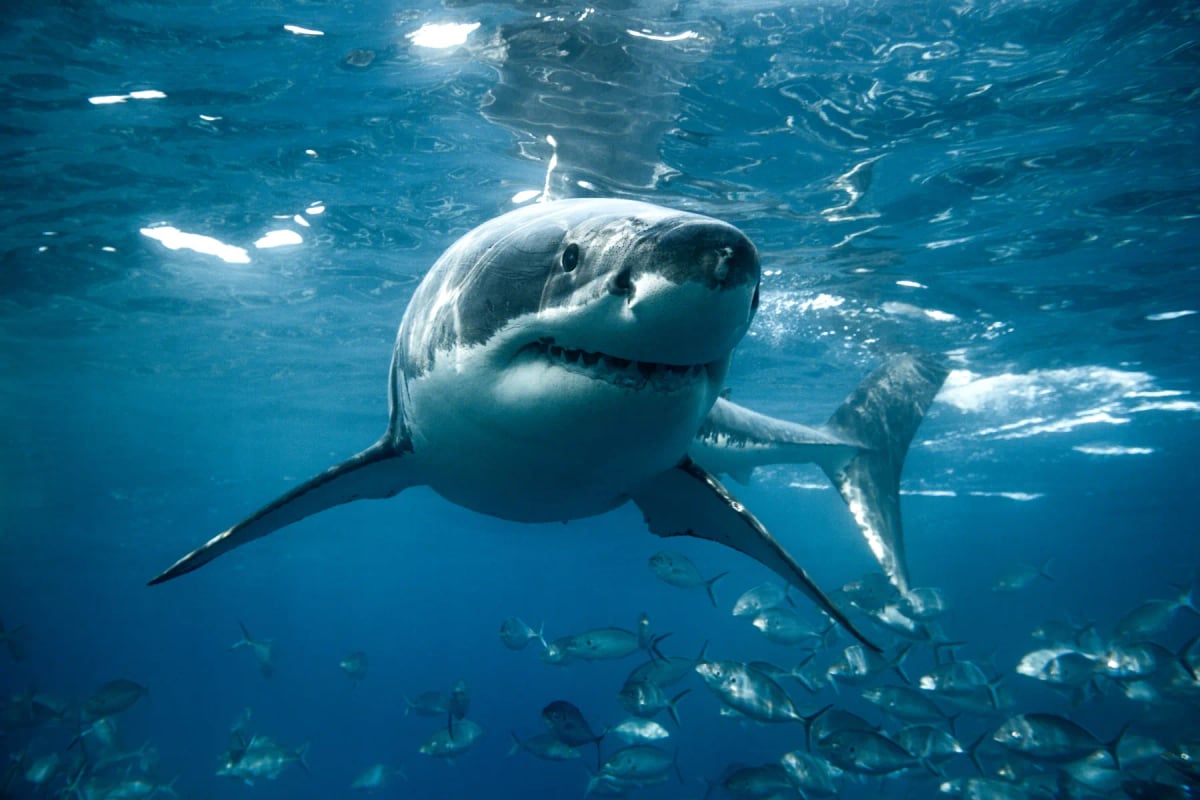
Great White Shark
Carcharodon carcharias
Great white sharks are a well-known presence in New Zealand waters, particularly around the South Island and the Chatham Islands. They are drawn to areas where fur seal colonies thrive, such as the coastlines of Kaikōura and the Marlborough Sounds. New Zealand offers legal protection to great whites, recognising that their role as apex predators is vital to keeping coastal marine ecosystems in balance.
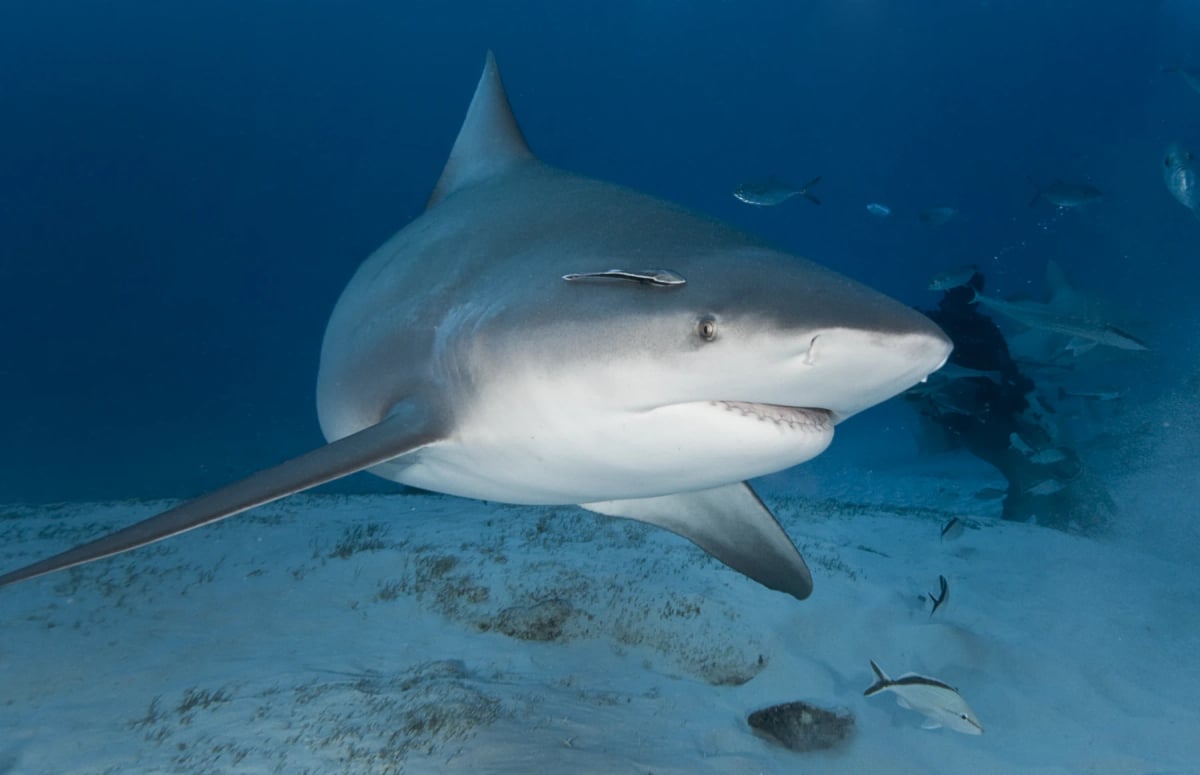
Bull Shark
Carcharhinus leucas
Bull sharks occasionally reach the warmer northern waters of New Zealand, particularly around Northland and the upper North Island, where sea temperatures rise enough to support seasonal visits. They are not resident year-round but are encountered in coastal shallows and estuaries during warmer months. Classified as Near Threatened globally, their sporadic presence here sits at the southern edge of their range in the South Pacific.
Researched and written by Juan Pablo. Sources: IUCN Red List, scientific literature and regional field guides. Last updated: .