Animals in Kuwait
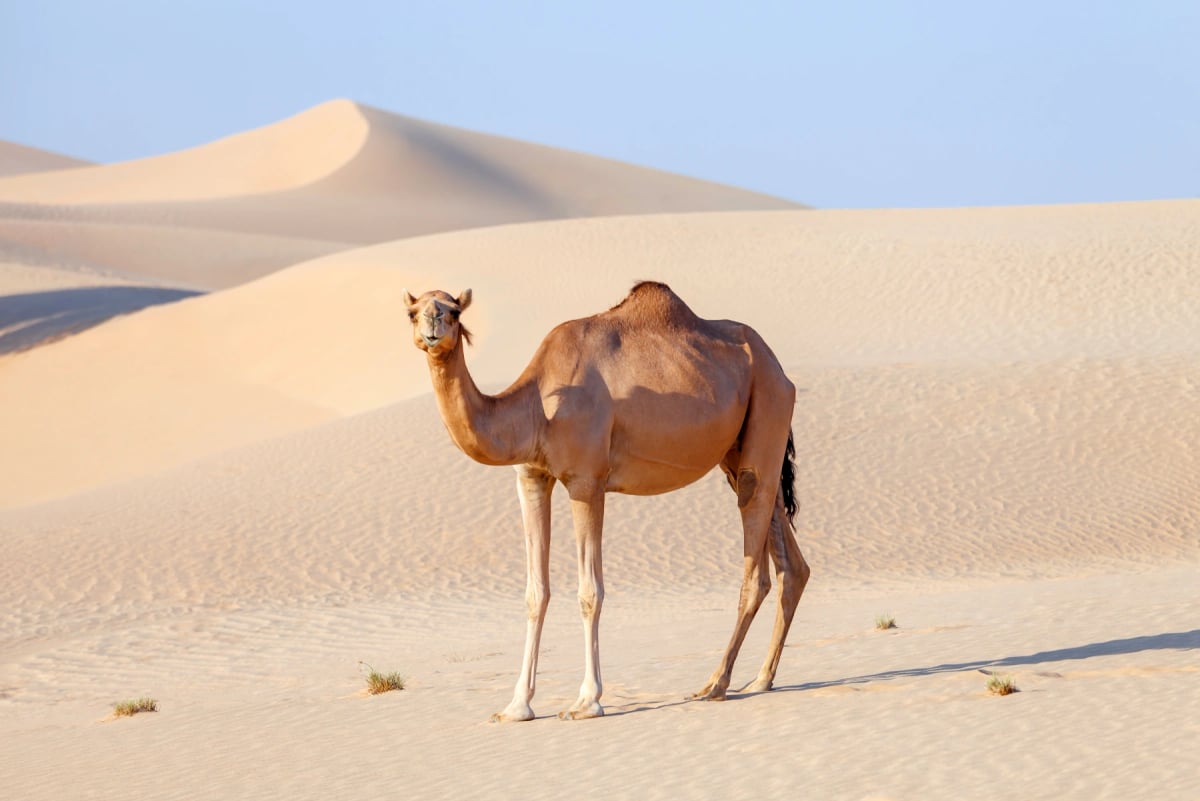
Dromedary Camel
Camelus dromedarius
The dromedary camel is often used as an animal symbol for Kuwait and fits well with its desert identity. Images of camels appear in tourism material, roadside art and souvenirs. Guided trips in open desert and simple camp visits let visitors watch herds at rest or moving slowly across the sand, which links modern travel with older caravan routes.
View details→Wildlife in Kuwait
Kuwait is a small desert country with flat plains, sandy bays and a busy Gulf coast. Visitors usually meet nature on short drives outside the city, boardwalks along the sea and boat trips from marinas. From these easy routes they may see foxes, desert gazelles and camels inland, while near the water they watch sea turtles, dolphins and coastal birds.
Most Dangerous Animals in Kuwait
Danger for visitors in Kuwait is linked above all to strong carnivores in desert areas and large sharks offshore. The honey badger can defend itself with power if it feels cornered near burrows or dry scrub. In deeper Gulf waters hammerhead, bull and tiger sharks hunt far from the beach. On normal tourist routes encounters are rare and usually seen from a safe distance.
Top 10 Animals in Kuwait
The top 10 list for Kuwait focuses on desert camels and a fast falcon that match its open landscapes. Dromedary camels are part of many tours outside the city and are often seen near tracks and small camps. The peregrine falcon uses coastal cliffs, towers and open sky above the sea, where it can sometimes be seen from simple viewpoints and boat trips.
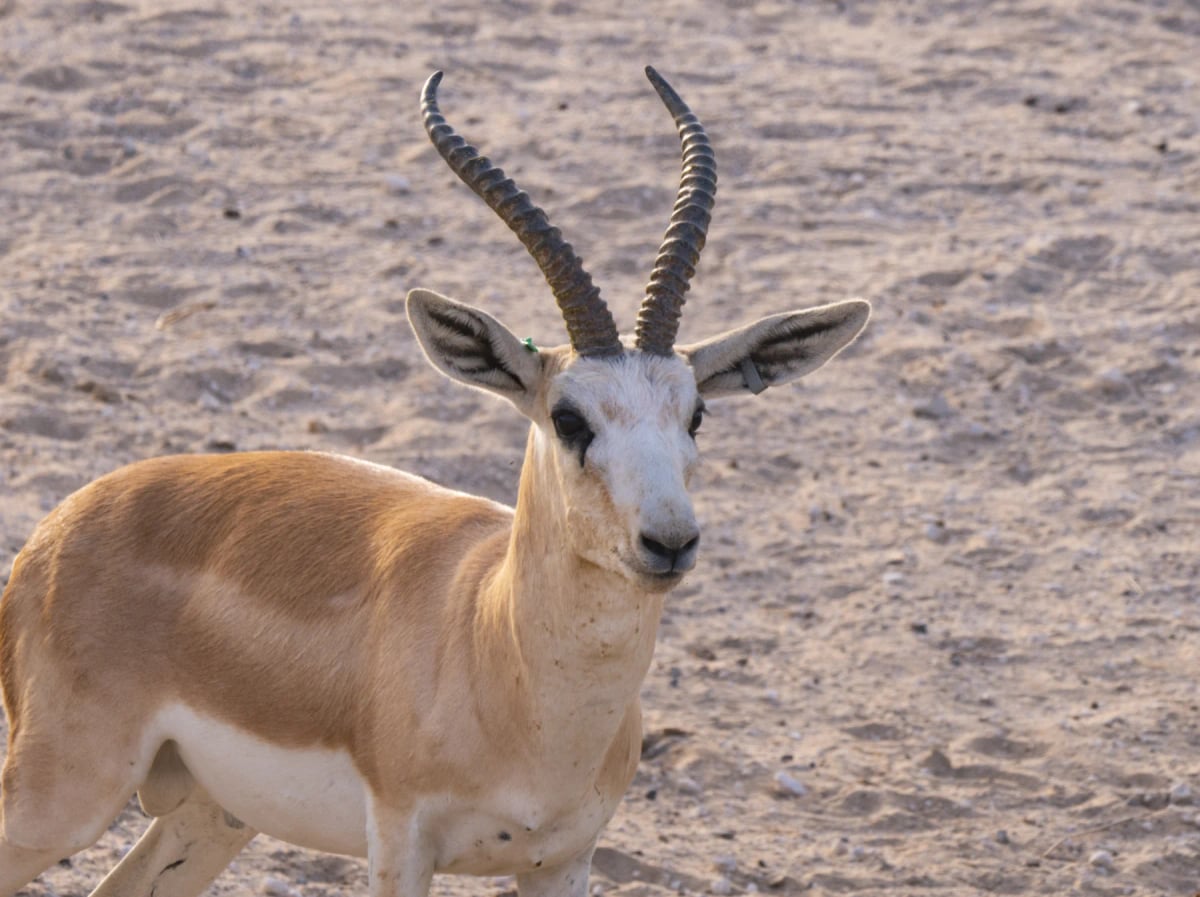
Sand Gazelle
Gazella marica
Kuwait's flat, gravelly desert provides habitat for the sand gazelle, though populations in the country have declined sharply due to unregulated hunting and the expansion of urban and industrial areas. The reem was once a familiar sight across Kuwait's open desert plains. Conservation awareness has grown in recent decades, but the gazelle remains under pressure. Its speed, reaching over 60 km/h, is its main defence against threats in the open landscape.
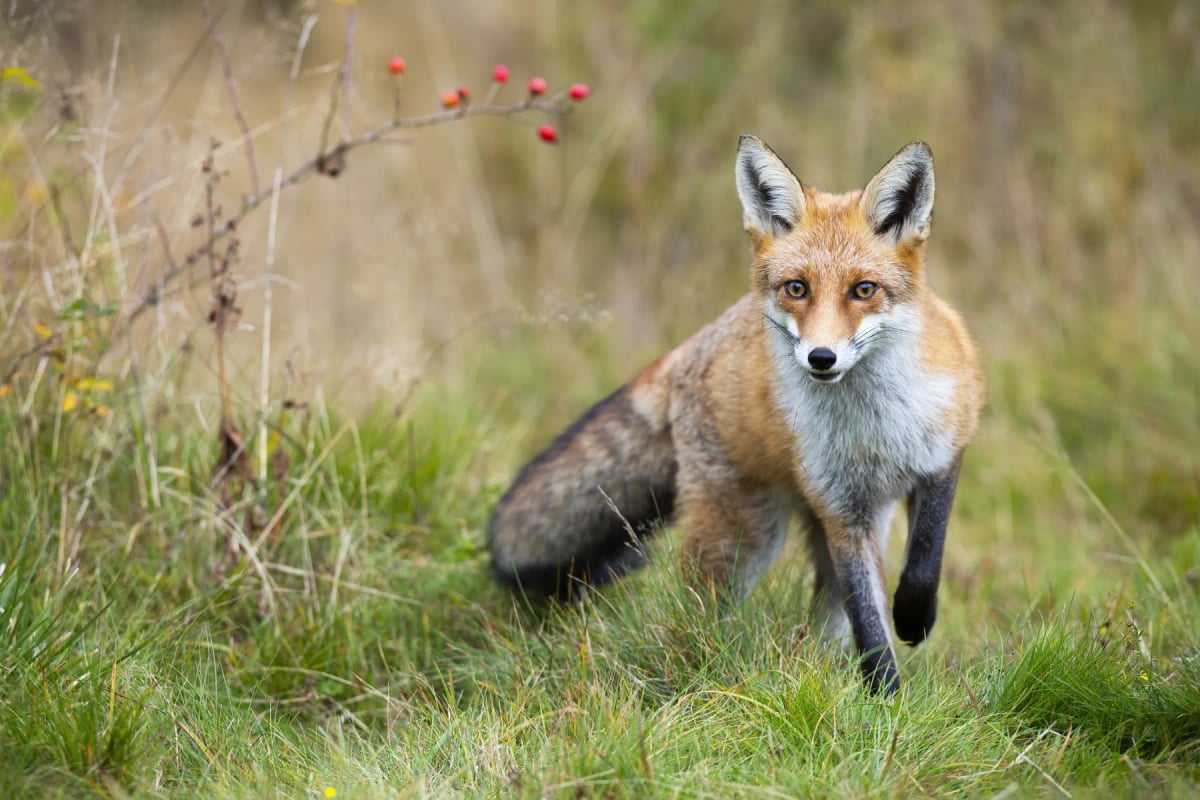
Red Fox
Vulpes vulpes
In Kuwait, the red fox survives in one of the harshest environments within its global range. It navigates the country's desert plains and semi-arid scrubland, often venturing near urban areas and waste sites in search of food. Its ability to go long periods with little water makes it well suited to the Gulf's extreme heat. It is listed as Least Concern by the IUCN.
Dromedary Camel
Camelus dromedarius
In Kuwait, dromedary camels have been central to Bedouin culture for centuries, bred for racing, milk, and companionship across the country's flat desert plains. Kuwait hosts dedicated camel racing tracks, and the animals remain a symbol of national heritage. Well adapted to the region's extreme summer heat, dromedaries move freely across the open desert and are kept in large numbers by families throughout the country.
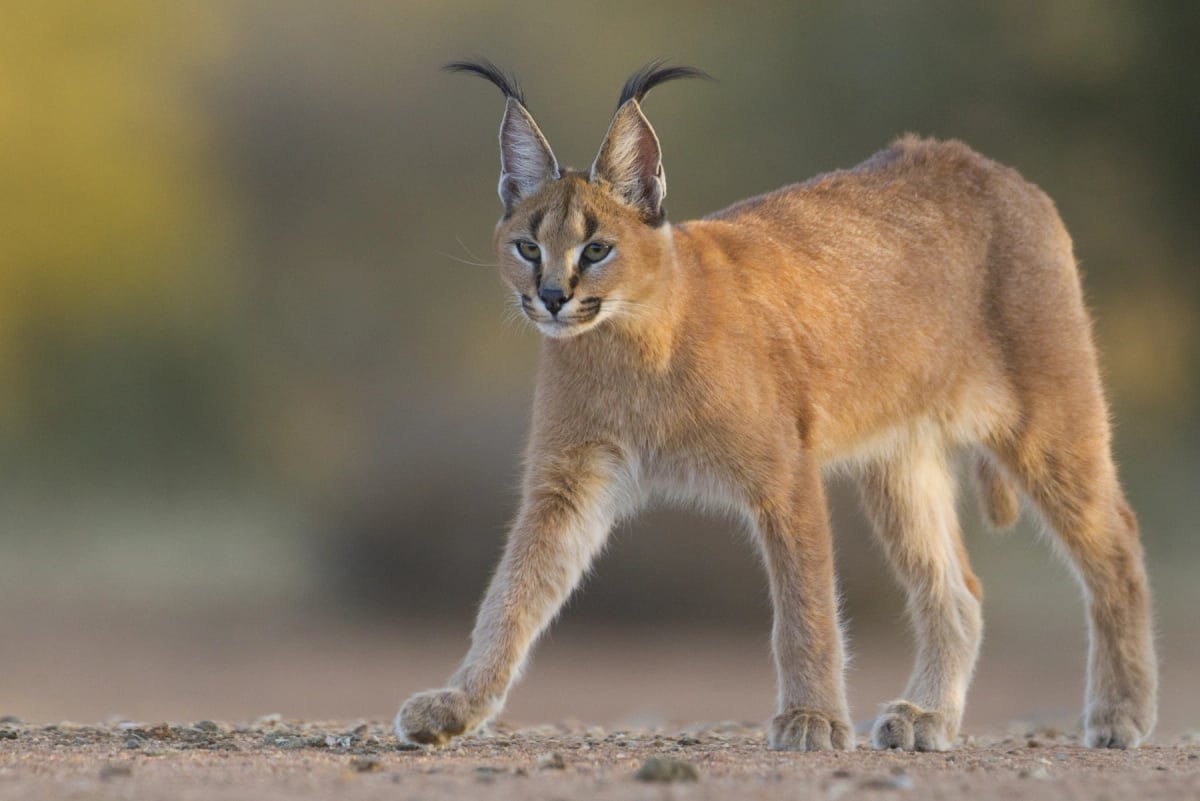
Caracal
Caracal caracal
The caracal has been recorded in Kuwait, where it inhabits the sparse desert scrublands that cover much of the country. It is rarely observed due to its nocturnal habits and naturally low densities in desert environments. Prey is limited but includes rodents and birds. The species faces pressure from rapid urban and industrial development across the region. The IUCN lists the caracal as Least Concern at the global level.
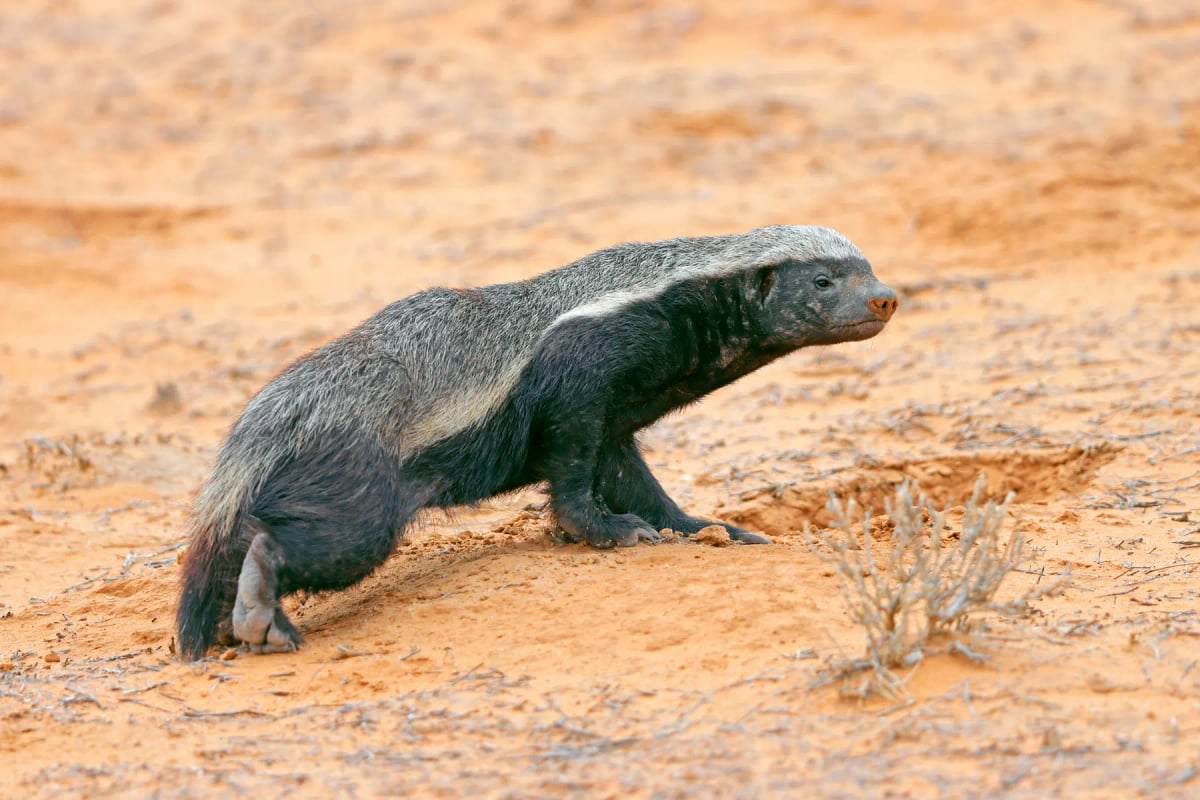
Honey Badger
Mellivora capensis
The honey badger has been recorded in Kuwait within the country's gravel and sand desert habitat, part of a thin presence across the northern Arabian Peninsula. Its numbers here are low and poorly documented, consistent with the harsh, largely flat desert terrain that covers most of the country. It survives on small vertebrates and insects and digs shelters in looser ground. The IUCN rates the species Least Concern.
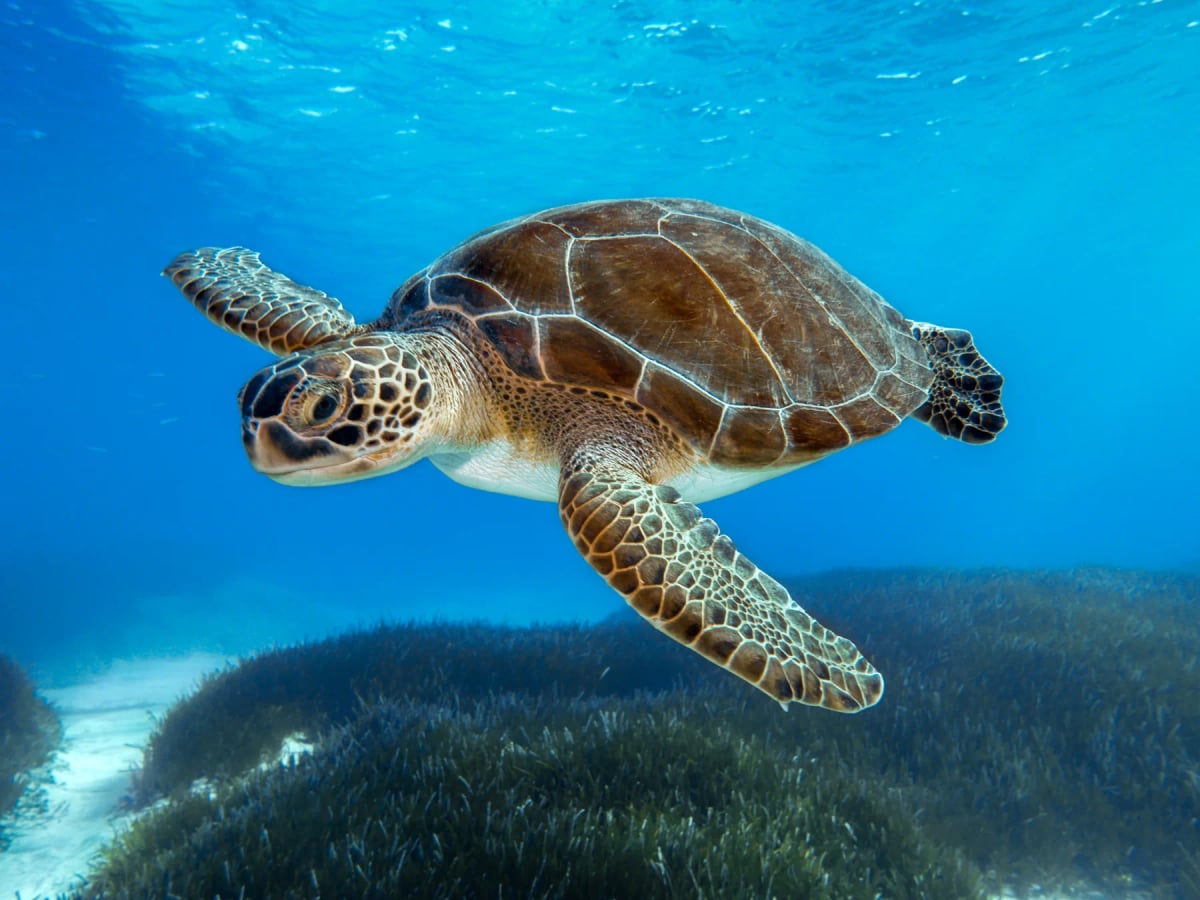
Sea Turtle
Cheloniidae & Dermochelyidae (families)
Kuwait's waters in the northwestern Persian Gulf support green and hawksbill sea turtles, which use the area for foraging. Nesting activity has been recorded on Kuwaiti beaches and offshore islands, with green turtles being the more commonly documented nesting species. The Jazirat Umm al-Maradim protected area and other coastal zones provide some habitat protection, though coastal development and marine pollution in the Gulf pose ongoing challenges for turtle populations in the region.
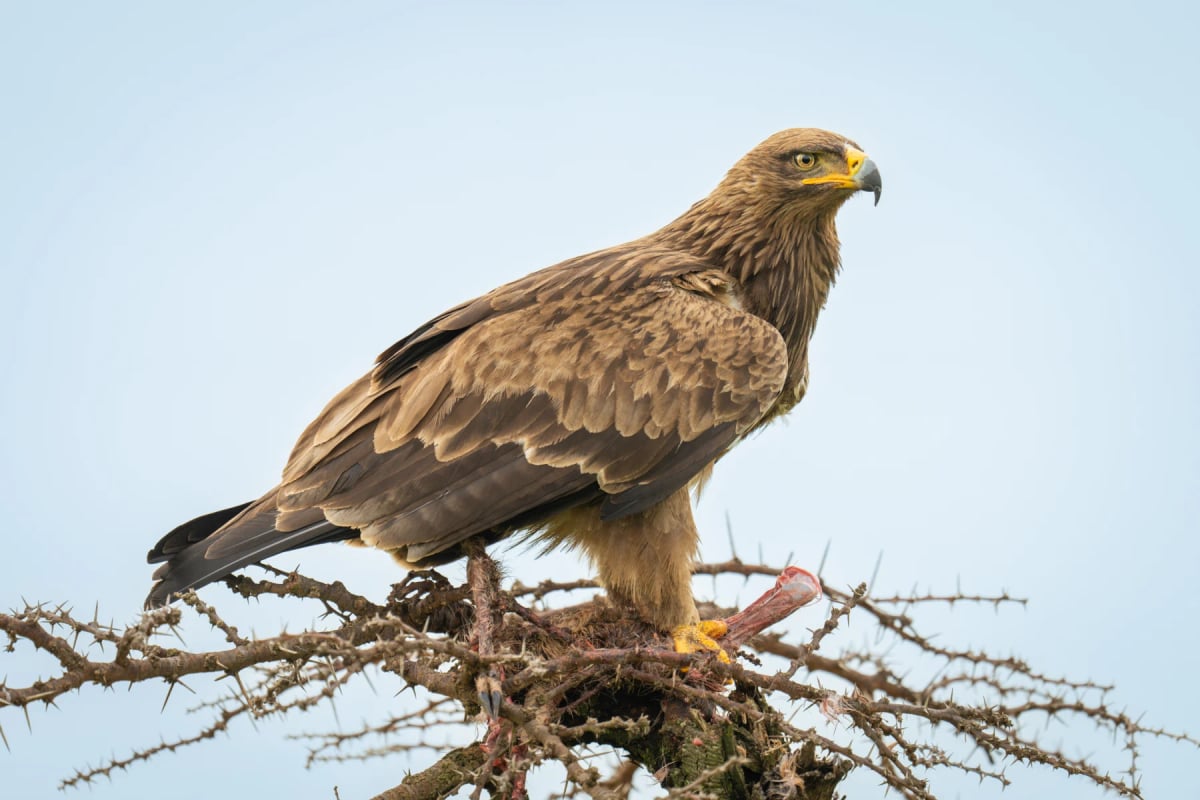
Steppe Eagle
Aquila nipalensis
Kuwait lies directly along the Steppe Eagle's migration route between Central Asia and Africa, making it a key stopover point each spring and autumn. Birds funnel through the Arabian Peninsula, and Kuwait's open desert and coastal areas regularly receive both resting and passing individuals. The species is listed as Endangered by the IUCN, and passage counts in Kuwait have contributed to regional monitoring efforts for this declining raptor.
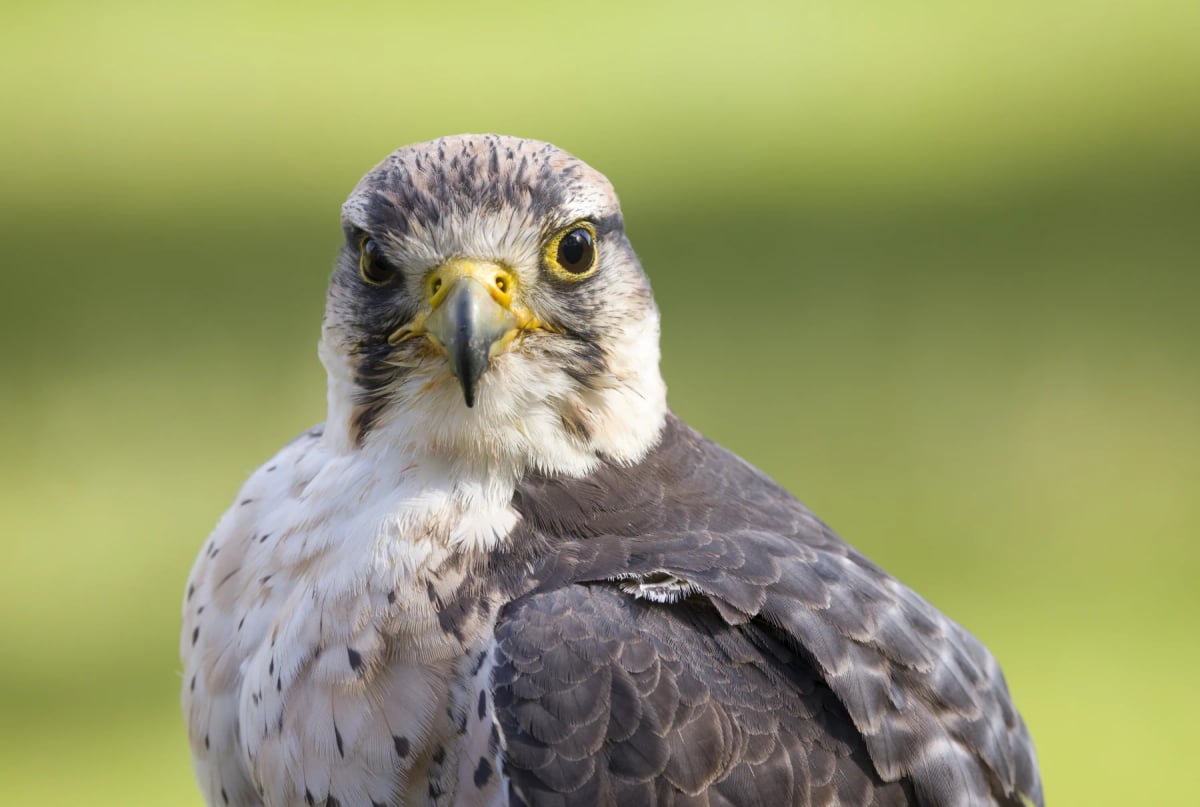
Lanner Falcon
Falco biarmicus
In Kuwait, the lanner falcon is recorded mainly as a passage migrant or winter visitor, moving through the country's flat, arid terrain between breeding and wintering grounds. Kuwait sits along a migration corridor connecting Europe and Asia with eastern Africa. The species holds cultural significance in the Gulf region through the ancient practice of falconry. The IUCN lists it as Least Concern.
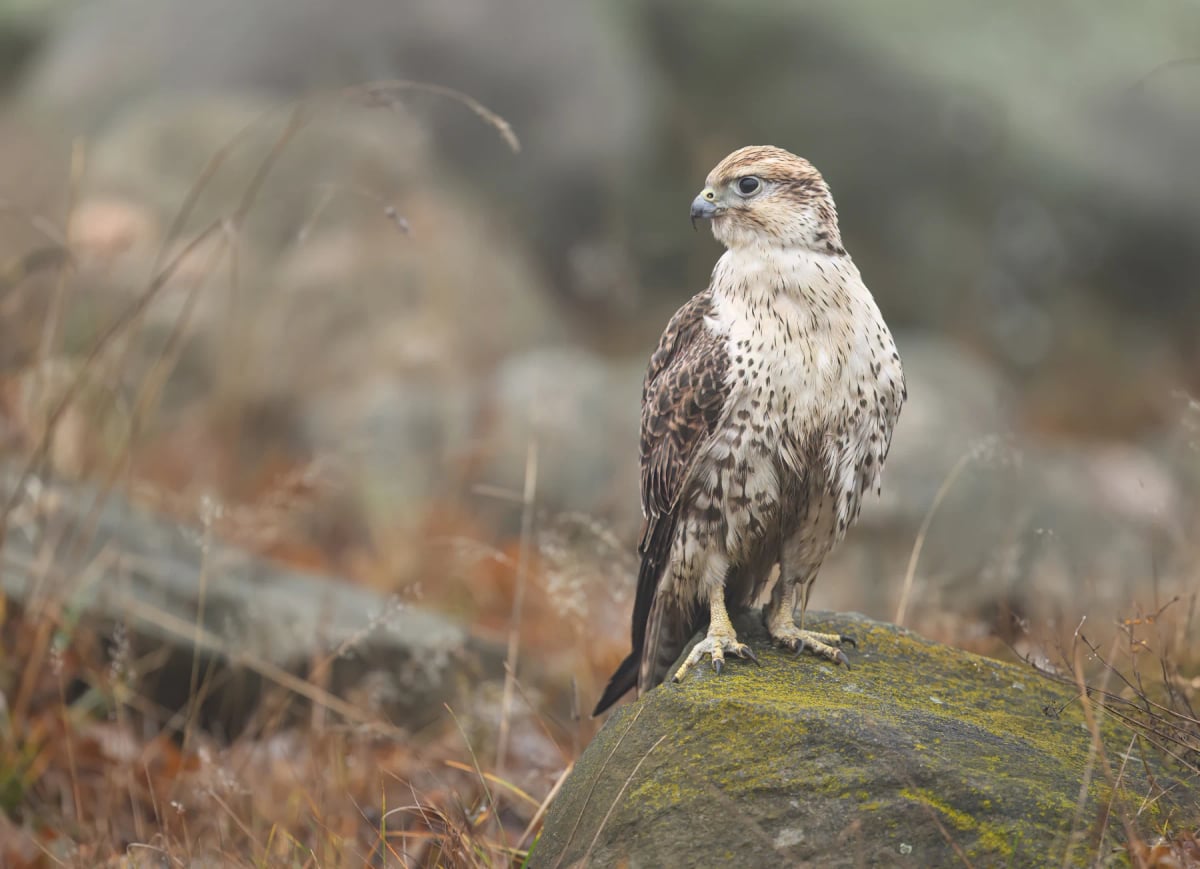
Saker Falcon
Falco cherrug
Kuwait records the saker falcon as a winter visitor and passage migrant crossing the Arabian Peninsula. The open desert landscape of the country can host the bird during its movements between breeding and wintering grounds. Kuwait has a strong tradition of falconry, and the saker remains a prized species in this cultural practice. Demand from the falconry trade contributes to illegal trapping pressure across the region. The IUCN lists the saker falcon as Endangered.
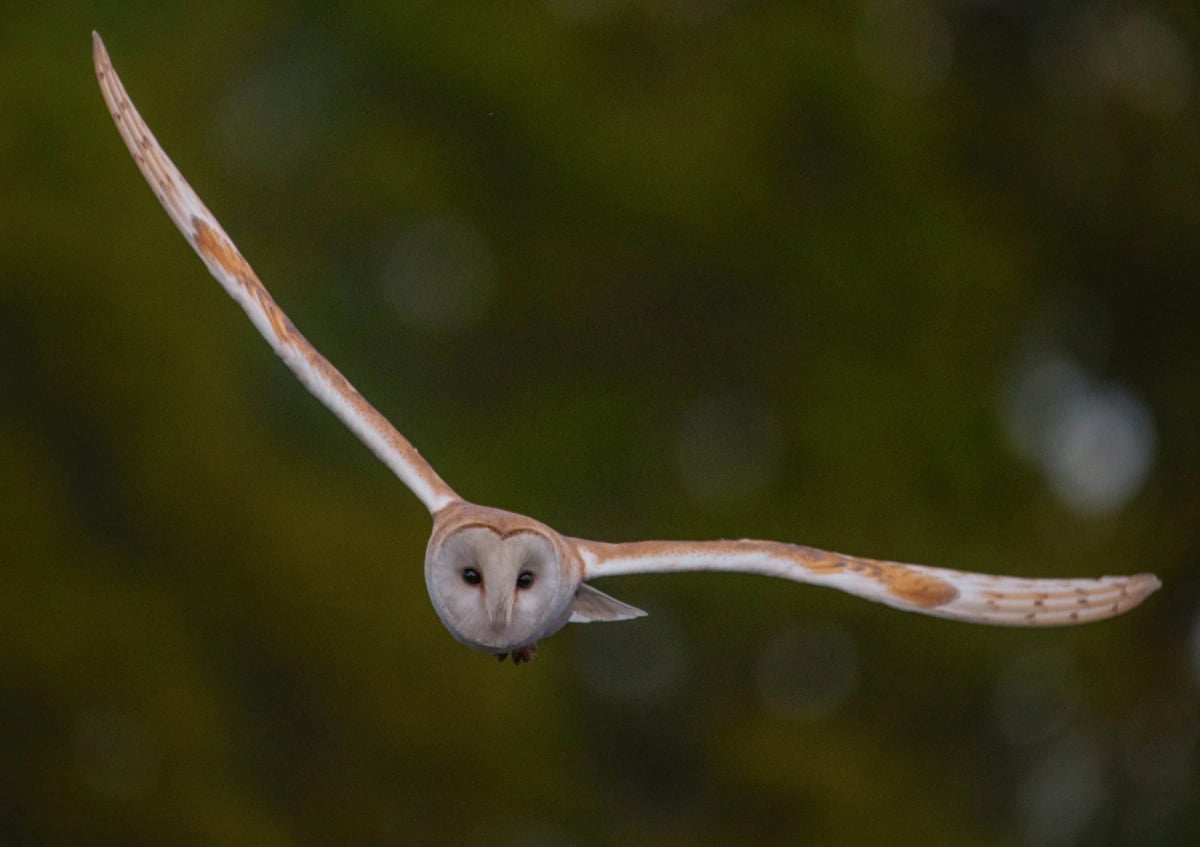
Barn Owl
Tyto alba
The barn owl is a rare resident and occasional visitor in Kuwait, found mainly near agricultural areas, date palm gardens, and the outskirts of towns where rodent prey is available. It nests in old buildings and palm groves. Kuwait's largely desert environment limits the availability of suitable hunting habitat, and the species is far less common here than in the more heavily farmed neighboring countries. Sightings tend to occur near the irrigated areas and green spaces around Kuwait City and the northern farming zones.
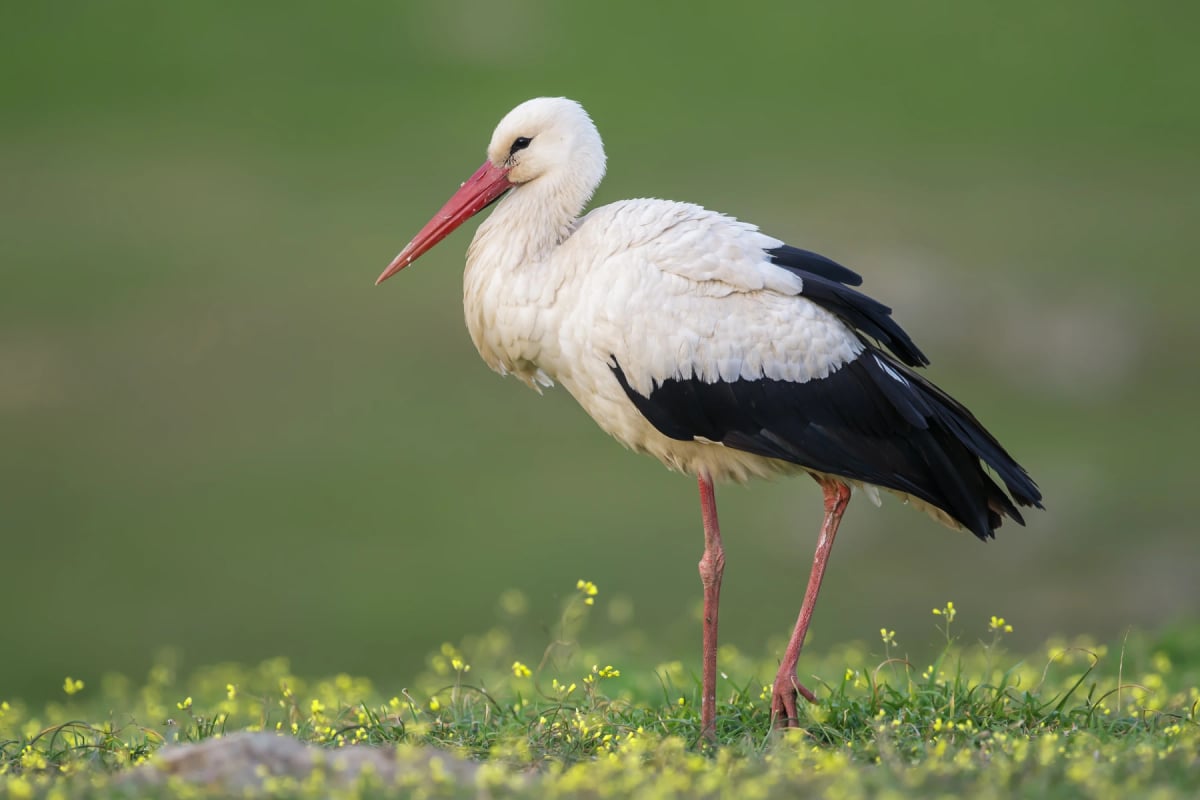
Stork
Ciconia ciconia
Kuwait is visited by the white stork during migration, as the species travels between its European breeding grounds and its wintering areas in Africa. Small numbers stop along the coast and in agricultural areas to rest and feed. The country's position along the northeastern edge of the Arabian Peninsula places it on the path of birds moving through the Middle East via the Bosphorus and the Levant corridor. It feeds on insects, frogs, and small animals. It is listed as Least Concern by the IUCN.
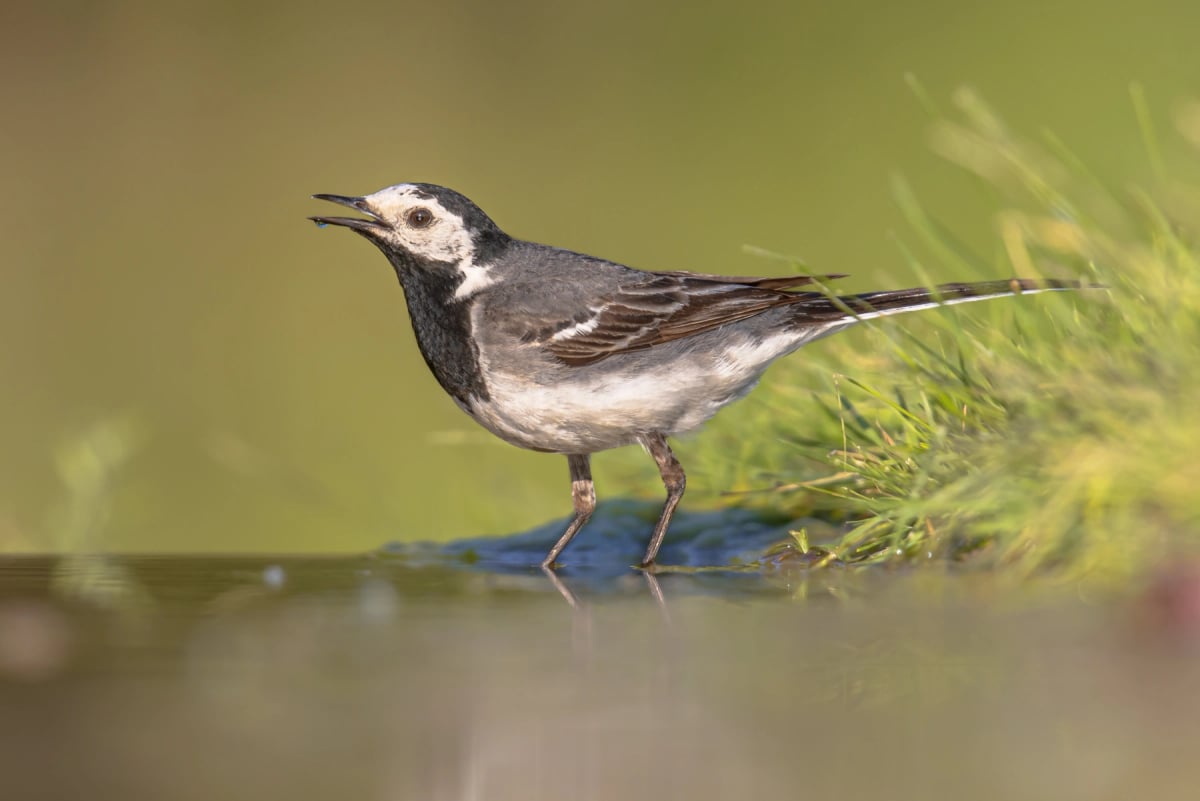
White Wagtail
Motacilla alba
Kuwait lies on a well-travelled migration route between Europe and Africa, and the white wagtail is a regular visitor here during autumn and spring passage as well as in winter. It tends to gather around coastal areas, gardens, parks and any patches of open ground near fresh water, which are relatively scarce in this largely arid country. Sewage treatment ponds and irrigated green spaces are particularly attractive to this adaptable bird.
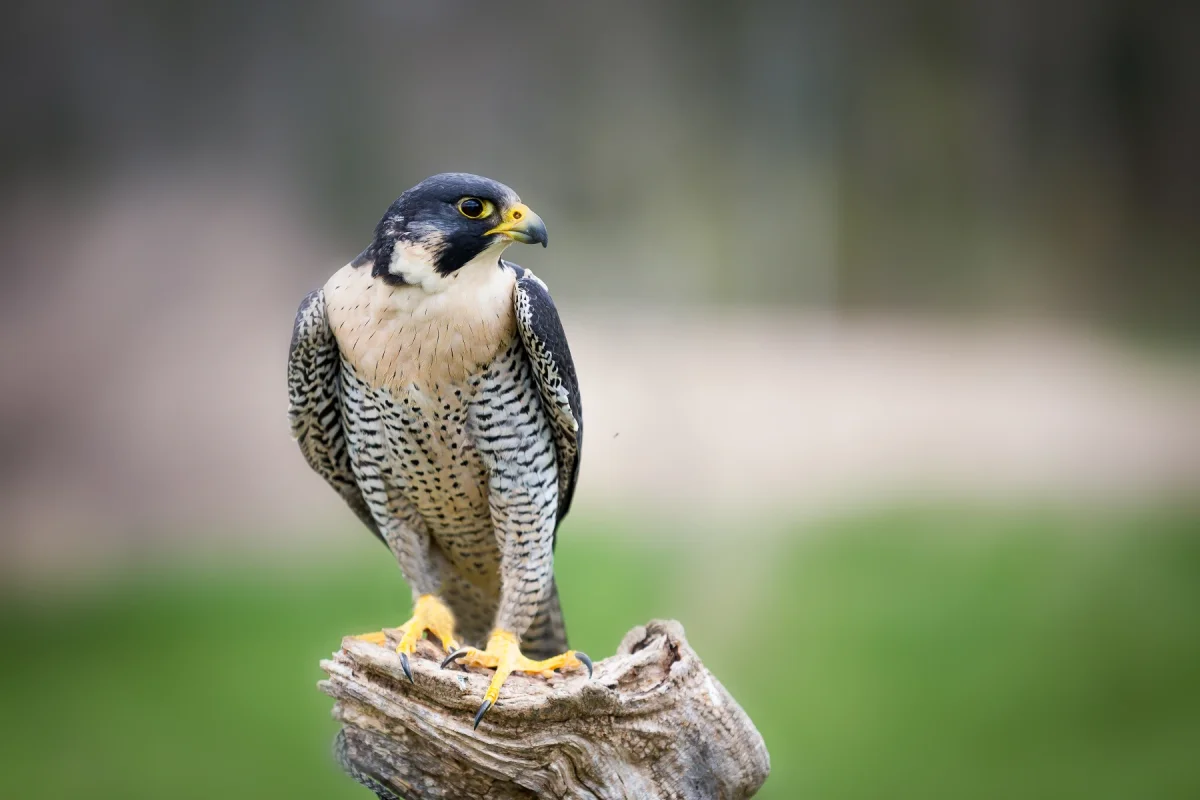
Peregrine Falcon
Falco peregrinus
Kuwait lies on a migration route connecting Europe and East Africa, and peregrine falcons pass through the country each spring and autumn. Visitors are regularly spotted along the coast and over urban areas, where prey such as pigeons and waders is plentiful. Falconry holds deep cultural importance in Kuwait, and the peregrine is the species most associated with this tradition across the Arabian Peninsula. IUCN status: Least Concern.
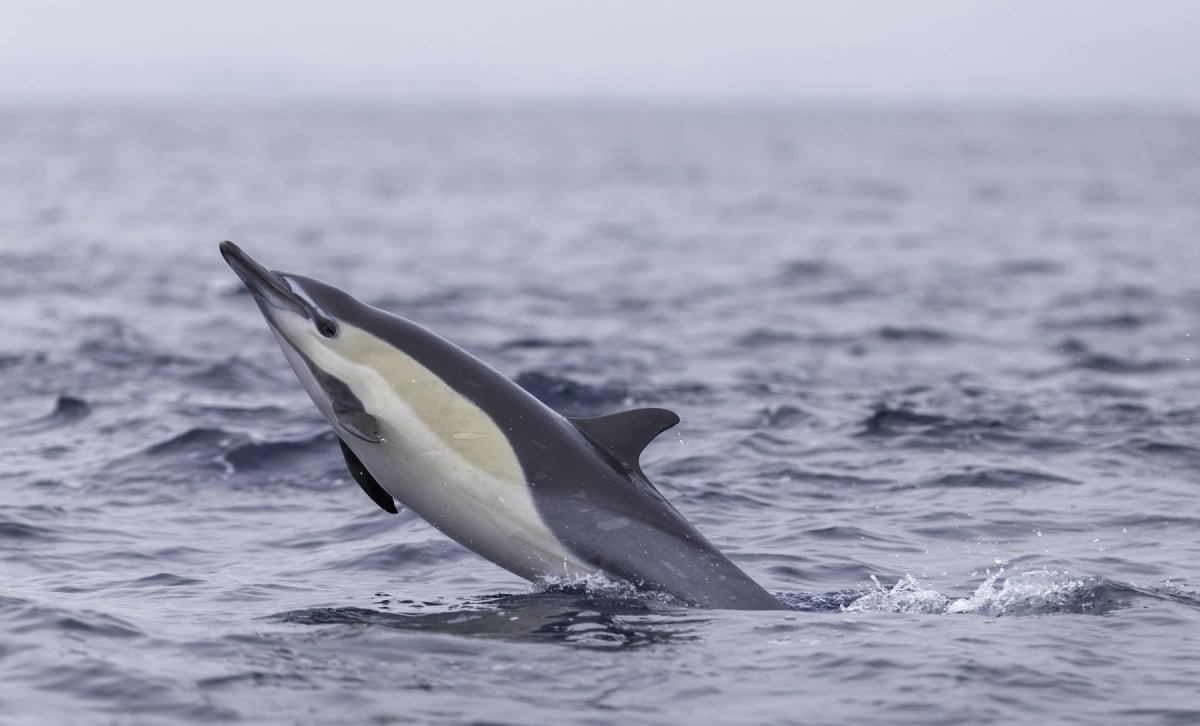
Common Dolphin
Delphinus delphis
The common dolphin occurs in the northern Arabian Gulf off Kuwait's coastline, where warm, shallow waters provide feeding grounds rich in small fish and squid. Sightings here are less frequent than in deeper oceanic regions, but groups have been recorded moving through the Gulf. Industrial activity and heavy maritime traffic in Kuwaiti waters present ongoing pressures for cetaceans in the area.
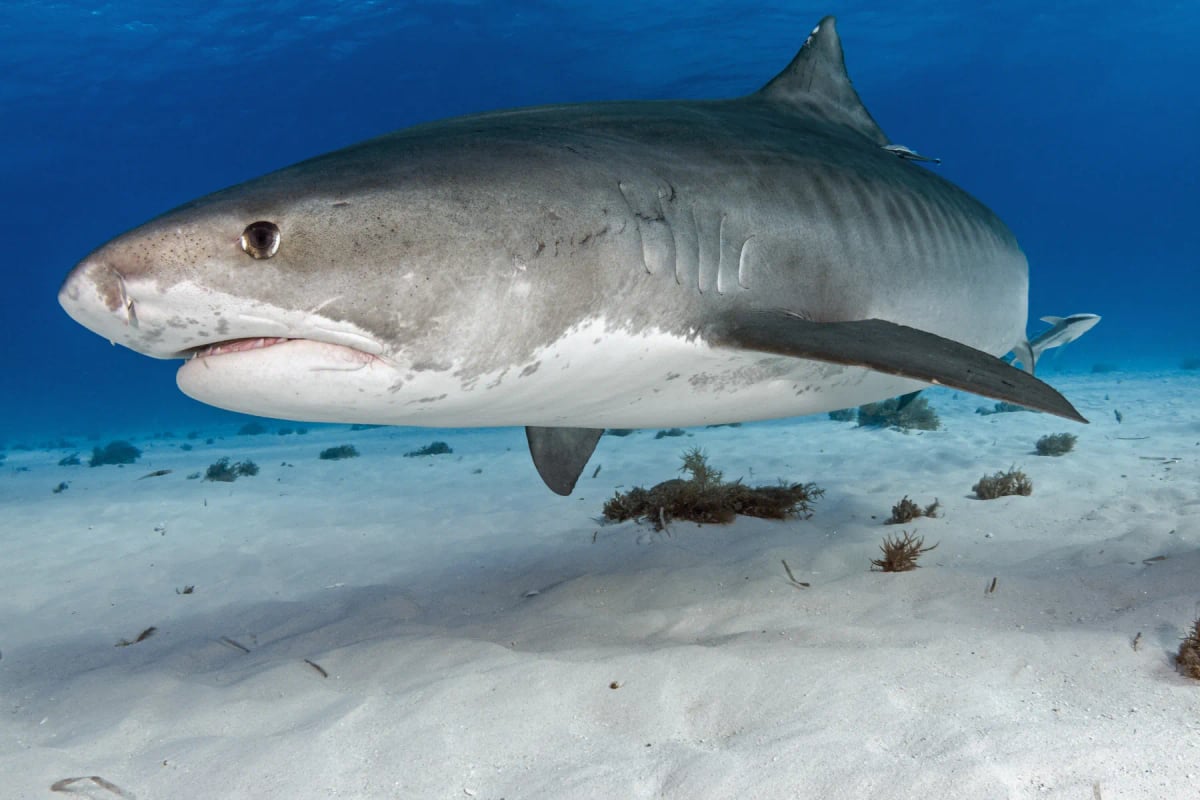
Tiger Shark
Galeocerdo cuvier
Kuwait sits within the Persian Gulf, where tiger sharks have been recorded in the warm, shallow coastal waters. These sharks tend to explore nearshore areas and are opportunistic feeders, consuming whatever prey is available. Commercial and recreational fishing activity in the Gulf puts pressure on shark populations throughout the region. The IUCN classifies the tiger shark as Near Threatened, with demand for shark fins remaining a concern across Gulf states.
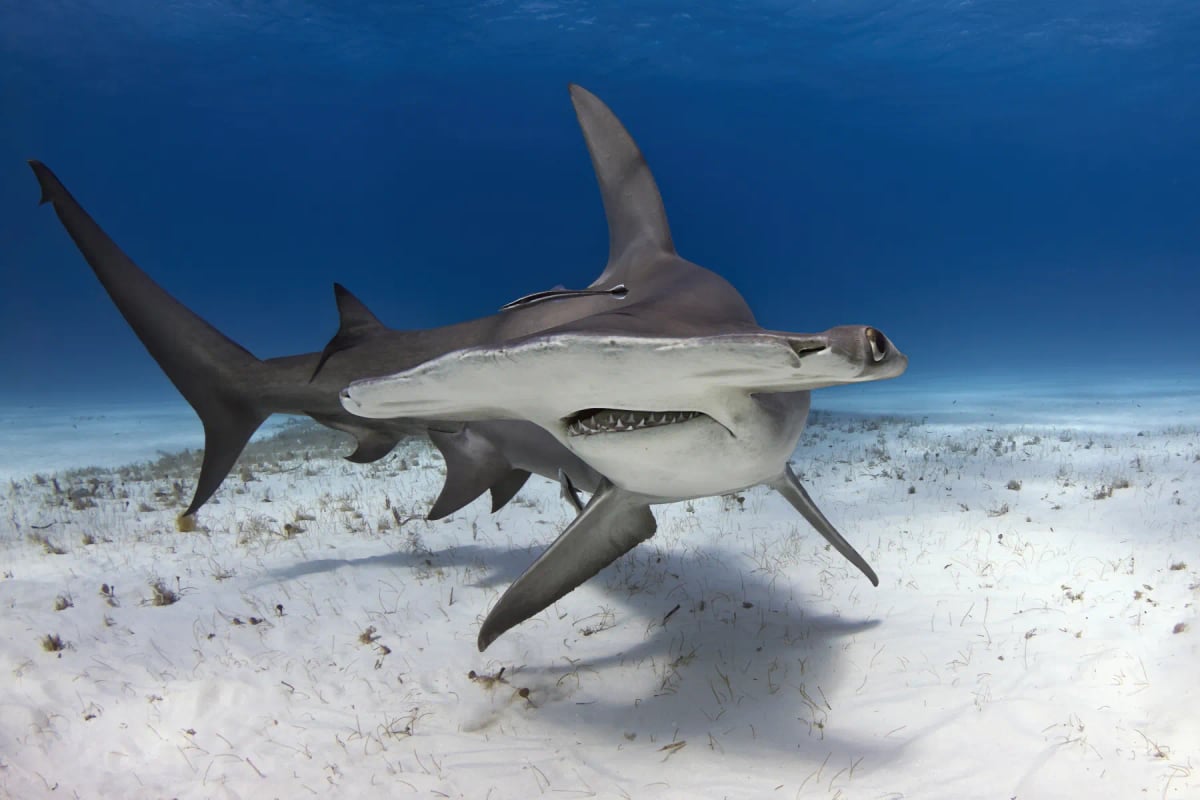
Hammerhead Shark
Sphyrna spp.
Hammerhead sharks inhabit the shallow, warm waters of the Persian Gulf around Kuwait. The Gulf's enclosed nature and high water temperatures make it a distinct ecosystem for these sharks. Overfishing and the regional fin trade have placed serious pressure on populations here. Several hammerhead species are classified as Critically Endangered, and conservation awareness in the Gulf region remains an important concern.
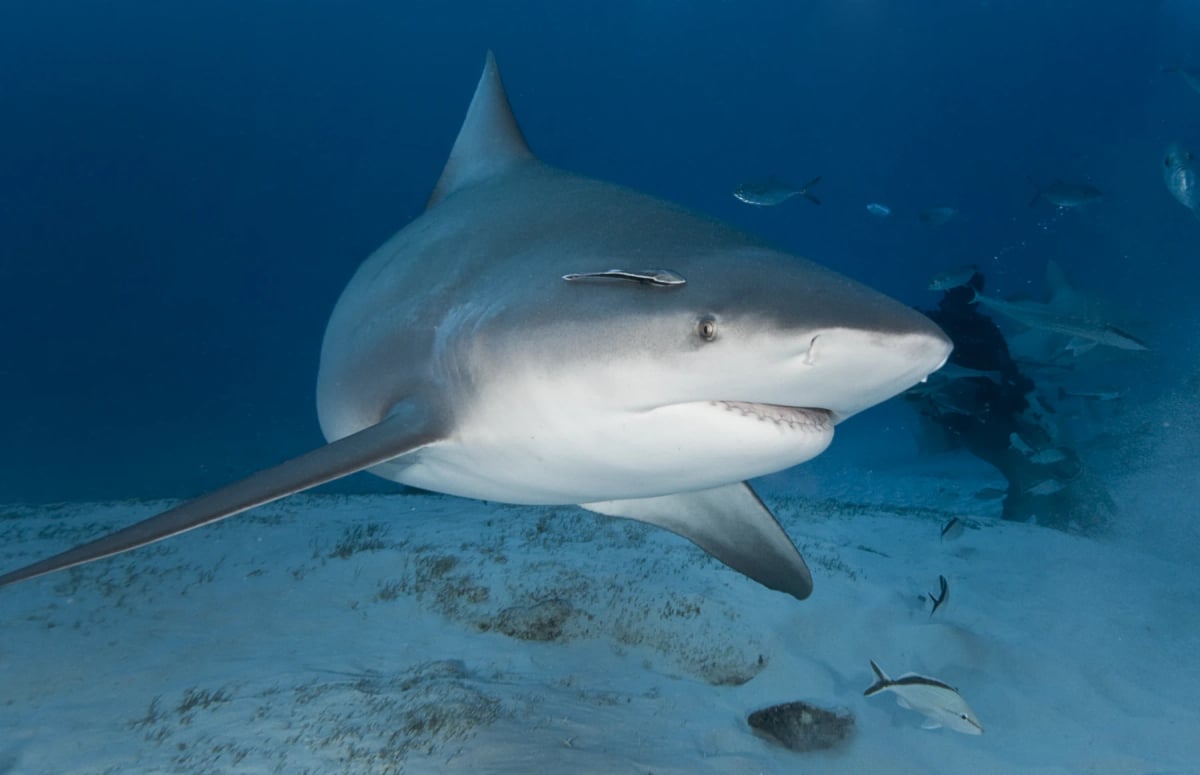
Bull Shark
Carcharhinus leucas
Kuwait's position within the Persian Gulf places it within the range of the bull shark, which favours the warm, shallow waters of this semi-enclosed sea. Estuarine and nearshore environments along Kuwait's coast can support this species, though sightings are relatively infrequent. Regional fishing activity and coastal urbanisation have reduced suitable habitat for sharks throughout the Persian Gulf over recent decades. IUCN status: Near Threatened.
Researched and written by Juan Pablo. Sources: IUCN Red List, scientific literature and regional field guides. Last updated: .