Animals in Sierra Leone
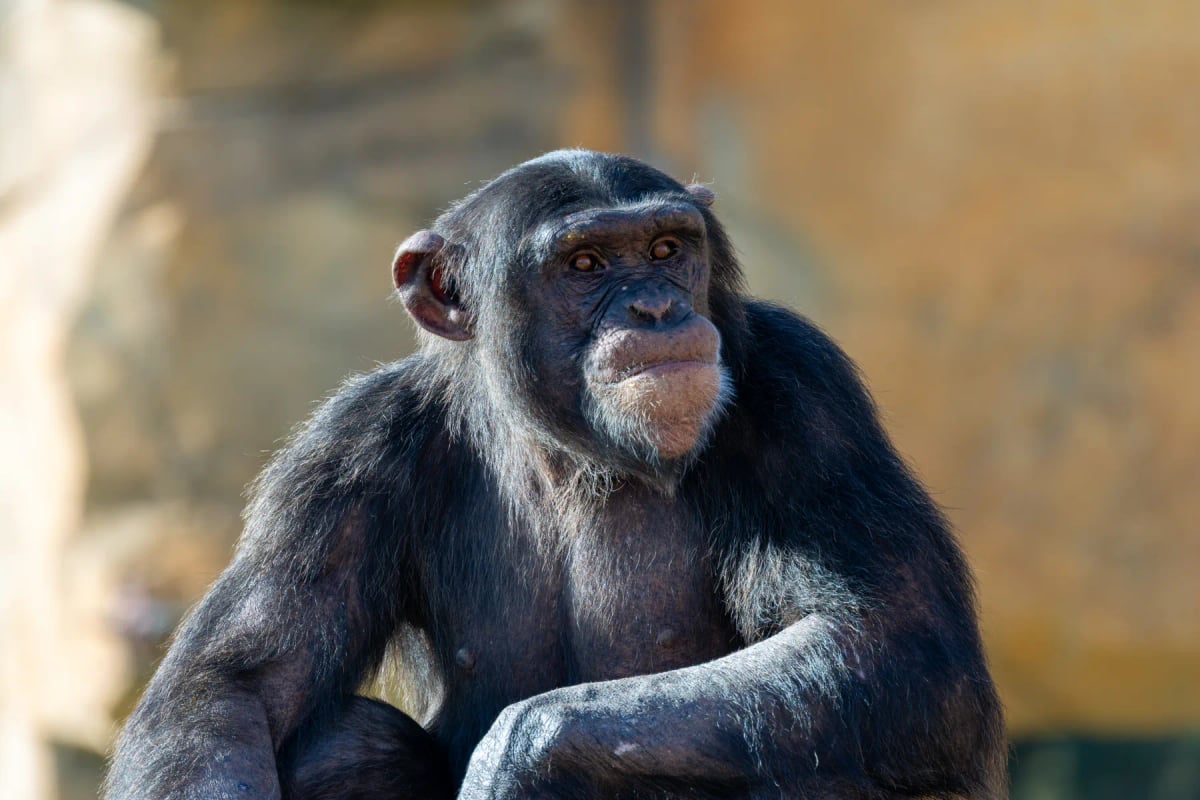
Chimpanzee
Pan troglodytes
The chimpanzee, Sierra Leone’s national animal, symbolizes intelligence, empathy and the connection between people and nature. Found in forested regions, it plays a key ecological role and appears in conservation campaigns that promote awareness about protecting endangered species across West Africa.
View details→Wildlife in Sierra Leone
Sierra Leone’s wildlife thrives between tropical forests, mangroves and Atlantic waters. Pygmy hippos, forest elephants, chimpanzees, dolphins and sea turtles live in protected reserves and coastal zones. The country’s warm climate and rich vegetation support one of West Africa’s most diverse ecosystems, attracting scientists and eco travelers alike.
Most Dangerous Animals in Sierra Leone
Some animals in Sierra Leone can be dangerous, especially elephants, hippos and venomous snakes in forests or river areas. In coastal waters, marine predators may also appear. Guided tours and local conservation projects help ensure safe encounters while protecting the country’s fragile biodiversity.
Top 10 Animals in Sierra Leone
Sierra Leone’s iconic animals include chimpanzees, leopards, elephants and pygmy hippos, alongside dolphins and turtles near the coast. Their variety reflects a balance between land and marine life. Visitors to parks and beaches can experience the country’s natural richness and its growing ecotourism efforts.
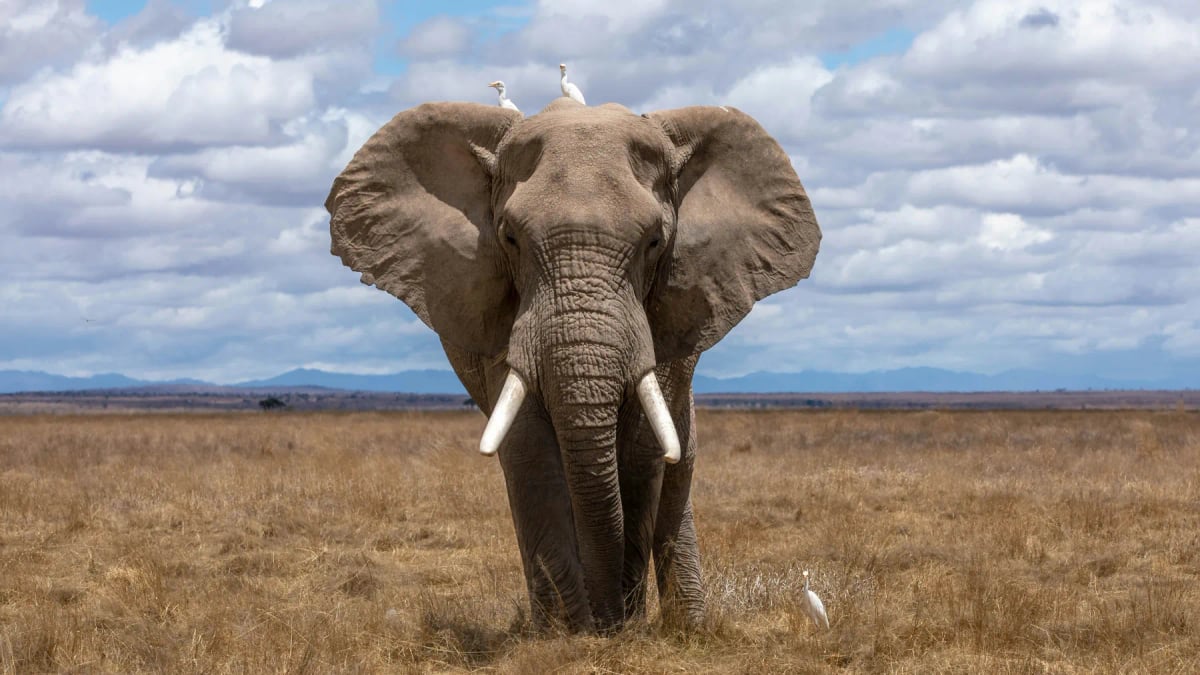
African Elephant
Loxodonta africana
Sierra Leone's elephants are found primarily in Outamba-Kilimi National Park in the northwest, near the border with Guinea. The population is small and has been affected by years of civil conflict and ongoing agricultural expansion around protected areas. These elephants form part of the wider West African regional population and move across the border with Guinea depending on seasonal conditions. The country's forests near the Liberian border also hold some individuals in less documented zones.
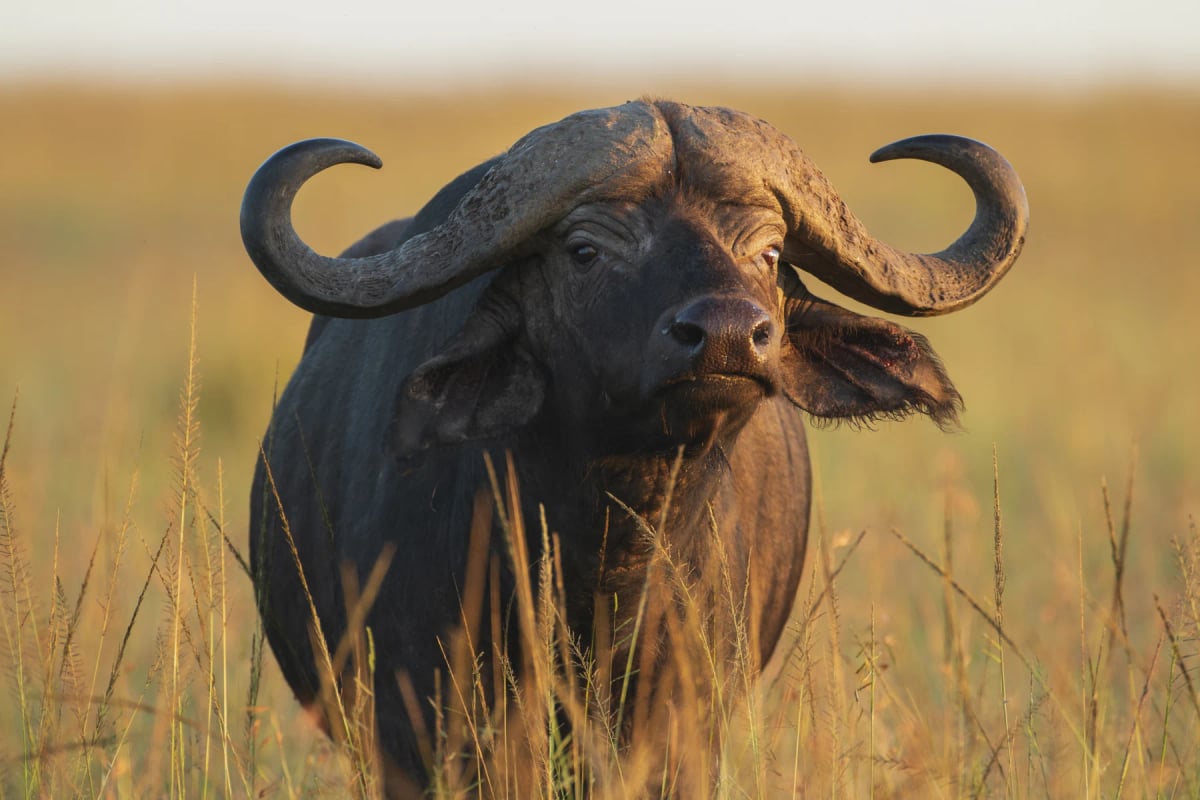
Buffalo
Syncerus caffer
In Sierra Leone, African buffaloes are found in small and fragmented populations, with the best prospects for survival in Outamba-Kilimi National Park in the north of the country. They inhabit woodland savanna and riverine forest edges close to permanent water sources. Decades of instability and subsistence hunting have reduced numbers considerably. Conservation capacity in the country remains limited, making protection of these animals an ongoing challenge. IUCN status: Least Concern.
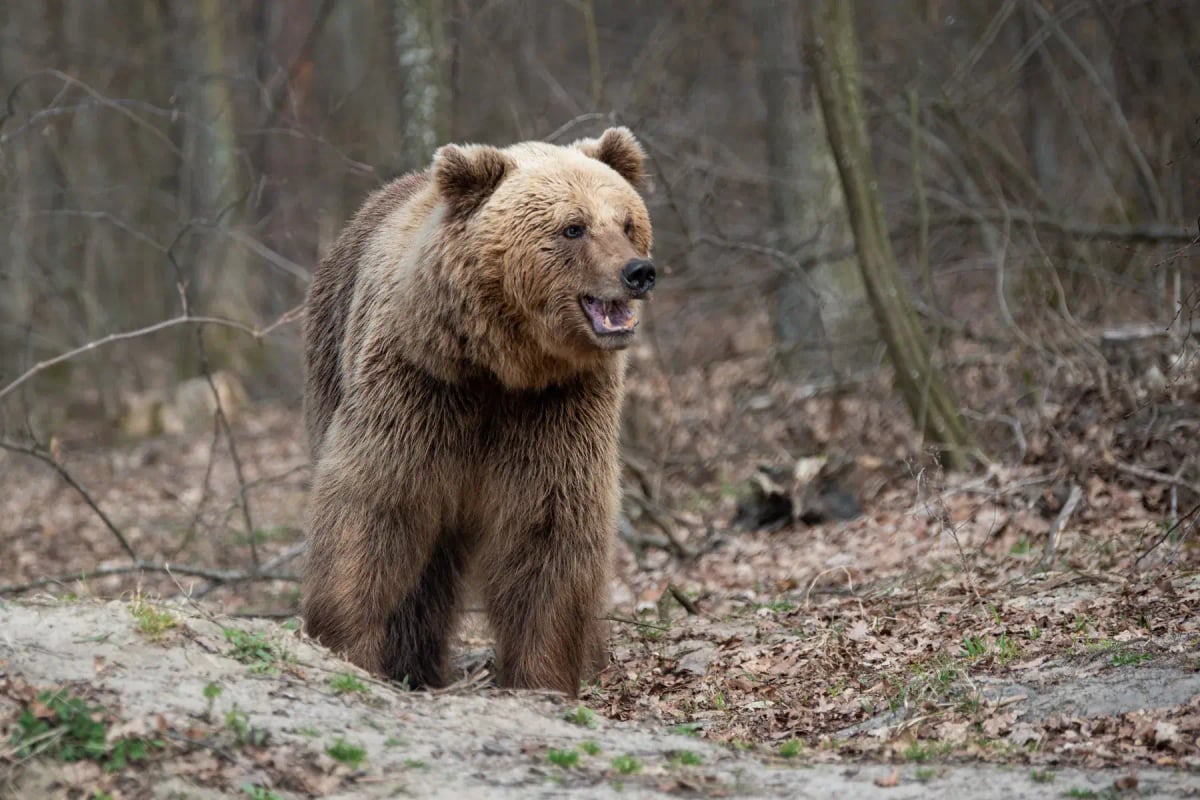
Chimpanzee
Pan troglodytes
Chimpanzees are found across Sierra Leone's remaining forest patches, including the Outamba-Kilimi National Park and the Gola Rainforest. The country holds one of the more significant populations in West Africa, yet habitat loss and bushmeat hunting remain serious threats. Local conservation programs work alongside communities to protect these endangered great apes, whose tool use and social intelligence continue to draw scientific interest.
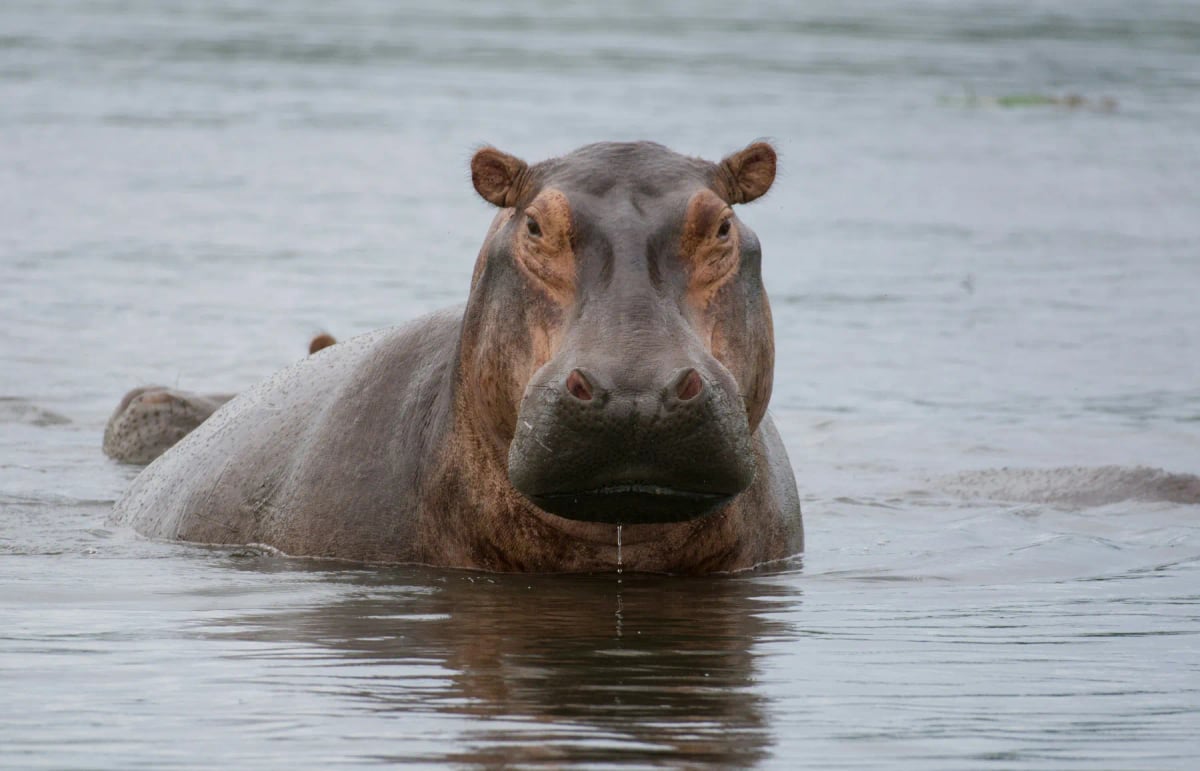
Hippopotamus
Hippopotamus amphibius
Sierra Leone supports small hippo populations along several of its rivers, including the Moa and Rokel. These animals tend to live in forested river systems away from densely populated areas. Years of civil conflict disrupted conservation efforts, and hippos faced poaching pressure during that period. Populations are recovering slowly, though they remain at risk from habitat loss. The IUCN lists the hippopotamus as Vulnerable.
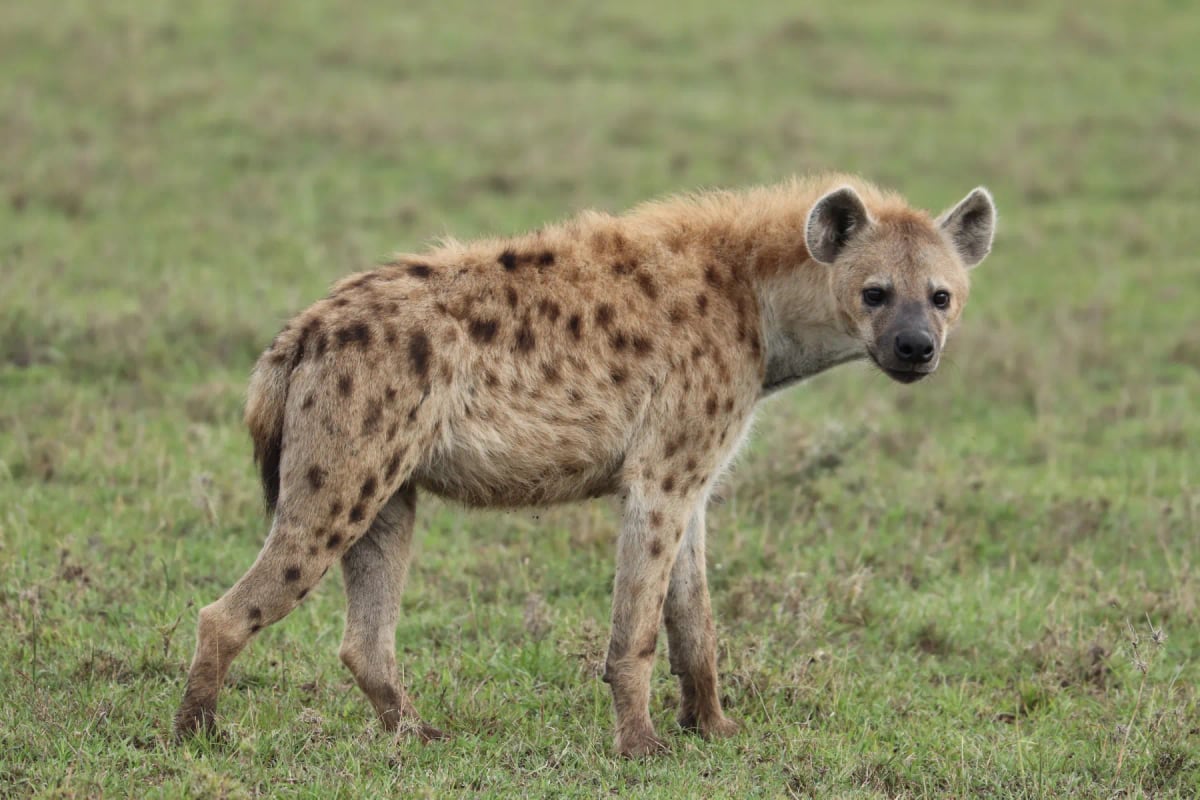
Spotted Hyena
Crocuta crocuta
The spotted hyena is present in Sierra Leone, though its range has shrunk considerably due to habitat loss and human pressure. It can still be found in the Outamba-Kilimi National Park in the north, where savanna and woodland habitats offer cover. Locally feared and often persecuted, this carnivore plays an important role in keeping ecosystems healthy by cleaning up carcasses. Its IUCN status is Least Concern.
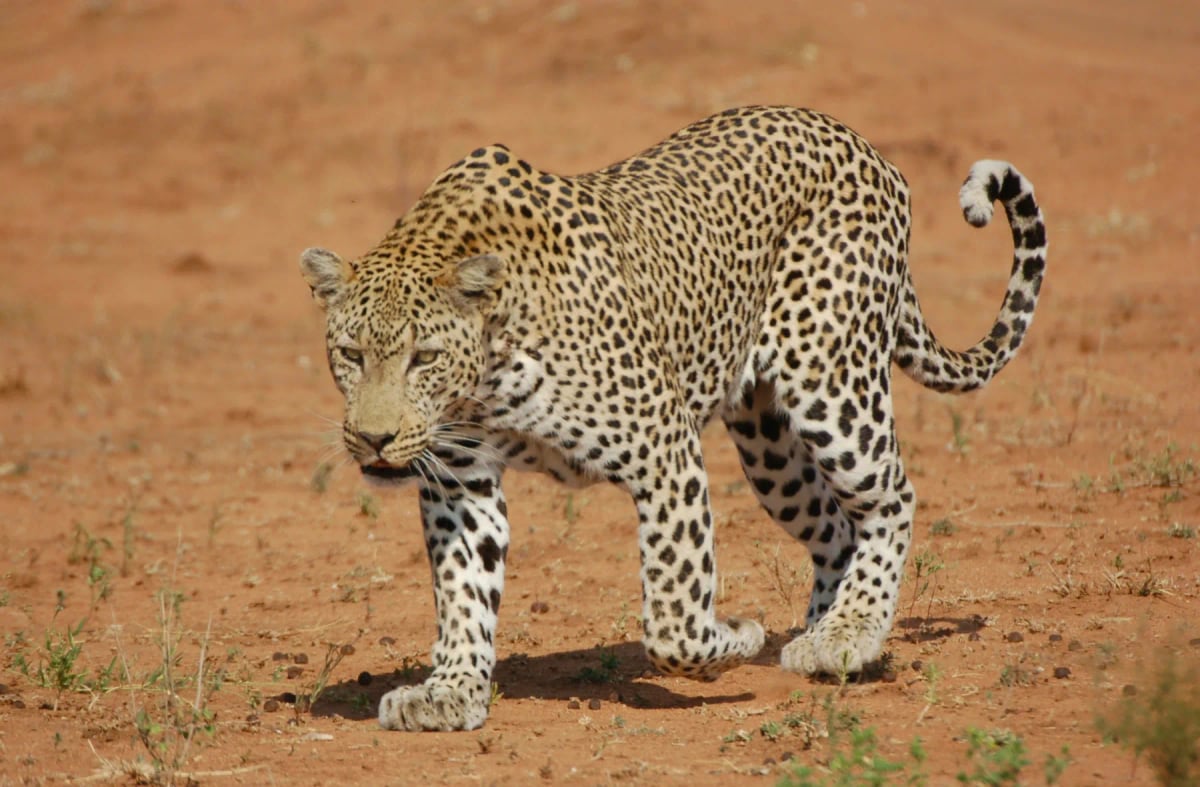
Leopard
Panthera pardus
In Sierra Leone, leopards inhabit the remaining patches of tropical forest and surrounding woodland savanna, including areas around Outamba-Kilimi National Park in the north. They are the country's largest predator and play a vital role in keeping prey populations in balance. Habitat loss from agriculture and logging, along with hunting pressure, has pushed leopards into smaller and more fragmented areas of suitable habitat.
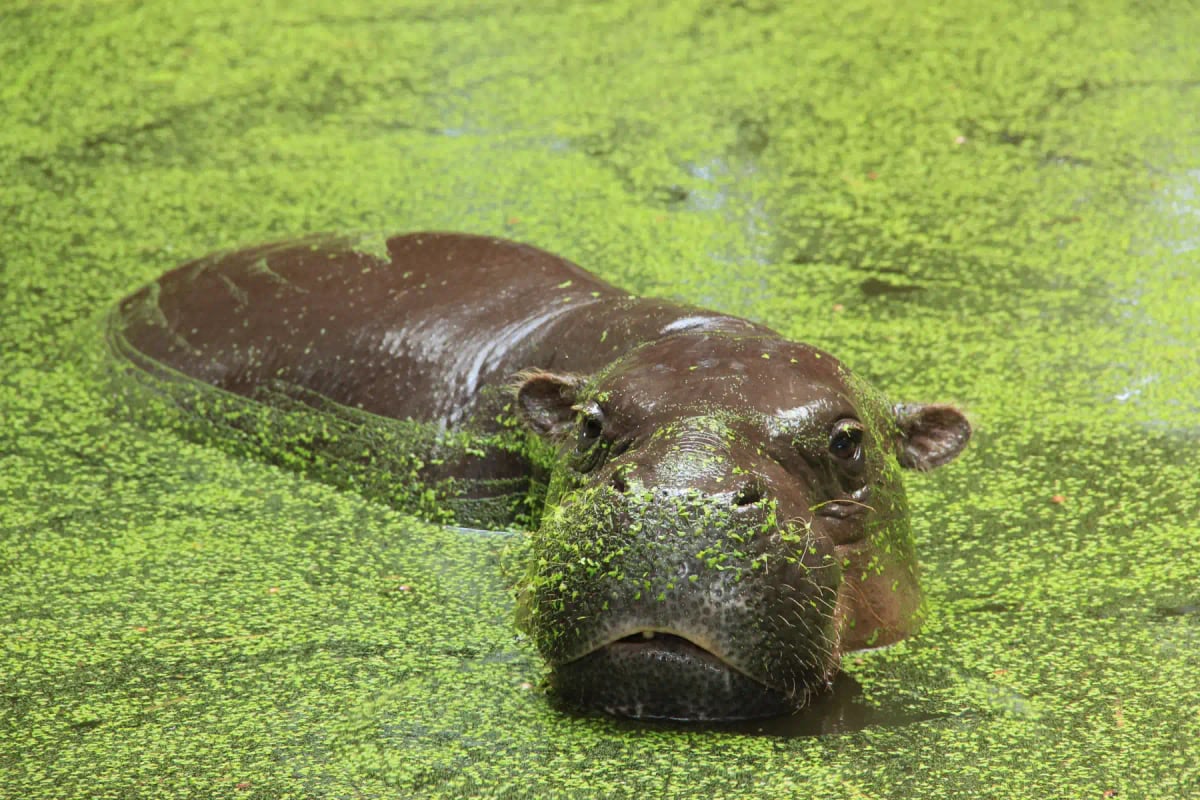
Pygmy Hippo
Choeropsis liberiensis
The pygmy hippo is found in the forested areas and wetlands of Sierra Leone, where rivers and swamps provide the shelter it depends on. Like elsewhere in West Africa, it lives alone and is rarely spotted due to its nocturnal habits and secretive nature. Forest clearance for farming and hunting for bushmeat remain the biggest threats. The species is listed as Endangered, and conservation efforts in the region are still very limited.
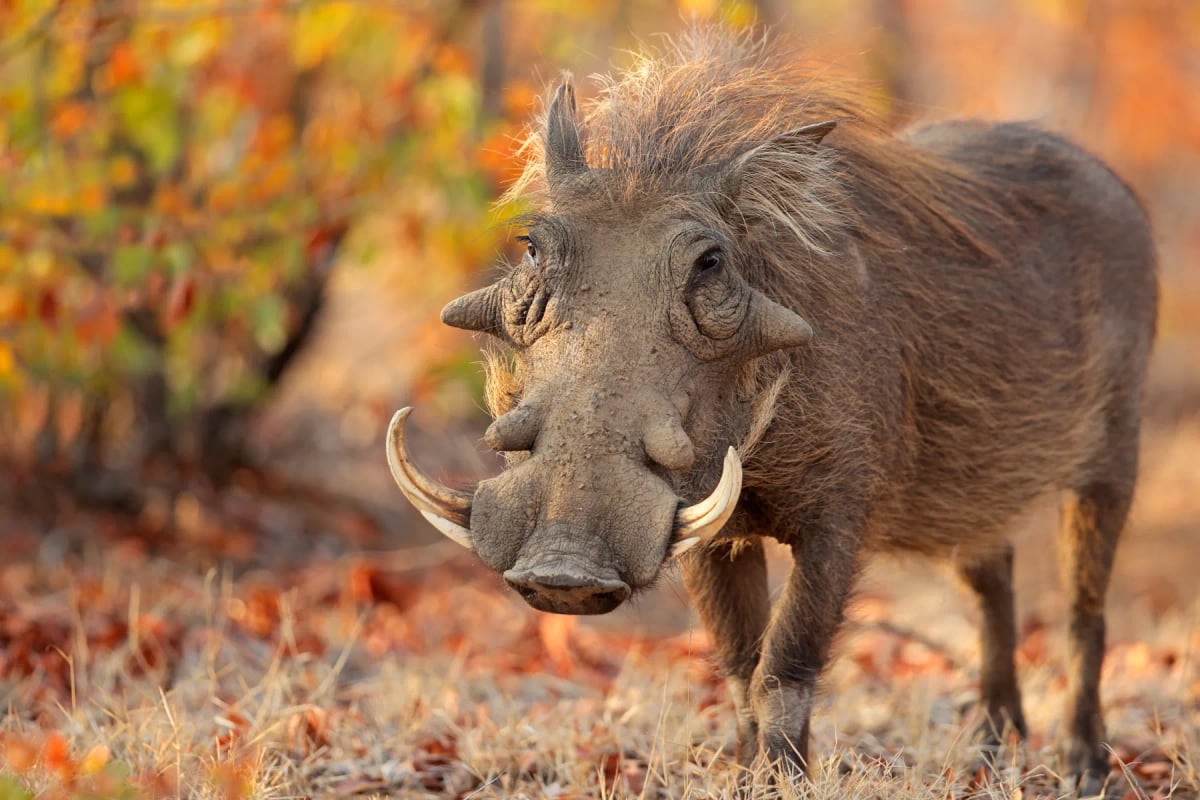
Warthog
Phacochoerus africanus
Warthogs are present in Sierra Leone in the savanna areas of the north and east, where woodland and open grassland provide suitable habitat. They are less commonly seen than in the drier parts of West Africa, as much of Sierra Leone is covered by forest. In areas such as the Outamba-Kilimi National Park, they share the landscape with a wide range of other mammals. IUCN status: Least Concern.
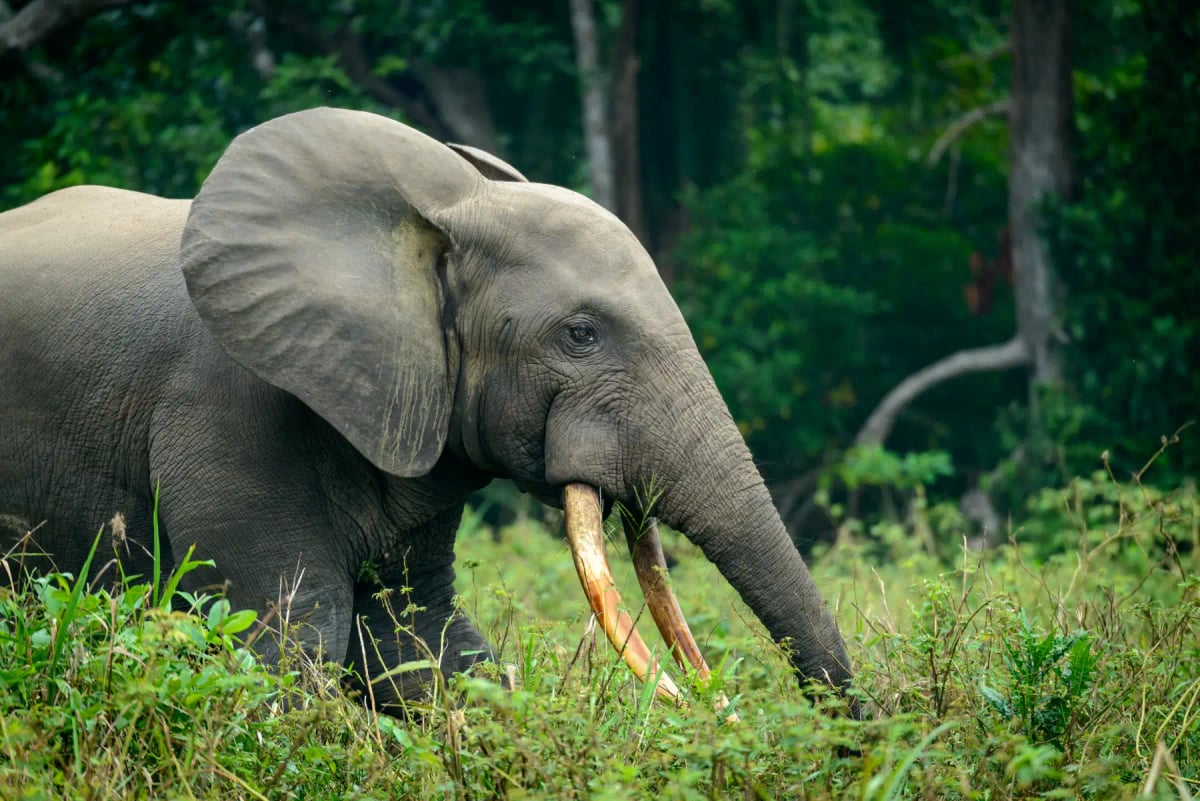
African Forest Elephant
Loxodonta cyclotis
Sierra Leone holds a small and fragmented forest elephant population, mainly in the southeast where Gola Rainforest National Park preserves one of the last significant blocks of Upper Guinean forest. The park is shared with Liberia and is among the areas with the strongest protection for the species in West Africa. Sierra Leone has no MIKE monitoring sites for forest elephants and reliable population data is scarce. Ongoing deforestation and agricultural expansion outside protected areas continue to reduce available habitat.
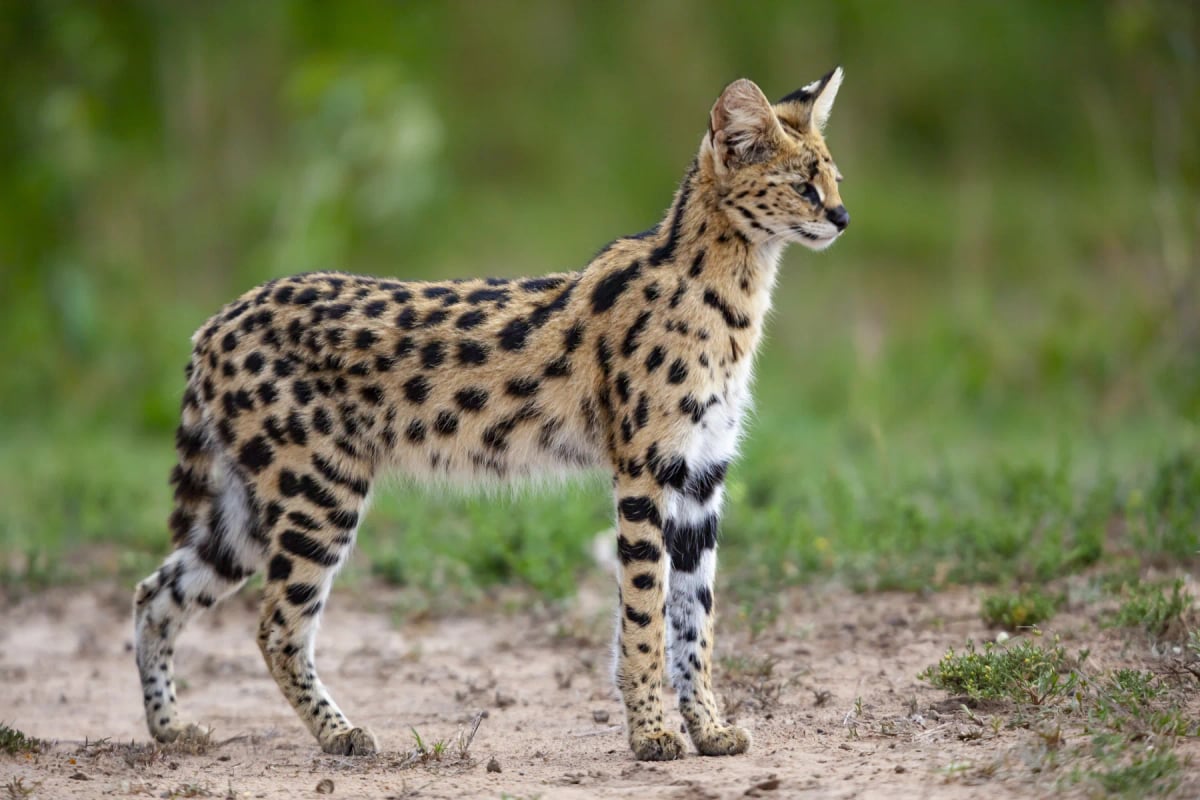
Serval
Leptailurus serval
The serval is found in Sierra Leone's moist savanna zones and wetland edges, particularly in the northern and eastern parts of the country. It hunts rodents and frogs in tall grasses, using its large ears to locate prey by sound alone. Servals are rarely seen due to their secretive habits, and the IUCN lists them as Least Concern, though habitat loss poses a growing local threat.
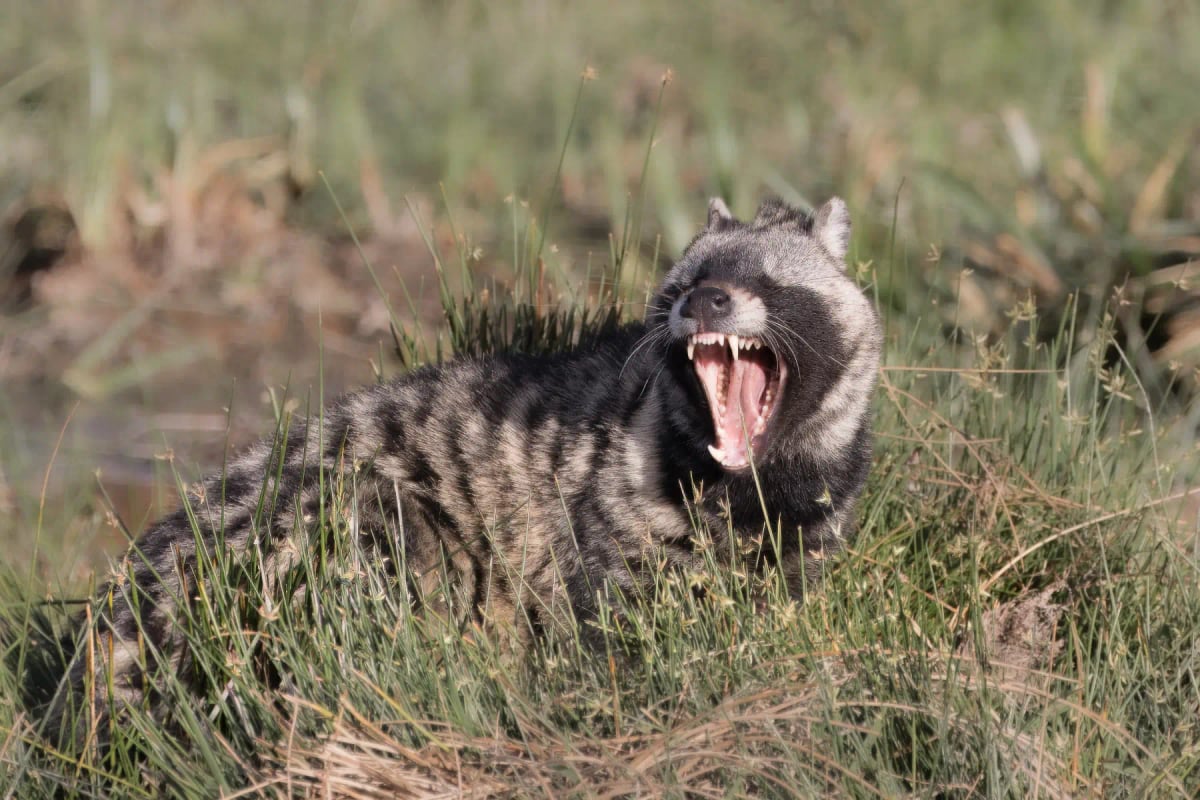
African Civet
Civettictis civetta
Sierra Leone's rainforests and woodland savannas support robust African civet populations, particularly in Gola Rainforest National Park along the Liberian border, one of the most intact forest blocks remaining in West Africa. Civets range widely through the country's southern and central forests and adapt readily to secondary vegetation, though habitat loss from agriculture and past conflict has reduced cover in several areas.
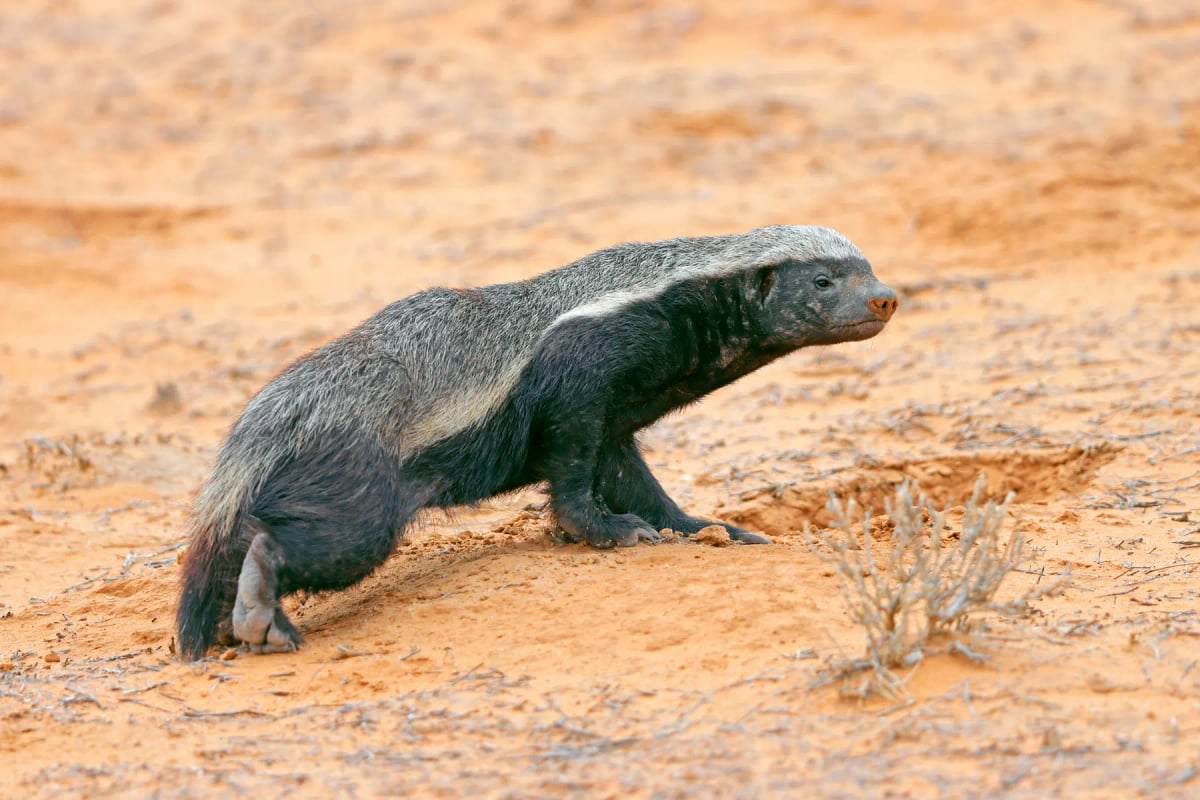
Honey Badger
Mellivora capensis
The honey badger is found in Sierra Leone mainly in the savanna and woodland of the drier north and east, since dense rainforest covers much of the south and west. It is a solitary digger that feeds on rodents, insects and honey wherever it can find them. Limited survey data make its local population difficult to assess, though the species holds Least Concern status across its broader range.
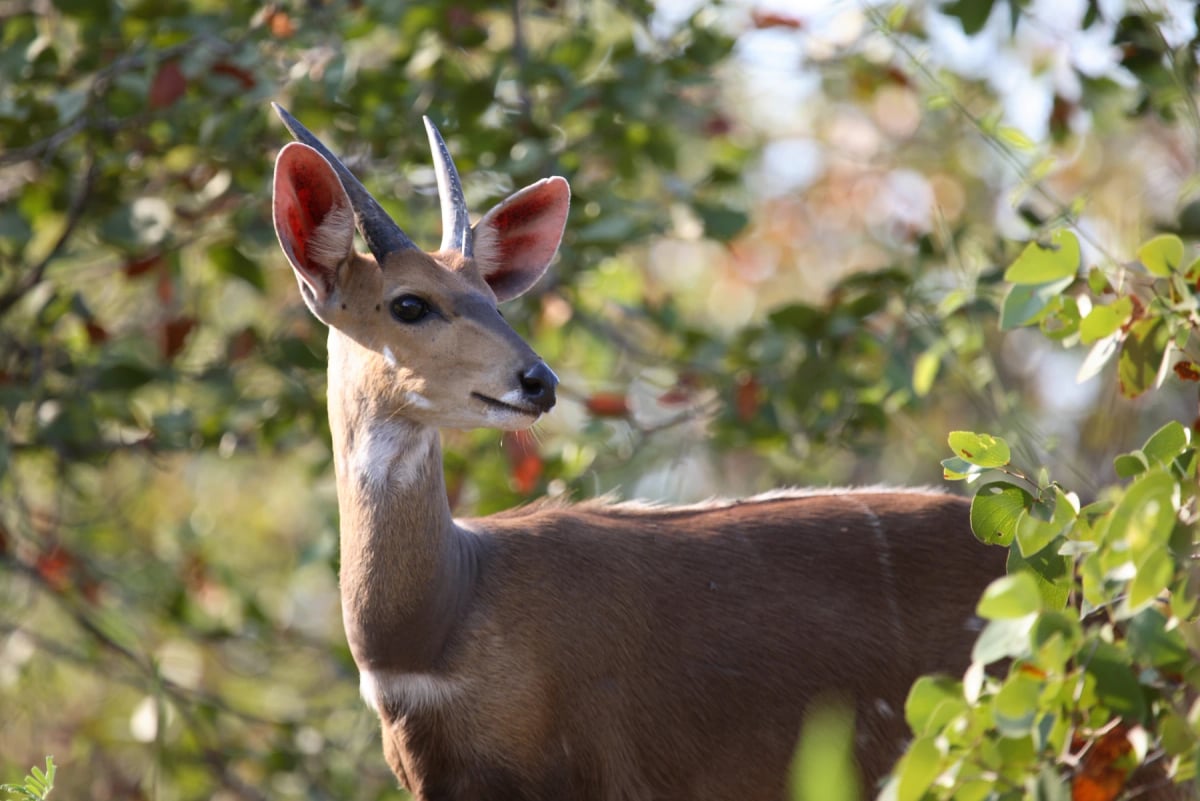
Bushbuck
Tragelaphus scriptus
In Sierra Leone's fragmented forests and riverine thickets, the bushbuck inhabits patches of dense vegetation along the Guinea savanna border. This solitary antelope remains elusive due to ongoing habitat loss from deforestation and agricultural expansion. Its reddish brown coat with distinctive white markings provides excellent camouflage within thick cover. Bushbucks are nocturnal browsers that feed on leaves, shoots, and fruits, venturing out primarily at dusk and dawn.
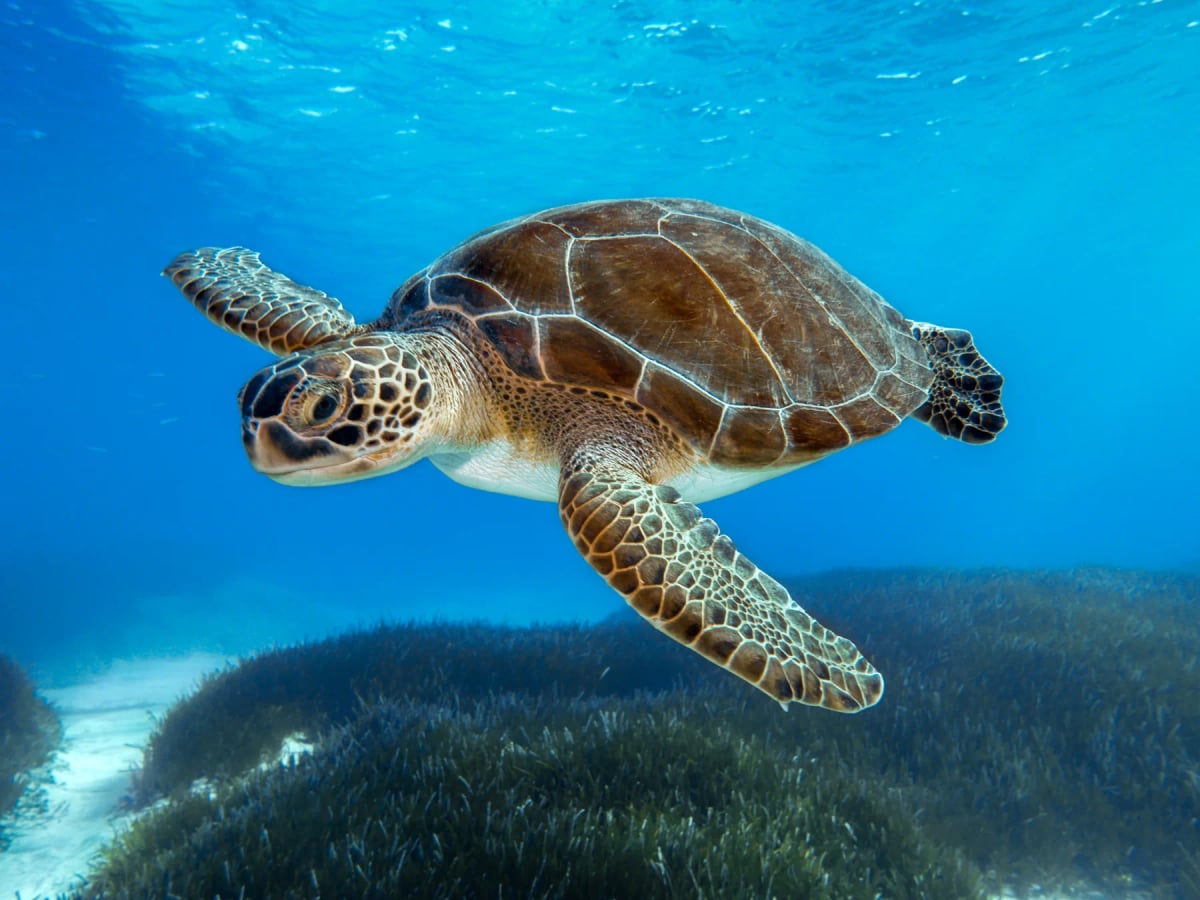
Sea Turtle
Cheloniidae & Dermochelyidae (families)
Sierra Leone's Atlantic coast is part of the West African sea turtle nesting corridor. Leatherback and olive ridley turtles nest on beaches across the country, with the Turtle Islands off the southern coast being among the more significant nesting areas. Green and hawksbill turtles are also present in Sierra Leonean waters. Conservation programs have been established in recent years to monitor nesting beaches and work with fishing communities to reduce bycatch, though egg collection and habitat degradation remain ongoing threats.
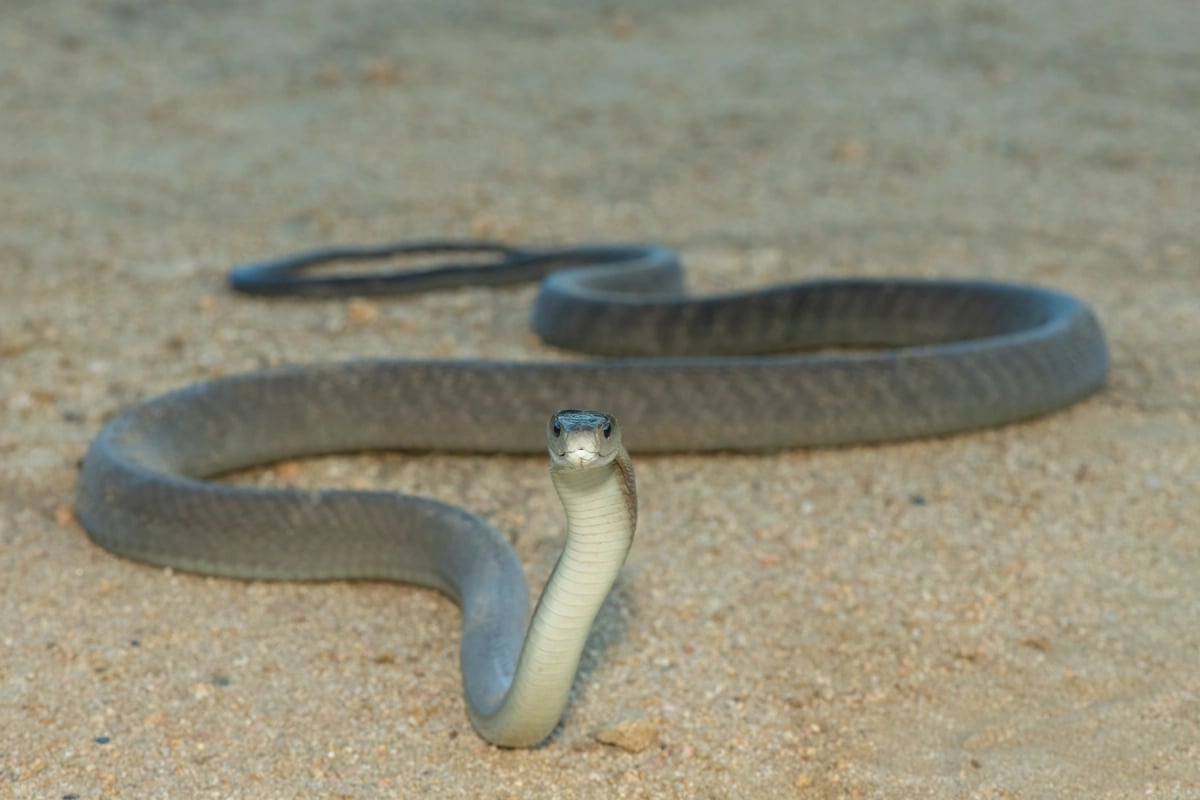
Black Mamba
Dendroaspis polylepis
The black mamba (Dendroaspis polylepis) reaches the western limit of its distribution in Sierra Leone, where it occupies savanna corridors and open woodland in the northern and eastern interior, away from the humid coastal forest belt. Capable of reaching over 3 meters in length, it is a swift hunter of birds and small mammals. The IUCN lists it as Least Concern, but bites in rural areas require urgent medical attention.
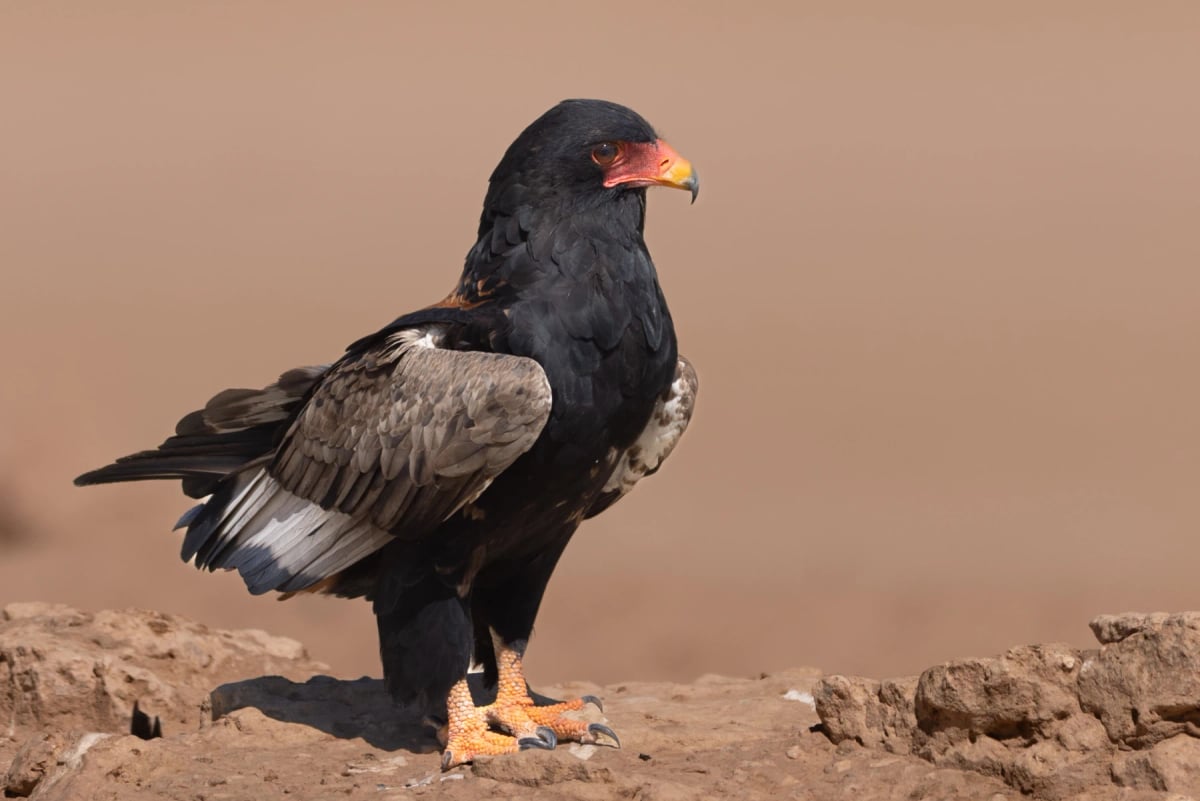
Bateleur
Terathopius ecaudatus
The Bateleur is a rare and infrequently observed raptor in Sierra Leone, where it occurs at the western fringe of its West African range. It favors open savanna and woodland edges rather than the dense forest that covers much of the country. Classified as Endangered by the IUCN, the ongoing loss of savanna habitat and forest degradation across Sierra Leone make conditions increasingly difficult for this eagle to persist in the region.
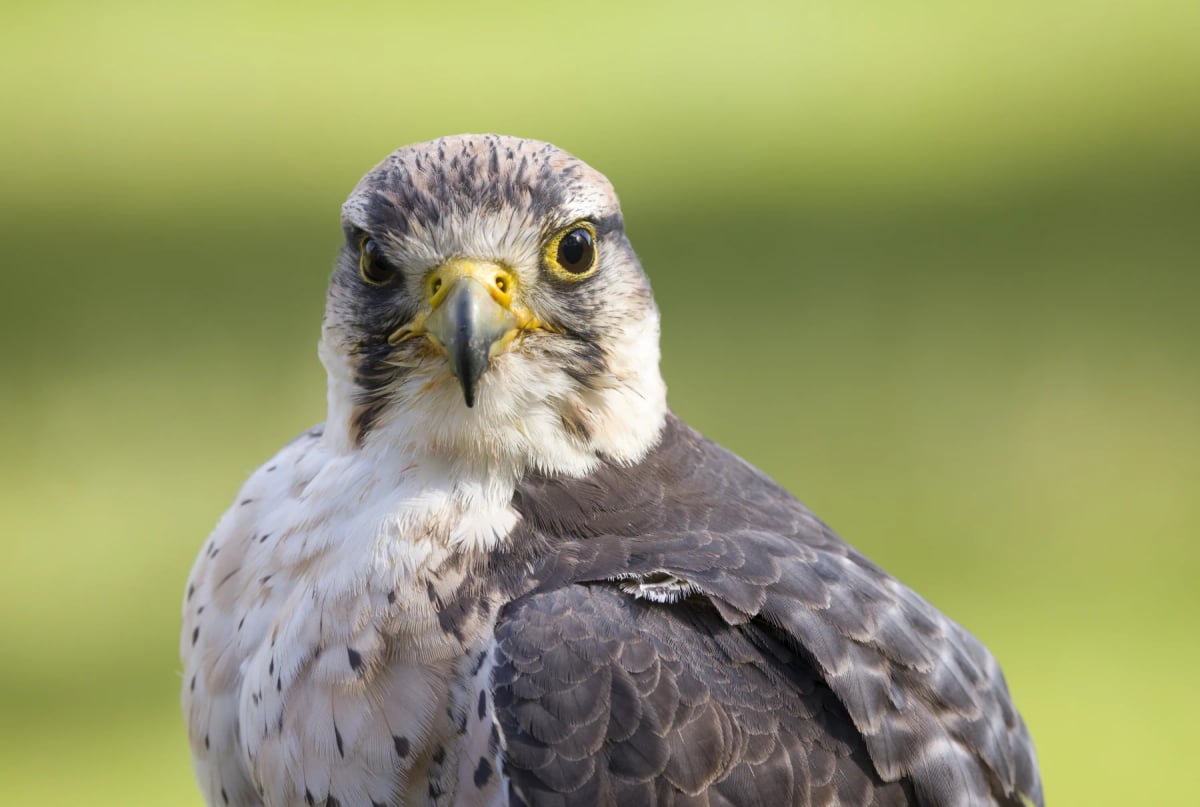
Lanner Falcon
Falco biarmicus
In Sierra Leone, the lanner falcon occurs across open woodland and savanna habitats in the northern and interior parts of the country. It hunts mainly birds, often working in pairs to flush prey into the open. Deforestation and agricultural expansion put pressure on available hunting ground. The species is listed as Least Concern by the IUCN, though its numbers in West Africa are thought to be thinly spread.
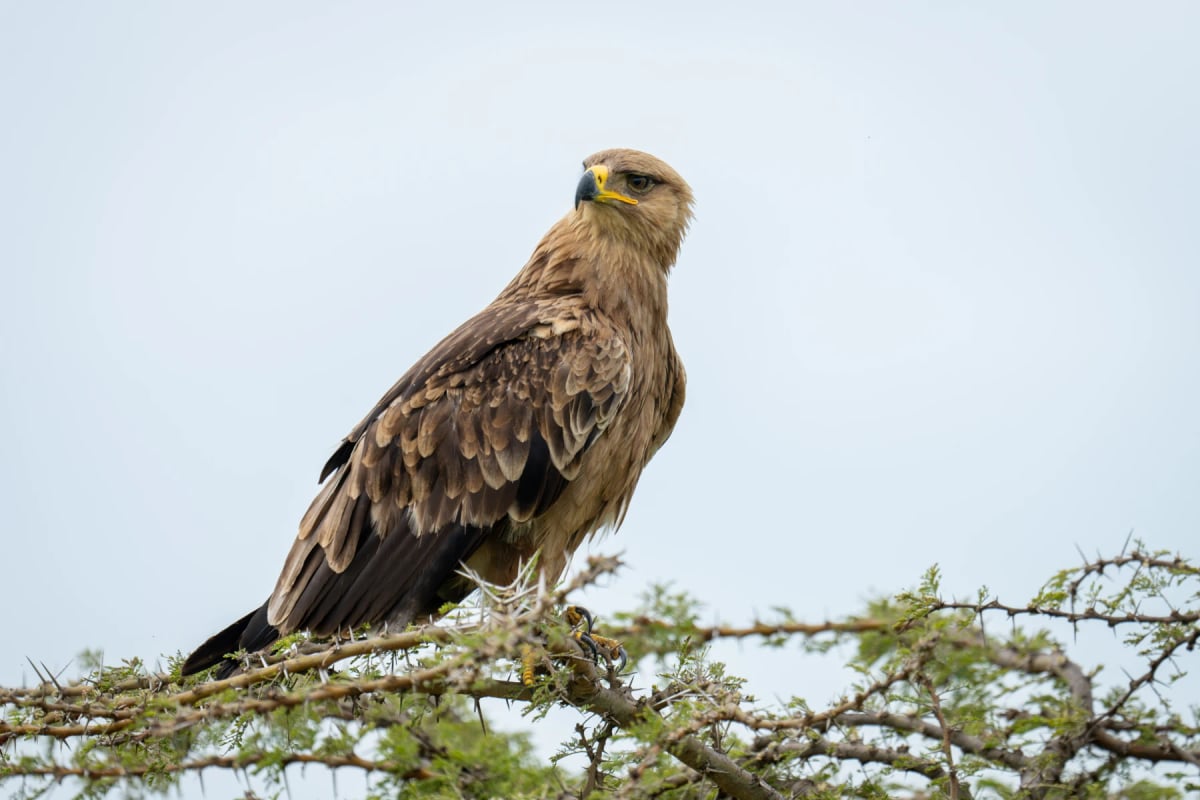
Tawny Eagle
Aquila rapax
In Sierra Leone, the tawny eagle inhabits the northern savanna and open woodland zones, where it finds the clearings it needs to hunt and soar. It preys on small mammals, reptiles, and birds, and is known to take food from other raptors. West Africa's shrinking open habitats have contributed to population declines across the region. The IUCN lists the tawny eagle as Vulnerable across its global range.
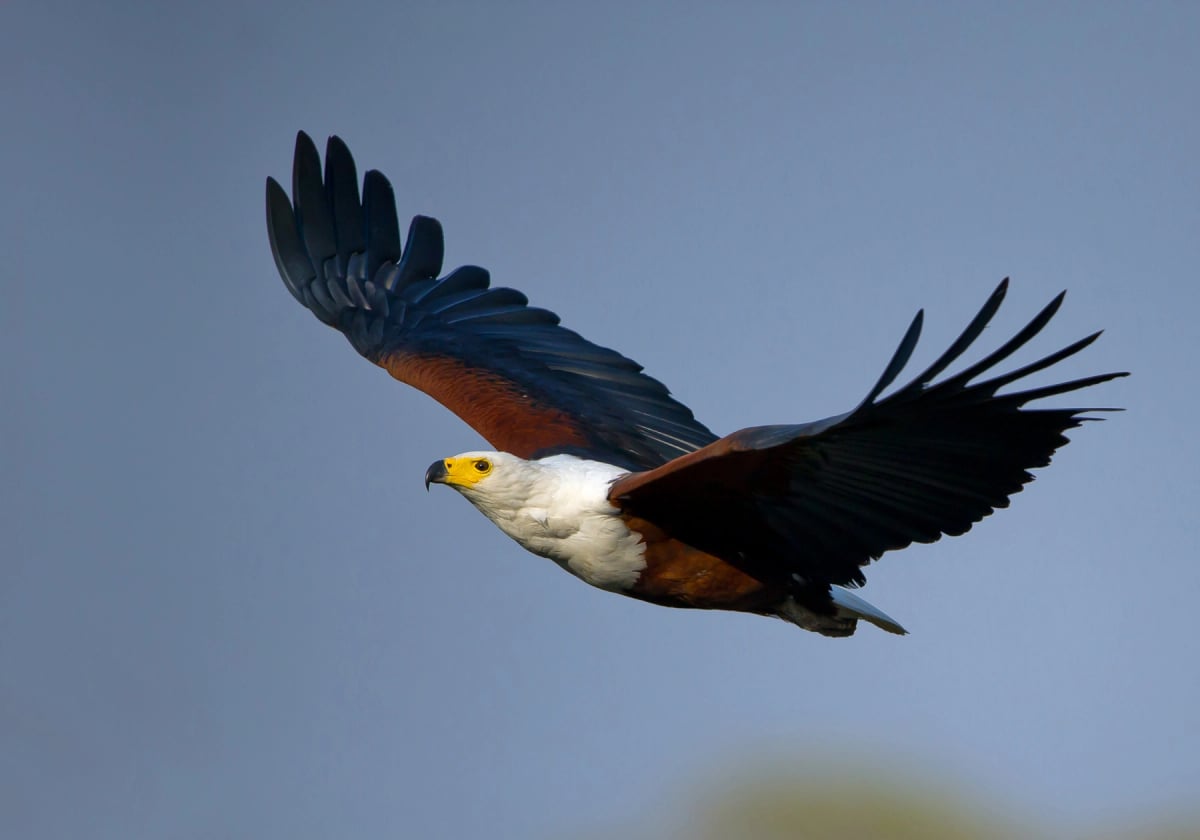
African Fish Eagle
Haliaeetus vocifer
The African fish eagle is present in Sierra Leone near the country's rivers, estuaries and inland wetlands. The Moa, Sewa and Rokel rivers and the coastal lagoon systems of the south provide the most suitable habitat. The Tiwai Island Wildlife Sanctuary on the Moa River is one of the better locations for observing the species. Like neighboring Liberia and Guinea, Sierra Leone's dense forest cover limits sightings to river corridors and more open wetland areas.
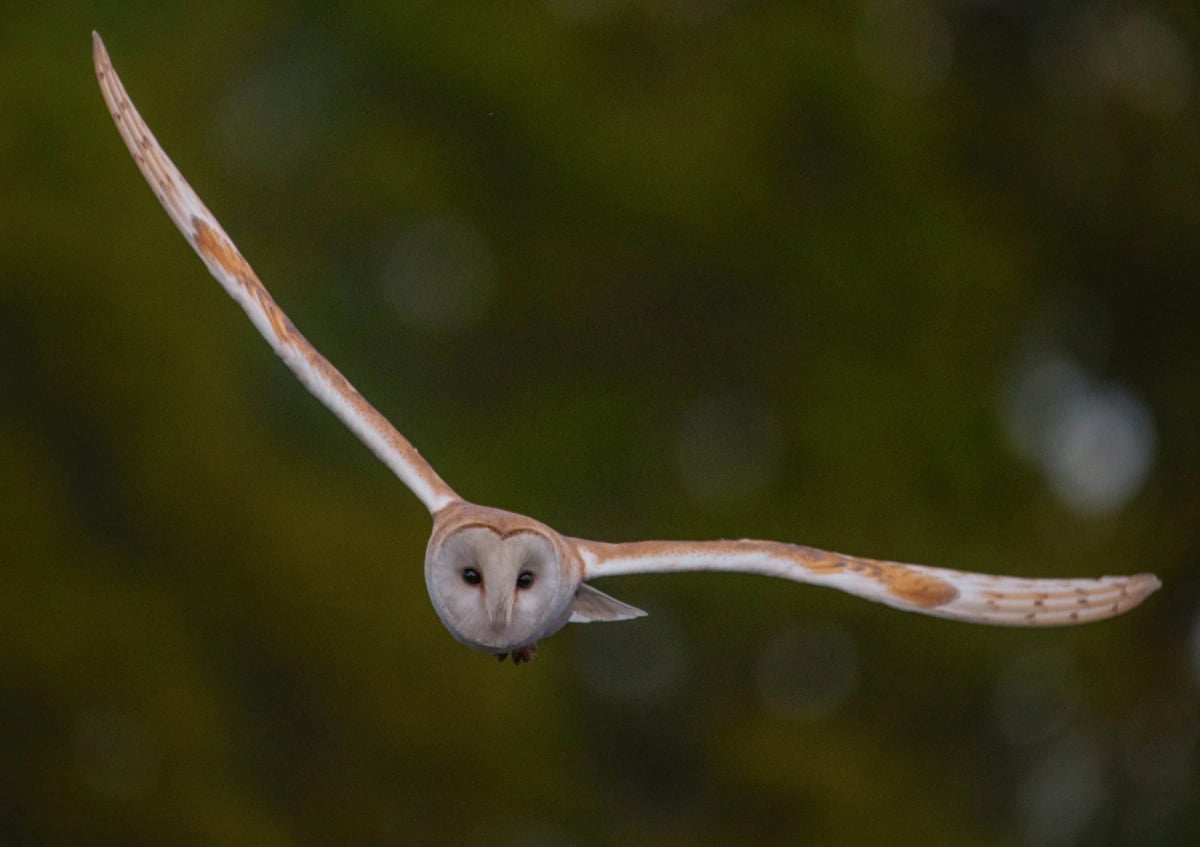
Barn Owl
Tyto alba
The barn owl is present in Sierra Leone in open farmland, grassland, and areas near villages and towns, particularly in the northern and eastern regions where open savanna habitat is more prevalent. Dense rainforest covers much of the south and west and offers little suitable open hunting ground. It nests in old buildings, rocky outcrops, and hollow trees, and hunts rodents at night. In farming communities it helps control rodent populations that damage rice and other stored crops.
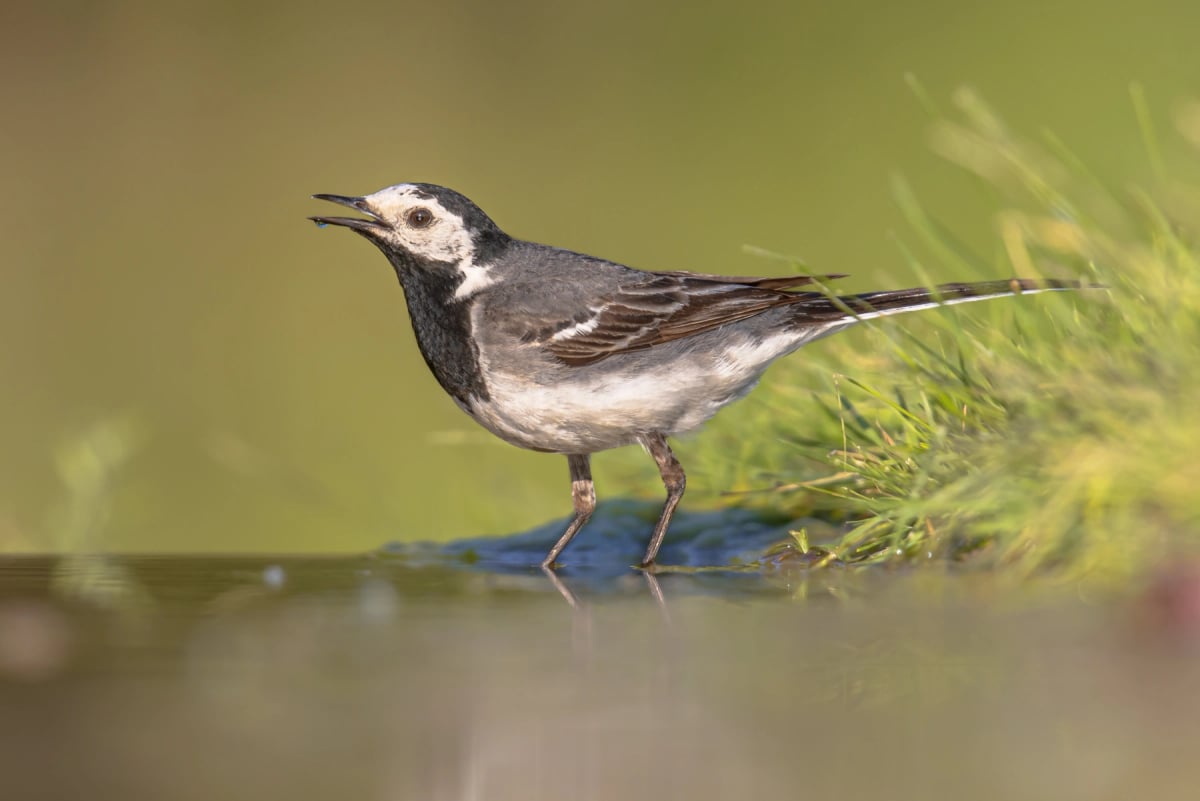
White Wagtail
Motacilla alba
Small black, white and grey bird with a slender tail that bobs up and down as it walks and feeds along the edges of water and open ground.
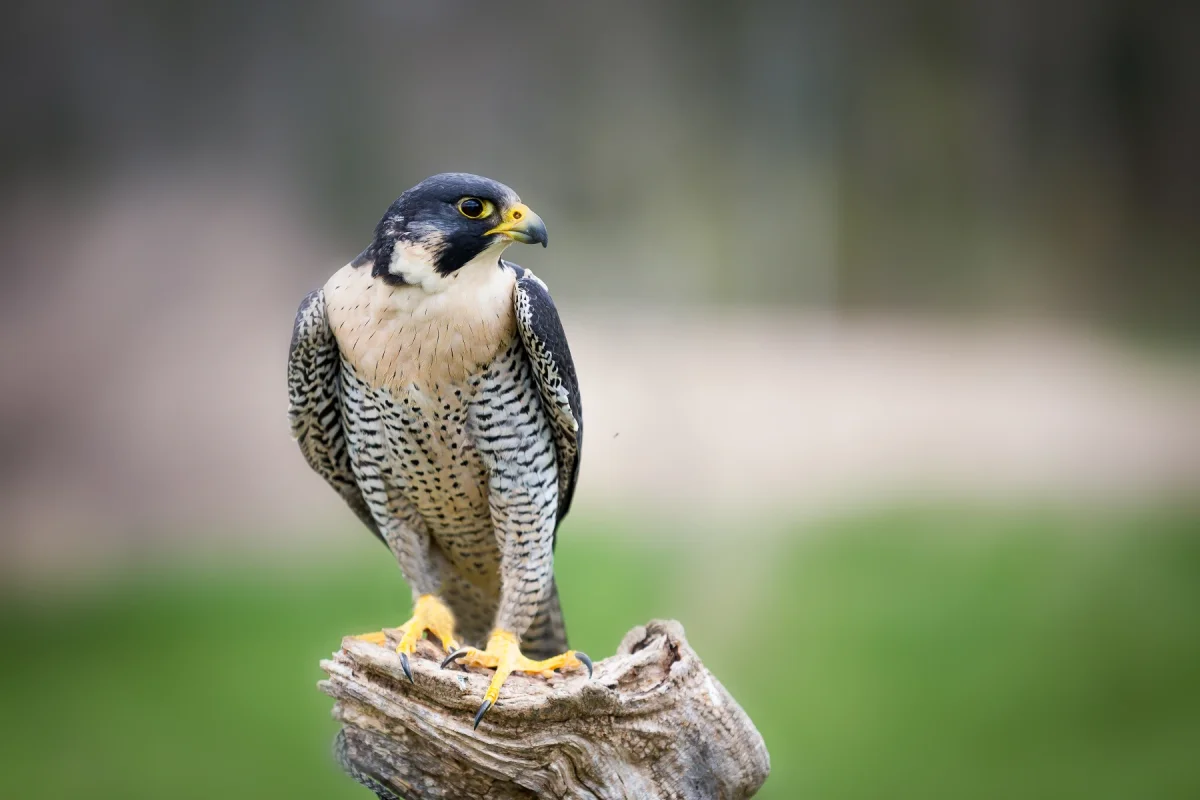
Peregrine Falcon
Falco peregrinus
The peregrine falcon occurs in Sierra Leone as a non-breeding visitor during the northern winter. It appears along the Atlantic coastline and over open country inland, taking advantage of the many shorebirds and small birds that gather in these habitats. The species is not common but is recorded with some regularity. Sierra Leone's mix of coastal wetlands and forest edge provides suitable foraging habitat during its stay. Its IUCN status is Least Concern.
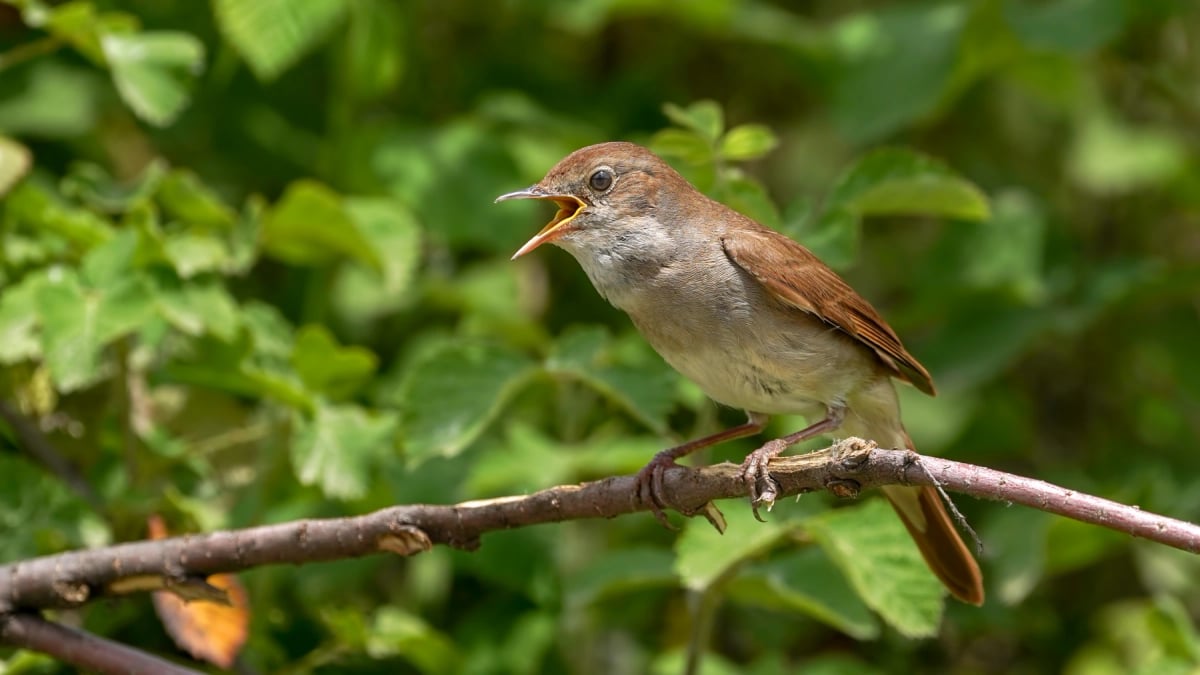
Nightingale
Luscinia megarhynchos
The nightingale reaches Sierra Leone during the northern winter, using the country's patches of scrub and forest edges in the coastal and interior lowlands as wintering habitat. It is a small bird, warm brown above with a distinctive rusty orange tail, and it blends easily into dense undergrowth. It is rarely heard singing here, spending its time foraging on insects and small fruits. Its IUCN status is Least Concern.
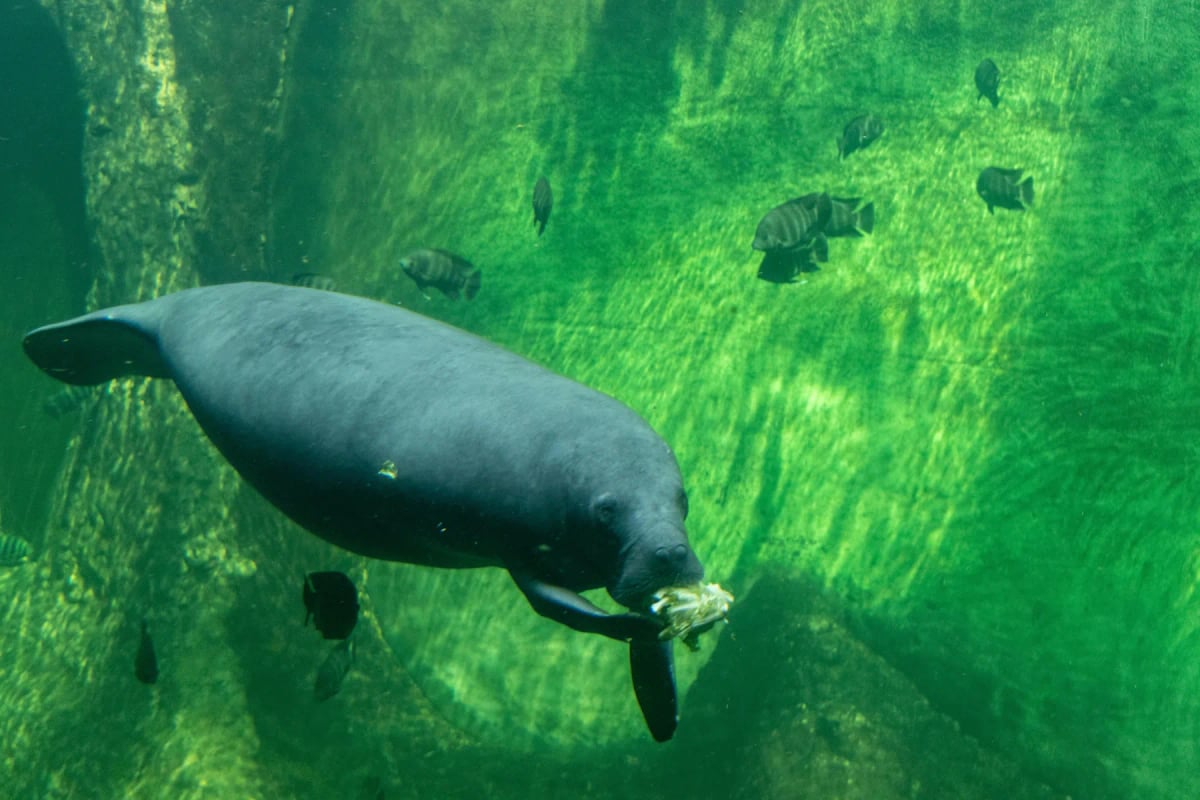
African Manatee
Trichechus senegalensis
Sierra Leone's coastline and river systems offer suitable habitat for the African manatee across much of the country. The species is found in estuaries, coastal lagoons and the lower sections of rivers such as the Rokel and the Sewa. Hunting for bushmeat and entanglement in fishing nets are the primary threats, and the animal holds cultural significance in some communities, where it is considered a source of both food and traditional medicine.
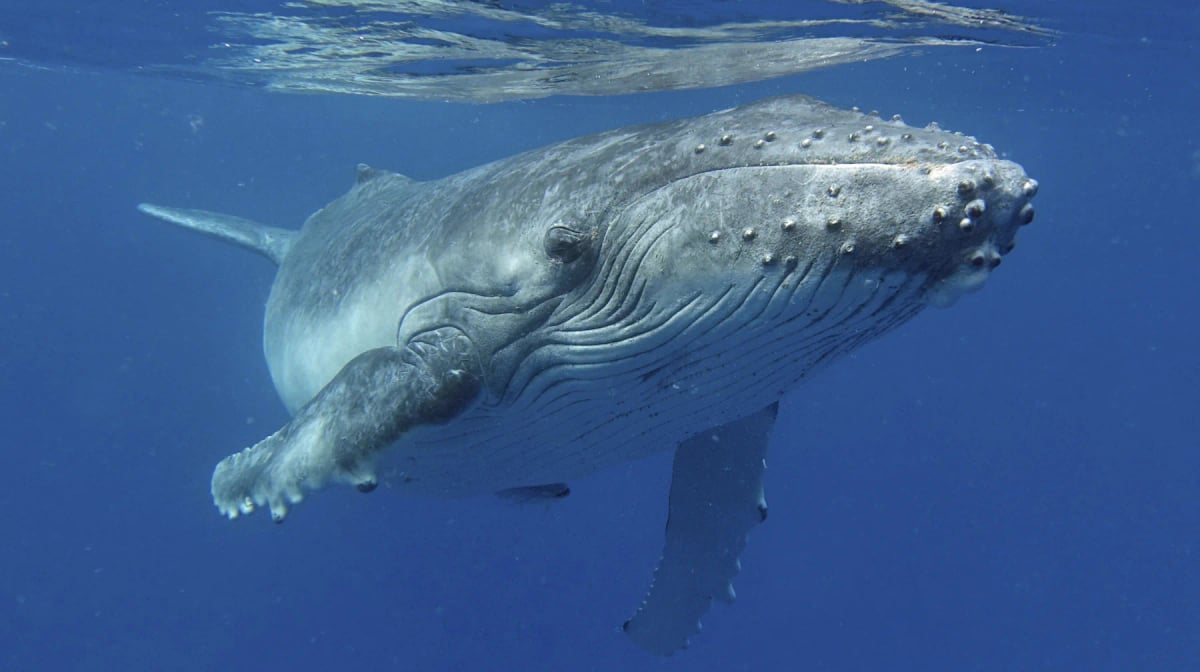
Humpback Whale
Megaptera novaeangliae
Sierra Leone's Atlantic coastline falls within the migratory range of humpback whales moving along West Africa. These waters form part of the route connecting Southern Ocean feeding grounds with breeding areas further north in the Atlantic. The warm, shallow seas near the coast can offer resting and calving opportunities for whales on the move. With growing marine research efforts in the Gulf of Guinea region, records of humpback sightings here continue to improve. The IUCN lists this species as Least Concern.
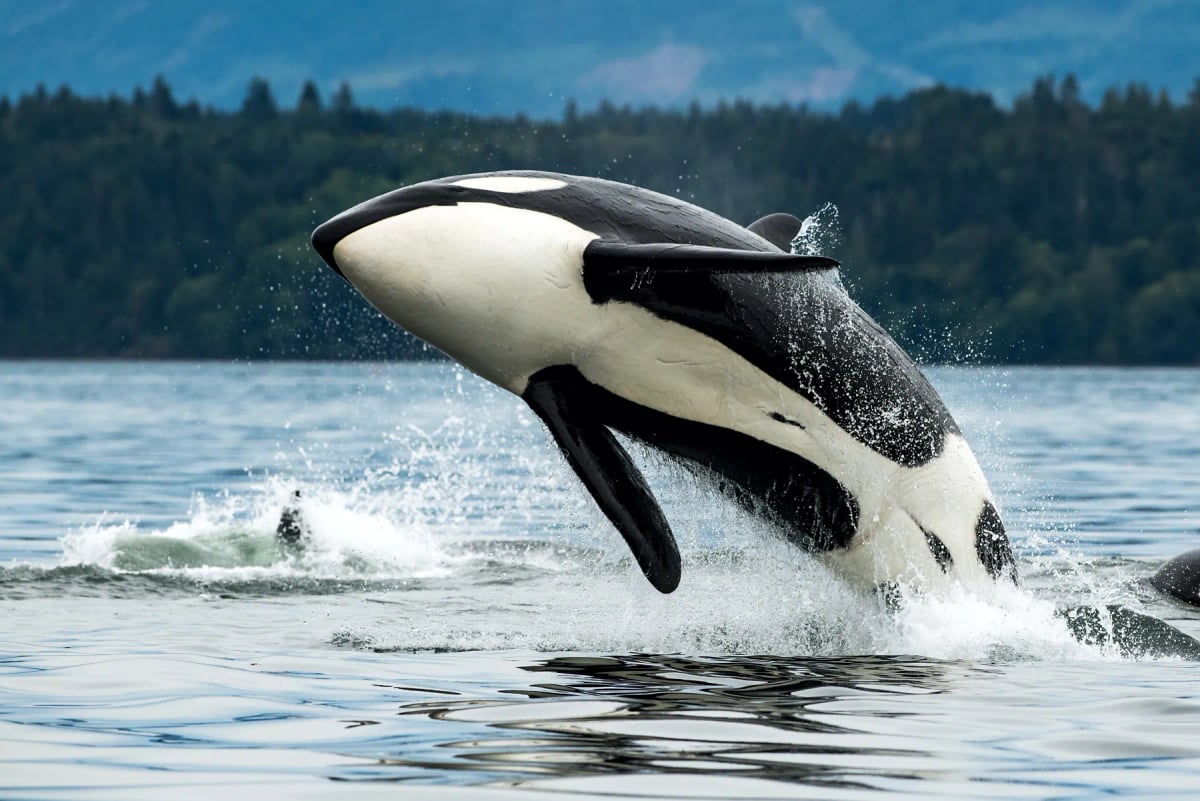
Orca
Orcinus orca
Sierra Leone's Atlantic coastline falls within the known range of orcas along West Africa. Sightings in this area are rare and not thoroughly studied, but the species is recognised as part of the broader eastern Atlantic population that moves through these tropical and subtropical waters. Ongoing habitat pressures from coastal development and fishing activity make conservation awareness in this region increasingly important.
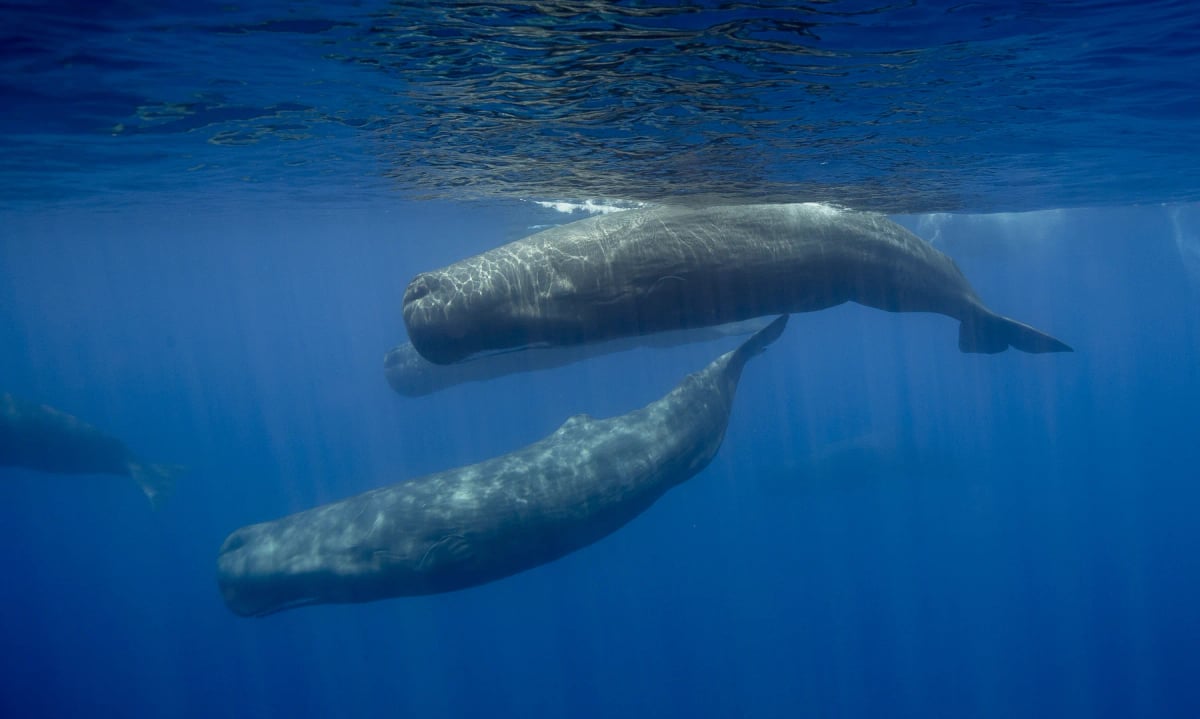
Sperm Whale
Physeter macrocephalus
The Atlantic waters off Sierra Leone's coast drop into deep oceanic zones beyond the shelf, providing suitable habitat for sperm whales passing through West African waters. The region sits along a stretch of coastline where these whales have been recorded as part of their broad Atlantic range. Sierra Leone's limited marine monitoring capacity makes it difficult to assess local population trends, but their Vulnerable status means conservation attention across this coastline is essential.
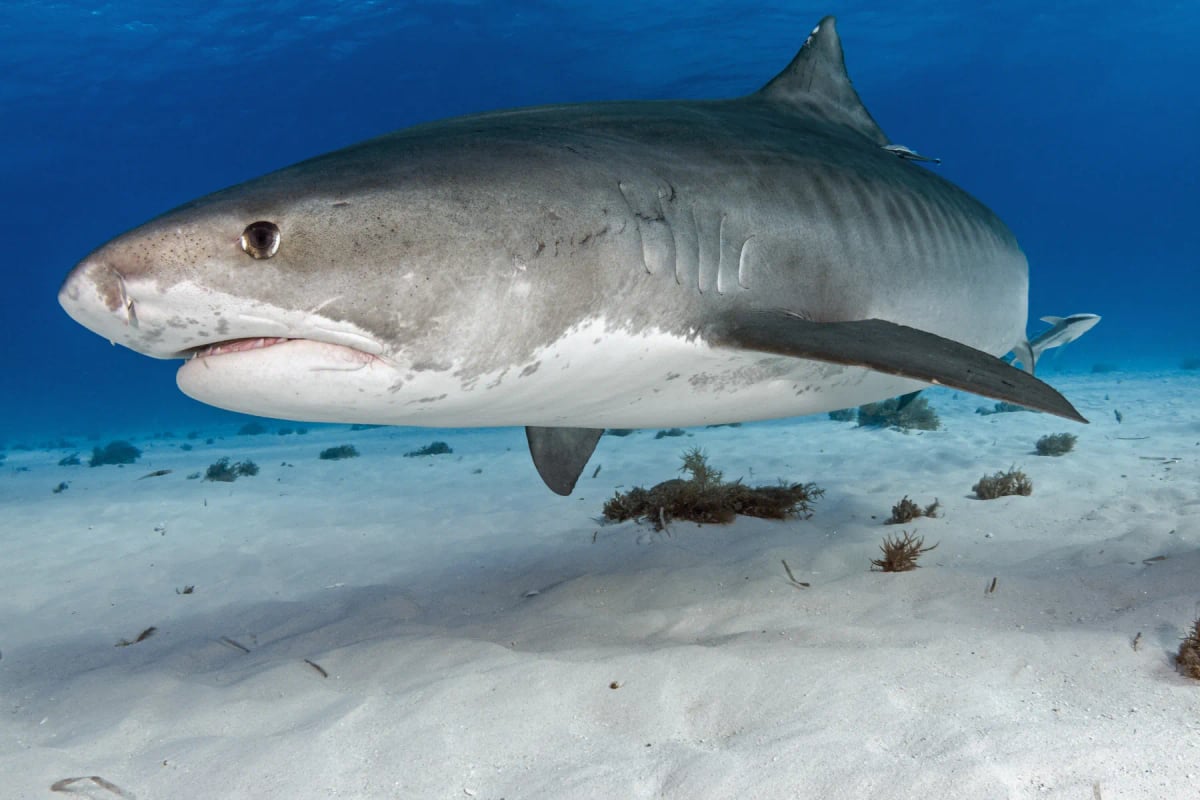
Tiger Shark
Galeocerdo cuvier
Sierra Leone's coastal waters along the Atlantic are part of the tiger shark's range in West Africa. This large shark, reaching up to 5 metres, is an opportunistic predator that feeds on fish, rays, and sea turtles found throughout the region's coastal ecosystems. Unregulated fishing in Sierra Leonean waters is a concern for the species, which the IUCN classifies as Near Threatened globally.
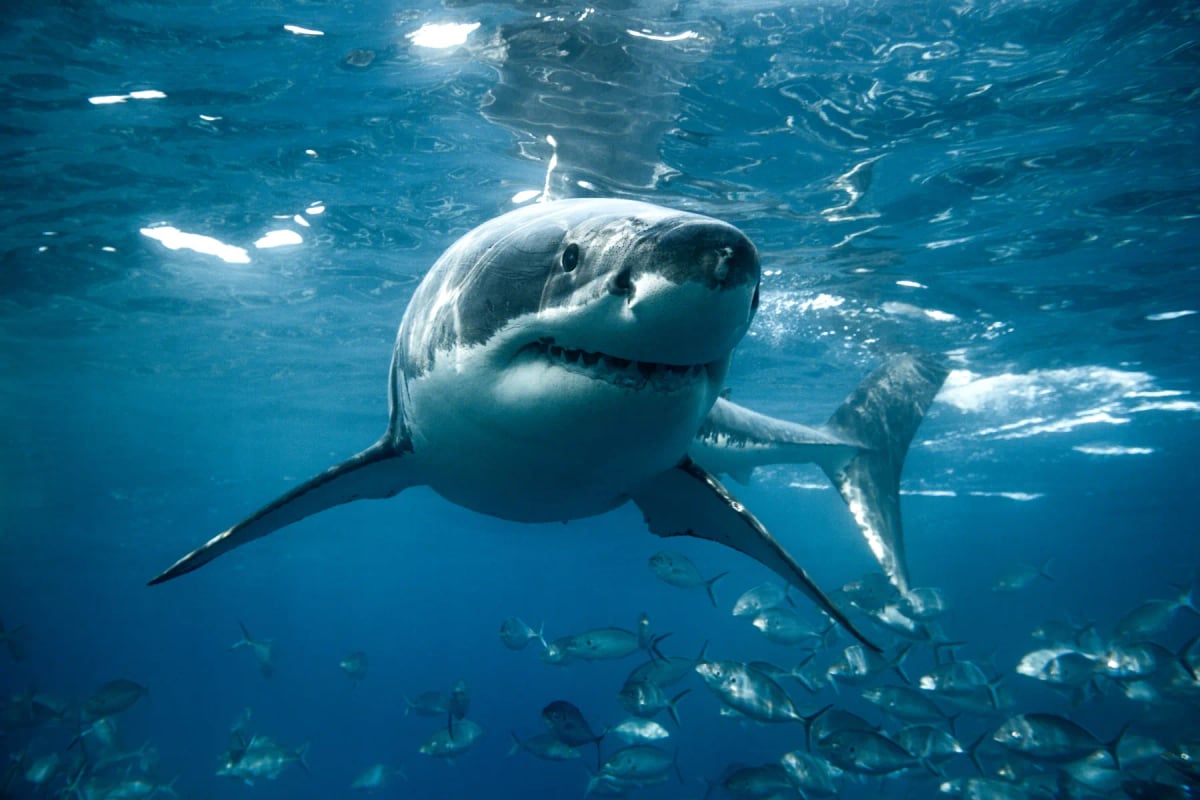
Great White Shark
Carcharodon carcharias
Great white sharks occur in the Atlantic waters off Sierra Leone, patrolling the warm coastal zone where the continental shelf supports rich marine life. Though sightings are infrequent, the species uses West African waters as part of its wide oceanic range. Classified as Vulnerable by the IUCN, it faces pressure from bycatch in regional fisheries. Its role as a top predator helps keep fish populations in balance.
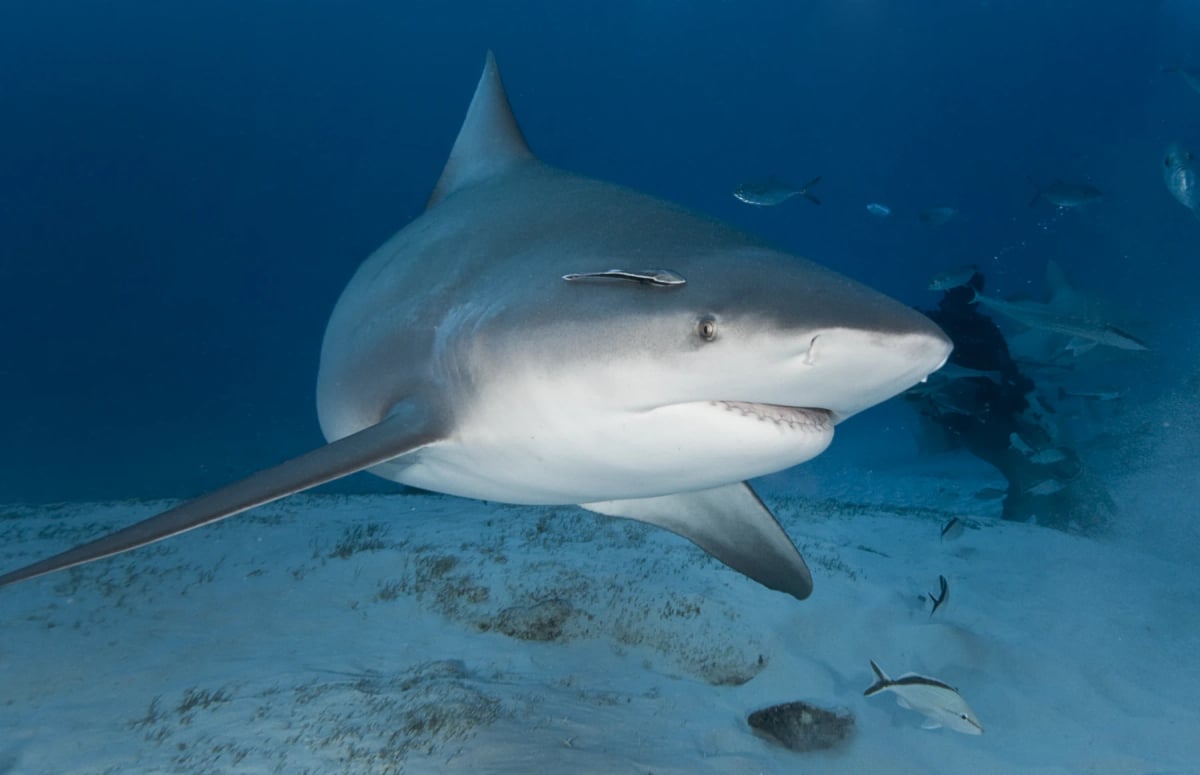
Bull Shark
Carcharhinus leucas
Sierra Leone's warm Atlantic coastline and its network of estuaries and tidal rivers provide suitable habitat for bull sharks. The species takes advantage of turbid, shallow waters to hunt fish and rays close to shore. Pressure from artisanal and commercial fishing affects shark populations across West Africa, including Sierra Leone. The bull shark's ability to enter fresh water gives it access to a wider range of habitat than most coastal sharks.
Researched and written by Juan Pablo. Sources: IUCN Red List, scientific literature and regional field guides. Last updated: .