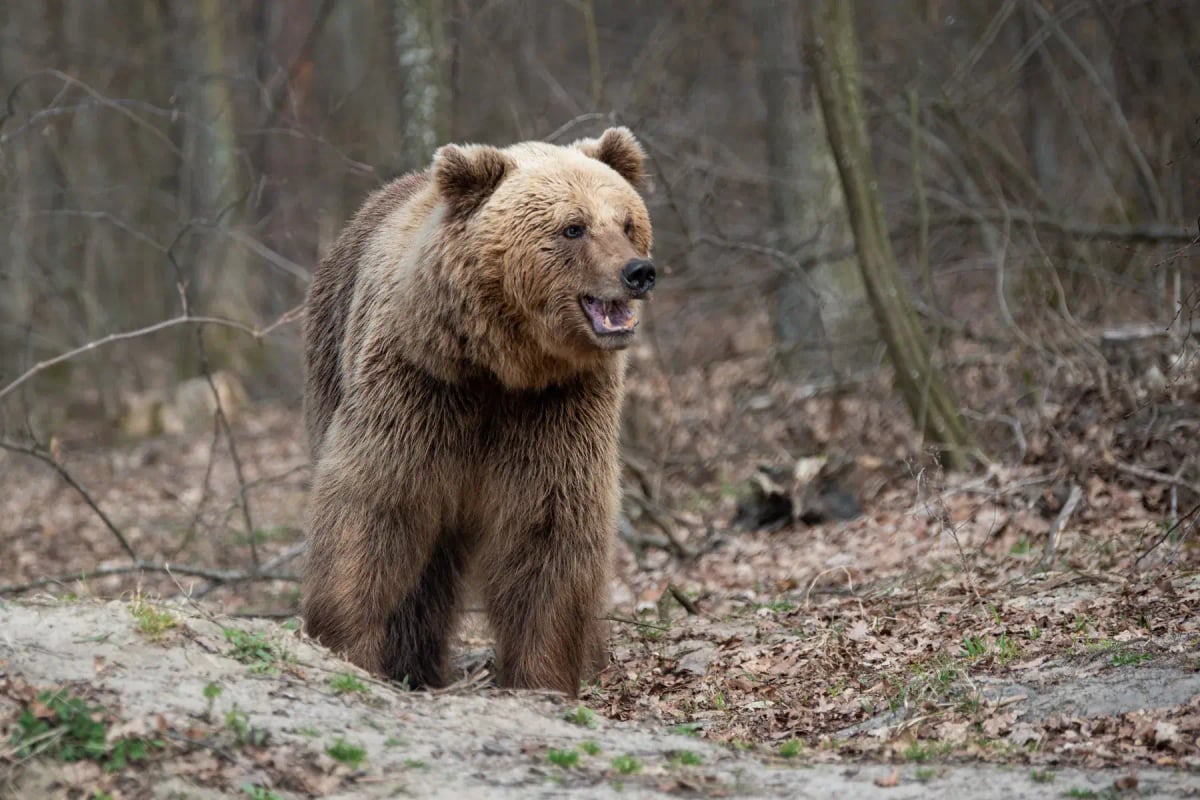
Animals in Germany
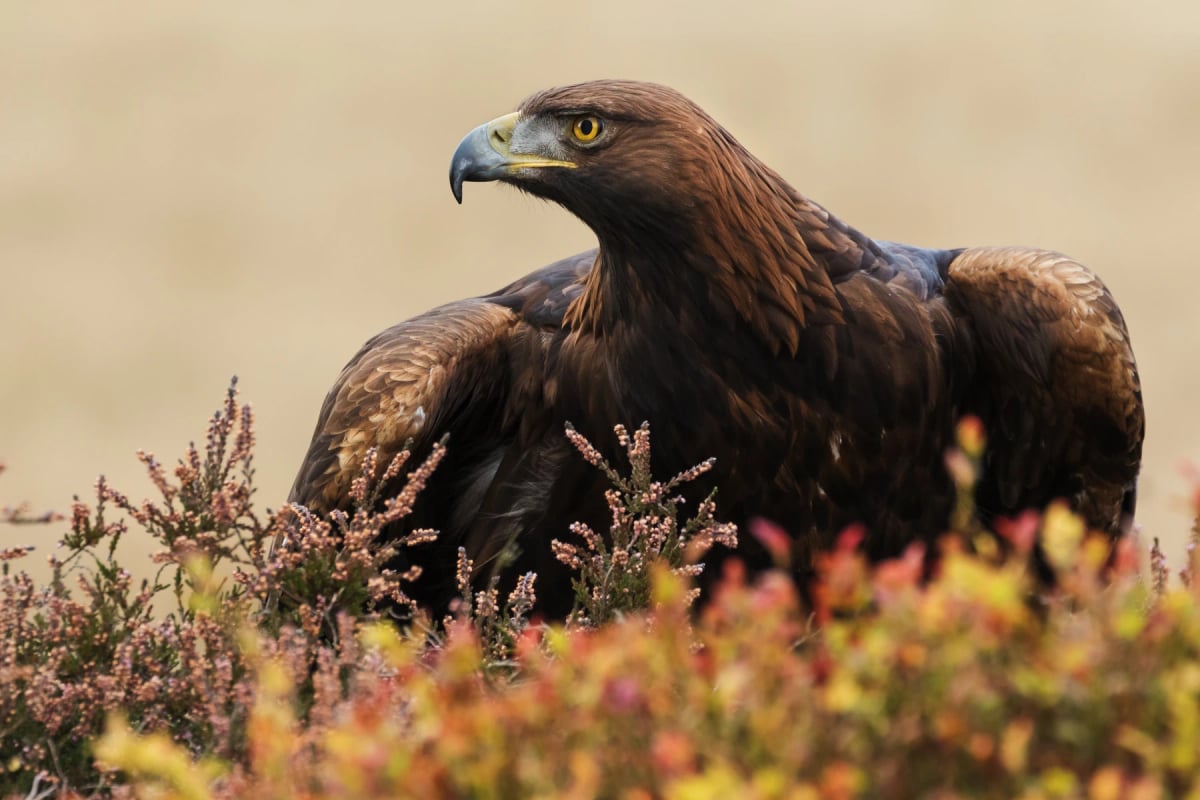
Golden Eagle
Aquila chrysaetos
The golden eagle is considered one of the most majestic birds in Germany. It is associated with the mountains of the south and has been a symbol of power and pride throughout history. Its image appears in coats of arms, literature and art, representing freedom and the enduring connection between the German people and nature.
View details→Wildlife in Germany
Germany has a wide range of habitats, from the Alps to the North Sea coast, where forests, meadows and wetlands host animals such as lynxes, deer, wolves and dolphins. National parks like Bavarian Forest and Harz are known for their biodiversity and are great places to see native and reintroduced species in their natural surroundings.
Most Dangerous Animals in Germany
Germany's wildlife includes large and powerful species such as wild boars, wolves and European bison that can be dangerous if cornered or surprised in the wild. Adders are the only venomous snake in the country and are found in forested and heathland areas. The smooth hammerhead shark has been recorded in the waters of the Baltic Sea, though encounters with swimmers are extremely rare.
Top 10 Animals in Germany
Germany's forests, mountains and wetlands are home to some of Europe's most iconic wildlife. From large predators that were once locally extinct to birds of prey soaring over alpine landscapes, the country's fauna reflects decades of conservation work. Many of the species found here can also be spotted in neighboring countries, making Germany a key part of the broader central European ecosystem.
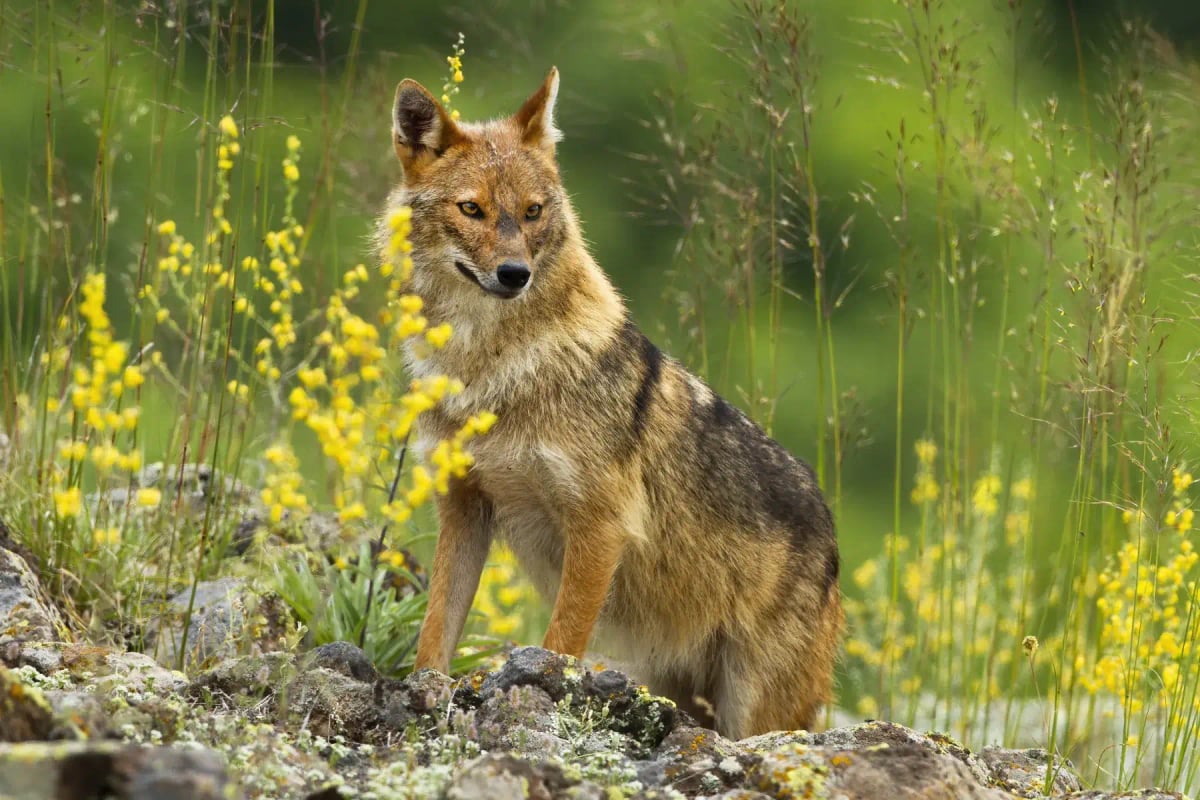
Golden Jackal
Canis aureus
The golden jackal is a recent arrival in Germany, with the first confirmed sightings recorded in the northeastern lowlands near the Polish border. It likely crossed into the country as part of the species' natural westward spread across Europe. Feeding on small animals, fruit, and carrion, it adapts well to agricultural landscapes. Its presence is still rare, and wildlife agencies continue to monitor its gradual establishment. IUCN status: Least Concern.
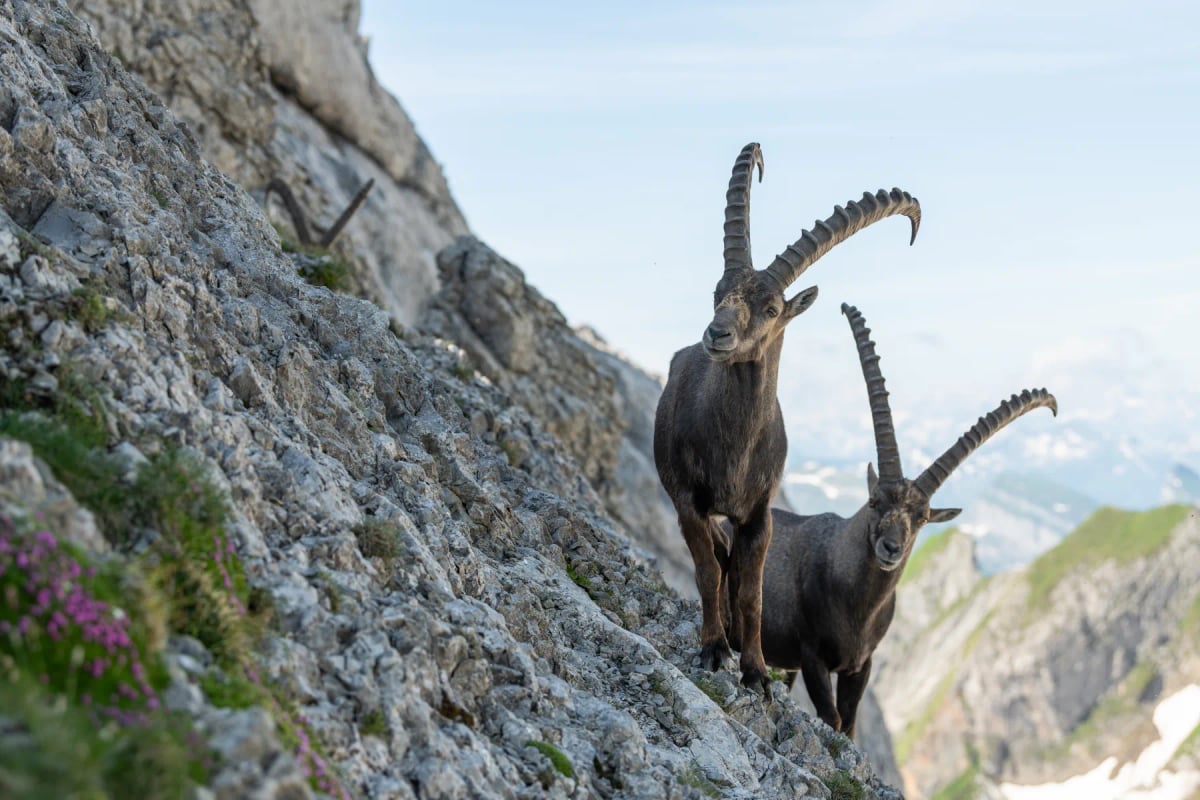
Alpine Ibex
Capra ibex
The alpine ibex lives in the rocky high altitude areas of the Bavarian Alps, where it navigates steep cliffs and ridges with remarkable ease. After being hunted to near extinction across the Alps, it was reintroduced in parts of Germany and has slowly rebuilt its population. Males are recognizable by their large, curved horns, which can grow to impressive lengths.
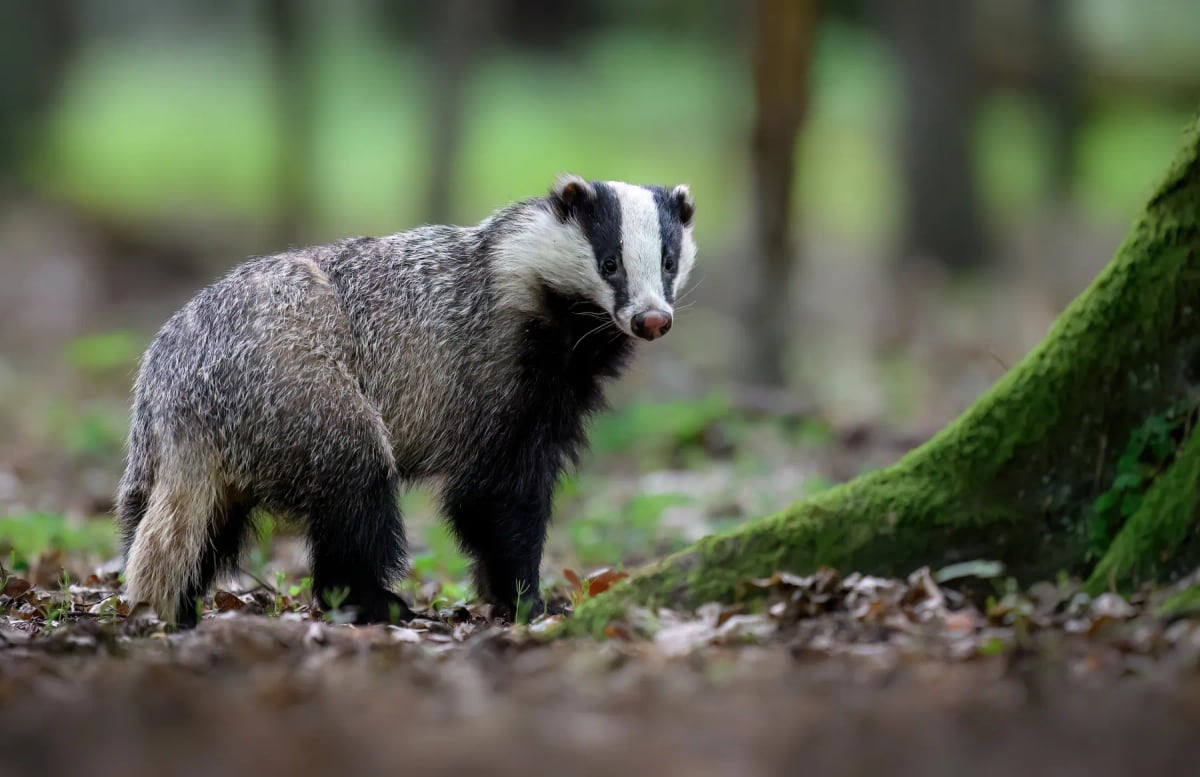
Badger
Meles meles
The badger is widespread across Germany, living in forests and farmland where it digs extensive underground burrow systems called setts. It is a nocturnal animal that feeds on earthworms, insects, roots and small animals. Badgers are social animals that often live in family groups and use the same sett for many generations.
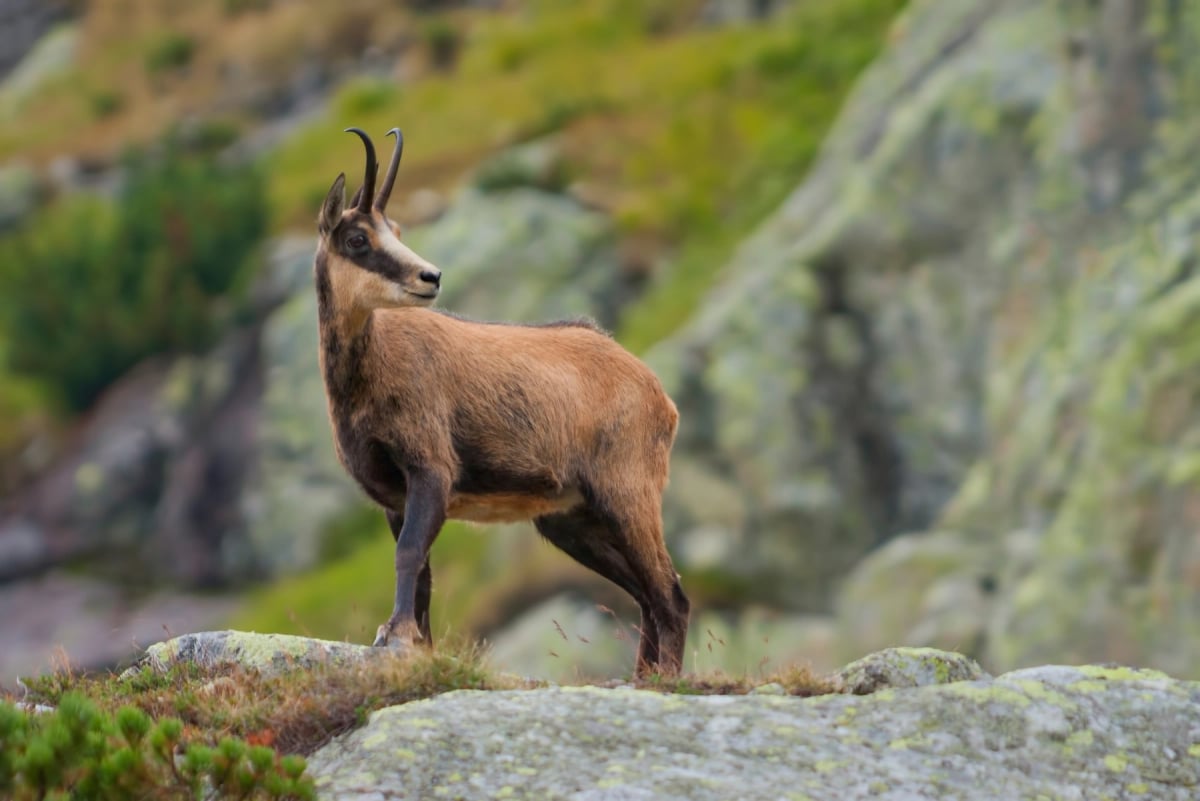
Chamois
Rupicapra rupicapra
In Germany, the chamois is found in the Bavarian Alps, with the Berchtesgaden National Park serving as the most significant protected area for the species. It occupies rocky alpine terrain and subalpine meadows in the far southeast of the country. German populations are carefully managed and subject to hunting regulations. The chamois is a well-known symbol of the Bavarian highlands and remains a regular sight on the slopes above Berchtesgaden.
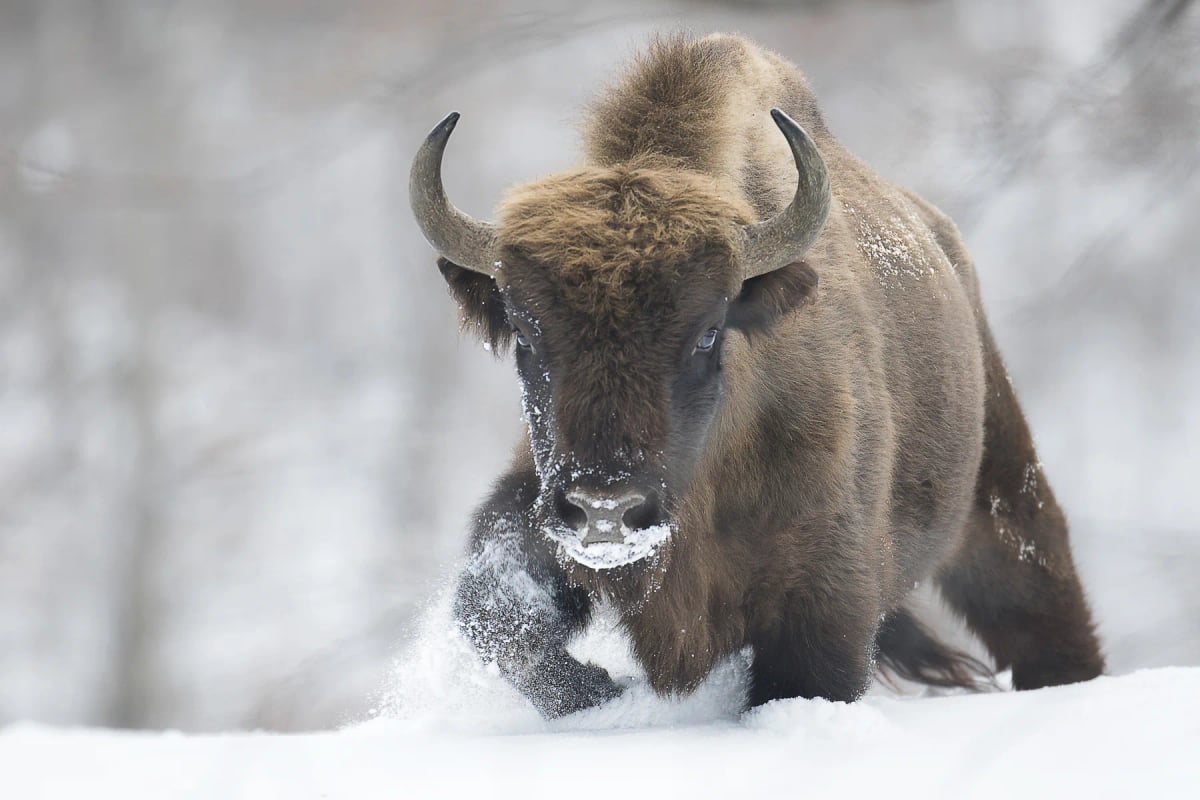
European Bison
Bison bonasus
Germany hosts a notable free-roaming herd of European bison in the Rothaar Mountains of North Rhine-Westphalia. Released in 2013, this was the first wild herd in Western Europe in centuries. The animals roam broadleaf and mixed forests, browsing on bark, leaves, and shrubs. The project has drawn attention from conservationists across the continent and shown that the species can reestablish itself in western habitats. IUCN status: Near Threatened.
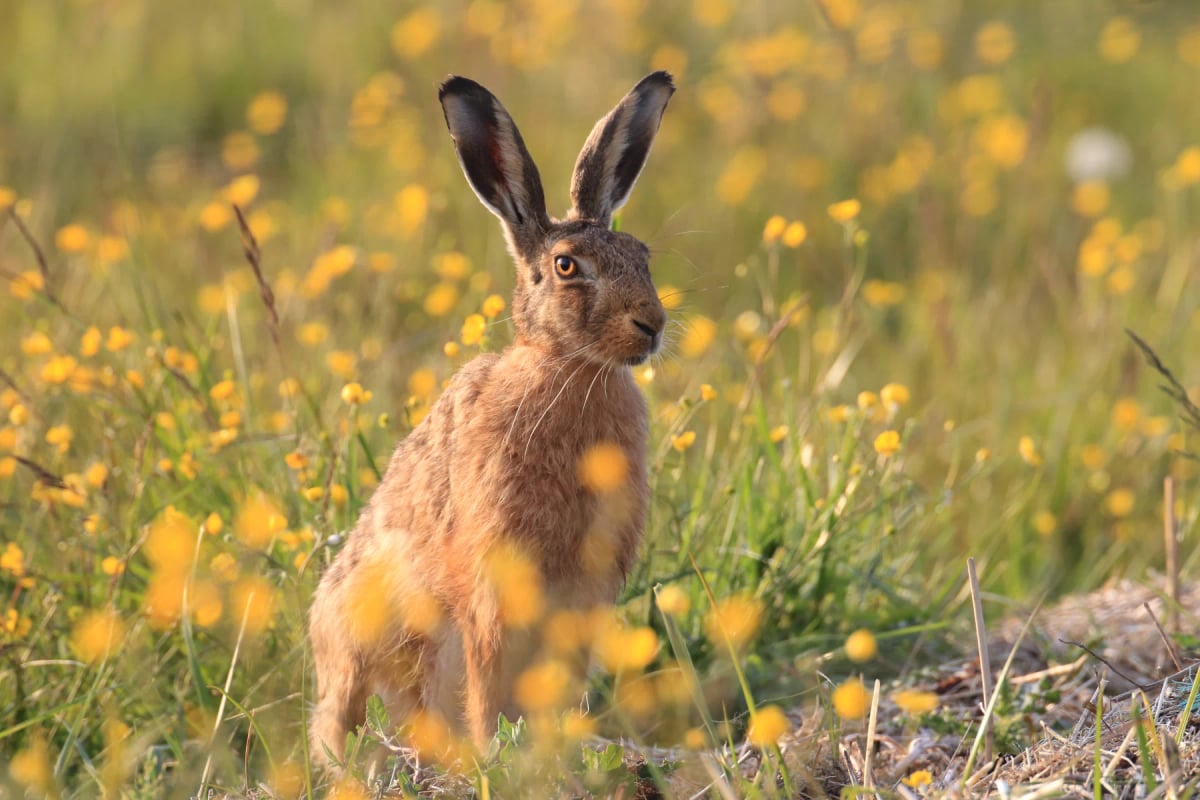
Hare
Lepus europaeus
Germany has seen a marked decline in European hare numbers since the mid-twentieth century, largely driven by the intensification of agriculture across the North German Plain and other lowland regions. The hare remains widespread but at much lower densities than in the past. Conservation programs focused on creating field margins, reducing pesticide use, and limiting mowing during the breeding season are helping to support a slow recovery in some areas. IUCN status: Least Concern.
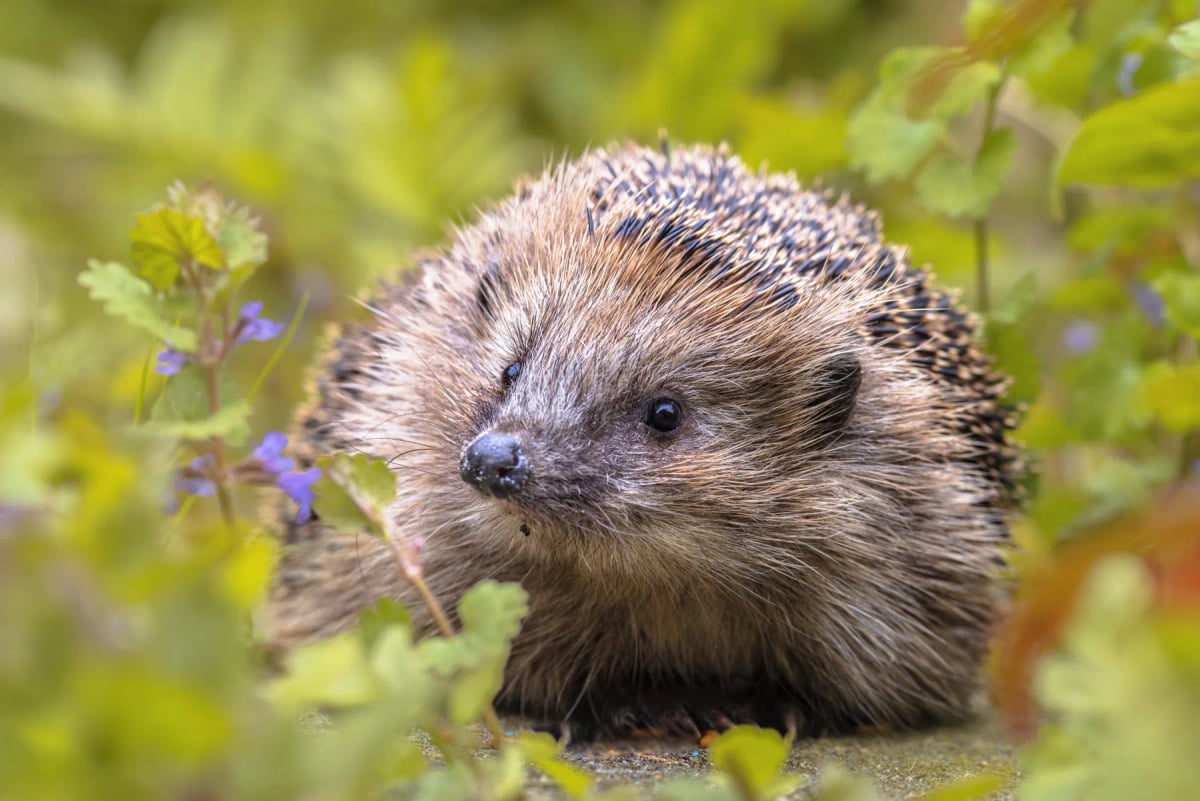
Hedgehog
Erinaceus europaeus
The European hedgehog is found throughout Germany, from urban parks in Berlin to the agricultural plains of Bavaria. German conservation bodies have documented serious population declines over recent decades, driven by road casualties, tidy garden culture that removes natural cover, and the widespread use of pesticides. Public campaigns encourage leaving wild corners in gardens and avoiding slug pellets. The species hibernates from around November to March across most of the country. Its IUCN status is Least Concern.
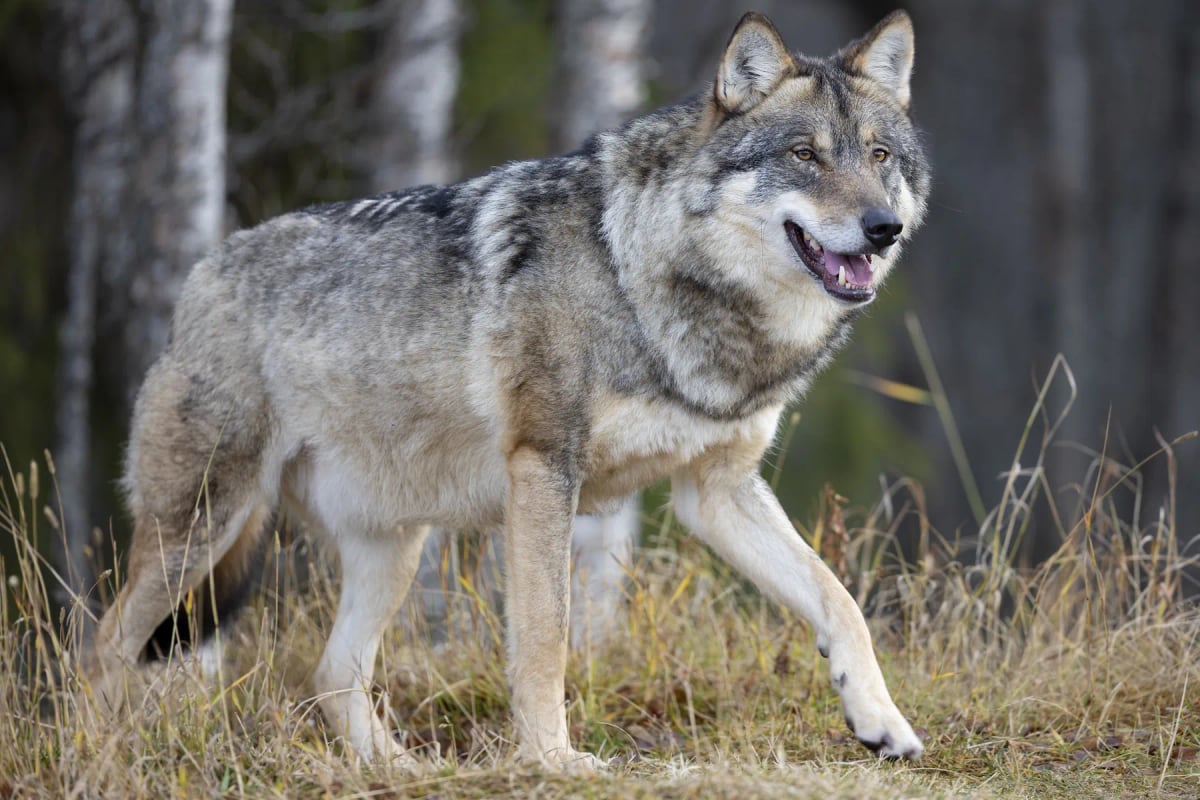
Gray Wolf
Canis lupus
Gray wolves disappeared from Germany for nearly two centuries before naturally returning from Poland around the year 2000. Today, packs have established themselves mainly in the forested lowlands of Saxony and Brandenburg. The population has grown steadily, though wolves occasionally prey on livestock, creating tension with farmers. Germany now has legal protections in place to support the recovery of this species over the long term.
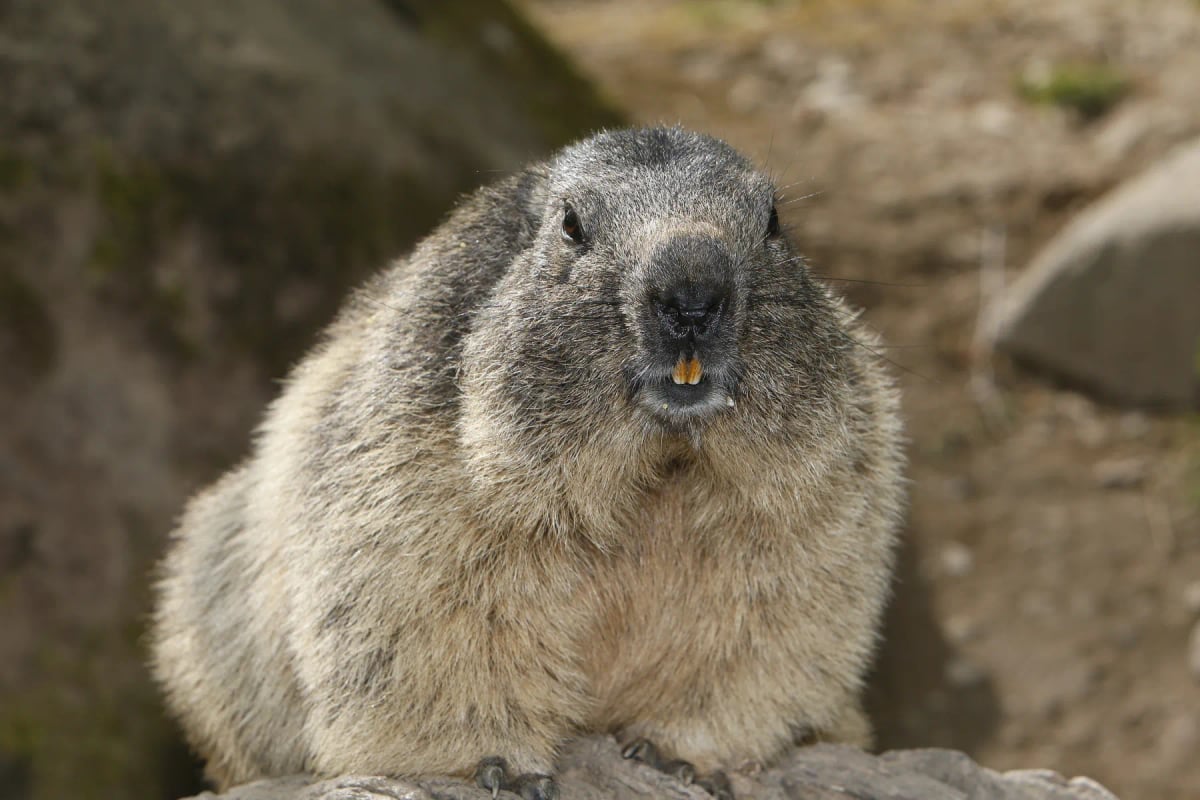
Alpine Marmot
Marmota marmota
The alpine marmot is a large burrowing rodent found in the high meadows of the Bavarian Alps. It lives in family groups and spends the winter in deep hibernation for up to six months. Marmots are vocal animals that emit sharp whistles to warn the group of approaching predators such as golden eagles. They are a popular sight for hikers in Germany's mountain parks.
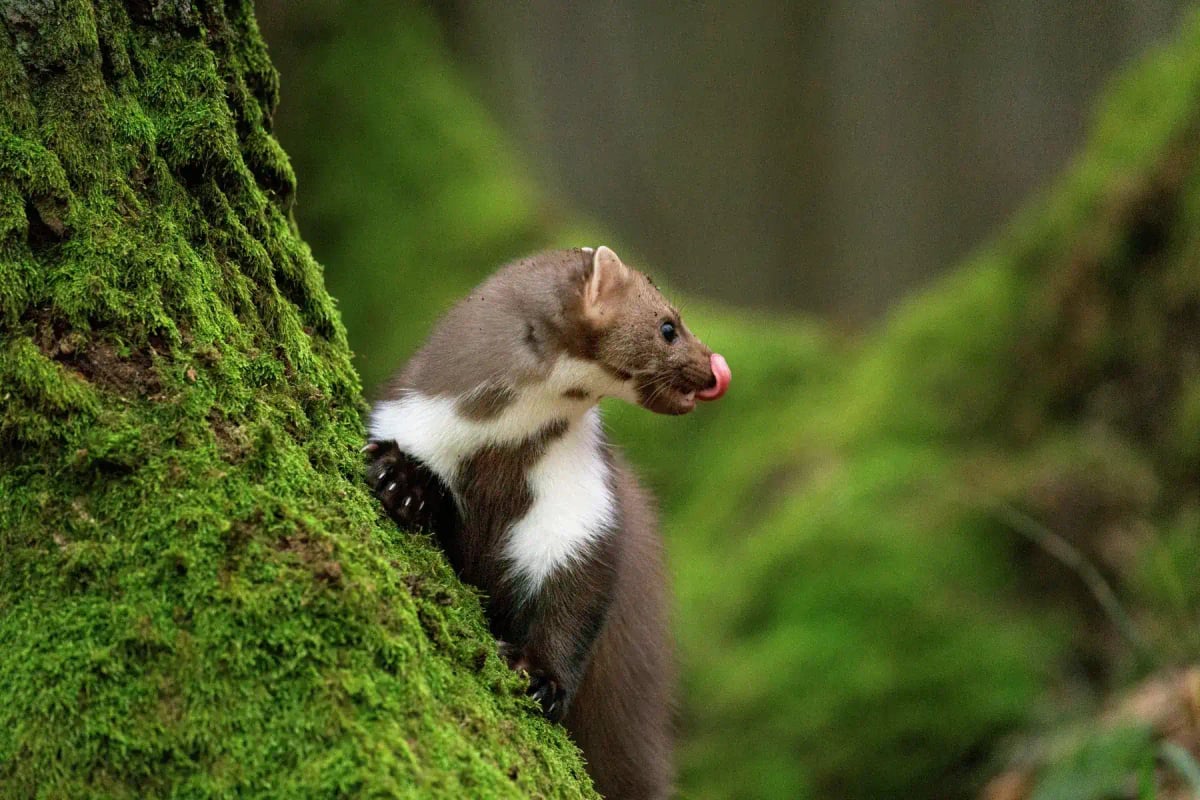
Marten
Martes martes / Martes foina
Germany is home to both marten species, and the stone marten has become one of the most urban-tolerant wild carnivores in the country. It is notorious for chewing through car cables and hoses, causing millions of euros in damage each year. Pine martens, meanwhile, stick to the more forested regions such as Bavaria and the Black Forest. Both species are legally protected in Germany despite the stone marten's reputation as a nuisance. Their IUCN status is Least Concern.
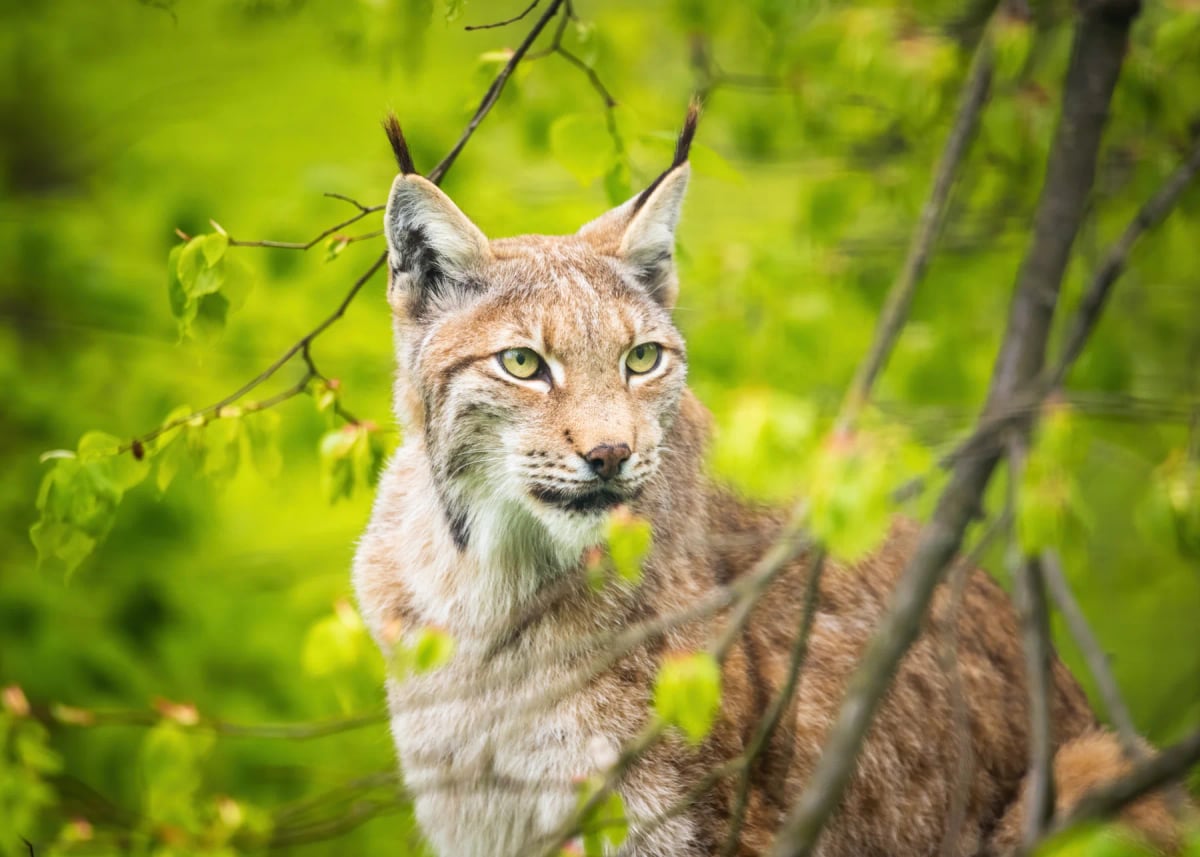
Eurasian Lynx
Lynx lynx
The Eurasian Lynx returned to Germany through natural dispersal and targeted reintroductions, with animals now present in the Harz Mountains, the Bavarian Forest, and parts of the Palatinate Forest. The population is still small and faces pressure from illegal killing and habitat fragmentation. Roe deer are the primary prey. Conservation efforts focus on increasing connectivity between isolated groups. The IUCN lists it as Least Concern.
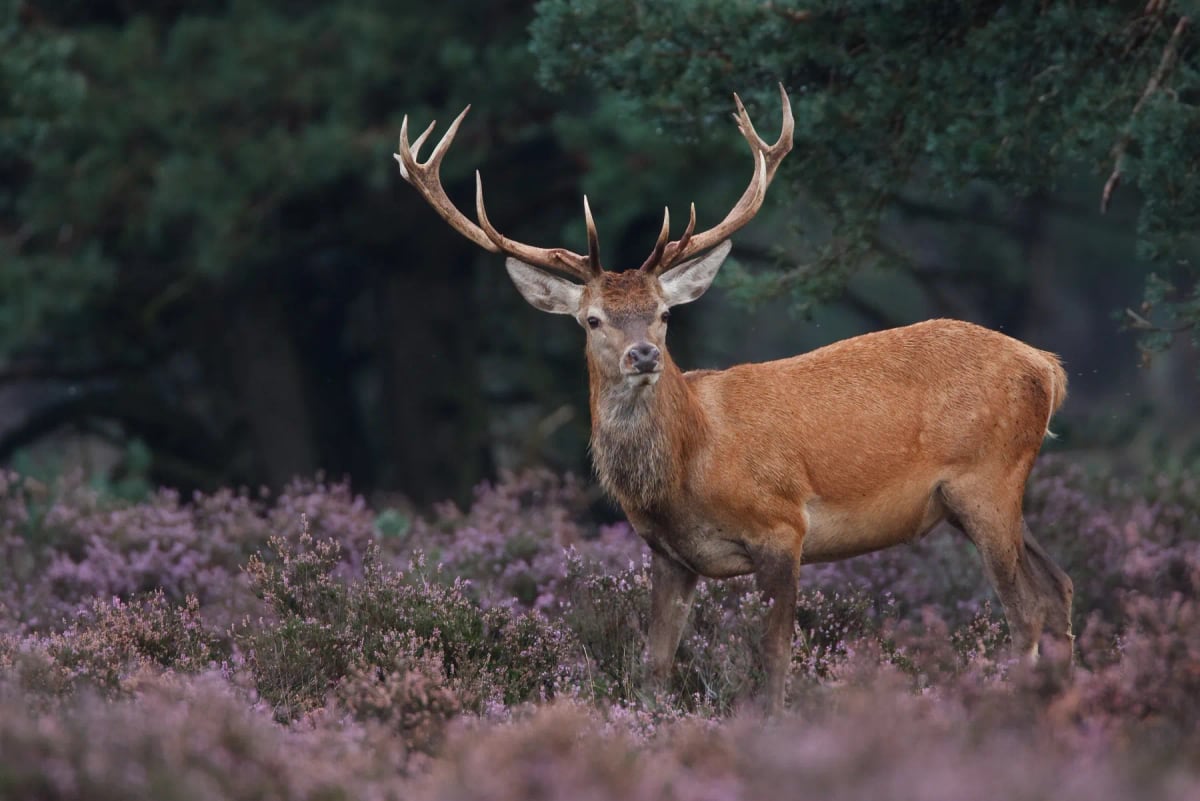
Red Deer
Cervus elaphus
Germany is home to a substantial red deer population, found across forested regions such as the Bavarian Forest, the Black Forest, the Harz Mountains and parts of eastern Germany. Known locally as Rothirsch, stags are a celebrated part of German hunting culture and natural heritage. Population management is carried out through carefully regulated hunting seasons. Red deer are also a key species in several national parks, where they roam with minimal human interference. IUCN status: Least Concern.
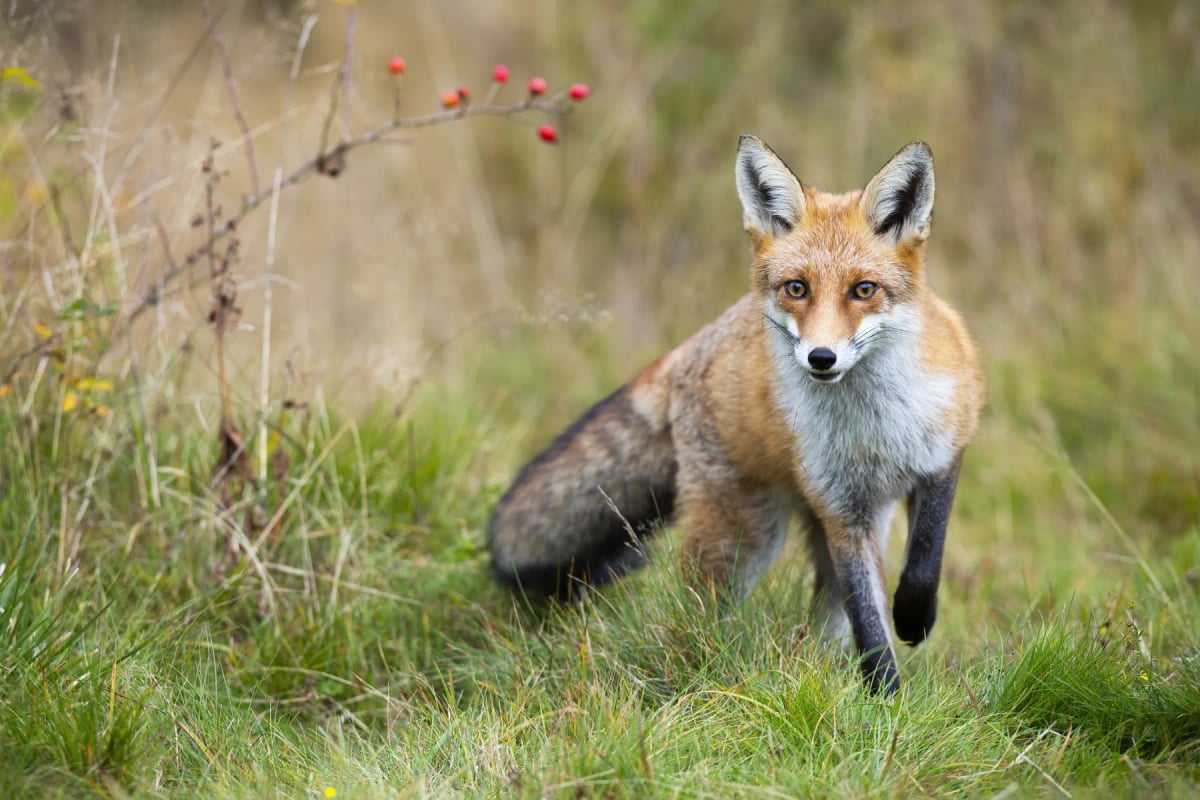
Red Fox
Vulpes vulpes
Germany supports one of the densest red fox populations in Europe, with foxes thriving in forests, farmland, and major cities alike. Berlin and Hamburg are home to thousands of urban foxes that have adapted remarkably well to life alongside people. Rabies was historically a concern, but Germany was declared free of terrestrial rabies in 2008 following a successful oral vaccination campaign carried out across the countryside.
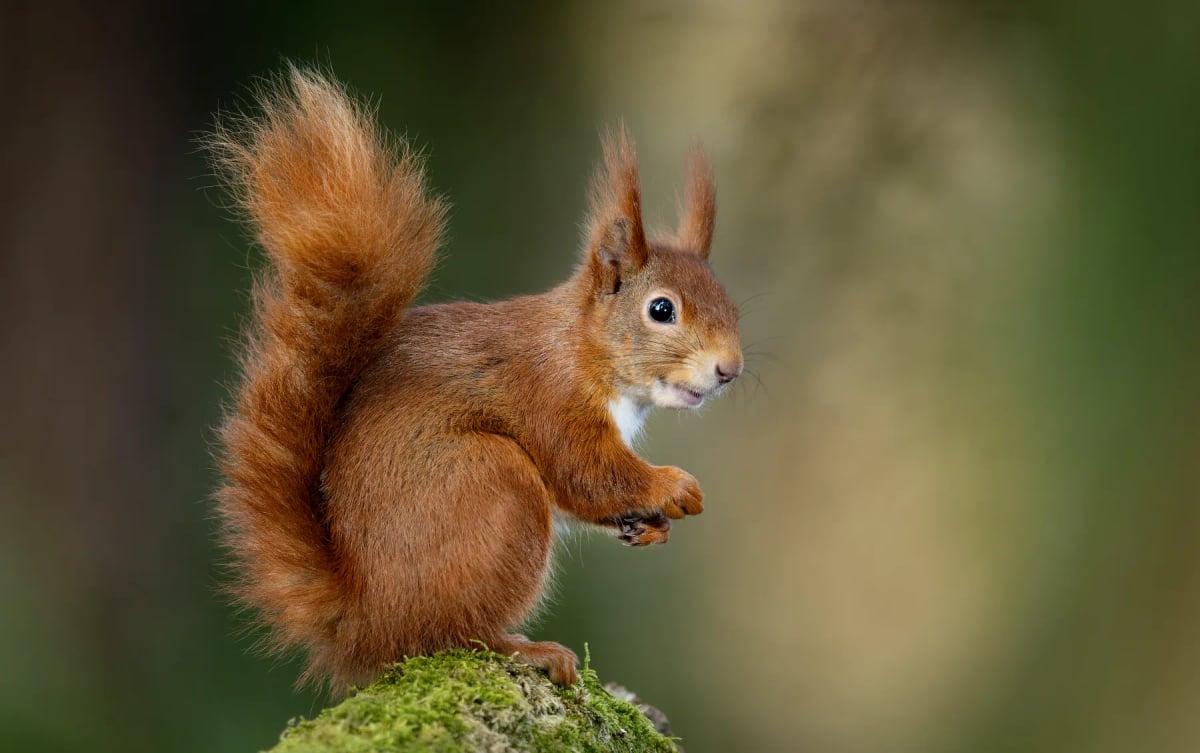
Red Squirrel
Sciurus vulgaris
The red squirrel is found across Germany in a wide range of forest types, including the beech forests of the north, the mixed woodlands of central regions and the conifer forests of Bavaria. While the grey squirrel has not yet established itself widely in Germany, habitat loss and road traffic remain local concerns. Urban parks and gardens also host small populations in several German cities. IUCN status: Least Concern.
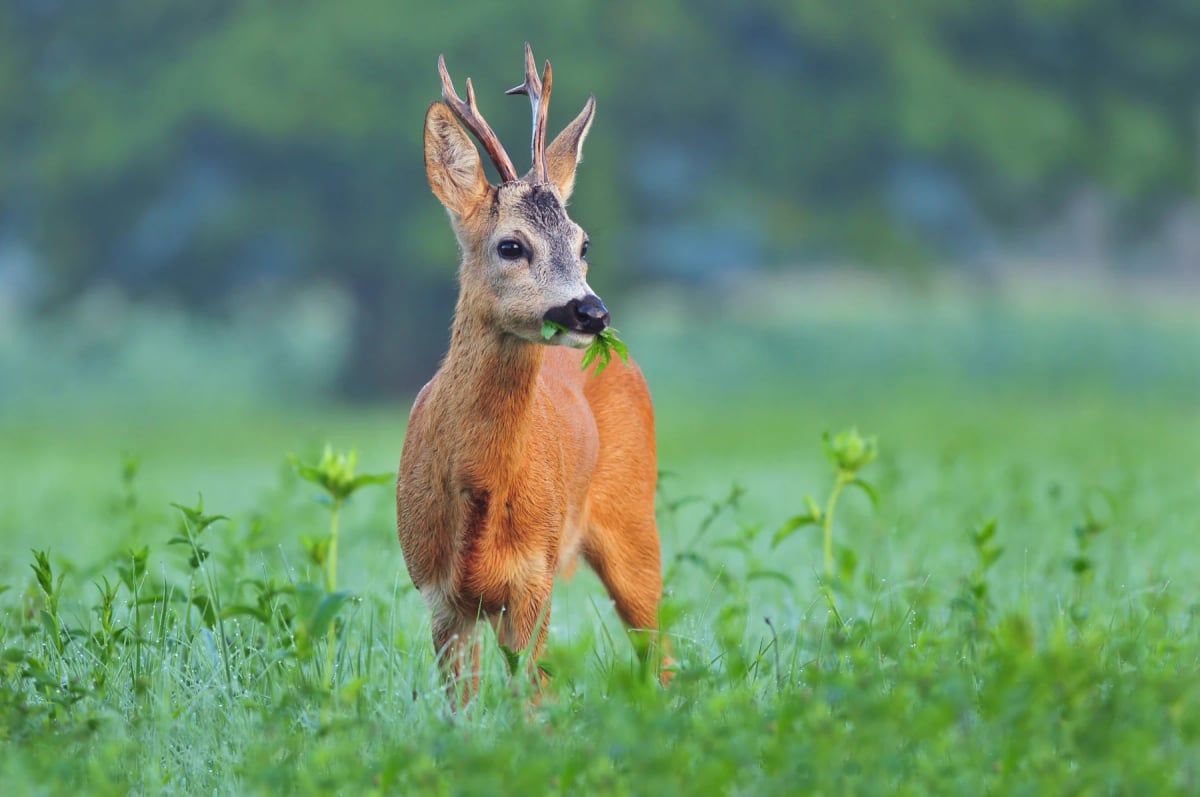
Roe Deer
Capreolus capreolus
Germany holds one of the largest roe deer populations in Europe. The species is found in every federal state, from the pine forests of Brandenburg and the beech forests of Bavaria to farmland in Lower Saxony. It is a familiar sight along field edges at dusk. Forestry and farming practices shape its local numbers significantly. Hunting is managed carefully across the country. Its IUCN status is Least Concern.
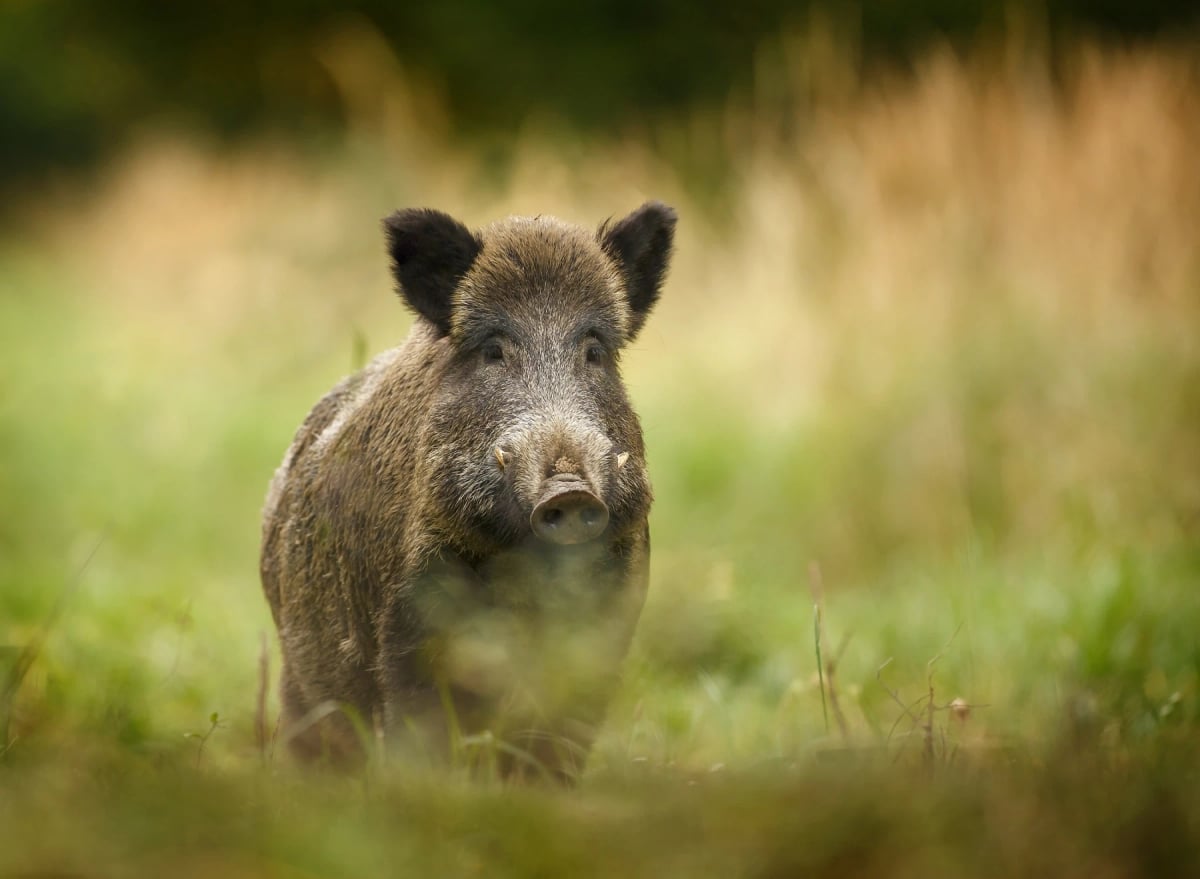
Wild Boar
Sus scrofa
The wild boar is one of the most widespread large mammals in Germany, with its population having grown substantially in recent decades. It lives in forests and agricultural areas across the country and is known for causing damage to crops and gardens. Wild boars are powerful, fast animals that can become unpredictable when cornered, and they remain a common subject of hunting throughout Germany.
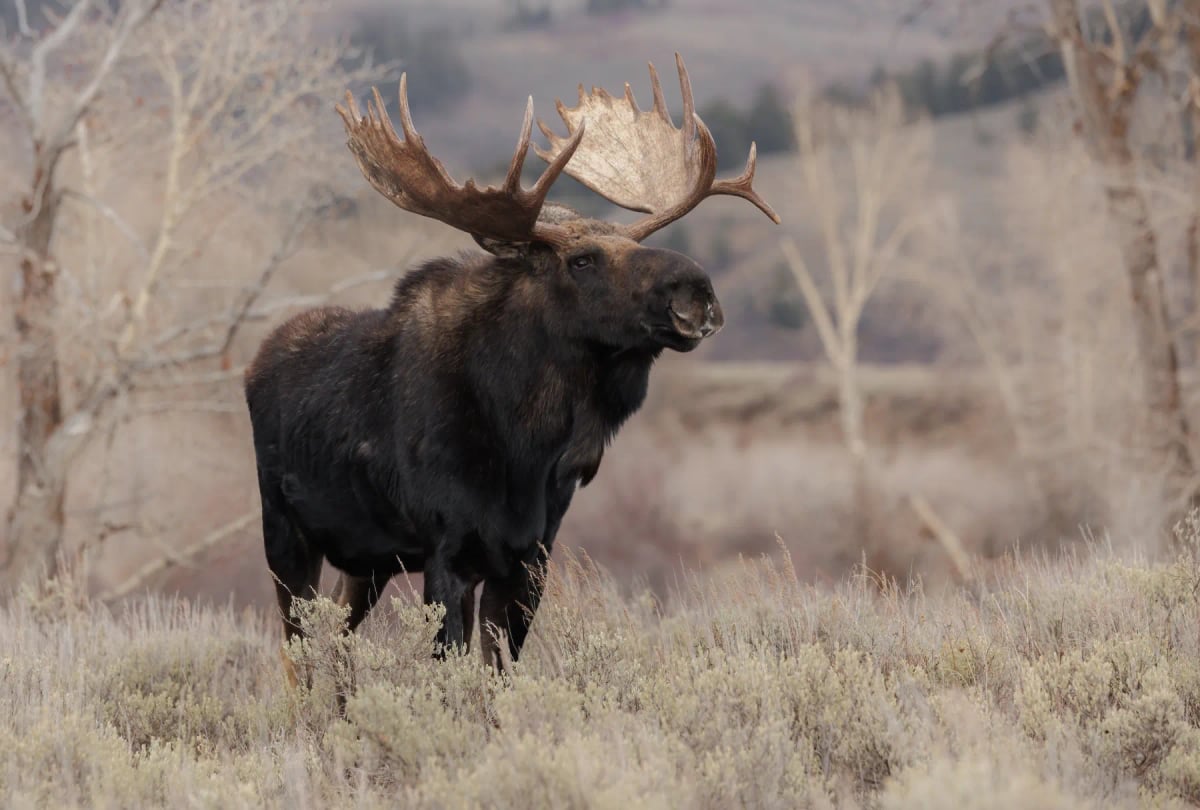
Moose
Alces alces
Moose are rare in Germany but are seen with increasing regularity, particularly in the northeastern states of Brandenburg and Mecklenburg, where forests border Poland. Most individuals are young bulls dispersing from Polish and Scandinavian populations. While there is no established breeding population, the frequency of confirmed sightings has grown over the past two decades, suggesting that conditions in Germany's lowland forests could support a small resident group in the future.
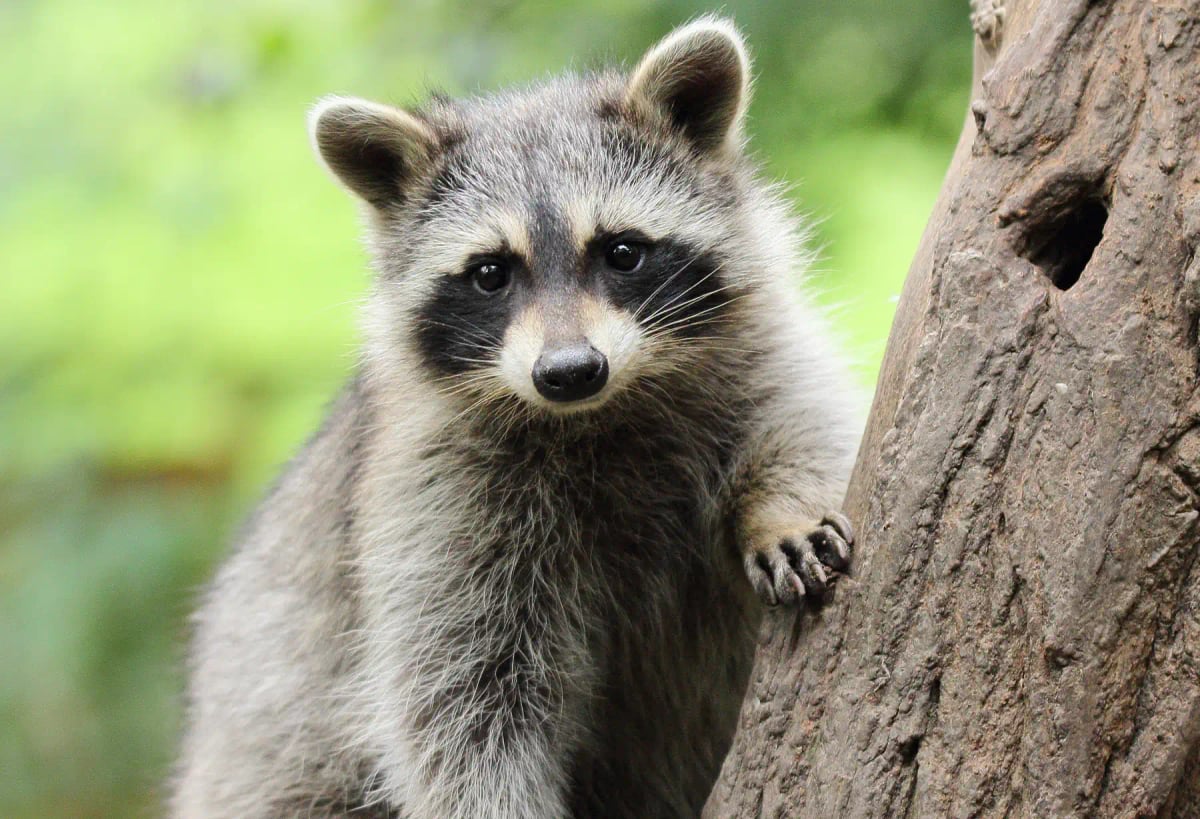
Raccoon
Procyon lotor
Germany is home to one of the largest raccoon populations outside North America, descended from individuals released or escaped near Kassel, Hesse, in the 1930s and 1940s. Today they are widespread across much of the country, thriving in forests along the Rhine and Elbe, farmland, and city parks. They are classified as an invasive species, and annual hunting figures run into the hundreds of thousands as authorities try to limit their spread.
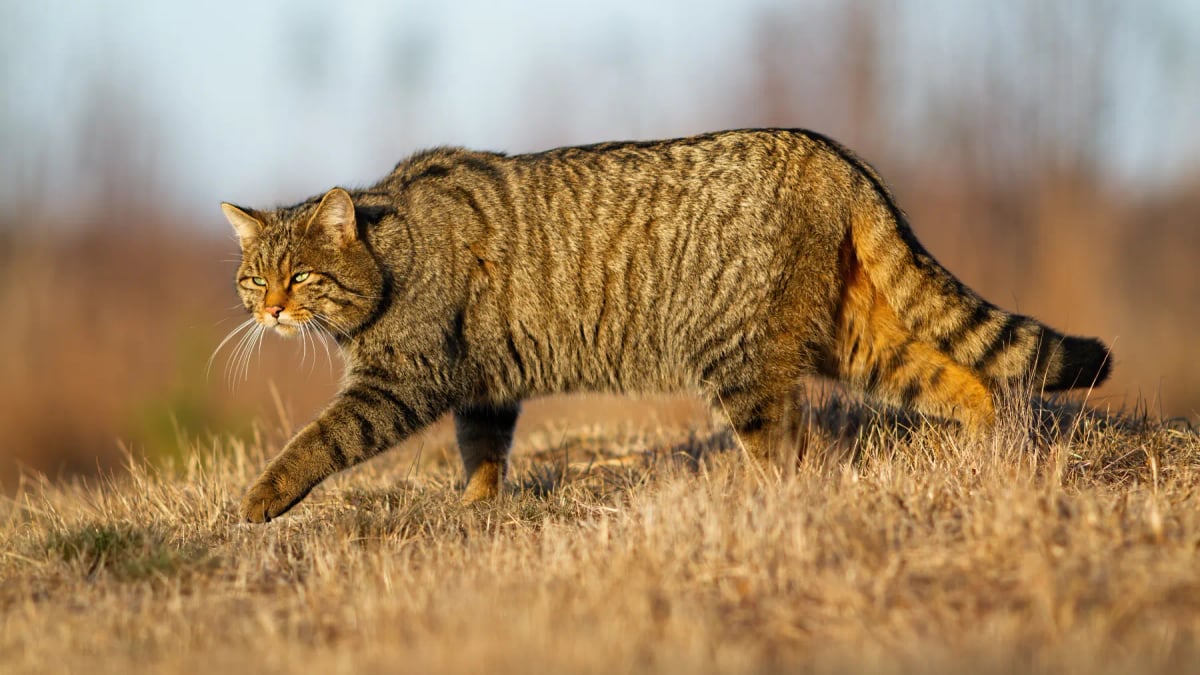
European Wildcat
Felis silvestris silvestris
The European wildcat was once nearly extinct in Germany but has made a remarkable comeback, spreading from strongholds in the Harz Mountains, the Eifel, and the Bavarian Forest. Reforestation and wildlife corridor projects have helped it reclaim much of its former range. It remains under threat from roads and crossbreeding with domestic cats. Germany is now considered one of its most important refuges in central Europe. IUCN status: Least Concern.
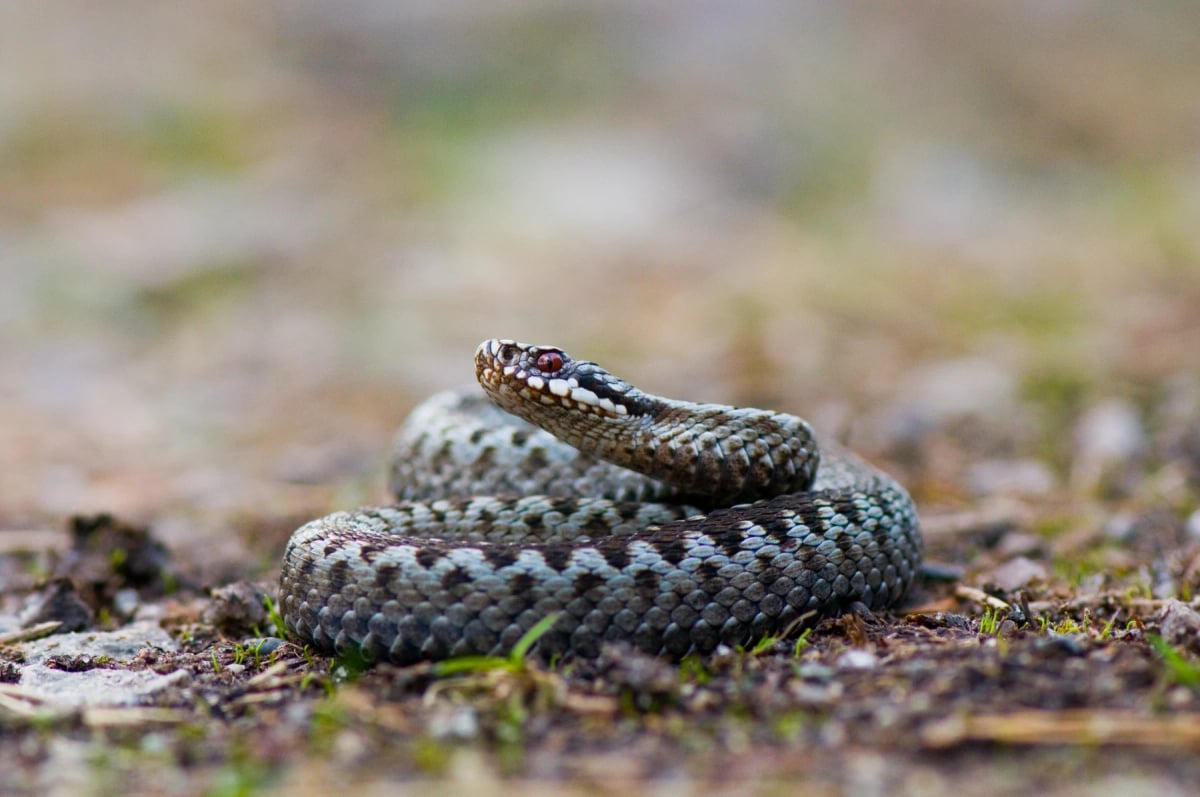
European Adder
Vipera berus
The European adder is found across much of Germany, particularly in heathlands, forest edges, and boggy areas in the north and centre of the country. It has disappeared from many lowland areas due to agriculture and urban development, making habitat conservation increasingly important. The species is legally protected in Germany. It hibernates through the cold months and emerges in early spring to bask and breed. Its IUCN status is Least Concern.
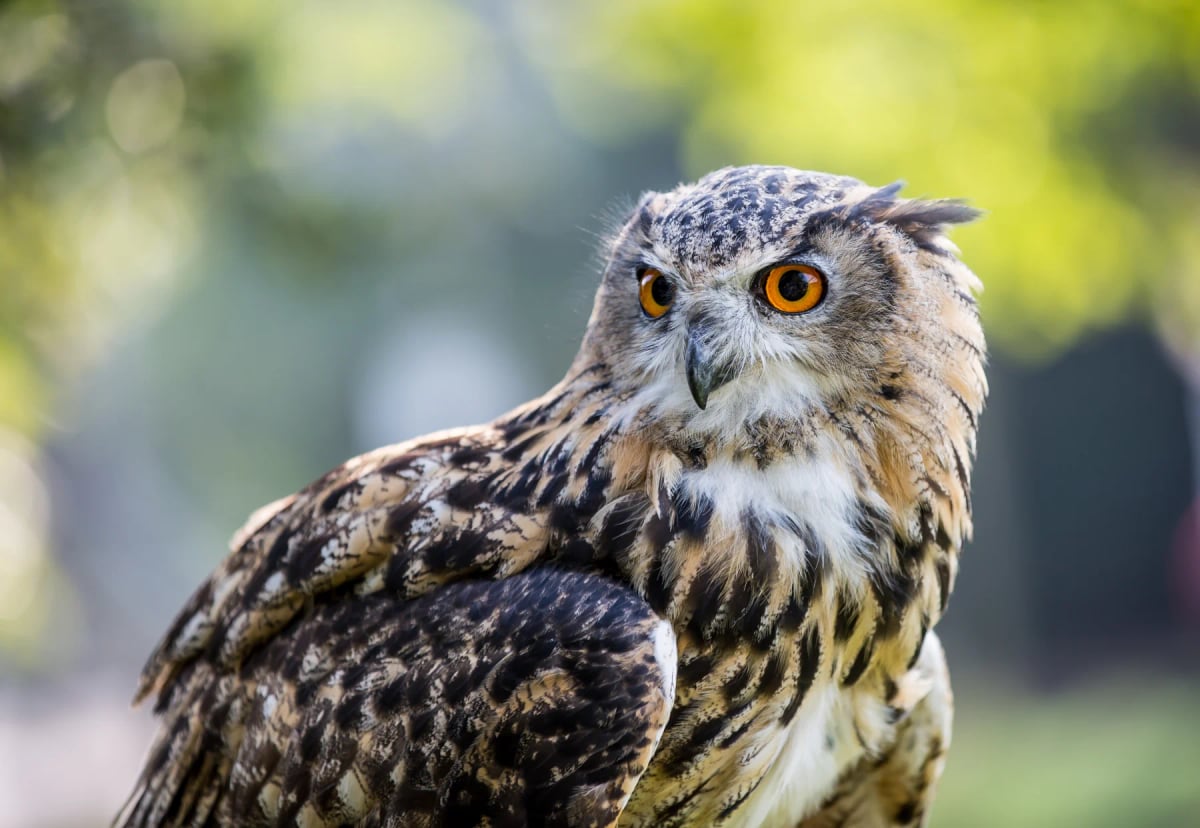
Eagle Owl
Bubo bubo
Germany has played a central role in the eagle owl's recovery across central Europe. After being almost wiped out by the mid twentieth century, a combination of legal protection and reintroduction programmes helped populations rebuild strongly. The species now breeds in many federal states, favouring quarries, forested hillsides, and river gorges such as those along the Rhine. The IUCN lists it as Least Concern.
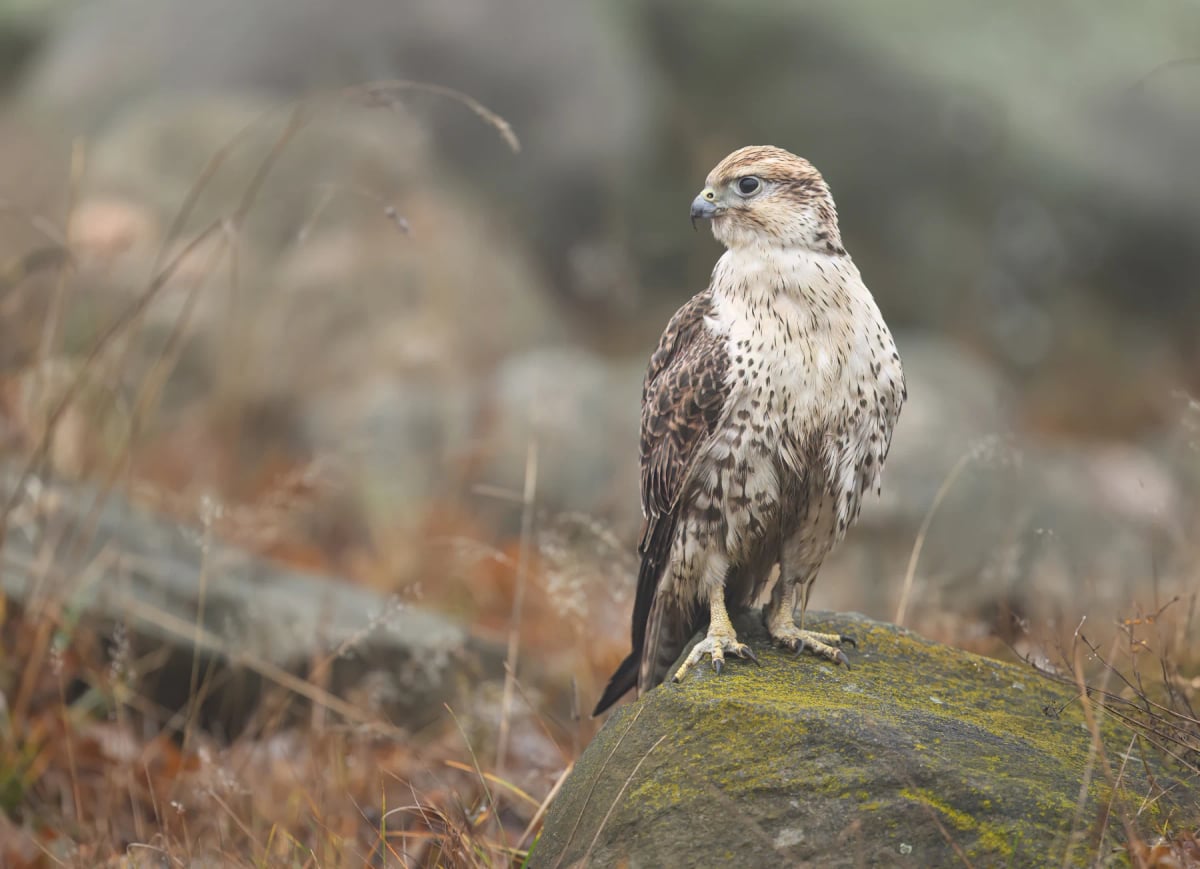
Saker Falcon
Falco cherrug
Germany falls on the western periphery of the saker falcon's range and the bird is recorded here mainly as a rare visitor during migration. Central European countries have worked on reintroduction efforts and habitat protection for birds of prey across the region. The decline of open steppe habitats further east has reduced saker populations significantly. The IUCN lists this species as Endangered.
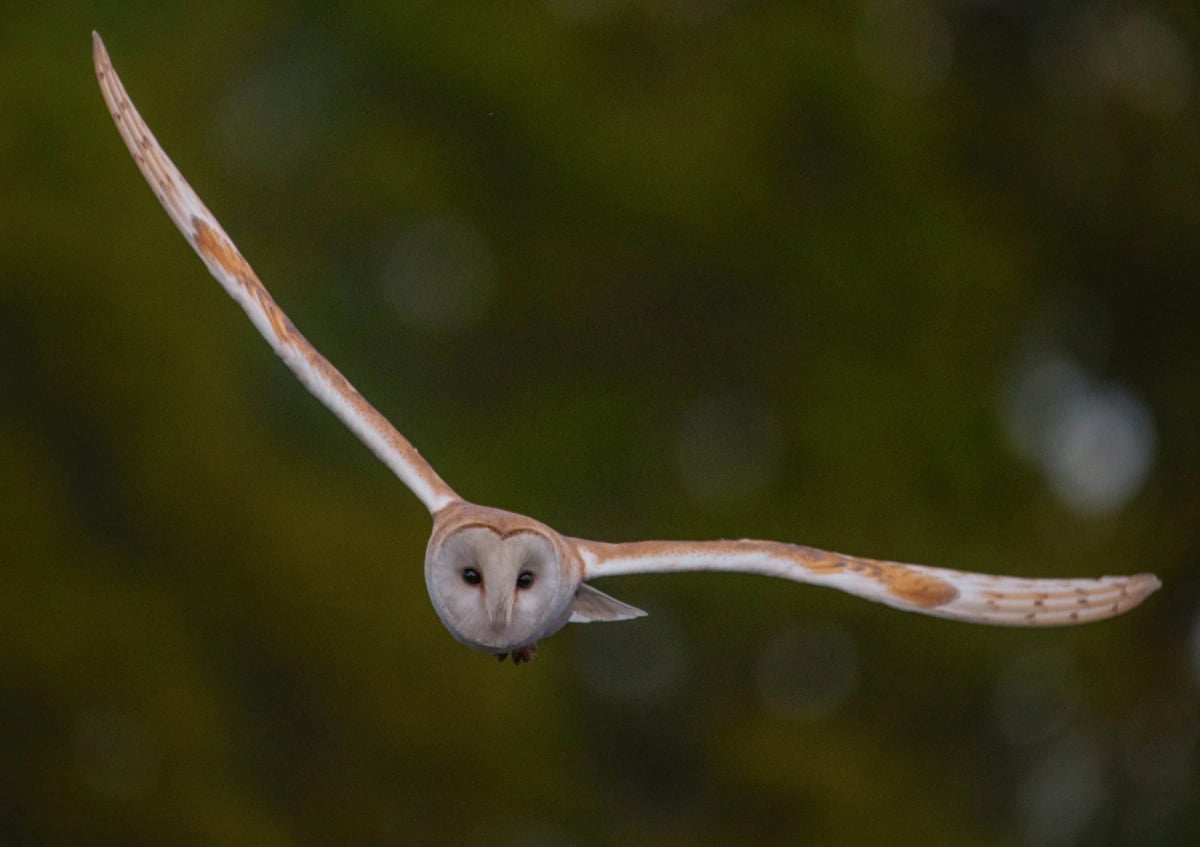
Barn Owl
Tyto alba
The barn owl is found throughout Germany, nesting in church towers, old barns and hollow trees in rural areas. It is an important predator of small rodents and plays a valuable role in controlling mouse populations in agricultural regions. Despite being widespread, its numbers have declined in areas where farmland has been intensified.
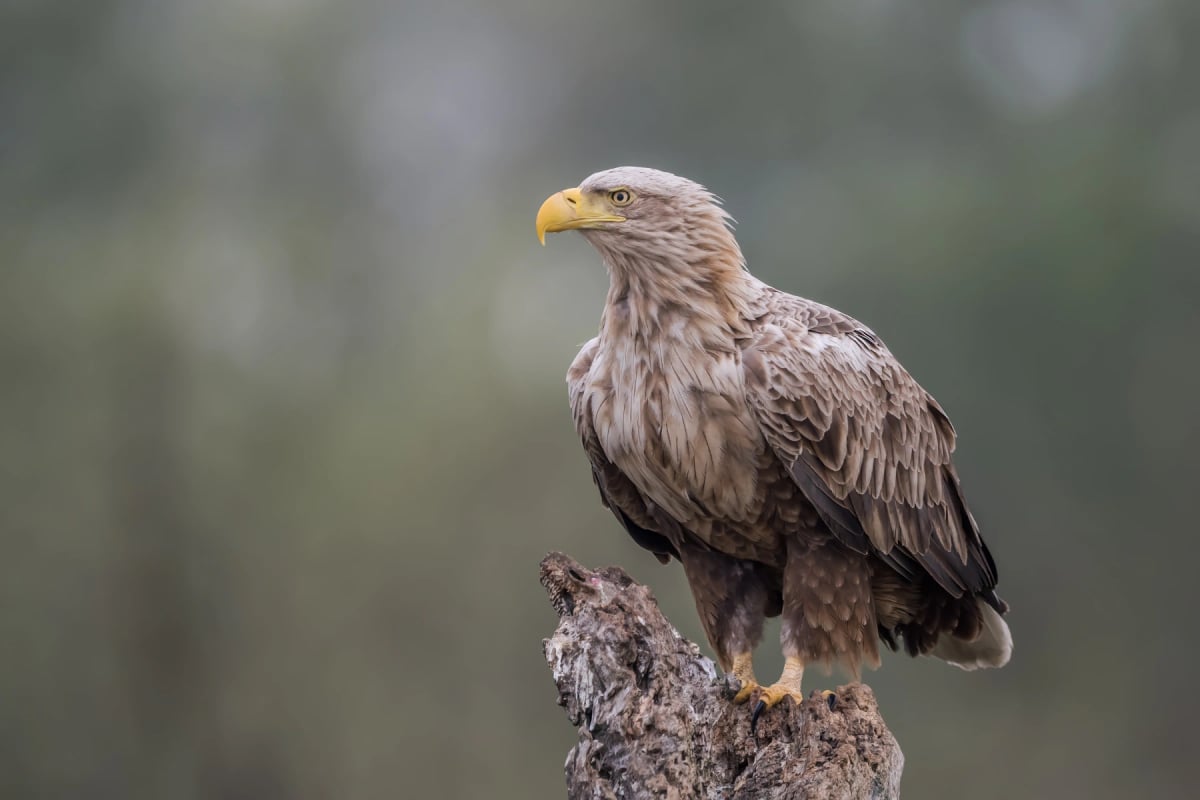
White tailed Eagle
Haliaeetus albicilla
Germany hosts the largest breeding population of the white-tailed eagle in central Europe, concentrated in the lake-rich northeastern states of Mecklenburg and Brandenburg. The species was once hunted to very low numbers but responded well to legal protection introduced in the 20th century. Today thousands of pairs nest across the country. The IUCN lists the species as Least Concern.
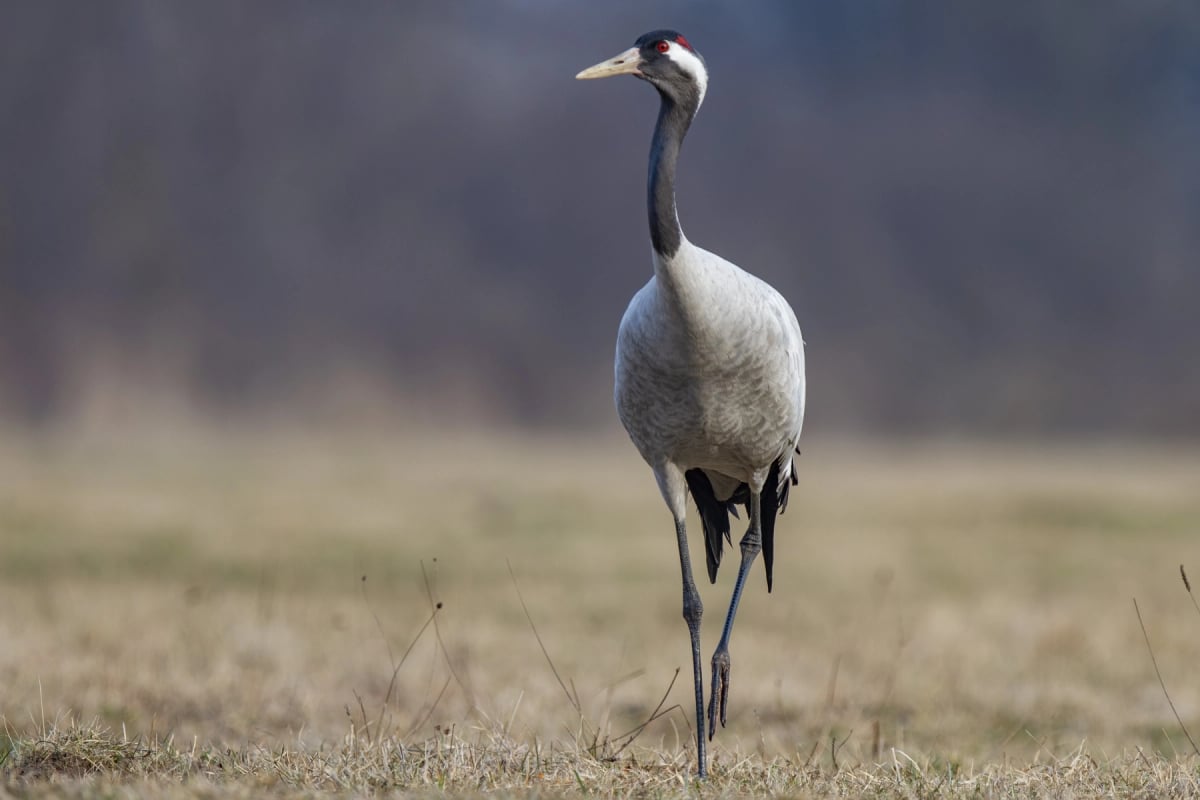
Crane
Grus grus
Germany is both a breeding and a major staging country for common cranes. The Rügen-Bock region on the Baltic coast attracts up to 70,000 cranes each autumn, making it one of Europe's premier gathering sites. Breeding pairs nest in wetlands and forested bogs across the north of the country. Cranes have benefited from legal protection in Germany and populations have grown steadily in recent decades. They stand up to 120 centimetres tall and mate for life. Its IUCN status is Least Concern.
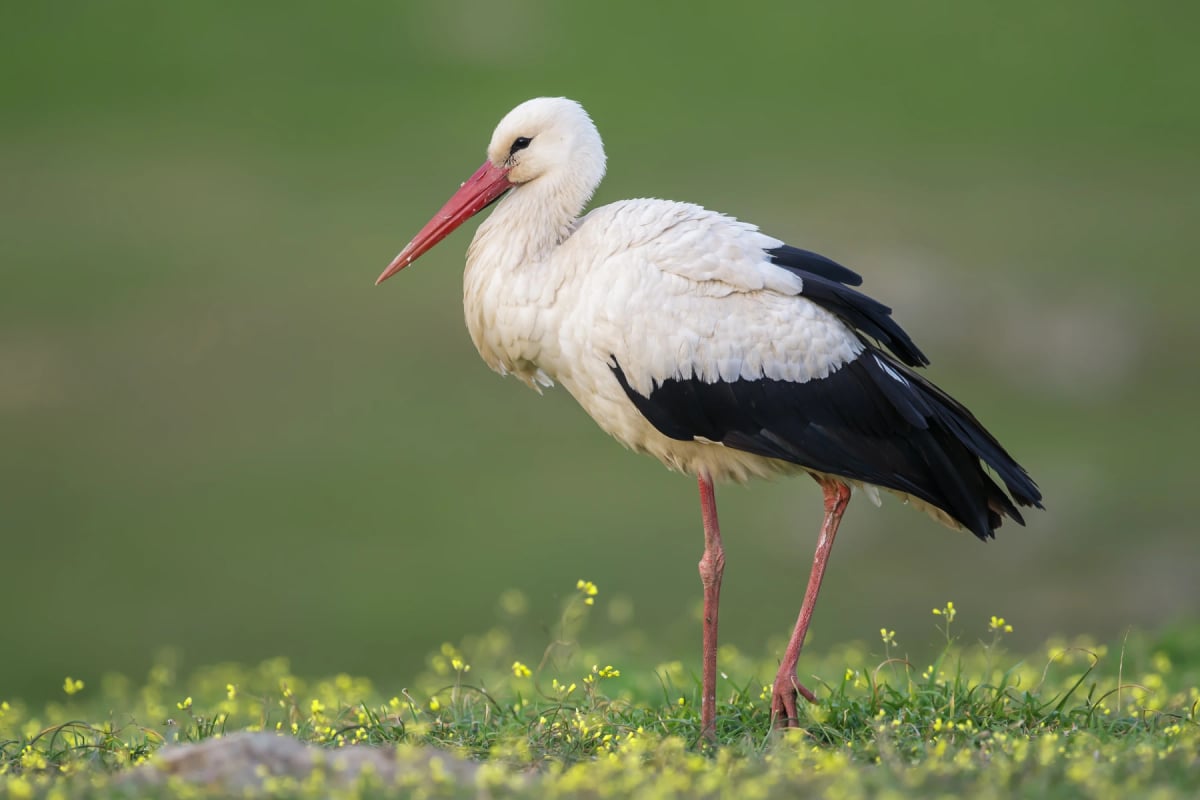
Stork
Ciconia ciconia
Germany has seen a strong recovery in its white stork population after severe declines in the twentieth century. Key breeding areas include the Rhine valley, the Elbe meadows, and the lowlands of Brandenburg and Mecklenburg. Pairs nest on rooftops, chimneys, and specially erected platforms. Conservation programmes, wetland restoration, and reduced pesticide use have all helped numbers rebound significantly over recent decades. IUCN status: Least Concern.
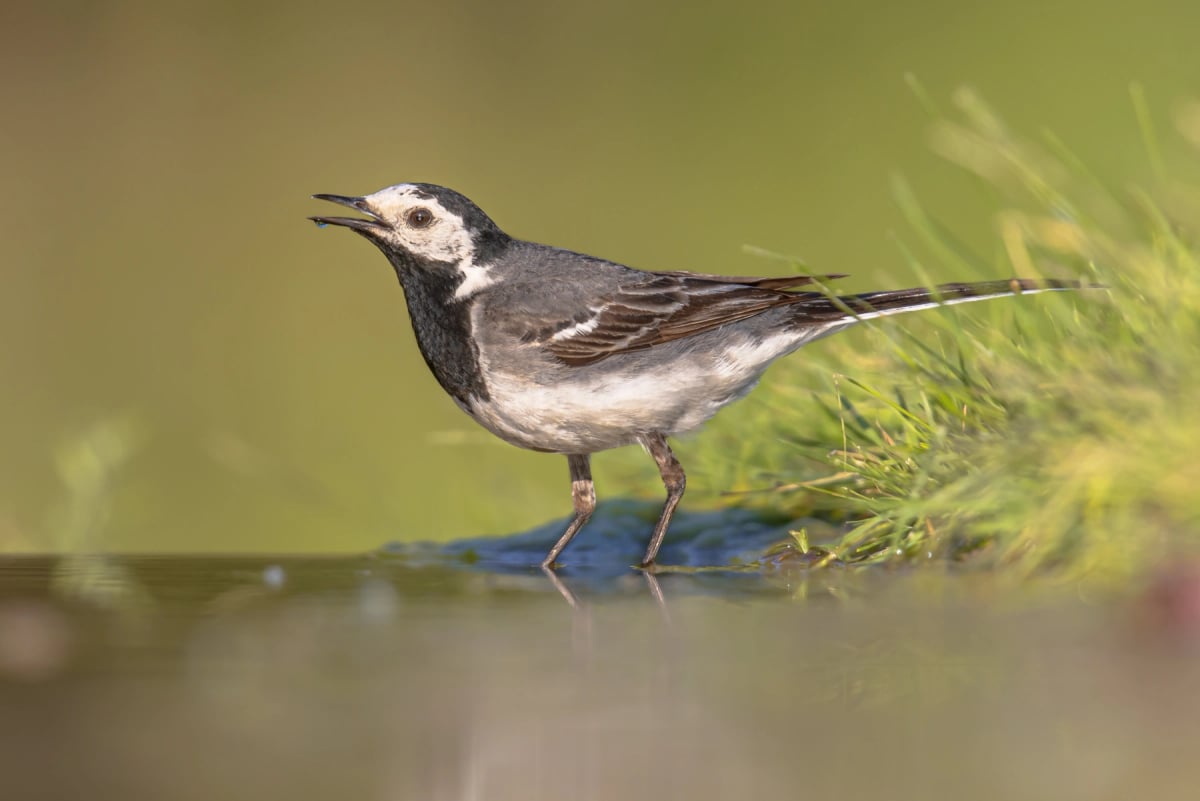
White Wagtail
Motacilla alba
Germany is home to a large and stable breeding population of white wagtails. The bird nests throughout the country, from the North Sea and Baltic coasts to the alpine foothills in Bavaria, favouring riverbanks, gravel pits, farmyards and urban areas. It is a welcome sign of spring when it returns in March. Many German birds migrate to sub-Saharan Africa for winter, while others from further north pass through the country on their way south.
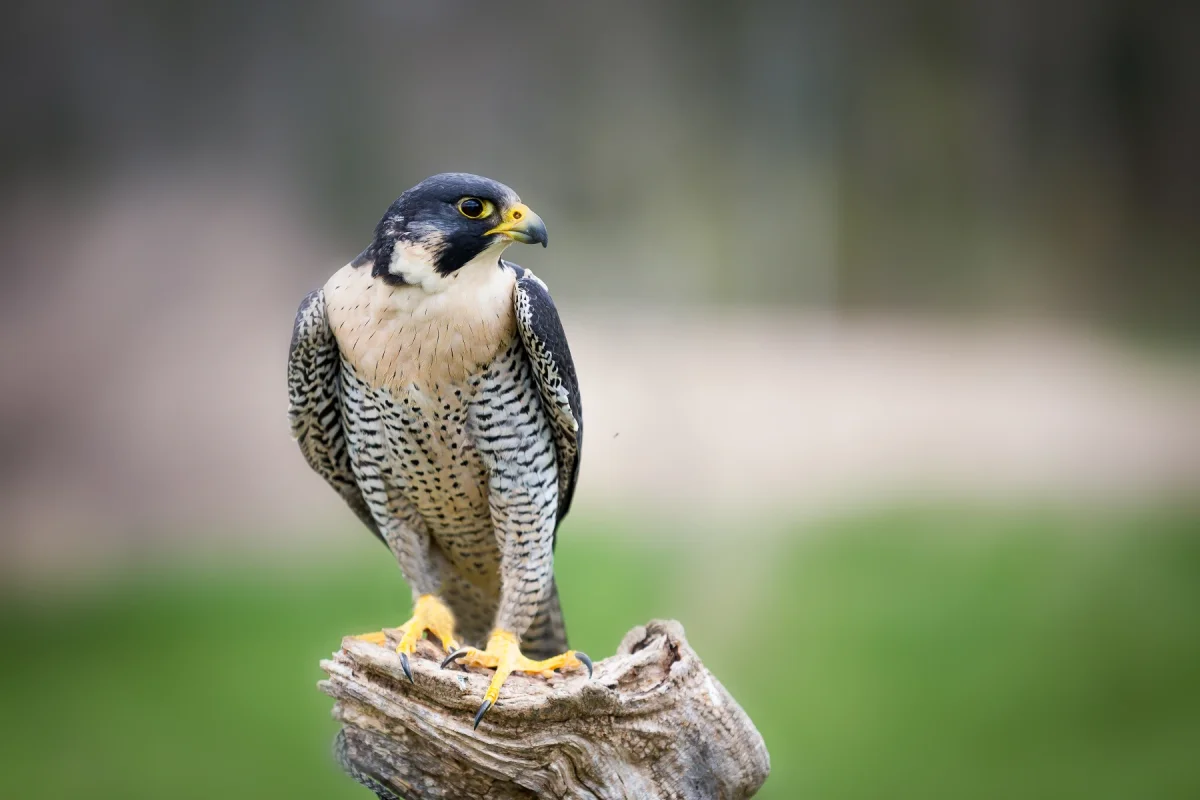
Peregrine Falcon
Falco peregrinus
Germany has witnessed one of Europe's most impressive recoveries of the peregrine falcon. Near extinction in the country by the 1970s due to DDT and persecution, the population rebounded after legal protections and captive breeding programs took effect. Today, falcons nest widely across river gorges like the Rhine Valley, forested uplands, and increasingly on tall city buildings in Berlin, Frankfurt, and Munich. Its IUCN status is Least Concern.
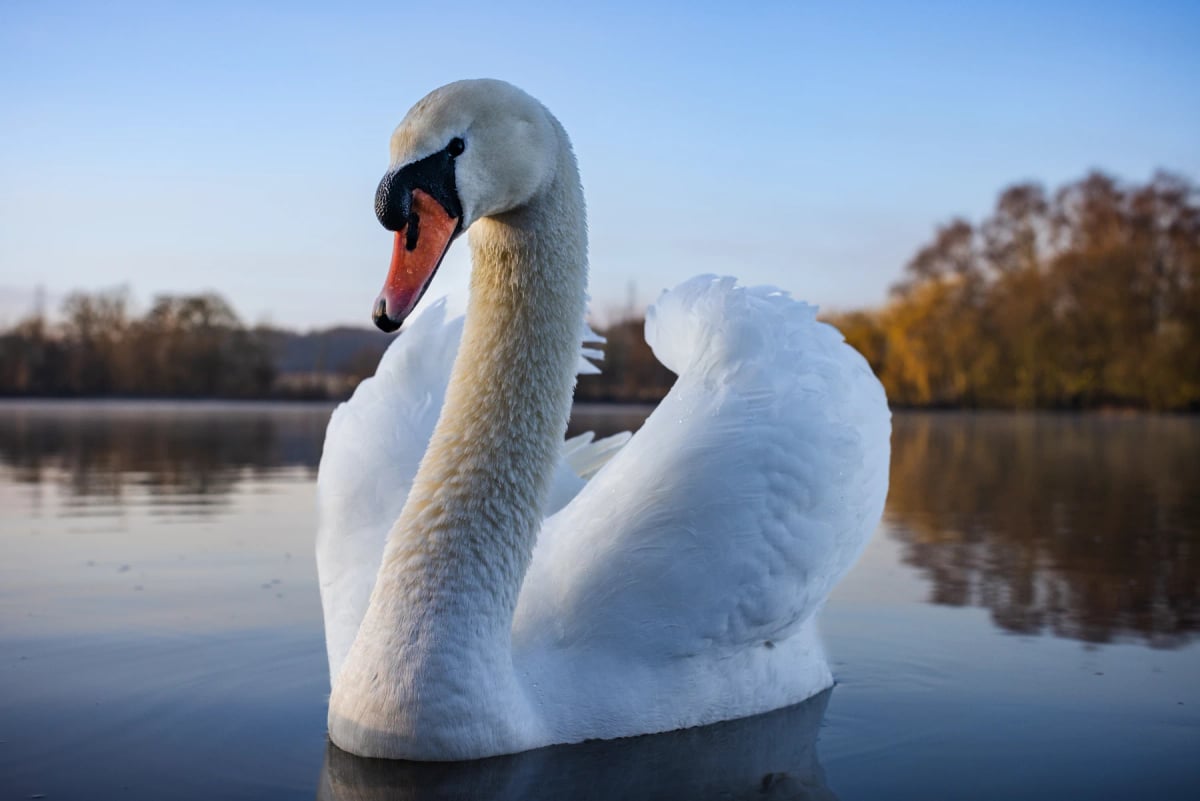
Mute Swan
Cygnus olor
Germany holds one of the largest mute swan populations in central Europe. The bird is common on the lakes of Bavaria, the Baltic coast of Mecklenburg, the rivers of the north German plain, and many urban parks and reservoirs. It adapts well to areas with human activity and is a regular presence in city parks from Berlin to Munich. Pairs often return to the same nesting sites year after year. Its IUCN status is Least Concern.
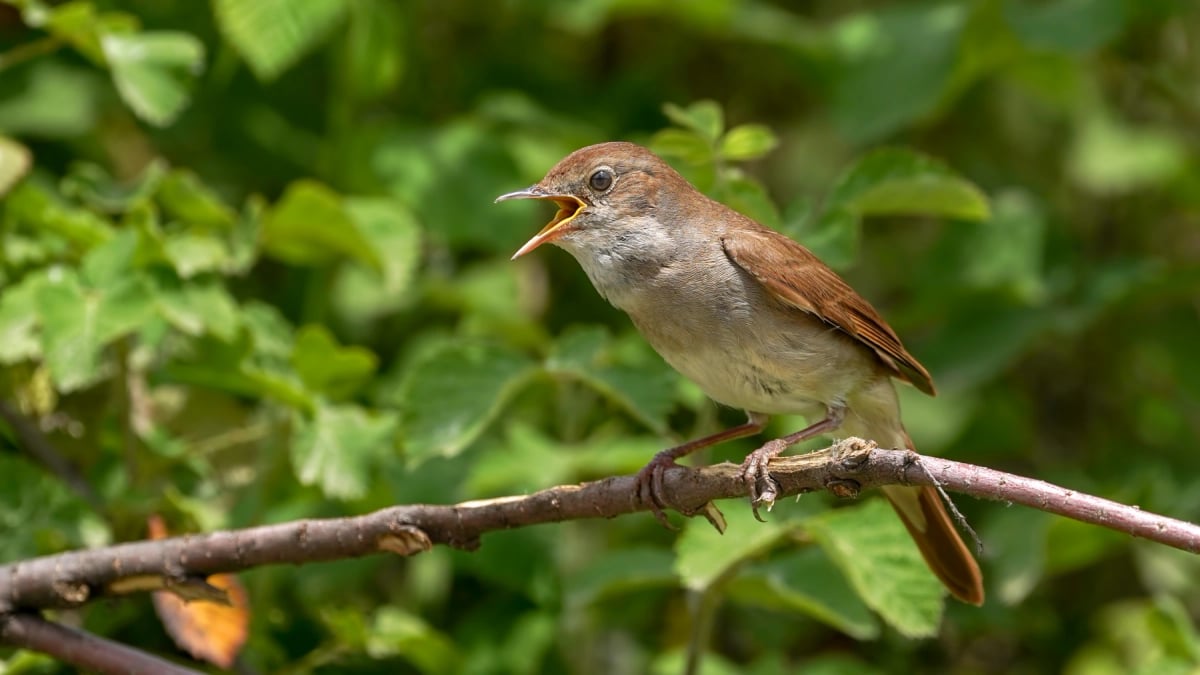
Nightingale
Luscinia megarhynchos
Germany sits within the core of the nightingale's European breeding range. It nests in dense thickets and shrubby undergrowth across the warmer lowland regions, particularly in the east and along river valleys. Males fill spring nights with song from April onward. Habitat loss through the removal of scrub and changes in woodland management has caused noticeable declines in parts of the country. Its IUCN status is Least Concern.
Golden Eagle
Aquila chrysaetos
In Germany, the golden eagle is primarily found in the Bavarian Alps, where it breeds on cliff faces within the mountain zone near the Austrian border. The population is small but stable, and nest sites are closely protected under German federal and state wildlife law. It hunts over open alpine pastures and forest edges, targeting marmots, hares, and foxes. Outside Bavaria, golden eagles are occasionally seen as wandering individuals in other upland regions.
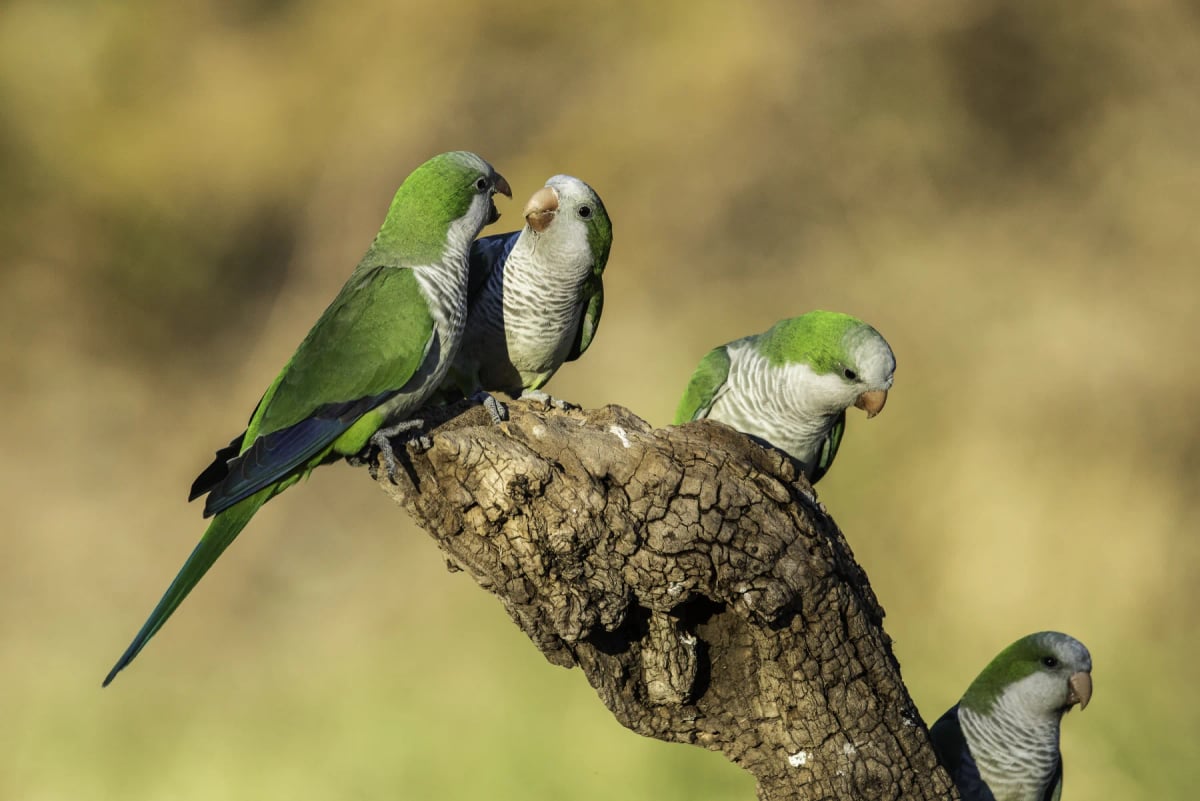
Monk Parakeet
Myiopsitta monachus
The Monk Parakeet is present in Germany as an introduced species, with small colonies reported in cities such as Stuttgart and Heidelberg. These birds trace their origins to escaped pets and have managed to survive German winters thanks to their unusually strong cold tolerance for a parrot. The population remains limited but is watched by conservationists for signs of further expansion. IUCN Status: Least Concern.
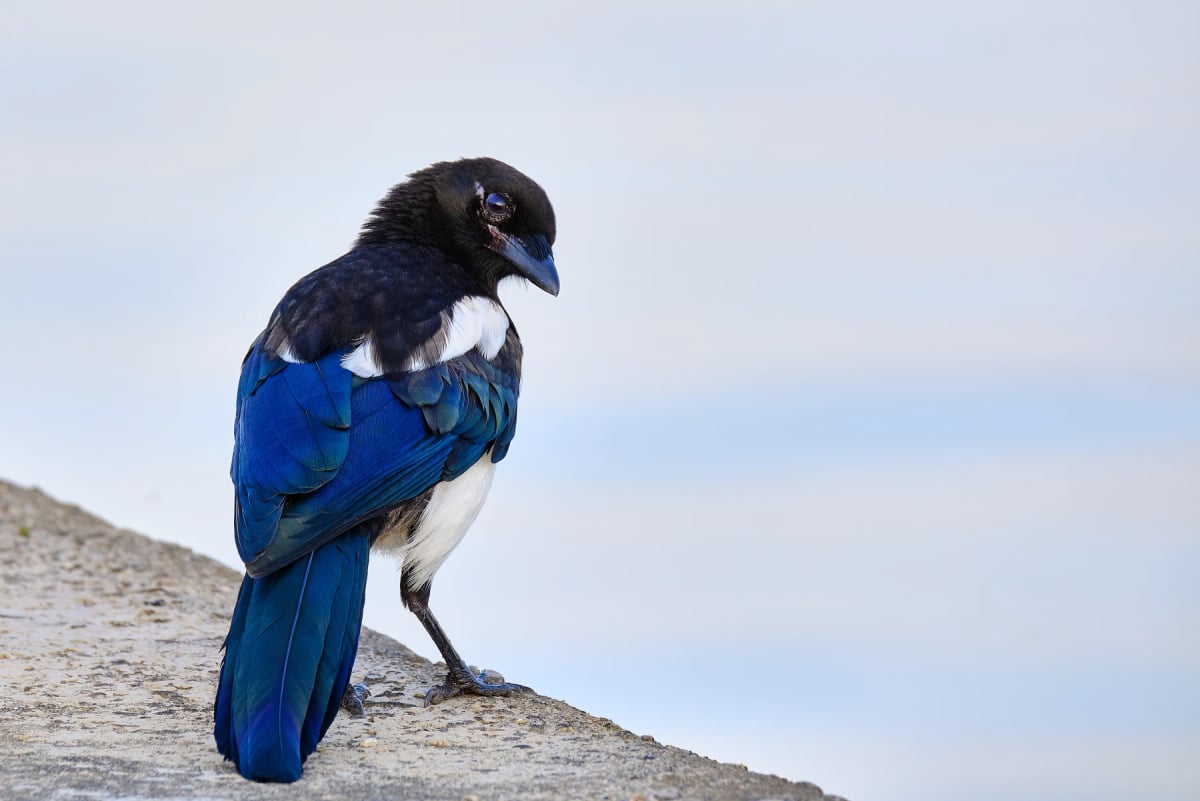
Eurasian Magpie
Pica pica
In Germany, the Eurasian Magpie is a widespread resident found in farmland, parks, and suburban gardens throughout the country. It became noticeably more common in towns and cities during the latter half of the twentieth century. Intelligent and opportunistic, it builds large, domed nests in tall trees or dense shrubs. It is not subject to any legal persecution in Germany today and its population remains stable. IUCN status: Least Concern.
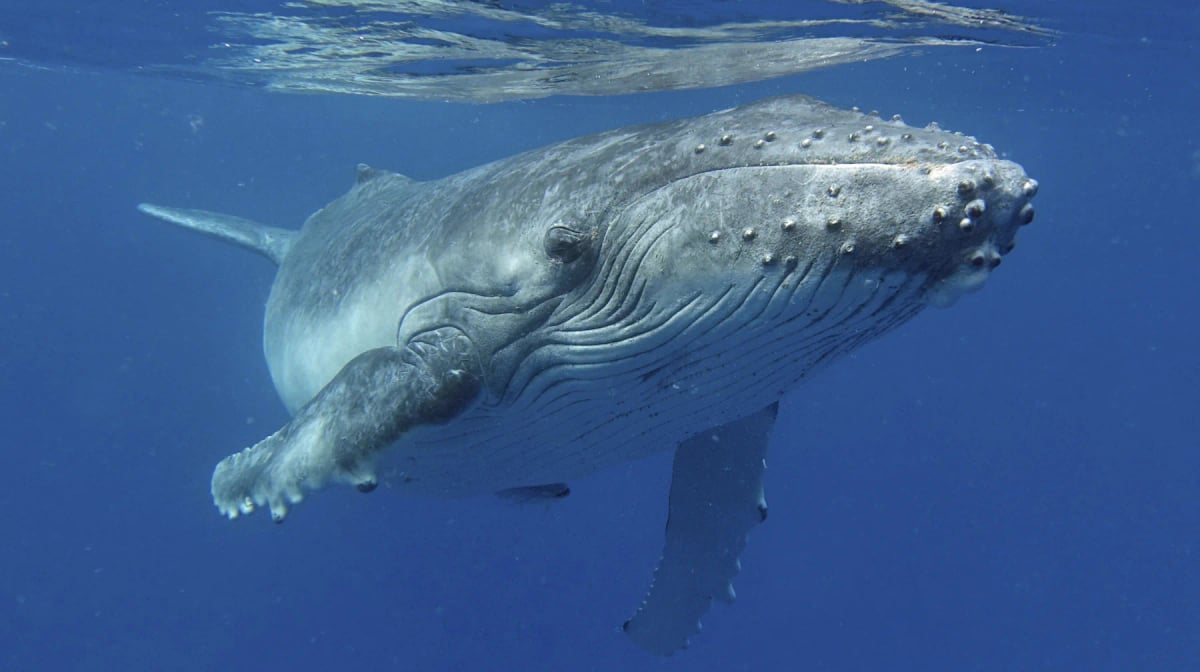
Humpback Whale
Megaptera novaeangliae
Humpback whales occasionally pass through the North Sea waters bordering Germany, typically during migratory movements between the North Atlantic feeding grounds and warmer southern waters. These visits are rare and often attract significant public attention. Germany has been a strong supporter of international whale conservation efforts, backing protections through the International Whaling Commission. The species is classified as Least Concern by the IUCN.

Bottlenose Dolphin
Tursiops truncatus
Bottlenose dolphins are occasional visitors to German waters, primarily in the North Sea. While not a resident population, individuals and small groups have been recorded along the North Frisian coast and around the island of Sylt. The North Sea supports a range of cetacean species, and sightings of bottlenose dolphins, though infrequent, are documented by marine monitoring programs. Shipping traffic and underwater noise remain concerns for cetaceans in this region. The IUCN lists the species as Least Concern.
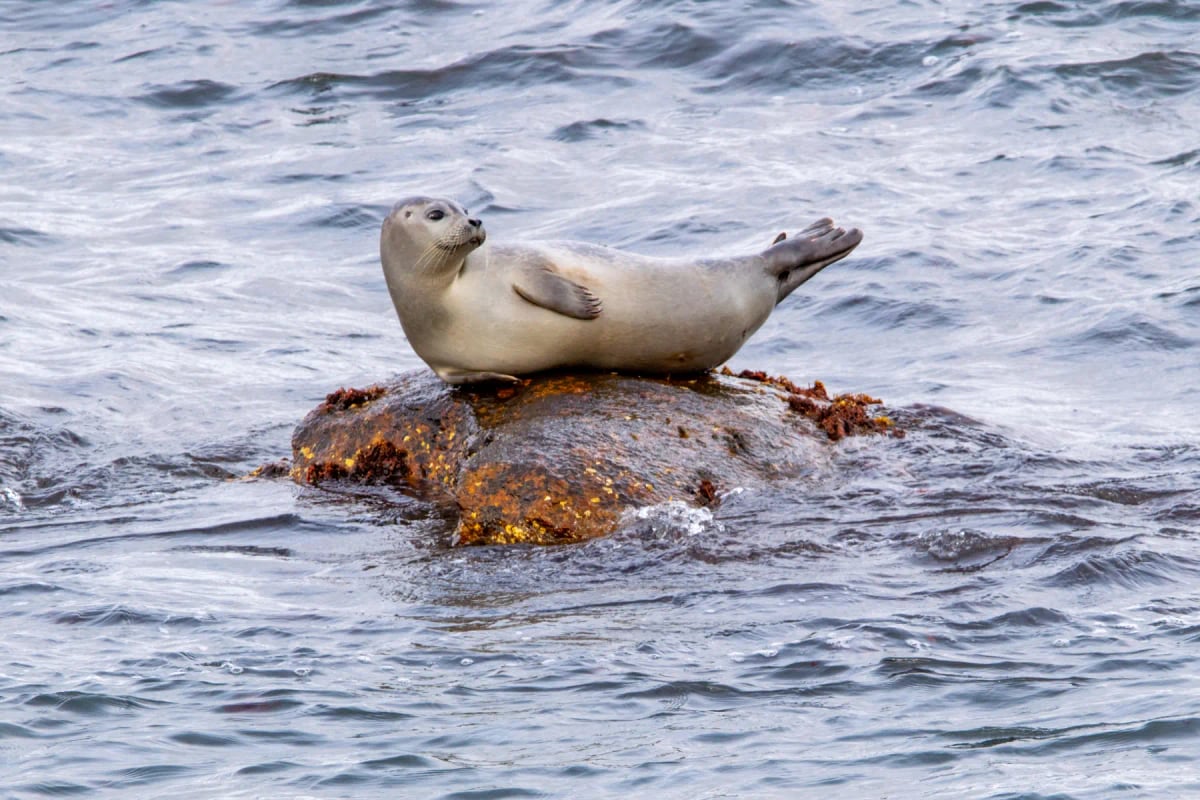
Seal
Phoca vitulina
Germany's Wadden Sea, stretching along the coasts of Schleswig-Holstein and Lower Saxony, is one of the most important areas for harbor seals in all of Europe. The vast tidal flats serve as resting, breeding, and molting grounds for thousands of animals. The region is protected as a national park and forms part of the transboundary Wadden Sea World Heritage Site. Regular aerial surveys track population trends across the German coast. IUCN status: Least Concern.
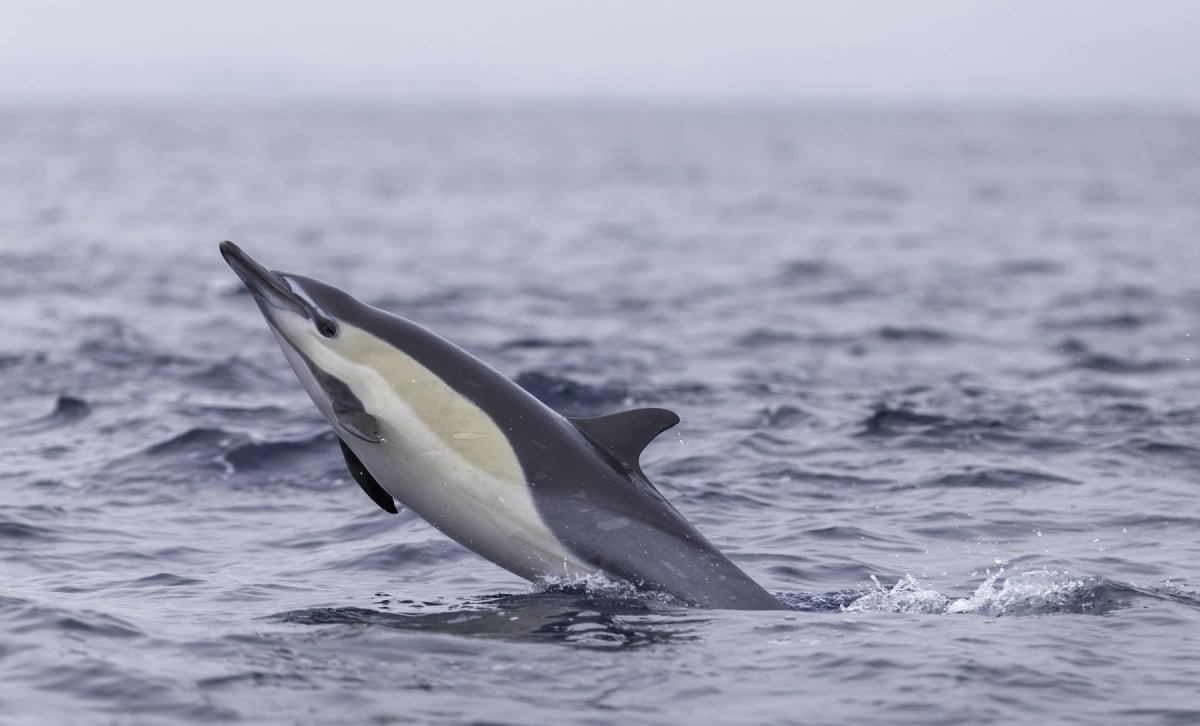
Common Dolphin
Delphinus delphis
The common dolphin is an occasional visitor to German waters in the North Sea, where it appears far less frequently than in its core Atlantic range. Sightings tend to be infrequent and are often linked to individuals following prey into the southern North Sea. Germany's relatively enclosed coastal waters are not a primary habitat for this species, but records do confirm its presence from time to time. IUCN status: Least Concern.
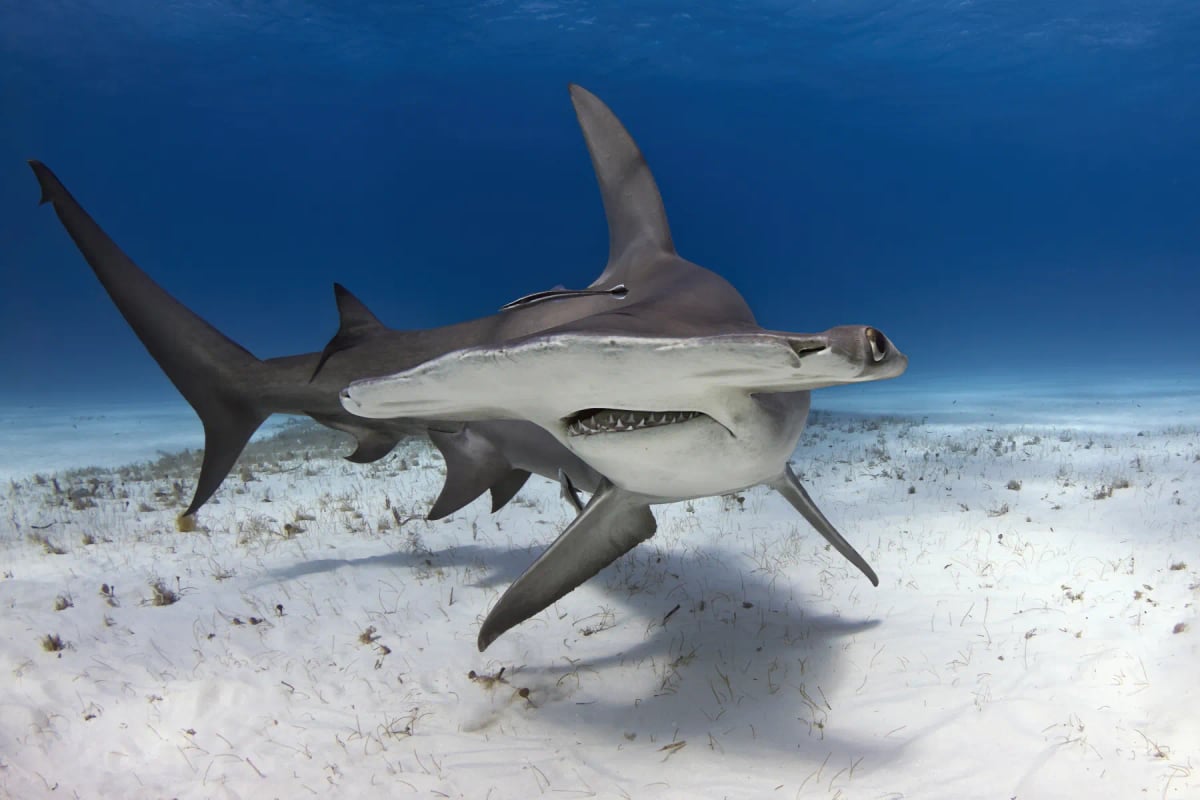
Hammerhead Shark
Sphyrna spp.
Germany borders the North Sea and the Baltic Sea, waters too cold for Hammerhead Sharks to live in. Germany's role in the conservation of this Critically Endangered species is primarily through EU policy and international agreements that regulate fishing across the Atlantic. German research institutions also contribute to global shark science, helping to better understand the biology and decline of hammerhead populations worldwide.
Researched and written by Juan Pablo. Sources: IUCN Red List, scientific literature and regional field guides. Last updated: .