Animals in Bolivia
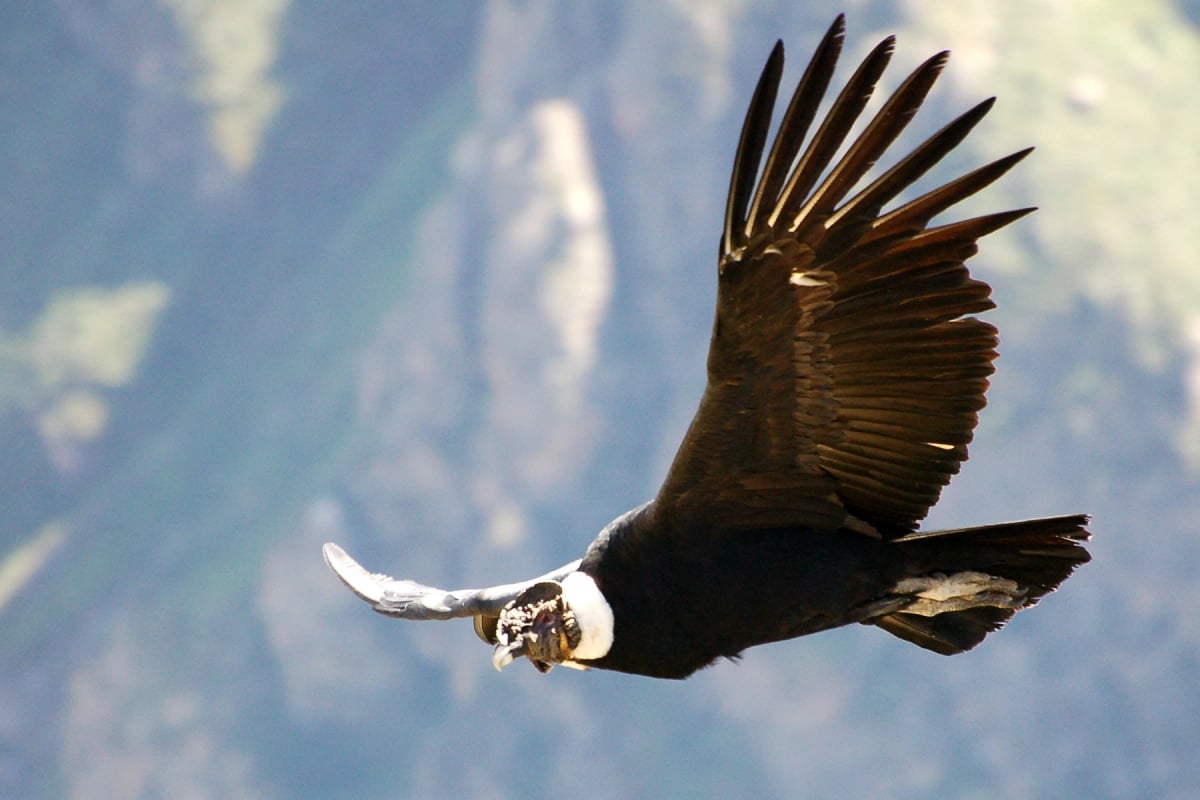
Andean Condor
Vultur gryphus
The Andean condor is a very large vulture that is widely used as a national symbol in Bolivia. It has long broad wings, dark plumage and a white collar around the neck, and it soars on rising air currents over cliffs and mountain ridges. The species lives in high Andean regions, where it nests on rock walls and feeds mainly on carcasses of large animals. Andean condors need wide open spaces and have long lifespans with slow reproduction, so their populations are sensitive to poisoning and loss of food. In Bolivia, conservation efforts focus on reducing these threats and protecting nesting sites in mountain landscapes.
View details→Wildlife in Bolivia
Bolivia includes Amazon rainforest, Andean mountains, dry inter Andean valleys, savannas and wetlands. In lowland forests and rivers, sloths, spider monkeys, howler monkeys, anteaters, armadillos, tapirs, capybaras, jaguars, ocelots, giant otters and Amazon river dolphins are important parts of the ecosystem. On high plateaus and slopes, llamas, vicunas, guanacos, deer and spectacled bears use grasslands, rocky ground and scattered woodland. Birds such as rheas, toucans, scarlet macaws and Andean condors add to this diversity. Several protected areas offer river trips, forest walks and mountain routes that show how varied the country’s wildlife is.
Most Dangerous Animals in Bolivia
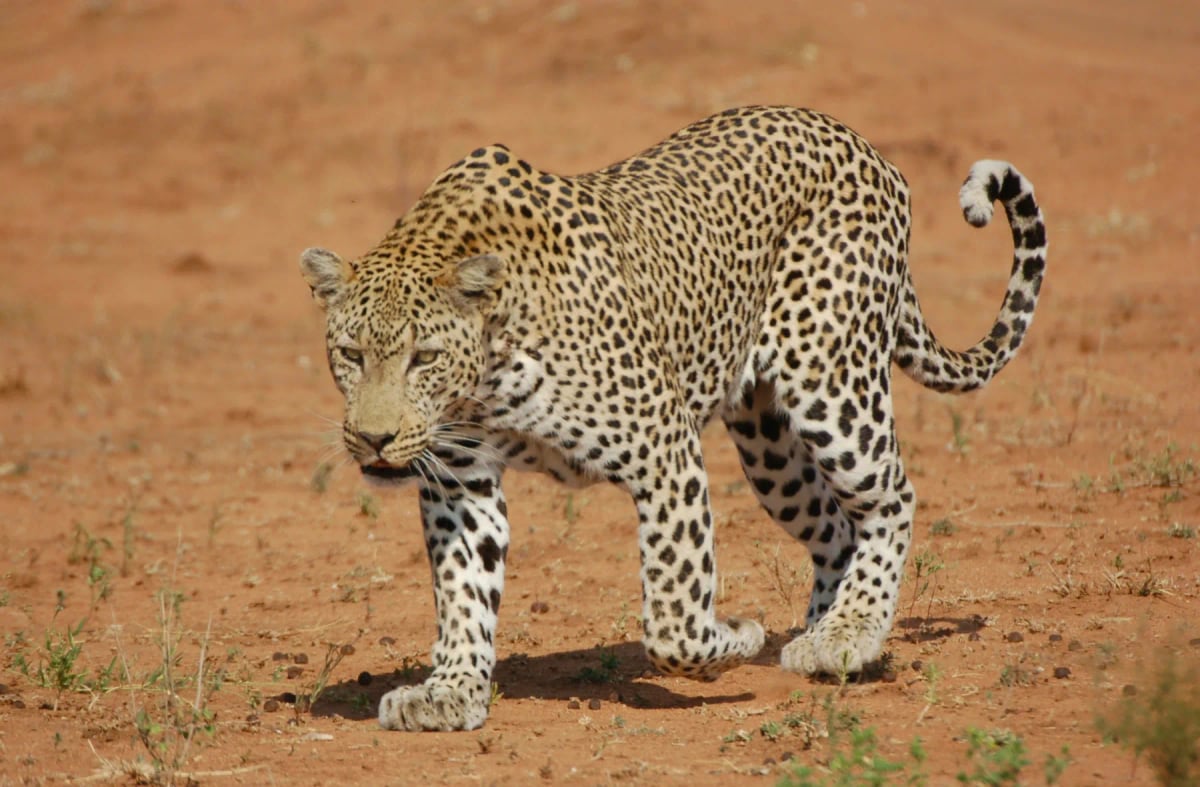
Bolivia has wild animals that can be dangerous in certain situations, mainly in remote forests, wetlands and mountain areas. Jaguars and cougars are strong predators in forest, savanna and foothill regions, and the spectacled bear can be risky at close range if it feels threatened. In warm lowlands and river banks, caimans, anacondas, yellow anacondas, large boa constrictors and venomous snakes such as rattlesnakes and lanceheads require special care. Serious incidents are uncommon when people keep distance, avoid walking alone in dense vegetation, and follow local safety advice during trips in natural areas.
Top 10 Animals in Bolivia
The animals highlighted for Bolivia link its main regions, from Amazon lowlands to high Andean plateaus. In humid forests and rivers, jaguars, ocelots, tapirs, capybaras, giant otters, spider monkeys, howler monkeys and scarlet macaws represent dense vegetation and complex waterways. On higher ground, vicunas, llamas, guanacos, deer and spectacled bears show how wildlife uses grasslands, rocky slopes and sparse woodland in cooler climates. Together these species give a clear picture of how many different habitats and animal groups fit inside one country.
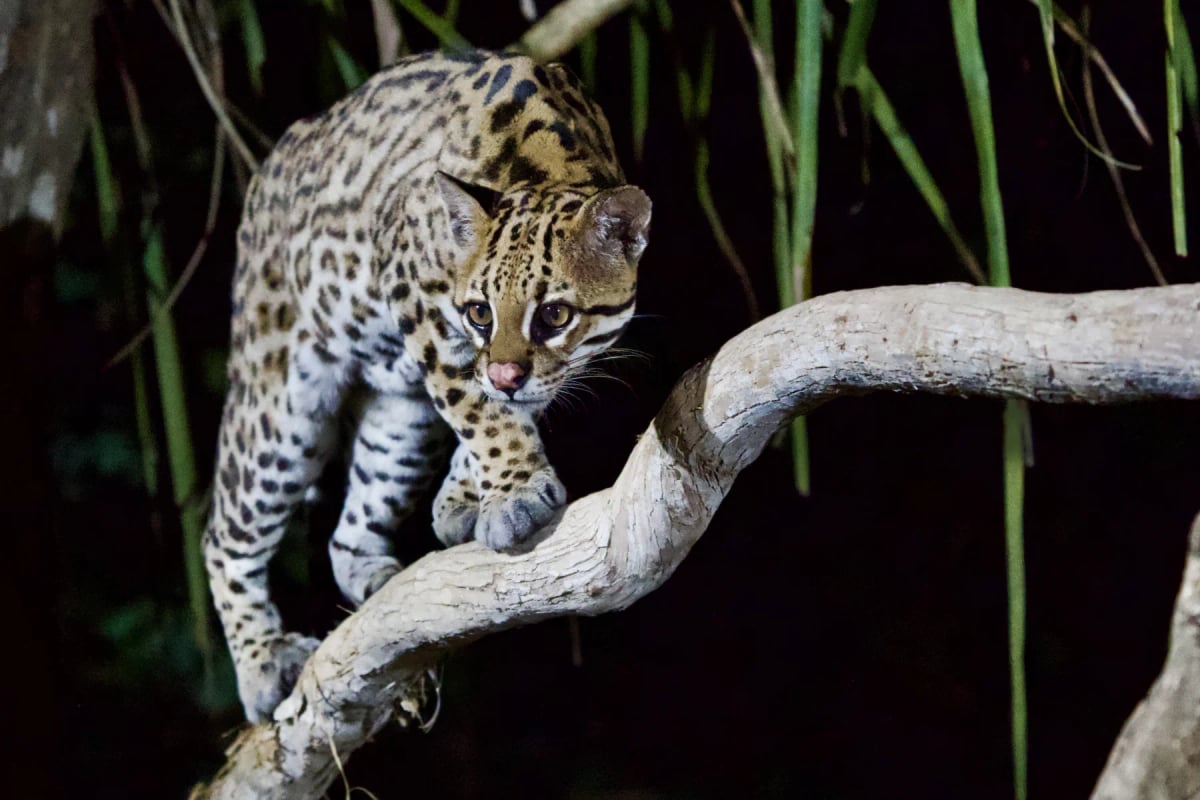
Ocelot
Leopardus pardalis
In Bolivia, ocelots are found across a range of ecosystems, from the Amazon basin lowlands in the north to the dry Chaco forests in the southeast. They thrive in areas with dense vegetation that offers cover for hunting and resting. Deforestation driven by agriculture and cattle ranching is the main threat to ocelots in Bolivia, particularly in the Chiquitano dry forest region, where habitat is disappearing at a rapid pace.
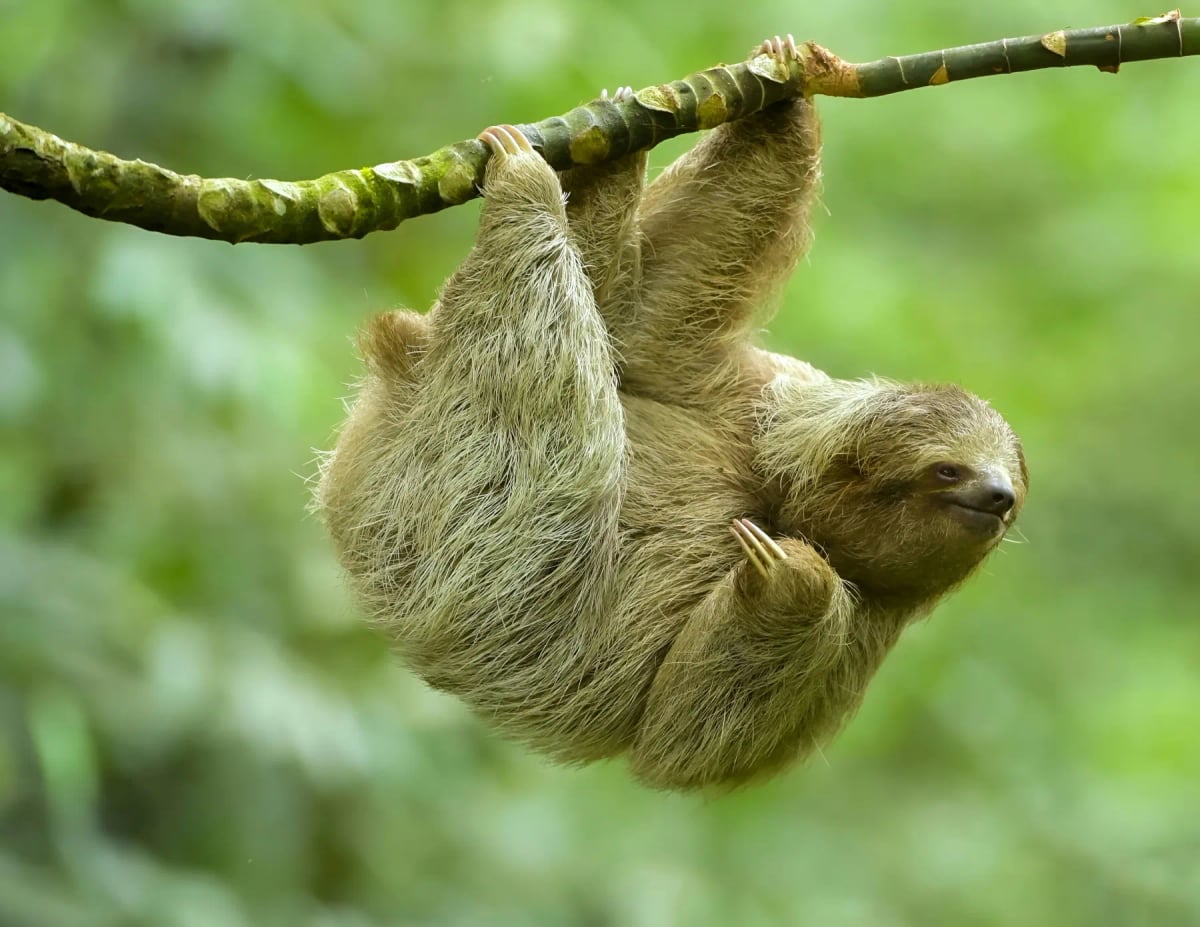
Sloth
Folivora
Sloths inhabit the tropical forests of Bolivia's northern lowlands, particularly in the Amazon basin departments of Beni and Pando. They spend their days hanging from the canopy, slowly munching on leaves and barely moving. Their greenish fur, tinted by algae, helps them blend into the dense forest. Bolivia's intact stretches of Amazonian jungle provide some of the most important refuge for these unhurried mammals.
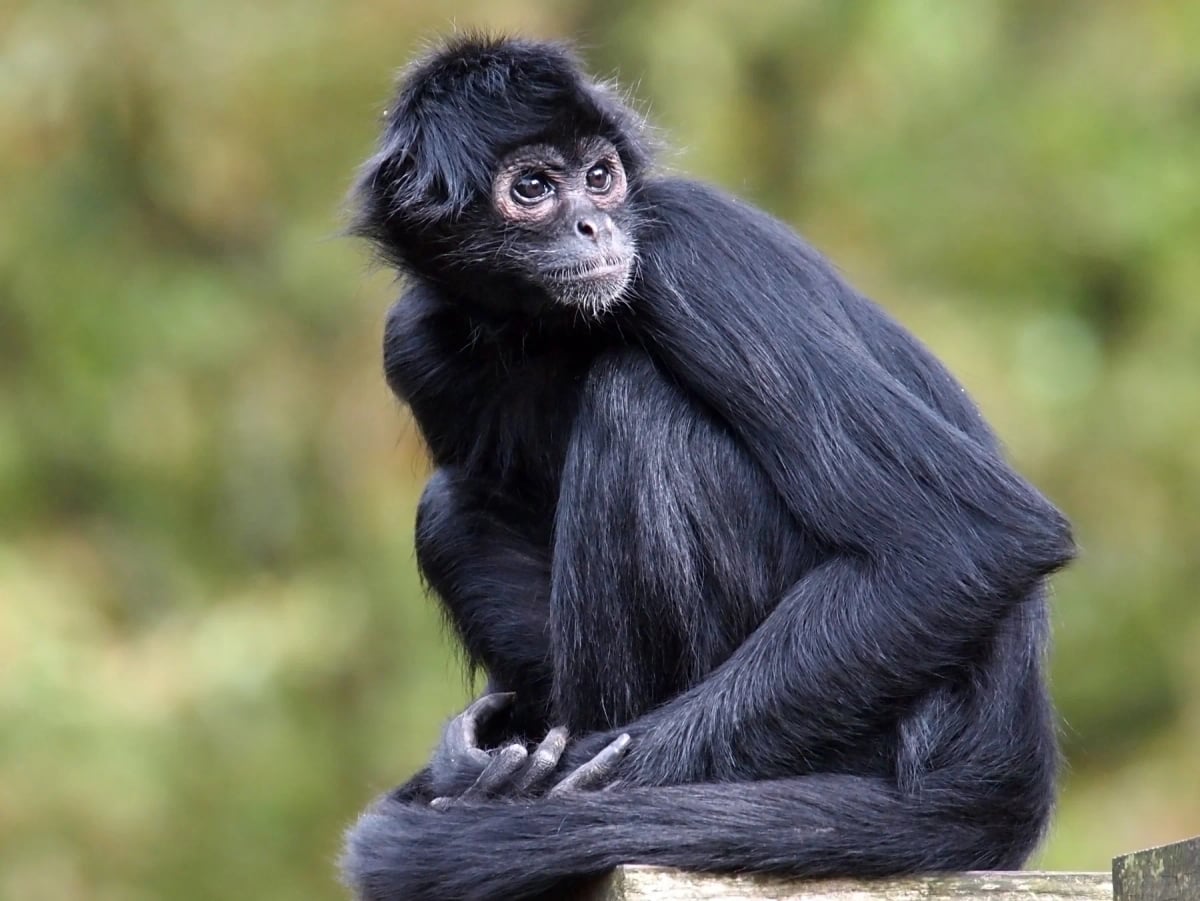
Spider Monkey
Ateles spp.
Spider monkeys in Bolivia are found in the tropical forests of the north and east, particularly in departments such as Beni, Pando, and Santa Cruz. These lowland forests connect with the broader Amazon and include areas protected within the Madidi National Park, considered one of the most biodiverse places on the planet. Deforestation driven by cattle ranching and agricultural clearing is the greatest threat to spider monkeys across the Bolivian Amazon.
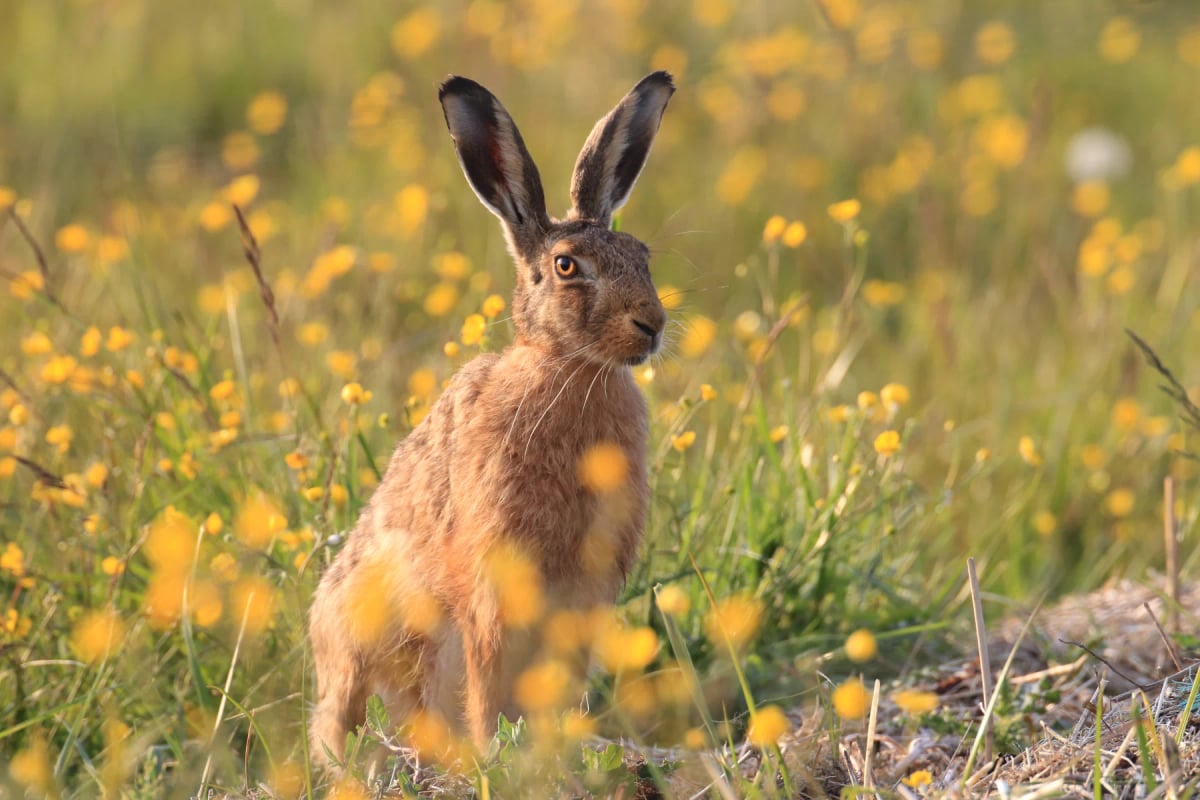
Hare
Lepus europaeus
Introduced to South America, the European hare has established populations in Bolivia, particularly in the highland regions of the altiplano and surrounding areas. It thrives in open, grassy terrain at high altitudes. Though not native, it has adapted well to Bolivian conditions. Its impact on local ecosystems is monitored, as it can compete with native species for food and habitat across the grasslands it occupies.
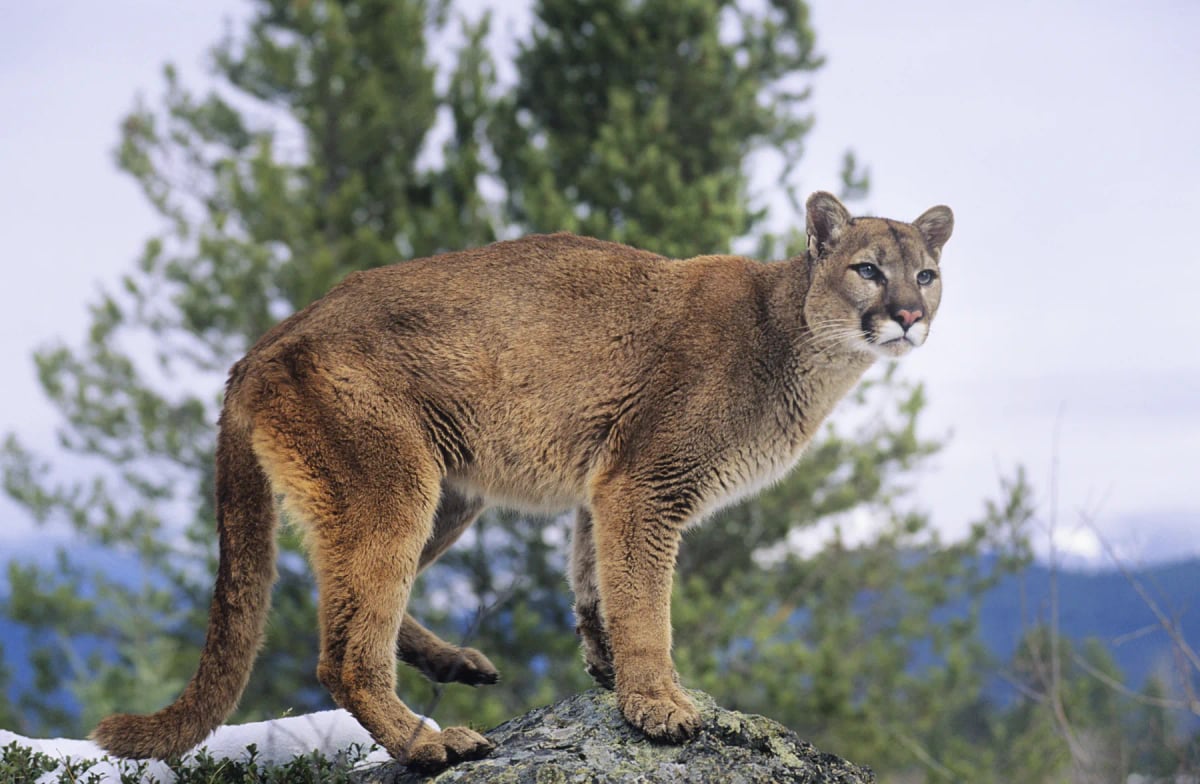
Cougar
Puma concolor
Bolivia's extraordinary variety of landscapes gives the cougar an unusually wide range within a single country, from the high grasslands of the Altiplano to the Amazon basin lowlands in the east. It preys on deer, viscachas, and other native species. While it remains fairly widespread, habitat conversion for agriculture and retaliatory killings by livestock farmers pose ongoing threats to its populations.
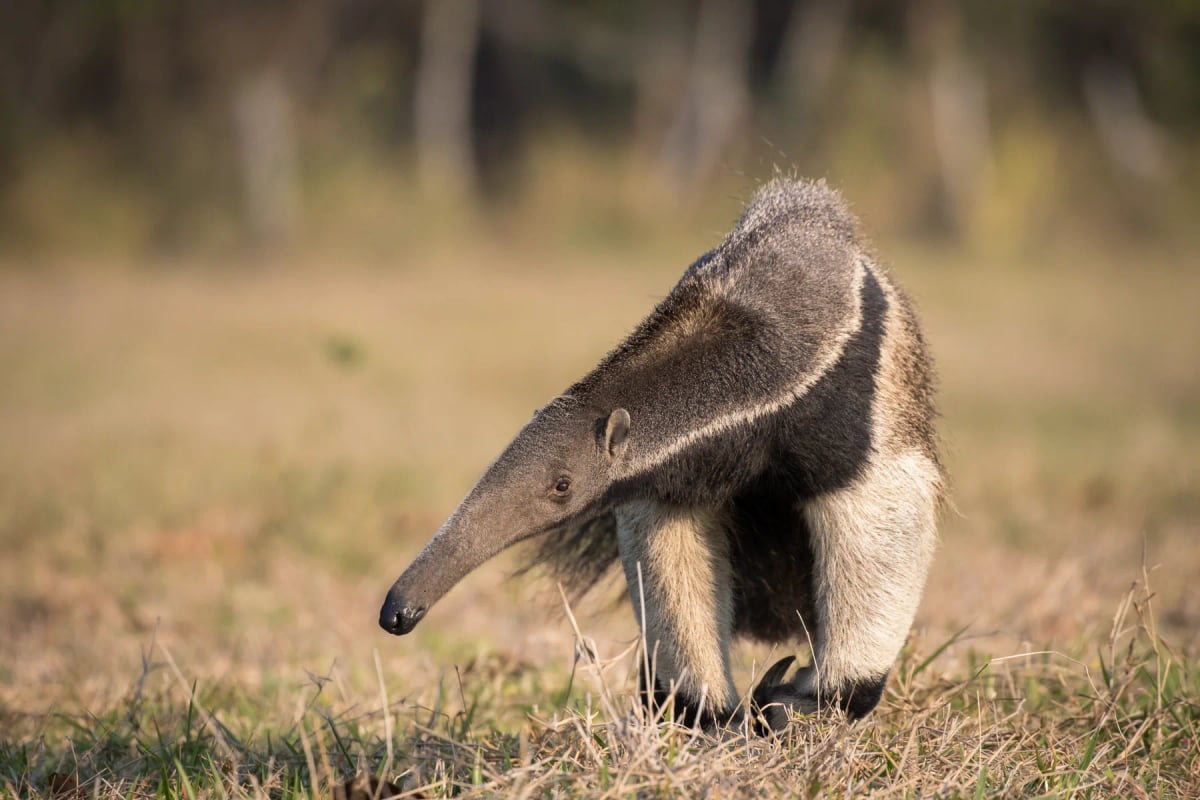
Anteater
Myrmecophaga tridactyla
The giant anteater is found in Bolivia's lowland savannas, wetlands, and gallery forests, particularly in the departments of Beni, Santa Cruz, and Tarija. The Llanos de Moxos, one of the largest tropical savannas in South America, provides prime habitat for the species. Bolivia's populations face pressure from agricultural expansion and wildfires, and the species is considered threatened at the national level.
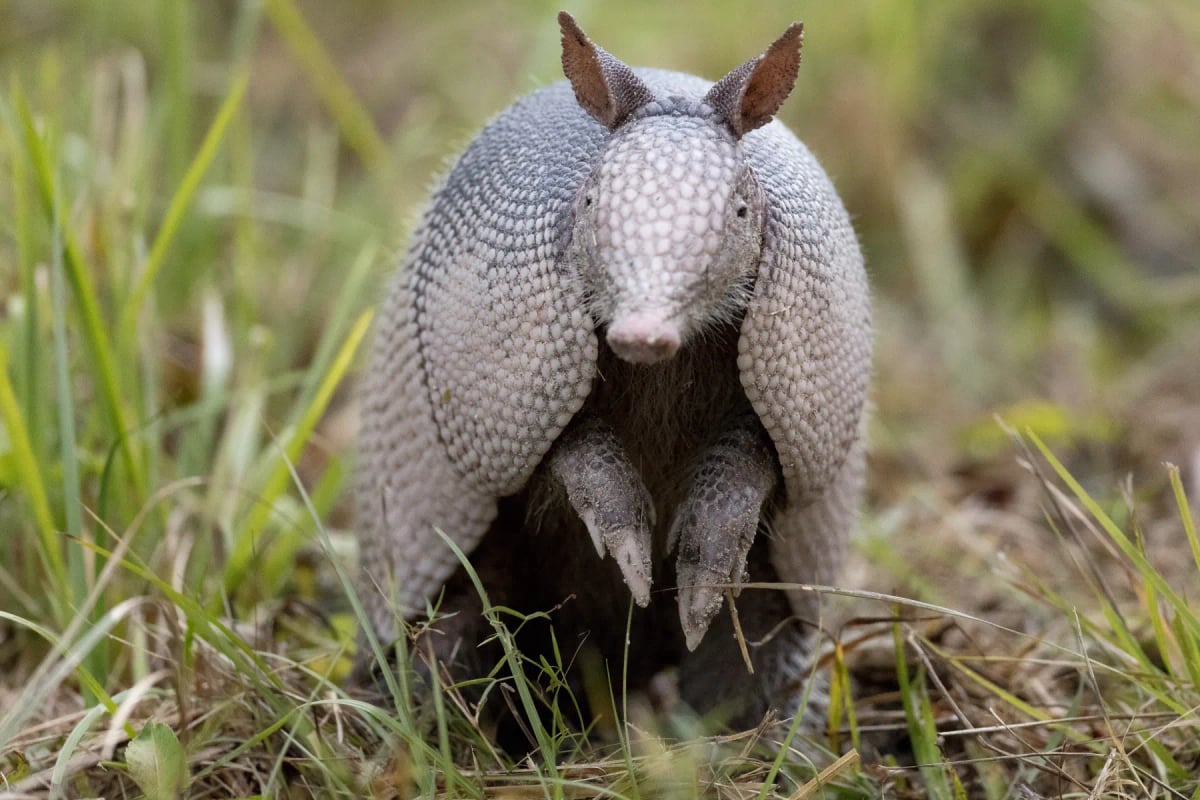
Armadillo
Dasypodidae spp.
Bolivia has one of the highest armadillo species diversities in South America, including the nine banded armadillo, the giant armadillo, the southern three banded armadillo, and several hairy armadillo species found in the drier Chaco and highlands. The giant armadillo inhabits the Amazon and Chaco lowlands, while the Andean hairy armadillo reaches higher elevations in the west. Bolivia's mix of Amazonian, Chaco, and Andean ecosystems creates a range of habitats suitable for different species. Hunting for meat and shell remains common in rural areas.
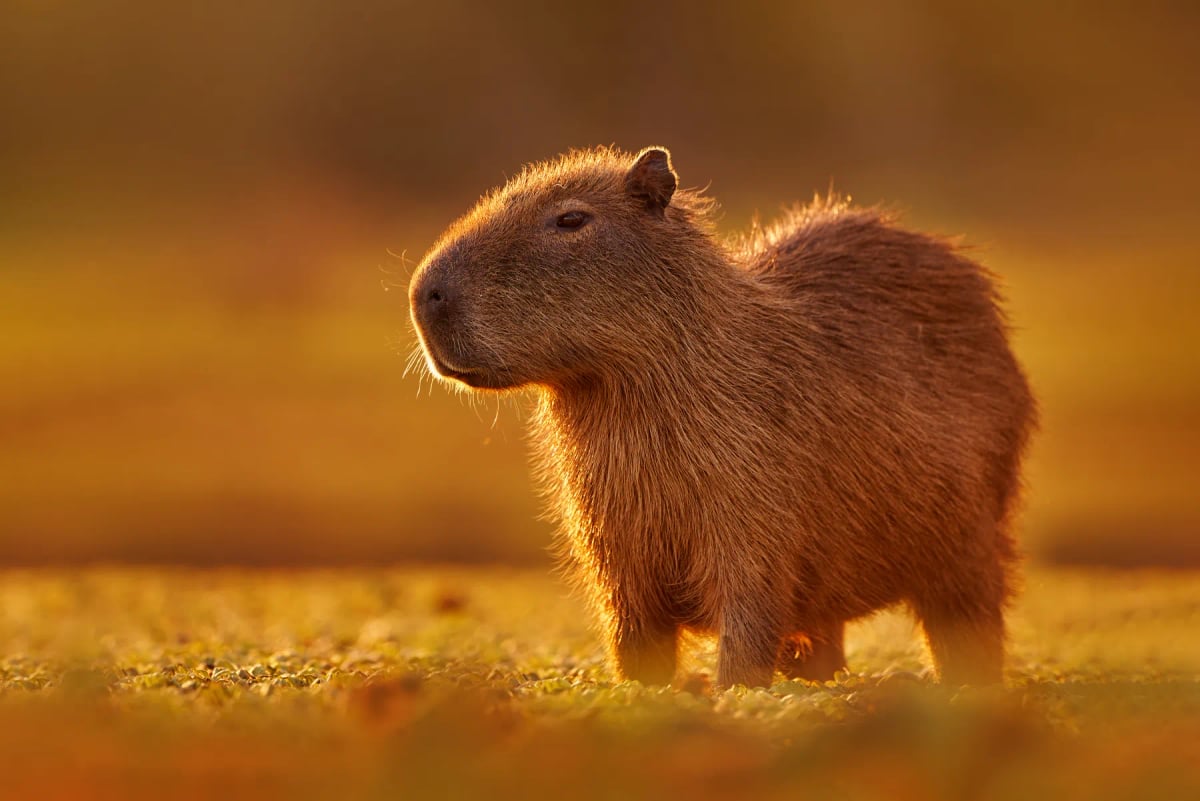
Capybara
Hydrochoerus hydrochaeris
In Bolivia, capybaras inhabit the flooded savannas and wetlands of the Llanos de Moxos in the Beni Department, one of the largest seasonally flooded plains on Earth. They are also found along rivers in the Amazonian lowlands. Social groups gather near water sources during the dry season. The species is listed as Least Concern by the IUCN and remains relatively stable in Bolivia.
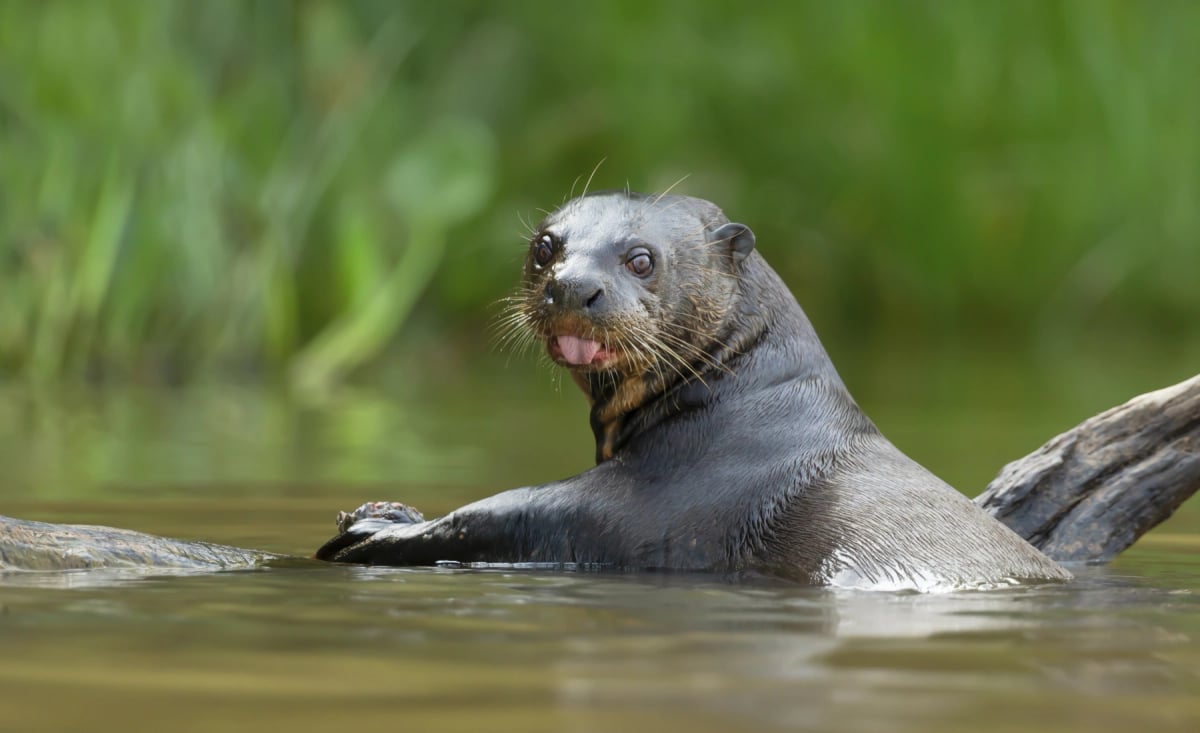
Giant Otter
Pteronura brasiliensis
The giant otter lives in Bolivia's Amazon basin, particularly along rivers and oxbow lakes in the Beni and Pando departments. Family groups of up to eight individuals fish together in slow, clear waterways and defend their territory with loud, distinctive calls. Habitat loss and mercury pollution from gold mining threaten the species here. It is listed as Endangered, with only a few thousand individuals surviving across all of South America.
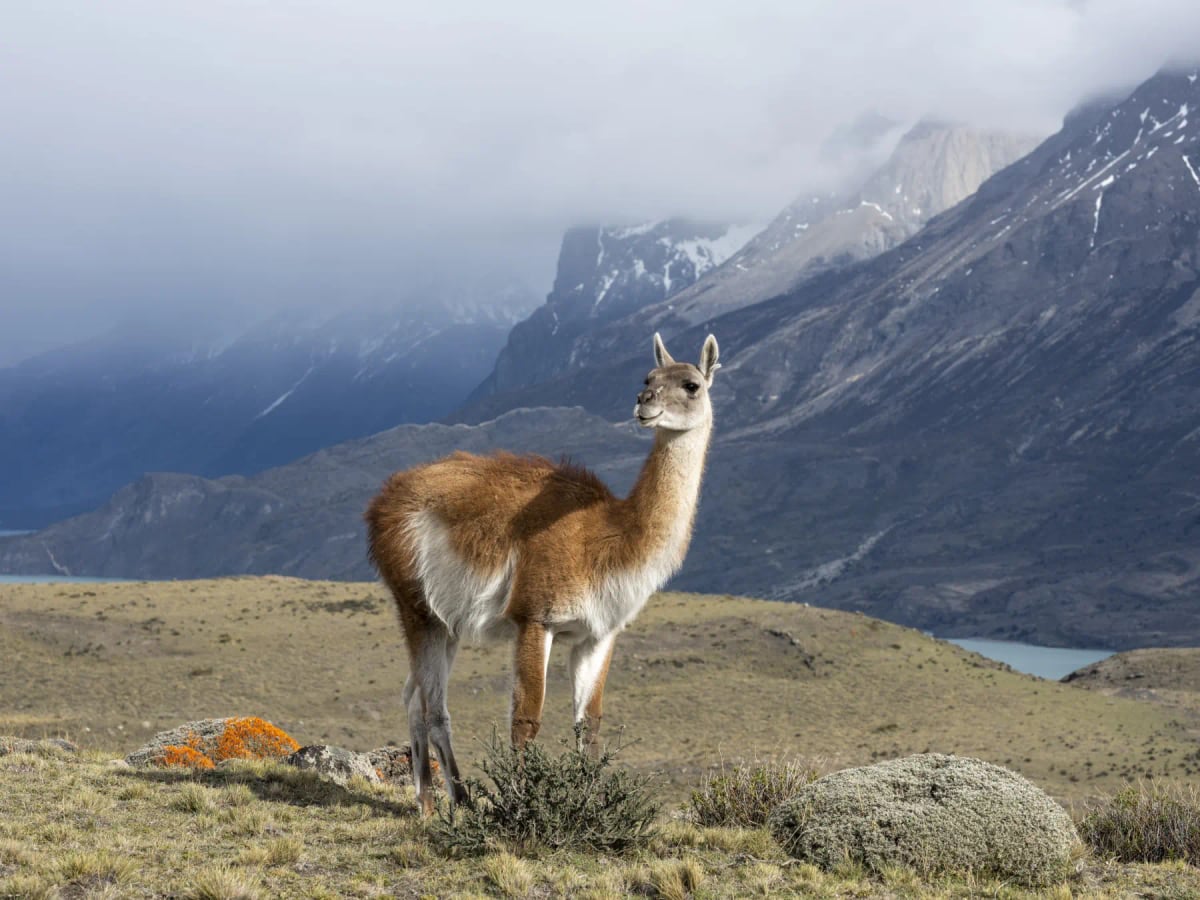
Guanaco
Lama guanicoe
In Bolivia, guanacos inhabit the high plains of the Altiplano and the dry valleys of the western Andes, typically at elevations above 3,500 meters. Their populations here are smaller and more fragmented than elsewhere in South America. Habitat loss and competition with domestic livestock put pressure on local herds. Their IUCN status is Least Concern, though Bolivian populations warrant close attention.
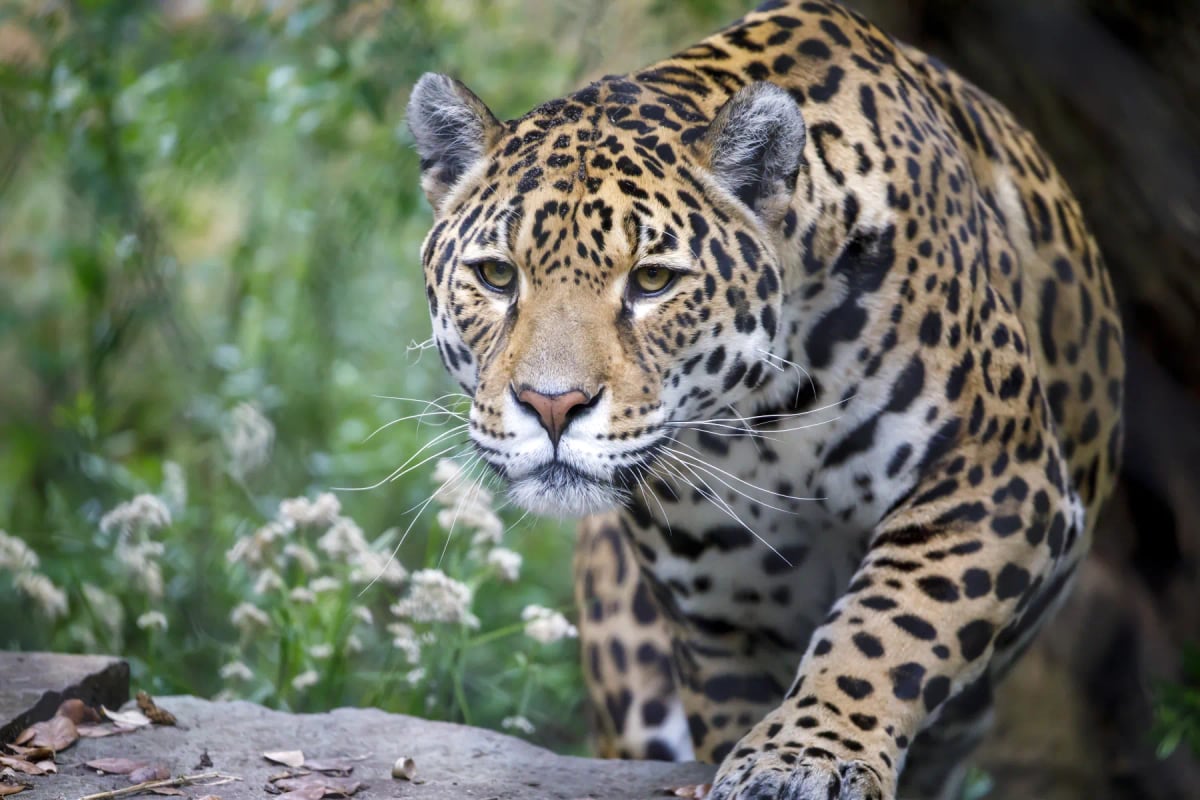
Jaguar
Panthera onca
Bolivia holds some of the largest jaguar populations in South America, with strongholds in the Amazon basin and the Pantanal region in the east. The Madidi National Park and surrounding areas provide vast tracts of intact forest and wetland. Bolivia's jaguars face pressure from deforestation driven by agricultural expansion, but the country's protected areas remain critically important for the species across the continent.
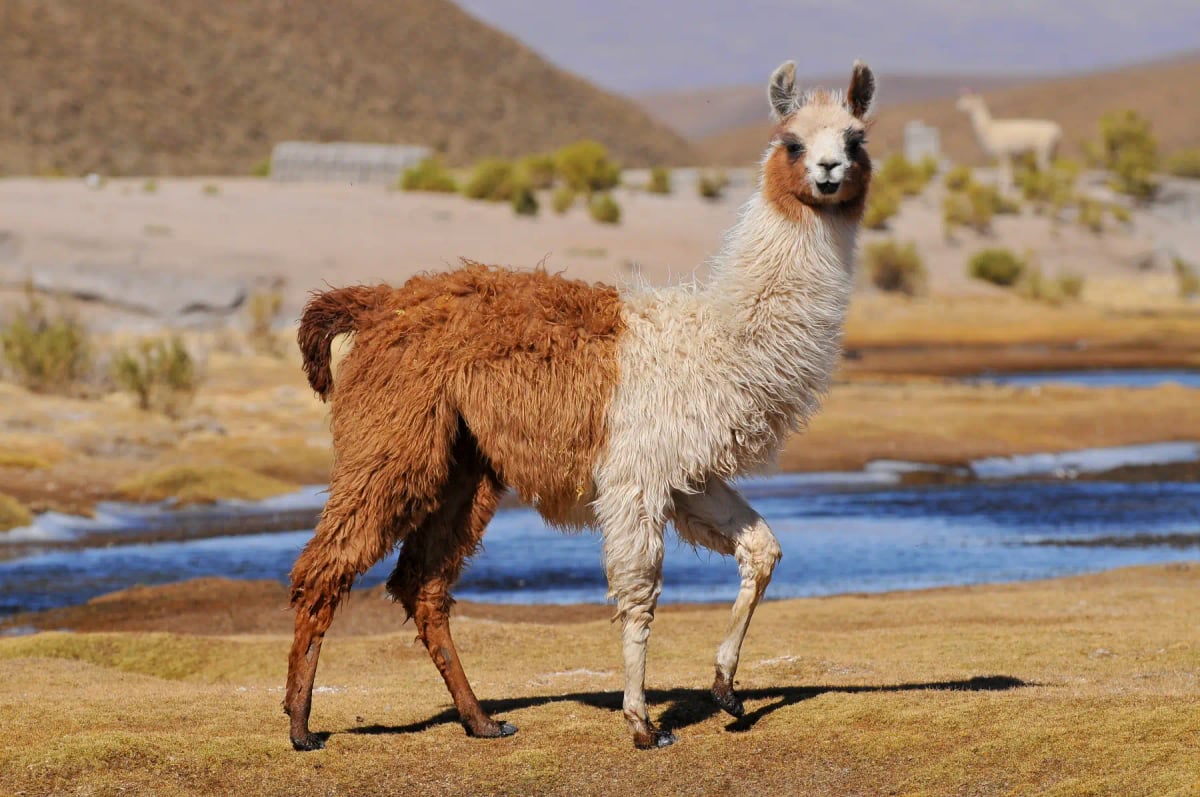
Llama
Lama glama
Bolivia holds one of the largest llama populations in South America, with millions of animals kept by herding communities across the Altiplano. At elevations that can exceed 4,000 meters, llamas thrive where few other livestock can survive. Their dung serves as a vital cooking fuel across treeless highland areas, and their wool is spun into textiles that are central to Bolivian indigenous traditions.
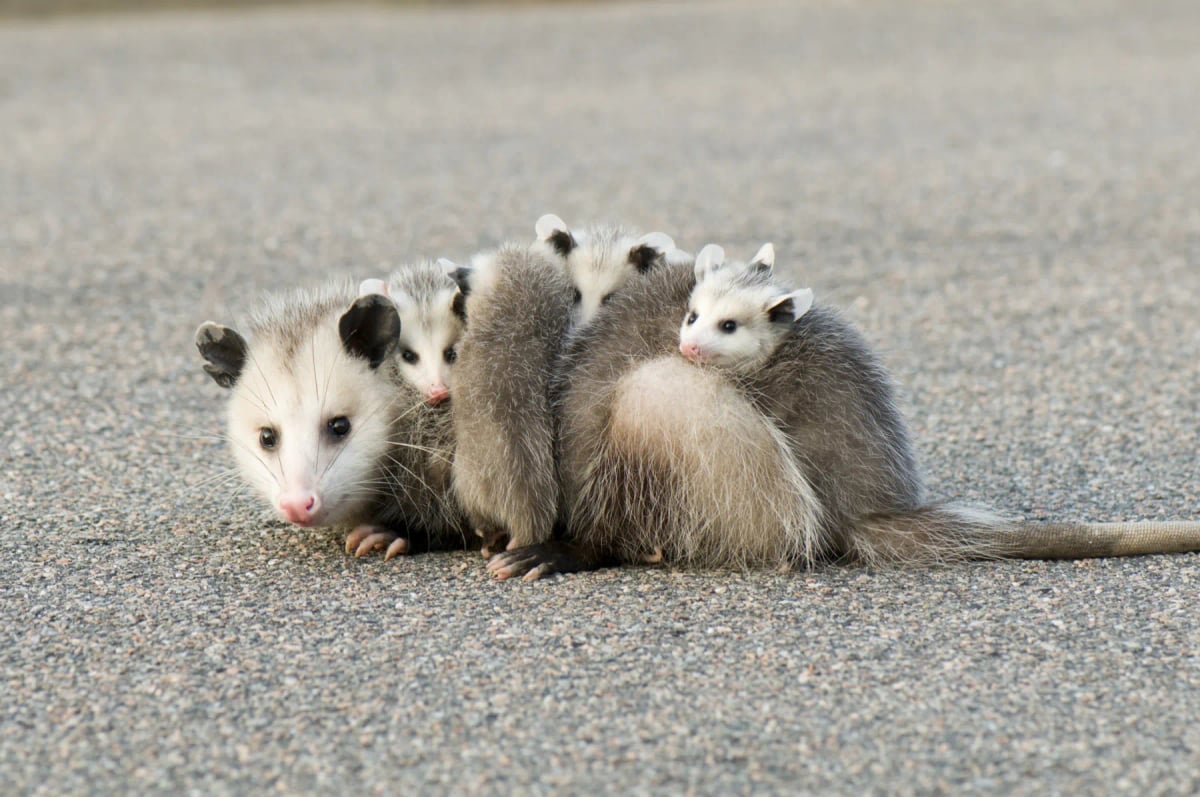
Opossum
Didelphis spp.
Bolivia hosts opossums across its lowland Amazon basin, the Chiquitano dry forests, and the Chaco scrublands in the southeast. They move comfortably between dense jungle and open, dry terrain, reflecting their truly generalist nature. Their prehensile tail helps them navigate trees by night as they forage. Bolivia lists the species under Least Concern, and populations appear stable throughout the country.
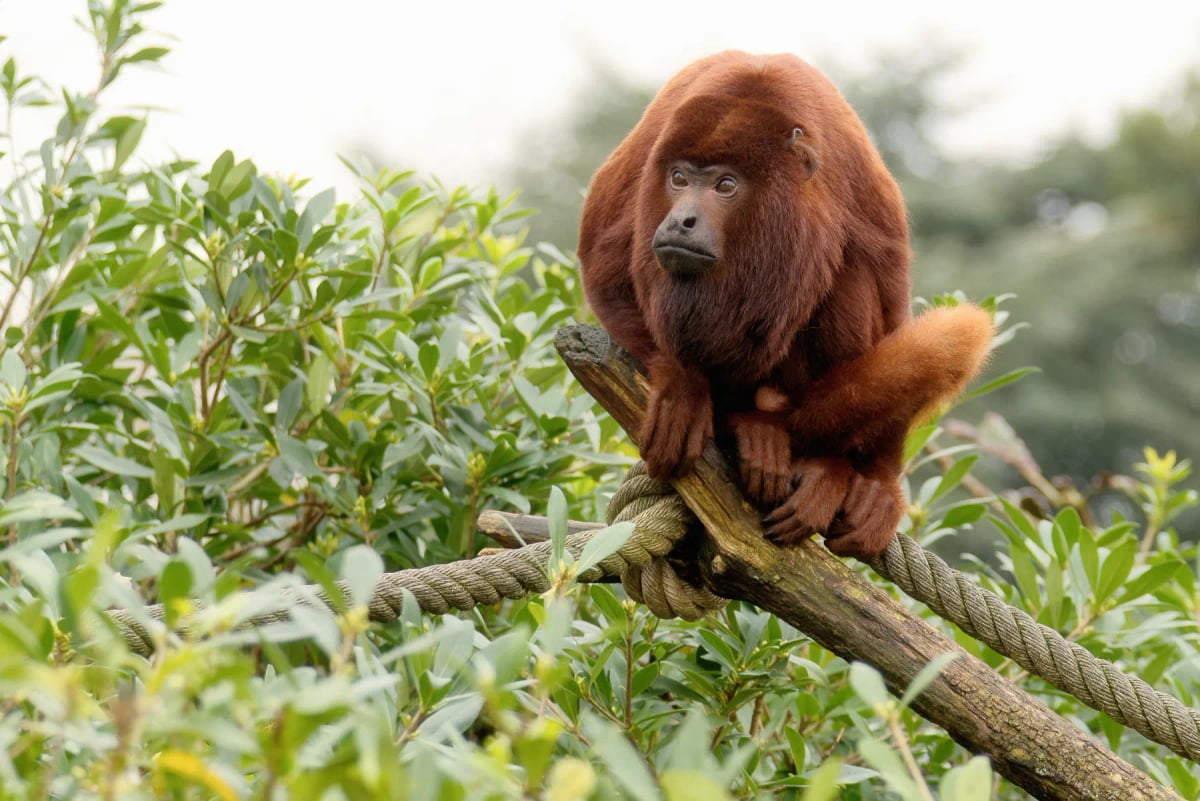
Red Howler Monkey
Alouatta seniculus
In Bolivia, the red howler monkey occupies tropical forests in the northern and eastern lowlands, including parts of the Amazon and Chiquitano regions. Its loud call, powered by an enlarged hyoid bone, is one of the most distinctive sounds in Bolivian forest. Troops of up to nineteen animals rely heavily on leaves and supplement their diet with fruit and flowers. The species is listed as Least Concern but faces local threats.
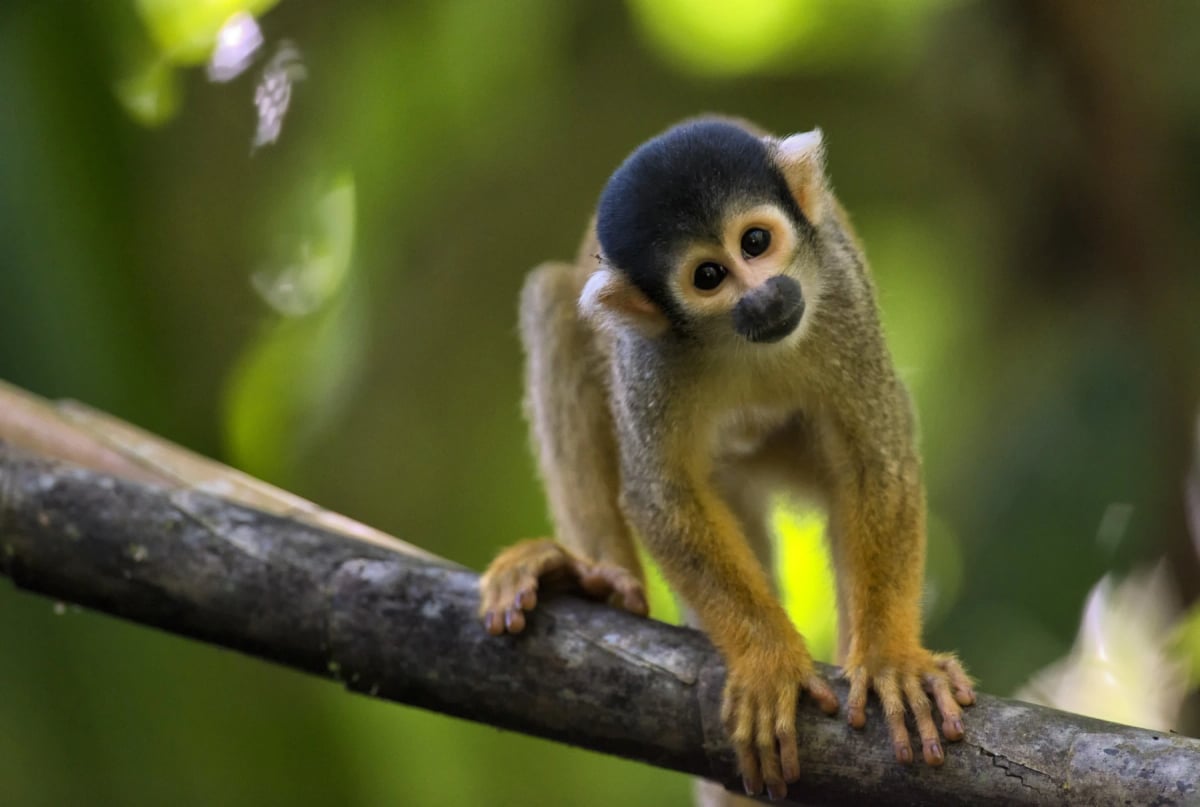
Squirrel Monkey
Saimiri spp.
In Bolivia, squirrel monkeys are found in the northern and eastern lowland forests that form part of the broader Amazon and Chiquitano ecosystems. They thrive in areas with dense tree cover and reliable fruit sources throughout the year. Bolivia's Madidi National Park, one of the most biodiverse protected areas on the planet, is among the best places in the country to observe these lively primates in their natural setting.
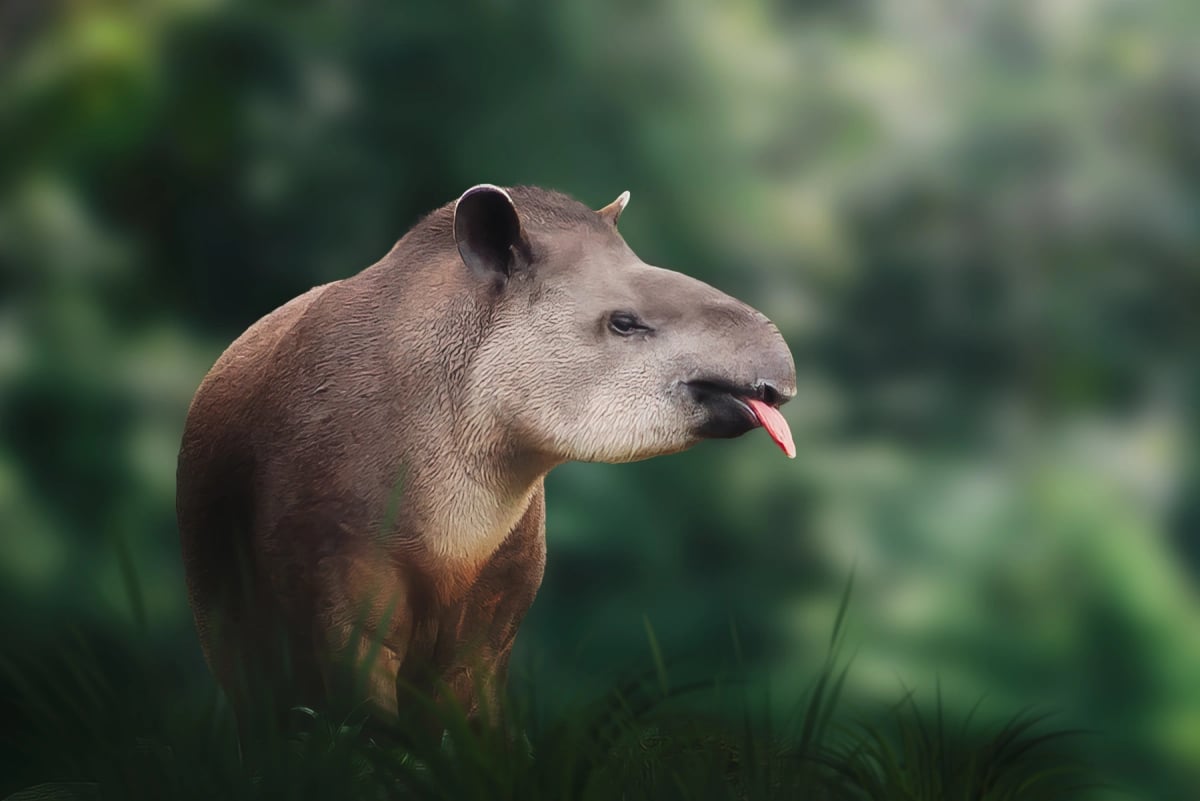
Tapir
Tapirus spp.
Bolivia supports populations of the South American tapir across its Amazon rainforest, Chaco lowlands, and Pantanal regions. These tapirs rely on dense forest cover near rivers and wetlands. Habitat loss from agriculture and cattle ranching is the main threat they face. Protected areas such as Madidi National Park provide some of the most intact habitat remaining for tapirs in the country.
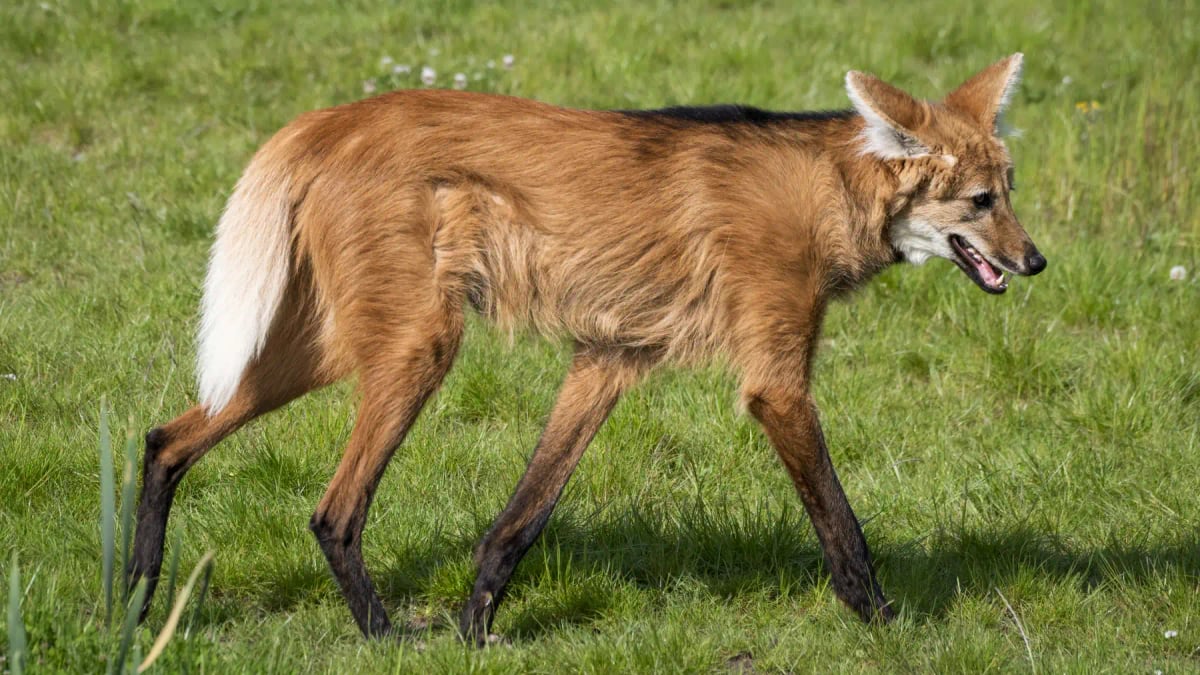
Maned Wolf
Chrysocyon brachyurus
In Bolivia, the maned wolf lives across the Beni and Santa Cruz departments, where the Cerrado and Chiquitano dry forests meet open savanna. It travels alone across large territories, eating everything from small rodents to wild fruit. Cattle ranching has steadily reduced its habitat, and collisions on rural roads are a growing concern. Bolivia plays an important role in the regional survival of this species.
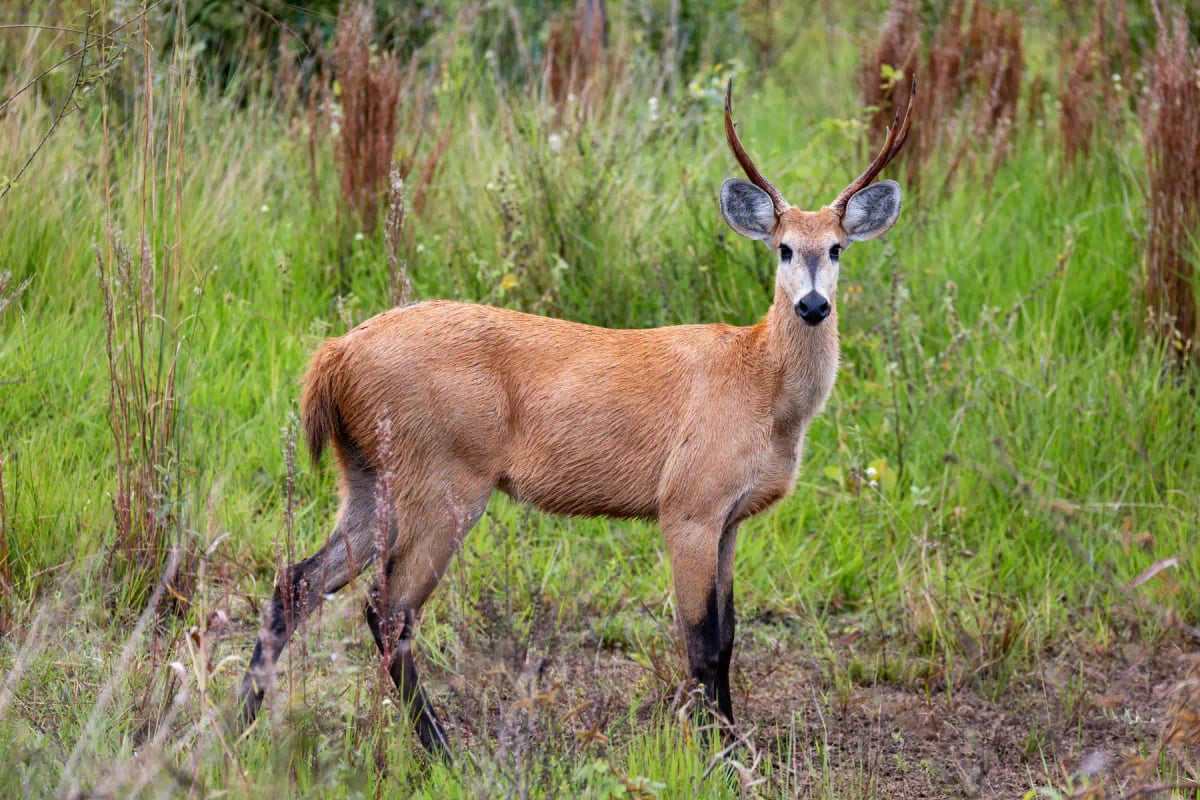
Marsh Deer
Blastocerus dichotomus
In Bolivia, the marsh deer inhabits the floodplains and seasonally flooded savannas in the eastern lowlands, including areas connected to the broader Pantanal ecosystem. With wide, slightly webbed hooves, these deer are well suited to life on waterlogged ground. Habitat loss from agricultural expansion and cattle ranching has reduced their range considerably. Fewer than 15,000 mature individuals are thought to remain range-wide, and the IUCN lists the species as Vulnerable.
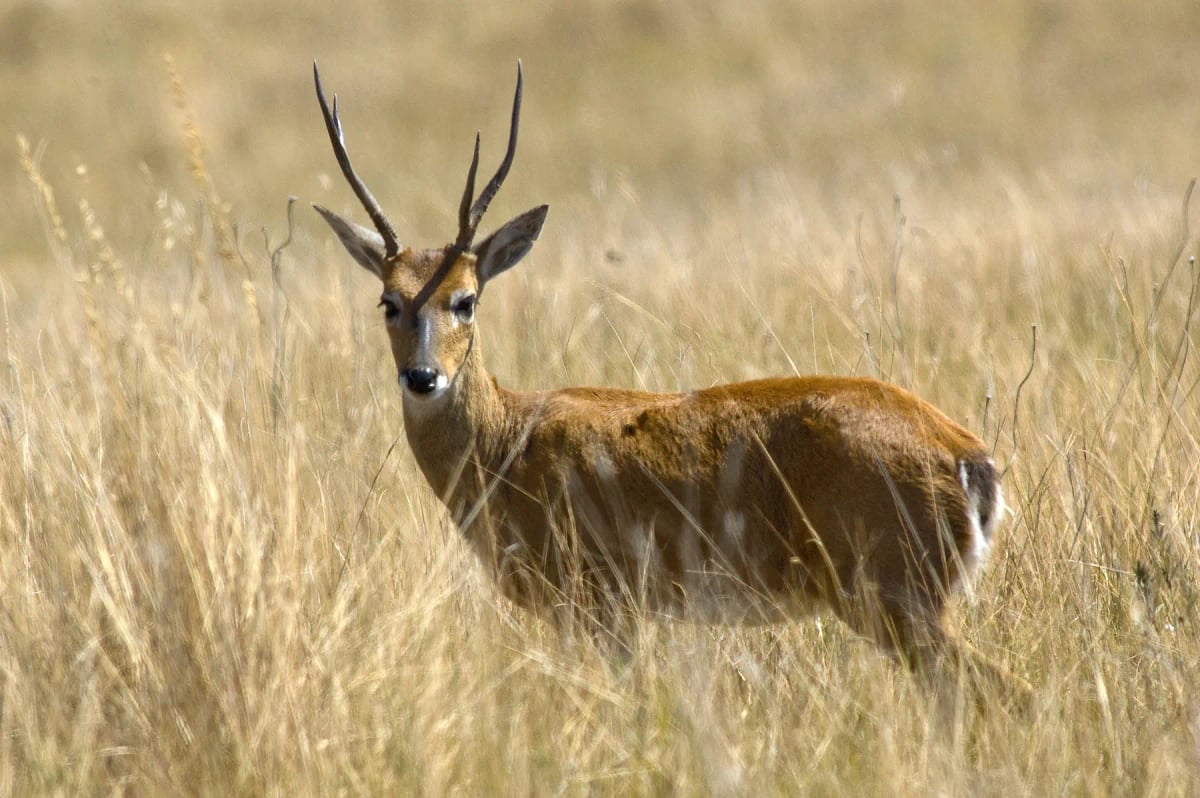
Pampas Deer
Ozotoceros bezoarticus
In Bolivia, the pampas deer occupies the lowland savannas and grasslands of the eastern departments, particularly in the Beni and Santa Cruz regions. It is among the less studied populations of the species, though habitat loss from deforestation and agricultural encroachment poses a growing threat. The IUCN considers the species Near Threatened across its range. Protecting Bolivia's native savannas is essential to maintaining viable populations of this graceful deer.
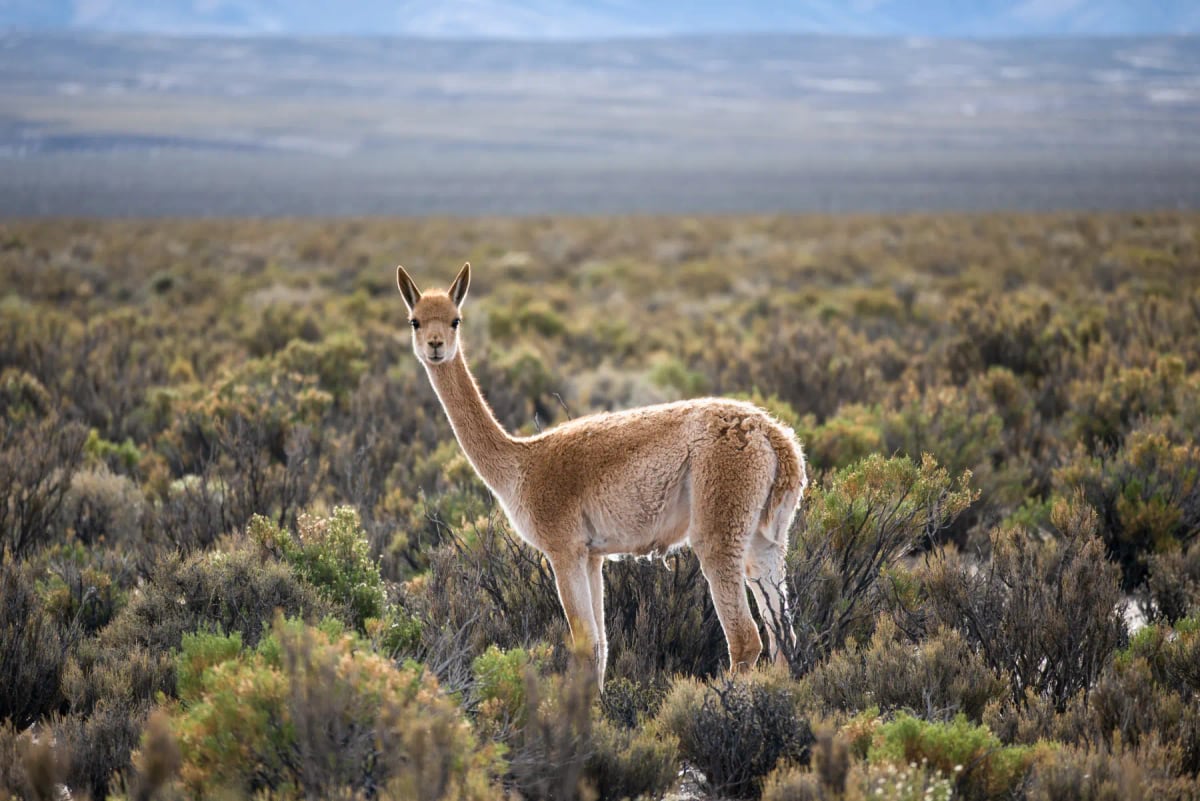
Vicuña
Vicugna vicugna
Bolivia holds one of the largest vicuña populations in South America, concentrated across the altiplano and the Eduardo Avaroa Andean Fauna National Reserve in the southwest. The animals thrive in this vast, wind-swept plateau at elevations often exceeding 4,000 metres. Local communities manage sustainable shearing events called chakus, turning the vicuña's famously fine wool into a source of income that gives people a real reason to protect it.
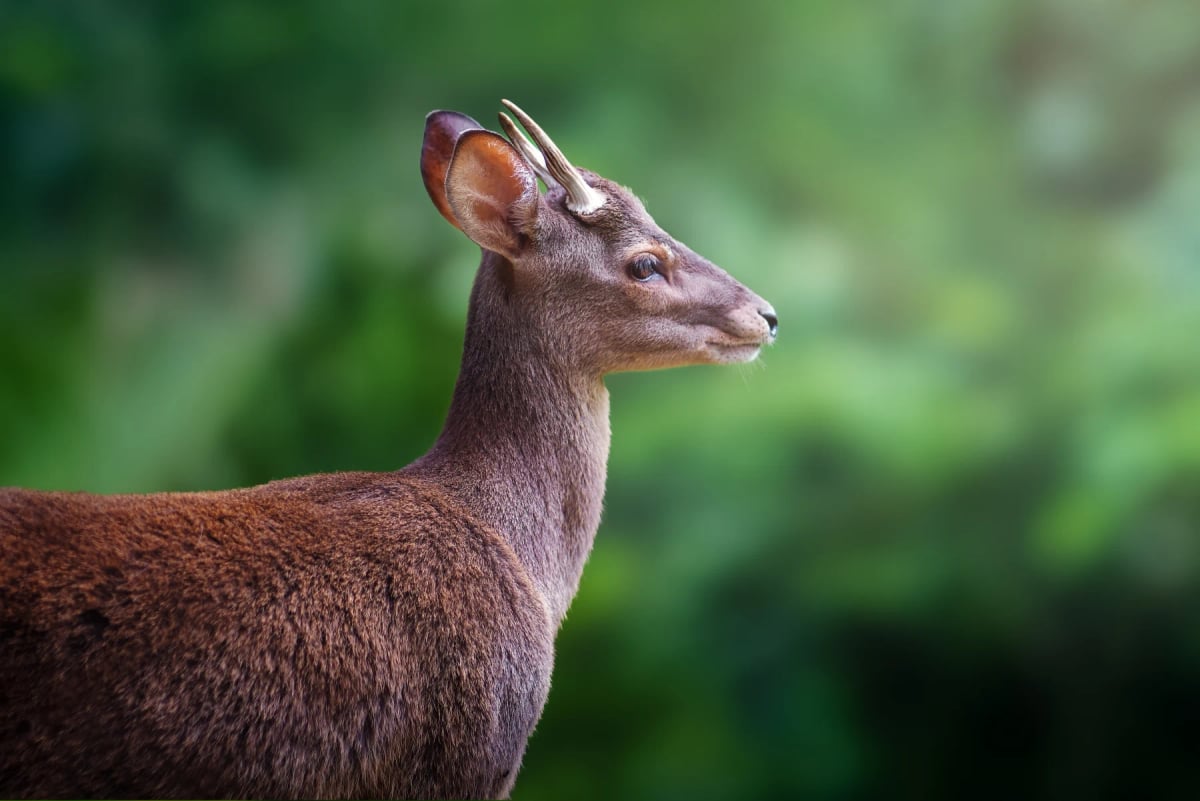
Brocket Deer
Mazama spp.
Bolivia hosts several brocket deer species across its varied landscapes, from the Amazon basin lowlands to the Chiquitano dry forests and Chaco scrublands. The red brocket favors humid forested areas, while the gray brocket tolerates drier, more open habitats. Deforestation driven by cattle ranching and agricultural clearing continues to reduce suitable habitat, making conservation of Bolivia's remaining forest corridors increasingly important for these deer.
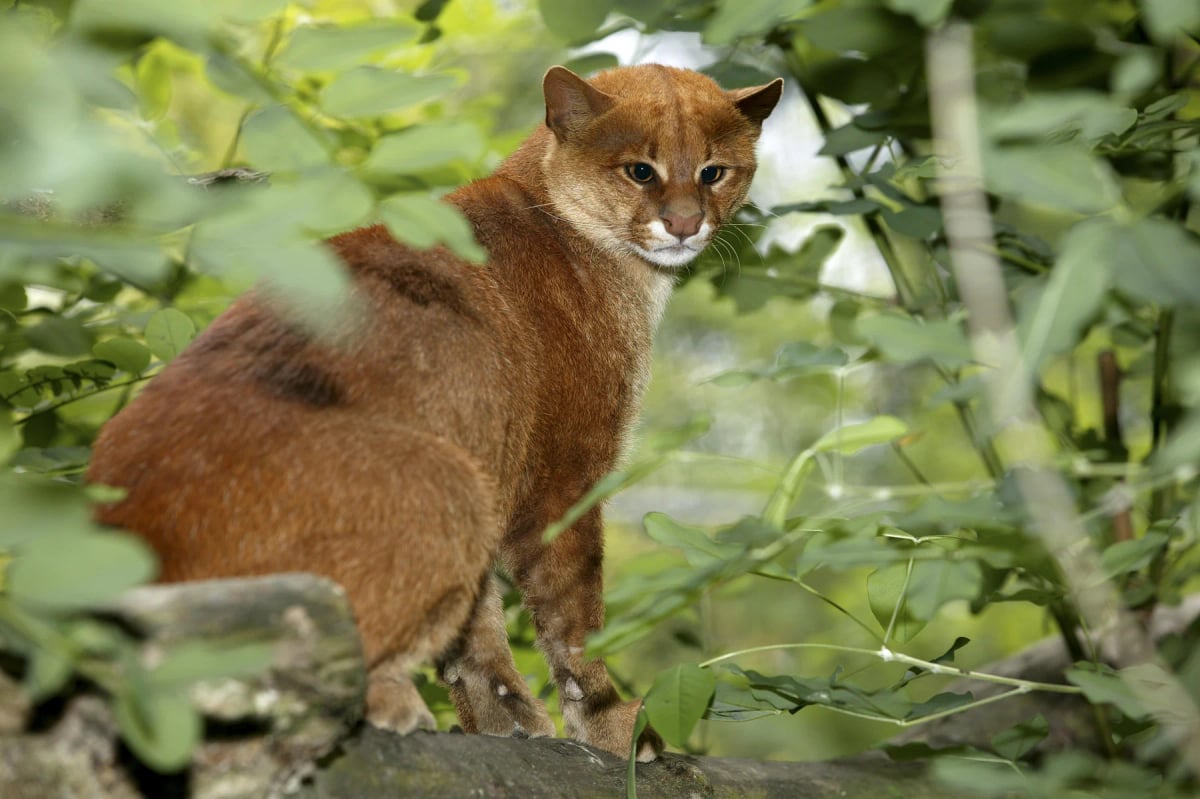
Jaguarundi
Herpailurus yagouaroundi
Bolivia's diverse landscapes, from Amazonian lowlands to dry Chaco woodlands and Andean foothills, provide the jaguarundi with a wide range of habitats. It tends to stay at lower elevations and avoids the high Andes. This small cat is active by day and hunts birds, frogs, lizards, and small mammals. It is present across several of Bolivia's national parks, though overall population data for the country remains limited.
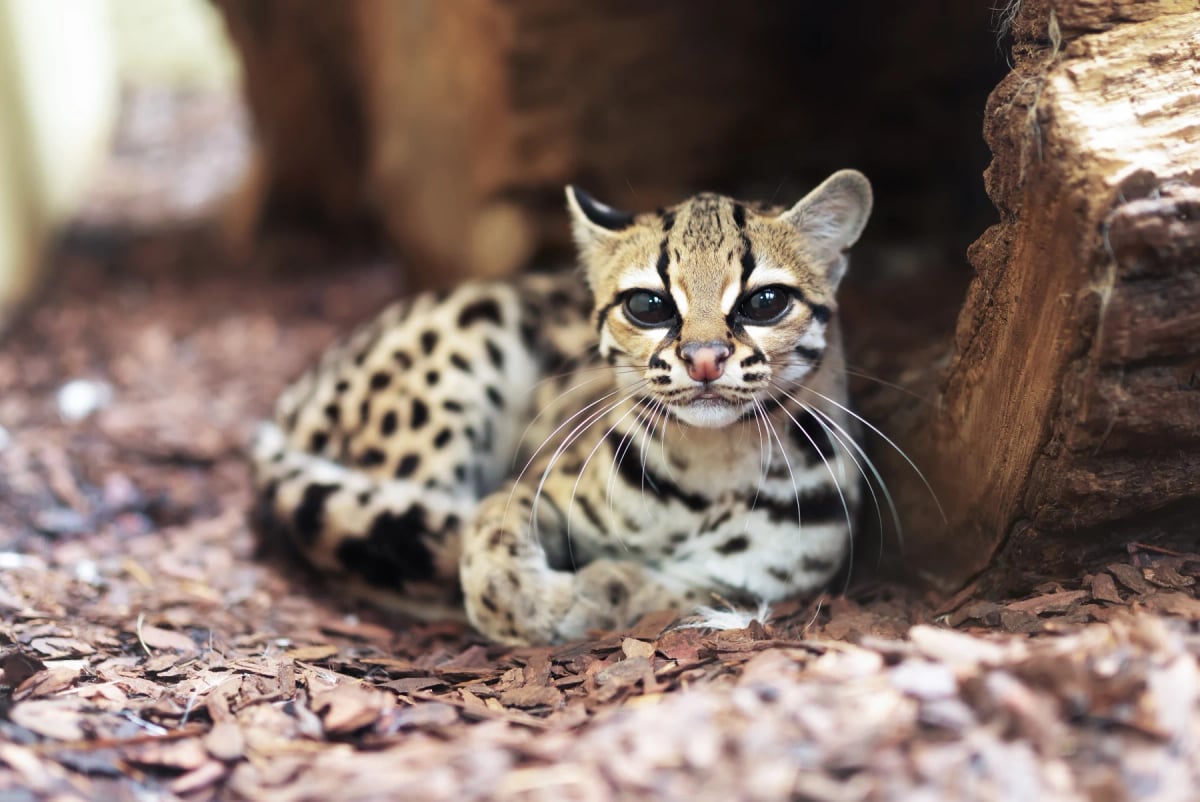
Margay
Leopardus wiedii
Bolivia hosts margay populations across its northern and eastern lowland forests, particularly in the Amazon basin and the Chiquitano dry forest transition zones. The country's tropical and subtropical habitats offer the dense canopy this cat depends on for hunting and shelter. Habitat loss driven by agricultural expansion is the main threat. The IUCN classifies the margay as Near Threatened, and Bolivia's protected areas play a key role in conserving viable populations.
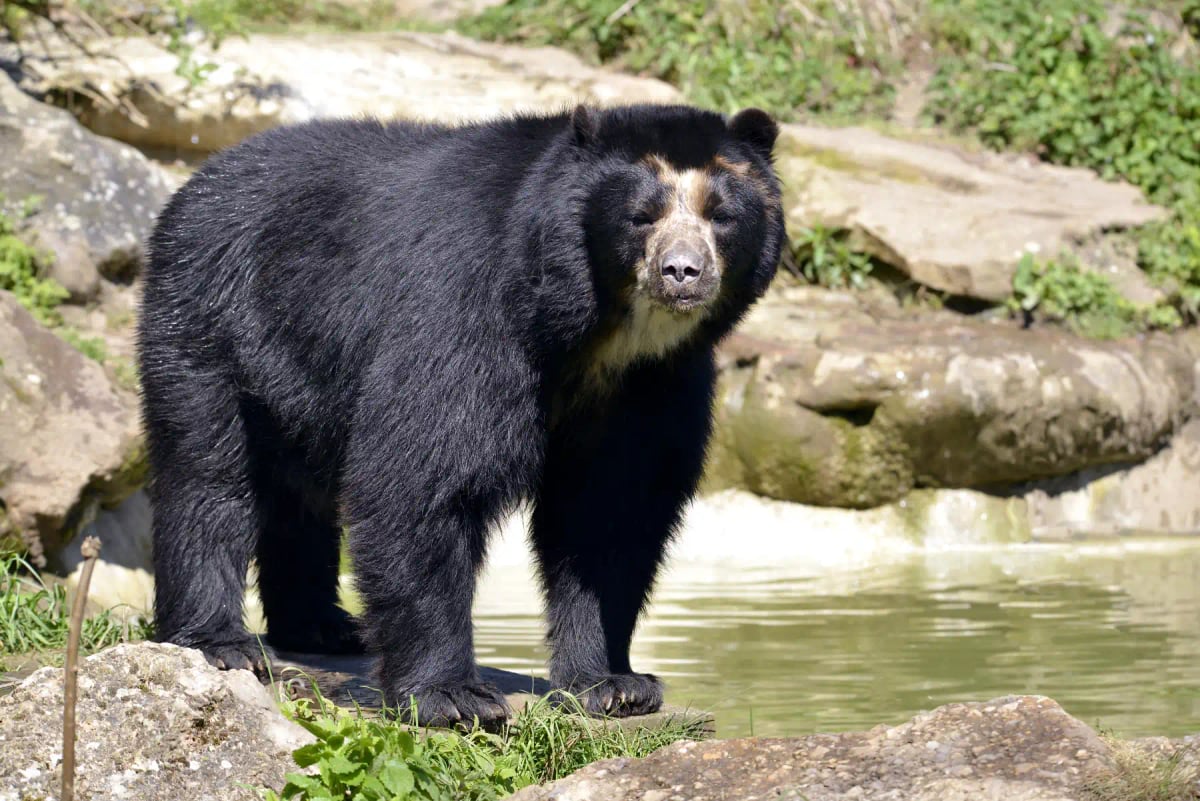
Spectacled Bear
Tremarctos ornatus
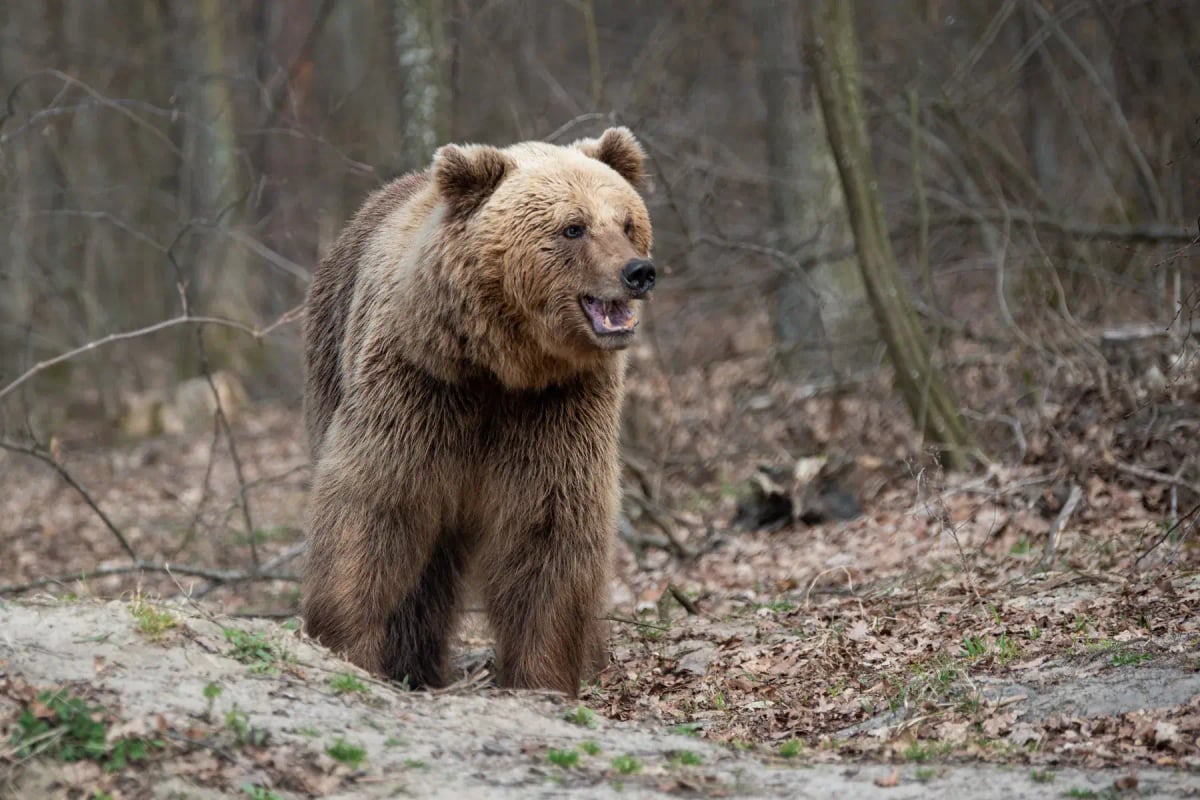
The spectacled bear, also called the Andean bear, is the only bear native to South America. In Bolivia, it lives mainly in the Yungas cloud forests and on the slopes of the Andes, where it climbs trees with ease and feeds on fruits, bromeliads, and palms. Habitat loss and hunting put pressure on the population. The IUCN lists it as Vulnerable.
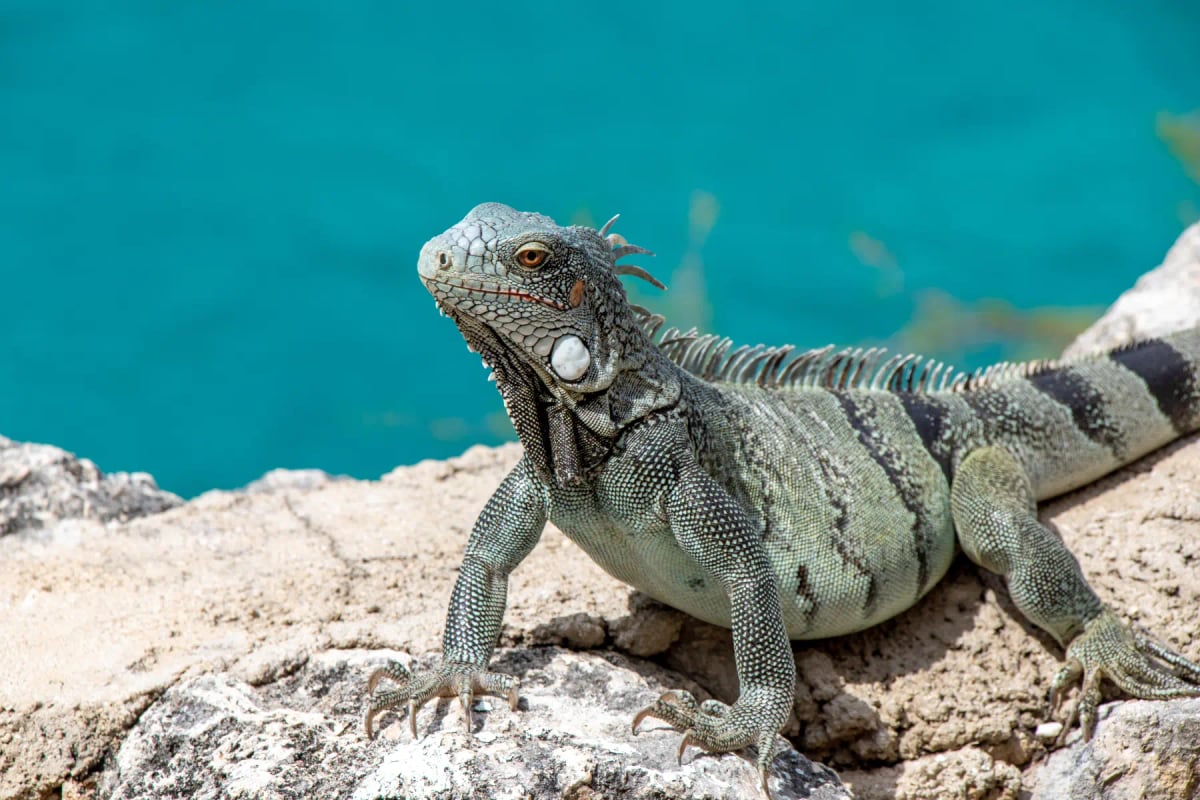
Iguana
Iguana iguana
The green iguana is native to Bolivia's lowland tropical zones, concentrated in the Beni and Santa Cruz departments where warm rivers and forest cover provide ideal conditions. It does not reach the highland Andes or the Altiplano, remaining confined to the forests of the north and east. Near the Mamoré and Madeira river systems it is part of everyday wildlife and is occasionally hunted for food by rural communities.
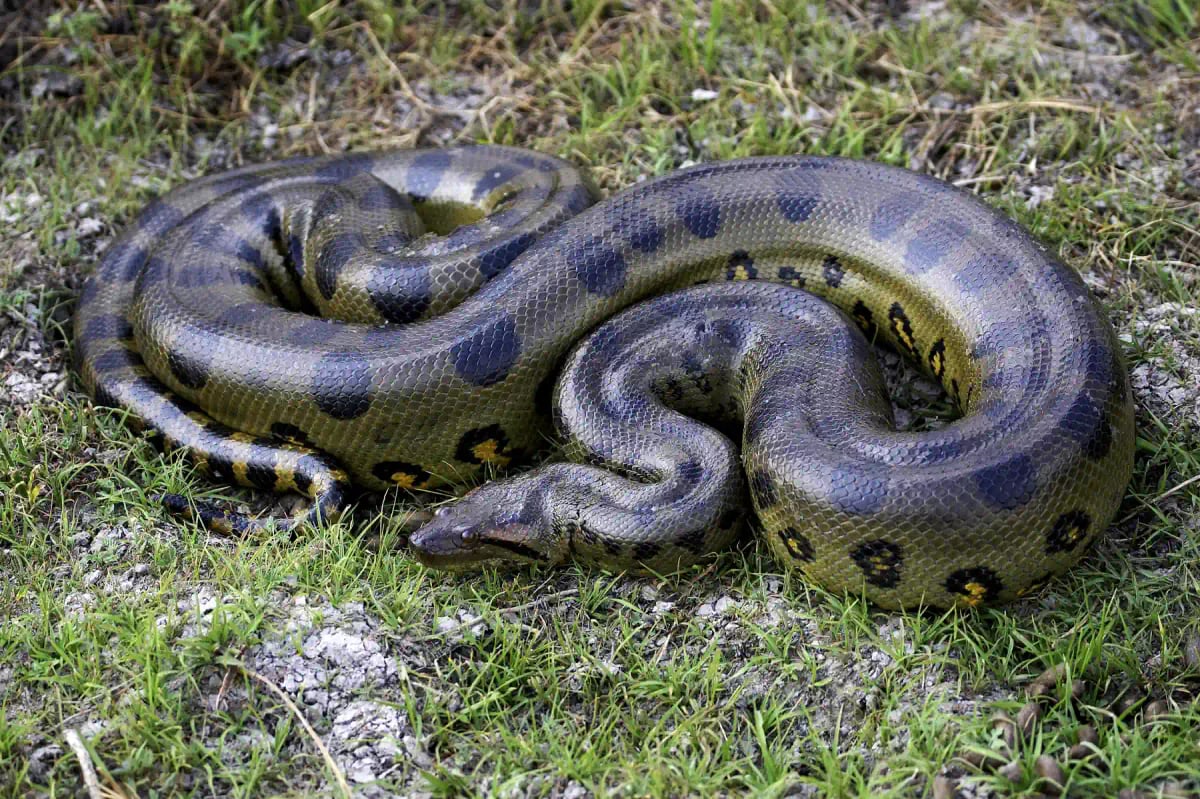
Anaconda
Eunectes murinus
The green anaconda inhabits the lowland Amazon river systems of Bolivia, primarily in the Beni and Mamoré river basins in the north and east of the country. Bolivia represents one of the southernmost parts of the species' range in the western Amazon. Anacondas here live in flooded savannas, oxbow lakes, and river margins, where prey such as caimans, capybaras, and large fish are abundant during the wet season.
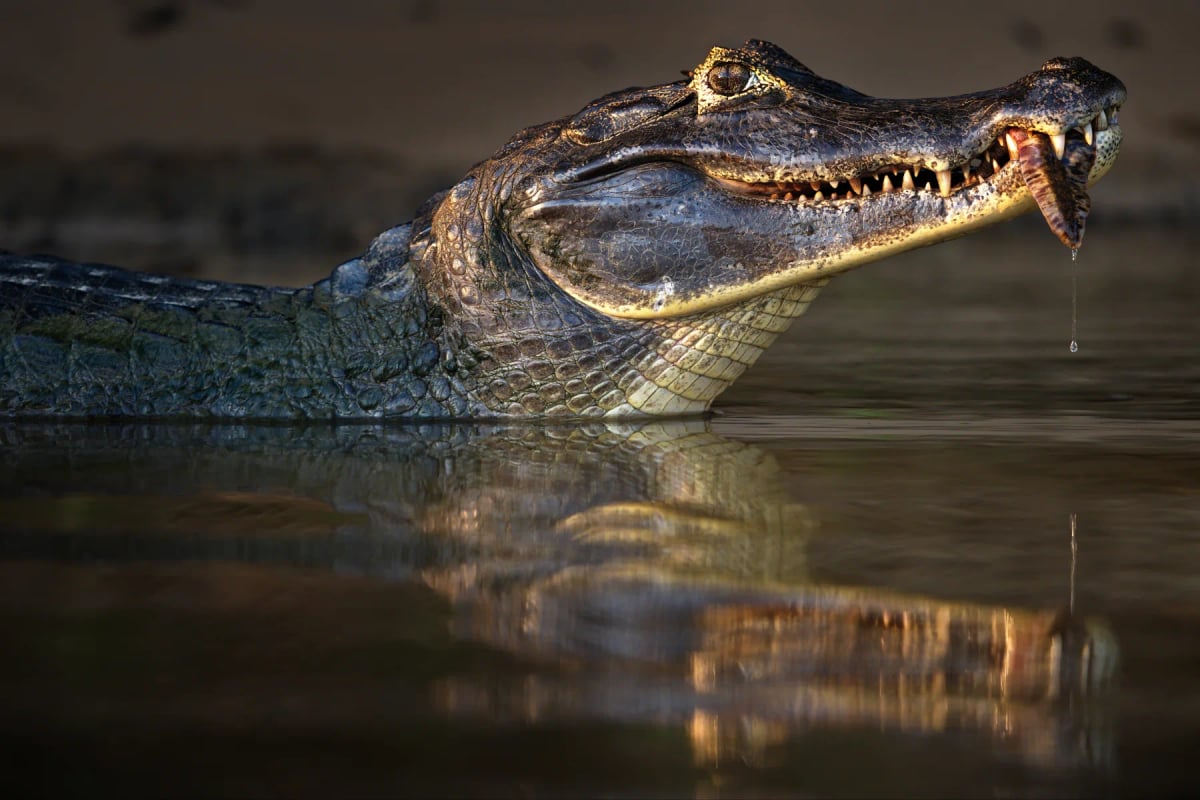
Caiman
Caiman spp.
Bolivia's caimans are concentrated in the lowland wetlands of the Amazon and Río de la Plata basins. The yacare caiman thrives in the Bolivian Pantanal, while the spectacled caiman occupies Amazonian rivers and lakes in the north. Illegal hunting and habitat degradation remain concerns in some areas, though protected regions such as the Llanos de Moxos support significant populations. Caimans are key predators in Bolivia's tropical wetland systems.
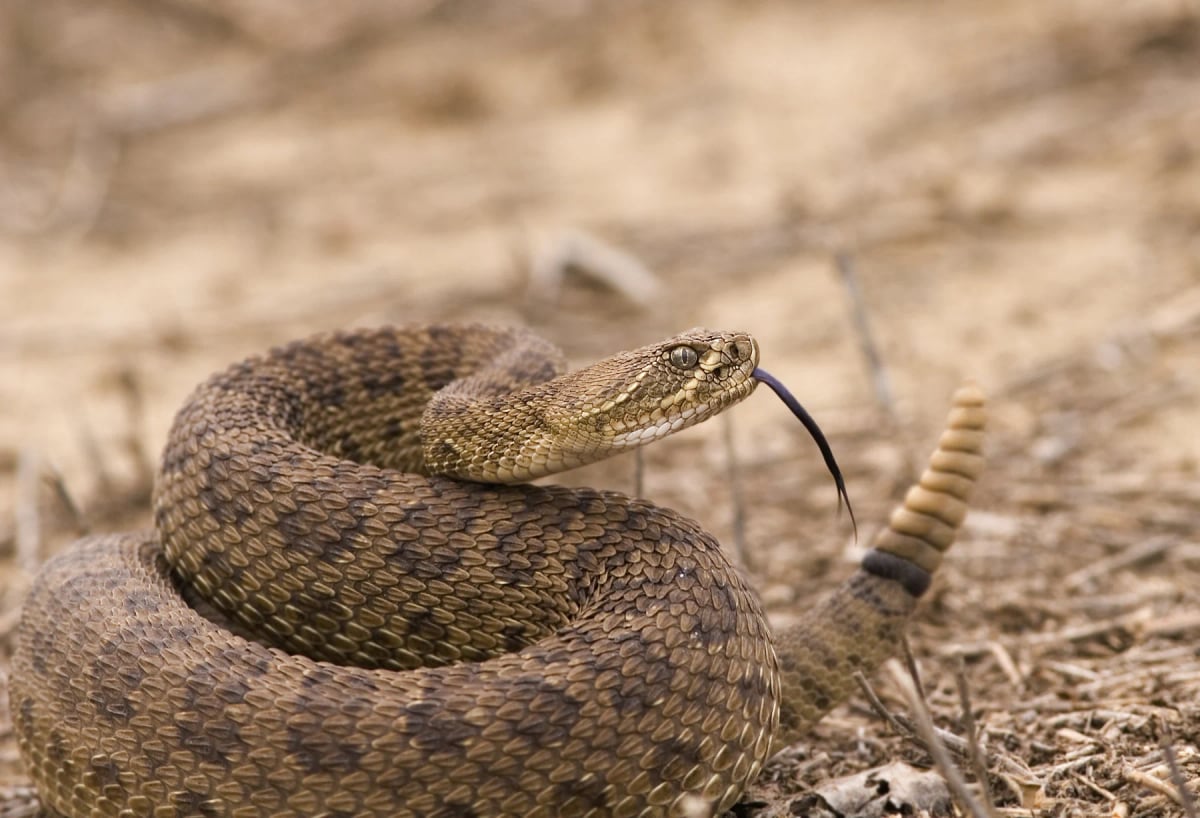
Rattlesnake
Crotalus spp. / Sistrurus spp.
Bolivia's rattlesnakes (Crotalus durissus) are found across the dry Chaco lowlands and the open cerrado woodlands in the country's eastern and southern regions. The Chaco is one of the driest ecosystems in South America and suits the ambush lifestyle of these snakes well. Bolivian subspecies can carry venom with both hemotoxic and neurotoxic properties. Persecution by rural communities and habitat conversion for cattle ranching remain the main threats to the species here. IUCN status: Least Concern.
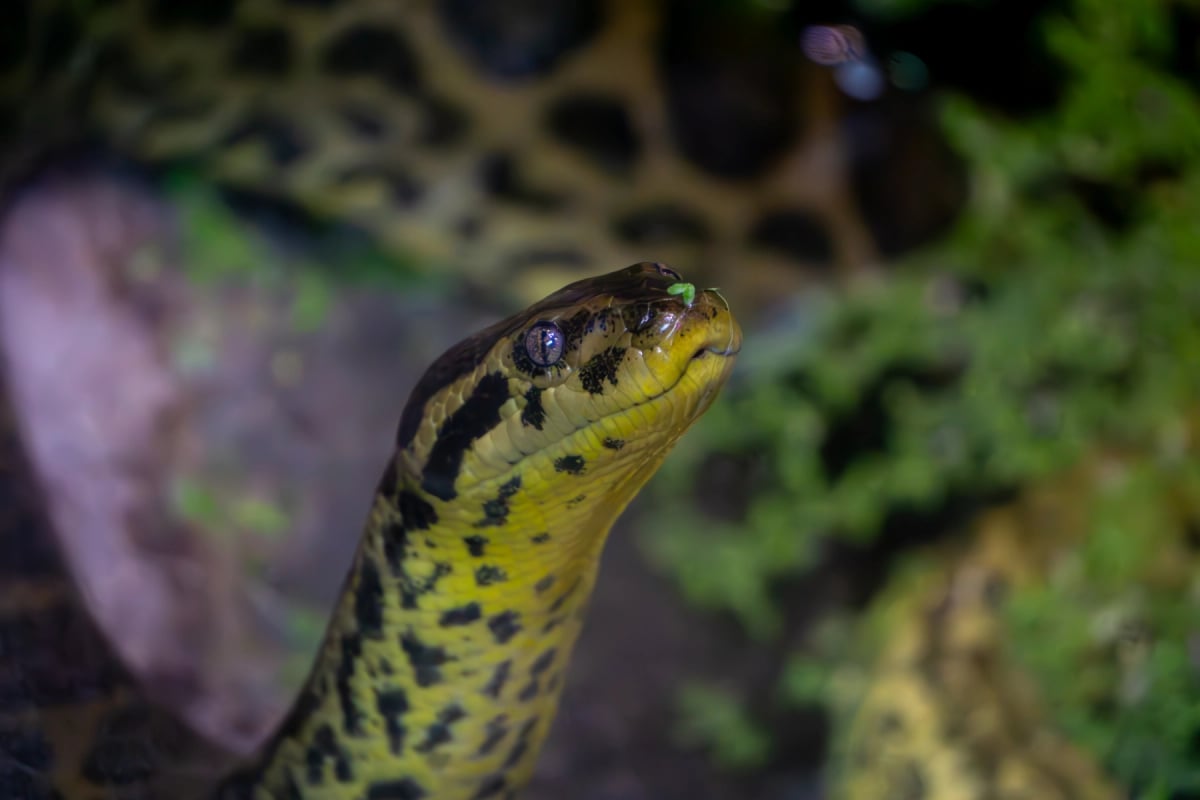
Yellow Anaconda
Eunectes notaeus
In eastern Bolivia, the yellow anaconda inhabits the flooded savannas and river margins of the Santa Cruz and Beni departments, near the Bolivian Pantanal. It is a powerful constrictor that feeds on fish, birds and small mammals at the water's edge. Though rarely seen, it is an important predator in the wetland ecosystems of the Bolivian lowlands.
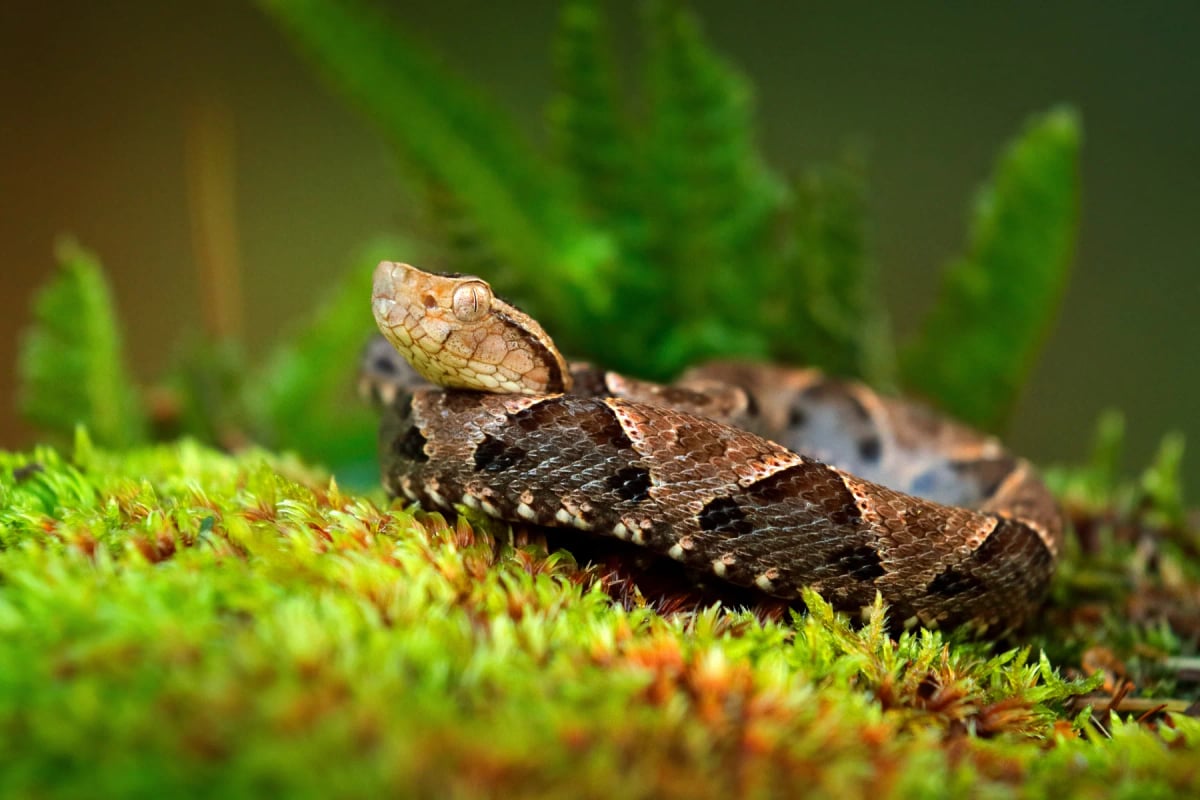
Lancehead
Bothrops spp.
Bolivia's lowland departments of Beni and Pando, covered by Amazonian forest and seasonally flooded savannas, are strongholds for lanceheads such as Bothrops atrox. They are also found in the Yungas, the humid transition zone between the Andes and the Amazon. Rural farming and cattle communities in these areas report snakebites regularly. Despite the risks they pose, lanceheads are important predators that limit rodent populations in these ecosystems.
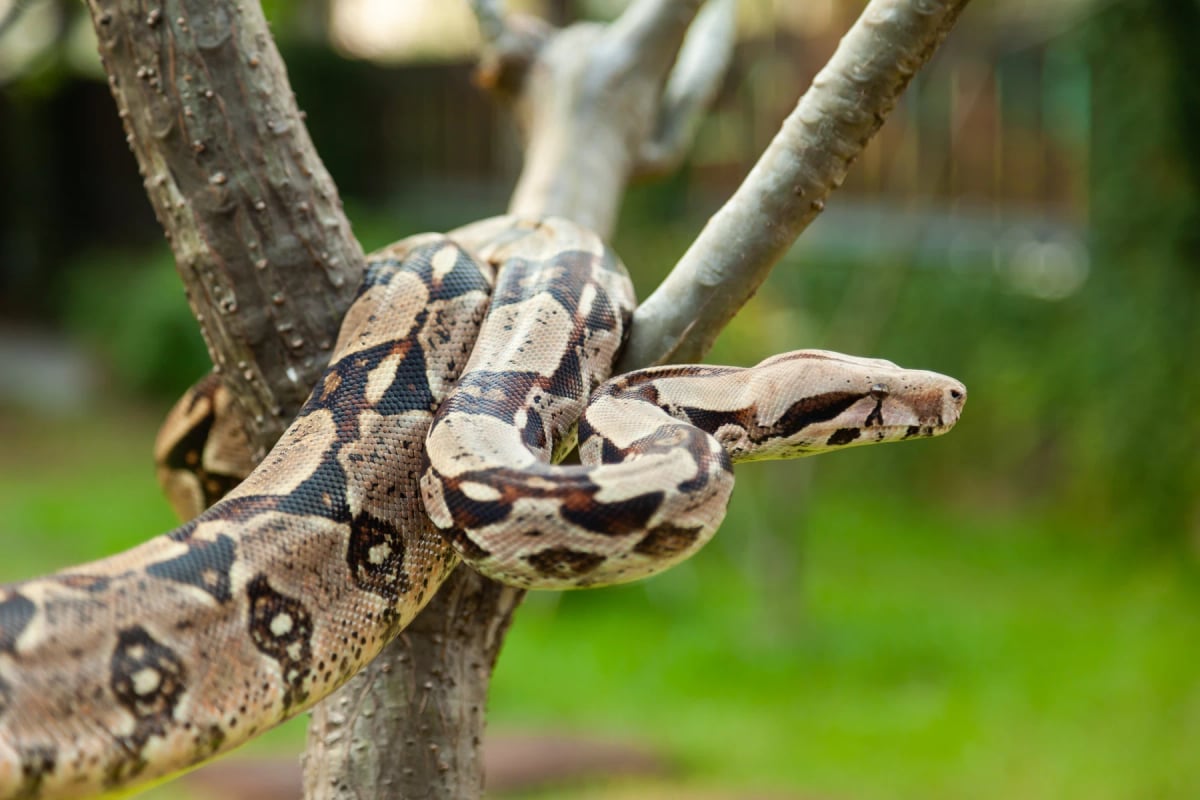
Boa Constrictor
Boa constrictor
In Bolivia, the boa constrictor is found across a wide variety of habitats, from the Amazon basin lowlands in the north to the dry Chiquitano forests and Chaco scrublands in the east and southeast. It is one of the more commonly encountered large snakes in the country. The species is listed as Least Concern by the IUCN, though agricultural expansion continues to reduce suitable habitat.
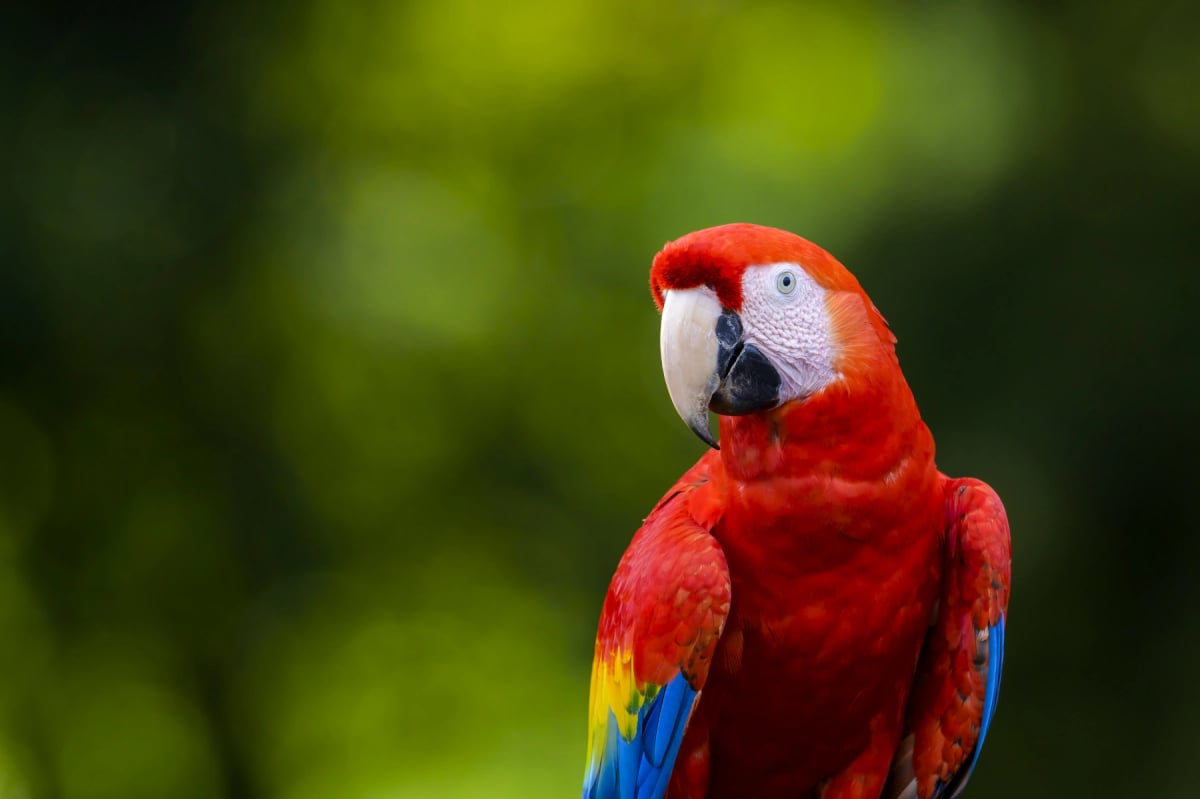
Scarlet Macaw
Ara macao
In Bolivia, the scarlet macaw inhabits the tropical lowland forests of the Amazon and Madidi regions in the north of the country. The Madidi National Park provides vital habitat where pairs nest in tall trees and visit clay licks along riverbanks to obtain minerals. Habitat loss in the Bolivian Amazon remains a pressure on local populations. The IUCN lists the species as Least Concern globally.
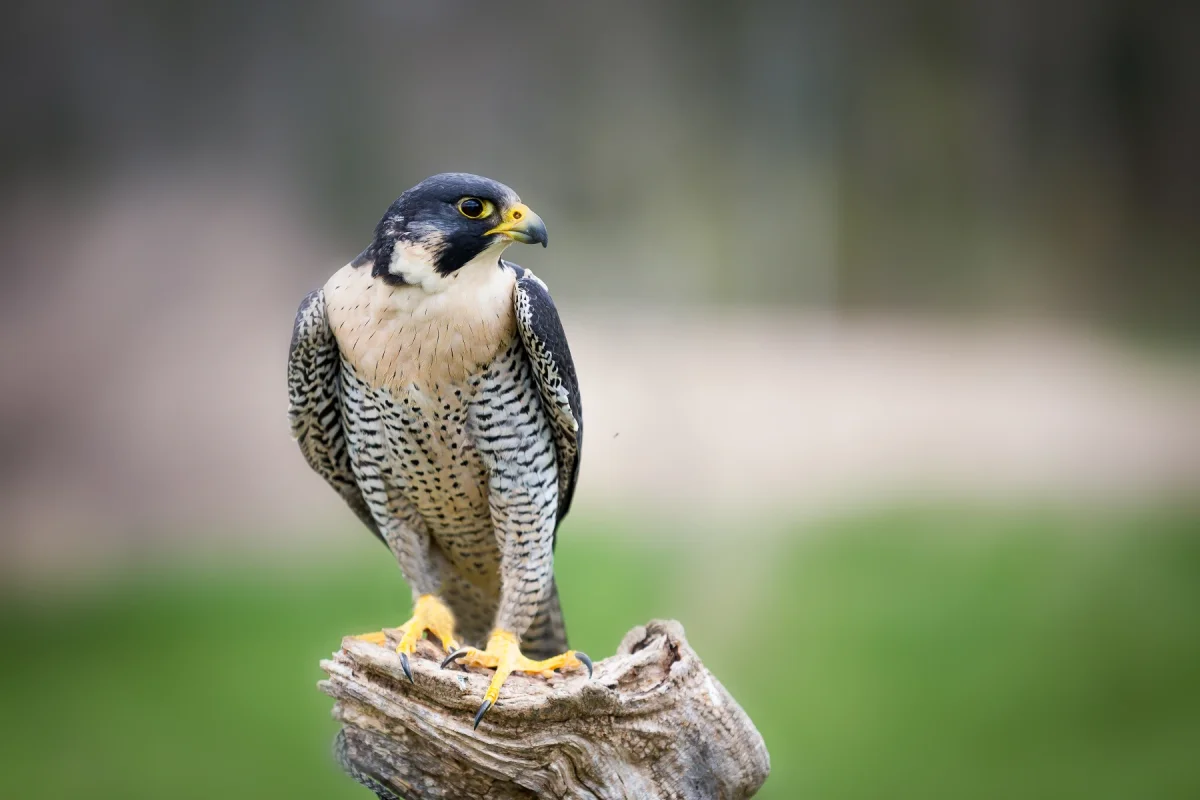
Peregrine Falcon
Falco peregrinus
The peregrine falcon visits Bolivia as a migratory traveler, moving through the Andes and the lowland plains of the east. It hunts other birds in open skies above grasslands, wetlands, and river valleys. Some subspecies breed in the rocky cliffs of the Andean highlands, while others pass through seasonally. Its speed and precision in the air make it one of the most striking birds of prey seen across the country. IUCN status: Least Concern.
Andean Condor
Vultur gryphus
The Andean condor is Bolivia's national symbol and soars over the high Andes and puna grasslands of the western and central parts of the country. It is most commonly seen in the departments of La Paz, Oruro, and Potosí, where open terrain and large livestock herds provide reliable food sources. The condor holds deep cultural significance in Bolivia and appears on the national coat of arms as a symbol of strength and freedom.
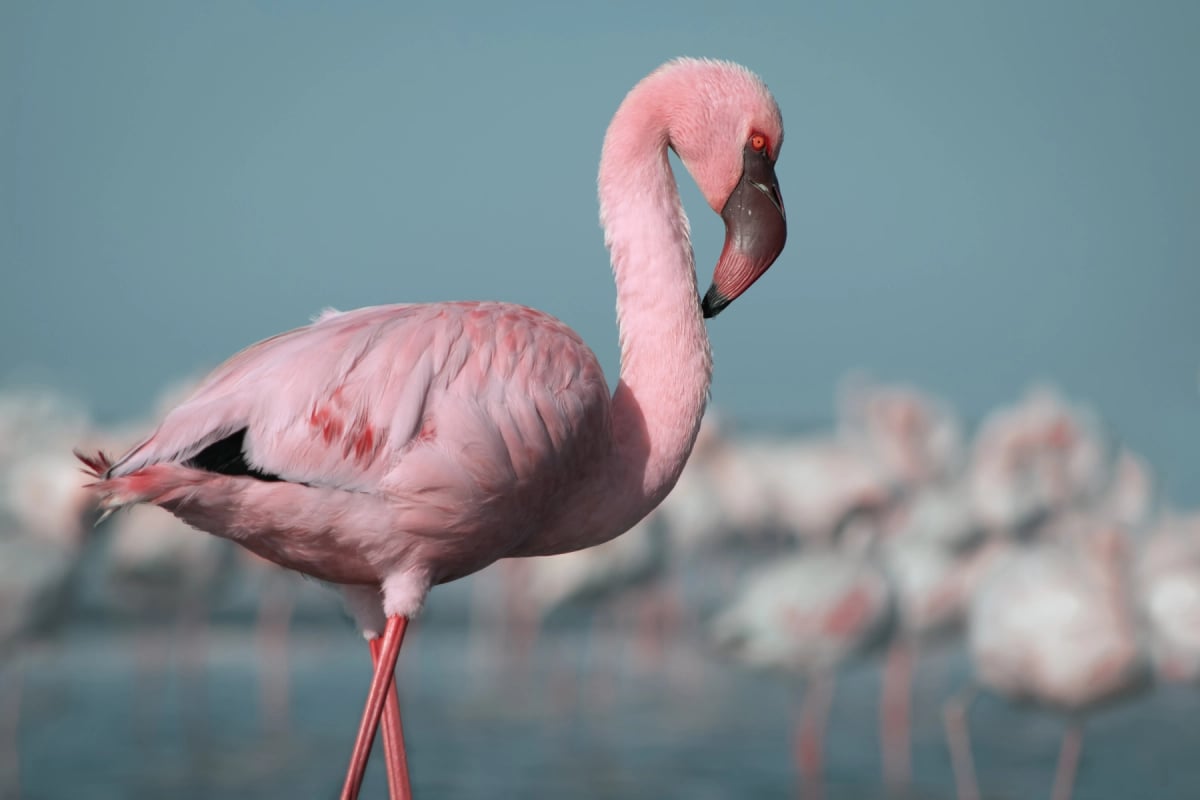
Flamingo
Phoenicopterus spp.
Bolivia's Eduardo Avaroa Andean Fauna National Reserve, in the southwestern corner of the country, is one of the most spectacular flamingo destinations in South America. The vivid red waters of Laguna Colorada host thousands of Puna and Andean flamingos at altitudes above 4,000 metres. All three South American species can be spotted across Bolivia's network of altiplano lakes and salt flats.
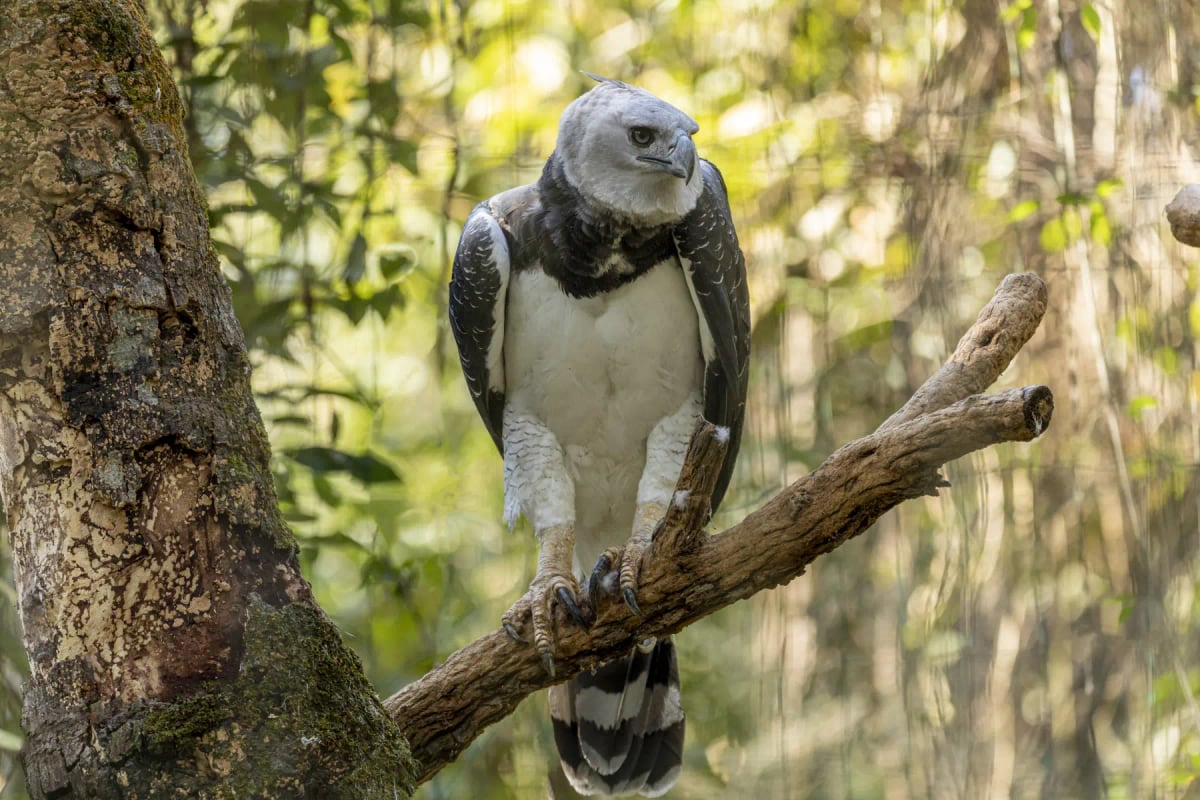
Harpy Eagle
Harpia harpyja
In Bolivia, the harpy eagle inhabits the lowland rainforests of the Amazon basin, particularly in the departments of Beni, Pando, and Santa Cruz. These vast and largely intact forests support one of the more stable populations of this Vulnerable raptor in South America. It is an apex predator here, targeting tree-dwelling mammals like sloths and large monkeys from its high forest perches.
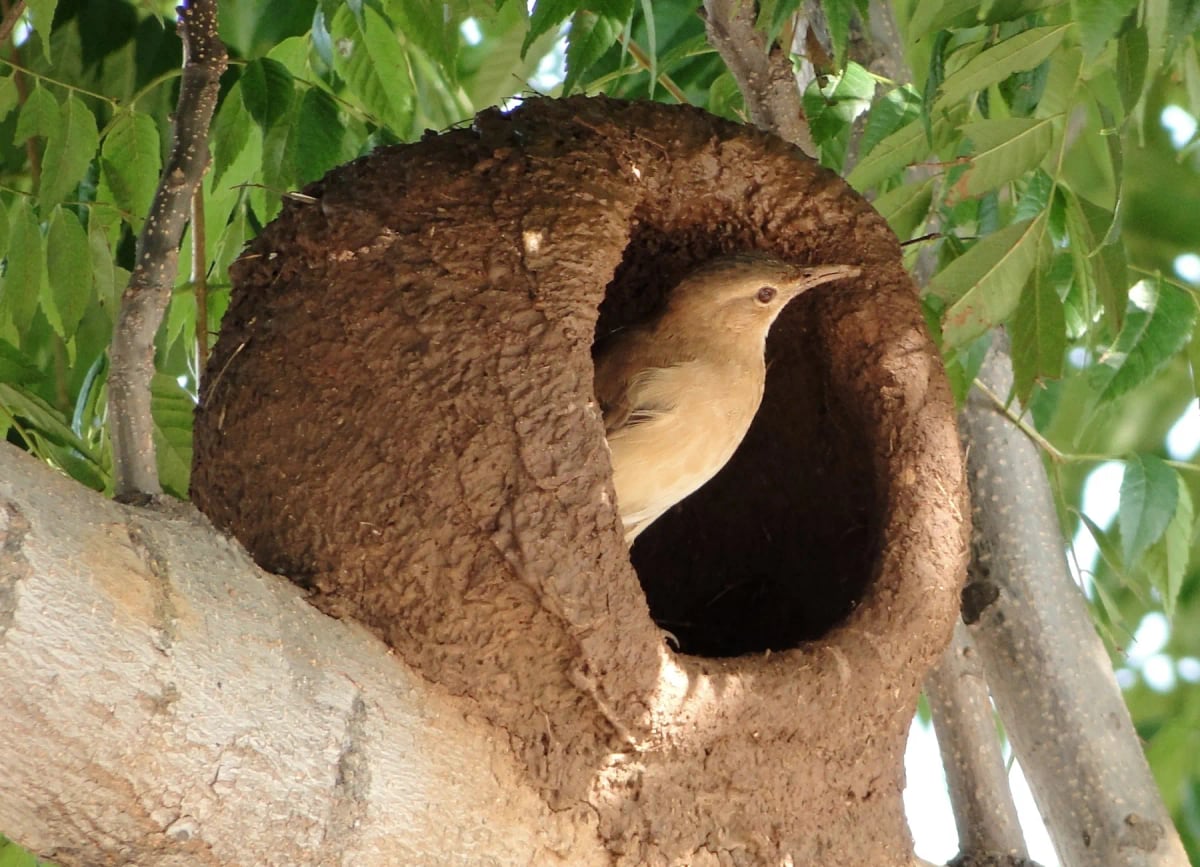
Hornero
Furnarius rufus
In Bolivia, the rufous hornero is found in the lowland regions of the east, particularly in the Chiquitania and the Gran Chaco, where open woodland and grassland provide ideal foraging ground. It searches the soil for insects, worms, and spiders, and raises its dome shaped mud nest in visible spots along forest edges and farmland. Its IUCN status is Least Concern.
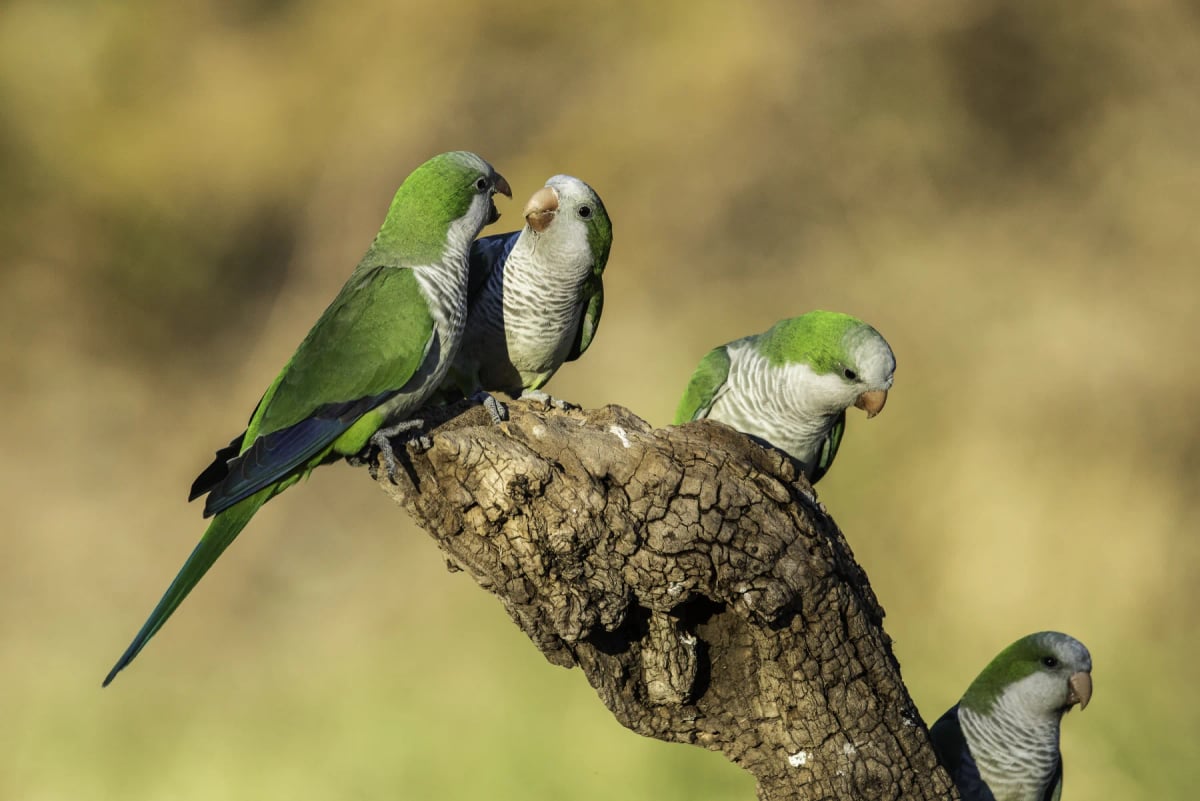
Monk Parakeet
Myiopsitta monachus
In Bolivia, the Monk Parakeet is found in the lowland savannas and dry forests of the eastern and central parts of the country, including the Chaco and Santa Cruz departments. It lives in flocks and builds large stick nests shared by multiple pairs. It adapts well to agricultural land and is a common presence in rural communities. IUCN Status: Least Concern.
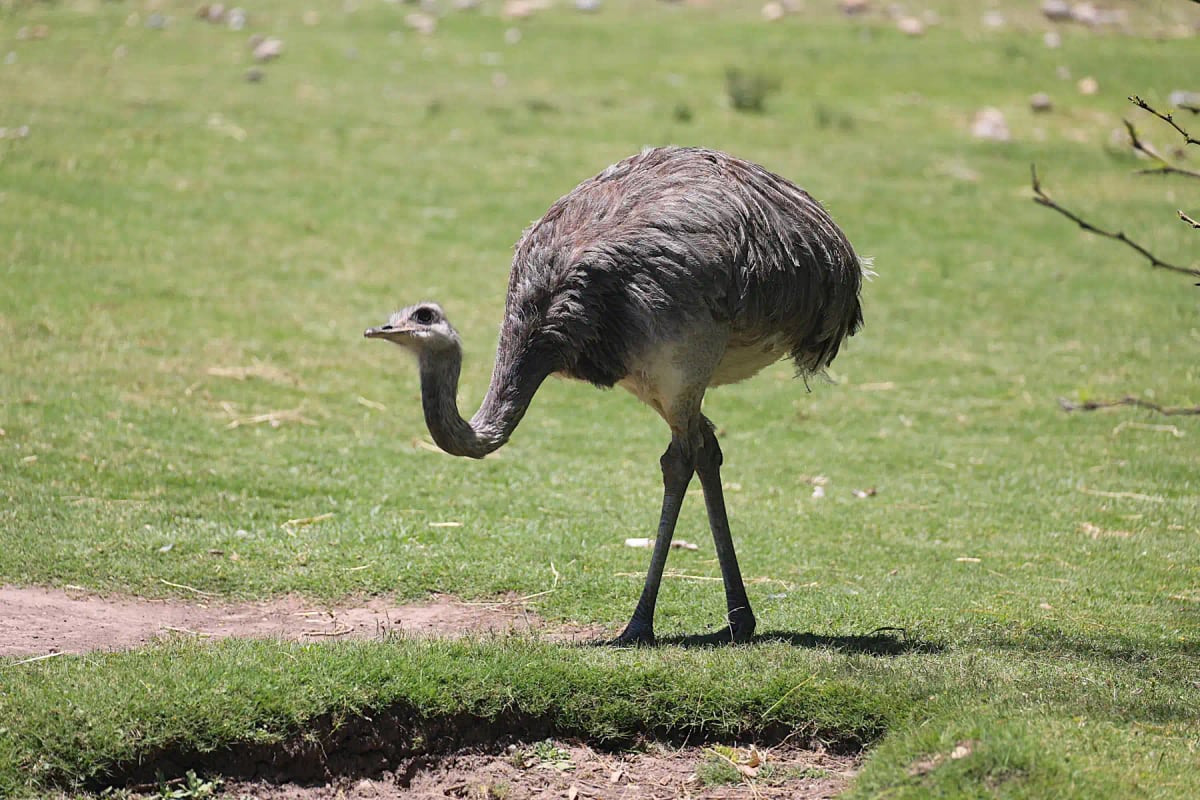
Rhea
Rhea americana
The greater rhea is the largest bird native to South America, reaching up to 1.5 metres tall. In Bolivia, it inhabits the open savannas and grasslands of the eastern lowlands, including the Chiquitano and Chaco regions. It feeds on plants, seeds, insects and small animals. Males build ground nests and raise their chicks entirely on their own. Its IUCN status is Near Threatened.
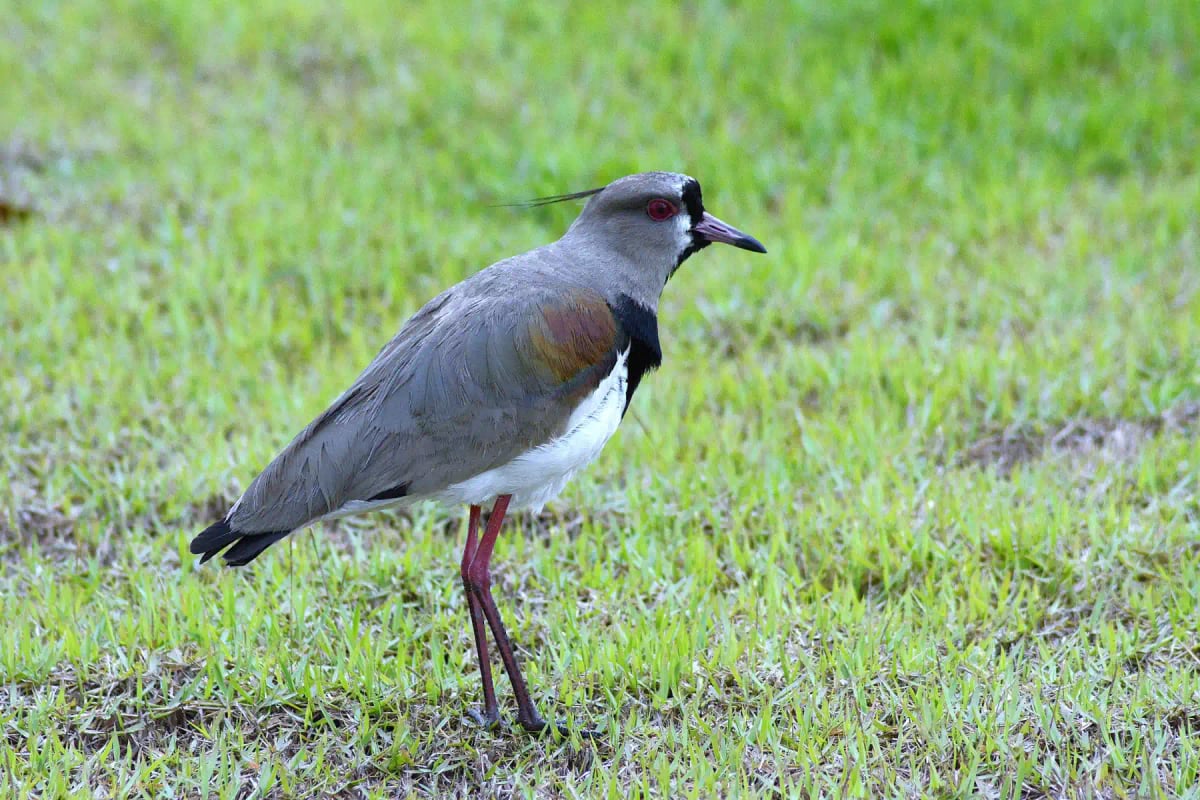
Southern Lapwing
Vanellus chilensis
In Bolivia, the southern lapwing inhabits the lowland savannas of the Beni department, seasonally flooded grasslands near Lake Titicaca and agricultural valleys in the Altiplano foothills. It is a common and vocal presence across these open habitats, often seen patrolling wet meadows or nesting along roadsides. Its IUCN status is Least Concern, and populations across the country remain stable.
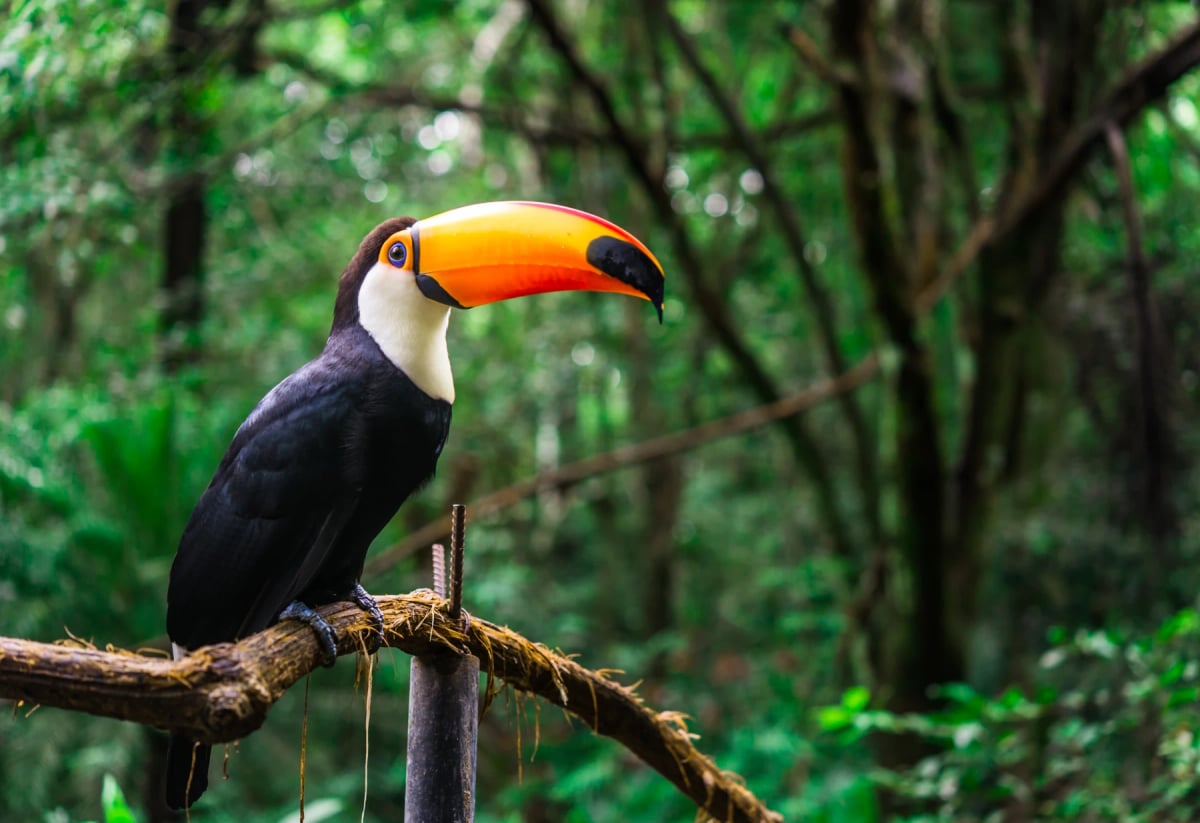
Toucan
Ramphastos spp.
In Bolivia, toucans are found mainly in the tropical lowlands of the Amazon and the Madeira river basin, particularly in the departments of Beni and Pando. The white-throated toucan is the most frequently encountered species in these forests. Bolivia's northern rainforests remain relatively well preserved, supporting healthy toucan populations. These birds are a familiar and noisy presence in the canopy, often heard before they are seen. IUCN status: Least Concern.
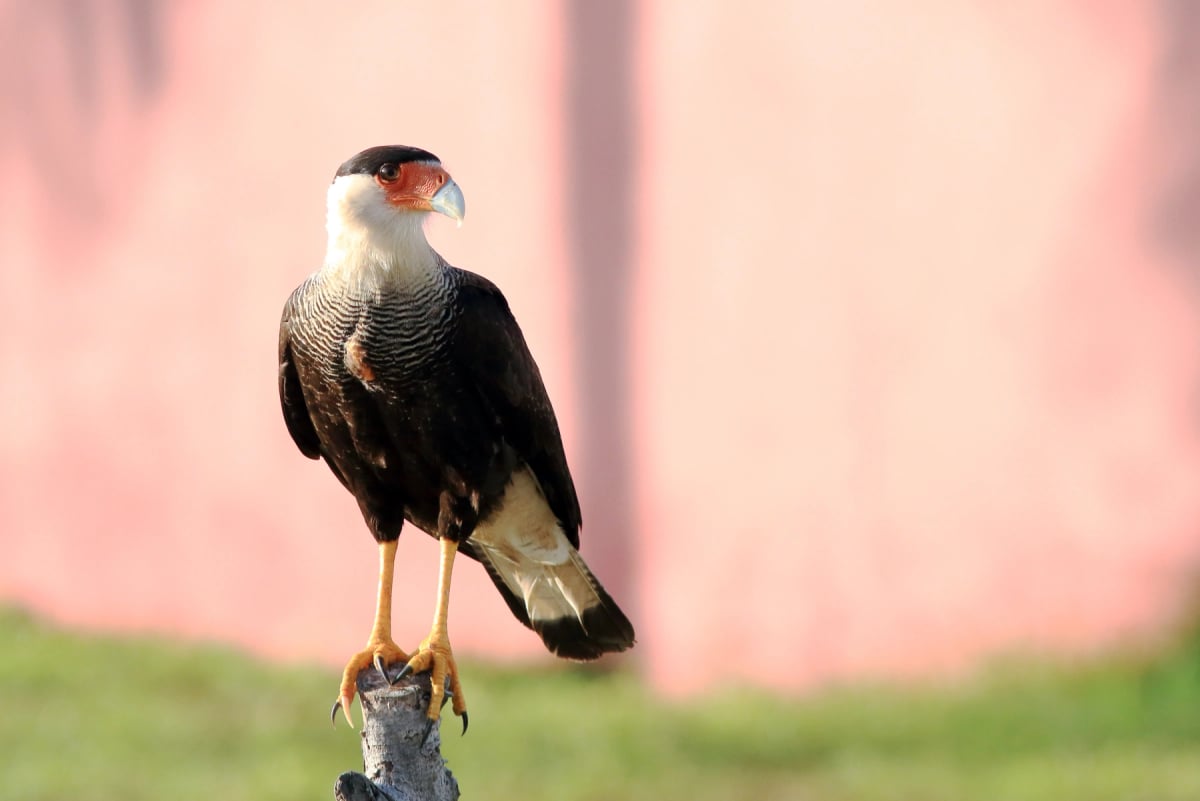
Southern Caracara
Caracara plancus
In Bolivia, the southern caracara is common across the lowland savannas and wetlands of the Beni department, as well as the dry Chaco in the south. It forages on the ground with ease, taking advantage of exposed carrion and insects stirred up by cattle. Its adaptability to both flooded plains and dry scrublands makes it one of the most widely seen raptors in the country.
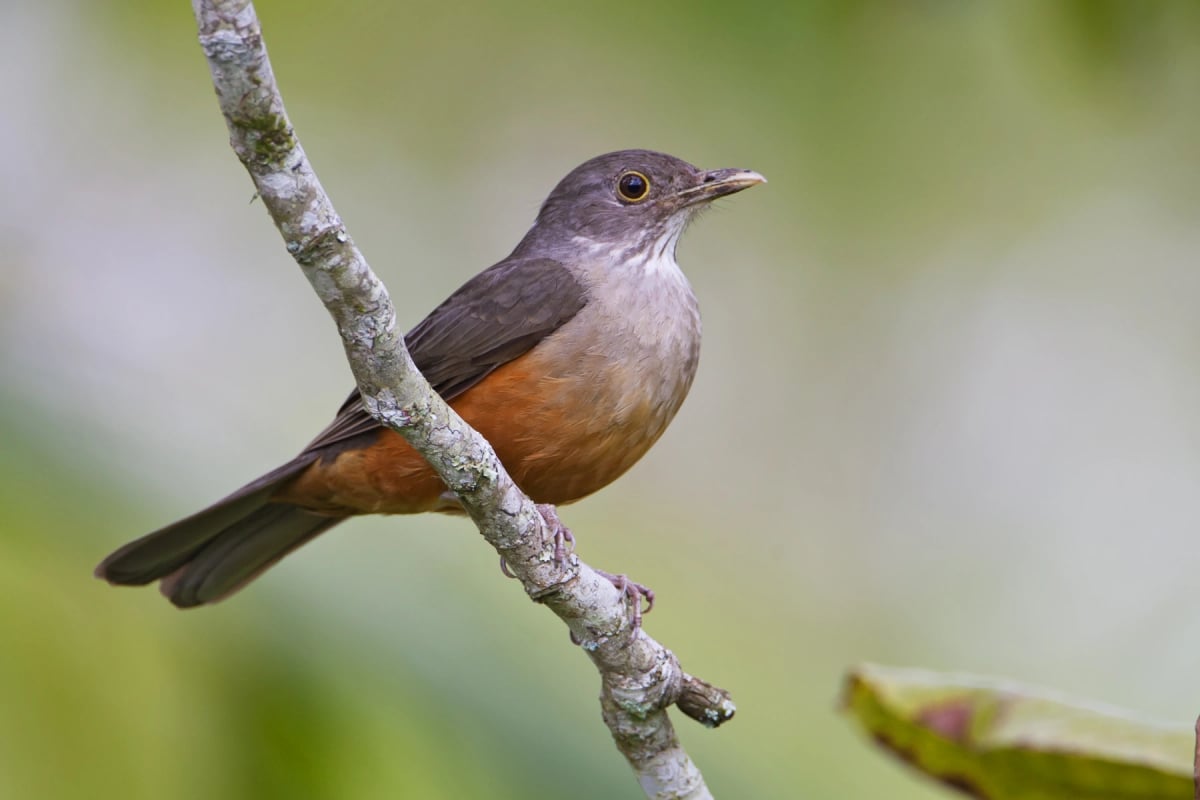
Rufous bellied Thrush
Turdus rufiventris
In Bolivia, the rufous bellied thrush reaches the western edge of its range in the Yungas forests of the Andean foothills and in lowland areas of the Santa Cruz department. It favors humid forest edges and woodland clearings where fruiting trees and open ground are both accessible. While less abundant here than in Brazil or Argentina, it is a regular resident in suitable habitat and recognized by its distinctive, far carrying song.

Amazon River Dolphin
Inia geoffrensis
The Amazon river dolphin is found in Bolivia's upper Madeira River basin, including the Beni, Mamoré, and Iténez rivers. The local population is sometimes classified as a distinct subspecies or separate species known as Inia boliviensis. Bolivia's dolphins live in river systems far from the coast, making them especially vulnerable to dam construction and mercury contamination from artisanal gold mining active across the region.
Researched and written by Juan Pablo. Sources: IUCN Red List, scientific literature and regional field guides. Last updated: .