Animals in Brazil
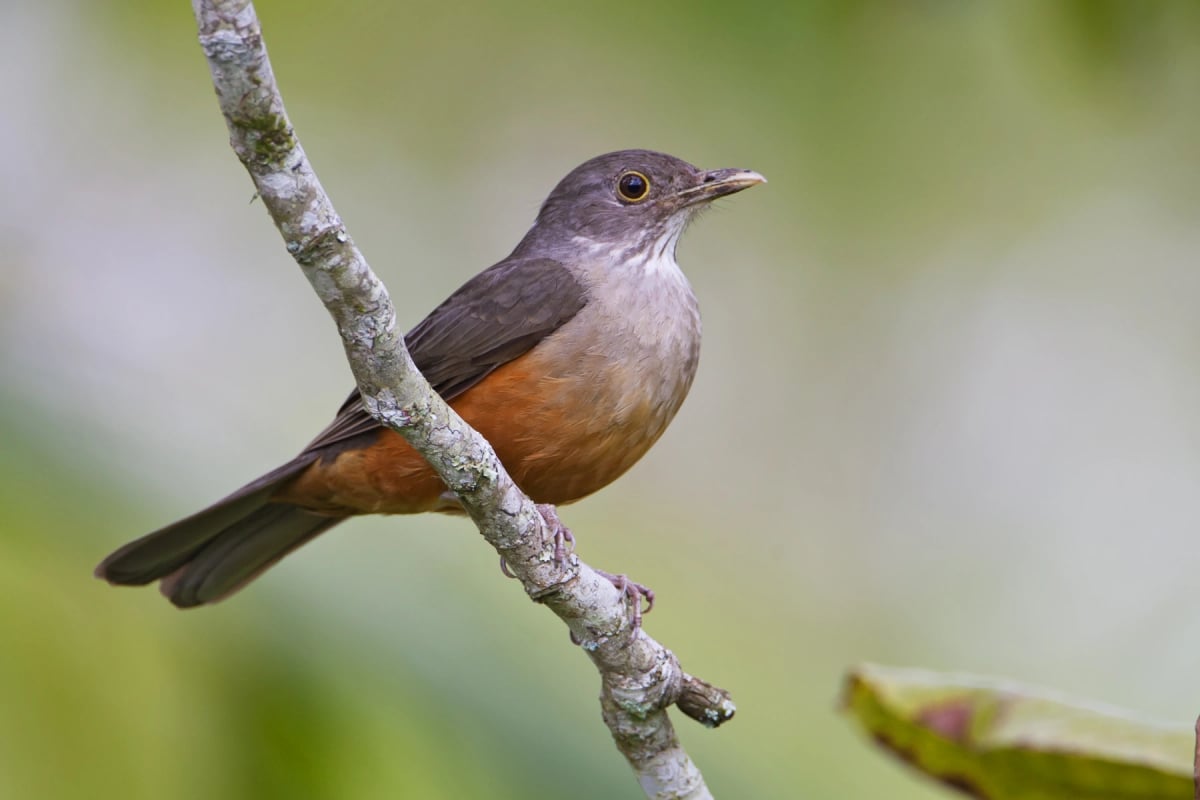
Rufous bellied Thrush
Turdus rufiventris
The rufous bellied thrush is a medium sized songbird recognized as the national bird of Brazil. It has warm orange underparts and brown upperparts and is commonly seen in gardens, parks and forest edges across the country. It feeds on insects and small invertebrates on the ground, as well as fallen fruits from nearby trees and shrubs. The species is most active and vocal at dawn and in the late afternoon, and its clear melodic song makes it easy to find in towns and rural areas alike.
View details→Wildlife in Brazil
Brazil is home to the Amazon rainforest, the Pantanal wetlands, the Atlantic Forest, the Cerrado savannas and long tropical coasts. These habitats support sloths, spider monkeys, anteaters, armadillos, tapirs, capybaras, jaguars and maned wolves on land, as well as caimans, river dolphins, sea turtles, whales and dolphins along the coast. Large areas are protected as national parks and reserves that welcome visitors through guided boat trips, forest trails and birdwatching, making Brazil one of the most important wildlife destinations in the world.
Most Dangerous Animals in Brazil
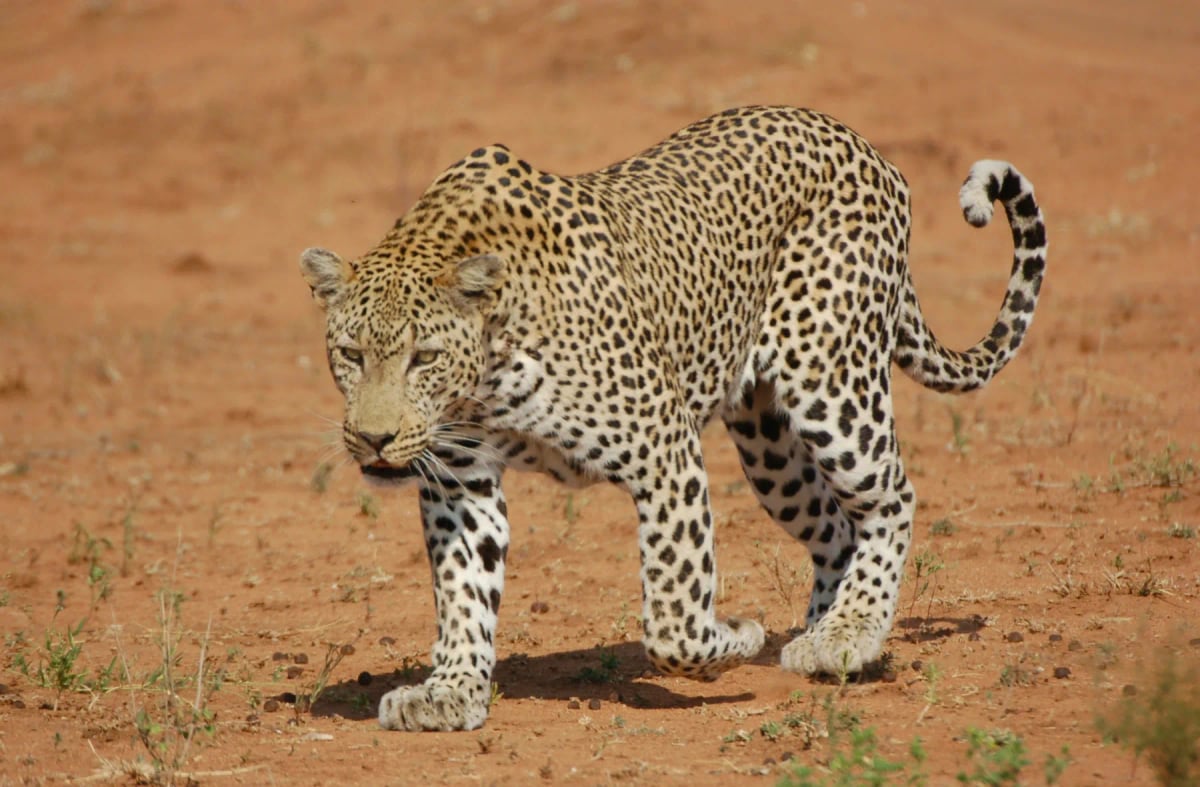
Brazil has several wild animals that can be dangerous in certain situations, mainly in remote forests, wetlands and coastal waters. Jaguars and cougars are powerful predators that live in forest and savanna regions. In rivers and flooded areas, caimans, anacondas and large boa constrictors can be a risk if they are surprised at close range. Venomous snakes such as rattlesnakes and lanceheads require special care in warm and rural zones. In the ocean and some estuaries, large sharks, bull sharks and orcas are strong marine predators. Most serious incidents are rare when people keep distance, travel with local guides and follow safety advice during outdoor activities.
Top 10 Animals in Brazil
The animals highlighted for Brazil bring together species from the Amazon, the Pantanal, the Cerrado and the coast. Large mammals such as jaguars, tapirs, capybaras and maned wolves represent forests, wetlands and savannas, while giant otters and river dolphins reflect the importance of Brazil's vast river network. In the forest canopy, sloths, spider monkeys and birds such as toucans and scarlet macaws are among the most recognizable symbols of tropical wildlife. Coastal waters add whales, dolphins and sea turtles, and together these animals show just how many different habitats make up the country.
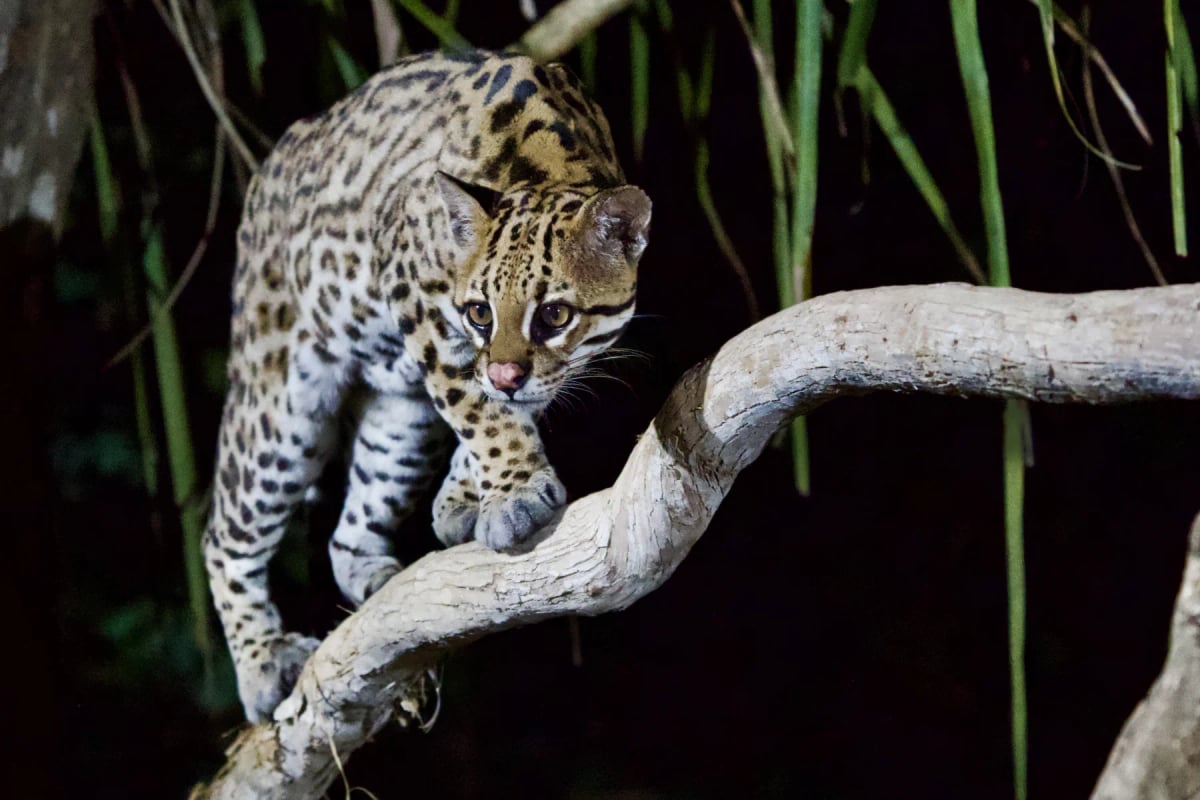
Ocelot
Leopardus pardalis
Brazil holds one of the largest ocelot populations in the world, with animals living across the Amazon rainforest, the Pantanal wetlands, the Atlantic Forest, and the Cerrado savanna. Each of these ecosystems offers the dense cover and prey diversity that ocelots need. Despite this wide distribution, habitat fragmentation and road collisions pose serious local threats, particularly in the heavily deforested Atlantic Forest region along the coast.
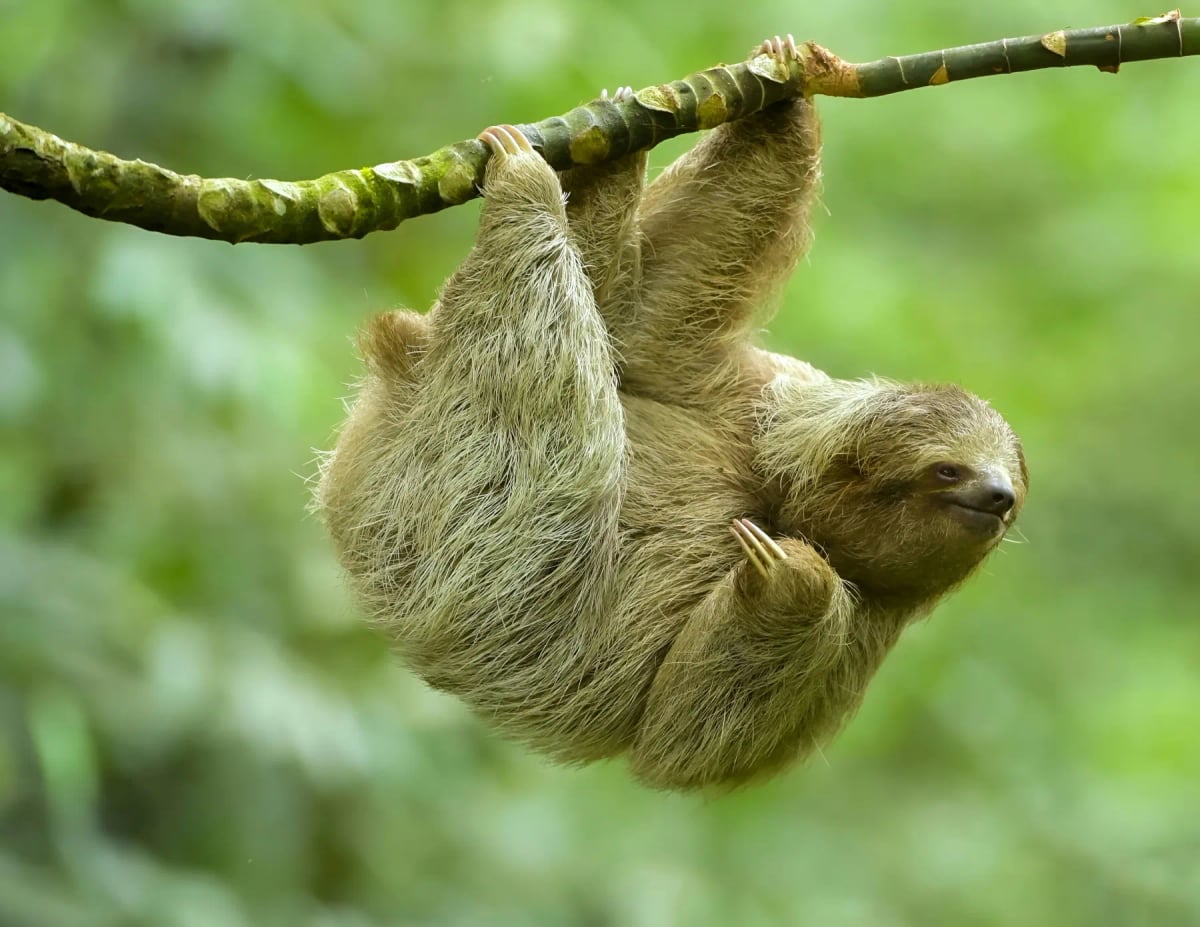
Sloth
Folivora
Brazil is home to several sloth species spread across the Amazon rainforest and the Atlantic Forest. The country holds the largest share of sloth habitat on Earth. In the Amazon, they roam the upper canopy of vast jungle expanses, while in the Atlantic Forest, fragmented patches put some populations under pressure. Brazil's size makes it critical to the survival of sloths across the long term.
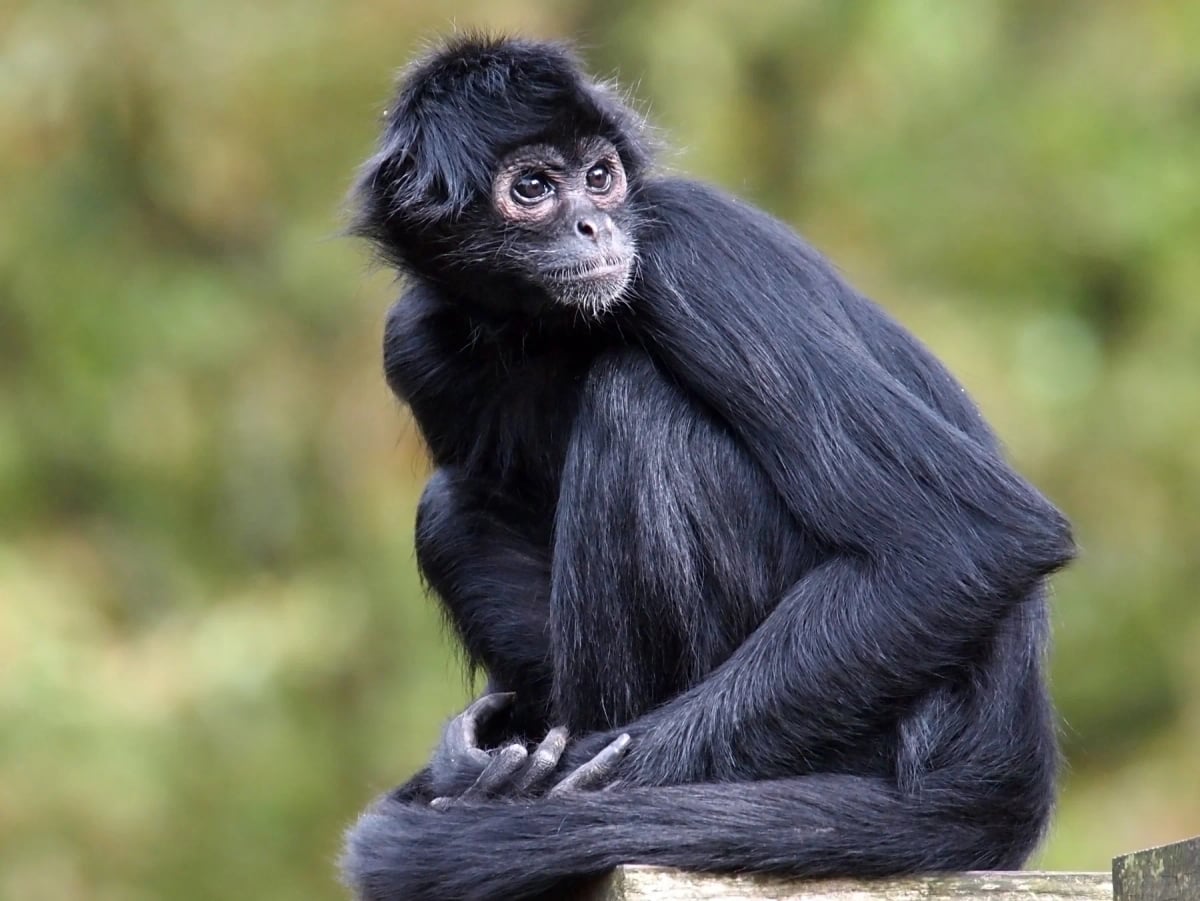
Spider Monkey
Ateles spp.
Brazil holds the largest portion of the spider monkey's range, with populations spread across the Amazon basin and parts of the Atlantic Forest. In the Amazon, protected areas such as the Jaú National Park provide critical shelter, though rampant deforestation continues to shrink available habitat. Spider monkeys are particularly vulnerable because of their slow reproduction rate. Indigenous territories across the Brazilian Amazon also serve as some of the most effective refuges for these primates.
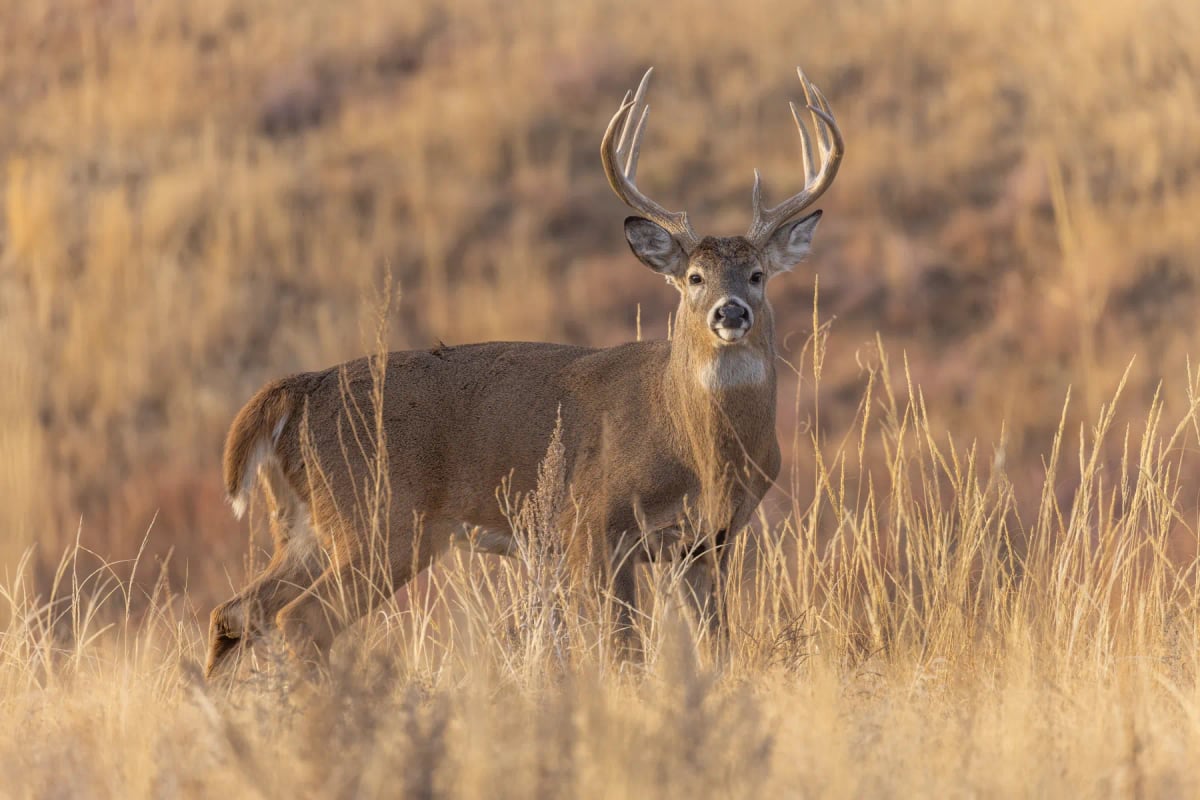
White tailed Deer
Odocoileus virginianus
In Brazil, the white tailed deer reaches the southern edge of its range, appearing mainly in the northern states of Roraima and Amapá near the Guiana Highlands. It inhabits forest borders and open woodland areas. Populations here are less studied than those further north, but the deer adapts well to the mosaic of forests and grasslands typical of this part of the Amazon basin.
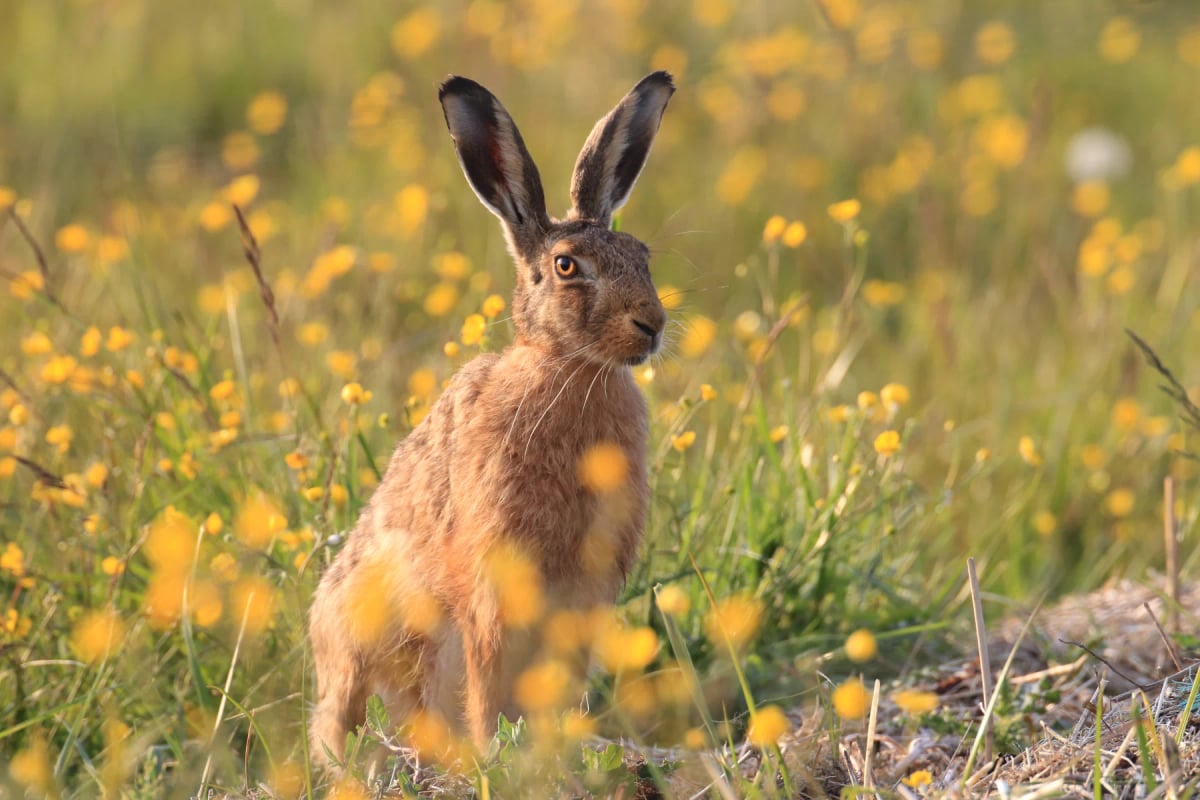
Hare
Lepus europaeus
The European hare was introduced to Brazil and is found mainly in the southern states of Rio Grande do Sul, Santa Catarina, and Paraná, where open grasslands and agricultural fields provide suitable habitat. It has spread steadily since its introduction and is considered an invasive species. Researchers monitor its interactions with native fauna, particularly in the pampa biome, where it competes with local wildlife for resources.
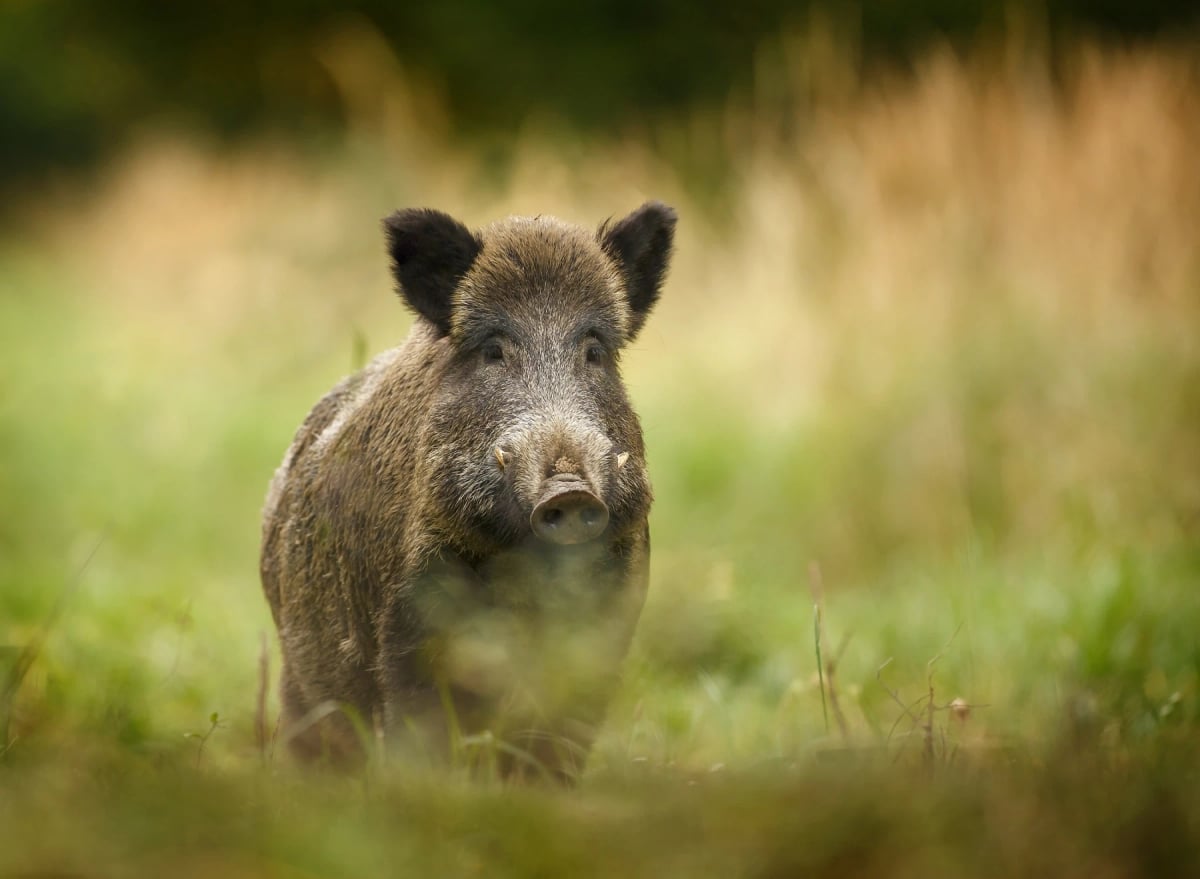
Wild Boar
Sus scrofa
The wild boar is not native to Brazil and is considered an invasive species, particularly in the southern and central states where feral populations have expanded considerably. It causes damage to agricultural land and native ecosystems by uprooting soil and competing with local wildlife. In Brazil authorities have implemented control programs, and it is legally hunted in some states as part of population management efforts.
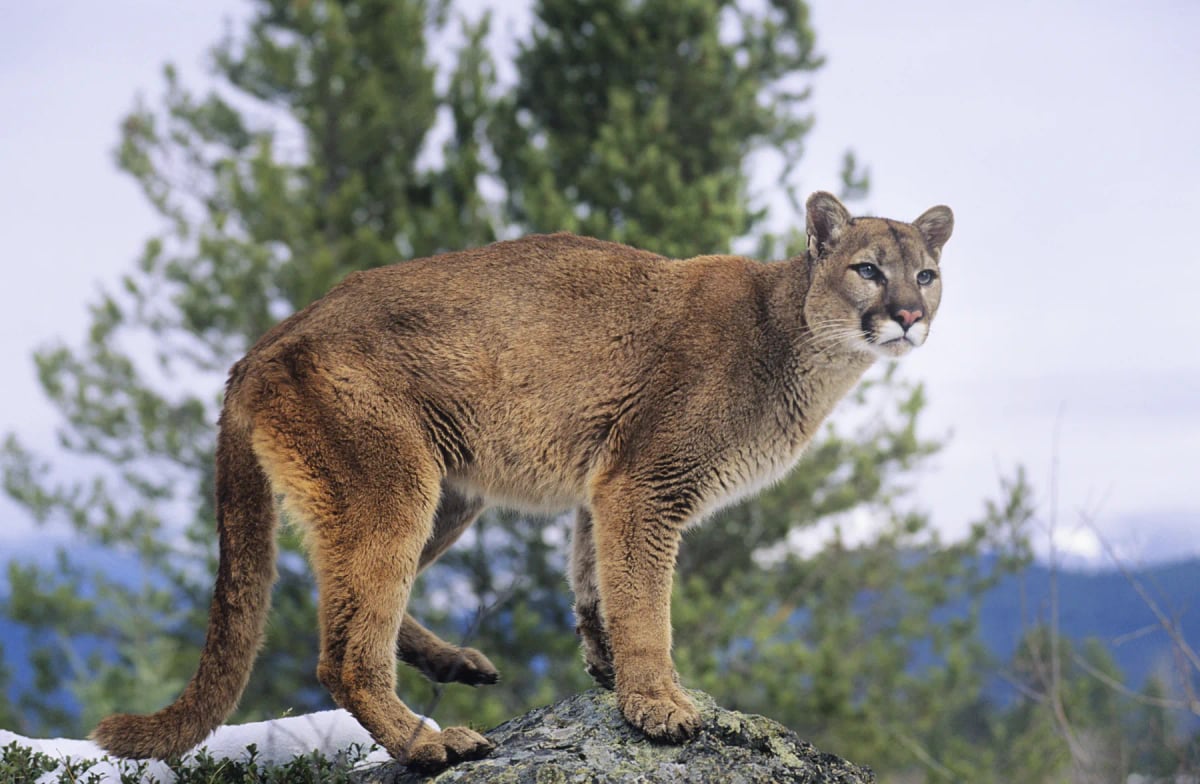
Cougar
Puma concolor
Brazil is home to the cougar across a remarkable range of biomes, including the Amazon rainforest, the Cerrado, the Pantanal, and the Atlantic Forest. Known locally as suçuarana or onça-parda, it is the second largest cat in the country after the jaguar. Deforestation and conflict with ranchers remain the main threats, particularly in the heavily fragmented Atlantic Forest region along the coast.
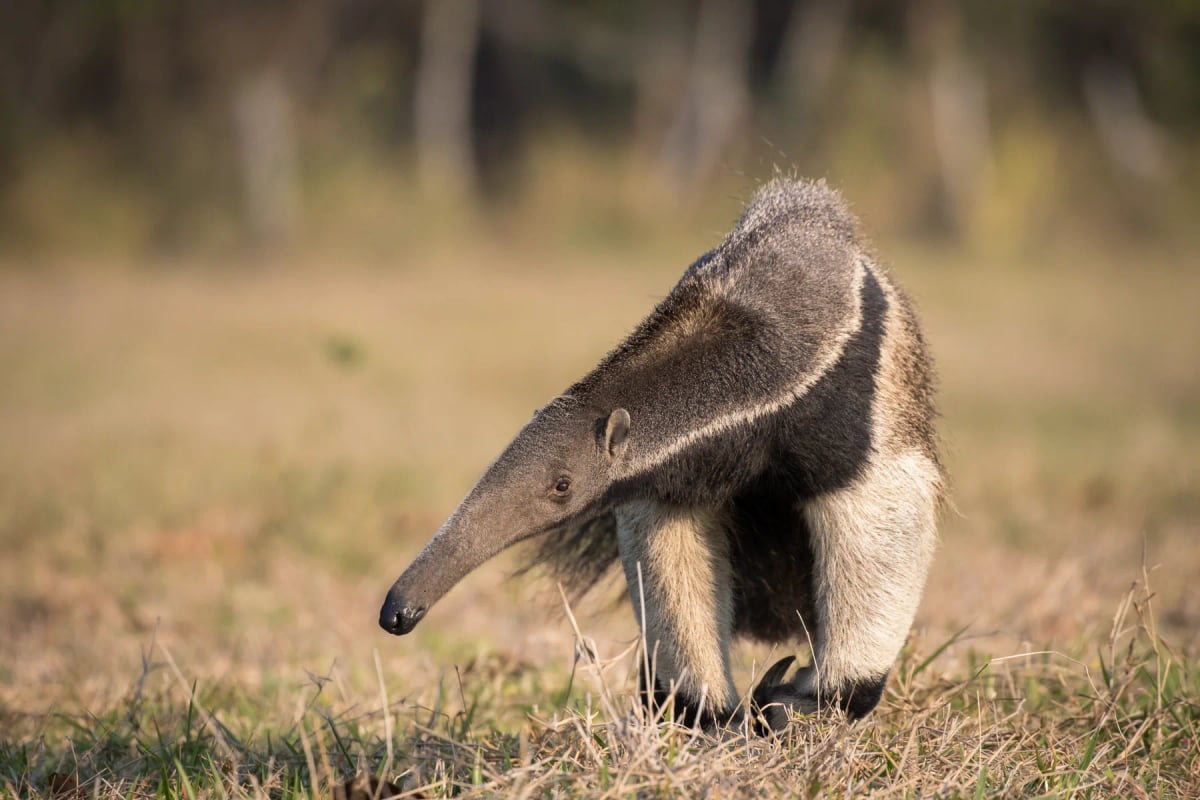
Anteater
Myrmecophaga tridactyla
Brazil is home to three anteater species: the giant anteater, the southern tamandua and the silky anteater. The giant anteater is the most iconic and is found in the Cerrado, Pantanal and parts of the Amazon, where it roams open areas feeding on ants and termites with its long sticky tongue. In Brazil giant anteaters are considered vulnerable due to habitat loss and road collisions, and conservation programs work to protect remaining populations.
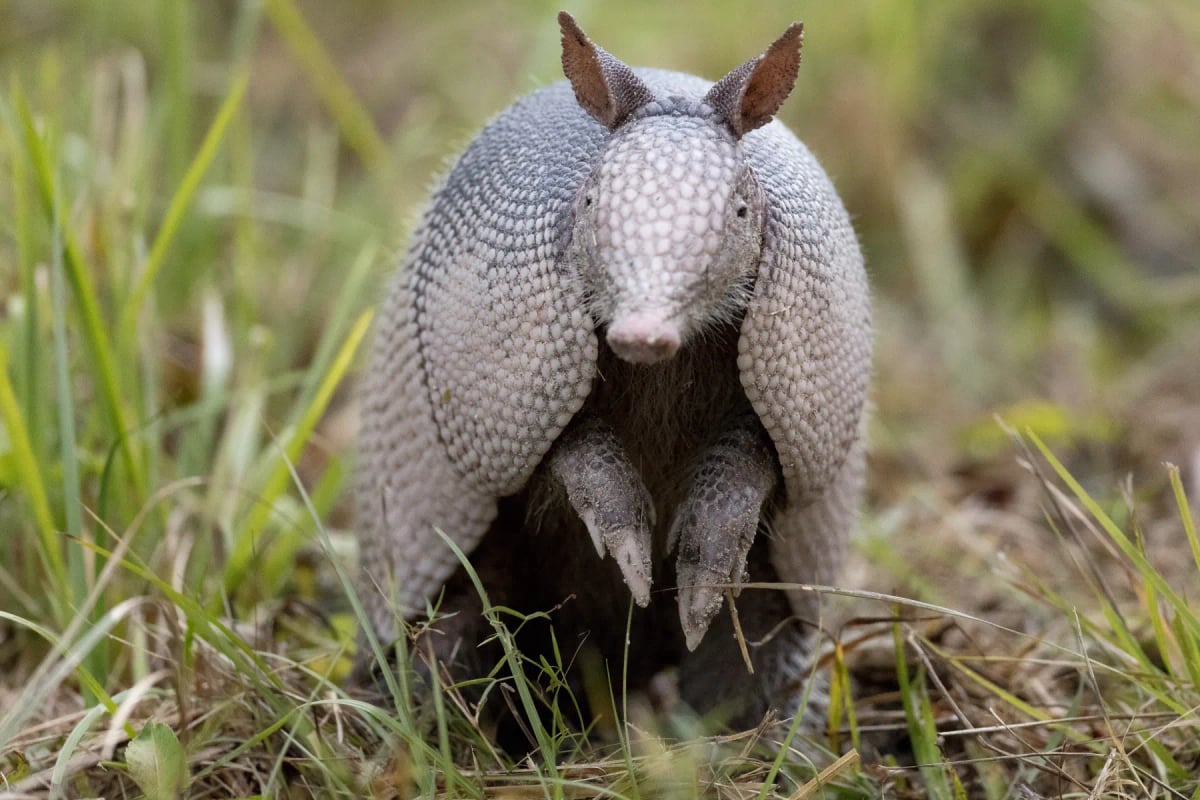
Armadillo
Dasypodidae spp.
Brazil is home to several armadillo species, including the giant armadillo, the six banded armadillo and the southern three banded armadillo, found across habitats from the Amazon to the Caatinga. They dig burrows and feed mainly on insects, worms and larvae. The giant armadillo is the largest and is considered vulnerable due to habitat loss, while smaller species remain common and widespread throughout the country.
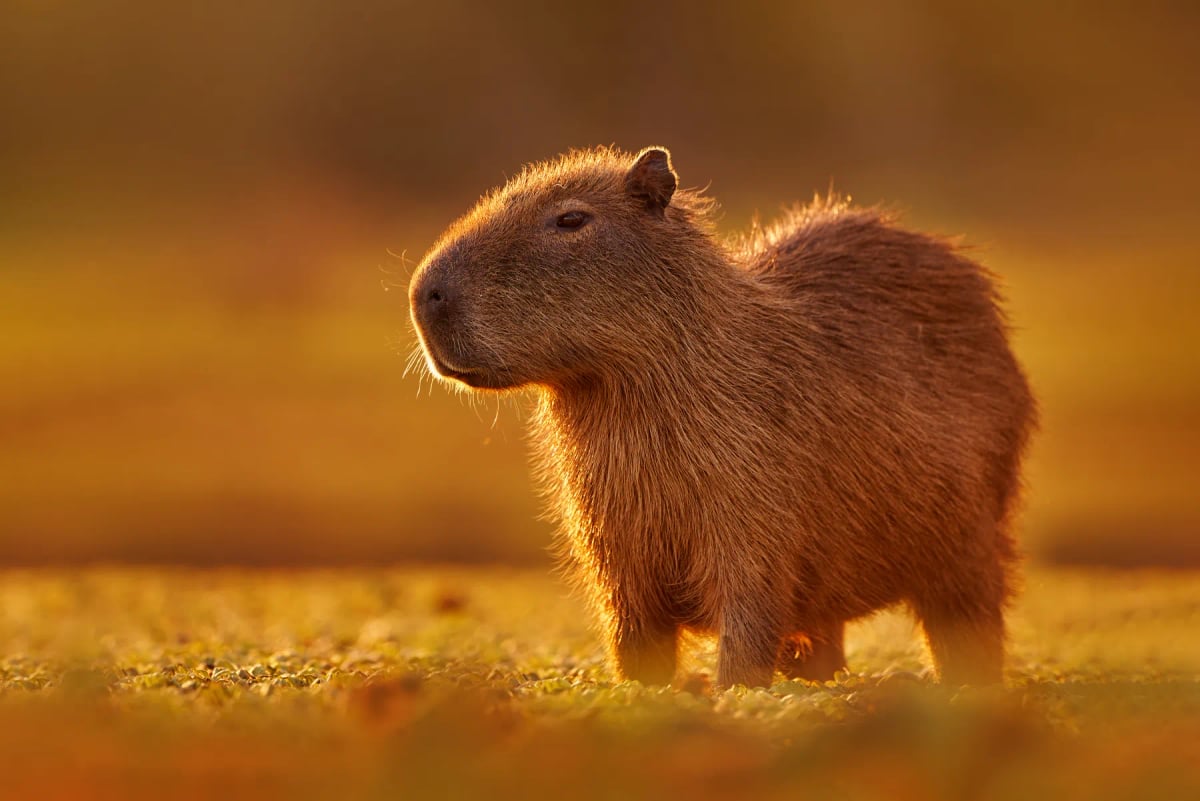
Capybara
Hydrochoerus hydrochaeris
Brazil holds some of the largest capybara populations in the world, particularly across the Pantanal, the Amazon Basin, and the Cerrado. The Pantanal, the world's largest tropical wetland, provides ideal habitat where capybaras are a key prey species for jaguars and caimans. Listed as Least Concern by the IUCN, the species is abundant in Brazil, though deforestation continues to affect parts of its range.
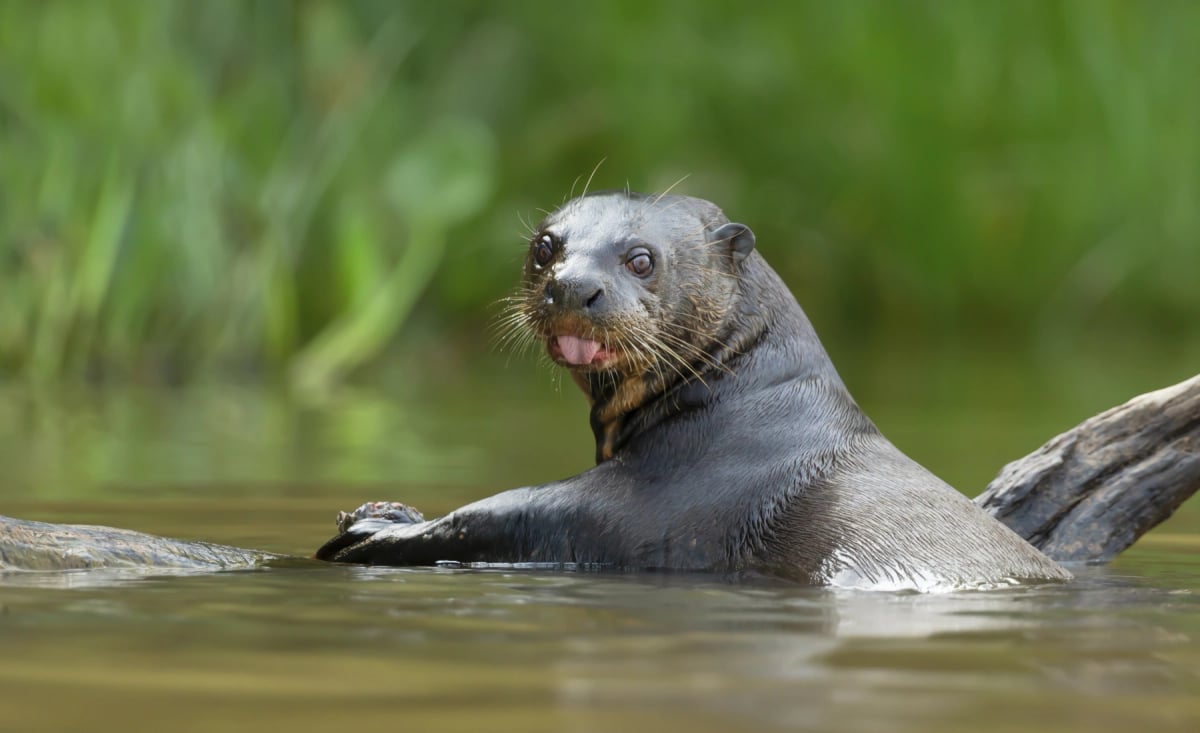
Giant Otter
Pteronura brasiliensis
Brazil holds the largest population of giant otters in the world, with family groups spread across the Amazon and Pantanal. Rivers and flooded wetlands rich in fish provide ideal conditions for this social mammal. Decades of hunting for its dense, velvety pelt reduced numbers severely, and today threats include mercury from gold mining and the destruction of riverside forest. Brazil's protected areas are vital to its survival over the long term.
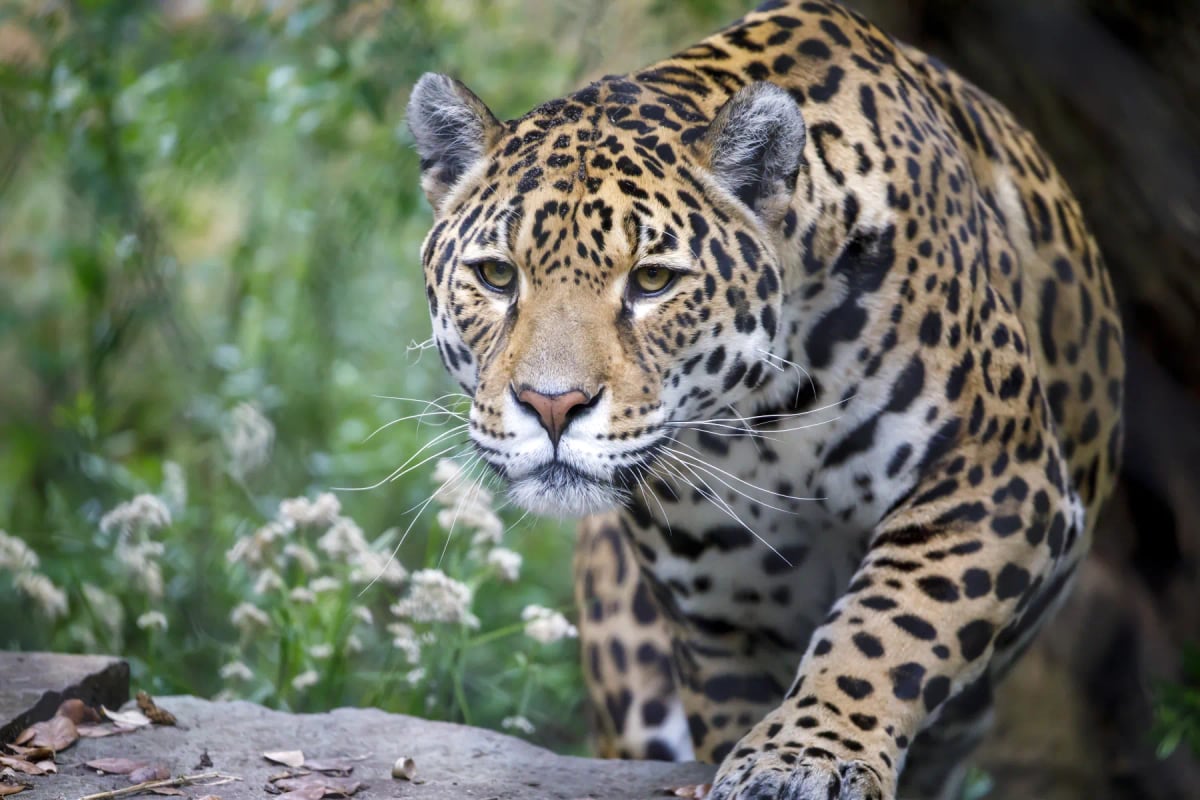
Jaguar
Panthera onca
Brazil supports the largest jaguar population in the world, with the Amazon rainforest and the Pantanal wetlands serving as its two most important strongholds. The Pantanal in particular offers exceptional conditions, with high prey availability and open water. Deforestation and cattle ranching pose serious threats, but Brazil's scale of protected forest gives the species its best chance of survival over the long term.
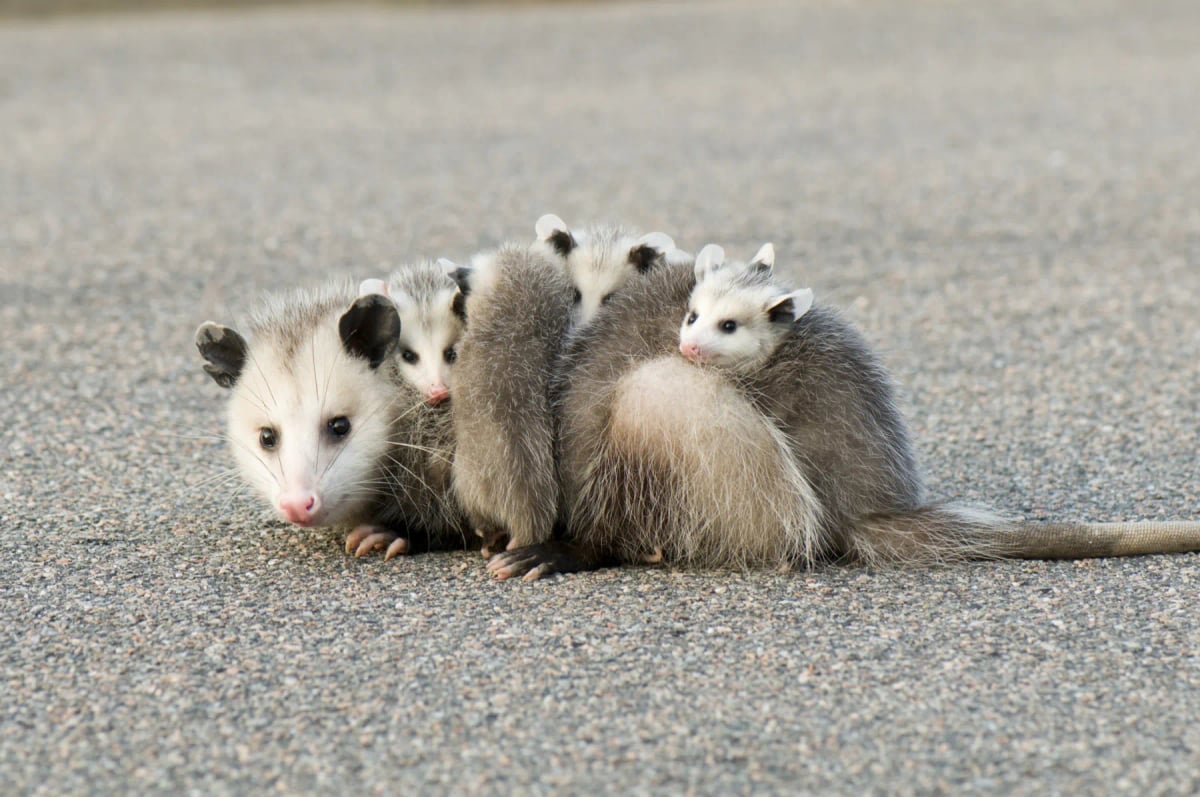
Opossum
Didelphis spp.
Brazil, home to the world's largest tropical rainforest, supports some of the most diverse opossum populations on Earth. They inhabit the Amazon basin, the Atlantic Forest fragments along the coast, the Cerrado savanna, and the Pantanal wetlands. Brazilians often call them "gambá" or "timbu." Their ability to adapt to deforested and urban landscapes has helped them persist even as natural habitats shrink. Their status is Least Concern.
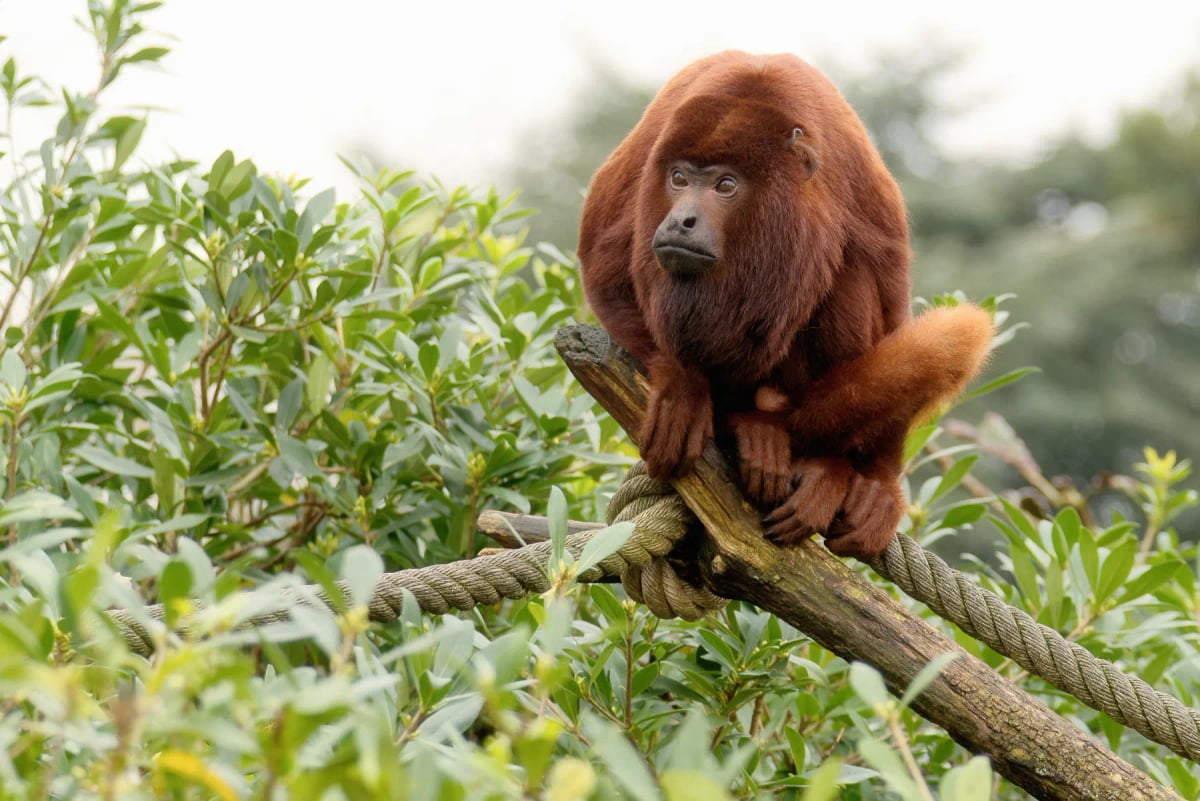
Red Howler Monkey
Alouatta seniculus
Brazil holds some of the largest populations of red howler monkeys in the world, spread across the vast Amazon basin. The species is also found in forests along the Orinoco border regions in the north. Troops fill the early morning air with booming calls that travel over three kilometers. While Amazon deforestation is an ongoing concern, the sheer scale of remaining habitat keeps Brazilian populations in relatively good health.
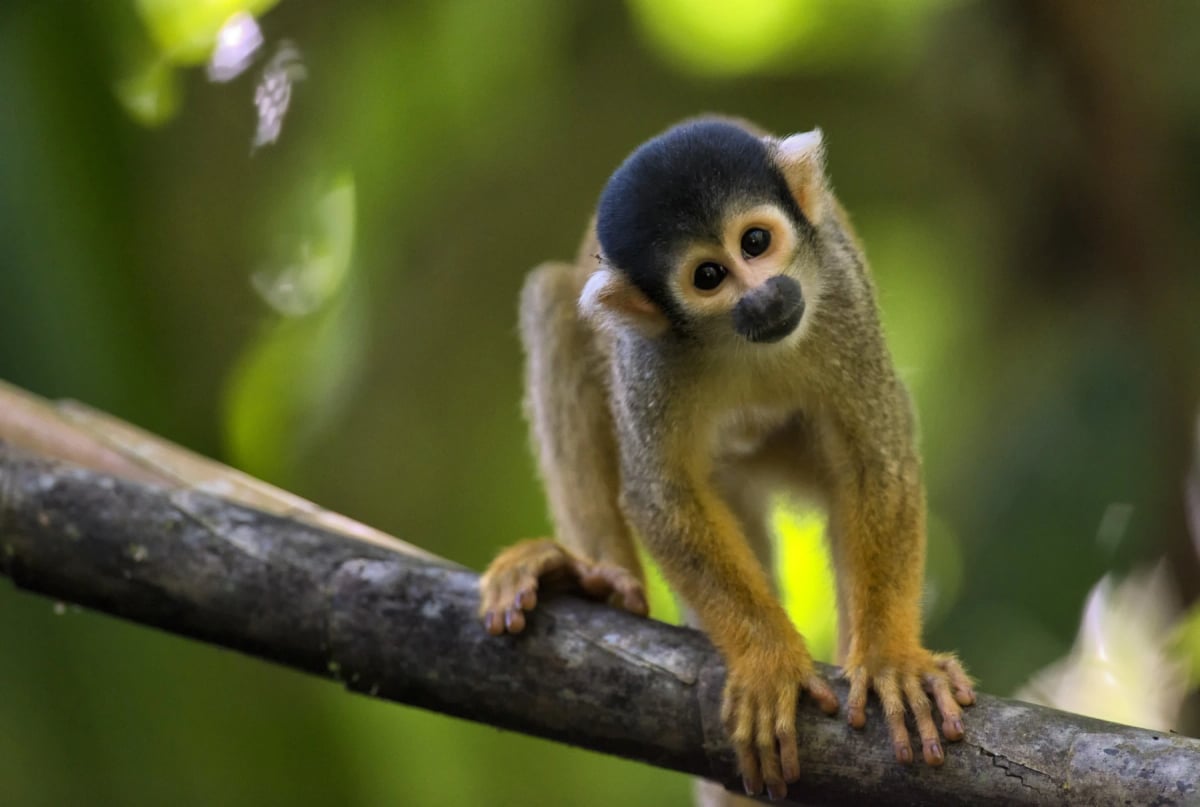
Squirrel Monkey
Saimiri spp.
Brazil, home to the heart of the Amazon basin, holds the largest populations of squirrel monkeys in the world. Several species within the genus Saimiri occur here, each associated with different regions of the forest. Troops regularly exceed 75 individuals and are known for their loud, expressive calls. The Brazilian Amazon's scale offers these primates an enormous range, though deforestation continues to fragment their habitat in some areas.
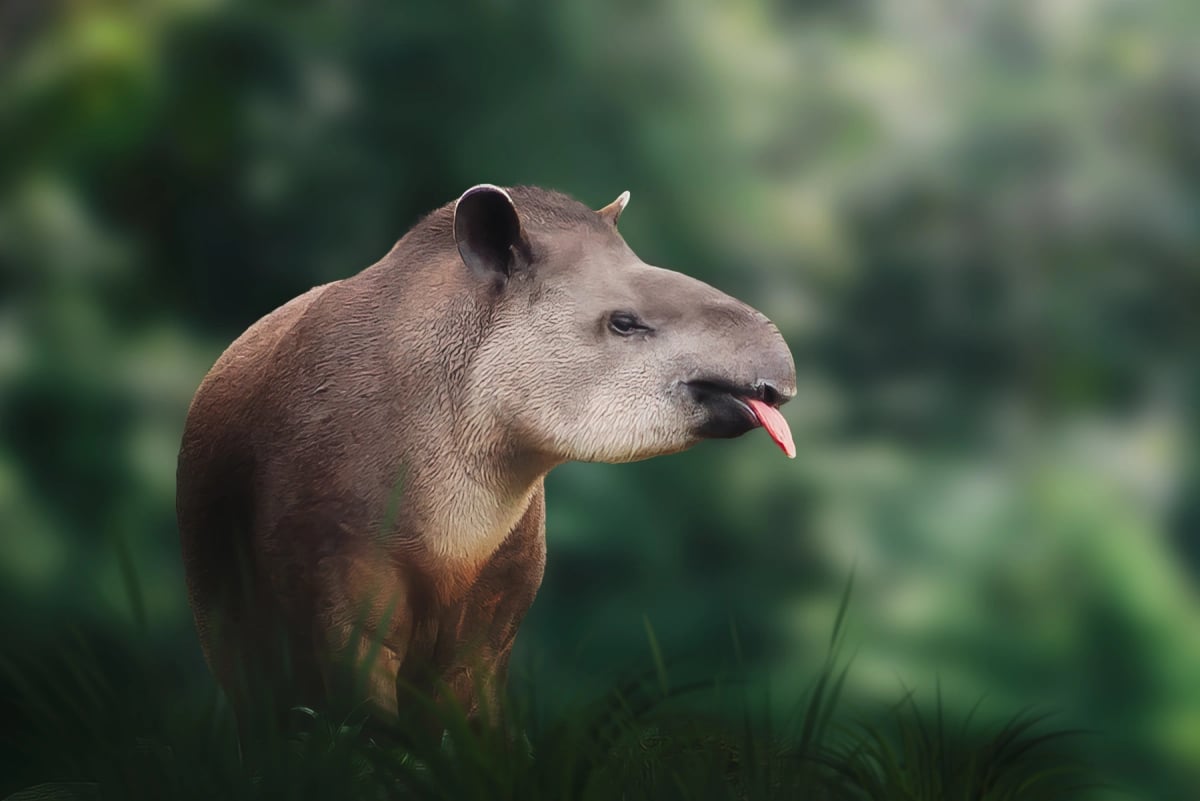
Tapir
Tapirus spp.
Brazil holds the largest population of South American tapirs in the world, found across the Amazon, the Cerrado savanna, the Pantanal wetlands, and fragments of the Atlantic Forest. As seed dispersers, they play a key role in keeping these ecosystems healthy. Deforestation remains the greatest threat to their survival. Brazil's vast network of protected areas and indigenous territories helps safeguard tapir populations across the country.
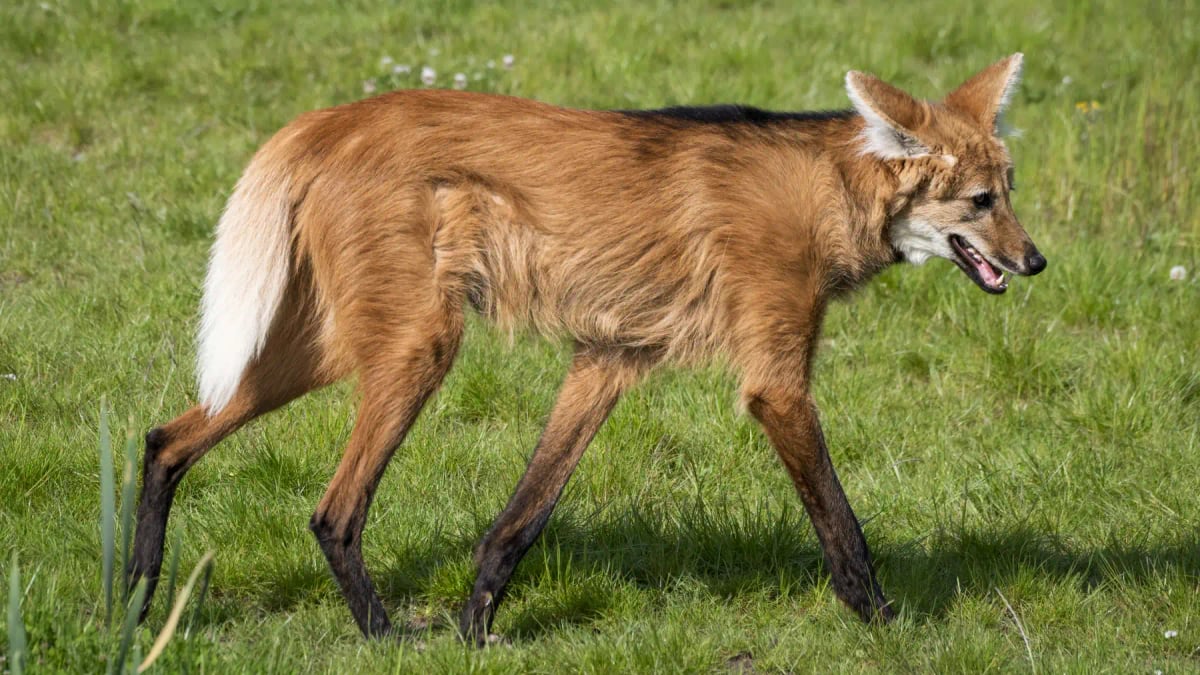
Maned Wolf
Chrysocyon brachyurus
Brazil is the stronghold of the maned wolf, home to the largest population on Earth. The Cerrado, one of the world's most biodiverse savannas, provides the open grasslands and scrublands this species depends on. It feeds heavily on the wolf apple, a fruit native to the Cerrado, and helps spread its seeds across the landscape. Rapid loss of Cerrado habitat remains the greatest threat to the species here.
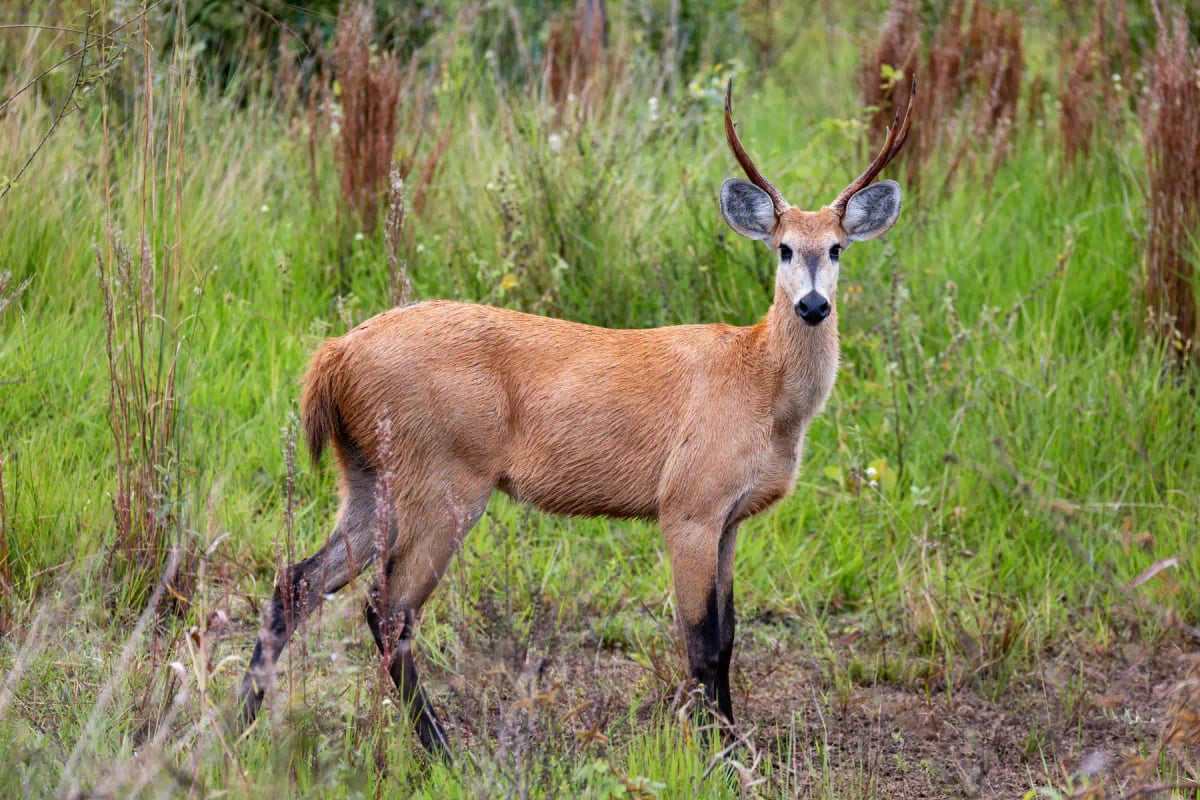
Marsh Deer
Blastocerus dichotomus
Brazil holds the largest remaining populations of the marsh deer, with the Pantanal wetlands serving as its most important stronghold. These deer stand up to 115 cm at the shoulder and are strong swimmers, moving easily between flooded grasslands and river channels. Threats from dam construction, habitat loss, and disease spread by cattle continue to put pressure on the species, which the IUCN classifies as Vulnerable.
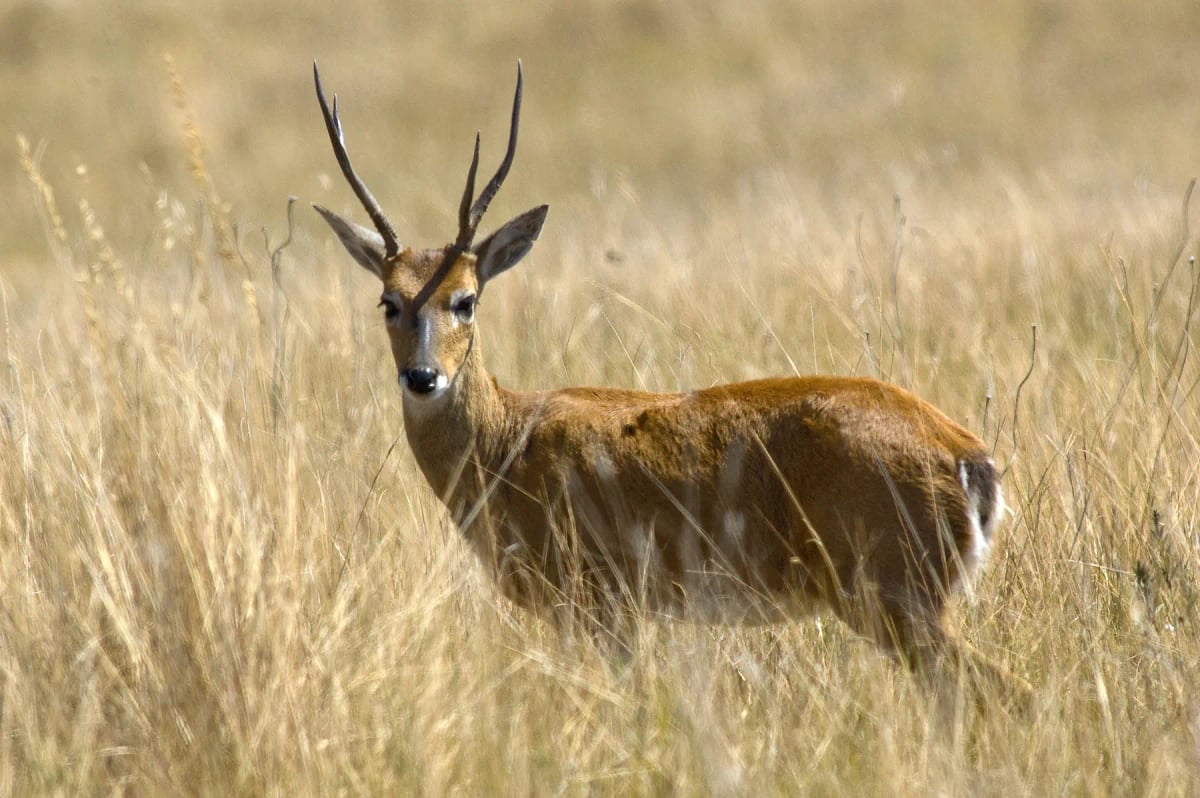
Pampas Deer
Ozotoceros bezoarticus
In Brazil, the pampas deer is found mainly in the Cerrado savanna and in the grasslands of Rio Grande do Sul in the south. Males grow simple antlers and both sexes produce a garlic-like scent unique among deer. The species faces serious pressure from the rapid conversion of the Cerrado for agriculture. It is listed by the IUCN as Near Threatened, and Brazilian protected areas play a key role in its survival.
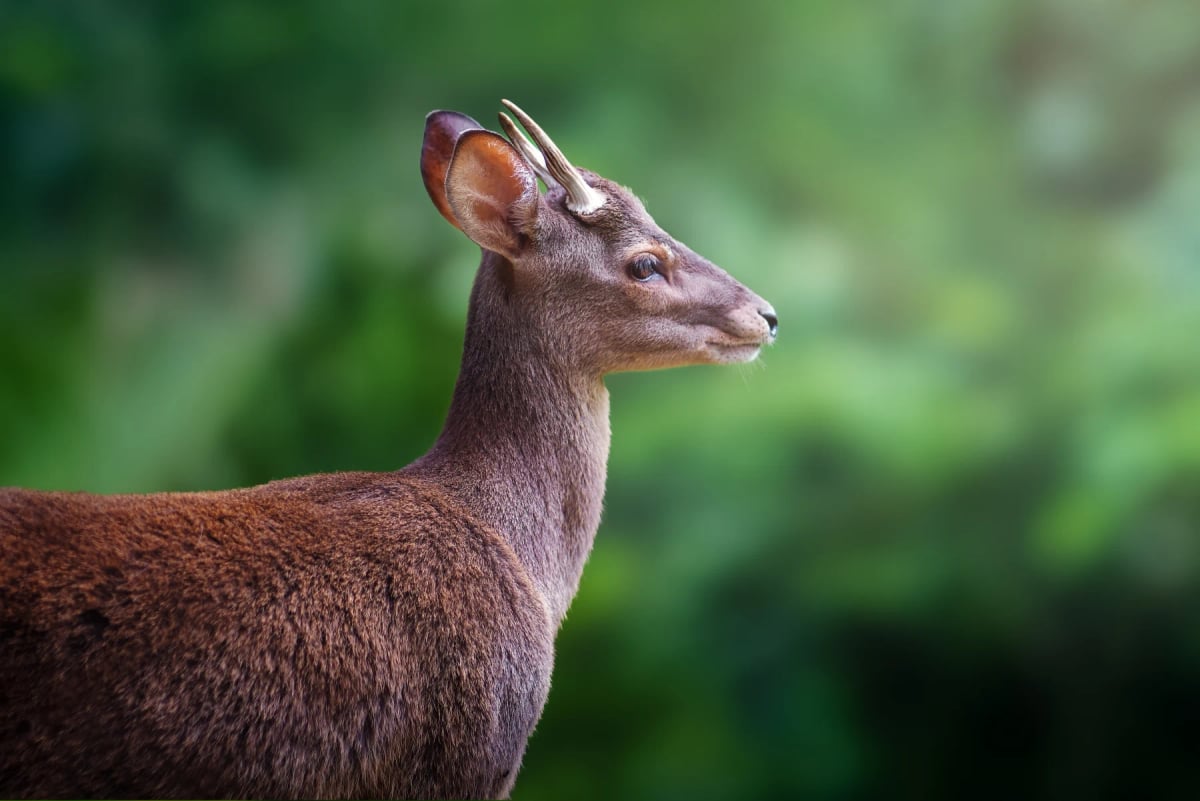
Brocket Deer
Mazama spp.
Brazil, with its vast Amazon rainforest, Atlantic Forest remnants and Cerrado savanna, supports the greatest diversity of brocket deer species in the world. The red brocket is common throughout Amazonia, while the gray brocket ranges across the Cerrado and drier regions. As key seed dispersers, brocket deer play a vital ecological role. Deforestation and hunting remain the primary threats, particularly at the edges of agricultural frontiers.
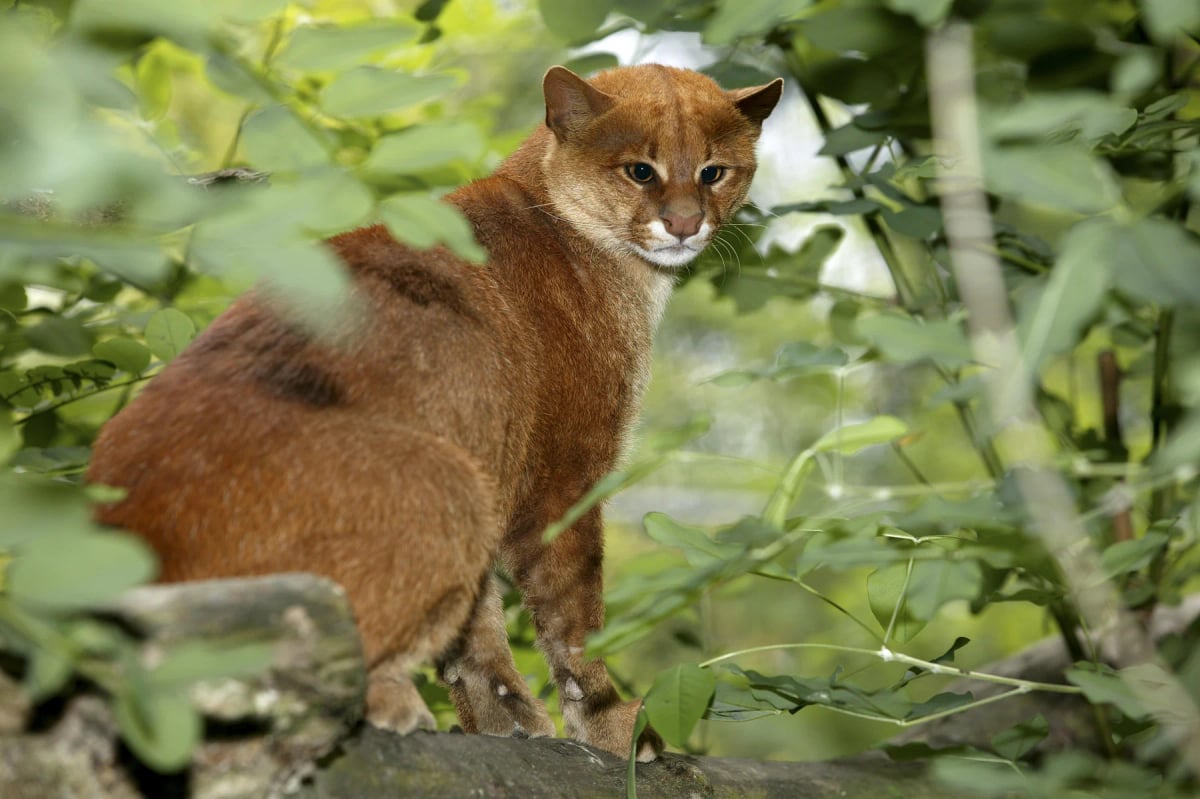
Jaguarundi
Herpailurus yagouaroundi
Brazil holds some of the most important jaguarundi habitat in South America, spanning the Amazon rainforest, the Cerrado savanna, the Caatinga scrubland, and the Atlantic Forest. This adaptable cat thrives across all these biomes, hunting by day at forest edges and in open areas. Deforestation, especially in the Cerrado and Atlantic Forest, is the greatest threat it faces across the country.
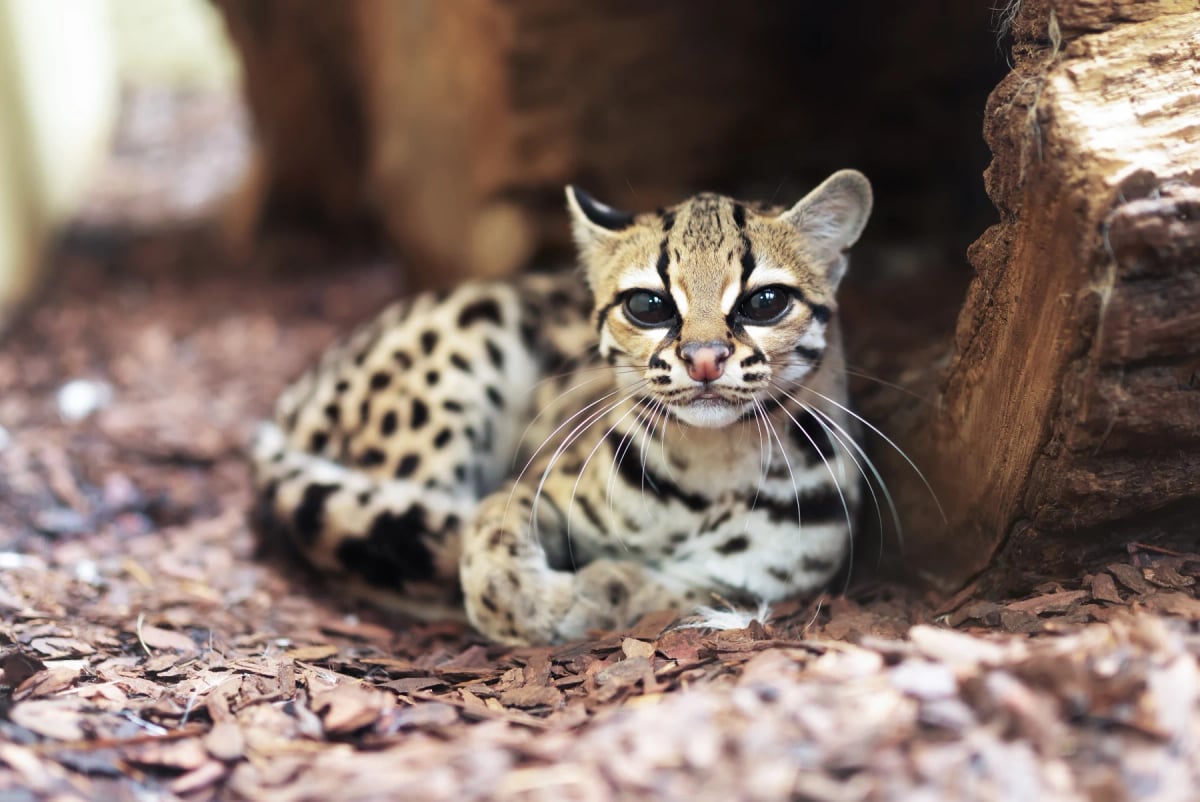
Margay
Leopardus wiedii
Brazil holds one of the largest margay populations in the world, with individuals recorded across the Amazon rainforest, the Atlantic Forest, and the Cerrado transition zones. The species is well adapted to dense forest canopy, where it hunts at night from the treetops. Despite the country's vast forest cover, ongoing deforestation in the Amazon and the dramatic shrinkage of the Atlantic Forest put steady pressure on margay numbers. The IUCN lists it as Near Threatened.
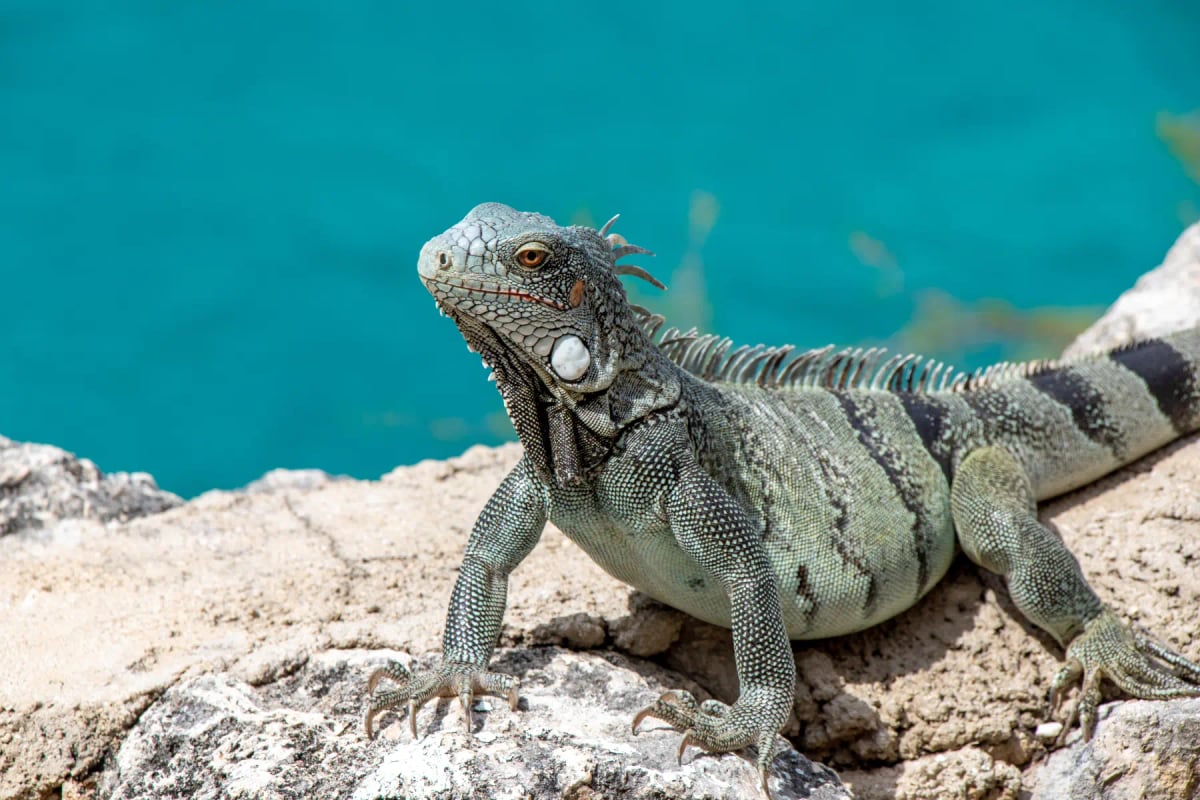
Iguana
Iguana iguana
The green iguana is a common sight along Brazilian rivers, particularly in the Amazon basin and along the Atlantic coast. It spends most of its time in trees that hang over the water and drops in when disturbed. In Brazil iguanas are often seen basking on branches near the Pantanal and in riverine forests, and local communities have long shared their environment with this calm, large lizard.

Sea Turtle
Cheloniidae & Dermochelyidae (families)
Brazil hosts some of the most important sea turtle nesting beaches in the Atlantic Ocean, particularly along the coasts of Bahia and Espírito Santo. The loggerhead is the most common nesting species, and the conservation program Projeto TAMAR has been protecting these sites since the 1980s. Leatherback, green, hawksbill and olive ridley turtles are also recorded in Brazilian waters. Today Brazil is recognized as one of the leading countries in sea turtle conservation, with thousands of nests monitored every season.
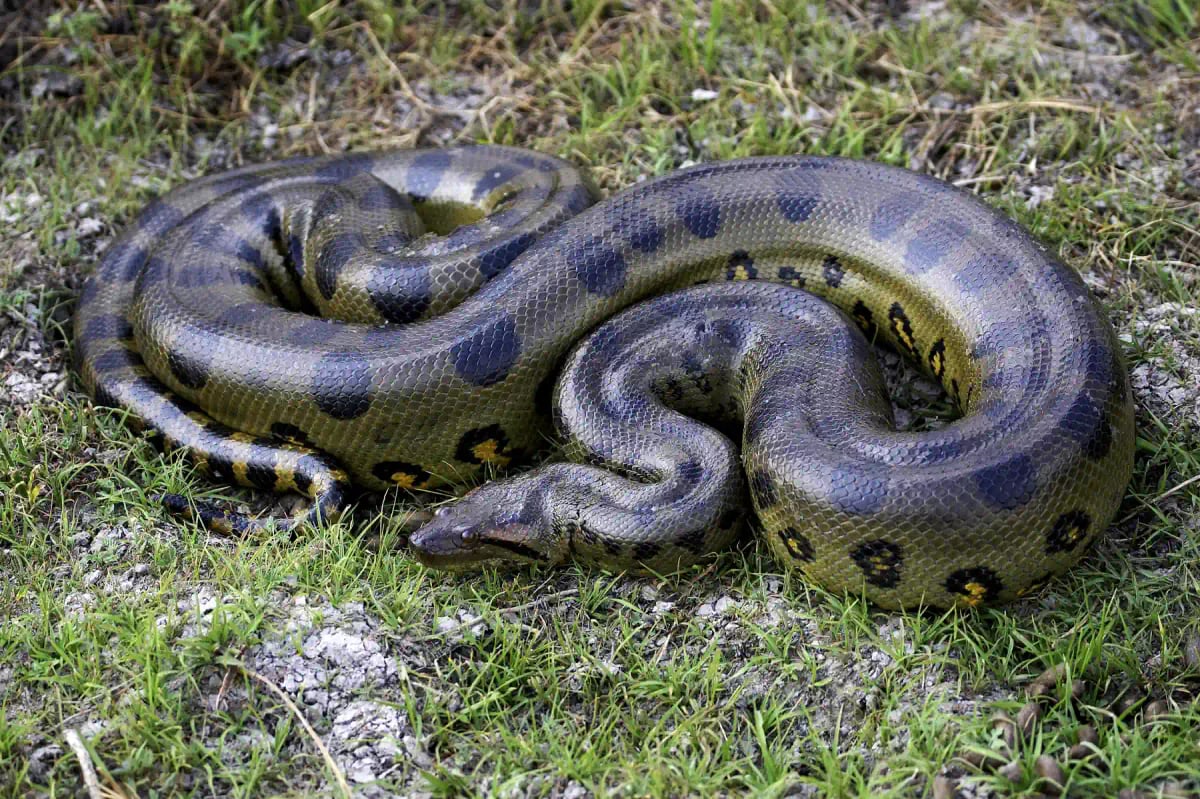
Anaconda
Eunectes murinus
The green anaconda is one of the largest snakes in the world and is found throughout the Amazon basin and the flooded plains of the Pantanal in Brazil. It spends most of its time in slow moving rivers and swampy areas, where it ambushes prey such as caimans, capybaras and large fish. Despite its impressive size, it tends to avoid people and is rarely encountered outside of remote areas.
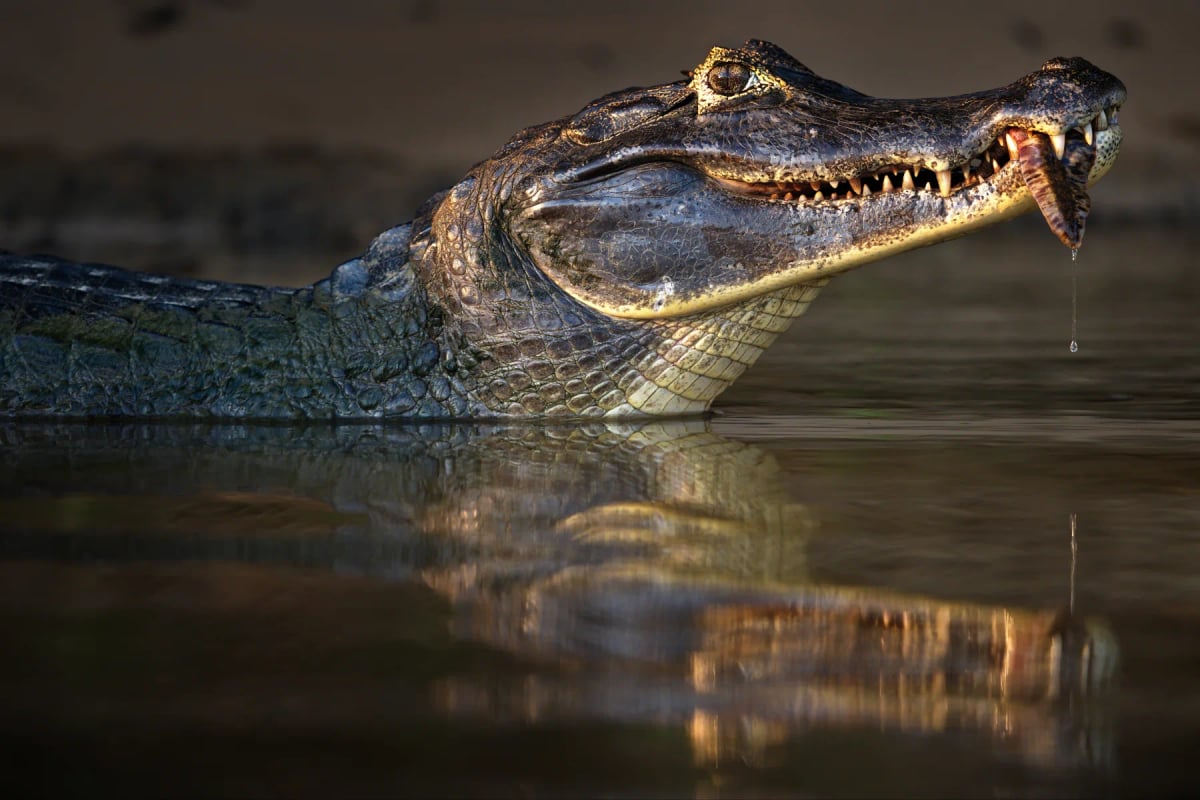
Caiman
Caiman spp.
Brazil is home to six of the world's eight caiman species, making it the global center of caiman diversity. The black caiman and the yacare caiman are especially prominent, with the Pantanal hosting one of the largest concentrations of yacare caimans on Earth. The Amazon basin further supports spectacled and dwarf caimans. Brazil's vast wetlands and rivers make it critical to the survival of these reptiles over the long term.
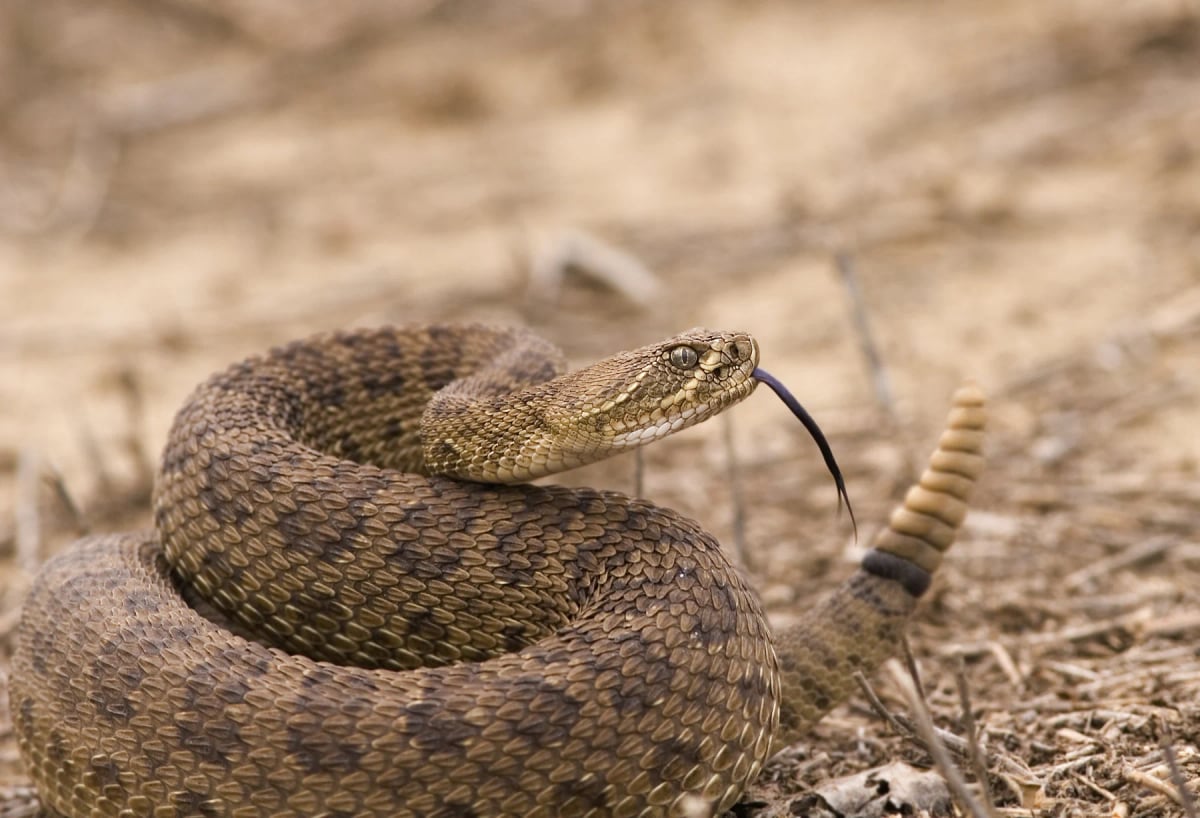
Rattlesnake
Crotalus spp. / Sistrurus spp.
Brazil has the largest rattlesnake population in South America. Crotalus durissus and its subspecies are widespread across the cerrado, the Caatinga scrublands of the northeast, and the open grasslands of the south. Brazil's Butantan Institute in São Paulo is world-renowned for its research on rattlesnake venom and antivenom production. The species faces pressure from widespread habitat clearance, particularly the rapid loss of cerrado to agriculture in recent years. IUCN status: Least Concern.
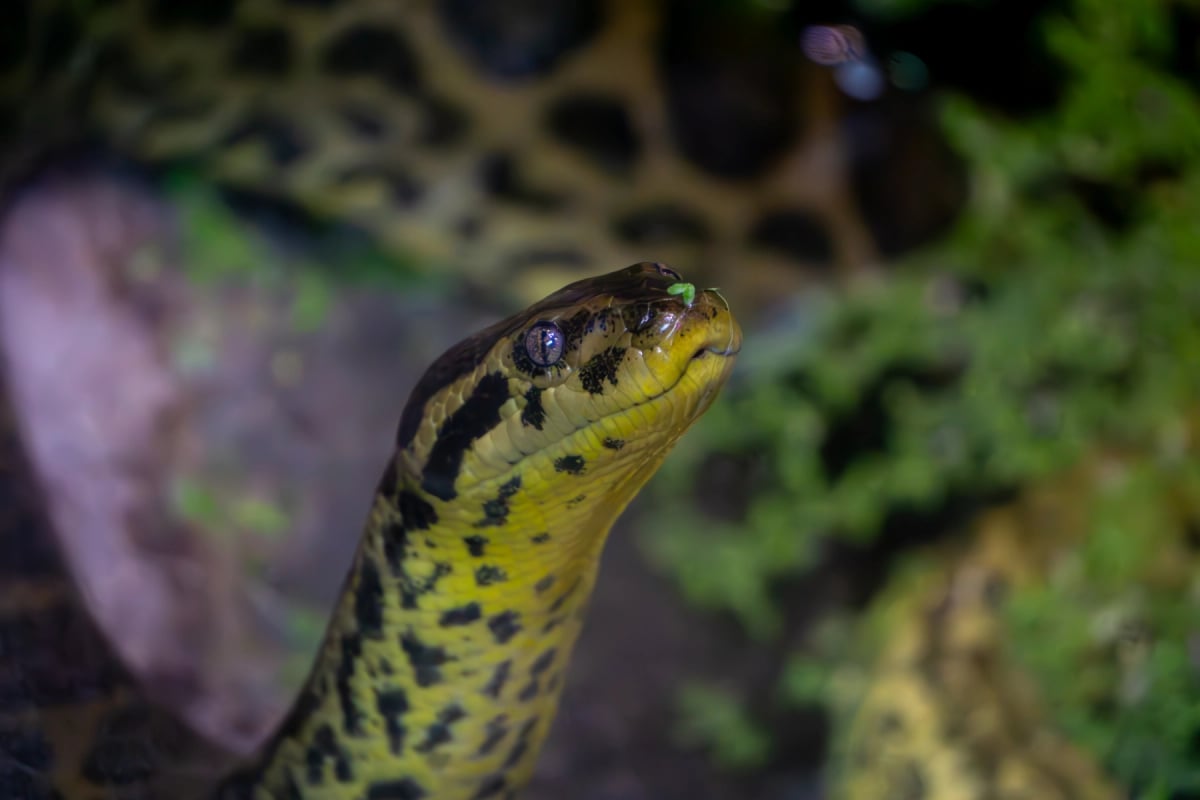
Yellow Anaconda
Eunectes notaeus
The yellow anaconda is found mainly in southern Brazil, particularly in and around the Pantanal, one of the largest tropical wetlands in the world. It hunts fish, birds and small mammals near slow moving rivers and flooded plains. It is a regular presence in the wetlands of Mato Grosso do Sul and can sometimes be spotted on guided Pantanal excursions.
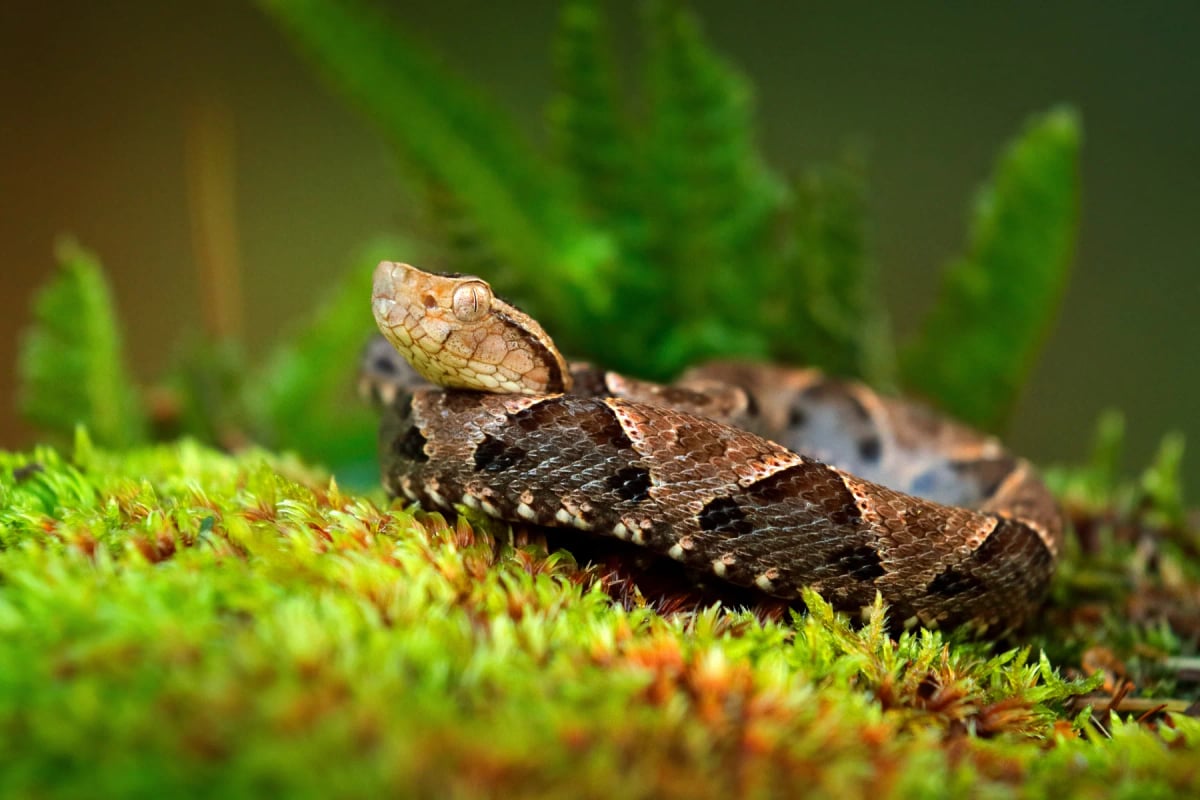
Lancehead
Bothrops spp.
Brazil is home to the greatest diversity of lancehead species in the world, including the feared jararaca (Bothrops jararaca) of the Atlantic Forest and Bothrops atrox across the Amazon. These snakes account for the majority of snakebites in Brazil, with tens of thousands of cases reported annually. The government funds one of Latin America's largest antivenom production programs at Instituto Butantan in São Paulo to address this public health challenge.
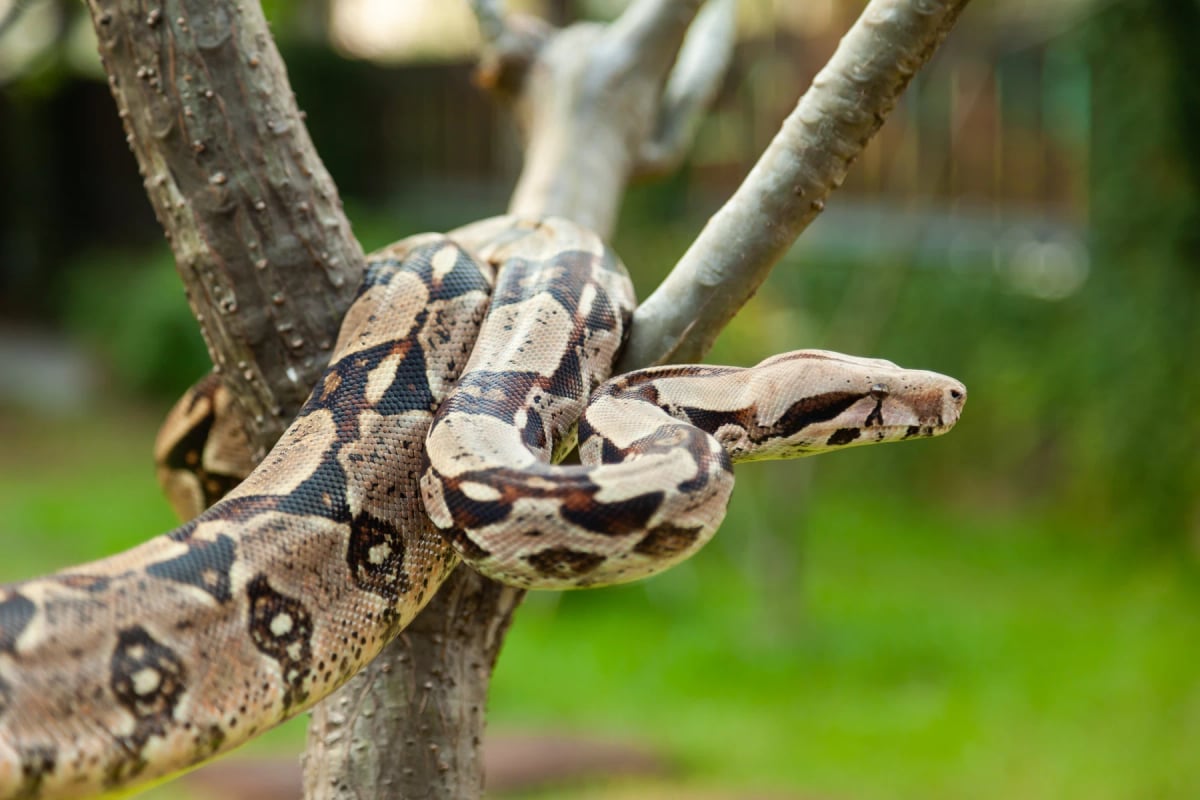
Boa Constrictor
Boa constrictor
Brazil holds some of the most extensive boa constrictor populations in the world, with individuals recorded across the Amazon rainforest, the Cerrado savanna, the Pantanal wetlands, and the Atlantic Forest. This remarkable habitat range reflects the species' adaptability. It is listed as Least Concern by the IUCN, though deforestation across multiple Brazilian biomes remains a significant long-term threat to local populations.

Black browed Albatross
Thalassarche melanophris
In Brazil, the Black Browed Albatross is a seasonal visitor to the southern coastal waters, particularly in the states of Rio Grande do Sul and Santa Catarina. Birds arrive during the austral winter from their sub-Antarctic breeding colonies. Brazil's industrial fishing fleets operating in the South Atlantic have been linked to albatross bycatch, and local conservation groups have worked to promote the adoption of mitigation practices. IUCN status: Near Threatened.
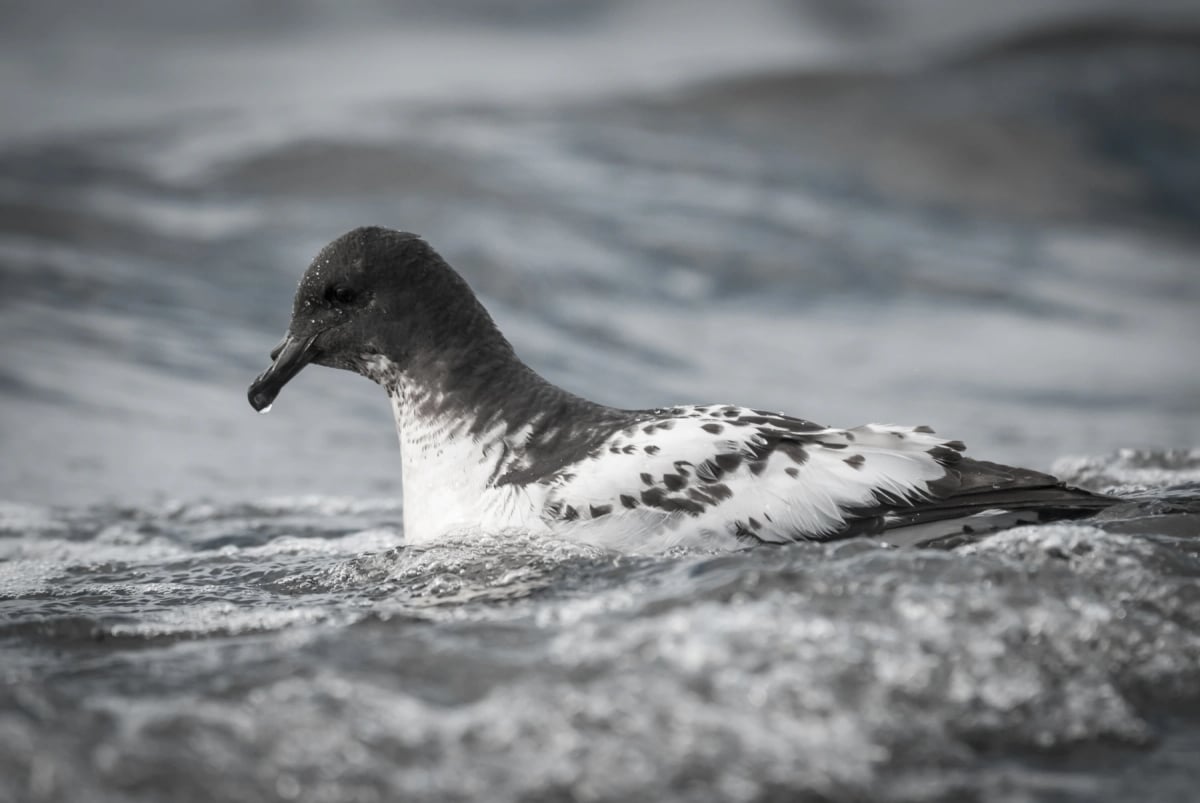
Cape Petrel
Daption capense
Brazil represents the northern limit of the Cape Petrel's range in the Atlantic, where the species appears as a rare non-breeding vagrant during the austral winter. Occasional records come from offshore waters in the south of the country. These birds have typically traveled far from their Southern Ocean origins. Sightings are infrequent and are of particular interest to Brazilian pelagic birdwatchers. IUCN status: Least Concern.
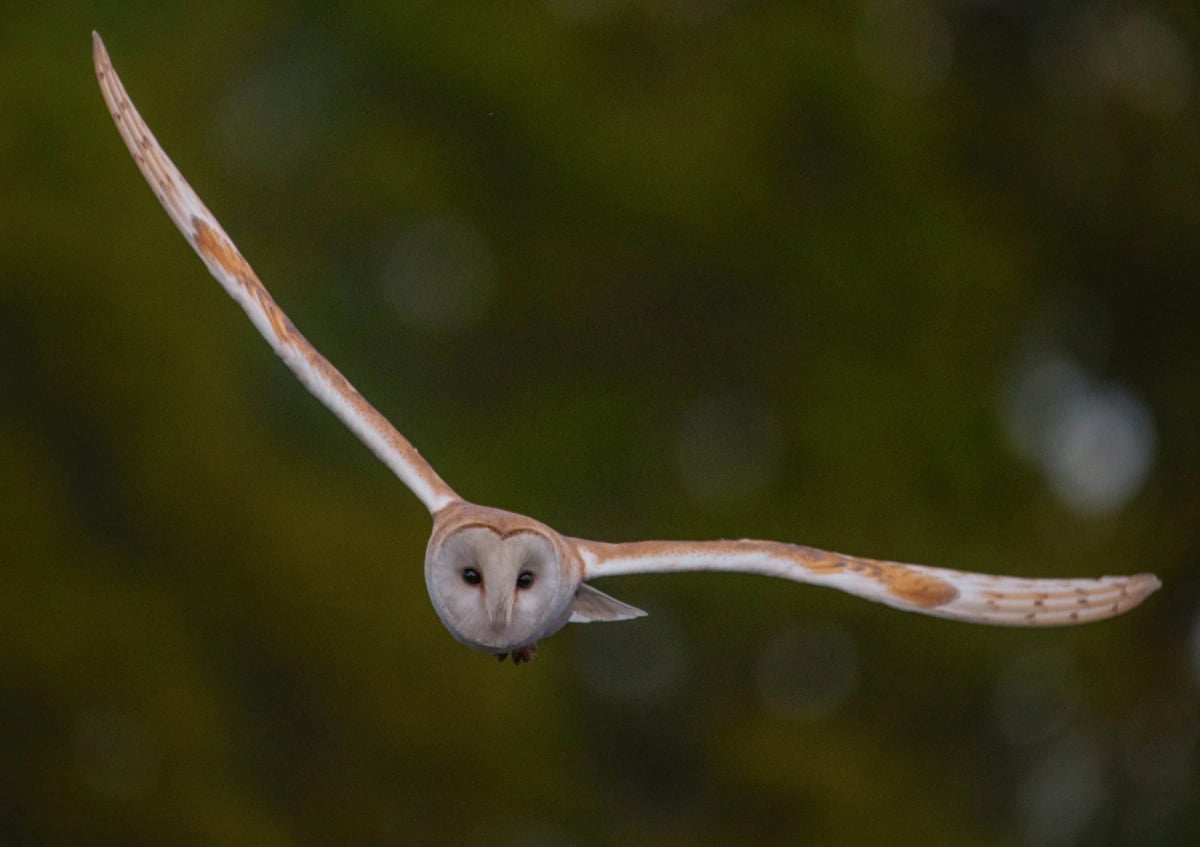
Barn Owl
Tyto alba
The barn owl is found across all regions of Brazil, from the Amazon to the southern pampas, and is one of the few nocturnal birds that most Brazilians recognize by its distinctive screeching call. It nests in barns, church towers, hollow trees and building crevices and feeds mainly on small rodents. In rural and agricultural areas it is considered a beneficial presence because of the large numbers of rodents it catches each night.
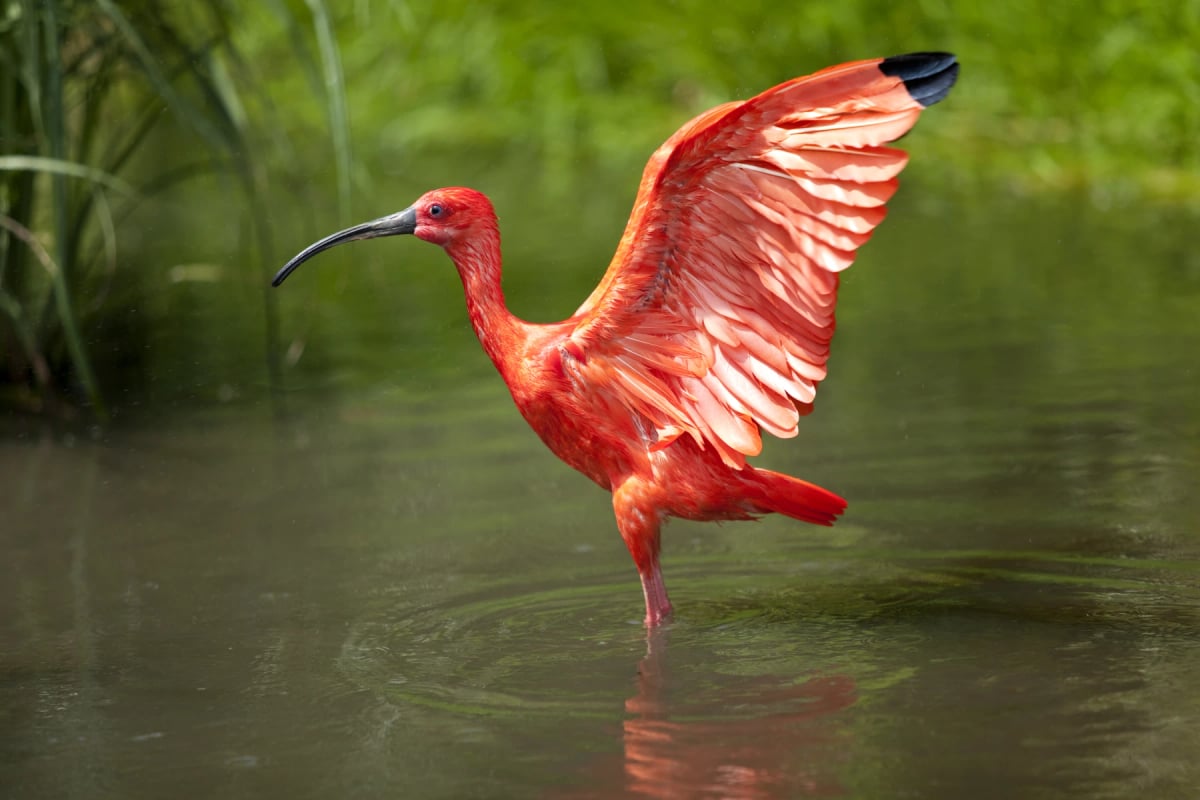
Scarlet Ibis
Eudocimus ruber
Brazil holds some of the largest populations of Scarlet Ibis in the world, particularly across the mangroves and coastal wetlands of the northeast, from Maranhão down through Bahia. The Lençóis Maranhenses region and the estuaries of the Amazon delta provide ideal foraging grounds. Flocks of thousands gather at dusk to roost, turning the treetops a vivid shade of red against the evening sky.
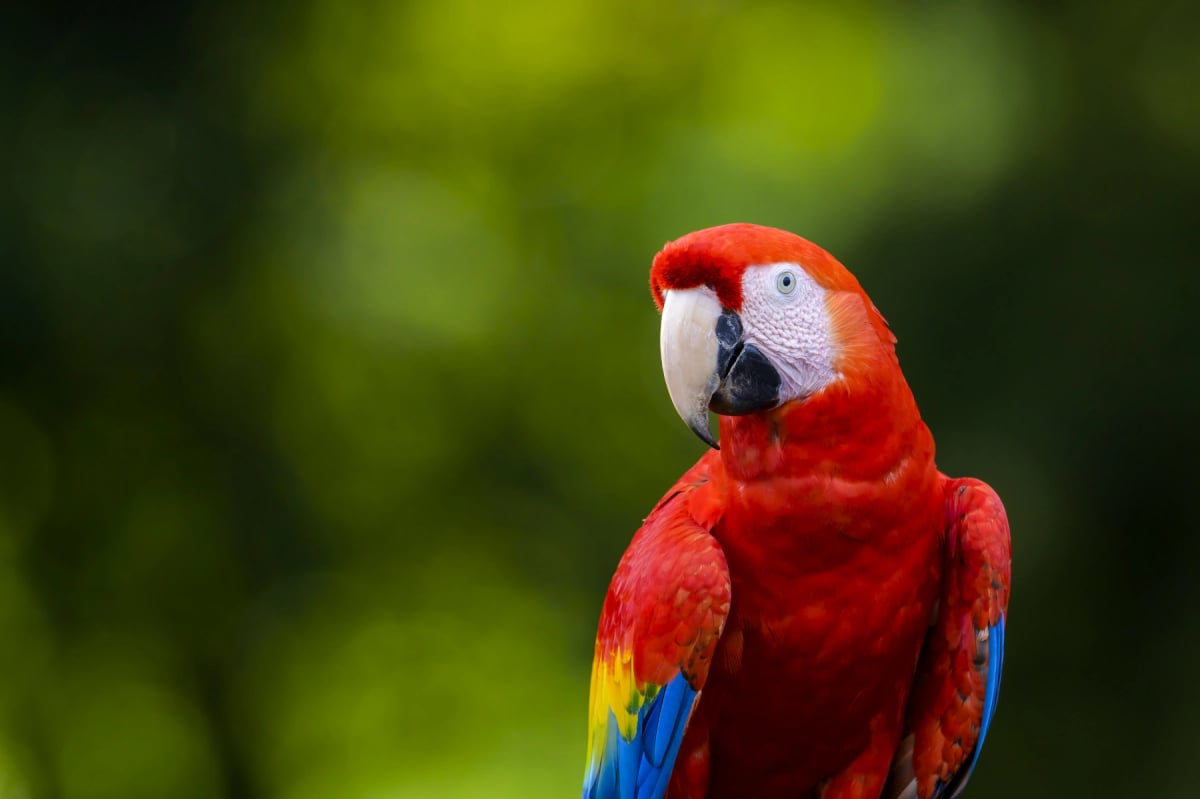
Scarlet Macaw
Ara macao
Brazil holds some of the largest populations of scarlet macaws in the world, spread across the Amazon Basin and the cerrado transition zones. The birds thrive in riverine forests and gallery woodlands, where they nest in tree cavities and gather at clay licks in large, noisy flocks. Deforestation in the Amazon puts pressure on local groups, though the species remains widespread. The IUCN lists it as Least Concern.
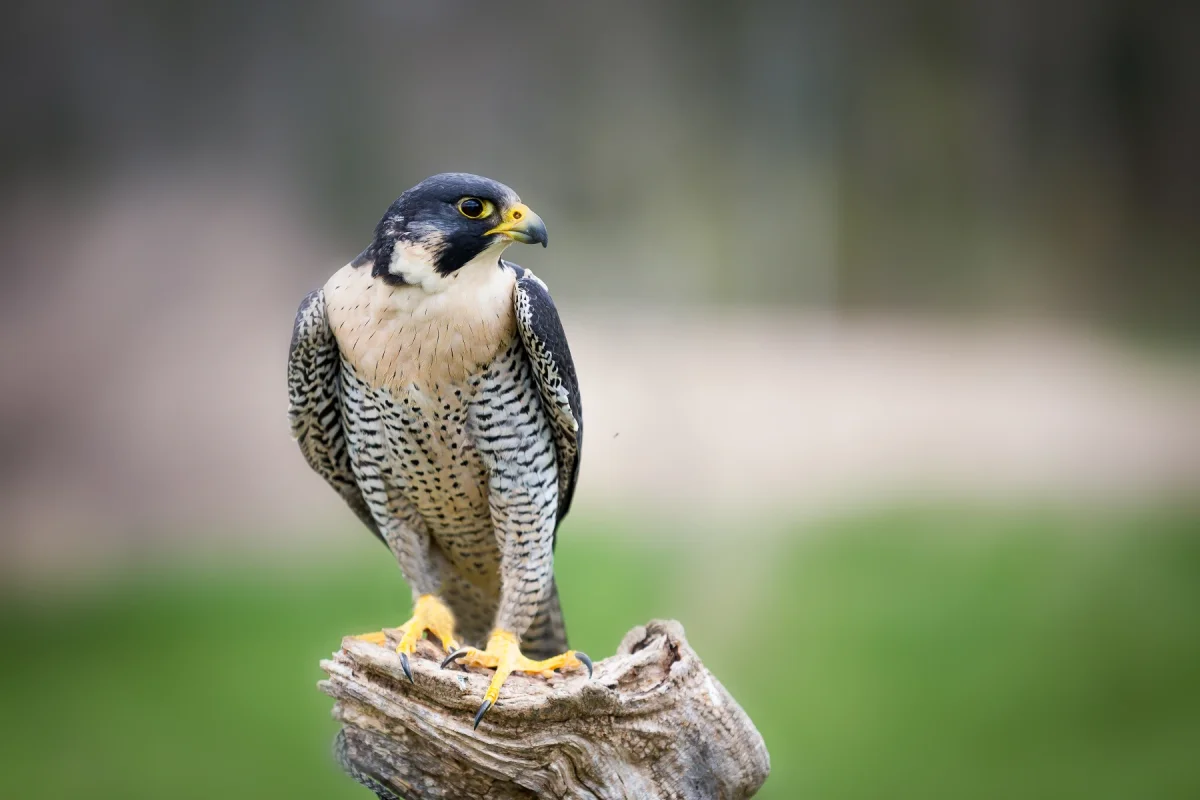
Peregrine Falcon
Falco peregrinus
Brazil receives peregrine falcons mainly as seasonal migrants, with birds arriving from North America passing through or wintering across a wide range of habitats. They appear along the Atlantic coast, over the Cerrado, and in the Pantanal wetlands. Some individuals have also been recorded in the Amazon basin. Brazil's sheer size and variety of open environments make it an important stopover and wintering ground for this species. IUCN status: Least Concern.
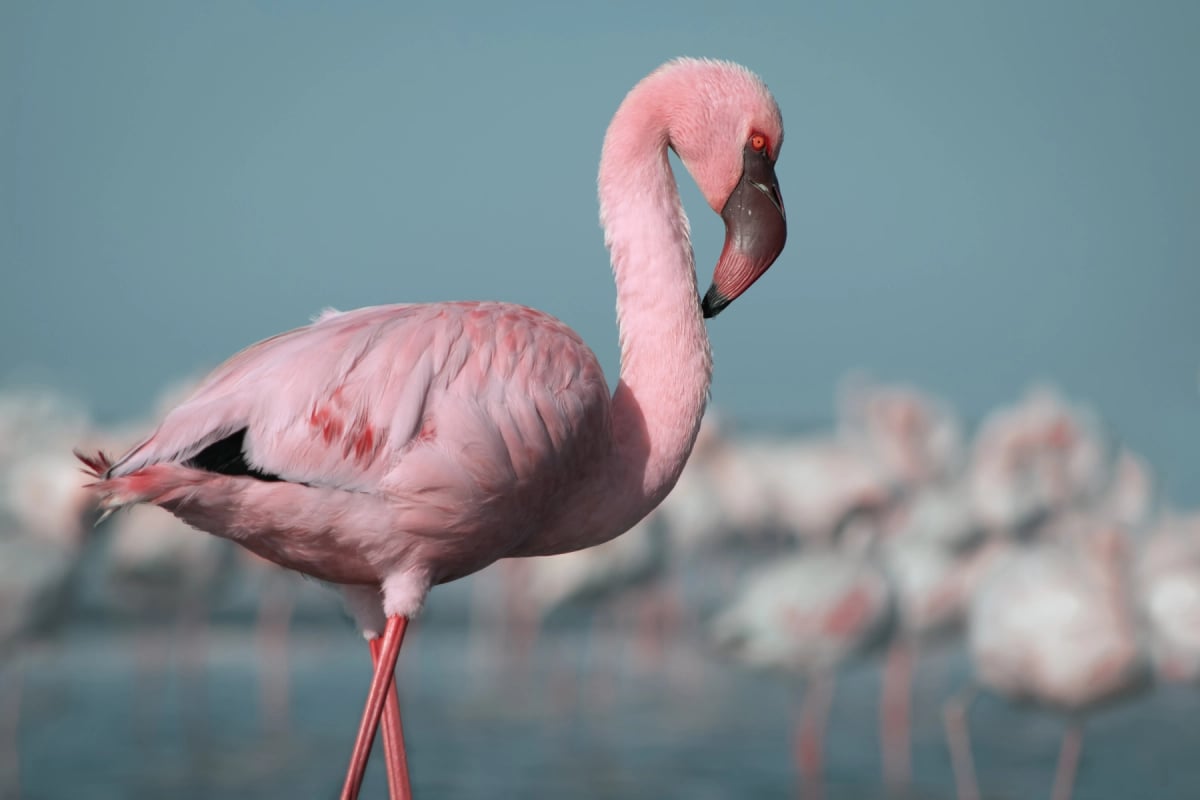
Flamingo
Phoenicopterus spp.
The American flamingo occurs in Brazil mainly as a visitor to the northern coastline, particularly in the wetlands and coastal lagoons of Maranhão state. Sightings are also recorded in the Lençóis Maranhenses National Park area. Brazil is at the southeastern edge of this species' range in the Caribbean and Atlantic region, so populations here are smaller and less permanent than in core Caribbean or Andean habitats.
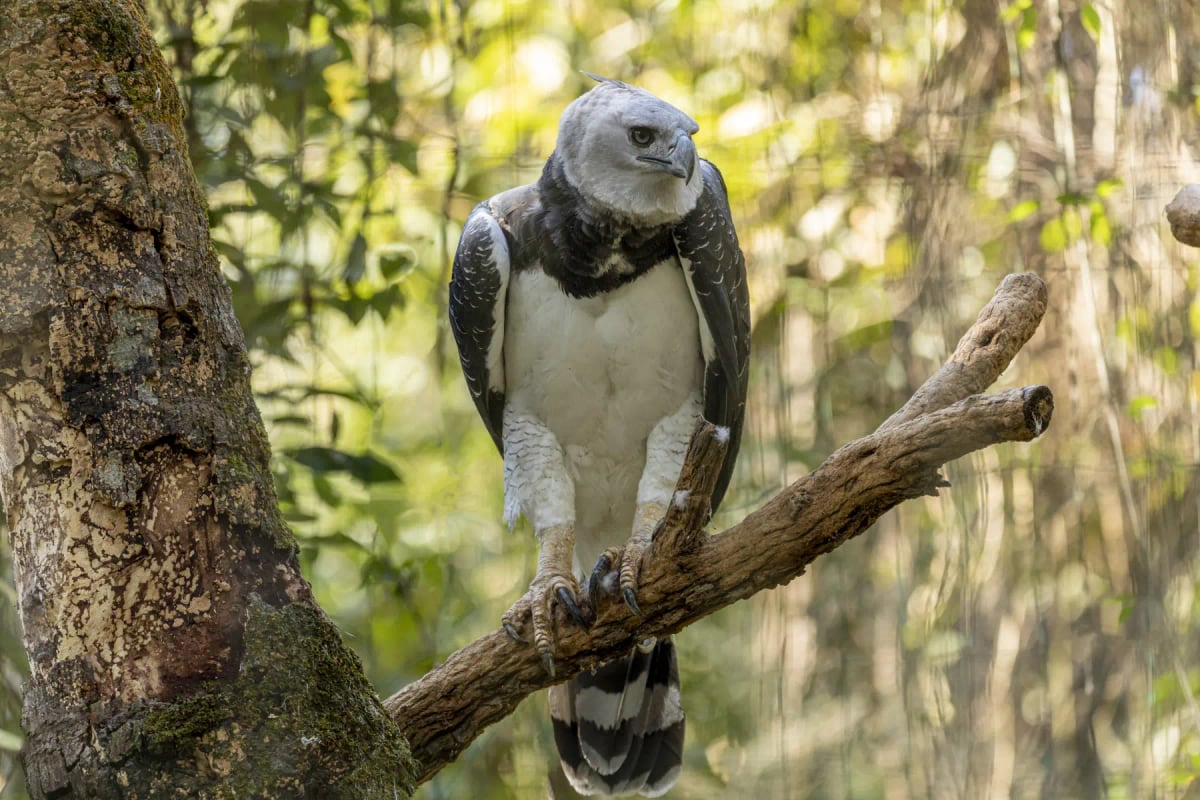
Harpy Eagle
Harpia harpyja
Brazil holds the largest population of harpy eagles in the world, spread across the Amazon rainforest and parts of the Atlantic Forest. The Brazilian Amazon, particularly the states of Pará, Amazonas, and Mato Grosso, provides vast stretches of intact canopy essential for this Vulnerable species. Deforestation remains the greatest threat, and conservation programs here are critical to the future of the species.
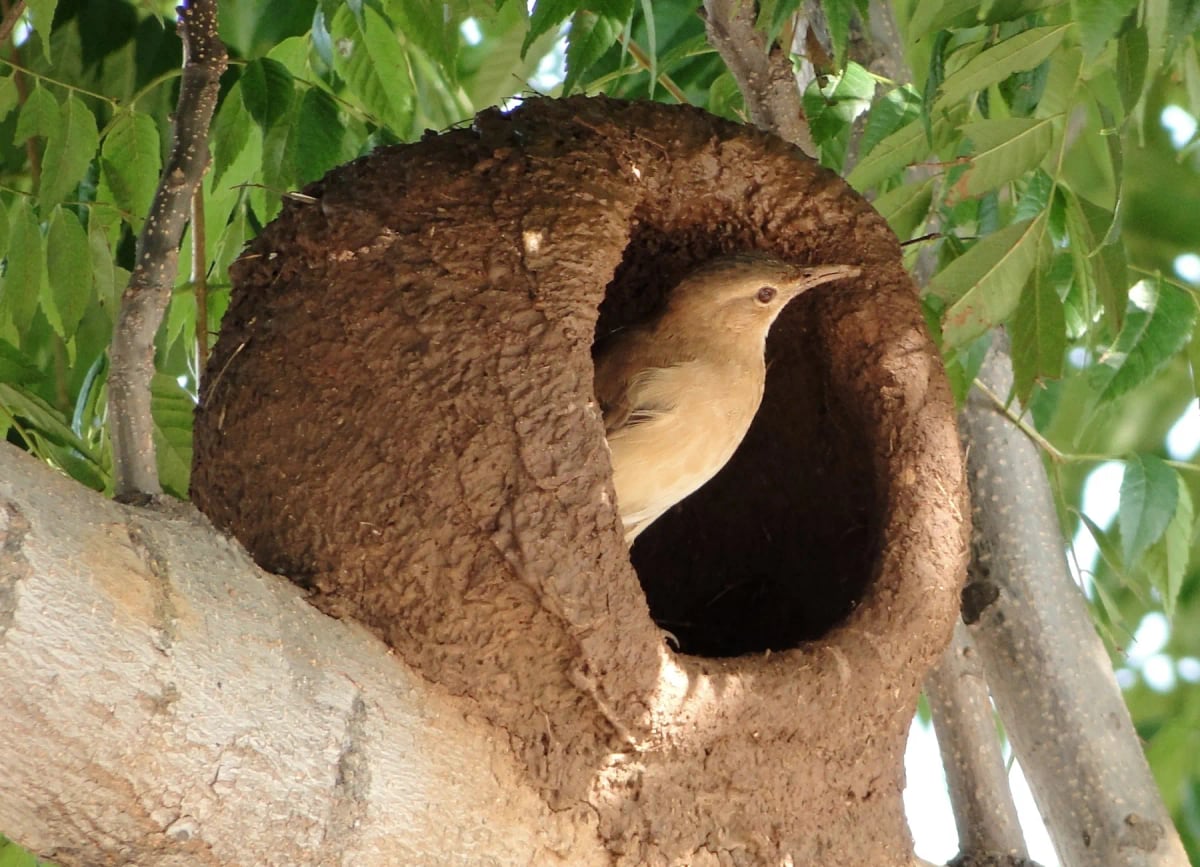
Hornero
Furnarius rufus
The rufous hornero is widespread across Brazil's central and southern regions, from the open Cerrado savanna to the agricultural landscapes of Rio Grande do Sul. It adapts well to areas modified by people, nesting on fence posts and buildings. Pairs work together to build their round mud nests before the breeding season. Populations in Brazil are healthy and stable. Its IUCN status is Least Concern.
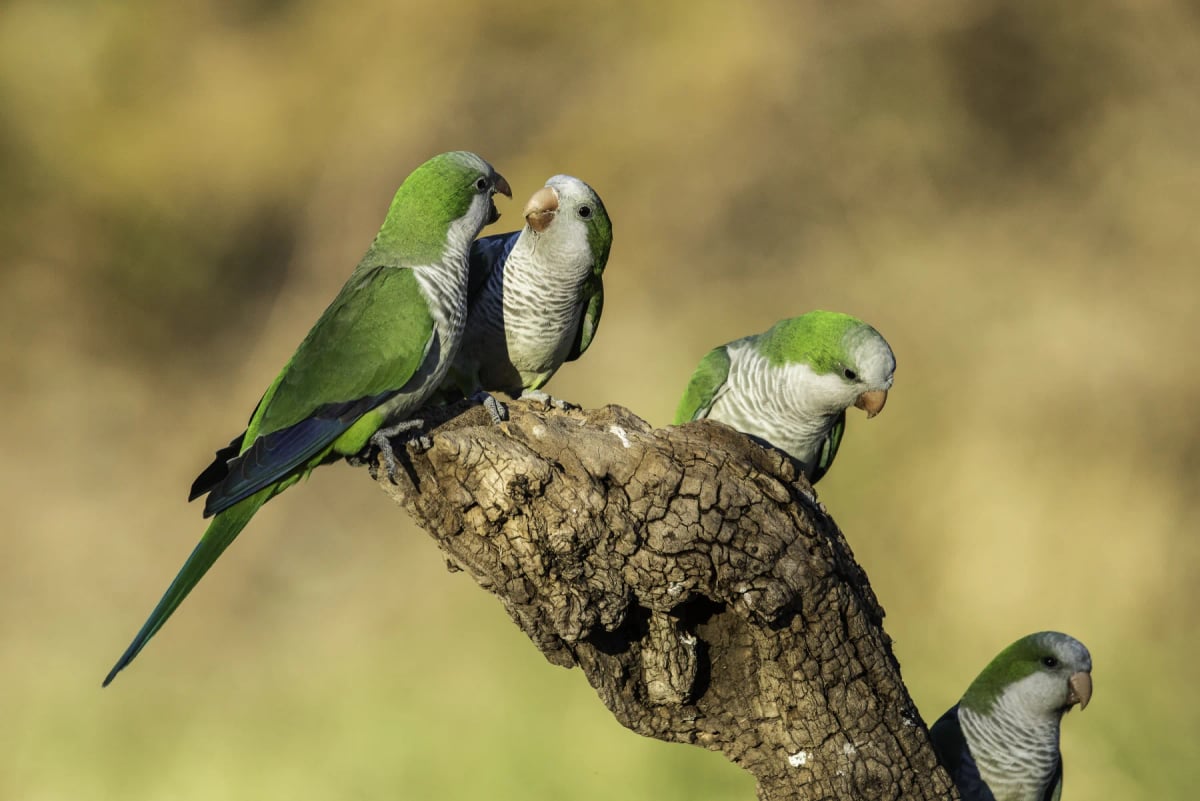
Monk Parakeet
Myiopsitta monachus
The Monk Parakeet occurs in southern Brazil, particularly in the states of Rio Grande do Sul, Santa Catarina, and Paraná, where it inhabits open grasslands and forest edges. It has also spread to urban areas in cities like Porto Alegre. Known for its noisy colonies and large communal nests, it is a resilient bird that adapts easily to human environments. IUCN Status: Least Concern.
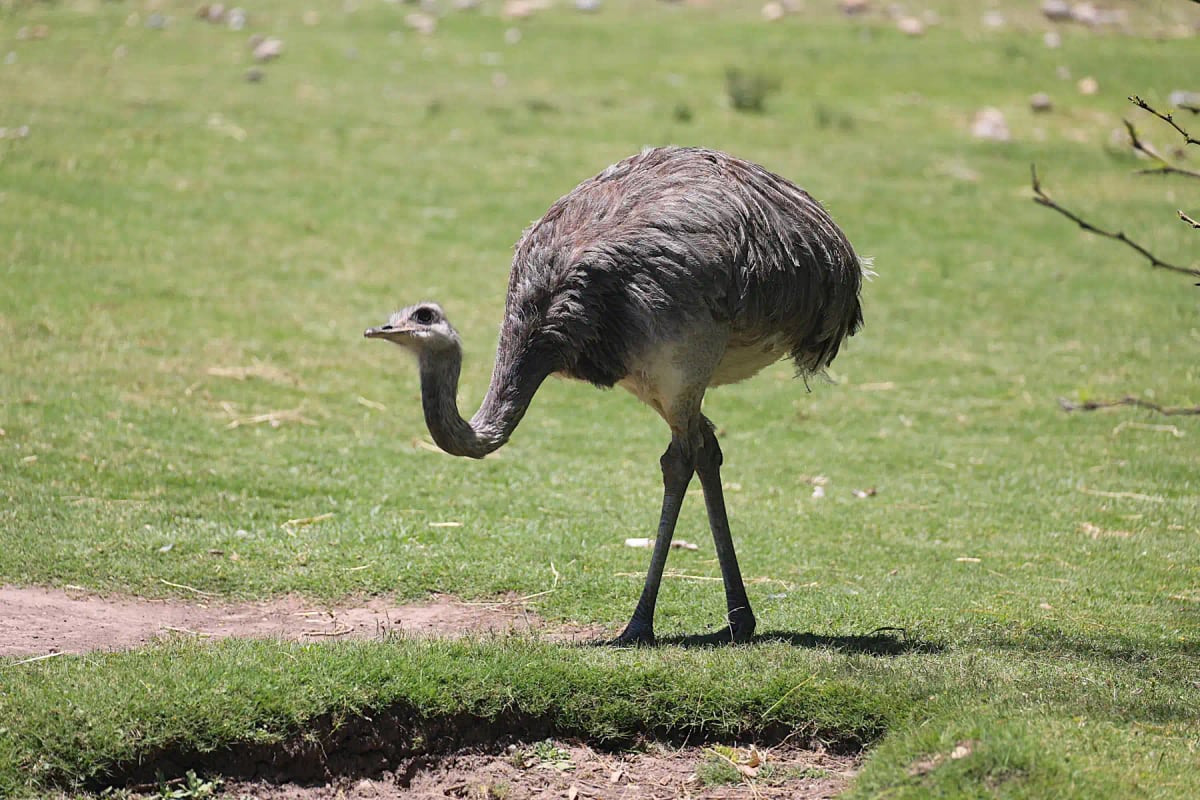
Rhea
Rhea americana
The greater rhea is the largest bird in South America, standing up to 1.5 metres tall and weighing up to 40 kilograms. In Brazil, it is closely associated with the Cerrado, the vast tropical savanna of the interior, though it also appears in grasslands further south. Habitat loss from agriculture is a key pressure on the species. Its IUCN status is Near Threatened.
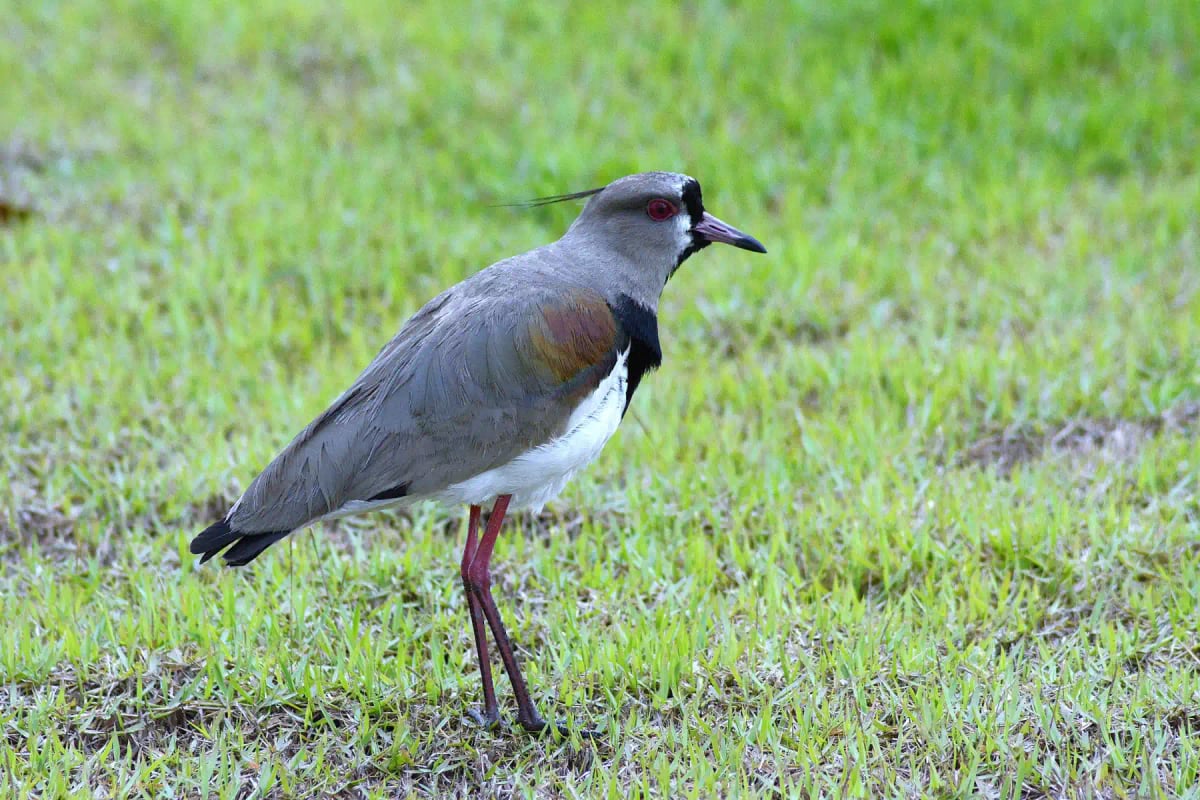
Southern Lapwing
Vanellus chilensis
Known in Brazil as the quero-quero, the southern lapwing is widespread from the Cerrado and Pantanal wetlands to the campos of Rio Grande do Sul. It is a bold and noisy bird, quick to challenge intruders near its nest. Its ability to thrive in pastures, urban parks and wetland edges has made it one of Brazil's most recognizable birds. Its IUCN status is Least Concern.
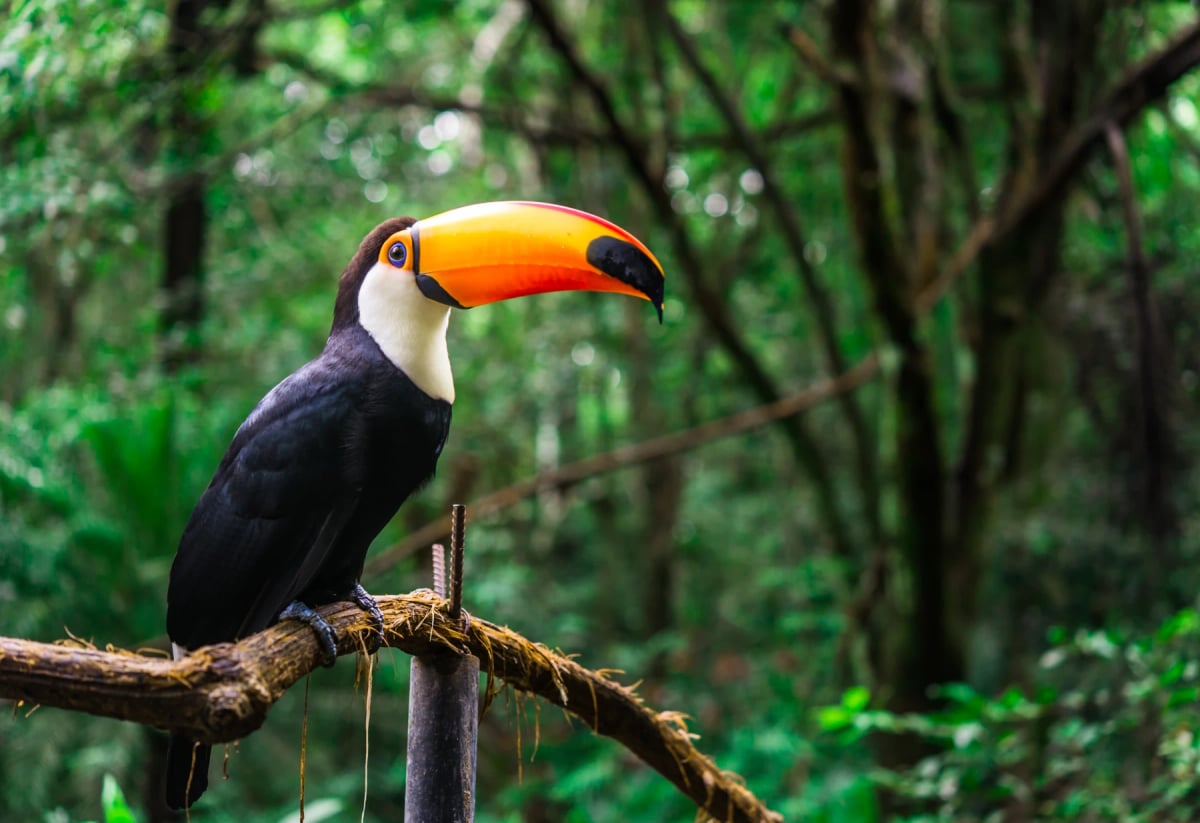
Toucan
Ramphastos spp.
Brazil holds the greatest diversity of toucan species on the continent, with the Amazon basin at the heart of their distribution. The toco toucan, the largest of all toucans, is also found in the cerrado and in open woodland areas, making it one of Brazil's most iconic birds. Across the Amazon, Atlantic Forest, and cerrado, toucans are vital seed dispersers. Habitat loss in all three biomes makes their conservation increasingly important. IUCN status: Least Concern.
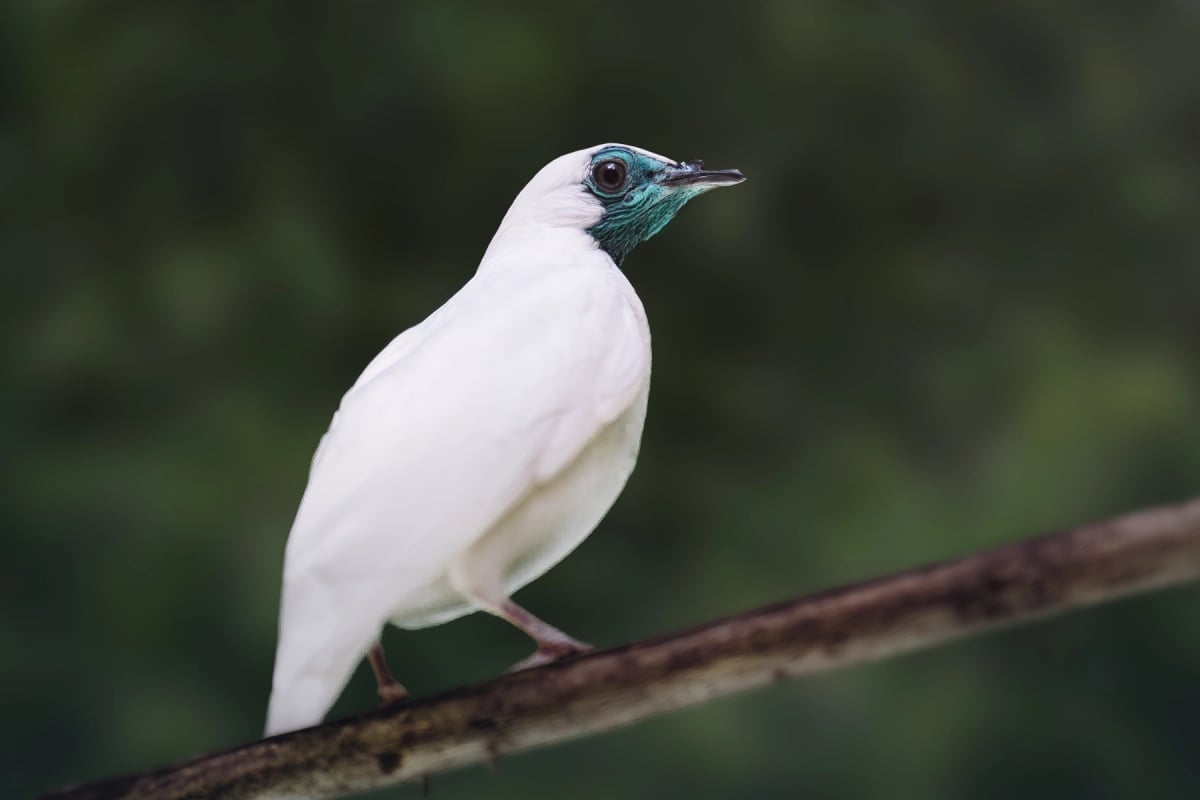
Bellbird
Procnias nudicollis
Brazil holds the core of the bare-throated bellbird's range, spanning the Atlantic Forest along the eastern and southern portions of the country. Most of its life is spent in the upper canopy, feeding on fleshy fruits and dispersing seeds across the forest. Listed as Vulnerable by the IUCN, it faces serious pressure from ongoing deforestation that has reduced the Atlantic Forest to a fraction of its original extent.
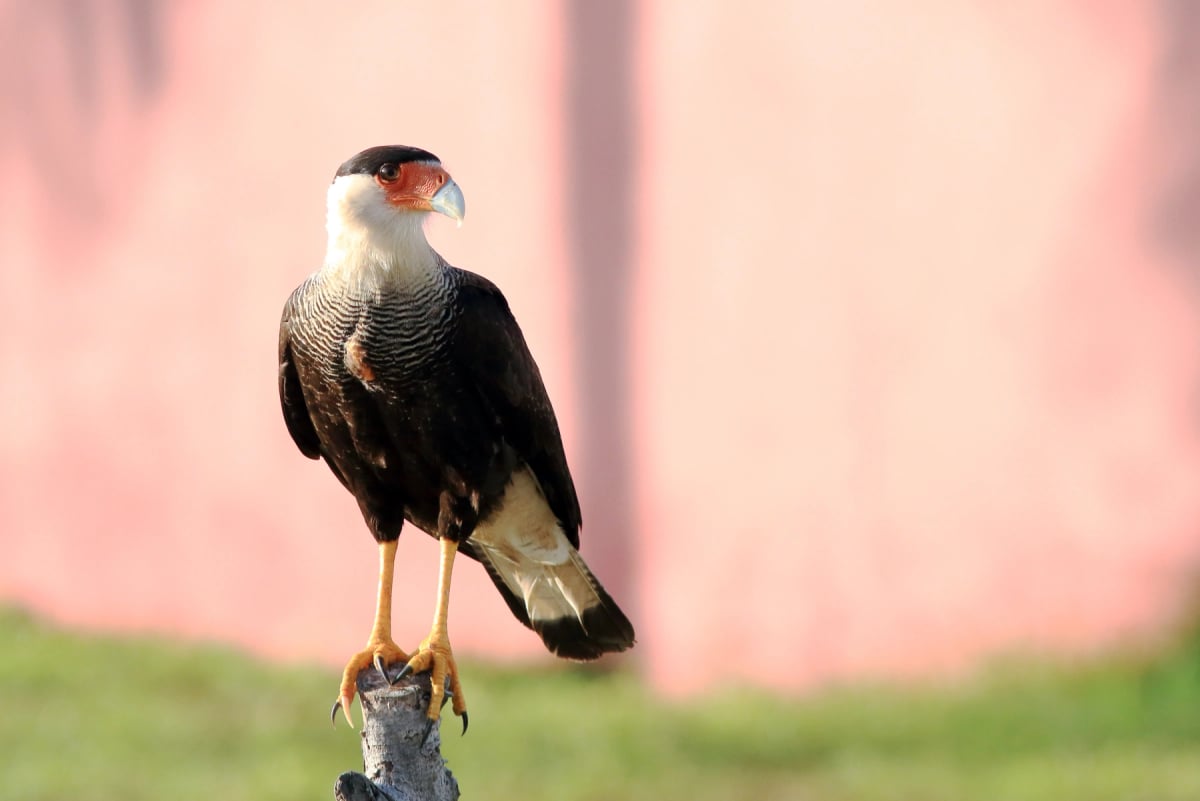
Southern Caracara
Caracara plancus
The southern caracara thrives across Brazil's Cerrado, the vast tropical savanna at the heart of the country, as well as the Pantanal and southern grasslands. Known locally as carcará, it is a bold and opportunistic feeder, often seen walking alongside cattle or gathering at roadkill. Its loud, rattling call is a characteristic sound of Brazil's open landscapes, and it holds a place in Brazilian folklore and song.
Rufous bellied Thrush
Turdus rufiventris
The rufous bellied thrush is Brazil's national bird, and for good reason. Across the Atlantic Forest, the cerrado, and into city parks and backyard gardens, its rich, fluting song fills the air from dawn onward. It hops along the ground flipping leaf litter for worms and beetles, and readily eats small fruits. Brazilians grow up hearing this bird daily, giving it a cultural importance that few other species enjoy.
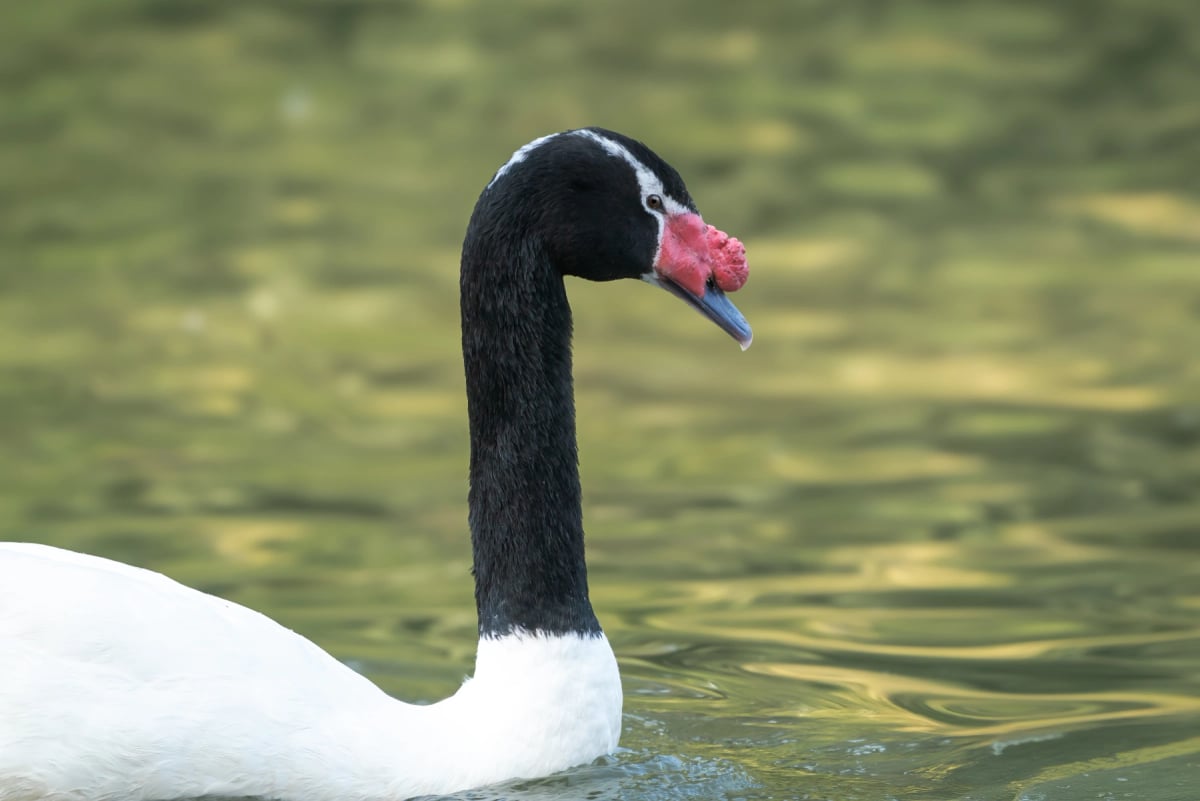
Black necked Swan
Cygnus melancoryphus
In Brazil, the black necked swan reaches the northern edge of its range, occurring mainly in the southern states of Rio Grande do Sul and Santa Catarina. It frequents coastal lagoons, marshy lake margins, and sheltered estuaries. The Lagoa dos Patos system in Rio Grande do Sul is among the most important sites for the species in the country. The IUCN lists the species as Least Concern.
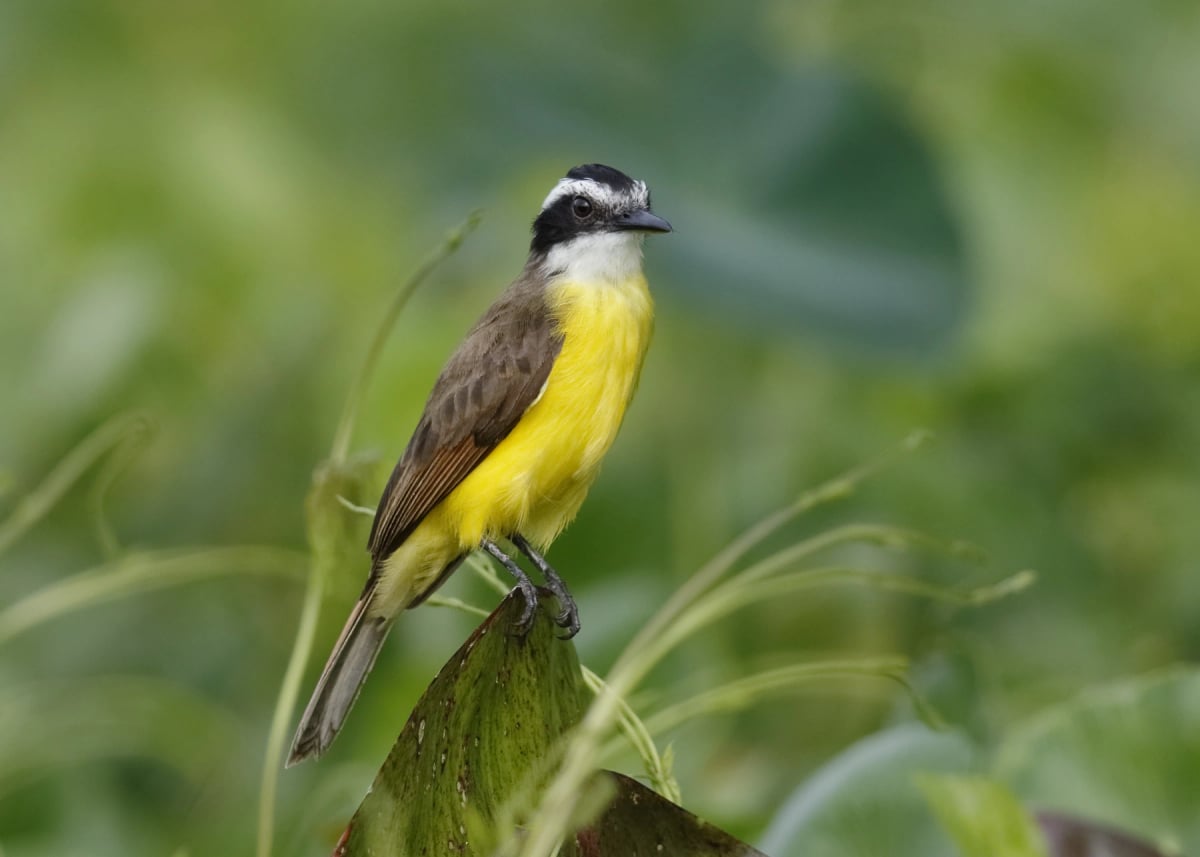
Lesser Kiskadee
Philohydor lictor
The lesser kiskadee is a familiar bird along the rivers and flooded forests of the Amazon basin in Brazil. It perches low over the water, darting down to snatch insects from the surface or just below it. Its bright yellow belly and bold black and white head make it easy to recognize. The species remains common throughout Amazonia wherever riverbank vegetation stays intact. IUCN status: Least Concern.
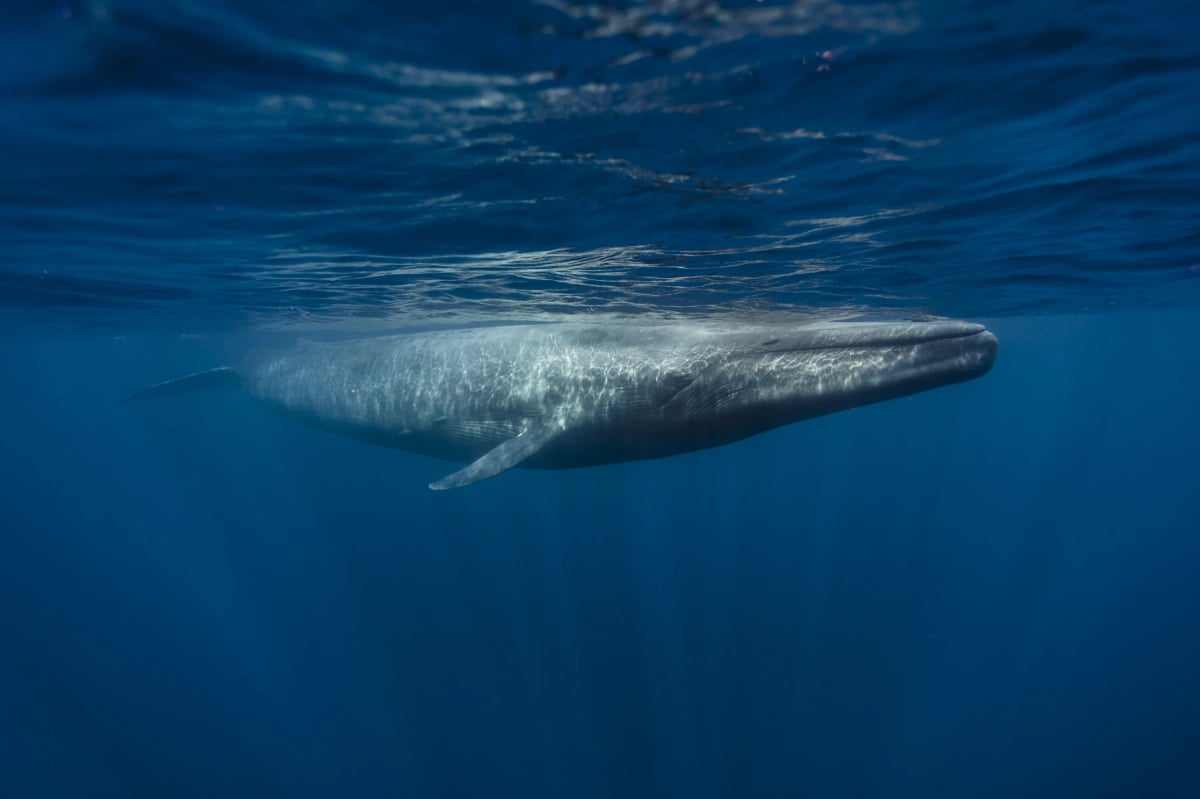
Blue Whale
Balaenoptera musculus
Blue whales are recorded in Brazilian waters along the South Atlantic coast, where they are thought to migrate seasonally. The Fernando de Noronha archipelago and the waters off the southern states have produced confirmed sightings. Brazil sits along a key migration route connecting polar feeding grounds to tropical latitudes, and the country's conservation frameworks for marine mammals contribute to broader protections for the species.
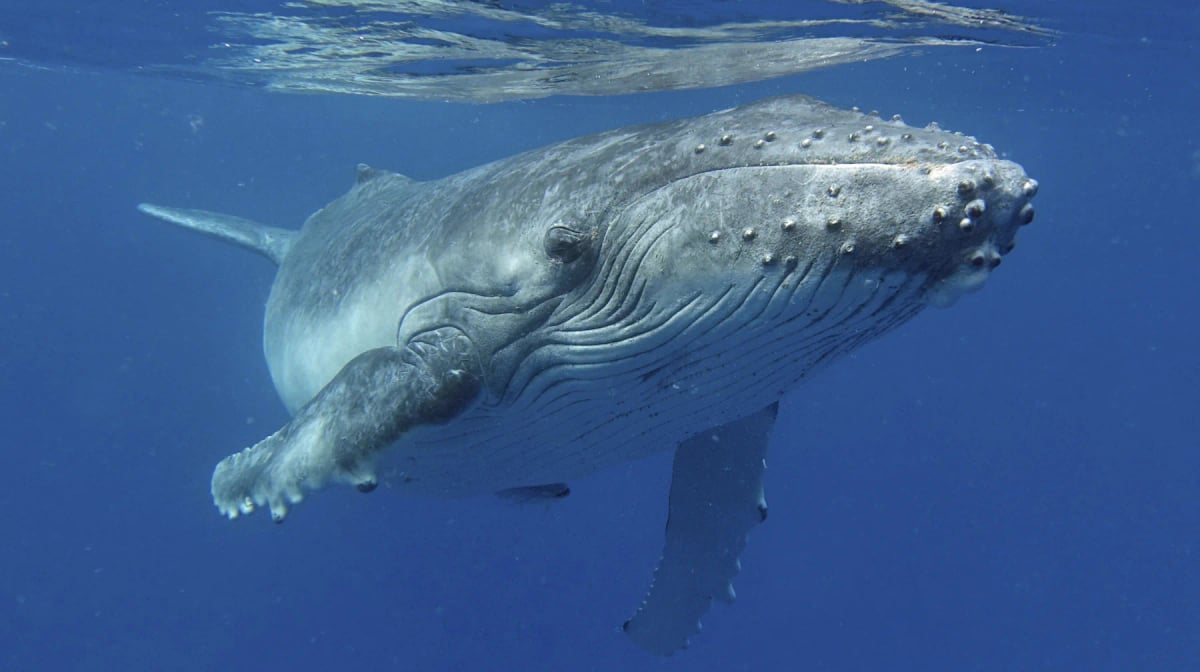
Humpback Whale
Megaptera novaeangliae
Brazil plays a vital role in humpback whale conservation in the South Atlantic. The Abrolhos Bank, off the coast of Bahia, is one of the most important breeding and calving grounds in the Southern Hemisphere, where thousands of whales gather each year between July and November. Brazil established a marine protected area in this region to safeguard these gatherings. The IUCN lists the species as Least Concern, and Brazil's population has shown strong recovery.

Orca
Orcinus orca
Orcas are occasional visitors to Brazilian coastal and offshore waters, with sightings recorded mainly off the southern and southeastern coast. They are not residents of Brazilian waters but pass through while traveling along the South Atlantic. In Brazil encounters are rare compared to regions like Patagonia, but groups have been observed feeding near offshore islands and along the coast of Santa Catarina and Rio Grande do Sul.
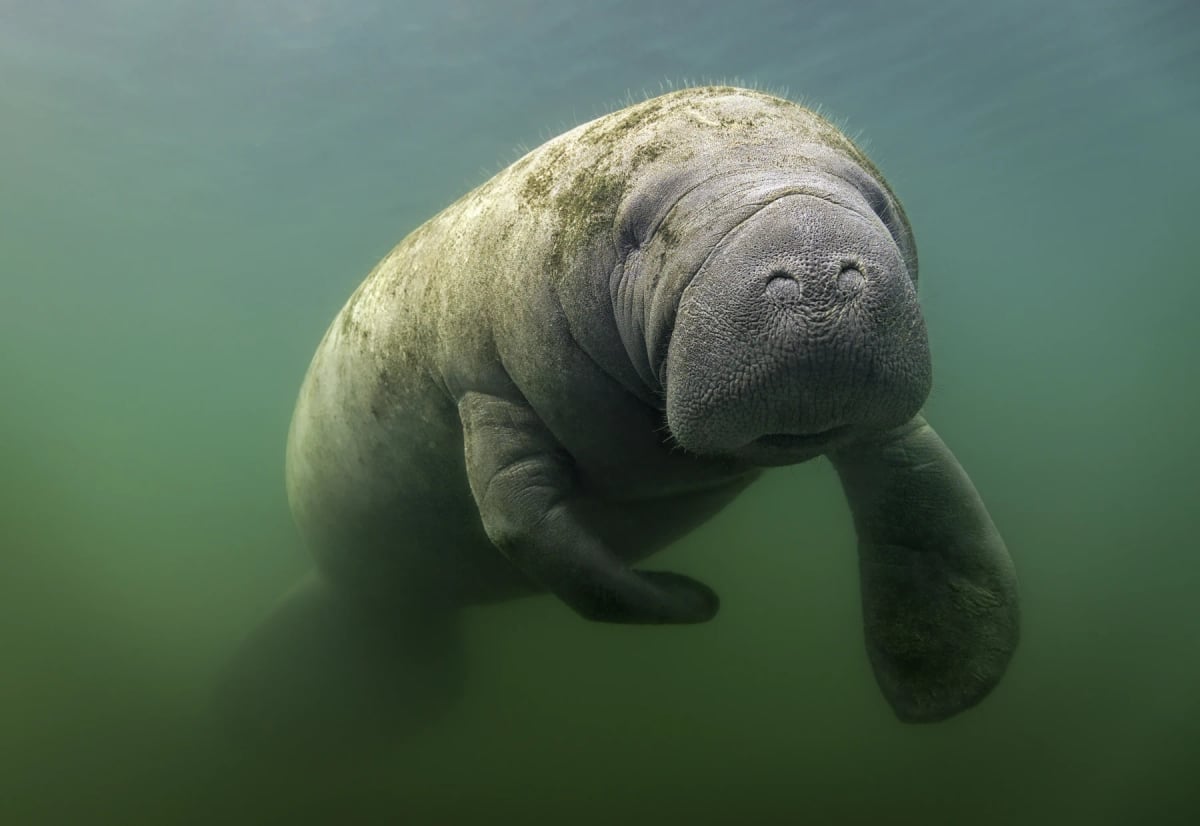
Manatee
Trichechus manatus
Brazil holds one of the most significant manatee populations in South America. The West Indian manatee is found along the northeastern coast, in estuaries, mangroves, and river mouths from Amapá to Alagoas. The Instituto Chico Mendes and projects like the Projeto Peixe-Boi have made Brazil a leader in manatee rehabilitation and release. Despite protections, habitat loss and fishing net entanglement remain serious concerns. Brazil classifies the species as endangered at the national level.

Bottlenose Dolphin
Tursiops truncatus
Brazil's extensive Atlantic coastline, stretching over 7,000 kilometers, provides rich habitat for bottlenose dolphins across a range of ecosystems from open ocean to estuaries and bays. A well-studied population in Laguna, Santa Catarina, is famous for cooperating with local fishers, herding mullet toward their nets in a behavior unique to this location. The species is classified as Least Concern globally.

Common Dolphin
Delphinus delphis
Common dolphins are found along Brazil's extensive Atlantic coastline, from the subtropical south toward warmer northern waters. They are frequently spotted off the coasts of states like Santa Catarina and Rio Grande do Sul, where cooler currents support rich schools of fish. Large groups travel together, and their habit of leaping and bow riding makes them a favourite sight for coastal communities and researchers alike.
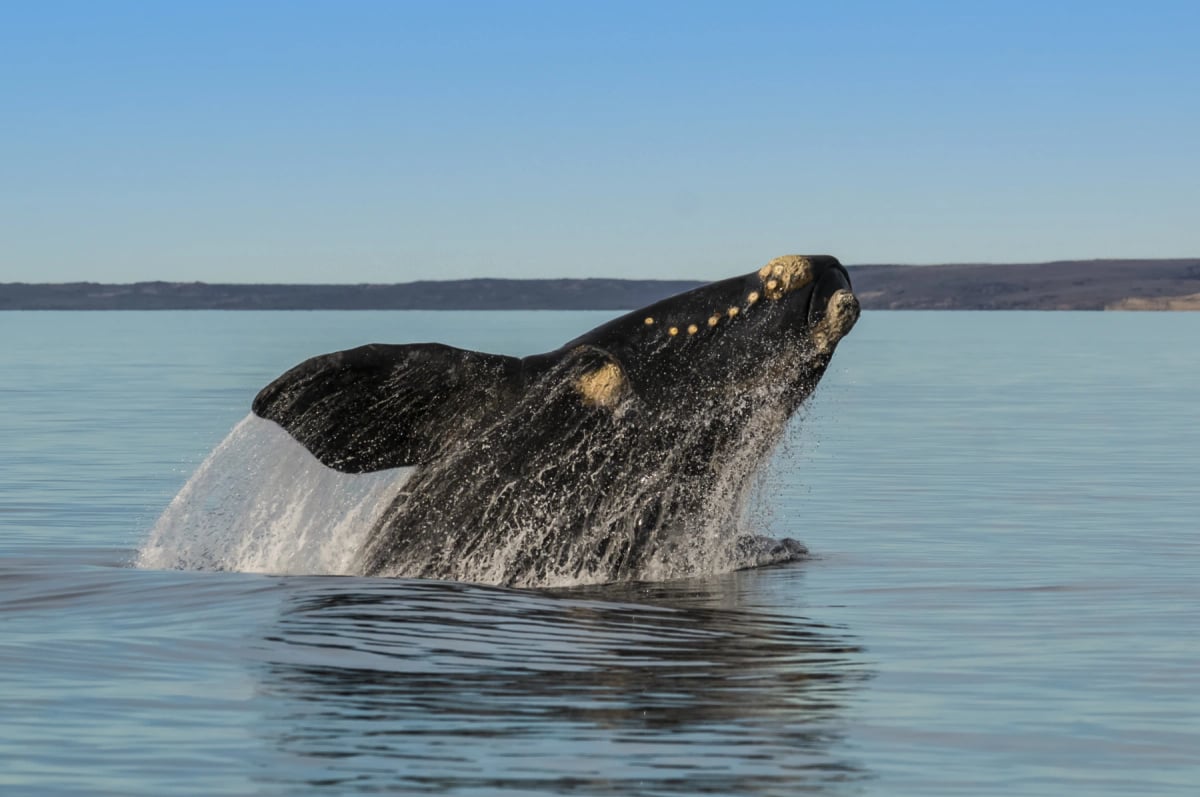
Southern Right Whale
Eubalaena australis
In Brazil, southern right whales are seen mainly along the coast of Santa Catarina state, particularly around the Península de Maraú and the protected area of the Right Whale Environmental Protection Area. Females arrive between June and November to give birth and nurse their calves in the warm, sheltered bays. Brazil has invested in research and ecotourism programs to support the recovery of this species. Listed as Least Concern.
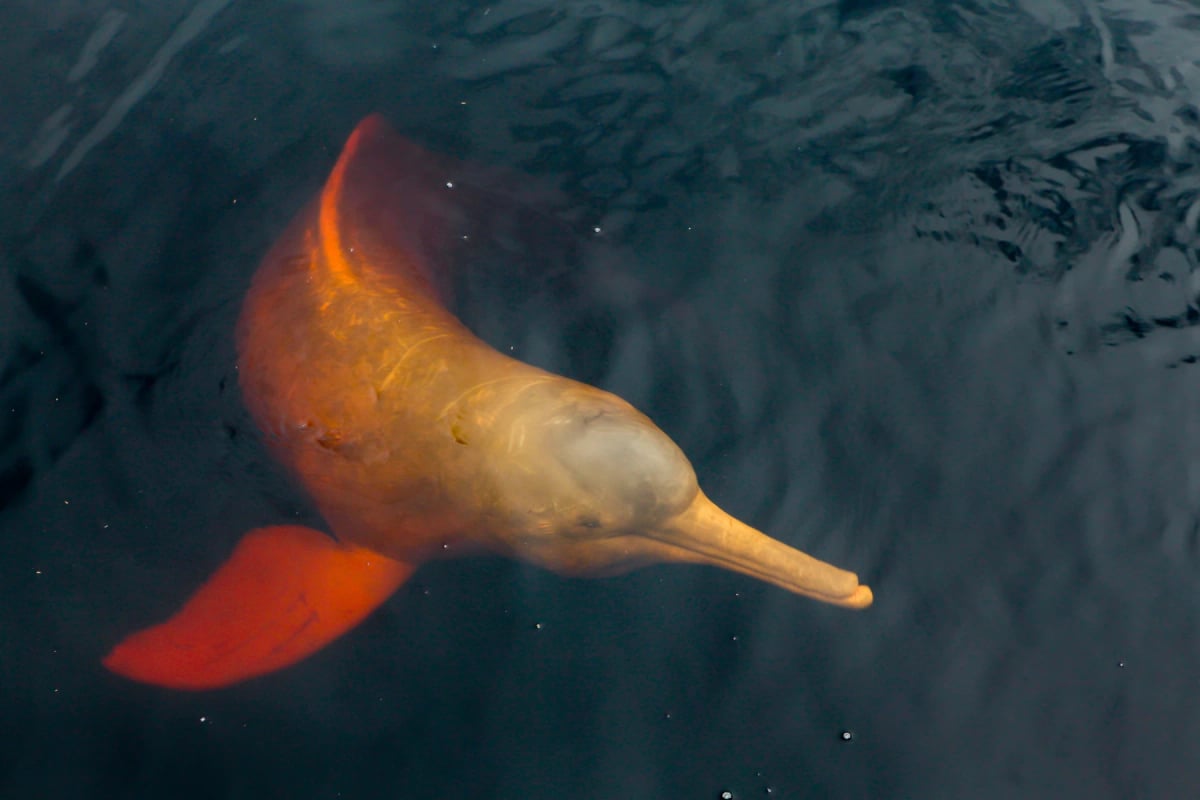
Amazon River Dolphin
Inia geoffrensis
The Amazon river dolphin, also known as the boto or pink dolphin, is one of the most iconic animals of the Brazilian Amazon. It inhabits rivers, lakes, and flooded forests across the Amazon basin and is the largest freshwater dolphin in the world. In Brazil it is protected by law and is commonly spotted on river tours, where it often approaches boats with curiosity.

Sperm Whale
Physeter macrocephalus
Along Brazil's vast Atlantic coastline, sperm whales are recorded in deep offshore waters, particularly in the south and southeast regions. The Fernando de Noronha archipelago and the Abrolhos Bank area are notable reference points for cetacean research in the country. Brazil has active whale conservation programs, and the species is protected under national law. Ship strikes and plastic pollution remain serious concerns for their survival in Brazilian waters.
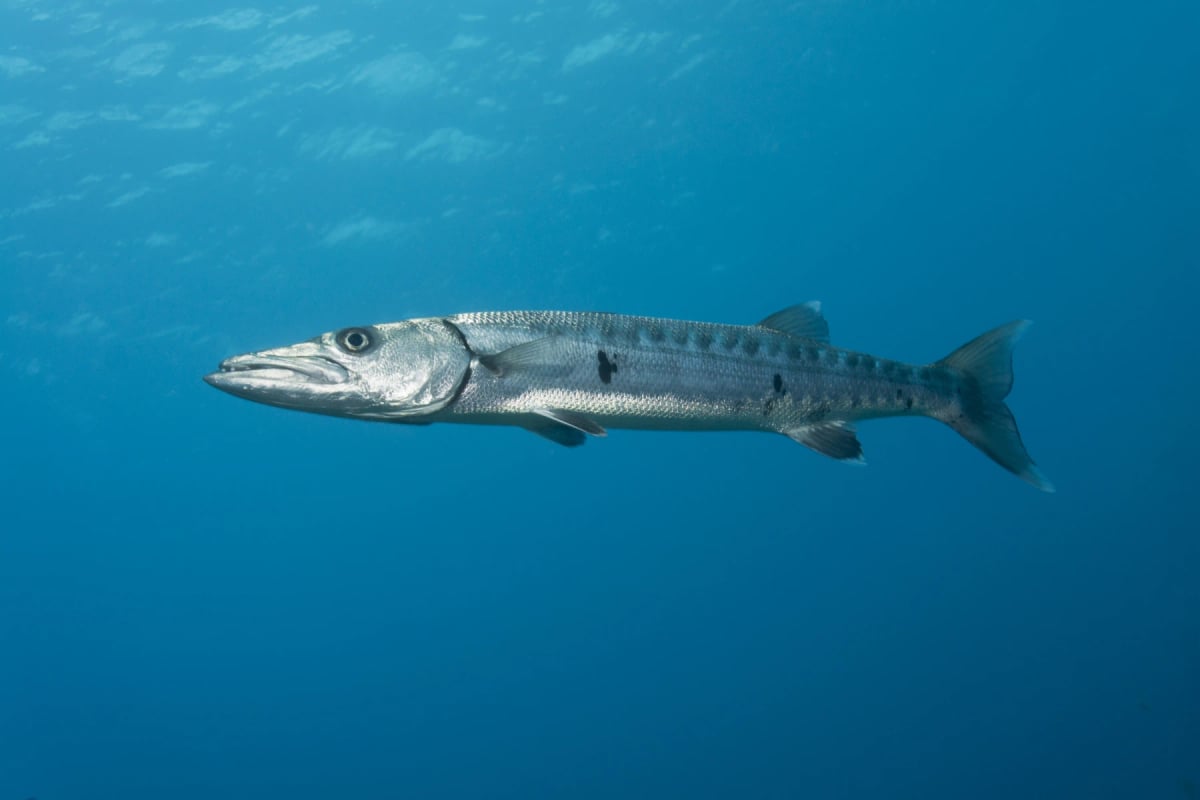
Barracuda
Sphyraena spp.
Several species of barracuda inhabit Brazilian coastal waters, from the shallow reefs and estuaries of the northeast to the offshore waters of the southeast. They are fast predatory fish that hunt smaller fish in open water and near reef structures. In Brazil barracudas are a familiar sight for divers and snorkelers along the coast, particularly in the clearer tropical waters of the northeast, and are occasionally caught by sport fishermen.
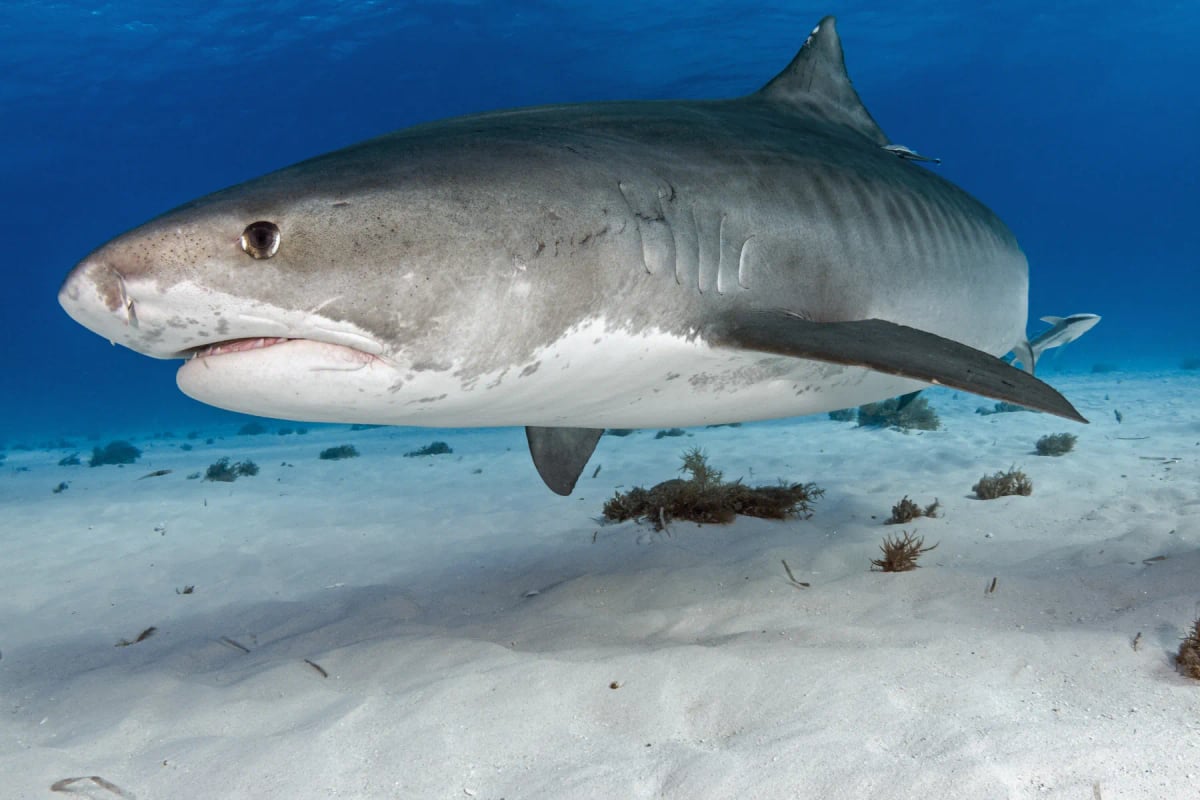
Tiger Shark
Galeocerdo cuvier
Brazil's vast Atlantic coastline, stretching thousands of kilometres from the mouth of the Amazon to the subtropical south, provides tiger sharks with a wide range of habitats. They have been recorded near the Fernando de Noronha archipelago and along the northeastern coast, where warm waters and abundant prey make conditions ideal. Brazil's shark fisheries have historically been among the largest in the world, placing significant pressure on this species.

Hammerhead Shark
Sphyrna spp.
Brazil's long Atlantic coastline and warm tropical waters make it a key habitat for hammerhead sharks, particularly around the Fernando de Noronha archipelago and northeastern coastal regions. Hammerheads are known to gather in these areas, and Brazil has established marine protected areas to help safeguard them. Despite legal protections, illegal fishing and the fin trade still threaten this critically endangered species in Brazilian waters.
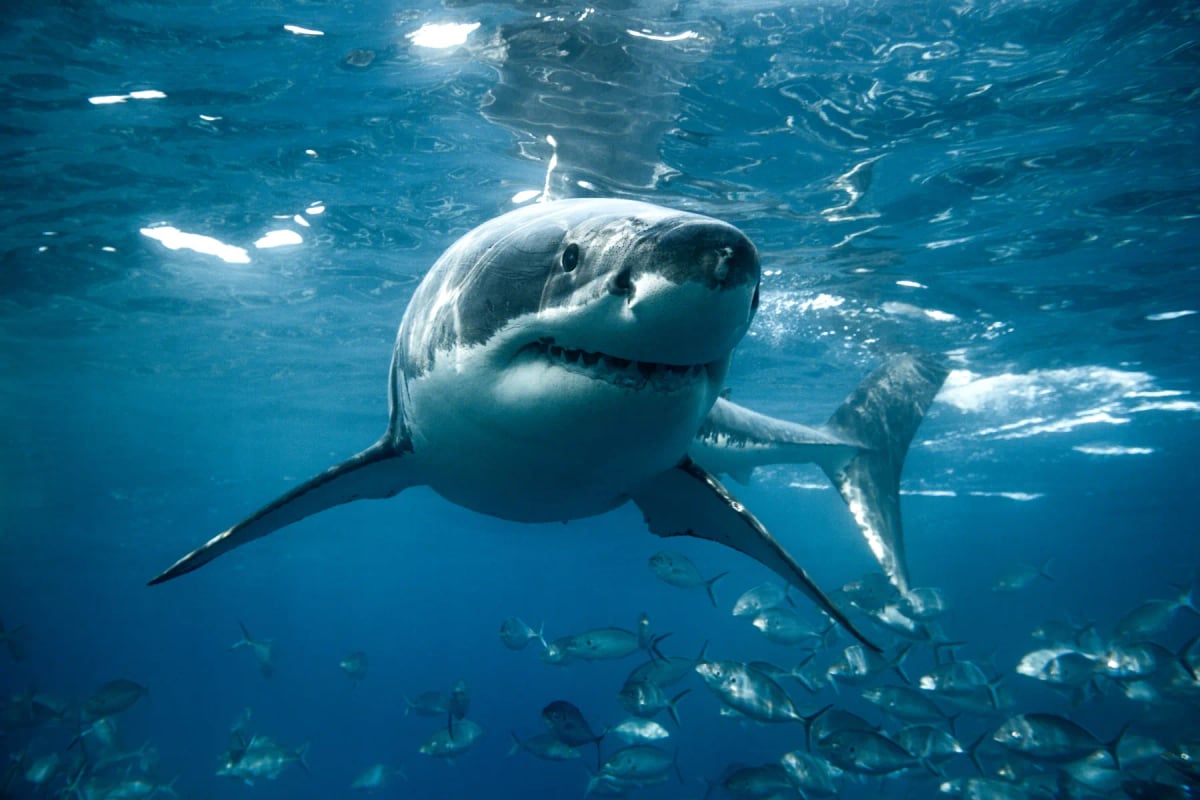
Great White Shark
Carcharodon carcharias
The great white shark has been recorded in the South Atlantic waters off Brazil, particularly in the cooler southern regions near Santa Catarina and Rio Grande do Sul. This stretch of the Brazilian coast lies closer to the temperate zone preferred by the species. Brazil has a rich marine biodiversity and is part of important migratory corridors in the South Atlantic. Scientific research on white sharks in Brazilian waters remains limited, and stronger conservation frameworks are needed. Its IUCN status is Vulnerable.
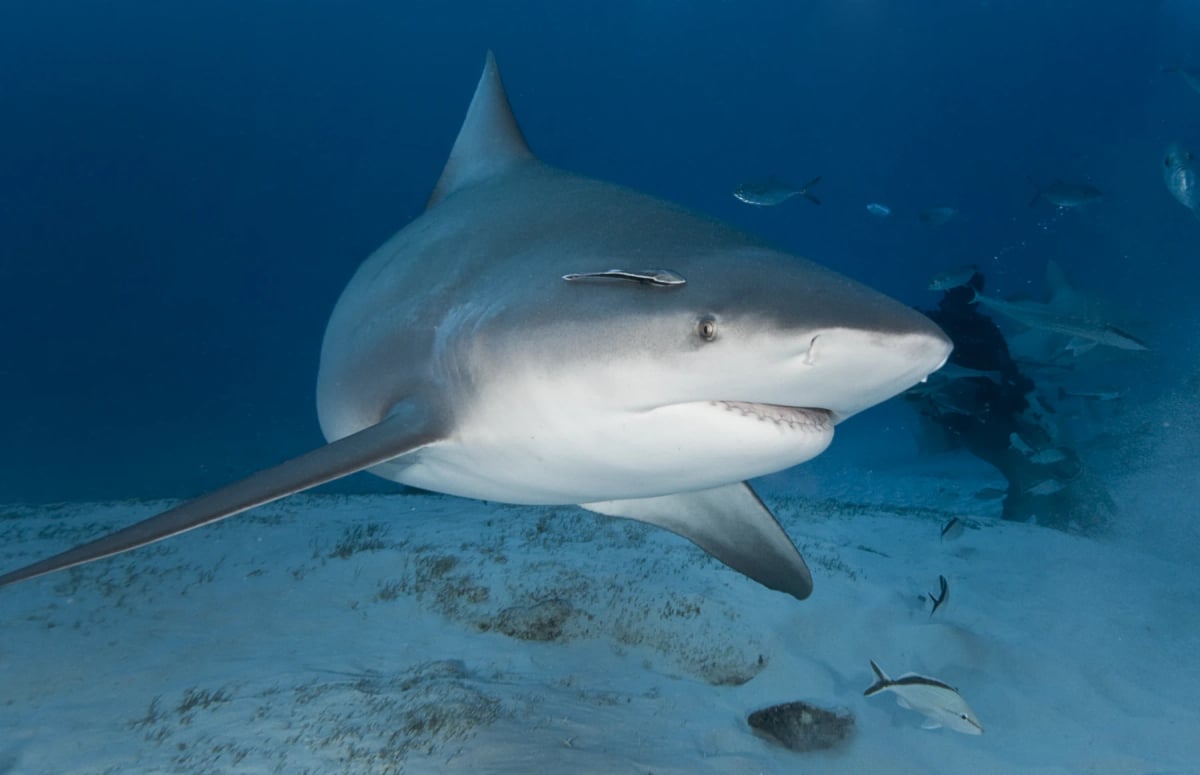
Bull Shark
Carcharhinus leucas
Brazil holds some of the most significant bull shark populations in the Atlantic, with the waters off Recife in Pernambuco state gaining international attention for a high concentration of the species and a documented history of shark incidents near busy urban beaches. The nearby port construction and changes to river flow are believed to have influenced shark behavior in the region. Bull sharks also use the Amazon basin's freshwater tributaries, traveling far inland.
Researched and written by Juan Pablo. Sources: IUCN Red List, scientific literature and regional field guides. Last updated: .