Animals in Hungary

The Turul
The Turul, a legendary bird akin to a falcon, is a powerful national symbol in Hungary. It appears on statues and bridges and in city crests, linking medieval origin tales with the present. Though not a real species, it reflects courage, guidance and protection, and reminds visitors that myths and nature still meet in towns, plains and forest edges across the country.
View details→Wildlife in Hungary
Hungary stretches across steppe plains, wetlands and gentle hills where red deer, wolves, lynxes and many raptors find space to thrive. In Hortobagy National Park and the Danube floodplains, visitors watch cranes, stroll wooden boardwalks and explore quiet meadows. Forest paths near the northern ranges offer calm hikes with regular chances to spot tracks and birds.
Most Dangerous Animals in Hungary
Wild Hungary is generally safe, yet caution is wise. Wild boars can charge if startled, wolves and lynx avoid people but deserve distance, and venomous adders hide in sunny grass. In some regions moose may appear. Keep dogs leashed, follow marked paths, check local notices and join guided walks to explore confidently and respect the animals that live there.
Top 10 Animals in Hungary
Hungary’s wildlife highlights often include red deer in dawn meadows, gray wolves and Eurasian lynx in remote forests, and soaring raptors over the plains. Protected areas around the northern ranges and the Great Plain give photographers and hikers chances to experience calm woodlands, open steppe and seasonal crane gatherings that shape the country’s quiet wild character.
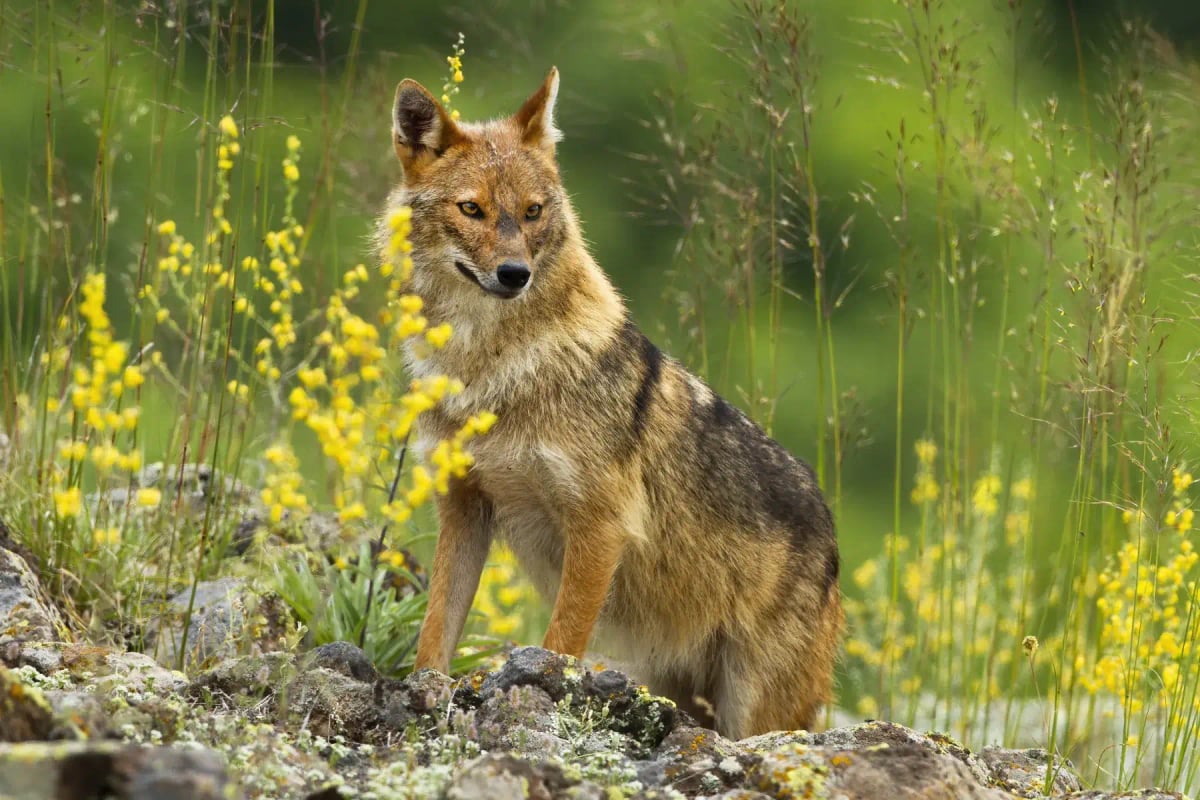
Golden Jackal
Canis aureus
Hungary has seen a notable rise in golden jackal numbers since the 1990s, when the species began recolonizing the Carpathian Basin from the Balkans. It is now found across much of the country, with strongholds in the Great Hungarian Plain and river floodplain forests along the Danube and Tisza. Hunting pressure exists, but the population continues to grow and the jackal is an increasingly familiar animal here. IUCN status: Least Concern.
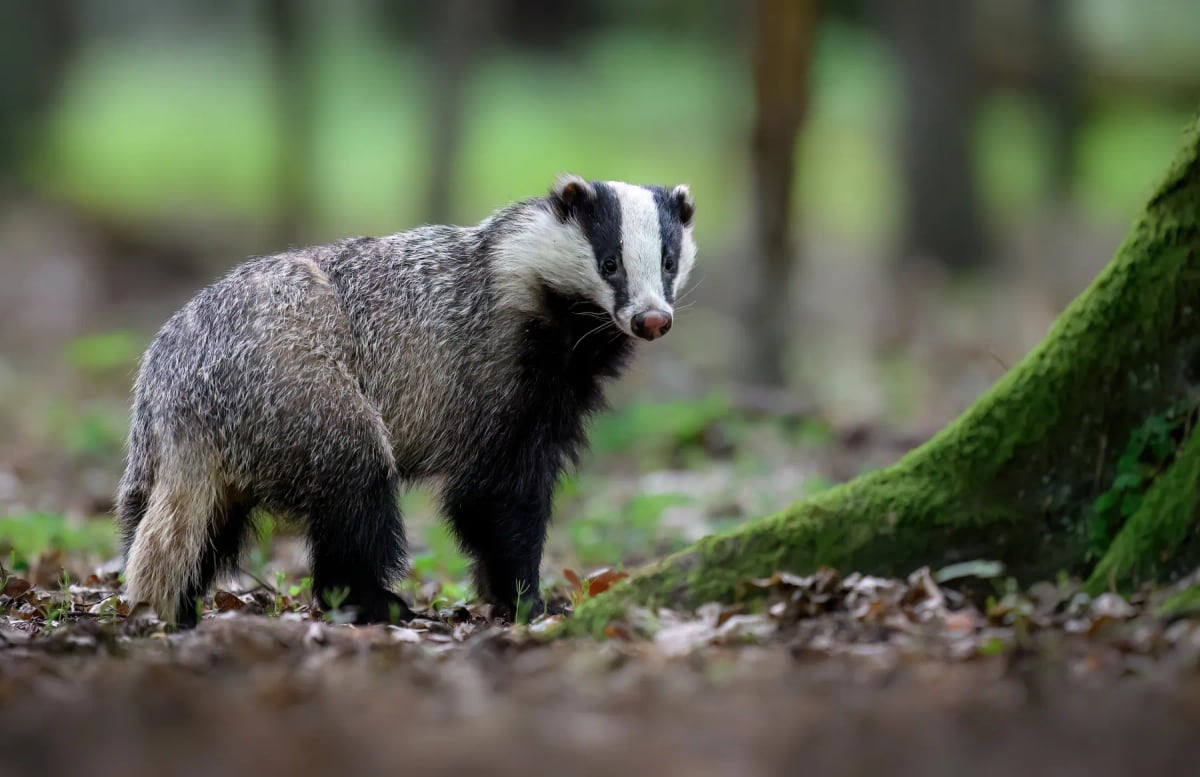
Badger
Meles meles
The Eurasian badger is widespread across Hungary in deciduous woodland, forest edges and agricultural land across the country's plains and hills. It lives in family groups in extensive setts dug in well-drained soils and is active mainly at night. In Hungary it feeds on earthworms, insects, fruit, roots and small animals. Badger populations are stable and the species is present across most habitats, though agricultural intensification has reduced suitable territory in some lowland areas.
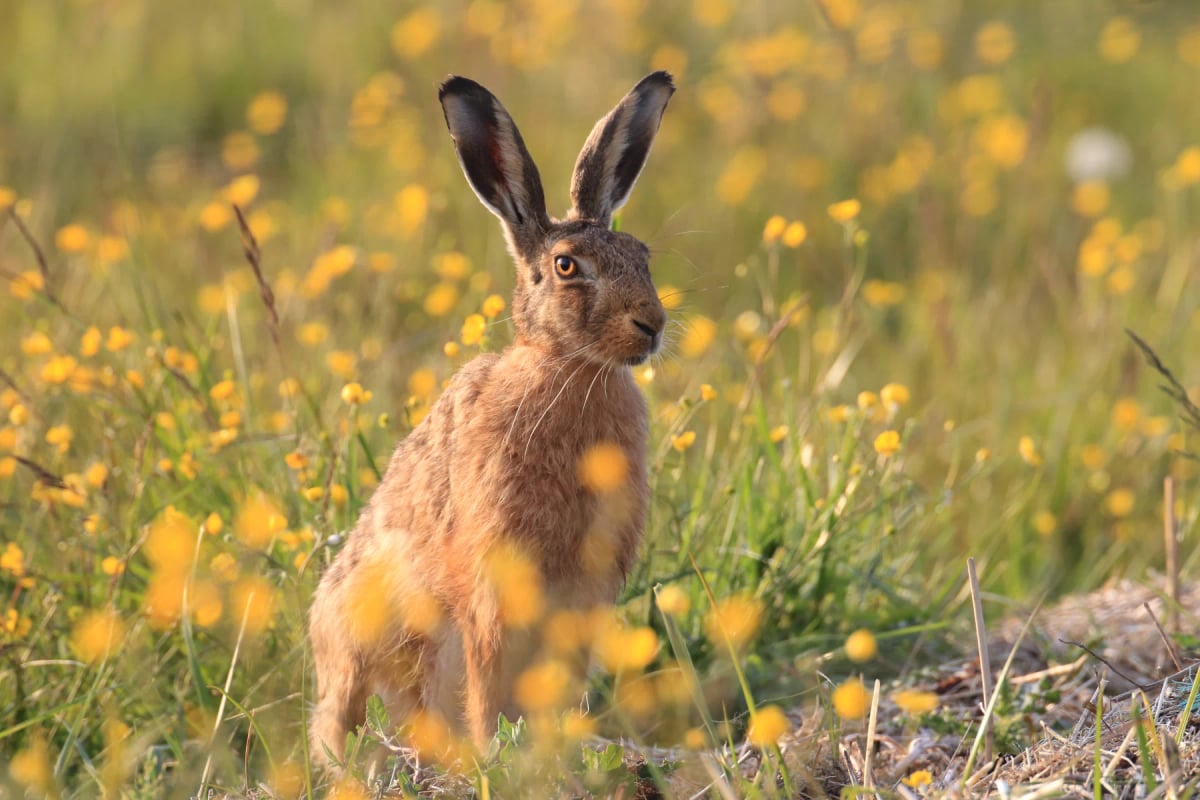
Hare
Lepus europaeus
Hungary's Great Plain, known as the Puszta, provides some of the most suitable habitat for the European hare in all of Europe. The vast open steppe and farmland support healthy populations, and Hungary has historically been one of the most important countries for this species on the continent. Despite declines linked to agricultural intensification, the hare remains far more common here than in much of western Europe. IUCN status: Least Concern.
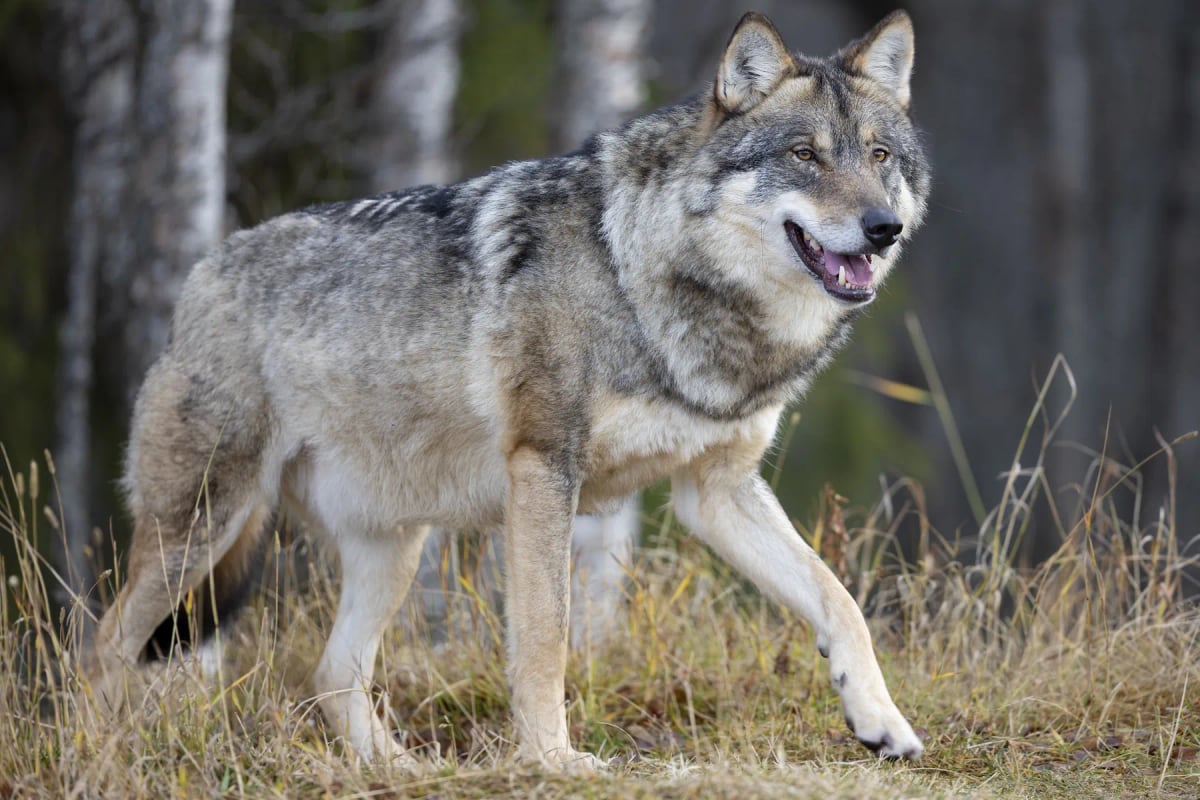
Gray Wolf
Canis lupus
Gray wolves in Hungary are present in small numbers, mostly as individuals or pairs dispersing from neighboring countries such as Slovakia and Romania. They have been recorded in forested areas in the north and northeast of the country. Hungary sits at the edge of a broader Central European recovery zone, and sightings have become more frequent in recent years as regional populations expand.
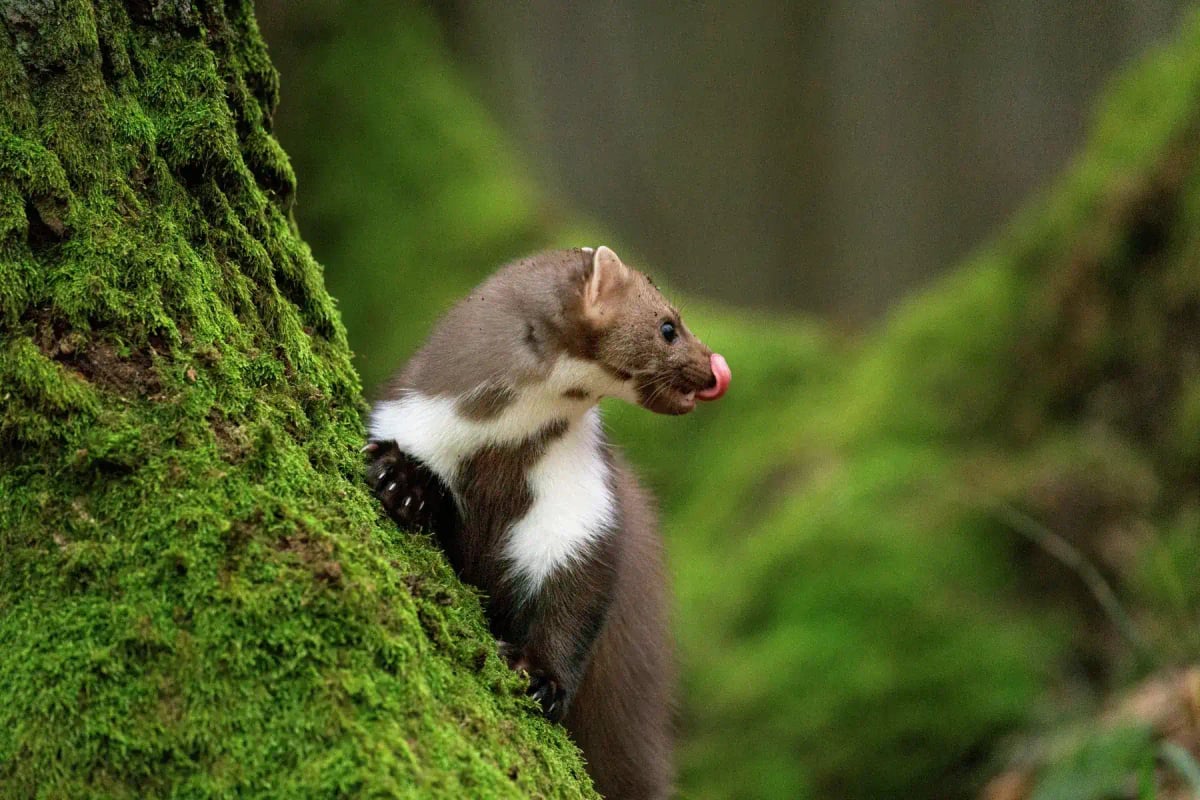
Marten
Martes martes / Martes foina
Hungary hosts both the pine marten and the stone marten, though the stone marten is considerably more common given the country's largely open agricultural landscape. Pine martens are found mainly in the forested hill ranges of northern Hungary, such as the Börzsöny and Bükk mountains. Stone martens thrive in farmland, vineyards, and rural villages throughout the country. Both species help control rodent populations across Hungarian farmland. Their IUCN status is Least Concern.
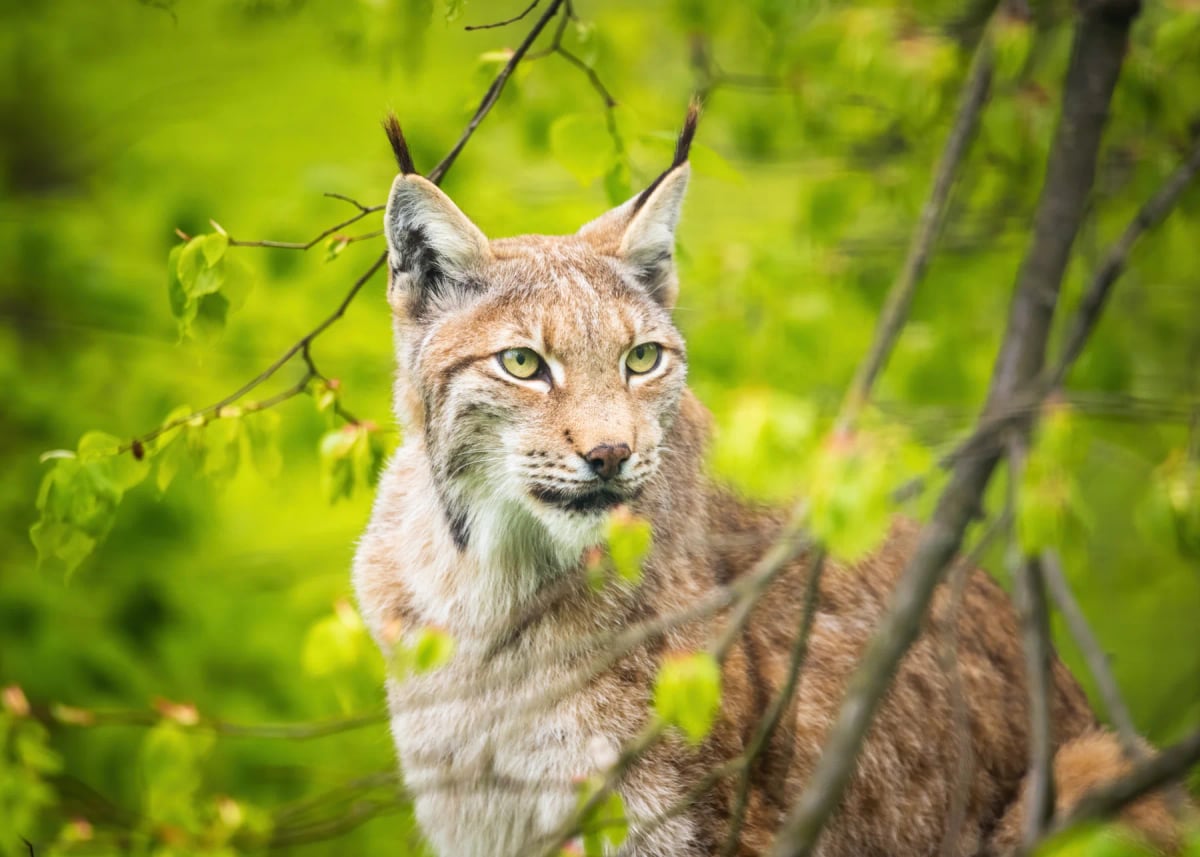
Eurasian Lynx
Lynx lynx
The Eurasian Lynx has a marginal and irregular presence in Hungary, with occasional individuals dispersing from Slovakia and Romania into the northern highland forests near the Carpathian border. No established resident population is confirmed. It is fully protected under Hungarian law. Roe deer would constitute its main food source if a stable population were to take hold. The IUCN lists the species as Least Concern globally.
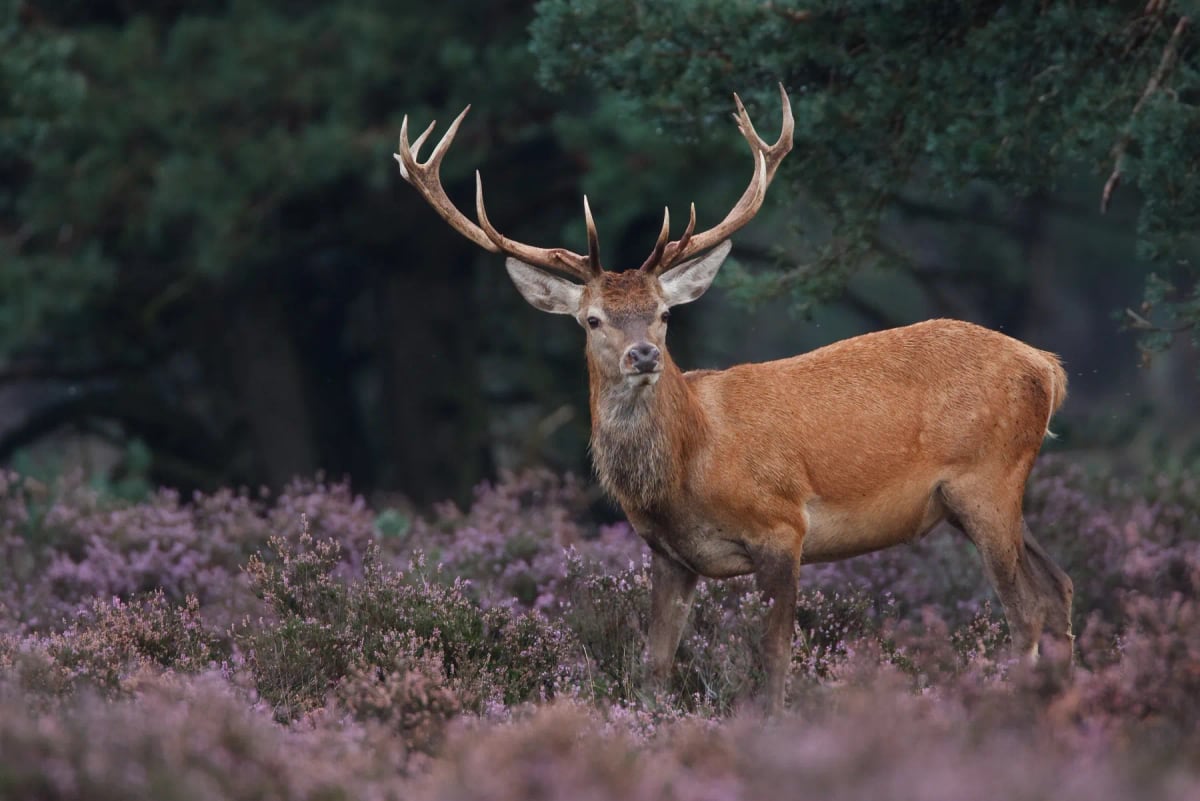
Red Deer
Cervus elaphus
Hungary is one of the most important countries in Europe for red deer, with a large and well-managed population spread across the lowland forests of the Great Hungarian Plain and the hilly woodlands of Transdanubia and Northern Hungary. The country has a long tradition of deer management and is internationally recognized for the quality of its trophy stags. Red deer are found in both state forests and private hunting estates throughout the country. IUCN status: Least Concern.
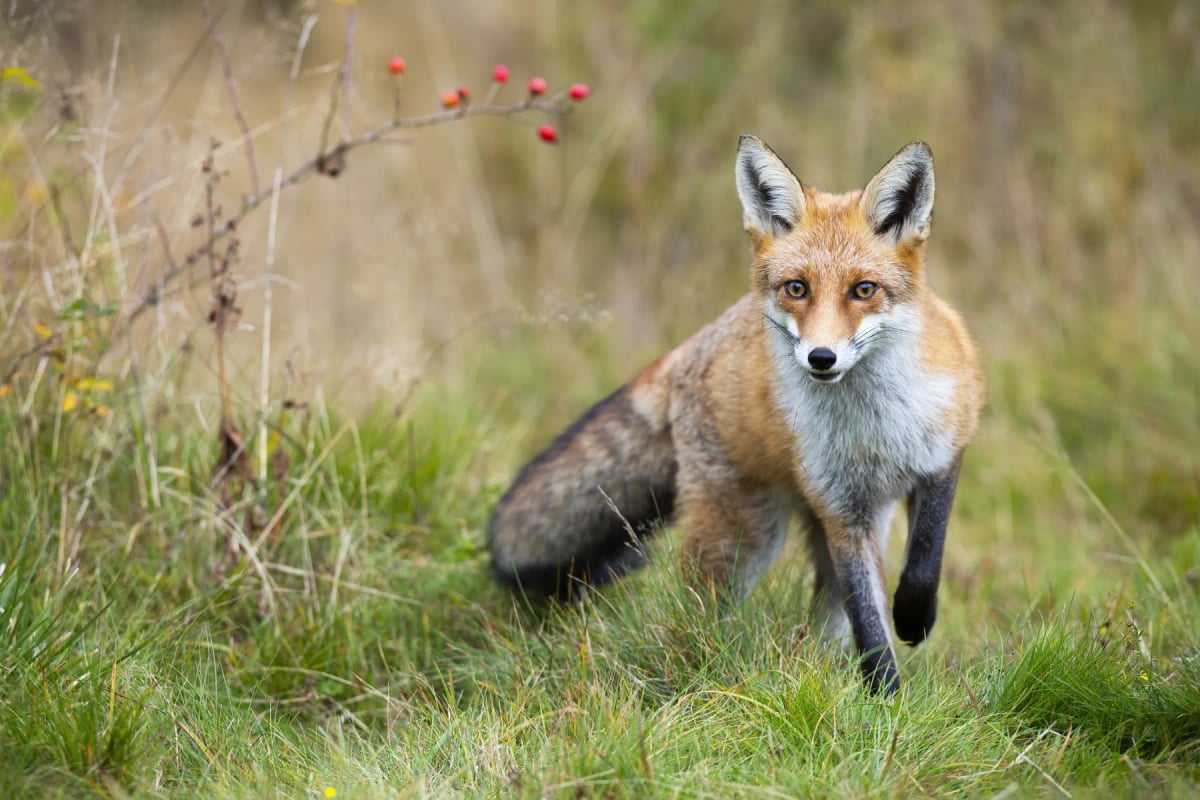
Red Fox
Vulpes vulpes
In Hungary, the red fox is one of the most common carnivores across the Great Hungarian Plain, as well as in the forested hills of Transdanubia and the Northern Uplands. It thrives on the abundant small mammals found in agricultural fields throughout the country. Hungarian hunters manage fox populations as part of game wildlife management, and the species plays an important role in controlling rodent numbers across the country's vast farmland.
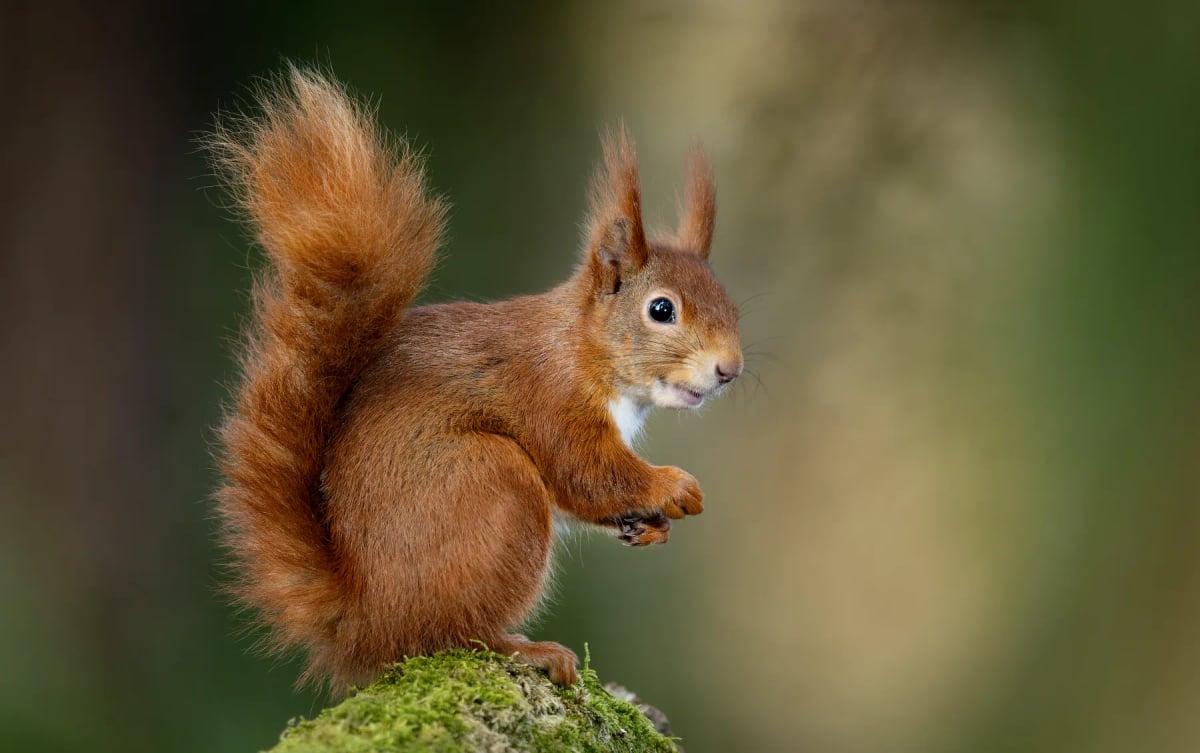
Red Squirrel
Sciurus vulgaris
The red squirrel is widespread in Hungary, making its home in the oak and beech forests of the Northern Hungarian Mountains, the Bakony Hills and the Mecsek range. It adapts well to mixed and broadleaf woodland, and can also be spotted in larger parks and gardens in and around Budapest. Hungary's forested upland areas provide some of the best habitat for the species in the country. IUCN status: Least Concern.
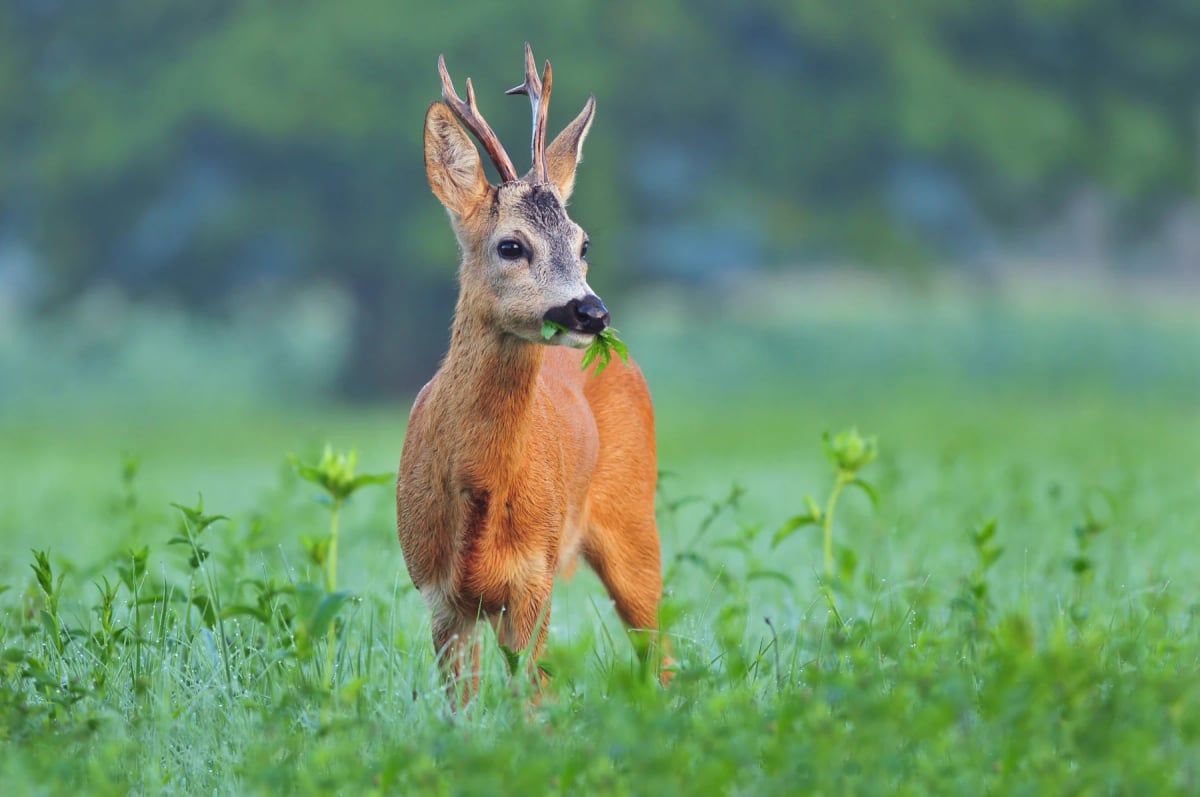
Roe Deer
Capreolus capreolus
The roe deer is common across Hungary, living in forest patches, riverside woodlands along the Danube and Tisza, and among the agricultural fields that cover much of the Great Hungarian Plain. It is one of the country's principal game species and is managed through a well-established hunting system. Populations are stable and well distributed. Its coat shifts with the seasons, providing camouflage year round. Its IUCN status is Least Concern.
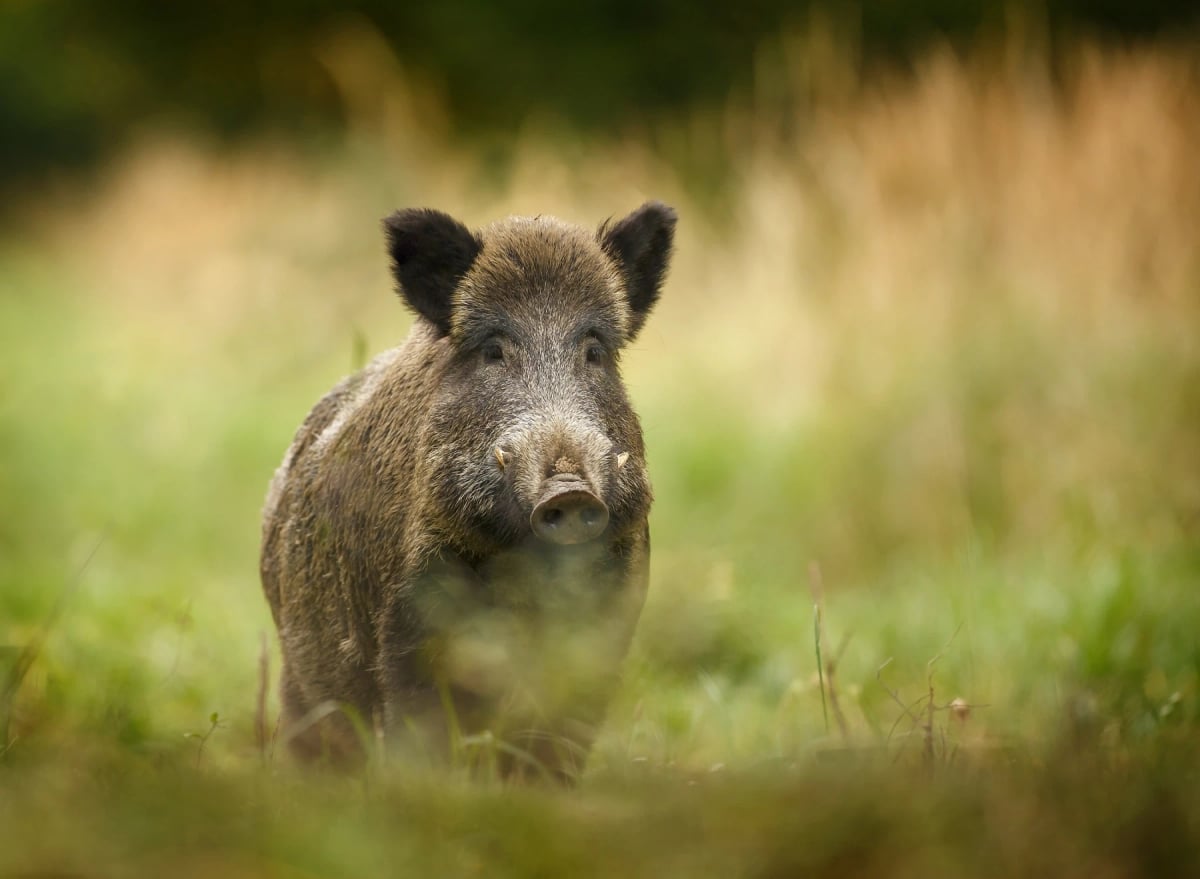
Wild Boar
Sus scrofa
Wild boars are common across Hungary's forested hills, such as the Bakony and Mecsek ranges, as well as in mixed woodland near farmland throughout the country. The species is one of the most popular big game animals in Hungary and is heavily hunted each year. Growing populations have increased crop and vineyard damage, and outbreaks of African swine fever have prompted stricter population monitoring in recent years.
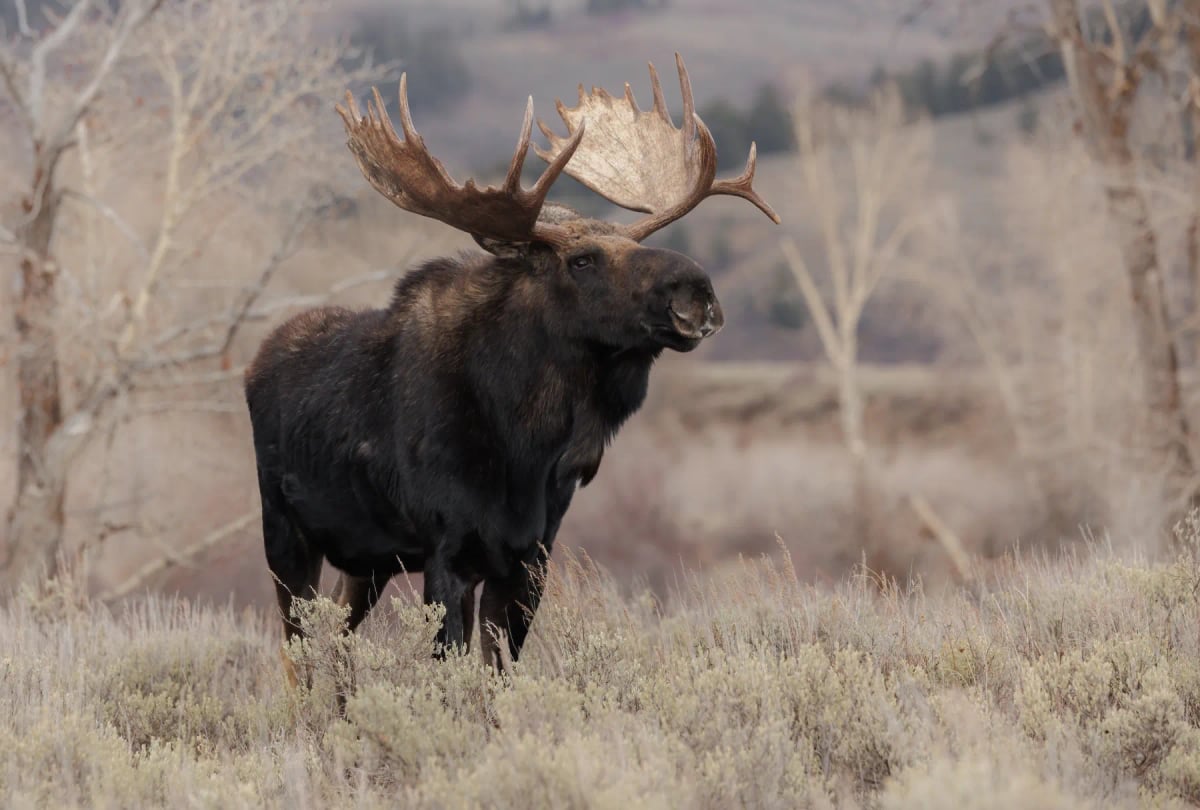
Moose
Alces alces
Moose sightings in Hungary are rare and almost always involve lone individuals moving south from Slovak or Ukrainian forests. The country sits at the very edge of the species' natural range in Europe. While Hungary's floodplain forests along the Tisza and Danube rivers offer patches of suitable habitat, the climate is warmer and drier than moose typically prefer. No breeding population is currently recorded in Hungary.
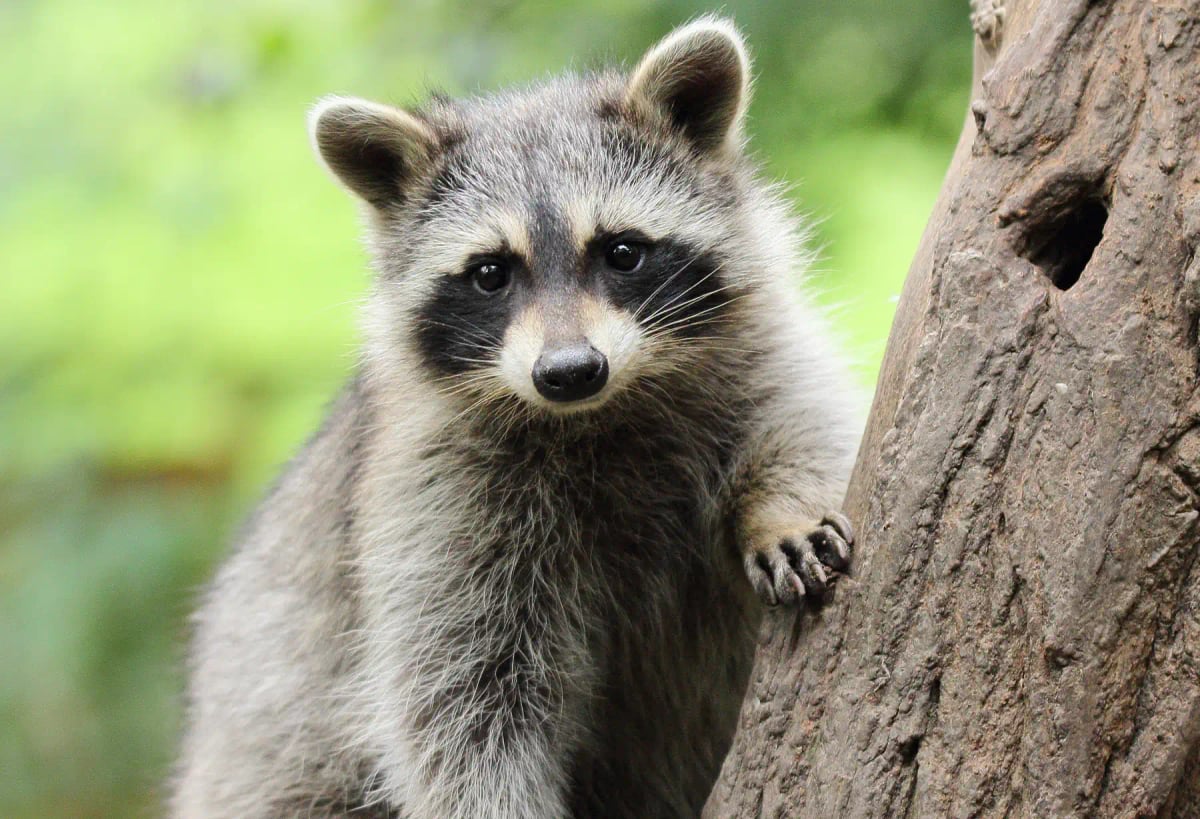
Raccoon
Procyon lotor
Raccoons have been moving into Hungary from Austria and Slovakia, and the population is still considered relatively small but expanding. They are found mainly in forested areas and river floodplains, including riparian zones along the Danube and Tisza rivers. Listed as an invasive alien species under European Union law, they are subject to control efforts, and Hungarian wildlife managers are working to prevent them from establishing a stronger foothold in protected wetland areas.
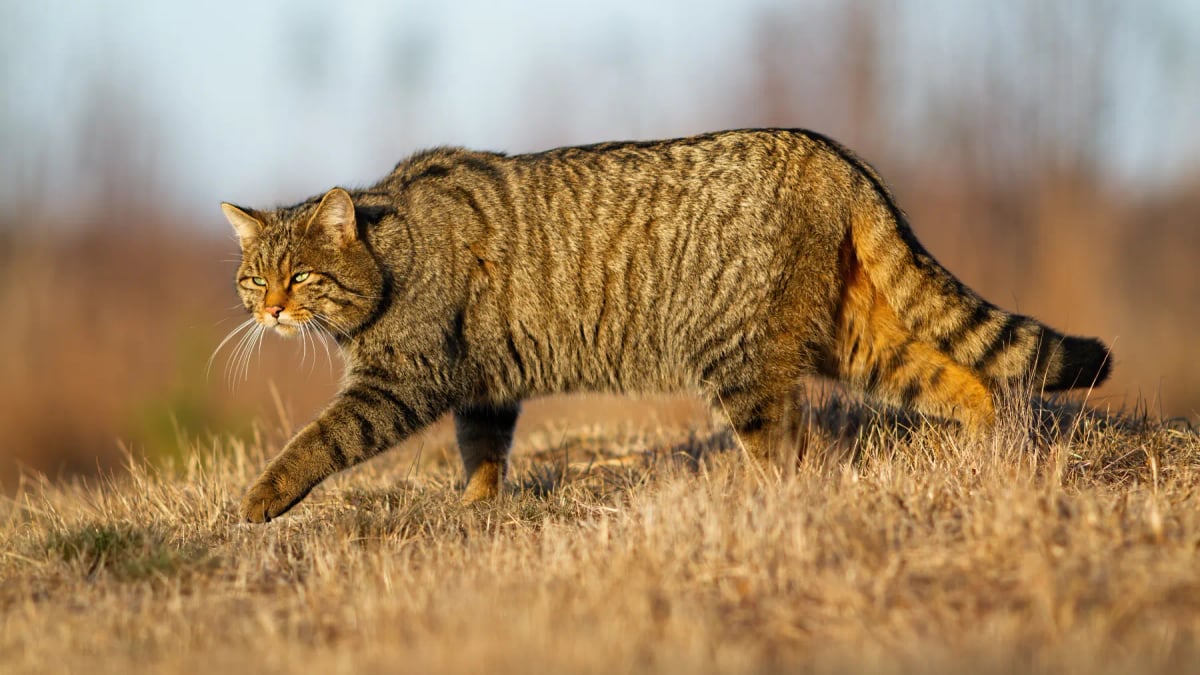
European Wildcat
Felis silvestris silvestris
The European wildcat occurs in Hungary mainly in the forested hills of the Northern Hungarian Mountains and in parts of the Transdanubian region. It favors dense deciduous woodland with good cover and a reliable supply of small prey. Populations here are relatively sparse, and crossbreeding with feral domestic cats is a serious concern for the genetic integrity of the species. IUCN status: Least Concern.
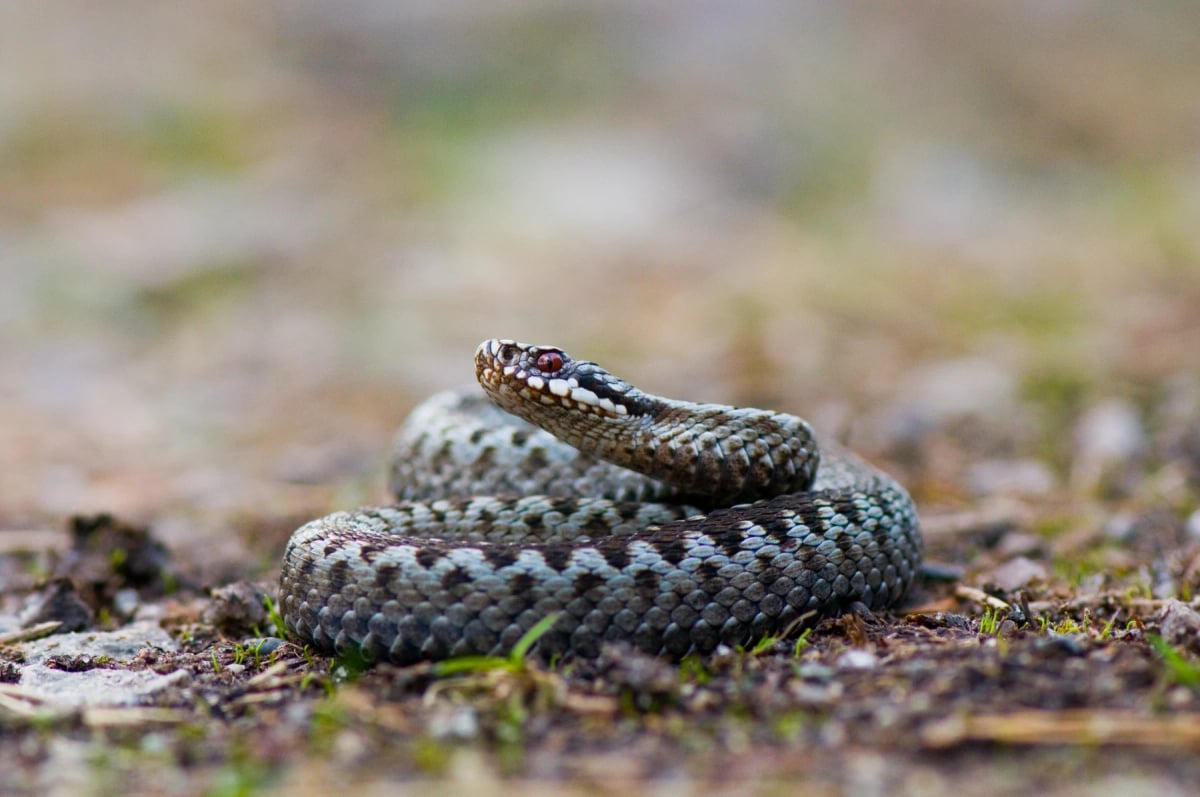
European Adder
Vipera berus
The European adder has a patchy distribution in Hungary, occurring mainly in hilly and forested areas in the north and west of the country, including the Bakony Hills and areas near the Austrian border. It favours woodland edges and shrubby clearings. Populations are fragmented, and the species faces pressure from habitat loss and direct persecution. It is legally protected under Hungarian wildlife law. Its IUCN status is Least Concern.
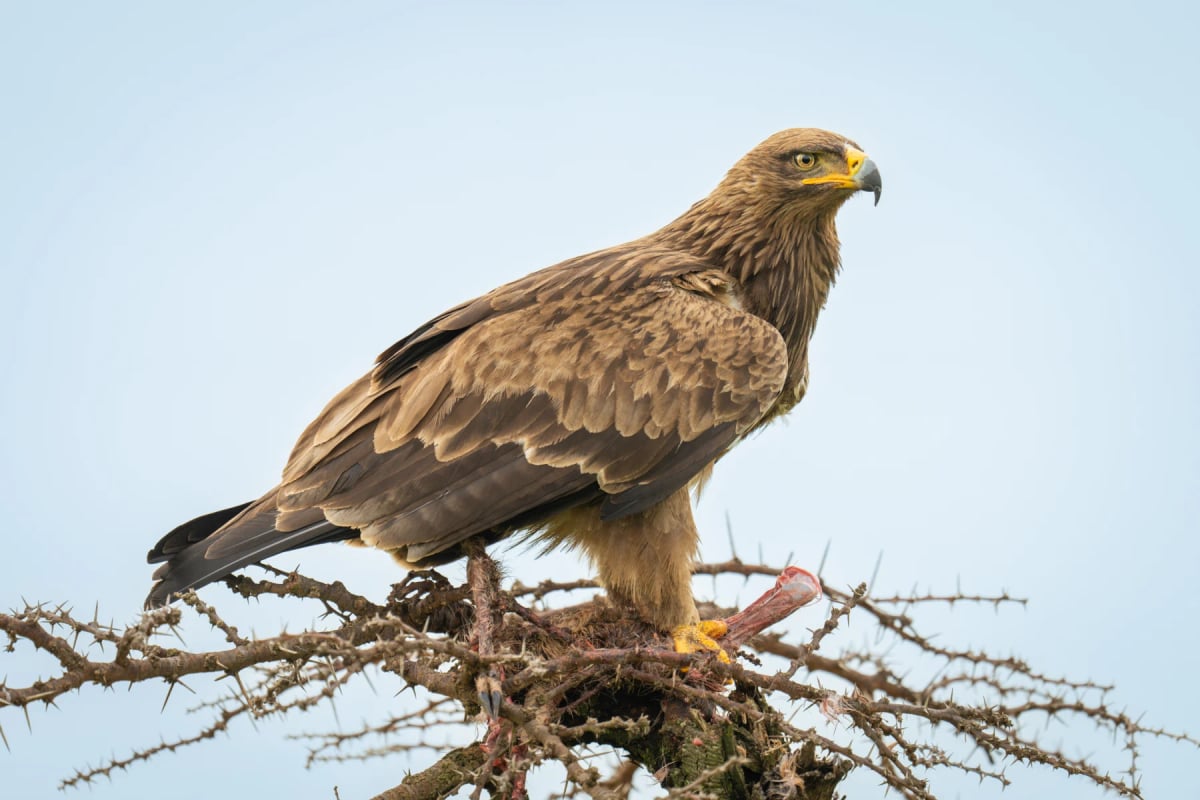
Steppe Eagle
Aquila nipalensis
Hungary records Steppe Eagles mainly as rare migrants passing through the Carpathian Basin during autumn and spring. The open farmland and grassland plains of the Puszta region can attract wandering individuals, though sightings remain uncommon. The species is Endangered, and any record in Hungary is treated as noteworthy by local birdwatchers. Its appearance here reflects the broad geographic reach of this eagle's migration across Eurasia.
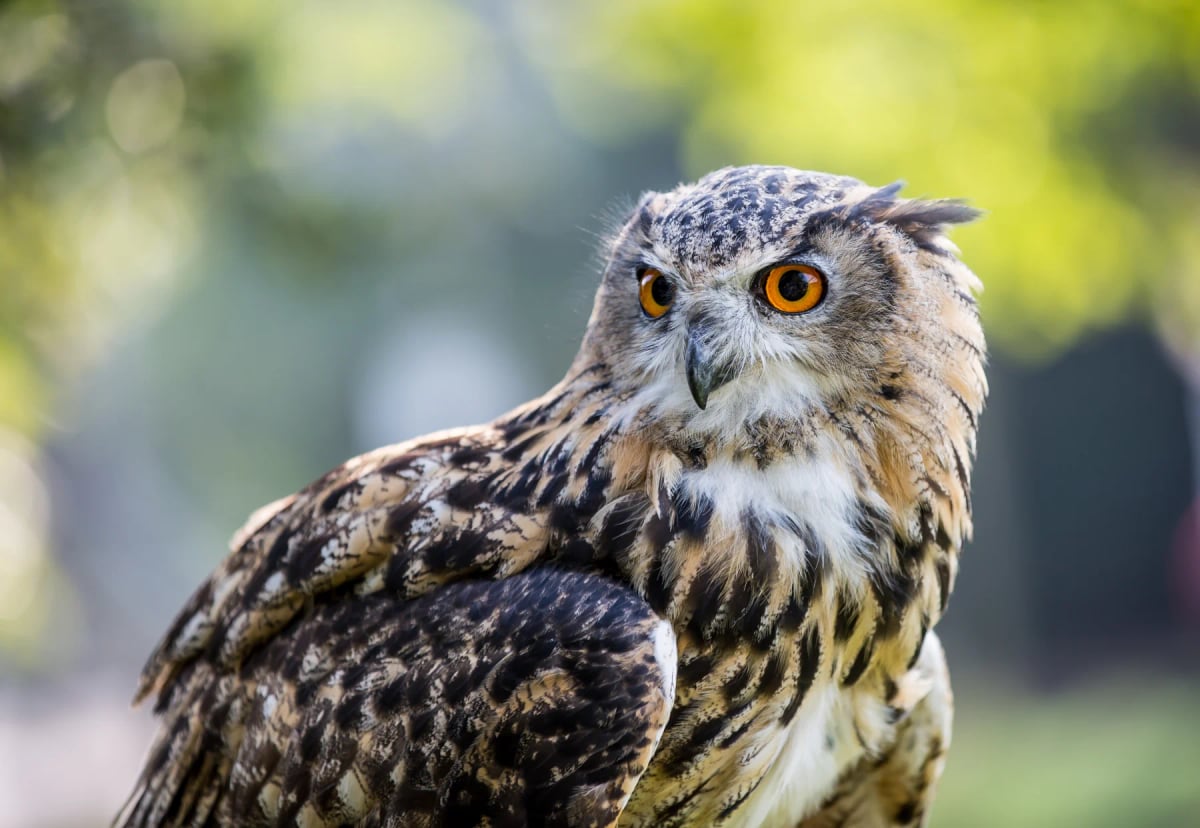
Eagle Owl
Bubo bubo
In Hungary, the eagle owl inhabits the forested hill ranges of the Northern Hungarian Mountains and the rocky terrain of the Bükk and Aggtelek regions. It also breeds in some active and disused quarries, which provide suitable nest sites where natural cliffs are scarce. The population has grown over recent decades following legal protection. It hunts across open farmland and forest edges at night. The IUCN lists it as Least Concern.
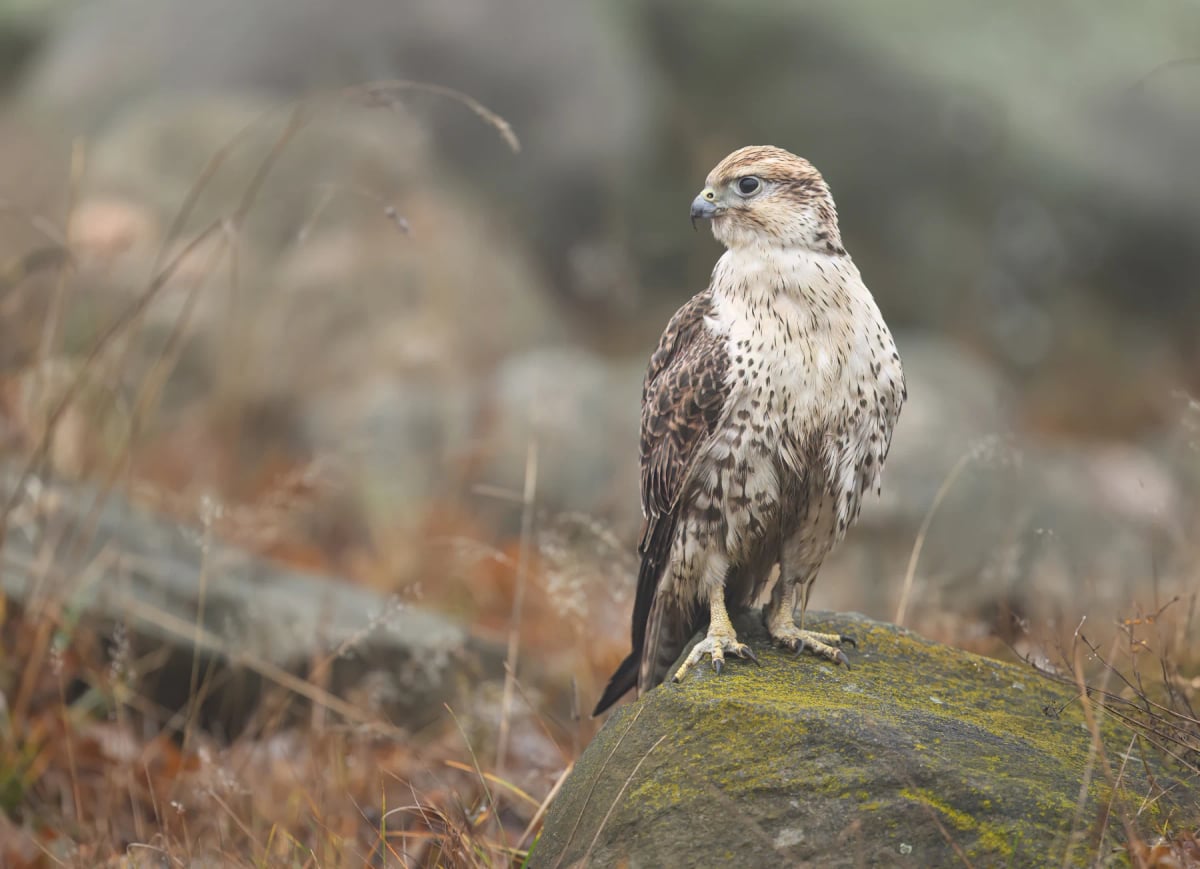
Saker Falcon
Falco cherrug
Hungary is one of the saker falcon's most important breeding strongholds in Europe. The bird nests on the open plains of the Pannonian steppe and hunts ground squirrels across farmland and grassland. Conservation programmes, including the installation of safe nest platforms and the modification of dangerous power lines, have helped the Hungarian population recover steadily. The IUCN lists the saker falcon as Endangered.
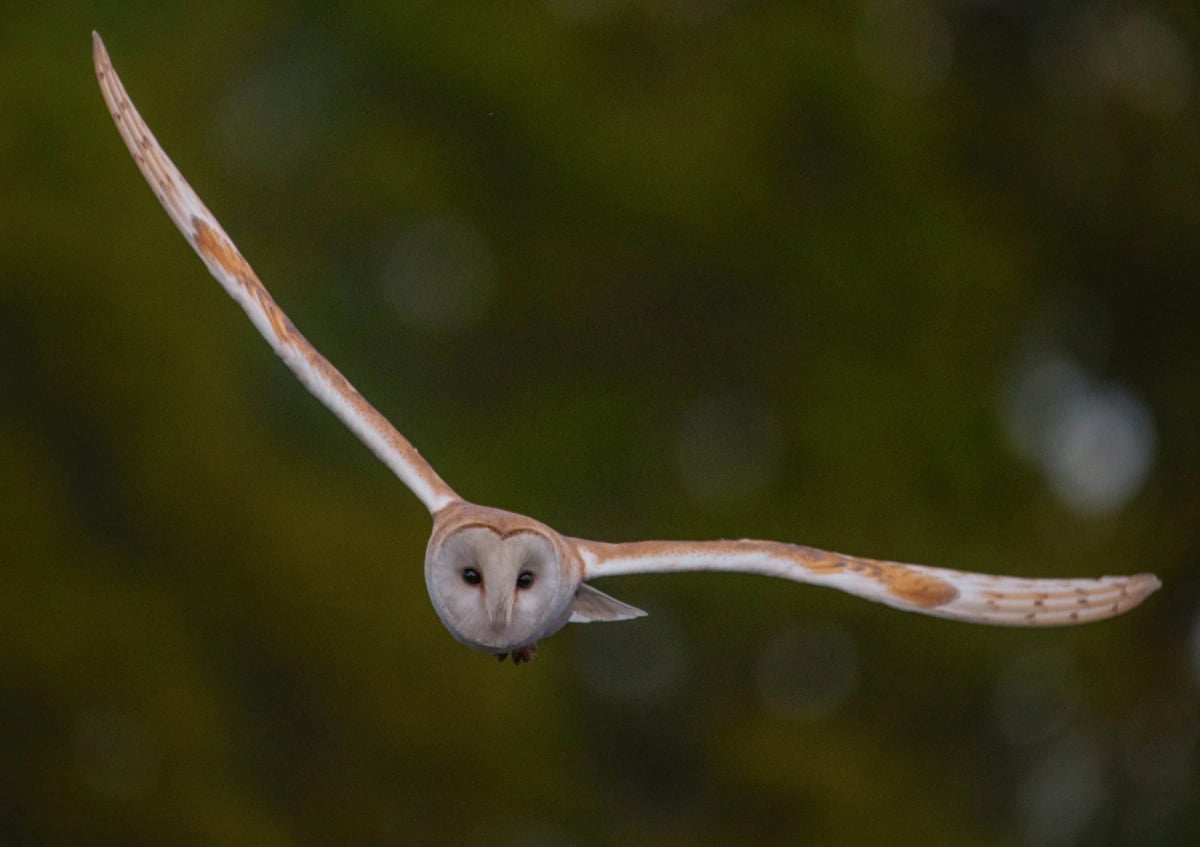
Barn Owl
Tyto alba
The barn owl is a resident of lowland Hungary, found across the Great Plain and the Transdanubian agricultural landscapes in farmland, open countryside, and rural villages. It nests in old farm buildings, church towers, and hollow trees, and hunts mice and voles at night in open fields. Populations declined significantly in the twentieth century due to agricultural intensification and the renovation of old buildings used as nest sites. Nest box programs introduced by farmers and conservation groups have helped stabilize numbers in several regions.
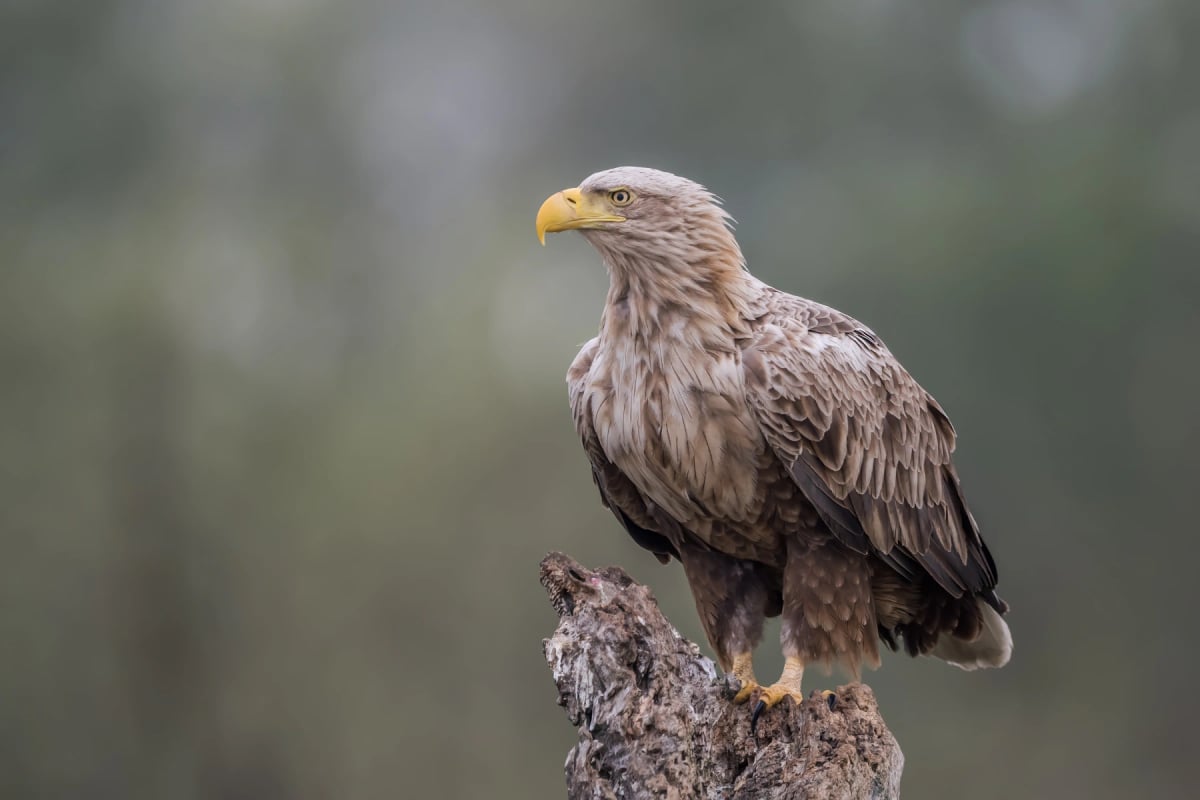
White tailed Eagle
Haliaeetus albicilla
Hungary has witnessed a remarkable recovery of the white-tailed eagle over recent decades. The species breeds along the Danube and Tisza rivers, as well as around the lakes and fishponds of the Great Hungarian Plain. Once extremely rare, sustained protection and nest monitoring have helped the population grow steadily. It is now one of the conservation success stories of the region. The IUCN lists it as Least Concern.
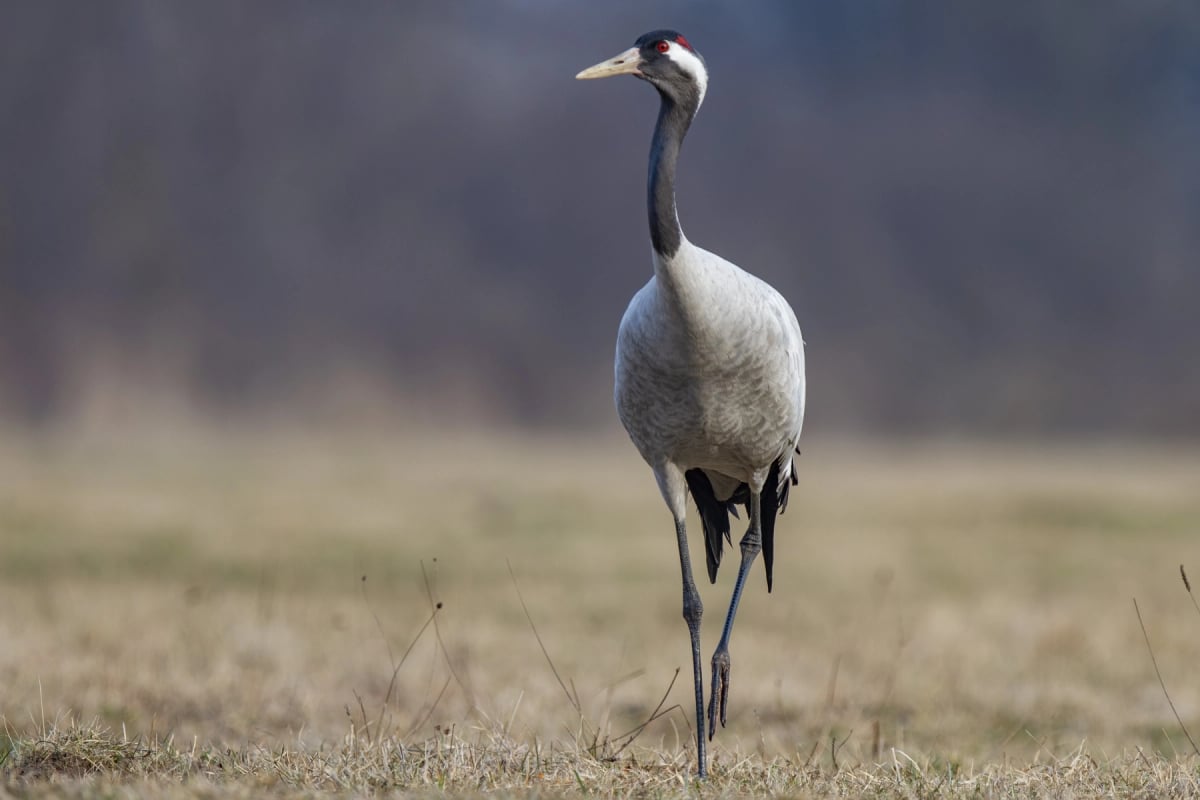
Crane
Grus grus
Hungary is a significant stopover country for common cranes migrating along the central European flyway. The Hortobágy National Park, a vast area of grassland and wetland on the Great Hungarian Plain, hosts tens of thousands of cranes each autumn. It is one of the largest gathering points for the species in Europe. Cranes feed on grain and invertebrates in the surrounding farmland before continuing south. The species can reach 120 centimetres in height. Its IUCN status is Least Concern.
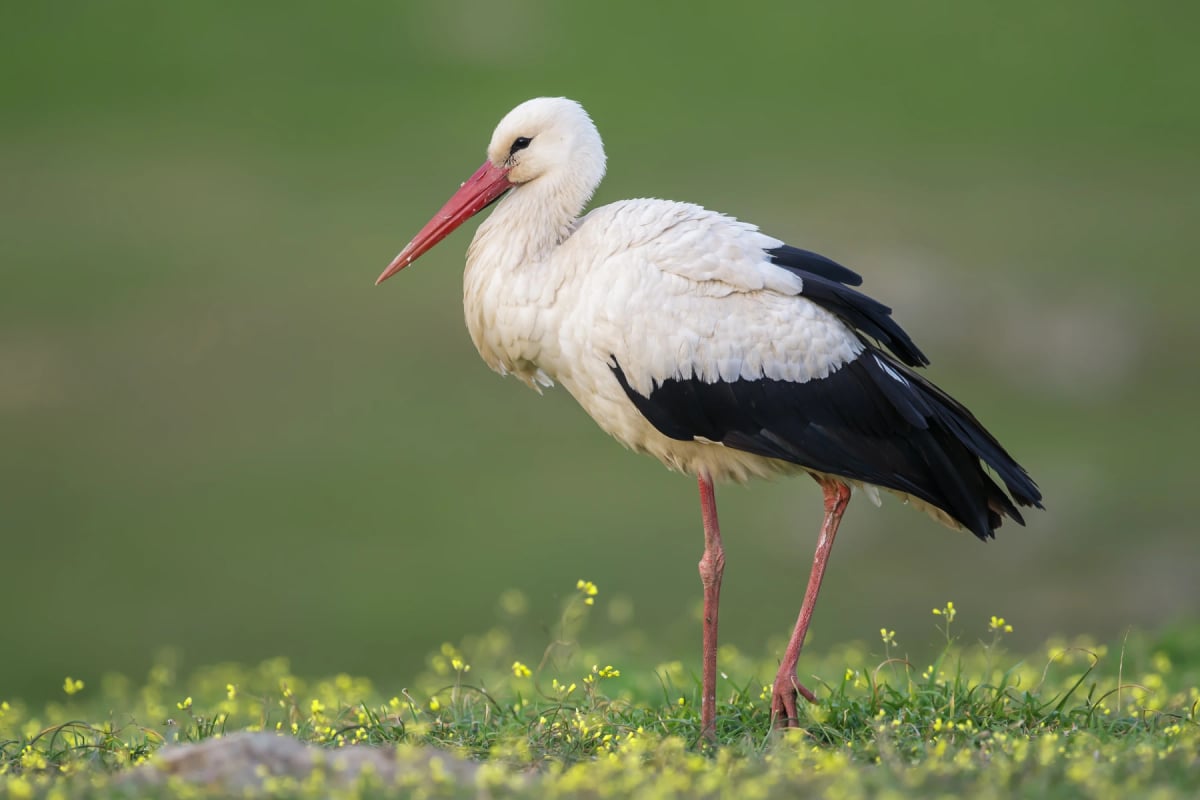
Stork
Ciconia ciconia
Hungary is one of the white stork's strongholds in central Europe, with thousands of pairs nesting in villages and on farmland across the Great Hungarian Plain. The stork thrives here thanks to the region's wetlands, floodplain meadows, and agricultural fields, which offer plenty of frogs and insects. Nests are built on rooftops and electricity poles, and many pairs return to the same site season after season.
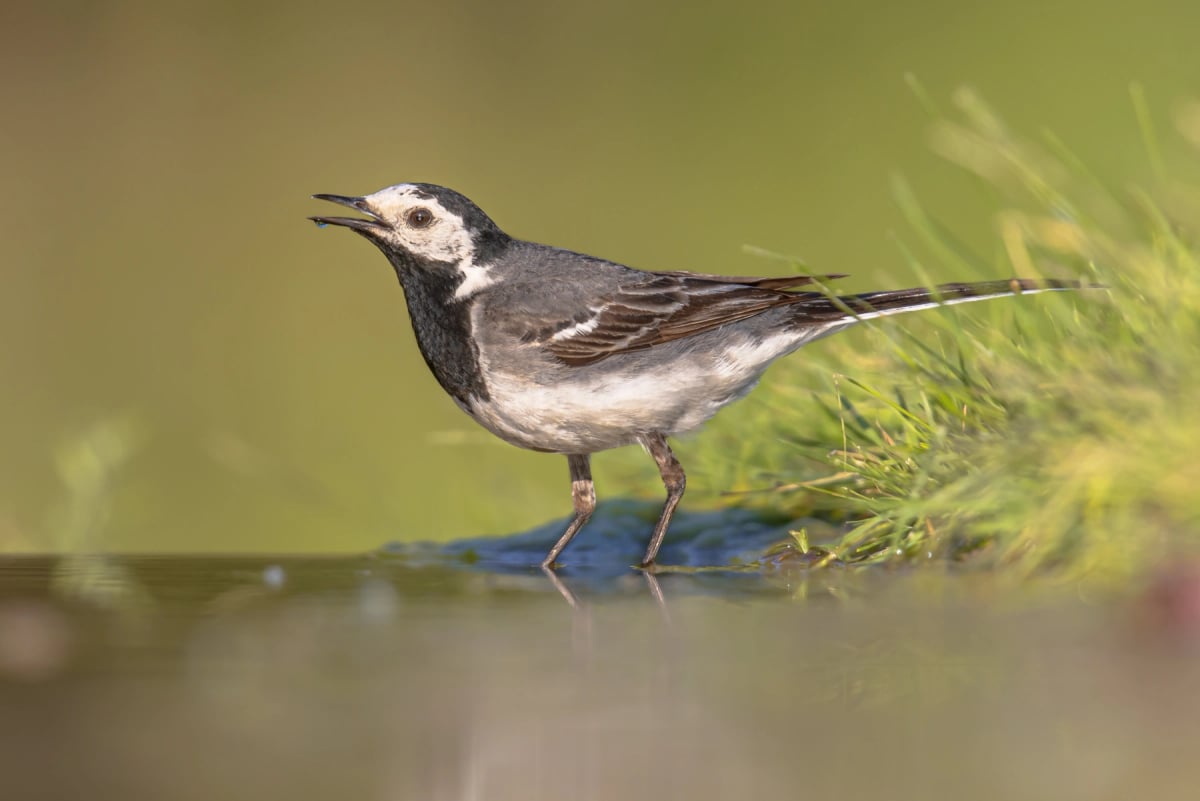
White Wagtail
Motacilla alba
Small black, white and grey bird with a slender tail that bobs up and down as it walks and feeds along the edges of water and open ground.
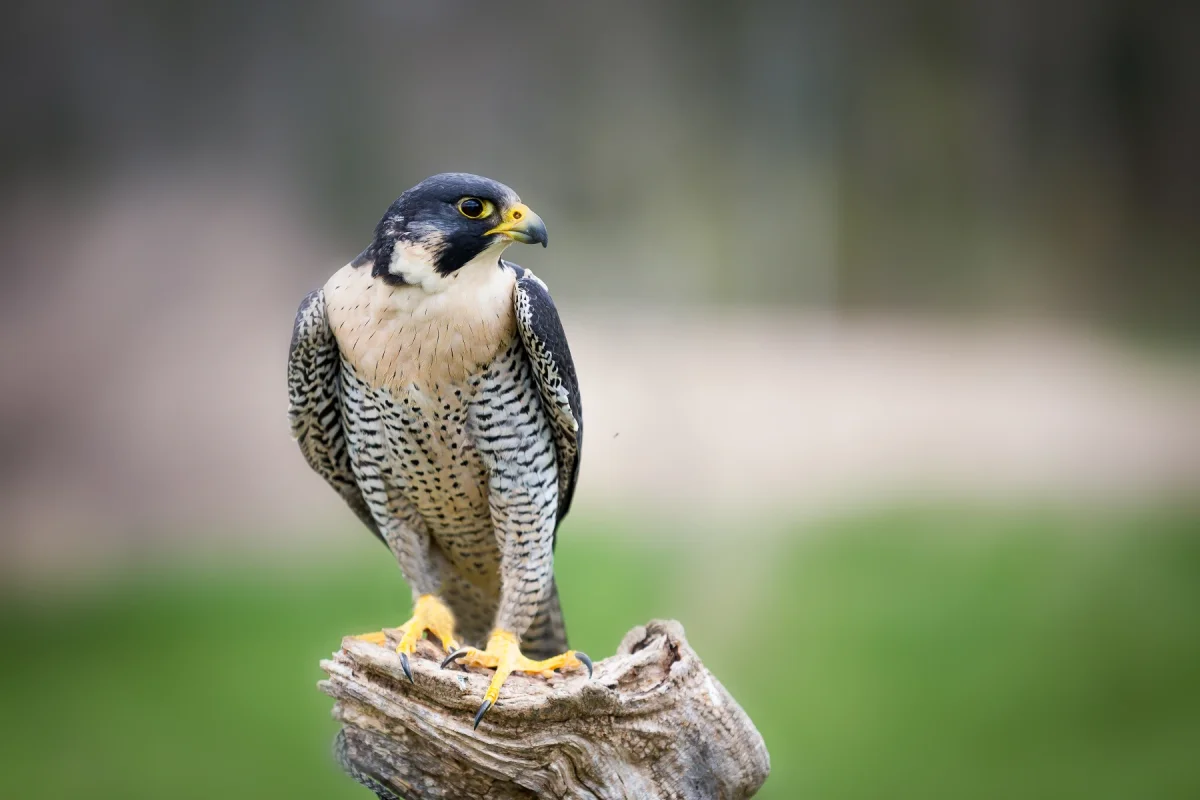
Peregrine Falcon
Falco peregrinus
The peregrine falcon has made a remarkable comeback in Hungary after disappearing as a breeding bird due to persecution and the effects of pesticides during the twentieth century. Reintroduction efforts and strict legal protection have allowed pairs to establish nests on river gorges and quarry cliffs, and more recently on buildings in Budapest and other cities. Today it is a year-round resident in small but growing numbers across the country. IUCN status: Least Concern.
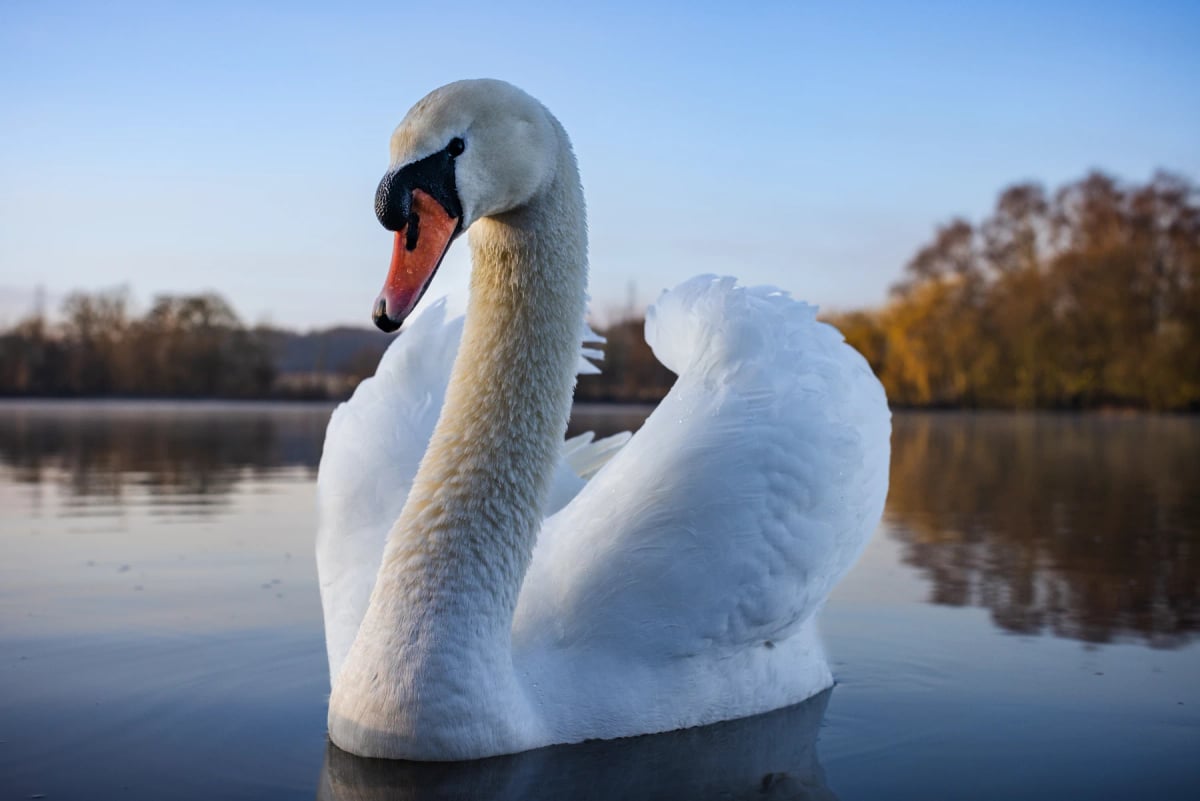
Mute Swan
Cygnus olor
Hungary's extensive network of fishponds, floodplain lakes, and river backwaters provides excellent habitat for the mute swan. It breeds widely across the Hungarian lowlands, with notable concentrations around Lake Balaton, the Tisza river system, and the Hortobágy wetlands in the east. The Hortobágy National Park, a UNESCO World Heritage site, supports a range of waterbirds including this species. The population is stable and its IUCN status is Least Concern.
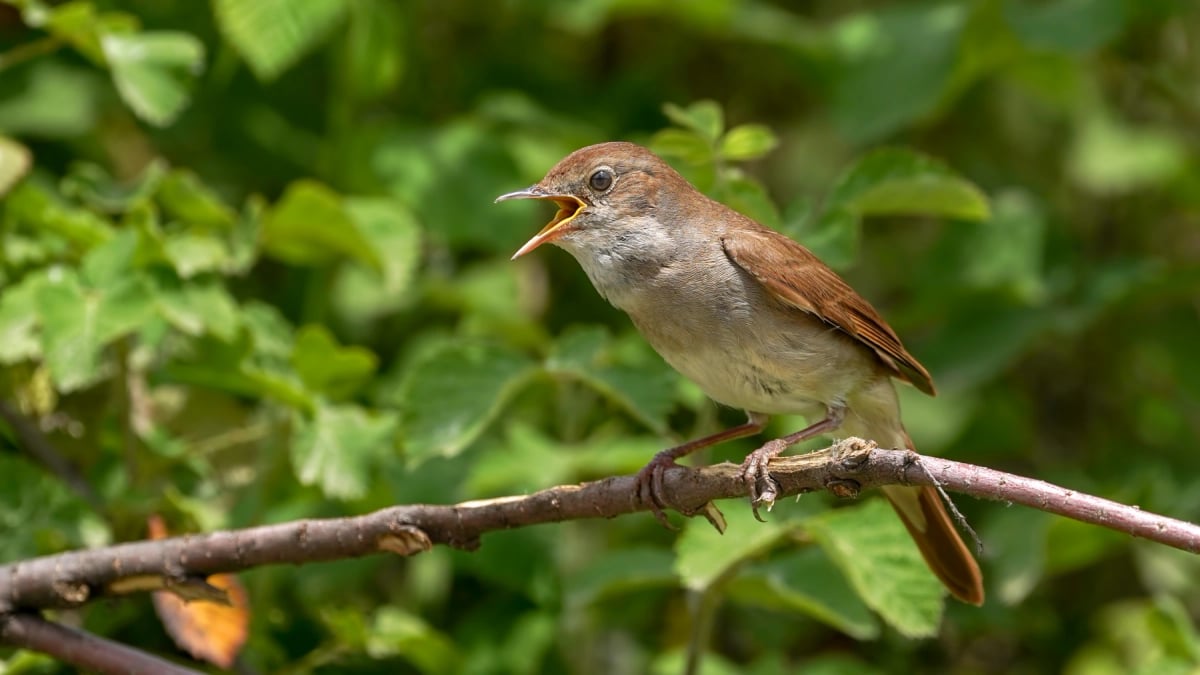
Nightingale
Luscinia megarhynchos
Hungary is excellent nightingale country. The bird breeds widely across the lowlands, favouring the dense riverside thickets and scrubby woodland edges along the Danube and Tisza rivers. Males sing through May and June, and their powerful voices carry far across the flat Hungarian plains at night. In autumn, birds leave for sub-Saharan Africa. The nightingale holds a cherished place in Hungarian culture and folklore. Its IUCN status is Least Concern.
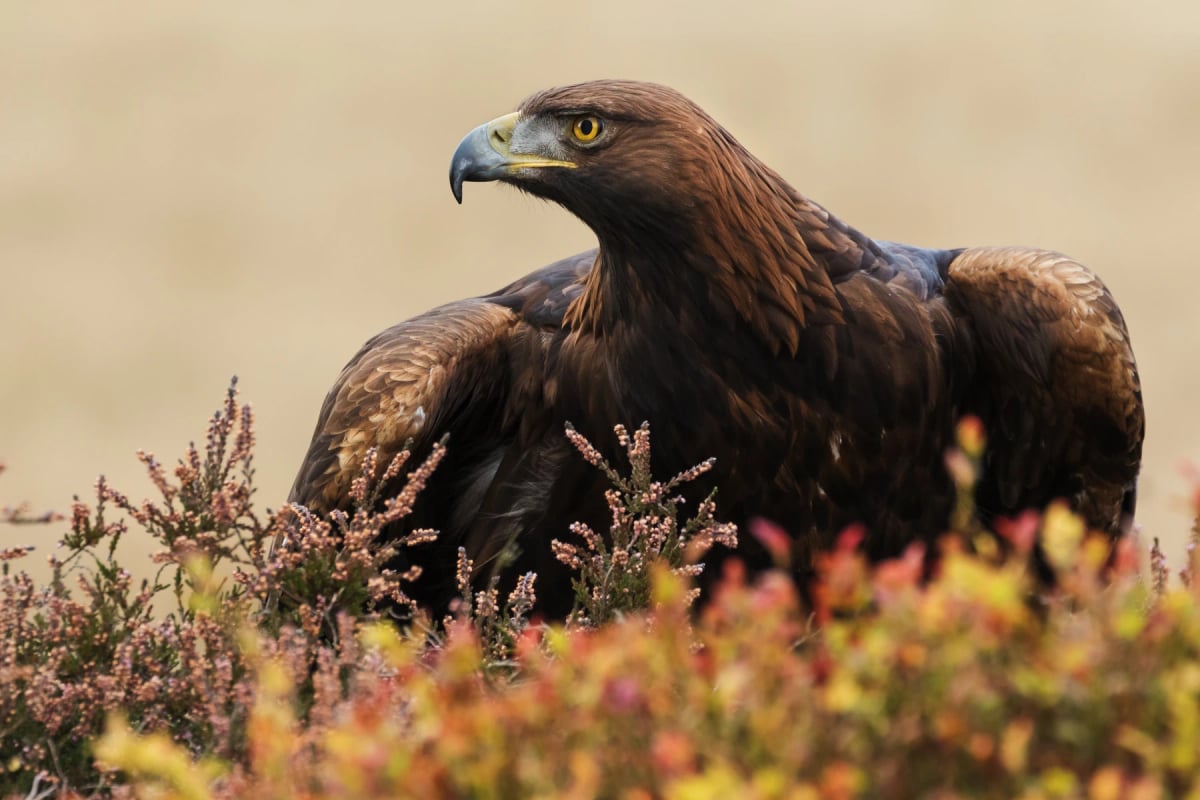
Golden Eagle
Aquila chrysaetos
In Hungary, the golden eagle is a rare but regular visitor to the northern hills and the Aggtelek region, with occasional nesting recorded in forested uplands near the Slovak border. It hunts over open farmland and woodland edges, targeting rabbits and pheasants. Conservation efforts have helped stabilise its presence. The IUCN lists it as Least Concern, but it remains one of Hungary's most protected birds.
Researched and written by Juan Pablo. Sources: IUCN Red List, scientific literature and regional field guides. Last updated: .