Asian Elephant
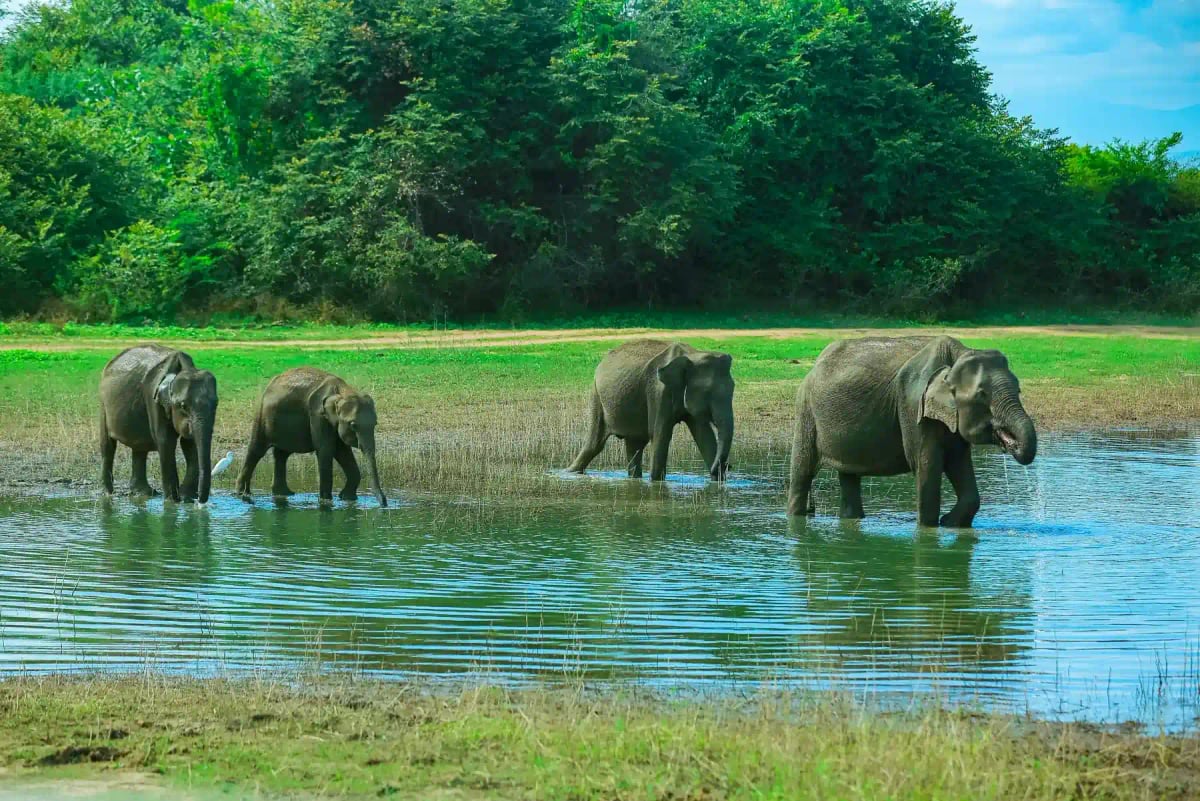
The Asian elephant (Elephas maximus) is the largest land animal in Asia and one of only three surviving elephant species on Earth. Found across forests, grasslands, and scrublands in South and Southeast Asia, it is distinguished from its African relatives by smaller ears, a domed head, an arched back, and a trunk that ends in a single projection. Females form tight matriarchal herds guided by the oldest and most experienced female, cooperating to raise and protect young. Historically domesticated for transport, logging, and ceremonies, the species now faces serious pressure from habitat loss, human conflict, and poaching. Fewer than 50,000 remain in fragmented populations, and the IUCN classifies it as Endangered.
Differences with the African elephant
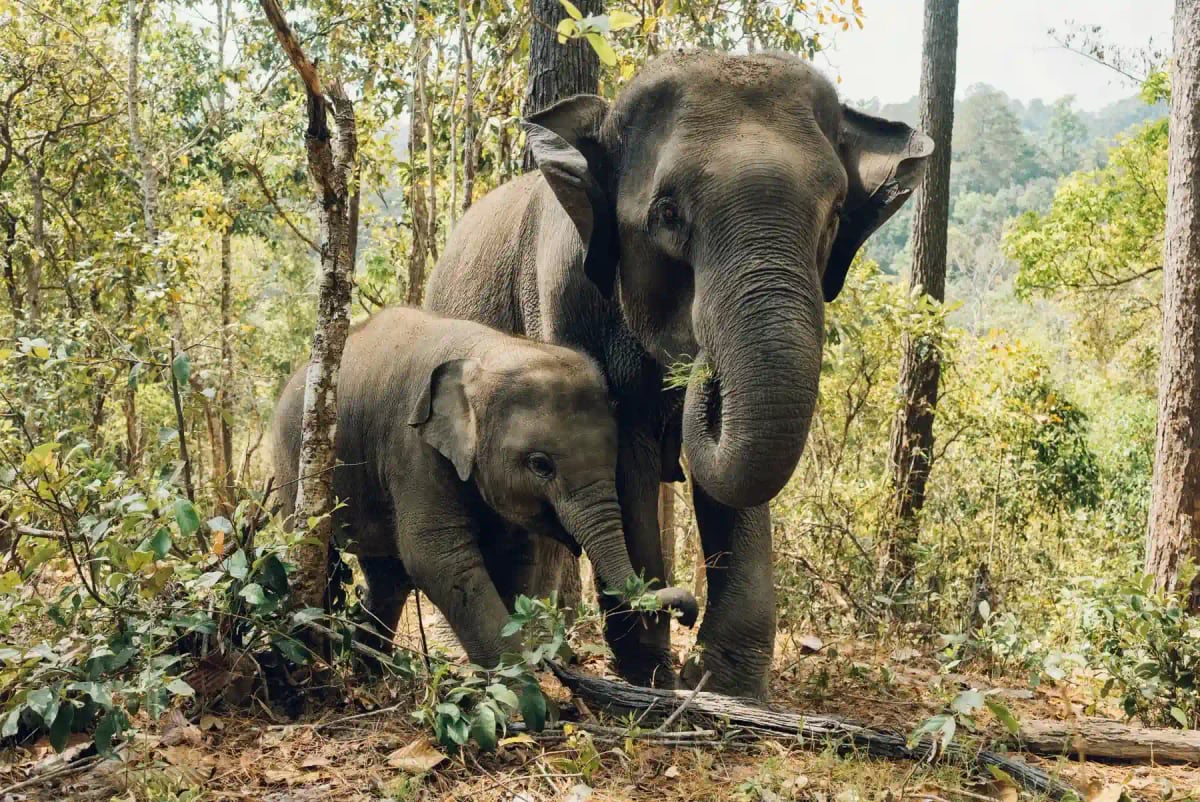
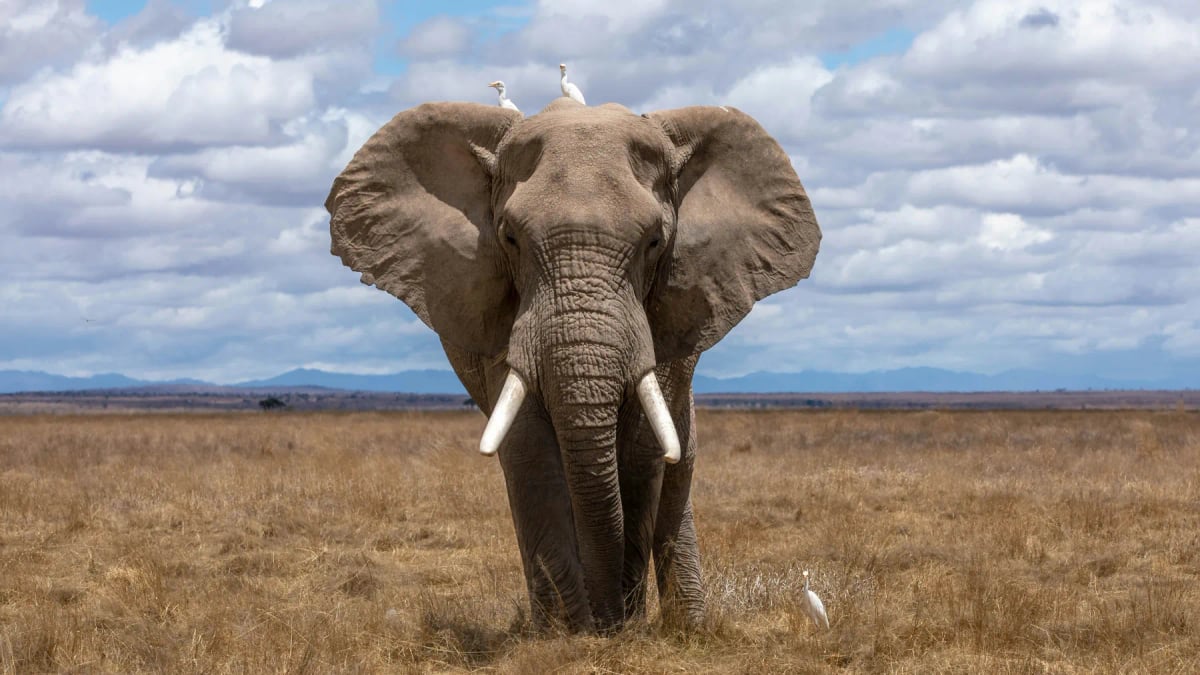
Asian elephants differ from their African relatives in several physical traits. Their ears are much smaller and rounder, helping regulate heat in their forest environments. The back curves upward rather than forming the concave shape seen in African elephants, and the trunk ends in a single projection for grasping, compared to two in African species. Asian elephants are generally smaller and lighter. Males frequently lack tusks entirely, a trait far less common in African elephants. These differences reflect millions of years of evolution along separate paths on two continents.
Diet
Asian elephants are strictly herbivorous and spend between 12 and 18 hours a day feeding. Their diet includes grasses, leaves, bark, roots, and fruit, and the specific mix changes with the season and habitat. An adult can consume up to 150 kilograms of vegetation each day and drink around 150 liters of water. They also play an important ecological role as seed dispersers: seeds are swallowed whole, pass through the digestive system intact, and germinate far from the parent plant, helping regenerate the forests and grasslands they inhabit.
Social structure
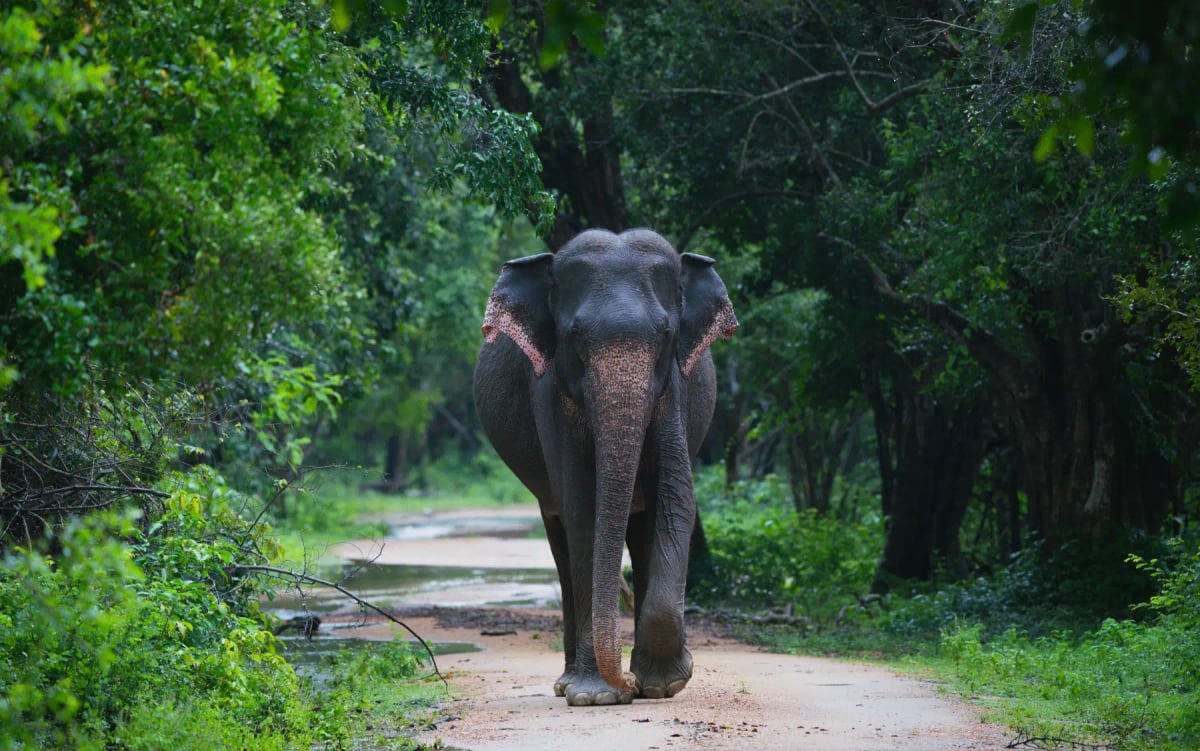
Asian elephants live in close family groups led by the oldest and most experienced female, the matriarch. These herds include related females and their young, and members cooperate to protect calves and guide the group toward food and water. Adult males leave their birth herd as they mature and live mostly alone, occasionally joining loose groups with other males. During breeding season, males enter a state called musth, a period of elevated hormones that drives them to seek receptive females.
Cultural significance
The Asian elephant holds a profound place in the cultures of South and Southeast Asia. For thousands of years it was used for transport, logging, warfare, and religious ceremonies. In Hindu tradition, Ganesha, depicted with the head of an elephant, is one of the most widely worshipped deities. White elephants carry special sacred status in Thailand, Myanmar, and Sri Lanka. Today, while industrial use has declined, elephants remain central to festivals and tourism, and welfare organizations continue to debate the ethics of keeping them for these purposes.
Conservation
The Asian elephant is classified as Endangered on the IUCN Red List, with an estimated population of 40,000 to 50,000 individuals across fragmented habitats. The main threats are deforestation and agricultural expansion, which cut off migration routes between forest patches and reduce available territory. Conflict with human communities over crops is a leading cause of elephant deaths in several countries. Poaching for ivory and, in some regions, live capture also affect populations. Conservation programs focus on habitat corridors, conflict mitigation, and community engagement to secure the species' future.
Where it is found
The Asian Elephant can be found in places such as:
Researched and written by Juan Pablo. Sources: IUCN Red List, scientific literature and regional field guides. Last updated: .
Technical factsheet





Frequently Asked Questions
What do Asian elephants eat?
Asian elephants are herbivores that spend up to 18 hours a day feeding. Their diet includes grasses, leaves, bark, roots, and fruit, varying by season and location. An adult consumes around 150 kilograms of vegetation daily and drinks up to 150 liters of water. As seed dispersers, they swallow seeds whole, which pass through their digestive system and germinate far from the parent plant, helping regenerate the forest ecosystems across their range.
How many Asian elephants are left in the wild?
Estimates suggest between 40,000 and 50,000 Asian elephants remain in the wild, making them far rarer than African elephants. Populations are fragmented across 13 countries in South and Southeast Asia, with India holding the largest share, around 60 percent of the total. Numbers have declined sharply over the past century due to habitat loss, poaching, and conflict with humans, and the species is classified as Endangered by the IUCN.
Are Asian elephants dangerous to humans?
Asian elephants can be dangerous, particularly males in musth, a hormonal state that makes them aggressive and unpredictable. Wild elephants that raid crops often come into violent conflict with farmers, and conflict between humans and elephants kills hundreds of people and elephants each year across Asia. Captive elephants have also caused deaths of handlers and tourists. Despite this, wild elephants generally avoid people when given space, and attacks are typically defensive responses to feeling threatened.
What is the difference between Asian and African elephants?
Asian and African elephants differ in multiple ways. Asian elephants have smaller, rounded ears, a domed head, and a trunk with a single tip projection. African elephants are larger, with ears shaped like a fan that help regulate body temperature, and a trunk ending in two tips. In Asian elephants, only some males develop tusks, while in African species both sexes typically have them. The two groups belong to different genera and have been evolving separately for millions of years.
Where do Asian elephants live?
Asian elephants are found across more than a dozen countries in South and Southeast Asia, from India and Sri Lanka in the west to Indonesia in the east. They inhabit tropical and subtropical forests, grasslands, and scrublands at various elevations. India holds the largest population, followed by Sri Lanka and Myanmar. Elephants need large, connected areas of habitat to find food, water, and mates, which makes them particularly vulnerable to forest fragmentation caused by roads, farms, and human settlements.
Why are Asian elephants endangered?
Asian elephants are Endangered because their habitat has shrunk dramatically over the past century. Deforestation for agriculture, logging, and development has destroyed and fragmented forests across their range, leaving populations isolated with limited food and space. Poaching for ivory remains a problem in some areas, and thousands of elephants are killed each year in conflicts with farmers over crops. Climate change is an emerging threat, altering the availability of water and vegetation that elephants depend on.
How long do Asian elephants live?
Asian elephants can live up to 60 years in the wild, though many do not reach that age due to habitat loss, disease, and conflict with humans. Their lifespan is closely tied to the condition of their teeth: elephants go through six sets of molars over a lifetime, and when the last set wears out, they can no longer chew food effectively and eventually starve. In captivity, some individuals have exceeded 80 years under dedicated veterinary care.