Animals in Madagascar
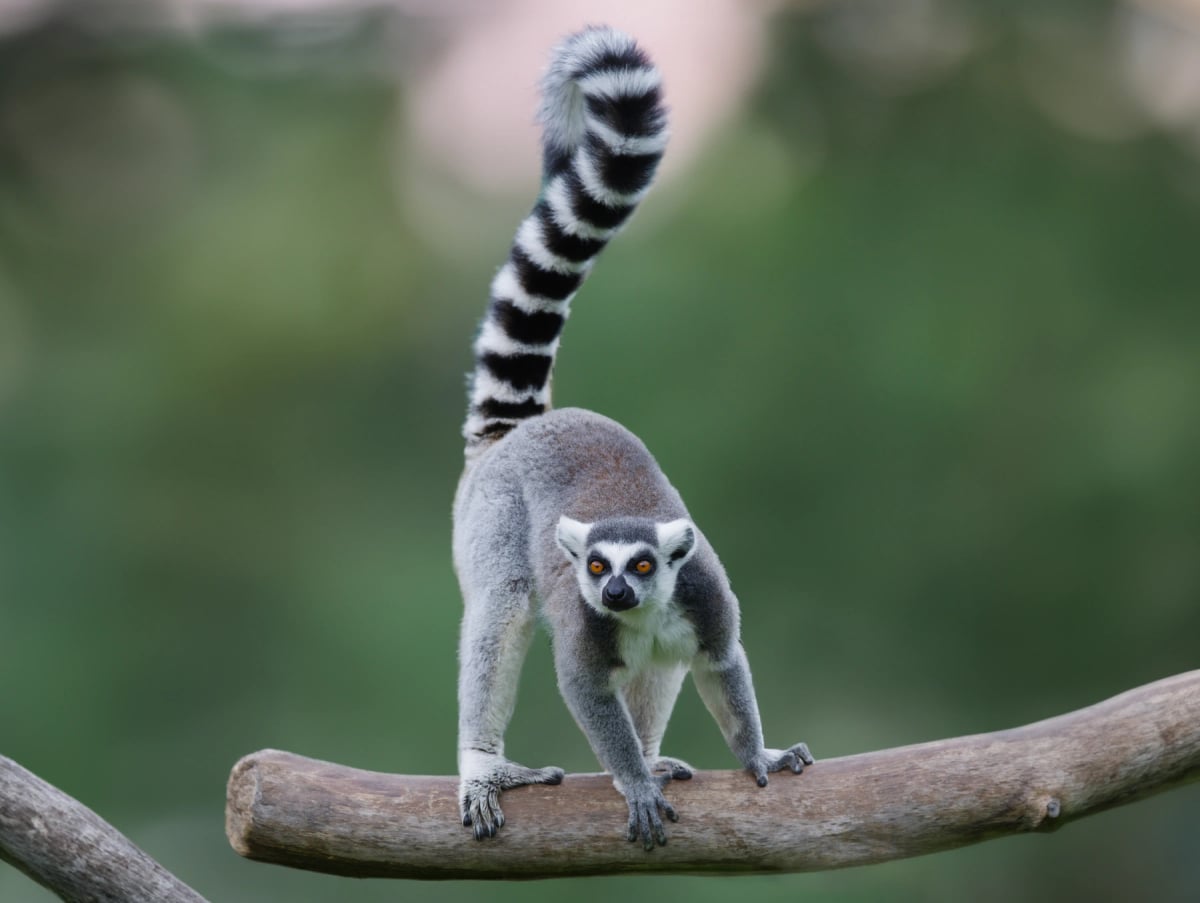
Ring tailed Lemur
Lemur catta
The ring tailed lemur, Madagascar’s national animal, is recognized by its striped tail and curious eyes. It moves in groups across dry forests and rocky areas, representing the island’s spirit of adaptation. Its popularity helps raise awareness about protecting habitats and supporting local conservation programs.
View details→Wildlife in Madagascar
Madagascar’s wildlife is among the most unique on Earth. Lemurs, chameleons, fossas and colorful frogs live in rainforests, dry forests and coral reefs filled with marine life. The island’s long isolation created ecosystems that attract travelers, scientists and photographers eager to experience true natural diversity.
Most Dangerous Animals in Madagascar
Madagascar has few dangerous animals, yet caution is needed in forests and coastal waters. Crocodiles live in rivers, fossas hunt small prey, and some marine creatures may sting or bite. Guided tours help visitors explore safely while respecting local wildlife and its natural spaces.
Top 10 Animals in Madagascar
Lemurs, fossas, chameleons, whales and dolphins stand out among Madagascar’s most famous animals. National parks like Andasibe and Isalo allow visitors to see rare species while learning about the fragile ecosystems that make this island a top destination for ecotourism and research.
Ring tailed Lemur
Lemur catta
The ring tailed lemur is Madagascar's most recognizable primate, found in the dry forests and rocky scrublands of the island's south and southwest. Female led groups of around 15 individuals forage for fruits, leaves, and flowers across the ground and low canopy. Habitat loss from slash and burn farming and charcoal production has pushed this species to Endangered status, with wild populations declining sharply in recent decades.
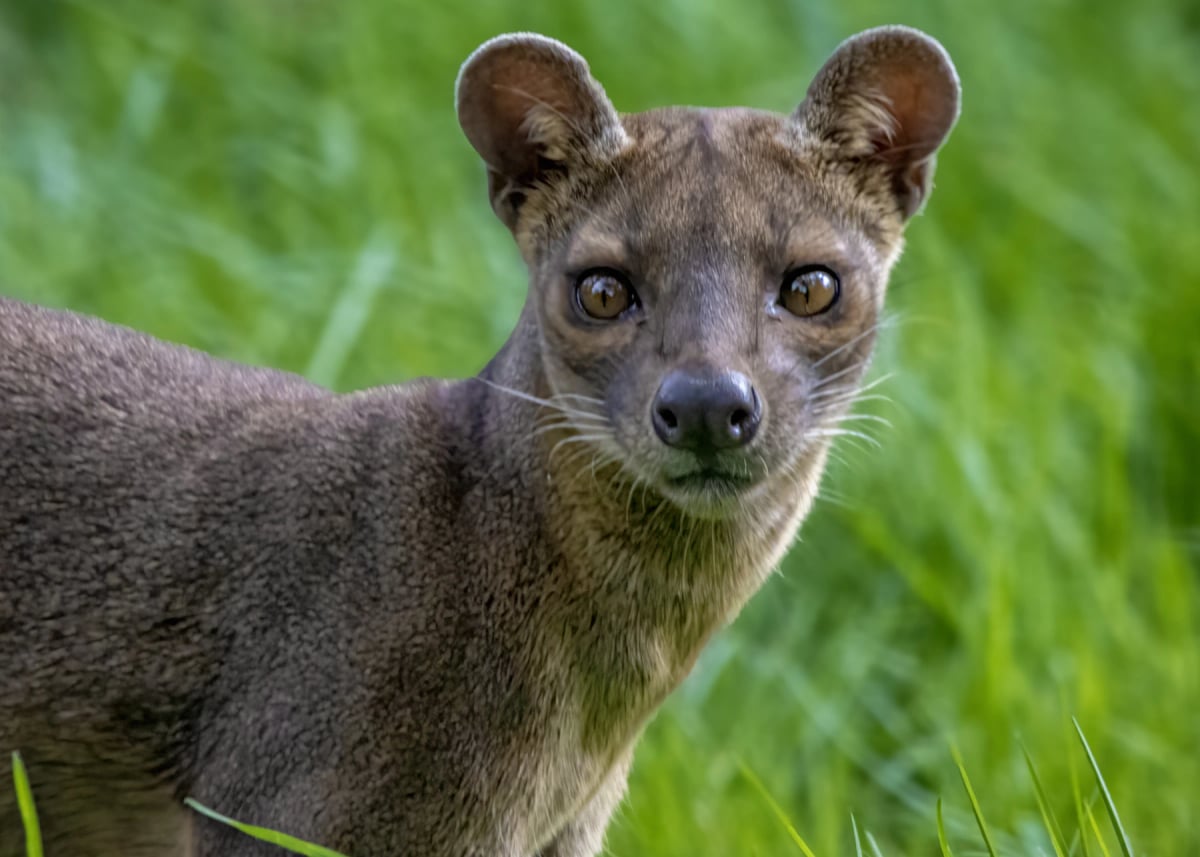
Fossa
Cryptoprocta ferox
The fossa is Madagascar's largest mammalian predator and the only apex predator among the island's native mammals. Found across forests from the dry deciduous woodlands of the west to the rainforests of the east, it sits at the top of the food chain. Lemurs form a big part of its diet. Deforestation across Madagascar has shrunk its habitat, and the IUCN lists it as Vulnerable.
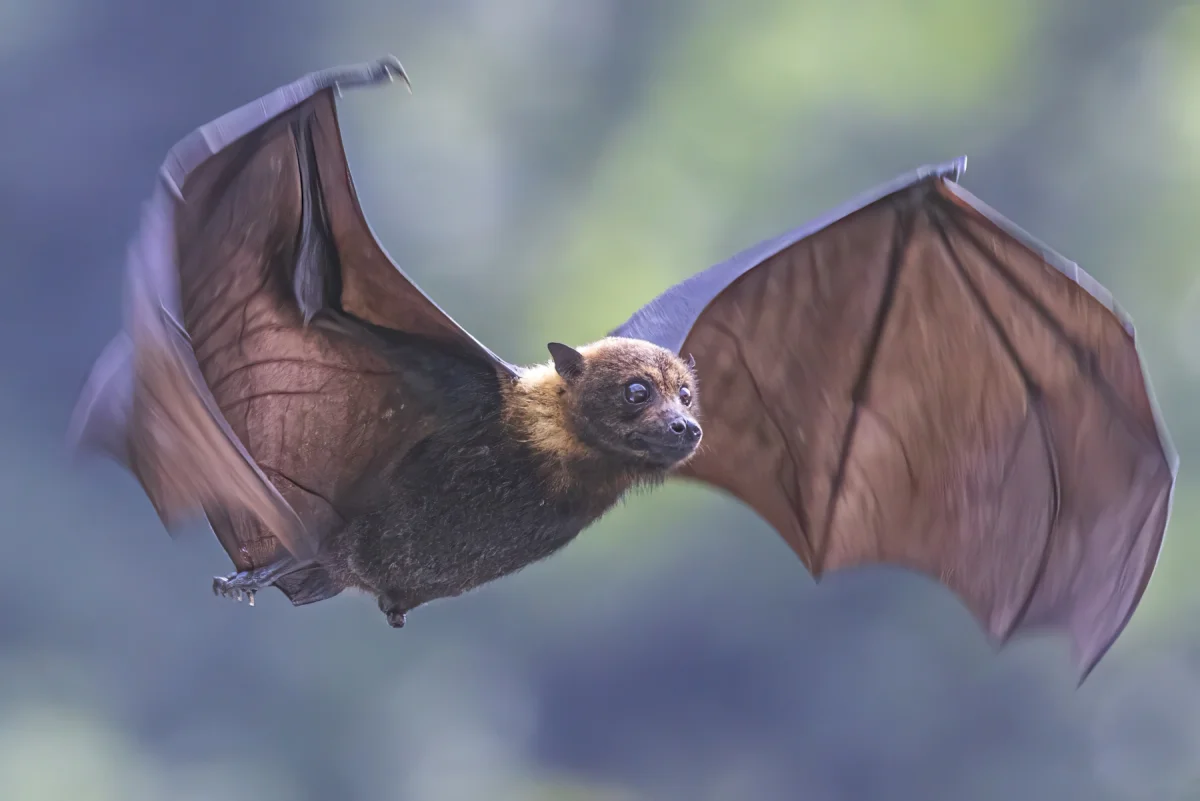
Fruit Bat
Pteropodidae
Madagascar is home to several fruit bat species found nowhere else on Earth, including the Madagascar flying fox. They inhabit tropical forests across the island, from the eastern rainforests to the drier western woodlands. These bats are critical pollinators and seed dispersers for Madagascar's many unique plant species. Unfortunately, they are also hunted for food in many regions, putting pressure on local populations alongside ongoing habitat loss.
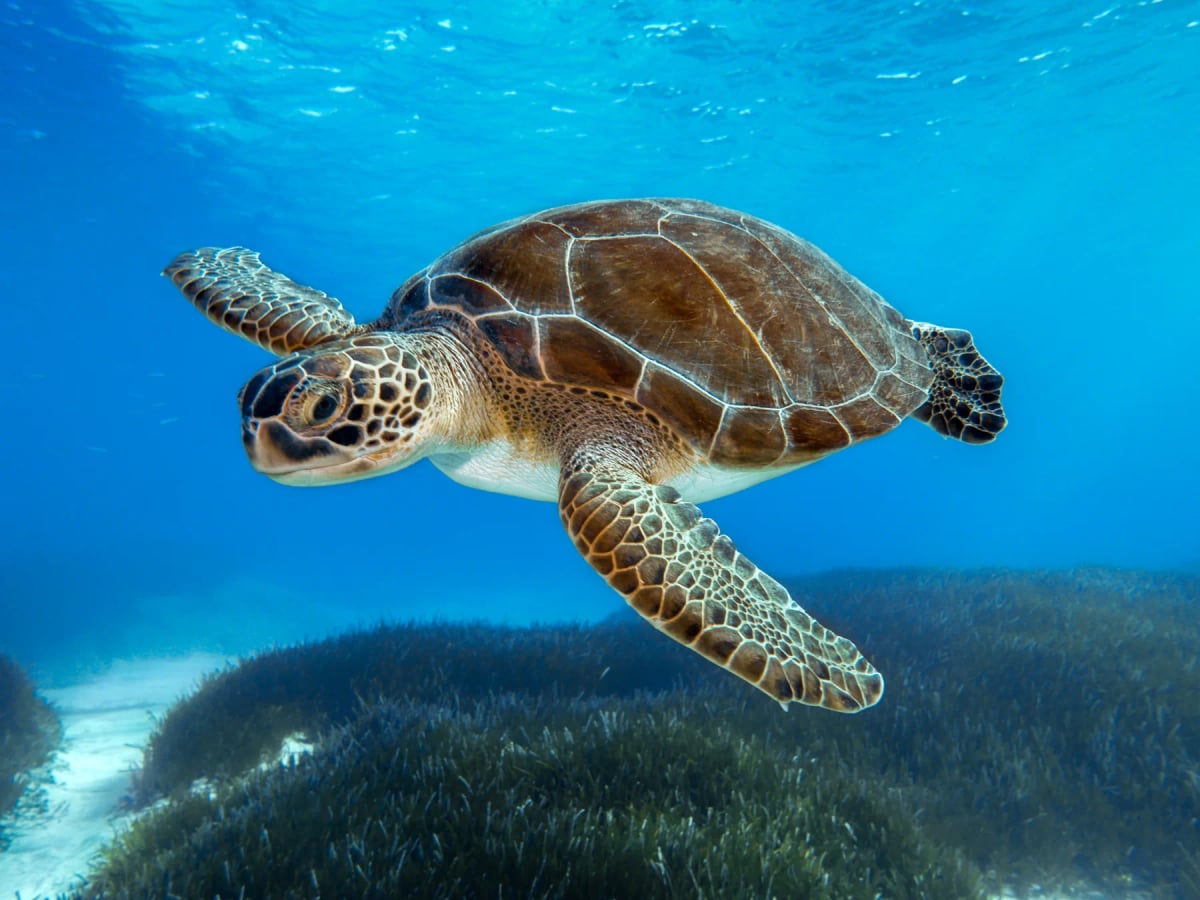
Sea Turtle
Cheloniidae & Dermochelyidae (families)
Madagascar's extensive coastline along the Indian Ocean and the Mozambique Channel provides important habitat for green, hawksbill and loggerhead sea turtles. Several coastal areas and offshore islands have documented nesting populations, with hawksbill turtles particularly associated with the coral reef systems along the northwest coast. The Nosy Be archipelago and the Barren Islands are among the more significant turtle areas. Conservation programs operate in parts of the country, though resource limitations and egg poaching remain ongoing challenges.
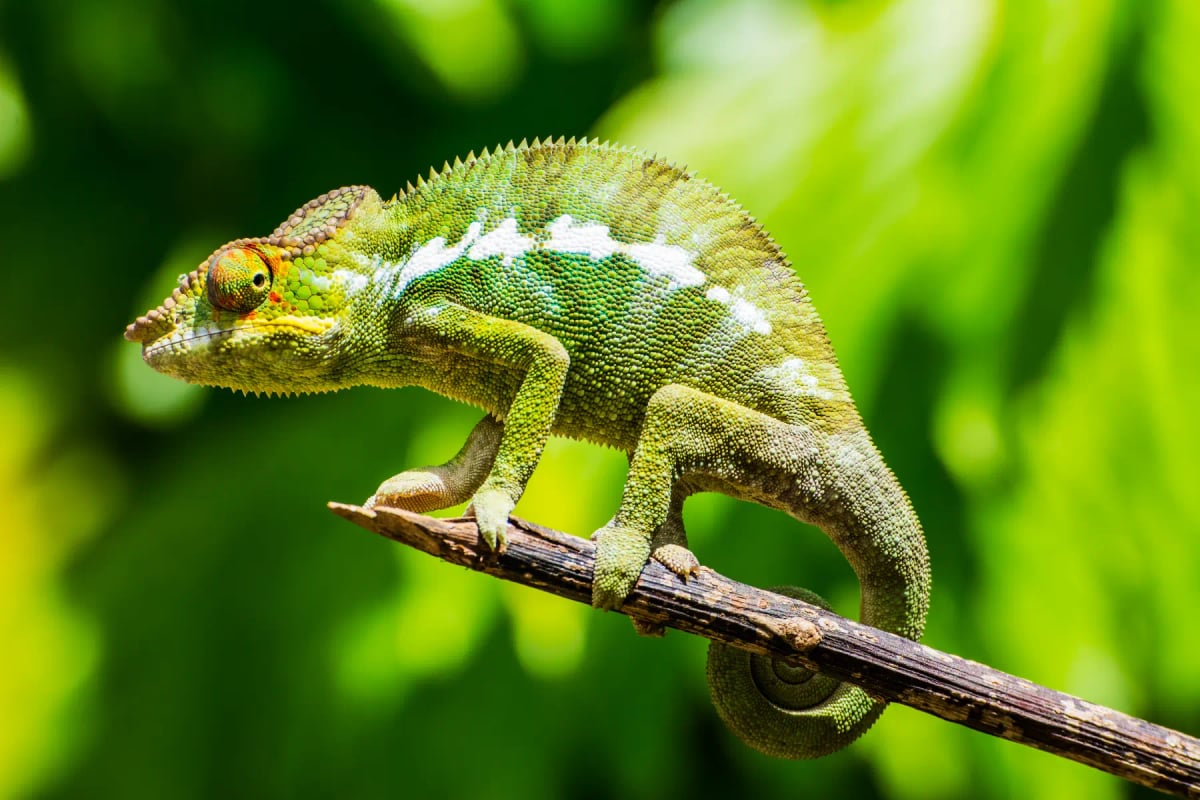
Chameleon
Chamaeleo chamaeleon
Although Madagascar is world renowned for its diversity of chameleon species, the common chameleon (Chamaeleo chamaeleon) is not among its native fauna. Records of this species on the island are considered introduced rather than naturally occurring. Madagascar's own chameleon species, belonging to genera such as Furcifer and Calumma, fill equivalent ecological roles across the island's forests and savannas. IUCN status: Least Concern.
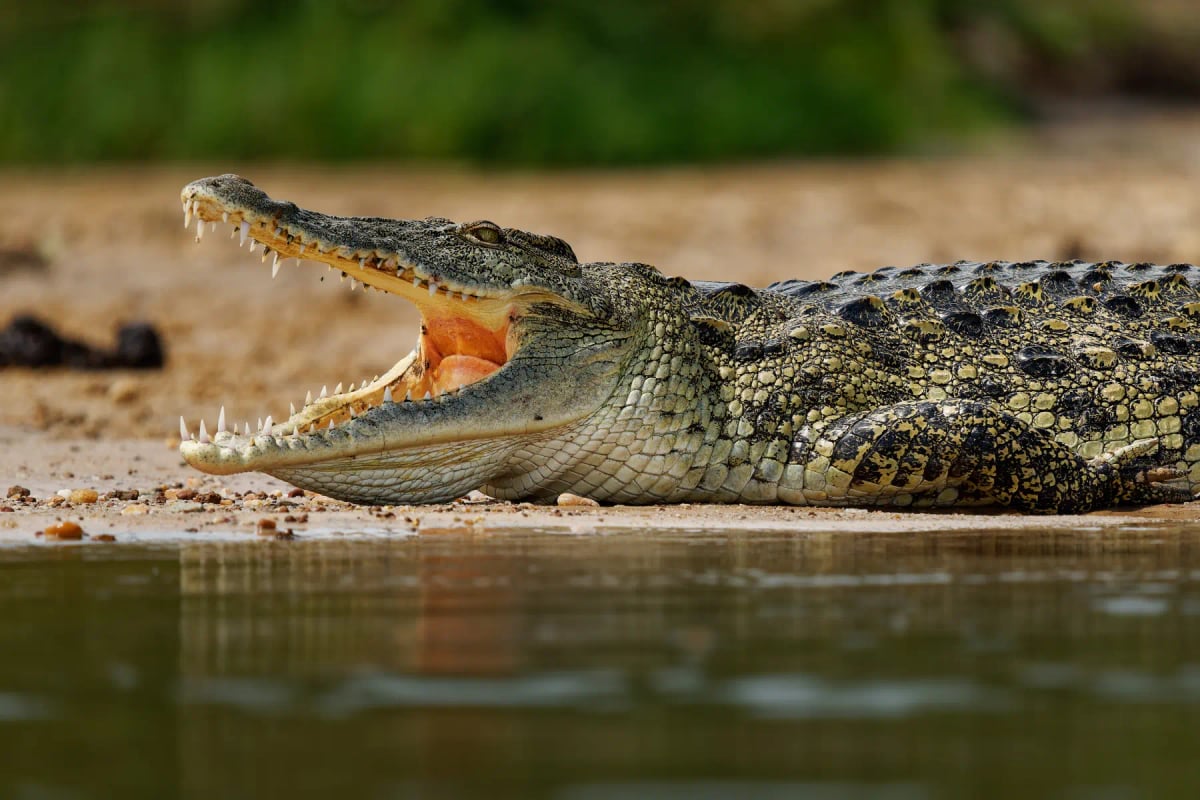
Nile Crocodile
Crocodylus niloticus
Madagascar hosts a native population of Nile crocodiles, found mainly in the rivers and lakes of the western and northern regions, including the Mahajamba and Betsiboka river basins. Isolated from mainland Africa, this island population has developed within a unique ecological setting. Conflict with local fishing communities is a serious concern, and the IUCN lists the species as Least Concern globally, though Madagascar's population faces localized pressures.
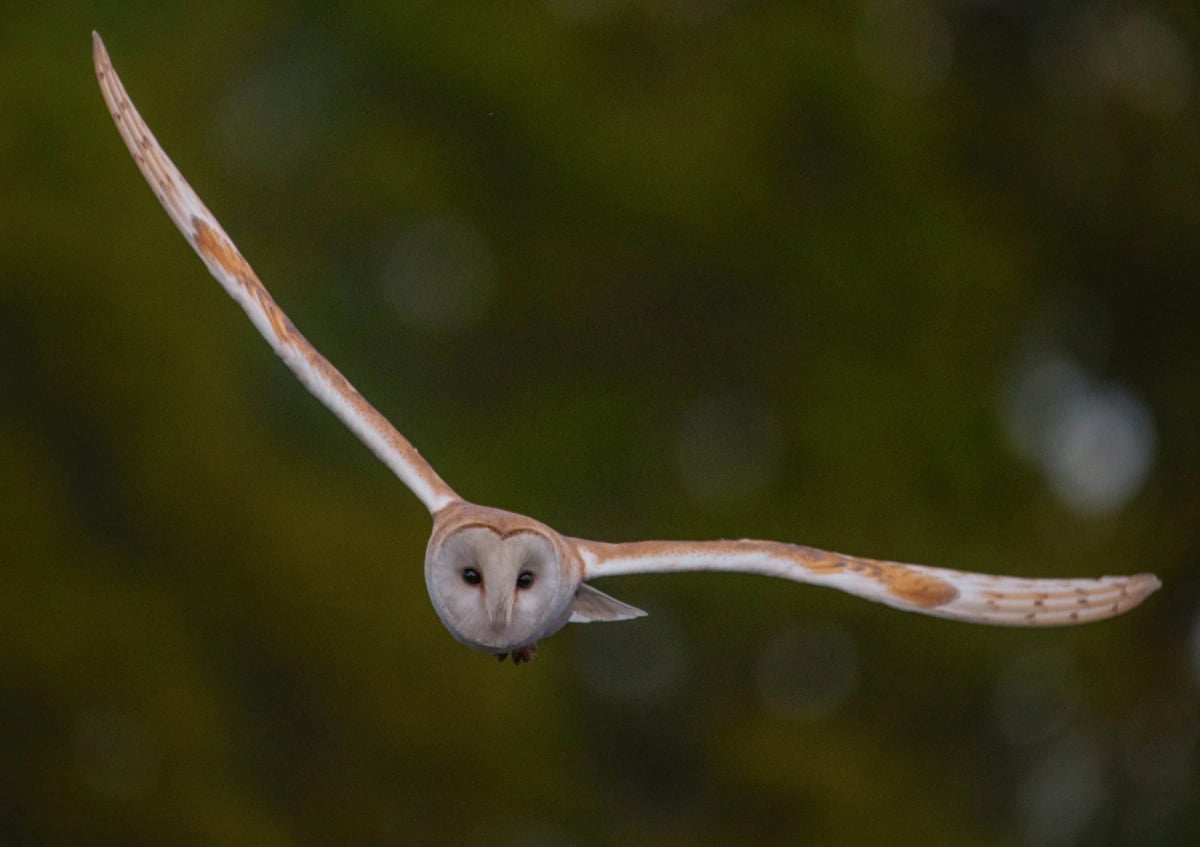
Barn Owl
Tyto alba
The barn owl is found across Madagascar in open farmland, grassland, and the outskirts of towns and villages across much of the island. It nests in old buildings, cliff faces, and hollow trees, and hunts rodents at night. Madagascar has its own endemic subspecies, and the species is present from the coastal lowlands to the central highlands. In farming communities it is valued for controlling the rat populations that damage rice crops, the country's staple food. It is one of the more widespread owls on the island.
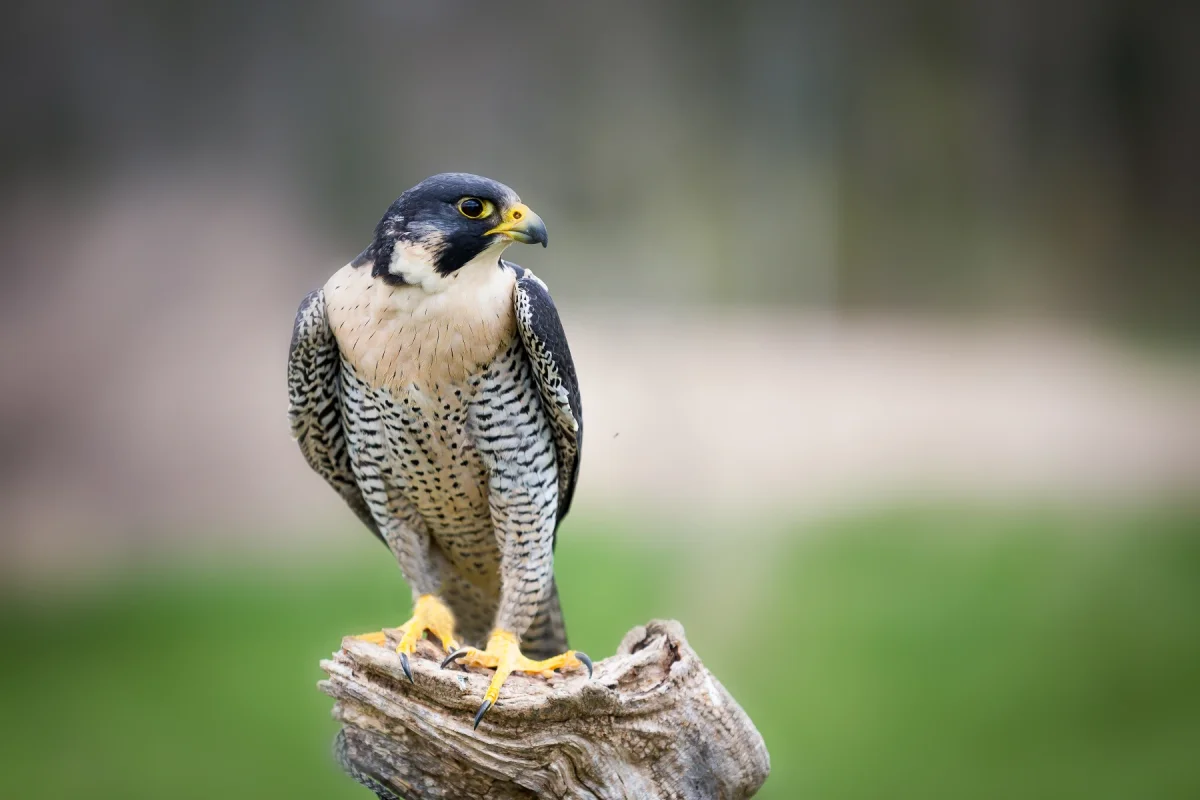
Peregrine Falcon
Falco peregrinus
Madagascar is home to a resident subspecies of the peregrine falcon, found along the island's coastal cliffs and rocky highland areas. The central plateau and the rugged western escarpments both provide suitable nesting ledges. This falcon preys on the island's rich variety of birds, using its breathtaking diving speed to hunt in open country. The IUCN considers the global species to be of Least Concern.
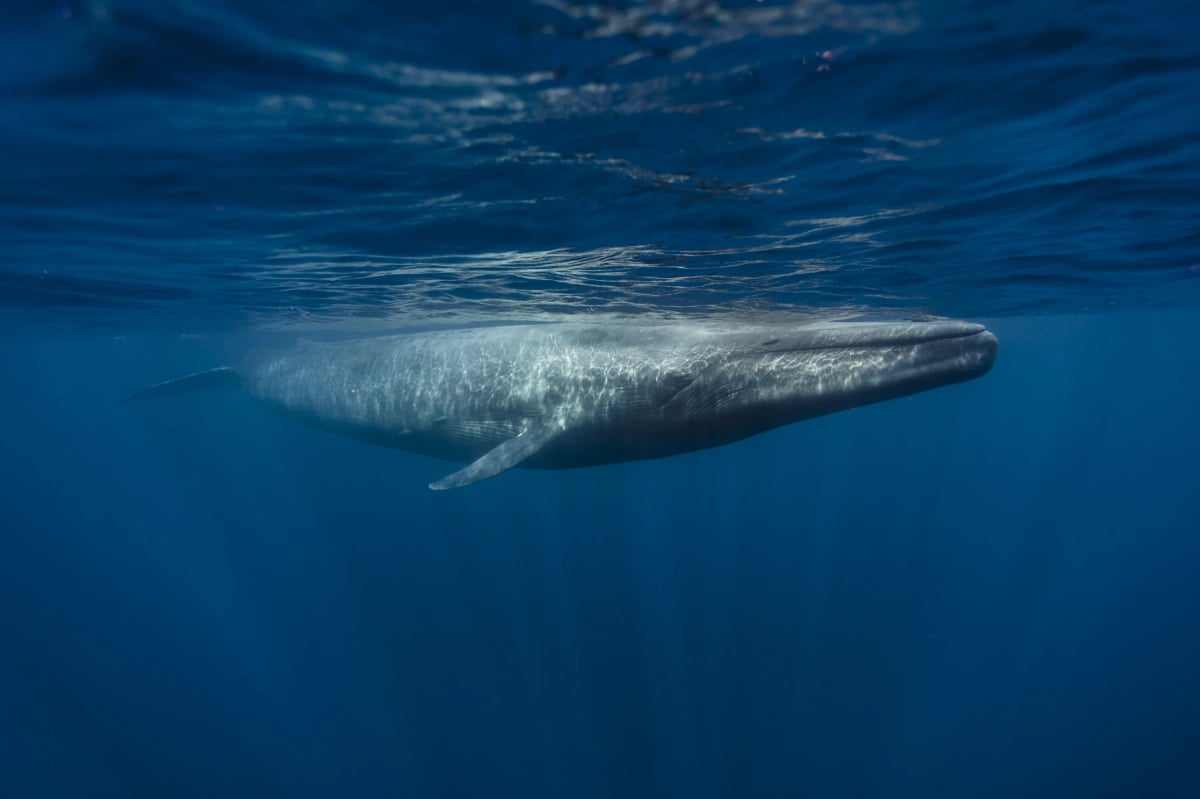
Blue Whale
Balaenoptera musculus
Madagascar's position in the western Indian Ocean places it along a migratory corridor used by blue whales moving through tropical and subtropical waters. The seas surrounding the island, including the Mozambique Channel, offer important passage habitat for this species. A pygmy subspecies of blue whale is known to use the Indian Ocean, and sightings in this region have been recorded. As an Endangered species, blue whales here face pressure from shipping traffic and fishing activity.
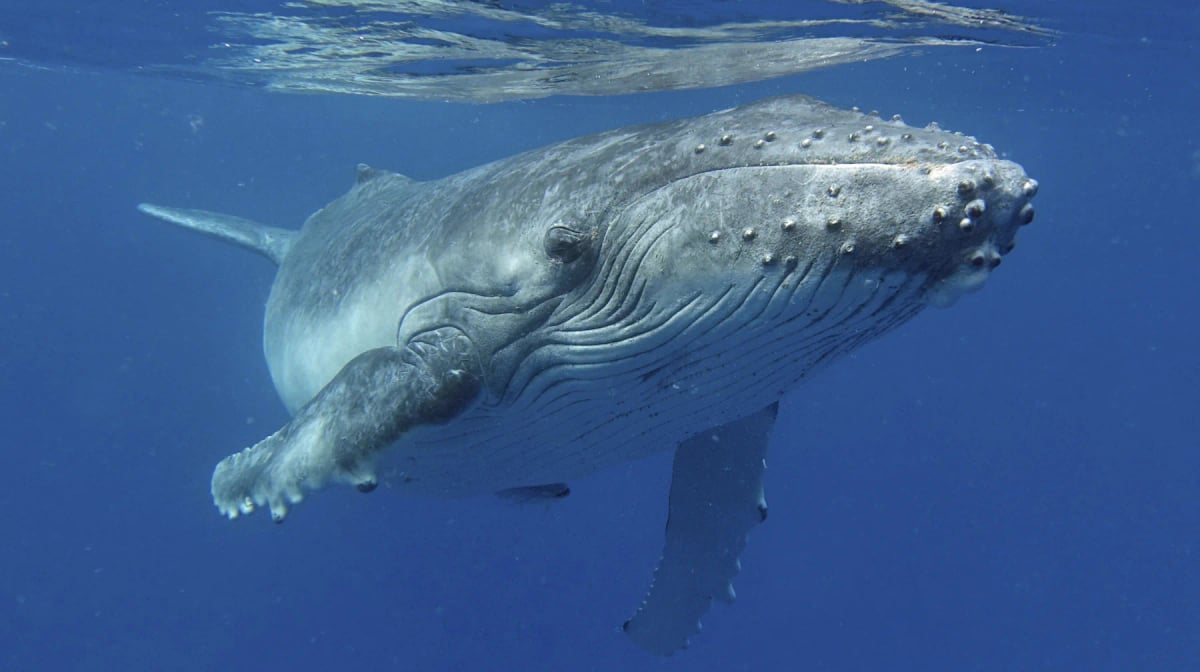
Humpback Whale
Megaptera novaeangliae
Humpback whales visit Madagascar's waters each year, with the Sainte Marie Channel serving as one of the most important breeding grounds in the Southern Hemisphere. Between July and September, mothers and calves gather in these warm, sheltered waters off the northeast coast. The species is classified as Least Concern by the IUCN, and Madagascar has become a key destination for whale watching tourism focused on conservation.
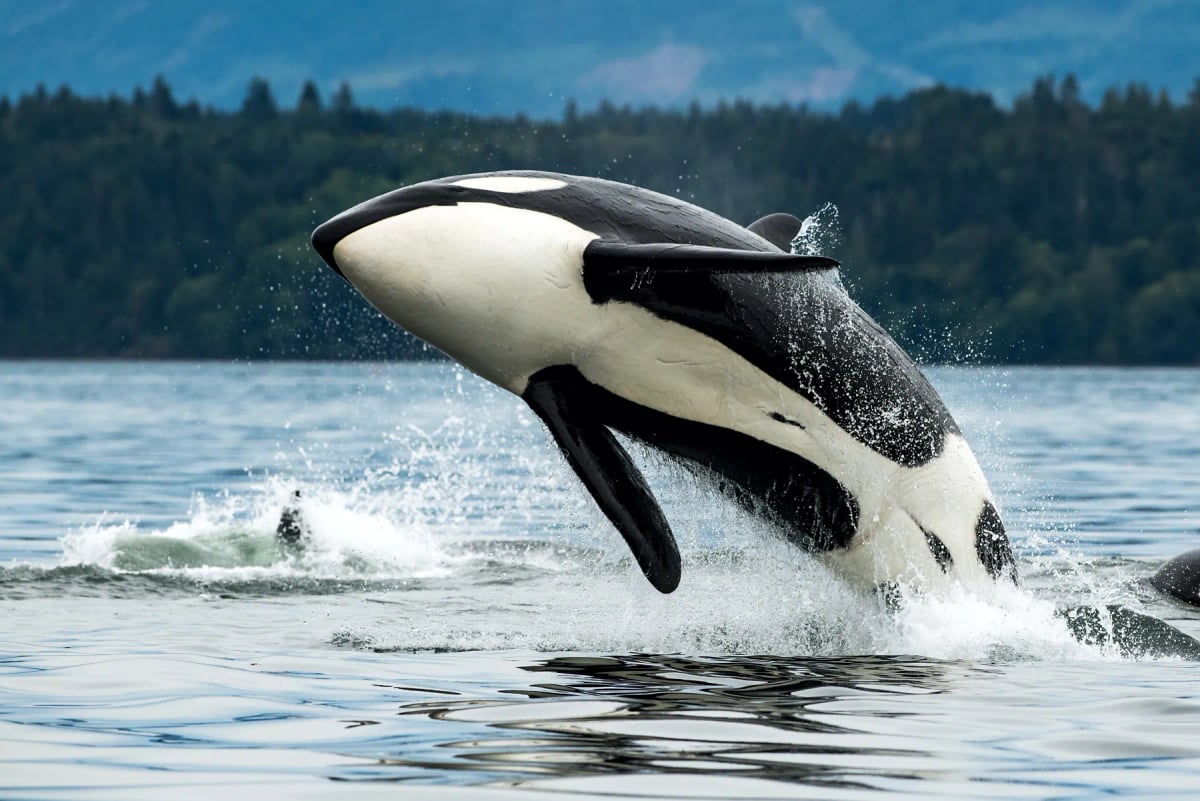
Orca
Orcinus orca
Orcas have been sighted in the waters surrounding Madagascar, including the Mozambique Channel to the west of the island. These appearances often coincide with the presence of humpback whales, which migrate through the channel seasonally, and orcas are known to target whale calves in some regions. Madagascar's rich and diverse marine environment makes it an important area for continued observation of large marine predators.
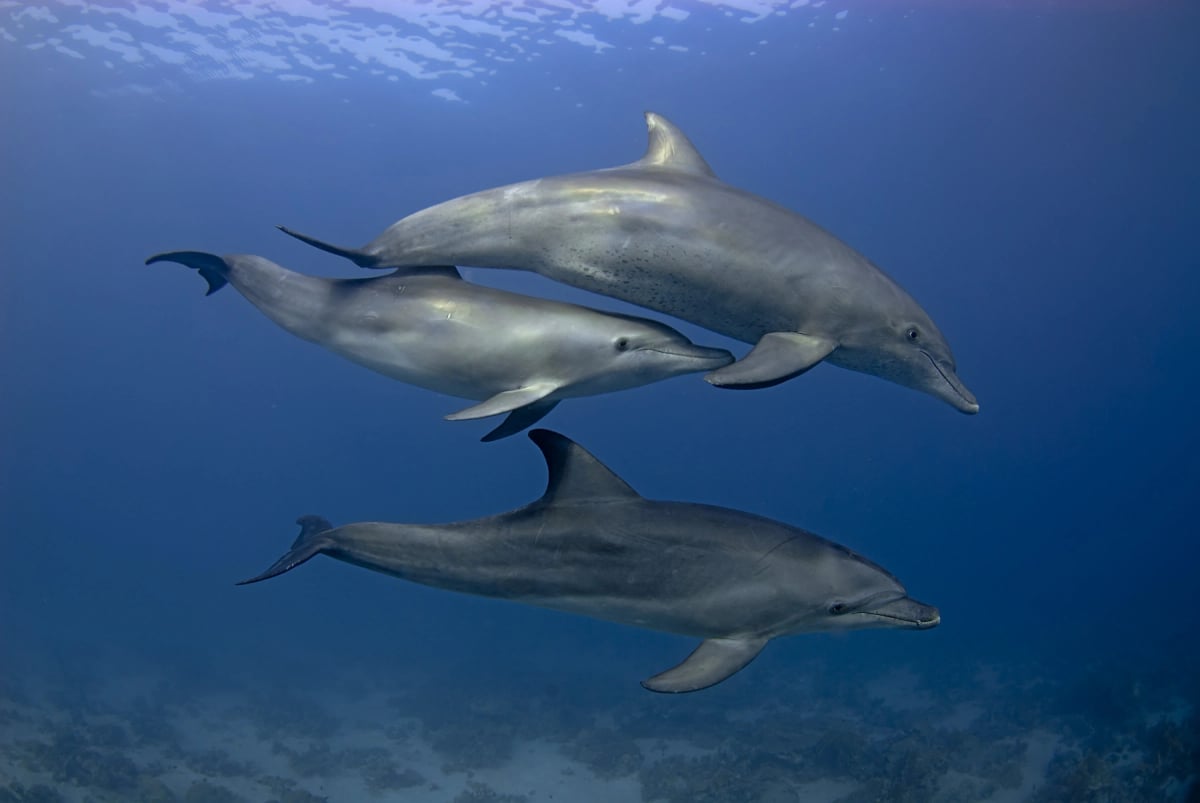
Bottlenose Dolphin
Tursiops truncatus
Bottlenose dolphins are found in the warm waters surrounding Madagascar, both along its western coast in the Mozambique Channel and along the eastern shore facing the Indian Ocean. They are regularly sighted near coral reefs, mangrove systems, and in sheltered bays. Classified as Least Concern by the IUCN, they face localized threats from artisanal fishing, incidental capture, and the degradation of coastal ecosystems across the island.
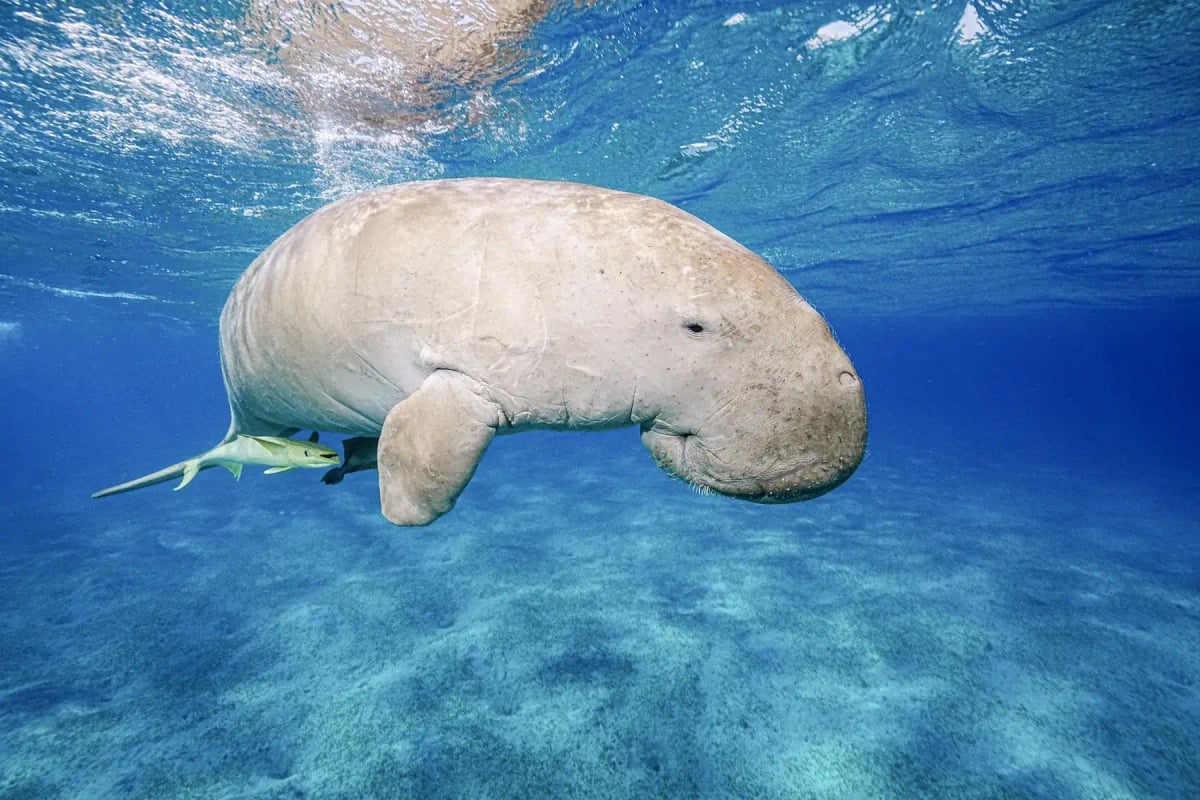
Dugong
Dugong dugon
Dugongs are found along the western coast of Madagascar, particularly in the shallow bays and seagrass beds of the Mozambique Channel. These waters offer rich grazing grounds, but dugongs here face serious pressure from accidental entanglement in fishing nets. The species is considered rare in Malagasy waters, and local communities are increasingly involved in efforts to monitor and protect remaining populations. IUCN status: Vulnerable.
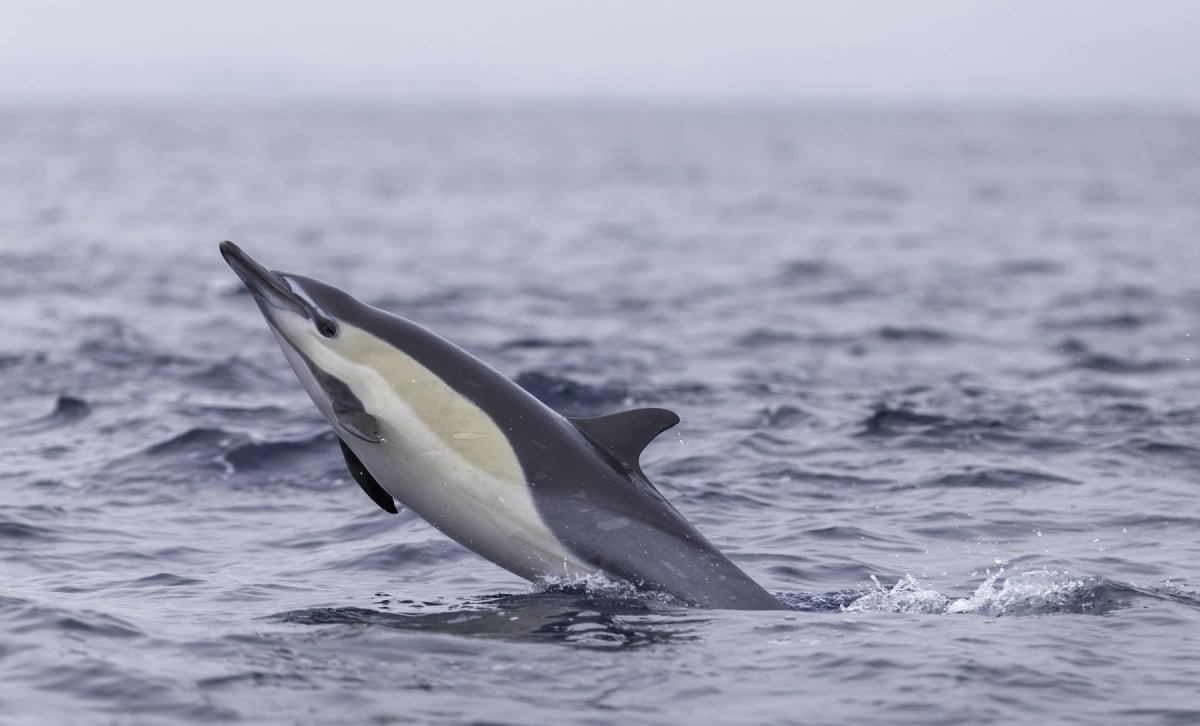
Common Dolphin
Delphinus delphis
Common dolphins inhabit the warm waters surrounding Madagascar, both in the Mozambique Channel to the west and the open Indian Ocean to the east. They are active hunters, cooperating to round up schools of small fish near the surface. Madagascar's rich marine biodiversity supports healthy prey populations for these dolphins. The IUCN lists the species as Least Concern globally, though local fishing interactions remain a consideration.
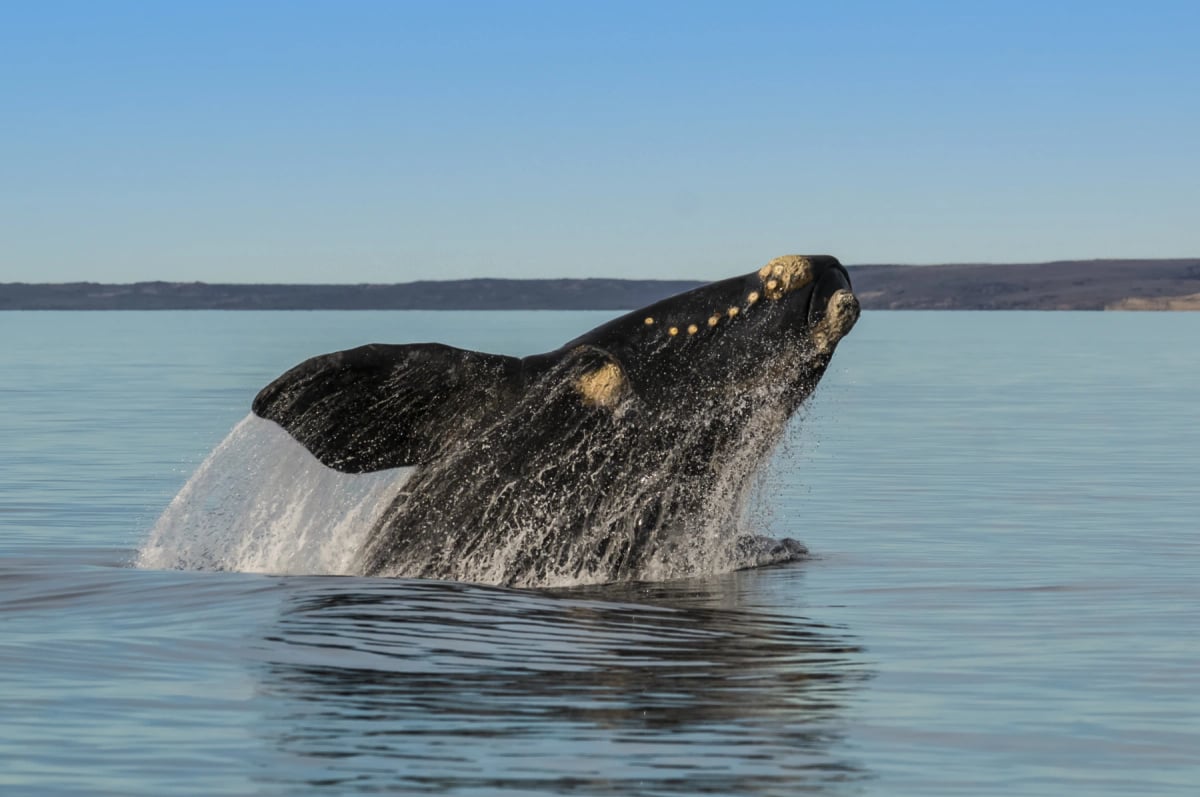
Southern Right Whale
Eubalaena australis
Southern right whales are occasionally recorded in the waters around Madagascar, particularly on the southwestern coast. These sightings are not as frequent as in core calving areas further south, but the region may serve as a migratory corridor or resting area for some individuals. Research into their presence around Madagascar is limited, and more data is needed to understand the role the island plays in their range. Listed as Least Concern.
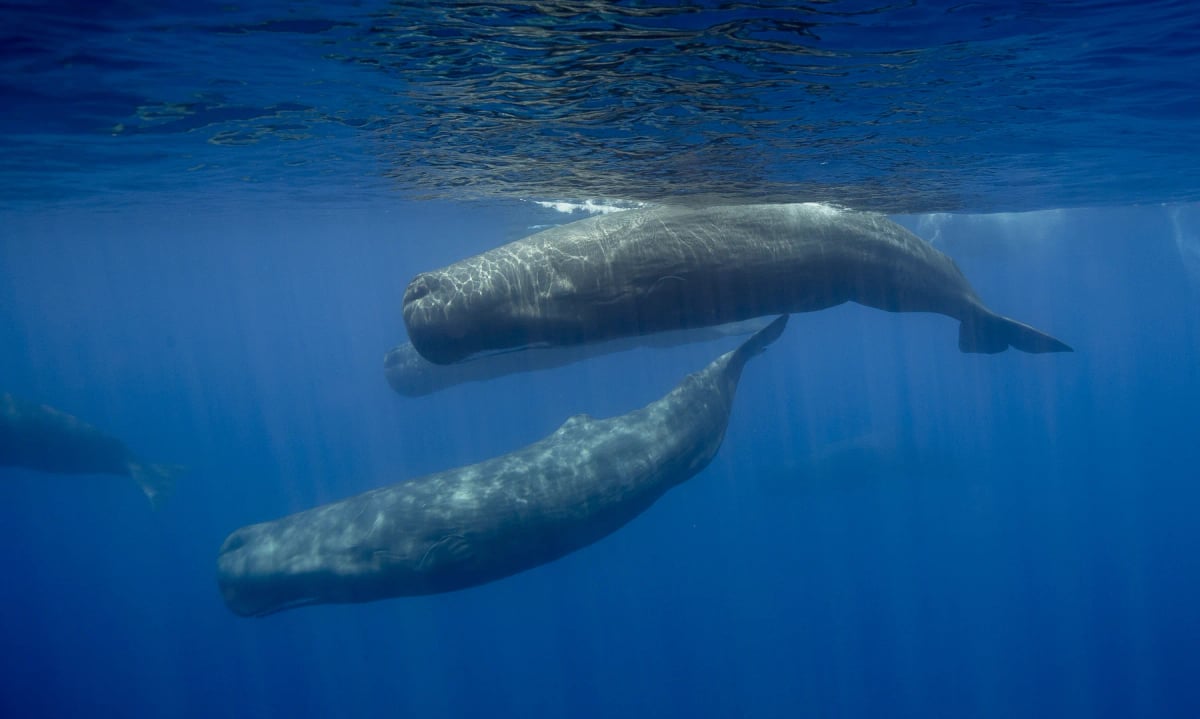
Sperm Whale
Physeter macrocephalus
The waters around Madagascar, particularly the deep channels of the Mozambique Channel and the open Indian Ocean to the east, are important habitat for sperm whales. Females and their calves are known to use the warm tropical waters off this island throughout the year. Madagascar's rich marine biodiversity supports the squid populations these whales depend on. Classified as Vulnerable, sperm whales here face risks from fishing gear entanglement and increasing vessel traffic.
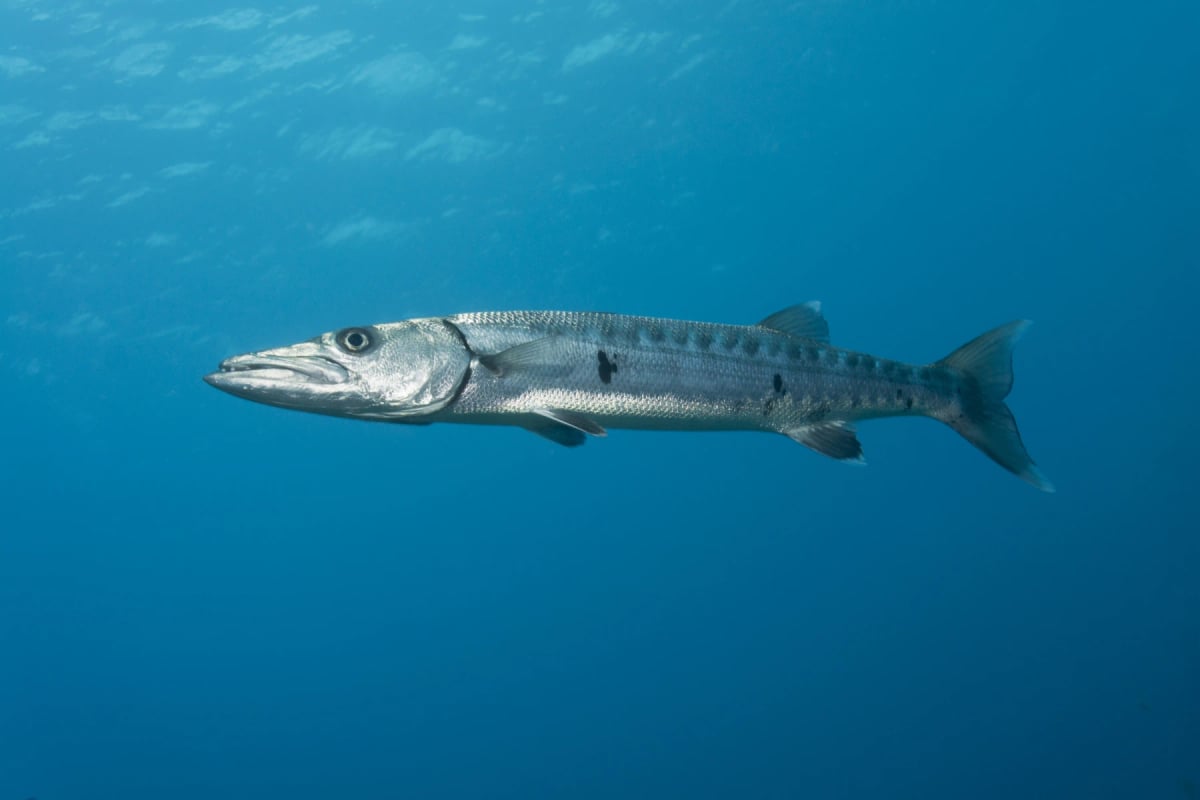
Barracuda
Sphyraena spp.
Barracudas are found throughout Madagascar's coastal and reef waters, inhabiting the coral reefs, rocky coastlines, and open bays along both the western and eastern coasts of this vast island. The great barracuda and other Indo-Pacific species are regularly encountered by divers around the reefs of Nosy Be in the northwest, the Radama Islands, and the remote reef systems of the south. Madagascar's extensive and largely undisturbed reef systems support healthy barracuda populations, and sightings are a regular feature of reef dives around the island.
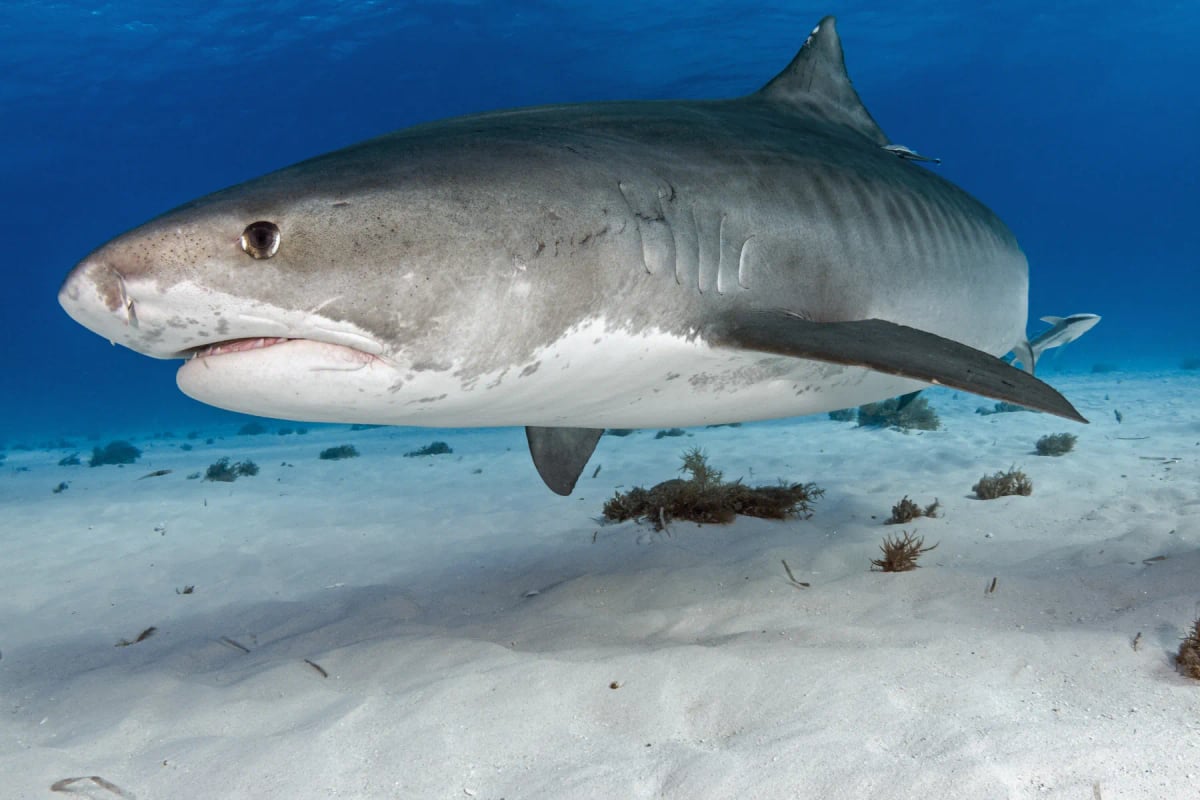
Tiger Shark
Galeocerdo cuvier
Madagascar is surrounded by the warm waters of the Indian Ocean and the Mozambique Channel, both of which are home to the tiger shark. The island's extensive coastline, sea grass beds, and coral reefs support the prey this shark depends on, including sea turtles and rays. Fishing pressure and the fin trade affect tiger shark populations in the region. The IUCN lists the species as Near Threatened across its global range.
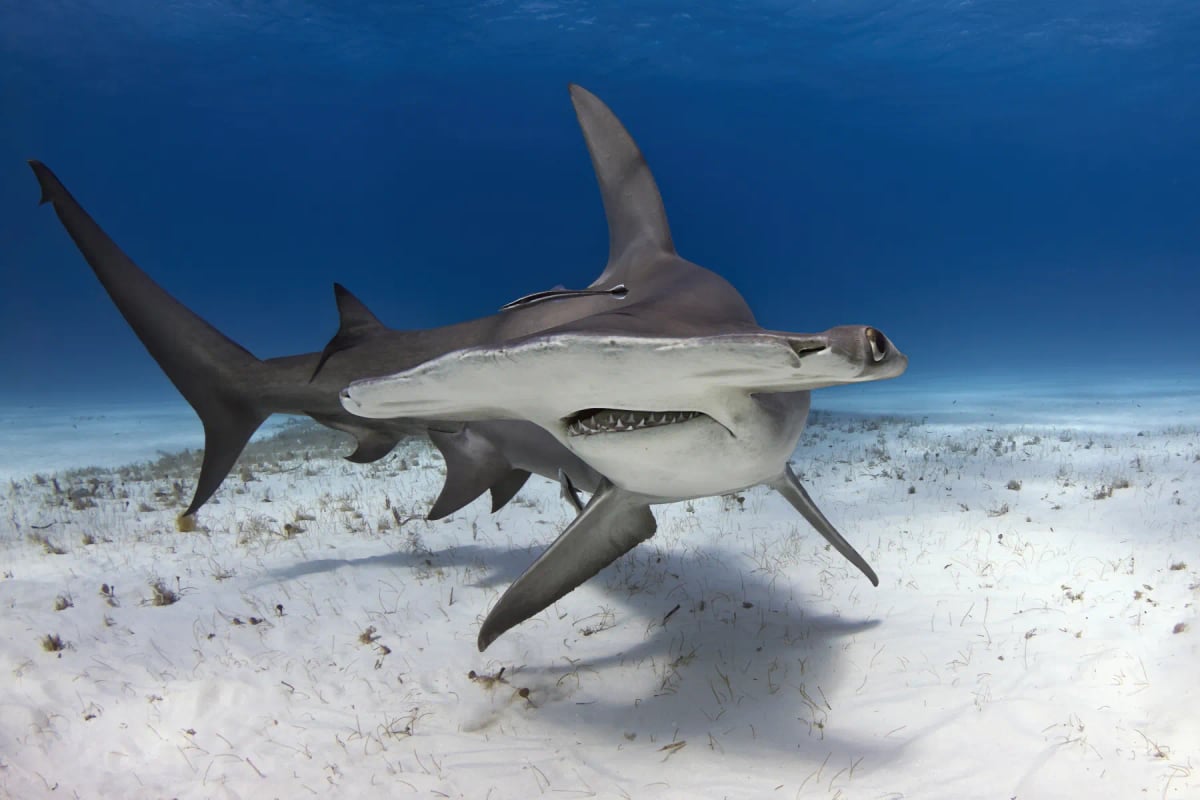
Hammerhead Shark
Sphyrna spp.
Madagascar's extensive coastline along the Indian Ocean and the Mozambique Channel provides rich habitat for hammerhead sharks. These waters support coral reefs, seagrass beds, and productive offshore zones where hammerheads hunt rays, fish, and squid. Madagascar's coastal communities depend heavily on marine resources, and unregulated fishing has put pressure on shark populations. Several species are Critically Endangered at the global level.
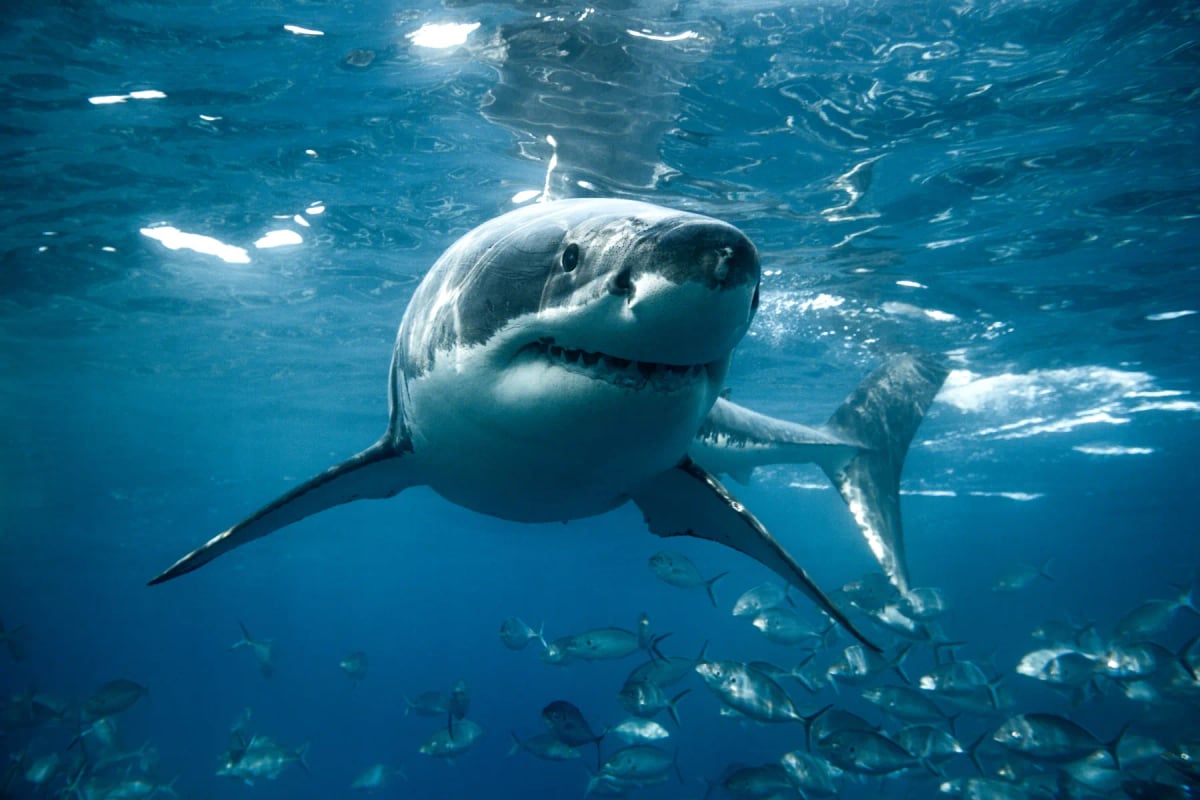
Great White Shark
Carcharodon carcharias
The great white shark roams the waters surrounding Madagascar, where the Indian Ocean meets a coastline rich in marine life. The island's extensive reefs and open channels offer habitat for the prey species this shark depends on, including fish and marine mammals. Listed as Vulnerable by the IUCN, the great white faces threats from incidental capture in fishing gear, a growing concern given the importance of fishing to Madagascar's coastal communities.
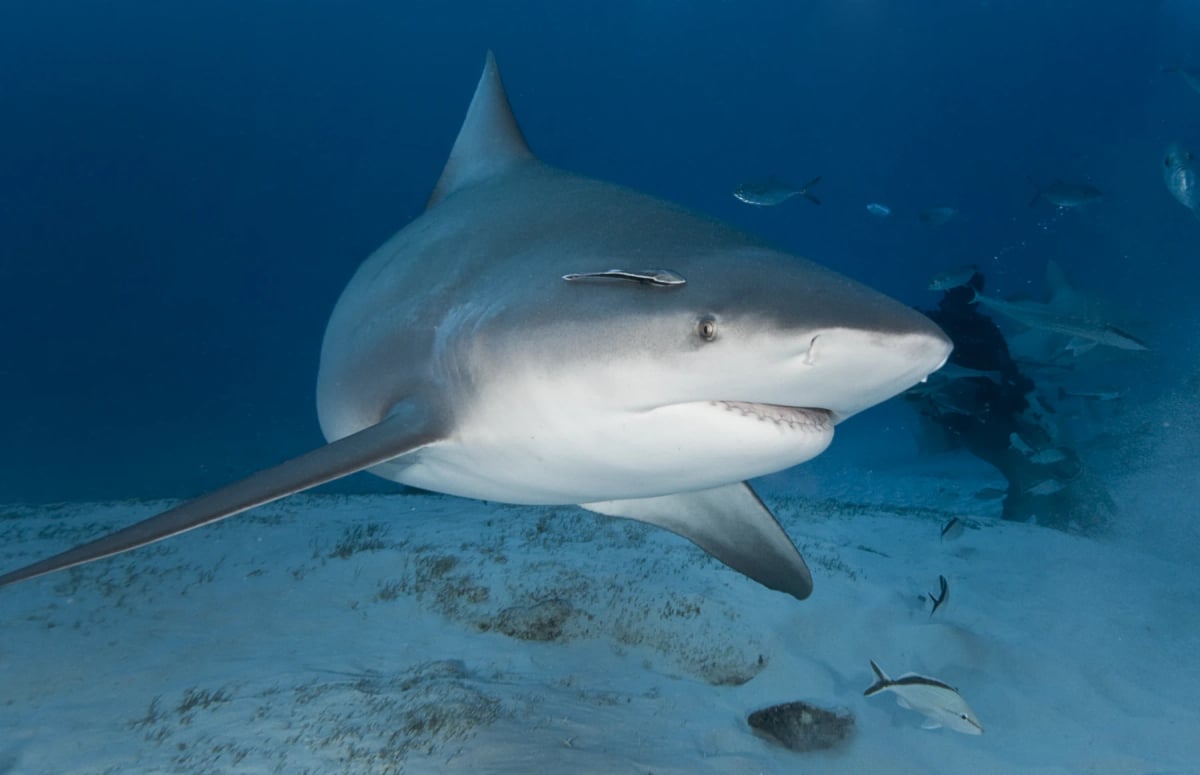
Bull Shark
Carcharhinus leucas
Around Madagascar, bull sharks patrol shallow coastal bays, mangrove-lined estuaries, and the mouths of rivers along both the western and eastern coasts. The island's extensive coastline and warm waters of the Indian Ocean provide ideal habitat. They are known to venture into brackish and freshwater systems inland. Fishing pressure and habitat degradation pose growing threats to their populations here.
Researched and written by Juan Pablo. Sources: IUCN Red List, scientific literature and regional field guides. Last updated: .