Black backed Jackal
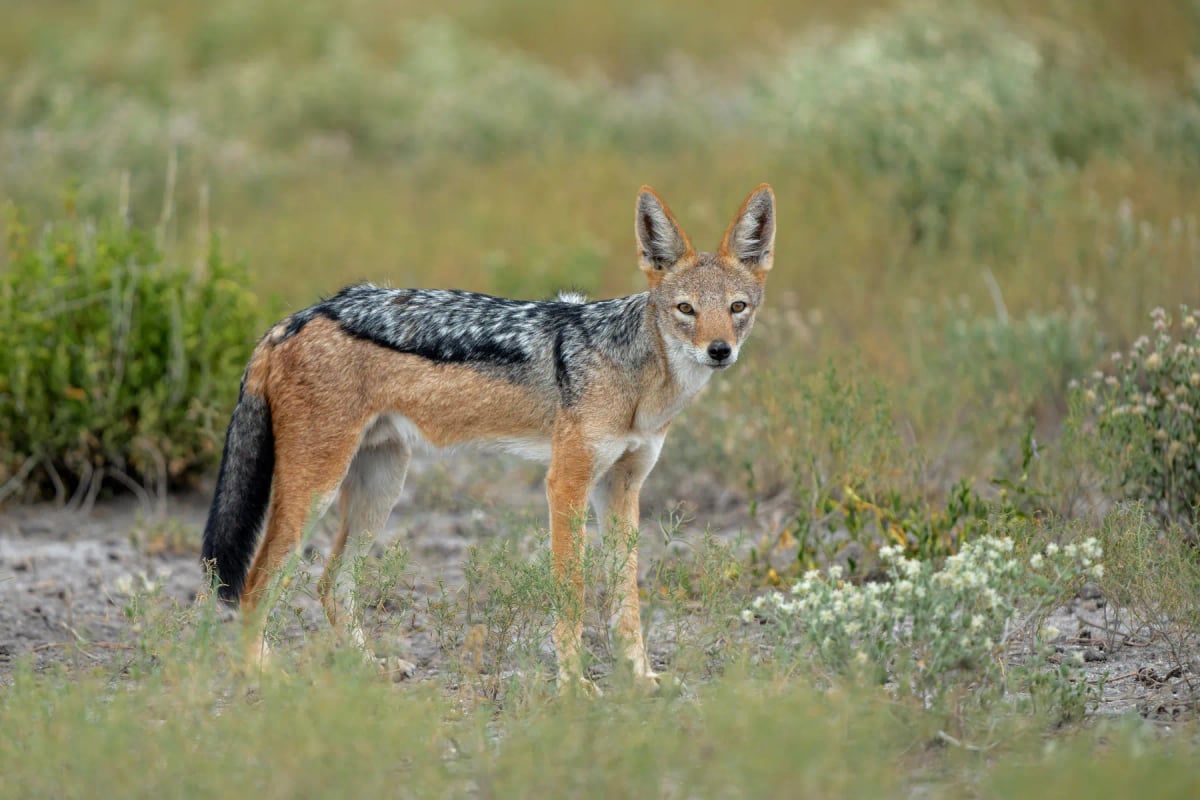
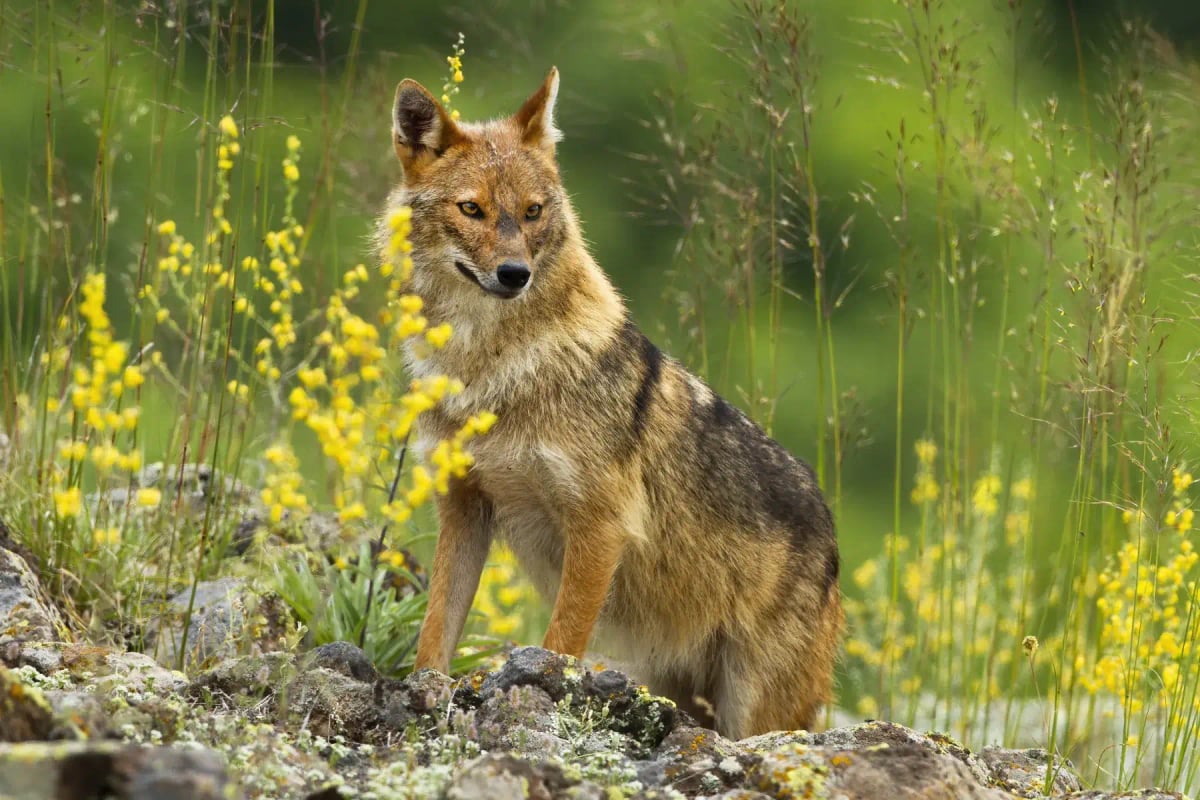
The black backed jackal (Canis mesomelas) is a slender, medium sized canid found across eastern and southern Africa. Its coat is a warm reddish brown on the sides and legs, with a bold stripe of dark fur running from the neck to the base of the tail, which gives the species its name. It is one of the oldest living canid species, with fossil records dating back roughly 2.5 million years. Highly adaptable, it occupies savannas, semi arid scrublands, coastal plains, and the edges of human settlements. It eats a wide range of foods including rodents, birds, reptiles, insects, wild fruits, and carrion. Pairs bond for life and raise their young together, often with help from offspring of previous seasons. Its distinctive wailing call is one of the most recognizable sounds of the African bush at dusk and dawn.
Habitat and distribution
The black backed jackal occupies two separate populations on the African continent. The southern population spreads across South Africa, Namibia, Botswana, Zimbabwe, Mozambique, Angola, Malawi, and Lesotho, while a distinct eastern population exists in Kenya, Tanzania, Ethiopia, and Somalia. Despite the geographic gap between these groups, both thrive in broadly similar environments. The species favors open savannas, dry scrublands, grasslands, and coastal regions, and it also appears regularly on farmland and near the outskirts of towns. It tolerates a wide range of rainfall levels and elevations, from the arid Namib Desert to highland plateaus above 2,000 meters. This flexibility in habitat preference is one of the main reasons the species maintains such a broad and stable range across the continent.
A survivor's toolkit: senses, diet, and resilience
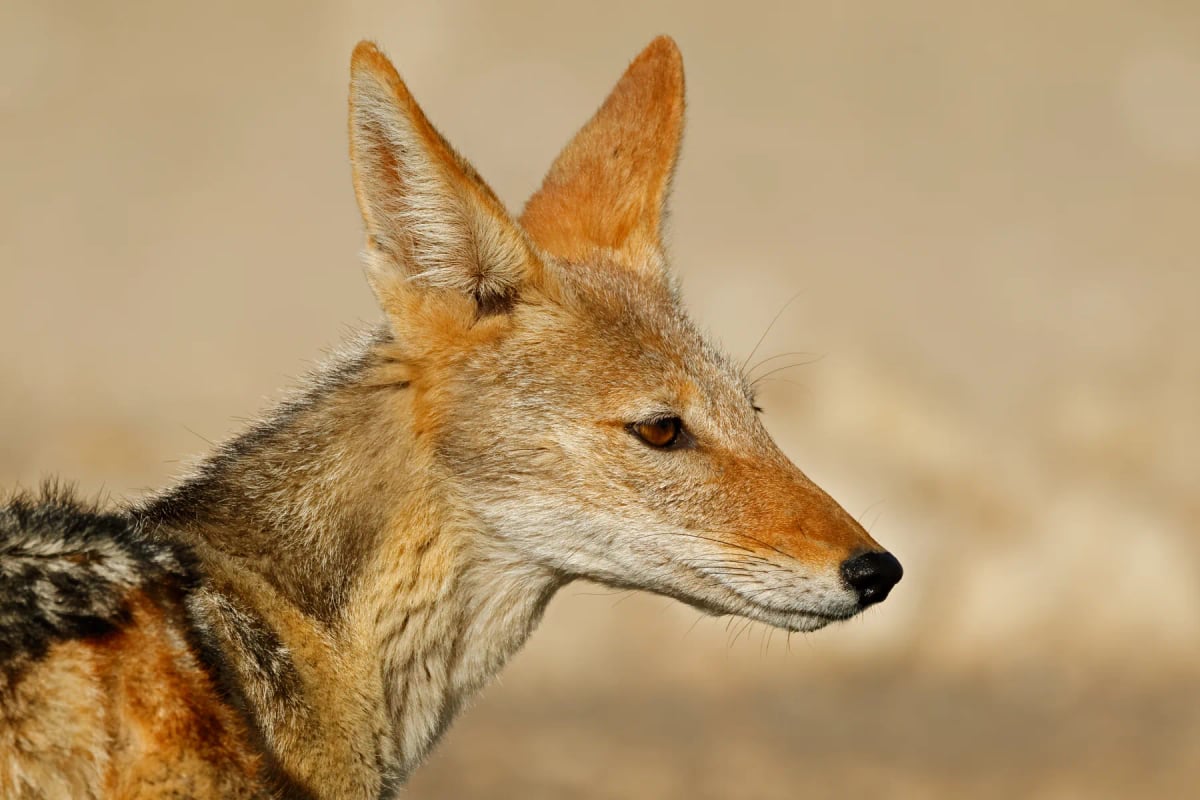
Few African carnivores match the black backed jackal when it comes to adaptability. Its senses of hearing and smell are exceptionally sharp, allowing it to detect prey and threats across open terrain at considerable distances. Its dentition handles both meat and plant matter with equal efficiency, supporting a diet that shifts with the seasons and with whatever a given habitat provides. It can go without drinking water for extended periods by extracting moisture from food, an advantage in the dry environments it often inhabits. Its lean, long legged build enables sustained trotting over large territories. Territorially, pairs hold and defend home ranges year round, which reduces competition for resources. These traits, refined over millions of years of evolution, make the species one of Africa's most ecologically successful medium sized carnivores.
Behavior and social life
Black backed jackals form lifelong monogamous pairs, which is uncommon among canids of similar size. Both parents share responsibility for raising pups, and older offspring from previous litters frequently remain with the family to help guard the den and bring food to younger siblings. This cooperative breeding system has been well documented in studies conducted in southern Africa and demonstrably increases the survival rate of pups. Litters typically contain one to six pups, born after a gestation of roughly 60 days. The species is most active at dusk and dawn, though it adjusts its schedule according to local conditions and human pressure. Communication relies on a range of vocalizations, with the iconic wailing howl serving primarily to reinforce pair bonds and advertise territory to neighboring groups.
Conservation
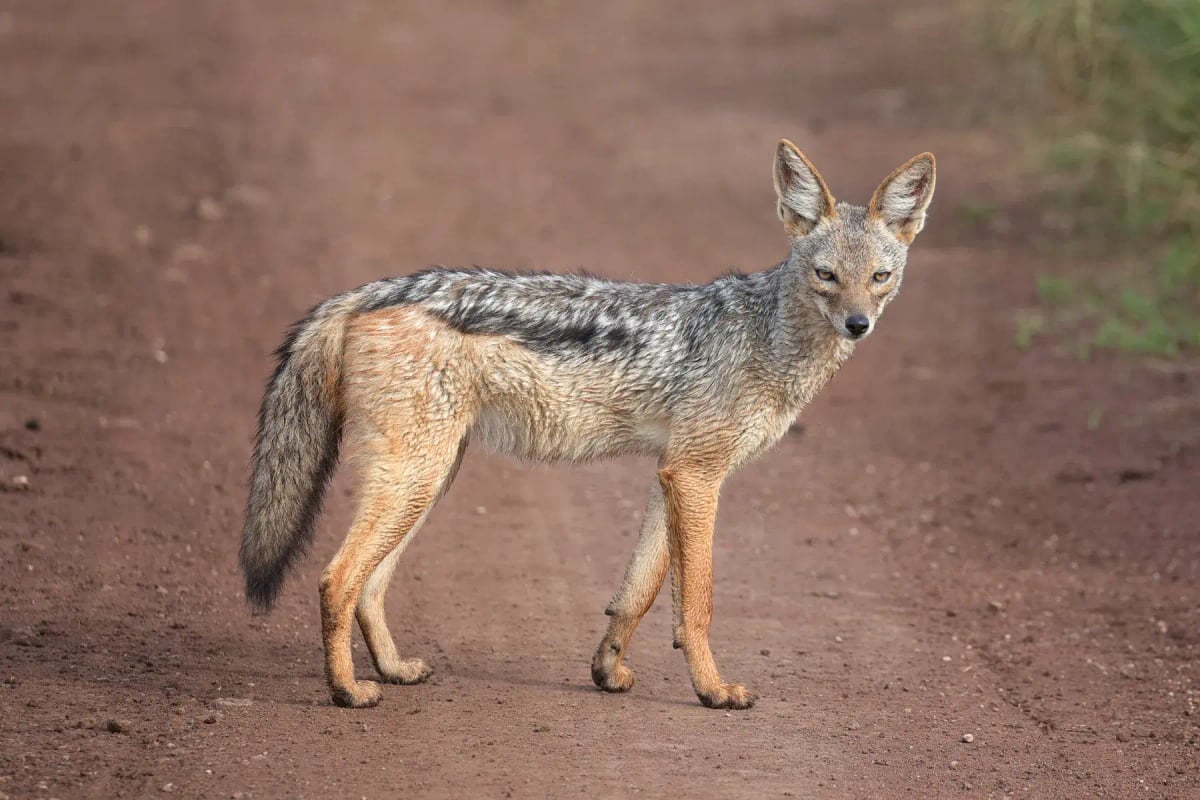
The black backed jackal is listed as Least Concern on the IUCN Red List, reflecting a population that is stable and widely distributed. It has no major threats at the species level, and its adaptability to disturbed and human modified landscapes means it often persists where more specialized predators have disappeared. However, it is heavily persecuted in farming areas across southern Africa, where it is considered a threat to livestock and poultry. Lethal control methods including trapping, poisoning, and shooting are used extensively. In some regions, these pressures are significant at the local level even if they do not affect overall population trends. The species is protected in national parks and game reserves throughout its range, where it plays an important role as a scavenger and small prey predator within the broader ecosystem.
Where it is found
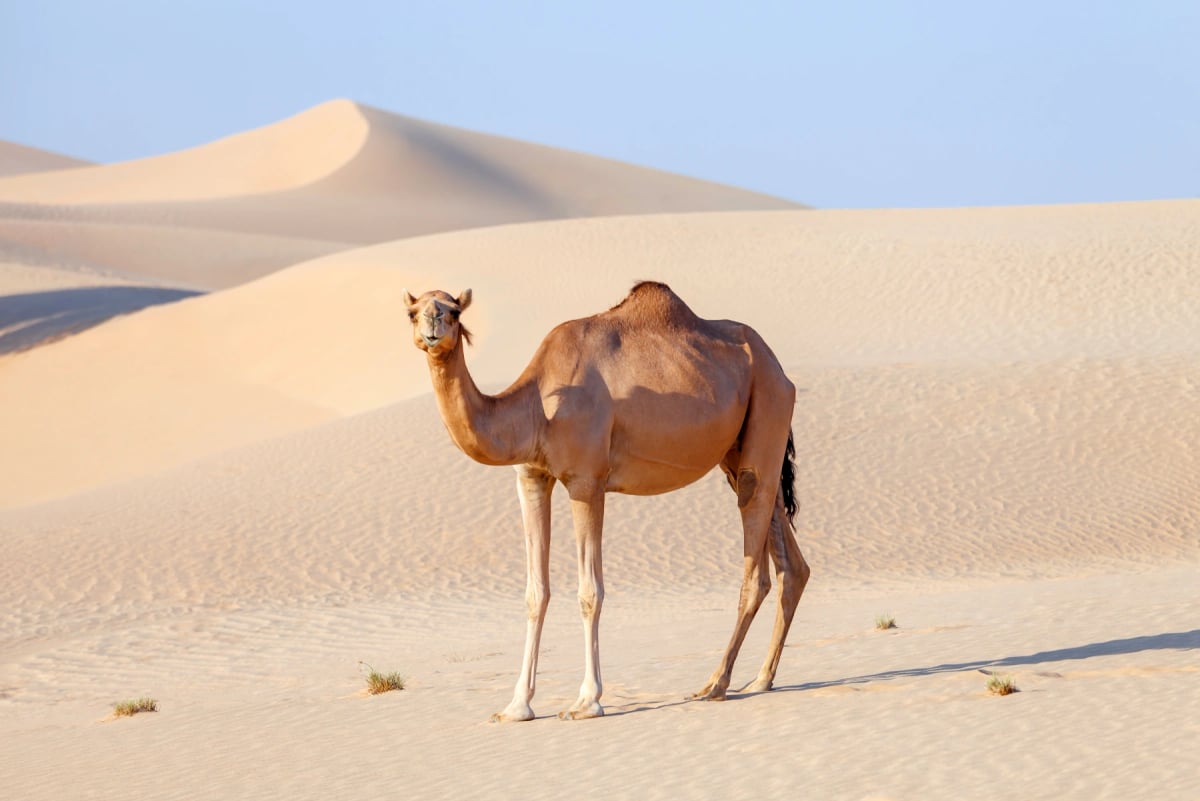
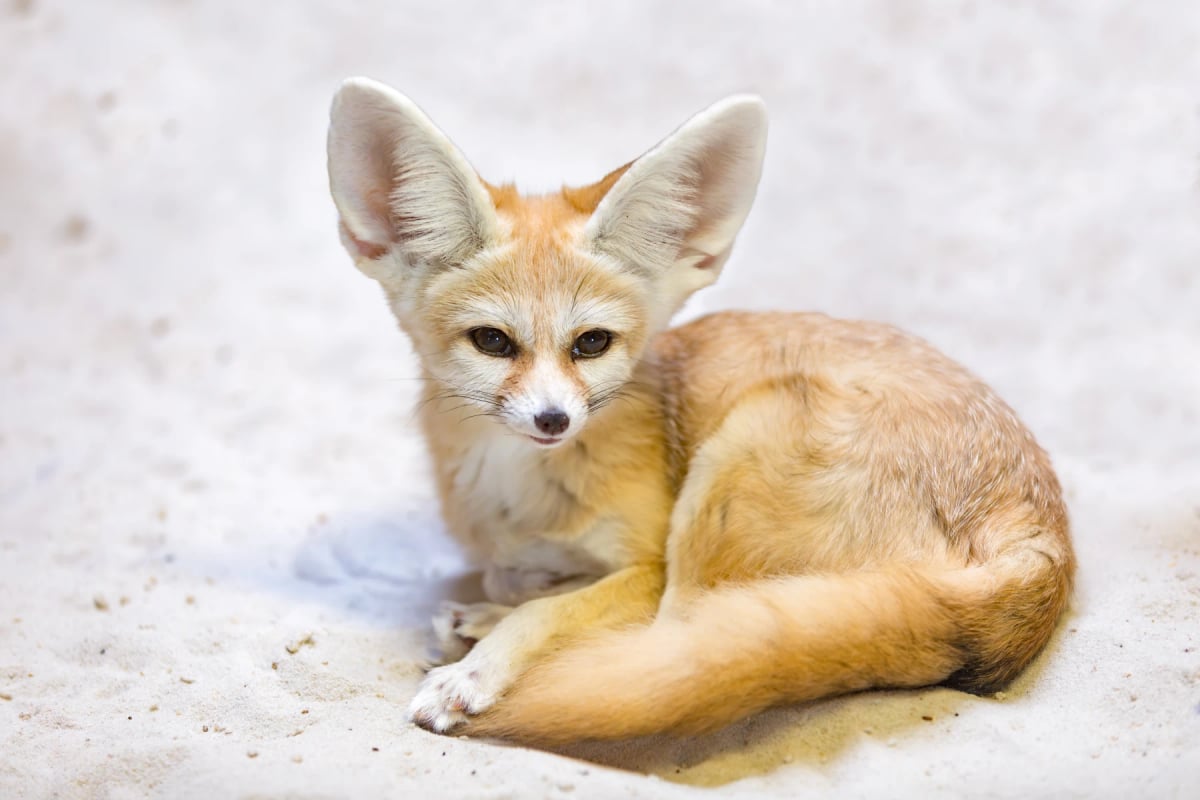
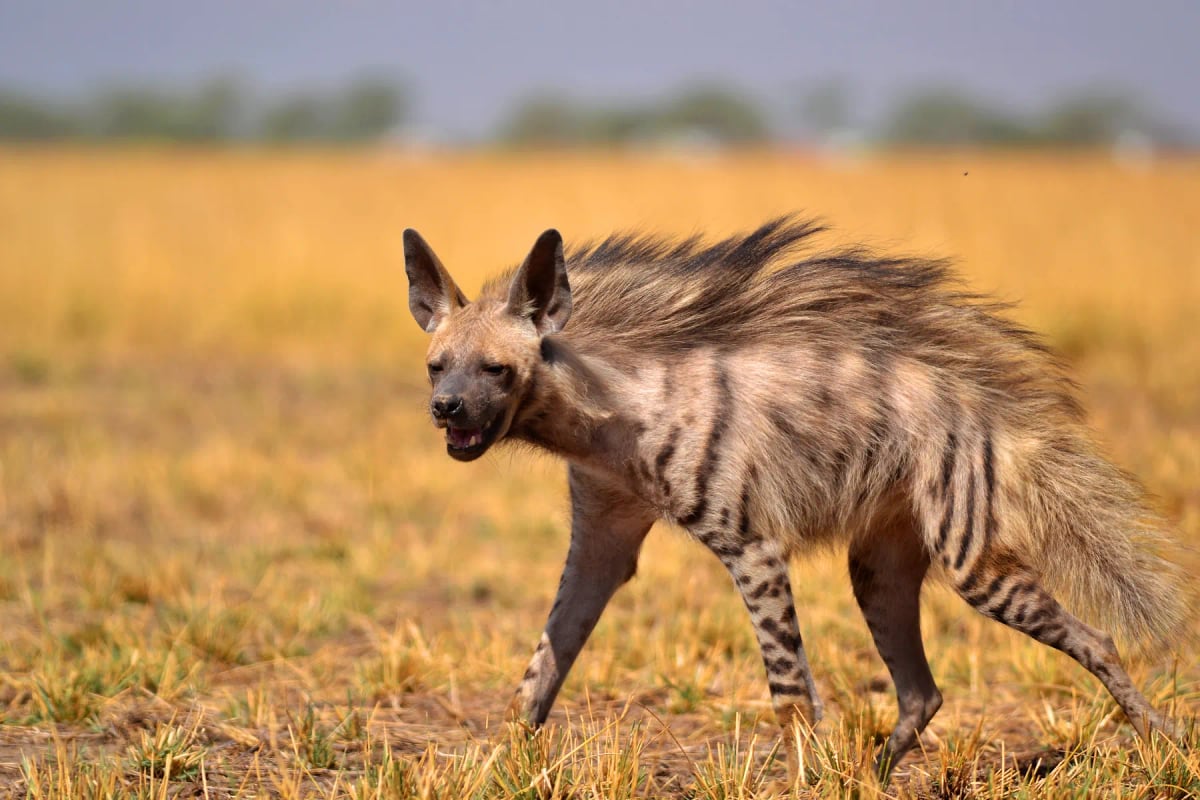
The Black backed Jackal can be found in places such as:
Researched and written by Juan Pablo. Sources: IUCN Red List, scientific literature and regional field guides. Last updated: .
Technical factsheet




Frequently Asked Questions
How long do black backed jackals live?
In the wild, black backed jackals typically live between 7 and 10 years, though some individuals reach their early teens under favorable conditions. In captivity, where threats from predators, disease, and food scarcity are removed, lifespans of up to 14 years have been recorded. Their survival in the wild depends heavily on avoiding larger predators such as leopards, hyenas, and eagles, which regularly prey on them.
What do black backed jackals eat?
Black backed jackals are true omnivores with a remarkably varied diet. They hunt small mammals such as rats, hares, and young antelope, and also take birds, lizards, and large insects. Carrion forms a reliable part of their diet, and they will follow larger predators to feed on leftovers. Wild berries and other fruit round out their intake, particularly during seasons when animal prey is harder to find.
Do black backed jackals hunt in packs?
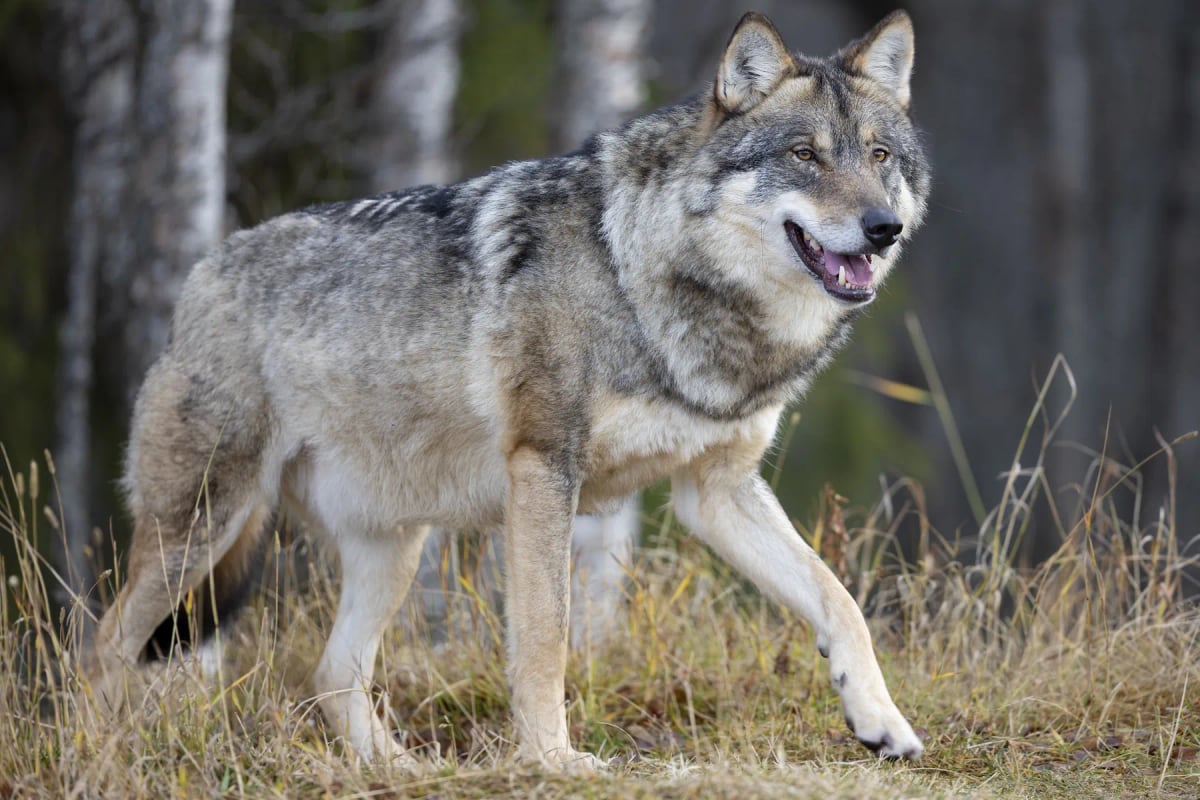
No, black backed jackals do not form packs in the way wolves do. They live and hunt primarily as bonded pairs, occasionally assisted by offspring from previous seasons during the breeding period. When hunting larger prey such as young antelope, a mated pair may coordinate their efforts together. Outside of family groups, they are generally solitary foragers, each covering their share of the pair's shared territory.
Are black backed jackals dangerous to humans?
Black backed jackals pose very little risk to people. They are naturally shy and will retreat from human presence in almost all situations. The main concern arises when individuals contract rabies, which can cause erratic or aggressive behavior. Bites from infected animals have been reported in parts of southern Africa. As with any wild animal, it is wise to keep a safe distance and never attempt to hand feed or handle one.
Why do black backed jackals make that eerie wailing sound?
The wailing call of the black backed jackal is one of the most distinctive sounds heard across African savannas at dusk and dawn. Pairs use it mainly to locate each other and to signal their presence to rival pairs in neighboring territories. The call can carry over long distances in open terrain. Jackals also produce a range of shorter contact calls, alarm barks, and whines used within the family group during close range interactions.
Is the black backed jackal the same as the golden jackal?
No, they are distinct species. The black backed jackal belongs to its own lineage and is found only in Africa. The golden jackal, Canis aureus, is widespread across North Africa, Europe, and Asia and has a more uniform tan or yellowish coat without the dark saddle marking. Genetic studies show that the black backed jackal is one of the most ancient living members of the genus Canis, diverging from related canids over two million years ago.
What animals prey on black backed jackals?
Several large predators will take a black backed jackal when the opportunity arises. Leopards are among the most significant threats, particularly at night. Spotted hyenas, caracals, and African wild dogs will also kill jackals, usually in defense of food or territory. From above, large raptors such as the martial eagle and the Verreaux's eagle pose a threat, especially to pups. Adults rely on vigilance and speed to avoid most encounters with larger carnivores.