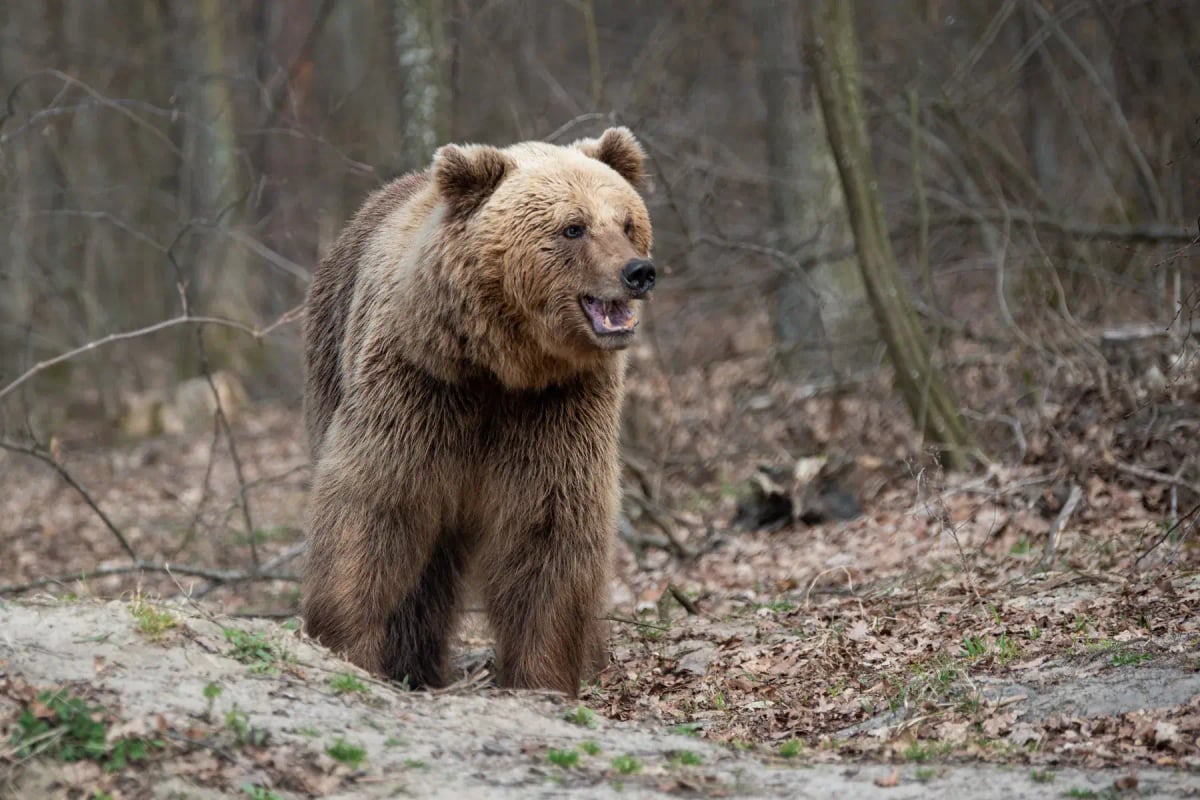
Animals in Austria
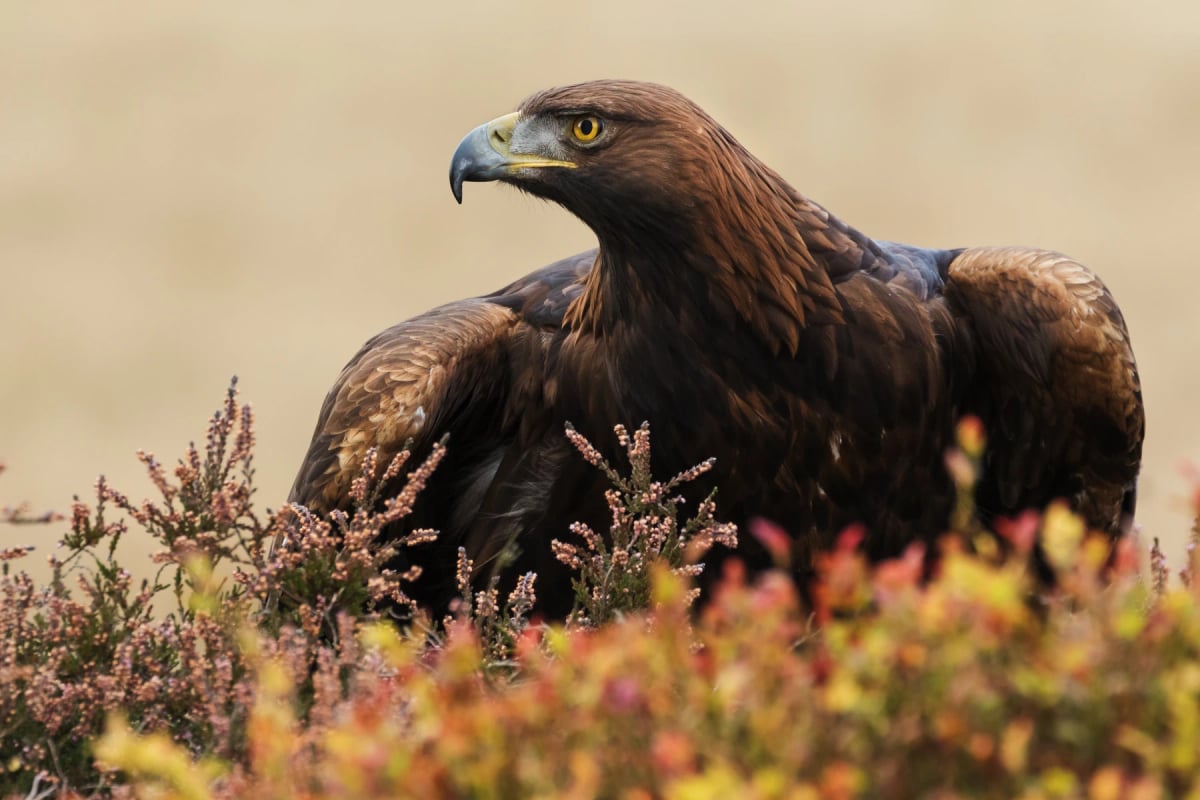
Golden Eagle
Aquila chrysaetos
The golden eagle, often seen soaring above alpine ridges, is Austria’s national animal and a symbol of strength and freedom. This impressive bird represents the untamed spirit of the mountains and plays a key role in local folklore. Its image appears in traditional art and tourism branding, reminding visitors of the country’s deep respect for its natural heritage and wilderness.
View details→Wildlife in Austria
Austria combines majestic alpine peaks, deep forests and crystal lakes that host a surprising variety of wildlife. Marmots, deer, lynxes and eagles live among its meadows and valleys, especially in regions like Tyrol and Carinthia. Hikers and photographers visit the country’s many trails and national parks, where nature remains a central part of everyday life and tourism.
Most Dangerous Animals in Austria
While Austria is generally very safe for travelers, some animals deserve caution, including wild boars, wolves and adders that live in remote mountain forests. Encounters are rare but possible for hikers exploring less visited areas. Respecting signs and maintaining distance helps preserve harmony between people and wildlife, which is a core value of Austrian conservation culture.
Top 10 Animals in Austria
Austria is home to remarkable species such as the red deer, Eurasian lynx, gray wolf and peregrine falcon. These animals inhabit alpine forests and rocky slopes where visitors can join guided tours to spot them safely. Nature lovers find in Austria a perfect mix of adventure and conservation, with hiking routes, mountain refuges and parks that protect the heart of the Alps.
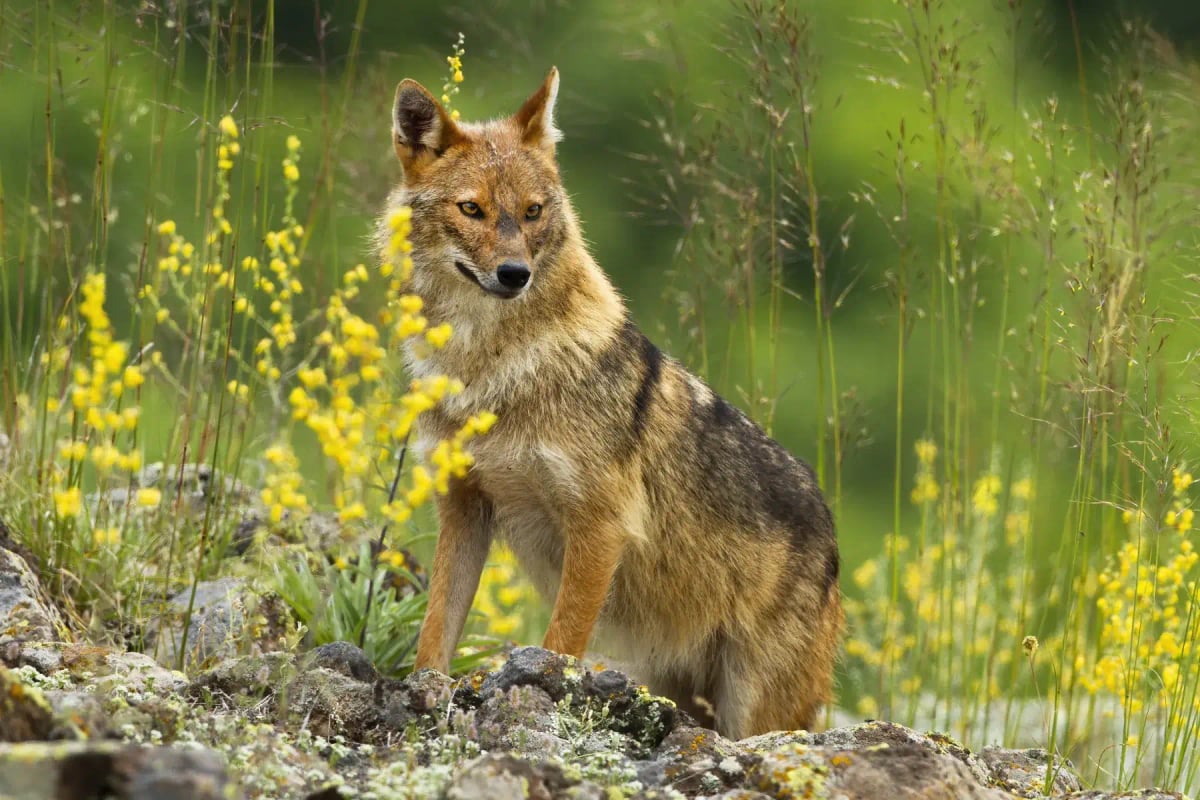
Golden Jackal
Canis aureus
Austria sits at the expanding northwestern edge of the golden jackal's European range. Individuals and small groups have been recorded with increasing regularity since the 2000s, mainly in the lowland areas of eastern Austria near the Hungarian and Slovak borders. They move through wetlands, river corridors, and farmland, demonstrating how naturally this species spreads into new territories. IUCN status: Least Concern.
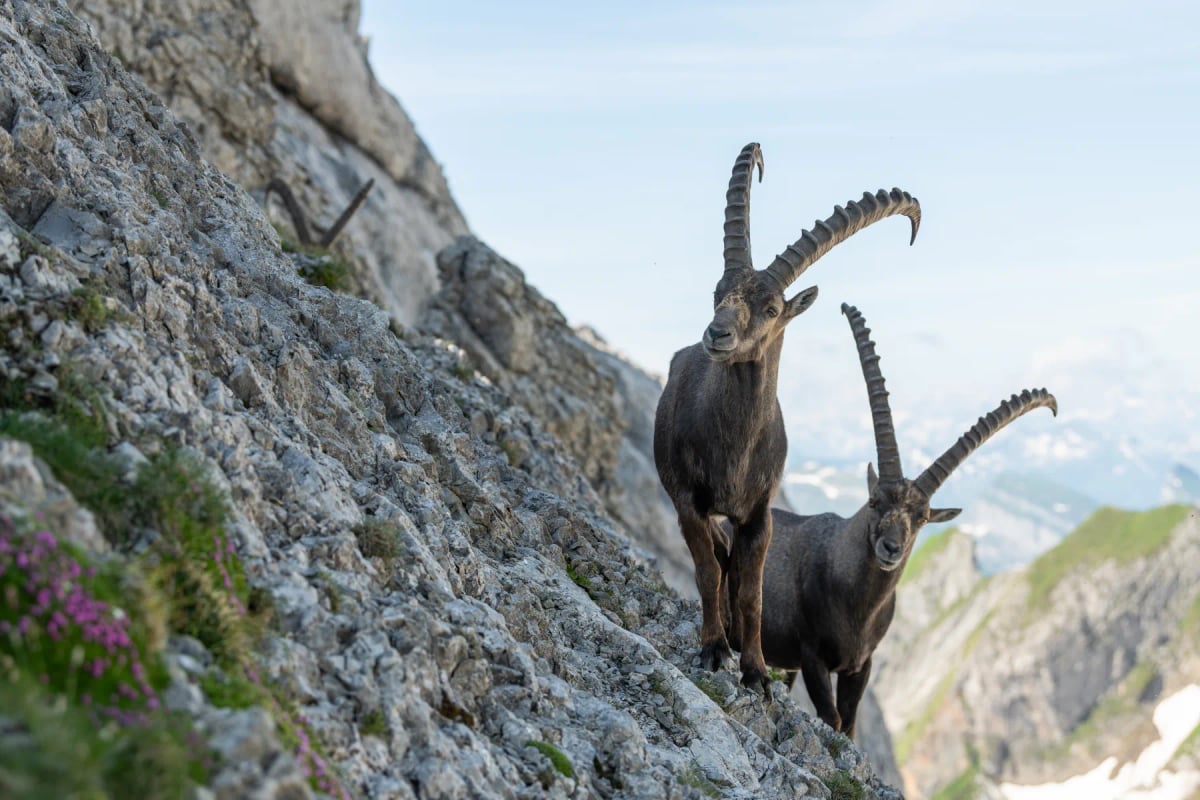
Alpine Ibex
Capra ibex
Austria hosts a significant Alpine ibex population, concentrated in the Hohe Tauern National Park and other protected areas of the central Alps. The species was reintroduced in the early twentieth century after having been hunted to extinction in Austrian territory. Today several thousand individuals live across the country's alpine regions. Males are most visible in summer on rocky ridges above the tree line, where they move with remarkable confidence on nearly vertical terrain.
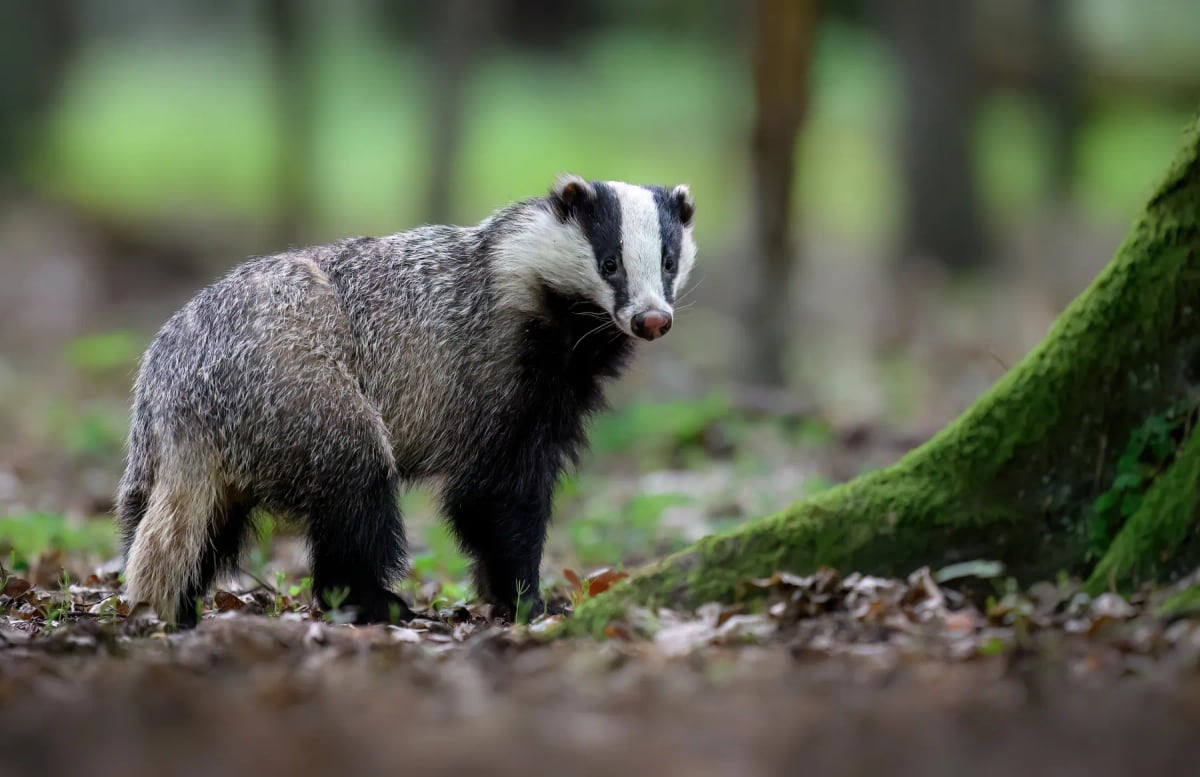
Badger
Meles meles
The Eurasian badger is widespread across Austria in mixed and deciduous woodland, forest edges, and farmland from the lowlands of the east to the forested foothills of the Alps. It lives in family groups in extensive setts and is most active at night, feeding on earthworms, roots, berries and small animals. Badgers are legally protected in Austria and populations are considered stable across most of the country.
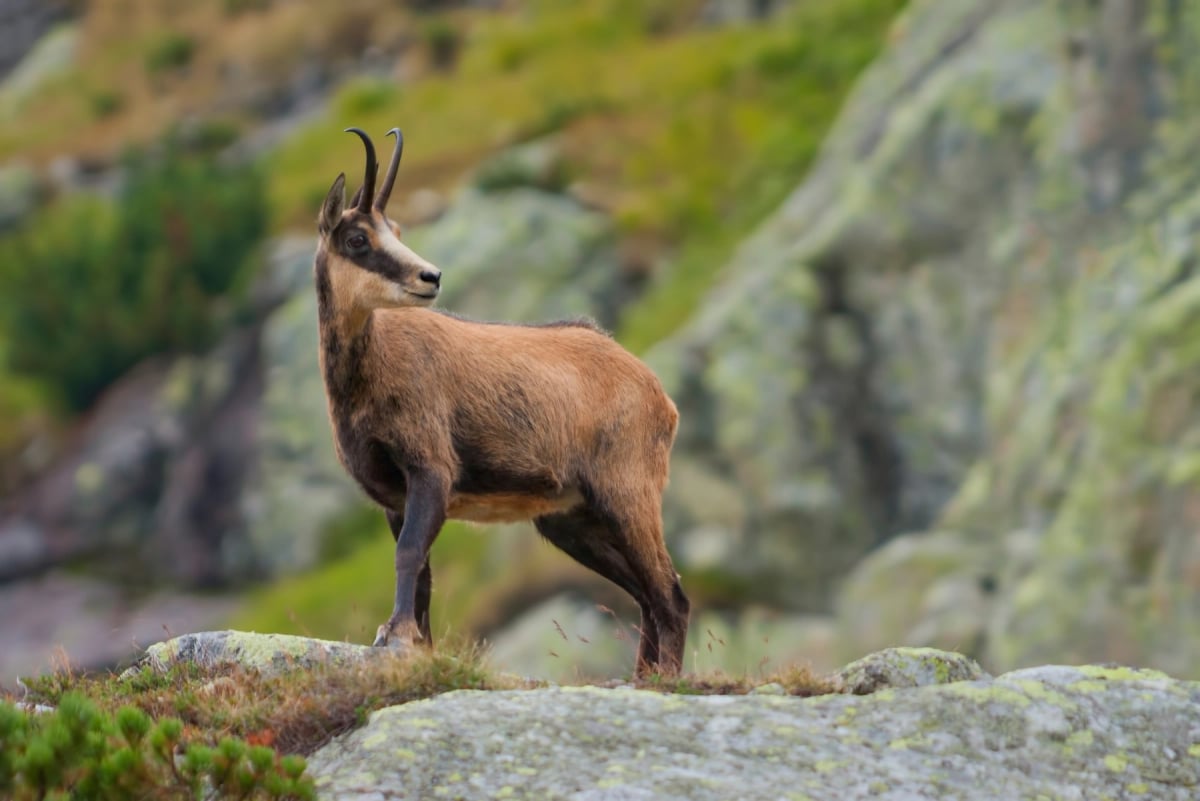
Chamois
Rupicapra rupicapra
Austria holds one of the healthiest chamois populations in the Alps, with animals widely distributed across the Eastern Alps, including the Hohe Tauern and Karwendel ranges. Hunting is strictly regulated through a quota system, and national parks offer important refuges. The chamois thrives here across subalpine meadows and rocky ridges, and remains one of the most iconic large mammals in the Austrian mountain landscape.
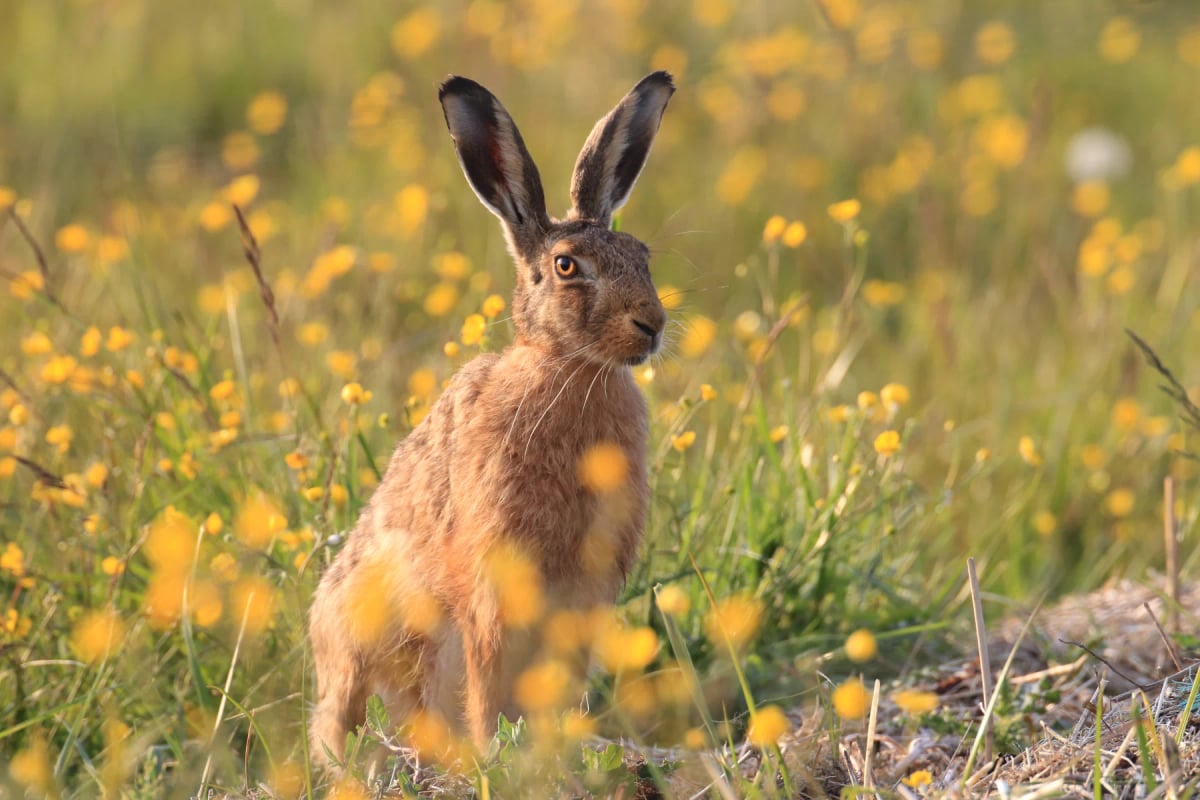
Hare
Lepus europaeus
In Austria, the European hare is a familiar presence across the country's farmland, meadows, and the lower slopes of the Alps. It thrives in the open agricultural landscapes of the Pannonian region in the east. Numbers have declined in recent decades due to intensified farming and pesticide use, prompting conservation efforts and adjusted hunting regulations to support the recovery of populations across the country.
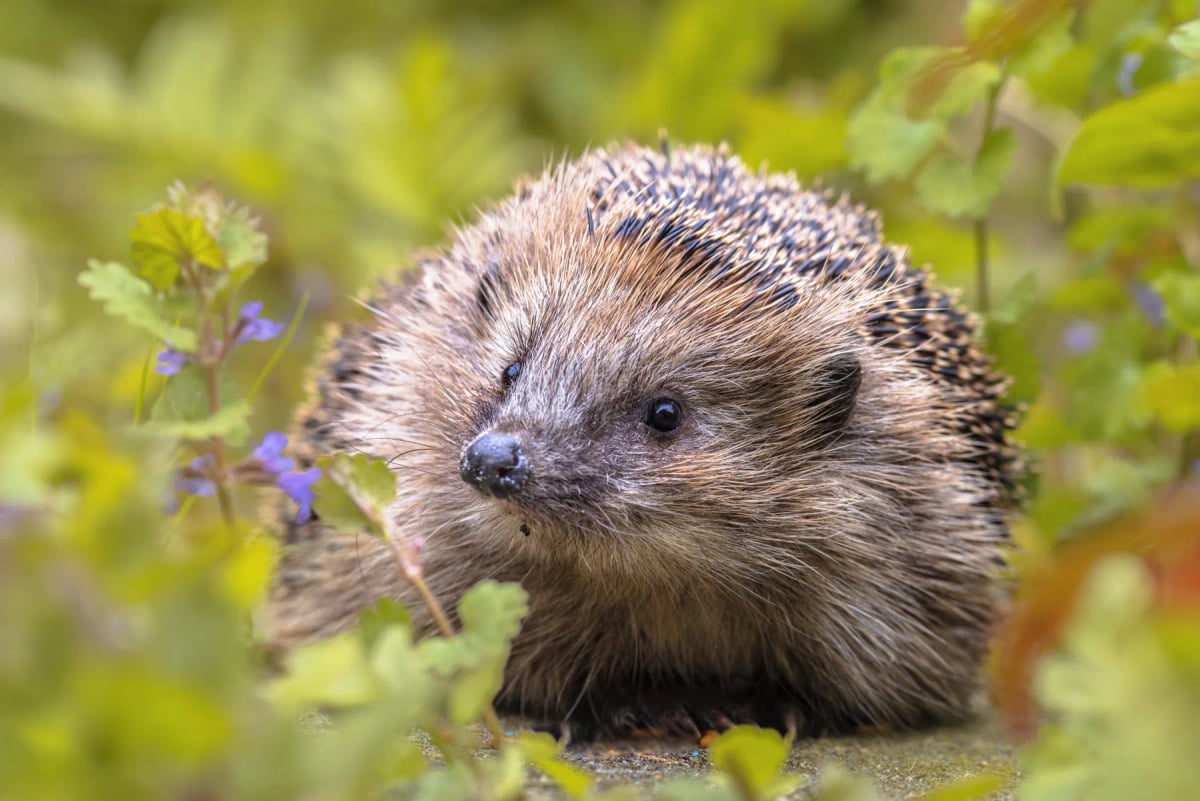
Hedgehog
Erinaceus europaeus
The European hedgehog is a familiar nighttime visitor across Austria, from the gardens of Vienna to the edges of Alpine foothills. It feeds on beetles, earthworms, and slugs, making it a welcome guest for gardeners. During the cold Austrian winters, it hibernates for several months. Populations face pressure from road traffic and the use of pesticides, though the species remains widespread throughout the country. Its IUCN status is Least Concern.
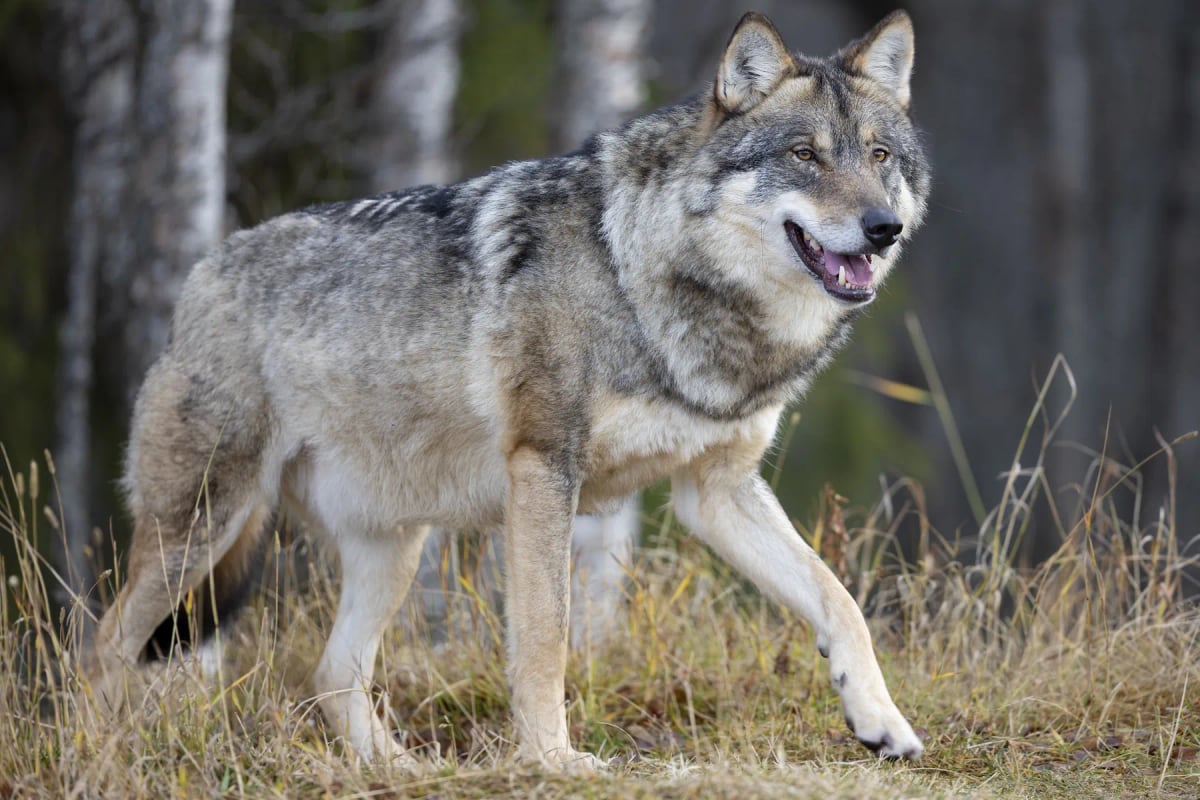
Gray Wolf
Canis lupus
The gray wolf returned to Austria naturally after decades of absence, with individuals dispersing from recovering populations in Italy and Slovenia. Sightings and confirmed activity have been recorded mainly in the Alpine regions. The population remains very small, and each wolf that settles in Austria attracts considerable public debate. Coexistence between wolves and livestock farming in the Alps is one of the central conservation challenges facing the country today. IUCN status: Least Concern.
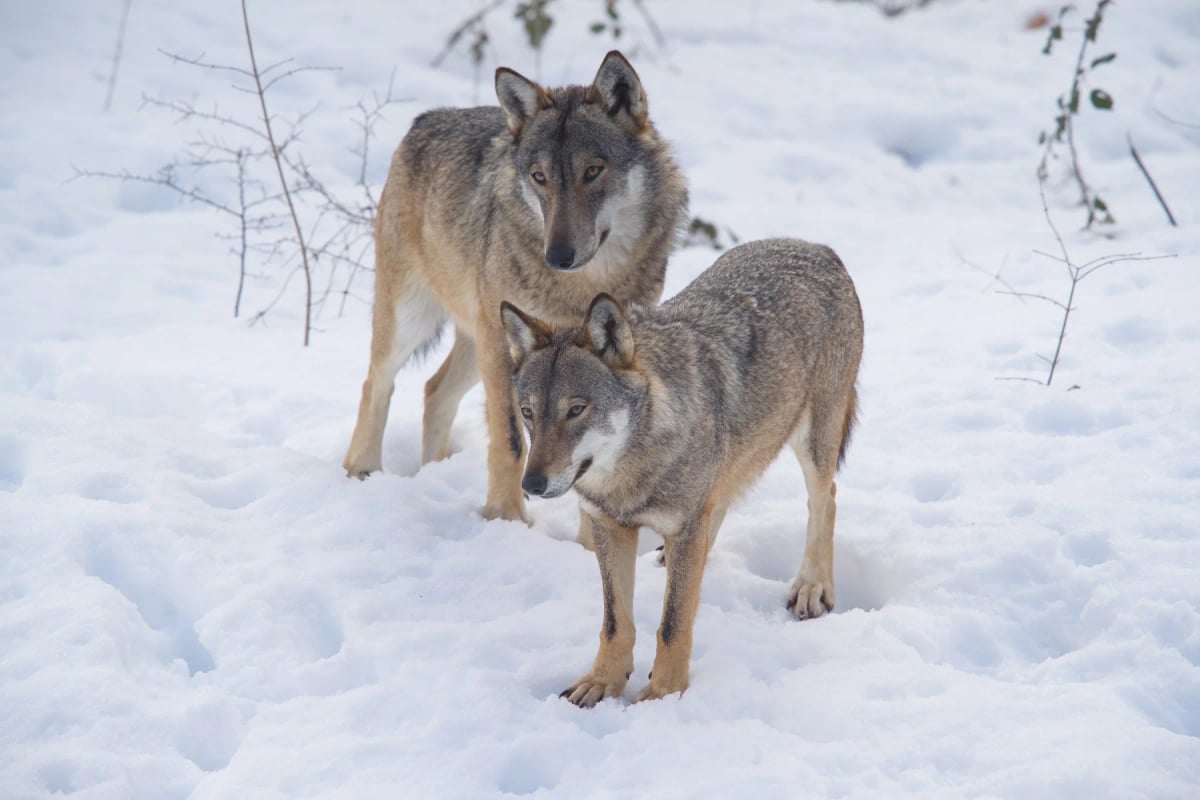
Italian Wolf
Canis lupus italicus
Wolves have been returning to Austria gradually, dispersing from populations in Italy and Slovenia. Sightings and confirmed territories are recorded mainly in the southern and eastern regions, including Styria and Carinthia. The population is still in an early stage of reestablishment, and individual wolves often travel vast distances before settling. Conservation efforts focus on monitoring movements and supporting coexistence between wolves and local farming communities.
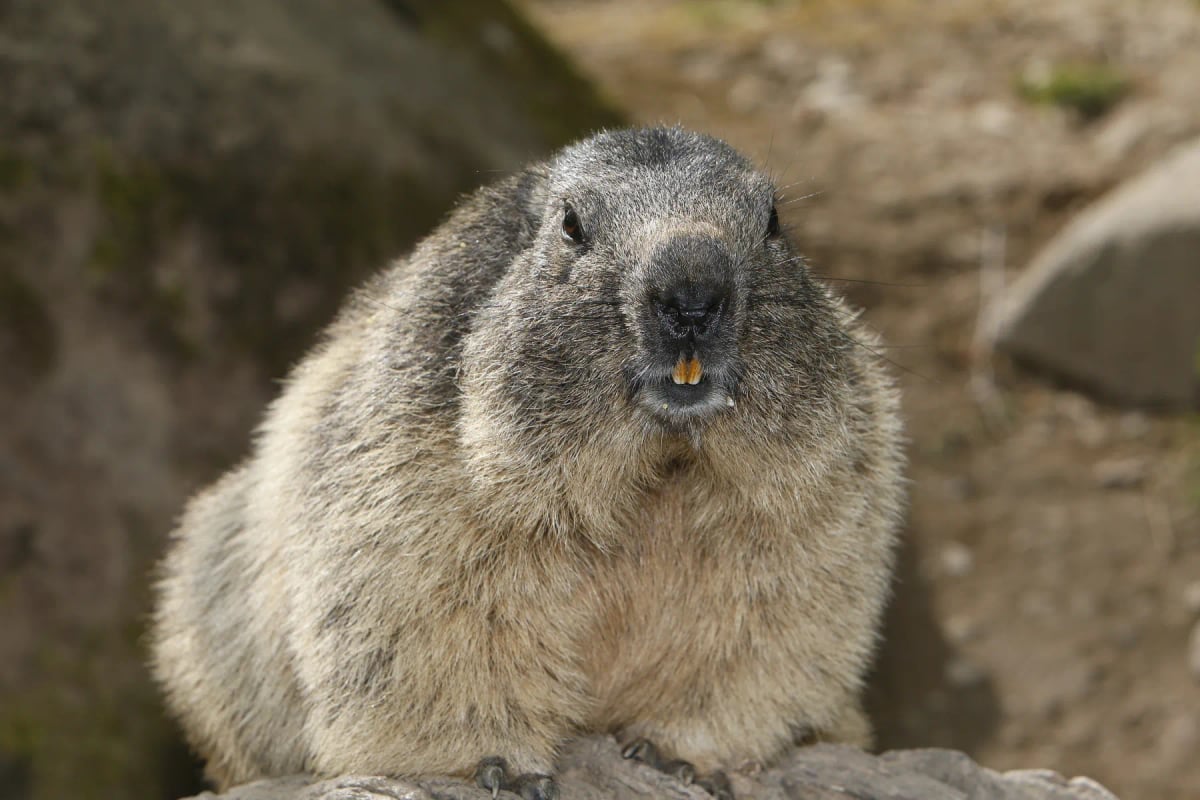
Alpine Marmot
Marmota marmota
Austria is home to one of the largest Alpine marmot populations in the Alps, with colonies spread across the high meadows and rocky slopes of the Tyrol, Salzburg, and Carinthia regions. The species is native here and has never required reintroduction. Marmots are a familiar sight in summer at elevations above the tree line, where their sharp alarm whistles echo across valleys. Protected areas such as Hohe Tauern National Park provide ideal undisturbed habitat for stable colonies.
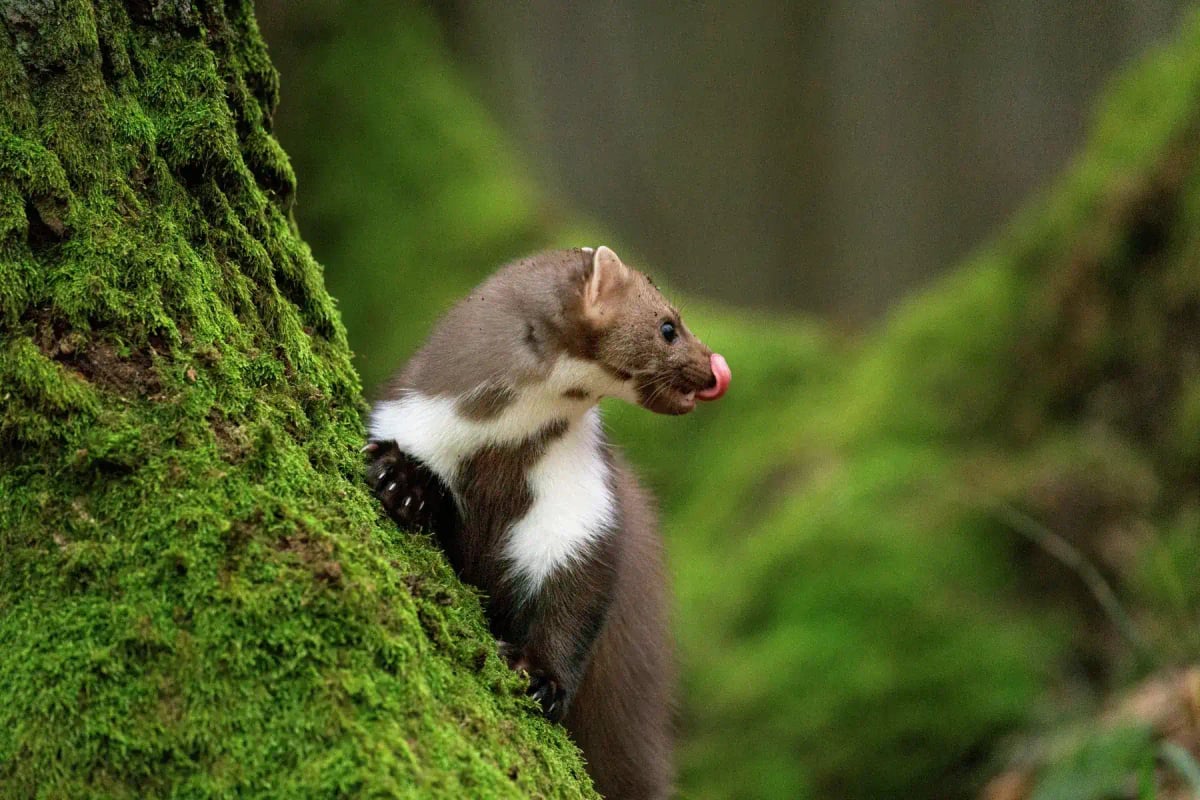
Marten
Martes martes / Martes foina
Austria holds healthy populations of both marten species. Pine martens thrive in the old-growth forests of Styria and Carinthia, while stone martens are a familiar presence in rural villages and even the suburbs of cities like Vienna and Graz. Stone martens are well known for chewing car cables, which brings them into regular, if unwanted, contact with people. Both are Least Concern on the IUCN Red List.
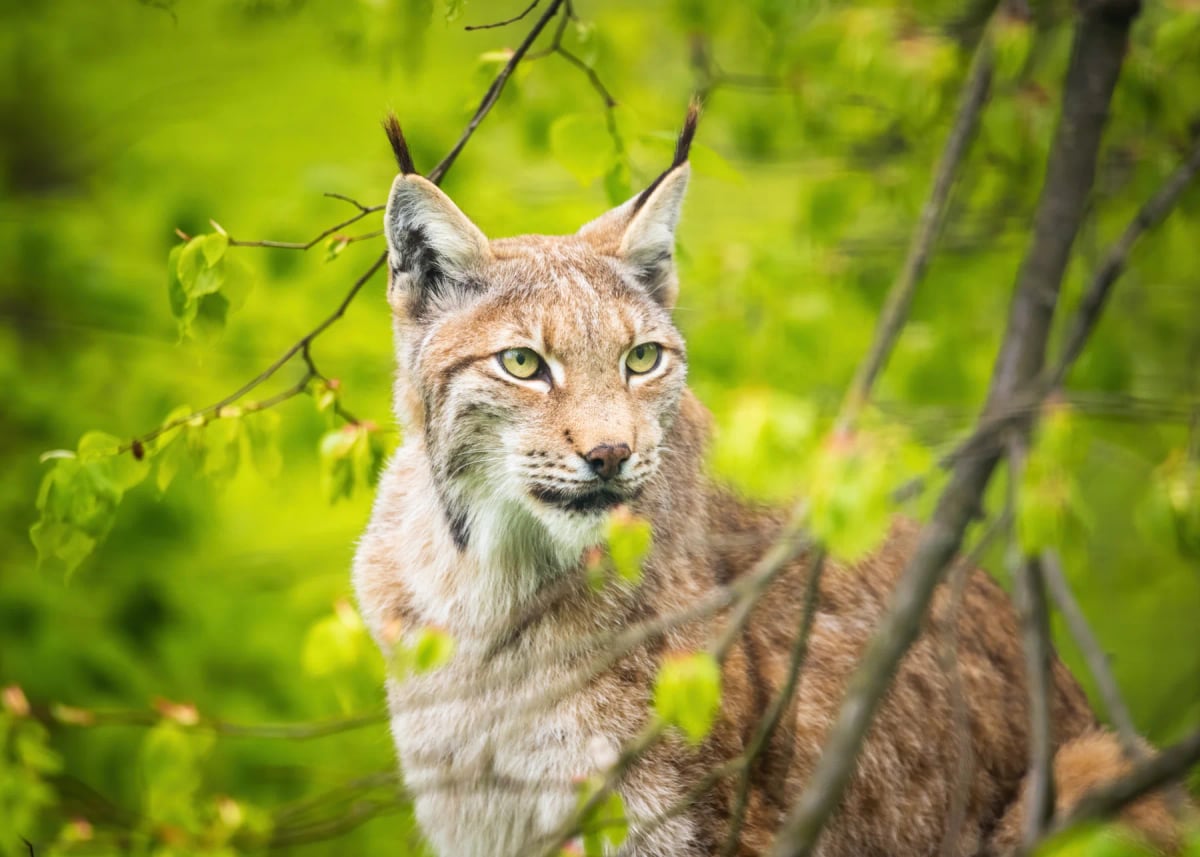
Eurasian Lynx
Lynx lynx
The Eurasian Lynx was reintroduced to Austria after being hunted to extinction in the country during the 19th century. Today, individuals are present mainly in the northern Alps and adjacent forested areas, often moving in from neighboring Switzerland, Germany, and Slovenia. The Austrian population remains small and depends heavily on connectivity with surrounding countries. Roe deer make up the bulk of its diet here. Its IUCN status is Least Concern.
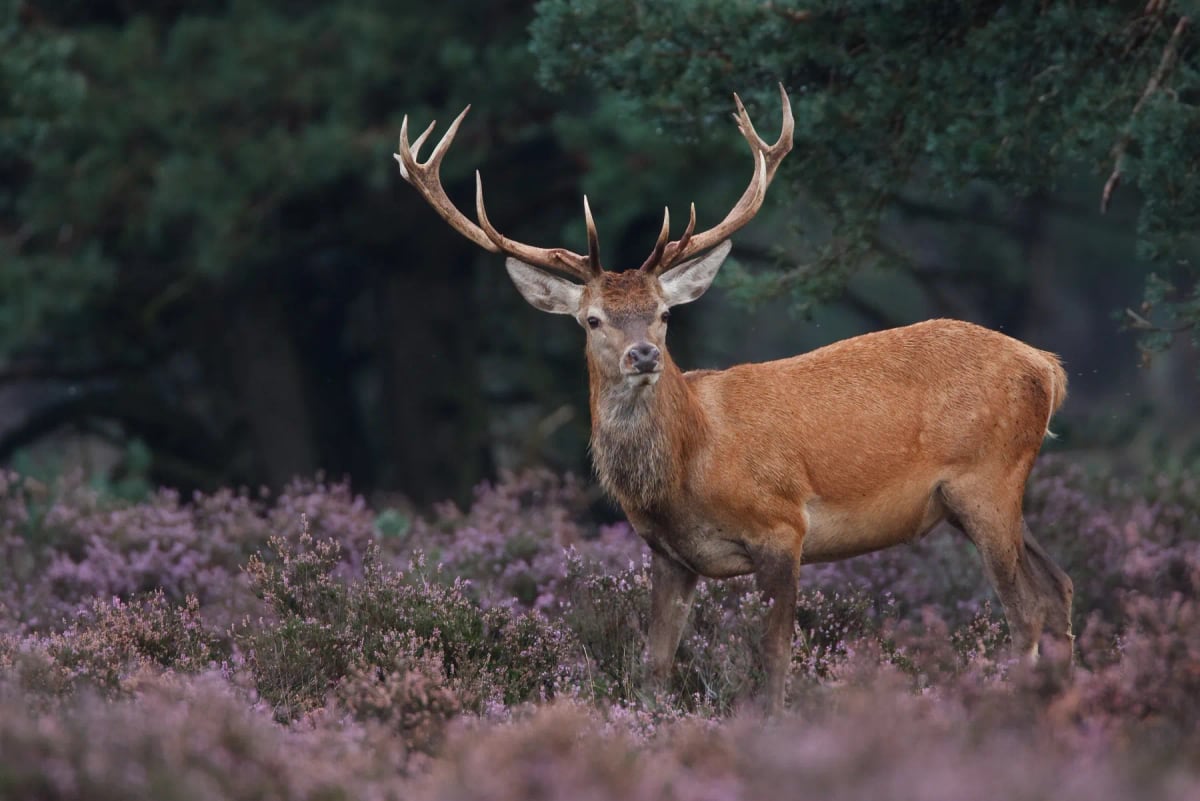
Red Deer
Cervus elaphus
Austria holds one of Central Europe's most robust red deer populations, found across the Alpine forests and mountain valleys that cover much of the country. Stags are a familiar sight in regions such as Tyrol and Styria, where regulated hunting and careful forest management help keep numbers in balance. The species is deeply woven into Austrian hunting culture and rural tradition. IUCN status: Least Concern.
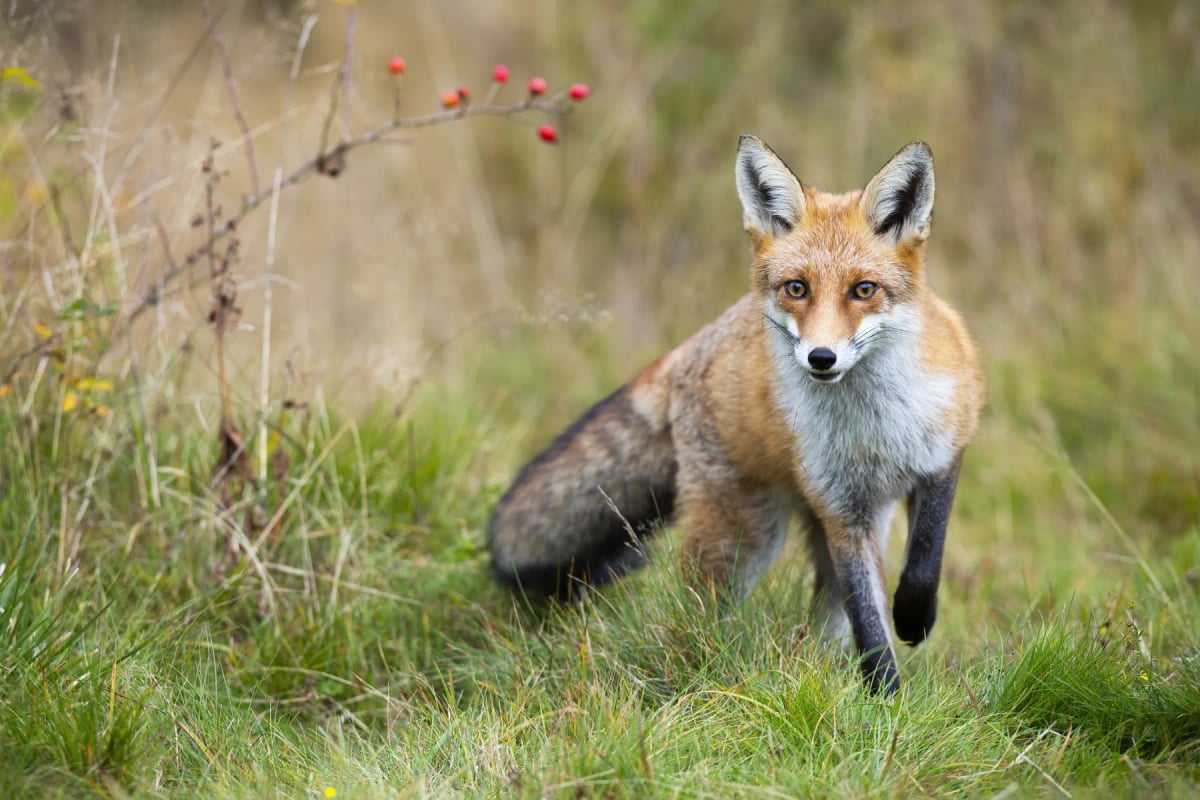
Red Fox
Vulpes vulpes
The red fox is one of Austria's most familiar wild animals, present from the Alpine valleys to the lowland forests of the Vienna Basin. Populations recovered strongly after sarcoptic mange outbreaks in past decades, and the species is now abundant. Urban foxes are increasingly common in cities like Vienna and Graz, where they scavenge and raise cubs in parks and gardens. Its IUCN status is Least Concern.
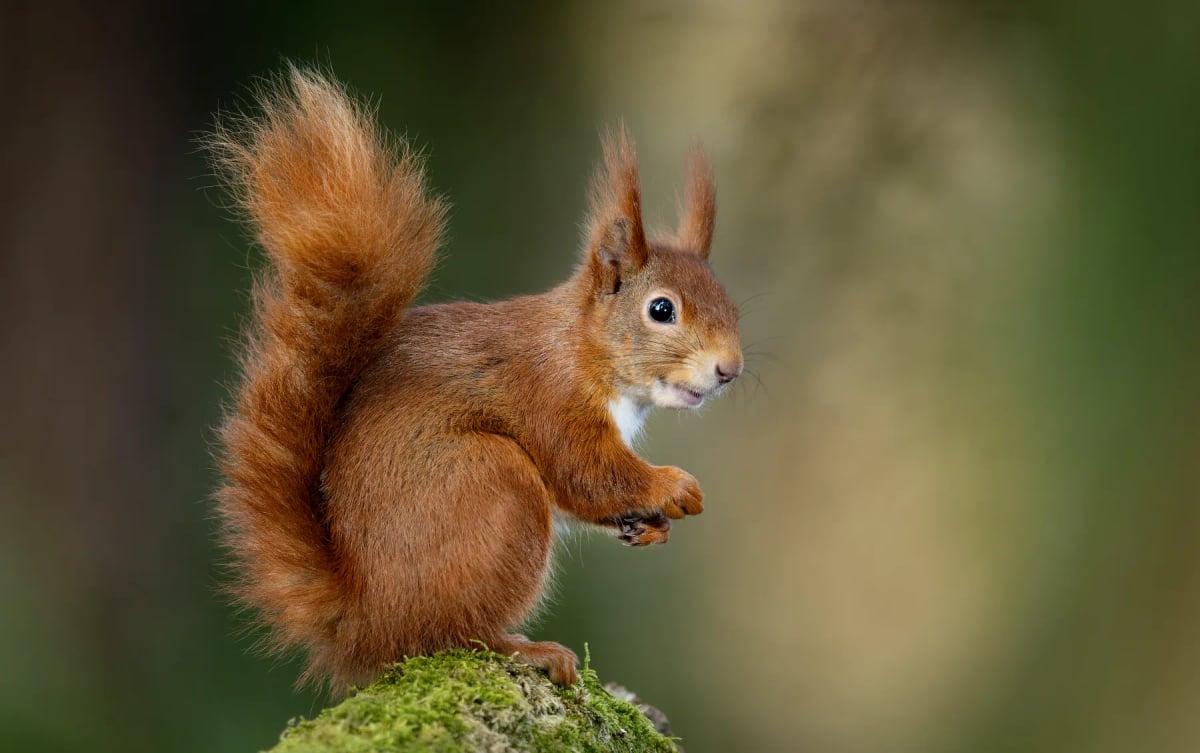
Red Squirrel
Sciurus vulgaris
Austria's extensive alpine and subalpine forests provide ideal habitat for the red squirrel, which is common throughout the country. It thrives in the spruce and pine forests of the Alps, where it relies on cone seeds as a primary food source. Austria has no grey squirrel population, so the red squirrel faces no competition from that invasive species here. IUCN status: Least Concern.
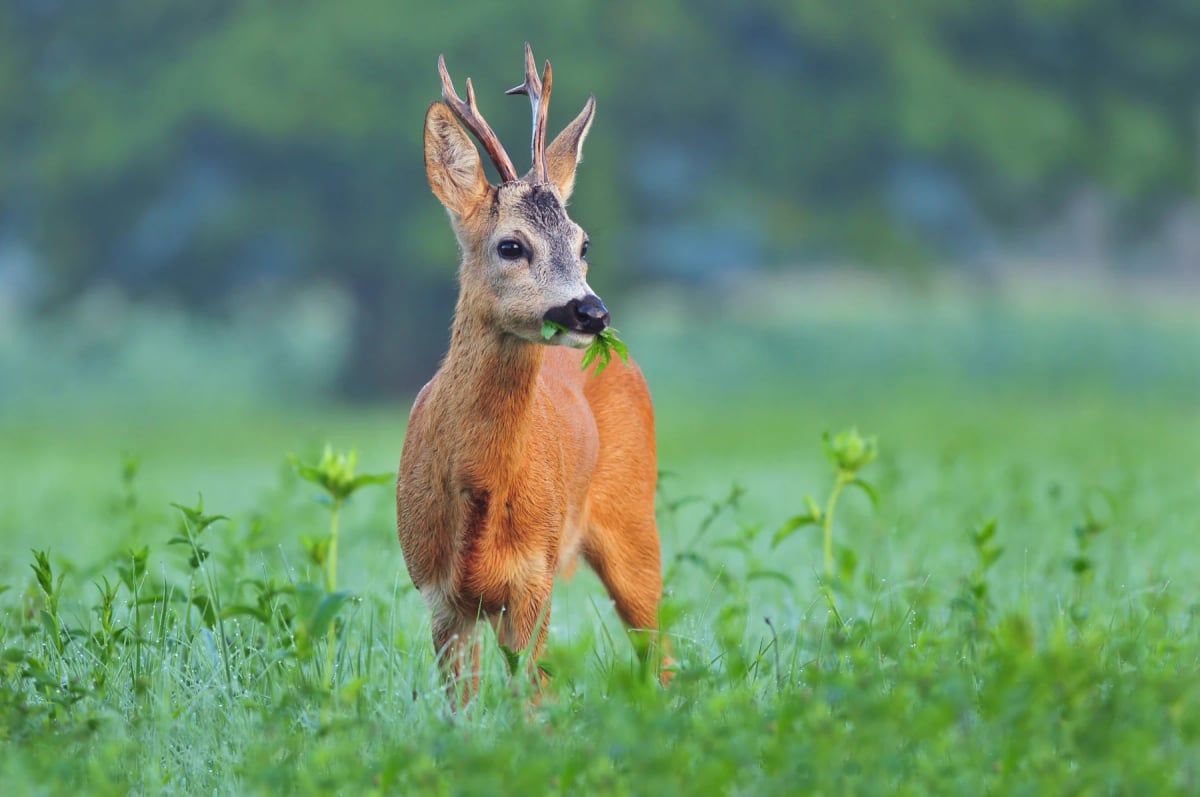
Roe Deer
Capreolus capreolus
Austria holds one of Central Europe's healthiest roe deer populations. The species is widespread across the Alpine foothills, the Vienna Woods, and the agricultural lowlands of the Pannonian region. It adapts well to both dense forest and open farmland edges. Hunting is carefully managed under Austrian wildlife law, with annual quotas set by region. The roe deer is classified as Least Concern and remains one of the country's most commonly seen wild mammals.
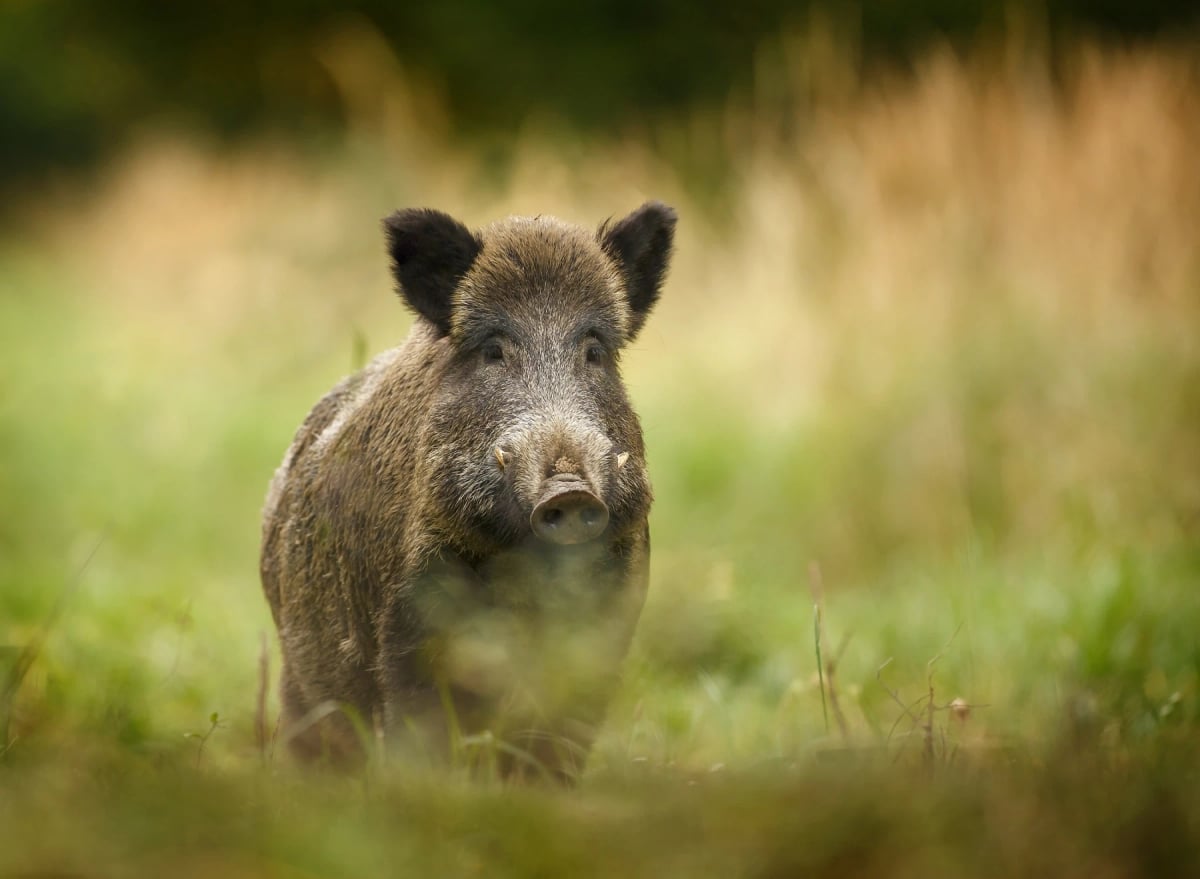
Wild Boar
Sus scrofa
Wild boars are widespread across Austria's lowland forests, with especially strong populations in the floodplain woodlands east of Vienna along the March and Thaya rivers. Mild winters and abundant farmland have helped numbers grow significantly in recent decades, and boars increasingly forage at the edges of towns and even parts of Vienna itself. They are a popular game species, and hunting remains the main tool used to manage their numbers.
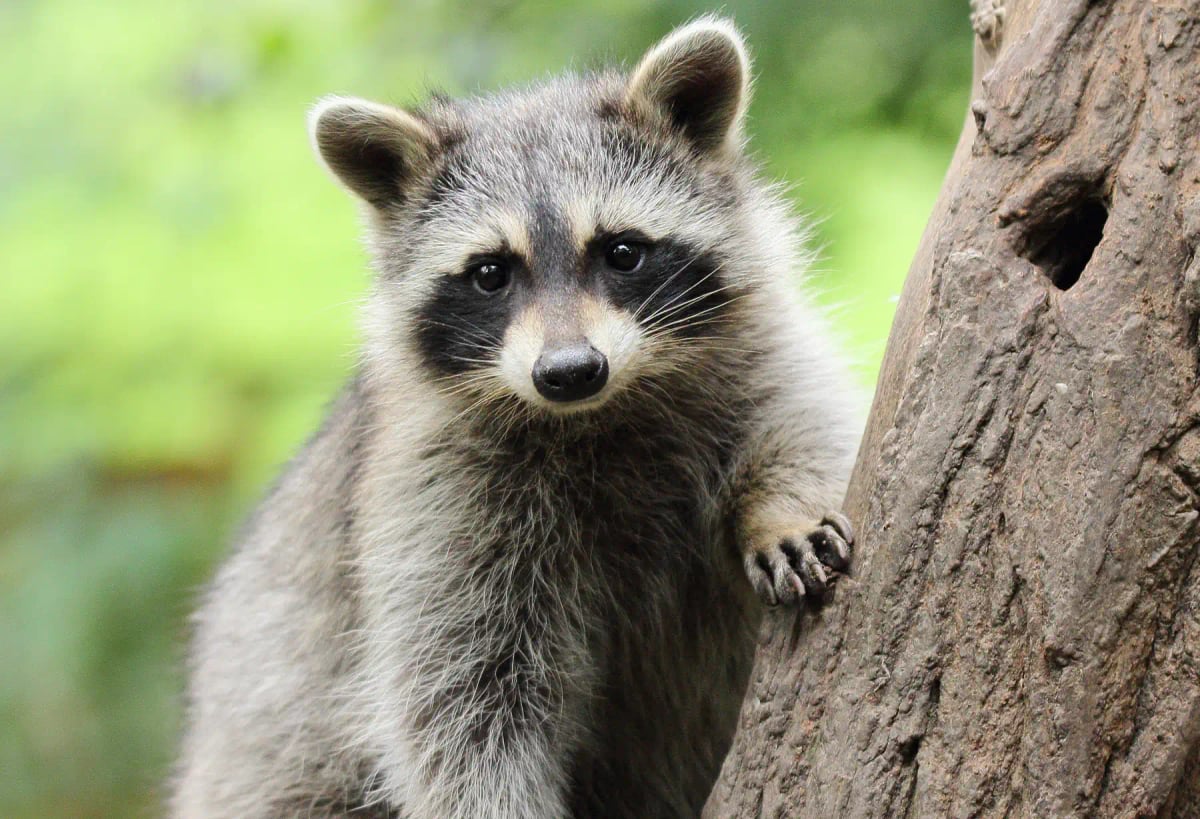
Raccoon
Procyon lotor
Raccoons reached Austria through the spread of populations established in Germany, and today they are found across much of the country, particularly in riparian forests along the Danube and its tributaries. Classified as an invasive species, they are subject to hunting regulations. Their adaptability allows them to thrive in both wooded valleys and urban parks, where their curious, nimble paws make them skilled foragers in almost any setting.
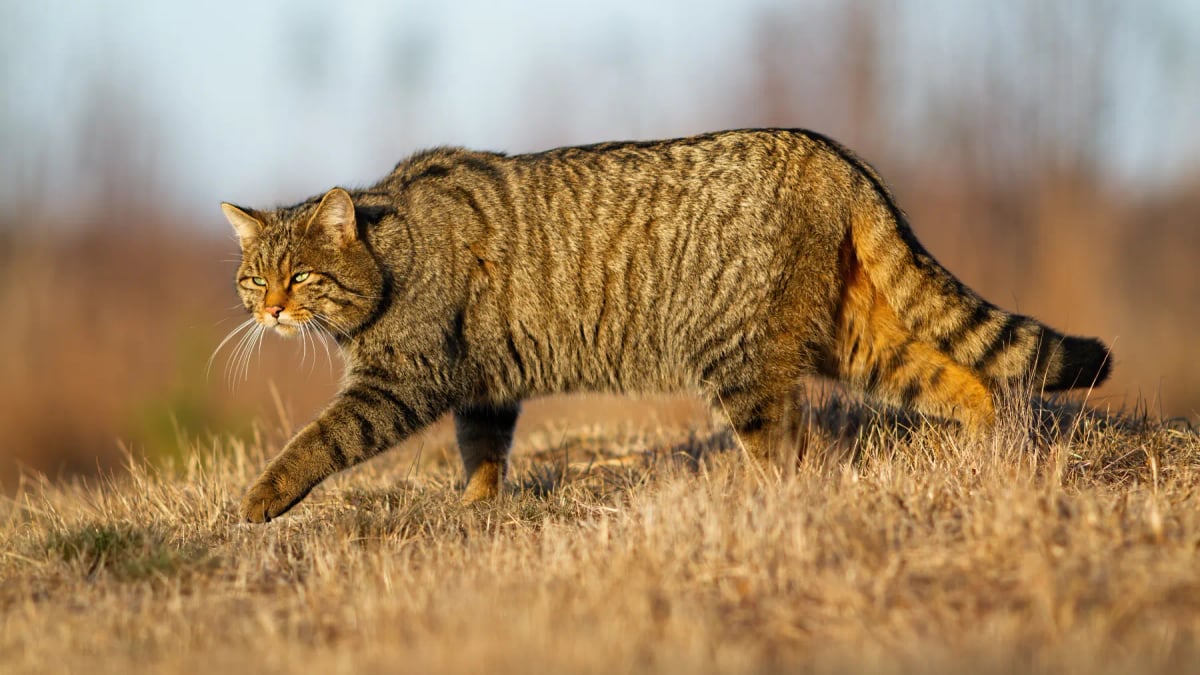
European Wildcat
Felis silvestris silvestris
In Austria, the European wildcat is found in broadleaf and mixed forests, with confirmed populations in the Vienna Woods and along the northern Alpine foothills. After disappearing from much of the country during the twentieth century, it has been slowly returning. It is a skilled nocturnal hunter of rodents and rabbits. Hybridization with domestic cats remains a serious concern for its genetic integrity.
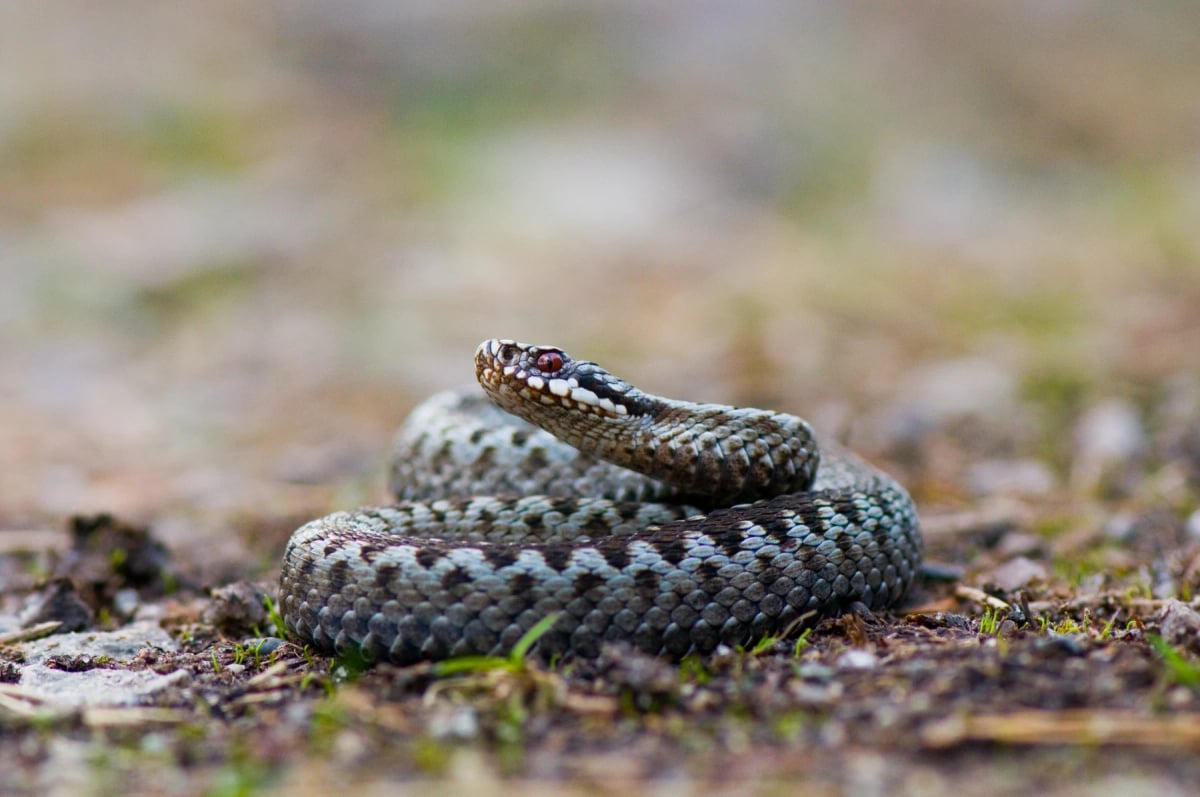
European Adder
Vipera berus
In Austria, the European adder is found across Alpine and pre-Alpine habitats, from forested hillsides to mountain meadows at considerable elevation. It is one of three snake species in the country capable of delivering venom, though bites are rare given its defensive nature. Populations face pressure from habitat loss and road traffic. Its IUCN status is Least Concern.
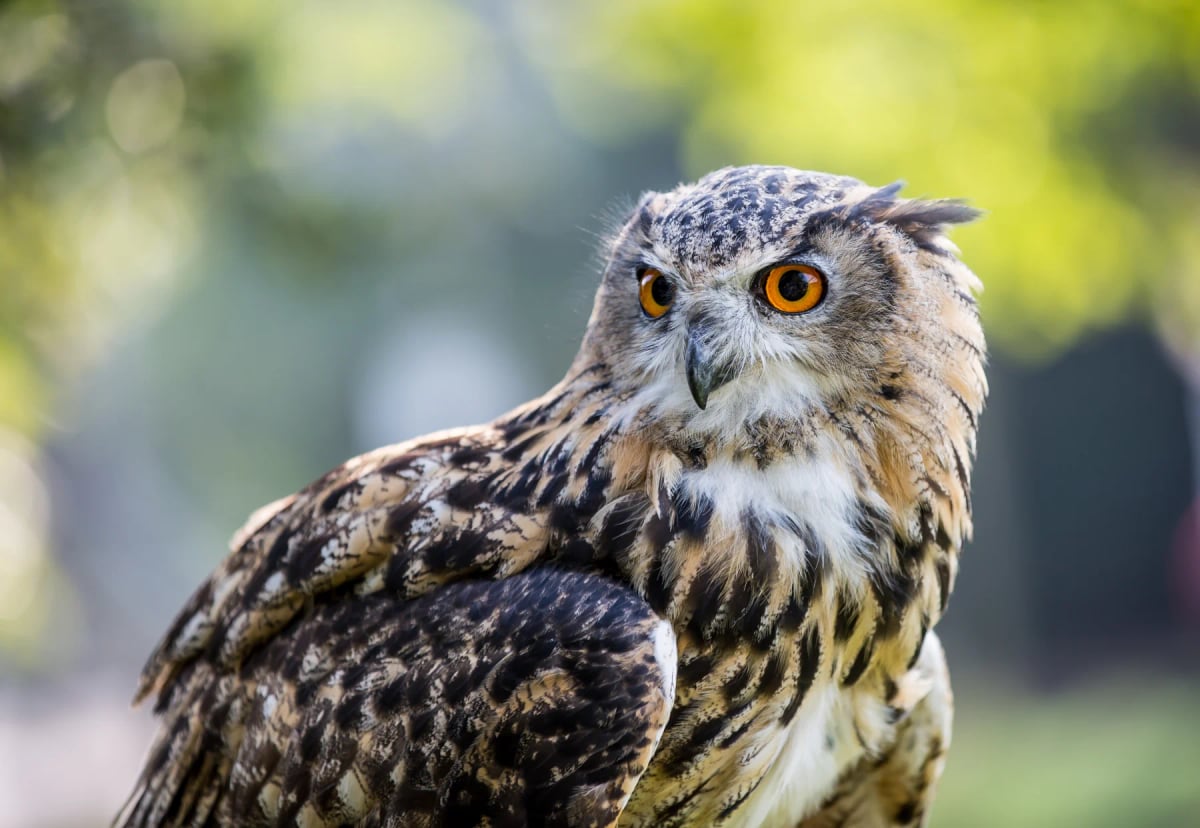
Eagle Owl
Bubo bubo
The Eurasian eagle owl was once nearly wiped out in Austria due to hunting and persecution, but conservation efforts helped it recover strongly from the late twentieth century onward. Today it lives in rocky river valleys, the foothills of the Alps, and forested gorges. Austria's population is considered stable, and the species is legally protected. The IUCN lists it as Least Concern.
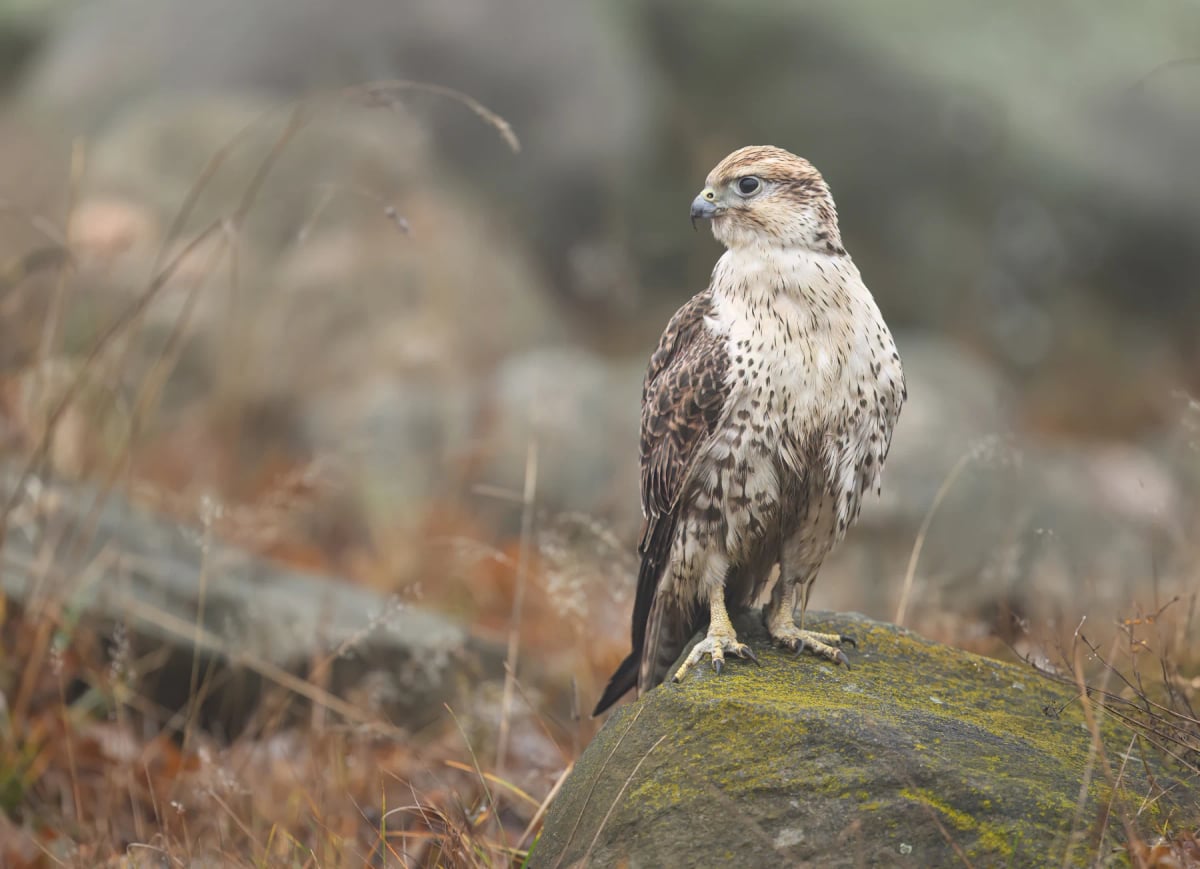
Saker Falcon
Falco cherrug
The saker falcon passes through Austria during migration, moving between its Central Asian and Eastern European breeding grounds and its wintering areas farther south. Observers have recorded it in open agricultural lowlands and along river valleys. Austria sits within a broader Central European corridor where illegal trapping and power line collisions remain serious threats. The IUCN lists the saker falcon as Endangered.
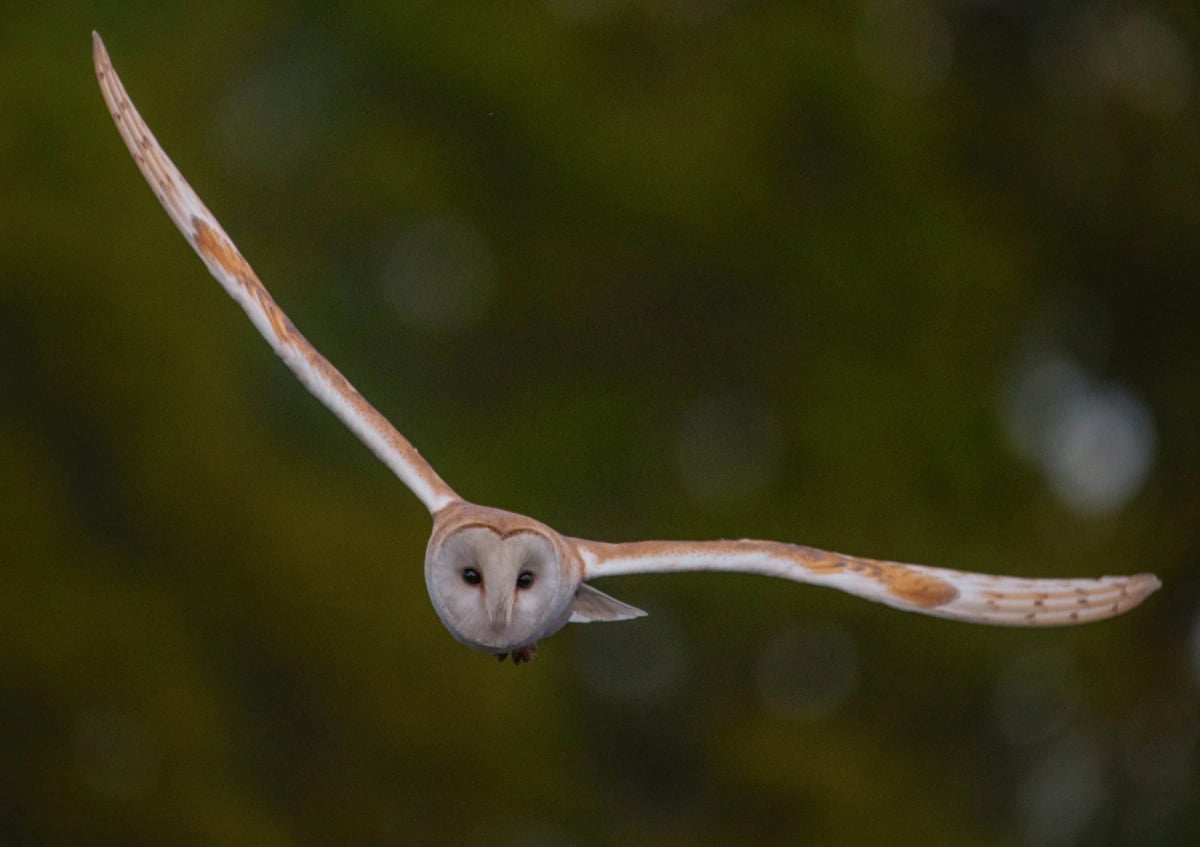
Barn Owl
Tyto alba
The barn owl is a resident of lowland Austria, found in the agricultural landscapes of the Danube valley, the Vienna Basin, and the eastern plains. It nests in old farm buildings, church towers, and hollow trees, and hunts mice and voles in open fields. Populations have declined in recent decades due to changes in farming practices and the loss of nesting sites, and nest box programs are now widely used to support the species.
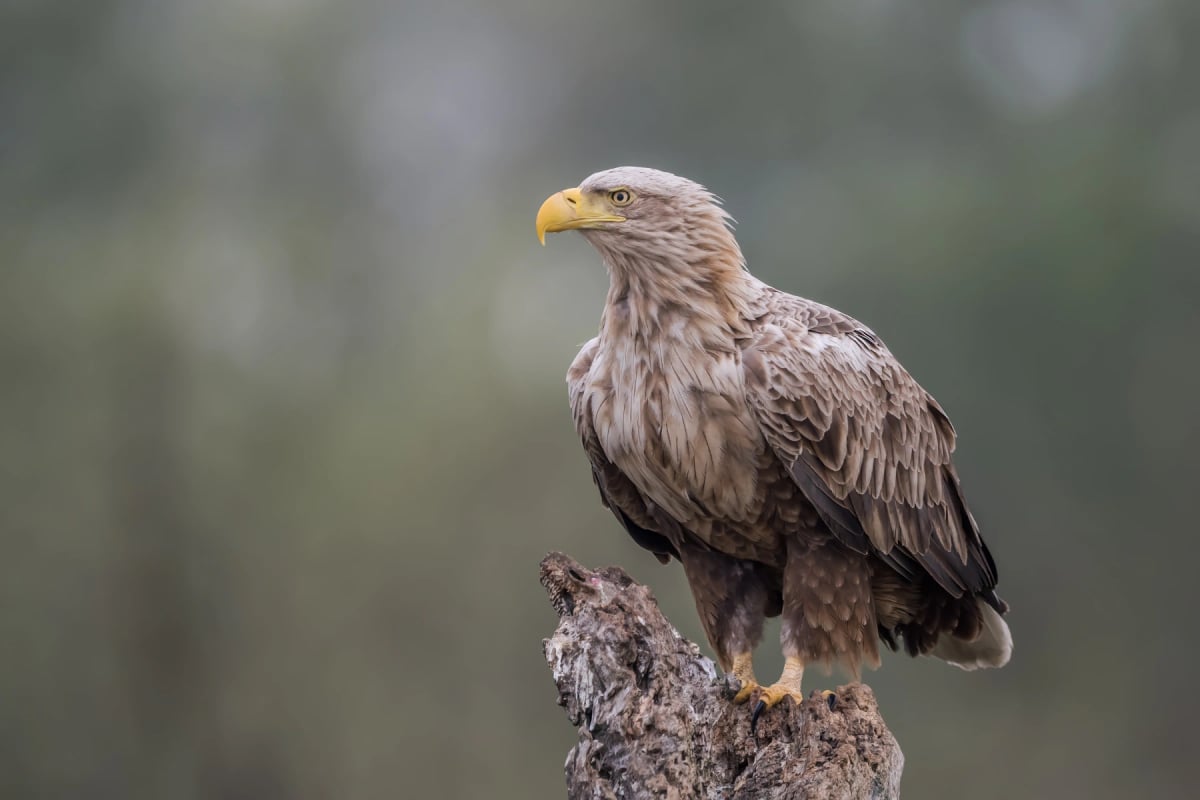
White tailed Eagle
Haliaeetus albicilla
Austria has seen a wonderful recovery of the white-tailed eagle over recent decades. Breeding pairs are now established along the Danube floodplains and around large lakes in the east of the country. Once persecuted to local extinction, strict legal protection brought the species back. It hunts fish and waterfowl along rivers and wetlands. The IUCN lists it as Least Concern.
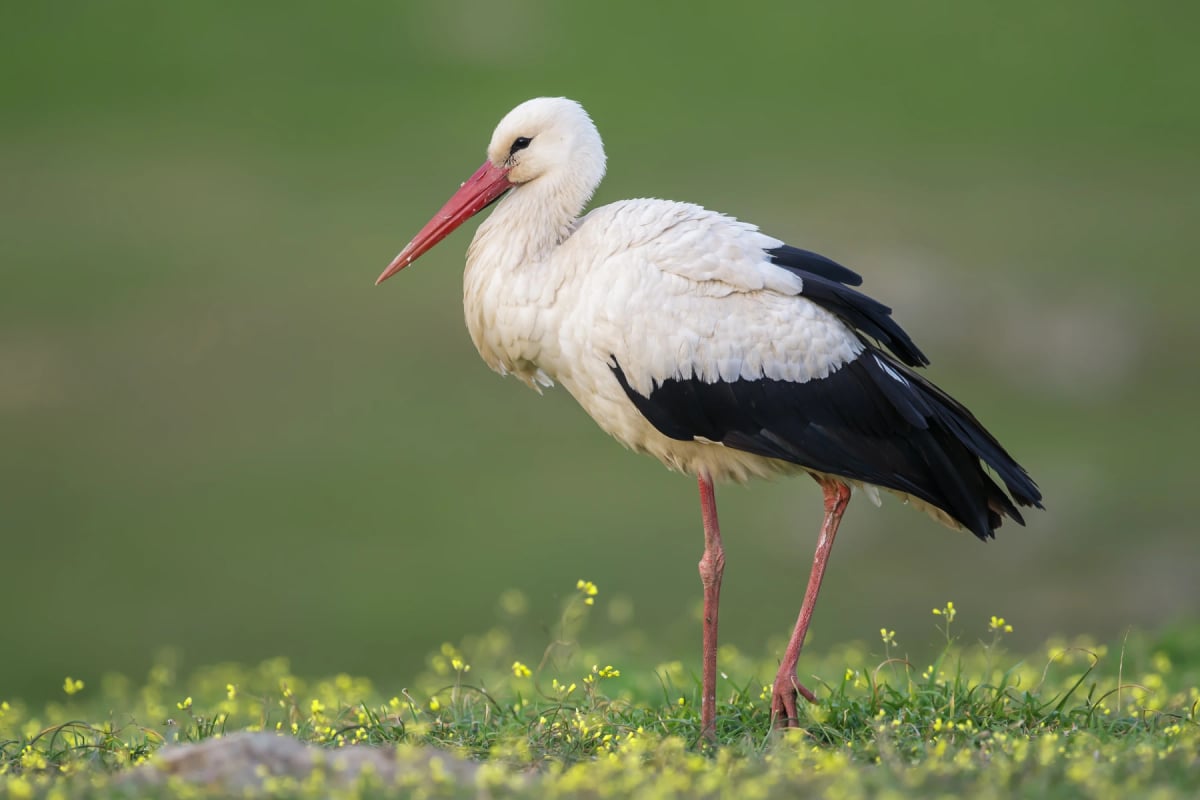
Stork
Ciconia ciconia
The white stork has a small but growing breeding population in Austria, concentrated mainly in the northeastern lowlands of the Marchfeld plain and along the Danube floodplains. After disappearing as a regular breeder during much of the twentieth century, conservation efforts and habitat restoration have helped pairs reestablish themselves. The birds feed in wet grasslands and agricultural fields. IUCN status: Least Concern.
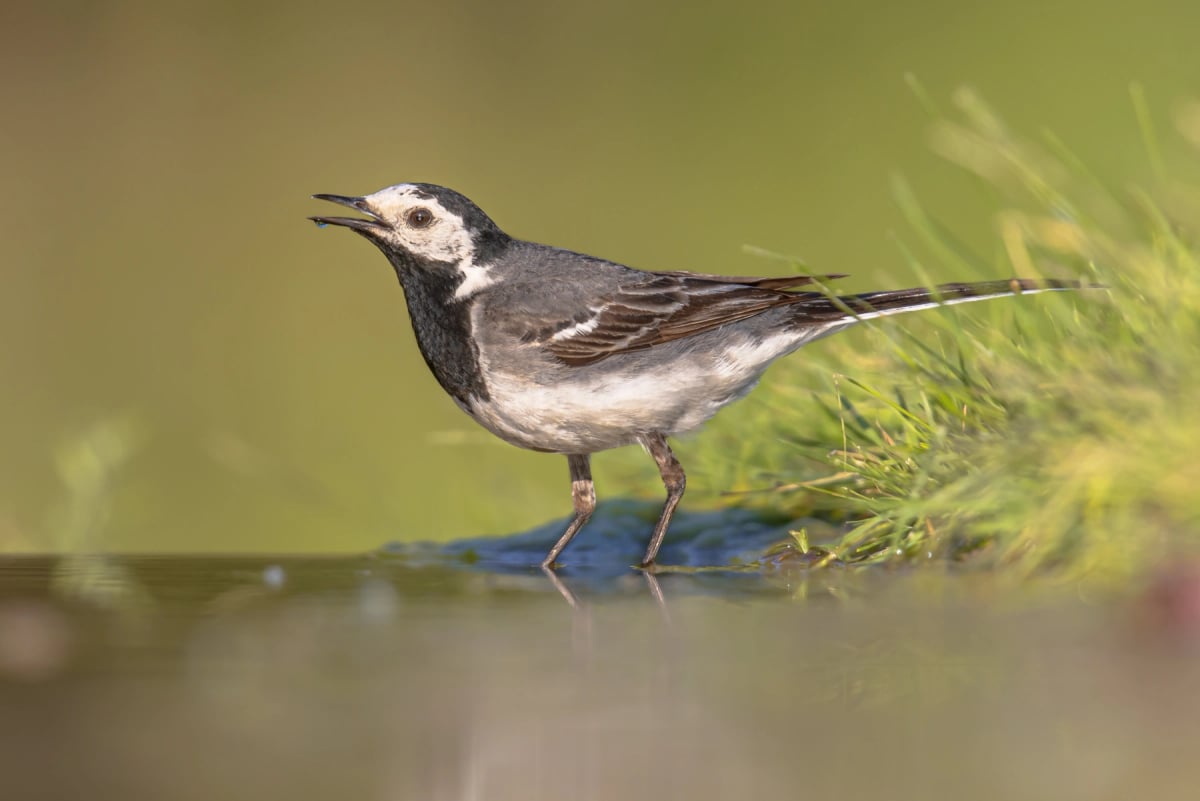
White Wagtail
Motacilla alba
The white wagtail is a common breeding bird throughout Austria, nesting along the banks of the Danube and its tributaries, as well as in Alpine river valleys. It builds its nest in crevices of stone walls, bridges and farm buildings. Most birds leave for Africa in autumn, though a few linger in milder lowland areas through winter. Its status is Least Concern.
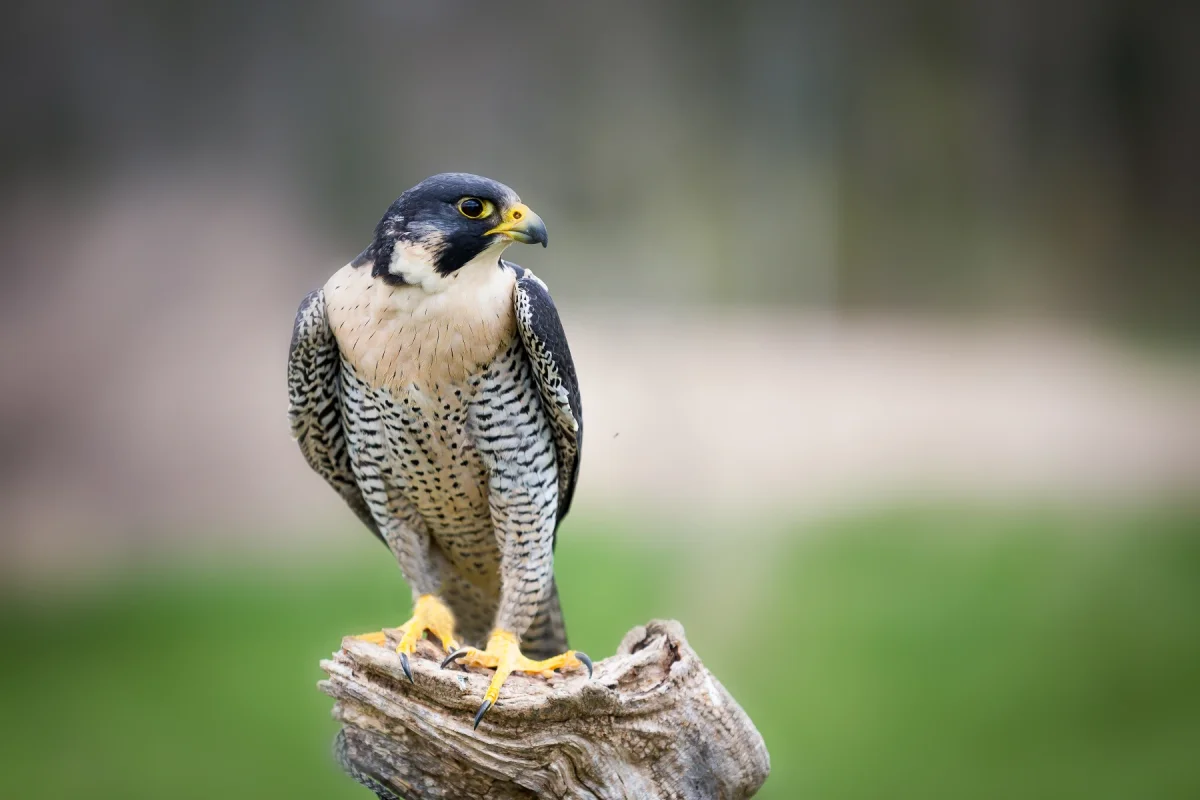
Peregrine Falcon
Falco peregrinus
Austria's peregrine falcon population made a strong comeback after the DDT era, and the species now breeds on limestone cliff faces across the Alps and in river gorges throughout the country. Urban pairs have also taken to nesting on cathedral spires and tall buildings in cities like Vienna and Graz. Conservation efforts coordinated by local wildlife groups helped guide this recovery. Its IUCN status is Least Concern.
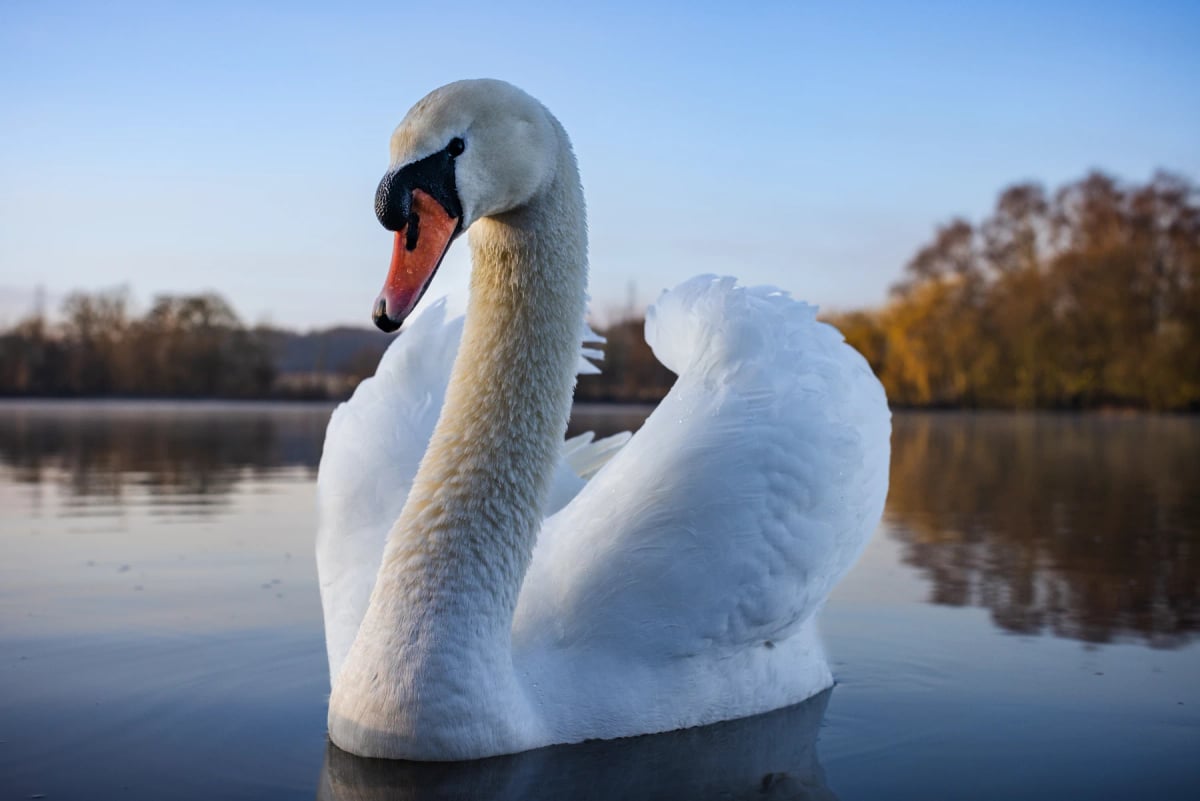
Mute Swan
Cygnus olor
The mute swan is one of the largest waterbirds in Europe, easily recognized by its white plumage, curved neck, and orange bill. In Austria, it is a familiar sight on the Danube River, alpine lakes, and urban ponds. Pairs often stay together for life, and both parents protect the nest with great determination. The IUCN lists this species as Least Concern.
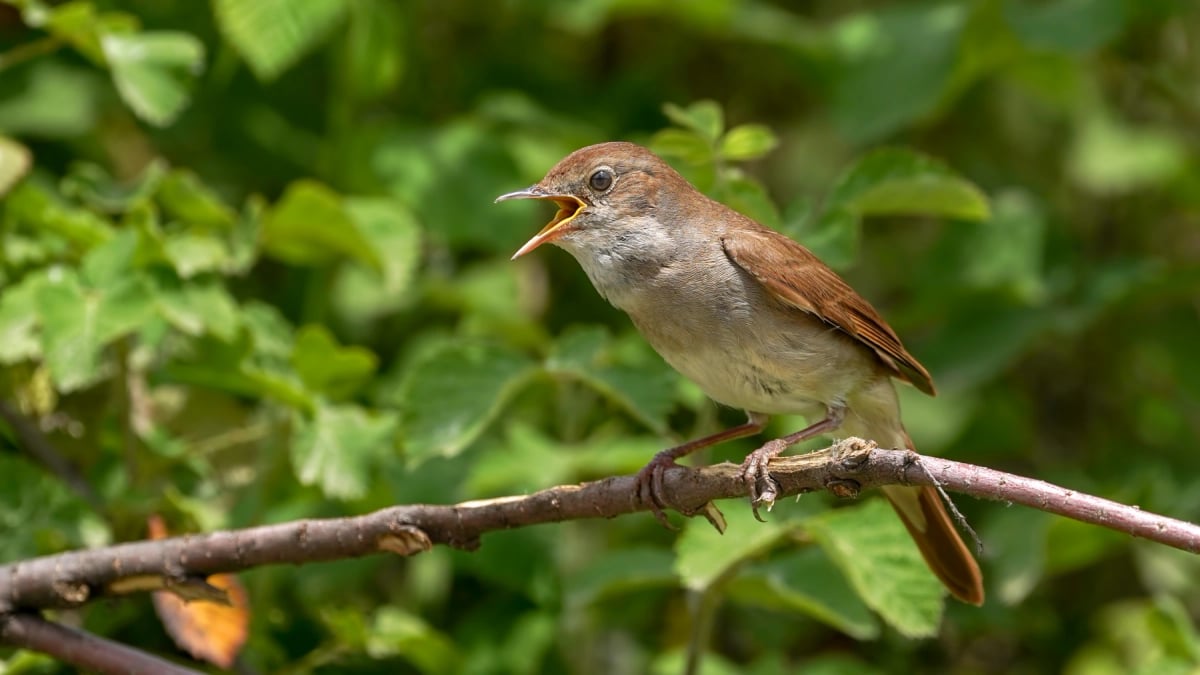
Nightingale
Luscinia megarhynchos
In Austria, nightingales breed mainly in the warmer lowlands of the east, particularly in the Vienna Woods and along the floodplain forests of the Danube and its tributaries. They favour dense shrubby undergrowth close to water, and their song is a celebrated part of the Austrian spring. Numbers are generally stable here compared to declines seen further west. It is rated Least Concern by the IUCN.
Golden Eagle
Aquila chrysaetos
The golden eagle is found in the Austrian Alps, where it nests on cliff faces and hunts over high mountain pastures and forested slopes. It feeds mainly on marmots, hares, and occasionally young chamois. Austria supports a modest but stable breeding population. The IUCN lists it as Least Concern, and the species benefits from legal protections and the preservation of Alpine habitat across the country.
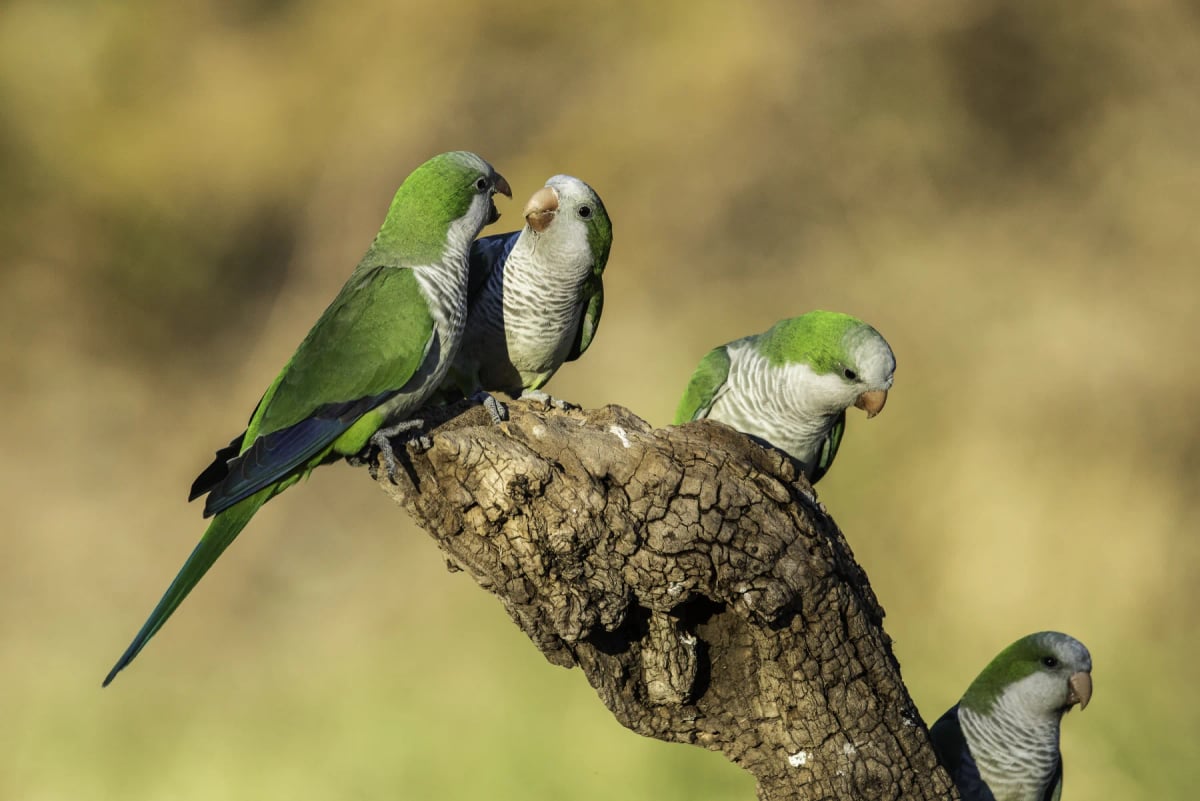
Monk Parakeet
Myiopsitta monachus
The Monk Parakeet has established a small introduced population in Austria, with sightings concentrated around Vienna. Escaped or released pet birds are the origin of these urban flocks. While not yet widely established, the species is monitored as a potential invasive bird in Central Europe. It tolerates cold winters better than most parrots, which helps it survive in the region. IUCN Status: Least Concern.
Researched and written by Juan Pablo. Sources: IUCN Red List, scientific literature and regional field guides. Last updated: .