Animals in Japan
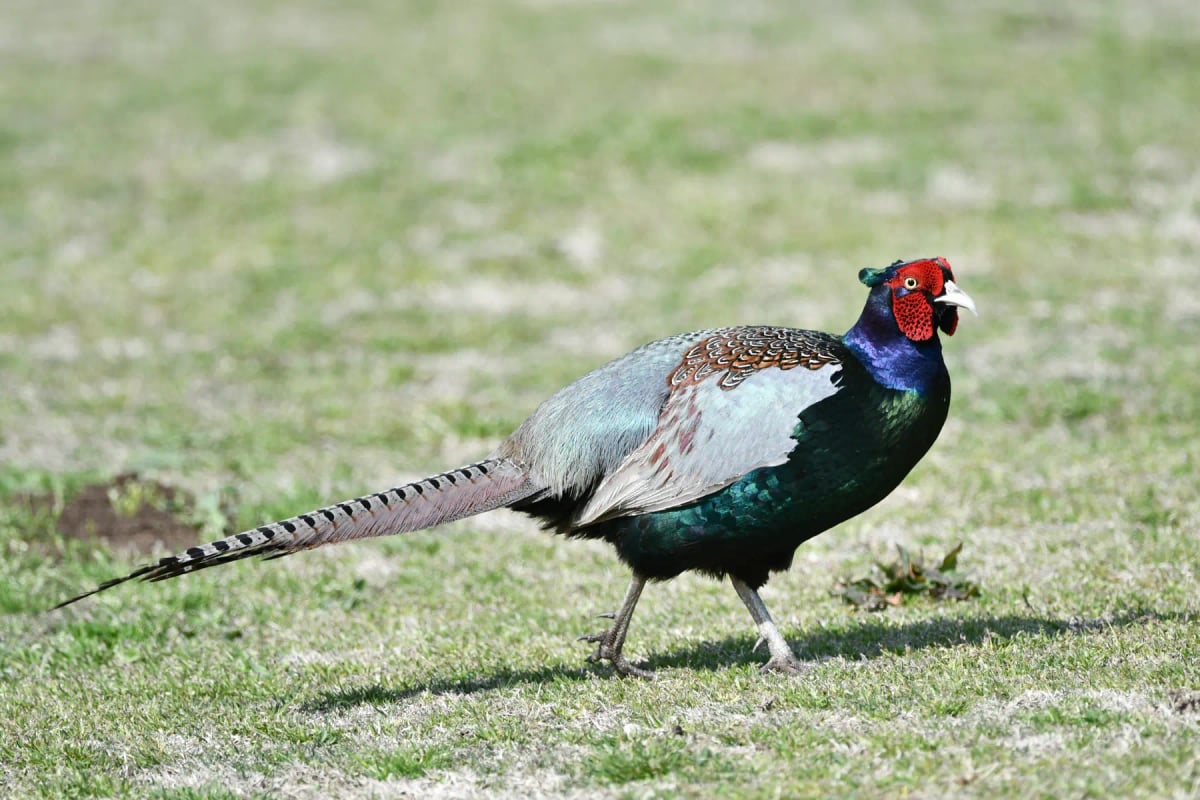
Green Pheasant
Phasianus versicolor
The green pheasant is a national symbol tied to rural life and seasons. Its call carries over fields and river banks at dawn, and the bird appears in prints, school books and local festivals. Protected edges of farmland and small woods keep cover for nesting and short flights. As cities meet the countryside, the pheasant links daily culture with the idea that wildlife can live beside paths, canals and quiet roads.
View details→Wildlife in Japan
Japan stretches from snowy Hokkaido to the warm Ryukyu islands, with forests, rivers, rice fields and long coasts. National parks offer signed trails and easy lookouts, and trains link cities with gateways for weekend trips. Winter brings clear views on mountain valleys, while spring and autumn add bird migration along capes and lakes. Offshore, calm bays host dolphins, sea turtles and bright reefs near small ports.
Most Dangerous Animals in Japan
Risk in Japan follows habitat and season. In mountain forests, Asiatic black bears and wild boar are strong animals that avoid towns but may pass near trails. Along warm coasts, sea snakes belong to channels and reef edges. Offshore, orcas and large sharks such as great white and hammerhead travel deep routes near capes and straits. Most wildlife is seen at distance, with brief reports from marked areas.
Top 10 Animals in Japan
Japan rewards wildlife seekers across every latitude and season. In the north, snowy forests and volcanic landscapes shelter mammals adapted to the cold that have become symbols of the country worldwide. Mountain ridges across the main islands hide agile grazers and forest predators rarely seen elsewhere. Coastal waters bring together dolphins, large sharks and seasonal whale sightings, while the warm southern islands offer sea turtles, reef fish and one of the few dugong populations left in East Asia. From hot spring valleys to coral reefs, Japan packs an unusual range of wildlife into a compact archipelago that is easy to explore.
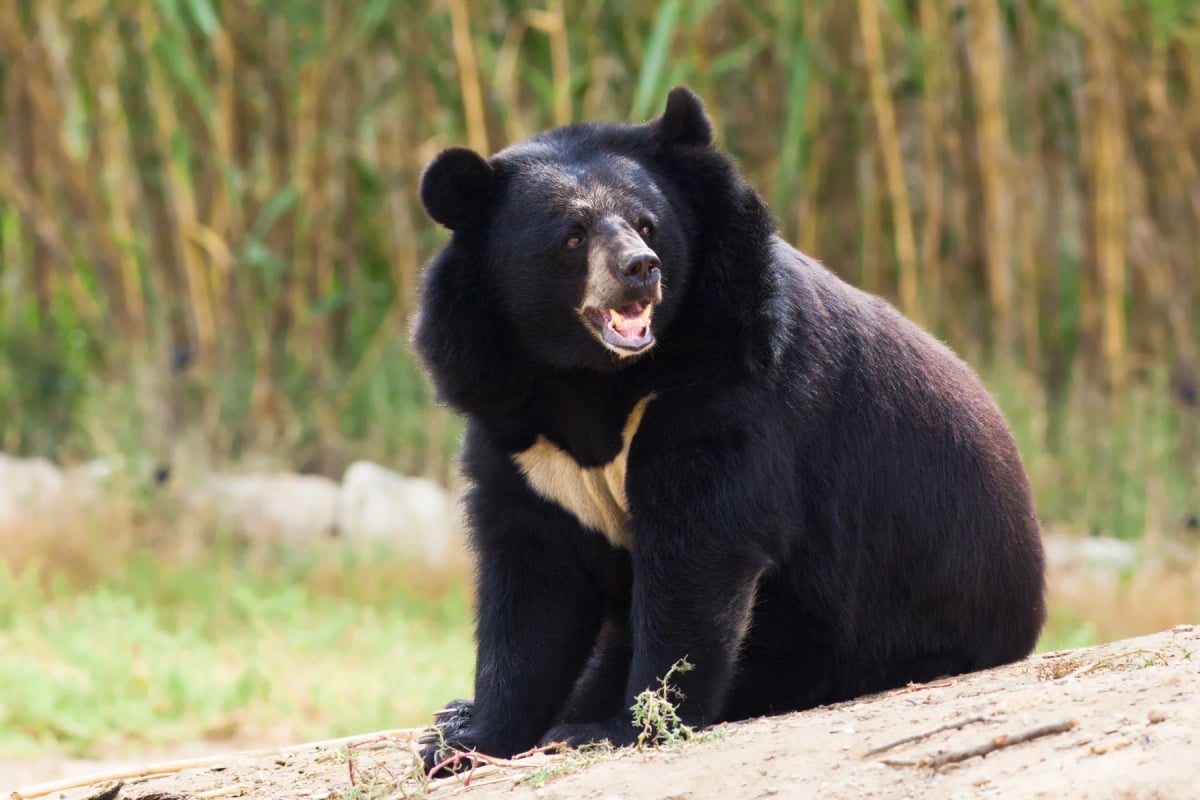
Asiatic Black Bear
Ursus thibetanus
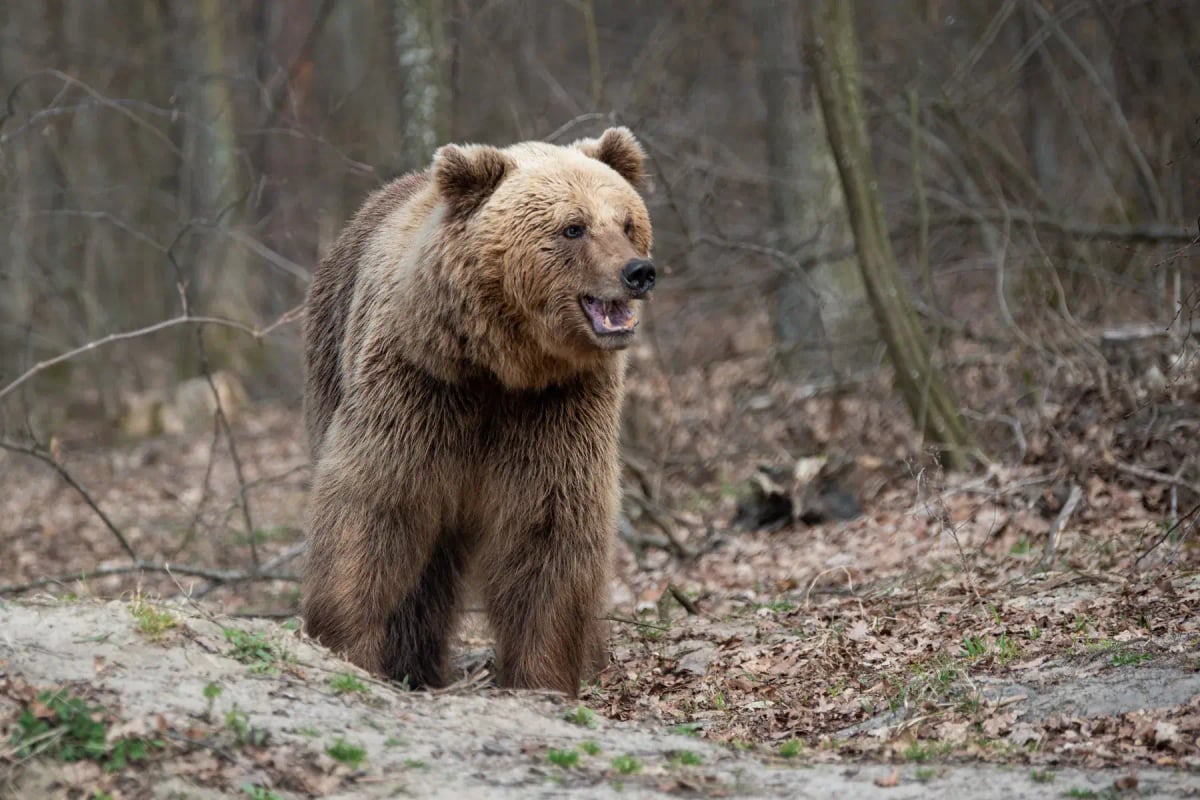
The Asiatic black bear lives in mountain forests across Honshu, Shikoku and Kyushu, where it feeds on berries, nuts, insects and occasionally crops. It is a powerful animal and encounters near villages or hiking trails can be dangerous, particularly in autumn when bears are feeding intensively before winter. Hokkaido has no Asiatic black bears but is home to the larger brown bear instead. Bells and noise are commonly used by hikers to avoid surprise encounters.
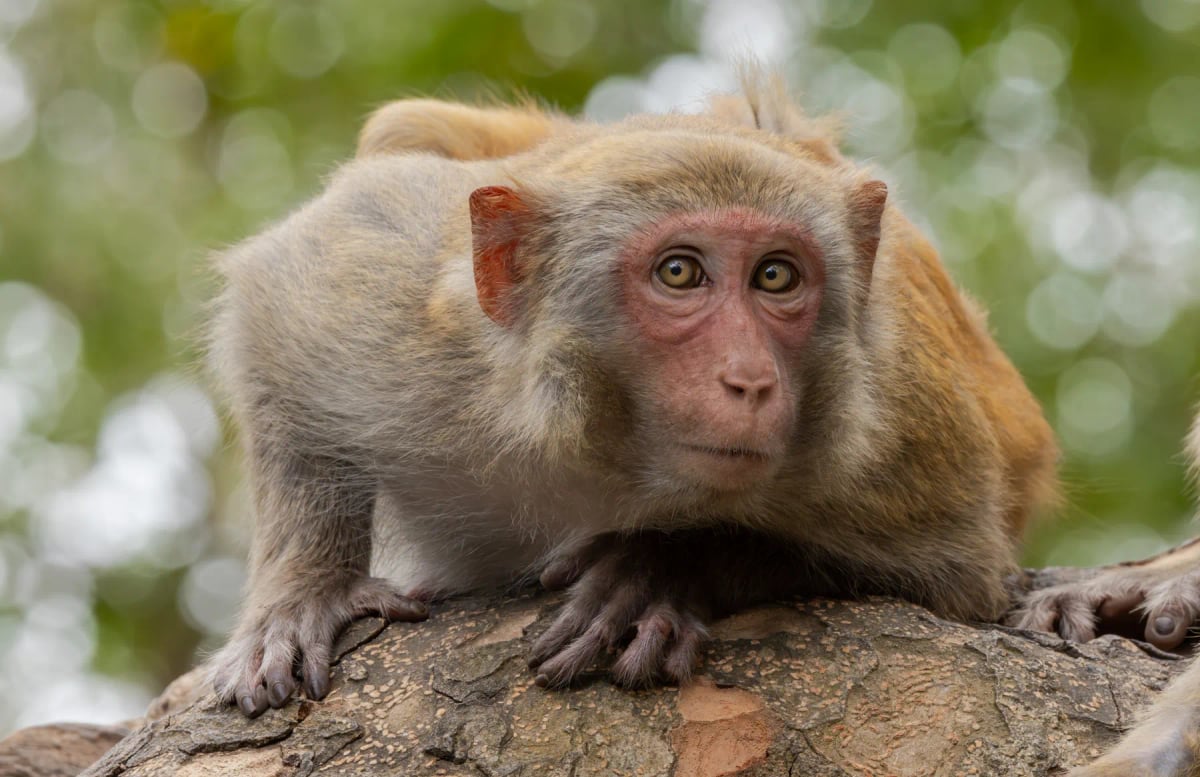
Macaque
Macaca spp.
The Japanese macaque, also called the snow monkey, is the only macaque species in Japan and the most northerly living primate in the world aside from humans. Populations in Nagano are famous for bathing in natural hot springs during winter. They live in forested mountains across Honshu, Shikoku, and Kyushu. Their status is Least Concern, though some local populations face pressure from urban expansion and crop raiding.
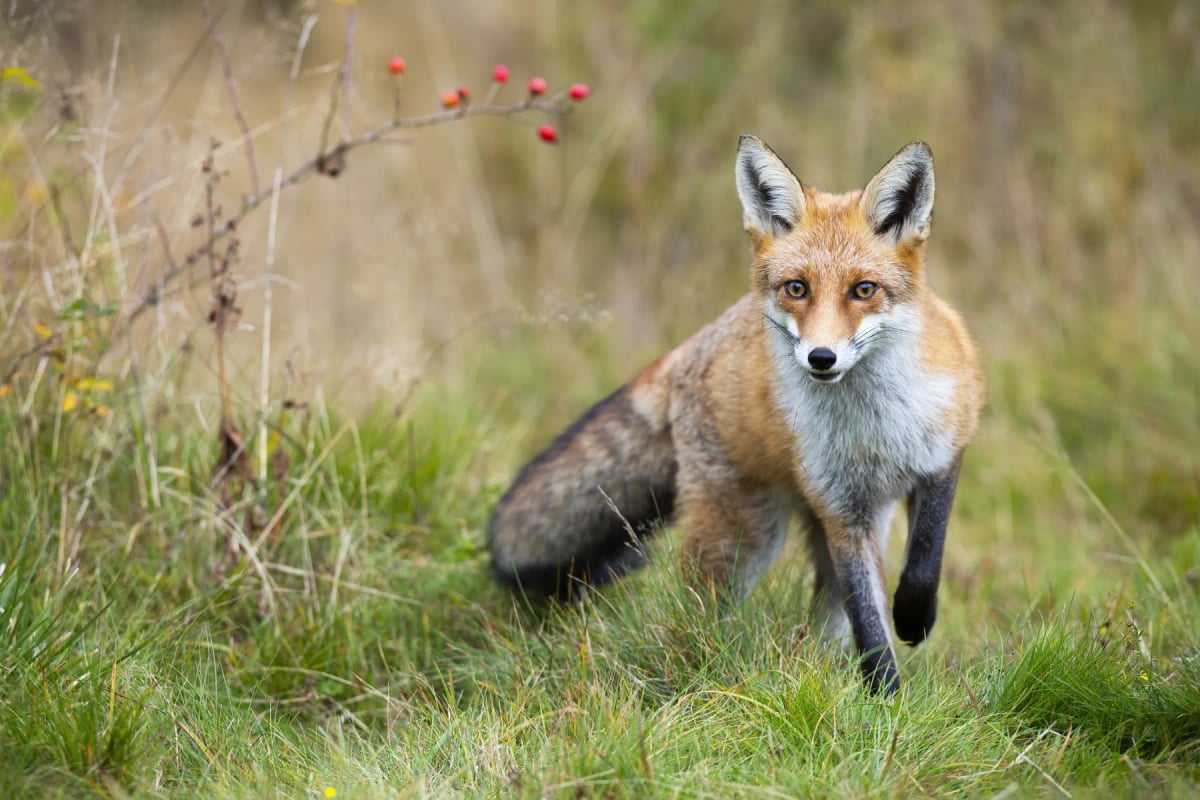
Red Fox
Vulpes vulpes
In Japan, the red fox is native to Hokkaido, the country's northernmost main island, where it roams forests, farmland, and even city outskirts. It is absent from Honshu, Shikoku, and Kyushu as a native species. On Hokkaido, foxes are well known for approaching tourists, though feeding them is discouraged due to the risk of spreading Echinococcus, a serious tapeworm parasite. Its IUCN status is Least Concern.

Red Squirrel
Sciurus vulgaris
In Japan, the red squirrel is found on the northern island of Hokkaido, where it inhabits conifer and mixed forests. The Japanese population belongs to a distinct subspecies and is well adapted to the island's cold, snowy winters. It is a familiar and well-loved animal in Hokkaido, where it can often be seen foraging in forests near towns and national parks such as Daisetsuzan. IUCN status: Least Concern.
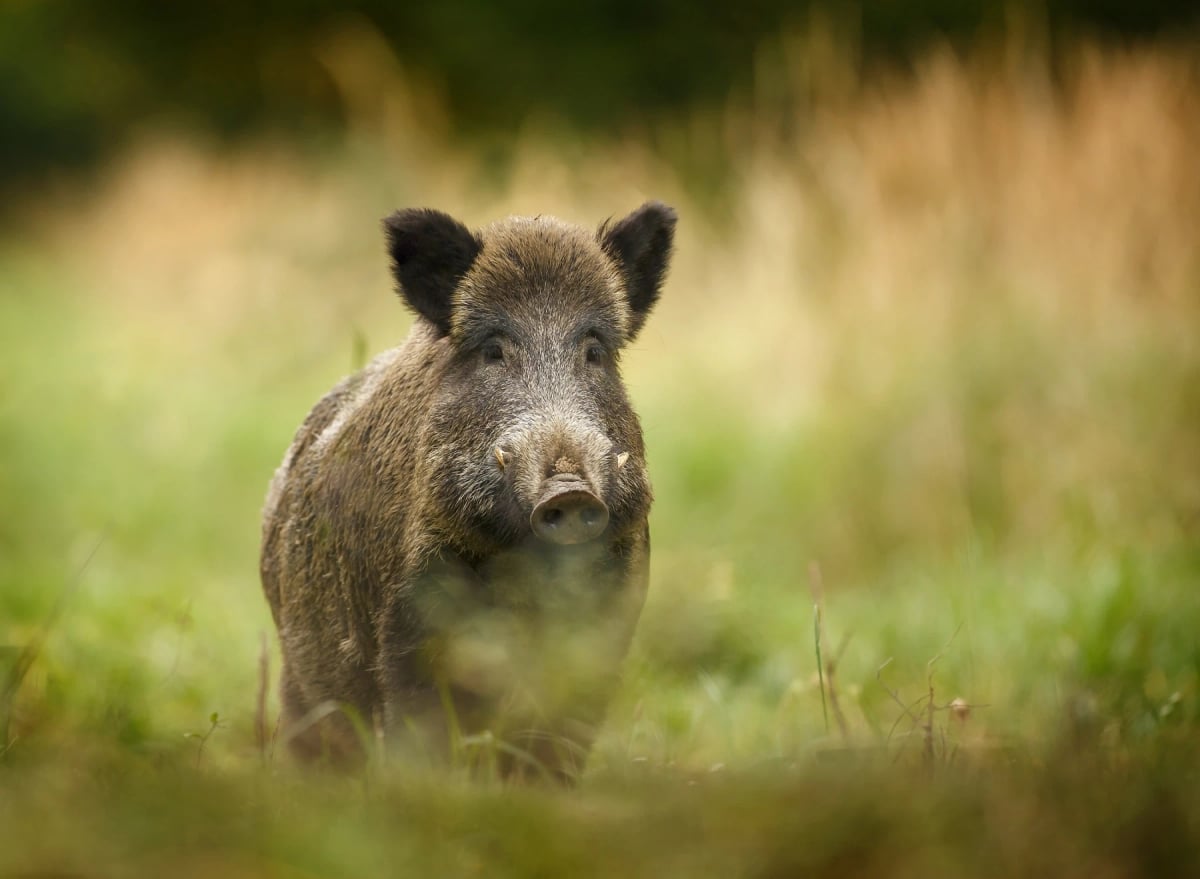
Wild Boar
Sus scrofa
Wild boars are widespread across Honshu, Shikoku and Kyushu, and their range has been expanding in recent decades. They feed on roots, tubers, crops and small animals, causing damage to farmland and increasingly entering suburban areas in search of food. In mountain areas they can be dangerous at close range, especially females with young. They are heavily hunted and remain an important prey species for bears and wolves where these predators are present.
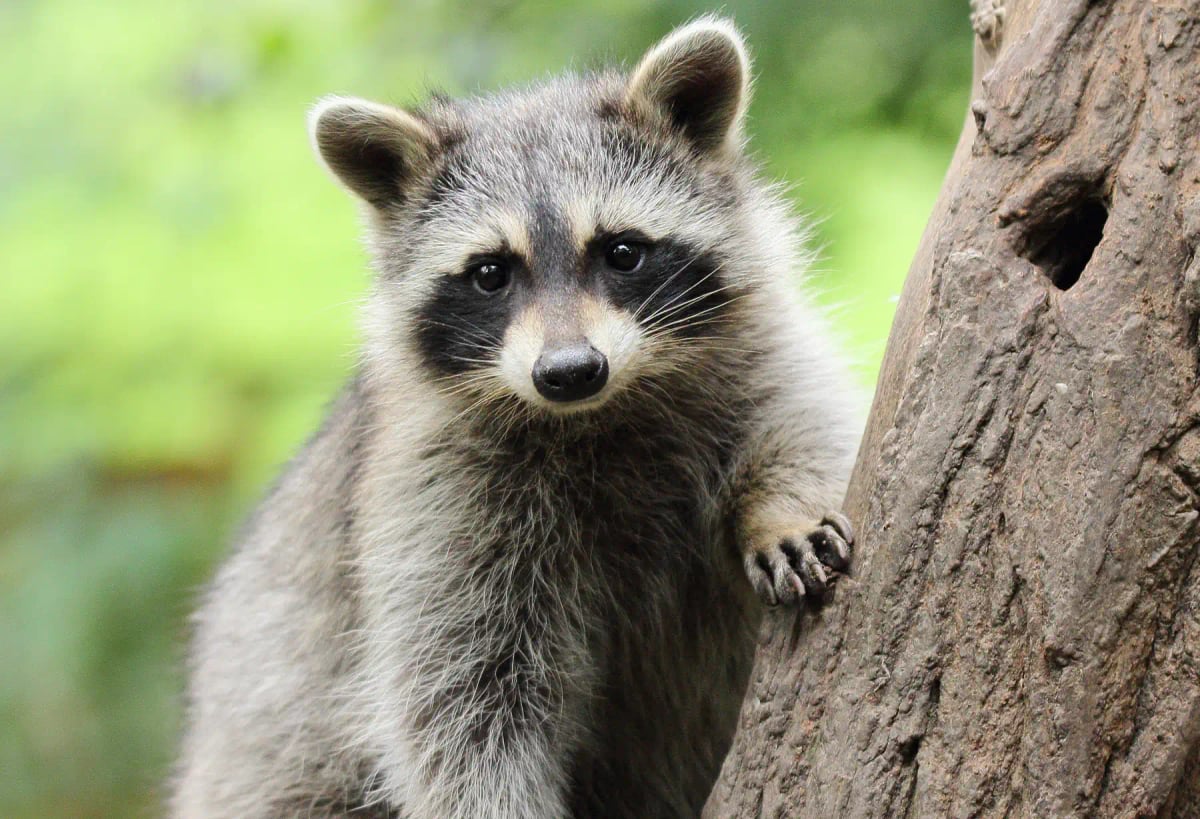
Raccoon
Procyon lotor
Raccoons were brought to Japan in the late twentieth century, partly driven by the popularity of a Japanese anime series that featured them as pets. Many were released or escaped into the wild, and populations have since spread across Hokkaido and Honshu. They now threaten native wildlife and damage crops and historic buildings. Japan classifies the raccoon as an invasive alien species and actively works to control its numbers.
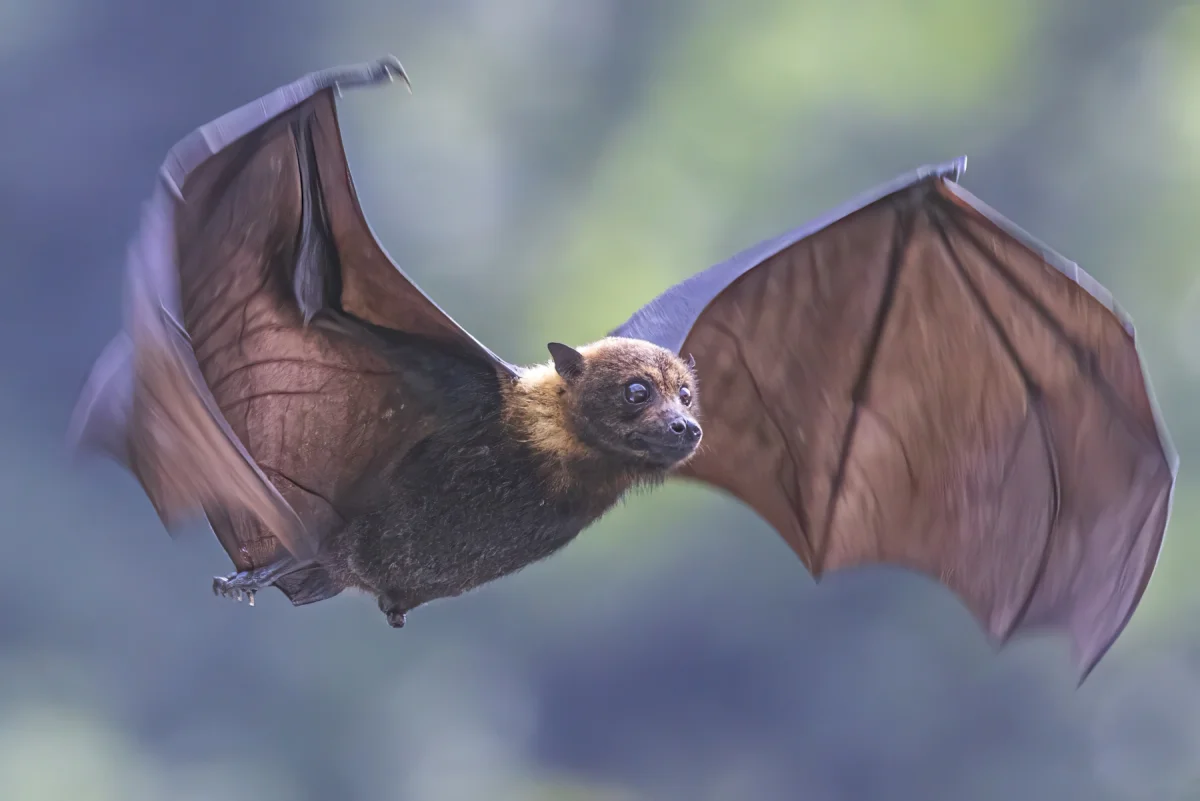
Fruit Bat
Pteropodidae
In Japan, fruit bats are found primarily in the Ryukyu Islands, including Okinawa. The Ryukyu flying fox is one of the most recognised species in this region. These bats roost in forested areas and play an important role in pollinating native plants and spreading seeds across the island chain. Habitat loss from development has created conservation concern for local populations despite the family's global status of Least Concern.
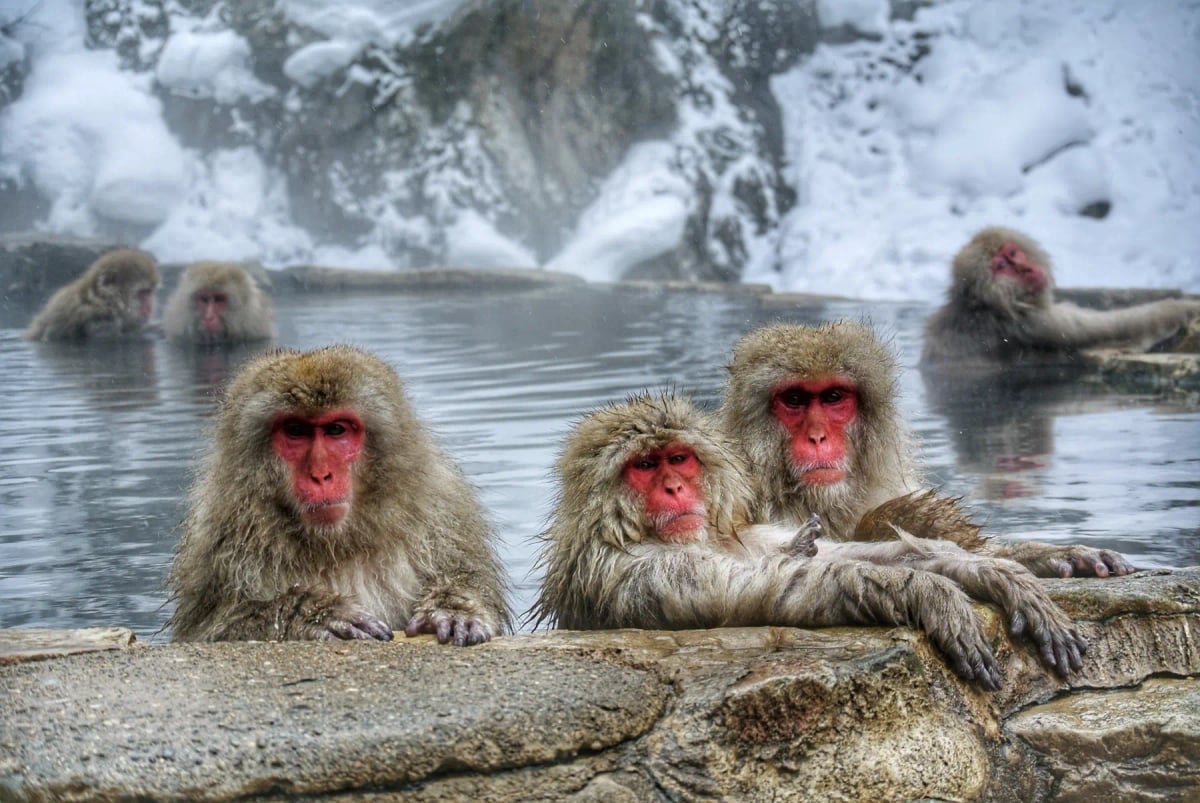
Japanese Macaque
Macaca fuscata
The Japanese macaque is the only wild primate in Japan and lives across forests from Honshu to Yakushima Island. Famous for bathing in hot springs at Jigokudani in Nagano Prefecture during winter, troops follow clear social ranks and eat fruit, bark, and insects through the seasons. The IUCN lists them as Least Concern, though habitat loss and conflicts with farmers remain real pressures.
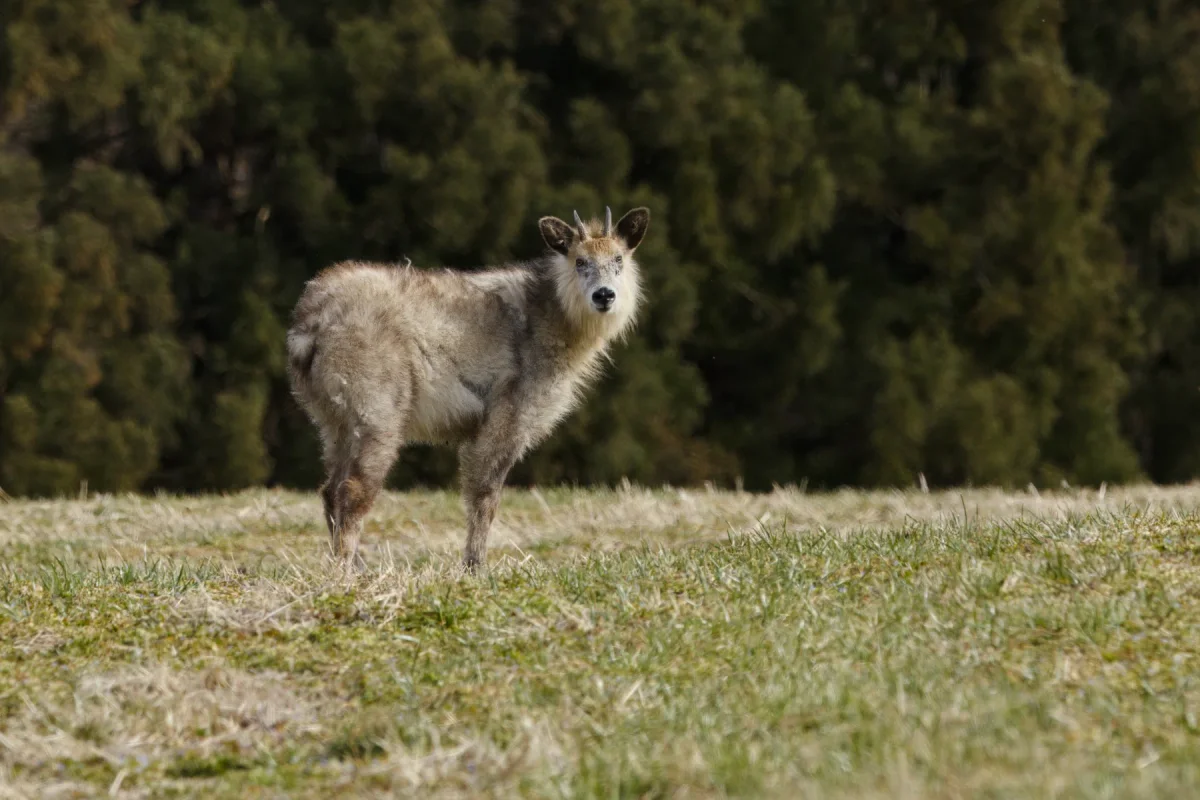
Japanese Serow
Capricornis crispus
The Japanese serow is found only in Japan, roaming the mountain forests of Honshu, Shikoku, and Kyushu. Its thick coat, ranging from pale gray to nearly black, handles heavy winter snow with ease. Once pushed close to extinction by overhunting, it was declared a Special Natural Monument in 1955. Today, populations have stabilised across many of Japan's mountain ranges. The IUCN lists it as Least Concern.
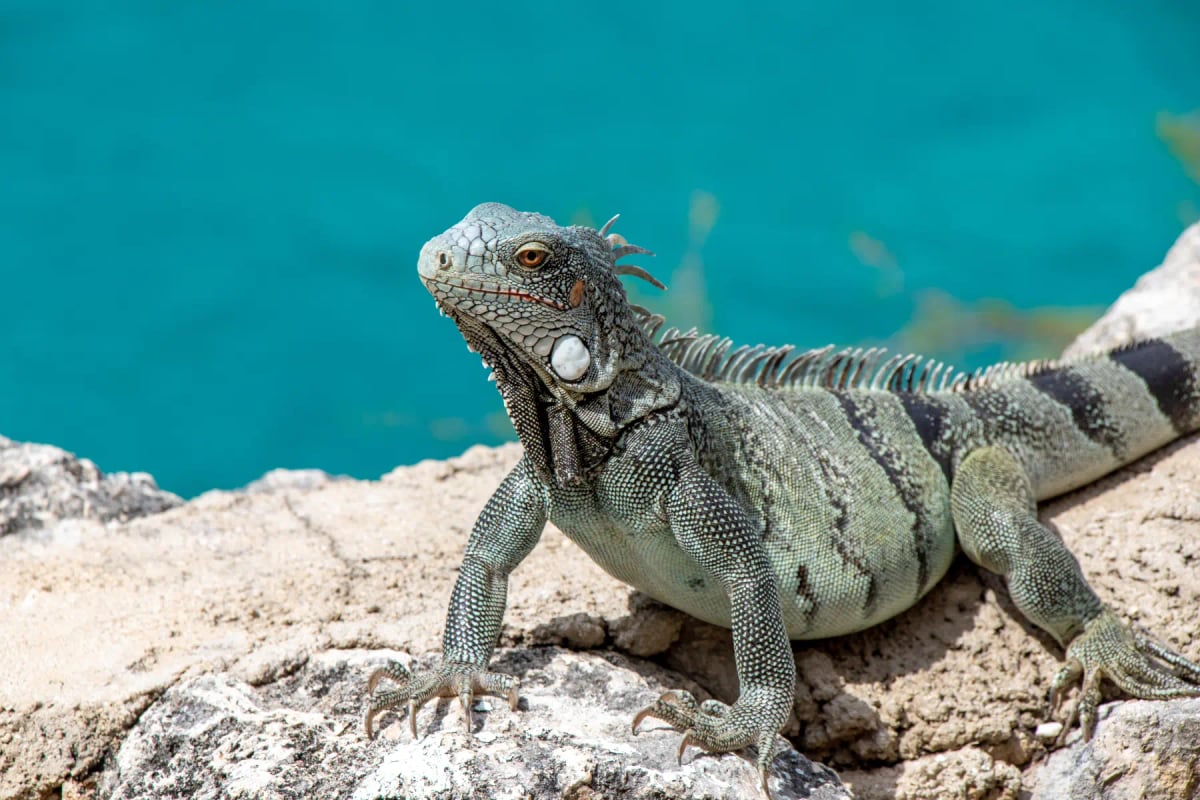
Iguana
Iguana iguana
The green iguana is an invasive species in Japan, with an established population on Ishigaki Island in the southern Ryukyu archipelago. Introduced through the pet trade, it has settled in coastal windbreak forests and surrounding vegetation. Japan has listed it as an invasive alien species and efforts to control its spread are ongoing, as the species can cause damage to native plants and ground nesting wildlife.
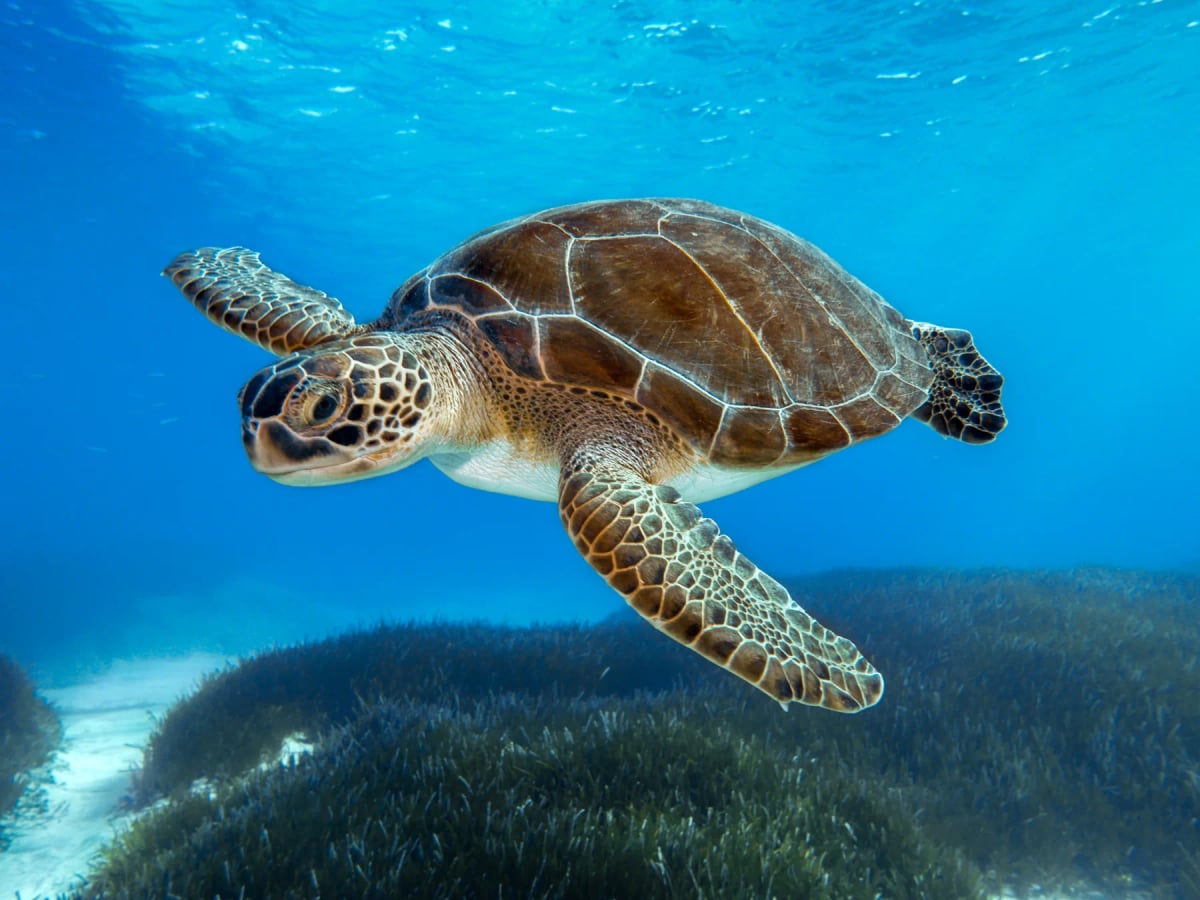
Sea Turtle
Cheloniidae & Dermochelyidae (families)
Japan is one of the most important nesting grounds for sea turtles in the North Pacific. Loggerhead turtles nest on beaches along Honshu, Shikoku, Kyushu and the Nansei Islands, and Yakushima Island hosts one of the largest loggerhead nesting sites in the entire northern Pacific. Green and hawksbill turtles also nest across the warmer southern islands. All three species are protected under Japanese law, and monitoring programs running for several decades
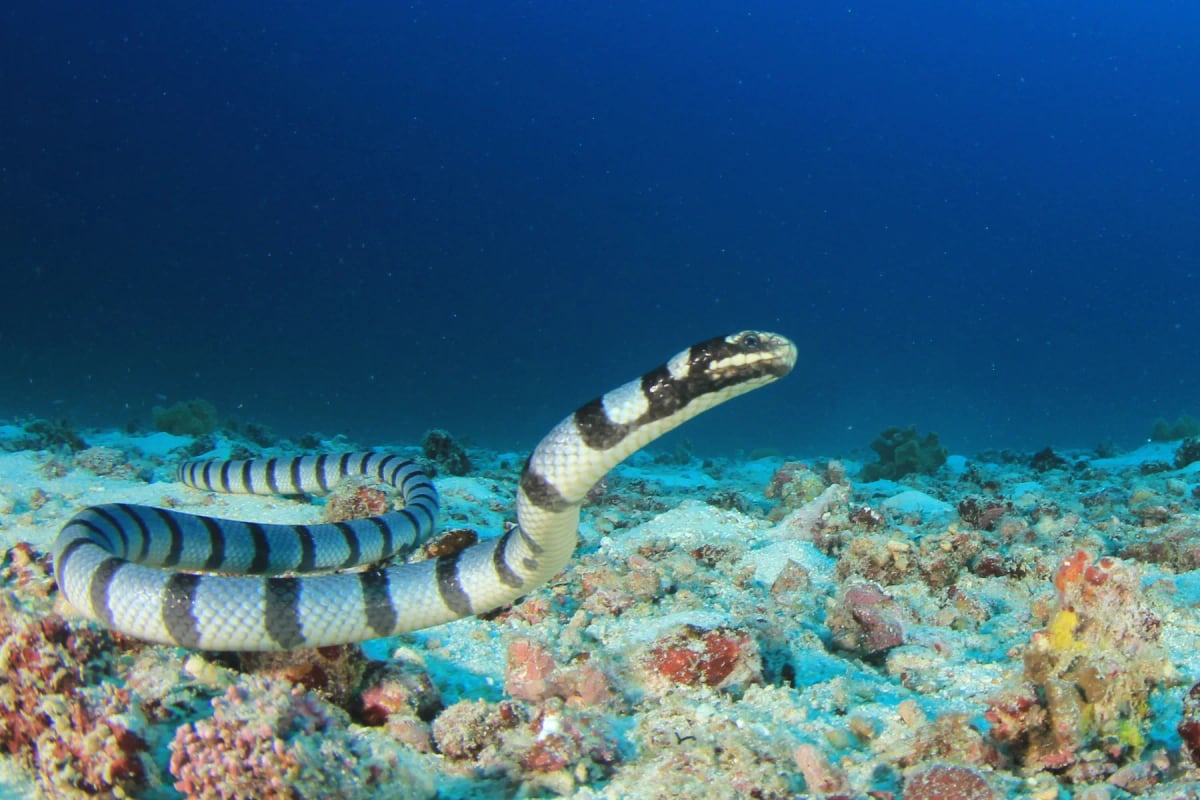
Sea Snake
Hydrophiinae / Laticauda spp.
In Japan, sea snakes are most commonly encountered around the subtropical Ryukyu Islands, including Okinawa, where warm currents and coral reefs provide suitable habitat. Sea kraits of the genus Laticauda are a regular presence on rocky shores and in shallow reef waters throughout this island chain. They come ashore to rest and lay eggs. Bites on humans are very rare. IUCN status: Data Deficient.
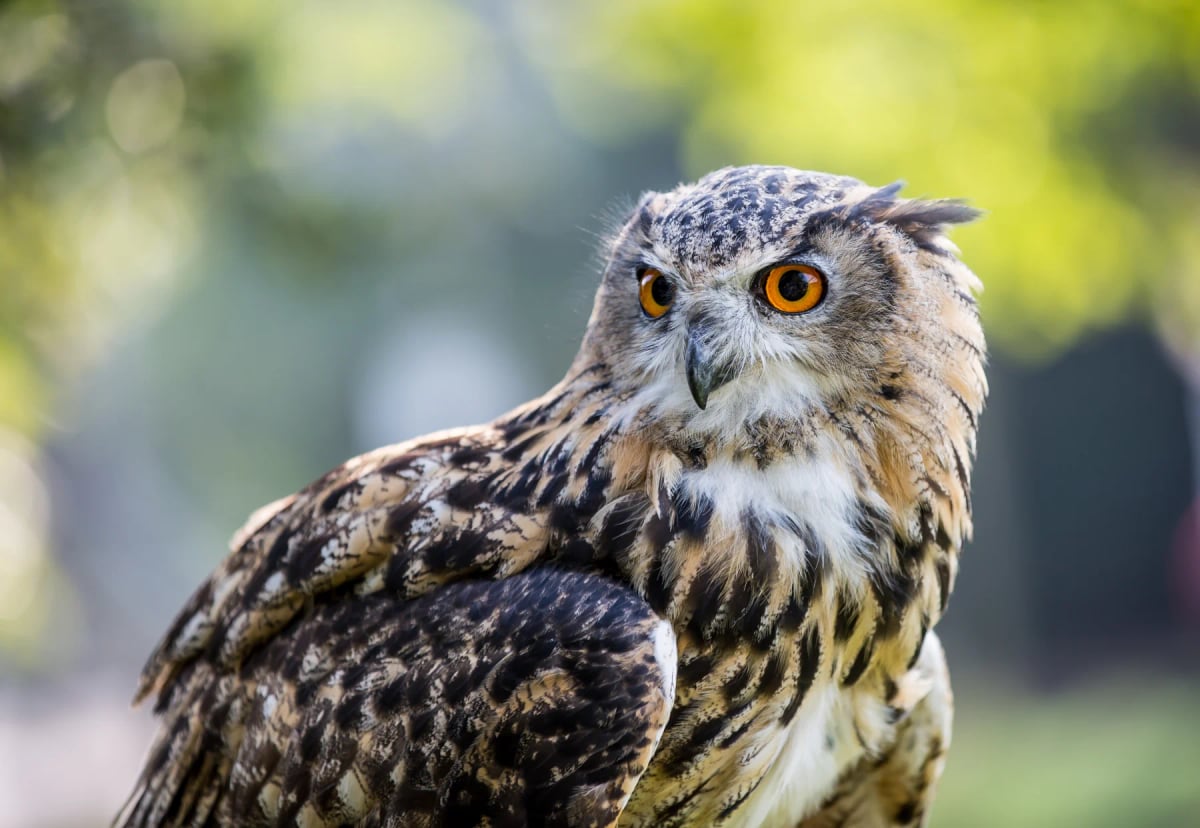
Eagle Owl
Bubo bubo
In Japan, the Eurasian eagle owl is found mainly in Hokkaido and parts of Honshu, where it inhabits dense forests and rocky mountain terrain. It is considered a relatively uncommon resident, and local populations are monitored with care. The owl hunts hares, rodents, and birds at night. Japan also has the Blakiston's fish owl sharing northern habitats, making raptor conservation in the region particularly significant.
Green Pheasant
Phasianus versicolor
Japan's national bird, the Green Pheasant is found across Honshu, Shikoku and Kyushu. Males wear plumage of iridescent green and blue, with a long tapering tail and patches of bare red skin on the face. Females are mottled brown, blending into grasses and scrub near their ground nests. This pheasant thrives in rice paddies, forest edges and riverside thickets, foraging for seeds, berries and insects. The IUCN lists it as Least Concern.
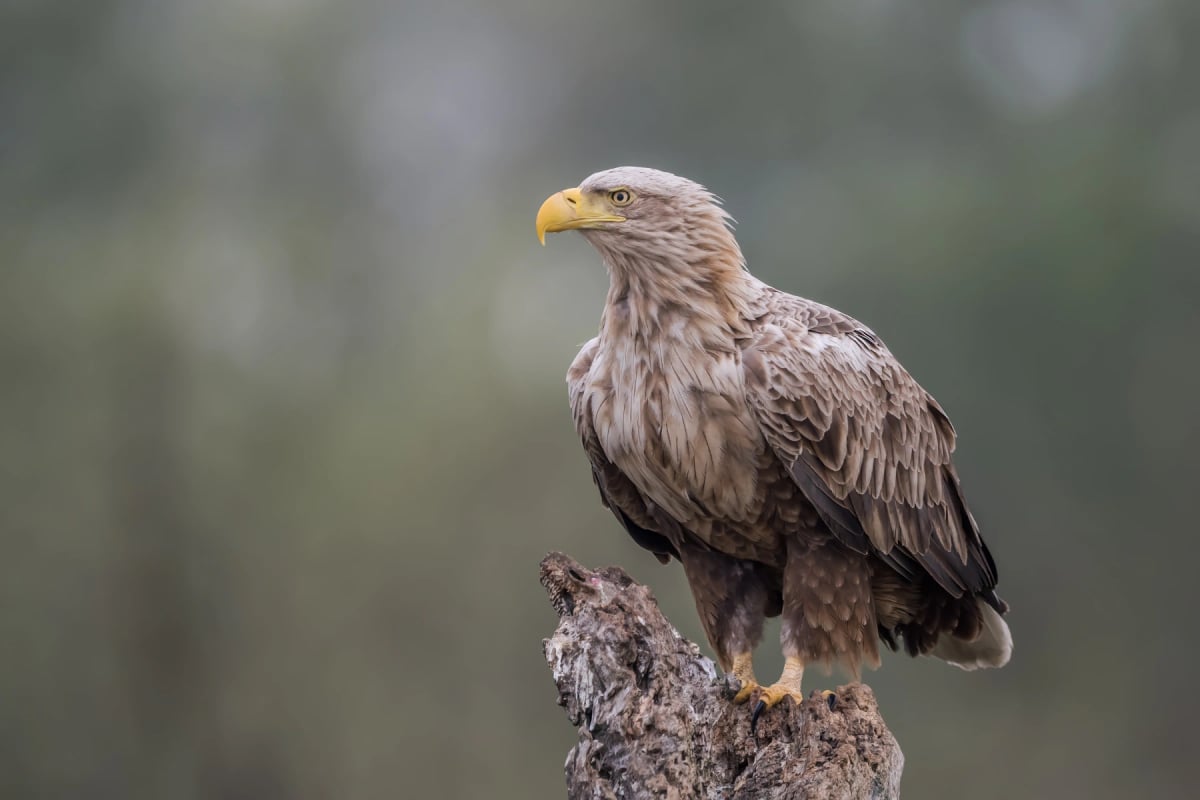
White tailed Eagle
Haliaeetus albicilla
In Japan, the white tailed eagle is found primarily in Hokkaido, the country's northernmost island, where it spends winter along frozen river mouths, lakes, and coastal areas. It is a regular visitor to places like Lake Furen and the Kushiro wetlands. Japan plays an important role in its wintering range, and local conservation efforts help protect this large eagle from lead poisoning caused by ingesting contaminated prey.
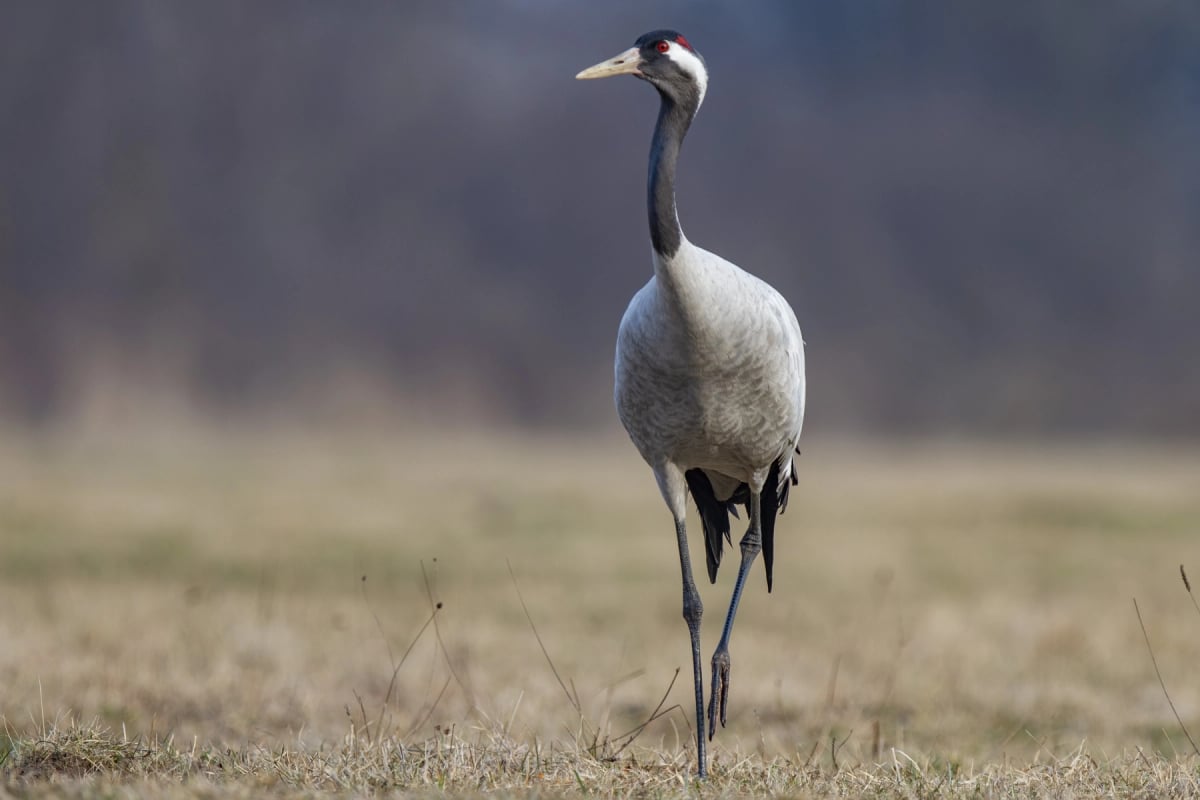
Crane
Grus grus
Common cranes are winter visitors to Japan, arriving in small numbers at wetlands and open fields mainly in Kyushu, the country's southernmost main island. They mix with other crane species that also winter there, including the hooded crane and the white-naped crane. Japan's crane conservation programmes and the protection of key wetland sites have helped maintain stable conditions for wintering birds, which is significant for a species listed as Least Concern.
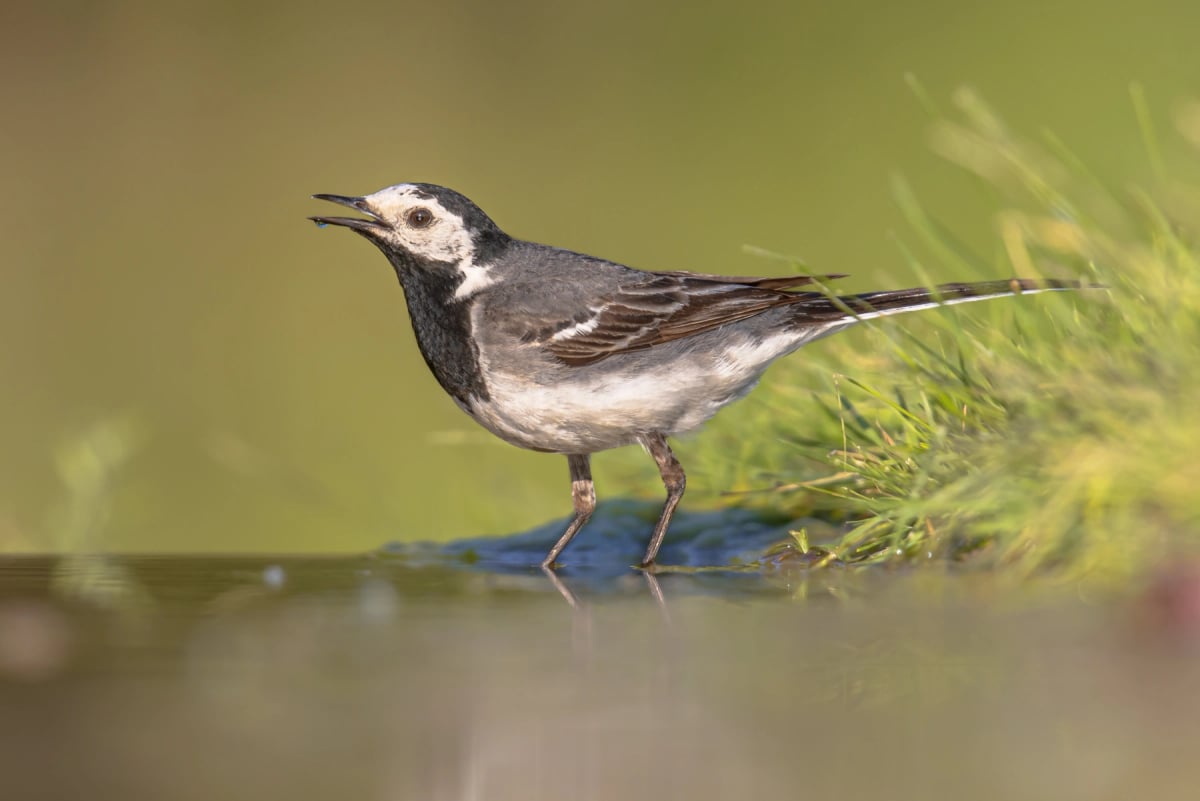
White Wagtail
Motacilla alba
The white wagtail is one of the most familiar small birds in Japan, present year round across the country from Hokkaido to the southern islands. It is commonly seen near rivers, ponds, rice paddies, and in urban areas, walking along pavements and car parks with its characteristic tail bobbing motion. Several subspecies occur in Japan, with some populations resident and others passing through during migration seasons.
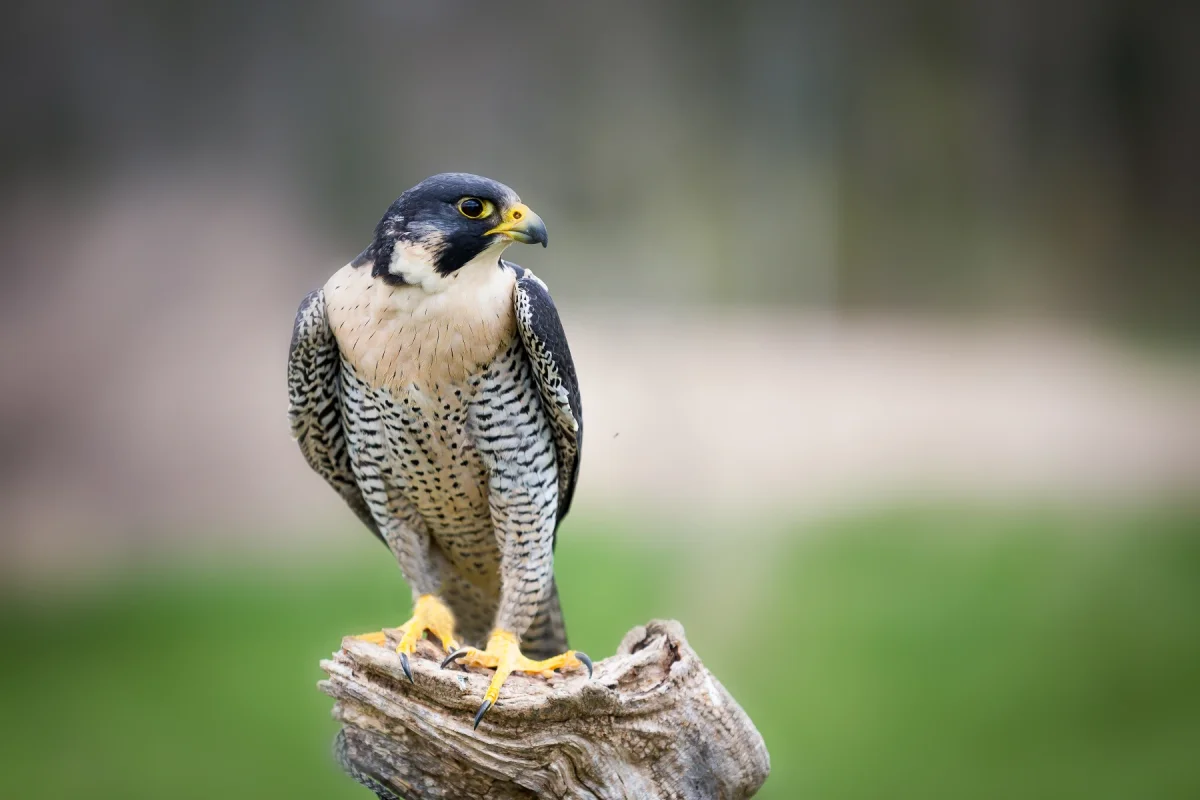
Peregrine Falcon
Falco peregrinus
In Japan, the peregrine falcon breeds on coastal cliffs and rocky mountain faces across the archipelago, from Hokkaido in the north to Kyushu in the south. Urban pairs have also taken up residence on tall buildings in cities like Tokyo and Osaka. The subspecies found here is Falco peregrinus japonensis. Populations declined sharply in the twentieth century but have since recovered thanks to legal protection and active monitoring programs. Its IUCN status is Least Concern.
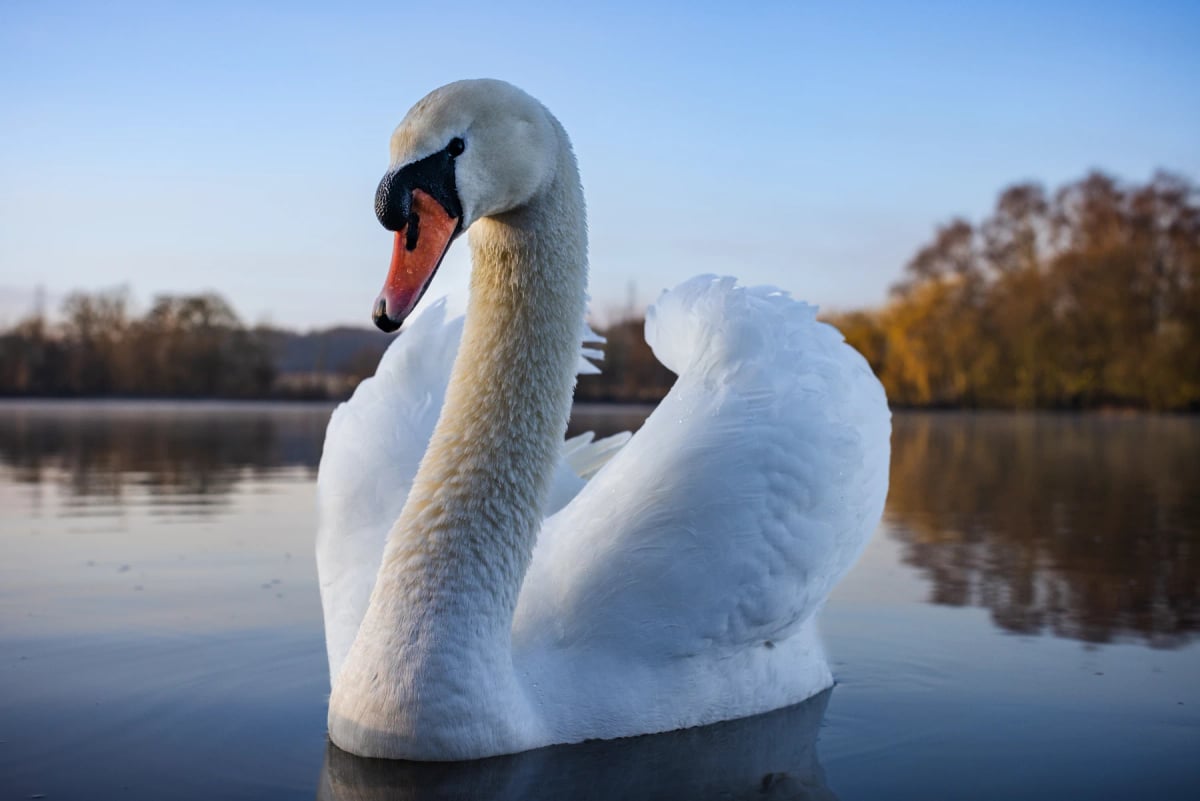
Mute Swan
Cygnus olor
The mute swan is a rare winter visitor to Japan, appearing mainly along coastal wetlands and lake shores in Honshu and Hokkaido. It stands out among the waterbirds that gather during the colder months, recognized by its all-white feathers and orange bill. Most birds seen here have traveled from breeding grounds further north and west in Asia. Japan's wetland conservation efforts help support these seasonal visitors. The IUCN lists this species as Least Concern.
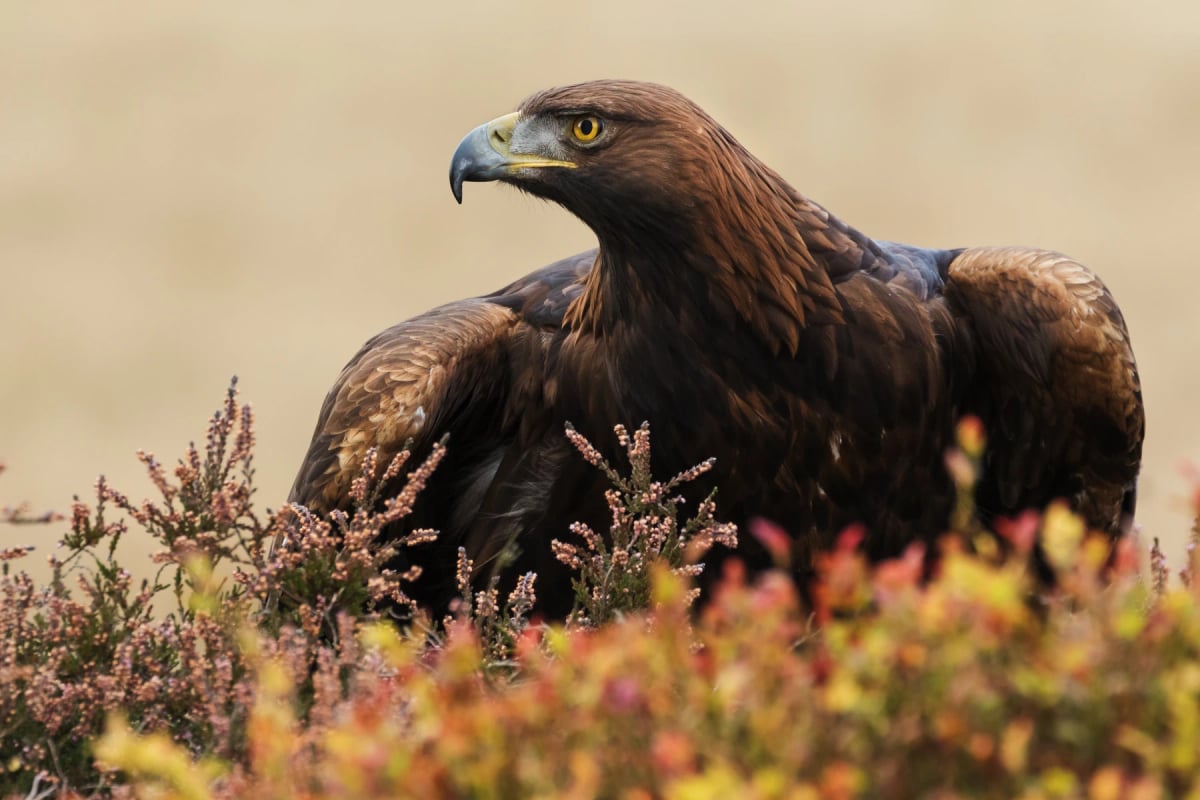
Golden Eagle
Aquila chrysaetos
In Japan, the golden eagle is a rare and protected species, found mainly in the mountain forests of Honshu and Hokkaido. It nests on cliff ledges and large trees in remote highland areas, hunting hares, birds, and other animals. Habitat loss and a small population size make it vulnerable despite its global status. The IUCN lists it as Least Concern worldwide, but in Japan it is considered endangered at the national level.
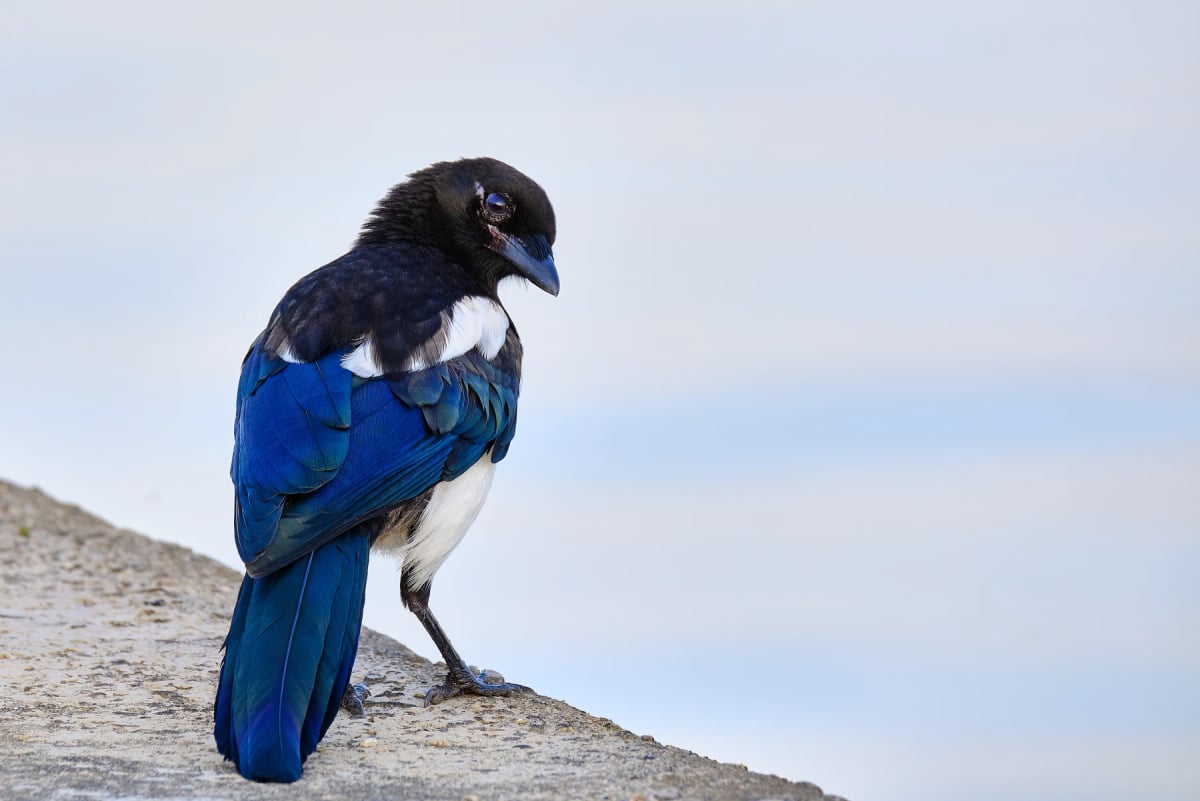
Eurasian Magpie
Pica pica
In Japan, the Eurasian Magpie is found mainly in Kyushu, the southernmost of the four main islands, particularly around Saga and Fukuoka prefectures. It thrives in farmland, rice paddies, and areas near human settlement. The Japanese population is considered native by some researchers and introduced by others, making it a subject of ongoing scientific interest. It holds Least Concern status globally.
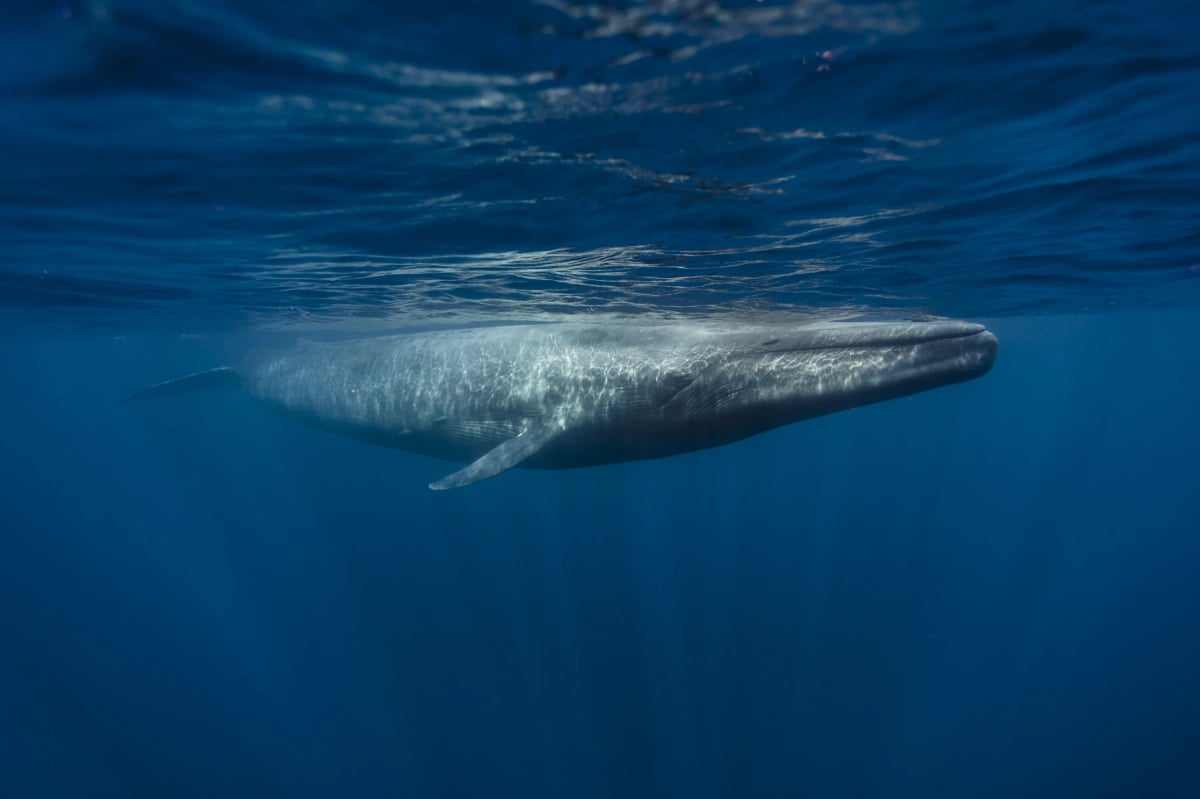
Blue Whale
Balaenoptera musculus
Blue whales occur in the waters surrounding Japan, including the North Pacific and seas adjacent to the Japanese archipelago, where they feed on dense krill aggregations during productive months. Japan sits within a historically significant range for the species, which was heavily targeted by commercial whaling operations through much of the twentieth century. Now Endangered and globally protected, blue whales in this region still face risks from vessel strikes and the effects of ocean warming on prey availability.
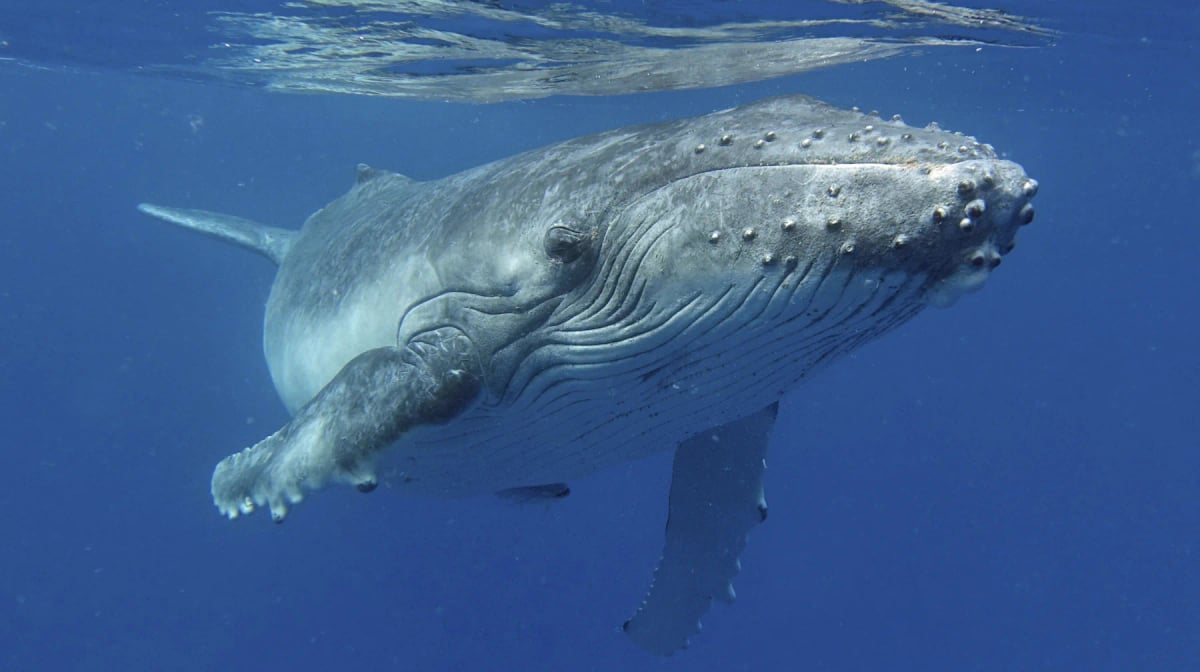
Humpback Whale
Megaptera novaeangliae
Humpback whales occur in Japanese waters primarily around the Ryukyu Islands, including Okinawa, where they gather to breed during winter. These warm southern waters serve as a calving and singing ground for whales that feed in the North Pacific during summer. Japan has a complex history with whaling, but humpbacks are no longer hunted there. The IUCN lists the species as Least Concern.
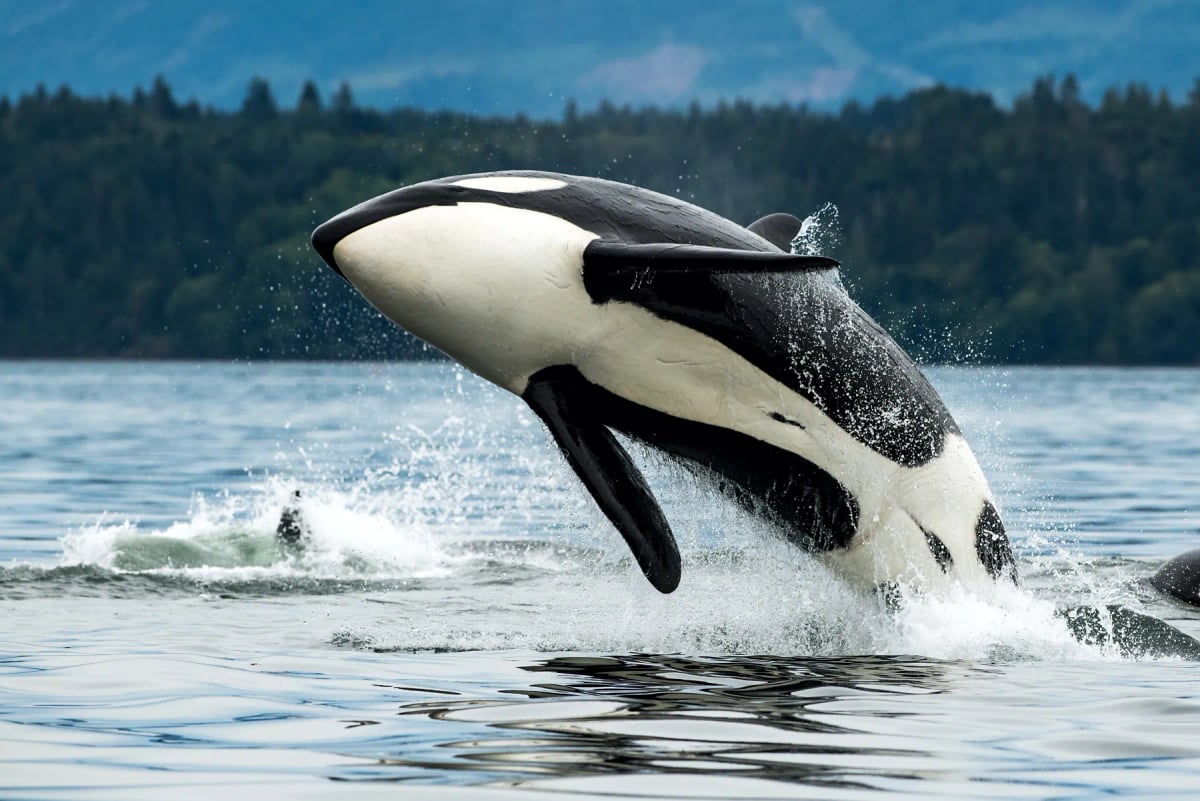
Orca
Orcinus orca
Orcas are found in Japanese waters throughout the year, with notable sightings off Hokkaido in the north and in the waters of the Sea of Japan and the Pacific Ocean. They hunt fish, marine mammals, and occasionally other cetaceans in these productive seas. Japan has a long history of observing orcas, and local researchers contribute to understanding the distinct populations that move through these waters.
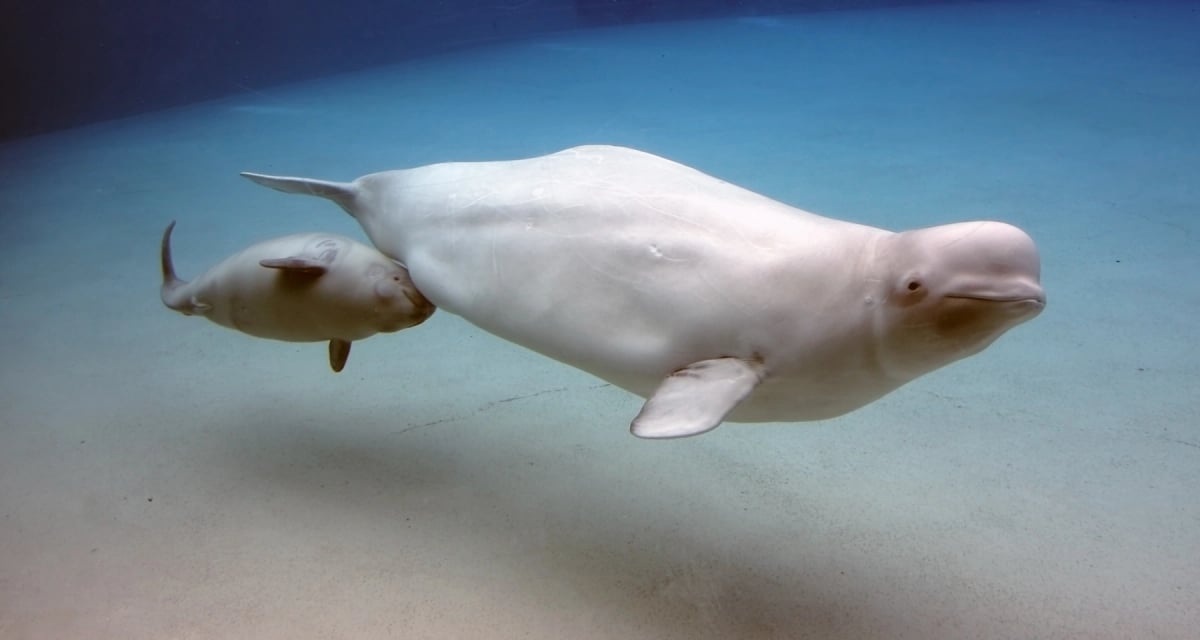
Beluga Whale
Delphinapterus leucas
In Japan, beluga whales are not part of a wild resident population but are well known through aquarium displays. Japanese marine parks have housed belugas for decades, making them among the most recognized cetaceans in the country. Occasionally, belugas have been recorded in the cold waters of the Sea of Okhotsk near Hokkaido, at the far southern boundary of their natural range in the western Pacific. IUCN status: Least Concern.

Bottlenose Dolphin
Tursiops truncatus
Bottlenose dolphins are found in coastal and offshore waters throughout Japan, from Hokkaido in the north to the subtropical seas around Okinawa in the south. They are a culturally significant species in Japan, where small cetacean hunts in places like Taiji have drawn considerable international attention. The IUCN classifies the species as Least Concern, though localized hunting pressure remains a subject of ongoing debate.
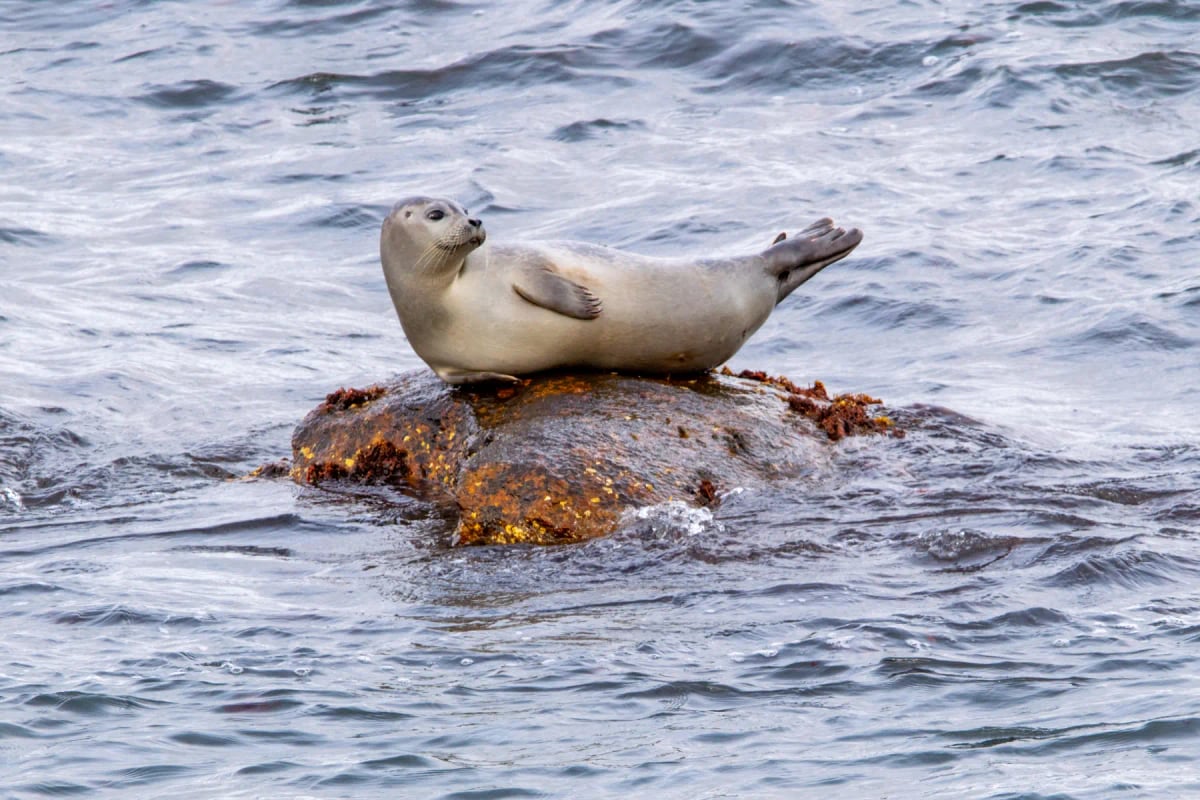
Seal
Phoca vitulina
In Japan, harbor seals are found along the coasts of Hokkaido, the country's northernmost main island. They favour rocky shores and small islets in cold waters, where they rest and raise their pups in spring. The Erimo Cape area on Hokkaido's Pacific coast is among the best known sites for observing them. Populations here sit at the southern edge of the species' Pacific range and are monitored by Japanese researchers. IUCN status: Least Concern.
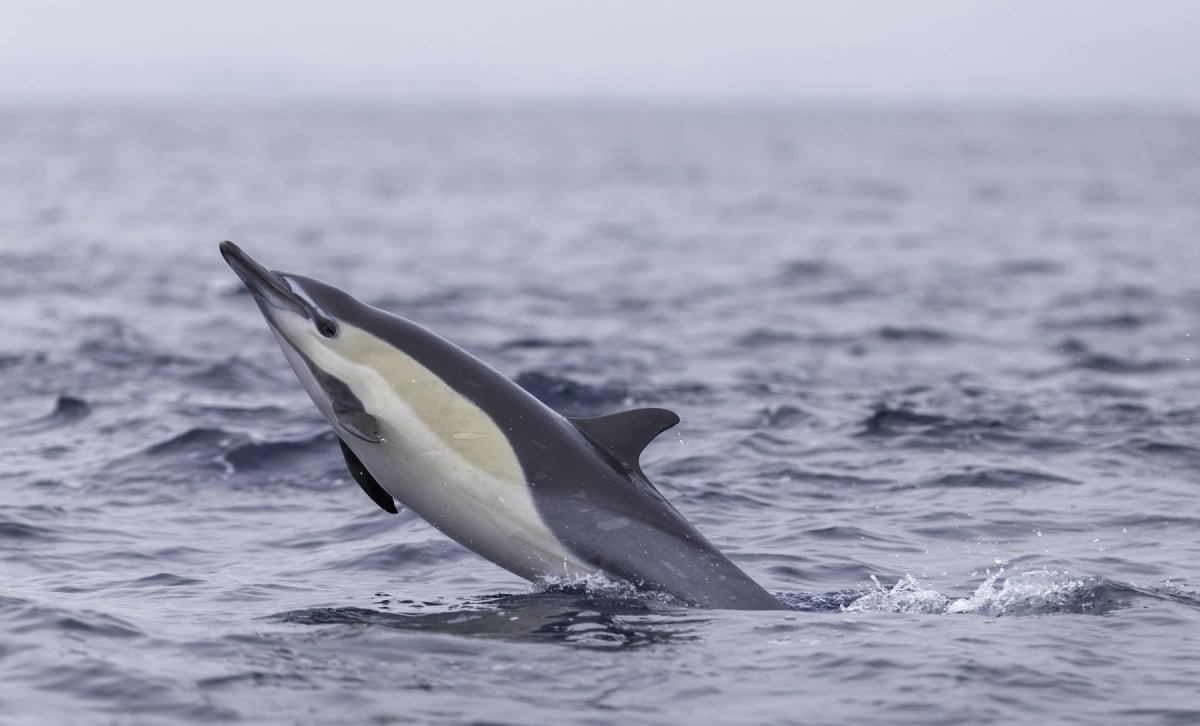
Common Dolphin
Delphinus delphis
Common dolphins are widely distributed in the waters around Japan, from the temperate seas of Hokkaido in the north to the warmer subtropical waters further south. They are frequently spotted in the Pacific Ocean off the main island of Honshu and around the Izu Peninsula. Japan has historically had a significant dolphin hunt at Taiji, which has drawn international attention and concern from conservation groups worldwide. IUCN status: Least Concern.
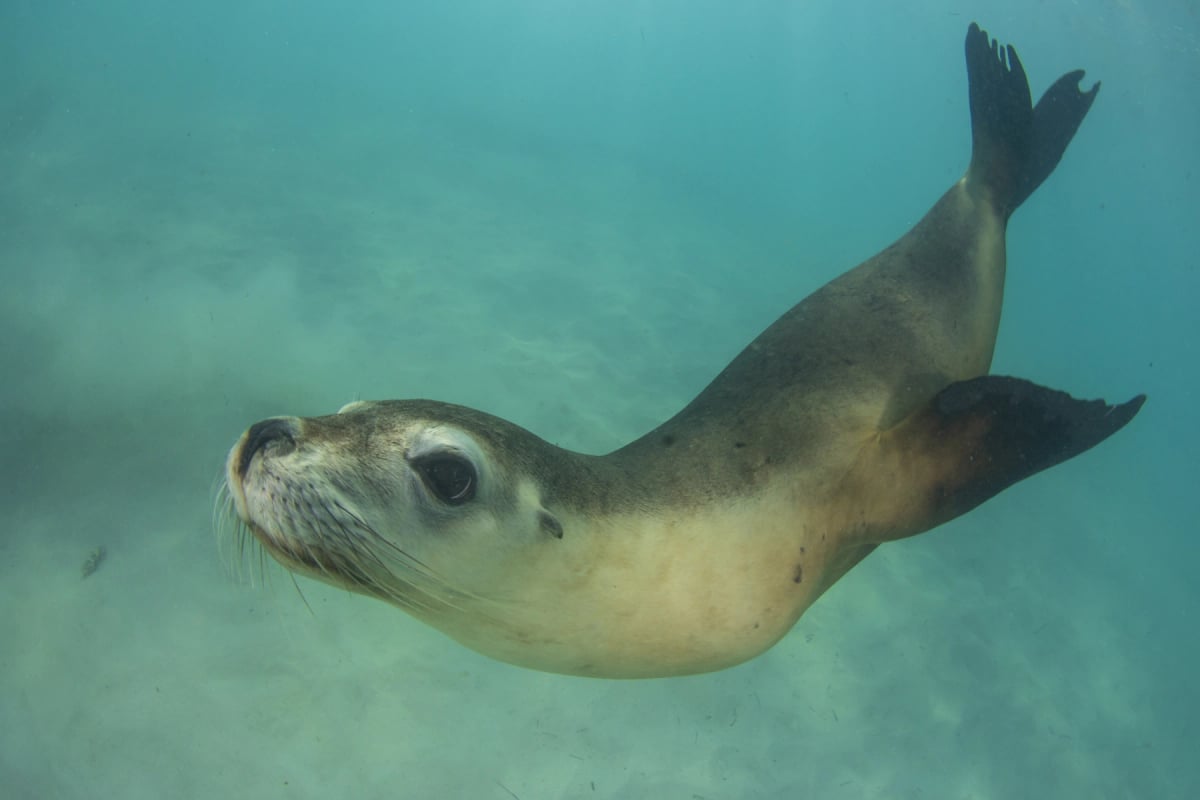
Sea Lion
Otariinae spp.
The Japanese sea lion, a distinct species once found along Japan's coastlines and the Sea of Japan, was declared extinct in the mid-20th century due to overhunting and habitat loss. Today, Steller sea lions from nearby northern Pacific waters occasionally appear around Hokkaido and other northern islands. These large, powerful marine mammals feed on fish and squid and are protected under Japanese law.
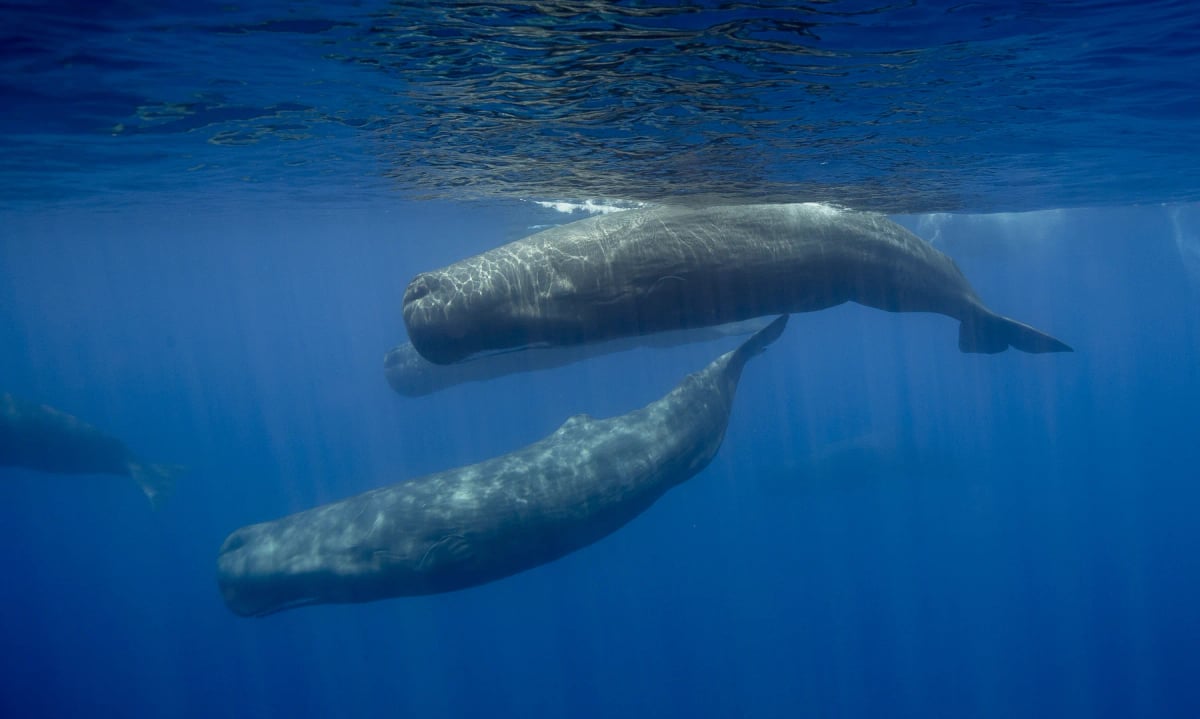
Sperm Whale
Physeter macrocephalus
Sperm whales are found in the deep Pacific and Sea of Japan waters surrounding the Japanese archipelago. Japan has a long historical connection to these whales through its whaling industry, though commercial hunts have greatly declined. Today, threats such as entanglement in fishing gear and ship strikes remain real concerns. Males and females follow different migratory routes, with deeper offshore canyons providing key foraging grounds.
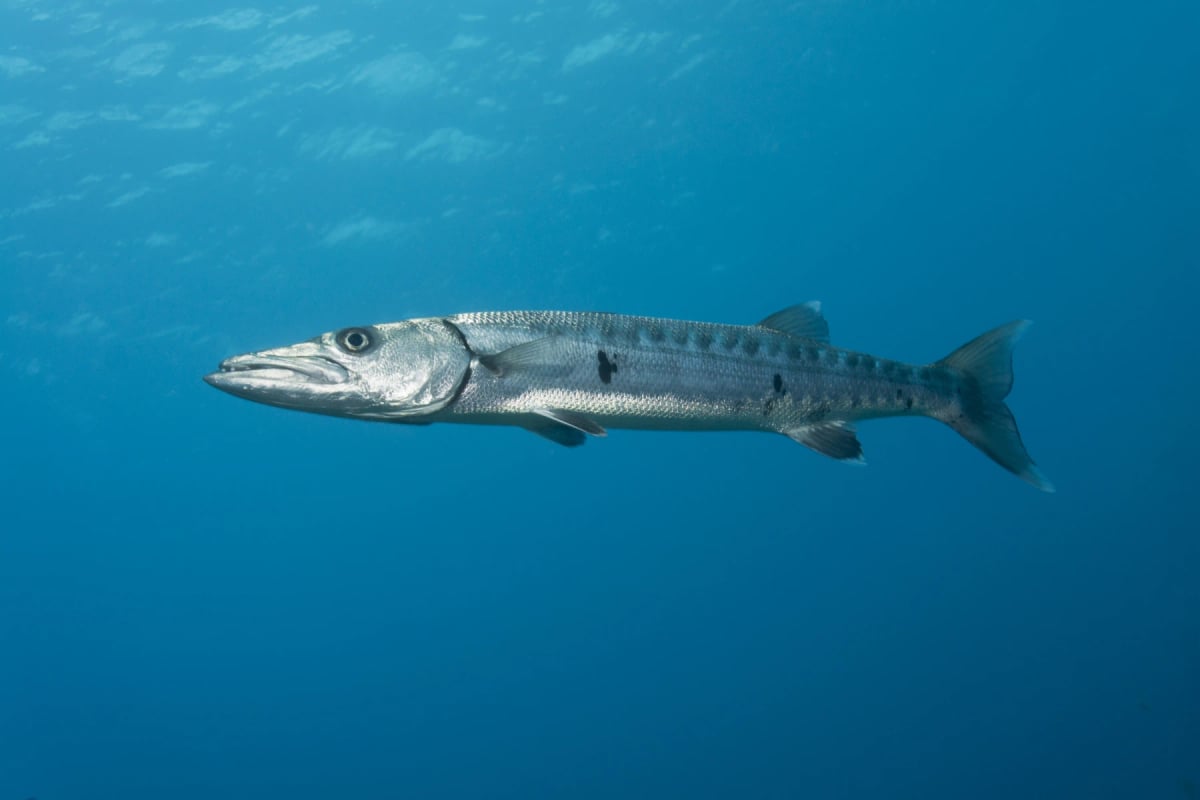
Barracuda
Sphyraena spp.
The great barracuda and other barracuda species are found in the warm coastal waters of Japan's southern islands, particularly around Okinawa, the Ryukyu archipelago and the Ogasawara Islands. They are a familiar sight on reef edges and in open water near drop offs, where they patrol slowly or hang motionless before striking prey. Barracudas are commonly encountered by divers and snorkelers in these subtropical and tropical waters.
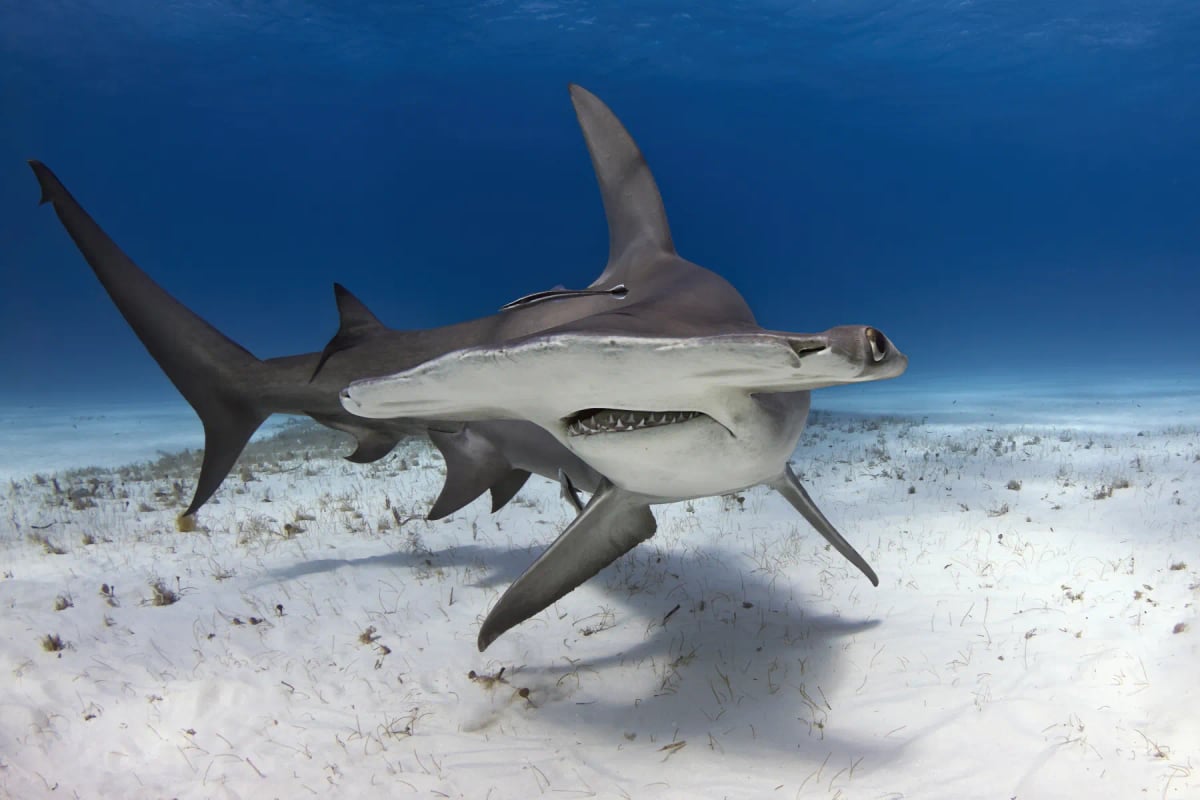
Hammerhead Shark
Sphyrna spp.
Hammerhead sharks patrol the warm coastal waters around Japan, including areas near Okinawa and the southern island chains. Their wide, flattened heads give them exceptional sensory range when hunting fish and rays. Japan has a significant shark fin trade, which has contributed to the sharp decline of hammerhead populations. Several species are now listed as Critically Endangered on the IUCN Red List.
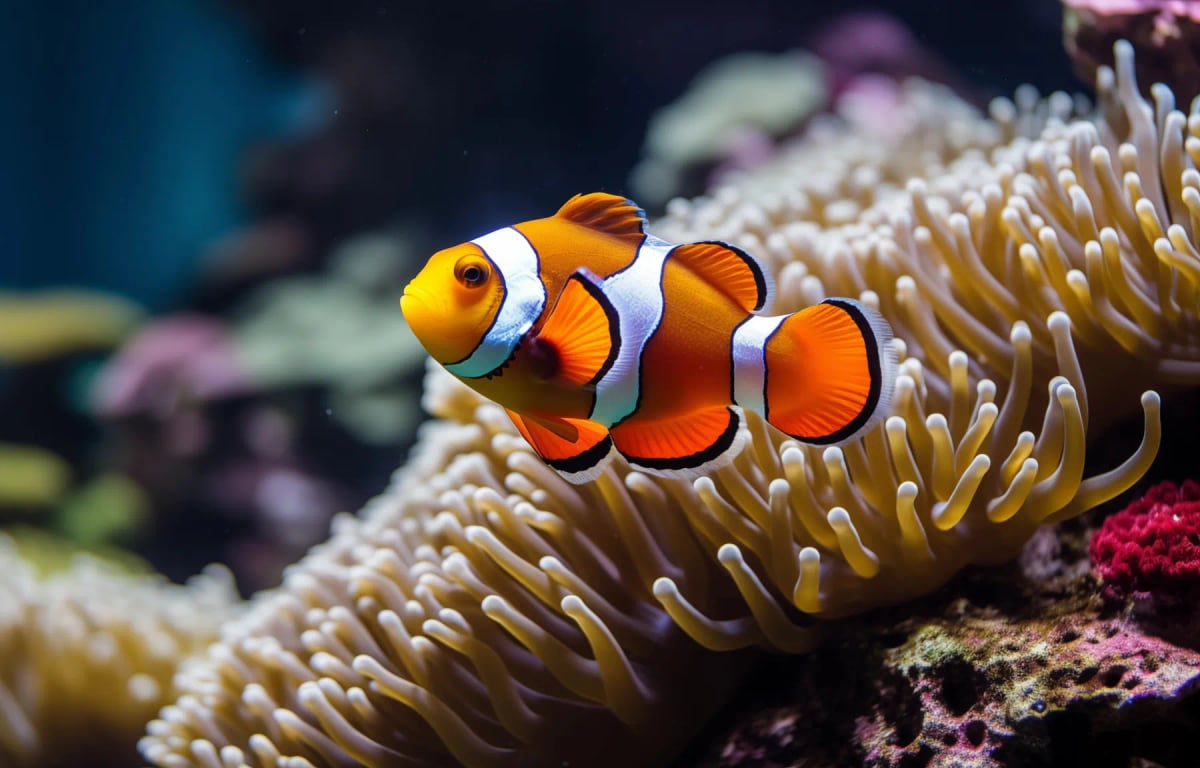
Clownfish
Amphiprioninae (over 30 species)
In Japan, clownfish are found in the warm subtropical waters of Okinawa and the Ryukyu Islands, where coral reefs support a remarkable variety of marine life. The orange-and-white coloring of these fish makes them a favorite among divers exploring these southern reefs. Japanese marine research has contributed significantly to understanding clownfish behavior, including their remarkable ability to change sex when the dominant female of a group dies.
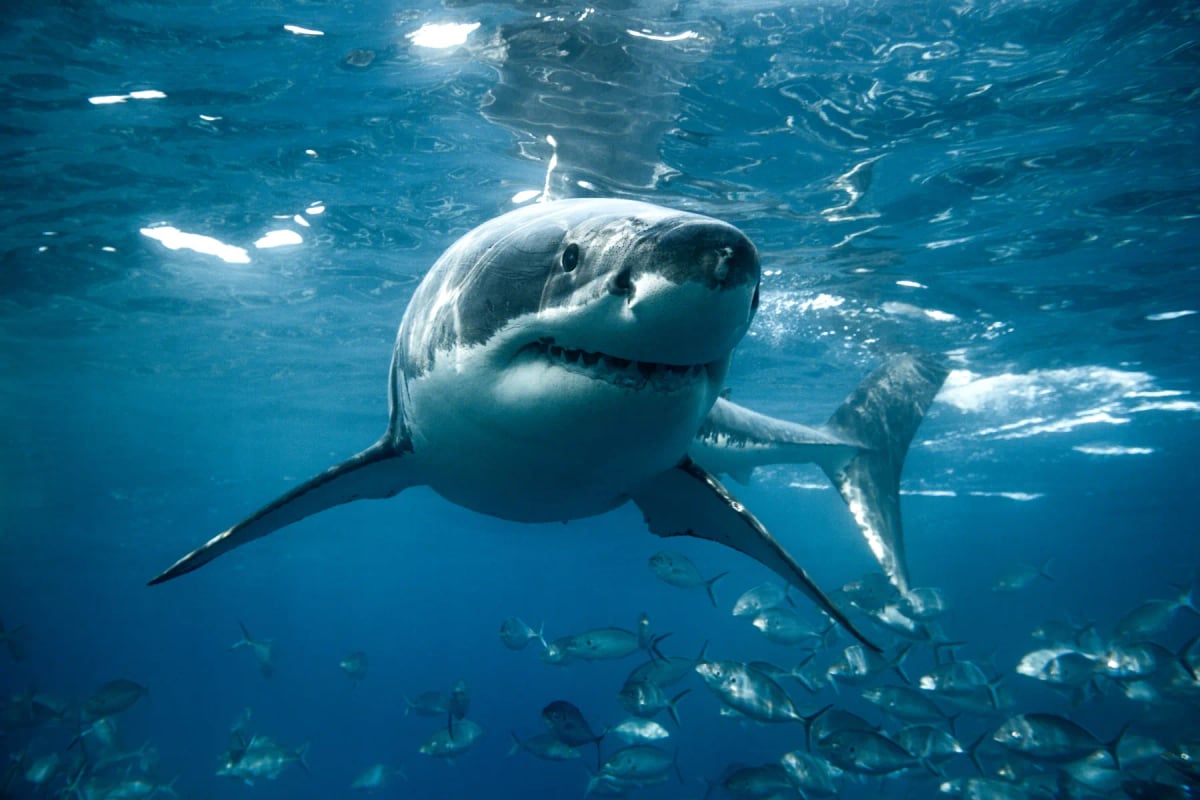
Great White Shark
Carcharodon carcharias
Great white sharks inhabit the temperate coastal waters around Japan, including areas around Hokkaido and along the Pacific coast. Japan's seas provide feeding opportunities, as the region supports healthy populations of marine mammals and fish. Japanese fisheries have historically recorded great whites as bycatch. Japan is also a significant market for shark products, making domestic policy important for the conservation of this Vulnerable species across the northwestern Pacific.
Researched and written by Juan Pablo. Sources: IUCN Red List, scientific literature and regional field guides. Last updated: .