Iberian Lynx
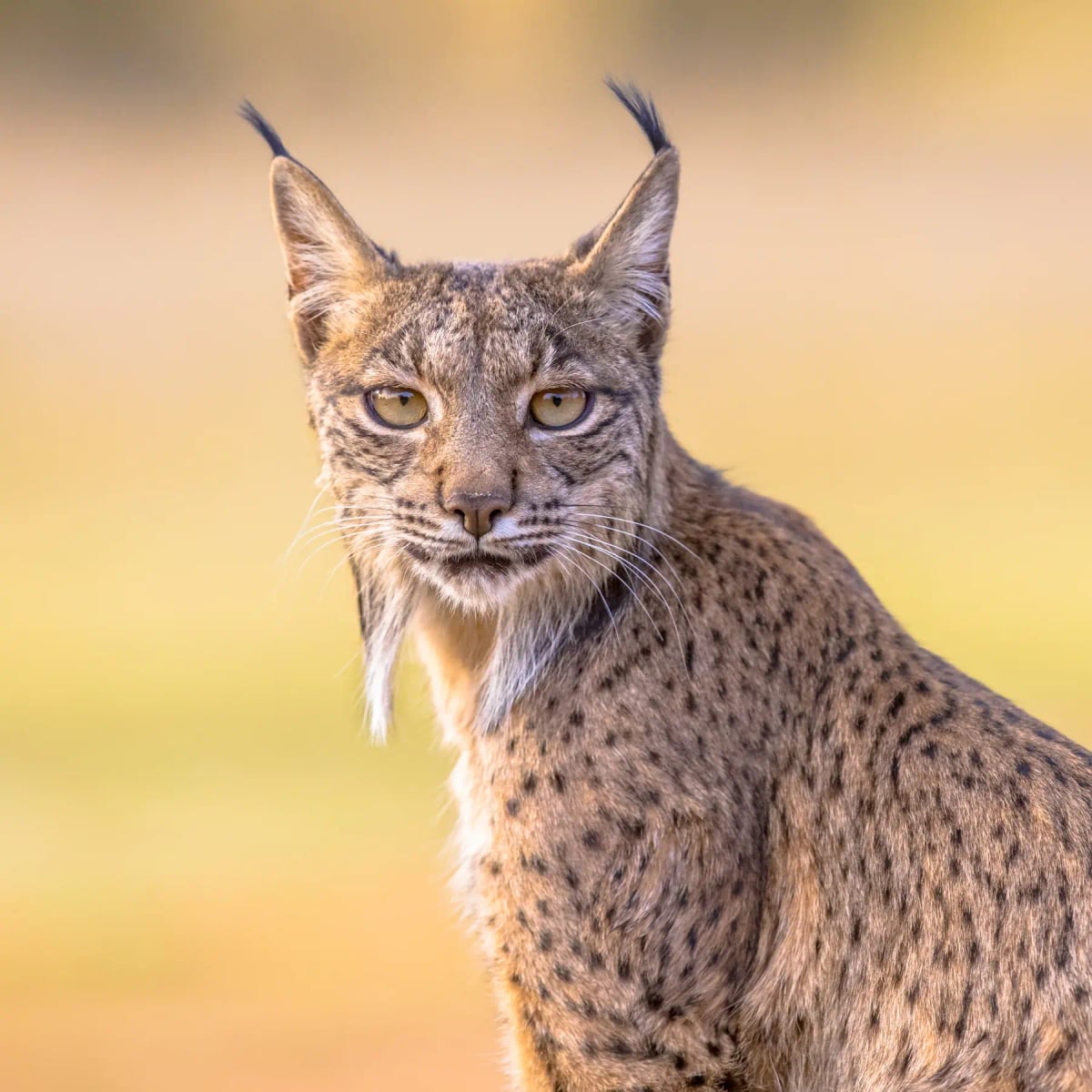
The Iberian lynx (Lynx pardinus) is the world's most endangered wild cat species and lives only on the Iberian Peninsula, in Spain and Portugal. It is a medium-sized felid built for speed and stealth, with a spotted tawny coat, a short tail with a black tip, prominent ear tufts, and a broad facial ruff that sets it apart from the Eurasian lynx. Adults weigh between 9 and 15 kg, with males noticeably larger than females. The lynx depends almost entirely on the European rabbit for food, which makes it uniquely vulnerable to rabbit population crashes caused by disease. Once reduced to fewer than 100 individuals in the early 2000s, targeted conservation work involving captive breeding, habitat restoration, and rabbit management has pushed the population to around 1,600 animals by 2024. It remains one of the greatest recovery stories in European wildlife.
Habitat and range
The Iberian lynx lives exclusively on the Iberian Peninsula, making it one of the most geographically restricted wild cats on Earth. It favors a mosaic of Mediterranean scrubland, cork oak woodland, and open pasture, where dense thickets of mastic and rockrose provide cover for ambushing prey. Sandy soils with natural hollows or tree cavities are important for denning. The species was once found across much of Spain and Portugal, but by the early 2000s it had retreated to just two isolated pockets in Andalusia. Successful reintroduction programs have since established new nuclei in central and southwestern Spain and in Portugal's Guadiana Valley, gradually expanding the range. All known populations still depend on landscapes where European rabbits are present in high enough numbers to support breeding adults and growing cubs.
Diet
Few large predators are as specialized in their feeding habits as the Iberian lynx. European rabbits make up around 80 to 90 percent of its diet, and a single adult lynx needs roughly one rabbit per day to meet its energy needs. When rabbits are plentiful, lynxes may also take ducks, partridges, young deer, and rodents, but these are supplements rather than reliable alternatives. This dependence on a single prey species proved catastrophic during the 20th century, when two diseases, myxomatosis and rabbit hemorrhagic disease, repeatedly collapsed rabbit populations across the Iberian Peninsula. Managing rabbit numbers through habitat improvement, disease monitoring, and restocking has therefore become a central part of every lynx conservation program, because no amount of captive breeding can compensate for a landscape with too few rabbits to support a wild population.
Appearance
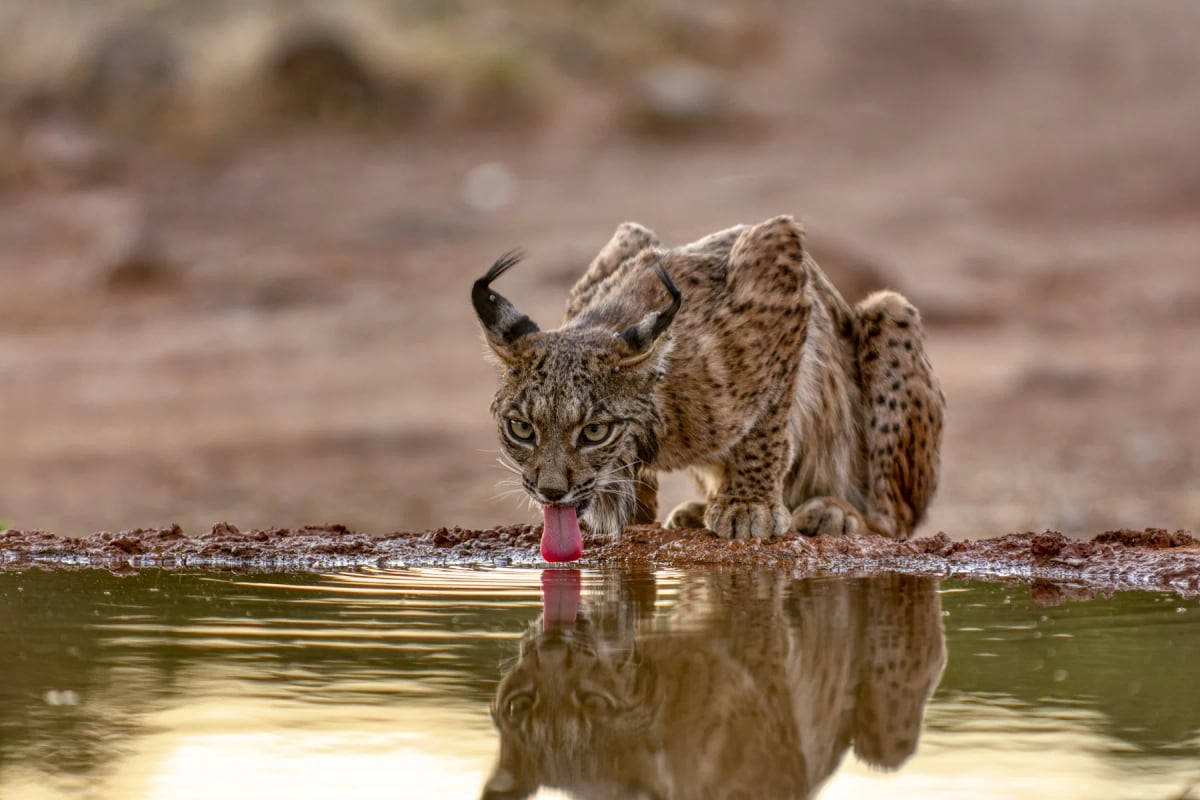
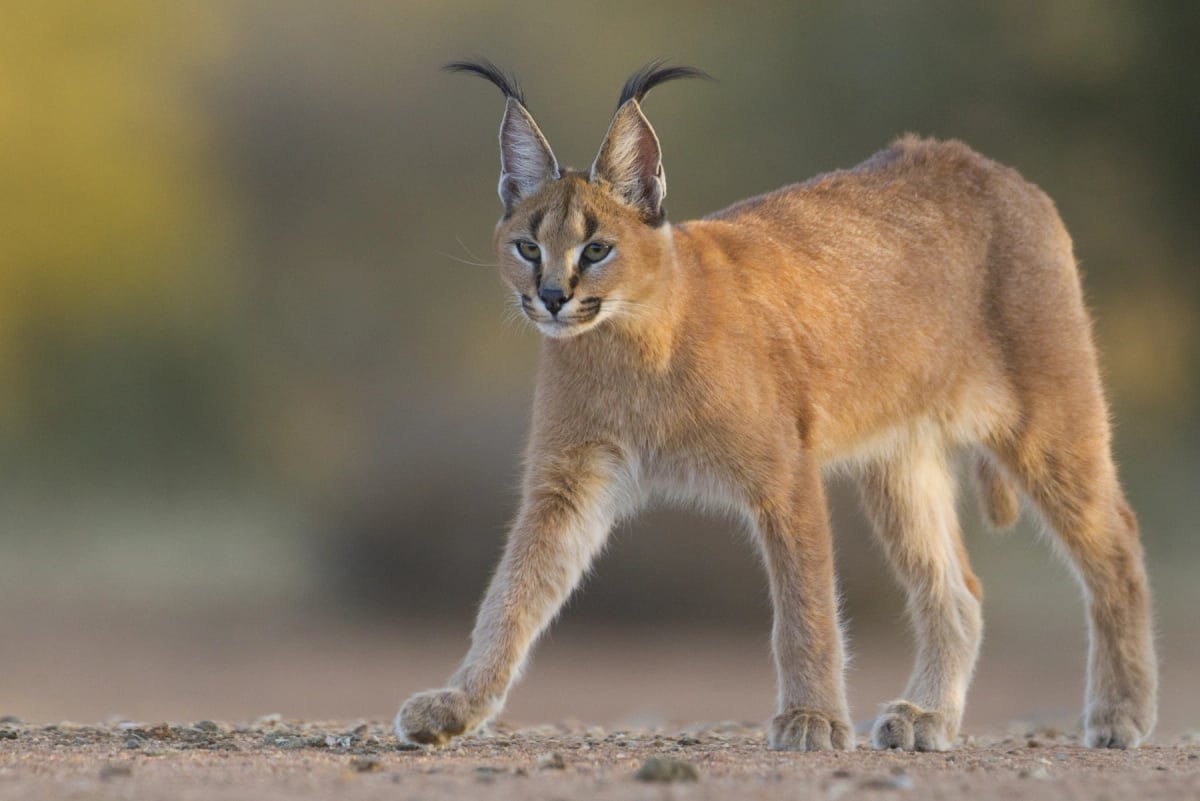
At first glance, the Iberian lynx might be mistaken for a large domestic cat, but several features set it apart immediately. Its tawny coat is scattered with dark spots arranged in irregular rows, a pattern more vivid than that of its Eurasian cousin. The tail is noticeably short and ends in a solid black tip. Long black tufts on the tips of each ear sharpen its hearing and give the face a striking, almost regal look. A broad ruff of longer fur frames the cheeks and chin, which is another feature that distinguishes it from the Eurasian lynx. Adults weigh between 9 and 15 kilograms, with males considerably heavier than females. The legs are long relative to the body, giving the animal an agile, high-shouldered silhouette well suited to moving through dense scrub at speed.
Population recovery
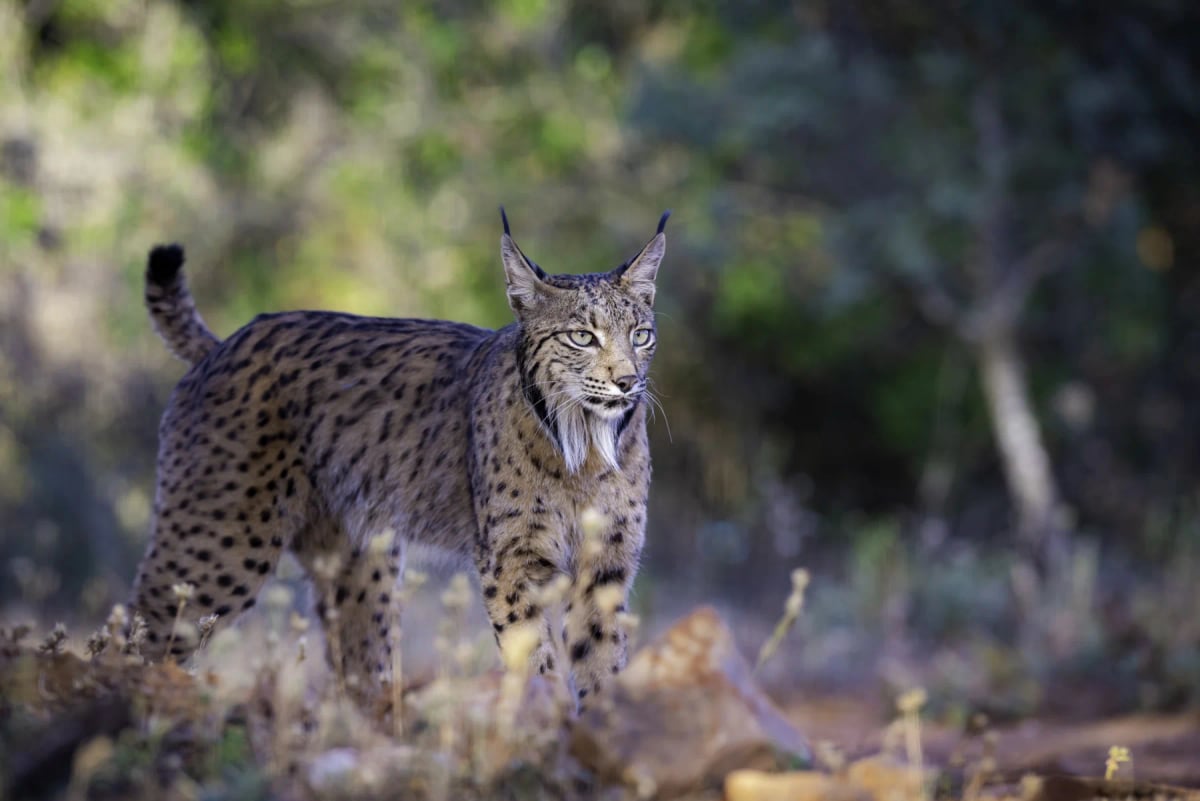
The story of the Iberian lynx population is one of the most dramatic turnarounds in wildlife conservation anywhere in the world. At the start of the 2000s, census counts placed the total number of wild individuals at fewer than 100, confined to two small areas of Andalusia. Extinction felt like a real possibility. A coordinated effort involving captive breeding centers in Spain and Portugal, the release of animals into suitable areas, and intensive management of rabbit populations gradually reversed the decline. By 2024, the total wild population had reached approximately 1,600 individuals spread across multiple sites in both countries. Reintroduced groups have established themselves in regions where the lynx had been absent for decades, including parts of central Spain and Portugal. Monitoring continues across all sites, and maintaining genetic diversity within the captive and wild populations remains a priority for managers.
Conservation
The IUCN currently lists the Iberian lynx as Endangered, a status that reflects both the progress made and the work that still lies ahead. Road traffic is among the leading causes of unnatural death for the species today, and building wildlife crossings and fencing key road sections have become standard measures in areas where lynx territories overlap with busy roads. Habitat loss through agricultural expansion, urban development, and the conversion of traditional scrubland also continues to reduce the area available to the cats. Disease outbreaks that devastate rabbit populations can rapidly undo years of population growth, making rabbit management an ongoing concern. Conservation organizations, national governments, and the European Union have all contributed funding and expertise. The species now serves as a flagship for broader Mediterranean ecosystem restoration, so protecting the lynx means protecting the wider landscape it depends on.
Researched and written by Juan Pablo. Sources: IUCN Red List, scientific literature and regional field guides. Last updated: .
Technical factsheet


Frequently Asked Questions
What does the Iberian lynx eat?
The Iberian lynx relies on European rabbits for nearly its entire diet, roughly 80 to 90 percent of what it eats. One adult needs about one rabbit a day to stay healthy. It will occasionally catch ducks, partridges, or young deer, but those are rare extras. This extreme dependence on a single animal is what makes the species so vulnerable whenever rabbit populations collapse due to disease.
Where does the Iberian lynx live?
The Iberian lynx is found only in Spain and Portugal, making it one of the most geographically restricted wild cats in the world. It prefers Mediterranean scrubland and cork oak woodland, where thick vegetation gives it cover for hunting. After nearly disappearing, conservation programs have established new populations in several regions of both countries, including Portugal's Guadiana Valley and various sites across central and southwestern Spain.
Is the Iberian lynx endangered?
Yes, the IUCN lists it as Endangered. At its lowest point, in the early 2000s, fewer than 100 individuals remained in the wild. Thanks to captive breeding, habitat restoration, and rabbit management, numbers had climbed to around 1,600 animals by 2024. That recovery is remarkable, but the species still faces serious threats from road accidents, habitat loss, and disease outbreaks that can quickly reduce rabbit populations.
How does the Iberian lynx hunt?
The Iberian lynx is a patient, stealthy predator. It typically stalks its prey slowly through dense scrub, then rushes over a short distance to make the kill. Its long legs and spotted coat are well suited to moving quietly and staying hidden. Most hunting happens at dawn and dusk, when rabbits are most active. A lynx will also sit motionless near a rabbit burrow, waiting for the right moment to strike.
How big is the Iberian lynx?
The Iberian lynx is a medium sized wild cat, with adults weighing between 9 and 15 kilograms. Males are noticeably heavier than females. It has long legs relative to its body, giving it a tall, agile build perfect for moving through thick vegetation. Despite its size, it is considerably smaller than the Eurasian lynx, its closest relative, and much more lightly built than most people expect from a wild cat.
What are the main threats to the Iberian lynx?
Road traffic is currently one of the biggest killers of Iberian lynxes outside of natural causes. Loss of habitat through farming, urban growth, and changes to traditional land use also squeezes the space available to the cats. Disease outbreaks in rabbit populations can rapidly undo years of recovery work. Although illegal hunting is far less common than it once was, it has not disappeared entirely and remains a concern for conservation managers.
Is the Iberian lynx solitary?
Yes, Iberian lynxes live alone for most of the year. Each adult holds a territory it marks with scent and defends from rivals of the same sex. Males and females only come together briefly during the breeding season in winter. Mothers raise their cubs alone, and the young typically disperse to find their own territories once they are around one year old. Social contact outside of mating is rare and usually brief.