Animals in Surinam
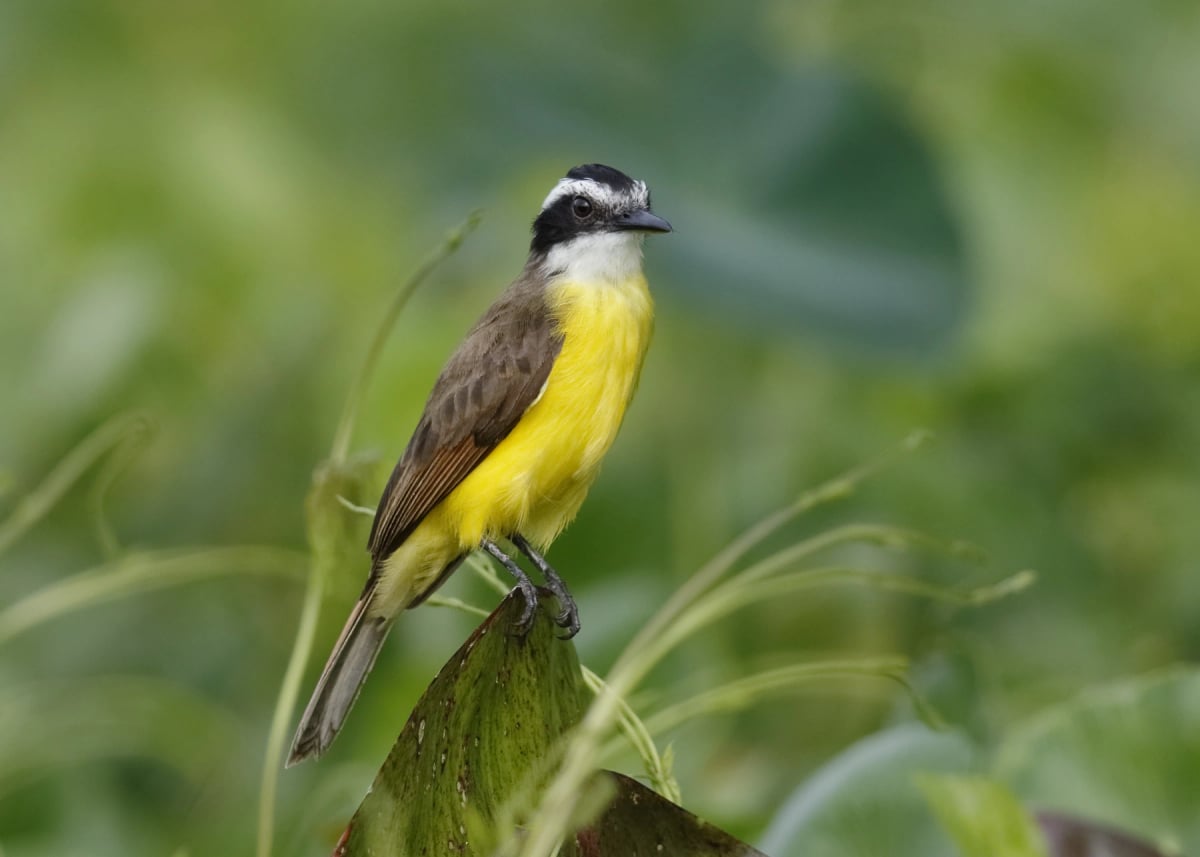
Lesser Kiskadee
Philohydor lictor
The lesser kiskadee is a small active bird and is widely used as a national symbol of Suriname. It often perches on exposed branches, fence posts or reeds near water, watching for insects, small fish or other prey at the surface. Its calls are sharp and repeated, and it moves quickly between perches in gardens, forest edges and open countryside. By living close to towns as well as natural areas, this flycatcher shows how some native birds adapt well to everyday Surinamese landscapes.
View details→Wildlife in Surinam
Suriname lies on the northern coast of South America and is still covered mostly by tropical rainforest, with broad rivers, wetlands and a narrow Atlantic shore. Inside the forest, monkeys, small forest deer, armadillos, anteater type mammals, wild cats and many reptiles move between tree roots, fallen trunks and hidden streams. Along the big rivers and flooded areas, river otters, caimans, water birds and fish depend on calm backwaters and sandbanks. At the coast, mangroves and mudflats give shelter to shorebirds, while offshore waters hold dolphins, whales and large fish, so much of the country’s fauna is closely tied to water.
Most Dangerous Animals in Surinam
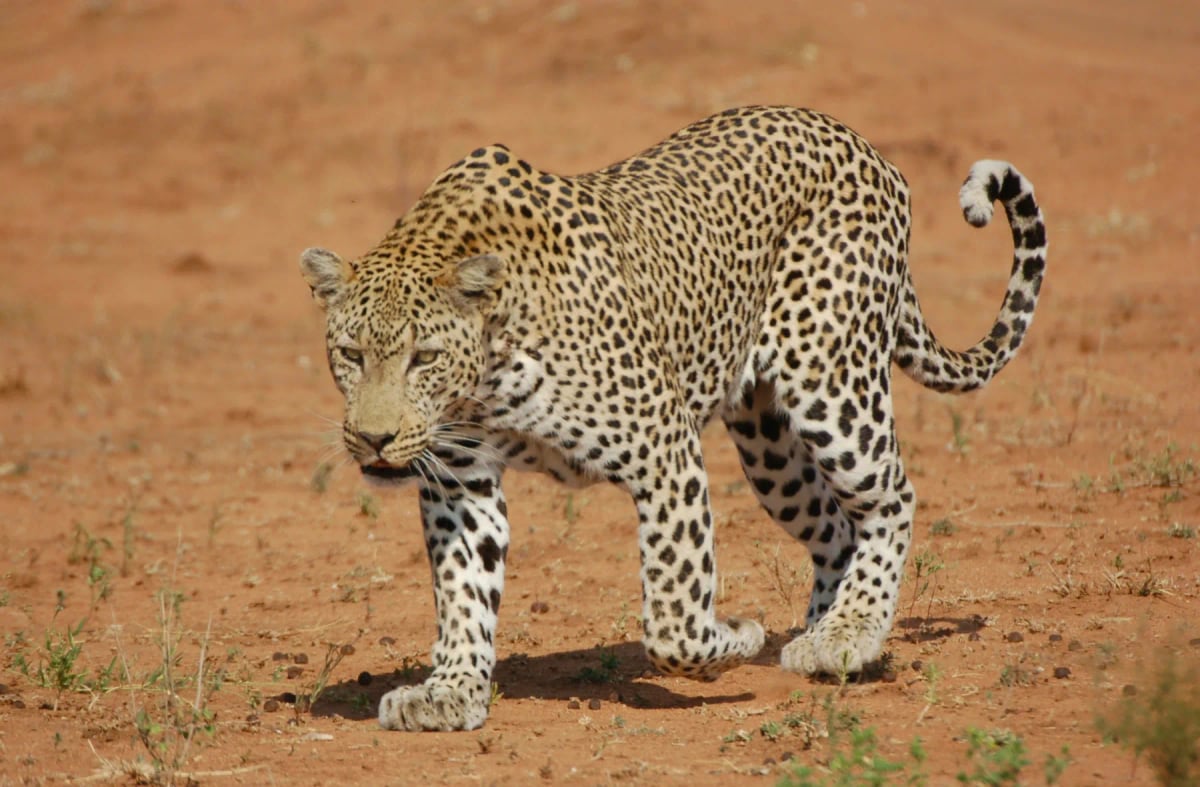
Suriname’s wild areas include animals that can be dangerous if people get too close, especially in remote forest and river zones. In the interior, jaguars and cougars are strong predators that may defend themselves with force at short range. Large constricting snakes such as anacondas and big boas, together with venomous pit vipers of the lancehead group, are another risk when walking through tall grass or leaf litter. Along river margins, caimans wait in shallow water, and in coastal waters large sharks and occasionally orcas hunt other marine animals. Moving with a local guide, watching where you step and keeping distance from wildlife are simple ways to reduce the chance of serious problems.
Top 10 Animals in Surinam
Animals that people most often associate with Suriname come mainly from its rainforest and river systems. In the interior, jaguars, other wild cats, tapirs, armadillos, anteaters, small forest deer and several kinds of monkey reflect how busy the forest floor and canopy can be. A very large forest eagle, bright parrots and other noisy birds add sound and colour above the trees. Along wide rivers, river otters, caimans and water birds stand out, while near the coast dolphins, manatees and occasional large whales complete a picture of a country where forests and waterways dominate the scene.
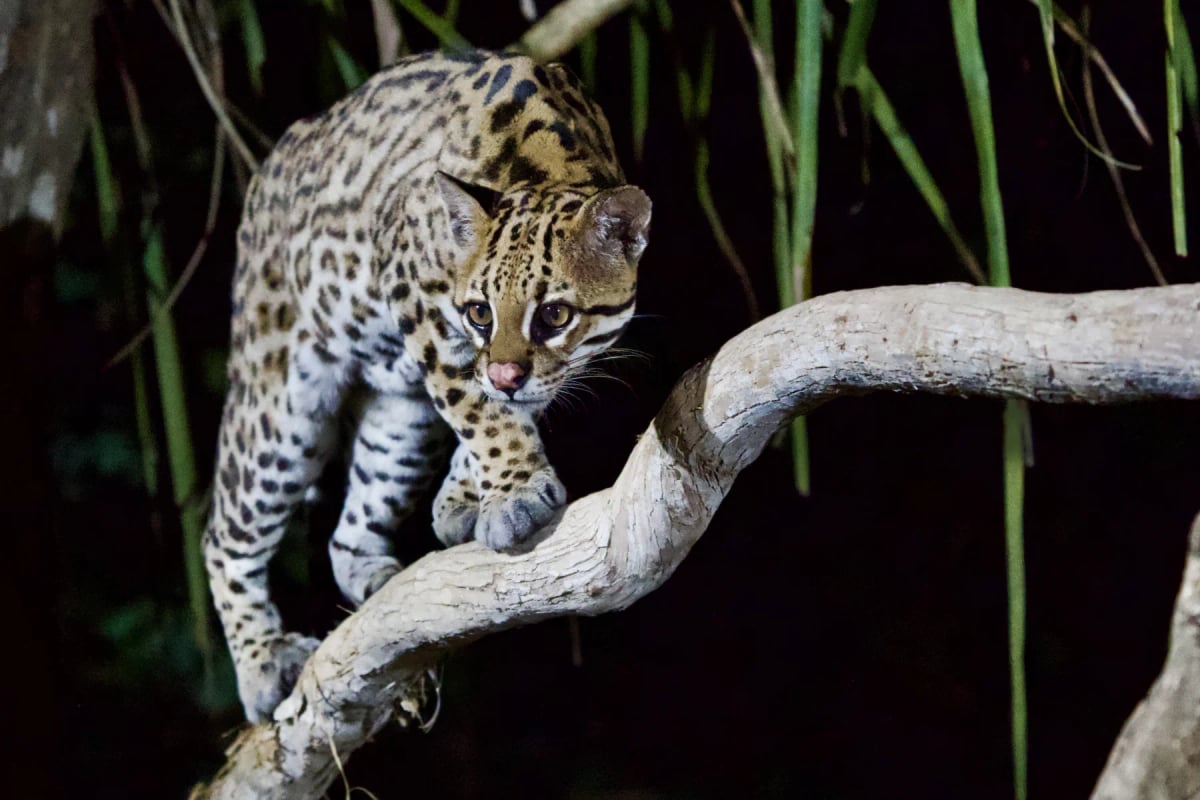
Ocelot
Leopardus pardalis
Suriname has one of the highest proportions of forest cover of any country in the world, and ocelots benefit greatly from this intact landscape. The species roams the lowland rainforests and coastal forest zones, hunting small mammals, lizards, and birds after dark. The Central Suriname Nature Reserve, a UNESCO World Heritage Site, protects a vast area of pristine forest that serves as a stronghold for ocelots and other large predators.
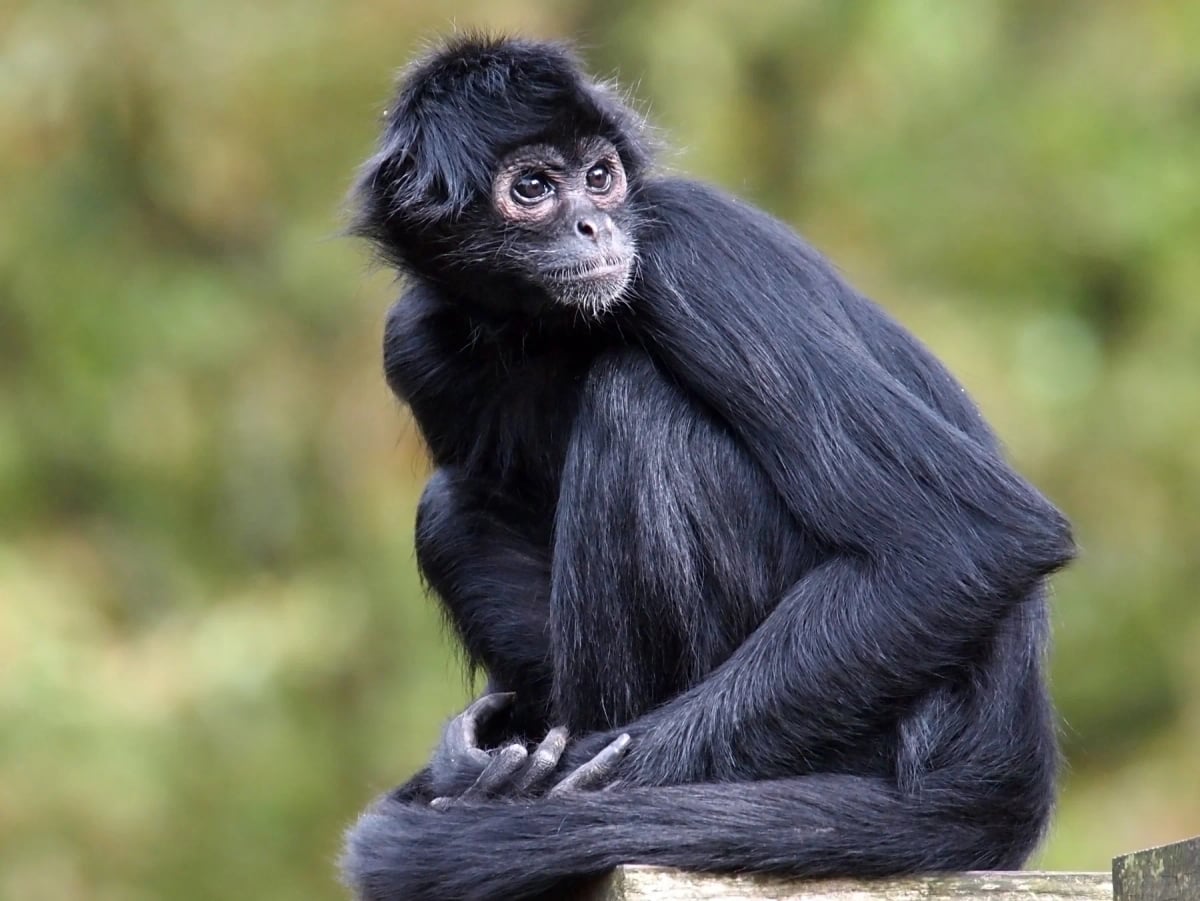
Spider Monkey
Ateles spp.
Spider monkeys are found across Suriname's largely intact interior rainforest, one of the most pristine stretches of Amazonian jungle in South America. They travel through the high canopy in fluid, acrobatic bursts, using their prehensile tail as a fifth limb. As dedicated fruit eaters, they scatter seeds across vast distances. Hunting pressure and logging near forest edges remain the main concerns for their survival in the country.
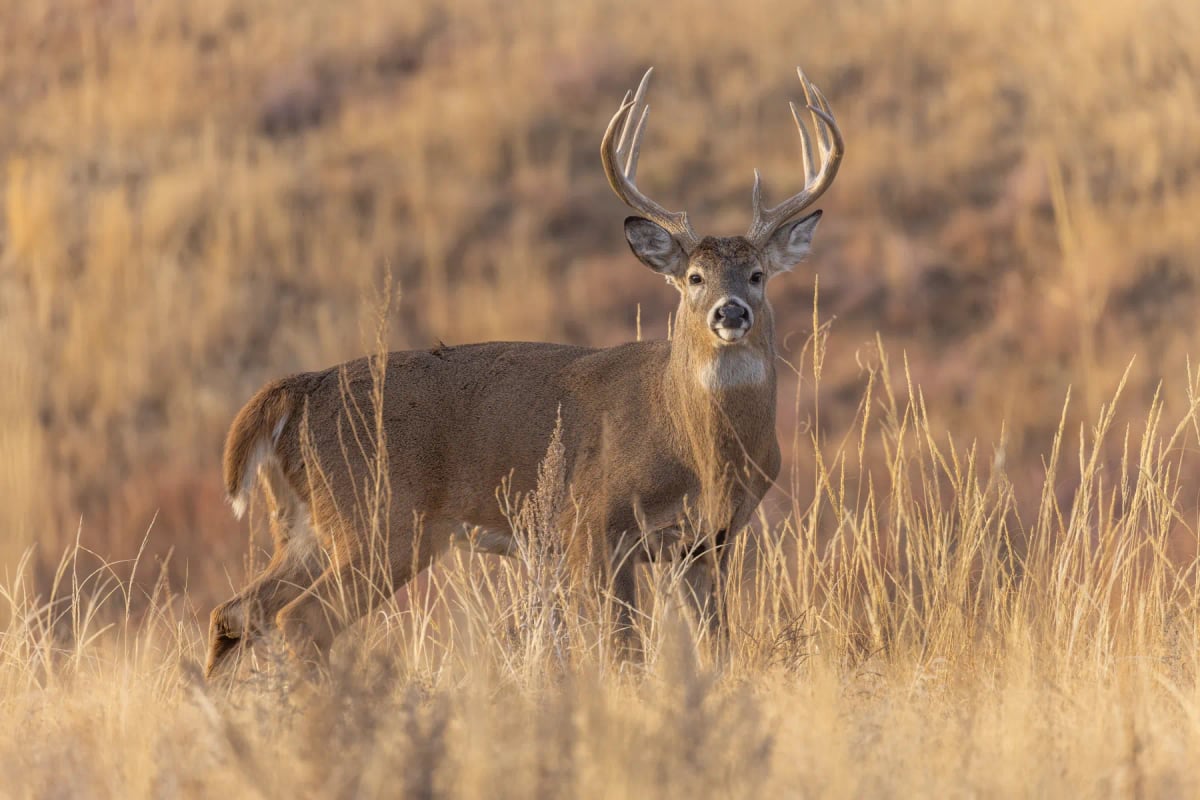
White tailed Deer
Odocoileus virginianus
In Suriname, white tailed deer inhabit forest edges, savannas, and open areas in the coastal lowlands and interior regions. Much of Suriname remains covered in dense tropical forest, which limits suitable open habitat for this species. Deer are occasionally hunted for food by local and Indigenous communities. The country's extensive network of protected areas helps maintain habitat for a wide range of wildlife, including this deer.
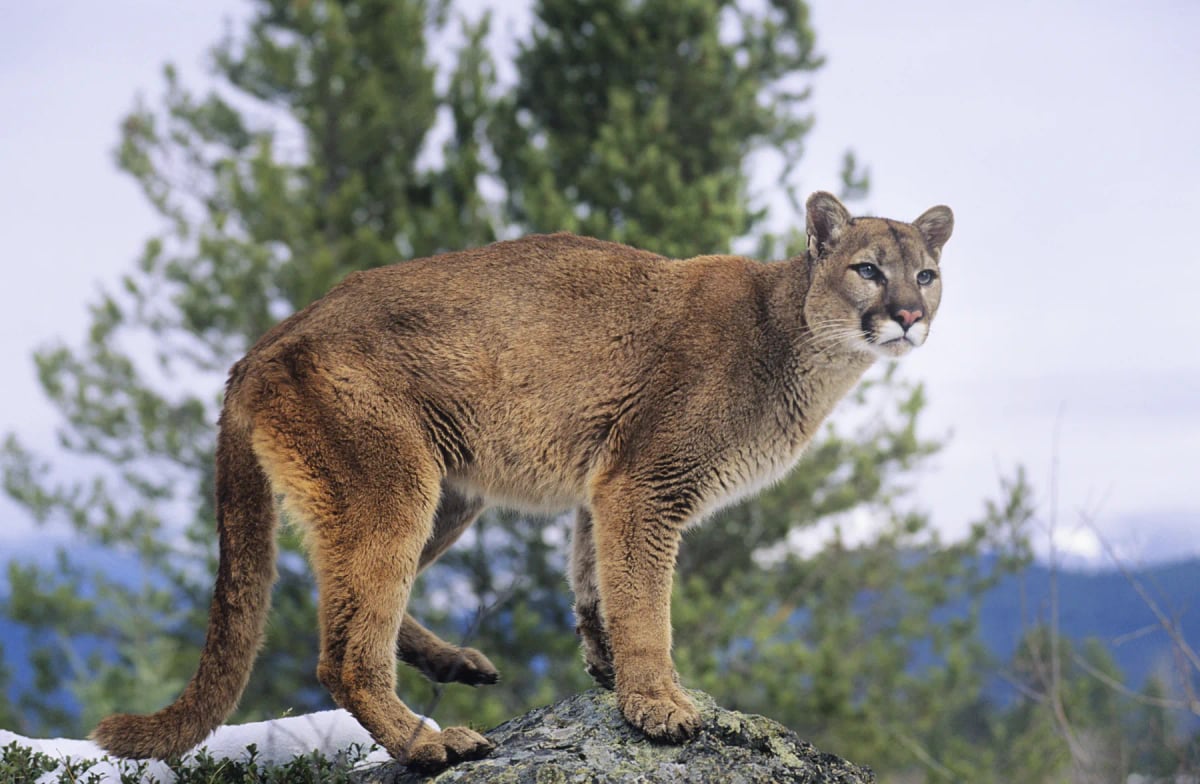
Cougar
Puma concolor
Suriname's extensive and largely undisturbed rainforest interior provides some of the most intact cougar habitat in South America. The species ranges across the forested highlands and lowland jungle, sharing the landscape with jaguars. Because Suriname has one of the highest proportions of forest cover of any country on Earth, cougar populations here face fewer pressures than in many neighboring nations. Its status is Least Concern, reflecting this relatively secure environment.
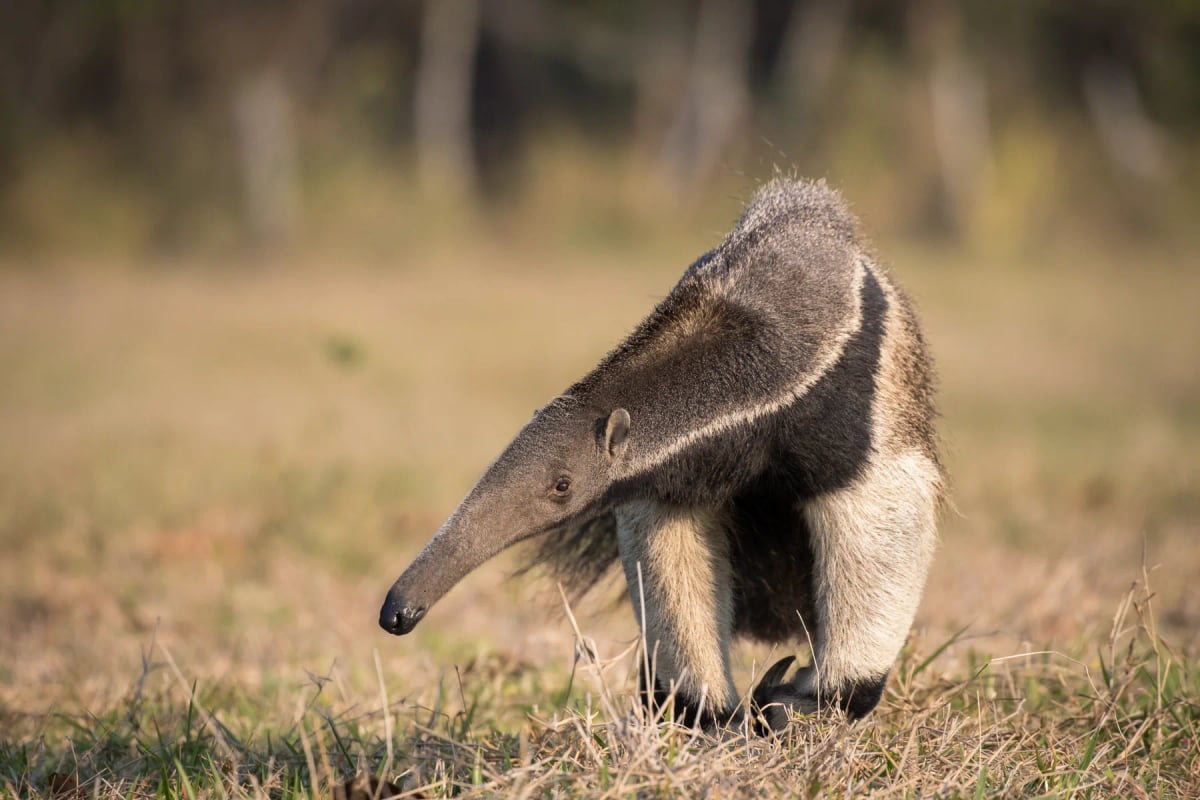
Anteater
Myrmecophaga tridactyla
The giant anteater is found in Suriname's interior savannas and forest edges, particularly in the southern parts of the country where human pressure is lower. Suriname's extensive protected forests provide relatively stable habitat for the species. Road mortality and hunting are the primary threats to giant anteater populations, as in other parts of its range.
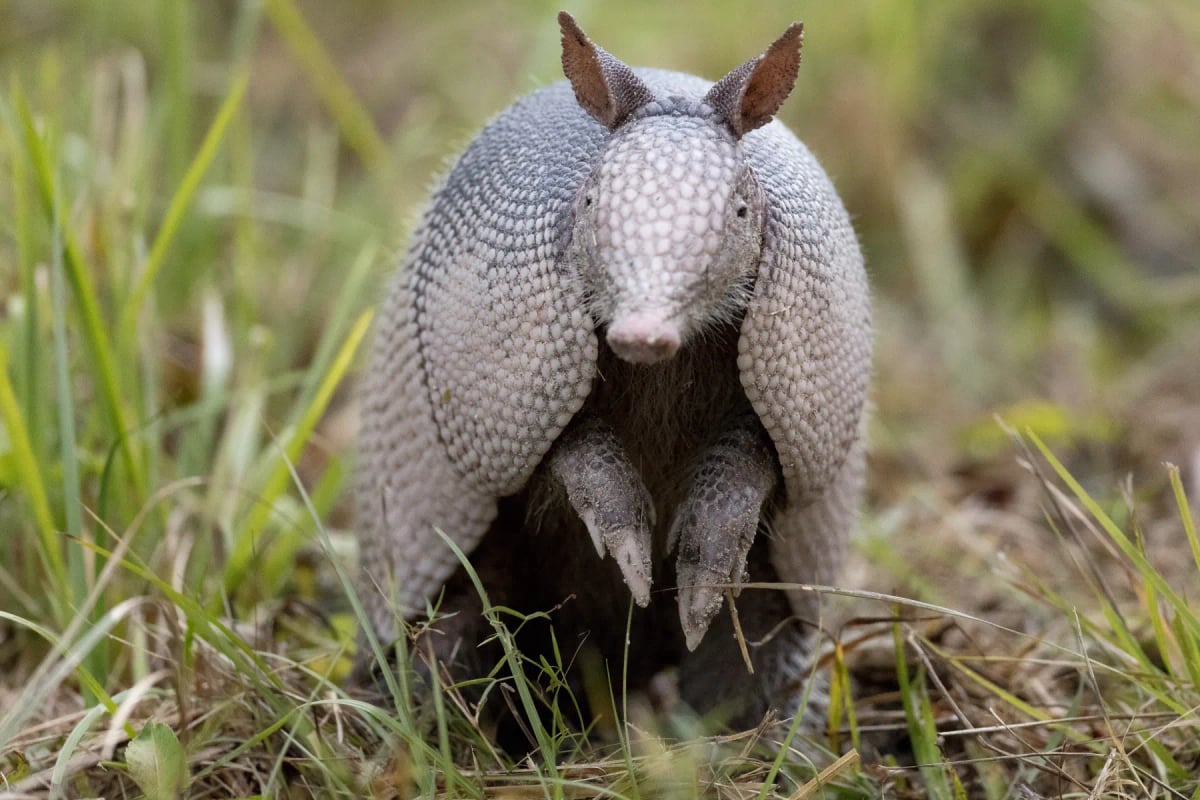
Armadillo
Dasypodidae spp.
Suriname hosts several armadillo species within its predominantly forested territory, including the nine banded armadillo, the giant armadillo, and the southern naked tailed armadillo. The country's large areas of undisturbed Amazonian forest in the interior provide excellent habitat for the giant armadillo, which requires intact forest with abundant ant and termite colonies. Suriname's low deforestation rate compared to neighboring countries makes it an important refuge for species that depend on forest cover. Hunting pressure exists in some communities but is less intensive than in more densely populated parts of South America.
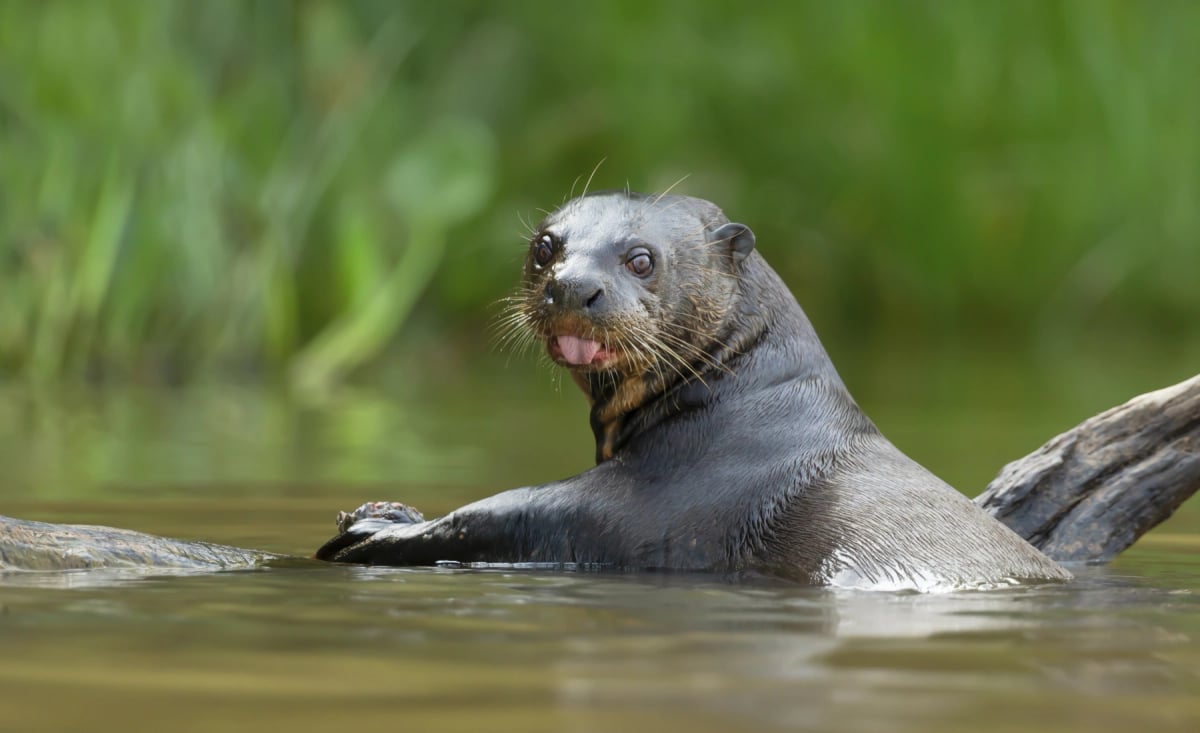
Giant Otter
Pteronura brasiliensis
Suriname's extensive tropical forests and river systems in its interior provide some of the least disturbed habitat for the giant otter in South America. Family groups are found along rivers such as the Corantijn and the Coppename, where fish are plentiful and human presence remains limited. Small scale gold mining in the interior is an increasing concern due to mercury runoff into rivers. Suriname's relatively intact ecosystems give this Endangered species a real chance of survival.
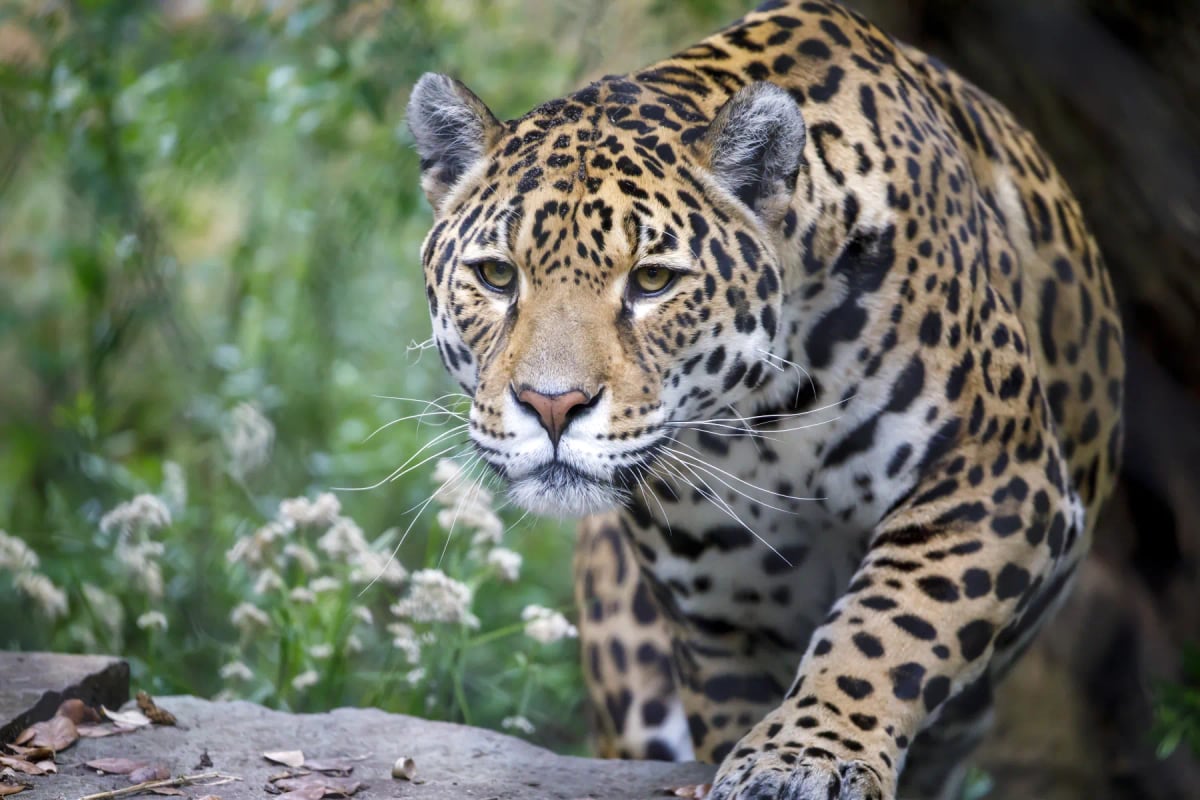
Jaguar
Panthera onca
Suriname is one of the most forested countries in the world, and its interior rainforests offer some of the most intact jaguar habitat remaining anywhere. With a relatively low human population density in the interior, jaguars here face less pressure than in many neighboring countries. The species ranges across the Guiana Shield, a region known for its exceptional biodiversity. Suriname's protected areas help maintain a stronghold for jaguars in northeastern South America. IUCN status: Near Threatened.
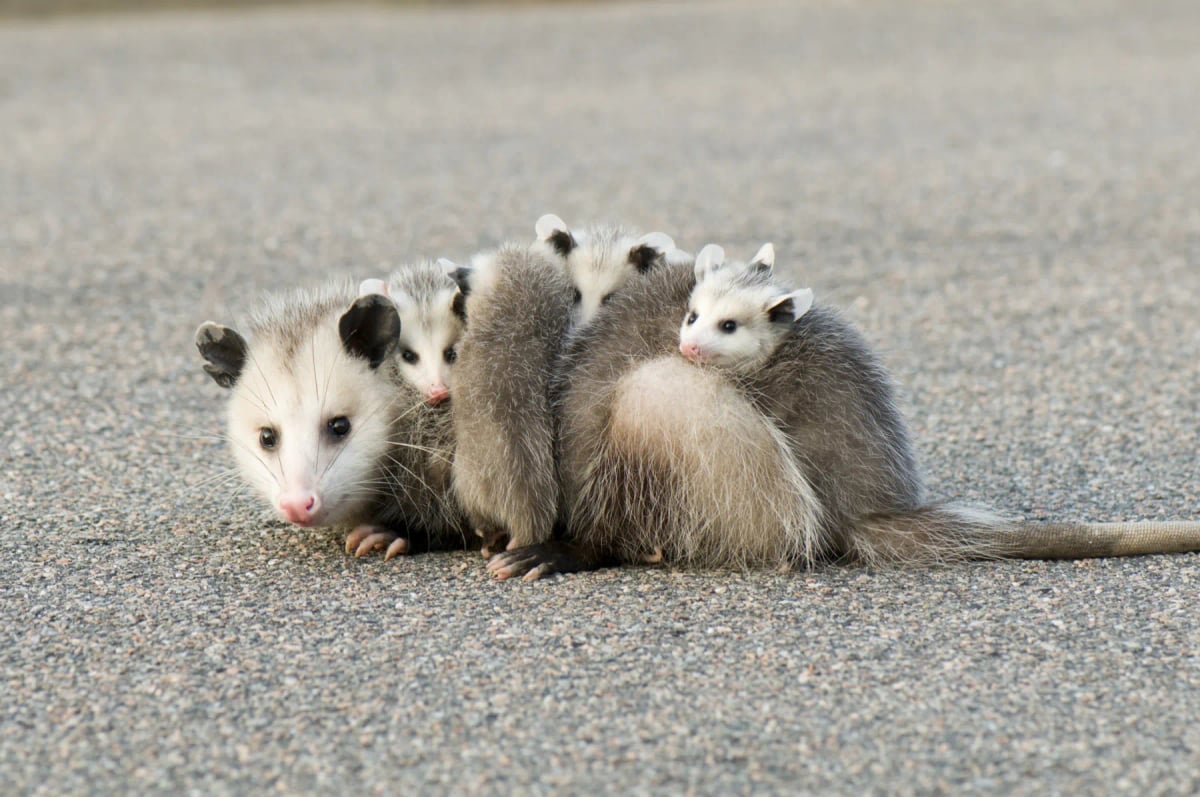
Opossum
Didelphis spp.
Suriname's extensive rainforest interior, one of the most pristine in South America, provides ideal habitat for opossums. They are present from the forested interior to the coastal lowlands and plantation zones near Paramaribo. Comfortable in both undisturbed forest and areas altered by human activity, they find food easily in almost any setting. Their status is Least Concern, with no known population pressures in Suriname.
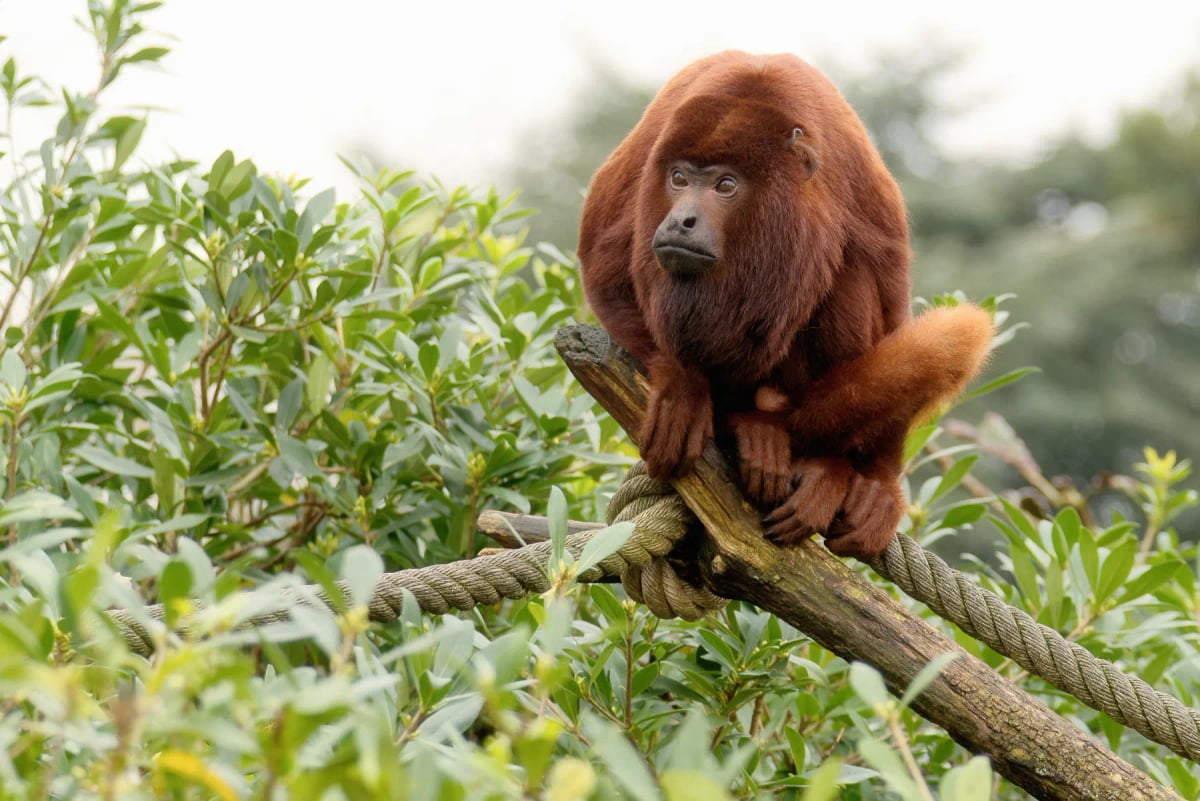
Red Howler Monkey
Alouatta seniculus
Suriname's extensive tropical forests, much of which fall under formal protection, support healthy populations of red howler monkeys. The species is a key part of the forest soundscape, with troops calling at dawn and dusk across the canopy. Groups of up to nineteen individuals spend most daylight hours resting, a strategy that helps them survive on the limited nutrition leaves provide. The species faces little immediate threat in Suriname.
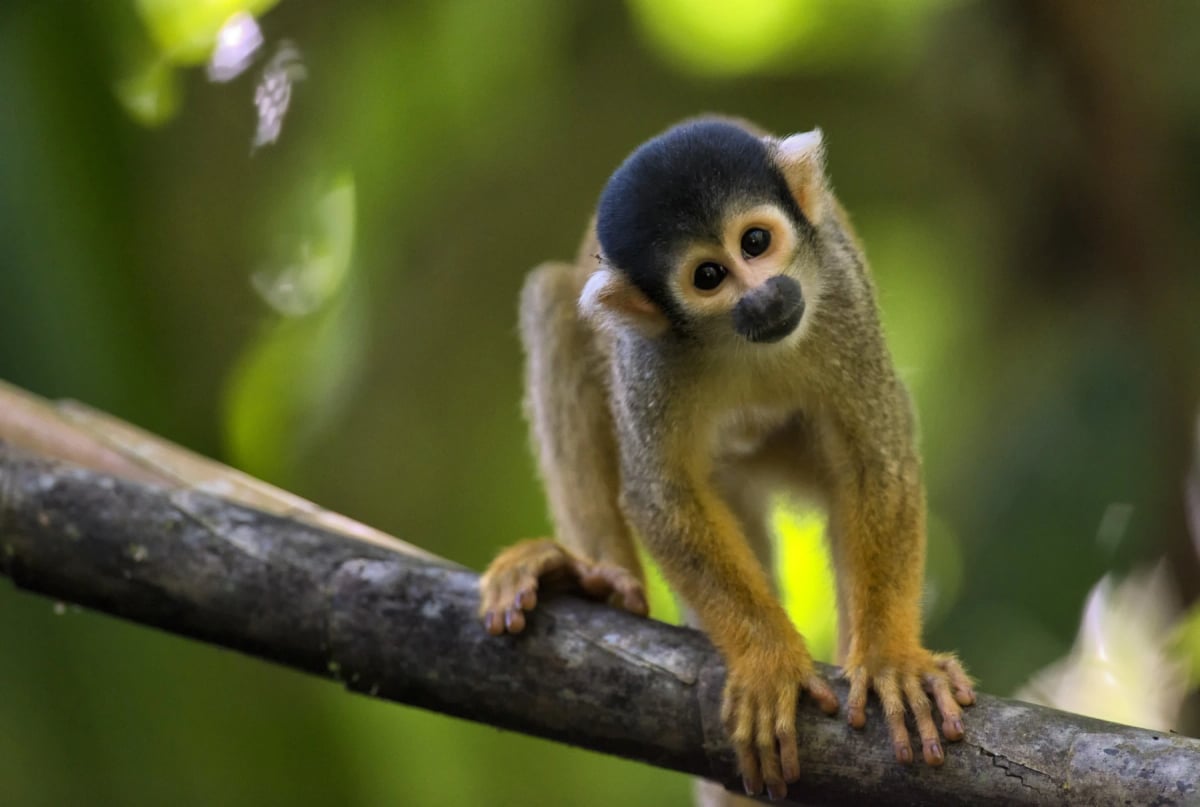
Squirrel Monkey
Saimiri spp.
Suriname's extensive and well-preserved tropical forests provide squirrel monkeys with some of the most undisturbed habitat in the Guiana Shield region. Large troops move energetically through the canopy and middle levels of the forest from dawn until dusk, feeding on insects, fruit, and small prey. With much of the country still covered in primary forest, Suriname remains a stronghold for squirrel monkeys and countless other Neotropical species.
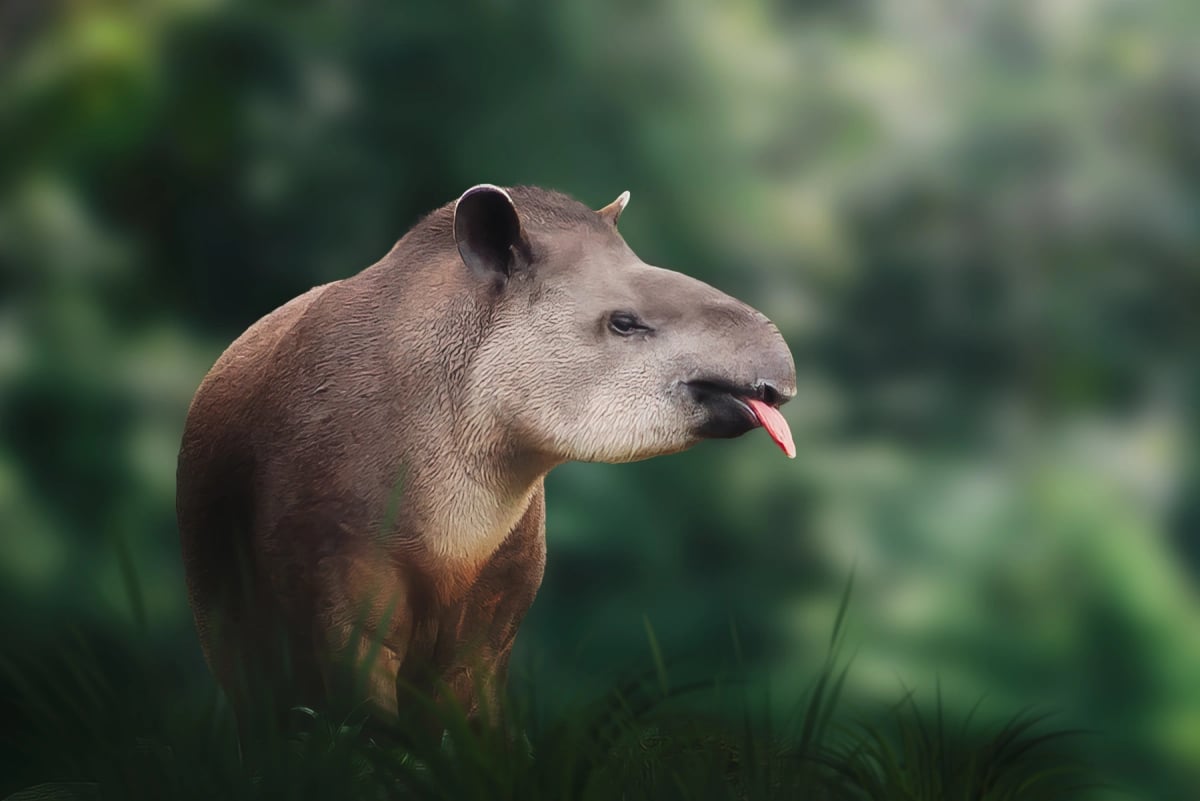
Tapir
Tapirus spp.
Suriname has some of the highest forest cover of any country in the world, and the South American tapir benefits greatly from this. Tapirs roam through lowland rainforests and gallery forests along rivers, relying on fruit and vegetation year round. Conservation pressure is lower here than in many neighbouring countries, though gold mining and logging in the interior pose growing concerns for the habitat tapirs depend on.
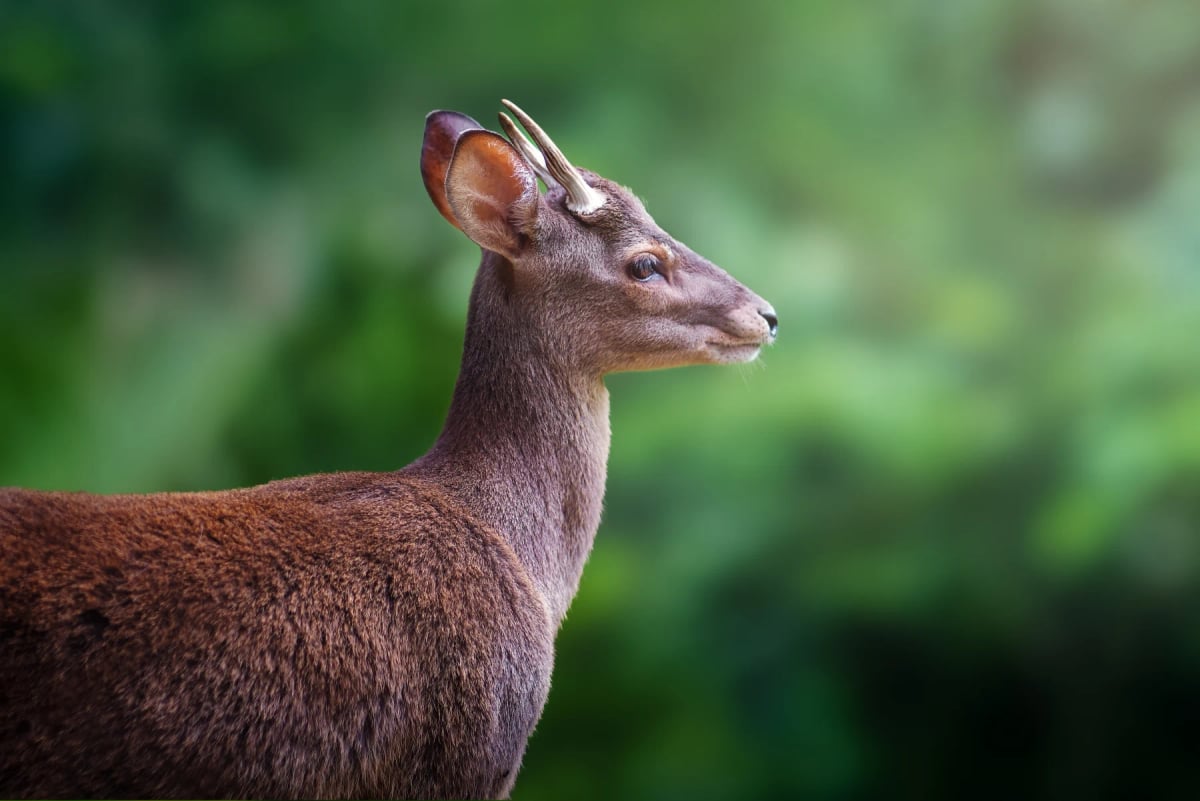
Brocket Deer
Mazama spp.
Suriname's dense interior rainforest, much of which remains undisturbed, offers excellent habitat for brocket deer, with the red brocket being the most prevalent species. The country has one of the highest proportions of intact forest cover in South America, which benefits forest-dependent wildlife. Subsistence hunting by indigenous and Maroon communities in the interior is a traditional practice that wildlife managers continue to assess. Overall, Suriname's brocket deer populations are considered relatively stable.
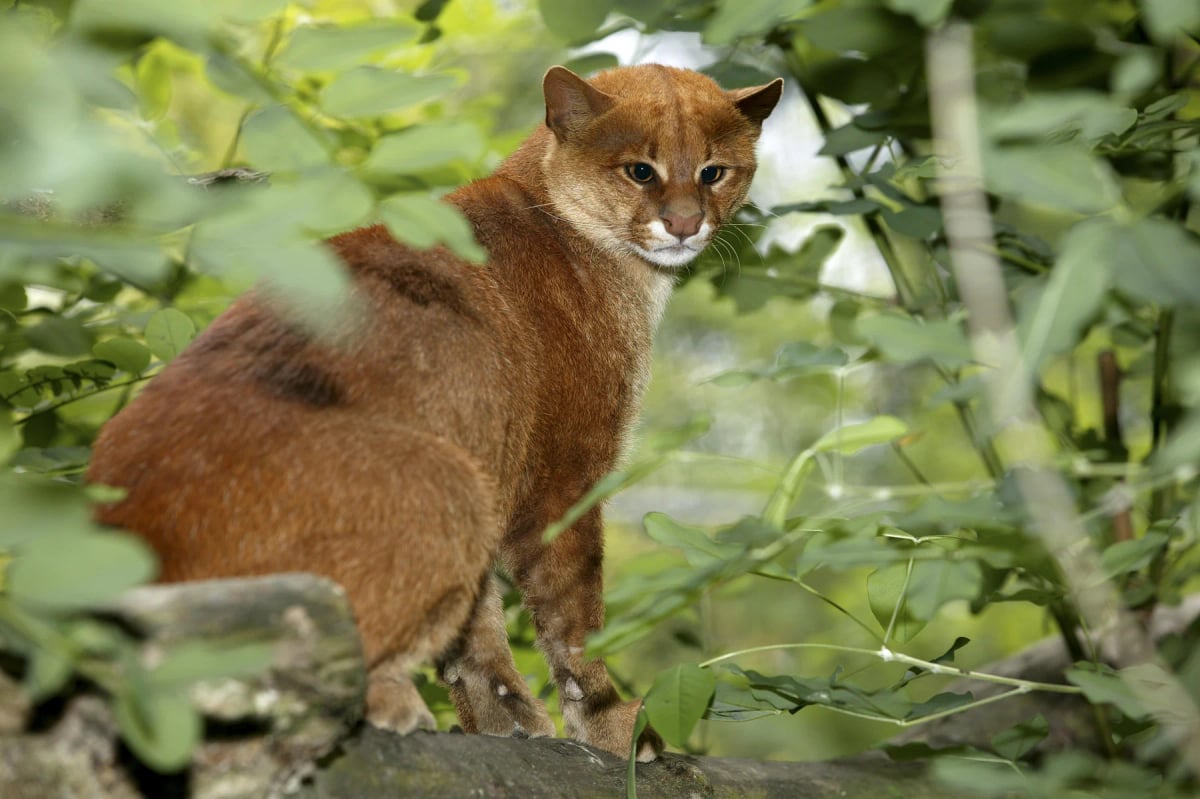
Jaguarundi
Herpailurus yagouaroundi
Suriname's largely intact interior rainforest provides some of the best remaining habitat for the jaguarundi in South America. This cat moves through lowland forest, forest edges, and open areas near watercourses across the country. It hunts during daylight hours, which makes it more visible than most of its relatives. The IUCN lists the species as Least Concern, and Suriname's high forest cover helps sustain a healthy population.
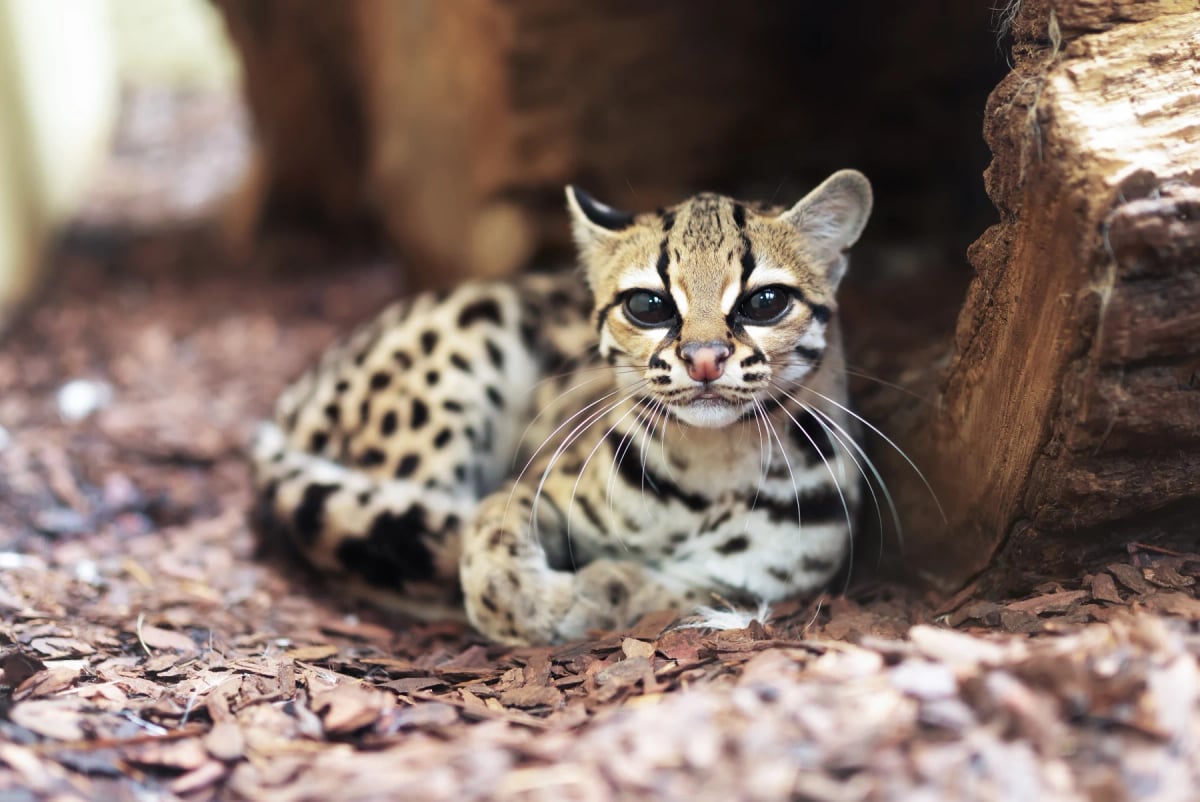
Margay
Leopardus wiedii
Suriname retains some of the highest forest cover of any country in South America, making it a stronghold for forest-dependent species like the margay. This small wild cat roams the interior rainforests, hunting at night in the tree canopy. Its oversized eyes and rotating ankles make it one of the most capable climbers among all wild cats. Limited development pressure in Suriname's interior helps sustain healthy populations. The IUCN lists it as Near Threatened.
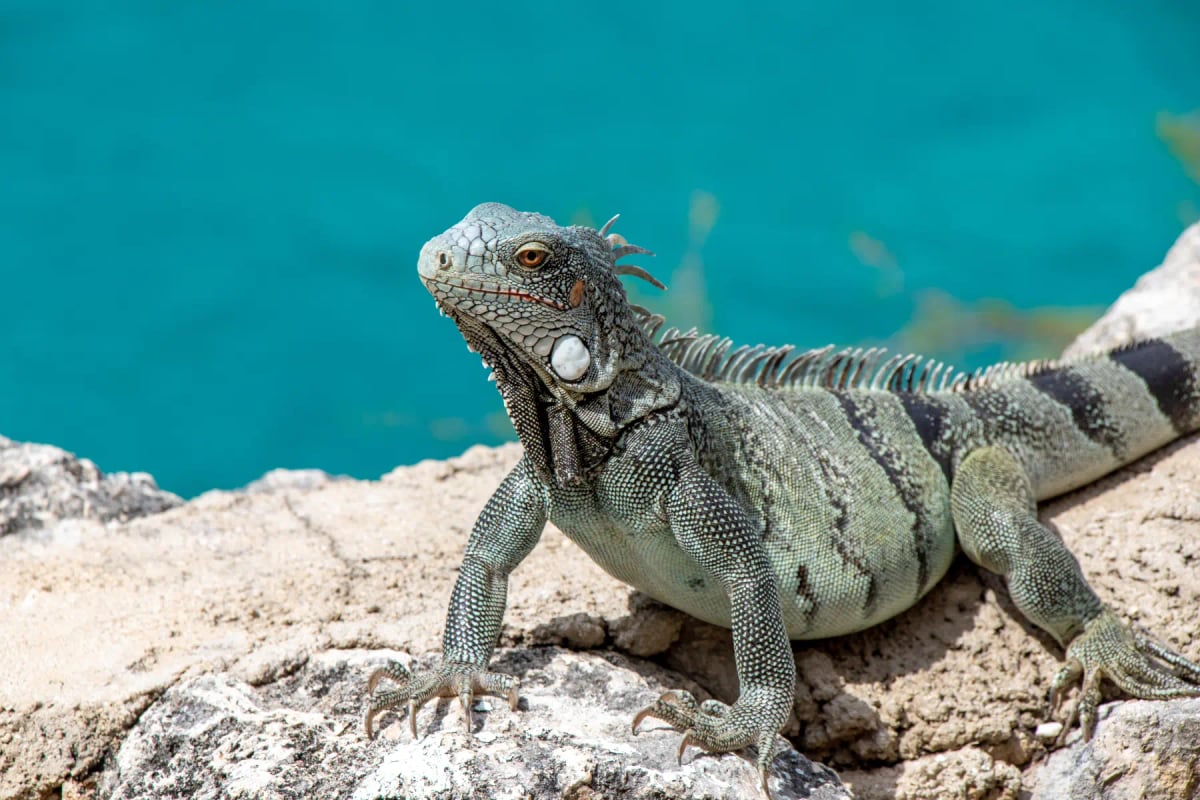
Iguana
Iguana iguana
The green iguana is native to Suriname, found throughout the coastal zone, along the main rivers and in the vast tropical forests of the interior. It is a common sight along the Suriname, Coppename and Corantijn rivers, where it basks on overhanging branches. In coastal and river communities it is a familiar animal, and the species plays its role as a seed disperser across the country's forested lowlands.
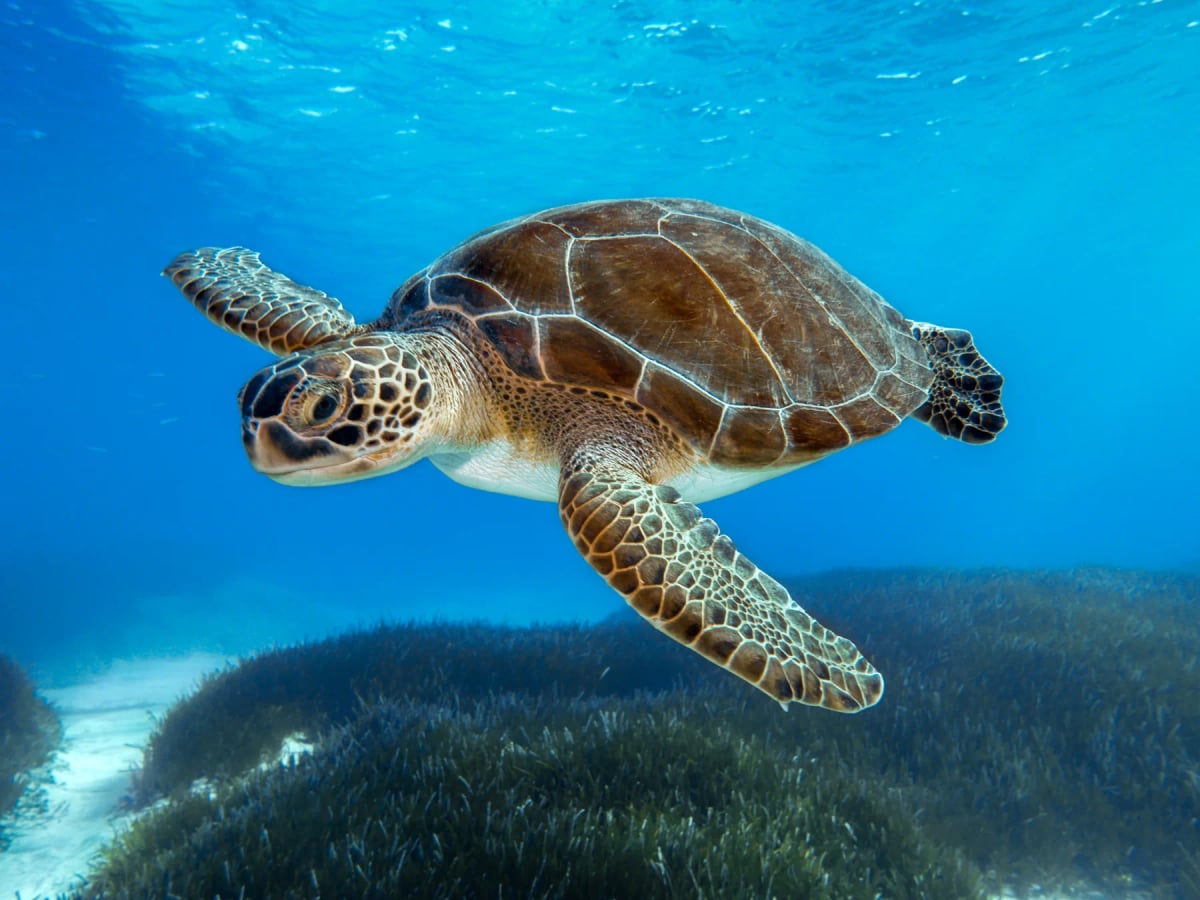
Sea Turtle
Cheloniidae & Dermochelyidae (families)
Suriname's Atlantic coast is one of the most important leatherback sea turtle nesting areas in the western Atlantic. Galibi Nature Reserve, at the mouth of the Marowijne River near the French Guiana border, hosts large concentrations of nesting leatherbacks between February and July. Olive ridley and green turtles also nest on Surinamese beaches. The site is monitored by conservation teams and the Carib indigenous community of Galibi has been involved in turtle protection for decades.
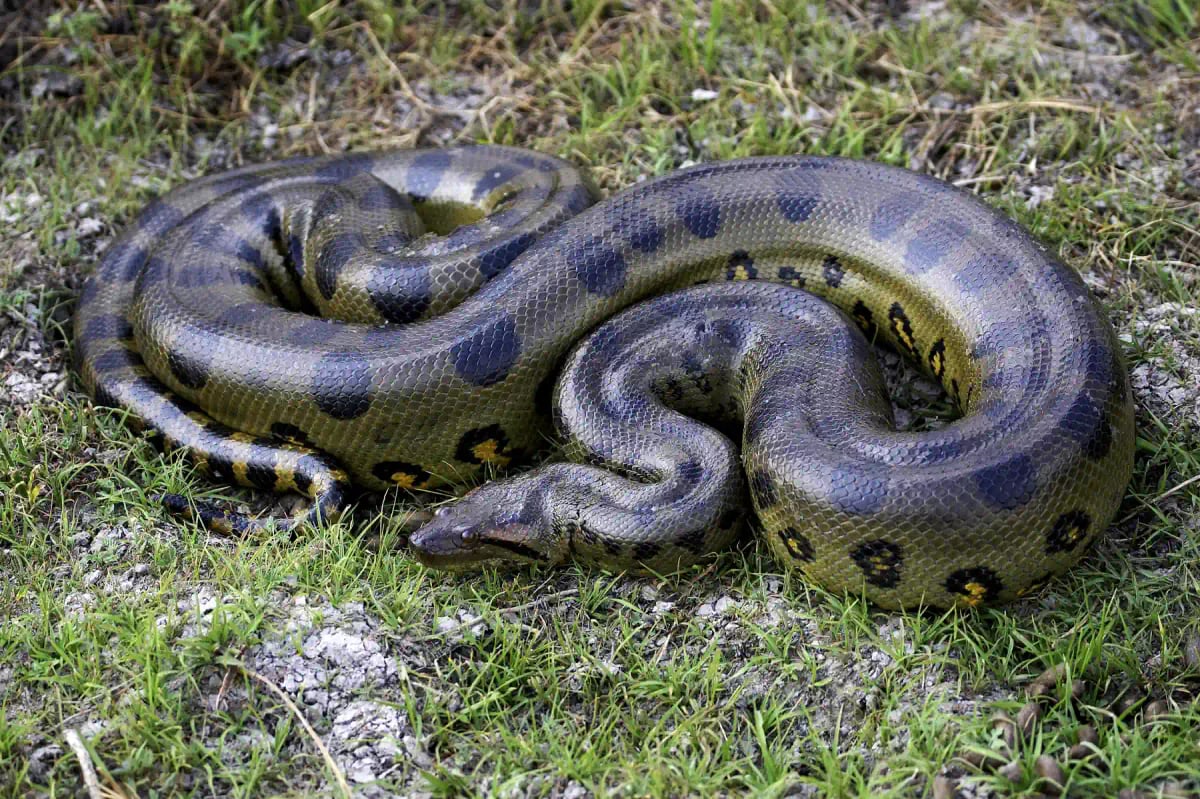
Anaconda
Eunectes murinus
Suriname's interior rainforests and river systems provide prime habitat for the green anaconda. The species is found throughout the country's forested lowlands, particularly along the Suriname, Corantijn, and Marowijne rivers and their associated wetlands. Like neighboring Guyana and French Guiana, Suriname retains extensive areas of undisturbed forest, making it one of the most intact parts of the anaconda's range in South America.
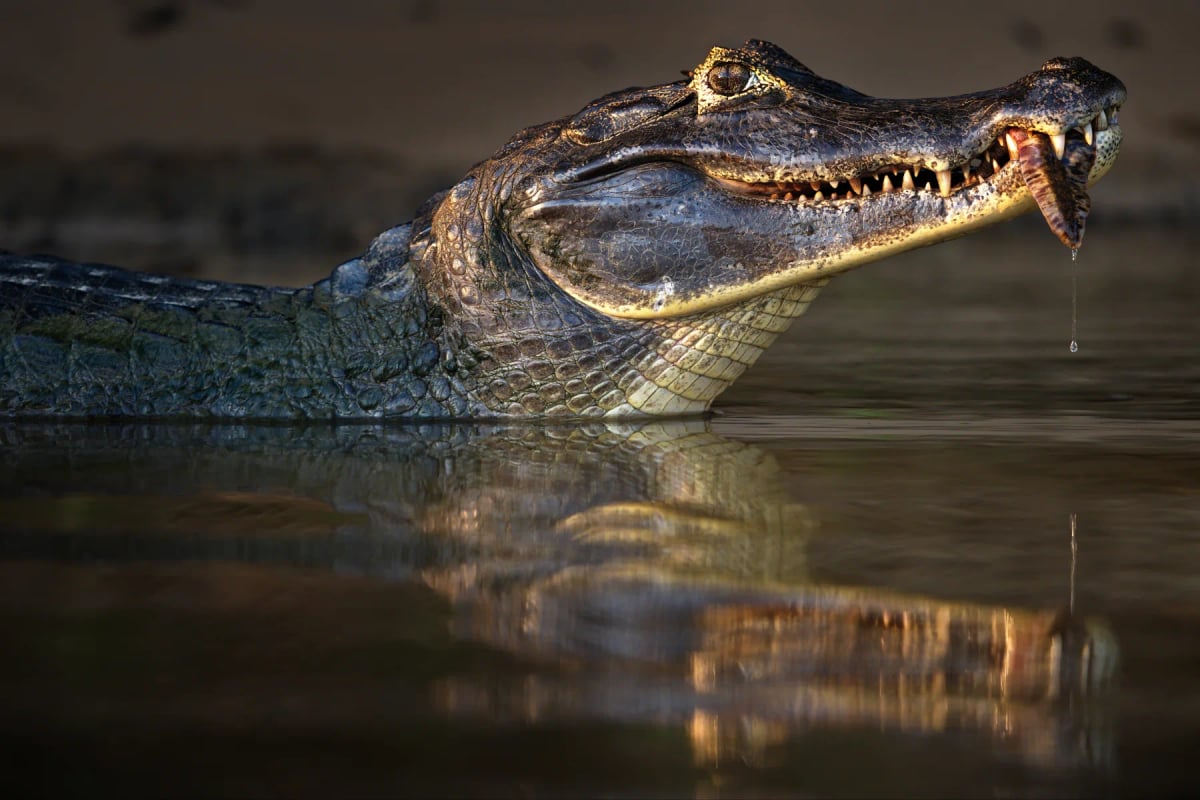
Caiman
Caiman spp.
Suriname's dense interior forests and river networks support healthy populations of the spectacled caiman and the black caiman. The Coppename and Corantijn river systems, along with the wetlands of the coastal plain, are key areas for these species. Much of Suriname's interior remains intact, offering caimans relatively undisturbed habitat. Both species contribute to the regulation of aquatic ecosystems and are protected under Surinamese conservation law.
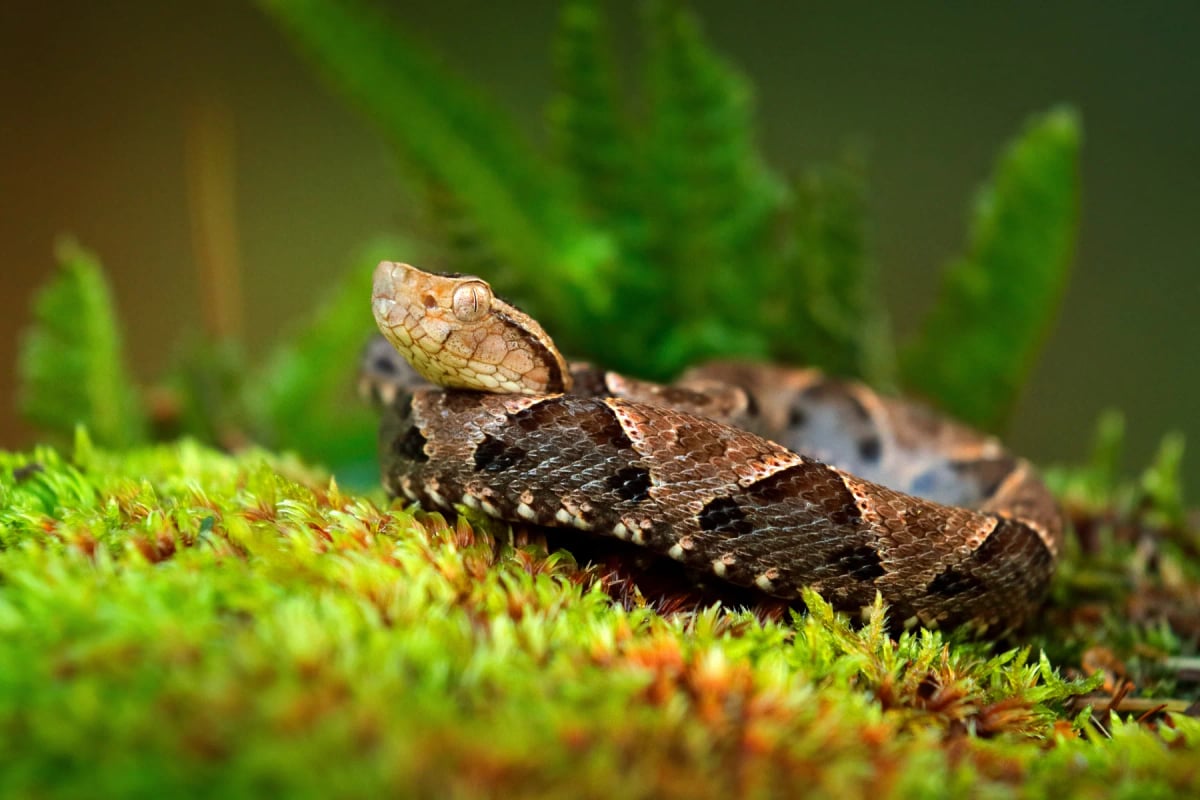
Lancehead
Bothrops spp.
In Suriname, lanceheads inhabit the dense rainforests of the interior, where thick leaf litter on the forest floor provides ideal cover. Species such as Bothrops atrox are well established here, preying on rodents and amphibians. Most bites occur when people accidentally step on a resting snake. Despite their danger, lanceheads play a key role in controlling rodent numbers across Suriname's forested interior.
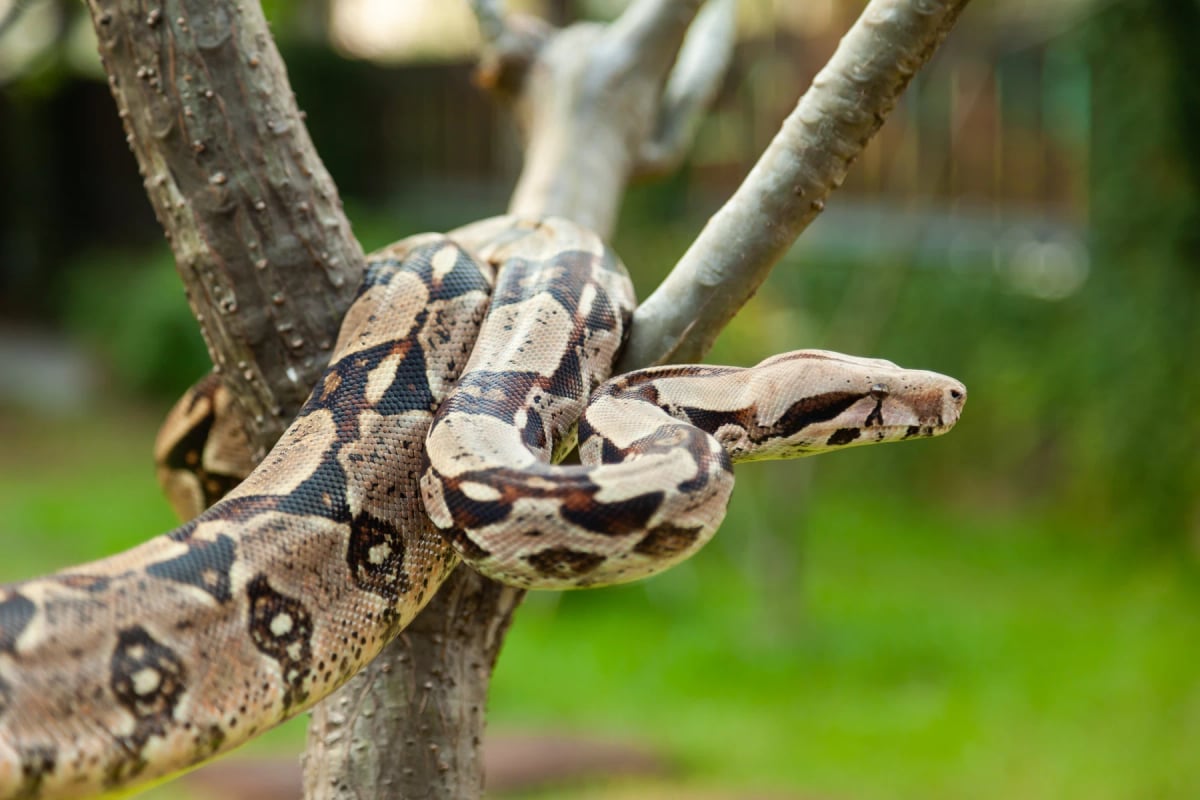
Boa Constrictor
Boa constrictor
In Suriname, the boa constrictor inhabits the lowland tropical rainforests that dominate the country's interior, as well as savanna woodlands and coastal areas in the north. It is a well-known species among local communities. Listed as Least Concern by the IUCN, Suriname's relatively intact forest cover helps sustain healthy populations, though gold mining activity in the interior is increasingly affecting habitat quality in parts of its range.
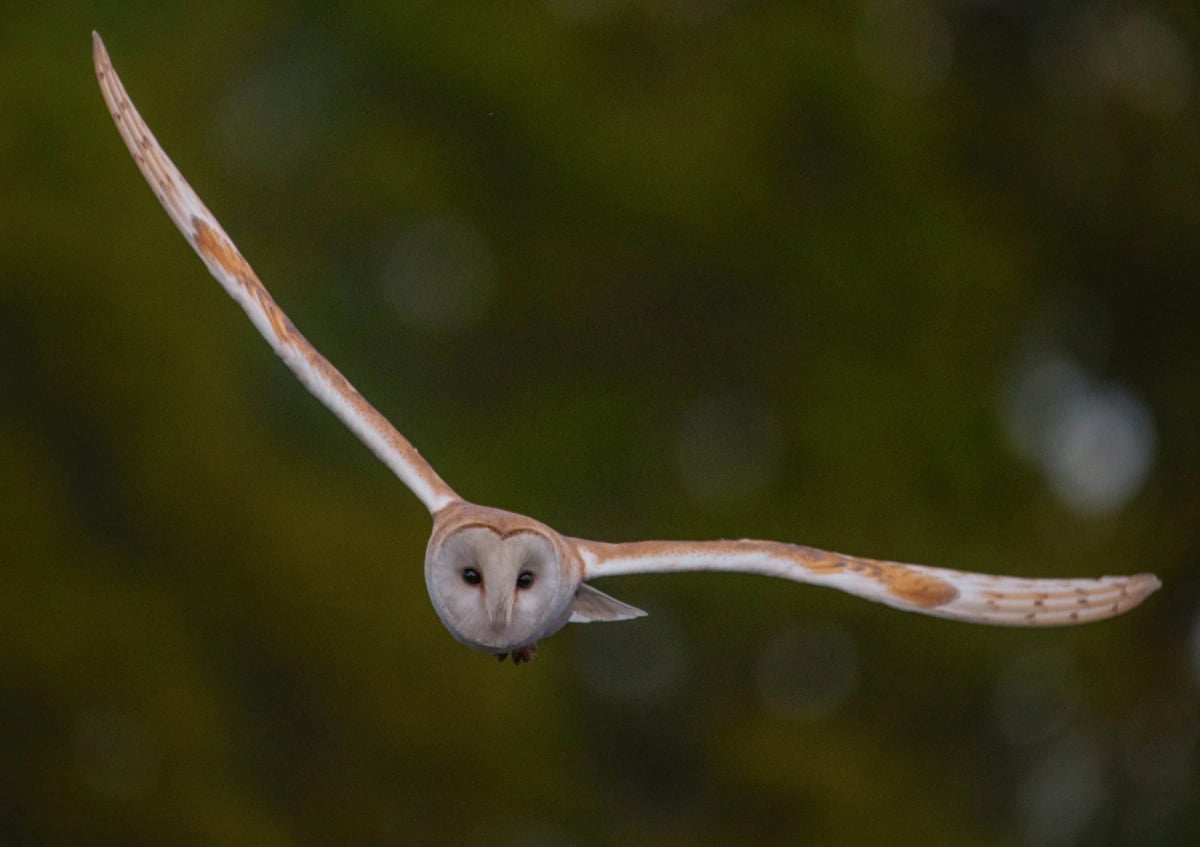
Barn Owl
Tyto alba
The barn owl is present in Suriname mainly in open farmland, coastal savanna, and areas near human settlements along the Atlantic coast and in the interior lowlands. Dense tropical rainforest covers most of the country's interior and offers little suitable open hunting habitat. The species is concentrated in the agricultural coastal strip between Paramaribo and the Nickerie district, where open rice paddies and grasslands provide reliable hunting ground. It nests in old buildings and hollow trees and hunts rodents at night.
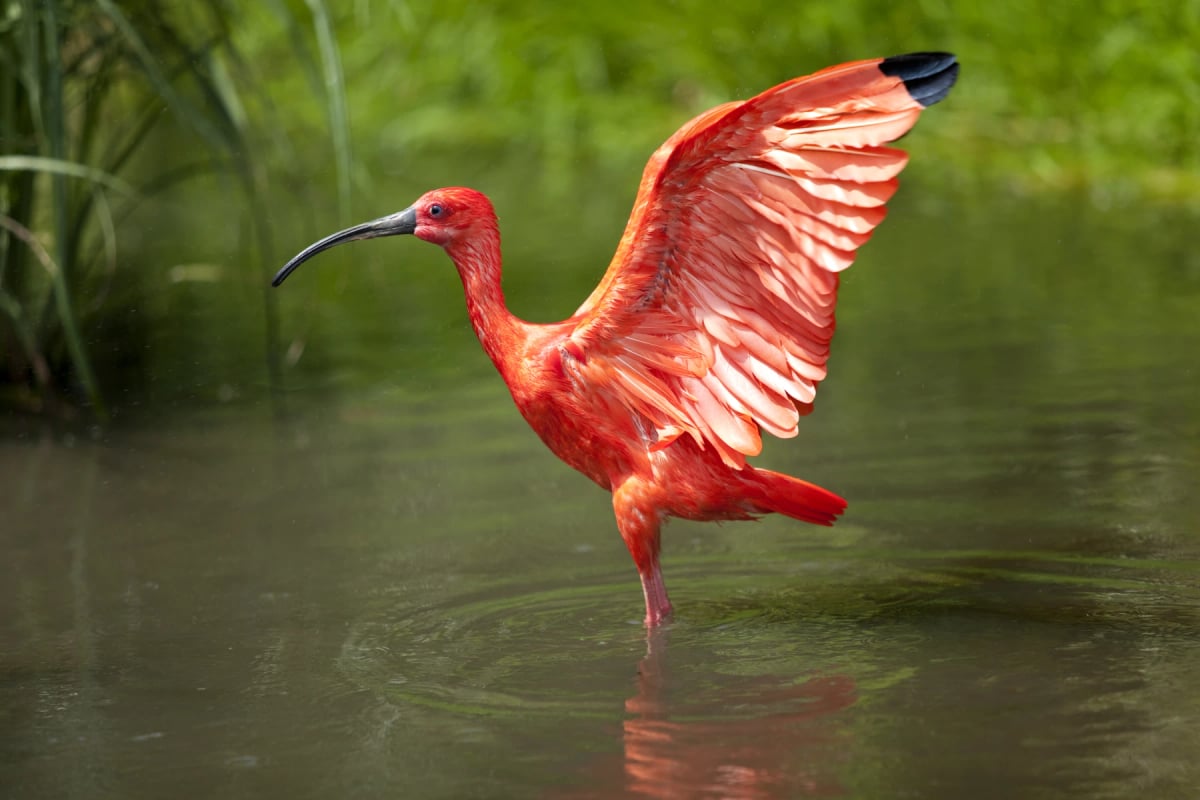
Scarlet Ibis
Eudocimus ruber
Suriname is one of the strongholds of the Scarlet Ibis along the Guiana coast. The country's well-preserved mangrove belt and coastal wetlands support thriving populations that forage on the abundant crustaceans of the tidal shallows. The Coppename River mouth and the Wia-Wia Nature Reserve are among the most important sites for the species. Suriname's strong conservation framework helps protect these coastal habitats.
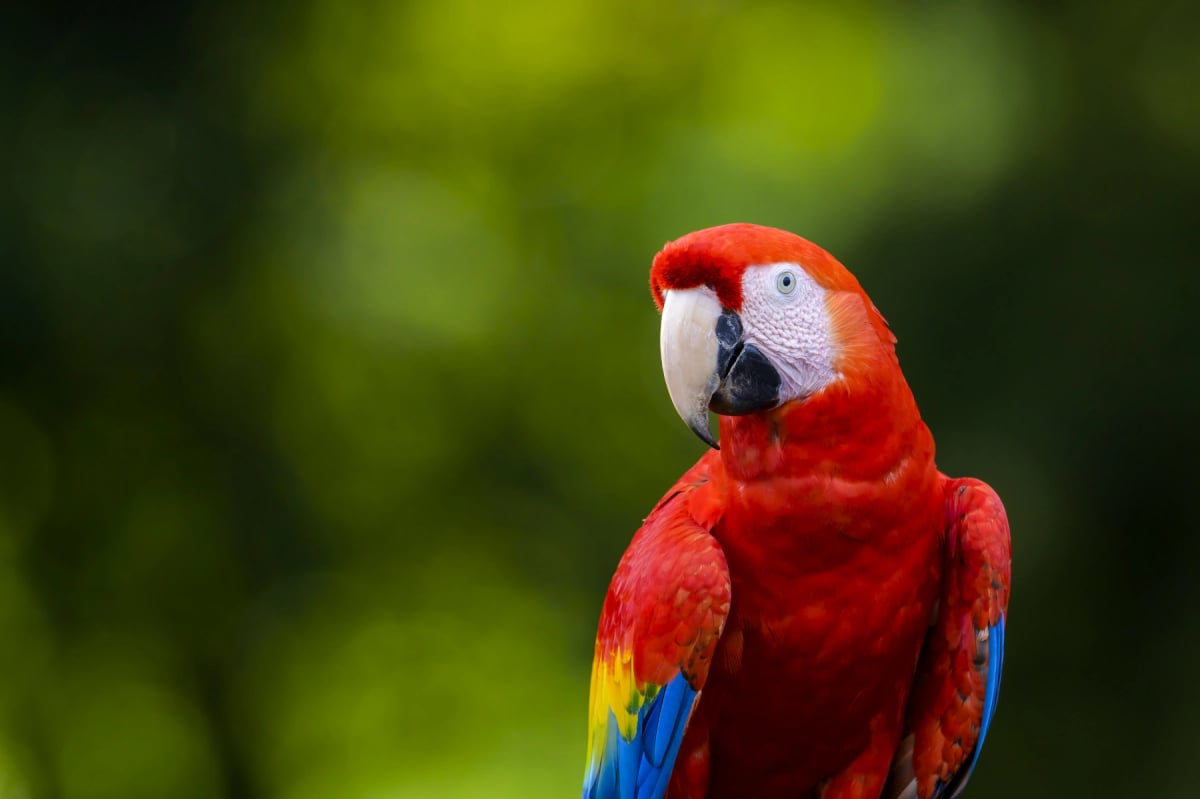
Scarlet Macaw
Ara macao
In Suriname, scarlet macaws are found throughout the interior tropical rainforests, which remain among the most intact in South America. The country's extensive forest cover, much of it protected, gives these birds ample nesting sites in large trees. Pairs are regularly seen and heard flying above the canopy, especially near rivers. Suriname's low deforestation rate helps support healthy local populations. IUCN status: Least Concern.
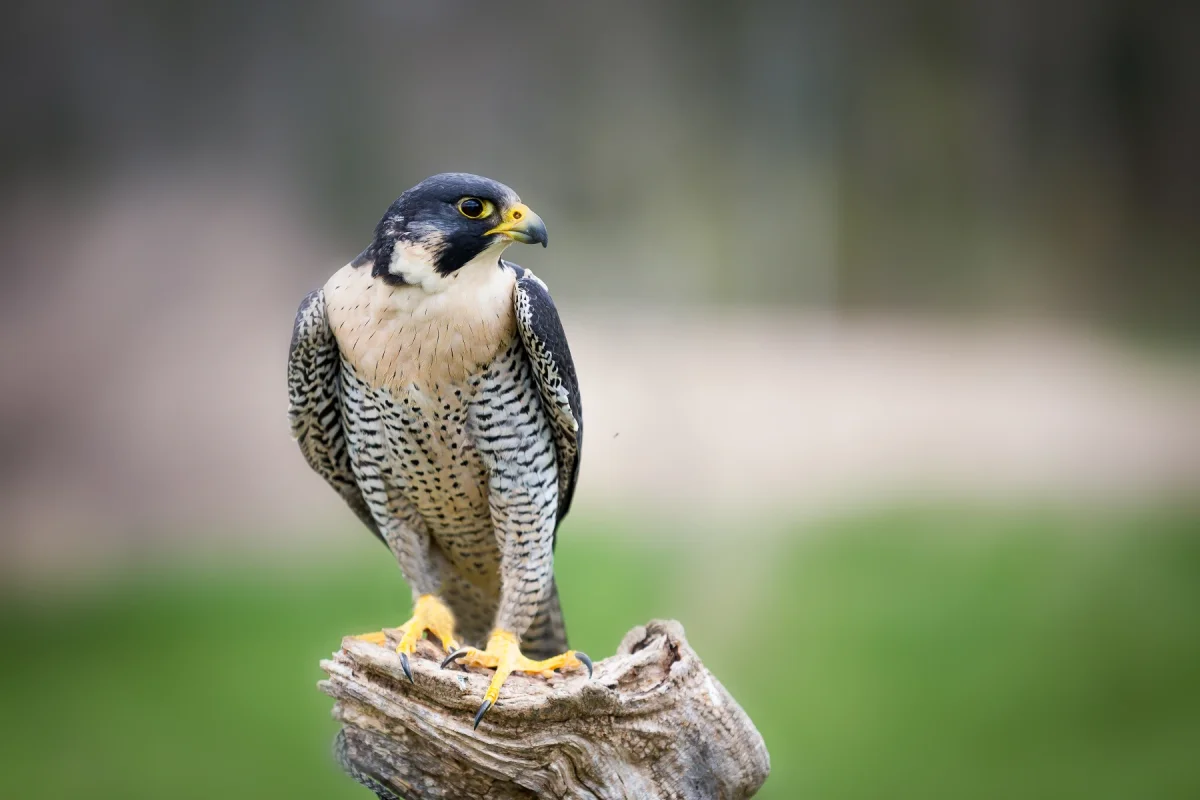
Peregrine Falcon
Falco peregrinus
The peregrine falcon passes through Suriname during migration, moving along the Atlantic coast and over the forested interior. It hunts shorebirds and other species along coastal mudflats and river mouths. Suriname's vast rainforest and wetland systems provide rich feeding grounds during these stopovers. Classified as Least Concern by the IUCN, this falcon remains one of the great success stories of wildlife conservation worldwide.
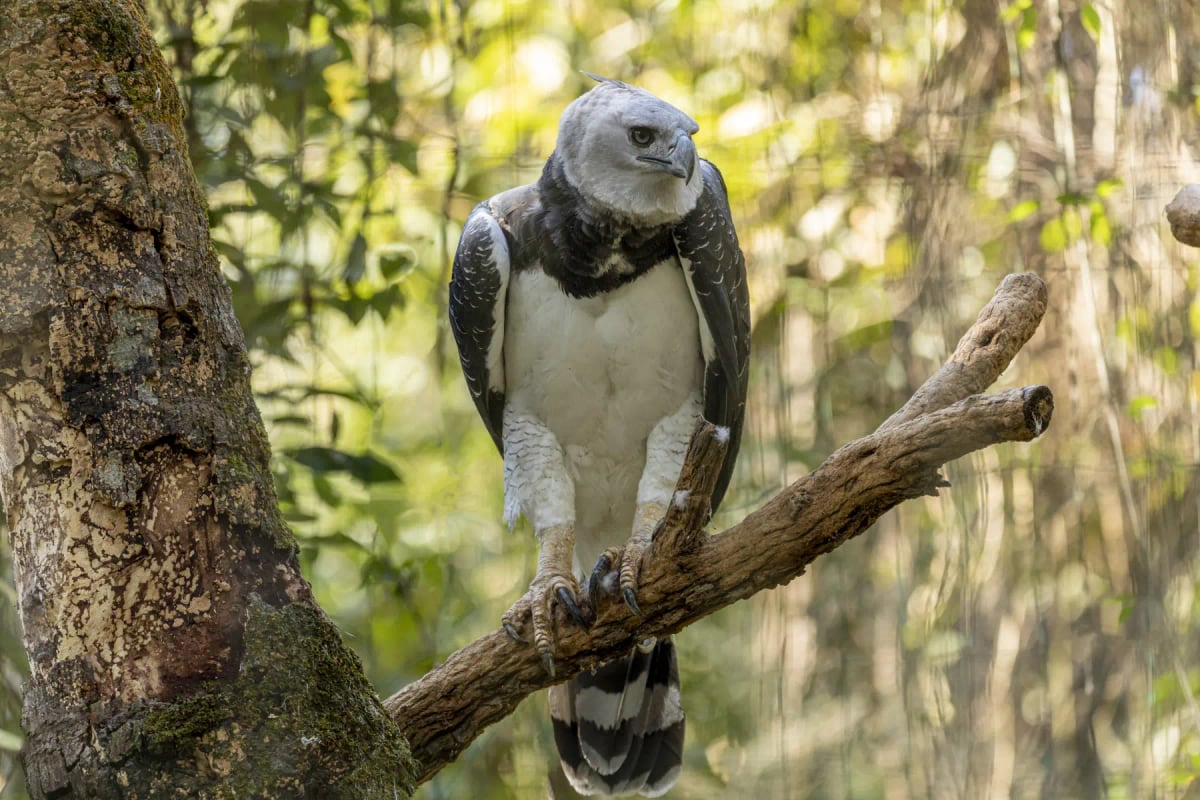
Harpy Eagle
Harpia harpyja
Suriname is one of the few countries where harpy eagles can still be found across a large portion of national territory. More than ninety percent of Suriname remains forested, giving this raptor room to hunt, nest, and raise its young with relatively little disturbance. The interior rainforests, home to an abundance of sloths and primates, provide ideal conditions. Suriname's low deforestation rate makes it a genuine stronghold for the species.
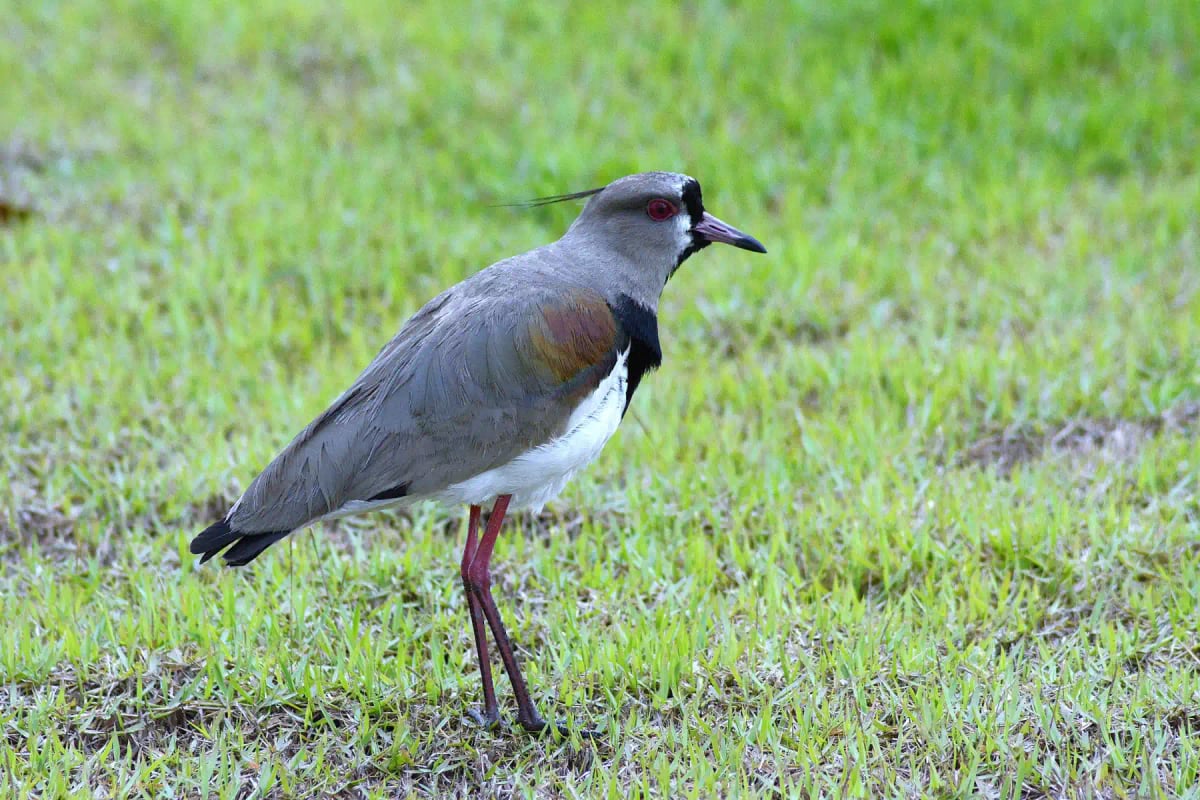
Southern Lapwing
Vanellus chilensis
In Suriname, the southern lapwing occupies open savannas, coastal wetlands, and agricultural land, particularly in the northern lowland regions near Paramaribo. It is a conspicuous presence in grassy clearings and along riversides, where it nests directly on the ground and defends its territory with remarkable intensity. Its IUCN status is Least Concern, and it remains a familiar bird across the country.
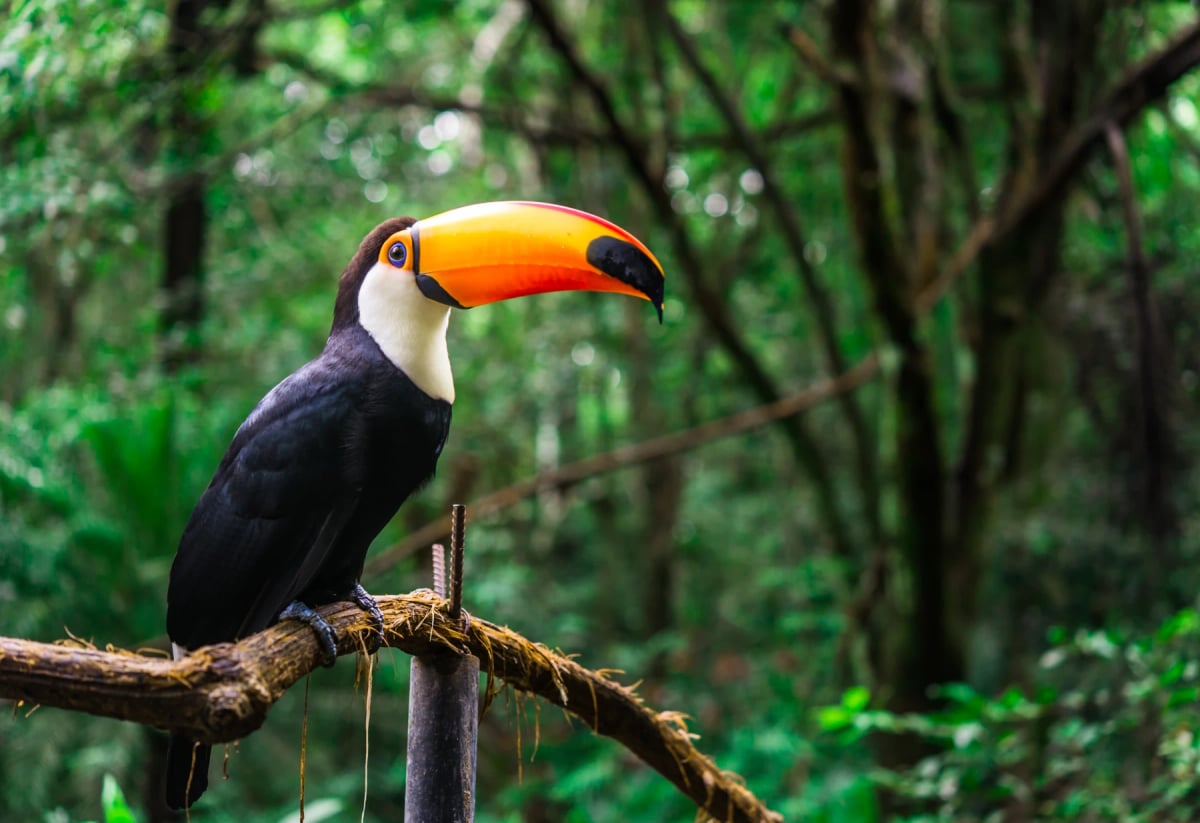
Toucan
Ramphastos spp.
Suriname is one of the most forested countries on Earth, with over 90 percent of its land still covered by tropical rainforest. This makes it exceptional habitat for toucans, including the channel-billed and white-throated toucans found in the interior. Much of the country's forest falls within protected reserves or indigenous territories, offering toucans a level of habitat security that is increasingly rare across the broader Amazon basin.
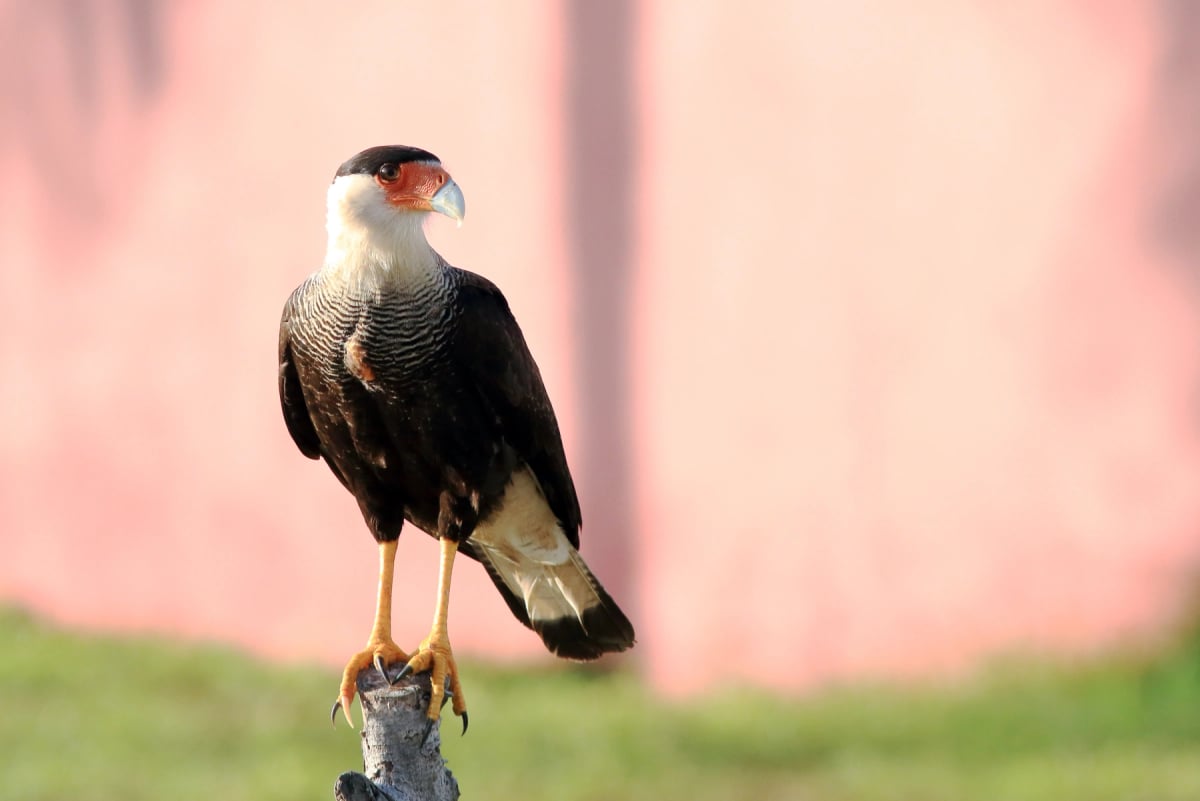
Southern Caracara
Caracara plancus
In Suriname, the southern caracara favors the open savannas and agricultural lands of the coastal plain, standing out against the country's otherwise dense tropical forest cover. It forages on the ground for carrion, insects, and small vertebrates, and is often seen near farms and cleared areas. Its bold posture and orange facial skin make it one of the more striking birds of Suriname's open landscapes. Its IUCN status is Least Concern.
Lesser Kiskadee
Philohydor lictor
Suriname's rivers, creeks, and coastal mangroves are home to the lesser kiskadee, which is a regular sight along waterways throughout the country's interior and coastal zone. It perches low over the water on branches or exposed roots and plunges briefly to catch insects or small aquatic prey. The species benefits from Suriname's high percentage of intact forest cover, which keeps its riparian habitats in good condition. IUCN status: Least Concern.
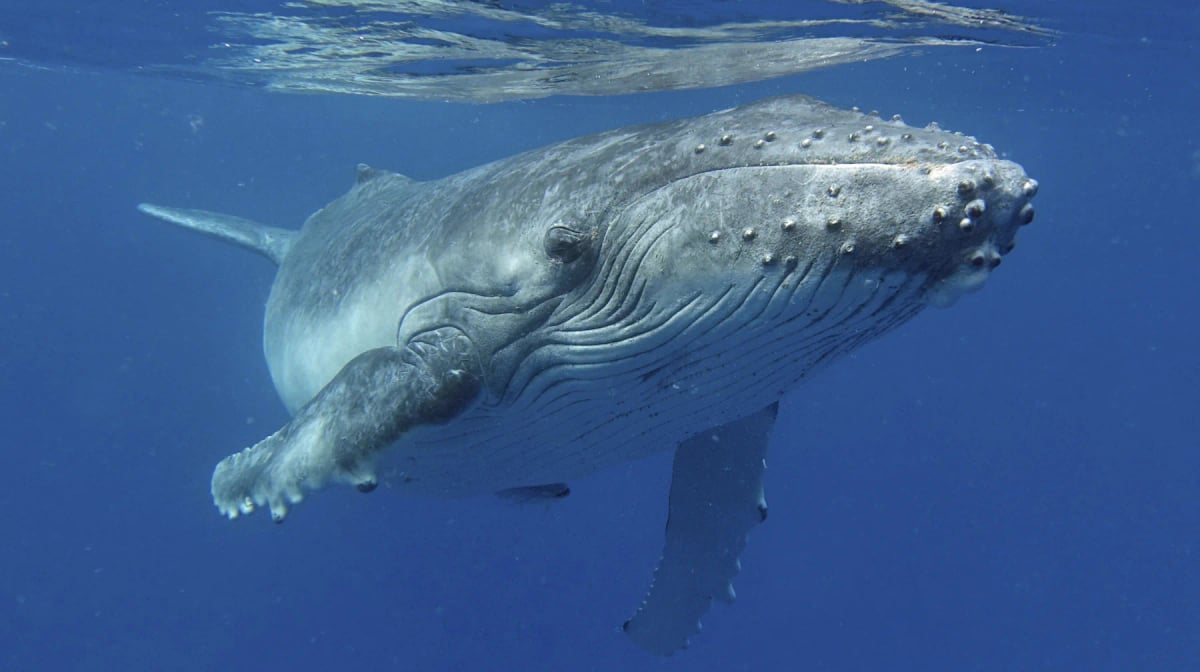
Humpback Whale
Megaptera novaeangliae
The Atlantic coast of Suriname lies within the range of humpback whales that travel along the eastern coast of South America. These whales pass through the warm, shallow waters of the Guiana coast during their migrations between Antarctic feeding grounds and tropical breeding areas in the Atlantic. Suriname's coastline borders a stretch of sea that forms part of this corridor. Marine mammal research in Suriname is still developing, but humpback presence in the region is well established. The IUCN lists the species as Least Concern.
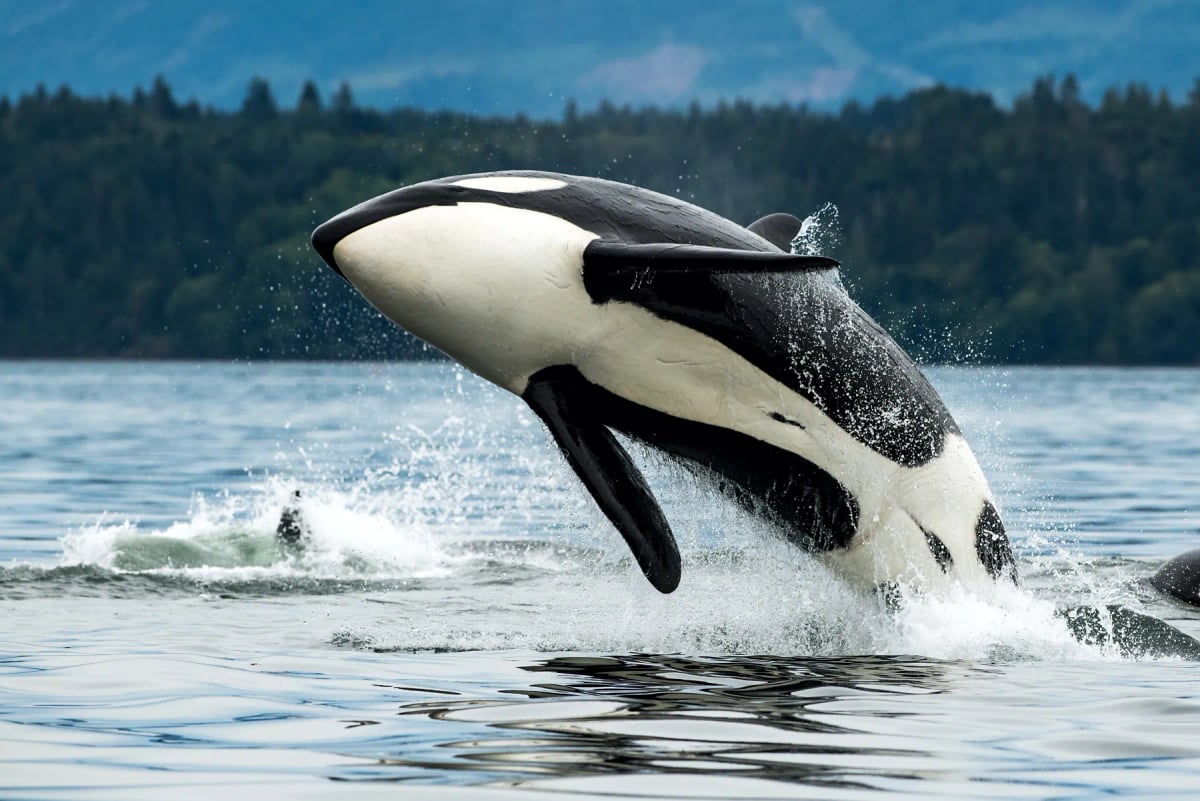
Orca
Orcinus orca
Suriname's Atlantic coastline along the northern coast of South America falls within the range of orcas recorded in the western tropical Atlantic. Sightings in this area are rare, and dedicated research on orcas in Surinamese waters is minimal. The species is known to travel vast distances, and individuals passing through these waters likely belong to wider ranging populations from the South Atlantic or Caribbean basin.
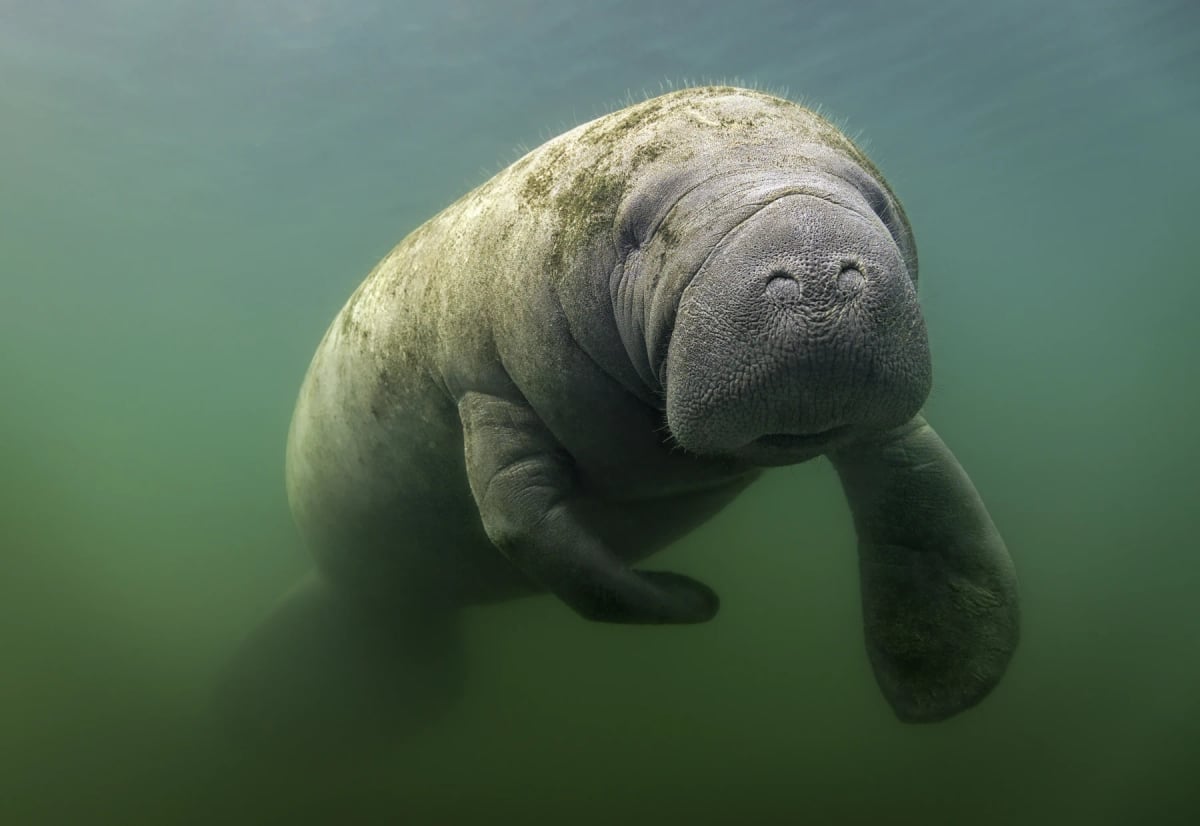
Manatee
Trichechus manatus
In Suriname, West Indian manatees are found in coastal rivers, estuaries, and lagoons, particularly in the lower stretches of rivers like the Suriname and Coppename. These waters provide warm, shallow habitat rich in aquatic vegetation. Little formal research has been conducted on this population, making it one of the less studied in the species' range. Threats include entanglement in fishing gear and habitat disturbance. The species is classified as Vulnerable globally.
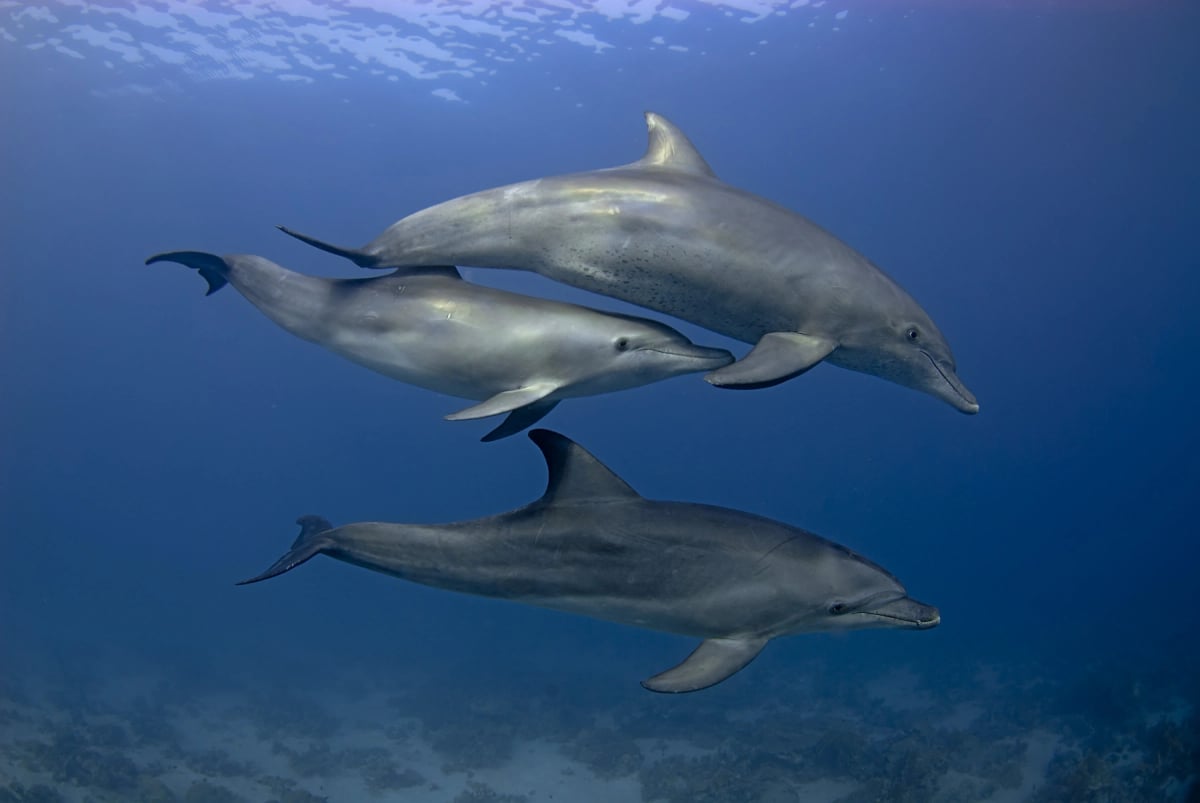
Bottlenose Dolphin
Tursiops truncatus
Along the Atlantic coast of Suriname, bottlenose dolphins are observed in the turbid, sediment-rich waters shaped by the outflow of rivers such as the Suriname and the Coppename. These murky coastal environments can support resident dolphin groups adapted to feeding in low-visibility conditions. The coast of Suriname is relatively undeveloped compared to neighboring countries, but trawl fishing activity poses a bycatch risk for dolphins in the region. IUCN status: Least Concern.
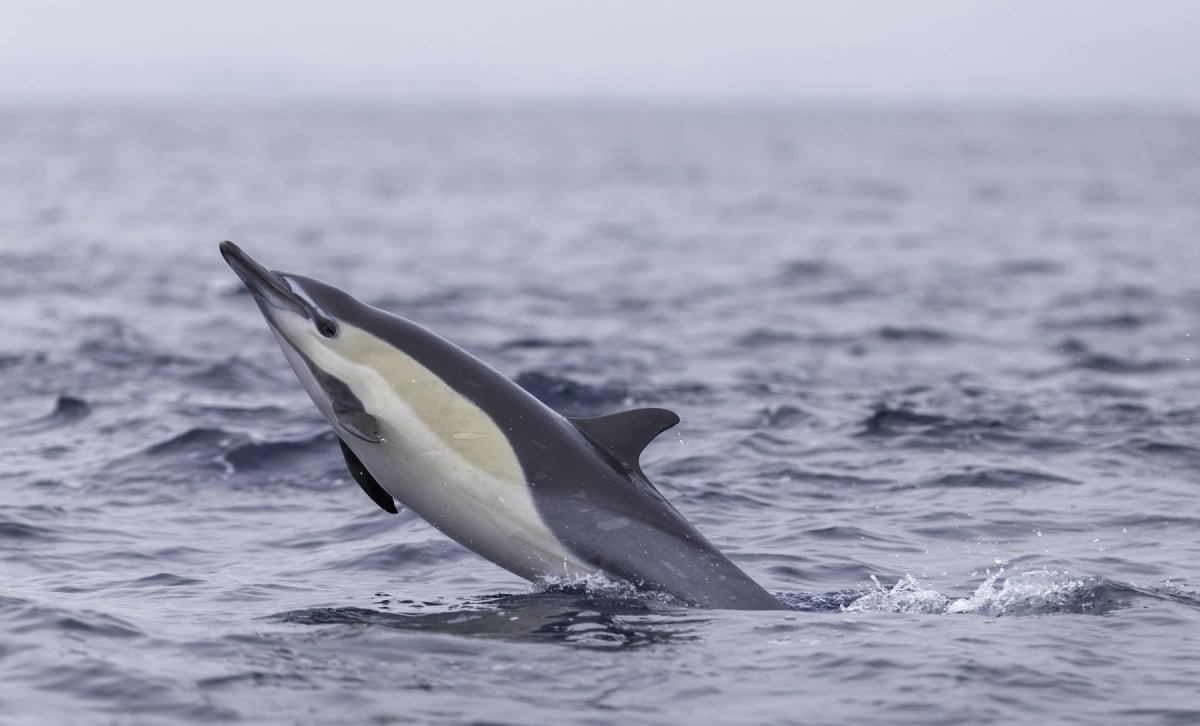
Common Dolphin
Delphinus delphis
Common dolphins occur in the Atlantic coastal waters off Suriname, where the continental shelf is relatively shallow and nutrient rich. The outflow of major rivers like the Suriname River influences local marine conditions, supporting concentrations of small fish that attract dolphins. Sightings tend to occur further offshore, beyond the turbid nearshore zone created by river sediments. Their IUCN status is Least Concern.
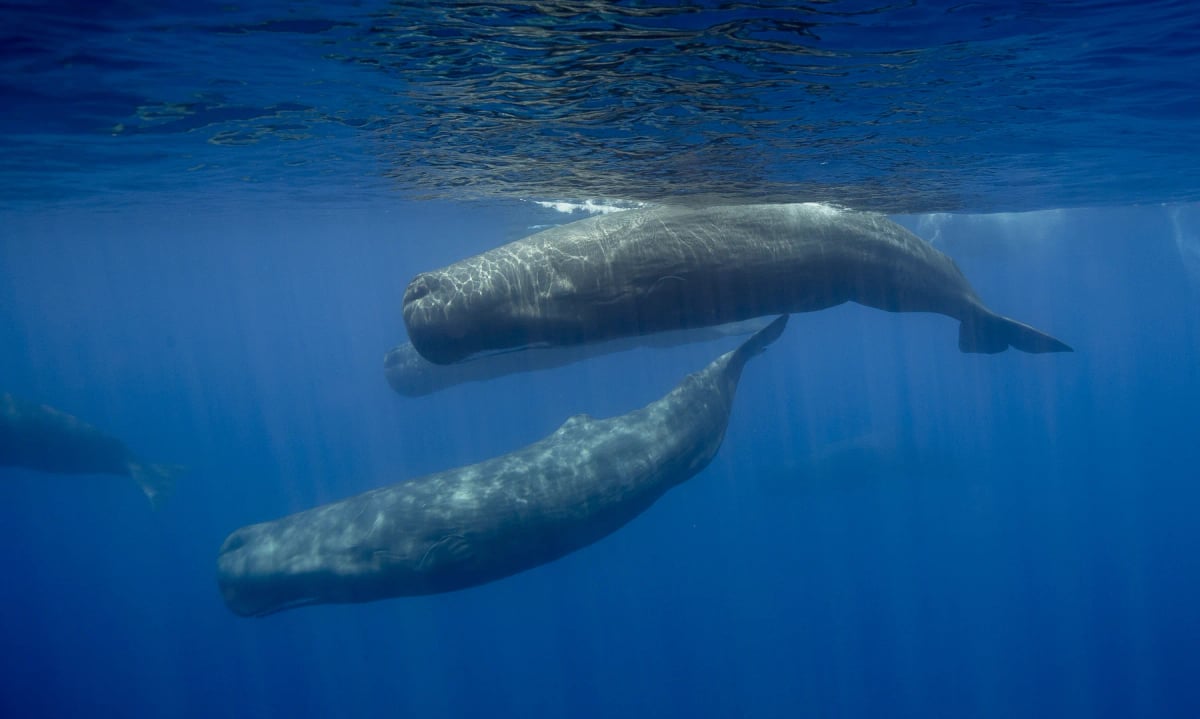
Sperm Whale
Physeter macrocephalus
Suriname's Atlantic coastline opens into the deep tropical waters of the western Atlantic, where sperm whales are known to range. The offshore waters beyond the continental shelf provide the depth these whales need to hunt squid at great distances below the surface. As a Vulnerable species, the sperm whale faces threats from vessel traffic and entanglement in fishing gear in the waters shared across this part of South America.
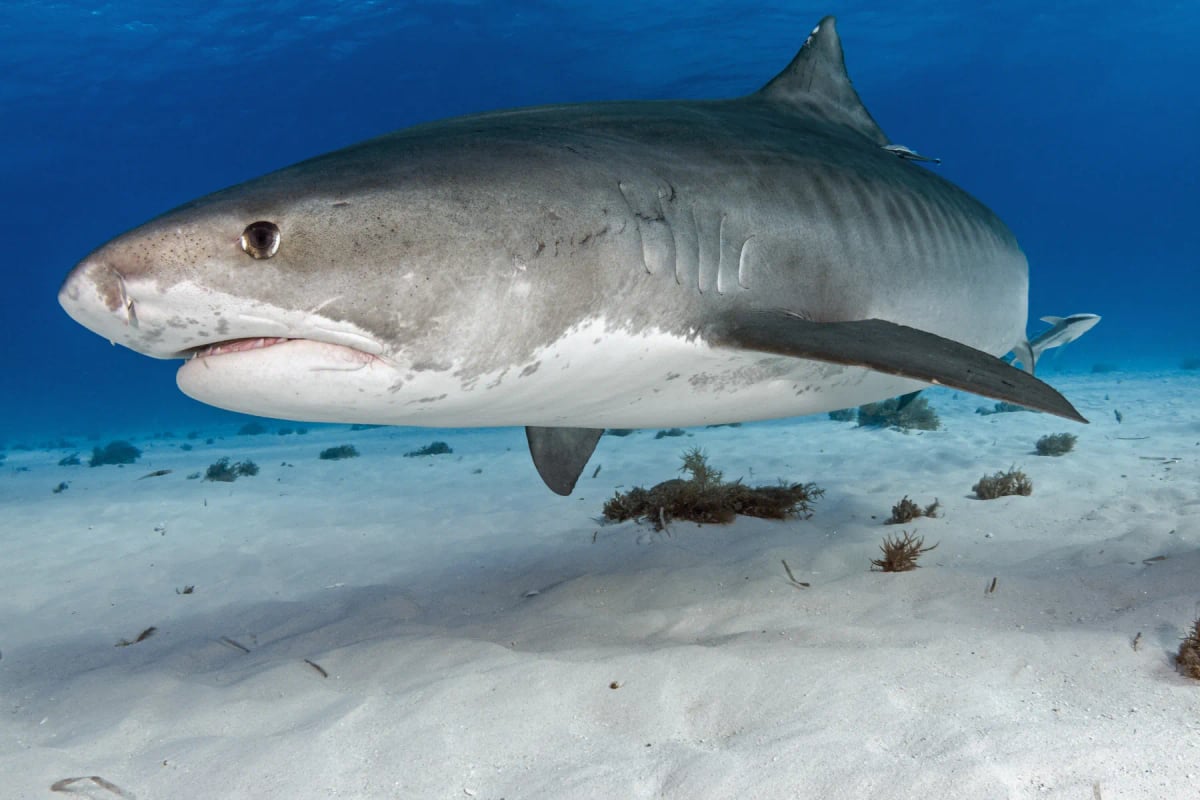
Tiger Shark
Galeocerdo cuvier
Tiger sharks are found along the Atlantic coast of Suriname, where murky, nutrient-rich waters pour out from river mouths into the sea. These conditions suit tiger sharks well, as they are comfortable in low-visibility coastal environments. They feed on fish, rays, and whatever else the productive South American coast provides. Fishing pressure across the wider Caribbean and Atlantic region threatens the species. Their IUCN status is Near Threatened.
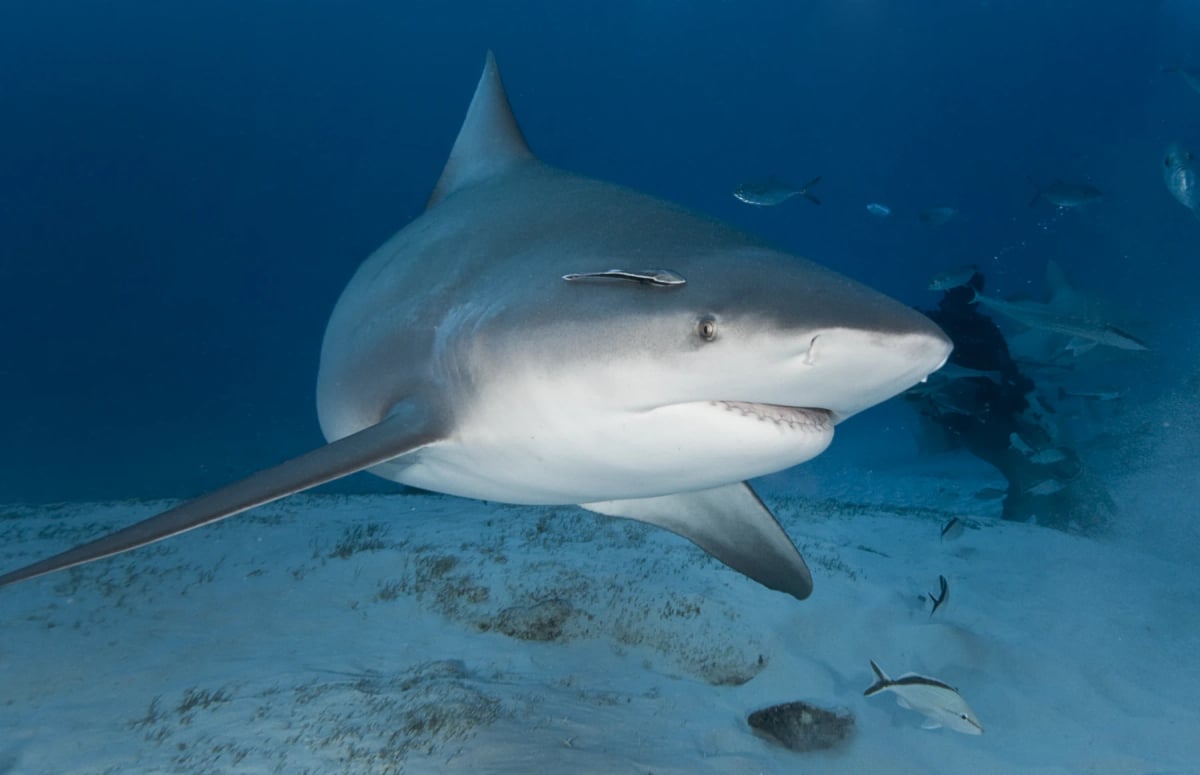
Bull Shark
Carcharhinus leucas
Suriname's network of rivers and Atlantic coastal estuaries makes it well-suited habitat for bull sharks. The species is known to travel far inland through South American river systems, and the rivers of Suriname are no exception. Feeding on fish and rays in murky, low-salinity waters, bull sharks here benefit from the country's relatively intact coastal ecosystems. They are listed as Near Threatened, with freshwater incursions making this species particularly notable among Suriname's coastal predators.
Researched and written by Juan Pablo. Sources: IUCN Red List, scientific literature and regional field guides. Last updated: .