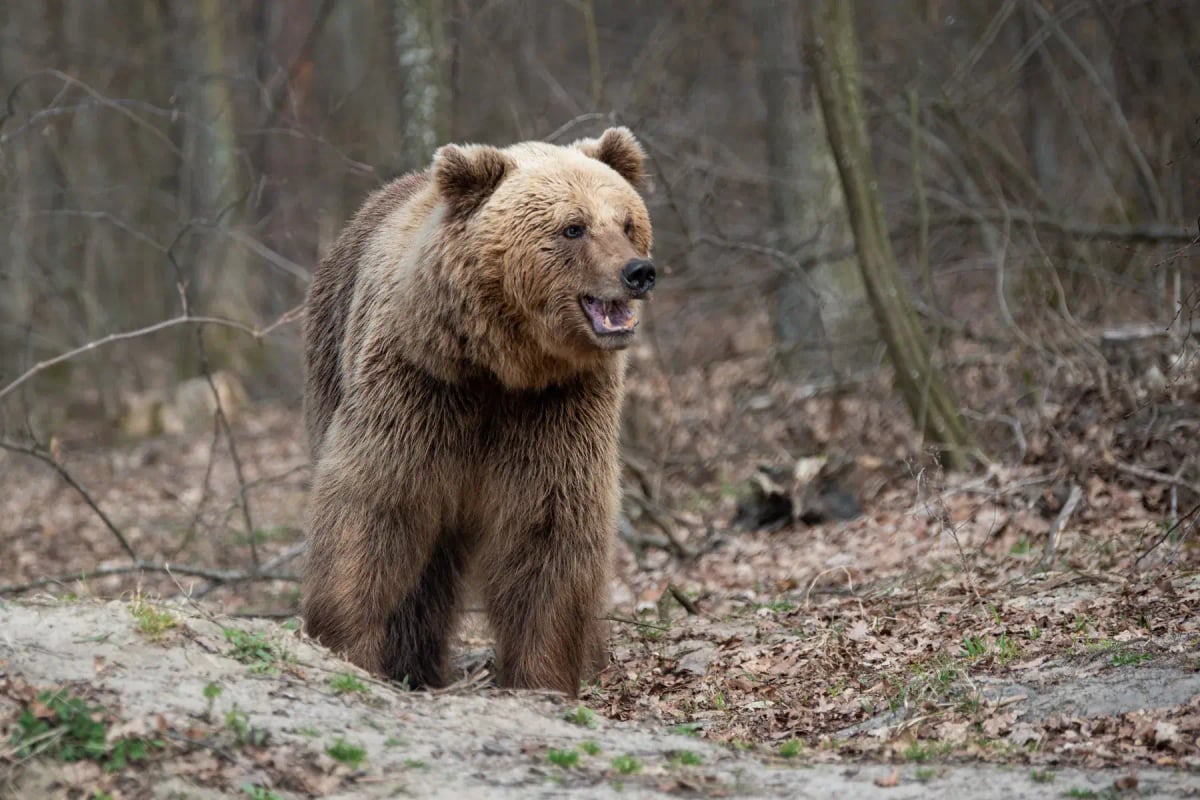
Animals in Papua New Guinea
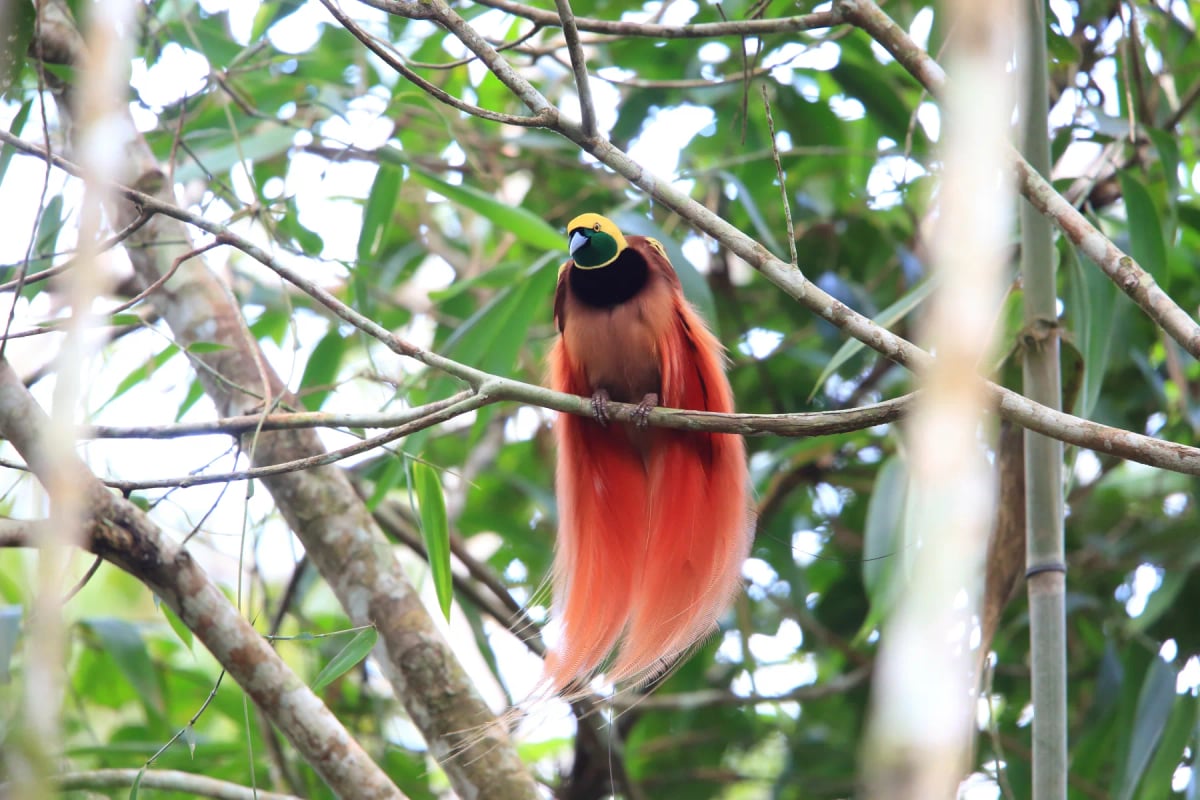
Raggiana Bird of paradise
Paradisaea raggiana
The Raggiana bird of paradise is a medium sized forest bird that lives in the lowland and hill forests of Papua New Guinea. Males show long side feathers and bright colours and gather at display trees where they call, hop and hang from branches to attract females. Females have plainer plumage and spend more time searching for fruit and small animals to eat. The species nests in trees and depends on healthy forest, so the loss of tree cover near villages and roads can reduce local numbers. Because it is easy to recognise and present in several parts of the country, it has become one of the clearest examples of Papua New Guinea bird diversity.
View details→Wildlife in Papua New Guinea
Papua New Guinea is a rugged island country with steep mountains, deep valleys, tropical forests, rivers and long coral reefs. Upland forests hold mammals such as tree kangaroos, small egg laying mammals, fruit bats and many rodents, together with lizards, pythons and a wide range of frogs and insects. In lower forest and coastal plains, large ground birds, forest pigeons and parrots move between clearings and village gardens. Offshore, coral reefs shelter reef fish, sea turtles and small sharks, while deeper water is used by larger sharks, dolphins, whales and dugongs. Walking trails, river trips and coastal boat tours allow visitors to see parts of this wildlife, often within a short distance of traditional villages.
Most Dangerous Animals in Papua New Guinea
Papua New Guinea has several animals that can be dangerous if people get too close, especially in forest and coastal areas far from towns. In the interior, wild pigs can cause serious injury when cornered, and large ground birds such as cassowaries may charge if they feel threatened or if people move near nests or young. Around reefs and open coastal water, highly venomous sea snakes sometimes rest among rocks and coral, and large sharks including tiger and bull sharks patrol deeper channels. Offshore, killer whales are powerful marine predators, although close encounters are rare. Travel with local guides, keep distance from wildlife and avoid swimming in risky places are simple ways to reduce problems.
Top 10 Animals in Papua New Guinea
On this site, the top ten section for Papua New Guinea is reserved for animals that stand out as especially representative of the country. It is intended to bring together a small group of species that people often mention or hope to see when they visit. As more detailed information is added, the list can be filled with examples that give a simple entry point into the wildlife of the country.
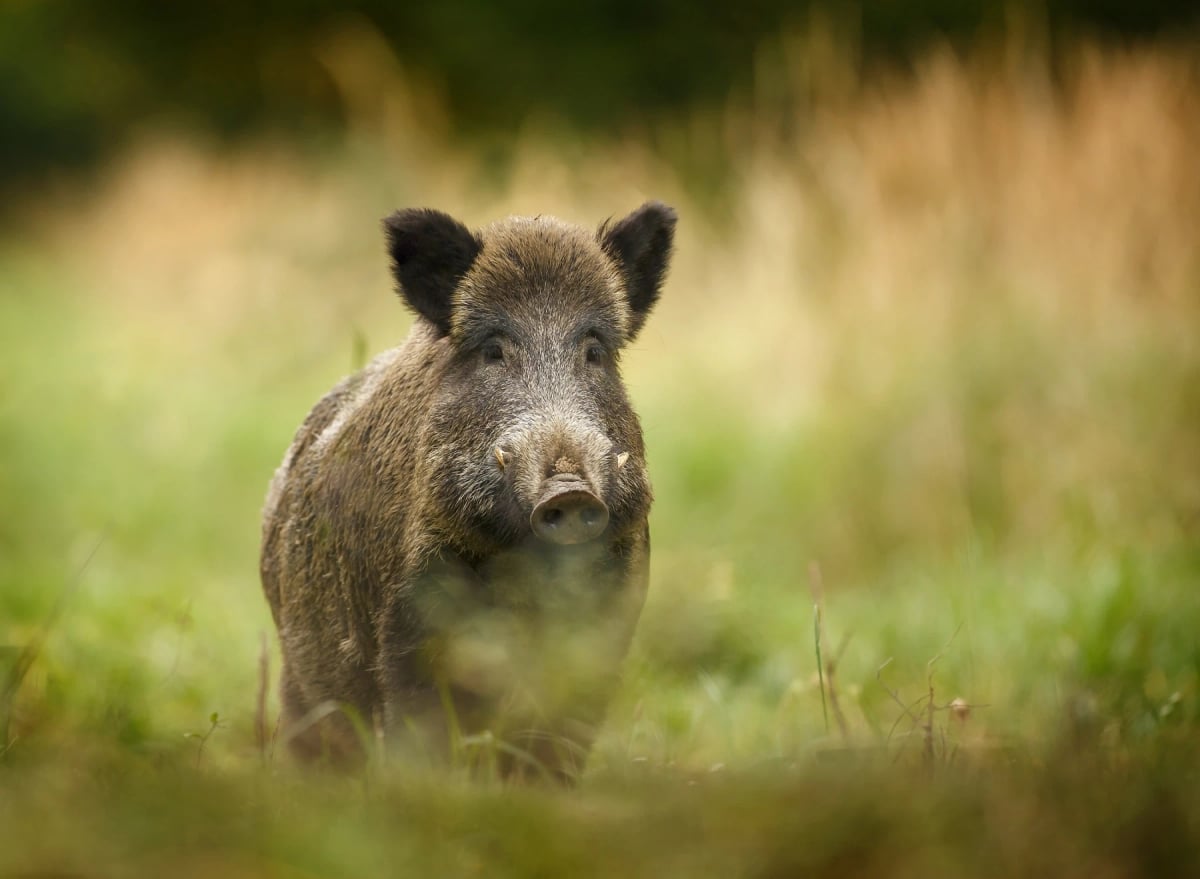
Wild Boar
Sus scrofa
Pigs hold extraordinary cultural importance in Papua New Guinea, where they have long been central to ceremonial exchange, bride price payments and feasts across hundreds of distinct communities. Alongside domestic herds, feral and wild populations live in forests throughout the country and are hunted for subsistence. Their foraging can damage garden crops, making them both a valued resource and an occasional source of conflict for farmers.
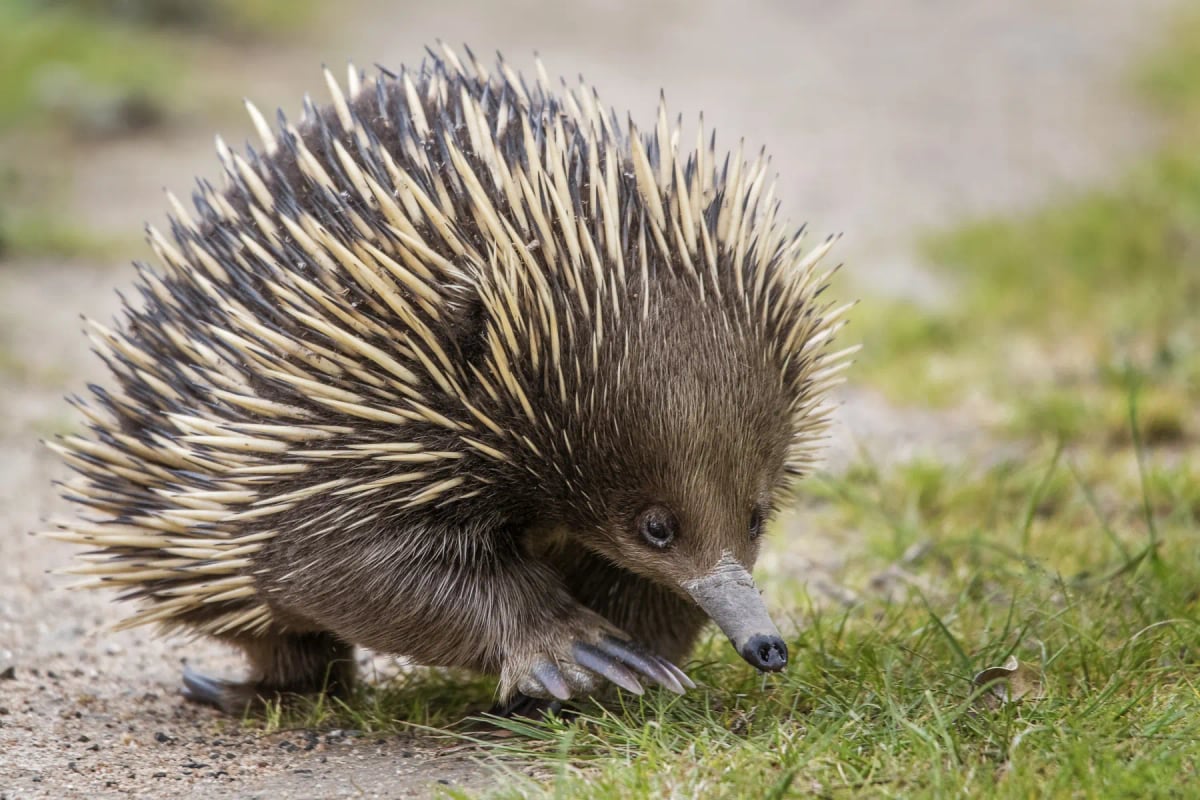
Echidna
Tachyglossus aculeatus
The short-beaked echidna is found throughout Papua New Guinea, from lowland rainforests to highland meadows rich in vegetation. It is one of only five living monotremes in the world and is considered a culturally significant animal in many local communities. It feeds on ants, termites, and worms, and shelters by burrowing into the ground. Its IUCN status is Least Concern across its range.
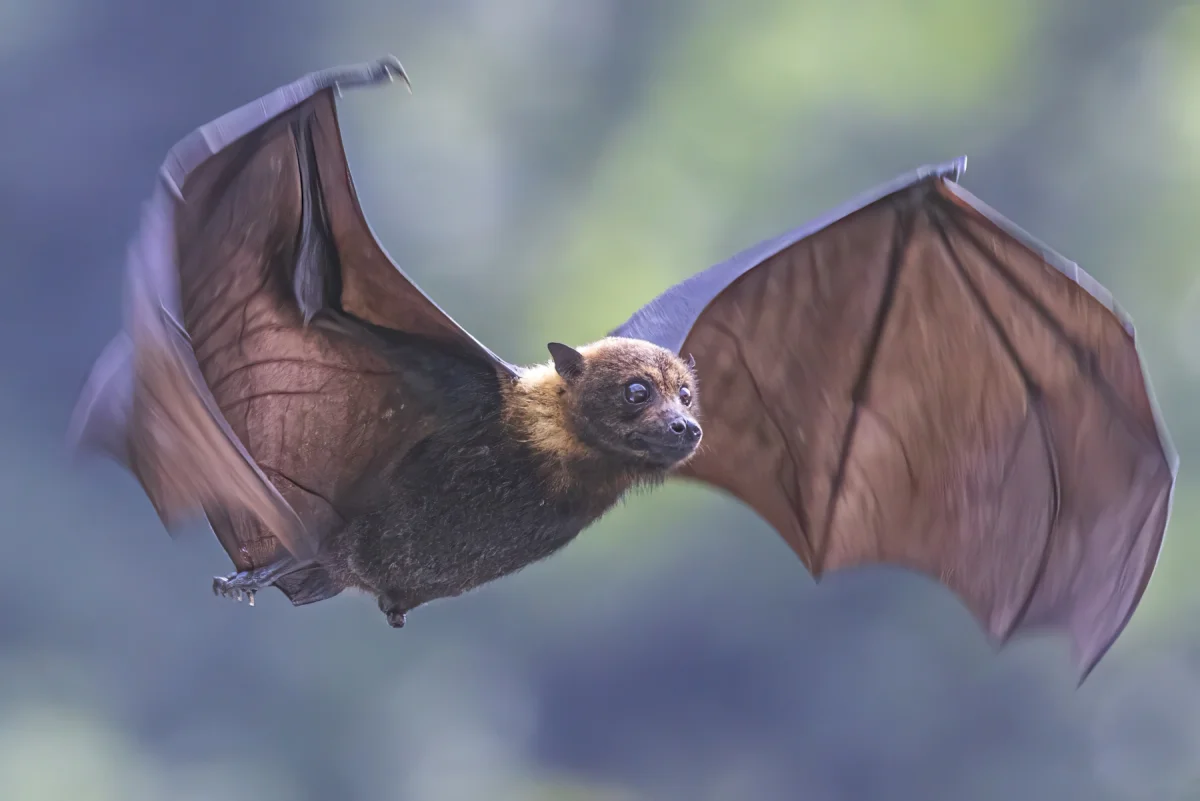
Fruit Bat
Pteropodidae
Papua New Guinea supports some of the most diverse fruit bat populations in the world, with dozens of species recorded across its rainforests and island coastlines. Large colonies roost in tall forest trees and emerge at dusk to feed on fruit and nectar. They are crucial to the regeneration of Papua New Guinea's vast and largely intact tropical forests. Some species are hunted for food by local communities. Their IUCN status is Least Concern.
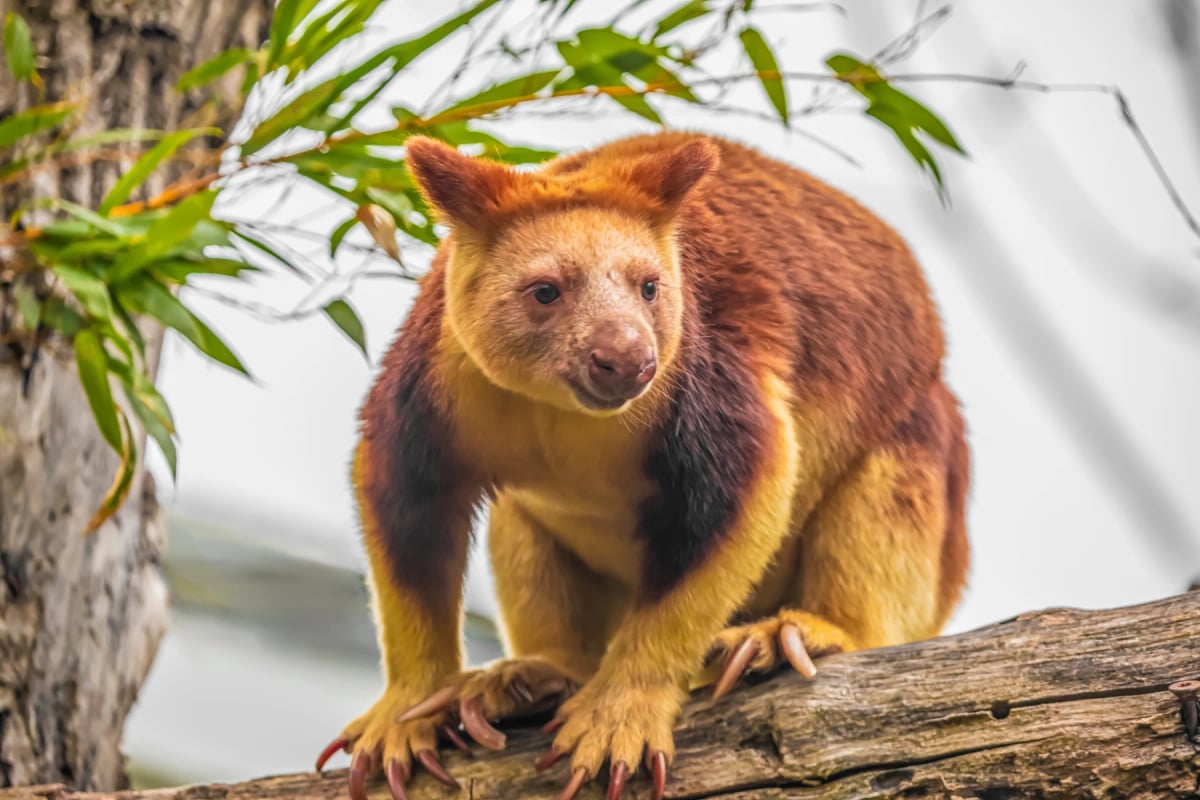
Tree Kangaroo
Dendrolagus spp.
Papua New Guinea is home to the greatest diversity of tree kangaroo species in the world. These marsupials live in the mountain rainforests and lowland jungles that cover much of the country. They feed on leaves and fruit in the forest canopy, resting through most of the day. Hunting for food and the loss of forest to farming are the biggest threats they face here. Several species are listed as Endangered.
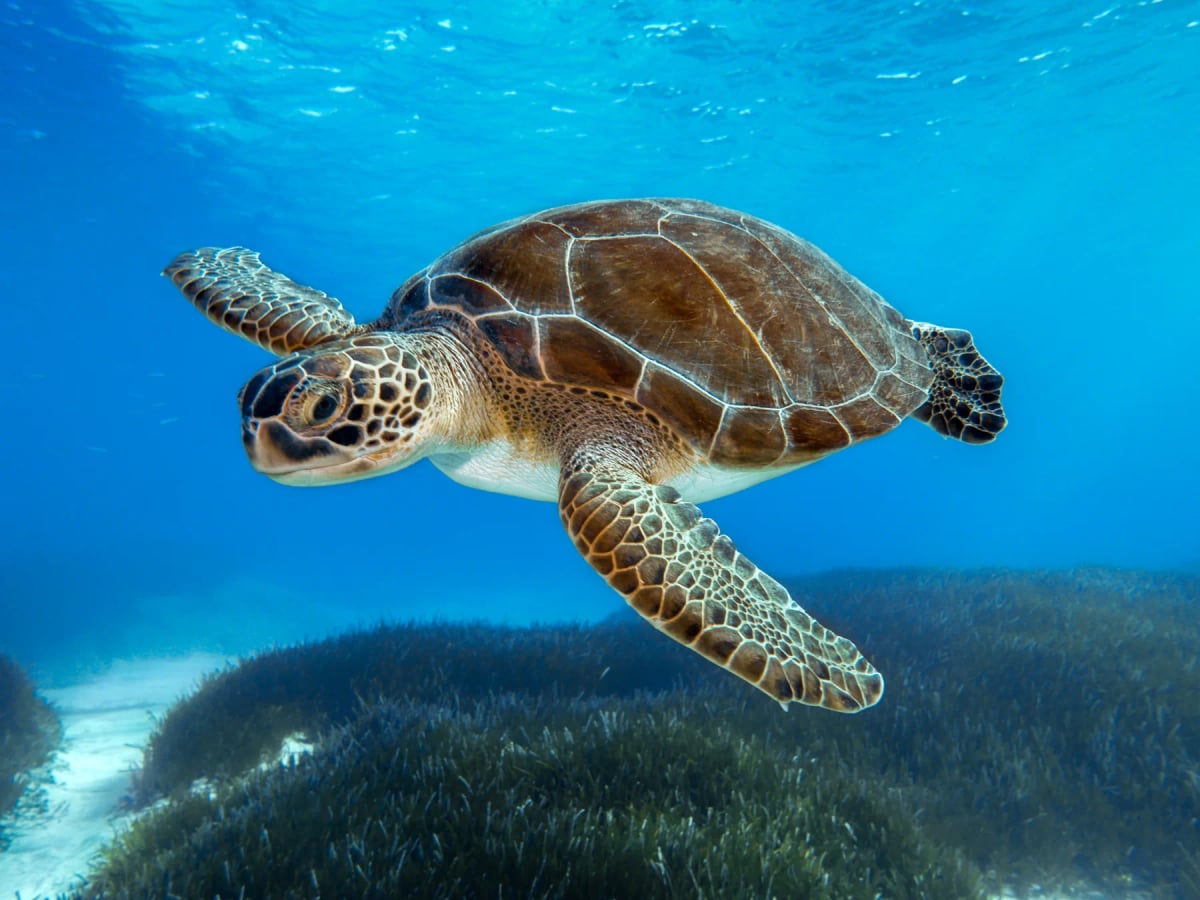
Sea Turtle
Cheloniidae & Dermochelyidae (families)
Papua New Guinea's vast and largely undisturbed coastline provides important habitat for several sea turtle species. Leatherback, green, hawksbill and olive ridley turtles are all recorded in PNG waters. Nesting takes place on beaches across the mainland and on many offshore islands, including in the Bismarck Sea and around the Louisiade Archipelago. The remote and undeveloped nature of much of the coastline means that many nesting sites remain relatively undisturbed, though subsistence harvesting by coastal communities is a longstanding practice.
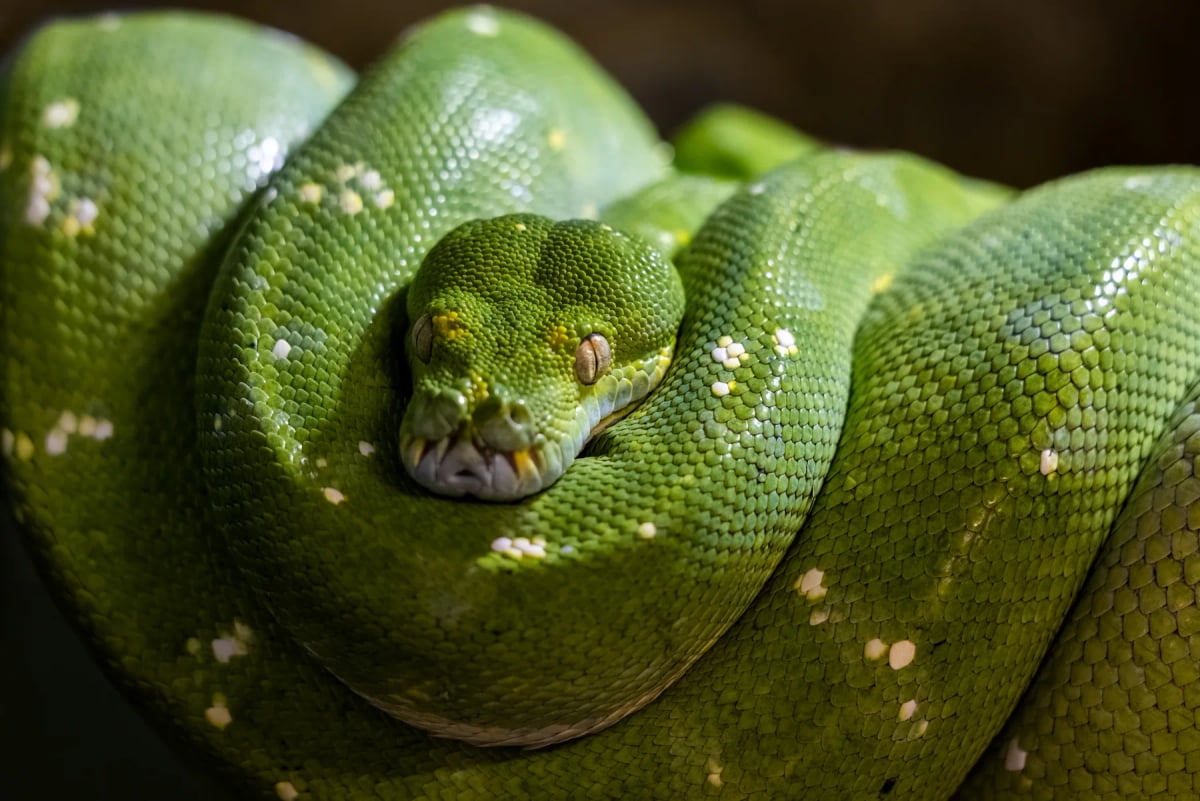
Green Tree Python
Morelia viridis
Papua New Guinea is the heart of the green tree python's range. This non-venomous constrictor inhabits the island's dense rainforests from lowland areas to mid-elevation slopes. Its brilliant green scales offer near-perfect camouflage in the canopy, where it hunts birds and small mammals at night. While forests here remain relatively intact, habitat clearance and collection for the pet trade are ongoing concerns for local populations.
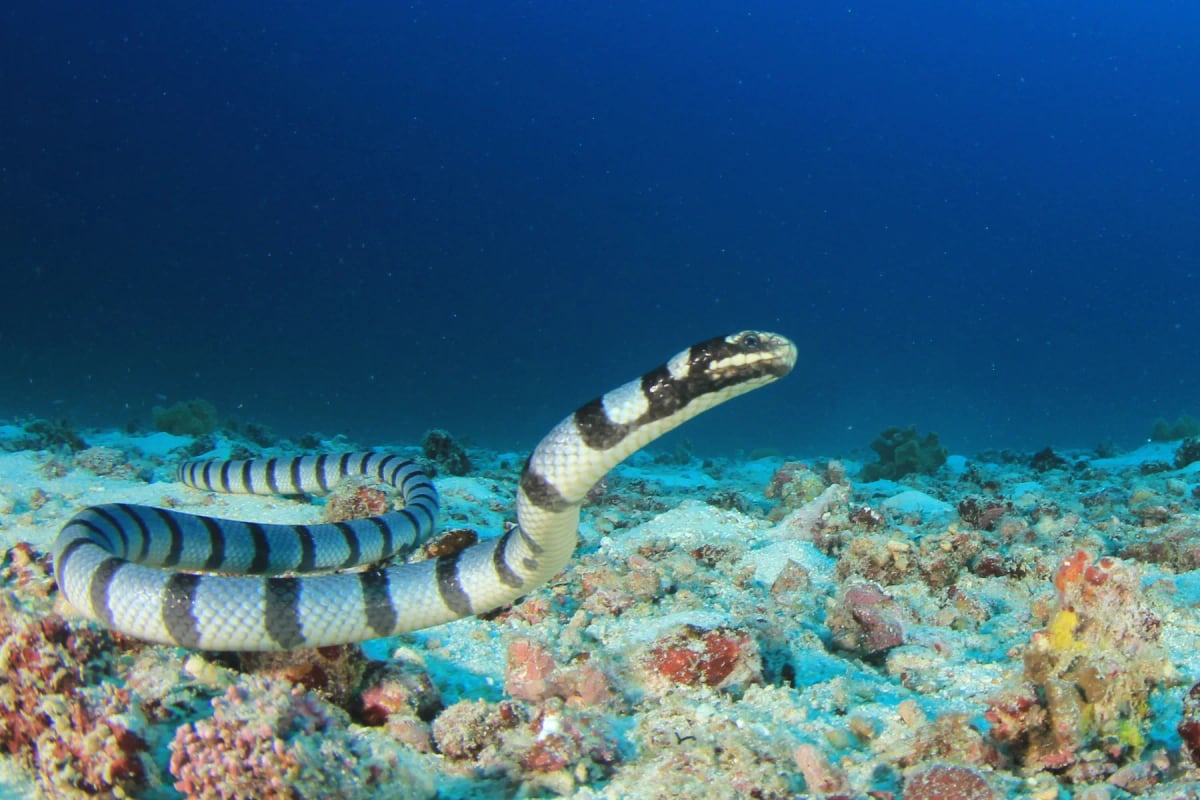
Sea Snake
Hydrophiinae / Laticauda spp.
Papua New Guinea's position within the Coral Triangle gives it exceptional marine biodiversity, including a rich variety of sea snake species. Both true sea snakes and sea kraits thrive in the coral reefs, lagoons, and coastal shallows that fringe its extensive coastline and offshore islands. Subsistence and commercial fishing pose the main threat through bycatch. Their venom is potent but bites are rare. IUCN status: Data Deficient.
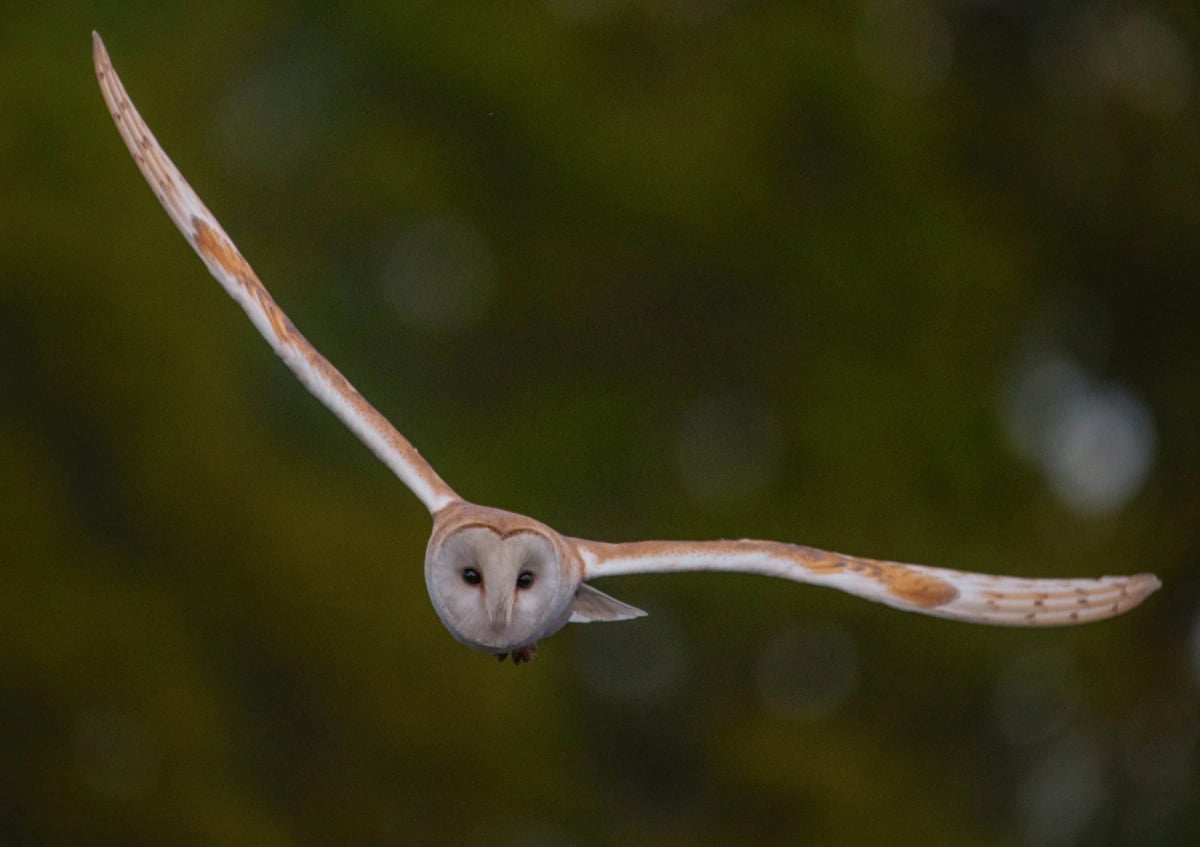
Barn Owl
Tyto alba
The barn owl is found in Papua New Guinea mainly in open grassland, farmland, and areas near villages and towns in the highland valleys and the coastal lowlands. Dense tropical rainforest covers much of the country's interior and offers little suitable open hunting habitat. It nests in old buildings, hollow trees, and cliff faces, and hunts rodents and other small prey at night. In the agricultural highland valleys around Goroka, Mount Hagen, and other highland towns, it is one of the more commonly encountered owls and plays a useful role in controlling rodent populations near farms and settlements.
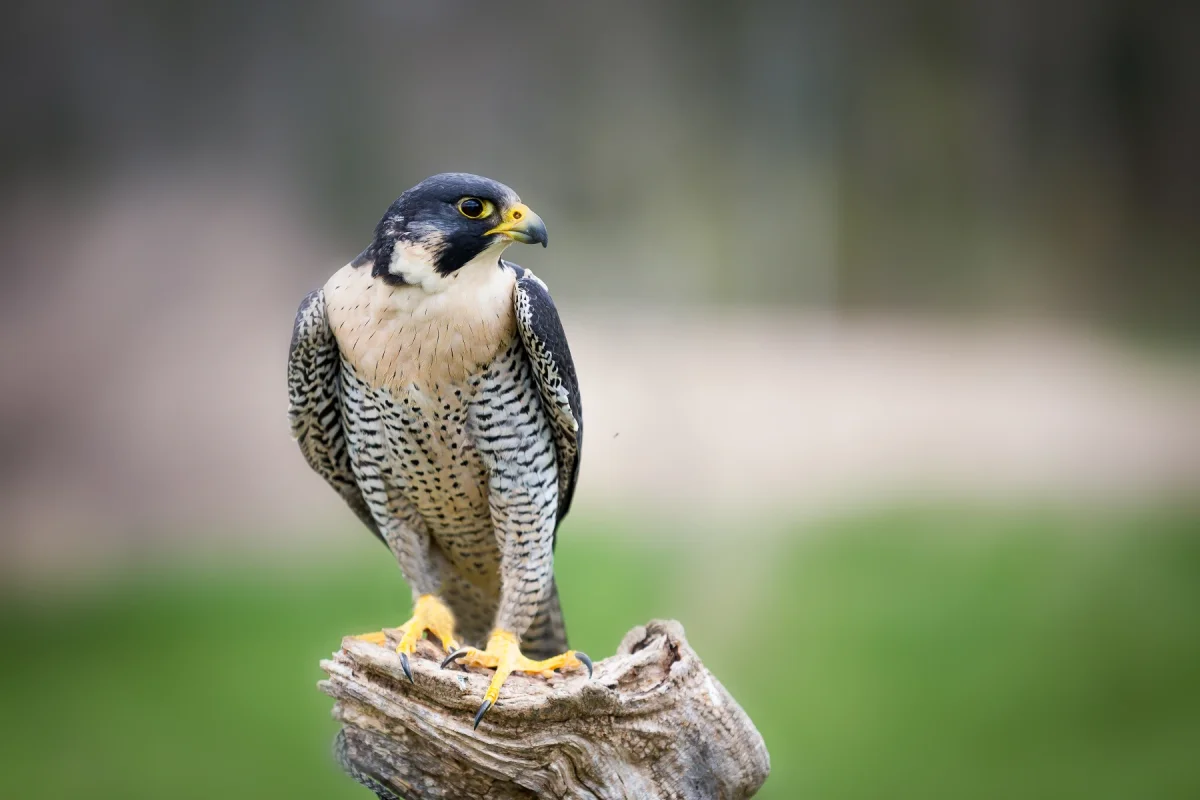
Peregrine Falcon
Falco peregrinus
Papua New Guinea's rugged mountain ranges and forested coastlines provide habitat for the peregrine falcon, which is represented here by local and migratory individuals. The subspecies Falco peregrinus ernesti has been recorded in the region. Open ridgelines, coastal cliffs, and the edges of highland forest offer perches and hunting grounds where it targets smaller birds in flight. The country's rich biodiversity and largely intact wild areas support this predator alongside a vast range of other species. Its IUCN status is Least Concern.
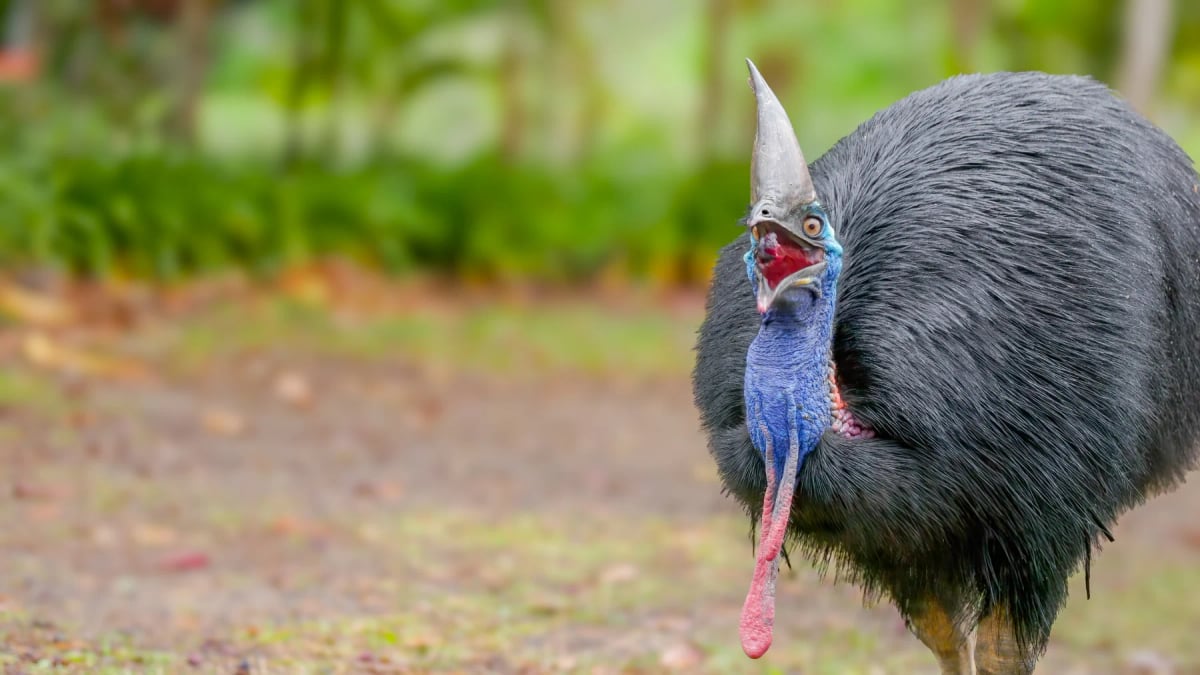
Cassowary
Casuarius casuarius
Papua New Guinea holds some of the largest remaining populations of the Southern Cassowary, sheltered within the island's vast lowland and hill rainforests. Revered in many local cultures, the bird also faces hunting pressure and habitat loss driven by forest clearance. Its role as a disperser of seeds from large fruits makes it indispensable to the health of Papua New Guinea's extraordinarily biodiverse forest ecosystems.
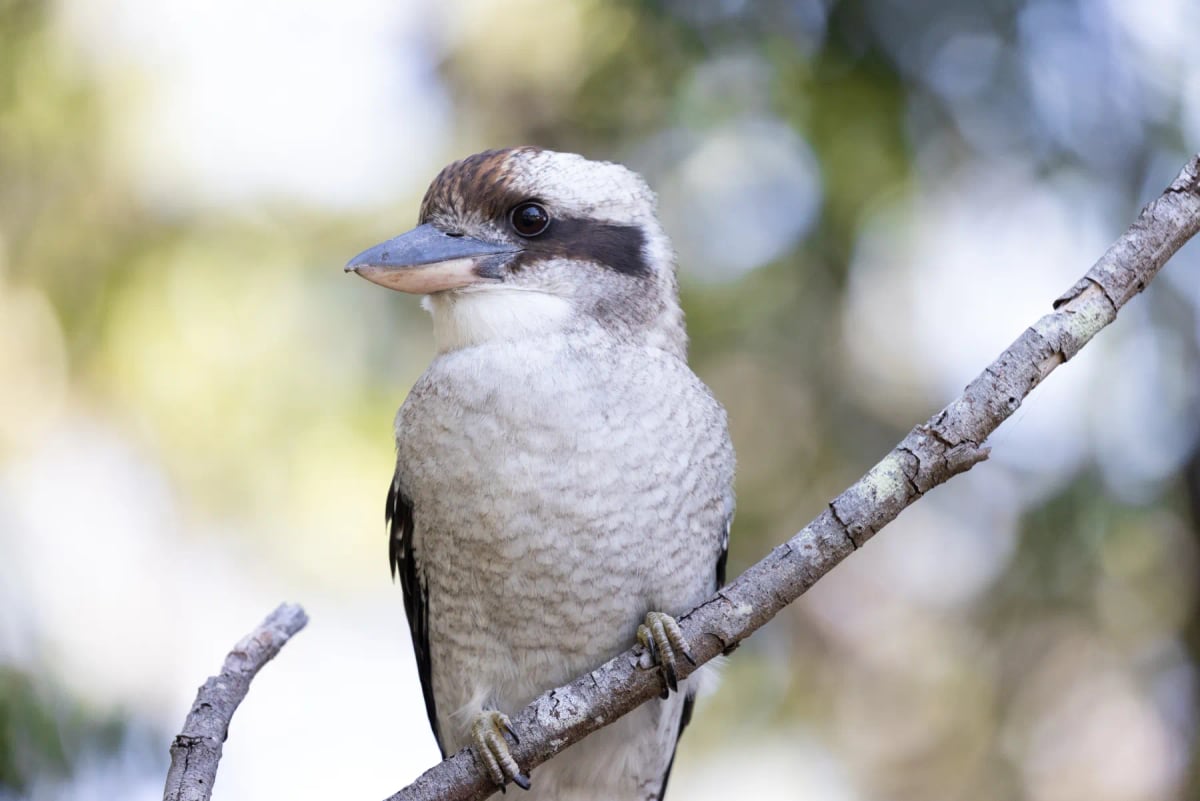
Kookaburra
Dacelo novaeguineae
In Papua New Guinea, the laughing kookaburra is found in parts of the southern lowland regions, where it inhabits the edges of tropical forests and open woodland areas. Though less widespread here than in Australia, it behaves much the same way, hunting from a perch and dropping onto prey below. Family groups remain close and use their booming call to communicate and hold territory.
Raggiana Bird of paradise
Paradisaea raggiana
The Raggiana bird of paradise is Papua New Guinea's national bird and one of the most spectacular animals in the country's lowland and foothill rainforests. Males sport long, flowing red plumes that they display at communal sites called leks to attract females. The species is listed as Least Concern by the IUCN, though hunting for ceremonial feathers and habitat loss remain concerns in some areas.
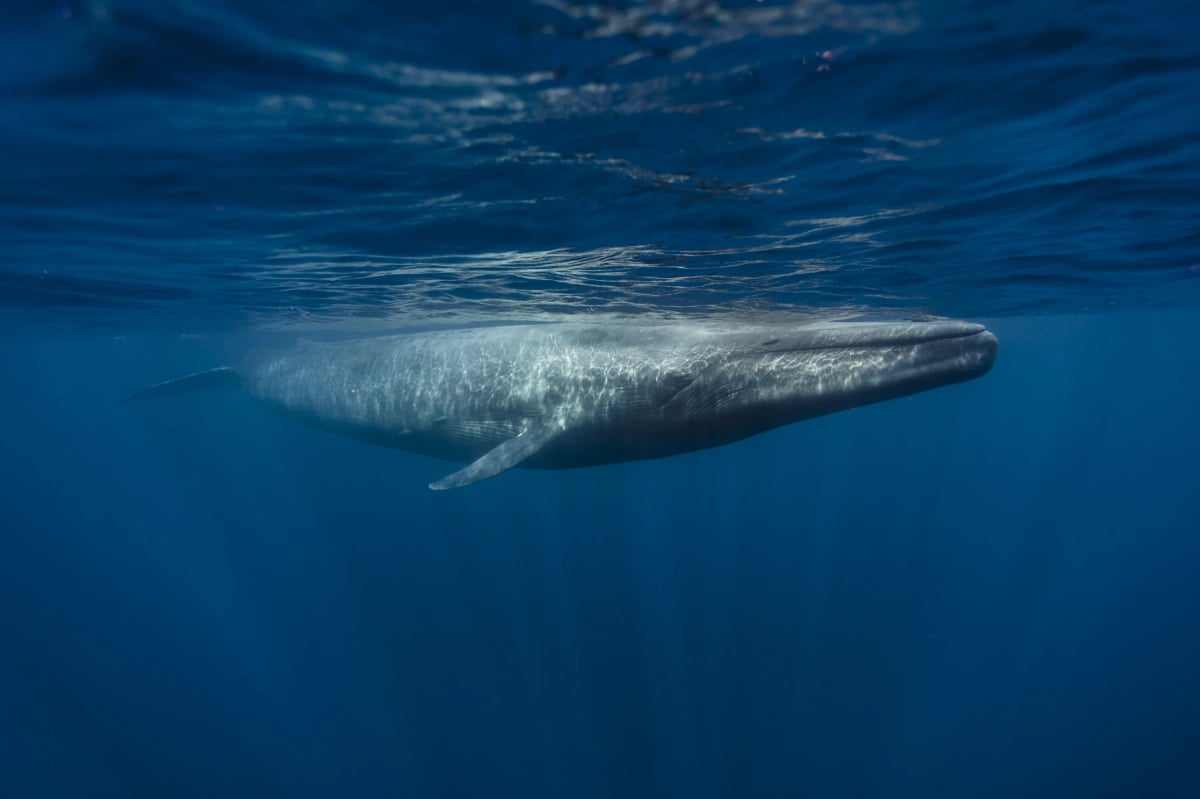
Blue Whale
Balaenoptera musculus
Blue whales have been recorded in the waters surrounding Papua New Guinea, where the Coral Sea and the western Pacific meet in one of the most biodiverse marine regions on the planet. The pygmy blue whale subspecies is known to occur in parts of the Indo-Pacific, and this region sits within its broader range. Papua New Guinea's vast and relatively undisturbed ocean territories offer important habitat for large migratory marine mammals passing through the southwestern Pacific.
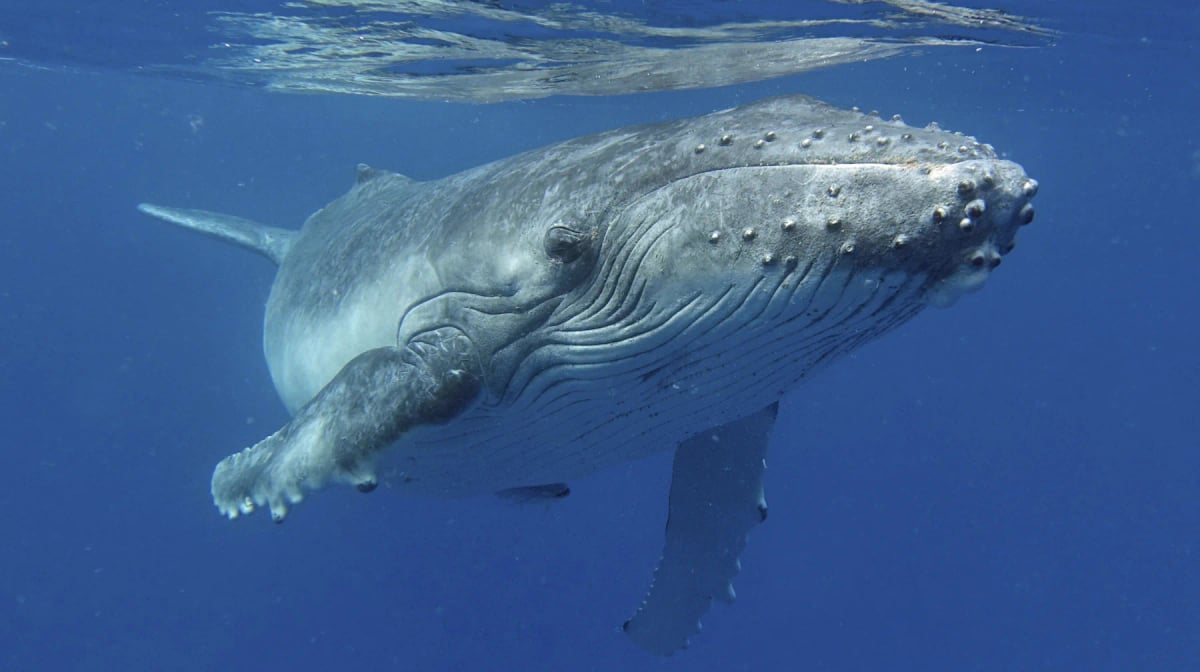
Humpback Whale
Megaptera novaeangliae
Humpback whales travel through the tropical waters surrounding Papua New Guinea as part of their migrations across the South Pacific and western Pacific Ocean. The warm seas here serve as potential breeding habitat, and the country's vast and largely undisturbed coastline provides important passage routes. Local and indigenous communities along the coast have long had a cultural connection to the sea and the creatures within it.
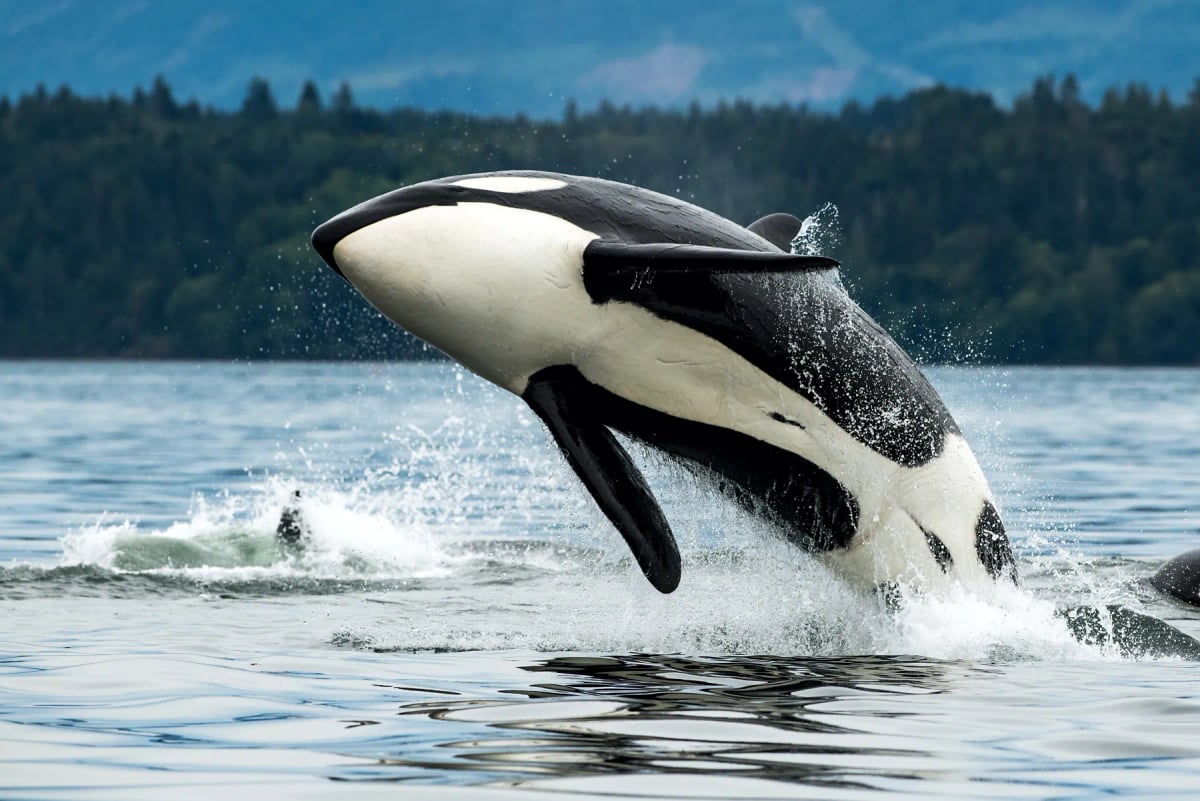
Orca
Orcinus orca
Orcas are present in the waters surrounding Papua New Guinea, moving through the Coral Sea and the Bismarck Sea. These tropical and subtropical seas are rich in marine life, providing prey for transient pods. Sightings in this region are not common, but they are a testament to the orca's extraordinary range across the world's oceans. The species is listed as Data Deficient by the IUCN.
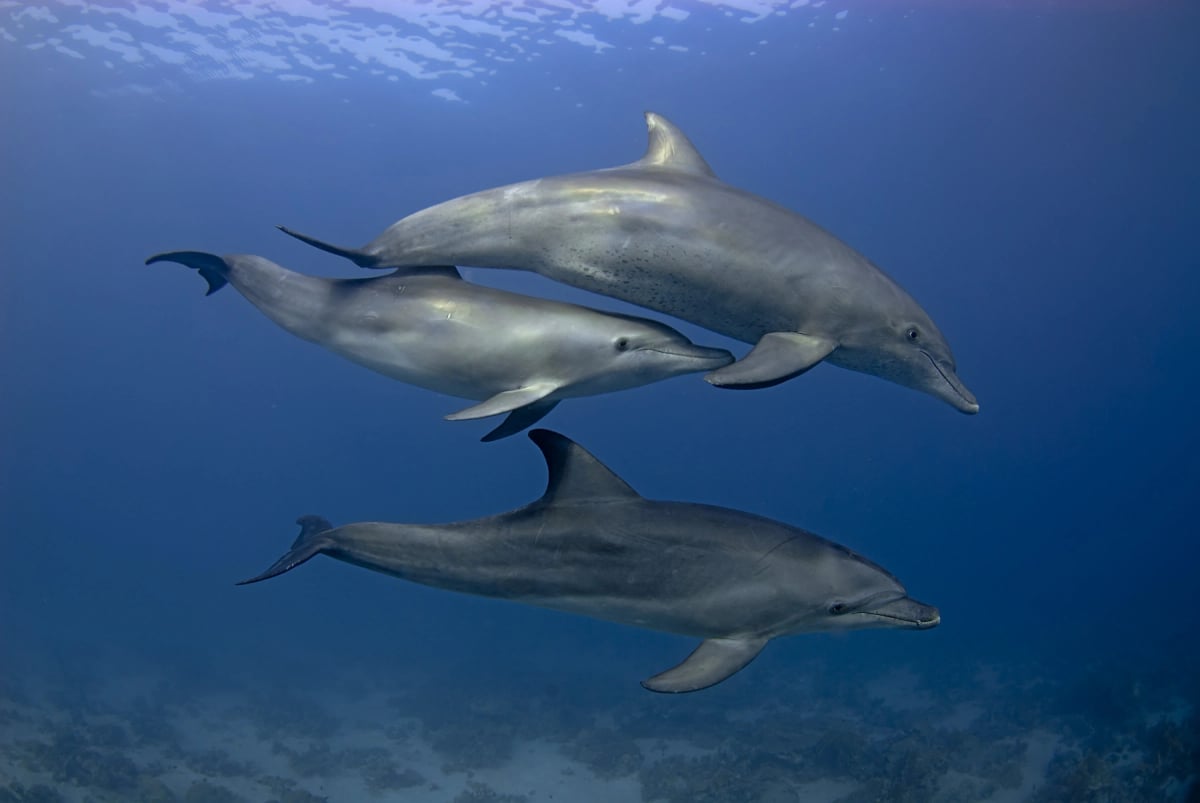
Bottlenose Dolphin
Tursiops truncatus
Bottlenose dolphins inhabit the warm coastal and offshore waters surrounding Papua New Guinea, including the Bismarck Sea and the Coral Sea. The country's extensive reef systems and island channels provide feeding and shelter opportunities for pods of varying sizes. Traditional fishing communities share these waters with the dolphins. The IUCN classifies the species as Least Concern at the global level.
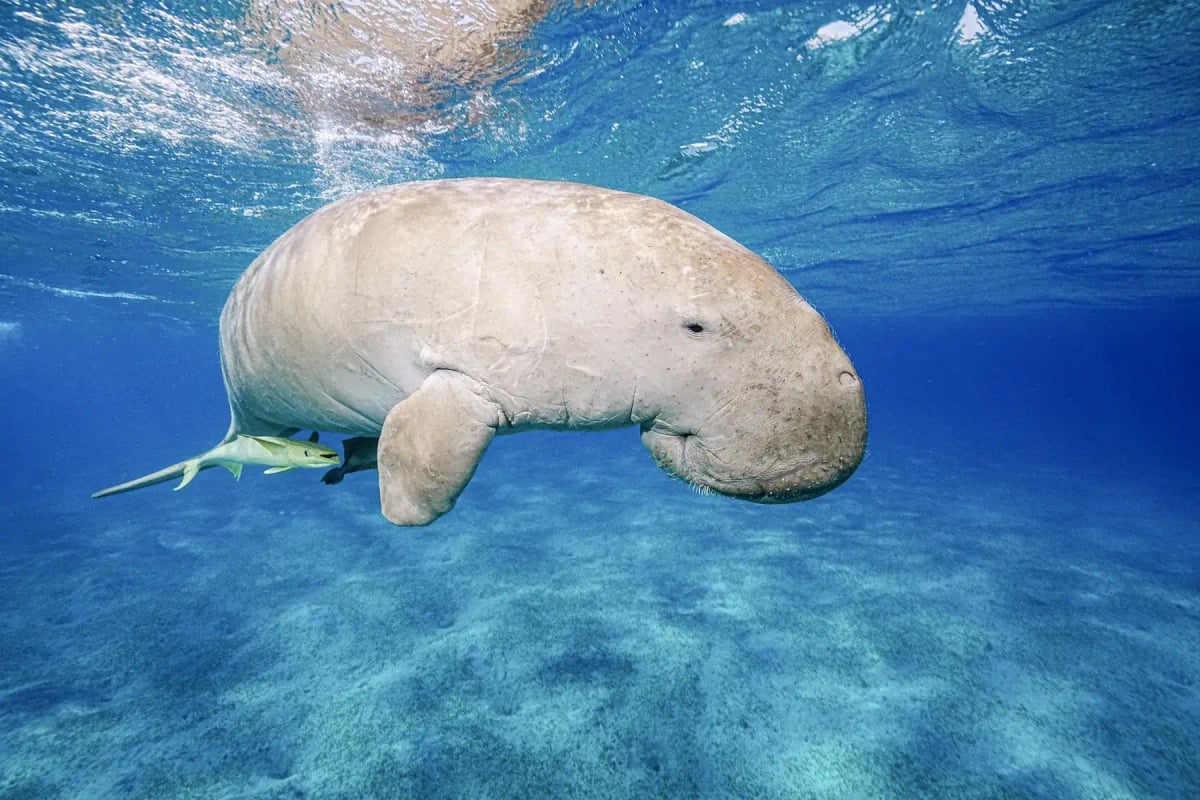
Dugong
Dugong dugon
Papua New Guinea's extensive coastline and shallow tropical waters provide suitable habitat for dugongs, with seagrass beds spread across sheltered bays and estuaries. Populations are found in areas such as the Gulf of Papua and coastal waters off the main island. Subsistence hunting has historically been a pressure on local dugong numbers, alongside habitat degradation. Conservation awareness among coastal communities is a growing priority for wildlife managers in the country. IUCN status: Vulnerable.
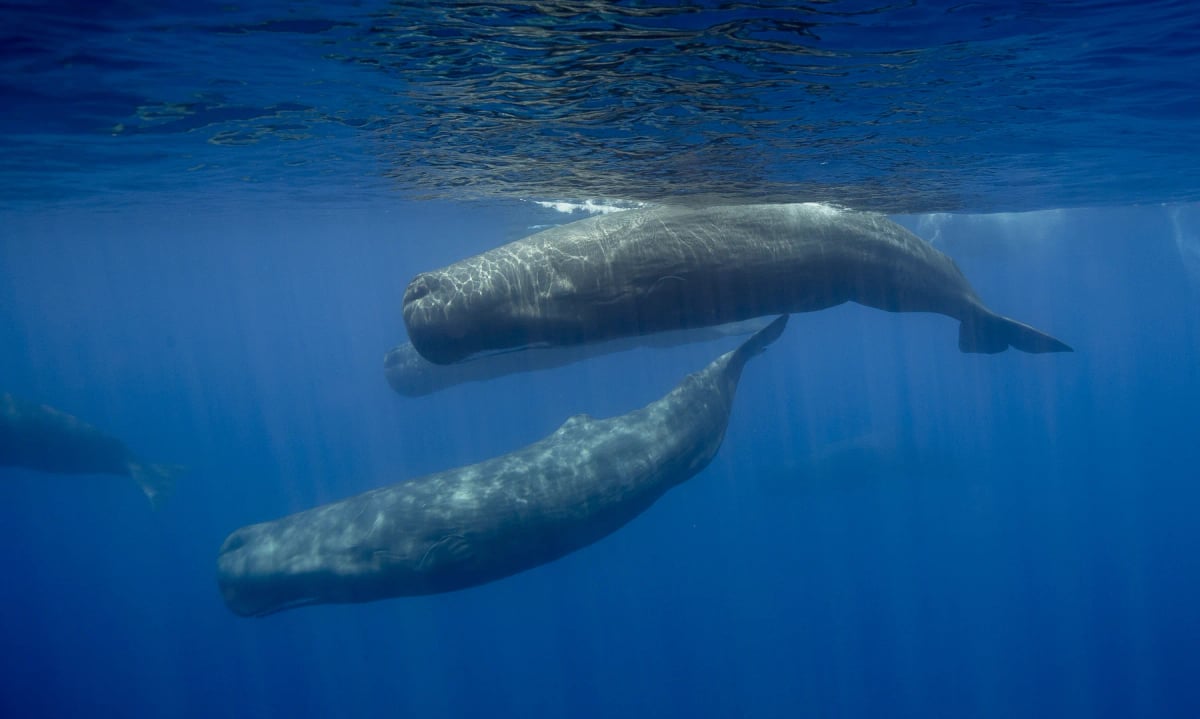
Sperm Whale
Physeter macrocephalus
The seas surrounding Papua New Guinea, including the Coral Sea and the Bismarck Sea, plunge to great depths that suit sperm whales perfectly. These waters are part of the Coral Triangle, one of the most biologically rich marine regions on the planet. Sperm whales here rely on deep ocean trenches to hunt squid. Their Vulnerable status highlights the need to protect them from entanglement and vessel strikes in these busy waters.
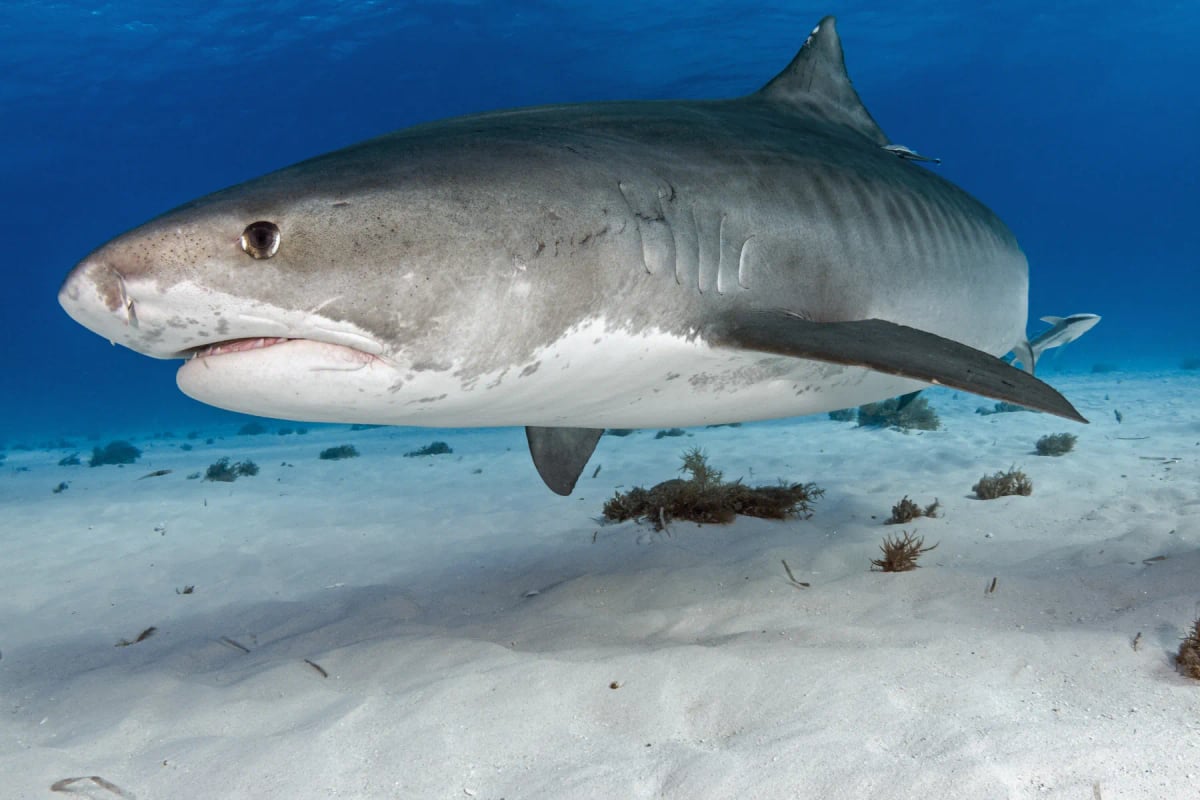
Tiger Shark
Galeocerdo cuvier
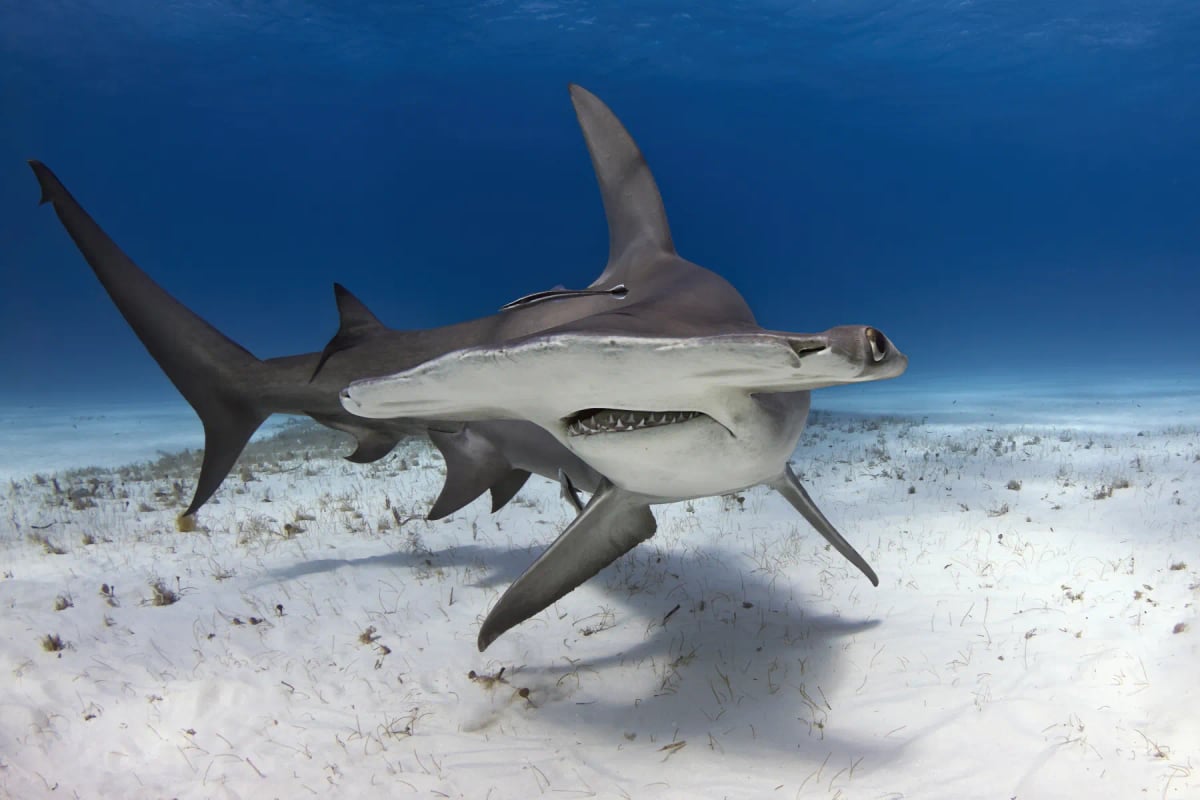
Papua New Guinea's vast and largely pristine coral reef systems, including parts of the Coral Triangle, provide ideal habitat for tiger sharks. These large predators patrol reef edges, lagoons, and open coastal waters across the country's extensive island coastline. They feed on fish, sea turtles, and rays in some of the most biodiverse marine waters on Earth. Like much of the Pacific, fishing pressure and the shark fin trade represent growing concerns for the species here.
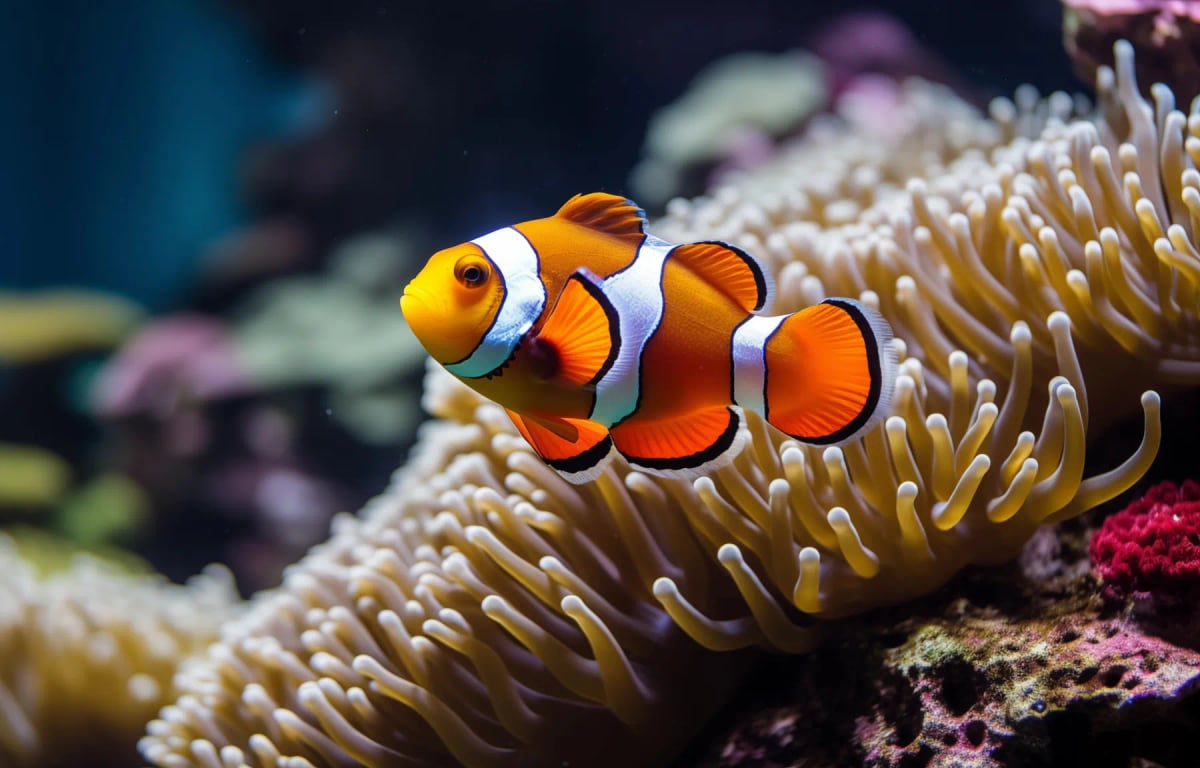
Clownfish
Amphiprioninae (over 30 species)
Papua New Guinea's remote and largely undisturbed coral reefs are among the most pristine in the Indo-Pacific, offering excellent habitat for clownfish. Found nestled in sea anemones across reef walls and shallow lagoons, these fish benefit from the relatively low levels of human pressure on many of the country's reefs. Papua New Guinea sits within the Coral Triangle, placing it at the center of global marine biodiversity and making it vital for the survival of reef species.
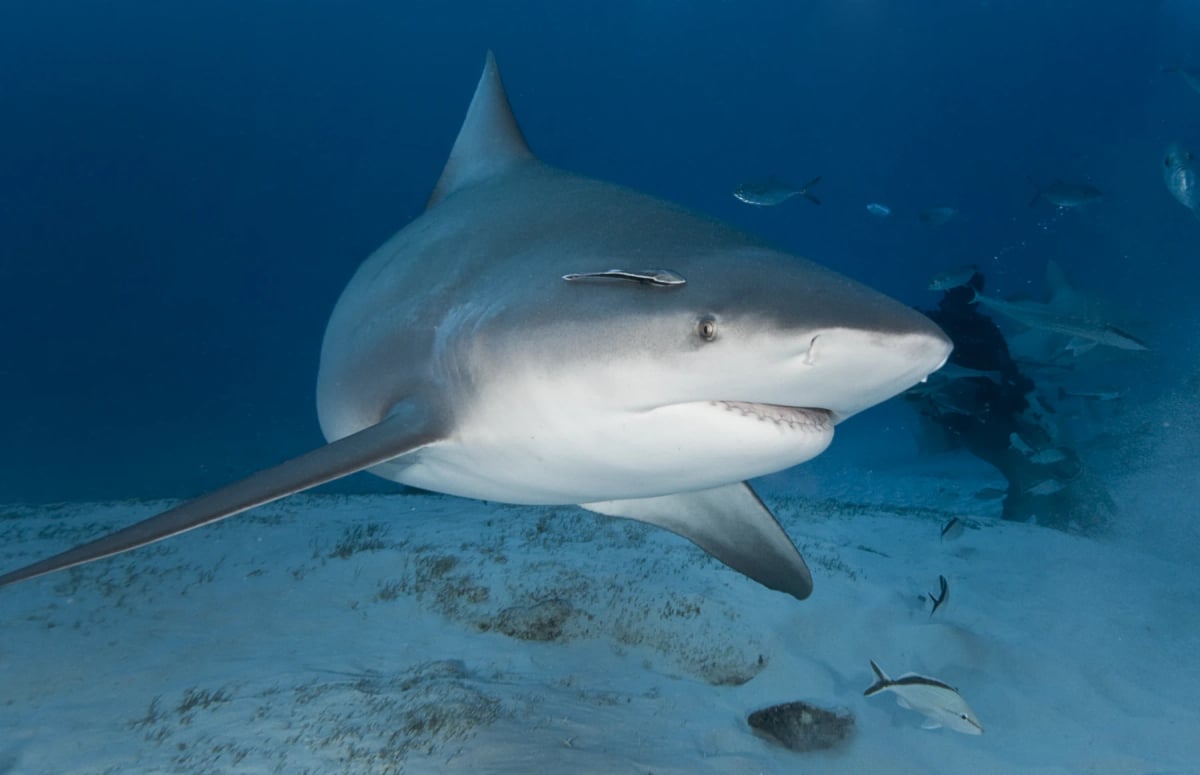
Bull Shark
Carcharhinus leucas
Papua New Guinea's extensive coastline, river systems, and warm tropical waters make it well suited to bull sharks. Species records include sightings in coastal shallows, estuaries, and the lower reaches of rivers flowing into the Coral Sea and Bismarck Sea. Subsistence and commercial fishing both present risks to shark populations here. The bull shark holds Near Threatened status globally, and local data on its abundance in PNG waters remains limited.
Researched and written by Juan Pablo. Sources: IUCN Red List, scientific literature and regional field guides. Last updated: .