Animals in Guyana
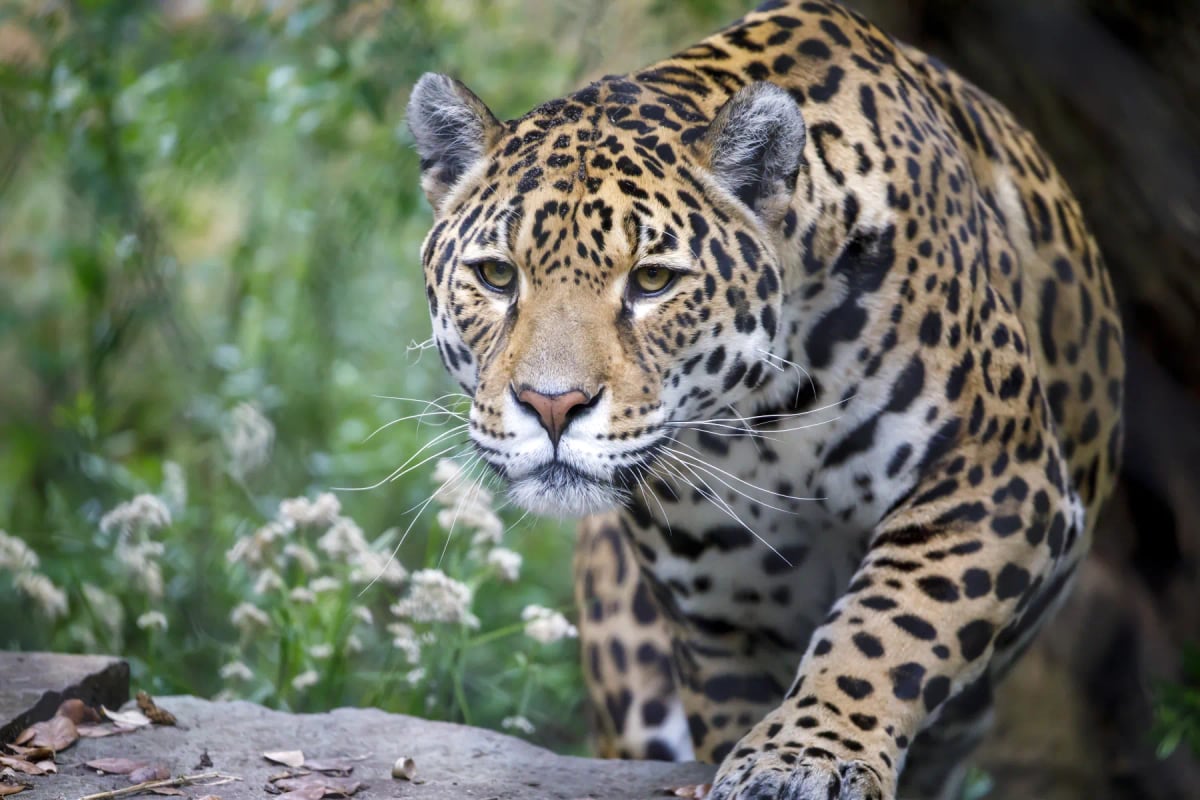
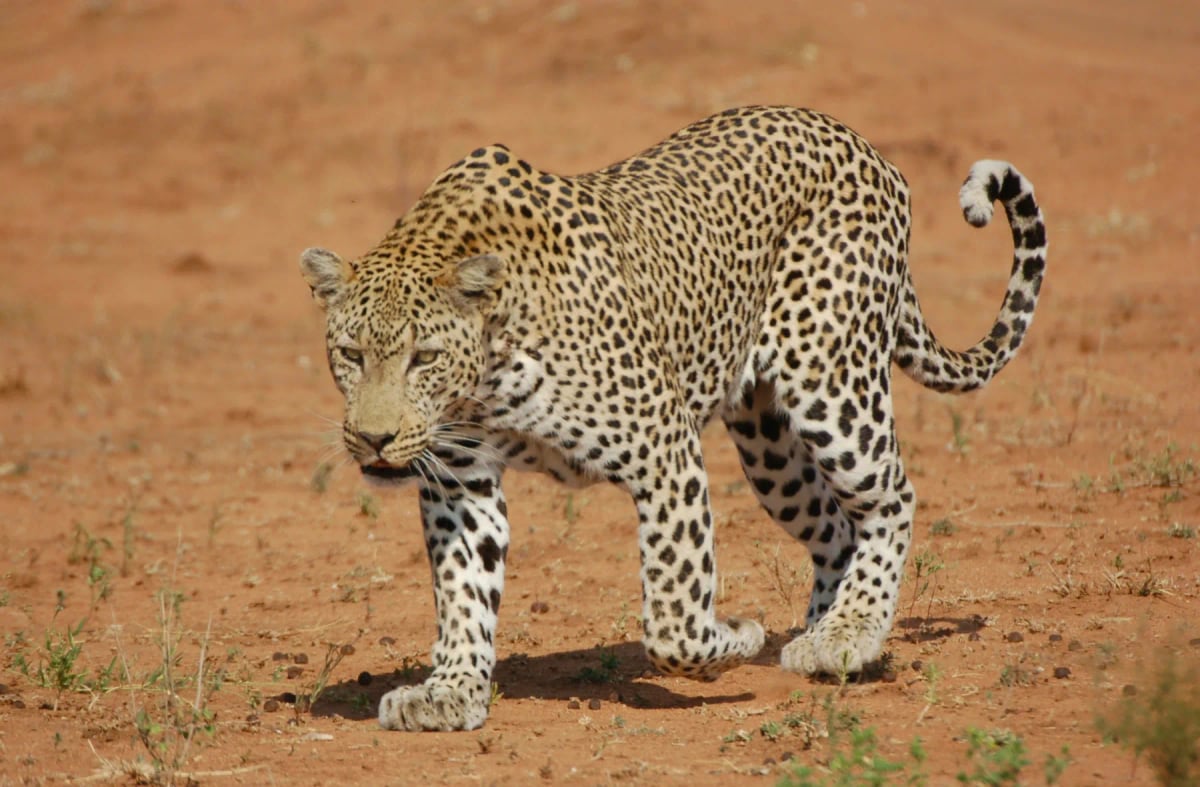
Jaguar
Panthera onca
The jaguar is a large spotted wild cat and is widely recognized as the national animal of Guyana. It lives in forests, wetlands and along rivers, where it hunts medium and large animals on the ground and sometimes in the water. A strong body, powerful jaws and a compact build allow it to take prey that many other cats could not handle. Jaguars are mostly solitary, moving over wide areas and using dense cover to stalk without being seen. In Guyana, extensive rainforest and relatively low human density help keep good habitat available for this top predator.
View details→Wildlife in Guyana
Guyana lies on the northern edge of the Amazon region, with dense rainforest, broad rivers and patches of open savanna. In the interior, monkeys, sloths, ground dwelling mammals, large wild cats and many reptiles move through tall forest and along muddy riverbanks. Wetlands and slow channels hold river mammals and large fish, while the narrow coastal plain connects mangroves, flooded areas and drier fields. This mix of habitats supports a high number of species in a relatively small, sparsely populated country.
Most Dangerous Animals in Guyana
In Guyana, several wild animals can be dangerous if people get too close, especially in remote forest and river areas. Jaguars and cougars are strong predators that defend themselves if they feel cornered at short range. In warm lowlands and along muddy banks, caimans, large constricting snakes such as anacondas and venomous pit vipers of the lancehead group require special care when walking or working near the water. In coastal waters, large sharks and occasionally orcas are the main top predators. Good local knowledge, keeping distance and avoiding night travel in dense vegetation greatly reduce the chance of serious problems.
Top 10 Animals in Guyana
The animals highlighted for Guyana come mainly from rainforest and river systems. In the interior, jaguars, other wild cats, tapirs, capybaras, anteaters and several kinds of monkey reflect how rich the forest floor and canopy can be. Along slow rivers and flooded areas, giant river otters, caimans and large freshwater turtles stand out, together with bright parrots, ibises and birds of prey that rest in riverside trees. Out toward the Atlantic, manatees, dolphins and occasional large whales complete the picture of a country where water and forest dominate the landscape.
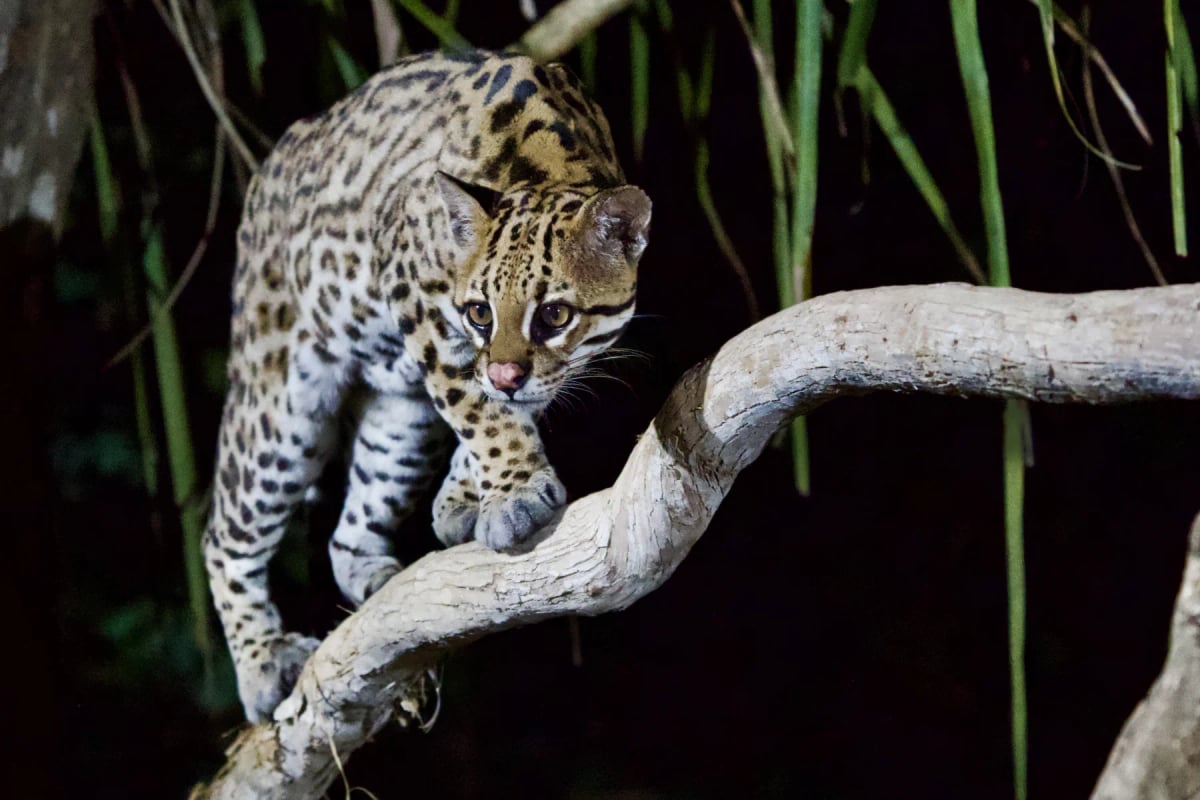
Ocelot
Leopardus pardalis
Ocelots are well established across Guyana's vast interior rainforests, including the forests of the Rupununi savanna region where woodland patches provide ideal cover. They hunt at night for rodents, lizards, and small birds, resting in dense undergrowth by day. Guyana's relatively low deforestation rate helps maintain healthy ocelot populations, and the country's protected areas offer some of the most intact habitat for this cat in South America.
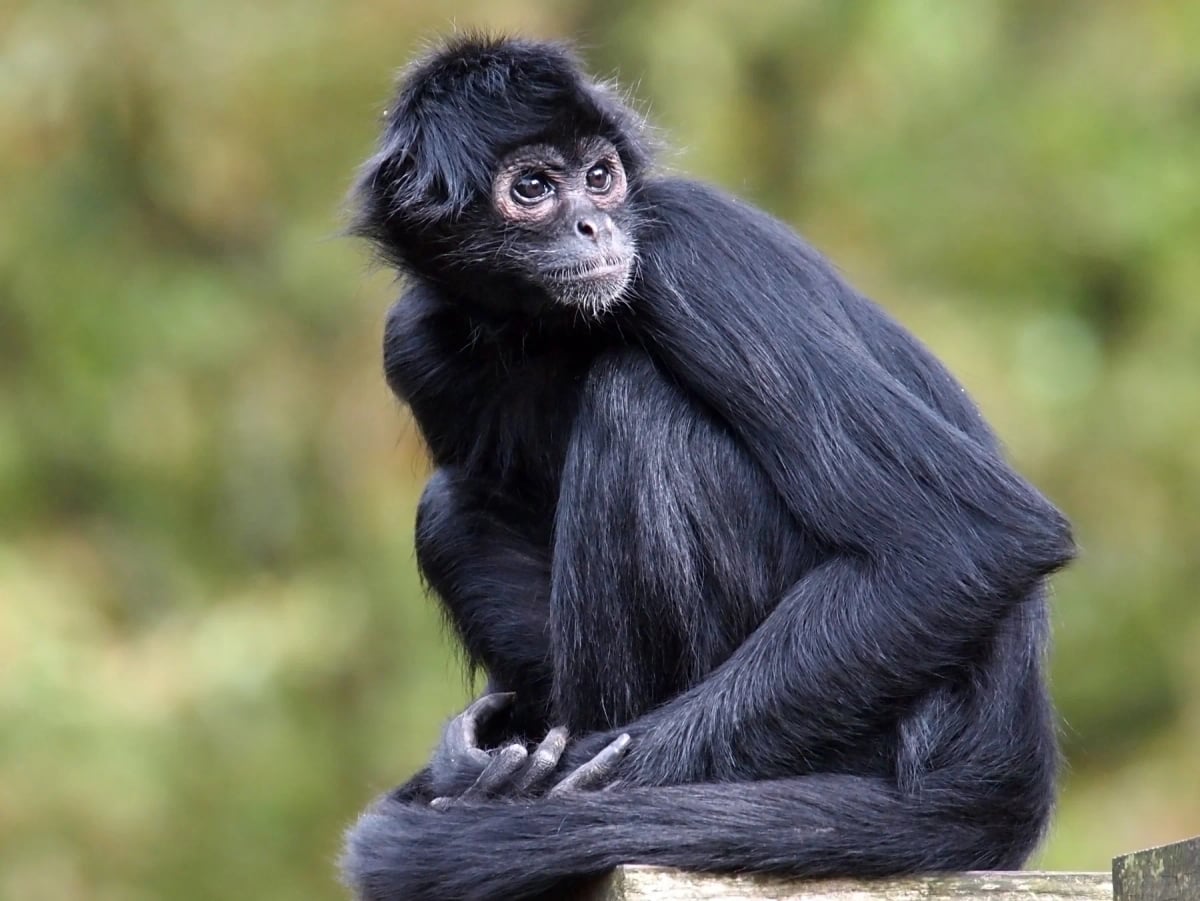
Spider Monkey
Ateles spp.
Guyana retains some of the most intact tropical forests in South America, making it one of the more secure countries for spider monkey populations in the region. The Guiana Shield forests provide a rich and largely undisturbed habitat where these primates can move freely across large territories. Low human population density and limited large-scale deforestation have so far helped preserve the conditions this species needs to thrive.
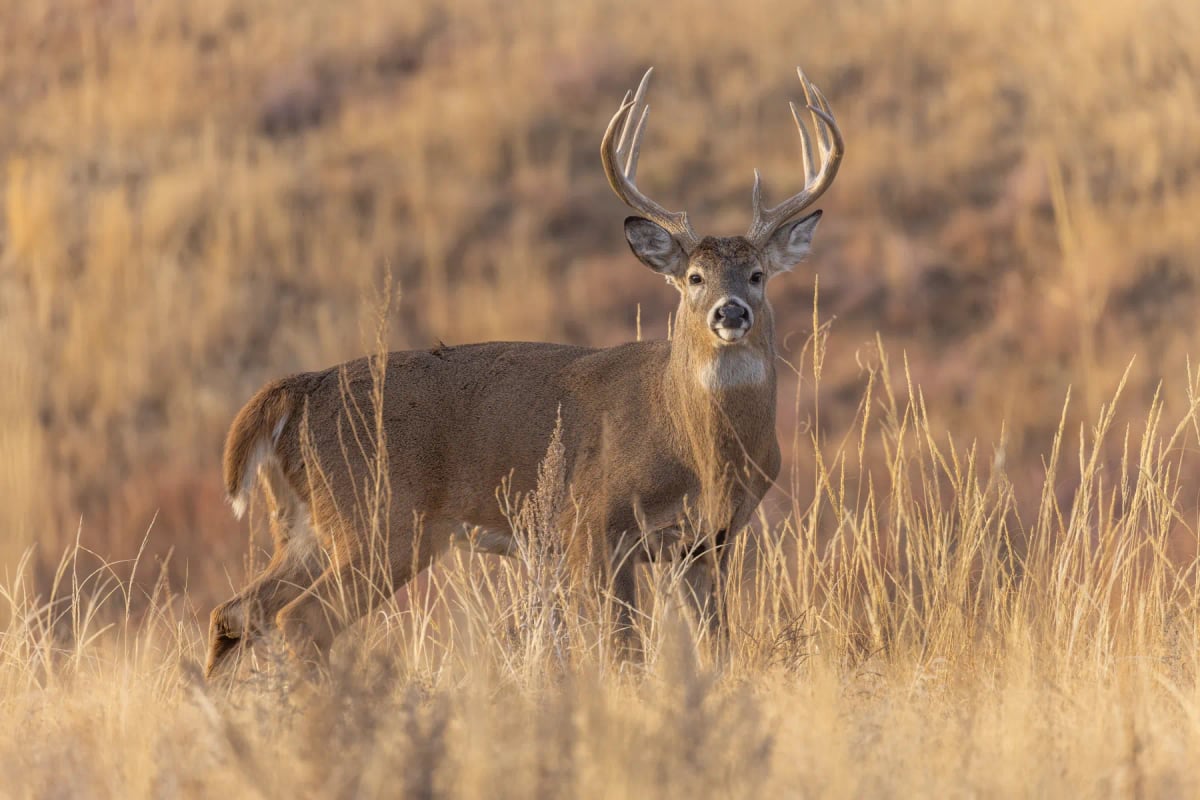
White tailed Deer
Odocoileus virginianus
In Guyana, the white tailed deer occupies savanna habitats, forest edges, and the coastal plain rather than the dense interior rainforest. The Rupununi savannas in the south provide ideal open terrain for the species. It is an important source of bushmeat for local and indigenous communities in rural areas. Populations appear stable across suitable habitats, and the country's large expanses of undisturbed land offer the deer room to roam.
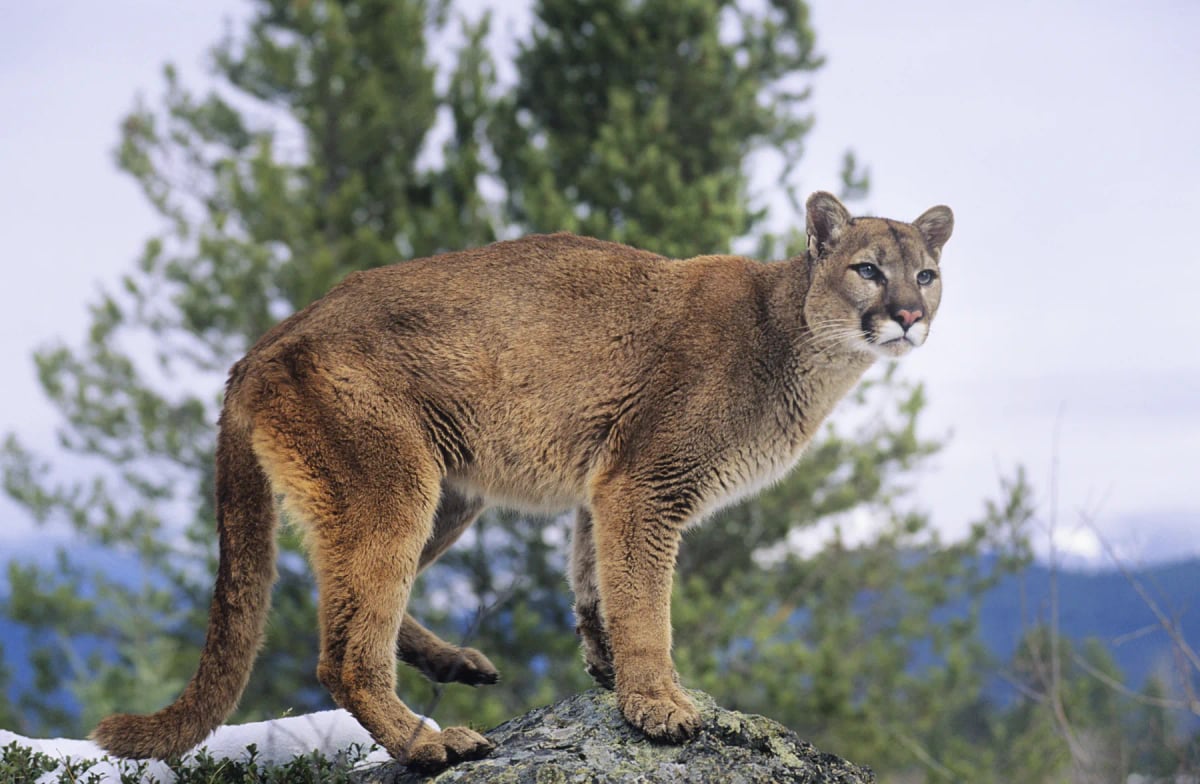
Cougar
Puma concolor
In Guyana, the cougar inhabits the vast interior rainforests and savanna corridors that stretch toward the Rupununi region. Much of this landscape remains intact, offering the species room to roam with relatively little disturbance. It shares its territory with jaguars, which often push cougars toward different prey and habitat niches. Its status is Least Concern, and Guyana's low deforestation rate helps support a stable population.
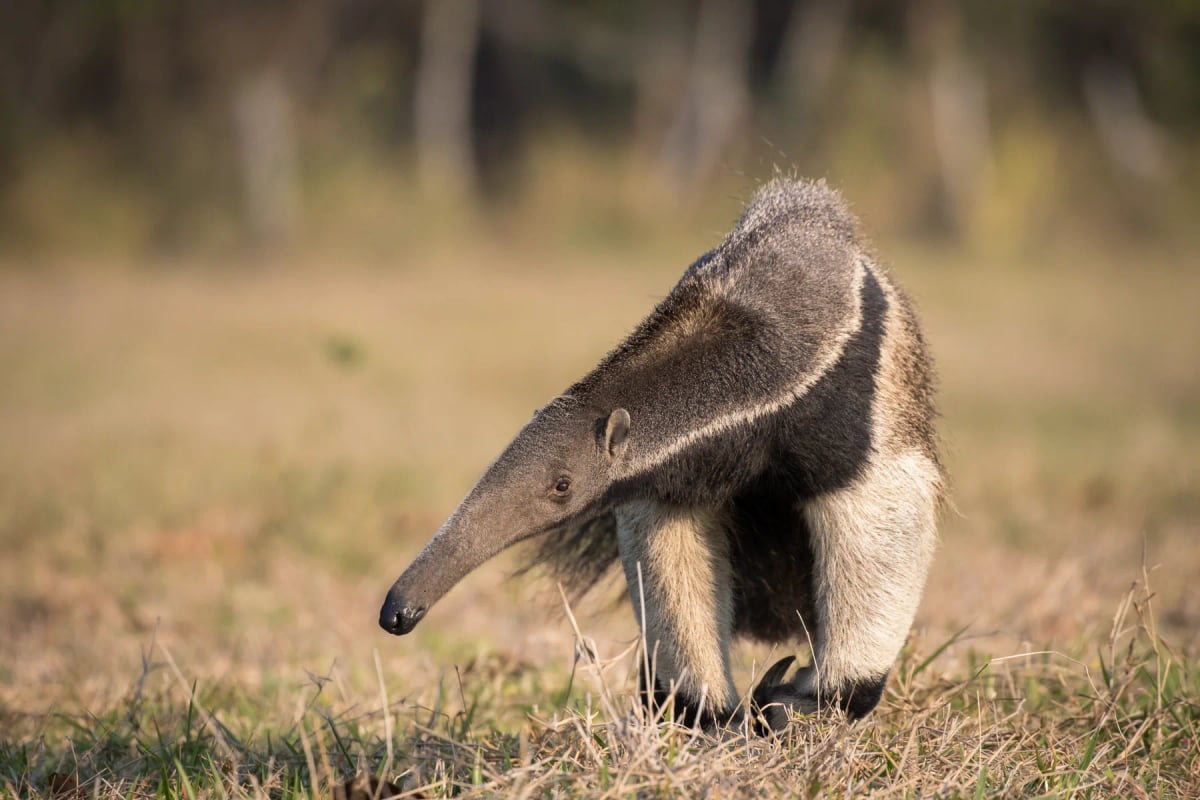
Anteater
Myrmecophaga tridactyla
The giant anteater is found in Guyana's savanna regions and open forests, particularly in the Rupununi savanna in the south of the country. This vast and relatively undisturbed landscape supports one of the more intact giant anteater populations in the Guiana Shield region. Local communities and conservation organizations are working to protect the species from hunting and ongoing habitat degradation.
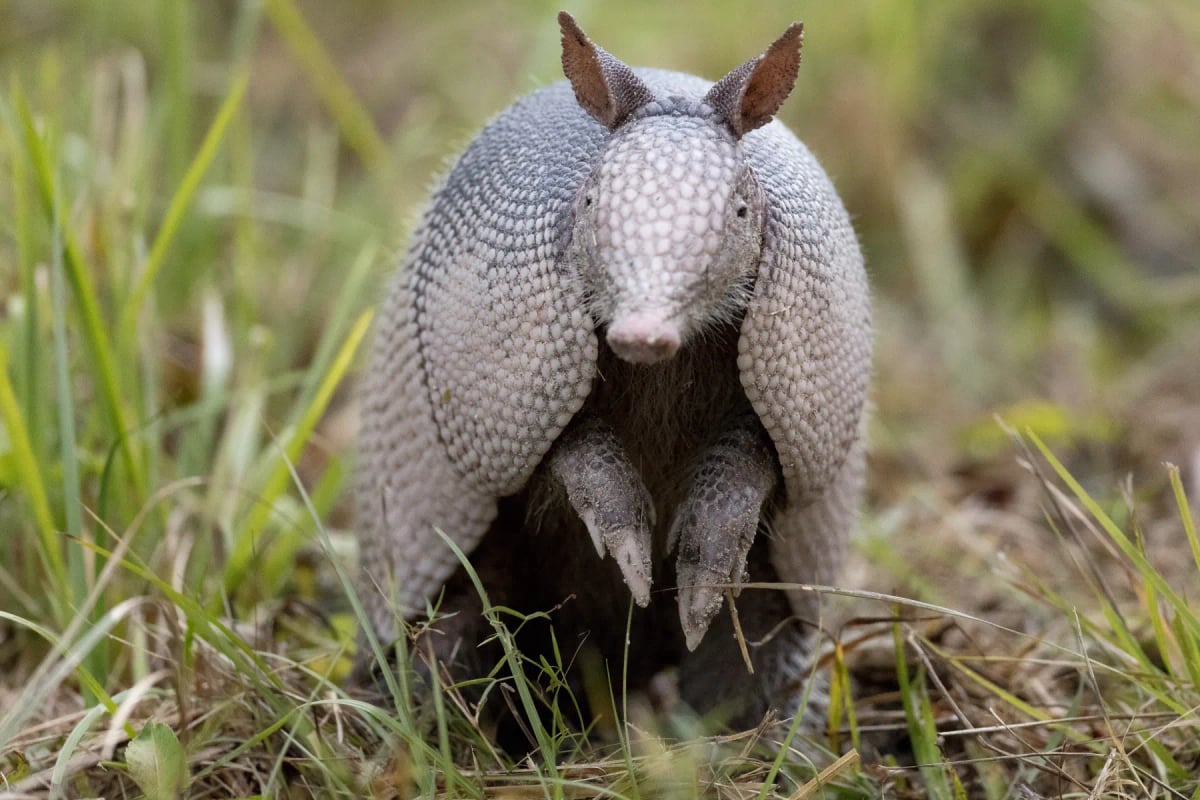
Armadillo
Dasypodidae spp.
Guyana is home to several armadillo species, including the nine banded armadillo, the giant armadillo, and the greater long nosed armadillo, found across the country's extensive tropical forests and savanna regions. The giant armadillo inhabits lowland forest and creates large burrows used as shelter by many other species. Guyana's relatively low population density and large areas of intact forest provide good conditions for armadillo populations. The species faces pressure from subsistence hunting and from gold mining activities that disturb forest habitats in the interior.
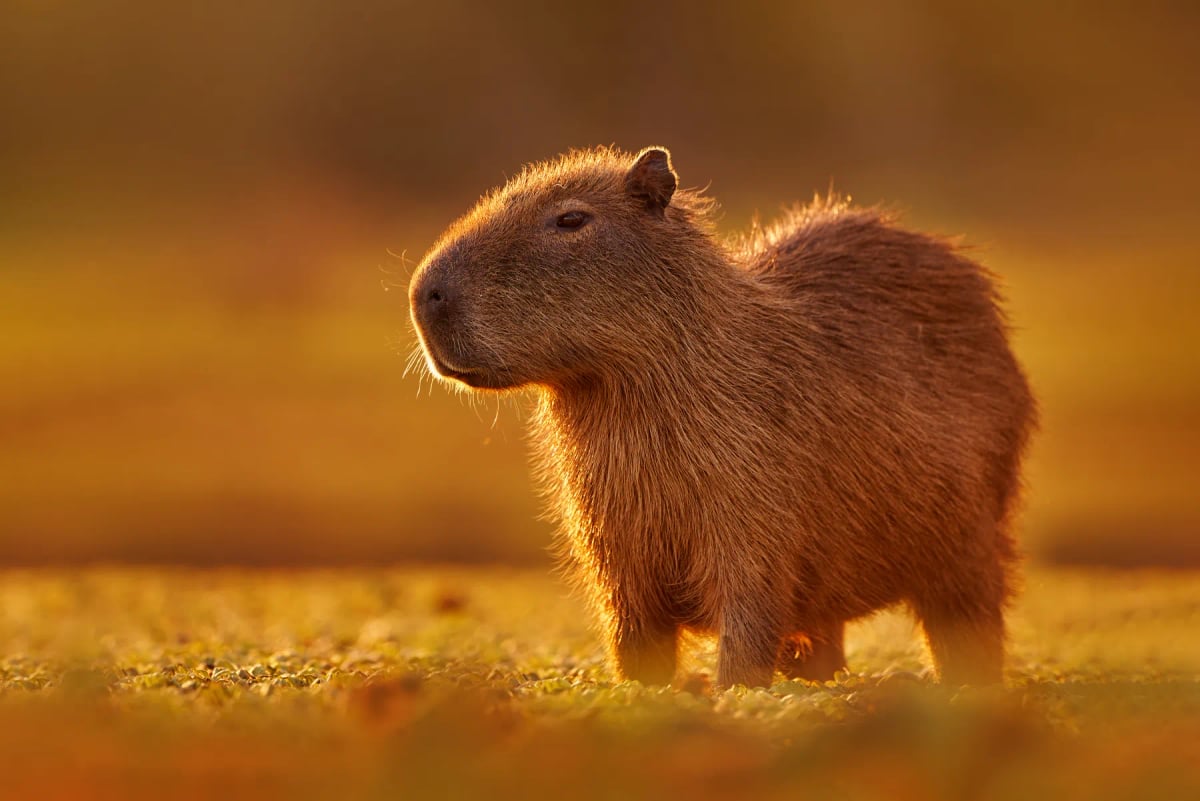
Capybara
Hydrochoerus hydrochaeris
In Guyana, capybaras inhabit the low-lying coastal savannas, riverbanks, and interior wetlands, including the Rupununi Savannas in the south. These open, seasonally flooded grasslands provide ideal grazing habitat for social groups of capybaras. The species is listed as Least Concern by the IUCN and faces relatively low hunting pressure in Guyana compared to other parts of South America, benefiting from large areas of intact habitat.
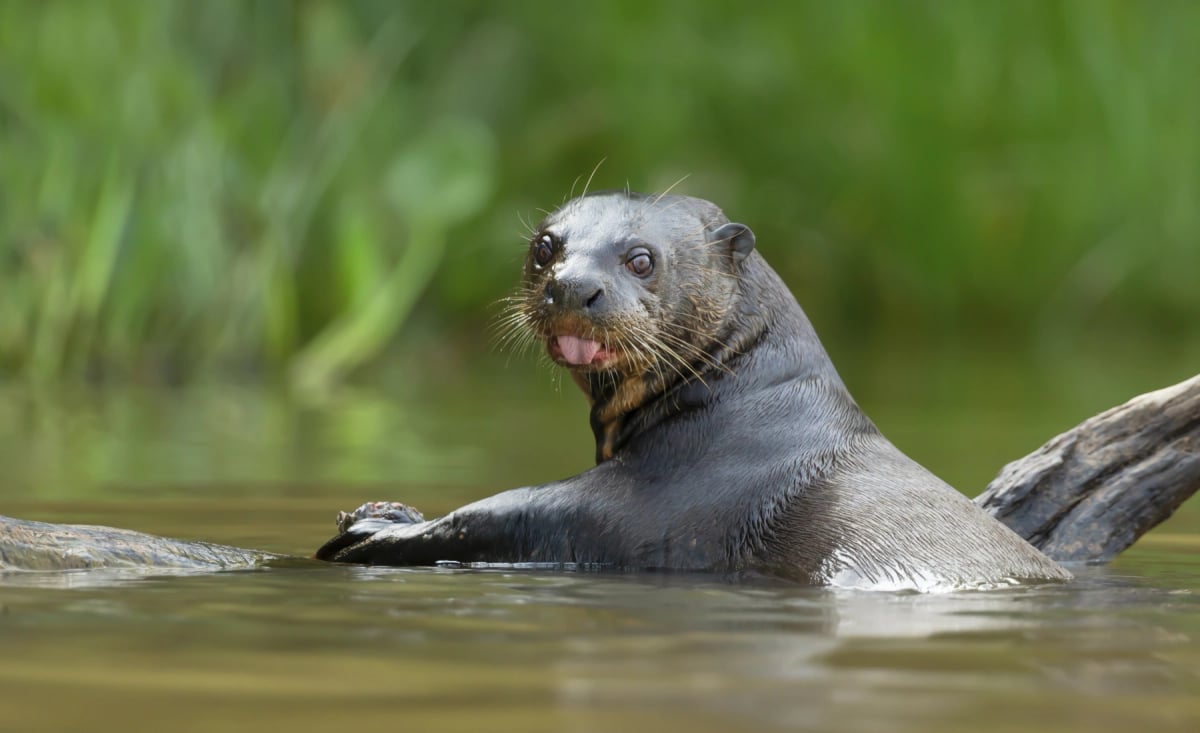
Giant Otter
Pteronura brasiliensis
Guyana's largely undisturbed interior forests and river systems make it one of the more important refuges for the giant otter in South America. The Rupununi wetlands and rivers draining into the Essequibo system support family groups that fish cooperatively in calm, clear waters. Gold mining in the interior poses a growing threat through mercury pollution. Guyana's low human population density has helped preserve habitat that the species depends on.
Jaguar
Panthera onca
Guyana retains some of the most intact tropical forest cover in South America, and its jaguar population benefits greatly from this. Much of the country's interior remains undisturbed, giving jaguars access to large territories with little human conflict. The Rupununi savannas and surrounding forested areas are known jaguar habitats. Guyana's low deforestation rate makes it one of the more secure countries for the species in the region.
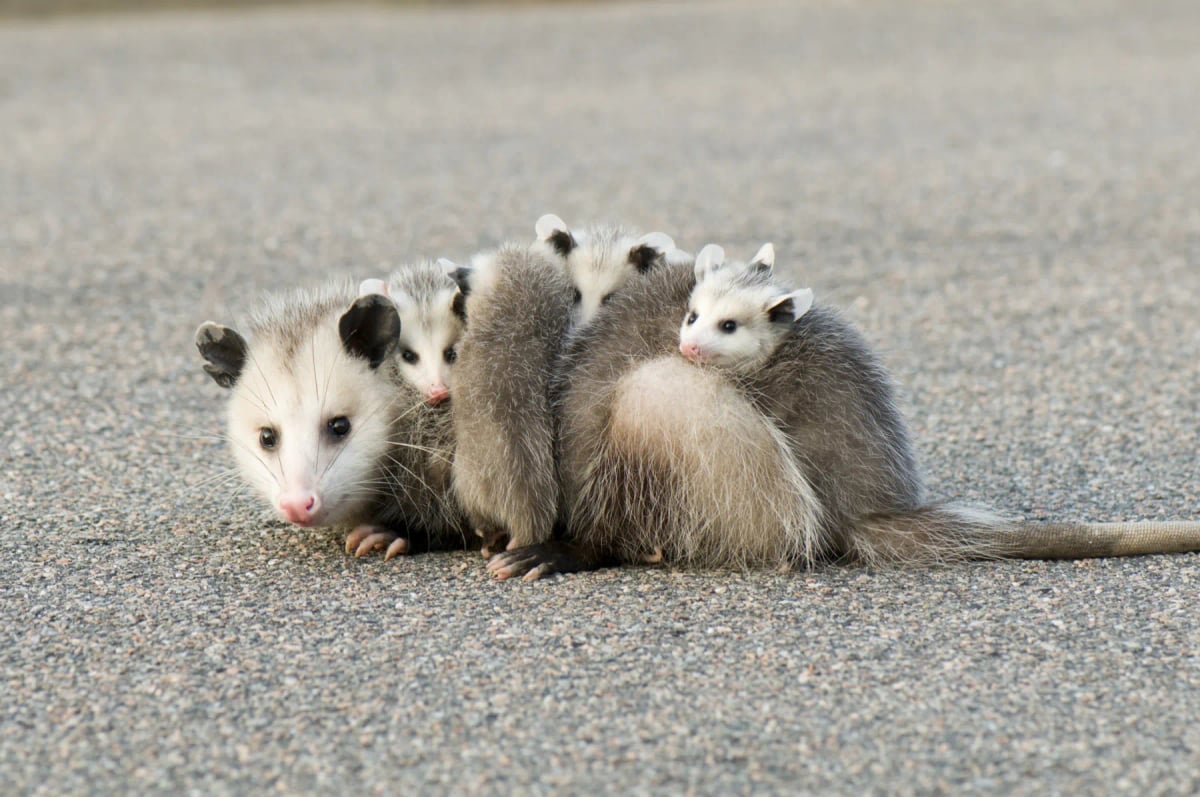
Opossum
Didelphis spp.
In Guyana, opossums thrive within the vast tropical rainforests that cover most of the country, as well as along forest edges and near coastal communities. Their nocturnal habits and flexible diet allow them to survive in both pristine jungle and disturbed habitats. They play a quiet but important role in seed dispersal and pest control. The species is considered Least Concern in the region.
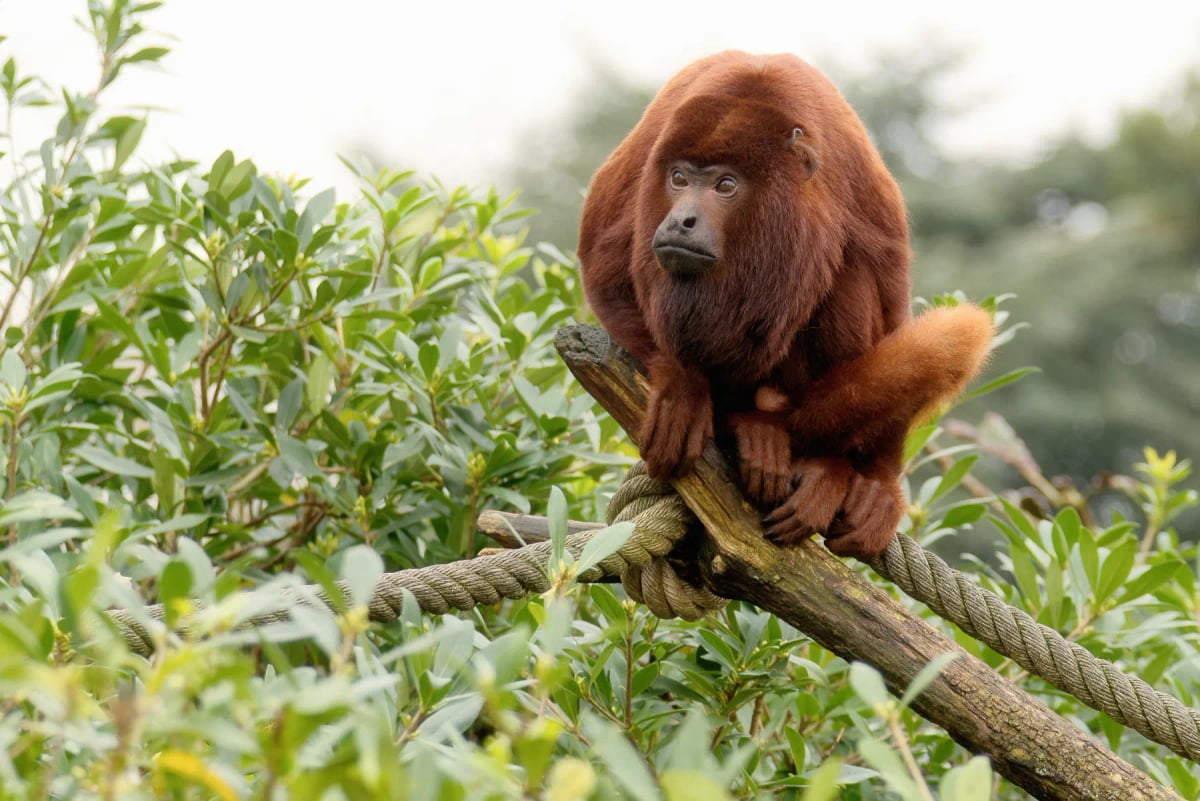
Red Howler Monkey
Alouatta seniculus
Guyana's largely intact rainforest provides some of the best remaining habitat for the red howler monkey in northern South America. The country's low rate of deforestation means troops can move freely through continuous canopy across vast areas. Males lead the dawn chorus daily, coordinating group spacing across the forest. Their diet of leaves, young shoots, and fruit suits the rich diversity of tree species found throughout Guyanese forest.
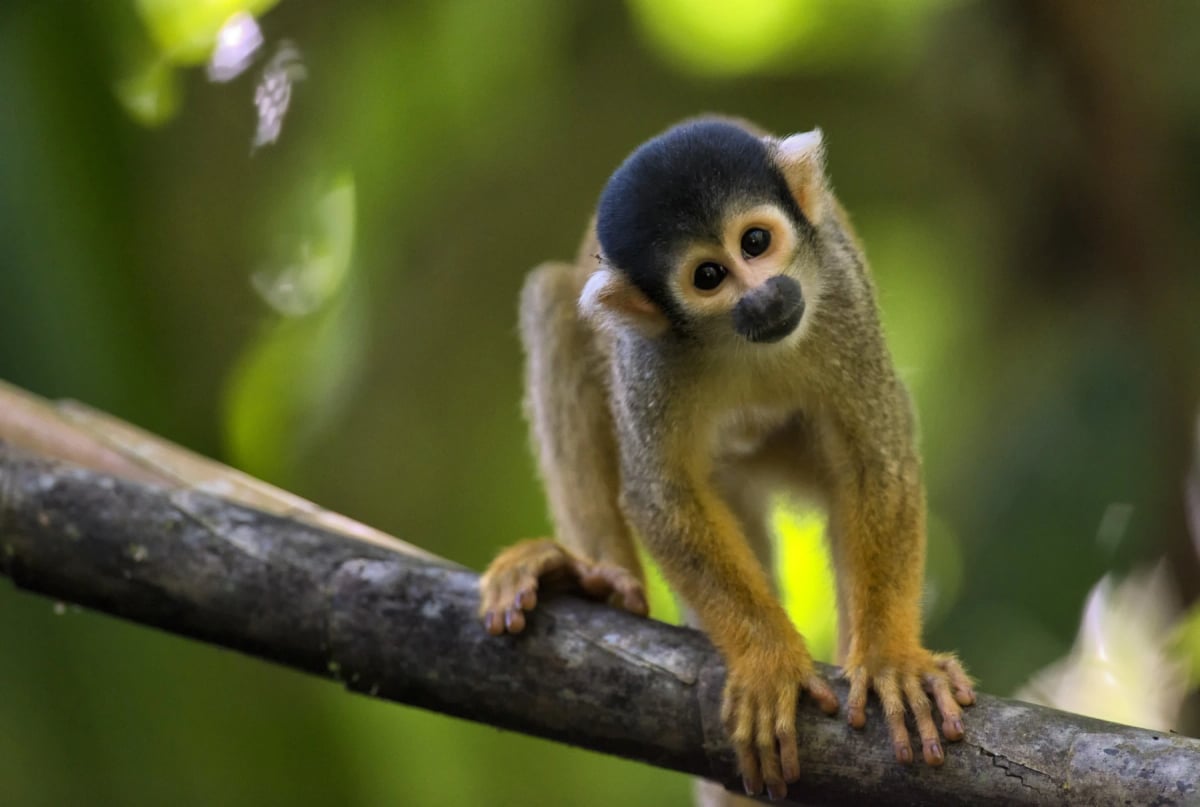
Squirrel Monkey
Saimiri spp.
Guyana's largely intact interior rainforest makes it one of the healthiest environments for squirrel monkeys in South America. These primates move through the lowland forest in troops that can reach well over 75 individuals, foraging for insects and ripe fruit across multiple levels of the forest. Guyana's low deforestation rate compared to neighboring countries means squirrel monkeys here face fewer immediate threats to their habitat.
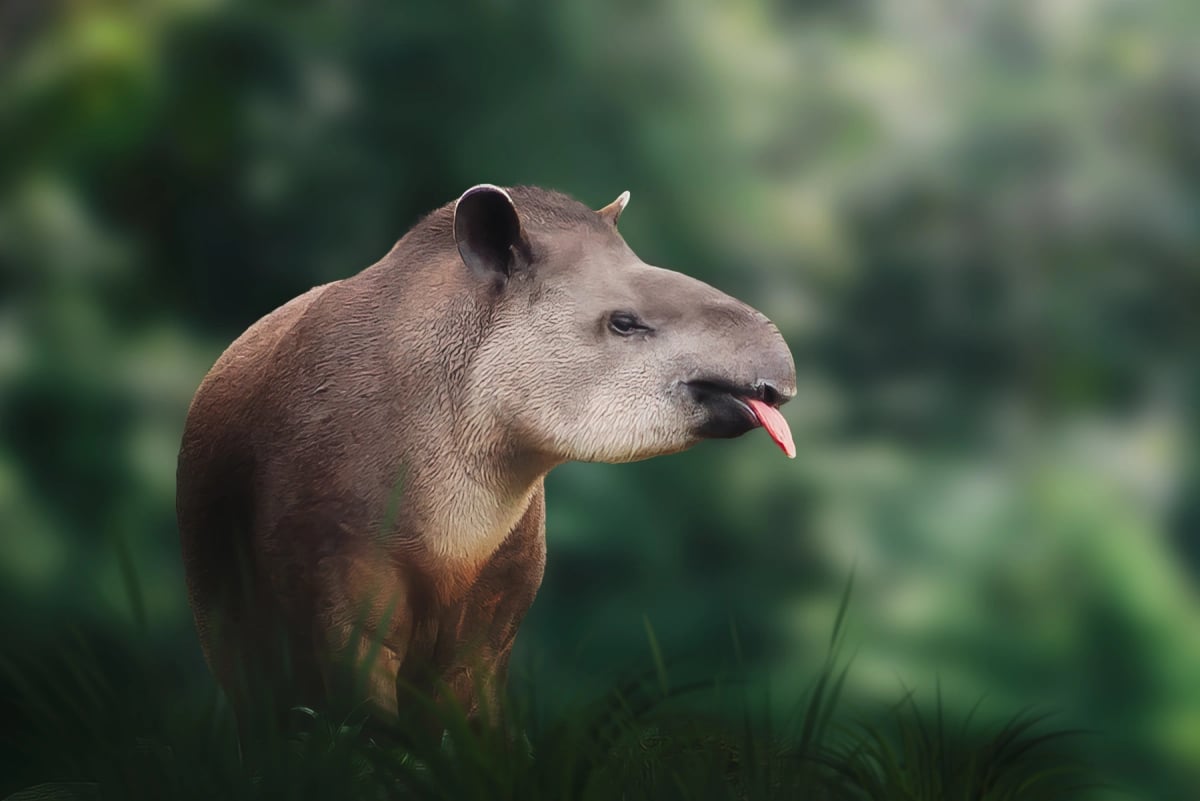
Tapir
Tapirus spp.
Guyana's largely intact Amazonian rainforest makes it one of the safer places for the South American tapir in the region. Much of the country's interior remains covered by forest, giving tapirs plenty of space to roam and forage. Hunting pressure exists in some areas, but low human population density and extensive forest cover mean tapir populations here are relatively stable compared to other South American nations.
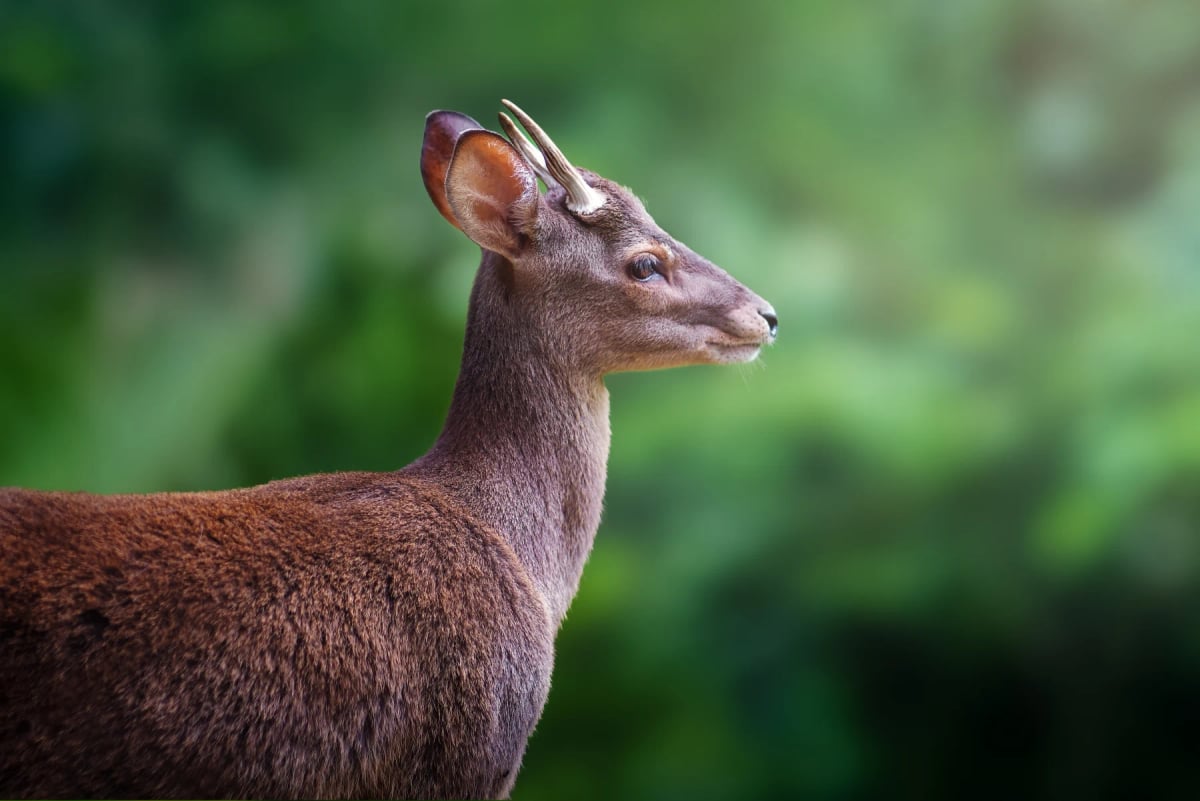
Brocket Deer
Mazama spp.
Guyana's extensive tropical forests, savannas and forest edges support healthy populations of brocket deer, particularly the red brocket. The country's low human population density and large areas of intact forest mean these deer face less pressure than in many neighboring nations. However, subsistence hunting is practiced in rural and indigenous communities throughout the interior. Guyana's national parks and protected areas provide important safe zones for wildlife, including brocket deer.
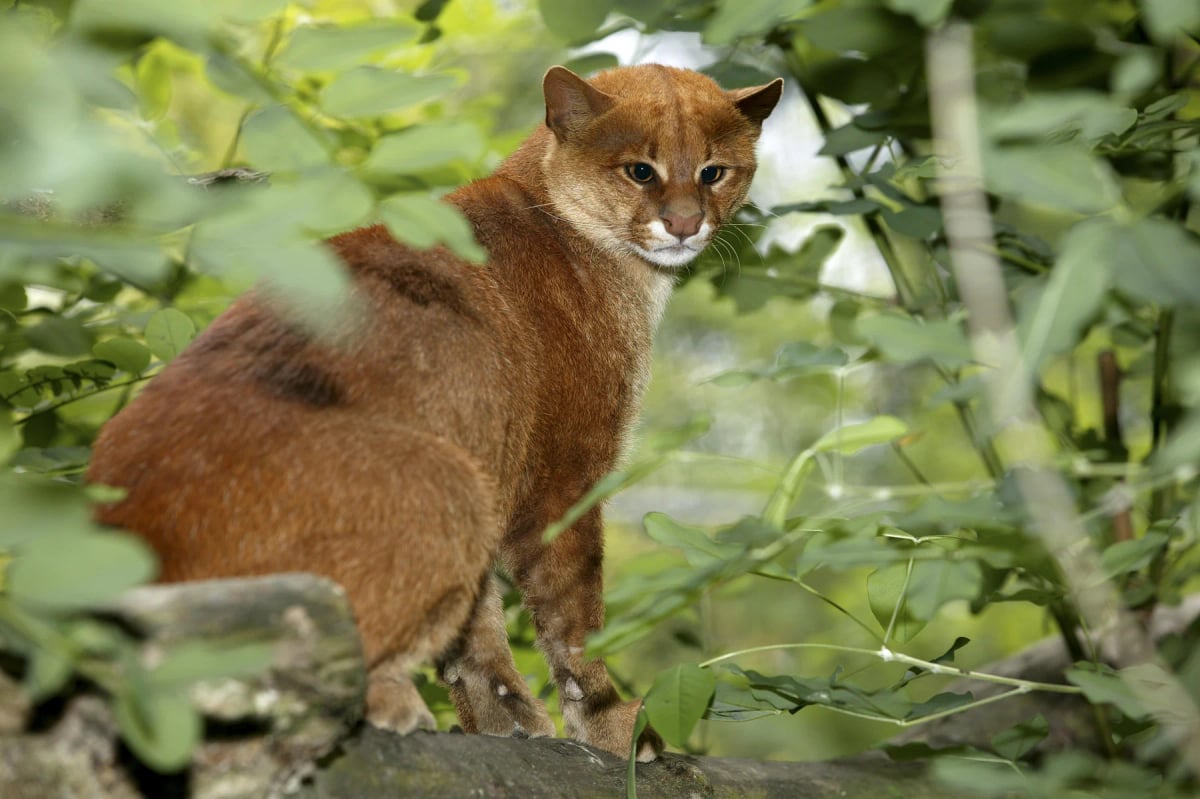
Jaguarundi
Herpailurus yagouaroundi
The jaguarundi moves through Guyana's dense rainforests and savanna edges with quiet ease. Its plain coat, either gray or reddish brown, helps it blend into the undergrowth of the Rupununi region and the forested interior. Unlike most cats, it hunts during the day, feeding on birds, lizards, and small mammals. It is listed as Least Concern by the IUCN, though habitat loss remains a pressure across the region.
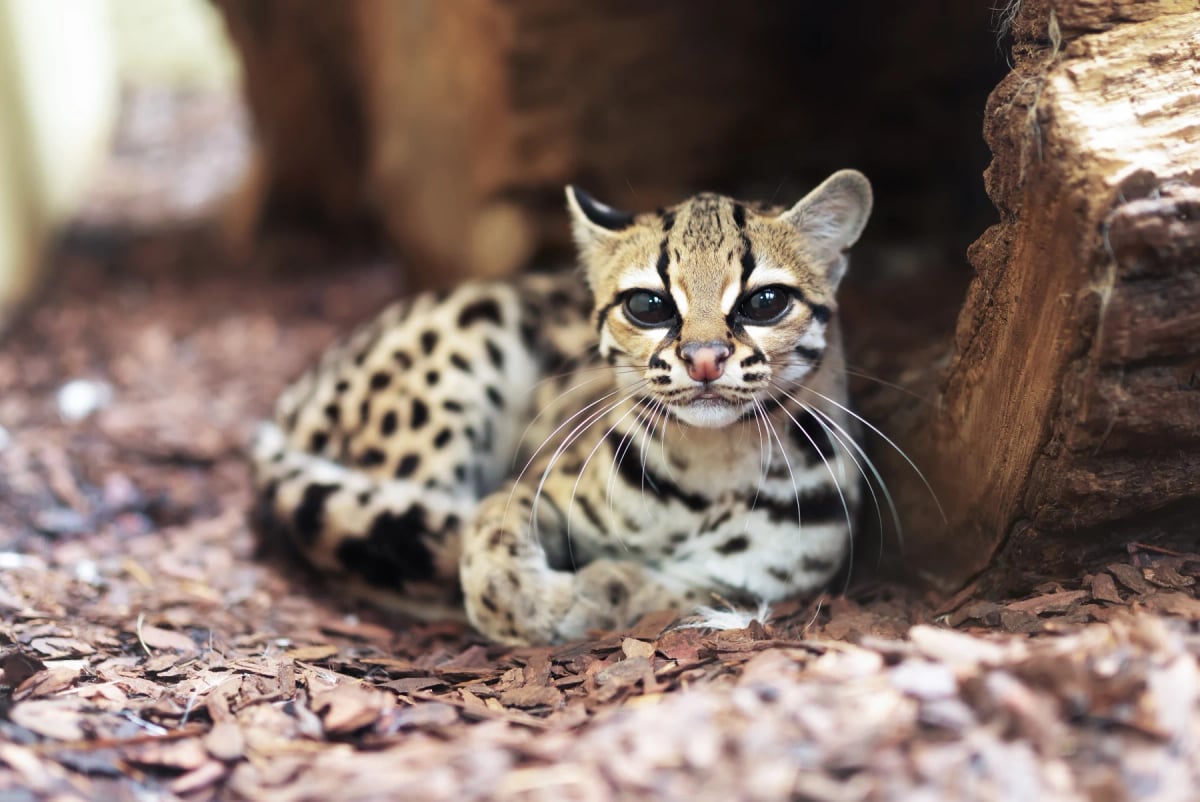
Margay
Leopardus wiedii
The margay lives across Guyana's vast interior rainforests, where the forest cover remains largely intact. This small spotted cat is an expert climber, capable of rotating its ankles to descend tree trunks headfirst. It hunts birds, lizards, and small mammals in the canopy at night. Guyana's low deforestation rate gives the margay a relatively stable foothold compared to much of its range. The IUCN lists it as Near Threatened.
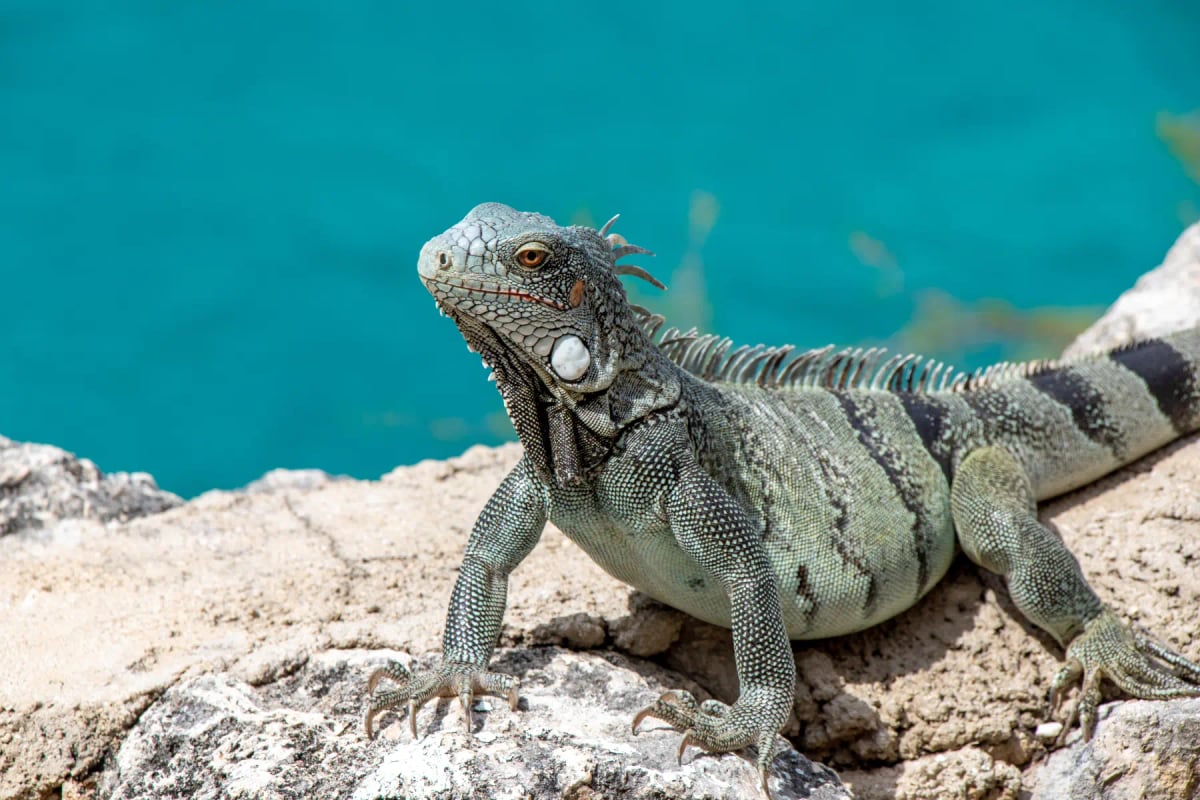
Iguana
Iguana iguana
The green iguana is native to Guyana, found along the coastal zone and throughout the river forests and tropical interior of the country. It is especially visible along the Essequibo, Demerara and Berbice rivers, where it basks on branches above the water. The species is part of everyday life in many rural communities and is occasionally hunted for food, though it remains common across the country's forested lowlands.
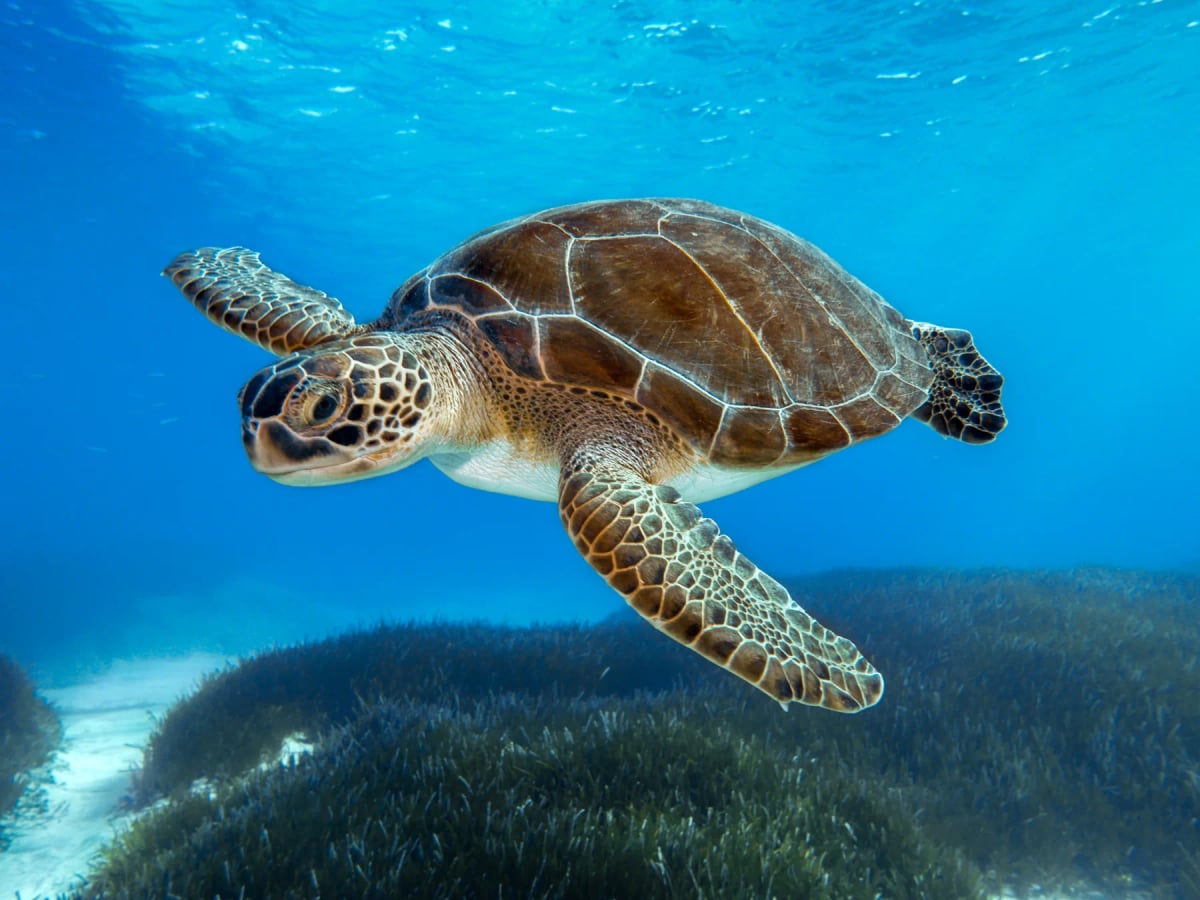
Sea Turtle
Cheloniidae & Dermochelyidae (families)
Guyana's Atlantic coast is an important nesting ground for leatherback and olive ridley sea turtles. Shell Beach, in the northwest of the country near the Venezuelan border, is one of the most significant leatherback nesting sites in the Caribbean region. Green turtles also nest along the coast. The area is protected under the Shell Beach Protected Area, and community rangers support monitoring and nest protection efforts during the nesting season.
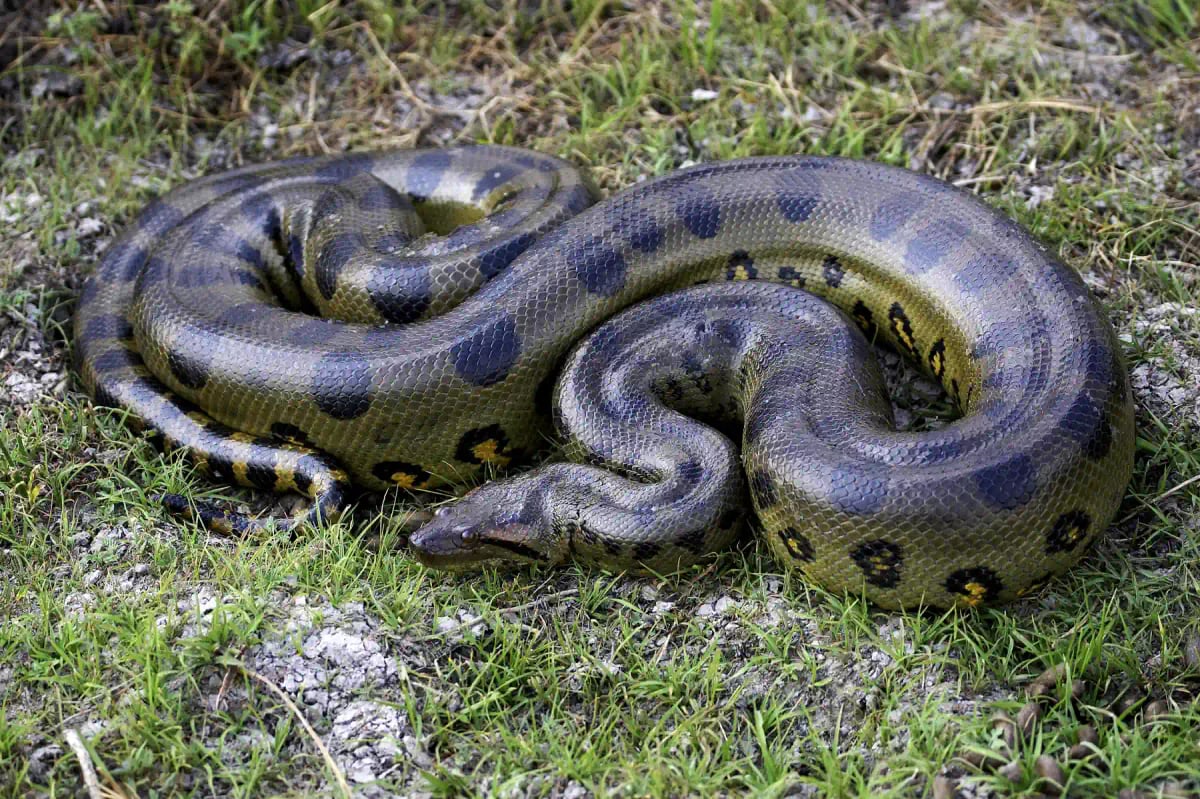
Anaconda
Eunectes murinus
Guyana's extensive network of rivers, swamps, and flooded savannas provides excellent habitat for the green anaconda. The species is widespread across the interior of the country, particularly in the Rupununi wetlands and the river systems of the Essequibo basin. Guyana's large tracts of intact rainforest and low human population density make it one of the strongholds for the species in northeastern South America.
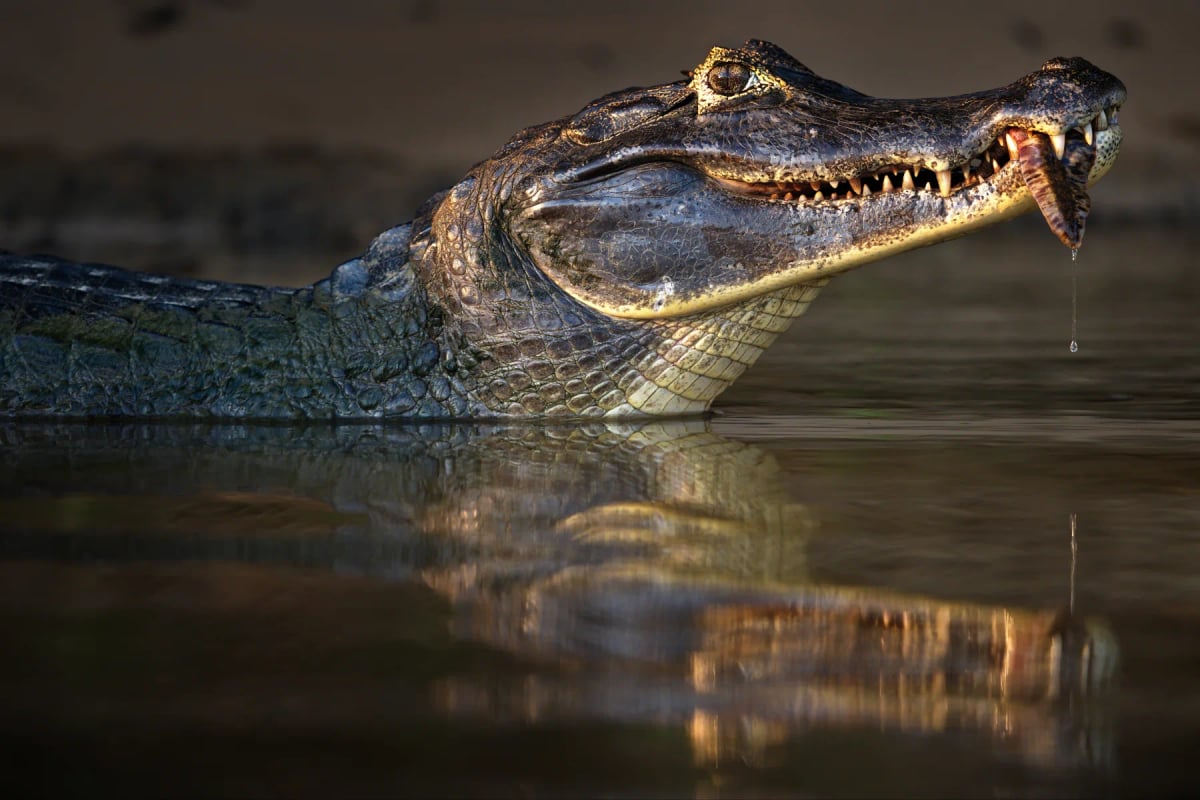
Caiman
Caiman spp.
Guyana's extensive river systems and coastal wetlands provide excellent habitat for the spectacled caiman and the black caiman. The Rupununi savannas and the rivers draining the Guiana Highlands are particularly important areas for both species. The black caiman, once reduced by hunting, benefits from relatively low human pressure across much of Guyana's interior. These reptiles are integral to the ecological balance of the country's largely undisturbed tropical wetlands.
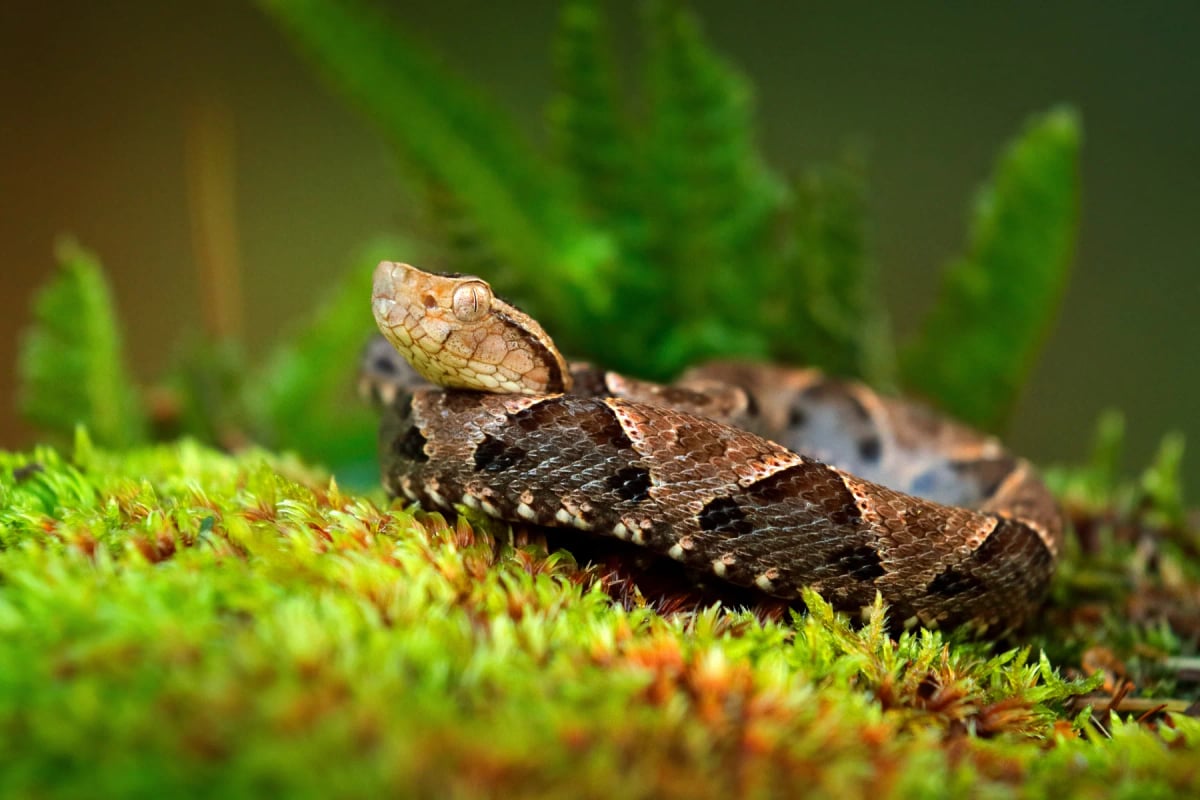
Lancehead
Bothrops spp.
Guyana's vast interior rainforests, which remain among the most pristine in South America, provide ideal conditions for lanceheads. These snakes are found throughout lowland forested areas and along river systems that cut through the jungle. The country's low population density means human encounters are less frequent than in more densely settled nations, but indigenous and rural communities in the interior still face real risk from snakebite with limited access to medical care.
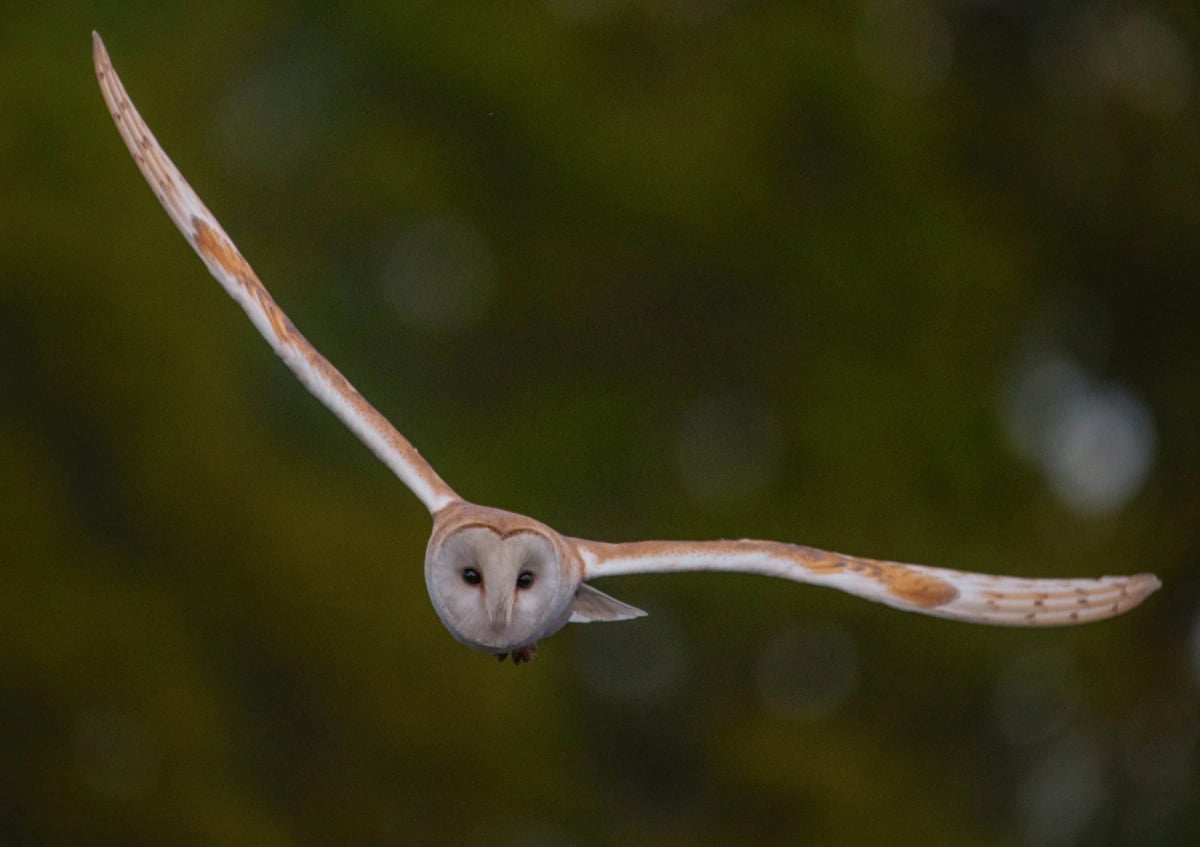
Barn Owl
Tyto alba
The barn owl is found in Guyana mainly in open farmland, coastal savanna, and the outskirts of towns and villages along the Atlantic coast and in the interior lowlands. The dense tropical rainforest that covers much of the country's interior offers little suitable open hunting habitat, so the species is concentrated in the agricultural coastal strip and the savanna regions of the Rupununi in the south. It nests in old buildings and hollow trees and hunts rodents at night in areas near human settlement.
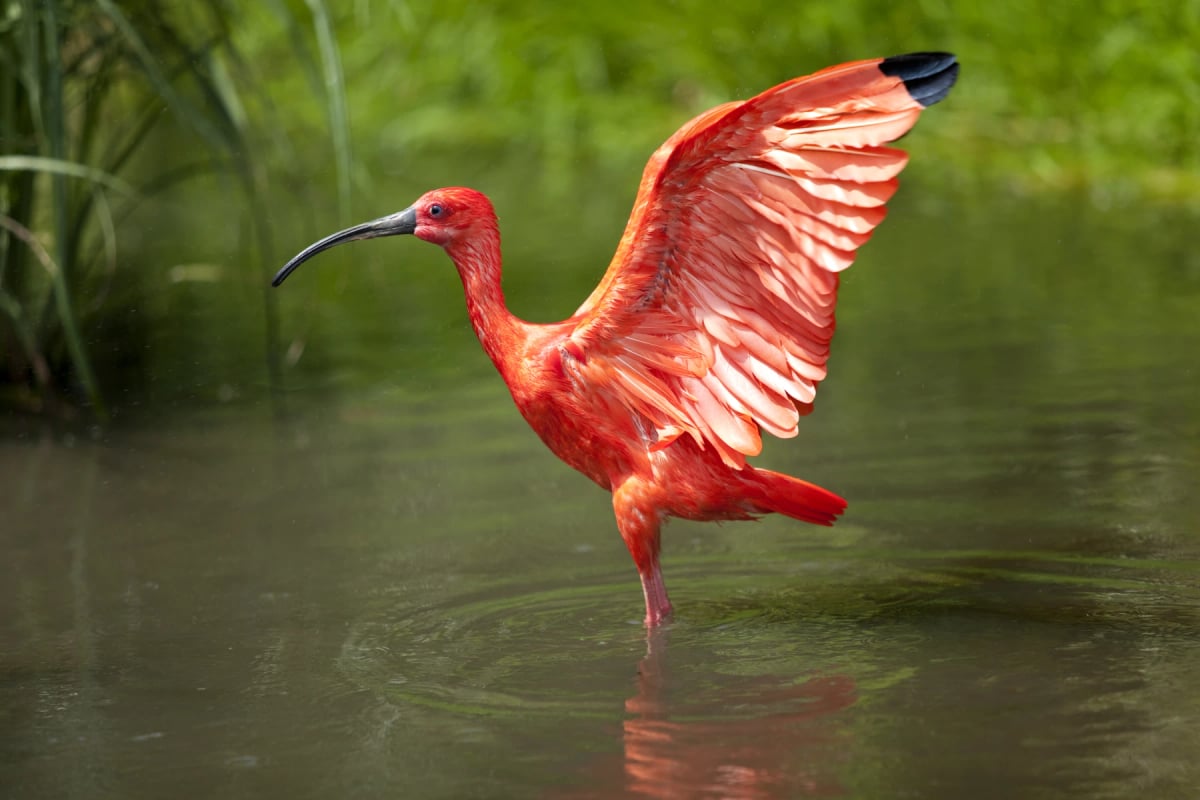
Scarlet Ibis
Eudocimus ruber
Guyana's Atlantic coastline, fringed with dense mangroves and intersected by river mouths, is prime territory for the Scarlet Ibis. The bird is commonly seen foraging along tidal flats and roosting in coastal vegetation. Guyana's relatively low level of coastal development has helped preserve key habitats for this species. Large communal roosts, sometimes shared with the white ibis, are a memorable sight along the country's shore.
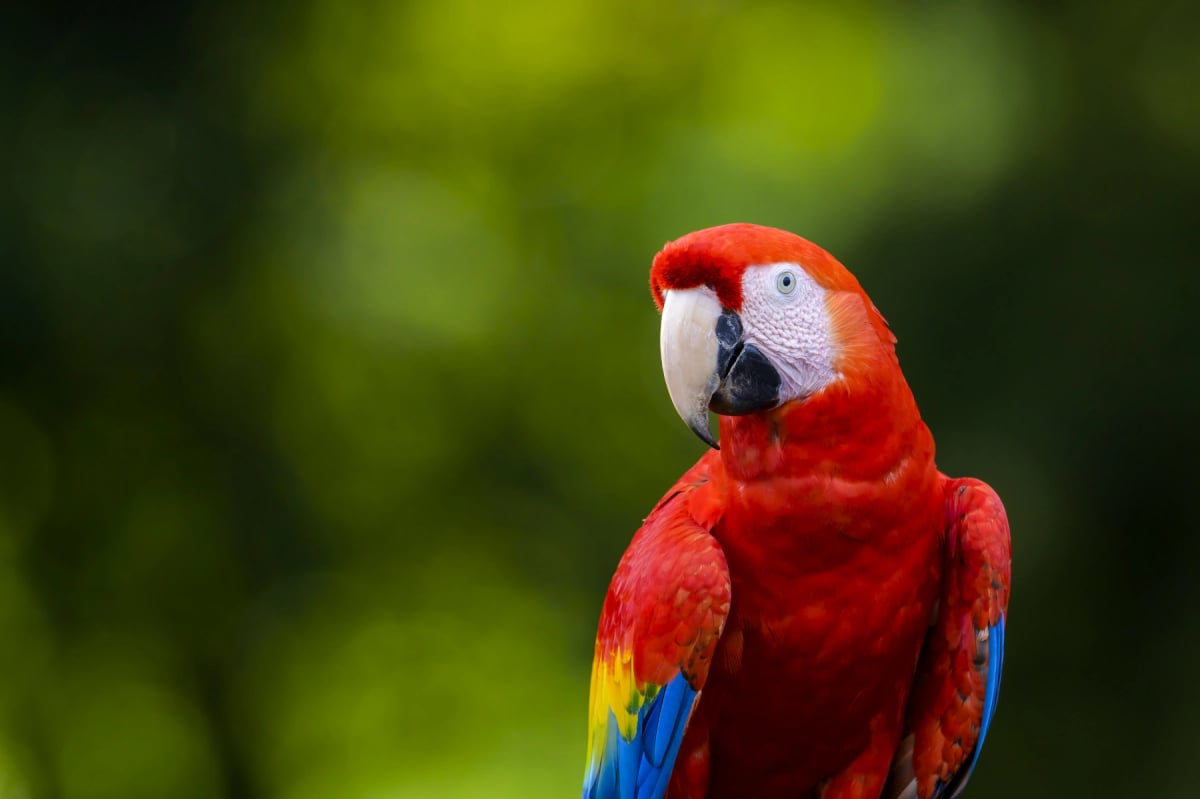
Scarlet Macaw
Ara macao
Guyana's largely forested interior offers prime habitat for the scarlet macaw, which ranges widely across the country's tropical lowlands and riverine forests. The species is a common sight along the Rupununi and Essequibo river corridors, where pairs nest in tall trees and gather at clay licks. Guyana's relatively low rate of deforestation benefits the species. The IUCN lists the scarlet macaw as Least Concern.
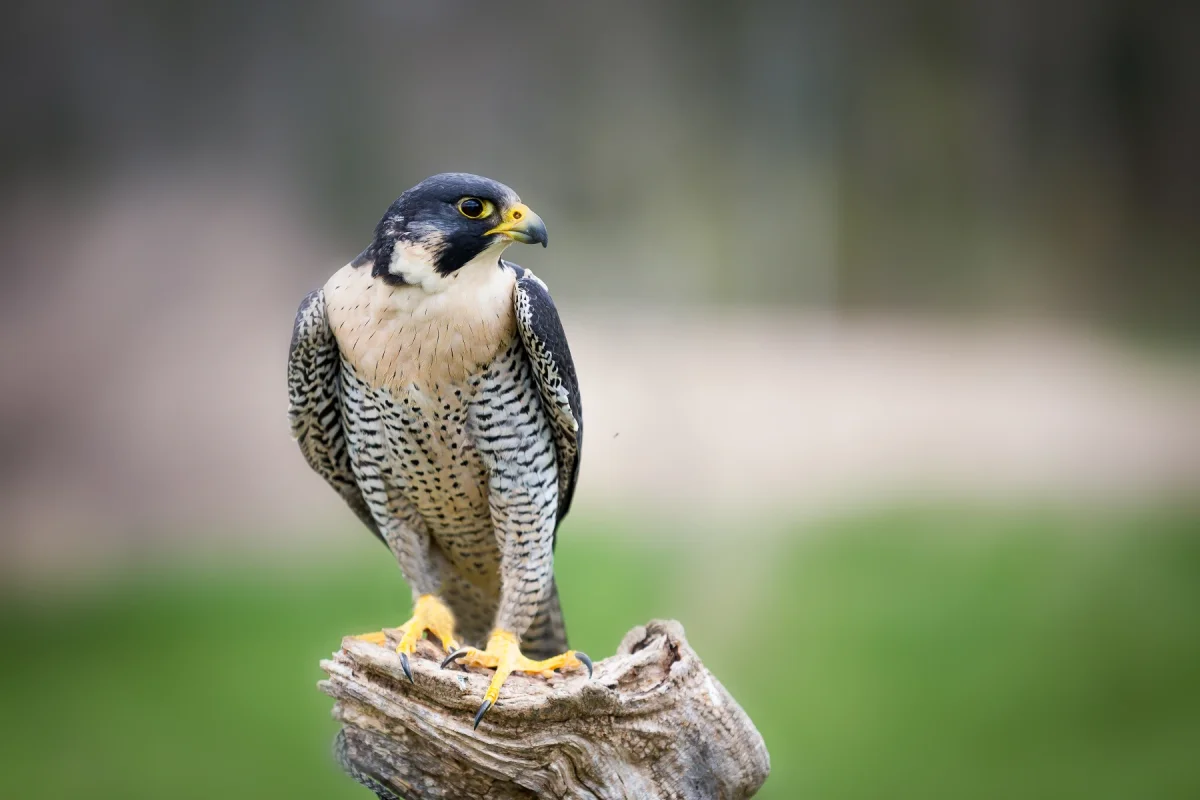
Peregrine Falcon
Falco peregrinus
The peregrine falcon visits Guyana as a non-breeding migrant, arriving from North American breeding grounds during the boreal winter. It can appear along the Atlantic coast, over savanna regions, and near the forested interior. A bird of remarkable adaptability, it hunts other birds at speeds exceeding 300 km/h. Guyana's diverse landscapes, from coastal mudflats to open grasslands, provide productive foraging areas throughout its seasonal visit. IUCN status: Least Concern.
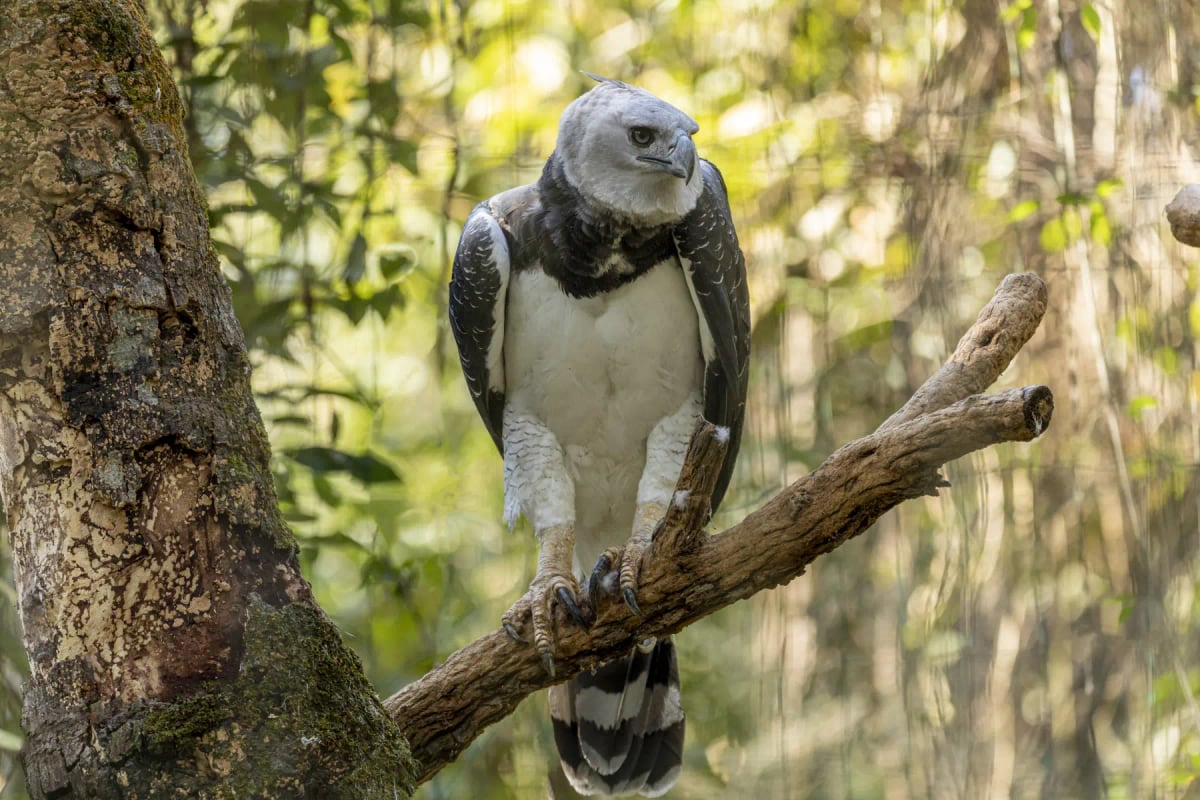
Harpy Eagle
Harpia harpyja
Guyana retains some of the most intact tropical forests in South America, and the harpy eagle is present across much of the country's interior. The Rupununi region and the forested highlands near the Venezuelan border provide excellent habitat for this Vulnerable raptor. Guyana's low rate of deforestation compared to neighboring countries makes it an important refuge, and indigenous communities play a key role in protecting nesting trees.
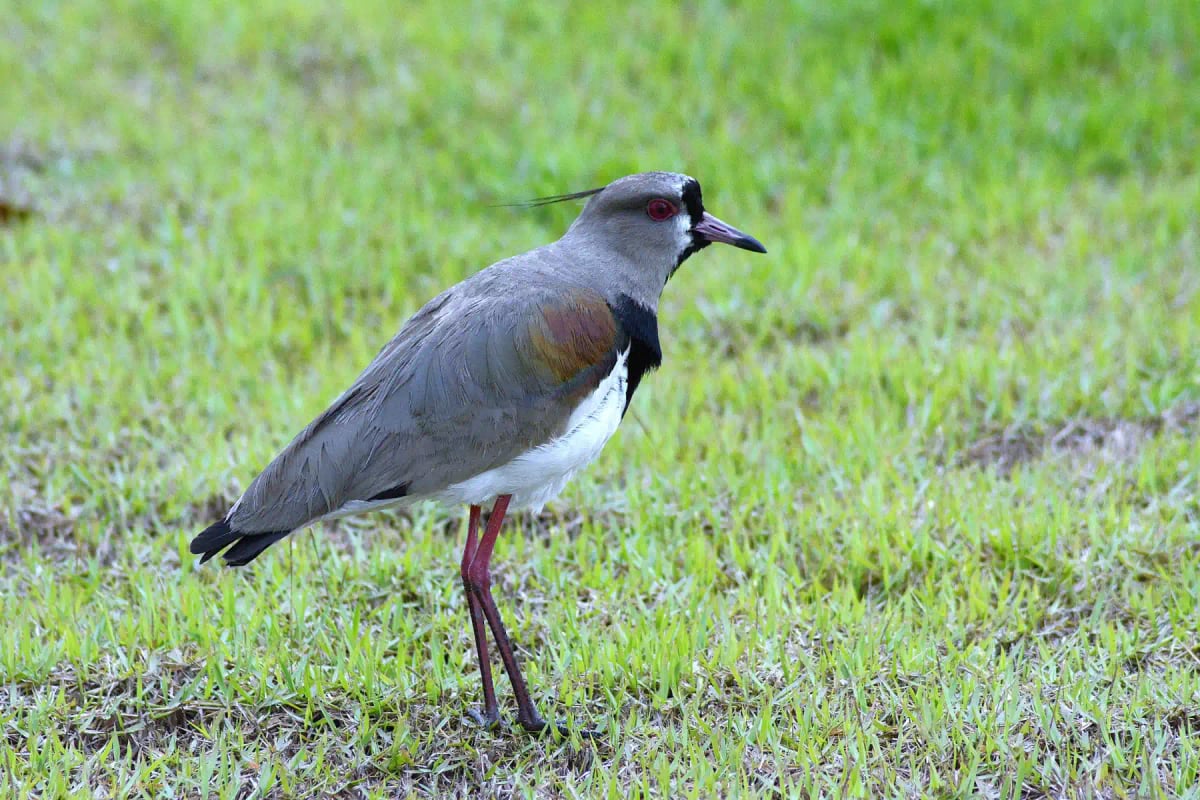
Southern Lapwing
Vanellus chilensis
In Guyana, the southern lapwing inhabits the coastal plain grasslands and savanna regions such as the Rupununi in the south of the country. It is a conspicuous bird in open areas, often nesting on the ground in short grass near water. Its loud calls make it easy to detect across the wide savannas. Populations are considered stable and its IUCN status is Least Concern.
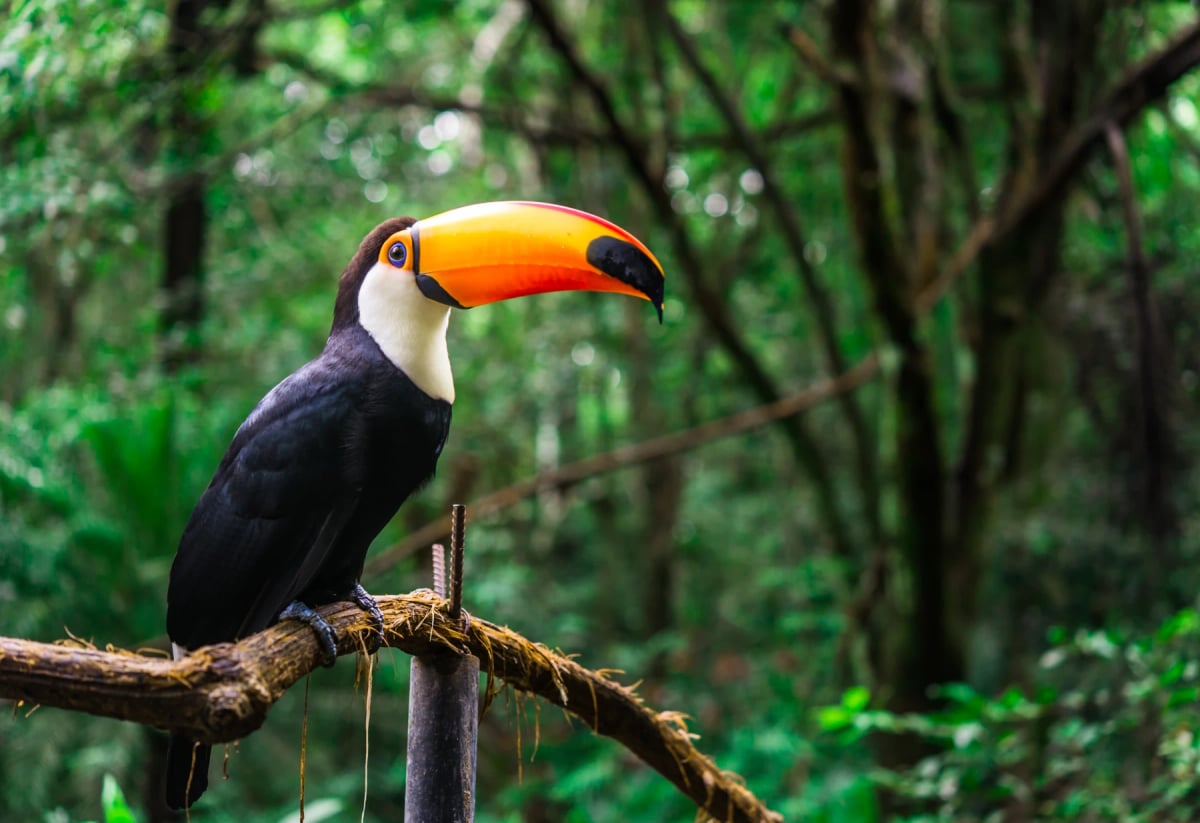
Toucan
Ramphastos spp.
Guyana's vast and largely undisturbed Amazonian forests provide some of the most intact toucan habitat in South America. Species such as the channel-billed toucan and the white-throated toucan are found here, navigating the canopy of lowland rainforest and riverine forest. Guyana's low rate of deforestation relative to neighboring countries means toucan populations face fewer immediate pressures and continue to thrive across much of the interior.
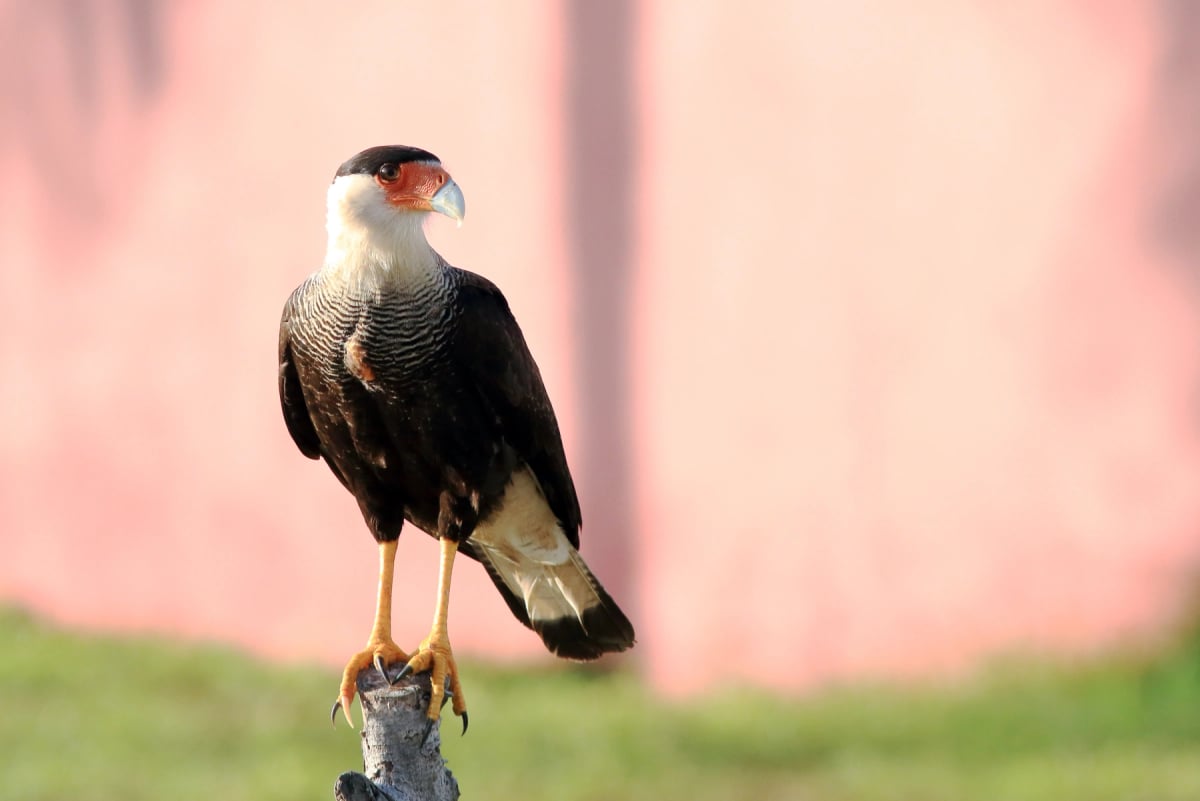
Southern Caracara
Caracara plancus
In Guyana, the southern caracara is found across the coastal plain and the inland savannas, particularly the Rupununi in the south of the country. The Rupununi's open grasslands and seasonal wetlands closely resemble the Llanos and Pantanal ecosystems further west and south, making them excellent habitat for this adaptable raptor. It is regularly spotted foraging on the ground or perched in plain sight on trees and posts.
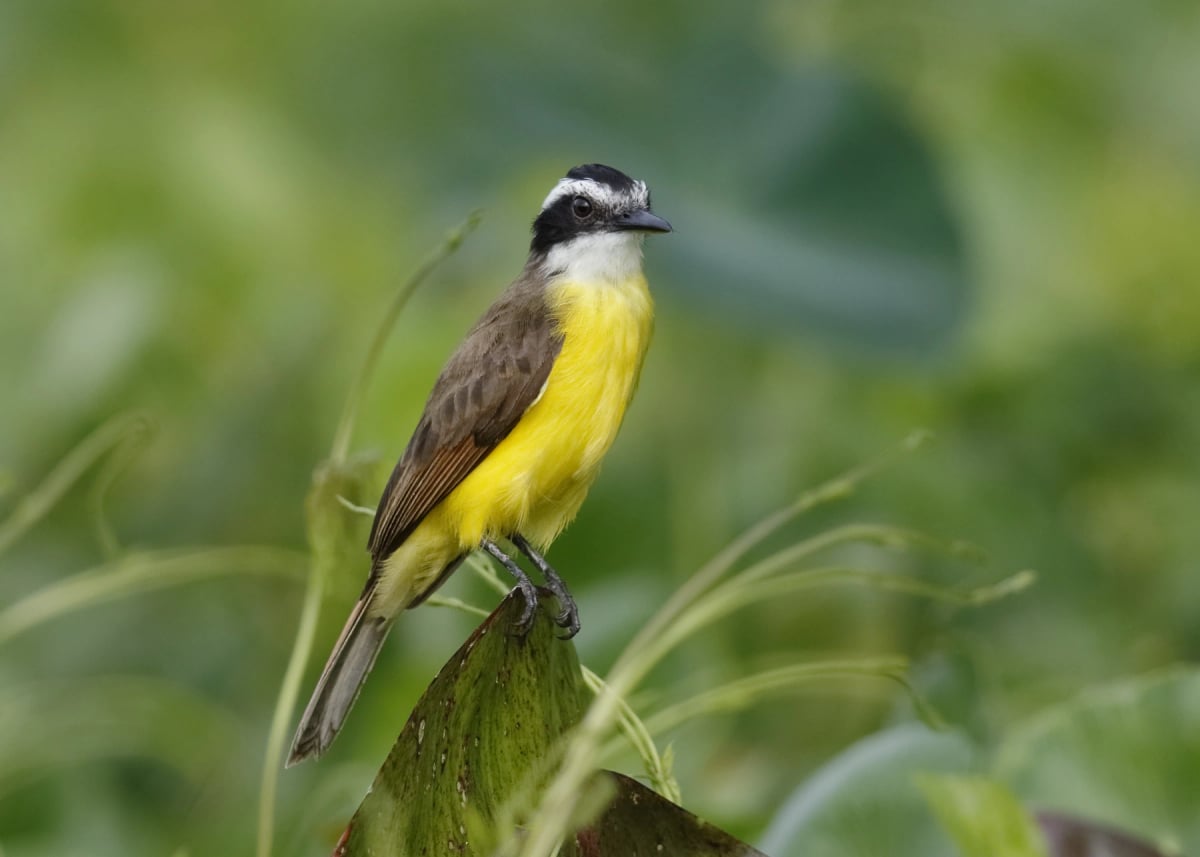
Lesser Kiskadee
Philohydor lictor
The lesser kiskadee is a common waterside bird throughout Guyana, found along the coastal plain's canals and creeks as well as the rivers that flow through the forested interior. It is almost always seen near water, perching on low vegetation and diving to pick insects off the surface. Guyana's extensive wetlands and intact riparian corridors support healthy populations of this small flycatcher. IUCN status: Least Concern.
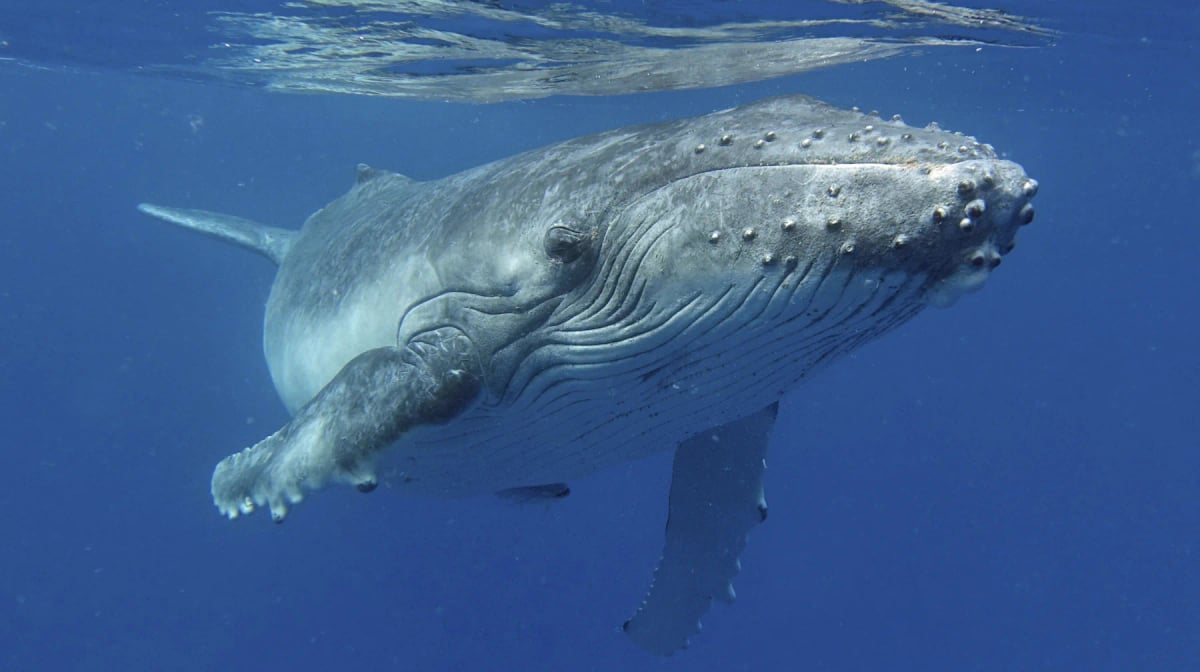
Humpback Whale
Megaptera novaeangliae
The Atlantic shelf waters off Guyana's coast fall within the range of humpback whales migrating along the South American coastline. This stretch of the western South Atlantic sees whale movements as animals travel between cold southern feeding grounds and tropical breeding areas in the Caribbean and equatorial Atlantic. The IUCN classifies the humpback whale as Least Concern.
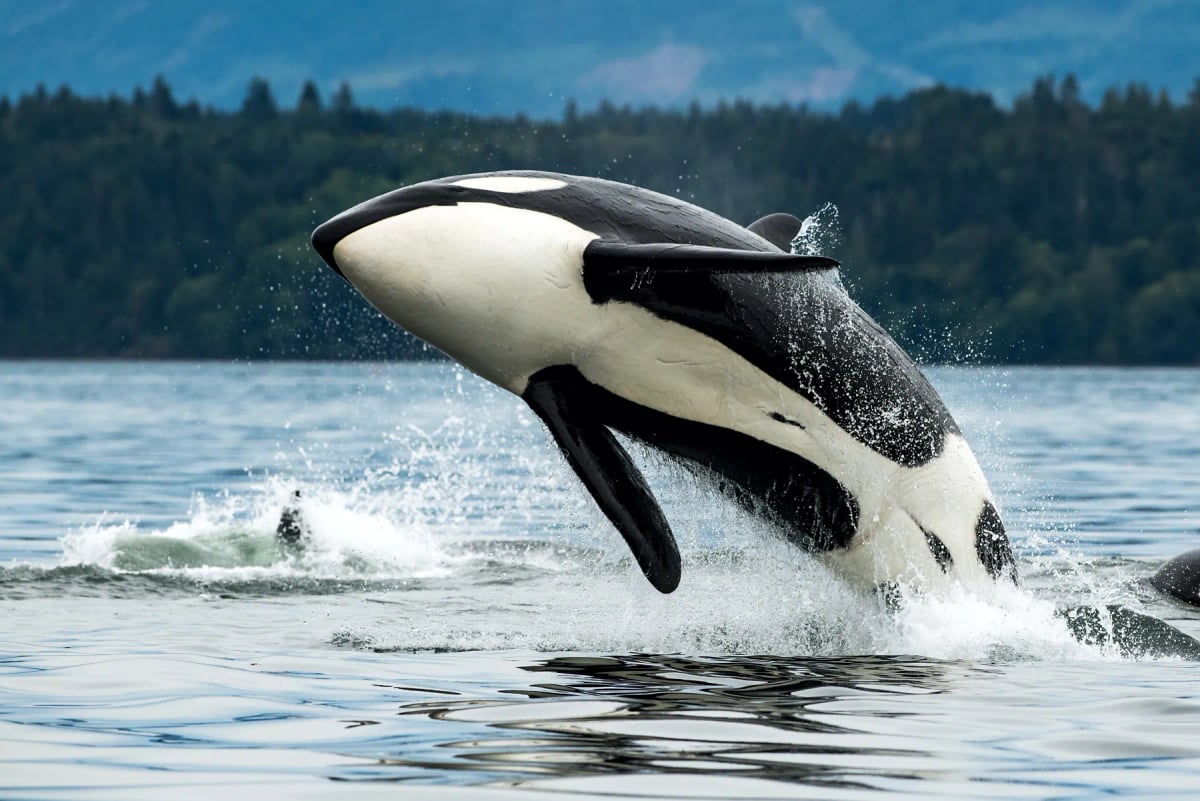
Orca
Orcinus orca
Orcas range through the tropical Atlantic waters off the coast of Guyana in South America. While sightings near this coastline are not common, orcas are known to move through the western tropical Atlantic in search of prey. Guyana's offshore waters connect to the broader Caribbean and South Atlantic ecosystems that these wide-ranging animals navigate throughout their lives. The IUCN currently classifies the orca as Data Deficient.
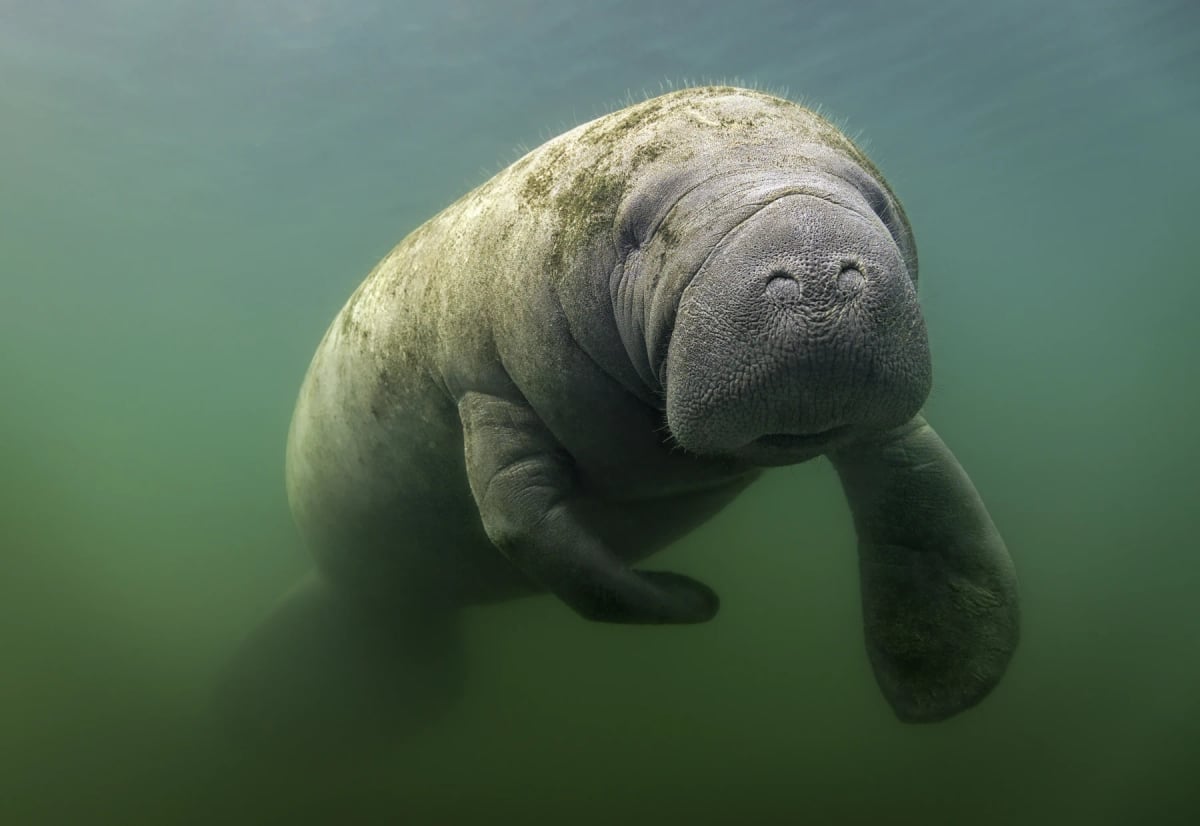
Manatee
Trichechus manatus
West Indian manatees inhabit the coastal rivers, estuaries, and mangrove-lined waters of Guyana, particularly along the Atlantic coast. The Essequibo and Berbice rivers are among the areas where sightings have been recorded. Low population density and limited research make accurate counts difficult. Threats include accidental capture in fishing nets and hunting. The species is Vulnerable globally, and greater awareness and research are needed to support conservation in Guyana.
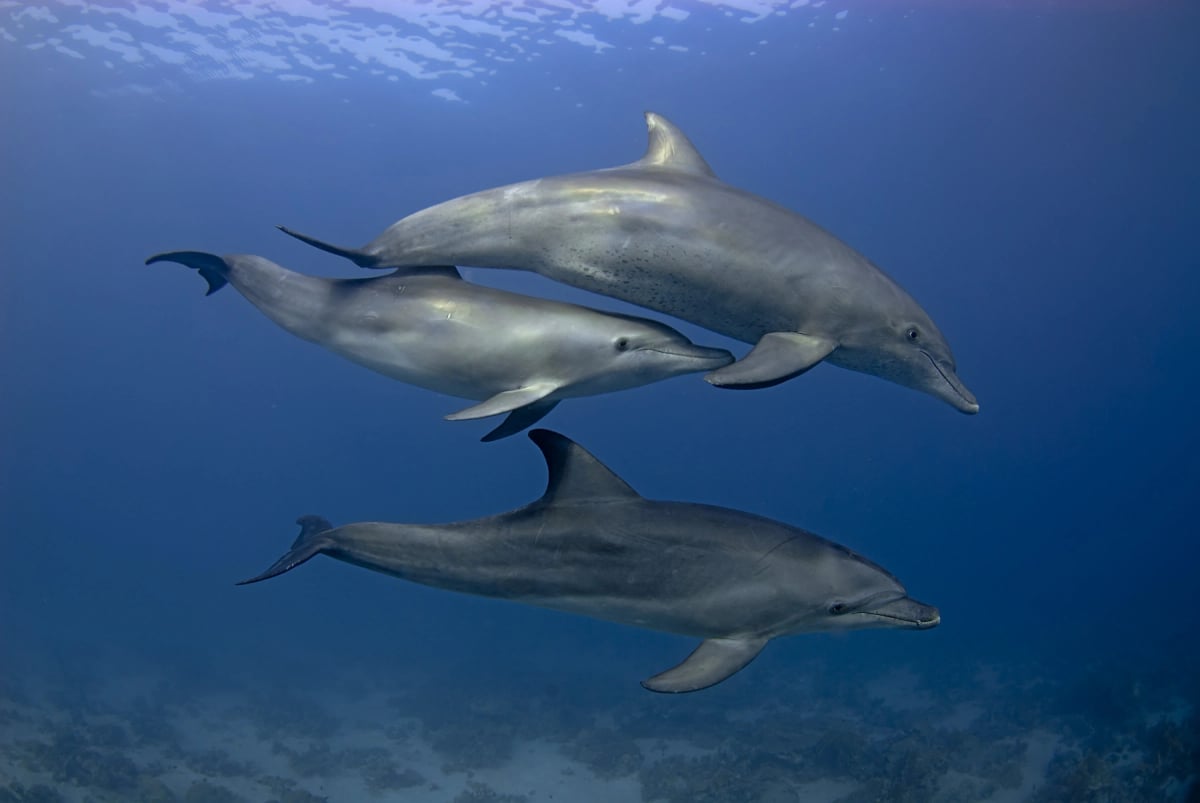
Bottlenose Dolphin
Tursiops truncatus
Bottlenose dolphins are found along Guyana's Atlantic coast, where large rivers such as the Essequibo and Demerara pour sediment into shallow, turbid nearshore waters. These productive coastal zones attract fish schools that dolphins actively hunt. The species adapts well to estuarine conditions in this region. Globally classified as Least Concern by the IUCN, populations here face pressure from coastal fishing activity.
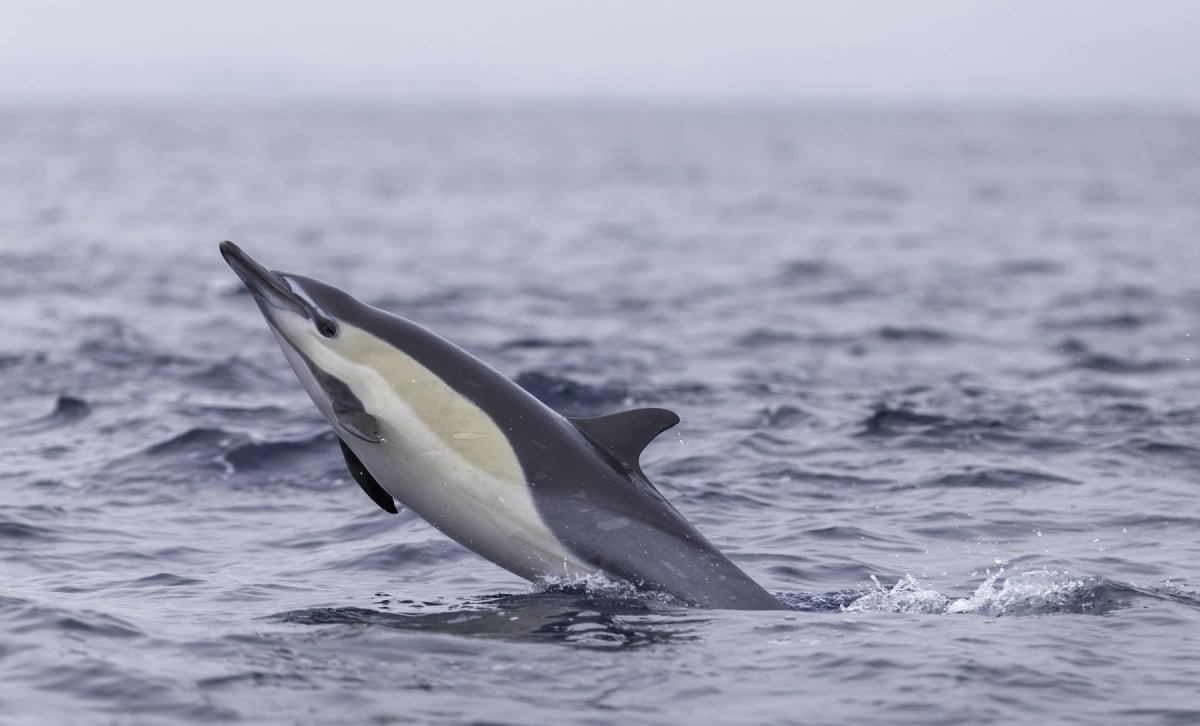
Common Dolphin
Delphinus delphis
The common dolphin visits the warm Atlantic waters off Guyana's coast, where the nutrient-rich outflow of the Amazon and Orinoco river systems supports abundant fish populations. These dolphins gather in groups ranging from dozens to thousands, feeding on small schooling fish and squid. Their hourglass flank pattern and habit of riding bow waves make them a memorable sight for anyone travelling along this stretch of the South American coast.
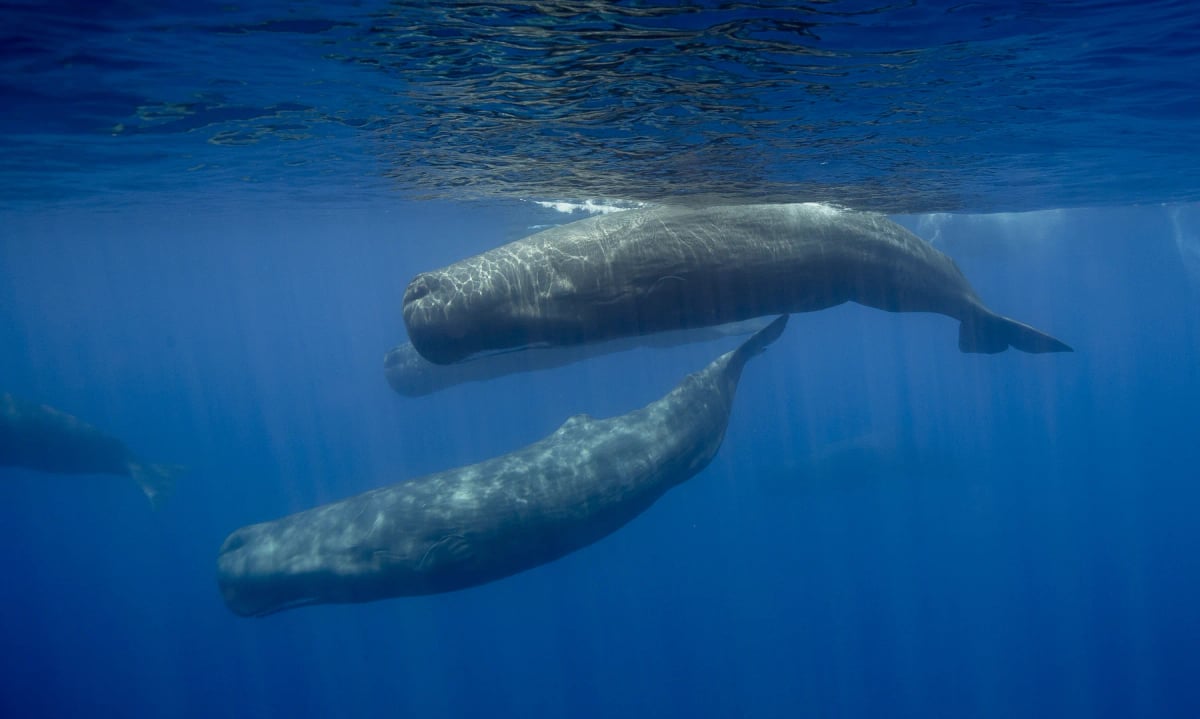
Sperm Whale
Physeter macrocephalus
Sperm whales inhabit the deep Atlantic waters off the coast of Guyana, where the continental shelf drops into the abyss. These massive toothed whales dive to extraordinary depths in search of squid and fish. Males can reach over 16 meters in length. Listed as Vulnerable by the IUCN, they face threats from ship strikes and ocean noise in this stretch of the South American Atlantic.
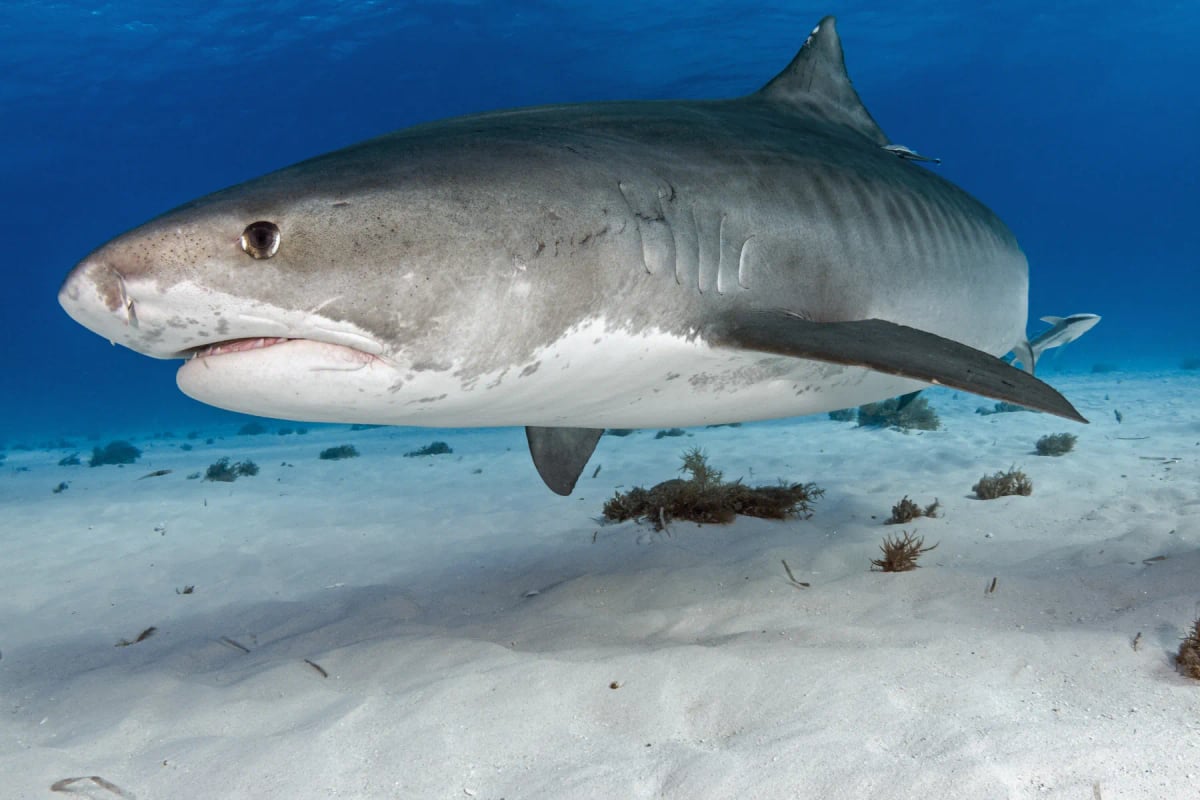
Tiger Shark
Galeocerdo cuvier
Tiger sharks are found along Guyana's Atlantic coast, a shoreline shaped by the outflows of major rivers like the Essequibo, Demerara, and Berbice. These murky, nutrient rich coastal waters attract a variety of fish and rays that tiger sharks feed on. The species is highly adaptable and comfortable in turbid conditions near river mouths, making Guyana's coast a suitable habitat for this wide ranging predator.
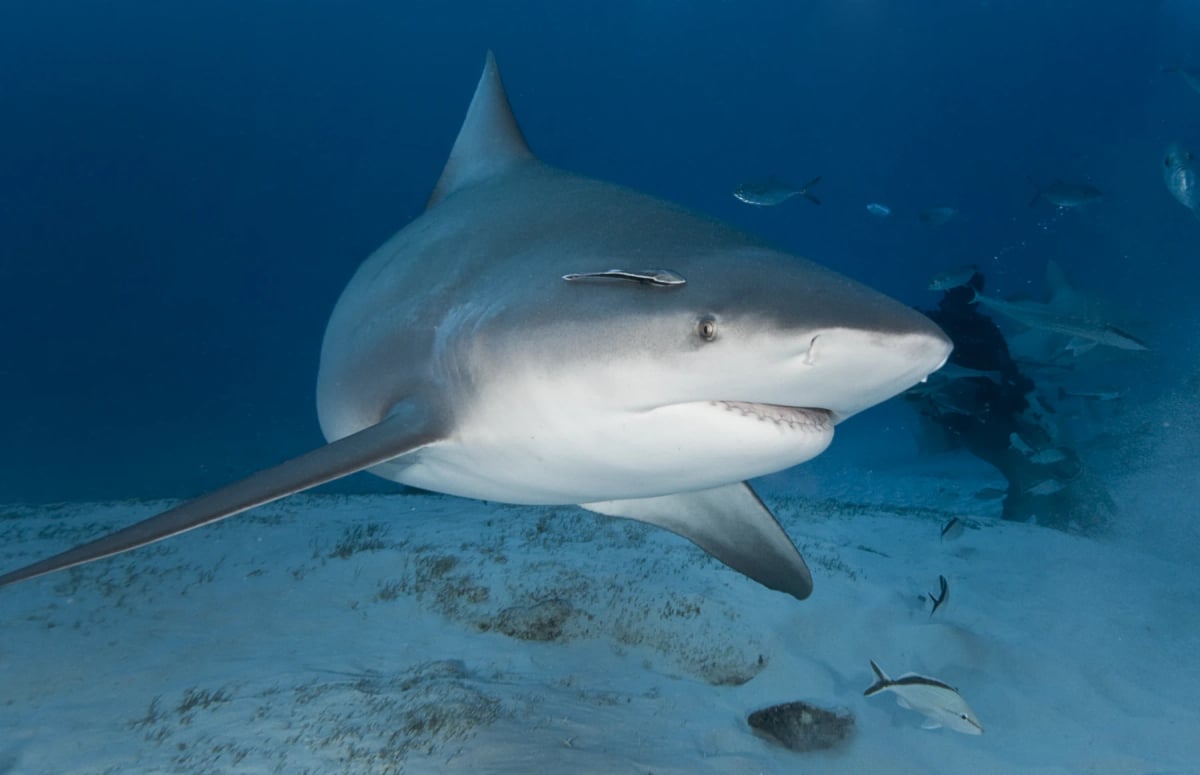
Bull Shark
Carcharhinus leucas
In Guyana, bull sharks move between the Atlantic coast and the country's river systems, including the Essequibo and Demerara rivers. Their ability to tolerate fresh water allows them to penetrate far inland. They are opportunistic predators that feed on fish and rays in the murky coastal waters and estuaries typical of Guyana's low-lying coastline. IUCN status: Near Threatened.
Researched and written by Juan Pablo. Sources: IUCN Red List, scientific literature and regional field guides. Last updated: .