Pangolin
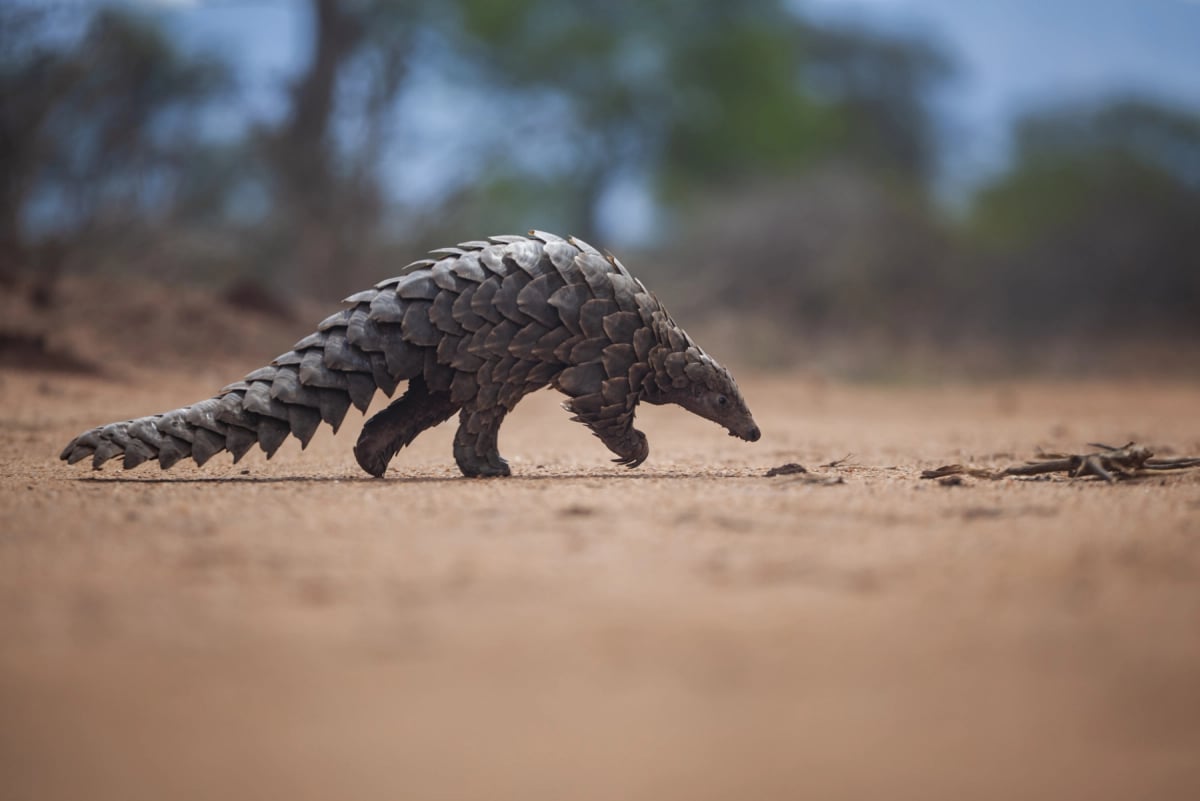
Pangolins are nocturnal mammals covered from head to tail in tough scales made of keratin, the same protein found in human fingernails. There are four Asian species, all belonging to the genus Manis, and each one feeds almost entirely on ants and termites. To catch them, pangolins use a tongue that can extend beyond half a meter, coated in sticky saliva that traps insects deep inside their mounds. They have no teeth at all, so prey is ground up in a muscular stomach. During the day, they rest alone in burrows or hollow trees. When a predator approaches, a pangolin curls into a tight ball and lets its scales do the work. Sadly, that same armor makes them easy to pick up and carry away, and all four Asian species are now critically endangered because of relentless poaching and ongoing habitat loss.
Habitat and distribution
Across South and Southeast Asia, the four Asian pangolin species occupy a surprisingly wide range of environments. The Chinese pangolin (Manis pentadactyla) favors subtropical forests and hilly terrain from Nepal and northeastern India through southern China. The Sunda pangolin (Manis javanica) is found across the forests and plantations of Malaysia, Indonesia, and the Philippines. The Indian pangolin (Manis crassicaudata) tolerates drier habitats, including scrubland and degraded farmland edges across the Indian subcontinent. The Philippine pangolin (Manis culionensis) is restricted to the Palawan island group. All four species need areas with enough ant and termite colonies to sustain them, so soil quality and ground cover matter as much as tree cover. Deforestation has pushed several populations into fragmented patches of habitat, making their survival over the long term increasingly uncertain.
Diet
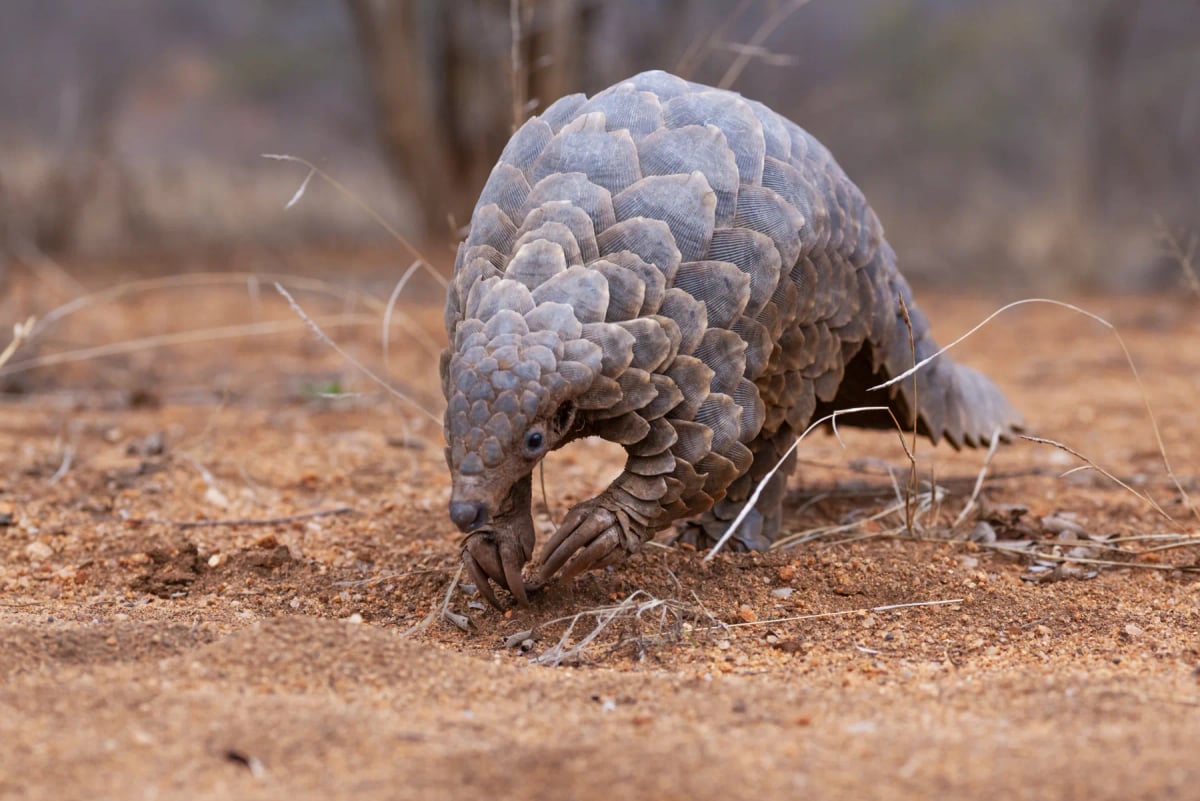
Ants and termites make up almost the entire diet of every Asian pangolin species. A pangolin locates a nest using its powerful sense of smell, then tears it open with strong, curved claws built for exactly that purpose. Once inside, a tongue that can stretch well beyond half a meter delivers sticky saliva deep into tunnels, pulling out insects by the hundreds with each lick. Because pangolins have no teeth, prey passes directly to a thick, muscular stomach that grinds everything up, often with the help of small stones the animal has swallowed. A single pangolin can consume tens of thousands of insects in one night, making it a key controller of ant and termite populations in its ecosystem. This appetite for insects also means pangolins play an important role in soil health and the cycling of nutrients.
Defense mechanism
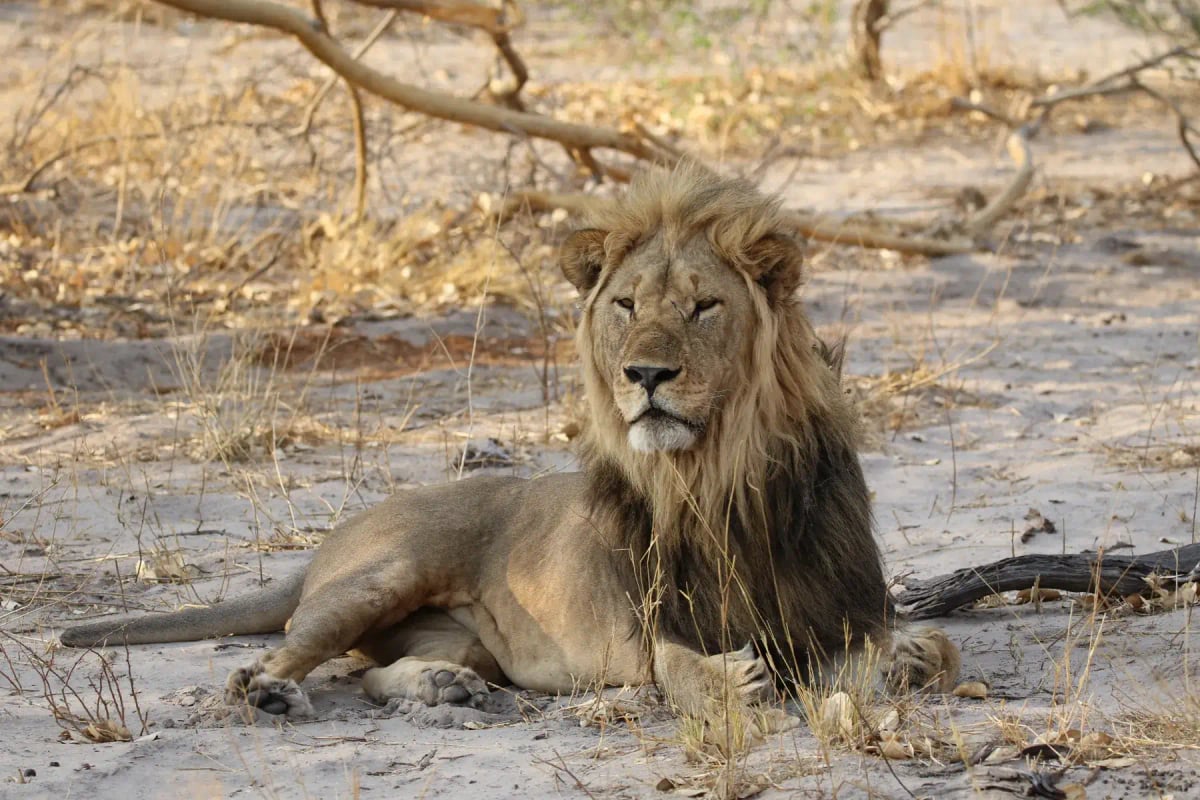
Unlike most mammals, pangolins carry a coat of overlapping scales made of keratin, the same material that forms human fingernails. When a predator such as a leopard or tiger gets too close, the pangolin tucks its head against its belly and curls into a tight ball, drawing its scaled tail around to cover the face. The edges of the scales are sharp enough to cut, and the posture leaves no soft tissue exposed. Lions have reportedly been unable to unroll a fully curled adult. Some individuals also release a foul-smelling secretion from glands near the tail, similar in purpose to what a skunk produces. Sadly, this defense works perfectly against natural predators but offers no protection against humans, who simply pick up the curled animal and carry it away, which is one reason pangolins are so easy to poach.
Behavior
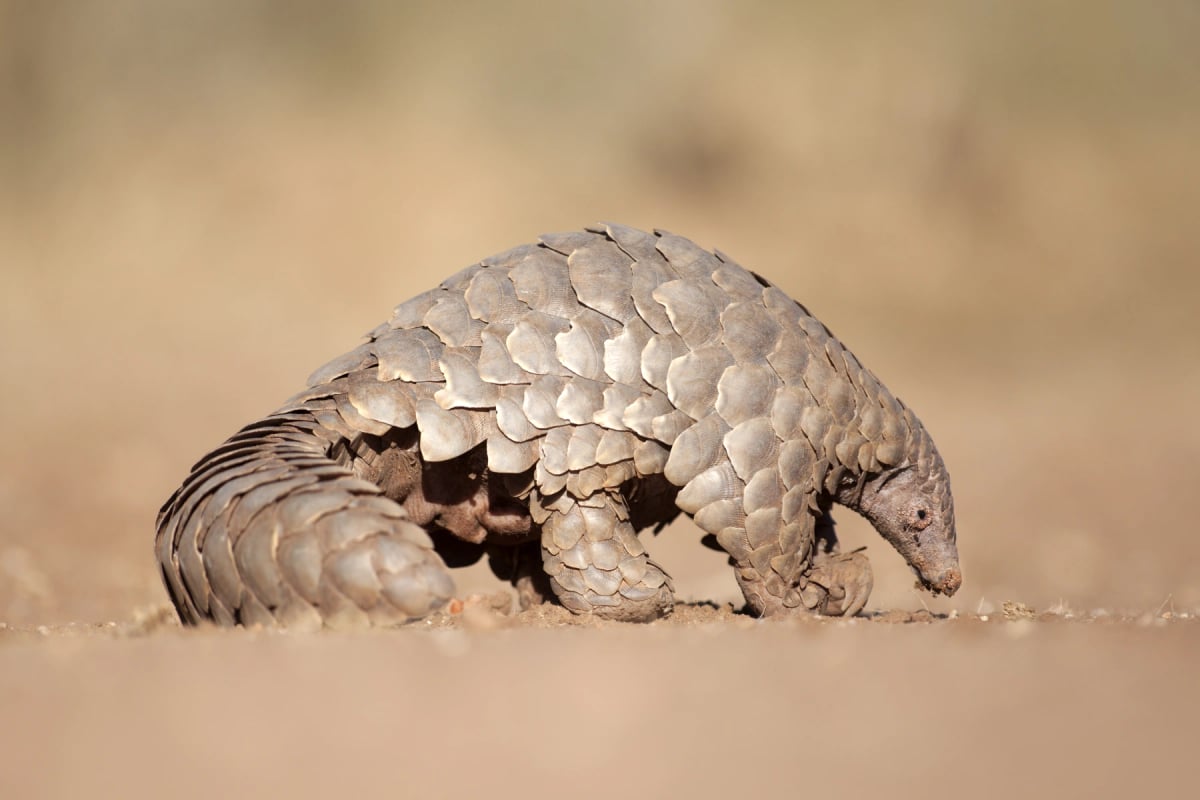
Solitary by nature, pangolins spend most of their lives avoiding contact with others of their kind, except during the brief period of mating. Through the daylight hours, they rest inside self-dug burrows or sheltered hollows in old trees, sealing the entrance when possible. After dark, they set out alone to forage, relying almost entirely on smell to track down ant and termite colonies. Their eyesight is poor, but their sense of smell is exceptional. When moving across open ground, pangolins often walk on their hind legs, balancing with the tail and keeping the front claws raised off the ground to protect them. Mothers carry young on the base of the tail until the pup is old enough to forage independently. Home ranges vary considerably between species and habitat type, with males typically covering more ground than females.
Threats
No wild mammal on Earth is trafficked in greater numbers than the pangolin. All four Asian species face relentless poaching driven by demand for their scales, which are ground into powder and used in traditional medicine across parts of Asia, and for their meat, considered a delicacy in some markets. Estimates from conservation organizations suggest that more than a million pangolins were taken from the wild between 2000 and 2013 alone, though the true figure is likely higher. Beyond poaching, the loss of forest cover across South and Southeast Asia removes the habitat these animals depend on. Agricultural expansion, logging, and the spread of roads into forested areas all contribute to population decline. The combination of intense hunting pressure and shrinking habitat has left all four Asian species in a fragile position, with numbers continuing to fall across their range.
Conservation
All four Asian pangolin species are listed as En peligro crítico on the IUCN Red List, reflecting steep population declines across their range. In 2016, all eight pangolin species worldwide received the highest level of protection under CITES, which means international commercial trade is banned. Despite that, illegal trafficking continues at a large scale, with major seizures recorded regularly in China, Vietnam, and across Southeast Asia. Conservation efforts focus on three main areas: strengthening anti-poaching patrols in protected areas, reducing consumer demand through public awareness campaigns, and developing breeding programs to support reintroduction where feasible. Organizations such as the Pangolin Specialist Group within the IUCN coordinate research and work with governments to improve enforcement. Protecting existing forest habitat is equally important, since recovered pangolin populations need large, connected areas of land to thrive.
Where it is found
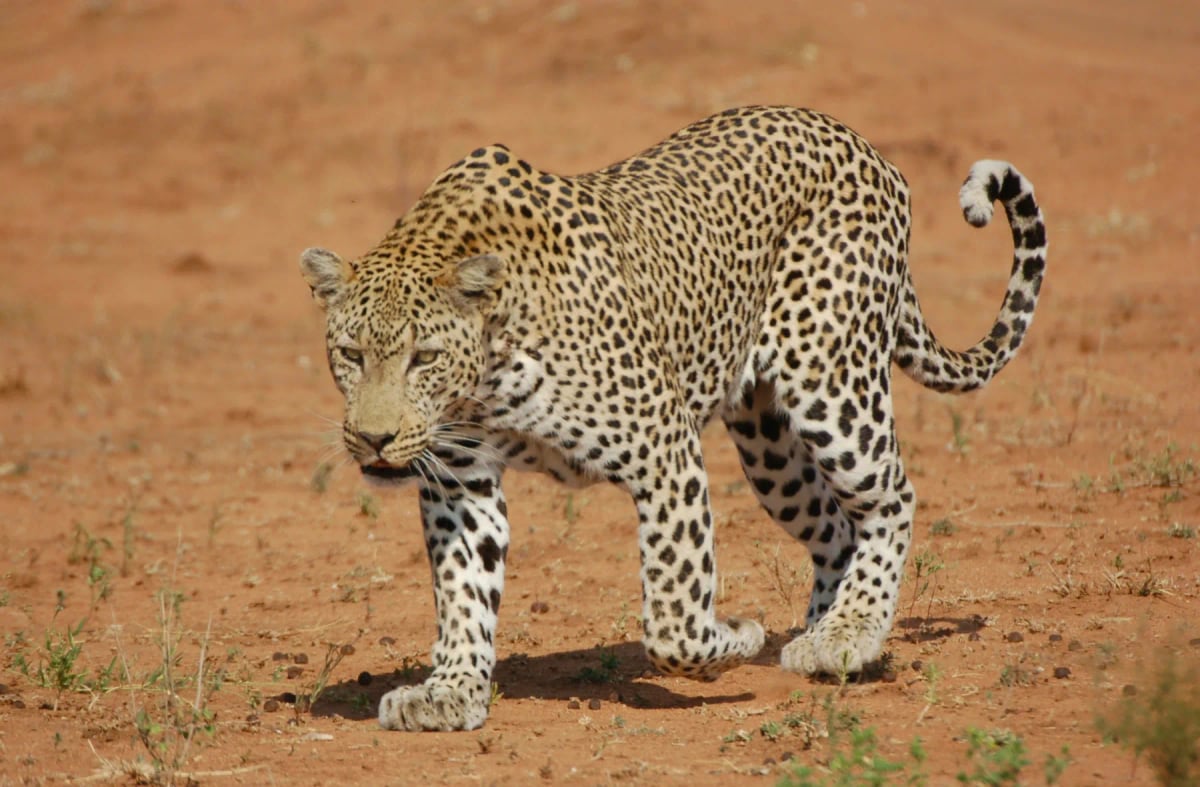
The Pangolin can be found in places such as:
Researched and written by Juan Pablo. Sources: IUCN Red List, scientific literature and regional field guides. Last updated: .
Technical factsheet













Frequently Asked Questions
What do pangolins eat?
Pangolins feed almost entirely on ants and termites. They find a nest by smell, rip it open with their claws, and then use a sticky tongue that stretches well beyond half a meter to pull insects out by the hundreds. Because they have no teeth, a muscular stomach grinds everything up. A single pangolin can eat tens of thousands of insects in just one night.
Where do pangolins live?
The four Asian pangolin species are spread across South and Southeast Asia. Their range covers countries such as India, China, Malaysia, Indonesia, Vietnam, and the Philippines, among others. Depending on the species, they can live in tropical forests, dry scrubland, or even farmland edges. All of them need areas with plenty of ant and termite colonies nearby to survive.
Why are pangolins endangered?
Pangolins are the most heavily trafficked wild mammals on Earth. They are hunted for their scales, which are used in traditional medicine, and for their meat. Conservation groups estimate that over a million were taken from the wild between 2000 and 2013 alone. On top of poaching, deforestation across Asia keeps shrinking the habitat they depend on, pushing all four Asian species toward extinction.
How do pangolins defend themselves?
When threatened, a pangolin curls into a tight ball, tucking its head against its belly and wrapping its scaled tail around its face. The keratin scales are sharp enough to cut, and no soft tissue is left exposed. Even large predators like lions struggle to unroll a curled adult. Some pangolins also release a foul smell from glands near the tail to drive threats away.
Are pangolins nocturnal?
Yes, pangolins are nocturnal. They spend the day resting in burrows they dig themselves or inside hollow trees. Once night falls, they head out alone to forage, relying almost entirely on their powerful sense of smell to track down insect colonies. Their eyesight is quite poor, but in the dark that barely matters. This nighttime lifestyle helps them avoid many predators.
What are pangolin scales made of?
Pangolin scales are made of keratin, the exact same protein that makes up human fingernails and hair. They grow in an overlapping pattern from head to tail, covering nearly the entire body. The scales are hard, sharp-edged, and tough enough to resist the claws and teeth of most predators. Ironically, it is these very scales that make pangolins so valuable on the illegal market.
How many pangolin species are there?
There are eight pangolin species in total. Four of them live in Asia, including the Chinese, Sunda, Indian, and Philippine pangolins. The other four are found in sub-Saharan Africa. All eight species face serious threats from poaching and habitat loss. The four Asian species are all listed as Critically Endangered on the IUCN Red List, making them among the most at-risk mammals alive today.