Animals in Mozambique
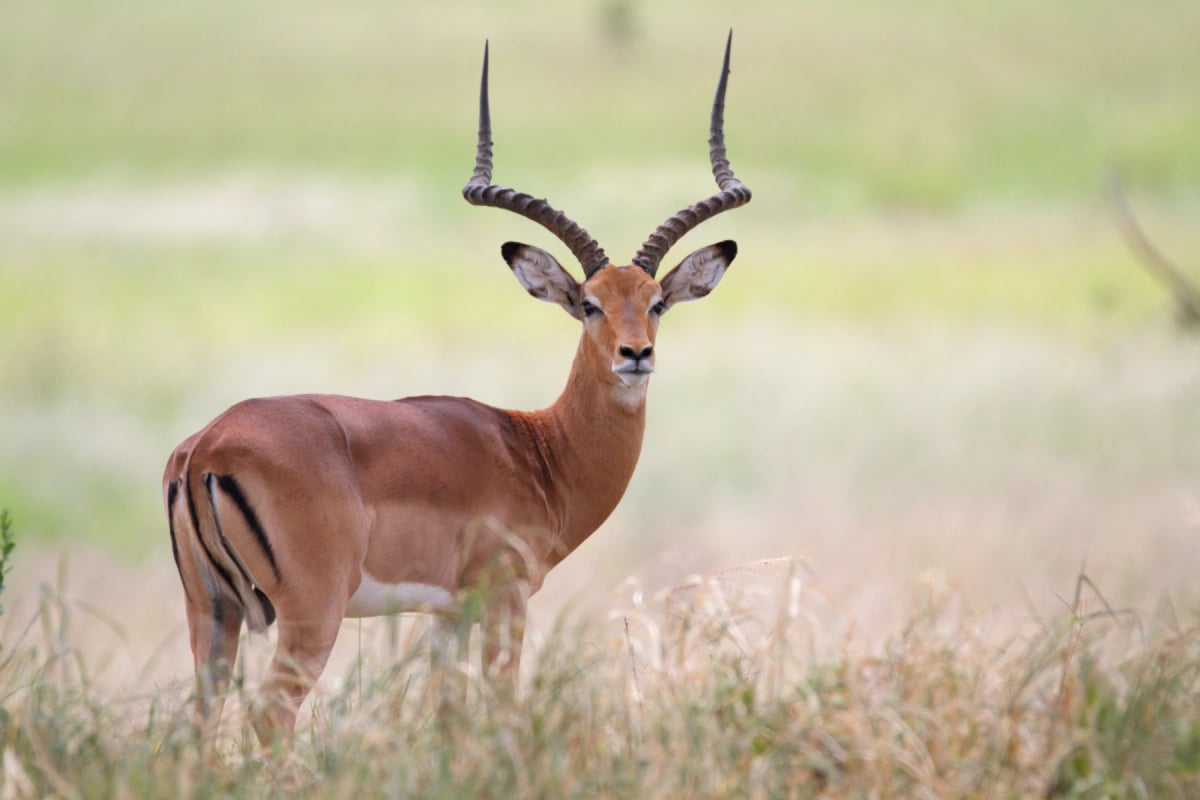
Impala
Aepyceros melampus
The impala, Mozambique’s national animal, represents balance and vitality in the African landscape. Seen in herds across Gorongosa and Limpopo, it feeds many predators and sustains the ecosystem. Its presence in art and tourism reflects harmony between wildlife and the country’s natural spirit.
View details→Wildlife in Mozambique
Mozambique’s wildlife stretches from inland savannas to the coral reefs of the Indian Ocean. Elephants, lions, leopards and hippos roam the reserves, while dugongs, dolphins and whales glide through warm coastal waters. National parks and marine sanctuaries make the country a growing destination for nature tourism and research.
Most Dangerous Animals in Mozambique
Wildlife in Mozambique demands respect. Elephants, hippos and crocodiles can be dangerous near rivers, and large predators roam national parks. In the ocean, sharks and other marine hunters appear along reefs. Guided tours ensure visitors enjoy these encounters safely and responsibly.
Top 10 Animals in Mozambique
Elephants, lions, leopards, hippos and crocodiles define Mozambique’s rich biodiversity. Off its coast, dolphins, dugongs and whales attract divers and travelers seeking encounters with marine life. This blend of land and sea ecosystems makes Mozambique a unique place to experience Africa’s wildlife in full variety.
African Elephant
Loxodonta africana
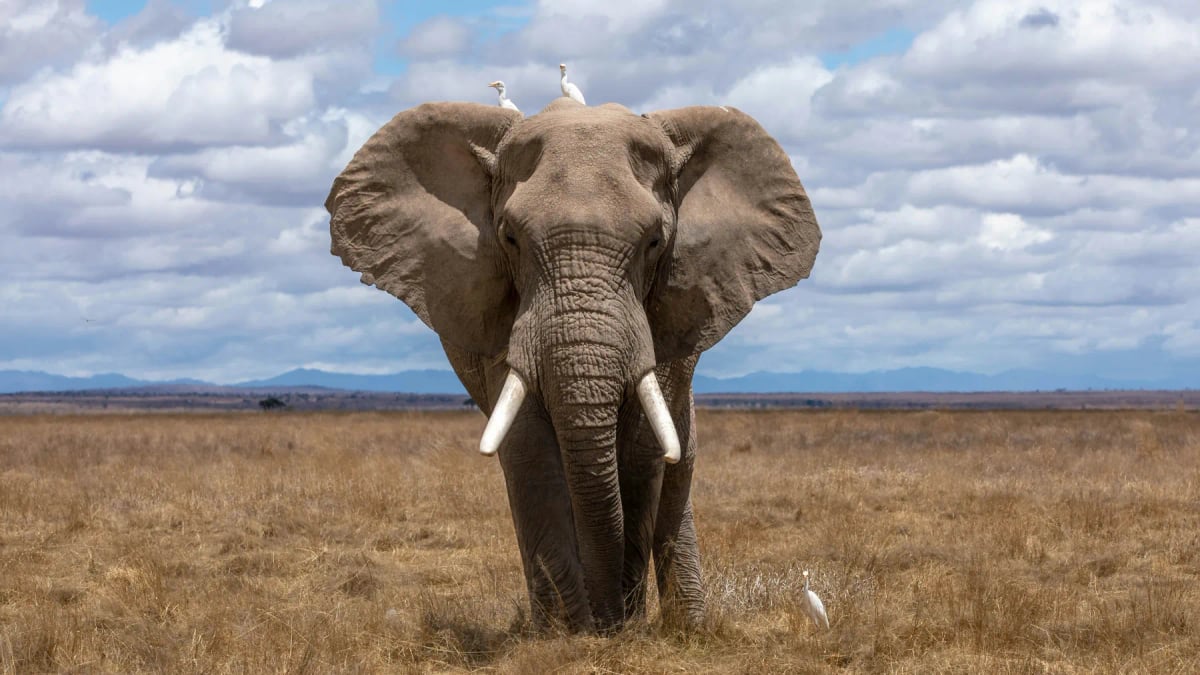
Mozambique's elephant population was devastated during the civil war that ended in 1992, when ivory was used to fund armed groups. Recovery has been significant but uneven. Niassa National Reserve in the northwest holds the largest population, with several thousand individuals, while the Gorongosa ecosystem in the center has seen a dramatic recovery in recent decades. Gorongosa's elephants are notable for the high proportion of tuskless females, an inherited trait that became widespread after heavy hunting eliminated tusked individuals.
Buffalo
Syncerus caffer
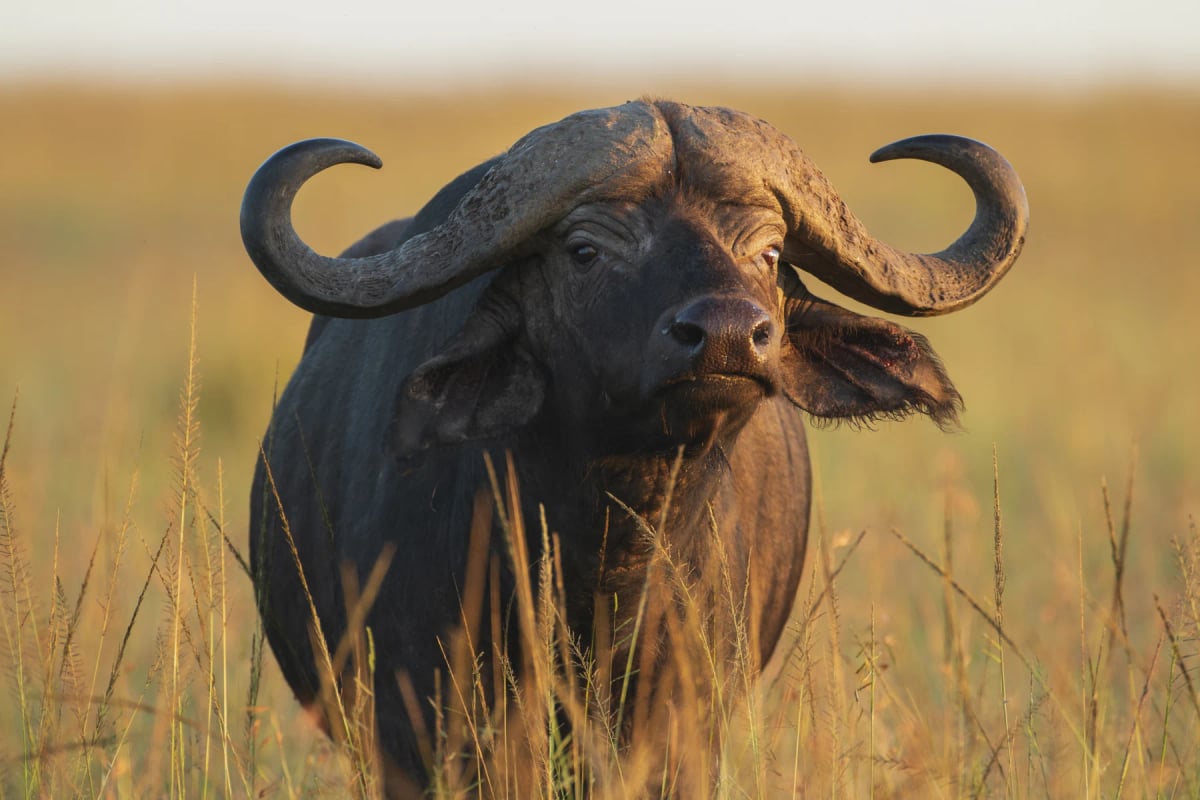
Mozambique holds some of southern Africa's most significant buffalo populations, especially within the Great Limpopo Transfrontier Conservation Area and Niassa Reserve. These animals thrive across miombo woodlands and floodplain ecosystems. Decades of civil conflict took a heavy toll on numbers, but sustained conservation efforts have helped populations recover steadily. Buffalo remain a key species for wildlife tourism in the country. IUCN status: Least Concern.
Cheetah
Acinonyx jubatus
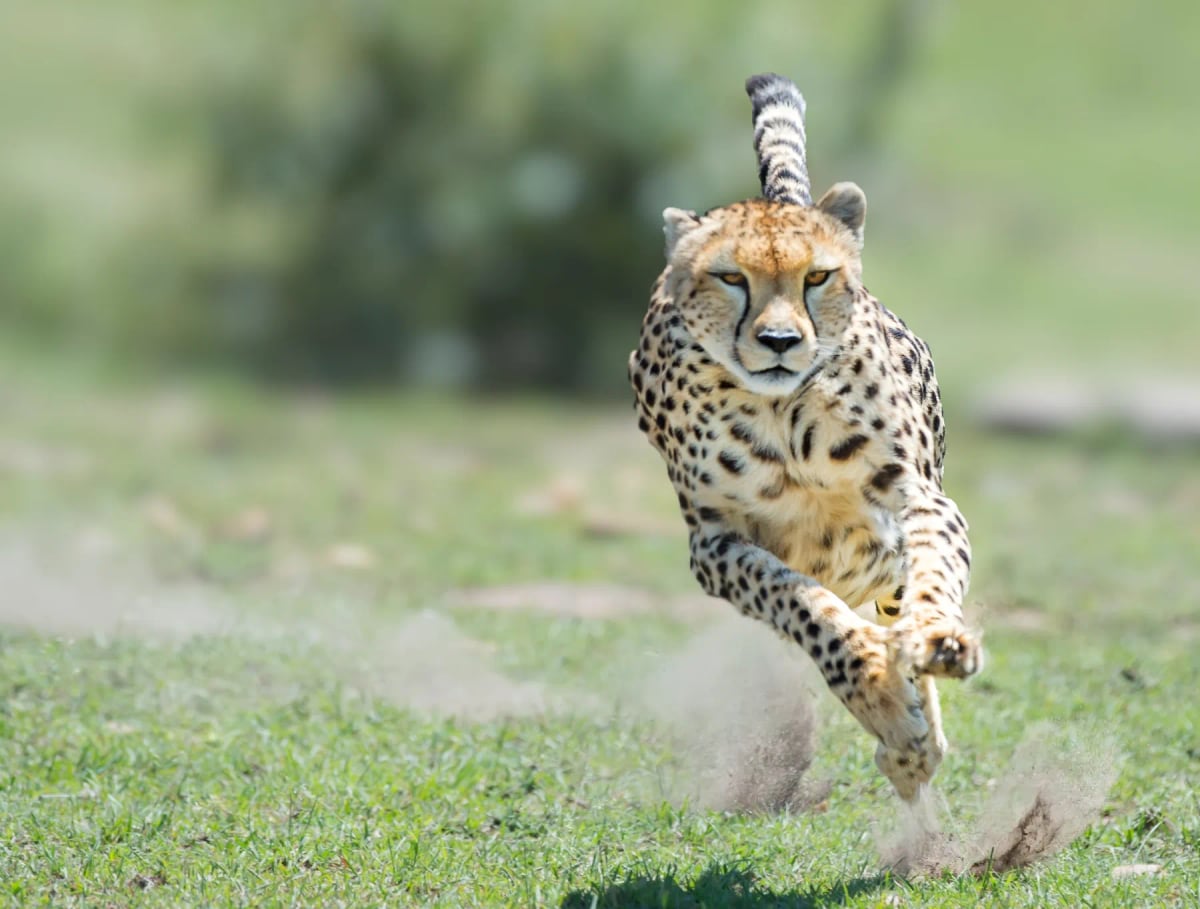
Cheetahs in Mozambique are found mainly in the savanna ecosystems of the interior, including areas around the Niassa Special Reserve in the north. The species faces pressure from habitat fragmentation and conflict with livestock farmers. Conservation efforts in transfrontier areas shared with Tanzania and Zambia are important for maintaining connectivity between populations across the region.
Sable Antelope
Hippotragus niger
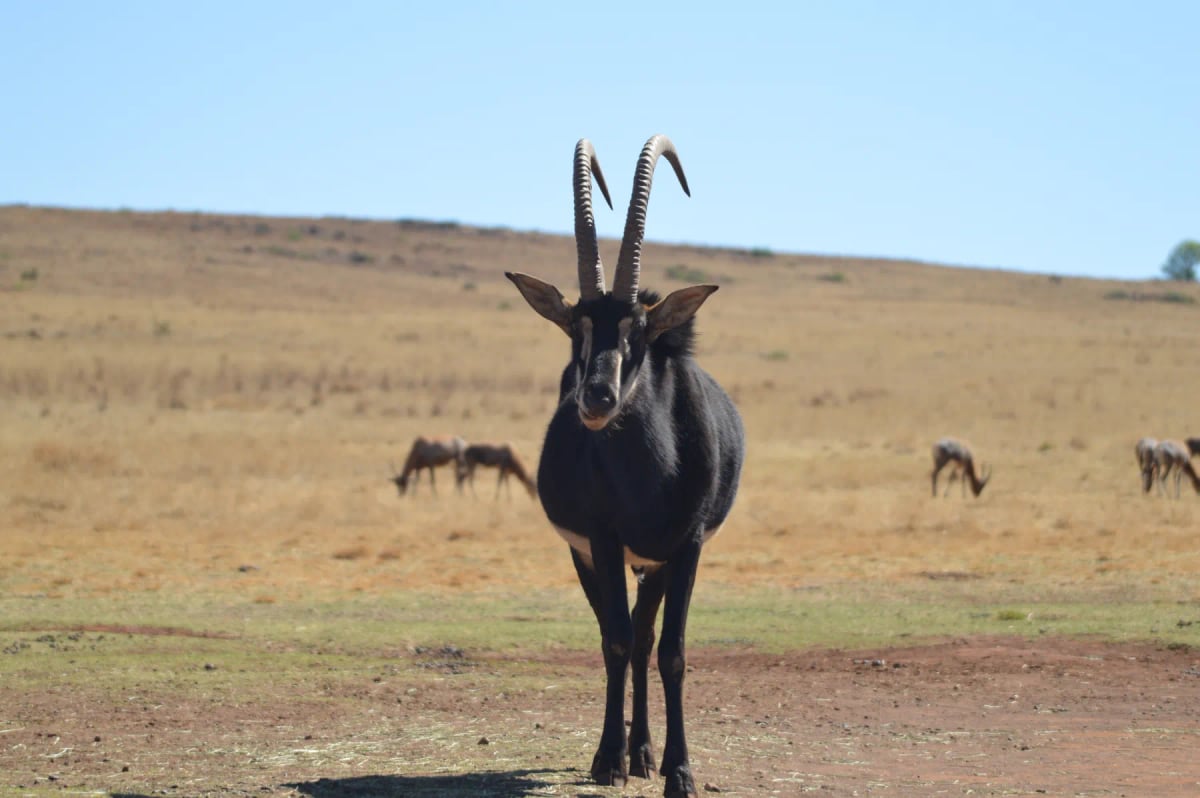
Mozambique supports sable antelope populations across its miombo woodland zones, particularly in the Niassa Special Reserve and areas of the country's interior. Like many species here, sable numbers suffered during years of civil conflict, but recovery efforts and improved park protection have allowed populations to stabilize. The species shares its habitat with a wide variety of large mammals across these remote northern landscapes.
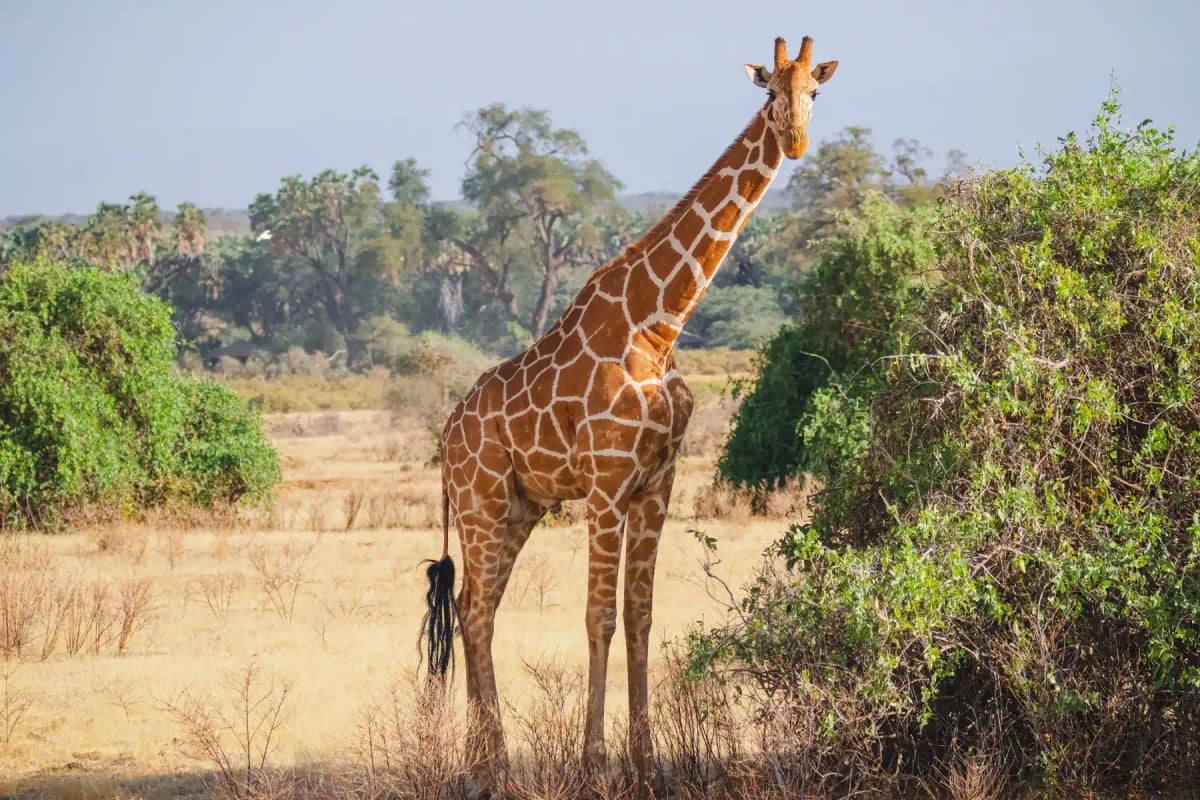
Giraffe
Giraffa camelopardalis
Giraffes in Mozambique are found in the northern and central regions, with populations present in areas such as Niassa Special Reserve and Zinave National Park. Numbers declined sharply during the civil war, and recovery has been gradual. Ongoing rewilding efforts have seen giraffes reintroduced into protected areas as part of broader ecosystem restoration. The open woodlands and miombo forests of the interior provide suitable habitat for browsing. Their IUCN status is Vulnerable.
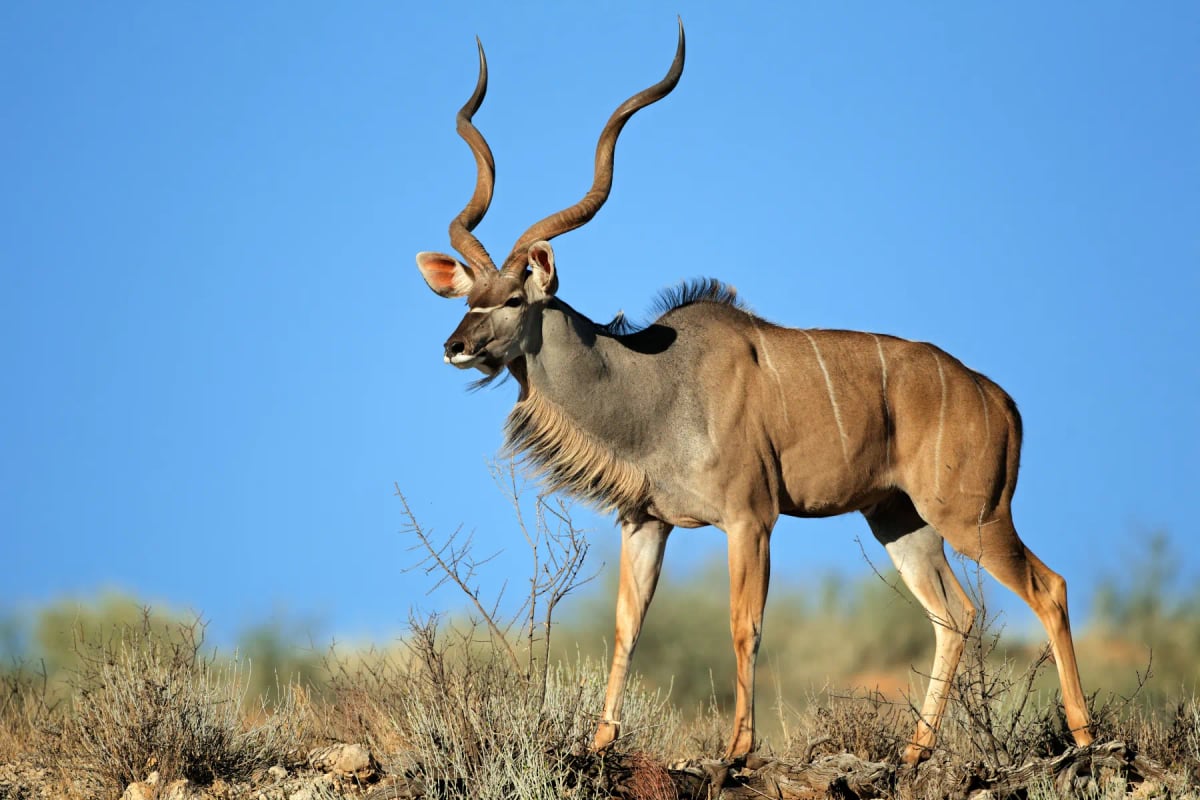
Greater Kudu
Tragelaphus strepsiceros
In Mozambique, greater kudus are found across the miombo woodlands and bushveld of the interior, including areas around the Niassa Special Reserve in the north. They browse on leaves and wild fruits among the dense thickets that cover much of the country. Males carry spectacular spiral horns and are usually spotted alone, while females move in small groups. Their IUCN status is Least Concern.
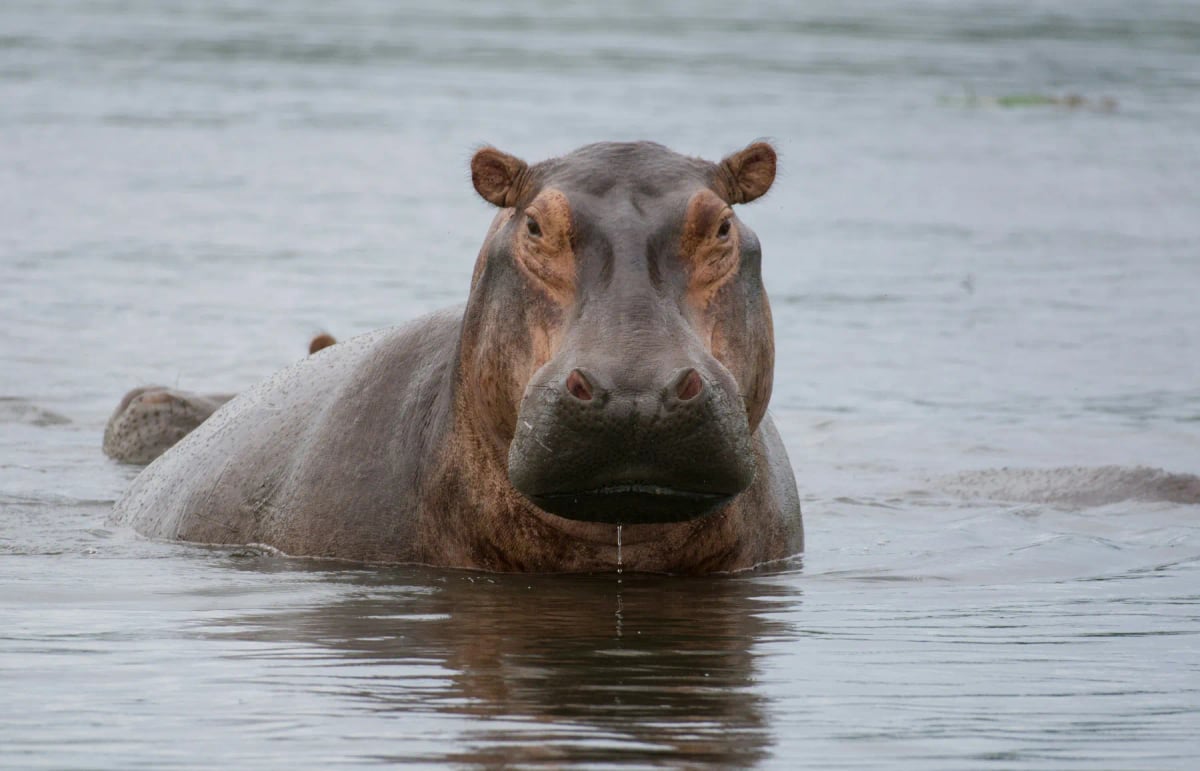
Hippopotamus
Hippopotamus amphibius
Mozambique's hippos live along the Zambezi River, in the Gorongosa National Park, and throughout the Niassa Reserve. Gorongosa saw its hippo population recover substantially after decades of civil conflict severely reduced wildlife across the country. Rivers and floodplains in the north also support healthy groups. Their presence is a sign of improving ecosystem health in many areas. The IUCN lists the hippopotamus as Vulnerable.
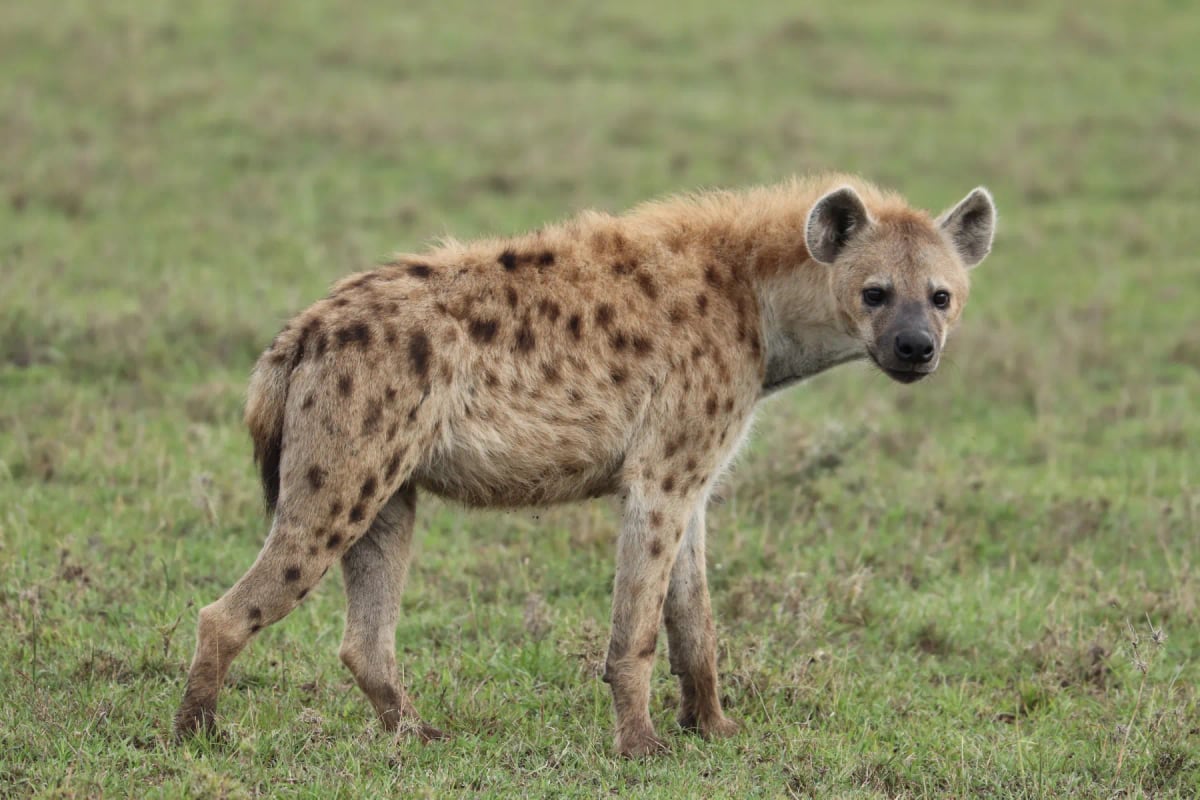
Spotted Hyena
Crocuta crocuta
Spotted hyenas are present across much of Mozambique, with notable populations in the Niassa Special Reserve and Gorongosa National Park. These landscapes, rich in prey species, support clans that hunt and scavenge across large territories. Decades of civil conflict disrupted wildlife across the country, but ongoing conservation efforts in key reserves have helped hyena populations begin to recover.
Impala
Aepyceros melampus
In Mozambique, impalas inhabit the savannas and miombo woodlands of national parks such as Gorongosa and Limpopo. Gorongosa National Park has seen a remarkable recovery of its impala population following the end of the civil war, thanks to dedicated conservation and rewilding programs. These antelopes are essential to the ecosystem as prey for large carnivores. They can reach speeds of around 60 km/h and leap up to 10 metres. The IUCN lists the species as Least Concern.
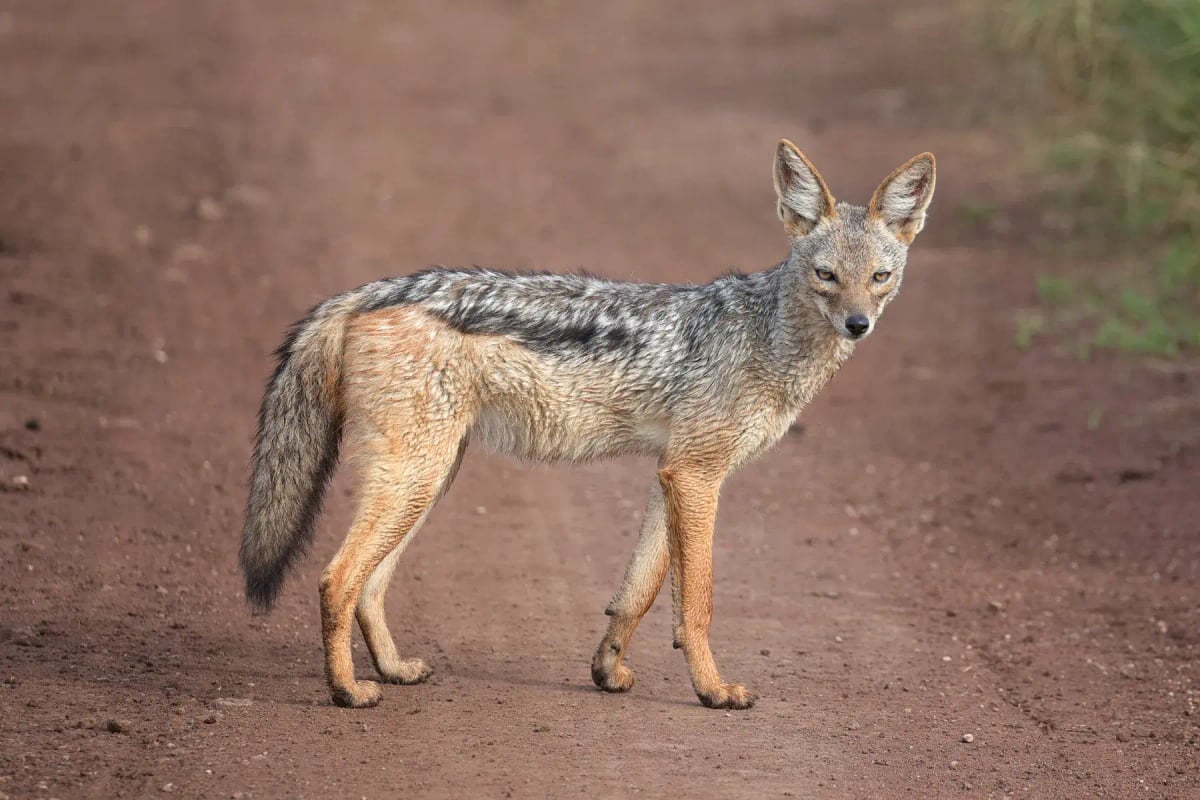
Black backed Jackal
Canis mesomelas
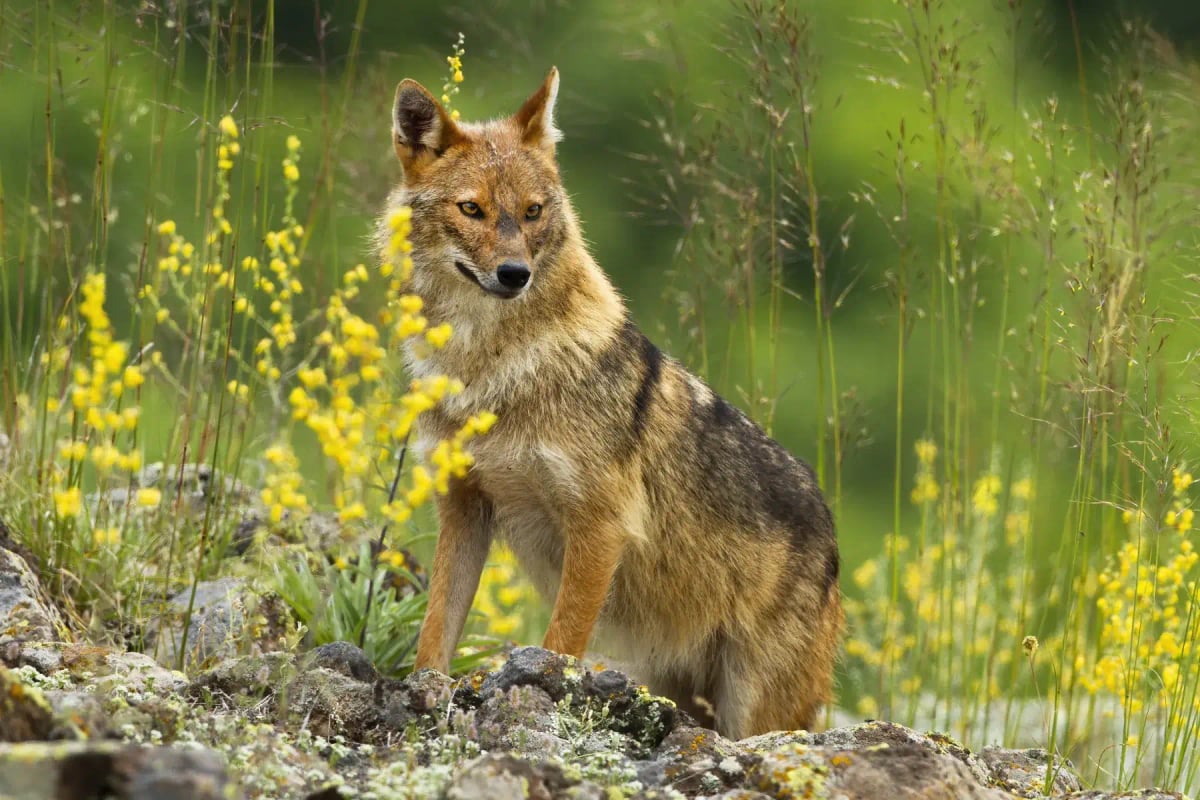
The black backed jackal occurs in the southern and central regions of Mozambique, including the savannas and coastal lowlands near Limpopo National Park and the Zambezi delta area. Its presence in the north is less confirmed. It feeds on rodents, insects, reptiles, and carrion, adapting well to variable habitats. Its IUCN status is Least Concern. Paired adults often call at dusk, producing the wailing sound characteristic of African bush evenings.
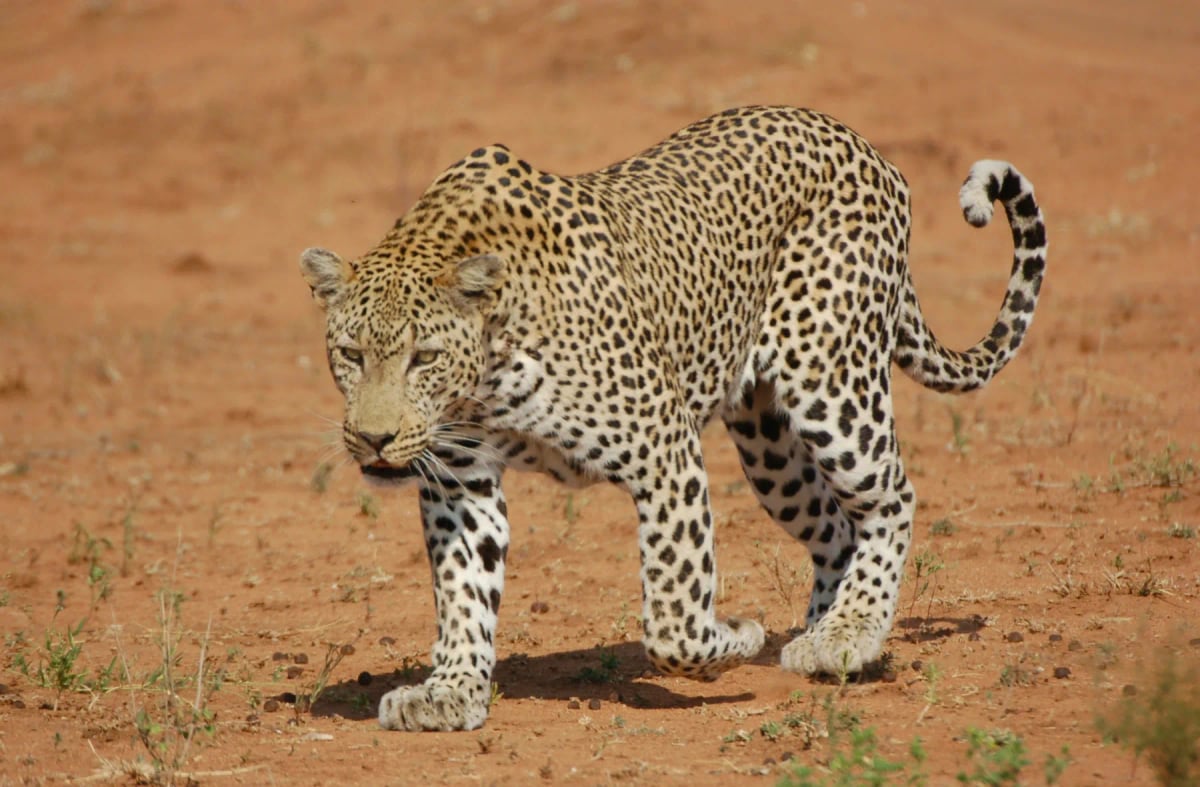
Leopard
Panthera pardus
Mozambique supports leopard populations across a range of habitats, from the miombo woodlands of the interior to the coastal forests and the rugged terrain of the Niassa Special Reserve in the north. Niassa is one of the largest conservation areas in Africa and serves as a critical refuge. Leopards here face threats from illegal hunting and snaring, which target both them and the prey they depend on.
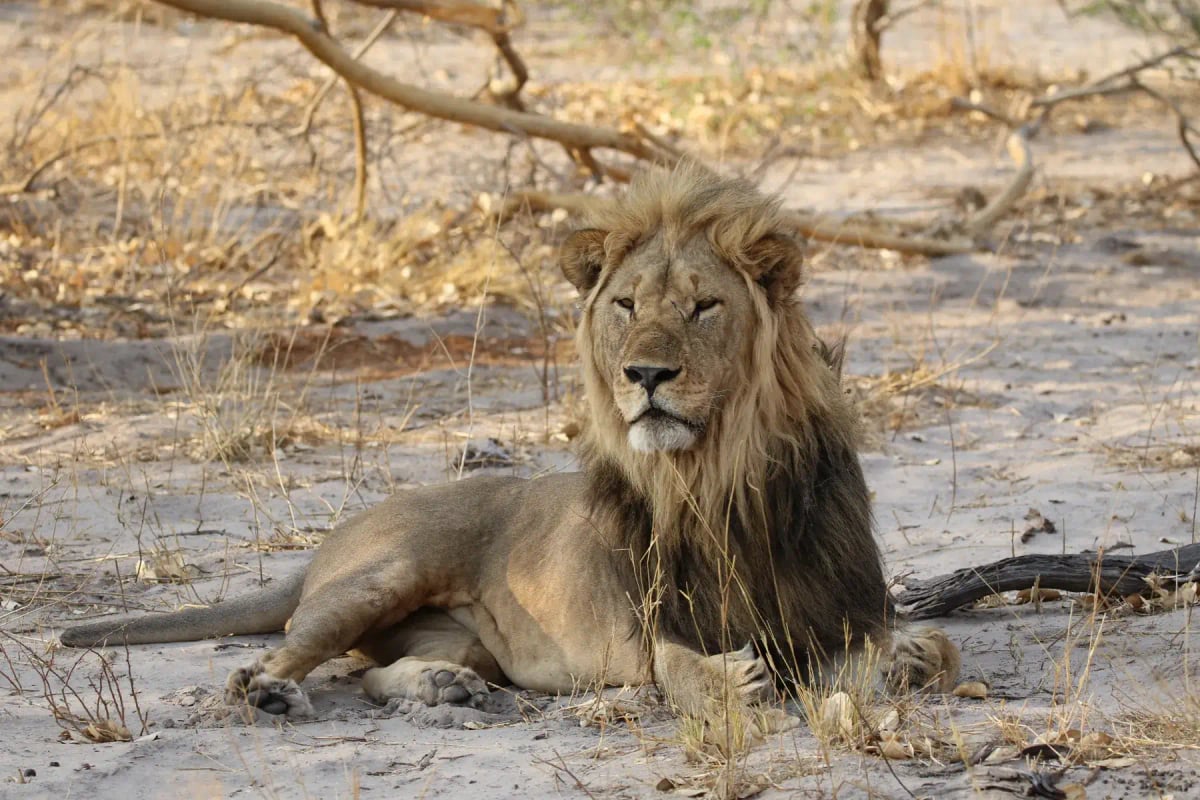
Lion
Panthera leo
Mozambique holds significant lion populations in Niassa Reserve in the north, one of the largest protected areas in Africa, and in Limpopo National Park in the south. Much of the country's wildlife was lost during the civil war, but populations have been recovering in recent decades. Lions in Mozambique still face pressure from poaching and conflict with communities near reserve borders.
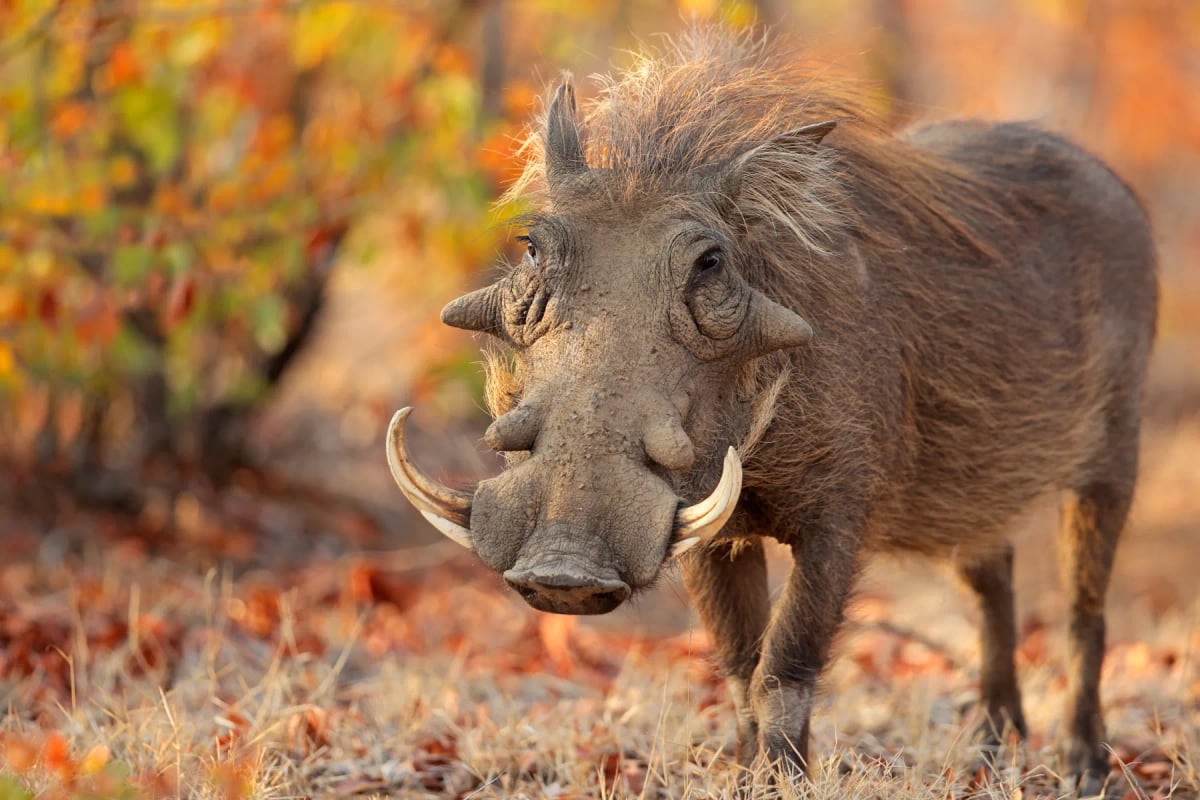
Warthog
Phacochoerus africanus
Warthogs are well established across Mozambique, from the miombo woodlands of the interior to the coastal lowlands. They are regularly spotted in Gorongosa National Park, where conservation efforts have helped wildlife populations recover strongly. Like elsewhere, they rely on aardvark burrows for shelter and raise their young in these dens. Their numbers across the country are considered stable. IUCN status: Least Concern.
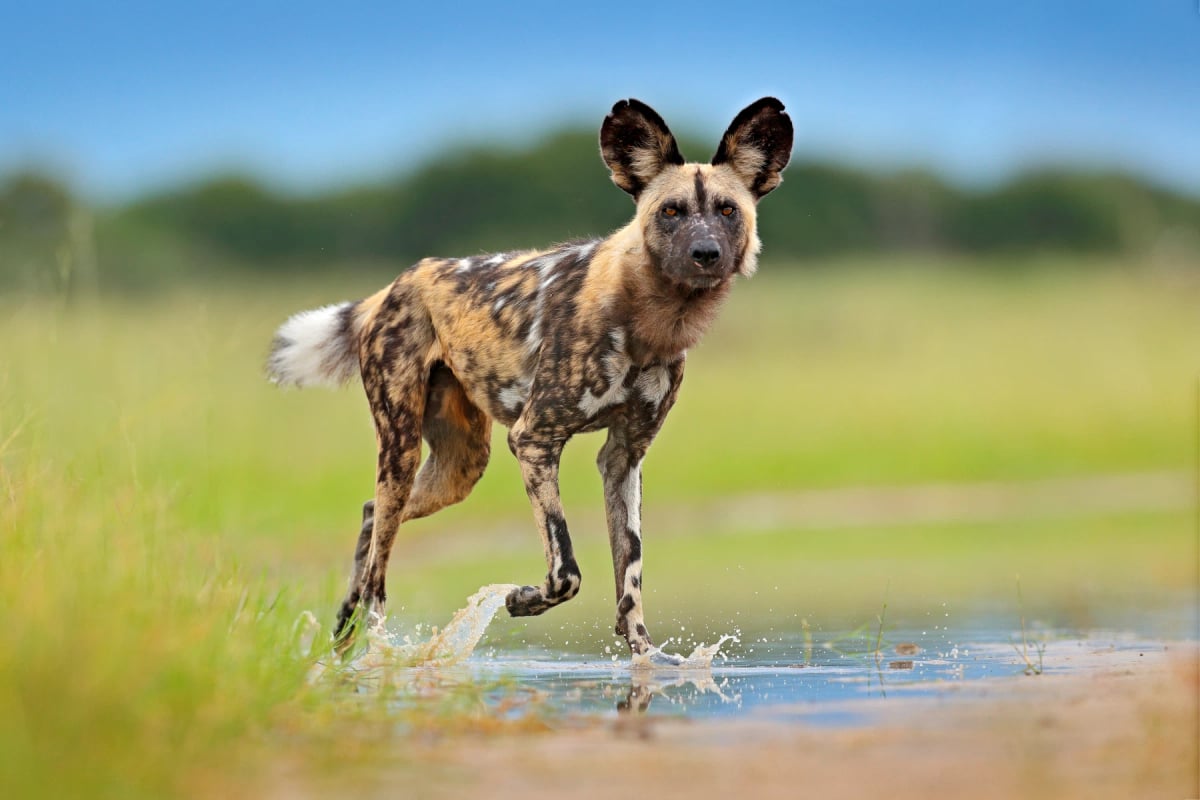
Wild Dog
Lycaon pictus
Mozambique is home to a notable population of African wild dogs, particularly in the Niassa Special Reserve in the north, one of the largest protected areas in Africa. These packs roam across vast tracts of miombo woodland. Recovery from the damage caused by the civil war has been slow, but conservation initiatives in Niassa are working to secure the future of the species in this remarkable landscape. IUCN status: Endangered.
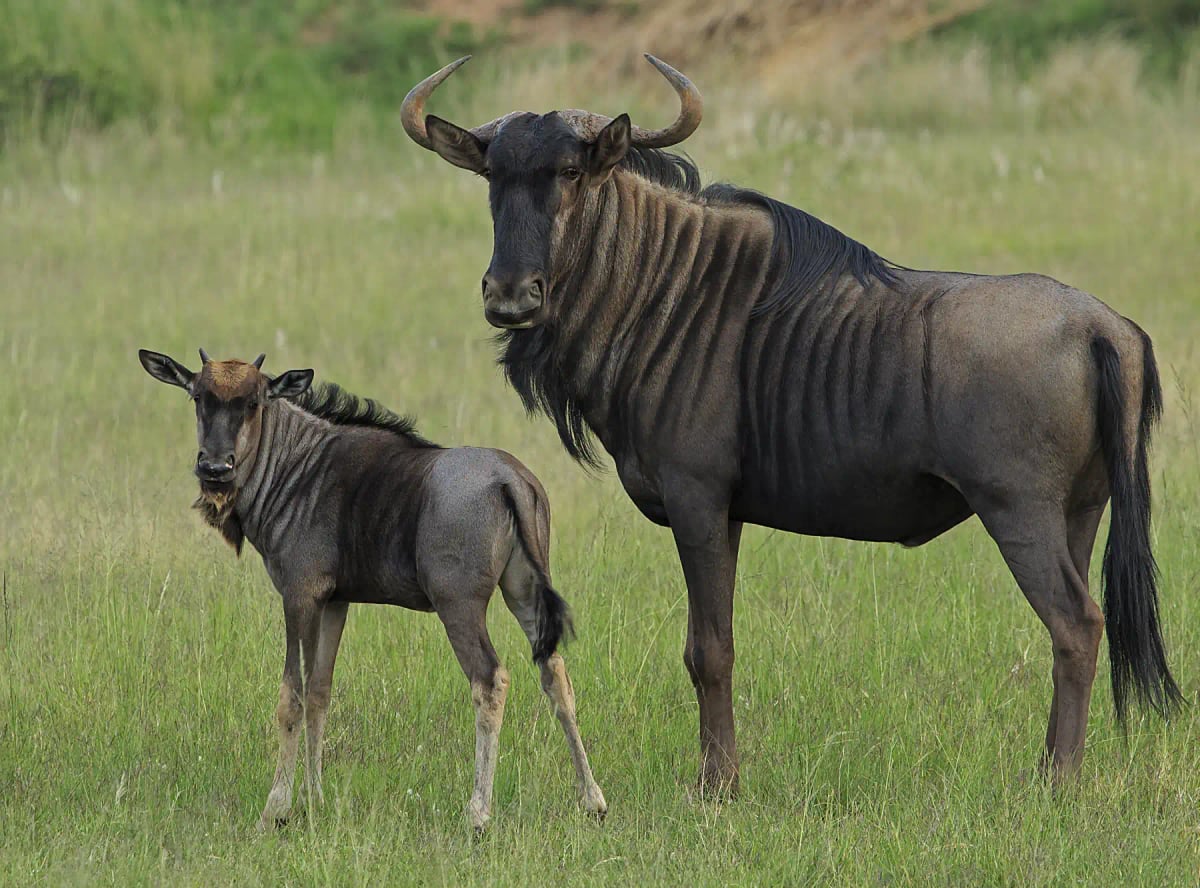
Wildebeest
Connochaetes spp.
Wildebeest occur in parts of Mozambique's interior, particularly in and around the Limpopo National Park, which forms part of the Great Limpopo Transfrontier Park alongside South Africa and Zimbabwe. Movement corridors between these countries allow herds to travel more freely. Conservation work in this region focuses on restoring wildlife populations that declined during decades of civil conflict.
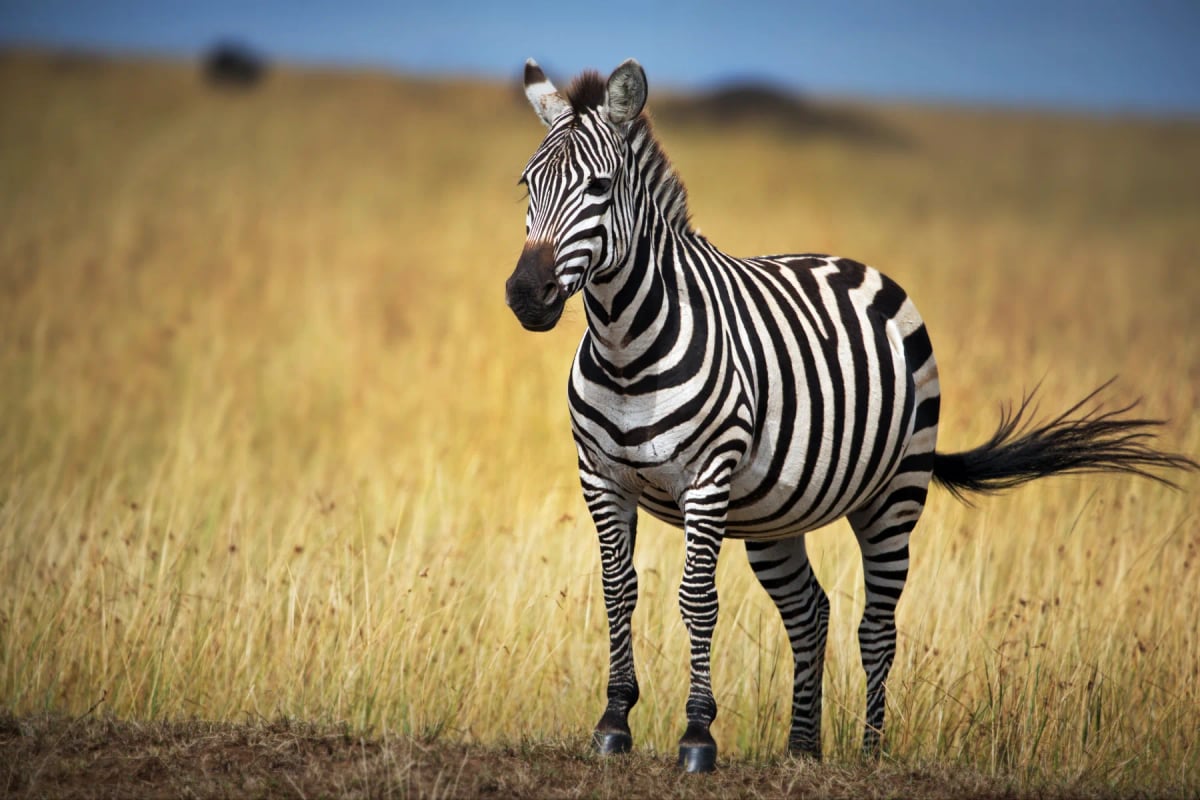
Zebra
Equus spp.
Plains zebras in Mozambique live mainly in reserves such as Gorongosa and Niassa, where populations are still rebuilding after years of war and heavy poaching reduced wildlife across much of the country. Restoration projects, including animal reintroductions at Gorongosa, have helped zebra numbers climb back in recent decades. Herds favor open floodplain grassland and savanna woodland, often grazing near other large herbivores returning to the same restored landscapes.
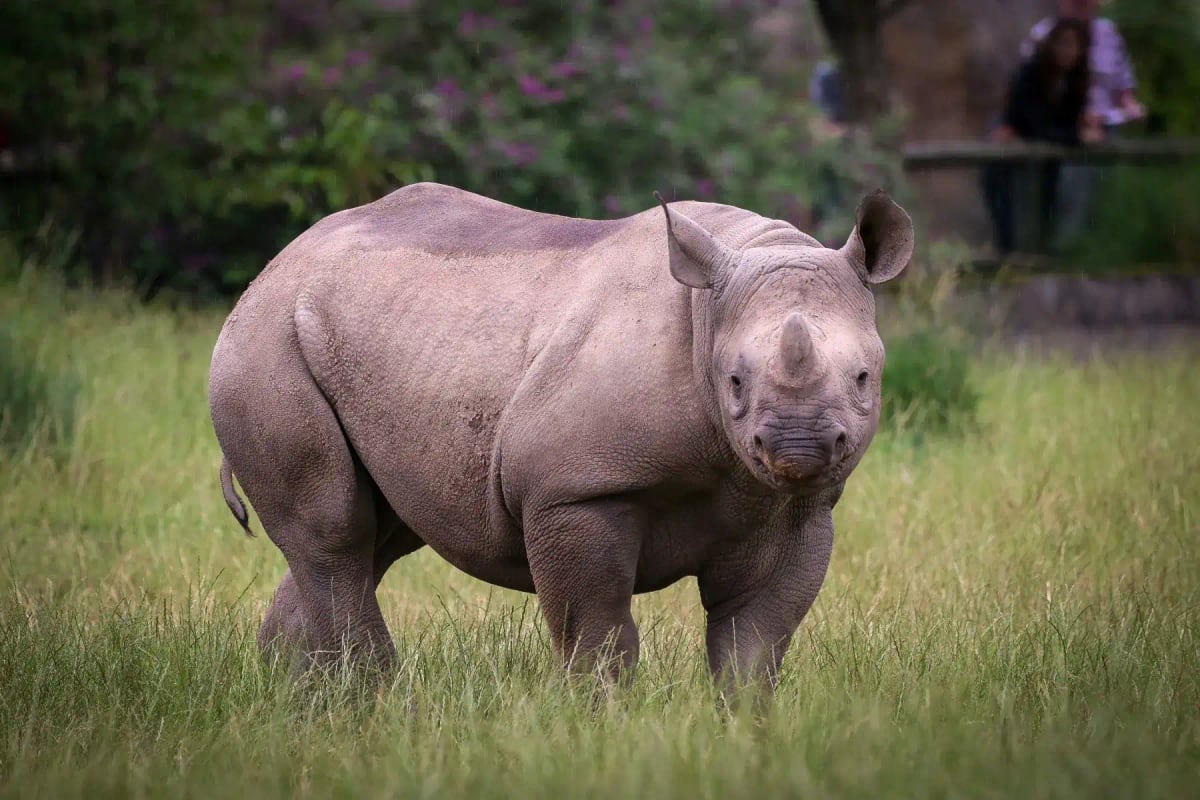
Black Rhinoceros
Diceros bicornis
Mozambique has no confirmed wild population of black rhinoceros today, having lost its rhinos largely due to poaching and the prolonged civil war that ended in 1992. The country is considered a potential candidate for future reintroduction, particularly within the Greater Limpopo Transfrontier Conservation Area. Rebuilding the security and habitat conditions necessary to support a viable population remains a significant and ongoing challenge.
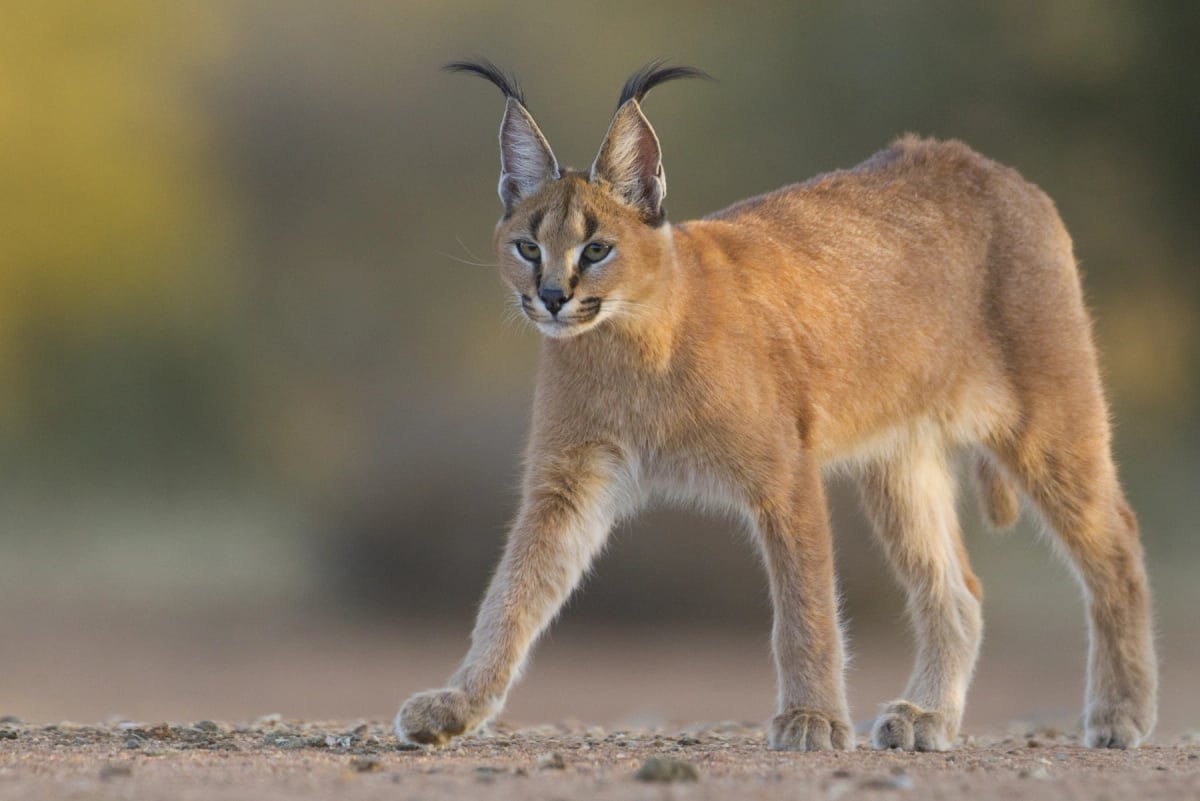
Caracal
Caracal caracal
The caracal is found across much of Mozambique, favoring miombo woodland, coastal scrub, and drier savanna habitats. Protected areas such as Niassa Reserve and Gorongosa National Park provide strongholds where prey is plentiful and human pressure is managed. Outside these reserves, retaliatory killing by farmers remains the greatest threat. Solitary and mainly active at night, it is rarely encountered. The IUCN lists the species as Least Concern.
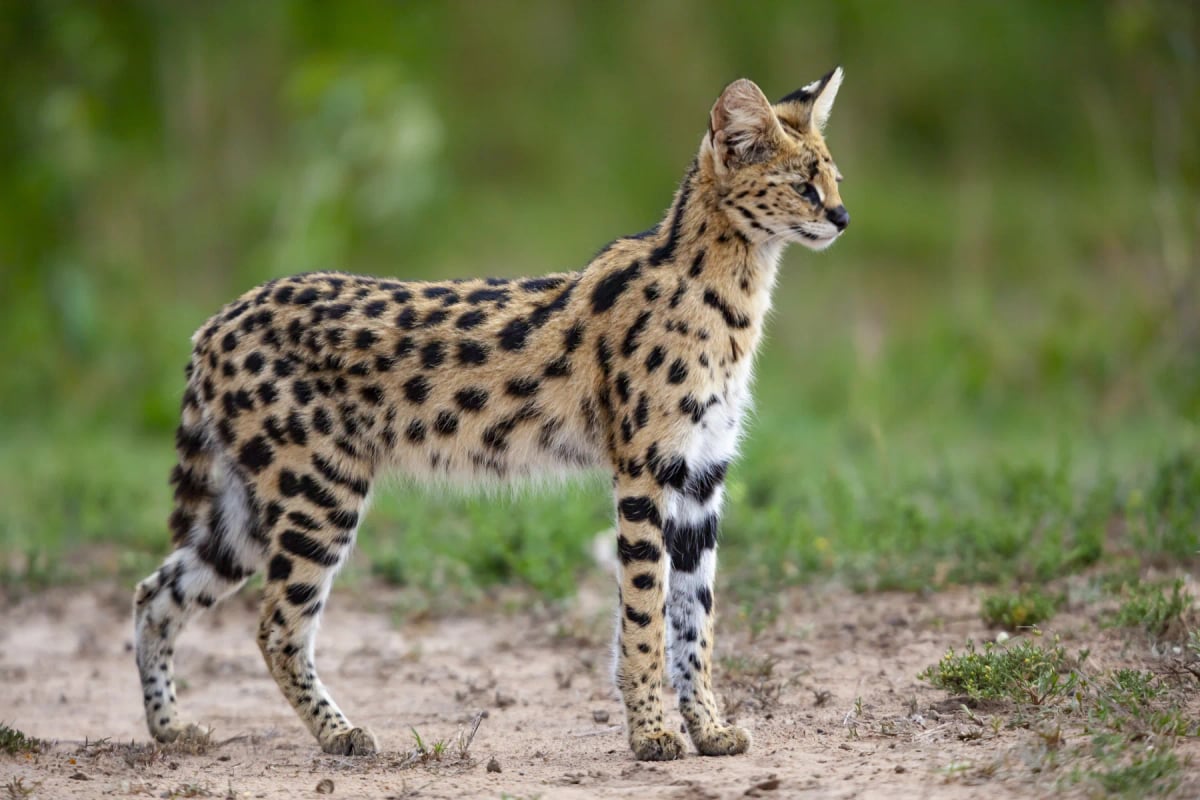
Serval
Leptailurus serval
Mozambique's mix of miombo woodland, floodplains, and coastal grasslands provides good habitat for servals across much of the country. Areas around the Zambezi Delta and Gorongosa National Park are particularly suitable. Servals hunt alone after dark, targeting rodents above all else. The IUCN considers the species Least Concern, though hunting for the fur trade and expanding settlements continue to affect serval numbers in parts of Mozambique.
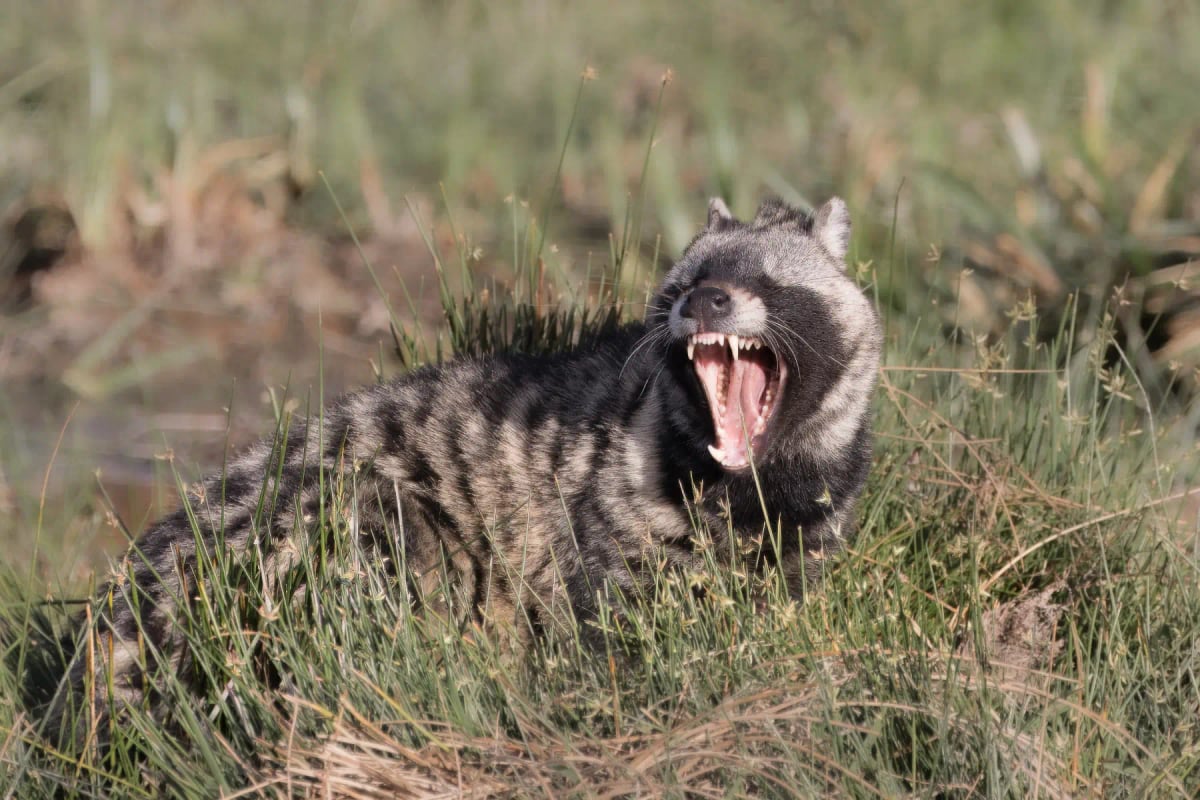
African Civet
Civettictis civetta
The African civet is present across much of Mozambique, from the miombo woodlands of the west and center to the coastal forests and river deltas of the east. The Zambezi Delta, the Quirimbas forests and the riverine woodlands of the Limpopo National Park area support established populations. In the south, civets share nocturnal corridors with genets and other carnivores in fragmented woodland and forest patches.
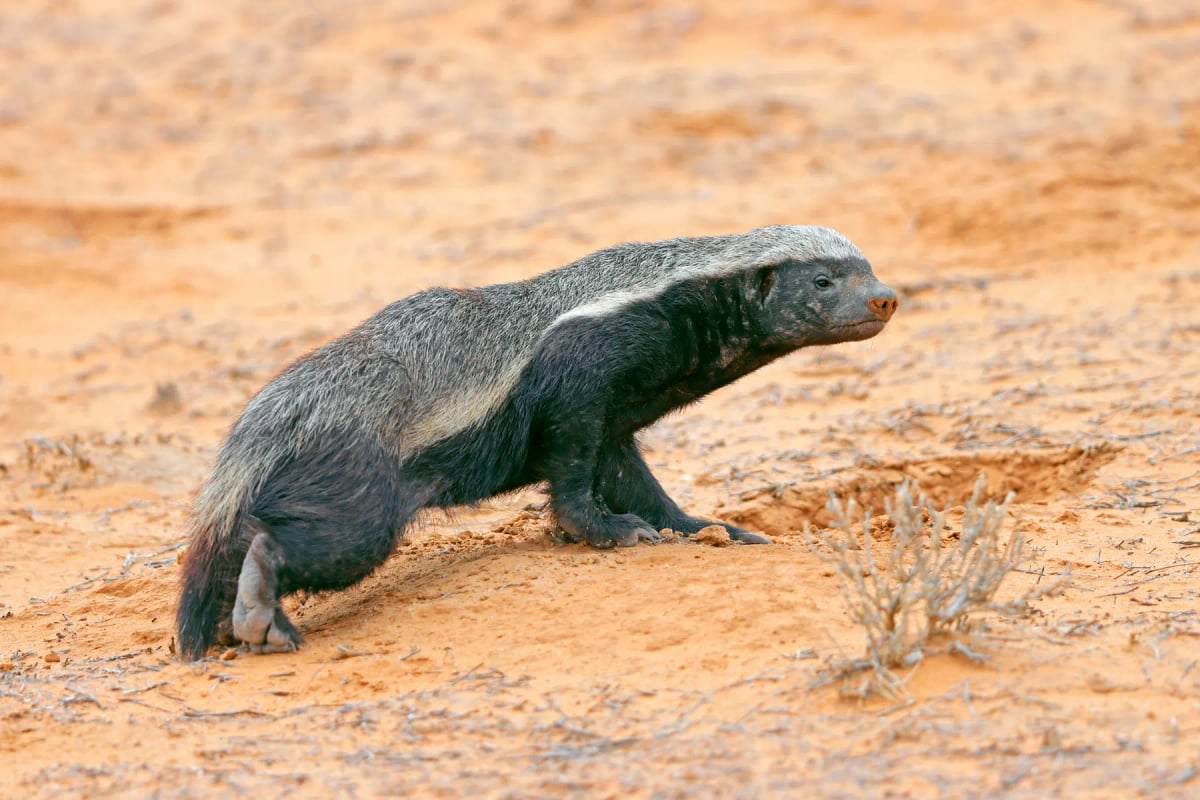
Honey Badger
Mellivora capensis
The honey badger is widespread in Mozambique, found across miombo woodland, coastal scrub and savanna from the Zambezi valley to the southern lowlands. It hunts rodents, reptiles and insects and raids beehives whenever the opportunity arises, sometimes drawing the attention of local beekeepers. Habitat loss from agriculture poses a growing pressure in some areas, though the IUCN still rates the species as Least Concern.
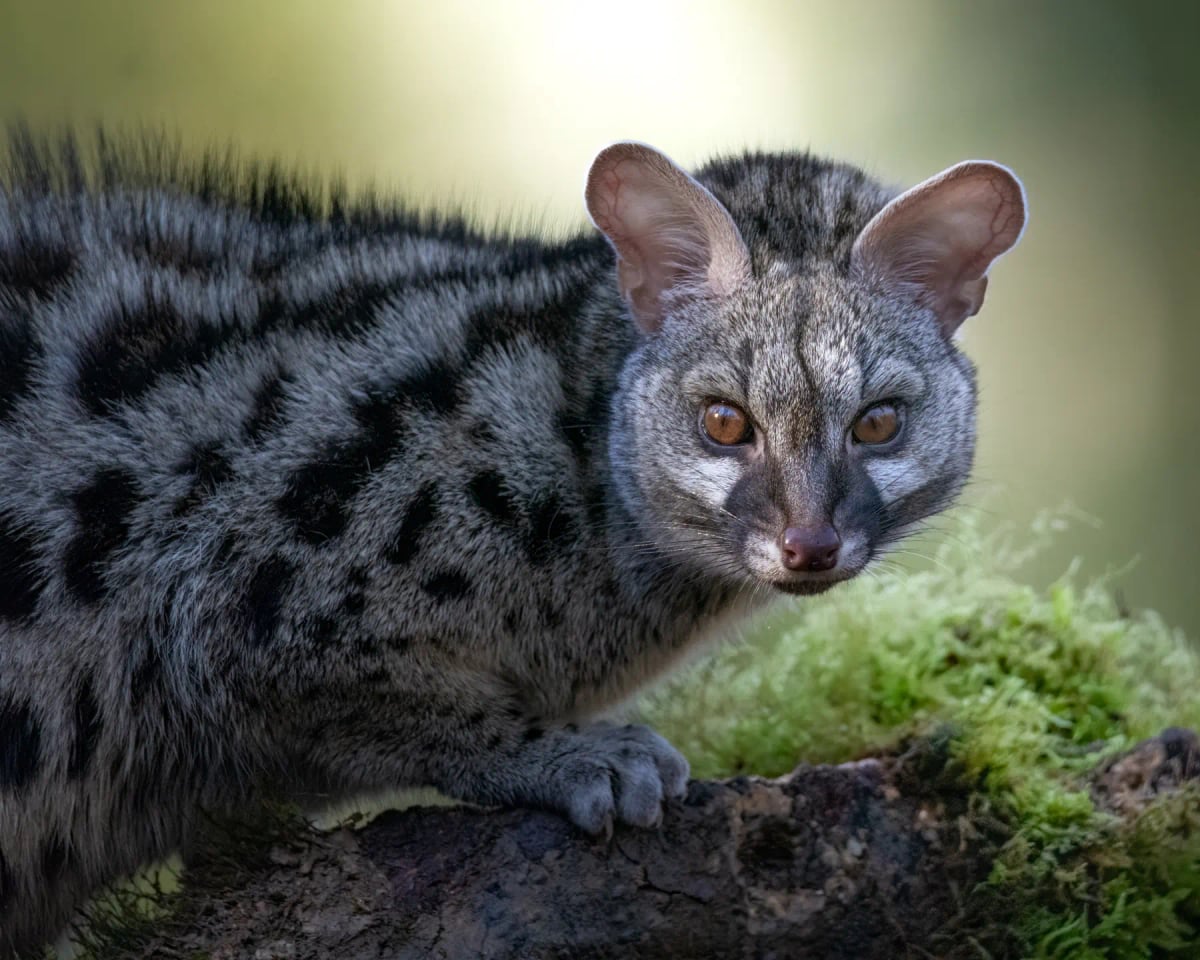
Common Genet
Genetta genetta
The common genet is present across much of Mozambique, favouring woodland, savanna, and riverine forest habitats. It is a solitary and nocturnal animal that hunts small mammals, reptiles, and insects under the cover of darkness. In areas with national parks and reserves, such as the Gorongosa region, it benefits from relatively intact ecosystems. IUCN status: Least Concern.
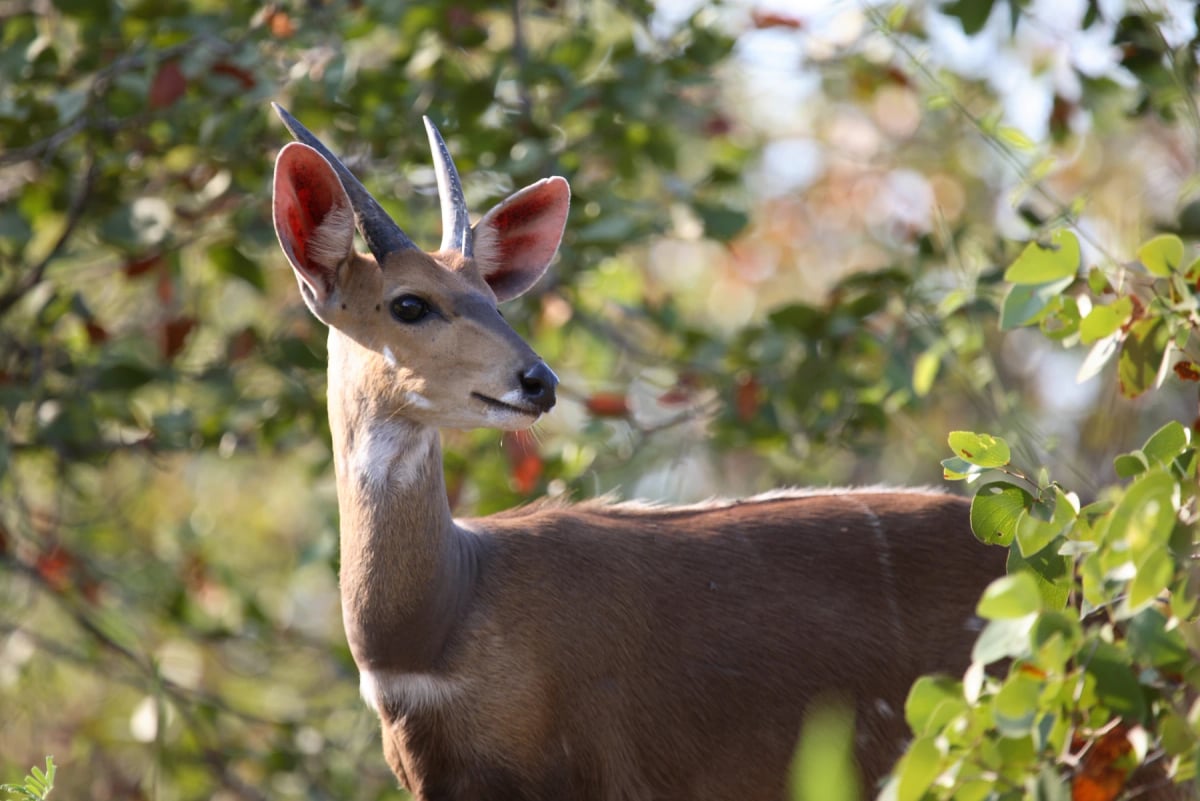
Bushbuck
Tragelaphus scriptus
Mozambique's extensive miombo woodlands and riverine forests provide ideal habitat for bushbucks throughout the country. These browsers inhabit dense vegetation along watercourses and within protected conservation areas. Their reddish brown coats with distinctive white markings offer excellent camouflage among woodland shadows. Primarily nocturnal and crepuscular, bushbucks in Mozambique remain difficult to observe despite their established presence across suitable forest and woodland zones.
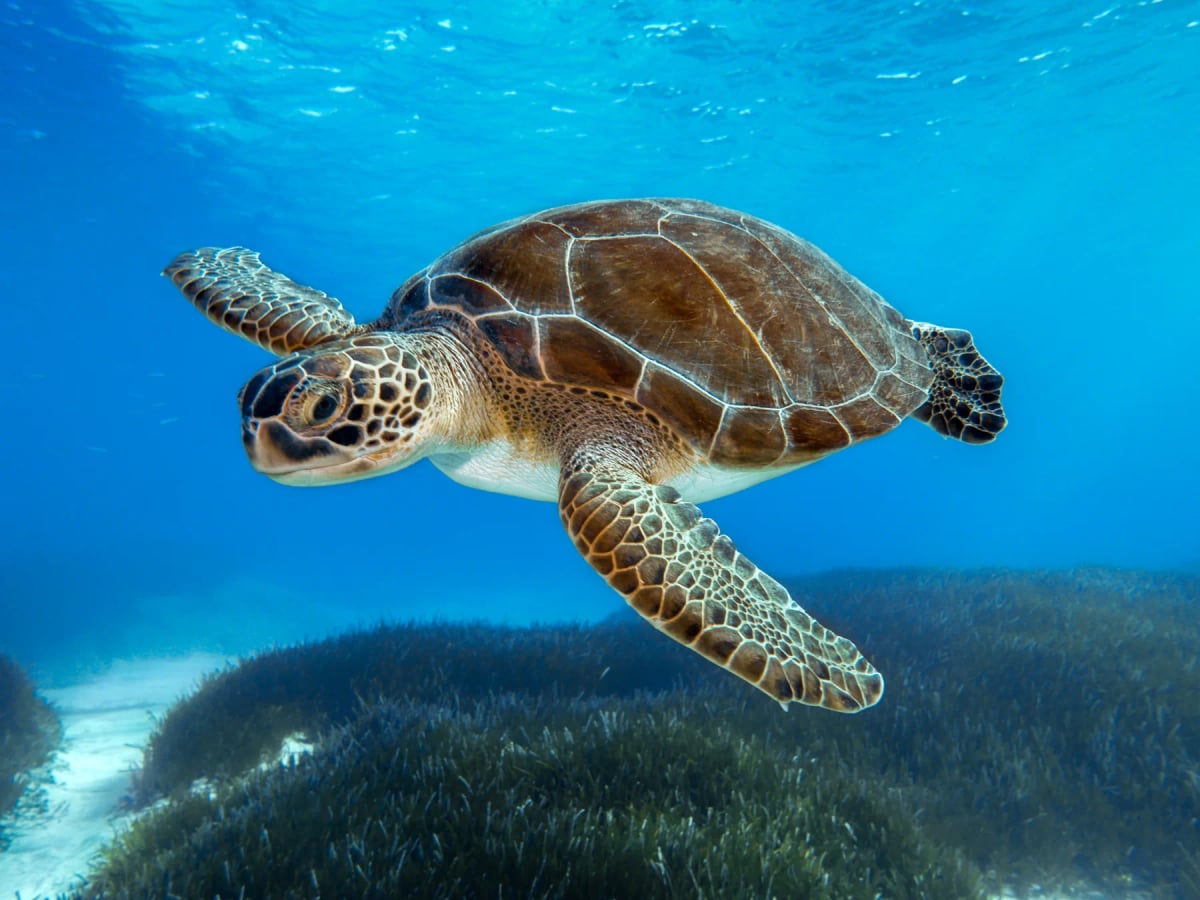
Sea Turtle
Cheloniidae & Dermochelyidae (families)
Mozambique's long Indian Ocean coastline and offshore islands provide important nesting and foraging habitat for green, leatherback and loggerhead sea turtles. The Bazaruto Archipelago and the Primeiras and Segundas Islands are among the most significant turtle areas in the country. Loggerhead and green turtles nest on beaches in the north and south, and the Mozambique Channel is an important migratory corridor connecting nesting and feeding grounds across the western Indian Ocean.
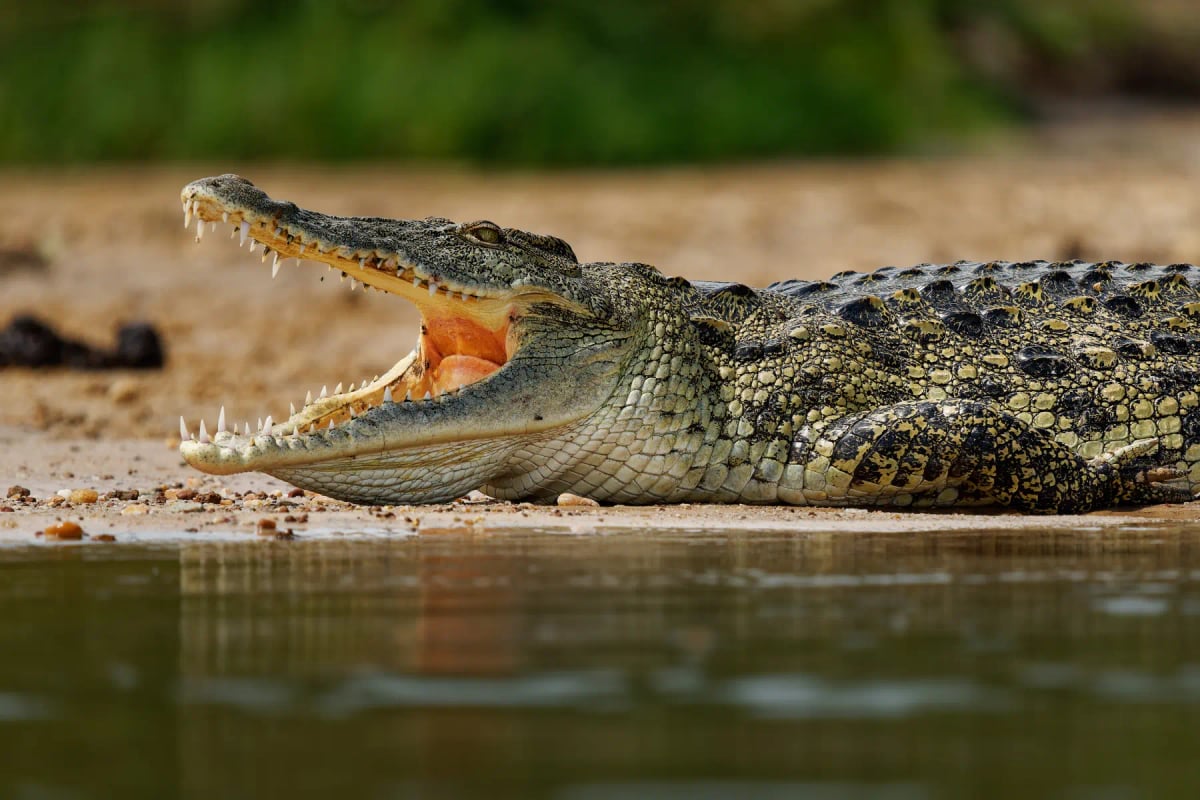
Nile Crocodile
Crocodylus niloticus
Mozambique's extensive river network, including the Zambezi, Limpopo and Save rivers, provides ideal habitat for the Nile crocodile. The Zambezi Delta and the wetlands of the Marromeu Complex are particularly important sites. These crocodiles can weigh up to 750 kilograms and are capable predators in both rivers and estuaries. The IUCN lists the species as Least Concern, but conflict with riverside communities and artisanal fishers continues to cause tension.
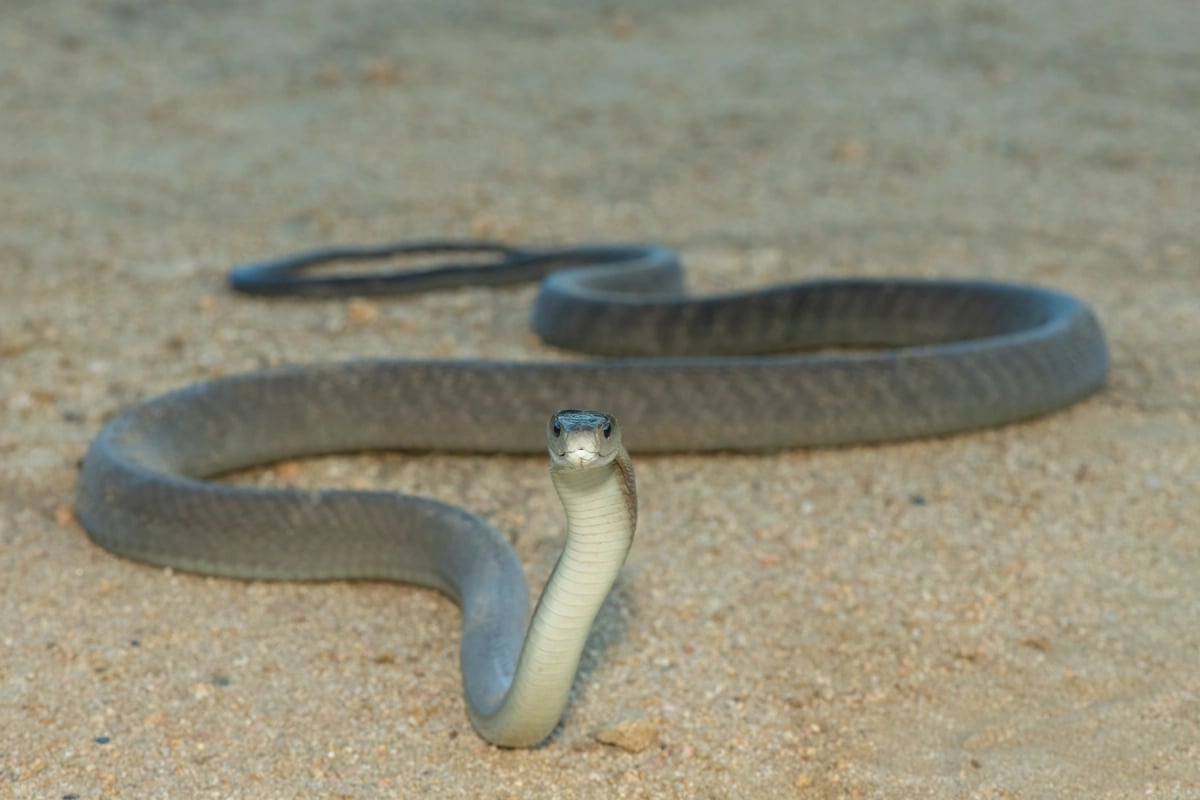
Black Mamba
Dendroaspis polylepis
Mozambique's black mamba (Dendroaspis polylepis) inhabits coastal savannas, dry woodlands and rocky terrain across much of the country, including areas bordering South Africa and Zimbabwe. Reaching lengths of up to 4 meters in exceptional cases, it is one of Africa's most formidable reptiles. It is listed as Least Concern by the IUCN, yet snakebite is a genuine public health issue in Mozambique's rural and agricultural communities.
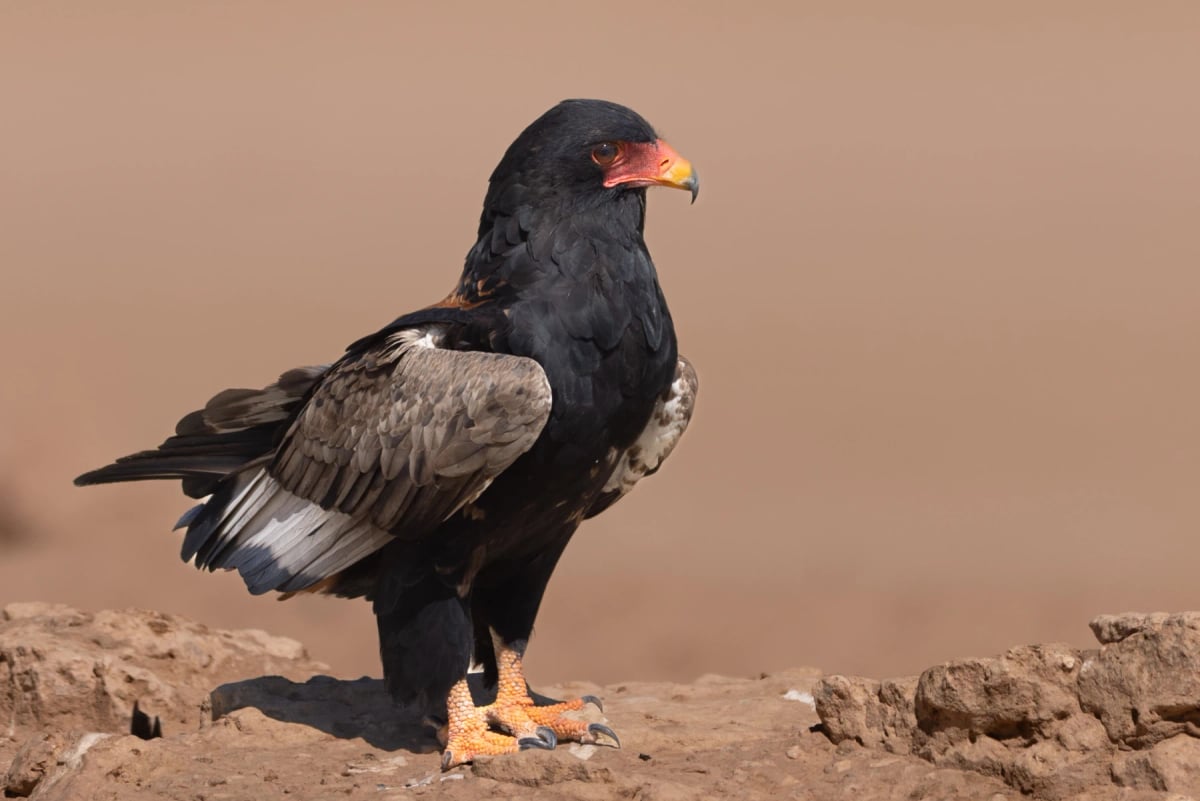
Bateleur
Terathopius ecaudatus
Across Mozambique, the Bateleur soars over open savanna and dry woodland habitats, with populations present in protected areas such as Gorongosa National Park and the Limpopo National Park. It patrols large territories in search of carrion, reptiles, and small mammals. Listed as Endangered by the IUCN, it faces mounting pressure from poisoning events and the ongoing loss of suitable woodland habitat.
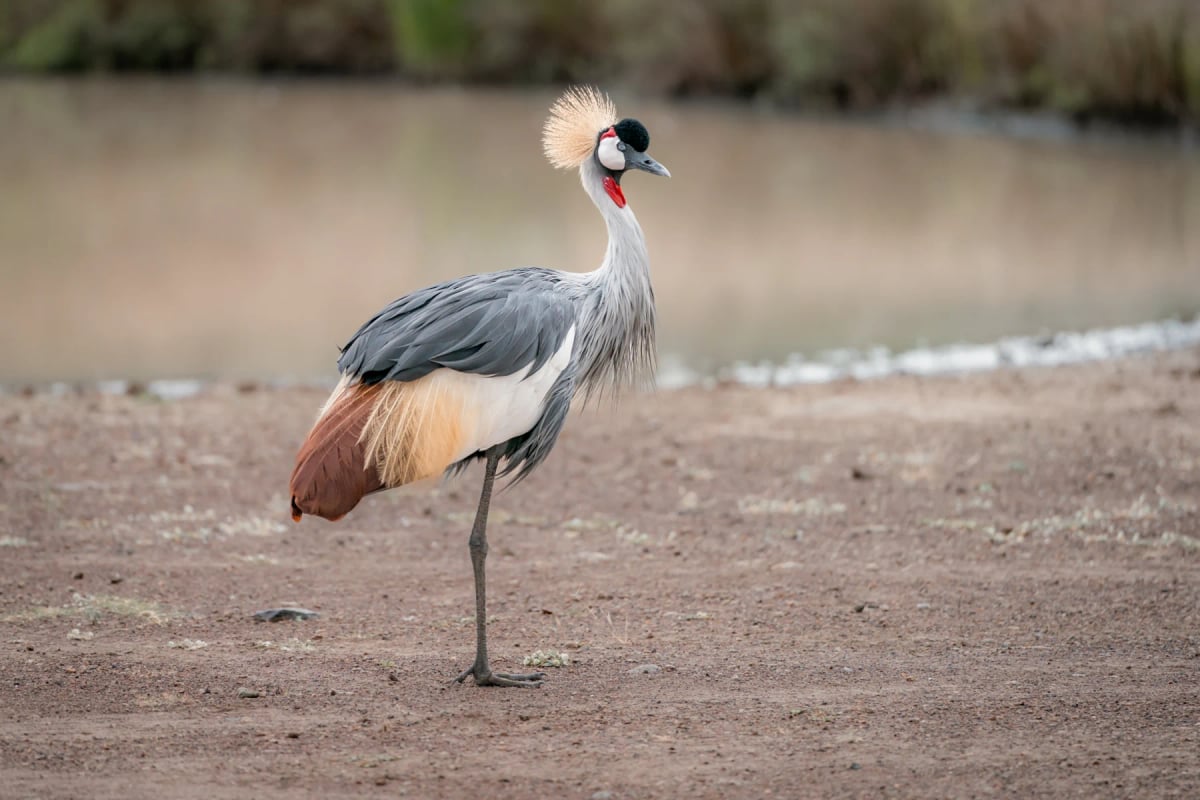
Grey Crowned Crane
Balearica regulorum
In Mozambique, the Grey Crowned Crane is found mainly in the northern and central regions, where floodplains, wetlands, and moist grasslands provide suitable conditions. It often forages alongside cattle or in flooded fields, picking up seeds, insects, and small vertebrates. The species is less common here than in the core of its East African range. Habitat loss from land conversion and illegal capture for trade are the main threats. It is listed as Endangered.
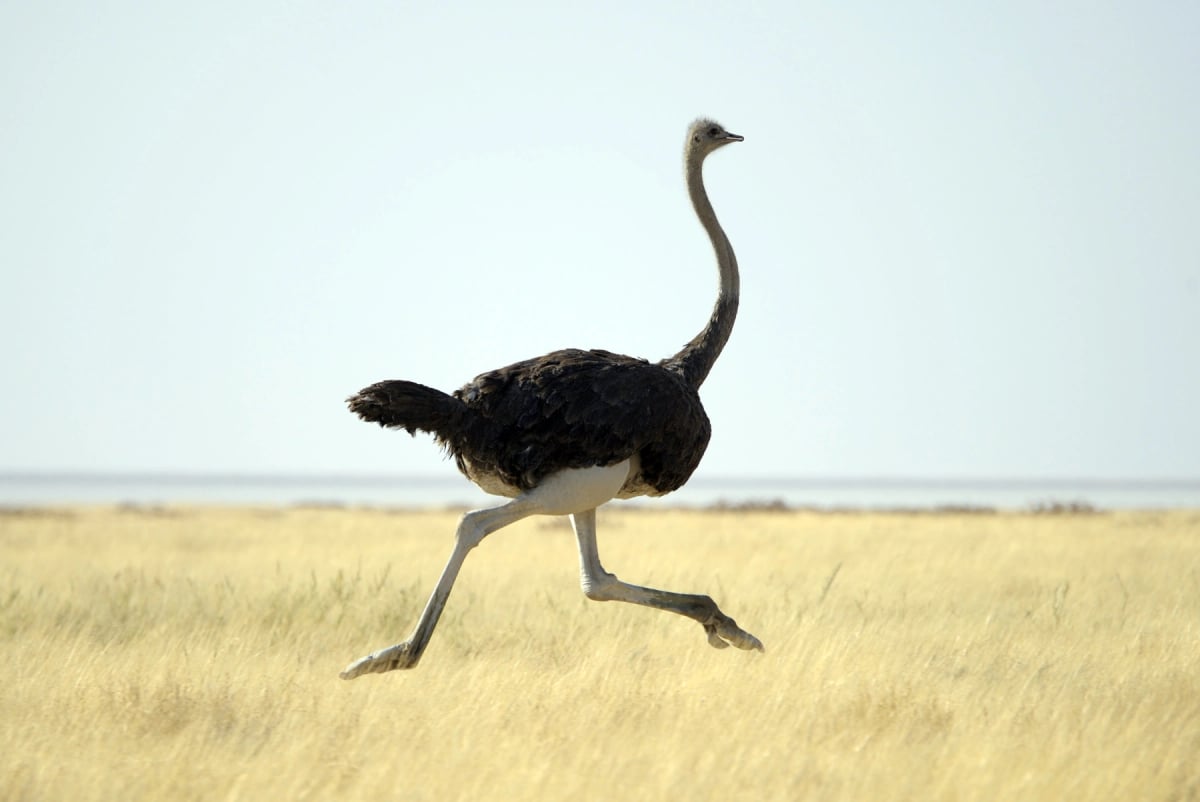
Ostrich
Struthio camelus
In Mozambique, ostriches are found in the dry savannas and open woodland areas of the interior, including parts of the Limpopo National Park. They travel in loose groups, feeding on grasses, seeds, and leaves across these warm, flat landscapes. Females lay the largest eggs of any bird alive today, weighing around 1.4 kilograms each. The species is listed as Least Concern by the IUCN.
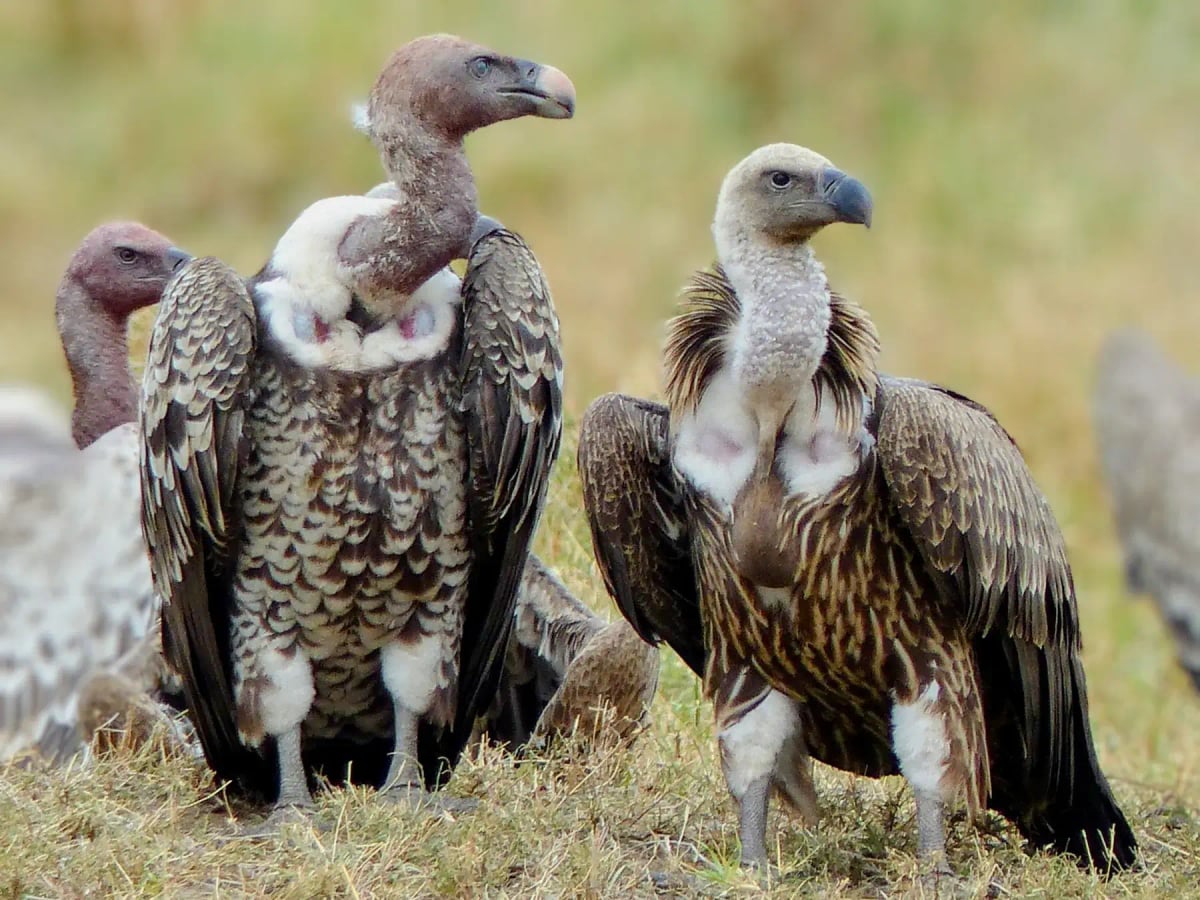
White backed Vulture
Gyps africanus
In Mozambique, the white backed vulture soars over vast savannas and reserves such as Gorongosa National Park, where recovering wildlife populations offer a growing food supply. Classified as critically endangered, it is threatened mainly by poisoning at carcass sites. This vulture plays a crucial sanitation role, breaking down remains that would otherwise spread disease across the landscape.
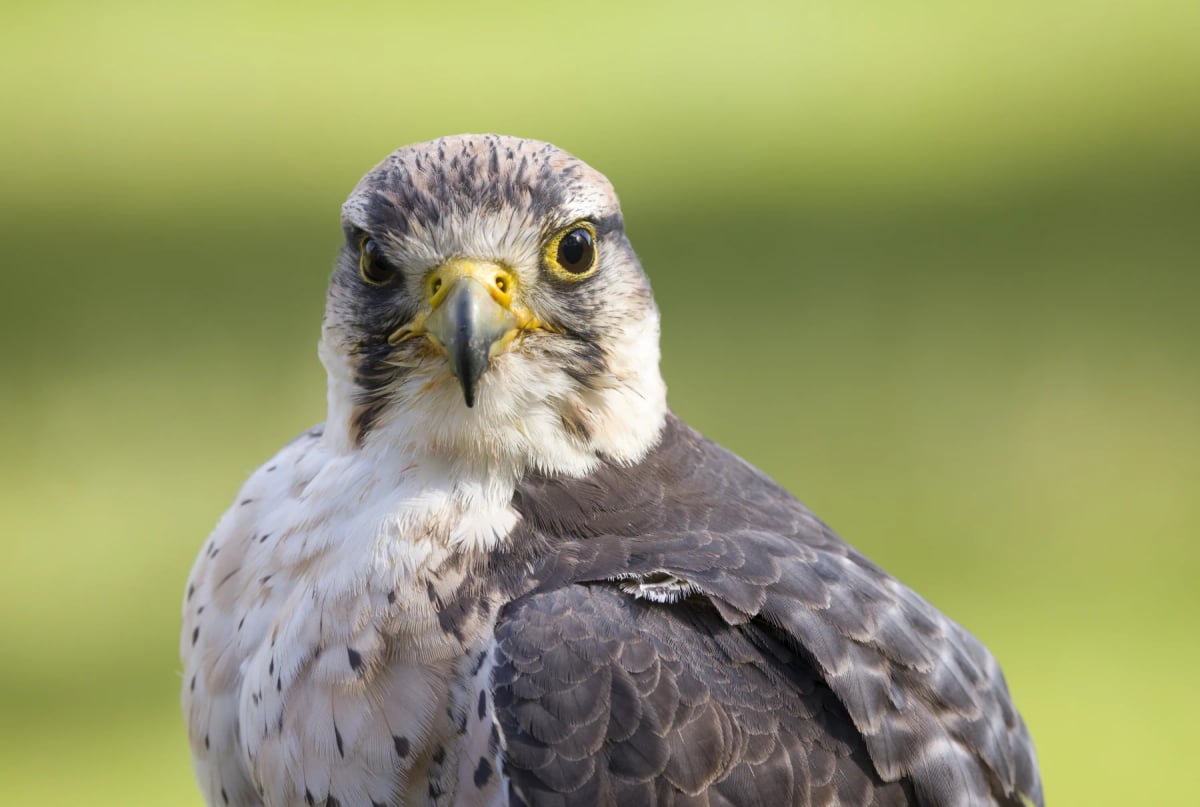
Lanner Falcon
Falco biarmicus
In Mozambique, the lanner falcon inhabits open savanna, rocky hills, and the drier woodland areas of the interior. It preys mainly on birds, chasing them down with fast, low flights rather than diving from height. Pairs often hunt together to flush prey into the open. The species is listed as Least Concern by the IUCN, but habitat loss in southern Africa places local pressure on populations.
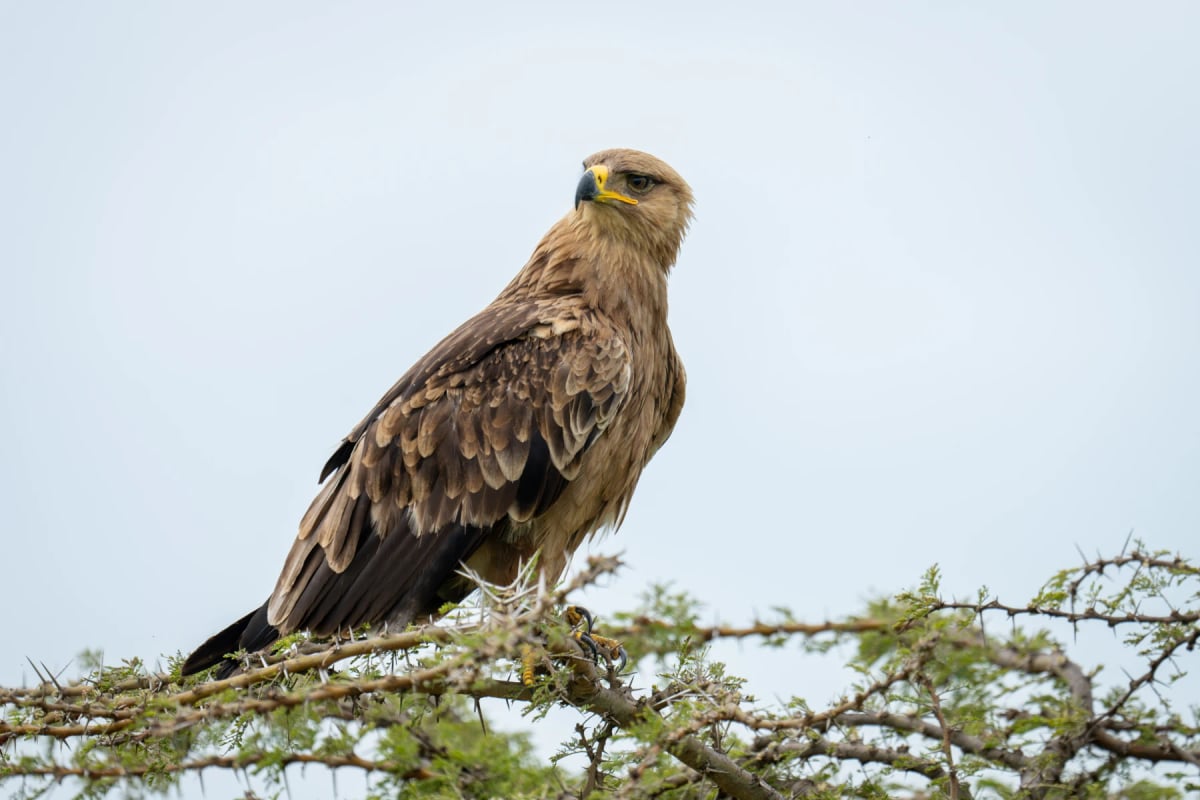
Tawny Eagle
Aquila rapax
The tawny eagle occurs across open savanna and dry woodland habitats in Mozambique, including areas within and around Gorongosa National Park and the Limpopo valley. It preys on small vertebrates and takes carrion when available. Ongoing recovery of wildlife in restored protected areas may benefit this species, though poisoning of carcasses set out for predator control remains a wider regional threat. The IUCN lists it as Vulnerable.
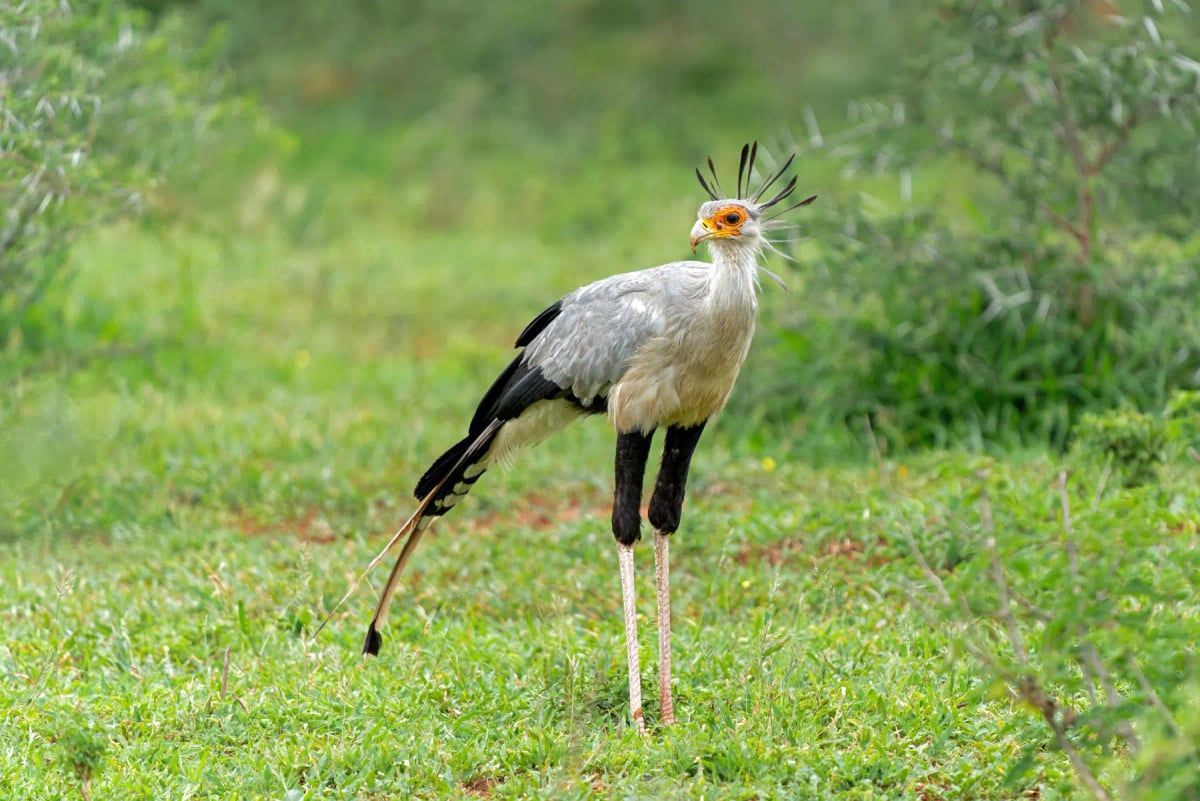
Secretary Bird
Sagittarius serpentarius
In Mozambique, the secretary bird inhabits open savannas and grasslands, particularly in the miombo woodland regions of the interior. It walks steadily through dry, open terrain in search of snakes, lizards, and rodents. Population declines tied to habitat loss from agricultural expansion have been recorded across the country. The IUCN lists the species as Endangered.
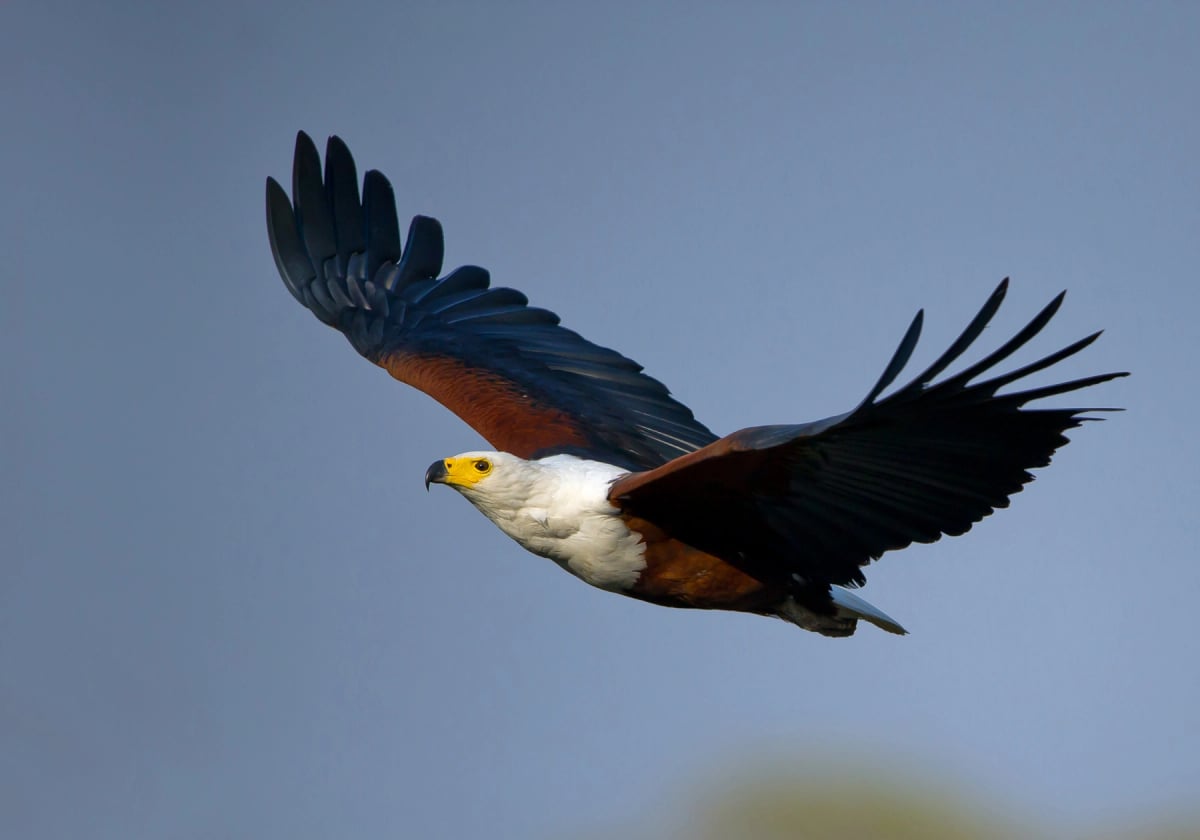
African Fish Eagle
Haliaeetus vocifer
The African fish eagle is a widespread resident in Mozambique, found near the country's major rivers, lakes and coastal wetlands. The Zambezi River and its delta, Lake Cahora Bassa, Lake Malawi along the northern border and the Limpopo River in the south are all key areas. Gorongosa National Park and the Marromeu wetlands in the Zambezi delta support notable concentrations. The bird's call is a familiar sound across Mozambican waterways from north to south.
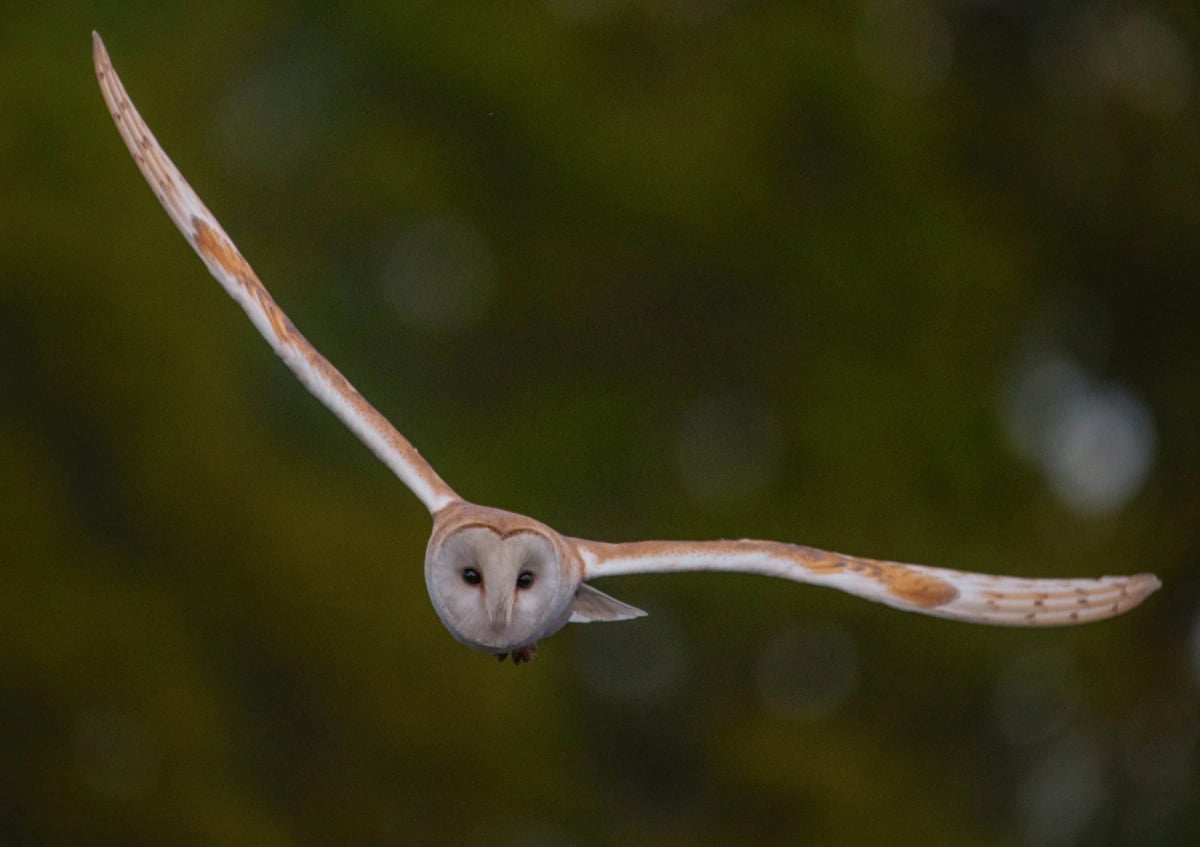
Barn Owl
Tyto alba
The barn owl is found across Mozambique in open savanna, farmland, and areas near villages and towns from the Zambezi River valley and the northern highlands to the coastal lowlands of the south. It nests in old buildings, cliff faces, and hollow trees, and hunts rodents at night. In farming communities it plays a useful role in controlling small mammal populations that damage stored crops. It is present across a wide range of habitats and is one of the more commonly encountered owls in the country's open landscapes.
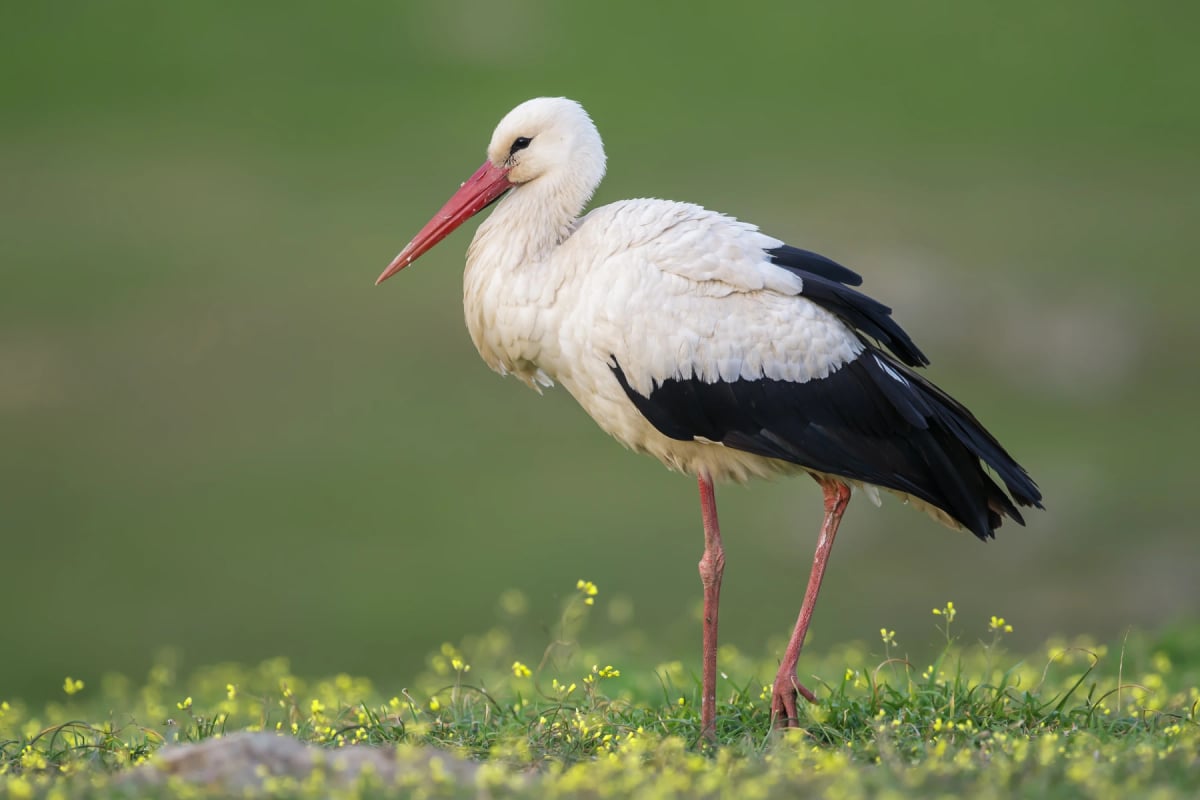
Stork
Ciconia ciconia
The white stork visits Mozambique as a non-breeding migrant from Europe, spending the southern hemisphere summer in open savannas, floodplains, and coastal lowlands. The Zambezi River delta and surrounding wetlands are particularly attractive feeding areas. Storks form flocks and forage for insects, frogs, and small reptiles. The IUCN lists the white stork as Least Concern, with its global population continuing to grow.
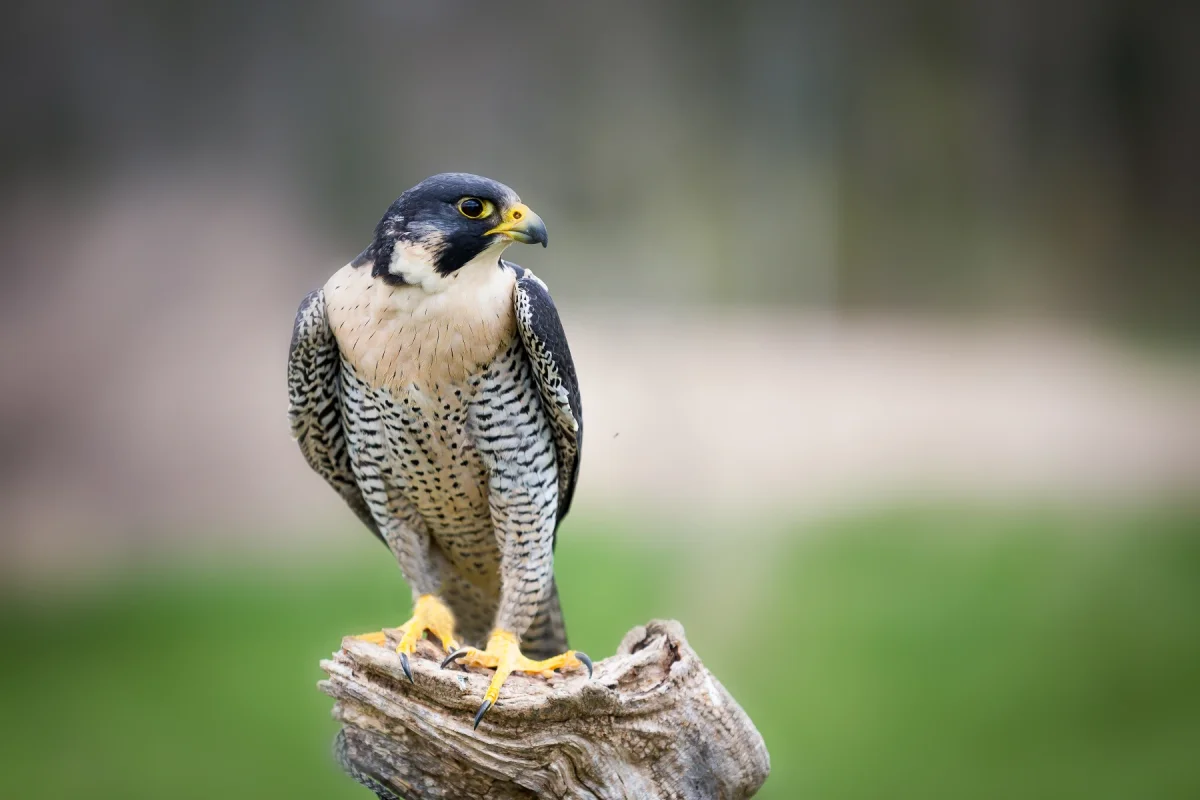
Peregrine Falcon
Falco peregrinus
The peregrine falcon is present in Mozambique mainly as a non-breeding visitor, with individuals arriving from breeding grounds further north and south during the austral summer. It can be spotted along the long coastline, over open savanna, and near large river systems. The country's varied landscape supports a wide range of prey birds, making it a productive stopover for this powerful raptor. Its IUCN status is Least Concern.
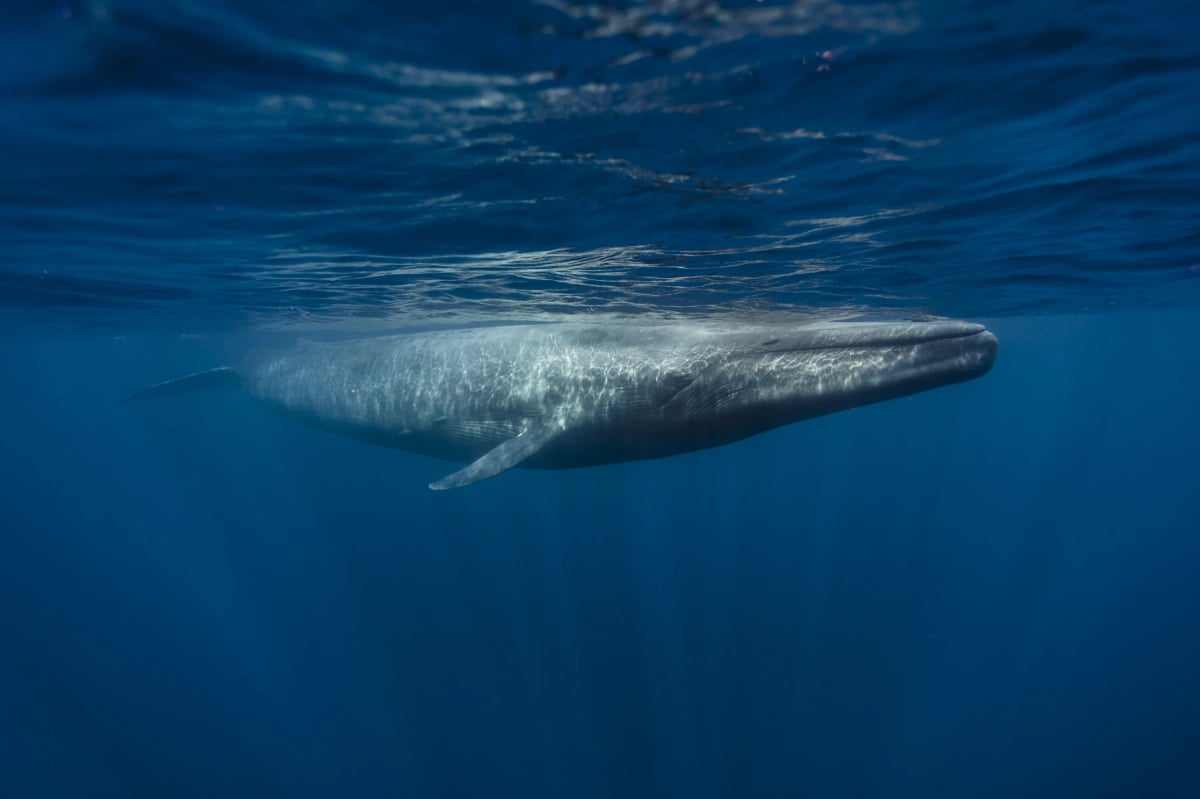
Blue Whale
Balaenoptera musculus
The Mozambique Channel, a deep-water passage between Mozambique and Madagascar, sits within the western Indian Ocean range of the blue whale. This stretch of sea is used by the species during seasonal migrations, and the pygmy blue whale subspecies is the form most likely encountered in this part of the Indian Ocean. Mozambique's long coastline and offshore marine environment offer important corridor habitat. The species is classified as Endangered, with ship strikes and fishing gear entanglement among the key threats.
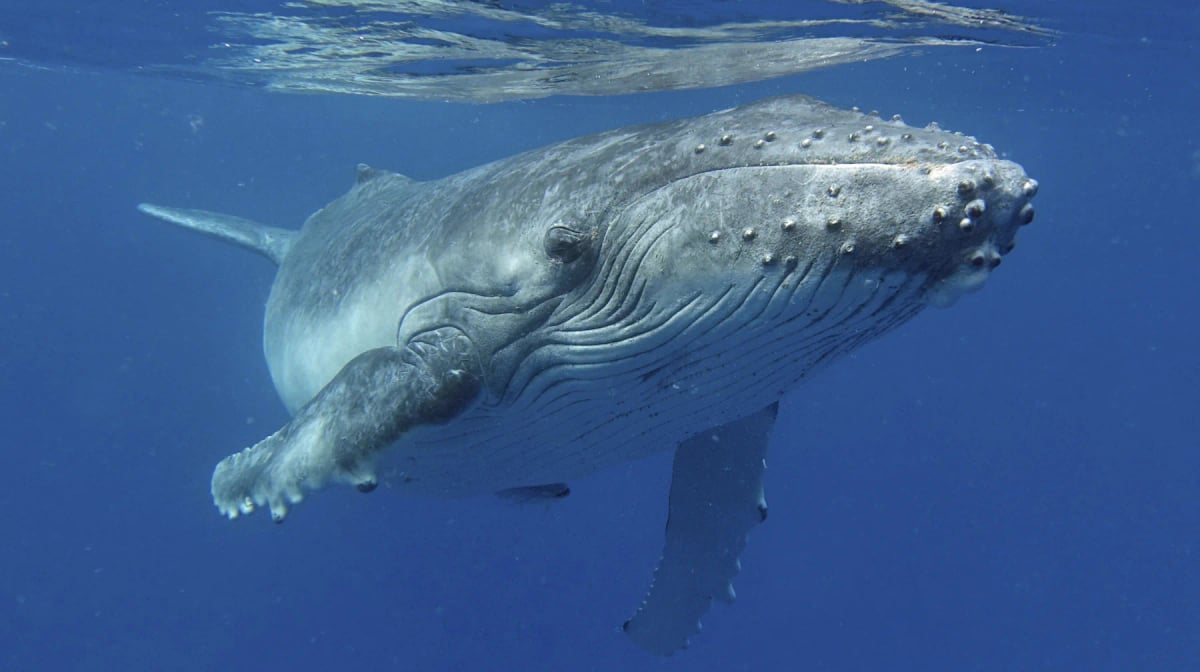
Humpback Whale
Megaptera novaeangliae
The waters of Mozambique, including the Mozambique Channel, are an important area for humpback whales during the Southern Hemisphere winter. Whales from Antarctic feeding grounds travel north to breed and give birth in these warm waters between June and November. The Bazaruto Archipelago and Ponta do Ouro are known spots for sightings. The IUCN lists the species as Least Concern following decades of population recovery.
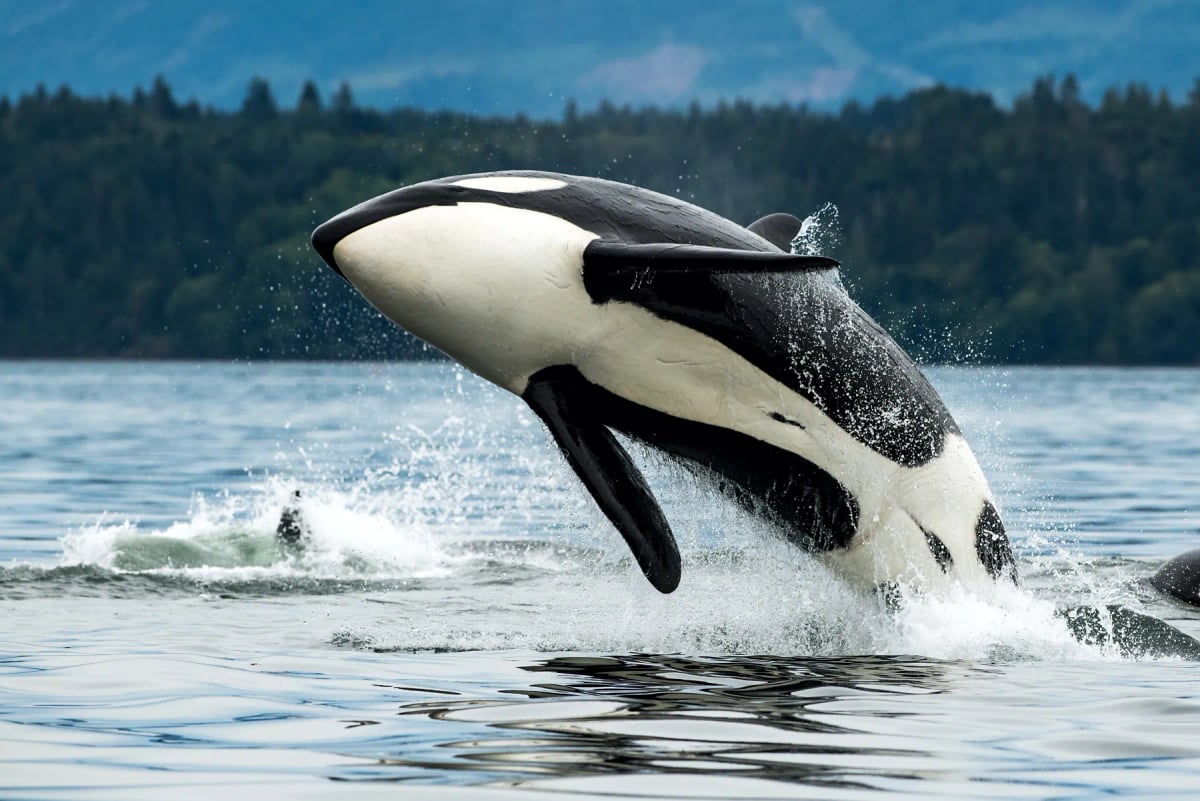
Orca
Orcinus orca
Orcas have been recorded in the warm waters off Mozambique, including around the Mozambique Channel. While sightings are infrequent, these animals are known to range widely across the Indian Ocean. The channel's rich marine ecosystems, which include coral reefs and large populations of fish and marine mammals, could attract transient orca groups. Conservation challenges in the region include illegal fishing and coastal habitat degradation.
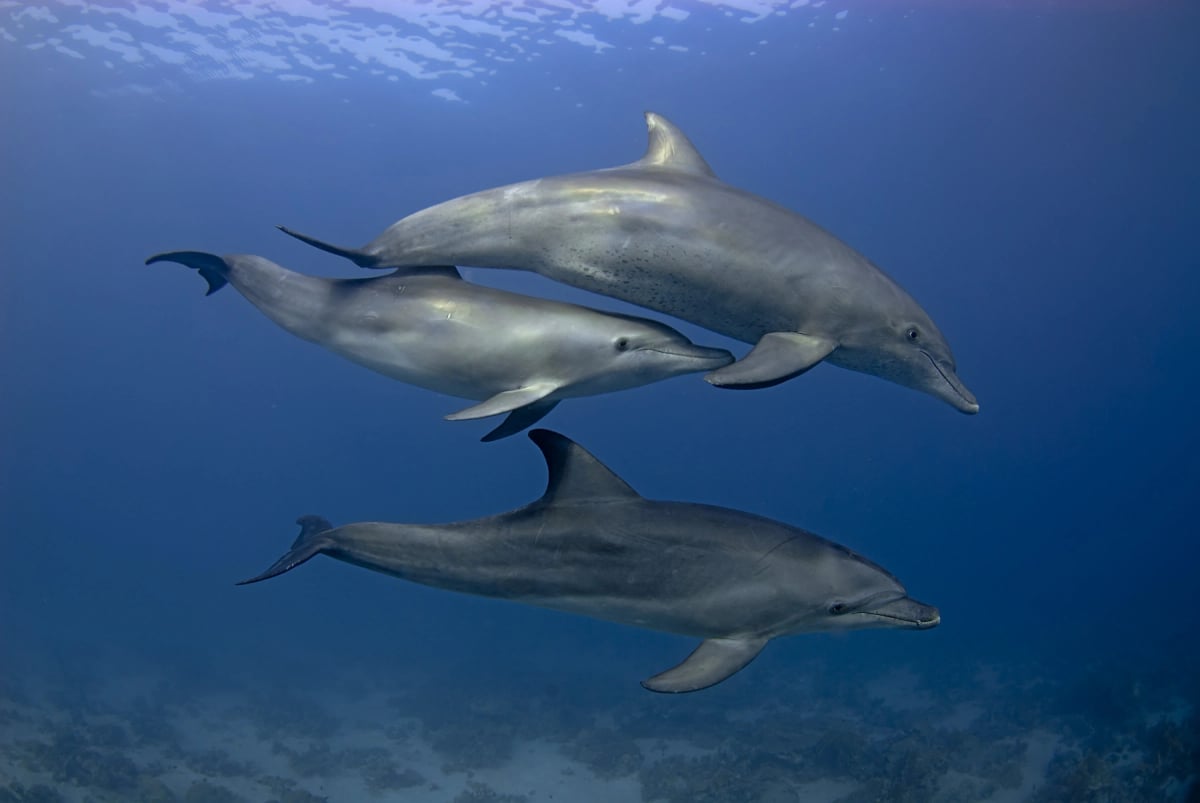
Bottlenose Dolphin
Tursiops truncatus
Bottlenose dolphins are a regular presence along Mozambique's extensive Indian Ocean coastline, including the waters of Mozambique Channel. They inhabit coral reef systems, shallow coastal bays, and the open sea, and are frequently spotted near the Bazaruto Archipelago. Ecotourism centered on dolphin watching has grown in importance for coastal communities. The IUCN lists the species as Least Concern globally.
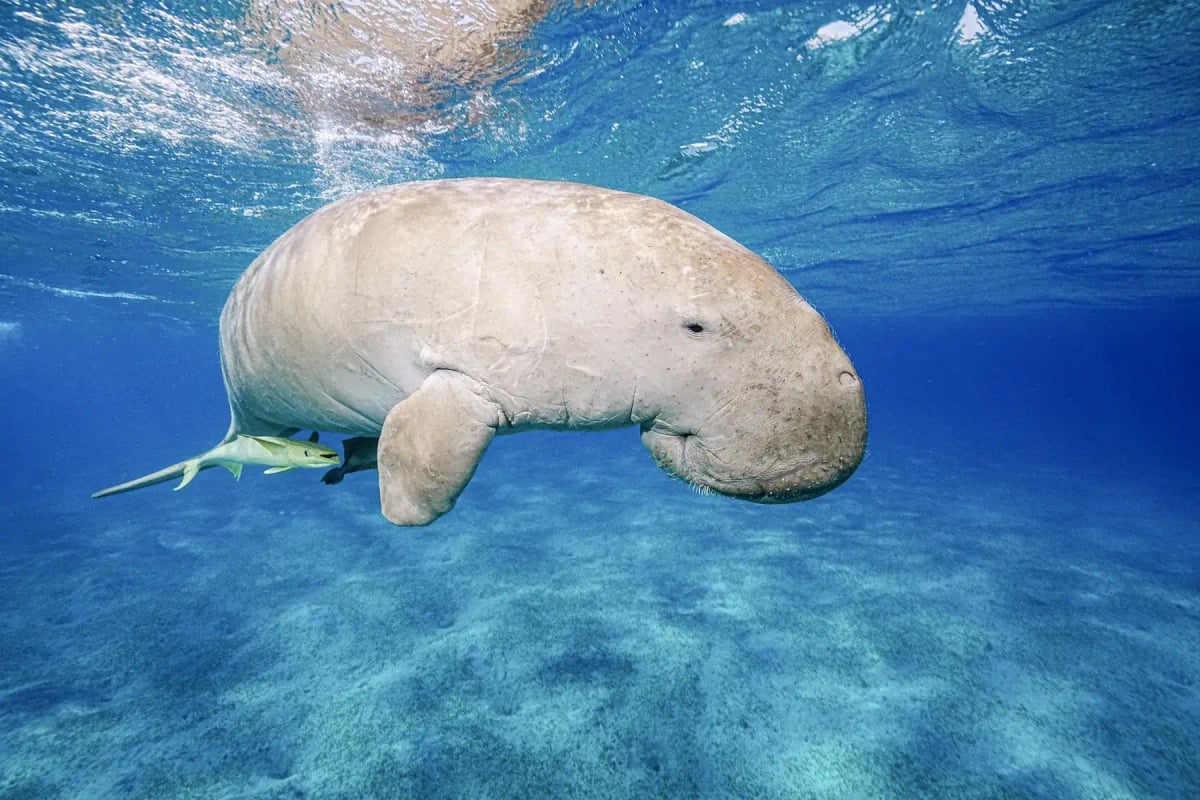
Dugong
Dugong dugon
Mozambique holds some of the most important dugong habitat in the western Indian Ocean. The Bazaruto Archipelago, a protected national park, supports one of the last viable dugong populations on the African continent. Seagrass beds in the shallow lagoons of this archipelago provide essential feeding grounds. Despite legal protection, threats from gill net fishing and habitat loss continue to put pressure on this small but significant population. IUCN status: Vulnerable.
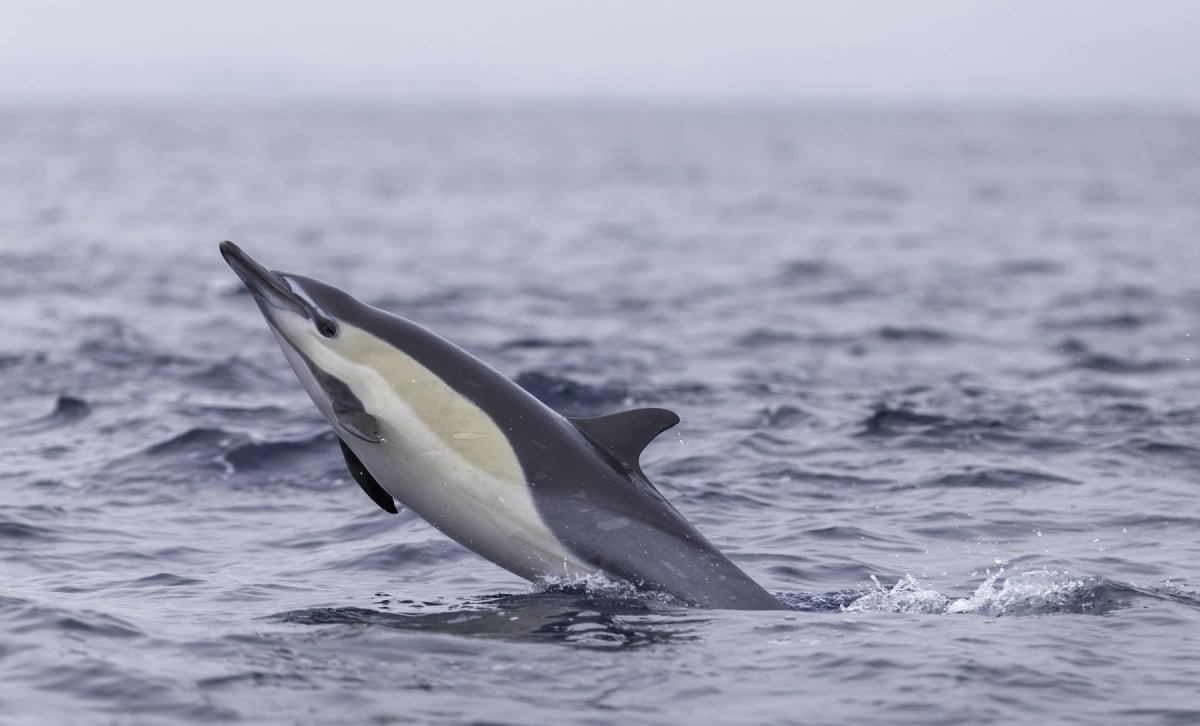
Common Dolphin
Delphinus delphis
The common dolphin is present in the Mozambique Channel and along the country's Indian Ocean coastline. These waters are warm and biologically diverse, supporting the prey populations that dolphins depend on. Mozambique has a long coastline and a rich marine environment that includes coral reefs and seagrass beds. Pods of common dolphins are sometimes spotted from shore or by boats operating in the channel.
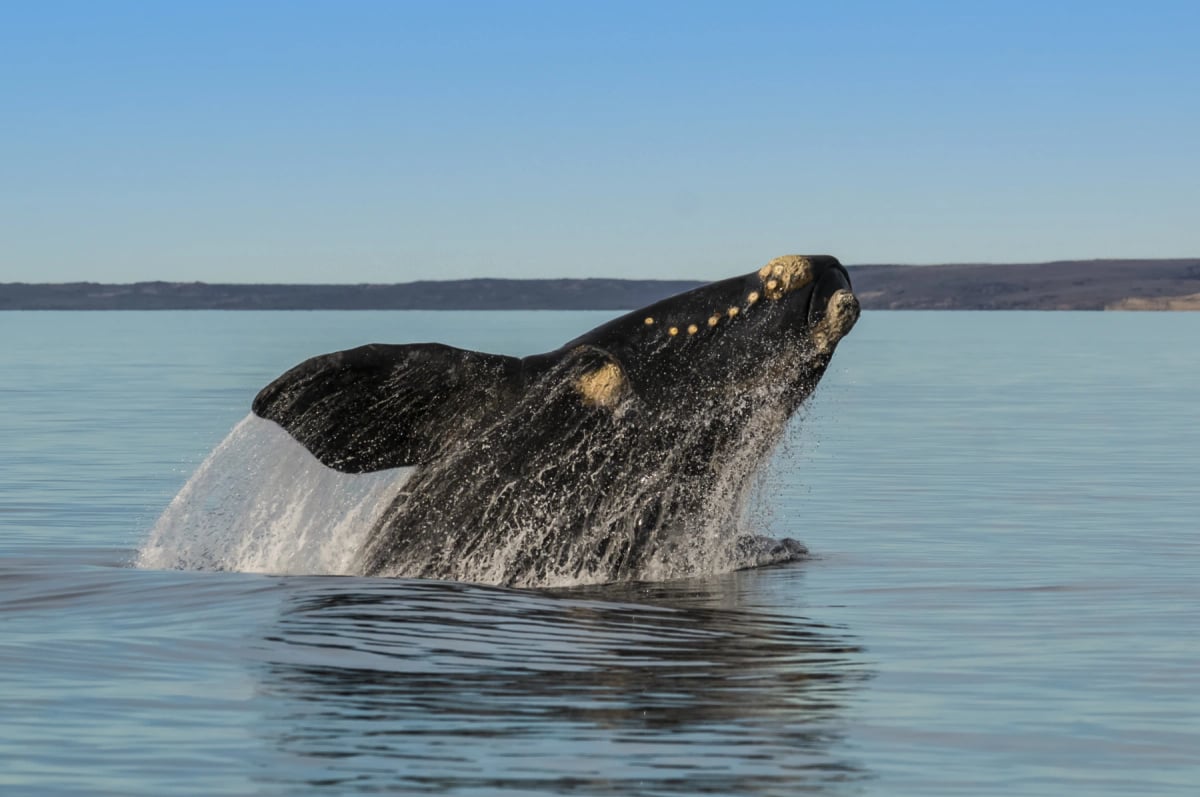
Southern Right Whale
Eubalaena australis
Mozambique sits toward the northern edge of the southern right whale's known range. Occasional sightings in Mozambican waters suggest that some individuals travel into the southwestern Indian Ocean during migration. The warm waters here are far from the cold feeding grounds these whales prefer, and encounters tend to be uncommon. Continued monitoring along the Mozambican coast contributes to a broader understanding of their movement patterns. Listed as Least Concern.
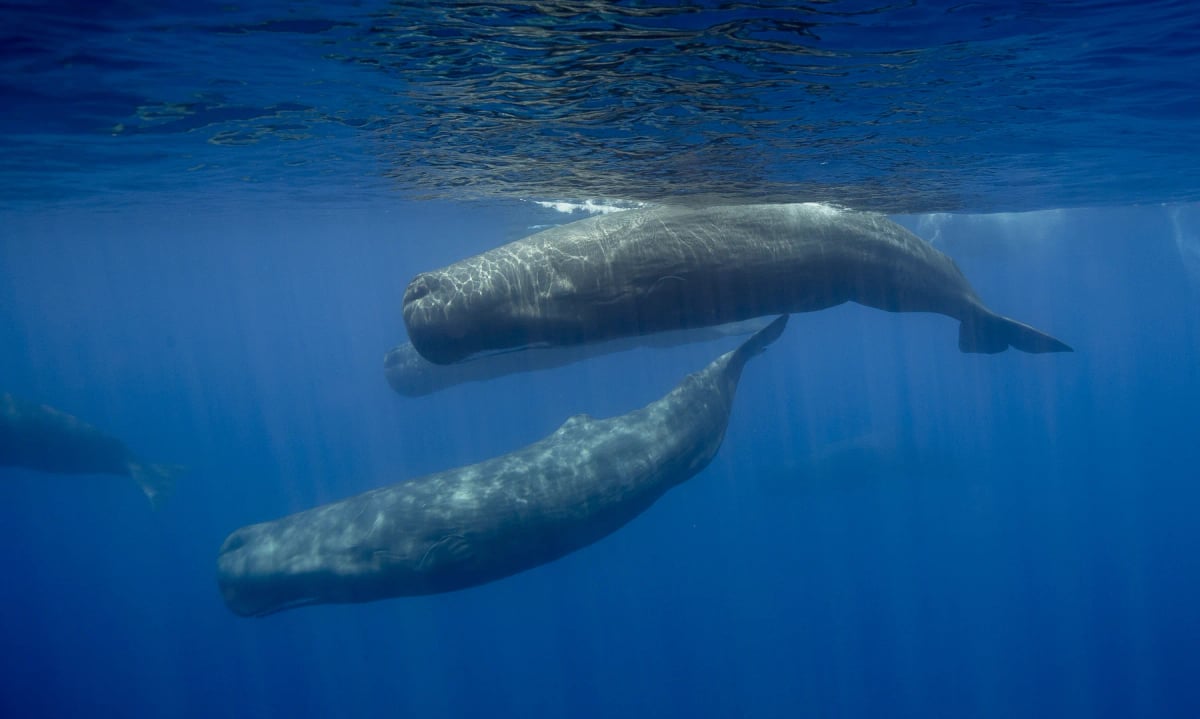
Sperm Whale
Physeter macrocephalus
Sperm whales inhabit the deep offshore waters of the Mozambique Channel, one of the most biologically rich marine zones in the western Indian Ocean. The channel's depths support abundant squid populations that attract these powerful predators year round. As a Vulnerable species, sperm whales in this region face risks from increasing commercial shipping and the expansion of offshore energy exploration activities.
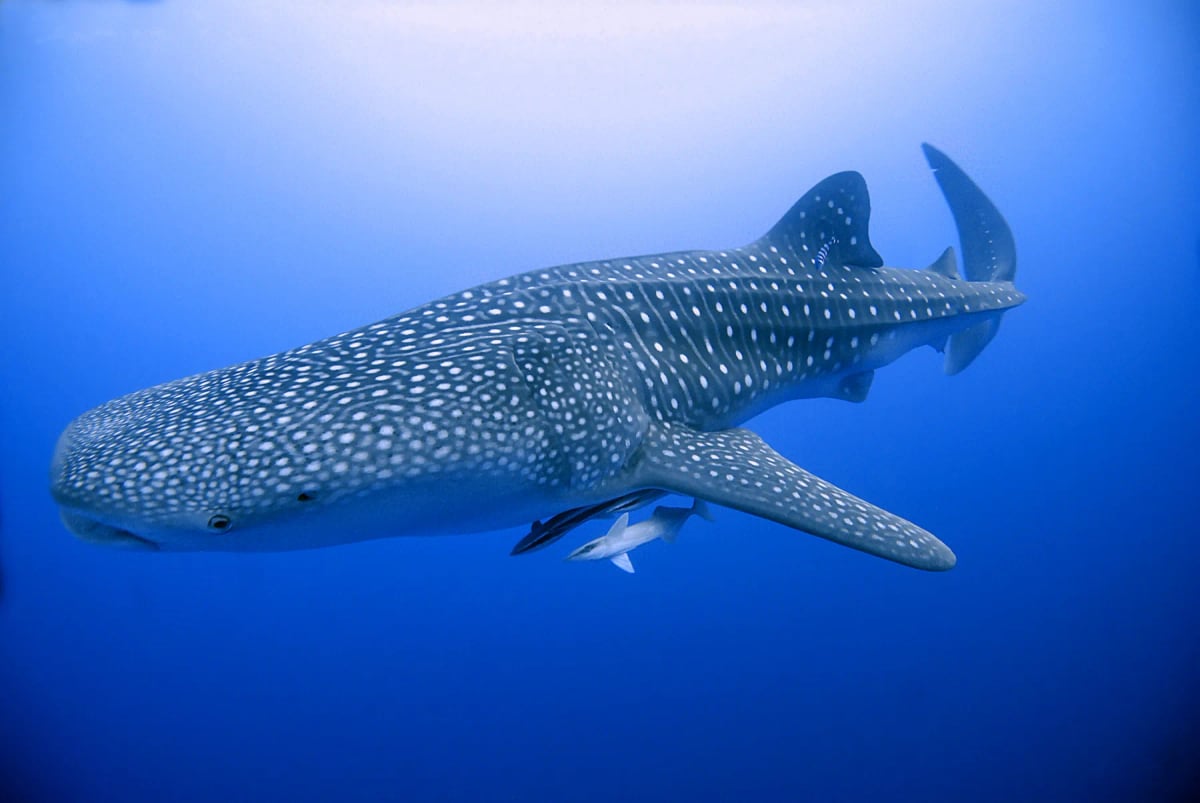
Whale Shark
Rhincodon typus
Mozambique's Tofo Beach, in Inhambane province, is considered one of the best places in the world to encounter whale sharks, with sightings possible throughout the year and especially common between October and March. The species has historically faced pressure from gillnet fishing along this coast, and dive operators now work alongside researchers to track individual sharks and support local conservation efforts tied to responsible tourism.
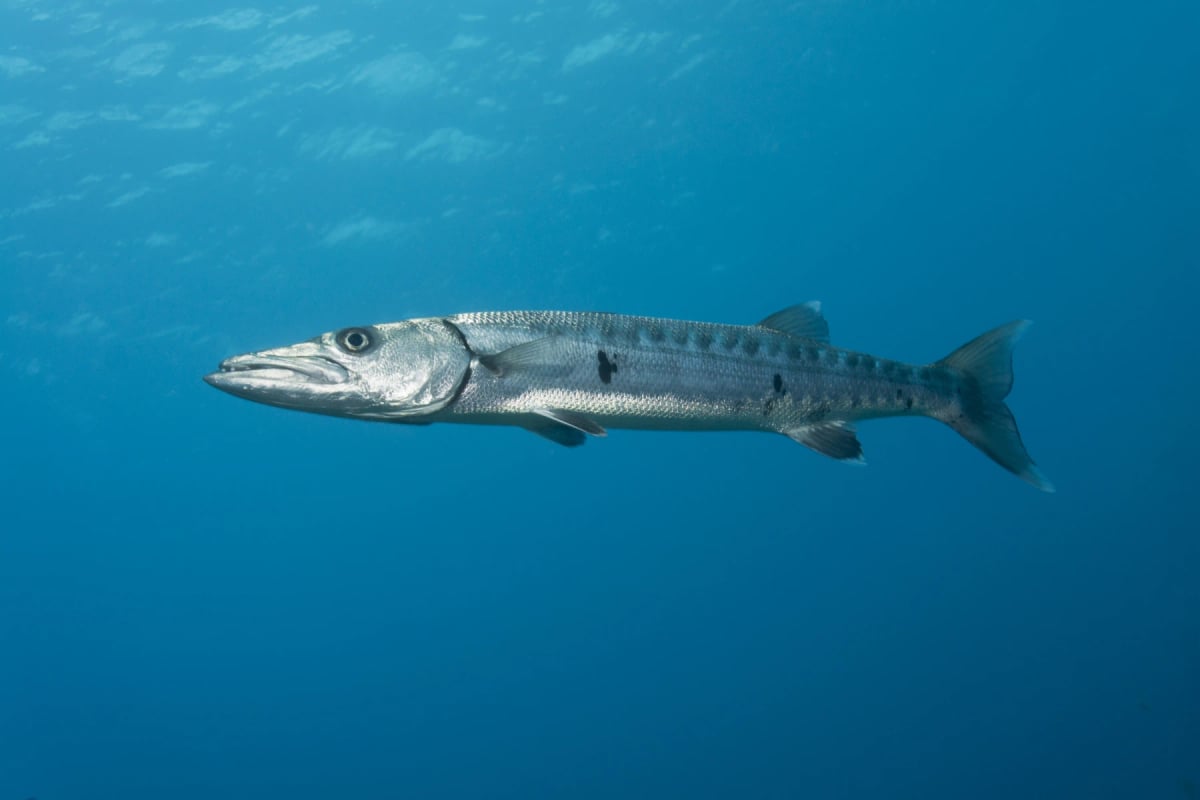
Barracuda
Sphyraena spp.
Barracudas are a common predator in the warm Indian Ocean waters off Mozambique, found along the extensive coral reef systems of the north, the Quirimbas Archipelago, and the reefs of Inhambane and Tofo in the south. The great barracuda is regularly encountered by divers at reef drop-offs and in open water near coral structures. Mozambique is one of southern Africa's most celebrated dive destinations, and barracuda sightings are a consistent feature of reef dives along the coast, particularly in the clearer northern waters.
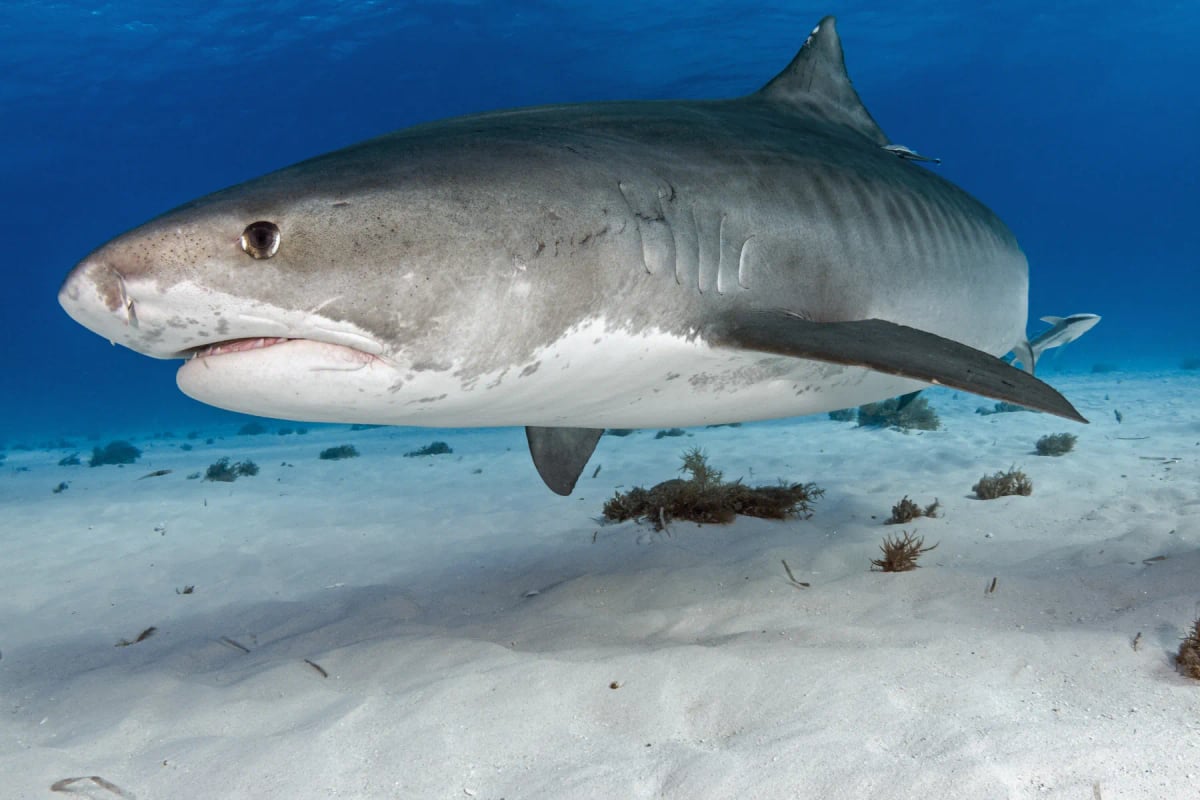
Tiger Shark
Galeocerdo cuvier
Along Mozambique's extensive Indian Ocean coastline, tiger sharks roam coral reefs, seagrass beds, and coastal shallows. The waters around the Bazaruto Archipelago and Quirimbas provide rich hunting grounds where these sharks pursue sea turtles, fish, and rays. Reaching up to 5 metres in length, they are an important part of the regional marine ecosystem, though fishing pressure threatens their numbers across the western Indian Ocean.
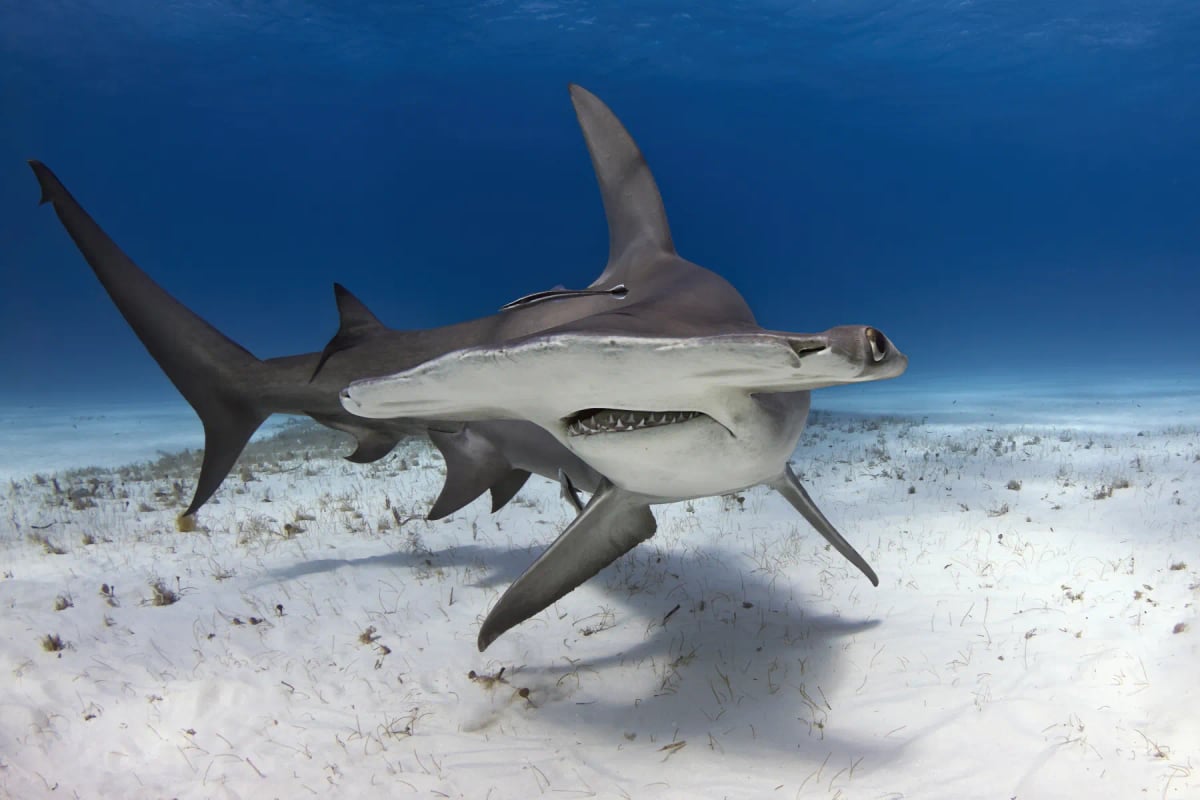
Hammerhead Shark
Sphyrna spp.
The warm waters of the Mozambique Channel provide important habitat for hammerhead sharks, which are seen along coral reefs and around offshore seamounts. Dive sites near Tofo Beach have long attracted visitors hoping to spot these sharks. Overfishing and the shark fin trade have put severe pressure on populations here. Conservation awareness is growing in Mozambique, but these sharks remain Critically Endangered throughout the western Indian Ocean.
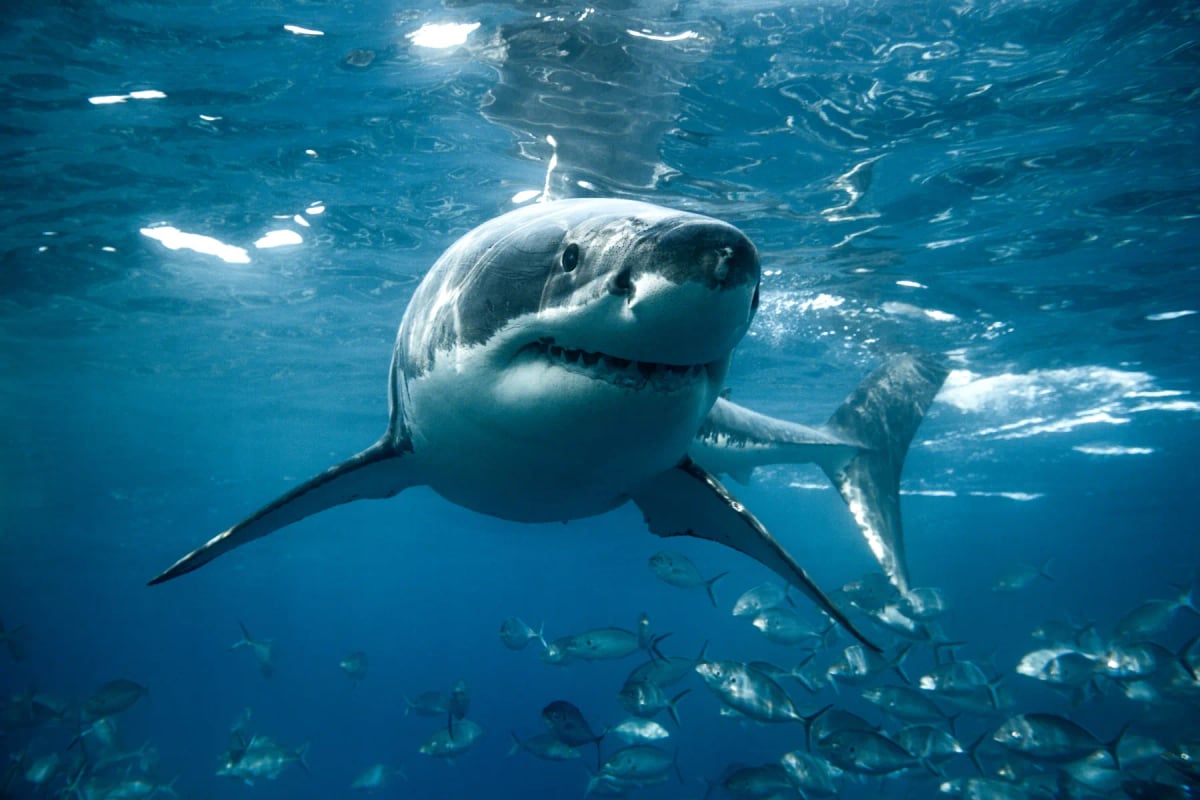
Great White Shark
Carcharodon carcharias
The great white shark is present in the waters off Mozambique along the southwestern Indian Ocean, a coastline that stretches for nearly 2,500 kilometres and includes coral reefs, seagrass beds, and open coastal waters. The Mozambique Channel, which separates the country from Madagascar, provides habitat for the marine mammals and large fish that great whites rely on. The species is classified as Vulnerable, and bycatch in fishing nets remains a concern along this coast.
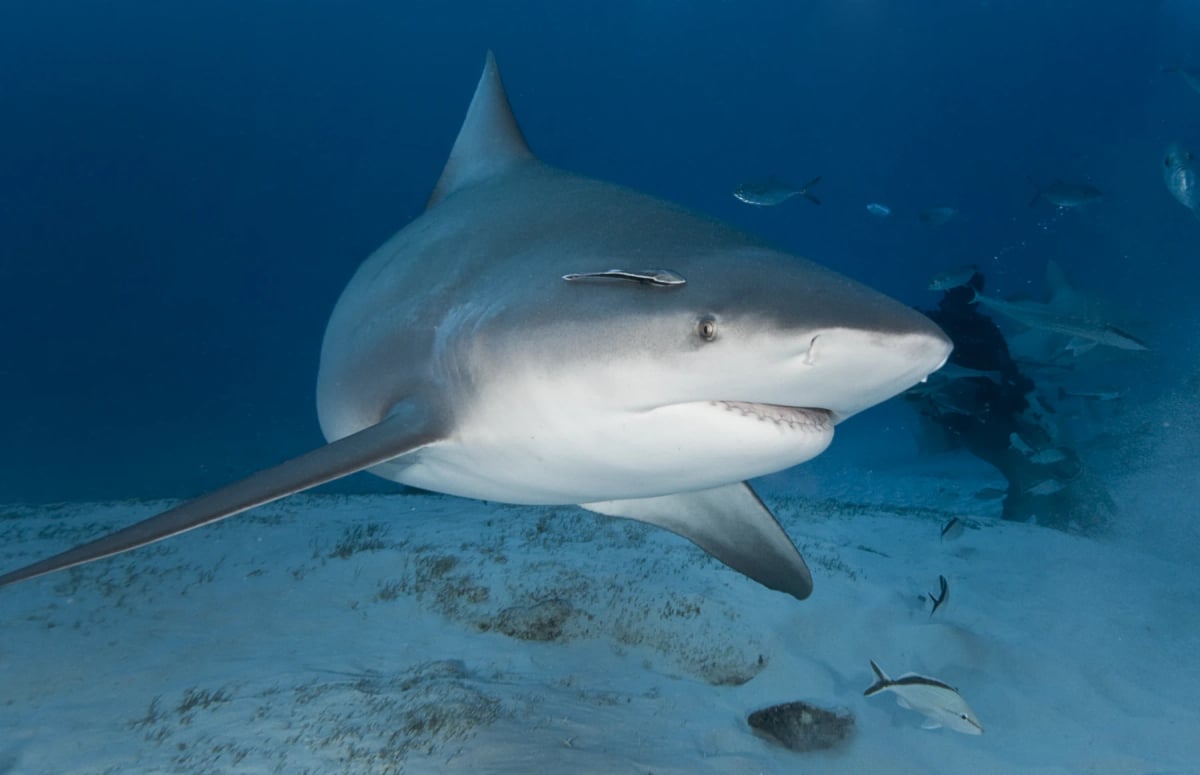
Bull Shark
Carcharhinus leucas
Mozambique's long Indian Ocean coastline, with its extensive mangrove systems, river deltas, and shallow bays, offers prime habitat for bull sharks. The Zambezi River, which empties into the ocean along Mozambique's coast, is one of the most well-documented freshwater routes used by this species in Africa. Bull sharks have been recorded far upstream in that river system, and they remain a regular presence in coastal and estuarine waters throughout the country.
Researched and written by Juan Pablo. Sources: IUCN Red List, scientific literature and regional field guides. Last updated: .