Animals in Eq Guinea
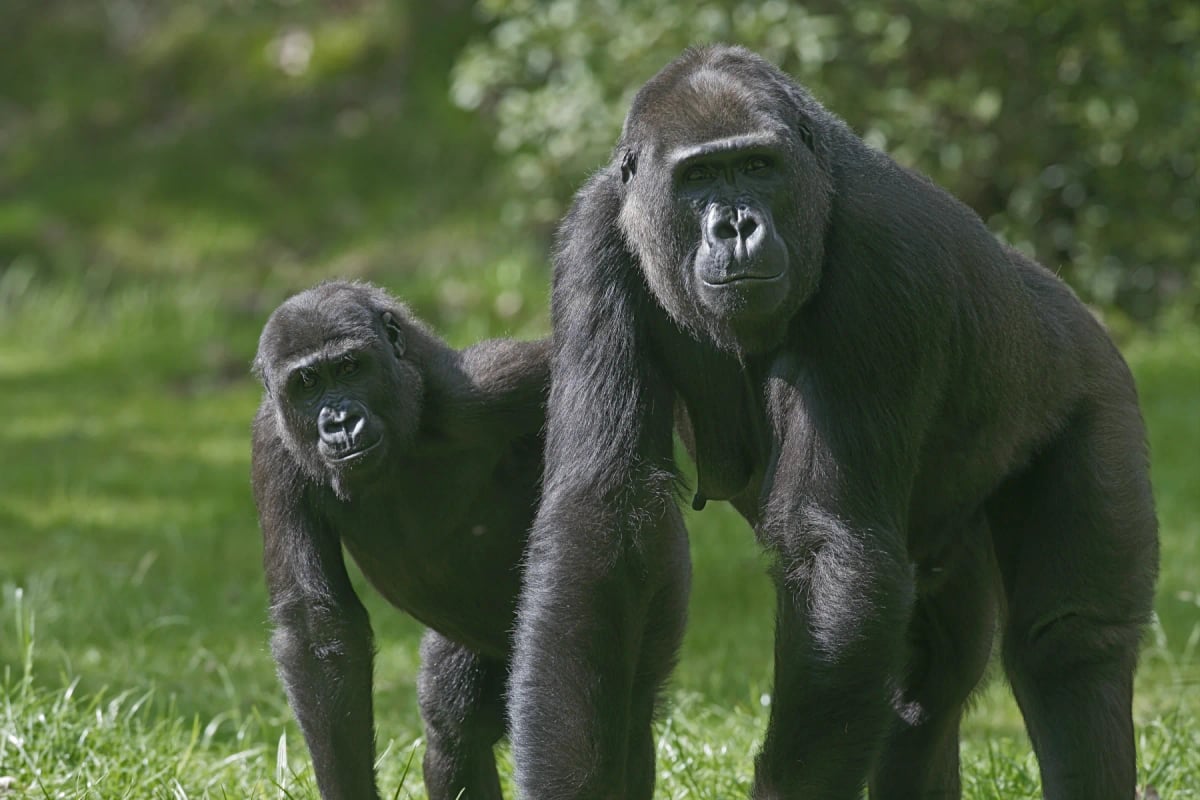
Western Lowland Gorilla
Gorilla gorilla gorilla
The western lowland gorilla, Equatorial Guinea’s national animal, represents the strength and diversity of its forests. Critically endangered, it survives in isolated populations protected by conservation programs that aim to preserve both the species and its rainforest habitat.
View details→Wildlife in Eq Guinea
Equatorial Guinea’s rainforests, mangroves and Atlantic shores host exceptional biodiversity. Gorillas, chimpanzees, forest elephants and dolphins live among lush vegetation that defines the country’s tropical landscape. Protected areas invite visitors to discover its hidden wildlife treasures.
Most Dangerous Animals in Eq Guinea
Caution is essential in Equatorial Guinea’s forests and rivers, where elephants, hippos and crocodiles may be found. Guided tours through protected zones allow travelers to experience the country’s wildlife safely while supporting local conservation efforts.
Top 10 Animals in Eq Guinea
Leopards, crocodiles, chimpanzees and hippos are among the animals that define Equatorial Guinea’s wild character. National parks such as Monte Alén offer visitors a rare chance to explore pristine jungles and observe the country’s remarkable fauna in its natural environment.
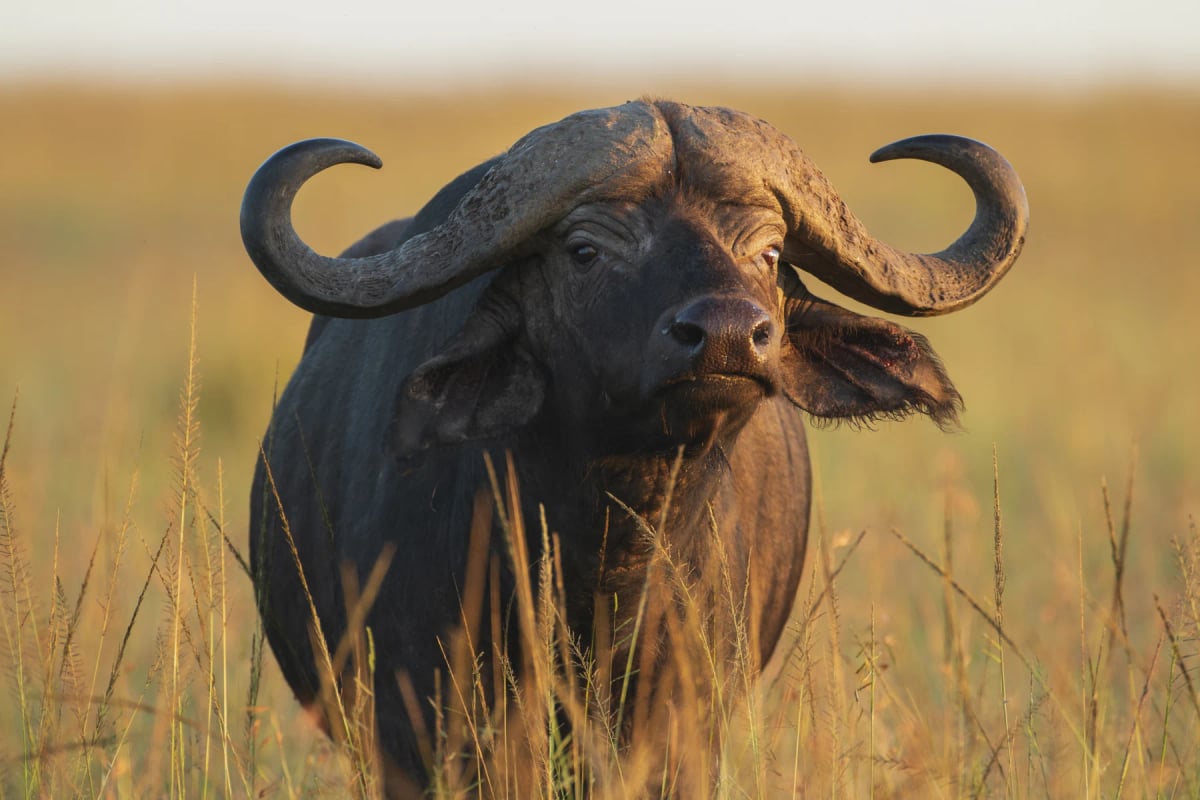
Buffalo
Syncerus caffer
African buffaloes in Equatorial Guinea inhabit the dense forests and forest edges of the mainland region of Río Muni, as well as parts of Bioko Island. Their presence within the country's humid equatorial forests is less conspicuous than in open savanna settings. Limited survey data makes it difficult to assess precise population numbers, though they are considered part of the broader Central African population.
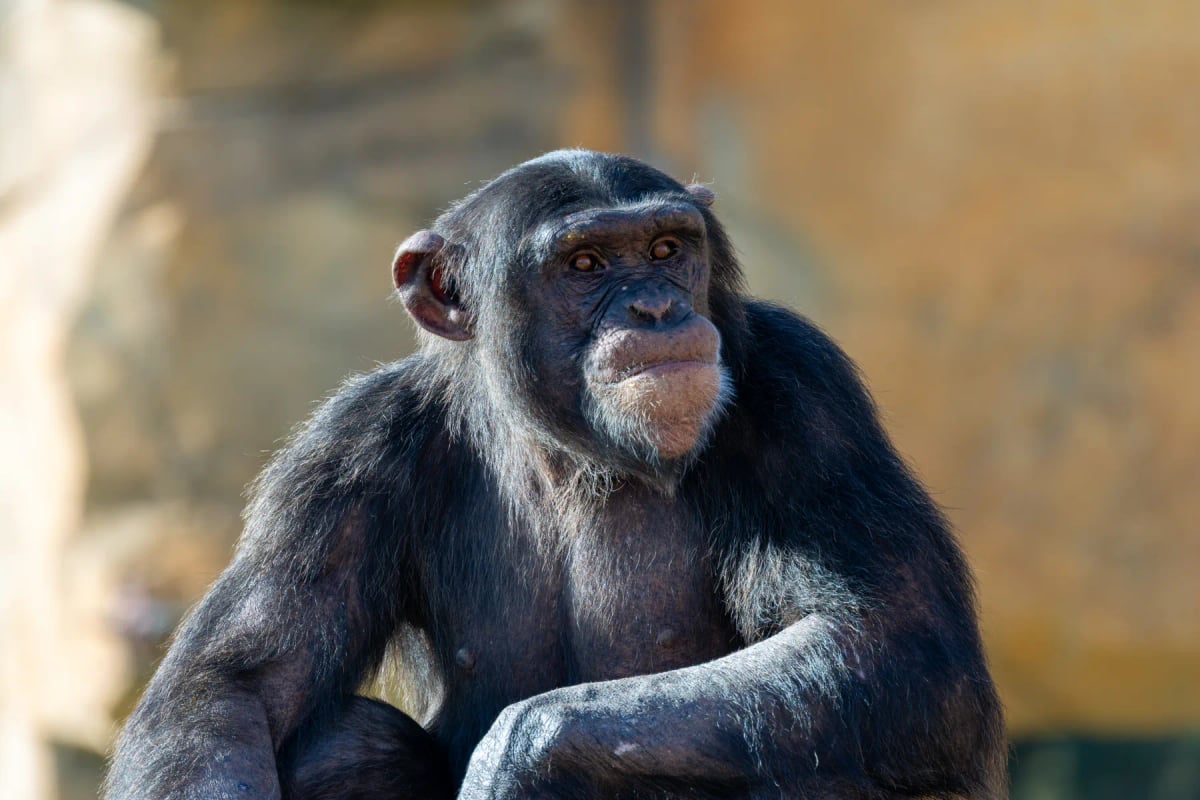
Chimpanzee
Pan troglodytes
Equatorial Guinea, though small in size, provides important chimpanzee habitat across its mainland region of Río Muni, where dense rainforest remains relatively intact. The Monte Alén National Park is the main protected area for the species in the country. Logging concessions adjacent to protected zones and the bushmeat trade pose the most immediate threats to chimpanzees living here.
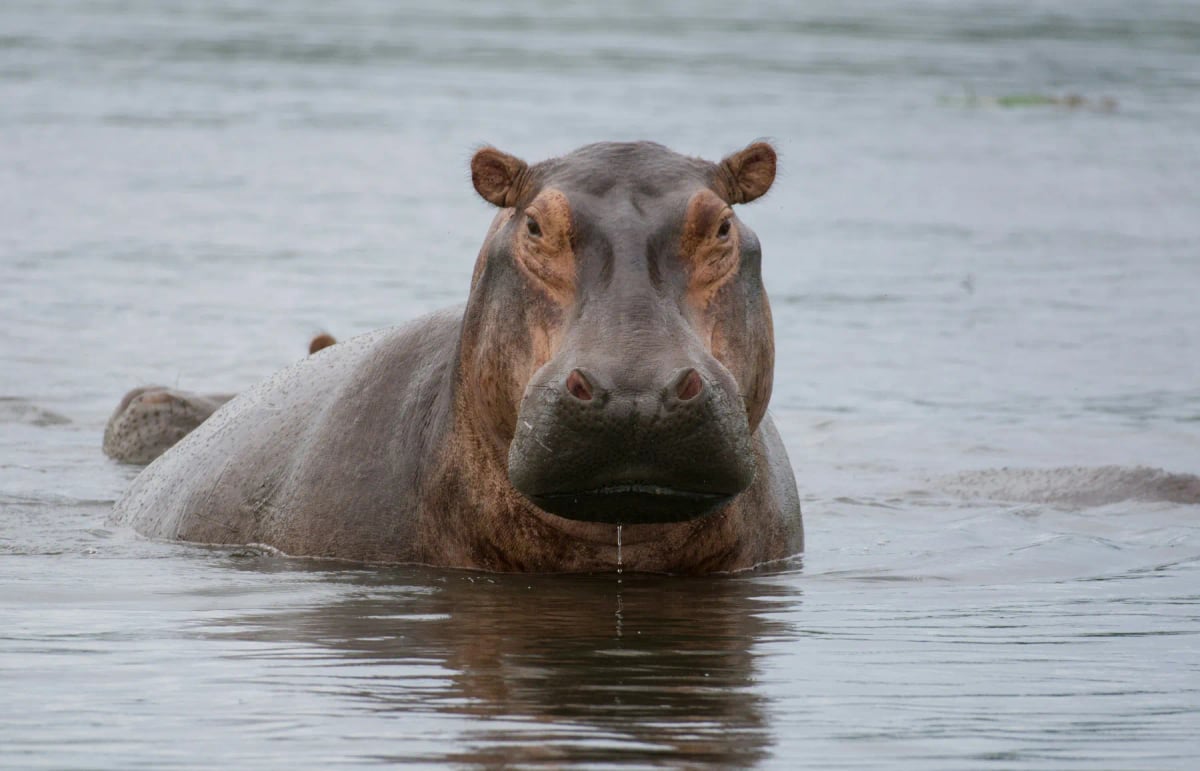
Hippopotamus
Hippopotamus amphibius
The hippopotamus has a very limited presence in Equatorial Guinea, with any remaining individuals likely confined to river systems near the border with Gabon and Cameroon. Dense rainforest cover makes population surveys difficult. Habitat pressure from agriculture and logging poses a serious threat. The IUCN lists the hippopotamus as Vulnerable, and its status in this country is considered especially precarious.
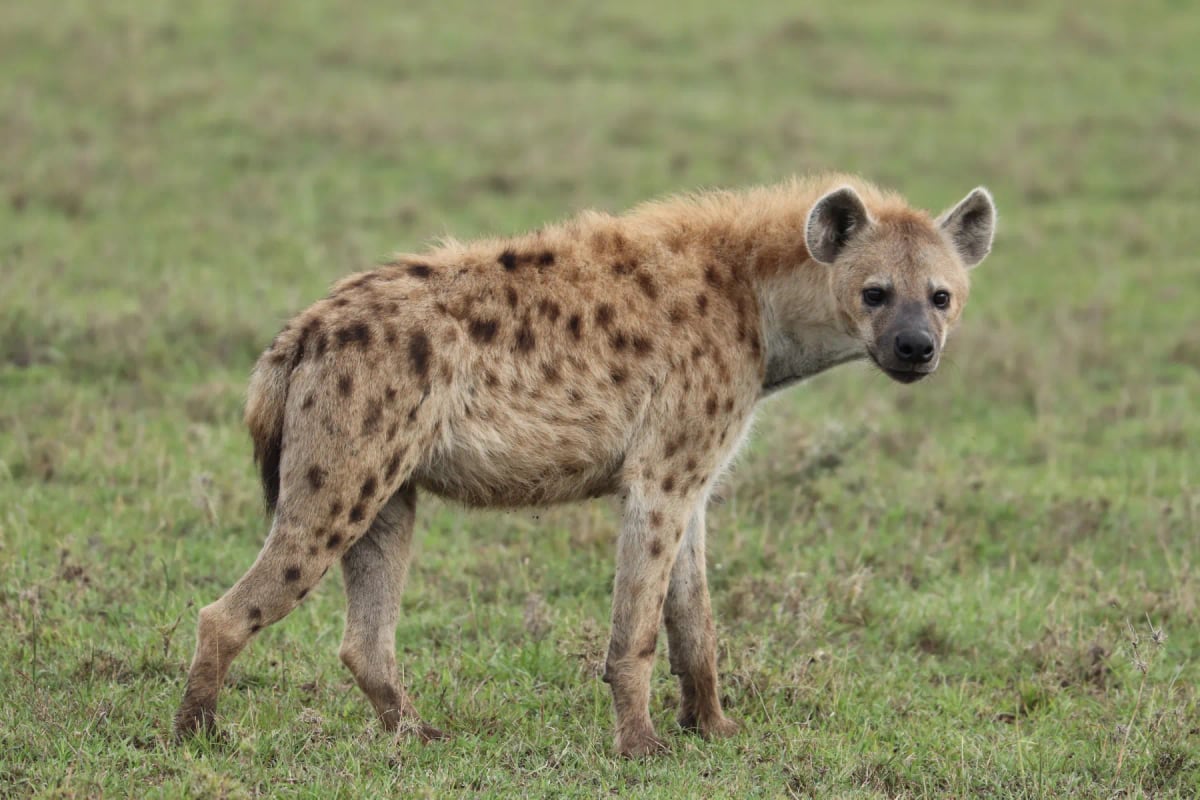
Spotted Hyena
Crocuta crocuta
In Equatorial Guinea, spotted hyenas are more likely to occur in the mainland region of Río Muni than on Bioko Island, where suitable savanna habitat is largely absent. They are rarely documented in this heavily forested country, and little specific research has focused on their populations here. Deforestation and hunting pressure add to the challenges they face. Their IUCN status is Least Concern.
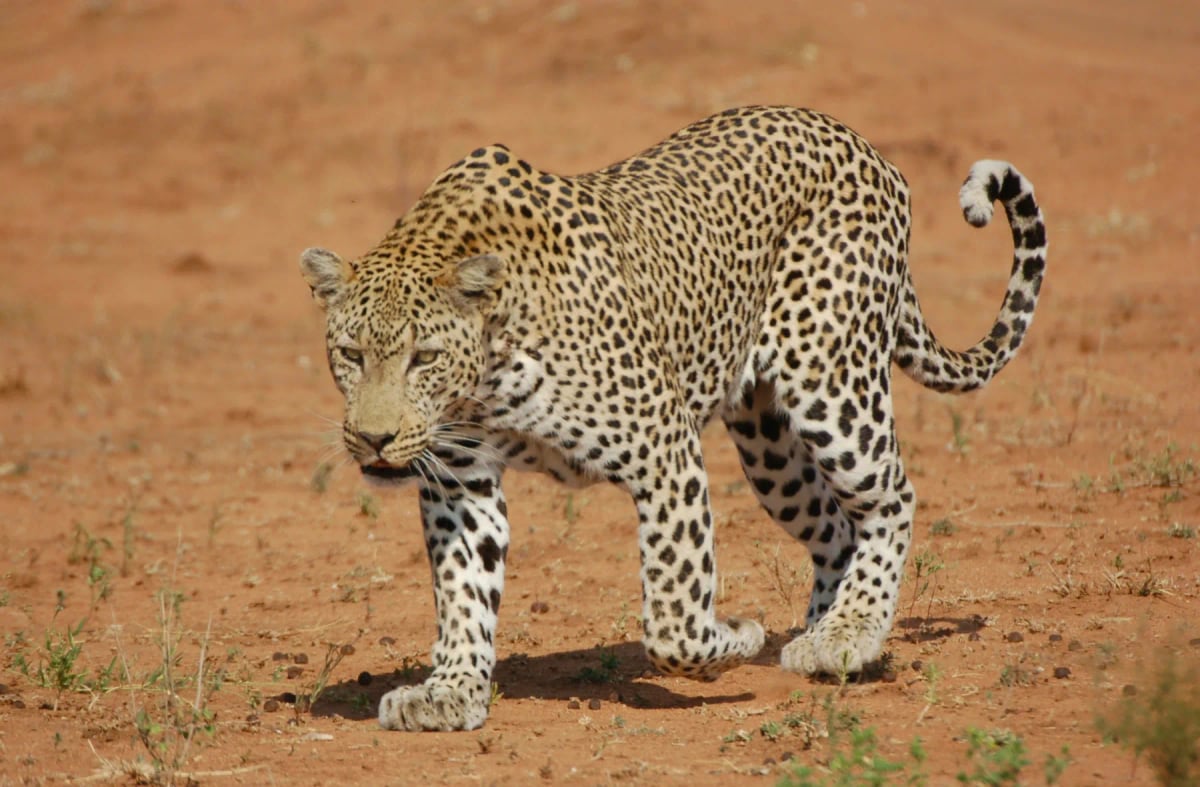
Leopard
Panthera pardus
Leopards in Equatorial Guinea inhabit the dense rainforests of the mainland region of Río Muni as well as Bioko Island. These forests provide excellent cover for a hunter that depends on stealth. Leopards here face pressure from habitat loss due to logging and agricultural expansion. They are the largest predators in the country and play a vital role in keeping prey populations in balance.
Western Lowland Gorilla
Gorilla gorilla gorilla
In Equatorial Guinea, western lowland gorillas inhabit the rainforests of the mainland region known as Río Muni. The country's forests remain relatively intact compared to other parts of the range, which offers some protection to local gorilla populations. Bushmeat hunting is a persistent concern. Monte Alen National Park provides a protected space where gorillas can live with less pressure from human activity.
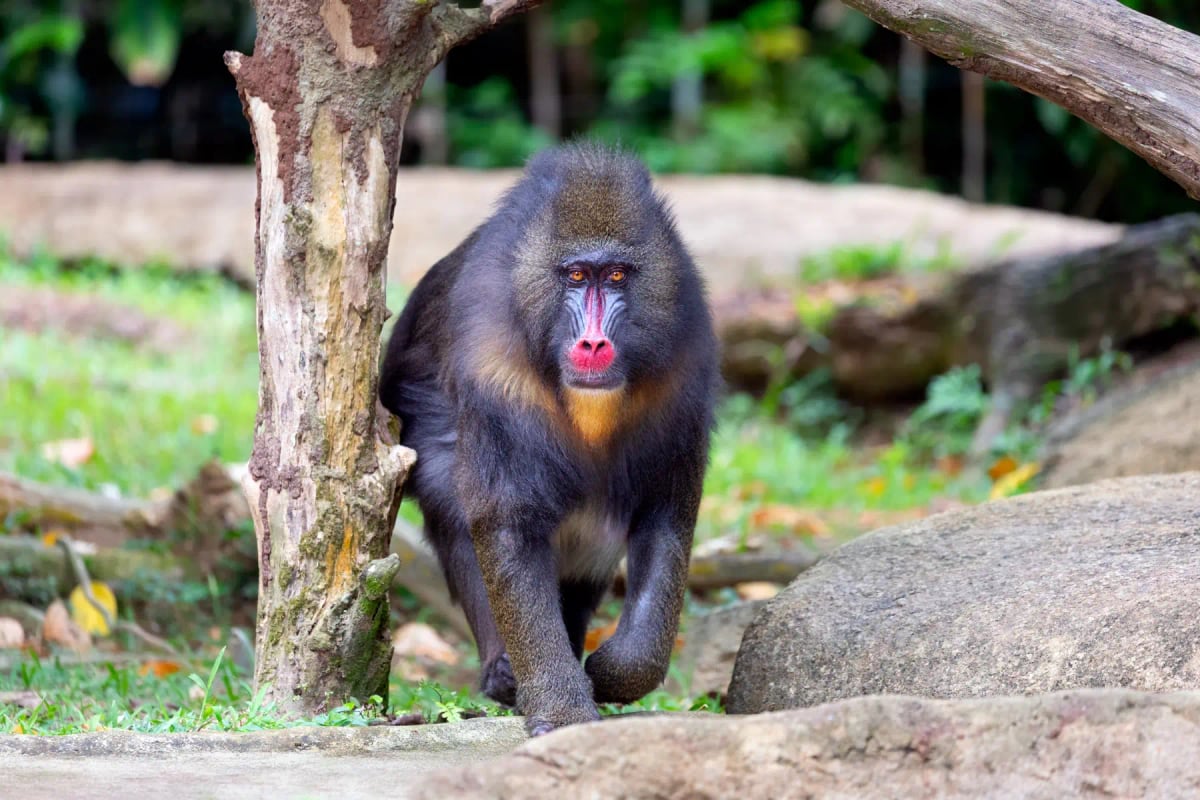
Mandrill
Mandrillus sphinx
Mandrills are found in the rainforests of the mainland region of Equatorial Guinea, known as Río Muni. As the largest monkeys on Earth, males display striking red and blue facial coloring that intensifies with social rank. They forage in groups across the forest floor, eating fruit, roots, and small animals. Habitat loss from logging and hunting remain serious threats. The IUCN classifies the mandrill as Vulnerable.
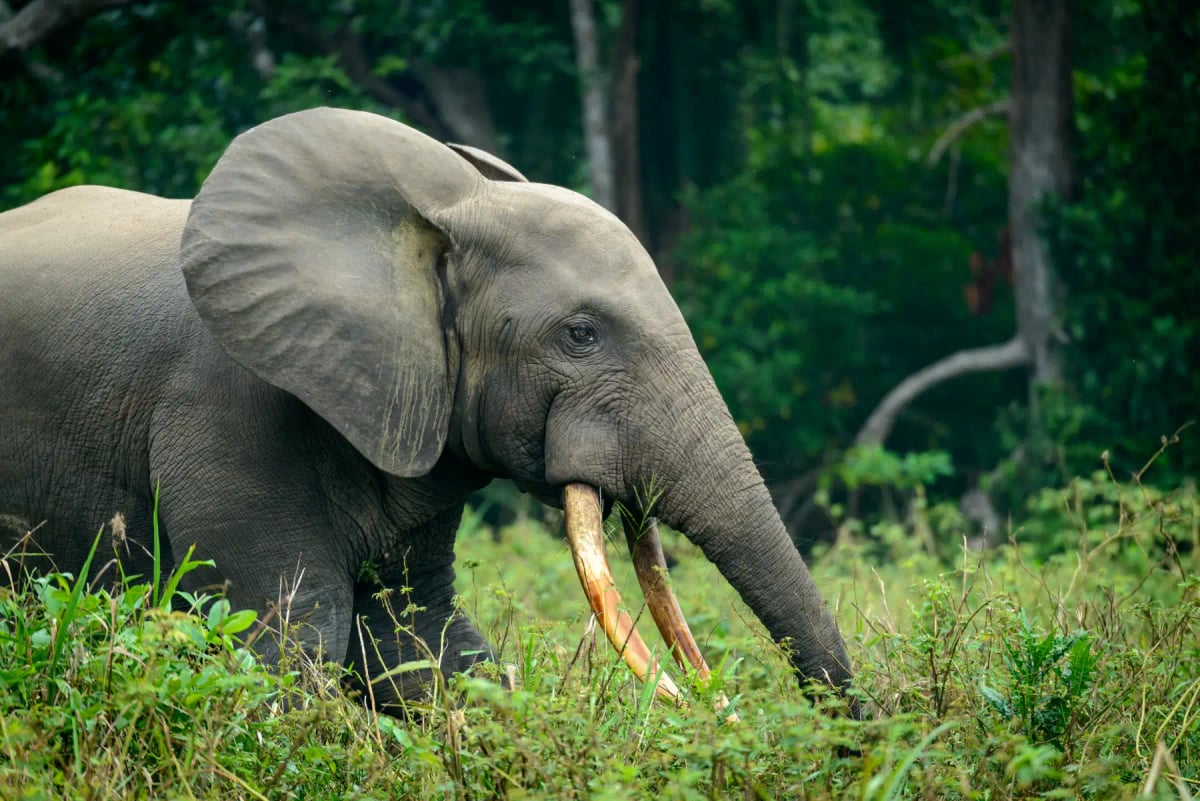
African Forest Elephant
Loxodonta cyclotis
Equatorial Guinea's mainland region, Río Muni, holds a small but confirmed population of African forest elephants within its intact lowland rainforest. Monte Alén National Park in the center of the mainland is the core protected area for the species. The island of Bioko does not support forest elephants. Equatorial Guinea's low human density and relatively intact forest cover have helped maintain a resident population, though poaching and logging outside protected areas remain ongoing concerns.
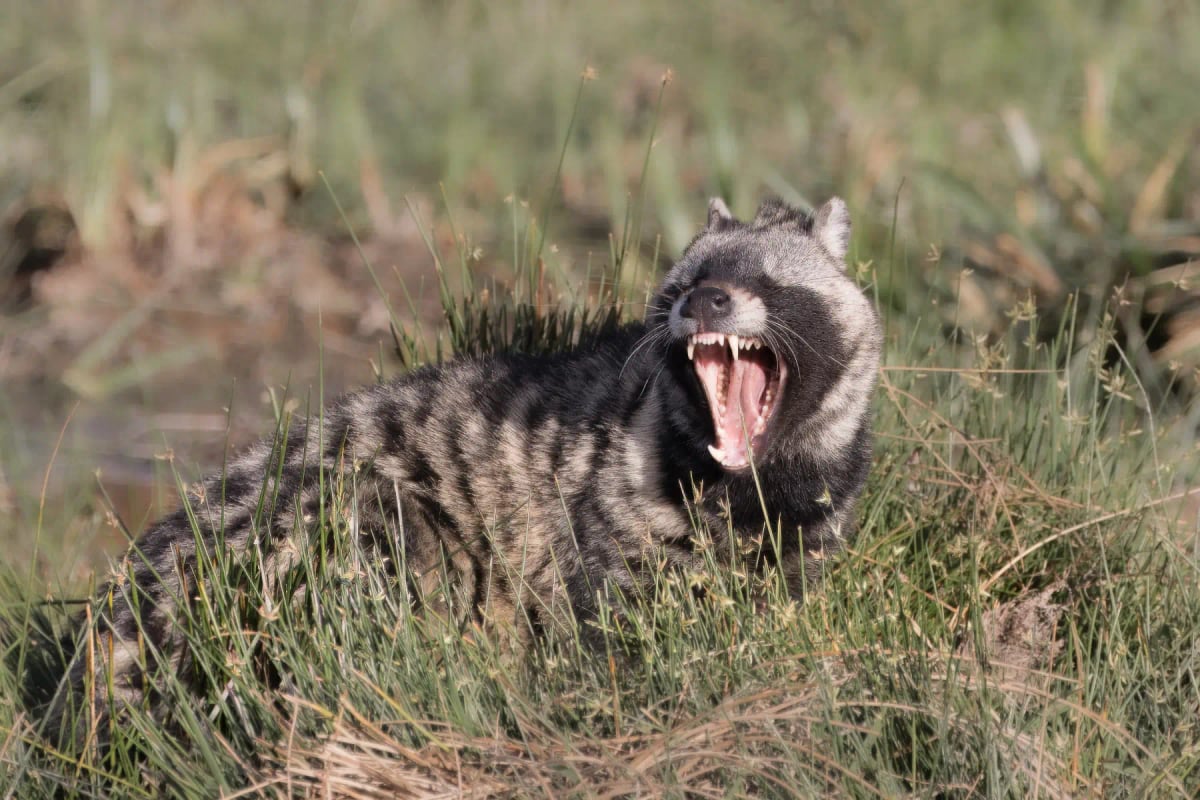
African Civet
Civettictis civetta
Equatorial Guinea's dense rainforests, both on the mainland region of Río Muni and on the island of Bioko, provide rich habitat for the African civet. The country's high rainfall and intact forest cover support strong civet populations, particularly in Monte Alén National Park on the mainland. Bioko's forests are ecologically isolated and harbor distinct wildlife communities, and civets here live in one of the most biodiverse island environments on the continent.
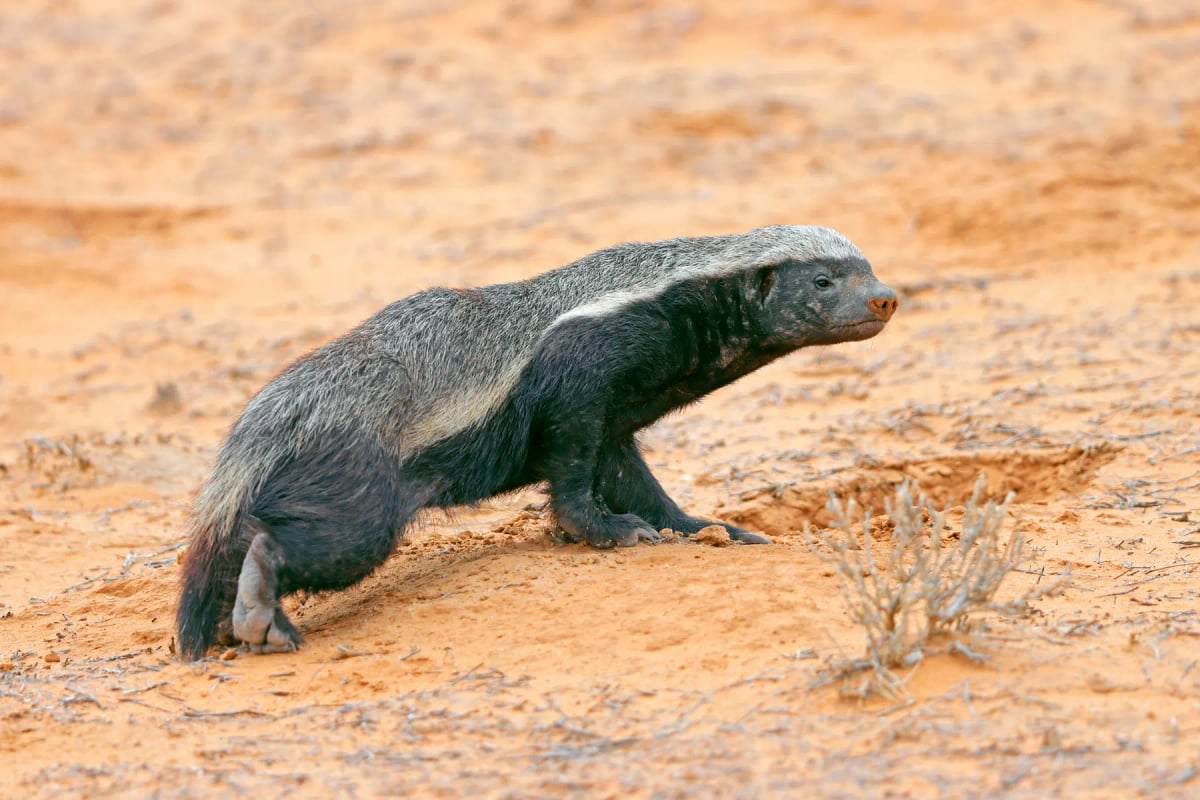
Honey Badger
Mellivora capensis
In Equatorial Guinea, the honey badger is found in savanna and woodland habitats on the mainland region of Río Muni. It is a solitary and highly adaptable carnivore, digging out prey from burrows and foraging for everything from honey to venomous snakes. Deforestation and agricultural expansion put pressure on its habitat, though the IUCN currently rates it as Least Concern.
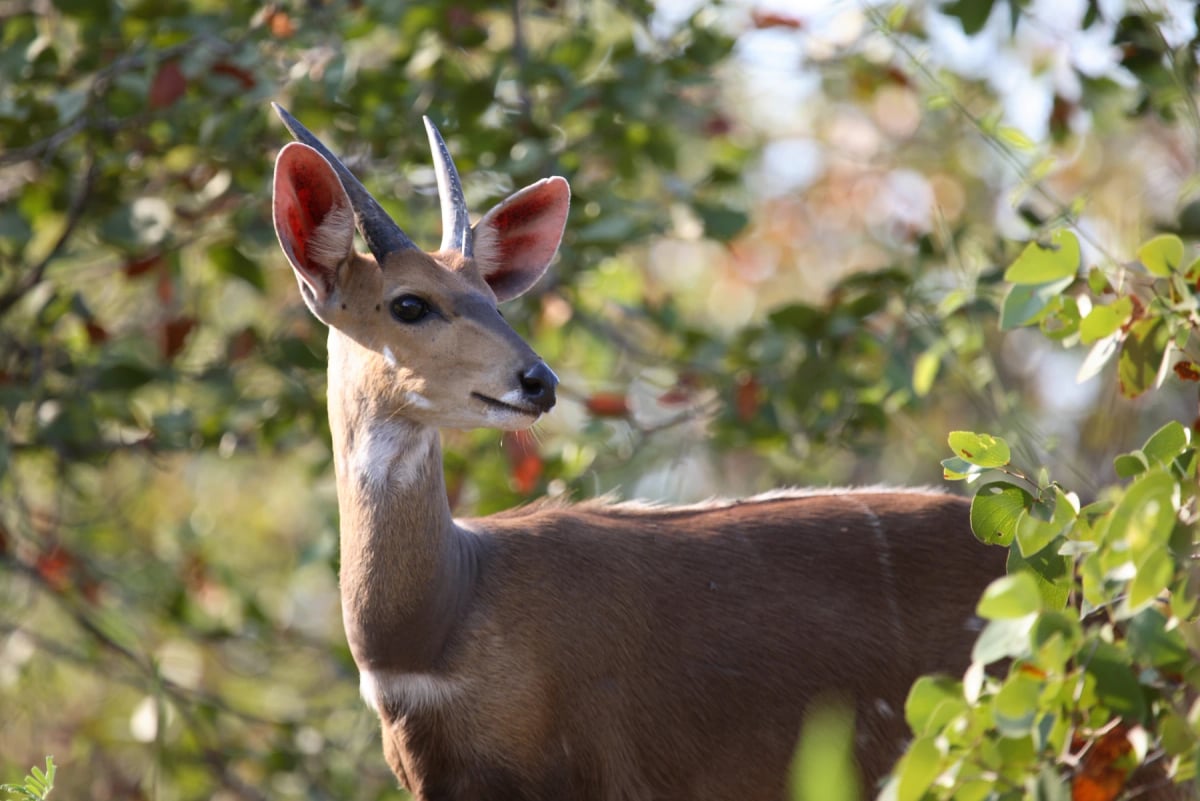
Bushbuck
Tragelaphus scriptus
Equatorial Guinea's dense rainforests and riverine woodlands support a healthy bushbuck population. These shy antelopes are solitary browsers that exploit the rich understory vegetation in humid tropical forests. Their pale coat with distinctive white markings helps them blend into the dappled light of forest interiors.
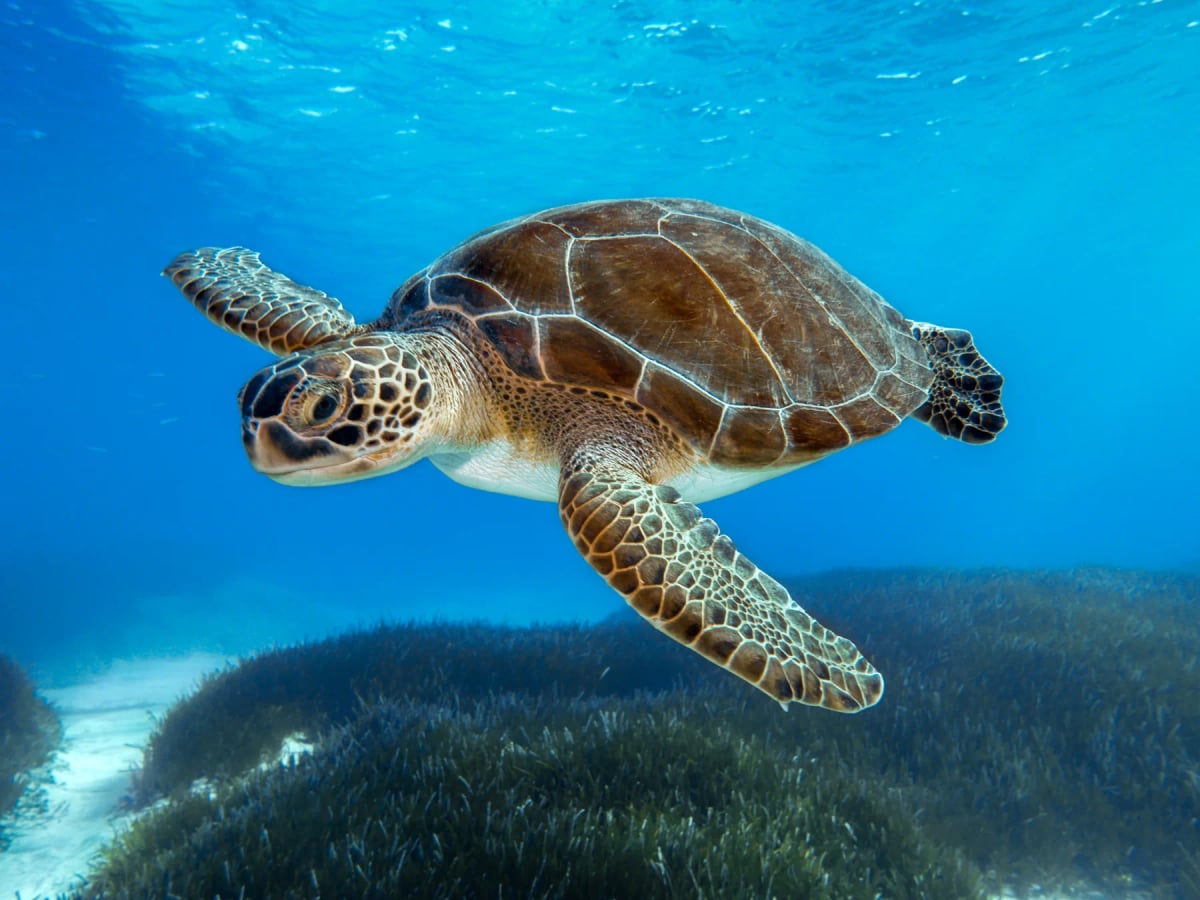
Sea Turtle
Cheloniidae & Dermochelyidae (families)
Equatorial Guinea's mainland coast and the island of Bioko are part of the Central African sea turtle nesting region. Leatherback turtles nest on beaches on Bioko, which is considered one of the more significant leatherback sites in the Gulf of Guinea. Olive ridley and green turtles are also present in Equatoguinean waters. Conservation programs operate on Bioko to monitor nesting females and protect nests from egg collection.
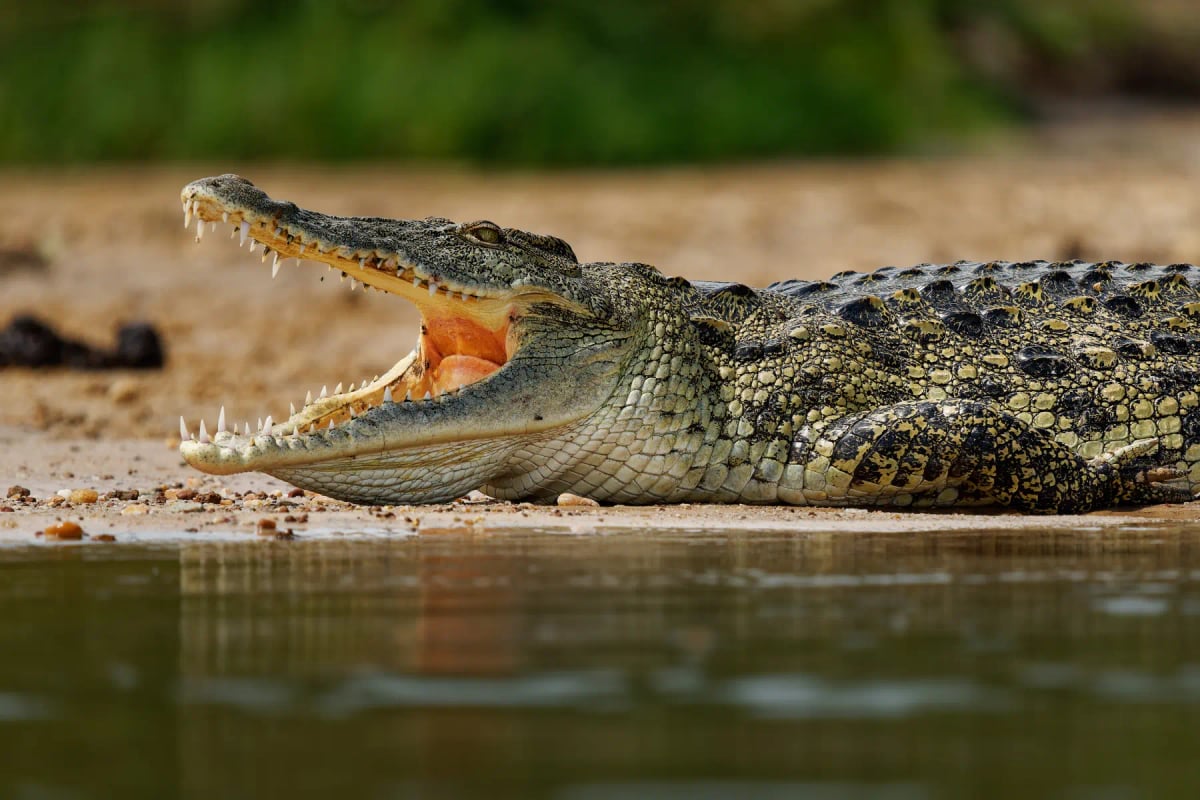
Nile Crocodile
Crocodylus niloticus
The Nile crocodile is present in Equatorial Guinea, found in rivers and coastal wetlands of the mainland region known as Río Muni. The country's dense tropical forests and slow rivers provide suitable conditions for this reptile. Though the population here is considered small, crocodiles play an important role in regulating aquatic ecosystems. Habitat loss from deforestation and pressure from local hunting are the primary concerns for the species in this country.
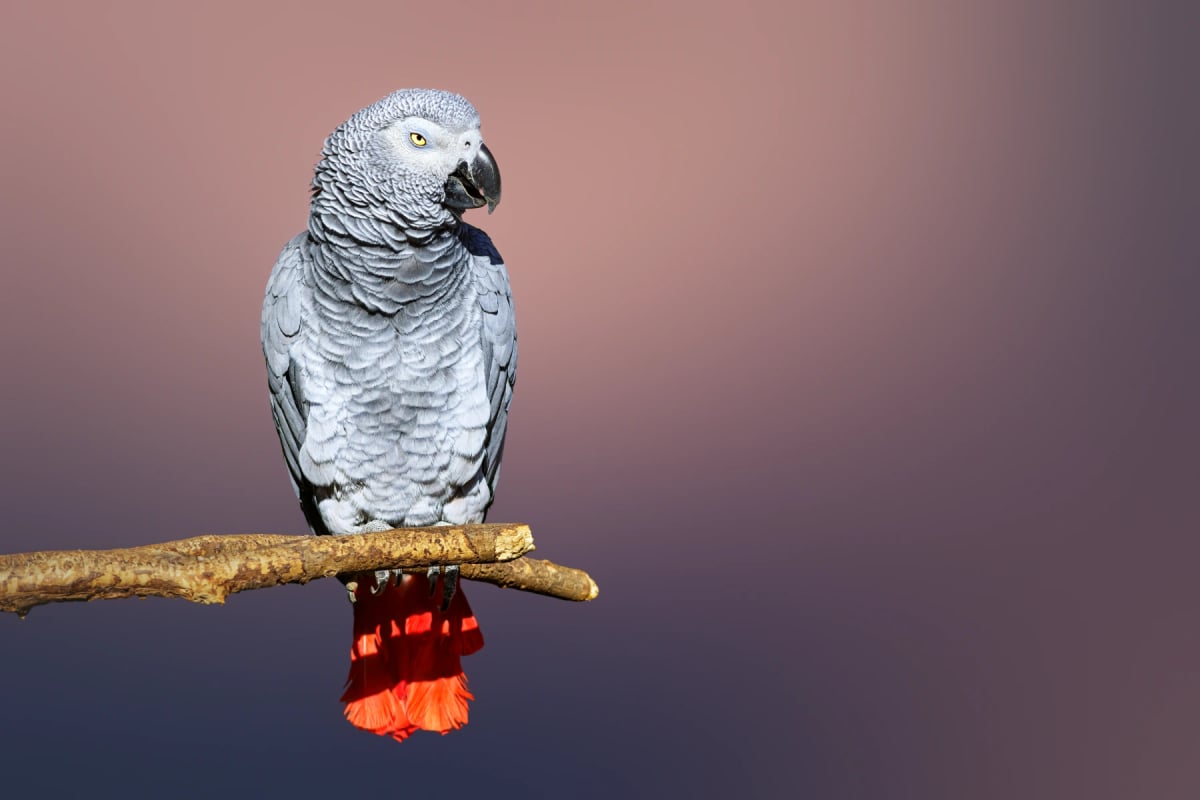
African Grey Parrot
Psittacus erithacus
Equatorial Guinea holds African grey parrots in both its mainland territory of Río Muni and on Bioko Island in the Gulf of Guinea. The island population on Bioko is particularly notable, as island populations of parrots are often genetically distinct and especially vulnerable to trapping pressure. The dense forests of Bioko's interior and the Río Muni mainland, which shares borders with Cameroon and Gabon, provide suitable habitat. The country's small size and relatively intact forest coverage make it an important part of the species' Central African range.
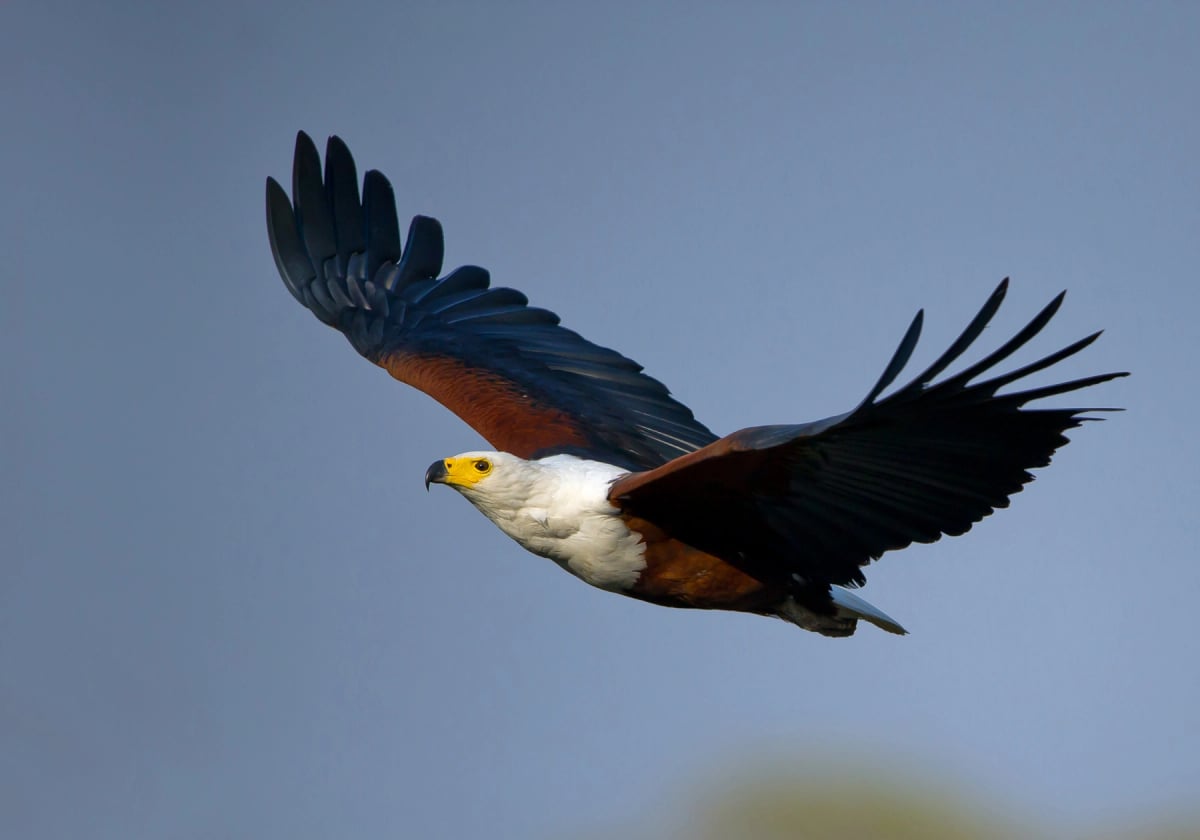
African Fish Eagle
Haliaeetus vocifer
The African fish eagle occurs in Equatorial Guinea near the rivers and wetlands of the mainland region, Río Muni, where freshwater habitat is available. It is not commonly recorded and is absent from the island of Bioko. The Benito and Muni rivers and the coastal lagoons of the mainland provide the most suitable conditions for this species, though detailed survey data for the country remains limited.
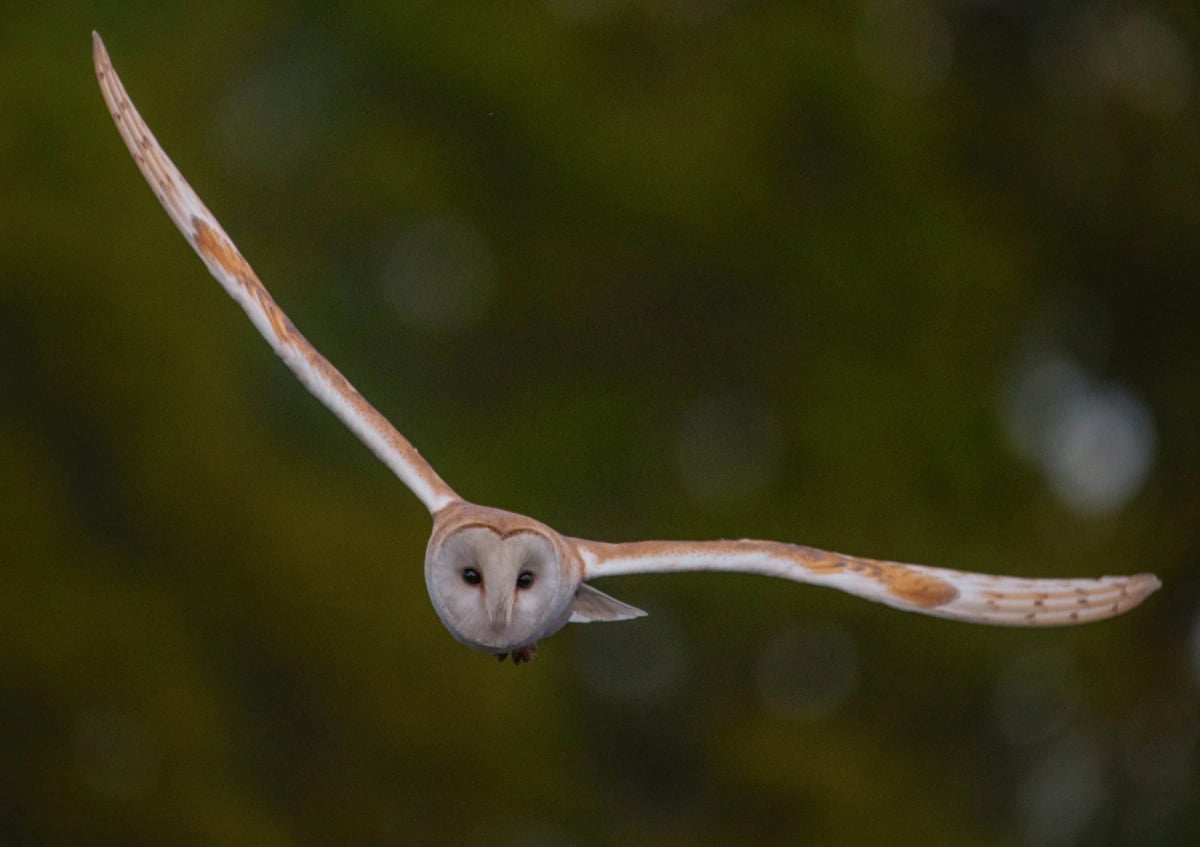
Barn Owl
Tyto alba
The barn owl is present in Equatorial Guinea in open savanna and farmland areas on the mainland region of Río Muni, where open habitat suitable for hunting exists. It is far less commonly encountered on Bioko Island, which is largely covered by dense tropical forest. It nests in old buildings and hollow trees and hunts rodents at night. Its distribution in Equatorial Guinea is limited by the extent of forest cover, which dominates much of the country.
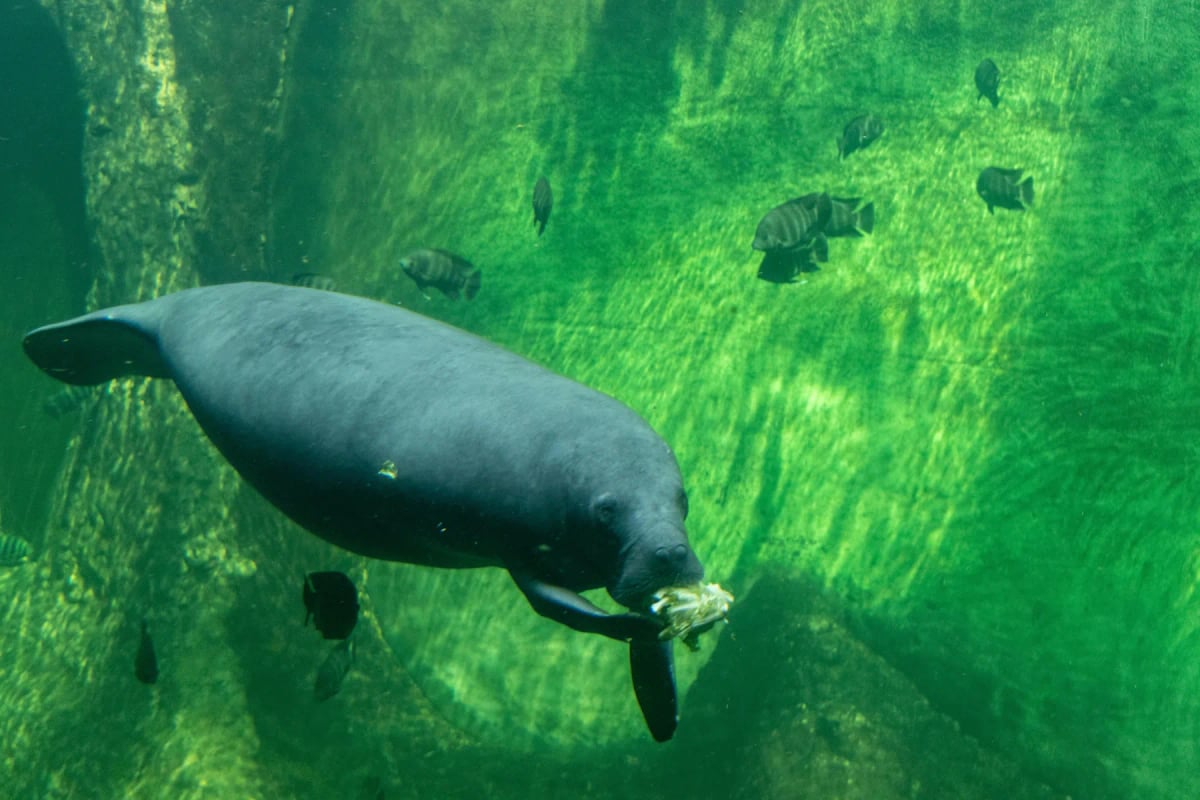
African Manatee
Trichechus senegalensis
Equatorial Guinea's mainland territory, known as Río Muni, contains rivers and coastal estuaries suitable for the African manatee. The species has been recorded in the lower reaches of rivers draining into the Gulf of Guinea. Habitat here remains relatively intact, but population data is scarce and threats from fishing and hunting affect both the mainland and the island of Bioko.
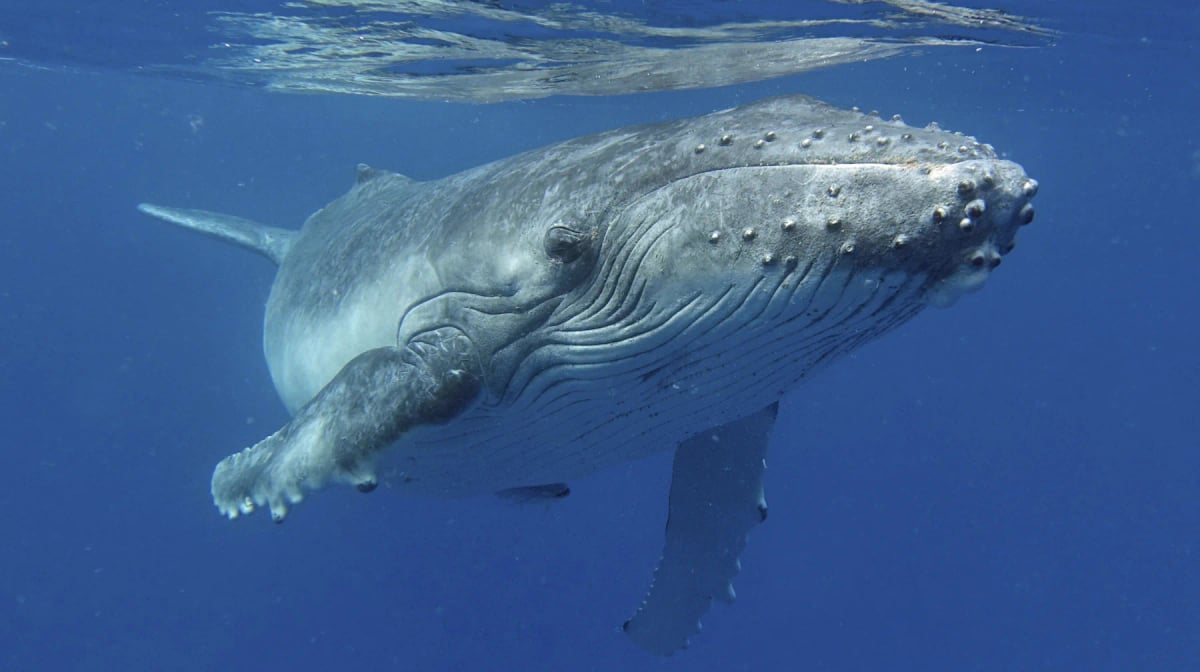
Humpback Whale
Megaptera novaeangliae
Humpback whales are present in the Gulf of Guinea waters surrounding Equatorial Guinea, migrating along the central African Atlantic coast. They travel between Antarctic feeding grounds and tropical breeding areas closer to the equator. These whales can reach 16 metres in length and weigh up to 40 tonnes. Their recovery since the end of commercial whaling is a conservation success story. The IUCN currently lists the species as Least Concern.
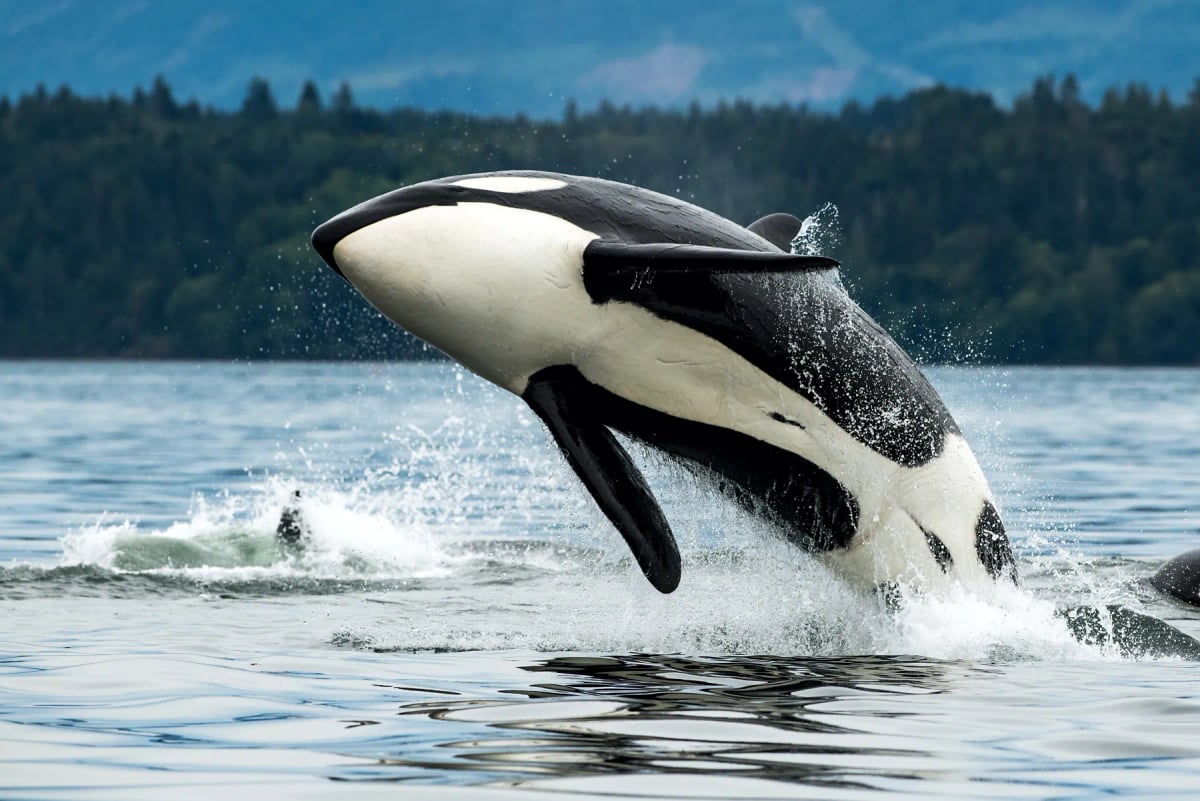
Orca
Orcinus orca
Orcas occur in the Atlantic waters off Equatorial Guinea, along the coast of central Africa. This region's warm equatorial seas are not a primary habitat for orcas, but the species is known to range through the Gulf of Guinea. As apex predators, they play a key role in maintaining balance within marine ecosystems. Pollution and reduced prey availability are concerns for orcas throughout this part of the Atlantic.
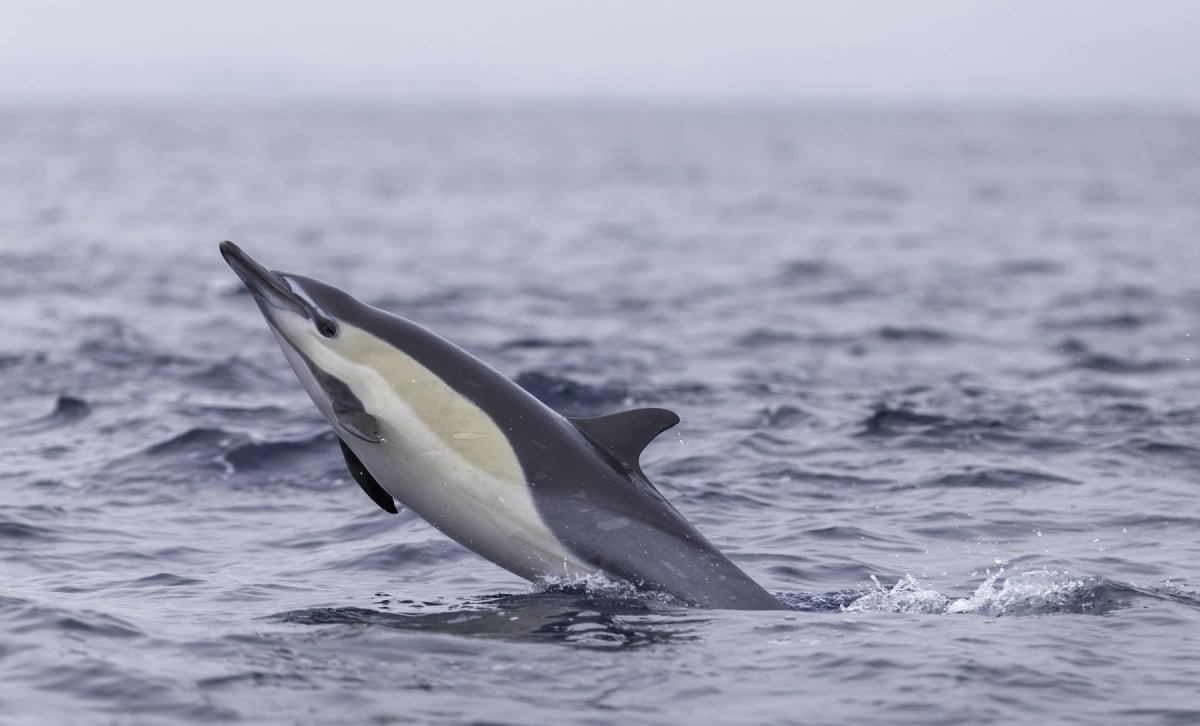
Common Dolphin
Delphinus delphis
Common dolphins are present in the Atlantic waters off Equatorial Guinea, including around the island of Bioko and the Río Muni coastline on the mainland. These tropical waters are influenced by the Guinea Current and support a variety of small fish and squid that dolphins prey upon. Offshore oil activity in the region adds pressure to marine ecosystems. The species is considered Least Concern globally, though local data remain limited.
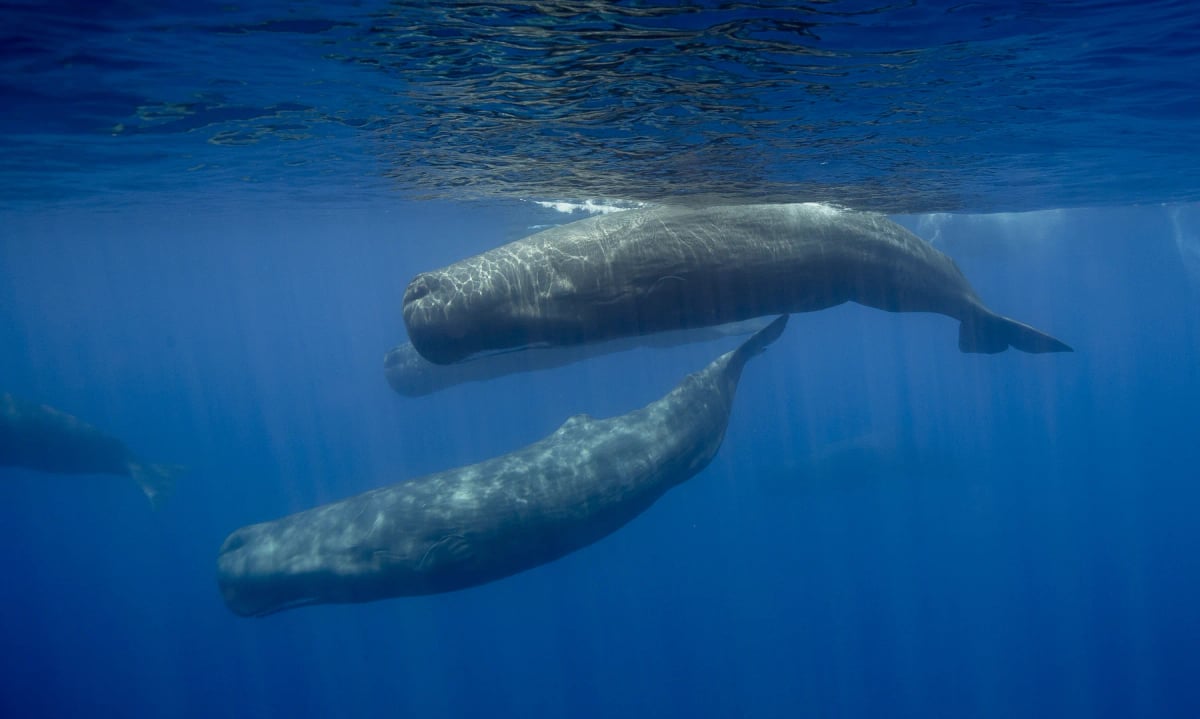
Sperm Whale
Physeter macrocephalus
The Gulf of Guinea, off the coast of Equatorial Guinea, contains deep oceanic waters that sperm whales frequent. This stretch of the eastern Atlantic supports warm tropical conditions where females and calves tend to gather, while males range more widely. Oil and gas activity in the offshore waters of this region raises concerns about underwater noise and the risk of collisions with industrial vessels. The IUCN lists the species as Vulnerable.
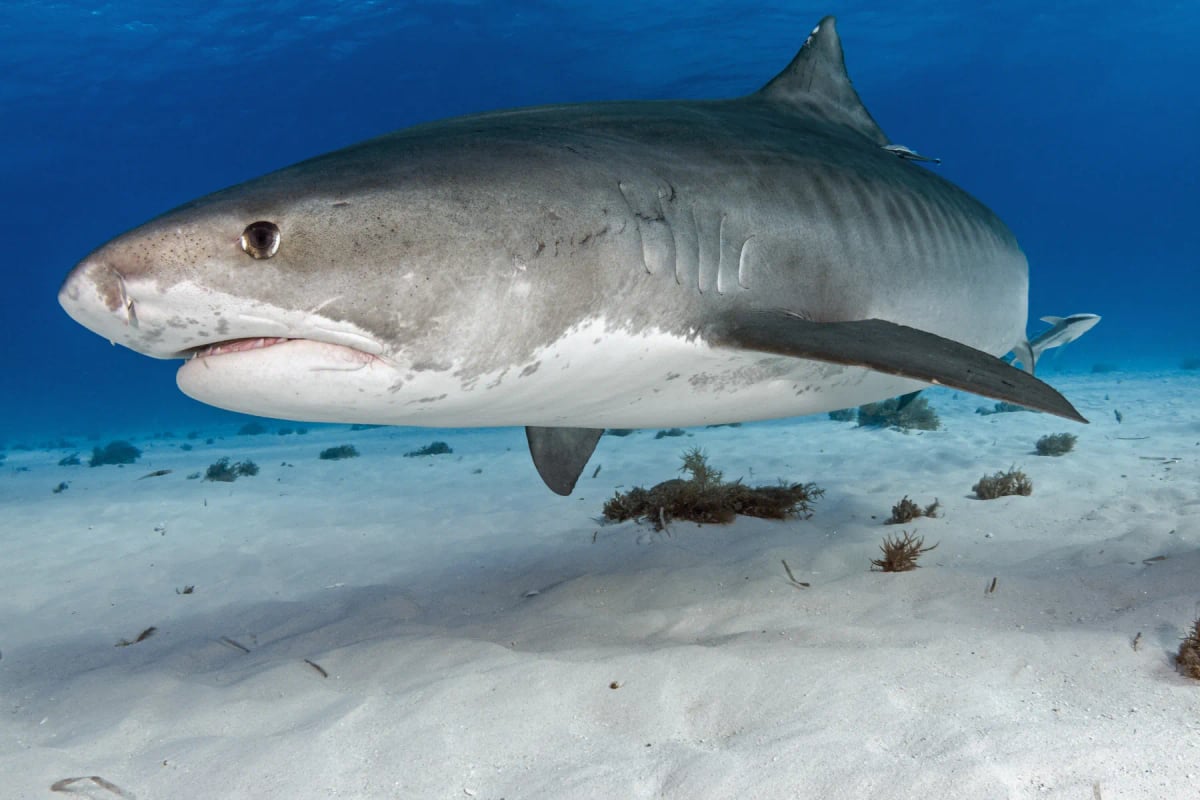
Tiger Shark
Galeocerdo cuvier
Along the Atlantic coastline of Equatorial Guinea, tiger sharks inhabit warm tropical waters where river outflows and coastal fisheries provide rich feeding opportunities. The Gulf of Guinea supports a variety of marine prey, attracting these large predators close to shore. Pressure from commercial fishing fleets in this region of West Africa affects the species, which the IUCN regards as Near Threatened across its global range.
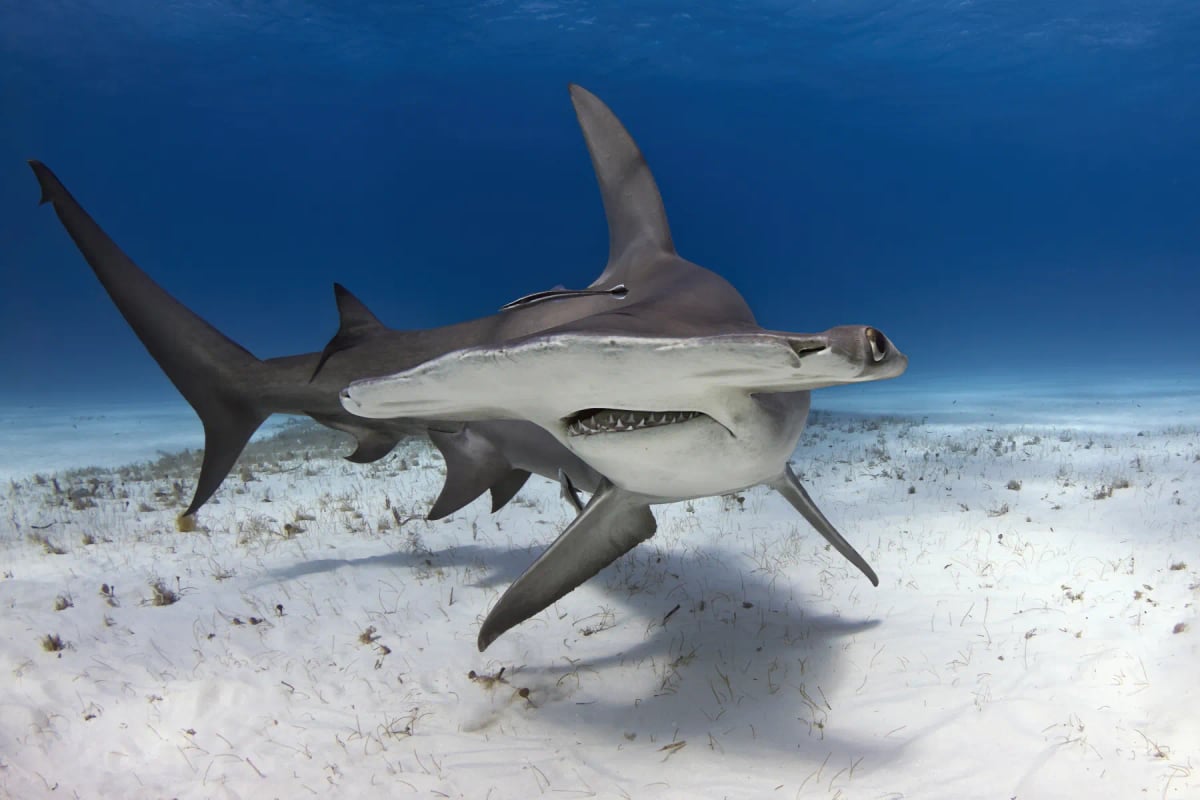
Hammerhead Shark
Sphyrna spp.
The warm Atlantic coastal waters of Equatorial Guinea provide habitat for Hammerhead Sharks, which patrol the Gulf of Guinea in search of rays and fish. Fishing pressure in this part of Central Africa is a growing concern, as these sharks are already Critically Endangered. Their role in maintaining balance within coastal marine ecosystems makes their protection especially important.
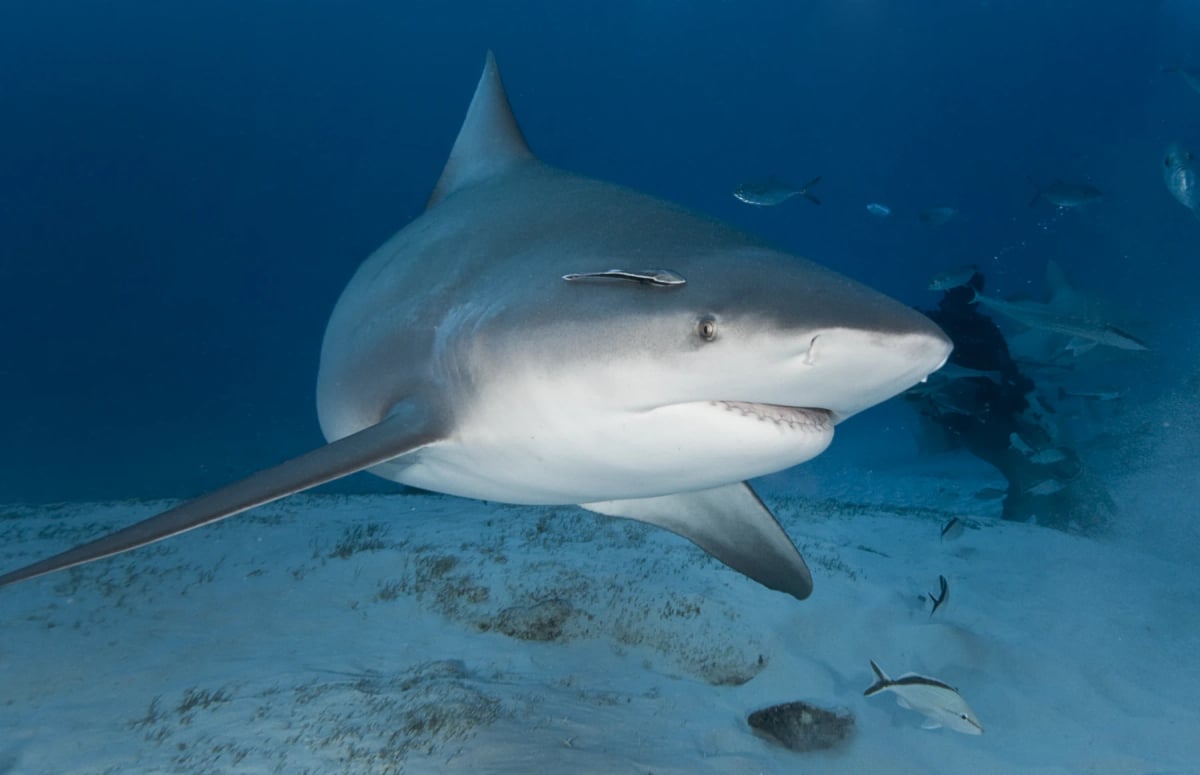
Bull Shark
Carcharhinus leucas
Along the Atlantic coastline of Equatorial Guinea, bull sharks inhabit warm shallow waters and the mouths of rivers draining the country's forested interior. This stretch of the Gulf of Guinea provides productive feeding grounds rich in bony fish and other prey. The species is listed as Near Threatened by the IUCN, and limited fisheries management across the region means populations here receive little formal protection.
Researched and written by Juan Pablo. Sources: IUCN Red List, scientific literature and regional field guides. Last updated: .