Gray Wolf
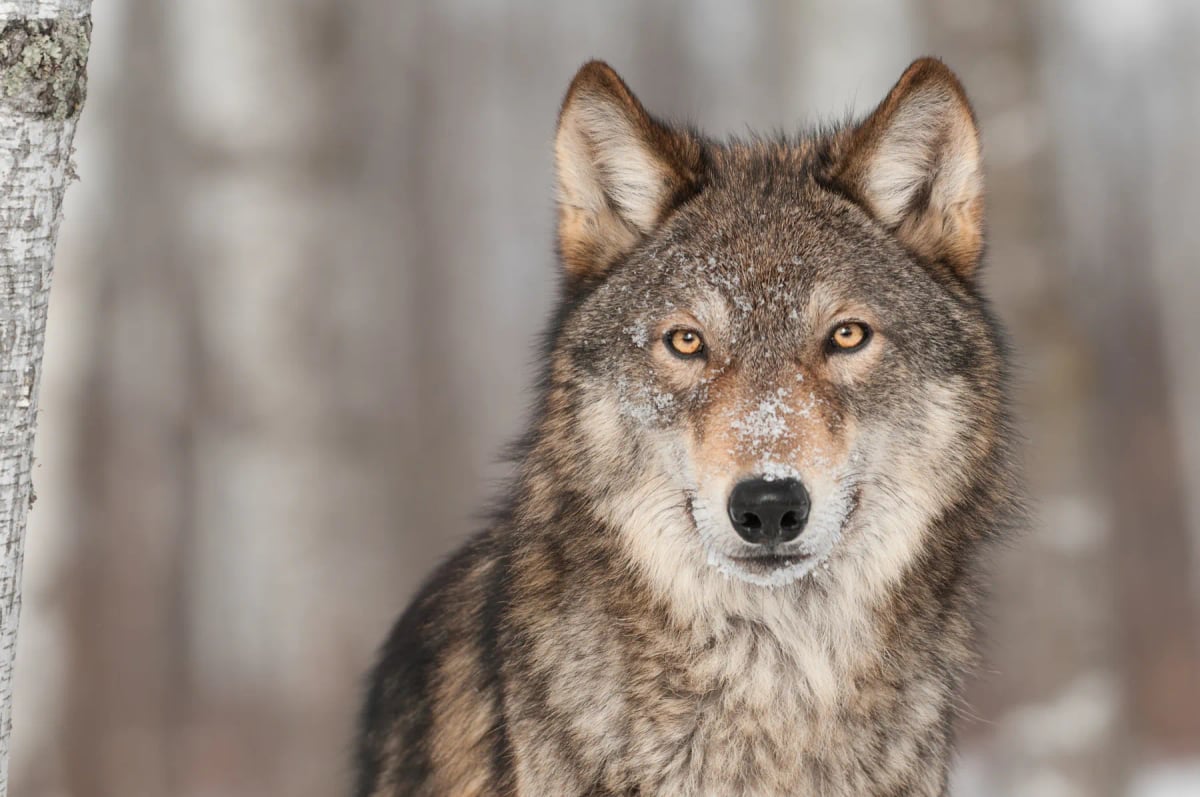
The gray wolf (Canis lupus) is the largest wild member of the dog family, with adults typically weighing between 30 and 50 kg and standing up to 90 cm at the shoulder. It is found across a vast range that spans North America, Europe and Asia, thriving in forests, tundra, mountains and open grasslands. Wolves are highly social animals that live in family groups called packs, usually led by a breeding pair. They hunt cooperatively, which allows them to take down prey much larger than themselves, including elk, moose and bison. Their coats vary from white to black, with gray and tawny tones being most common. Wolves communicate through howling, body posture and scent marking. Once heavily persecuted across much of their range, populations have recovered in several regions thanks to legal protection and reintroduction programs.
Habitat and range
Few wild animals match the gray wolf when it comes to adaptability. This species occupies one of the broadest ranges of any land predator on Earth, spanning boreal forests, Arctic tundra, mountain ranges, temperate grasslands and semi-arid deserts across North America, Europe and Asia. In North America, wolves are found from Alaska and Canada down into the northern United States. Across Eurasia, populations stretch from Portugal and Spain in the west to the Russian Far East. They can survive in extreme cold as well as in the dry, rugged landscapes of the Middle East and Central Asia. The key factor in where wolves settle is not climate but the availability of prey and space away from heavy human activity.
Diet
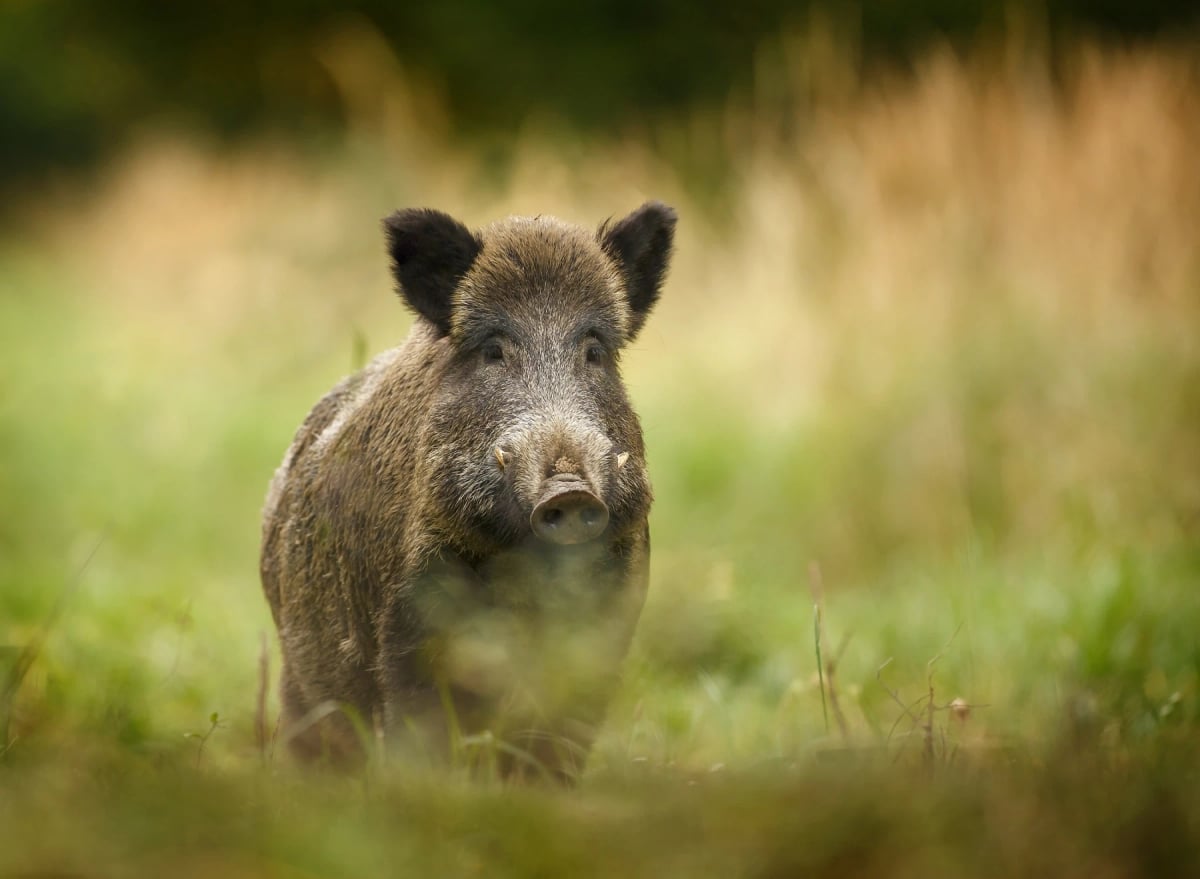
Wolves are carnivores that depend primarily on large hoofed mammals. Elk, moose, white-tailed deer, caribou, bison and wild boar make up the bulk of their diet depending on where they live. A pack will often target animals that are old, injured or young, which is not simply opportunistic but plays a real role in keeping prey populations healthy. When large prey is scarce, wolves will eat smaller animals such as beavers, hares and rodents. They also consume carrion, and in areas close to human settlements they occasionally take livestock. An adult wolf can eat up to 9 kg of meat in a single feeding, but it may also go several days without eating at all between successful hunts.
Behavior and social structure
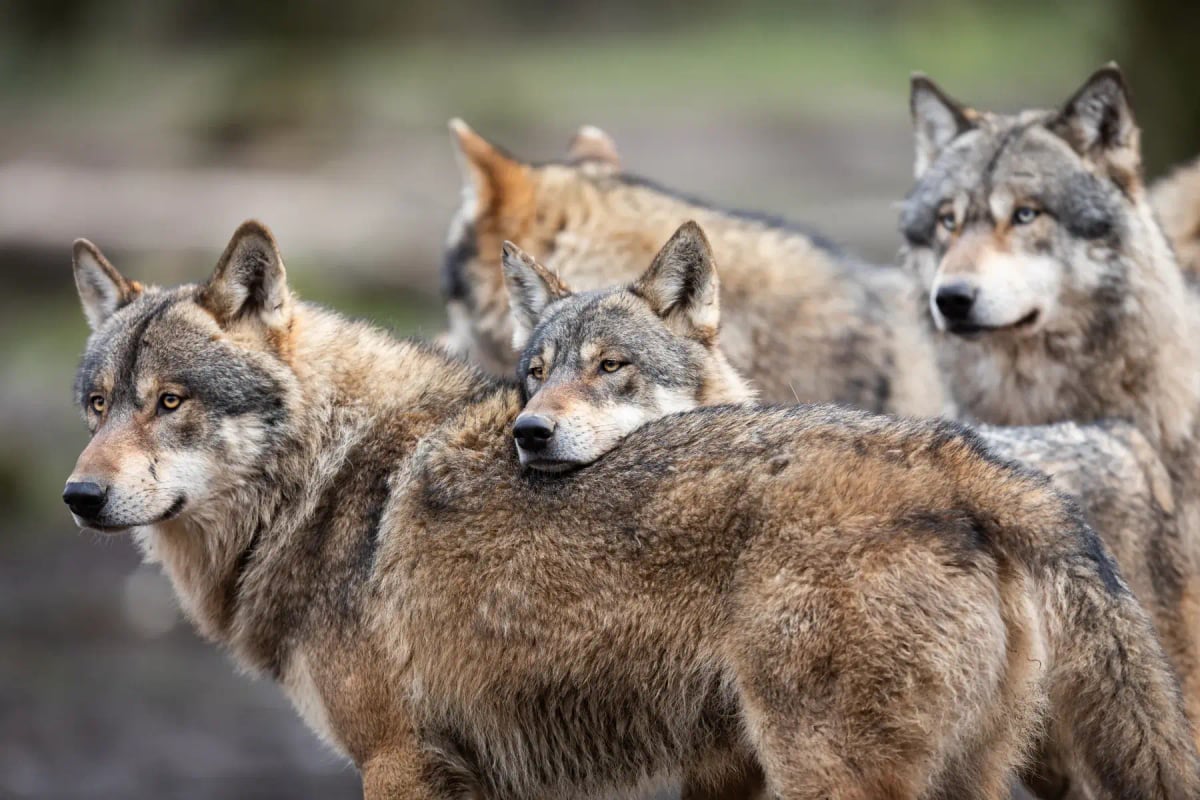
Wolf society revolves around the pack, which is essentially a family unit built around a breeding pair and their offspring from one or more years. Most packs have between 5 and 10 individuals, though groups of up to 30 have been recorded in areas with abundant prey, such as Yellowstone National Park. The breeding pair, often called the alpha male and alpha female, are typically the only members that reproduce. Younger wolves assist with caring for pups, finding food and defending the territory. When young adults reach maturity, they often leave to find a mate and establish a territory of their own. Pack territories vary enormously in size, ranging from around 80 square kilometers in prey-rich environments to over 2,500 square kilometers in areas where food is spread thin.
Communication
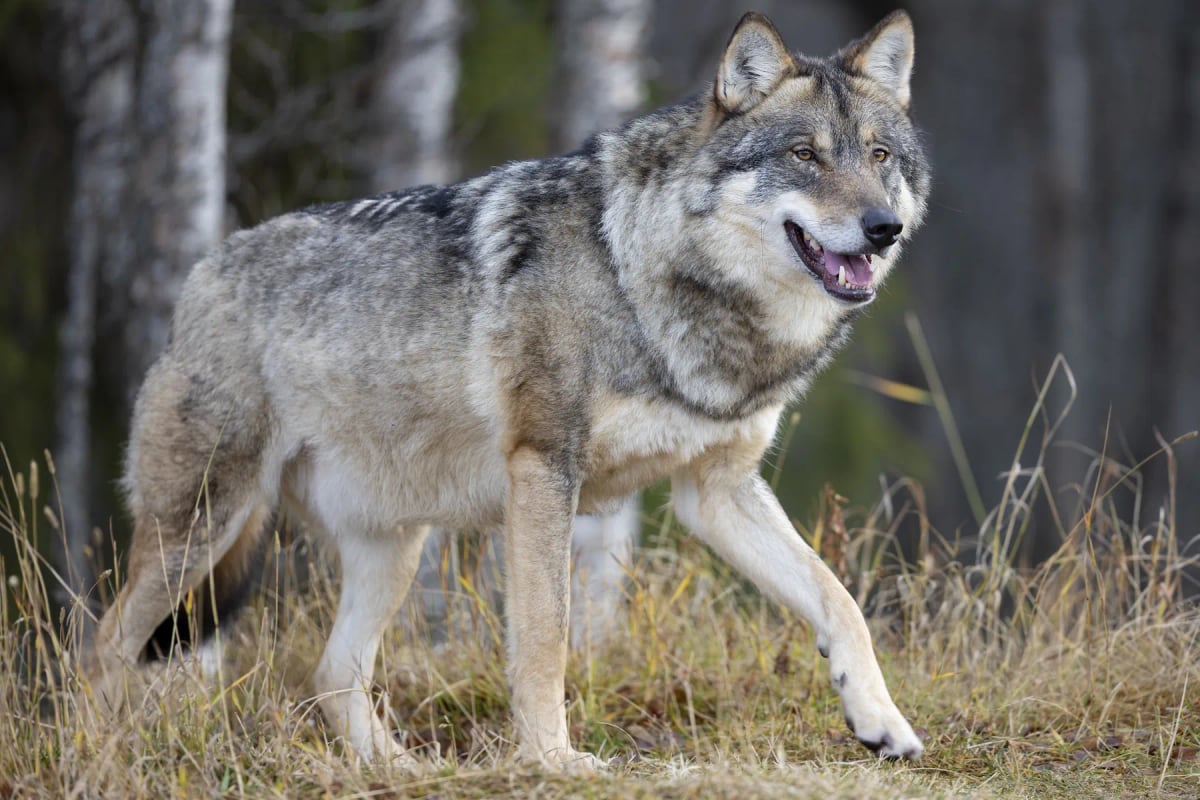
Among the most recognizable sounds in nature, the howl of a wolf carries across several kilometers and serves a range of purposes. Wolves howl to bring scattered pack members back together, to announce their presence to neighboring packs and to reinforce the boundaries of their territory. They also rely heavily on scent marking, using urine, feces and gland secretions to leave detailed chemical messages along trails and at key landmarks. Body language adds another layer to their communication. Tail position, ear angle, posture and facial expression all signal rank and mood within the pack. These signals help reduce conflict between members and keep the social order running smoothly. Far from being simple animals, wolves maintain a rich and nuanced communication system that underpins every aspect of pack life.
Conservation
The IUCN currently lists the gray wolf as Least Concern, reflecting a global population that is stable and, in several regions, genuinely recovering. Legal protection introduced during the latter half of the twentieth century allowed wolves to return to parts of Western Europe where they had been absent for decades. In the United States, the reintroduction of wolves into Yellowstone National Park in 1995 became one of the most studied wildlife recoveries in history. Despite this progress, wolves still face serious pressure in many areas. Conflict with farmers over livestock losses, habitat fragmentation and poaching continue to threaten local populations. Conservation today focuses on reducing conflict between wolves and people, improving the connectivity of wild landscapes and building understanding among rural communities who share land with this species.
Where it is found
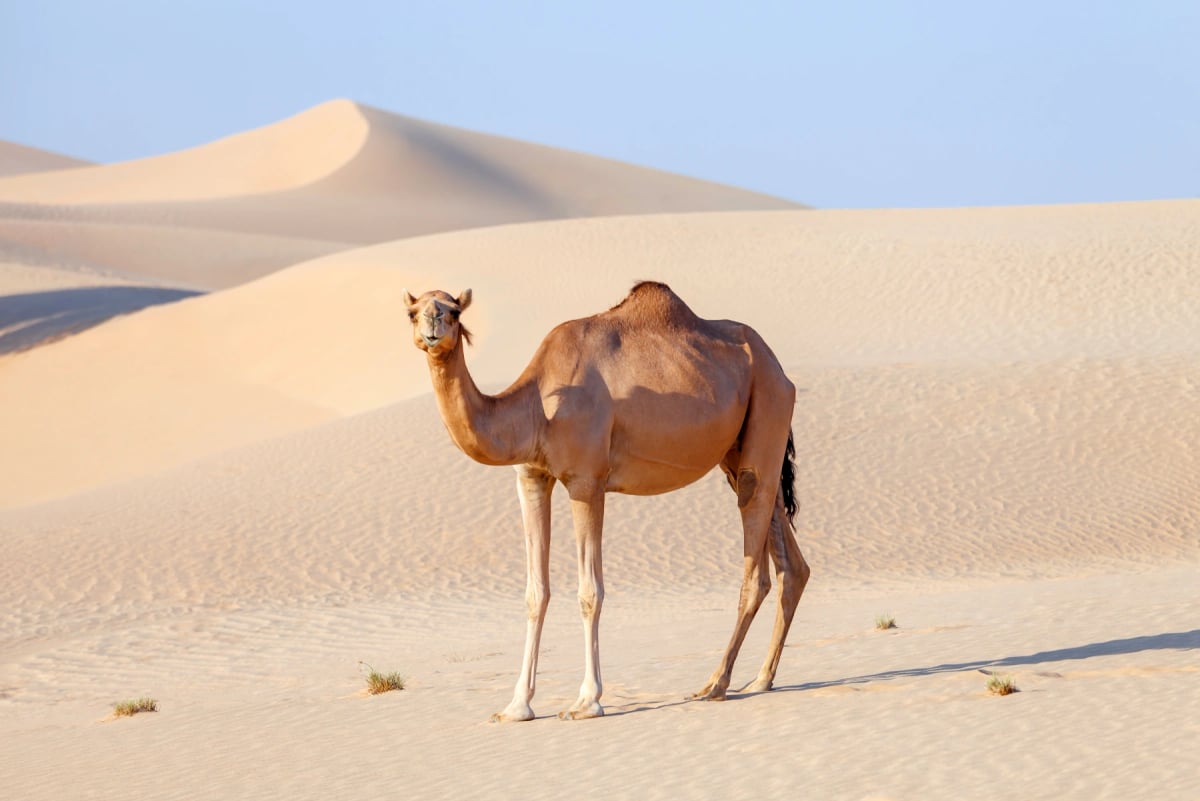
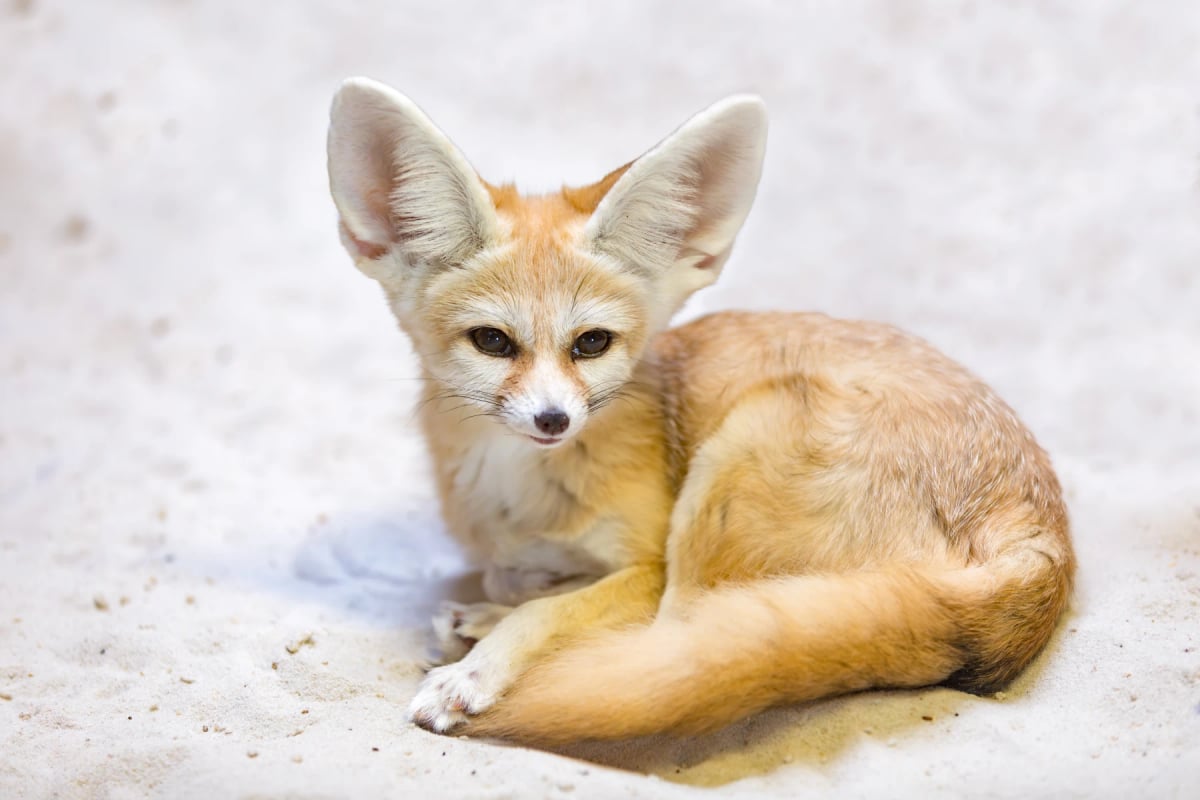
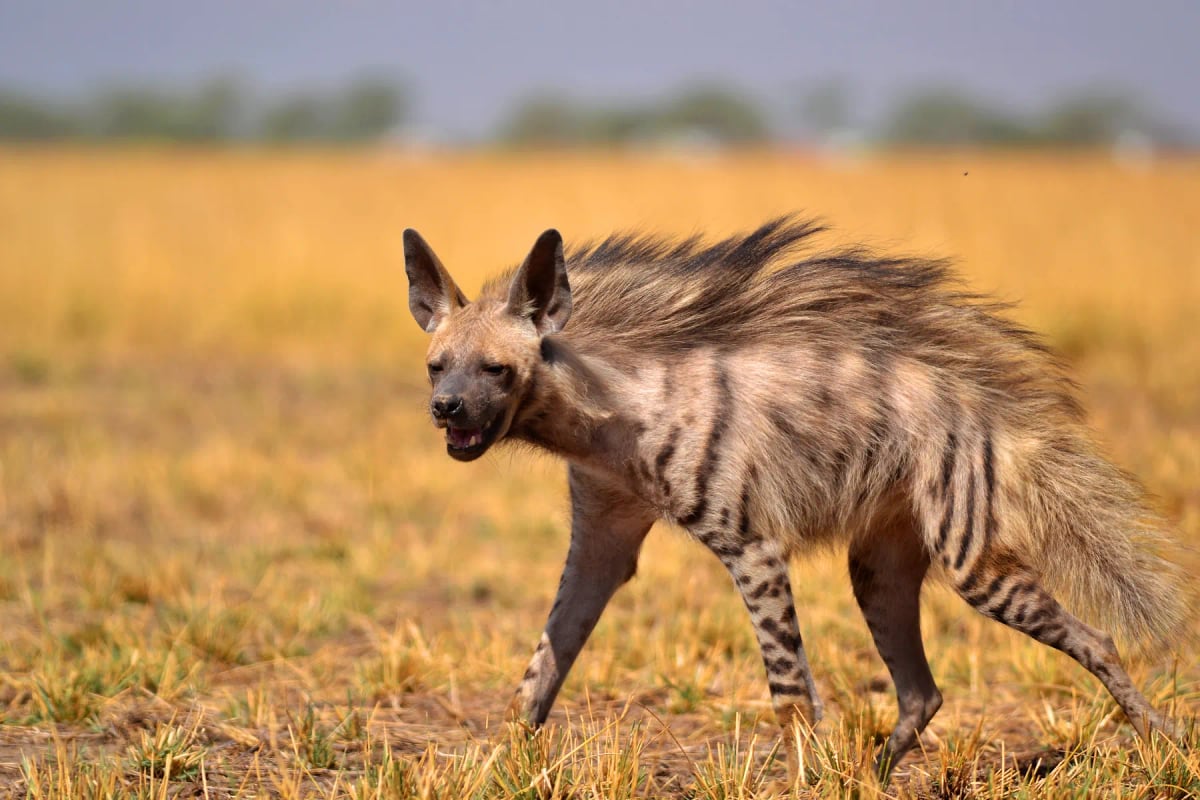
The Gray Wolf can be found in places such as:
Researched and written by Juan Pablo. Sources: IUCN Red List, scientific literature and regional field guides. Last updated: .
Technical factsheet



Frequently Asked Questions
How fast can a gray wolf run?
Gray wolves can reach speeds of around 55 to 60 km/h in short bursts, but they rarely rely on raw speed to catch prey. Instead, they prefer to chase animals over long distances at a steady pace, wearing them down over time. A pack can maintain a trot for hours, which makes endurance far more important to a successful hunt than a burst of speed.
How long do gray wolves live?
In the wild, gray wolves typically live between 6 and 8 years, though some individuals reach 13. Life in the wild is demanding: injuries from hunting large prey, competition with other packs and conflict with humans all take a toll. In captivity, wolves regularly live into their mid-teens, sometimes reaching 16 or 17 years, thanks to consistent food and veterinary care.
How many gray wolves are left in the world?
Global estimates suggest there are somewhere between 200,000 and 250,000 gray wolves remaining in the wild. Russia holds the largest share, with tens of thousands of individuals. Populations in North America and parts of Europe have grown in recent decades thanks to legal protection. However, numbers vary greatly by region, and some local populations remain small and under pressure.
Are gray wolves dangerous to humans?
Unprovoked attacks on humans by healthy wild wolves are extremely rare. Wolves are naturally wary of people and tend to avoid contact whenever possible. The vast majority of recorded incidents involved wolves that were either rabid or had become used to being fed by humans. In general, sharing a landscape with wolves carries very little risk for people who do not approach or corner them.
Do gray wolves mate for life?
Gray wolves form strong pair bonds that often last for many years, and in many cases for the life of both animals. The breeding pair at the head of a pack typically reproduces together each season. That said, if one partner dies, the surviving wolf will usually find a new mate. So while the bond is strong and often lasting, it is not always permanent.
Why are gray wolves important to their ecosystem?
Wolves are a keystone species, meaning their presence shapes the entire ecosystem around them. By hunting large herbivores, they prevent any single prey species from overgrazing an area. This allows vegetation to recover, which in turn benefits rivers, birds and smaller mammals. The reintroduction of wolves into Yellowstone is a well-documented example of how one predator can trigger a chain of positive changes across a landscape.
What are the biggest threats to gray wolves today?
The main threats facing wolves today are conflict with farmers over livestock losses, poaching and the fragmentation of wild habitats. When wolves prey on sheep or cattle, retaliatory killings often follow. In some regions, legal hunting also limits population growth. Smaller, isolated wolf populations face additional pressure because limited contact between groups can reduce genetic diversity over time.