Animals in Poland
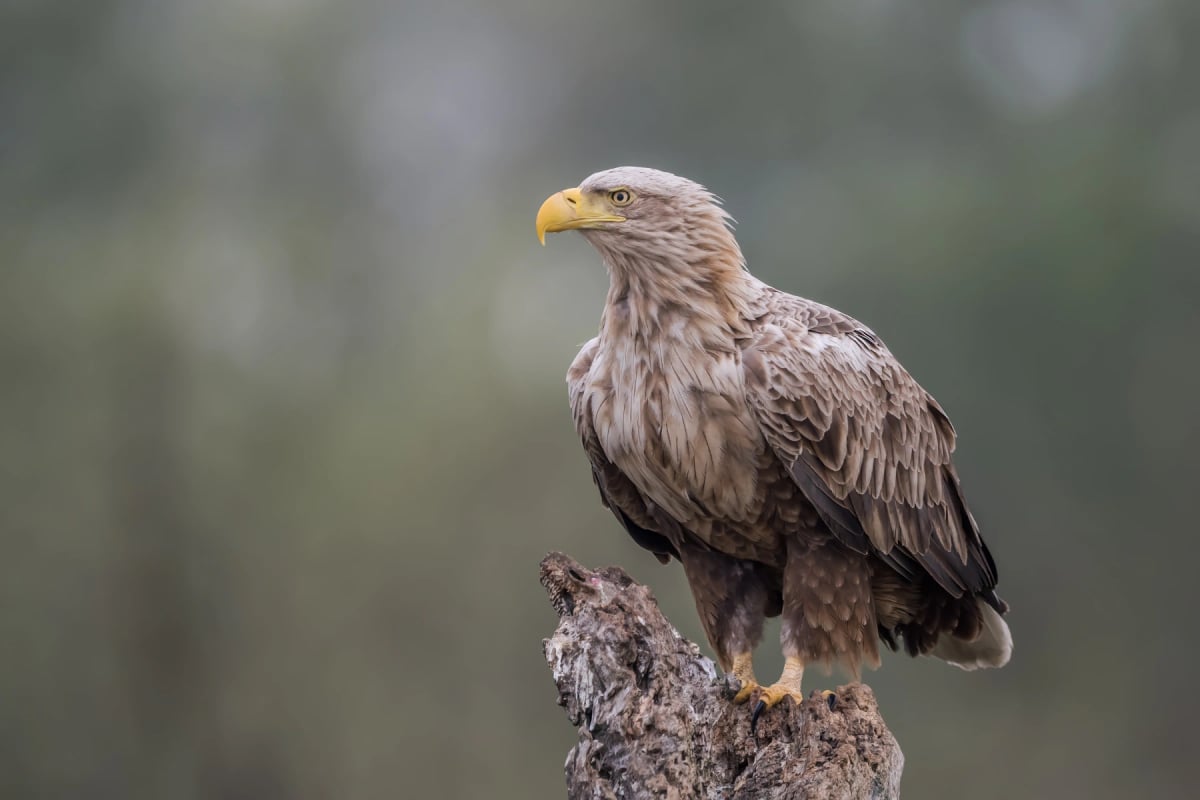
White tailed Eagle
Haliaeetus albicilla
The white tailed eagle is Poland’s national bird and a symbol of pride and freedom. It is often seen near lakes and rivers, where it hunts fish with precision. The eagle has deep roots in Polish culture and appears in folklore, art and the national coat of arms as a representation of strength and independence.
View details→Wildlife in Poland
Poland has one of the richest natural landscapes in Central Europe, with forests, rivers and mountains that shelter moose, lynxes, wolves and eagles. Large protected areas such as Bialowieza Forest help preserve these habitats, making the country a great destination for hiking and wildlife watching throughout the seasons.
Most Dangerous Animals in Poland
Poland’s wildlife includes large animals such as brown bears, moose, wild boars, European bison and wolves. Encounters are rare, but visitors are advised to stay alert and respect their space. In some forests adders may also appear, reminding travelers of the country’s wild and balanced ecosystems.
Top 10 Animals in Poland
Among Poland’s most iconic animals are the moose, red deer, brown bear, Eurasian lynx, gray wolf and peregrine falcon. They inhabit forests and mountain regions that are popular among travelers who enjoy nature. Many of these species are protected and monitored through national conservation programs.
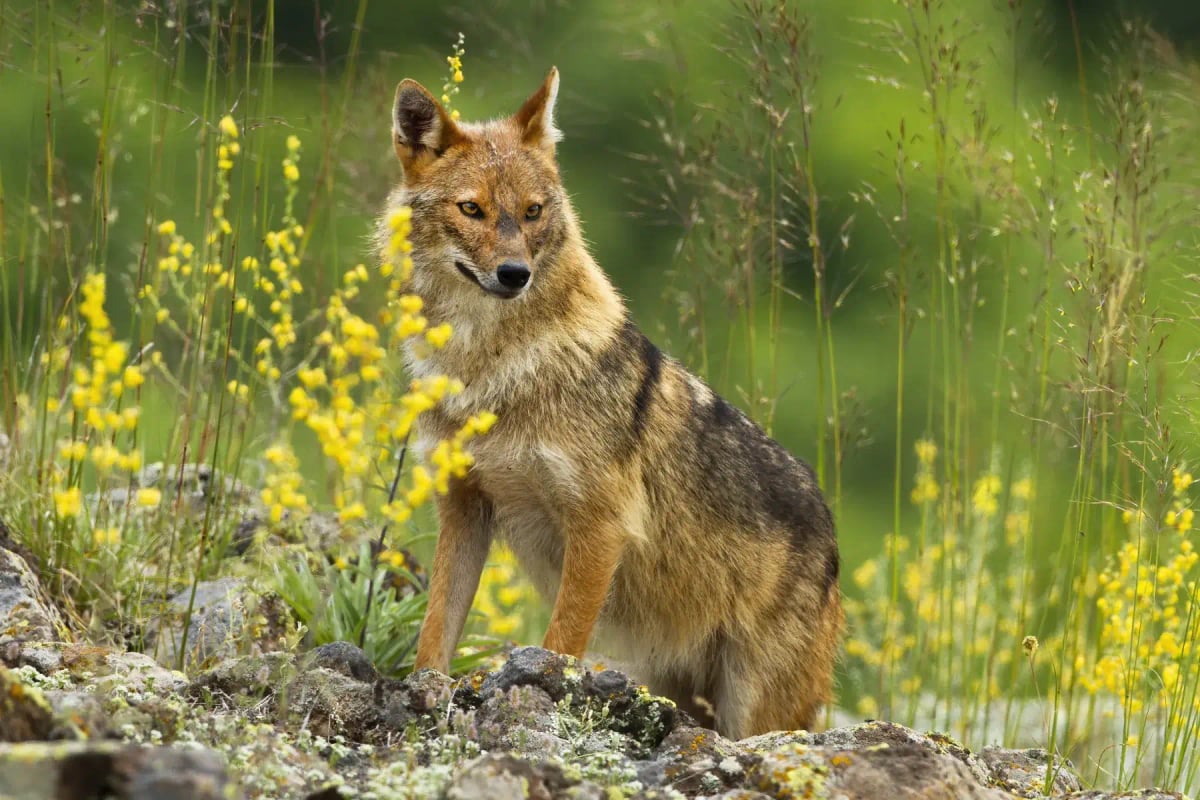
Golden Jackal
Canis aureus
Poland plays an important role in the golden jackal's westward spread across Europe. The species has established a foothold in the country, particularly in the eastern and central lowlands, where farmland, wetlands, and river valleys provide year-round food and cover. From Poland, individuals continue to disperse further west and north. Researchers and hunting associations cooperate to record sightings and build a more complete picture of its growing presence. IUCN status: Least Concern.
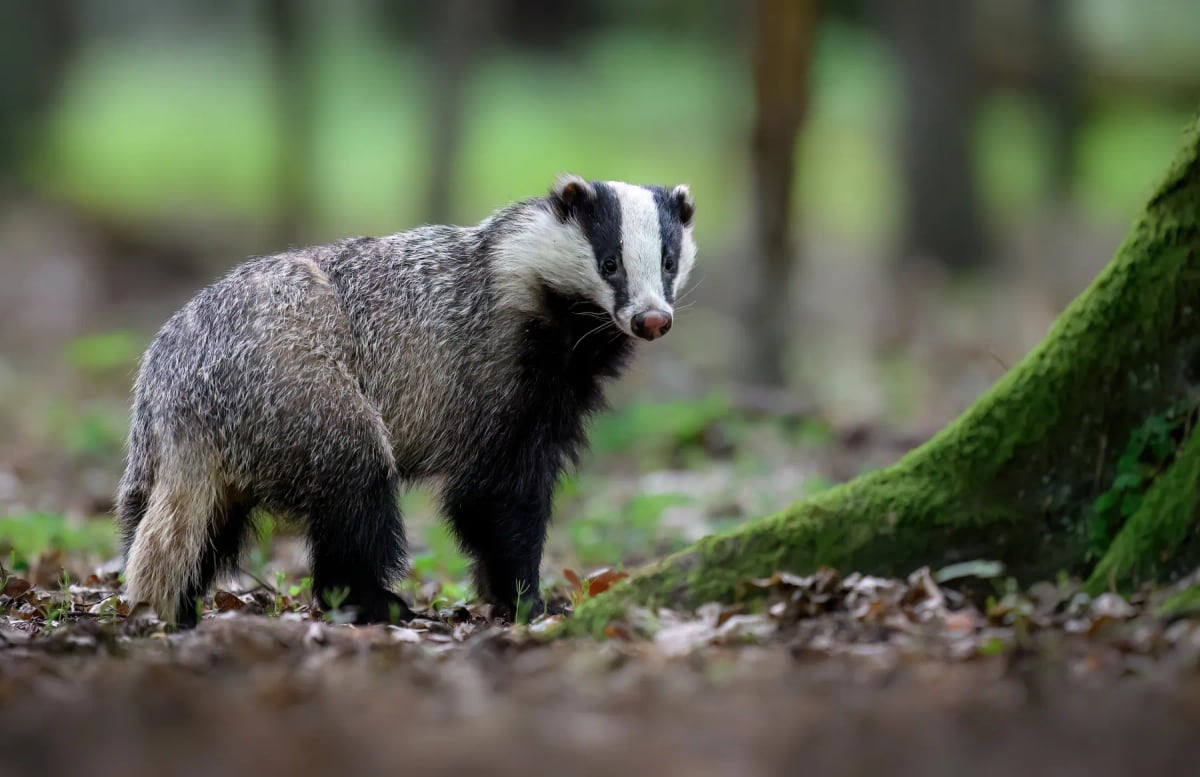
Badger
Meles meles
The Eurasian badger is widespread across Poland in mixed and deciduous woodland, farmland and forest edges throughout the country. It lives in family groups in extensive setts dug in well-drained soils and forages at night for earthworms, insects, berries and small animals. Polish badger populations are stable and well distributed, and the species is legally protected. Road mortality is one of the main ongoing threats, particularly in areas where forest patches are fragmented by roads and agricultural land.
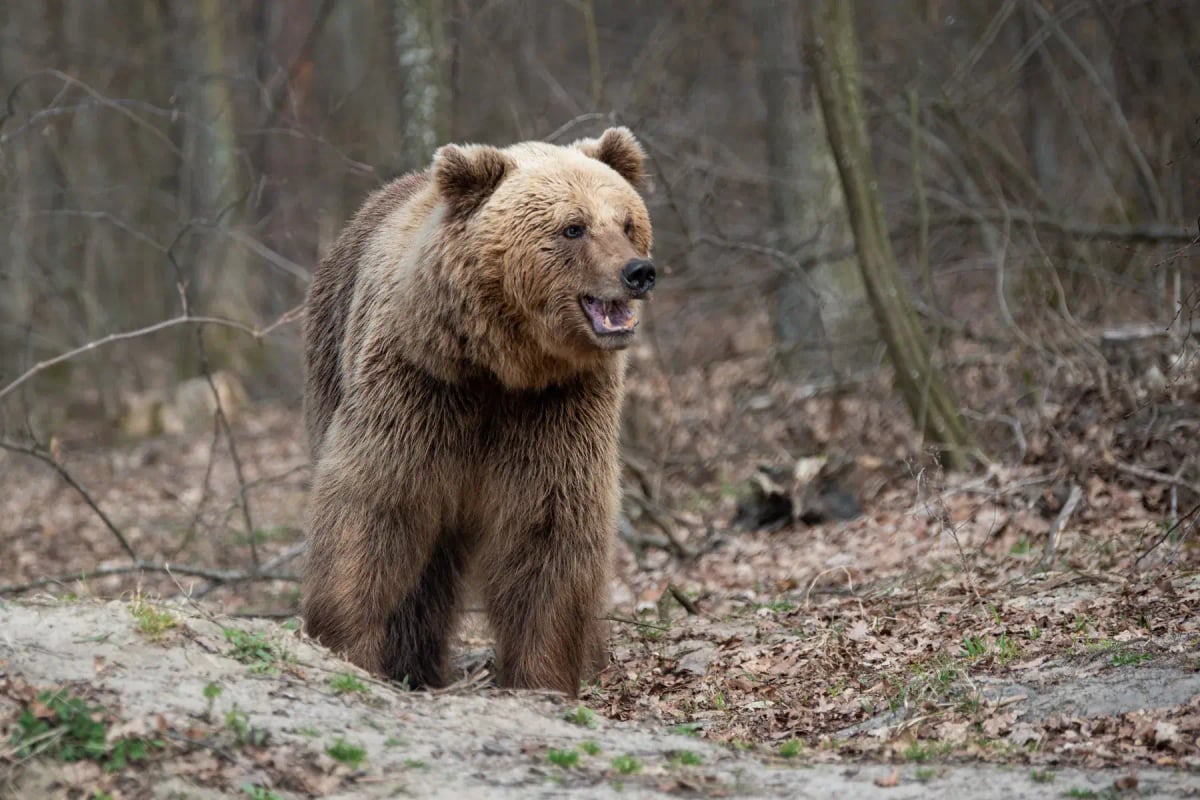
Brown Bear
Ursus arctos
In Poland, brown bears are found in the Carpathian Mountains in the south of the country, particularly within and around the Tatra National Park and the Bieszczady range. The population is estimated at around 100 individuals and is connected to larger populations in Slovakia and Ukraine. Bears in Poland are a protected species, and their presence in highland areas attracts significant attention from both wildlife researchers and tourists.
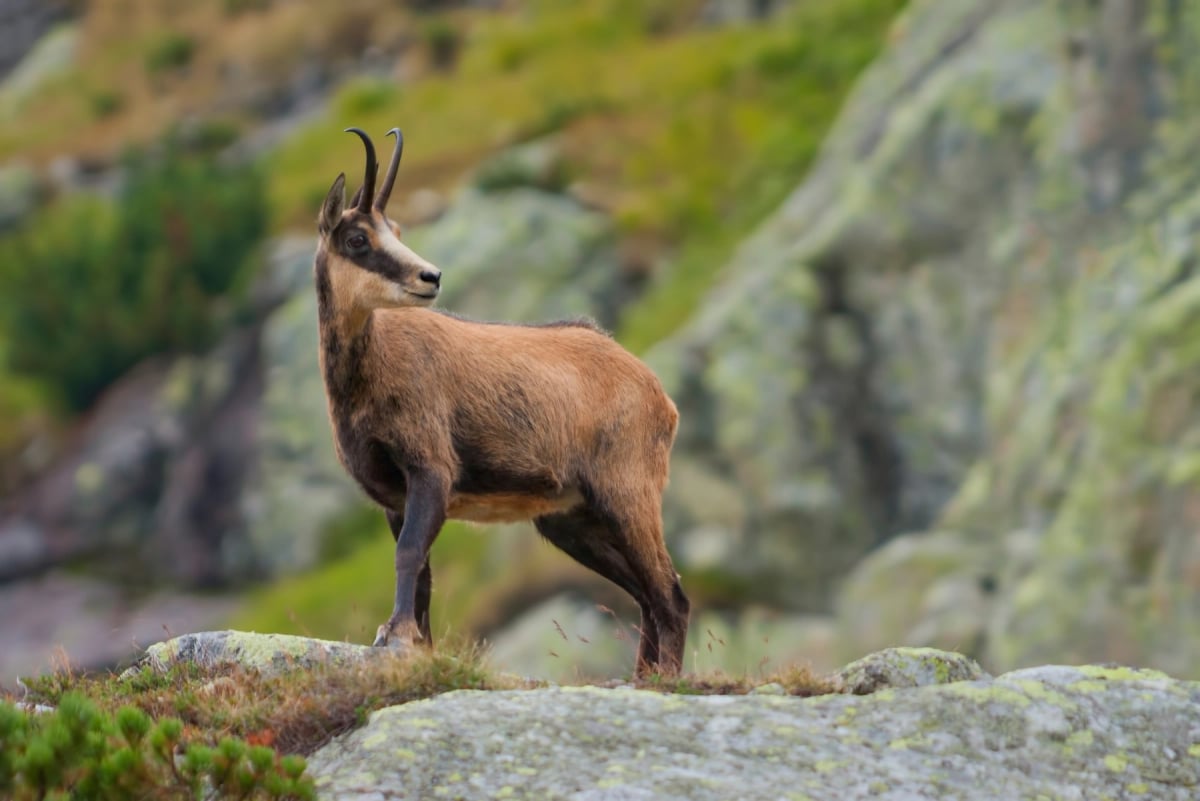
Chamois
Rupicapra rupicapra
In Poland, the chamois is native to the Tatra Mountains, where it inhabits the rocky alpine zone of the High Tatras along the Slovak border. Tatra National Park provides essential protection for this population, which numbers in the hundreds. The species is a flagship animal of the park and benefits from strict regulations on hiking trails that help limit disturbance during the sensitive autumn rut and winter months. IUCN status: Least Concern.
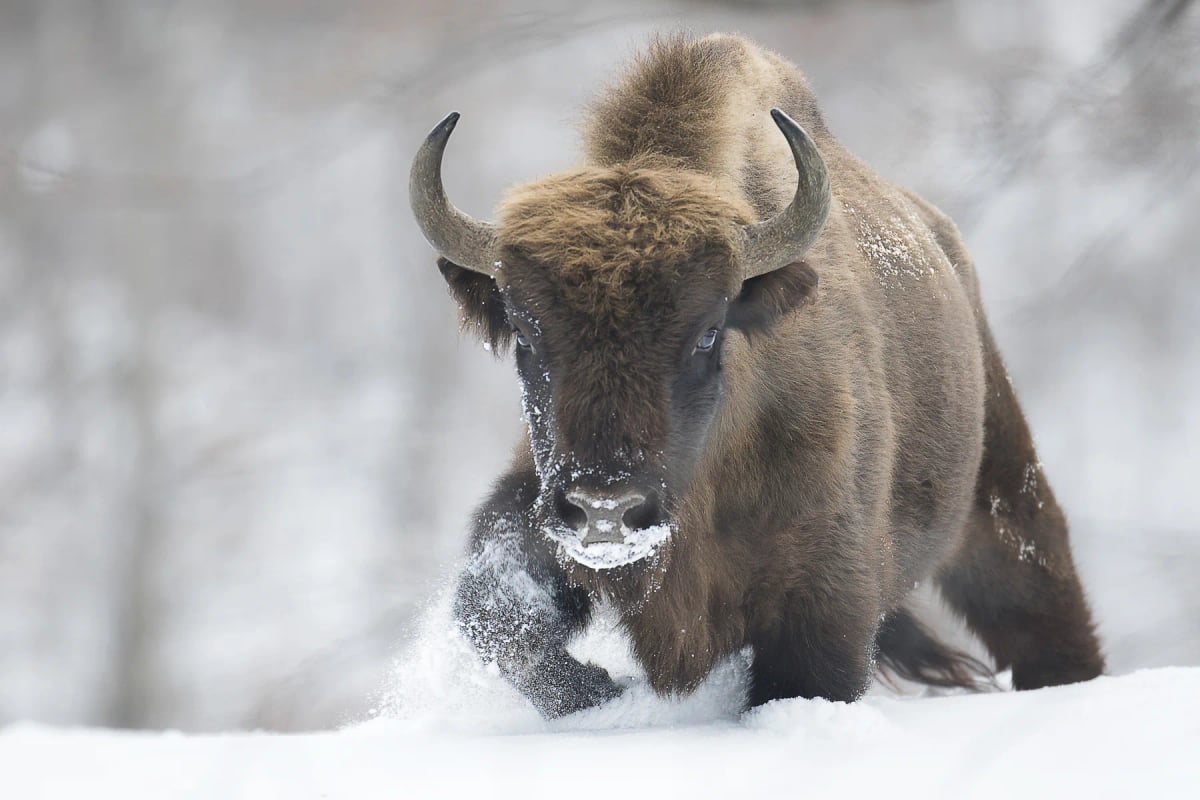
European Bison
Bison bonasus
Poland is central to the survival story of the European bison. The Białowieża Forest, one of the last and largest ancient woodlands in Europe, has been the cornerstone of the species since reintroductions began in the 1950s. Polish herds are among the most studied in the world. Bulls can reach up to 920 kg, making them the heaviest land mammals on the continent. Poland's conservation work helped save the species from total extinction. IUCN status: Near Threatened.
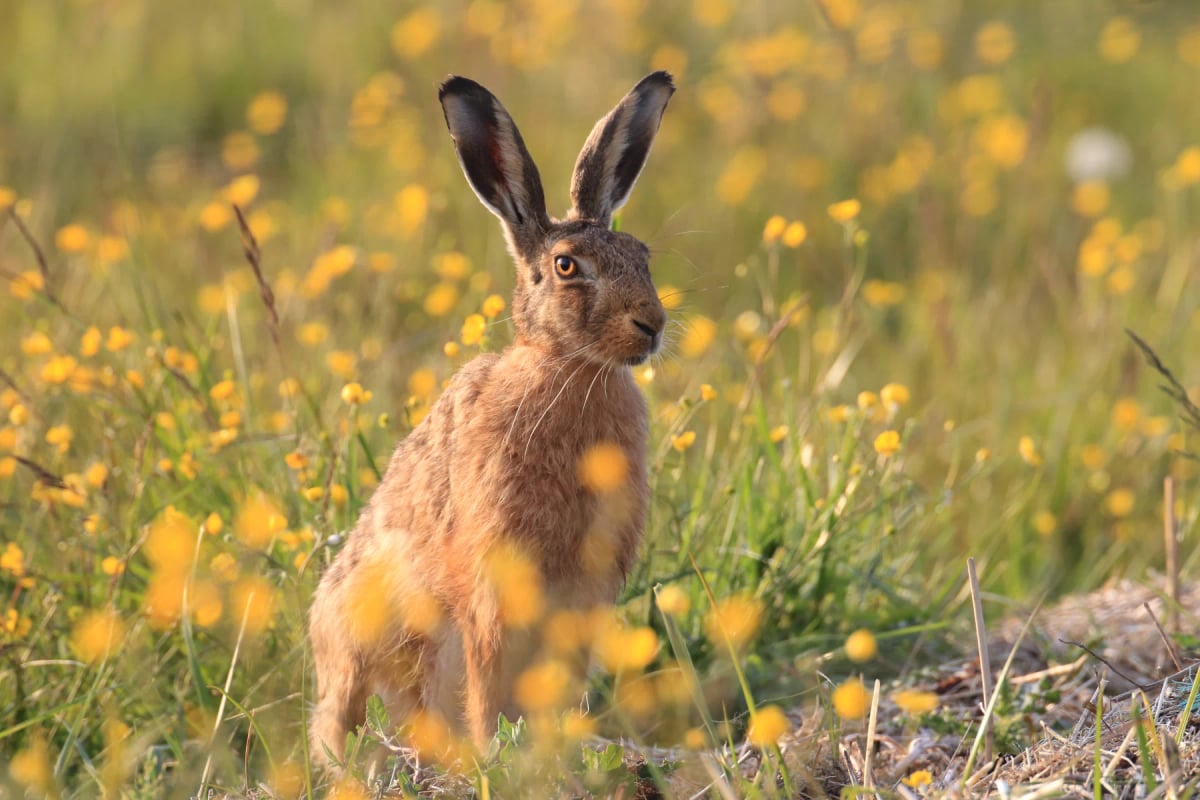
Hare
Lepus europaeus
Poland's vast agricultural plains, river valleys, and meadows make it one of the strongholds of the European hare in central Europe. The hare is widespread from the lowlands to the foothills of the Carpathians. Populations declined sharply in the second half of the twentieth century due to changes in farming, but the species remains common across the country and is listed as Least Concern by the IUCN.
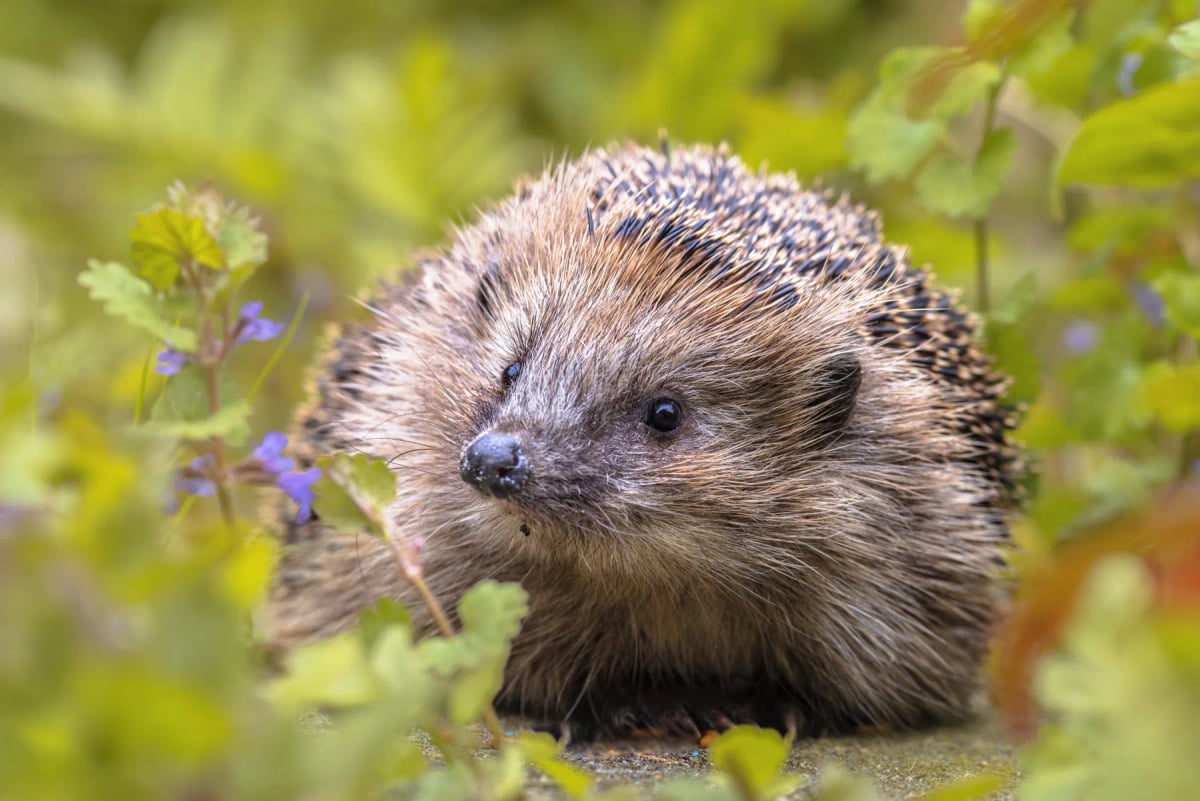
Hedgehog
Erinaceus europaeus
The European hedgehog is common throughout Poland, living in gardens, parks, forest edges, and the agricultural mosaic of fields and hedgerows that covers much of the countryside. It is one of the most familiar wild mammals for Polish families, often spotted foraging in suburban gardens after dark. Populations face growing pressure from road expansion, intensive farming, and the use of pesticides that reduce the insects and invertebrates that make up its diet. IUCN status: Least Concern.
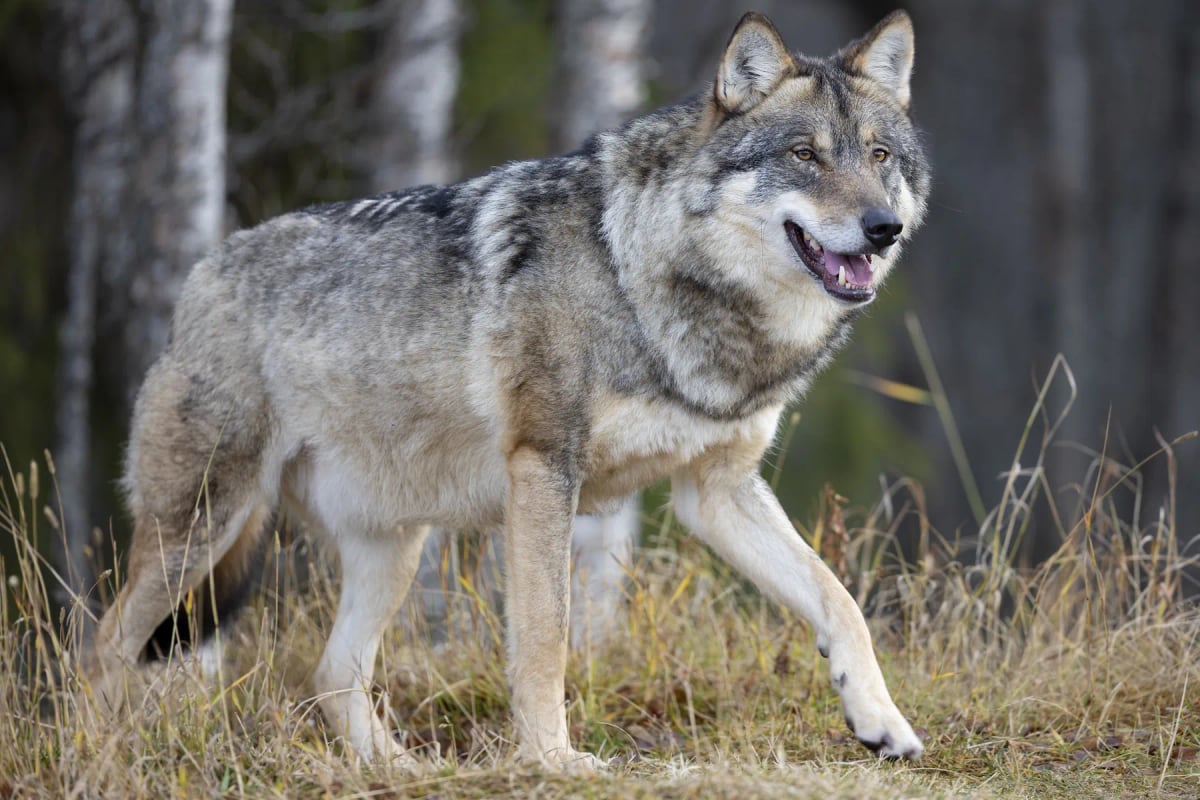
Gray Wolf
Canis lupus
Poland holds one of the most significant wolf populations in Central Europe, with wolves distributed across forested regions including the Białowieża Forest, the Carpathians and the western lowlands. Numbers have grown steadily since the species received legal protection in 1998. Polish wolves play an important ecological role and have also helped repopulate neighboring countries through natural dispersal. Conflict with livestock farming remains a challenge, but coexistence programs have made measurable progress.
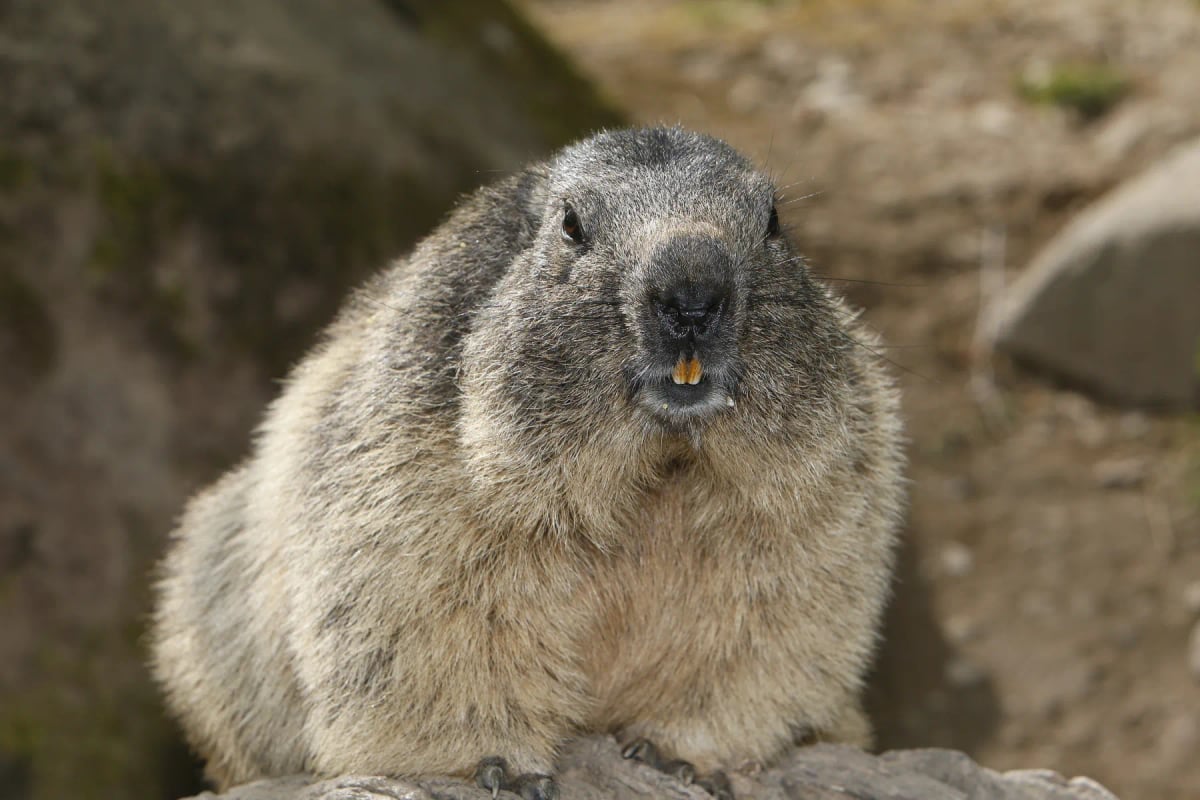
Alpine Marmot
Marmota marmota
The Alpine marmot was introduced to the Tatra Mountains of southern Poland in the twentieth century and has established a stable population in the high meadows and rocky slopes of the Polish Tatras. It can be observed regularly in summer in Tatra National Park, where it lives alongside chamois and is one of the most recognizable mammals for visitors. Poland's marmot population is part of the broader Carpathian community and is monitored by the park's wildlife management teams.
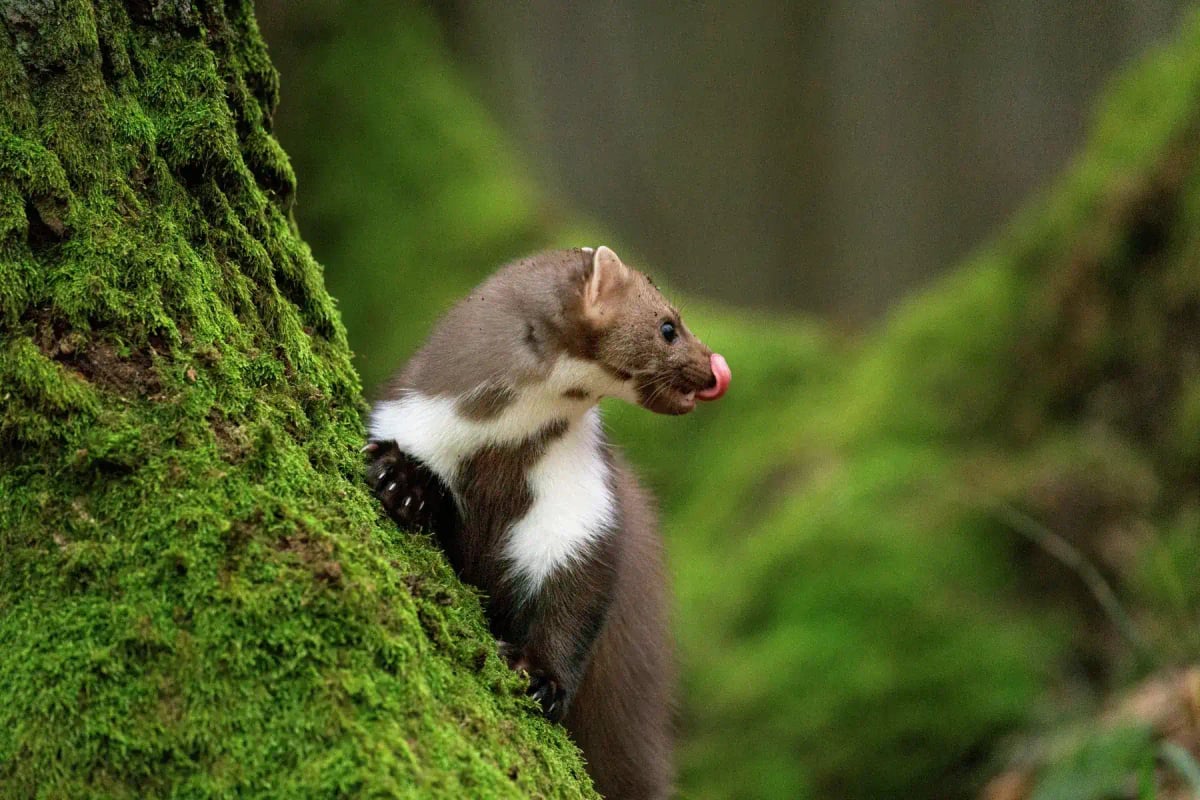
Marten
Martes martes / Martes foina
Both the pine marten and the stone marten are found in Poland. The pine marten favors the extensive forests of the northeast, including Białowieża Forest, one of the last primeval woodlands in Europe. The stone marten is more common in farmland and villages across central and southern regions. Poland's varied landscape supports healthy populations of both species. IUCN status: Least Concern.
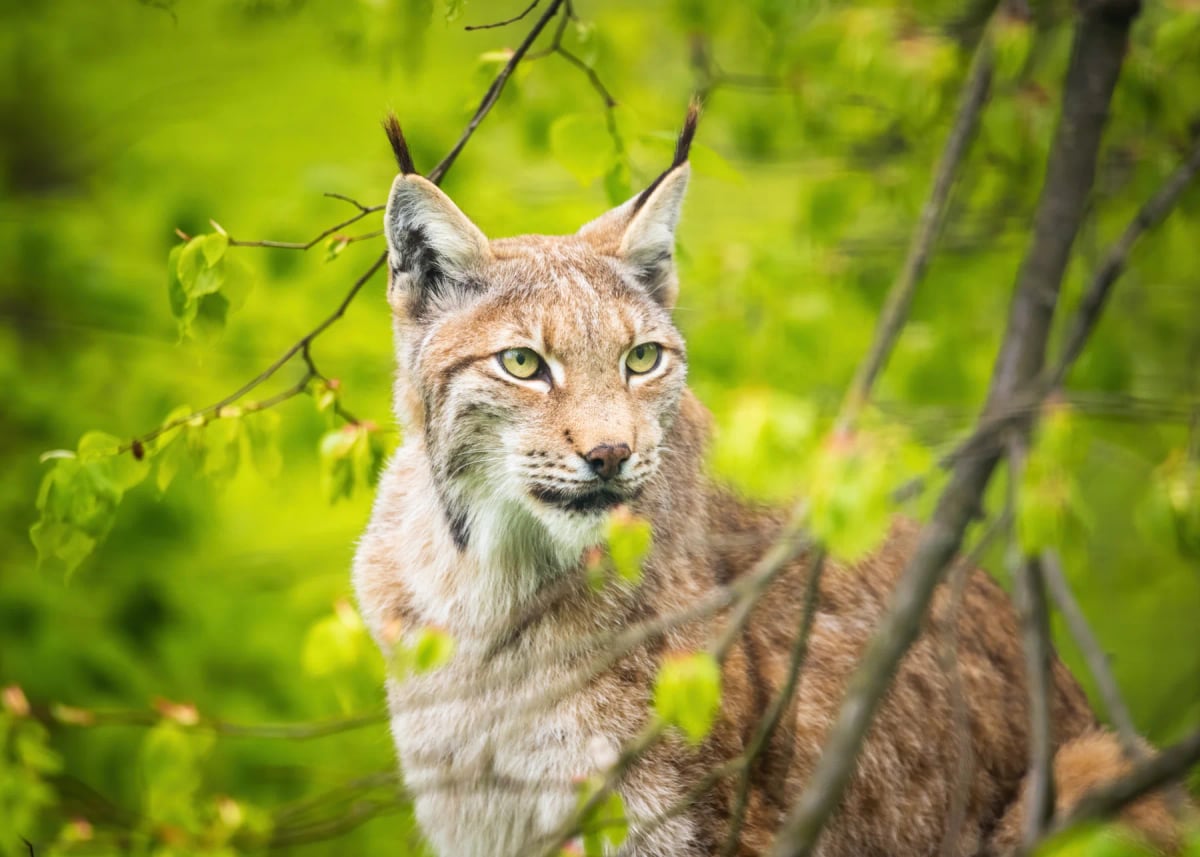
Eurasian Lynx
Lynx lynx
In Poland, the Eurasian Lynx is found mainly in the Białowieża Forest and the Carpathian mountains. After being nearly wiped out in the twentieth century, it was successfully reintroduced to several regions. Today it is a protected species, and its population has grown steadily. It preys chiefly on roe deer and hares. The IUCN lists it as Least Concern, though the Polish population still requires careful management.
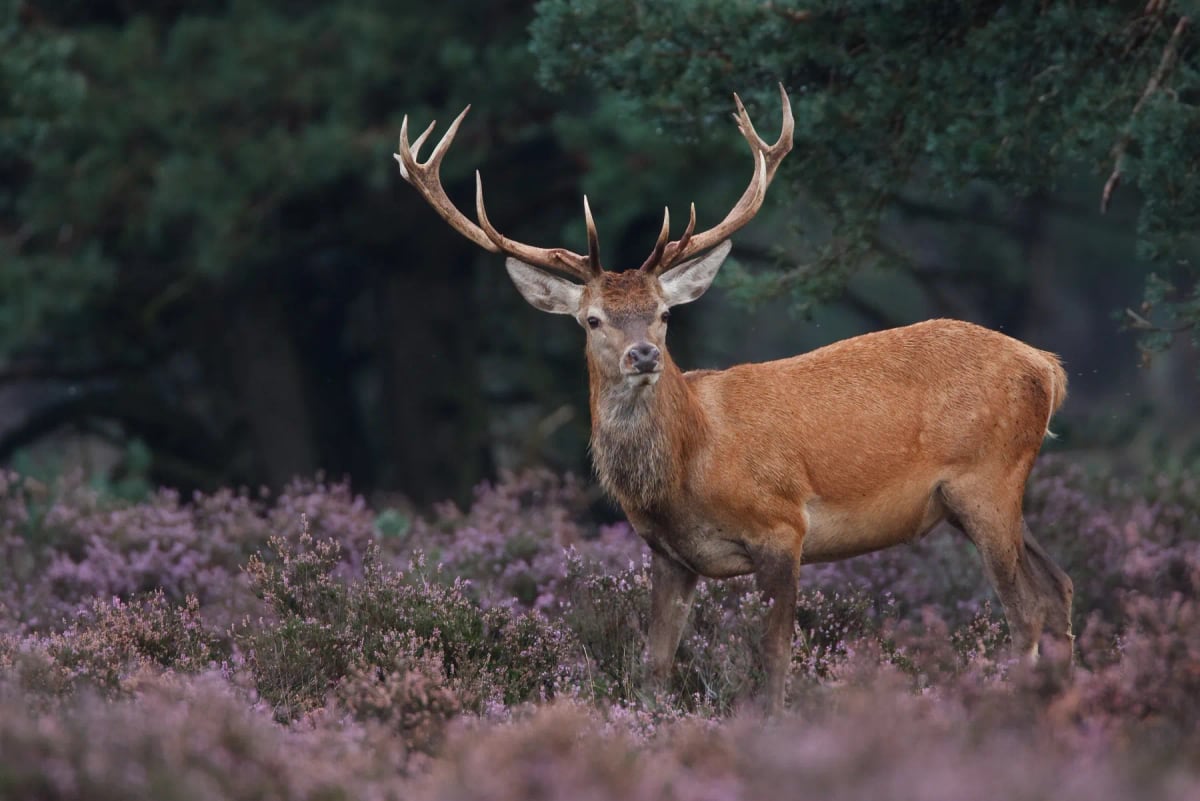
Red Deer
Cervus elaphus
The red deer (Cervus elaphus) is widespread across Poland, living in lowland forests, upland woodlands, and the foothills of the Carpathians. The Białowieża Forest, one of the best preserved ancient forests in Europe, supports a notable population. Polish stags are among the largest in Europe, and the country has a long tradition of managing red deer through regulated hunting. The species is stable and widespread. The IUCN lists it as Least Concern.
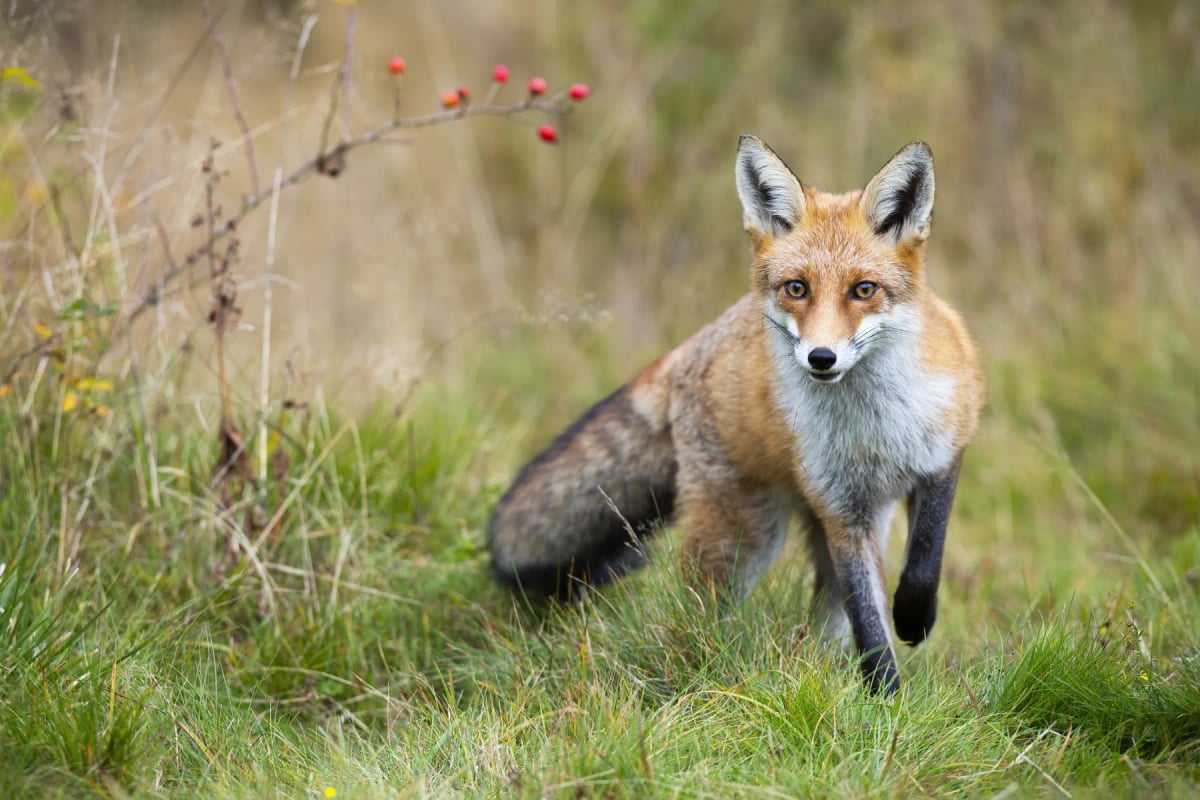
Red Fox
Vulpes vulpes
The red fox is one of the most familiar wild mammals in Poland, found in forests, farmland, and increasingly in cities like Warsaw and Kraków. Poland has a significant fox population, and the species is managed through hunting as part of wildlife regulation. It plays a role in controlling rodents in agricultural areas. Despite its abundance, it can carry rabies in some regions. Its status is Least Concern.
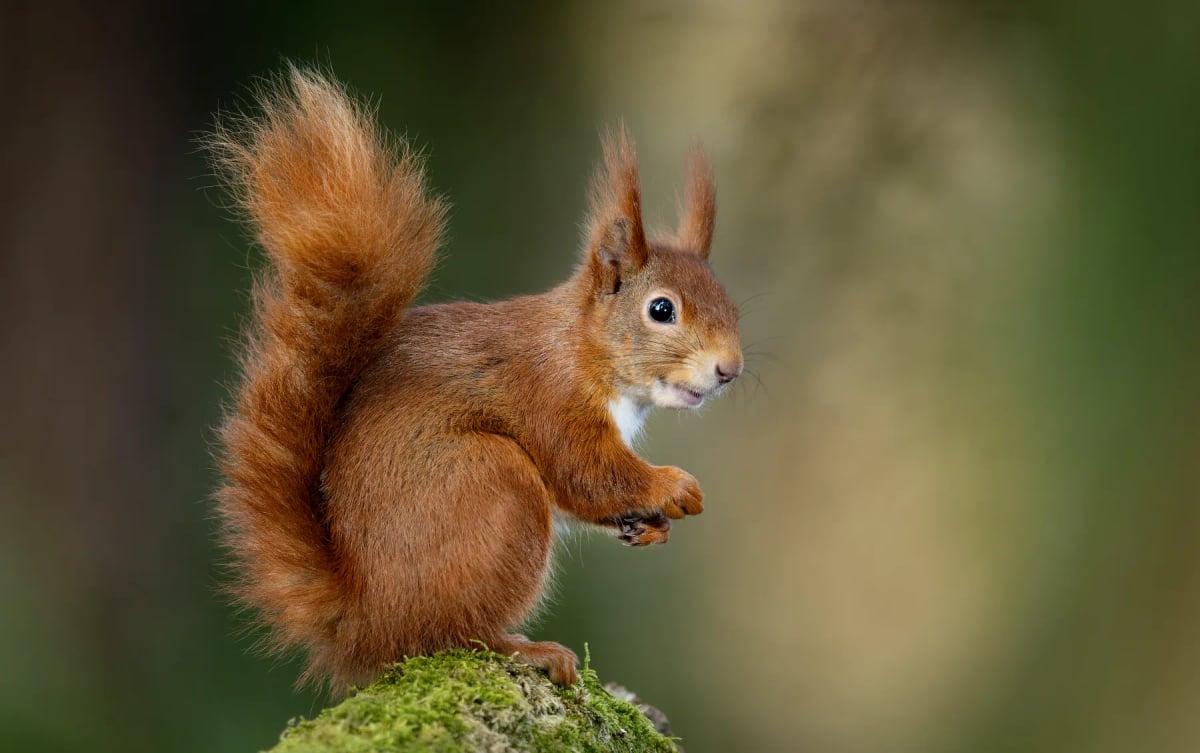
Red Squirrel
Sciurus vulgaris
The red squirrel is widespread across Poland, where it lives in the country's rich variety of forest types, from the ancient Białowieża Forest in the east to the pine woodlands of the lowlands and the mountain forests of the Tatras. It is a common and familiar species throughout the country. Poland lies outside the main range of the introduced grey squirrel, so the red squirrel faces no significant competition from that species here.
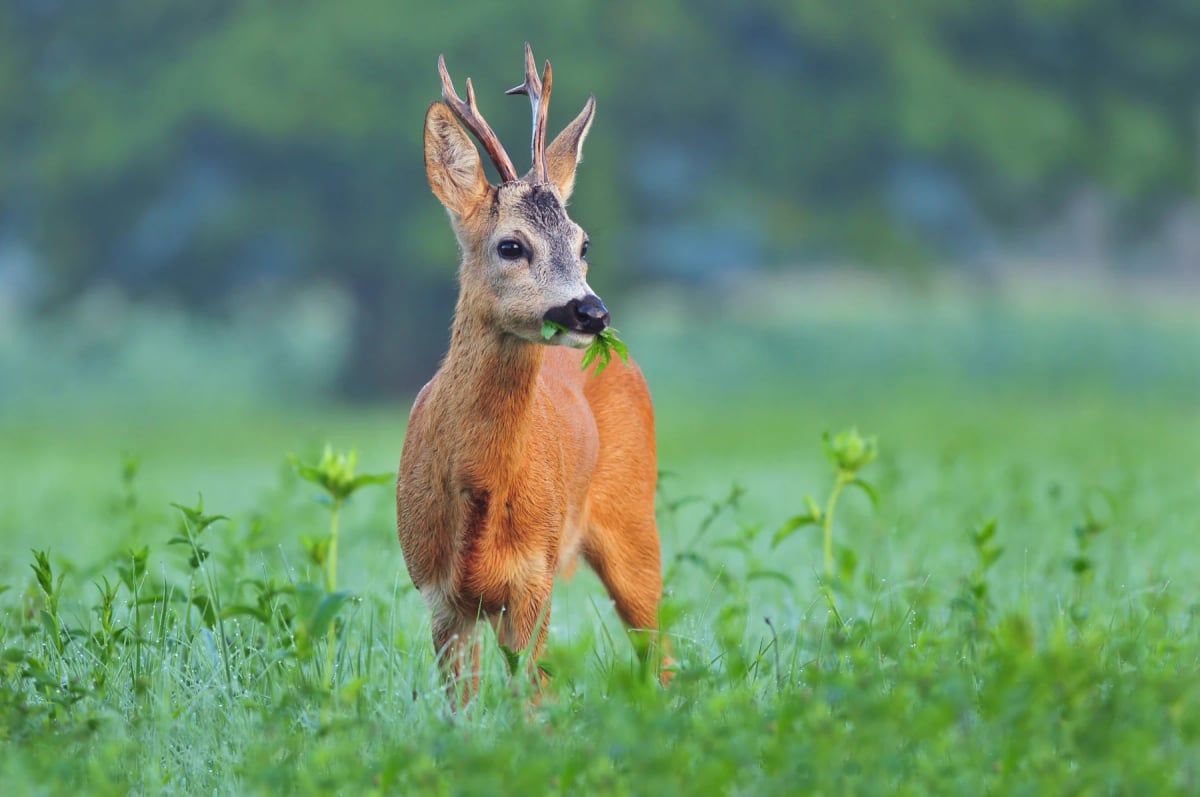
Roe Deer
Capreolus capreolus
The roe deer is one of Poland's most widespread wild mammals, living in the country's broad mix of lowland forests, farmland, and river valleys. The Białowieża Forest holds notable populations alongside far larger ungulates. Roe deer are active at dawn and dusk, feeding on buds, shoots, and herbs. Their coat turns grey in winter and russet in summer. IUCN status: Least Concern.
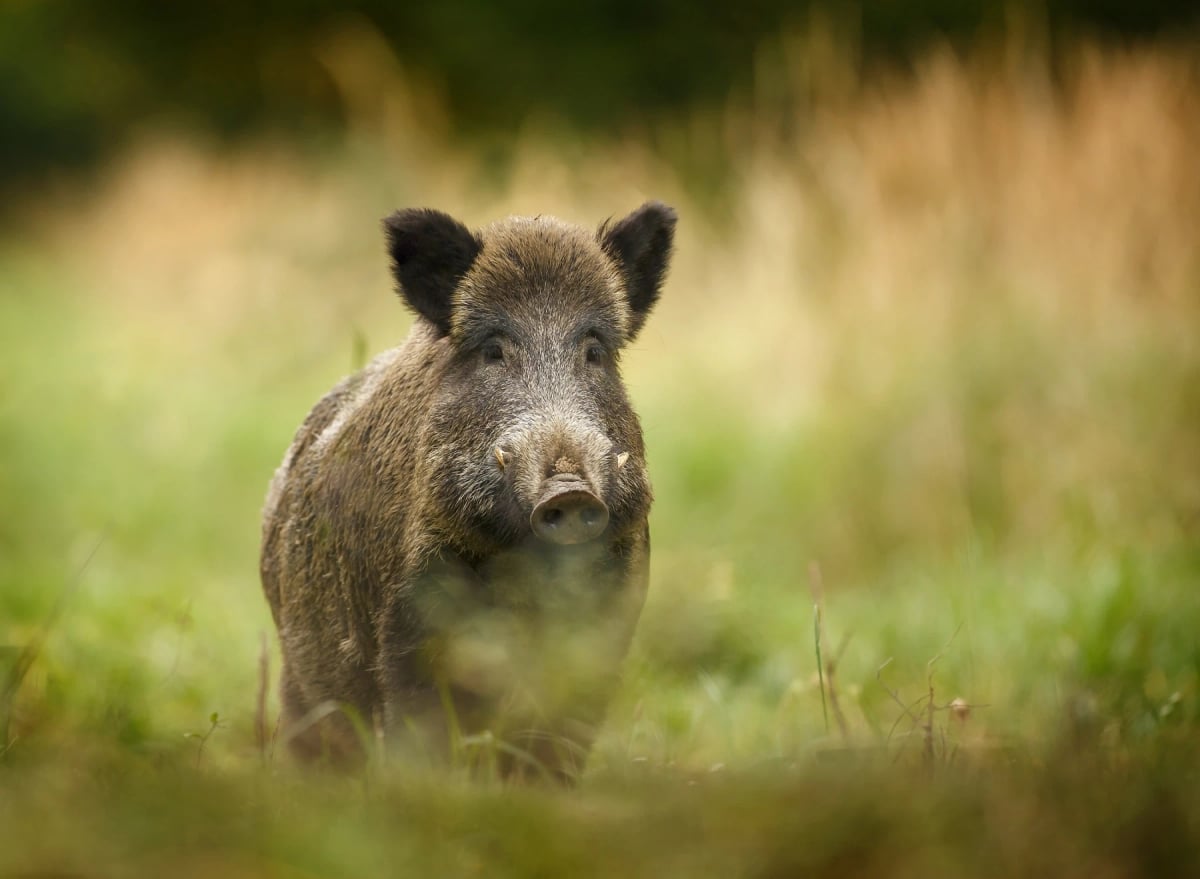
Wild Boar
Sus scrofa
Wild boars are widespread across Poland's forests, including the ancient woodland of Bialowieza, and have become increasingly common near towns and cities, including the outskirts of Warsaw. The species is a major game animal managed through licensed hunting, but outbreaks of African swine fever in recent years led authorities to intensify culling efforts to slow the disease's spread among wild and domestic pigs.
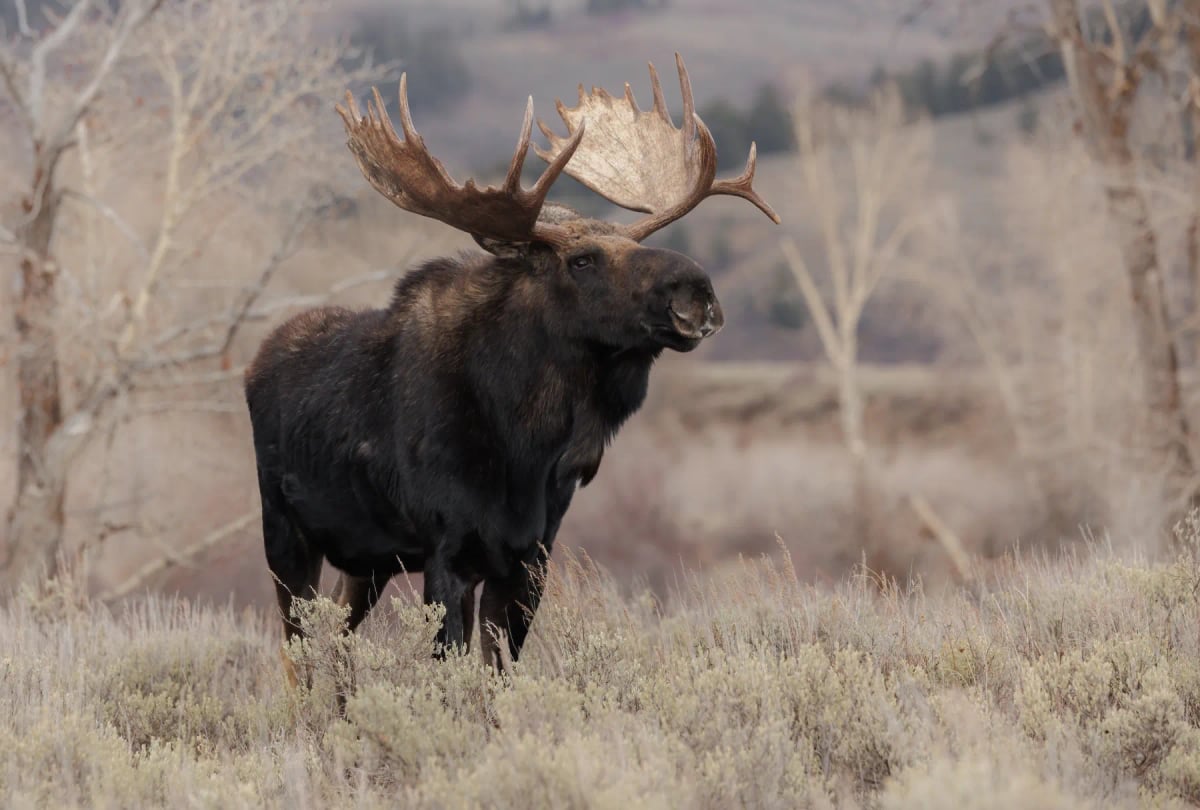
Moose
Alces alces
In Poland, moose populations are concentrated in the northeast, particularly in the Biebrza Marshes and Białowieża Forest, two of Europe's most important wetland and woodland habitats. After near extinction in the mid-twentieth century, numbers recovered strongly thanks to protection efforts. Today, moose move freely through river valleys and marshy lowlands, and they are a celebrated species in Polish conservation history. IUCN status: Least Concern.
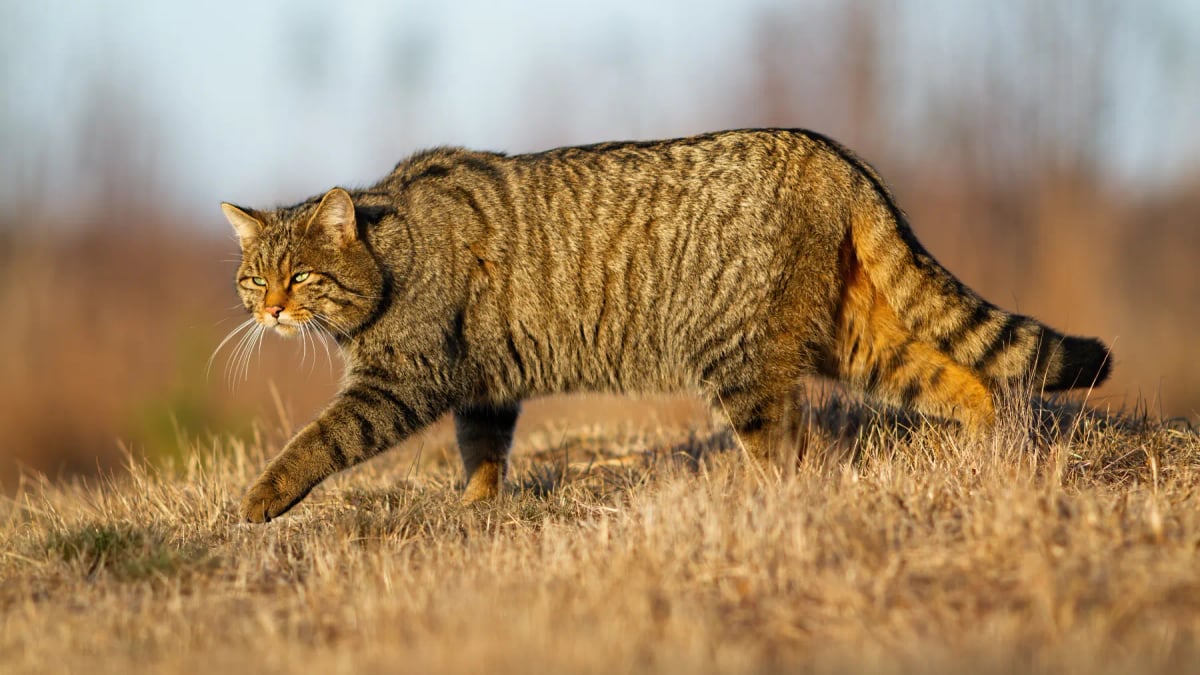
European Wildcat
Felis silvestris silvestris
In Poland, the European wildcat is found mainly in the Carpathian Mountains in the south, particularly in the Bieszczady range, which holds one of the country's most significant populations. Old growth forest and steep, wooded slopes provide ideal conditions. Poland sits at the northern edge of the species' range in this part of Europe, making Carpathian populations especially important for regional conservation. IUCN status: Least Concern.
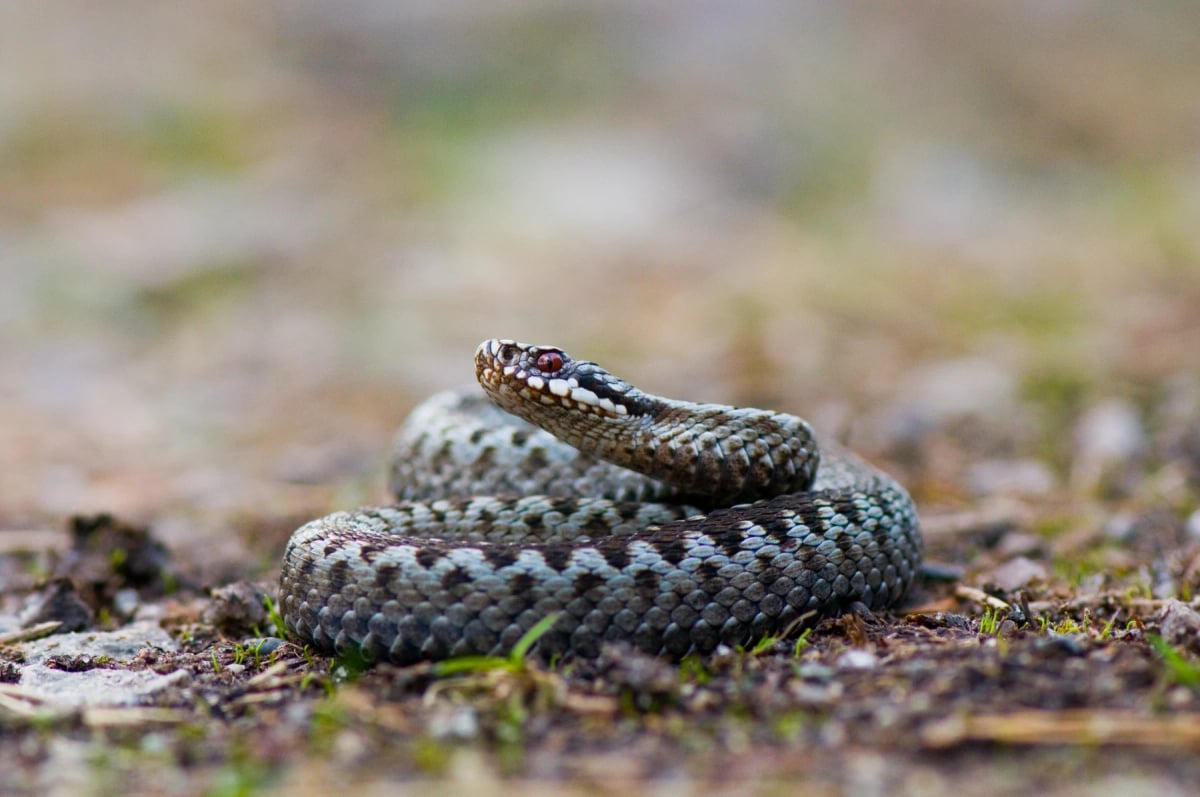
European Adder
Vipera berus
In Poland, the European adder inhabits a range of environments including heathlands, forest edges, peat bogs, and river valleys. It is present across much of the country but is most common in less intensively farmed areas. It is the only venomous snake in Poland and is legally protected. Agricultural intensification and road traffic have contributed to population declines in some regions. Its IUCN status is Least Concern.
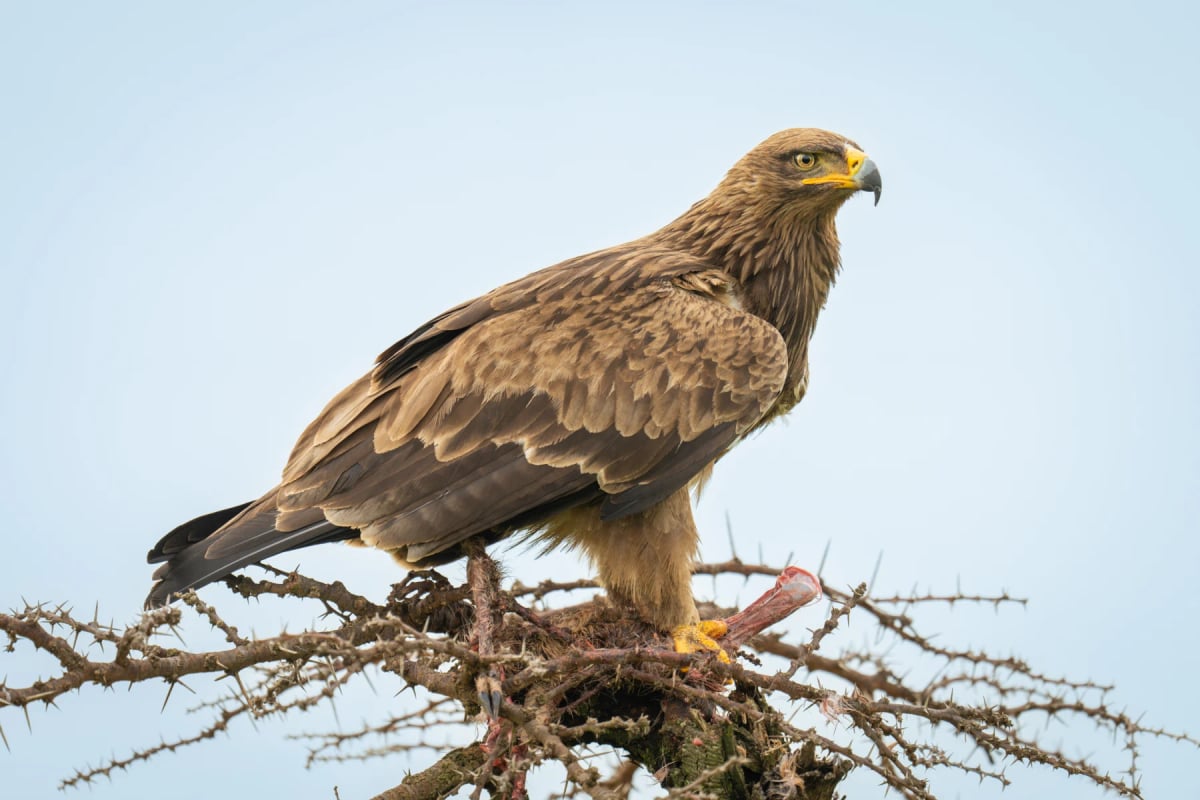
Steppe Eagle
Aquila nipalensis
Poland sits along a migration route used by Steppe Eagles moving between Central Asia and Africa. The species appears here mainly in autumn, passing over open farmland and river valleys. Sightings are infrequent and mostly involve birds of prey watching enthusiasts recording rare migrants. Poland has no breeding population of this eagle. Its Endangered status reflects serious population declines caused by electrocution on power lines and loss of steppe breeding habitat.
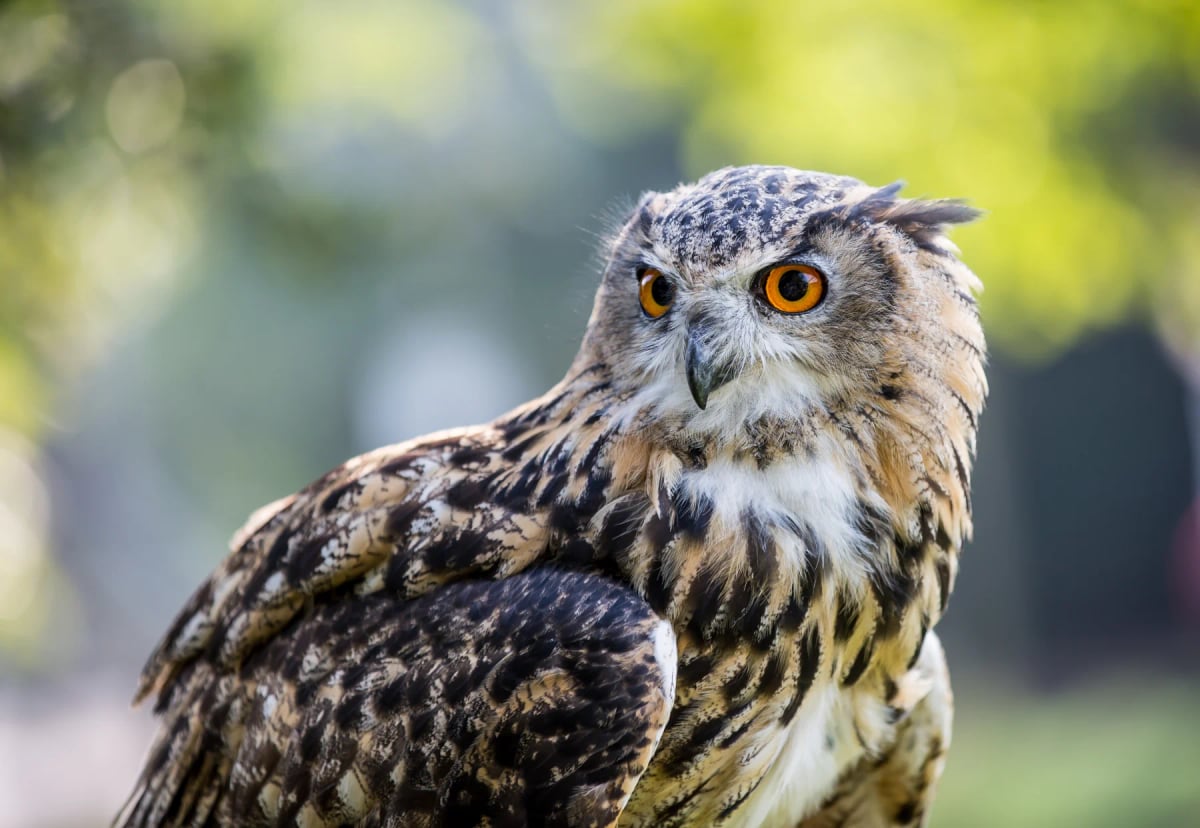
Eagle Owl
Bubo bubo
The eagle owl returned to Poland as a breeding bird in the late twentieth century after a long absence caused by hunting and persecution. It now nests in rocky areas, gravel pits, and old quarries, as well as in forested regions such as the Bieszczady Mountains in the southeast. Poland sits within the owl's zone of recovery across central Europe, and the population continues to grow. The IUCN lists it as Least Concern.
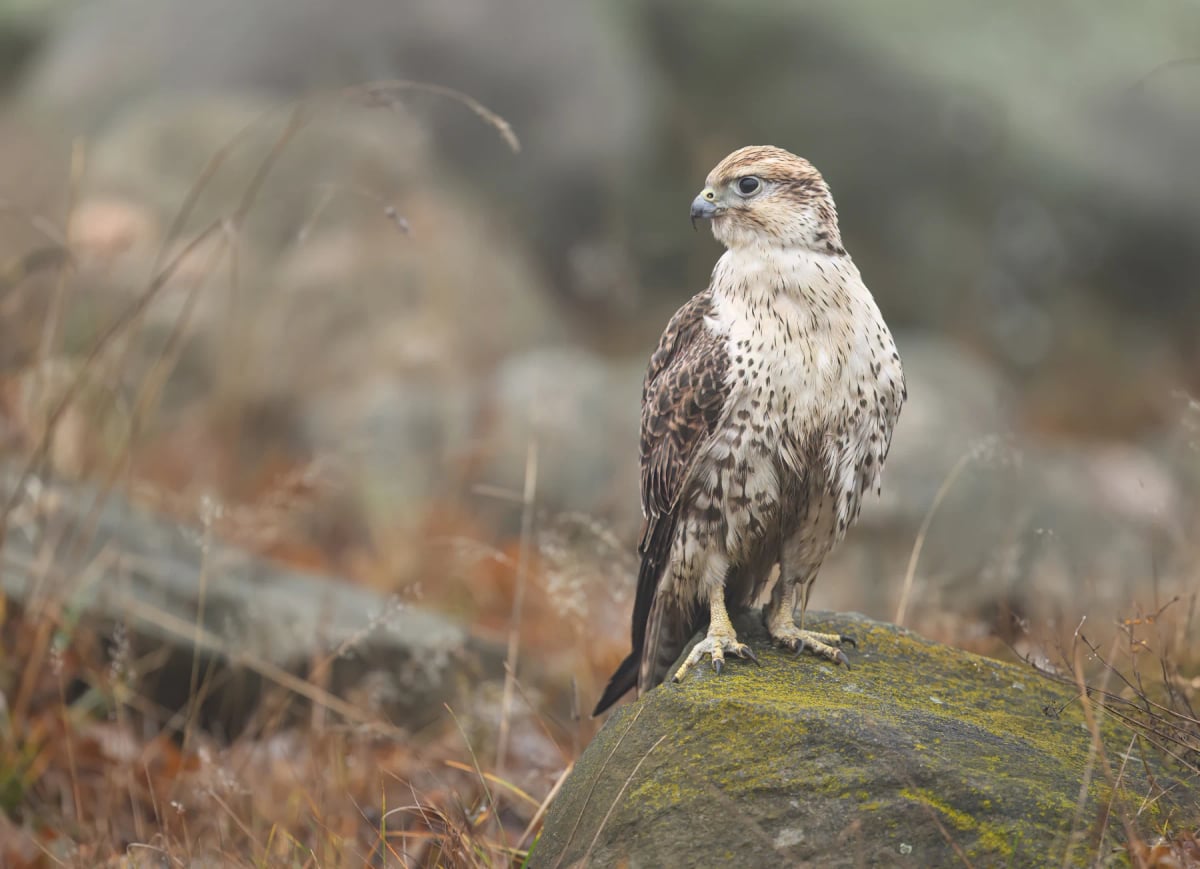
Saker Falcon
Falco cherrug
Poland lies near the western edge of the saker falcon's European range. The bird occurs here as a rare visitor, most often during migration, favouring open farmland and river plains that recall the steppe habitats where it breeds further east. Conservation efforts across Central Europe have aimed at protecting this species from ongoing declines driven by electrocution on power lines and illegal trapping. The IUCN lists it as Endangered.
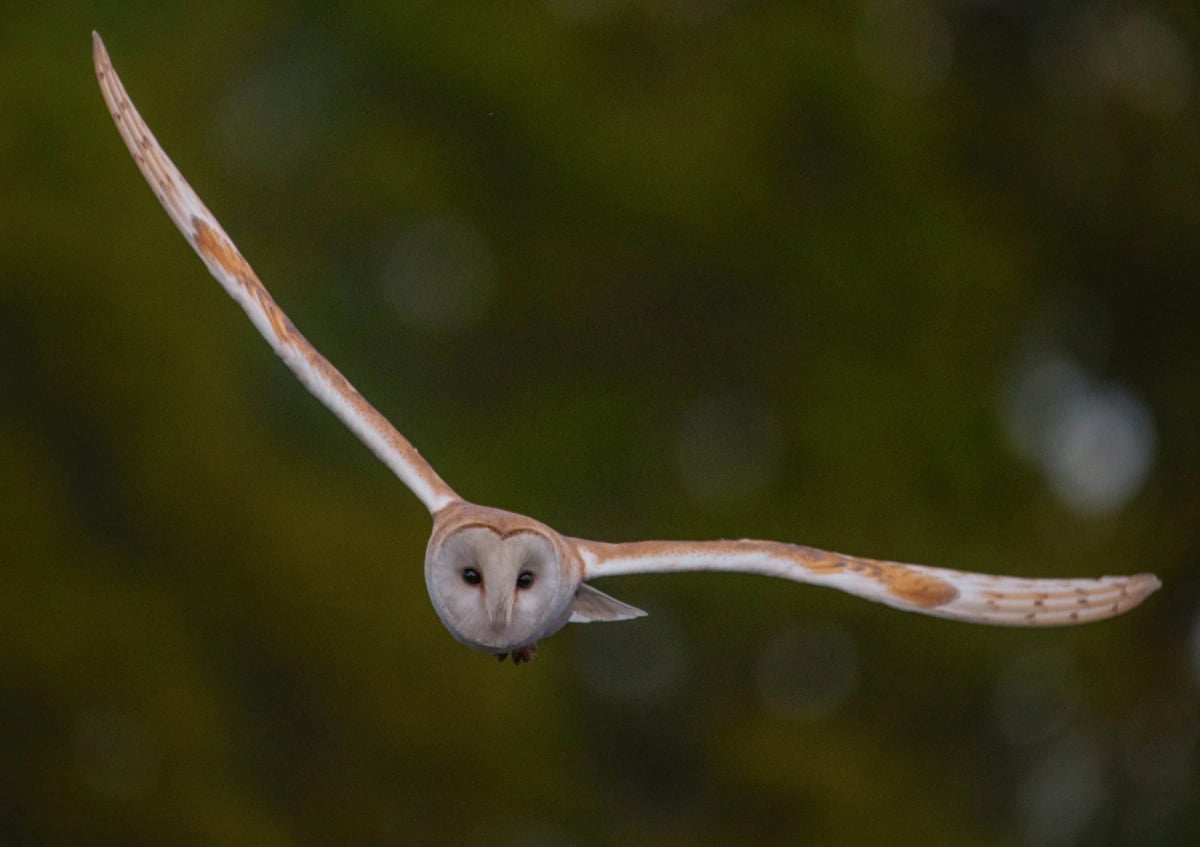
Barn Owl
Tyto alba
The barn owl is found across the lowlands and agricultural plains of Poland, particularly in the western and central regions, Silesia, and the Mazovian lowlands. It nests in old farm buildings, church towers, and hollow trees, and hunts mice and voles at night in open fields and meadows. Poland holds one of the larger barn owl populations in Central Europe, though numbers fluctuate significantly with harsh winters and vole population cycles. Nest box programs run by conservation organizations and individual farmers have been instrumental in supporting the species across the country.
White tailed Eagle
Haliaeetus albicilla
Poland has seen a remarkable recovery of the white tailed eagle over recent decades, and the country now supports one of the largest breeding populations in central Europe. The species nests in old forests near lakes, rivers, and wetlands, with strongholds in the Biebrza marshes, the Mazurian Lakeland, and along the Oder and Vistula rivers. Legal protection and conservation programs have been central to this success.
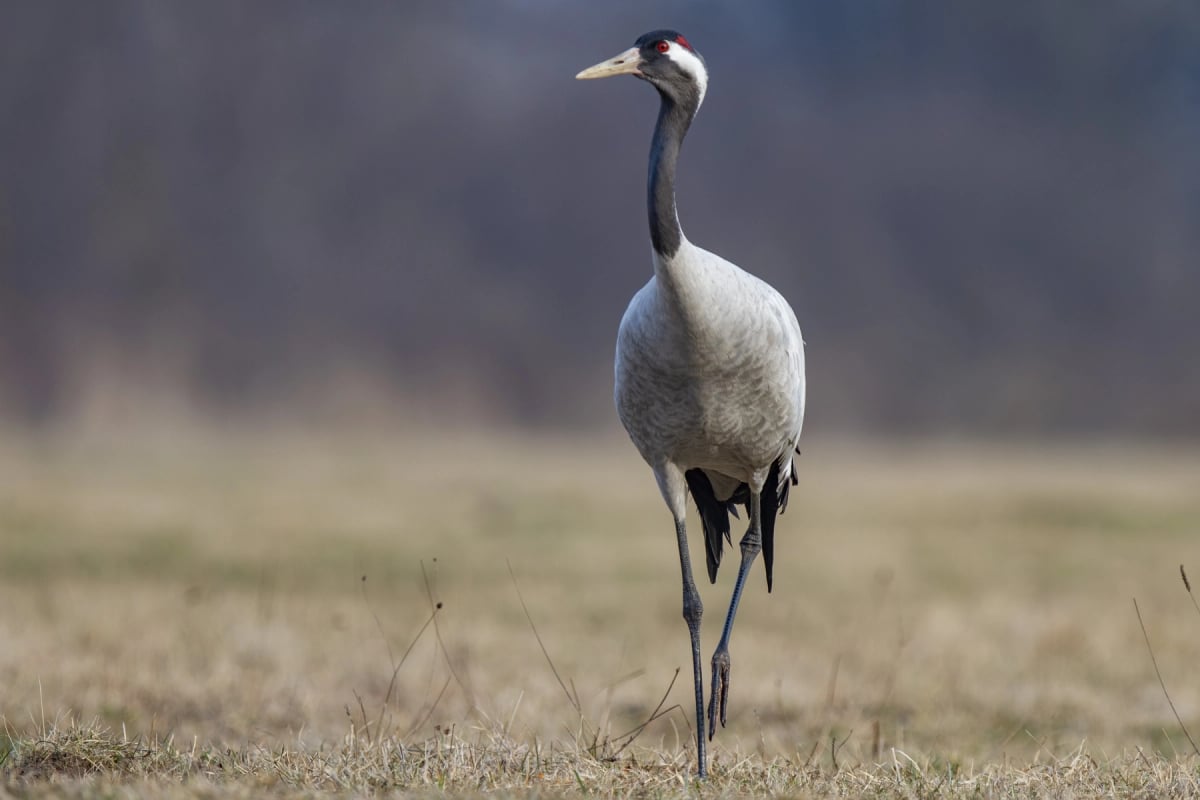
Crane
Grus grus
Poland is one of the most important countries in Europe for the common crane, both as a breeding ground and a stopover during migration. Extensive bogs, river valleys and forest wetlands in the northeast, including areas around the Biebrza marshes, support large breeding populations. In autumn, tens of thousands of cranes gather at staging sites across the country before continuing south. Its IUCN status is Least Concern.
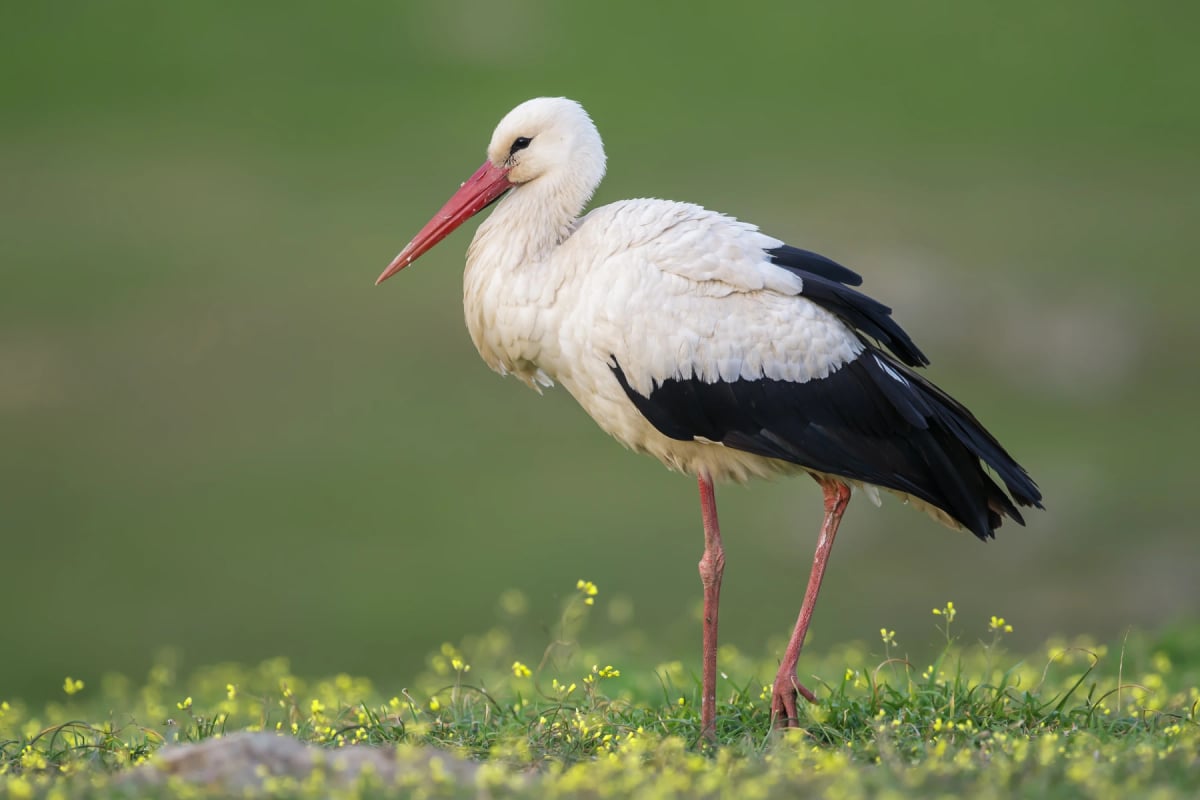
Stork
Ciconia ciconia
Poland is one of the most important countries in the world for the white stork, hosting one of the largest breeding populations on the planet. The bird is deeply woven into Polish culture and is considered a national symbol. Storks thrive across the country's meadows, wetlands, and farmland, nesting on rooftops, chimneys, and specially built platforms. The Podlaskie region in the northeast is especially well known for its high density of nesting pairs.
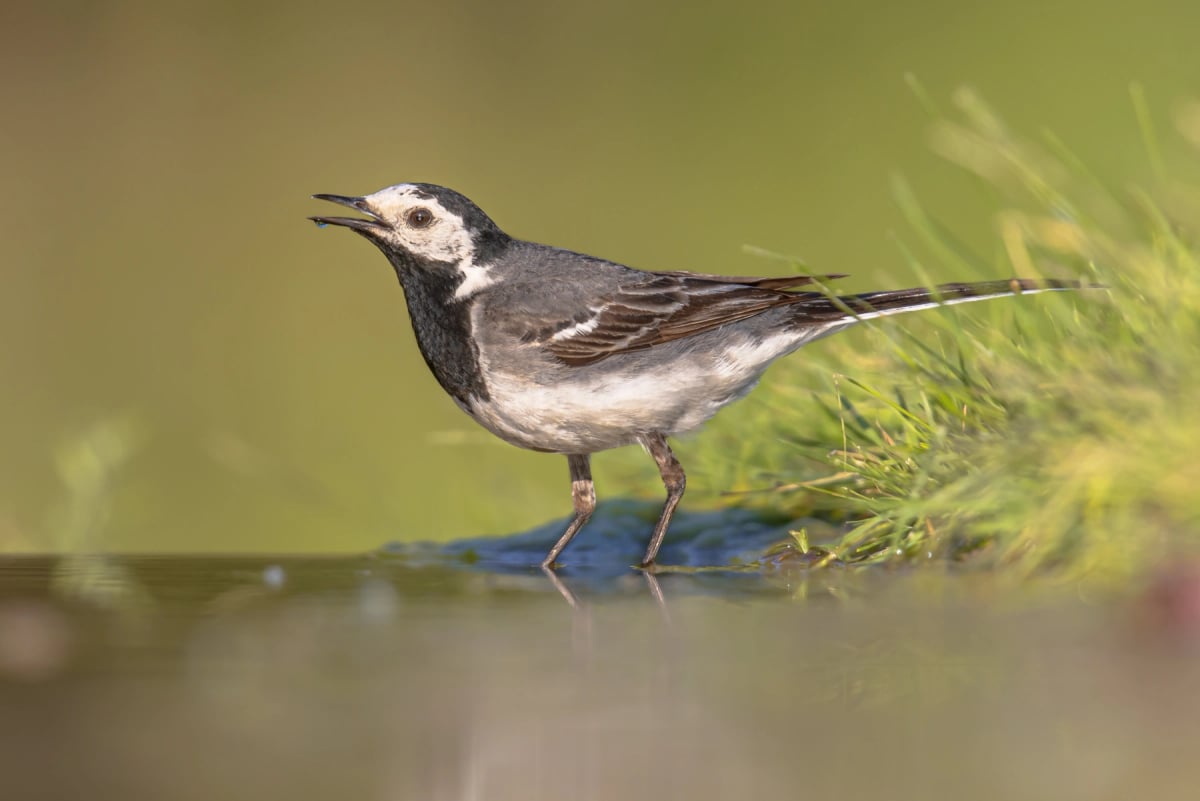
White Wagtail
Motacilla alba
Poland is a stronghold for the white wagtail in central Europe. The bird breeds widely across the country, from river valleys and lakeshores to farmyards and urban parks. The Biebrza and Narew river systems in the northeast are particularly good places to find it. Most Polish birds migrate south or southwest in autumn, heading to the Mediterranean and Africa, before returning in early spring, often among the first migrants to arrive back each year.
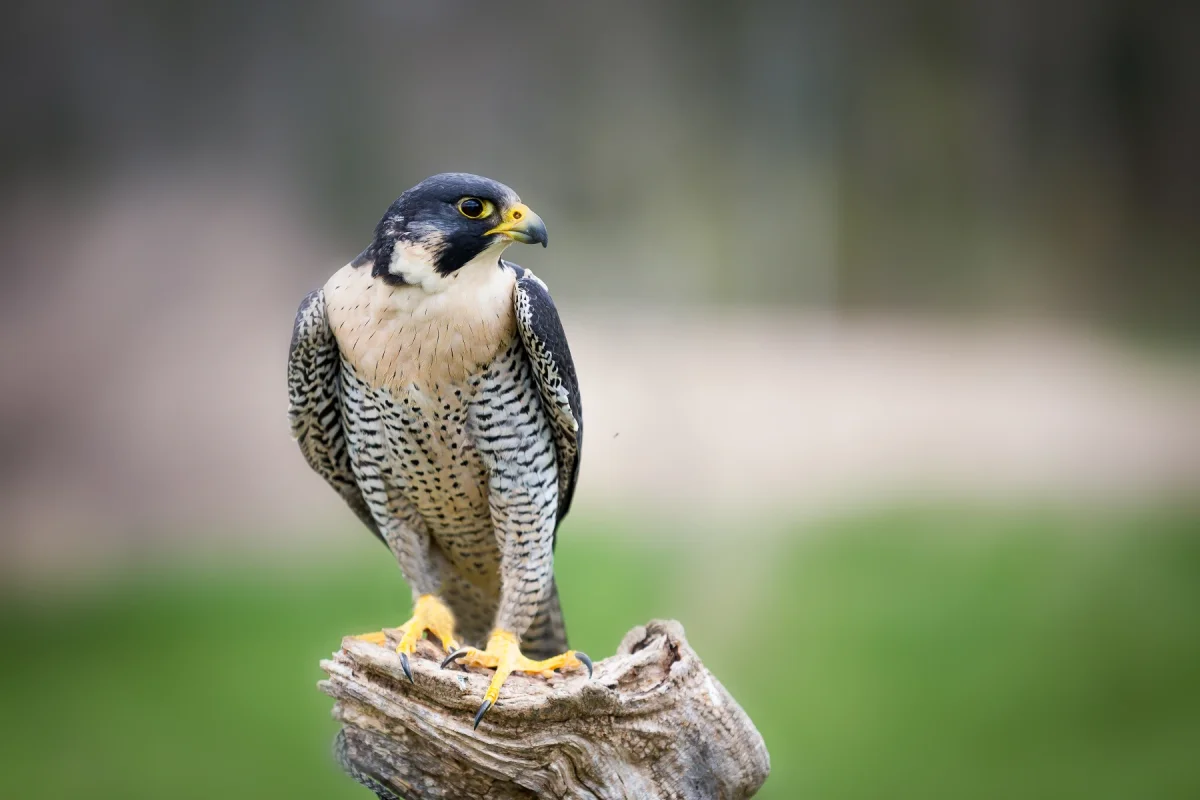
Peregrine Falcon
Falco peregrinus
The peregrine falcon has made a remarkable comeback in Poland after its population collapsed in the twentieth century due to DDT and persecution. Breeding pairs now nest on river valley cliffs, quarry faces, and tall city buildings in Warsaw and other urban centers. Conservation programs involving nest boxes on bridges and cathedrals helped drive this recovery. The species is once again a regular part of the Polish landscape. Its IUCN status is Least Concern.
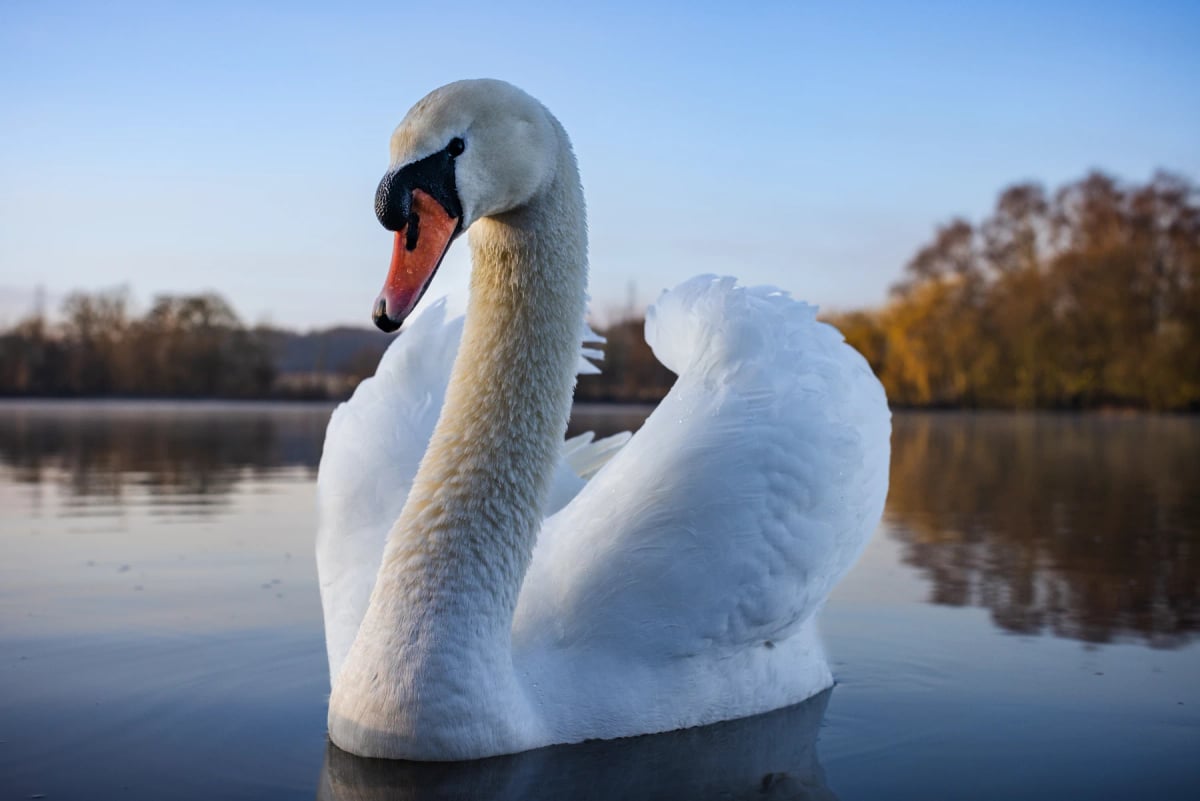
Mute Swan
Cygnus olor
The mute swan is a familiar waterbird across Poland, nesting on lakes, rivers, and wetlands throughout the country. The Masurian Lake District in the northeast supports particularly strong populations. Pairs bond closely and defend their nests with great determination. Outside the breeding season, larger groups gather along the Baltic coast. Poland's wetland conservation efforts have helped keep local numbers healthy. The IUCN lists it as Least Concern.
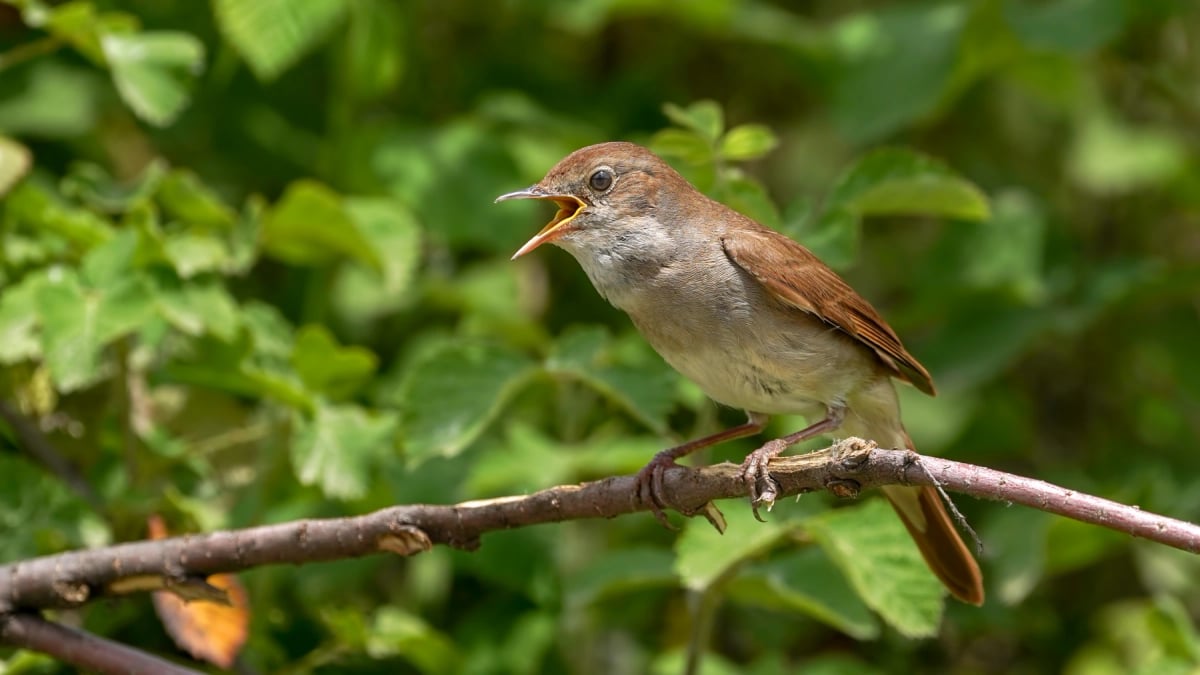
Nightingale
Luscinia megarhynchos
The nightingale is a widespread and well known breeding bird across much of Poland, favouring dense thickets, willow scrub and shrubby woodland edges, especially in the lowland river valleys of central and eastern regions. Males begin singing soon after arriving from Africa in late April, and their voices are a celebrated part of the Polish spring. Populations have remained relatively stable compared to western Europe. Its IUCN status is Least Concern.
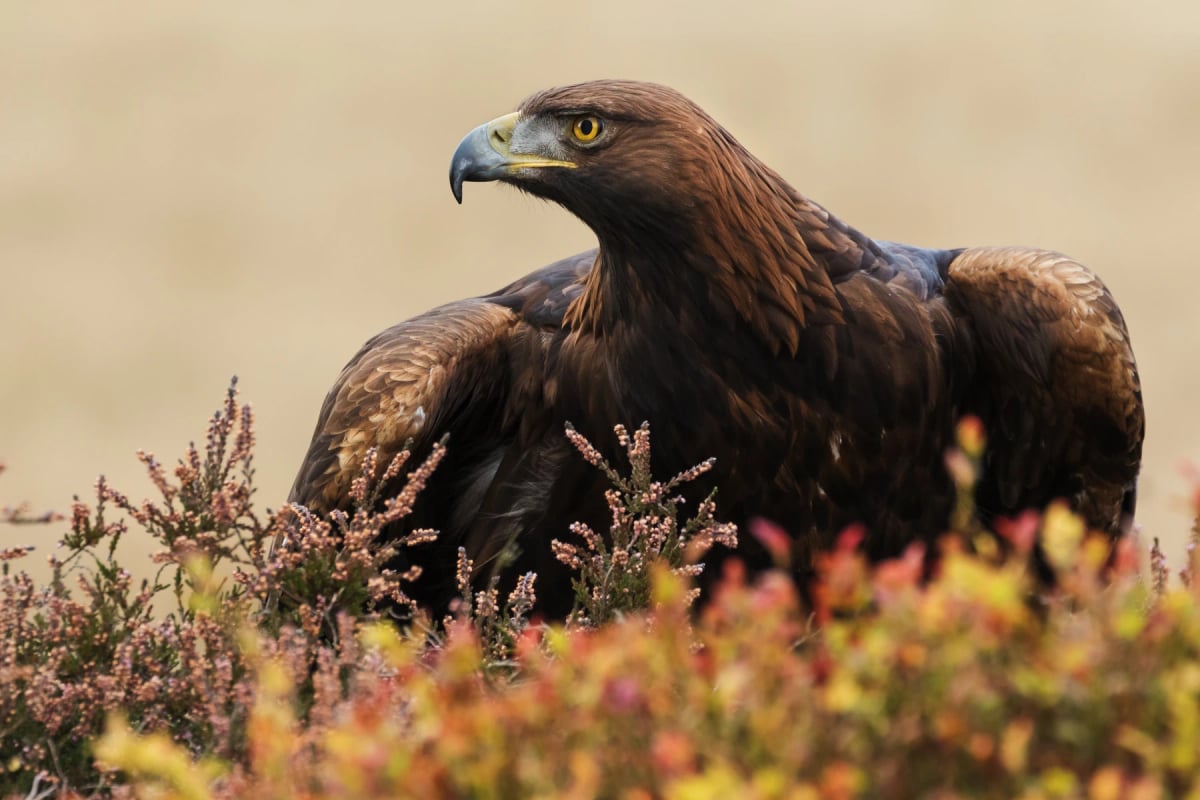
Golden Eagle
Aquila chrysaetos
In Poland, the golden eagle is a rare but established breeding bird, found mainly in the Carpathian Mountains in the south and in the Białowieża Forest region in the east. It nests in large, old trees as well as on rock faces in mountainous terrain. The Polish population is small and closely monitored. Conservation efforts focus on protecting nesting areas from forestry operations and human disturbance.
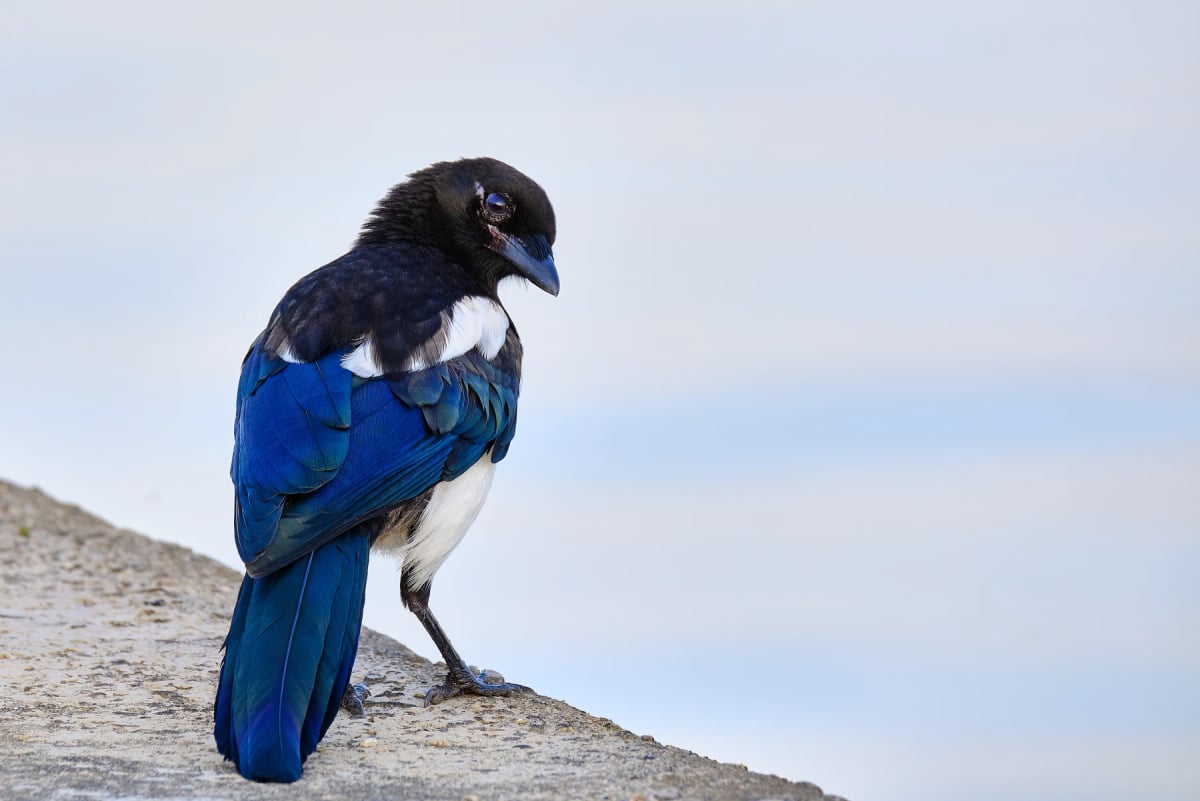
Eurasian Magpie
Pica pica
The Eurasian Magpie is a common and familiar bird throughout Poland, found in agricultural landscapes, forest edges, and city parks alike. It is especially visible in the open lowland plains that cover much of the country, where scattered trees and hedgerows provide good nesting sites. Polish magpies are year round residents and do not migrate. They are known to store food underground and return to retrieve it later. IUCN status: Least Concern.
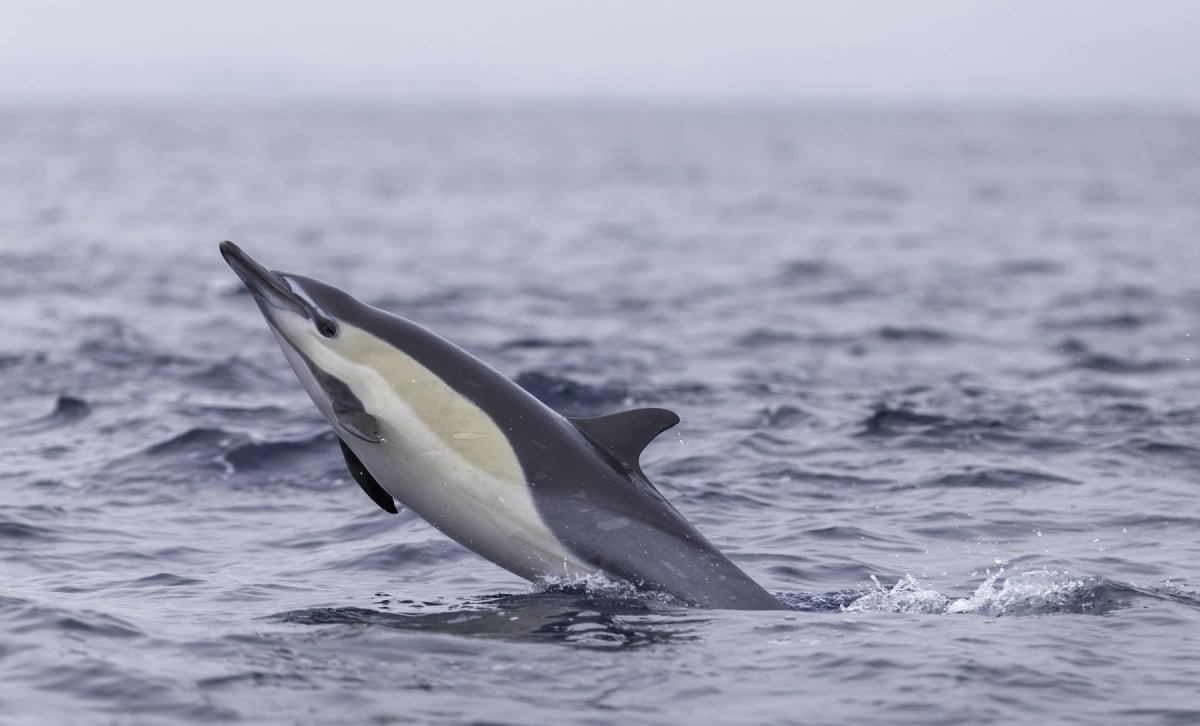
Common Dolphin
Delphinus delphis
The common dolphin is occasionally recorded in Polish waters of the Baltic Sea, though sightings are rare and considered vagrant events. The Baltic is largely isolated from the Atlantic, and its low salinity makes it marginal habitat for this species. When individuals do appear, they typically arrive via the Danish straits. Any sighting in Polish waters is considered notable by local researchers. IUCN status: Least Concern.
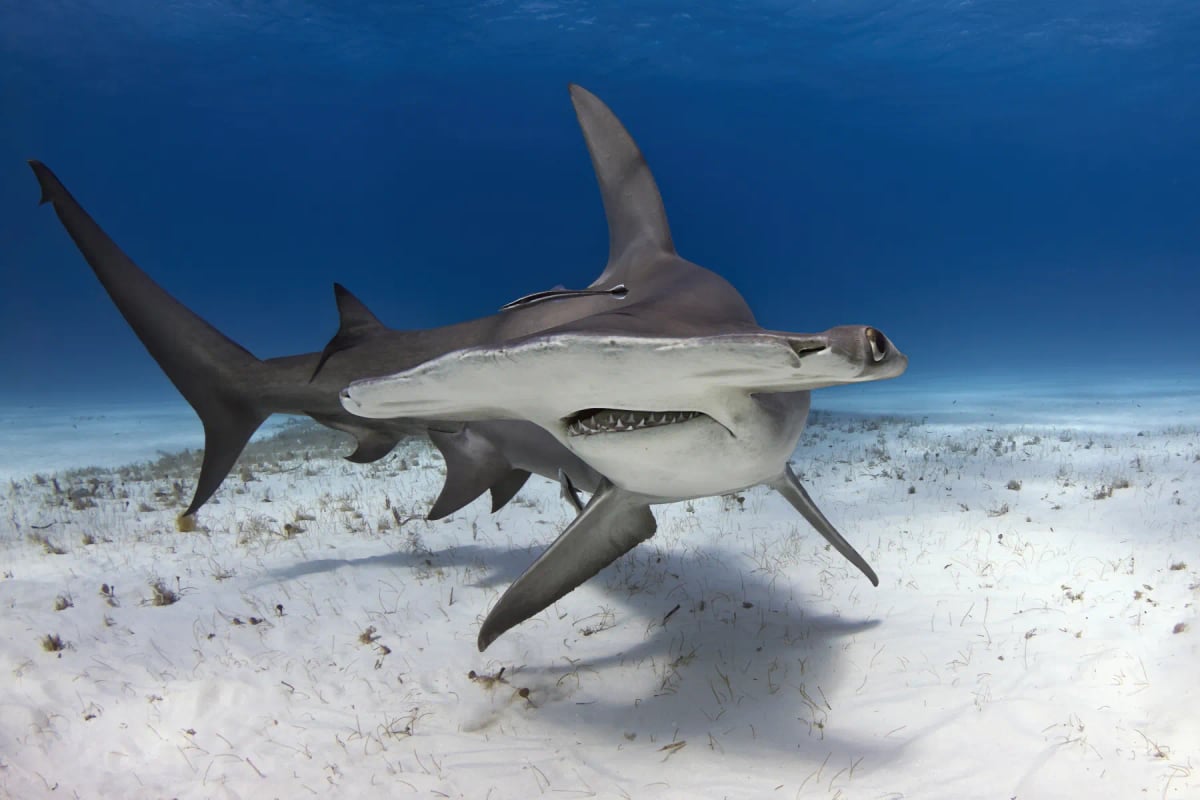
Hammerhead Shark
Sphyrna spp.
Poland borders the Baltic Sea, which is too cold for hammerhead sharks to inhabit directly. However, Polish fishing vessels operate in the Atlantic and beyond, where interactions with hammerhead sharks do occur. Poland, as a European Union member, is bound by EU shark conservation regulations. Raising awareness about the critical status of hammerheads remains important in Polish fisheries and conservation policy discussions.
Researched and written by Juan Pablo. Sources: IUCN Red List, scientific literature and regional field guides. Last updated: .