Animals in Liberia
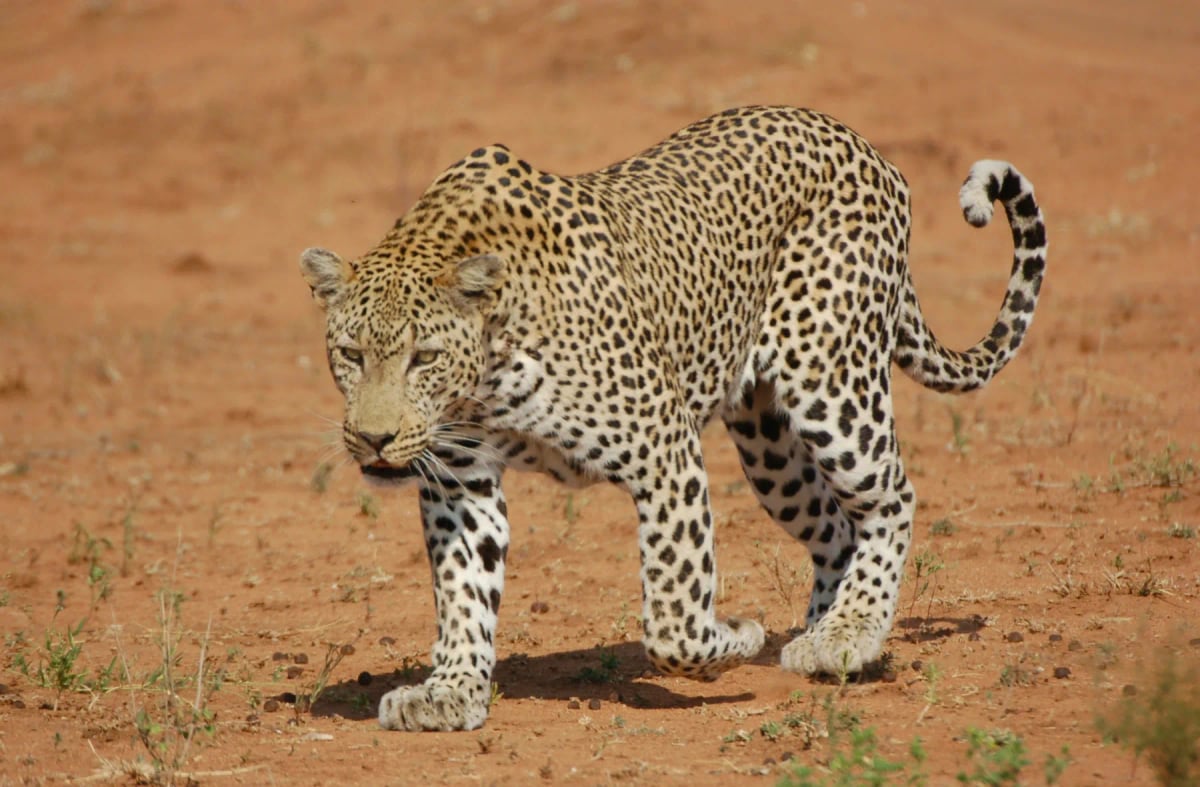
Leopard
Panthera pardus
The leopard, Liberia’s national animal, represents strength, grace and mystery. It appears in local stories and art as a guardian of the forest. Though rarely seen, it remains a powerful symbol of the country’s wild spirit and its connection to nature through culture and conservation.
View details→Wildlife in Liberia
Liberia’s wildlife flourishes in dense rainforests, mangroves and Atlantic shores. Pygmy hippos, chimpanzees, forest elephants and dolphins live among rivers and coastal waters that support one of West Africa’s richest ecosystems. Visitors interested in eco tours can explore national parks that protect many endangered species.
Most Dangerous Animals in Liberia
Some of Liberia’s wildlife can be dangerous, especially forest elephants, leopards and snakes. In coastal waters, sharks and other large fish may also appear. Respecting distance and following local guides ensures that nature can be enjoyed safely and responsibly.
Top 10 Animals in Liberia
Liberia’s best known animals include leopards, chimpanzees, pygmy hippos and forest elephants. National parks such as Sapo and Gola Forest offer opportunities to observe these species in natural surroundings while supporting projects that protect tropical forests and local wildlife.
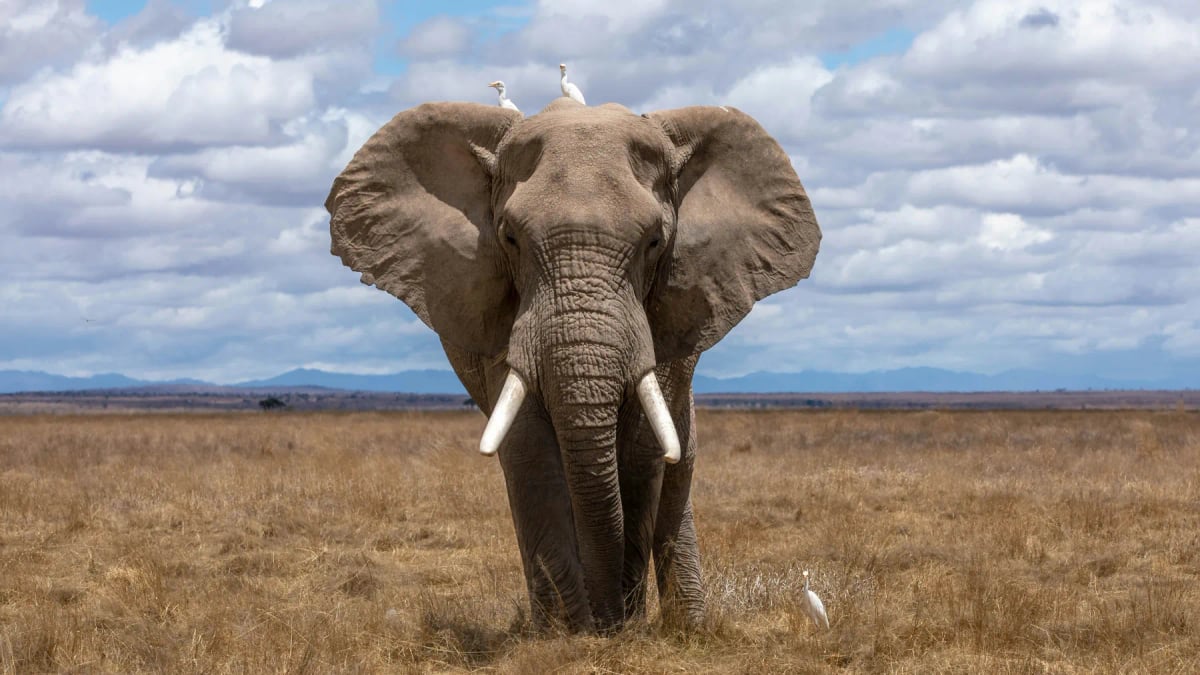
African Elephant
Loxodonta africana
Liberia holds small elephant populations in the east of the country, in areas near the borders with Côte d'Ivoire and Guinea. These elephants occur in forest-savanna transition zones and have been affected by years of civil conflict and encroachment from agriculture and mining. The population is poorly monitored and current estimates are uncertain, but Liberia forms part of the contiguous West African range of the species and its forests hold conservation value for the broader regional population.
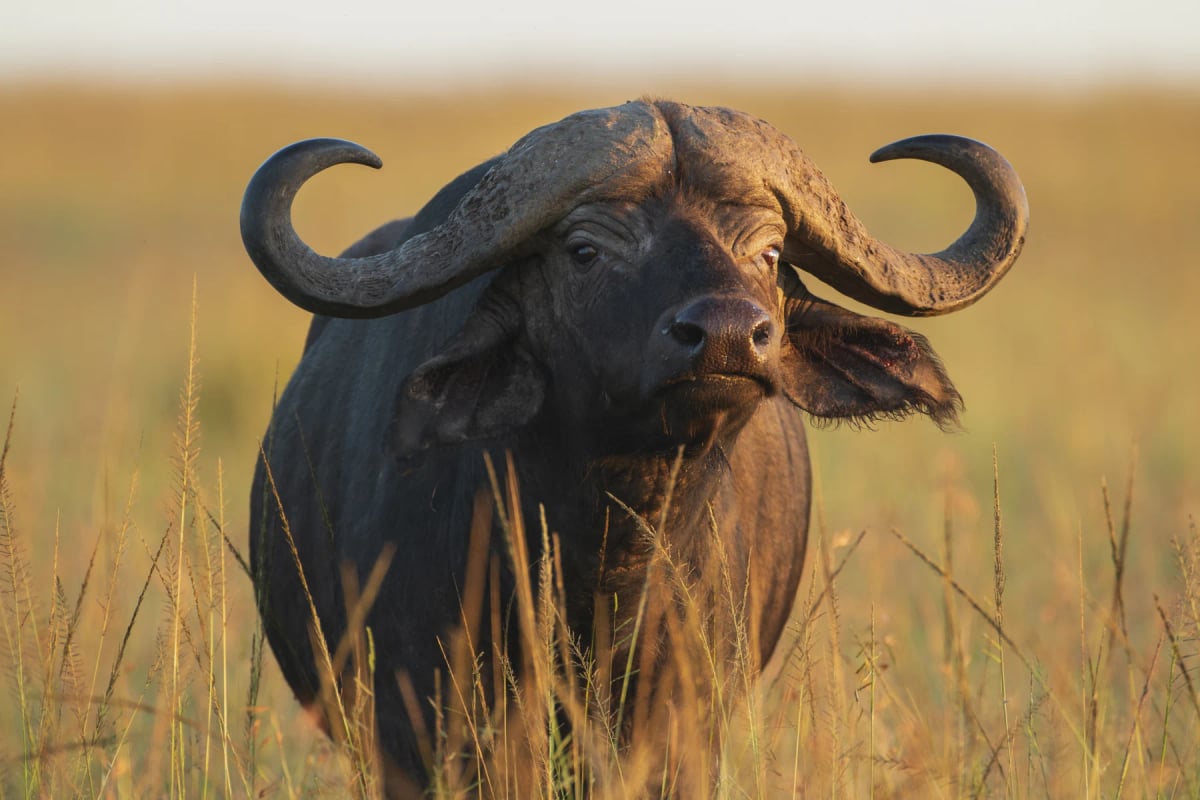
Buffalo
Syncerus caffer
In Liberia, African buffaloes are found in forested and forest-edge habitats, particularly in the southeast of the country near Sapo National Park, Liberia's largest protected area. They tend to use clearings and areas of secondary vegetation within the broader Upper Guinean forest zone. Hunting pressure and the degradation of forest habitat represent the most significant threats to buffalo populations across Liberia.
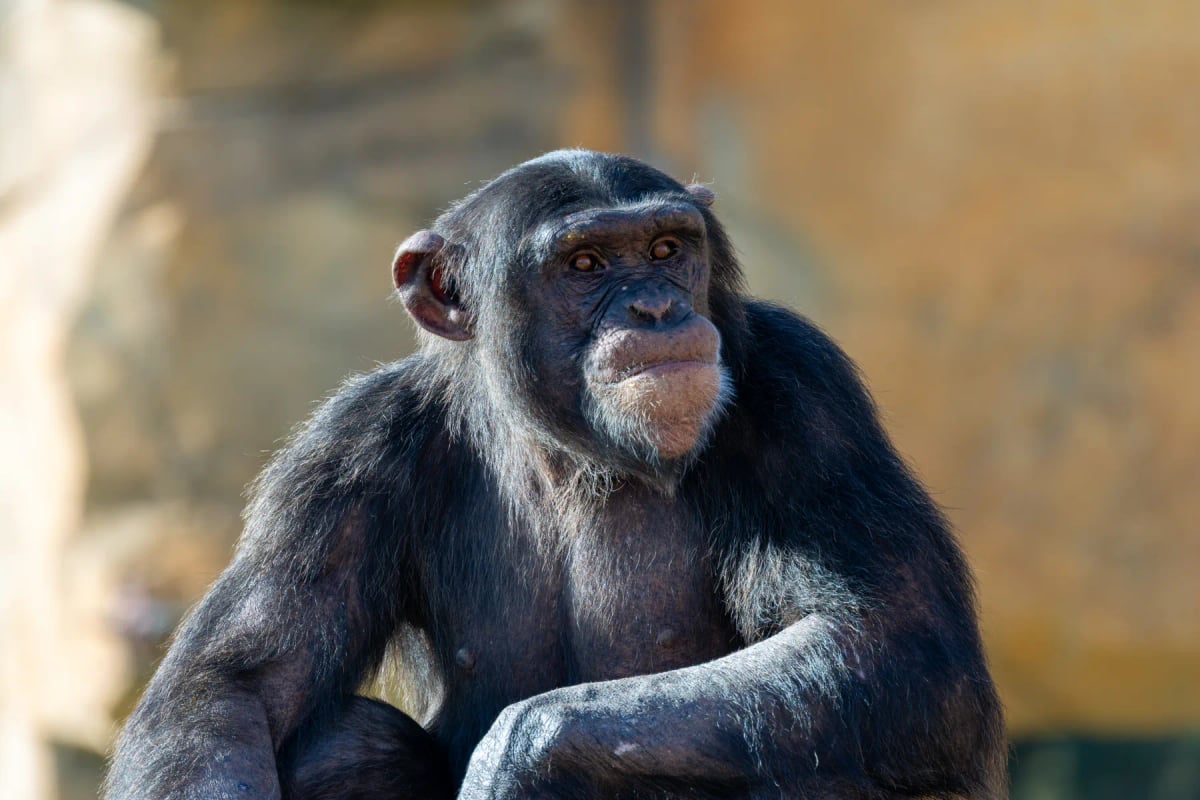
Chimpanzee
Pan troglodytes
Liberia contains some of the most important remaining chimpanzee habitat in West Africa, with large tracts of Upper Guinean rainforest still intact. Sapo National Park and the forests of the southeast host sizeable communities. Years of civil conflict reduced conservation capacity, but recent efforts have strengthened protections. Liberia's forests are considered critical to the survival of chimpanzees across the entire Upper Guinean forest ecosystem.
Leopard
Panthera pardus
Liberia contains some of the largest remaining blocks of Upper Guinean rainforest in West Africa, and leopards are present throughout much of this forest cover. They sit at the top of the food chain here, playing a vital role in keeping prey populations balanced. Deforestation driven by logging and agriculture is shrinking their habitat, and bushmeat hunting further reduces the prey available to them.
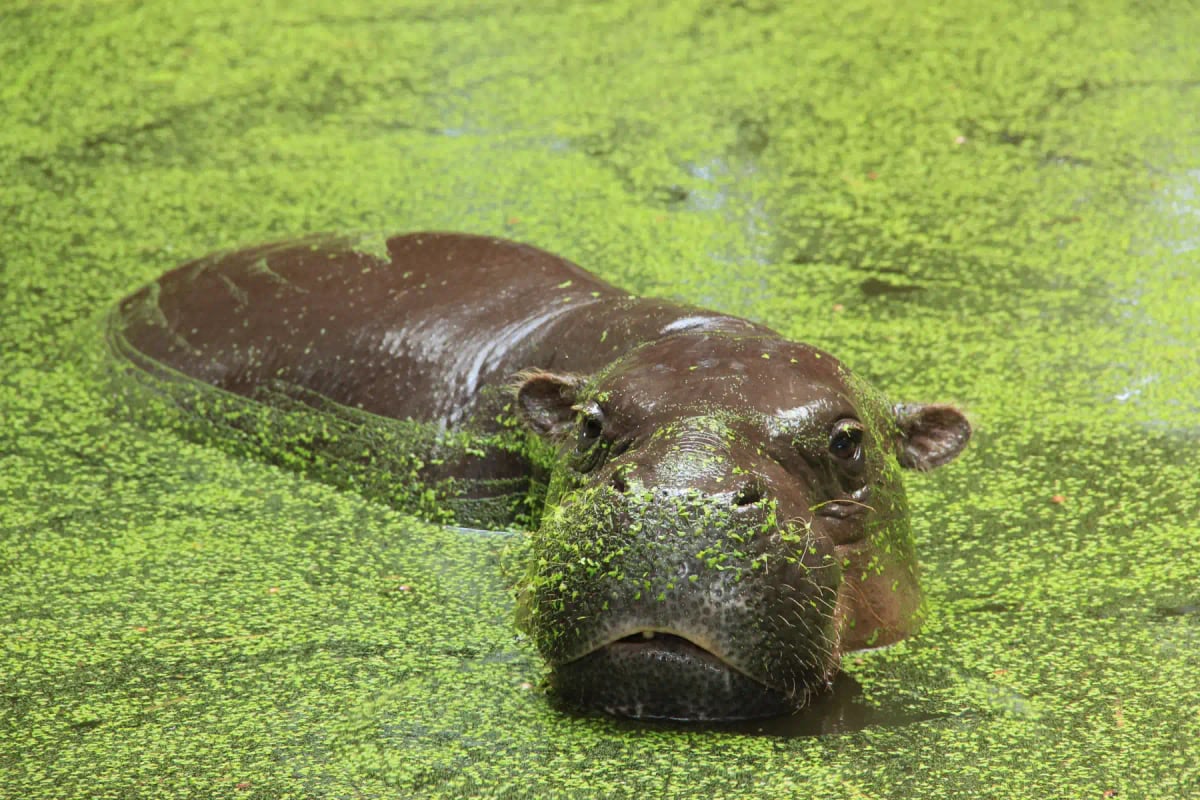
Pygmy Hippo
Choeropsis liberiensis
Liberia holds the largest known population of pygmy hippos in the world, thanks to the vast stretches of intact rainforest that still cover much of the country. It is most associated with the forests of the Upper Guinea region, where it moves quietly through the undergrowth at night. Despite this stronghold, the species faces serious pressure from logging and bushmeat hunting, and remains classified as Endangered across its entire range.
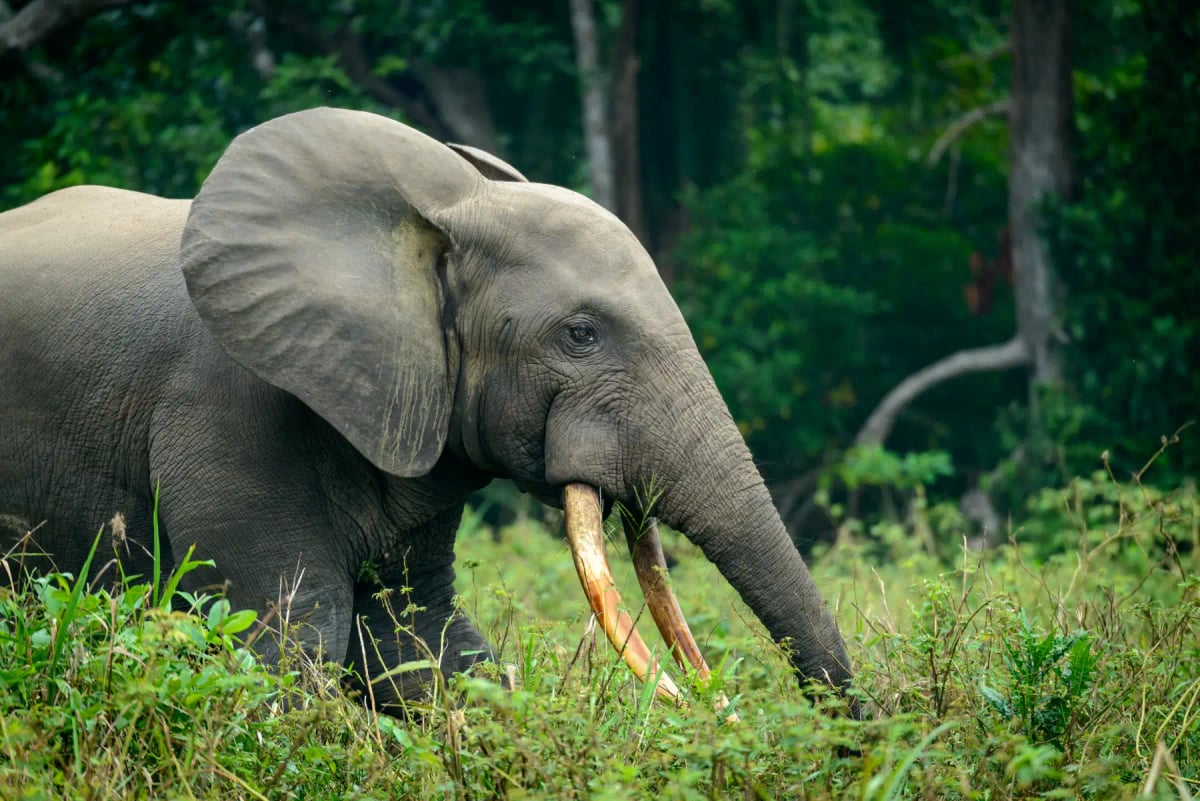
African Forest Elephant
Loxodonta cyclotis
Liberia is one of the more important countries for the African forest elephant in West Africa, holding a significant share of the remaining Upper Guinean forest. Sapo National Park in the southeast is the core protected area and the most important site for the species in the country. Liberia's relatively intact forest cover compared to neighboring countries has allowed a more viable population to persist, though illegal logging, mining and poaching remain serious threats outside protected areas.
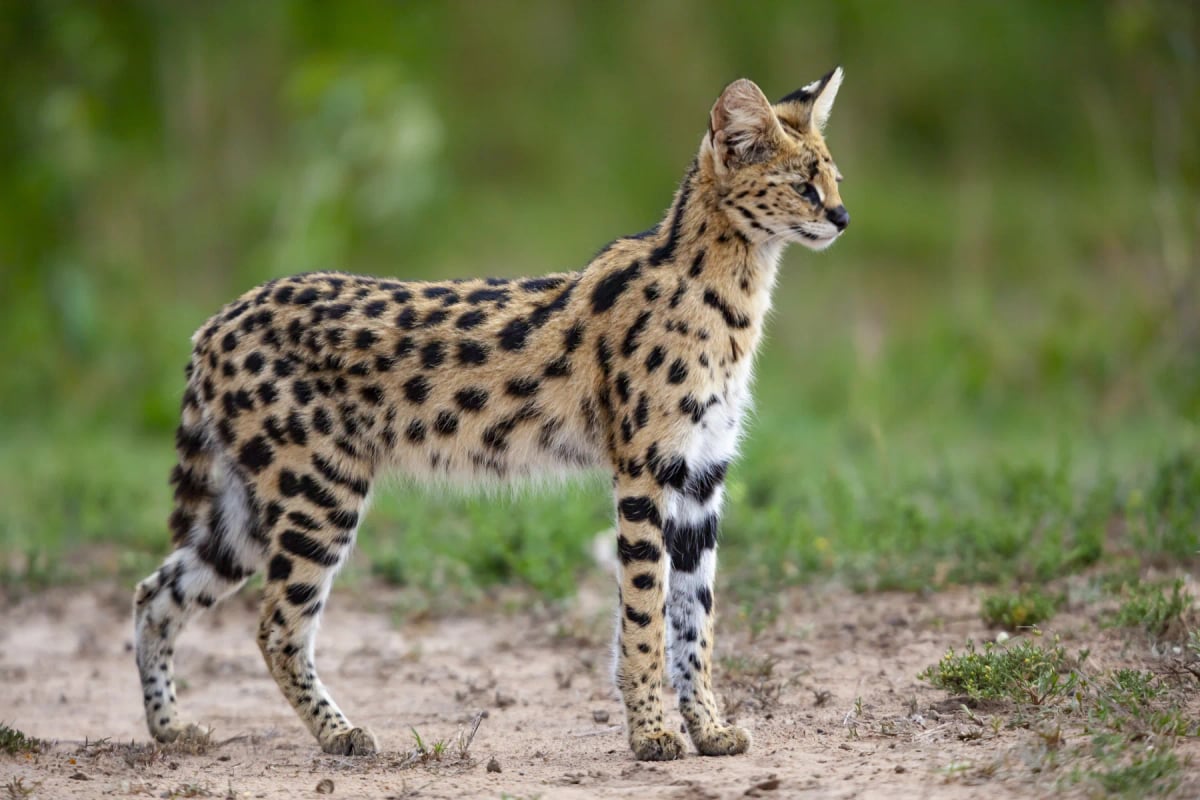
Serval
Leptailurus serval
In Liberia, servals occupy the mosaic of grasslands and forest edges found beyond the dense rainforest interior. They depend on moist, open patches where tall grass shelters small prey. Rodents, frogs, and birds make up most of their meals. The IUCN rates the species as Least Concern, but Liberia's growing pressure on land for farming reduces the pockets of suitable habitat these cats rely on.
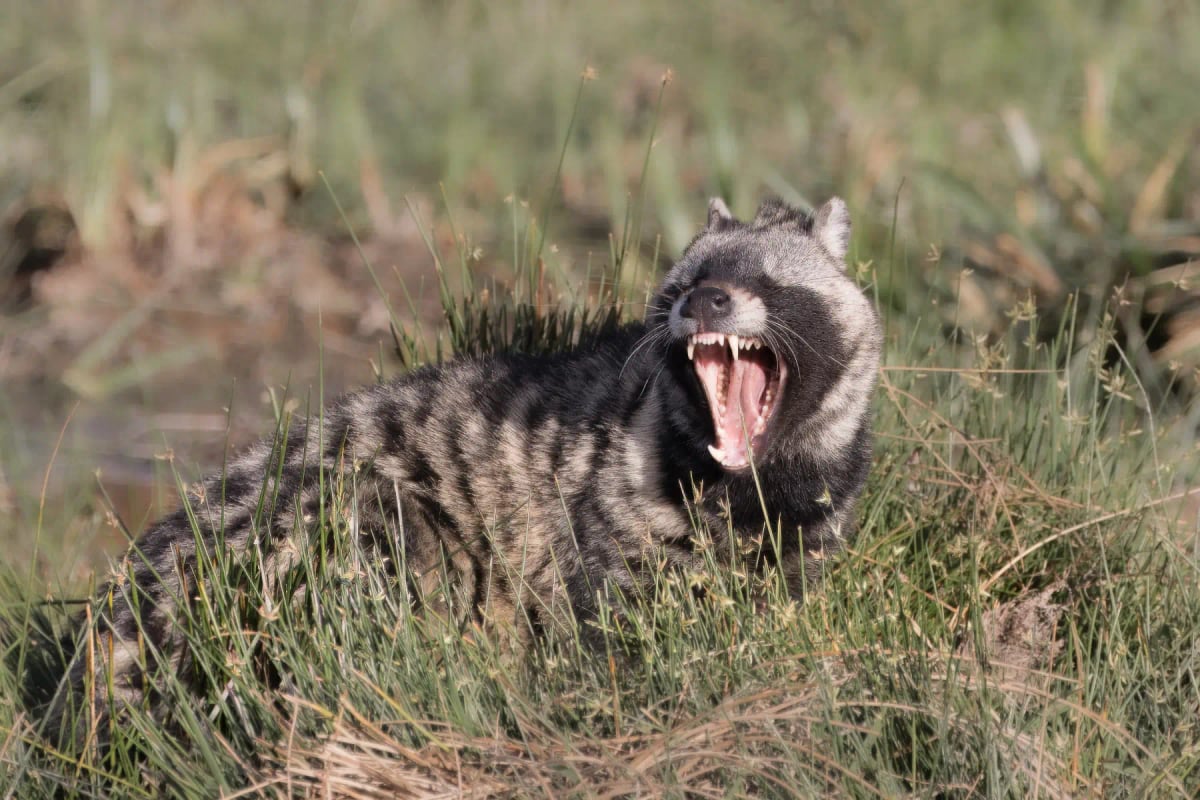
African Civet
Civettictis civetta
The African civet is well established in Liberia's extensive rainforests, which represent some of the most intact forest cover remaining in West Africa. Sapo National Park in the southeast is a key protected habitat, where civets forage along forest trails and stream margins after dark. In areas affected by logging and agricultural expansion, they persist in secondary growth wherever dense ground cover and moisture remain available.
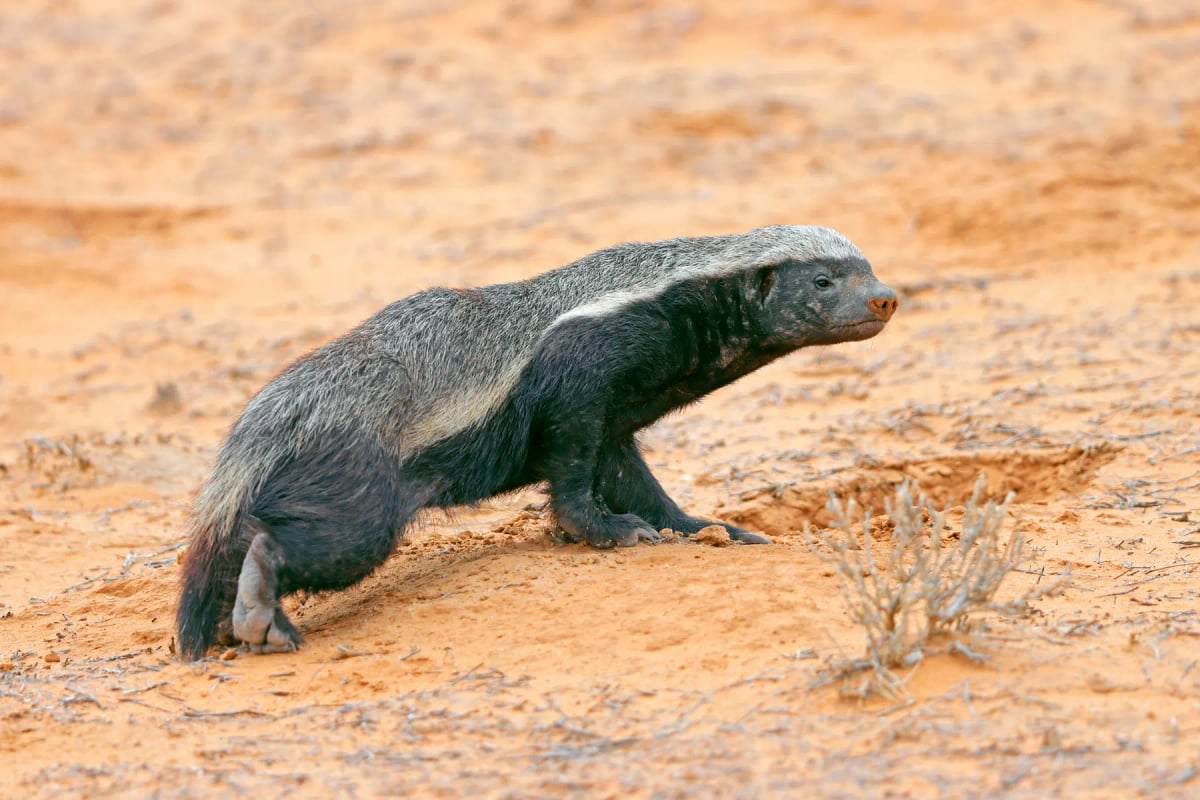
Honey Badger
Mellivora capensis
In Liberia, the honey badger is restricted mainly to the drier savanna and woodland edges of the north and east, since most of the country is covered by dense rainforest unsuitable for its preferred open terrain. It is a solitary digger that feeds on rodents, insects and honey wherever available. Limited surveys make its local status uncertain, though the species remains Least Concern across its broader range.
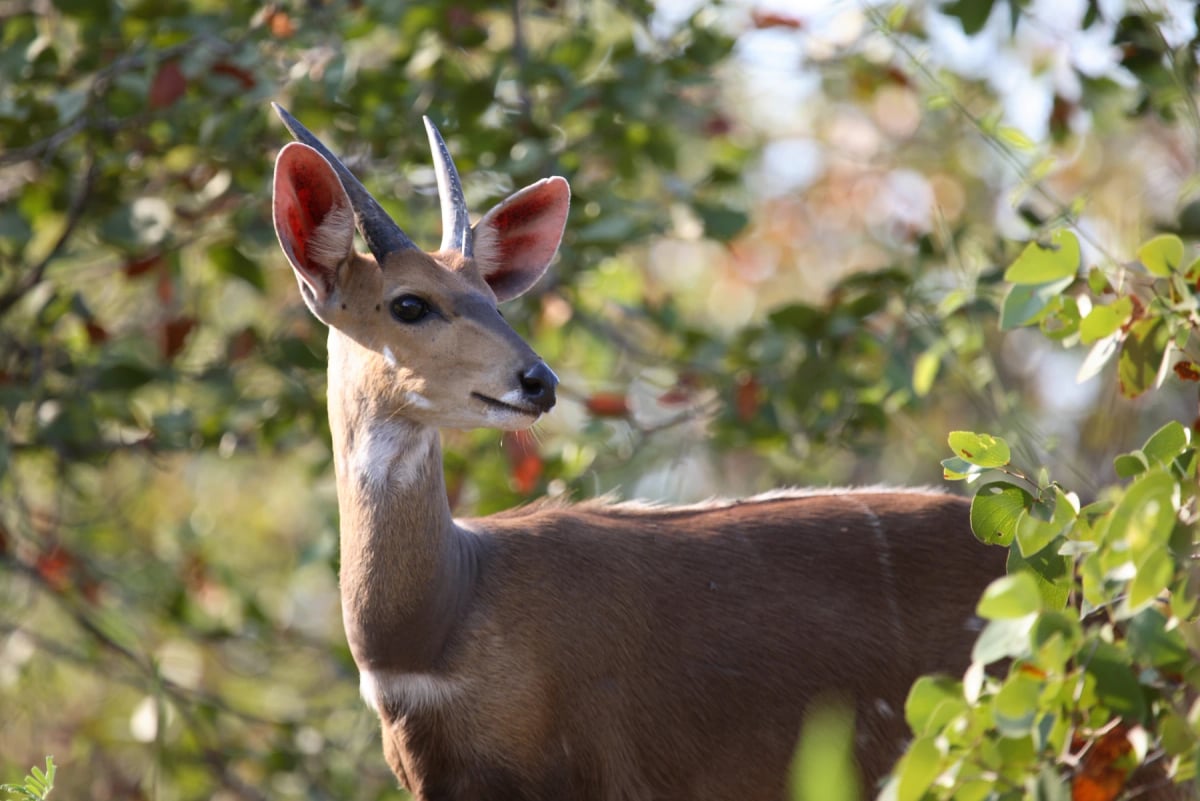
Bushbuck
Tragelaphus scriptus
In Liberia's rainforests and forest edges, bushbucks remain elusive inhabitants adapted to dense vegetation. These solitary antelopes browse on leaves, shoots, and fruits within the country's protected forest reserves. Their distinctive white markings and spotted coat help them blend seamlessly into shadowy understory environments. Naturally shy and mostly nocturnal, bushbucks are rarely encountered despite their presence throughout Liberia's forested regions.
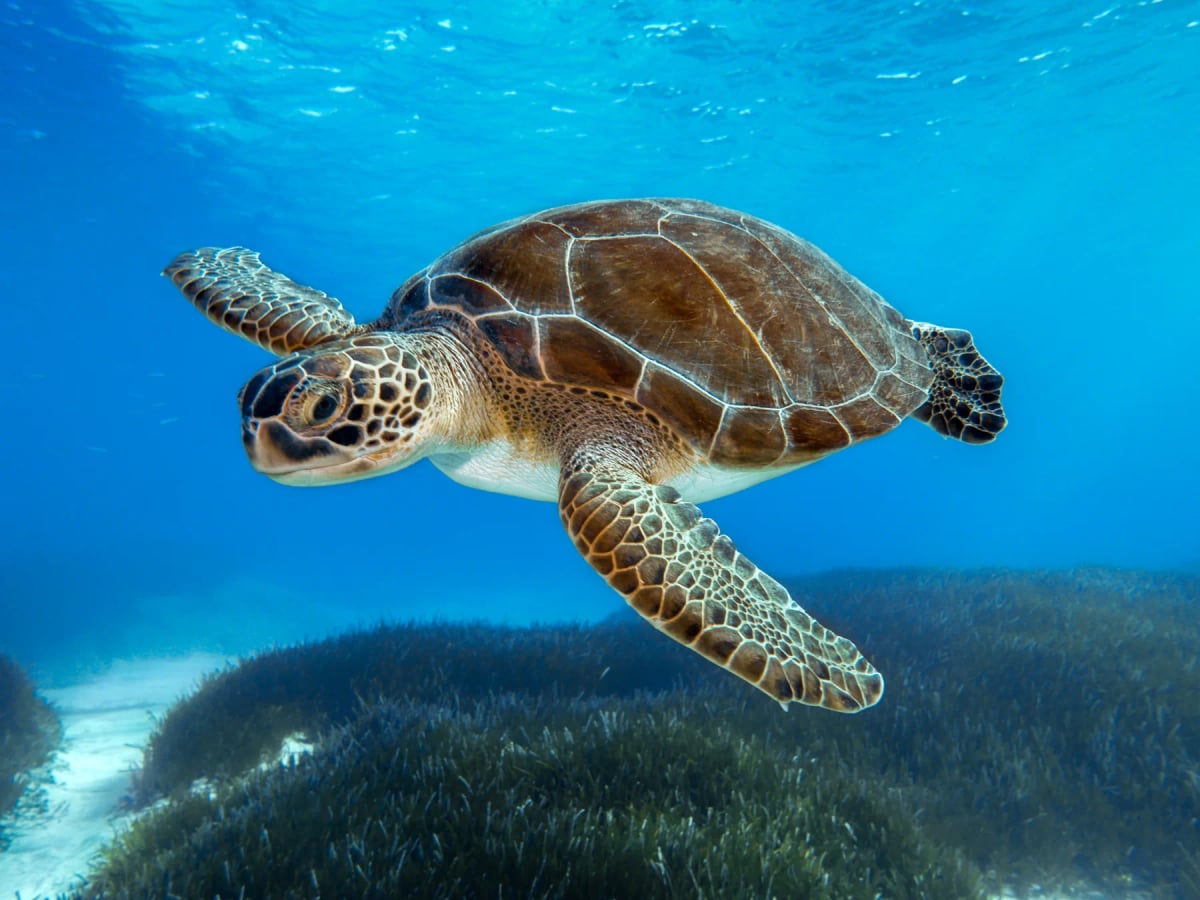
Sea Turtle
Cheloniidae & Dermochelyidae (families)
Liberia's Atlantic coastline is part of the West African sea turtle nesting corridor, with leatherback and olive ridley turtles nesting on its beaches. Leatherback turtles in particular use beaches along the Liberian coast, which sits within one of the more active leatherback nesting zones in West Africa. Green and hawksbill turtles are also present in coastal waters. Conservation efforts are limited by resource constraints, and egg poaching and bycatch remain serious threats.
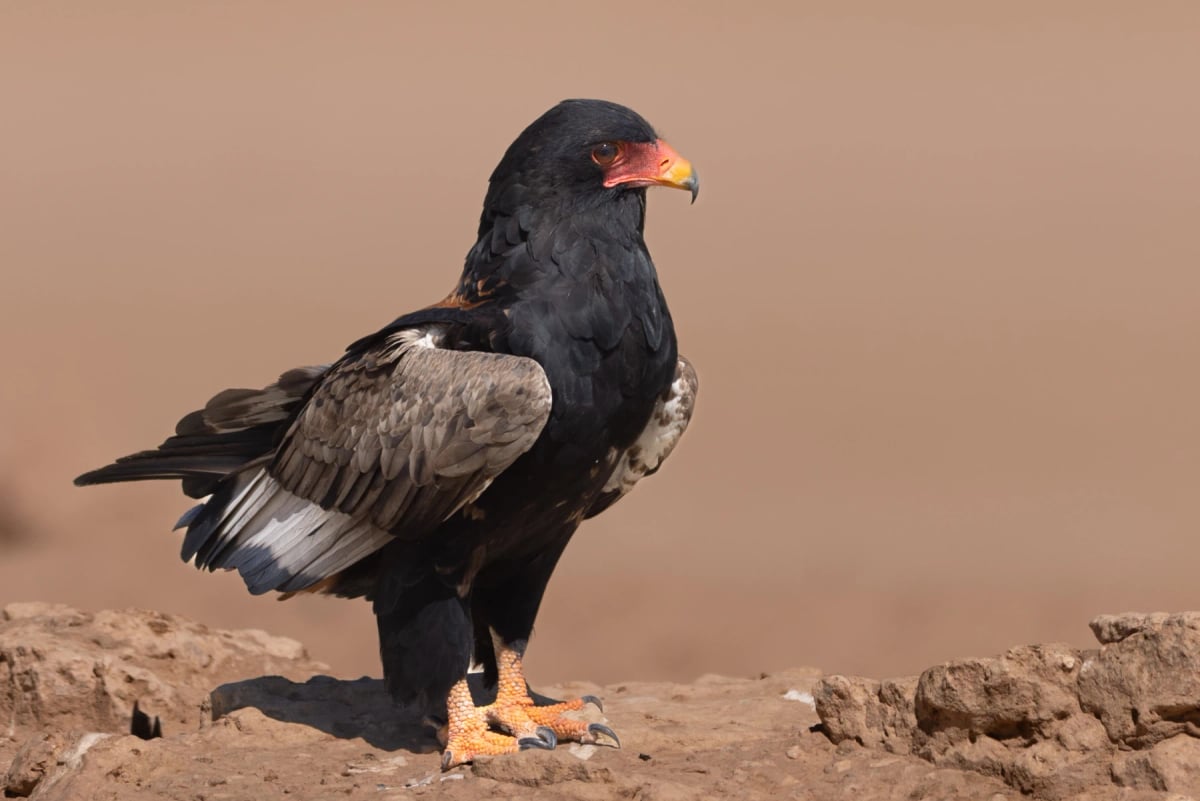
Bateleur
Terathopius ecaudatus
The Bateleur is a rare and striking eagle in Liberia, occasionally spotted along the edges of the country's dense rainforest zones and drier woodland patches in the north. Its scarlet face and rocking flight make it unmistakable when seen. Classified as Endangered by the IUCN, it faces threats from habitat loss and poisoning. Sightings in Liberia represent the western fringe of its sub-Saharan range.
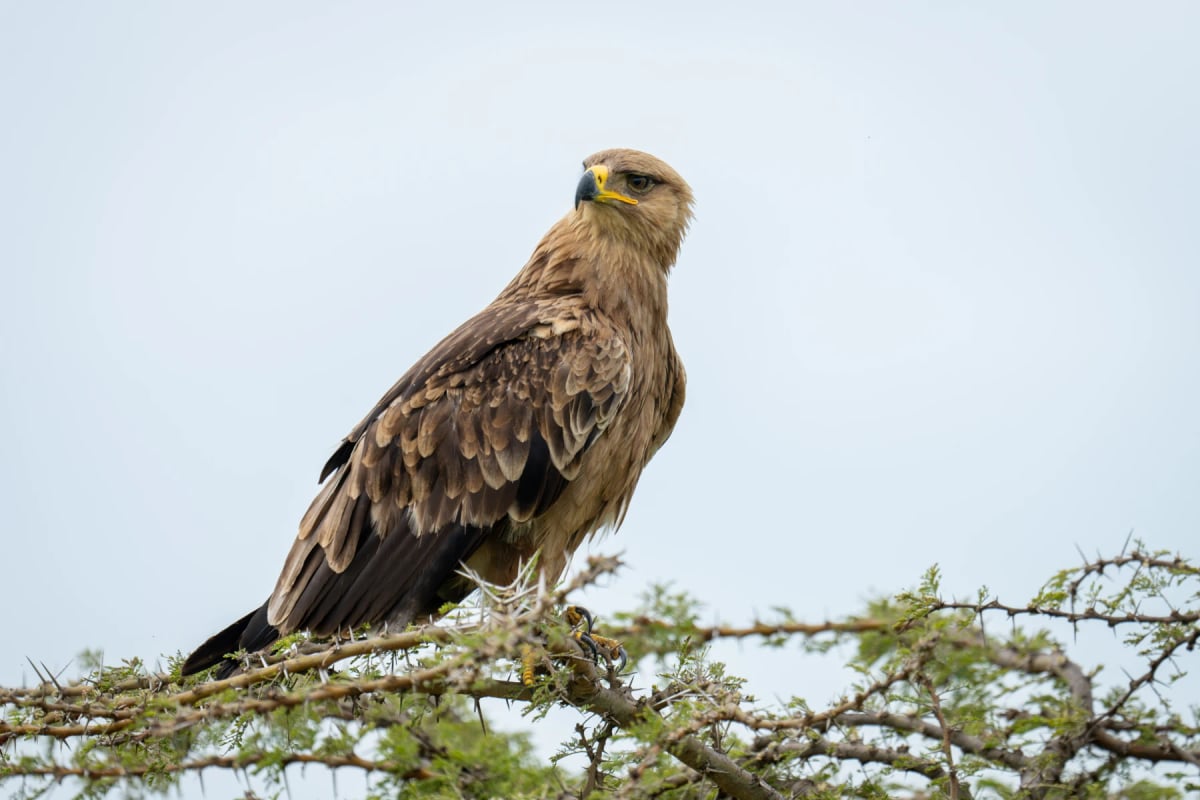
Tawny Eagle
Aquila rapax
In Liberia, the tawny eagle is a rare presence, most likely to appear along the northern savanna edges and open areas bordering the denser forest interior. It feeds on small mammals, reptiles, and carrion, and will opportunistically steal from other birds of prey. Deforestation and land conversion across West Africa have put pressure on this species, which the IUCN currently rates as Vulnerable.
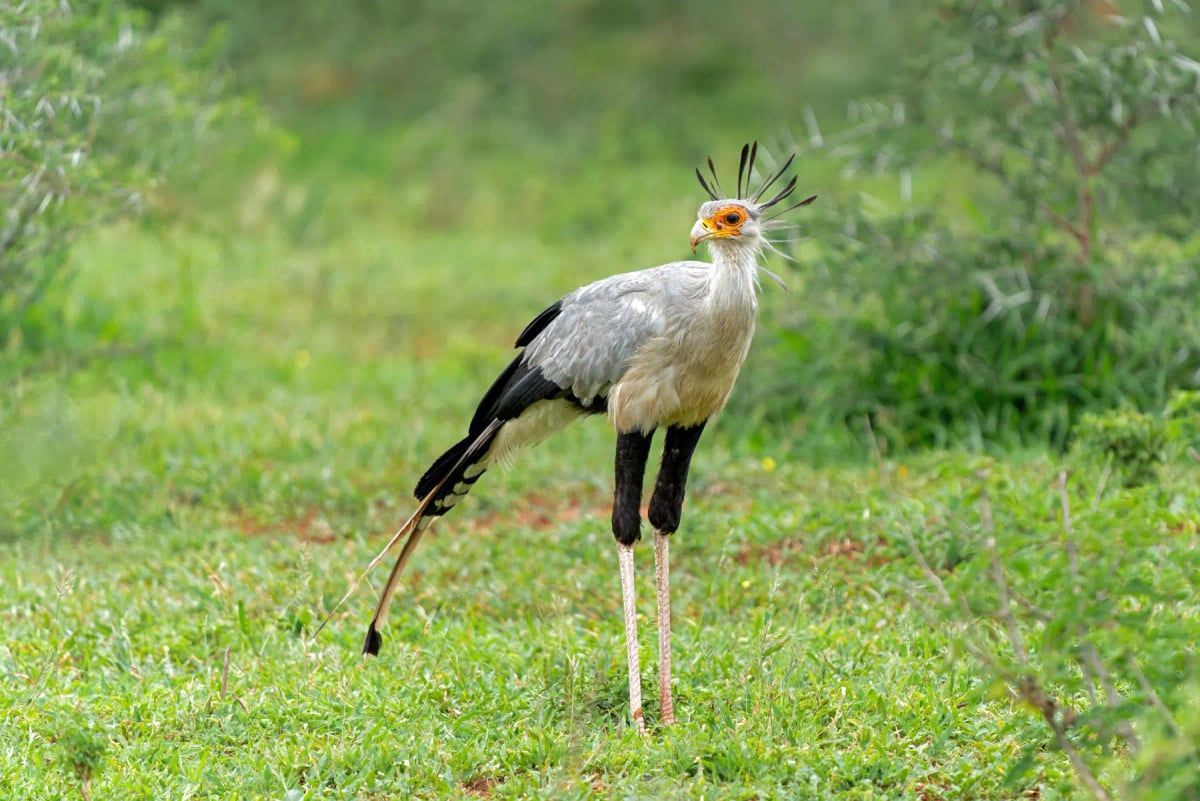
Secretary Bird
Sagittarius serpentarius
The secretary bird reaches the western edge of its range in Liberia, where patches of open savanna and grassland in the north offer suitable hunting habitat. It is far less common here than in East or southern Africa, given that Liberia is dominated by tropical forest. Where it does occur, it hunts on foot for snakes, large insects, and small vertebrates. As an Endangered species, any population present in Liberia carries real conservation importance.
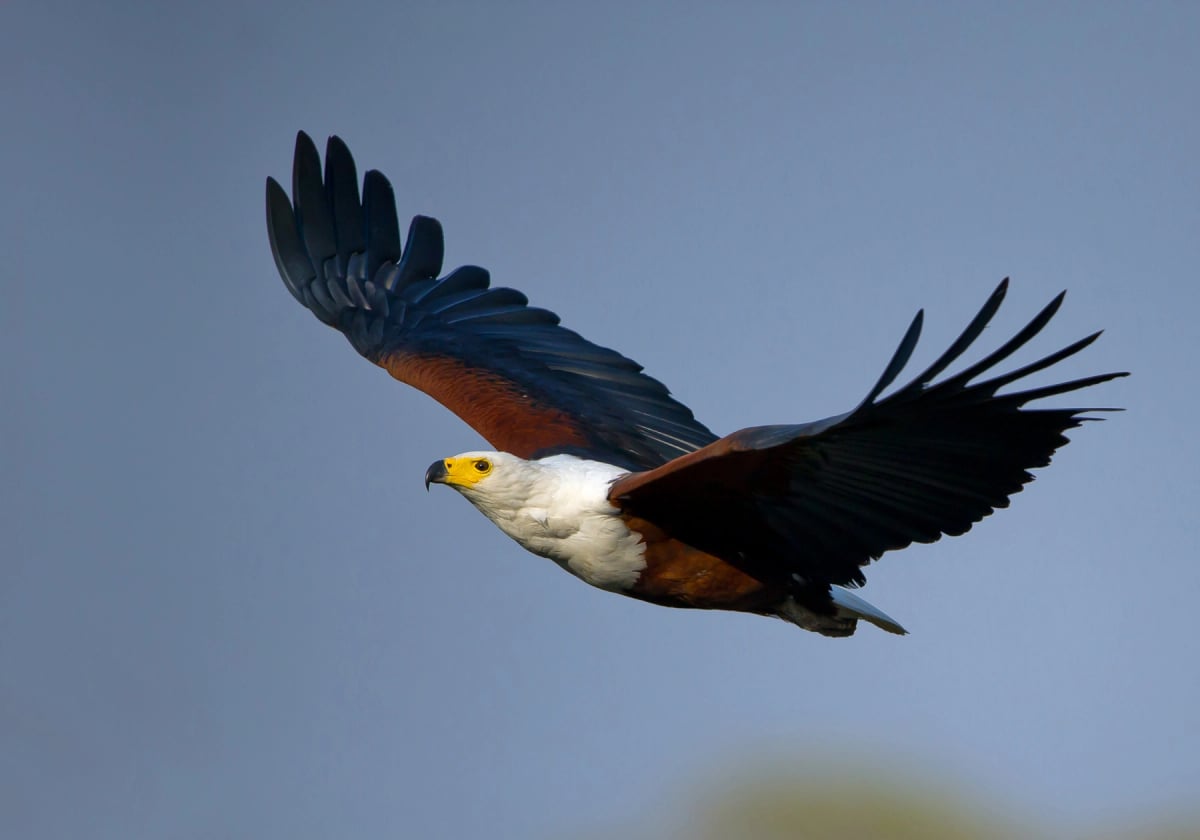
African Fish Eagle
Haliaeetus vocifer
The African fish eagle is a resident in Liberia near the country's rivers and coastal lagoons. The St. Paul, Cavalla and Mano rivers and the wetland systems along the coast provide suitable freshwater habitat. The species is present but not always easy to observe in the heavily forested interior, where it tends to concentrate along larger rivers with open water for hunting. Coastal lagoon areas in the south offer more reliable sightings.
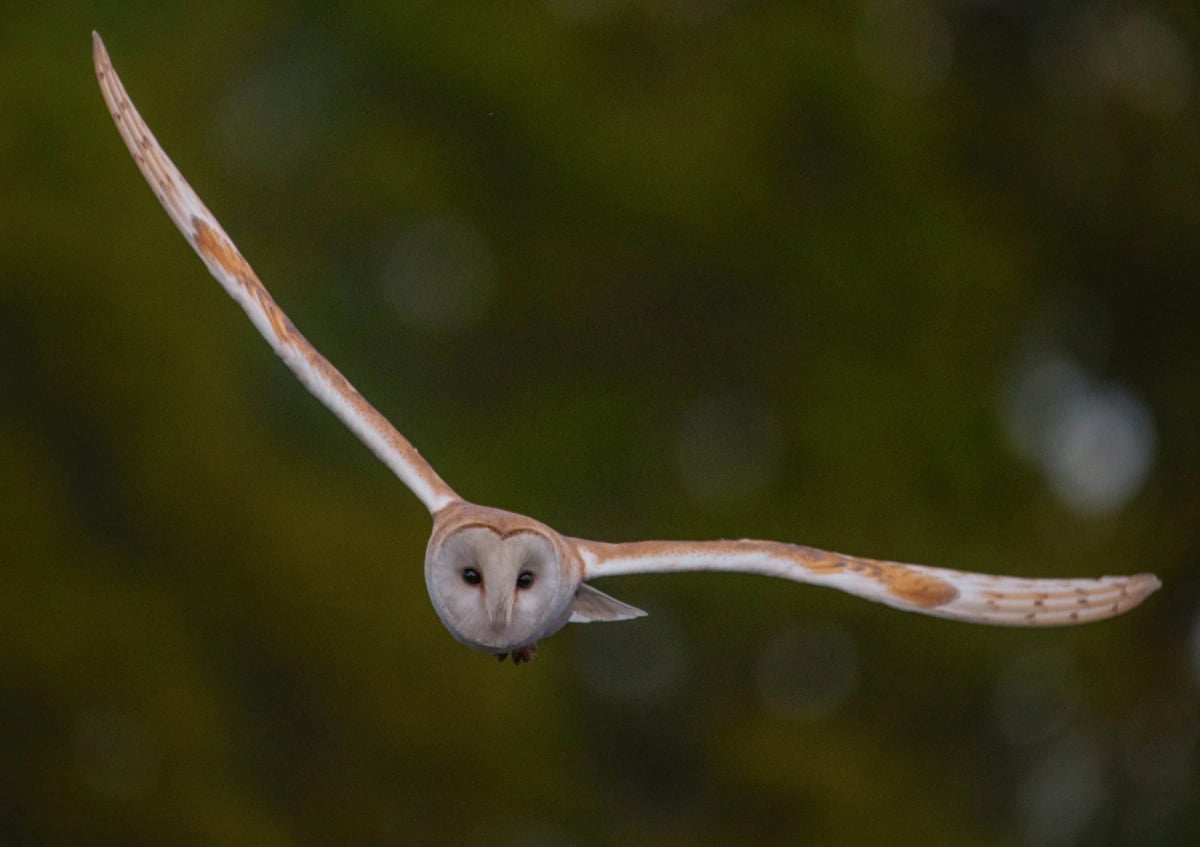
Barn Owl
Tyto alba
The barn owl is present in Liberia mainly in open farmland, cleared areas, and the outskirts of towns and villages, particularly in the northern and central regions where forest cover is less dense. Dense tropical rainforest dominates much of the country and offers little suitable open hunting habitat, so the species is concentrated near agricultural land and human settlements. It nests in old buildings and hollow trees and hunts rodents at night in areas where open ground is available.
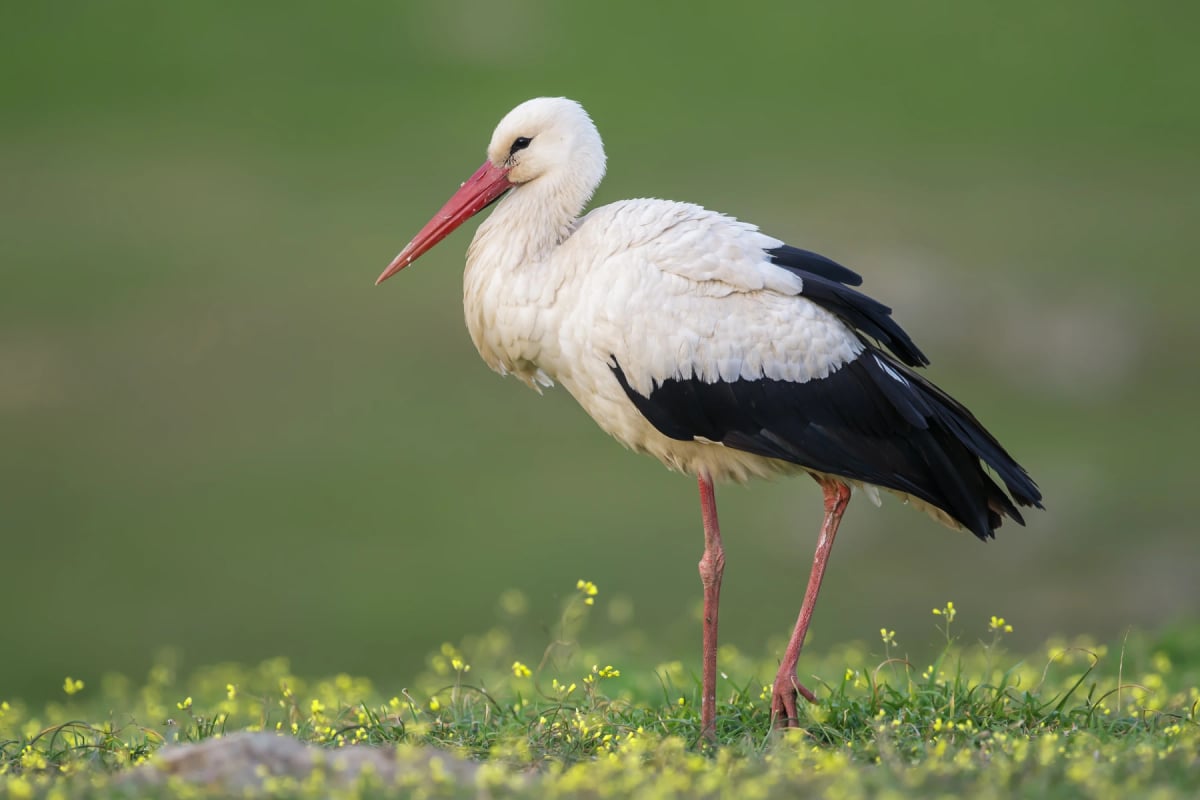
Stork
Ciconia ciconia
White storks visit Liberia during the northern winter, arriving after their long migration from breeding grounds in Europe. In Liberia, they favour open habitats such as grasslands, the edges of wetlands, and agricultural clearings where food is accessible. The species tends to avoid the dense forest interior that covers much of the country, sticking to more open terrain along the coast and river margins. Their presence adds to Liberia's considerable diversity of migratory bird species. IUCN status: Least Concern.
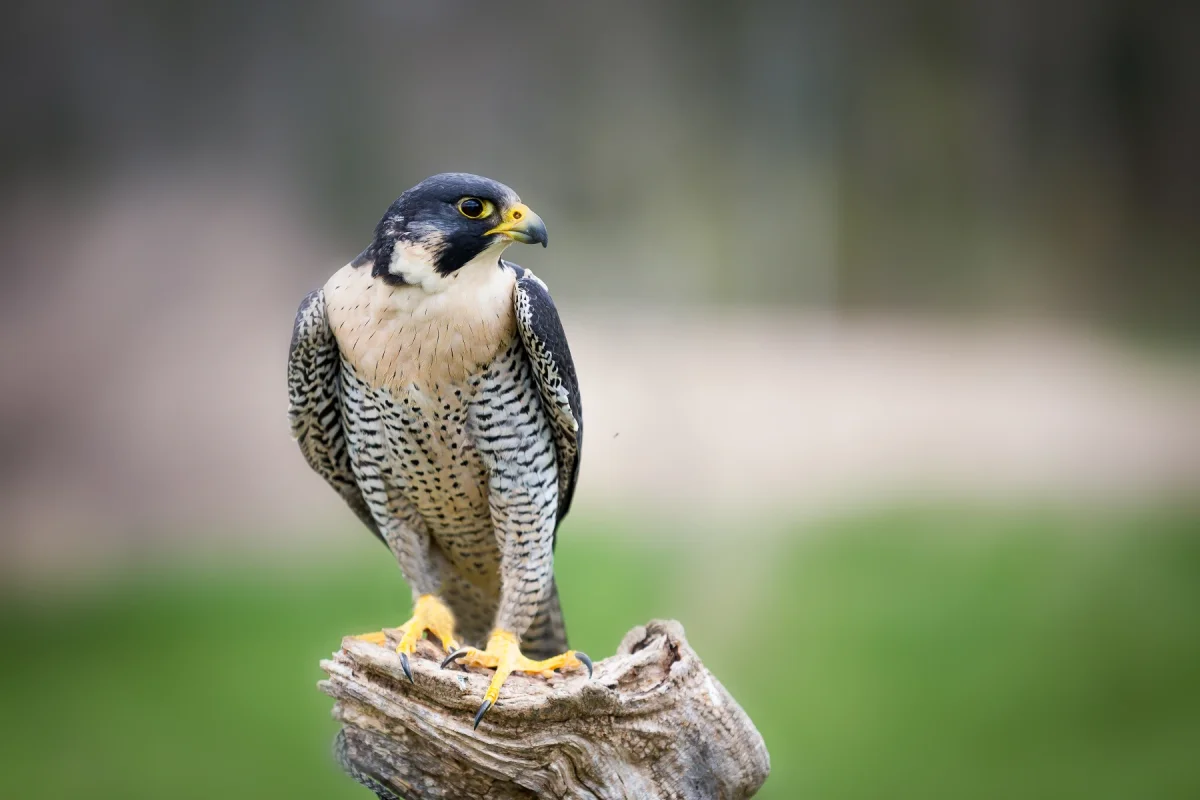
Peregrine Falcon
Falco peregrinus
In Liberia, the peregrine falcon appears mainly as a visitor during the northern winter, passing through or resting along the West African coast and over forested inland areas. It hunts smaller birds with remarkable precision, reaching speeds beyond 300 km/h in a stoop. Liberia's coastline and open clearings offer good hunting ground for this traveler. The IUCN lists it as Least Concern.
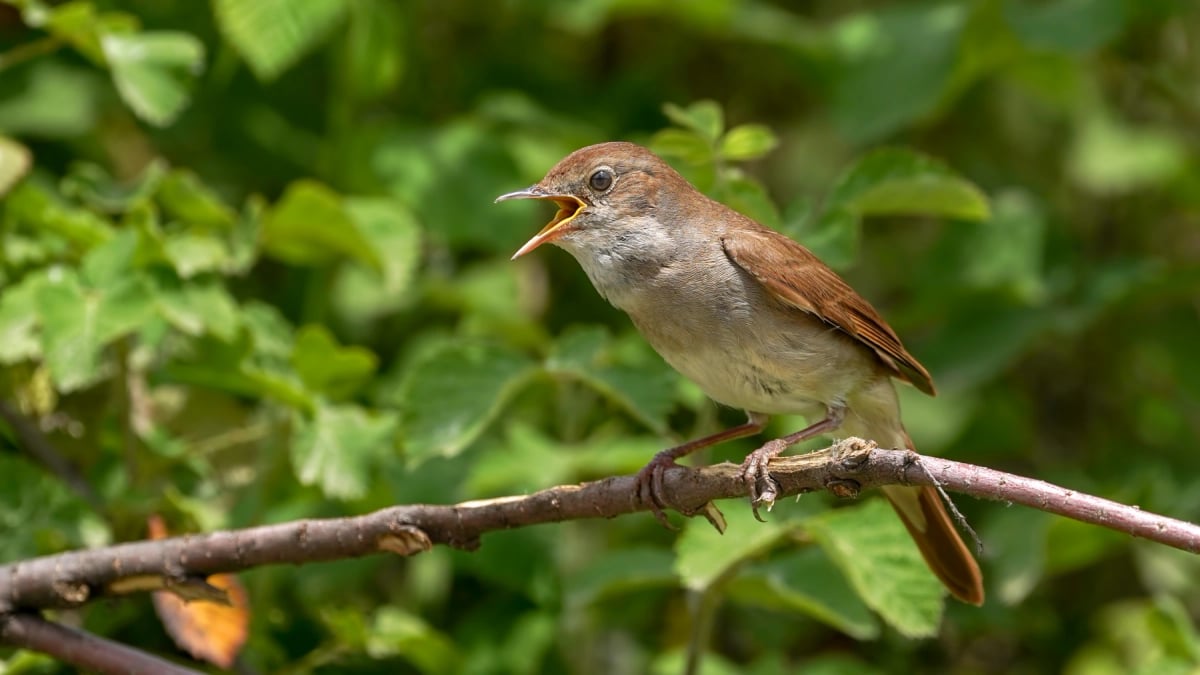
Nightingale
Luscinia megarhynchos
The nightingale passes through Liberia during its annual migration between Europe and sub-Saharan Africa, briefly occupying forest edges and scrubby patches across the country. It is a small, warm brown bird with a rusty orange tail and a remarkably powerful song. In Liberia it stays quiet compared to its breeding season, foraging discreetly in dense vegetation before continuing its journey. Its IUCN status is Least Concern.
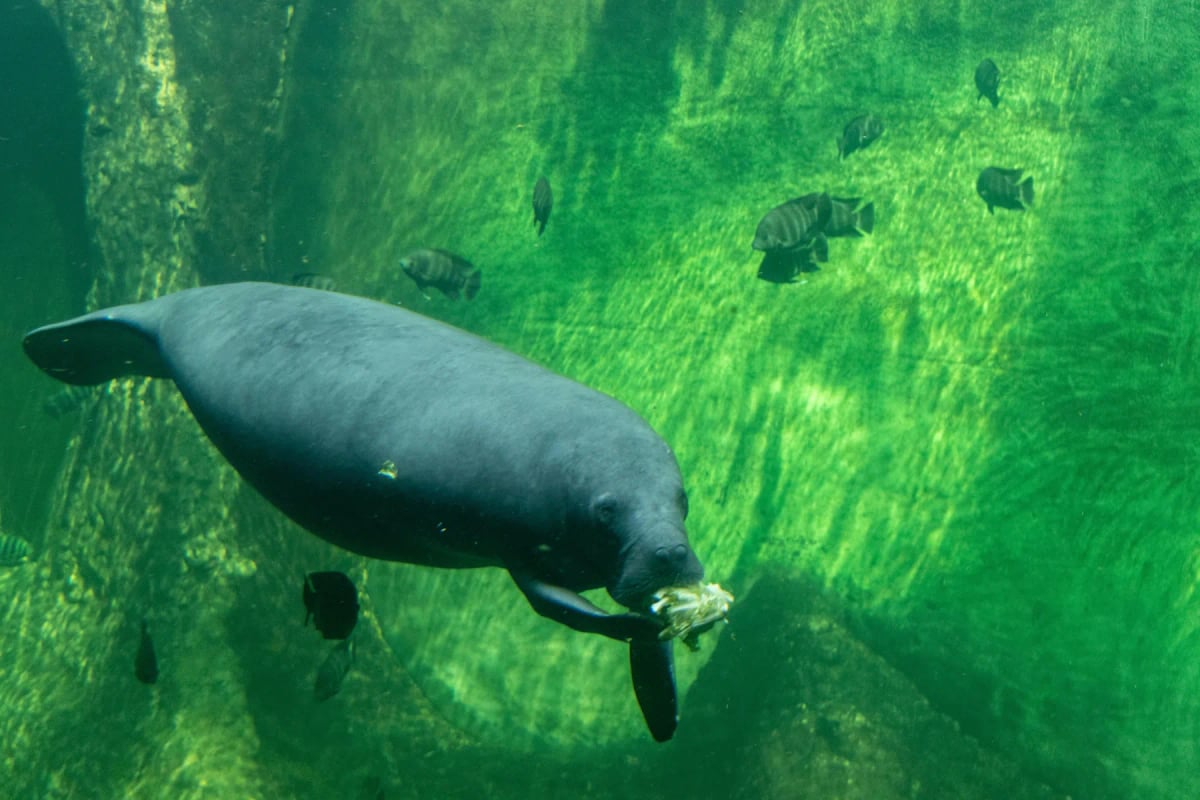
African Manatee
Trichechus senegalensis
The African manatee is present along Liberia's Atlantic coast and in the rivers that drain into it, including the Cavally, the Mano and the Saint Paul. Coastal lagoons and mangrove estuaries provide sheltered feeding habitat. The species faces significant pressure from artisanal fishing and hunting, and its populations across Liberia remain poorly documented due to limited research coverage.
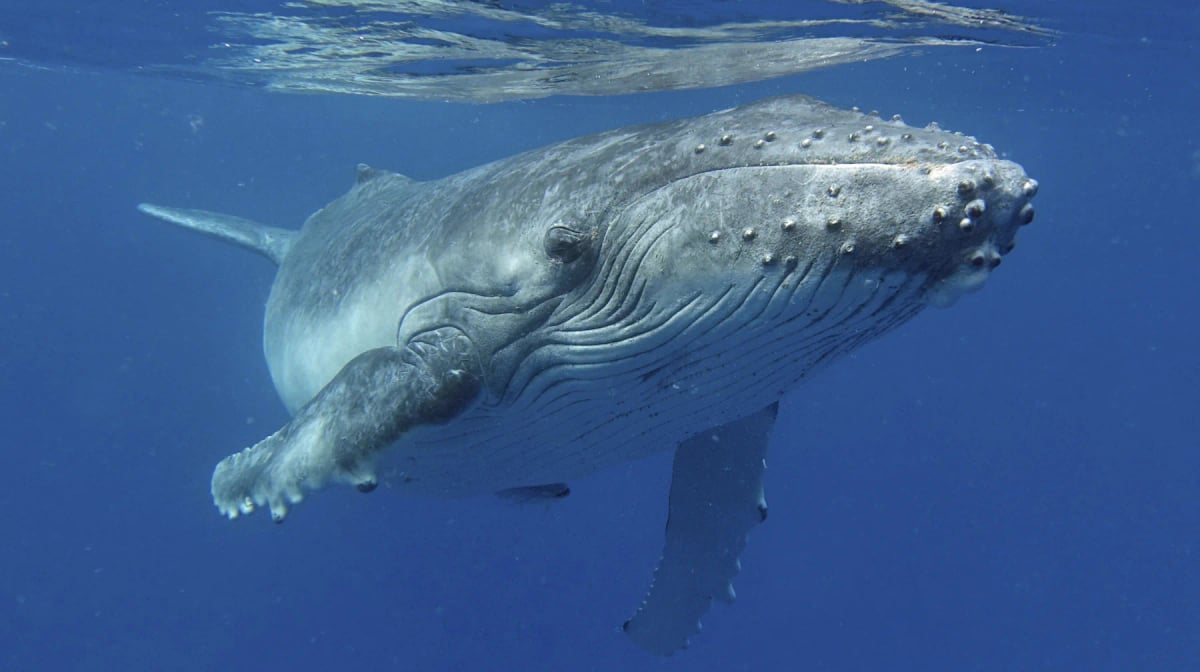
Humpback Whale
Megaptera novaeangliae
Humpback whales are found in the waters off Liberia along the West African Atlantic coast. The region forms part of a breeding and calving area used by the North Atlantic population during the winter months. West Africa's coastal waters are important for the survival of these whales, and local research efforts have worked to better understand their presence. The IUCN classifies the humpback whale as Least Concern.
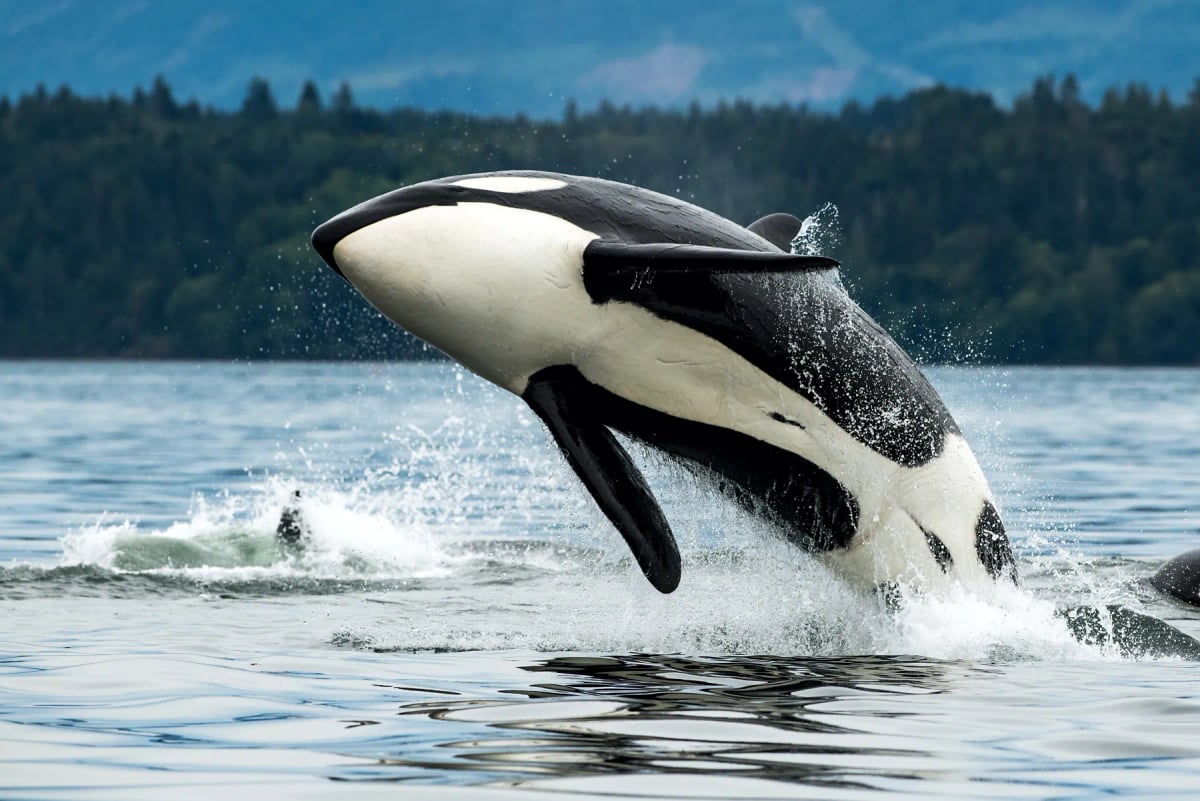
Orca
Orcinus orca
Orcas are occasionally recorded in the Atlantic waters off the coast of Liberia in West Africa. This tropical stretch of ocean is not typical orca habitat, but these wide ranging animals can appear while moving through equatorial waters. Very little dedicated research on orcas exists for this part of the African coast, making any verified sighting a useful contribution to the global understanding of their distribution.
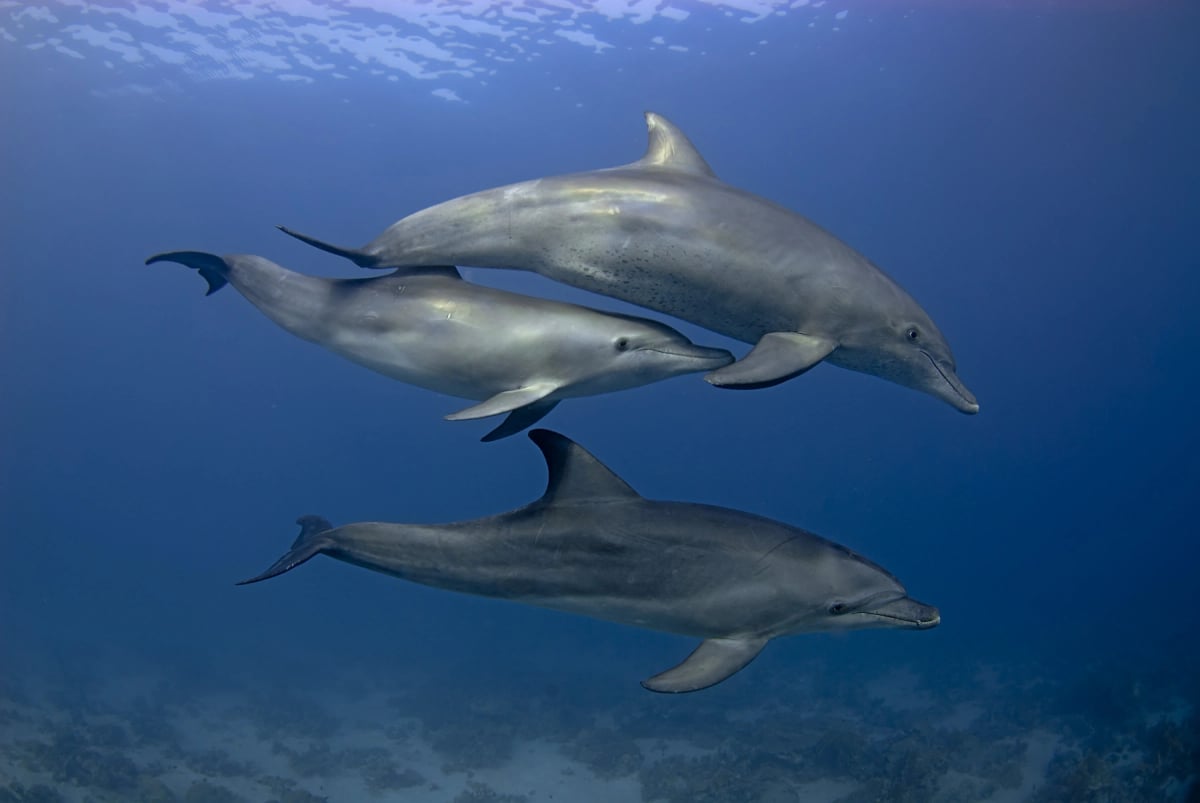
Bottlenose Dolphin
Tursiops truncatus
Bottlenose dolphins occur along the Atlantic coastline of Liberia, where upwelling zones and productive coastal fisheries provide reliable food sources. They are sometimes seen near river mouths and in shallow bays along this stretch of West Africa's coast. The IUCN lists the species as Least Concern, but limited marine research capacity in Liberia means that the size and health of local populations are not well documented.
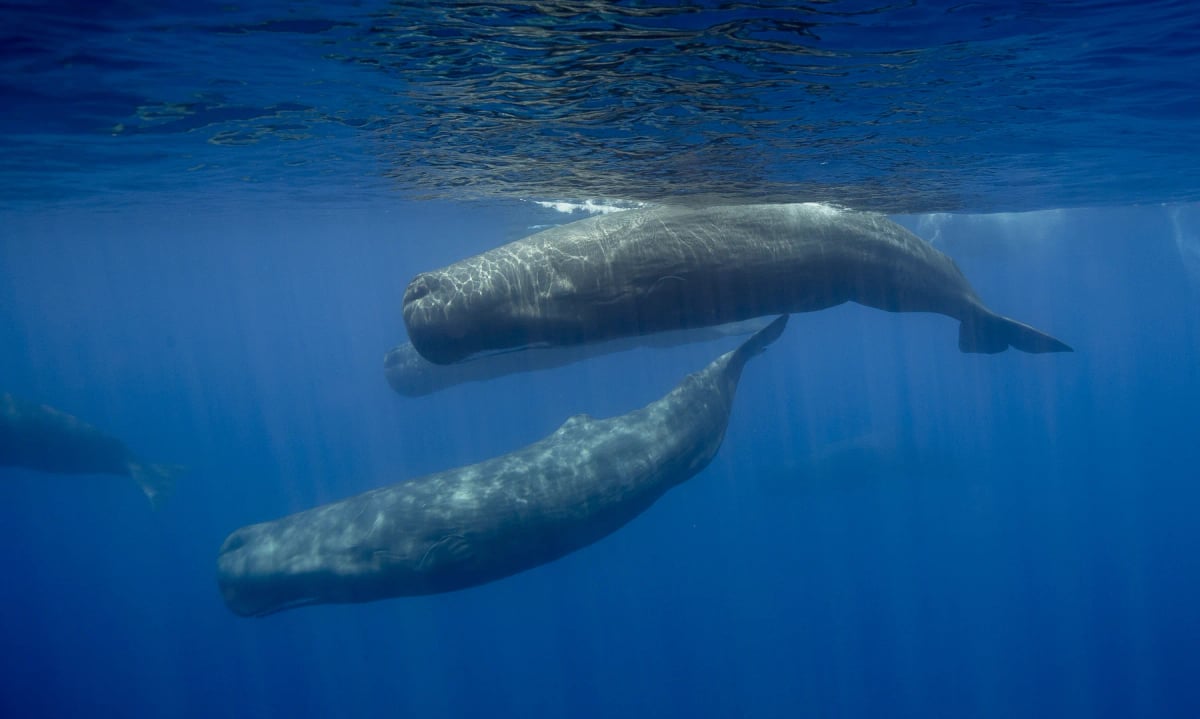
Sperm Whale
Physeter macrocephalus
Off the coast of Liberia, the Atlantic Ocean deepens quickly beyond the continental shelf, creating productive foraging grounds for sperm whales. The warm equatorial waters of this part of West Africa are frequented by females and young whales that prefer tropical seas. Liberia's limited marine monitoring means sightings are not well documented, but the species is known to range throughout this region. Its IUCN status is Vulnerable.
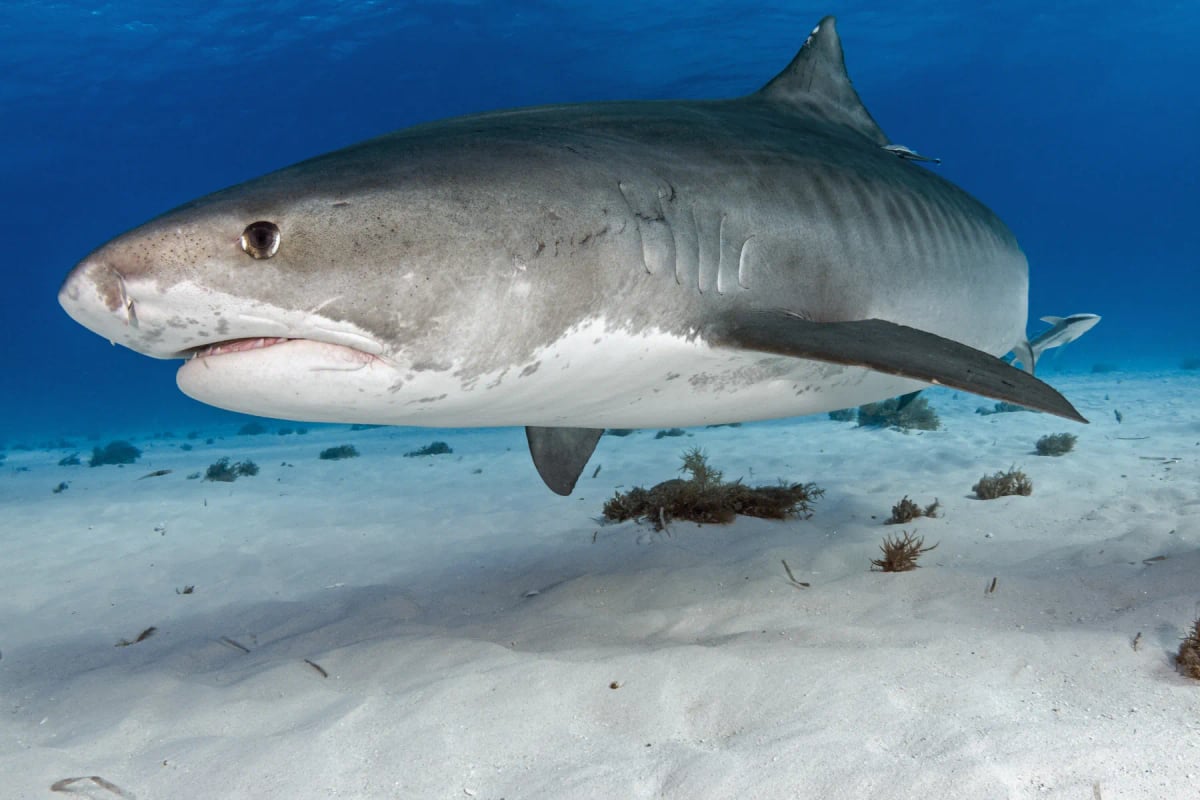
Tiger Shark
Galeocerdo cuvier
Liberia's Atlantic coastline borders the Gulf of Guinea, where warm tropical waters support a range of large marine predators including the tiger shark. This species is found in the coastal and offshore waters of West Africa, where it feeds on fish, rays, and other marine animals. Artisanal and commercial fishing along the Liberian coast can result in tiger sharks being caught incidentally. The IUCN lists the species as Near Threatened globally.
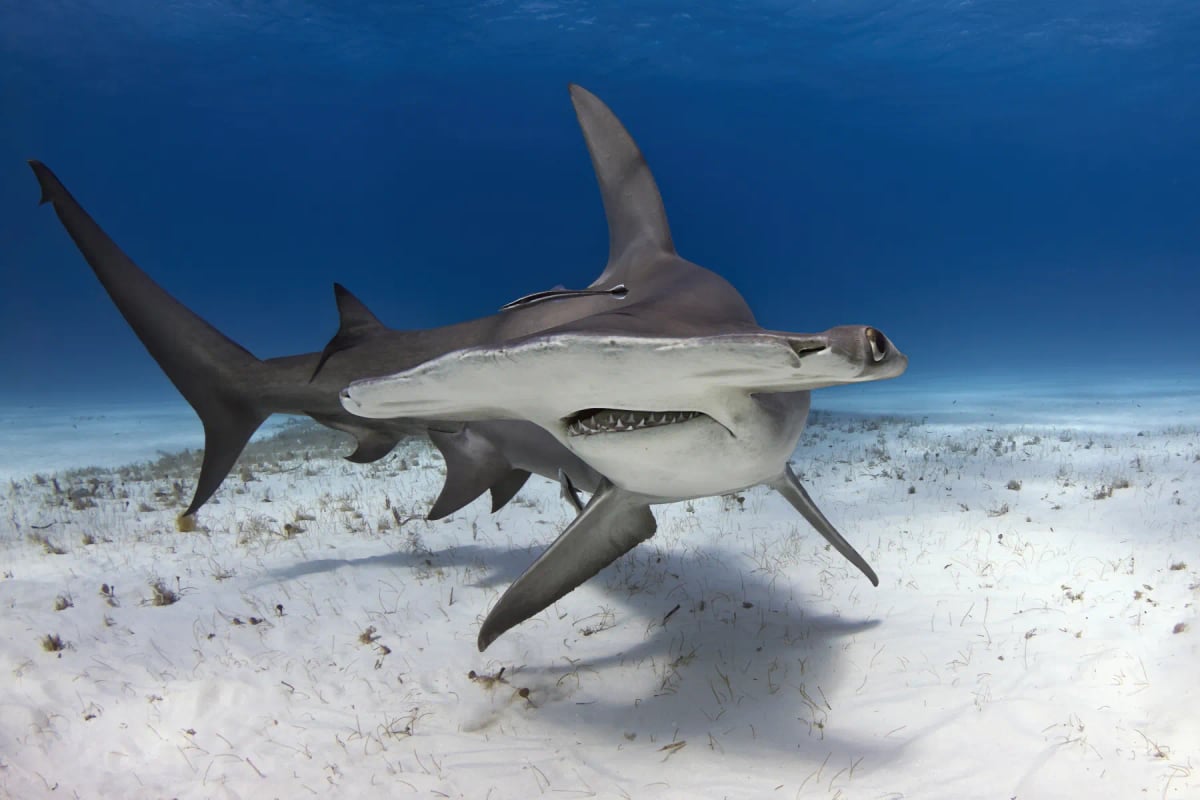
Hammerhead Shark
Sphyrna spp.
Along the West African coast of Liberia, hammerhead sharks inhabit the warm tropical waters of the Atlantic Ocean. This region's productive coastal and offshore ecosystems support diverse marine life, providing these sharks with ample prey including fish and rays. The fin trade and unregulated fishing in West African waters have contributed to serious population declines. Several hammerhead species are now Critically Endangered.
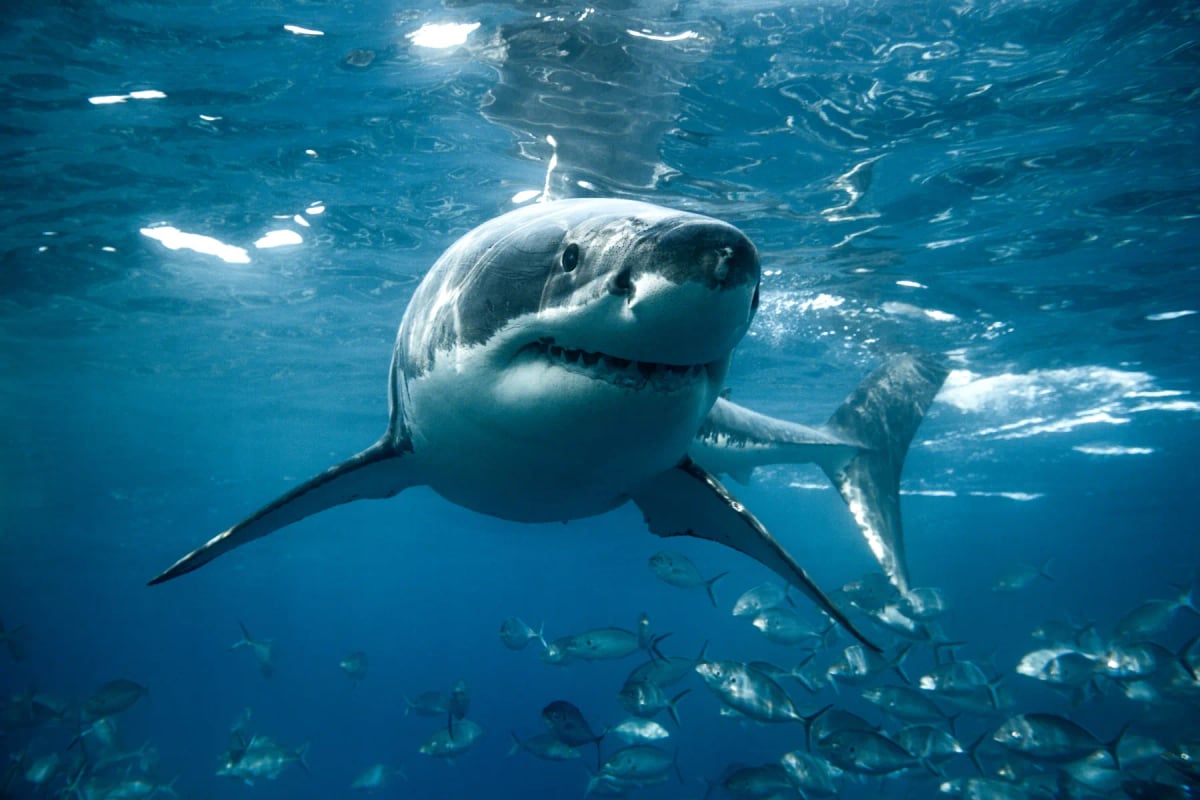
Great White Shark
Carcharodon carcharias
The great white shark inhabits the warm coastal waters of the eastern Atlantic off Liberia, though confirmed sightings in this stretch of West Africa are uncommon. The species is listed as Vulnerable globally, and West African populations are poorly studied. Liberia's fishing communities share waters with this powerful predator, which plays a vital role in keeping marine food chains balanced along the region's coastline.
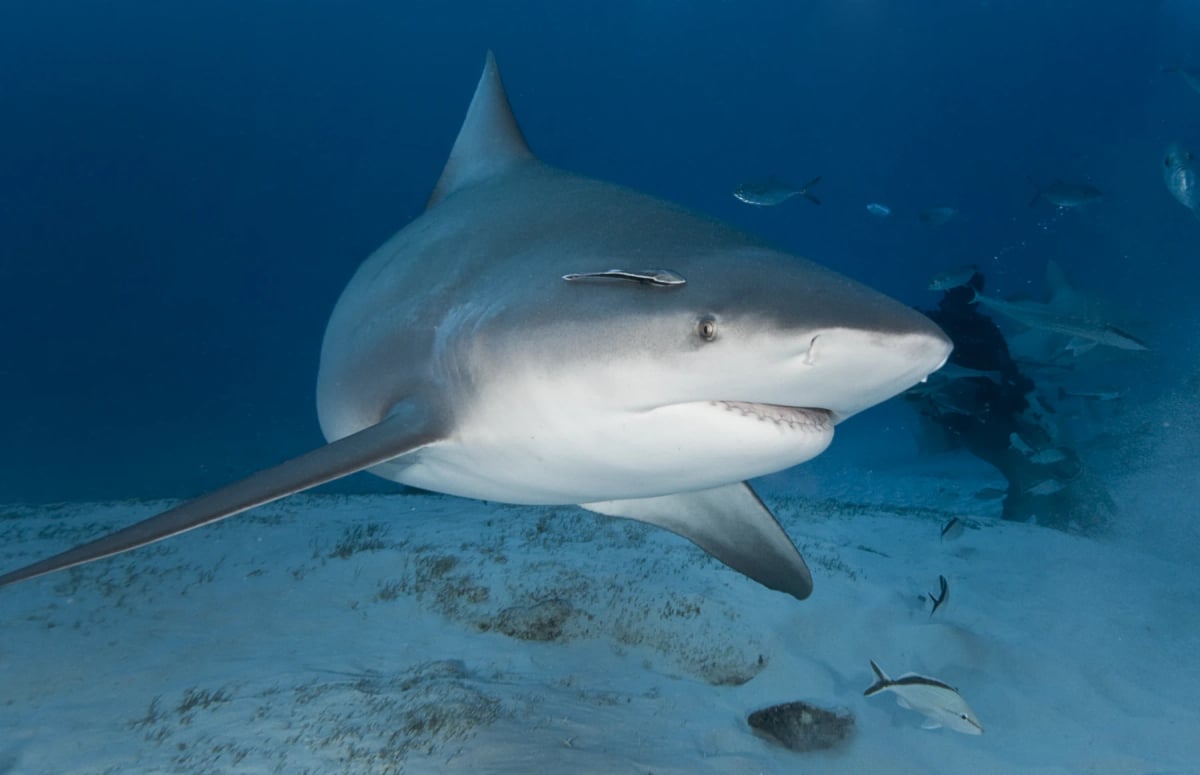
Bull Shark
Carcharhinus leucas
Bull sharks inhabit the coastal waters and river mouths along Liberia's Atlantic shoreline, venturing into estuaries and the lower reaches of rivers such as the Cavalla and St. John. They thrive in the warm, turbid inshore waters typical of West Africa. As opportunistic predators, they feed on bony fish and rays. Their status as Near Threatened reflects fishing pressure across the region.
Researched and written by Juan Pablo. Sources: IUCN Red List, scientific literature and regional field guides. Last updated: .