Animals in French Guiana
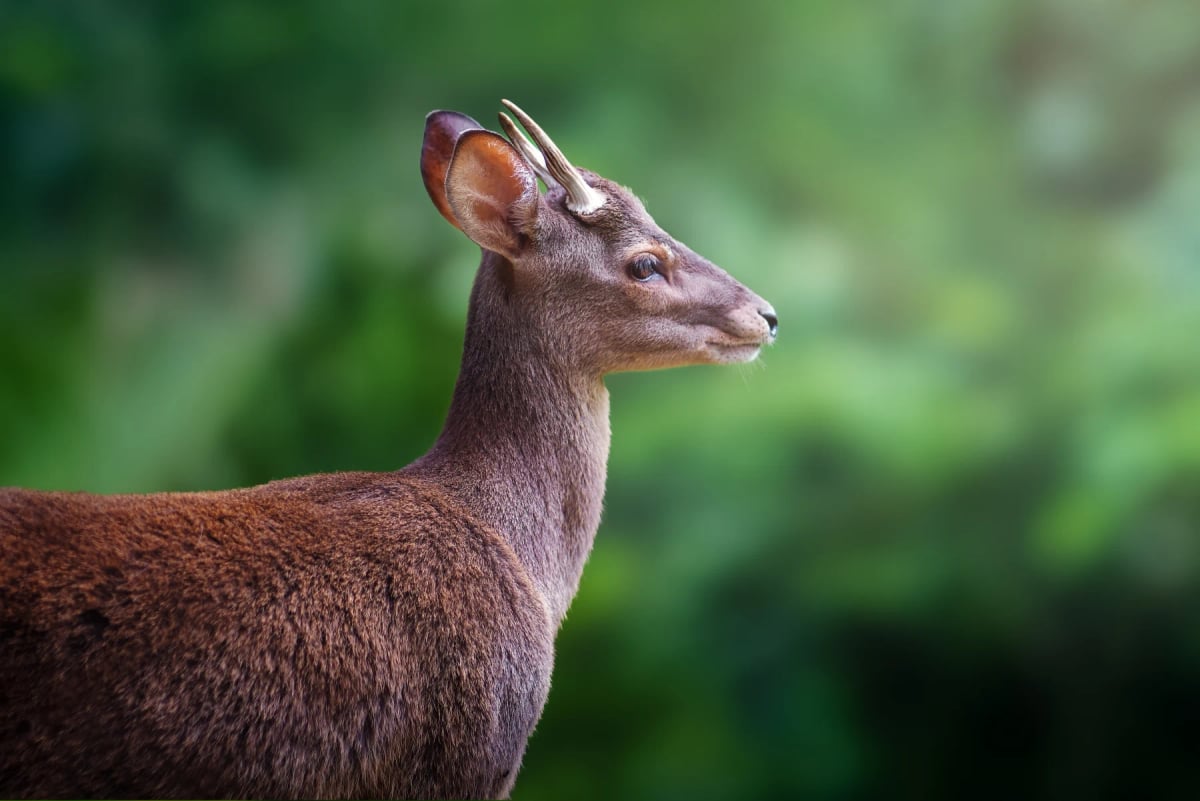
Brocket Deer
Mazama spp.
The brocket deer is a small shy forest deer and is often treated as a symbol of local wildlife in French Guiana. It lives in dense undergrowth, where it follows narrow paths and uses quiet behaviour to remain unseen. This deer feeds mainly on leaves, fallen fruits and tender shoots, usually at dawn and dusk when temperatures are lower. Its habits make it hard to observe, but tracks and feeding signs show that it is a regular resident of many lowland forests in the territory.
View details→Wildlife in French Guiana
Most of French Guiana is still covered by tropical rainforest crossed by wide rivers and bordered by a short Atlantic coast. Under the canopy, monkeys, small forest deer, ground mammals, reptiles and many insects move through dense vegetation and muddy trails. Along rivers and swamps, caimans and other aquatic animals use quiet backwaters, while the coast and nearby sea hold sea turtles, dolphins, manatees, whales and large fish. Small nature tours often focus on river trips, forest walks and sea turtle nesting beaches, where wildlife can be seen without leaving a heavy footprint.
Most Dangerous Animals in French Guiana
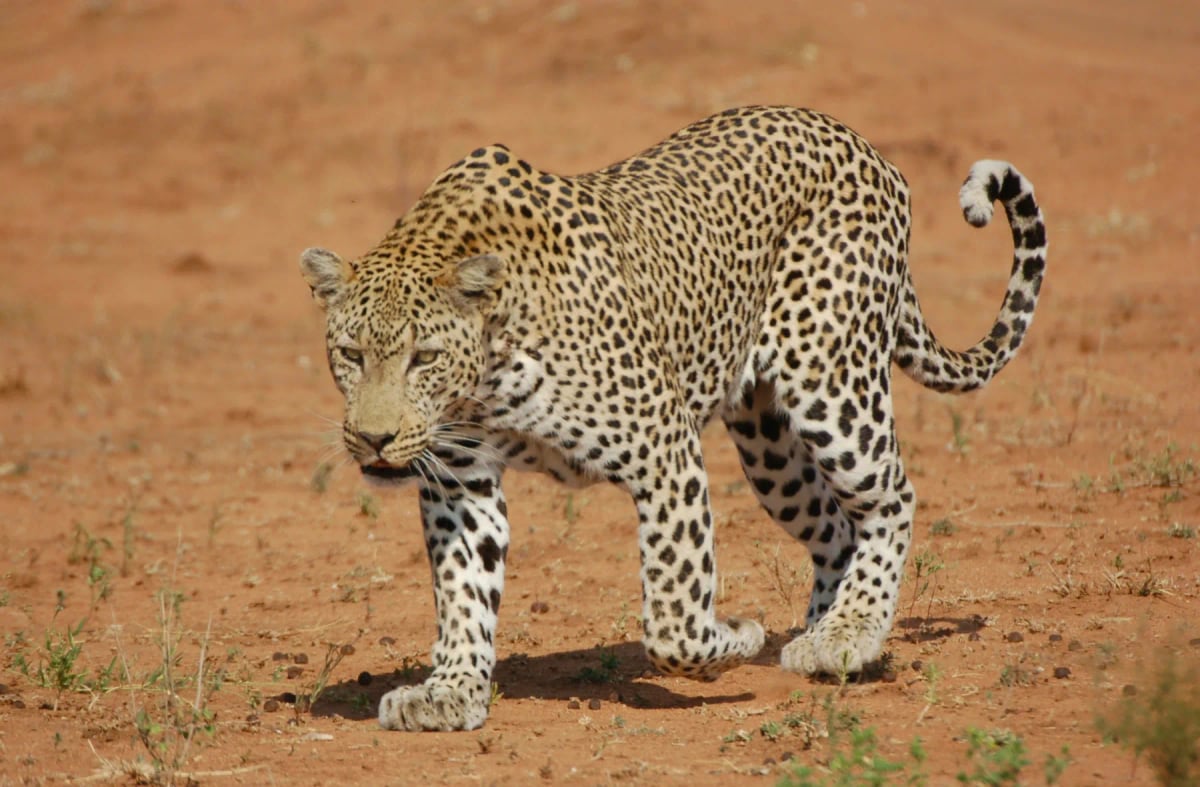
French Guiana contains several wild animals that may be dangerous if people surprise them at close range, especially in remote forest and river areas. In the interior, big cats that hunt on the ground and strong constricting snakes hidden in leaf litter or low branches can cause serious injury. Venomous snakes of the lancehead group and other small reptiles are easy to overlook when walking off well used paths. Along river margins, caimans wait in shallow water, and in coastal waters large sharks and occasionally orcas hunt other marine animals. Moving with a guide, watching where you step and keeping distance from wildlife are basic ways to stay safe while exploring these habitats.
Top 10 Animals in French Guiana
In French Guiana, well known animals come mainly from the rainforest and the nearby sea. Inside the forest, large spotted and plain coated cats, small deer, anteater like mammals, tree dwelling monkeys and bright parrots give a good idea of how rich the canopy and forest floor can be. Birds of prey and other medium sized birds often use river edges and clearings as resting points. Along the coast, sea turtles that nest on sandy beaches, together with manatees, dolphins, whales and large coastal fish, complete a picture of a territory where water and forest dominate daily life for wildlife.
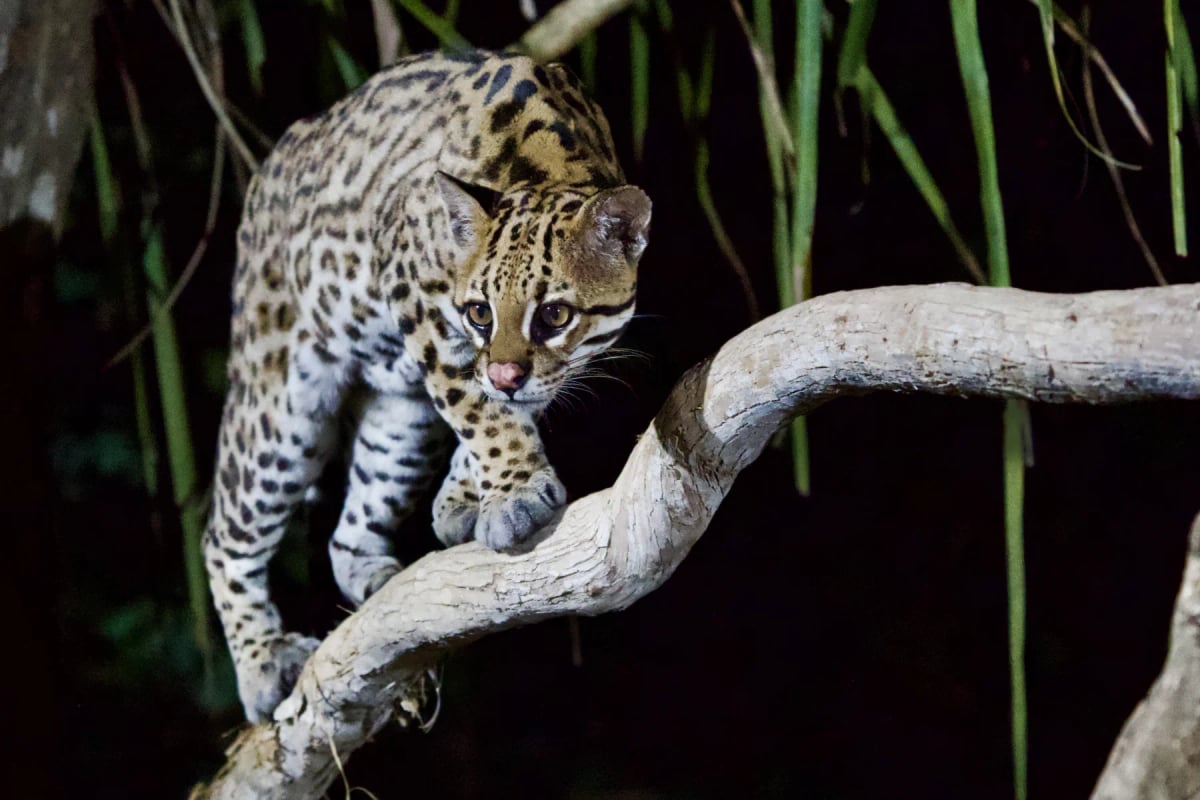
Ocelot
Leopardus pardalis
French Guiana is covered largely by intact Amazonian rainforest, making it one of the better preserved corners of South America for wildlife. Ocelots thrive here, benefiting from dense forest cover, abundant prey, and relatively low levels of human disturbance. The Guiana Amazonian Park, one of the largest protected areas in the world, covers much of the country's southern interior and provides strong protection for ocelots and the broader forest ecosystem they depend on.
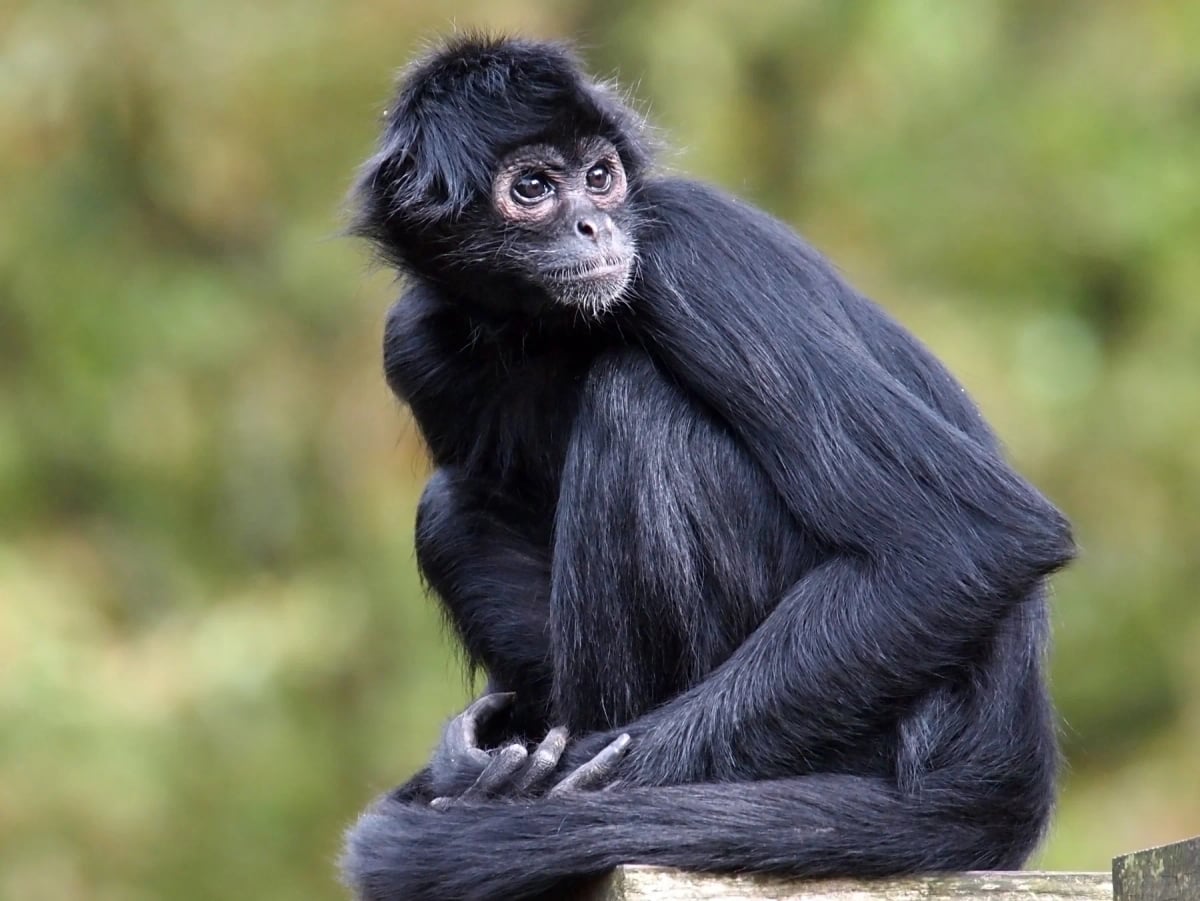
Spider Monkey
Ateles spp.
In French Guiana, spider monkeys inhabit the dense Guiana Shield rainforest, a region of remarkable biological richness. Much of this territory falls within protected areas, including the vast Guiana Amazonian Park, which offers them significant refuge. They forage in the upper canopy, relying almost entirely on ripe fruit. Low human population density in the interior has helped keep their forest habitat relatively undisturbed compared to other parts of their range.
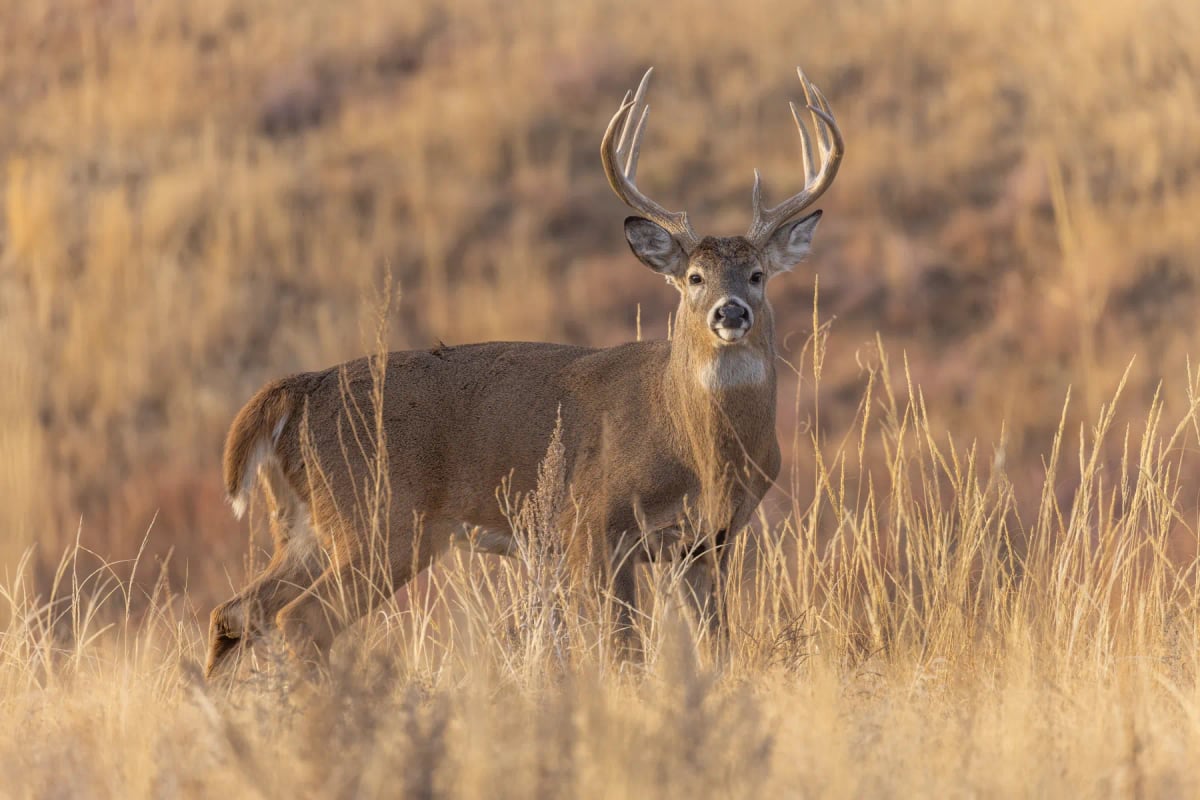
White tailed Deer
Odocoileus virginianus
In French Guiana, the white tailed deer is found in forest clearings, savanna patches, and the edges of the coastal zone. It tends to avoid the dense interior rainforest and instead favors open or transitional habitats. The species is less commonly observed here than in other parts of its range. French Guiana's extensive protected areas, including the Guiana Amazonian Park, provide undisturbed habitat that benefits the local deer population.
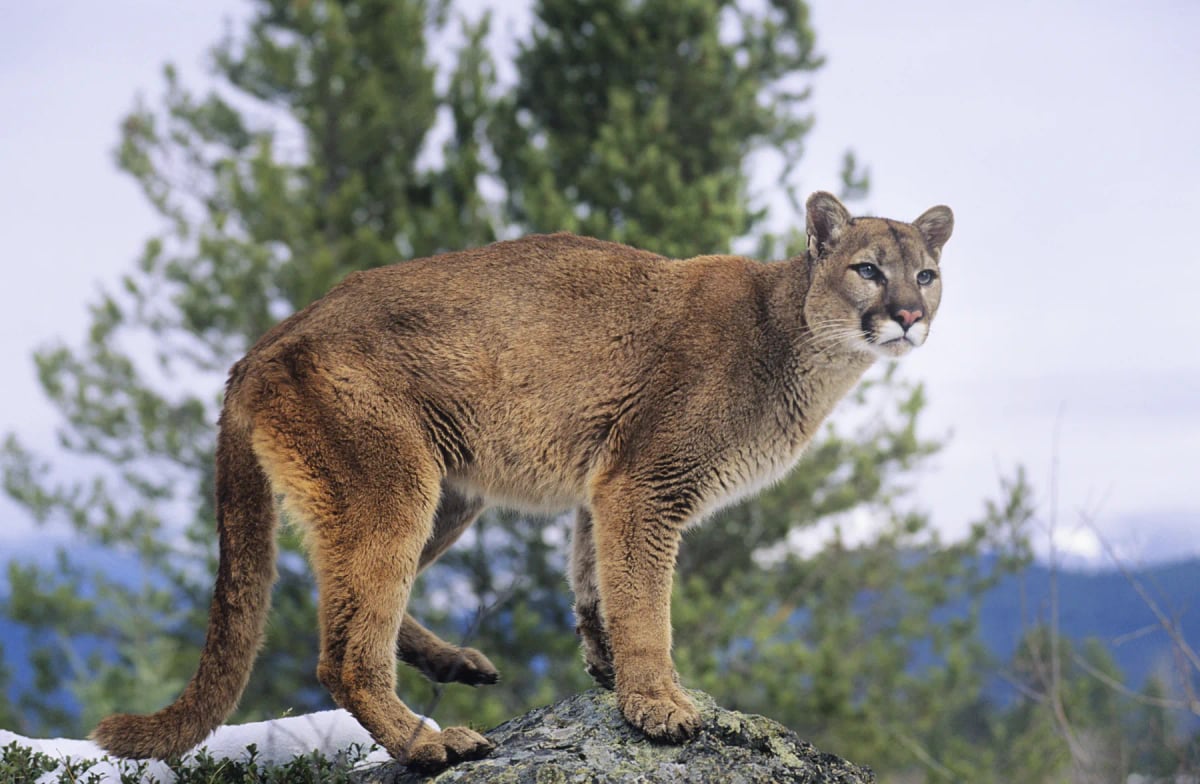
Cougar
Puma concolor
The cougar is present in French Guiana's vast stretches of lowland Amazonian rainforest, which remain among the least disturbed in South America. Dense canopy cover and an abundance of prey, including deer and peccaries, support a healthy population. Because much of French Guiana is protected and sparsely settled, the cougar here faces fewer direct threats than in many other parts of its range across the continent.
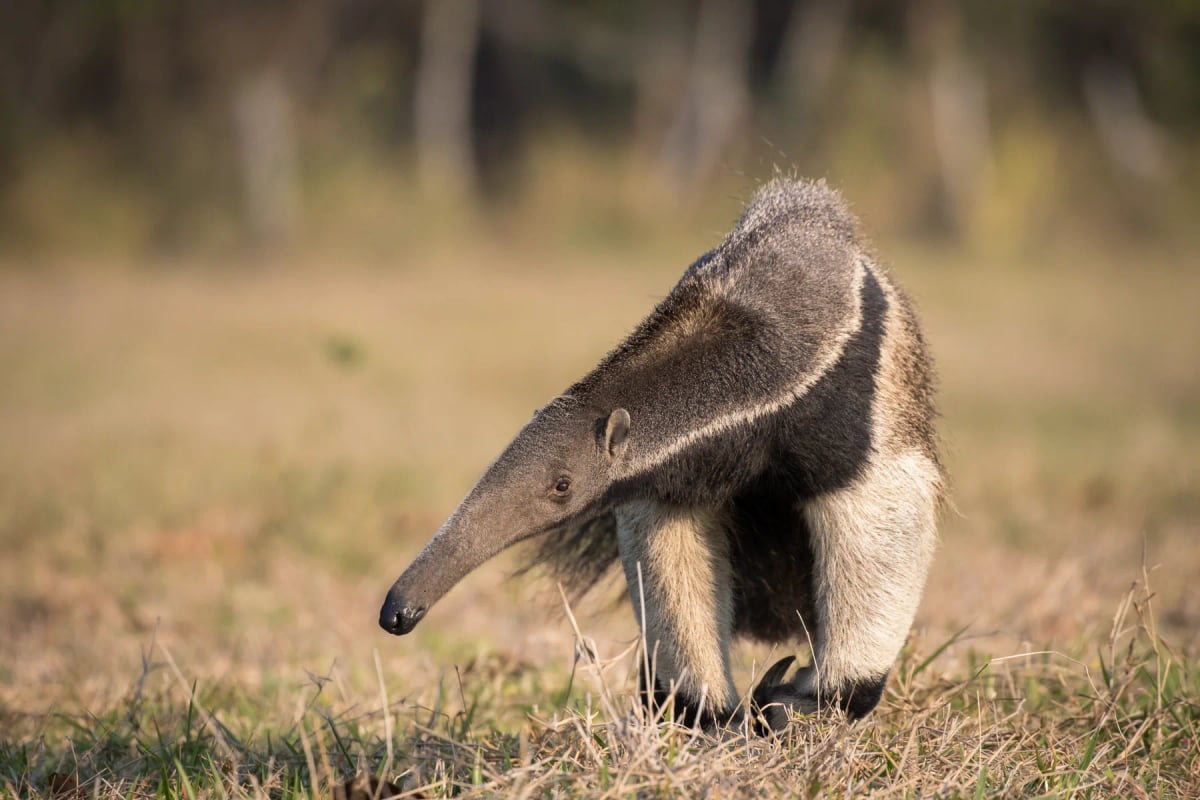
Anteater
Myrmecophaga tridactyla
The giant anteater is present in French Guiana, where it inhabits coastal savannas, open forests, and forest edges across the territory. French Guiana's high forest cover and low human population density provide relatively stable conditions for the species. The coastal savannas near Cayenne and the interior lowlands are among the areas where the species has been documented in recent years.
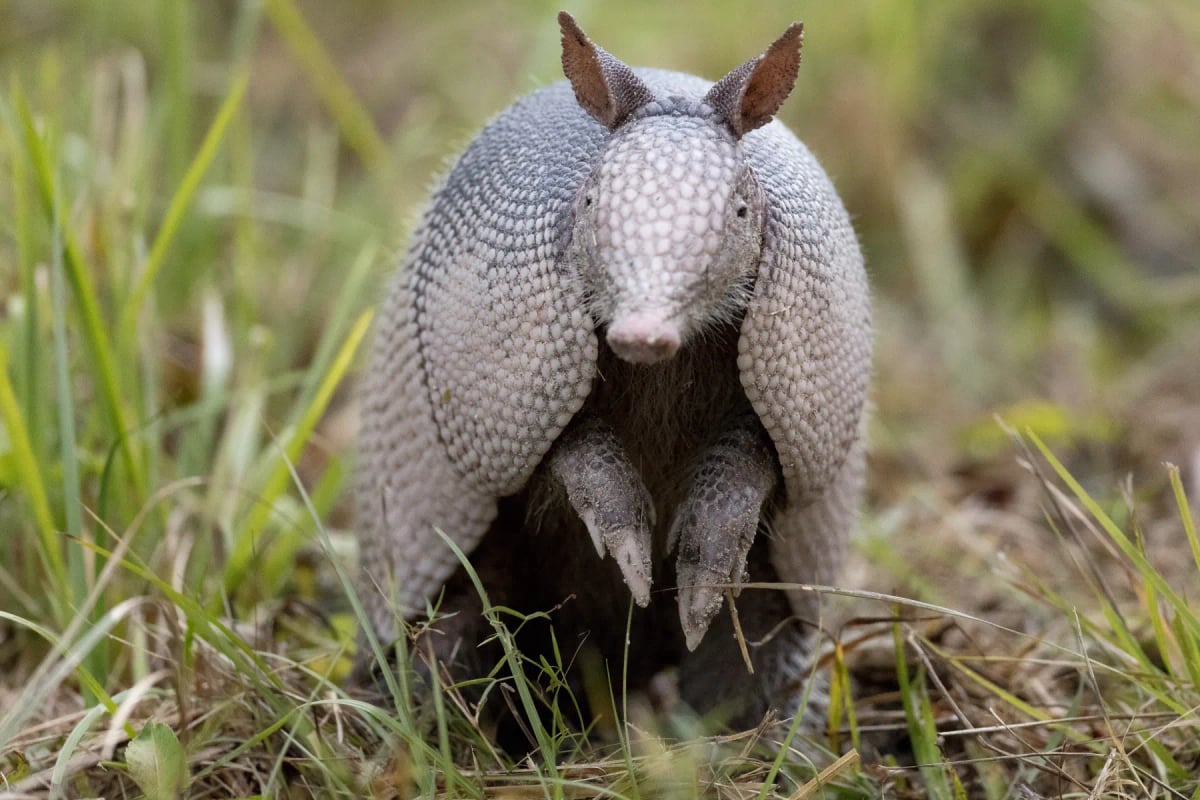
Armadillo
Dasypodidae spp.
French Guiana is home to several armadillo species, including the nine banded armadillo, the giant armadillo, and the greater long nosed armadillo, distributed across the country's largely intact Amazonian forest. The giant armadillo inhabits lowland tropical forest and depends on large termite and ant colonies for food. French Guiana's high forest cover and relatively low human population density provide some of the best-preserved armadillo habitat in the Guiana Shield region. The species faces limited hunting pressure here compared to other parts of South America.
Brocket Deer
Mazama spp.
French Guiana's largely intact Amazonian rainforest provides some of the most secure habitat for brocket deer in South America. The red brocket is the dominant species, roaming through dense primary forest and along forest edges near rivers. With over 90 percent of the territory covered by forest, and much of it under protection, brocket deer face relatively lower pressure here than elsewhere. Subsistence hunting by local communities remains a factor to monitor.
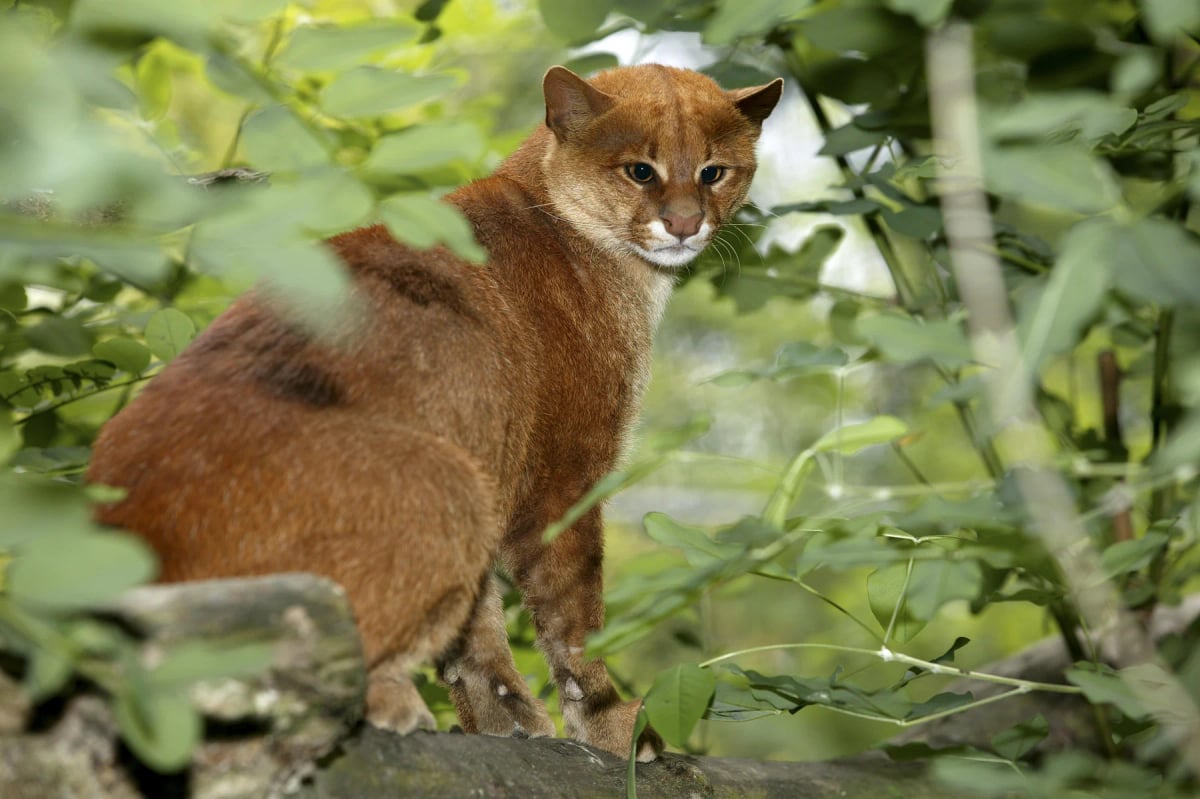
Jaguarundi
Herpailurus yagouaroundi
French Guiana's vast and largely undisturbed Amazonian rainforest gives the jaguarundi ample territory in which to live. Much of the country is covered by protected forest, including the Guiana Amazonian Park, one of the largest national parks in the world. The jaguarundi is present here but, like many forest cats, is rarely observed directly. It hunts small birds, mammals, and reptiles along forest edges and in more open areas within the jungle.
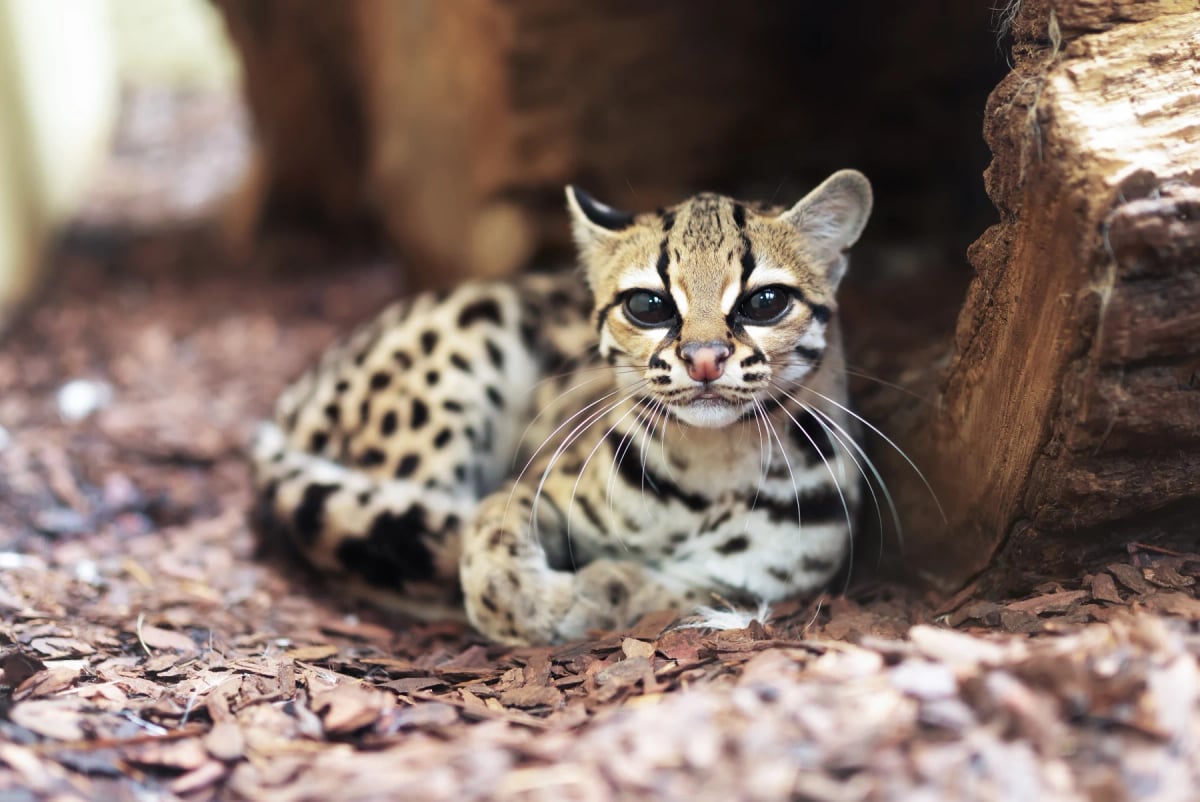
Margay
Leopardus wiedii
French Guiana's vast and largely intact Amazonian rainforest makes it one of the more secure strongholds for the margay in South America. With over 90 percent of the territory covered by forest, this small spotted cat has access to continuous canopy across much of the country. Hunting pressure and gold mining activity in interior forests pose localized threats. The IUCN lists the margay as Near Threatened, though French Guiana's forest integrity supports relatively stable populations.
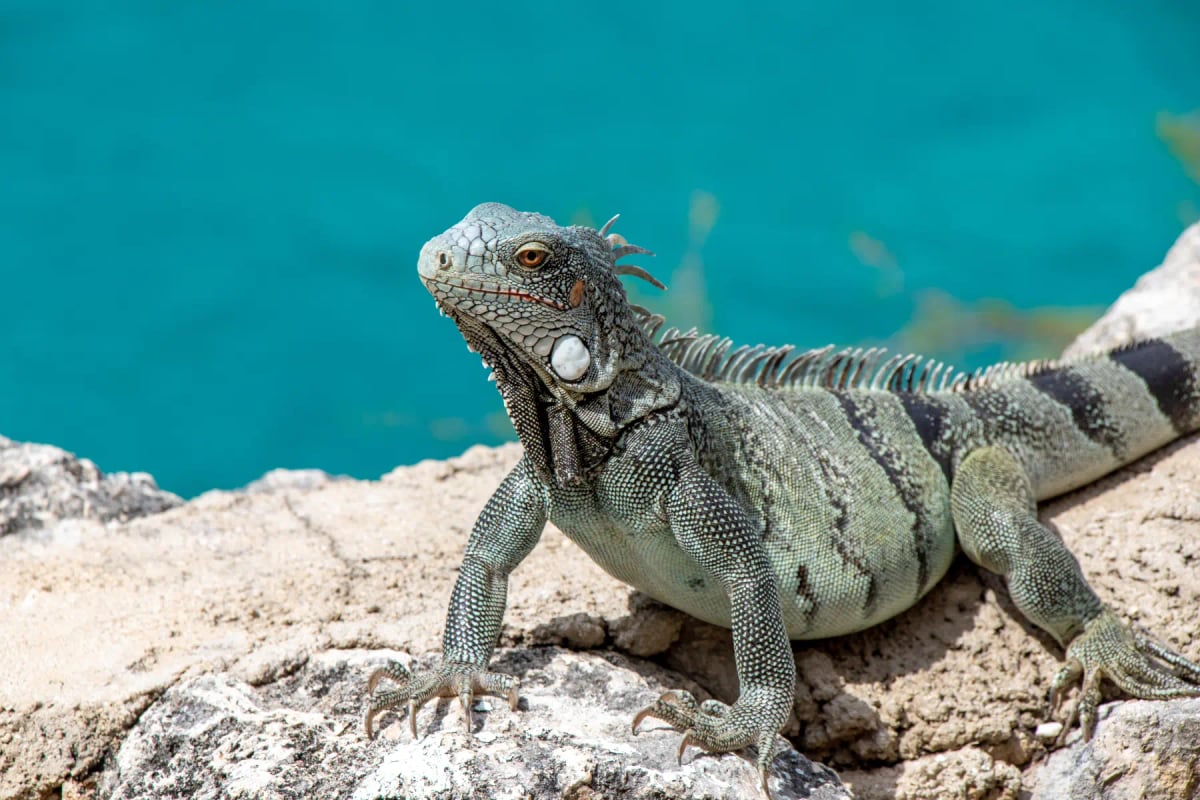
Iguana
Iguana iguana
The green iguana is native to French Guiana, found along the Oyapock, Maroni and other rivers that run through the tropical interior. It is a familiar sight in coastal vegetation and along forested waterways, basking on overhanging branches and diving into the water when disturbed. The species plays a role as a seed disperser and is a regular part of the wildlife landscape across the country's lowland forests.
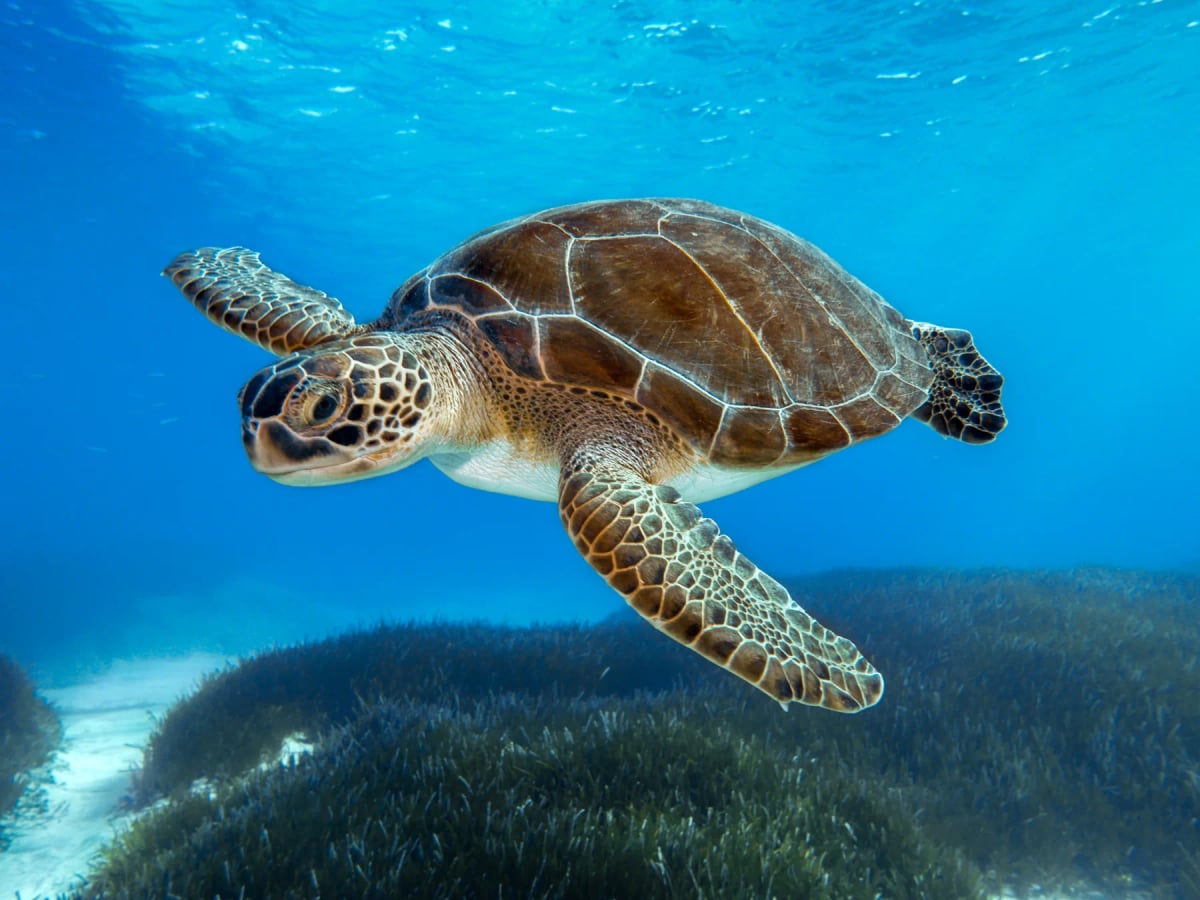
Sea Turtle
Cheloniidae & Dermochelyidae (families)
French Guiana hosts one of the most important leatherback sea turtle nesting sites in the world. Awala-Yalimapo beach, within the Guiana Amazonian Park, sees thousands of leatherback females arrive between March and July, making it one of the top three leatherback nesting beaches globally. Olive ridley and green turtles also nest along the coast. The site is strictly protected and monitored, and local Amerindian communities have been involved in conservation efforts for decades.
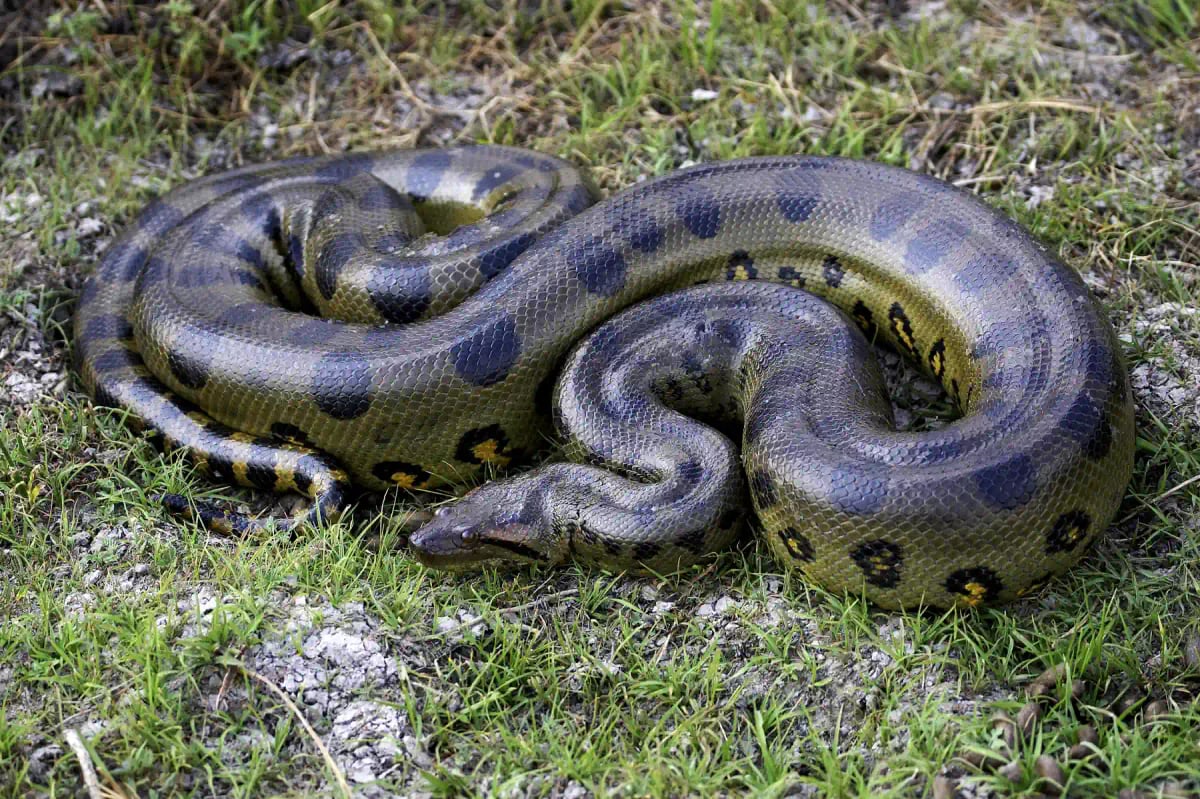
Anaconda
Eunectes murinus
The green anaconda is present throughout French Guiana, inhabiting swamps, flooded forests, and slow rivers across the territory. French Guiana retains one of the highest rates of forest cover in South America, providing relatively intact habitat for the species. The anaconda shares these waterways with caimans, giant river otters, and a rich variety of fish that form the base of its diet.
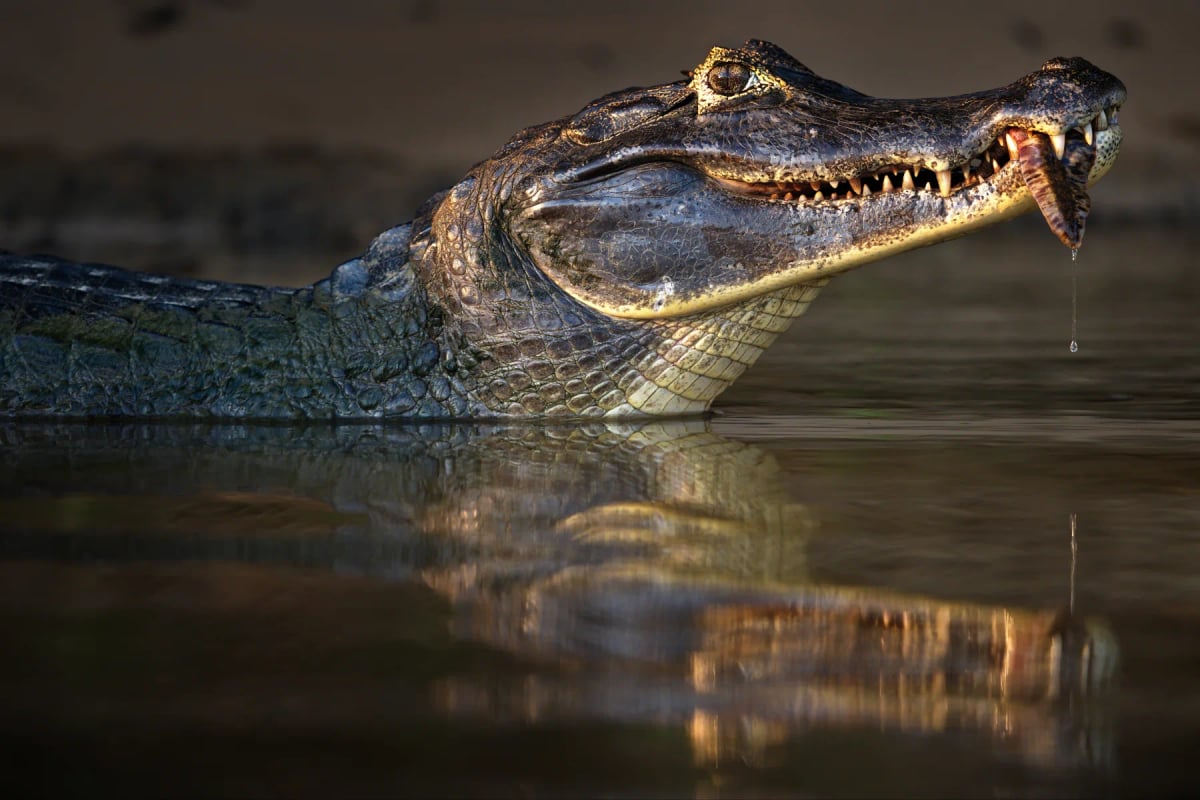
Caiman
Caiman spp.
French Guiana's tropical rivers and flooded forests are home to the spectacled caiman and the black caiman. The Maroni and Oyapock rivers, which border Suriname and Brazil respectively, are among the most important habitats for these species. As an overseas territory of France, French Guiana applies European Union environmental regulations, offering caimans a degree of legal protection not always available elsewhere in the region. Populations here appear stable.
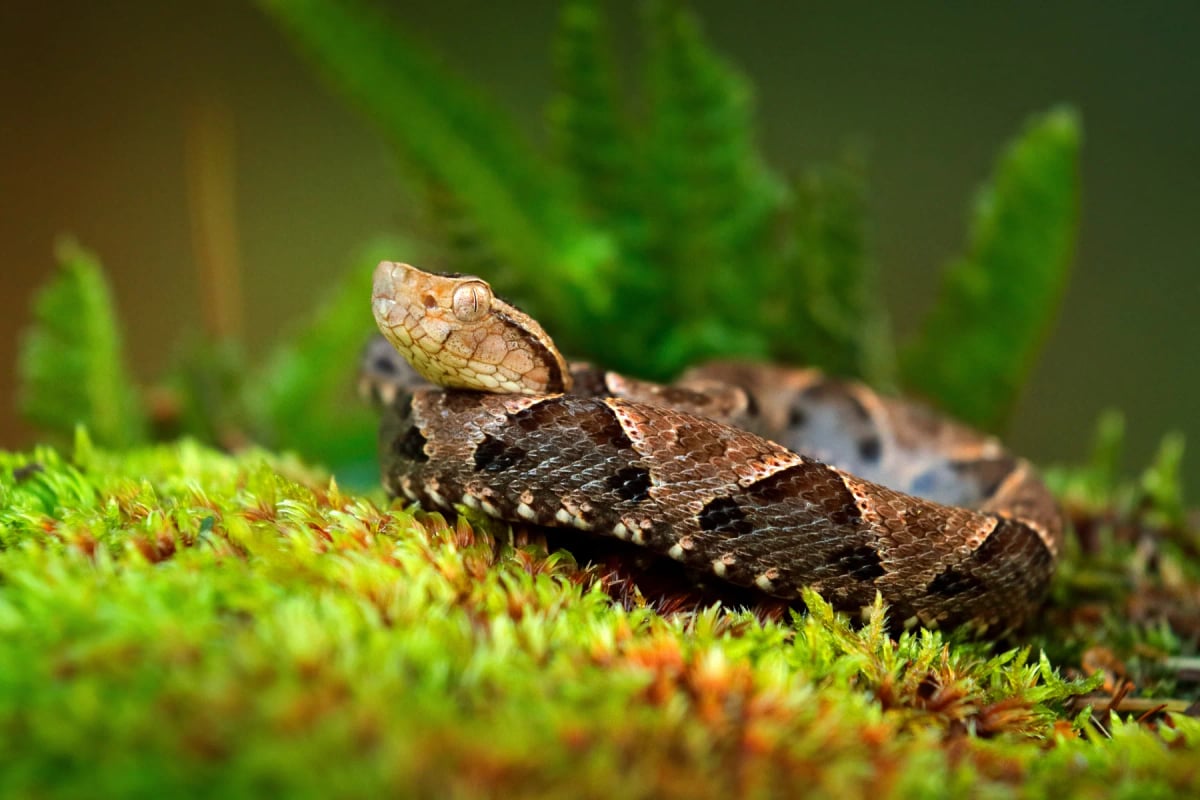
Lancehead
Bothrops spp.
French Guiana's vast Amazonian rainforest is prime habitat for lanceheads, particularly Bothrops atrox. These snakes shelter beneath fallen leaves and roots along rivers and forest trails, where humidity stays high year round. They are a genuine concern for fieldworkers and hikers in remote areas. Their role as predators of small mammals and frogs helps maintain the ecological balance of these rich tropical forests.
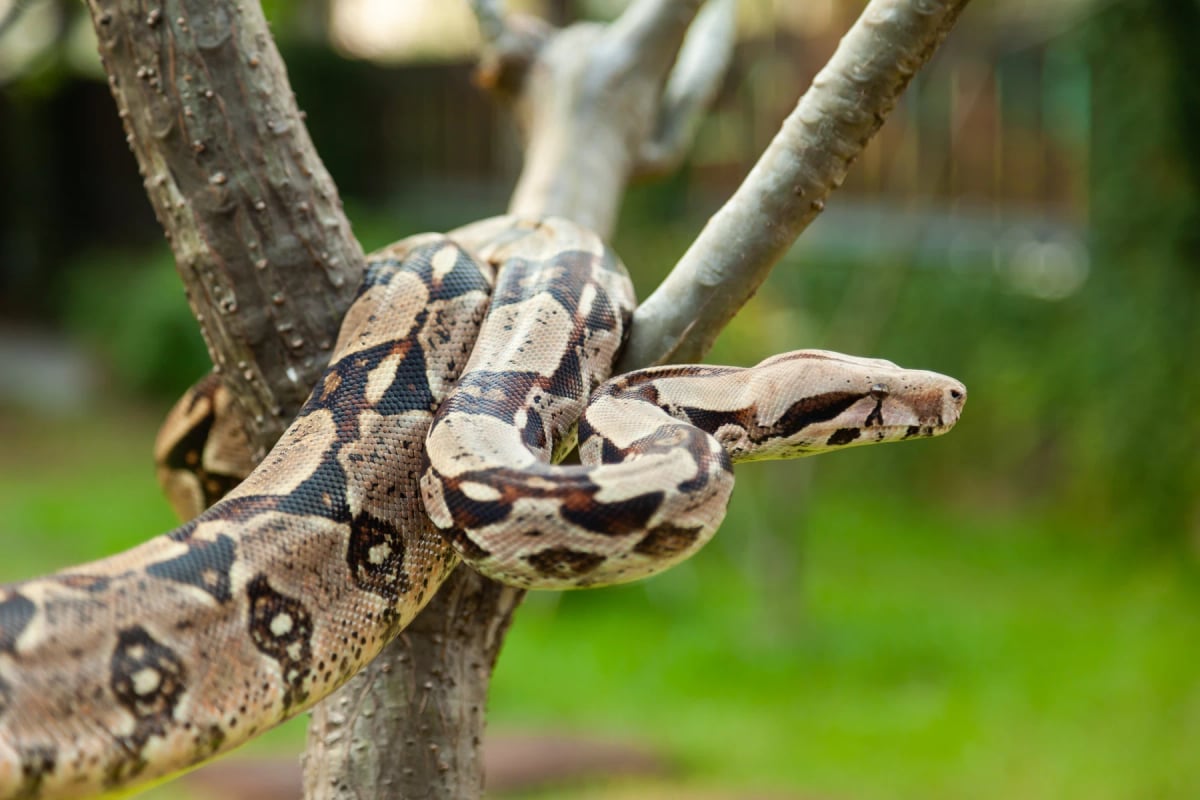
Boa Constrictor
Boa constrictor
In French Guiana, the boa constrictor is part of the rich reptile fauna of the Guiana Shield, inhabiting the dense humid rainforests that cover most of the territory. It is encountered along forest edges, riverbanks, and in clearings near human settlements. The species is listed as Least Concern by the IUCN. The relatively low level of deforestation in French Guiana means local populations remain comparatively stable.
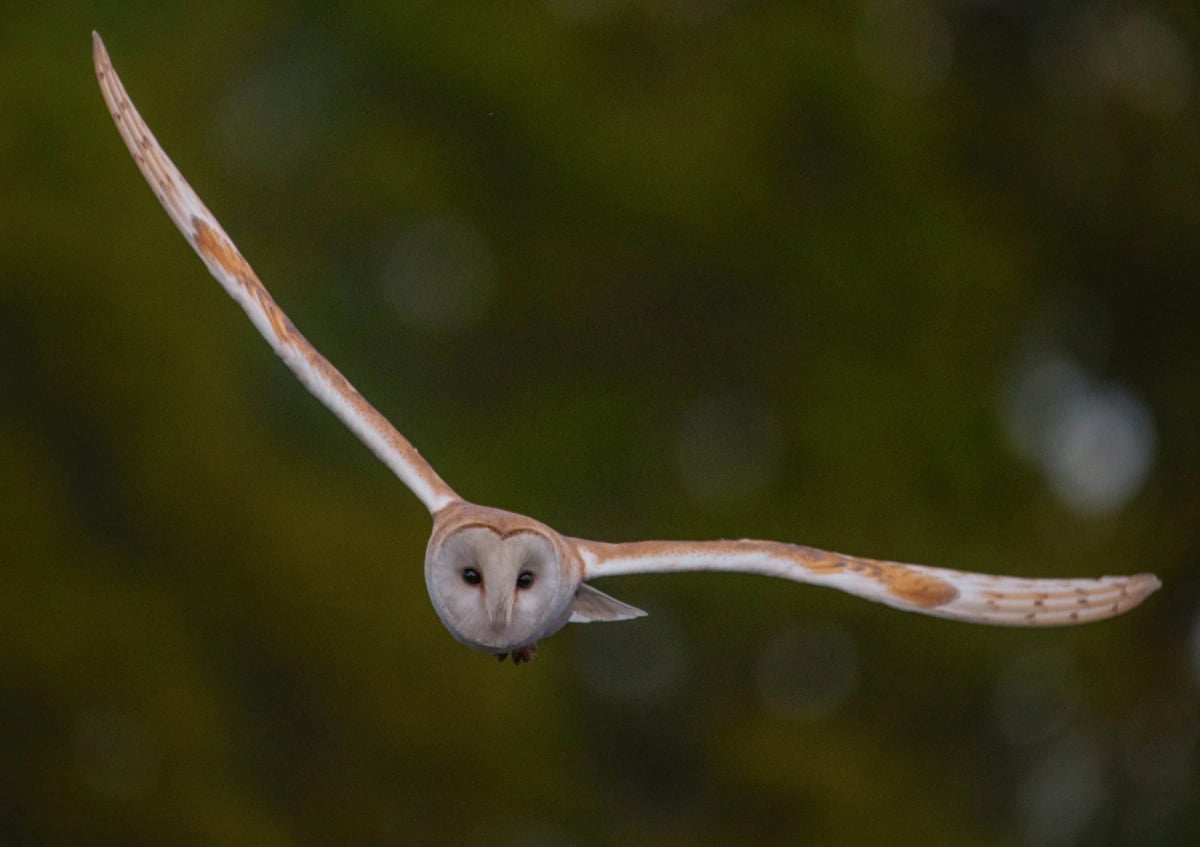
Barn Owl
Tyto alba
The barn owl is present in French Guiana mainly in open farmland, coastal savanna, and areas near human settlements along the coast and in the interior lowlands. It is far less common in the vast tropical rainforest that covers most of the territory, where suitable open hunting habitat is scarce. It nests in old buildings and hollow trees and hunts rodents at night. Its presence is concentrated in the more settled and agricultural coastal strip between Cayenne and Saint-Laurent-du-Maroni.
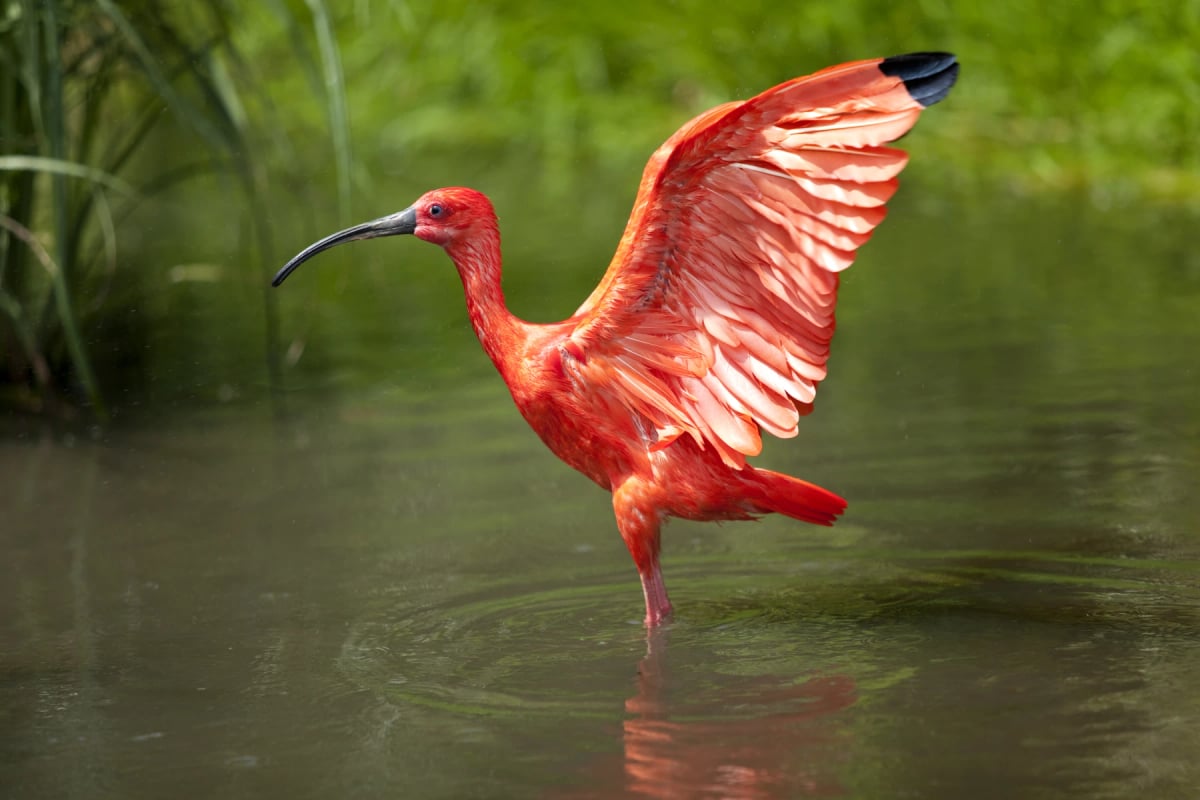
Scarlet Ibis
Eudocimus ruber
French Guiana's largely undisturbed coastline, lined with extensive mangrove forests, provides excellent habitat for the Scarlet Ibis. The bird is a regular presence along the estuaries and mudflats of this French overseas territory. Its diet of crabs and other crustaceans, abundant in these coastal shallows, fuels the vivid red plumage that makes it one of the most recognizable birds of the Guiana coast.
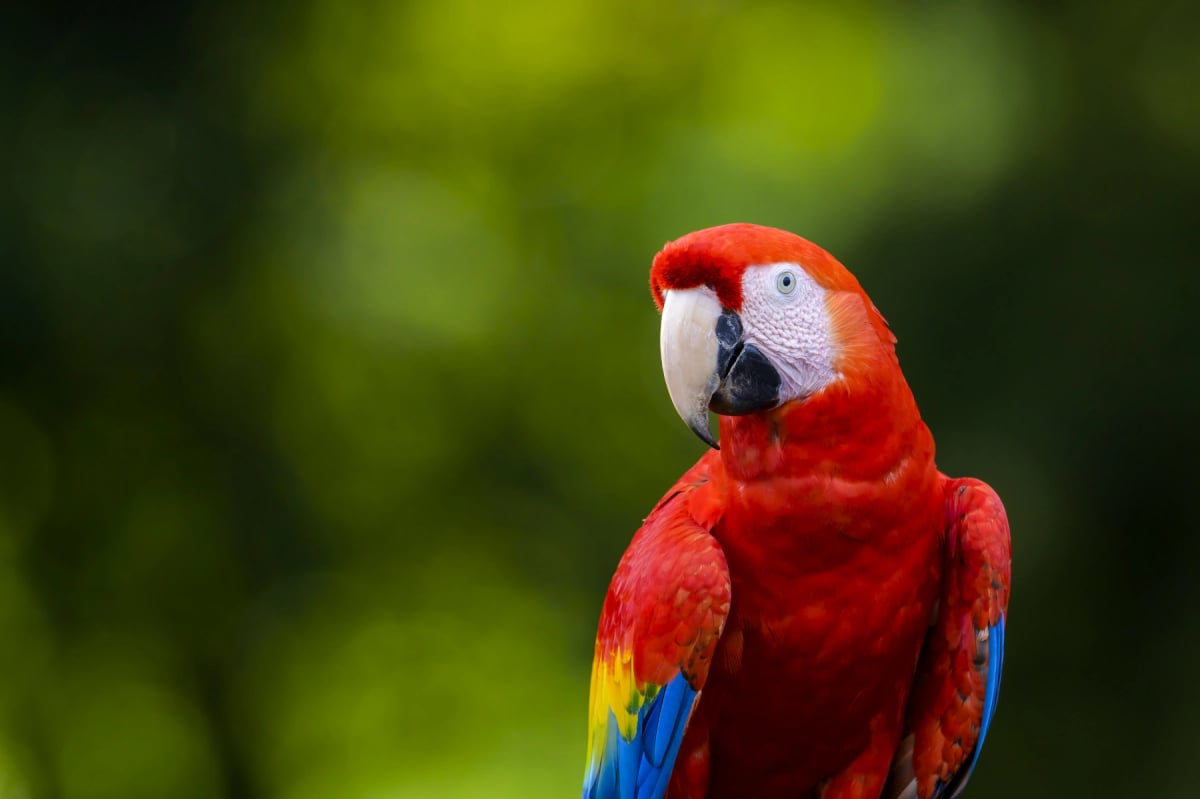
Scarlet Macaw
Ara macao
French Guiana's vast and largely intact Amazonian rainforest provides excellent habitat for the scarlet macaw. The species is found throughout the country's interior lowlands, nesting in large trees and visiting clay licks along the region's many rivers. Human pressure on the forest remains relatively low compared to neighboring countries, giving local populations room to thrive. The IUCN lists the scarlet macaw as Least Concern.
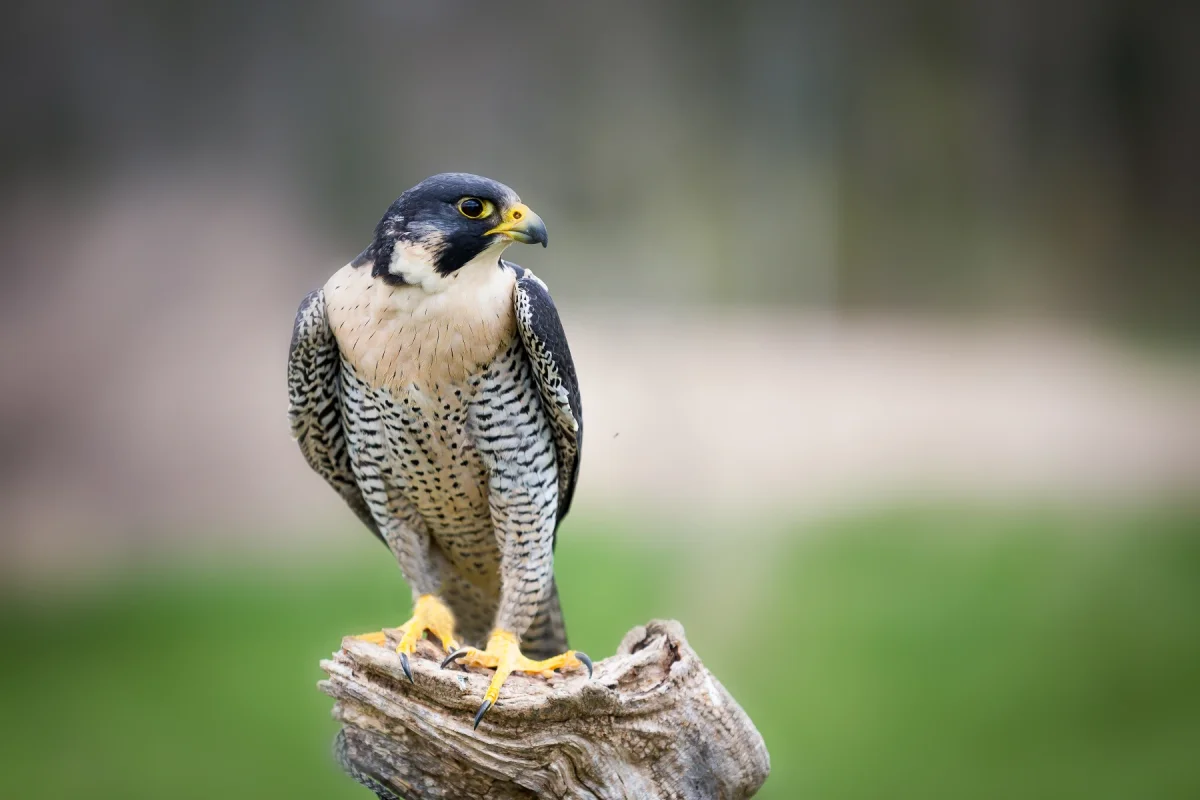
Peregrine Falcon
Falco peregrinus
The peregrine falcon occurs in French Guiana as a migratory visitor, passing through the northeastern coast of South America during the northern winter. It has been recorded along the Atlantic coastline and over the forest canopy, hunting shorebirds and smaller birds on the move. The vast Amazon basin forest and coastal wetlands provide temporary foraging habitat during its long migration. Its IUCN status is Least Concern.
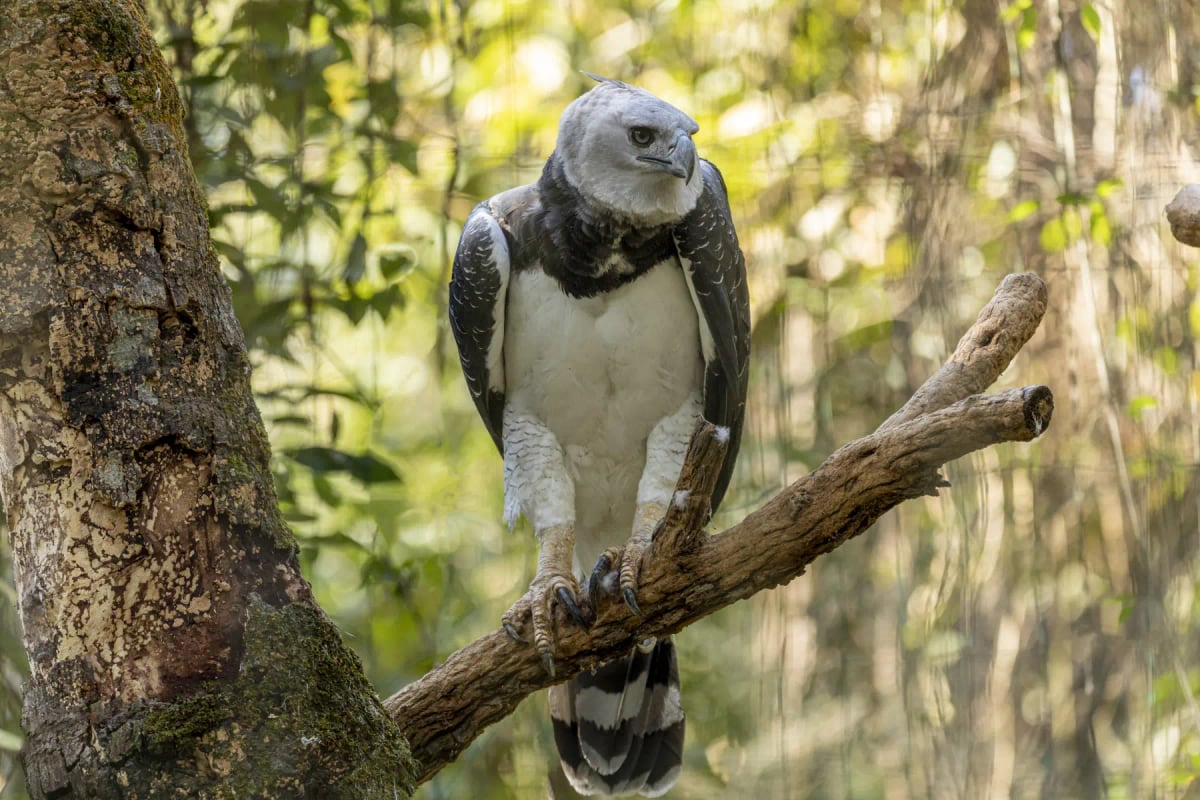
Harpy Eagle
Harpia harpyja
French Guiana's vast and largely undisturbed rainforest makes it one of the strongholds for the harpy eagle in the Guiana Shield. The territory has very low human population density outside of its coastal zone, which means large tracts of interior forest remain intact. This Vulnerable raptor has been recorded in several areas, and the relatively low deforestation rate here gives scientists reason for cautious optimism.
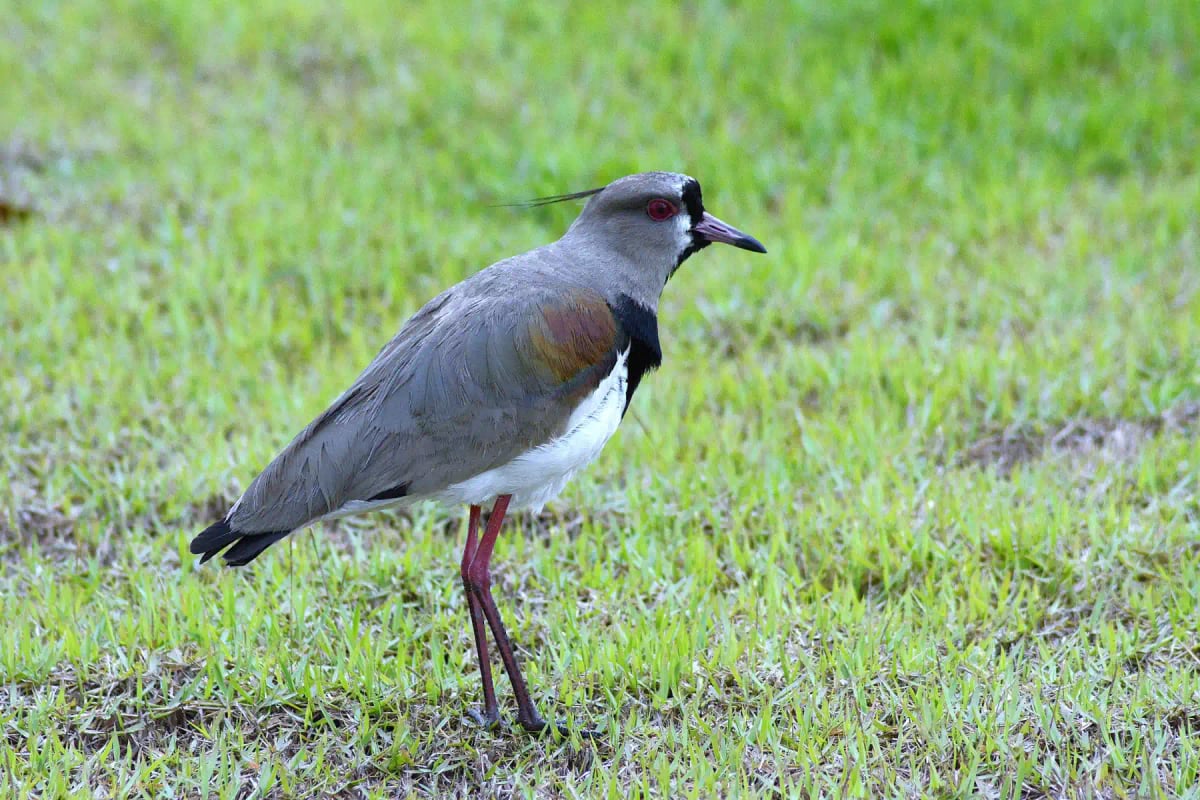
Southern Lapwing
Vanellus chilensis
The southern lapwing occurs in the coastal savannas and open grasslands of French Guiana, particularly around Cayenne and the agricultural lowlands near the coast. It is not as abundant here as it is further south, but small populations are well established. The bird favors short-grass areas near wetlands and is often heard before it is seen. Its IUCN status is Least Concern.
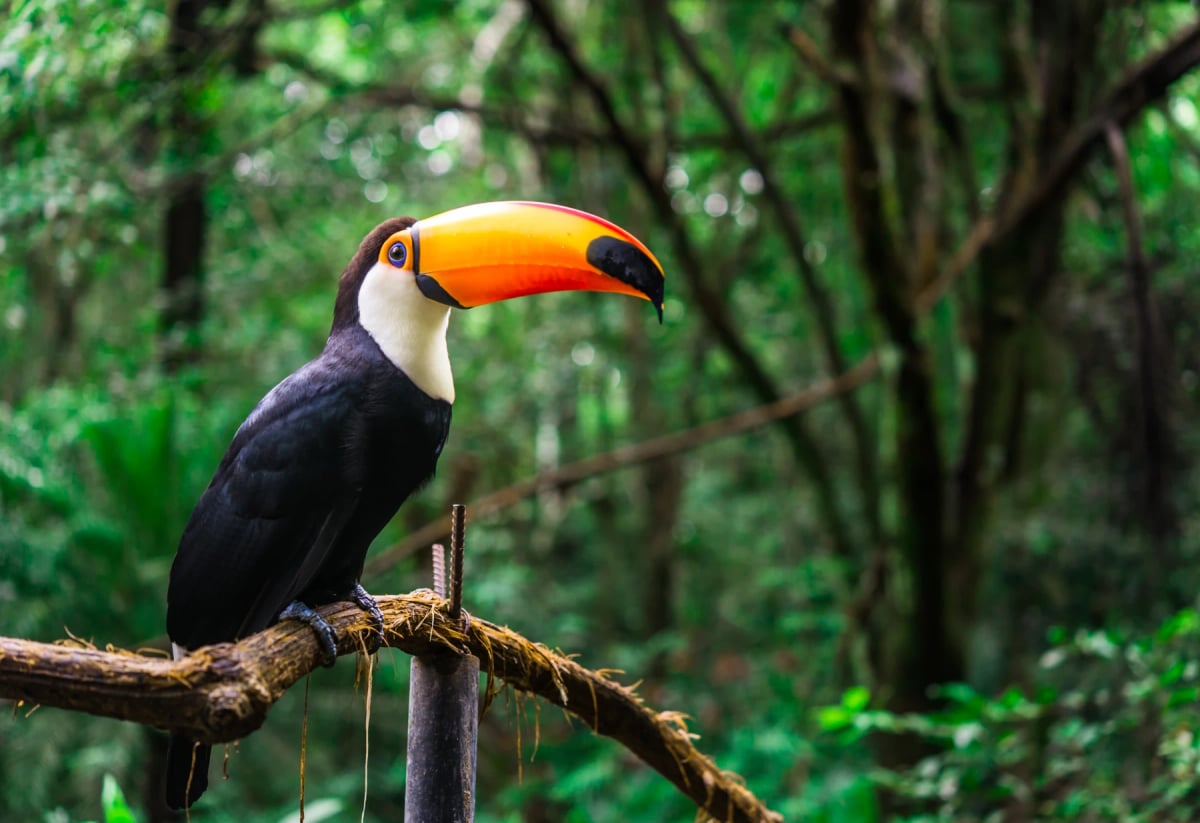
Toucan
Ramphastos spp.
French Guiana's vast, largely untouched rainforest makes it one of the finest places in South America to encounter toucans. Species such as the channel-billed toucan move through the canopy in small, vocal groups, feeding on fruit and occasionally raiding other birds' nests. The Guiana Shield forests here remain dense and rich in biodiversity, giving toucans plenty of food and nesting cavities. IUCN status: Least Concern.
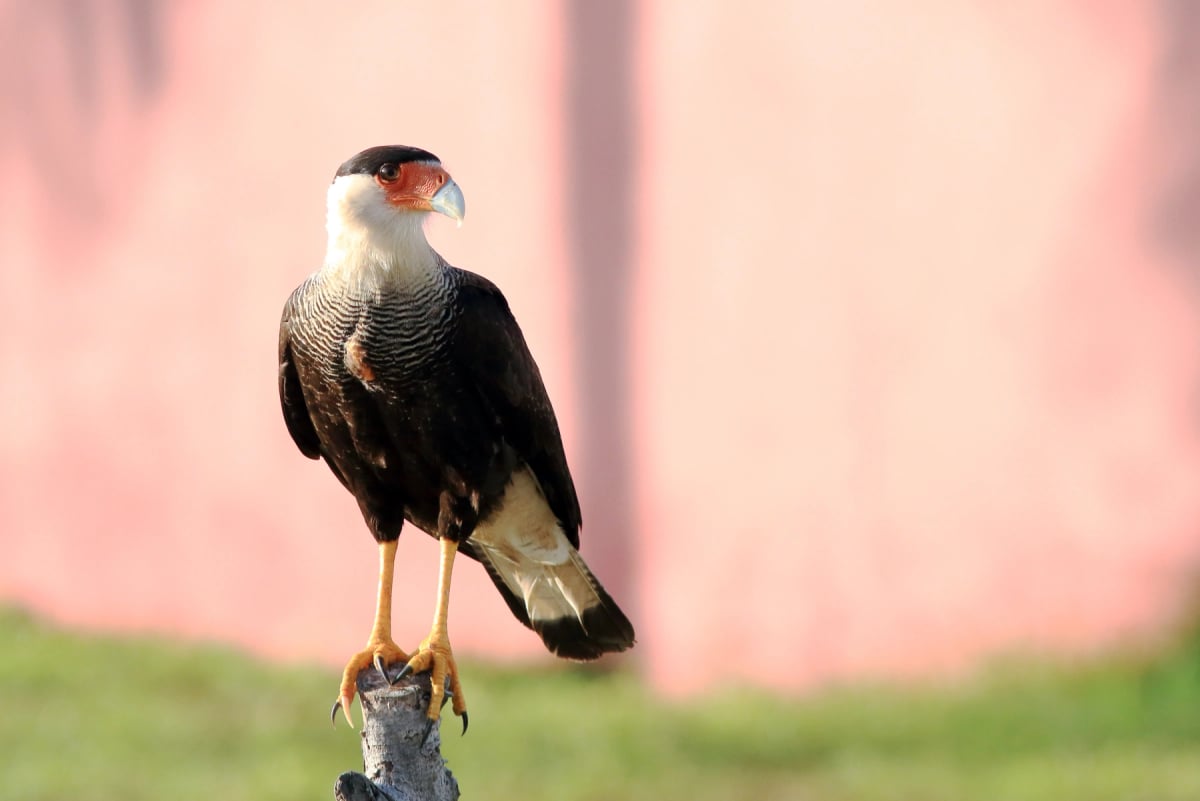
Southern Caracara
Caracara plancus
The southern caracara is present in French Guiana, where it occupies open coastal areas, grasslands, and the edges of the interior forest. It is most commonly seen in the coastal strip and around agricultural clearings, where carrion and insects are more readily available than in dense forest. While not the most abundant raptor in this heavily forested territory, it is a consistent presence in open habitats near human activity.
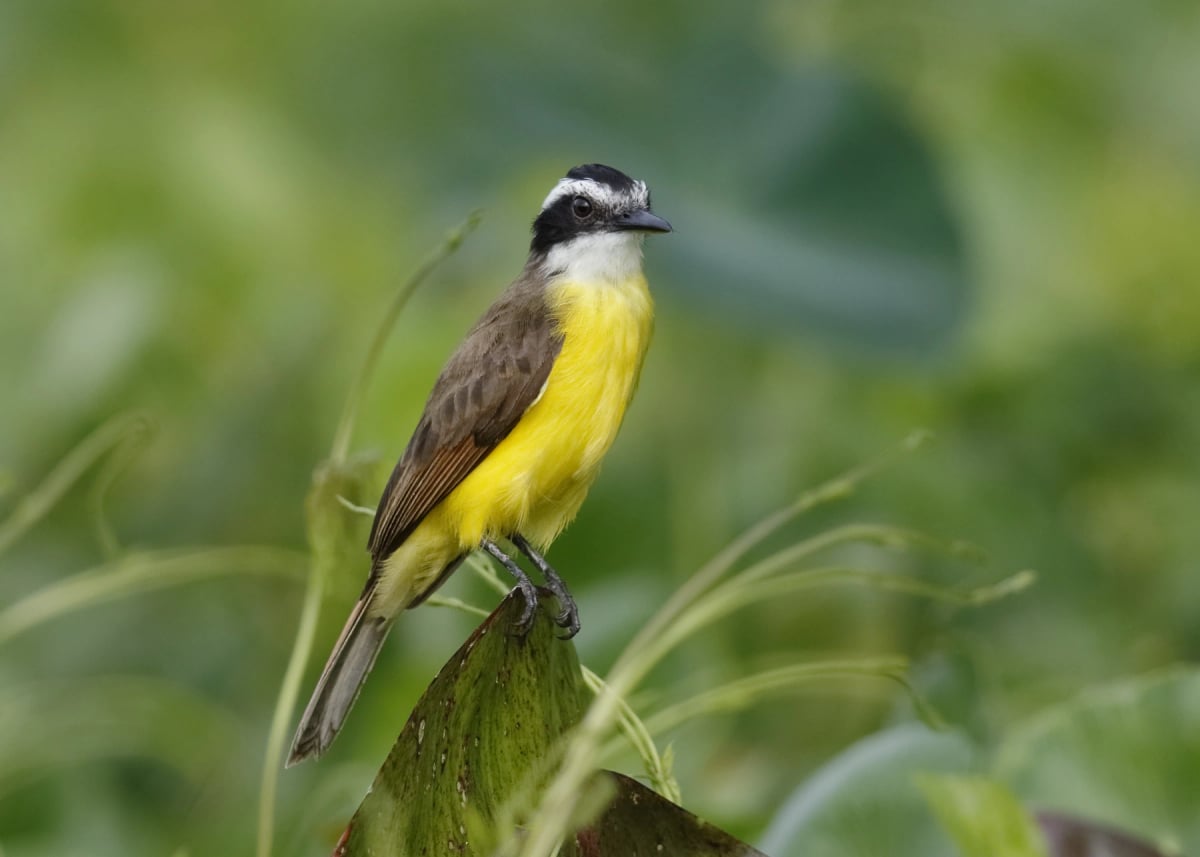
Lesser Kiskadee
Philohydor lictor
Along the coastal rivers, mangroves, and interior waterways of French Guiana, the lesser kiskadee is a regular presence. It perches just above the water on low branches or roots, watching for insects and small aquatic prey before making quick dives to catch them. The largely forested and well-watered landscape of French Guiana provides ideal habitat, and the species is considered common throughout the territory. IUCN status: Least Concern.
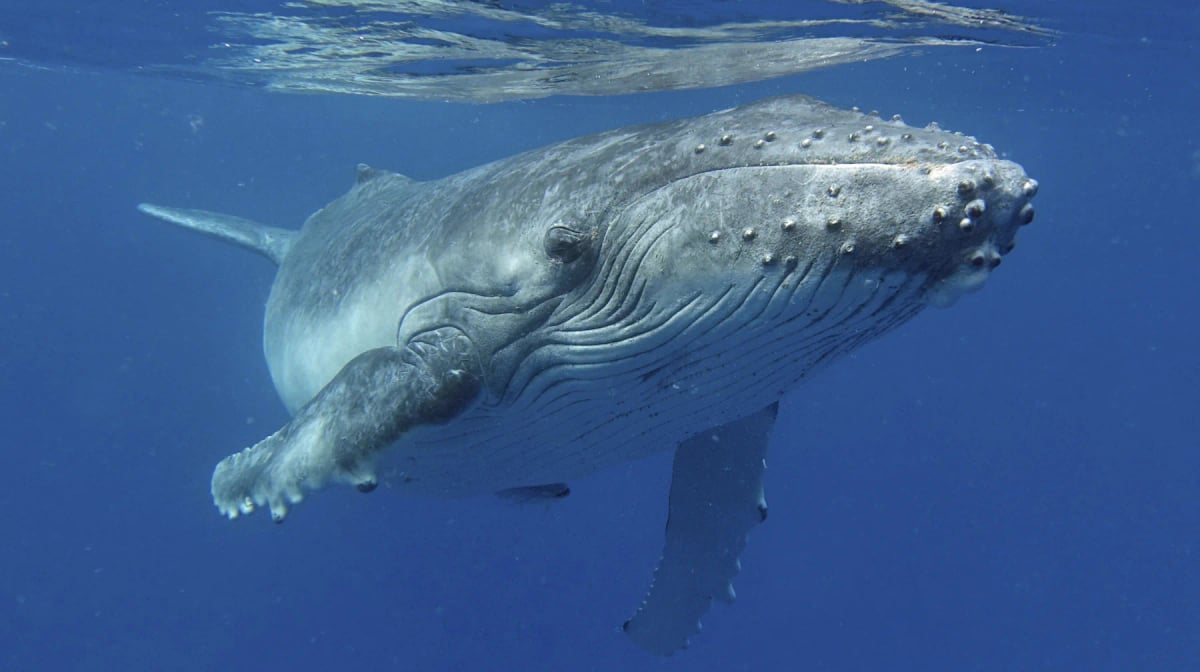
Humpback Whale
Megaptera novaeangliae
The Atlantic waters off French Guiana lie within a migration corridor used by humpback whales travelling between their feeding grounds near Antarctica and breeding areas in the Caribbean. These whales can reach 16 metres in length and are known for the haunting songs of males, which carry vast distances underwater. The humpback's recovery since the ban on commercial whaling is considered a major conservation achievement. The IUCN lists it as Least Concern.
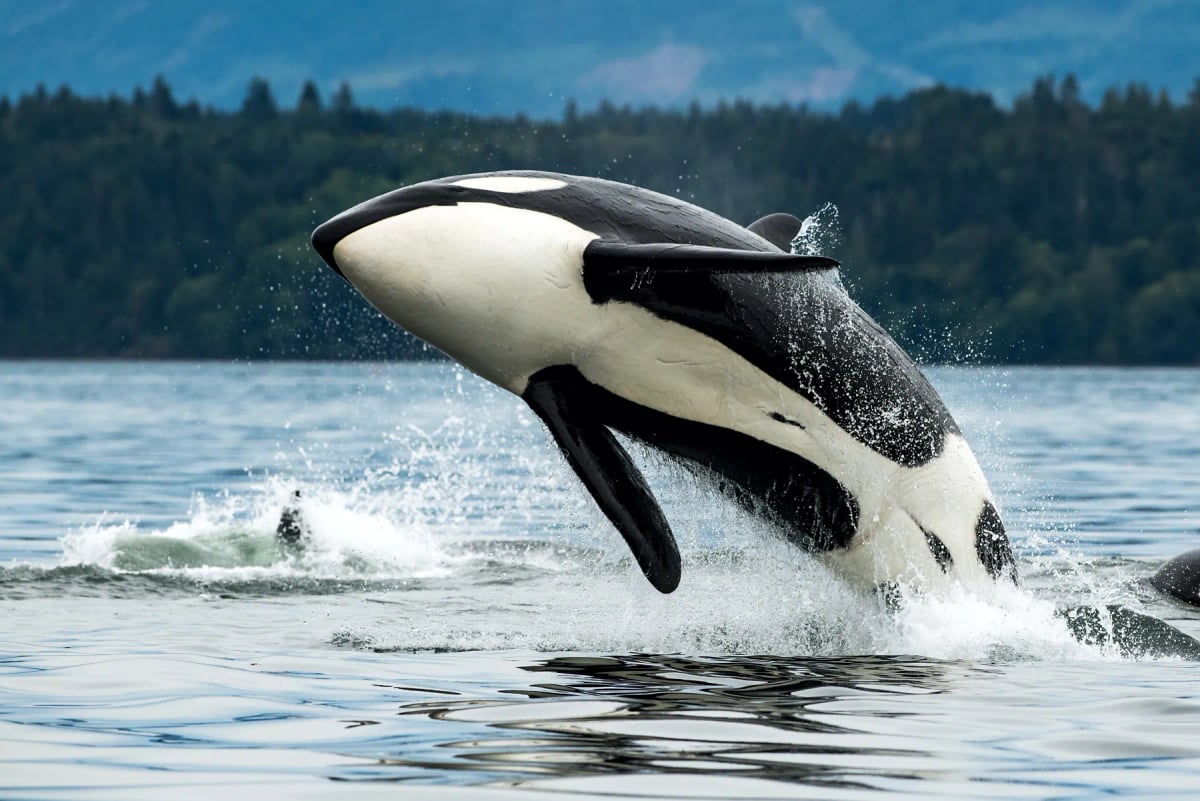
Orca
Orcinus orca
Orcas are present in the Atlantic waters off French Guiana, on the northeastern coast of South America. This region's continental shelf and open ocean support diverse marine food chains that wide-ranging predators like orcas may follow. Sightings here are not common, but the species is documented as part of the broader Atlantic population that moves along South America's coast. Ocean pollution remains a shared concern for marine life throughout this region.
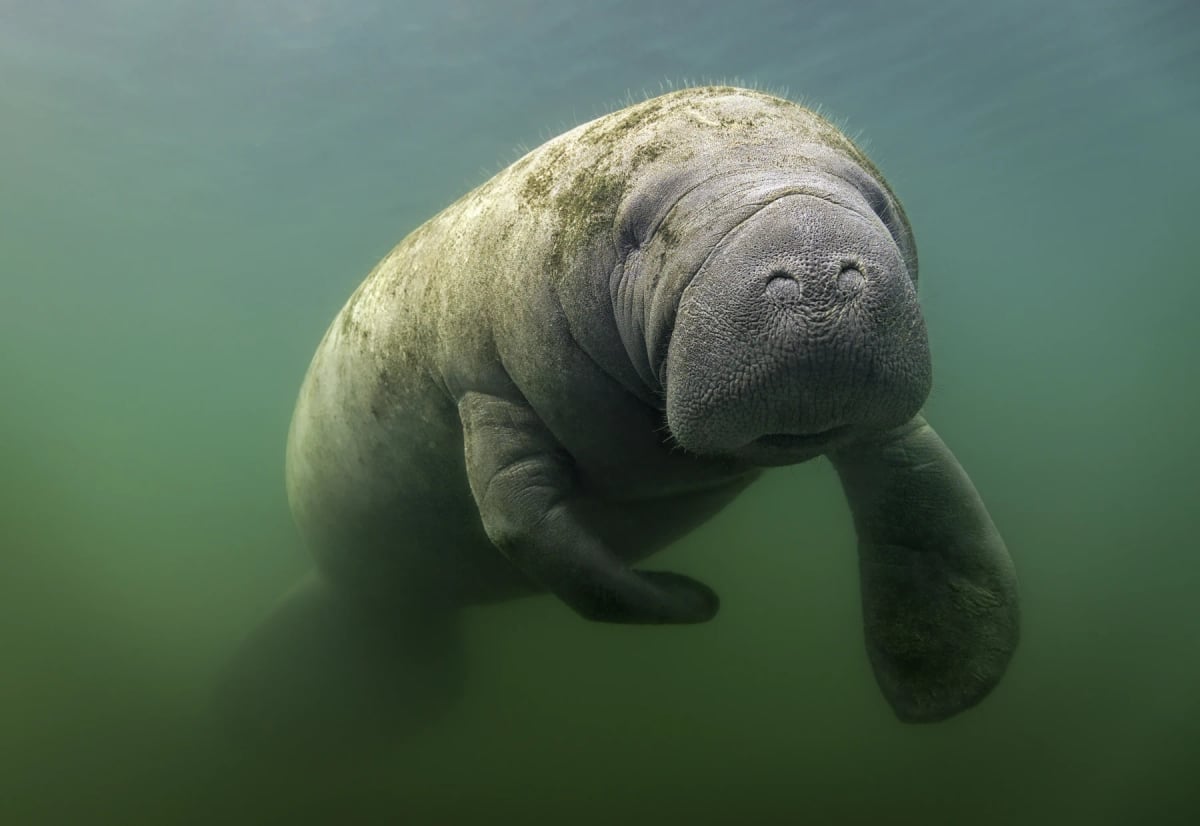
Manatee
Trichechus manatus
West Indian manatees have been recorded in the rivers and coastal wetlands of French Guiana, including areas near the Maroni and Oyapock rivers along the country's borders. The warm, vegetation-rich waters of these river mouths provide suitable habitat. This population is poorly documented and considered small. As in neighboring countries, fishing gear entanglement and habitat disturbance are the main concerns. The species holds Vulnerable status on the IUCN Red List.

Bottlenose Dolphin
Tursiops truncatus
Bottlenose dolphins inhabit the coastal and estuarine waters of French Guiana, where rivers carrying sediment from the Amazon basin create turbid, food-rich environments. They are often seen near river mouths and in the shallow waters of the continental shelf. The species shares these productive habitats with other dolphin species. Research on cetaceans in this part of the South American coast remains limited. The IUCN lists the species as Least Concern.
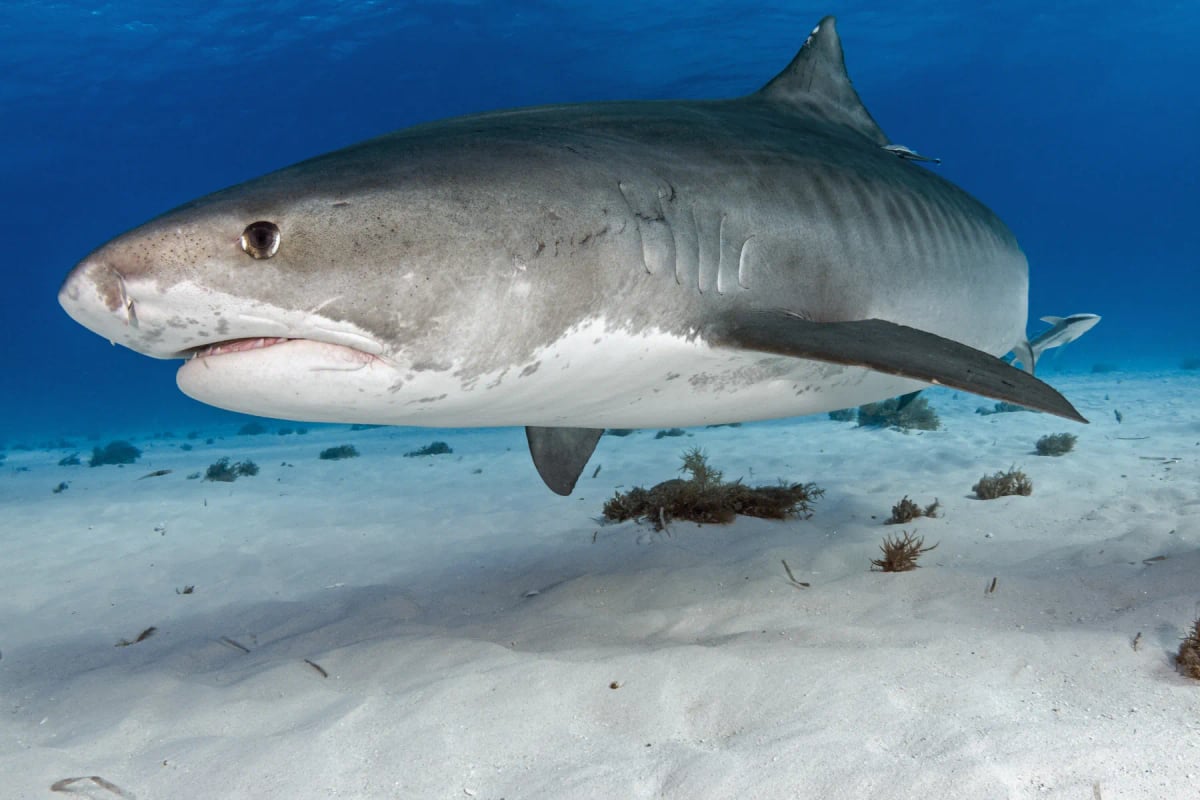
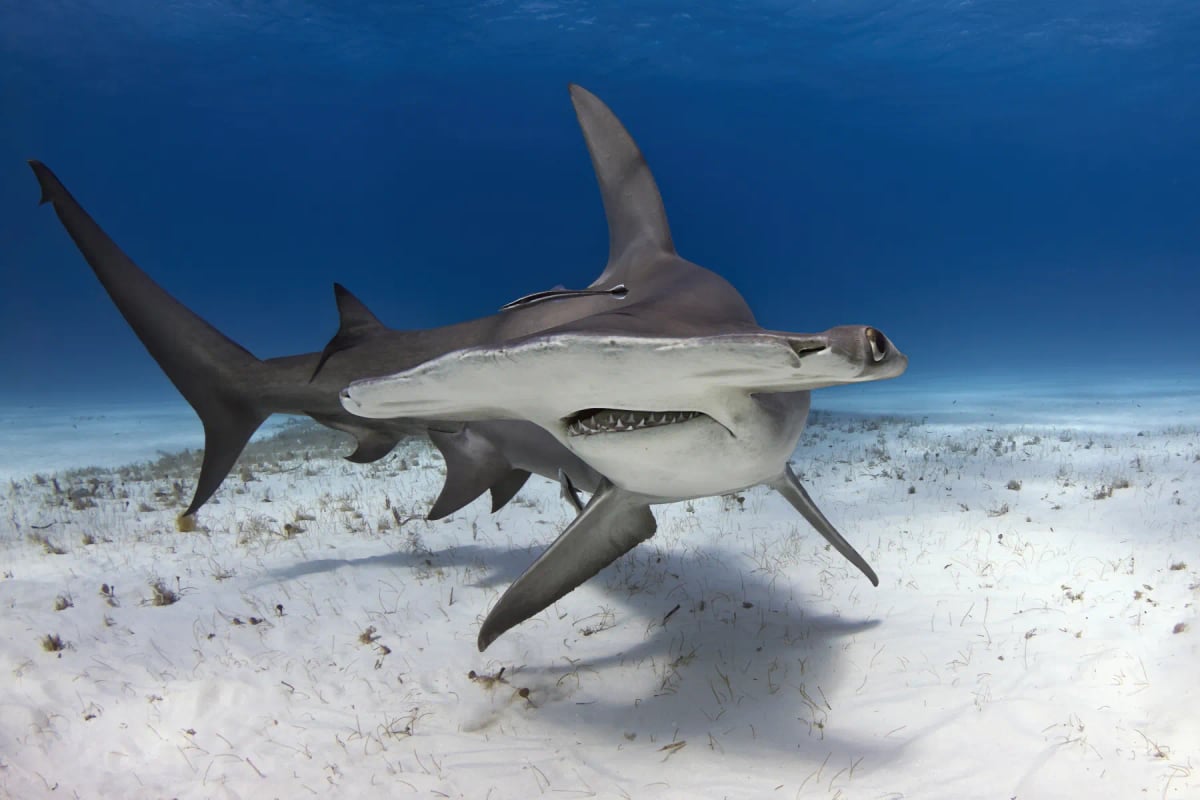
Tiger Shark
Galeocerdo cuvier
The Atlantic coast of French Guiana, shaped by sediment from the Amazon basin and freshwater outflows from rivers like the Maroni, forms a unique coastal habitat where tiger sharks have been recorded. These murky, productive waters attract a variety of fish and other prey. As a French overseas territory, French Guiana falls under European conservation frameworks, though fishing pressure in the wider region remains a concern for the Near Threatened tiger shark.
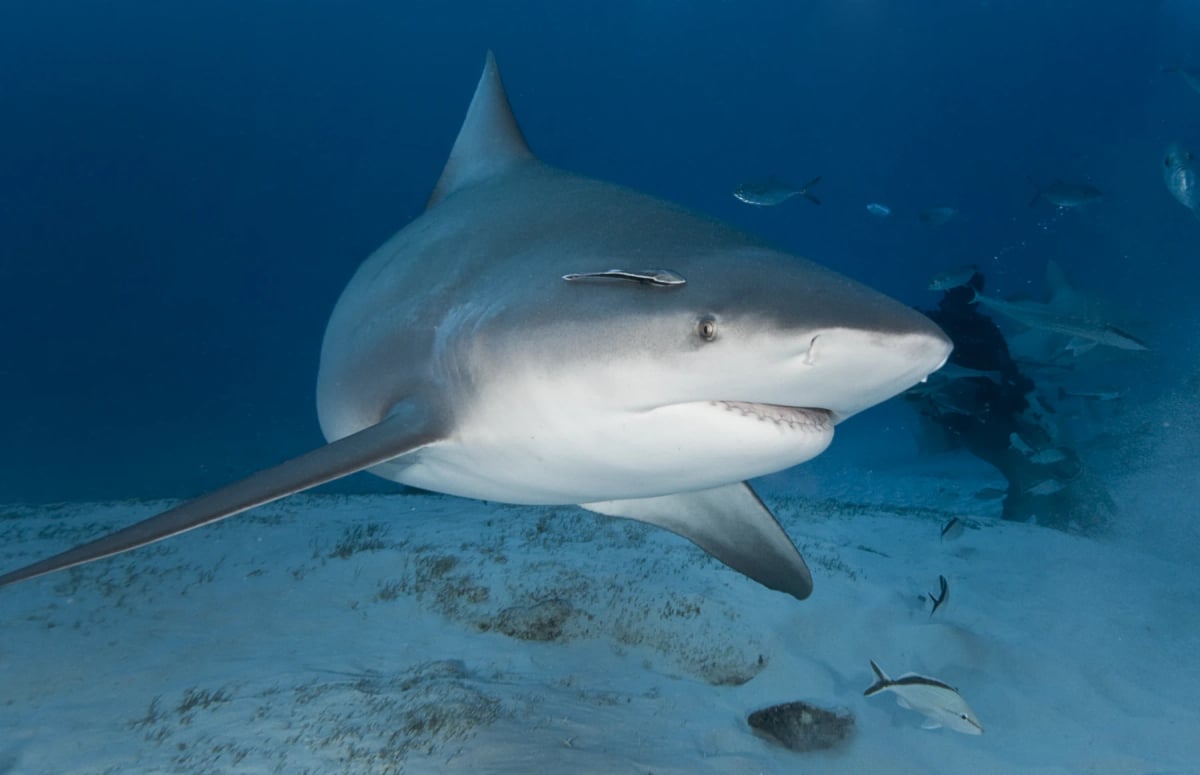
Bull Shark
Carcharhinus leucas
The warm, shallow coastal waters and river estuaries of French Guiana provide suitable habitat for bull sharks along South America's northeastern Atlantic coast. Rivers such as the Maroni and Oyapock carry large volumes of freshwater and sediment into the sea, creating the turbid inshore conditions that bull sharks favor. The species is listed as Near Threatened by the IUCN, and fishing pressure across the Guiana coast poses an ongoing concern.
Researched and written by Juan Pablo. Sources: IUCN Red List, scientific literature and regional field guides. Last updated: .