Animals in Switzerland
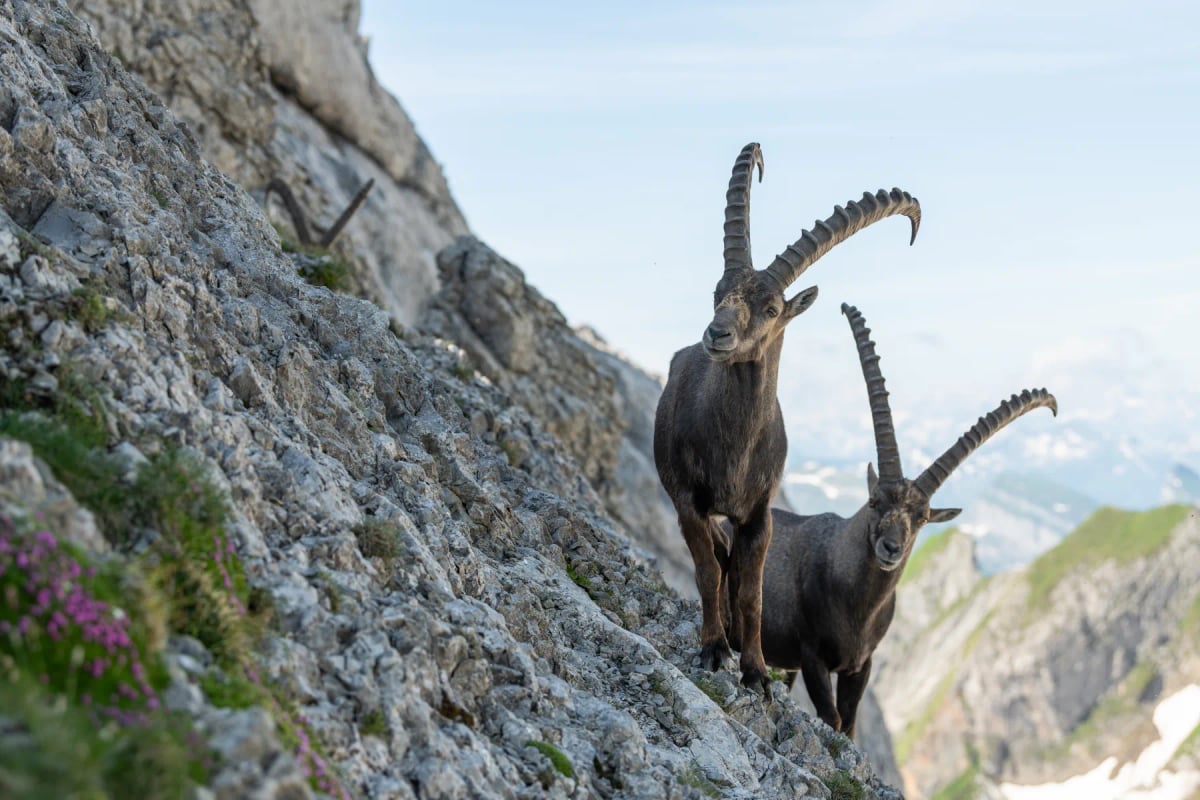
Alpine Ibex
Capra ibex
The alpine ibex is a clear national symbol. Small groups live above the tree line on rocky slopes and rest on ledges with wide views. The species was once lost in the Alps and later returned after long protection. Its curved horns appear in park signs, club logos and local events, a reminder that life in the mountains depends on careful work to look after land, trails and wildlife.
View details→Wildlife in Switzerland
Switzerland is simple to explore, with valleys, clean rivers and high Alpine paths close to towns. In the Bernese Oberland, Valais and Graubünden, trails reach lakes, flower meadows and easy viewpoints with glacier scenes. Summer lifts shorten climbs and boats link big lakes, so day trips combine city stays with short walks and calm wildlife watching where deer, marmots and many birds are often seen.
Most Dangerous Animals in Switzerland
Wildlife risks in Switzerland depend on place and season. Wild boar are the main concern near fields and oak woods. Gray wolf and the Italian wolf avoid people but defend food and young in quiet valleys. The Eurasian lynx is very shy and seldom seen. European adders rest on warm ground in sunny clearings in summer. Most encounters are distant, across paths, pastures and river banks.
Top 10 Animals in Switzerland
Our Top 10 for Switzerland highlights red deer, Eurasian lynx, gray wolf and peregrine falcon. Red deer are the most visible at forest edges and evening meadows. The shy Eurasian lynx moves through dense woods and leaves clear tracks in snow. Gray wolf is present again in several ranges. Peregrine falcons nest on cliffs and tall towers, giving fast flights over ridges and river towns.
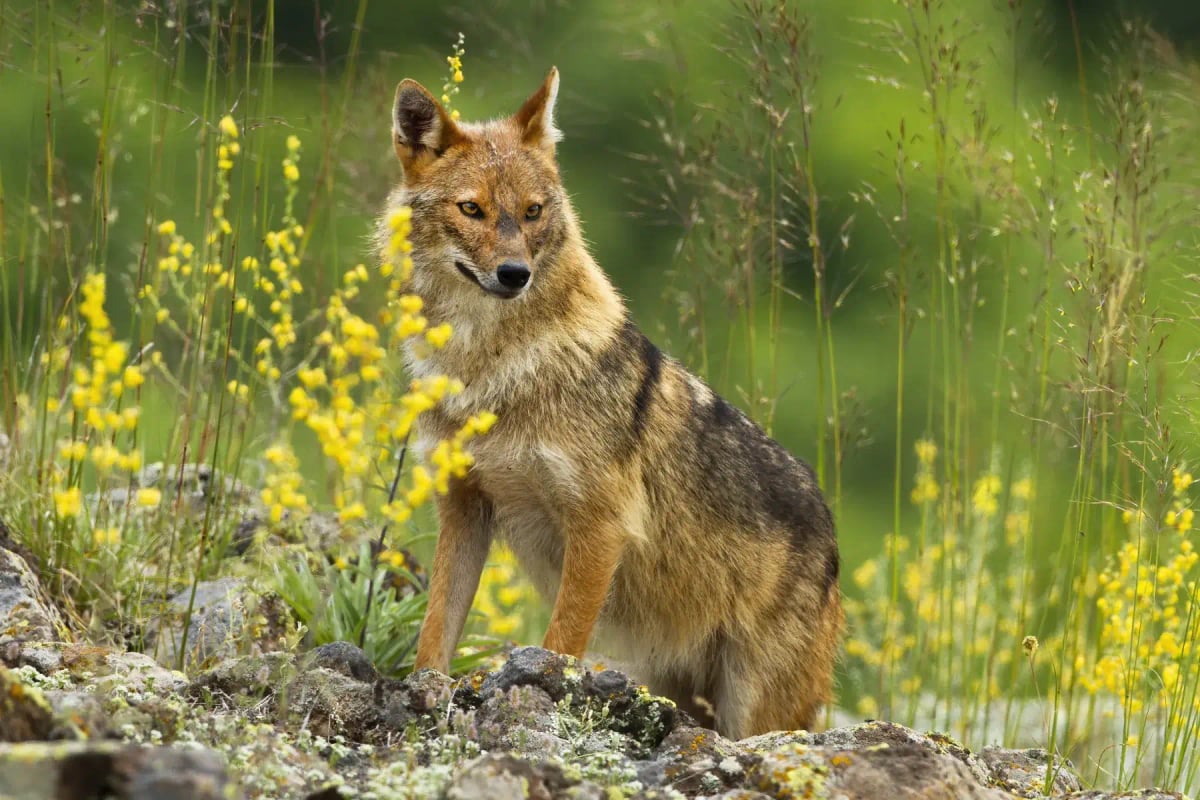
Golden Jackal
Canis aureus
The golden jackal has been recorded in Switzerland, with sightings concentrated mainly in the lowland areas of the Mittelland and along river corridors near the northern border. These are believed to be dispersing individuals from expanding populations in neighboring countries rather than a resident breeding group. Switzerland's varied landscapes of open farmland and wetland edges could support the species if numbers continue to grow. IUCN status: Least Concern.
Alpine Ibex
Capra ibex
Switzerland holds one of the largest Alpine ibex populations in the world, with an estimated 17,000 individuals distributed across protected mountain areas. The Swiss Confederation played a central role in the recovery of the species, receiving animals from Italy's Gran Paradiso in the early twentieth century and establishing populations that have since expanded across the country. The Swiss National Park and numerous cantonal reserves are key refuges. Today the ibex is one of Switzerland's most iconic wildlife symbols.
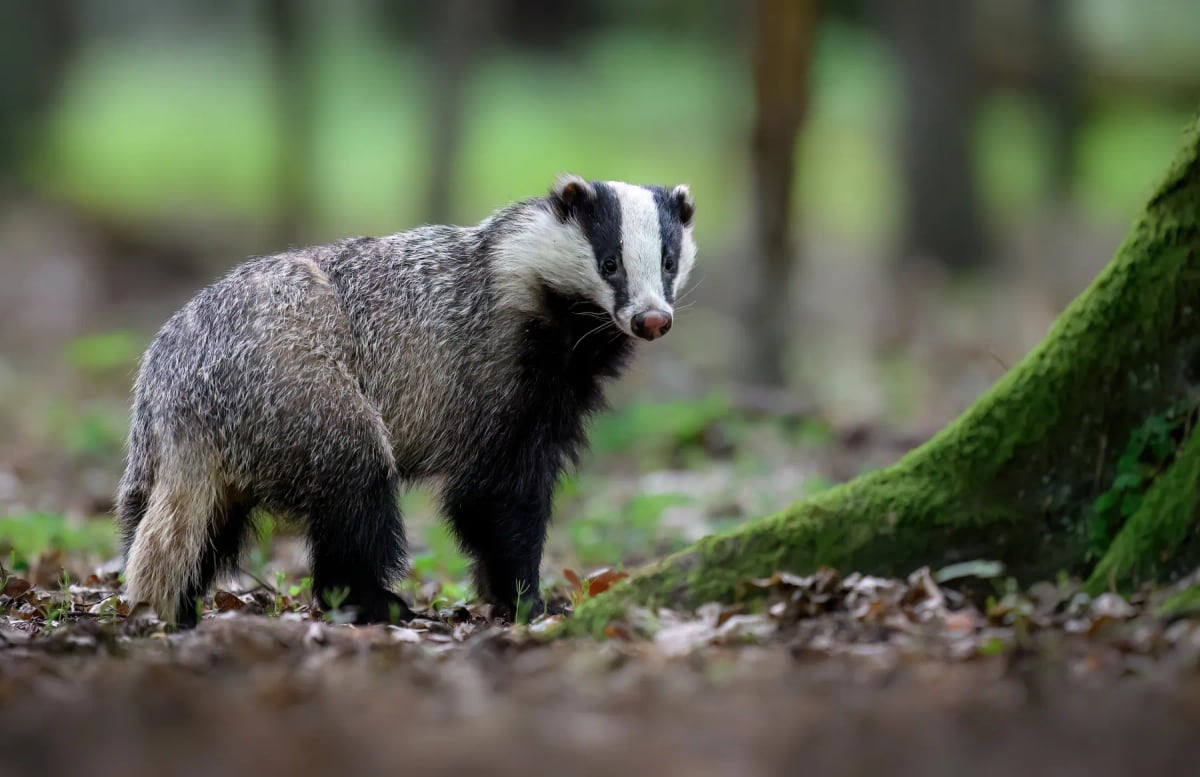
Badger
Meles meles
The Eurasian badger is widespread across Switzerland in mixed woodland, farmland and forest edges, found from the lowlands of the Mittelland to the forested lower slopes of the Alps and Jura. It lives in family groups in extensive setts and is active at night, feeding on earthworms, insects, fruit and small animals. Swiss badger populations are stable and the species is legally protected. Urban and suburban badger populations are well established in several Swiss cities.
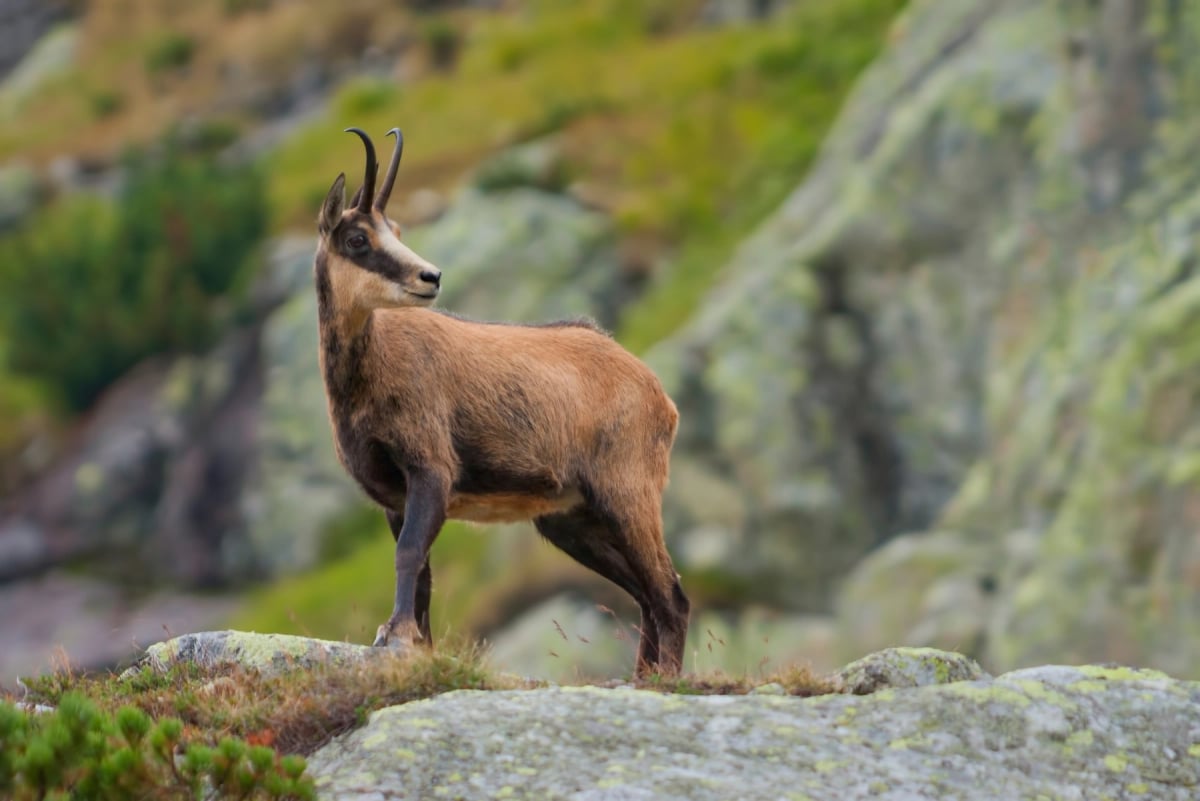
Chamois
Rupicapra rupicapra
The chamois is a familiar sight across the Swiss Alps and Jura mountains, where it navigates steep cliffs and rocky terrain with remarkable ease. Both sexes carry short, hooked horns, and the coat darkens considerably in winter. Populations here are carefully managed through regulated hunting and national park protections. The Swiss National Park in Graubünden offers some of the best opportunities to observe these agile bovids in the wild. IUCN status: Least Concern.
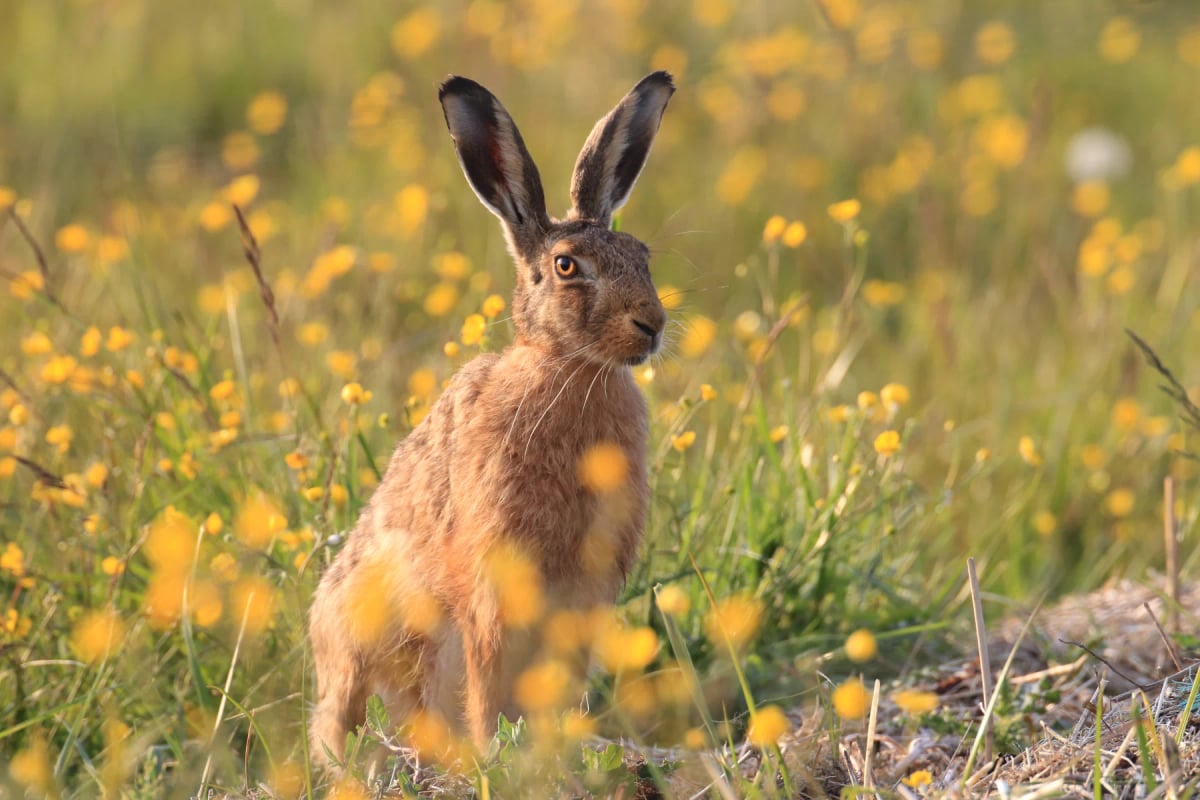
Hare
Lepus europaeus
In Switzerland, the European hare inhabits the open farmland and meadows of the Mittelland plateau, which stretches between the Jura and the Alps. It avoids dense forest and high alpine terrain, preferring lower elevations where agriculture provides food year round. Populations have declined significantly since the mid twentieth century, largely due to intensive farming, the use of pesticides, and the loss of field margins that once provided shelter and food for hares during winter.
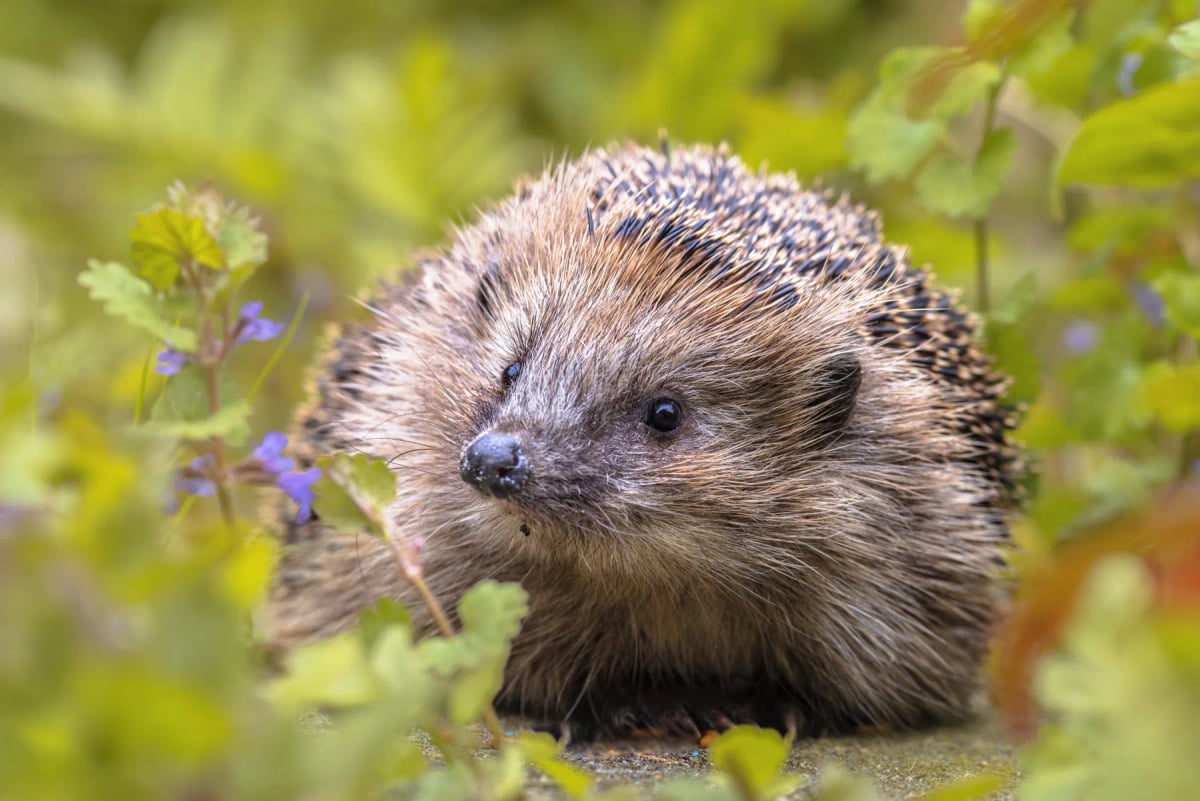
Hedgehog
Erinaceus europaeus
In Switzerland, the European hedgehog is widespread across the lowlands and lower slopes of the Alps, thriving in gardens, orchards, and hedgerows of the Mittelland plateau. It hibernates during the cold alpine winters, typically from November to March. Swiss wildlife groups have actively promoted hedgehog friendly gardening practices to support local populations. The IUCN lists the species as Least Concern, but road traffic and the tidying of gardens remain real concerns at the local level.
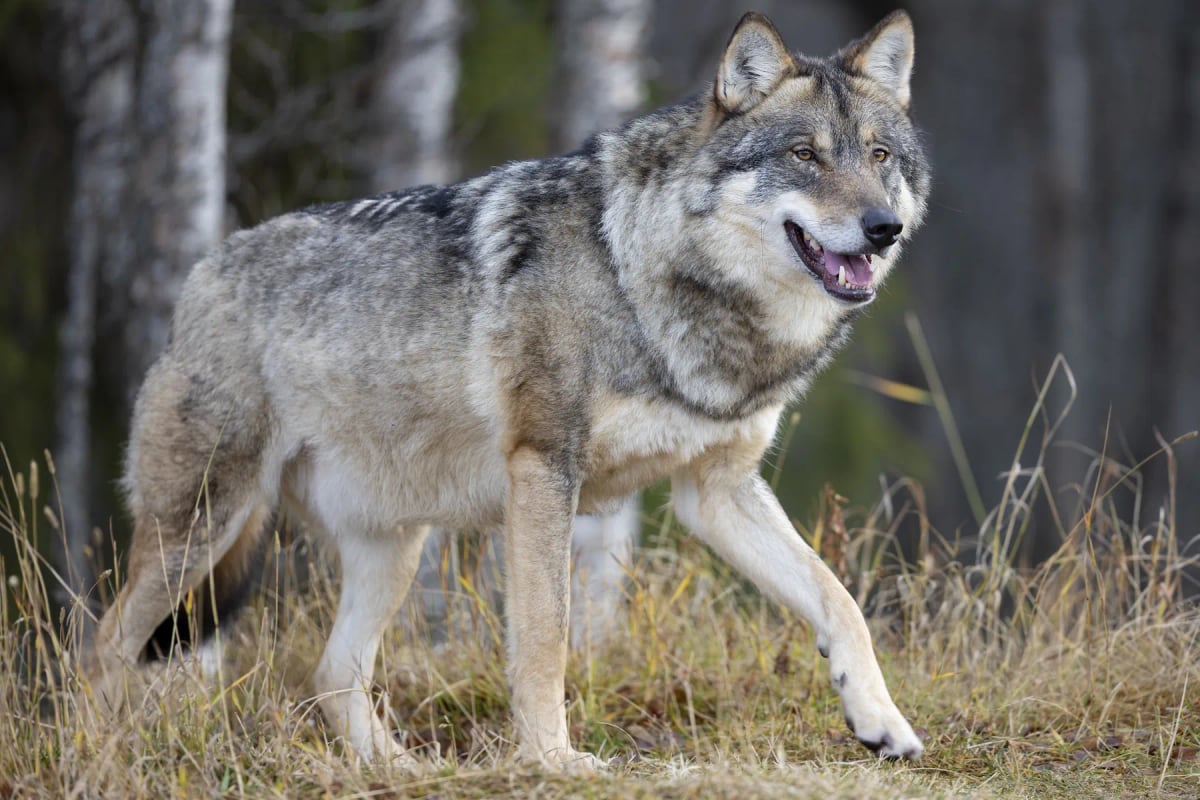
Gray Wolf
Canis lupus
Gray wolves began recolonizing Switzerland naturally from Italy in the 1990s, crossing through the Alpine passes of the south. The Swiss wolf population has grown steadily and packs are now established in several cantons, including Graubünden and Valais. The species is protected under Swiss law, though ongoing conflicts with shepherds in the Alps have prompted debate about population management in areas where wolves prey on livestock. IUCN status: Least Concern.
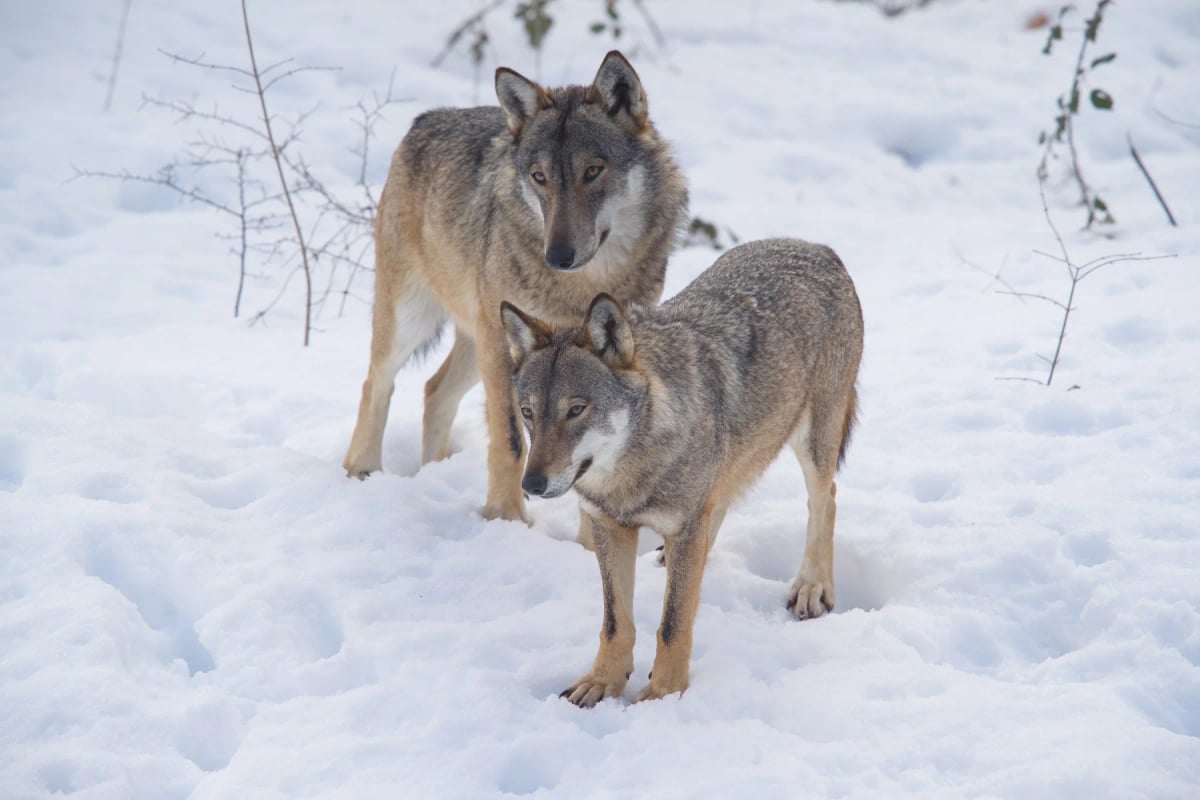
Italian Wolf
Canis lupus italicus
Wolves returned to Switzerland naturally after dispersing from Italy through the western Alps, with the first confirmed individual recorded in 1995. Packs have since established themselves in cantons such as Graubünden and Valais. The Swiss population remains relatively small but is growing steadily. Wolves here hunt deer and chamois across steep Alpine terrain, and their management is governed by a national wolf concept that balances conservation with livestock protection.
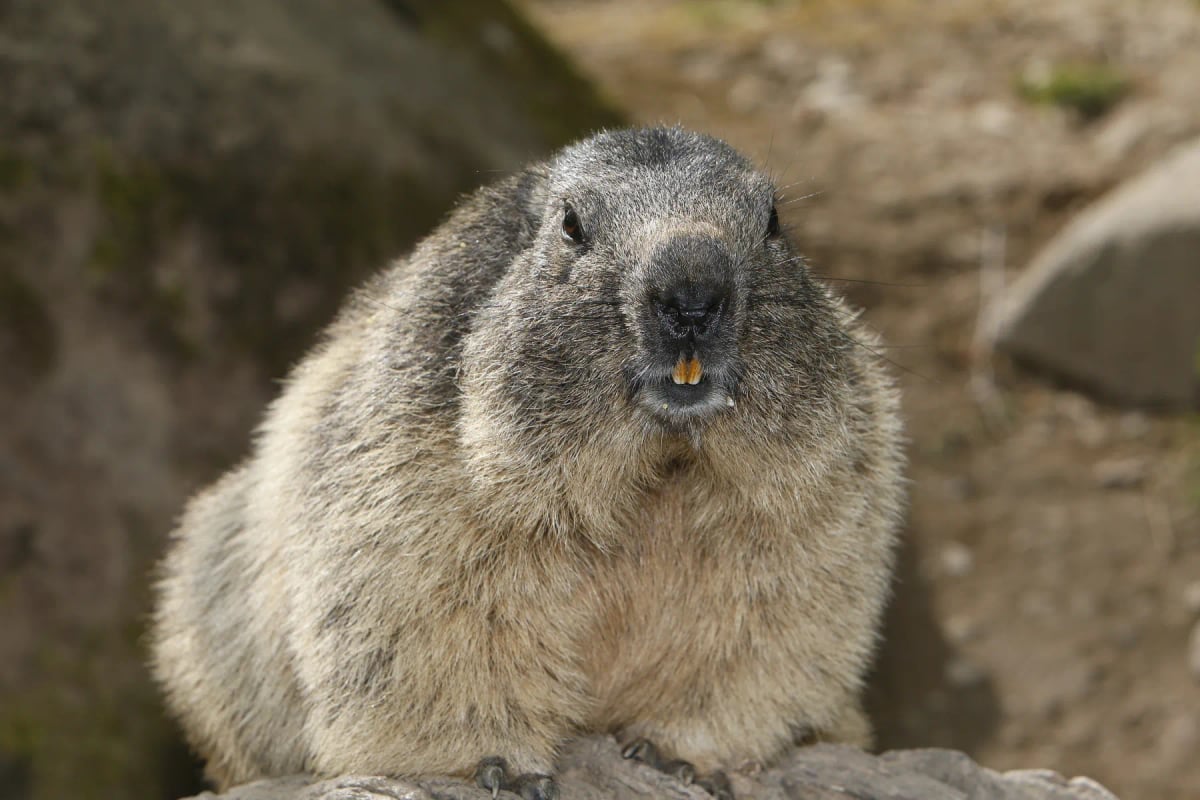
Alpine Marmot
Marmota marmota
Switzerland holds one of the densest Alpine marmot populations in Europe, with colonies present across most of the country's mountain regions from the Bernese Alps to the Engadine. The species is native to Switzerland and benefits from strong legal protection and well-managed national parks. Marmots are among the most commonly encountered wild mammals by hikers in summer, particularly in the Swiss National Park and the alpine areas of Graubünden and Valais, where their whistles are a constant presence on clear mountain days.
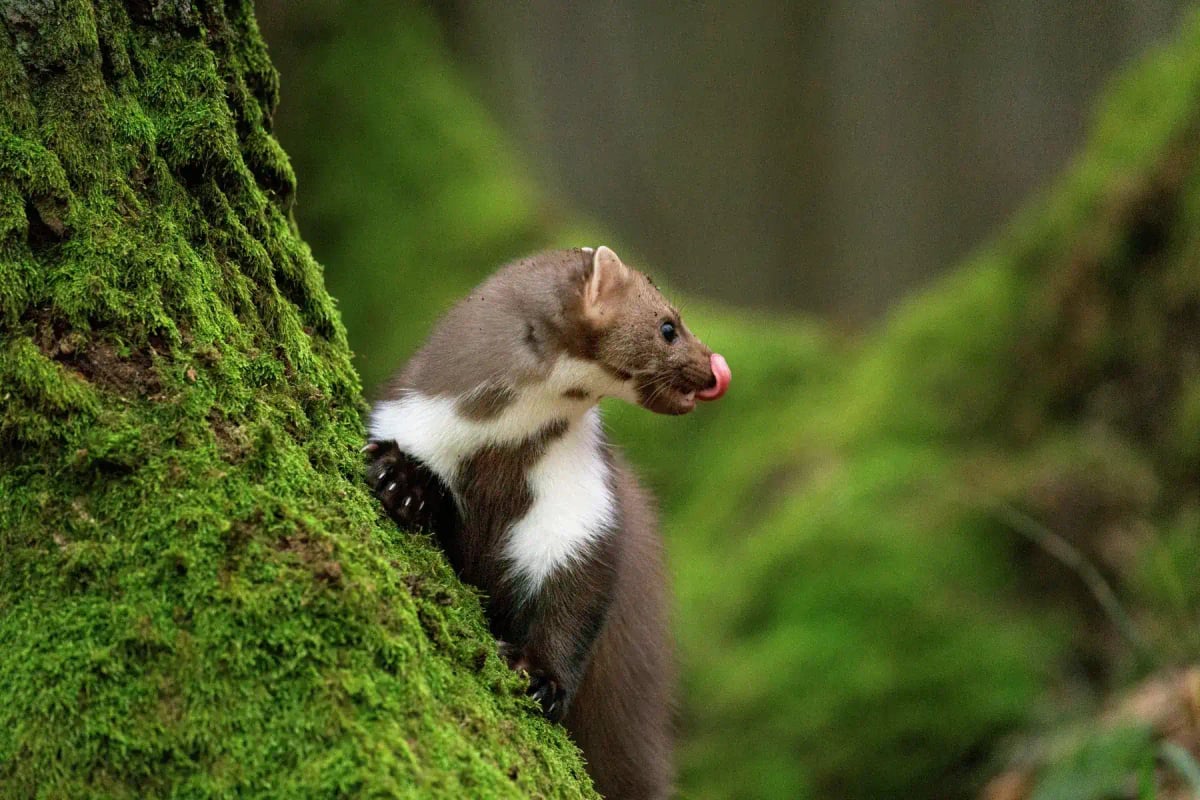
Marten
Martes martes / Martes foina
Switzerland is home to both the pine marten and the stone marten, making it one of the few places where the two species share the same landscape. Pine martens thrive in the forested slopes of the Alps and Jura, while stone martens are just as comfortable raiding a farmyard in the Mittelland. Both species are listed as Least Concern and face no major threat across the country.
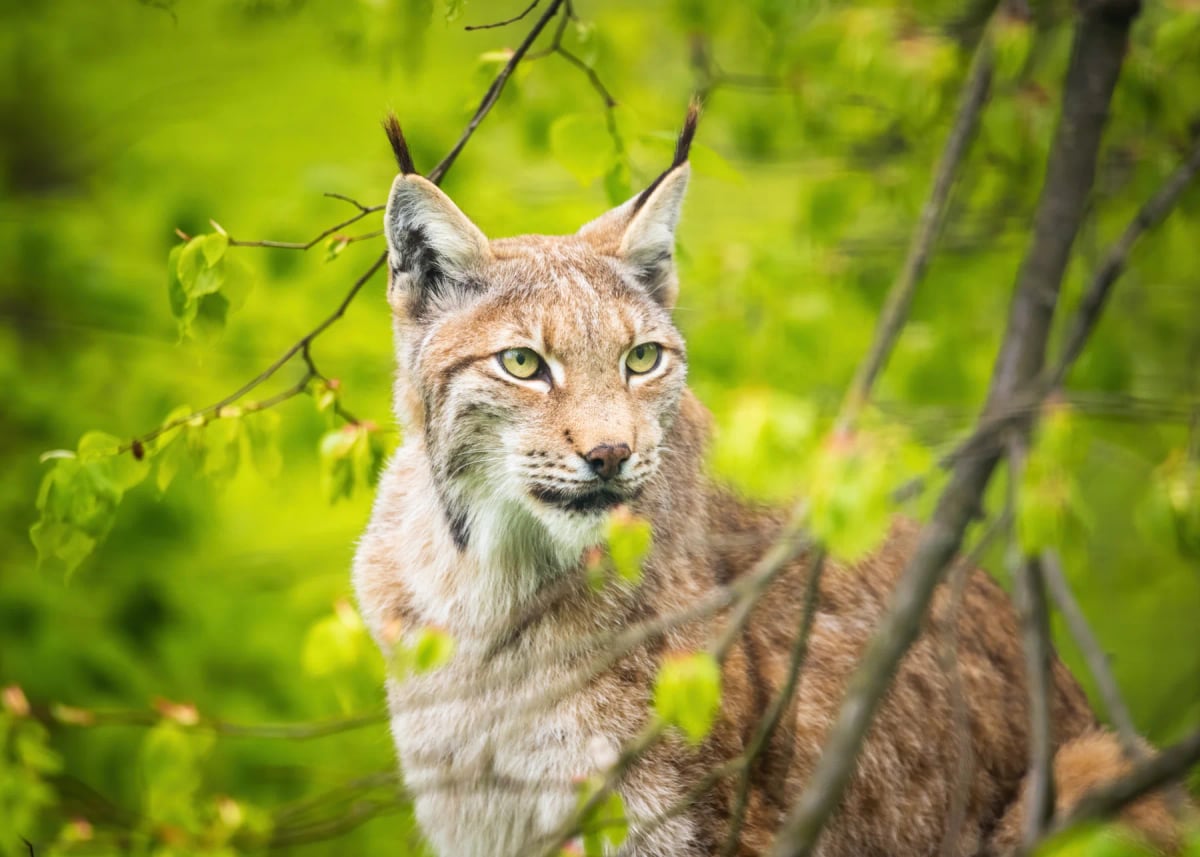
Eurasian Lynx
Lynx lynx
The Eurasian Lynx was reintroduced to Switzerland in the 1970s and now inhabits the Jura Mountains and the Alps, particularly in cantons such as Bern, Valais, and Graubünden. The population remains relatively small but has shown steady growth. Roe deer and chamois form the bulk of its diet in these mountain forests. Poaching and road collisions remain threats. The IUCN lists the species as Least Concern.
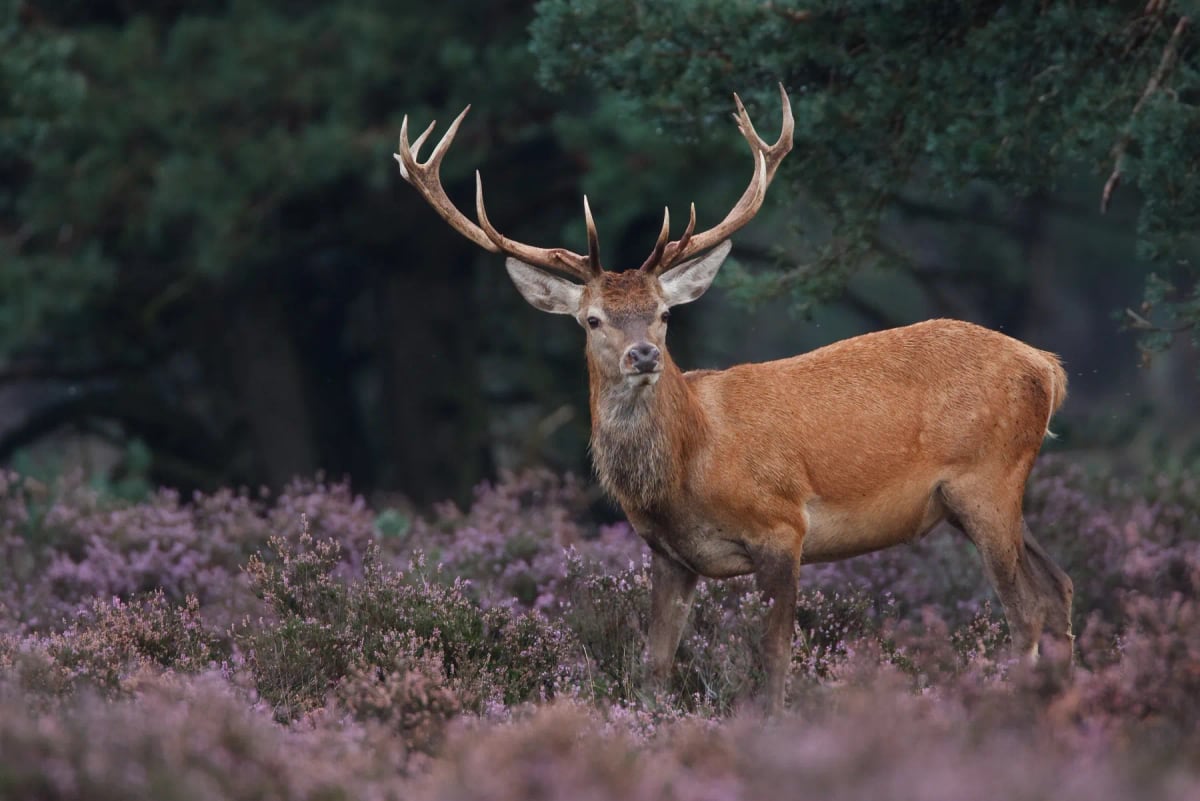
Red Deer
Cervus elaphus
In Switzerland, red deer populations recovered strongly during the twentieth century after being nearly wiped out by hunting. Today they are most numerous in the alpine valleys of Graubünden and the Jura region. The species is carefully managed to balance deer numbers with the needs of mountain forests. During winter, red deer descend to lower valleys in search of food. Its IUCN status is Least Concern.
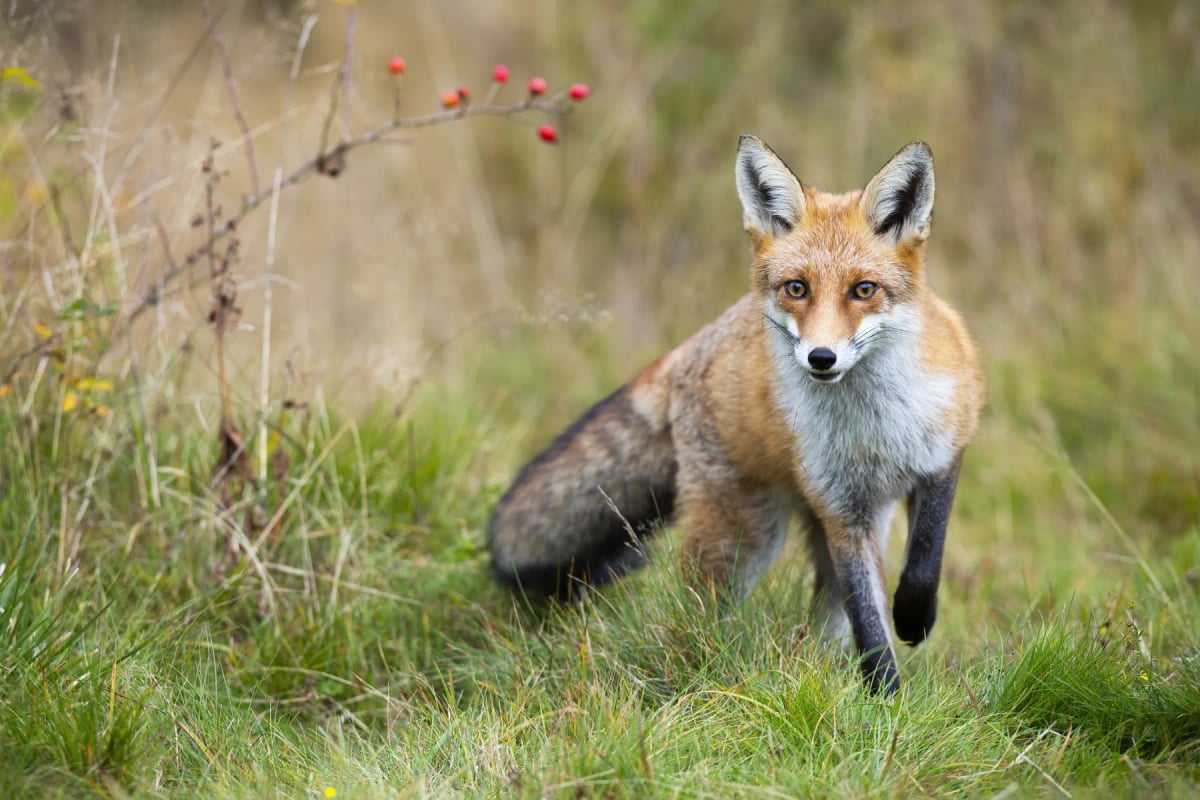
Red Fox
Vulpes vulpes
In Switzerland, the red fox is present across almost every habitat, from Alpine meadows and mountain forests to suburban parks and city gardens. Its population grew significantly after a rabies vaccination campaign in the late twentieth century helped bring the disease under control. Today it is one of the most visible wild carnivores in the country, comfortably living alongside human communities in both urban and rural settings.
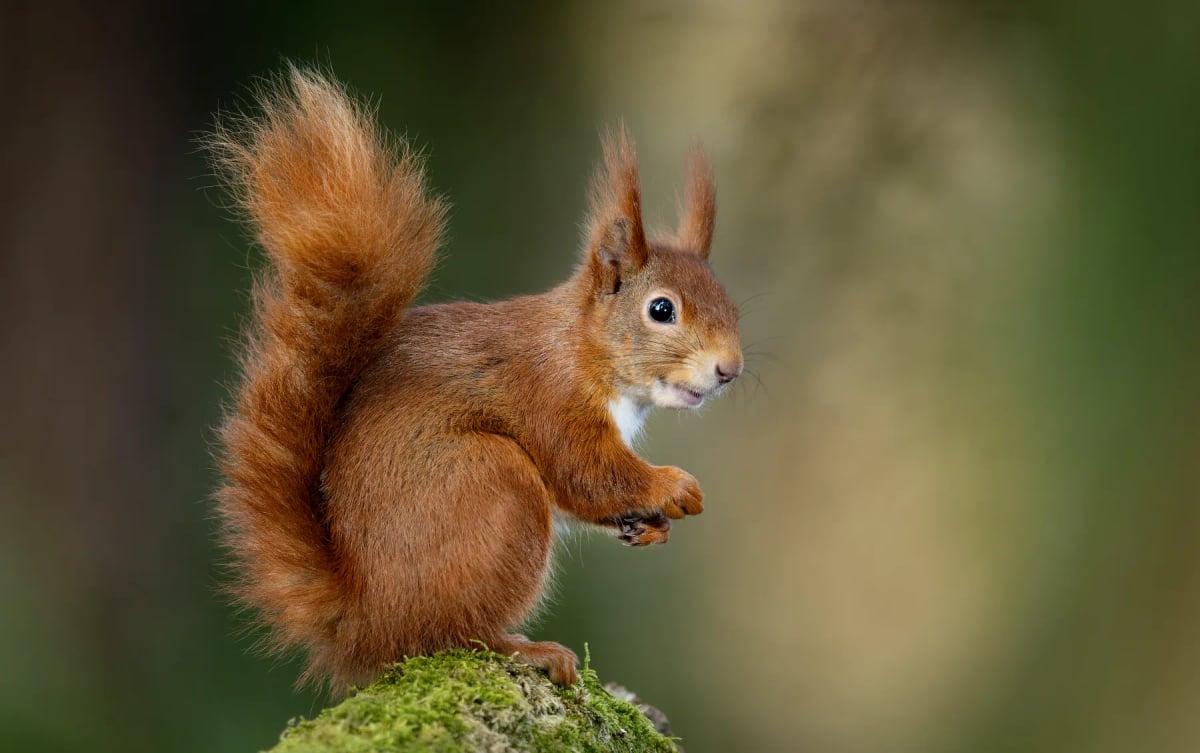
Red Squirrel
Sciurus vulgaris
In Switzerland, the red squirrel is found across a wide variety of forested landscapes, from the broadleaf woodlands of the Swiss Plateau to the conifer forests of the Alps. It is present in both lowland parks and high mountain valleys. The species is common and well regarded in Switzerland, where it is not subject to competition from grey squirrels at any significant scale. Its IUCN status is Least Concern.
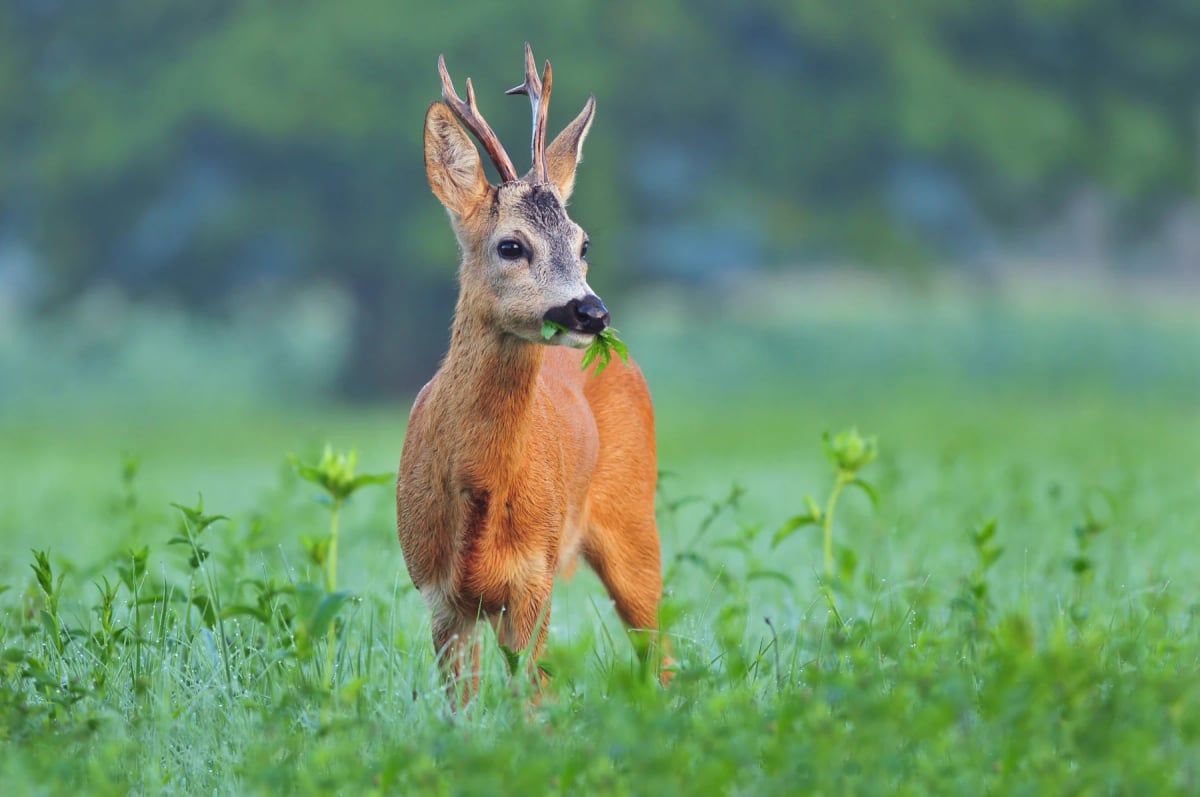
Roe Deer
Capreolus capreolus
Roe deer are found throughout Switzerland, from the wooded valleys of the Jura to the lower slopes of the Alps and the open farmland of the Mittelland plateau. They are highly adaptable and often venture into areas close to human settlement. Population management is shared between cantonal authorities and licensed hunters. Roe deer feed selectively on buds, herbs, and forest plants, and are most visible at dawn and dusk. IUCN status: Least Concern.
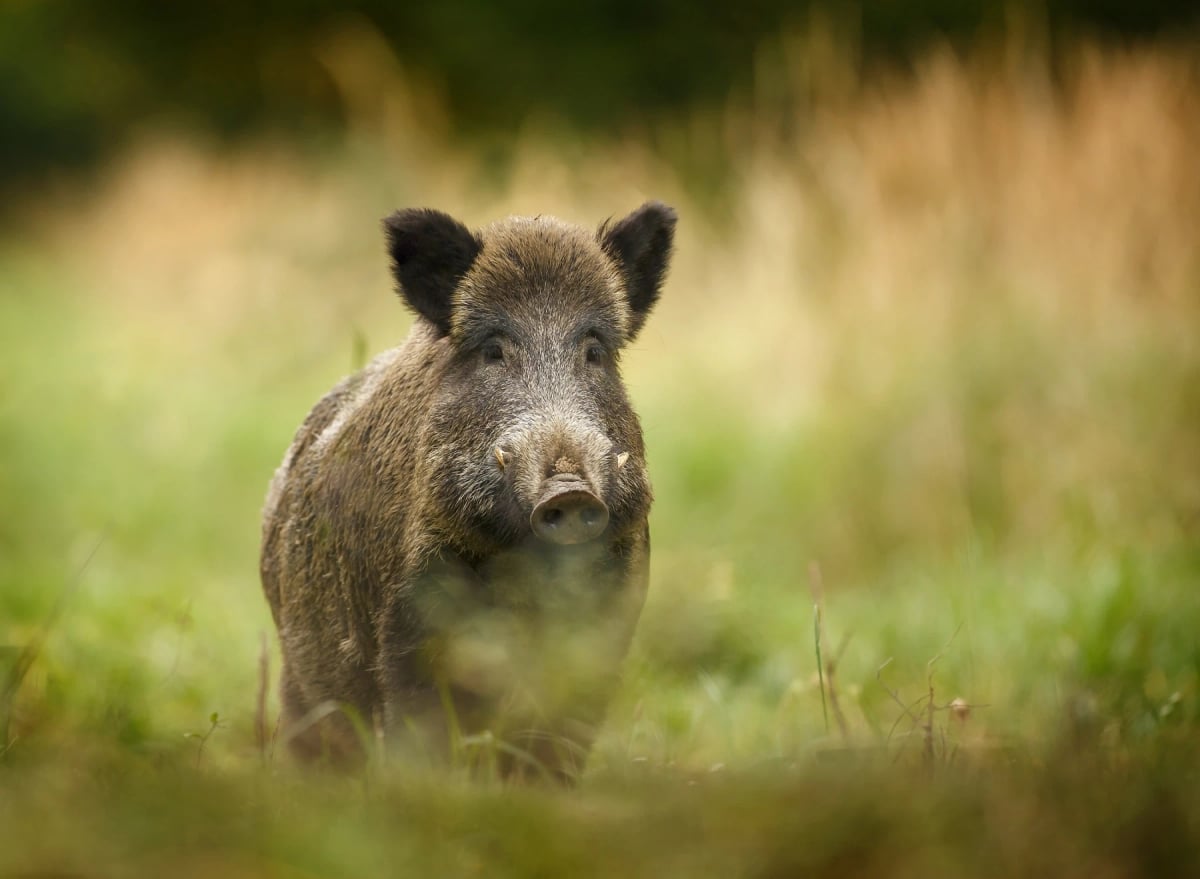
Wild Boar
Sus scrofa
Wild boars are mainly found in the lower elevation forests of Switzerland, particularly around the Geneva basin and along the Jura mountains bordering France. Populations have expanded significantly in recent decades as the species moved into farmland adjacent to forest edges. Wild boars are hunted under regulated seasons, and growing numbers have made crop damage a more frequent issue for farmers in affected regions.
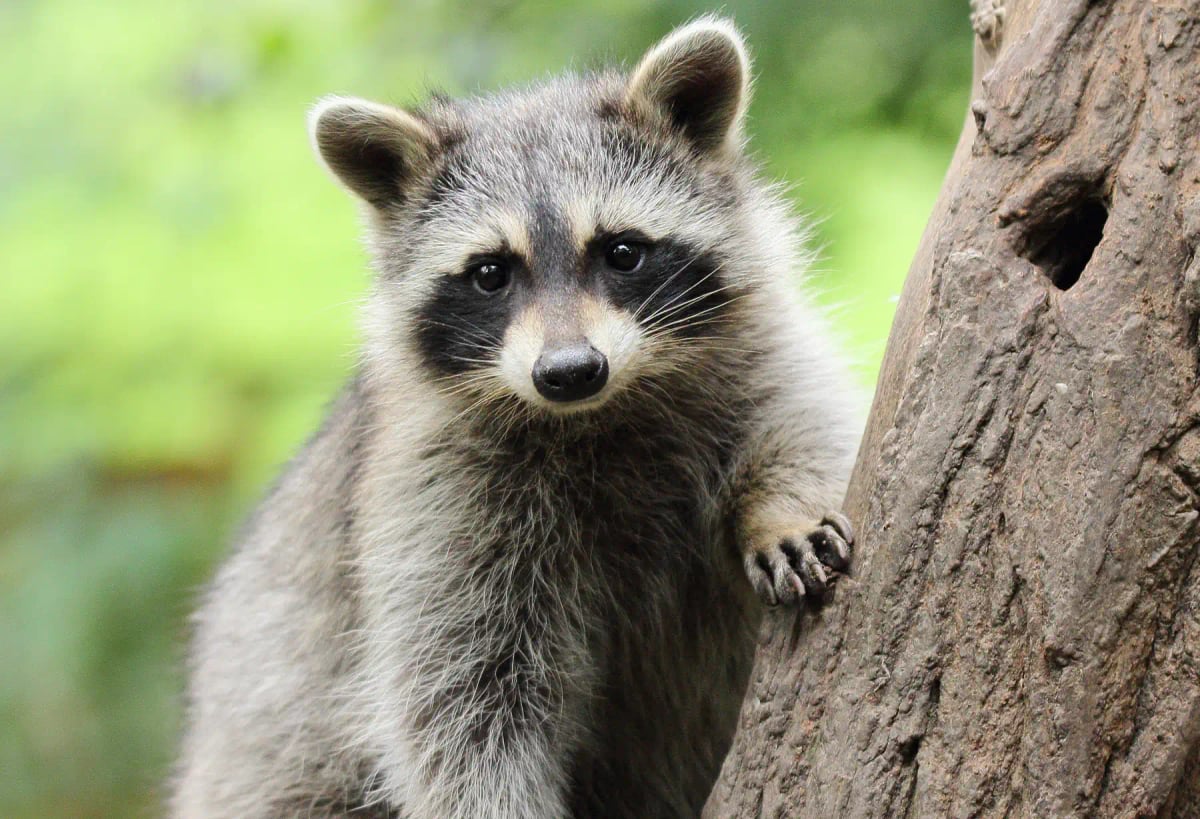
Raccoon
Procyon lotor
Raccoons are not native to Switzerland but have been gradually spreading into the country from neighboring Germany and France, where established populations exist. They tend to settle near rivers, lakes, and woodland edges, finding shelter in tree cavities and buildings. Because they compete with local wildlife and threaten ground-nesting birds, Swiss authorities monitor their presence carefully. Their IUCN status is Least Concern globally, though in Switzerland they are considered an invasive species.
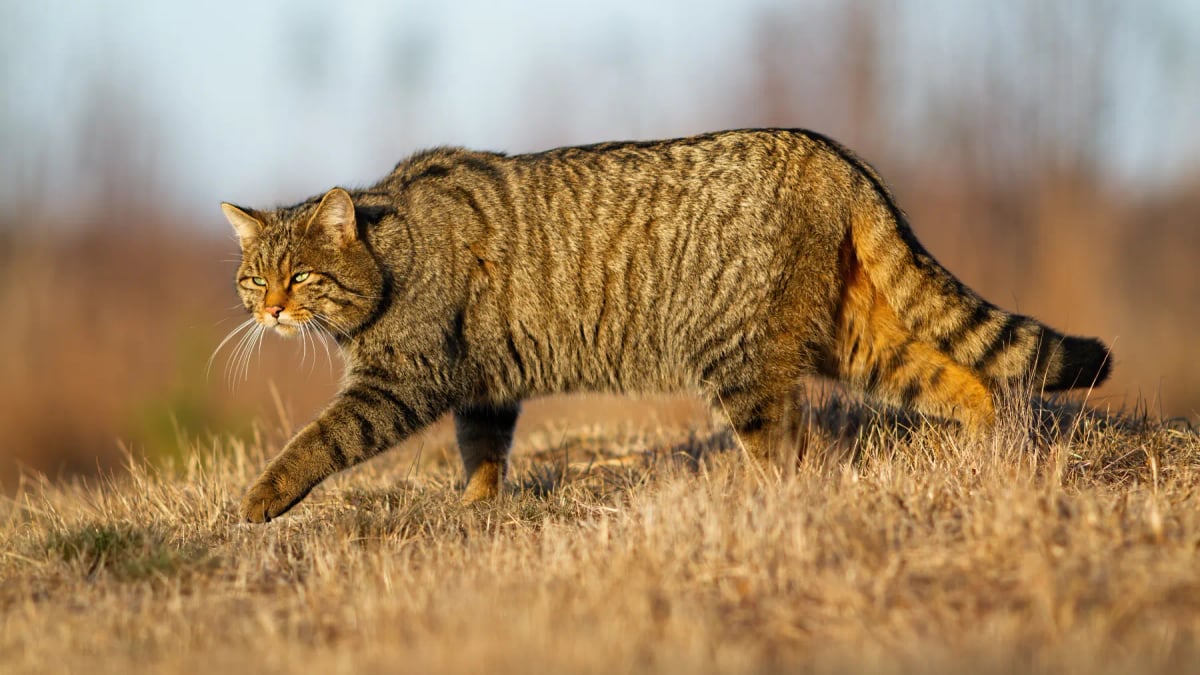
European Wildcat
Felis silvestris silvestris
The European wildcat recolonized parts of Switzerland after local extinction, with populations now present in the Jura Mountains and spreading into other wooded regions. Conservation efforts and improved forest connectivity have aided this recovery. It is a bulky, striped feline with a rounded tail tip, hunting rodents and small prey at night. Hybridization with domestic cats is monitored closely by Swiss wildlife authorities.
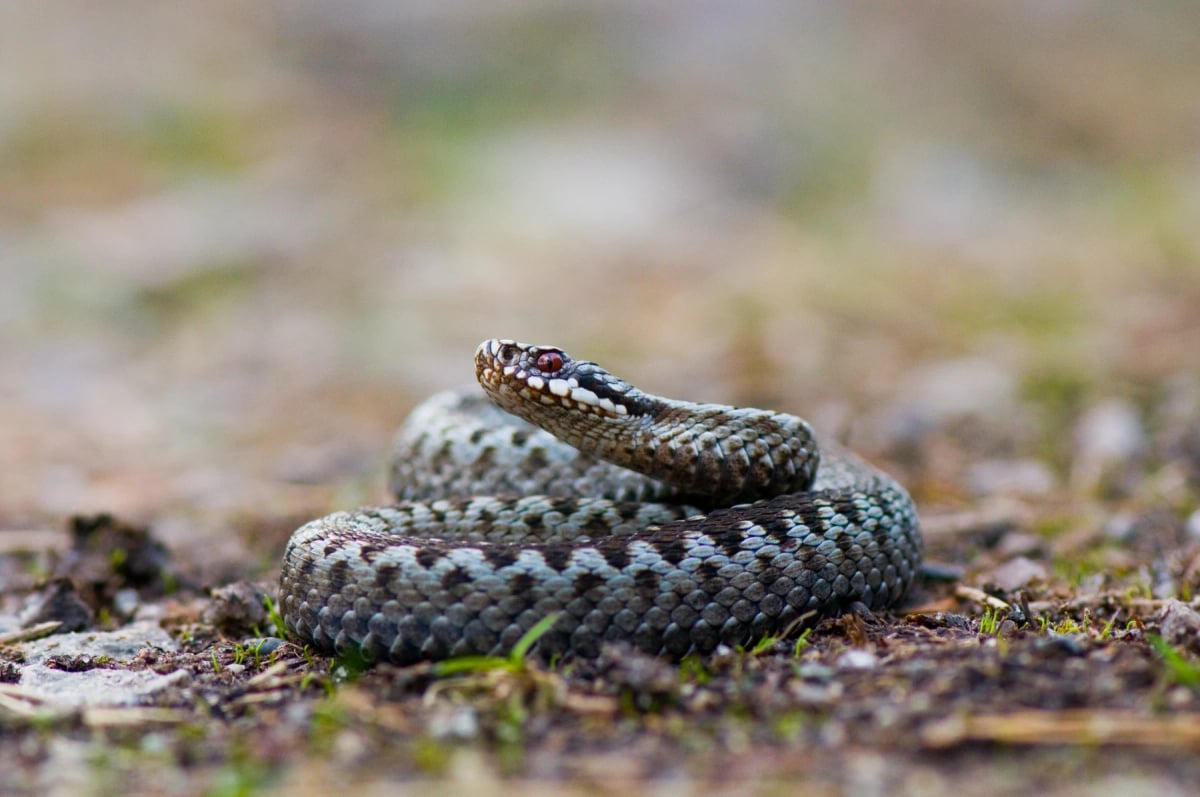
European Adder
Vipera berus
The European adder is found throughout Switzerland, from lowland forest edges up into the alpine zone at elevations above 2,500 metres. It is particularly associated with sunny, rocky slopes in the Alps and the Jura mountains. Populations face pressure from habitat loss and road mortality. It is legally protected across the country. Its IUCN status is Least Concern.
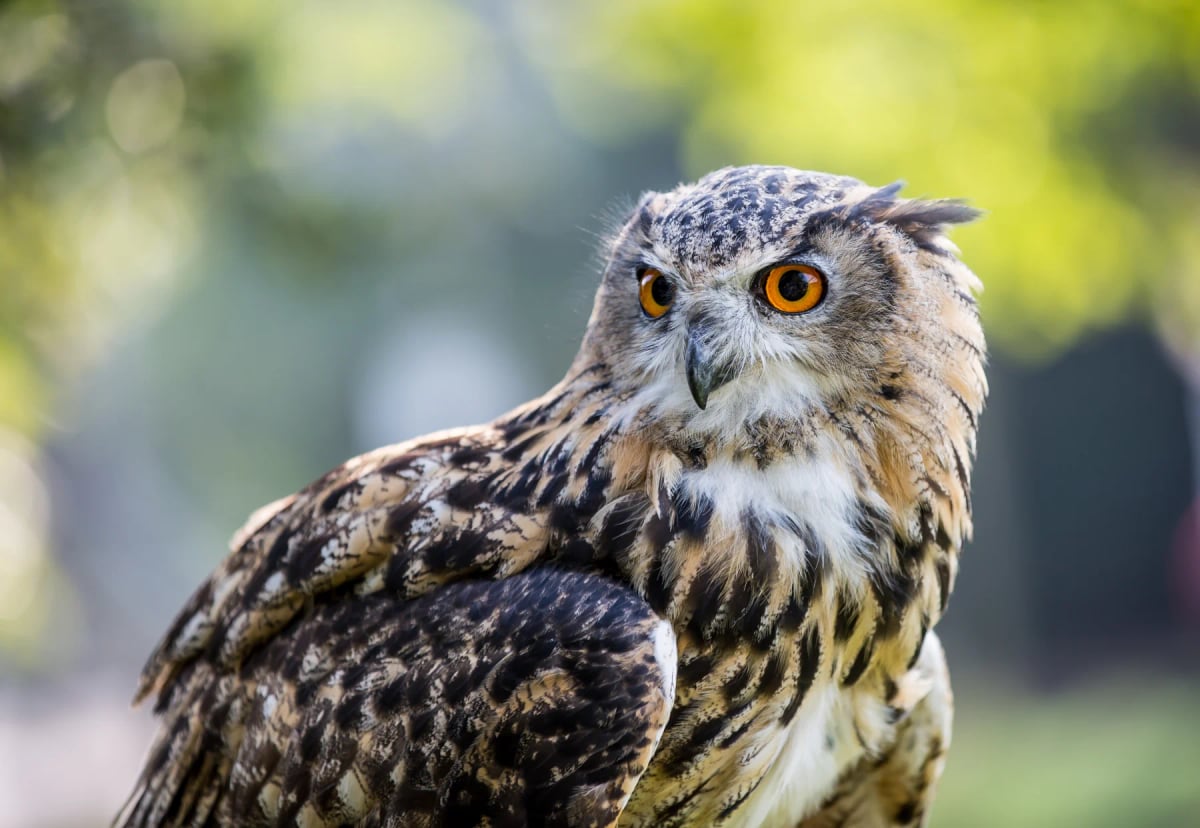
Eagle Owl
Bubo bubo
Switzerland's Alpine valleys, limestone cliffs, and forested slopes provide ideal habitat for the Eagle Owl. The species disappeared from Switzerland in the early twentieth century due to hunting, but was successfully reintroduced from the 1970s onward. Breeding pairs are now established in several cantons, particularly in the Jura and along the Rhine valley. It preys on rodents, hares, and birds adapted to mountain terrain. IUCN status: Least Concern.
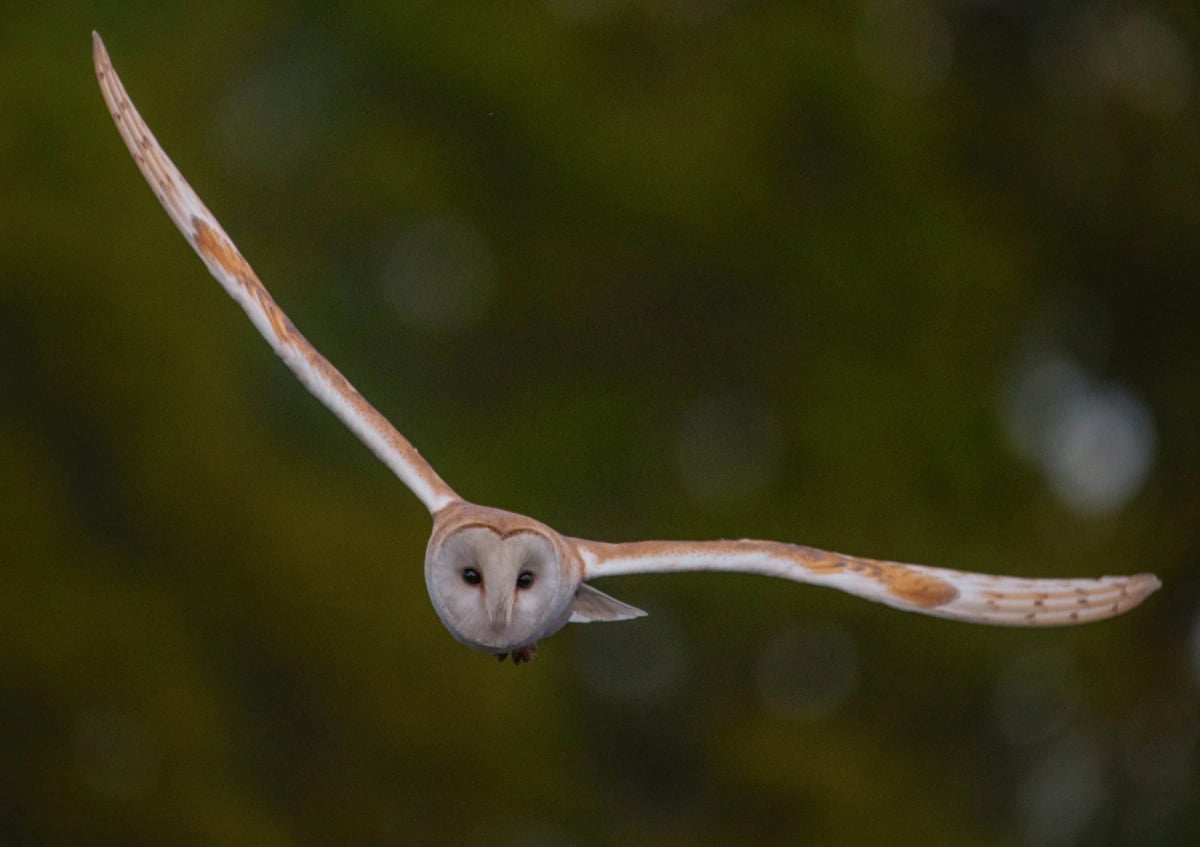
Barn Owl
Tyto alba
The barn owl is found across the Swiss lowlands and the Mittelland plateau, where open farmland, river valleys, and rural villages provide suitable nesting and hunting habitat. It nests in old farm buildings, church towers, and hollow trees, and hunts mice and voles at night in open fields and meadows. It avoids the high alpine zones, where cold temperatures and snow cover limit prey availability for extended periods. Populations have declined in some areas due to agricultural intensification, and nest box programs supported by farmers and cantonal conservation offices are widely used across the country.
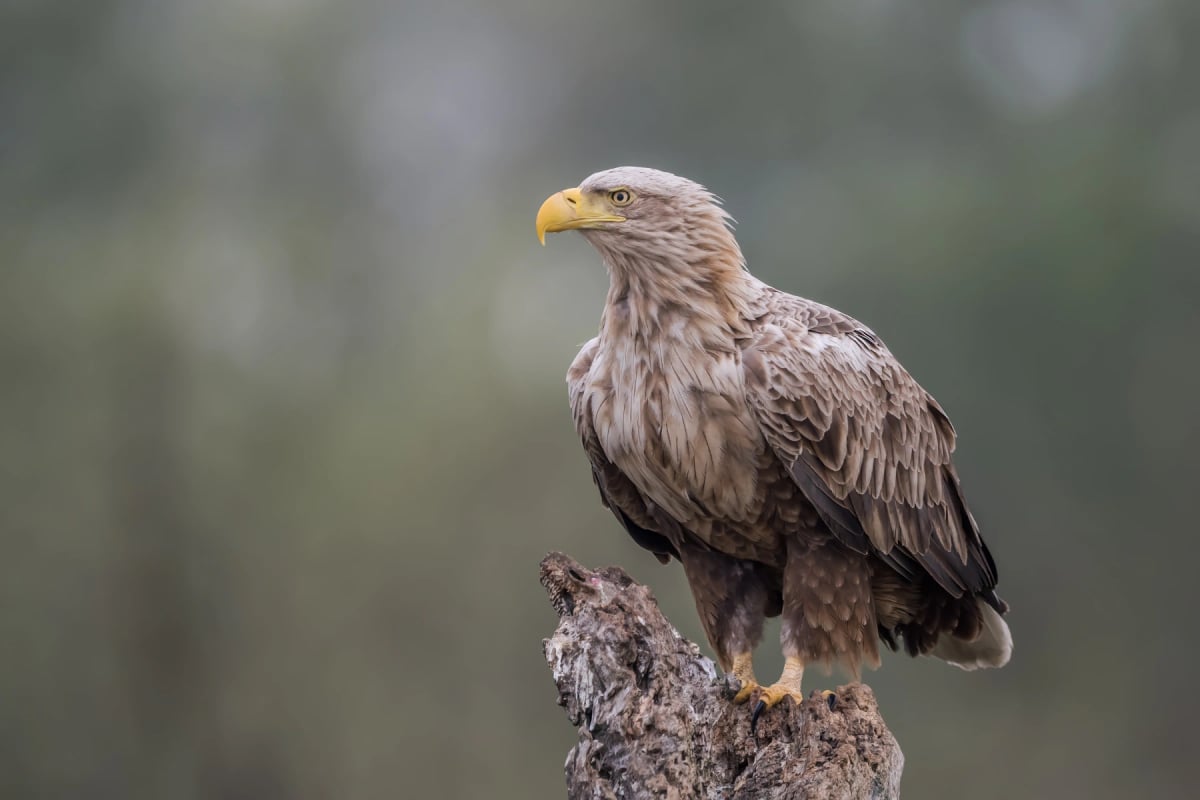
White tailed Eagle
Haliaeetus albicilla
The white-tailed eagle is a rare but increasingly recorded visitor to Switzerland, spotted mainly around large lakes and river valleys such as those near the Rhine and Lake Constance. Birds passing through are typically immature individuals dispersing from breeding populations in central and eastern Europe. With a wingspan of up to 2.5 metres, it is an unmistakable sight. Its IUCN status is Least Concern.
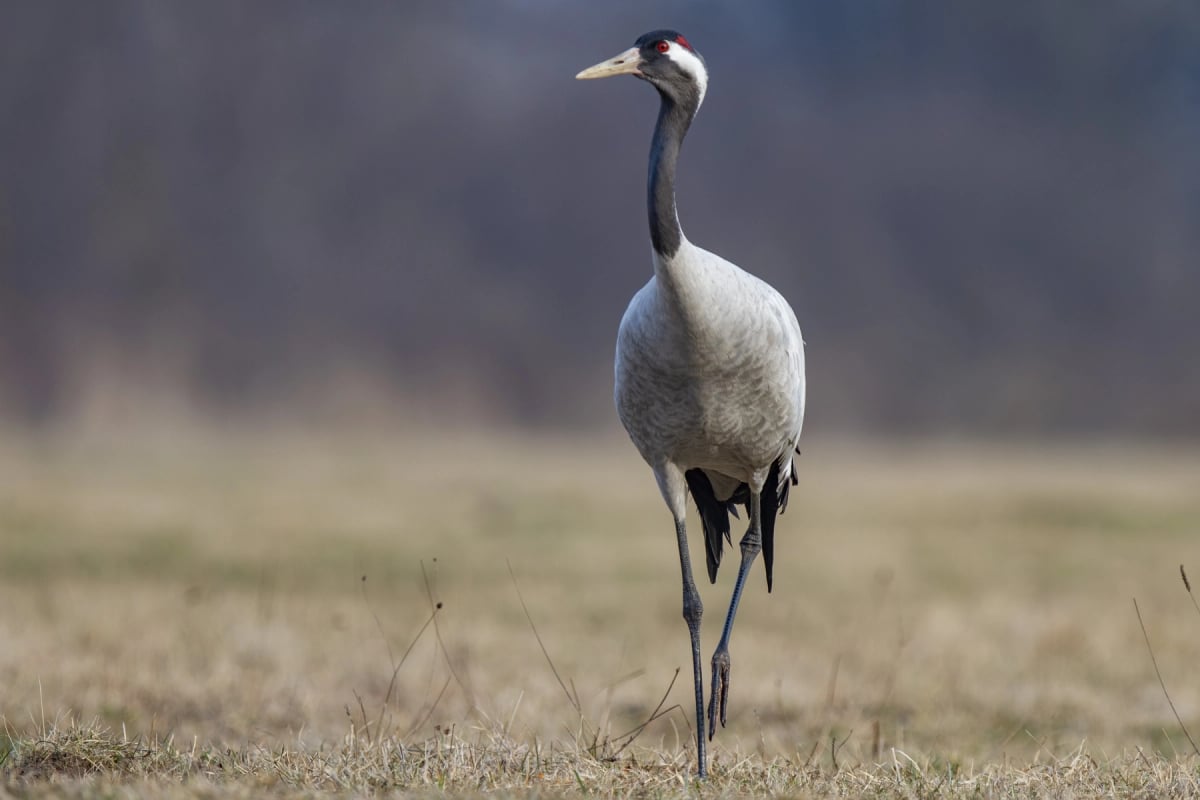
Crane
Grus grus
Switzerland lies along a key migration corridor for common cranes moving between their northern breeding grounds and southern wintering areas. Flocks pass through the Swiss Plateau and Alpine foothills each autumn and spring, offering striking views for observers below. The species does not breed in Switzerland, but its regular appearance during migration makes it a well known seasonal visitor across the country.
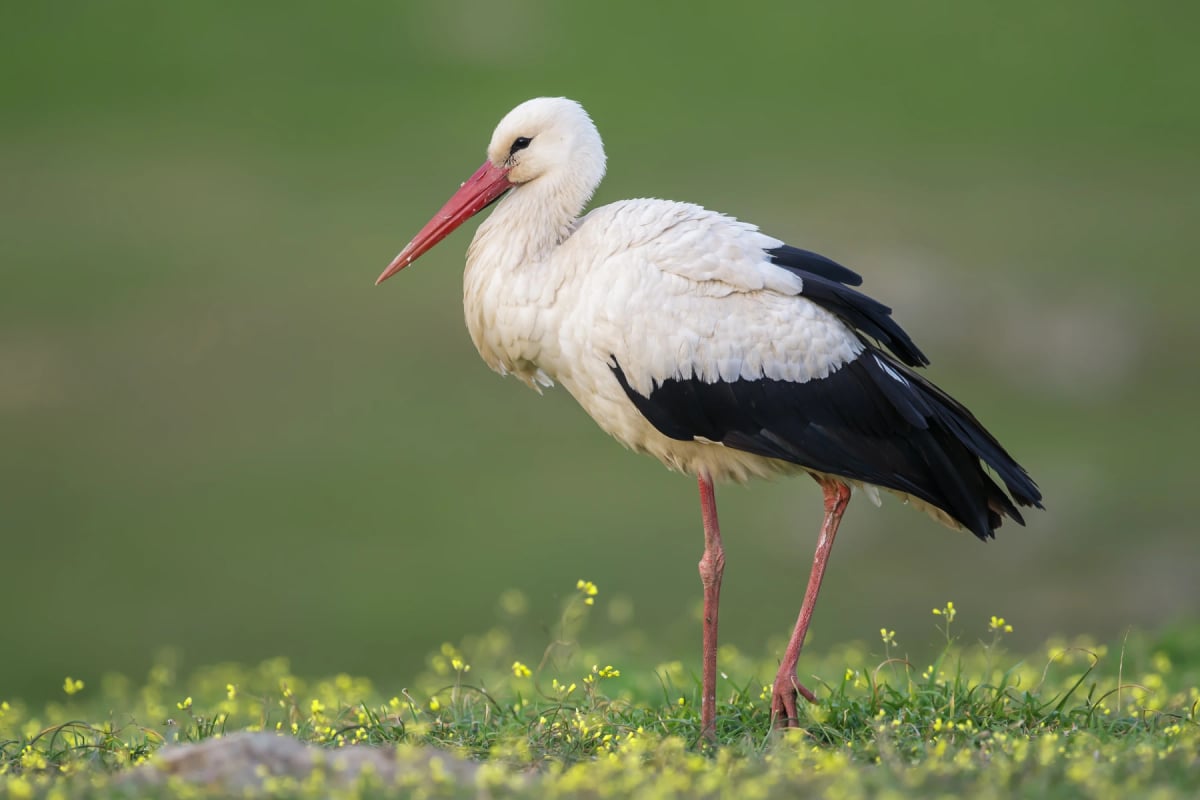
Stork
Ciconia ciconia
The white stork was once extinct as a breeding bird in Switzerland, having disappeared by the mid twentieth century due to habitat loss and hunting. A dedicated reintroduction programme launched in the 1970s successfully restored a nesting population, which today numbers several hundred pairs. Birds breed mainly in the Swiss Midlands, nesting on rooftops and platforms, and foraging in the wet meadows and river floodplains of the lowlands.
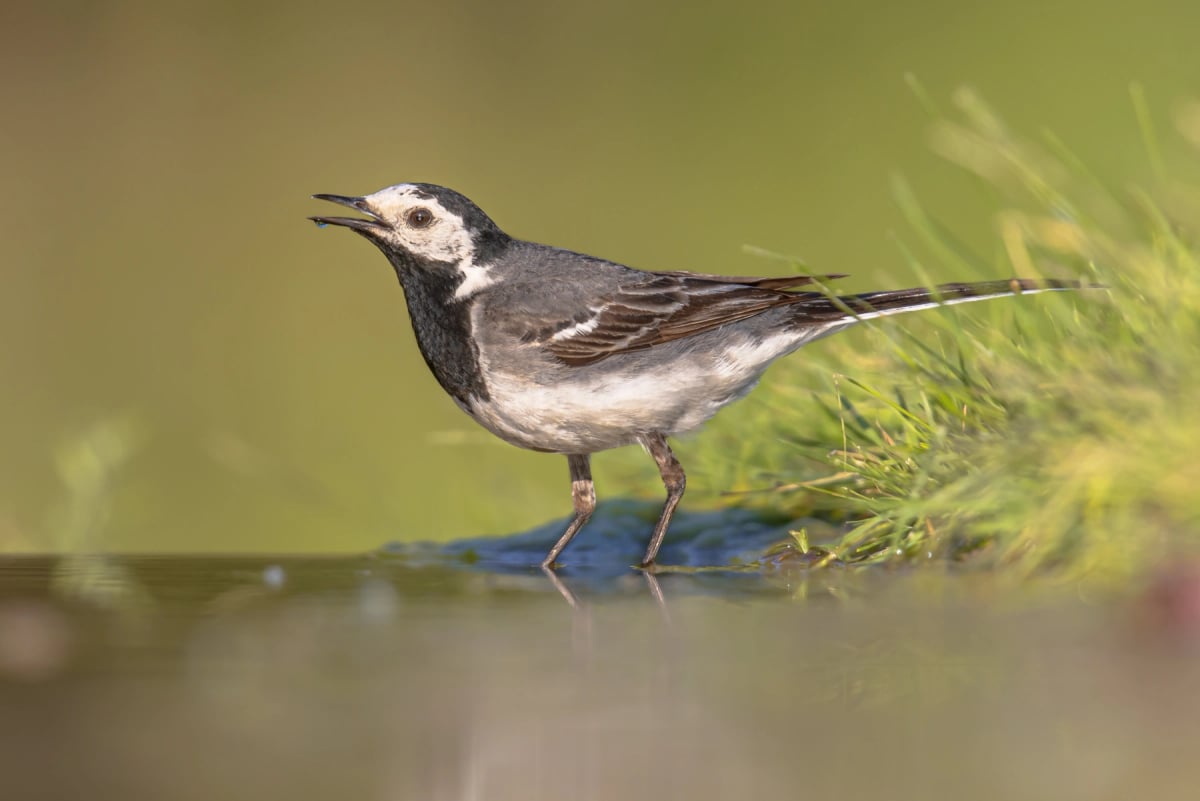
White Wagtail
Motacilla alba
Small black, white and grey bird with a slender tail that bobs up and down as it walks and feeds along the edges of water and open ground.
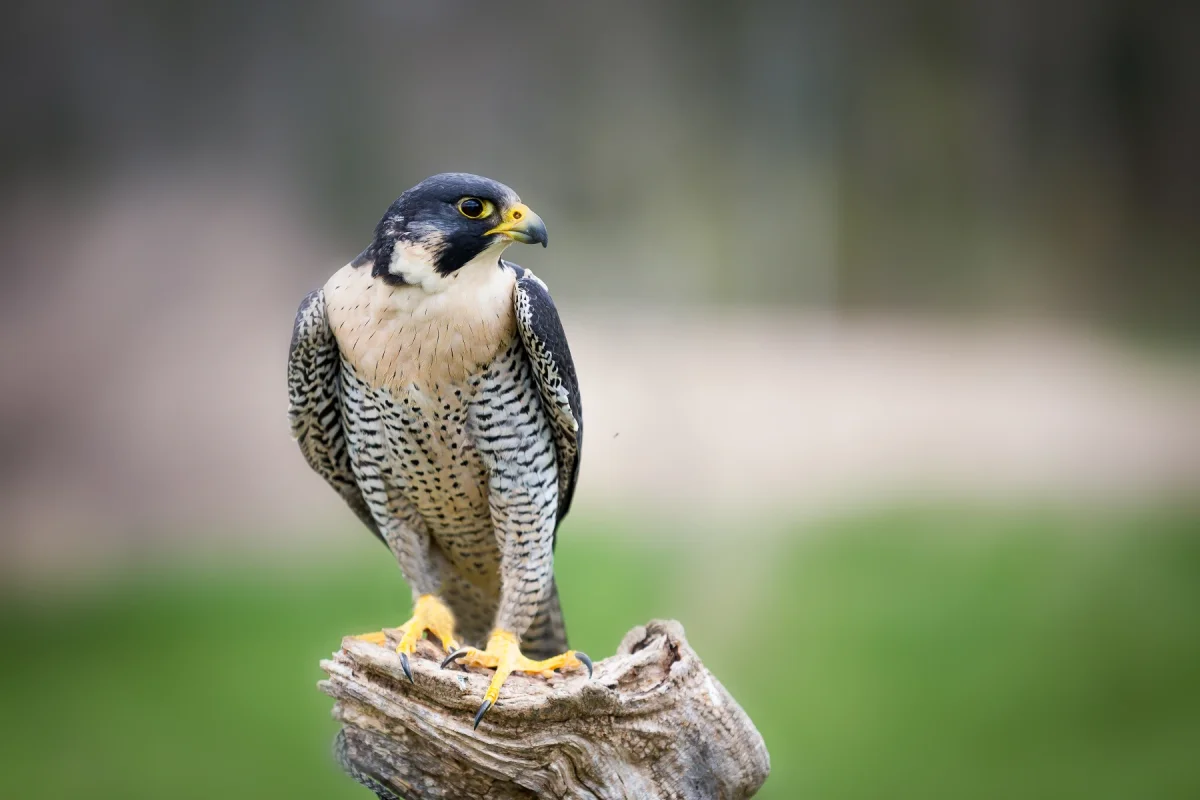
Peregrine Falcon
Falco peregrinus
Switzerland's Alpine cliffs and steep gorges provide ideal nesting habitat for the peregrine falcon. The species was nearly eliminated from the country by DDT and persecution during the twentieth century, but it has made a strong comeback following legal protection and reintroduction efforts. Today it breeds across the country, including in some urban areas. The IUCN lists it as Least Concern.
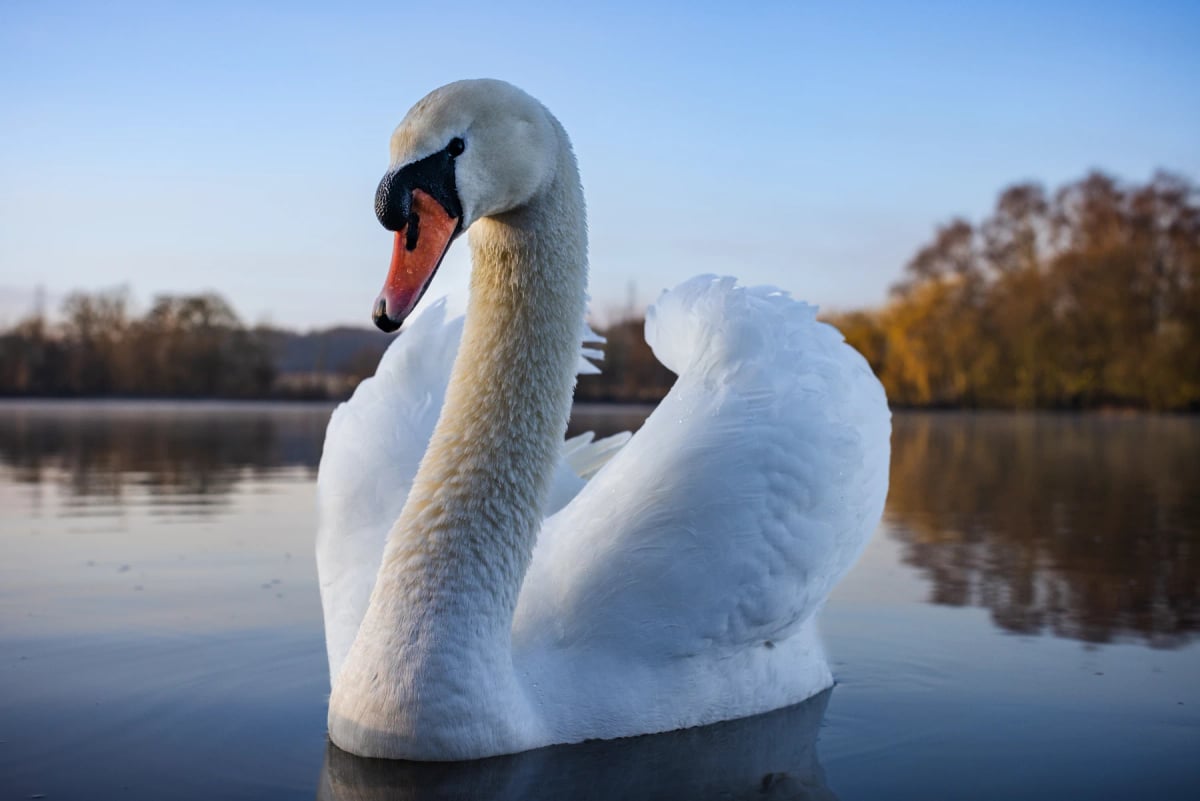
Mute Swan
Cygnus olor
In Switzerland, the mute swan is a well-known resident of lakes and rivers across the lowlands, including Lake Geneva, Lake Constance, and Lake Zurich. It adapts well to proximity to people and is often seen in urban and suburban settings. Breeding pairs nest along sheltered shorelines, and winter flocks can gather in the hundreds on the larger lakes. The species has been present in Switzerland for centuries. The IUCN lists it as Least Concern.
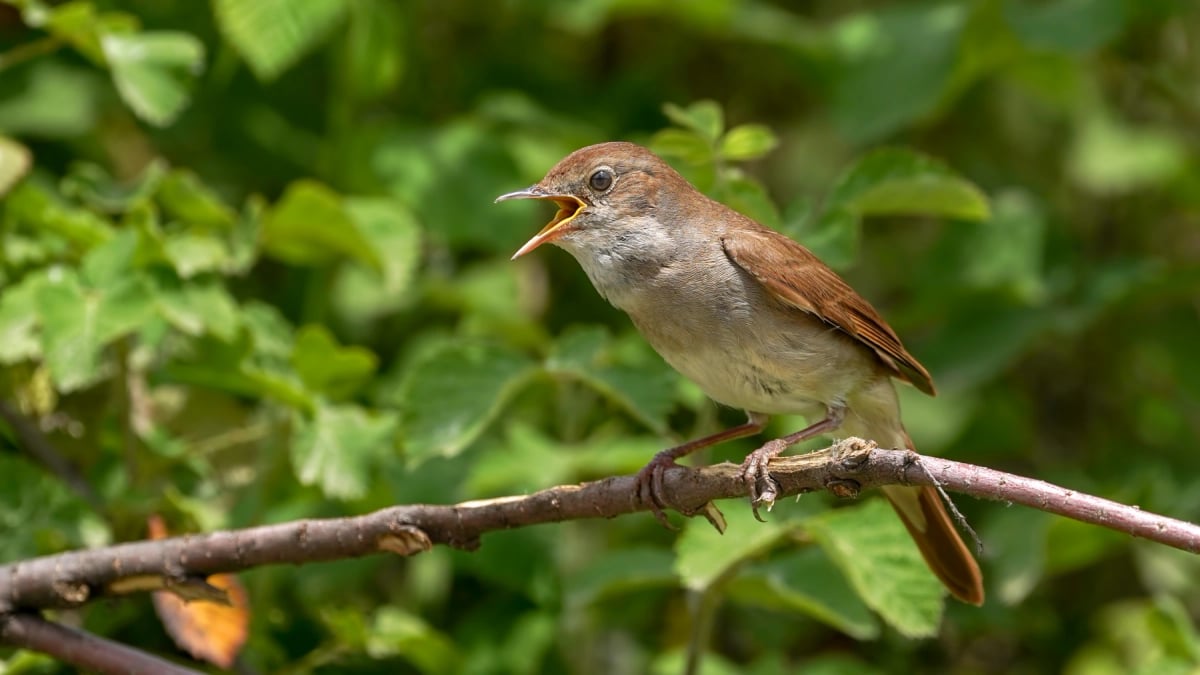
Nightingale
Luscinia megarhynchos
In Switzerland, the nightingale is a breeding visitor found mainly in the warmer lowland regions, particularly around the Rhine plain in the north, the Ticino in the south and river valleys below about 600 meters elevation. It nests in dense scrub close to water. The species is not common across the whole country and is largely absent from higher elevations. Monitoring programs track its modest Swiss population with care.
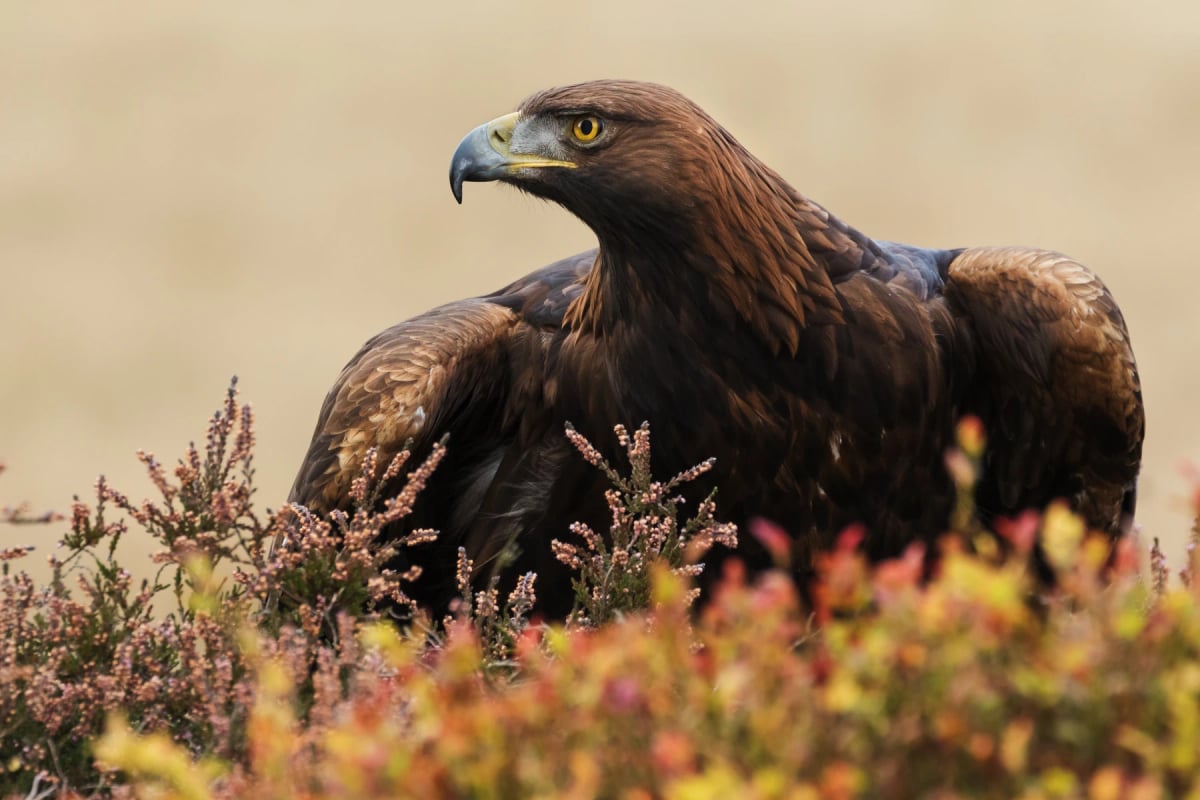
Golden Eagle
Aquila chrysaetos
The golden eagle is a well known resident of the Swiss Alps, where it nests on steep cliff faces and soars over high mountain passes and open valleys. After near disappearance in the twentieth century, the population has recovered strongly thanks to legal protection and public awareness. Today several hundred individuals are estimated to live in Switzerland. The IUCN lists the species as Least Concern, and it remains a symbol of the alpine landscape.
Researched and written by Juan Pablo. Sources: IUCN Red List, scientific literature and regional field guides. Last updated: .