Animals in Netherlands
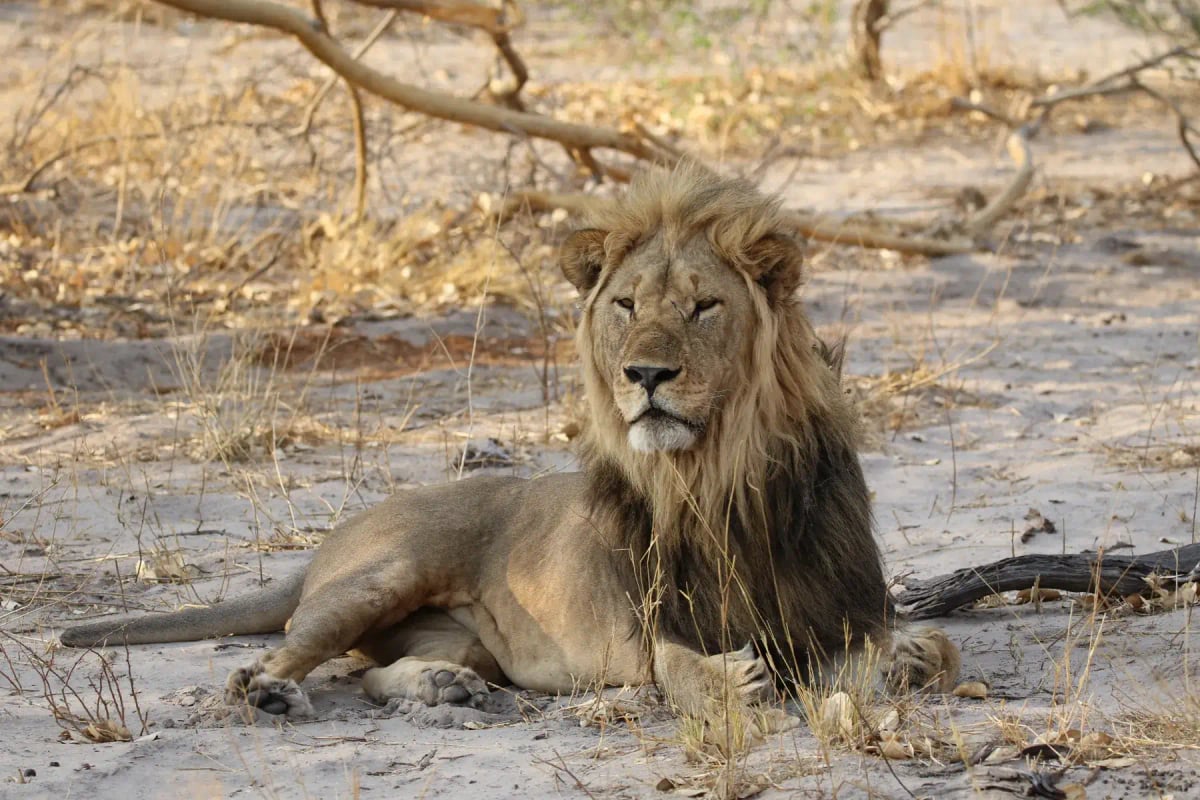
Lion
Panthera leo
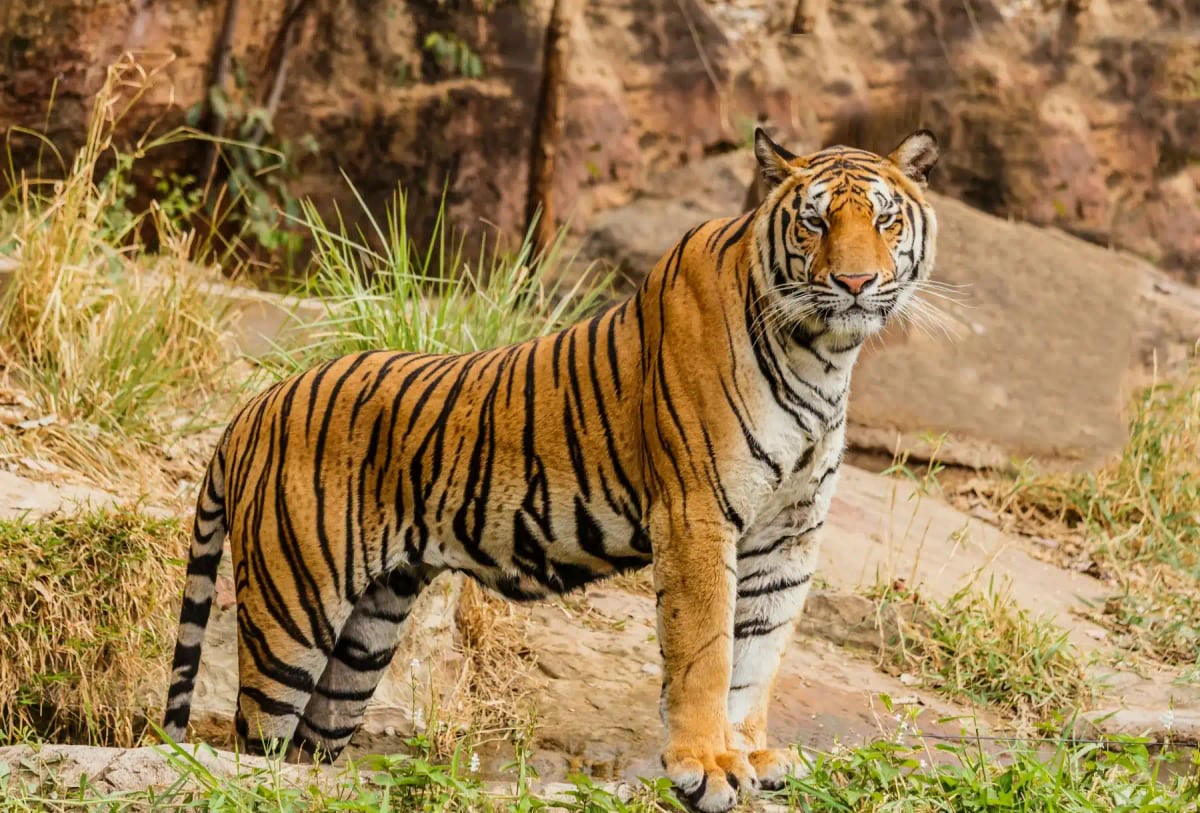
The lion is a historic symbol in the Netherlands. It appears on the coat of arms, old coins and many city flags, even though lions do not live here. The figure stands for courage, care and public duty. In museums and town halls you can see the lion in maps and banners that link the trading cities of the past with the modern state and its long story of work on land and sea.
View details→Wildlife in Netherlands
The Netherlands is easy to explore, with dunes, beaches, forests and wide river areas. Places like the Wadden Sea, Biesbosch and the Veluwe have clear paths, bike routes and simple boat trips. Visitors can see deer, foxes and many birds, and seals near sandbars. Spring and autumn bring big bird movements along the coast, and short day trips work well from most towns.
Most Dangerous Animals in Netherlands
Wildlife risks in the Netherlands are limited and linked to habitat. Wild boar cause most incidents near forest edges, mainly in the Veluwe. Gray wolves are present but keep away from people. European adders use heath and dune areas on warm days. At sea, orcas and large sharks are rare visitors. Most encounters happen at distance in parks, farms and tidal flats close to towns.
Top 10 Animals in Netherlands
Our Top 10 groups species that people look for most and that have clear places to see them. Red deer lead the list in Hoge Veluwe, gray wolves have records in the Veluwe and Drenthe, and peregrine falcons nest on bridges and towers. White tailed eagles show well in wetlands, while seal trips in the Wadden Sea are a simple way to watch wildlife from boats.
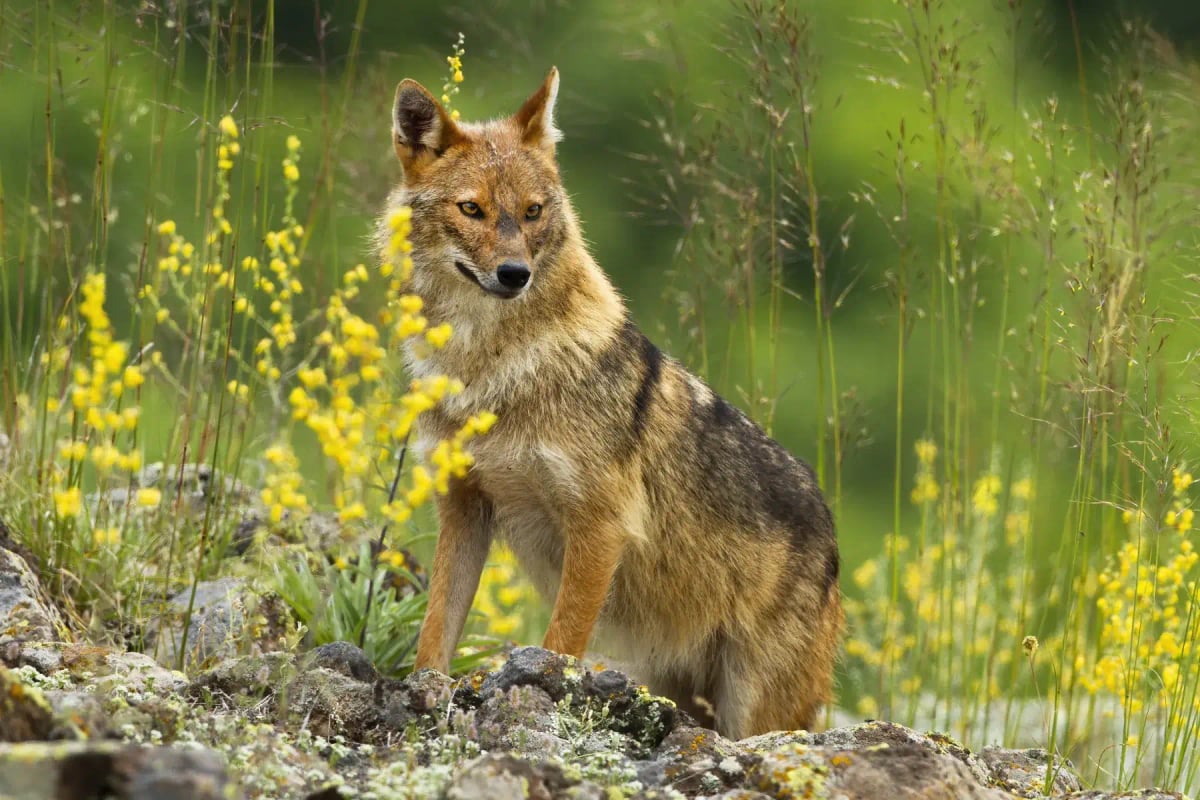
Golden Jackal
Canis aureus
The golden jackal has made occasional appearances in the Netherlands, representing some of the westernmost records in Europe. These individuals are almost certainly dispersing animals moving through from Central Europe rather than members of a settled population. The country's river deltas, wetland edges, and open polders could offer suitable conditions. Dutch wildlife trackers document each sighting carefully as scientists study how far this adaptable canid can extend its range. IUCN status: Least Concern.
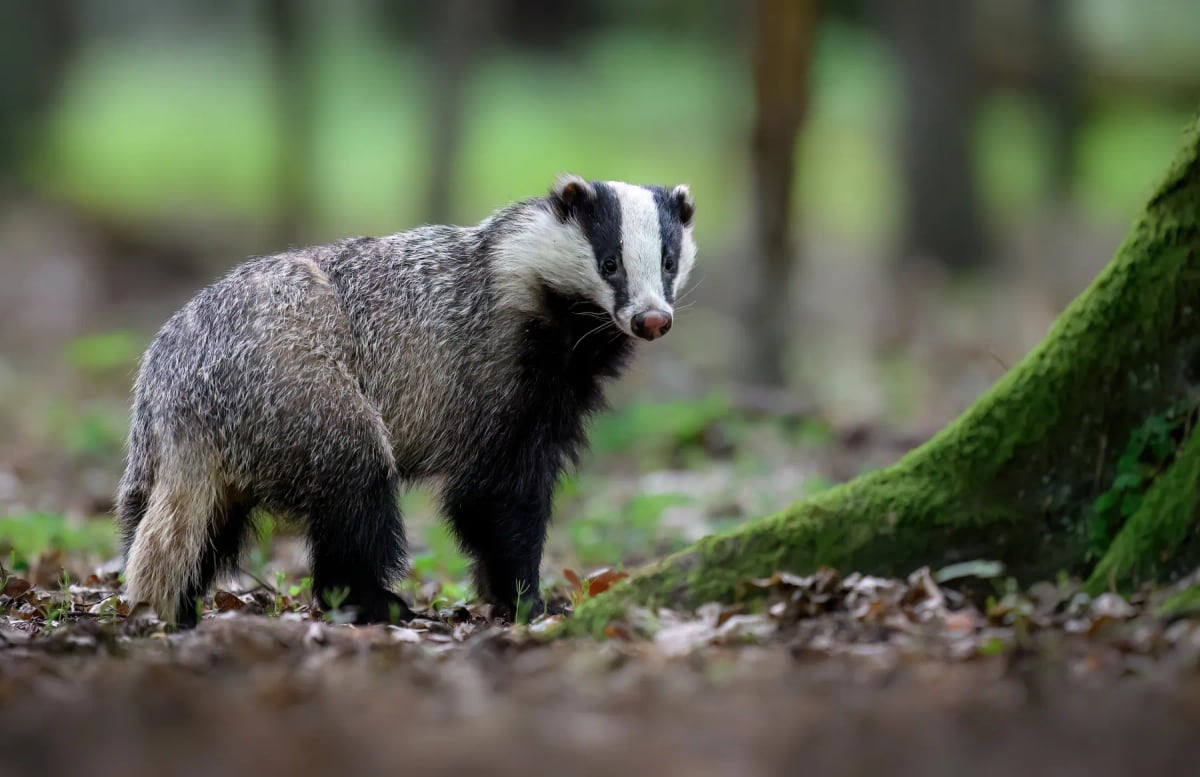
Badger
Meles meles
The Eurasian badger is present across the Netherlands in woodland, heathland and mixed farmland, with the highest densities in the sandy soils of the southern provinces, particularly in North Brabant and Limburg. After significant declines in the 20th century due to habitat loss, persecution and road mortality, Dutch badger populations have recovered strongly following legal protection. The species is now expanding into new areas and is regularly recorded in suburban and even urban green spaces.
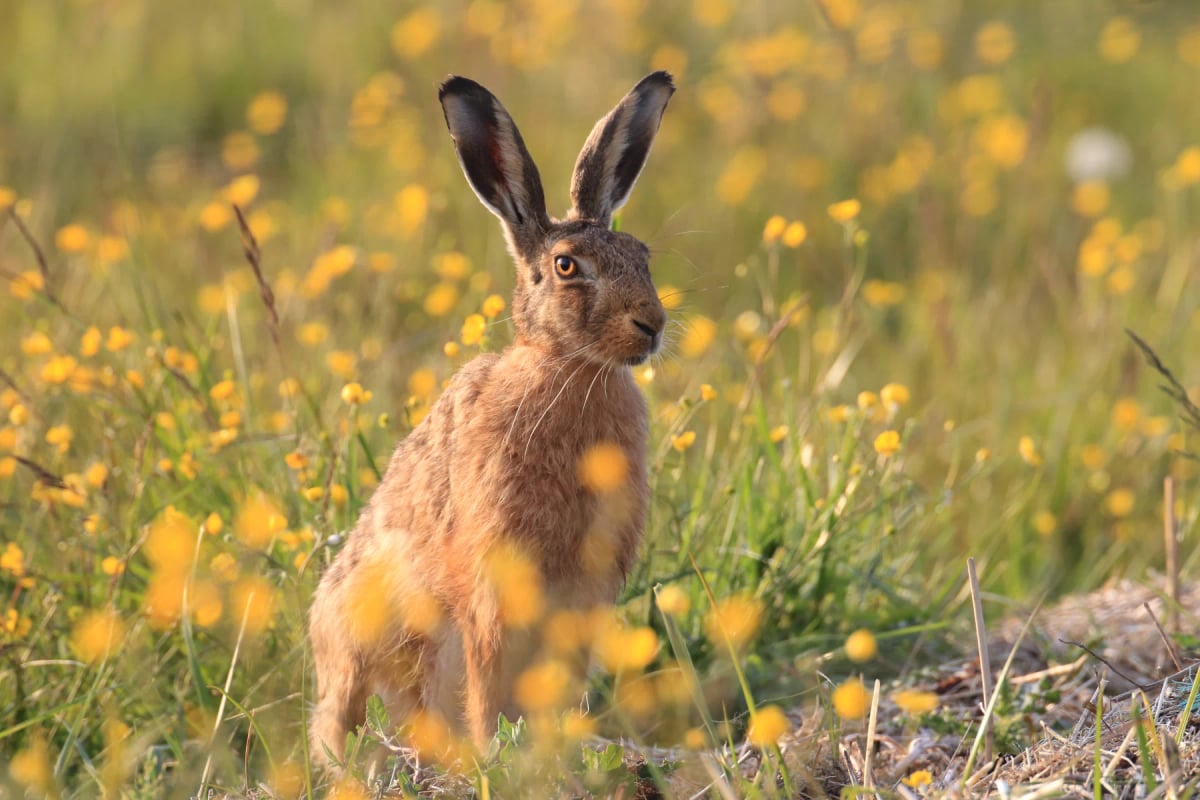
Hare
Lepus europaeus
The European hare is one of the most recognisable mammals of the Dutch countryside, living across the open polders, meadows, and agricultural fields of the Netherlands. It has faced serious population decline over recent decades, largely due to intensive farming and changes in land use. Conservation efforts and agri-environment schemes are in place to support recovery. The species is listed as Least Concern at the global level.
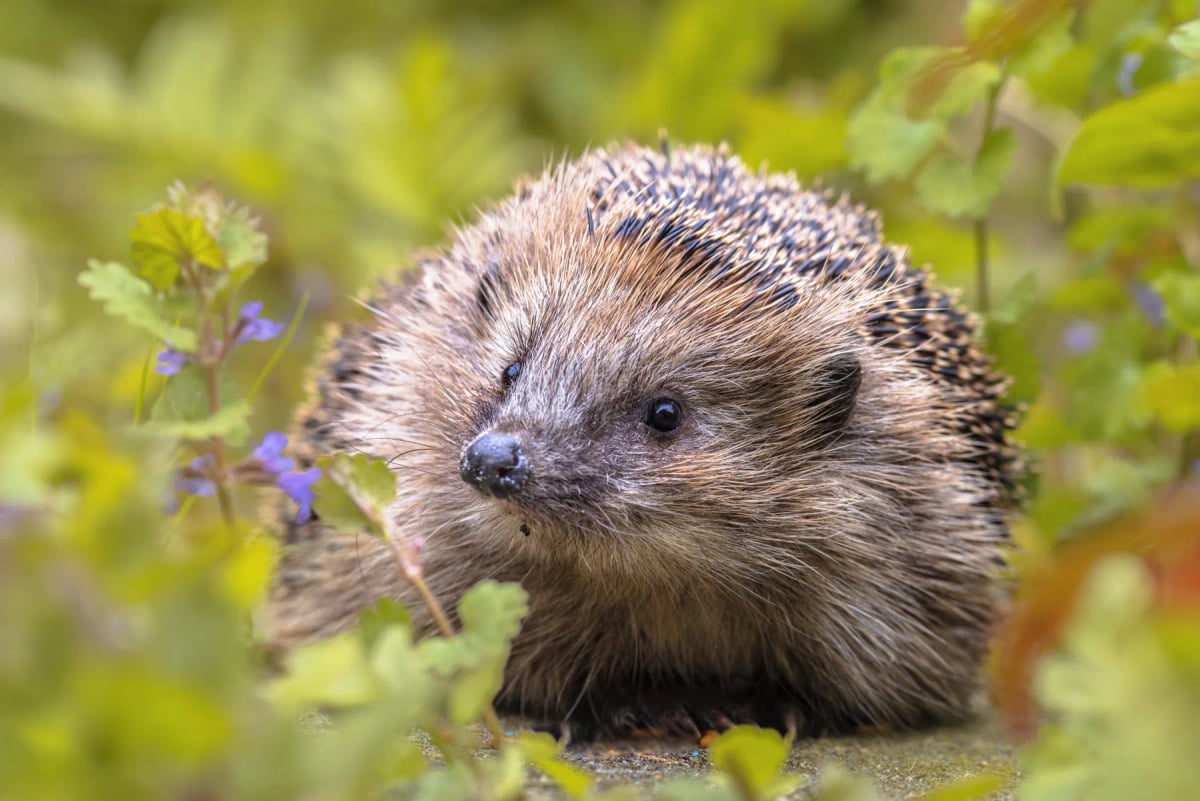
Hedgehog
Erinaceus europaeus
In the Netherlands, the European hedgehog is found in gardens, parks, dunes, and the edges of woodland across most of the country. Dutch hedgehog numbers have declined noticeably in recent decades, driven by the intensification of agriculture, increased road traffic, and the tidying up of gardens that removes the leaf litter and log piles hedgehogs rely on. Conservation programmes actively encourage residents to leave wild corners in their gardens and to create gaps in fences. IUCN status: Least Concern.
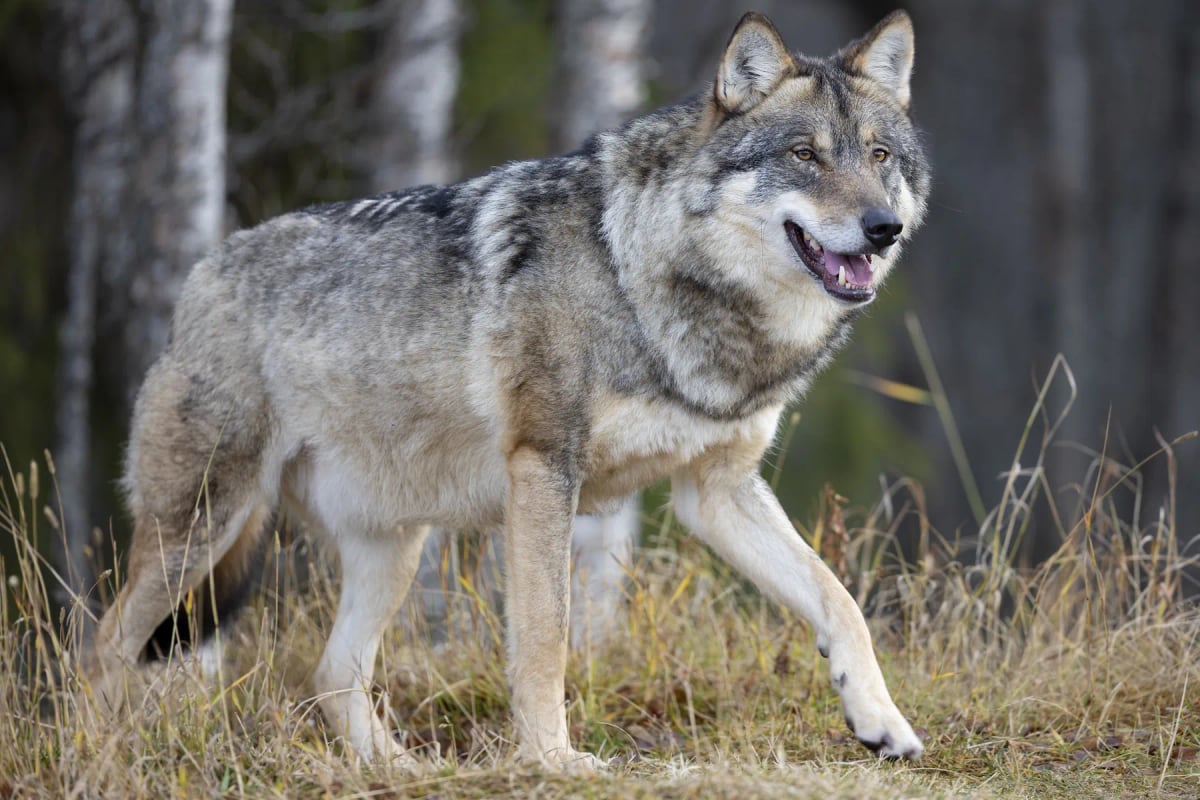
Gray Wolf
Canis lupus
The gray wolf returned to the Netherlands naturally after an absence of over a century, with individuals dispersing from German and Belgian populations. The first confirmed resident pack established itself on the Veluwe heathland in recent years. This return has sparked public debate about coexistence with livestock farming. The Dutch government has introduced measures to support farmers and guide the recovery of this predator in a densely populated country.
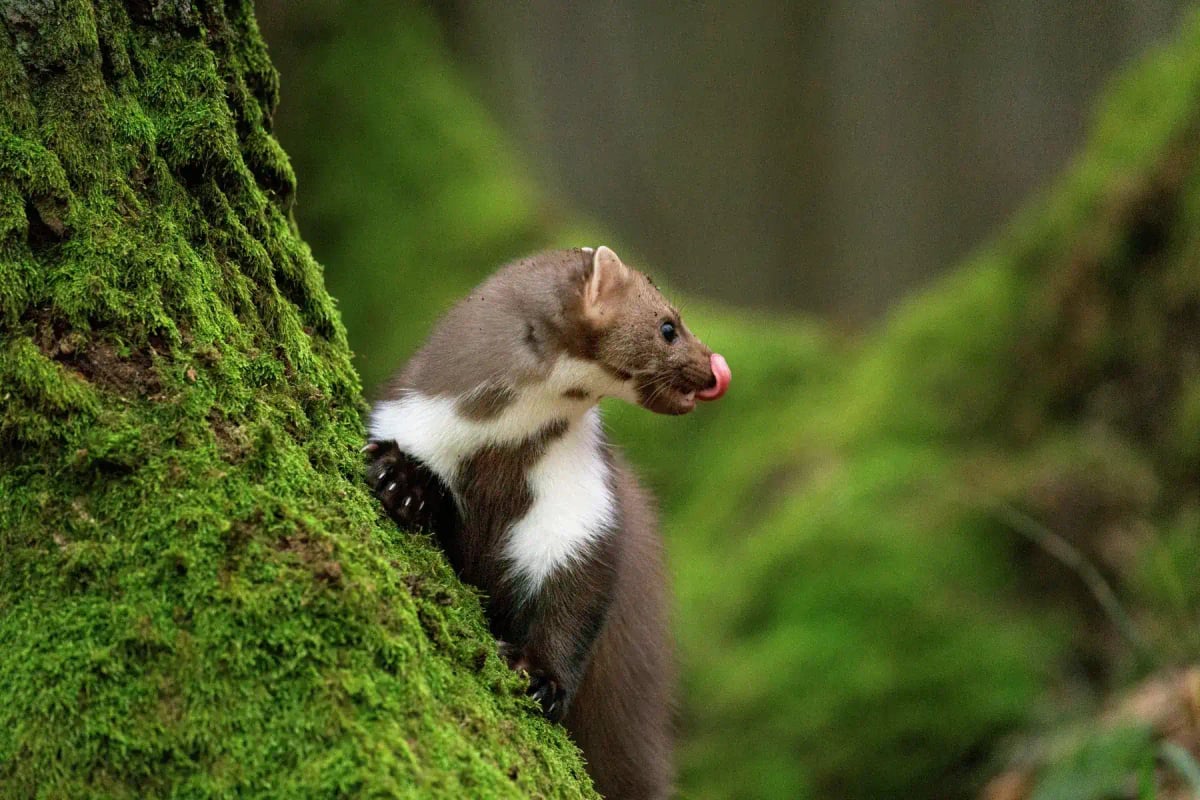
Marten
Martes martes / Martes foina
The pine marten disappeared from much of the Netherlands during the twentieth century due to habitat loss and persecution. Conservation efforts have helped populations recover, particularly in the Veluwe region and other forested areas in the east and north. The species is now strictly protected under Dutch law. Stone martens, by contrast, remain common throughout the country, often living close to towns and cities. Both species are listed as Least Concern by the IUCN.
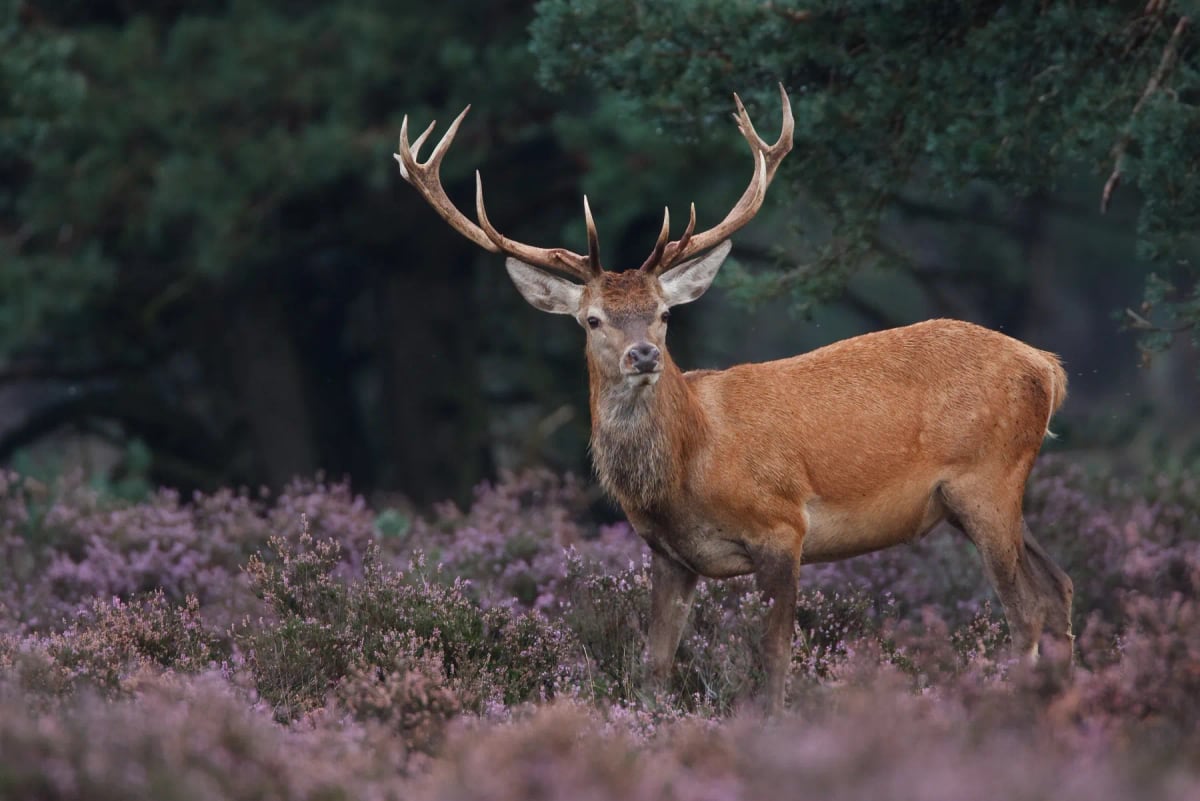
Red Deer
Cervus elaphus
The red deer (Cervus elaphus) in the Netherlands is most associated with the Veluwe, a large area of heathland, forest, and sand drifts in Gelderland province. This is the stronghold of the Dutch population, which is carefully managed within fenced nature reserves. The animals are grazers and browsers that play a role in shaping the open heathland landscape. Stags roar loudly each autumn during the rut. The IUCN lists the species as Least Concern.
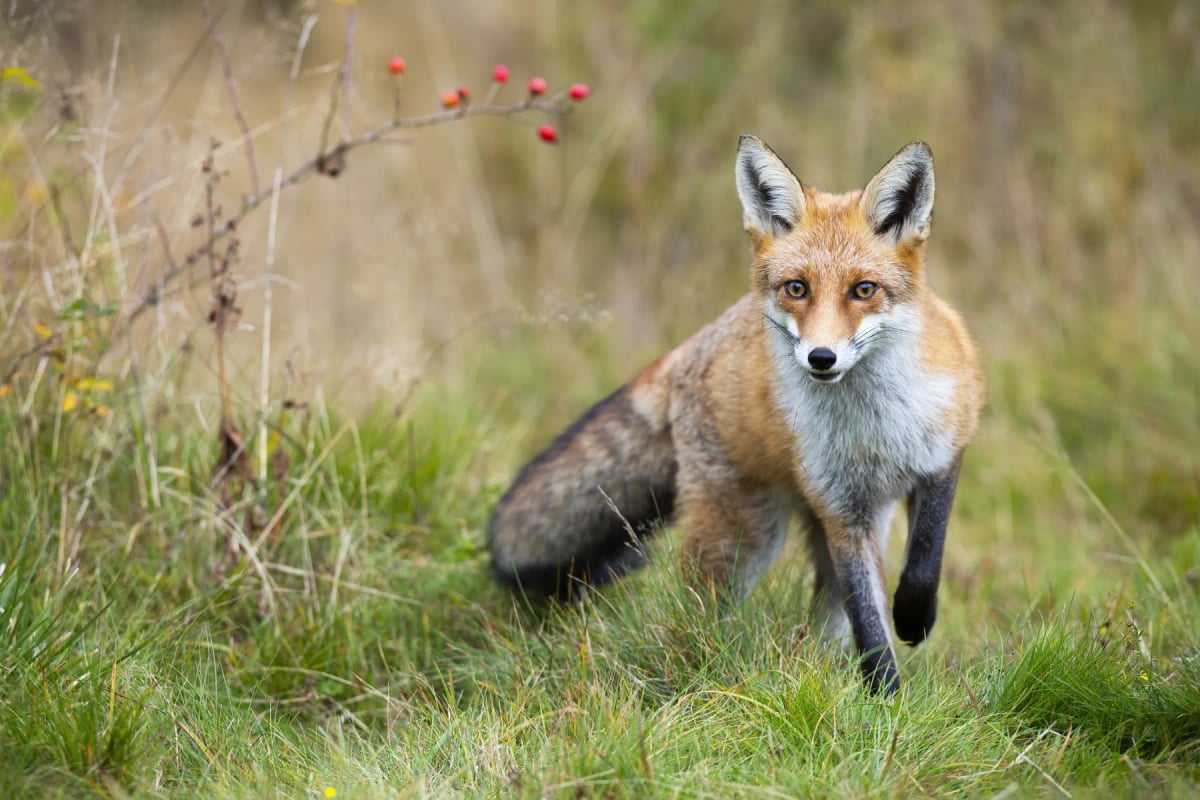
Red Fox
Vulpes vulpes
The red fox is a familiar animal across the Netherlands, living in forests, dune systems along the North Sea coast, farmland, and urban parks. Dutch foxes are well known for moving into cities, with sightings common in Rotterdam and Amsterdam. They help manage rodent populations in both rural and urban settings. Numbers have grown steadily over recent decades. The species holds Least Concern status globally.
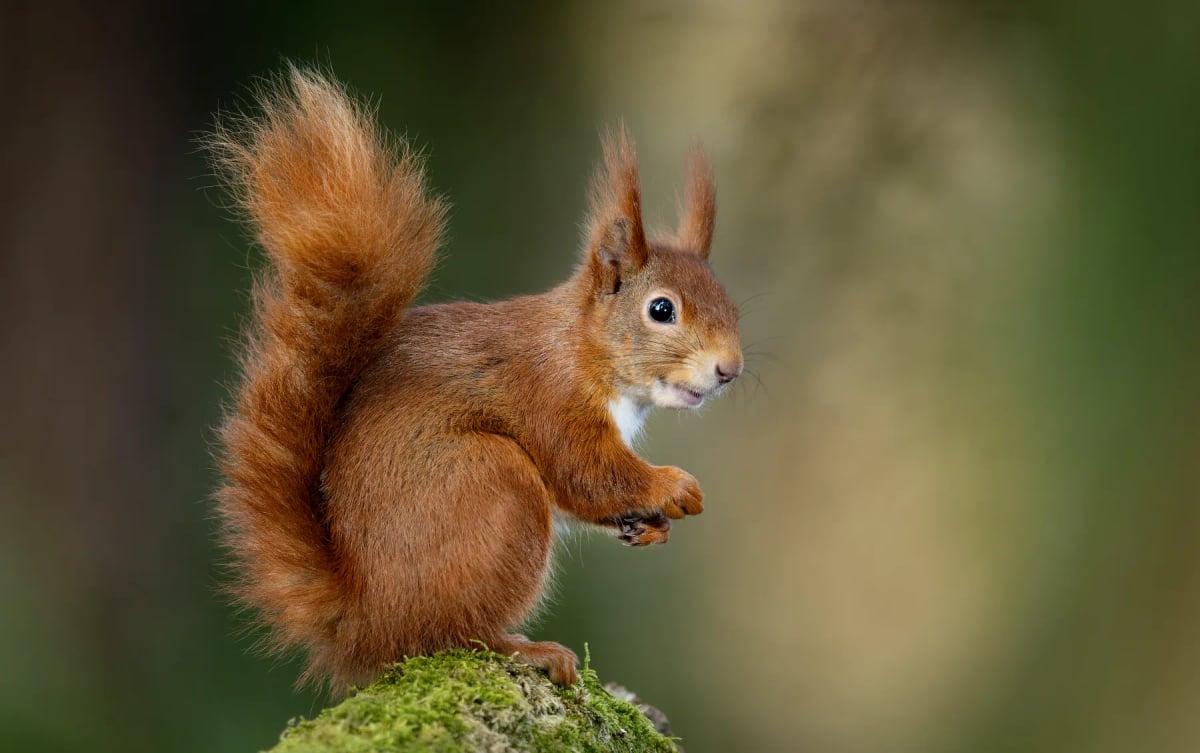
Red Squirrel
Sciurus vulgaris
The red squirrel has a fragmented and vulnerable presence in the Netherlands. It survives in scattered woodland areas, with strongholds on the Veluwe and in Drenthe province. The spread of the introduced grey squirrel is a serious concern, as has been the case across much of western Europe. Conservation efforts are in place to protect remaining populations, and the red squirrel is considered a priority species for wildlife protection in the country.
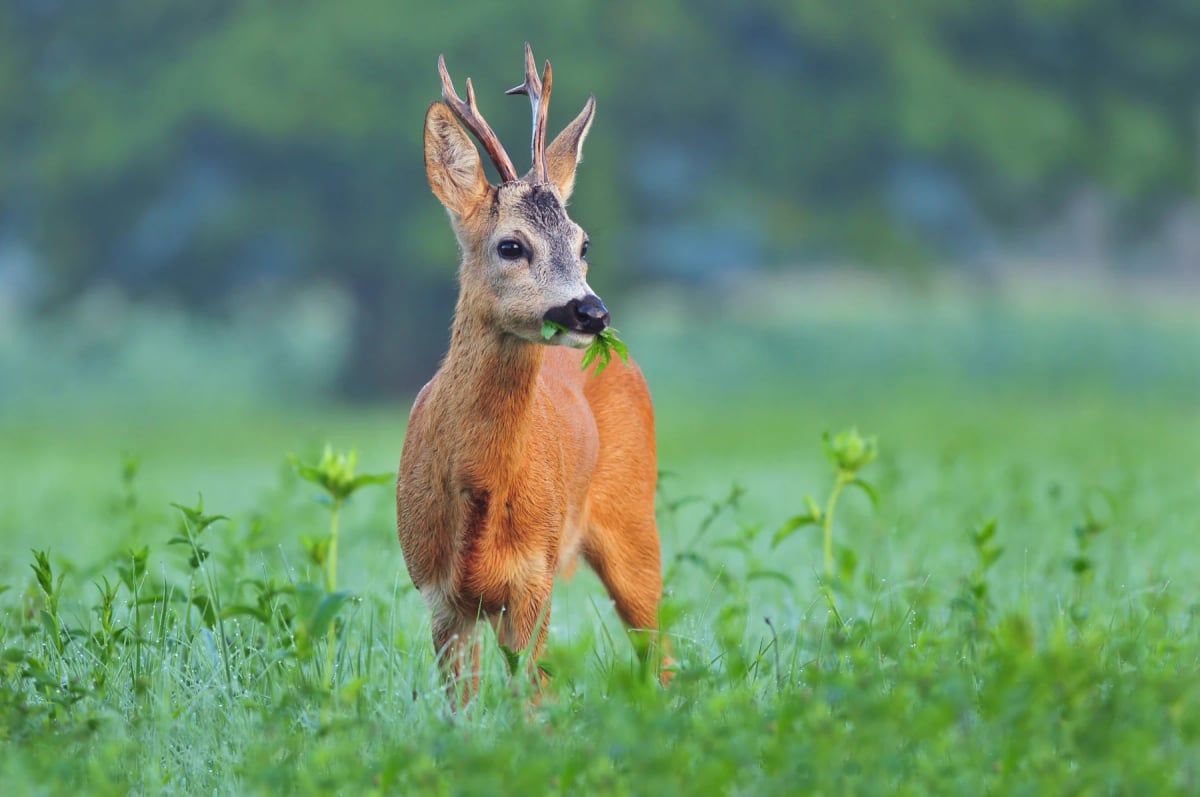
Roe Deer
Capreolus capreolus
The roe deer is the most common deer species in the Netherlands, present in woodlands, dune areas, and agricultural landscapes throughout the country. It is particularly visible in the Veluwe, the largest forested area in the Netherlands, as well as in the dune reserves along the North Sea coast. The species has adapted well to the Dutch landscape, which is densely settled and heavily managed. It is regularly seen in peri-urban green spaces and along the edges of polders.
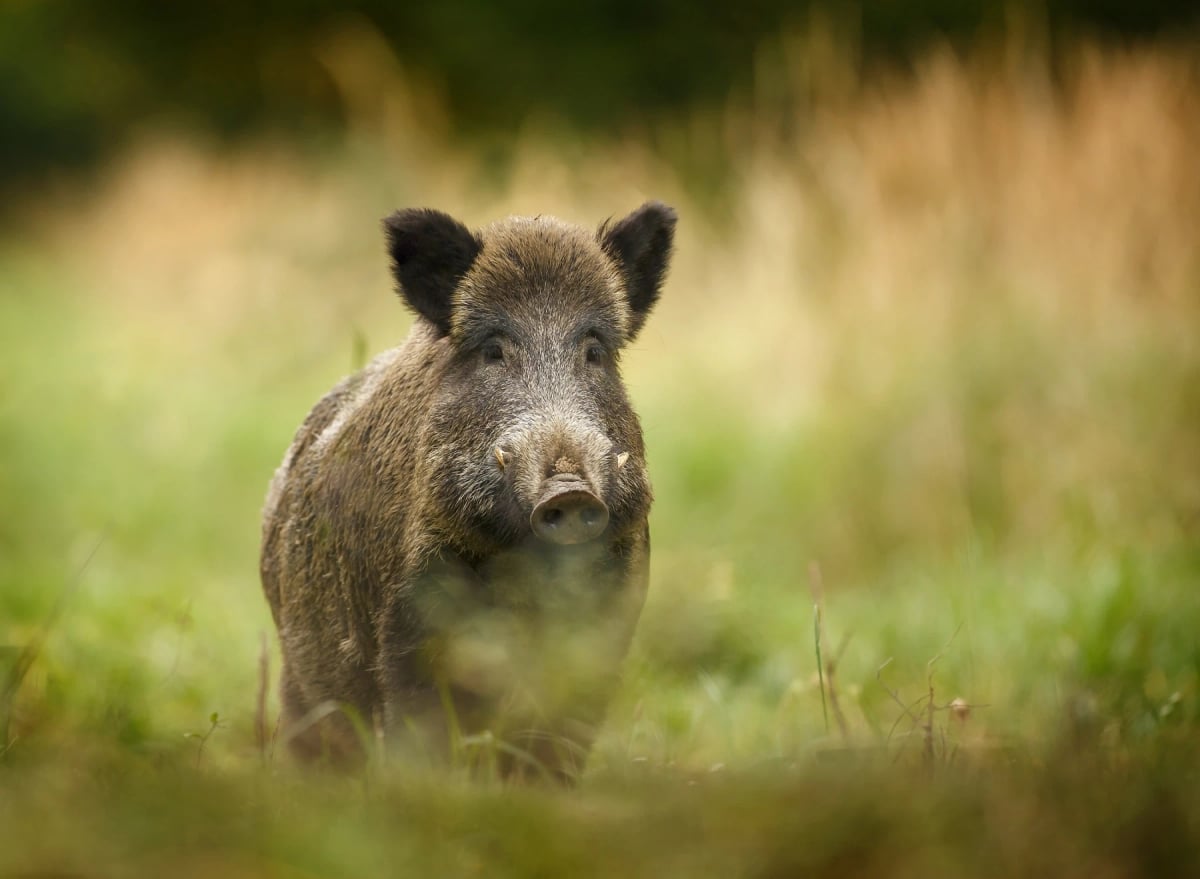
Wild Boar
Sus scrofa
Wild boars in the Netherlands are largely confined to the Veluwe, the country's largest forest and heathland area, where authorities tightly manage the population through regulated culling. Given how densely populated and intensively farmed most of the Netherlands is, wild boars have little room to expand beyond this core habitat, and fencing and active monitoring help prevent the species from spreading into surrounding agricultural land.
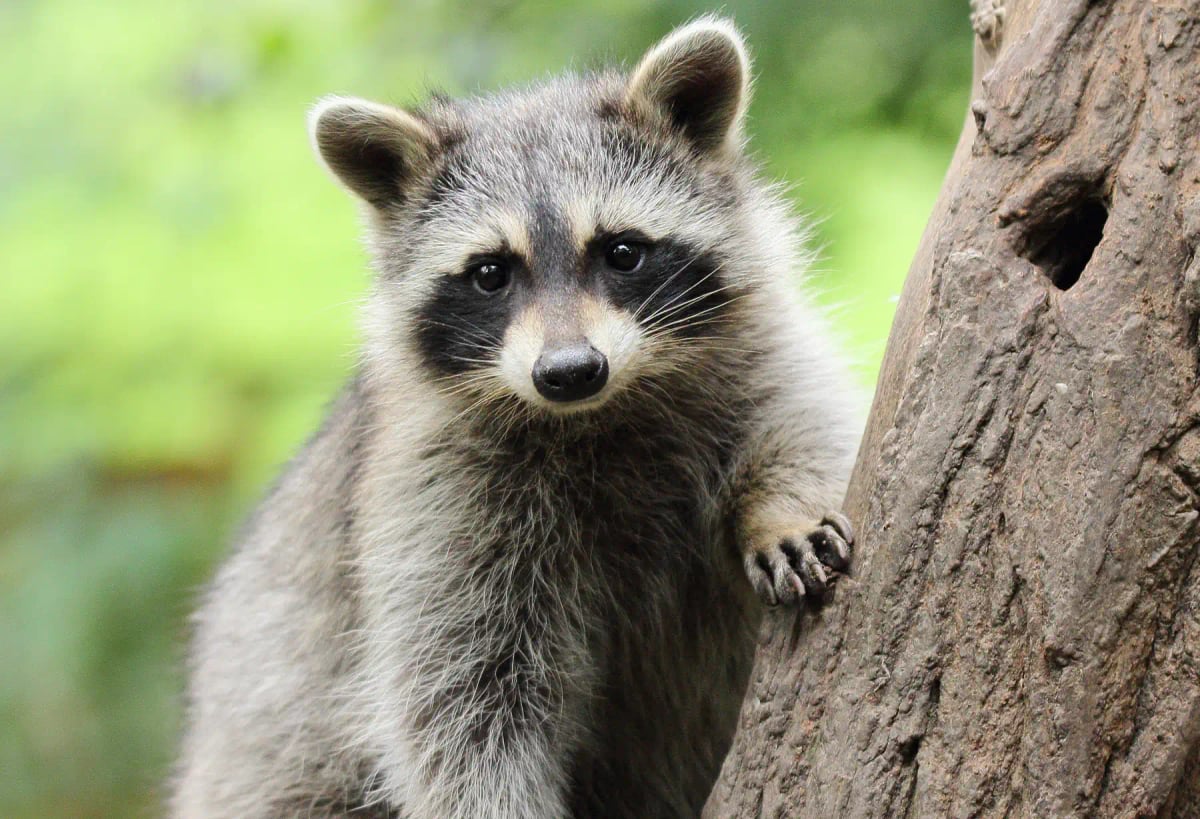
Raccoon
Procyon lotor
Raccoons have been recorded in the Netherlands as their range spreads westward across Europe from established German populations. Sightings are most common in the eastern provinces near the German border, in wooded areas and along river corridors. Dutch wildlife managers treat them as an invasive alien species under European Union rules. Their ability to thrive near water makes the Netherlands' extensive river deltas and wetlands potentially suitable habitat.
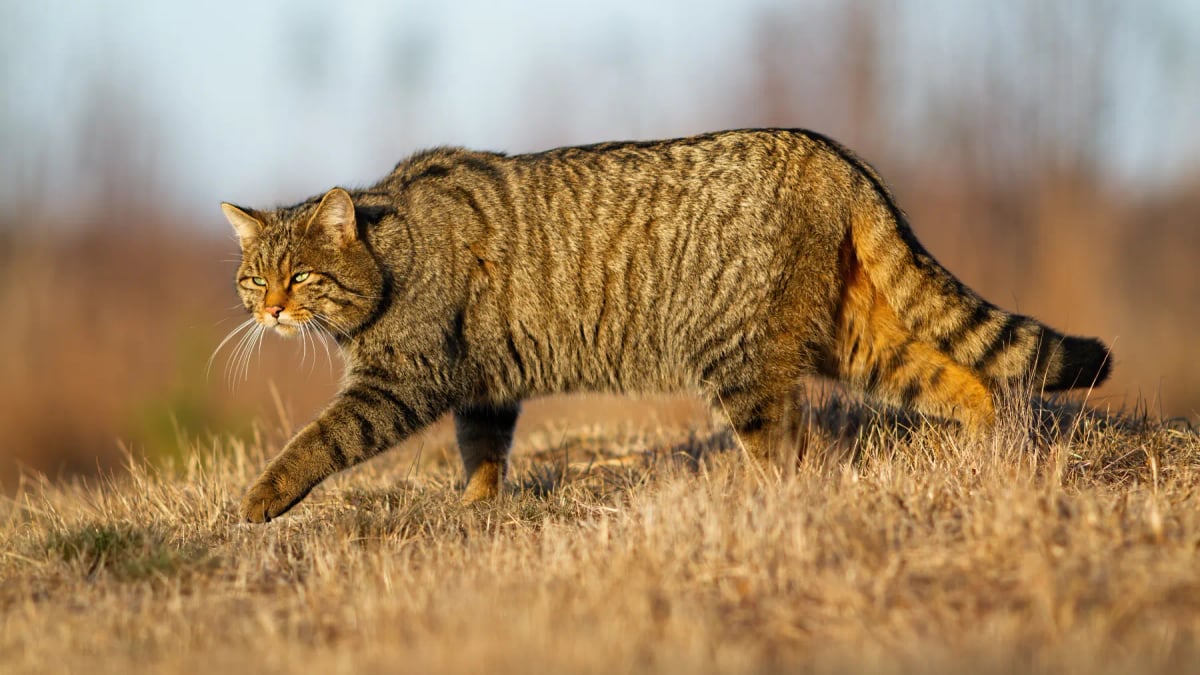
European Wildcat
Felis silvestris silvestris
The European wildcat was absent from the Netherlands for many decades but has begun recolonizing naturally from populations in Germany and Belgium. Individuals have been recorded in the southern province of Limburg, where forested areas connect with cross-border habitat. The species is a welcome return to Dutch wildlife, and conservationists are monitoring its progress closely as it attempts to establish itself again. IUCN status: Least Concern.
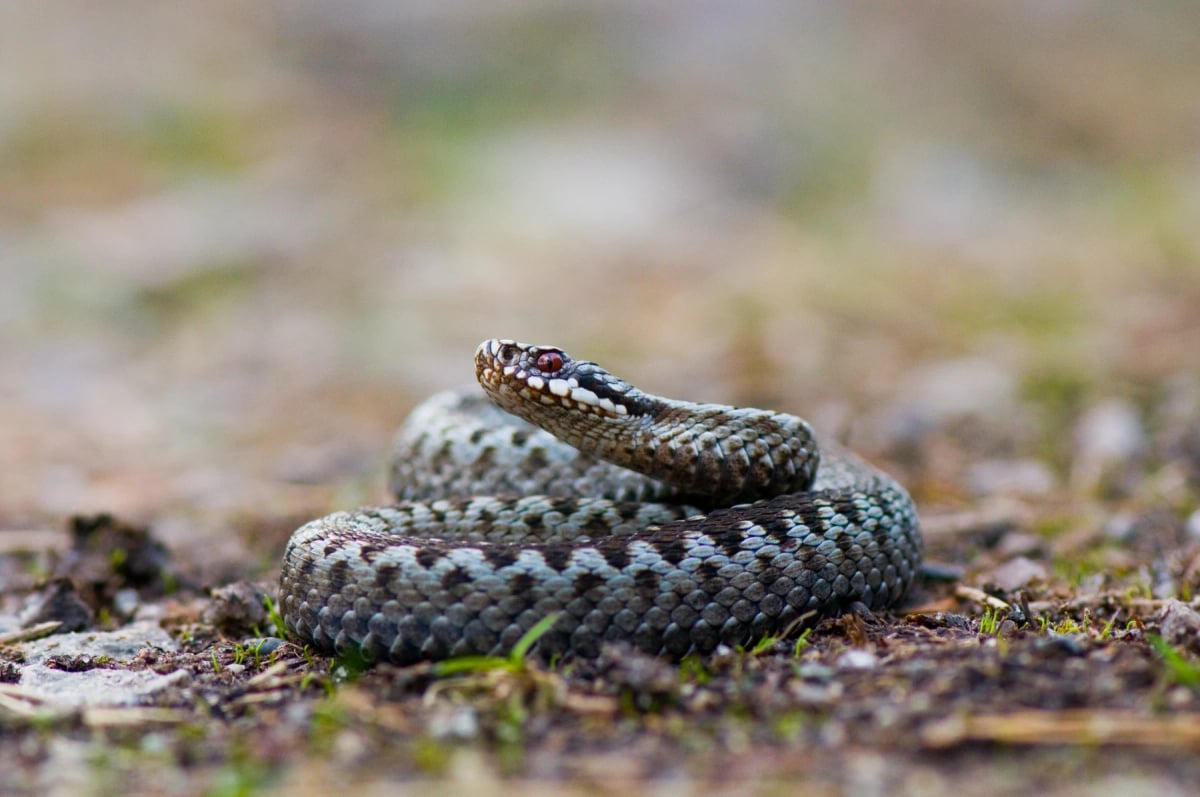
European Adder
Vipera berus
In the Netherlands, the European adder is restricted to heathlands, dunes, and forest edges, with strongholds in areas like the Veluwe and the coastal dune reserves. It is one of only three snake species native to the country and is legally protected. Habitat fragmentation has reduced its numbers significantly in recent decades. Its IUCN status is Least Concern globally, but it is considered threatened at the national level.
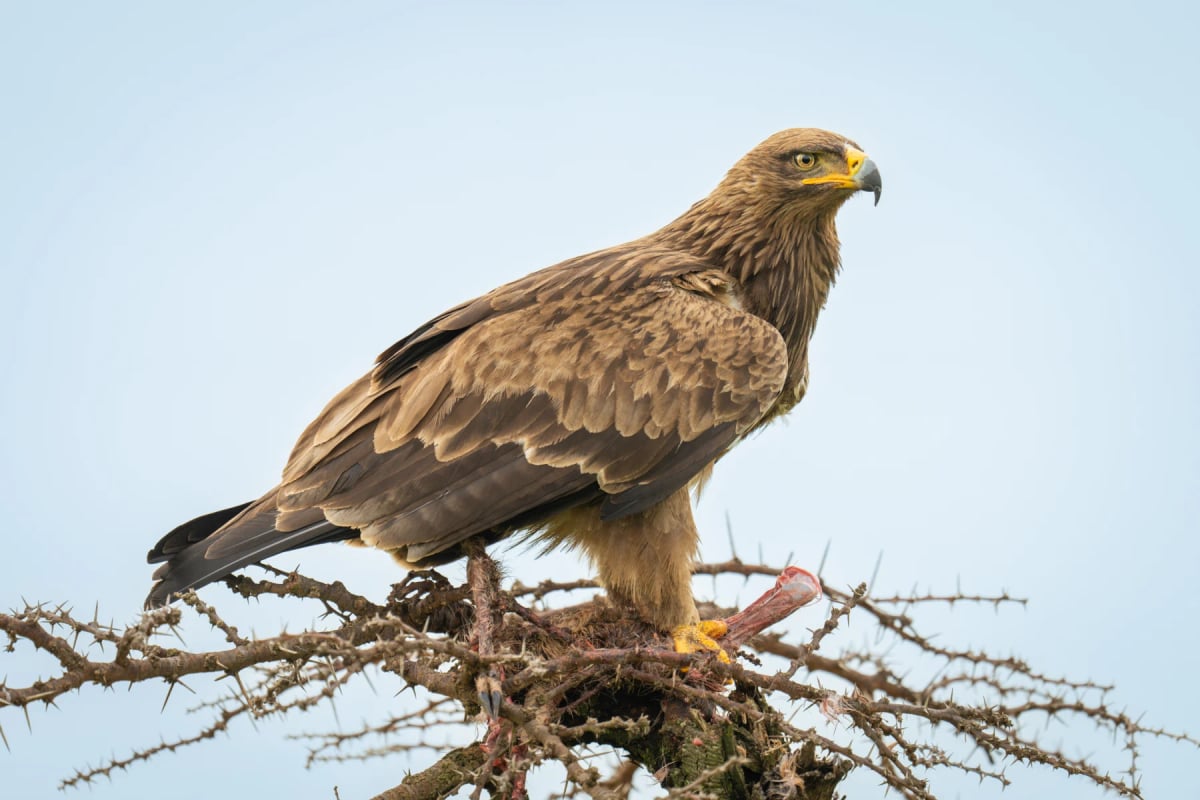
Steppe Eagle
Aquila nipalensis
The Steppe Eagle is a very rare vagrant in the Netherlands, with occasional records involving birds that have strayed far from their typical migration routes between Central Asia and Africa. The flat, open polders and agricultural areas of the Netherlands could briefly host a wandering eagle. As a species listed as Endangered with a steadily declining global population, vagrant sightings in Western Europe attract considerable interest from the birdwatching community and are carefully verified.
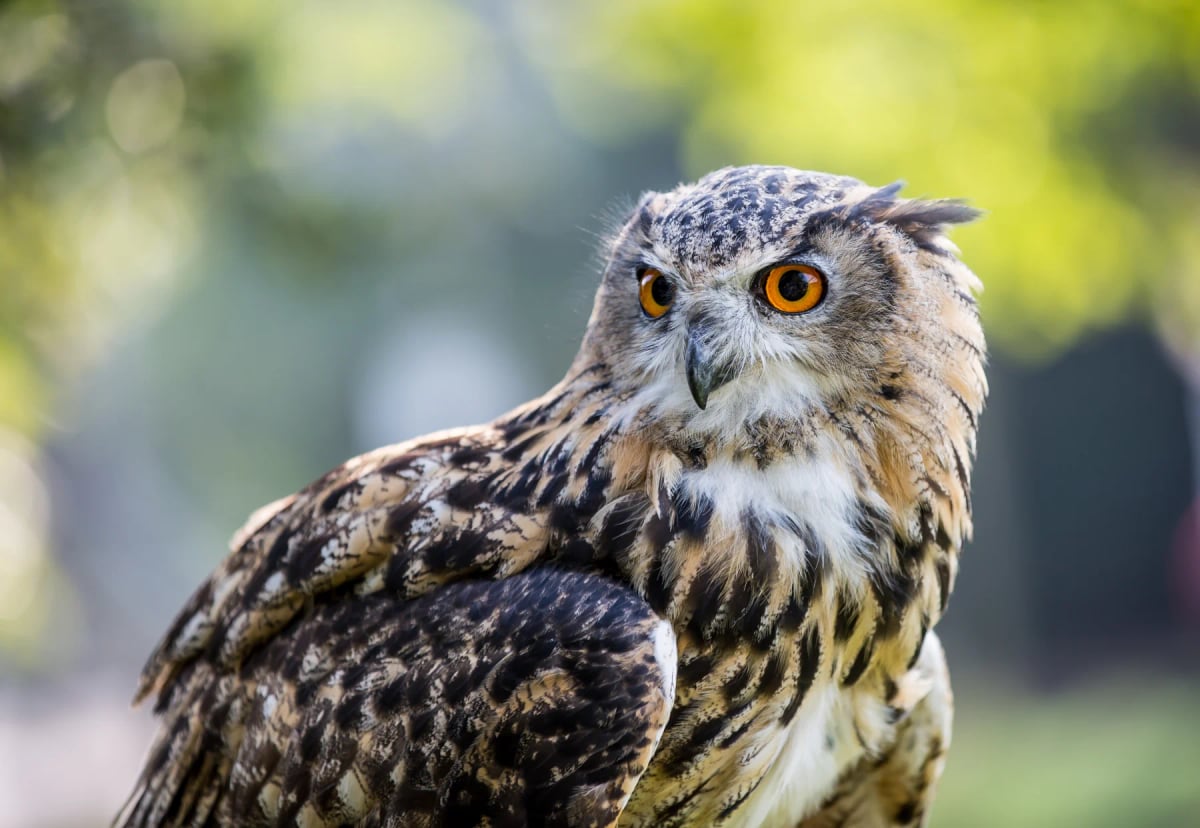
Eagle Owl
Bubo bubo
The Eurasian eagle owl returned to the Netherlands as a breeding species in the 1980s, with birds nesting in dunes, rocky quarries, and forested areas. The population has grown steadily and the species is now seen across several provinces. It hunts at night over open fields and waterways, taking rabbits, waterfowl, and rodents. Its recolonisation following decades of absence is considered one of the more remarkable wildlife recoveries in the country. The IUCN lists it as Least Concern.
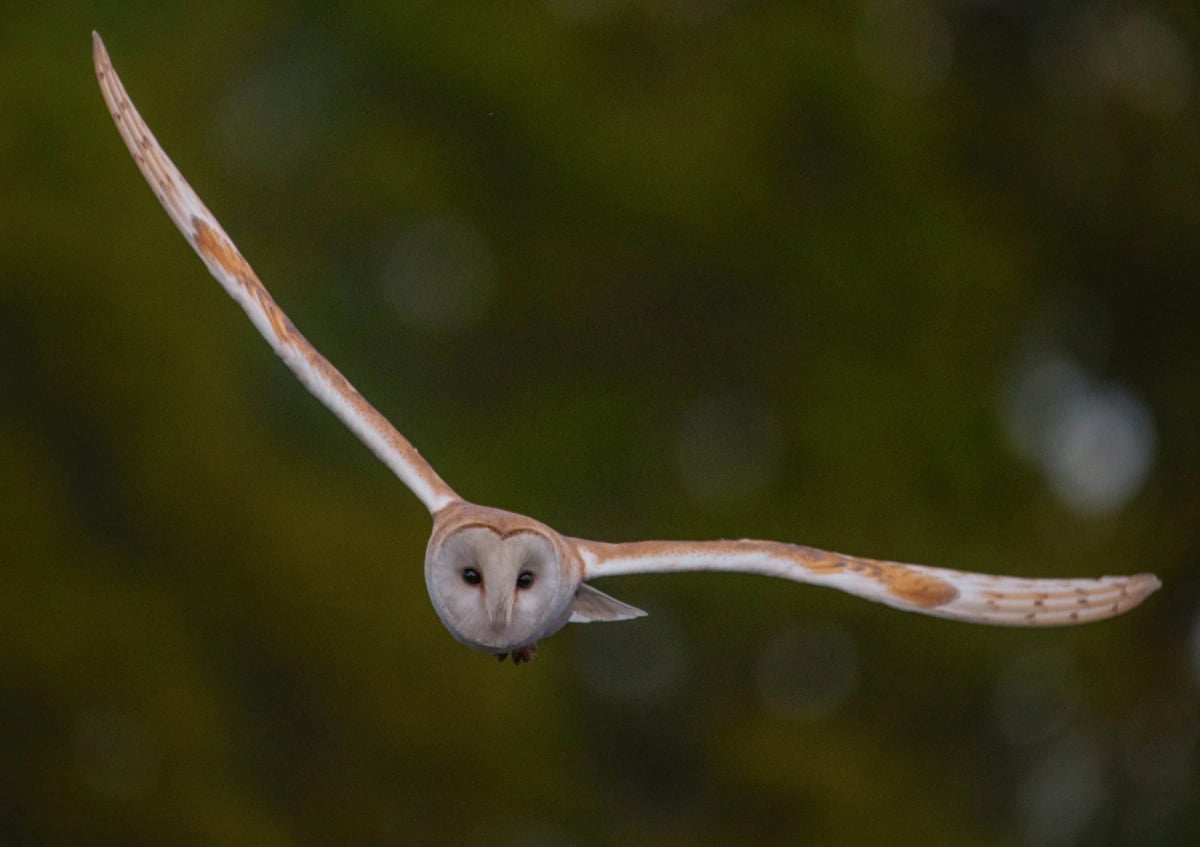
Barn Owl
Tyto alba
The barn owl is one of the most closely monitored birds in the Netherlands, where it nests in old farm buildings, church towers, and specially installed nest boxes across the open polder landscape. Dutch populations fluctuate significantly with vole cycles and harsh winters can cause severe mortality. The Netherlands has one of the most active barn owl conservation programs in Europe, with thousands of nest boxes installed by farmers and wildlife organizations. The flat, open agricultural landscape provides ideal hunting habitat when prey is abundant.
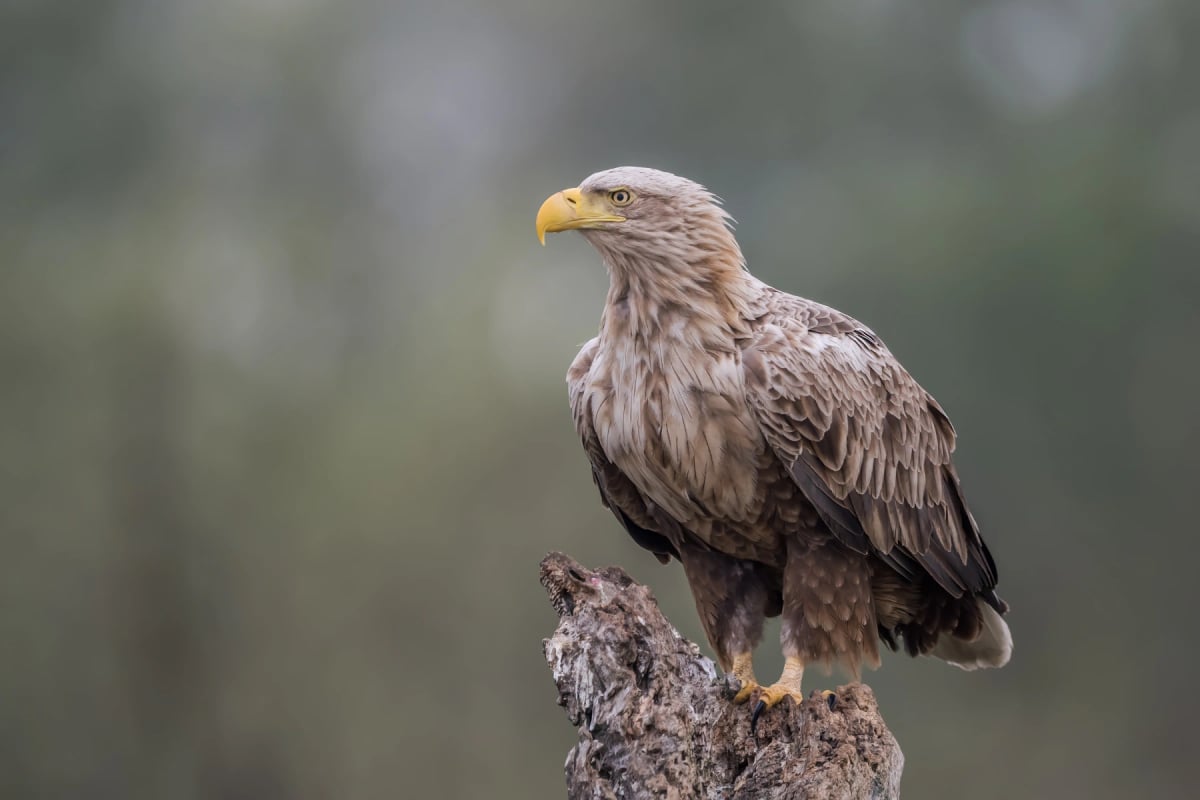
White tailed Eagle
Haliaeetus albicilla
The white tailed eagle has made a remarkable return to the Netherlands after an absence of nearly two centuries. Breeding was confirmed again in the early 2000s in wetland areas such as the Oostvaardersplassen. Today, a small but growing population nests in the country, taking advantage of restored floodplains, reed beds, and large lakes. Legal protection has been key to this recovery, and the species is now a celebrated conservation success story in Dutch nature.
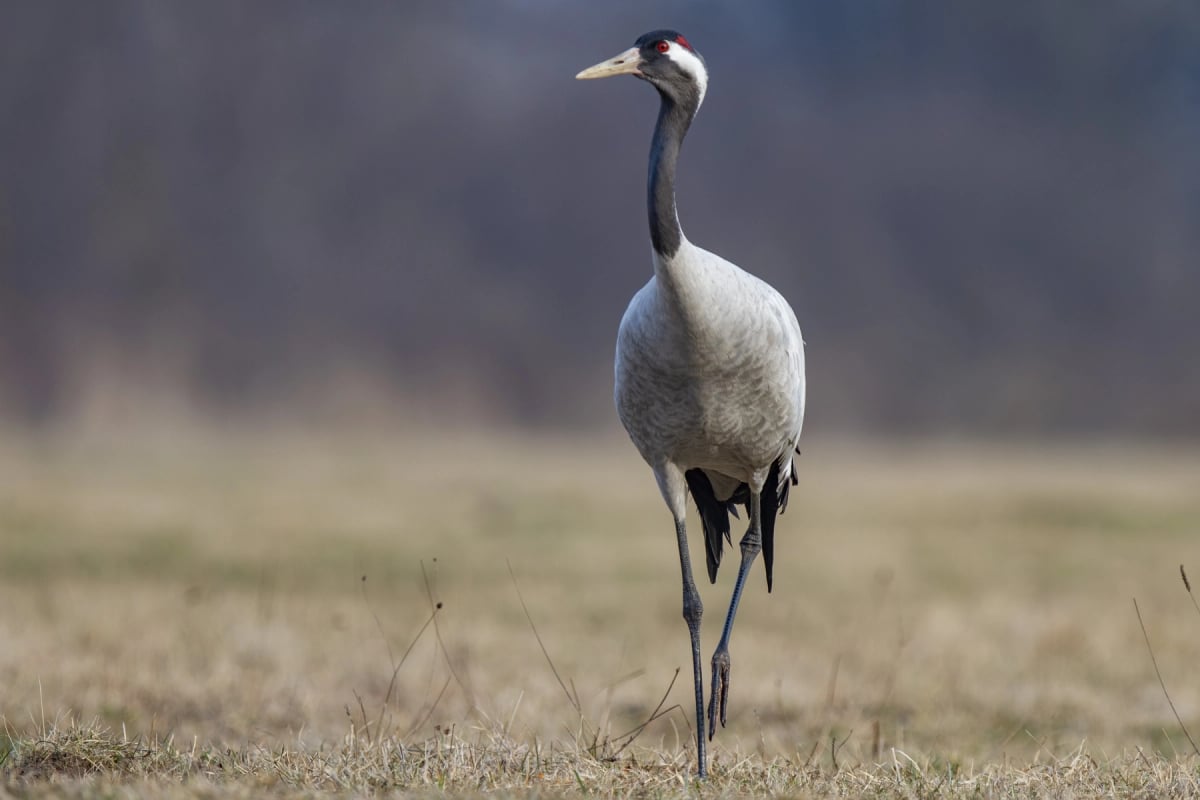
Crane
Grus grus
The Netherlands is an important stopover and wintering country for the common crane. Large flocks gather in the autumn across wetlands and farmland, particularly in the northern and eastern provinces. The species has also begun breeding in the Netherlands in small numbers in recent decades, a notable expansion of its range. Cranes feed on crops, roots and invertebrates in the Dutch countryside. Its IUCN status is Least Concern.
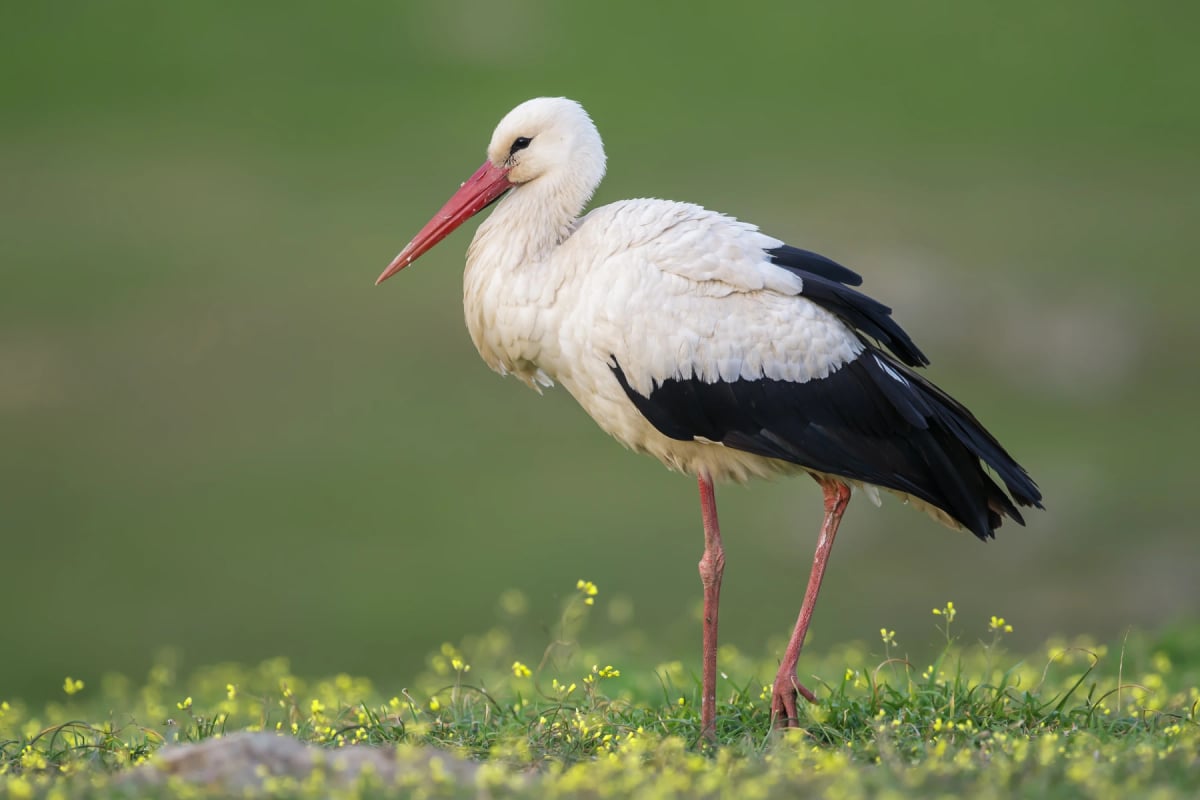
Stork
Ciconia ciconia
The white stork has made a remarkable comeback in the Netherlands after disappearing as a breeding species in the 1980s. Conservation programmes and nest platform projects helped re-establish the population, which now numbers in the hundreds of pairs. Storks breed in open polders, river floodplains, and meadows, feeding on frogs, earthworms, and insects. The IUCN lists the species as Least Concern, and the Dutch recovery is considered a conservation success.
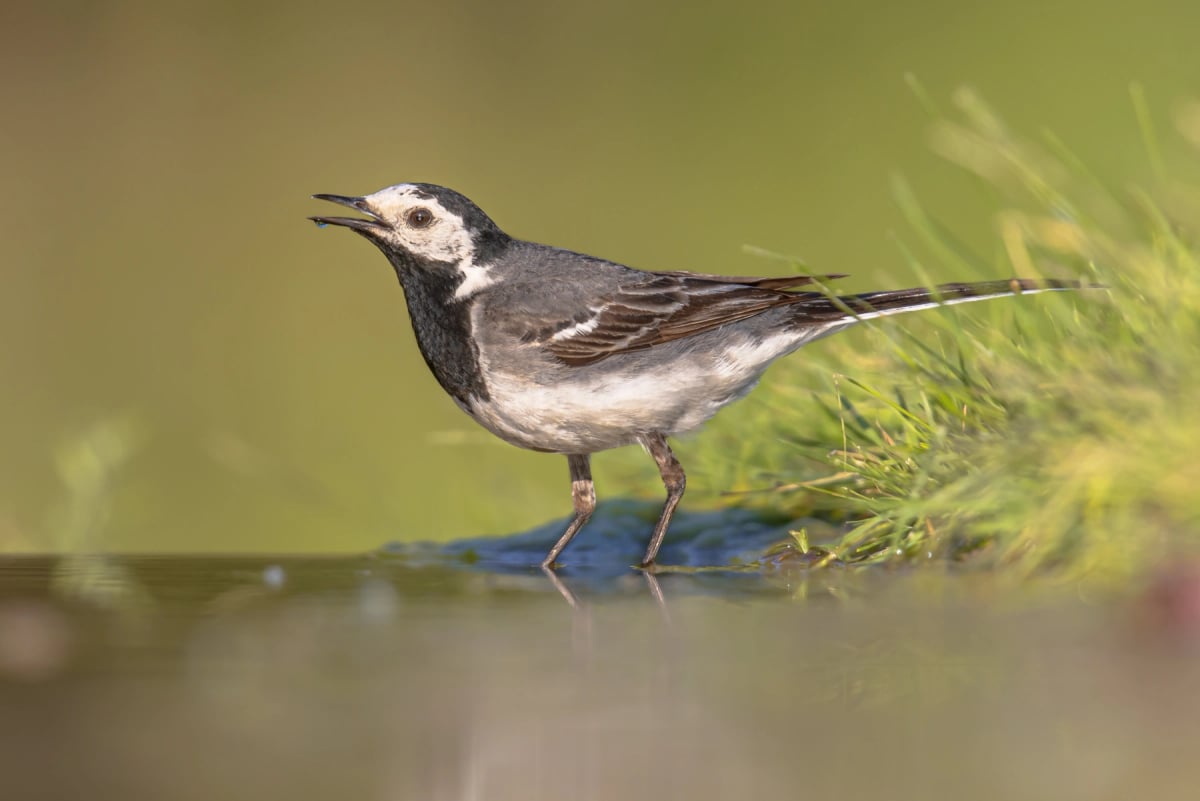
White Wagtail
Motacilla alba
In the Netherlands, the white wagtail is a familiar and well-loved bird, breeding across the country and spending the winter in good numbers too. It thrives in the open, flat landscape of polders, farmland, riverbanks and urban areas. Dutch cities and towns often host wagtails on rooftops and car parks. A portion of the population migrates south to Africa for winter, while others remain throughout the year.
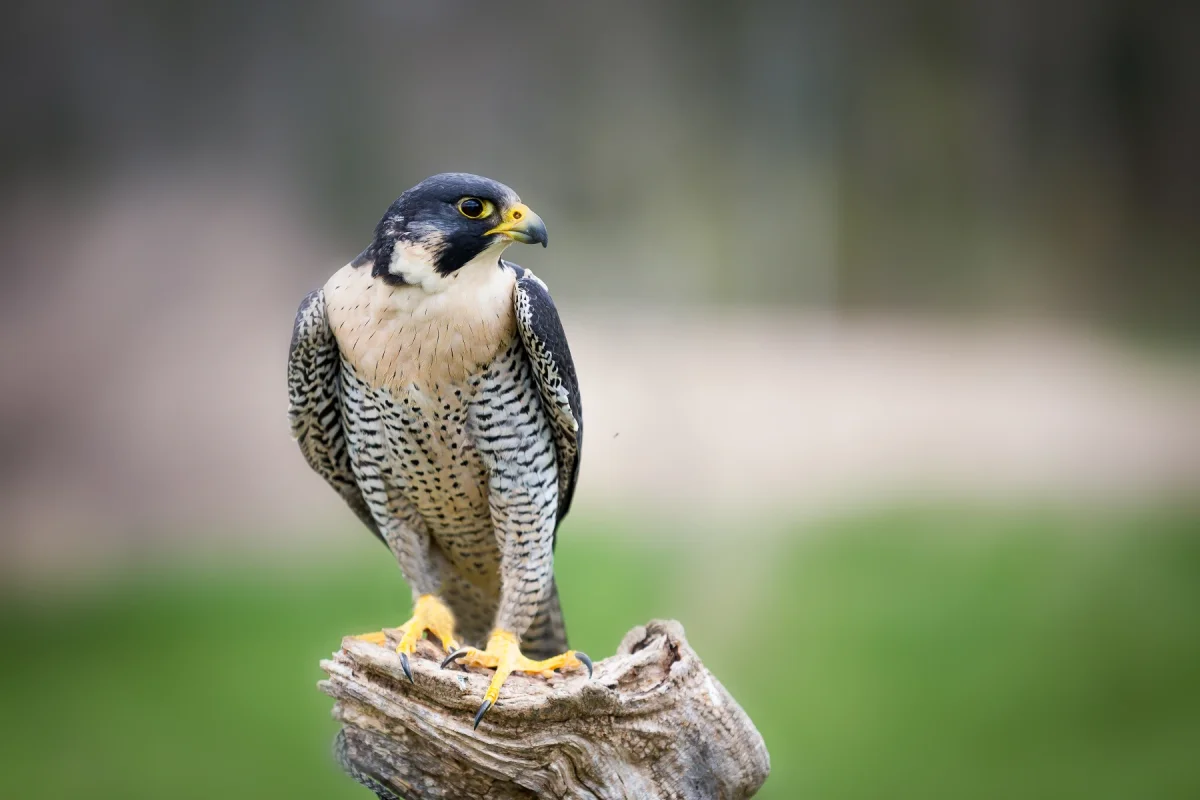
Peregrine Falcon
Falco peregrinus
The peregrine falcon made a remarkable comeback in the Netherlands after the ban on DDT in the latter half of the twentieth century. Today it nests on church towers, industrial chimneys, and purpose-built platforms in cities such as Amsterdam and Rotterdam, as well as on coastal dunes. Urban populations have grown steadily and the bird is now a familiar sight in Dutch cities. Its IUCN status is Least Concern.
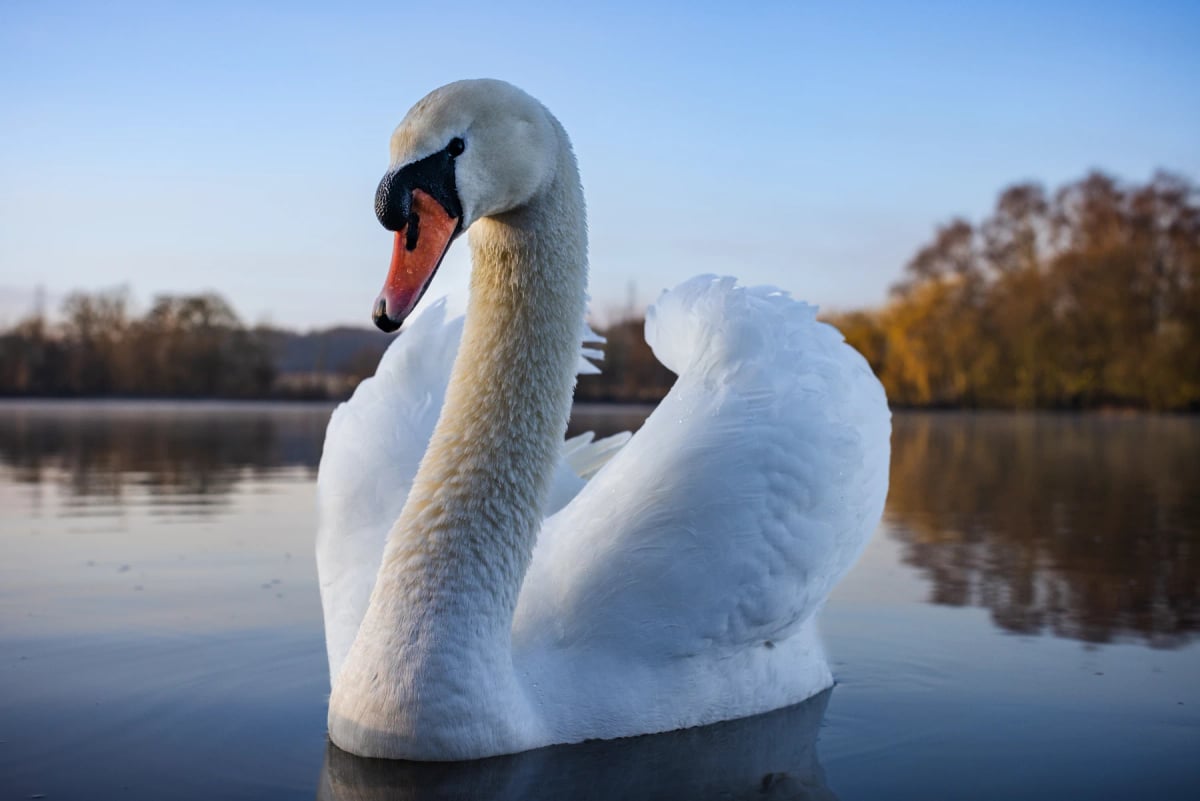
Mute Swan
Cygnus olor
The mute swan is one of the most recognizable birds in the Netherlands, found on canals, polders, lakes, and coastal estuaries throughout the country. The Dutch population is among the largest in Europe, and the species has adapted well to life alongside people in both urban and rural settings. Pairs are a common sight on city canals and nature reserves alike. The IUCN lists this well-established species as Least Concern.
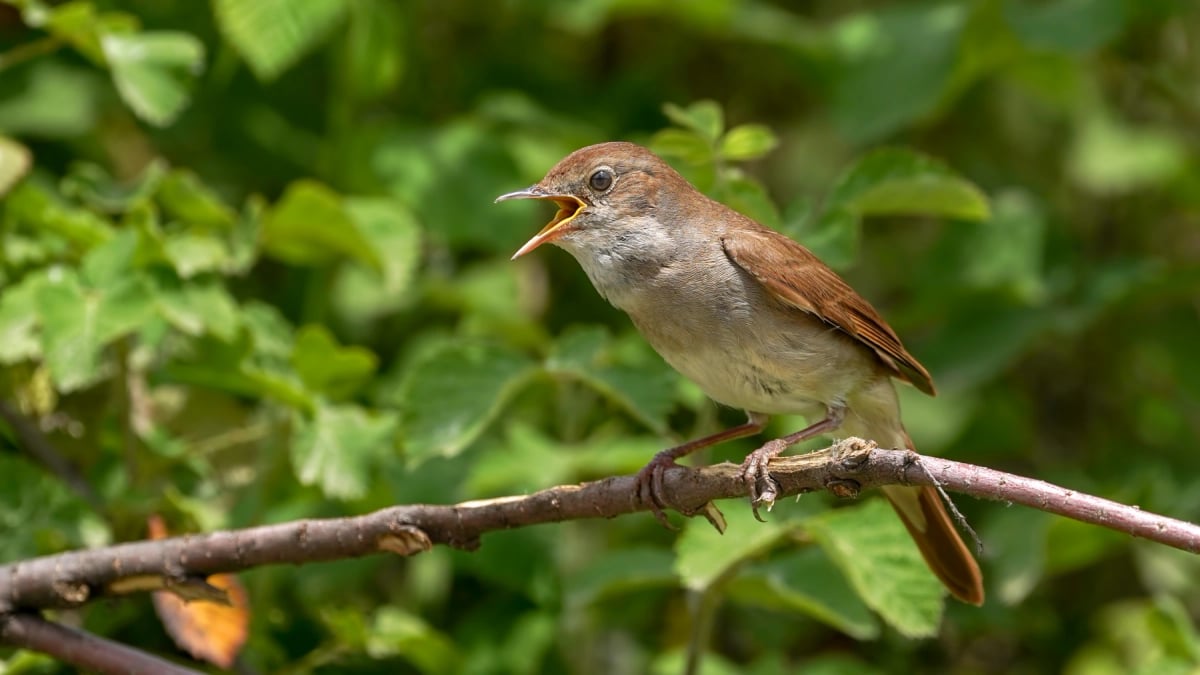
Nightingale
Luscinia megarhynchos
The nightingale breeds in the Netherlands in modest numbers, mainly in the eastern and southern provinces where areas of dense scrub, coppice woodland and thickets along river systems persist. It has declined significantly in the country over recent decades, largely due to changes in land management that have reduced the dense low cover it needs to nest and feed. Conservation efforts focus on restoring suitable scrub habitat. Its IUCN status is Least Concern.
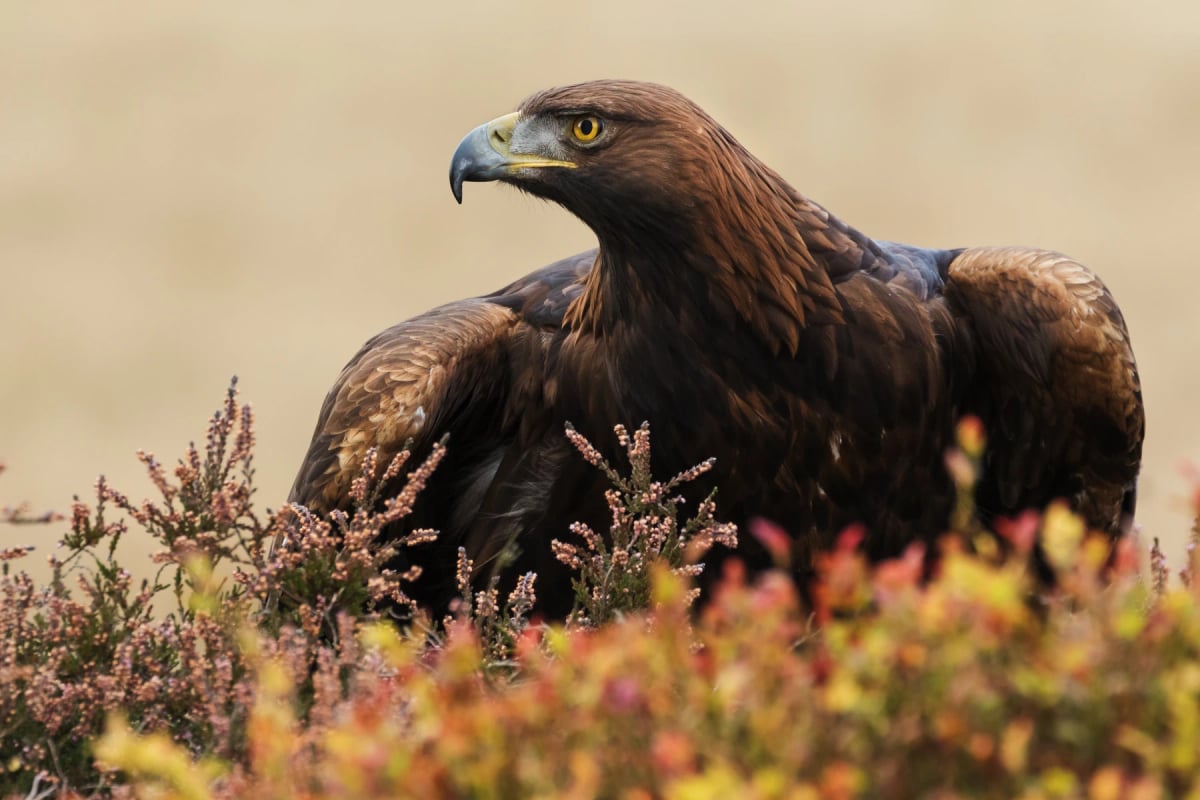
Golden Eagle
Aquila chrysaetos
The golden eagle is a rare visitor to the Netherlands rather than a resident breeding bird. It occasionally appears in the eastern and northern parts of the country, particularly during winter months when individuals from Scandinavia move south. Open heathlands and large nature reserves such as the Veluwe can attract wandering birds. Its presence is always considered a notable sighting by local birdwatchers. The IUCN lists it as Least Concern.
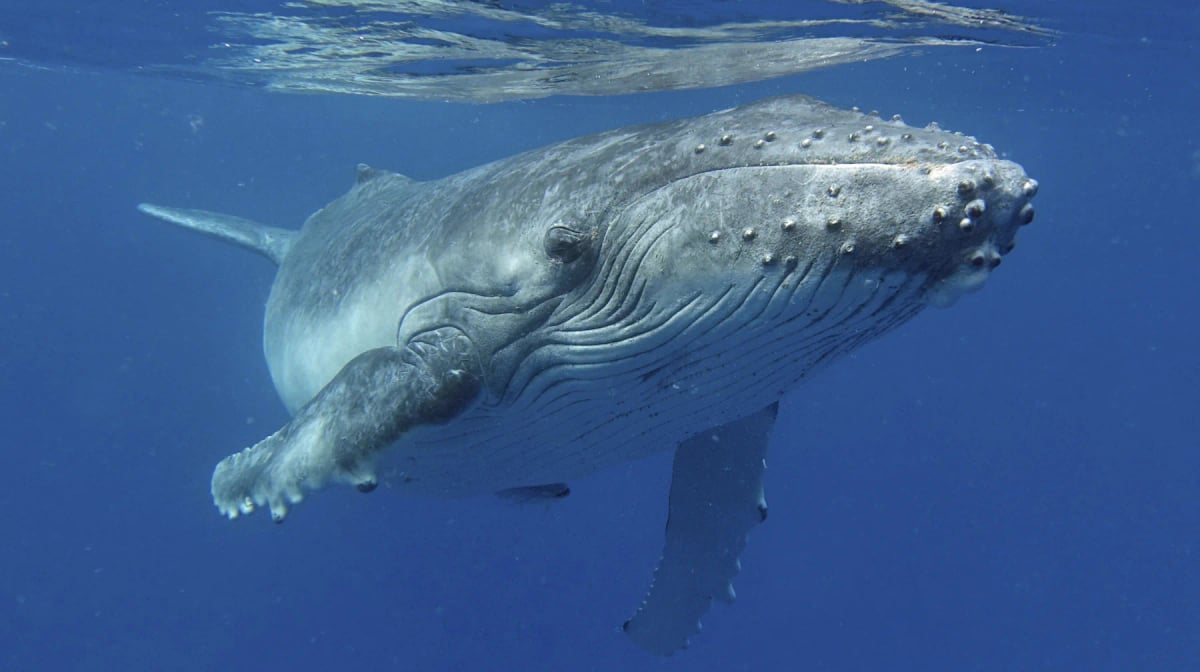
Humpback Whale
Megaptera novaeangliae
Humpback whale sightings in Dutch waters, including the North Sea, are rare but have been recorded on a number of occasions. These appearances are generally linked to individual whales that have strayed from typical North Atlantic migration routes. The shallow and busy nature of the North Sea makes it an unusual environment for this species. The IUCN classifies the humpback whale as Least Concern, and any sighting in the Netherlands draws significant scientific interest.
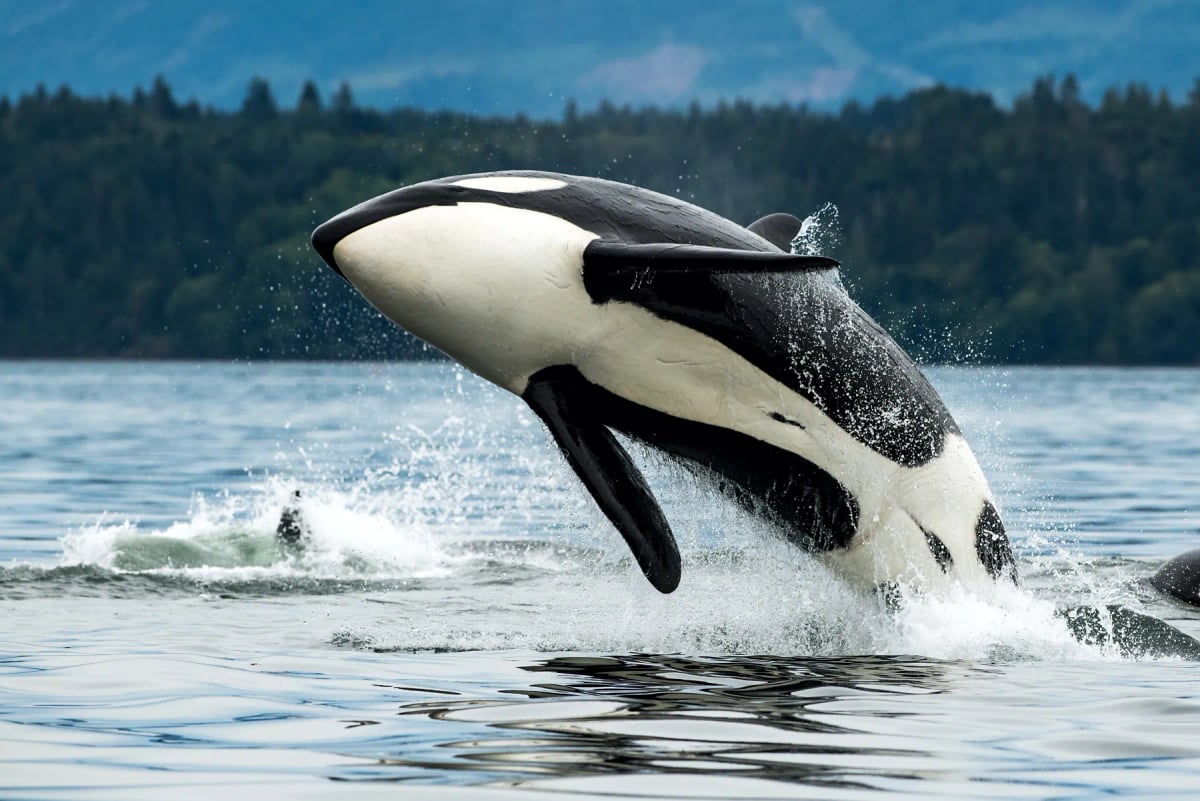
Orca
Orcinus orca
Orcas are occasional visitors to Dutch waters in the North Sea, with sightings recorded near the coast and around the Wadden Sea area. These appearances are infrequent and often involve single animals or very small groups. The North Sea is a heavily trafficked and industrialized body of water, and noise pollution from shipping and offshore energy installations is a concern for all cetaceans that pass through Dutch waters.
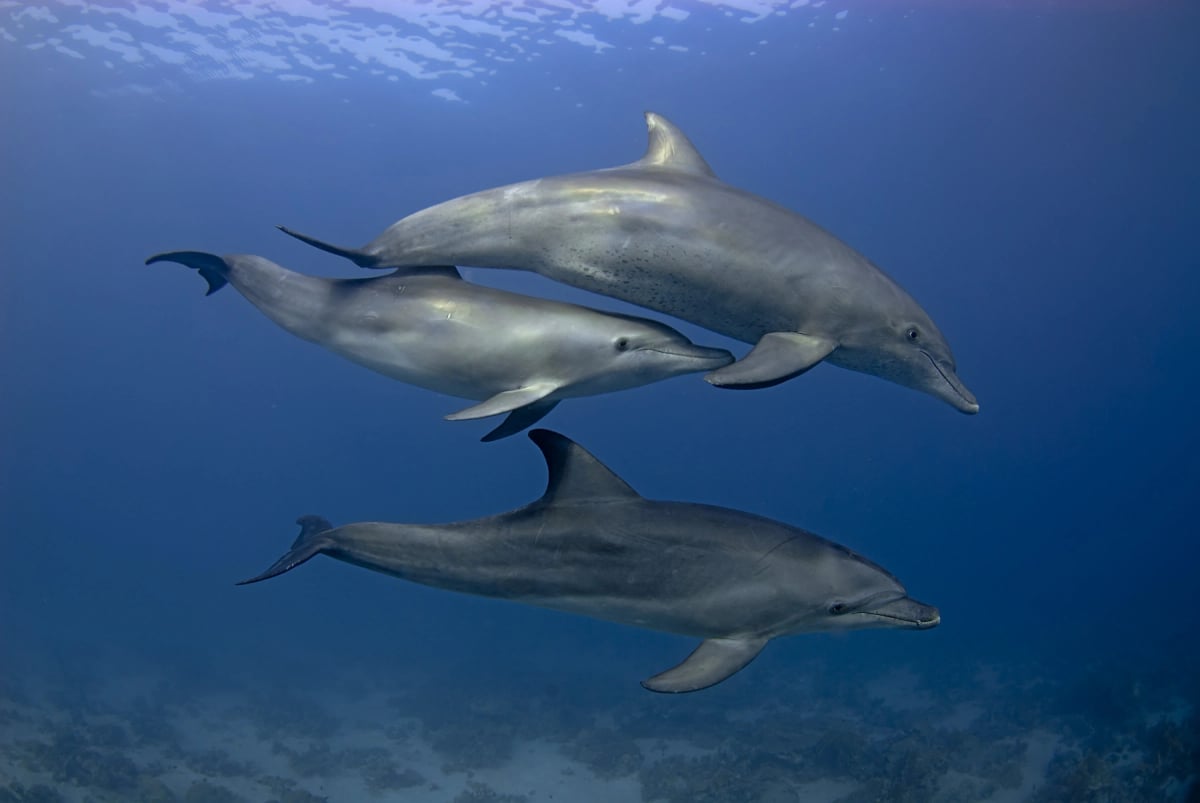
Bottlenose Dolphin
Tursiops truncatus
Bottlenose dolphins appear in Dutch coastal waters, particularly in the North Sea, though sightings are less frequent than in warmer southern European seas. They are occasionally observed near the Wadden Sea coast and in offshore areas. Noise pollution from shipping and offshore energy infrastructure is a recognized concern for cetaceans in this region. The IUCN classifies the species as Least Concern globally.
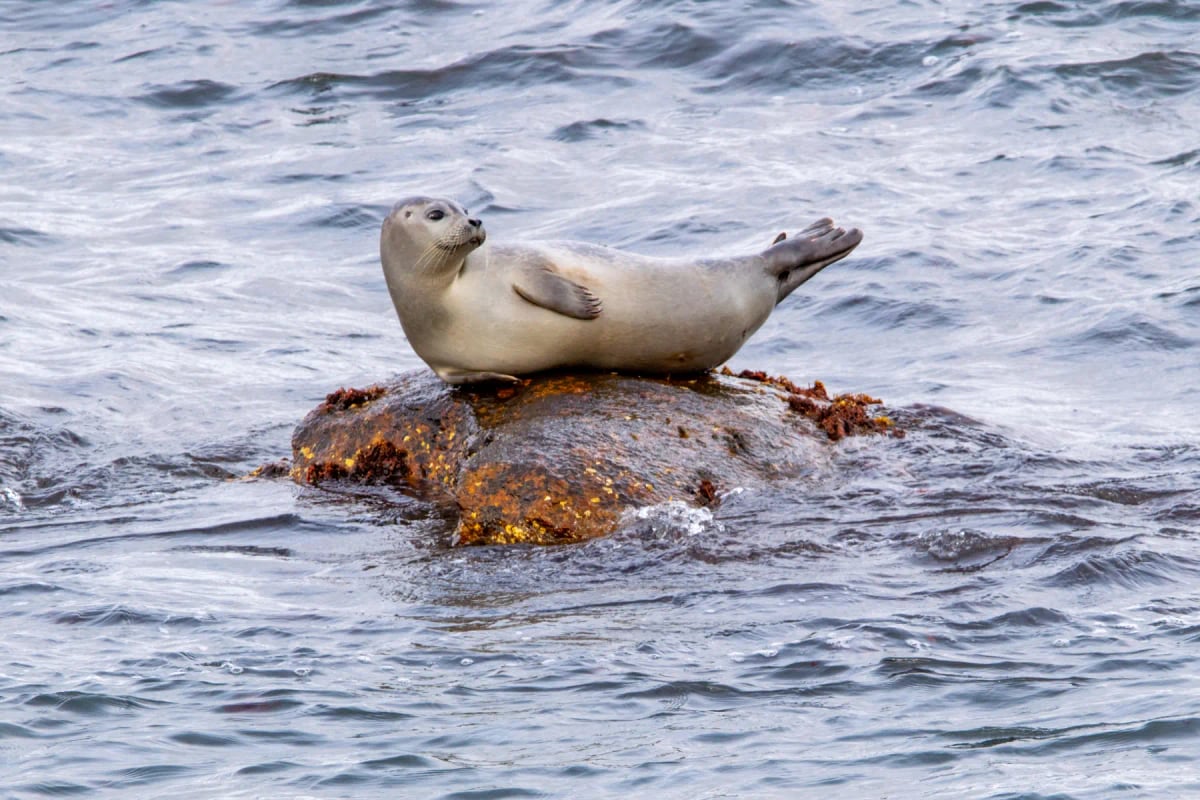
Seal
Phoca vitulina
The Wadden Sea, shared between the Netherlands and its neighbors, hosts one of the most important harbor seal populations in Europe. These seals haul out on the tidal sandflats exposed at low tide, resting and nursing their pups in early summer. Conservation efforts since the 1970s have helped numbers recover strongly after distemper outbreaks and hunting once reduced the population to very low levels.
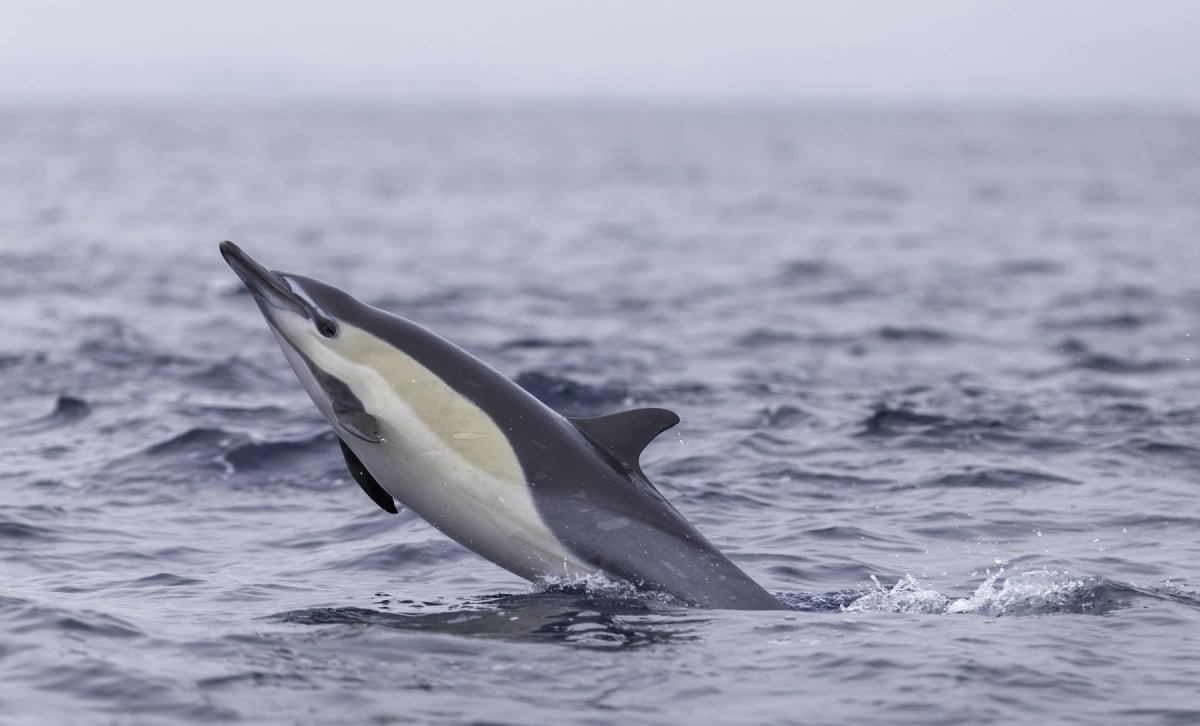
Common Dolphin
Delphinus delphis
The common dolphin is an occasional visitor to Dutch waters in the North Sea, most often spotted during autumn and winter months when prey fish move closer to the coast. Strandings along the Dutch coastline have been recorded over many years, helping researchers track the species in the northeast Atlantic. Classified as Least Concern by the IUCN, it remains a remarkable sight for anyone watching the sea from the Netherlands.
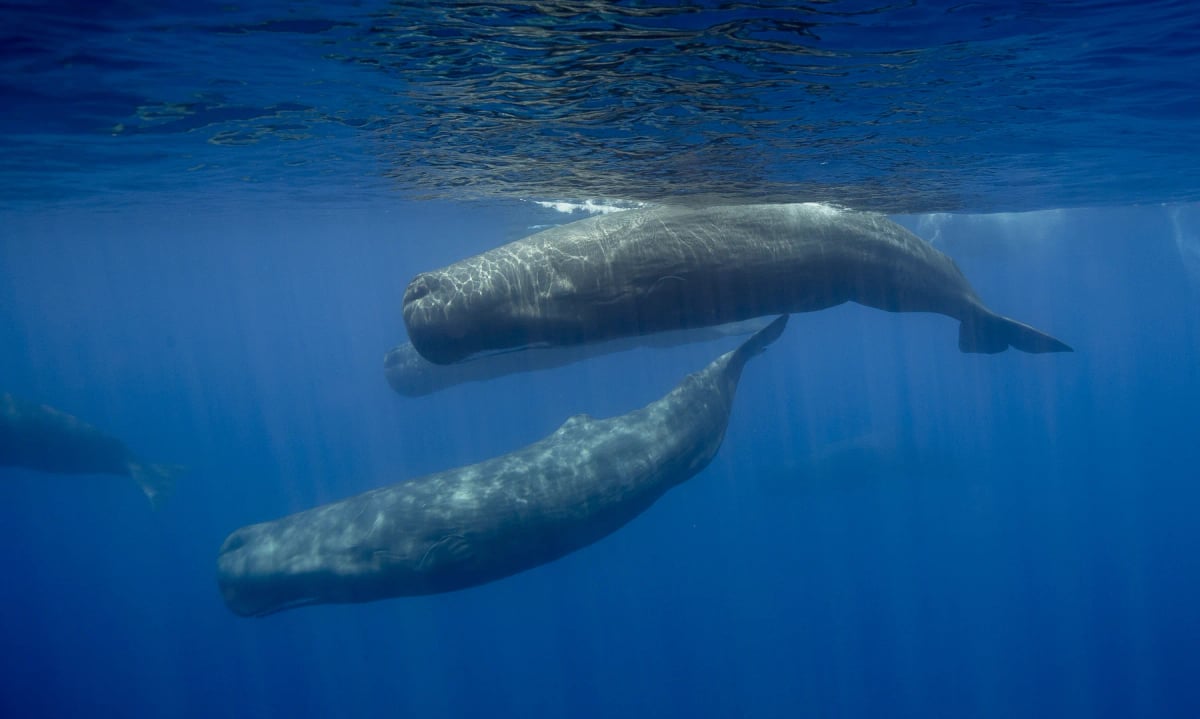
Sperm Whale
Physeter macrocephalus
Sperm whales occasionally appear in the North Sea and along the Dutch coast, typically young males that have strayed from deeper Atlantic waters. These individuals sometimes strand on Dutch beaches, events that draw significant public and scientific attention. The Netherlands has active stranding response networks that collect important data from these animals. The species holds Vulnerable status under the IUCN, making each stranding event a conservation concern.
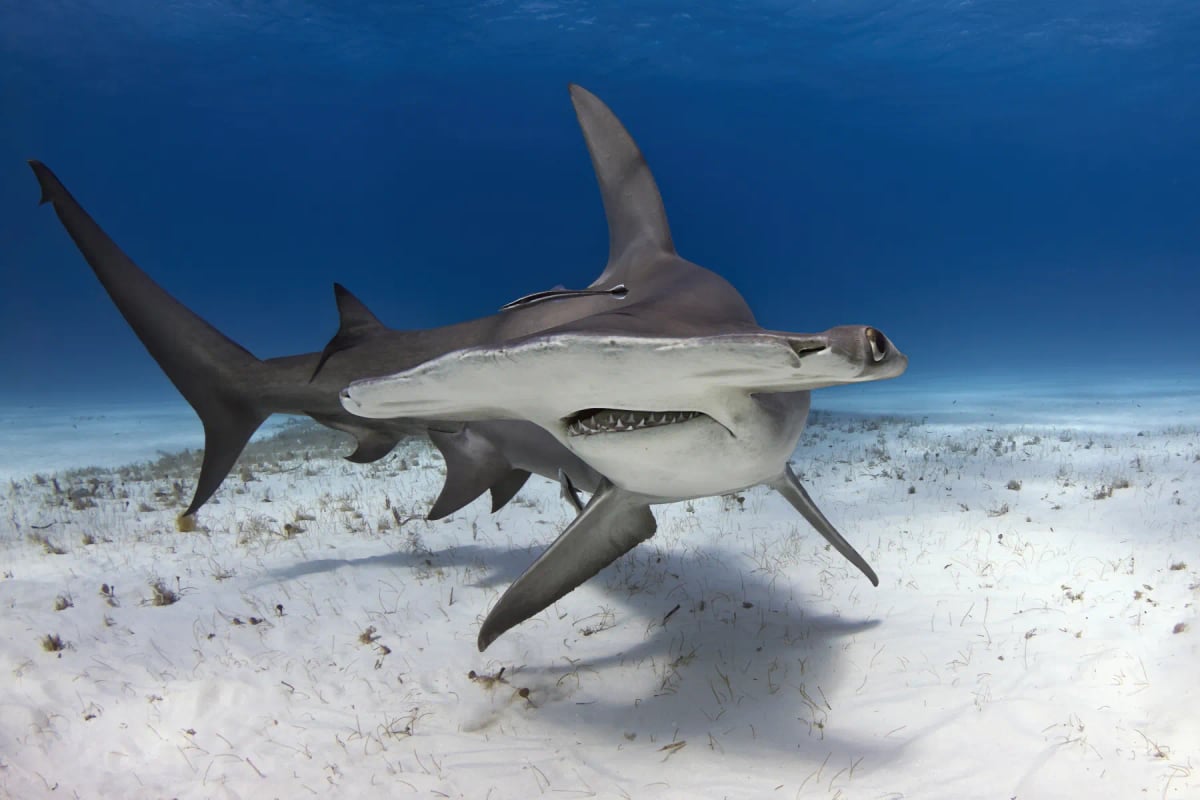
Hammerhead Shark
Sphyrna spp.
The Netherlands borders the North Sea, and while hammerhead sharks are not a regular presence in such northerly waters, occasional records exist for the broader northeastern Atlantic. Any occurrences near Dutch waters would represent rare strays from warmer regions. The Netherlands plays an active role in European Union shark conservation policy, supporting measures to protect Critically Endangered species like hammerheads across Atlantic and Mediterranean waters.
Researched and written by Juan Pablo. Sources: IUCN Red List, scientific literature and regional field guides. Last updated: .