Animals in Central African Rep
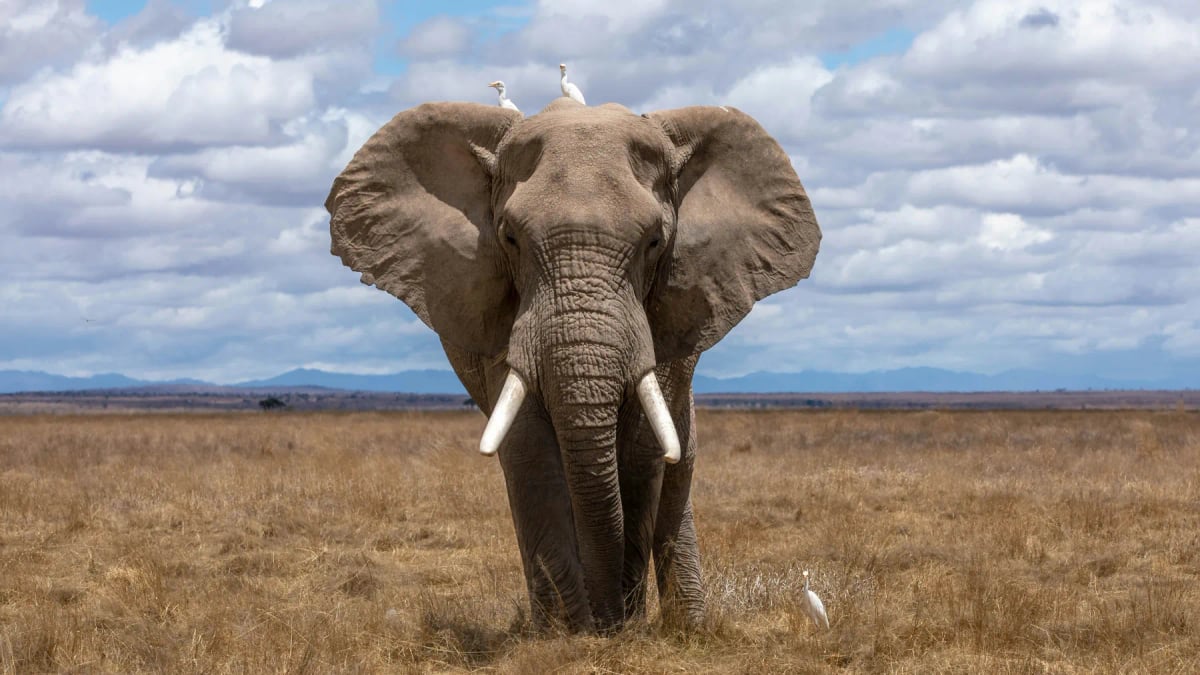
African Elephant
Loxodonta africana
The African elephant, national animal of the Central African Republic, represents strength and endurance. Forest and savanna elephants share the landscape, symbolizing the country’s ecological diversity and the importance of conservation in its national identity.
View details→Wildlife in Central African Rep
The Central African Republic preserves one of Africa’s most pristine natural areas. Dense rainforests and open savannas sustain elephants, gorillas, leopards and hippos. Dzanga Sangha Reserve stands out as a refuge for rare and endangered species, attracting researchers and eco-travelers alike.
Most Dangerous Animals in Central African Rep
The Central African Republic is home to potentially dangerous animals such as lions, leopards, elephants, hippos and venomous snakes. Encounters are rare, but caution and guided exploration are essential for safety and respect toward wildlife.
Top 10 Animals in Central African Rep
Representative fauna includes elephants, chimpanzees, cheetahs, giraffes, lions, leopards, hippos and black mambas. These species illustrate the balance between savanna predators, forest primates and iconic African wildlife in some of the continent’s least disturbed habitats.
African Elephant
Loxodonta africana
The Central African Republic has savanna elephant populations in its north and northeast, centered on Bamingui-Bangoran National Park. This remote area connects with elephant ranges in Chad and Sudan. The country suffered devastating poaching losses from armed groups during a prolonged period of instability and its elephant numbers fell sharply. Conservation work, including efforts by African Parks, has focused on rebuilding protection in the most critical areas.
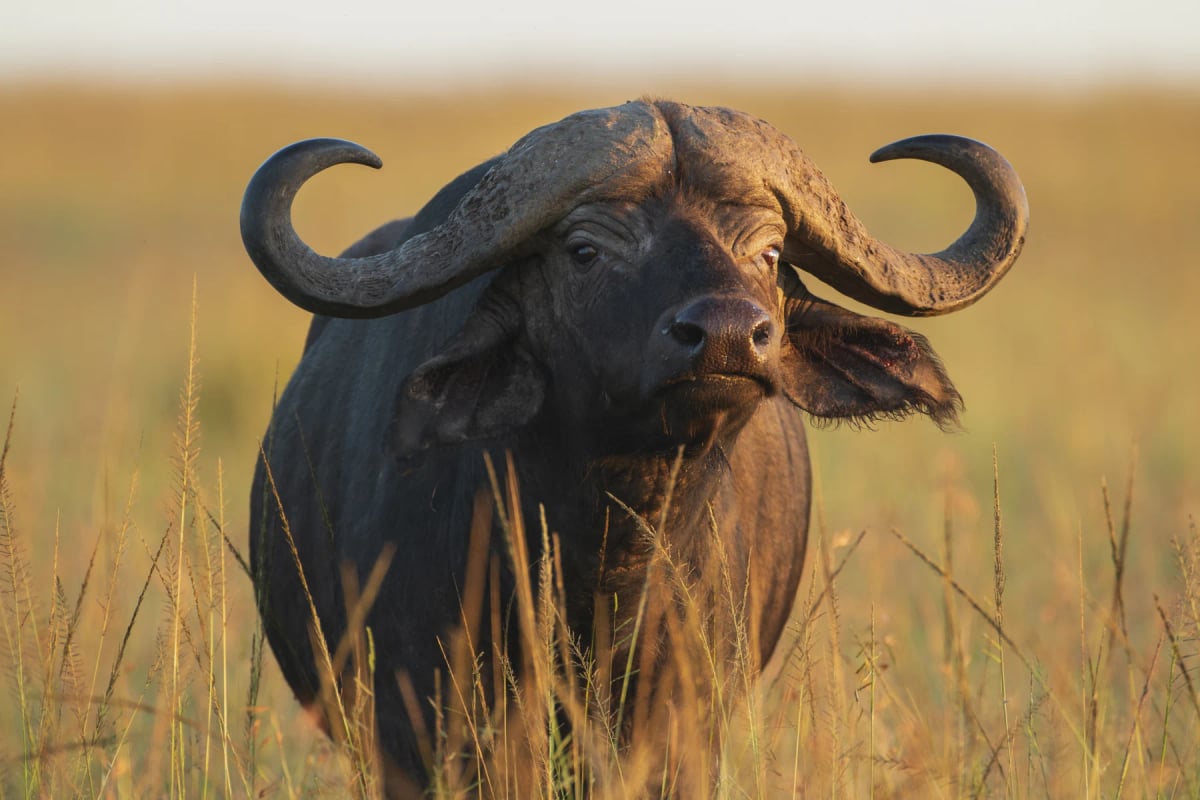
Buffalo
Syncerus caffer
The Central African Republic hosts buffalo across its northern savanna zones, particularly in and around Manovo–Gounda St. Floris National Park, a UNESCO World Heritage Site in crisis due to armed conflict and poaching. Forest buffalo are also present in the dense forests of the southwest. Decades of instability have made wildlife monitoring extremely difficult, and many populations have declined sharply. IUCN status: Least Concern.
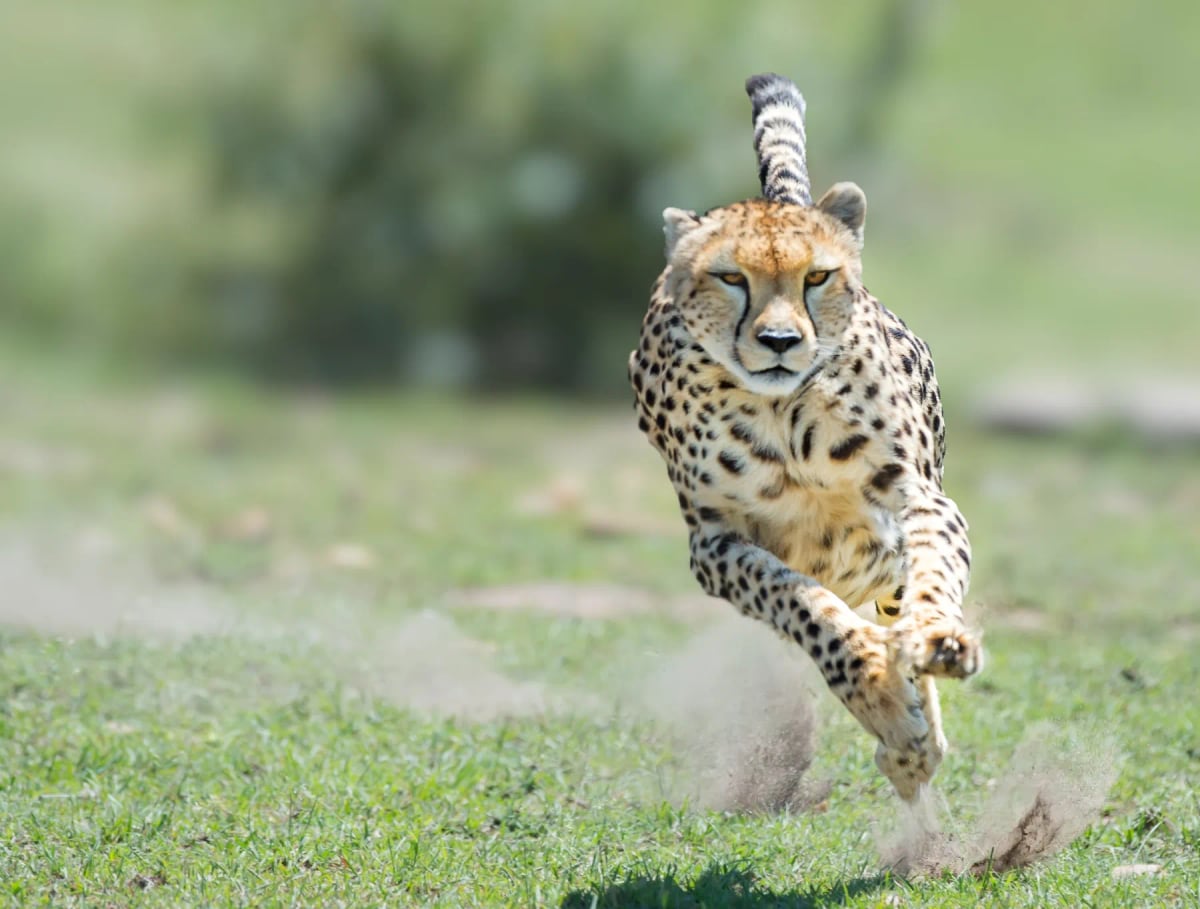
Cheetah
Acinonyx jubatus
The Central African Republic retains cheetah populations in its northern savanna zones, including areas around Manovo-Gounda St Floris National Park, a UNESCO World Heritage Site. Prolonged instability and weak enforcement of wildlife protections have allowed poaching and habitat degradation to reduce large carnivore populations significantly. The cheetah's current status in the country is difficult to assess accurately, though it remains part of the broader Sahel and savanna population.
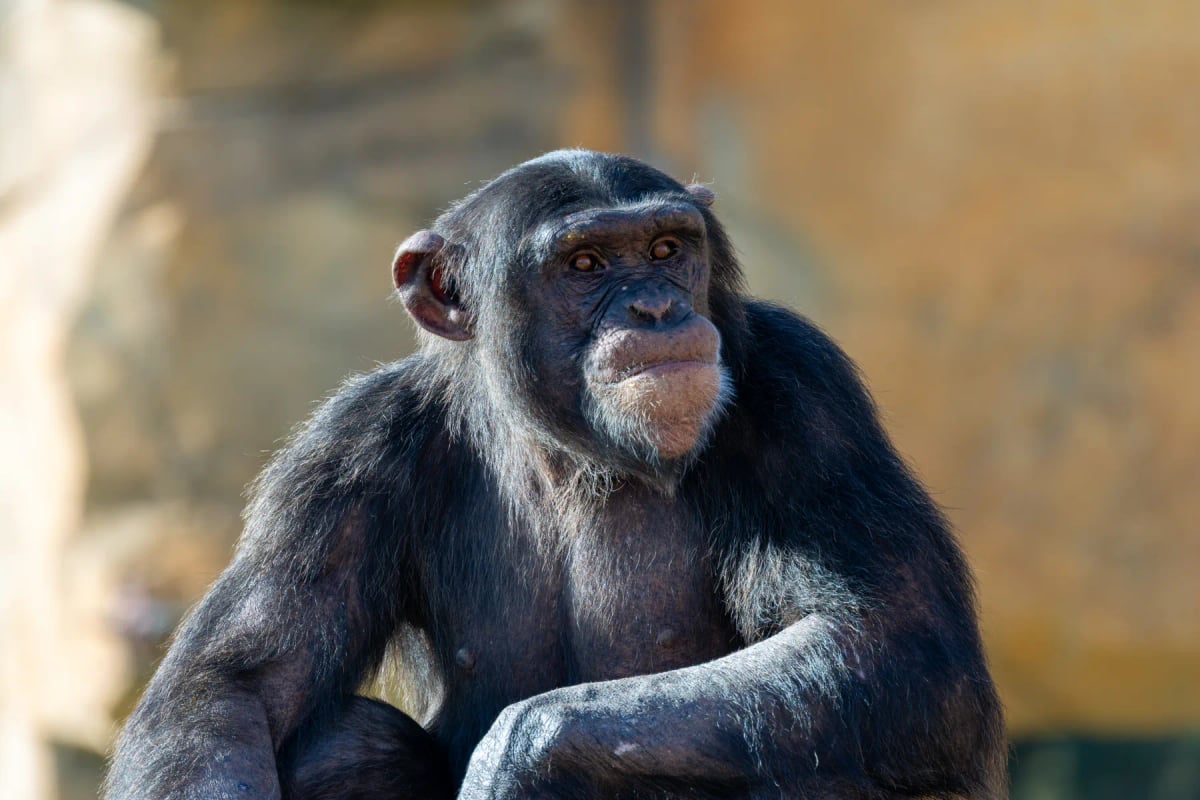
Chimpanzee
Pan troglodytes
The Central African Republic shelters a substantial chimpanzee population within its vast forest blocks, including the Dzanga-Sangha Protected Area in the southwest. This region, part of the Congo Basin, ranks among the most biodiverse on Earth. Chimpanzees here share the landscape with forest elephants and western lowland gorillas. Armed conflict and limited ranger capacity remain serious obstacles to conservation.
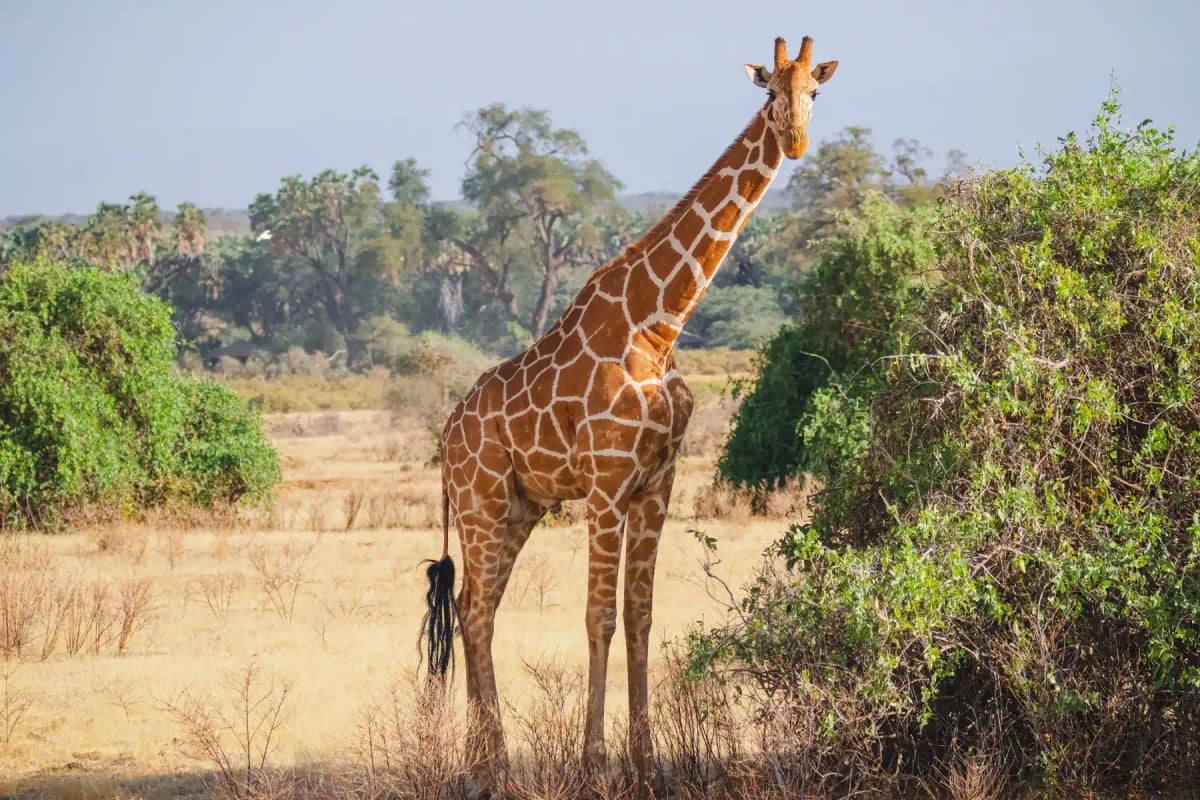
Giraffe
Giraffa camelopardalis
Giraffes in the Central African Republic inhabit the northern savannas, where the landscape opens into dry grasslands and scattered woodlands. Populations here are small and face significant pressure from poaching and the instability that has affected much of the country. These giraffes belong to a broader group found across Central Africa and are rarely seen in large numbers. Protecting remaining individuals is a priority for regional conservation. Their IUCN status is Vulnerable.
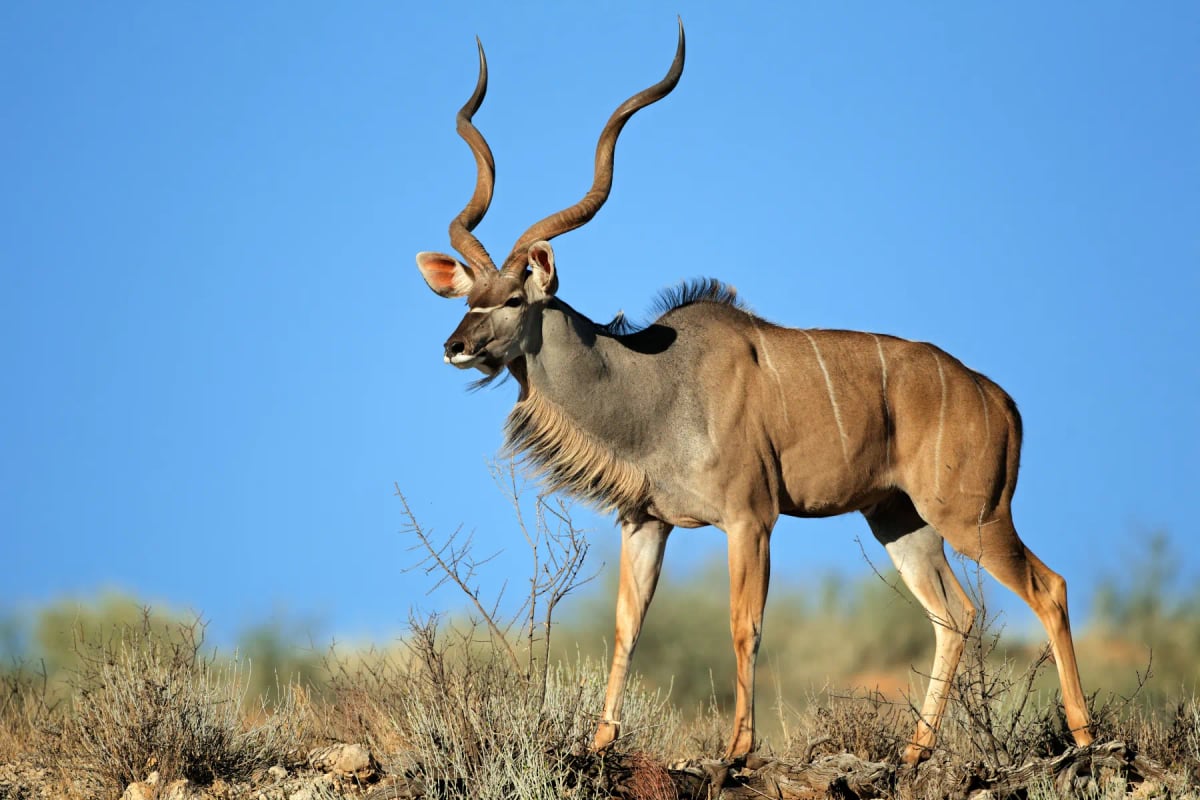
Greater Kudu
Tragelaphus strepsiceros
In the Central African Republic, greater kudus are present in the drier woodland savanna zones of the north and east, where vegetation provides the browse and cover they need. Their grey-brown coat marked with white stripes blends well into this landscape. Populations here are less studied than in southern Africa, but the species benefits from low human pressure in remote areas. The IUCN considers it Least Concern globally.
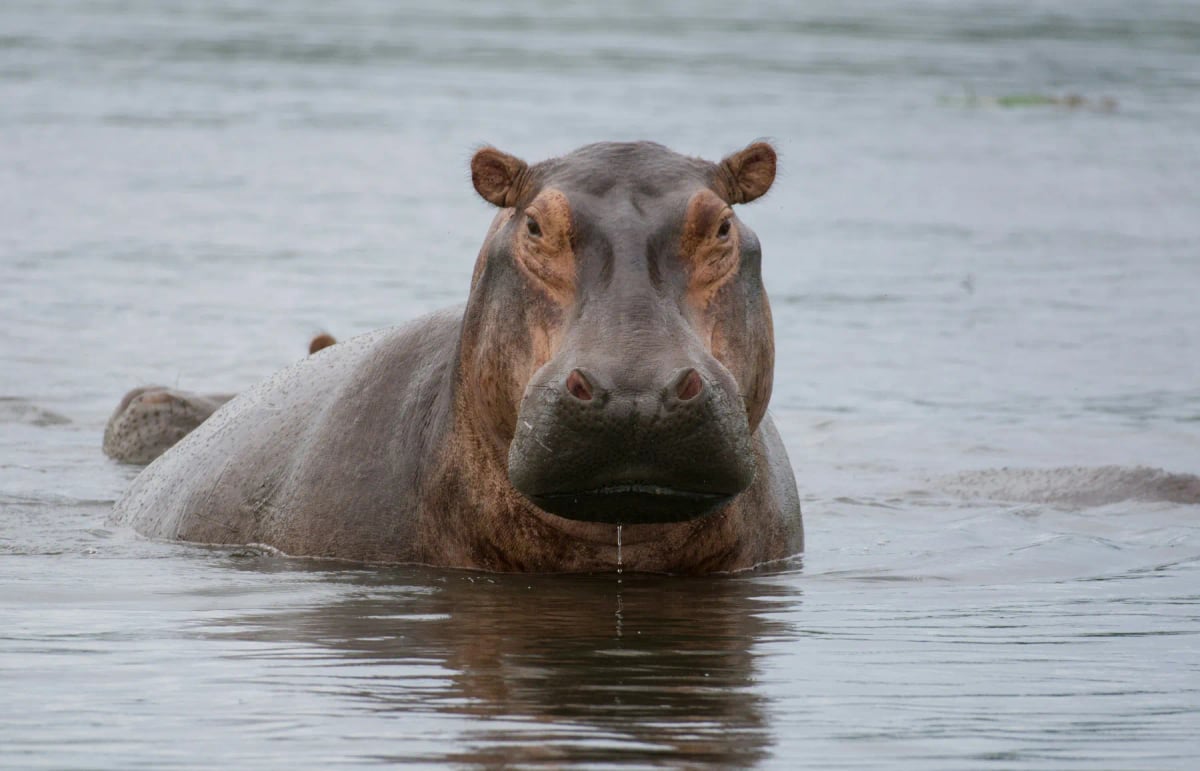
Hippopotamus
Hippopotamus amphibius
In the Central African Republic, hippopotamuses are found in major rivers such as the Ubangi and the Sangha, as well as in the waterways of protected areas like Dzanga-Sangha. The country's vast and relatively undisturbed river systems provide important habitat. However, years of instability have weakened wildlife protection, leaving hippos exposed to poaching for their meat and ivory teeth. The IUCN lists the hippopotamus as Vulnerable.
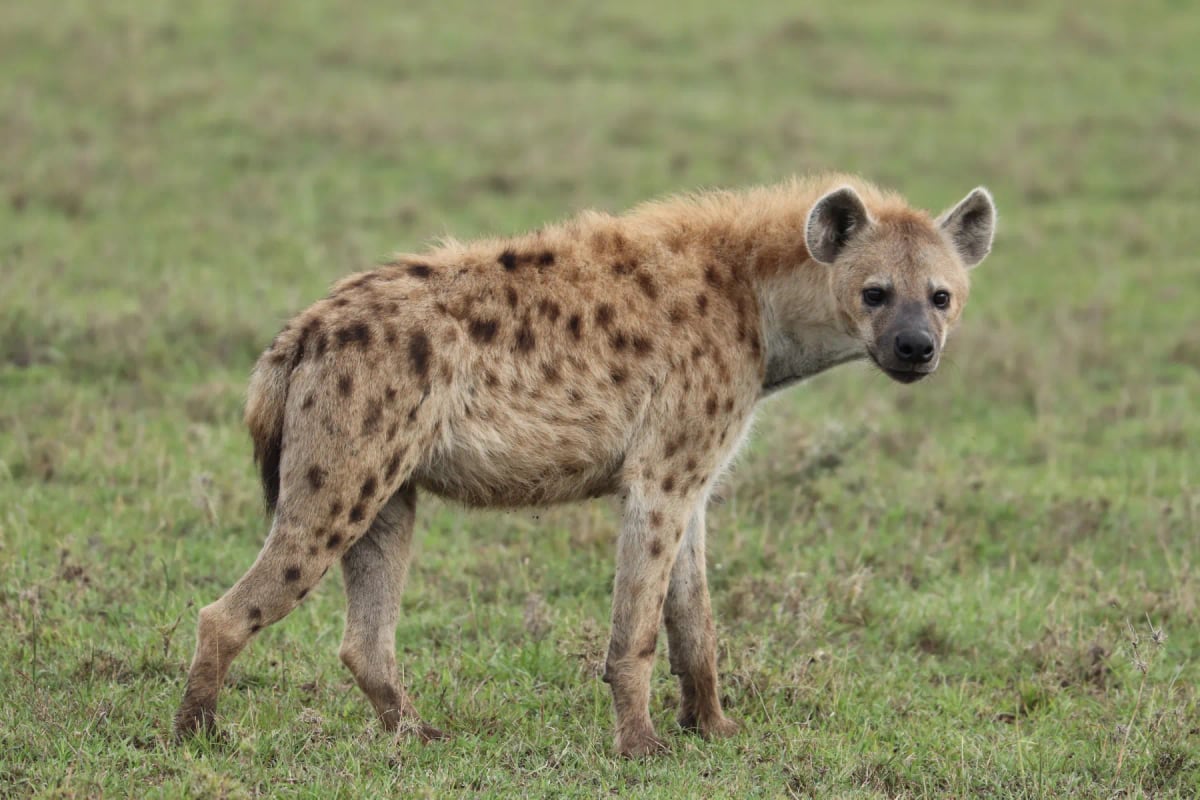
Spotted Hyena
Crocuta crocuta
The spotted hyena is present across the savanna zones of the Central African Republic, particularly in the north and east, including areas around Manovo-Gounda St Floris National Park, a UNESCO World Heritage Site. Decades of instability and poaching have severely impacted wildlife in this park and beyond. Despite this, hyenas persist in the region, benefiting from their adaptability and their ability to survive on a wide variety of food sources.
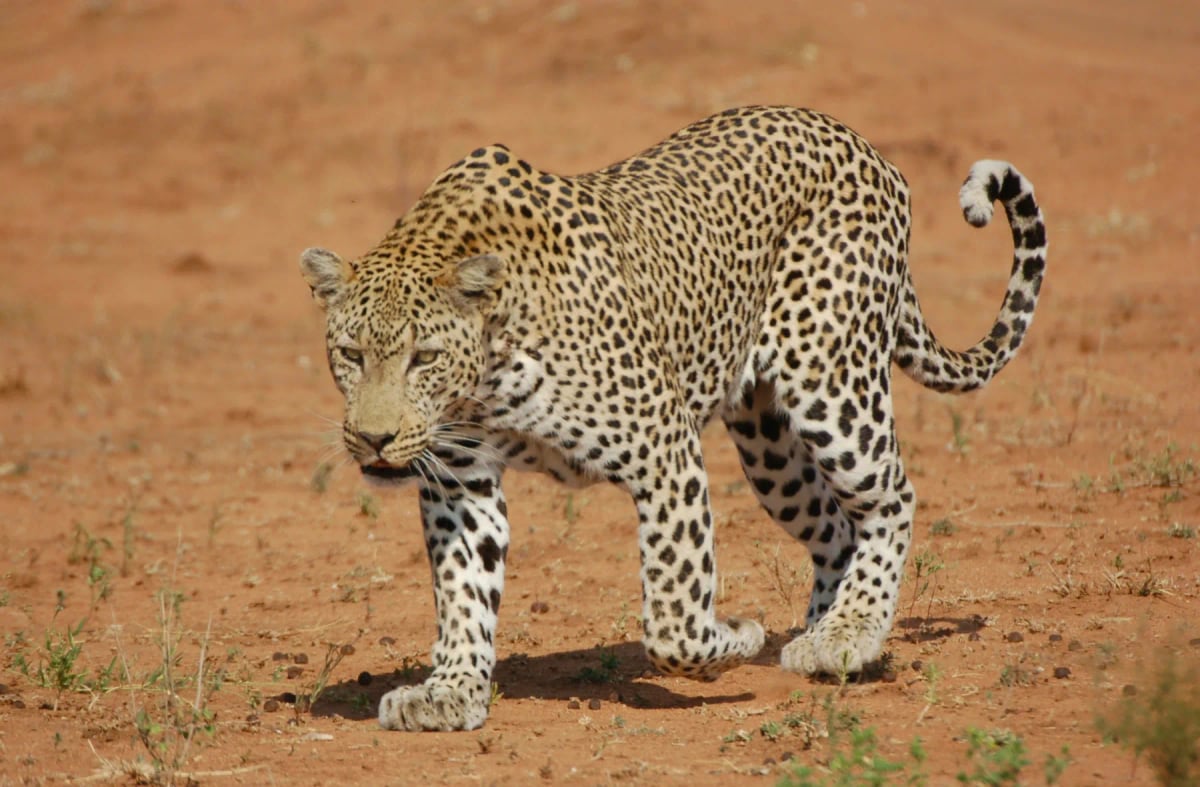
Leopard
Panthera pardus
The Central African Republic holds significant leopard populations within its vast forest and savanna landscapes, including the Dzanga-Sangha protected area in the southwest. Leopards here share territory with forest elephants and western lowland gorillas. Ongoing civil instability has made wildlife monitoring difficult, but leopards remain present across much of the country. They are listed as Vulnerable on the IUCN Red List.
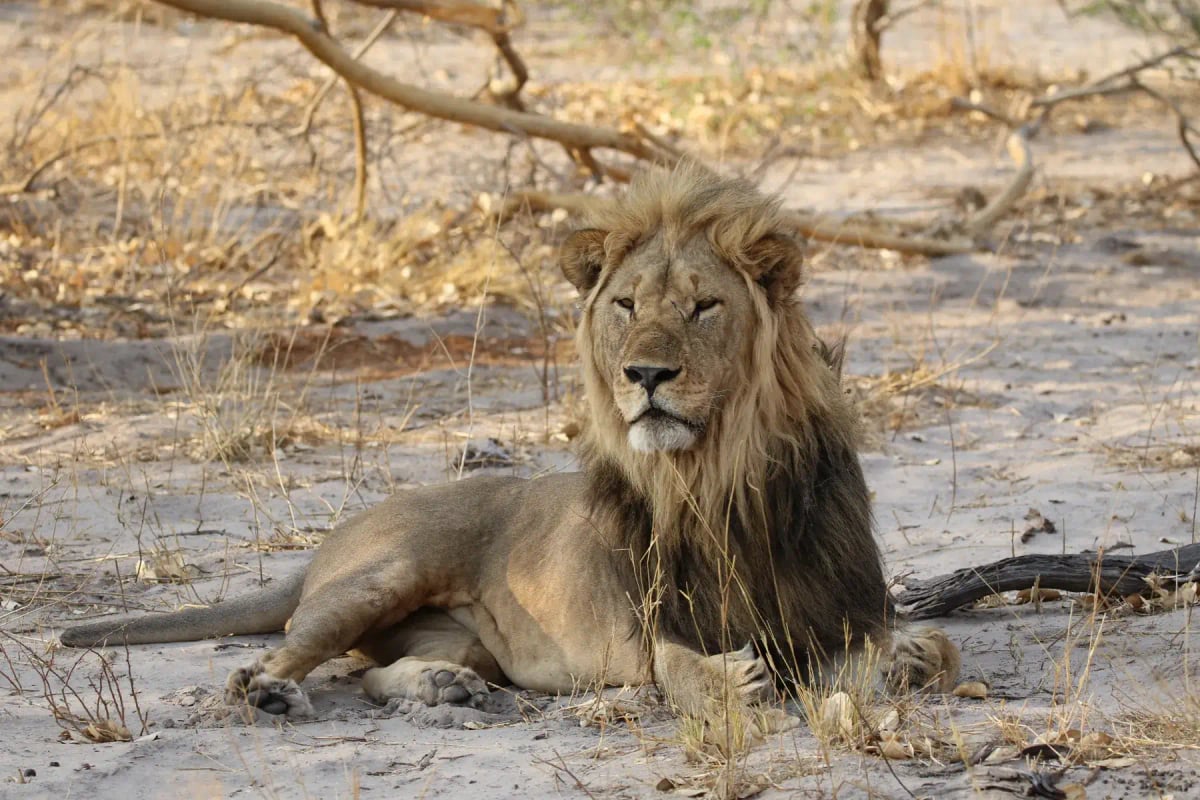
Lion
Panthera leo
Lions are present in several protected areas in the Central African Republic, including Manovo-Gounda St. Floris and Bamingui-Bangoran national parks in the north. Decades of instability have made monitoring difficult, but populations are believed to persist in these remote areas. The country holds some of the least studied lion populations in Africa.
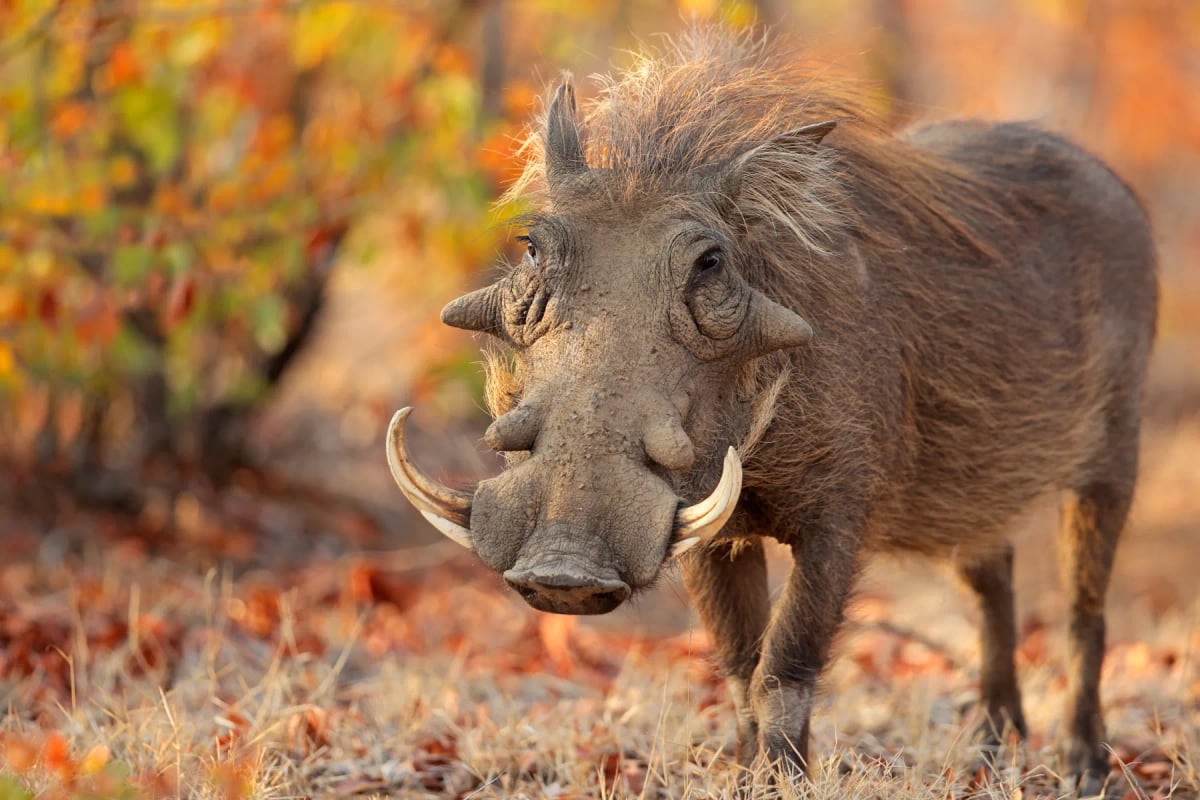
Warthog
Phacochoerus africanus
The common warthog is present in the savannas and open woodlands of the Central African Republic, particularly in the north and west of the country. Protected areas such as Manovo-Gounda St. Floris National Park, a UNESCO World Heritage Site, provide habitat for the species. It forages for grasses and tubers and takes shelter in burrows abandoned by other animals. Its IUCN status is Least Concern.
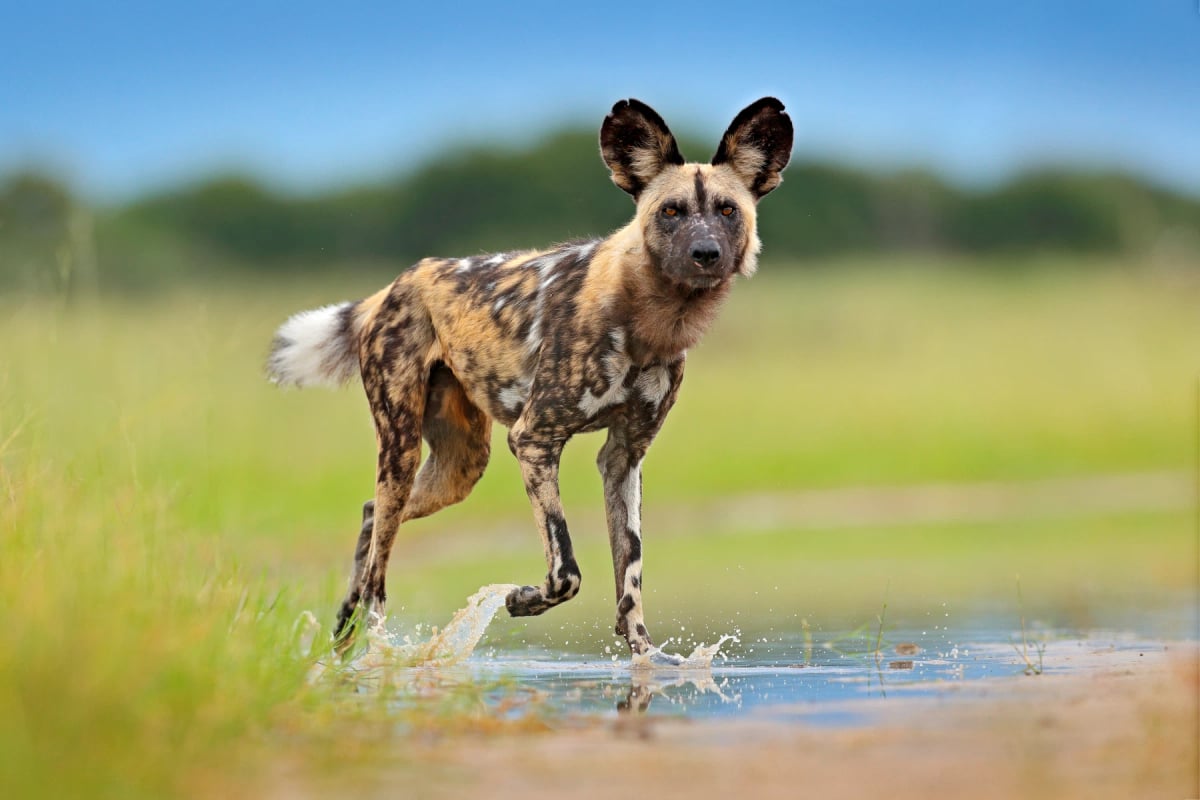
Wild Dog
Lycaon pictus
The African wild dog occupies remote savanna zones in the Central African Republic, including areas near Bamingui-Bangoran National Park in the north. Political instability and limited resources for wildlife protection have made conservation efforts extremely difficult. Accurate population data is hard to obtain, but the species faces serious pressure from habitat degradation and the widespread use of snares across the region. IUCN status: Endangered.
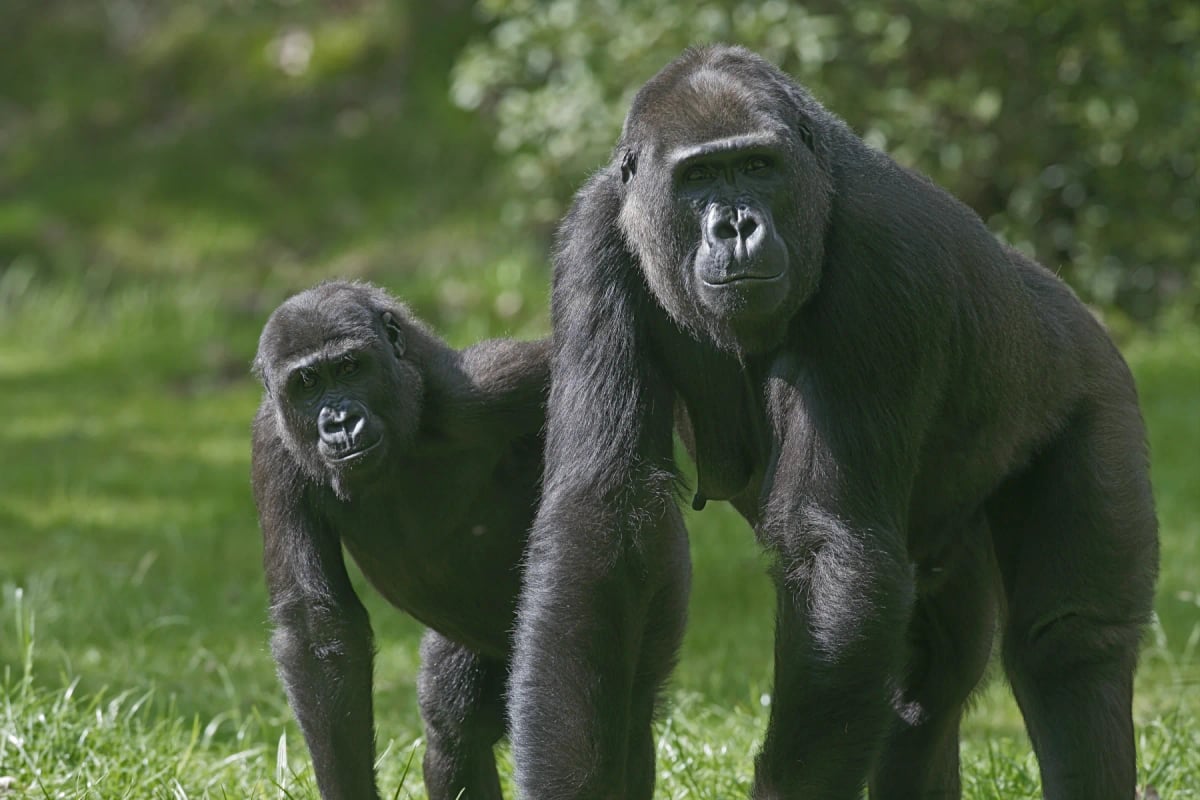
Western Lowland Gorilla
Gorilla gorilla gorilla
The Central African Republic holds significant populations of western lowland gorillas, particularly in the southwestern rainforests near the borders with Cameroon and the Republic of Congo. The Dzanga-Sangha Protected Area is one of the most important refuges for the subspecies in the region. Poaching and instability from armed conflict continue to threaten both the gorillas and the rangers who protect them.
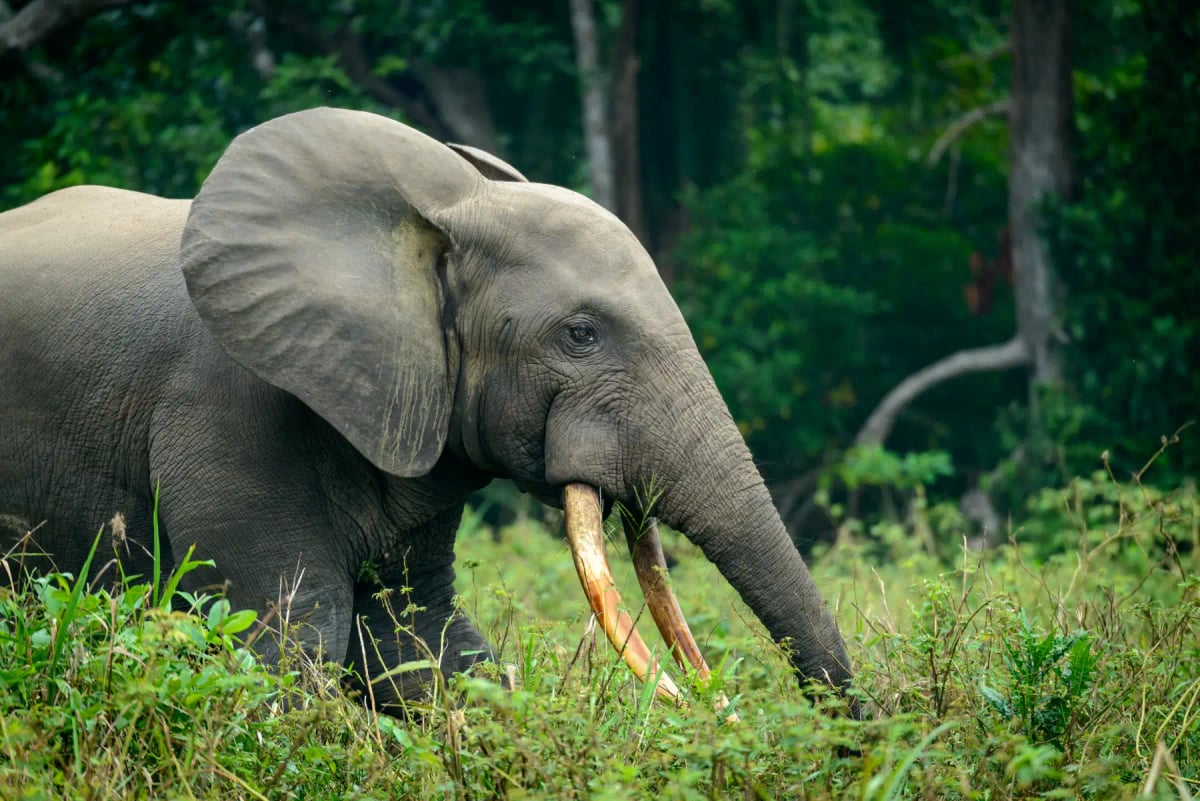
African Forest Elephant
Loxodonta cyclotis
The Central African Republic is one of the strongholds for the African forest elephant, with the Dzanga-Sangha Special Reserve in the southwest holding a well-studied population. The Dzanga Bai clearing, an opening rich in minerals in the forest, is one of the best places in the world to observe forest elephants gathering in large numbers. The country's vast and largely intact rainforest in the southwest provides essential habitat, though poaching remains a serious and ongoing threat.
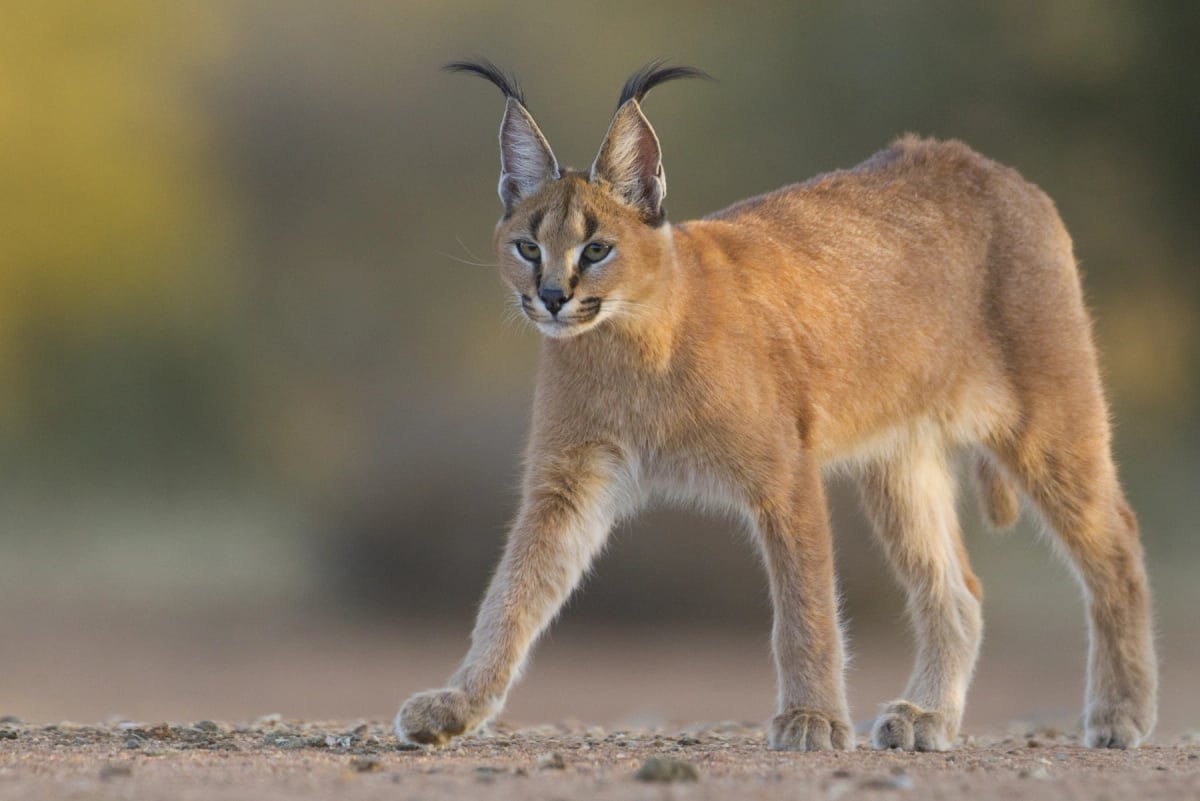
Caracal
Caracal caracal
In the Central African Republic, the caracal is restricted to the drier northern and northeastern savannas and woodland edges, where it finds the open terrain it prefers. It is absent from the humid forest zones that cover much of the south. It preys on rodents, birds, and small antelopes. Political instability and the resulting lack of wildlife monitoring have made it difficult to assess the current status of the population accurately. IUCN status: Least Concern.
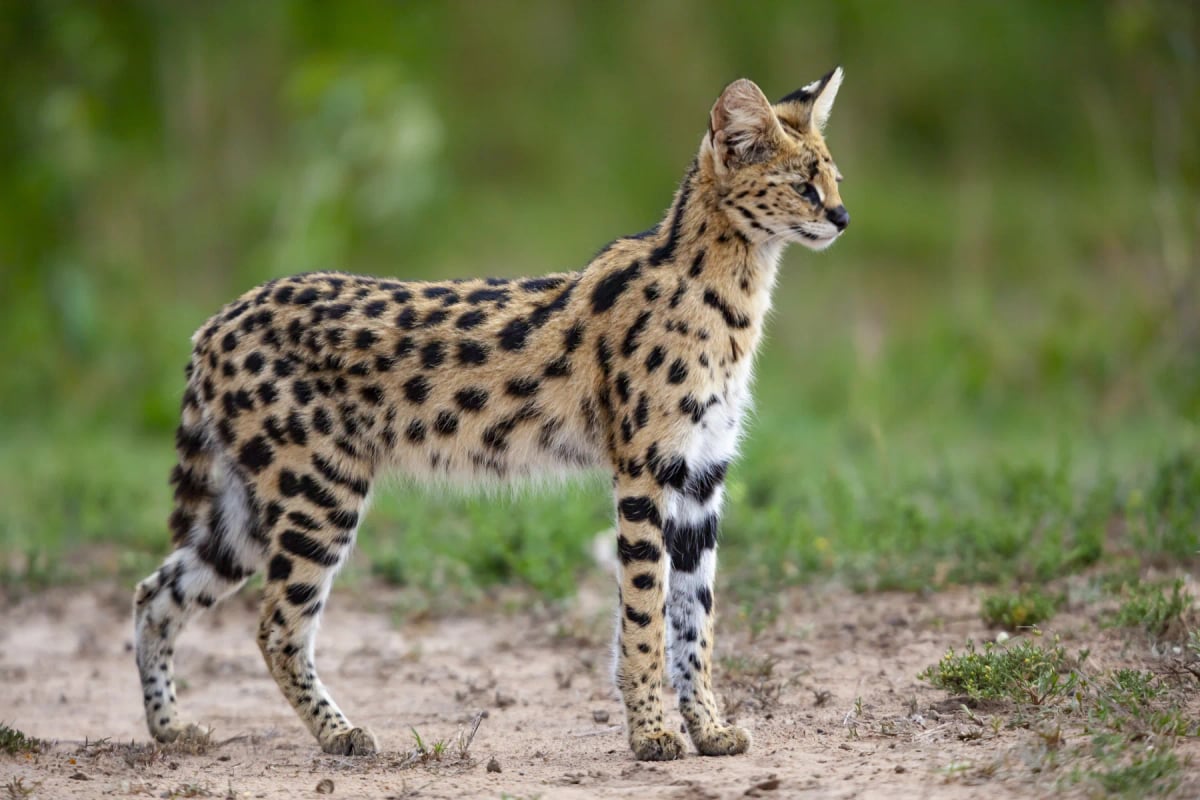
Serval
Leptailurus serval
The serval is found across the savanna zones of the Central African Republic, particularly in the north and west where open grasslands and gallery forests meet. It is a solitary hunter that uses its exceptional hearing to track rodents and small birds through tall grass. Protected areas such as Bamingui-Bangoran National Park may offer refuge. The IUCN considers the species Least Concern, though civil instability in the country has made monitoring difficult.
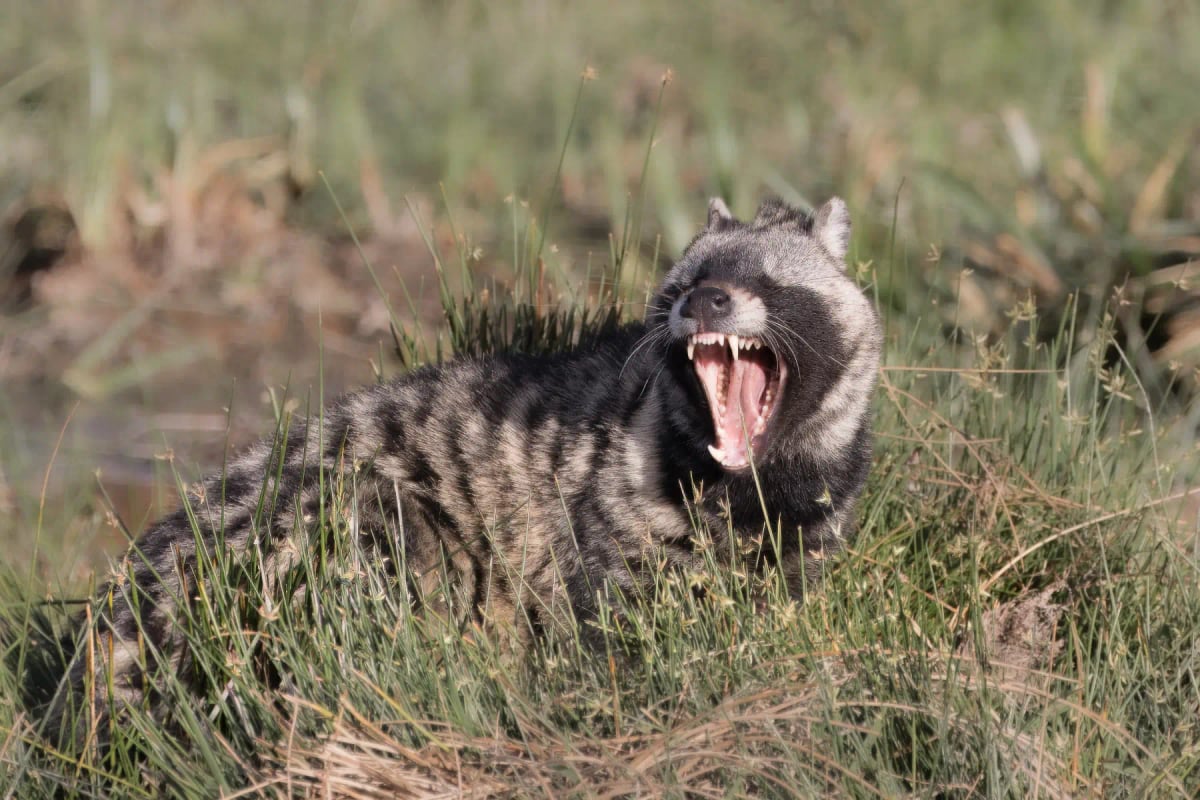
African Civet
Civettictis civetta
The Central African Republic's forests and savanna woodlands support African civet populations across most of the country. The southwestern rainforests around Dzanga-Sangha and the gallery forests along the Sangha and Ubangi rivers are particularly rich habitat. In the drier north, civets follow river corridors where suitable cover persists. The country's low human population density has helped preserve large tracts of intact habitat for nocturnal carnivores.
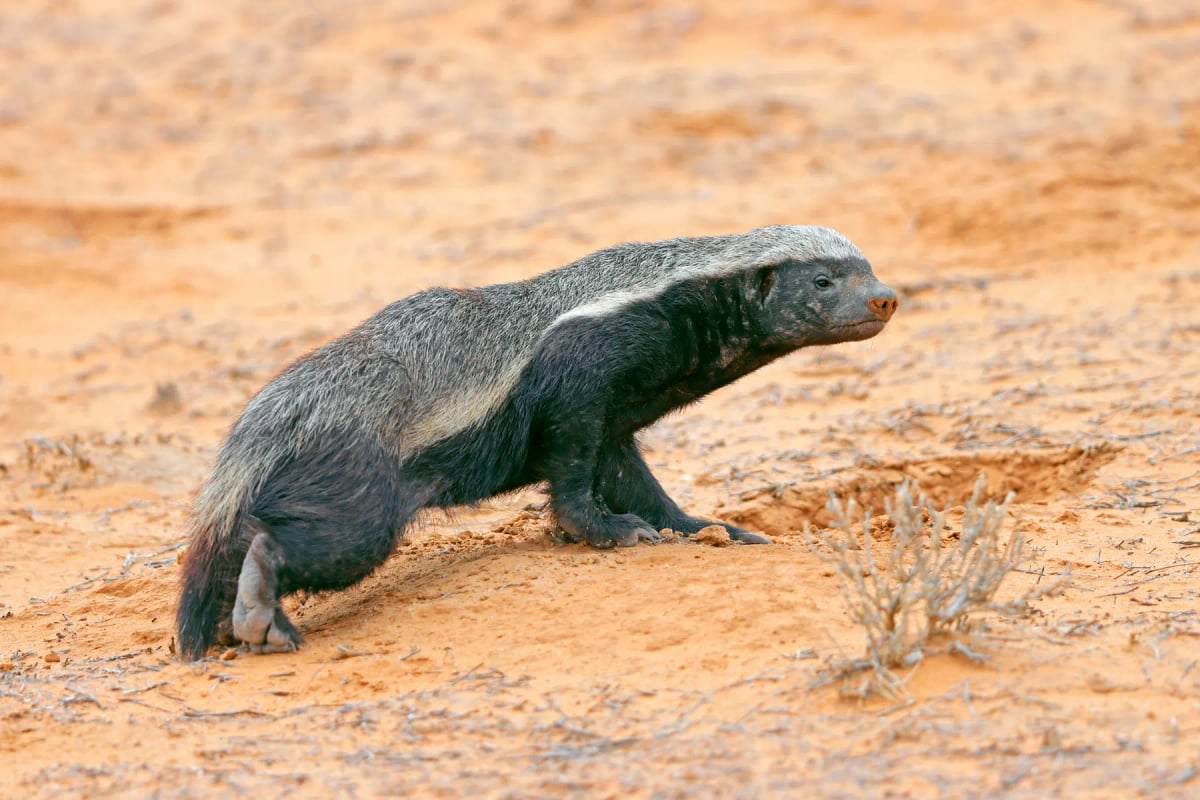
Honey Badger
Mellivora capensis
The honey badger is found in the Central African Republic across savanna corridors in the north and transitional woodland areas closer to the Congo Basin forests. It is a bold and adaptable carnivore, feeding on snakes, small mammals, honey, and insects. Its population in this region is not well studied, but habitat disturbance from logging and agriculture continues to reduce suitable territory. The IUCN lists it as Least Concern.
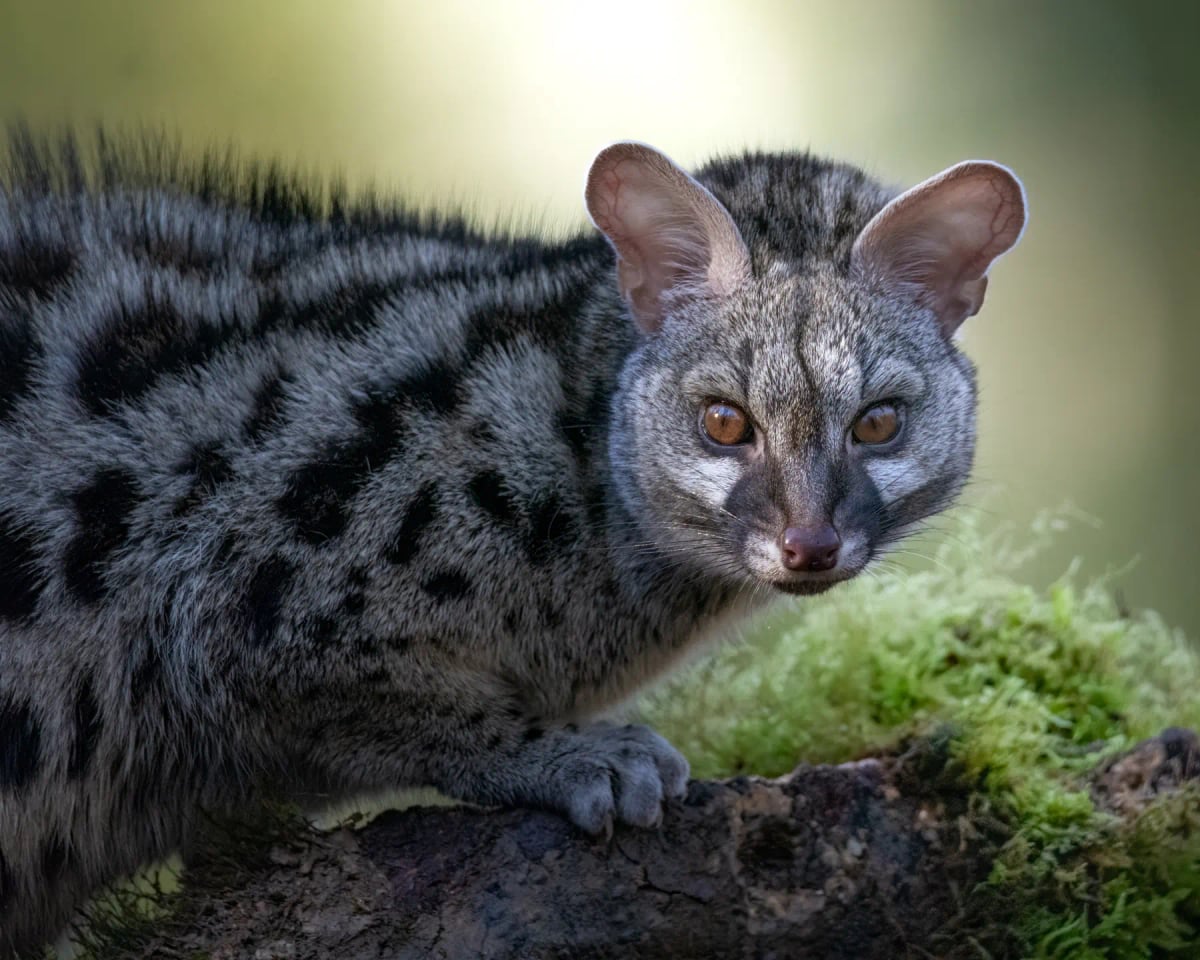
Common Genet
Genetta genetta
The common genet is found in the Central African Republic across forest edges, gallery forests, and wooded savannas. It is active at night, using its keen senses to hunt small mammals, birds, reptiles, and insects. The country's vast areas of intact woodland and forest provide ample shelter for this species. It rests by day in hollow trees or dense thickets and is rarely seen by people despite being widespread. Its IUCN status is Least Concern.
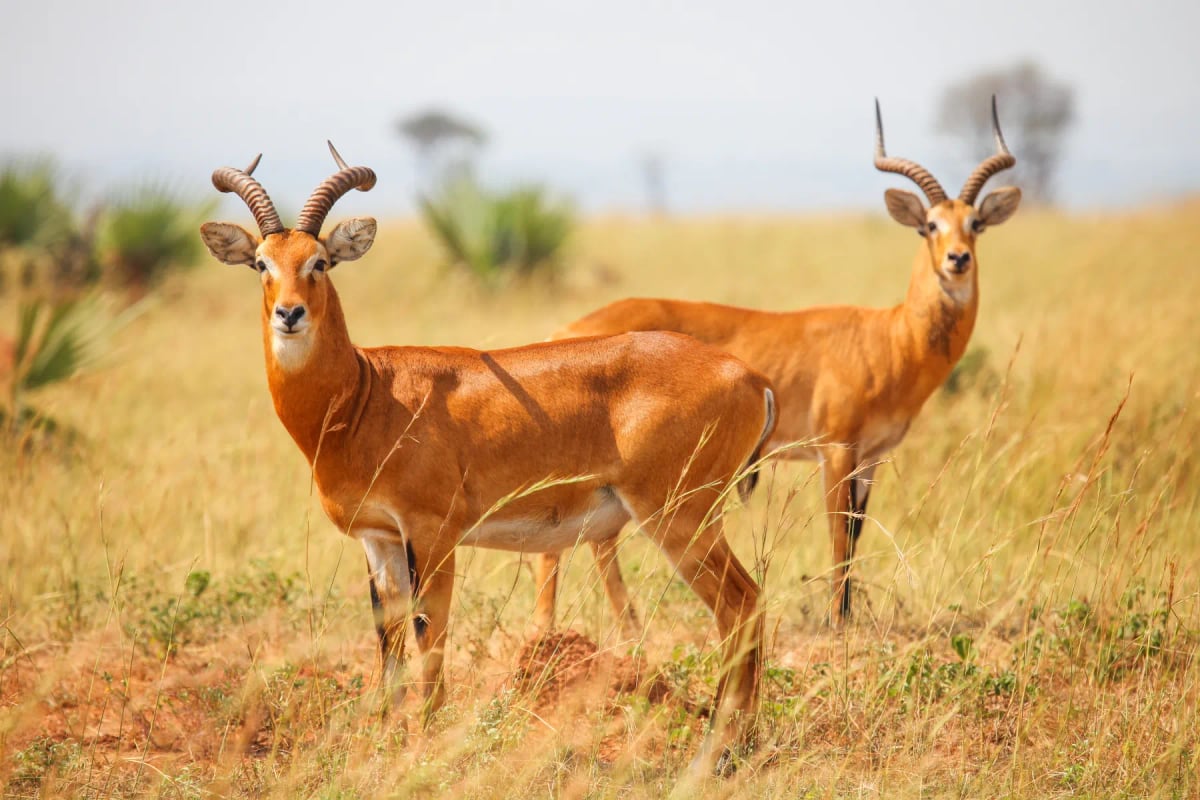
Kob
Kobus kob
In the Central African Republic, kobs inhabit the grassy savannas and river valleys of the north and west, including areas around Bamingui-Bangoran National Park. They favor open floodplains where water and fresh grass are available year-round. The species has faced significant pressure from poaching and civil instability, which have disrupted wildlife monitoring and conservation efforts across much of the country. Its IUCN status remains Least Concern globally.
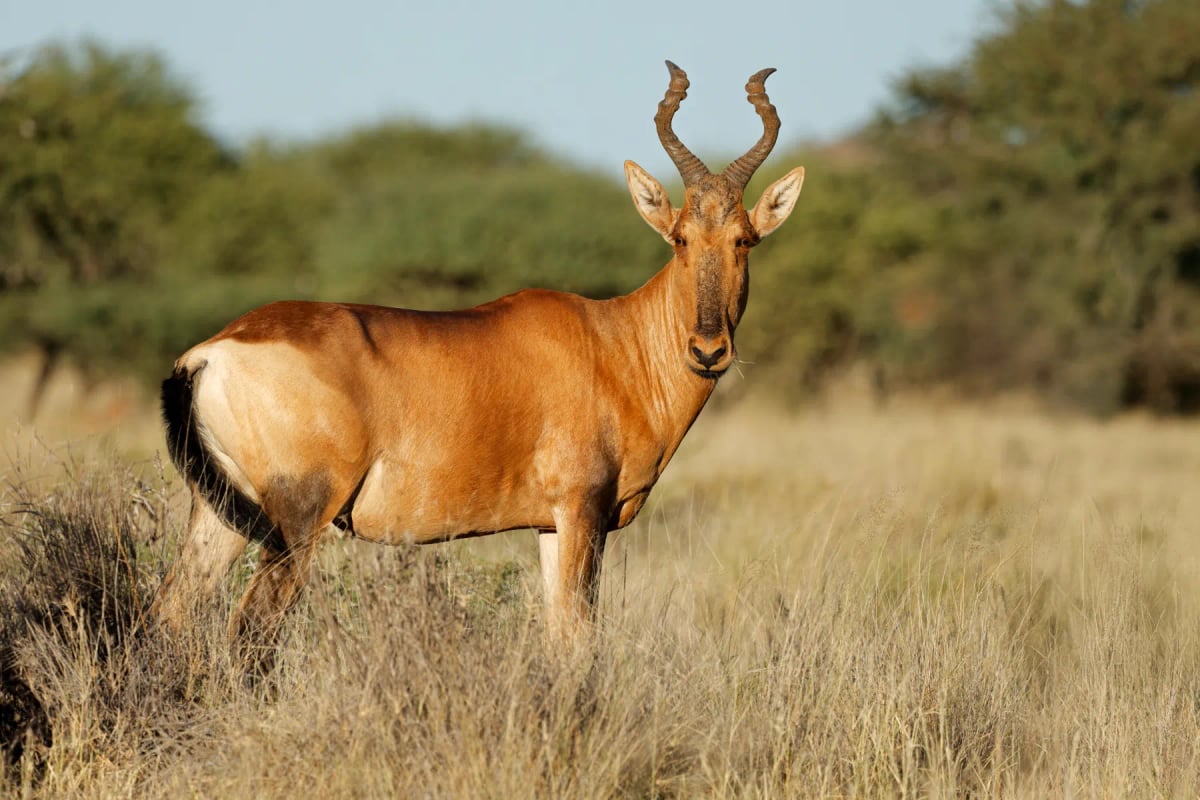
Hartebeest
Alcelaphus buselaphus
The hartebeest is present in the savanna regions of the Central African Republic, particularly in the north and west of the country. Manovo-Gounda St Floris National Park, a UNESCO World Heritage Site, historically sheltered large numbers of the species. Years of armed conflict and poaching have severely reduced wildlife populations across the park, and the hartebeest is among the many species affected by this ongoing instability.
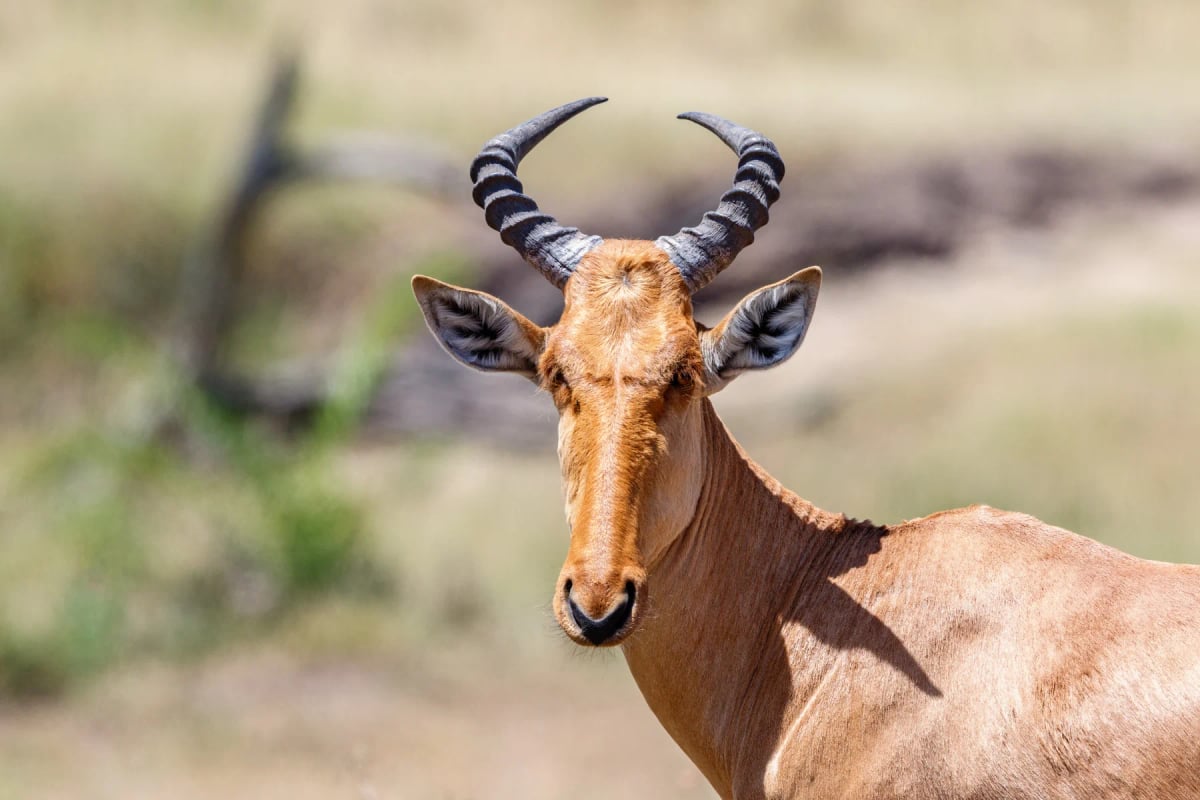
Topi
Damaliscus lunatus
In the Central African Republic, the topi inhabits the northern and central savanna zones, where grasslands stretch across broad, open terrain. Parks such as Bamingui-Bangoran provide habitat for this antelope alongside other large mammals. The topi's reddish brown coat and dark leg patches make it one of the most recognizable species in these landscapes. Ongoing instability in the country has made conservation efforts and population monitoring particularly difficult. IUCN status: Least Concern.
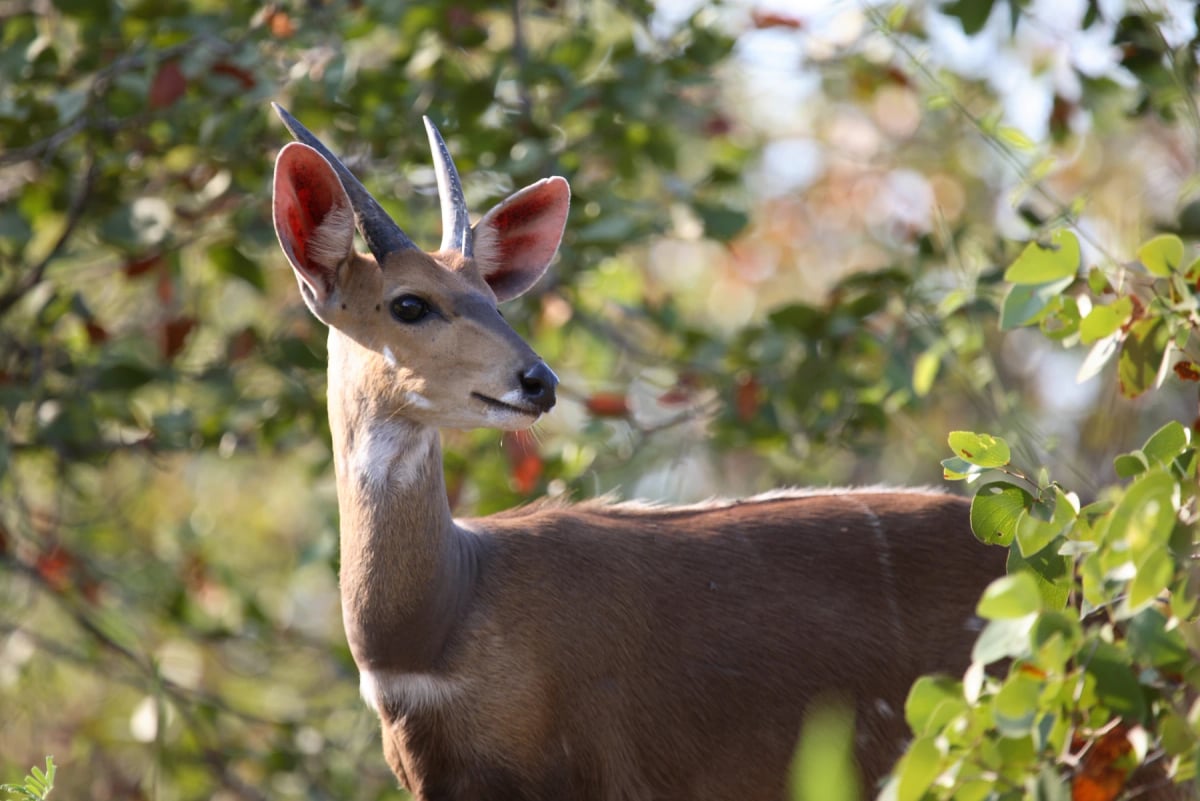
Bushbuck
Tragelaphus scriptus
In the Central African Republic, bushbucks occupy woodlands and forest areas where dense vegetation offers protection. These medium sized antelopes are primarily nocturnal, remaining hidden during daylight and emerging to browse at night. Males display distinctive spiral horns and white spotted coats; females are hornless. When threatened, bushbucks show surprising aggression despite their shy, solitary nature and preference for thick cover.
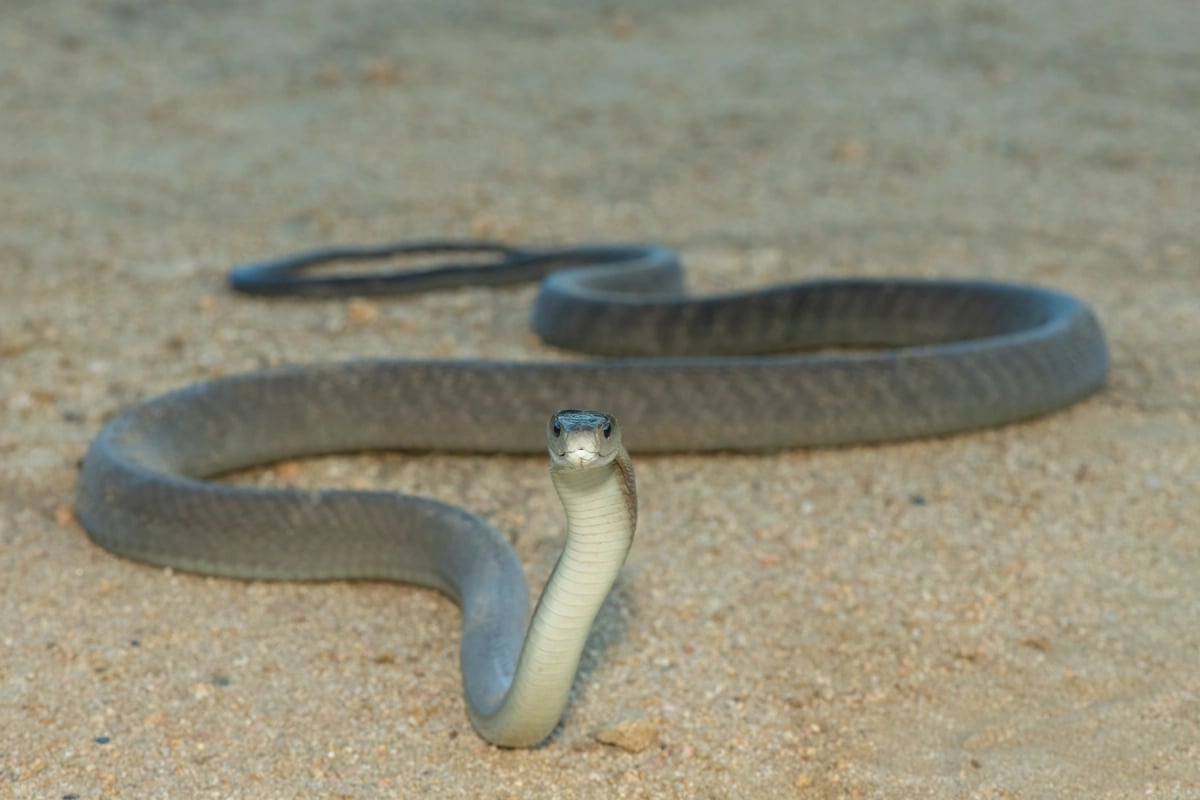
Black Mamba
Dendroaspis polylepis
In the Central African Republic, the black mamba is found in the northern savanna regions, where open woodland and grassland provide suitable conditions. It is less likely to appear in the humid forest zones further south. A skilled daytime predator, it feeds on small mammals and birds. The country's limited medical infrastructure makes snakebite treatment a significant challenge in rural and remote communities.
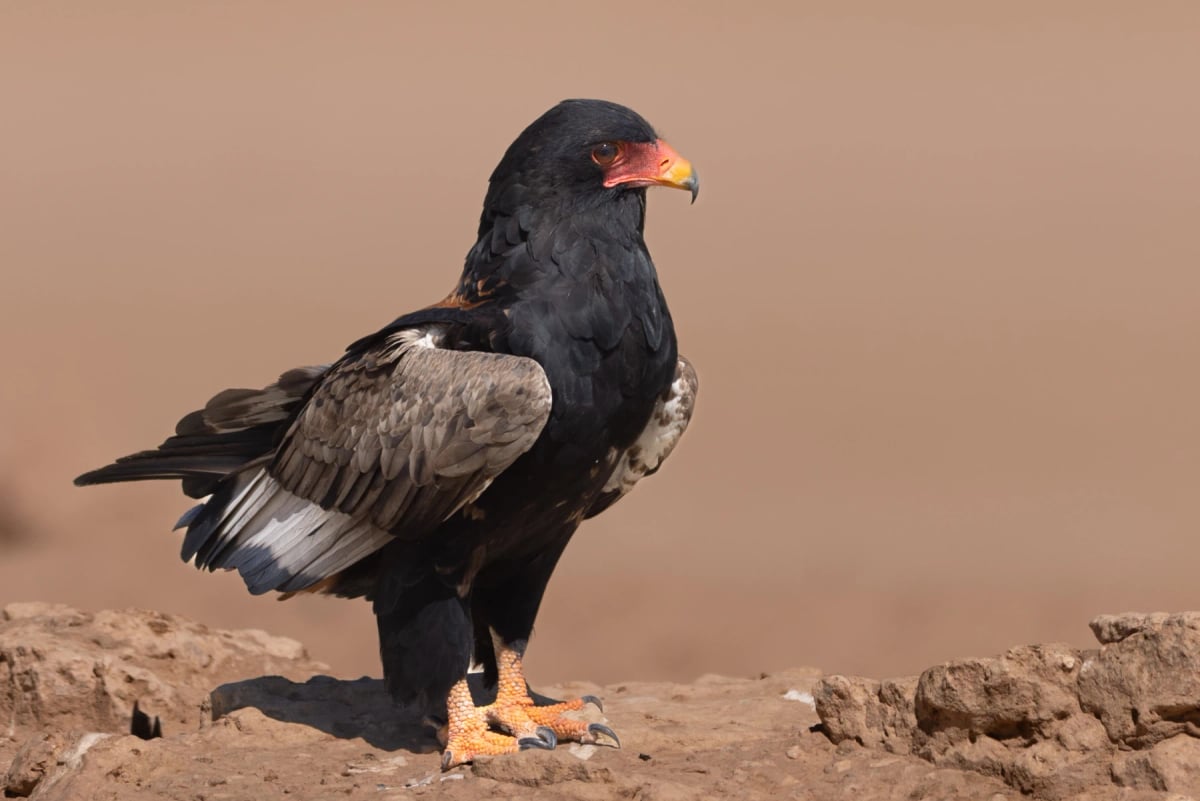
Bateleur
Terathopius ecaudatus
In the Central African Republic, the Bateleur occupies the open savanna and woodland areas of the north and center of the country, including zones near Manovo-Gounda St. Floris National Park. It soars over large territories daily in search of carrion, reptiles, and small prey. Classified as Endangered by the IUCN, ongoing instability and habitat degradation in the region make conservation monitoring extremely difficult.
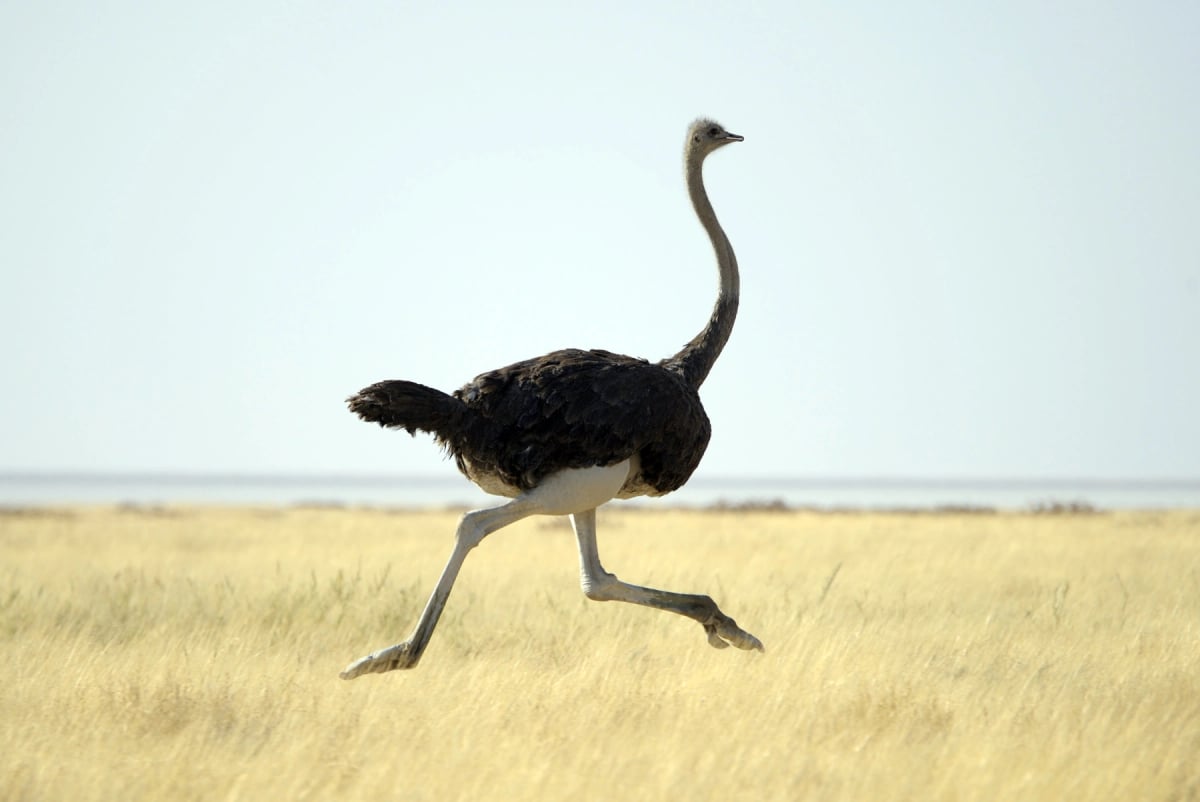
Ostrich
Struthio camelus
In the Central African Republic, ostriches are found in the northern Sahelo-Sudanian zone, where the landscape opens up into dry grasslands and savanna. This northern belt, which includes areas around Bamingui-Bangoran National Park, represents the southern edge of the ostrich's range in this part of Africa. Populations here are sparse and face ongoing pressure from poaching and instability across the region.
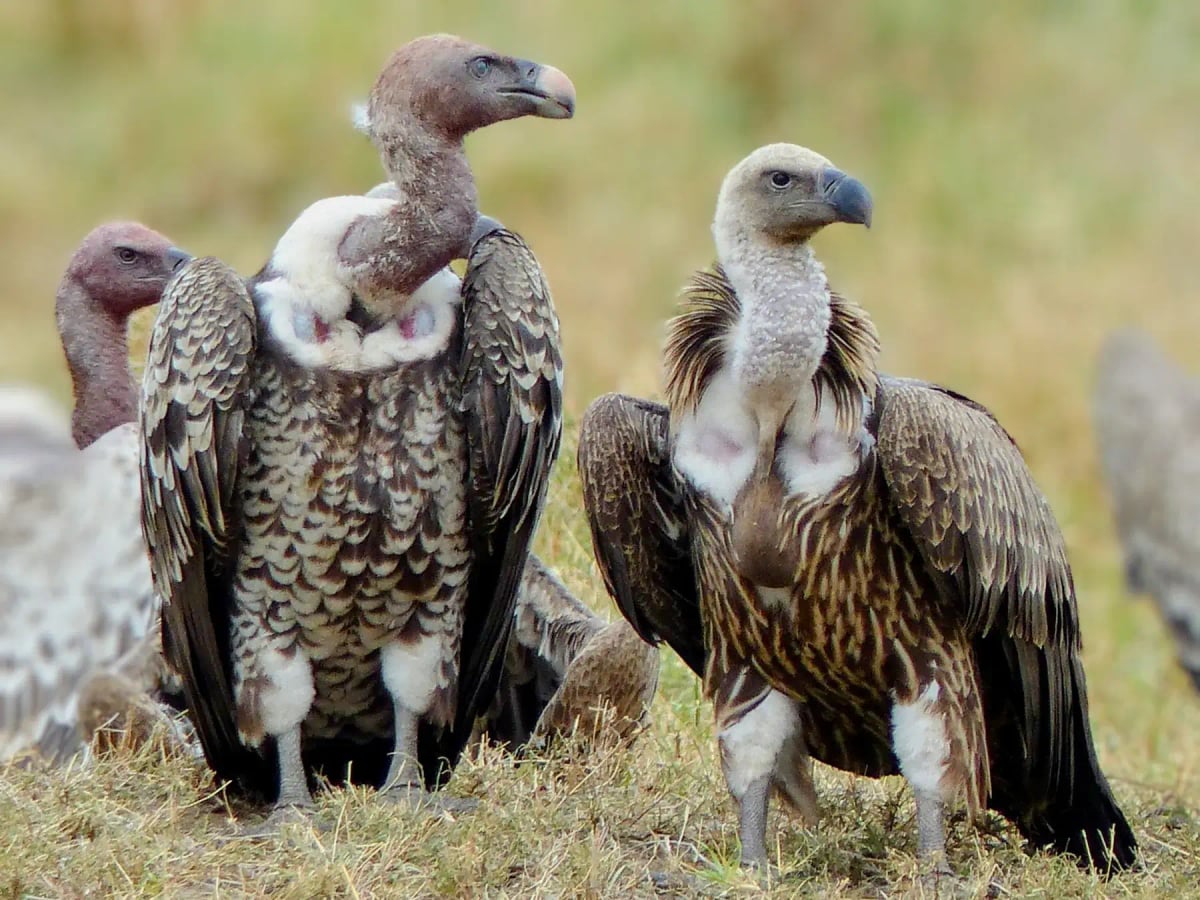
White backed Vulture
Gyps africanus
The white backed vulture inhabits the northern savannas and open woodlands of the Central African Republic, including areas around Manovo-Gounda St Floris National Park. Decades of instability and poaching in this region have dramatically reduced large mammal populations, which in turn affects food availability for vultures. Deliberate poisoning of carcasses remains a severe threat to this Critically Endangered species.
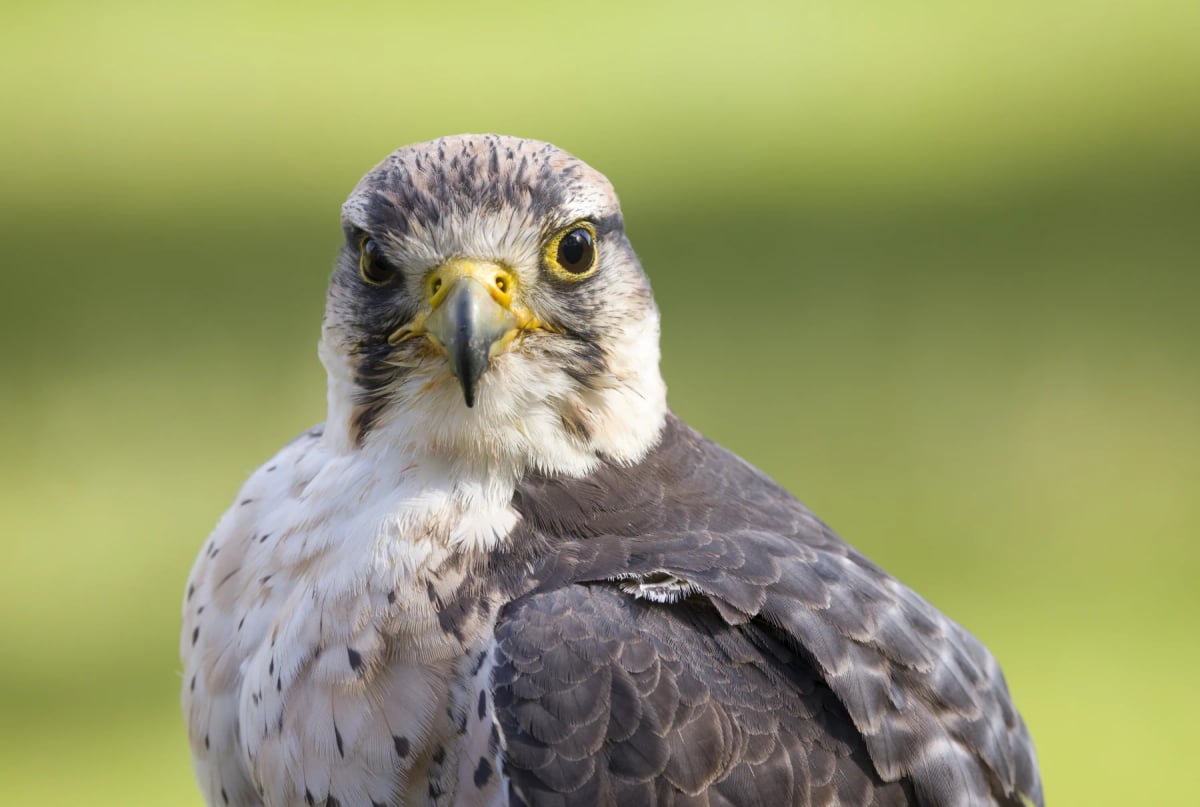
Lanner Falcon
Falco biarmicus
The lanner falcon occurs in the northern and central open areas of the Central African Republic, where savanna and woodland edges provide suitable hunting ground. It pursues prey such as doves with fast, low flights, sometimes hunting cooperatively with its partner. Rocky terrain and cliff faces are used for nesting. The IUCN lists it as Least Concern, though habitat disturbance in the region remains a concern.
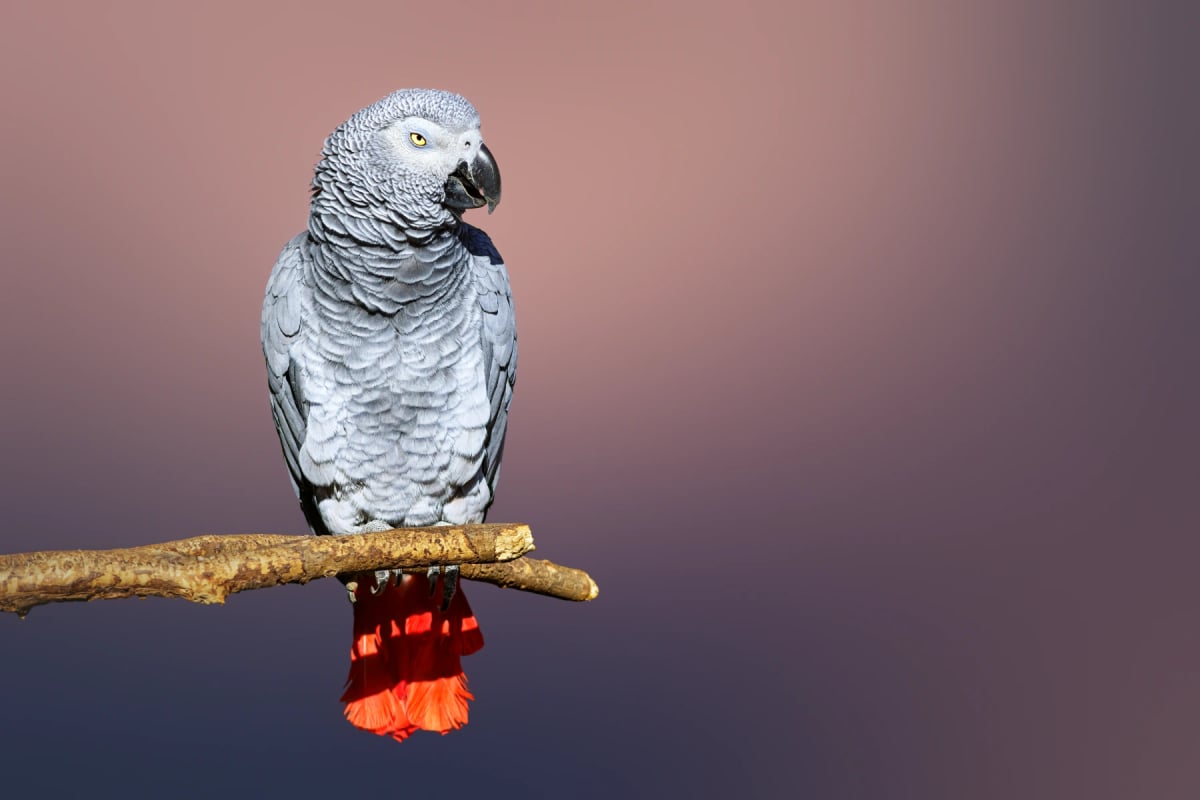
African Grey Parrot
Psittacus erithacus
The Central African Republic sits at the heart of the African grey parrot's range, with large expanses of lowland rainforest in the south and southwest of the country offering suitable habitat. The Dzanga-Sangha protected area complex, shared with Cameroon and the Republic of Congo, is one of the most intact forest landscapes in Central Africa and supports populations of the species. Political instability and limited conservation infrastructure have made monitoring and protection of wildlife across the country extremely difficult.
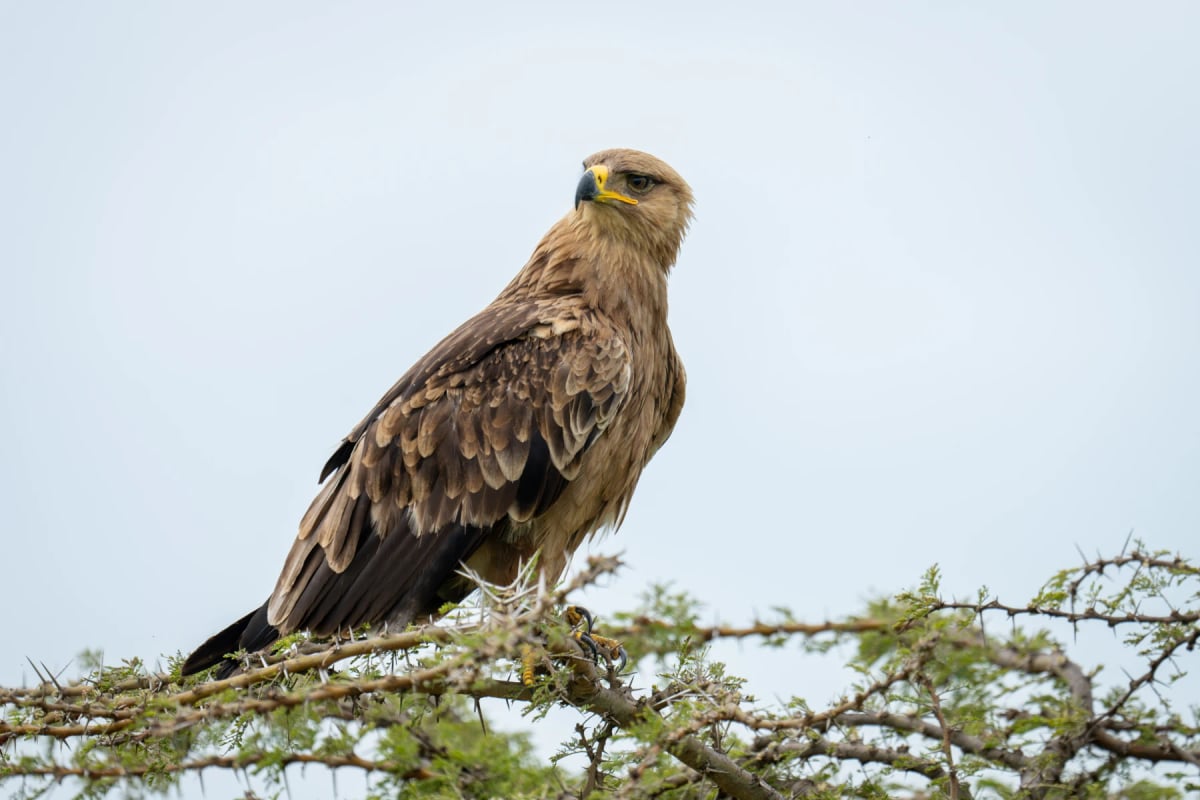
Tawny Eagle
Aquila rapax
In the Central African Republic, the tawny eagle inhabits the open savanna corridors in the northern and central parts of the country, avoiding the dense equatorial forests of the south. It hunts by soaring and dropping onto prey, and it also feeds on carrion. Poaching pressure and habitat disturbance in this region add to the broader challenges facing the species. The IUCN lists it as Vulnerable.
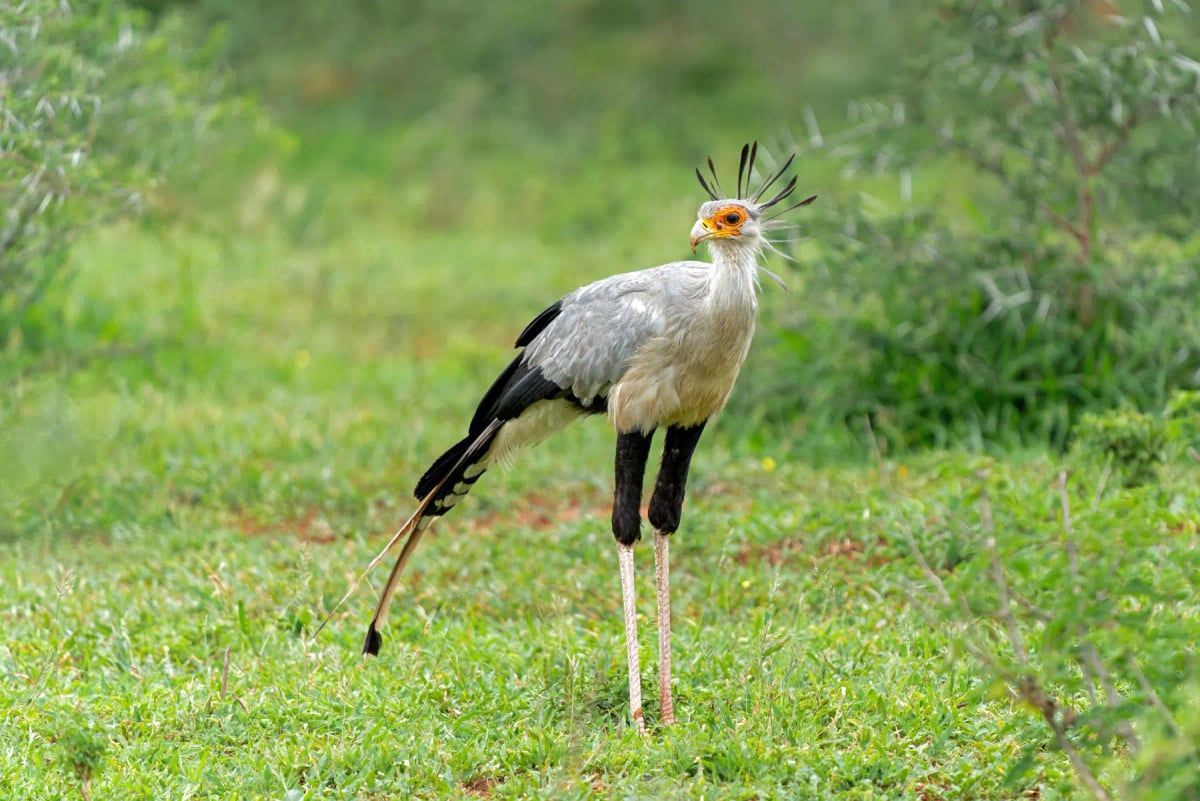
Secretary Bird
Sagittarius serpentarius
In the Central African Republic, the secretary bird inhabits the open savannas and grasslands of the northern and central regions, such as those found within Manovo-Gounda St Floris National Park. It hunts entirely on foot, using powerful stomping kicks to subdue snakes and rodents. Instability and land pressure in the region add to the conservation challenges this bird faces. The IUCN lists it as Endangered.
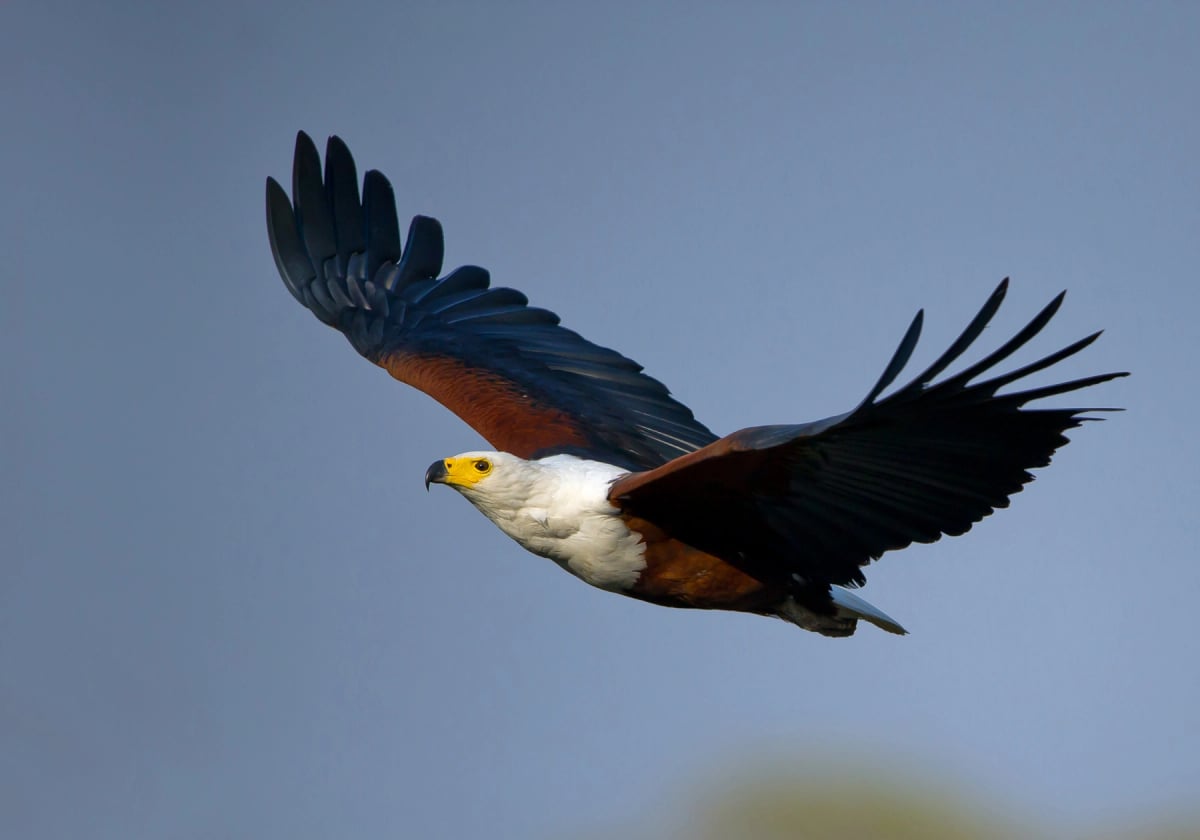
African Fish Eagle
Haliaeetus vocifer
The African fish eagle is present throughout the Central African Republic along its extensive river systems. The Ubangi River, which forms the southern border with the DRC, and the Sangha River in the southwest provide reliable habitat. The Oubangui and its tributaries support resident pairs across the interior, and the Dzanga-Sangha area in the south, with its network of forest rivers, is among the better areas to observe this eagle.
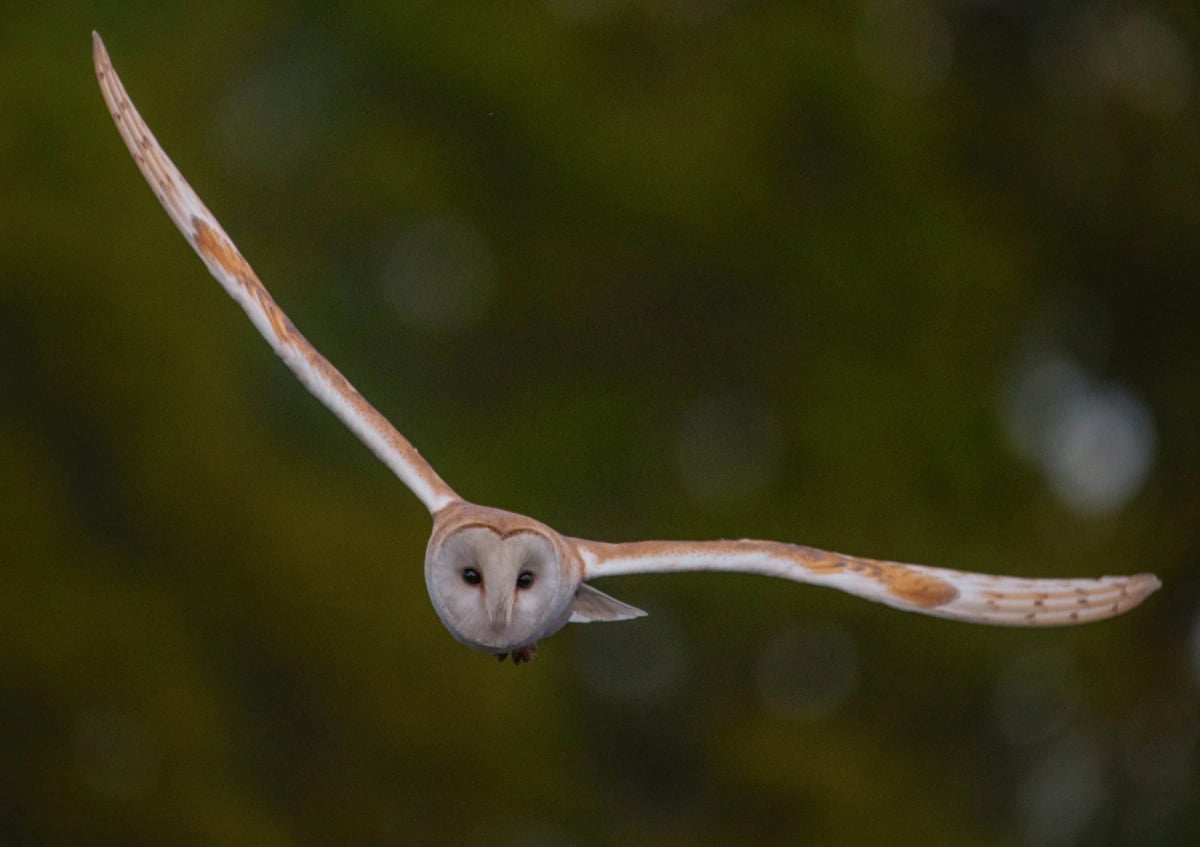
Barn Owl
Tyto alba
The barn owl is found in the Central African Republic in open savanna, farmland, and areas near villages across the northern and central parts of the country. It nests in old buildings, hollow trees, and rocky outcrops. In rural farming communities it plays a useful role in controlling rodents that damage grain stores. It is less commonly encountered in the dense rainforest areas of the south and southwest.
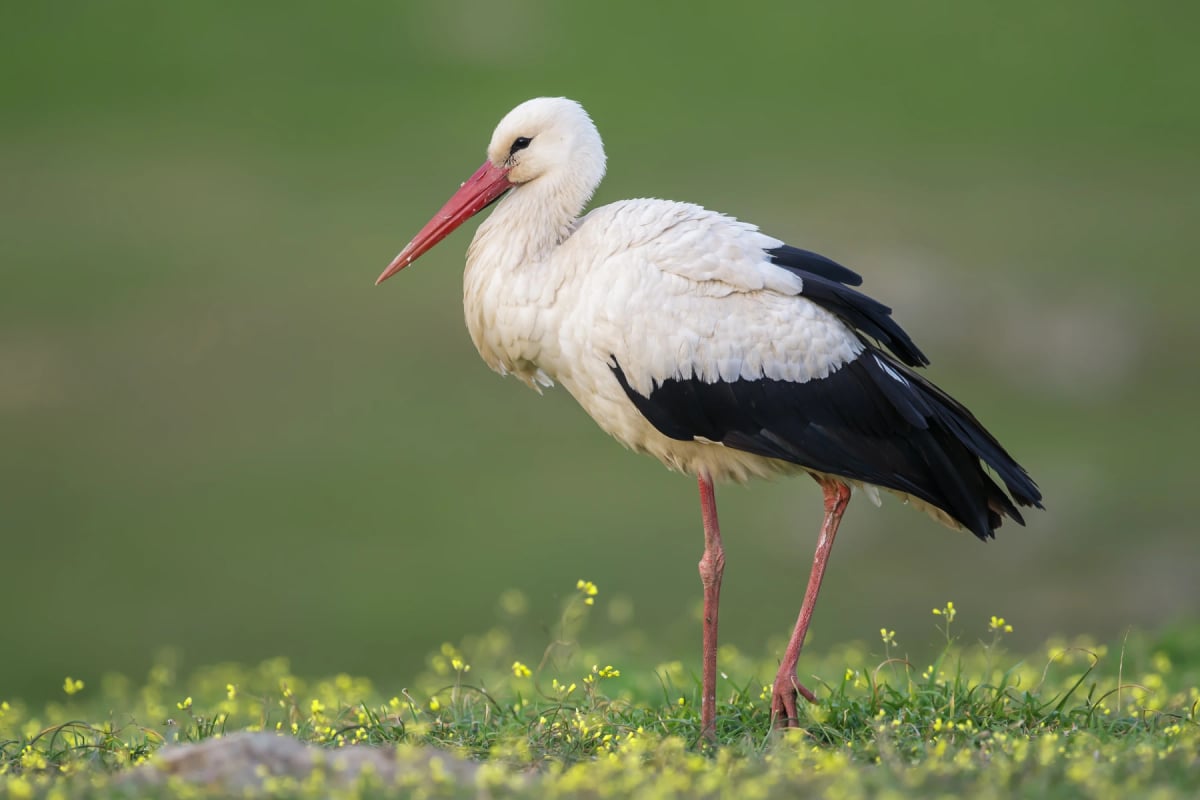
Stork
Ciconia ciconia
The white stork moves through the Central African Republic on migration, making use of the open grasslands and flood plains in the northern and central regions. These areas offer reliable food sources such as insects, frogs, and small reptiles. The stork does not breed here but uses the country as a stopover point during its long journey between Europe and its wintering grounds in sub-Saharan Africa.
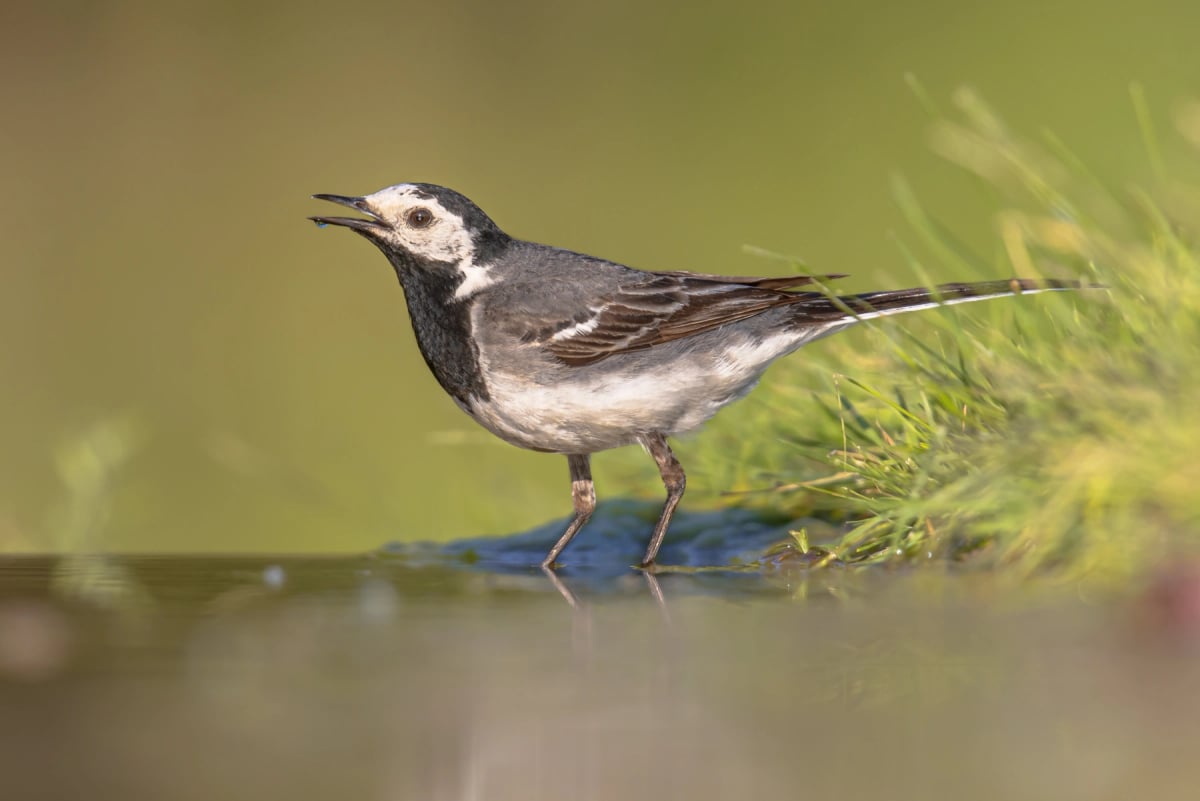
White Wagtail
Motacilla alba
In the Central African Republic, the white wagtail appears as a seasonal visitor, most often seen in the northern and central open regions during the dry season. It keeps close to rivers, flooded grasslands and village edges where insects are plentiful. The bird's quick movements and constant tail wagging make it stand out clearly against bare ground. The IUCN lists it as Least Concern.
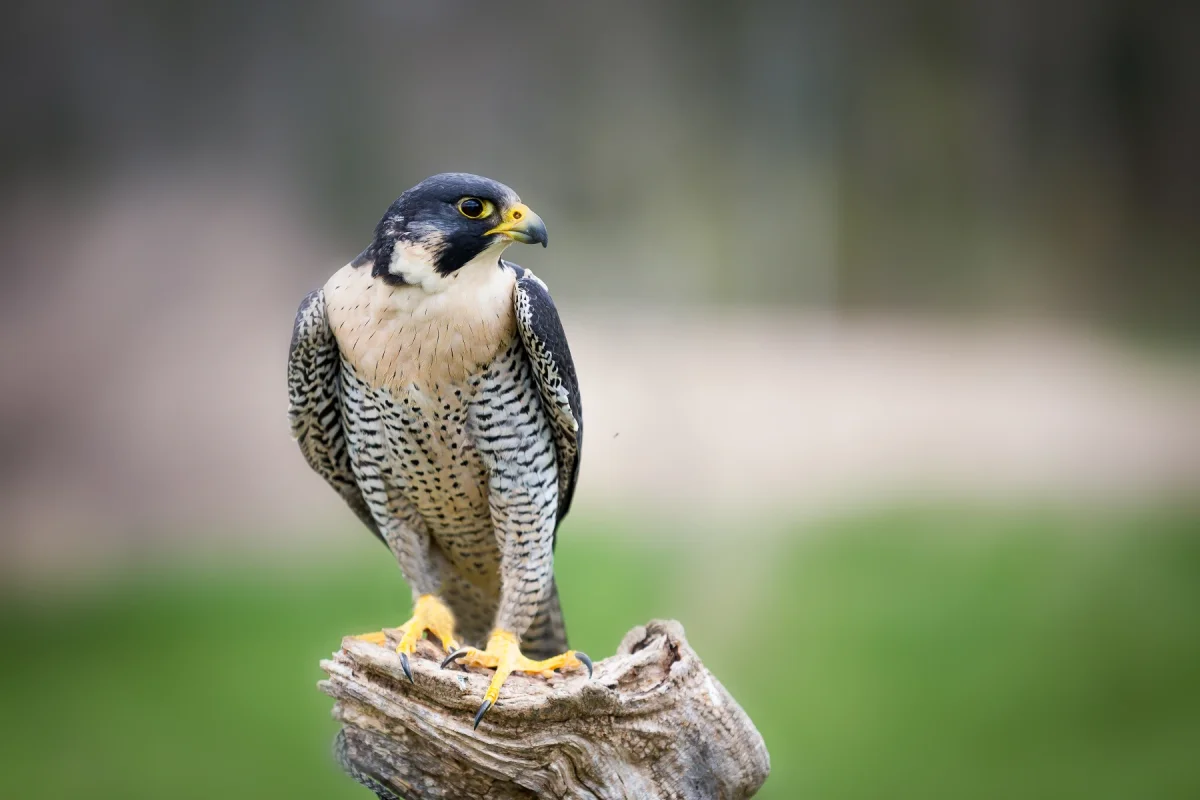
Peregrine Falcon
Falco peregrinus
The peregrine falcon visits the Central African Republic as a migratory species, with birds moving through during the northern winter months. It can be found over the open savannas of the north, the riverine forests bordering the Congo basin, and the grasslands in between. The country sits along flyways connecting the Sahel to equatorial Africa, making it part of the broader migratory network this falcon relies on each year. IUCN status: Least Concern.
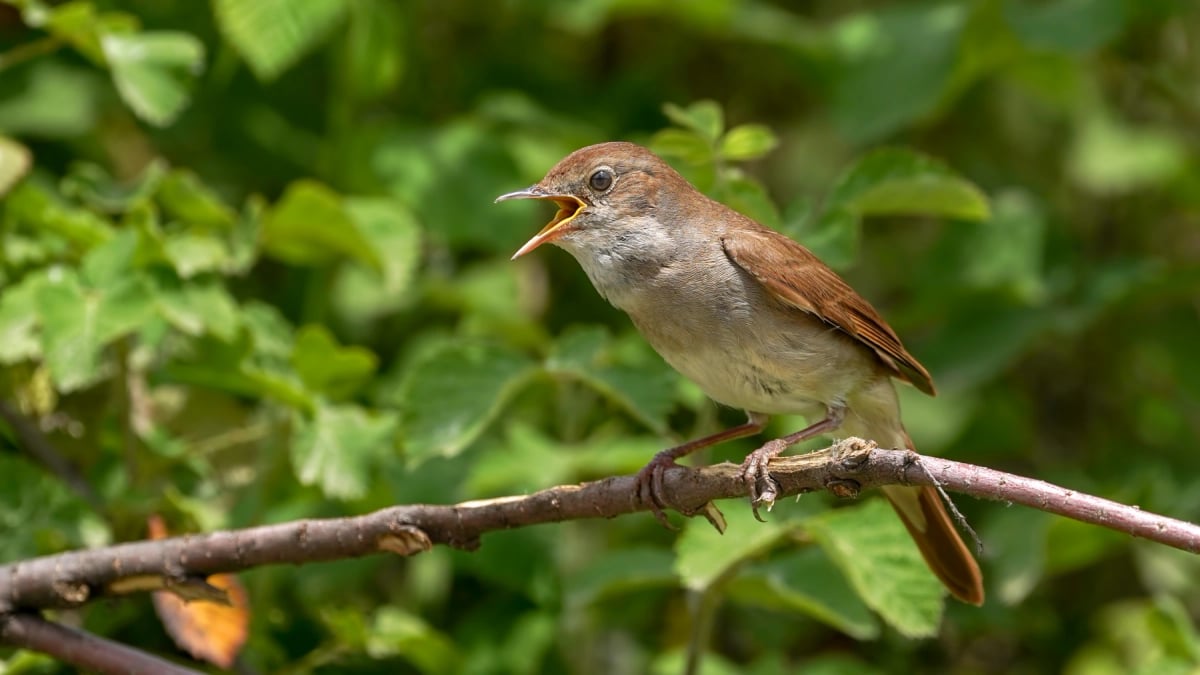
Nightingale
Luscinia megarhynchos
The nightingale winters in the Central African Republic, favouring the open woodland and savanna habitats in the northern and central regions of the country. It avoids the dense rainforest of the southwest. During these months the bird is silent and unobtrusive, spending its time foraging on the ground and in low cover for insects. The country forms part of the broad belt of sub-Saharan Africa that the species depends on each winter. Its IUCN status is Least Concern.
Researched and written by Juan Pablo. Sources: IUCN Red List, scientific literature and regional field guides. Last updated: .