Animals in Uzbekistan
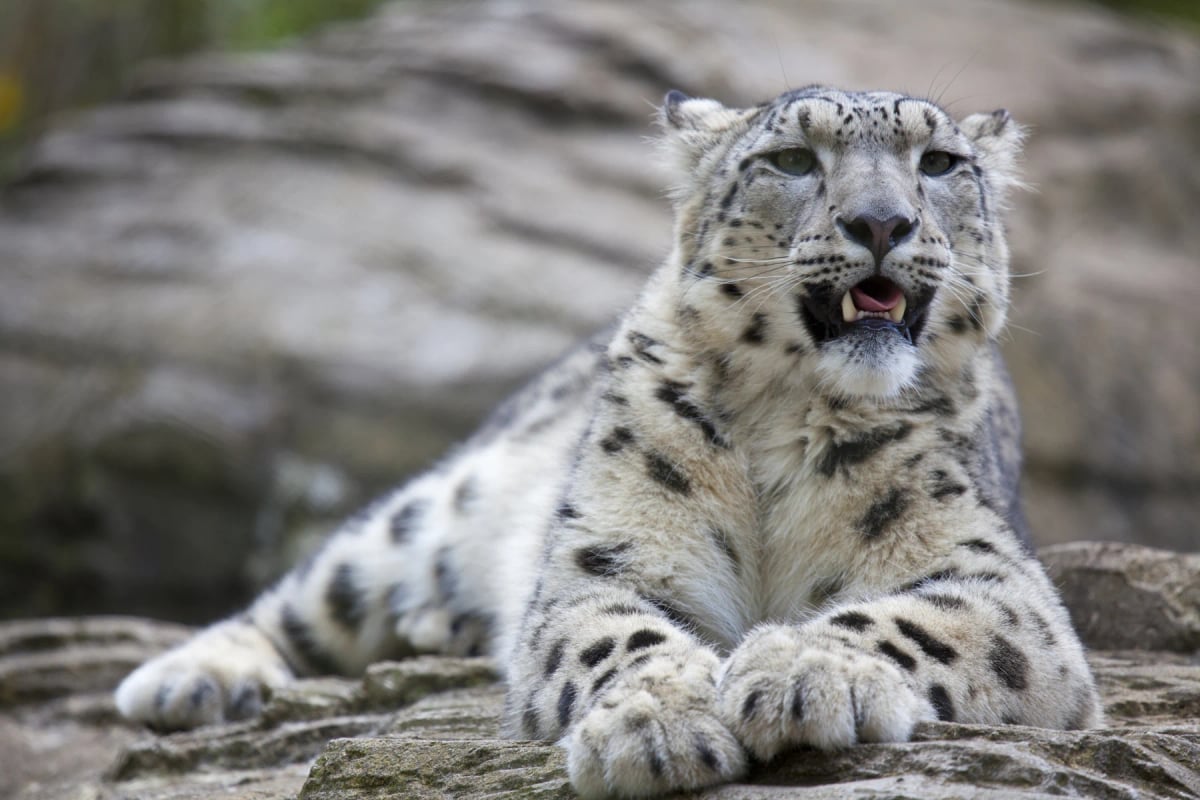
Snow Leopard
Panthera uncia
The snow leopard, though elusive and rarely seen, is widely recognized as the symbolic animal of Uzbekistan. This magnificent predator inhabits the high mountain ranges of the east, where its presence signifies both ecological balance and the enduring mystique of wild nature. While not officially declared a national animal, the snow leopard holds a special place in the collective imagination of the region and remains a key focus of conservation efforts aimed at protecting the country high altitude biodiversity.
View details→Wildlife in Uzbekistan
Uzbekistan has dry deserts, steppe plains, high mountain ranges and river valleys, so many travel routes pass close to nature. Visitors usually see wildlife on day trips into the foothills, walks in small mountain parks and long road journeys across the steppe or desert. Along these routes they notice open slopes, rocky gorges and wetlands where wild mammals and birds of prey still live near villages and historic sites.
Most Dangerous Animals in Uzbekistan
Uzbekistan’s remote regions harbor several animals that, while not commonly encountered, can pose serious risks when disturbed. Predators like the snow leopard and wolf play a critical role in maintaining balance but may react defensively if threatened. Wild boars, with their unpredictable behavior, are a more frequent concern for locals and visitors alike. In these expansive and often not closely monitored areas, awareness and respect for wildlife are vital to ensuring safety and preserving the natural order.
Top 10 Animals in Uzbekistan
Uzbekistan’s most iconic species tend to reflect the ruggedness of the terrain and the perseverance of life in extreme habitats. This list, while subject to future additions, offers a glimpse into animals that are not only emblematic but often elusive, drawing attention for their rarity or importance to regional ecosystems. As more is learned about local fauna, the prominence of these species continues to grow.
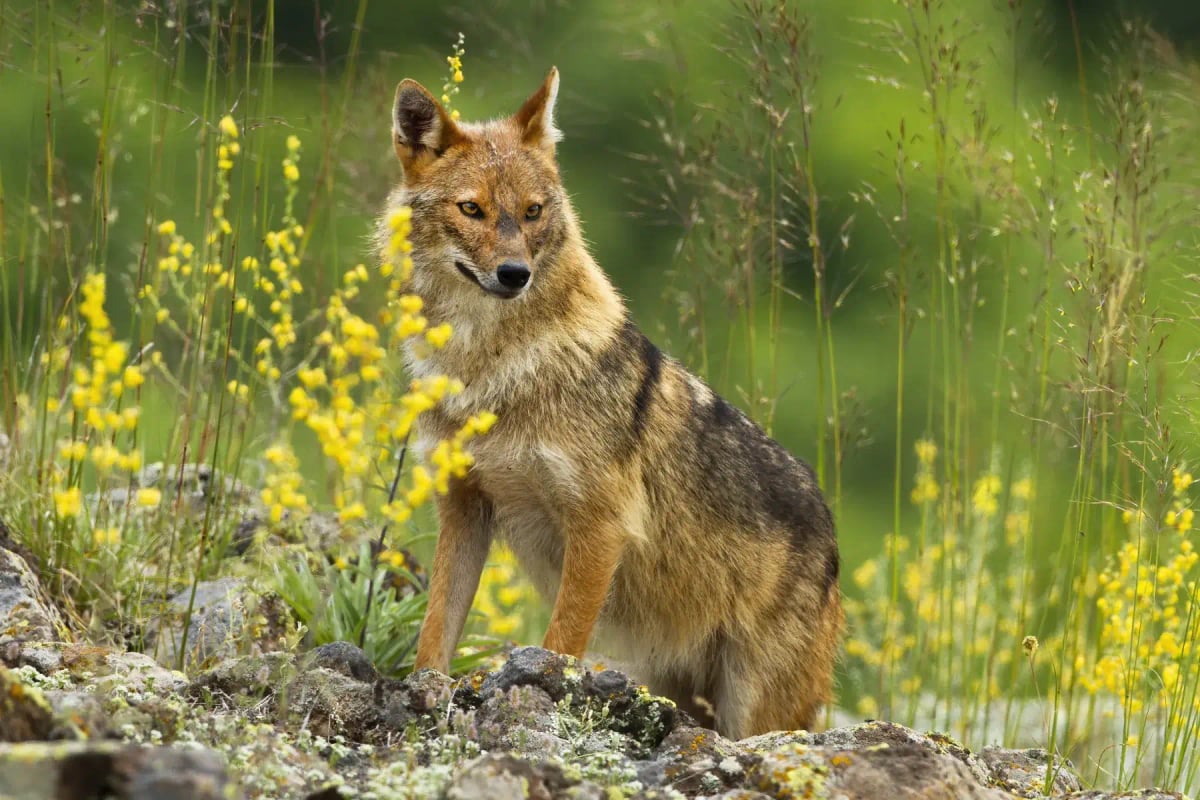
Golden Jackal
Canis aureus
In Uzbekistan, golden jackals are most common in the Fergana Valley, along the Amu Darya river, and in the Surxondaryo region in the south. They favour dense riparian vegetation, reed beds, and the edges of irrigated farmland. Adaptable and largely nocturnal, they feed on rodents, birds, invertebrates, and plant matter. Their presence near agricultural areas occasionally brings them into conflict with local farmers. IUCN status: Least Concern.
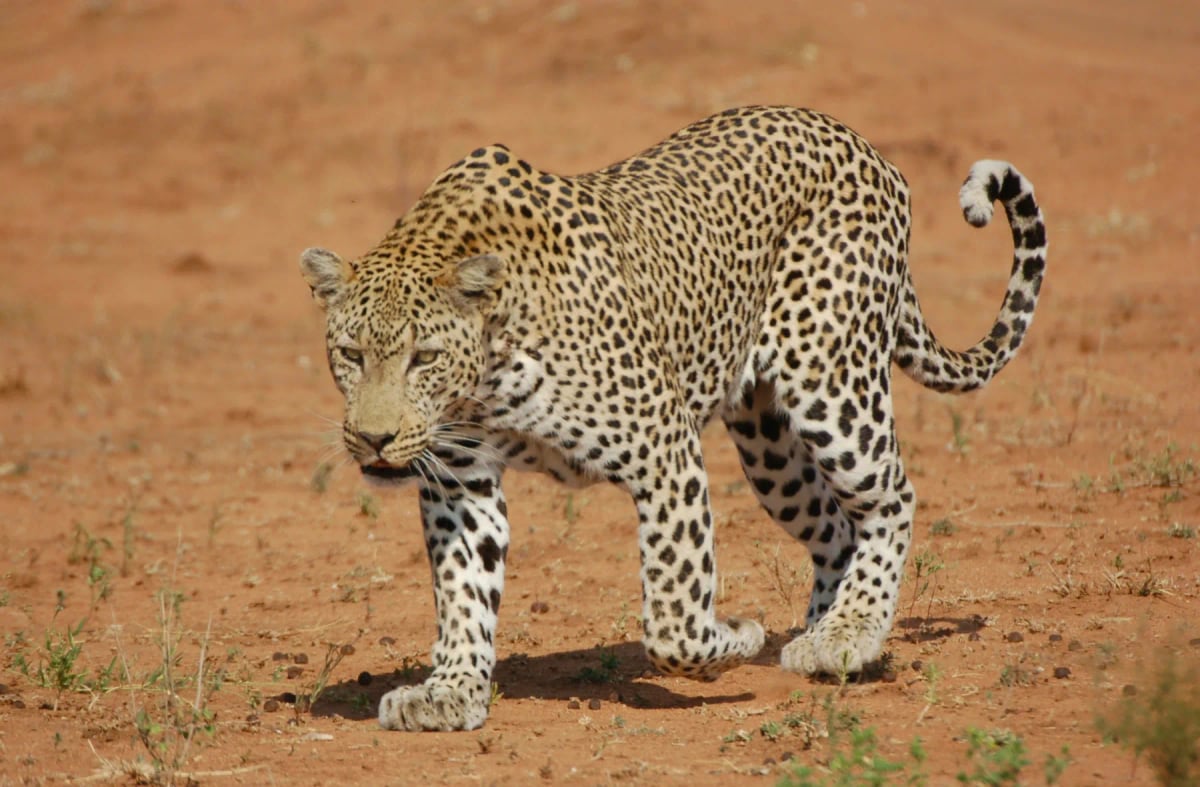
Leopard
Panthera pardus
The leopard has an uncertain and very limited presence in Uzbekistan, with the species historically recorded in mountainous border areas near Tajikistan and Afghanistan. The Persian leopard subspecies (Panthera pardus saxicolor) is the form associated with Central Asia. Prey scarcity and decades of habitat degradation have made confirmed sightings exceptionally rare, and the species is considered functionally absent from most of the country.
Snow Leopard
Panthera uncia
In Uzbekistan, snow leopards inhabit the rugged peaks of the Gissar and Ugam ranges in the western reaches of the Tian Shan mountain system. This is one of the westernmost parts of the species' range, where population numbers are very low. The cats rely on ibex for food across sparsely vegetated slopes. Conservation efforts here are limited, making monitoring and protection over the long term especially urgent. IUCN status: Vulnerable.
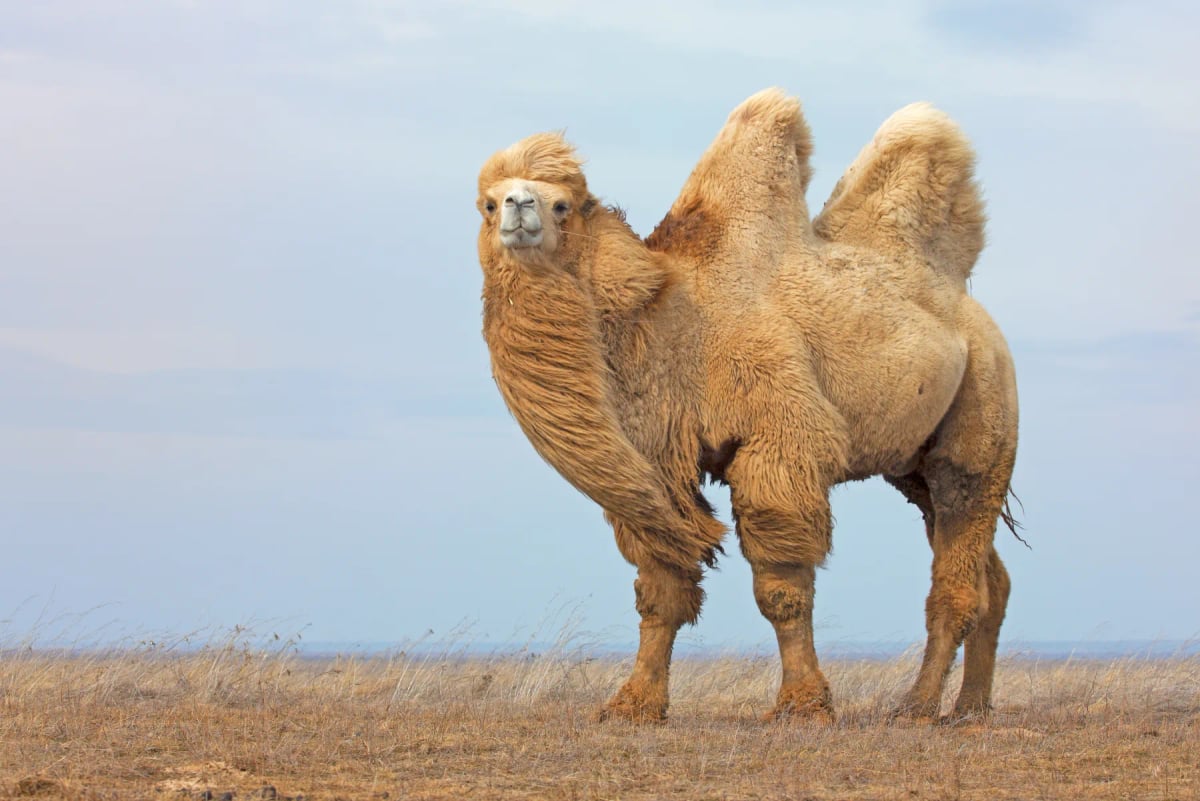
Bactrian Camel
Camelus bactrianus
Uzbekistan maintains an established population of around 10,000 domesticated Bactrian camels, kept primarily in the arid regions of the country's southwest, including areas near the Kyzylkum Desert. The animals are used by rural communities for transport, milk, and meat, continuing a tradition of camel herding that dates back to the ancient Silk Road caravans that once crossed this territory. Bactrian camels are well suited to the dry summers and cold winters of Uzbekistan's interior lowlands.
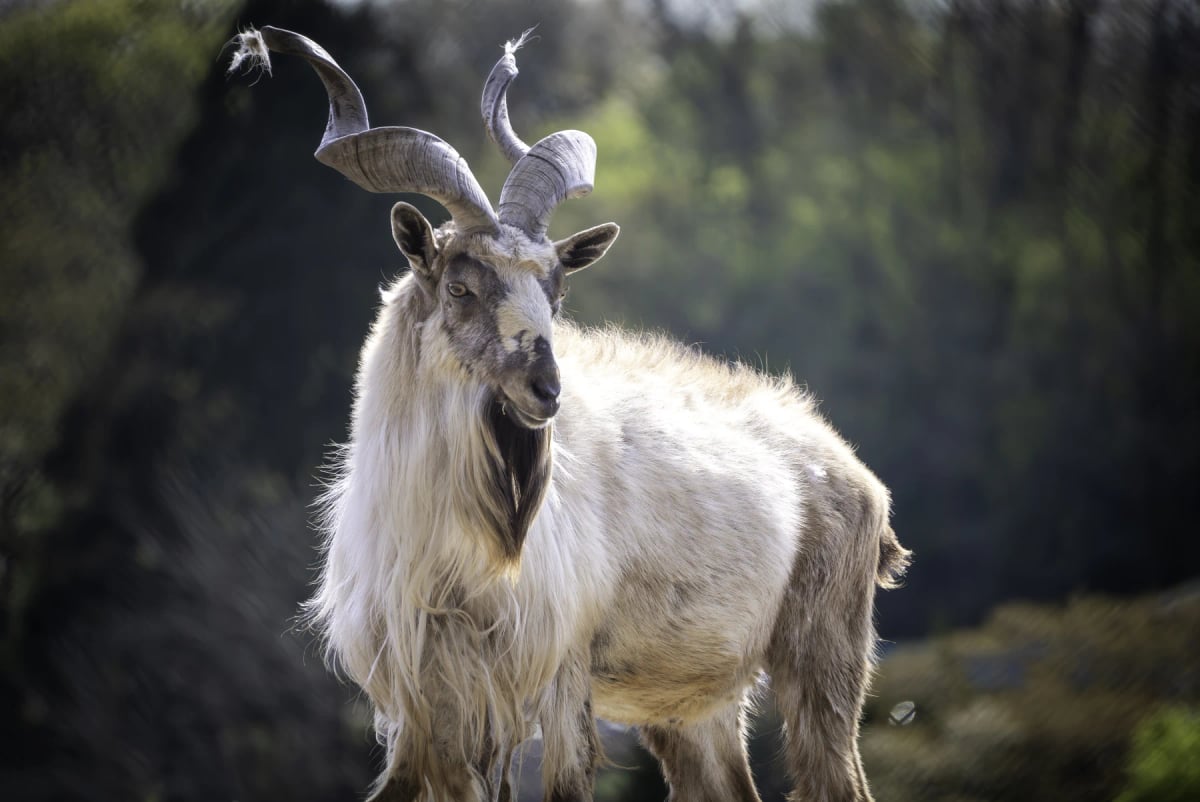
Markhor
Capra falconeri
In Uzbekistan, the markhor is found in the mountains of the Surkhandarya region in the south of the country, close to the borders with Afghanistan and Tajikistan. The population is small and lives on steep rocky terrain where it grazes and browses on whatever vegetation is available. Habitat loss and poaching are the main threats, and the species receives legal protection under Uzbekistan's national wildlife laws.
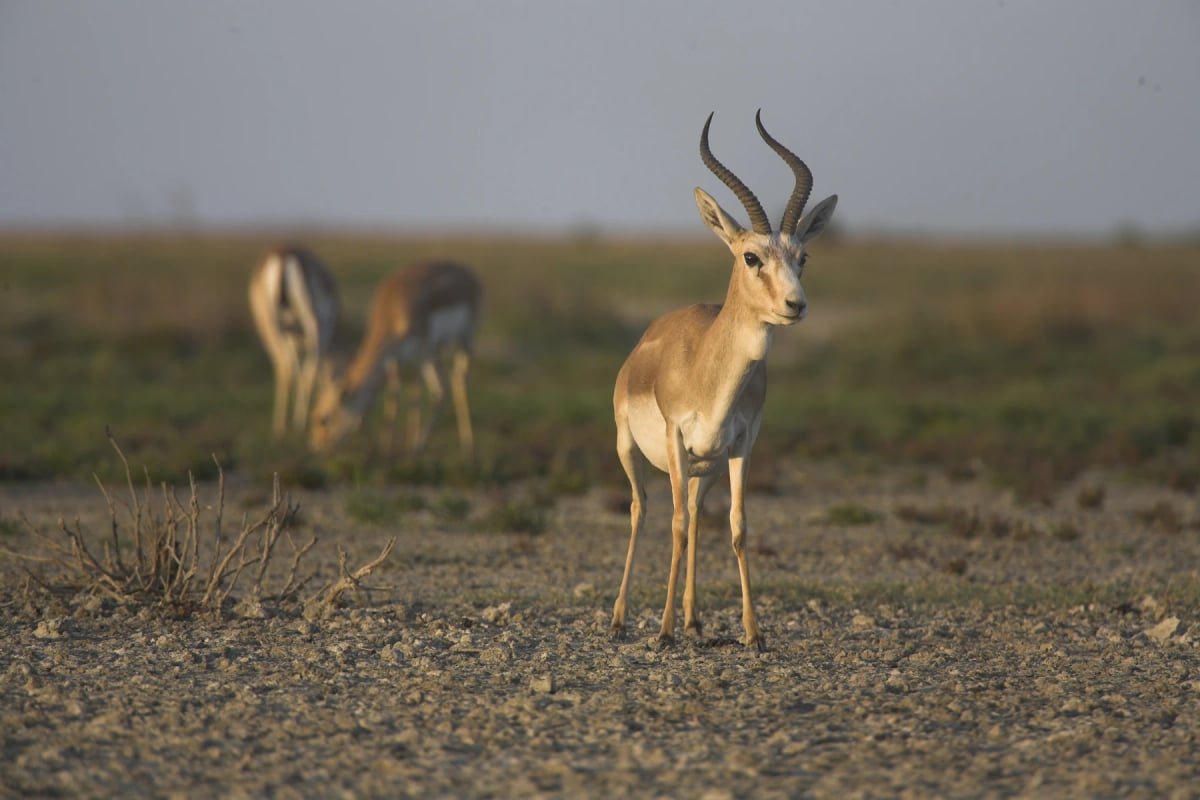
Goitered Gazelle
Gazella subgutturosa
The goitered gazelle roams the deserts and semi-arid plains of Uzbekistan, including the Kyzylkum Desert and the Ustyurt Plateau. Males grow a swollen throat during the rut to call out to females. Numbers have fallen sharply due to poaching and livestock pressure, and fencing across the steppe cuts off traditional movement routes. The IUCN lists this species as Vulnerable.
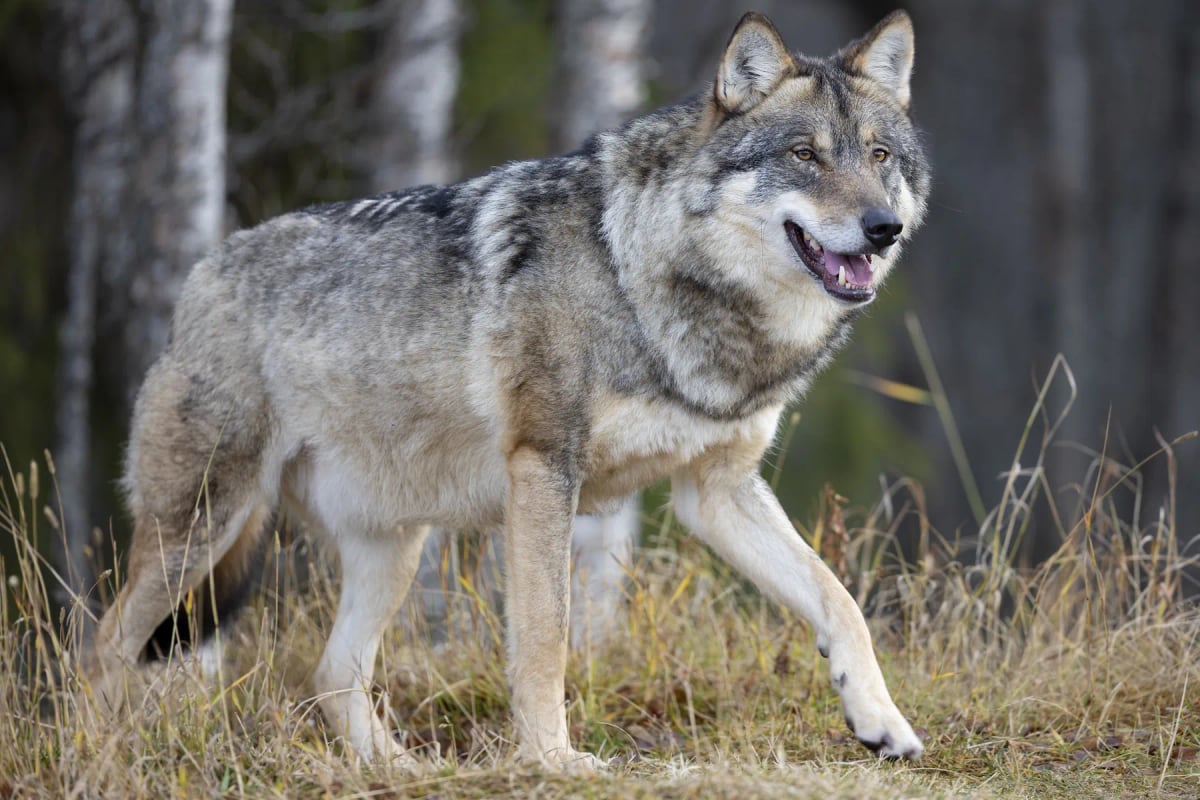
Gray Wolf
Canis lupus
Gray wolves inhabit the mountains, steppes, and desert fringes of Uzbekistan, including the Tian Shan and Pamir-Alai ranges in the east. They prey on wild ungulates as well as domestic livestock, which brings them into frequent conflict with herding communities. Wolf populations in Uzbekistan are not closely monitored, but the species remains present across suitable habitat in the country. Globally it is listed as Least Concern by the IUCN.
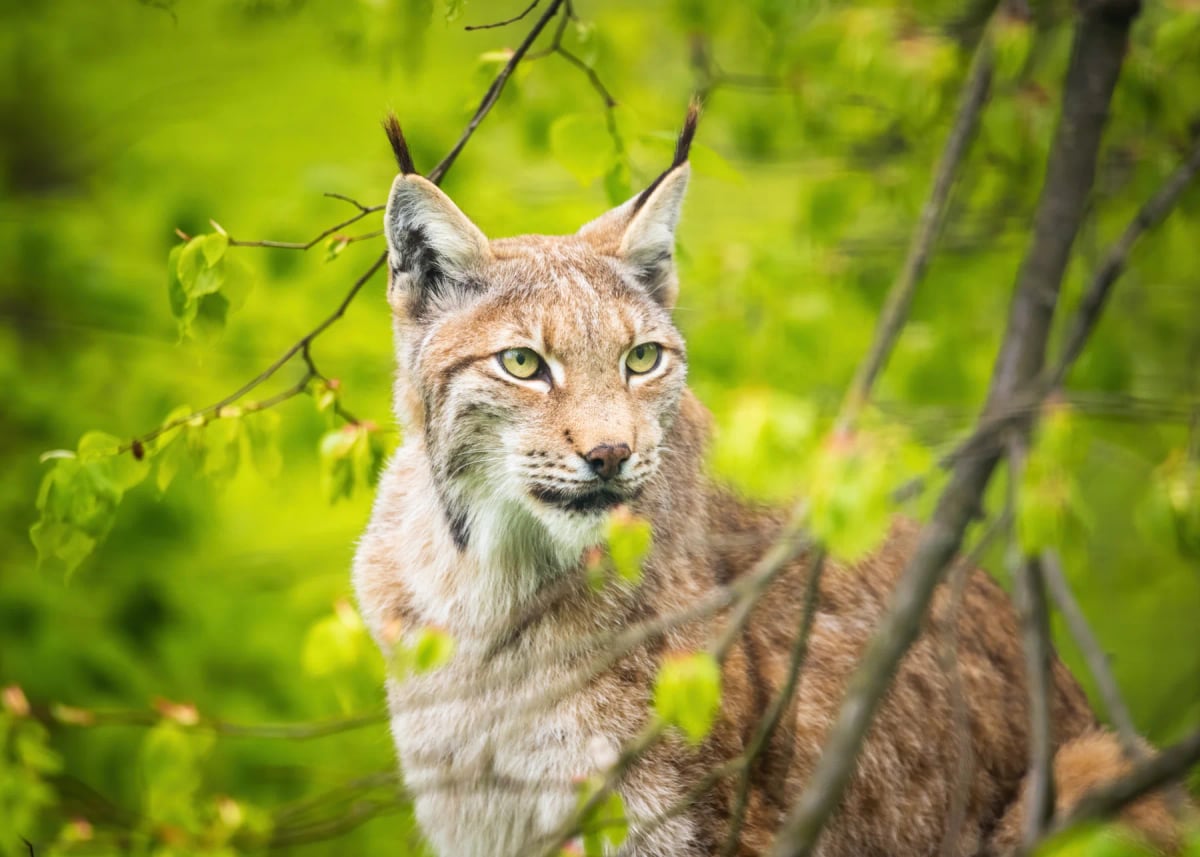
Eurasian Lynx
Lynx lynx
In Uzbekistan, the Eurasian Lynx inhabits the rugged mountain ranges of the Tian Shan and Pamir Alay in the east of the country, where rocky terrain and sparse forest provide cover for hunting. It preys mainly on hares and small ungulates found across these highlands. The population is small and faces pressure from poaching and the decline of prey species across Central Asia.
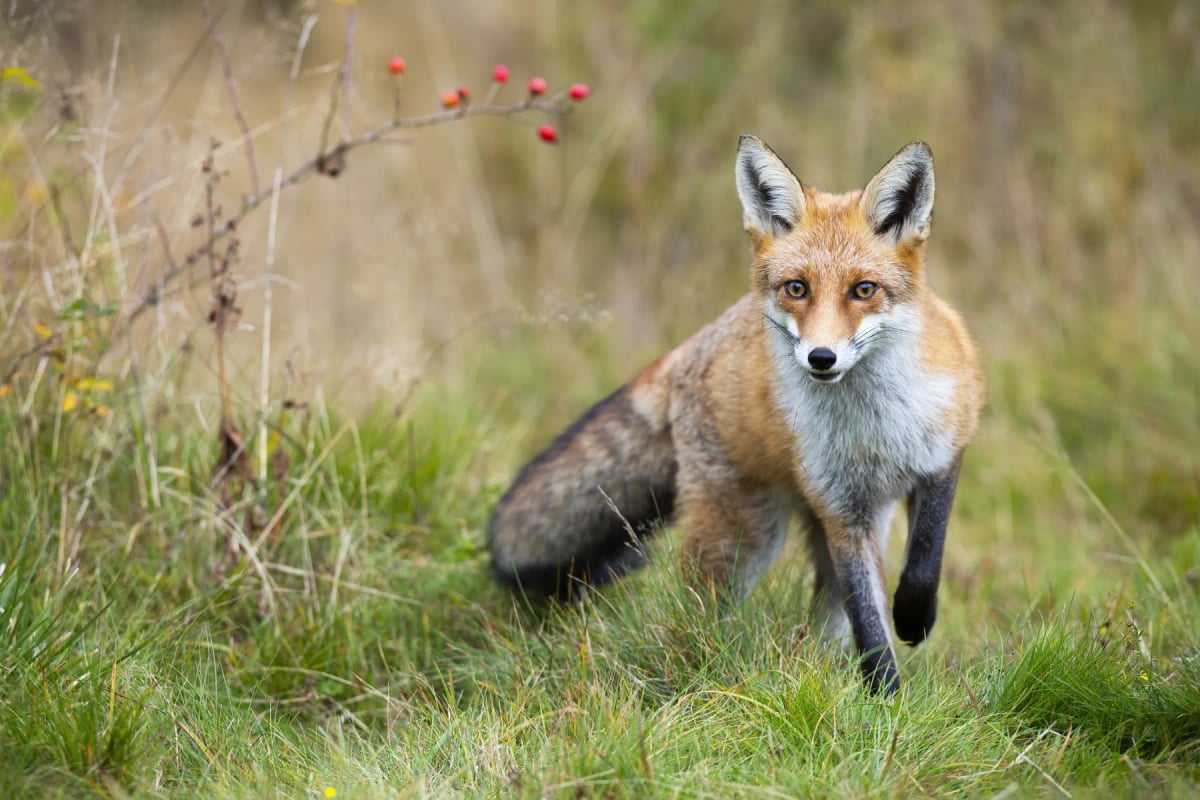
Red Fox
Vulpes vulpes
In Uzbekistan, the red fox roams steppe grasslands, river valleys, semi-arid plains, and the foothills of the Tian Shan and Pamir-Alai mountain ranges. It is a common and adaptable predator across the country, feeding on rodents, birds, and seasonal fruits. It also ventures near farms and villages in search of food. Populations are stable, and the species faces no major conservation concerns in the region.
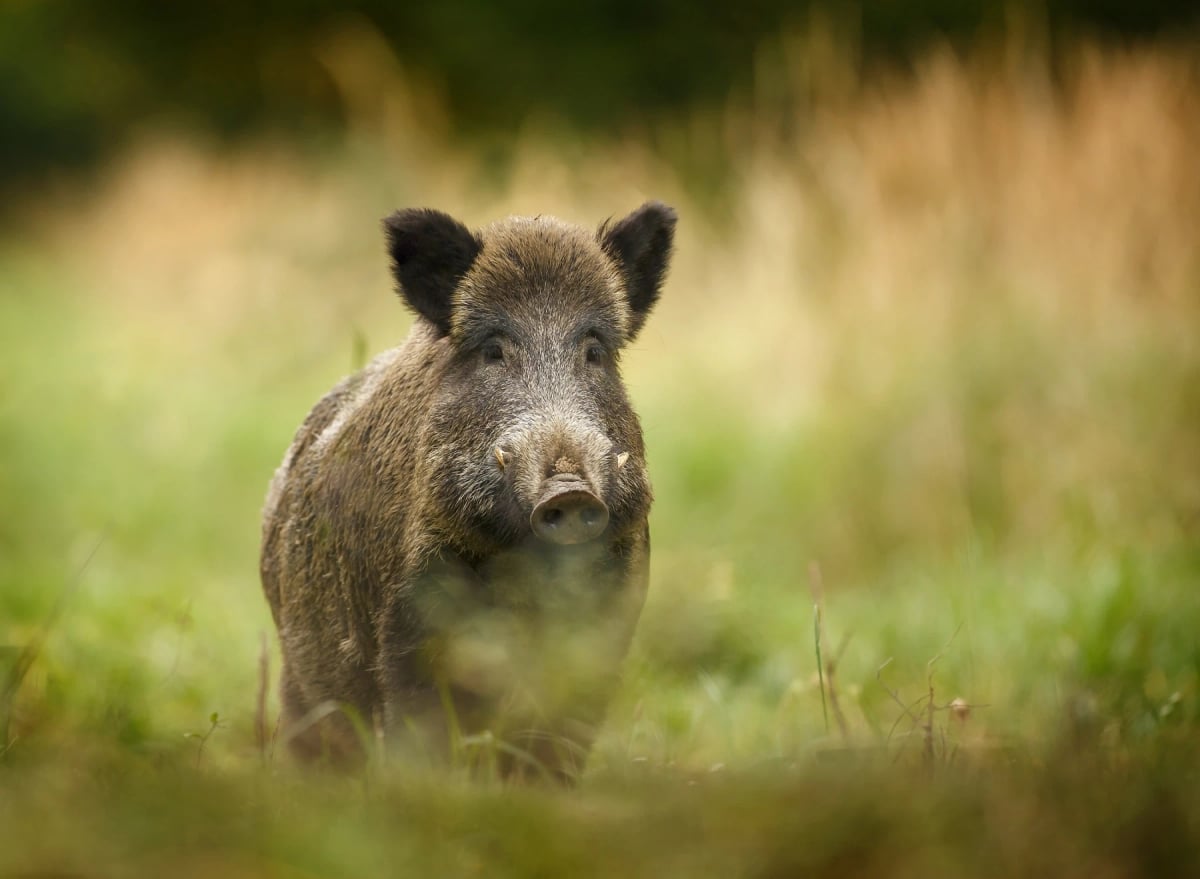
Wild Boar
Sus scrofa
Wild boars in Uzbekistan live mainly in the tugai forests and reed beds along rivers such as the Amu Darya and Syr Darya, as well as in forested mountain foothills further east. These riverside habitats provide dense cover and food in an otherwise arid landscape. Wild boars are hunted in some areas and are often regarded as pests near farmland bordering rivers and irrigation canals.
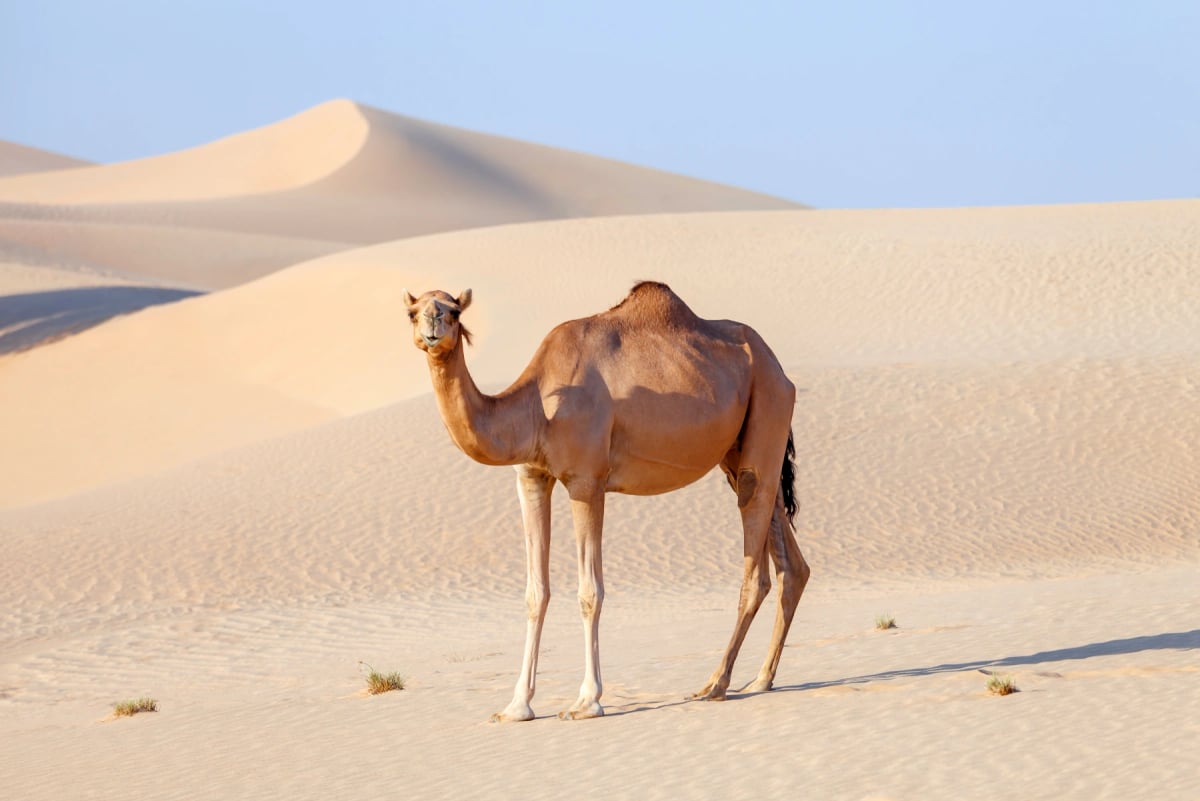
Dromedary Camel
Camelus dromedarius
In Uzbekistan, dromedary camels are kept mainly in the desert and semi-desert regions of the west and south, including areas near the Kyzylkum Desert and around the shrinking Aral Sea basin. They are raised by rural communities for milk, meat, and wool. While no longer widely used for transport, camels remain culturally significant and are present at traditional markets and festivals across the country's arid lowland regions.
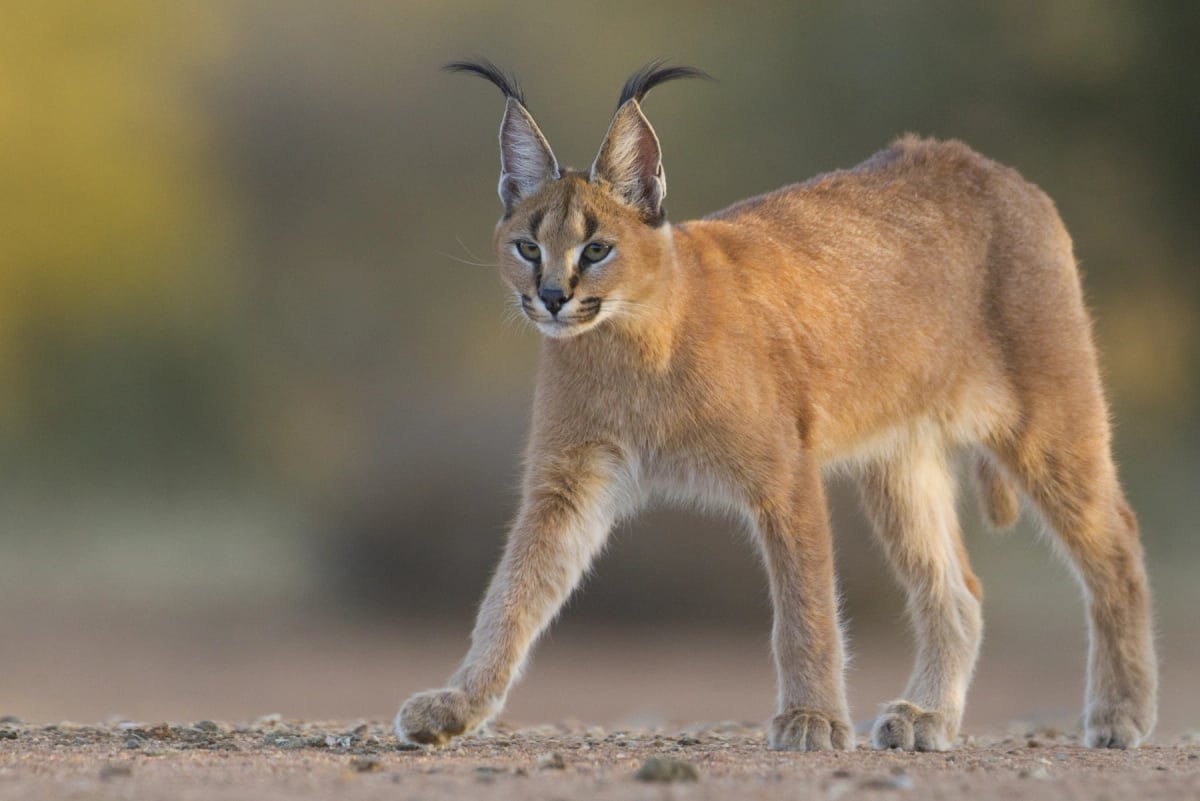
Caracal
Caracal caracal
In Uzbekistan, the caracal occurs in desert and semi-arid habitats, including rocky hillsides and scrubland in areas such as the Ustyurt Plateau. It is one of the rarest wild cats in Central Asia, and confirmed sightings within the country are uncommon. The IUCN lists the species as Least Concern at the global level, but regional populations in Central Asia are small and warrant closer monitoring.
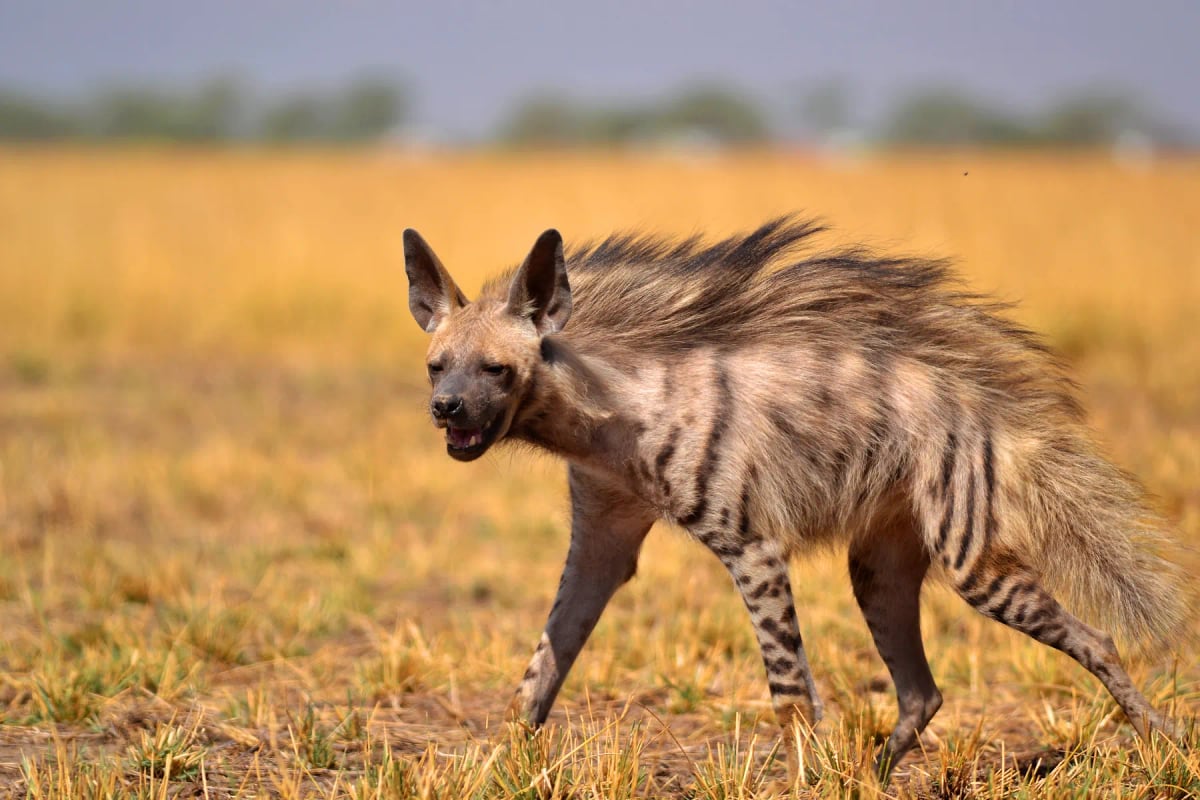
Striped Hyena
Hyaena hyaena
In Uzbekistan, the striped hyena occupies rocky terrain and arid lowlands, particularly in the south and west of the country. It is a nocturnal scavenger that shelters in caves or burrows during daylight hours. Its presence in Central Asia is generally sparse. The IUCN classifies it as Near Threatened, and across the region it faces threats from habitat degradation and from being killed by people who view it as a nuisance or hunt it for traditional uses.
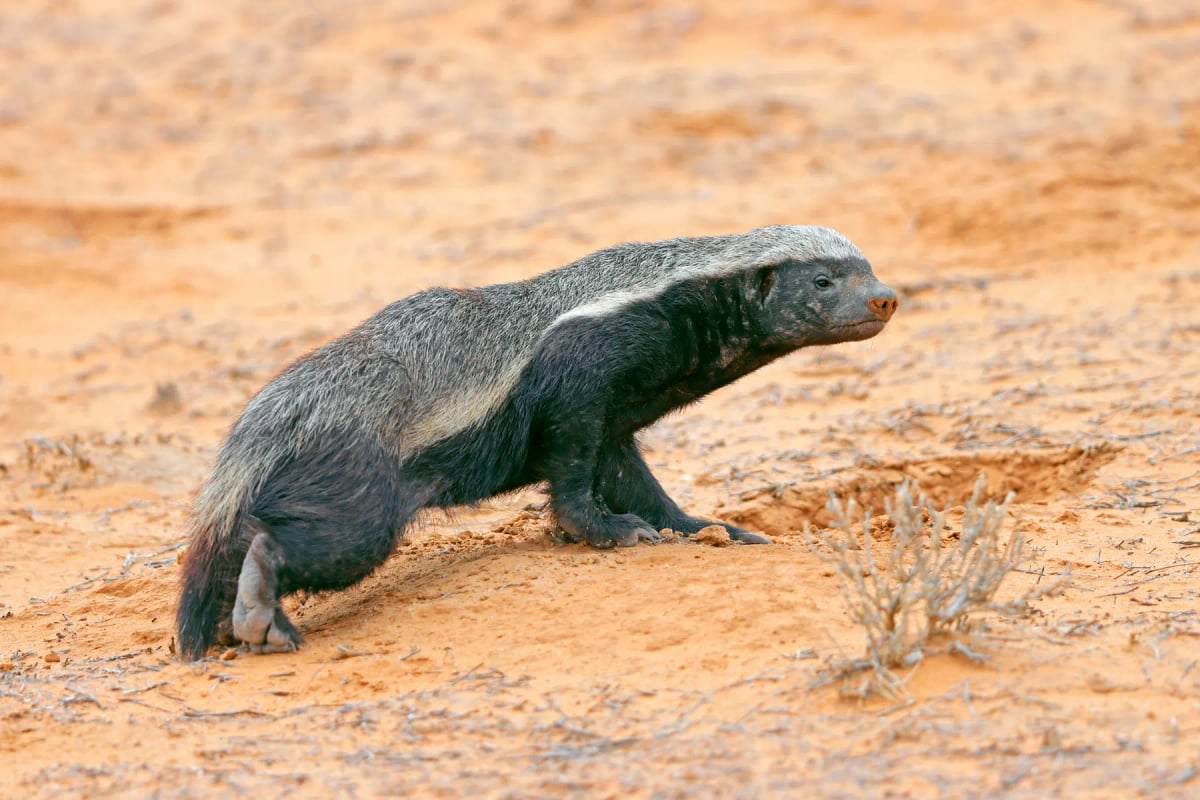
Honey Badger
Mellivora capensis
Uzbekistan sits near the northern limit of the honey badger's range, with populations recorded in the desert and semi desert terrain of the southwest, bordering Turkmenistan. It favors loose, sandy ground that is easy to dig and feeds on rodents, reptiles and insects. Sightings remain infrequent given the remoteness of the terrain and the species' nocturnal habits. The IUCN lists it as Least Concern across its full range.
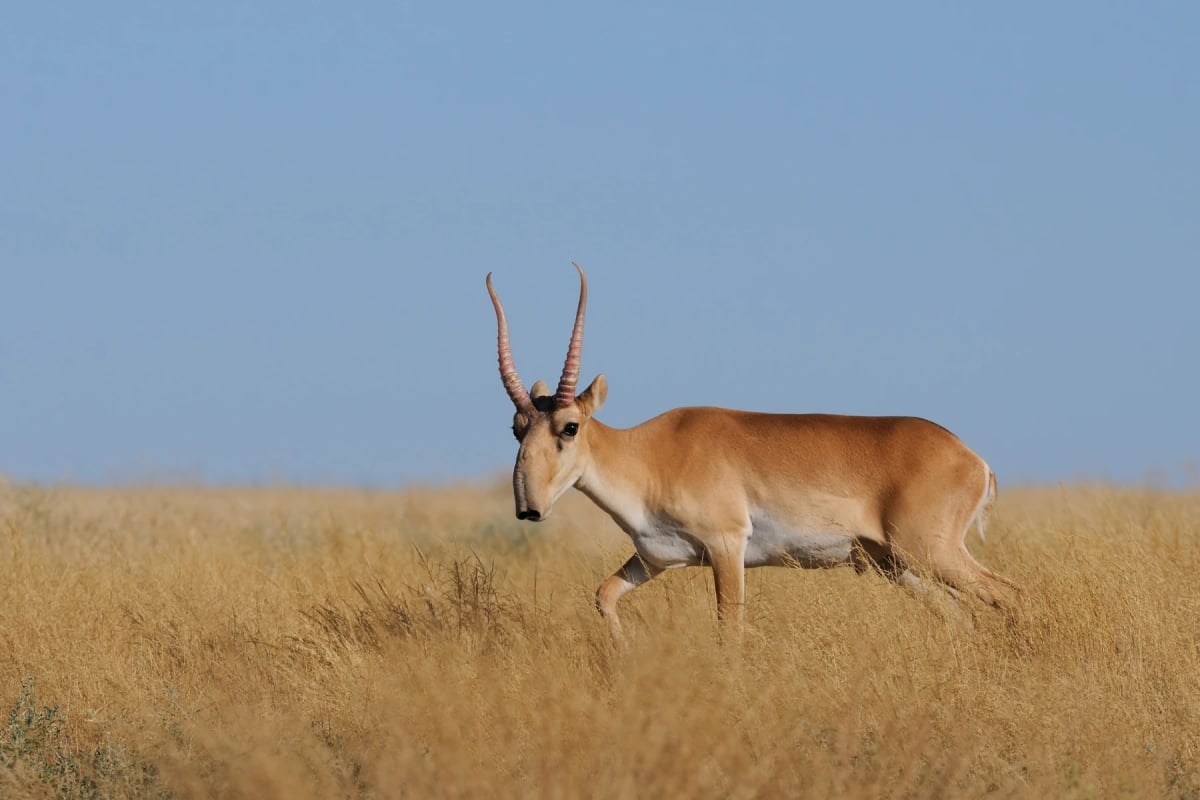
Saiga
Saiga tatarica
Uzbekistan's saiga population is found in the Ustyurt Plateau, a harsh desert landscape stretching between the Aral Sea and the Caspian. This region presents serious challenges for the species, including extreme temperatures and the dramatic shrinking of the Aral Sea, which has altered the local climate. Uzbekistan participates in regional conservation agreements aimed at protecting the saiga across Central Asia.
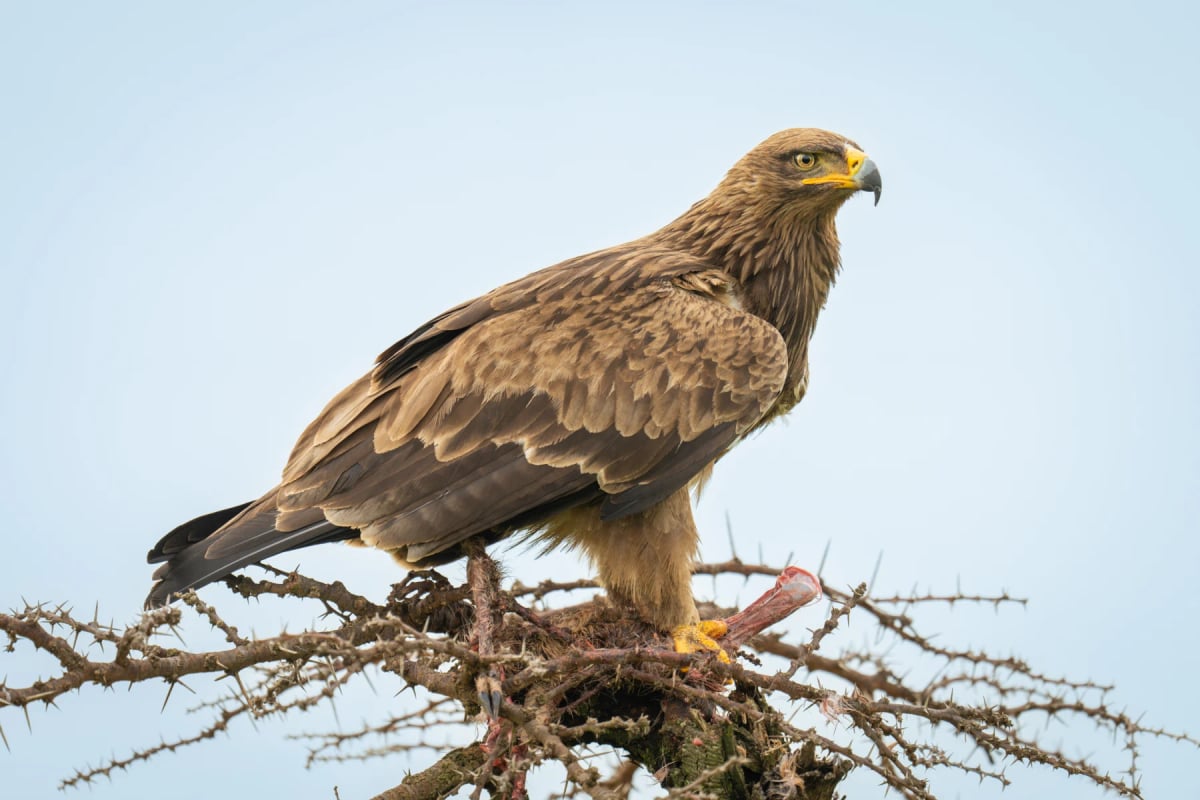
Steppe Eagle
Aquila nipalensis
Uzbekistan sits within the Steppe Eagle's core breeding and migration range. The open grasslands and semi-arid plains of the country provide suitable habitat for nesting pairs, while large numbers of birds pass through during spring and autumn. Classified as Endangered by the IUCN, the species faces pressure here from uninsulated power lines, which cause fatal electrocutions, and from the conversion of natural steppe into farmland.
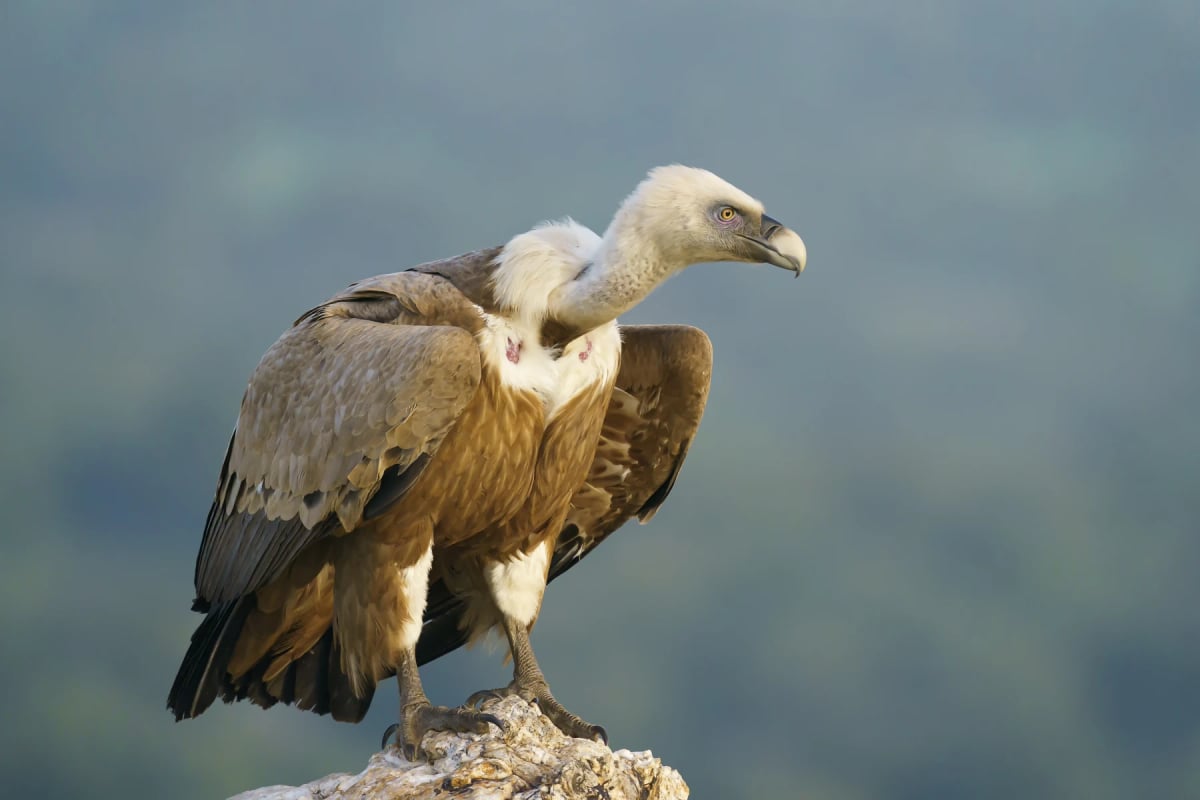
Griffon Vulture
Gyps fulvus
Griffon vultures inhabit the mountain ranges of Uzbekistan, including the western spurs of the Tian Shan and the Gissar and Zarafshan ranges. Steep cliff faces in these areas serve as nesting sites for colonies. The birds forage widely over the surrounding lowlands and river valleys in search of carrion. As in other parts of Central Asia, the use of veterinary drugs in livestock poses a risk to vulture health when they feed on treated carcasses. IUCN status: Least Concern.
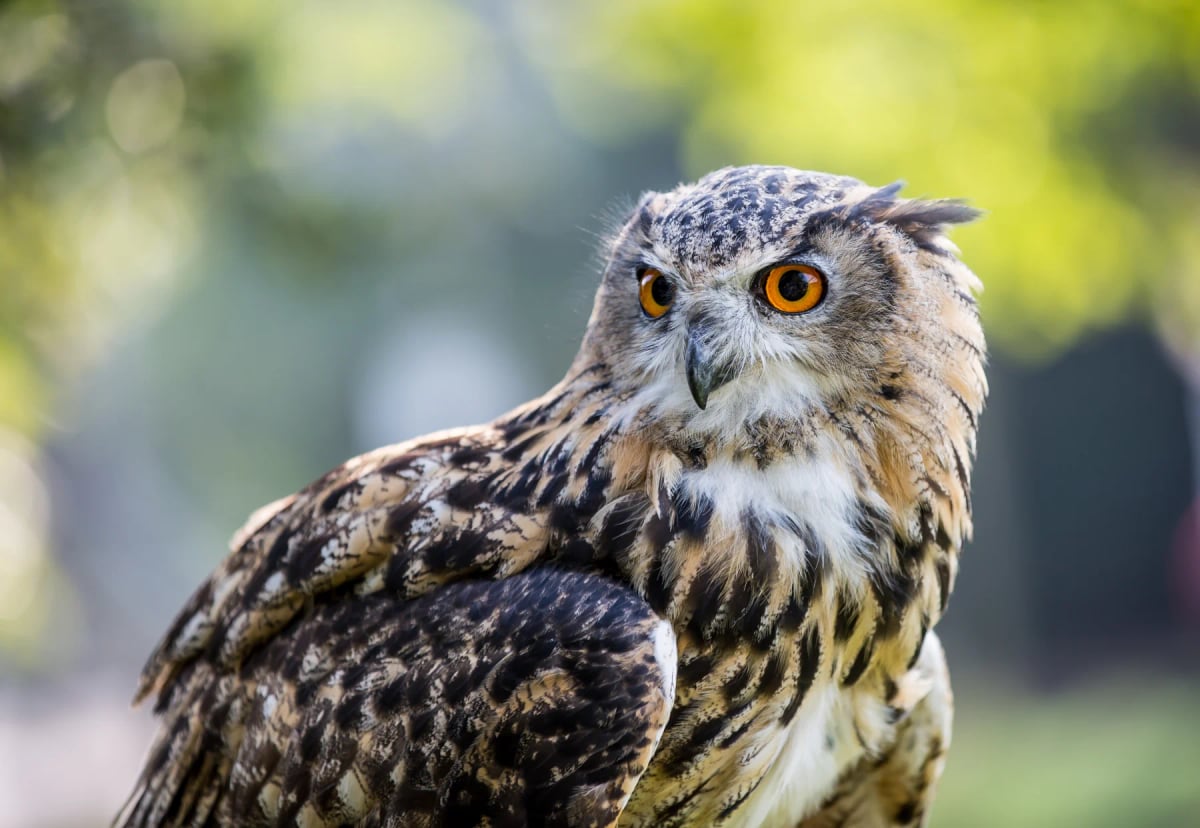
Eagle Owl
Bubo bubo
The Eagle Owl inhabits rocky desert terrain, the foothills of the Tian Shan and Pamir ranges, and river valleys in Uzbekistan. It is one of the larger predators of the night in this part of Central Asia, hunting rodents, hares, and birds across dry and semi-arid landscapes. Cliff faces and rocky outcrops serve as nesting sites throughout the country. IUCN status: Least Concern.
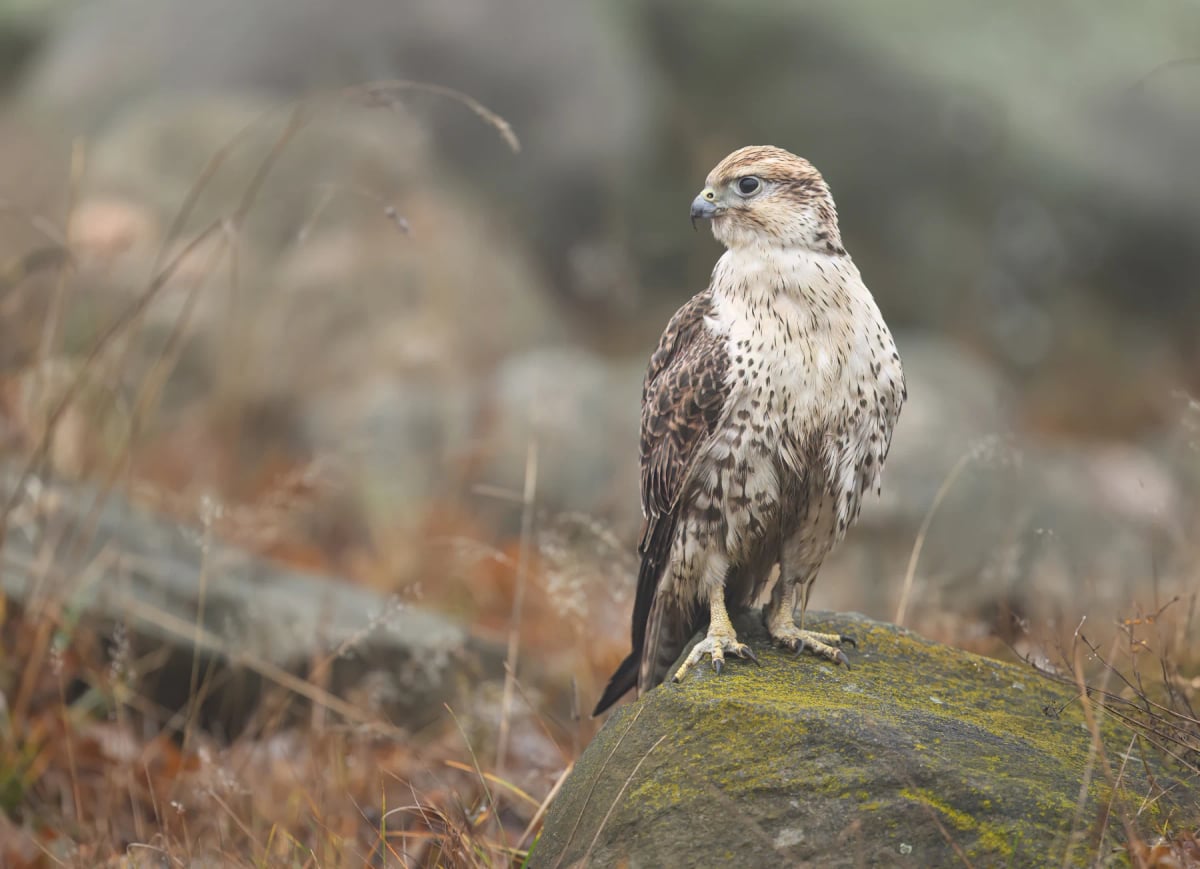
Saker Falcon
Falco cherrug
The saker falcon is a powerful bird that crosses the open steppes and semi-arid plains of Uzbekistan during migration, with some individuals also wintering in the region. Uzbekistan sits within the heart of the saker's Central Asian range, making it a historically important country for this species. Illegal trapping for the falconry trade remains a serious pressure here, and the bird is listed as Endangered by the IUCN.
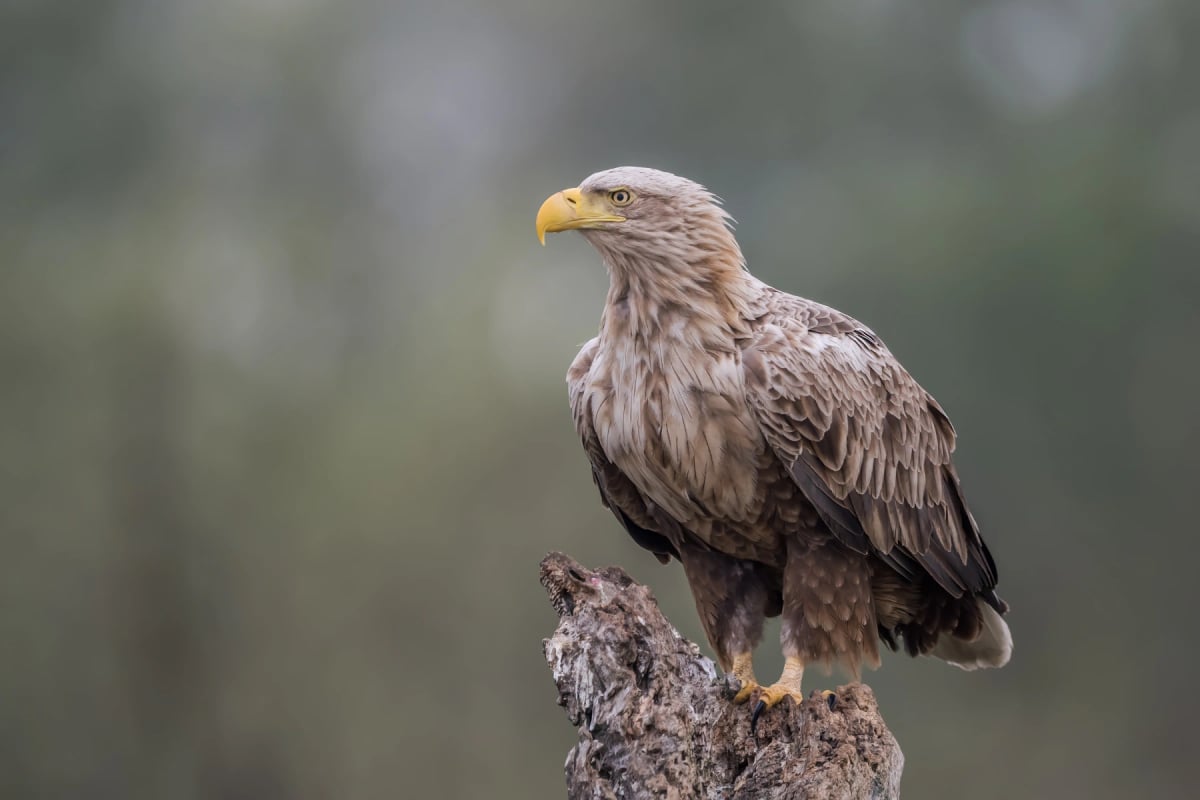
White tailed Eagle
Haliaeetus albicilla
In Uzbekistan, the white-tailed eagle is found during migration and winter along the Amu Darya and Syr Darya river systems, as well as around the remnant wetlands of the Aral Sea basin. The dramatic shrinking of the Aral Sea has reduced vital habitat across the region, making river corridors increasingly important for this and many other species. Its IUCN status is Least Concern.
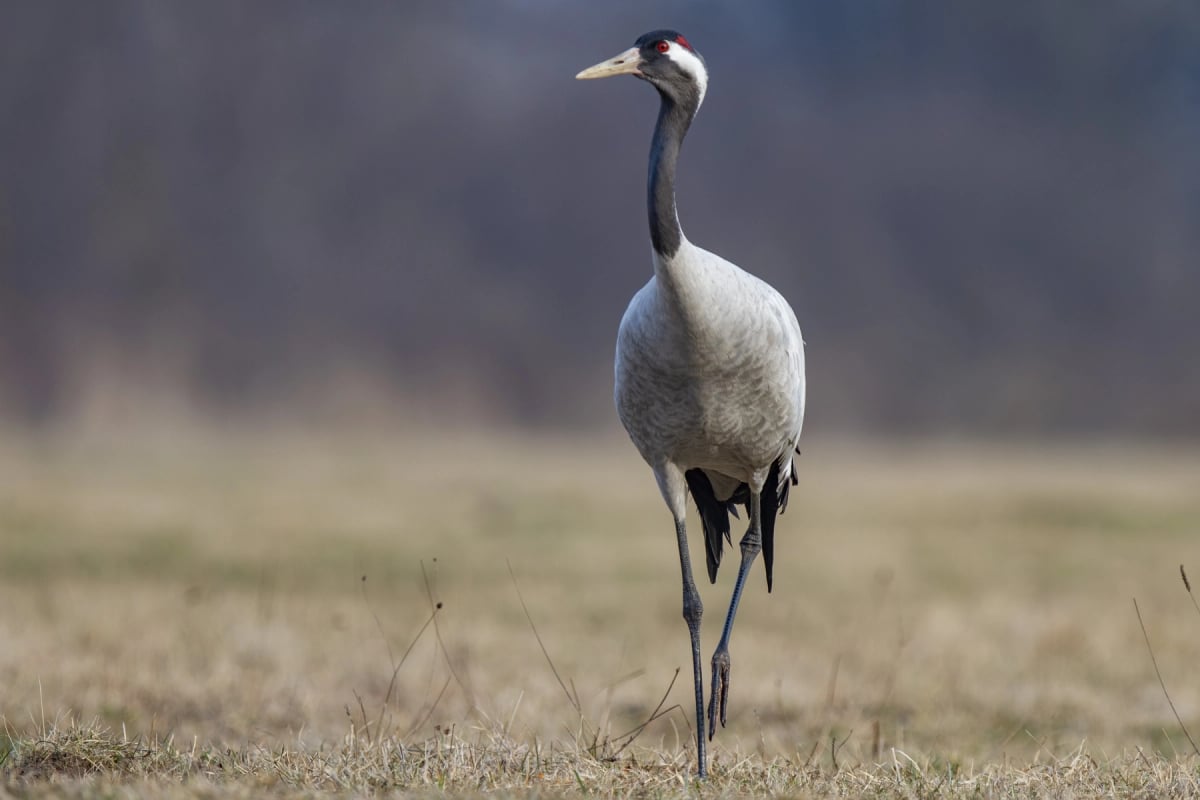
Crane
Grus grus
Uzbekistan lies on the migration route used by common cranes crossing Central Asia. Flocks pass through the country each autumn and spring, stopping to rest in the river valleys and agricultural areas of the lowlands. The Amu Darya delta region and the Aral Sea basin, though greatly altered in recent decades, still attract migrating cranes. The species is regarded as a passage migrant and occasional winter visitor in Uzbekistan.
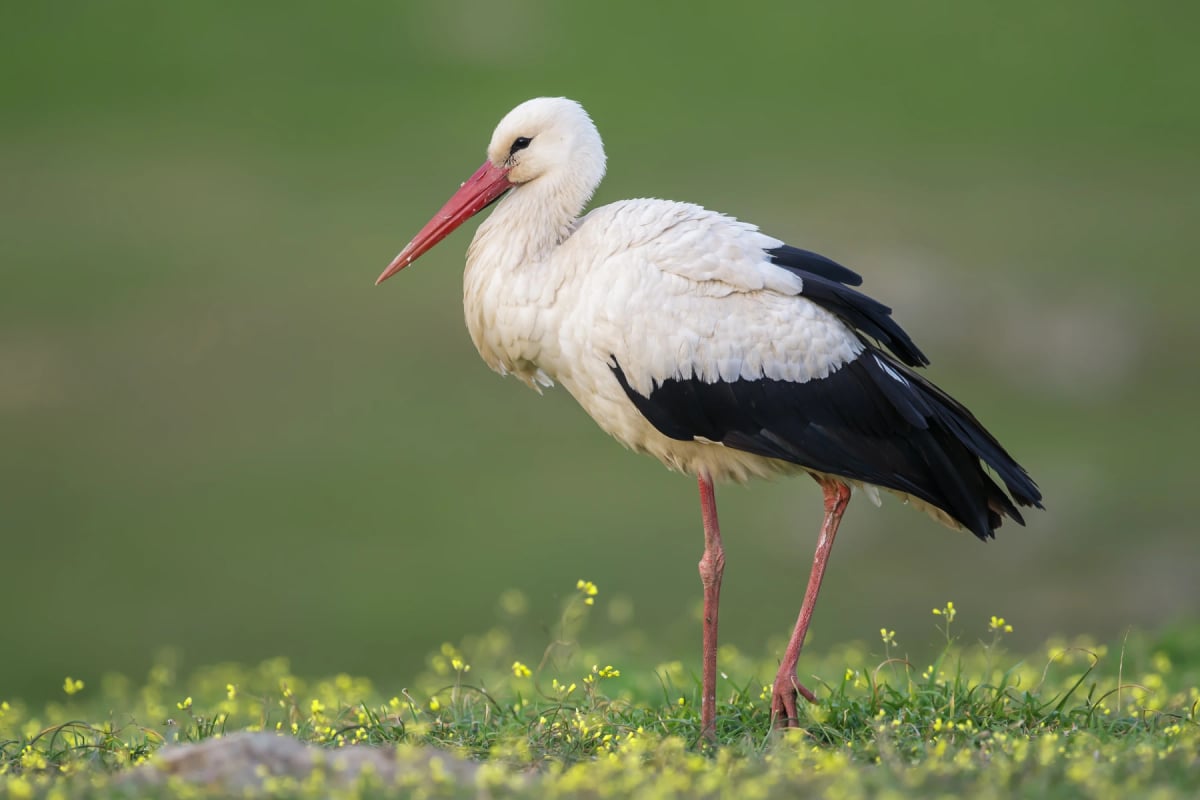
Stork
Ciconia ciconia
In Uzbekistan, the white stork breeds and migrates through fertile lowland areas, including the Fergana Valley and farmland around the Amu Darya and Syr Darya rivers. It nests on rooftops, poles, and trees in rural villages, often returning to the same nest for many years. Locals have long viewed the stork as a symbol of good luck. It feeds on frogs, insects, and small vertebrates in irrigated fields and wetlands. It is listed as Least Concern by the IUCN.
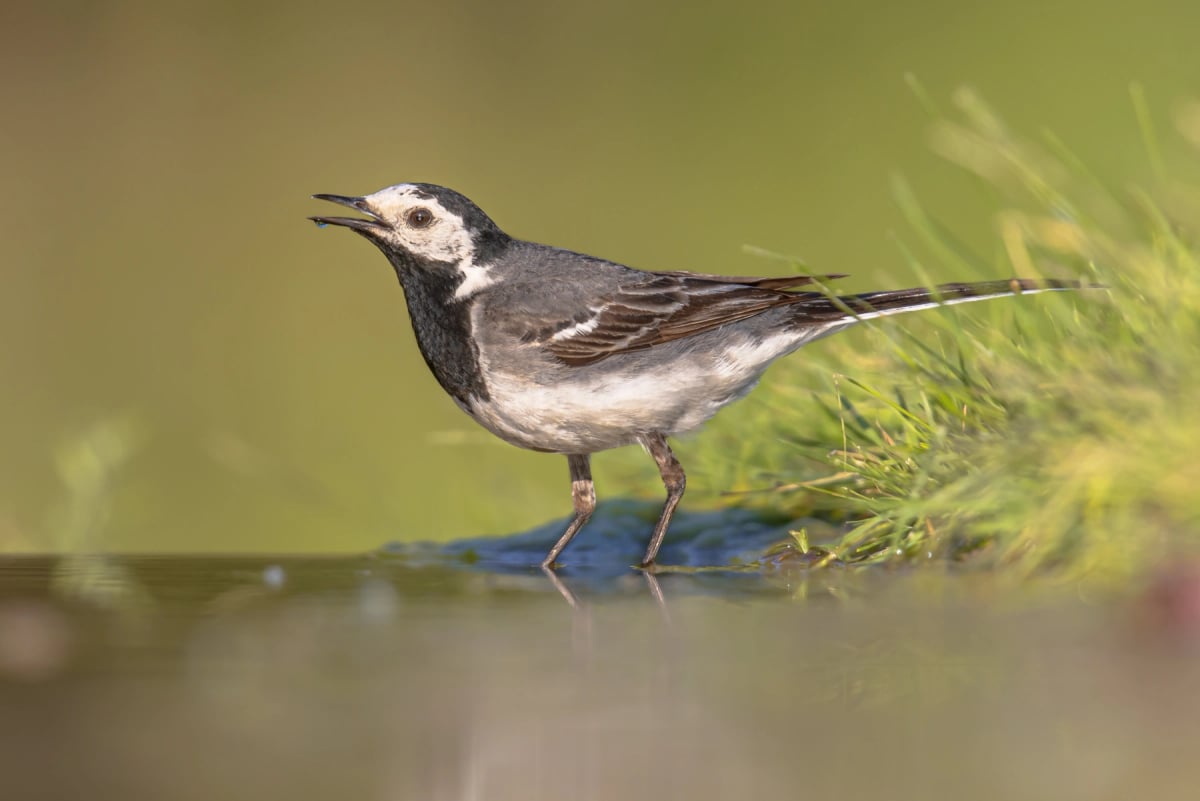
White Wagtail
Motacilla alba
Small black, white and grey bird with a slender tail that bobs up and down as it walks and feeds along the edges of water and open ground.
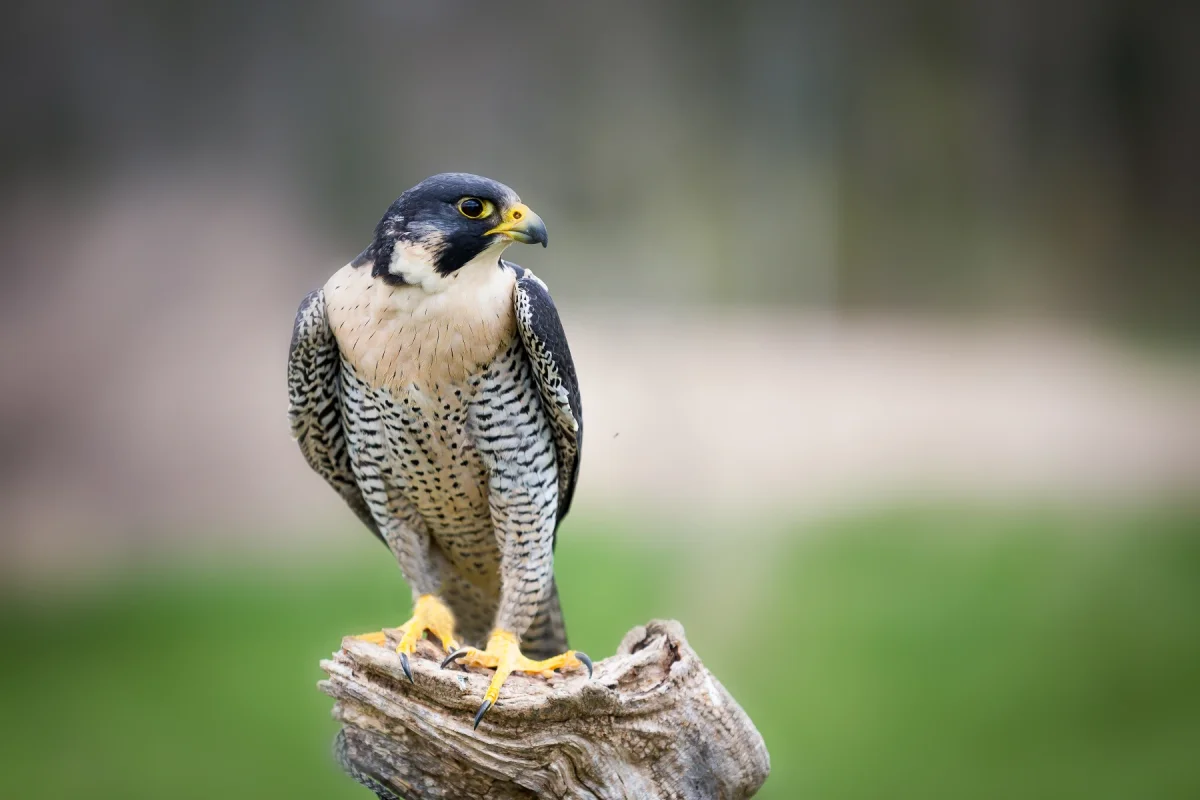
Peregrine Falcon
Falco peregrinus
In Uzbekistan, the peregrine falcon occurs as a migrant and winter visitor, moving through the country along routes that cross the vast plains and river valleys of Central Asia. The Fergana Valley and the areas around the Aral Sea basin serve as important stopover points. The species hunts pigeons and other birds in open landscapes, taking advantage of the long sightlines that flat terrain provides during its seasonal travels.
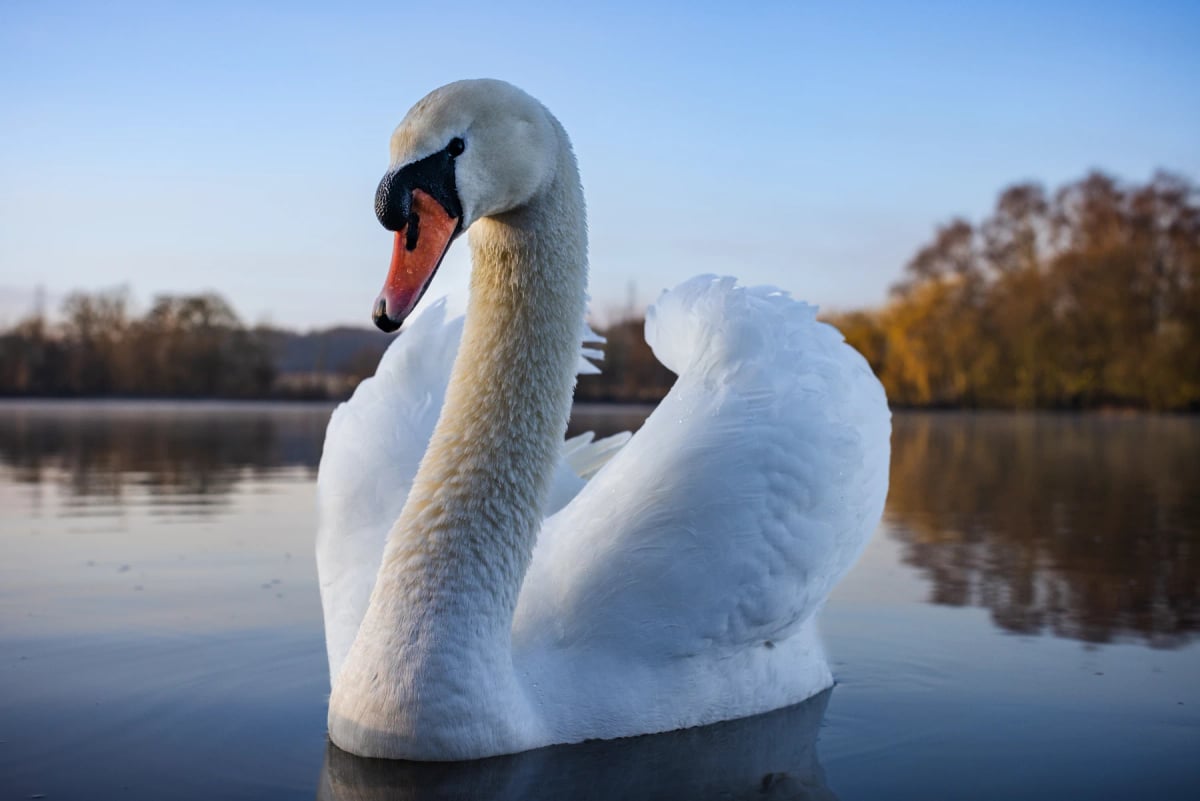
Mute Swan
Cygnus olor
In Uzbekistan, the mute swan occurs mainly as a passage migrant and winter visitor, stopping at wetlands and reservoirs across the country. The Aral Sea basin, despite its severe shrinkage, along with the Amu Darya and Syr Darya river systems, provides habitat during migration. Numbers are modest compared to European populations, but the species is recorded regularly at suitable water bodies. IUCN status: Least Concern.
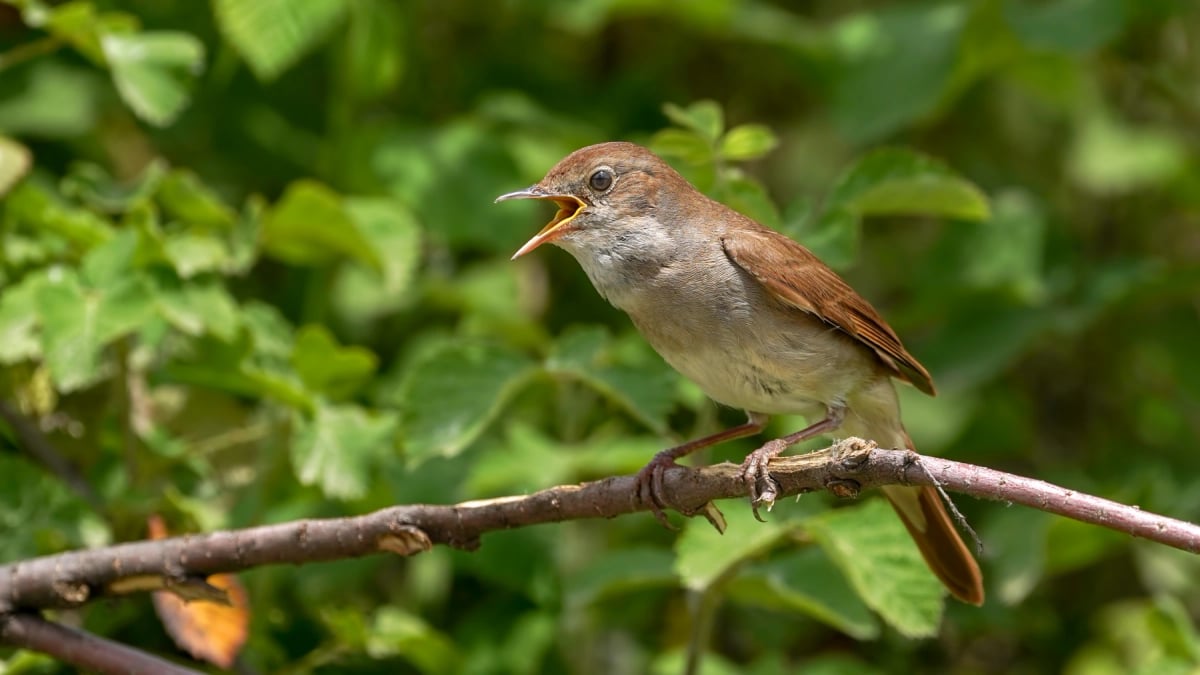
Nightingale
Luscinia megarhynchos
Uzbekistan lies within the breeding range of the nightingale, which occurs in riverine thickets, gardens, and the scrubby vegetation found along water courses in the lowlands. The Fergana Valley and riparian corridors of the Amu Darya and Syr Darya rivers provide suitable habitat. Locally known as the bulbul, this bird holds deep cultural significance in Central Asian poetry and music, symbolising longing and the beauty of nature.
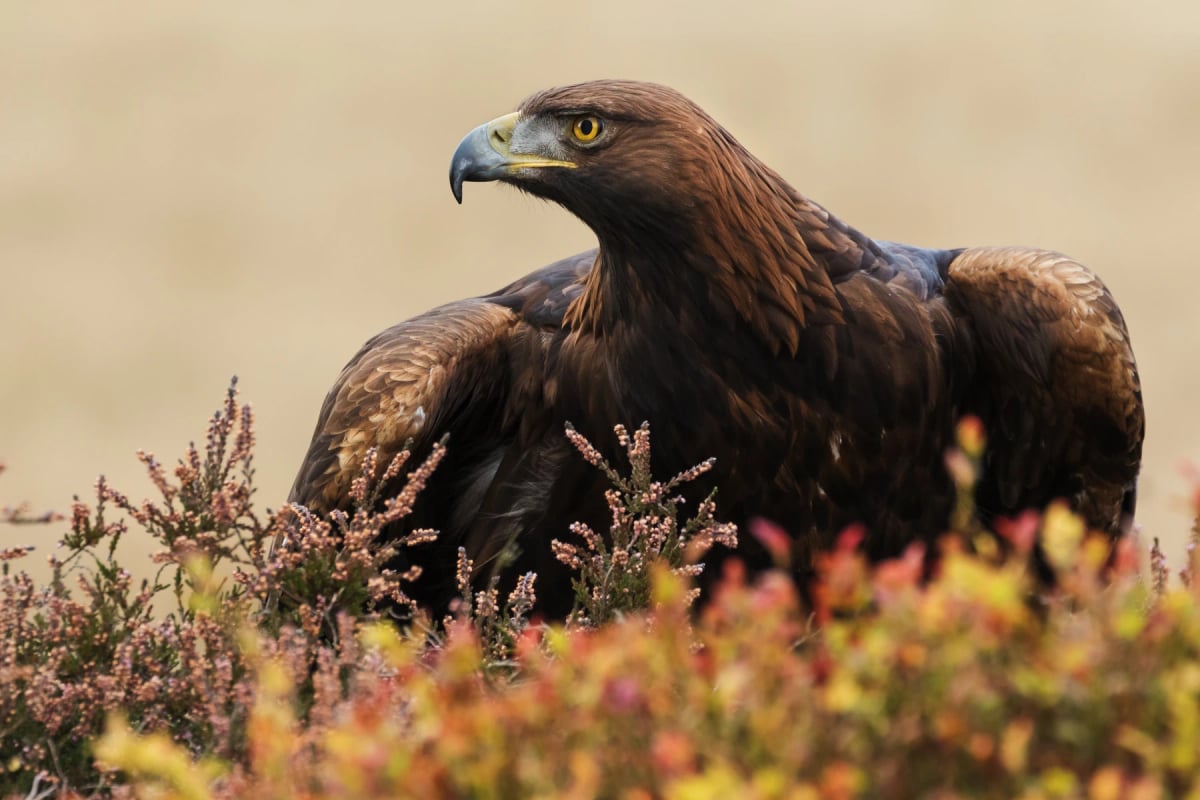
Golden Eagle
Aquila chrysaetos
In Uzbekistan, the golden eagle inhabits the mountainous regions of the Tian Shan and Pamir ranges in the east of the country, as well as some foothill areas. It has a long history of use in traditional falconry across Central Asia, a practice that continues in parts of Uzbekistan today. It hunts hares, foxes, and ground squirrels across steppe and rocky terrain. Habitat loss in lowland areas has reduced its overall range. The IUCN lists it as Least Concern.
Researched and written by Juan Pablo. Sources: IUCN Red List, scientific literature and regional field guides. Last updated: .