Animals in Romania
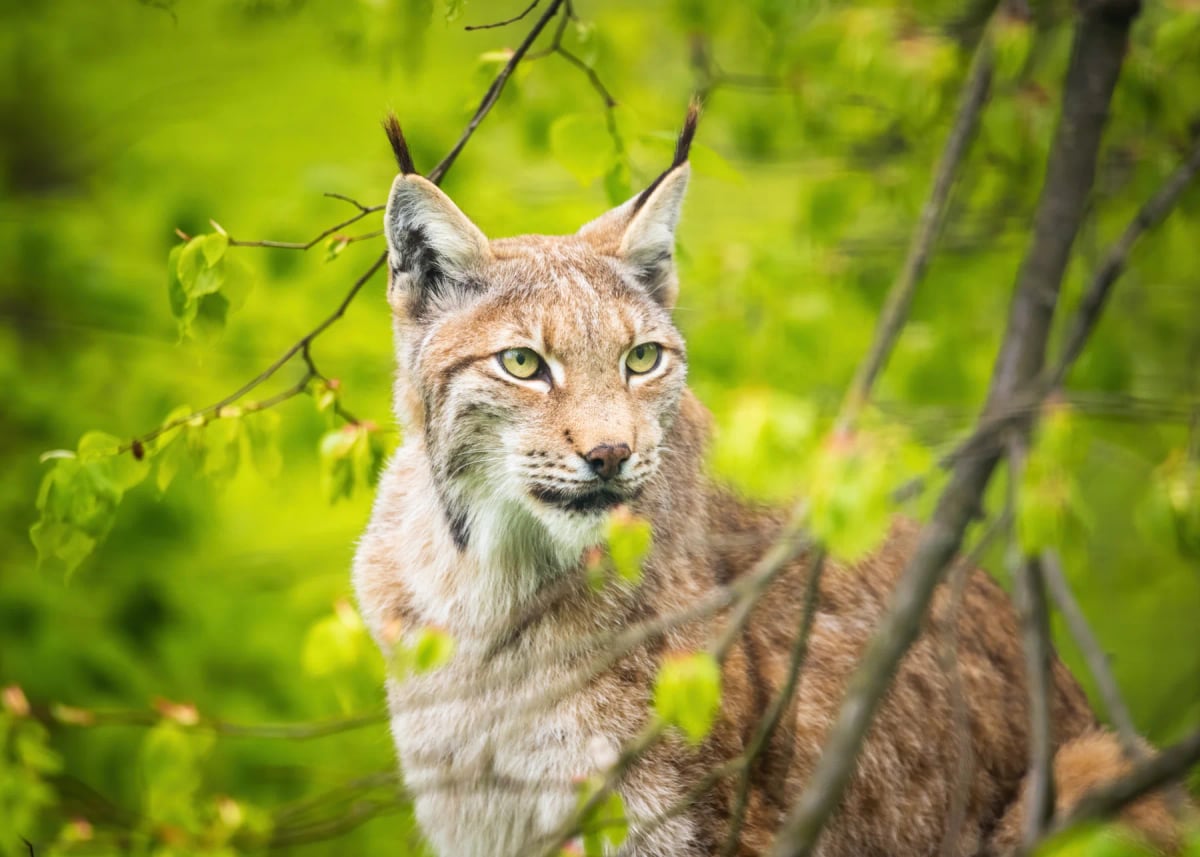
Eurasian Lynx
Lynx lynx
The Eurasian lynx is Romania’s national animal. It lives in the Carpathian forests, moving quietly through spruce and beech to hunt deer and hare. Camera traps and track surveys confirm its return in more areas after years of protection. In museums and visitor centers the lynx is used to explain how large carnivores fit into modern rural life and why healthy forests need top predators.
View details→Wildlife in Romania
Romania brings together the Carpathian Mountains, deep forests and the Danube Delta. Trails in national parks such as Piatra Craiului and Retezat lead to viewpoints, caves and alpine lakes. Boat tours in the Delta show reed beds and channels rich in birds. Travelers often see deer tracks near villages and hear owls at night, with guided hides for quiet wildlife watching.
Most Dangerous Animals in Romania
Wildlife risks in Romania vary by habitat. In forested mountains, brown bears and wild boar can react if surprised, and gray wolves and lynx keep distance but defend food and young. In northern wetlands and pine edges, European adders rest on warm ground in summer. Moose and European bison are large and unpredictable when moving through river flats. Most encounters remain brief and seen from far across valleys and fields.
Top 10 Animals in Romania
Our Top 10 for Romania focuses on red deer, moose, brown bear, Eurasian lynx, gray wolf and peregrine falcon. Deer and moose shape many valleys and are easiest at dawn near meadows. Bears, wolves and lynx anchor the wild image of the Carpathians and draw careful tracking tours. Peregrines nest on cliffs and tall buildings, giving clear views. Each entry points to regions and seasons with real chances to see them.
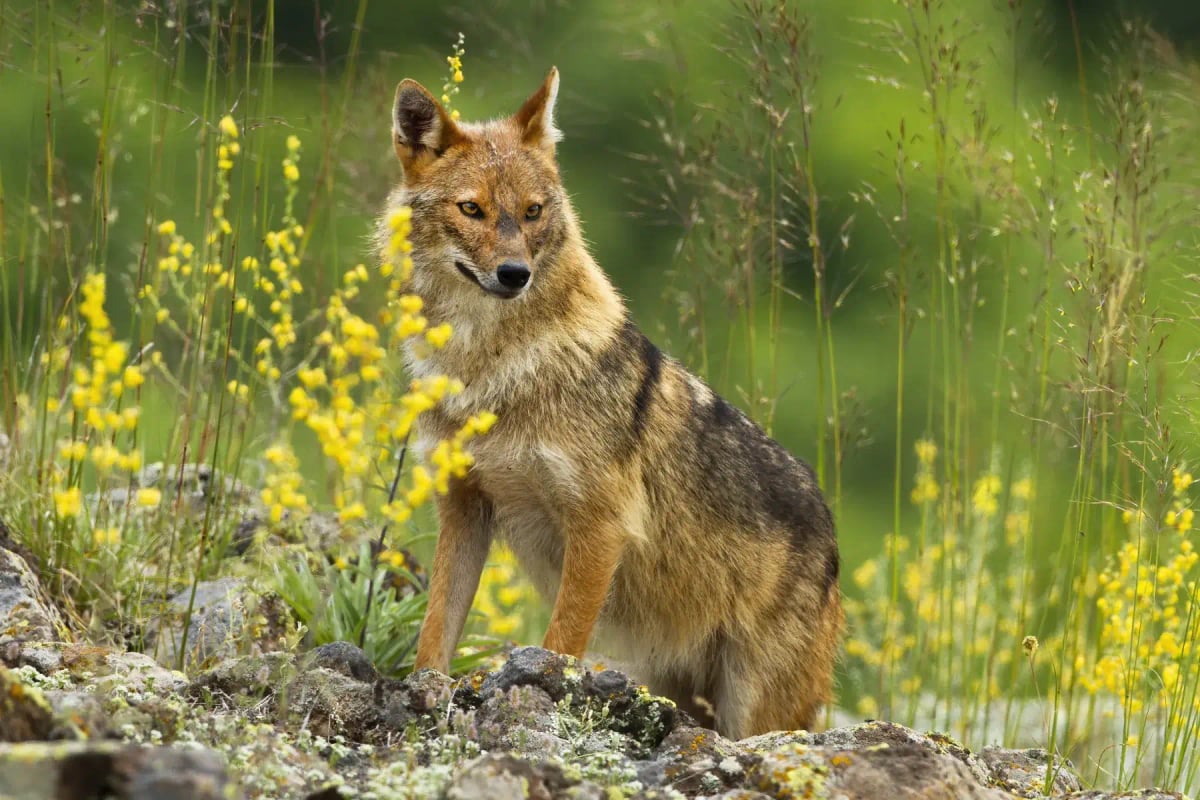
Golden Jackal
Canis aureus
In Romania, the golden jackal has expanded its range noticeably since the late twentieth century, spreading into the Danube Delta, the Dobruja region, and lowland agricultural areas. It thrives along river corridors and wetland edges where food and cover are plentiful. Romanian records confirm a growing and stable population. Its IUCN status is Least Concern.
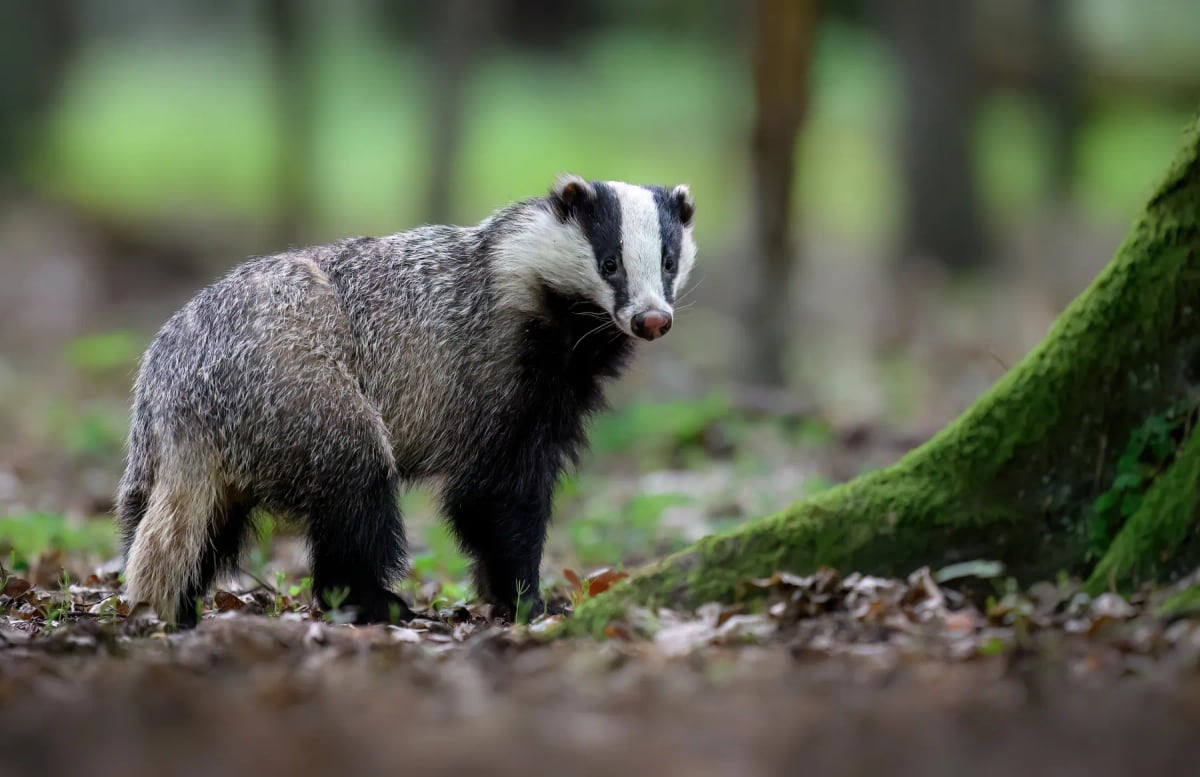
Badger
Meles meles
The Eurasian badger is widespread across Romania in deciduous woodland, forest edges and mixed farmland from the Carpathian foothills to the Danube plain. It lives in family groups in extensive setts and is active mainly at night, feeding on earthworms, insects, berries, roots and small animals. Romanian badger populations are stable and the species is found across a wide range of habitats throughout the country, including both lowland and upland areas.
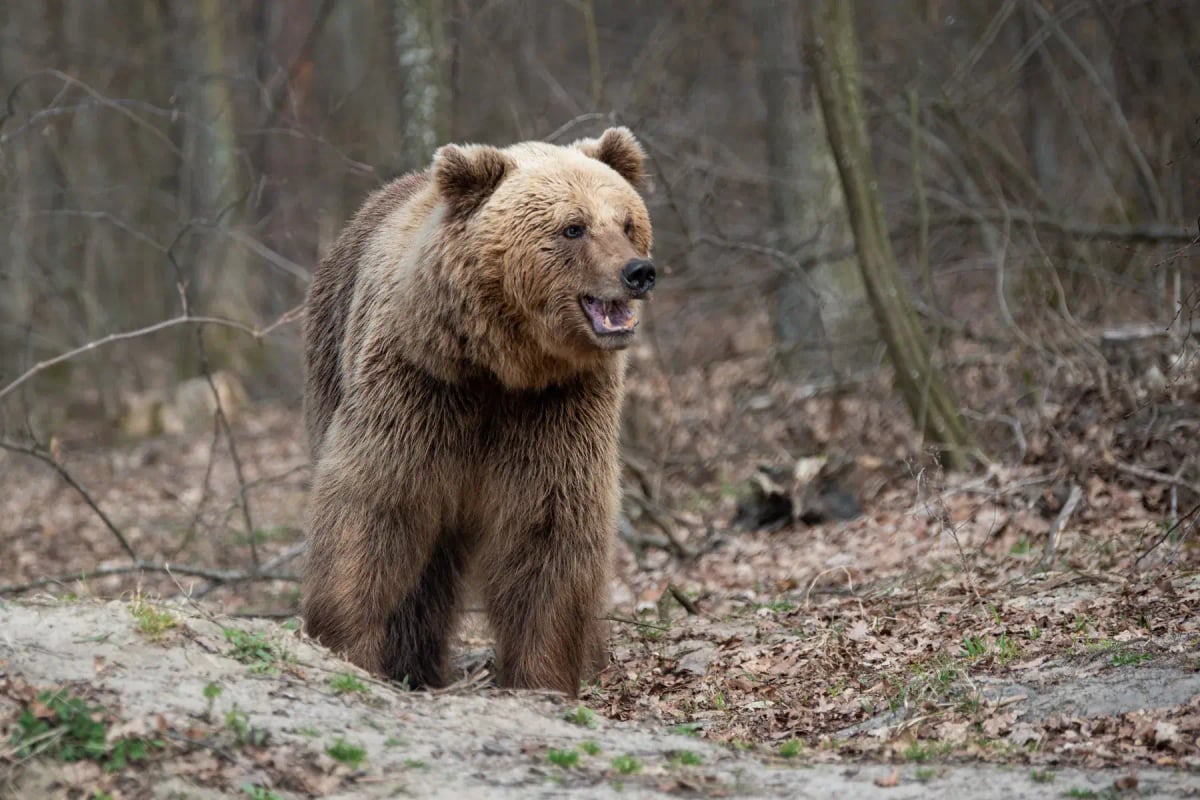
Brown Bear
Ursus arctos
Romania holds the largest brown bear population in the European Union, with estimates ranging from 4,000 to 8,000 individuals. The Carpathian Mountains provide vast forests rich in beech and spruce that are ideal for the species. Bears are found across much of the country's highland regions. Romania has historically allowed managed hunting, and balancing population control with conservation remains a complex and politically sensitive issue.
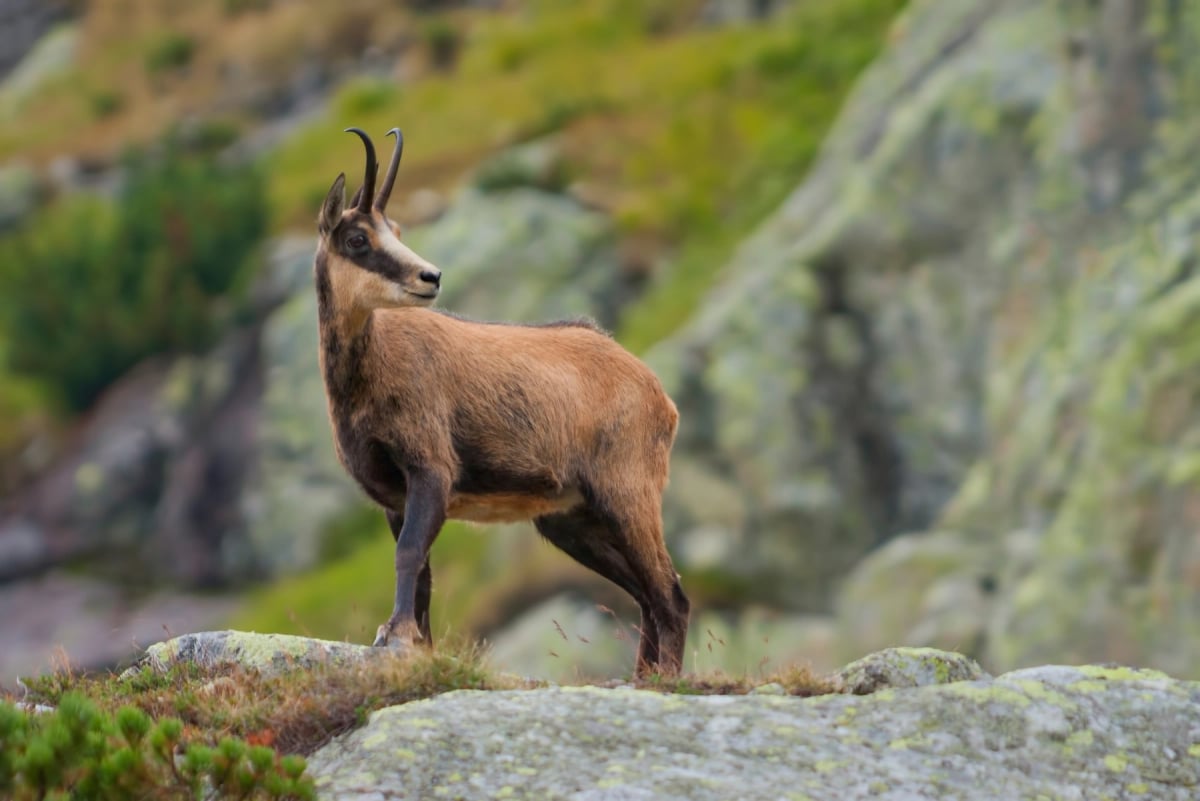
Chamois
Rupicapra rupicapra
Romania supports one of the larger chamois populations in the Carpathian region, with animals distributed across the Southern Carpathians, including the Bucegi and Făgăraș ranges. Numbers declined sharply during the communist era due to unregulated hunting but have recovered considerably under modern protections. Today the species is managed through regulated hunting quotas alongside conservation programs in several national parks. IUCN status: Least Concern.
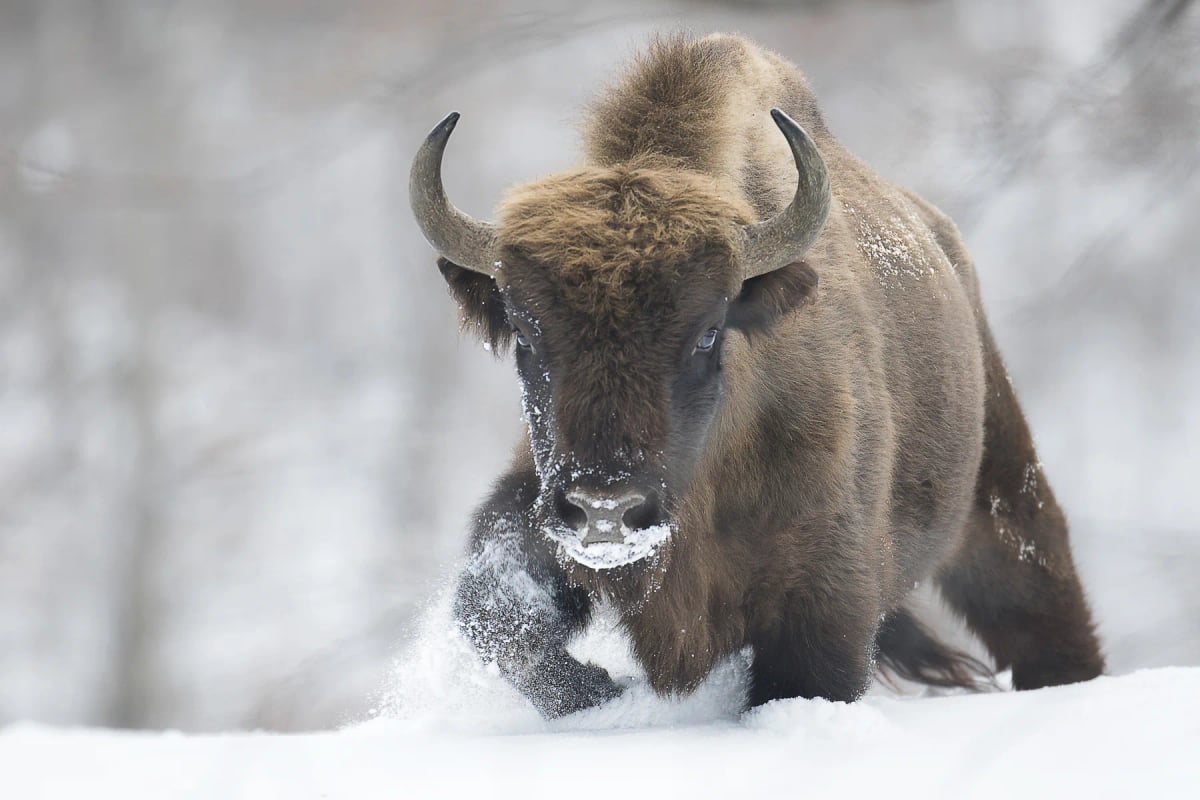
European Bison
Bison bonasus
Romania has become an increasingly important country for European bison recovery, with reintroduction efforts taking place in the Carpathian region. The mountain forests and valleys there offer rich seasonal vegetation, giving the animals access to grasses, shrubs, and bark throughout the year. Several herds have been established and are monitored by conservation organizations. Romania's Carpathian landscapes rank among the most promising areas for long-term population growth in southeastern Europe. IUCN status: Near Threatened.
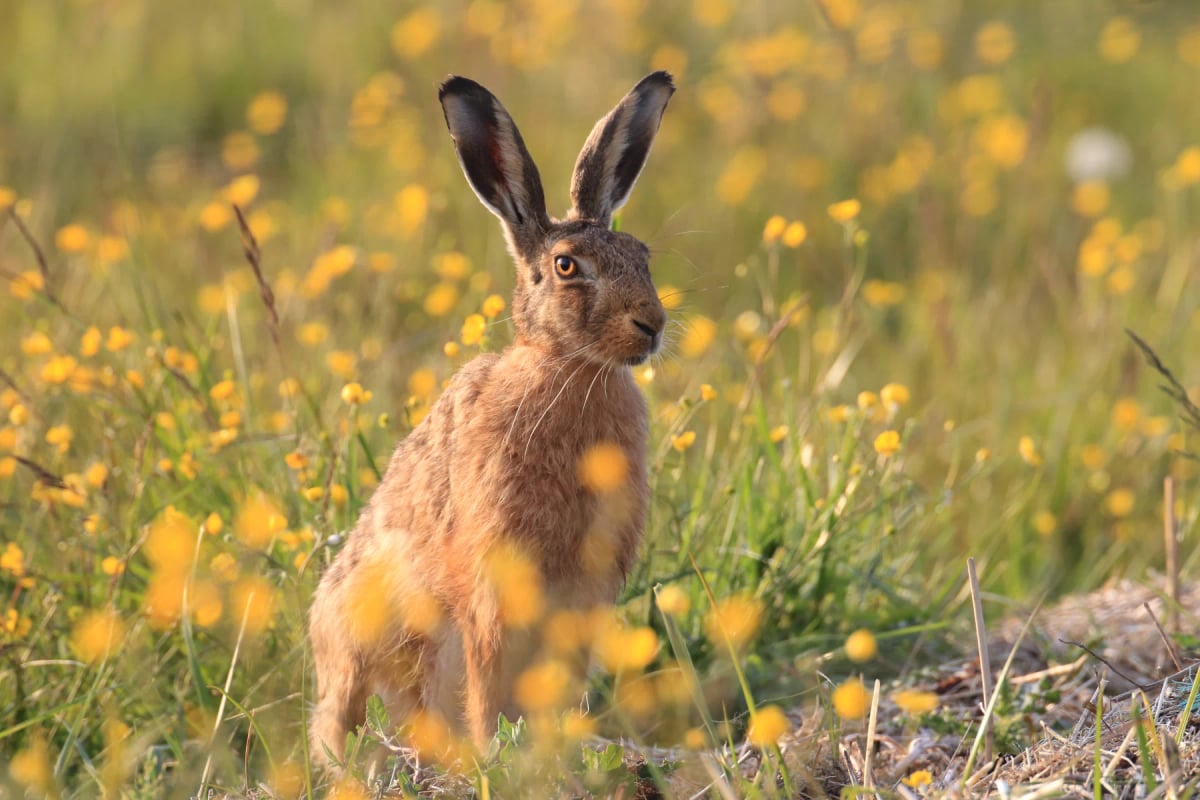
Hare
Lepus europaeus
Romania supports one of the largest populations of European hares in the whole of Europe, with the species thriving across the Wallachian Plain, the Moldavian Plateau, and the Transylvanian Basin. Open farmland, steppe, and river floodplains all provide excellent habitat. The hare is an important game species in Romania and is subject to management through hunting regulations. Its IUCN conservation status is Least Concern.
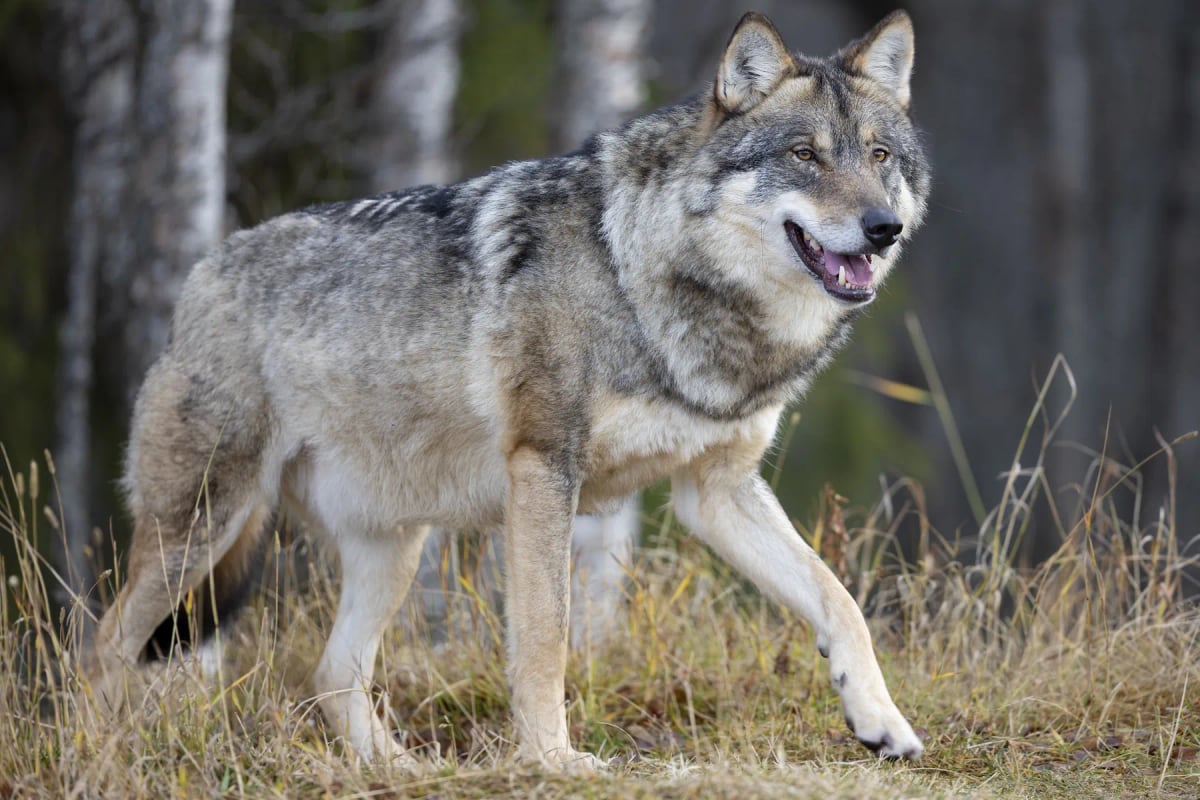
Gray Wolf
Canis lupus
Romania holds one of the largest wolf populations in the European Union, with several thousand individuals living mainly in the Carpathian Mountains. The country's extensive forests provide ideal habitat and prey such as red deer, roe deer and wild boar are abundant. Romania's wolves have been a source of natural recolonization for neighboring countries. Management of the species is debated, balancing conservation goals with the interests of rural and livestock farming communities in the Carpathian region.
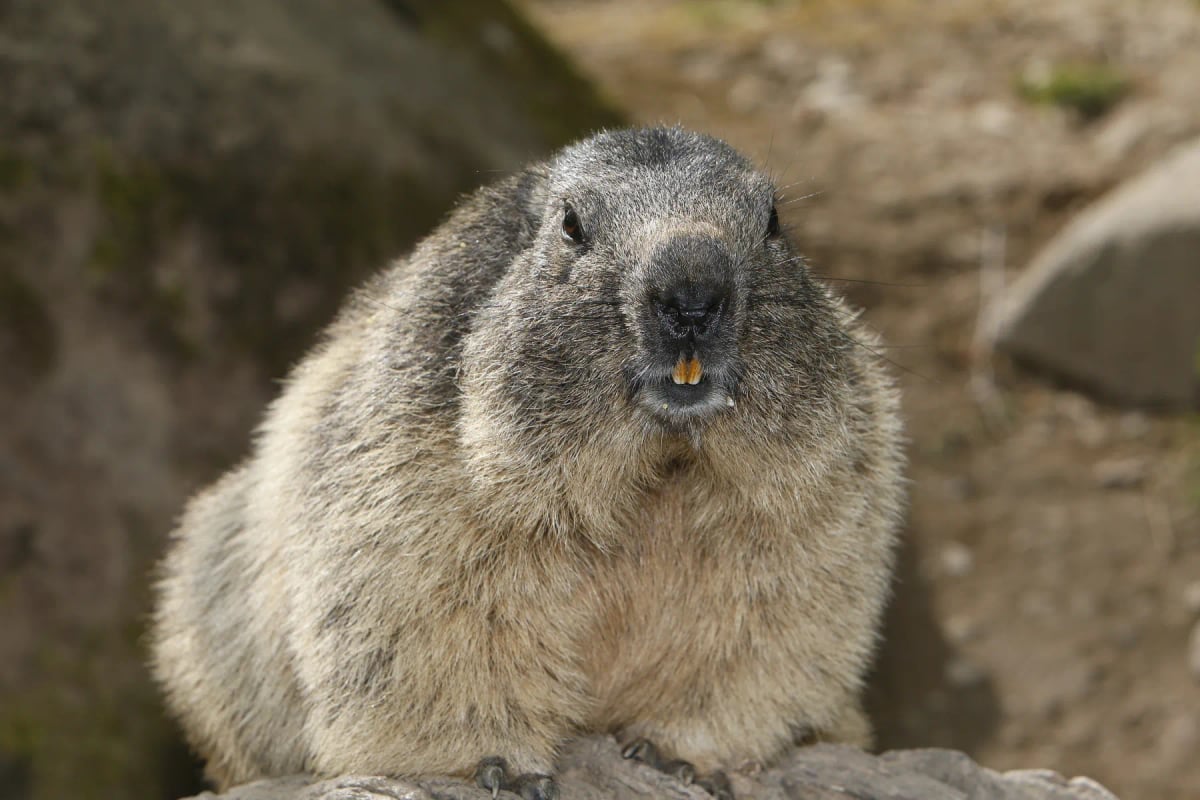
Alpine Marmot
Marmota marmota
The Alpine marmot was introduced to the Bucegi and Retezat mountain ranges of Romania in the twentieth century as part of efforts to enrich the Carpathian fauna. Colonies have established themselves in alpine meadows above the tree line, where they are active in summer and attract attention from hikers visiting the national parks of the southern Carpathians. The Romanian population remains relatively small compared to Alpine populations but is stable and benefits from the protection of the national park system.
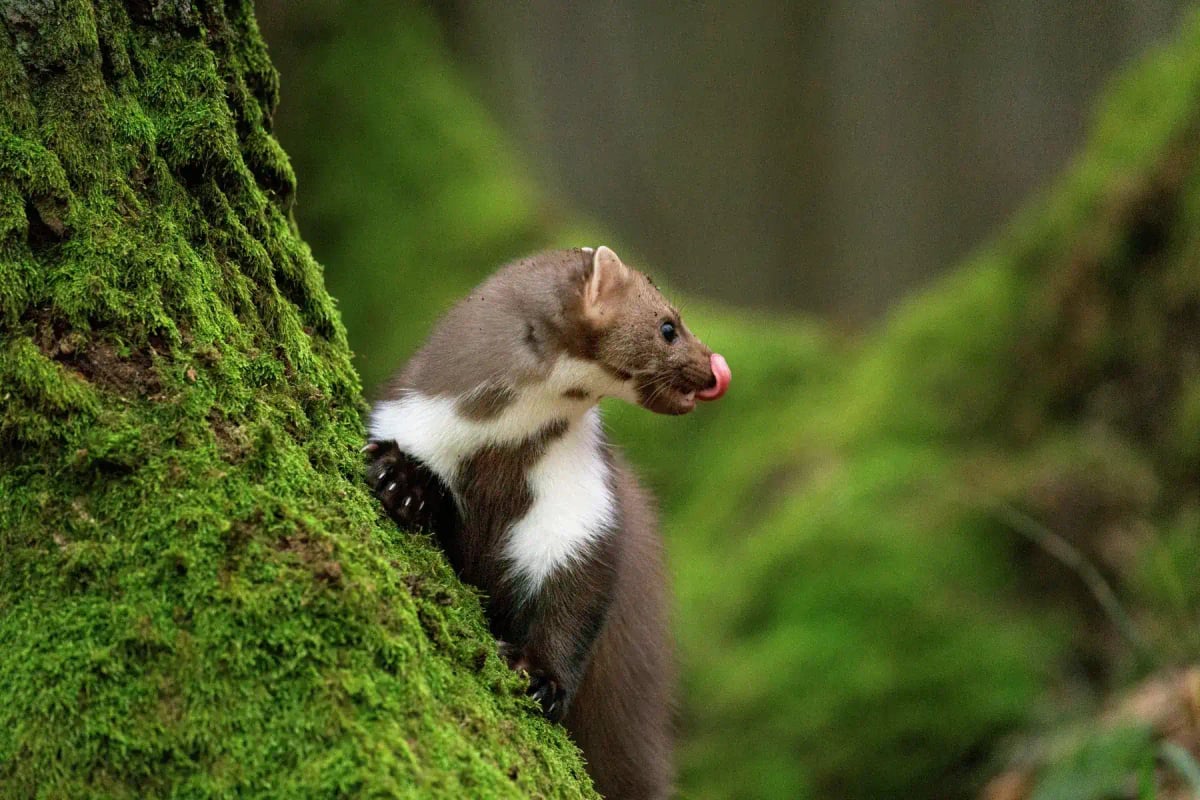
Marten
Martes martes / Martes foina
Romania supports both the pine marten and the stone marten across its richly varied terrain. The pine marten is at home in the Carpathian mountain forests, among the largest and best preserved in Europe, while the stone marten tends to occupy lower farmland and scrub. Romania's extensive forest cover makes it one of the strongest strongholds for martens on the continent. IUCN status: Least Concern.
Eurasian Lynx
Lynx lynx
Romania supports one of the largest Eurasian Lynx populations in the European Union, concentrated mainly in the Carpathian mountains. The country's extensive forest cover provides excellent habitat with an abundant supply of roe deer and other prey. Despite this, illegal hunting remains a concern. Romania plays an important role in the long term survival of the lynx across Central and Eastern Europe. The IUCN lists it as Least Concern.
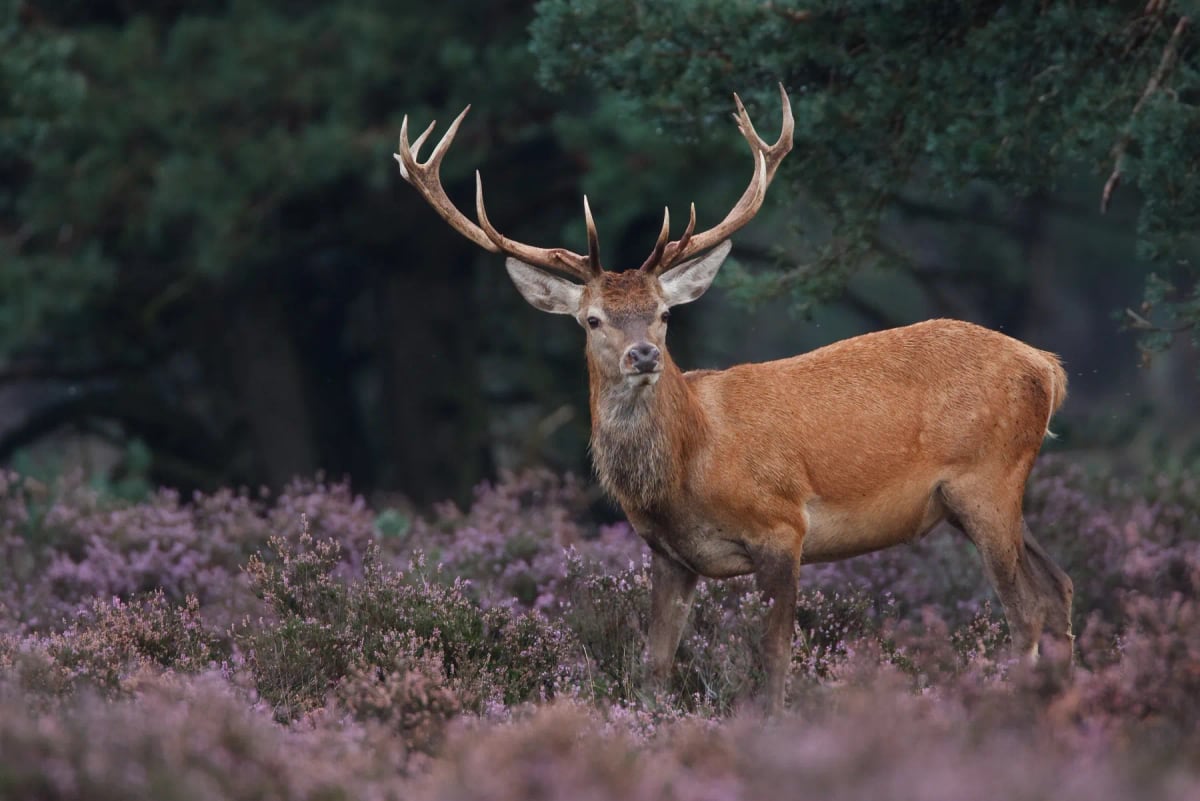
Red Deer
Cervus elaphus
Romania holds one of the largest red deer (Cervus elaphus) populations in Europe, supported by the country's vast Carpathian forests and extensive lowland woodlands. The Carpathian Mountains provide rich habitat across all seasons, and the species is a key part of Romania's wildlife heritage. Stags here are known for their impressive body size and antler development. Regulated hunting and large areas of intact forest help sustain the population. The IUCN lists the species as Least Concern.
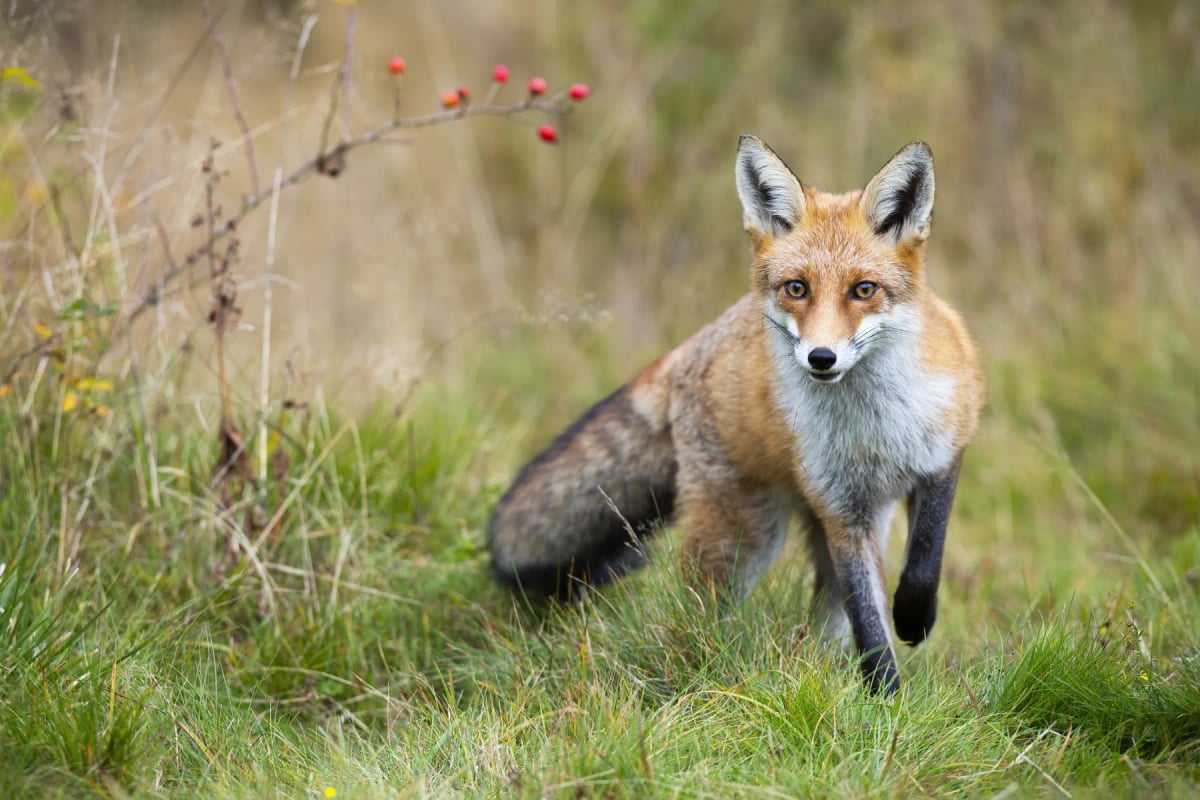
Red Fox
Vulpes vulpes
Romania's diverse landscapes provide excellent habitat for the red fox, which lives in the Carpathian forests, the Danube Delta wetlands, and open farmland across the plains. It is a common and adaptable species throughout the country. Hunting is permitted and regulated, and the fox plays a role in keeping rodent numbers in check on agricultural land. Its IUCN status is Least Concern.
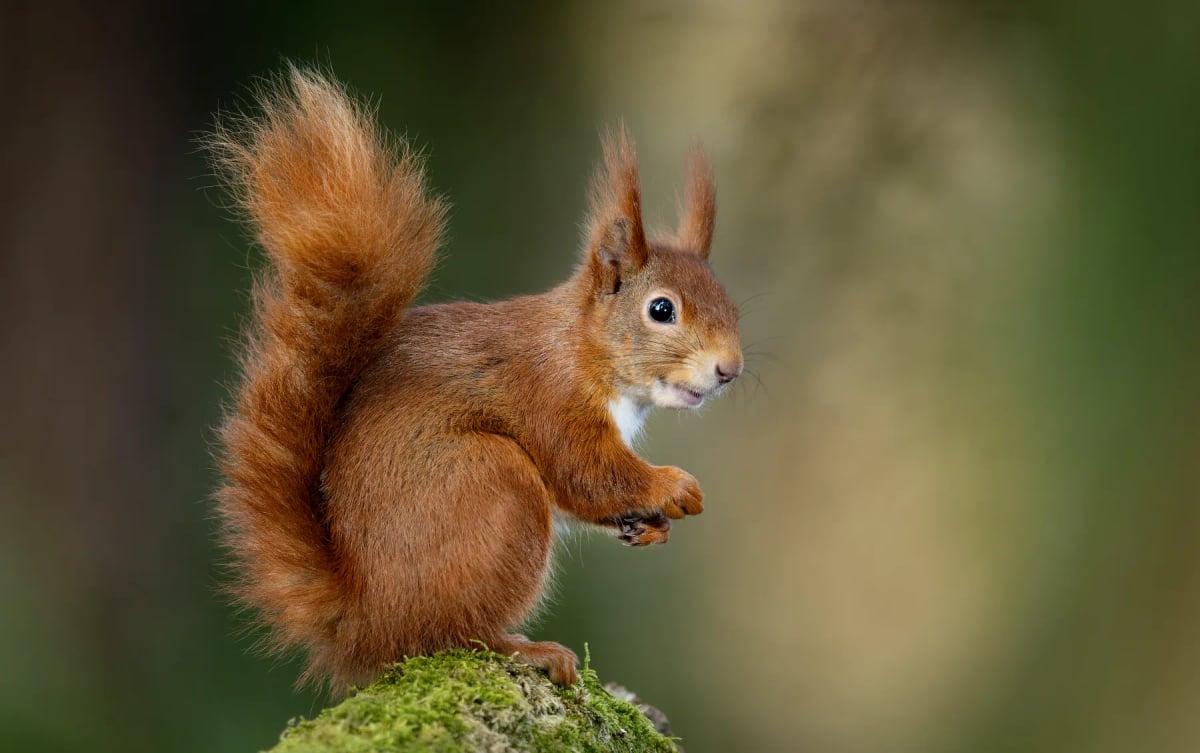
Red Squirrel
Sciurus vulgaris
Romania supports a healthy population of red squirrels across its extensive forests, including the Carpathian woodlands and the broadleaf forests of Transylvania. The country's large areas of intact forest provide ideal habitat, offering plentiful conifers and oak trees. The species is widespread and not under significant pressure here. Its IUCN status is Least Concern.
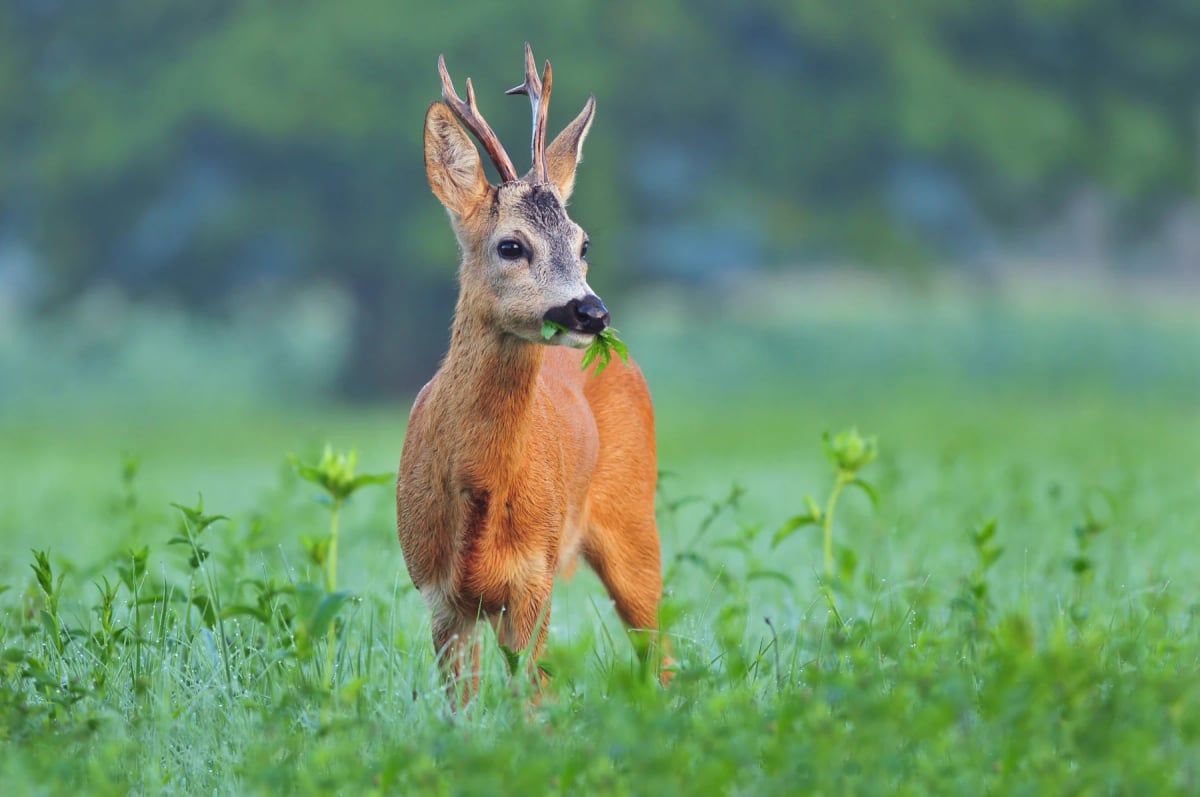
Roe Deer
Capreolus capreolus
Romania's diverse landscapes support healthy roe deer populations across the Carpathian foothills, mixed forests, and agricultural plains of Transylvania and Moldavia. The species thrives where woodland meets open farmland, offering both shelter and a varied diet of buds, herbs, and berries. Hunting is managed under national regulations. Roe deer are most active at dawn and dusk throughout the year. IUCN status: Least Concern.
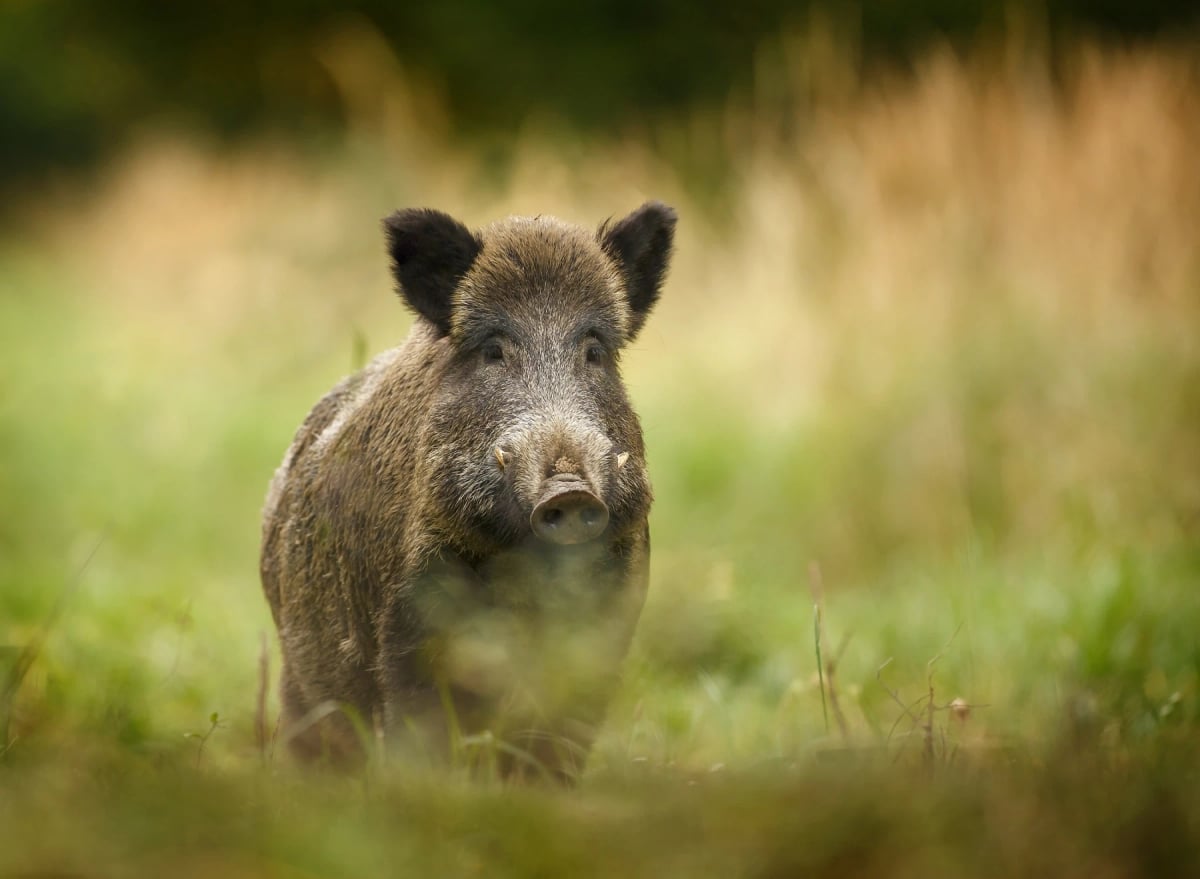
Wild Boar
Sus scrofa
Wild boars are abundant across the forested slopes of the Carpathian Mountains, which cover much of Romania and provide ideal habitat. Large, healthy populations support a significant trophy hunting industry that attracts hunters from across Europe. Wild boars occasionally venture near the outskirts of cities, including parts of Bucharest, and their rooting can cause notable damage to farmland in rural areas.
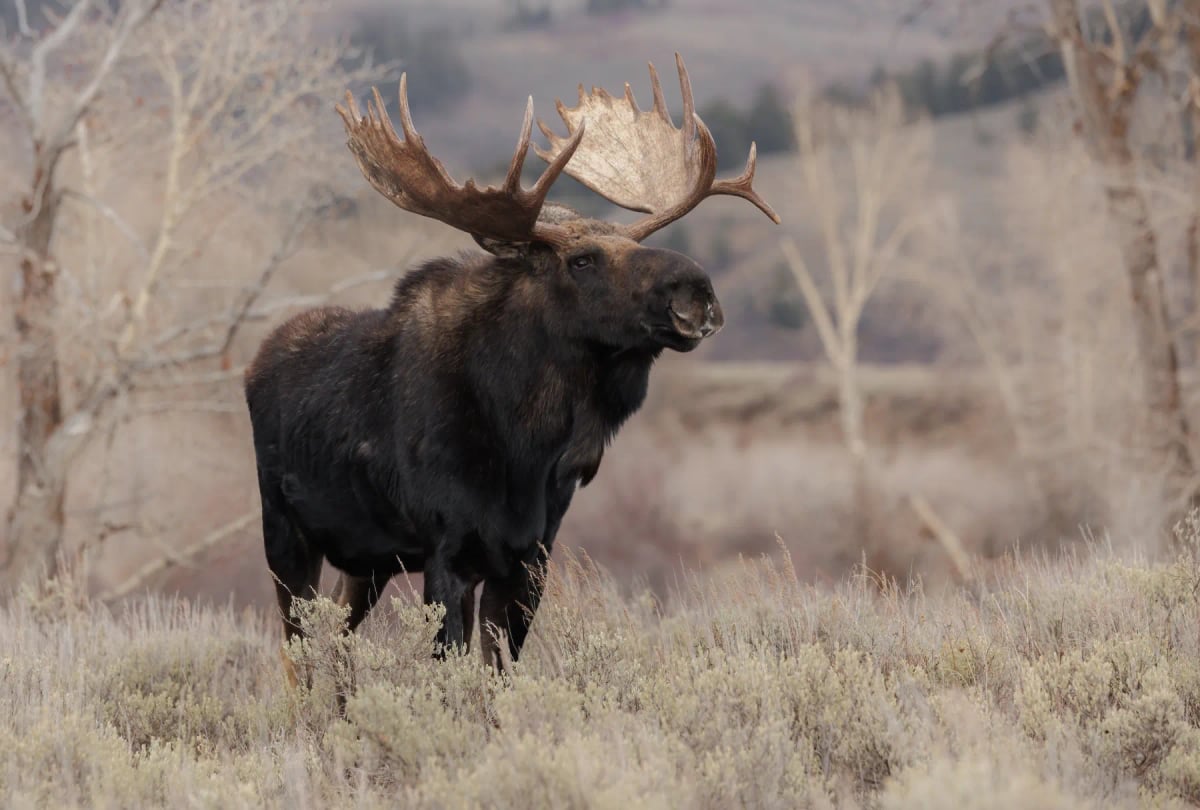
Moose
Alces alces
Moose are present at the northern and eastern fringes of Romania, where the Carpathian forests meet the lowland woodlands of Moldavia and Maramureș. Their numbers in the country are low compared to Scandinavia or Russia, and sightings are uncommon. These individuals are part of a broader Central European population that extends across the borders with Ukraine and Slovakia. IUCN status: Least Concern.
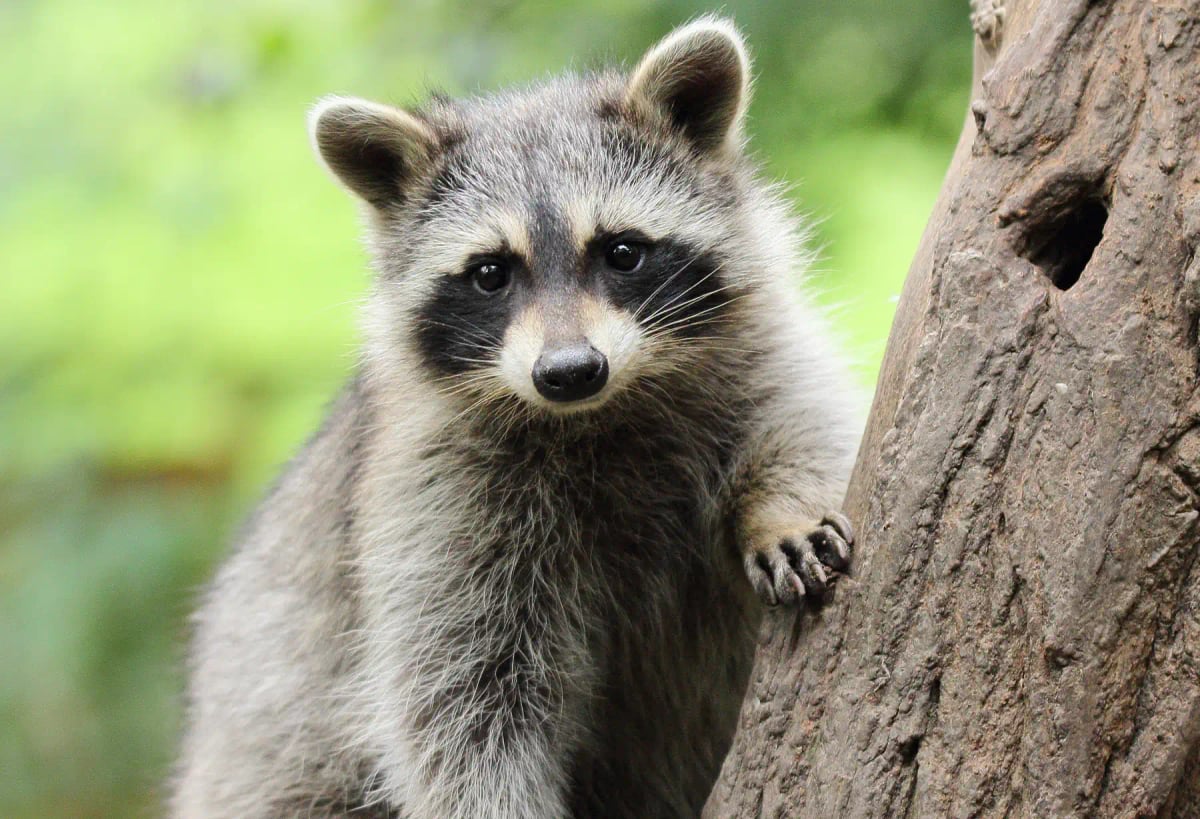
Raccoon
Procyon lotor
Raccoons have established a foothold in Romania, where their numbers have grown in recent decades. They are found mainly in lowland forests and river floodplains, including areas around the Danube and its tributaries. Romania's diverse wetland habitats, including parts of the Danube Delta, offer plenty of food and cover. As in other European countries, they are managed as an invasive alien species and their impact on native wildlife is monitored.
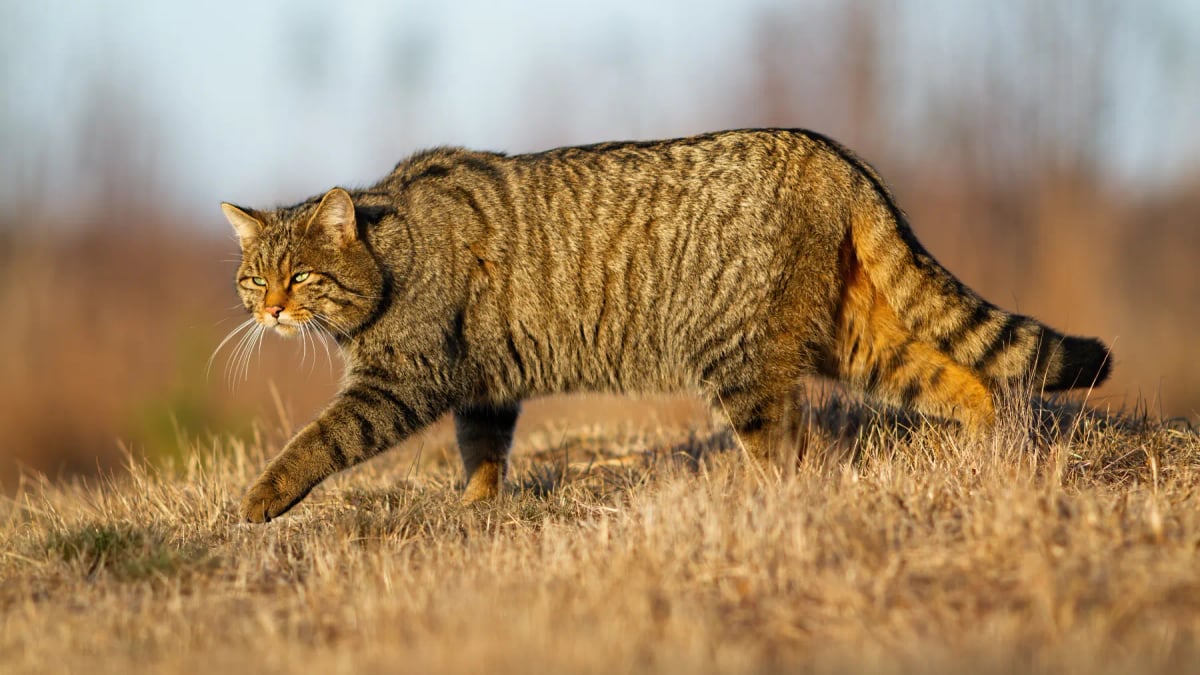
European Wildcat
Felis silvestris silvestris
Romania holds one of Europe's healthiest European wildcat populations, with individuals spread across the Carpathian forests and the wooded hills of Transylvania. This sturdy feline has a broad, flat head, dense striped fur, and a distinctly blunt tail tip. It preys on rodents and rabbits and marks out its own territory with scent. Crossbreeding with domestic cats remains a concern even here.
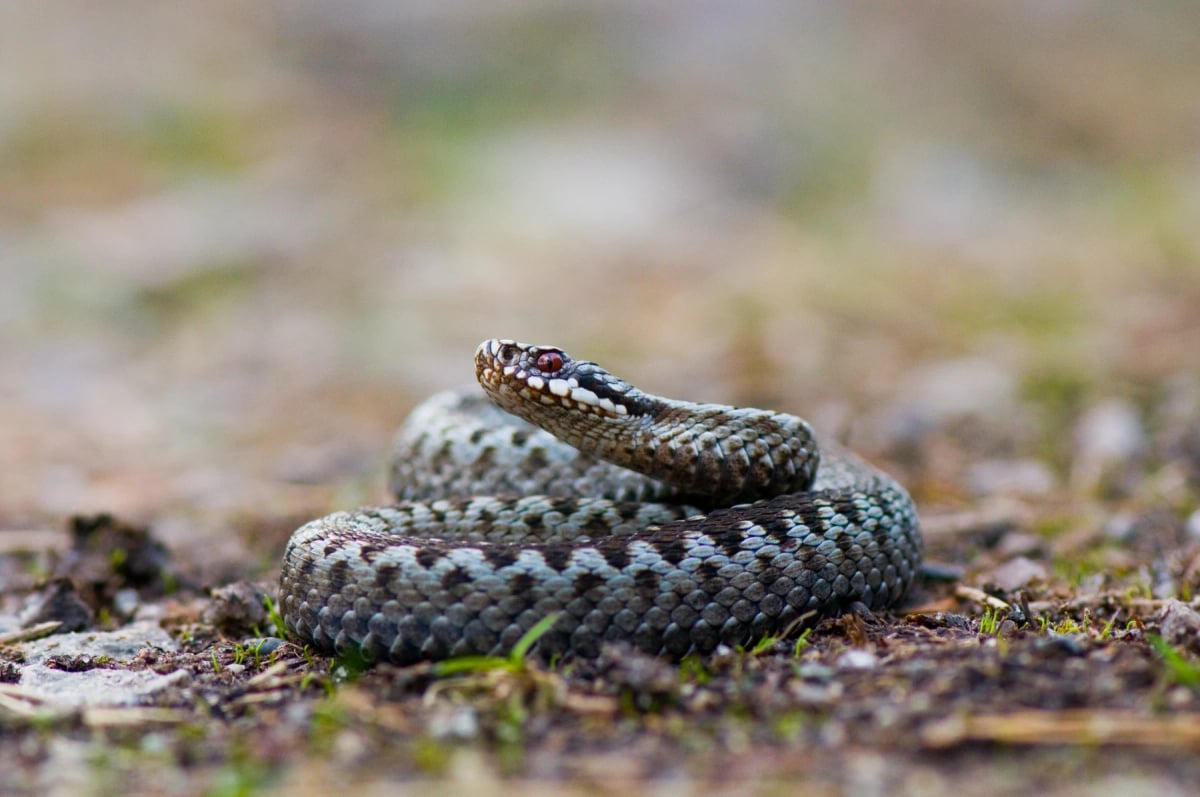
European Adder
Vipera berus
The European adder is found throughout much of Romania, from the Carpathian Mountains down to lowland meadows and forest edges. It is particularly associated with cooler, upland habitats in the Transylvanian plateau and mountain zones. It feeds on small rodents and lizards and hibernates through the cold winter months. Romania's large areas of traditional farmland and undisturbed woodland support healthy populations. Its IUCN status is Least Concern.
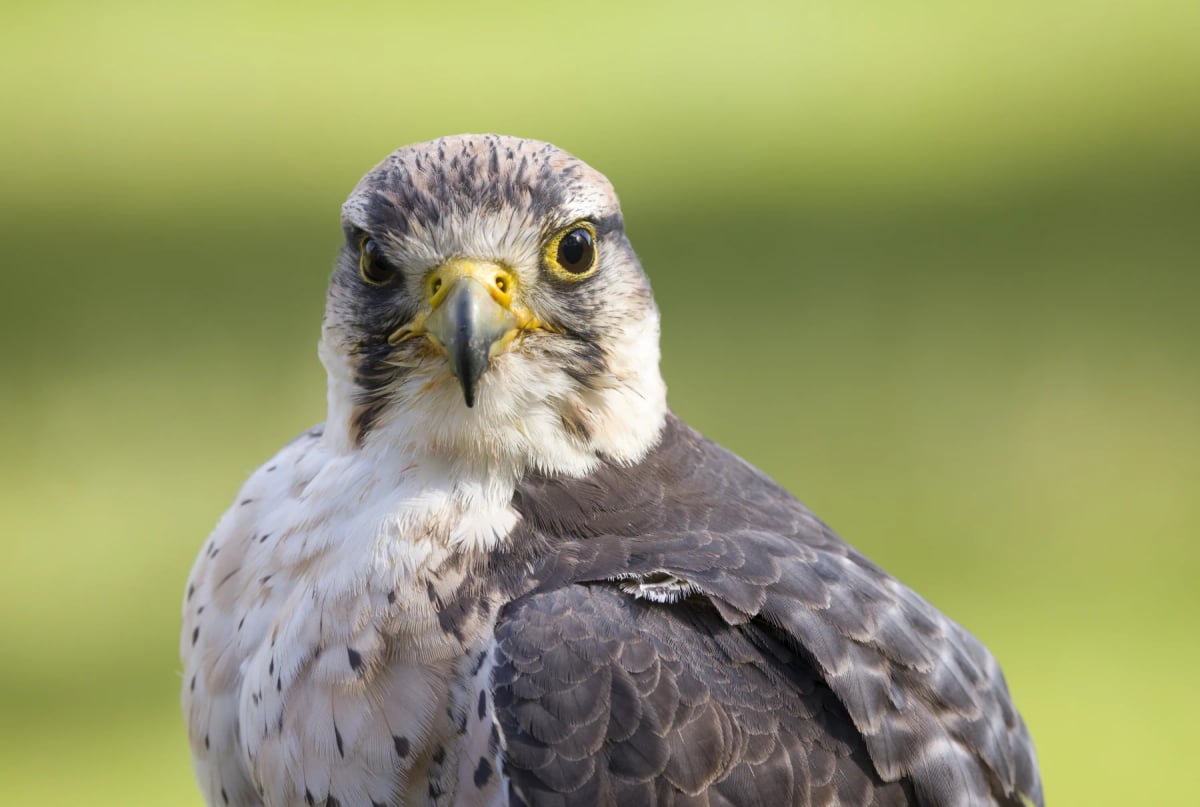
Lanner Falcon
Falco biarmicus
The lanner falcon has been recorded in Romania as a rare wanderer, with sightings most likely in open steppe-like habitats in the south and east of the country, including the Dobrogea region near the Black Sea coast. It is not considered a regular breeding bird here. Any confirmed sighting draws considerable attention from the Romanian birding community. The IUCN lists it as Least Concern.
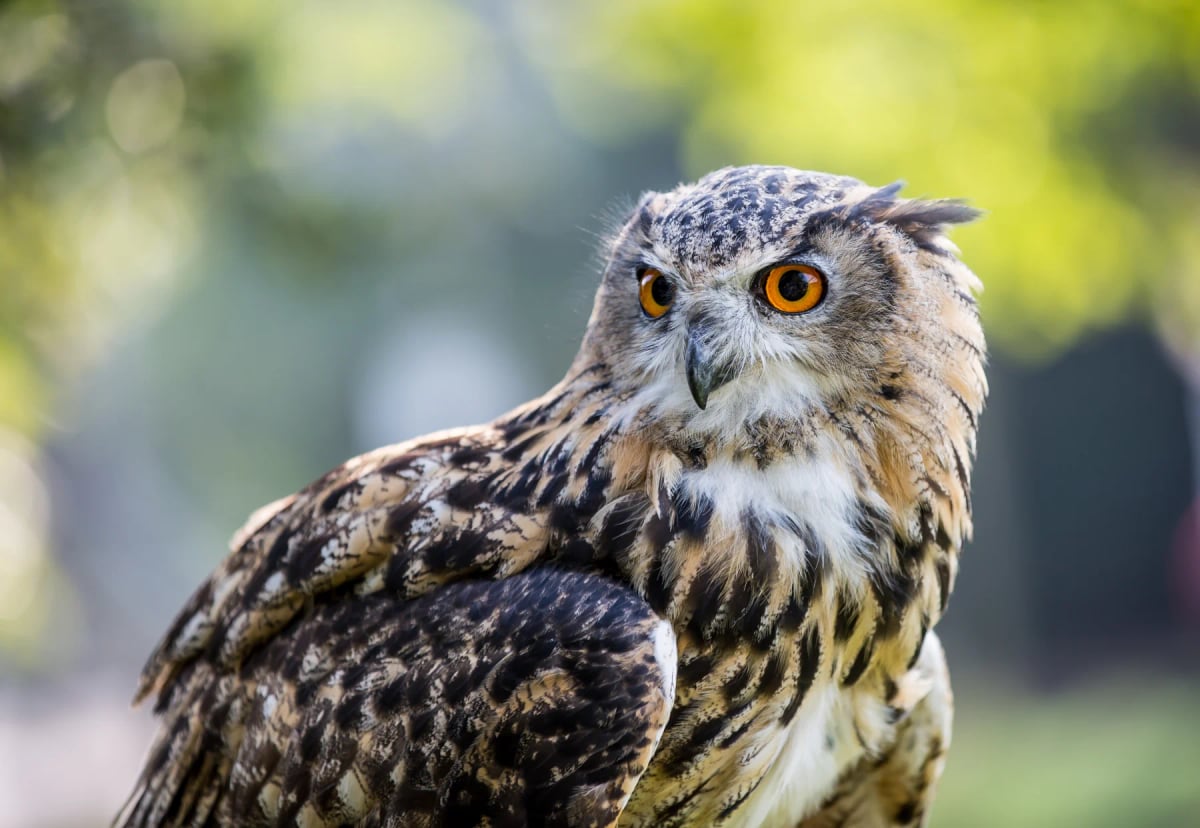
Eagle Owl
Bubo bubo
Romania supports a healthy eagle owl population, with birds nesting in the rocky gorges of the Carpathian Mountains and along the cliffs of the Danube. The varied landscape of forest, mountain, and river valley gives the species a wide range of hunting and nesting opportunities. Persecution in the past reduced numbers, but the population has since recovered well under legal protection. The IUCN lists the species as Least Concern.
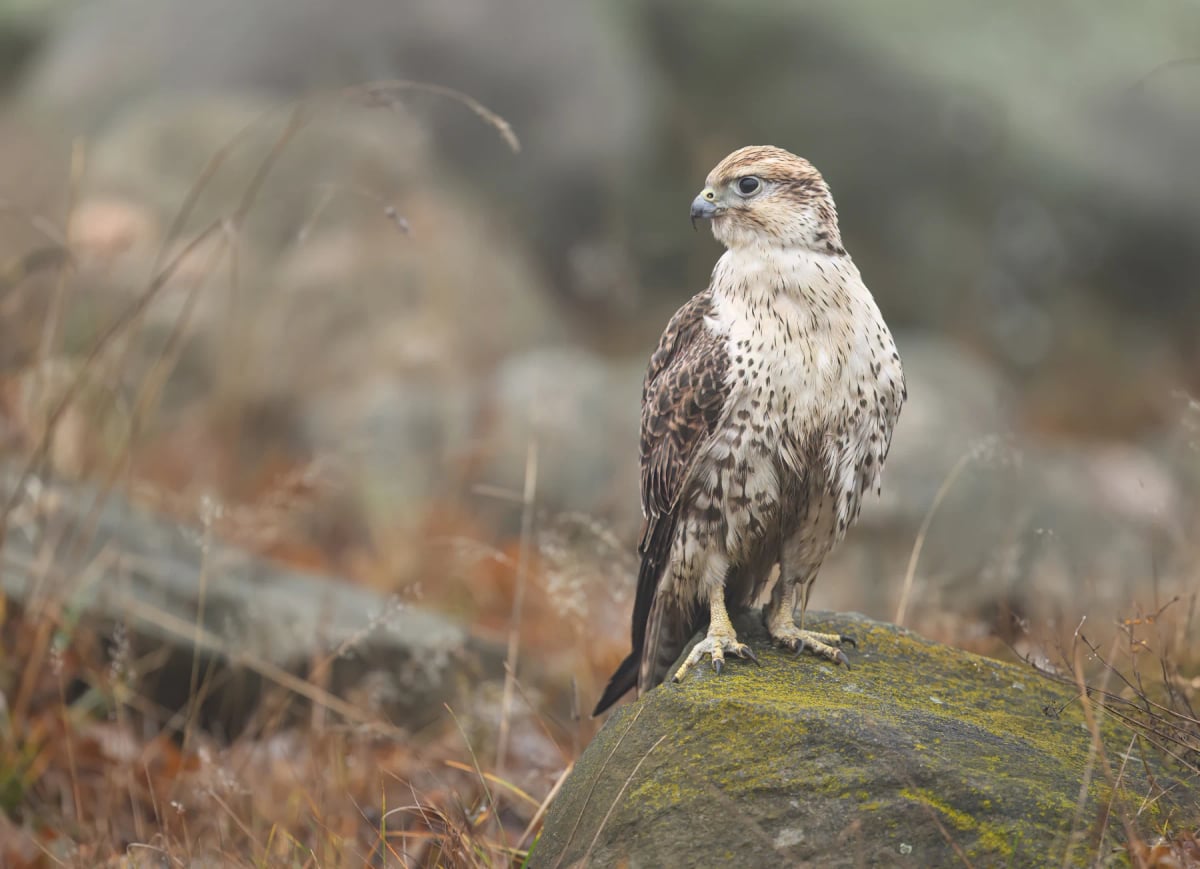
Saker Falcon
Falco cherrug
Romania is one of the more important countries in Eastern Europe for the saker falcon. Breeding pairs use the open agricultural plains and steppe-like grasslands of the Pannonian region in the west, as well as areas in Dobrogea near the Black Sea coast. Nest box programs and efforts to make power lines safer have helped support the population in recent decades. Romania participates in regional conservation initiatives aimed at securing the survival of this species over the long term. The IUCN lists it as Endangered.
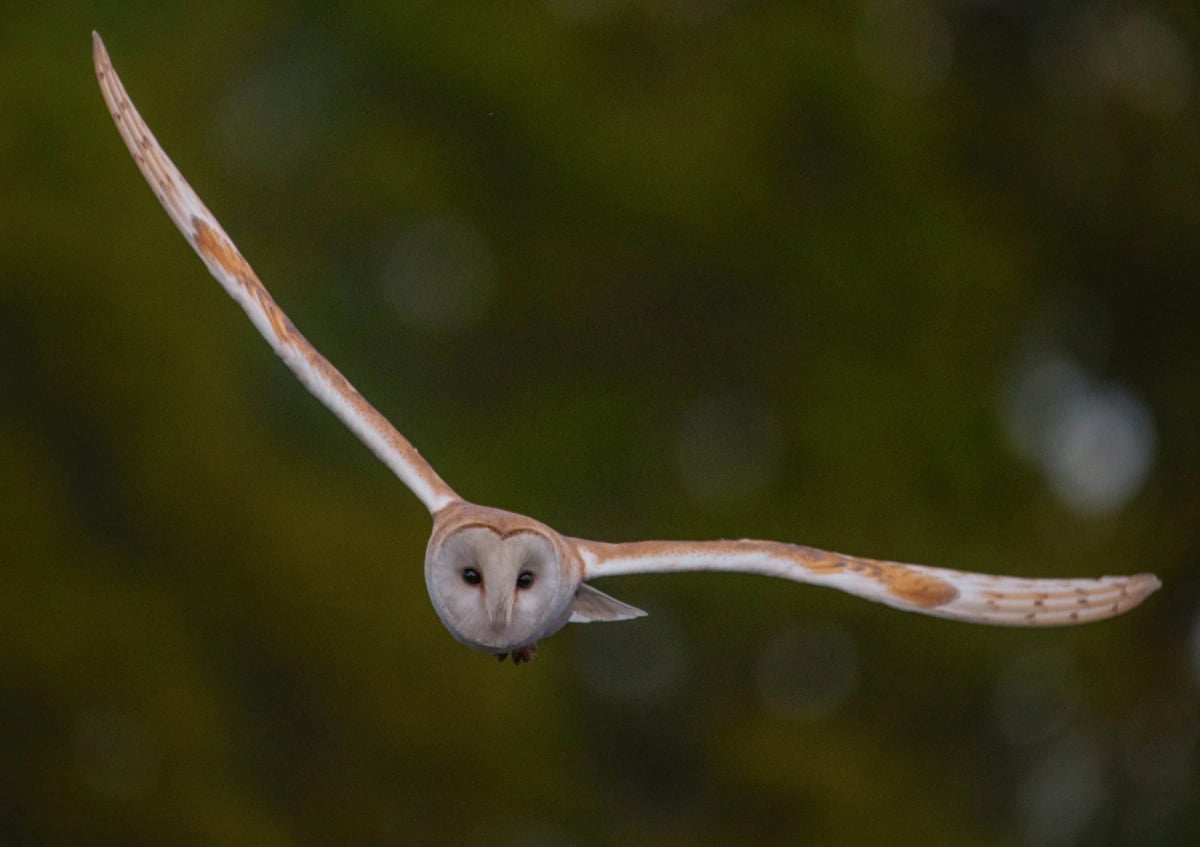
Barn Owl
Tyto alba
The barn owl is found across Romania in open farmland, river valleys, and rural villages from the Danube plain and the Transylvanian plateau to the Moldavian lowlands. It nests in old farm buildings, church towers, and hollow trees, and hunts mice and voles at night in open fields. Romania's large areas of traditional farmland with old buildings and rough grassland provide some of the best remaining barn owl habitat in Eastern Europe. Populations are generally stable, supported by the relatively low intensity of agriculture in many rural areas.
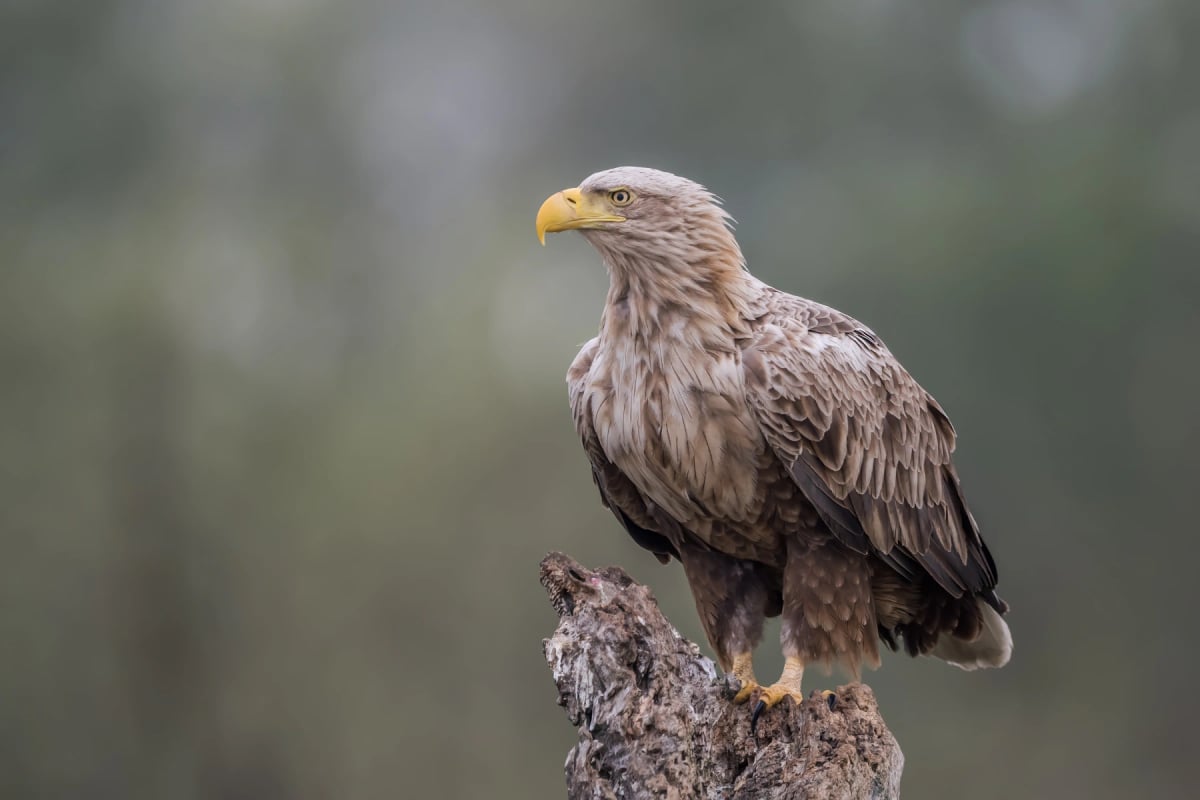
White tailed Eagle
Haliaeetus albicilla
Romania is home to a significant population of white tailed eagles, particularly in the Danube Delta, one of Europe's largest and most biodiverse wetlands. This UNESCO World Heritage Site provides ideal conditions, with vast reed beds, lakes, and channels full of fish and waterfowl. Eagles also nest along the Danube floodplain further inland. The species is listed as Least Concern and continues to breed successfully across the country's major river systems.
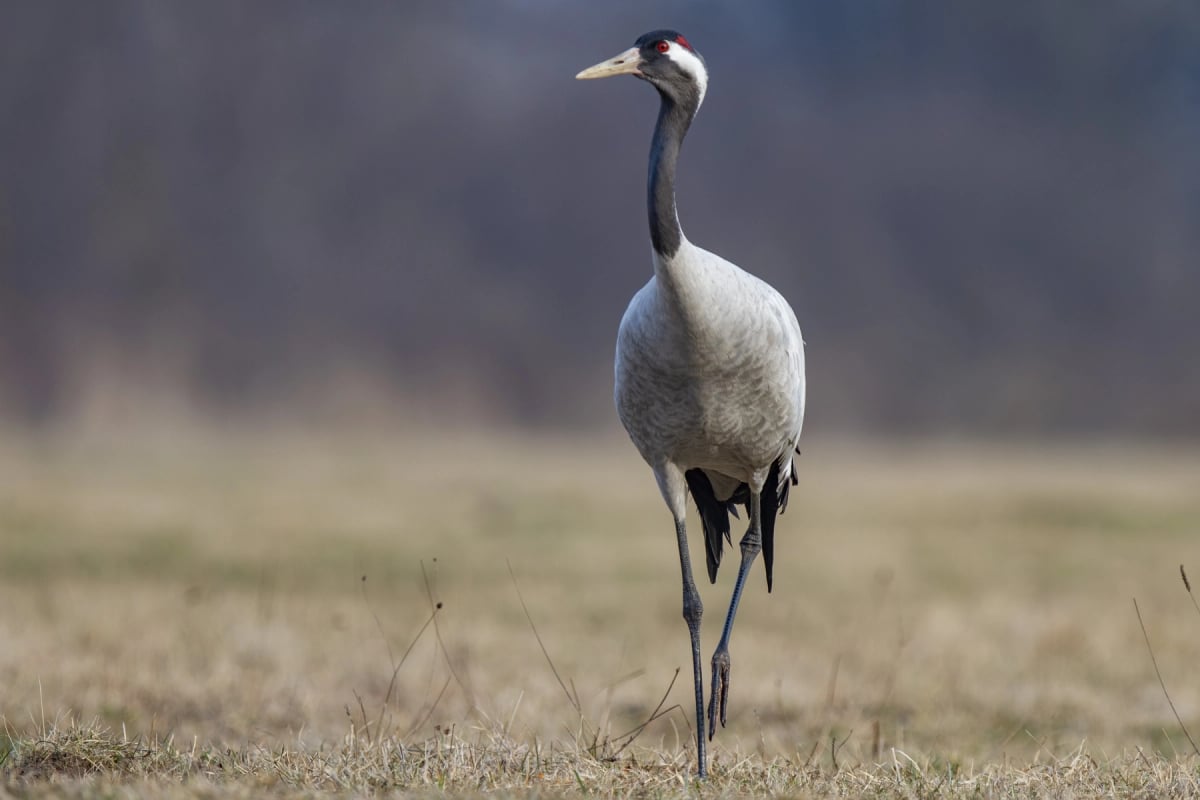
Crane
Grus grus
Romania provides important staging habitat for common cranes moving through the Balkans and the Danube corridor during migration. The Danube Delta and the wetlands of the Dobrogea region attract large flocks in autumn and spring. Cranes rest and feed in flooded fields and marshes before continuing their journey. Romania's vast network of wetlands makes it a key country for migratory waterbirds. Its IUCN status is Least Concern.
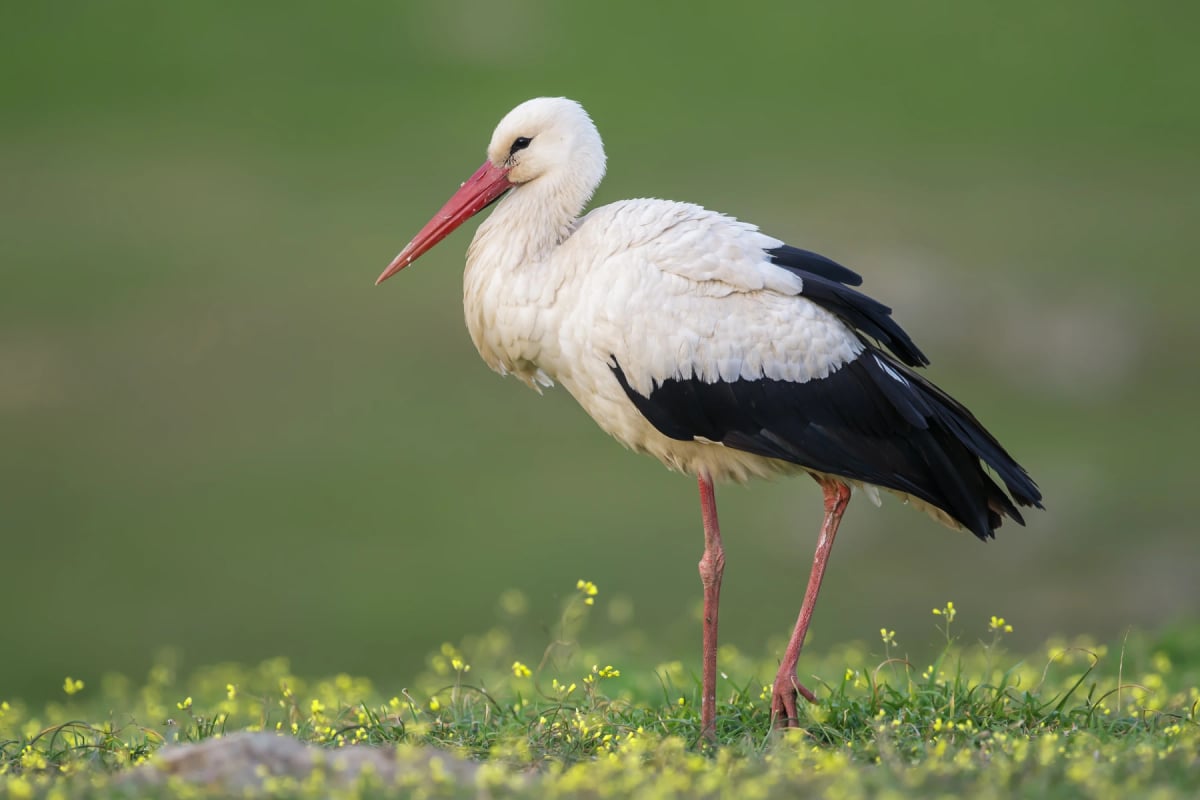
Stork
Ciconia ciconia
Romania supports a substantial white stork breeding population, with pairs nesting across the Transylvanian plateau, the Moldavian plains, and the Danube Delta. The delta in particular offers exceptional feeding habitat, its shallow channels and wetlands teeming with fish, frogs, and invertebrates. Storks nest on rooftops and telegraph poles in rural villages, and their return each spring is celebrated as a mark of the changing season.
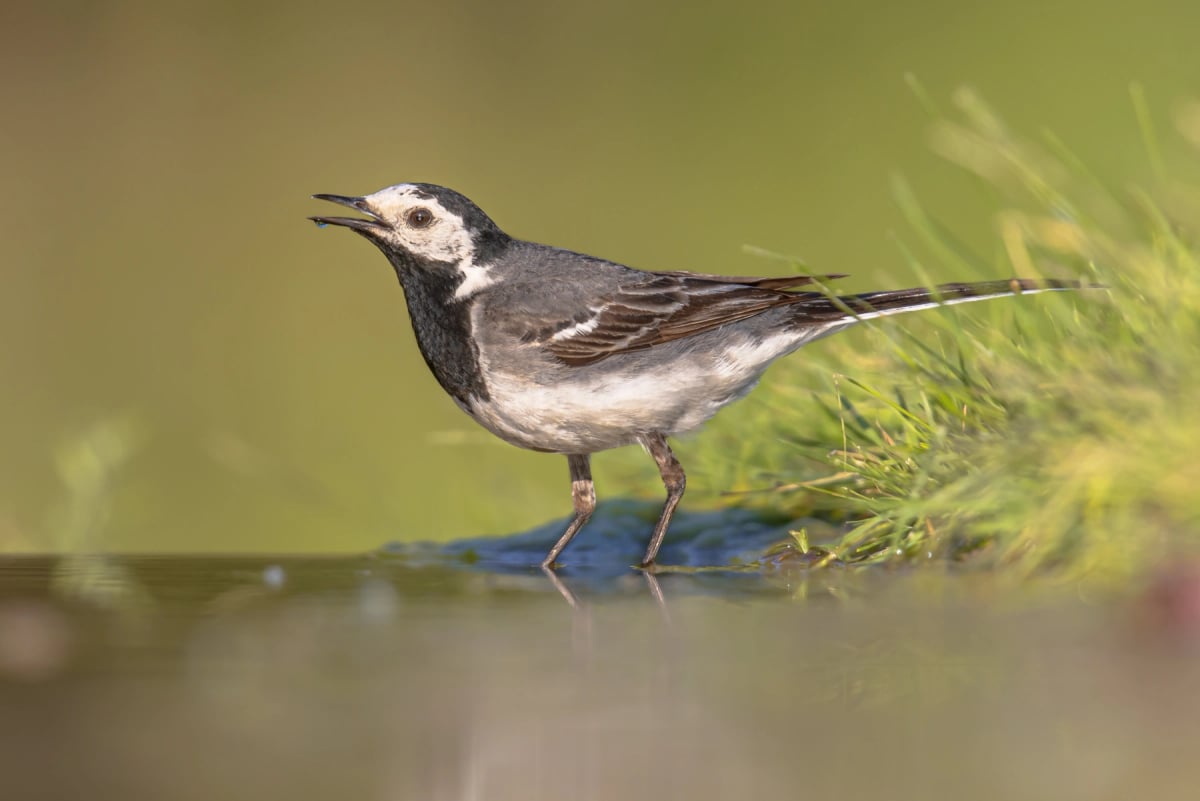
White Wagtail
Motacilla alba
Small black, white and grey bird with a slender tail that bobs up and down as it walks and feeds along the edges of water and open ground.
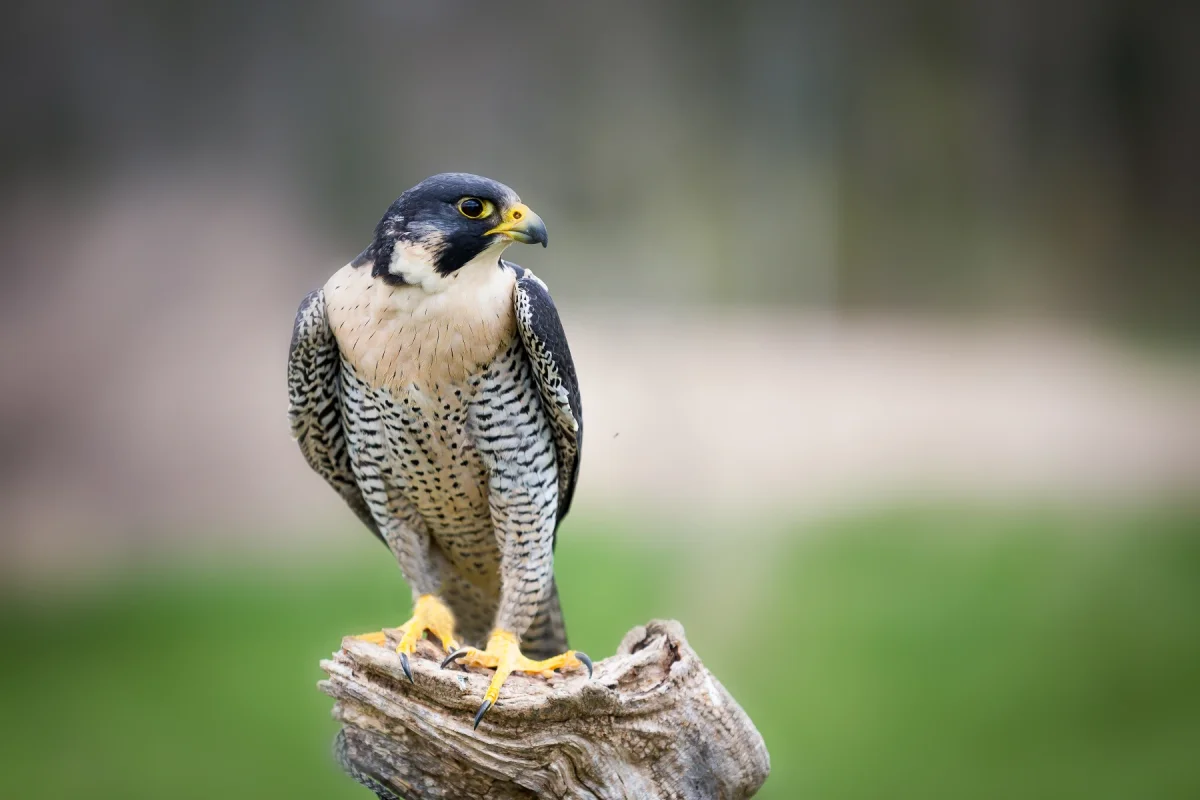
Peregrine Falcon
Falco peregrinus
The peregrine falcon breeds in Romania in small but growing numbers, with pairs nesting on cliff faces in the Carpathian Mountains and the Apuseni range. The Danube Delta and other lowland wetlands attract wintering and migrating birds. The species declined severely during the communist era due to persecution and pesticide use, but legal protection and nest monitoring have supported gradual recovery in recent decades. Its IUCN status is Least Concern.
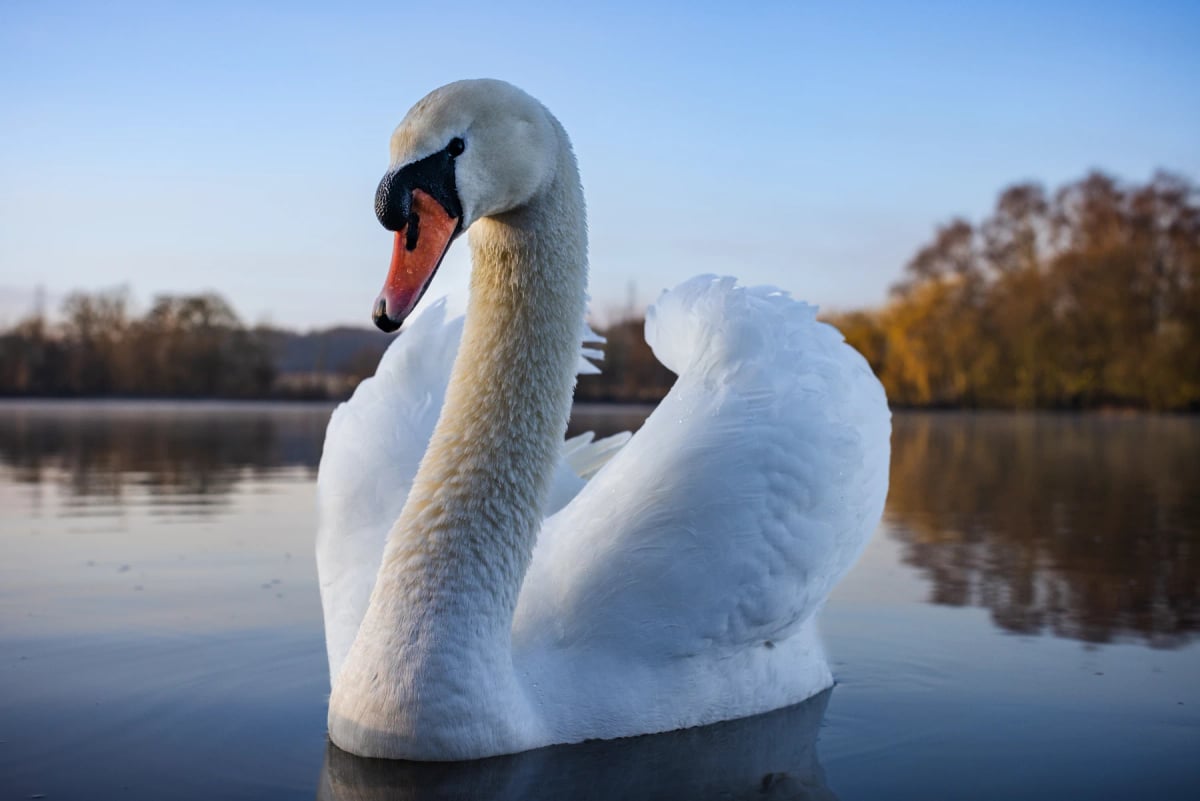
Mute Swan
Cygnus olor
Romania's Danube Delta is one of the most important wetland habitats in Europe, and the mute swan breeds and winters there in notable numbers. The delta's vast network of channels, reed beds, and shallow lakes provides ideal conditions for nesting and feeding. Pairs are regularly seen gliding along quiet waterways. The species also appears on inland lakes and reservoirs across the country. The IUCN lists it as Least Concern.
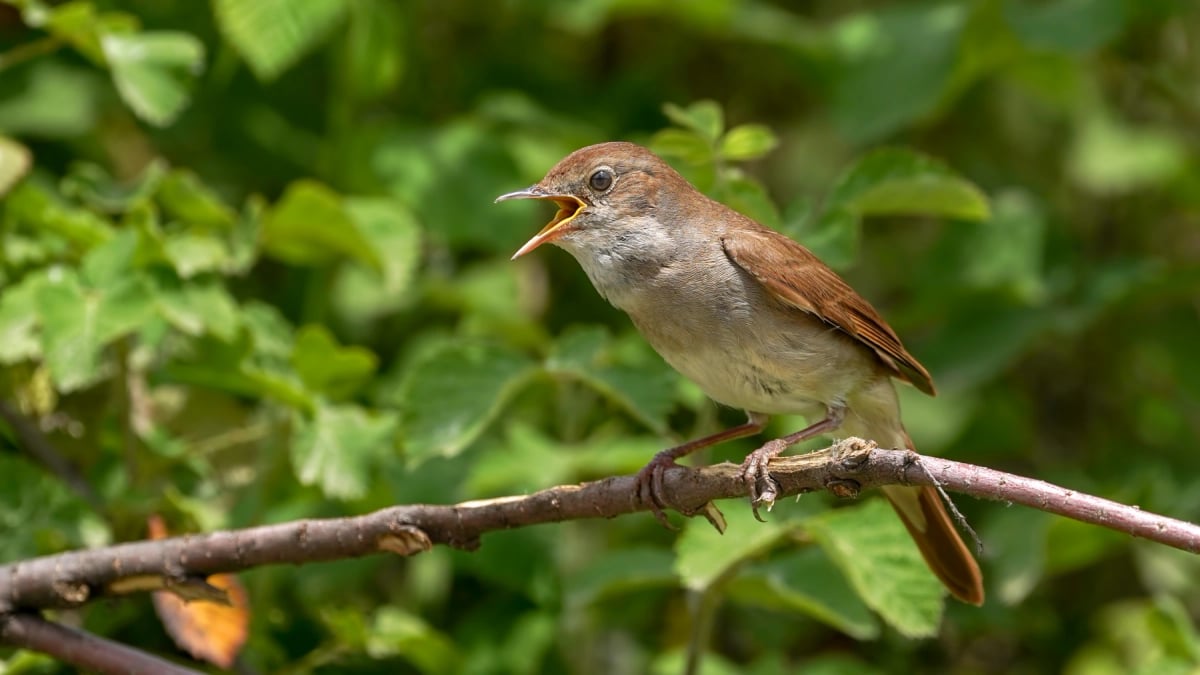
Nightingale
Luscinia megarhynchos
Romania holds strong nightingale populations, particularly in the lowland forests and river corridors of Wallachia and Moldova, where dense undergrowth beneath oak and willow trees provides perfect nesting habitat. The Danube Delta region also supports the species in its thicket edges. Males begin singing in late April, and their song is a celebrated part of the Romanian spring. The species is considered common and widespread across the country.
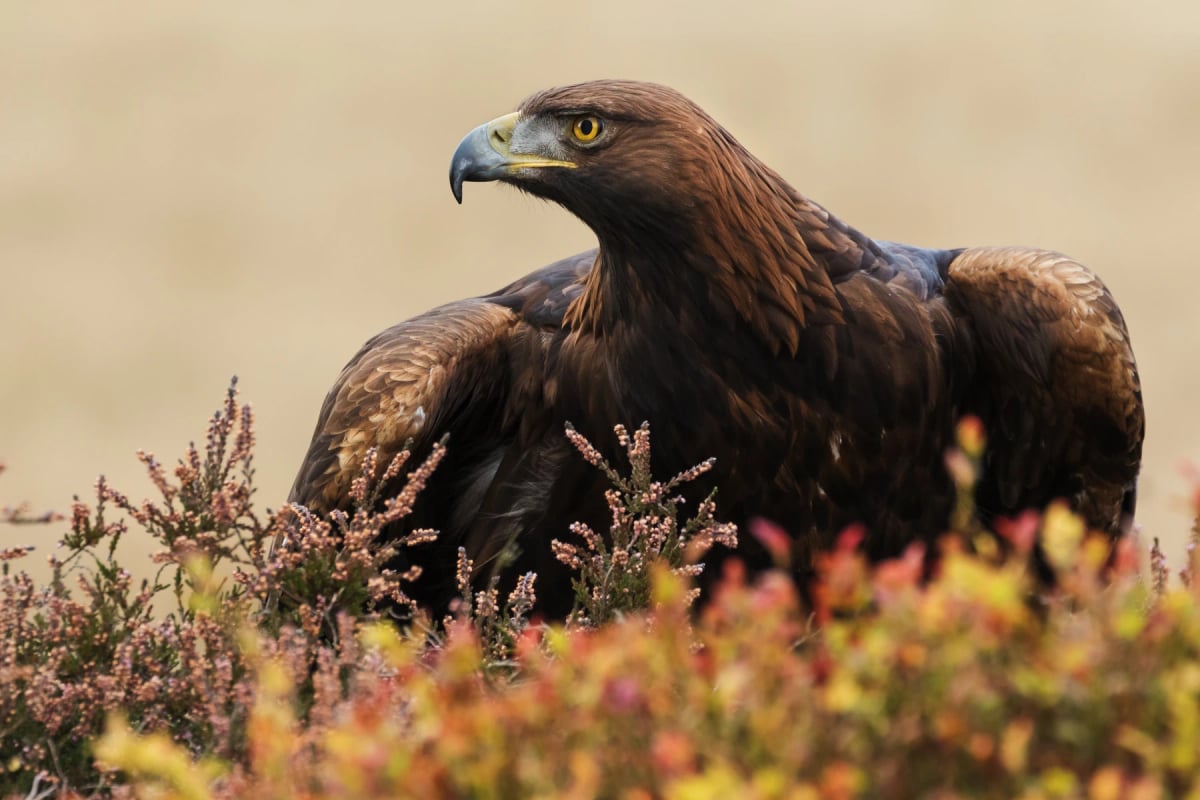
Golden Eagle
Aquila chrysaetos
In Romania, the golden eagle is a resident of the Carpathian Mountains, where it nests on cliff faces and hunts across open alpine meadows and forested ridges. It feeds on hares, foxes, and other medium sized animals. The Carpathian arc provides some of the most intact mountain habitat in Europe, and Romania's golden eagle population benefits from these large stretches of relatively undisturbed wilderness.

Bottlenose Dolphin
Tursiops truncatus
Bottlenose dolphins are present in the Black Sea off the Romanian coast, where they share waters with two other cetacean species. The Black Sea population is considered genetically distinct from Atlantic populations and faces serious pressure from fishing gear entanglement, pollution, and boat traffic. Romanian conservation efforts, often coordinated across Black Sea nations, aim to monitor pod activity and reduce bycatch in this semi-enclosed sea. IUCN status: Least Concern.
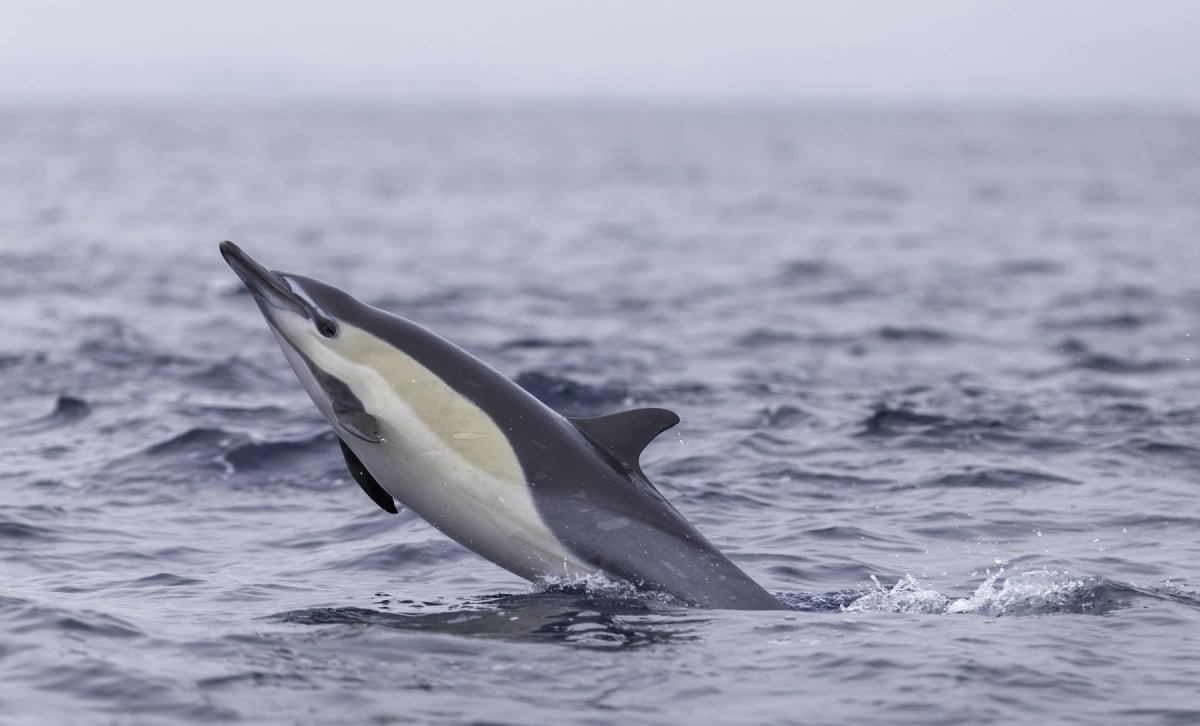
Common Dolphin
Delphinus delphis
Common dolphins are present in Romanian waters of the Black Sea, forming part of a distinct regional population that has faced significant pressure from fishing activity and prey depletion over the decades. The northwestern Black Sea shelf, off the Romanian coast, is an important area for these dolphins. Conservation efforts in the region focus on reducing bycatch and monitoring population trends over time. IUCN status: Least Concern.
Researched and written by Juan Pablo. Sources: IUCN Red List, scientific literature and regional field guides. Last updated: .