Animals in Taiwan
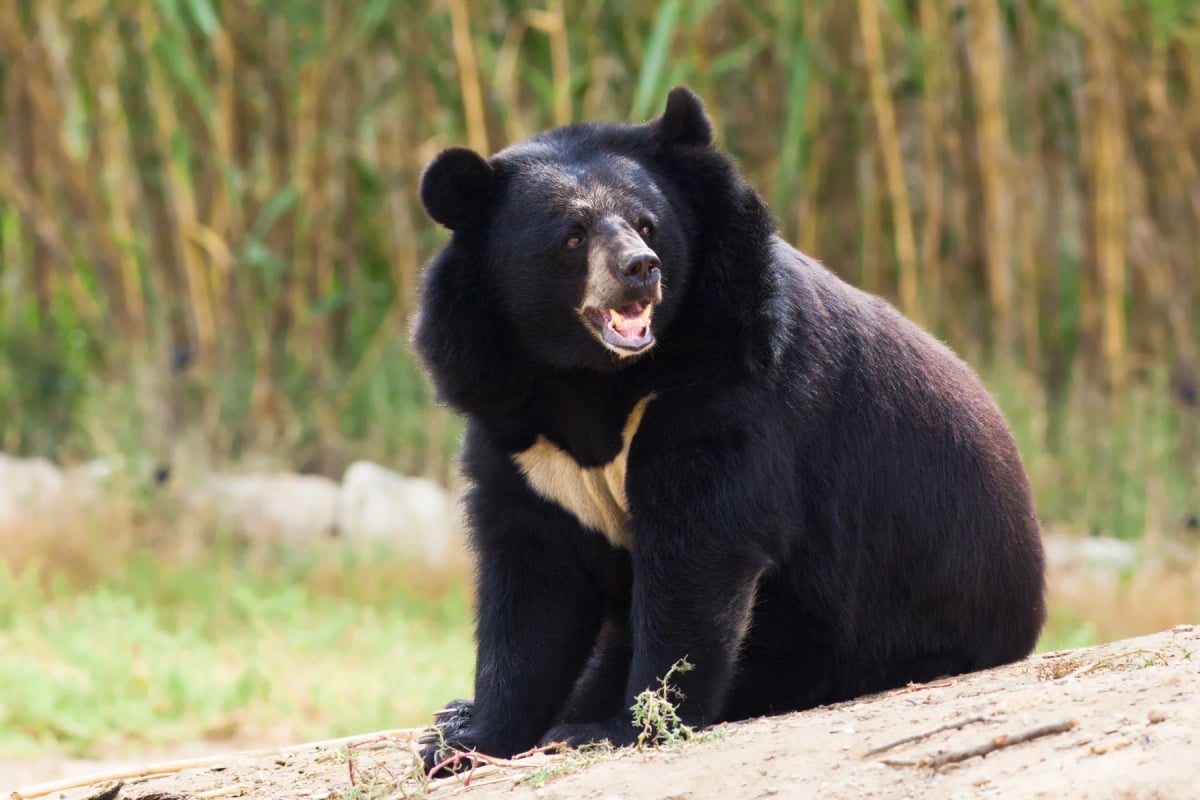
Asiatic Black Bear
Ursus thibetanus
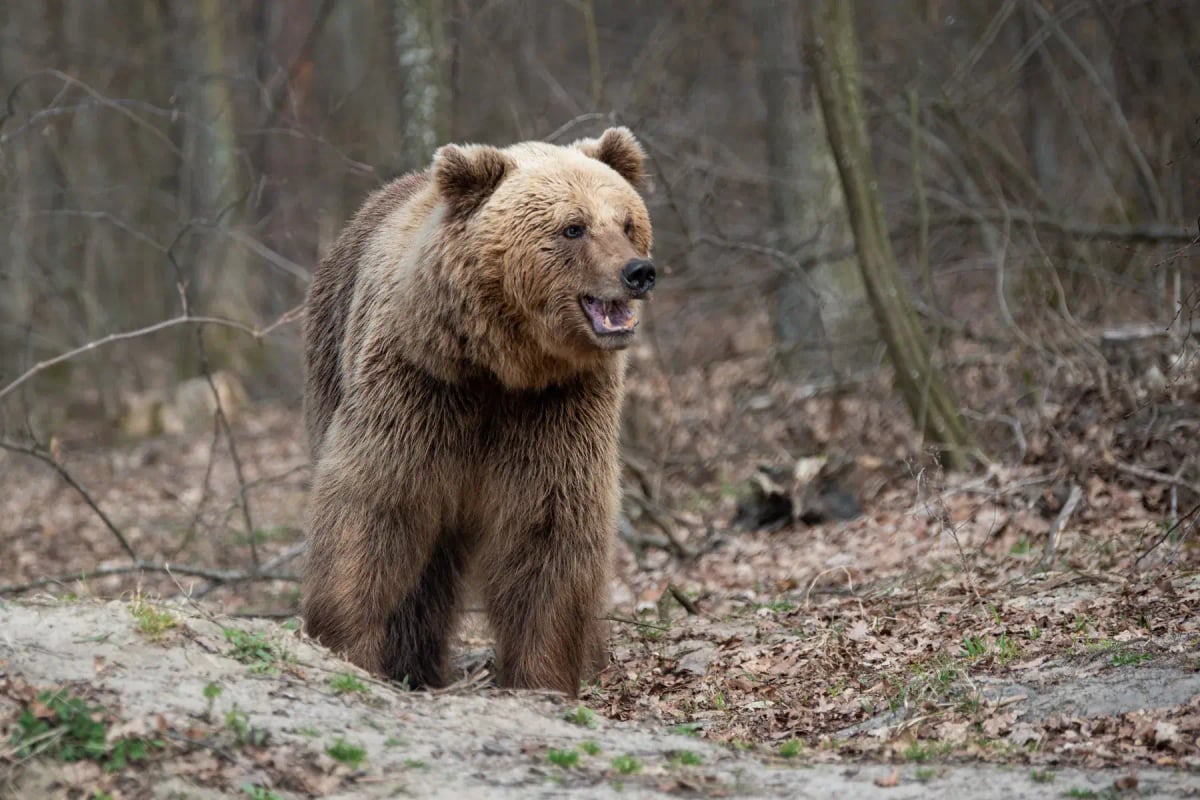
The Formosan black bear, a subspecies of the Asiatic black bear, is widely recognized as the national animal of Taiwan. Native to the island’s central mountain ranges, it symbolizes strength, independence, and the delicate balance between humans and nature. Although elusive and vulnerable, it remains an iconic species in conservation efforts and cultural identity, featured prominently in local folklore and ecological campaigns aimed at protecting Taiwan’s native wildlife.
View details→Wildlife in Taiwan
Taiwan’s wildlife is a vibrant reflection of its subtropical climate, mountainous terrain, and rich marine surroundings. The island hosts a remarkable variety of endemic and migratory species, thriving in environments ranging from dense forests to coral reefs. National parks and protected areas provide essential refuge for mammals, birds, and marine life, making Taiwan a unique hotspot of biodiversity where ecosystems flourish despite increasing urban development and climatic challenges.
Most Dangerous Animals in Taiwan
Though most of Taiwan’s wildlife poses little threat to humans, a few species demand caution, particularly in rural or marine areas. Asiatic black bears and wild boars, while rare, may react defensively when surprised. Offshore, venomous sea snakes and large predatory sharks inhabit deeper waters, with occasional sightings near the coast. Awareness of these species and respectful distance ensure safe interaction with Taiwan’s wild beauty.
Top 10 Animals in Taiwan
Taiwan’s most emblematic animals emerge from both its forests and its surrounding seas, with species often tied to conservation, cultural meaning, or endemic uniqueness. While this selection is constantly evolving, it highlights creatures that resonate through their ecological roles or symbolic weight. From mountain mammals to ocean giants, each contributes to the country’s rich natural narrative and environmental awareness.
Asiatic Black Bear
Ursus thibetanus
Taiwan is home to the Formosan black bear (Ursus thibetanus formosanus), an endemic subspecies and the largest native land mammal on the island. It inhabits mountain forests across the Central Mountain Range, generally above 1,000 meters in elevation. The species is protected under Taiwanese law and is considered a national symbol. The main threats are habitat disturbance from human activity and accidental capture in traps set for other animals. Population estimates suggest between 200 and 600 individuals remain in the wild.
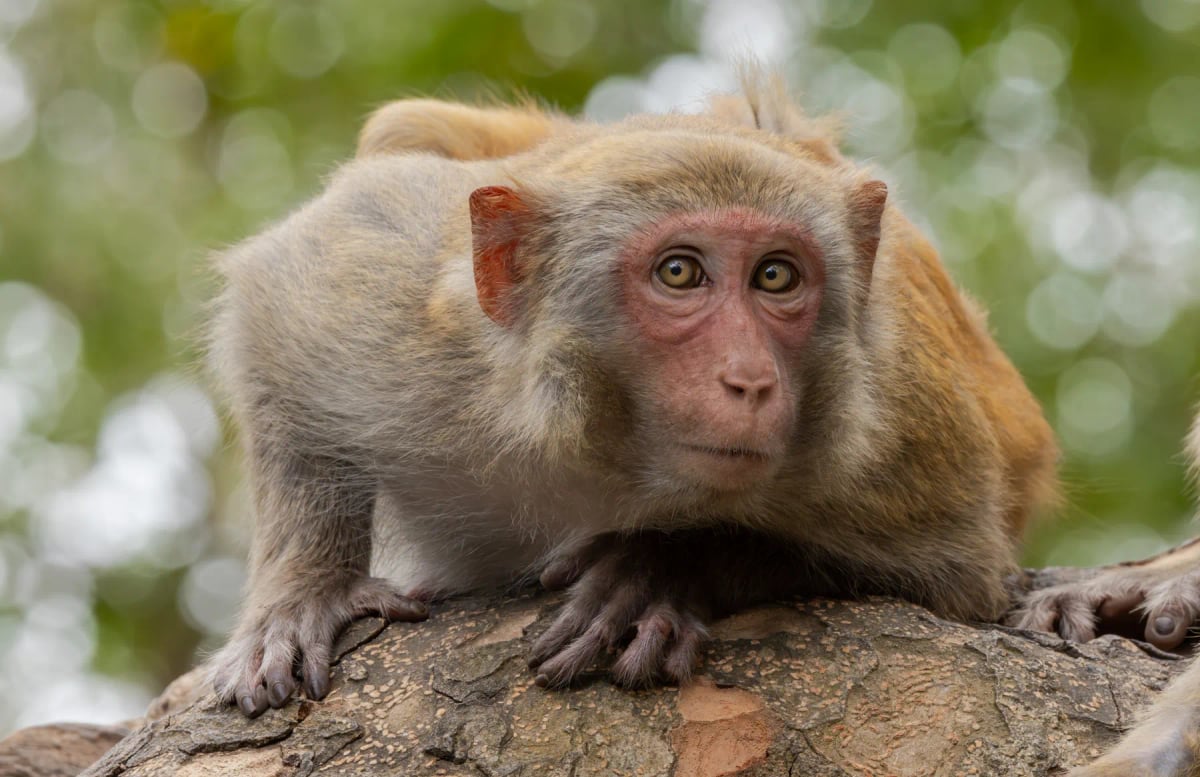
Macaque
Macaca spp.
The Formosan rock macaque is found only in Taiwan and lives across mountain forests and river valleys throughout the island. It is a protected species under Taiwanese law, and populations have grown steadily in recent decades. Troops often venture into farmland and tourist areas, particularly around Shoushan Nature Park near Kaohsiung. Feeding wild macaques is discouraged, as it changes their natural behavior and increases conflict with people.
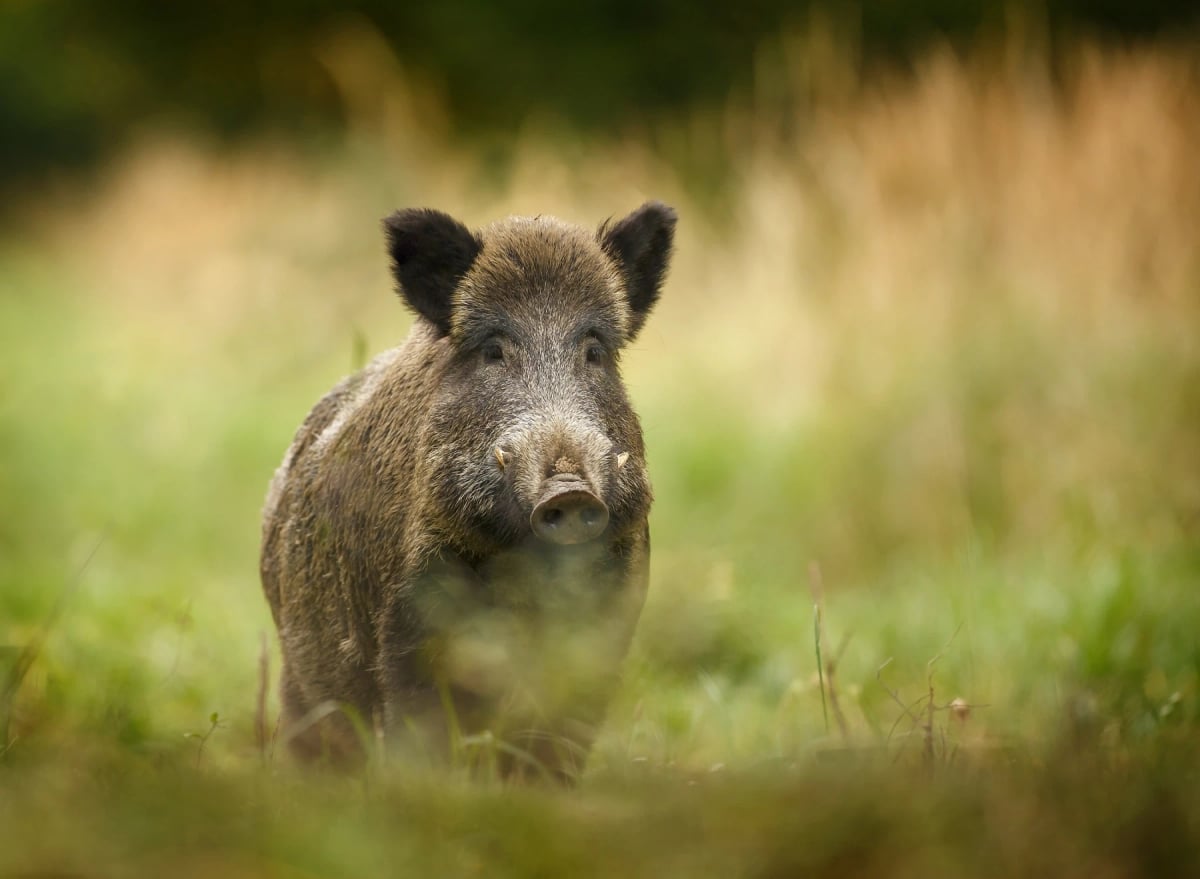
Wild Boar
Sus scrofa
Wild boars are found throughout Taiwan's mountainous forests, where they remain an important traditional game animal for several indigenous communities who have hunted them for generations. They feed on roots, fruit and crops, often raiding farmland near forest edges and causing damage to mountain agriculture. Wild boars also play a role in the island's forest ecosystems through their soil disturbing foraging behavior.
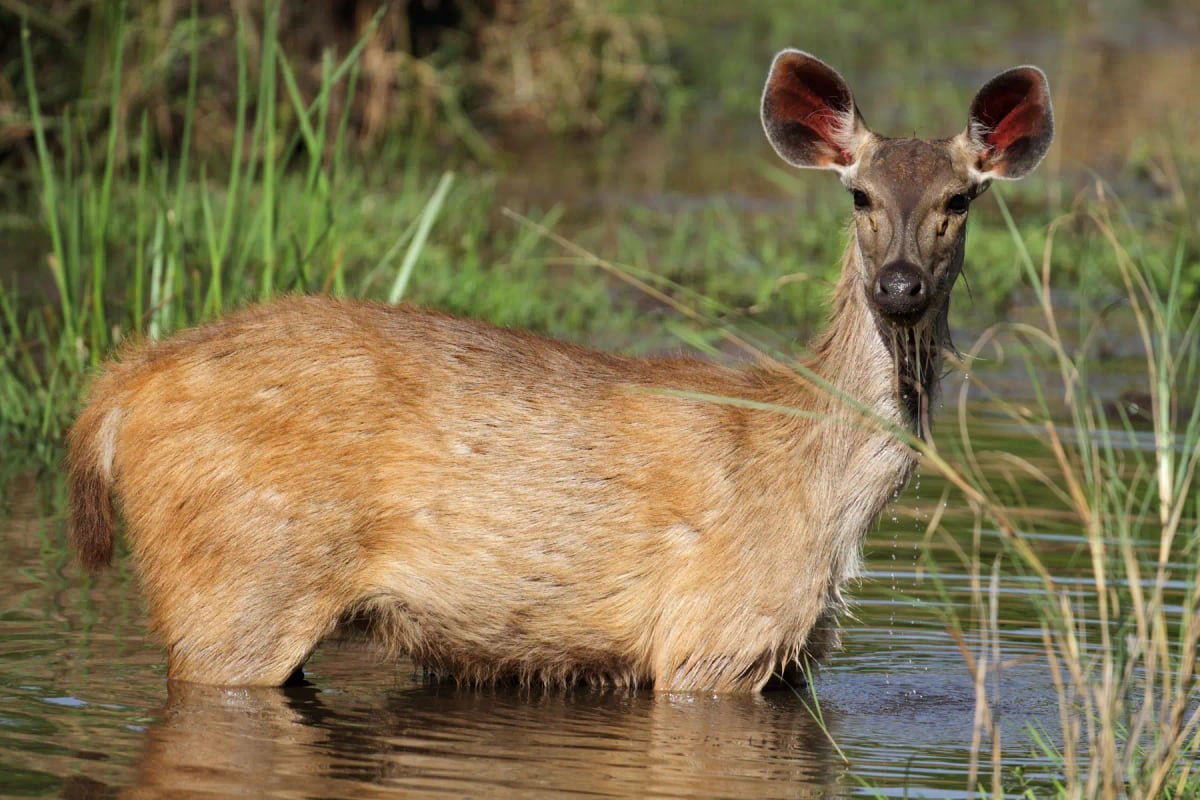
Sambar Deer
Rusa unicolor
The sambar deer in Taiwan lives in mountain forests across much of the island, from low elevations up into higher terrain. Once heavily hunted and greatly reduced in number, the population has recovered following legal protections put in place in recent decades. Today it is the largest wild deer on the island and plays an important role in the forest ecosystems of Taiwan's national parks.
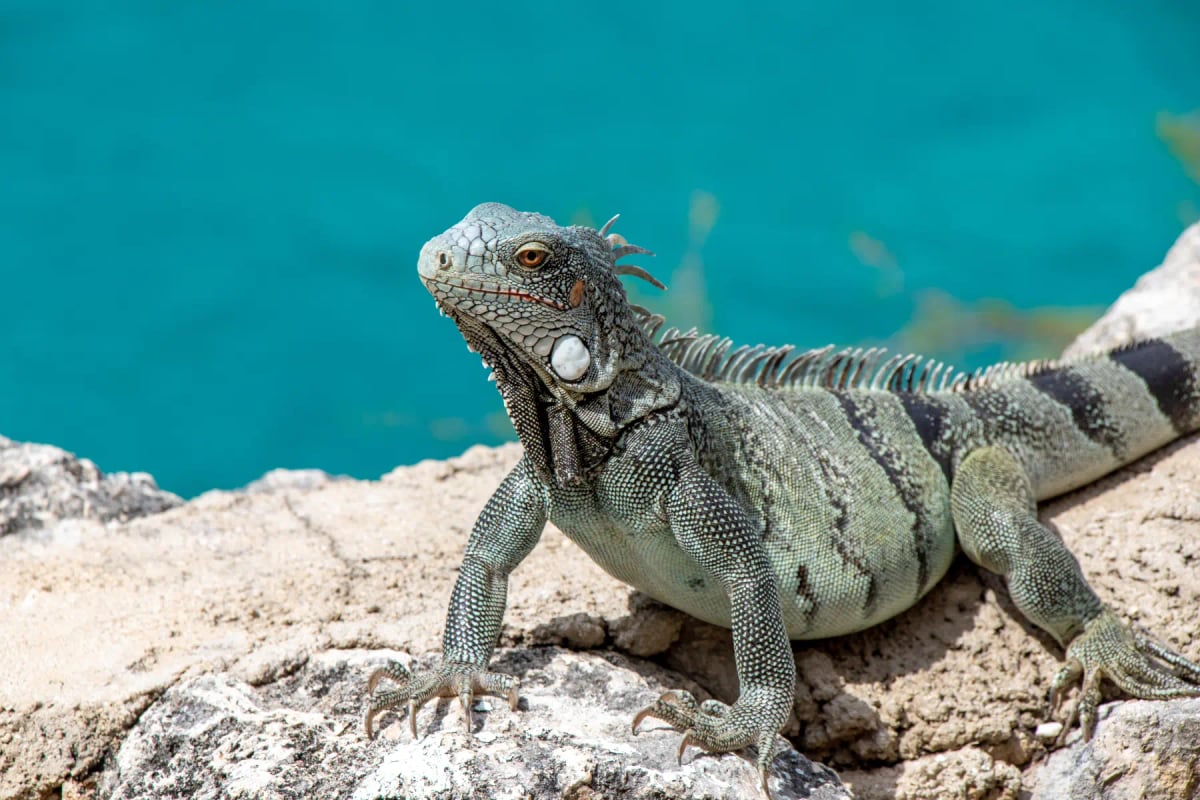
Iguana
Iguana iguana
The green iguana is invasive in Taiwan, with breeding populations established in the south and central regions through pet trade releases in the early 2000s. Populations around Pingtung, Kaohsiung and Chiayi have grown rapidly and are estimated at around two hundred thousand individuals. The species damages crops and riverbank vegetation, and Taiwan has launched active culling programs, though bringing numbers under control has proved difficult.
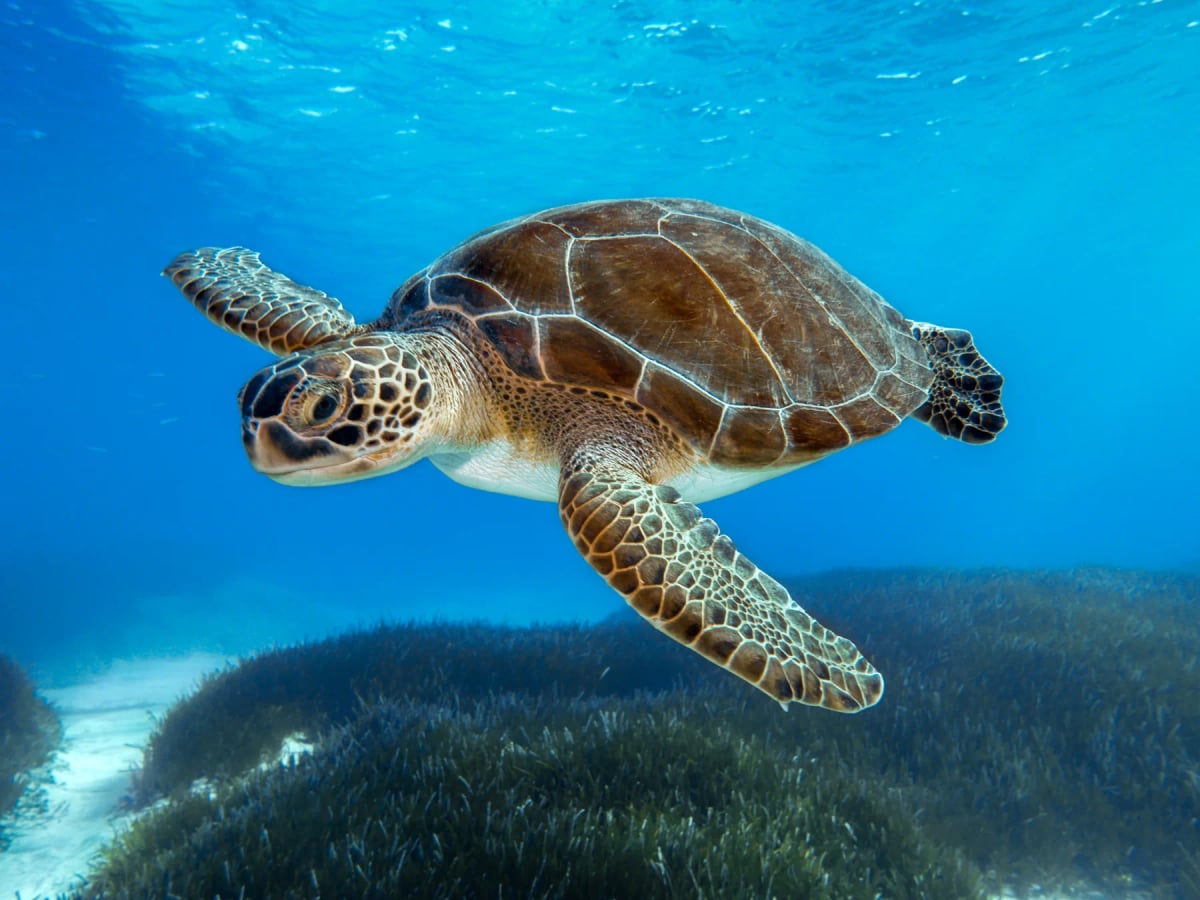
Sea Turtle
Cheloniidae & Dermochelyidae (families)
Taiwan supports nesting populations of green and hawksbill sea turtles on its offshore islands. Orchid Island, known in Mandarin as Lyudao and also called Green Island, are the most significant nesting locations, where green turtles come ashore during the summer months. Hawksbill turtles are also recorded in Taiwanese waters, particularly around the Penghu Archipelago. All sea turtle species are protected under Taiwanese law, and conservation programs monitor nesting beaches and conduct research on turtle movements in the surrounding ocean.
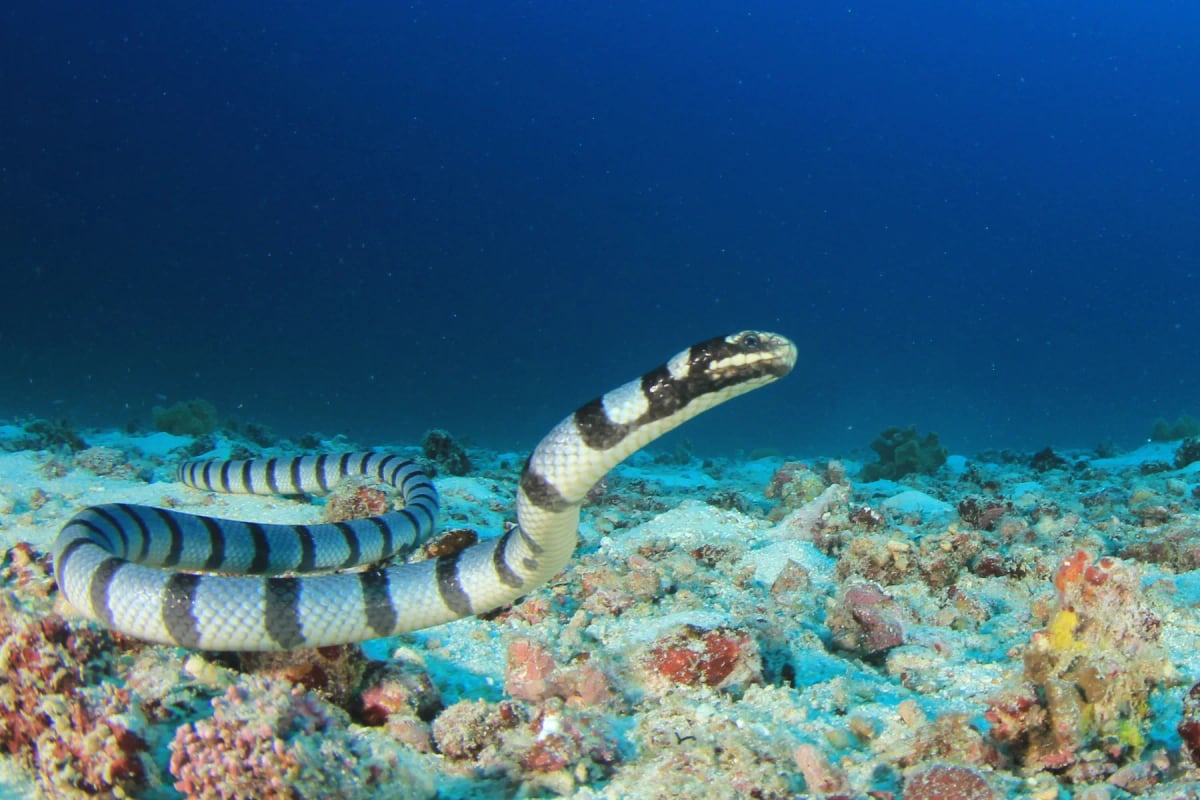
Sea Snake
Hydrophiinae / Laticauda spp.
Around Taiwan, sea snakes are found in the coastal shallows and coral reef areas of the south and the offshore islands, including Orchid Island, where sea kraits are a well known sight. Sea kraits regularly come ashore to rest and lay eggs in rocky crevices. Fishing activity throughout the region puts pressure on local populations through accidental capture in nets and traps.
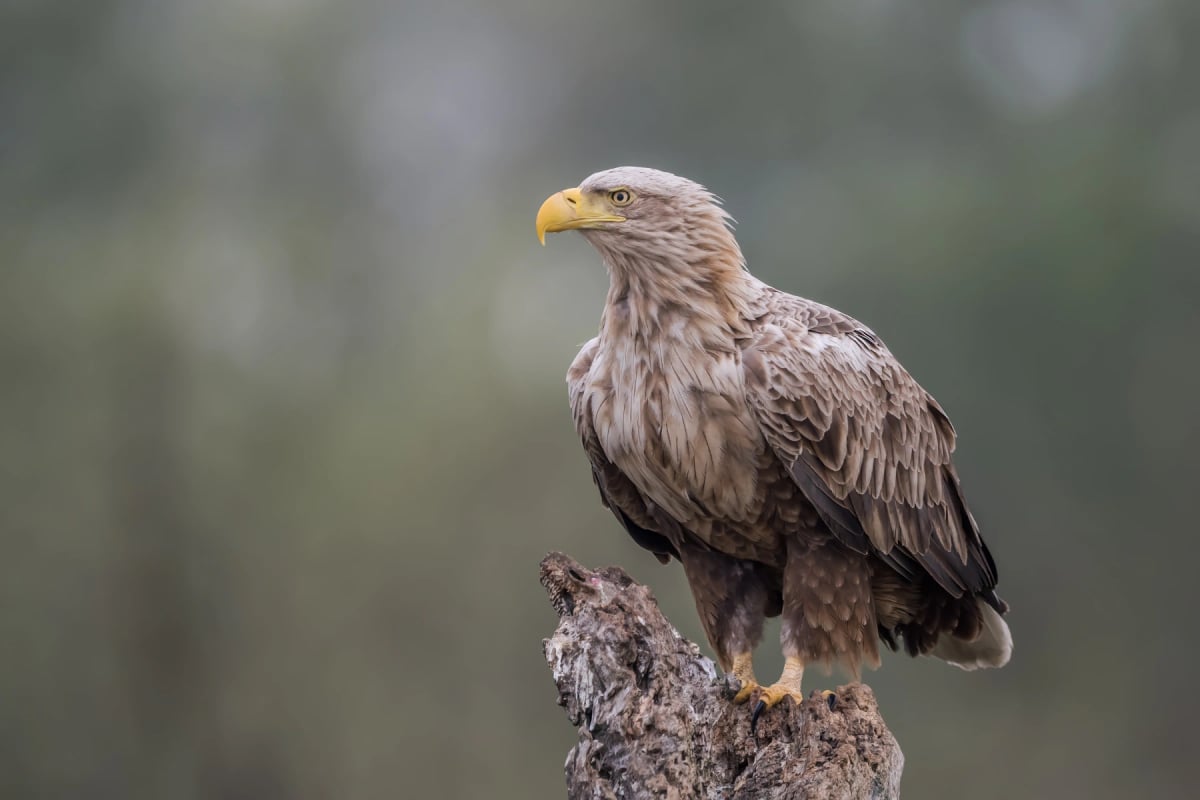
White tailed Eagle
Haliaeetus albicilla
The white-tailed eagle is a rare winter visitor to Taiwan, occasionally recorded at wetlands and reservoirs in the northern and eastern parts of the island. These birds travel from breeding grounds in northeastern Asia, making Taiwan one of the southernmost points of their winter range in the region. Birdwatchers consider each sighting a notable event. Its IUCN status is Least Concern.
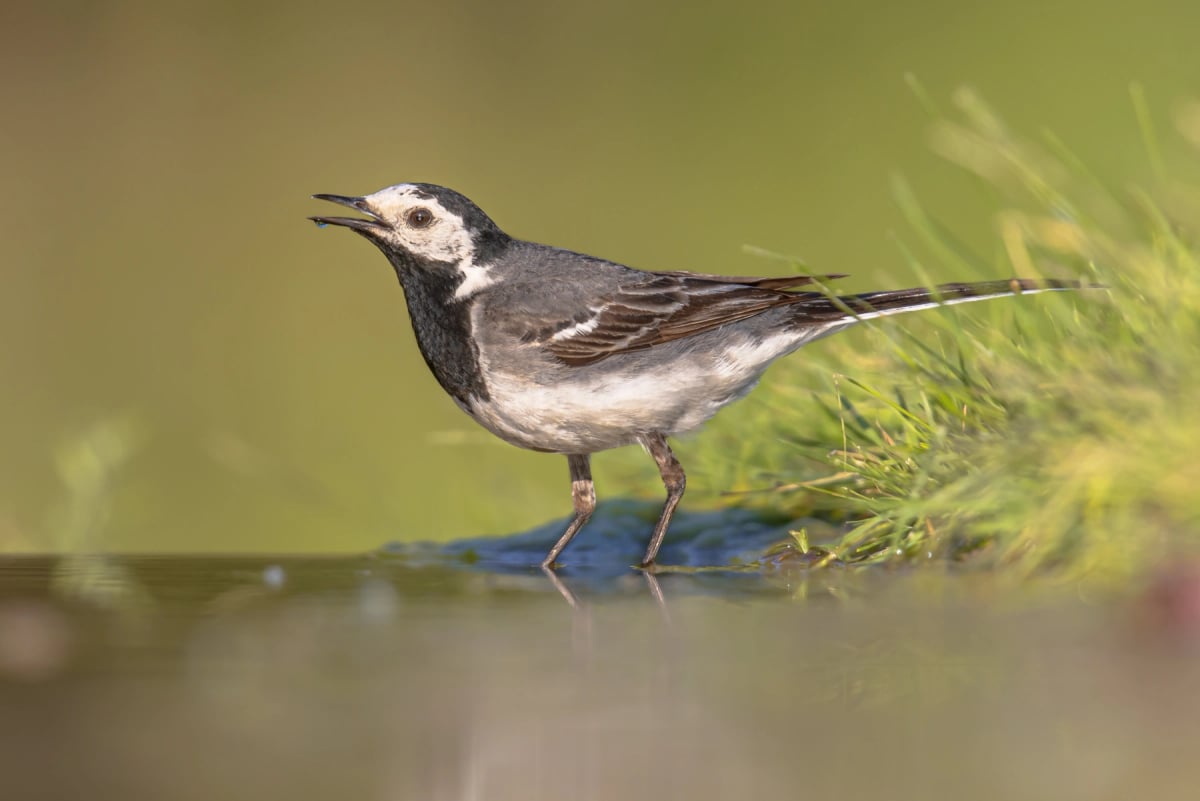
White Wagtail
Motacilla alba
Small black, white and grey bird with a slender tail that bobs up and down as it walks and feeds along the edges of water and open ground.
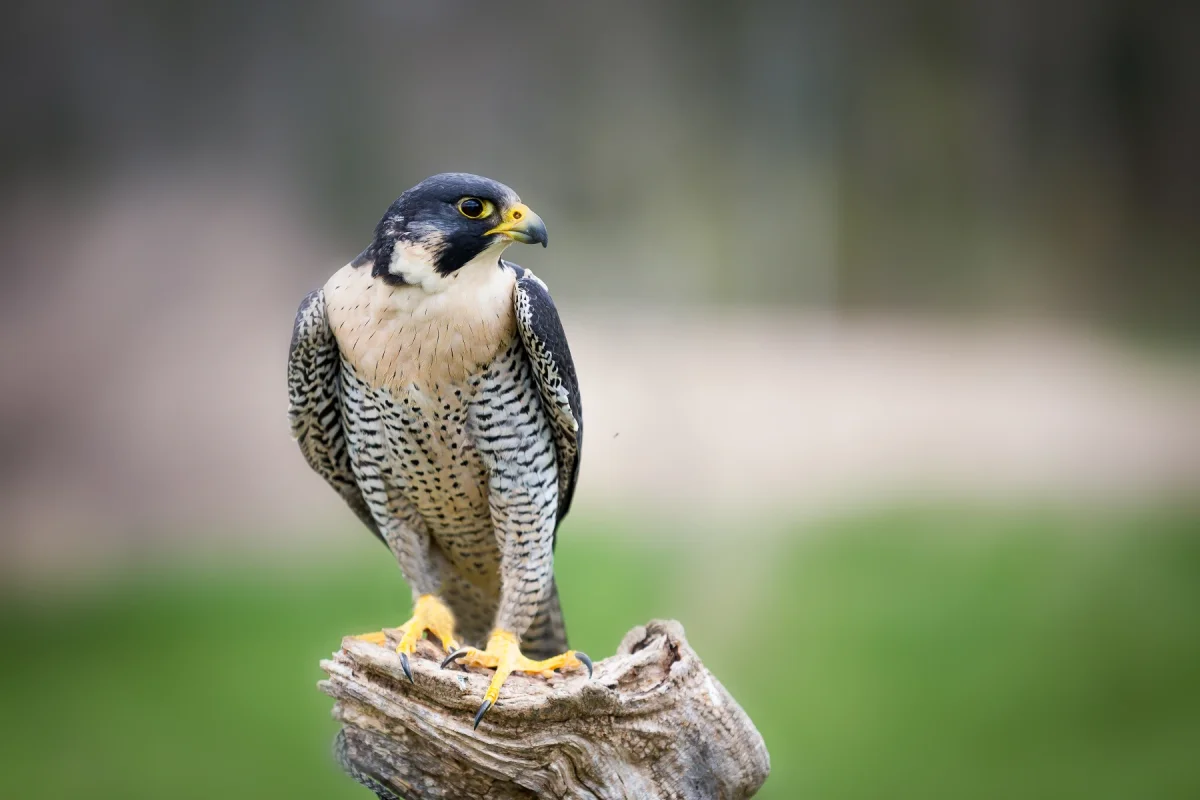
Peregrine Falcon
Falco peregrinus
In Taiwan, the peregrine falcon is recorded as a winter visitor and passage migrant, appearing along the coast, over wetlands, and around mountain ridges between autumn and spring. Some individuals of the subspecies found across East Asia are regularly seen hunting shorebirds and pigeons. Taiwan's diverse landscapes provide good stopover habitat. The IUCN lists the species as Least Concern.
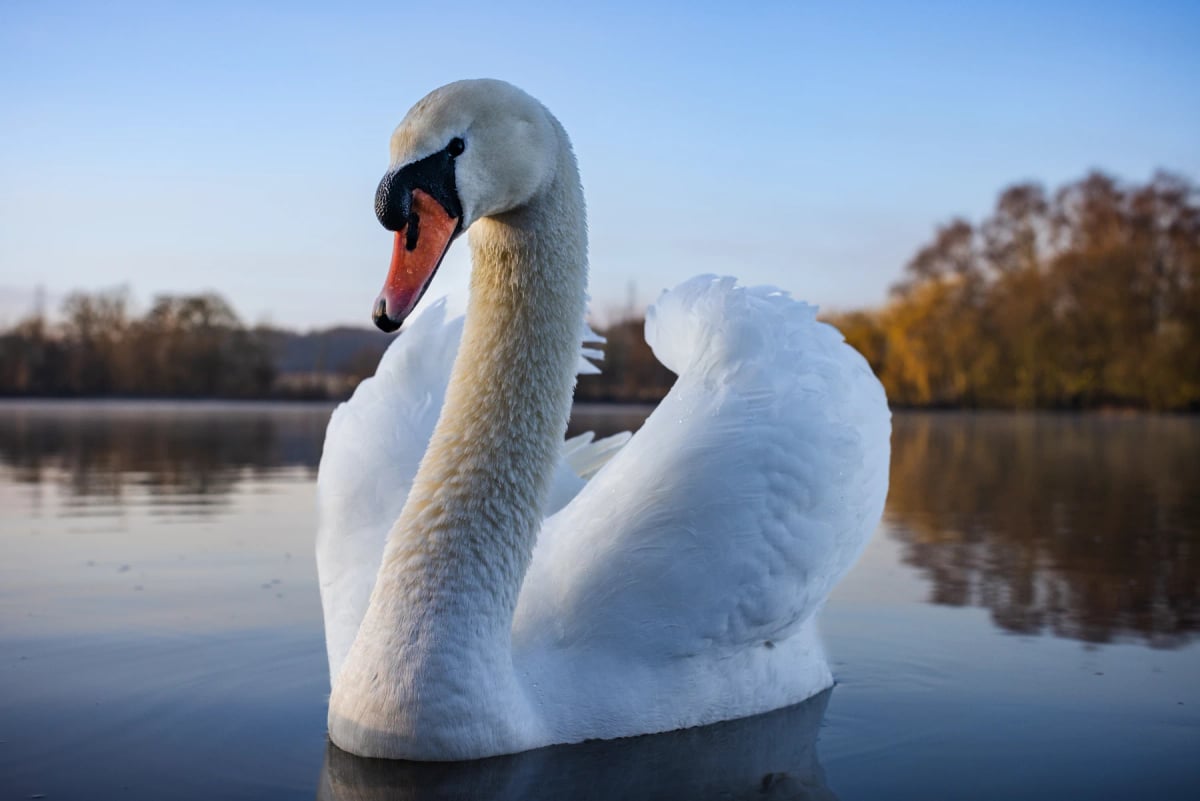
Mute Swan
Cygnus olor
The mute swan is a rare winter visitor to Taiwan, appearing occasionally at wetlands and reservoirs, particularly in the northern and western parts of the island. It is not a regular breeding bird here. Most records involve single birds or very small groups during the cooler months. Its presence in Taiwan sits at the southeastern edge of the species' wintering range in East Asia. The IUCN lists it as Least Concern.
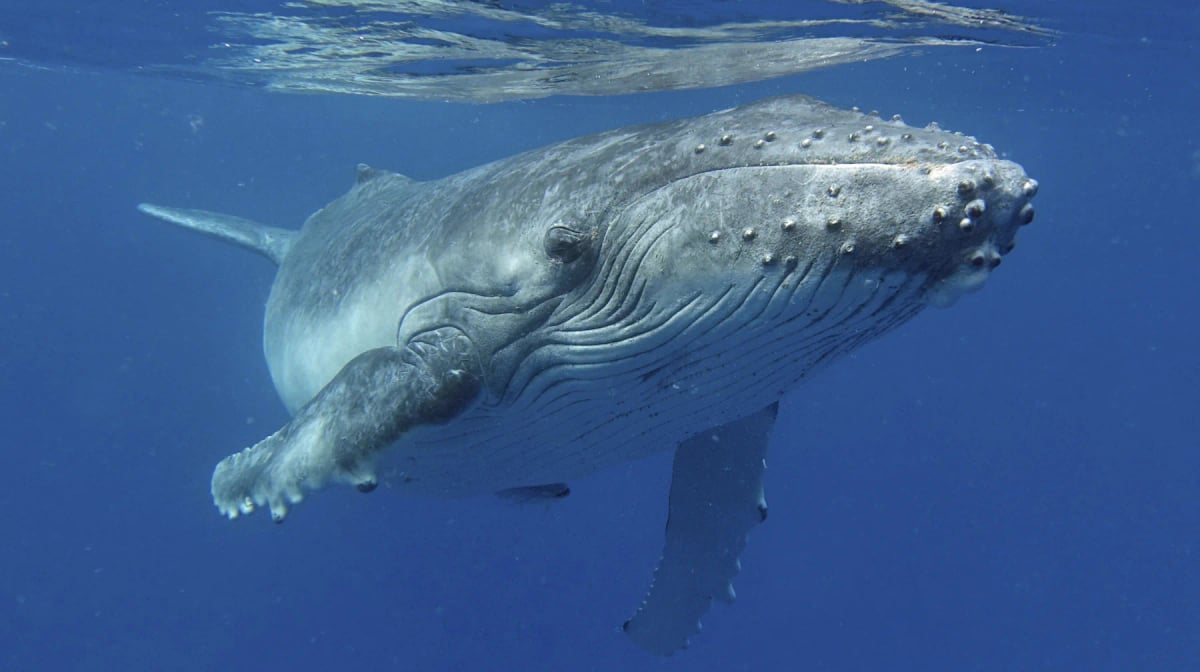
Humpback Whale
Megaptera novaeangliae
Humpback whales have been recorded in the waters surrounding Taiwan, passing through the western Pacific during seasonal migrations. They travel between cold feeding grounds rich in krill and warm tropical waters used for breeding. Growing interest in whale watching off Taiwan's coast has raised public awareness about the species. These whales can grow up to 16 metres long and are known for the complex songs produced by males. The IUCN lists them as Least Concern.
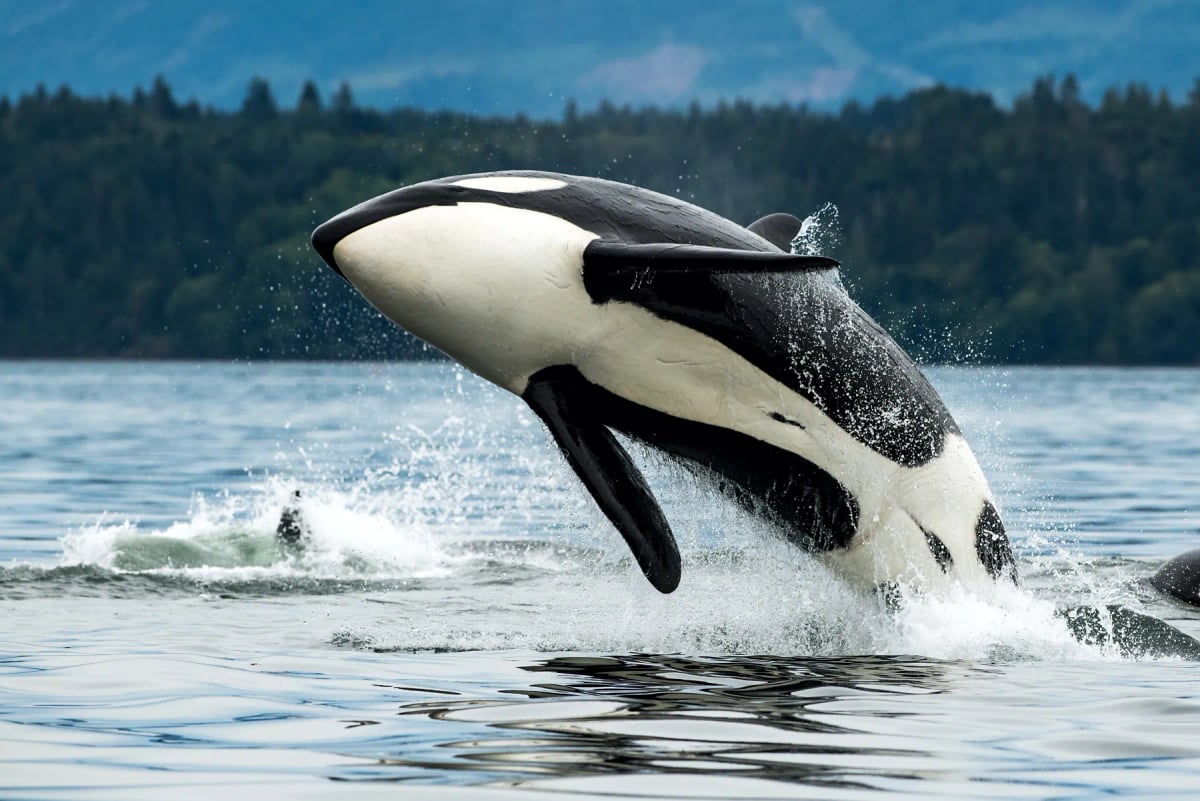
Orca
Orcinus orca
Orcas have been sighted in the waters around Taiwan in the northwestern Pacific Ocean, though encounters are infrequent. Taiwan sits within a broader region where orca populations have been identified across Japanese and Pacific waters. The island's surrounding seas support rich marine life, offering potential prey for passing orca groups. Increased citizen science reporting and whale watching activity have helped document rare sightings in recent years.
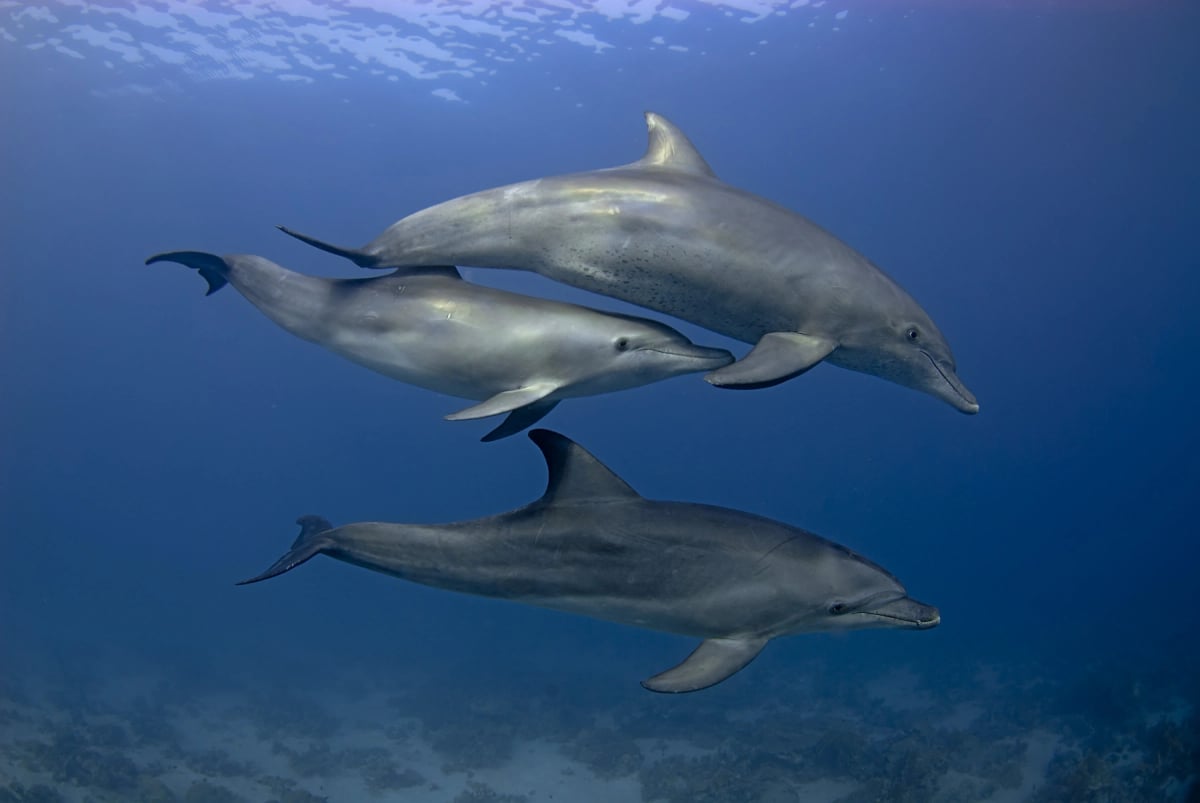
Bottlenose Dolphin
Tursiops truncatus
Bottlenose dolphins inhabit the waters surrounding Taiwan, including the Taiwan Strait and the Pacific coast. They are often seen in small pods near coastal fishing grounds. Taiwan is also home to the critically endangered Indo-Pacific humpback dolphin, which has raised broader awareness of dolphin conservation in the region. The bottlenose dolphin is listed as Least Concern by the IUCN.
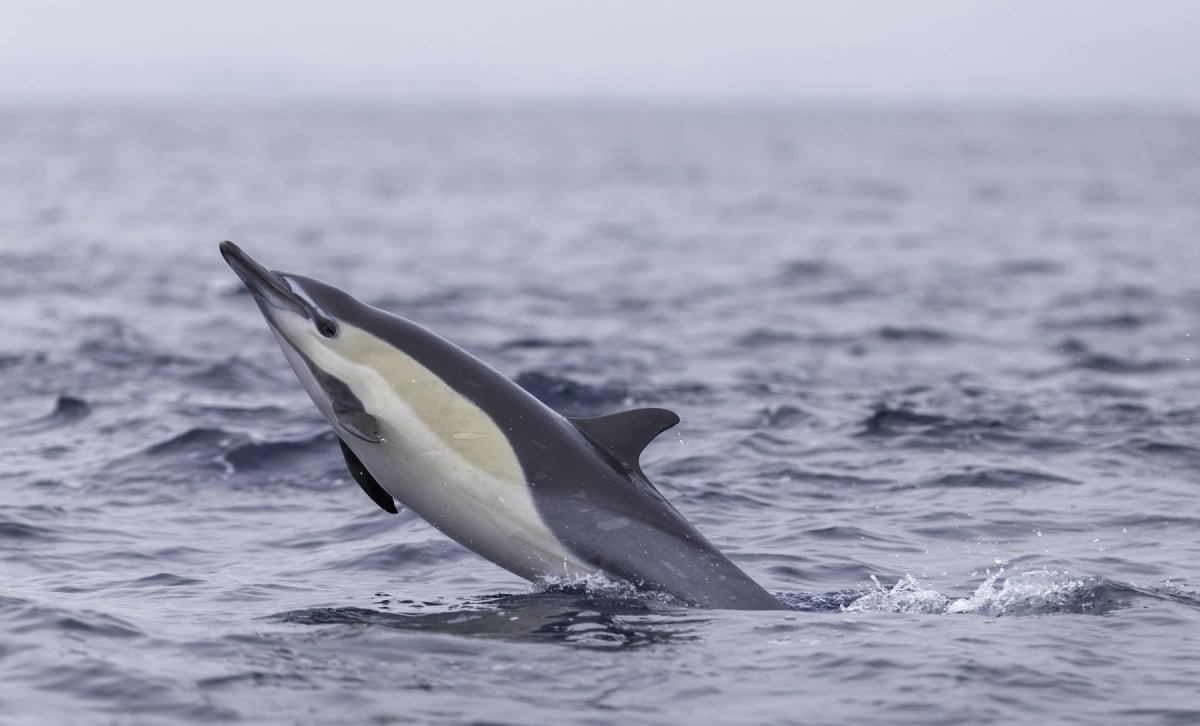
Common Dolphin
Delphinus delphis
Common dolphins are recorded in the waters surrounding Taiwan, including the Taiwan Strait and the deeper oceanic zones to the east along the Pacific coast. The island's varied marine habitats support a range of cetacean species. Dolphin watching is popular along the eastern coast, and the common dolphin is among the species encountered on these trips. Their IUCN status is Least Concern.
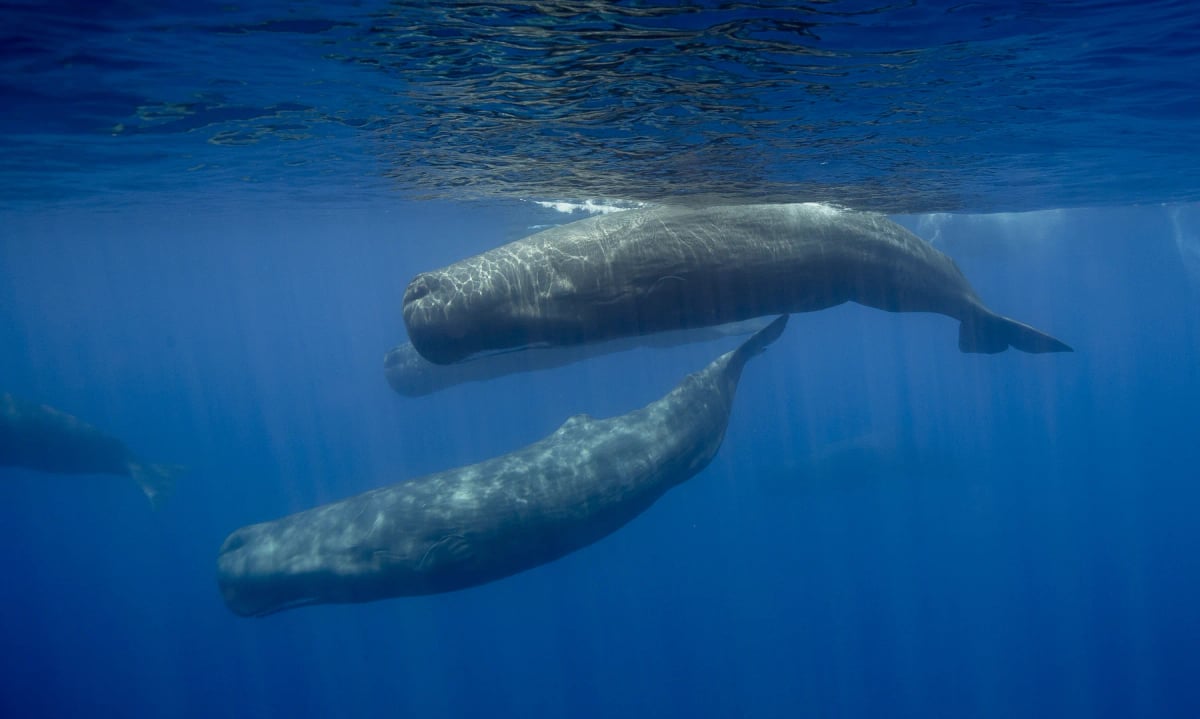
Sperm Whale
Physeter macrocephalus
The waters surrounding Taiwan, particularly in the deep Pacific Ocean to the east and the Philippine Sea, fall within the sperm whale's range in the western Pacific. These offshore depths support the prey the species depends on. Taiwan has developed a growing whale watching industry, and local researchers have worked to document cetacean populations in the region. The sperm whale holds Vulnerable status on the IUCN Red List.
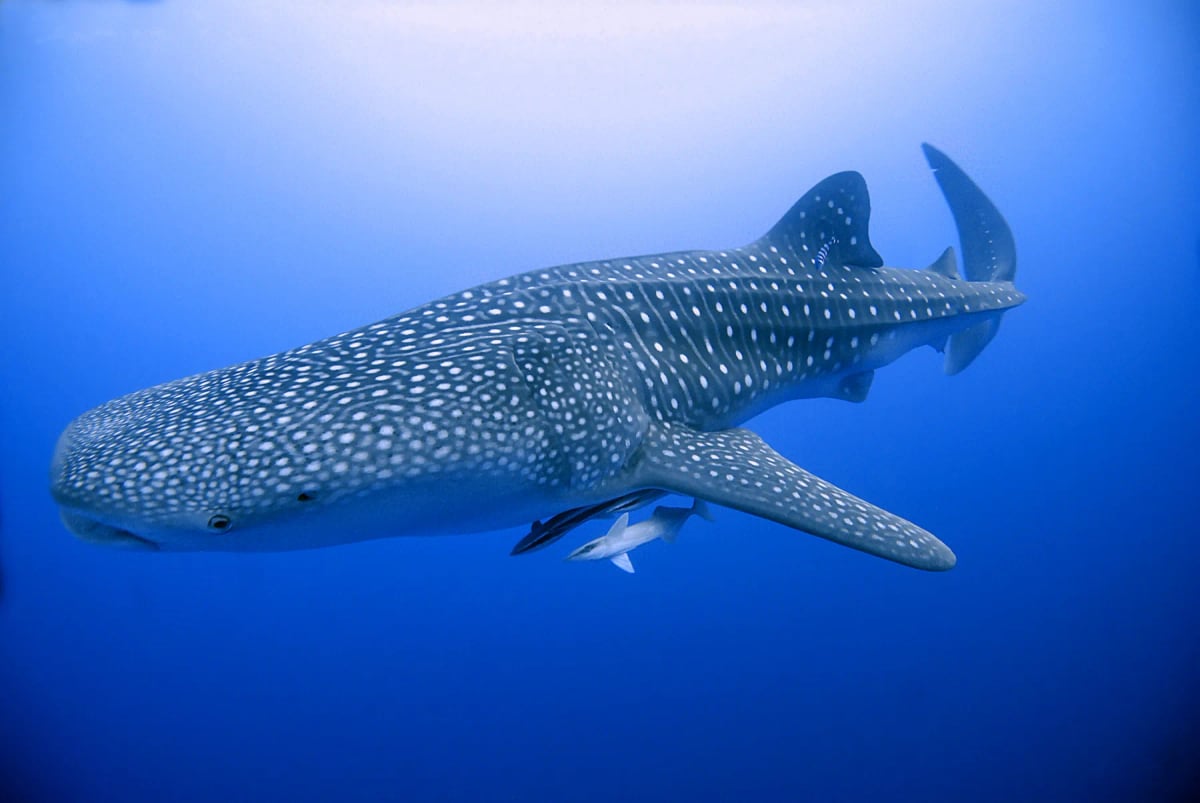
Whale Shark
Rhincodon typus
Taiwan once ran a large targeted fishery for whale sharks, locally nicknamed the tofu shark for the texture of its meat, before banning the practice in 2008 amid concerns about declining numbers. Today, sightings off Taiwan's eastern coast are occasional rather than guaranteed, and growing ecotourism interest has shifted attention toward observing and protecting the species rather than hunting it.
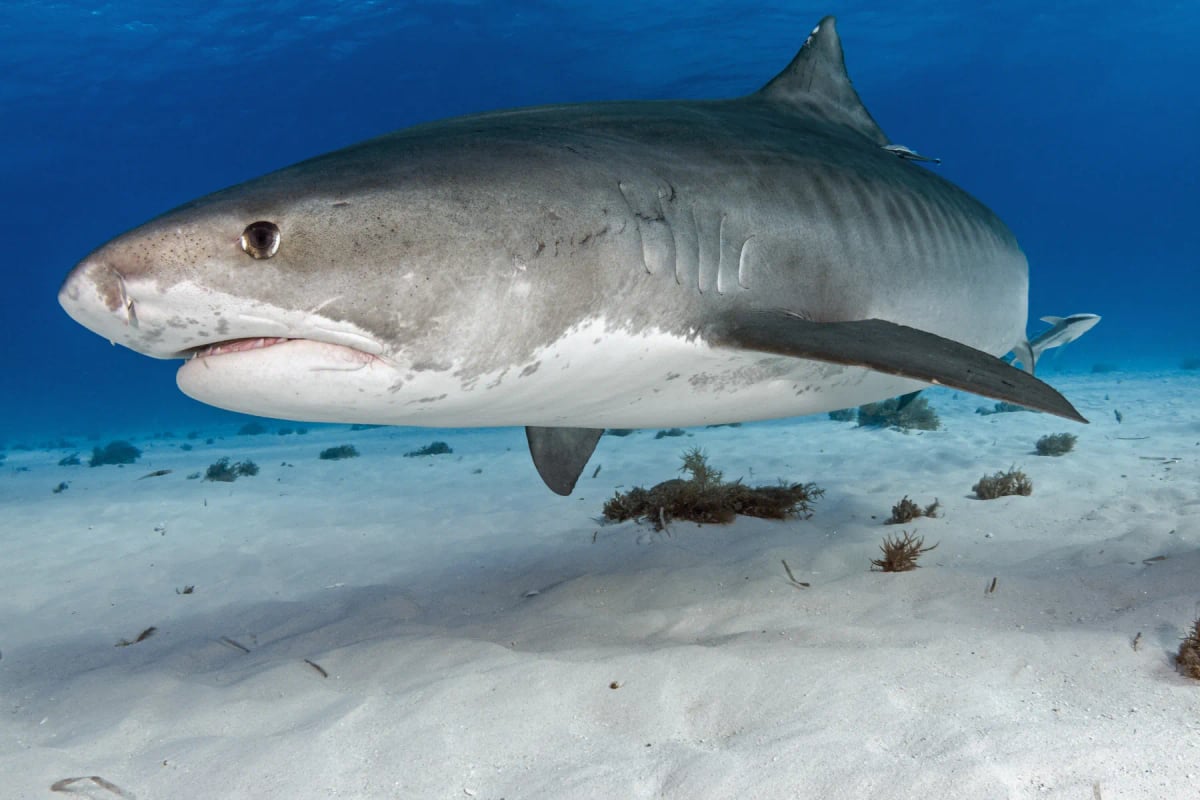
Tiger Shark
Galeocerdo cuvier
Taiwan sits along major oceanic routes in the western Pacific, and tiger sharks pass through its surrounding waters as they travel across tropical and subtropical seas. The island has a large and active fishing fleet, and tiger sharks are caught both as bycatch and in targeted shark fisheries. Taiwan has faced international attention regarding its shark fin trade, which contributes to pressure on this species. Their IUCN status is Near Threatened.
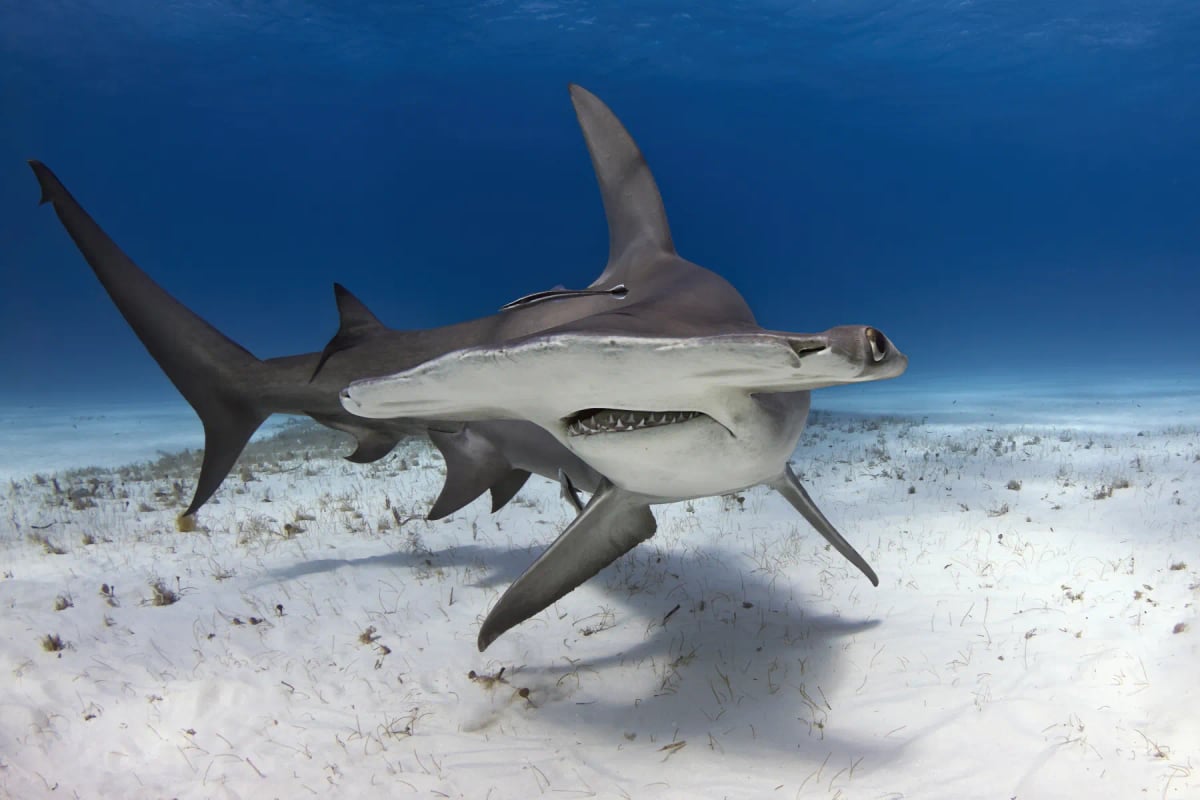
Hammerhead Shark
Sphyrna spp.
Taiwan sits along major oceanic migration routes in the western Pacific, making its surrounding waters important for hammerhead sharks. The species has historically been caught in large numbers by Taiwanese fishing fleets, and Taiwan has been identified as a significant player in the global shark fin trade. In recent years, Taiwan has introduced some regulations, but advocates continue to push for stronger protections to help these sharks survive over the long term.
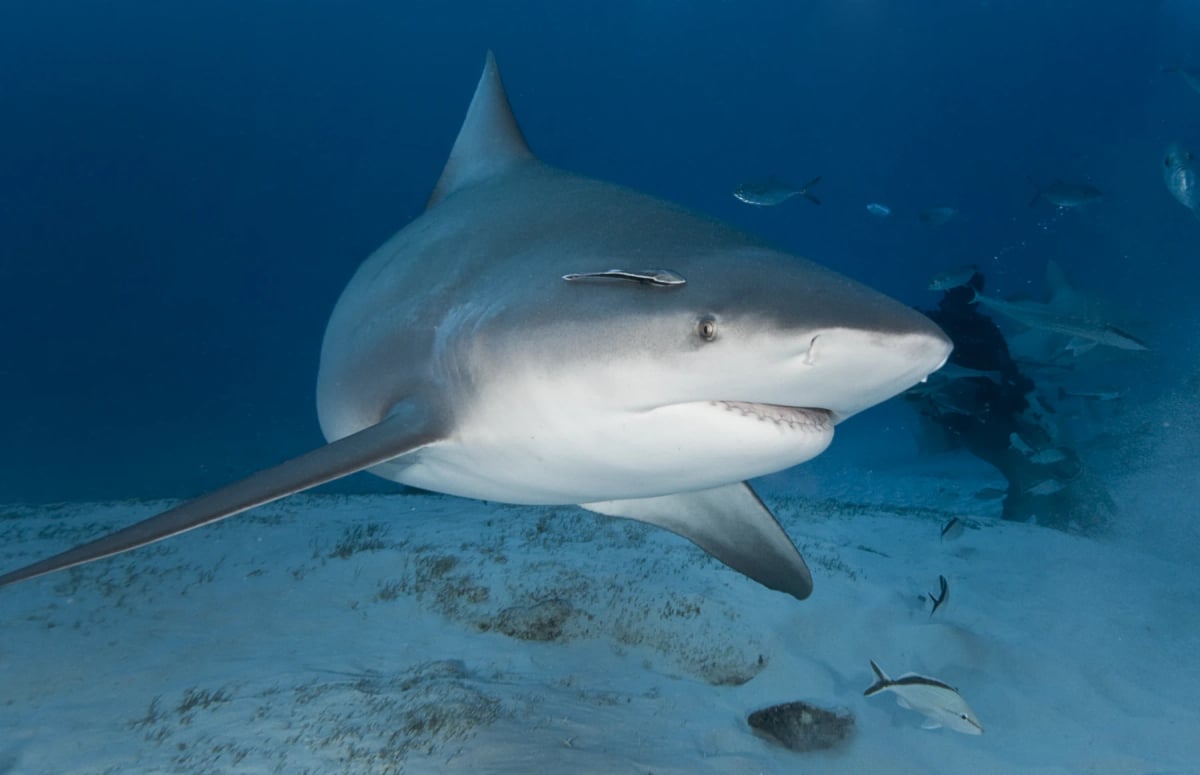
Bull Shark
Carcharhinus leucas
Bull sharks are found in the warm coastal and estuarine waters around Taiwan, including the shallow inshore zones of the Taiwan Strait and surrounding Pacific waters. They are known to frequent river mouths and harbour areas. Taiwan has an active fishing industry, and bull sharks are sometimes taken as bycatch. Classified as Near Threatened by the IUCN, greater awareness of the species' ecological role is important for its conservation in Taiwanese waters.
Researched and written by Juan Pablo. Sources: IUCN Red List, scientific literature and regional field guides. Last updated: .