Animals in South Africa
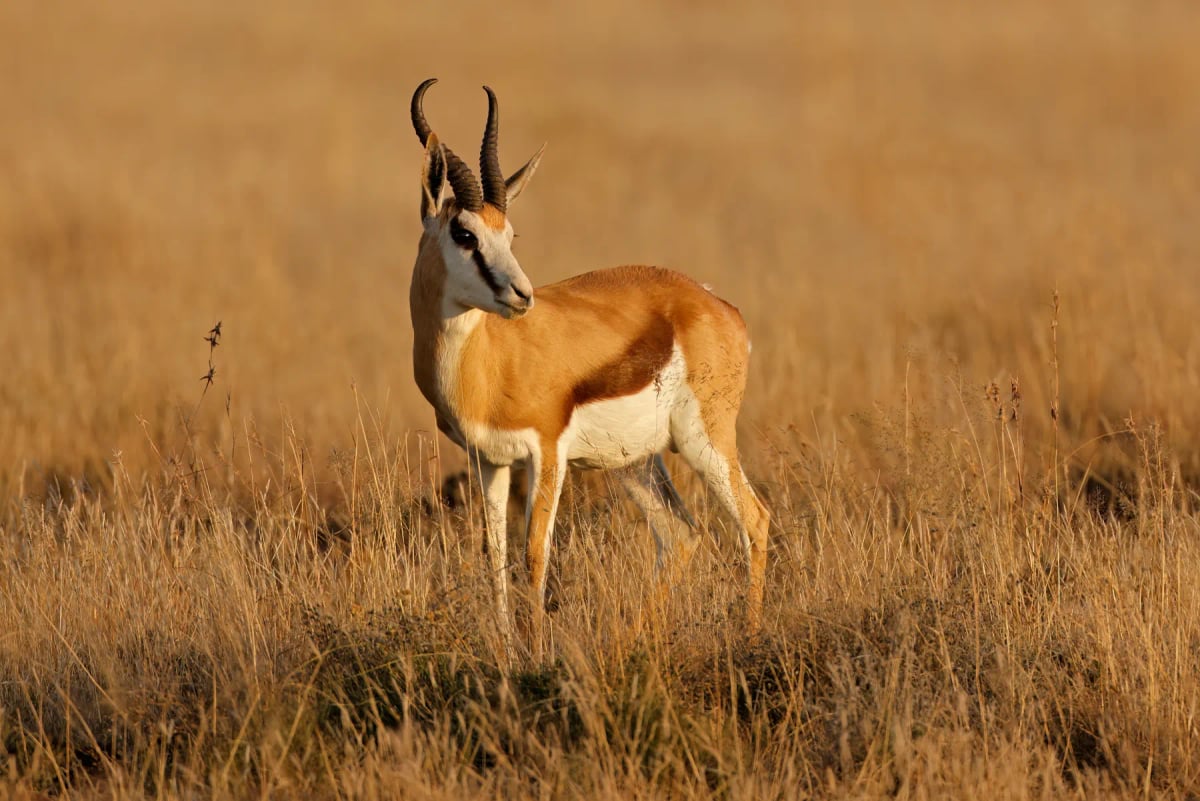
Springbok
Antidorcas marsupialis
The springbok is a slender antelope found across the dry open plains of the interior and the Karoo, where it lives in herds that can number in the thousands. It is best known for its pronking, a series of vertical leaps with rigid legs performed when startled or excited. Fast and agile, it can sustain speeds that keep it ahead of most predators across open ground. Beyond nature, the springbok is deeply woven into South African culture as the emblem of the national rugby team and a symbol of the country's identity on the world stage.
View details→Wildlife in South Africa
South Africa stretches from the dry Kalahari and Namib edges in the west to subtropical forests and Indian Ocean coasts in the east, with the Drakensberg mountains rising through the interior. This range of habitats supports an extraordinary variety of wildlife, from savanna herds of elephants, lions and giraffes to coastal colonies of penguins and seals, offshore dolphins and whales, and forest leopards and antelopes. National parks such as Kruger, iSimangaliso and Addo Elephant offer excellent infrastructure for game drives, walking safaris and marine watching, making South Africa one of the most accessible countries in the world for close wildlife encounters.
Most Dangerous Animals in South Africa
South Africa has a genuine concentration of dangerous wildlife and visitors should take it seriously. In the bush, lions, leopards, elephants, hippos and buffalos can all be lethal if encountered outside a vehicle or without a guide. The black mamba is among the fastest and most venomous snakes in the world and lives across a wide range of habitats. In the water, great white sharks patrol the cold Atlantic coast and bull sharks are common in warmer KwaZulu-Natal waters. Hippos cause more human deaths than most large animals in Africa and are particularly dangerous in and near rivers. Always follow park rules, stay in vehicles during game drives, and take local advice seriously.
Top 10 Animals in South Africa
South Africa brings together savanna, coastline and ocean in a way few countries can match. The big predators of Kruger draw visitors year after year, while the open plains of the Karoo and Kalahari host fast moving herds of antelope and the specialists that follow them. Along the southern and eastern coasts, whale watching from shore is a genuine option for much of the year, and great white sharks draw divers to colder Atlantic waters near the Cape. Penguin colonies, seal rookeries and diverse marine life complete a picture that covers everything from arid scrubland to deep ocean in a single destination.
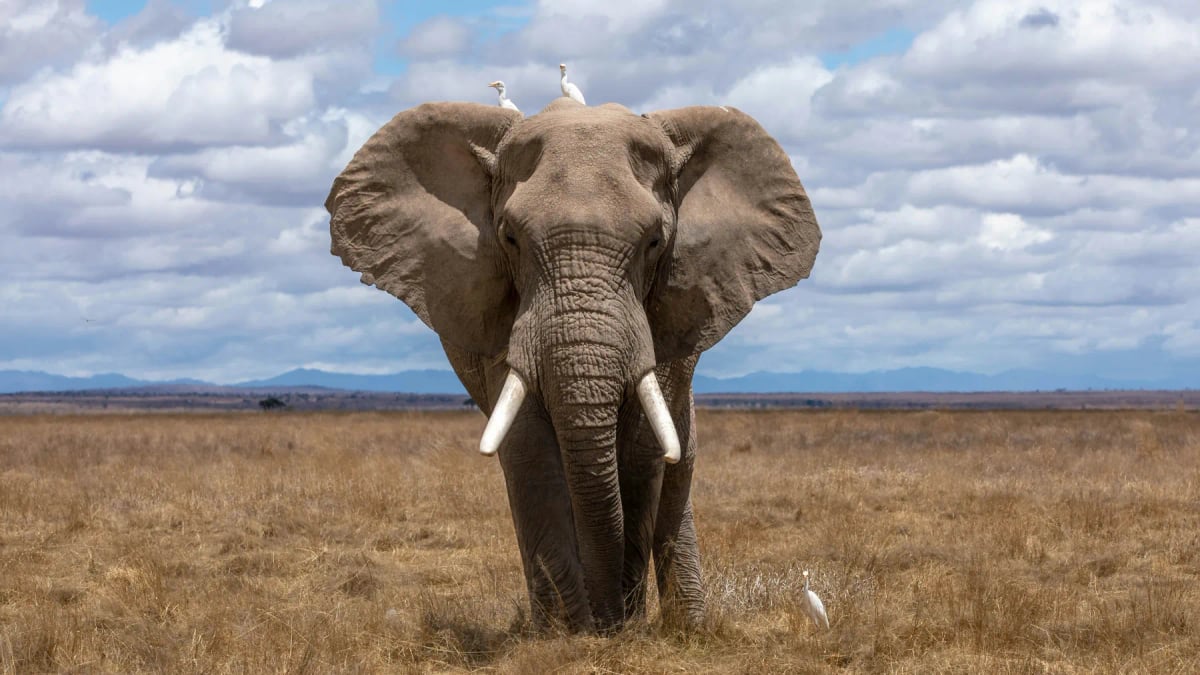
African Elephant
Loxodonta africana
South Africa holds significant populations of African elephants, with Kruger National Park home to over twenty thousand individuals, one of the largest elephant populations in Africa. Addo Elephant National Park in the Eastern Cape was created specifically to protect a remnant population that had been reduced to just eleven animals in the 1930s and has since grown to over six hundred. Elephants are the largest land animal on Earth and their movement and feeding shape the landscape, creating clearings and water access used by many other species.
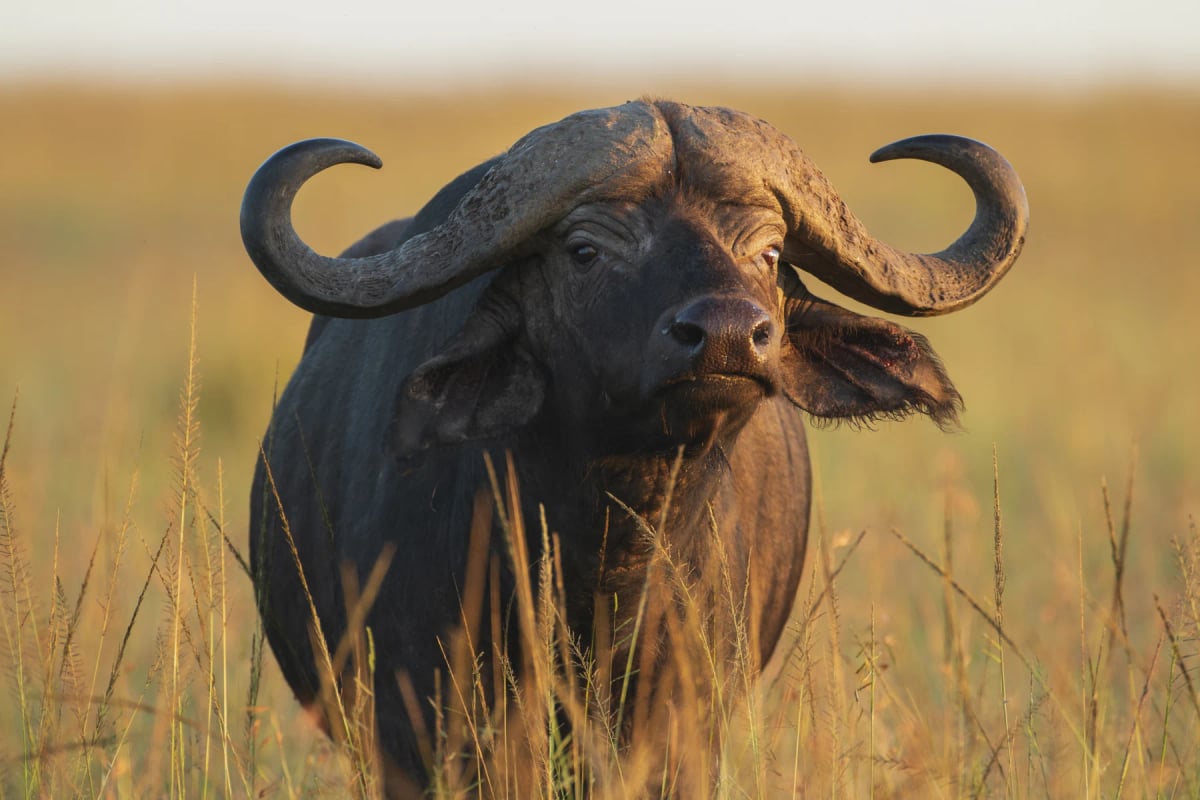
Buffalo
Syncerus caffer
South Africa supports some of the largest and best managed buffalo populations on the continent. Kruger National Park is home to tens of thousands of individuals, making it one of the most important sites for the species globally. Buffalo also occur in many private and provincial reserves across KwaZulu-Natal, Limpopo, and the Eastern Cape. Disease management, particularly around bovine tuberculosis, is a central conservation concern in areas where wildlife and livestock share landscapes. IUCN status: Least Concern.
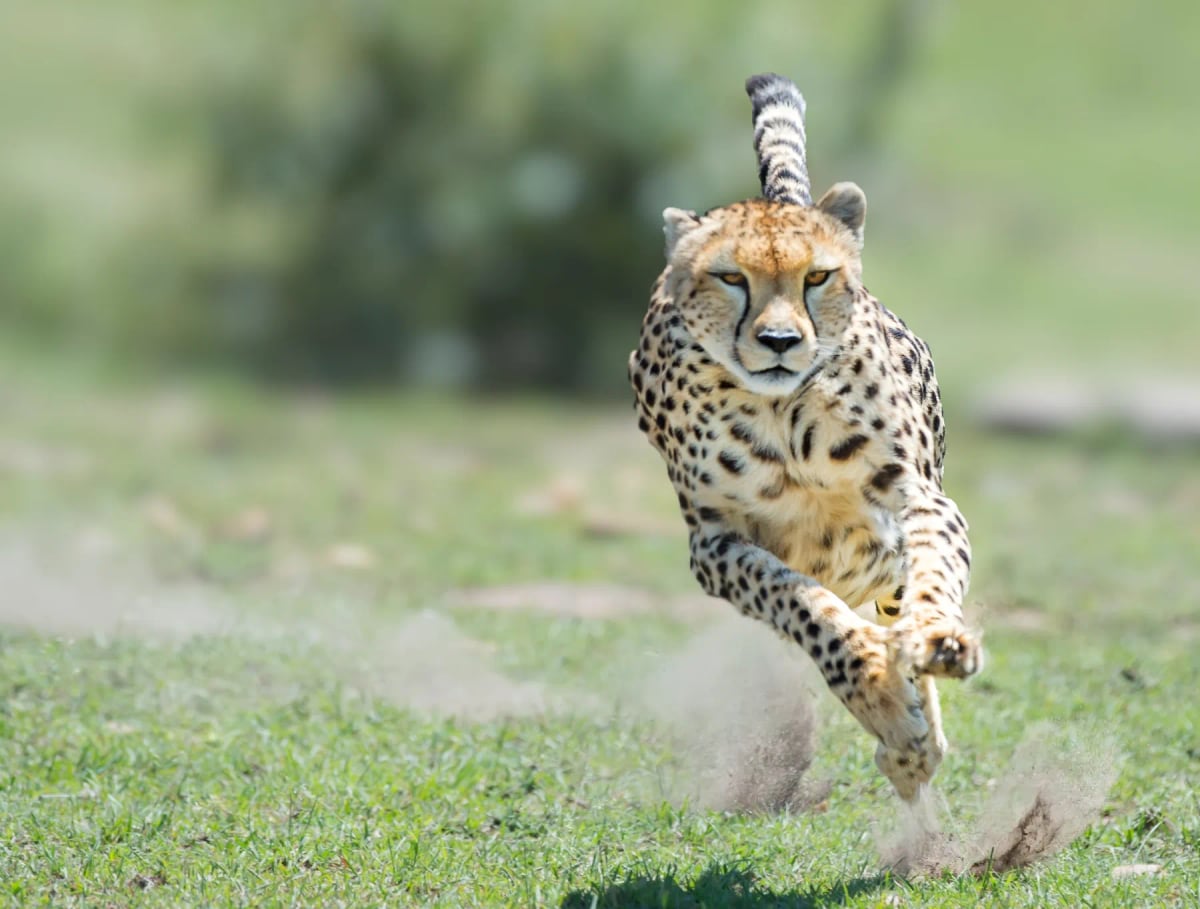
Cheetah
Acinonyx jubatus
In South Africa, cheetahs were once extinct in the wild and have been reintroduced to a number of fenced reserves, including the Karoo, Limpopo, and KwaZulu-Natal regions. The population is growing but remains dependent on managed conservation areas. Organizations such as the Endangered Wildlife Trust work closely with landowners to expand suitable habitat and reduce conflict between cheetahs and farming operations.
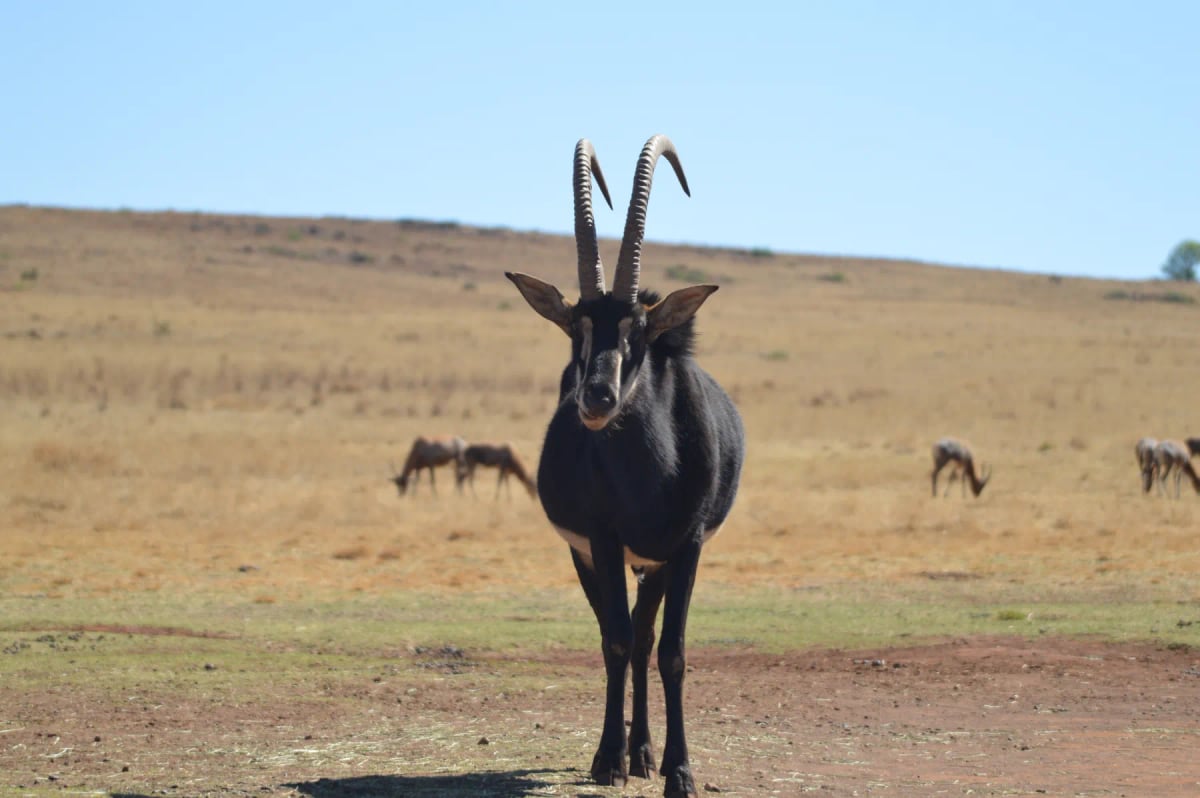
Sable Antelope
Hippotragus niger
In South Africa, sable antelopes are found mainly in the northern parts of Kruger National Park and in several private game reserves in Limpopo and Mpumalanga. They favor the mixed woodland areas rich in grass typical of these regions. South Africa also hosts sable on private ranches, where the species is carefully managed. Conservation attention has grown as some local populations showed signs of gradual decline.
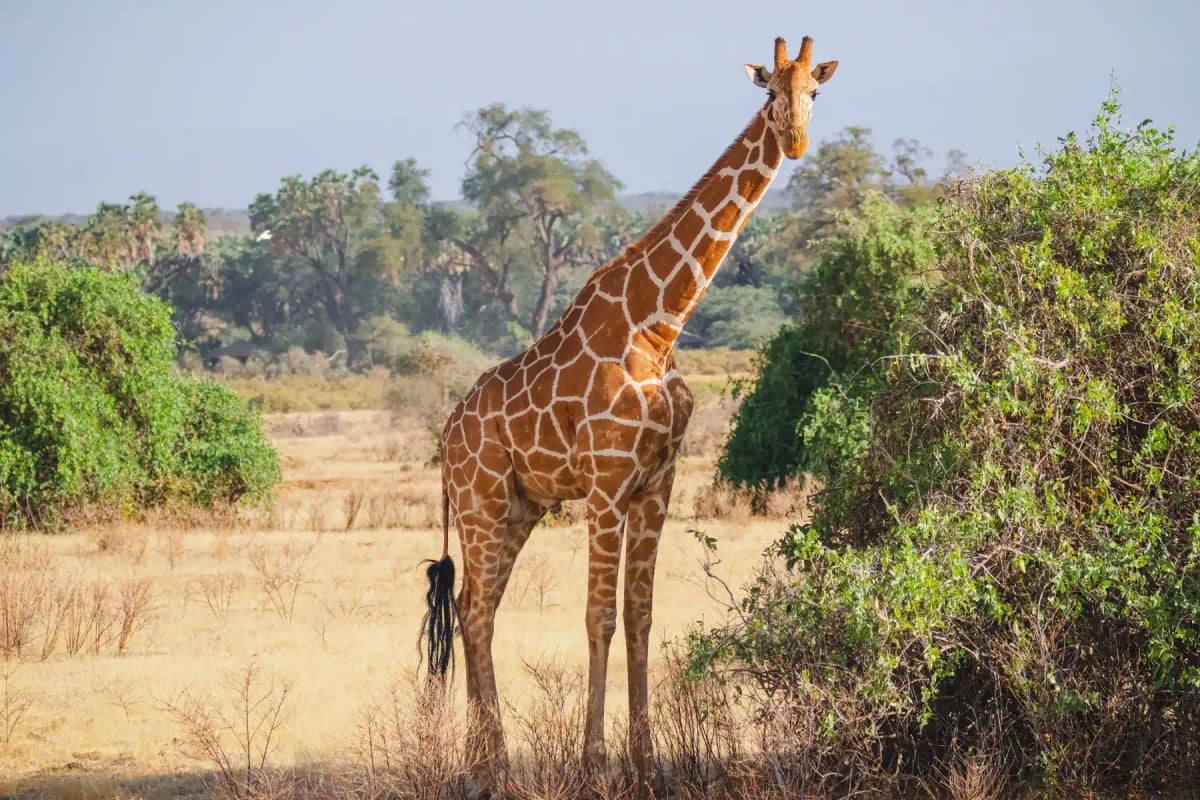
Giraffe
Giraffa camelopardalis
South Africa is home to a well-managed giraffe population, largely found in the savannas of Limpopo, Mpumalanga, and KwaZulu-Natal, as well as in iconic reserves such as Kruger National Park. Many animals also live on private game farms across the country. South Africa has been an important source for giraffe reintroductions elsewhere in Africa. The IUCN lists the giraffe as Vulnerable, though South Africa's populations are considered relatively stable.
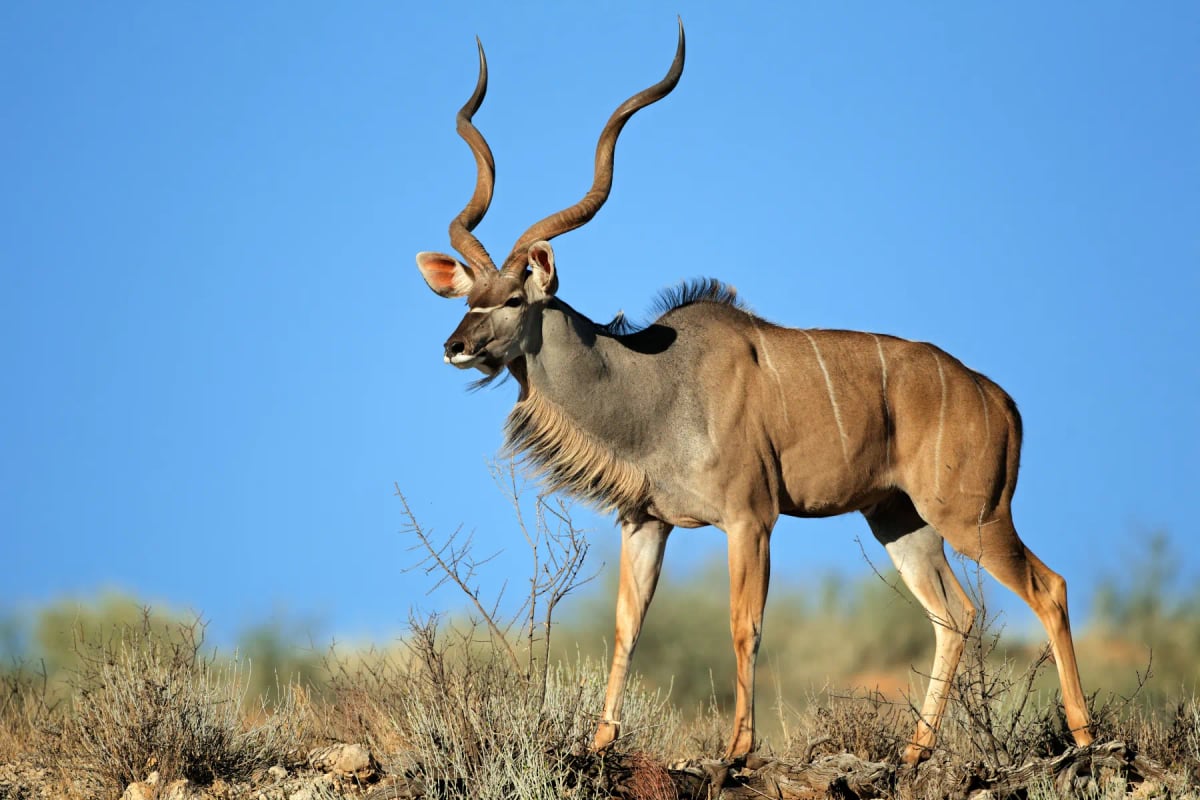
Greater Kudu
Tragelaphus strepsiceros
In South Africa, greater kudus are widespread across the bushveld of Limpopo and Mpumalanga, as well as in the Eastern Cape. Kruger National Park supports a large and well-studied population. They browse in dense woodland and rocky hillsides, where their striped coats provide excellent camouflage. Both private reserves and national parks play an important role in their conservation. Their IUCN status is Least Concern.
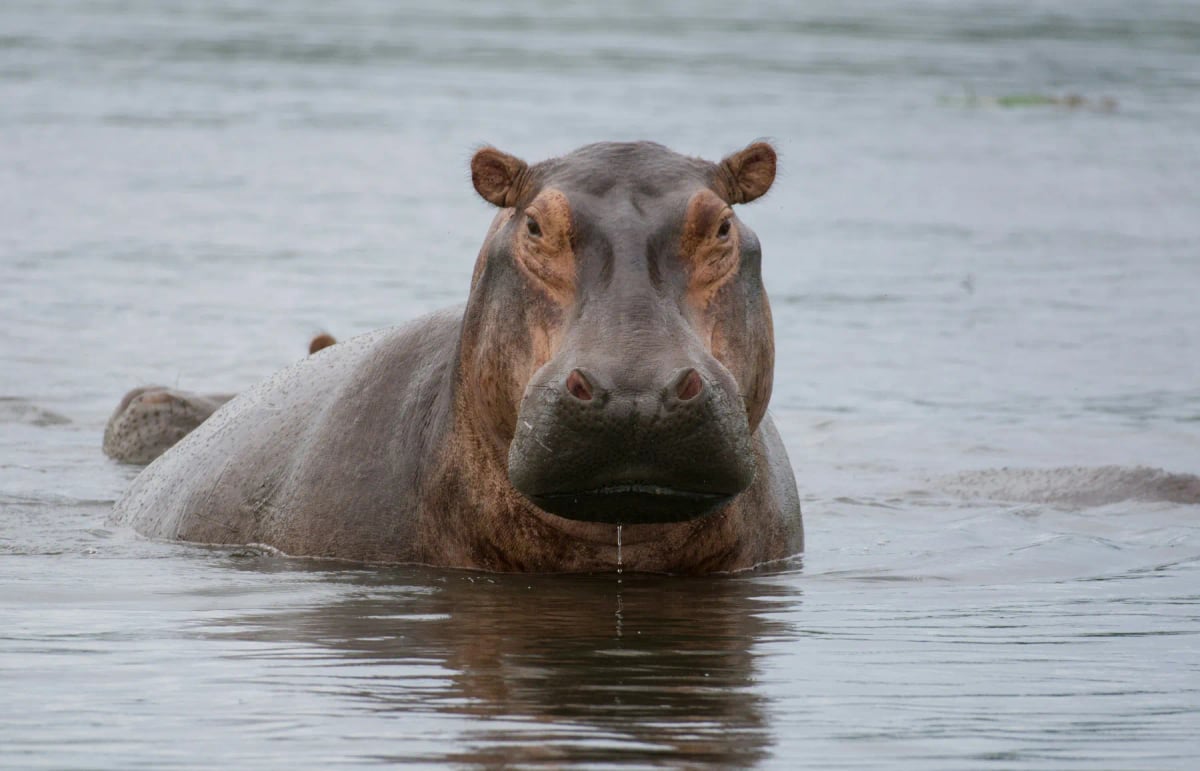
Hippopotamus
Hippopotamus amphibius
In South Africa, hippos are found mainly in Kruger National Park and the rivers of KwaZulu-Natal, including the iSimangaliso Wetland Park. They spend their days resting in rivers and waterholes, emerging at night to graze. South Africa sits at the southern edge of their range, and protected areas play a key role in supporting the population. The IUCN lists the hippopotamus as Vulnerable.
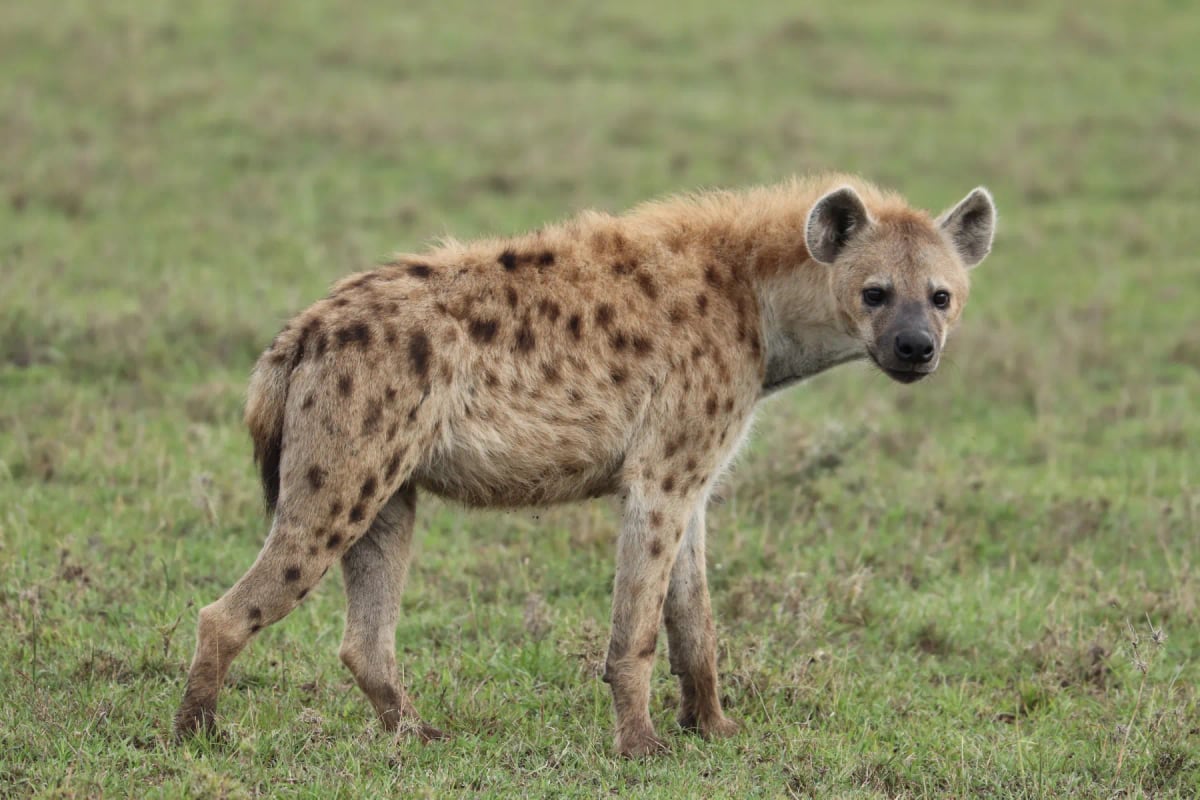
Spotted Hyena
Crocuta crocuta
In South Africa, spotted hyenas are mainly found in Kruger National Park and a handful of other protected areas, including the Greater Limpopo Transfrontier Park. Kruger supports a well-studied population that shares territory with lions and wild dogs. Outside reserves, hyenas rarely survive due to conflict with farmers and fragmented habitat. Conservation efforts within fenced parks have helped stabilize local numbers. Their IUCN status is Least Concern.
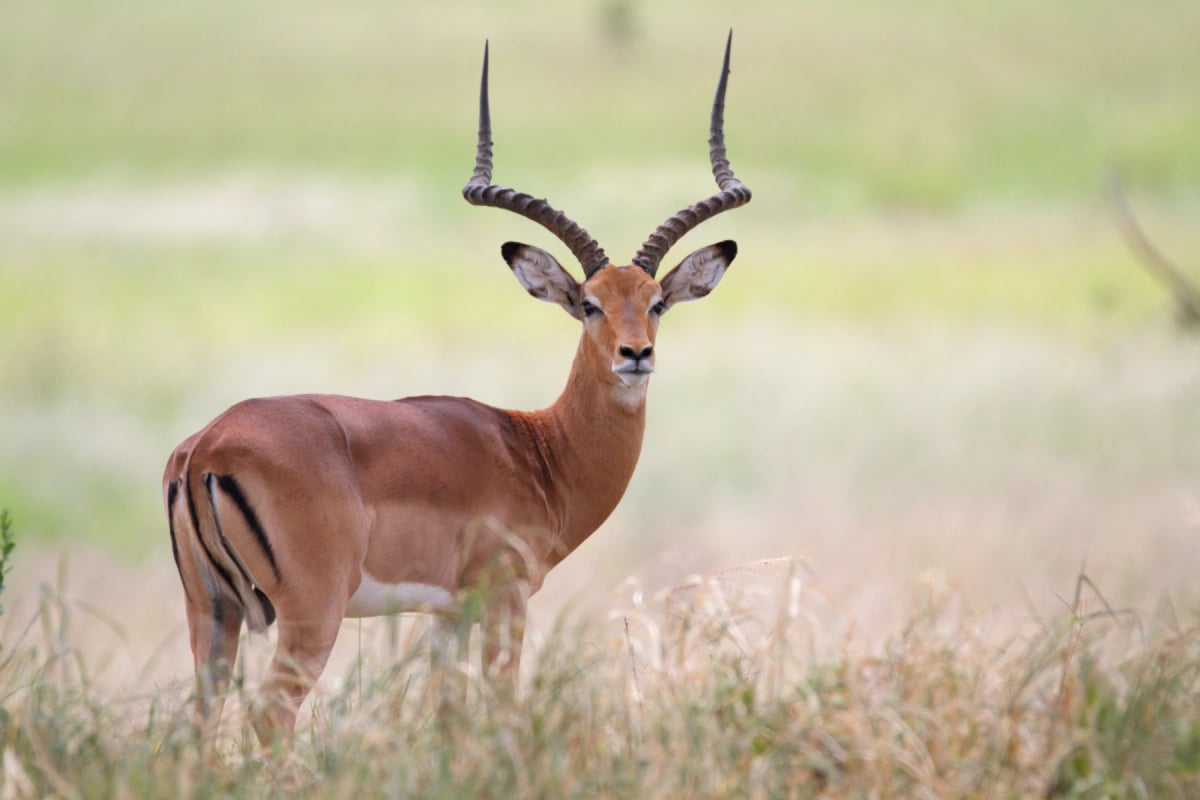
Impala
Aepyceros melampus
South Africa holds one of the largest impala populations on the continent, with the Kruger National Park being home to an estimated 150,000 individuals. These antelopes are a cornerstone of the savanna ecosystem, forming a vital part of the diet of lions, leopards, cheetahs, and wild dogs. Impalas graze on grass in the wet season and browse shrubs when conditions are drier. Their agility and speed of around 60 km/h make them formidable survivors. The IUCN lists them as Least Concern.
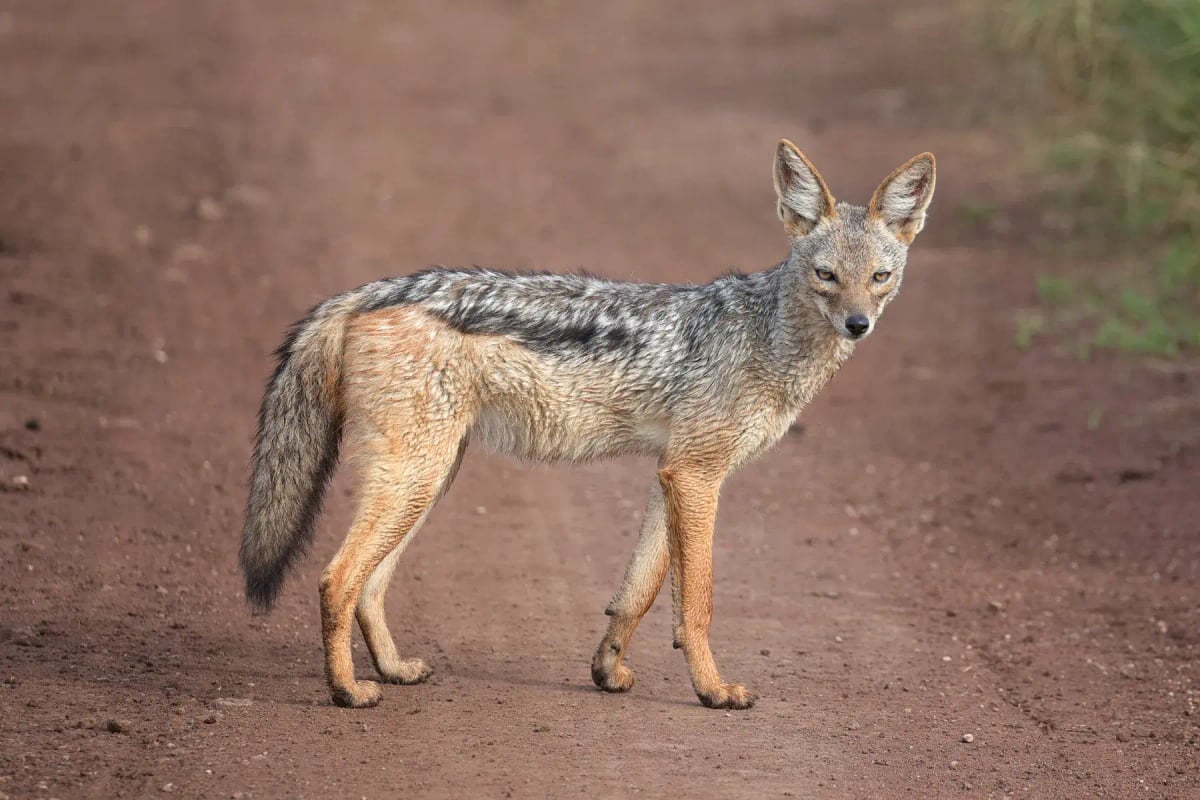
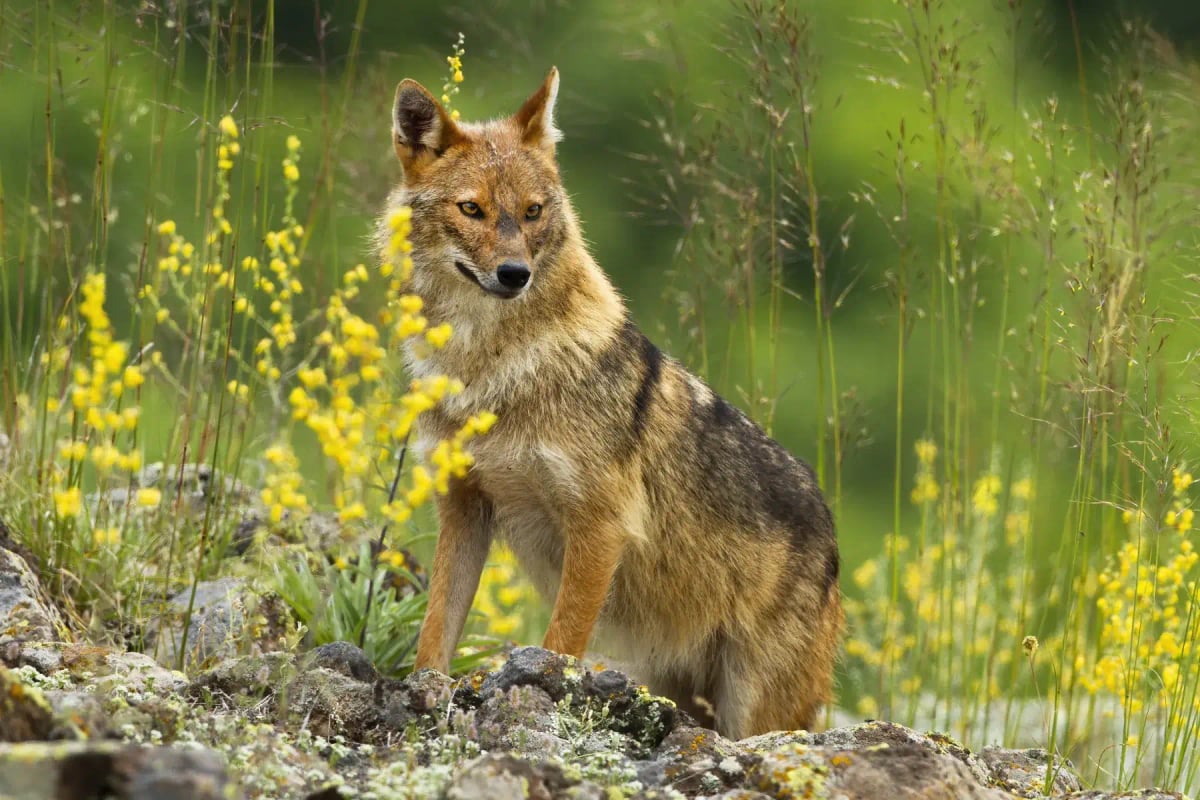
Black backed Jackal
Canis mesomelas
The black backed jackal is one of South Africa's most widespread carnivores, found from the Karoo and Kalahari scrublands to the coastal fynbos and bushveld of Limpopo and KwaZulu-Natal. It thrives near farmland, making it a frequent target of lethal control by livestock farmers. Despite heavy persecution, populations remain healthy. Its status is Least Concern. Pairs mate for life and raise pups with help from older siblings.
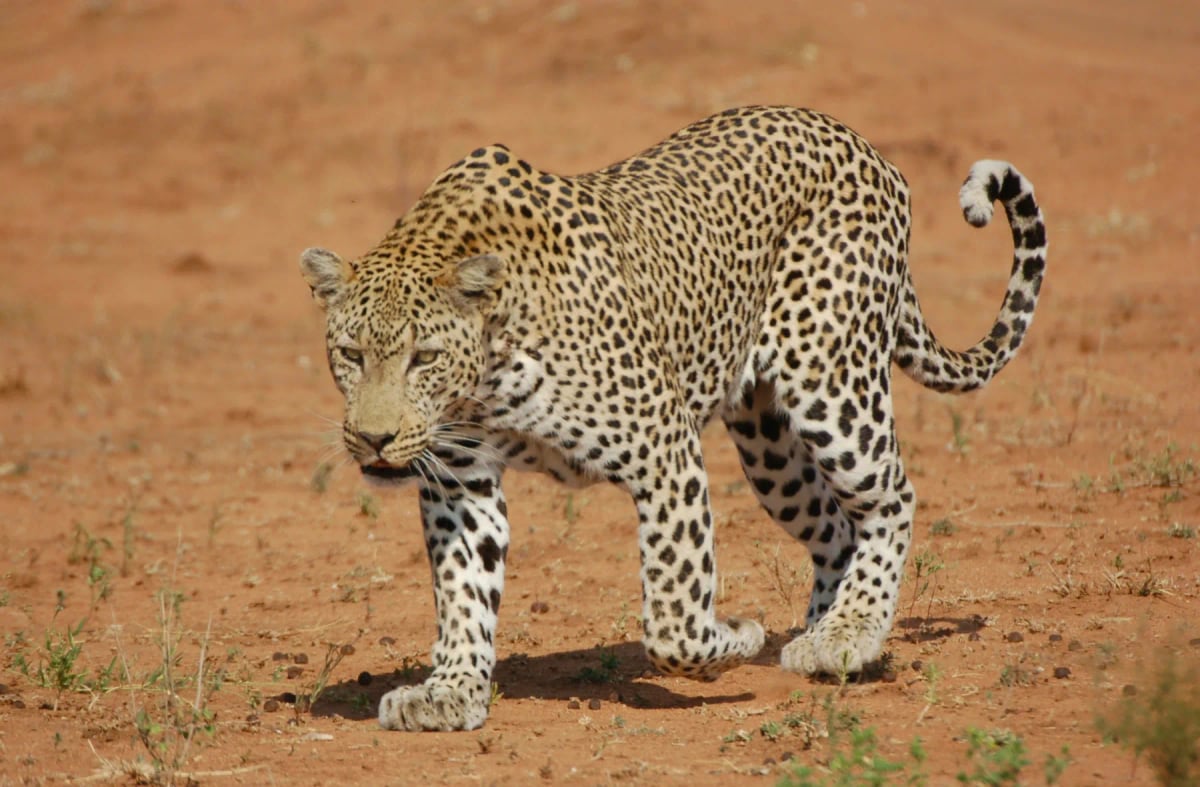
Leopard
Panthera pardus
South Africa holds one of the more stable leopard populations on the continent, with strongholds in the Kruger National Park, the Cape Fold Mountains, and the bushveld of Limpopo and Mpumalanga. The Cape leopard, found in the mountainous southwest, is notably smaller than its counterparts elsewhere. Research programs and camera trap networks have provided detailed insight into leopard behavior and territory use. Outside protected areas, conflict with farmers remains a significant threat.
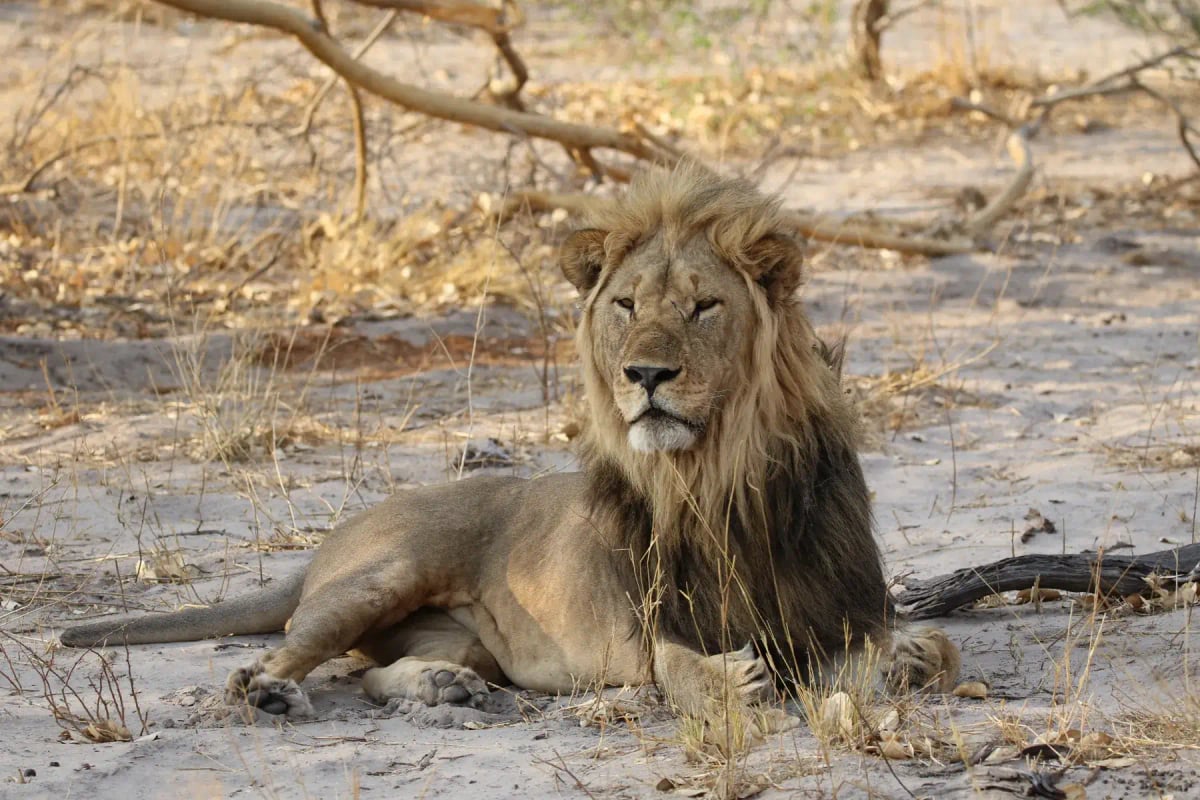
Lion
Panthera leo
South Africa's lion population is concentrated mainly in Kruger National Park, which holds the largest free ranging lion population in the country, and in the Kgalagadi Transfrontier Park. Smaller populations exist in various private reserves and provincial parks. Lions live in prides led by females that do most of the hunting, while males defend territory and cubs. They are the largest predators in South Africa and their roaring at night is one of the defining sounds of the African wilderness.
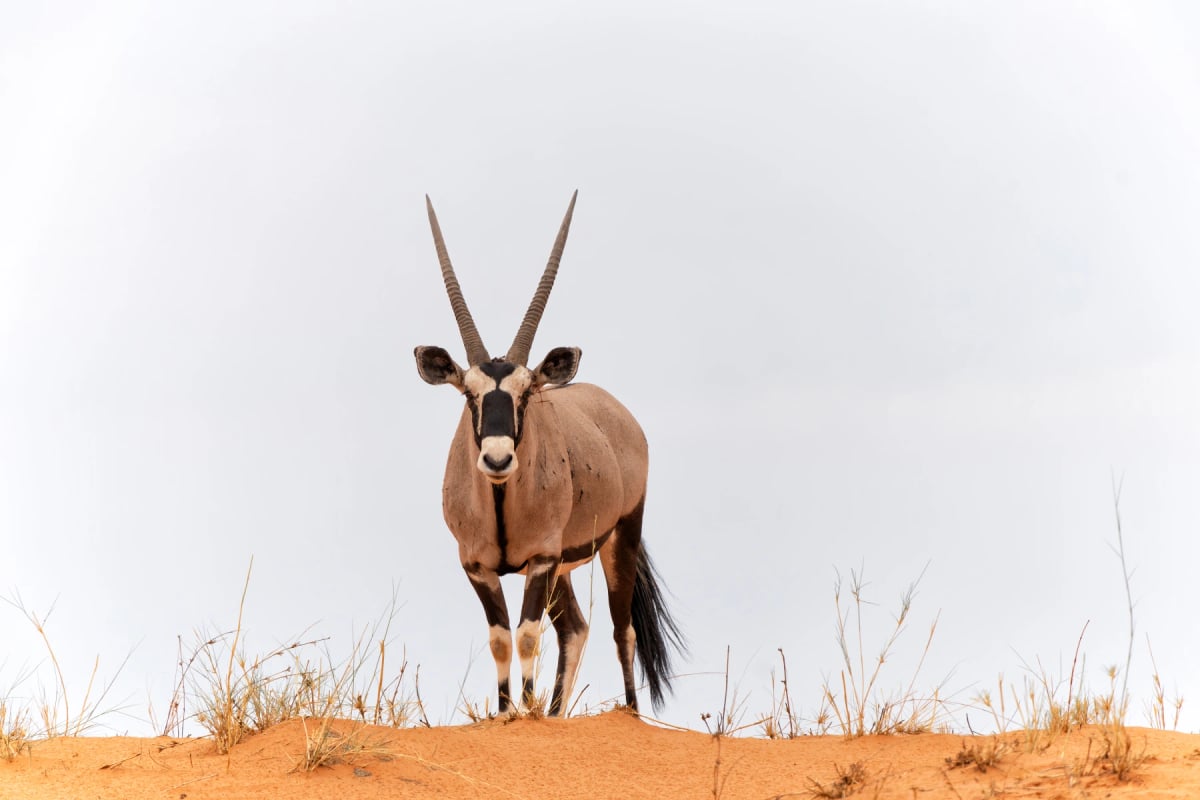
Oryx
Oryx spp.
In South Africa, the gemsbok is strongly associated with the Kalahari region and is one of the signature species of the Kgalagadi Transfrontier Park, which it shares with Botswana. Herds roam open desert plains in search of food, relying on grasses and wild melons for moisture. Conservation efforts across protected areas have helped maintain stable populations, and the species is considered of least concern within the country.
Springbok
Antidorcas marsupialis
The springbok is South Africa's national animal, and for good reason. Across the Karoo and the dry plains of the Northern Cape, herds gather in the hundreds, moving in search of food and water. Famous for its pronking, a dramatic leaping display, this antelope is remarkably adapted to arid conditions, drawing moisture from the plants it eats. It is listed as Least Concern by the IUCN.
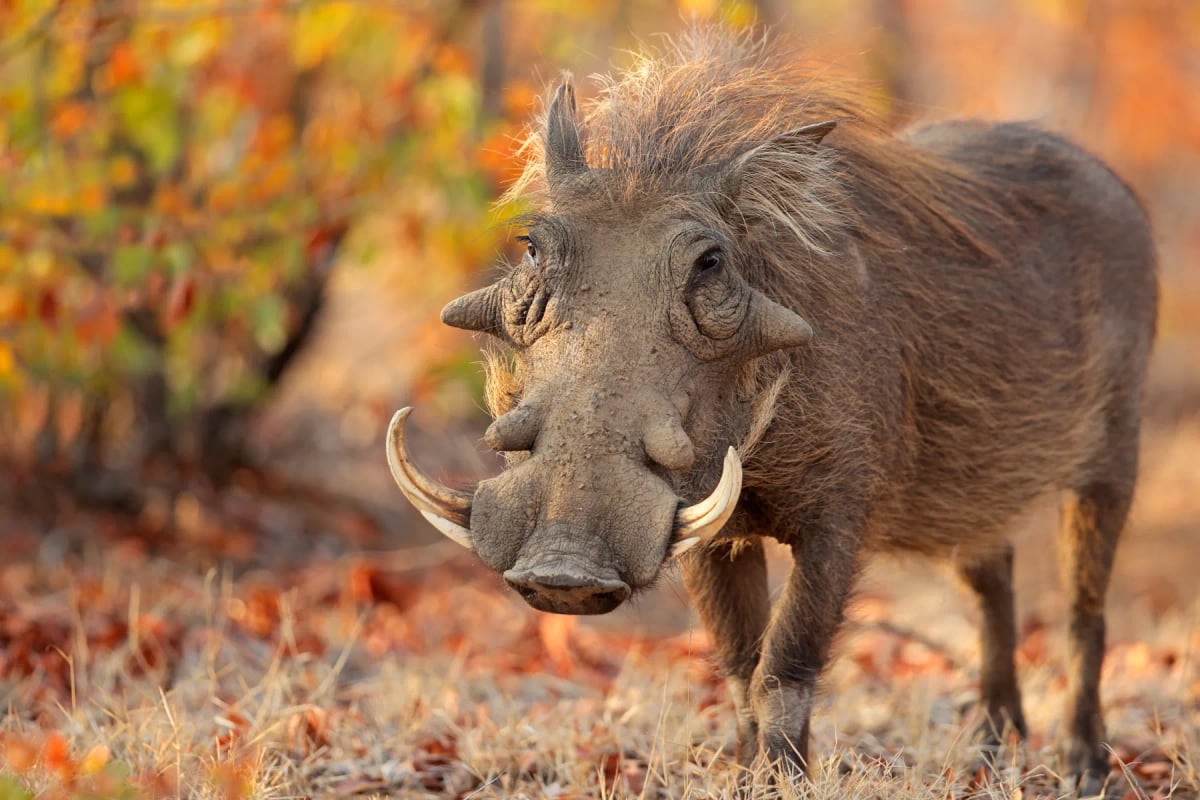
Warthog
Phacochoerus africanus
In South Africa, warthogs are a familiar sight across Kruger National Park and many private game reserves in the Limpopo and Mpumalanga provinces. They graze on open savannas and take refuge in burrows at night or when threatened. Their populations are healthy and well protected within the country's extensive network of reserves, where they share the landscape with lions, leopards, and spotted hyenas.
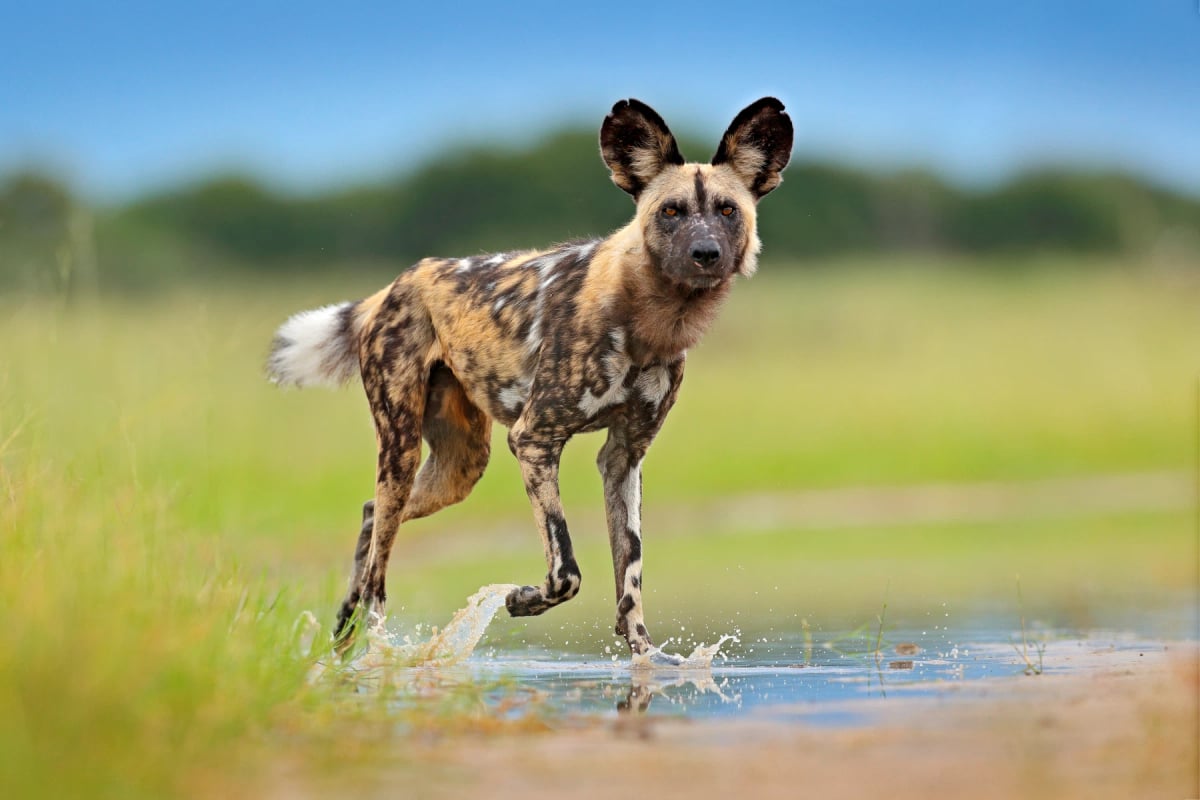
Wild Dog
Lycaon pictus
South Africa holds one of the more carefully managed wild dog populations on the continent, found mainly in Kruger National Park and a network of fenced reserves. Because their territories are so large, packs in smaller reserves are monitored closely and sometimes moved between sites to maintain healthy genetics. Conservation programs involving local communities have helped bring numbers back from a very low point in the twentieth century.
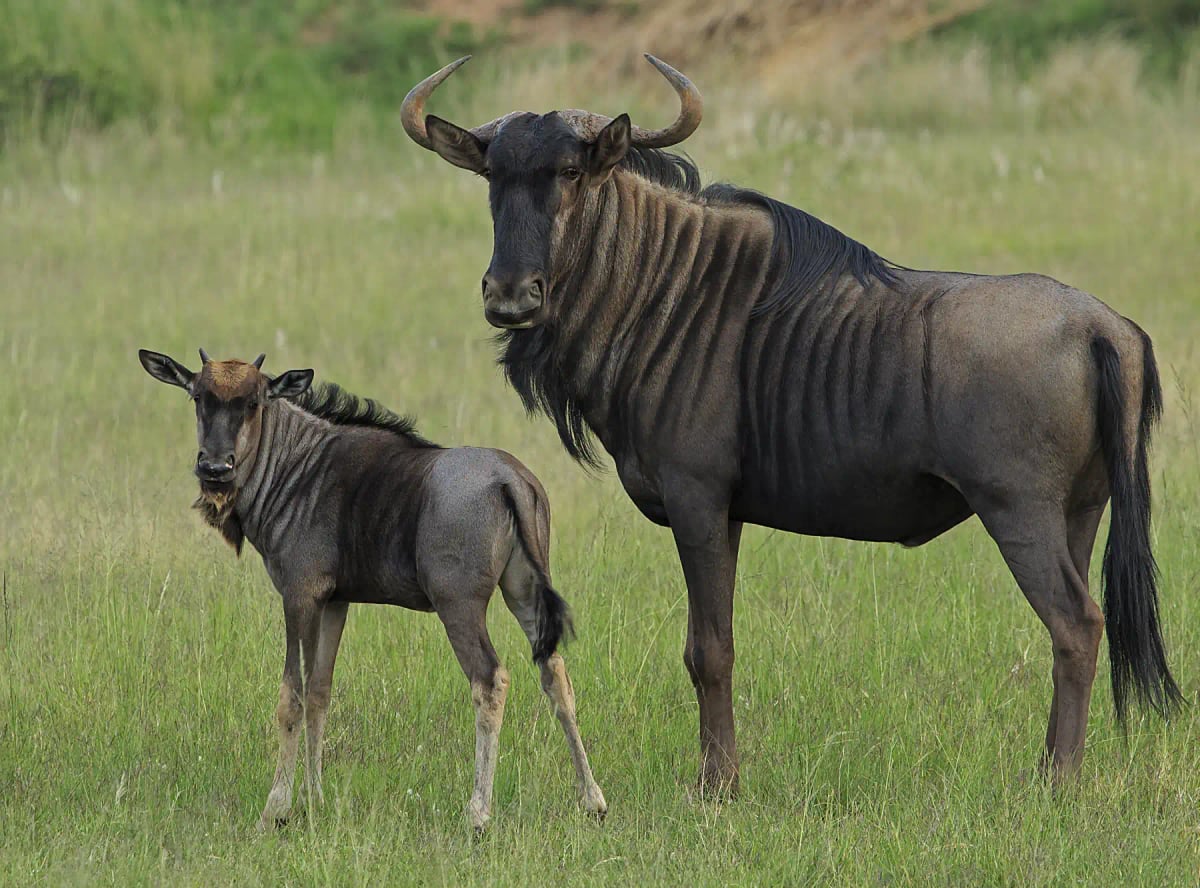
Wildebeest
Connochaetes spp.
South Africa is the only country where the black wildebeest lives in its native highland grasslands. Once nearly extinct due to hunting, it was saved through private and state conservation efforts and now numbers in the tens of thousands. The blue wildebeest also thrives here, especially in Kruger National Park. Both species carry a status of Least Concern, reflecting the success of decades of wildlife management.
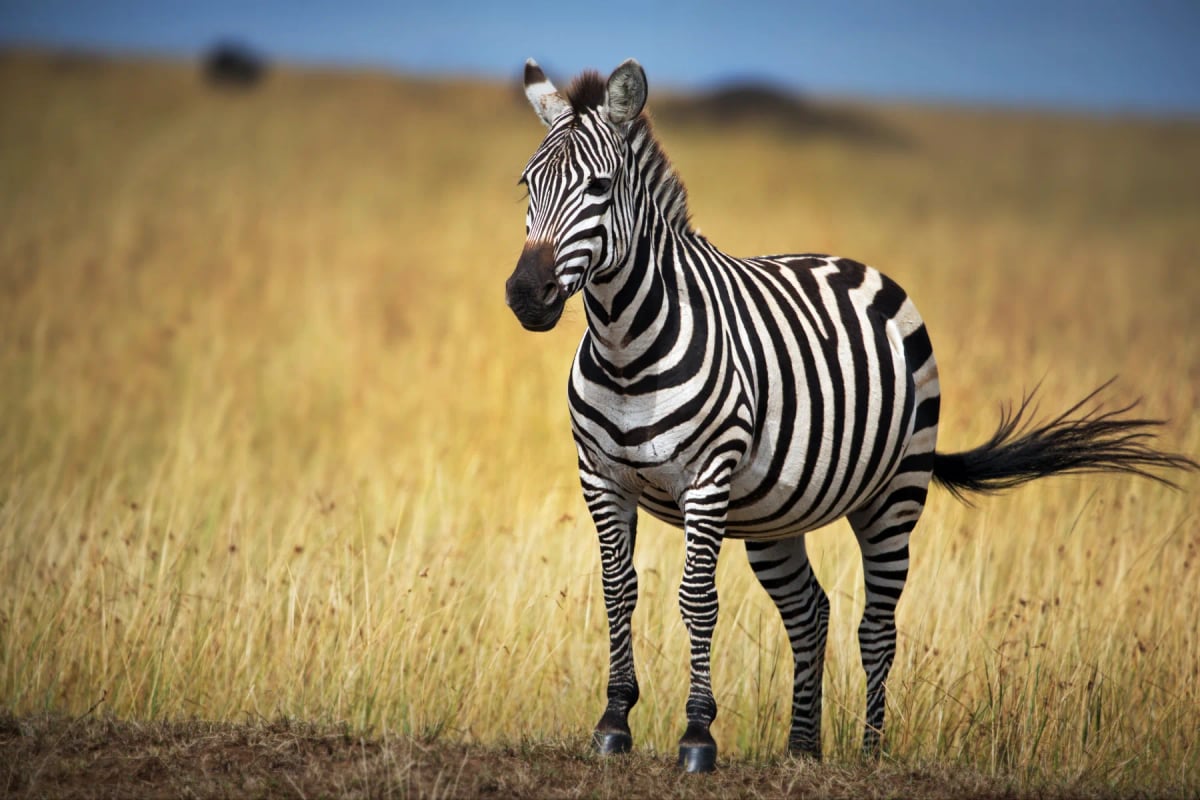
Zebra
Equus spp.
The plains zebra is one of South Africa's most familiar animals, commonly seen on game drives in Kruger and many other reserves, living in family groups led by a dominant stallion. South Africa also has the mountain zebra, a separate species found mainly in Mountain Zebra National Park in the Eastern Cape and parts of the Karoo, where it was nearly hunted to extinction before strict protection allowed it to recover.
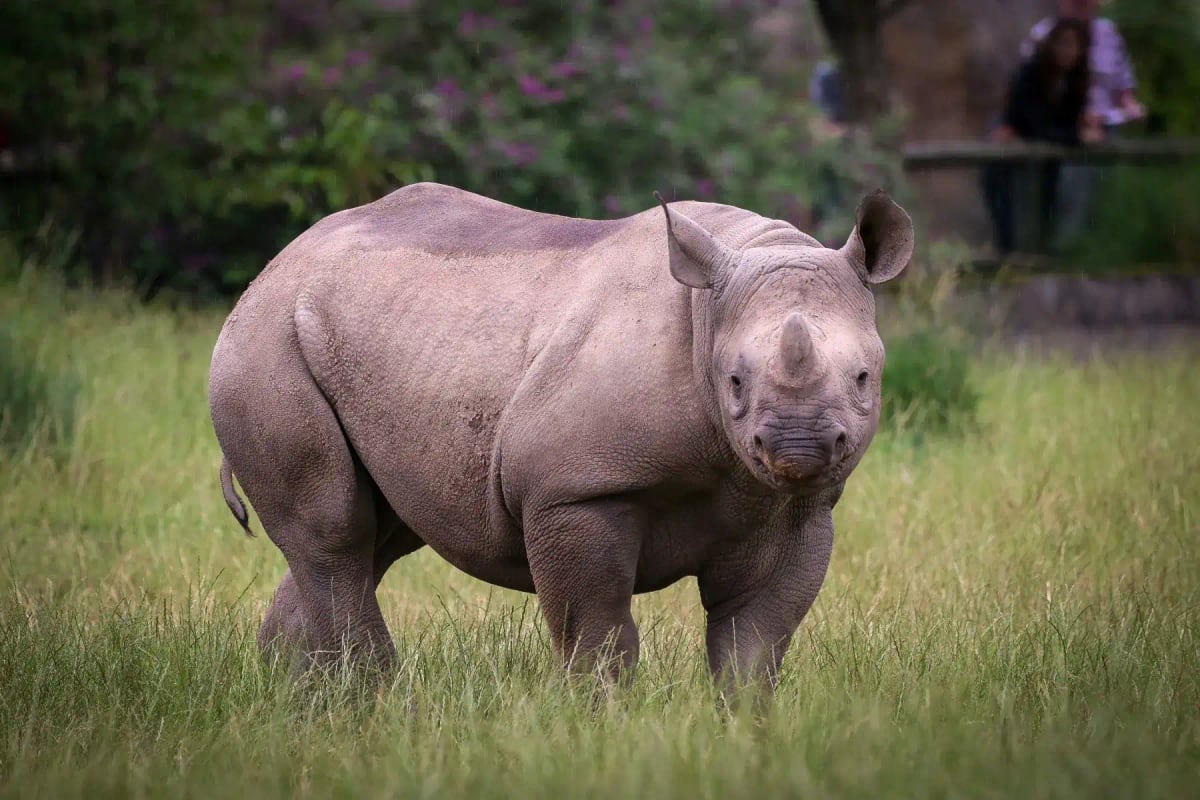
Black Rhinoceros
Diceros bicornis
South Africa supports a significant black rhinoceros population distributed across several protected areas, including Kruger National Park, Hluhluwe-iMfolozi Park, and a number of private reserves. The country manages intensive conservation programs involving translocations, dehorning in some areas, and robust anti-poaching units. SANParks and Ezemvelo KZN Wildlife oversee much of this work. South Africa also plays a central role in regional metapopulation management across southern Africa.
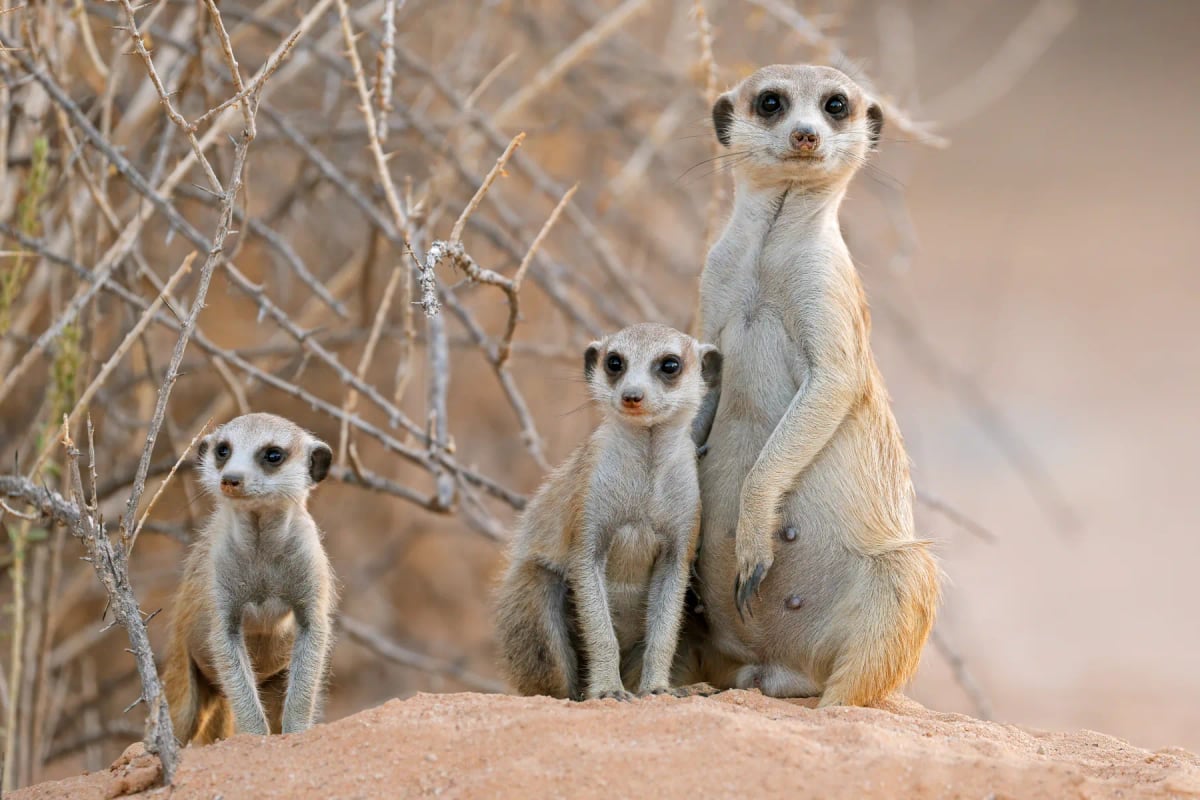
Meerkat
Suricata suricatta
In South Africa, meerkats are found mainly in the Kalahari and Karoo regions, where arid scrubland gives them ideal conditions for digging burrow networks and foraging. The Kalahari Meerkat Project, based in the Northern Cape, has studied wild meerkat families for decades. These social mammals are popular with wildlife tourists and are listed as Least Concern by the IUCN across their range.
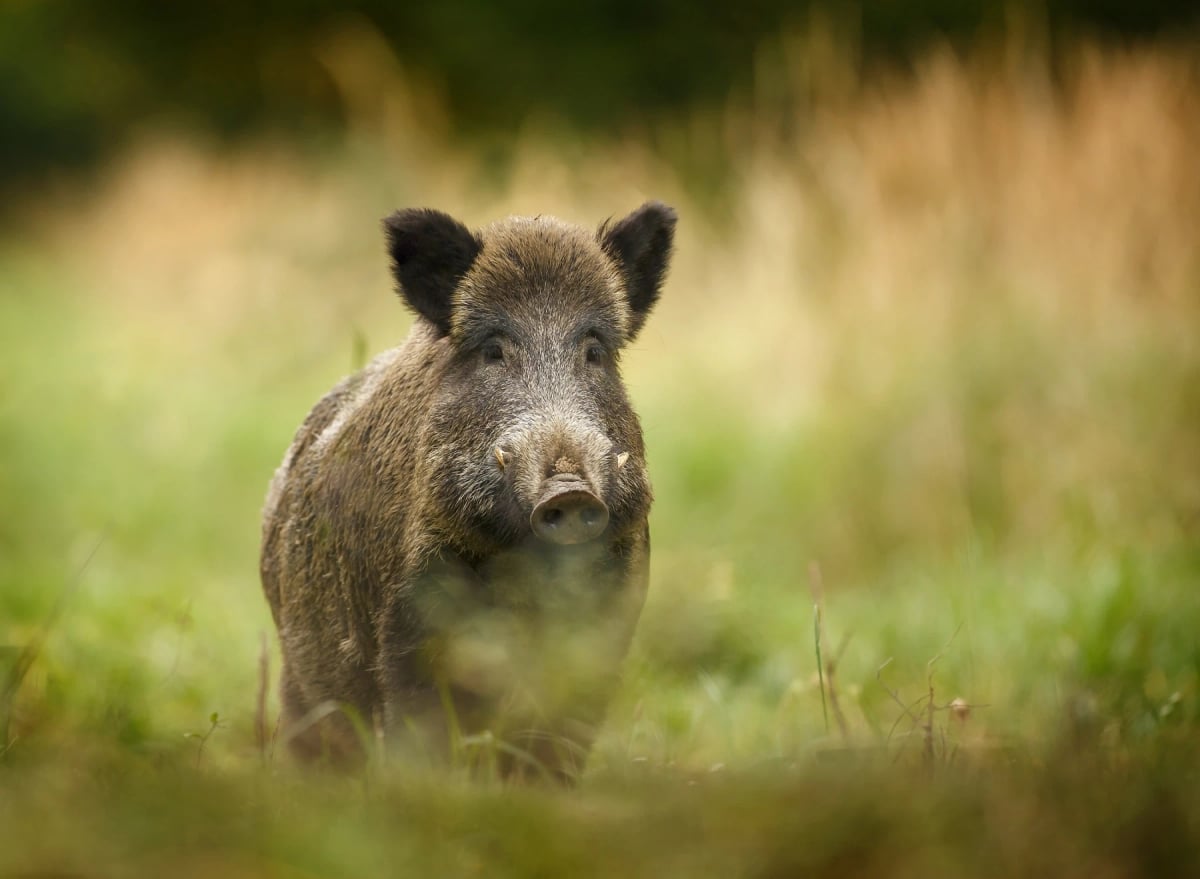
Wild Boar
Sus scrofa
Feral populations of wild boar exist in parts of South Africa, particularly the Western Cape, where Eurasian wild boars were introduced in the early twentieth century to control pine moth caterpillars in forestry plantations. These populations have persisted and hybridized with escaped domestic pigs over the decades. Listed as an invasive species, they damage vineyards, crops and natural vegetation, and should not be confused with the warthog or bushpig, South Africa's true native wild pigs.
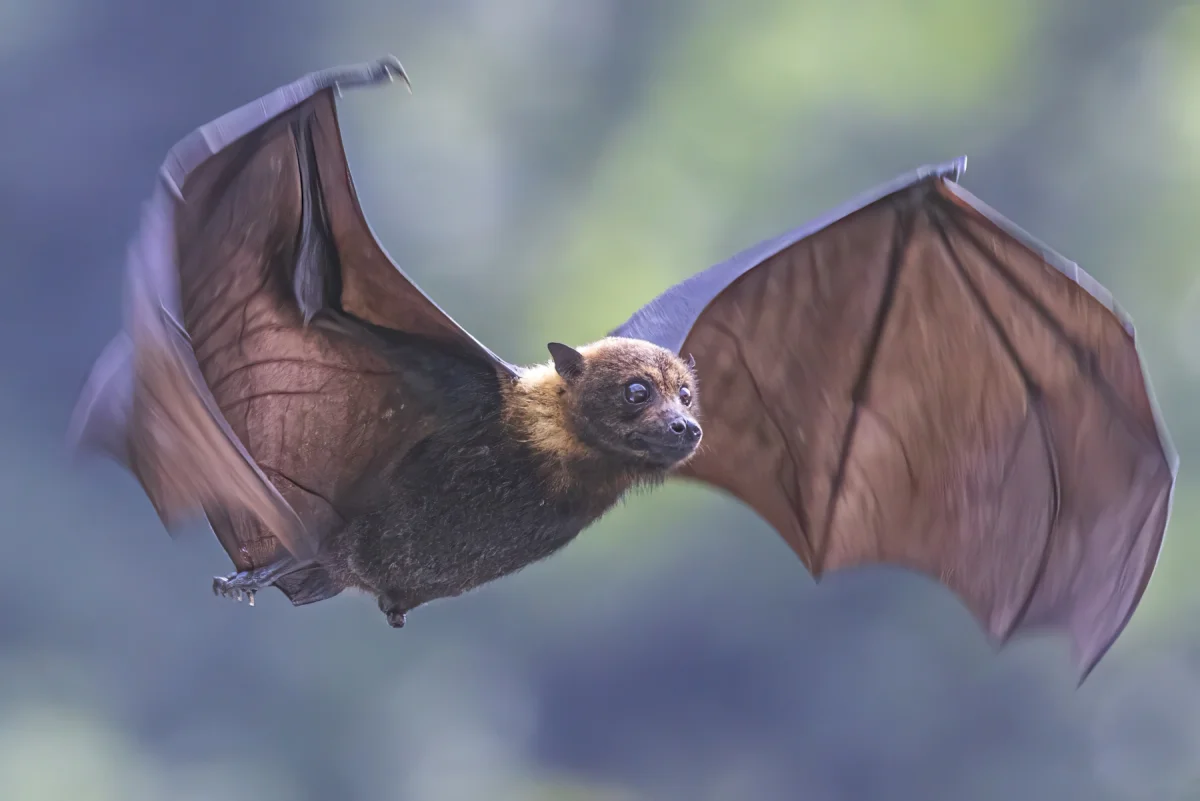
Fruit Bat
Pteropodidae
In South Africa, the Egyptian fruit bat is the most commonly encountered species, roosting in caves and mine shafts across the Limpopo and Mpumalanga provinces. They feed on wild figs, marula fruits, and other native trees. Their roosting sites in caves sometimes overlap with those of other bat species. Conservation groups monitor colonies in protected areas to track population health and protect these important pollinators and seed dispersers.
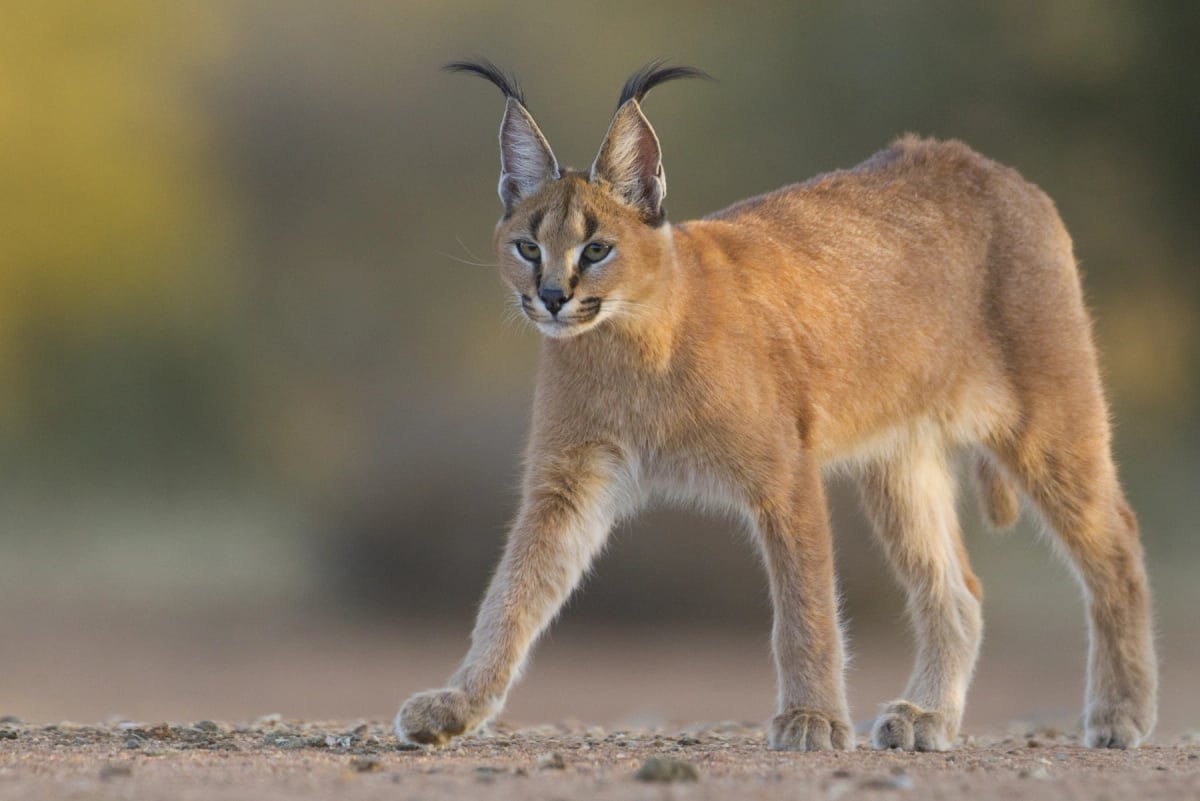
Caracal
Caracal caracal
South Africa holds one of the most robust caracal populations on the continent. The species thrives in the Karoo, fynbos shrublands, and savanna regions, and is also found in areas close to human settlement. It is frequently persecuted by farmers due to predation on livestock, particularly small stock. Despite this pressure, the IUCN rates it as Least Concern. Adults stand up to 50 cm at the shoulder and are agile, versatile hunters.
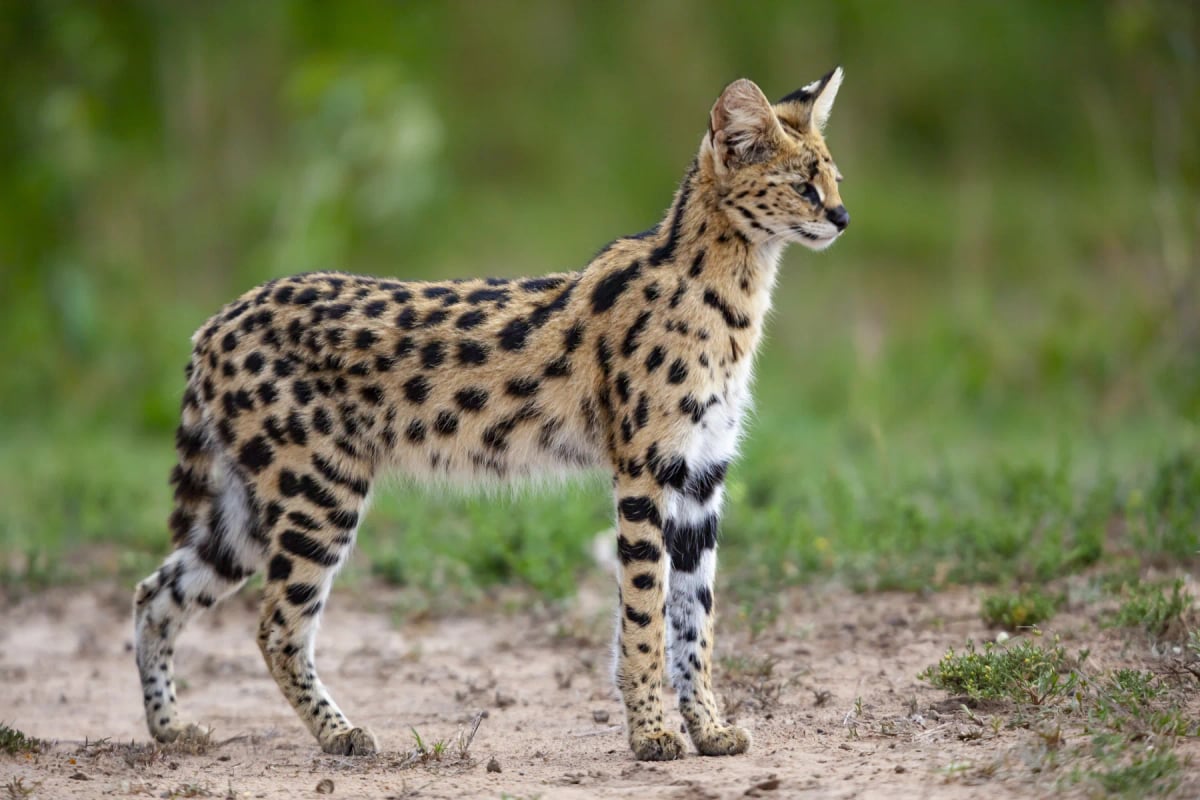
Serval
Leptailurus serval
In South Africa, servals are most common in KwaZulu-Natal and the Limpopo region, where wetlands and moist grasslands provide ideal hunting grounds. They have also been reintroduced to several private game reserves. Though listed as Least Concern by the IUCN, they face pressure from trapping and the illegal pet trade. Their ability to leap nearly 3 meters makes them remarkably effective hunters of rodents and birds.
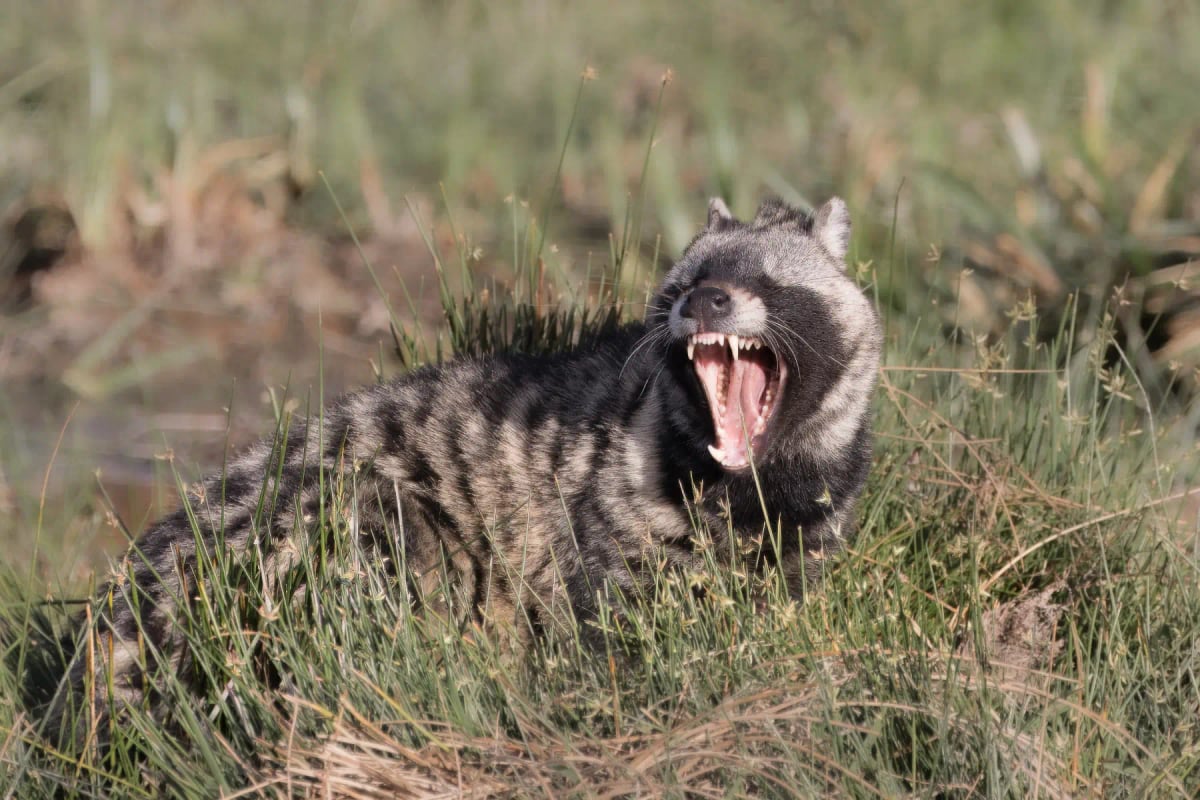
African Civet
Civettictis civetta
The African civet is restricted to South Africa's northeast, in the bushveld and woodland zones of Limpopo and KwaZulu-Natal and in Kruger National Park. It does not occur in the Western Cape, the Karoo or the arid west. Night drives in Kruger regularly produce sightings as civets patrol roads and river edges after dark. Their spotted coat and low, deliberate movement make them easy to identify in headlights.
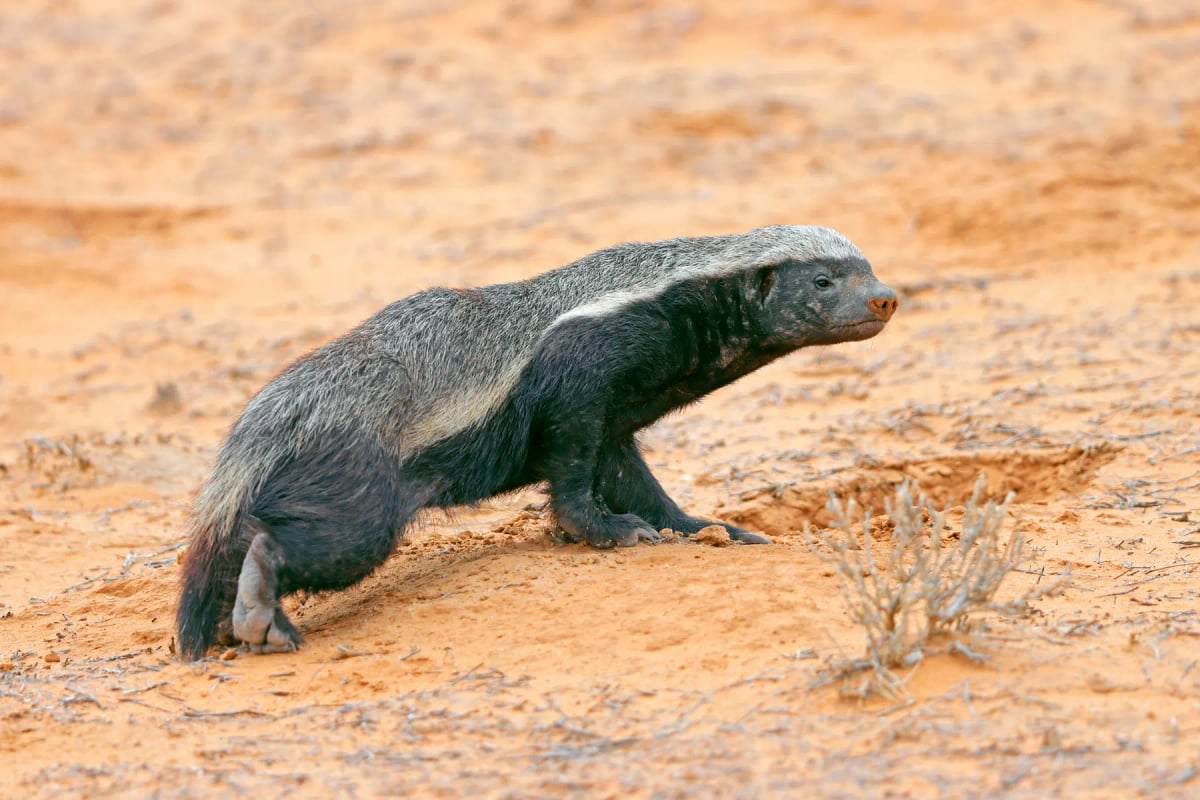
Honey Badger
Mellivora capensis
The honey badger is found across most of South Africa in a wide range of habitats, from the Kalahari desert to bushveld and coastal scrub. It is famously fearless and will confront animals much larger than itself, including lions and leopards, when threatened. It feeds on a wide variety of prey including rodents, snakes, scorpions, bee larvae and roots, and its thick loose skin provides protection against bites and stings. It is one of the most adaptable and resilient small carnivores in Africa and is regularly seen on night drives in Kruger.
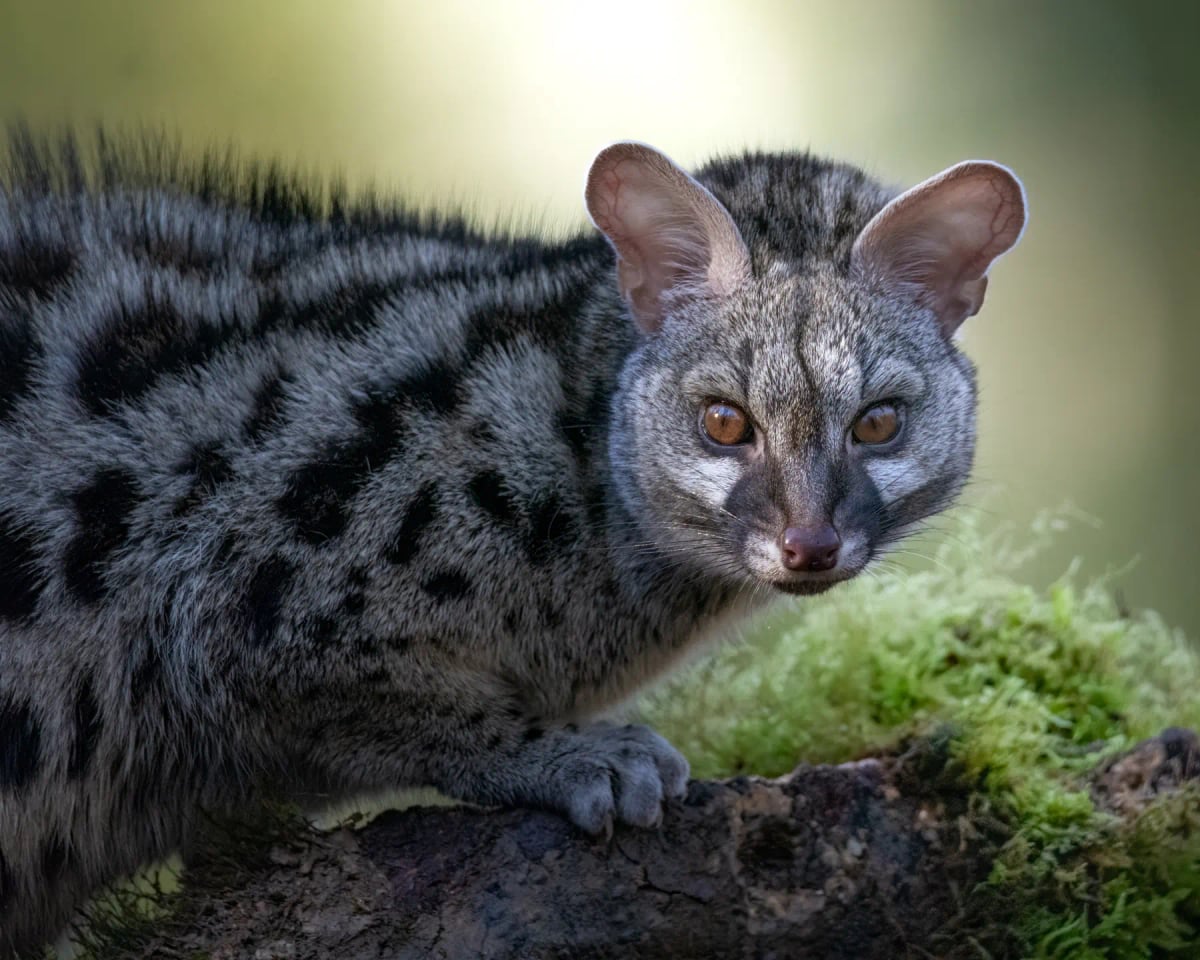
Common Genet
Genetta genetta
The common genet is found across much of South Africa, from the bushveld of Limpopo to the fynbos edges of the Western Cape. It favors dense riverine thickets and rocky outcrops where it can rest during the day. Strictly nocturnal, it preys on rodents, birds, and insects. Its IUCN status is Least Concern, and it remains relatively common throughout the country.
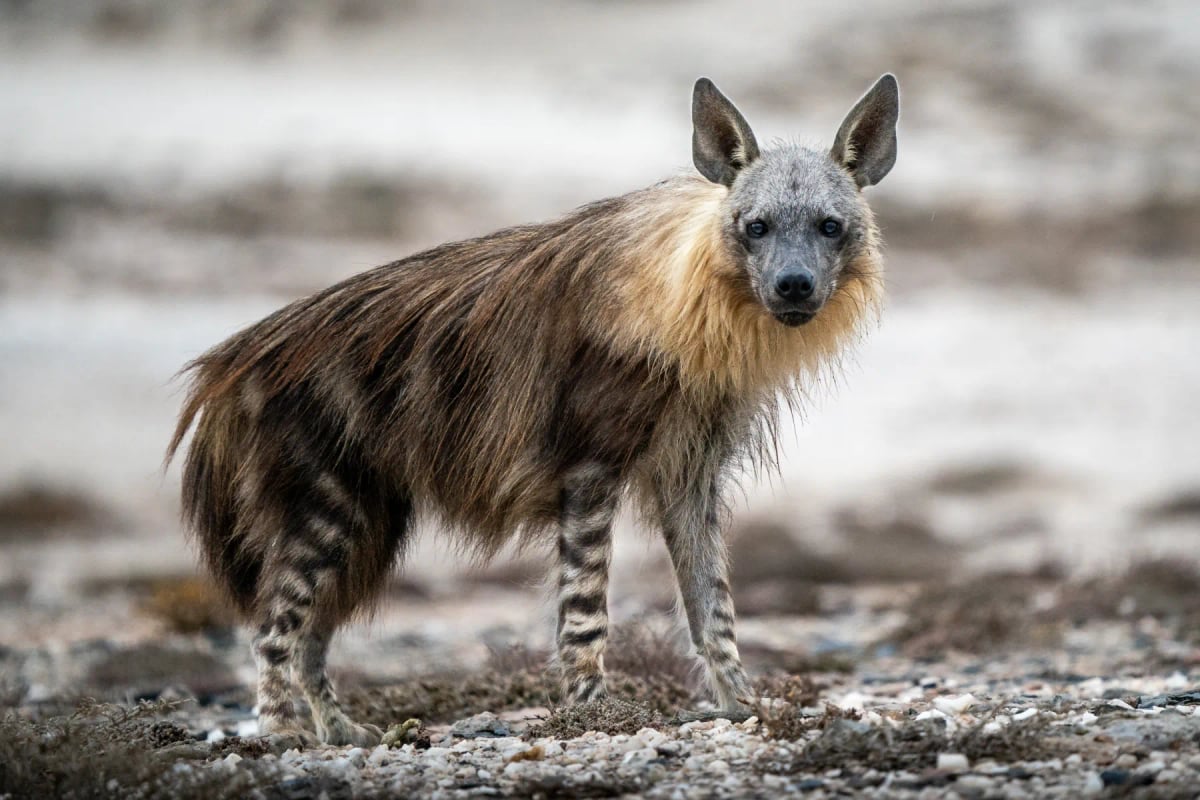
Brown Hyena
Parahyaena brunnea
South Africa holds one of the most significant brown hyena populations on the continent, with strongholds in the Kalahari Gemsbok region and the Kruger to Canyons biosphere. This scavenger thrives across arid and semi-arid savanna, covering vast territories each night in search of carrion. Conflict with farmers remains the greatest threat, as individuals are frequently poisoned or trapped near livestock areas. The IUCN lists it as Near Threatened.
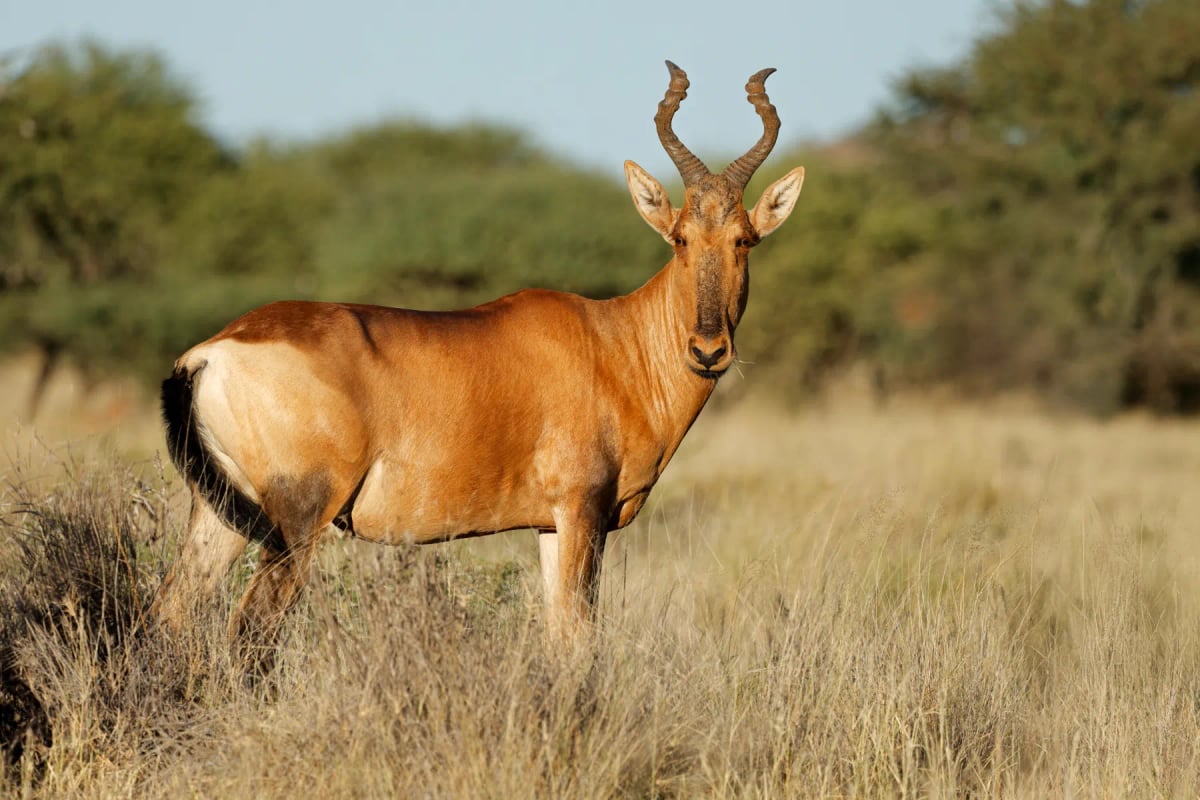
Hartebeest
Alcelaphus buselaphus
South Africa is home to the red hartebeest, a subspecies found across the Karoo, Kalahari, and northern savanna regions. It is well established in reserves such as Kruger National Park and the Kgalagadi Transfrontier Park. Once heavily reduced by hunting, populations have recovered strongly thanks to conservation efforts and reintroductions on private game farms. The red hartebeest is one of the more common large antelopes in the country and is listed as Least Concern.
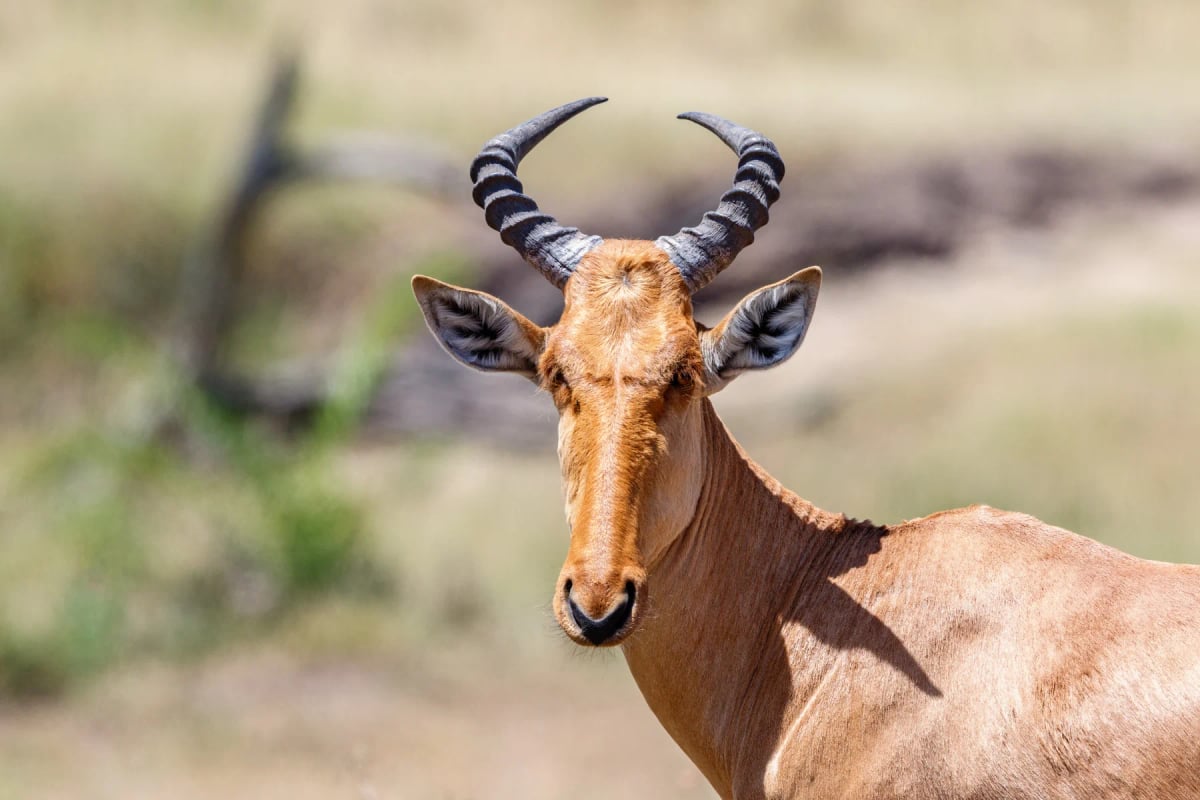
Topi
Damaliscus lunatus
The topi has a very limited presence in South Africa, restricted to areas in the far north near the border with Zimbabwe and Mozambique. This sits at the southernmost edge of the species' natural range. Grassland loss and land use changes have reduced suitable habitat over the decades. Where small populations do persist, they depend on protected areas and well-managed conservation land to survive. IUCN status: Least Concern.
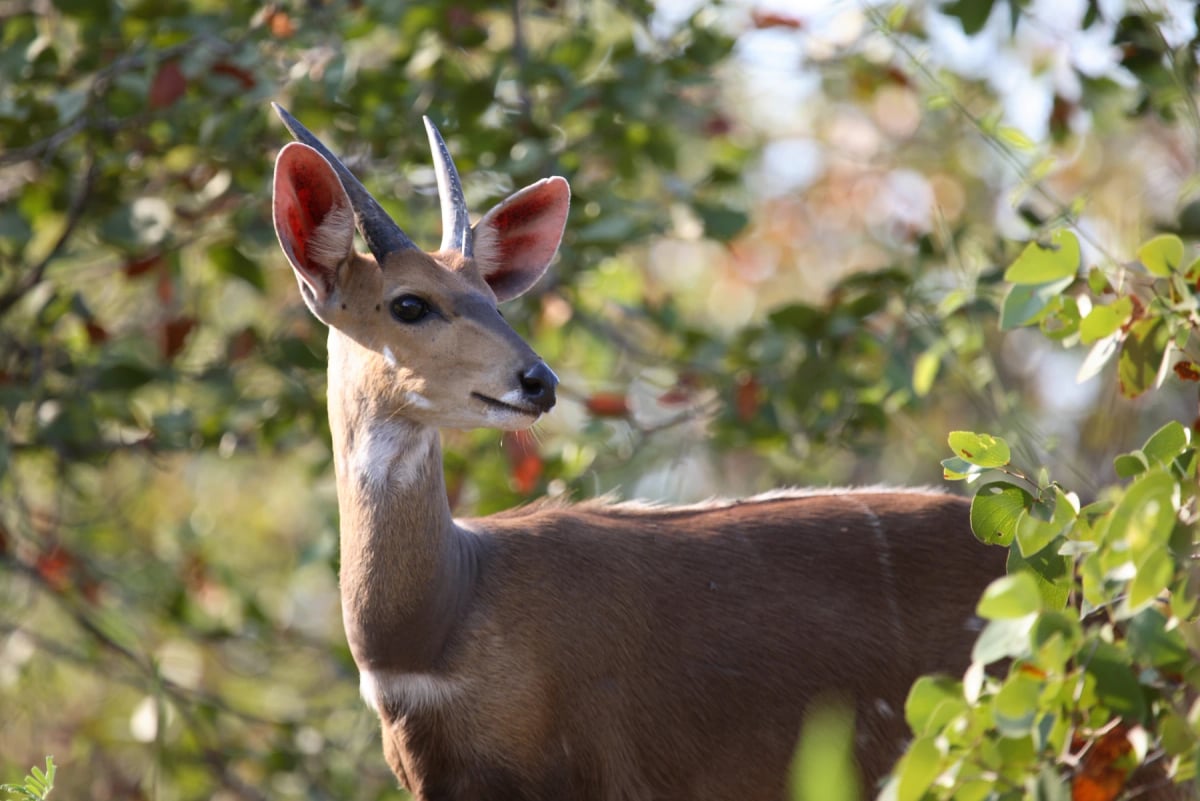
Bushbuck
Tragelaphus scriptus
South Africa supports bushbuck populations primarily in the eastern woodlands, coastal forests, and grasslands adjacent to watercourses. These antelope prefer areas with dense, protective vegetation where they can hide from predators and humans. Their distinctive white spots and stripes vary between individuals and subspecies. Bushbucks are surprisingly aggressive when cornered and use their sharp horns and hooves as defense. They feed selectively on nutritious leaves and fruits.
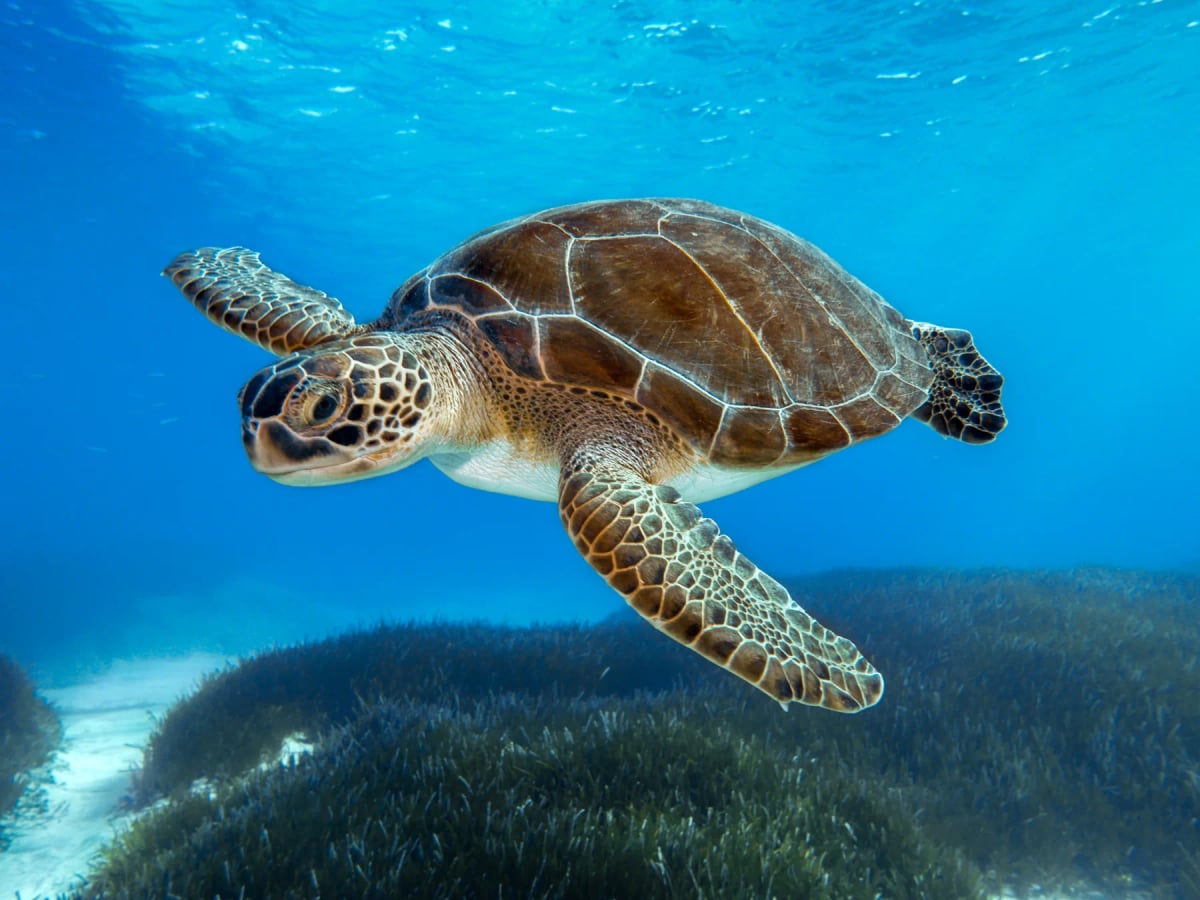
Sea Turtle
Cheloniidae & Dermochelyidae (families)
South Africa holds one of the most significant sea turtle nesting areas in the southern hemisphere along the KwaZulu-Natal coast, within and around the iSimangaliso Wetland Park. Loggerhead and leatherback turtles nest on beaches north of St Lucia between November and January, with loggerheads as the dominant species. A monitoring program running since the 1960s has tracked nesting females across generations, making this one of the most thoroughly documented sea turtle populations in the world.
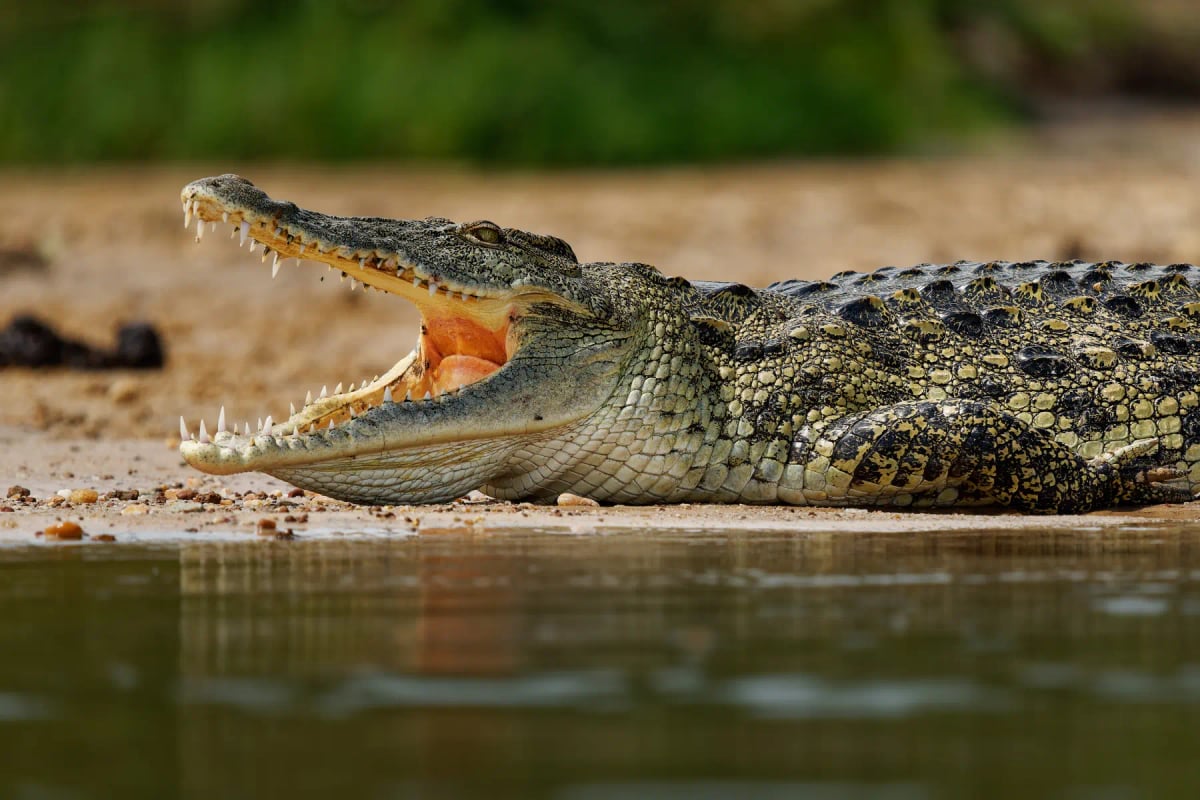
Nile Crocodile
Crocodylus niloticus
In South Africa, Nile crocodiles are most abundant in the rivers and lakes of KwaZulu-Natal, including Lake St Lucia within the iSimangaliso Wetland Park, a UNESCO World Heritage Site. They are also present in the Limpopo and Crocodile rivers further north. South Africa's well-managed conservation areas have helped maintain stable populations. The IUCN rates the species as Least Concern, and iSimangaliso remains one of the finest places in the country to observe these remarkable reptiles.
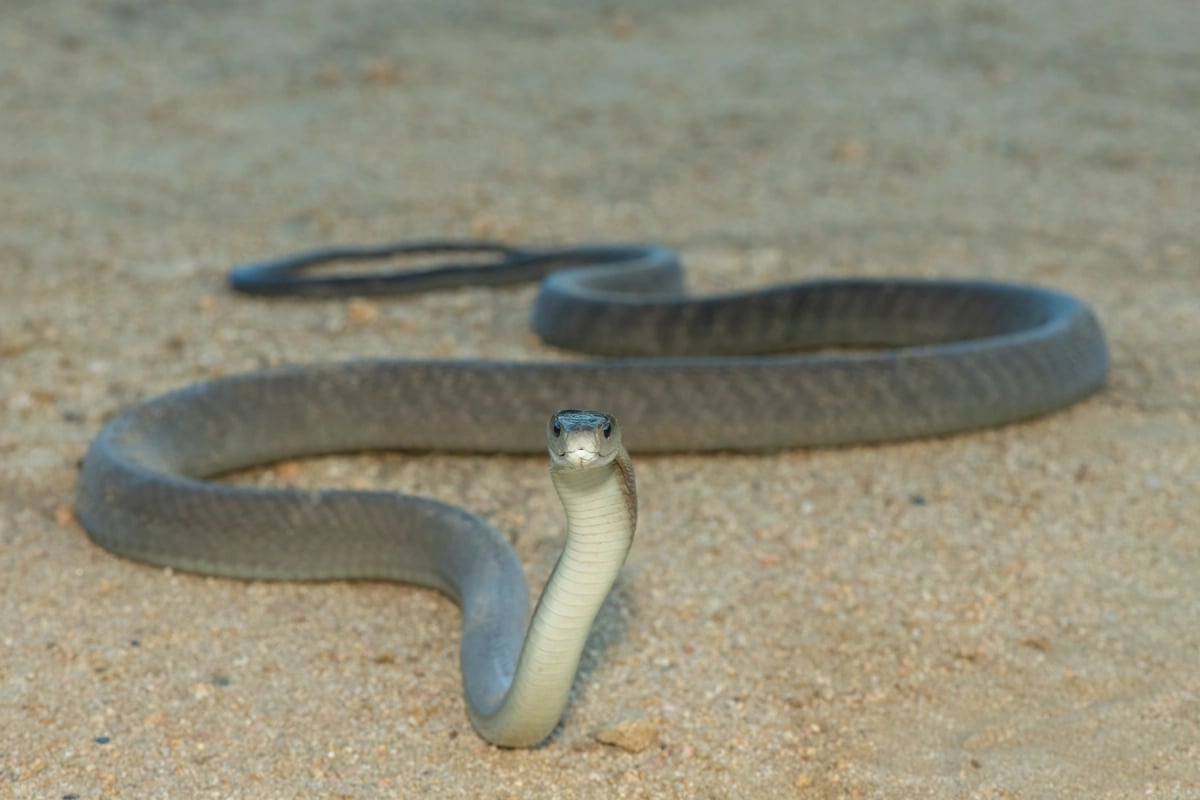
Black Mamba
Dendroaspis polylepis
South Africa hosts the black mamba across a wide range of habitats, from the bushveld of Limpopo and Mpumalanga to the rocky slopes of KwaZulu-Natal. It is widely regarded as one of the country's most feared snakes, though it avoids confrontation when possible. South Africa has a well-developed antivenom network, which has significantly improved outcomes for bite victims over recent decades. IUCN status: Least Concern.
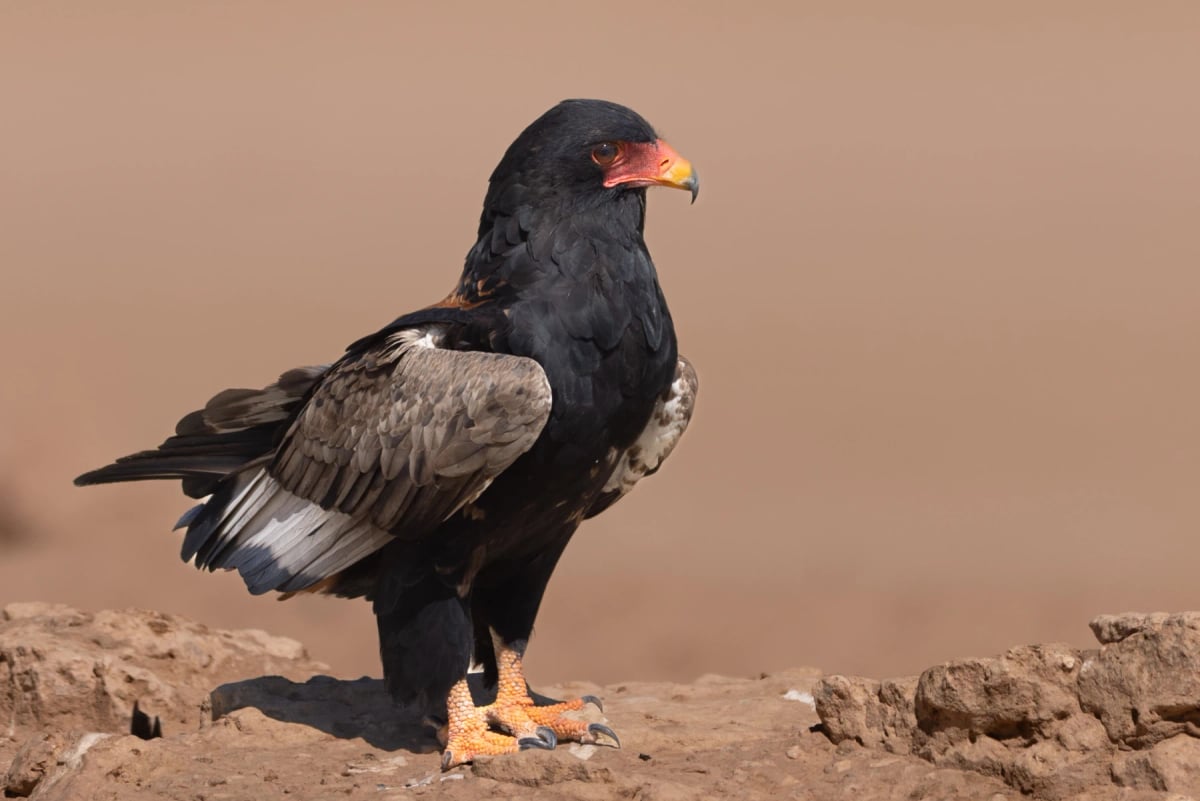
Bateleur
Terathopius ecaudatus
In South Africa, the Bateleur is most regularly seen in Kruger National Park and the surrounding lowveld, where open woodland and savanna provide ideal hunting conditions. Once more widespread, its numbers have declined sharply due to poisoning, power line collisions, and habitat degradation. It is classified as Endangered, and conservation efforts within protected areas remain vital to its survival in the country.
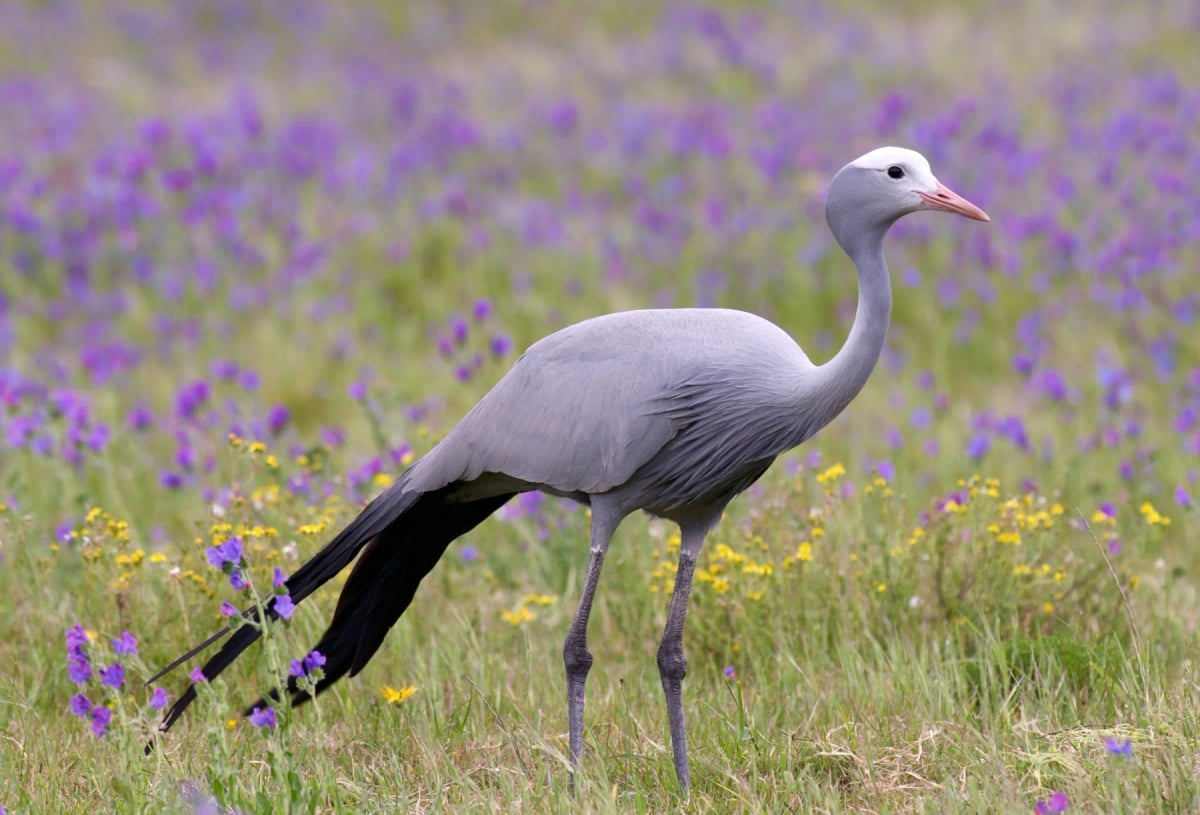
Blue Crane
Anthropoides paradiseus
South Africa's national bird, the Blue Crane is found across open grasslands, Karoo shrublands and cultivated farmland. Standing about one meter tall, it displays pale blue grey plumage and long inner wing feathers that drape to the ground. The global population of 25,000 to 30,000 individuals is concentrated almost entirely here. The IUCN lists it as Vulnerable, with power line collisions and agricultural intensification posing the greatest threats.
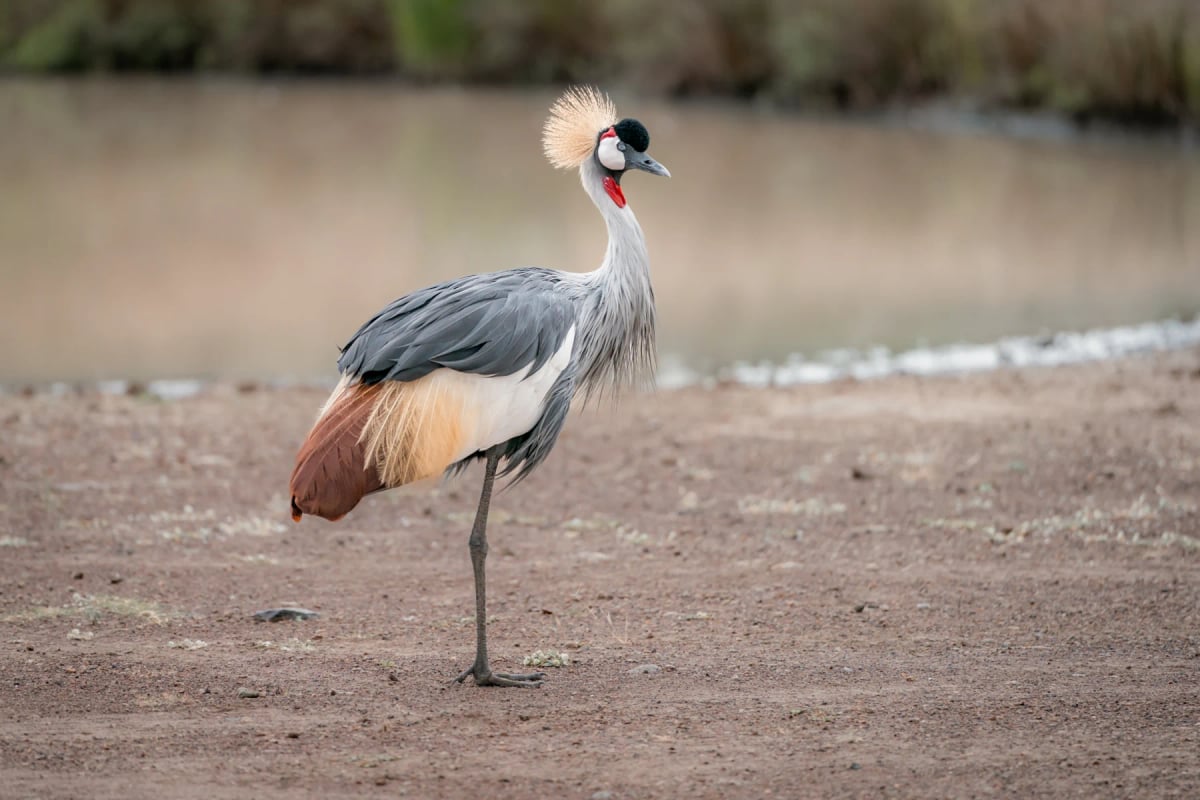
Grey Crowned Crane
Balearica regulorum
In South Africa, the Grey Crowned Crane is found mainly in KwaZulu-Natal, the Eastern Cape, and parts of the Highveld, where grasslands and wetlands meet. It is a familiar bird on farms, often seen walking through fields in search of seeds, insects, and small frogs. South Africa has an active conservation community working to protect this species, including programs focused on reducing power line collisions. It holds Endangered status globally and is also protected under South African law.
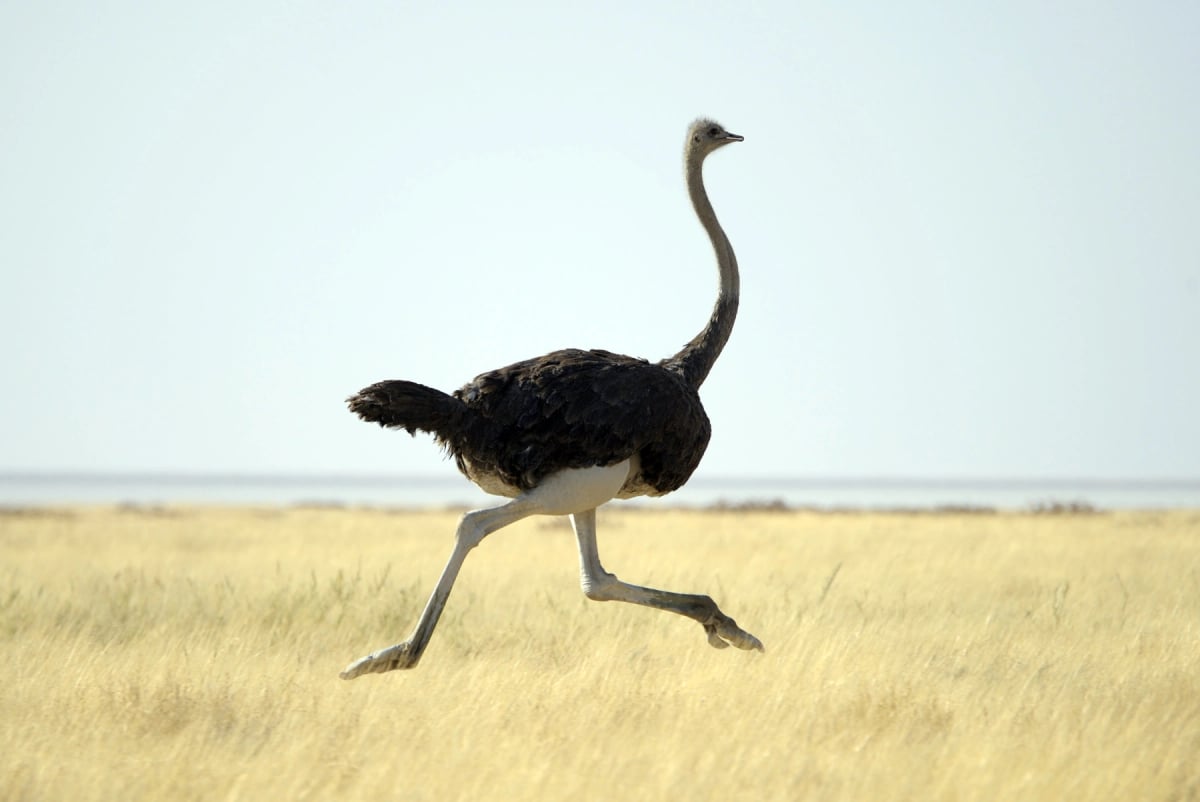
Ostrich
Struthio camelus
South Africa is one of the most important countries in the world for ostriches, both in the wild and in farming. The Little Karoo region around Oudtshoorn is the global centre of ostrich farming, producing feathers, leather, and meat. Wild ostriches roam the Karoo, Kalahari, and Kruger National Park. Standing up to 2.8 metres tall and running at 70 kilometres per hour, they are a striking presence across the country's open landscapes.
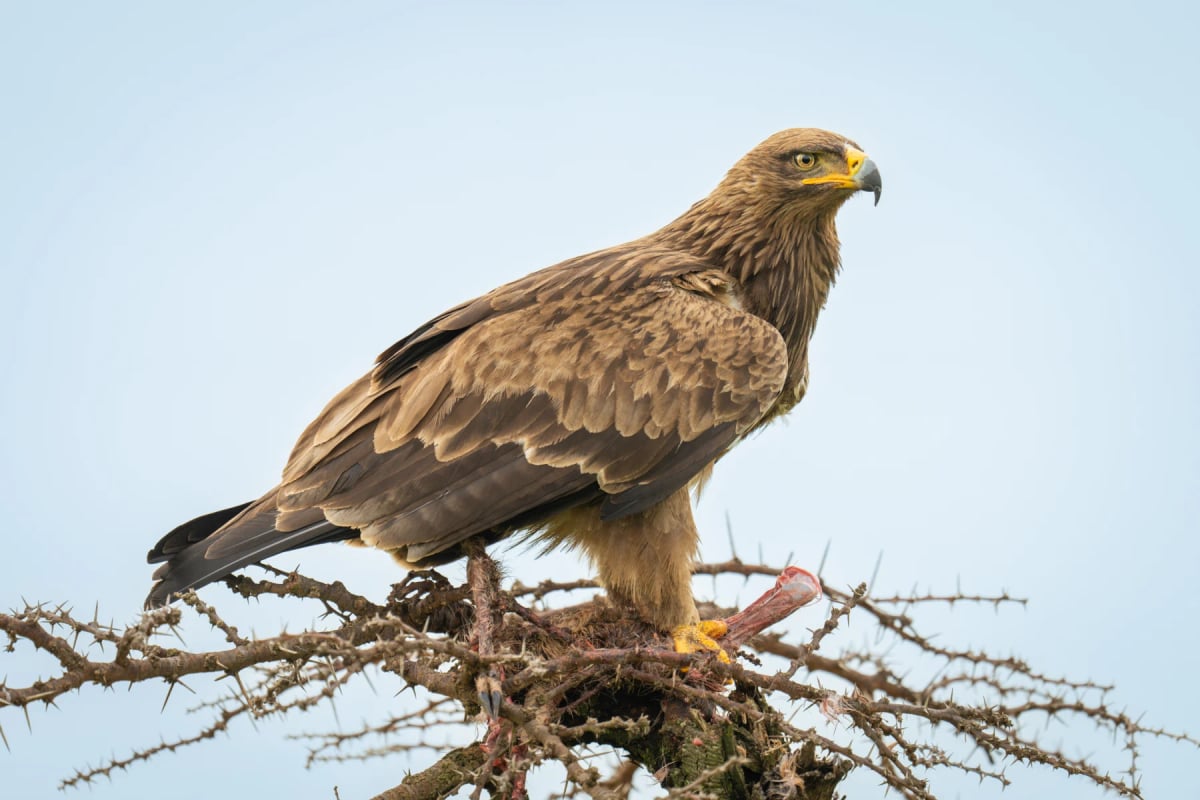
Steppe Eagle
Aquila nipalensis
The Steppe Eagle visits South Africa as a non-breeding migrant, appearing mainly in the northern and eastern regions during the austral summer. It favours open grasslands and savanna, often gathering near termite emergences or animal carcasses alongside vultures. Classified as Endangered by the IUCN, with a global population of around 30,000, this eagle faces serious threats from electrocution on power lines and poisoning across its vast range.
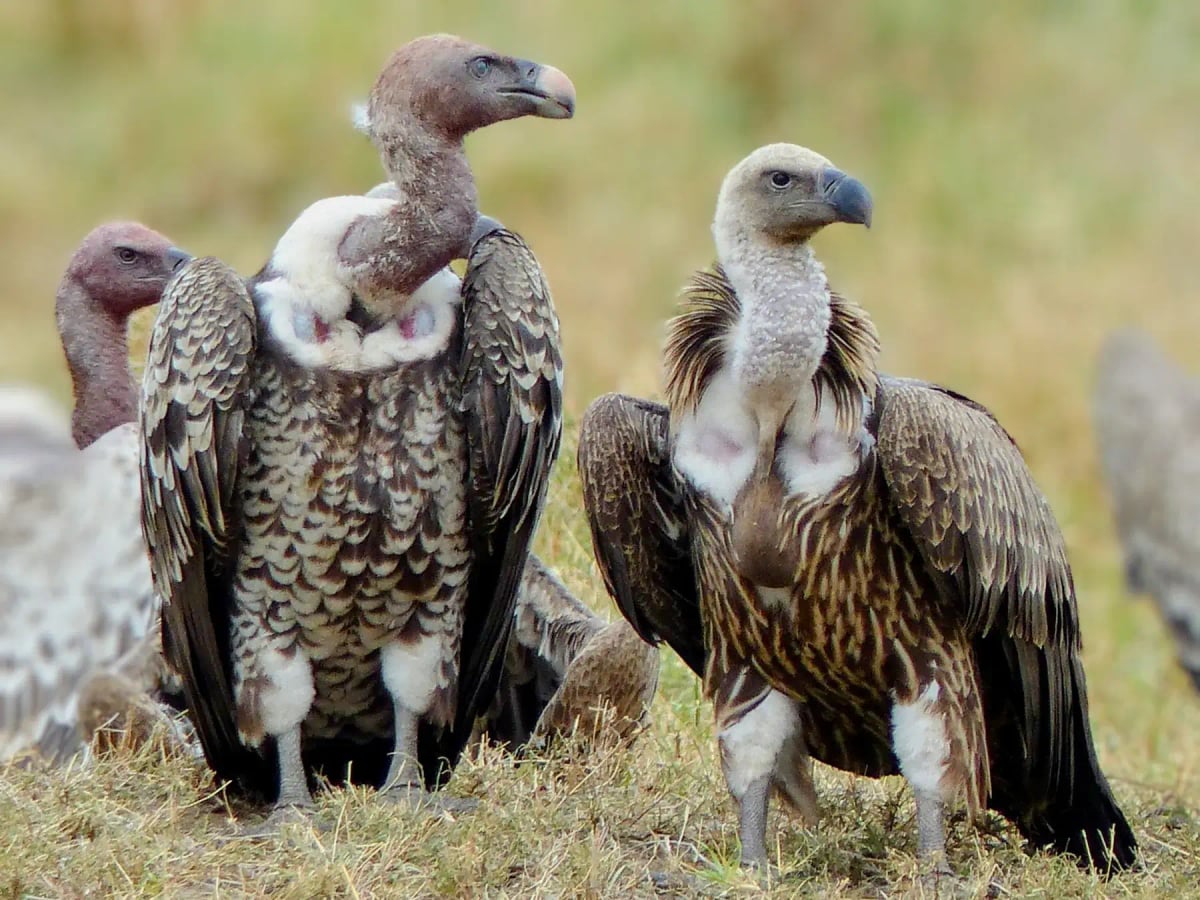
White backed Vulture
Gyps africanus
South Africa holds one of the most important breeding populations of white backed vultures on the continent, centred largely in Kruger National Park and the Limpopo region. The Vulture Conservation Programme and dedicated restaurant sites, known as vulture restaurants, provide supplementary food to support struggling populations. Classified as critically endangered, the species faces poisoning, electrocution on power lines, and demand from traditional medicine markets.
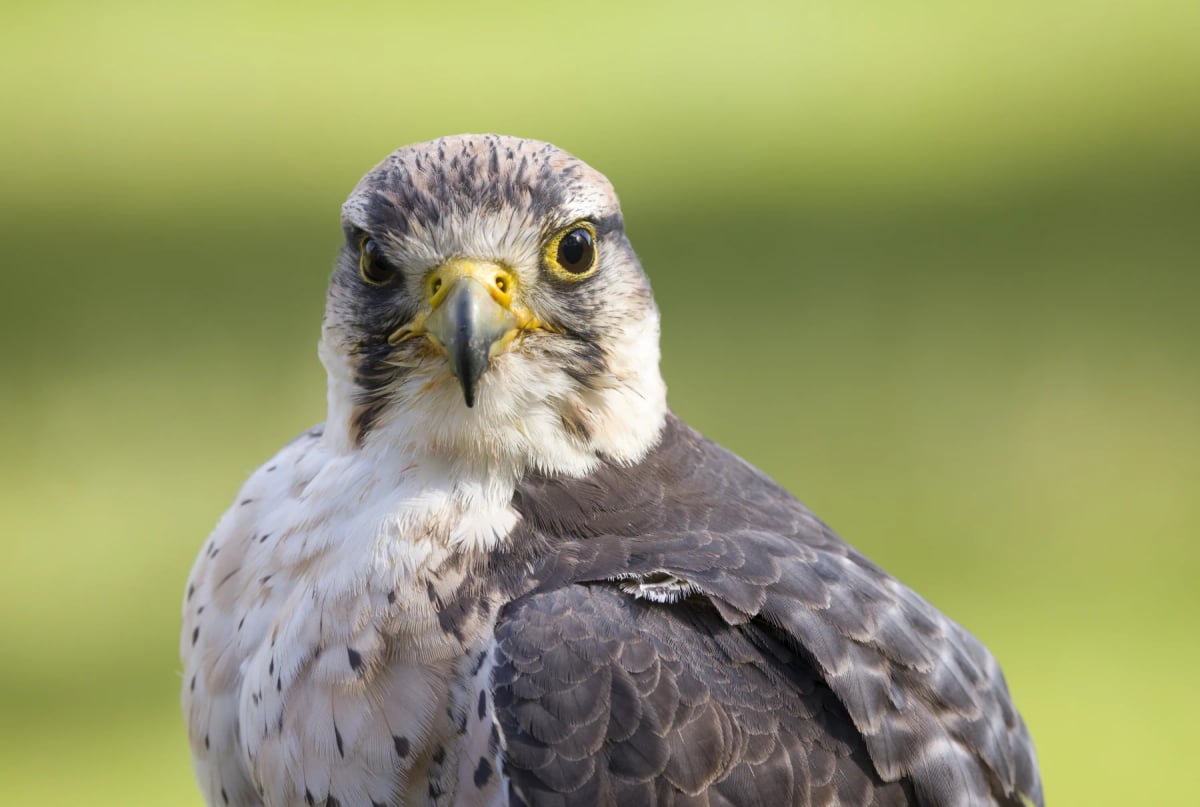
Lanner Falcon
Falco biarmicus
South Africa holds one of the stronger lanner falcon populations on the continent. The bird is found across the Karoo, the Drakensberg foothills, and open bushveld, nesting on cliff ledges and occasionally on tall pylons. It is well known to South African birders and falconers alike. Electrocution on power lines remains a documented threat. The IUCN lists the species as Least Concern, and it is monitored through local raptor studies.
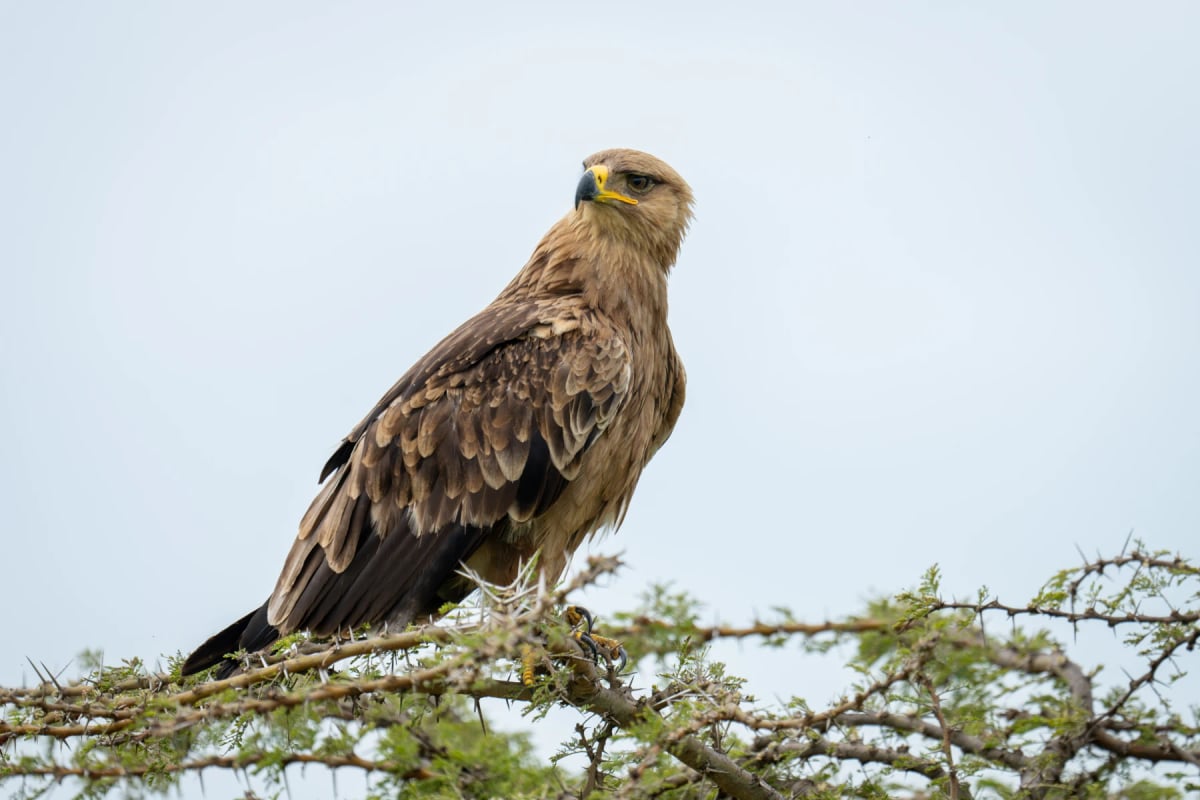
Tawny Eagle
Aquila rapax
In South Africa, the tawny eagle is found mainly in the drier northern regions, including areas within and around Kruger National Park, where open savanna provides ideal habitat. It has suffered notable declines here, partly due to poisoning events linked to the illegal wildlife trade targeting vultures. Electrocution on power lines is another significant threat. The IUCN classifies it as Vulnerable.
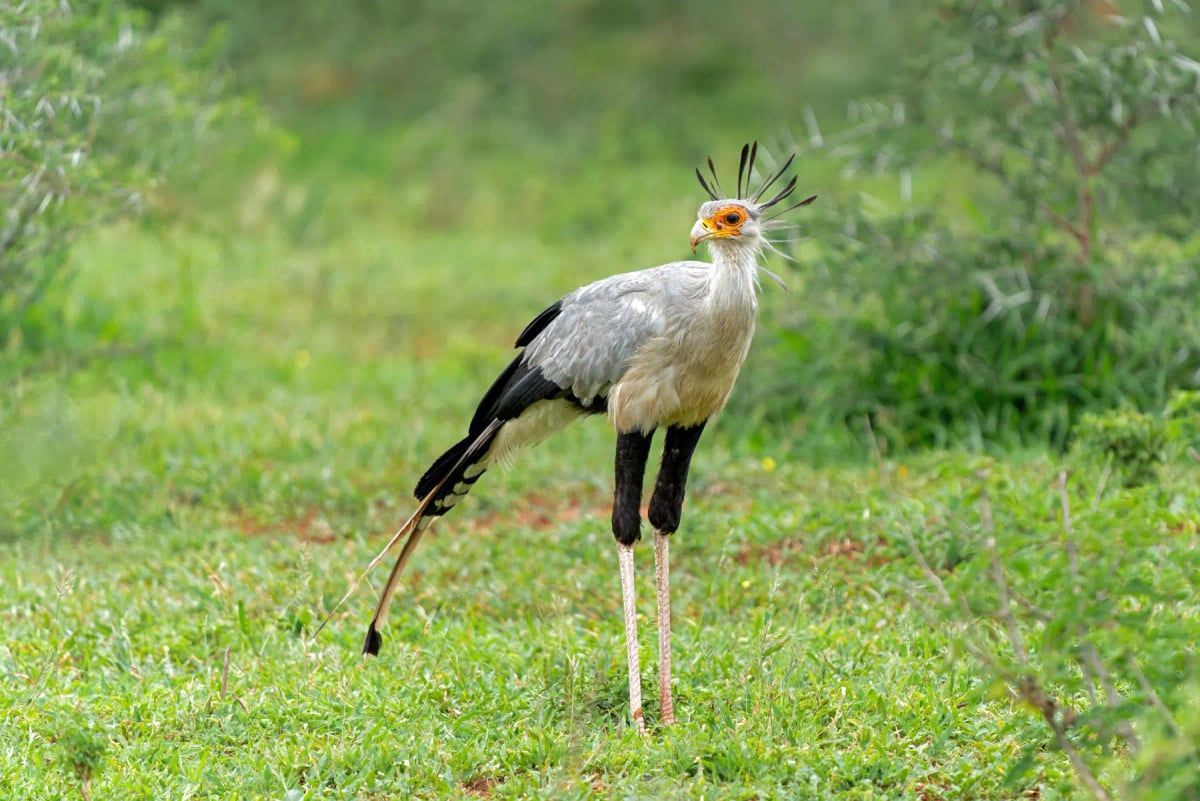
Secretary Bird
Sagittarius serpentarius
South Africa is one of the strongholds for the secretary bird, with populations present across the Highveld grasslands, Karoo, and the open savannas of Limpopo and the Northern Cape. It is a protected species under South African law. Despite this, the national population has declined sharply in recent decades due to habitat loss, and the IUCN now lists the species as Endangered.
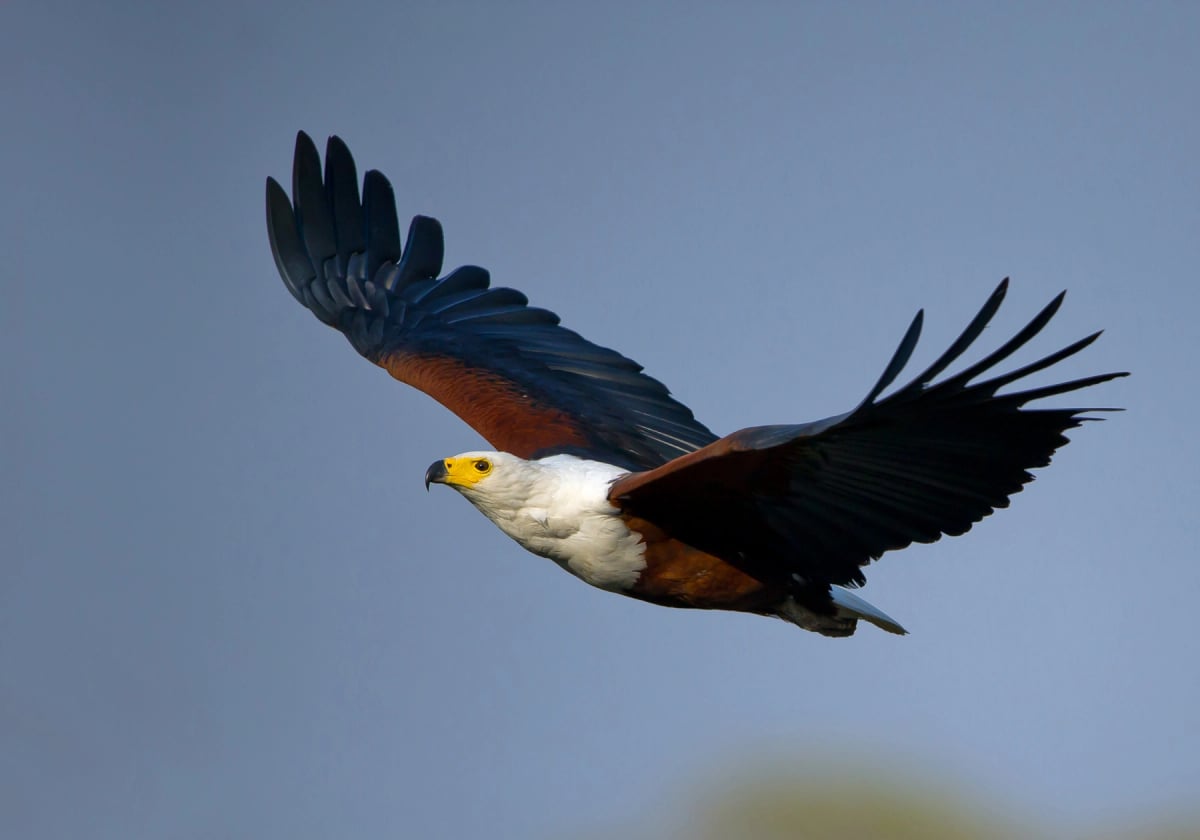
African Fish Eagle
Haliaeetus vocifer
The African fish eagle is one of the most recognizable birds in South Africa, famous for its loud and distinctive call that carries across rivers, lakes and wetlands. It is a large raptor that hunts by swooping low over water and snatching fish near the surface with its talons. It is found near permanent water bodies across the northern and eastern parts of the country, including Kruger, iSimangaliso and the rivers of Limpopo. Its white head, chestnut body and black wings make it unmistakable in the field.
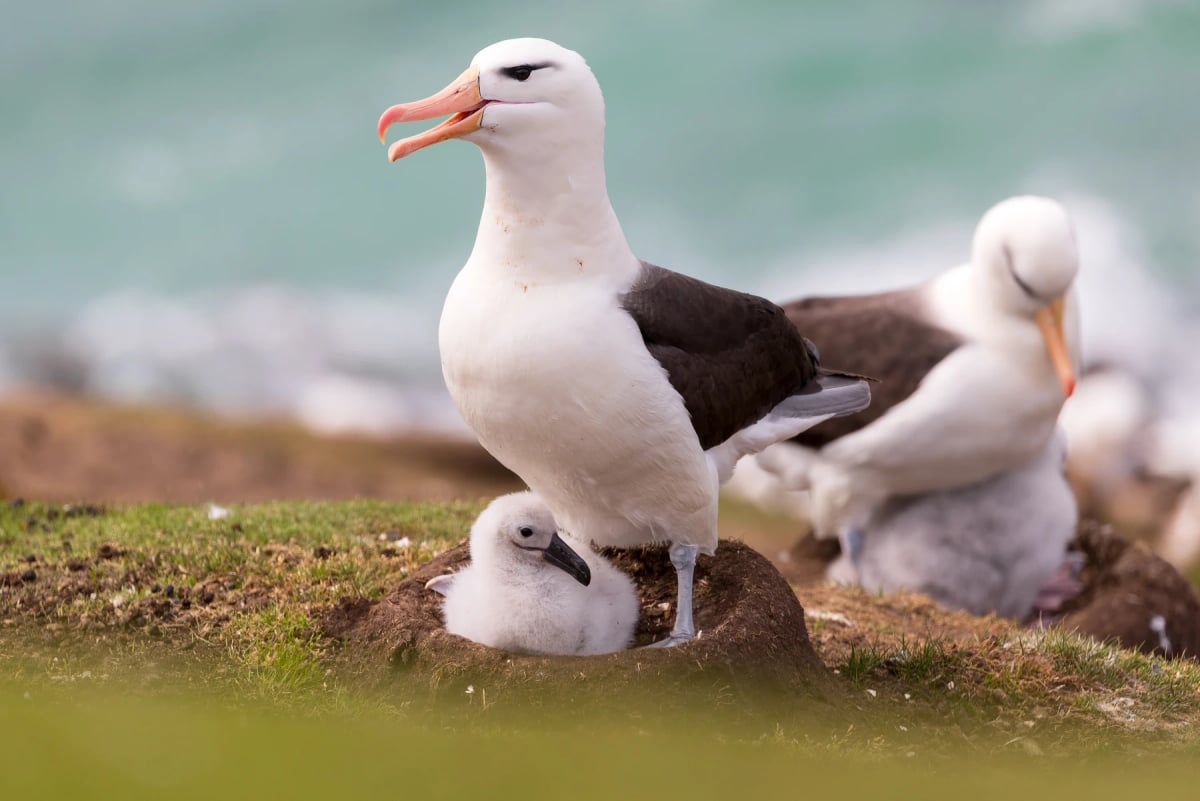
Black browed Albatross
Thalassarche melanophris
The black browed albatross is a regular visitor to South African waters, riding the cold Benguela Current along the western coast and the warmer Agulhas Current to the south and east. Seen frequently from Cape Town to Port Elizabeth, it forages far offshore for fish, squid, and krill. Bycatch from longline fishing fleets operating in South African waters remains one of the most serious threats to this species here.
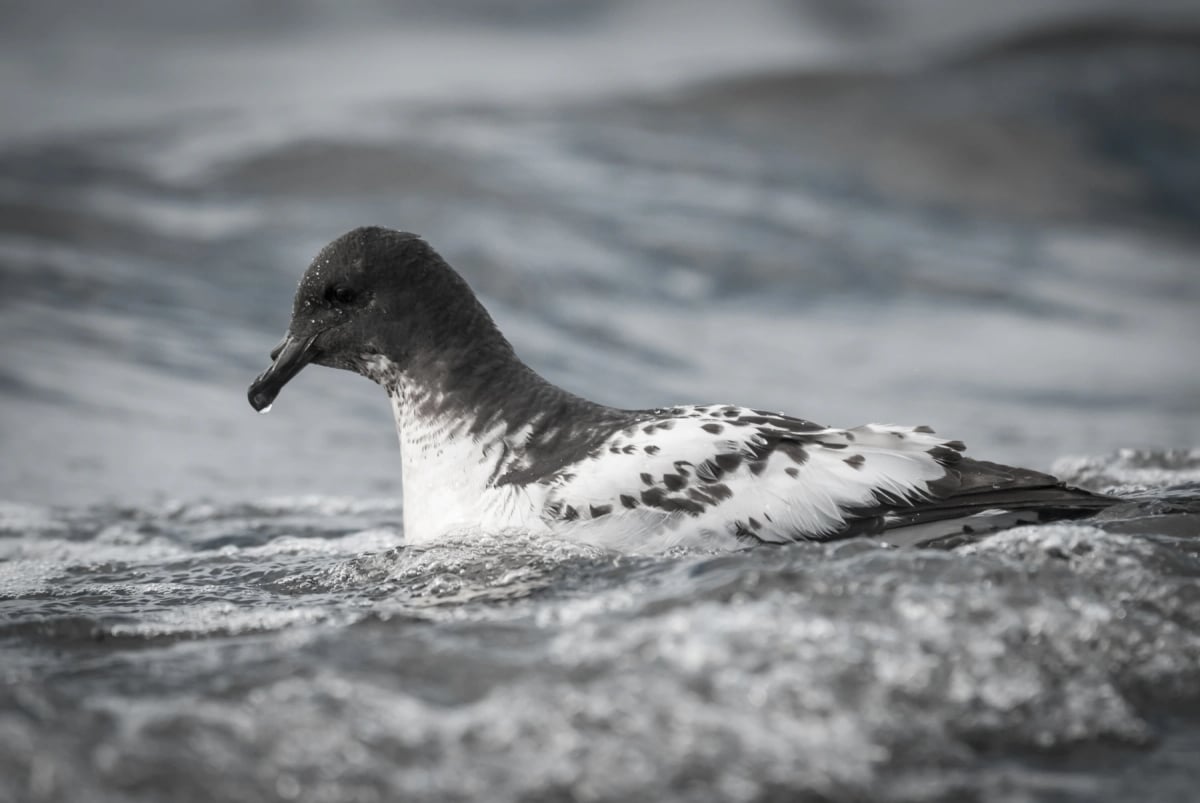
Cape Petrel
Daption capense
Along the South African coast, the Cape Petrel appears as a non-breeding visitor, most often recorded off the Western Cape and along the southern coastline. Birds venture north from their Southern Ocean range during the austral winter. Pelagic boat trips out of ports such as Cape Town offer reliable sightings. It does not breed here but is a consistent feature of offshore southern African waters. IUCN status: Least Concern.
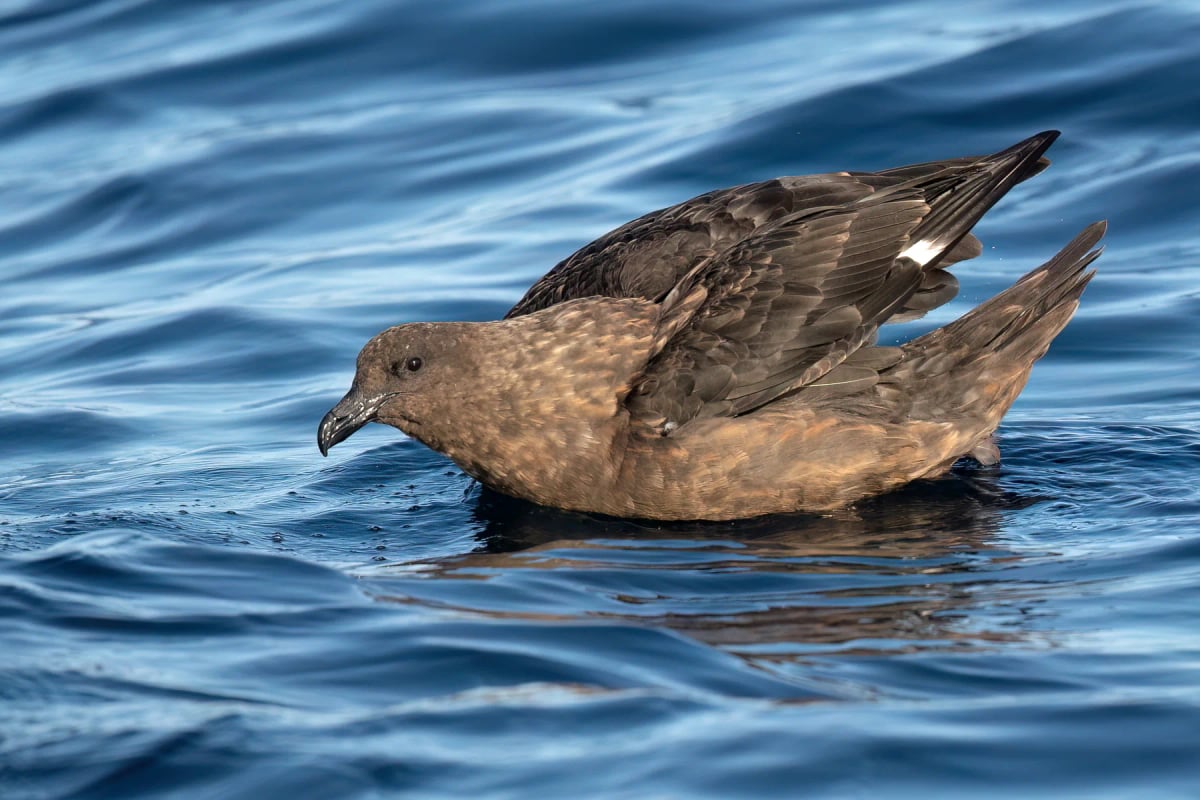
Brown Skua
Stercorarius antarcticus
The brown skua occurs around South Africa's sub-Antarctic territories, particularly Prince Edward Island and Marion Island, where it nests on coastal slopes and feeds on the eggs and chicks of petrels, penguins, and other colonial seabirds. It is also an accomplished kleptoparasite, chasing other birds until they abandon their food. The IUCN lists the species as Least Concern, and populations on these islands are regularly monitored.
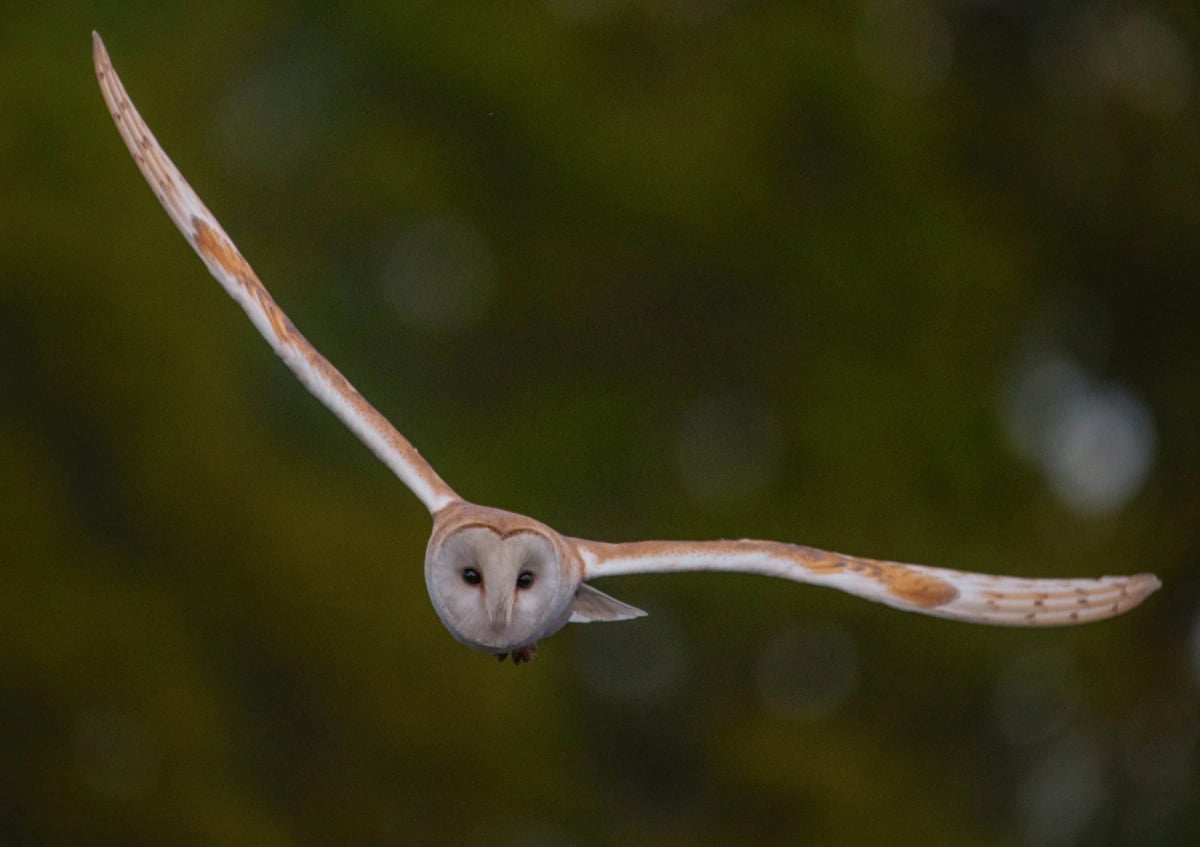
Barn Owl
Tyto alba
The barn owl is widespread across South Africa, found in farmland, open grassland, villages and urban areas from the Cape to Limpopo. It nests in farm buildings, old mine shafts, cliff faces and large trees, and is one of the most effective natural controllers of rodents in agricultural landscapes. It hunts entirely by sound in complete darkness, locating mice and rats with extraordinary precision. In many farming communities it is actively encouraged by the installation of nest boxes.
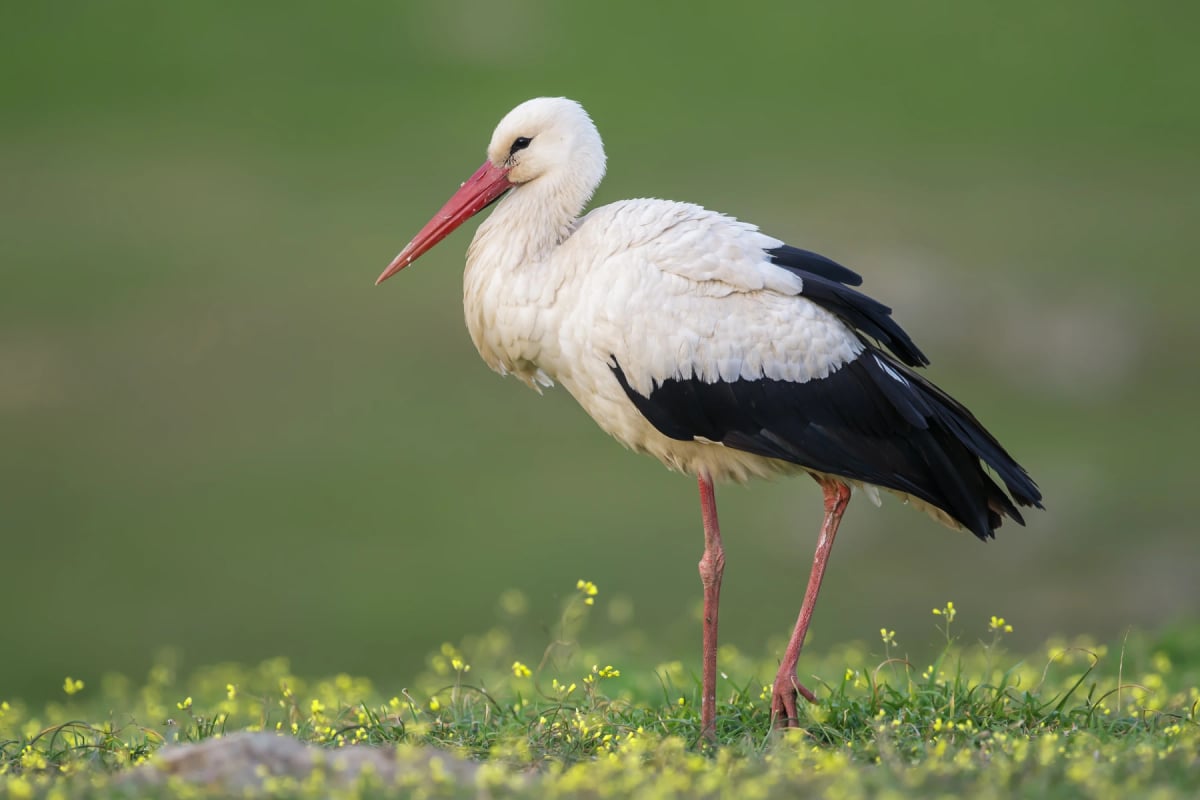
Stork
Ciconia ciconia
South Africa marks the southern limit of the white stork's wintering range. Large flocks spend the northern winter months in the grasslands of the interior, particularly in the Free State and Limpopo provinces, where they feed on insects, small vertebrates, and other prey. They often follow locust swarms and gather around freshly ploughed fields. By late summer in the southern hemisphere, they begin the long flight back to Europe.
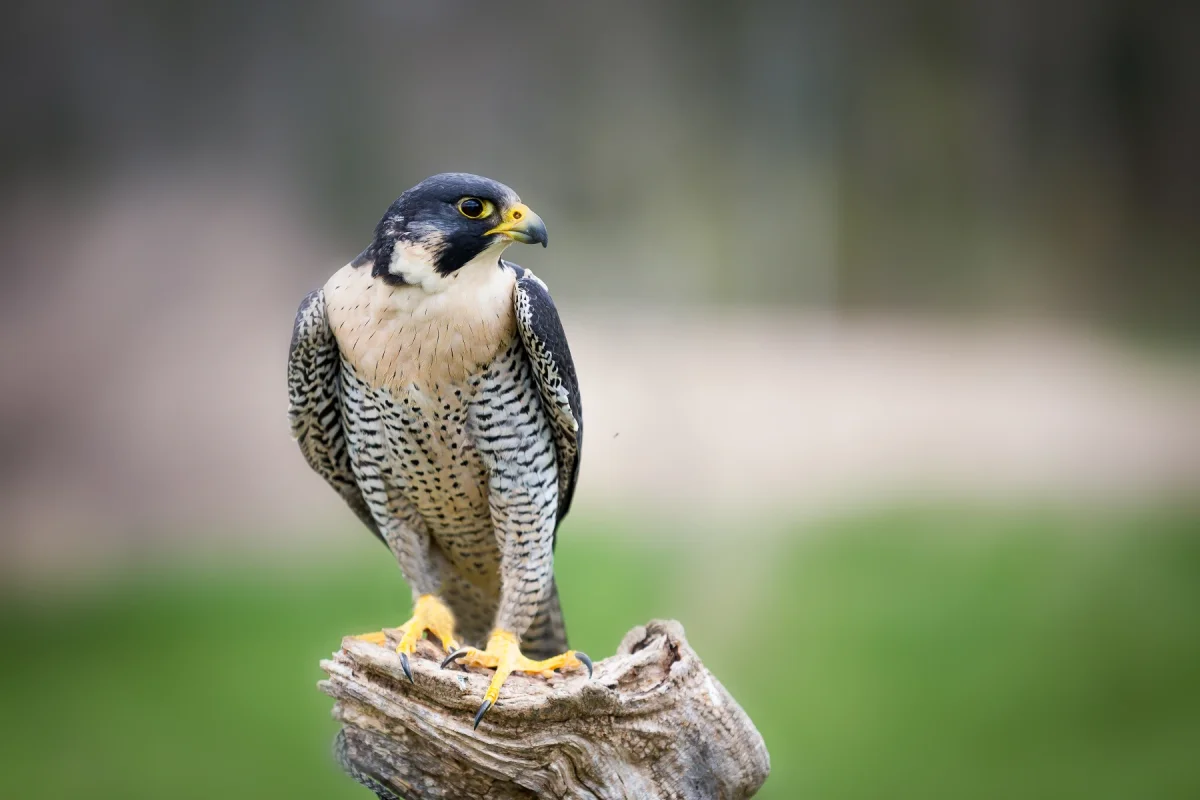
Peregrine Falcon
Falco peregrinus
In South Africa, the peregrine falcon is present year round, with resident birds nesting on cliff faces in the Drakensberg and other mountain ranges, while additional individuals arrive from the northern hemisphere during the southern summer. Cities such as Johannesburg and Cape Town also host urban nesting pairs on tall buildings. The Cape coast provides excellent foraging over the sea and rocky shores. South Africa represents the southern edge of the species' African range. Its IUCN status is Least Concern.
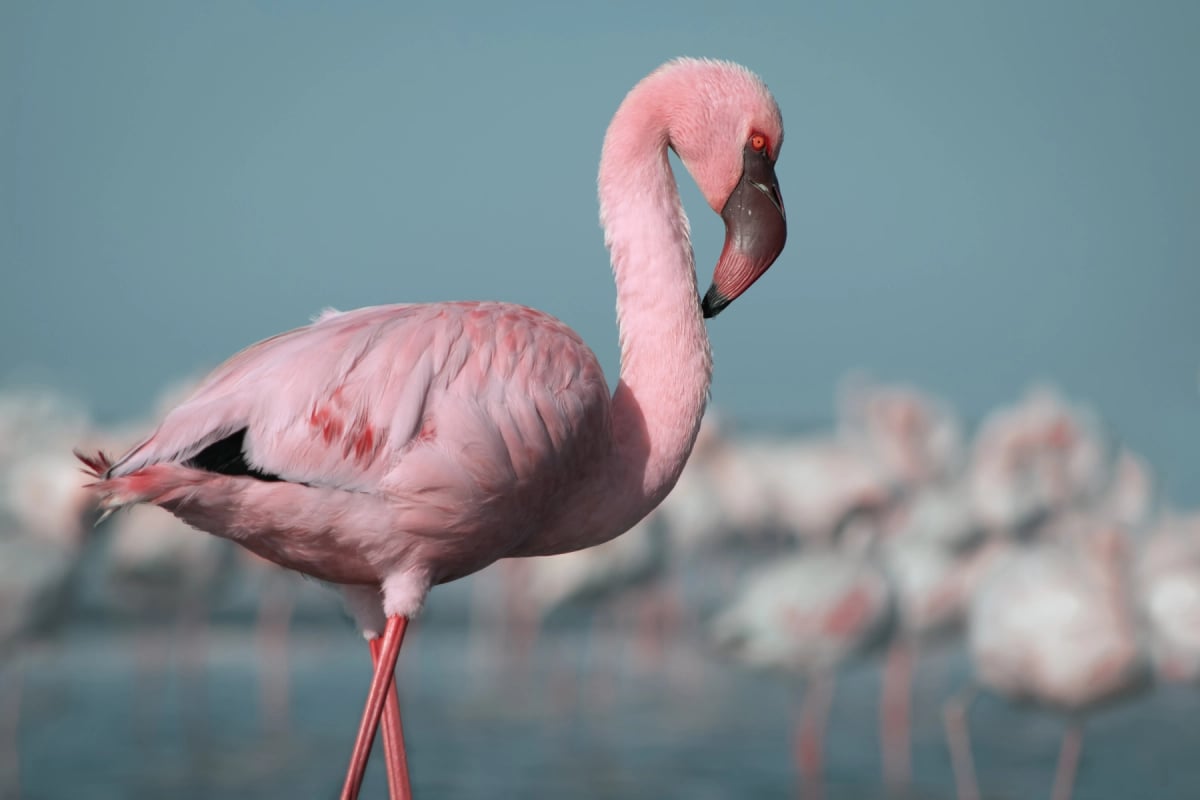
Flamingo
Phoenicopterus spp.
South Africa supports both lesser and greater flamingos, most notably at Langebaan Lagoon on the west coast and at various pans across the Northern Cape. The Kamfers Dam near Kimberley has become one of the most significant inland breeding sites for lesser flamingos in southern Africa. Urban water management and conservation partnerships have helped protect this colony. The lesser flamingo is listed as Near Threatened by the IUCN, giving sites like Kamfers Dam added importance.
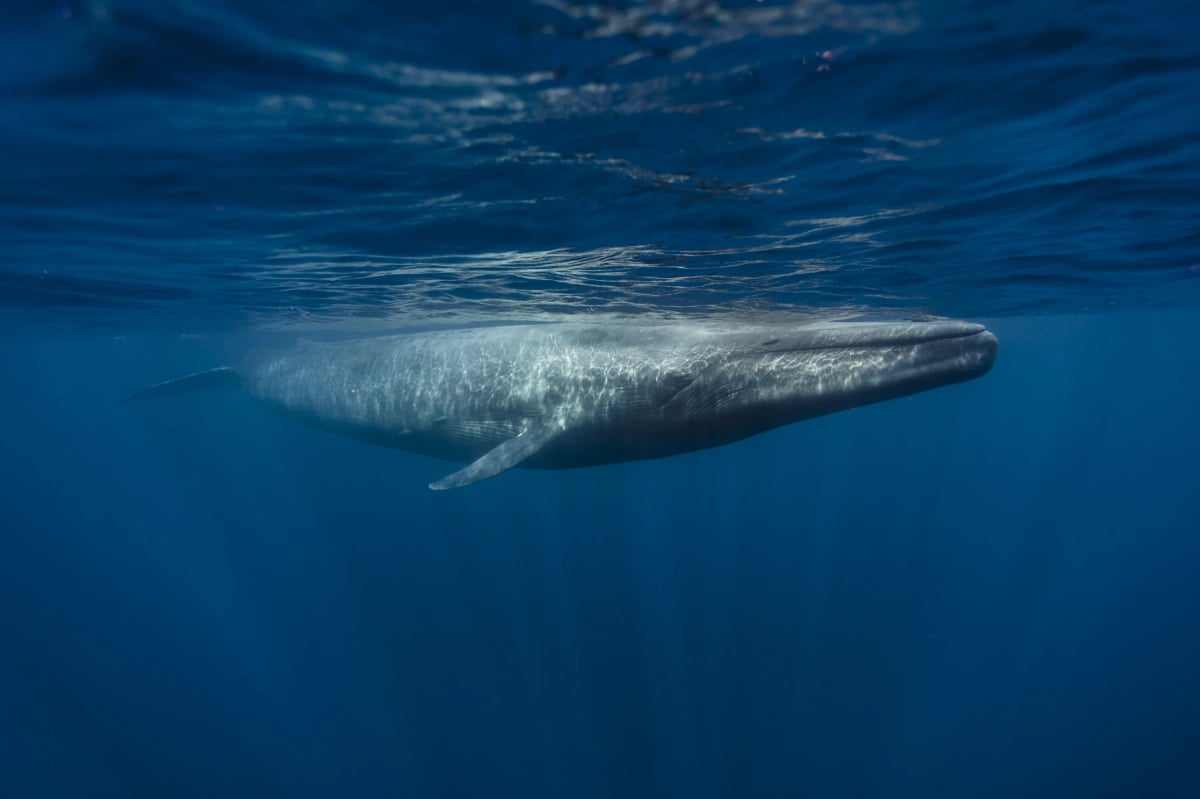
Blue Whale
Balaenoptera musculus
South Africa's southern and western coasts, swept by the cold, productive Benguela Current, provide important foraging habitat for blue whales. The meeting of the Atlantic and Indian Oceans near the Cape creates exceptional marine productivity. Blue whales are observed in these waters during feeding periods, though they remain infrequent visitors. Ship strikes and entanglement in fishing gear are the primary threats in the busy shipping lanes around southern Africa. IUCN status: Endangered.
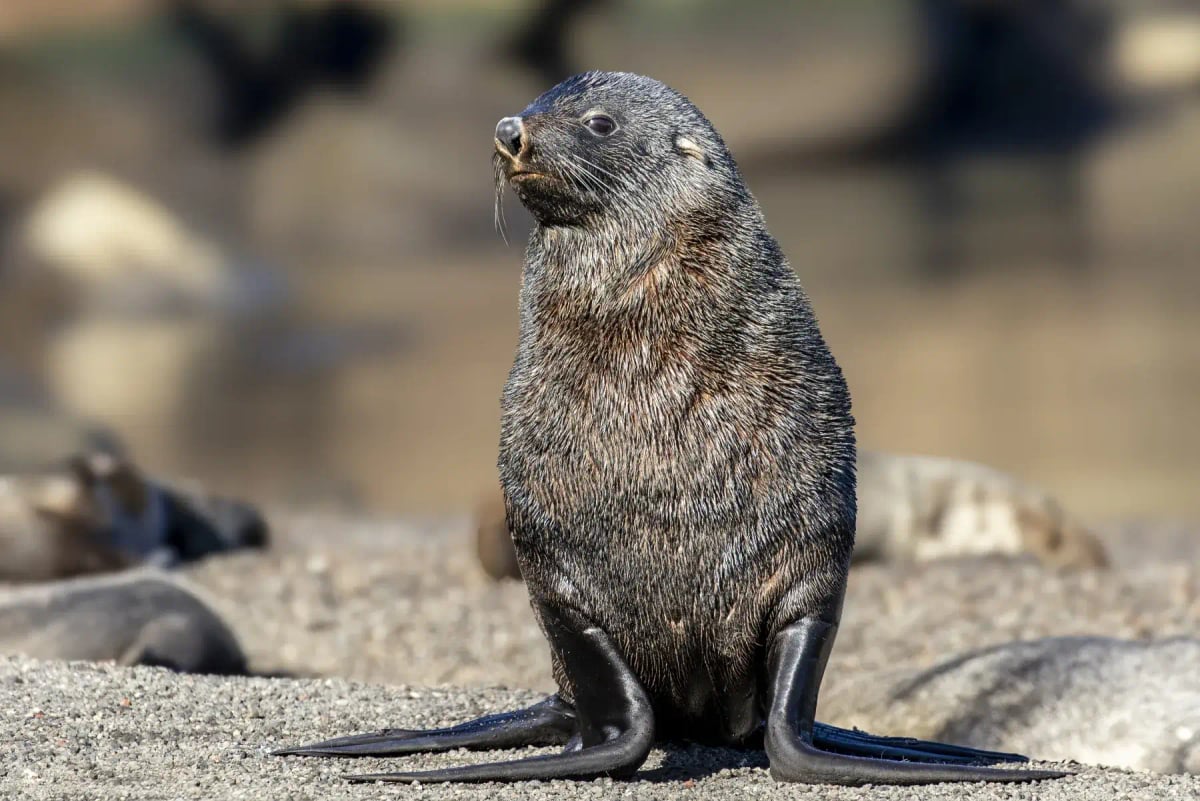
Fur Seal
Arctocephalus spp.
The Cape fur seal (Arctocephalus pusillus pusillus) is found along the coasts of South Africa and Namibia, forming some of the largest pinniped colonies in the world. Cape Cross in Namibia and Seal Island near Cape Town are among the most famous sites. South African waters offer abundant fish such as anchovy and pilchard. Great white sharks actively prey on these seals, making the waters around Seal Island one of nature's most dramatic hunting grounds.
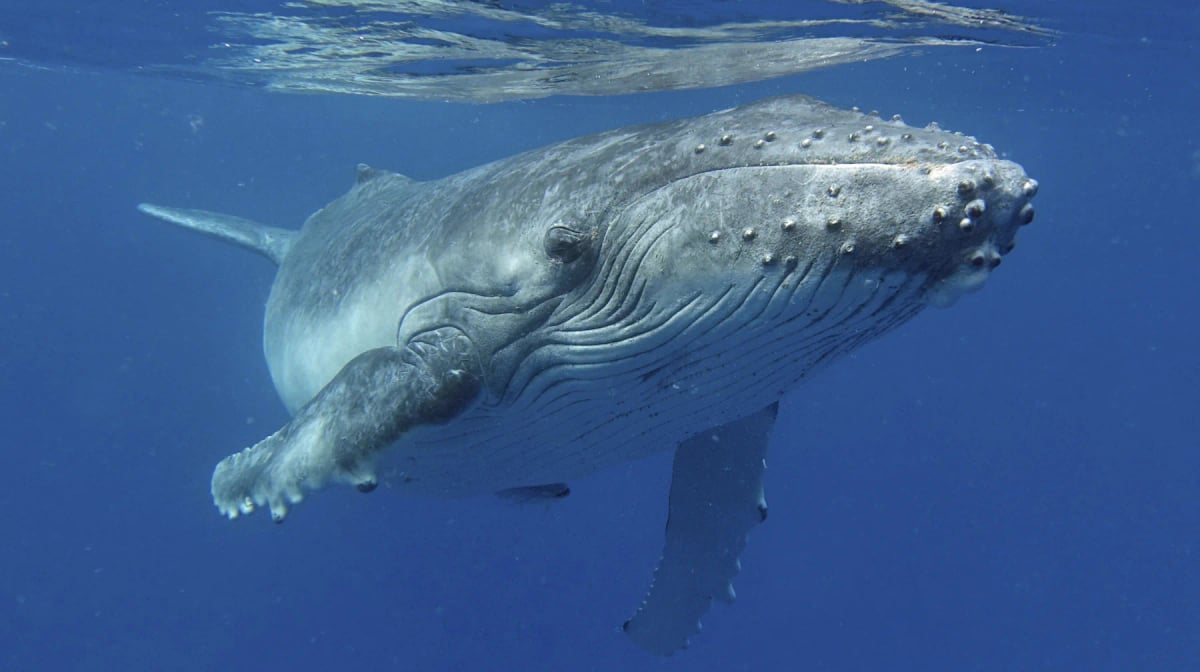
Humpback Whale
Megaptera novaeangliae
South Africa is one of the best places in the world to observe humpback whales. Every year, whales migrate northward along the east coast past KwaZulu-Natal, heading to tropical breeding grounds, and return southward later in the season. The waters around the Cape and along both the Atlantic and Indian Ocean coasts offer regular sightings. South Africa has strong whale watching and marine conservation programmes that contribute to research across the Southern Hemisphere. The IUCN lists the species as Least Concern.
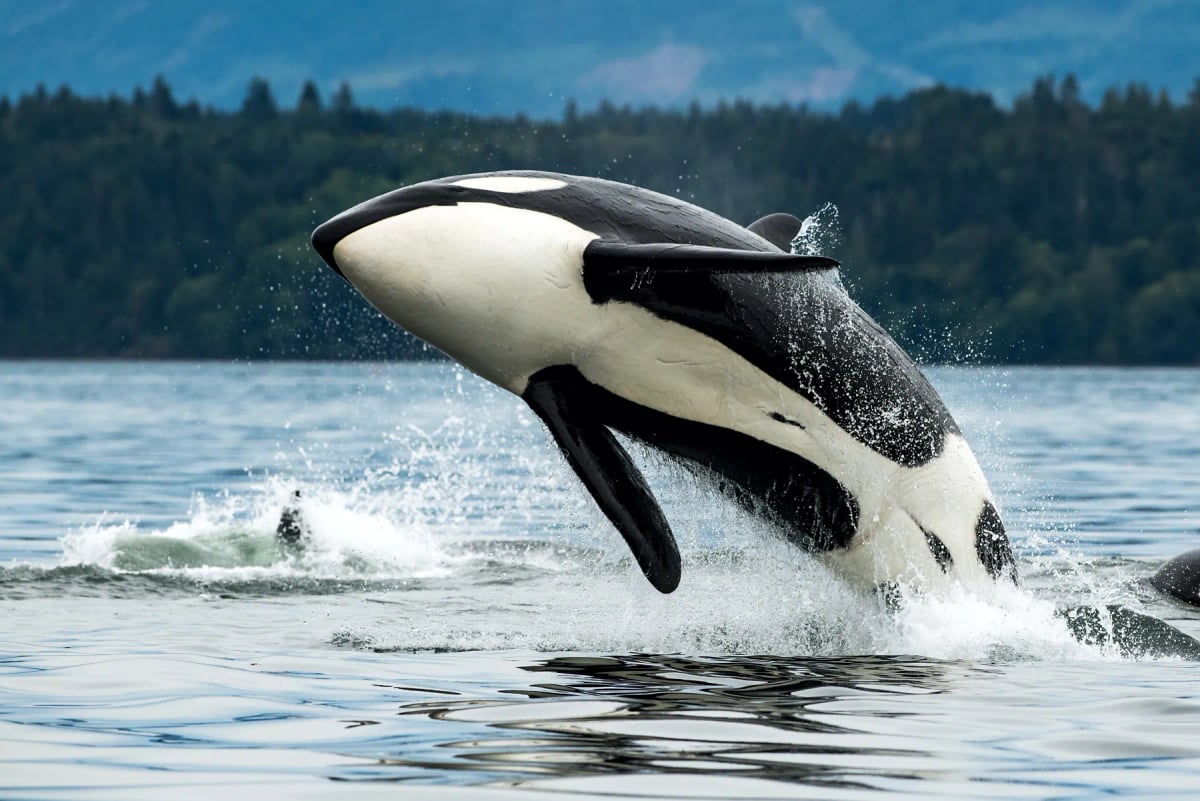
Orca
Orcinus orca
South Africa is one of the most notable places in the world to observe orca behaviour. Along the Western Cape, orcas have been documented hunting great white sharks and extracting their livers with remarkable precision. False Bay and the waters near Gansbaai have been key locations for these observations. This behaviour has had measurable effects on local shark populations and broader reef ecosystems along the coast.
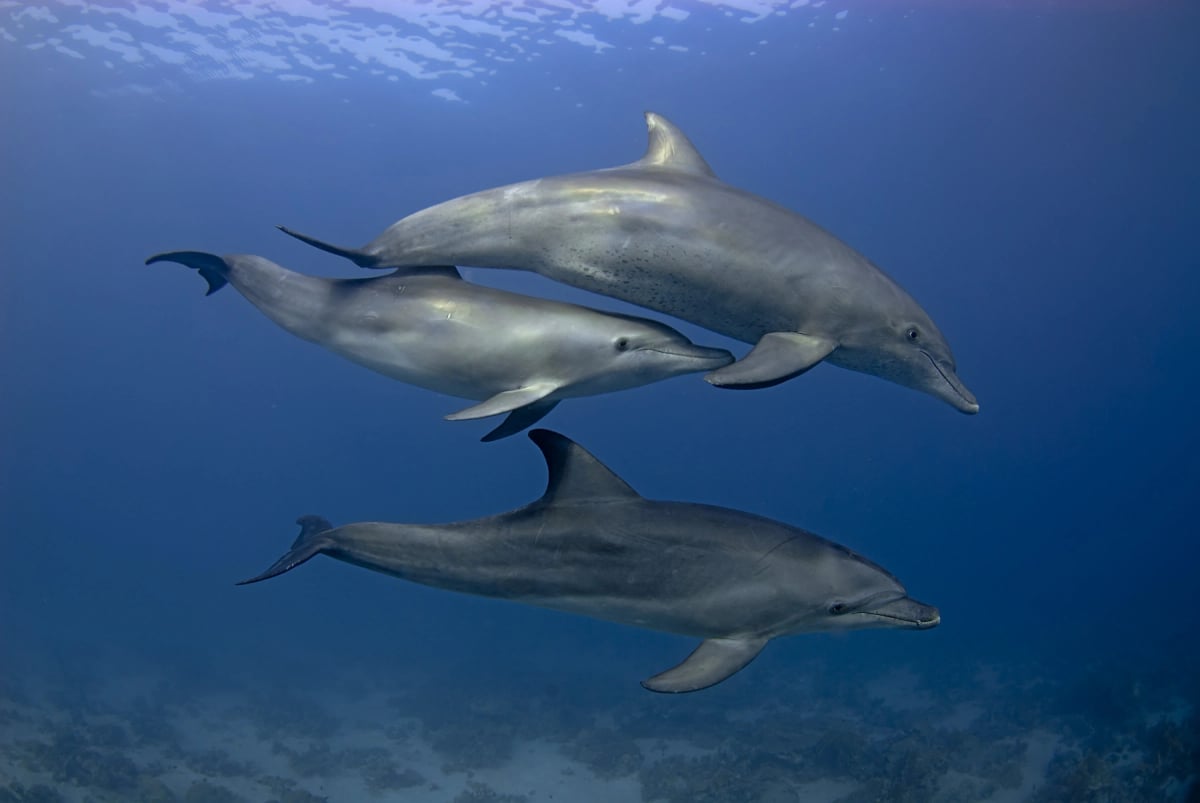
Bottlenose Dolphin
Tursiops truncatus
Bottlenose dolphins are a familiar sight along much of the South African coastline, from the warm Mozambique Channel waters of KwaZulu-Natal to the cooler Atlantic shores of the Western Cape. Resident pods in KwaZulu-Natal are particularly well studied, with some groups observed surfing waves close to shore year after year. The species also appears regularly in Algoa Bay and around the Cape Peninsula. Shark nets pose a bycatch risk in some areas. IUCN status: Least Concern.
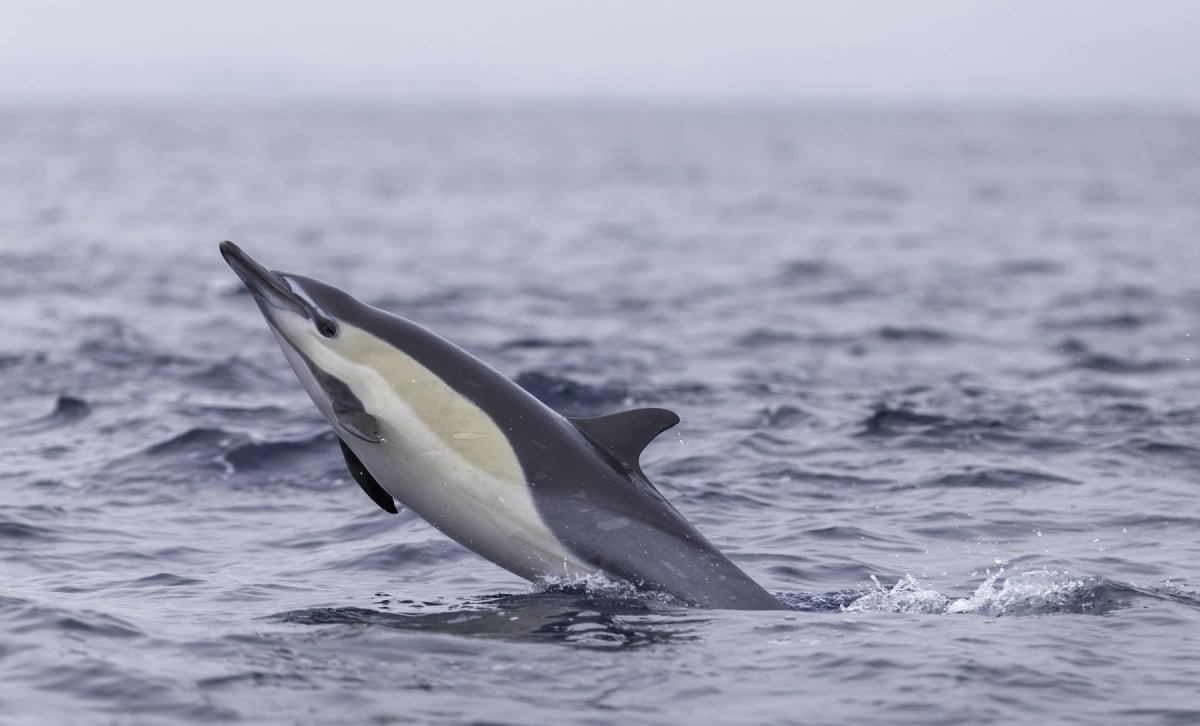
Common Dolphin
Delphinus delphis
Common dolphins are a familiar sight along South Africa's coastlines, particularly in the waters off the Western Cape and along the Garden Route. They form large, energetic pods and are frequently seen riding the bow waves of boats. This species benefits from the productive Benguela Current, which drives an abundance of small fish. Their IUCN status is Least Concern.
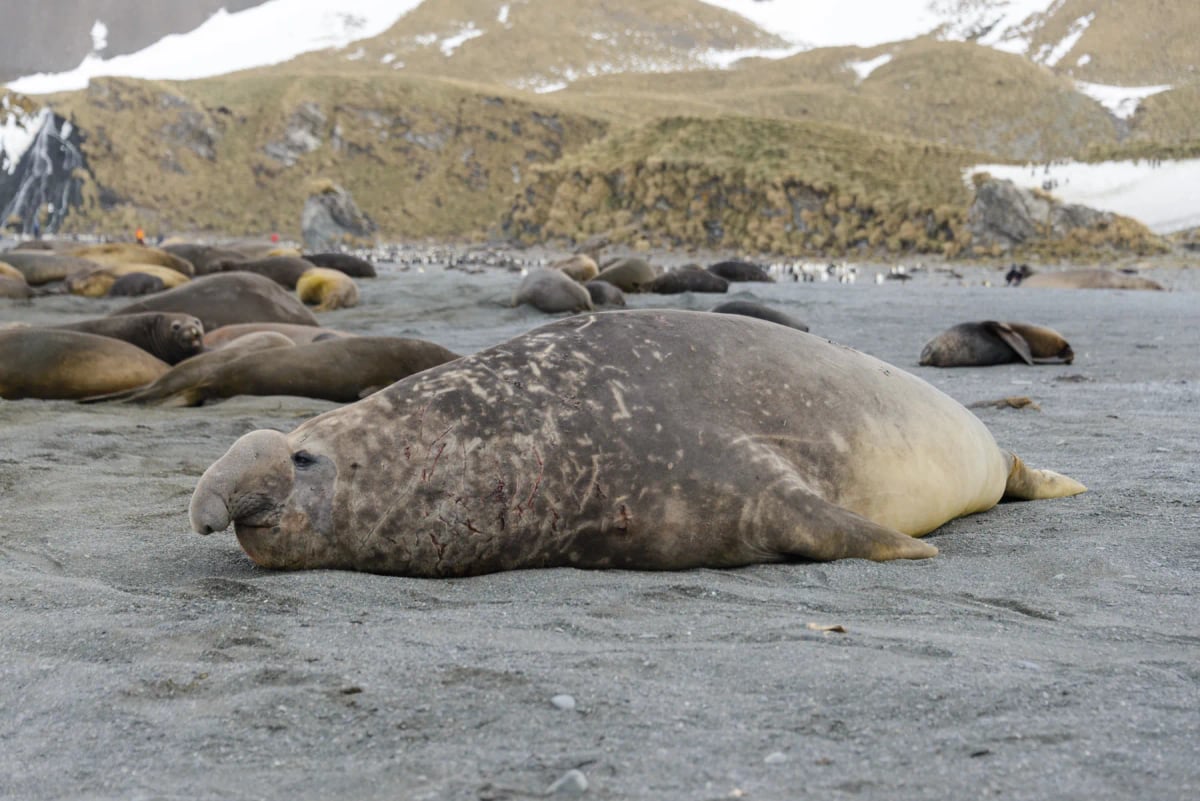
Elephant Seal
Mirounga spp.
Southern elephant seals are occasional visitors to South Africa's coastline, with sightings recorded at Marion Island, a South African territory in the subantarctic Indian Ocean. Marion Island supports a breeding colony and serves as an important research site. The cold, productive waters surrounding the island are ideal foraging habitat. South Africa's conservation programs at Marion Island help monitor the health and size of the local population over time.
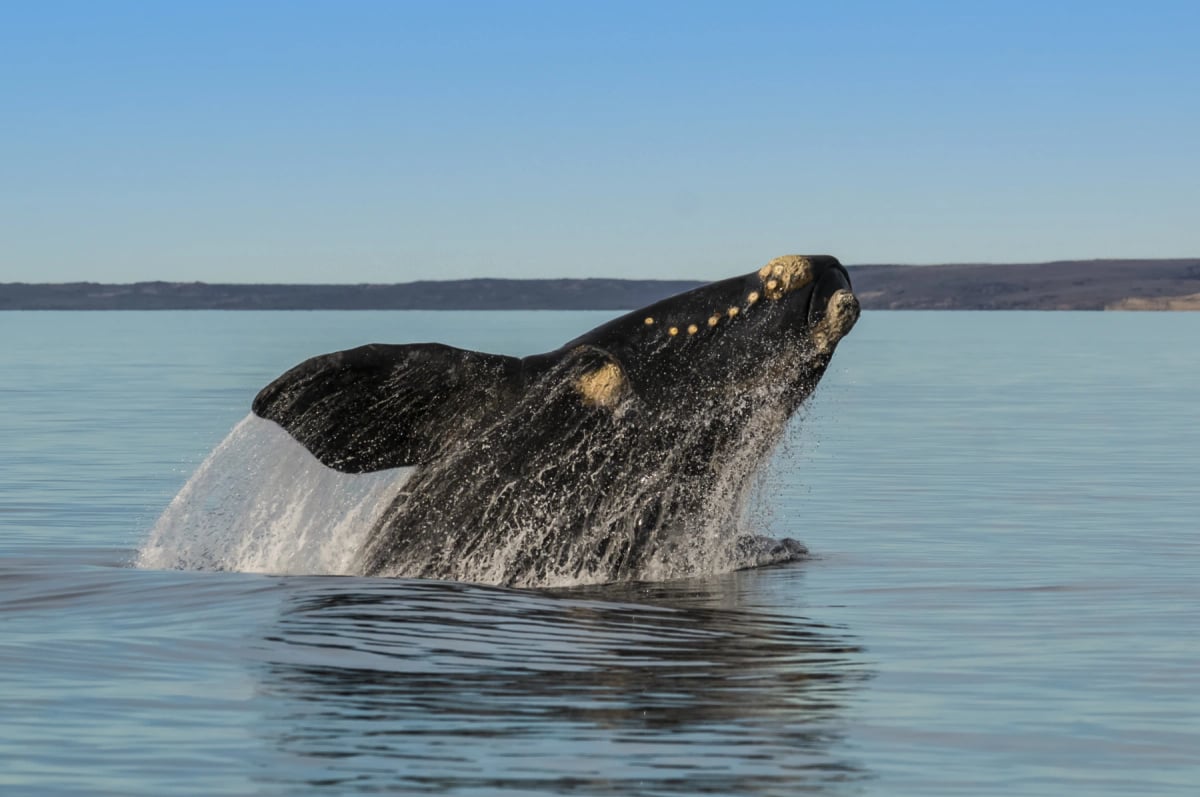
Southern Right Whale
Eubalaena australis
South Africa is one of the most important calving grounds for the southern right whale in the world. Every year between June and December, mothers and their calves gather in the sheltered bays along the Western Cape coast, particularly around Hermanus and De Hoop Nature Reserve. These coastal waters offer calm conditions ideal for nursing. The species is listed as Least Concern, reflecting a steady recovery from the era of commercial whaling.
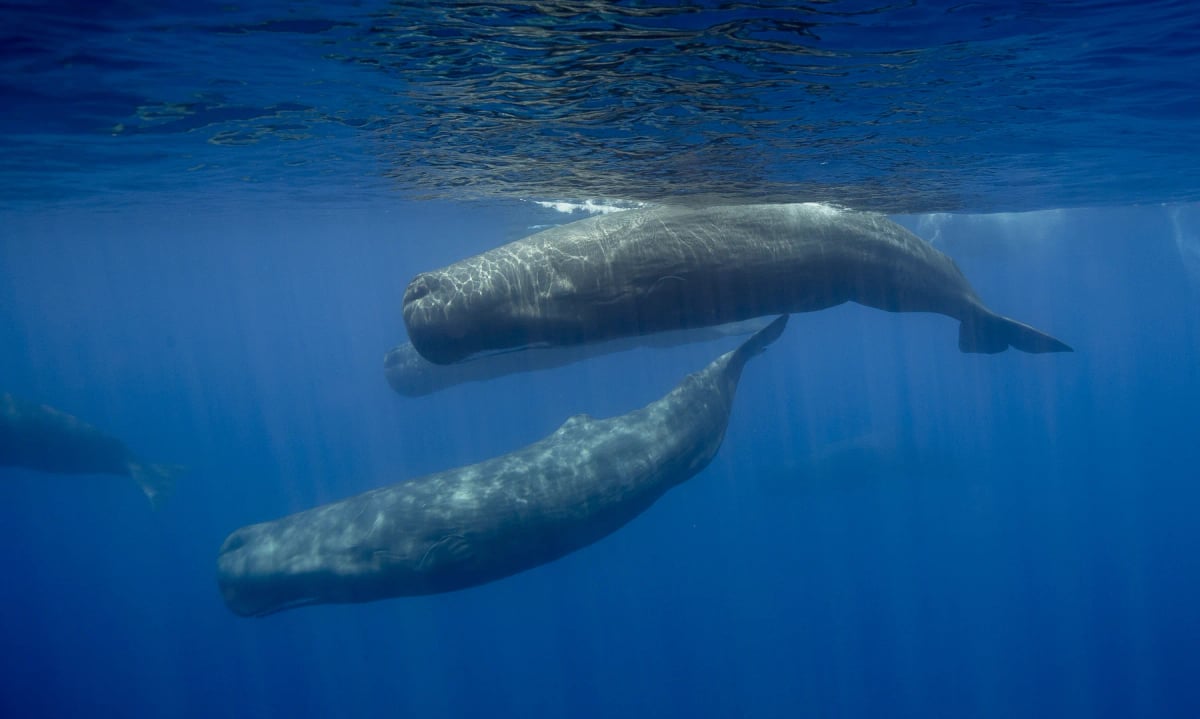
Sperm Whale
Physeter macrocephalus
South Africa's long coastline borders both the Atlantic and Indian Oceans, and sperm whales are recorded in the deep offshore waters of both. The submarine canyons beyond the continental shelf, particularly near the Western Cape, provide ideal hunting grounds rich in squid and fish. South Africa has strong marine conservation frameworks, which help support protection for Vulnerable species like the sperm whale.
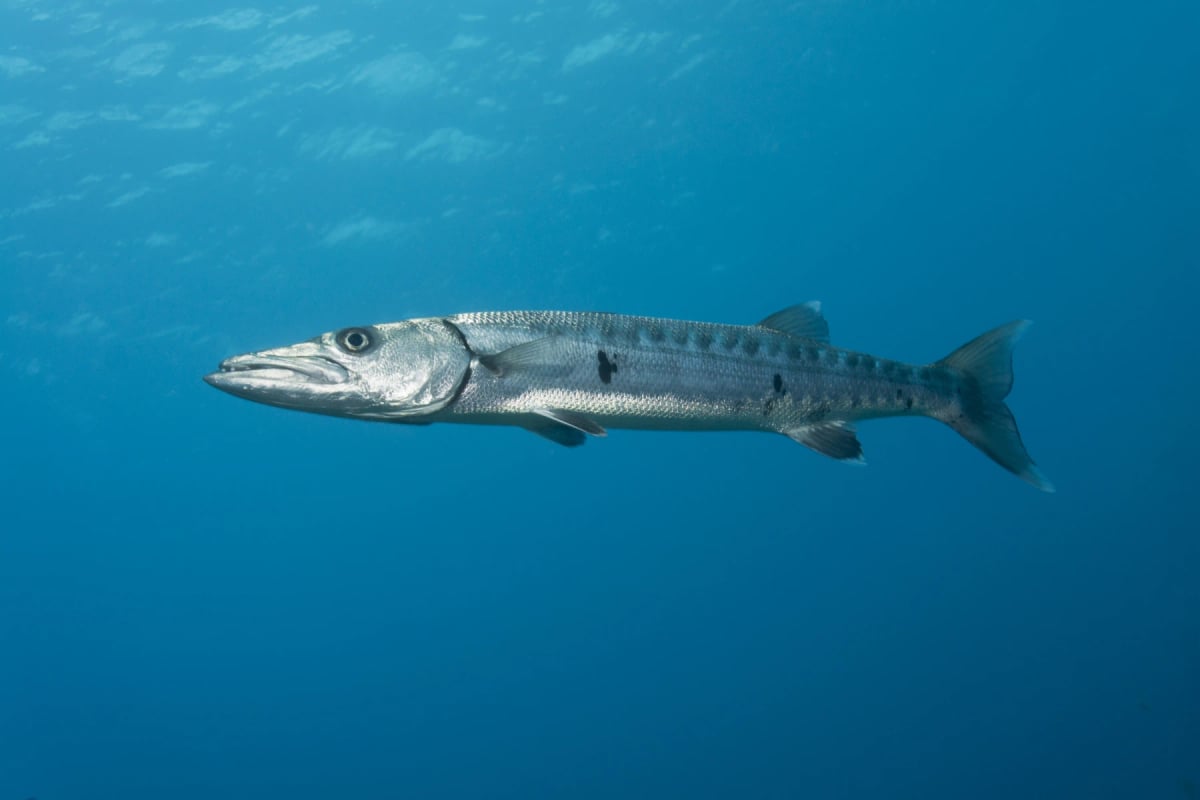
Barracuda
Sphyraena spp.
Barracuda are common predators along the warmer eastern and northern coasts of South Africa, particularly in KwaZulu Natal and around the reefs of the iSimangaliso Wetland Park. The great barracuda is the most commonly encountered species, often seen patrolling reef edges and drop offs. They are fast and powerful hunters that feed on fish and are a familiar sight for divers along the subtropical Natal coast. On the colder Atlantic side they are less common.
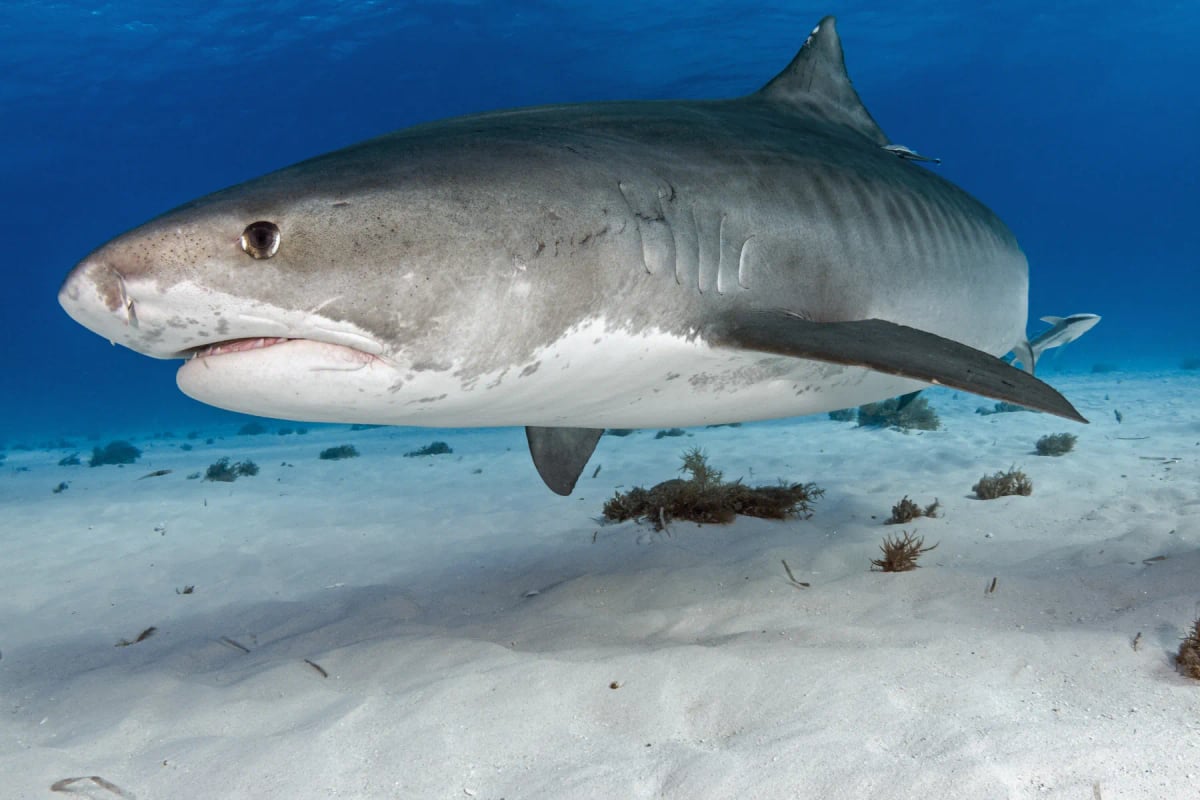
Tiger Shark
Galeocerdo cuvier
South Africa's long coastline, stretching from the warm Indian Ocean in the east to the cooler Atlantic in the west, is home to tiger sharks throughout the year. They are regularly observed along the KwaZulu-Natal coast, where they venture close to shore. Growing up to 5 metres, this species is an important part of South Africa's marine ecosystem and is listed as Near Threatened by the IUCN.
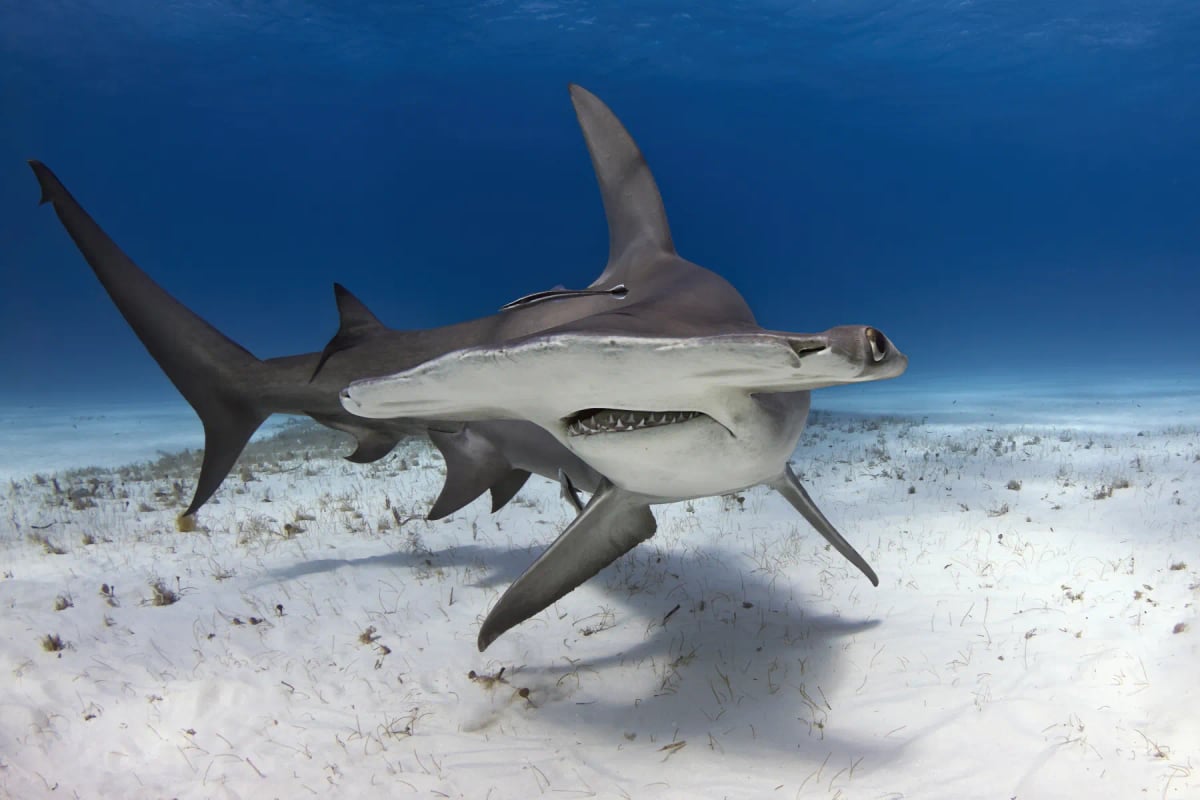
Hammerhead Shark
Sphyrna spp.
In South Africa, hammerhead sharks are found along both the warm Mozambique Channel side and the cooler waters of the Western Cape. The waters around KwaZulu-Natal are particularly notable for scalloped hammerhead sightings. South Africa has implemented shark conservation measures and supports marine protected areas, though pressure from the fin trade and bycatch still threatens these animals throughout the region.
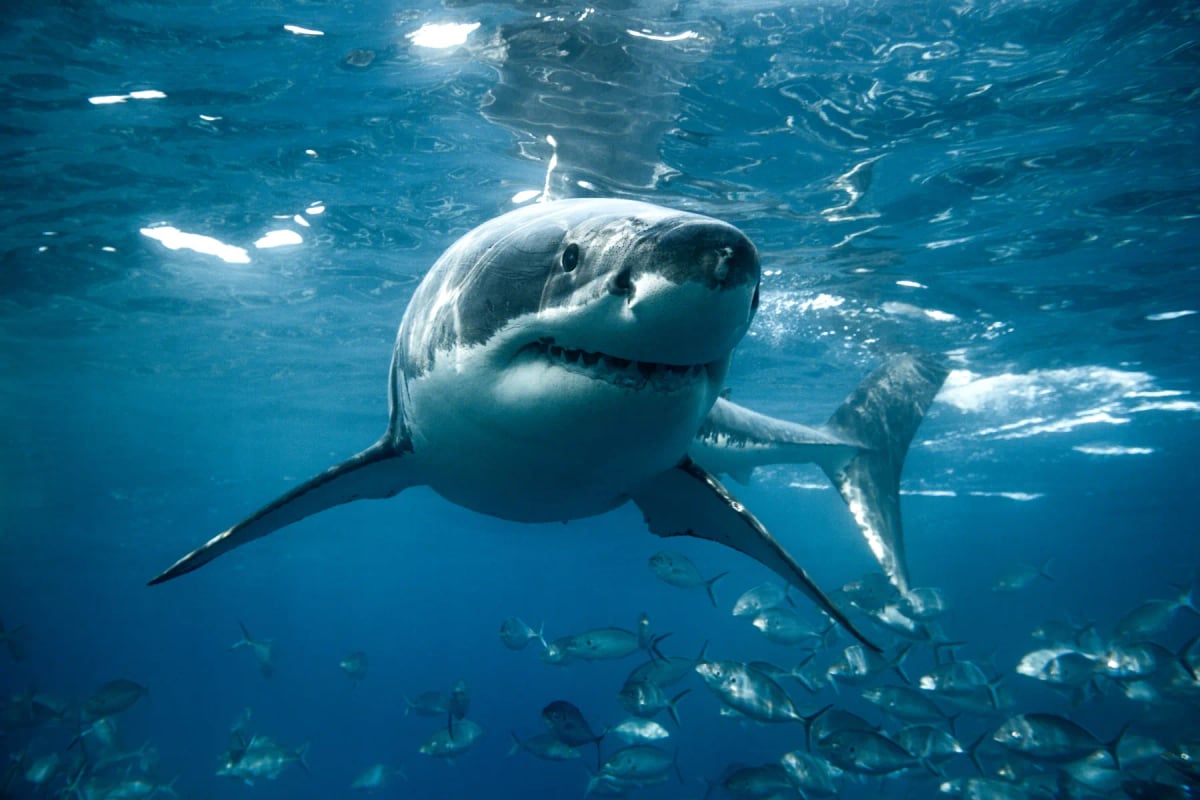
Great White Shark
Carcharodon carcharias
South Africa is one of the most important places in the world for great white sharks. The waters around Gansbaai, False Bay, and the Western Cape host significant concentrations of the species, drawn by large colonies of Cape fur seals. South Africa was a pioneer in cage diving tourism centered on this shark, and researchers here have contributed greatly to understanding its behaviour, movements, and biology.
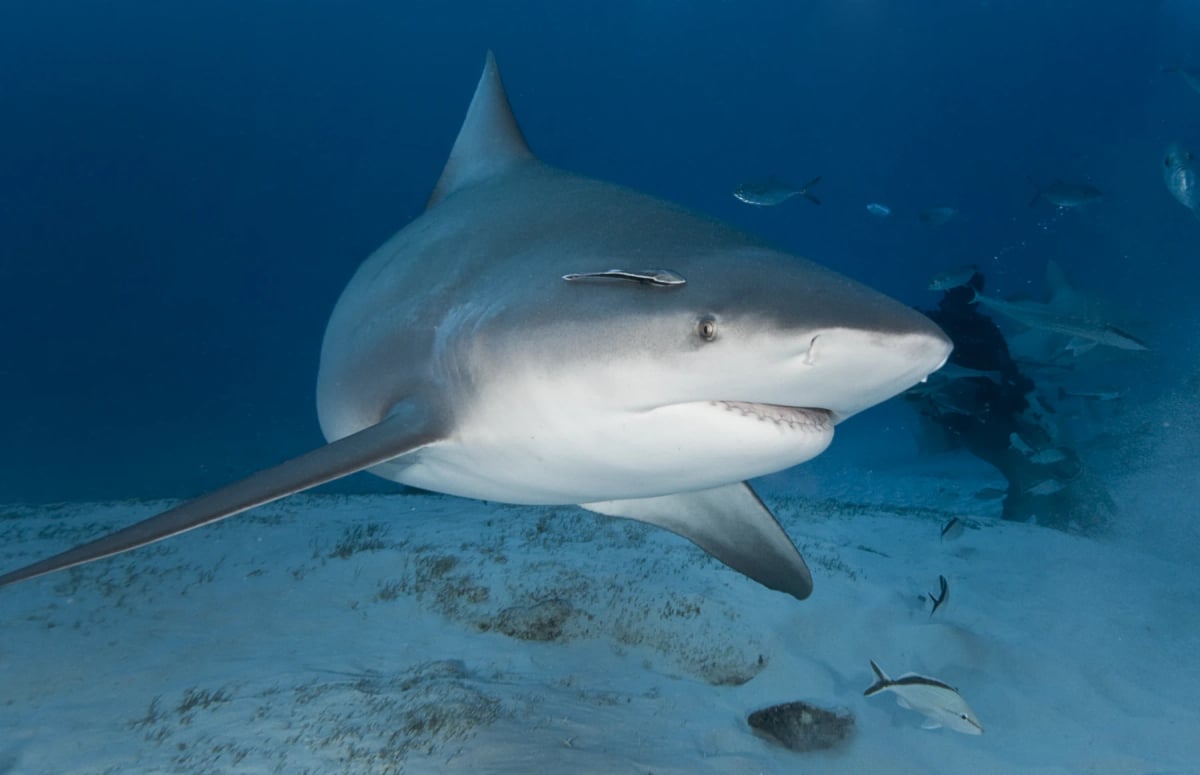
Bull Shark
Carcharhinus leucas
South Africa is one of the most well-studied regions for bull sharks in the world. The warm waters of KwaZulu-Natal, particularly around river mouths and estuaries such as the iSimangaliso Wetland Park, serve as key habitat. Bull sharks are also known to travel up the Breede River. Research conducted off Durban has contributed greatly to understanding the species' behavior, movement patterns, and reproduction. They are classified as Near Threatened globally.
Researched and written by Juan Pablo. Sources: IUCN Red List, scientific literature and regional field guides. Last updated: .