Sea Lion
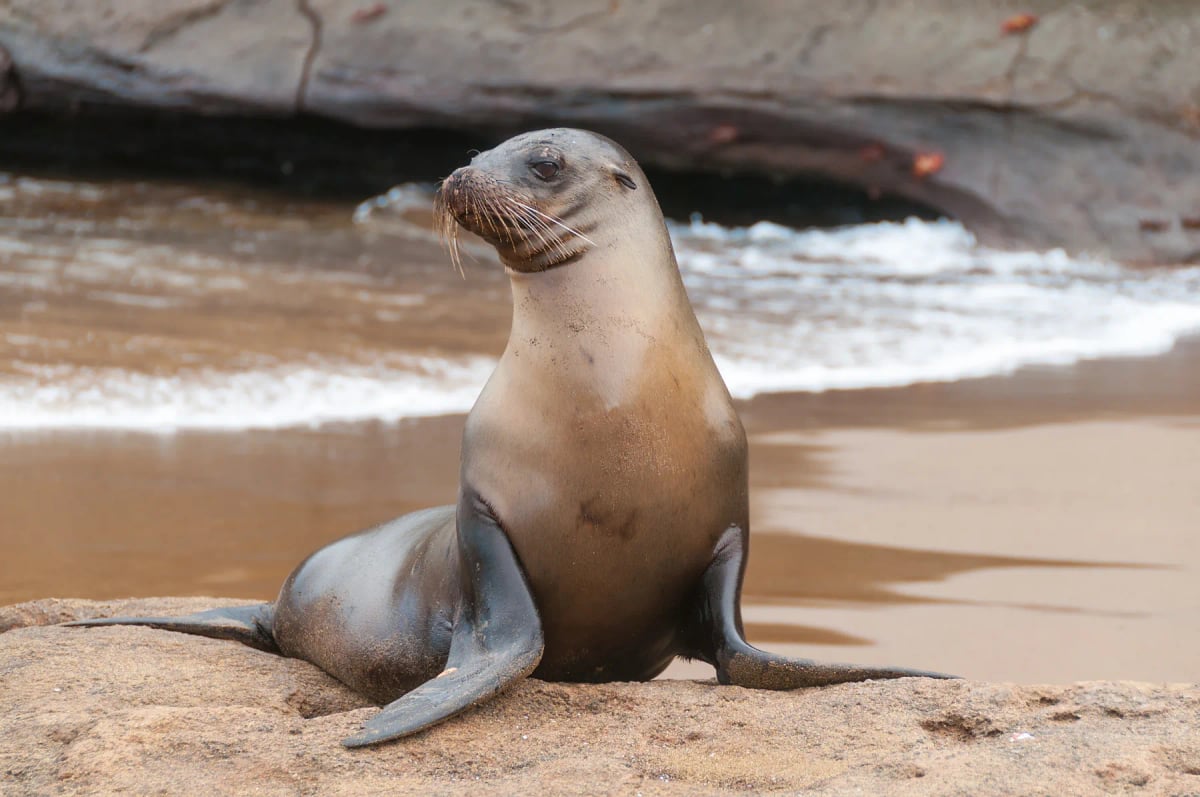
Sea lions are eared seals belonging to the subfamily Otariinae, a group that includes several species spread across the Pacific and the Southern Hemisphere. Unlike true seals, they have small but visible external ear flaps and can rotate their rear flippers forward, which allows them to move with surprising ease on land. In the water they are fast and highly agile, pursuing fish and squid to moderate depths. They are intensely social animals, gathering in noisy colonies on beaches and rocky shores where bulls defend territories during the breeding season and compete for access to females. A female gives birth to a single pup each year and nurses it for several months. Most species are listed as Least Concern by the IUCN, though the Australian sea lion is listed as Endangered and the New Zealand sea lion faces serious pressure from bycatch and disease.
Different species
The subfamily Otariinae contains six living species, each occupying its own corner of the world's oceans. The California sea lion is the most familiar, widely seen along the western coast of North America and frequently encountered in aquariums and marine parks. The Steller sea lion is the largest of the group, with adult males reaching up to 1,100 kilograms. The South American sea lion ranges along both the Pacific and Atlantic coasts of South America, while the Galápagos sea lion is restricted to the islands of Ecuador. The Australian sea lion is found nowhere else on Earth and is currently listed as Endangered. The New Zealand sea lion, sometimes called Whakahao, breeds mainly on the subantarctic Auckland Islands and is considered the rarest sea lion in the world.
Habitat and distribution
Across the group, sea lions occupy a wide band of coastline stretching through much of the Pacific and into the Southern Ocean. California sea lions thrive on the rocky shores and sandy beaches of the western United States and Mexico, while Steller sea lions range from Japan and Russia across the North Pacific to Alaska and down to California. In the Southern Hemisphere, South American sea lions are found from Ecuador and Peru all the way to the Falkland Islands and southern Argentina. Australian sea lions gather on isolated beaches in South Australia and Western Australia. All species depend on coastal waters rich in prey and on accessible land where they can rest, give birth, and raise their young. Deeper offshore waters serve as their main hunting grounds.
Behavior
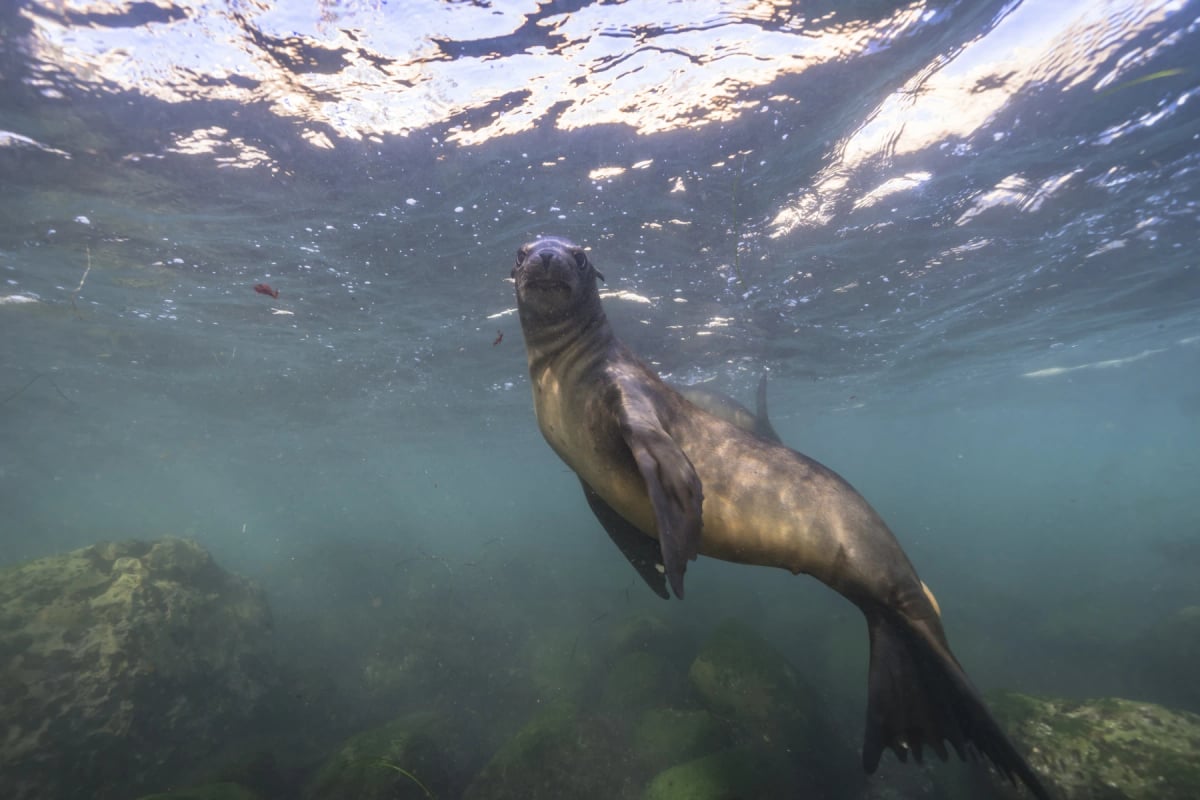
Few marine mammals are as openly social as sea lions. They gather year round in groups on beaches and rocky outcrops, and these gatherings grow dramatically during the breeding season. Bulls arrive at colonies first, staking out territories through displays of size and loud barking rather than outright fighting whenever possible. A successful male will mate with multiple females within his patch of shore. Females give birth to a single pup and begin nursing it almost immediately. Mothers recognize their own pups among hundreds of others using a combination of calls and scent. Pups spend months learning to swim in shallow pools before venturing further out. Outside the breeding season, sea lions are curious and playful in the water, and younger animals in particular engage in social play that helps them develop the skills they need for hunting.
Diet
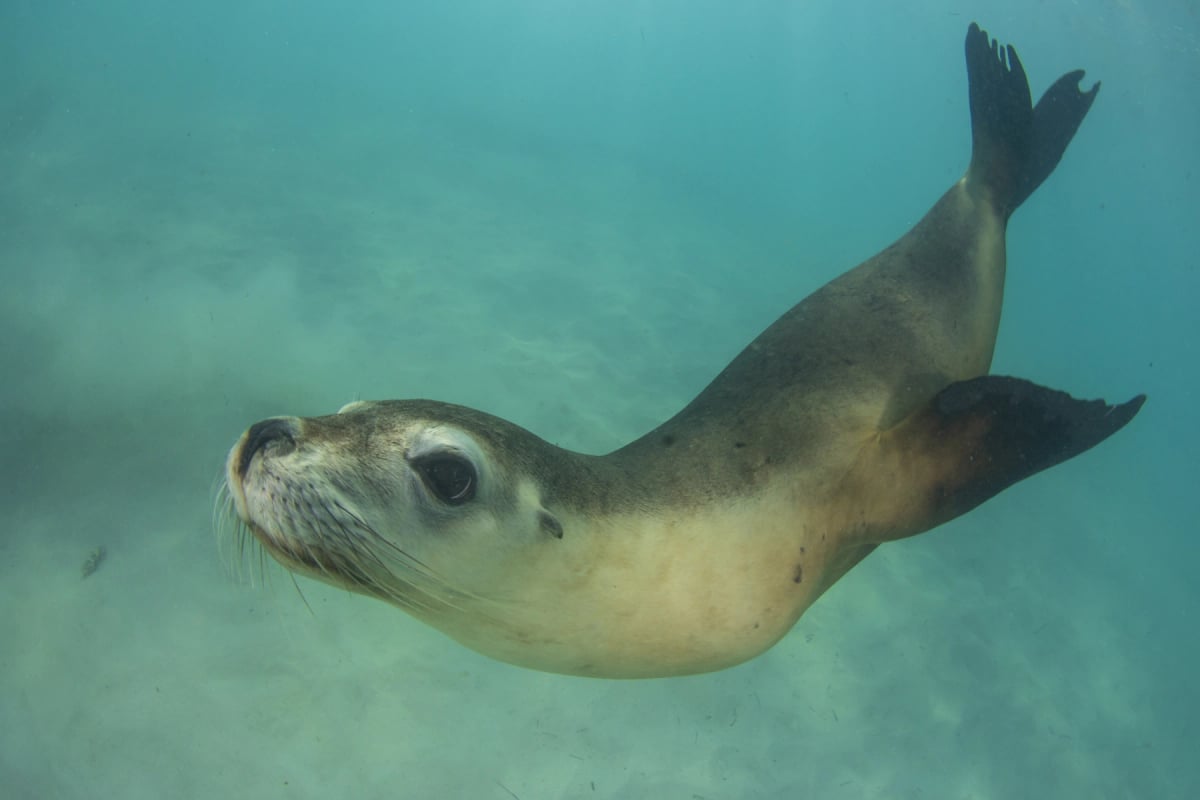
Hunting is where sea lions truly excel. Their streamlined bodies and powerful front flippers allow them to accelerate quickly and change direction with precision, making them highly effective at pursuing agile prey. Fish make up the bulk of the diet for most species, with anchovies, herring, salmon, and rockfish among the most commonly taken. Squid are also an important food source, particularly for California sea lions, which have been recorded diving to depths of over 270 metres in pursuit of prey. Octopus, small sharks, and crustaceans are taken less often but are part of the diet in certain regions. Sea lions are opportunistic feeders, adjusting what they eat based on what is available locally and seasonally. They sometimes follow fishing vessels to take advantage of discarded catch.
Conservation
The picture across sea lion species is uneven. Most populations, including the California sea lion, are in good health and carry a status of Least Concern on the IUCN Red List. The Steller sea lion tells a more complicated story: the western population, found around Alaska and Russia, declined sharply in the late twentieth century and remains under pressure, while the eastern population has largely recovered. The Australian sea lion is listed as Endangered, with fewer than 15,000 individuals remaining and a very slow rate of reproduction that makes recovery difficult. The New Zealand sea lion faces serious threats from bycatch in squid trawl fisheries and from disease outbreaks at its main breeding sites. Climate change is an emerging concern for all species, as shifting ocean temperatures affect the availability of prey across their ranges.
Where it is found
The Sea Lion can be found in places such as:
Researched and written by Juan Pablo. Sources: IUCN Red List, scientific literature and regional field guides. Last updated: .
Technical factsheet
Frequently Asked Questions
What do sea lions eat?
Sea lions feed mainly on fish such as anchovies, herring, salmon, and rockfish. Squid is also a big part of their diet, especially for California sea lions, which can dive beyond 270 metres to chase prey. They also eat octopus and the occasional small shark. They are opportunistic hunters, so what they eat shifts depending on the season and what is most available in their local waters.
How deep can sea lions dive?
California sea lions are among the most impressive divers of the group, with recorded dives reaching over 270 metres. Other species tend to hunt at shallower depths, depending on where their prey lives. They can also hold their breath for several minutes at a time, which gives them plenty of time to chase fast fish and squid through open water. Their flexible bodies help them twist and turn with speed and precision.
Where do sea lions live?
Sea lions are found along coastlines across much of the Pacific Ocean and into the Southern Ocean. Different species occupy different regions: California sea lions live along the western coast of North America, while Steller sea lions range from Japan all the way to Alaska. South American sea lions stretch from Peru down to Argentina, and Australian sea lions are found only on beaches in southern and western Australia. All species need both coastal waters and land.
How do sea lion mothers recognize their pups?
Even in a colony packed with hundreds of animals, a mother sea lion can pick out her own pup using a mix of calls and scent. Each pup has a unique vocalization, and the mother has her own call too. When a mother returns from a feeding trip at sea, she and her pup call back and forth until they find each other. Once close enough, they confirm the match through smell. It is a remarkably reliable system.
Are sea lions endangered?
It depends on the species. Most, including the California sea lion, are listed as Least Concern by the IUCN and have healthy populations. However, the Australian sea lion is listed as Endangered, with fewer than 15,000 individuals left. The New Zealand sea lion is considered the rarest in the world, facing pressure from accidental capture in fishing nets and from disease. Climate change is also beginning to affect prey availability across all species.
Can sea lions walk on land?
Yes, and better than most people expect. Unlike true seals, sea lions can rotate their rear flippers forward and use all four limbs to move on land. This lets them walk, climb rocky shorelines, and even gallop short distances at surprising speed. This ability comes in handy during the breeding season, when bulls compete for space on beaches and need to move around their territories. On land they are far more mobile than they might appear.
How long do sea lions live?
In the wild, sea lions typically live between 20 and 30 years, though this varies by species and by sex. Females generally outlive males. Male sea lions often have shorter lives because of the physical demands of the breeding season, when they fast for extended periods and engage in constant competition with rivals. Sharks and killer whales are their main natural predators and can shorten those lifespans considerably, particularly for younger or weaker individuals.