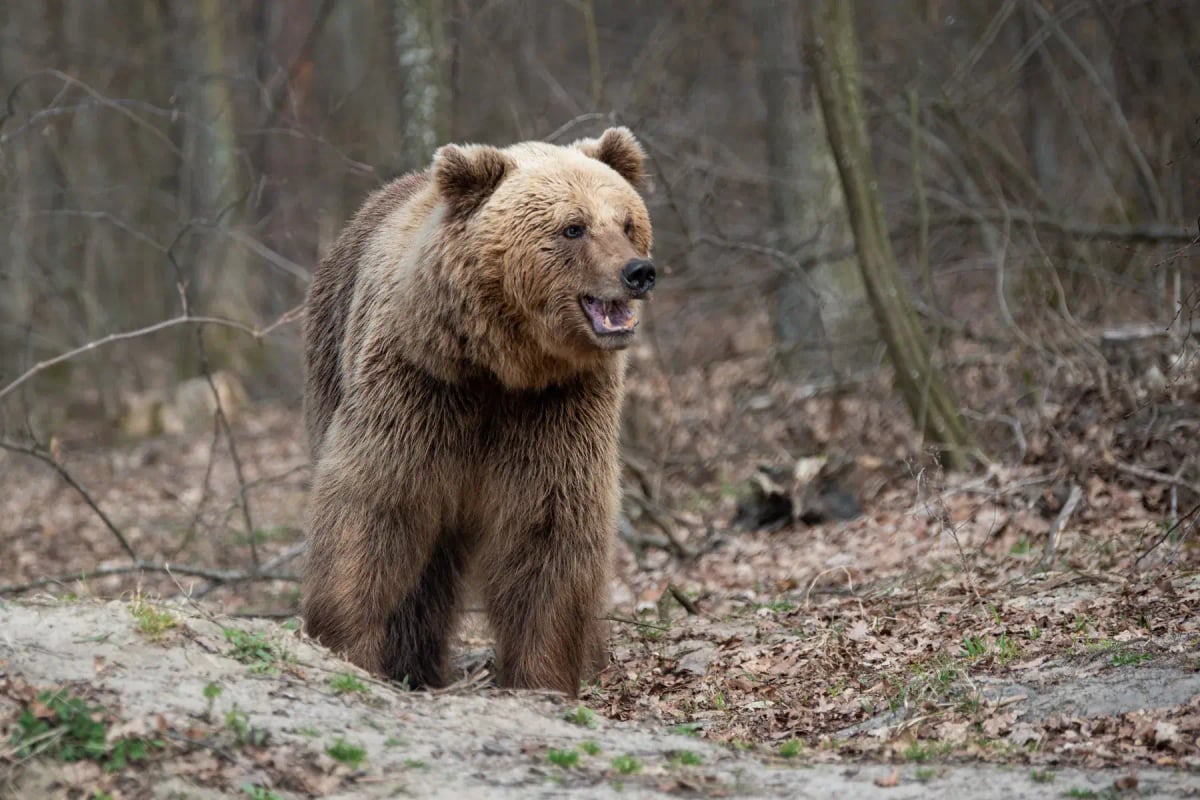
Animals in Puerto Rico
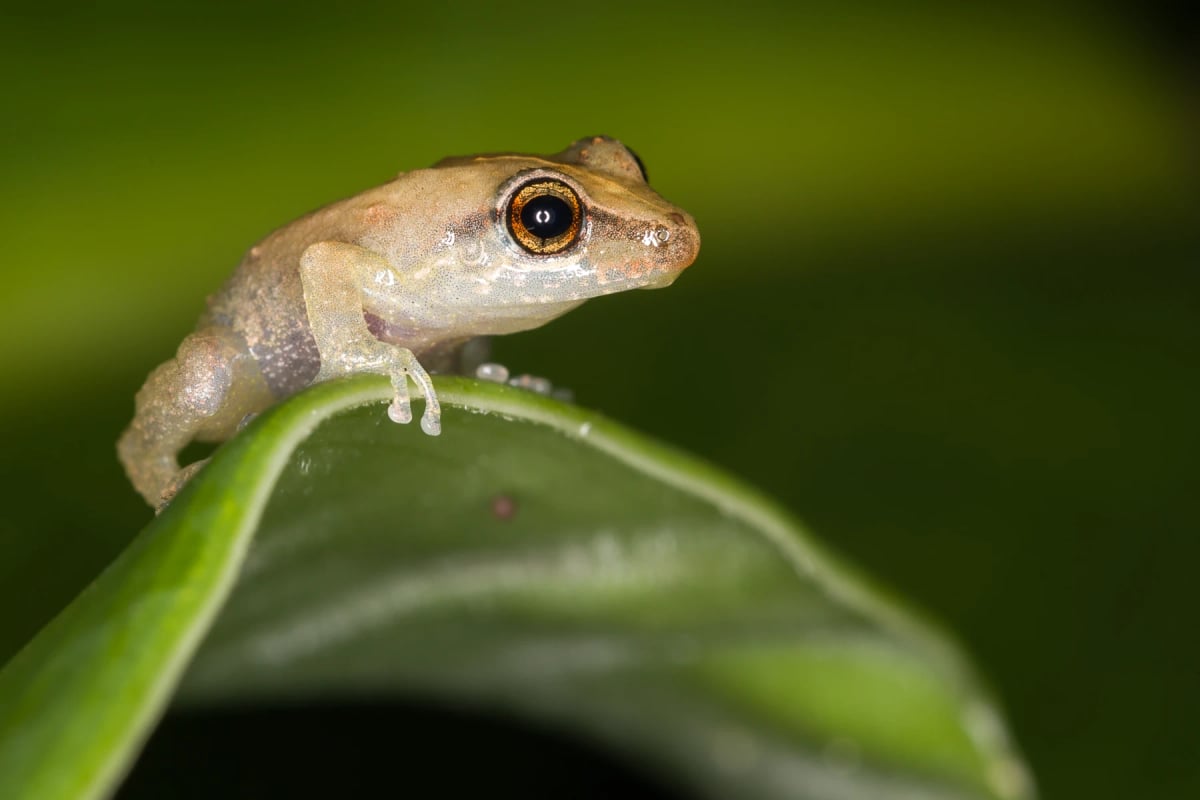
Coquí
Eleutherodactylus coqui
The coquí, a tiny frog known for its distinct nocturnal call, holds deep cultural and ecological significance in Puerto Rico. Revered as a national symbol, the coquí is not just biologically endemic but emotionally emblematic, representing the voice of the island in both literal and poetic terms. Despite its size, its presence is felt in folklore, music, and daily life. Its survival amid habitat shifts and environmental pressures serves as a testament to Puerto Rico’s unique natural identity and the resilience of its native fauna.
View details→Wildlife in Puerto Rico
Puerto Rico's wildlife is shaped by its tropical climate, coastal diversity, and mountainous interior, creating an intricate network of habitats across a relatively small territory. From lush rainforests like El Yunque to mangroves and coral reefs, the island harbors a unique blend of endemic species, migratory birds, and marine life. Though urban growth has altered some ecosystems, protected areas still shelter a surprising variety of animals, offering a window into the Caribbean’s rich natural tapestry that continues to evolve under careful conservation efforts.
Most Dangerous Animals in Puerto Rico
Although Puerto Rico is not generally known for highly dangerous wildlife, certain marine predators demand caution in coastal waters. Tiger and hammerhead sharks, along with orcas seen sporadically offshore, represent apex species that maintain ecological balance in the Caribbean Sea. While attacks on humans are exceptionally rare, responsible interaction with the ocean remains vital. These creatures add a sense of awe and complexity to Puerto Rico’s marine landscape and remind us of nature’s power beneath the surface.
Top 10 Animals in Puerto Rico
Puerto Rico's most iconic animals continue to gain visibility as awareness grows around its unique biodiversity. While this top 10 will evolve with time, current selections include species that have captured public imagination, held ecological importance, or played symbolic roles in culture and conservation. Whether flying above cliffs, singing through forests, or gliding beneath ocean waves, these animals help define the island’s natural soul and deserve both recognition and protection.
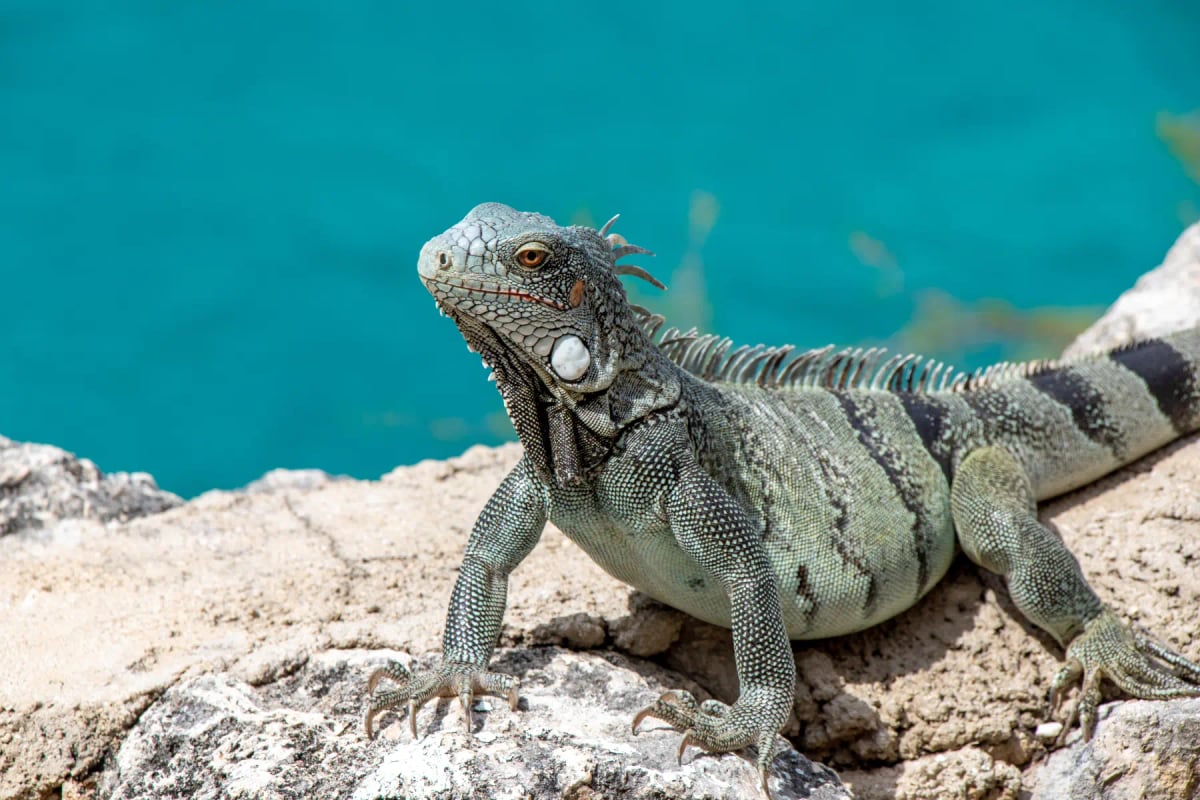
Iguana
Iguana iguana
The green iguana is one of Puerto Rico's most prominent invasive species, introduced through the pet trade and now present across the island in very high numbers. Locally known as gallina de palo, it causes significant damage to native plants and agriculture. Populations are estimated in the millions, and while control programs exist, eradication of such an abundant population is not considered feasible.
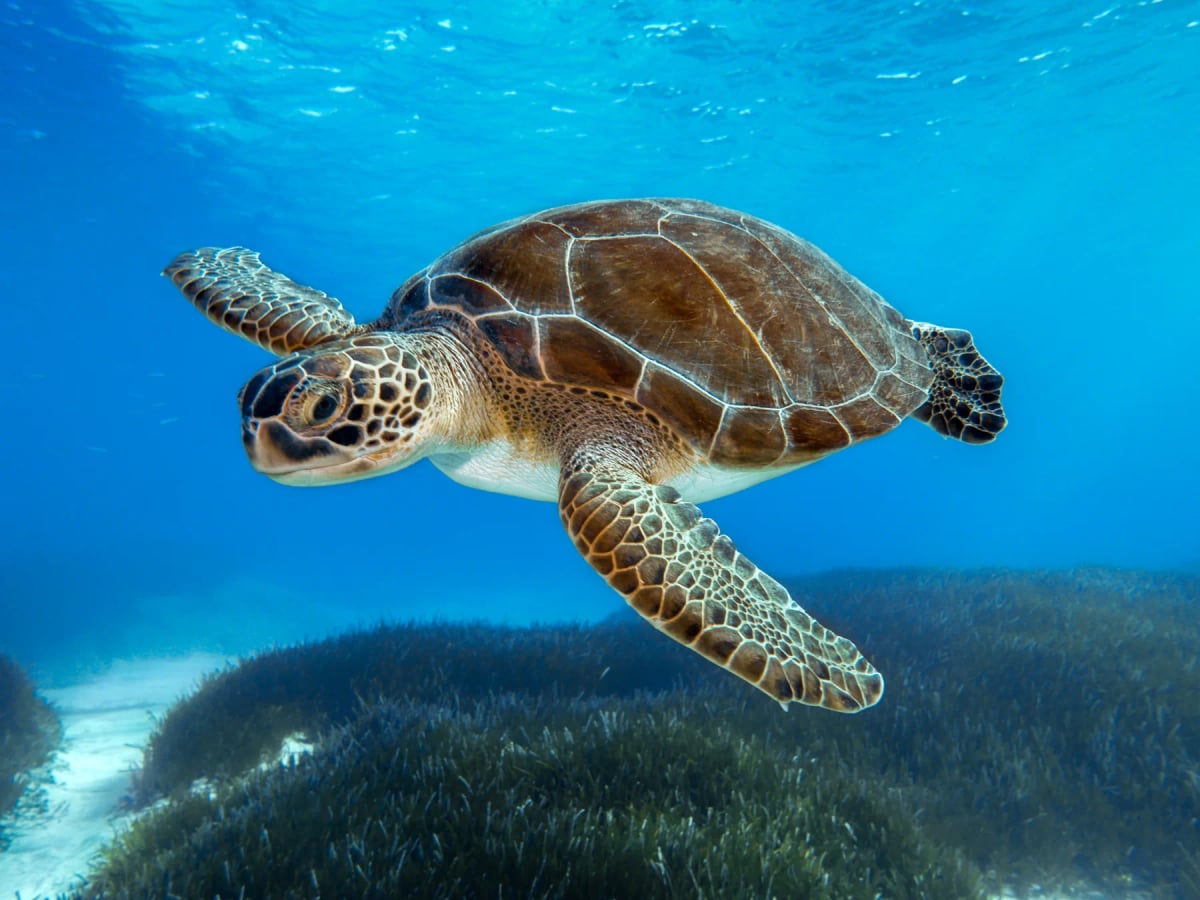
Sea Turtle
Cheloniidae & Dermochelyidae (families)
Puerto Rico's warm Caribbean waters and beaches provide nesting and foraging habitat for leatherback, hawksbill, green and loggerhead sea turtles. Leatherback turtles nest on the northeast coast, particularly at beaches in Luquillo and Fajardo, which support some of the largest leatherback nesting aggregations in the Caribbean. Hawksbill turtles are present on coral reefs around the island, and green turtles forage in seagrass beds in the southwestern bays. Conservation programs have operated on the island for several decades.
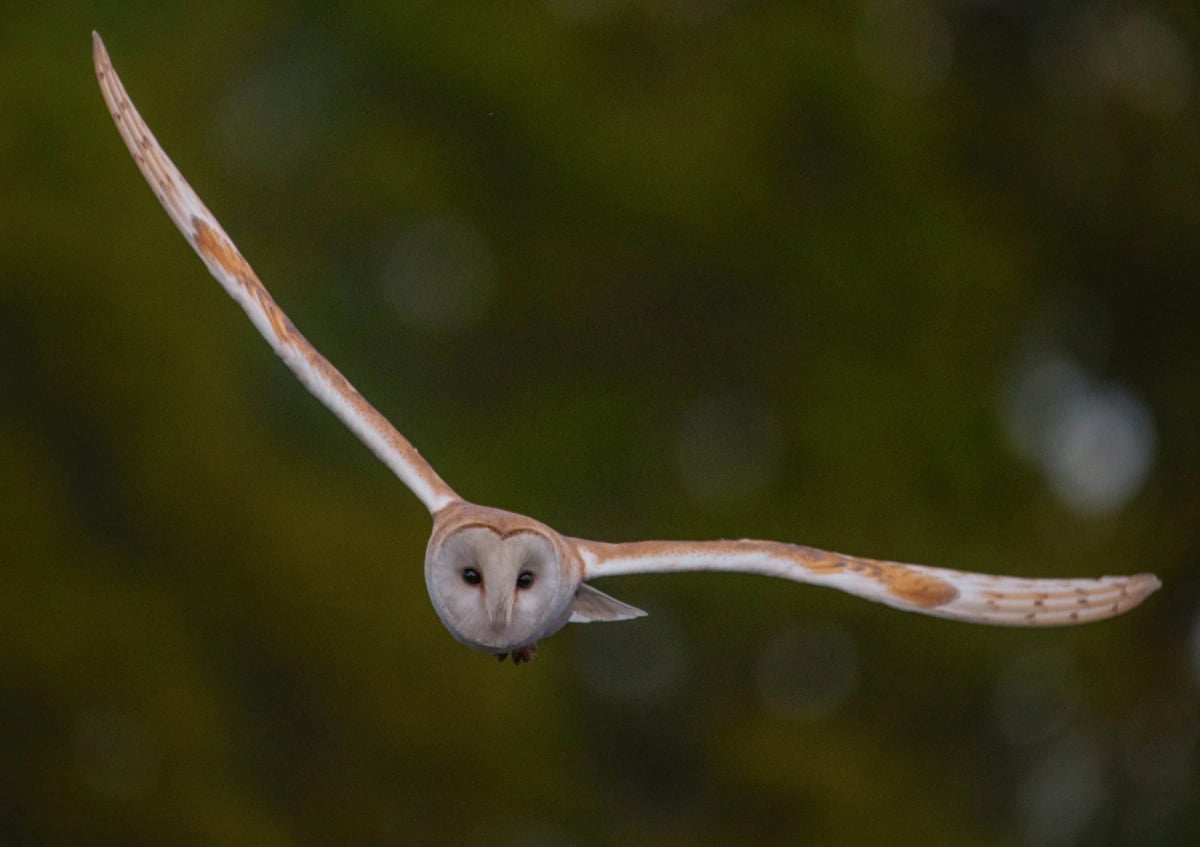
Barn Owl
Tyto alba
The barn owl is found across Puerto Rico in open farmland, grassland, and the outskirts of towns and villages throughout the island. It nests in old buildings, cliff faces, and caves, and hunts rodents and other small prey at night. In Puerto Rico it plays a useful role in controlling rat and mouse populations in agricultural and urban fringe areas. It is one of the more commonly encountered owls on the island and can be found from the coastal lowlands to the lower mountain slopes of the Cordillera Central.
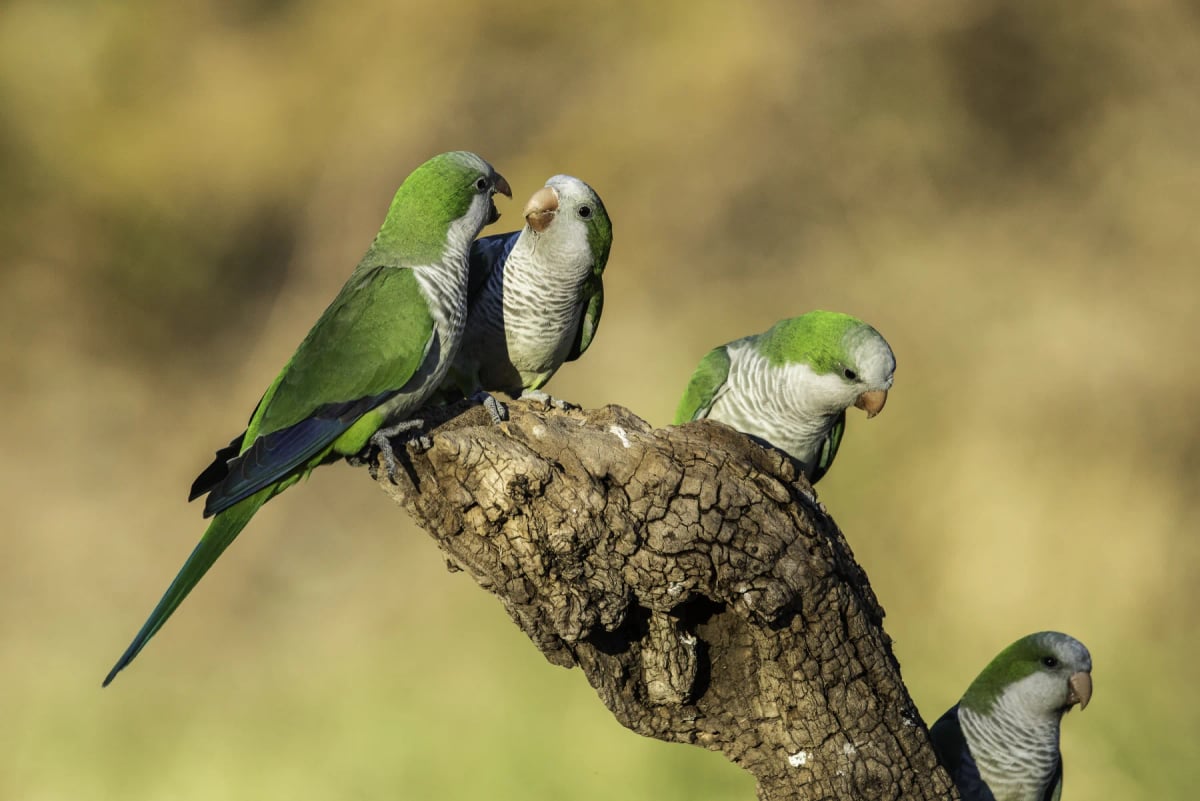
Monk Parakeet
Myiopsitta monachus
In Puerto Rico, the Monk Parakeet is an introduced species that has adapted well to suburban and urban environments, particularly around the San Juan metropolitan area. Flocks gather in parks and residential neighborhoods, building large communal nests from sticks. Although popular with locals, they are considered an invasive species and can cause damage to crops and infrastructure such as power lines.
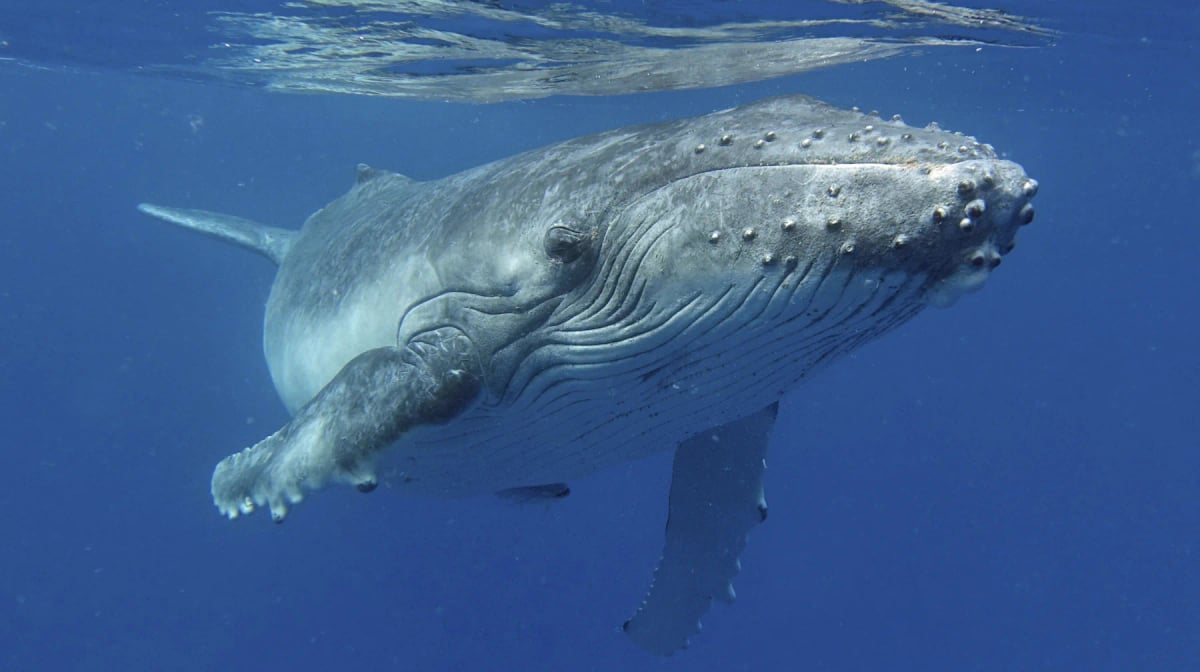
Humpback Whale
Megaptera novaeangliae
Puerto Rico and the surrounding waters of the Caribbean Sea form part of a key wintering and breeding area for humpback whales from the North Atlantic. Whales typically arrive between January and March, and the Silver Bank area near the Dominican Republic, not far from Puerto Rico, is one of the most important breeding concentrations in the entire Atlantic. Sightings off Puerto Rico's coast are fairly regular during these months.
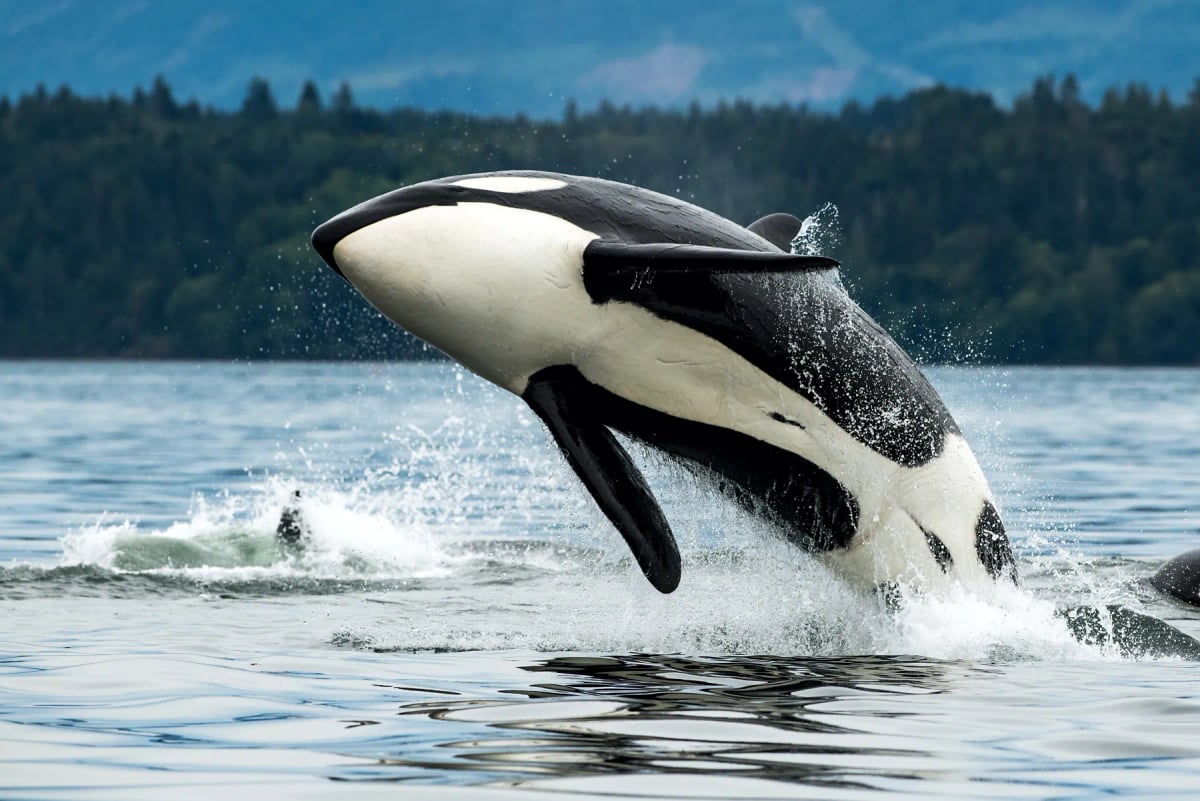
Orca
Orcinus orca
Orcas have been recorded in the waters around Puerto Rico in the Caribbean Sea. Sightings in this region are uncommon, as orcas tend to prefer cooler seas, though they do venture into tropical waters. When pods are spotted near Puerto Rico, they are usually passing through in pursuit of prey. The island's deep offshore waters can support the transit of these wide-ranging marine mammals.
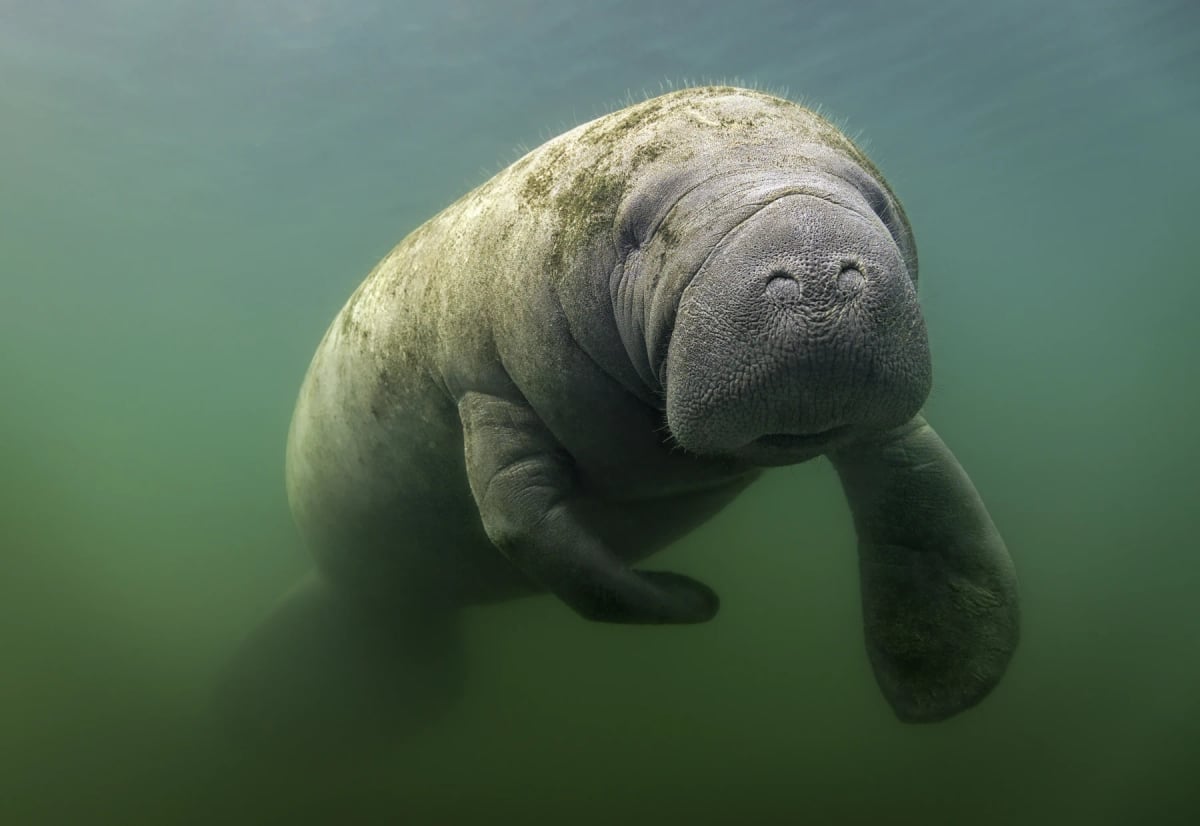
Manatee
Trichechus manatus
The West Indian manatee appears along Puerto Rico's coastal lagoons, mangroves, and estuaries, particularly around areas like Jobos Bay. Populations here are small and vulnerable, threatened by boat traffic and coastal development. Local conservation efforts, including speed zones for vessels, aim to protect these gentle giants. The species is listed as Vulnerable globally, and Puerto Rico plays an important role in Caribbean recovery efforts.
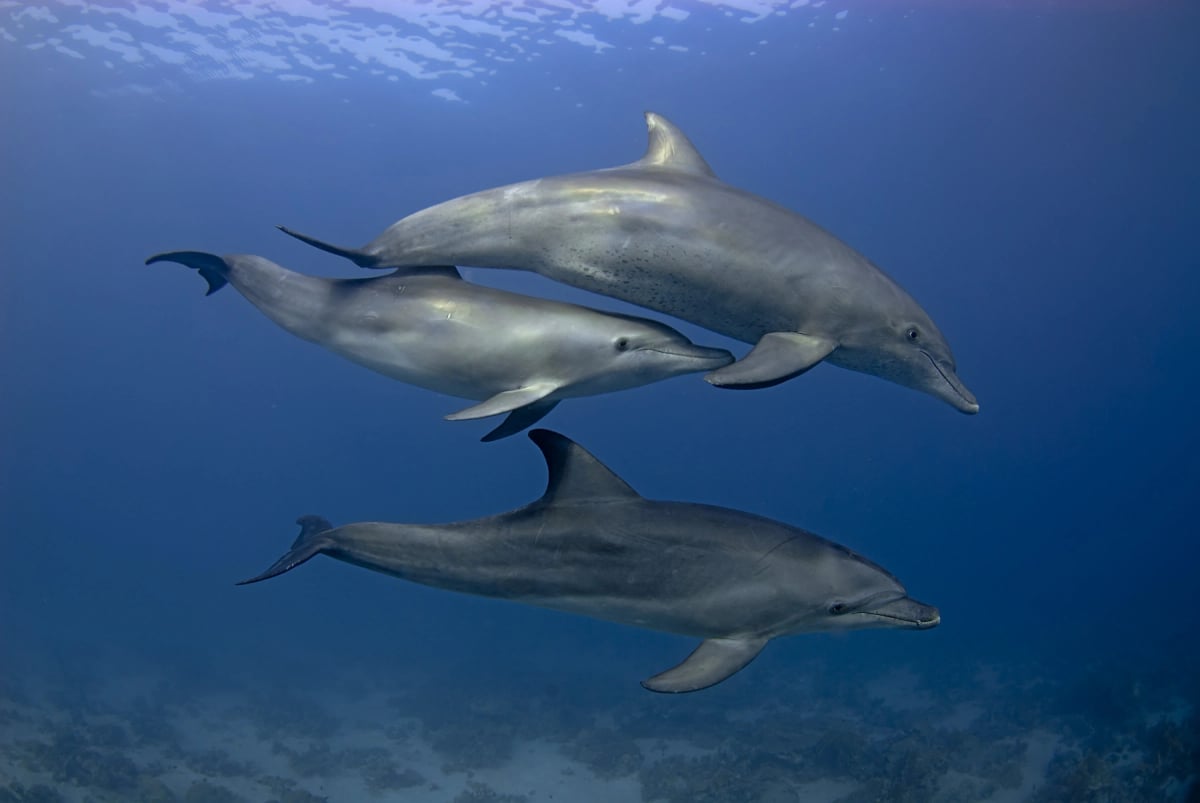
Bottlenose Dolphin
Tursiops truncatus
Around Puerto Rico, bottlenose dolphins inhabit the warm Caribbean coastal waters, bays, and passages between the main island and its smaller neighbors. They are frequently seen near Vieques and in waters off the northern coast. The species is monitored as part of broader conservation efforts across the Caribbean. The IUCN classifies the bottlenose dolphin as Least Concern at the global level.
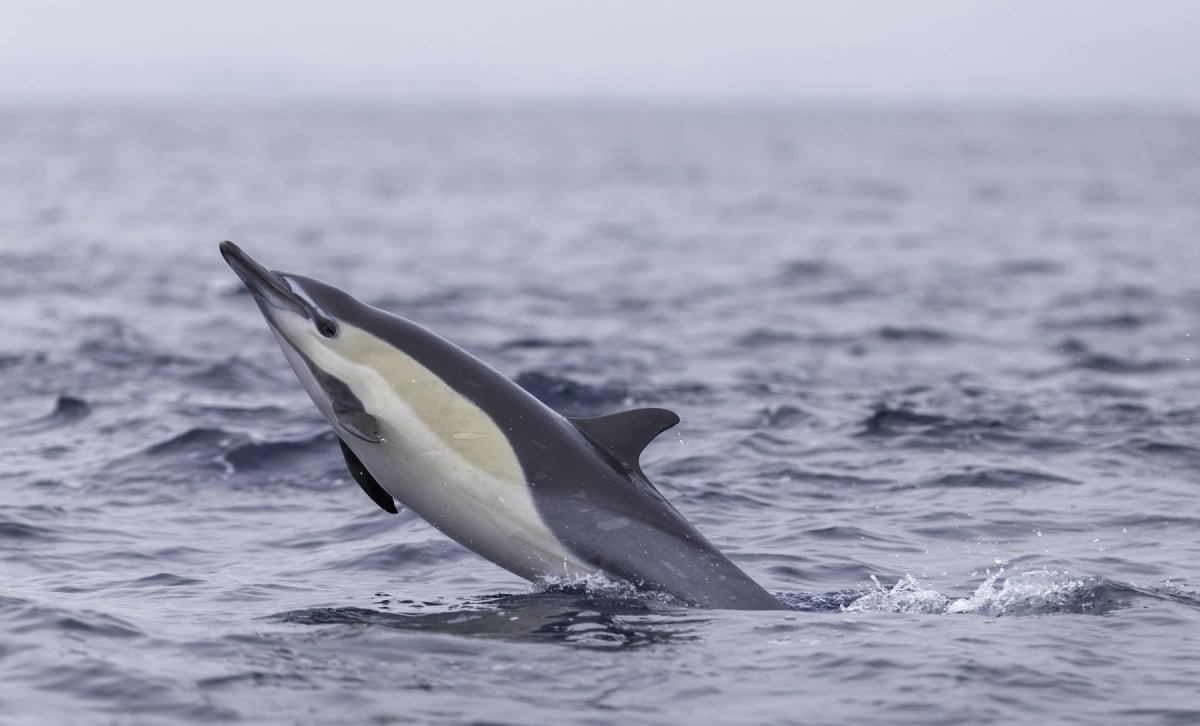
Common Dolphin
Delphinus delphis
Common dolphins occur in the warm Caribbean waters surrounding Puerto Rico, including the deeper passages such as the Mona Passage to the west. They tend to prefer offshore and pelagic zones rather than shallow coastal areas. Sightings are recorded year-round, and the dolphins are often seen in active, energetic groups that ride the bow waves of passing vessels. IUCN status: Least Concern.
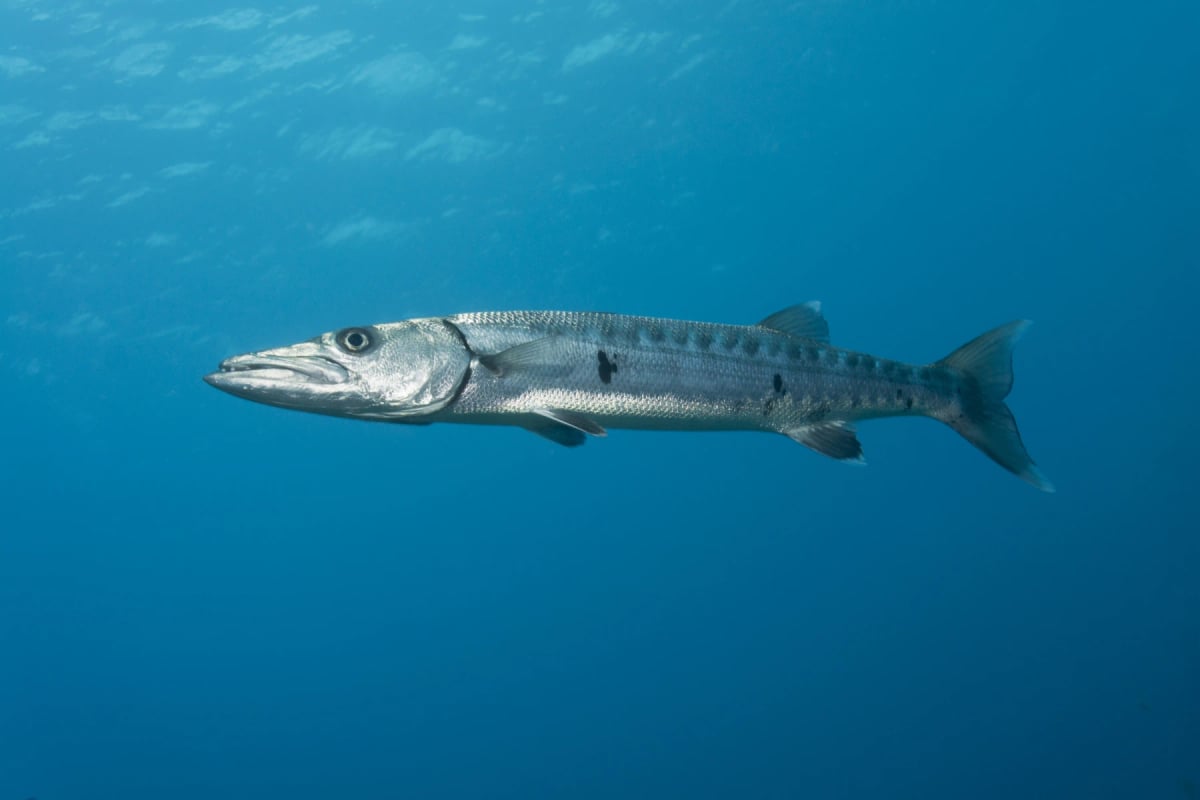
Barracuda
Sphyraena spp.
Barracudas are a common and familiar presence in Puerto Rico's coastal and reef waters, found around coral reefs, rocky shorelines, and seagrass beds along the island's north, south, and east coasts. The great barracuda is regularly encountered by divers and snorkelers at reef sites near Fajardo, Humacao, and the reefs off La Parguera on the southwest coast. The offshore islands of Culebra and Vieques offer some of the clearest water and most reliably good barracuda sightings in Puerto Rican waters.
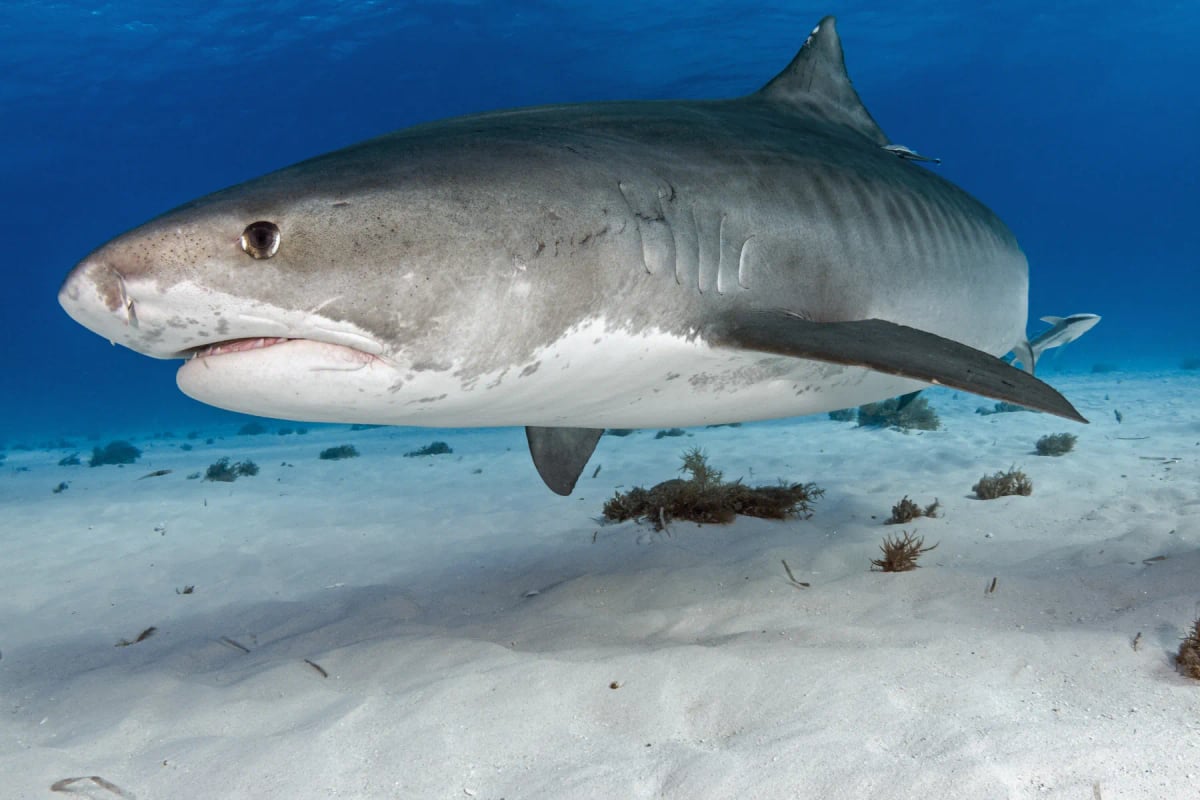
Tiger Shark
Galeocerdo cuvier
Puerto Rico's warm Caribbean waters and surrounding Atlantic coast provide ideal habitat for the tiger shark. This large predator, capable of reaching 5 metres in length, is known to frequent coastal areas and reef edges around the island. It plays an important role in the marine ecosystem. The IUCN considers it Near Threatened, largely due to fishing pressure throughout the Caribbean.
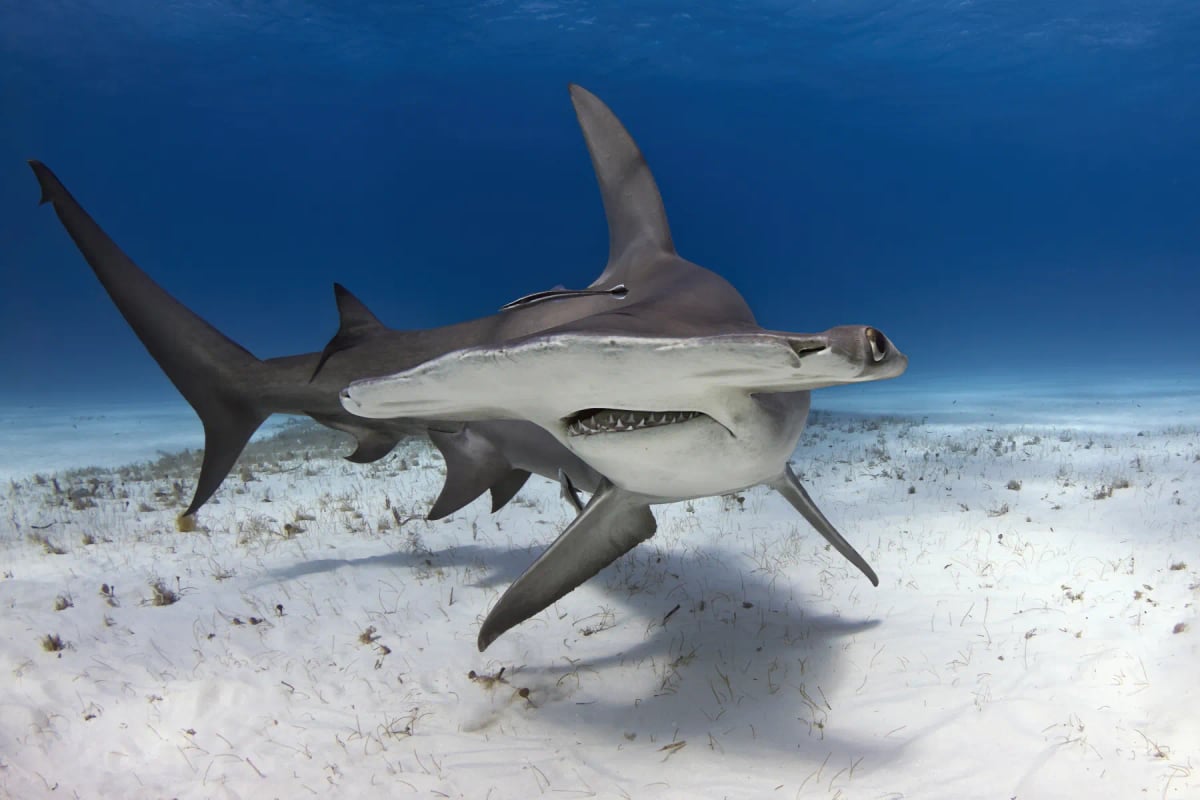
Hammerhead Shark
Sphyrna spp.
The warm Caribbean waters surrounding Puerto Rico provide suitable habitat for hammerhead sharks, which are occasionally spotted near offshore reefs and seamounts. They feed on the abundant rays and fish found in these tropical seas. Puerto Rico falls under United States federal protections for sharks, which prohibit the shark fin trade. Even so, these animals remain critically endangered across the wider Caribbean region.
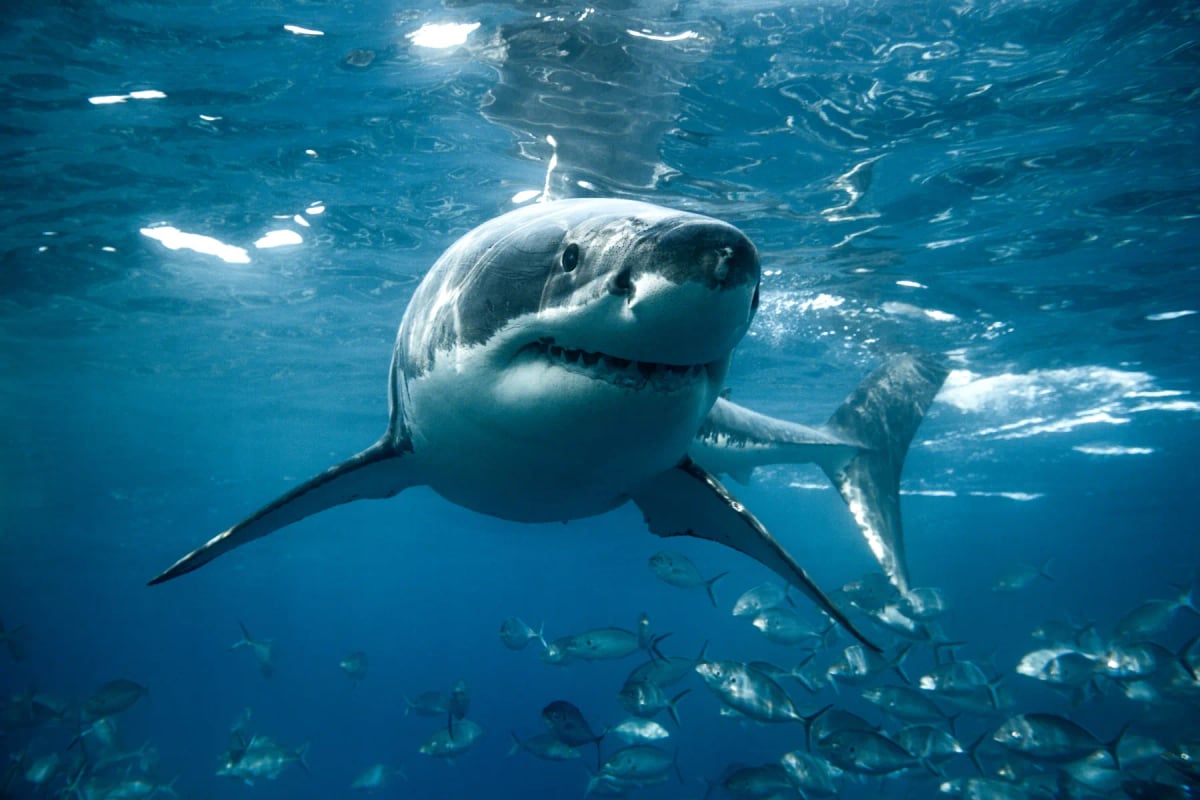
Great White Shark
Carcharodon carcharias
Great white sharks are occasional visitors to the waters surrounding Puerto Rico in the Caribbean. This species tends to favour cooler temperate seas, making the warm Caribbean less typical territory, though juveniles and wandering adults have been tracked passing through the region. Puerto Rico's marine protected areas and coastal ecosystems form part of a broader network important to the health of large shark populations in the Atlantic.
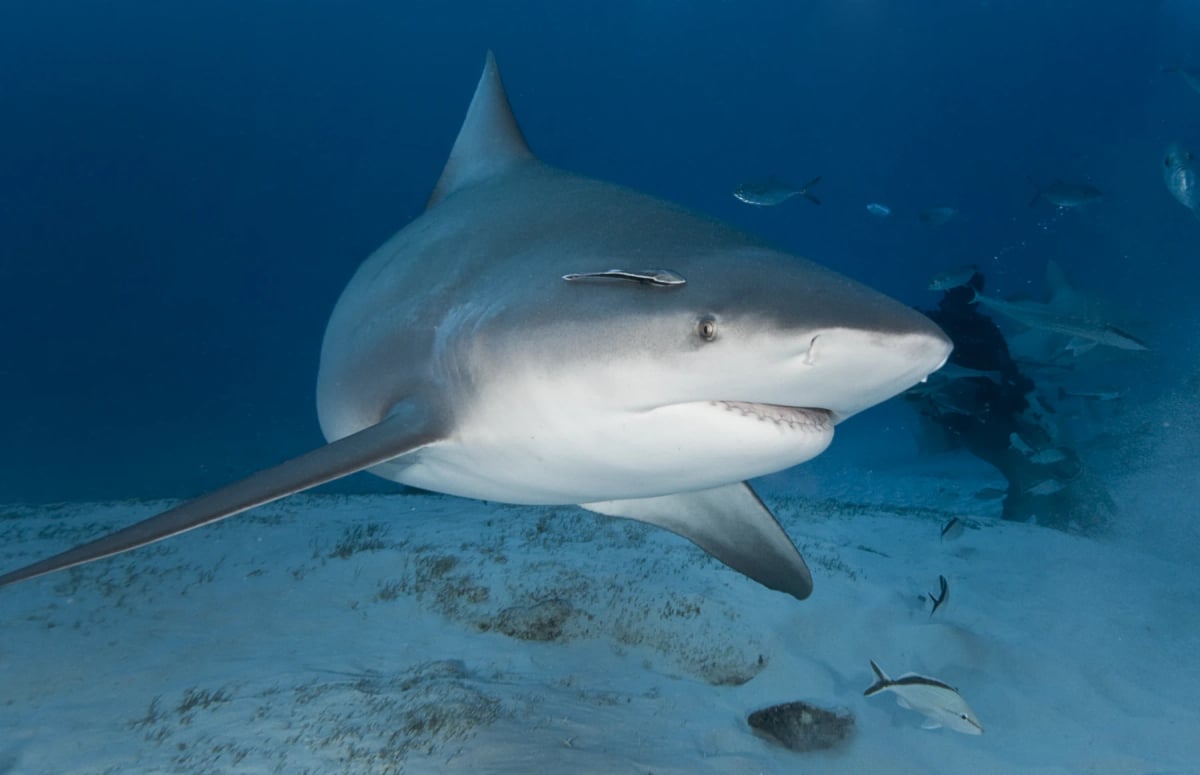
Bull Shark
Carcharhinus leucas
Bull sharks are present in the warm coastal waters and estuaries surrounding Puerto Rico, where they patrol shallow inshore zones and river mouths. As opportunistic predators, they feed on fish, rays, and smaller sharks. Classified as Near Threatened by the IUCN, they face pressure from fishing and habitat loss. Their tolerance for fresh water means rivers across the island can serve as occasional habitat.
Coquí
Eleutherodactylus coqui
The coquí is Puerto Rico's most beloved wild creature, living in rainforests, gardens, and mountain slopes across the island. This tiny tree frog, barely 3 to 4 cm long, fills the night air with its iconic two-note call. Males use the first note to warn rivals and the second to attract mates. Hatching as fully formed froglets, it skips the tadpole stage entirely and holds Least Concern status on the IUCN Red List.
Researched and written by Juan Pablo. Sources: IUCN Red List, scientific literature and regional field guides. Last updated: .