Animals in Bosnia and Herzegovina
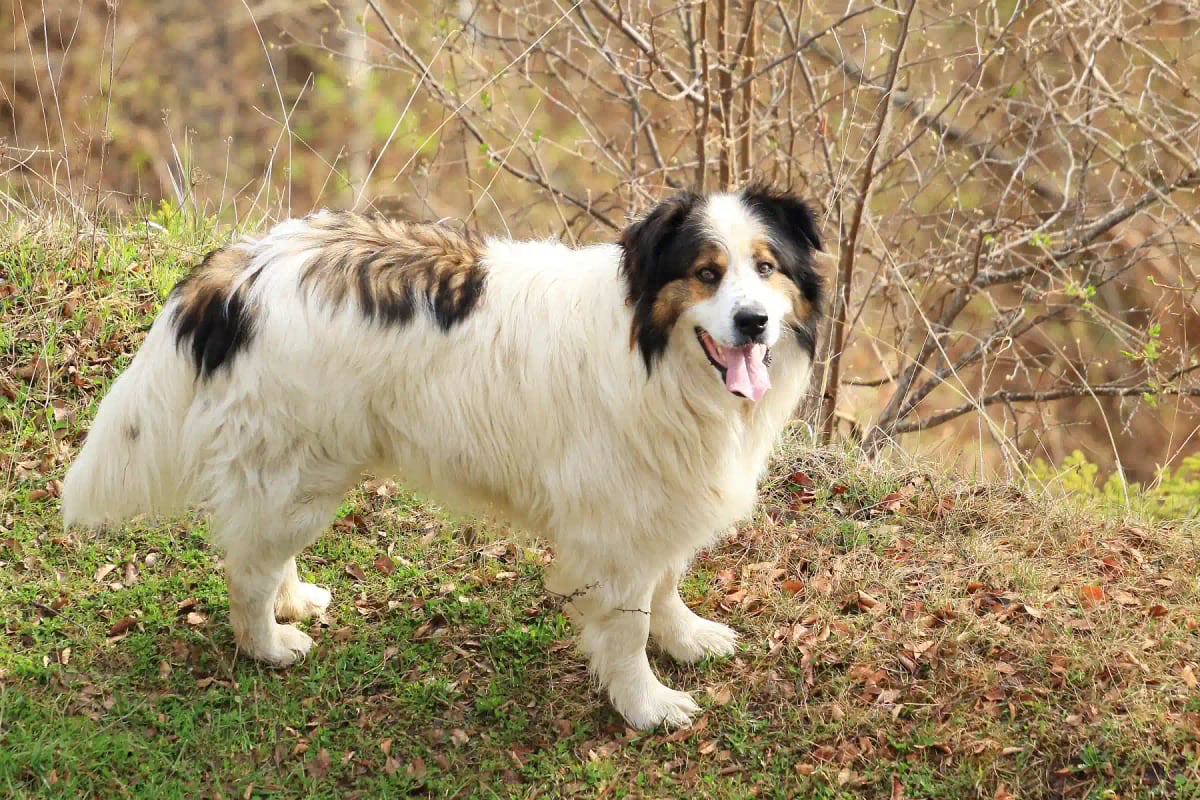
Tornjak
Canis lupus familiaris
The Tornjak, a native shepherd dog breed, is the national animal of Bosnia and Herzegovina and a symbol of its rural heritage. Known for its strength, intelligence and loyalty, it has guarded livestock in the mountains for centuries. The breed embodies the endurance of local communities and remains a proud part of the country’s pastoral culture and identity.
View details→Wildlife in Bosnia and Herzegovina
Bosnia and Herzegovina offers one of the most unspoiled natural landscapes in the Balkans. Its mountains, rivers and forests host animals such as lynxes, bears, wolves and eagles. The Sutjeska National Park and the Dinaric Alps are popular destinations for hiking and wildlife photography, where visitors can explore pristine nature filled with alpine lakes and dense pine woods.
Most Dangerous Animals in Bosnia and Herzegovina
Bosnia and Herzegovina is generally safe for travelers, though some wild animals require caution. Brown bears, wild boars and wolves live in mountain forests and may be seen from a distance. Hikers are encouraged to follow marked trails and respect local guidelines, ensuring both their safety and the protection of the country’s thriving wildlife.
Top 10 Animals in Bosnia and Herzegovina
Among Bosnia and Herzegovina’s most notable animals are the brown bear, gray wolf, Eurasian lynx, red deer and peregrine falcon. These species inhabit the rugged mountain ranges and remote forests that attract ecotourists and hikers each year. Conservation areas across the Dinaric Alps help protect this biodiversity while promoting sustainable tourism.
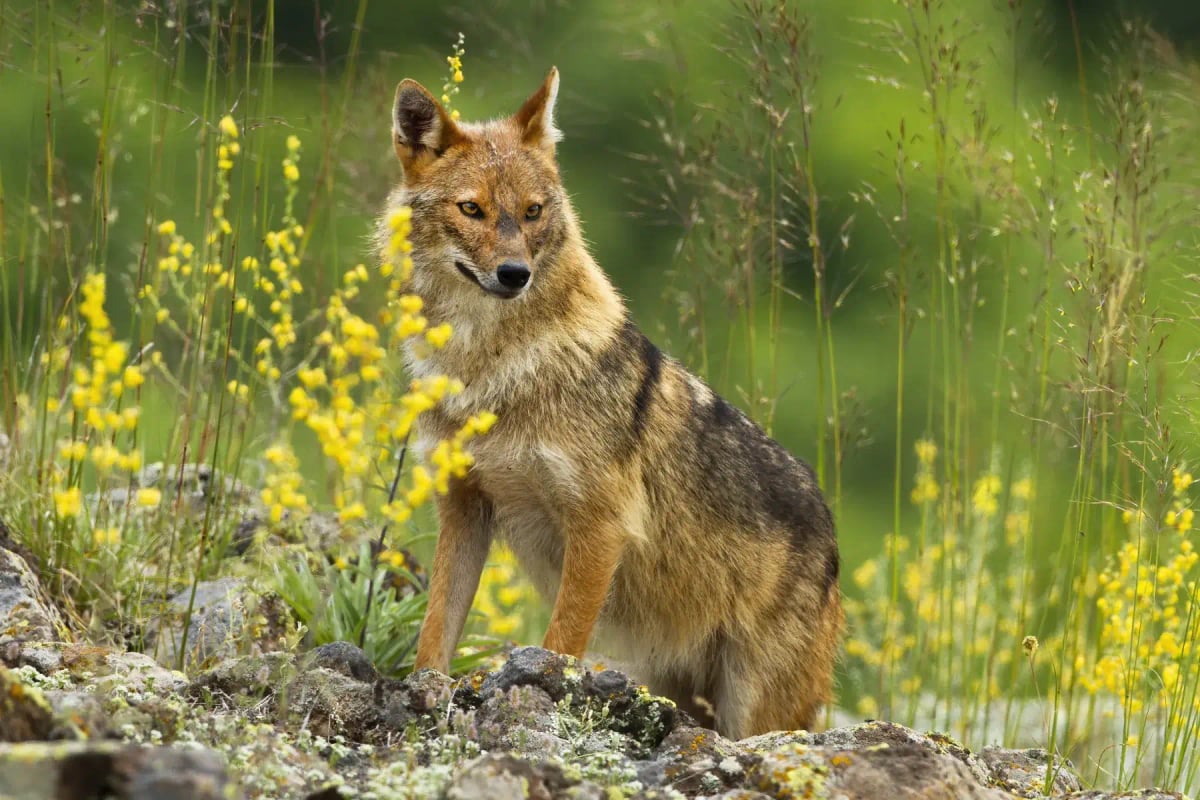
Golden Jackal
Canis aureus
The golden jackal has expanded steadily into Bosnia and Herzegovina over recent decades, now occupying river valleys, agricultural lowlands, and the edges of forested hills. Sightings are most frequent in the Herzegovina region and along the Sava River floodplain in the north. Its spread here is part of a broader natural recolonization across the western Balkans. IUCN status: Least Concern.
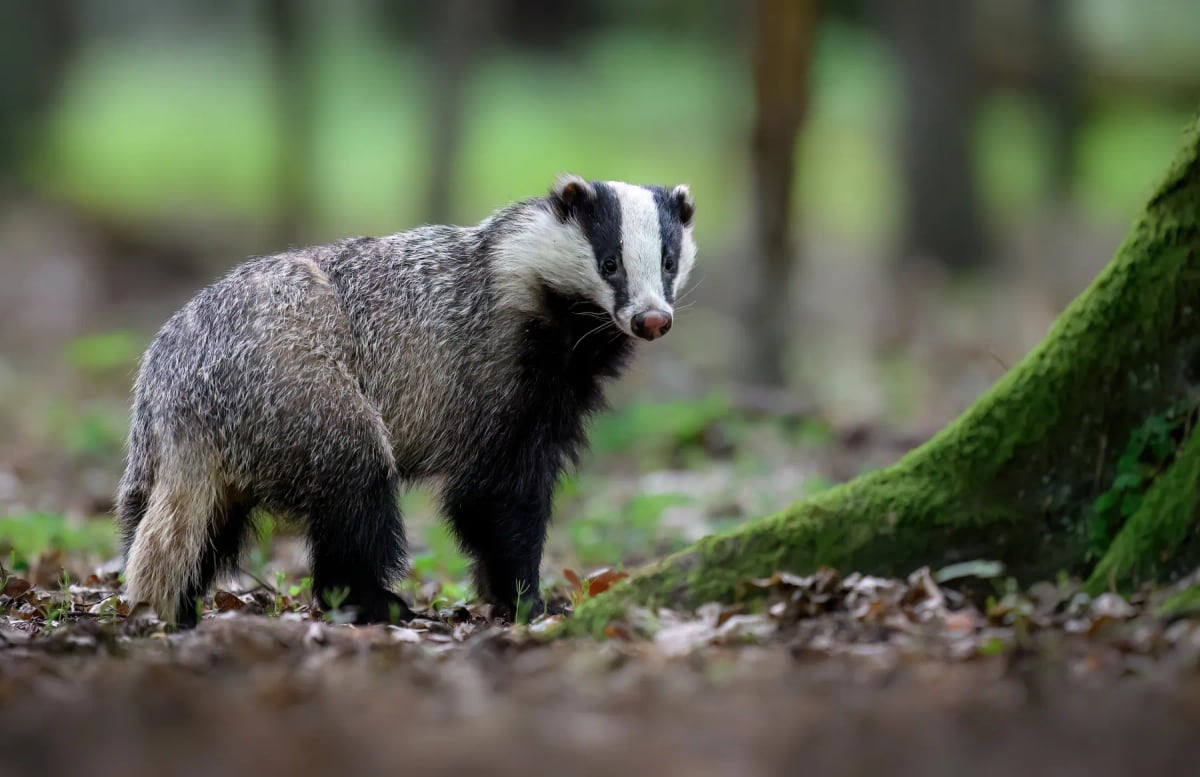
Badger
Meles meles
The Eurasian badger is found throughout Bosnia and Herzegovina in forested hills and mixed woodland across the country's mountainous landscape. It digs its setts in well-drained slopes and forest edges and forages at night for earthworms, insects, fruit and small animals. Badger populations in Bosnia and Herzegovina are considered stable and the species is present in both lowland river valleys and upland forest areas.
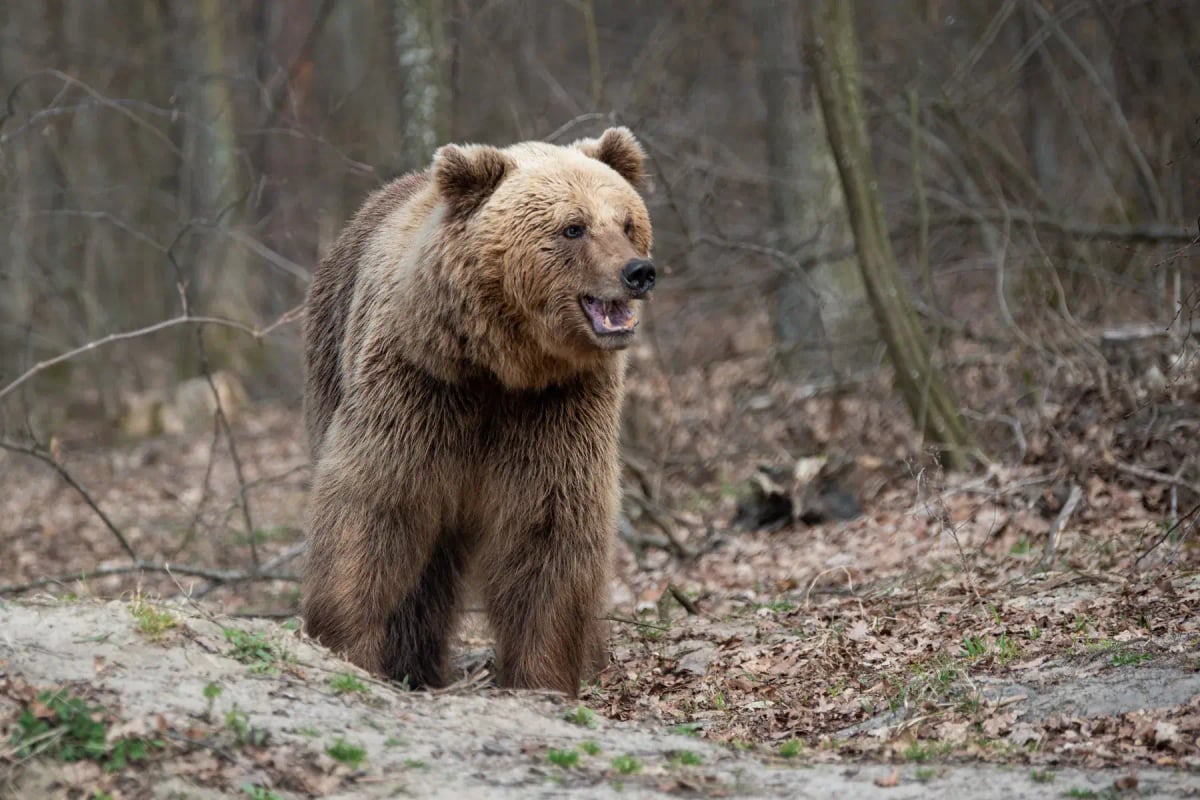
Brown Bear
Ursus arctos
Bosnia and Herzegovina holds one of the more significant brown bear populations in the western Balkans, with bears living across the Dinaric Alps and forested mountain ranges such as those around Jahorina and the central highlands. The country's large areas of intact forest provide essential habitat. Cross-border movement with neighboring countries is common, making regional cooperation vital for the conservation of the species.
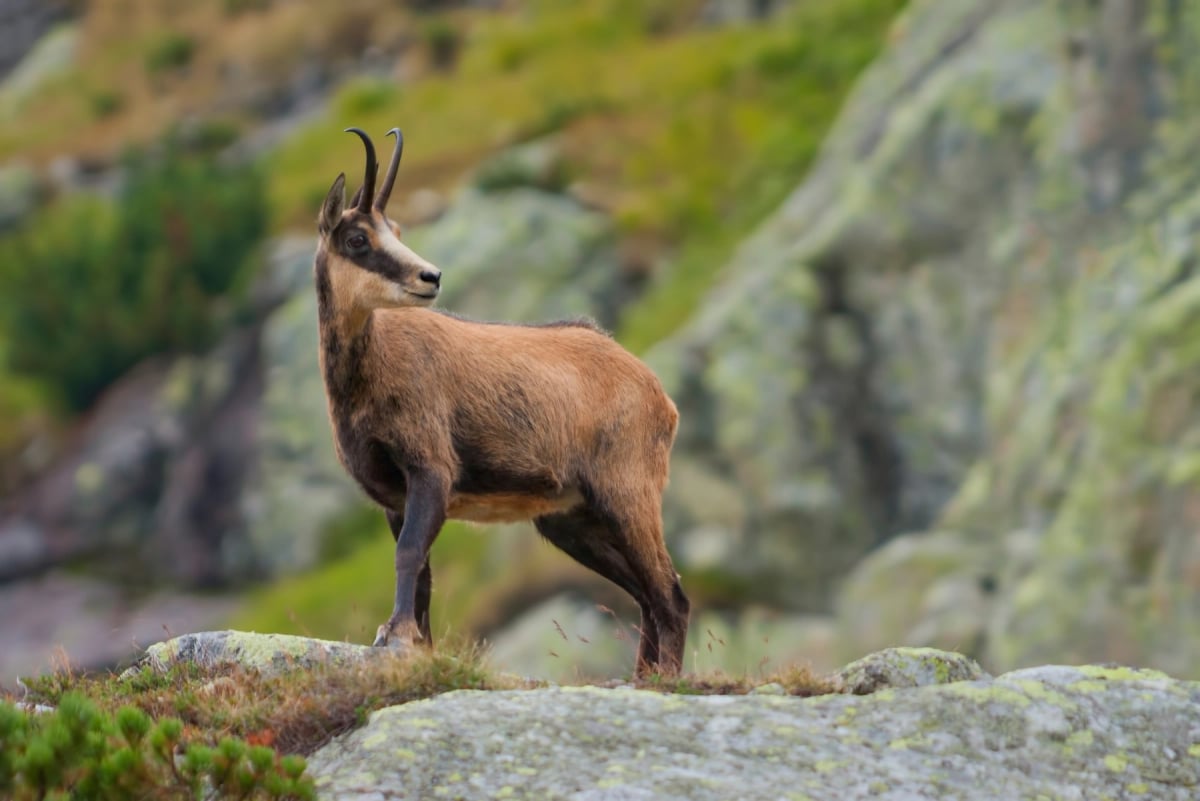
Chamois
Rupicapra rupicapra
In Bosnia and Herzegovina, chamois populations are concentrated in the Dinaric Alps, with the best numbers found around the Prenj, Čvrsnica, and Vranica massifs. These limestone ranges, rich in cliffs and alpine meadows, provide ideal year-round habitat. The species faces some pressure from unregulated hunting and human disturbance, but remains present across the country's highest terrain. It is classified as Least Concern globally.
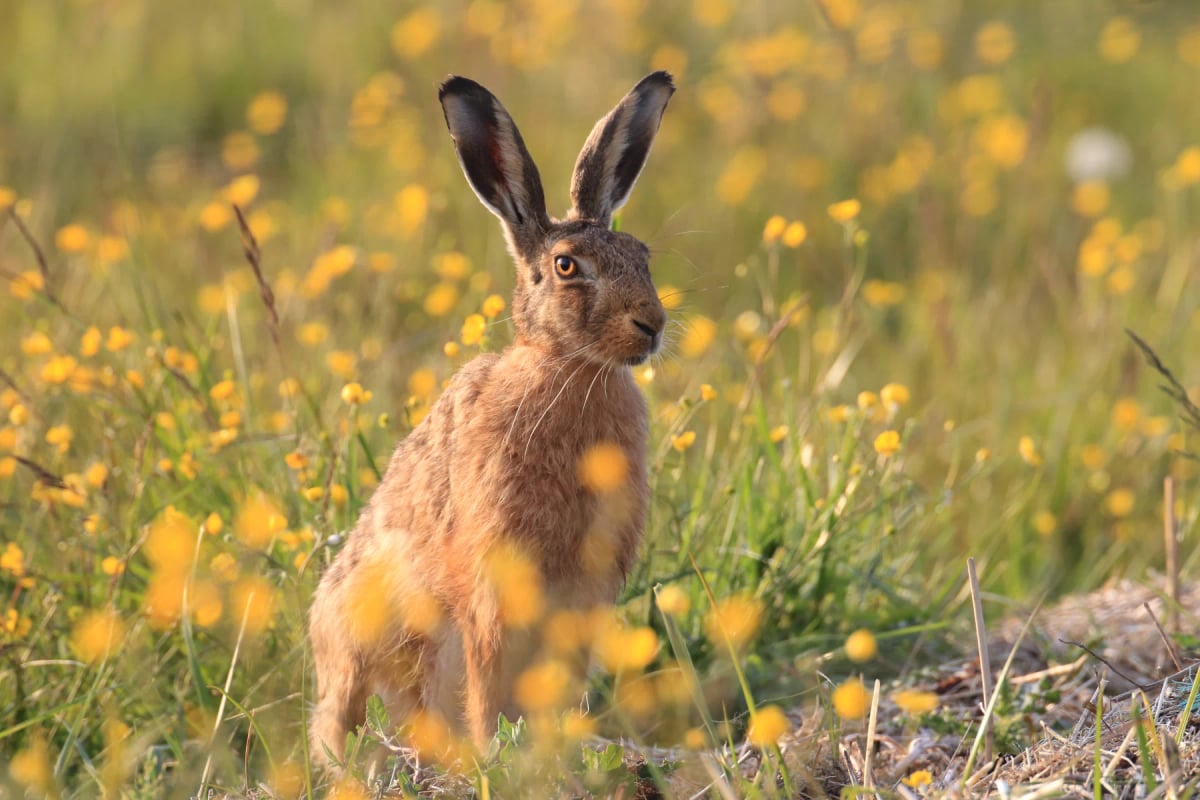
Hare
Lepus europaeus
In Bosnia and Herzegovina, the European hare occupies a range of habitats from lowland agricultural fields to the grassy clearings within the country's forested mountain landscapes. It is most common in open and semi-open areas rather than dense woodland. Hunting is a traditional activity in the country, and local populations are managed through hunting associations. Habitat changes linked to farming shifts in the post-war period have influenced distribution in some areas.
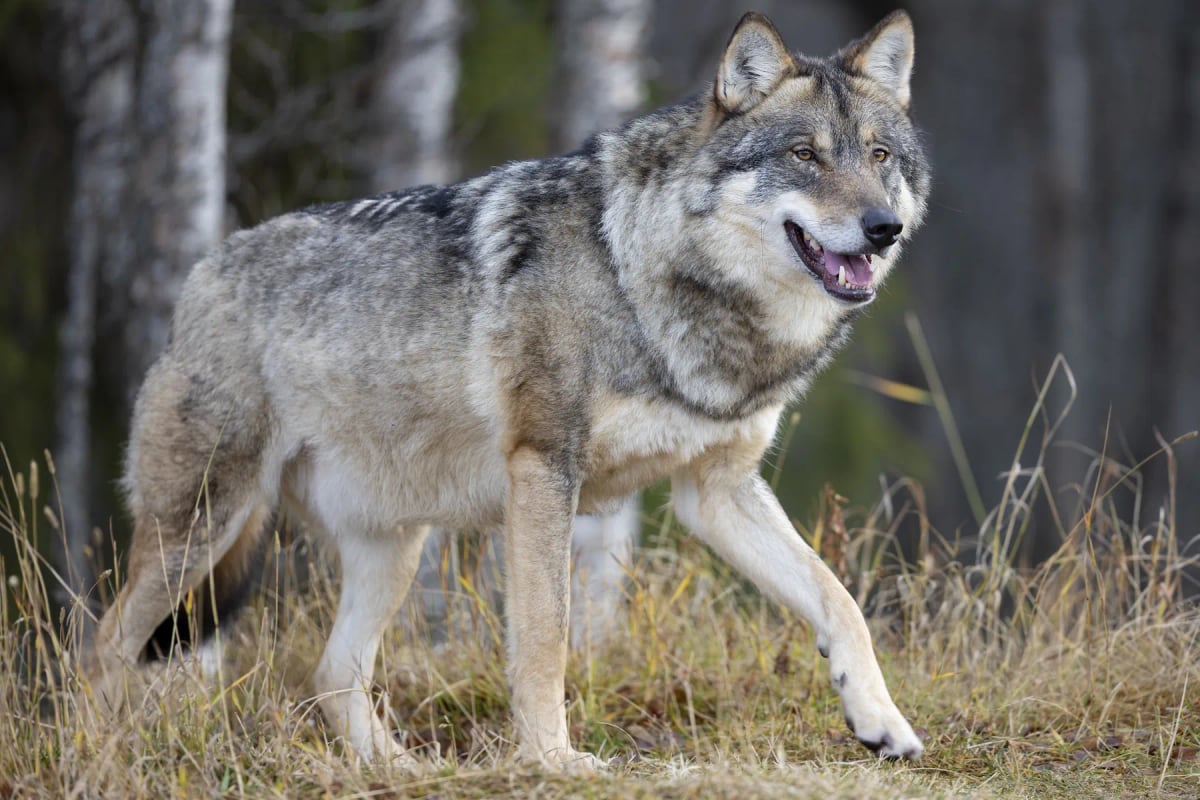
Gray Wolf
Canis lupus
Gray wolves inhabit the forested mountains of Bosnia and Herzegovina, where the Dinaric Alps provide suitable cover and prey. The country supports a meaningful population that connects with wolves in Montenegro, Croatia and Serbia. Livestock predation occurs regularly and is a source of tension with local communities. Bosnia and Herzegovina is part of the Dinaric wolf population, one of the more important wolf strongholds remaining in the Balkans. IUCN status: Least Concern.
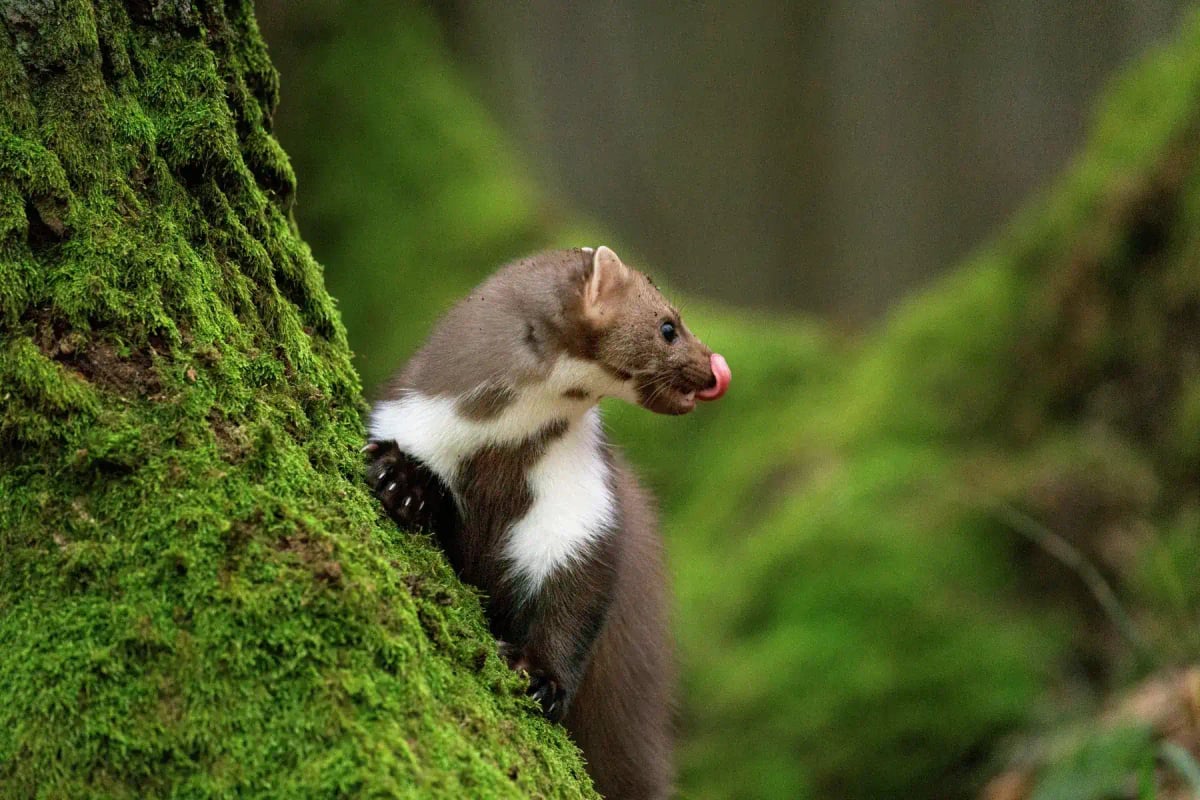
Marten
Martes martes / Martes foina
Bosnia and Herzegovina has extensive forest cover, and both marten species are well established here. Pine martens favor the beech and fir forests of the Dinaric Alps, while stone martens spread into lower valleys and areas near human activity. The country's large areas of little-disturbed woodland make it one of the stronger refuges for pine martens in the western Balkans. Both are rated Least Concern by the IUCN.
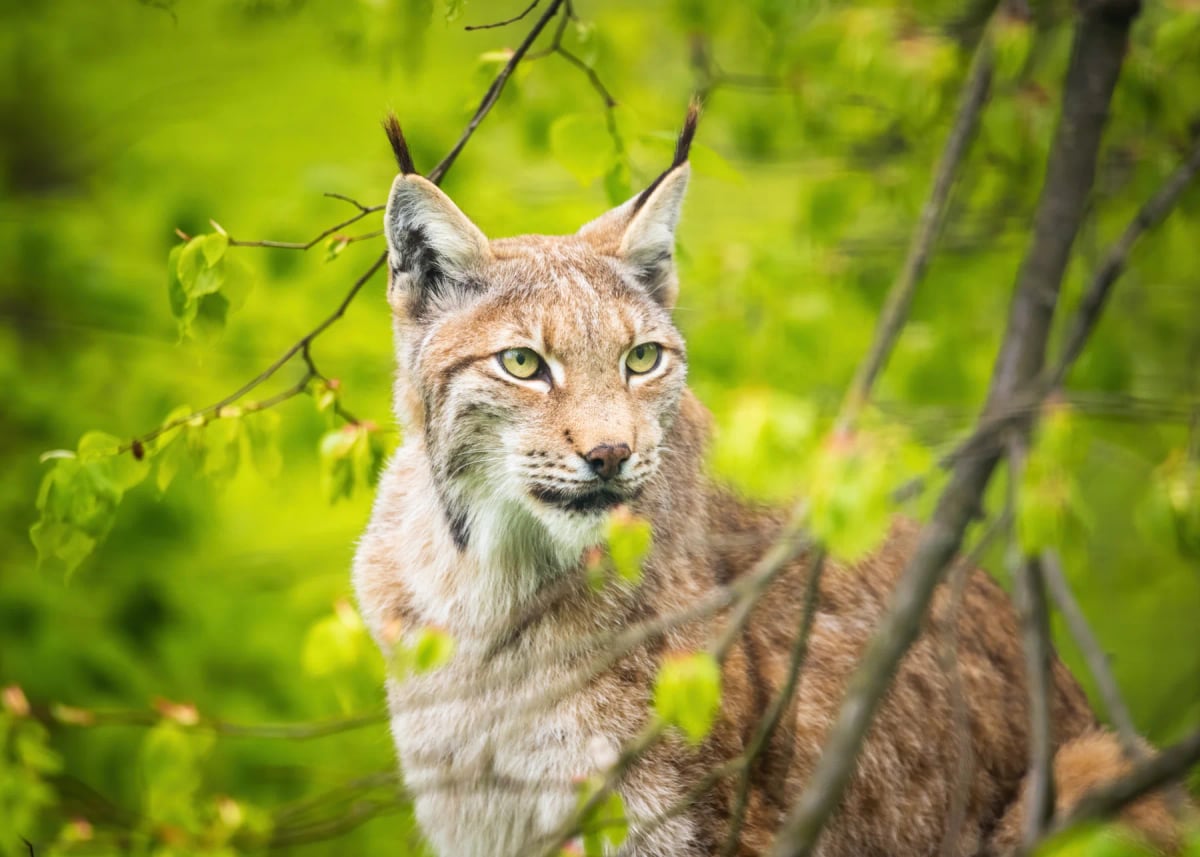
Eurasian Lynx
Lynx lynx
Bosnia and Herzegovina is home to a small and fragmented Eurasian Lynx population, part of the wider Balkan population that has declined sharply over recent decades. The lynx favors the dense mountain forests of the Dinaric Alps, where roe deer and chamois are available as prey. Poaching and habitat disturbance are major threats. Conservation initiatives across the Dinaric region are working to improve connectivity between isolated groups. Its IUCN status is Least Concern.
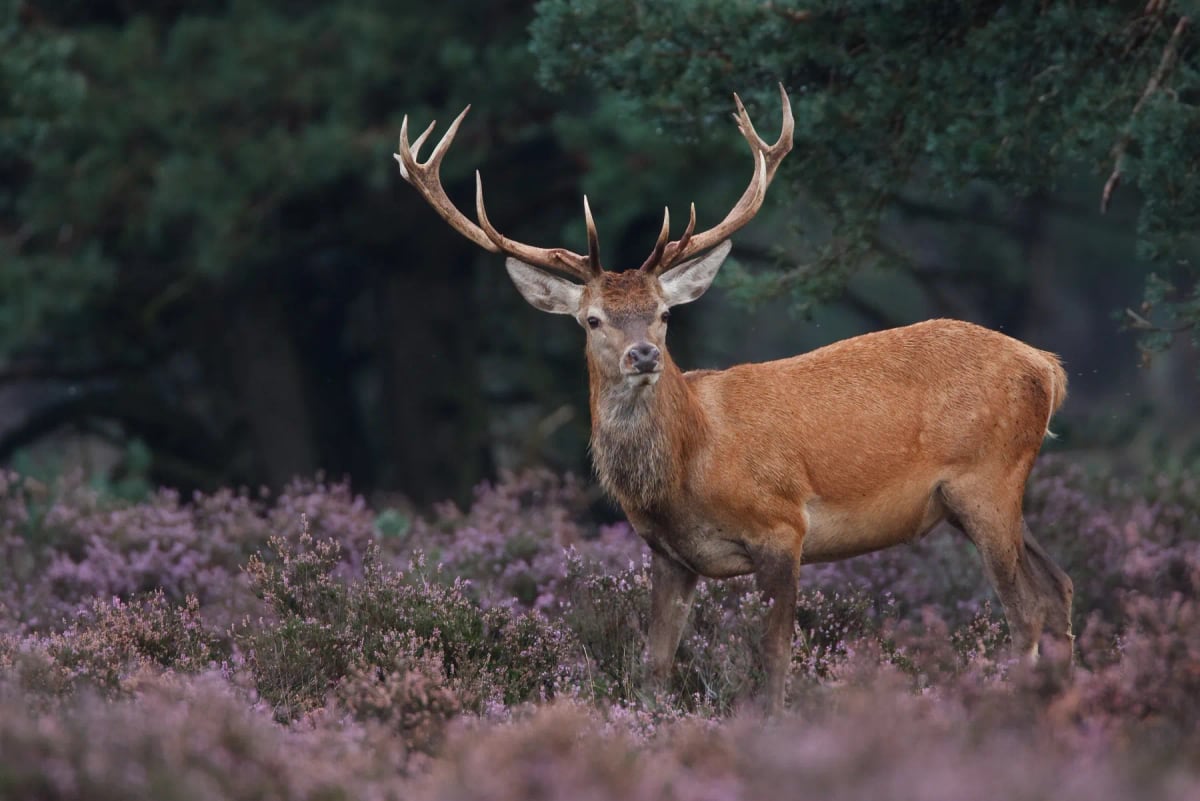
Red Deer
Cervus elaphus
Bosnia and Herzegovina's extensive mountain forests and river valleys make it excellent habitat for red deer. The species is present across much of the country, with particularly healthy populations in the forested highlands of central and western Bosnia. Hunting is regulated, and the species forms an important part of both the local ecosystem and the hunting economy of the region. IUCN status: Least Concern.
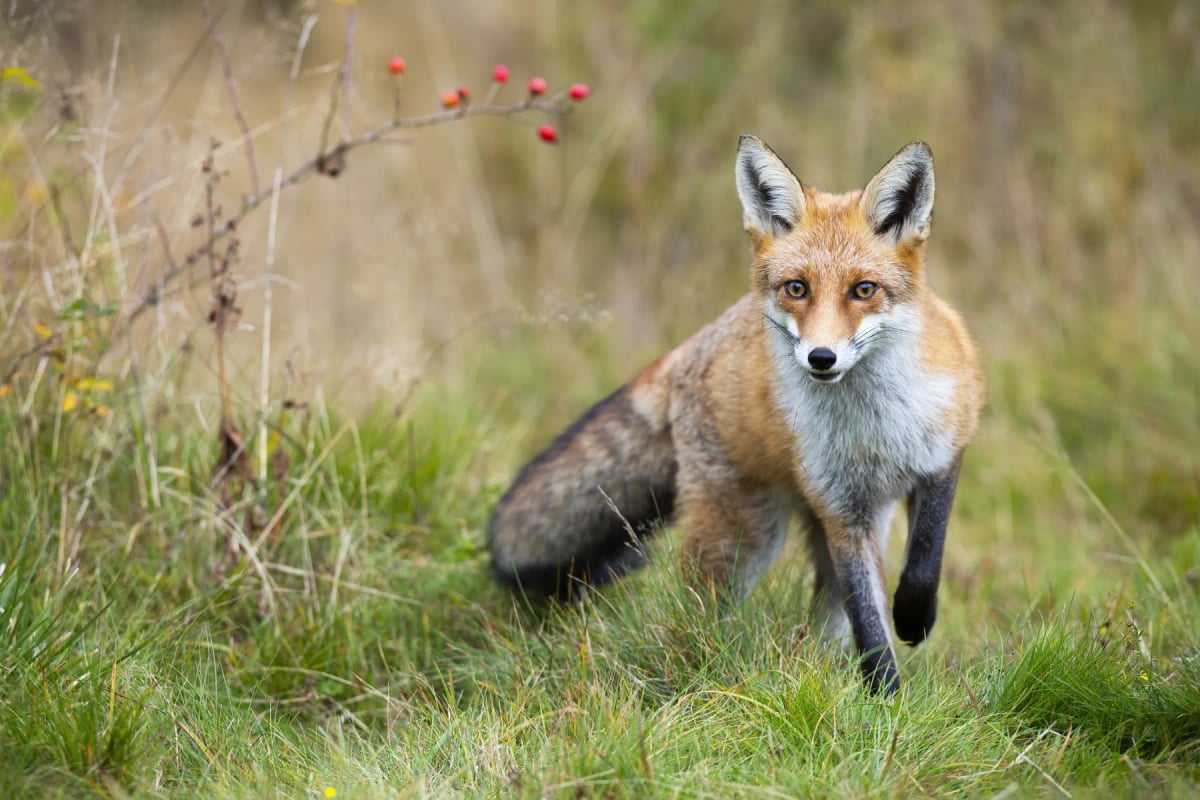
Red Fox
Vulpes vulpes
The red fox is a common sight across Bosnia and Herzegovina, from the forested slopes of the Dinaric Alps to the river valleys of the Neretva and Sava. It adapts well to both rural farmland and woodland edges, feeding mainly on rodents, birds, and fruit. Widely distributed and under no particular threat, it holds Least Concern status and remains one of the country's most recognizable wild mammals.
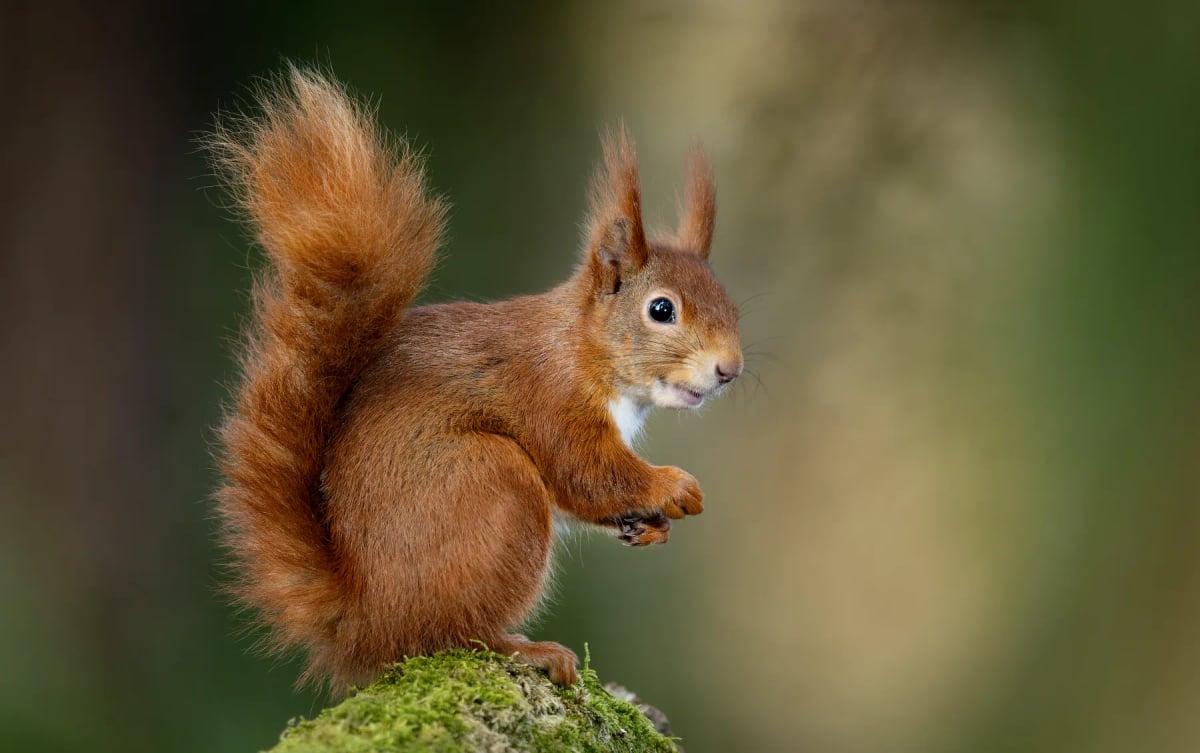
Red Squirrel
Sciurus vulgaris
Bosnia and Herzegovina supports red squirrel populations across its mountainous, forest-covered interior. The dense coniferous and mixed forests of the Dinaric Alps provide excellent habitat, with plenty of seeds, nuts, and fungi to feed on throughout the year. The species is generally stable here, benefiting from the country's large areas of relatively undisturbed woodland. IUCN status: Least Concern.
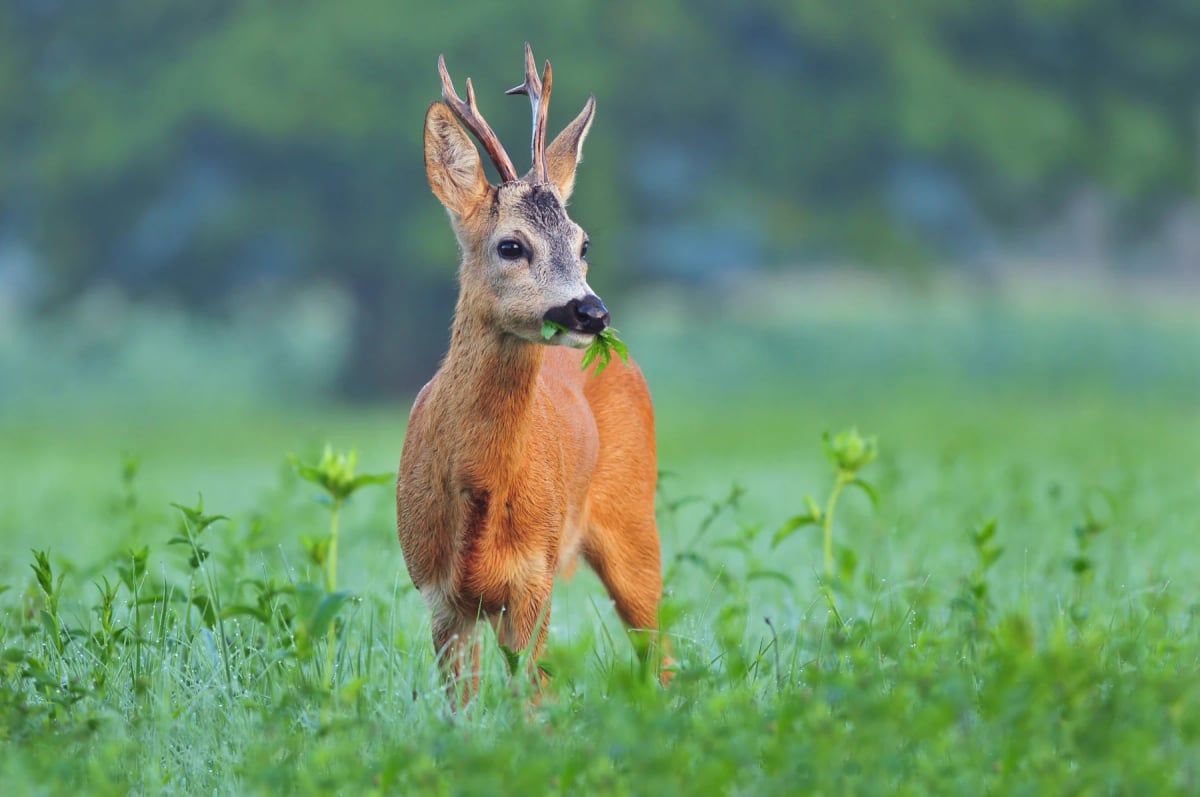
Roe Deer
Capreolus capreolus
Bosnia and Herzegovina's diverse landscape of mountain forests, river valleys, and karst terrain provides excellent habitat for the roe deer. The species is widespread from the Dinaric Alps to the lowland areas near the Sava River. It favors edges between dense forest and open ground, feeding on leaves, herbs, and shoots. The population is generally stable. The roe deer is classified as Least Concern globally and is an important species in the country's regulated hunting tradition.
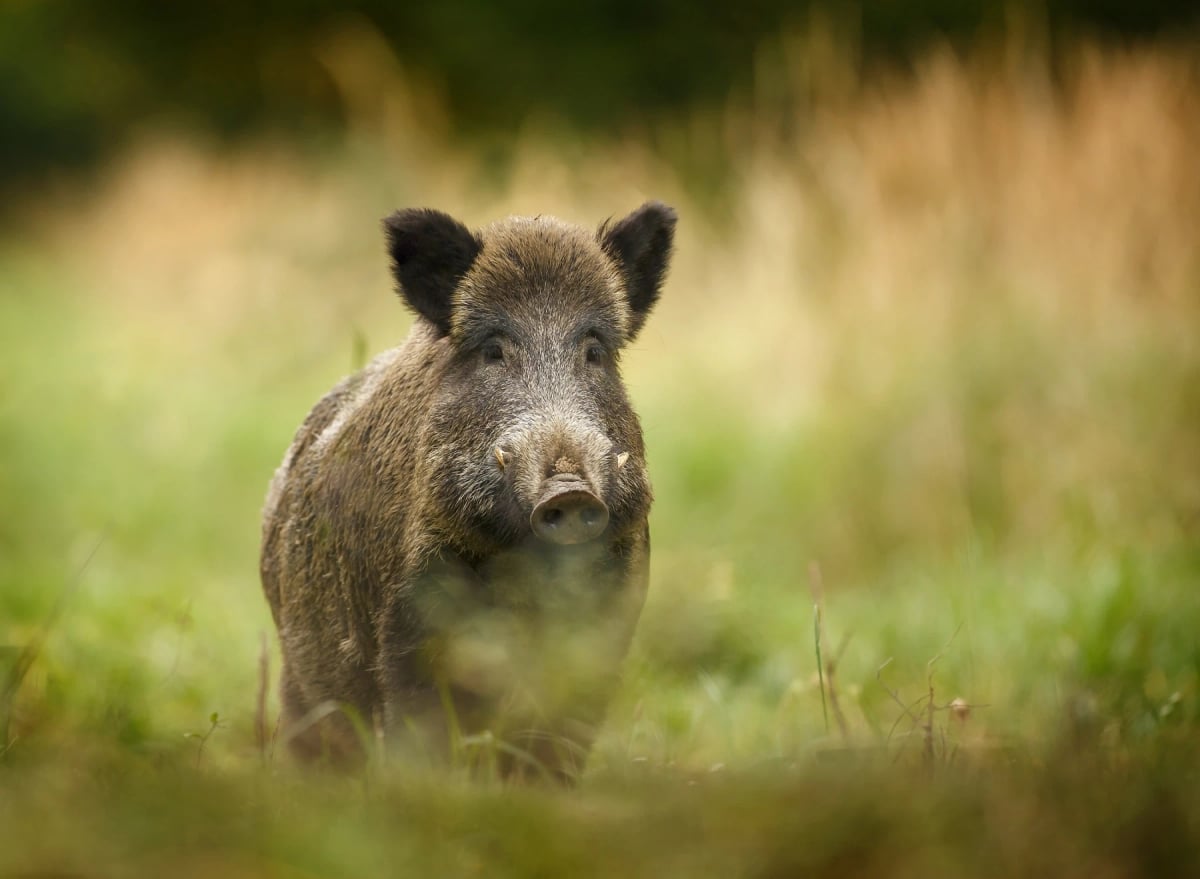
Wild Boar
Sus scrofa
Wild boars are widespread throughout the forested mountains of Bosnia and Herzegovina, where dense woodland provides abundant cover, acorns and other food. The species has long been one of the most popular game animals in the country, hunted under regulated seasons across many forested regions. Wild boars also venture toward farmland at the edge of forests, sometimes causing damage to crops in rural communities.
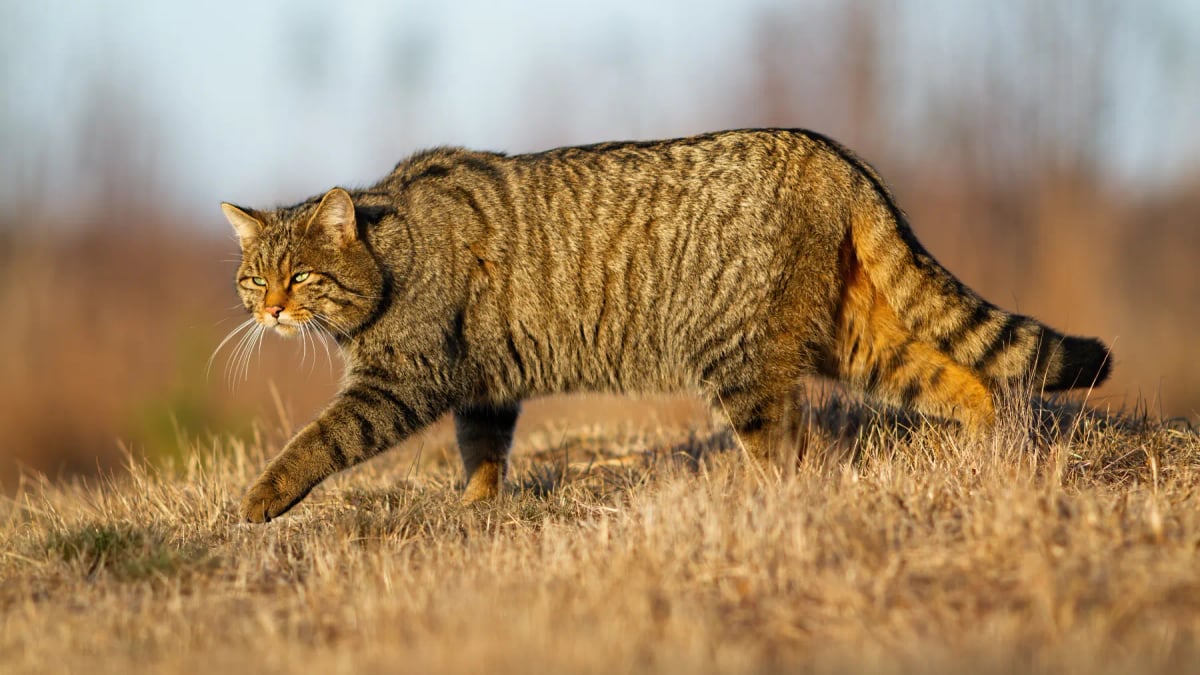
European Wildcat
Felis silvestris silvestris
Bosnia and Herzegovina holds some of the most intact forest habitat in the Balkans, and the European wildcat benefits from this. It is present in the mountain forests of the Dinaric Alps, where dense woodland provides good cover and abundant prey. It feeds mainly on small rodents and rabbits. Genetic mixing with feral domestic cats is the primary threat to wild populations in the region.
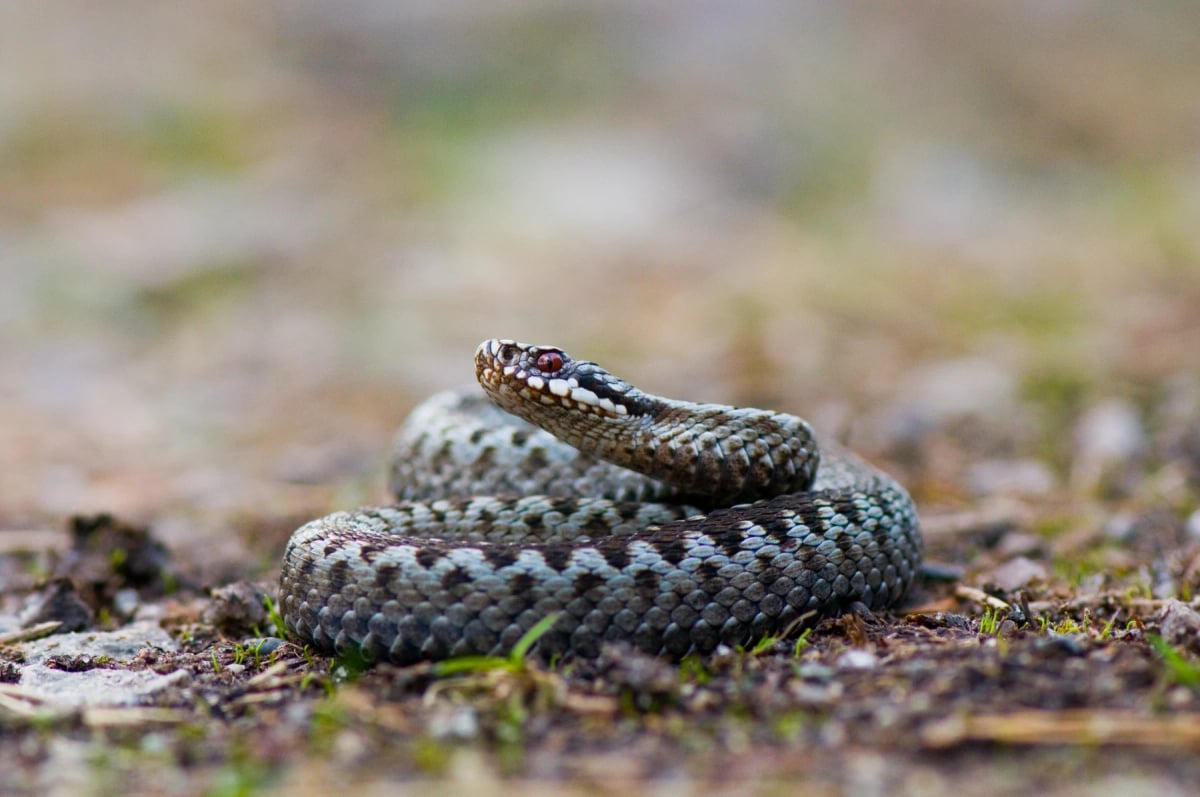
European Adder
Vipera berus
The European adder inhabits the mountain ranges of Bosnia and Herzegovina, where it favours rocky terrain, forest clearings, and upland meadows. The Dinaric Alps provide suitable conditions across much of the country's interior. Like elsewhere in its range, it is shy and bites only when threatened. It is the only venomous snake found at higher elevations here. Its IUCN status is Least Concern.
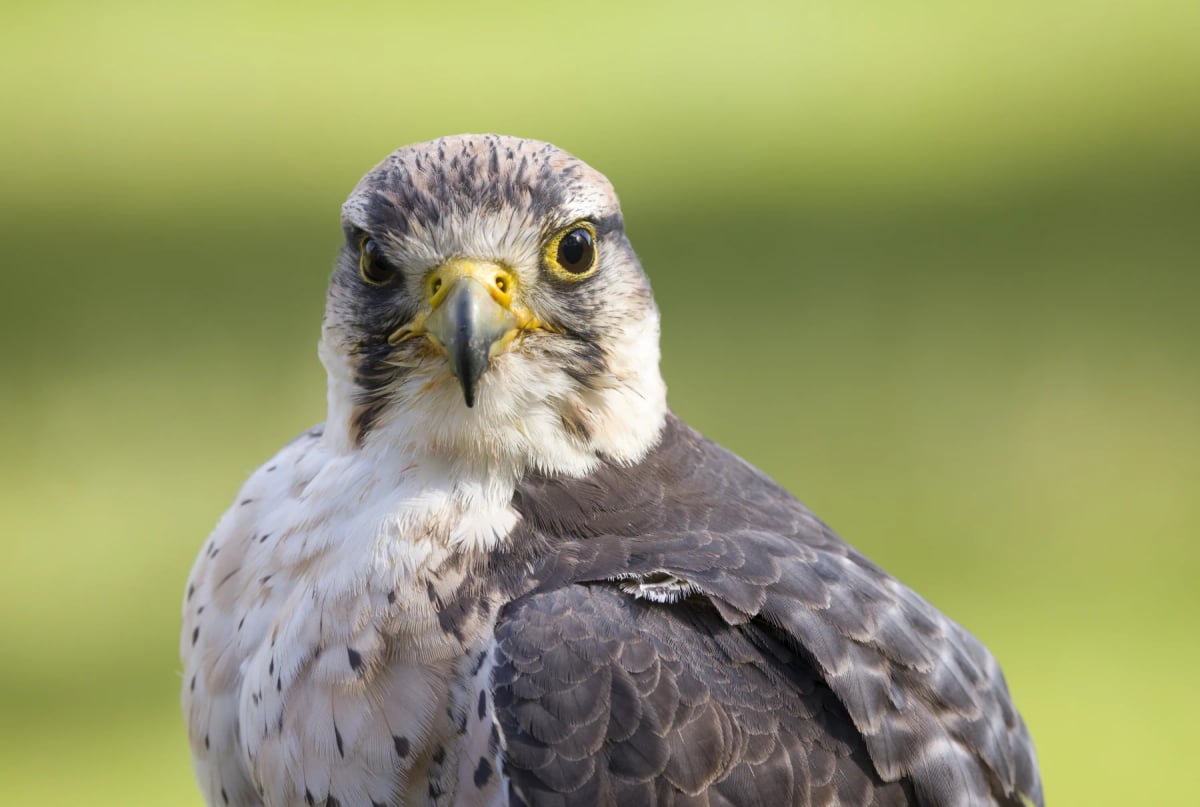
Lanner Falcon
Falco biarmicus
The lanner falcon is a rare resident in Bosnia and Herzegovina, found in small numbers along the rocky canyon systems of the Dinaric Alps and the Herzegovina karst region in the south. These limestone cliffs provide nest sites similar to those the species uses across the Mediterranean. It is considered one of the rarest breeding raptors in the country, and its small population warrants careful monitoring.
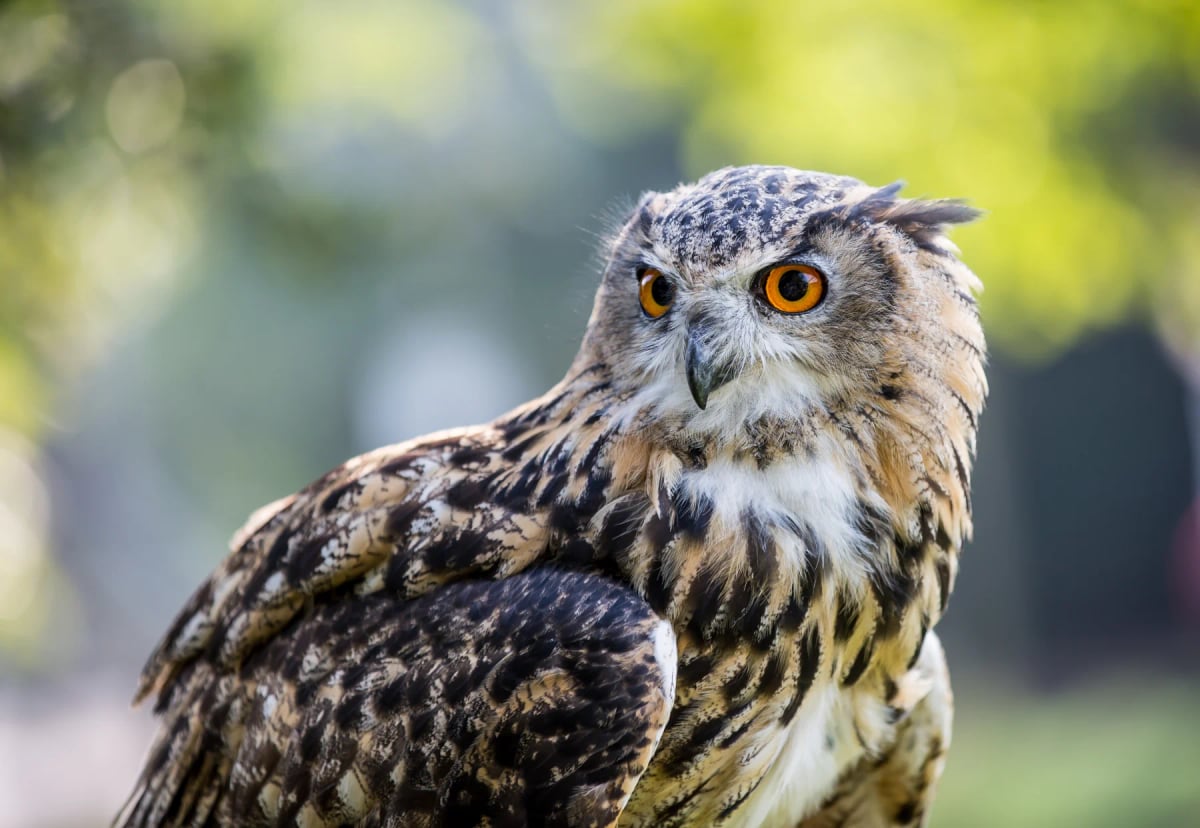
Eagle Owl
Bubo bubo
Bosnia and Herzegovina's dramatic karst landscape, with its limestone cliffs, deep river canyons, and dense forests, provides excellent habitat for the Eurasian eagle owl. The species is a resident breeder, nesting on cliff ledges in gorges such as those carved by the Neretva and Una rivers. It hunts rabbits, rodents, and birds at night. The IUCN considers it Least Concern.
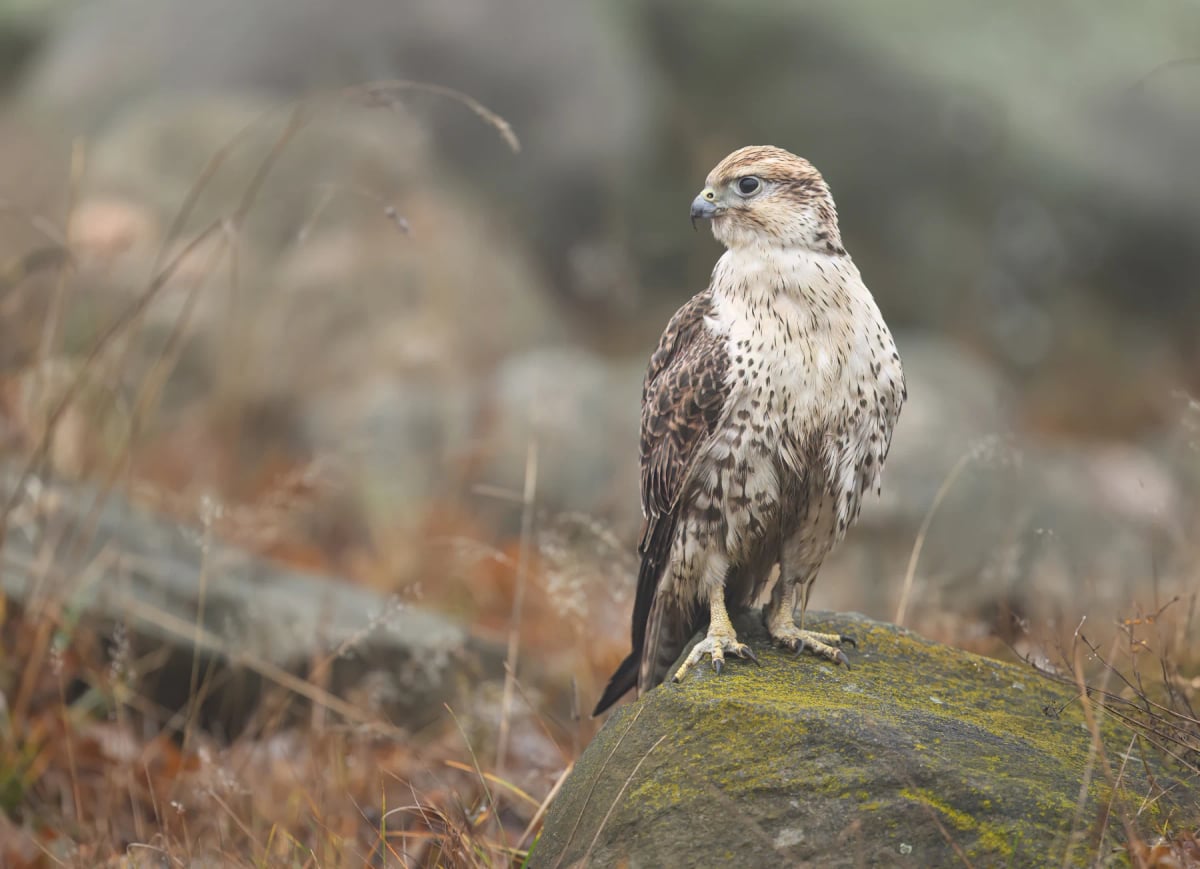
Saker Falcon
Falco cherrug
The saker falcon occurs in Bosnia and Herzegovina primarily as a migrant, passing through open country and river corridors during its seasonal journeys. The country's mix of upland plateaus and lowland farmland can provide short-term stopover habitat. Population pressures from illegal trapping and habitat loss across its broader range affect birds that travel through this region. The IUCN lists the saker falcon as Endangered.
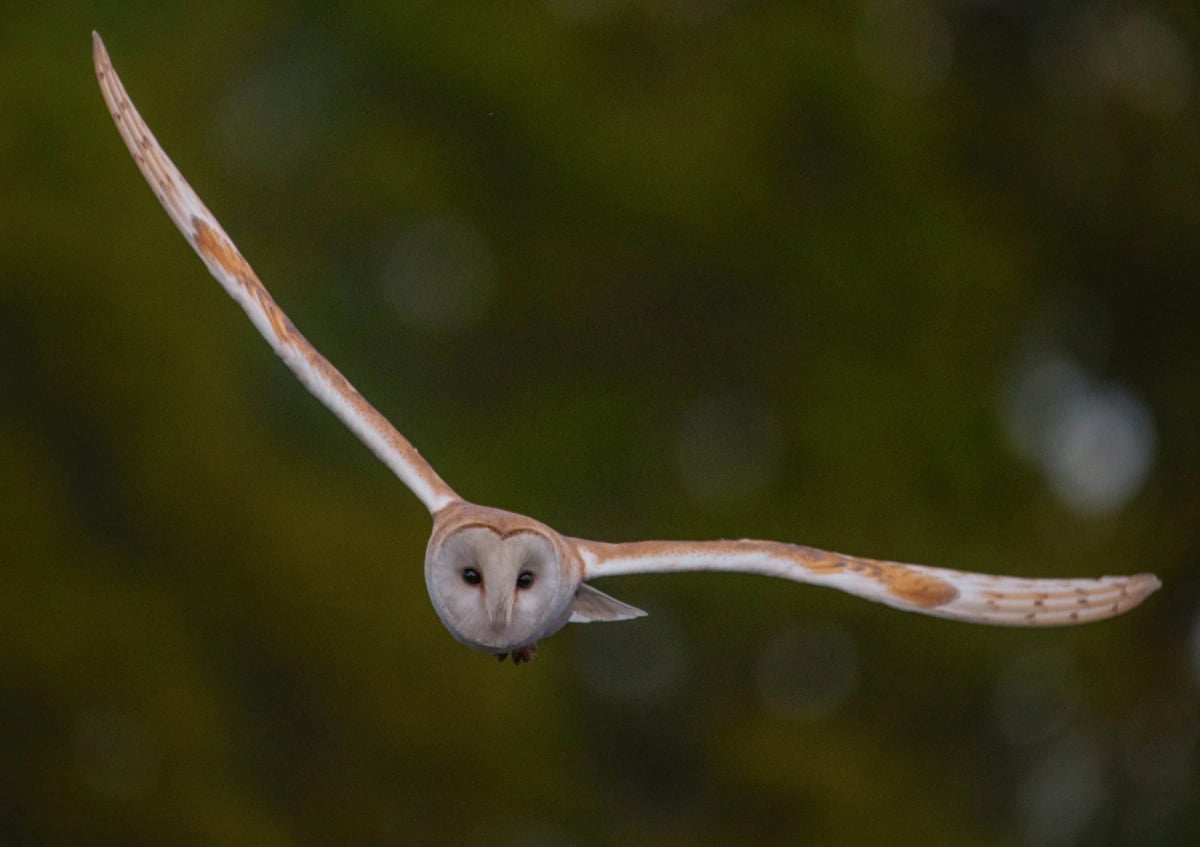
Barn Owl
Tyto alba
The barn owl is a resident of lowland Bosnia and Herzegovina, found in open farmland, river valleys, and rural villages across the Sava plain in the north and the karst lowlands of Herzegovina in the south. It nests in old farm buildings, church and mosque towers, and cliff faces, and hunts mice and voles at night. Herzegovina's warm, dry climate and rocky landscape with old stone buildings provides particularly good habitat in the south. Populations have declined in some areas due to agricultural change and the loss of traditional farm structures.
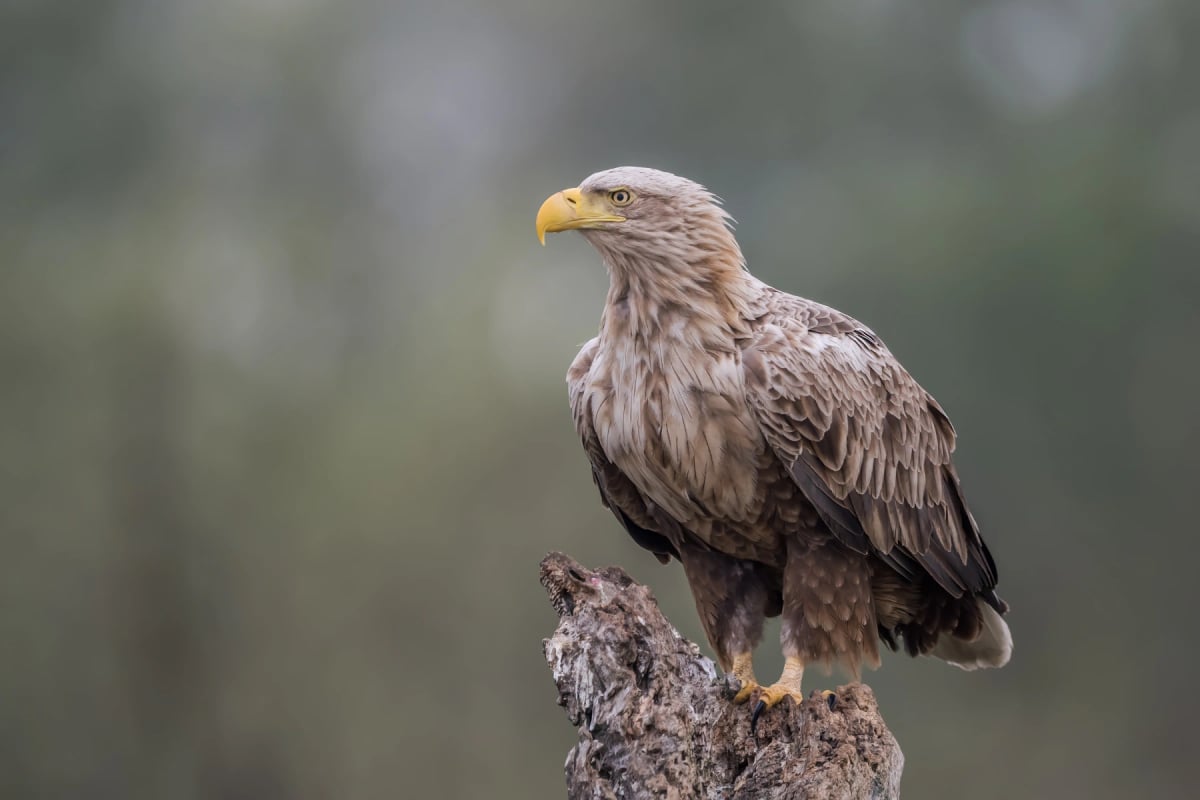
White tailed Eagle
Haliaeetus albicilla
The white-tailed eagle is a rare breeding and wintering bird in Bosnia and Herzegovina, associated with large rivers such as the Sava and Neretva, as well as reservoirs and floodplain wetlands. Nest sites have been recorded in lowland forest patches near these waterways. The species faces threats from illegal shooting and disturbance at nest sites. Its IUCN status is Least Concern.
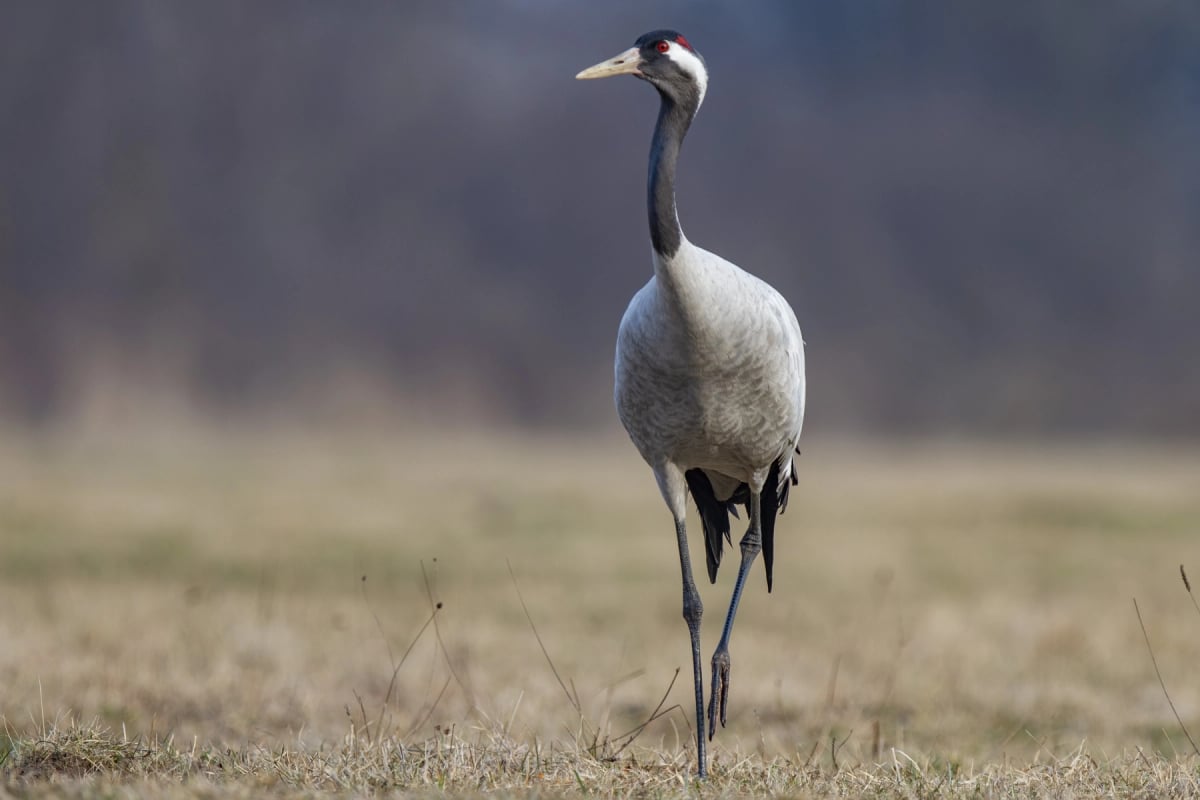
Crane
Grus grus
The common crane is a passage migrant in Bosnia and Herzegovina, with flocks observed crossing the country during spring and autumn as they follow flyways between northern Europe and the Mediterranean. River valleys and open farmland, particularly in the lowlands of the Sava and Neretva basins, offer temporary resting and foraging areas. Standing up to 120 centimetres tall with a distinctive grey plumage and red crown patch, this bird is classified as Least Concern globally.
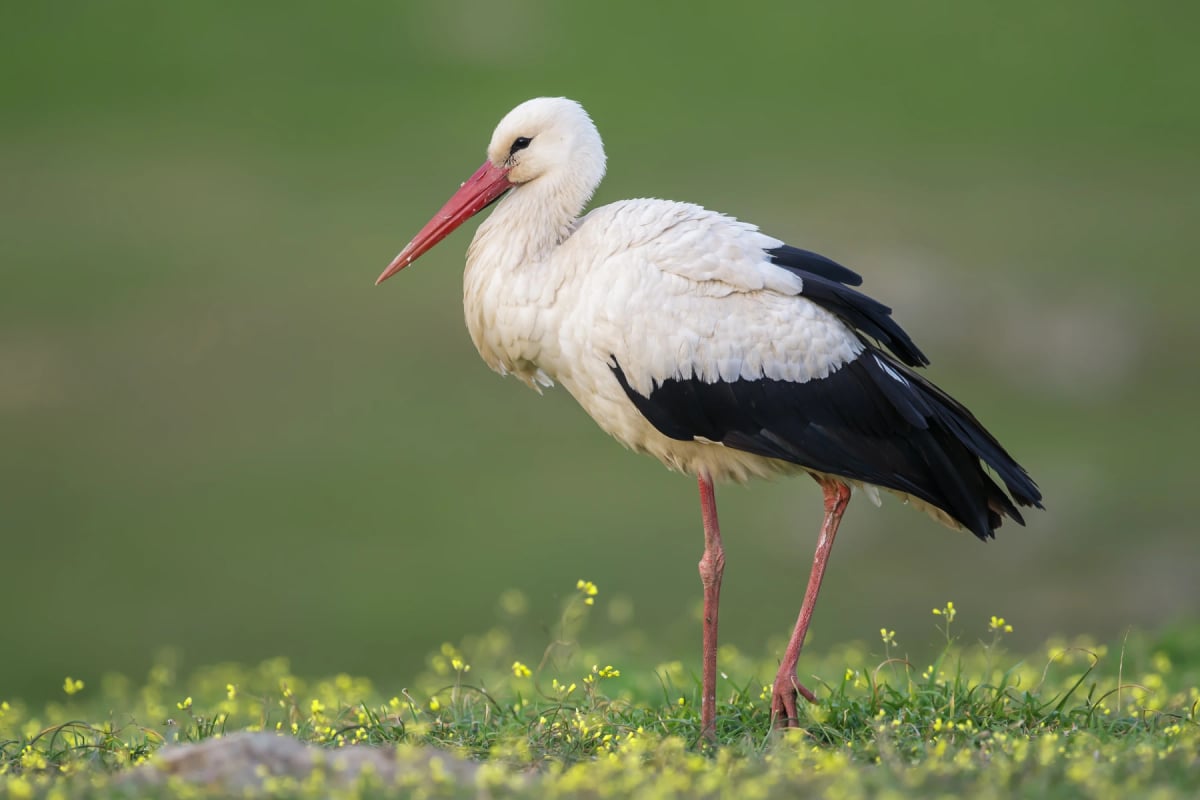
Stork
Ciconia ciconia
The white stork breeds in the lowland river valleys of Bosnia and Herzegovina, especially along the Sava River corridor in the north of the country. Pairs nest on buildings and poles in farming villages, foraging in the surrounding wet meadows and marshes for frogs, insects, and earthworms. The Sava floodplains form part of a broader wetland system that supports birds on migration. IUCN status: Least Concern.
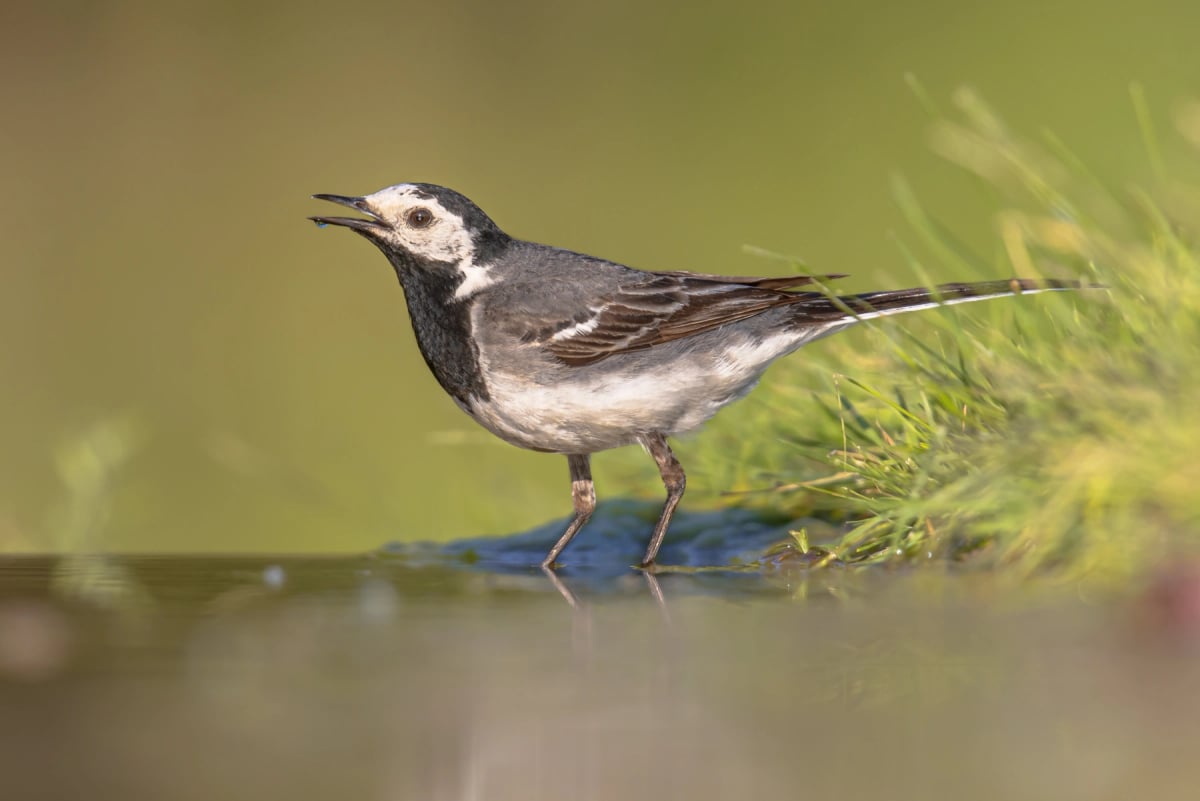
White Wagtail
Motacilla alba
Small black, white and grey bird with a slender tail that bobs up and down as it walks and feeds along the edges of water and open ground.
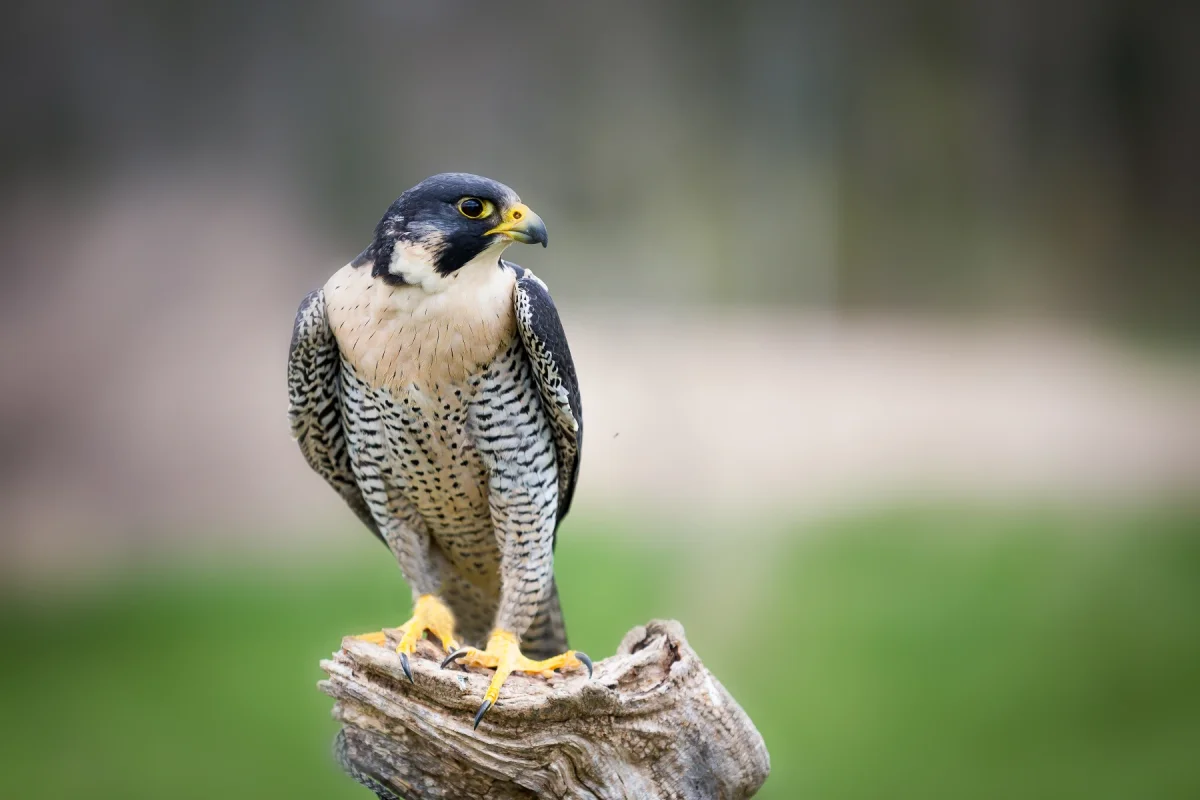
Peregrine Falcon
Falco peregrinus
The peregrine falcon breeds in Bosnia and Herzegovina, favouring the dramatic limestone gorges and canyon cliffs carved by rivers such as the Neretva, Tara, and Una. These landscapes offer sheltered nest ledges and strong updrafts well suited to a bird that hunts at speed. Numbers declined during the twentieth century but have recovered since DDT was banned. The species is currently rated Least Concern across Europe.
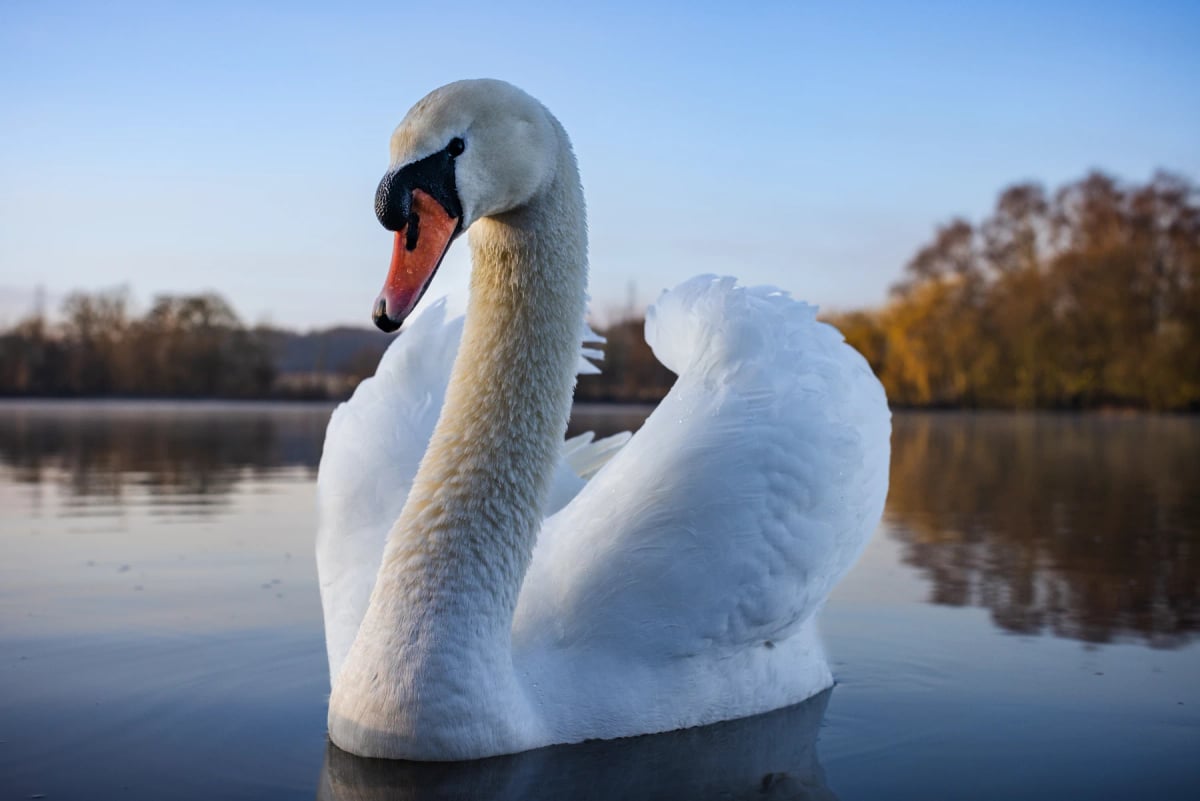
Mute Swan
Cygnus olor
The mute swan is a large, all-white waterbird with a curved neck and an orange bill bearing a black knob. In Bosnia and Herzegovina, it is found along rivers such as the Sava and Neretva, as well as on wetlands and reservoirs across the country. Pairs form bonds that can last for life and defend their nesting territory firmly. The IUCN lists this species as Least Concern.
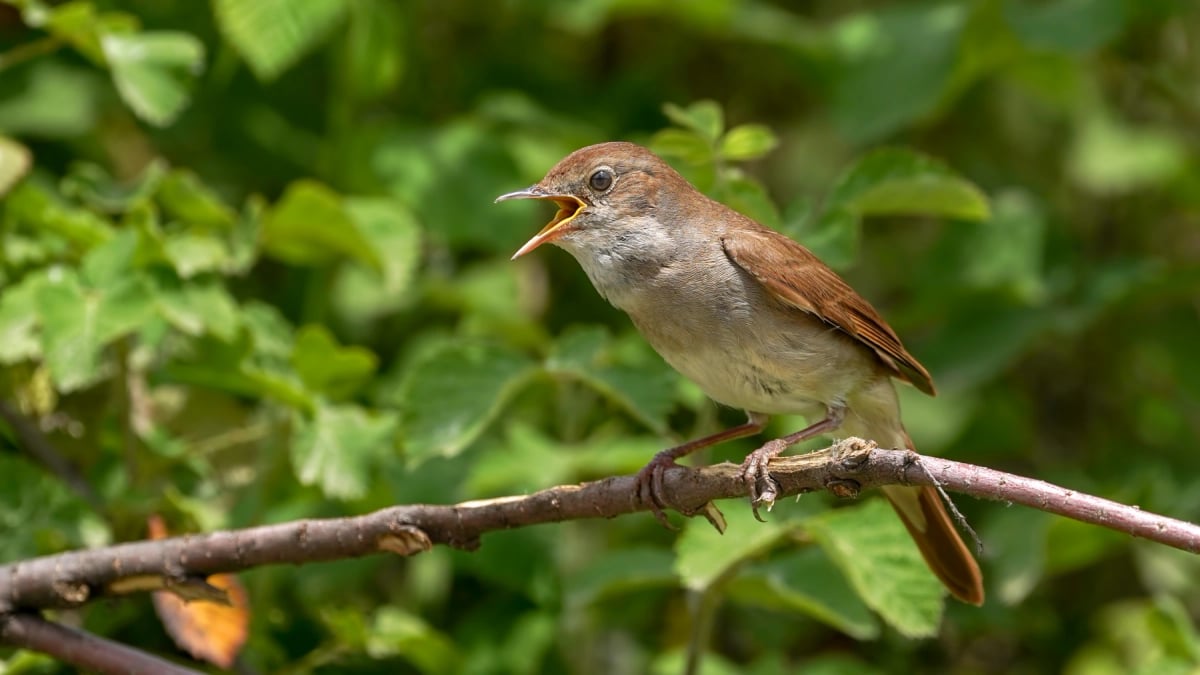
Nightingale
Luscinia megarhynchos
Nightingales are widespread summer visitors to Bosnia and Herzegovina, breeding in the dense riverside thickets and mixed woodland edges found throughout the river valleys of the Neretva, Bosna, and Sava. The country retains large areas of relatively undisturbed scrubby habitat, which supports healthy local populations. Their song is a strong presence in rural villages and along watercourses from April through June. It is rated Least Concern by the IUCN.
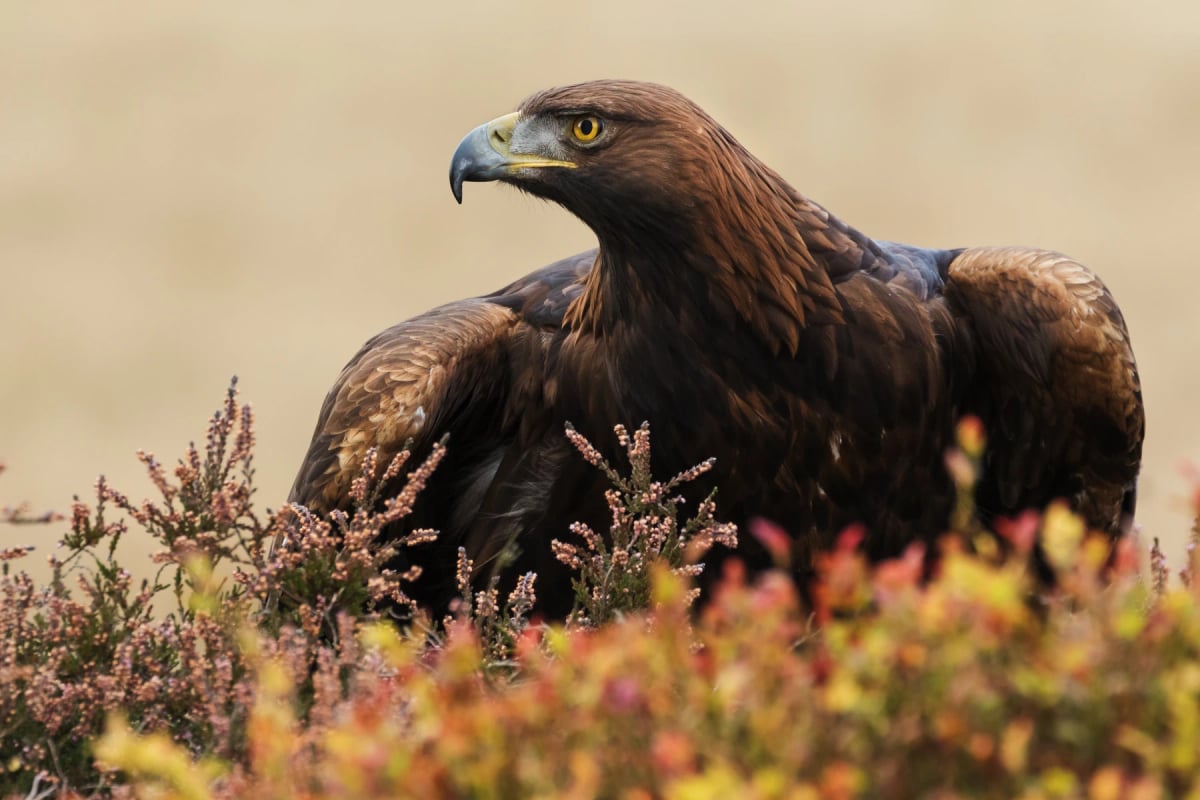
Golden Eagle
Aquila chrysaetos
In Bosnia and Herzegovina, the golden eagle nests among the Dinaric Alps and the limestone mountain ranges that cover much of the country. It soars over open ridges and hunts rabbits, hares, and other small mammals across rocky hillsides. Breeding pairs defend large territories in remote areas. The IUCN lists it as Least Concern, though the Bosnian population is small and sensitive to disturbance.

Bottlenose Dolphin
Tursiops truncatus
Although Bosnia and Herzegovina has only a narrow coastal strip along the Adriatic Sea near Neum, bottlenose dolphins are present in these waters as part of the broader Adriatic population. They are classified as Least Concern globally, though the Adriatic subpopulation faces pressures from boat traffic and fishing activity. These dolphins travel through the area in small pods, feeding on fish in the coastal shallows.

Hammerhead Shark
Sphyrna spp.
Bosnia and Herzegovina has a short stretch of coastline along the Adriatic Sea near Neum, where Mediterranean waters are shared with neighboring countries. Hammerhead sharks are not commonly seen here, but they are part of the broader Adriatic ecosystem. Regional fishing and the critically endangered status of hammerheads make awareness and participation in Mediterranean conservation agreements important for this coastal nation.

Great White Shark
Carcharodon carcharias
Bosnia and Herzegovina has a short coastline along the Adriatic Sea, which falls within the broader Mediterranean range of the great white shark. Verified sightings in this specific stretch of water are extremely rare, but the species is known to travel throughout the Adriatic basin. The entire Mediterranean population is considered under pressure due to overfishing and habitat change, making regional cooperation essential for the survival of the species over the long term. Its IUCN status is Vulnerable.
Researched and written by Juan Pablo. Sources: IUCN Red List, scientific literature and regional field guides. Last updated: .