Animals in Belarus
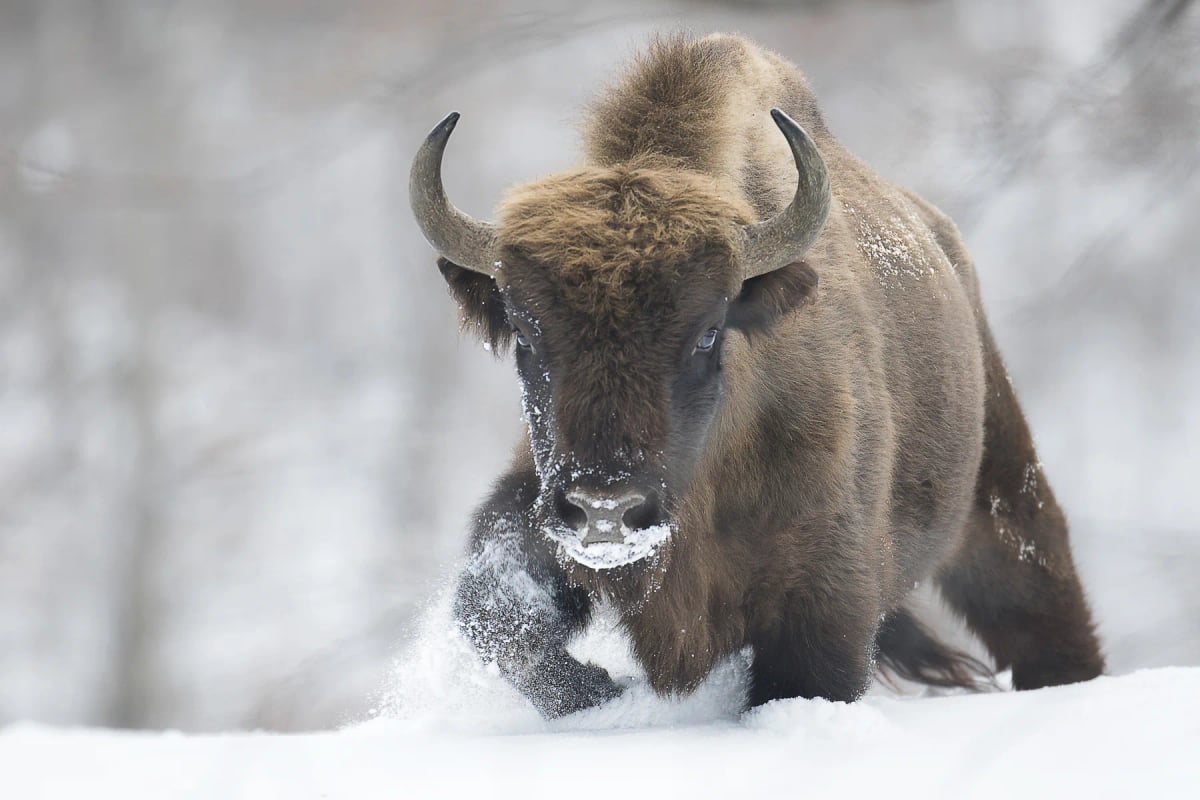
European Bison
Bison bonasus
The European bison is the national symbol of Belarus and one of its greatest conservation stories. Once nearly extinct, it was reintroduced in Bialowieza Forest, where it now roams freely. Its strength and endurance represent the spirit of the Belarusian landscape and the country’s dedication to protecting its natural heritage.
View details→Wildlife in Belarus
Belarus is a country of forests, rivers and wetlands that remain remarkably wild. Moose, wolves, bison and lynxes live among its dense woodlands, especially within the vast Bialowieza Forest. Visitors who enjoy hiking or birdwatching will find pristine nature, quiet trails and a rare sense of wilderness that has disappeared from much of Europe.
Most Dangerous Animals in Belarus
Belarus’s wilderness includes powerful animals such as brown bears, wild boars, wolves and European bison. While encounters are uncommon, visitors are advised to maintain distance and follow park rules. These species are essential for the natural balance of the region and represent the strength of its wild environment.
Top 10 Animals in Belarus
Among Belarus’s most iconic animals are the brown bear, gray wolf, Eurasian lynx, moose and peregrine falcon. These species inhabit large protected reserves that can be explored through guided nature tours. Travelers come to see wildlife, learn about forest ecosystems and experience one of the last great natural frontiers of Eastern Europe.
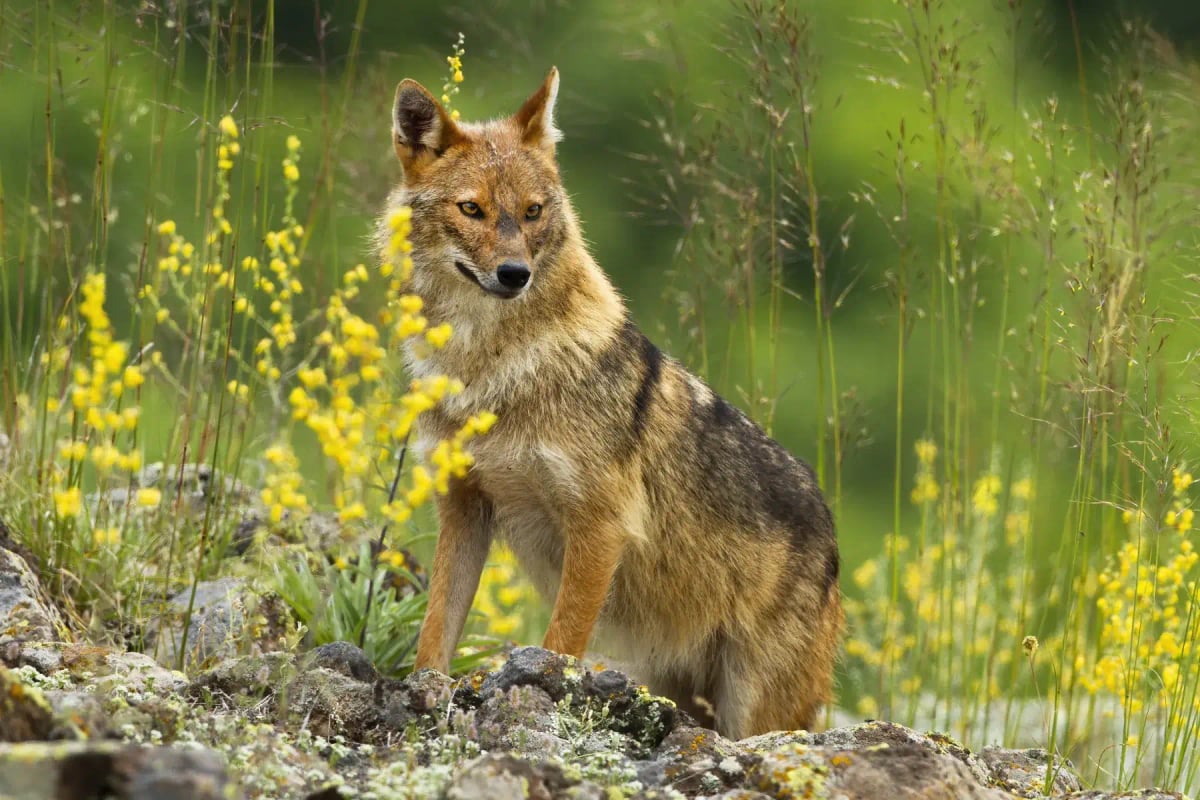
Golden Jackal
Canis aureus
The golden jackal is a recent arrival in Belarus, part of a broader expansion across Eastern Europe observed since the late twentieth century. It has been recorded mainly in the south of the country, where wetlands, river floodplains, and forest edges provide suitable habitat. The population is still small and not yet fully established, but sightings have become more frequent. Milder winters are thought to be helping the species move north. IUCN status: Least Concern.
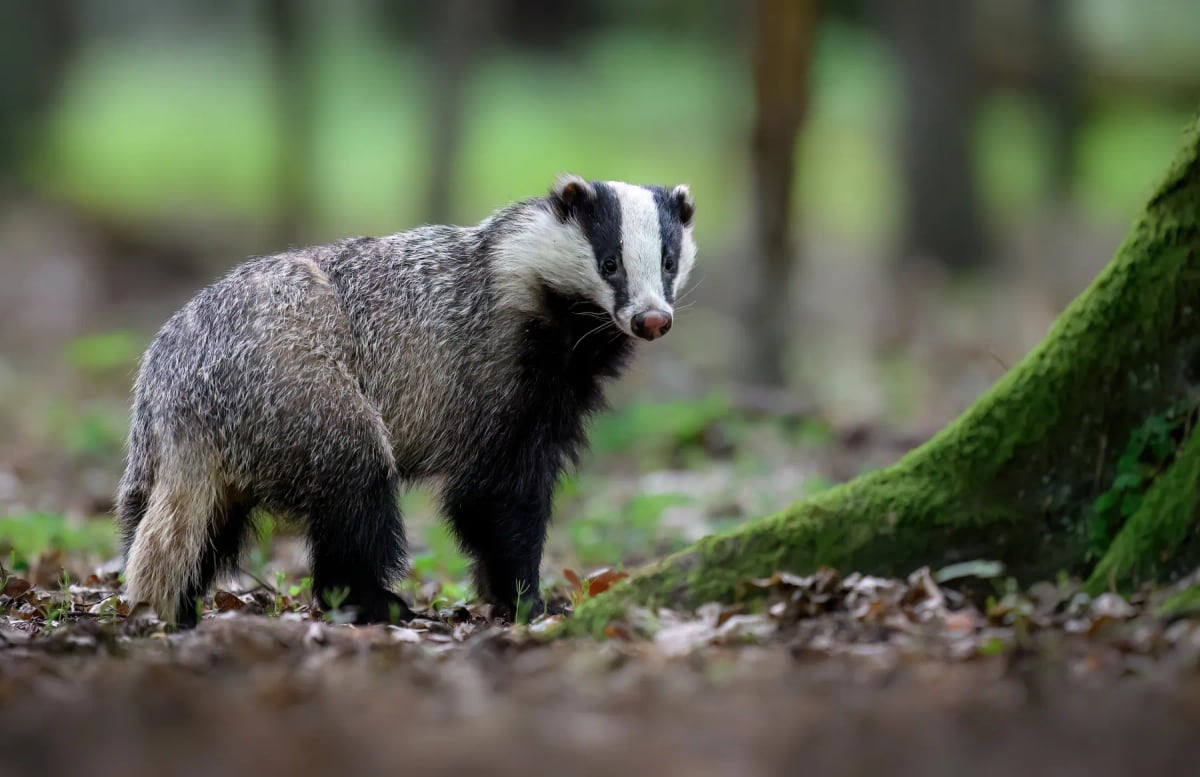
Badger
Meles meles
The Eurasian badger is found across Belarus in mixed and deciduous forests, particularly in areas with well-drained sandy soils suitable for digging setts. It is nocturnal and lives in family groups, feeding mainly on earthworms, insects, roots and berries. Belarus holds stable badger populations across its forested regions, and the species is a regular though rarely seen component of the country's woodland fauna.
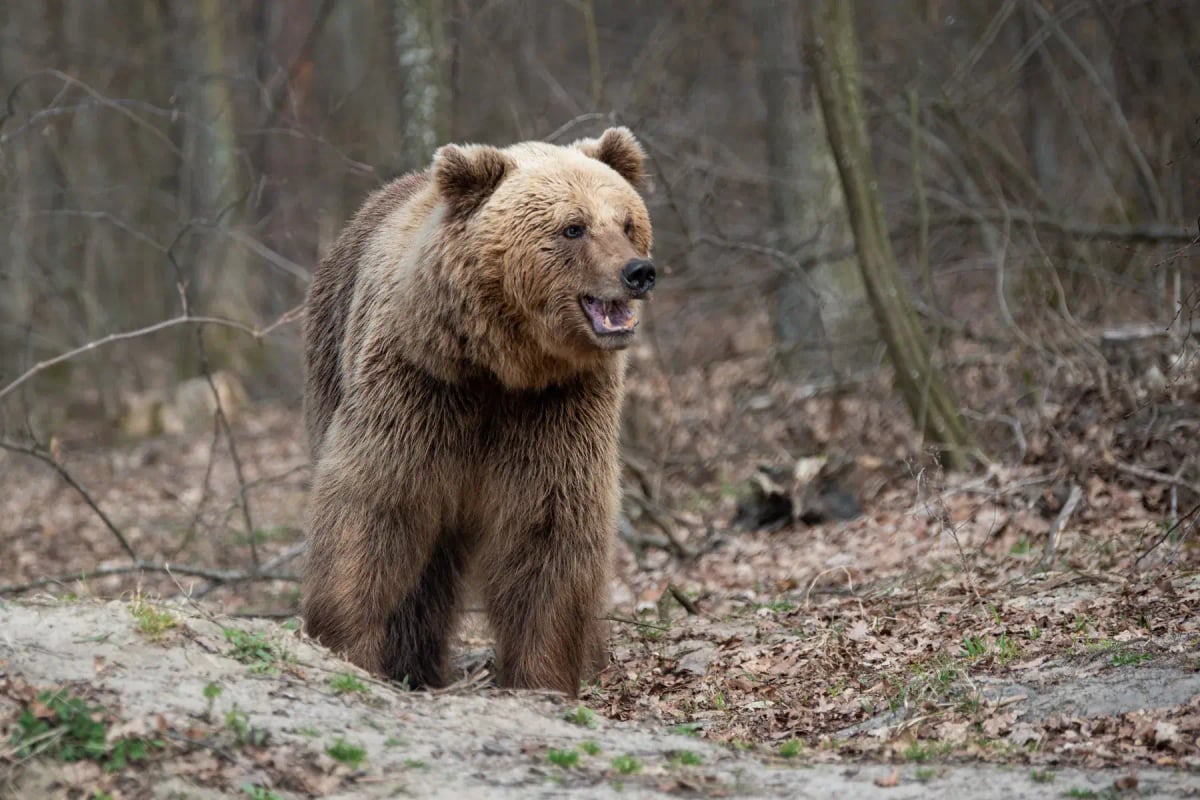
Brown Bear
Ursus arctos
Belarus supports a modest population of brown bears distributed across its extensive lowland forests, particularly in the Białowieża Forest and the Polesie region. These bears move through a landscape of mixed woodlands and wetlands, feeding on berries, roots, and small animals. The species is legally protected in Belarus, though poaching and habitat disturbance continue to put pressure on local numbers.
European Bison
Bison bonasus
The European bison is the heaviest land mammal on the continent, and Belarus holds one of its most important populations. The Białowieża Forest, shared with Poland, is the heart of the species. Hunted to extinction in the wild by the 1920s, it was brought back through careful breeding programs. Today, free-roaming herds live across Belarusian forests, protected under national conservation law.
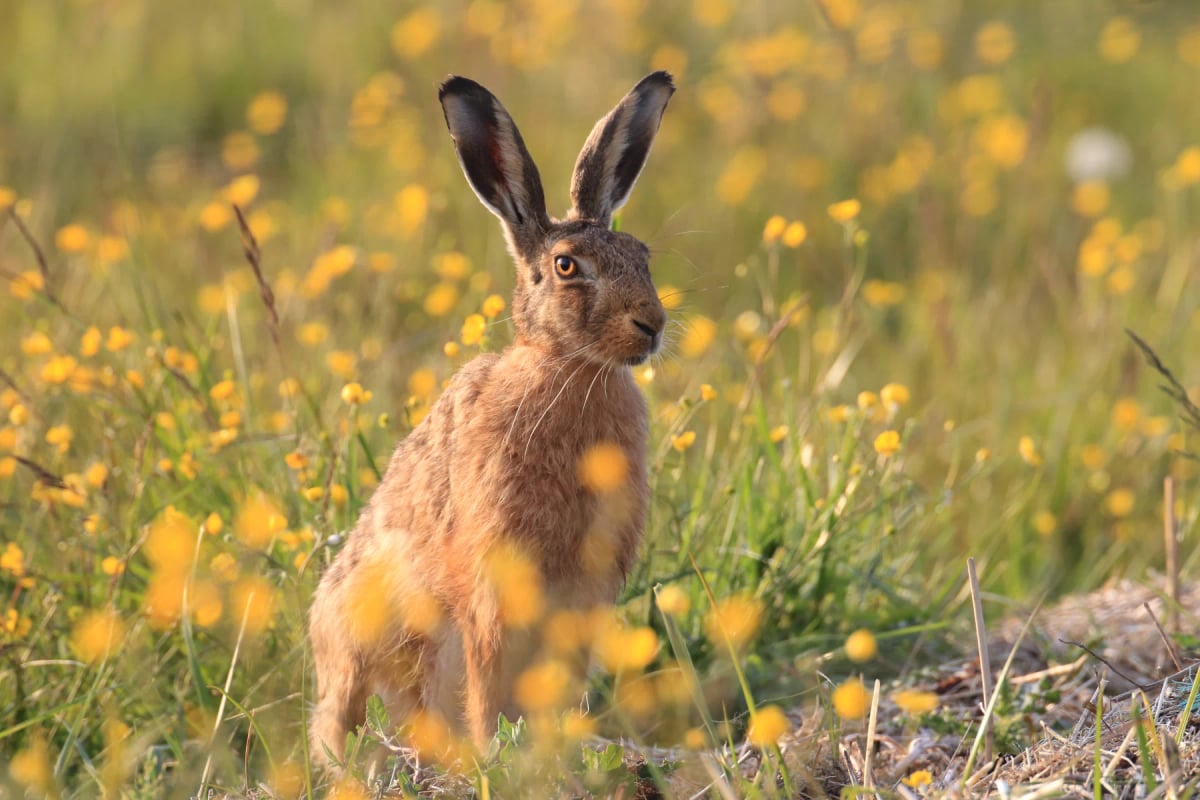
Hare
Lepus europaeus
Across the plains and mixed farmland of Belarus, the European hare is a well known and widely distributed mammal. It favours open fields, forest edges, and the agricultural landscapes that cover much of the country. Belarus holds significant populations, and the species is regularly hunted as part of traditional rural culture. Wetland drainage and changes in crop practices have altered some habitats, but the hare remains common throughout the region.
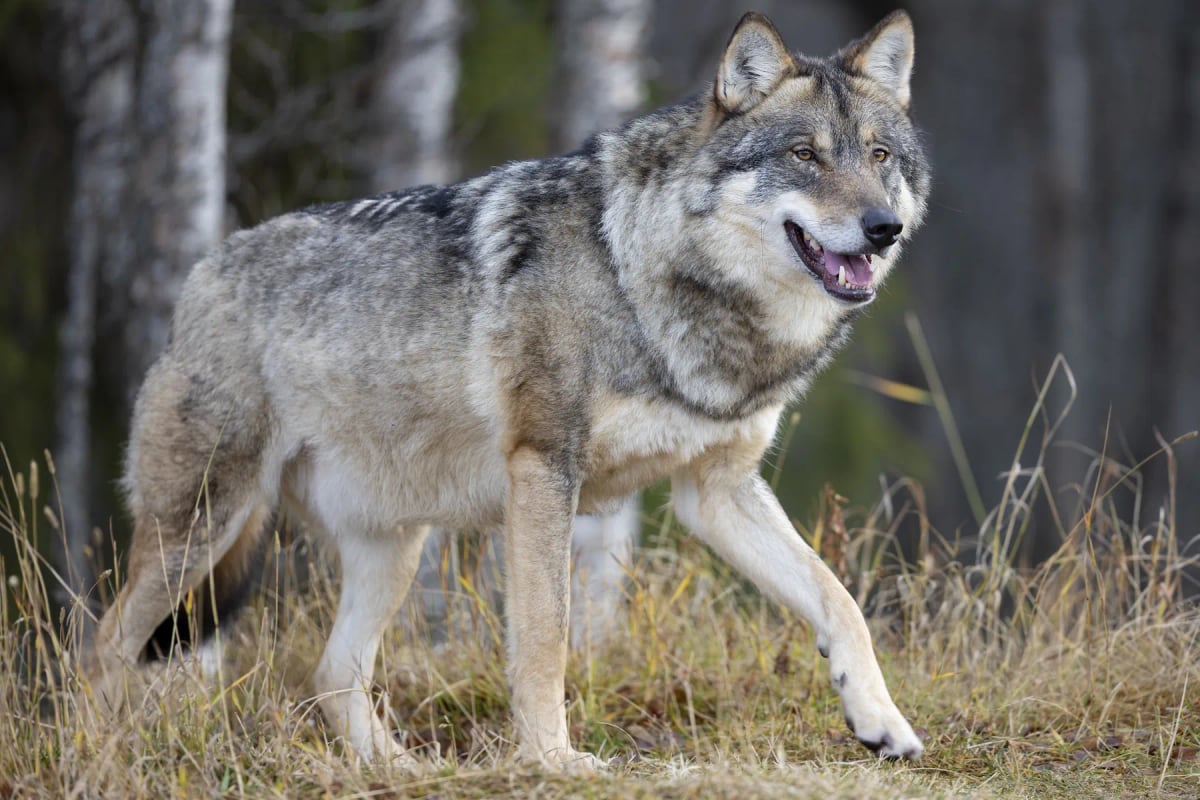
Gray Wolf
Canis lupus
Belarus holds one of the more significant wolf populations in Europe, supported by the country's extensive forests and wetlands. The Białowieża Forest, which Belarus shares with Poland, is among the most important habitats for wolves on the continent. Wolves are managed as a game species in Belarus and are legally hunted. Despite this, numbers remain relatively stable, and the country plays a key role in maintaining wolf connectivity across Eastern Europe. IUCN status: Least Concern.
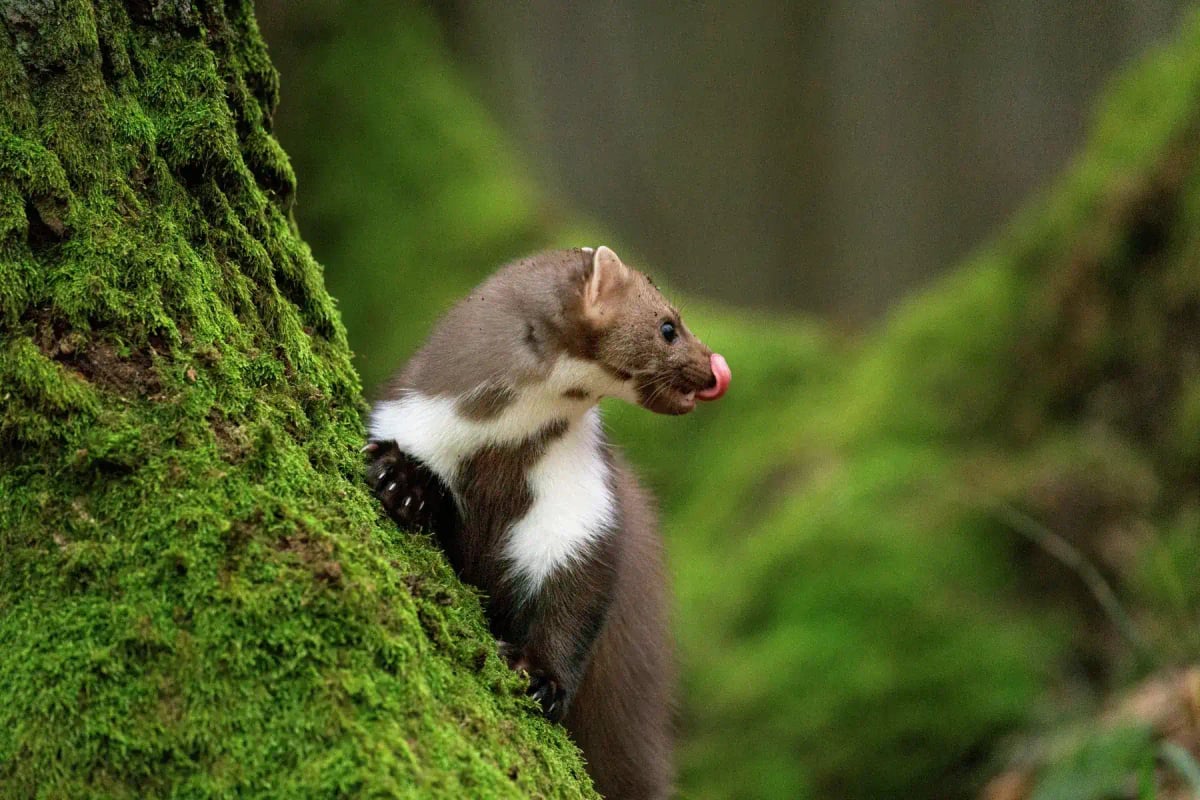
Marten
Martes martes / Martes foina
Belarus is primarily pine marten country. The vast lowland forests and wetlands, including the famous Białowieża Forest shared with Poland, provide some of the best habitat for this species in all of Europe. Pine martens here depend heavily on old trees with cavities for denning. They are active hunters of rodents and squirrels throughout the year. The IUCN rates them as Least Concern.
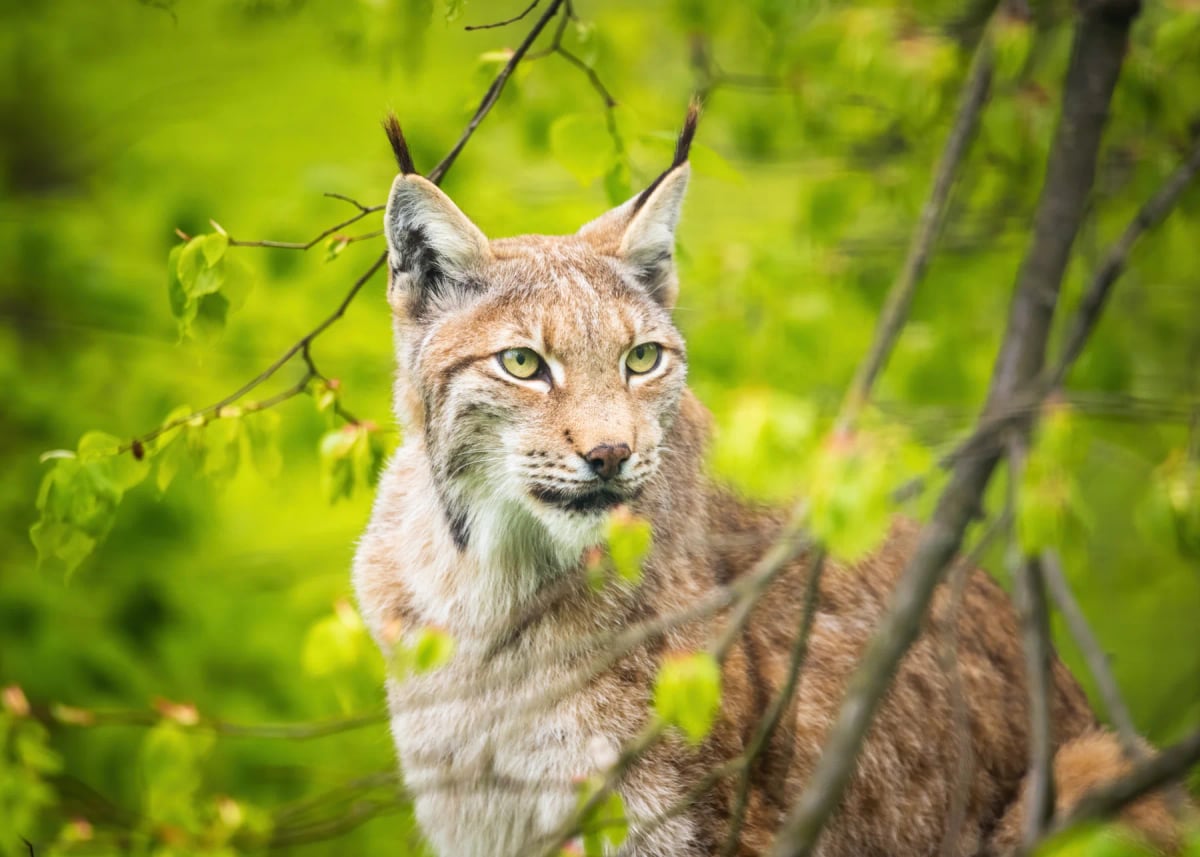
Eurasian Lynx
Lynx lynx
Belarus supports a resident population of Eurasian Lynx within its extensive lowland forests, including the famous Białowieża Forest shared with Poland. The dense woodland provides good cover and a reliable supply of roe deer and hares. Belarus is one of the few countries in Central Europe where the lynx has never been fully extirpated. Population estimates suggest several hundred individuals are present across the country. Its IUCN status is Least Concern.
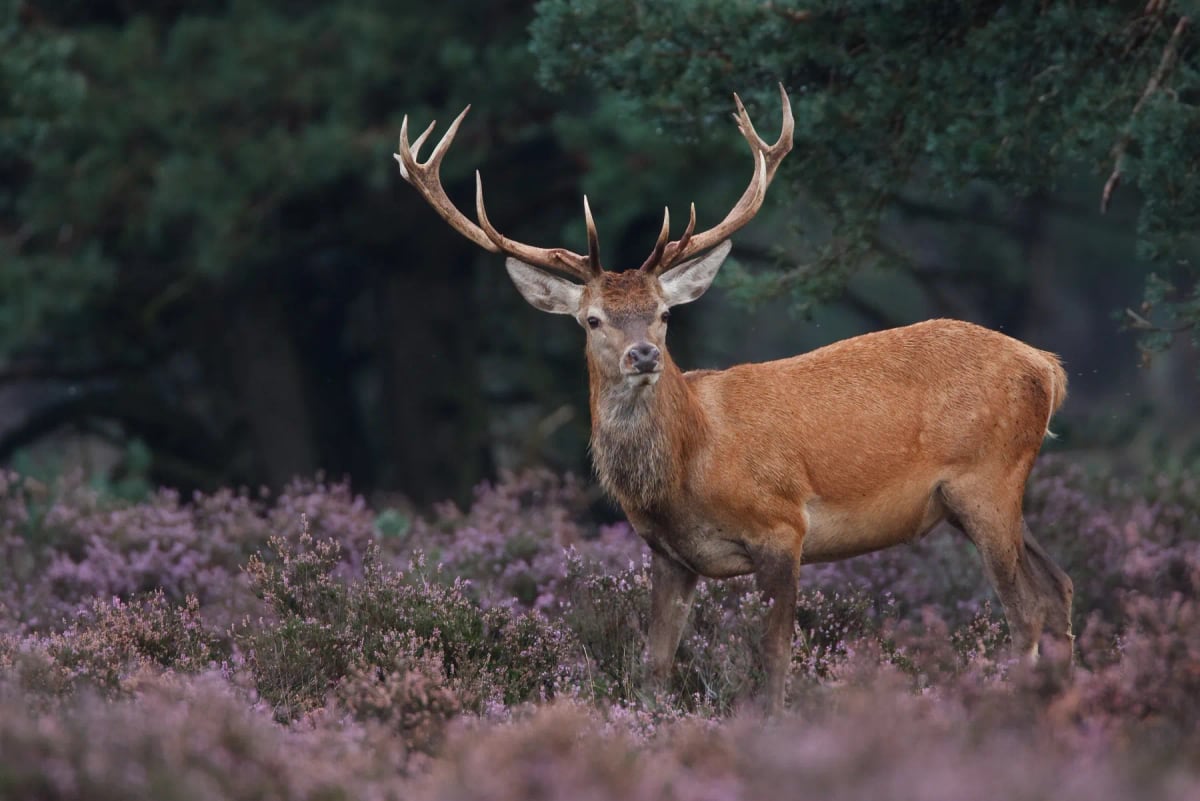
Red Deer
Cervus elaphus
The red deer is present across the lowland forests and river floodplains of Belarus, with the Białowieża Forest shared with Poland being among the most celebrated habitats in the country. Populations have grown steadily in recent decades thanks to hunting regulations and the protection of large forest reserves. Belarus represents an important stronghold for the species in Eastern Europe. IUCN status: Least Concern.
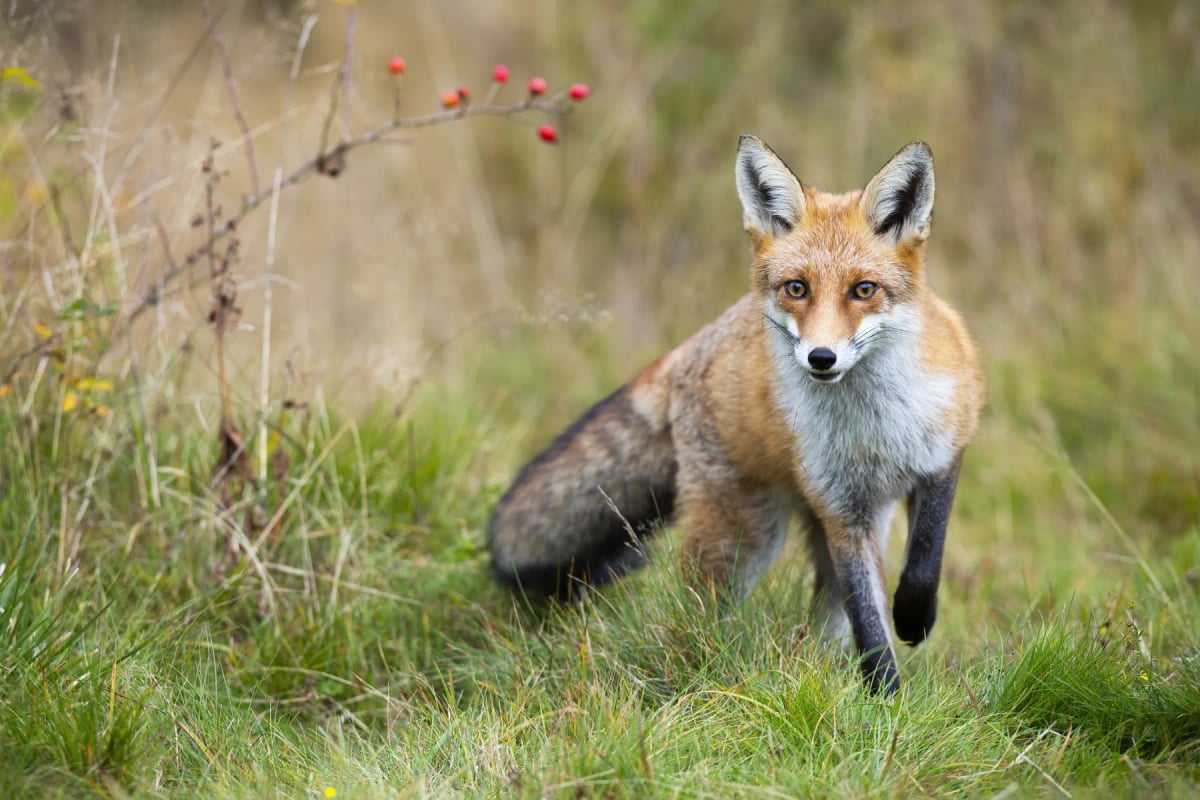
Red Fox
Vulpes vulpes
In Belarus, the red fox inhabits the country's extensive mixed forests, wetlands, and agricultural plains. It is one of the most common carnivores in the region and thrives particularly well in the mosaic of woodland and open farmland that covers much of the country. It feeds mainly on small rodents and adapts easily to life near human settlements. Its IUCN status is Least Concern.
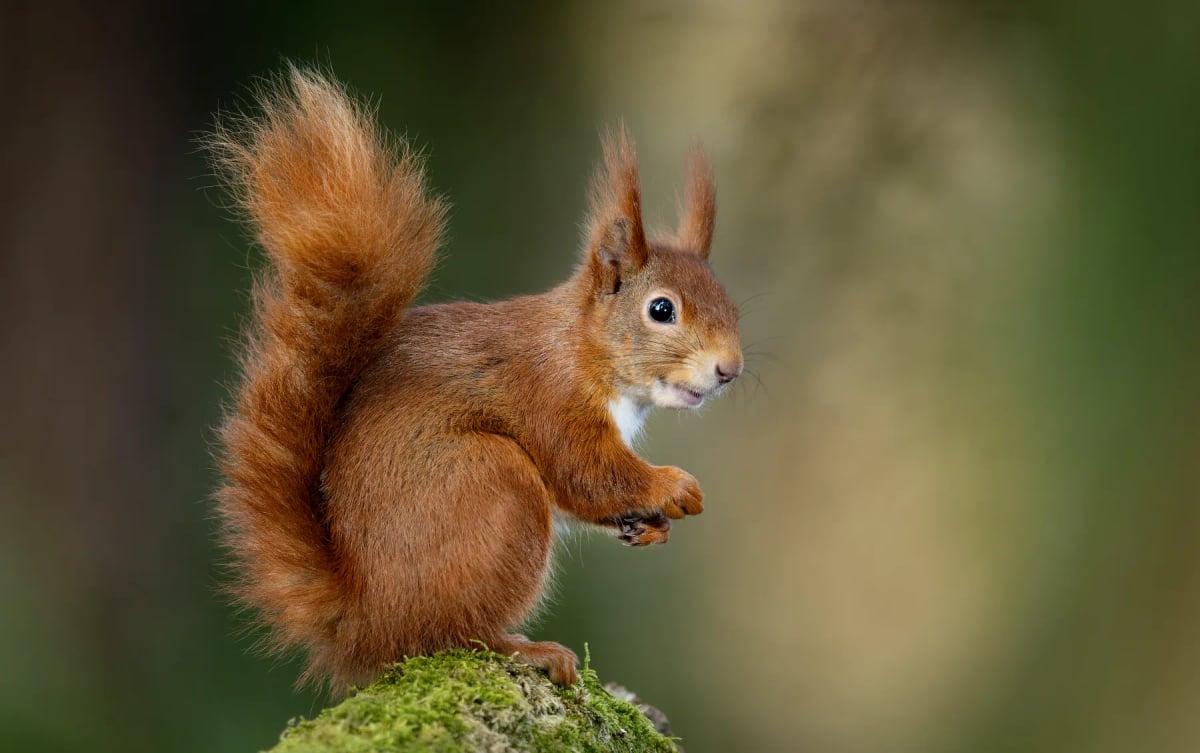
Red Squirrel
Sciurus vulgaris
Belarus is home to healthy red squirrel populations spread across its vast lowland forests, including the ancient Białowieża Forest shared with Poland. The country's extensive pine and mixed woodlands offer abundant food and nesting sites. Without pressure from grey squirrels, the species remains widespread and stable throughout Belarusian territory. IUCN status: Least Concern.
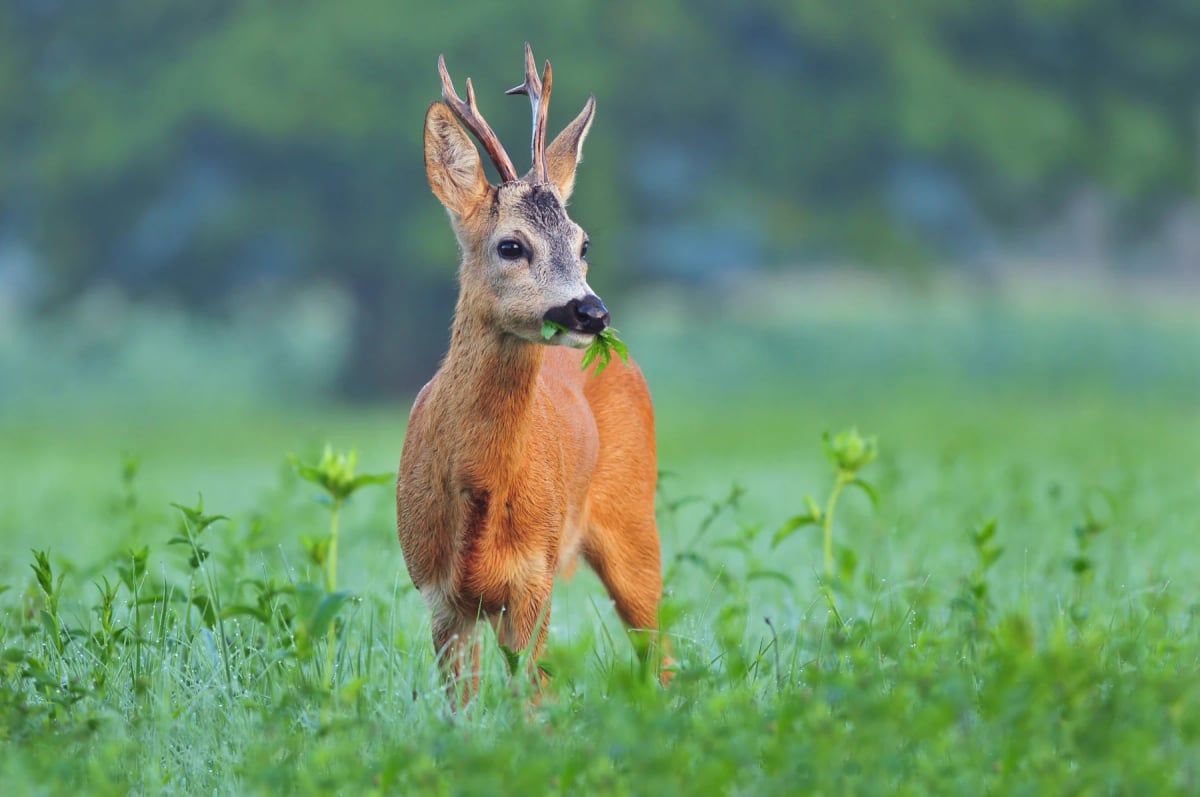
Roe Deer
Capreolus capreolus
Belarus supports robust roe deer populations across its vast lowland forests and wetland margins, including the Białowieża Forest, which it shares with Poland. The country's extensive mixed and coniferous woodlands provide ideal habitat. Roe deer are active at dawn and dusk, feeding on a wide range of plants. The species is carefully managed through regulated hunting. It holds a global conservation status of Least Concern and is among the most abundant ungulates in Belarus.
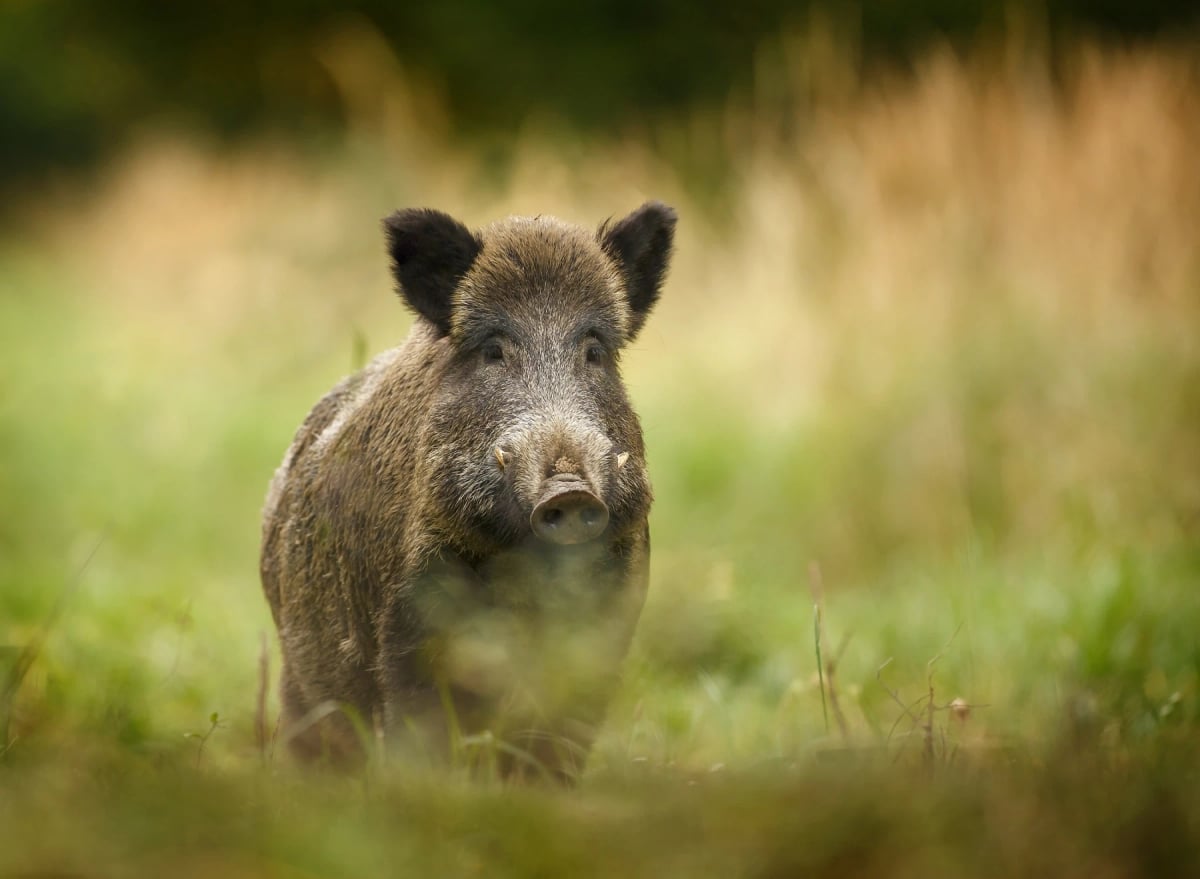
Wild Boar
Sus scrofa
Wild boars are widespread across Belarus's extensive forests, including the ancient woodland of Belavezhskaya Pushcha, one of Europe's last large primeval forests. They have long been a popular game species managed through licensed hunting. In recent years, outbreaks of African swine fever have led authorities to intensify population control efforts, since dense wild boar numbers can help the disease spread among both wild and domestic pigs.
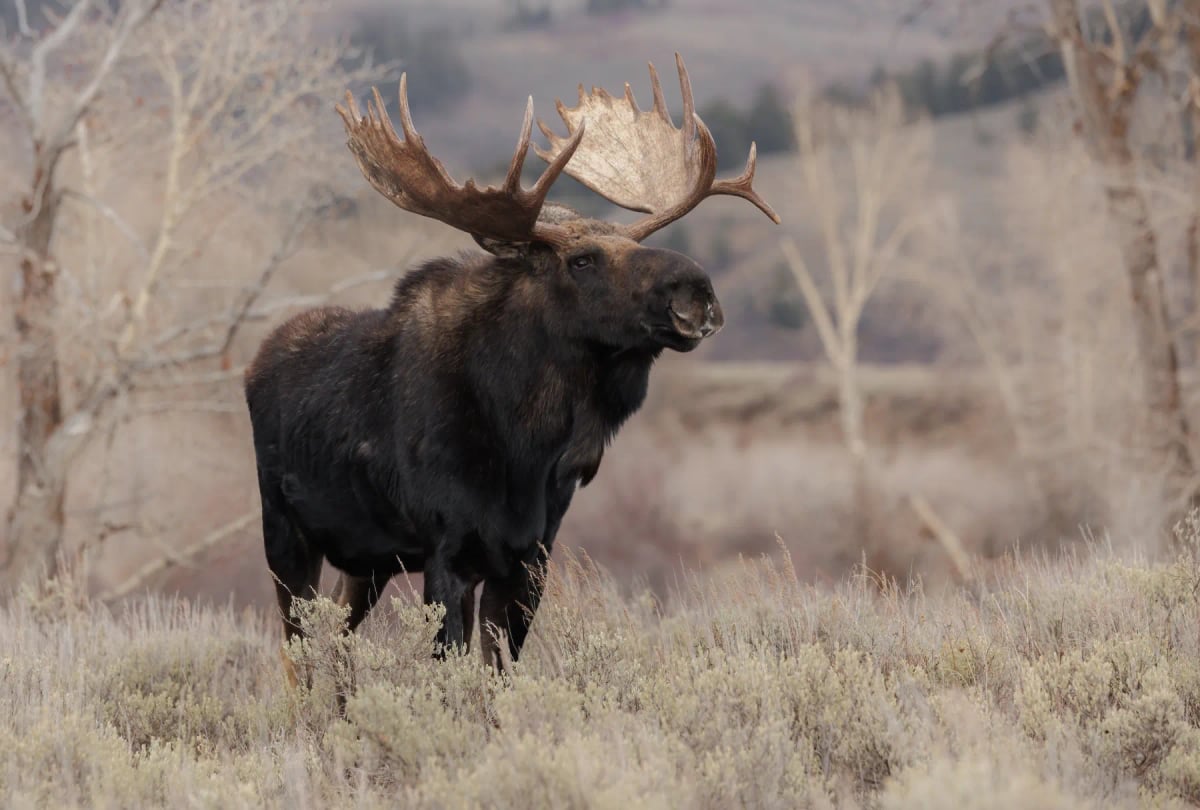
Moose
Alces alces
Belarus is home to one of Central Europe's most significant moose populations, living across the country's vast network of forests and wetlands. The Białowieża Forest, shared with Poland, provides some of the finest habitat. Moose here feed on willows and aquatic plants along riverbanks and marshy clearings. Listed as Least Concern, the species remains stable, though hunting pressure and habitat changes are monitored closely by wildlife managers.
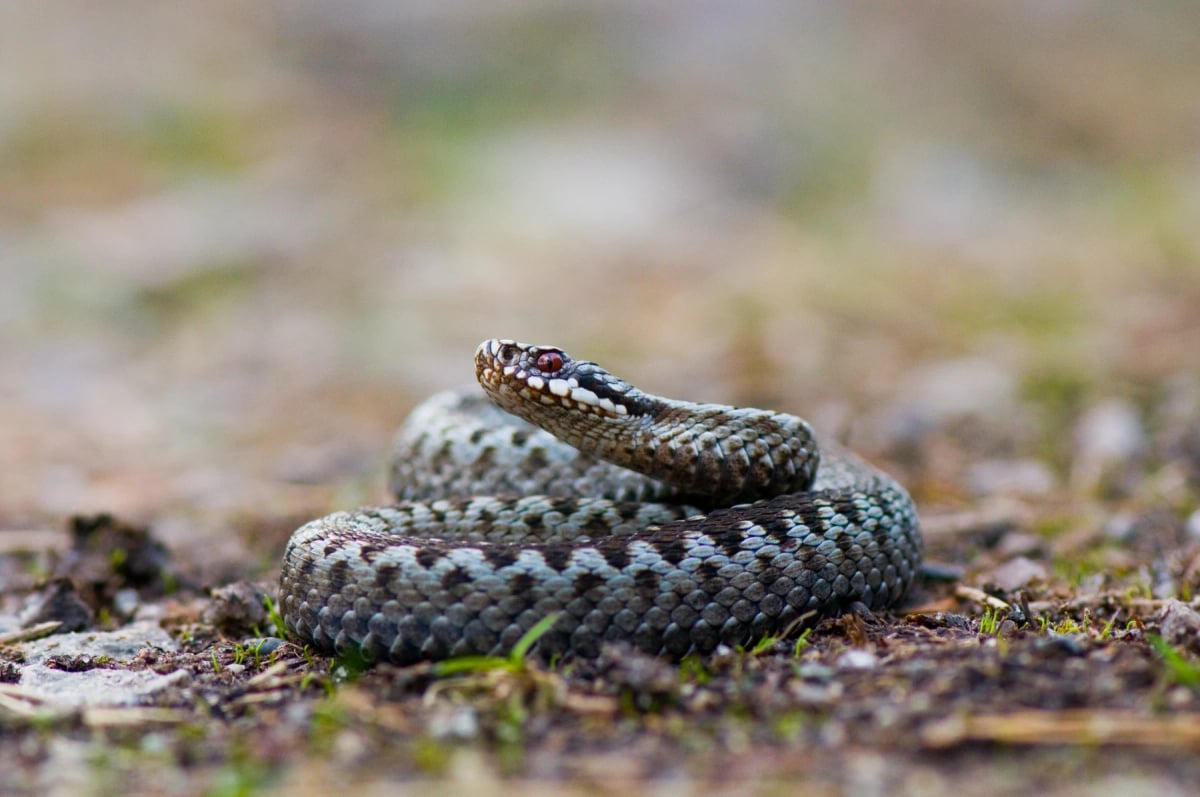
European Adder
Vipera berus
The European adder is one of the most commonly encountered snakes across Belarus, found in forests, bogs, and heathlands throughout the country. It thrives in the extensive wetland and woodland landscapes of the Belarusian lowlands, including areas within the Belovezhskaya Pushcha reserve. It hibernates for several months each winter. Its IUCN status is Least Concern.
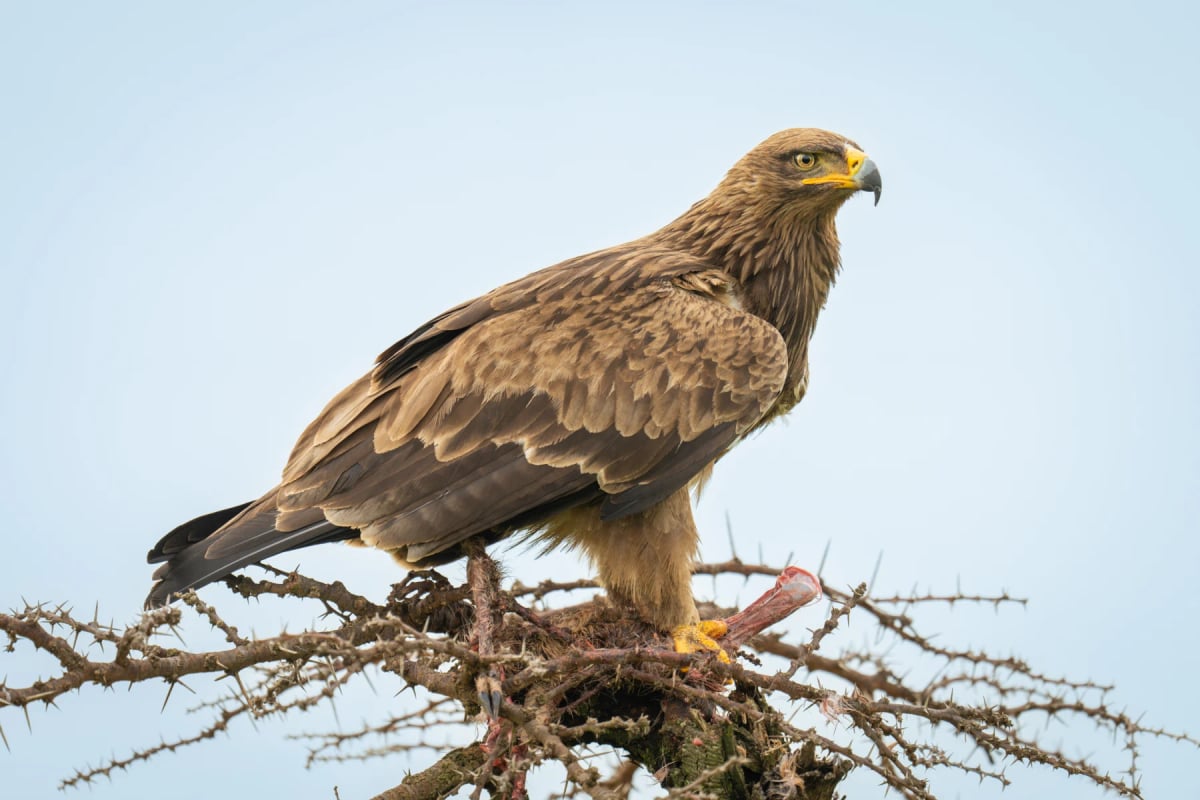
Steppe Eagle
Aquila nipalensis
The Steppe Eagle is a rare visitor to Belarus, occasionally recorded during autumn migration as birds move southwest from their Central Asian breeding grounds toward Africa. Sightings tend to occur over open farmland and river valleys, where the eagles may stop briefly to rest and feed. With the global population listed as Endangered and numbering around 30,000 individuals, any record in Belarus is considered significant by local ornithologists.
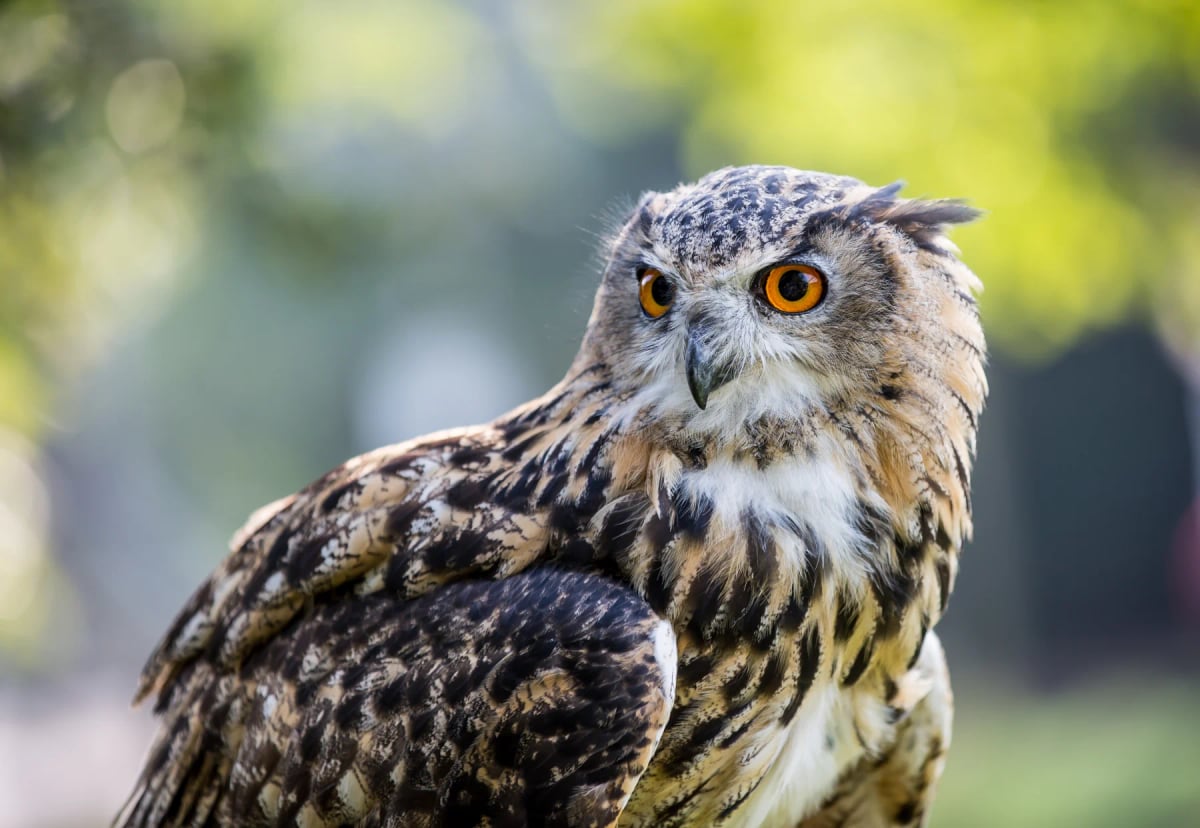
Eagle Owl
Bubo bubo
The Eurasian eagle owl is an uncommon but regular resident in Belarus, where it favours old forests mixed with open areas, river valleys, and patches of rocky or sandy terrain. The Belarusian population is relatively small compared to neighbouring countries. It hunts nocturnally for rodents, hares, and birds. The IUCN considers it Least Concern, and it is legally protected within Belarus.
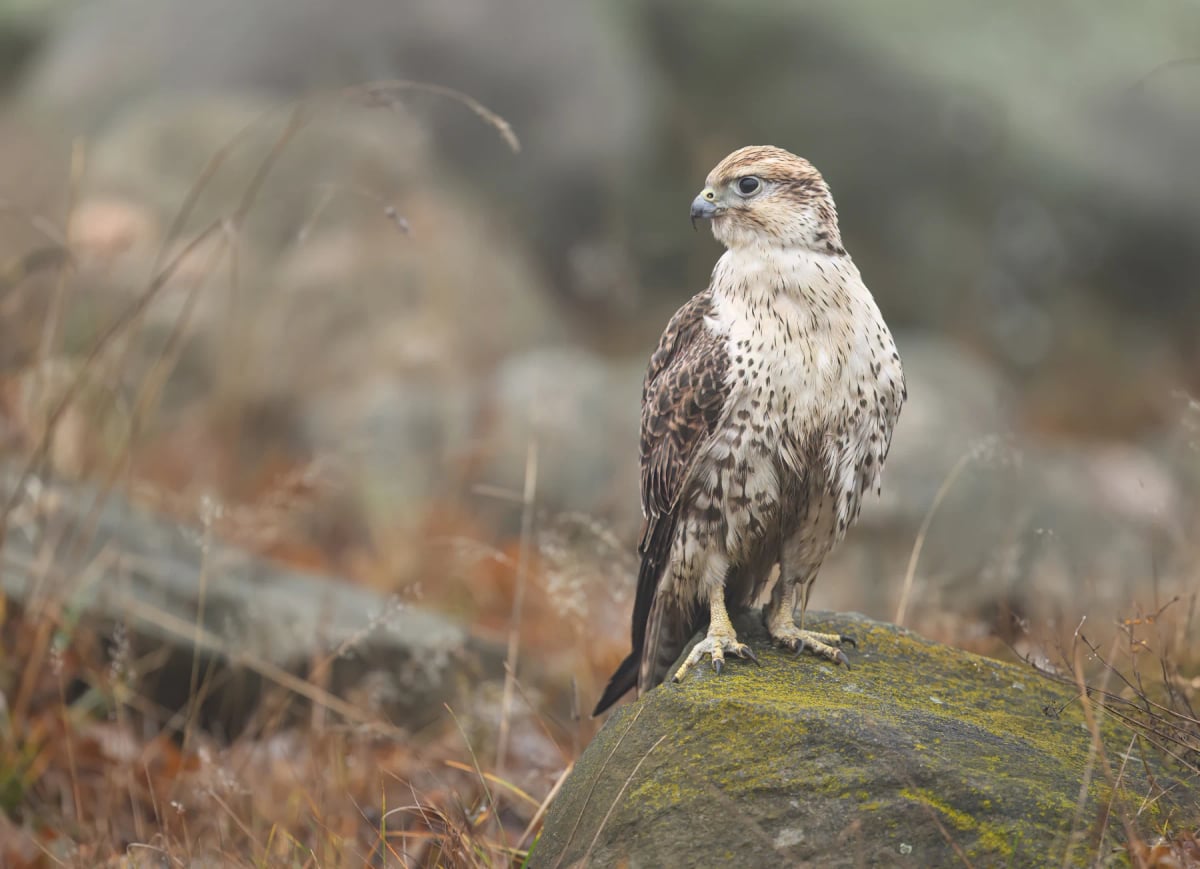
Saker Falcon
Falco cherrug
Belarus lies on the western edge of the saker falcon's range in Eastern Europe, where the bird occurs mainly as a rare migrant or occasional visitor. The open agricultural plains and river valleys of Belarus could offer suitable stopover habitat during migration. Populations across Eastern Europe have declined sharply, and the IUCN lists this falcon as Endangered, with illegal trapping and power line collisions among the main causes.
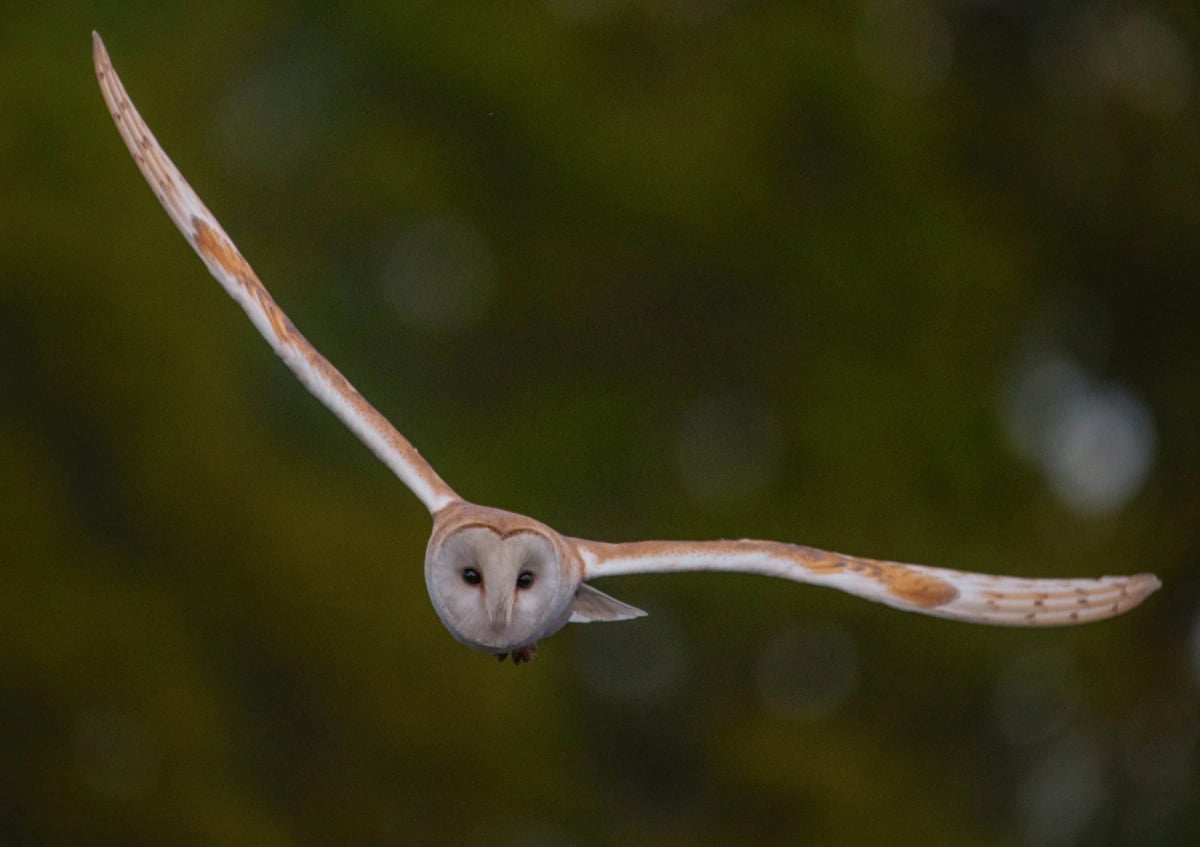
Barn Owl
Tyto alba
The barn owl reaches the eastern edge of its European range in Belarus, where it is a rare and local resident in the western and central parts of the country. It is far less common than other owl species and is considered scarce across most of its range in Belarus. It nests in old farm buildings and church towers in open agricultural areas and hunts small rodents at night in meadows and field margins.
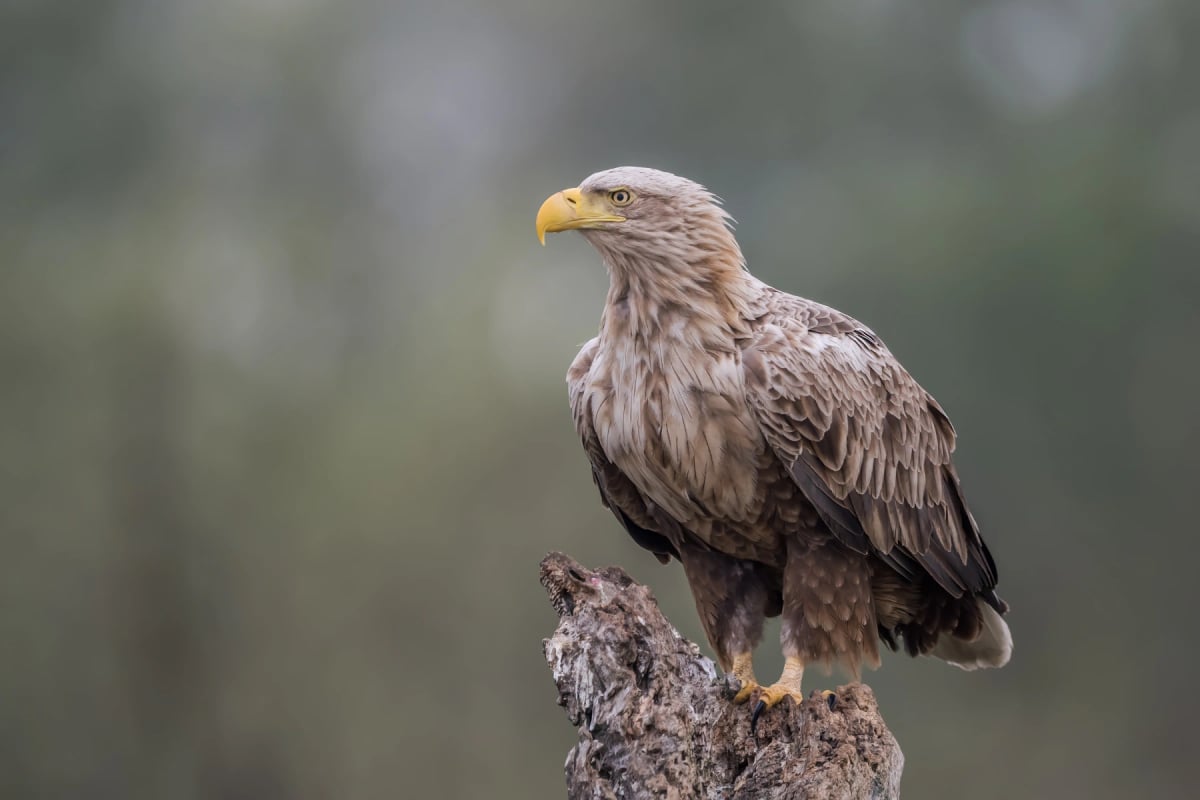
White tailed Eagle
Haliaeetus albicilla
Belarus is one of the strongholds of the white-tailed eagle in central Europe. The vast river floodplains, oxbow lakes, and forests of the Pripyat region support a healthy breeding population. The Pripyat Polesie wetlands are especially important. It nests in tall trees close to open water and hunts mainly fish. The IUCN lists it as Least Concern.
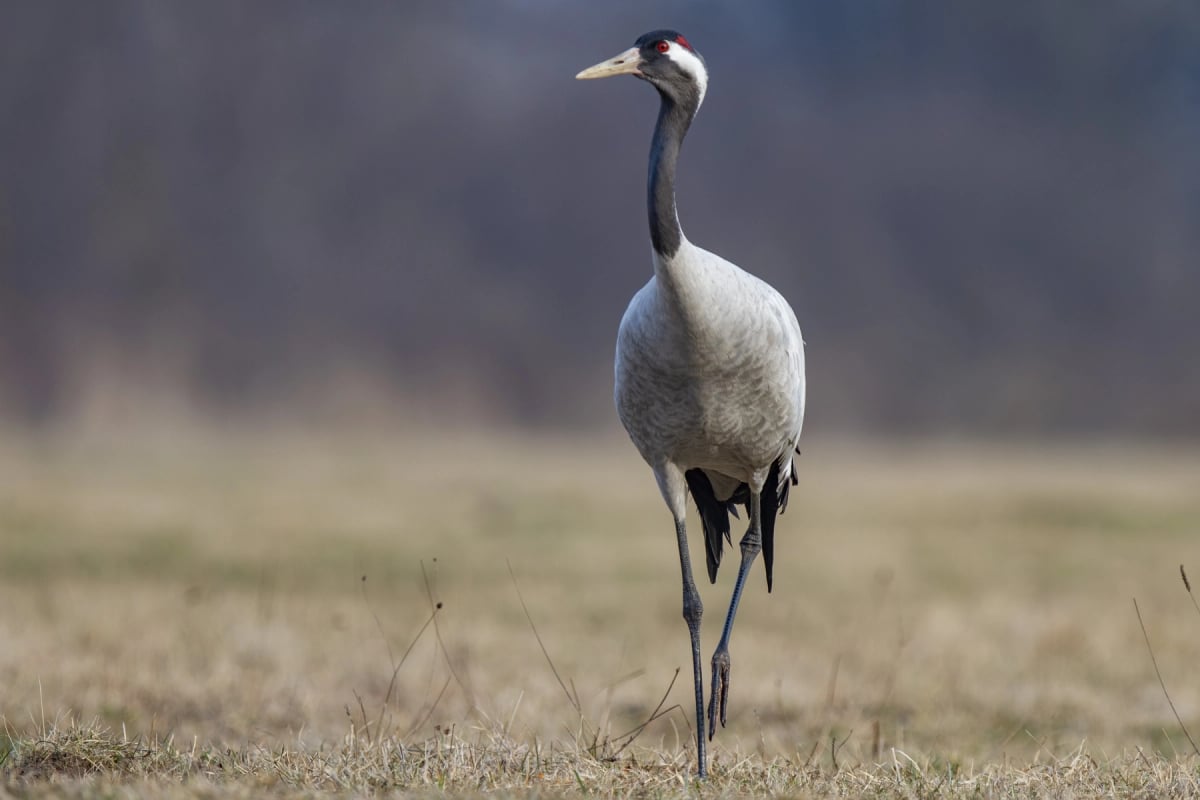
Crane
Grus grus
Belarus is one of the most significant breeding countries for the common crane in central Europe. The vast peatlands, forest bogs and river floodplains that cover much of the country provide ideal nesting habitat. Pairs build large nests close to water and return to the same territories each spring. Belarusian cranes also gather in large flocks before autumn migration. The species is classified as Least Concern and has benefited from the country's extensive areas of undrained wetland.
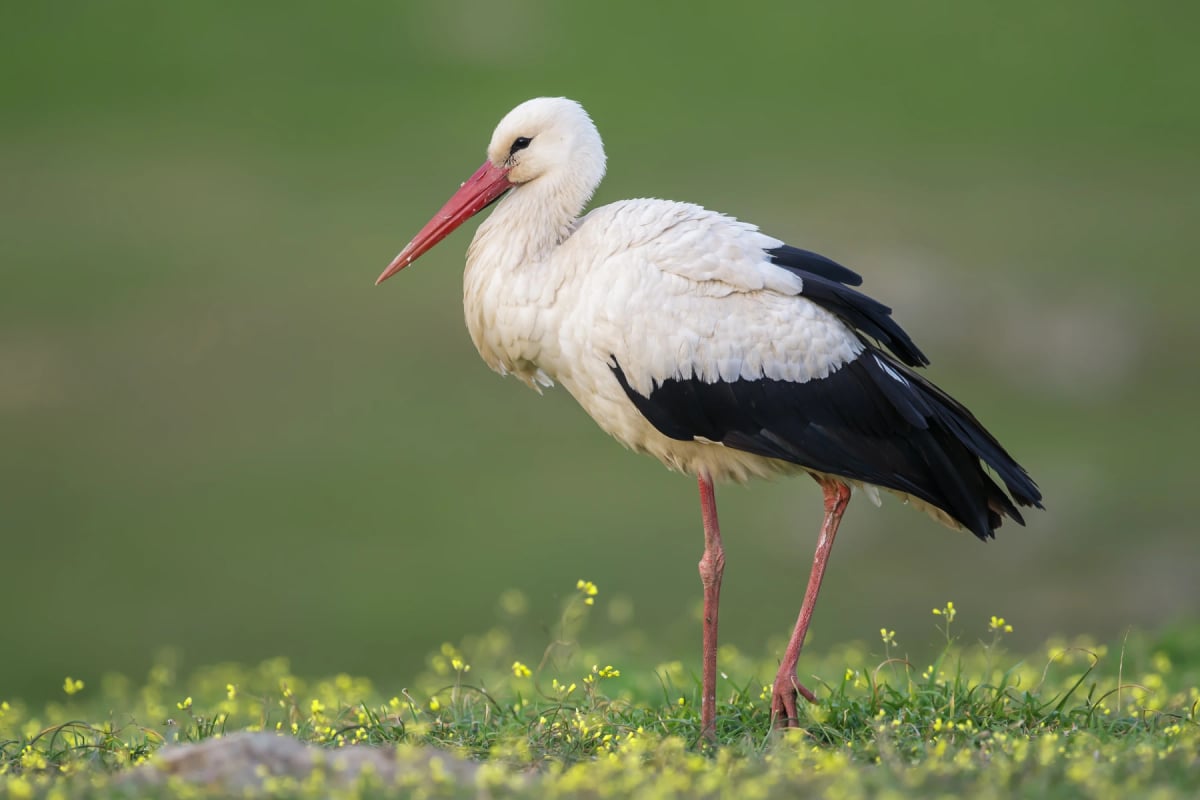
Stork
Ciconia ciconia
Belarus holds one of the largest white stork breeding populations in Europe, with tens of thousands of pairs nesting across the country. The vast floodplain meadows, marshes, and river valleys of the Pripyat basin provide ideal foraging habitat. Belarusian villages are famous for their stork nests perched on wooden poles and barn rooftops. The species is deeply woven into local rural culture. IUCN status: Least Concern.
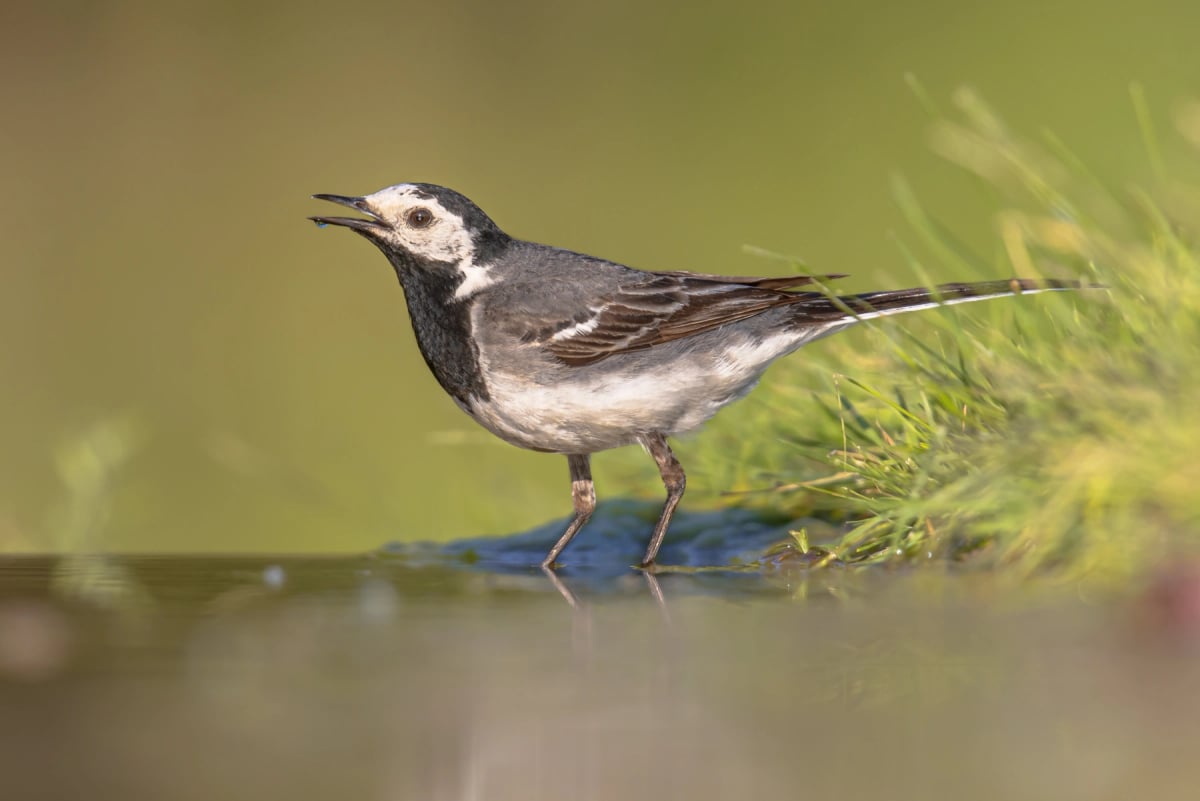
White Wagtail
Motacilla alba
Small black, white and grey bird with a slender tail that bobs up and down as it walks and feeds along the edges of water and open ground.
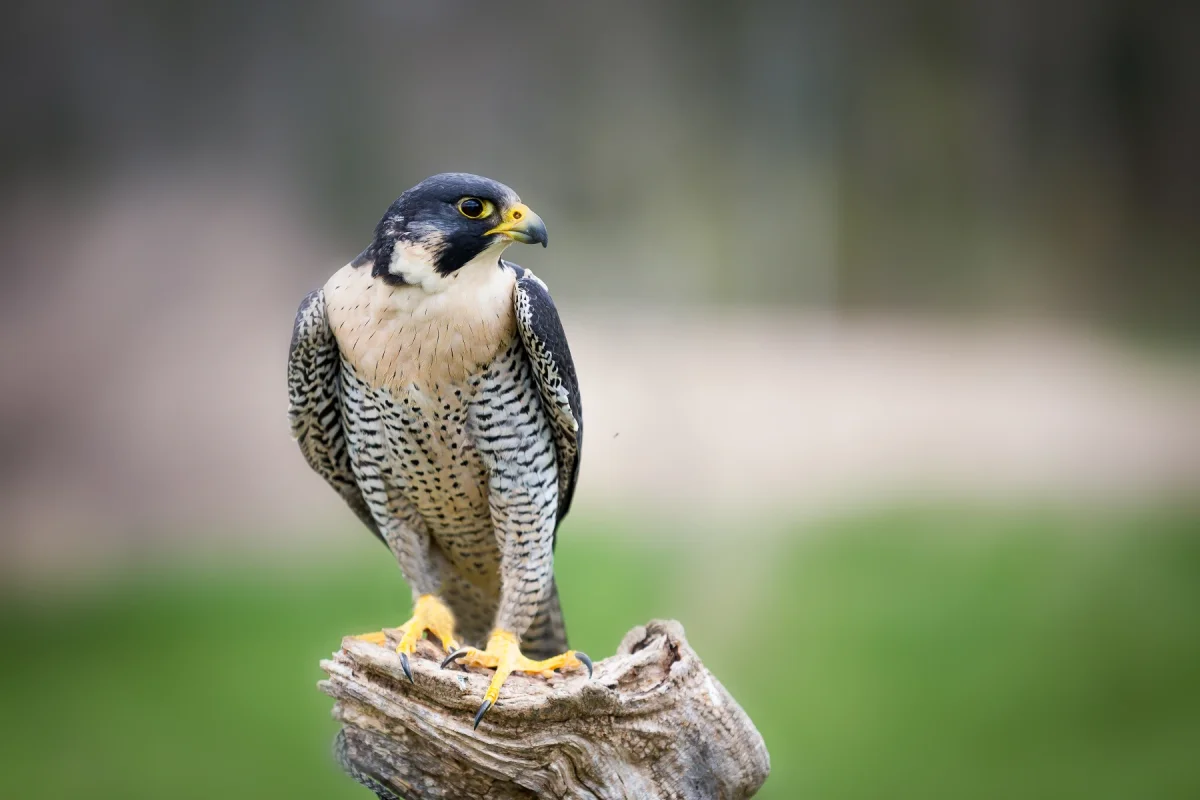
Peregrine Falcon
Falco peregrinus
The peregrine falcon is a rare and carefully monitored breeding bird in Belarus. It nests in forested areas, often using old nests of other large birds in tall trees near rivers and wetlands, a habit less common elsewhere in its range. The Pripyat River basin and the Belovezhskaya Pushcha region are among the areas where sightings are recorded. Conservation programs support its gradual recovery here. Its IUCN status is Least Concern.
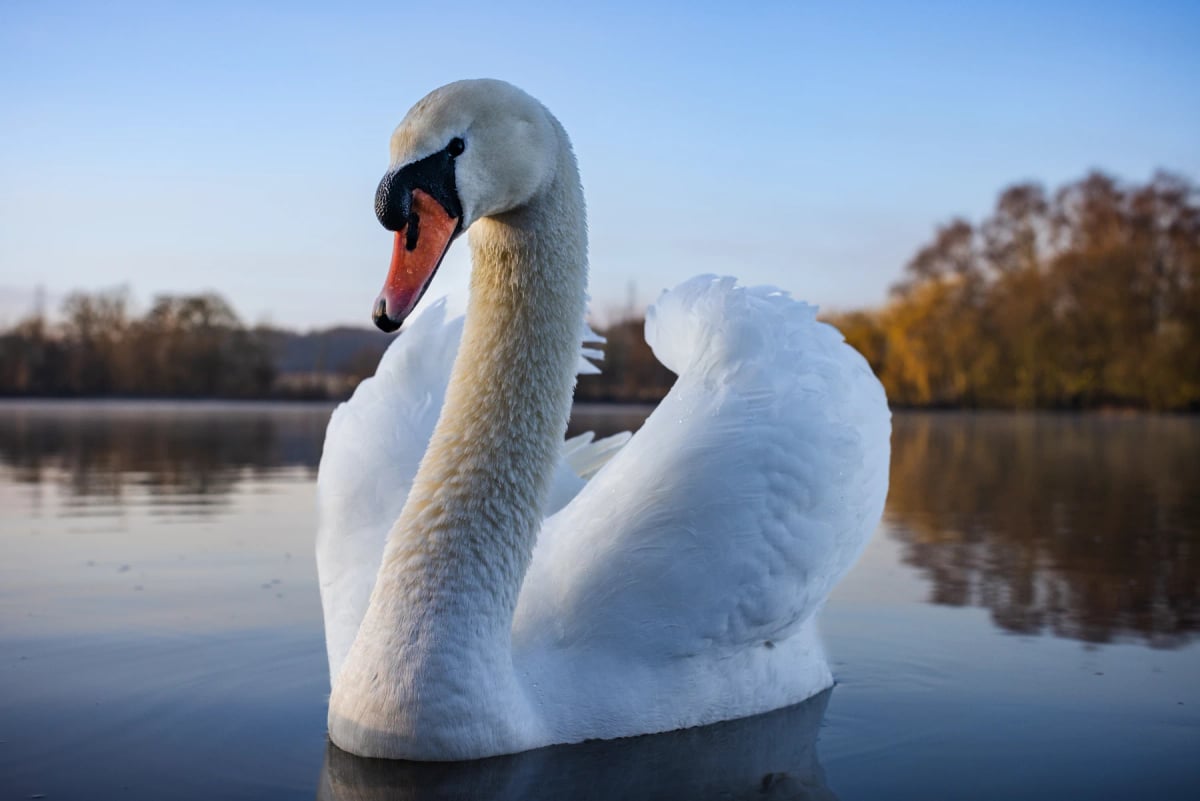
Mute Swan
Cygnus olor
The mute swan is a striking waterbird, all white with a long curved neck and a bright orange bill. In Belarus, it breeds on lakes, slow rivers, and the wetlands of the Pripyat River basin, one of the largest floodplain areas in Europe. Both parents share the work of raising their young. The population here is stable and the IUCN lists it as Least Concern.
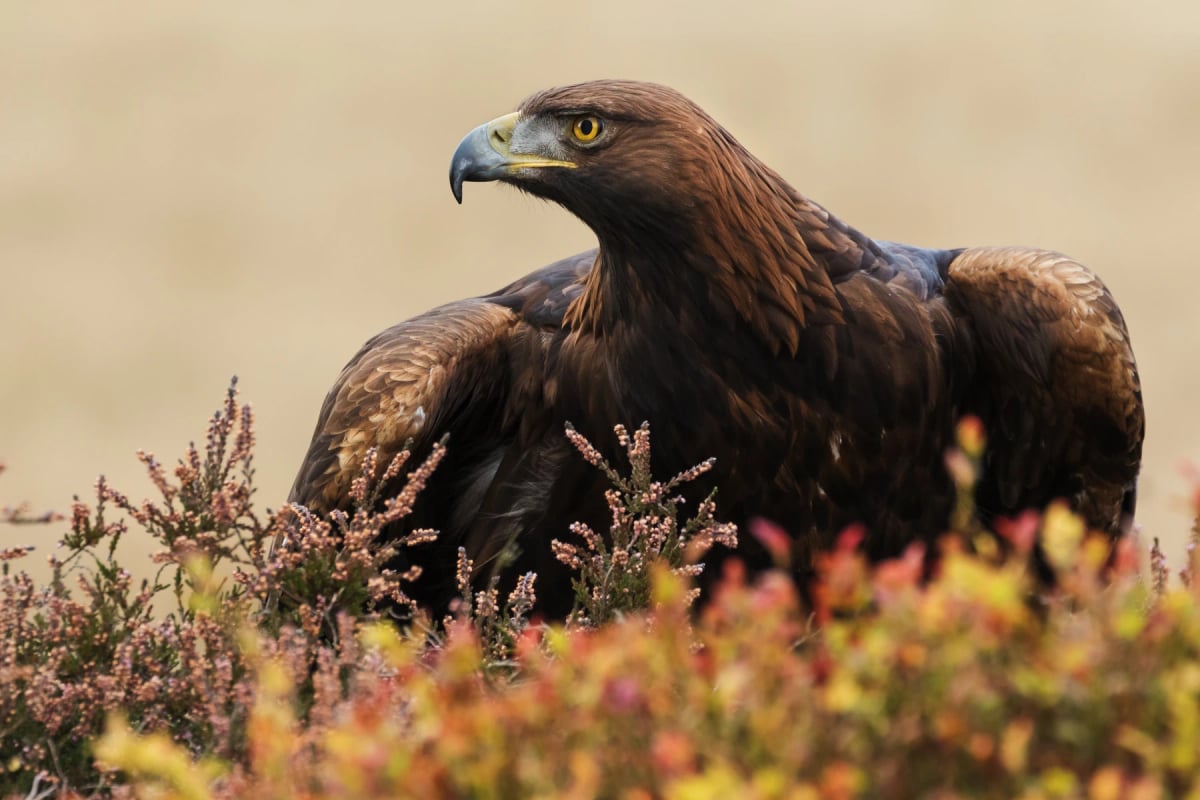
Golden Eagle
Aquila chrysaetos
The golden eagle is a rare and irregular visitor to Belarus, occasionally recorded in forested and wetland regions of the country. It is not a regular breeder there and is more likely to appear during migration or winter movements from populations further east and north. The IUCN lists it as Least Concern globally, but in Belarus it is considered a species in need of strict protection.
Researched and written by Juan Pablo. Sources: IUCN Red List, scientific literature and regional field guides. Last updated: .