Animals in Peru
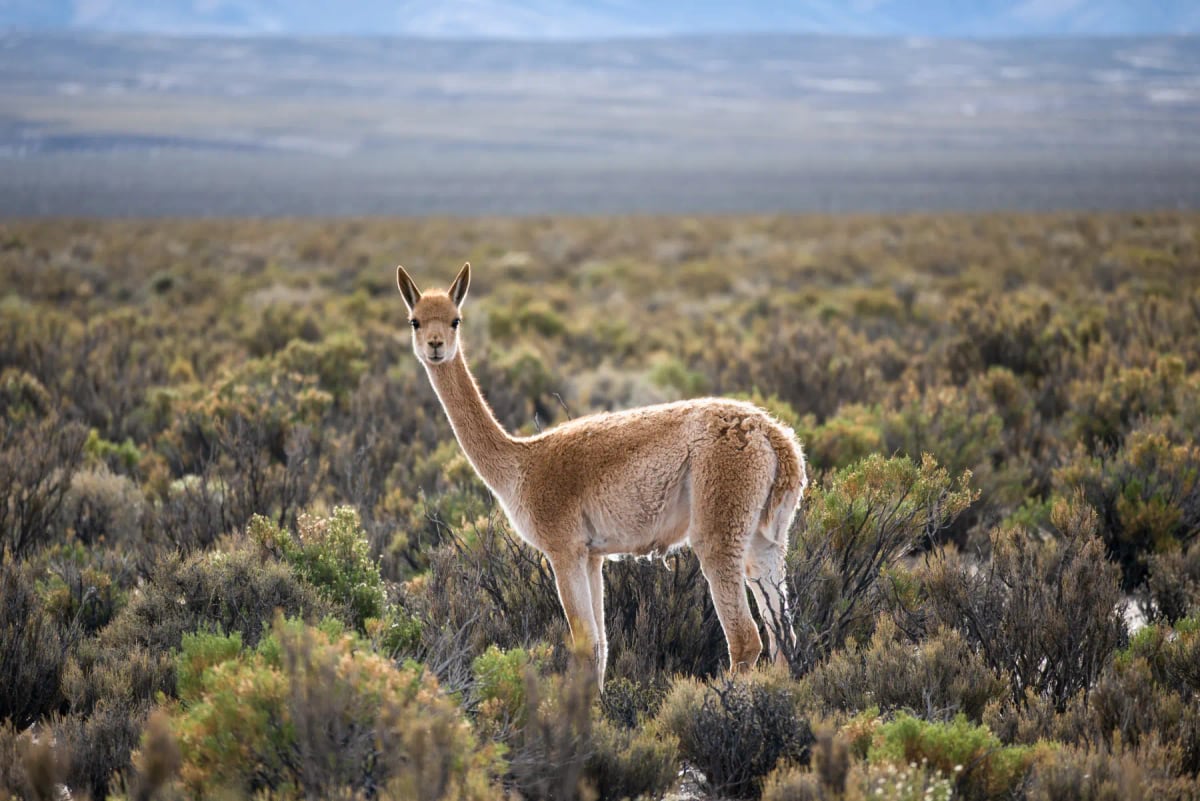
Vicuña
Vicugna vicugna
The vicuña is a slender wild camelid and is widely recognized as the national animal of Peru. It lives at high elevations on cold grasslands known as puna, where it feeds mainly on short grasses and other low plants. Vicuñas usually move in small family groups with one adult male, several females and their young, and they use keen sight and speed to detect and escape predators. The fine quality of their wool once led to heavy hunting, but legal protection and controlled shearing have allowed many populations in Peru to recover.
View details→Wildlife in Peru
Peru extends from dry Pacific coastal deserts to high Andes and the lowland Amazon rainforest, so its wildlife changes sharply with elevation and climate. In the forests and rivers, animals such as jaguars, tapirs, capybaras, giant otters, spider monkeys and Amazon river dolphins are important parts of the ecosystem. On mountain slopes and high plains, vicuñas, llamas, deer and the spectacled bear use grasslands, rocky areas and forest patches. Along the coast, sea lions, whales and seabirds feed in nutrient rich waters. Many protected areas offer river trips, trekking routes and wildlife tours that focus on these different habitats.
Most Dangerous Animals in Peru
Peru has several wild animals that can be dangerous in certain situations, mainly in remote forests, mountains and rivers. Cougars and jaguars are strong predators that live in forest and montane areas, and the spectacled bear can be risky at close range if it feels cornered. In warm zones and wetlands, caimans, anacondas, large boa constrictors and venomous snakes such as rattlesnakes and lanceheads require special care. In coastal waters, large sharks and bull sharks are powerful marine predators. Most serious incidents are rare when people keep distance, travel with local guides and follow local safety advice during outdoor activities.
Top 10 Animals in Peru
The animals highlighted for Peru link its main landscapes, from Amazon rainforest to high Andes and coastal waters. In the jungle, jaguars, tapirs, giant otters, capybaras, spider monkeys and scarlet macaws represent rivers and dense forest. In mountain regions, vicuñas, llamas, spectacled bears and Andean condors show how wildlife adapts to thin air, steep slopes and open grasslands. At sea, sea lions, whales and sharks use cold productive currents along the Pacific coast. Together these species help explain how one country can hold so many different kinds of habitats and animals.
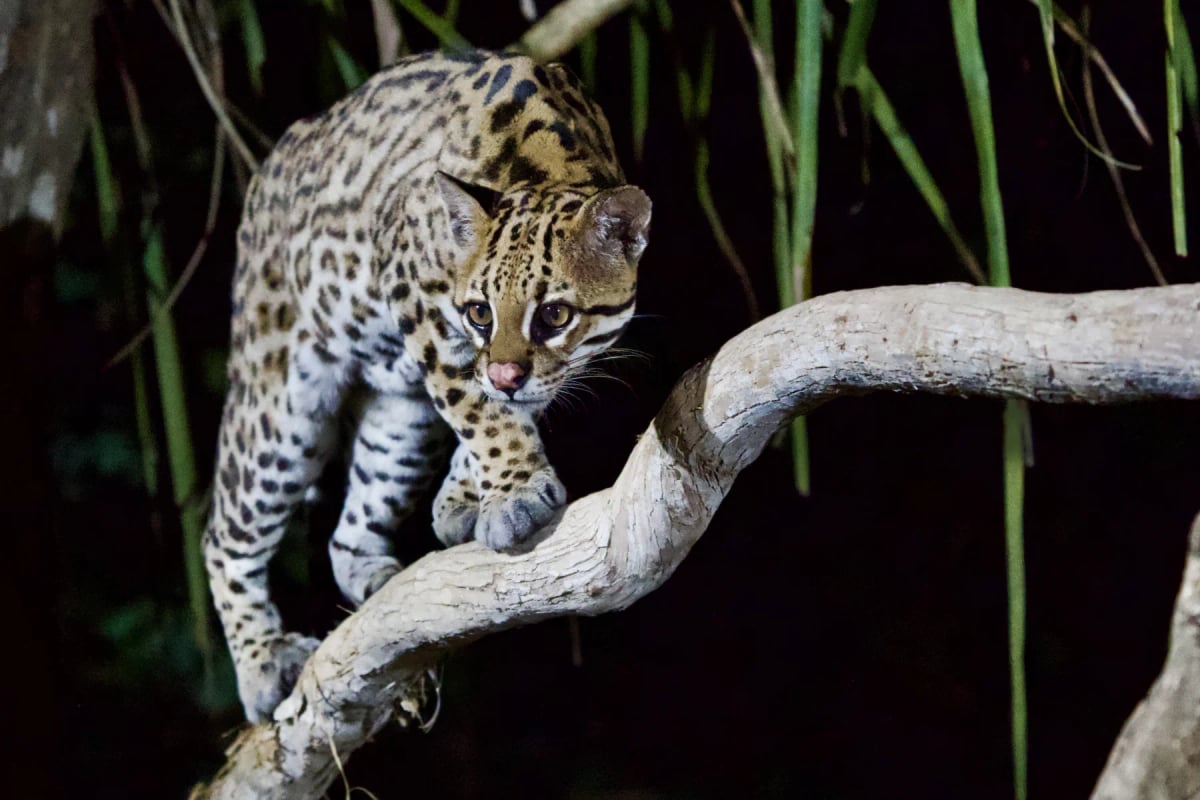
Ocelot
Leopardus pardalis
Peru's Amazon basin provides some of the most extensive and intact ocelot habitat on Earth. The species is widespread across the lowland jungle, including within Manu National Park and the Pacaya-Samiria National Reserve. Ocelots also occupy forest patches along the eastern Andes foothills. They hunt nocturnally, taking rodents, small deer, reptiles, and birds. Mining, logging, and agricultural expansion in the Amazon threaten their habitat over the long term.
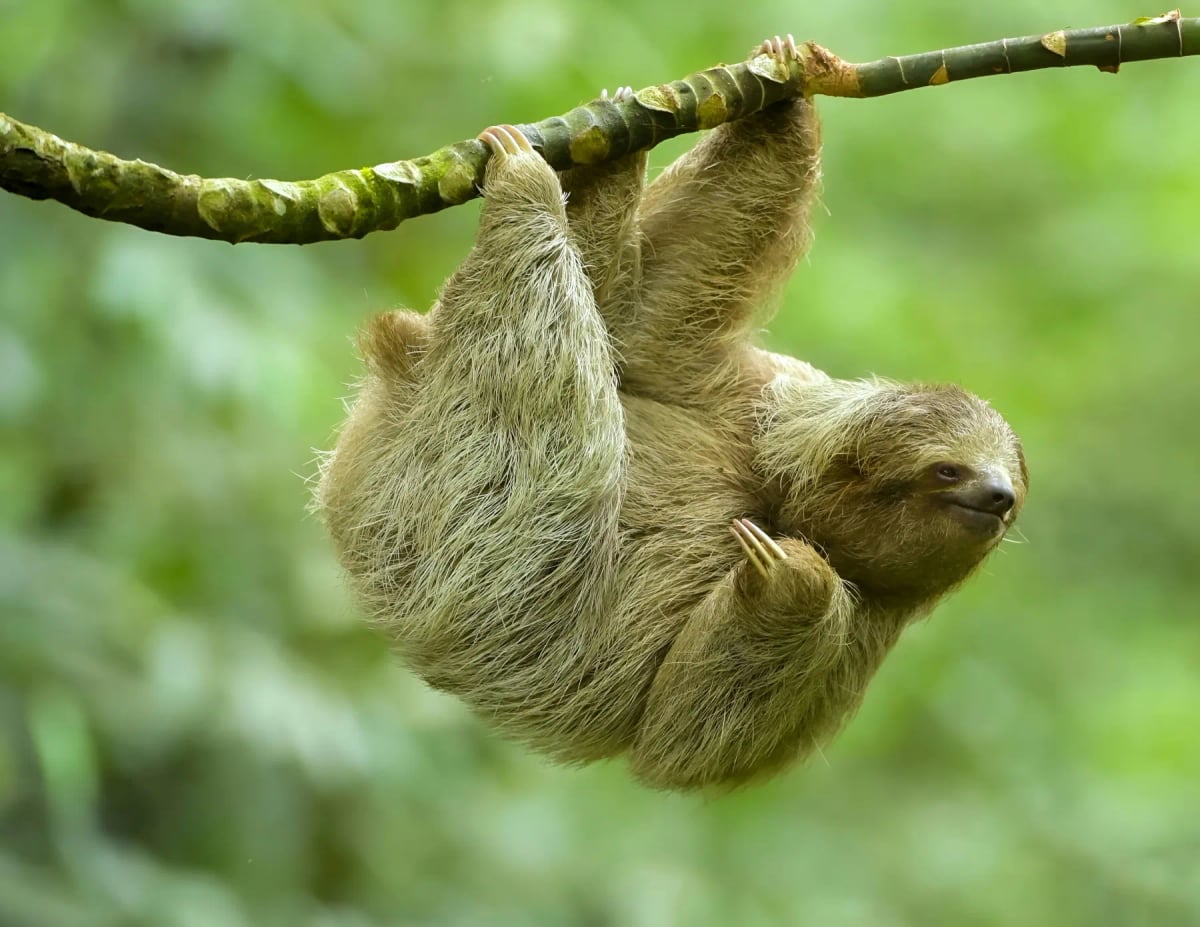
Sloth
Folivora
Peru's vast Amazon basin, covering more than half the country, supports thriving sloth populations across its jungle lowlands. Protected areas such as Manu National Park and Pacaya-Samiria National Reserve provide strongholds for multiple species. Sloths here navigate dense riverside forests and upland jungle. Peru is also an important destination for wildlife researchers studying sloth behavior and ecology in undisturbed Amazonian habitat.
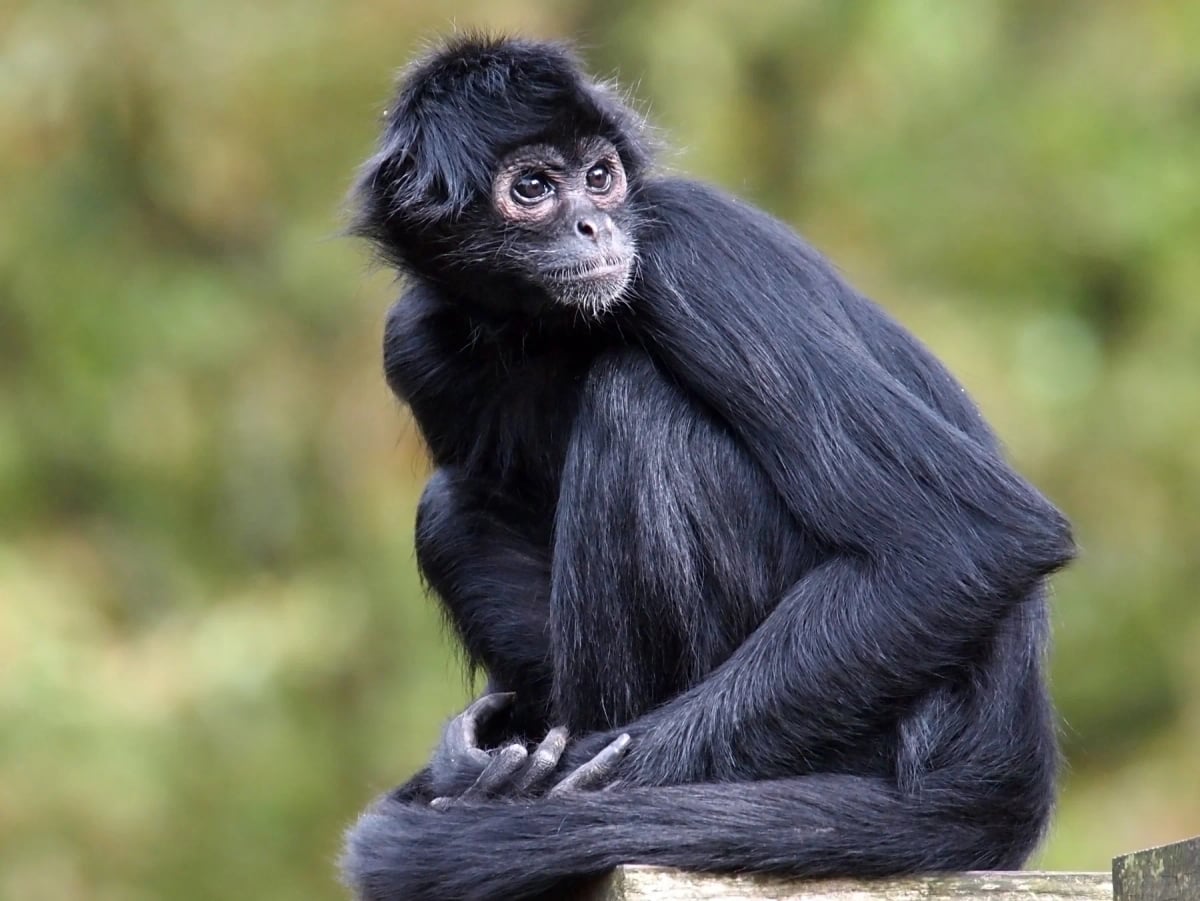
Spider Monkey
Ateles spp.
In Peru, spider monkeys range across the Amazon basin, with strongholds in protected areas such as the Manu National Park and the Sierra del Divisor Reserve. Peru holds some of the most extensive old growth forest in their entire range, making it a critical refuge for the genus. They live in flexible social groups that shift in size throughout the day. Illegal hunting and the expansion of roads into remote areas continue to threaten local populations.
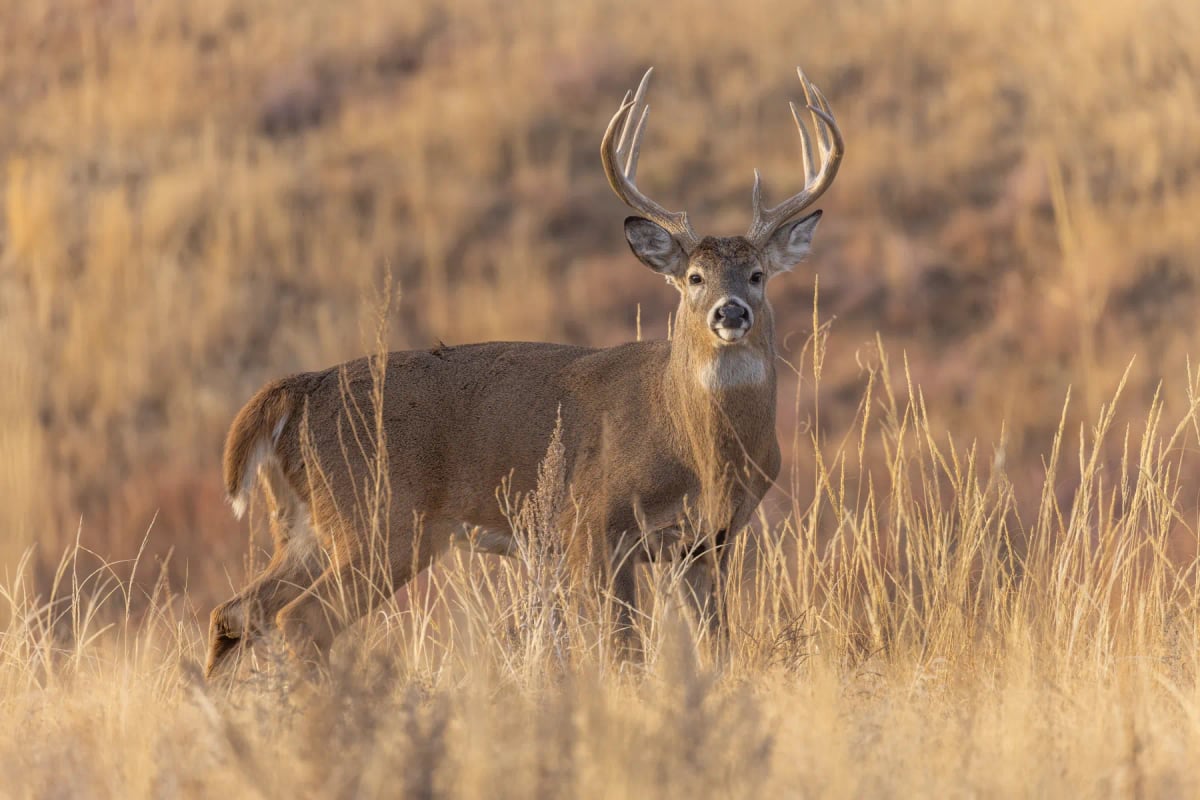
White tailed Deer
Odocoileus virginianus
In Peru, white tailed deer are found along the western slopes of the Andes and in some areas of the Amazon basin foothills. They tend to favor drier valleys and scrubland habitats at mid elevations. The species shares territory with the Andean deer in some regions. Habitat loss from agricultural expansion poses a challenge, though the deer's adaptability helps it persist across a range of conditions.
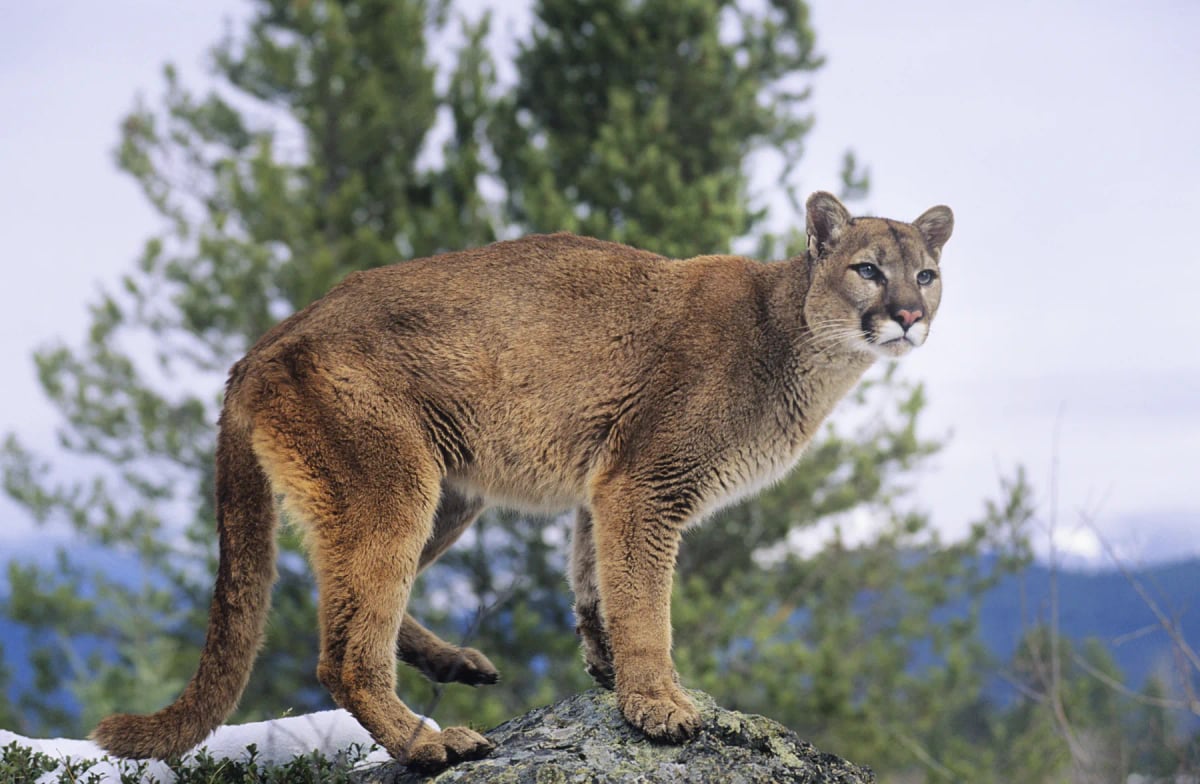
Cougar
Puma concolor
Peru's extraordinary geographic variety gives the cougar access to Andean highlands, cloud forests, and the vast Amazon basin. It is found at elevations reaching beyond 4,000 meters in some parts of the Andes, making it one of the few large predators adapted to life at such altitude. In the Amazon lowlands, it coexists with the jaguar. Across Peru, it faces threats from hunting and the steady reduction of forest cover.
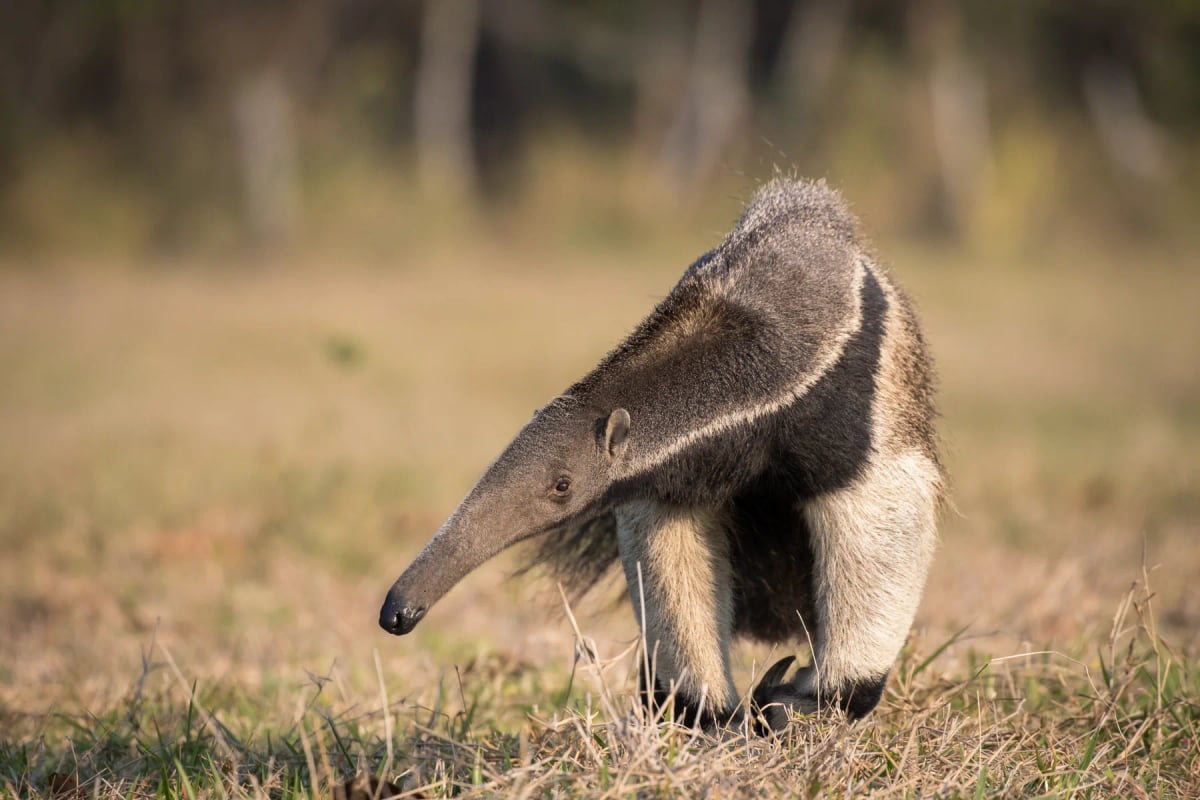
Anteater
Myrmecophaga tridactyla
The giant anteater inhabits the Amazon lowlands of Peru, particularly in the departments of Loreto, Ucayali, and Madre de Dios, where it occupies forest edges, savannas, and gallery forests. Peru's vast Amazonian territory supports populations of this species, though habitat loss and hunting pose ongoing threats in accessible areas. It is occasionally encountered in protected areas such as Manu National Park.
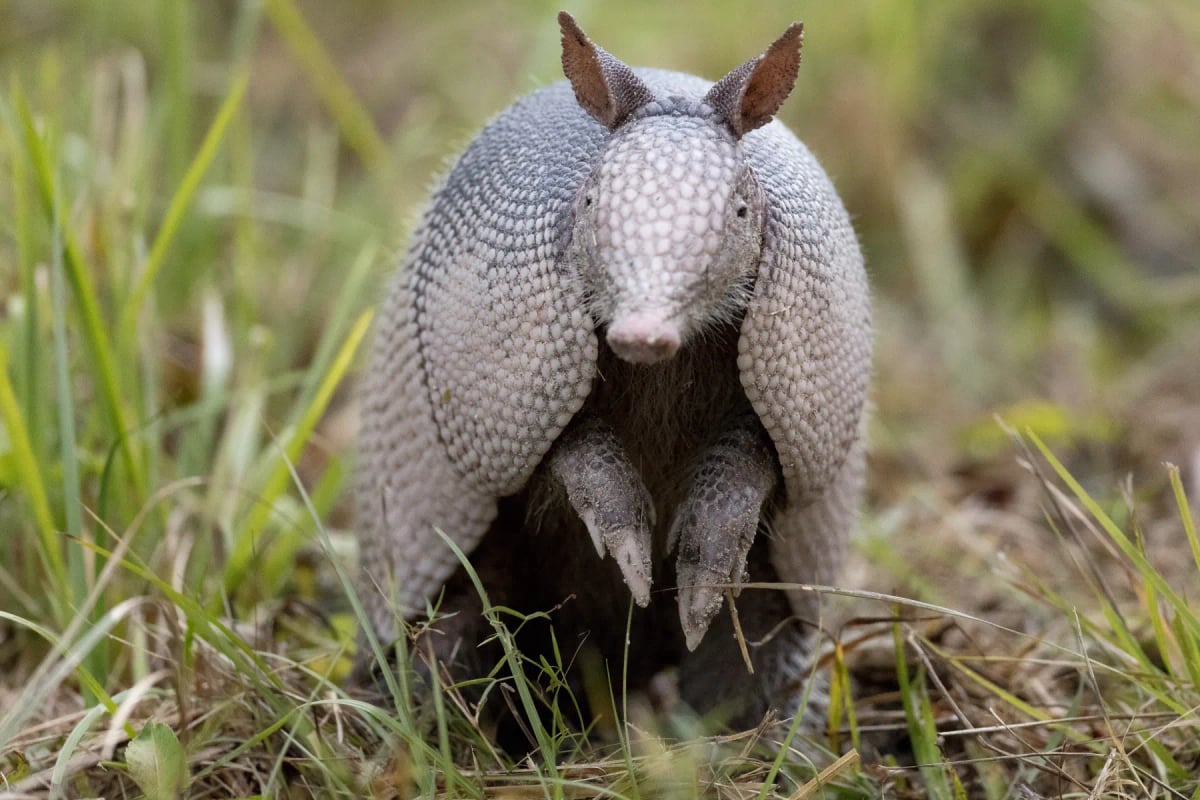
Armadillo
Dasypodidae spp.
Peru is home to several armadillo species, with the nine banded armadillo present on the Pacific coast and in Amazonian lowlands, and the giant armadillo inhabiting the eastern tropical forests. The Peruvian Amazon supports one of the most diverse assemblages of armadillo species in South America, including the southern naked tailed armadillo and the greater long nosed armadillo. The giant armadillo is classified as Vulnerable and is threatened by deforestation and hunting in indigenous territories. Smaller species are more widespread and tolerant of habitat disturbance.
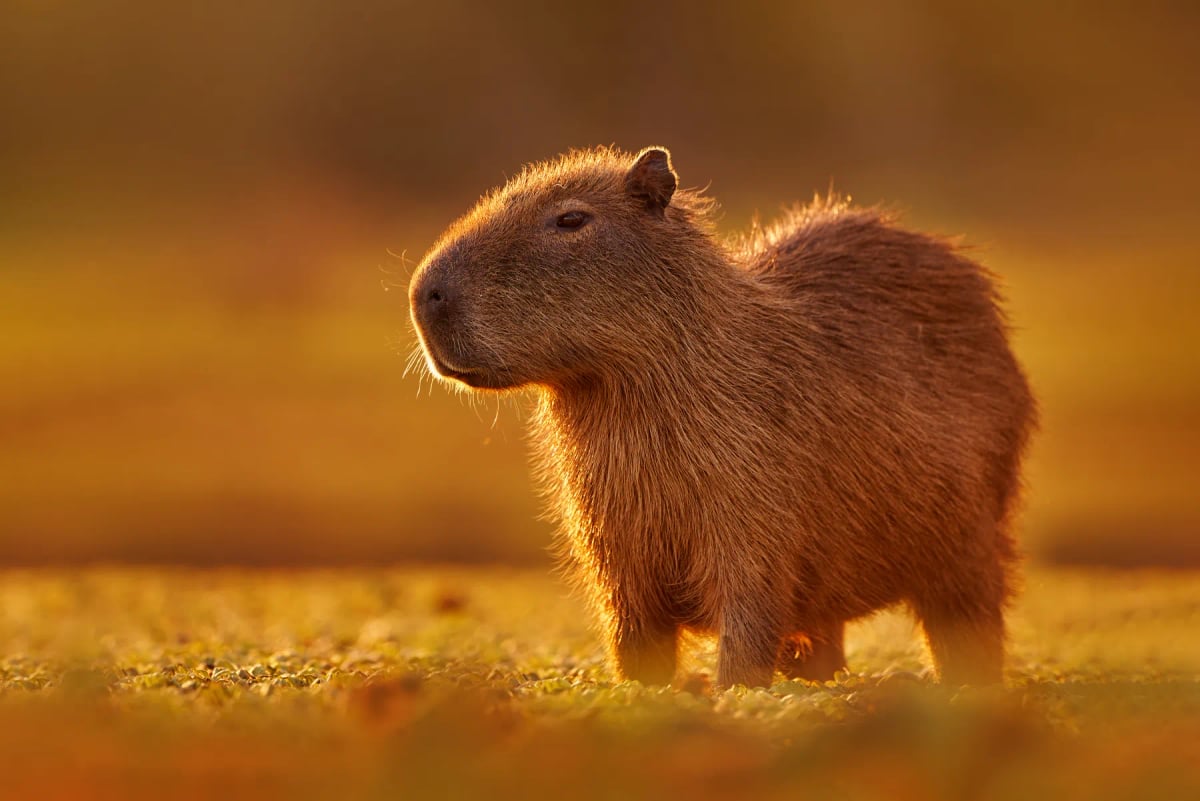
Capybara
Hydrochoerus hydrochaeris
In Peru, capybaras inhabit the Amazon lowlands, particularly in the Loreto, Ucayali, and Madre de Dios regions. They are common along the banks of major Amazonian rivers and in seasonally flooded forests known as várzea. Listed as Least Concern by the IUCN, the species is sometimes hunted for bushmeat in remote communities. Large protected areas such as Pacaya Samiria National Reserve provide important refuge for capybara populations.
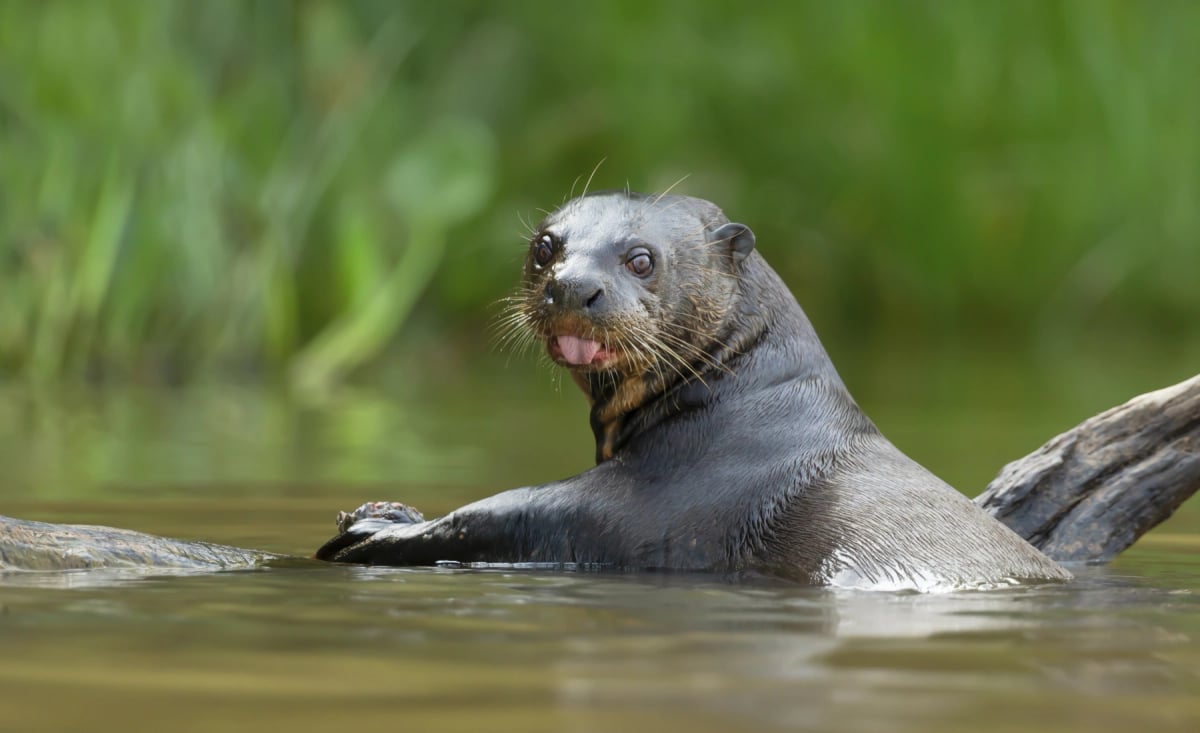
Giant Otter
Pteronura brasiliensis
Peru's Madre de Dios region, in the southwestern Amazon, is considered one of the strongholds for the giant otter in South America. The Manu Biosphere Reserve and Tambopata National Reserve protect river systems where family groups of otters can still be observed fishing and resting on riverbanks. Gold mining in Madre de Dios has caused widespread mercury contamination of waterways, making conservation of protected areas especially urgent for this Endangered mammal.
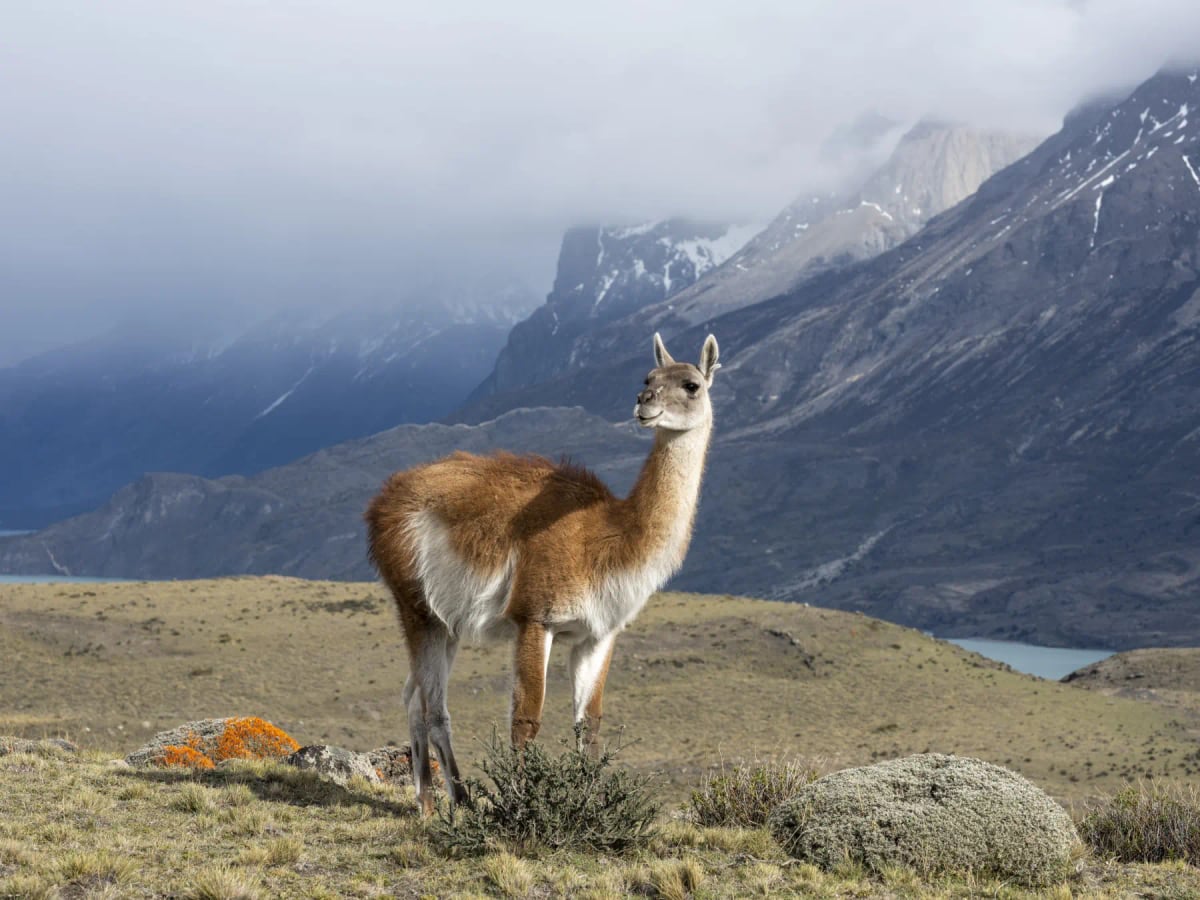
Guanaco
Lama guanicoe
In Peru, guanacos are found mainly in the dry coastal lomas and in the high grasslands of the southern Andes. Their numbers have declined significantly compared to historical levels, largely due to overhunting in past centuries and ongoing competition with livestock. Conservation efforts in areas like Pampa Galeras Barbara D'Achille National Reserve have helped stabilize some populations. Their IUCN status is Least Concern.
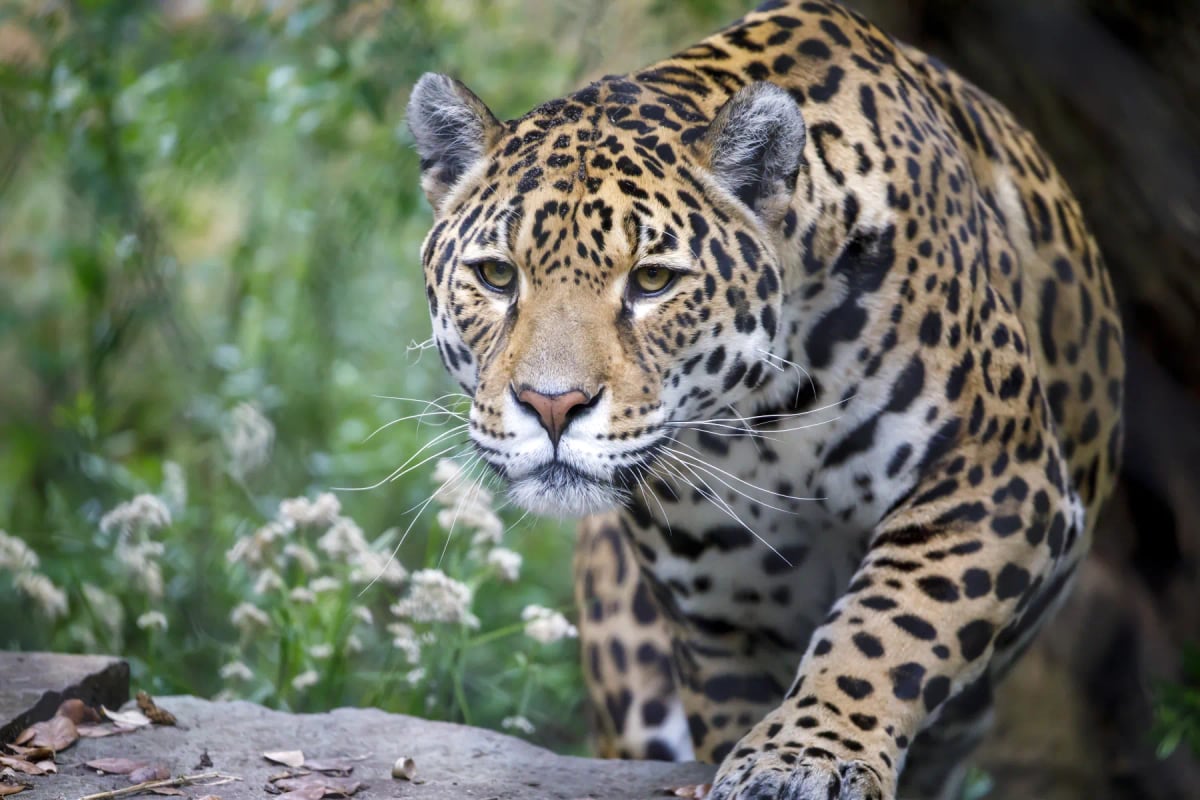
Jaguar
Panthera onca
Peru's Amazon basin is home to one of the largest jaguar populations on the continent. Jaguars thrive in the vast lowland rainforests of Madre de Dios and Loreto, where rivers and wetlands provide ideal hunting grounds. Illegal mining and deforestation are growing threats to their habitat. Indigenous communities in the Peruvian Amazon have long coexisted with jaguars and contribute significantly to protecting them. IUCN status: Near Threatened.
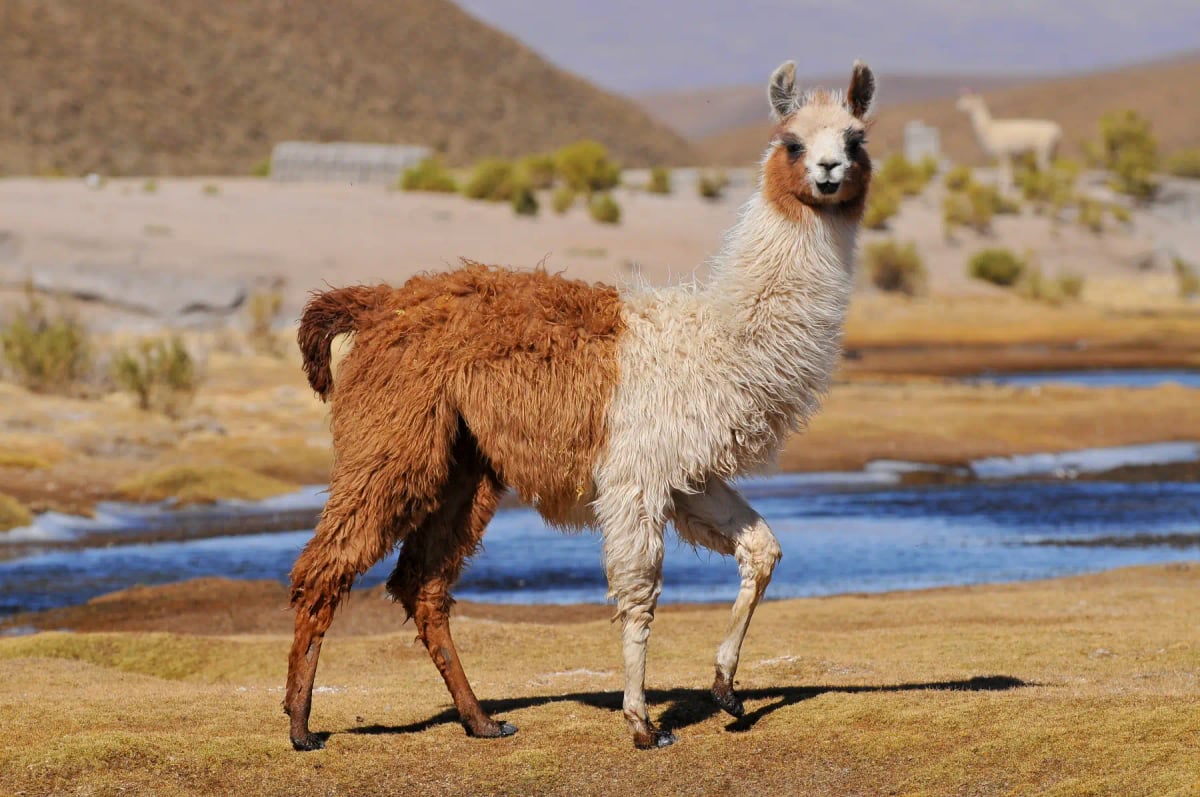
Llama
Lama glama
The llama has been central to Peruvian life for around 6,000 years, ever since Andean peoples first domesticated it from the wild guanaco. Across the puna grasslands of the altiplano, herds graze at elevations above 3,000 meters. Llamas carry goods along mountain trails, produce warm wool, and provide meat and hides. In Peru, they remain a living symbol of Andean culture and daily rural life.
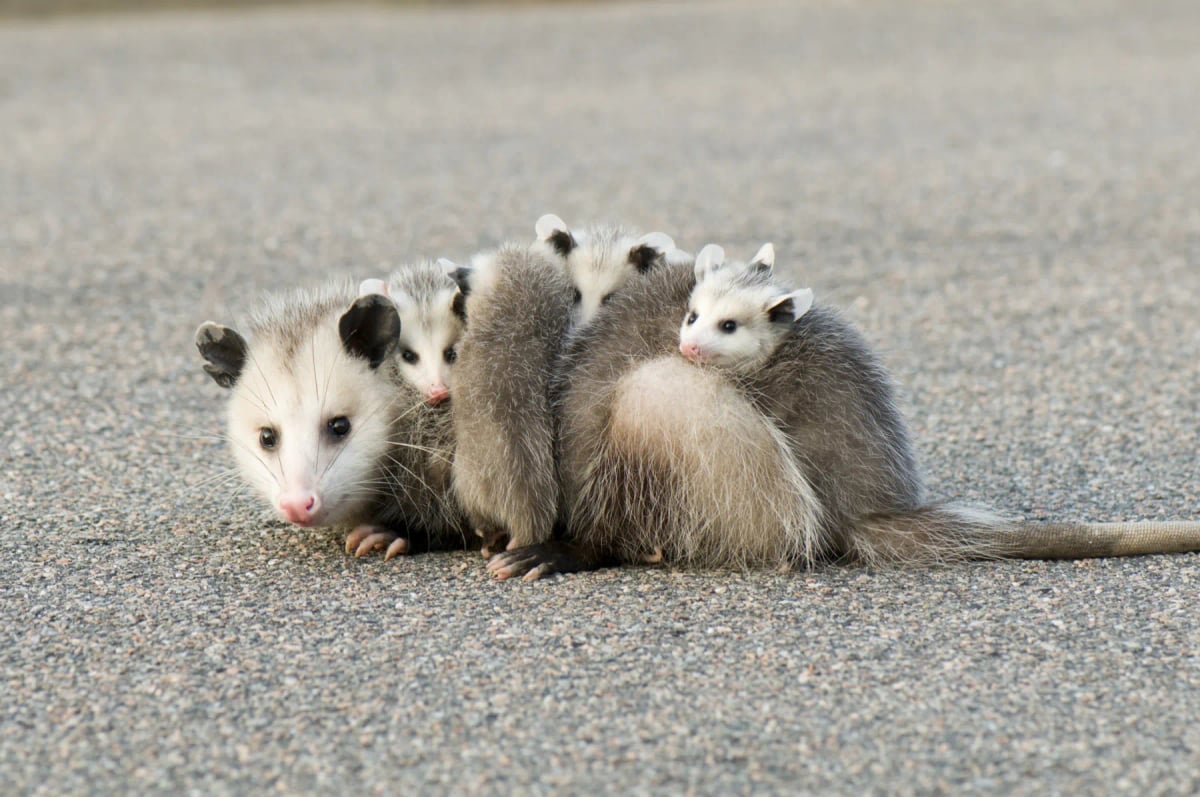
Opossum
Didelphis spp.
In Peru, opossums inhabit a remarkable range of environments, from the dense Amazon rainforest in the east to the cloud forests along the Andean slopes. They are highly adaptable, turning up near farms and villages as readily as in wild areas. Their appetite for insects, fruit, and carrion makes them useful recyclers in these ecosystems. Peru recognizes them under Least Concern status.
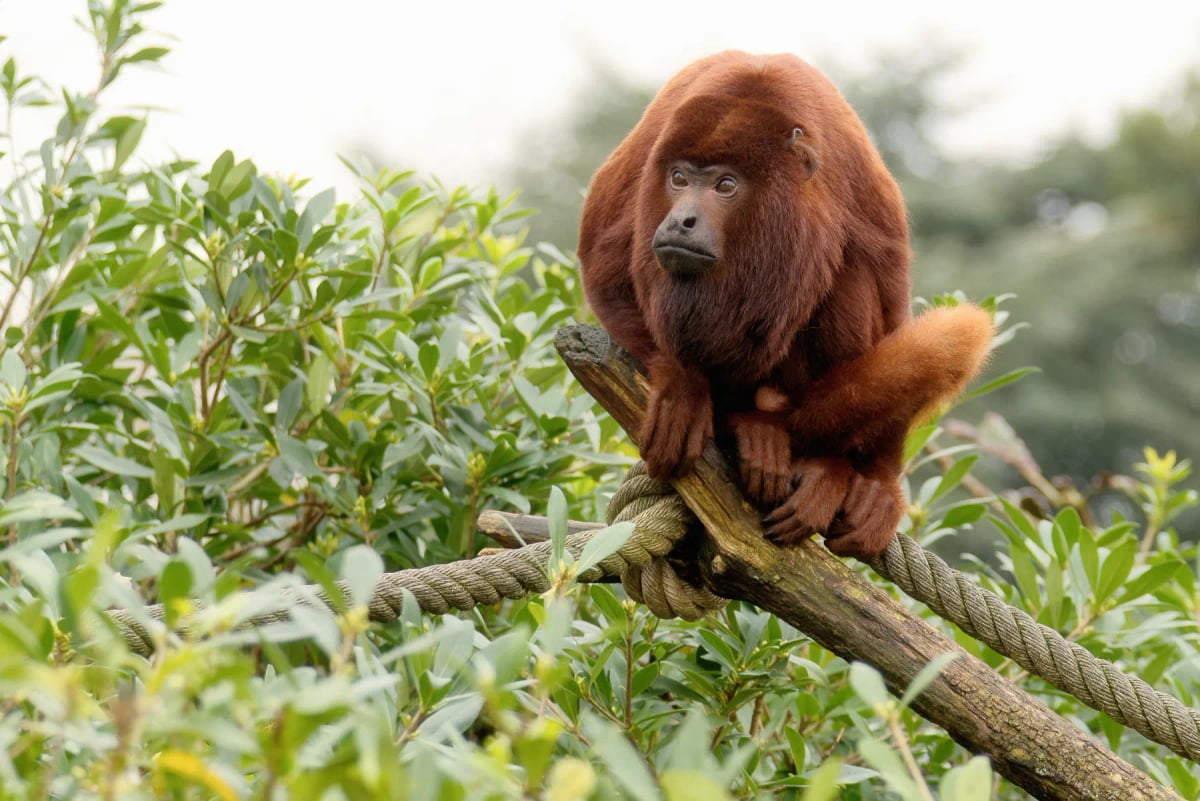
Red Howler Monkey
Alouatta seniculus
The red howler monkey ranges widely through the Peruvian Amazon, including protected areas such as Pacaya-Samiria and Manu. Its reddish coat, which ranges from deep chestnut to bright auburn, makes it one of the most striking primates in the region. Groups communicate at dawn and dusk to avoid direct conflict with neighboring troops. Habitat loss and hunting remain concerns in less protected parts of the country.
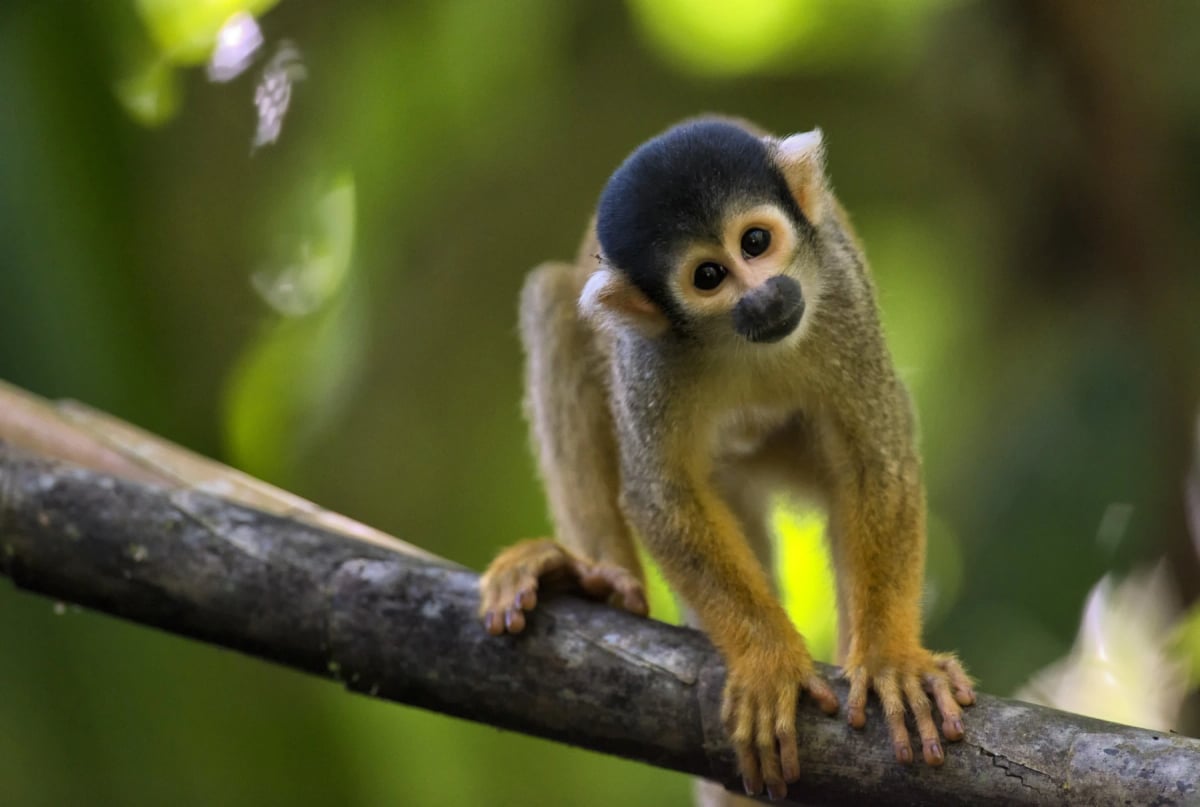
Squirrel Monkey
Saimiri spp.
Peru's vast Amazon basin supports healthy populations of squirrel monkeys across its lowland forests. They are especially visible in reserves like Pacaya-Samiria and Manu National Park, where large troops move noisily through the trees at all hours of daylight. Their ability to adapt to different forest types within the Amazon makes them one of the more widespread and easily spotted primates for visitors to the Peruvian jungle.
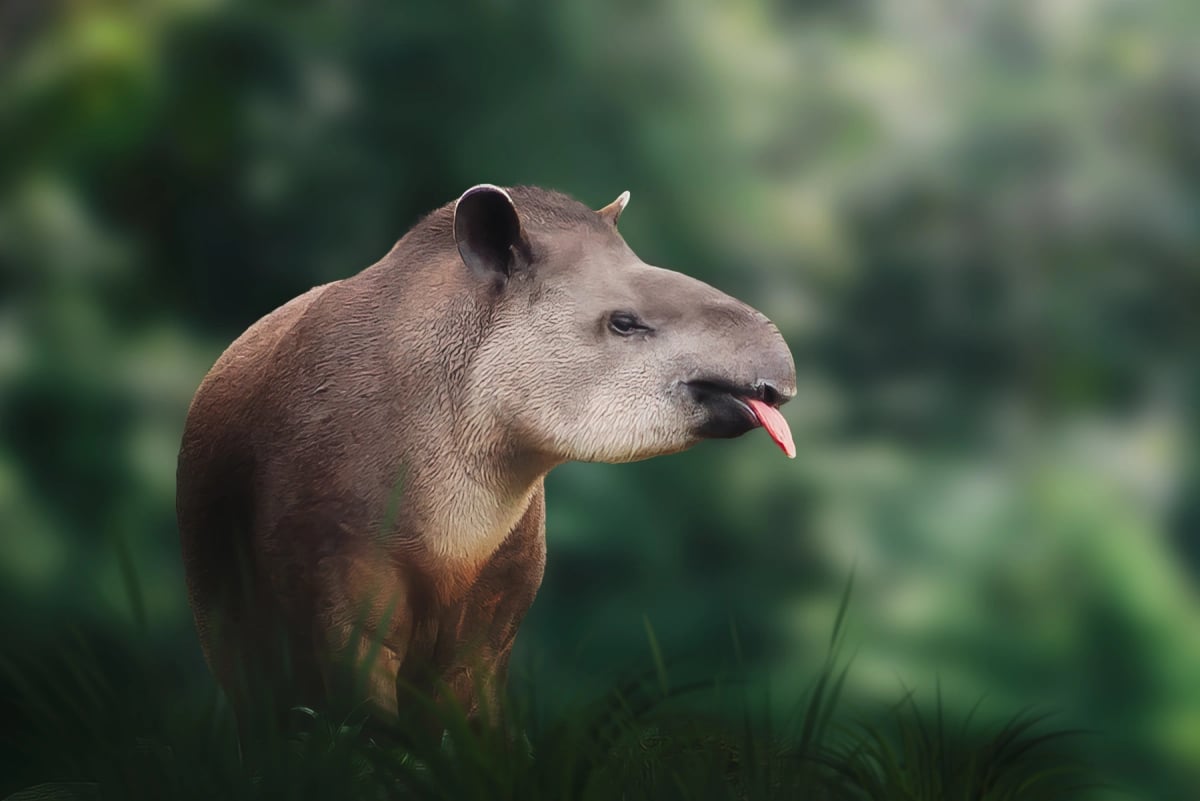
Tapir
Tapirus spp.
Peru is home to two tapir species: the South American tapir in the Amazon basin and the mountain tapir in the Andes. The mountain tapir is one of the rarest large mammals on Earth, living at elevations above 2,000 metres in cloud forests and páramo grasslands. Both species face pressure from deforestation and hunting, and conservation efforts in protected areas like Manu National Park are critical for their survival.
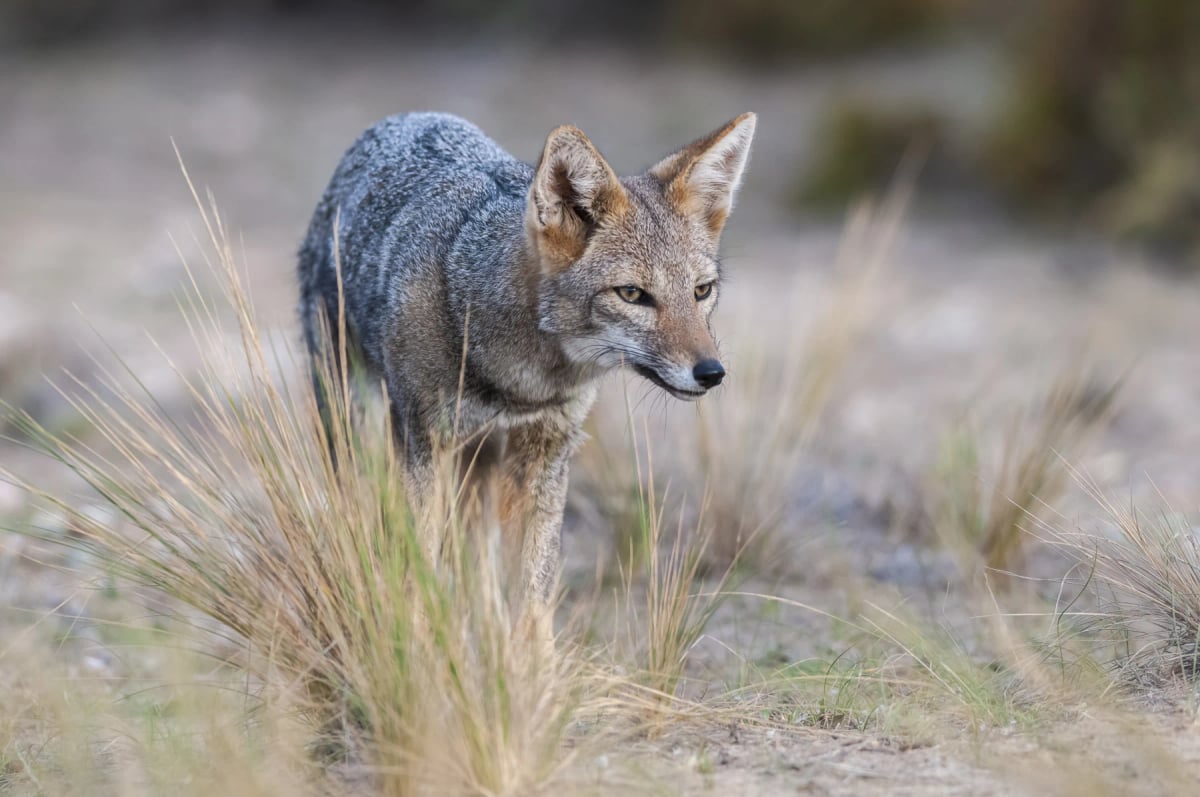
South American Gray Fox
Lycalopex griseus
In Peru, the South American gray fox reaches the southern edge of its range, appearing in the dry puna grasslands and valleys of the Andes. It is less commonly seen here than in Chile or Argentina, but occupies similar open and rocky habitats. An opportunistic omnivore, it feeds on small animals, insects, and plant matter. The IUCN rates it as Least Concern across its full range.
Vicuña
Vicugna vicugna
Peru is widely regarded as the heartland of vicuña conservation. The Pampa Galeras Barbara D'Achille National Reserve in Ayacucho was central to saving the species when populations crashed in the 1960s. Today Peru hosts the world's largest vicuña population. Annual chaku ceremonies, rooted in Inca tradition, gather herds to be sheared and released, providing communities with income from the world's finest natural animal fibre.
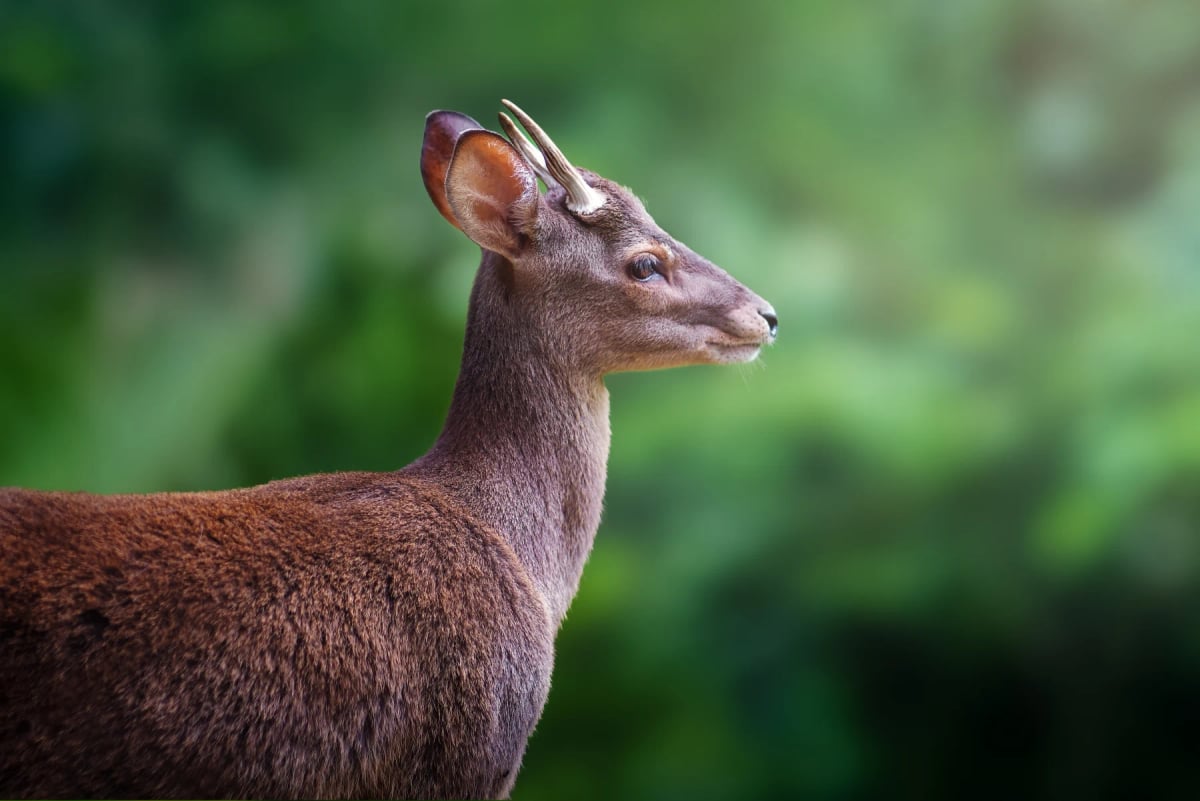
Brocket Deer
Mazama spp.
Peru's brocket deer occupy a broad range of habitats, from the dense forests of the Amazon basin to the montane forests on the eastern slopes of the Andes. The red brocket is the most common species in lowland areas. Peru's extensive protected area network, including Manú National Park, provides critical refuges. Illegal hunting and the clearing of forest for agriculture and coca cultivation continue to threaten populations in unprotected areas.
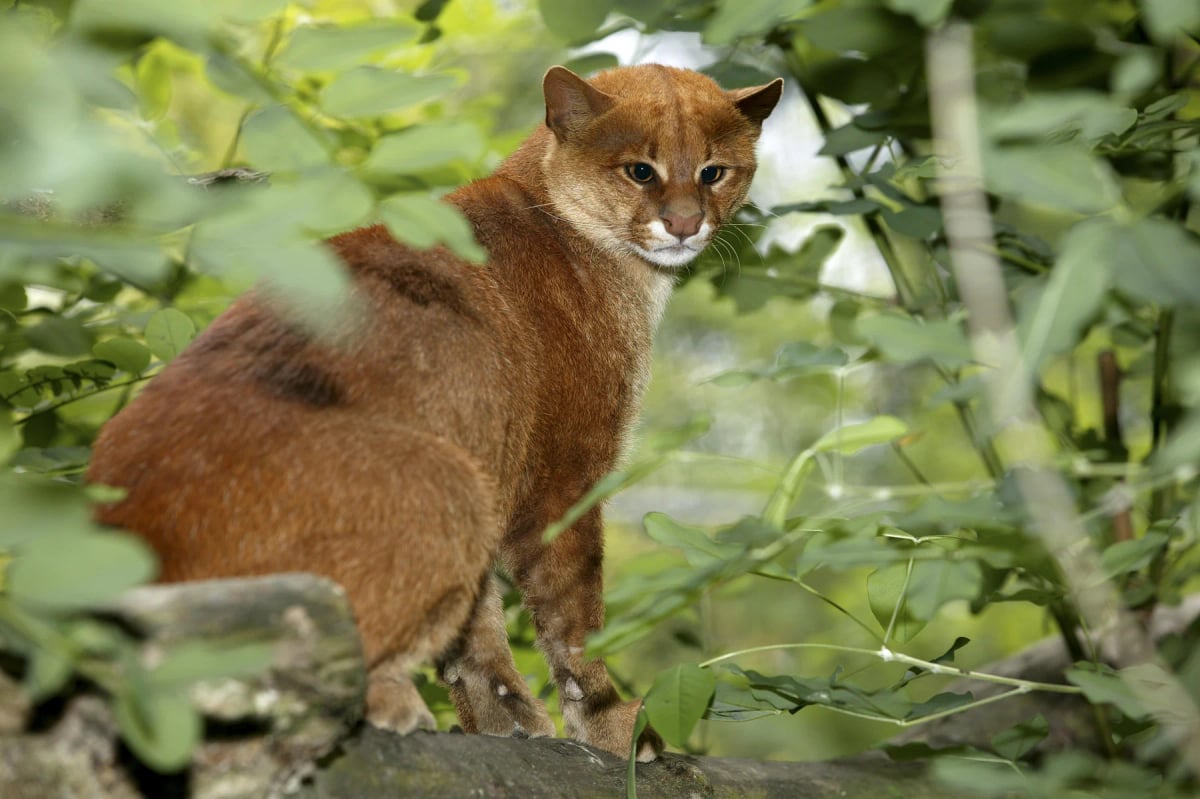
Jaguarundi
Herpailurus yagouaroundi
The jaguarundi is found across much of Peru, from the Amazon basin lowlands to the forests on the eastern slopes of the Andes. It adapts well to a range of habitats, including secondary growth and areas near rivers. Peru's vast protected areas, such as Manu National Park, offer important refuges for this cat. The IUCN lists it as Least Concern, though deforestation in the Peruvian Amazon continues to shrink its available habitat.
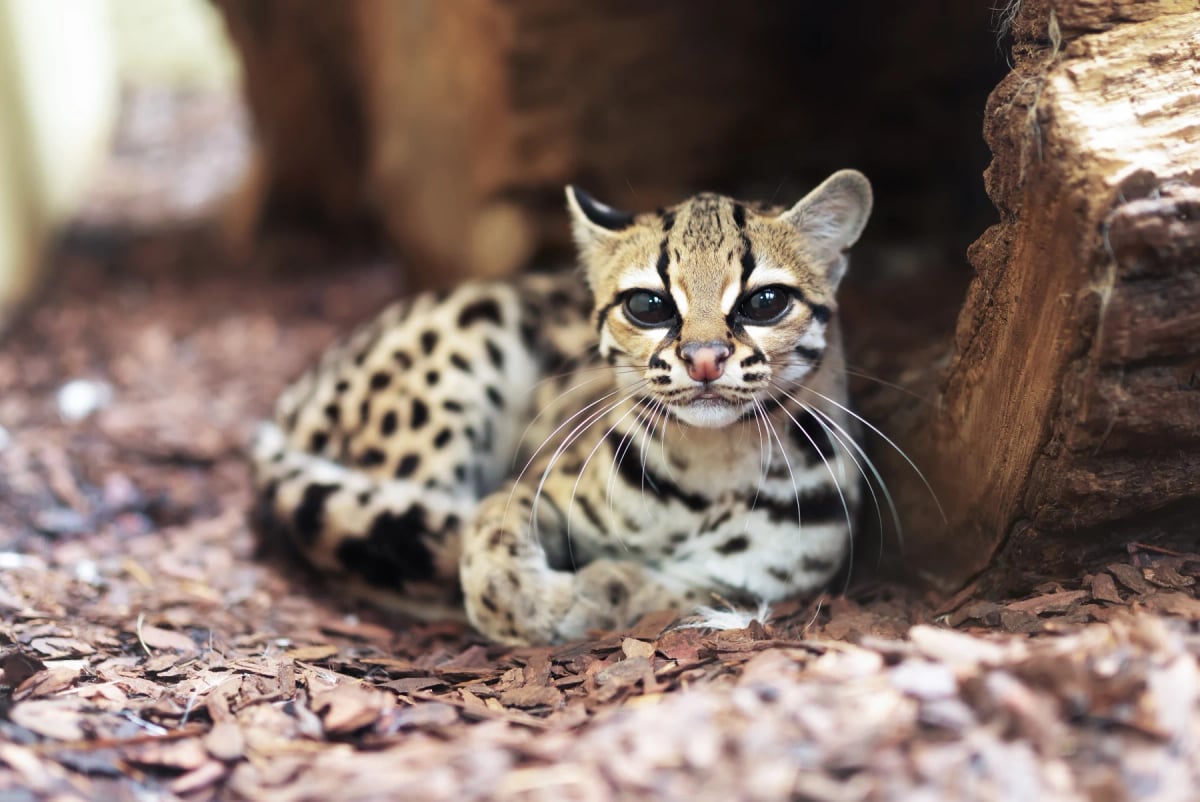
Margay
Leopardus wiedii
Peru's Amazon basin and its foothills on the eastern slopes of the Andes hold some of the most important habitat for the margay in South America. Dense forest cover and high biodiversity provide both shelter and prey. The margay hunts small mammals, birds, and lizards high in the canopy under cover of darkness. Deforestation linked to agriculture and illegal mining threatens forests across the region. The IUCN lists this cat as Near Threatened.
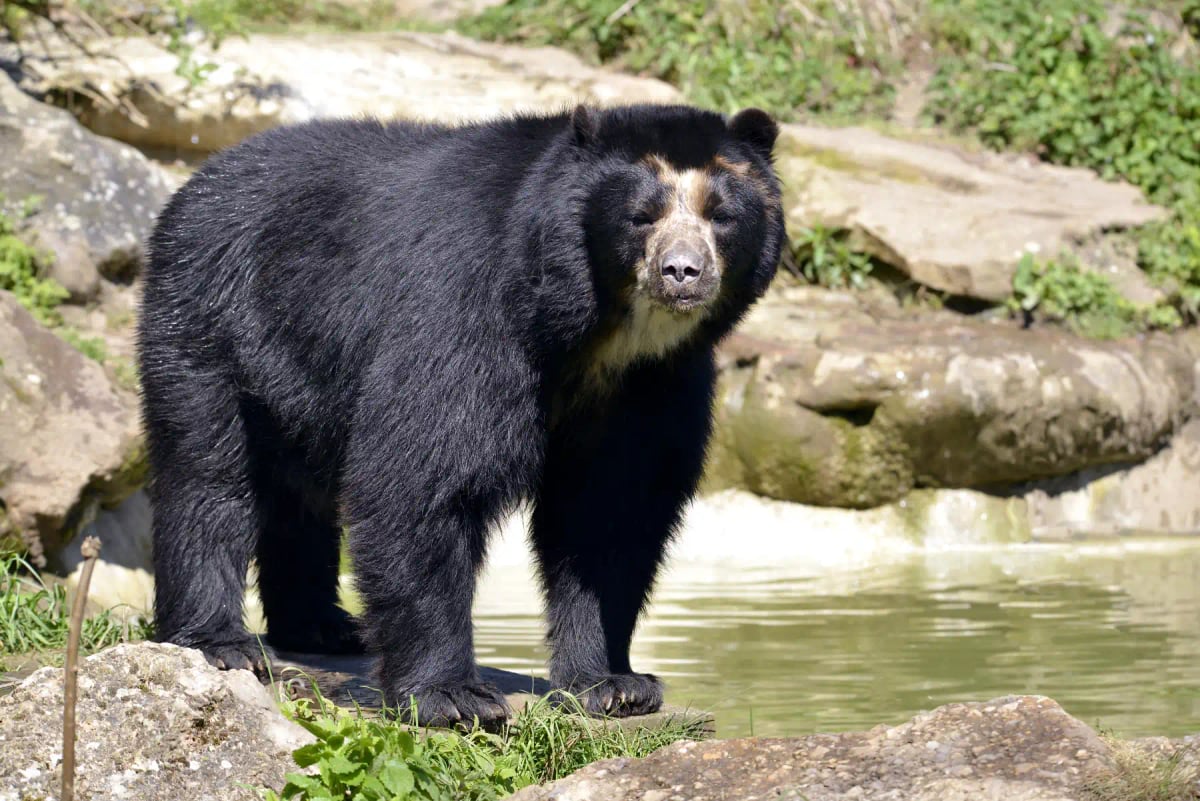
Spectacled Bear
Tremarctos ornatus
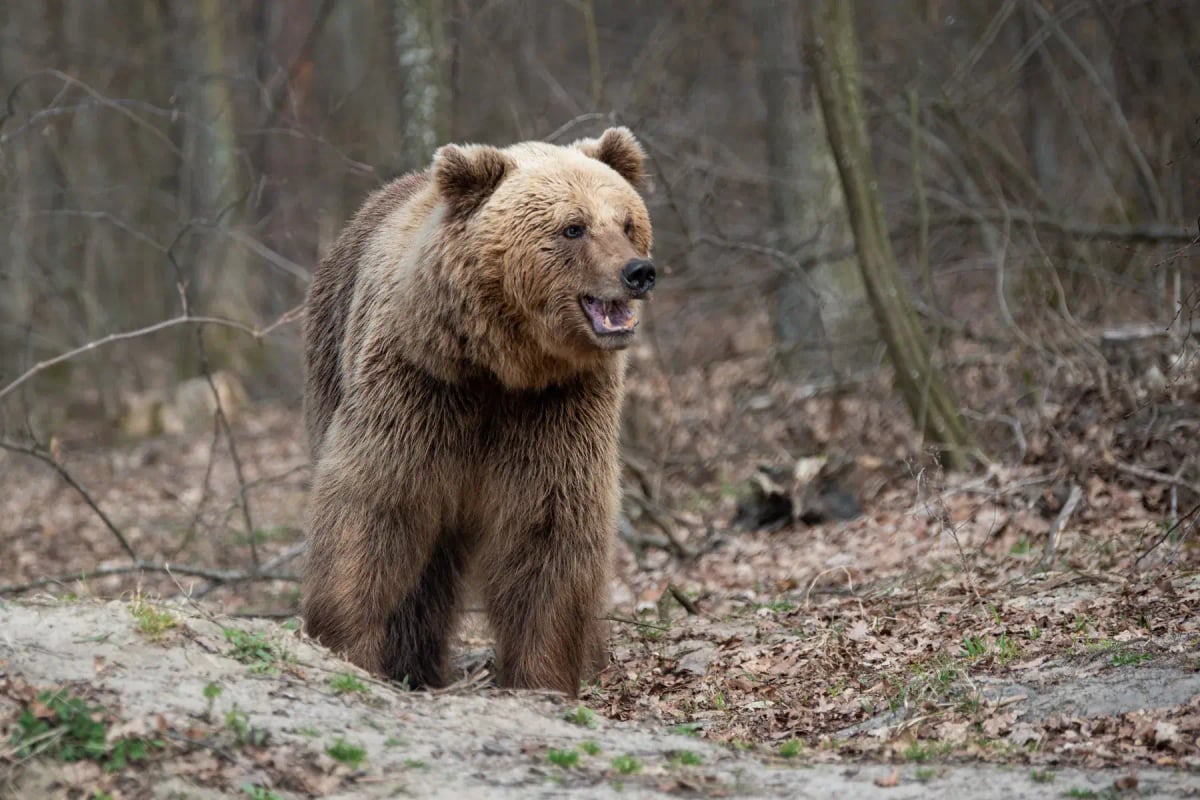
The spectacled bear is the only bear native to South America. In Peru, it occupies a wide range of habitats along the Andes, from dry forests in the west to the cloud forests of the Amazon watershed in the east. It plays a key role in spreading seeds across these ecosystems. Hunting and habitat loss are ongoing threats. The IUCN lists it as Vulnerable.
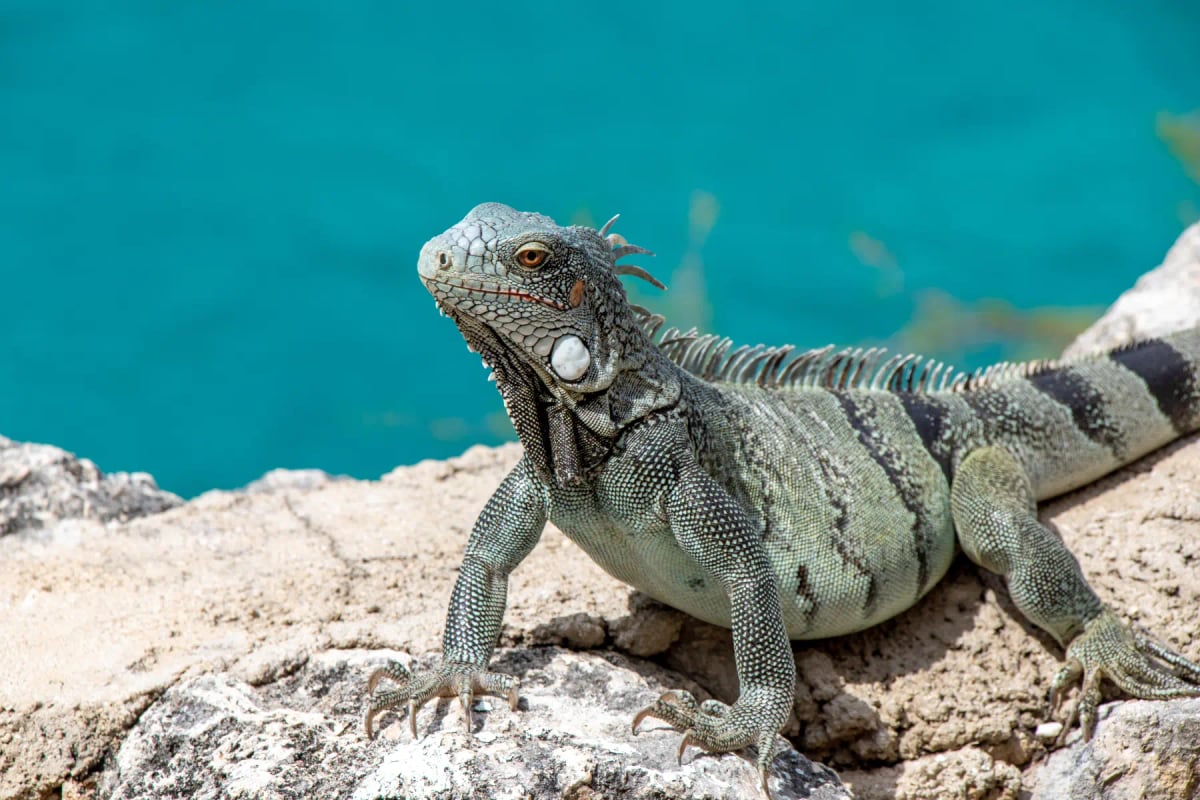
Iguana
Iguana iguana
The green iguana is native to Peru's Amazonian and Pacific coastal lowlands, found along rivers, in tropical forests and in the dry scrub of the northwest. Peruvian populations show a distinctly bluish coloration, a regional variation linked to the southern end of the species' range. The species inhabits the Amazon river systems and the coastal dry forests of Tumbes and Piura, where it remains a common presence near water.

Sea Turtle
Cheloniidae & Dermochelyidae (families)
Peru's Pacific coast is a major feeding ground for several sea turtle species, with the cold Humboldt Current making its waters exceptionally productive. Loggerhead turtles travel from nesting beaches in Japan and Australia to feed in Peruvian waters, making this one of the most important loggerhead foraging areas in the Pacific. Olive ridley and green turtles are also present. The Peruvian fishing industry represents one of the main threats to sea turtles in the region, with significant bycatch recorded in artisanal and industrial fisheries.
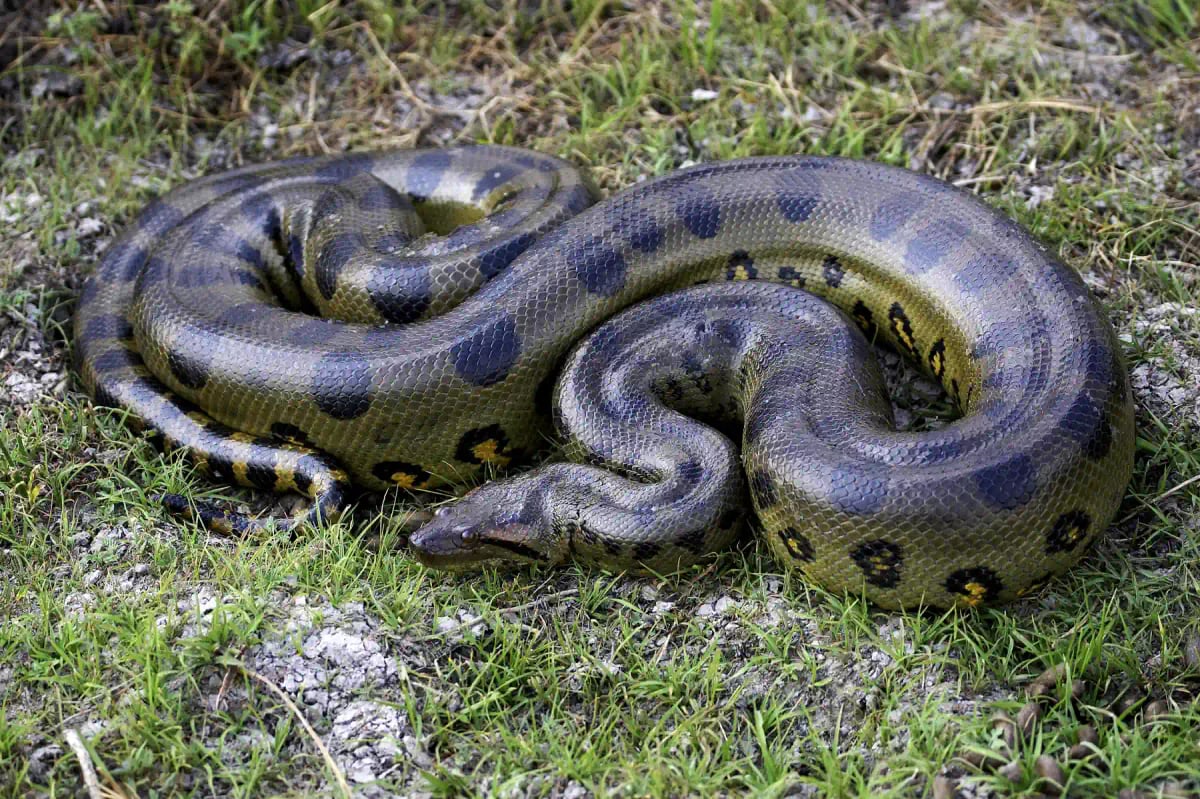
Anaconda
Eunectes murinus
The green anaconda is widespread across the Peruvian Amazon, inhabiting the river systems of Loreto, Ucayali, and Madre de Dios departments. It is found in oxbow lakes, flooded forests, and slow tributaries throughout the basin. Peru's vast and largely intact Amazonian rainforest supports healthy anaconda populations, and the species can occasionally be spotted on wildlife tours through areas such as the Pacaya-Samiria National Reserve.
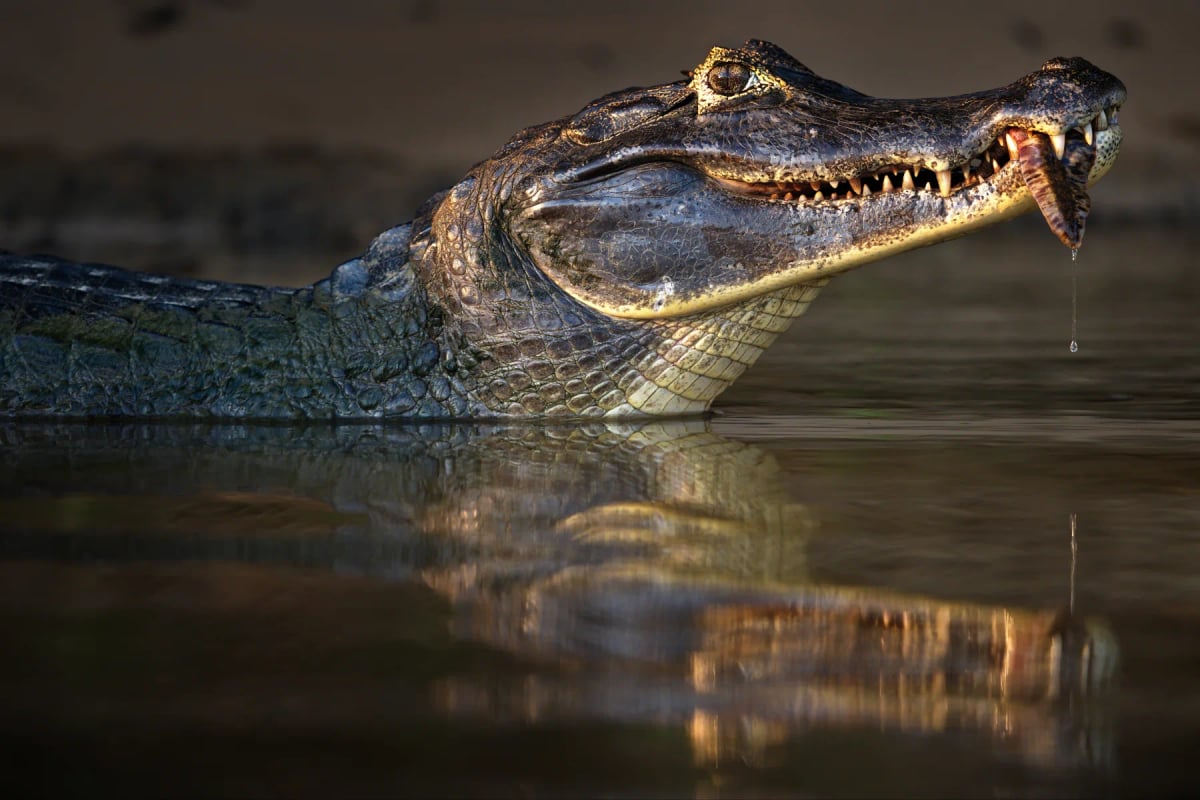
Caiman
Caiman spp.
Peru supports several caiman species, including the spectacled caiman and the black caiman, both present in the Amazon basin. The Pacaya-Samiria National Reserve, one of the largest flooded forest systems in South America, provides ideal habitat. Black caimans, once heavily hunted, have shown encouraging signs of recovery under legal protection. Caimans here are essential to the health of river and floodplain ecosystems.
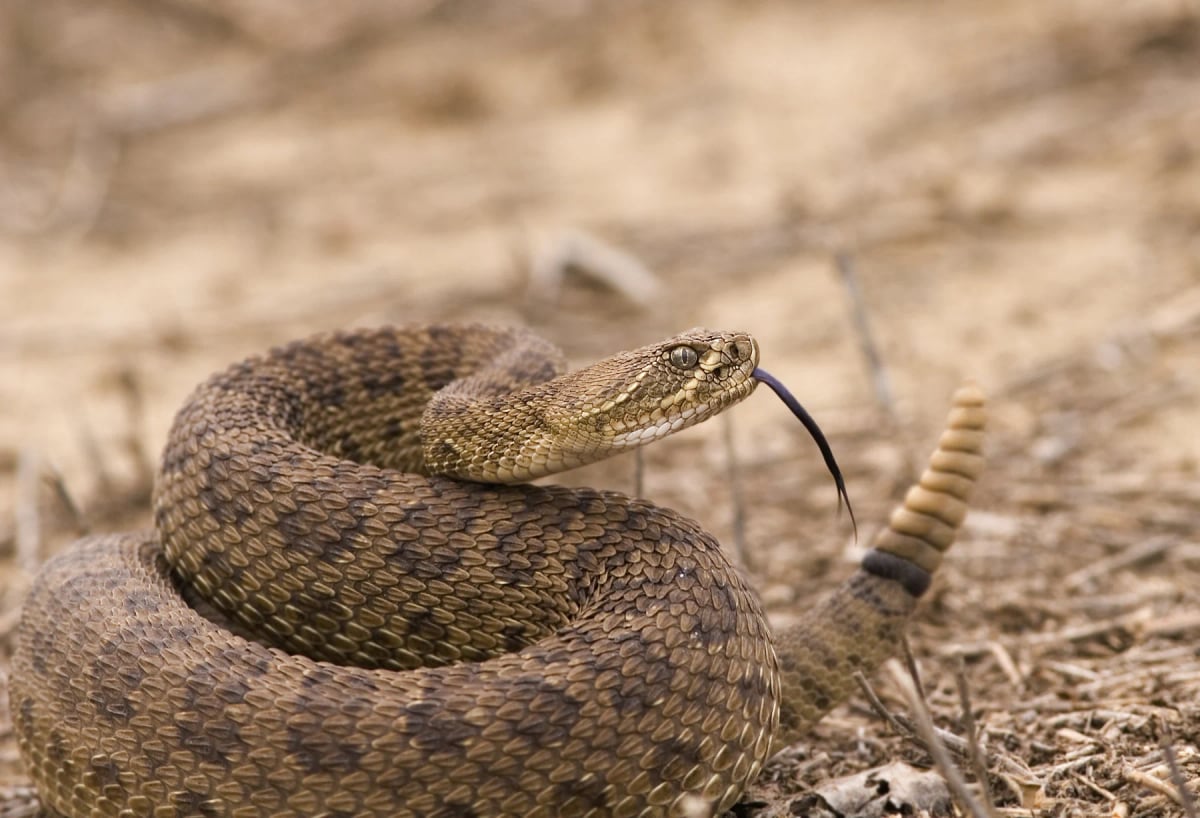
Rattlesnake
Crotalus spp. / Sistrurus spp.
In Peru, rattlesnakes of the species Crotalus durissus are found in the dry inter-Andean valleys and the arid scrublands along the country's western slopes. They are absent from the high Andes and the dense Amazon rainforest. Their range in Peru is patchy, tied closely to dry and open terrain. Locals in rural Andean valleys are familiar with them, and snakebite incidents, though serious, are relatively infrequent given the restricted habitat. IUCN status: Least Concern.
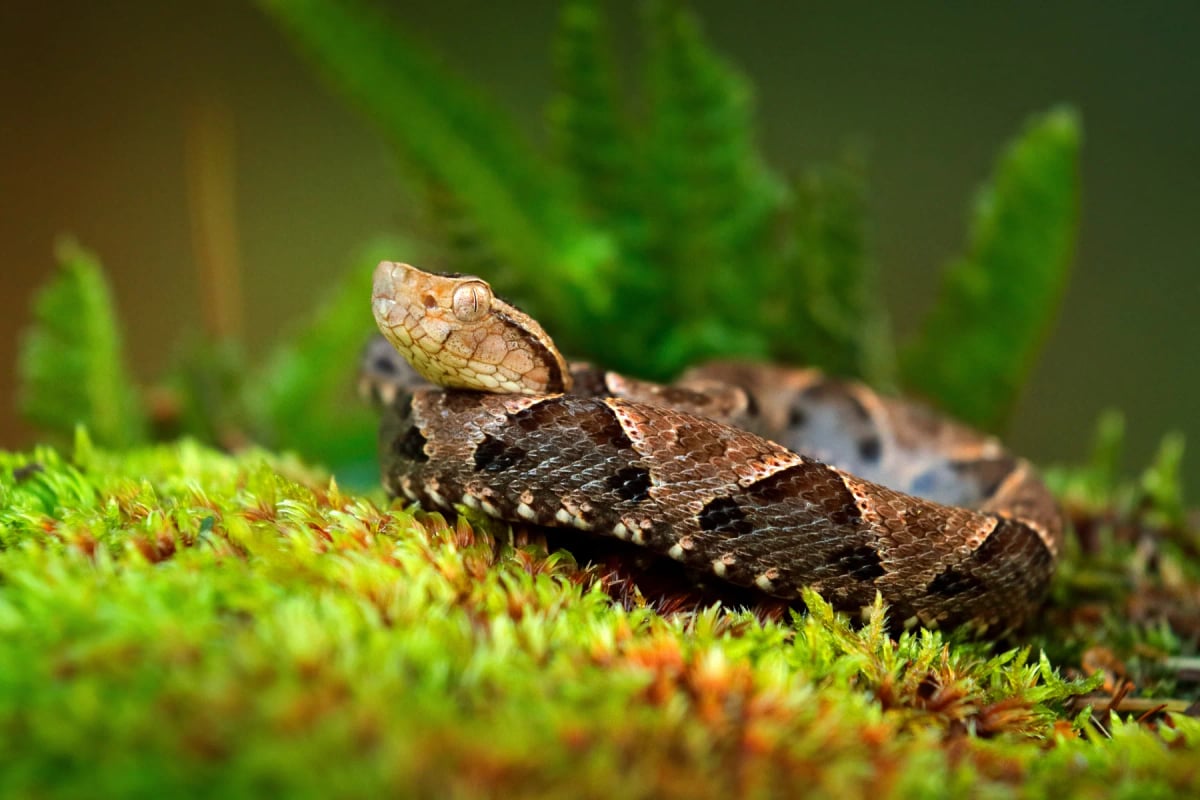
Lancehead
Bothrops spp.
In Peru, lanceheads are found throughout the Amazon lowlands and along the eastern slopes of the Andes, where Bothrops atrox is the most frequently encountered species. They favor humid forests and riverbanks, often venturing near farming communities. Snakebite is a serious public health concern in rural Amazonian regions. Peru's health authorities maintain antivenom programs to treat the many bites recorded in jungle communities each year.
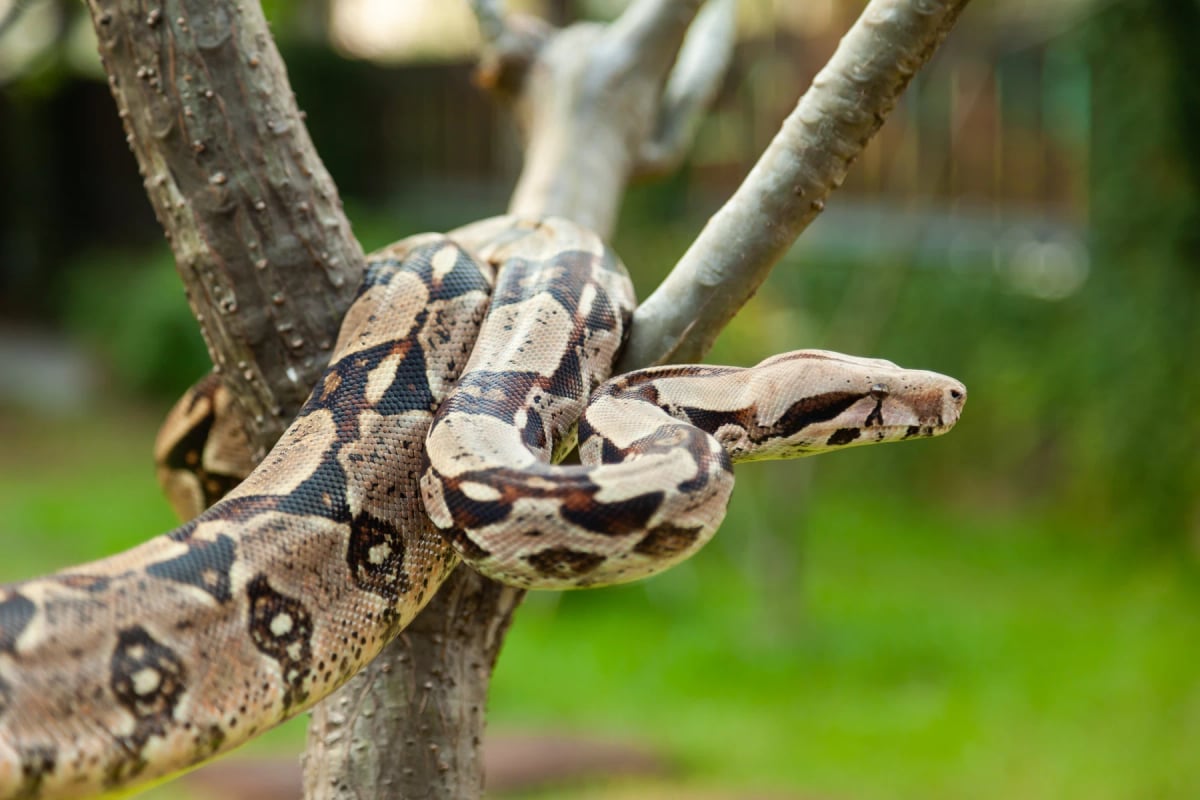
Boa Constrictor
Boa constrictor
In Peru, the boa constrictor is distributed across the Amazon lowlands, occupying primary rainforest, river-edge vegetation, and secondary growth in departments such as Loreto, Ucayali, and Madre de Dios. It is among the most recognizable large snakes in the country. The species is listed as Least Concern by the IUCN, but collection for both the domestic and international exotic pet trade remains a documented concern in Peru.
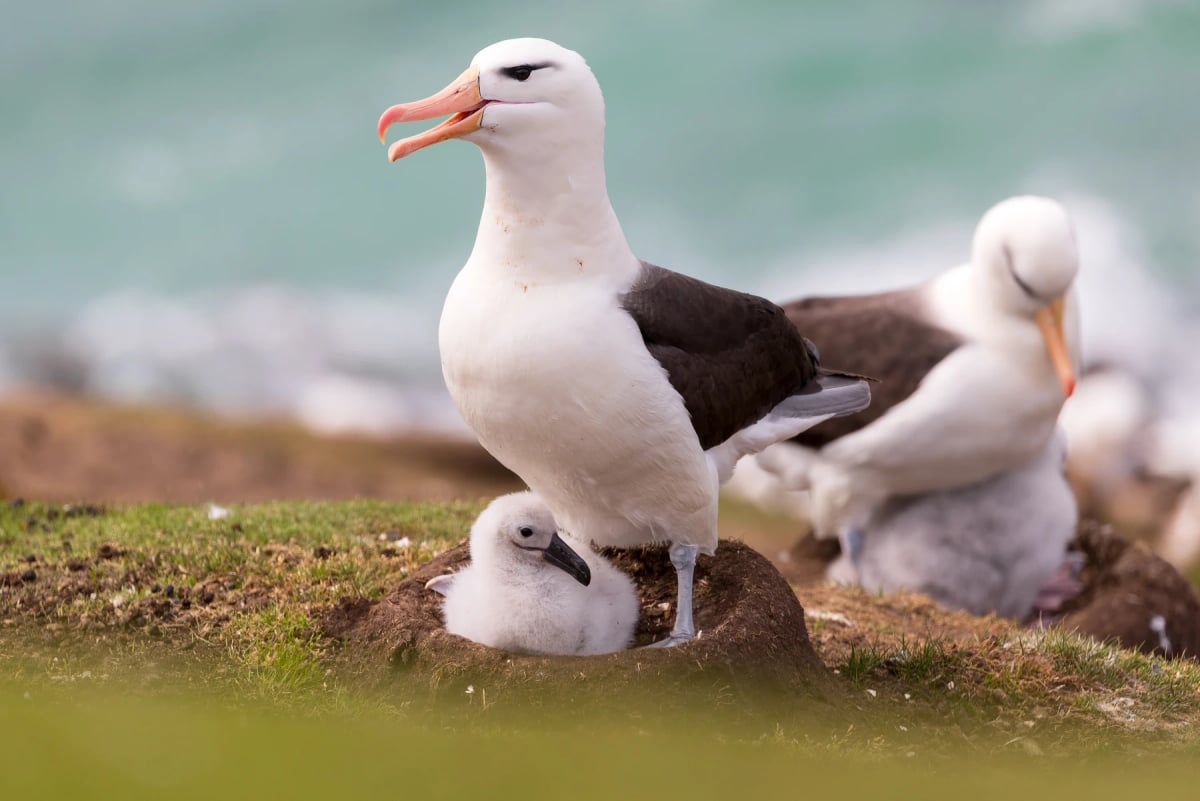
Black browed Albatross
Thalassarche melanophris
The Black Browed Albatross occurs in Peruvian waters primarily as a non-breeding visitor, drawn by the cold, nutrient-rich Humboldt Current that sustains abundant marine life along this coastline. Birds from breeding colonies farther south range into these productive Pacific waters during the non-breeding season. Interactions with Peru's active industrial fisheries represent a potential bycatch risk for the species. IUCN status: Near Threatened.
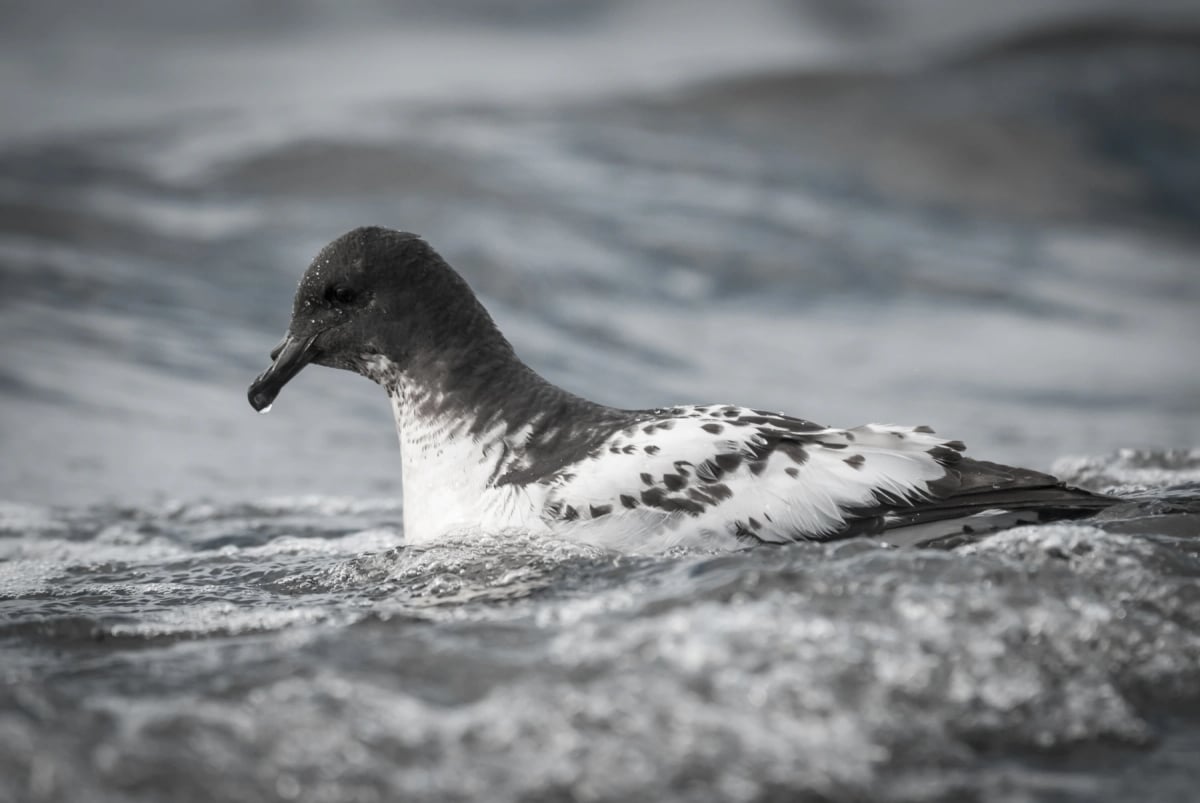
Cape Petrel
Daption capense
In Peruvian waters, the Cape Petrel appears as an occasional non-breeding visitor, carried northward by the cold Humboldt Current along the Pacific coast. Sightings are less frequent here than farther south but are recorded during the austral winter. The highly productive Humboldt Current system can attract the species into Peruvian offshore waters, where it forages for fish, squid, and krill. IUCN status: Least Concern.
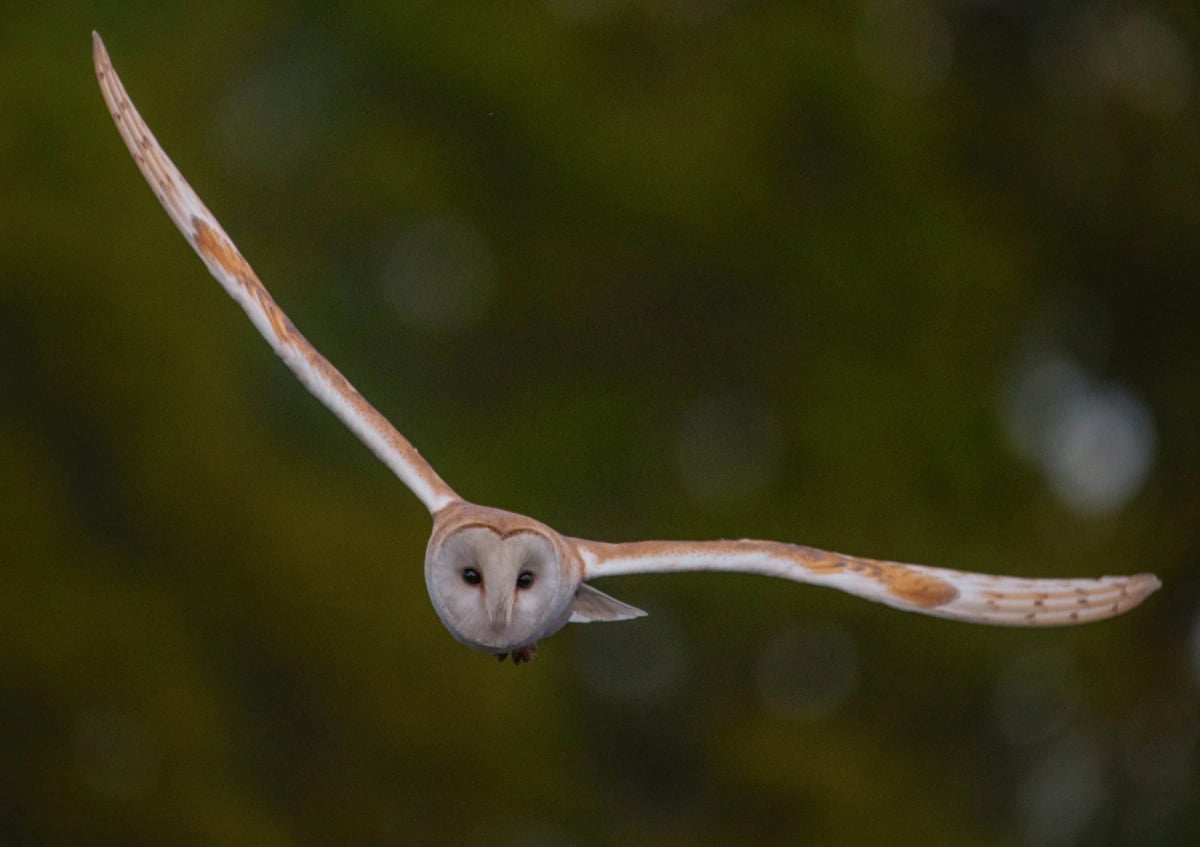
Barn Owl
Tyto alba
The barn owl is found across Peru in open farmland, coastal desert oases, inter-Andean valleys, and areas near human settlements from sea level to considerable altitudes. It nests in old buildings, cliff faces, and hollow trees, and hunts rodents at night. It is present along the entire Pacific coastal strip, in the highland valleys between Andean ranges, and in the agricultural areas of the Amazon basin. In farming communities across the country it is valued for naturally controlling the rodent populations that damage crops and stored food.
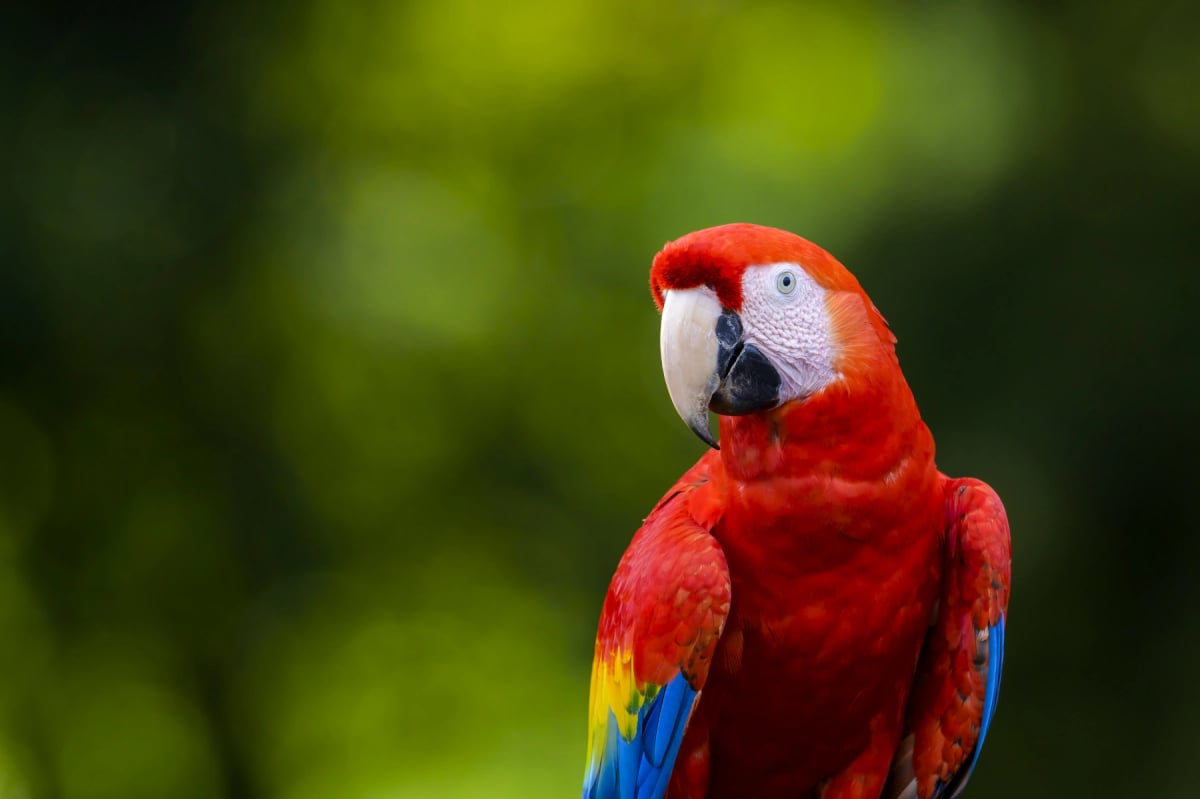
Scarlet Macaw
Ara macao
Peru holds some of the most impressive concentrations of scarlet macaws on the continent, particularly in the Madre de Dios region of the Amazon Basin. The Manu National Park and the Tambopata Research Center are world-famous for their large clay licks, where hundreds of macaws gather daily to consume mineral-rich soil that helps neutralize toxins in their diet. IUCN status: Least Concern.
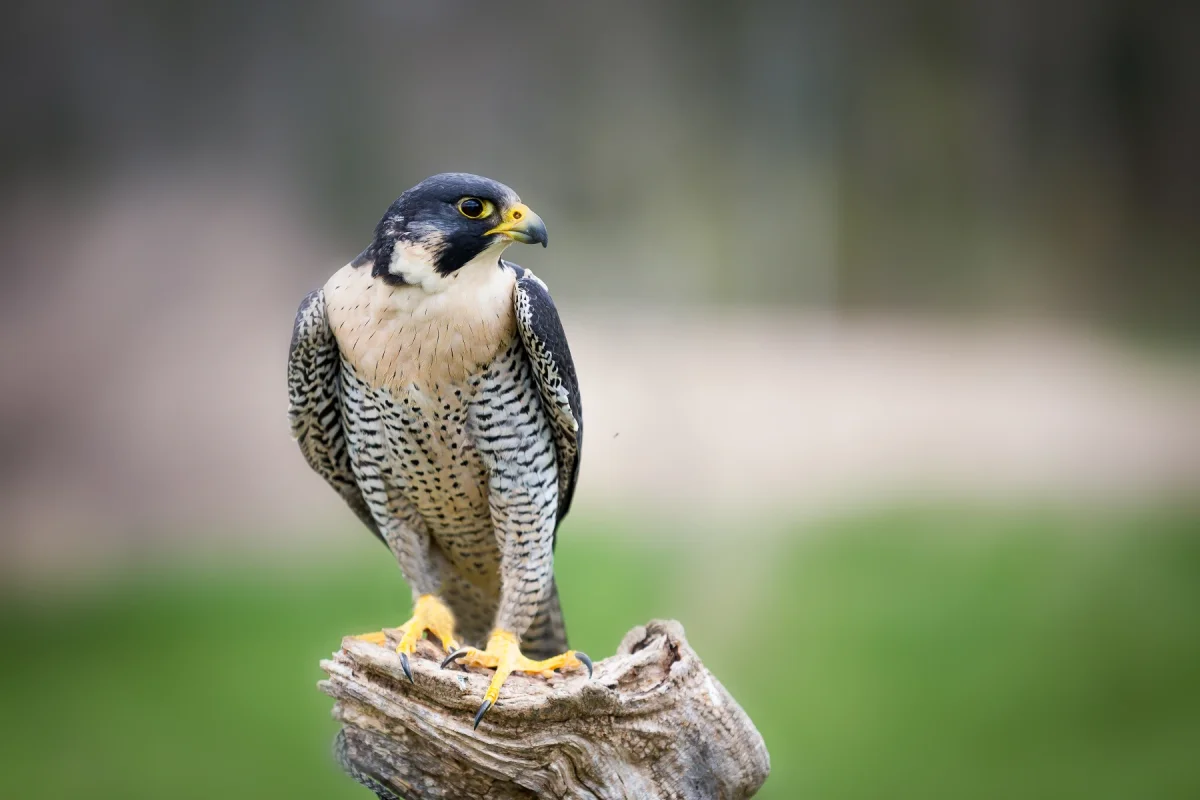
Peregrine Falcon
Falco peregrinus
Peru hosts peregrine falcons both as migrants passing through and as year-round residents breeding on Andean cliff faces. The dramatic gorges of the Andes provide ideal nesting ledges, while the Pacific coast offers rich hunting grounds during migration. The species has also adapted to urban environments in Lima. Peru's varied geography, from coastal desert to high plateau, supports this falcon across multiple habitat types. Its IUCN status is Least Concern.
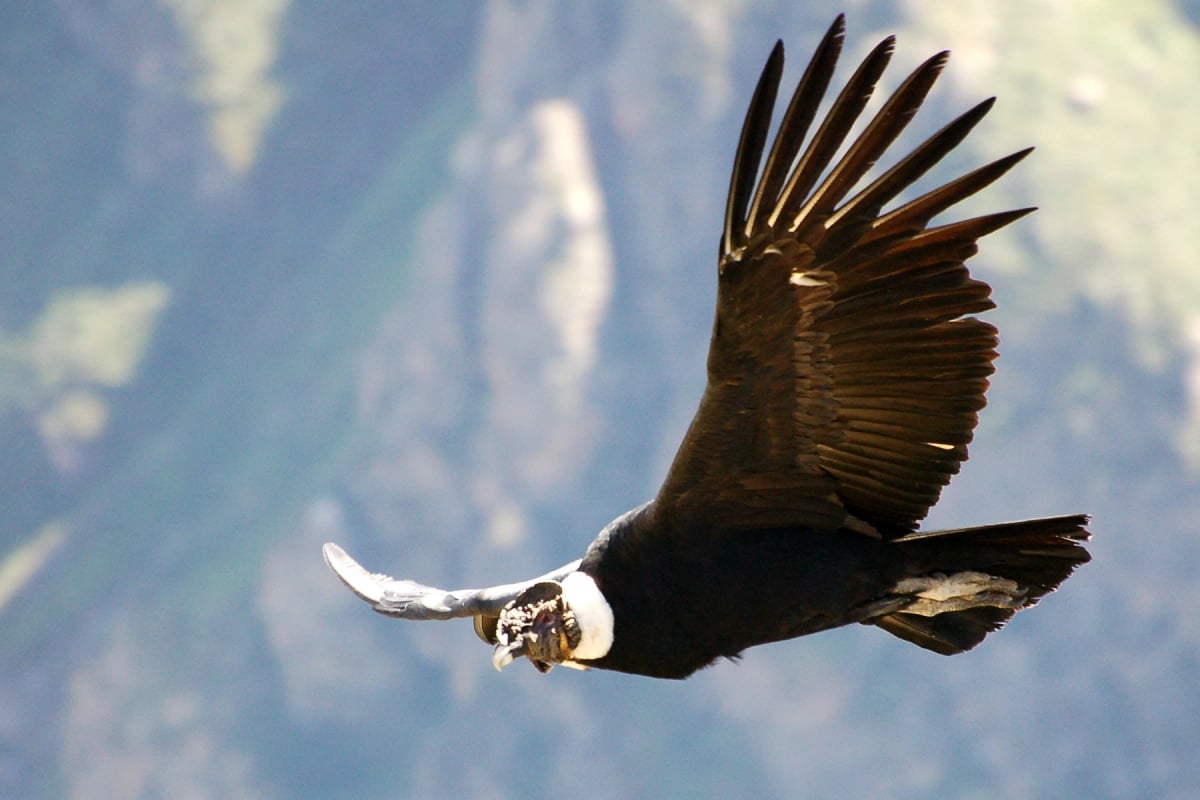
Andean Condor
Vultur gryphus
The Andean condor soars over the high Andes and deep canyons of Peru, where the Colca Canyon near Arequipa is one of the most famous places in the world to observe the species at close range. Condors nest on the sheer canyon walls and can be seen riding morning thermals at eye level from viewing platforms along the canyon rim. Peru recognizes the condor as a national heritage species, and it holds an important place in Andean and Inca cultural traditions throughout the country.
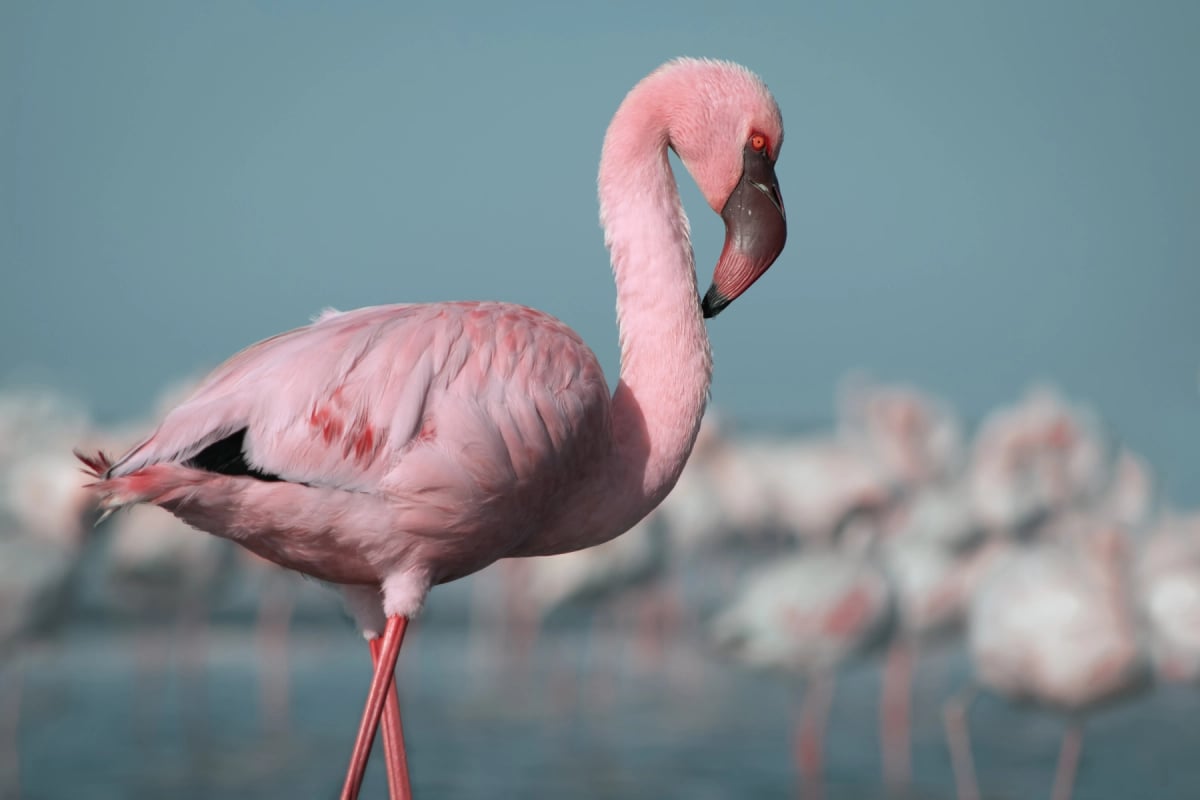
Flamingo
Phoenicopterus spp.
Peru supports populations of the Chilean, Andean, and Puna flamingos, primarily in the high Andean wetlands of the south. The Reserva Nacional de Salinas y Aguada Blanca protects key habitat near Arequipa, where shallow saline lakes attract large flocks. Peruvian conservation efforts focus on reducing disturbance to nesting colonies, which can be sensitive to human activity during the breeding season.
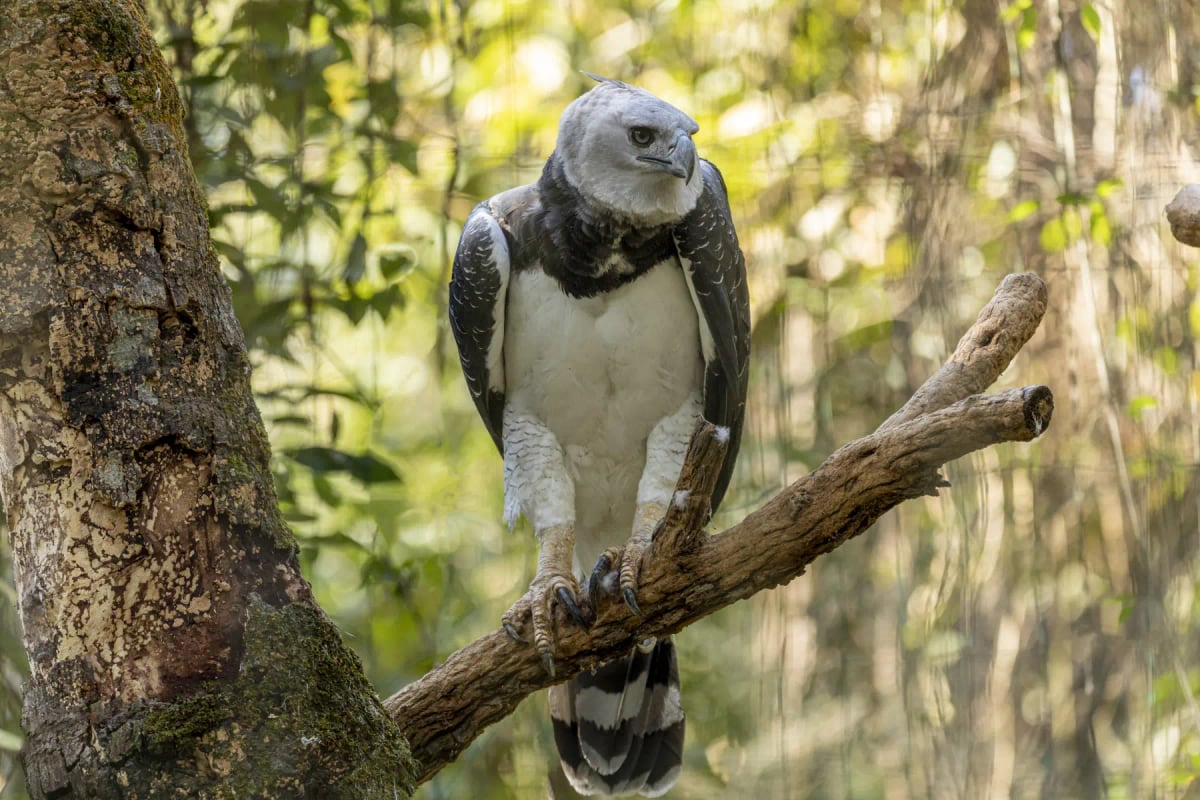
Harpy Eagle
Harpia harpyja
Peru's vast Amazon basin provides some of the most extensive harpy eagle habitat on Earth. The bird is found across lowland rainforests east of the Andes, from Loreto down to Madre de Dios, hunting sloths and monkeys in the canopy. Protected areas such as Manu National Park offer critical refuge. Even so, deforestation driven by agriculture and illegal logging continues to reduce the quality of forest available to this species.
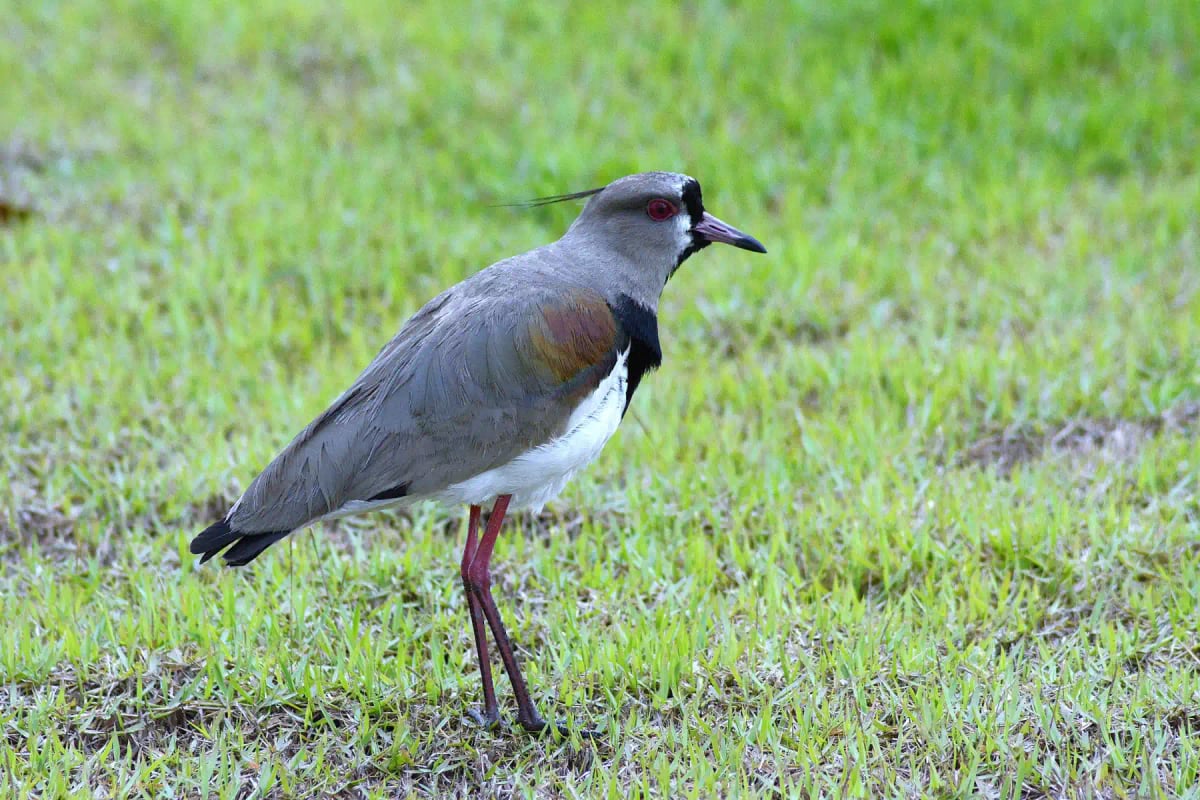
Southern Lapwing
Vanellus chilensis
The southern lapwing is a bold and noisy bird found across Peru's coastal plains, Andean foothills, and Amazonian grasslands. Its red eyes, black crest, and piercing calls make it hard to miss. Highly adaptable, it thrives near rice fields, riverbanks, and wetlands throughout the country. Its IUCN status is Least Concern, and populations across Peru remain stable and widespread.
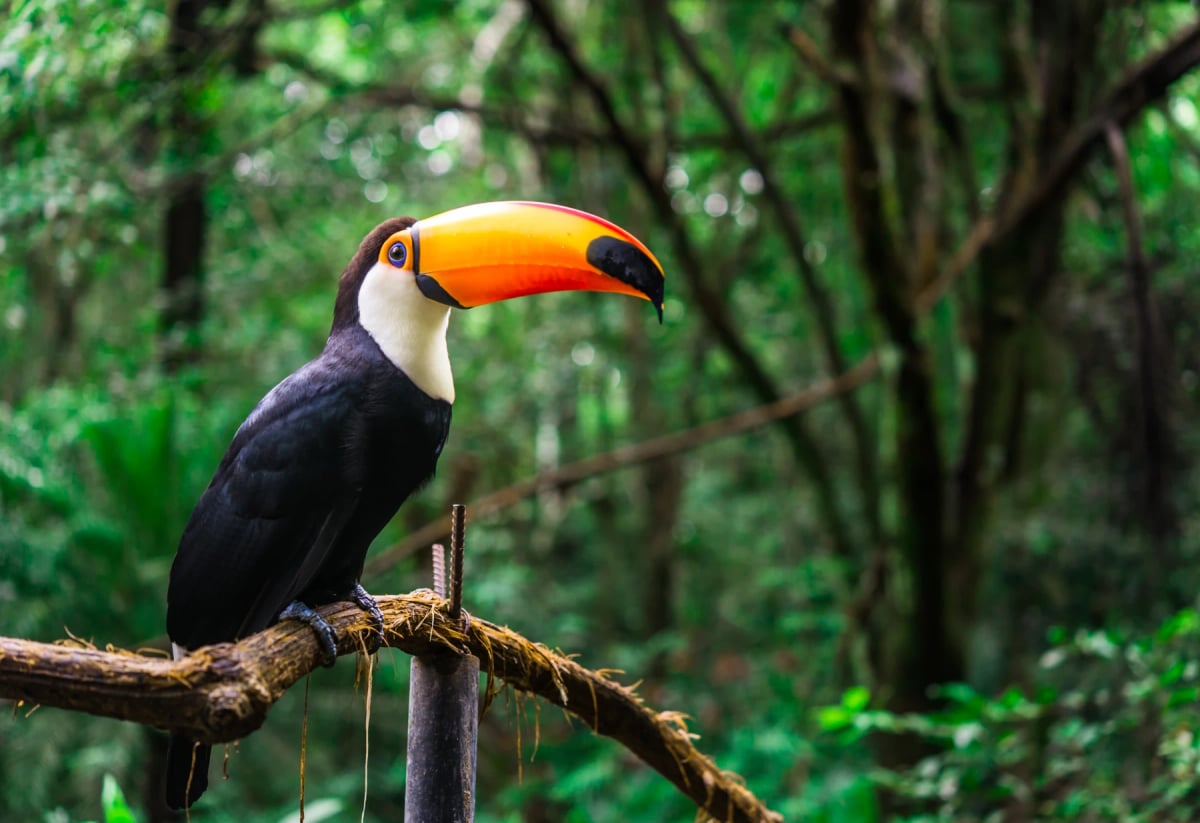
Toucan
Ramphastos spp.
Peru is home to several toucan species, most of them found in the Amazon basin regions of Madre de Dios, Loreto, and Ucayali. The white-throated toucan is among the most widespread, living in the canopy of lowland rainforest. These birds play a key role in seed dispersal across some of the most species-rich forests on Earth. Deforestation in parts of the Peruvian Amazon remains a concern for their habitat. IUCN status: Least Concern.
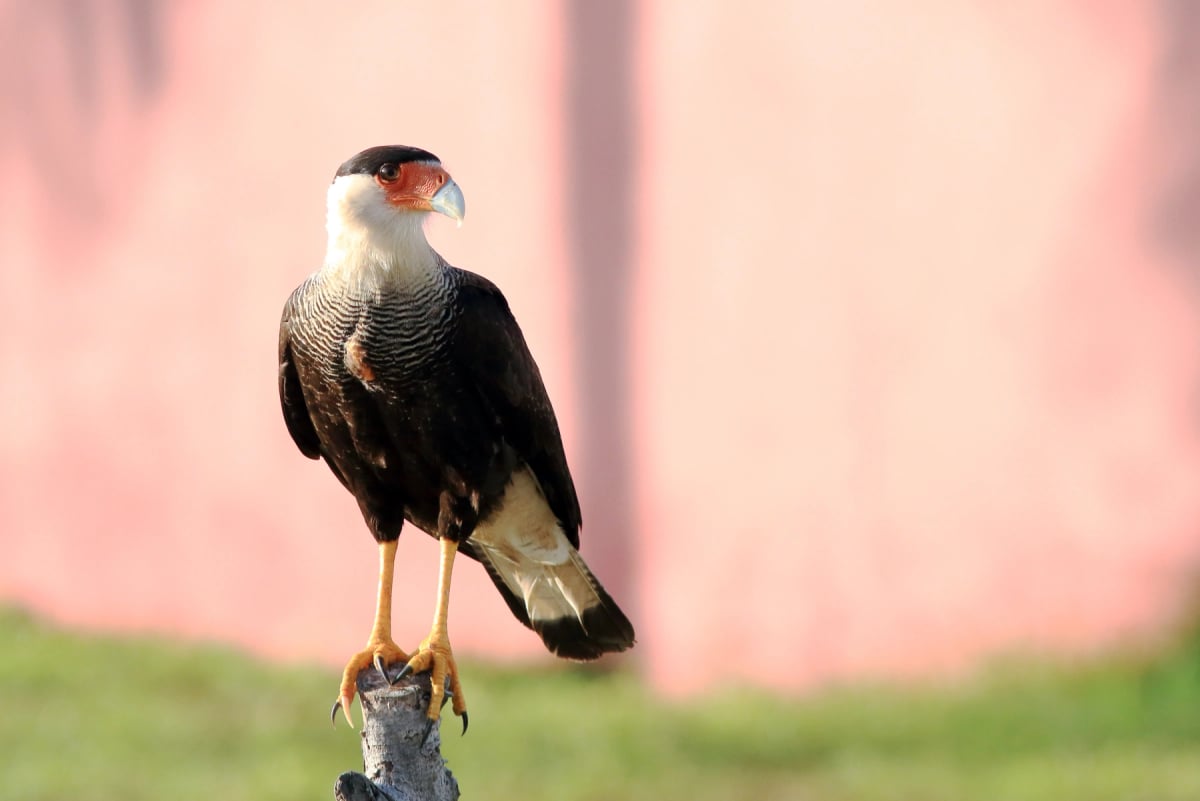
Southern Caracara
Caracara plancus
The southern caracara turns up across Peru's coastal deserts, Andean foothills, and Amazon basin edges, wherever open ground gives it room to roam. It walks with purpose, picking through carrion, insects, and small animals with equal ease. Peruvians in rural areas often spot it near livestock pastures or along riverbanks, where its bright orange face and dark crest make it instantly recognizable. Its IUCN status is Least Concern.
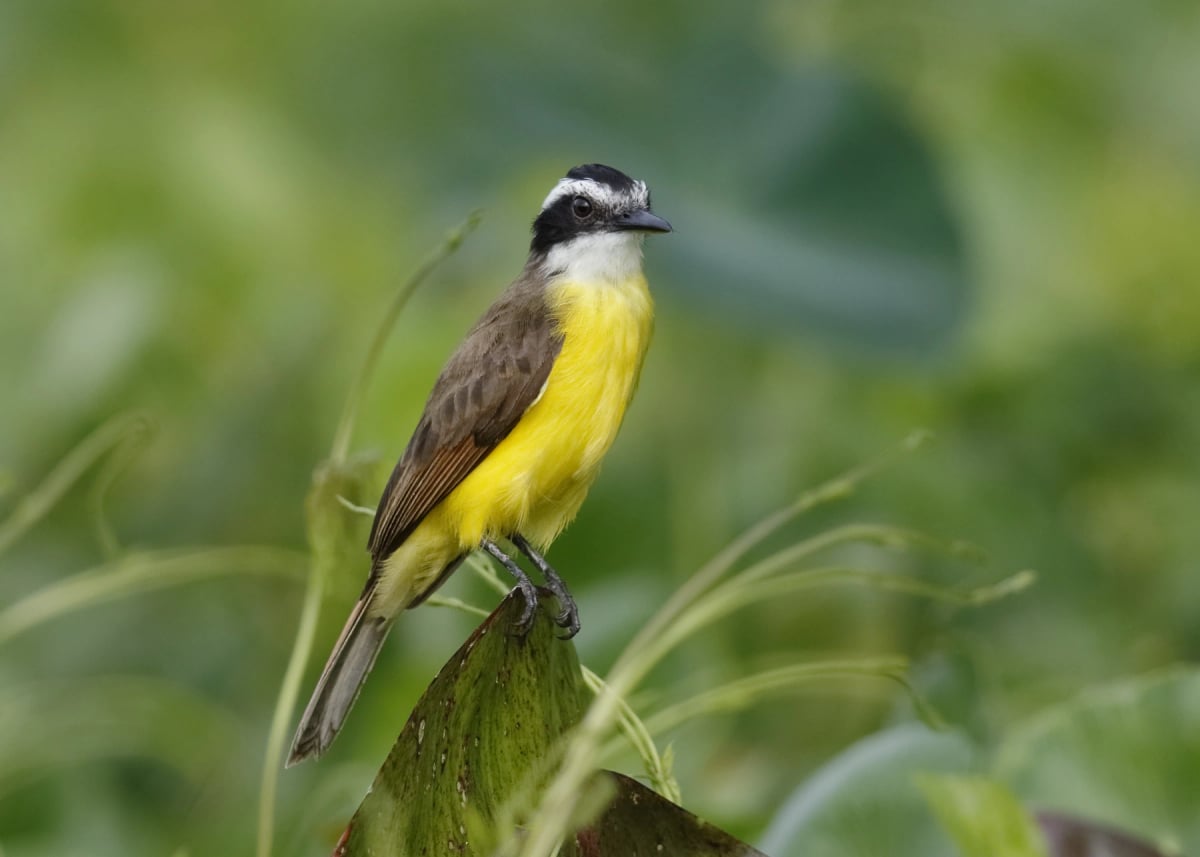
Lesser Kiskadee
Philohydor lictor
The lesser kiskadee is found throughout Peru's Amazonian lowlands, from the rivers of Loreto down through Madre de Dios, where it inhabits oxbow lakes, river margins, and flooded forest edges. It hunts from low perches directly above the water, taking insects from the surface and occasionally small fish. Peru's vast network of Amazonian waterways supports this species in large numbers wherever riparian vegetation remains. IUCN status: Least Concern.
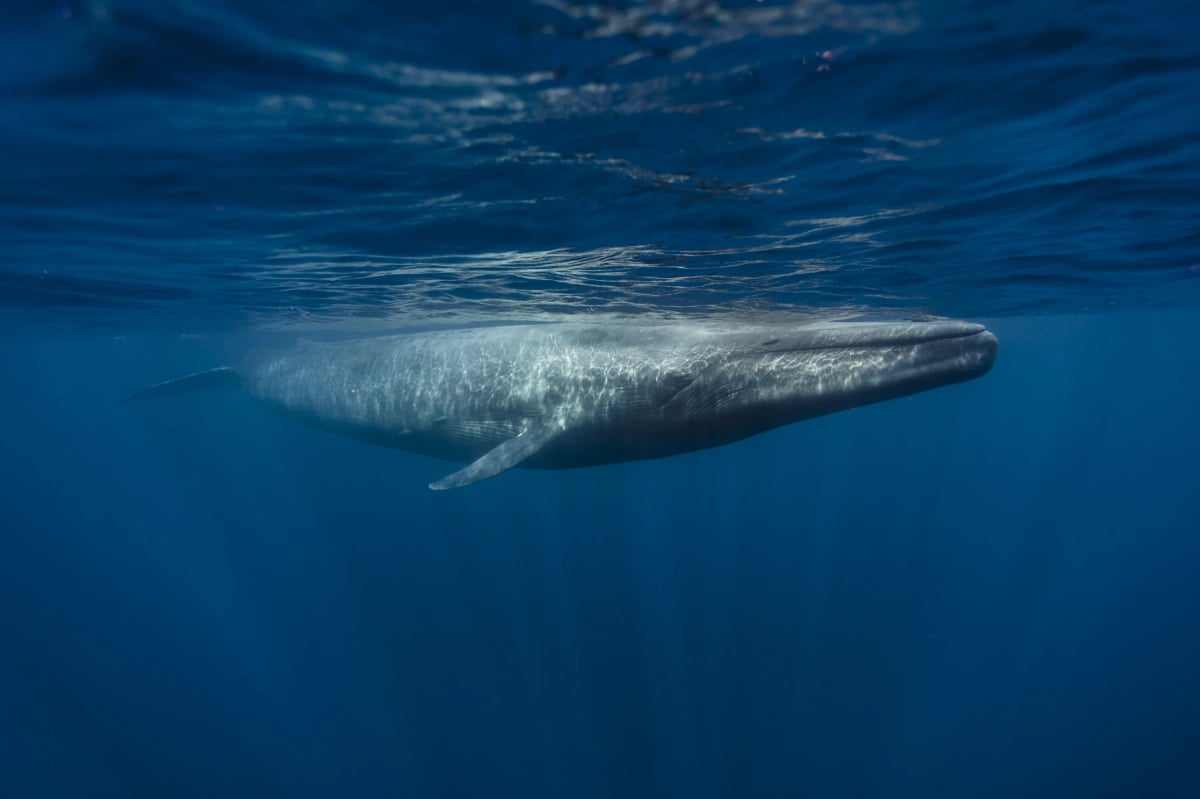
Blue Whale
Balaenoptera musculus
The Humboldt Current sweeping northward along Peru's Pacific coast is one of the most productive marine ecosystems on Earth, supporting vast quantities of krill and small fish that draw blue whales into these waters. Peru sits along a key eastern Pacific migration route, and blue whales are observed here as they travel between feeding and breeding areas. The extraordinary richness of Peruvian coastal waters makes this stretch of South America among the most important for the species in the hemisphere.
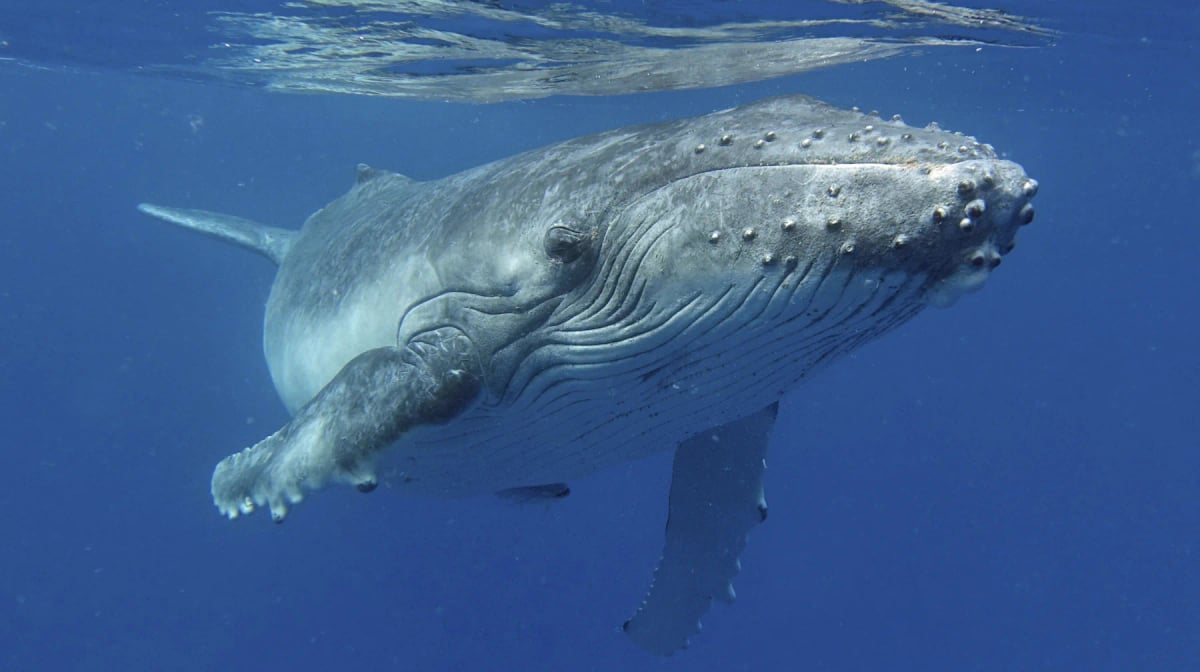
Humpback Whale
Megaptera novaeangliae
Along Peru's Pacific coast, humpback whales are observed primarily during their northward migration, moving toward warmer tropical breeding grounds. The cold, nutrient-rich Humboldt Current that defines Peruvian waters supports exceptional marine biodiversity, making this coastline an important corridor for migrating whales. Conservation awareness has grown in Peru in recent years, with whale watching becoming a draw for visitors to the northern coast.
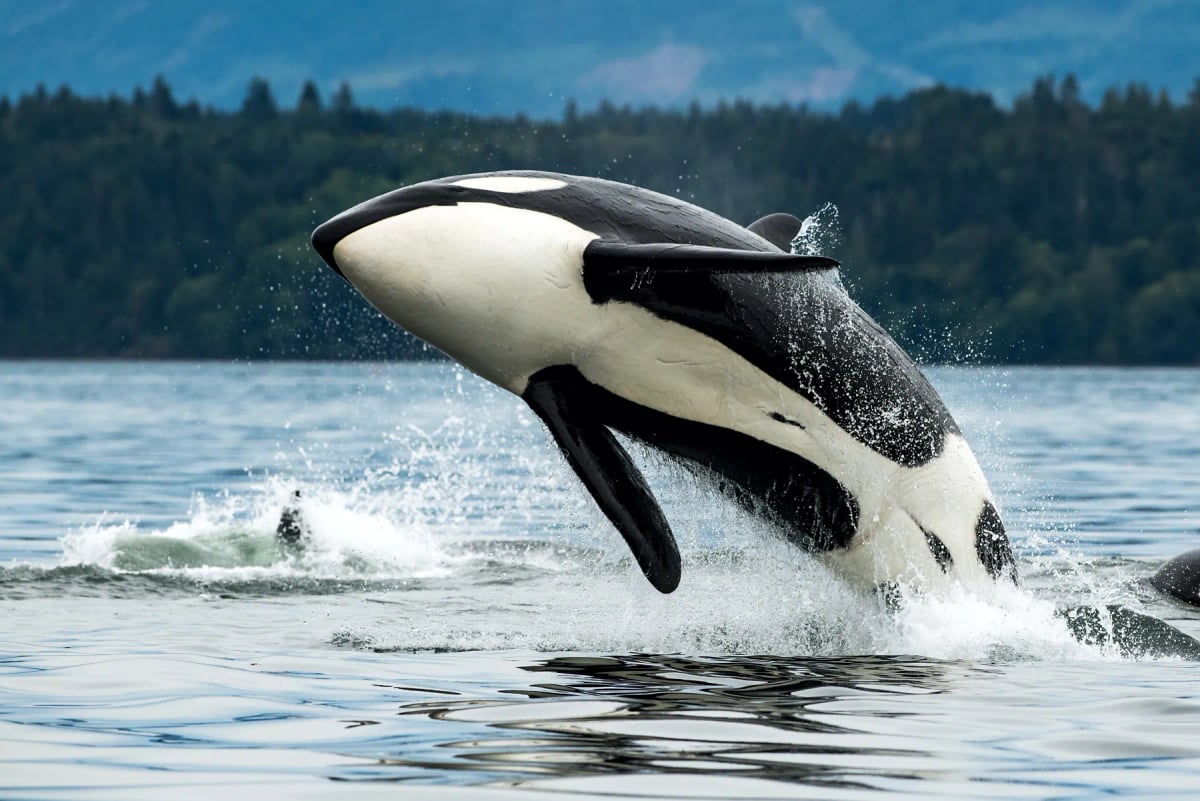
Orca
Orcinus orca
The cold, nutrient-rich waters of the Humboldt Current off Peru's Pacific coast attract orcas that feed on fish, squid, and marine mammals. Peruvian waters support an exceptional abundance of sea life, making them a productive hunting ground for these predators. Orcas have been observed off the coast and around the Ballestas Islands. The IUCN lists the species as Data Deficient at the global level.

Bottlenose Dolphin
Tursiops truncatus
Off the Peruvian coast, bottlenose dolphins benefit from the cold, nutrient rich waters of the Humboldt Current, which supports exceptional fish abundance. They are commonly spotted near Paracas and along the northern coast. Bycatch in artisanal and industrial fisheries has been a concern for local populations. The IUCN lists the bottlenose dolphin as Least Concern across its global range.
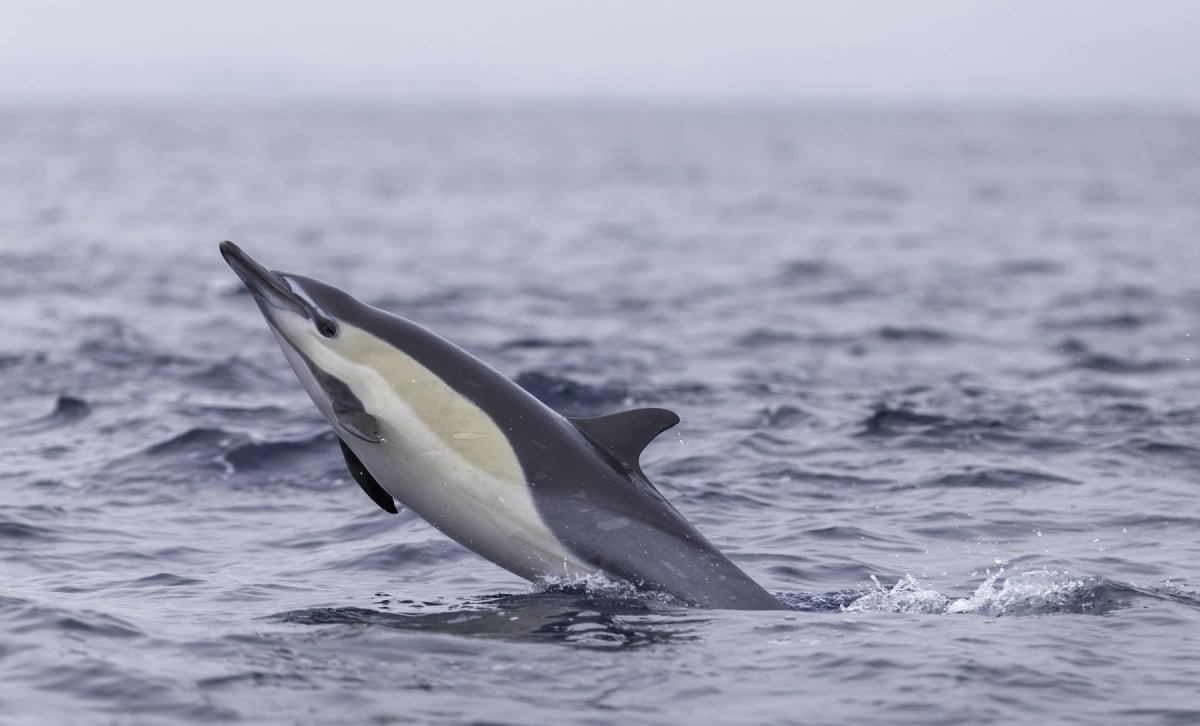
Common Dolphin
Delphinus delphis
Common dolphins are a familiar sight along Peru's Pacific coast, where the cold, nutrient-rich Humboldt Current draws enormous schools of anchovies and sardines. Dolphins gather in large groups, sometimes numbering in the thousands, to hunt these fish cooperatively. The waters off Peru are among the most productive in the world, making them ideal habitat for this species. IUCN status: Least Concern.
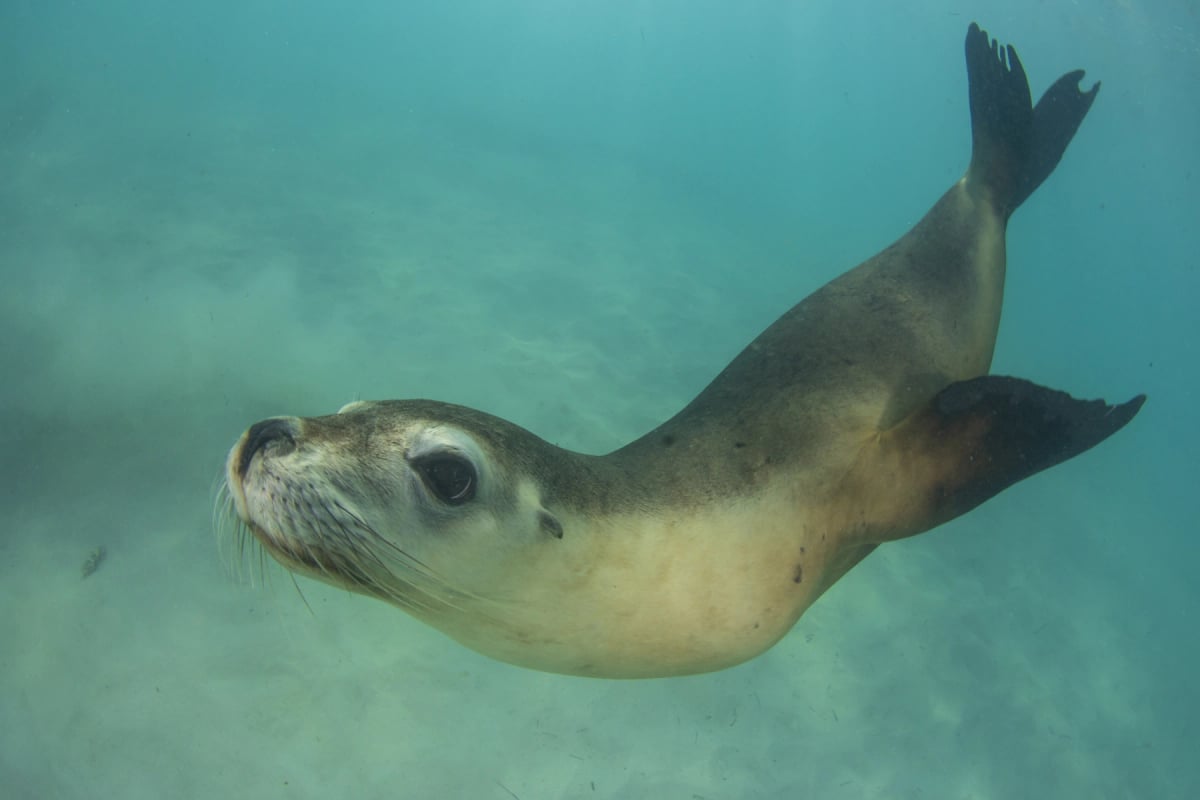
Sea Lion
Otariinae spp.
The South American sea lion is abundant along the Peruvian coast, where the Humboldt Current creates some of the most productive fishing waters in the world. Large colonies gather on offshore islands and coastal rocks, often sharing space with Humboldt penguins and other seabirds. El Niño events can dramatically reduce fish availability and affect pup survival. Their IUCN status is Least Concern.
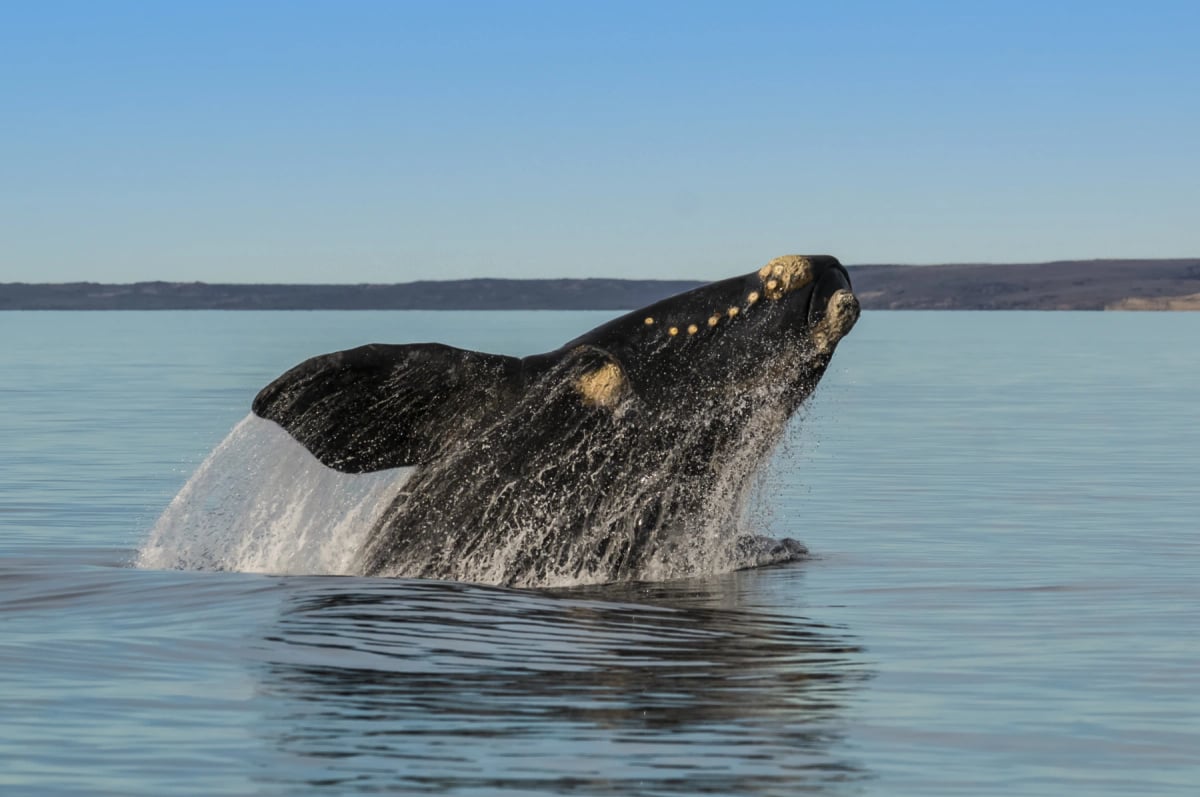
Southern Right Whale
Eubalaena australis
The southern right whale is an occasional visitor to Peruvian waters, appearing along the Pacific coast as individuals migrate through the region. Recognizable by the callosities on its head and its V-shaped blow, this species has no dorsal fin. Once pushed to the edge of extinction by commercial whaling, it is now listed as Least Concern thanks to decades of international protection and population recovery.
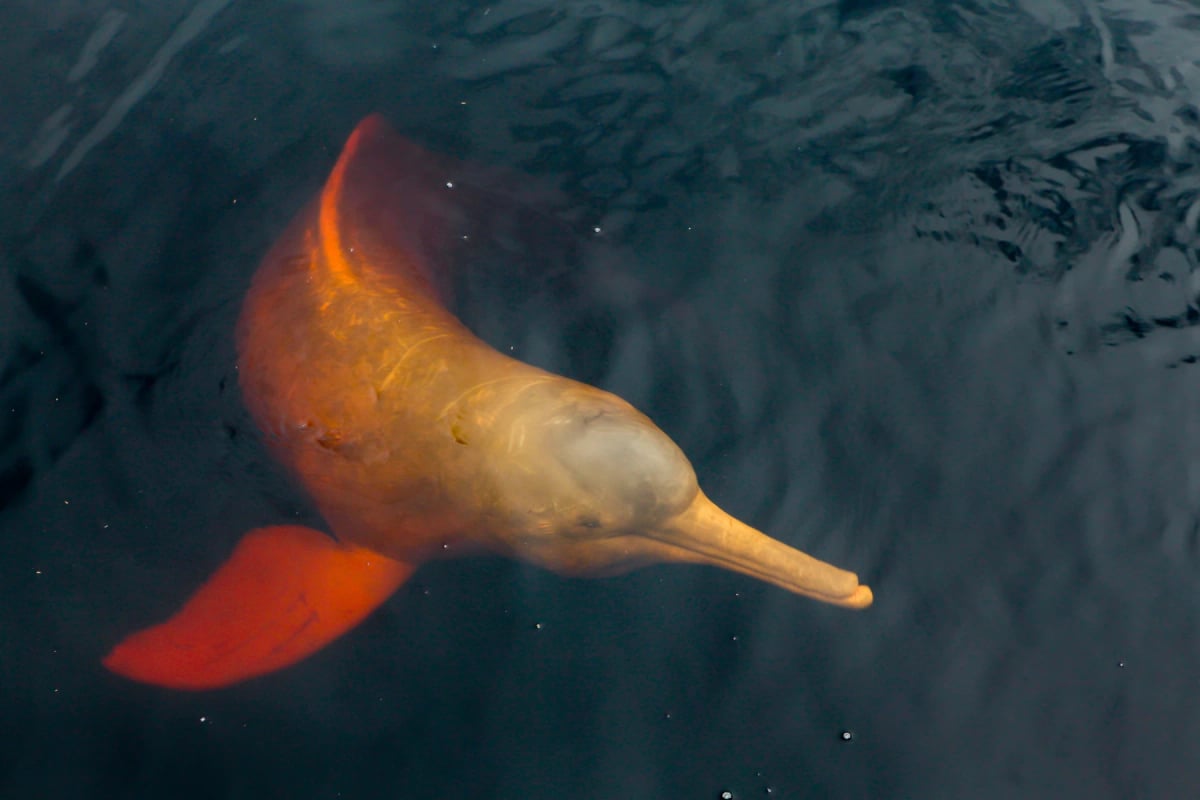
Amazon River Dolphin
Inia geoffrensis
The Amazon river dolphin is widely distributed across Peru's Amazon basin, inhabiting the Amazon, Ucayali, Marañón, and their tributaries. Known locally as bufeo colorado, it is a familiar presence on boat journeys through the Peruvian Amazon. Peru holds one of the largest populations of this species, and community tourism built around river dolphin sightings has become a meaningful tool for local conservation efforts.
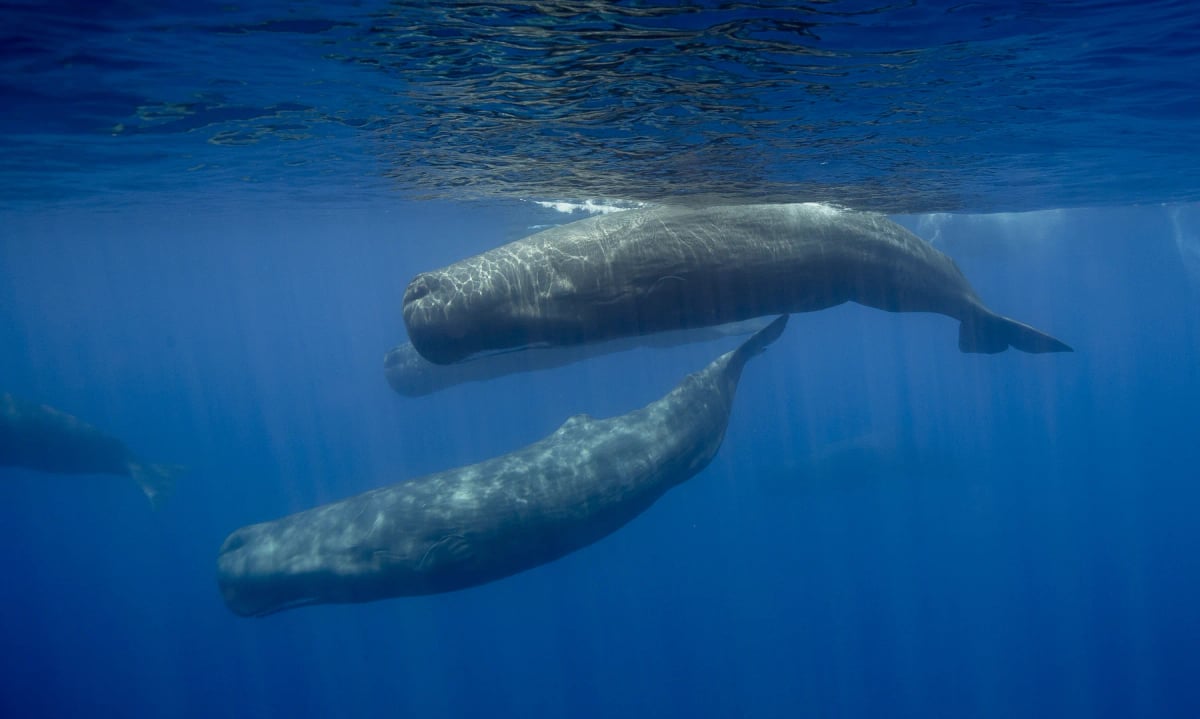
Sperm Whale
Physeter macrocephalus
Off the Peruvian coast, the cold, nutrient rich waters of the Humboldt Current system support an abundance of prey that attracts sperm whales. The deep Pacific trench running parallel to Peru's coast gives these whales the extreme depths they need to hunt. Males in particular are known to frequent these productive waters. As a Vulnerable species, they benefit from Peru's growing commitment to marine conservation along its extensive coastline.
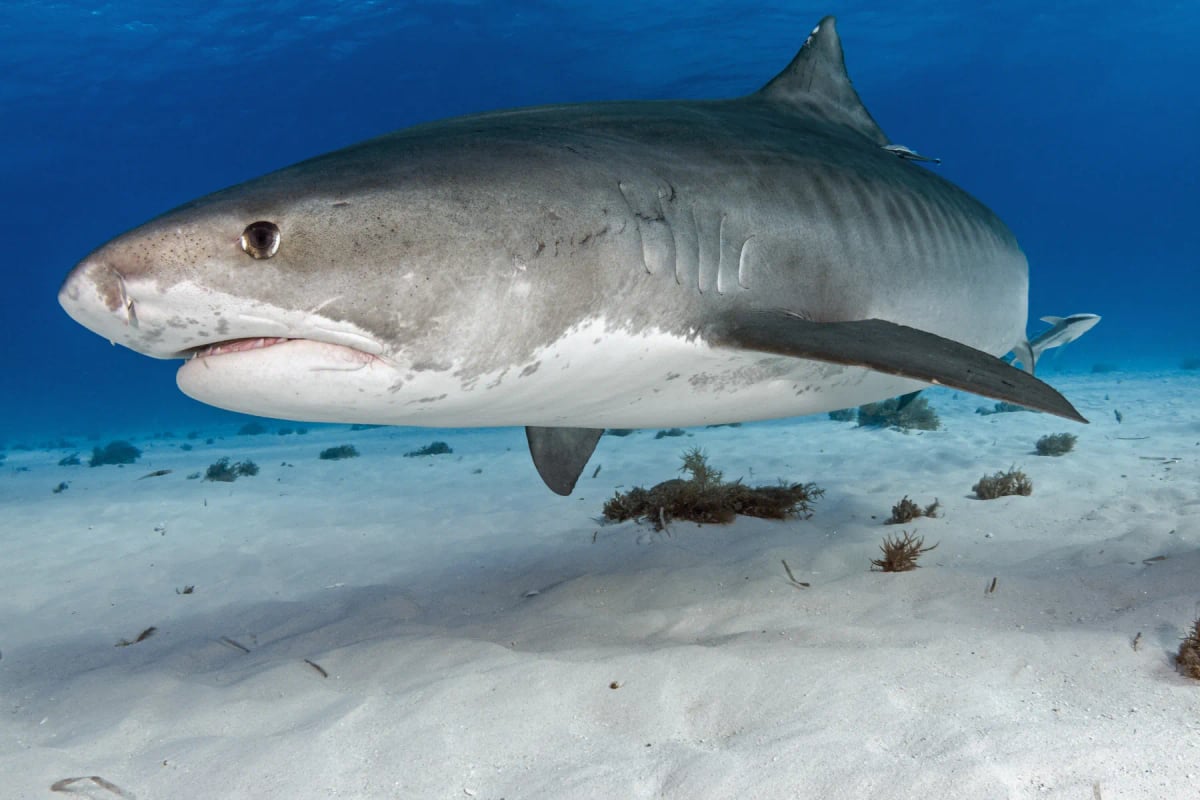
Tiger Shark
Galeocerdo cuvier
The tiger shark roams the warm waters of the Pacific off Peru's coast, occasionally appearing in the northern seas near Tumbes and Piura. It is a powerful predator reaching up to 5 metres in length, feeding on fish, rays, and sea turtles. Fishing pressure along the Peruvian coast poses a real threat to this species, which the IUCN lists as Near Threatened.

Hammerhead Shark
Sphyrna spp.
Along Peru's Pacific coast, hammerhead sharks are found in the warm equatorial waters near the northern Tumbes region, where the sea is richest in marine life. They feed on rays and fish in these productive waters. Peru has made efforts to regulate shark fishing, but demand for shark fin remains a major challenge for the conservation of these critically endangered animals.
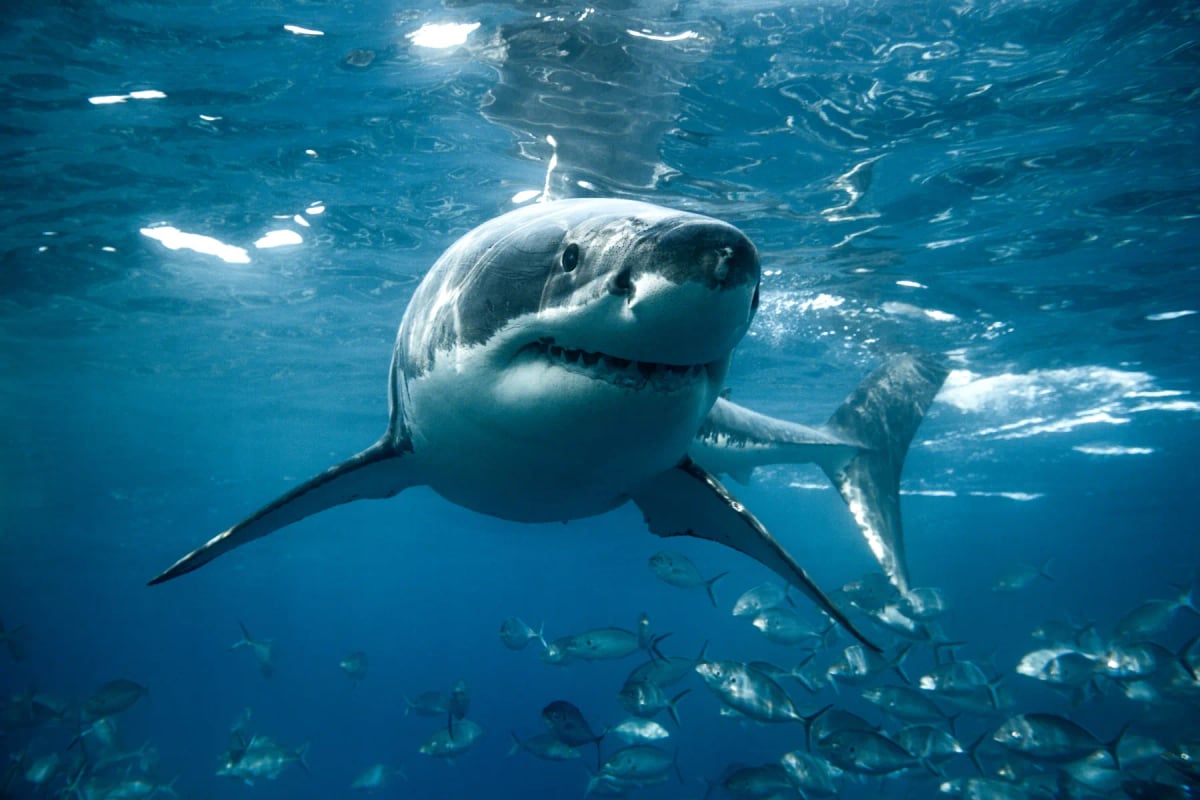
Great White Shark
Carcharodon carcharias
The great white shark has been documented along the Peruvian coast, where the cold Humboldt Current creates productive waters rich in marine life. This upwelling system supports large populations of fish and marine mammals, providing suitable conditions for great whites passing through the southeastern Pacific. Peru is an important part of the species' range along the South American Pacific coastline.
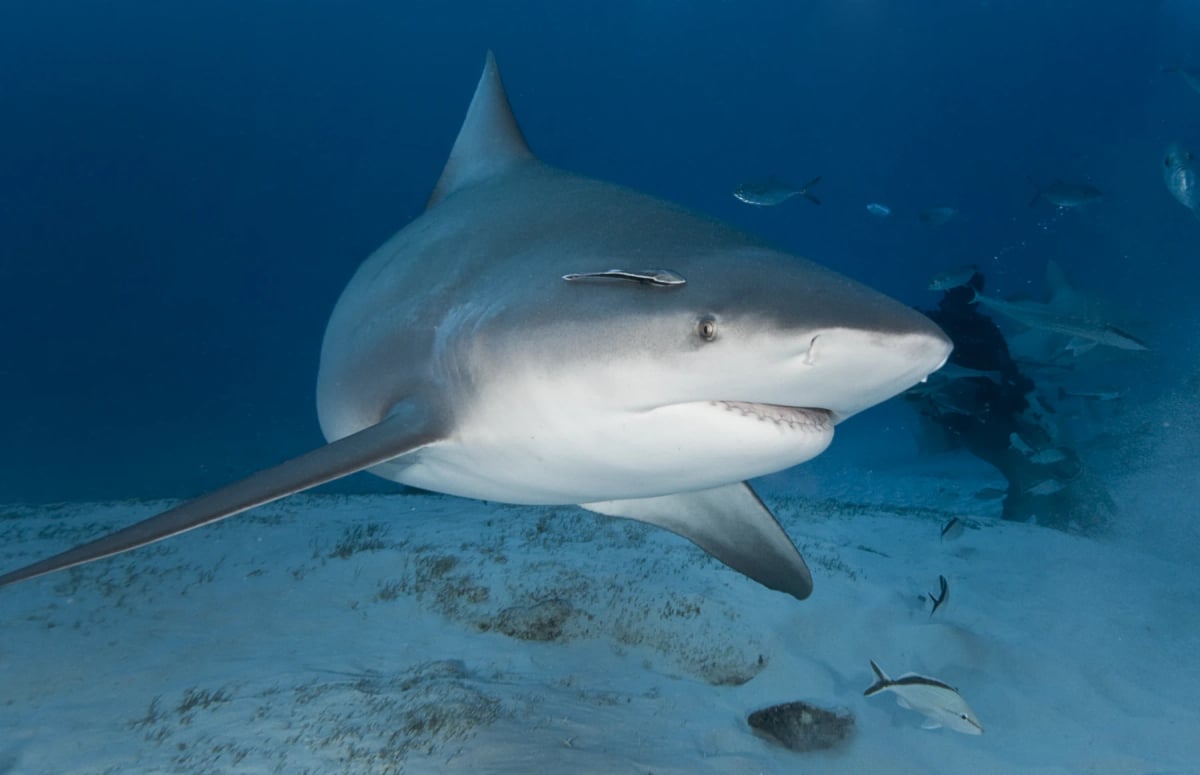
Bull Shark
Carcharhinus leucas
Along Peru's Pacific coast, bull sharks are found in warmer northern waters near Tumbes and Piura, where sea temperatures are more hospitable than in the cold Humboldt Current waters further south. Estuaries and coastal mangrove areas in this region provide suitable habitat. Artisanal fishing fleets operating along the Peruvian coast interact with the species, contributing to concern about its Near Threatened status across the eastern Pacific.
Researched and written by Juan Pablo. Sources: IUCN Red List, scientific literature and regional field guides. Last updated: .