Animals in Iran
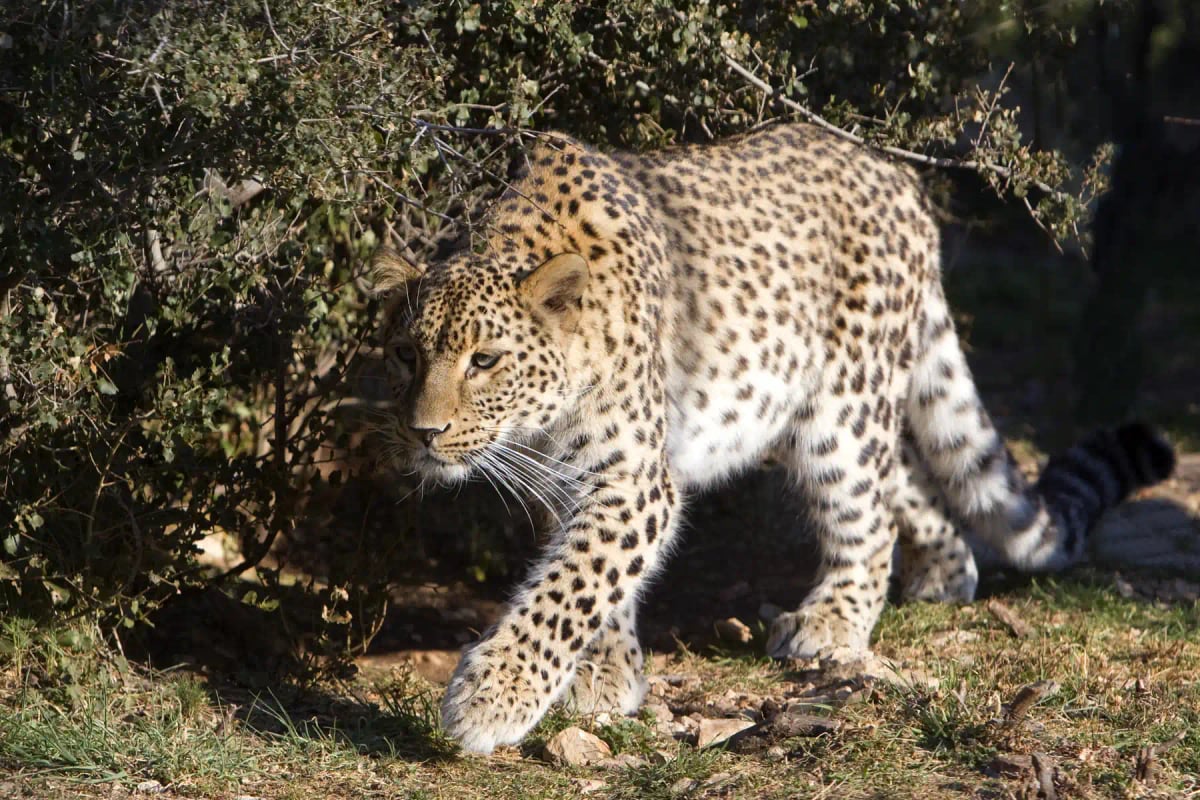
Persian Leopard
Panthera pardus tulliana
The Persian leopard is a national emblem tied to mountain life and careful recovery work. It moves along cliff bands and oak slopes, using quiet hours to cross between valleys. Signs and museum displays use the leopard to explain corridors, local herders and the need for large connected forests. Its image in stamps, teams and school texts links daily culture with the goal of keeping native wildlife on the land.
View details→Wildlife in Iran
Iran links the Alborz and Zagros ranges with steppe, desert basins and long coasts on the Persian Gulf and the Gulf of Oman. Forests on the Caspian side hold deer and many birds, while inland parks keep dry valleys and wide plateaus. Seasonal rivers, salt flats and oases sit close to towns, so trips often mix short drives, lookout stops and calm walks where tracks of cats, wolves and gazelles still appear.
Most Dangerous Animals in Iran
Risk in Iran depends on habitat and season. In mountain forests and high valleys, large cats are secretive but powerful, and wild boar and bears can react near food in autumn. In dry plains, encounters are brief and usually at distance. Rivers and lakes in the south hold crocodiles in a few sites, and offshore the Gulf and the Gulf of Oman have large sharks that use deep channels far from busy beaches.
Top 10 Animals in Iran
Our Top 10 for Iran balances mountain and desert scenes with a clear coastal note. Leopard, Eurasian lynx and gray wolf hold the idea of remote ridges and night movement. Red deer gives a simple view for family trips in forest edges. The dromedary camel represents open routes in dry country. Peregrine falcon adds city and cliff moments. Far offshore, the great white shark marks deep ocean channels.
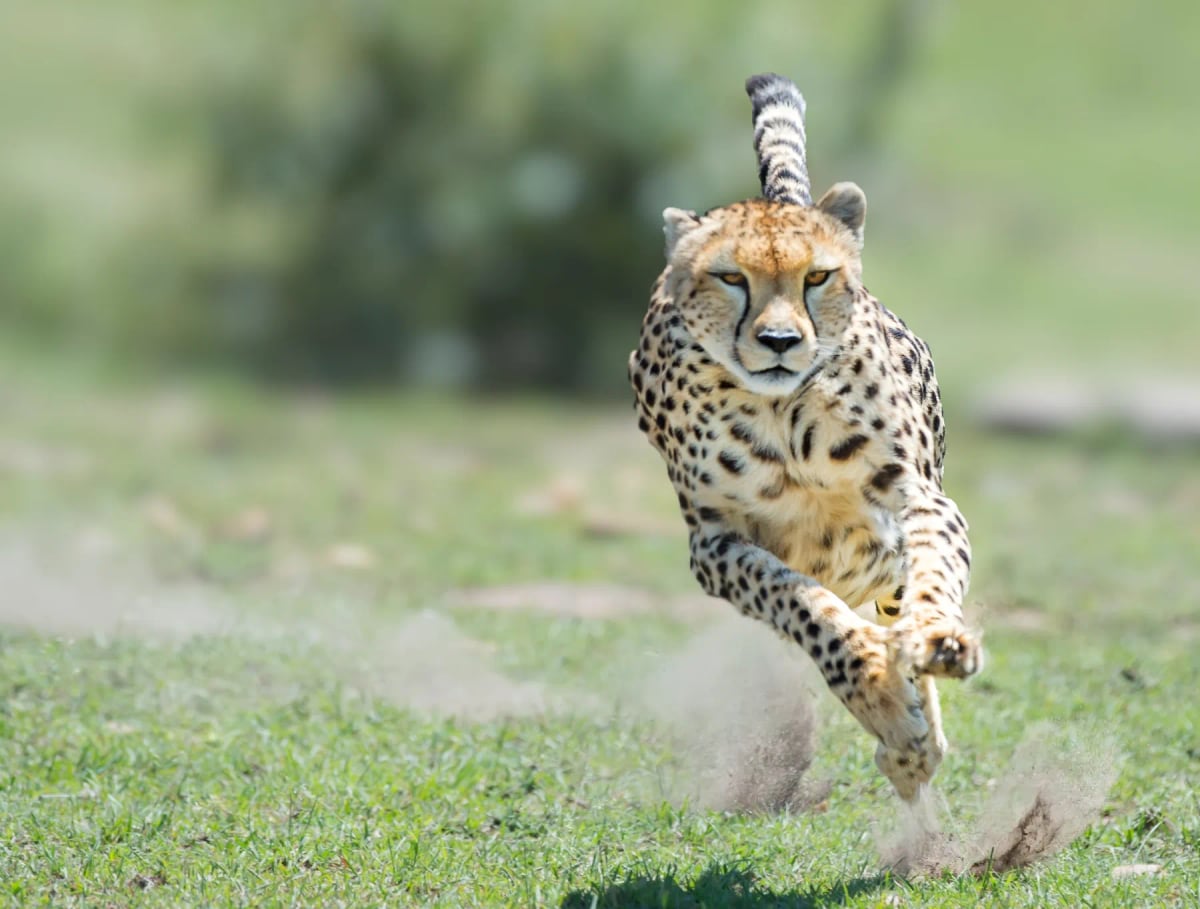
Cheetah
Acinonyx jubatus
Iran is home to the critically endangered Asiatic cheetah, a subspecies now found nowhere else on Earth. Fewer than 50 individuals are believed to survive, scattered across remote desert reserves in provinces such as Semnan, Kerman, and Yazd. Khar Turan National Park and Kavir National Park are key refuges. Threats include very low prey availability, vehicle collisions, and an extremely small gene pool. Iran's wildlife authorities and international partners are working urgently to prevent extinction.
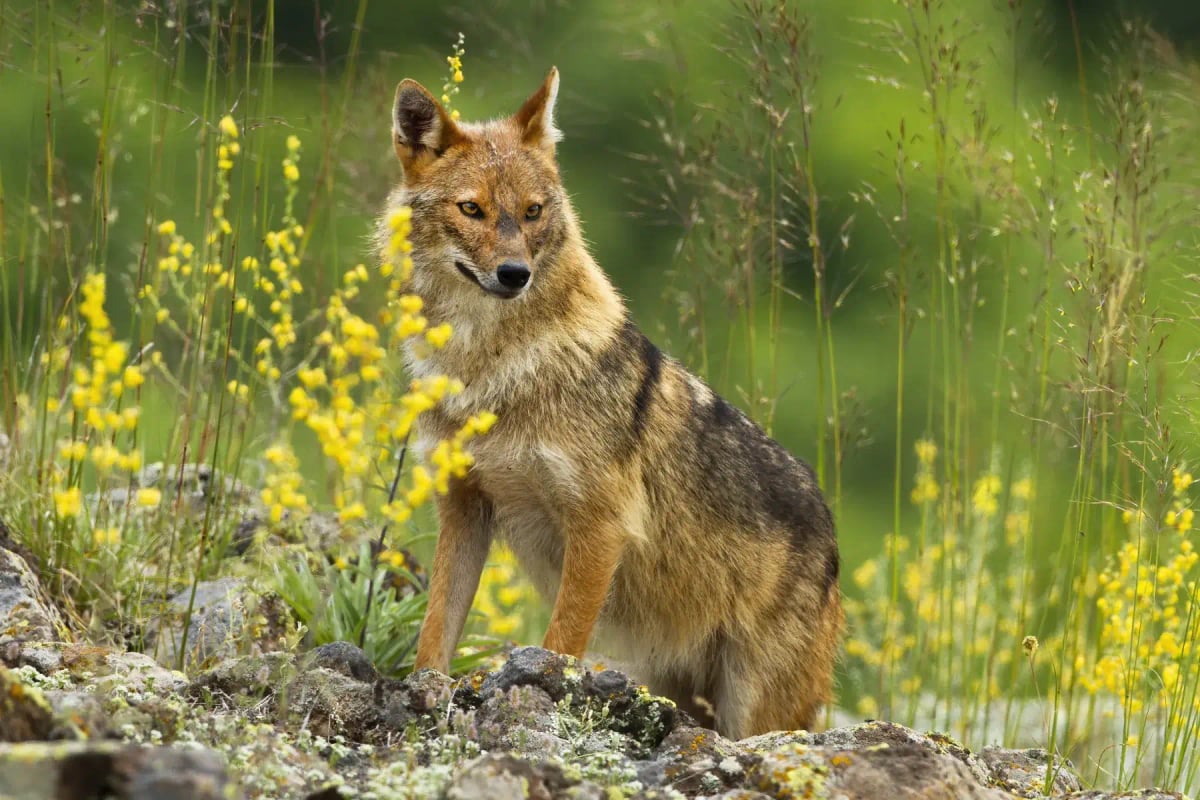
Golden Jackal
Canis aureus
Across Iran, the golden jackal occupies a broad range of habitats, from the lush forests of the Caspian lowlands in the north to the agricultural plains of Khuzestan in the southwest. It is also found along river corridors and in the margins of wetlands such as those of the Anzali lagoon region. Adaptable and resilient, it coexists alongside wolves and foxes across much of its Iranian range. IUCN status: Least Concern.
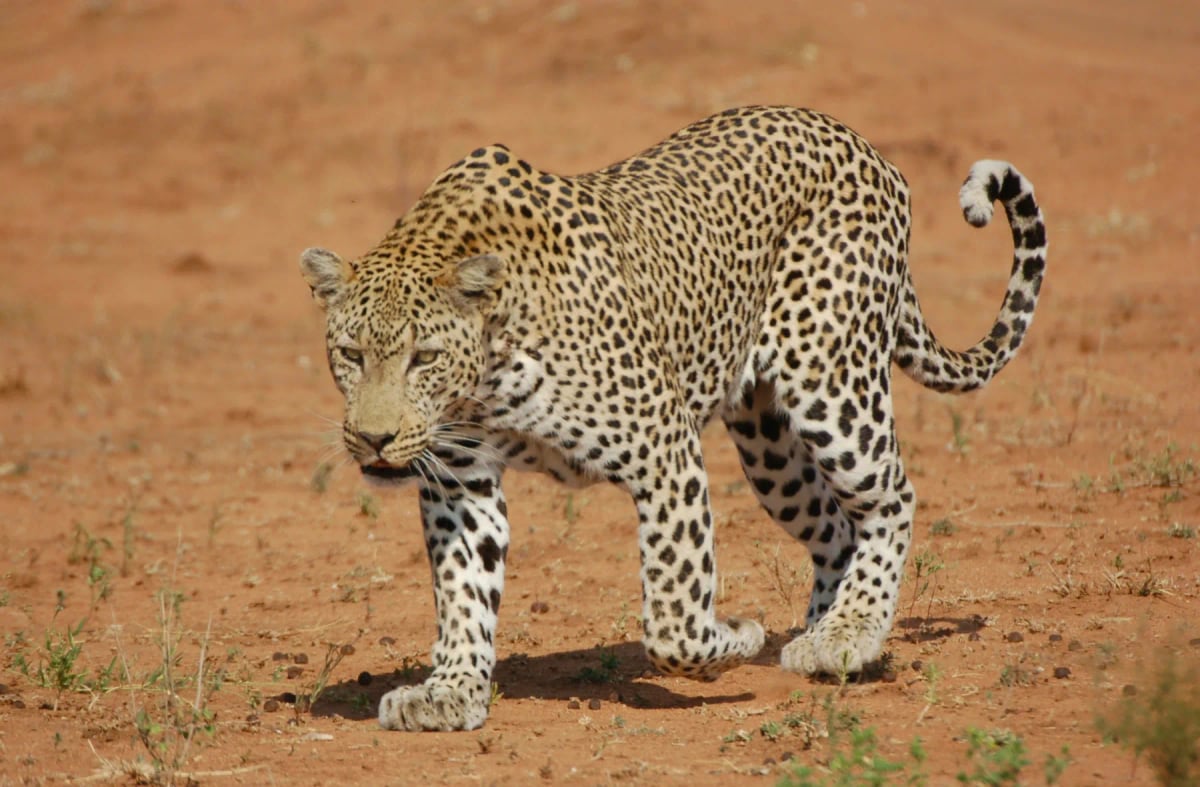
Leopard
Panthera pardus
In Iran, leopards are found in the Alborz and Zagros mountain ranges, where rocky terrain and dense vegetation provide essential cover. The Persian leopard (Panthera pardus saxicolor) is the subspecies present here and is one of the largest in the world. Populations are small and under serious pressure from habitat loss, poaching, and the decline of prey species. Conservation efforts are ongoing but face significant challenges.
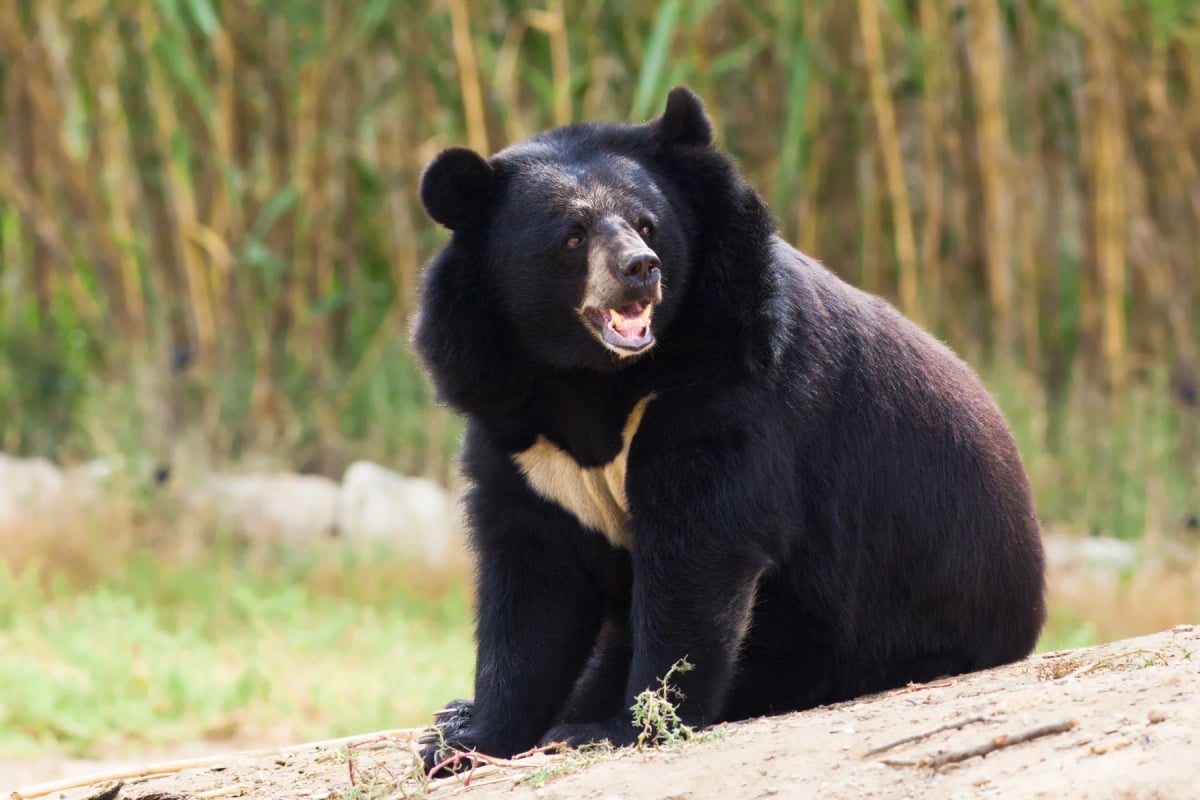
Asiatic Black Bear
Ursus thibetanus
Iran represents the westernmost limit of the Asiatic black bear's range. Small populations are documented in the forested areas of the Alborz and Zagros mountain ranges, particularly in Gilan, Mazandaran, and Kermanshah provinces. The Hyrcanian forests along the Caspian coast provide the most suitable habitat in the country. The population is considered small and fragmented, and encounters with livestock and farming communities are a recurring source of conflict. It is legally protected in Iran but enforcement in remote areas remains limited.
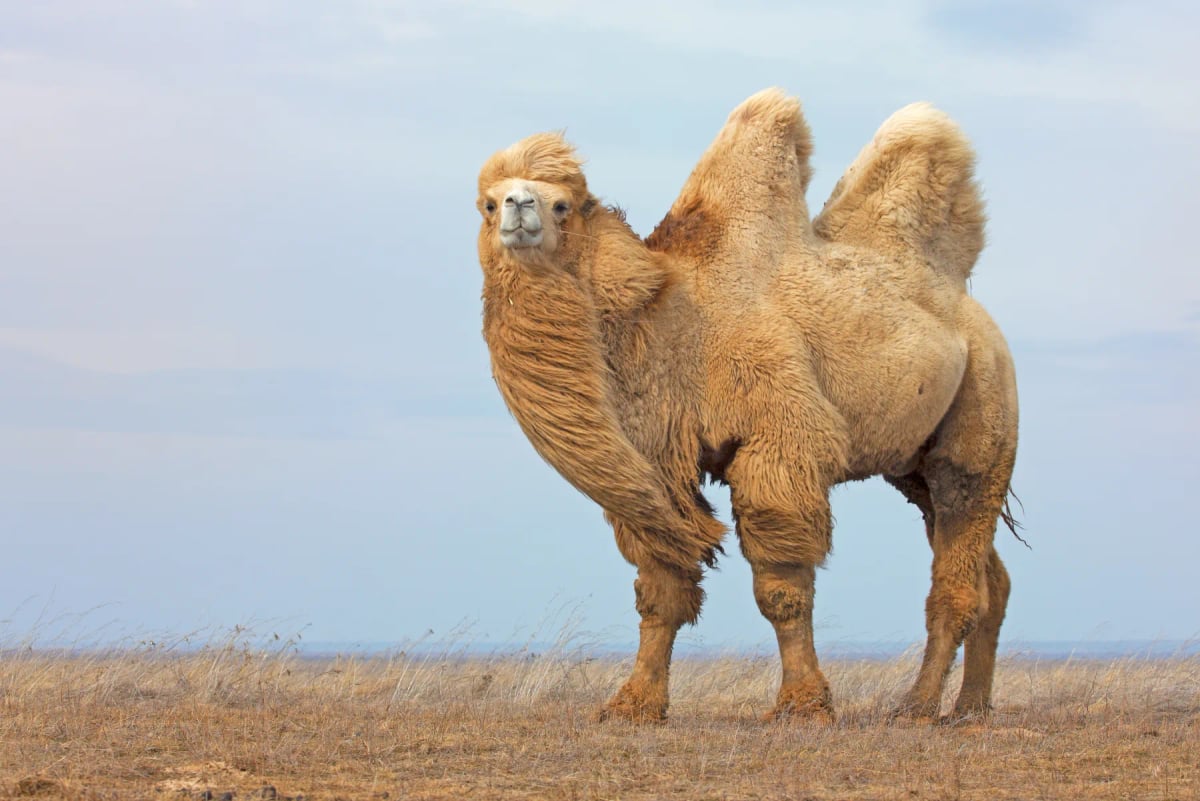
Bactrian Camel
Camelus bactrianus
Iran holds a small but documented population of domesticated Bactrian camels, estimated at over 100 individuals, kept mainly in the northeastern provinces near the border with Turkmenistan and Afghanistan. The species is far less common in Iran than the dromedary, which dominates the country's southern and central deserts. Bactrian camels in Iran are found in areas with colder winters where their thick coat provides an advantage, and they are used primarily for milk and as pack animals by rural herding communities.
Persian Leopard
Panthera pardus tulliana
Iran holds the largest population of Persian leopards in the world, with individuals roaming the Alborz and Zagros mountain ranges. This subspecies is the biggest of all leopards, with adults reaching up to 90 kg. It hunts ibex, wild goats, and deer across rugged highland terrain. Poaching and conflict with livestock herders remain the greatest threats to its survival in the country.
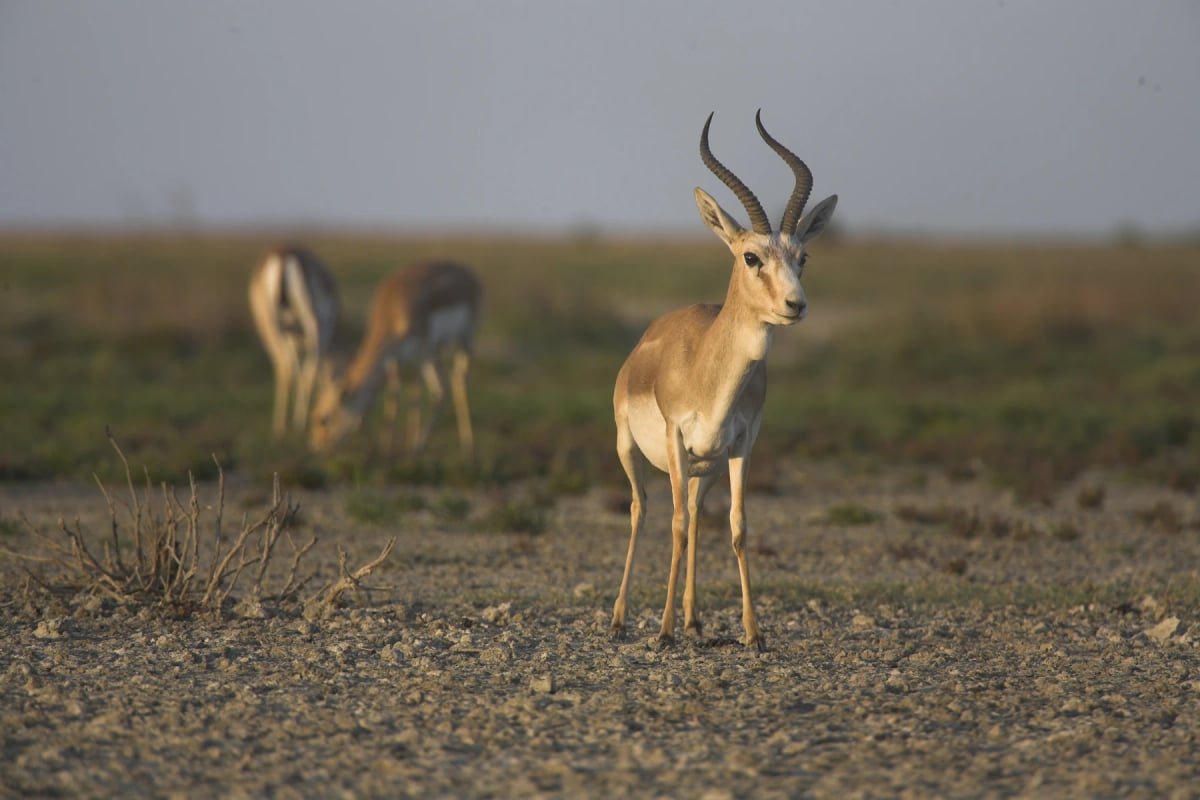
Goitered Gazelle
Gazella subgutturosa
Iran holds some of the most significant populations of the goitered gazelle in Western Asia. The species is found across the central plateau, the Dasht-e Kavir, and the Dasht-e Lut deserts, where it grazes on sparse shrubs and herbs. Protected areas such as Touran Biosphere Reserve offer important refuges. Even so, poaching and habitat degradation continue to threaten the species, which the IUCN lists as Vulnerable.
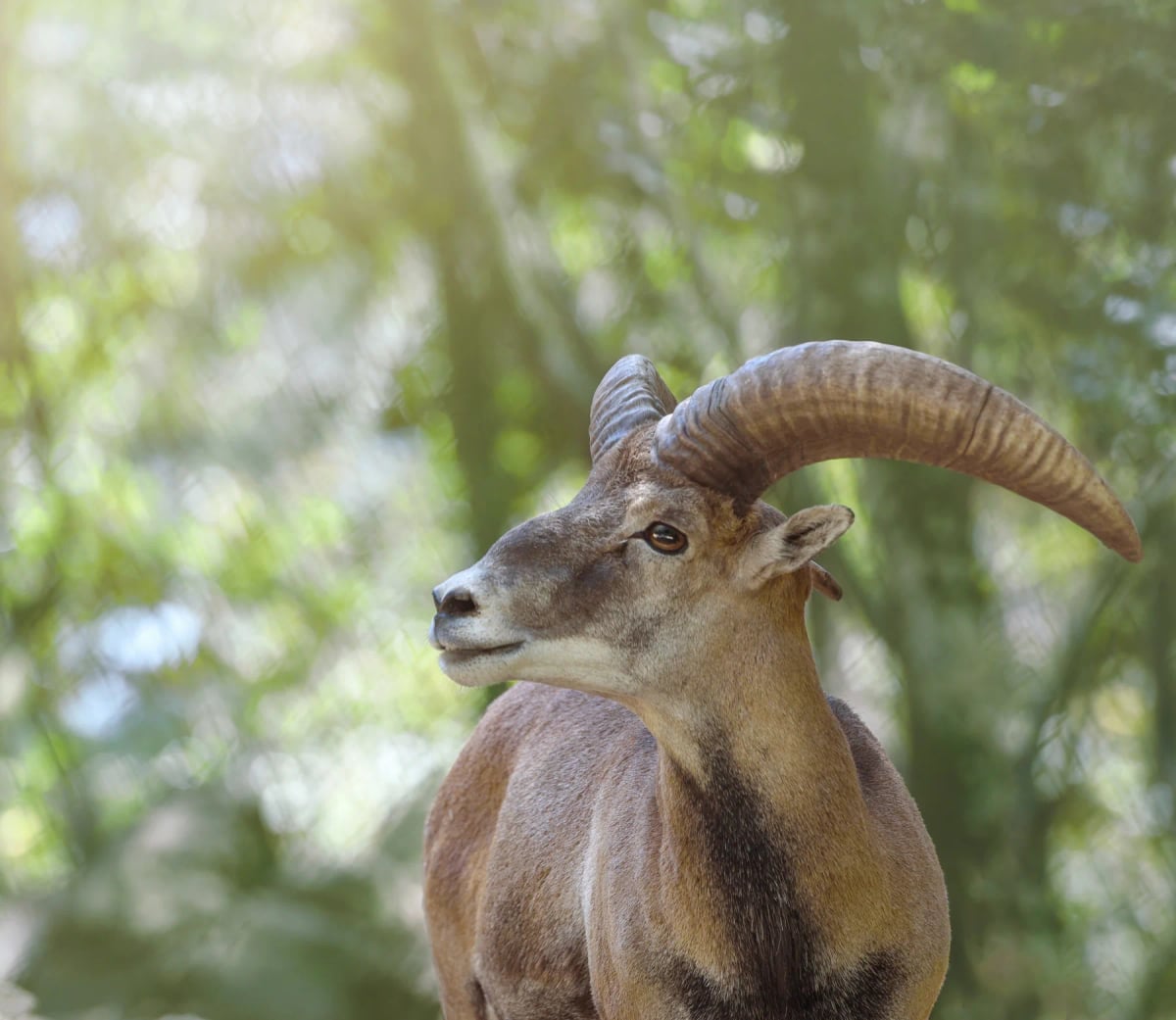
Mouflon
Ovis gmelini
Iran holds some of the most significant mouflon populations across its range, with animals found in mountainous areas throughout the Zagros and Alborz ranges. They navigate steep, rocky terrain with ease, grazing on grasses, herbs, and oak leaves. The species is protected under Iranian wildlife law, though poaching and habitat degradation remain ongoing concerns. Iran plays a key role in the conservation of this species across Western Asia.
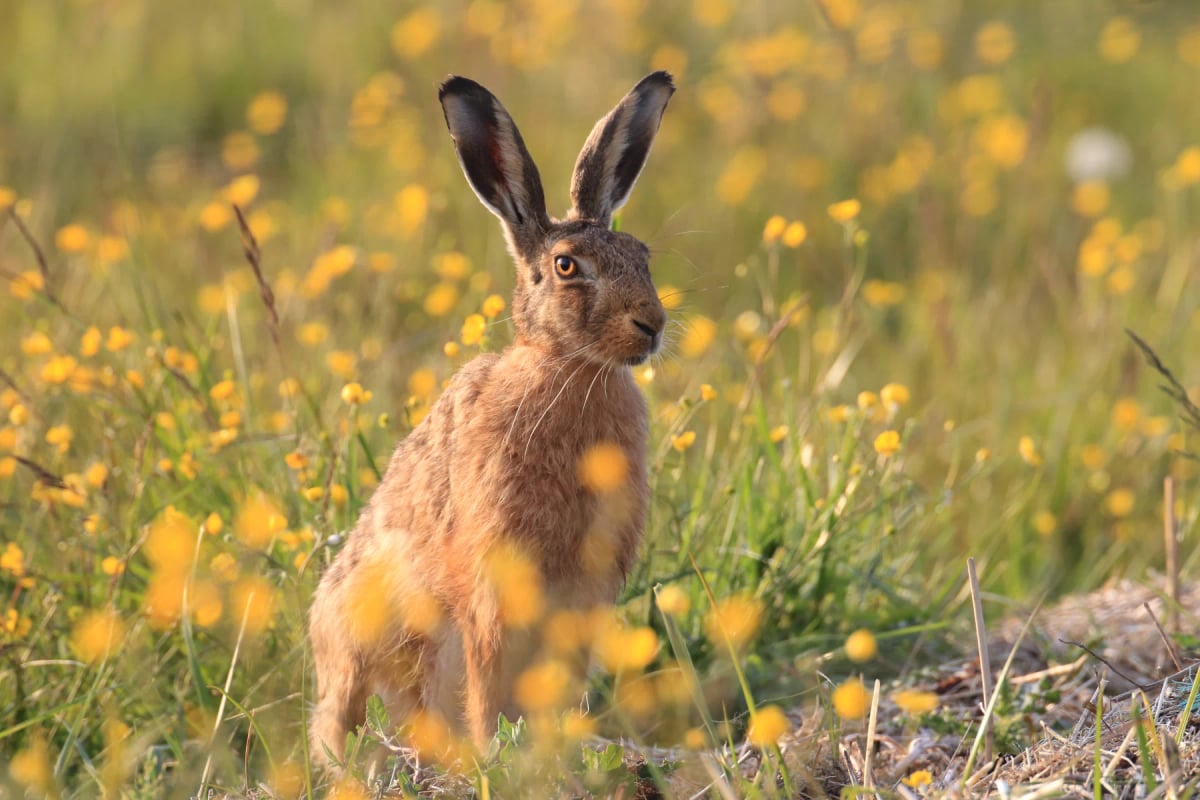
Hare
Lepus europaeus
The European hare is found across parts of northwestern Iran, including the grasslands and agricultural areas around the Zagros foothills and the Caspian lowlands. Here it reaches the eastern edge of its native range, living alongside a rich variety of wildlife in landscapes that shift from semi-arid steppe to wetter, forested terrain near the Caspian Sea. Habitat pressure from farming and hunting affects local populations. IUCN status: Least Concern.
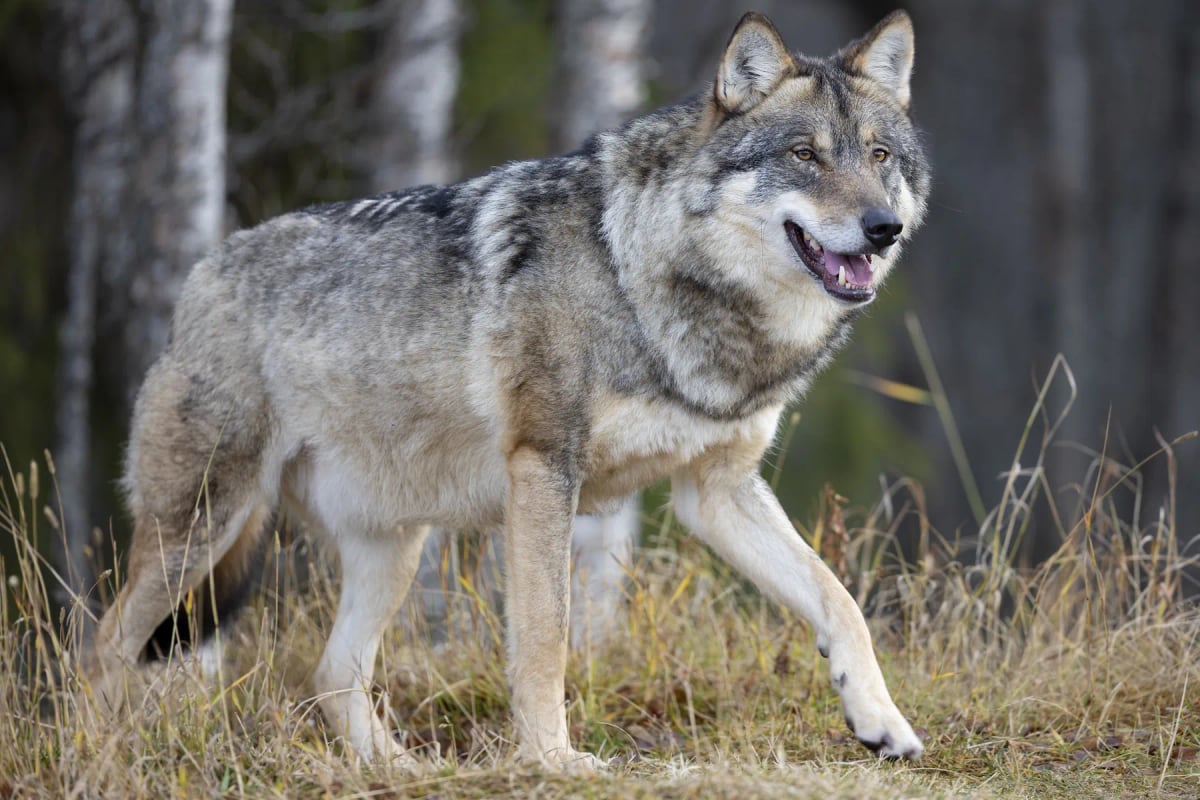
Gray Wolf
Canis lupus
Gray wolves are widely distributed across Iran, inhabiting mountain ranges such as the Alborz and Zagros as well as steppe and semi-arid landscapes. Iran holds one of the larger wolf populations in the Middle East. Wolves here often face persecution from herders protecting livestock, but they continue to survive across a broad range of elevations and habitat types throughout the country.
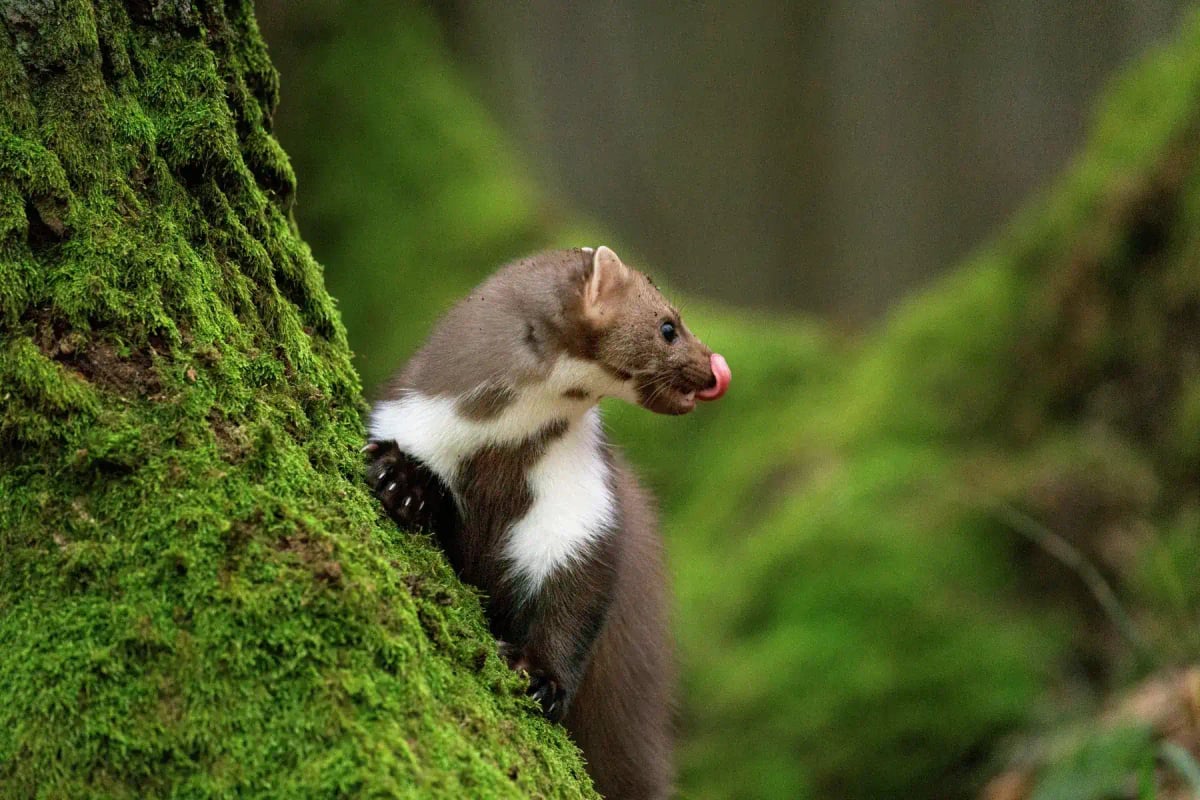
Marten
Martes martes / Martes foina
In Iran, the stone marten is found across a range of habitats, from the forested slopes of the Alborz and Zagros mountain ranges to rocky semi-arid terrain further inland. It is a versatile predator that adjusts its diet according to what is locally available, taking small mammals, birds, and fruit. Pine martens may occur in the Caspian forests of northern Iran, one of the most biodiverse woodland regions in the Middle East. Their IUCN status is Least Concern.
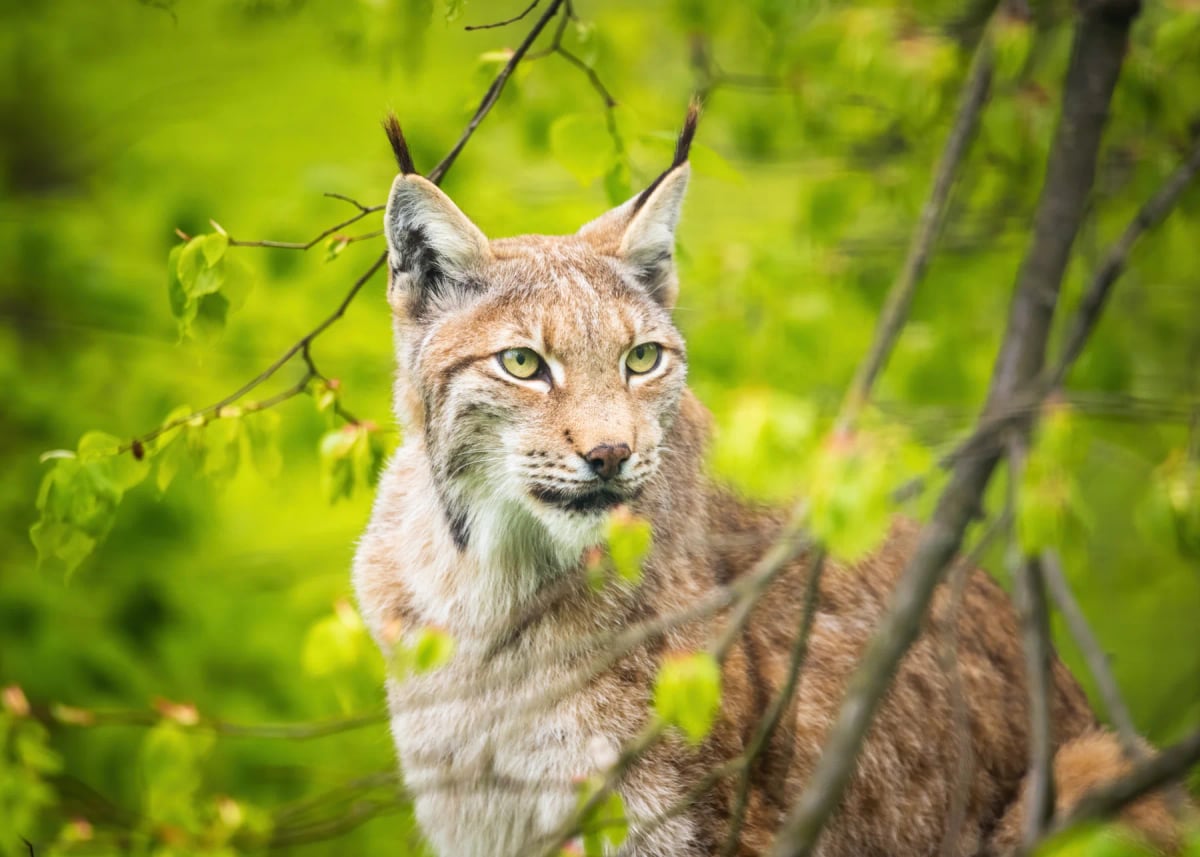
Eurasian Lynx
Lynx lynx
In Iran, the Eurasian Lynx inhabits the forested ranges of the Alborz and Zagros mountains, where dense vegetation and rugged terrain offer suitable cover. It is rarely observed and is considered uncommon across its Iranian range. Wild sheep, goats, and hares are among its likely prey in these habitats. Poaching and habitat loss pose ongoing threats. The IUCN lists the Eurasian Lynx as Least Concern at a global level.
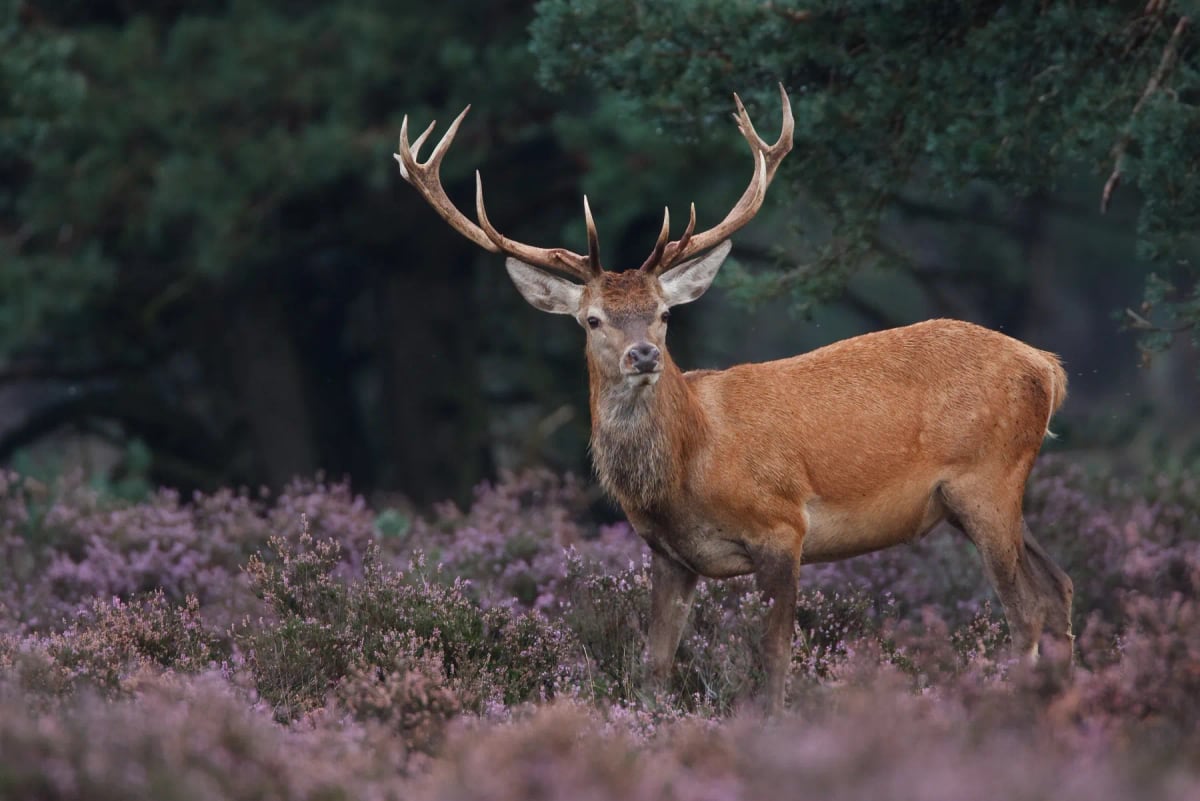
Red Deer
Cervus elaphus
In Iran, red deer are found in the Caspian forests along the northern slopes of the Alborz Mountains, one of the most biodiverse regions in the country. This humid, densely forested belt stretching across Gilan, Mazandaran and Golestan provinces provides ideal habitat. Populations have declined due to habitat loss and hunting pressure, but several protected areas in the region, including Golestan National Park, offer refuge for the species. IUCN status: Least Concern.
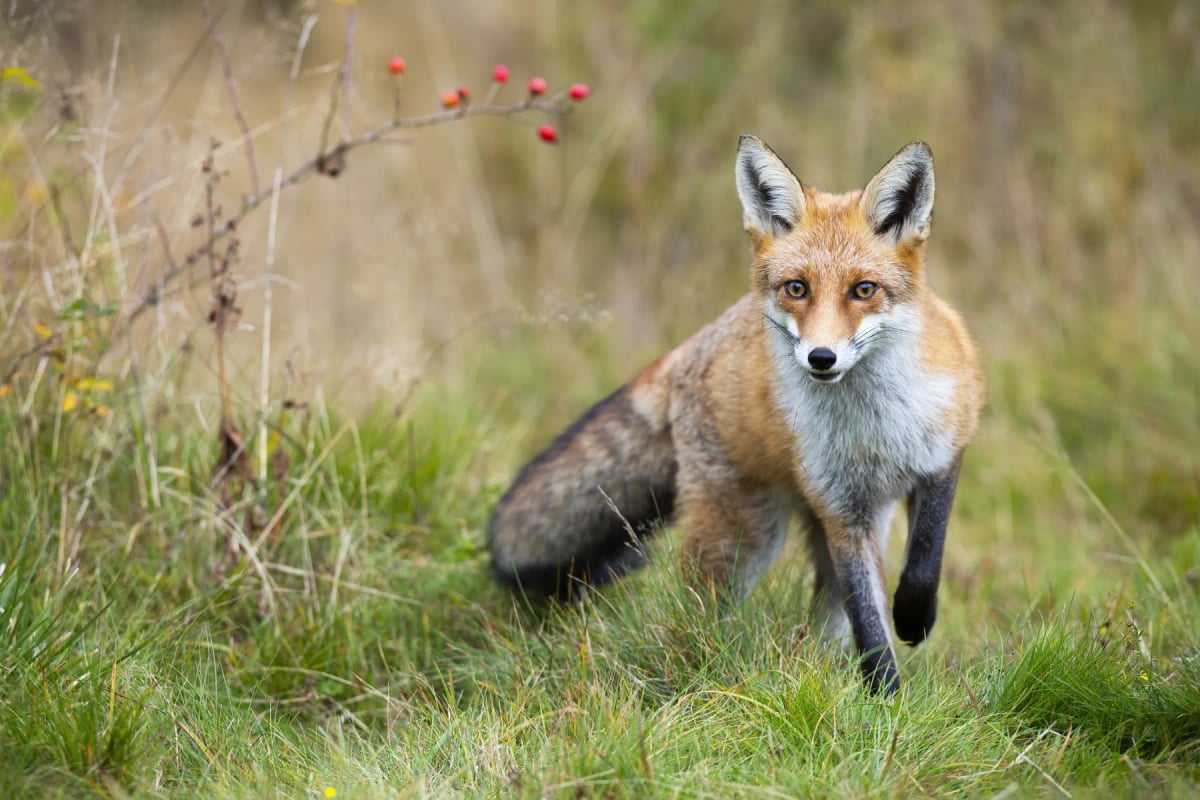
Red Fox
Vulpes vulpes
Iran's diverse geography supports red fox populations across much of the country, from the forested slopes of the Alborz and Zagros mountains to the edges of the central Kavir Desert. It is one of the most adaptable carnivores in Iran, able to survive in both cold highland areas and extremely hot lowland deserts. Its diet shifts with the seasons and the region, ranging from small rodents and lizards to fruit and human food waste near villages.
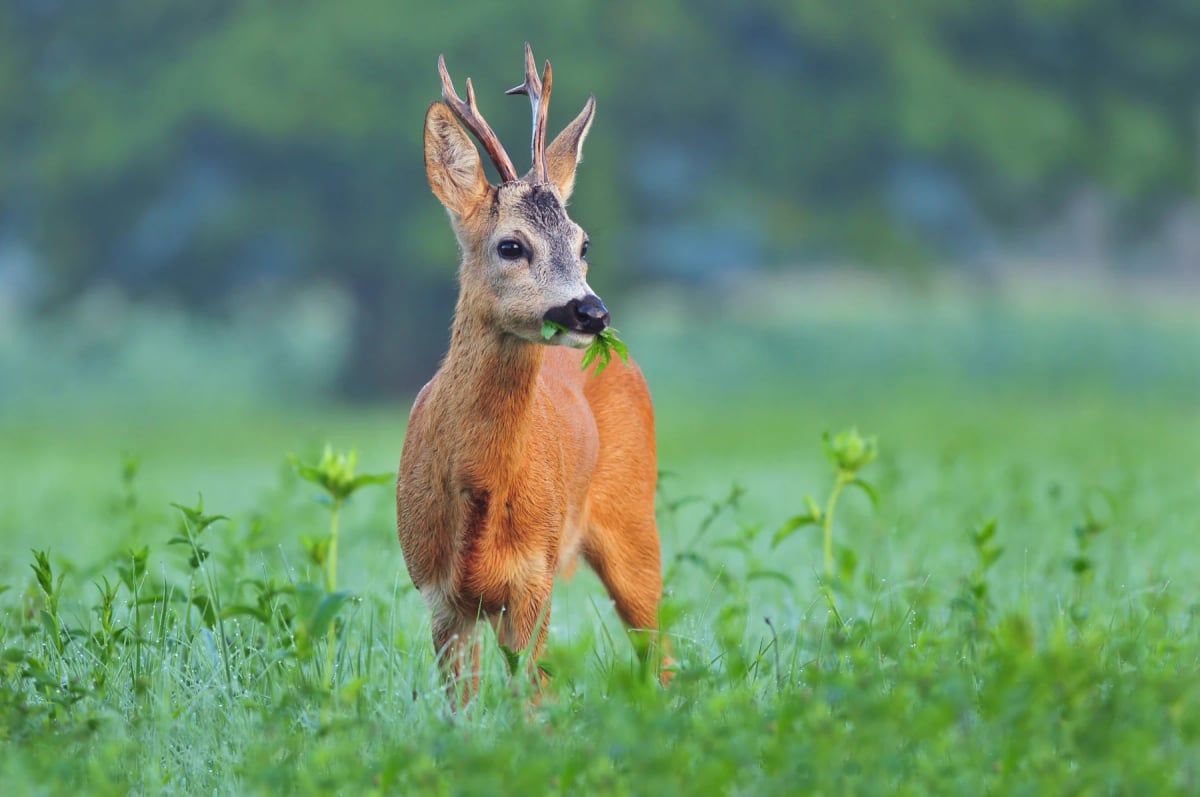
Roe Deer
Capreolus capreolus
In Iran, the roe deer occurs in the forested regions along the southern shore of the Caspian Sea, particularly in the lush Hyrcanian forests of Gilan and Mazandaran provinces. These ancient broadleaf woodlands, recognized as a UNESCO World Heritage Site, provide dense cover and rich vegetation for the deer to browse. This represents the southeastern edge of the species' range. Its IUCN status is Least Concern.
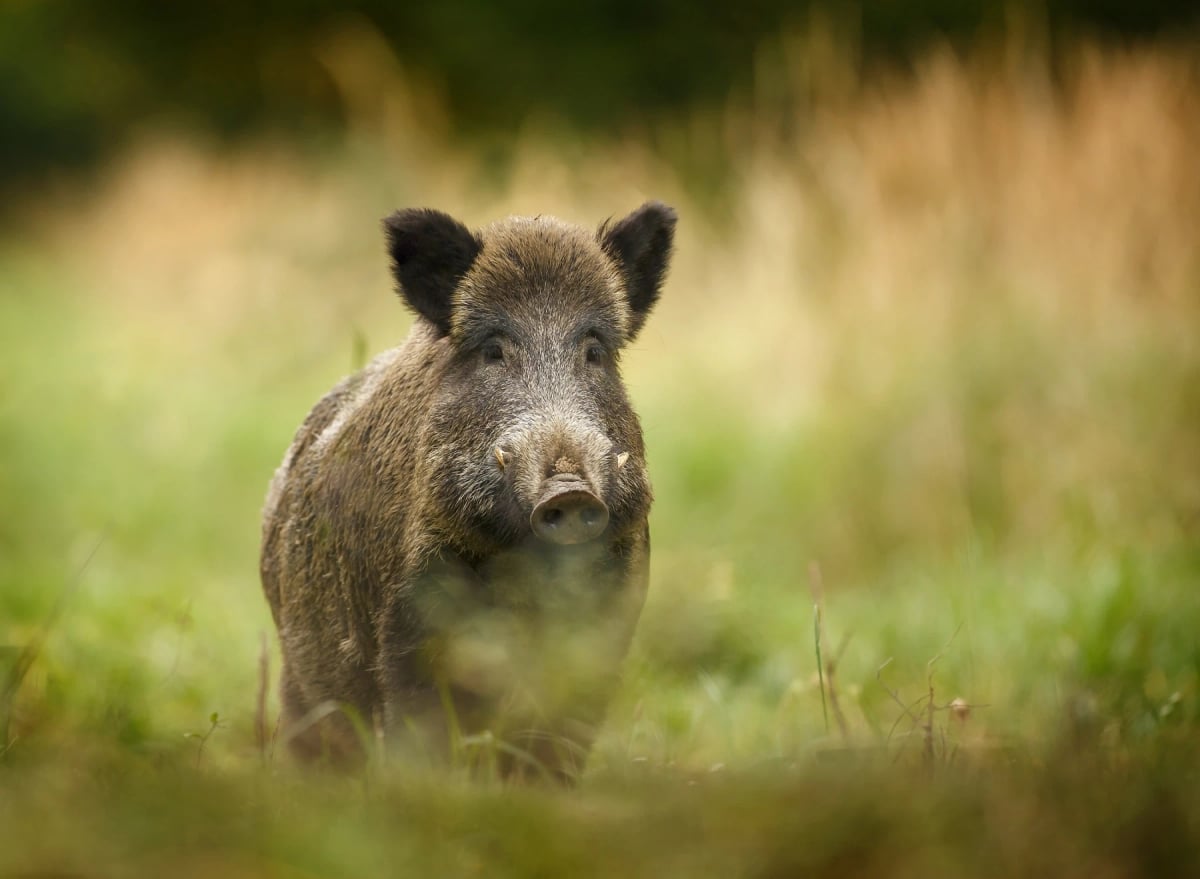
Wild Boar
Sus scrofa
Wild boars inhabit the lush Hyrcanian forests along Iran's Caspian coast as well as wetlands and parts of the Zagros mountains further west. They are an important prey species for the endangered Persian leopard in some areas. Because pork is not eaten for religious reasons, wild boars face little hunting pressure from local communities, though farmers sometimes carry out controlled culling to limit crop damage near agricultural land.
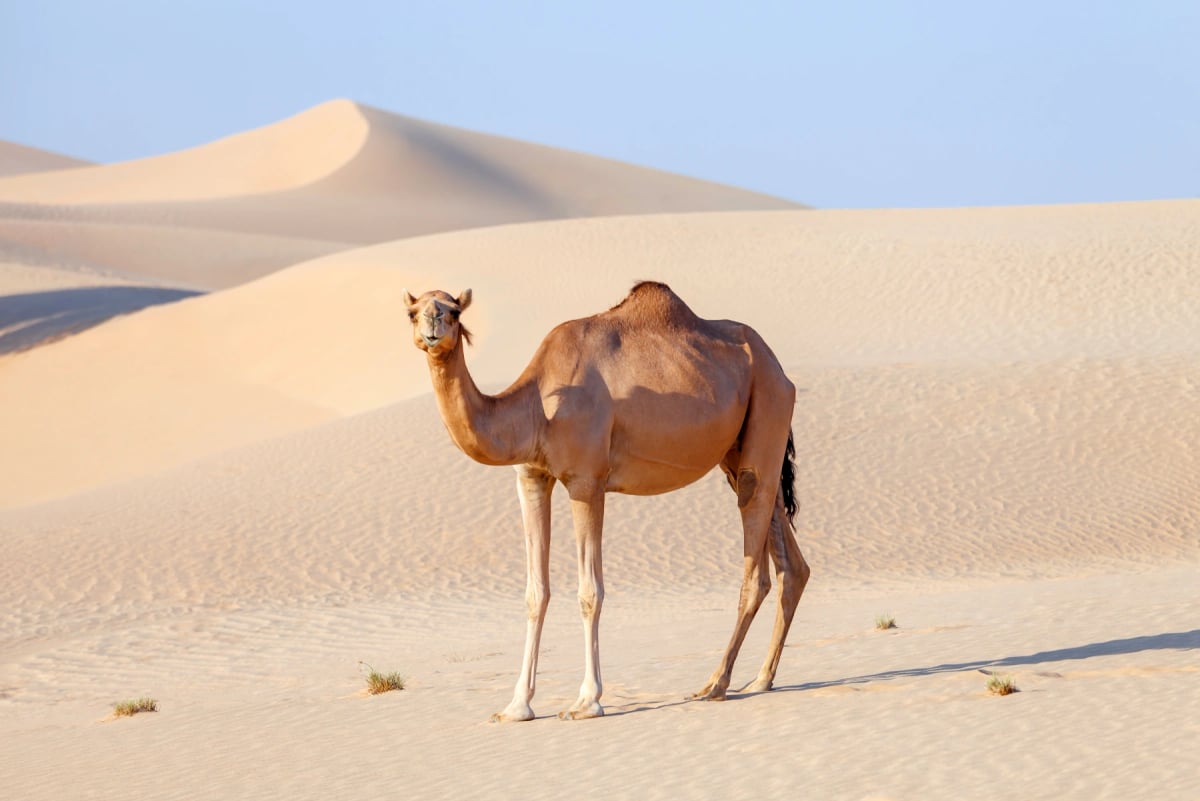
Dromedary Camel
Camelus dromedarius
Dromedary camels are found across Iran's central and southeastern deserts, including the Dasht-e Kavir and Dasht-e Lut, two of the hottest and most arid landscapes on Earth. Iranian dromedaries are used for carrying goods, producing milk, and providing meat. Nomadic communities in regions such as Sistan and Baluchestan have relied on these animals for generations to survive in extremely harsh, dry conditions.
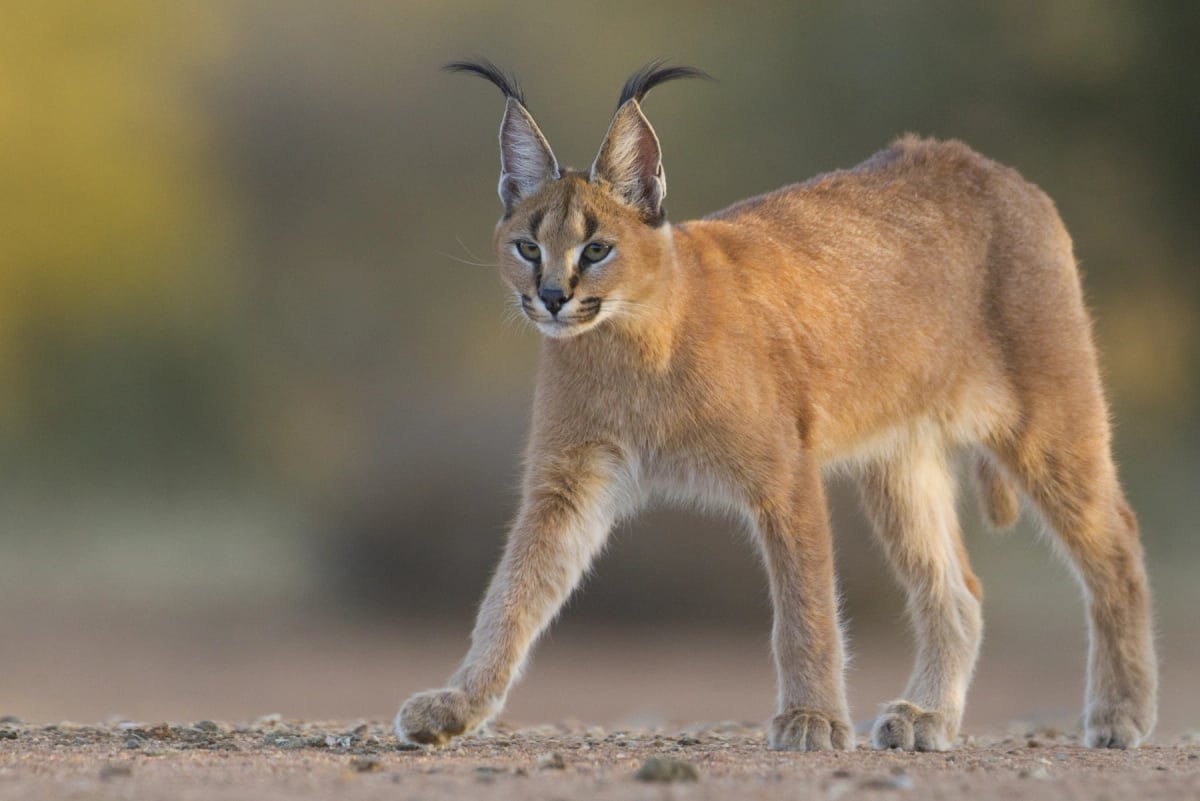
Caracal
Caracal caracal
In Iran, the caracal inhabits a range of arid and semi-arid landscapes, including rocky hillsides, scrublands, and the edges of desert regions across the central plateau and beyond. It is a solitary and largely nocturnal hunter that preys on small mammals and birds. Though listed as Least Concern by the IUCN at the global level, the Iranian population faces ongoing threats from habitat degradation and conflict with livestock farmers.
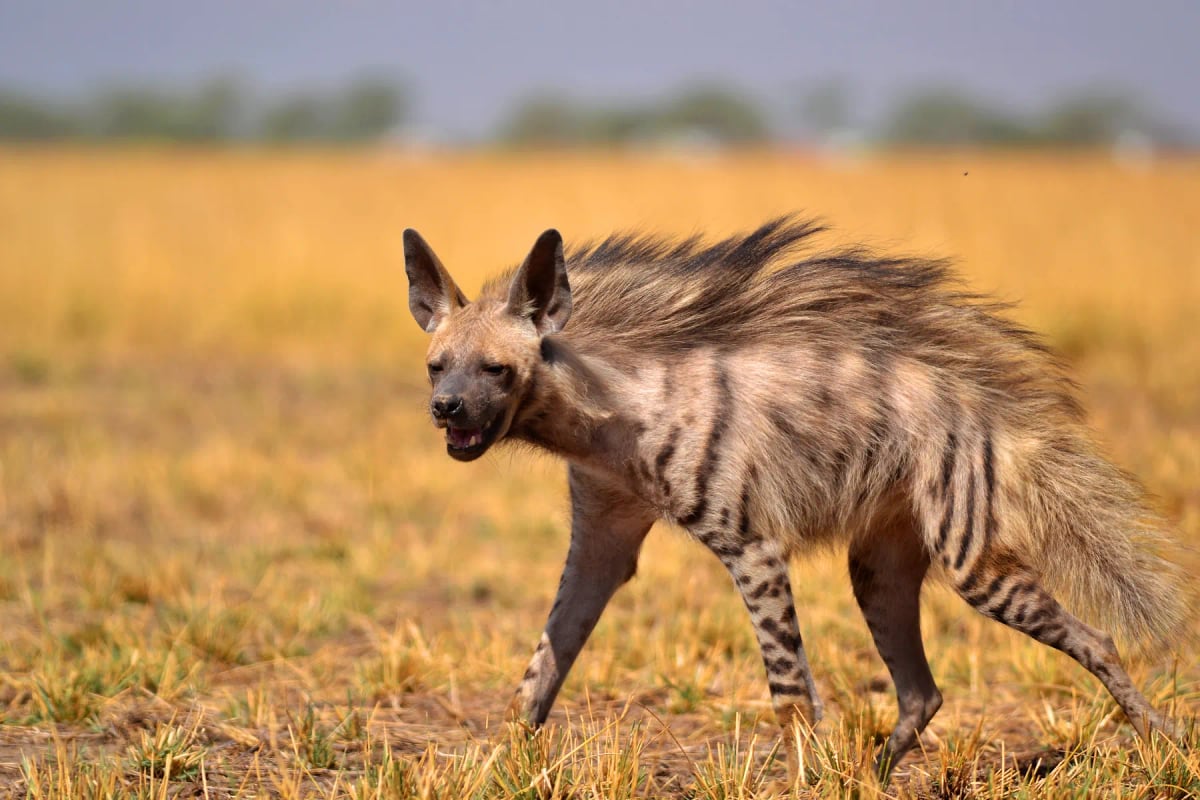
Striped Hyena
Hyaena hyaena
Iran holds one of the more significant populations of striped hyenas in the Middle East. The species is found across a broad range of the country, from the Zagros Mountains to the central deserts and northern foothills near the Alborz range. It shelters in rocky outcrops and dry riverbeds. Despite its wide presence, it is considered Near Threatened, as persecution and habitat degradation continue to reduce its numbers.
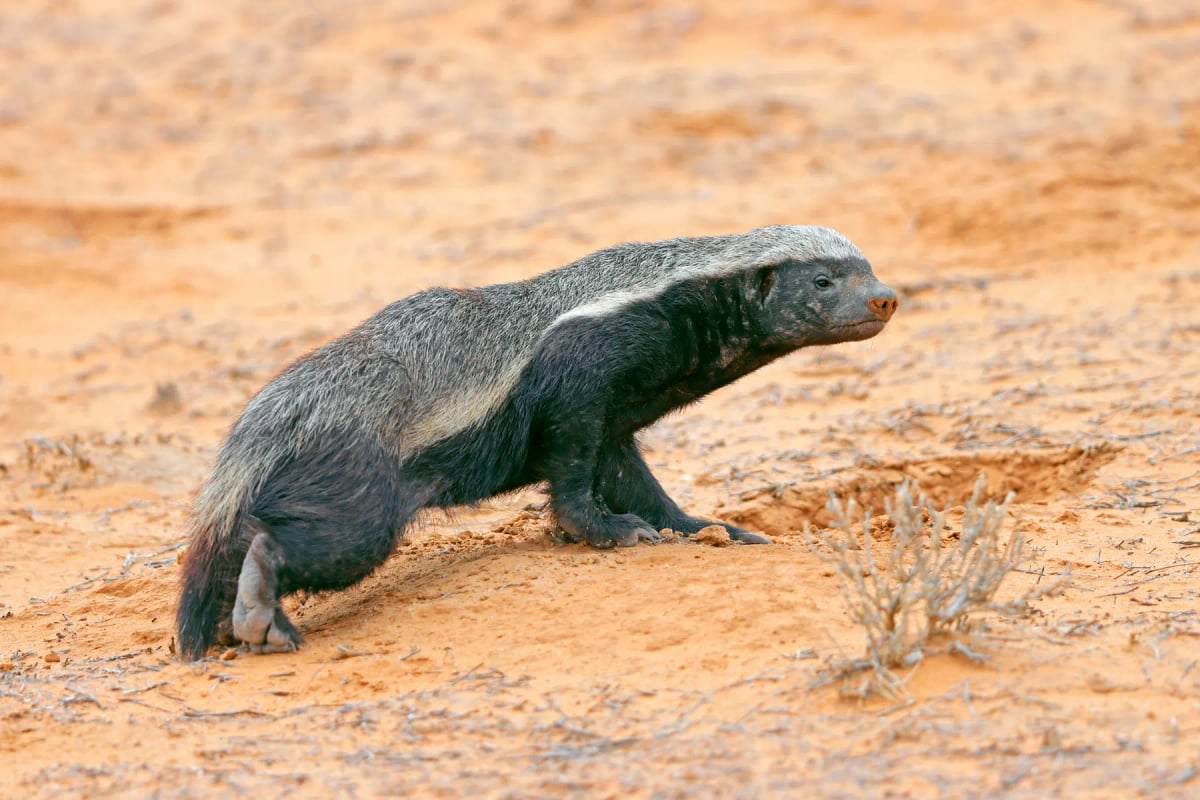
Honey Badger
Mellivora capensis
The honey badger ranges across much of Iran, from the central deserts to the southeastern province of Sistan and Baluchistan, where it has been recorded near the Bahu Kalat River. It favors arid and semi arid terrain with loose soil for digging and is rarely seen due to its nocturnal, solitary habits. Sightings remain scattered, and road accidents are one of the few documented causes of death.
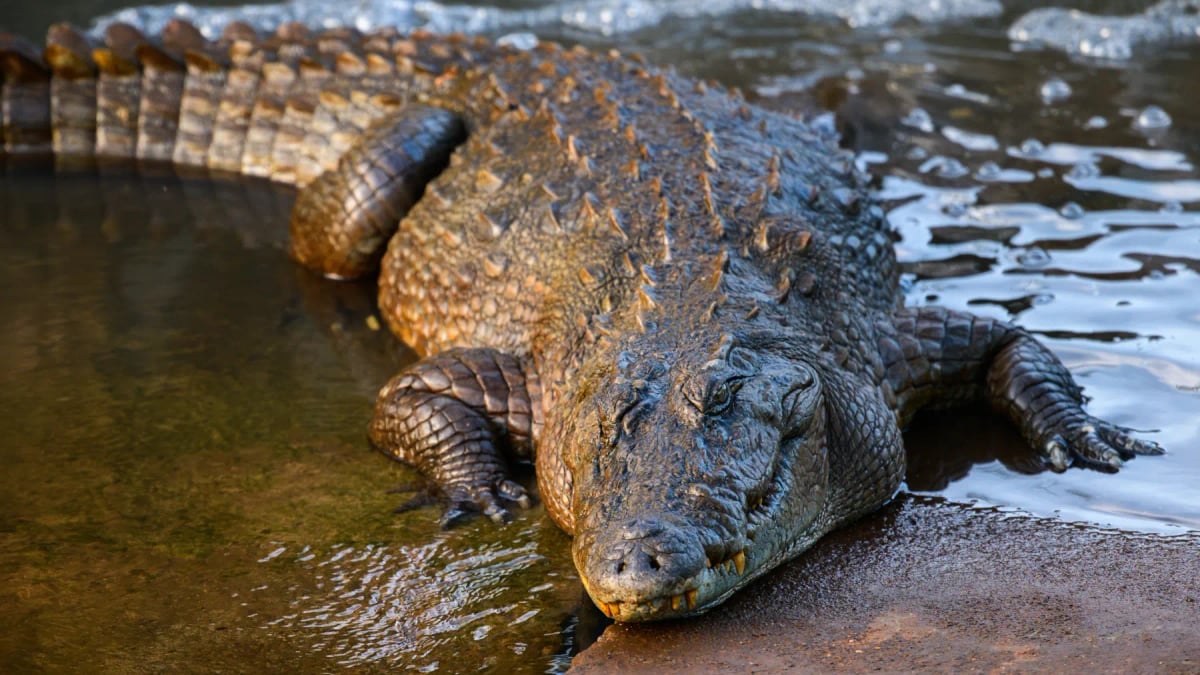
Mugger Crocodile
Crocodylus palustris
Iran holds the westernmost population of mugger crocodiles in the world, confined to the Sarbaz and Bahoo Kalat rivers in the remote Sistan and Baluchestan province near the Pakistani border. The population is small and isolated, and is locally known as the gando. It is protected under Iranian law and considered a national conservation priority, though limited resources and difficult terrain make monitoring and enforcement challenging.
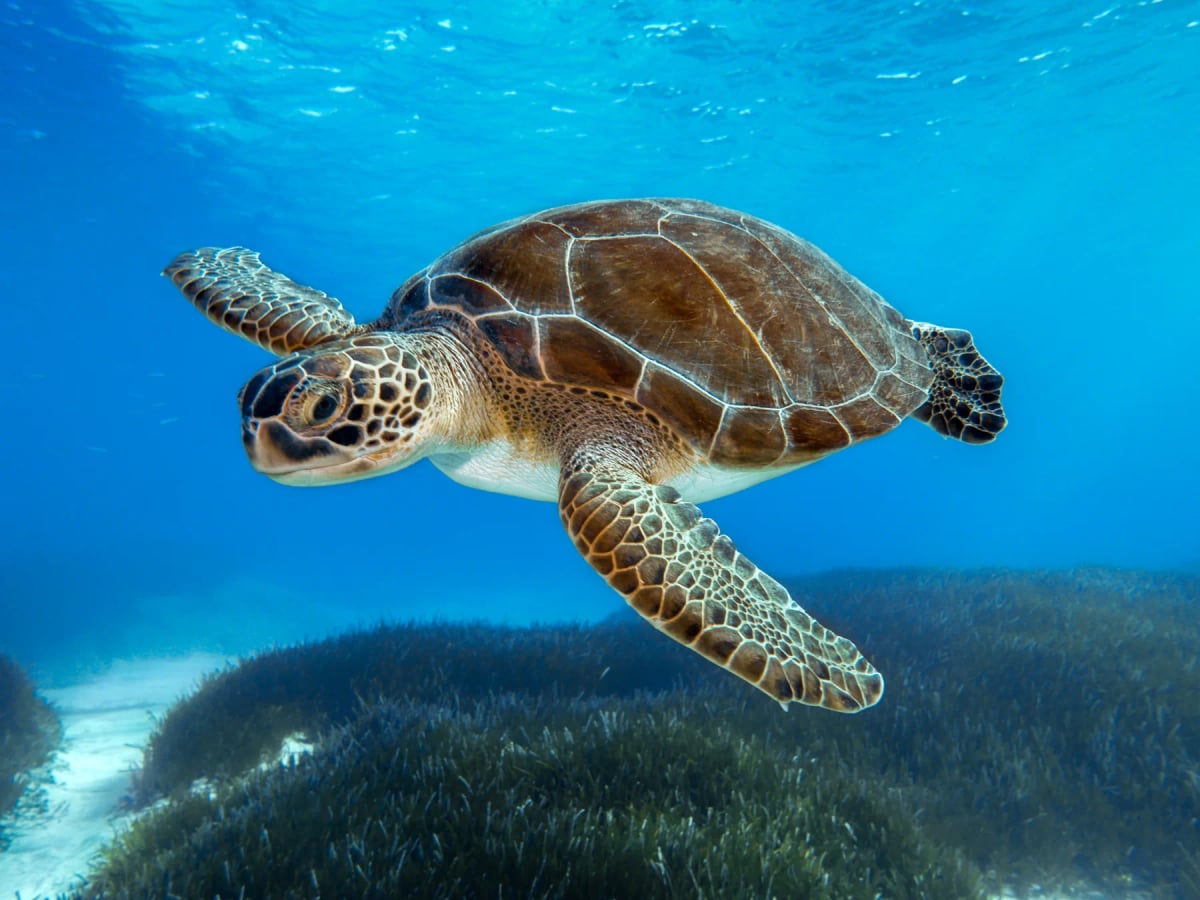
Sea Turtle
Cheloniidae & Dermochelyidae (families)
Iran's coastline along the Persian Gulf, the Gulf of Oman and the Arabian Sea supports nesting and foraging populations of green and hawksbill sea turtles. Qeshm Island and the beaches along the Makran coast in Sistan and Baluchestan Province are among the most significant sea turtle habitats in the country. Green turtles nest in considerable numbers on Qeshm and nearby islands, and conservation programs have been established to monitor nests and reduce threats from fishing and coastal activity.
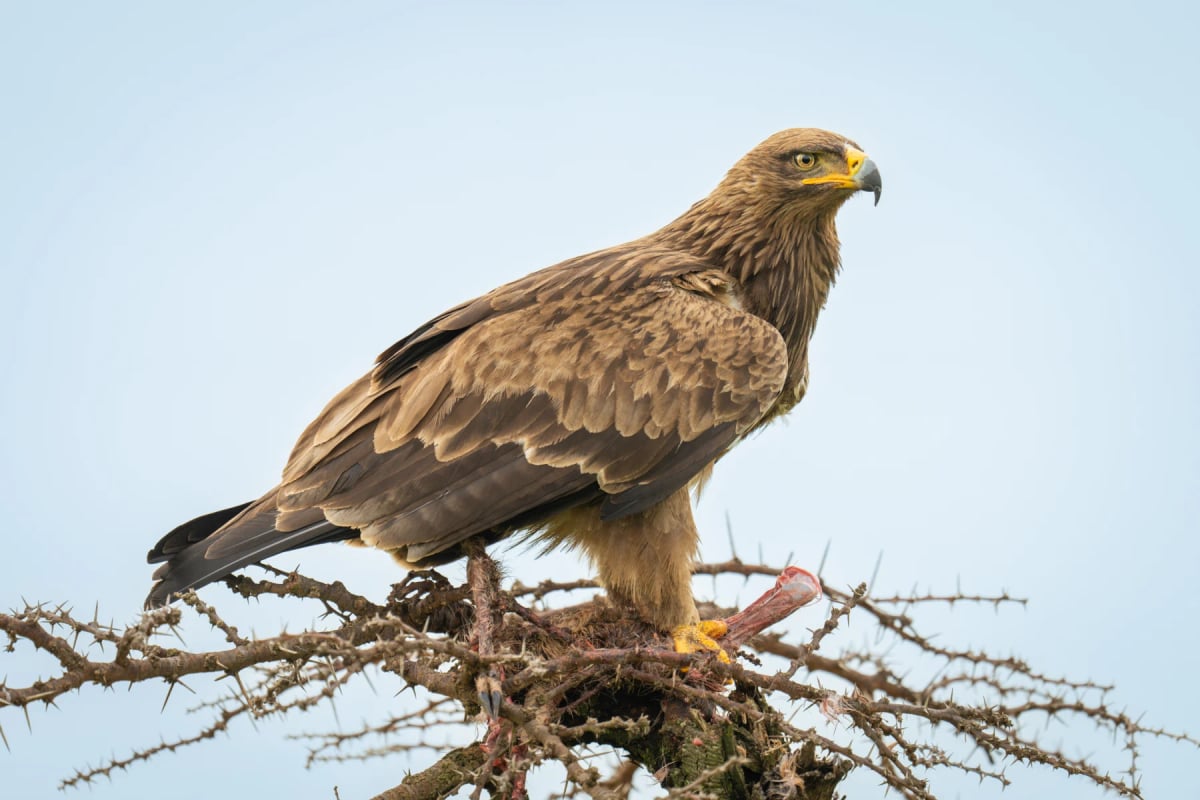
Steppe Eagle
Aquila nipalensis
Iran lies along a key migration route for the Steppe Eagle, and the species also uses the country's extensive semi-arid plateaus and open lowlands during the winter months. Significant numbers pass through each year, and some birds linger in suitable habitat across the interior. Classified as Endangered by the IUCN, the eagle is threatened by power line electrocution and the use of poison baits, both of which are documented problems across the region.
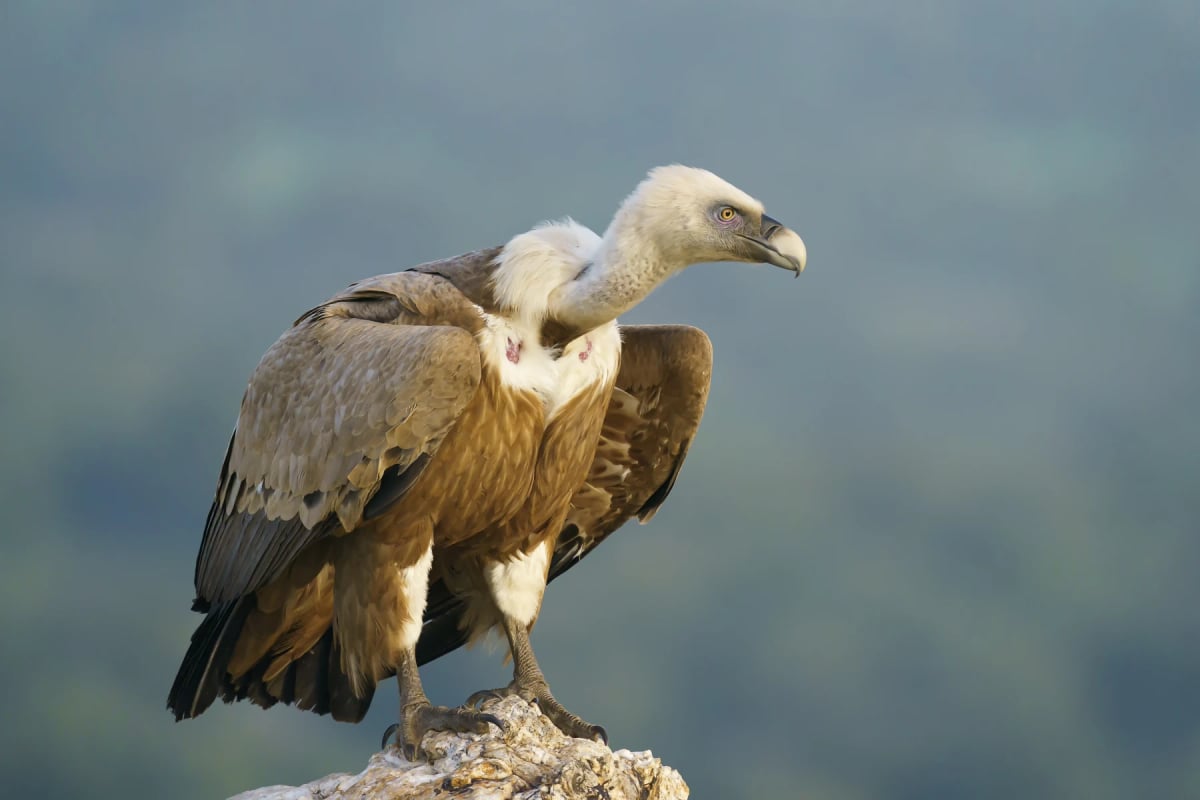
Griffon Vulture
Gyps fulvus
Across Iran, the griffon vulture inhabits a wide range of landscapes, from the Alborz and Zagros mountain ranges to drier plateau regions. It nests on cliff faces and is regularly recorded soaring over high valleys and semi-arid steppe. Iran holds some of the largest breeding populations of this species in the Middle East. Threats include poisoning from contaminated carcasses and disturbance at nesting sites. Its IUCN status is Least Concern.
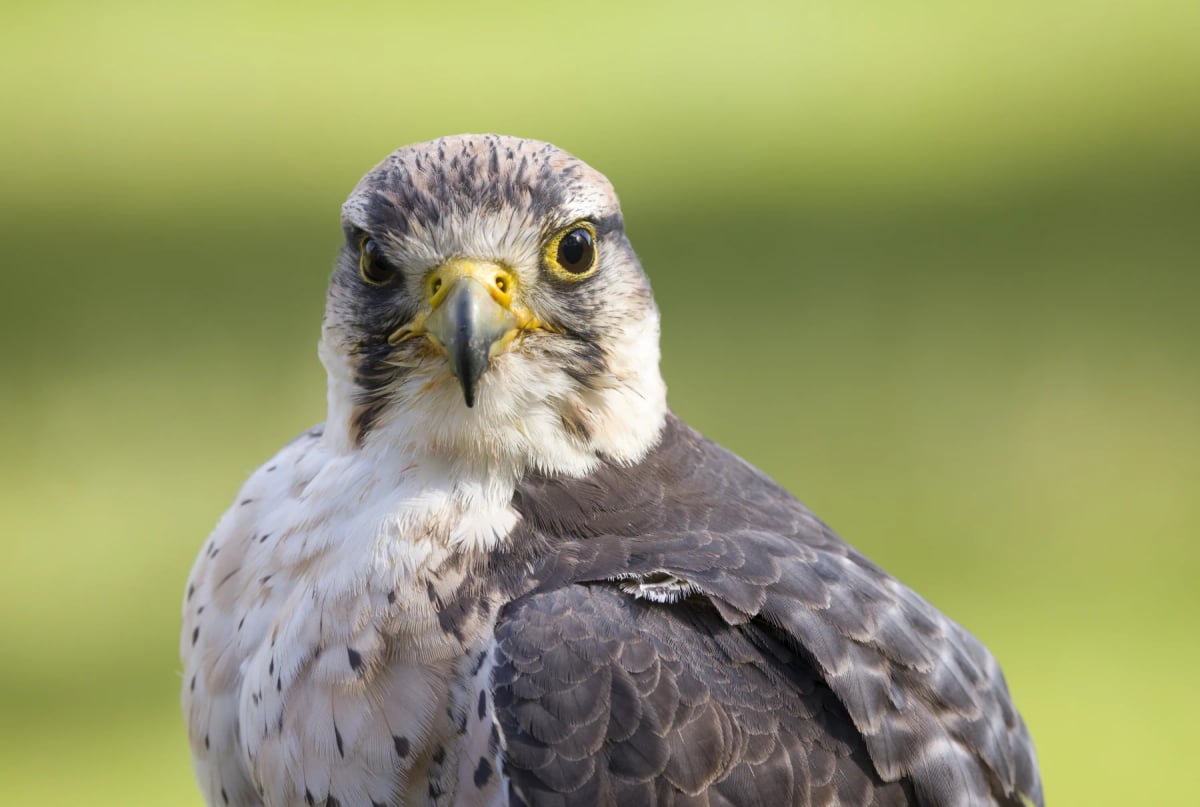
Lanner Falcon
Falco biarmicus
In Iran, the lanner falcon inhabits arid and rocky landscapes across the western, central, and southern parts of the country, including the Zagros mountain range and open desert plateaus. It nests on cliff ledges and hunts birds across stony plains and valleys. Iran sits within an important part of the Middle Eastern range for this species. The IUCN lists it as Least Concern, though illegal trapping for falconry is a known pressure.
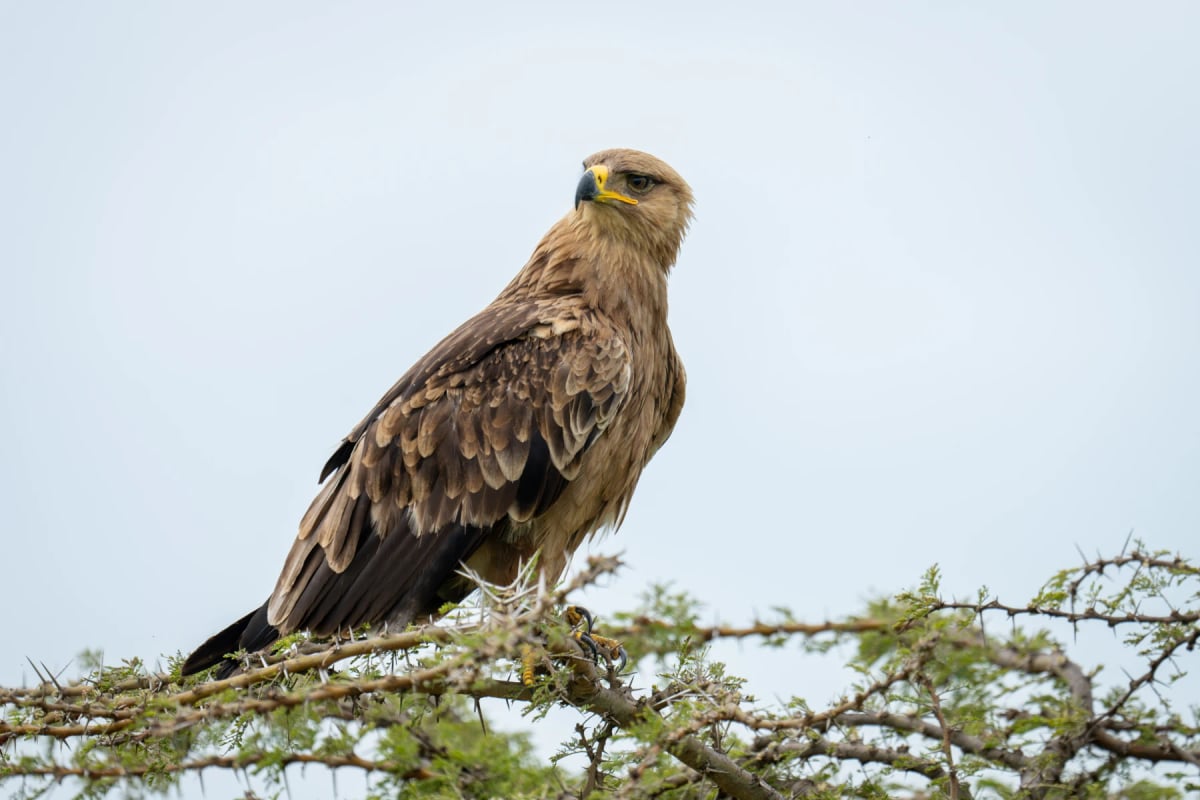
Tawny Eagle
Aquila rapax
The tawny eagle occurs in Iran across arid and semi-arid lowlands, particularly in the eastern and southeastern parts of the country where open steppe and dry plains dominate. It may breed in some areas, though records are scattered. Electrocution on power lines and habitat disturbance are known threats across the region. The IUCN classifies it as Vulnerable, and reliable population data for Iran remains limited.
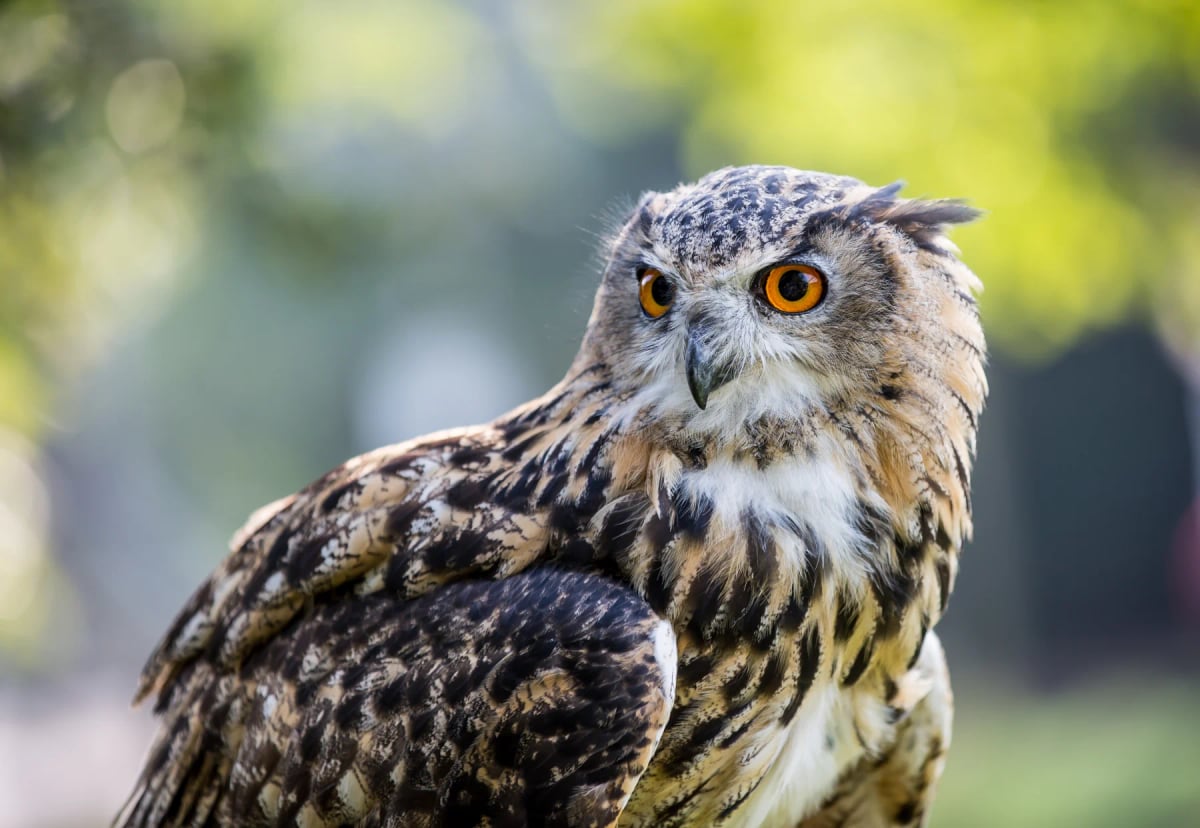
Eagle Owl
Bubo bubo
Across Iran, the Eurasian eagle owl occupies a wide range of landscapes, from the forested slopes of the Alborz and Zagros mountains to open desert plateaus. It nests on bare rocky ledges and hunts hares, rodents, and birds after dark. Iran's varied terrain makes it one of the more important countries for this species in the Middle East. The IUCN lists it as Least Concern.
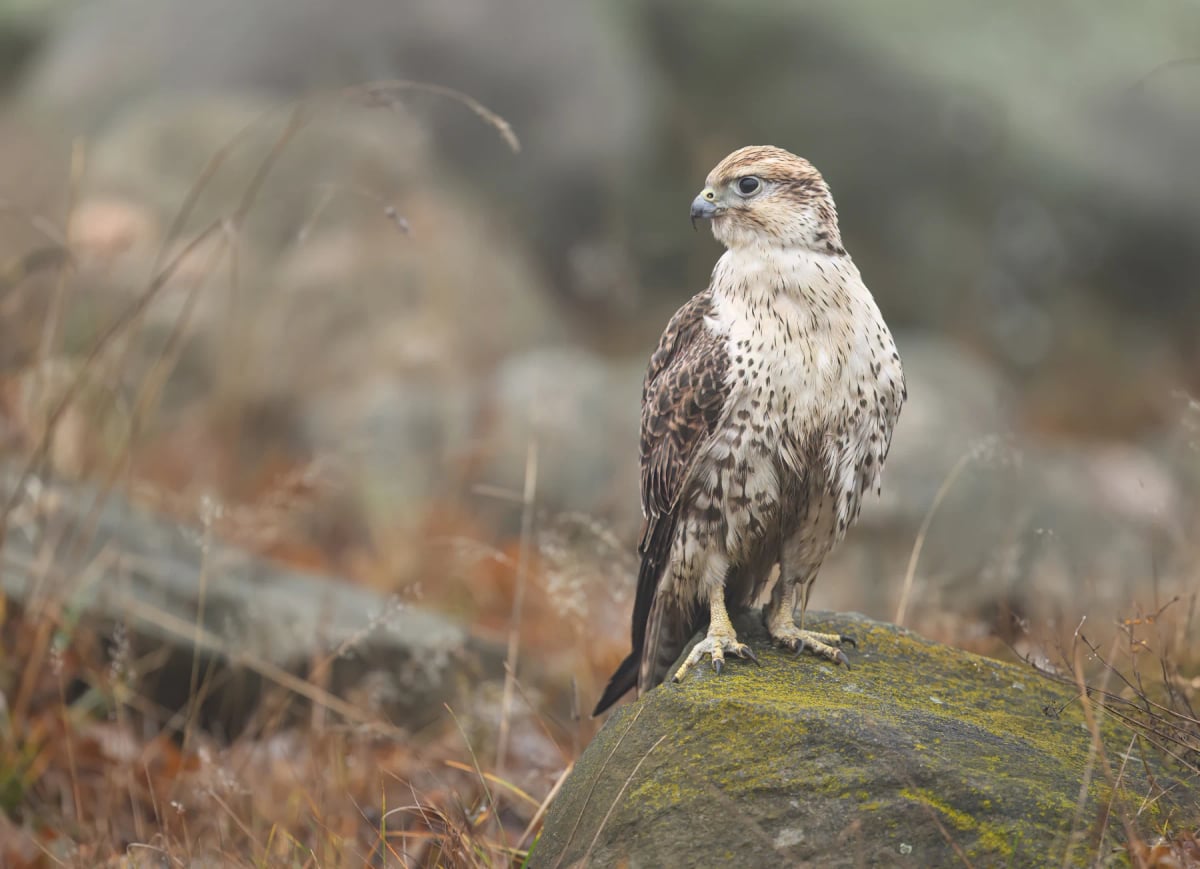
Saker Falcon
Falco cherrug
Iran sits along a key migration corridor for the saker falcon, and the bird also breeds in parts of the north and northeast of the country. The wide steppes and semi-arid plateaus provide suitable hunting ground during both passage and winter. Iran has a deep cultural connection to falconry, and pressure from illegal trapping for the trade remains a serious conservation concern. The IUCN lists the saker falcon as Endangered.
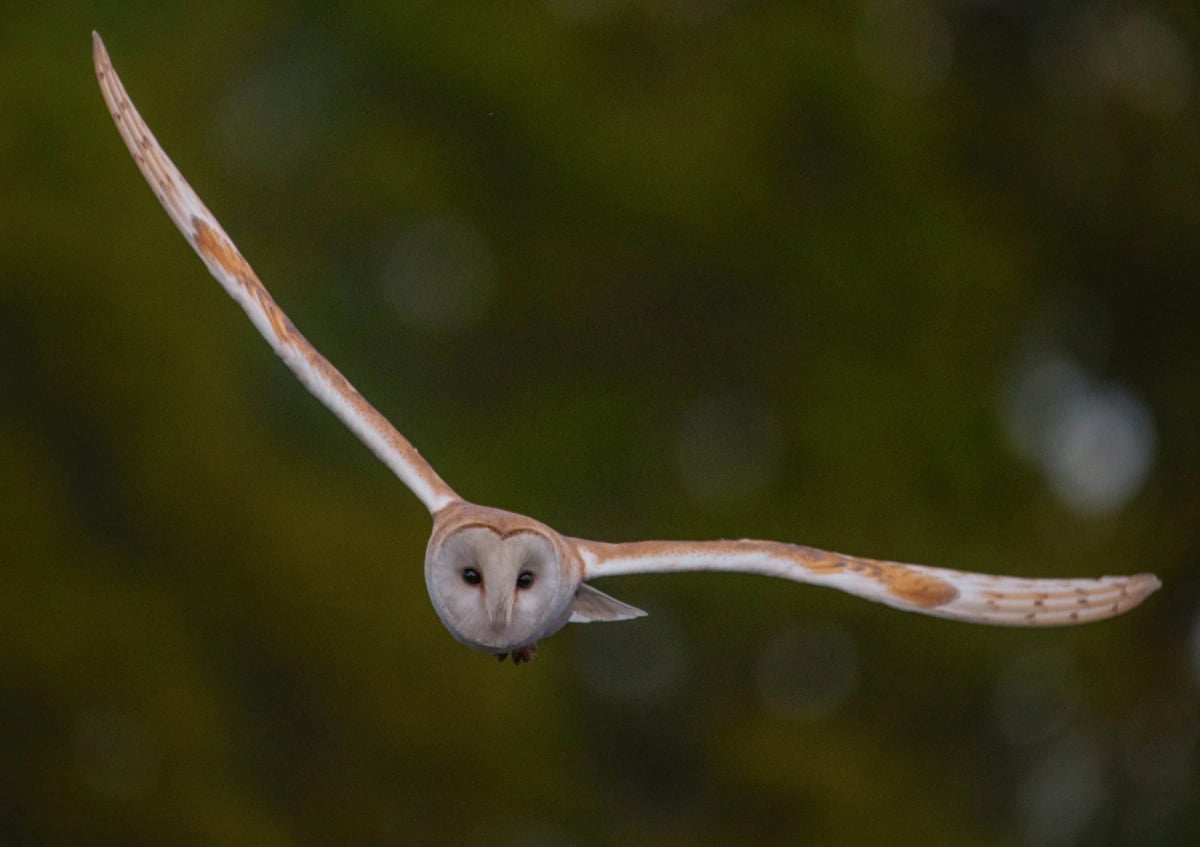
Barn Owl
Tyto alba
The barn owl is found across much of Iran in open farmland, scrubland, and areas near villages and towns from the Alborz and Zagros foothills to the lowland plains and the drier interior. It nests in old buildings, ruins, cliff faces, and hollow trees. In Iran's agricultural regions along river valleys and the Caspian lowlands it provides natural control of rodent populations. Its nocturnal habits and association with ruins and abandoned structures have long given it a place in Persian folklore.
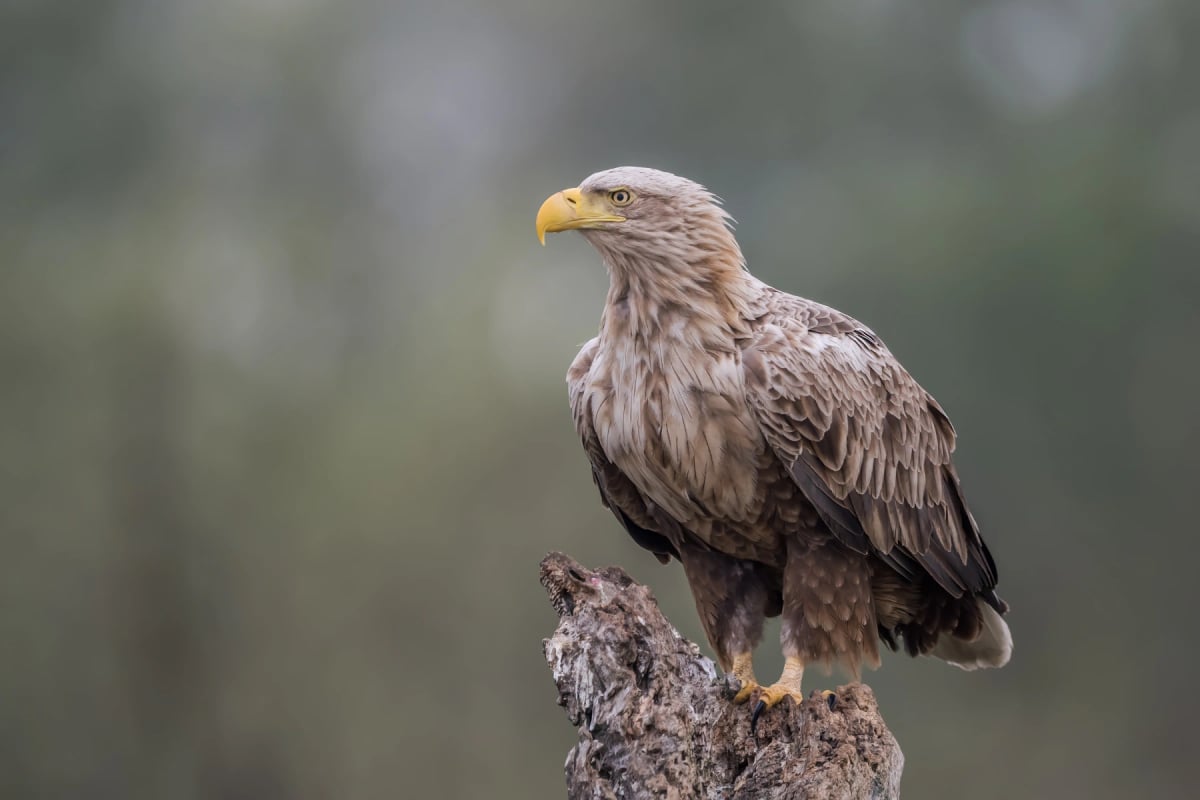
White tailed Eagle
Haliaeetus albicilla
The white tailed eagle visits Iran mainly as a winter visitor, appearing along the shores of the Caspian Sea and around large inland wetlands such as the Anzali Lagoon in Gilan province. Here it hunts fish and waterfowl in the shallow coastal waters. Listed as Least Concern globally, it still faces threats from habitat disturbance and illegal hunting across the region during its seasonal stays.
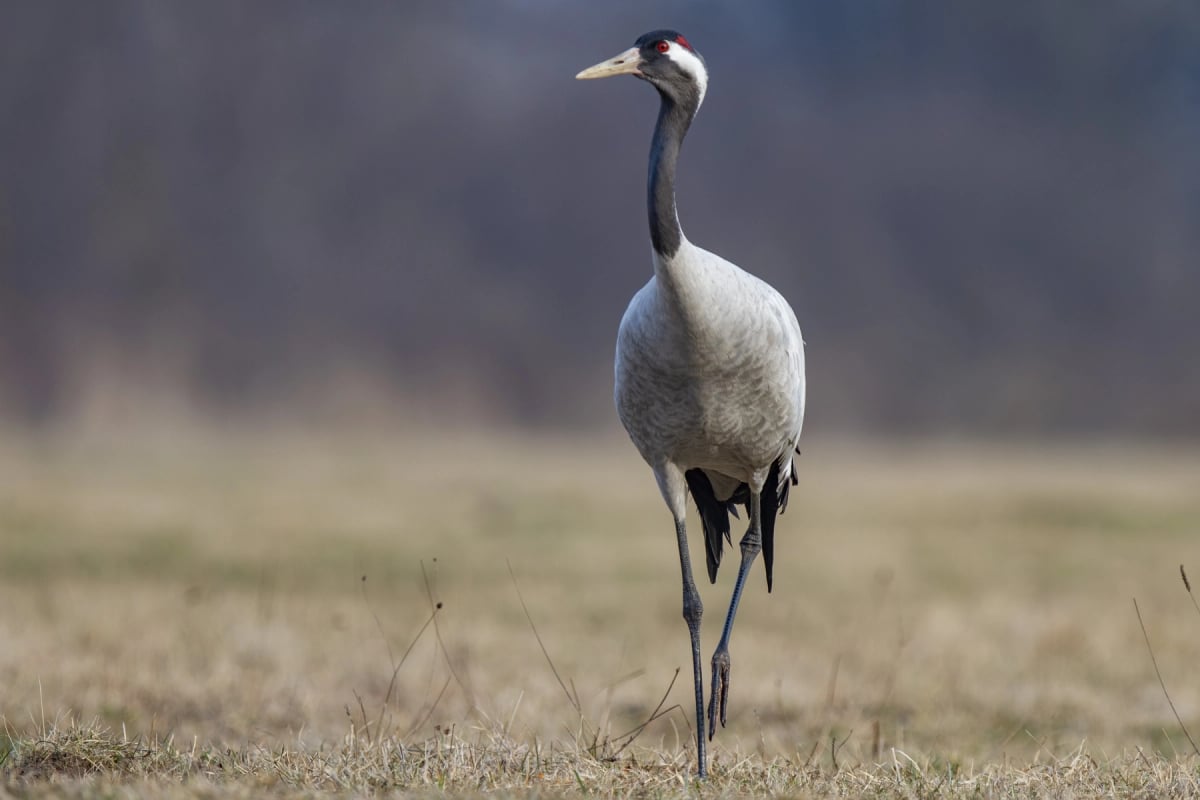
Crane
Grus grus
Iran is a major wintering destination for common cranes arriving from breeding grounds in northern Europe and central Asia. Wetlands such as the Fereydunkenar lagoon on the Caspian coast and the lakes of the Zagros highlands attract thousands of cranes each winter. The species is listed as Least Concern by the IUCN. Iran's position along the Central Asian flyway makes it a critical country for the survival of the species over the winter months.
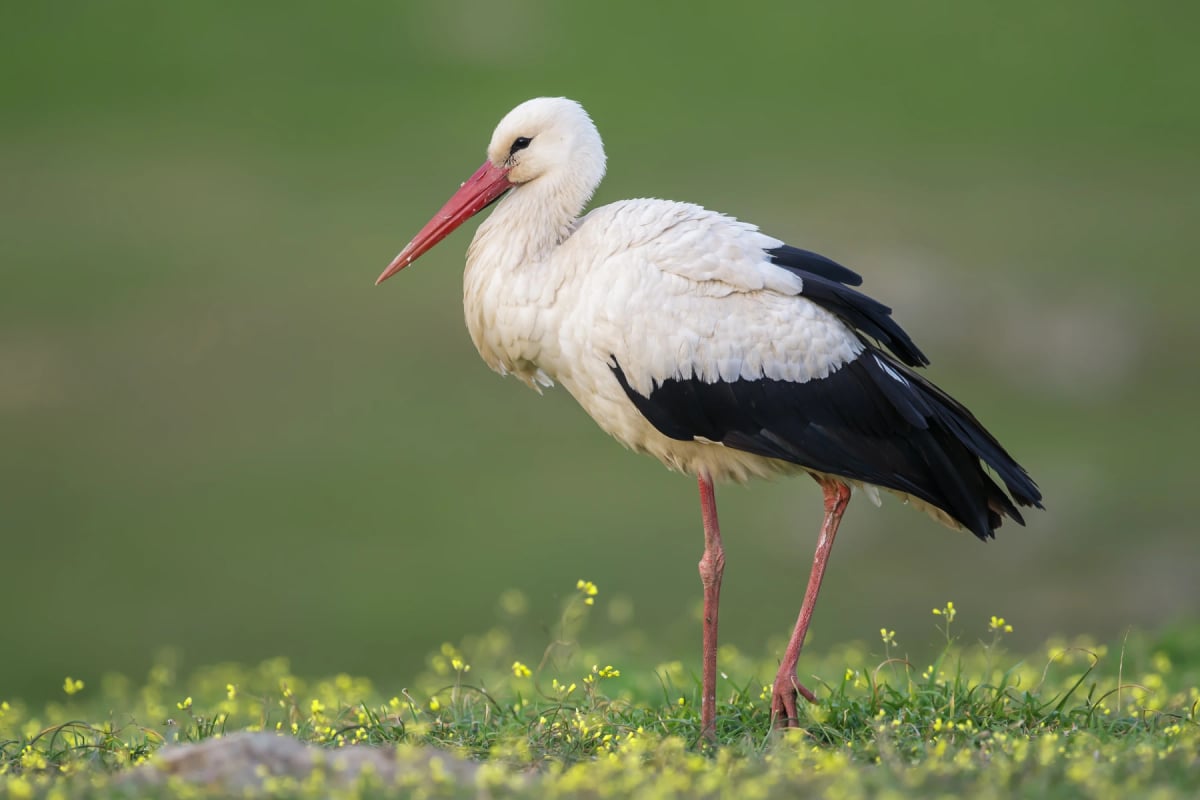
Stork
Ciconia ciconia
White storks pass through Iran in significant numbers during their spring and autumn migrations, with some pairs also breeding in the northwest of the country. Wetlands such as those around Lake Urmia and the river valleys of the Zagros region provide important stopover habitat. Storks can be seen feeding in agricultural lowlands and marshes, building up energy reserves before continuing their long journey between Europe and Africa.
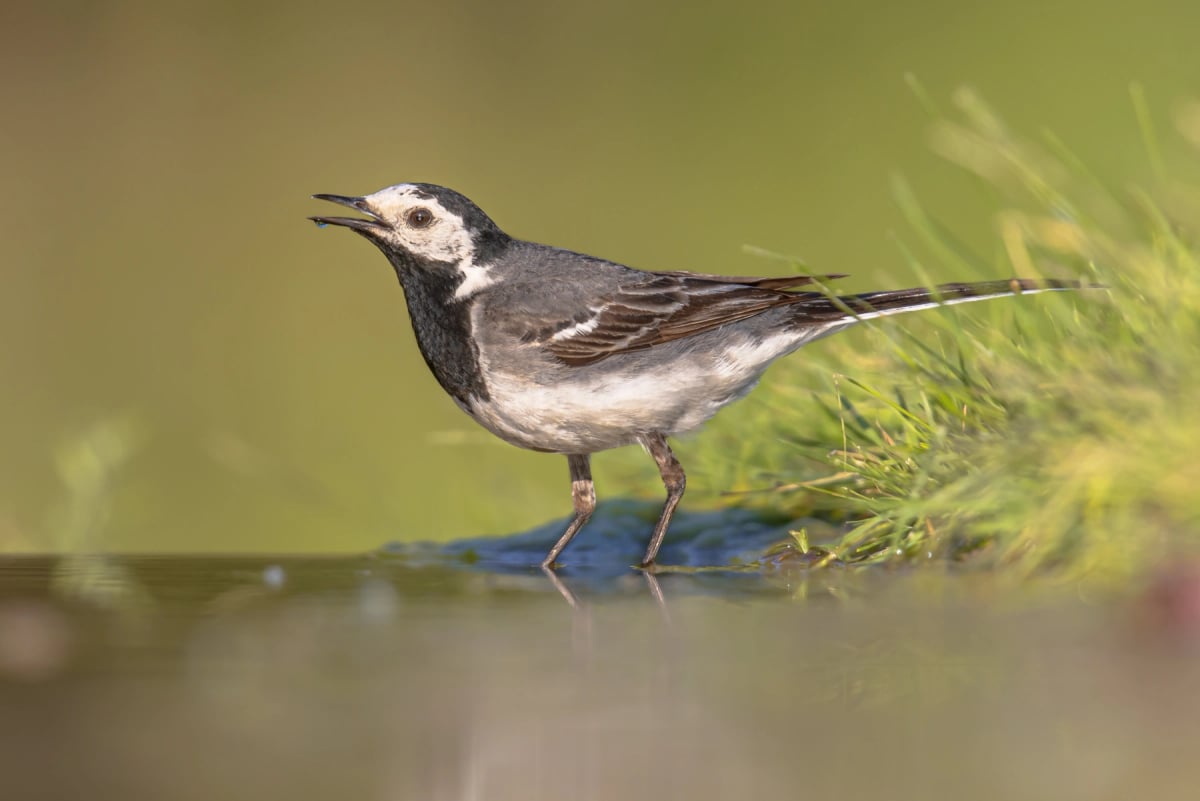
White Wagtail
Motacilla alba
The white wagtail is a familiar bird across Iran, appearing along the banks of rivers such as the Karun and Zayandeh Rud, around wetlands, and in farmland throughout the country. Many birds pass through Iran during migration, while others spend the winter here. Its constantly bobbing tail makes it easy to spot as it dashes across open ground in search of insects. It holds Least Concern status.
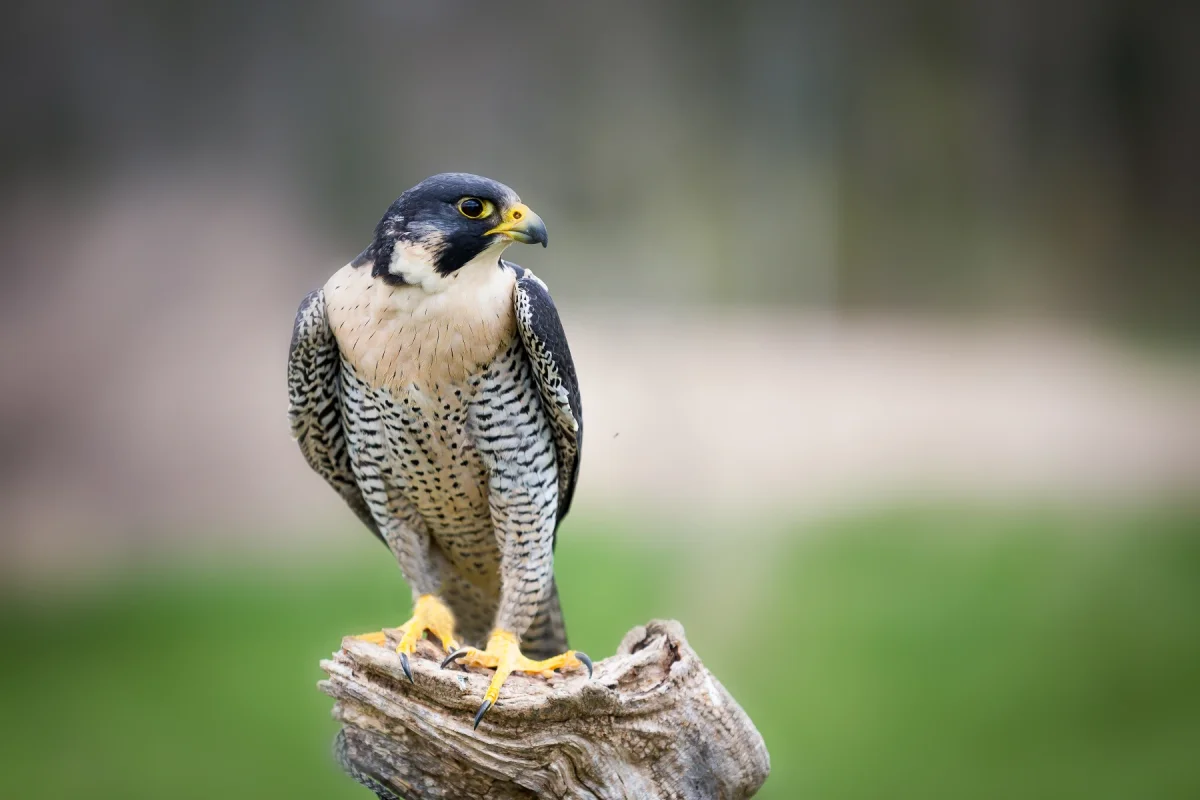
Peregrine Falcon
Falco peregrinus
Iran supports both resident and migratory populations of the peregrine falcon. Breeding pairs occupy rocky gorges and mountain cliffs across the Alborz and Zagros ranges, while additional birds pass through during migration or spend the winter in lowland and coastal areas, including along the Persian Gulf and the Caspian Sea shore. Iran's varied terrain, from high peaks to desert plains, makes it an important country for this species across multiple seasons. IUCN status: Least Concern.
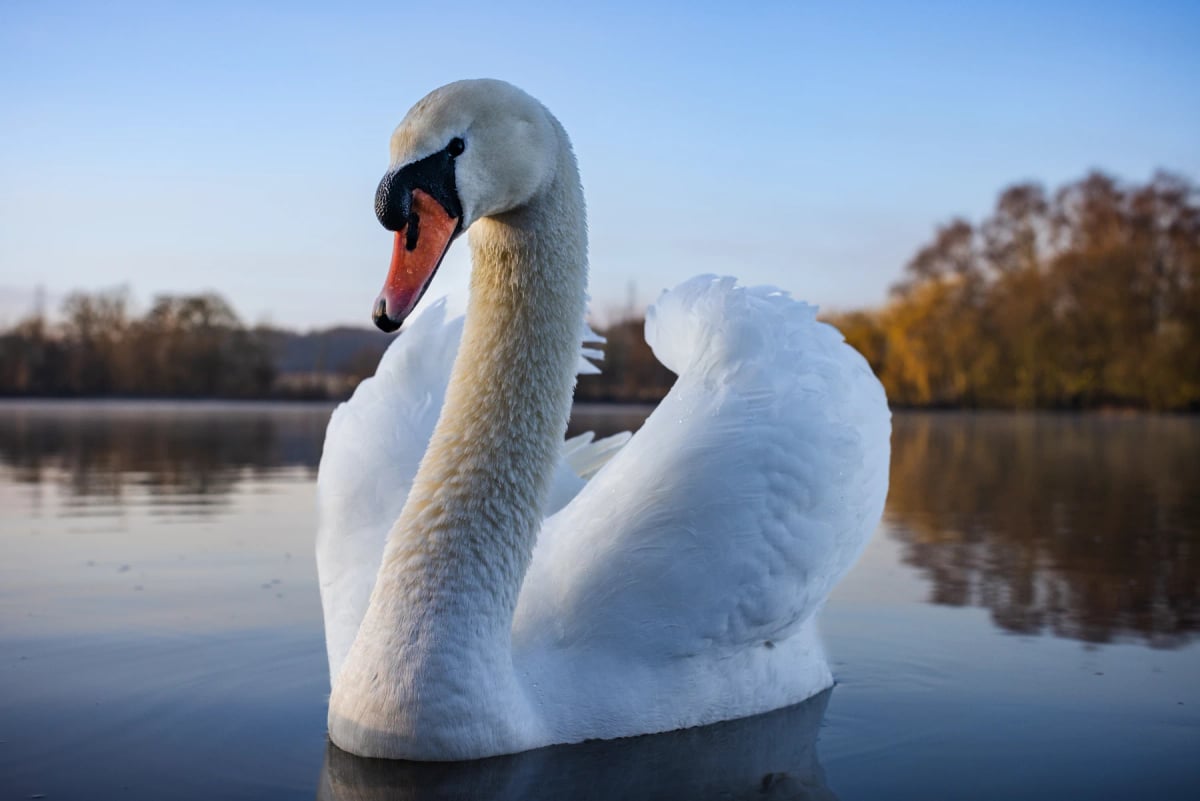
Mute Swan
Cygnus olor
Iran is an important wintering ground for mute swans from Central Asia and Eastern Europe. The wetlands along the southern Caspian Sea coast, particularly in Gilan and Mazandaran provinces, attract significant numbers each winter. The Anzali Lagoon is among the most notable sites. Inland lakes and reservoirs across the country also receive smaller groups during migration. The species does not breed widely in Iran. IUCN status: Least Concern.
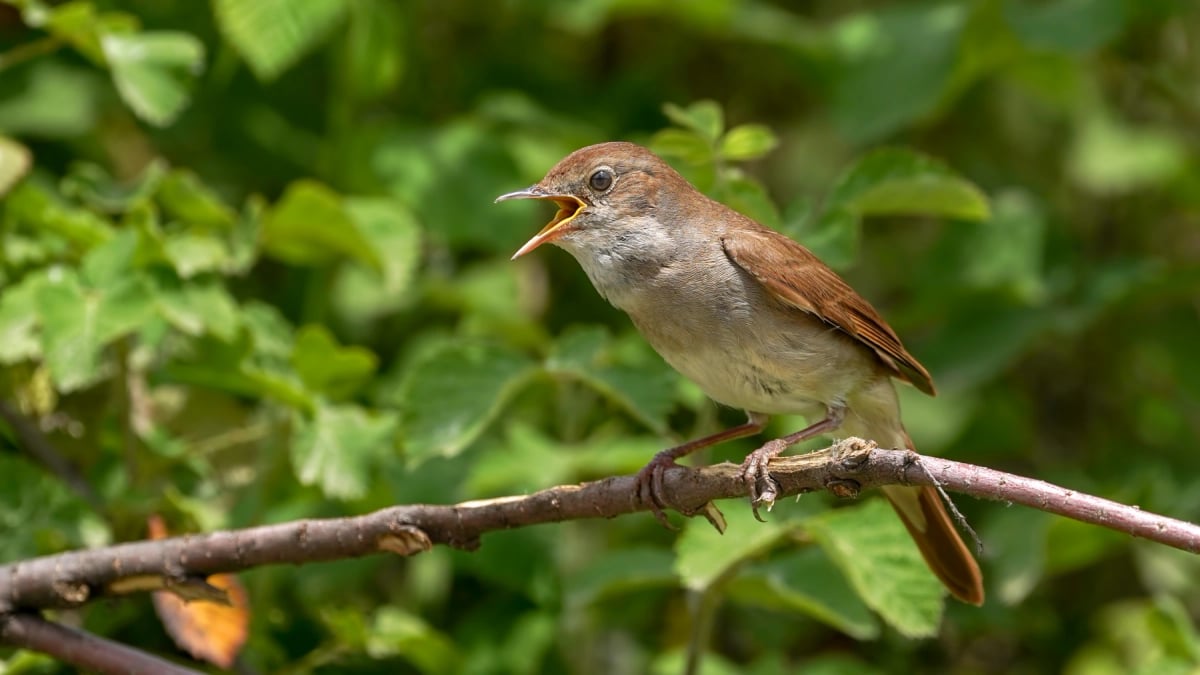
Nightingale
Luscinia megarhynchos
In Iran, the nightingale breeds across the northern regions, particularly in the lush forests and dense shrubby slopes of the Alborz and Zagros mountain ranges. It thrives wherever thick undergrowth meets woodland edge habitat. Celebrated for centuries in Persian poetry and literature, the nightingale, known locally as "bolbol", carries enormous cultural importance. It migrates south to Africa for the winter. Its IUCN status is Least Concern.
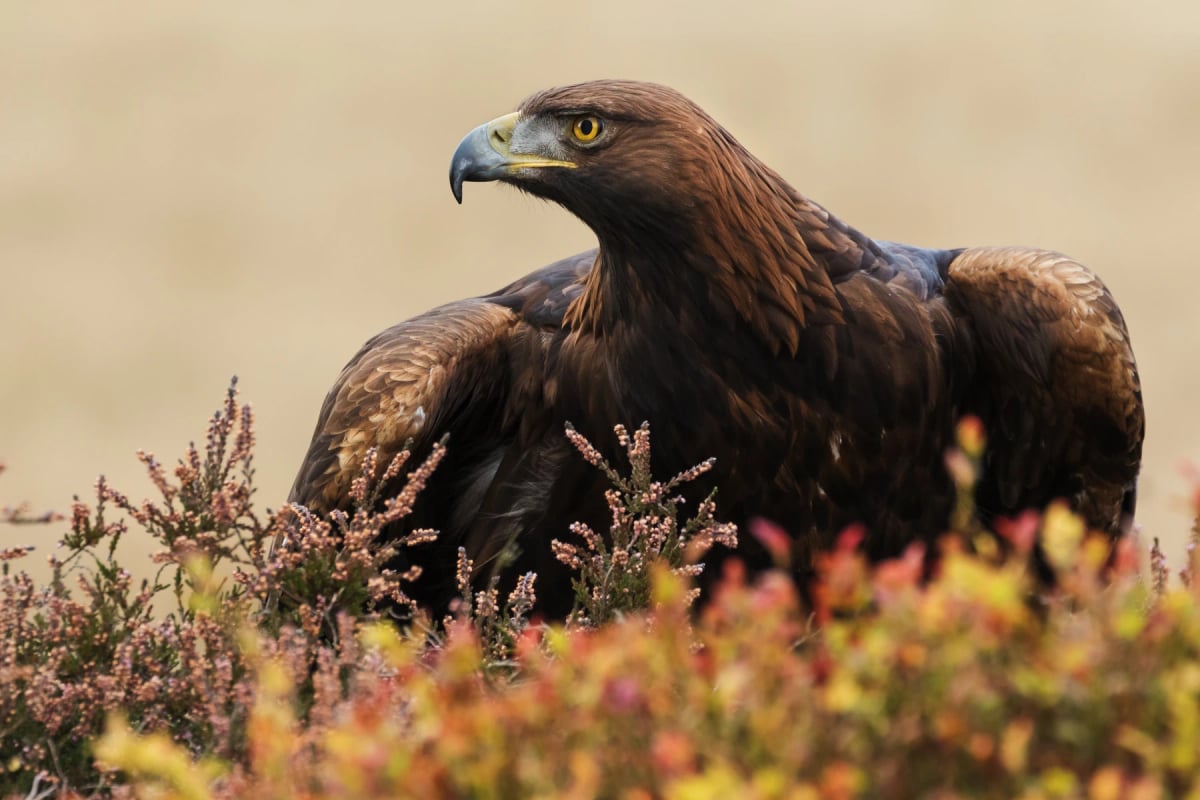
Golden Eagle
Aquila chrysaetos
Iran supports a healthy population of golden eagles across its Alborz and Zagros mountain ranges. These large birds of prey patrol open slopes and rocky escarpments, hunting hares, partridges, and small mammals. The varied terrain of Iran, from high peaks to semi-arid foothills, provides ideal habitat. Nesting pairs use cliff ledges and return to the same site across many seasons. The IUCN lists the species as Least Concern.
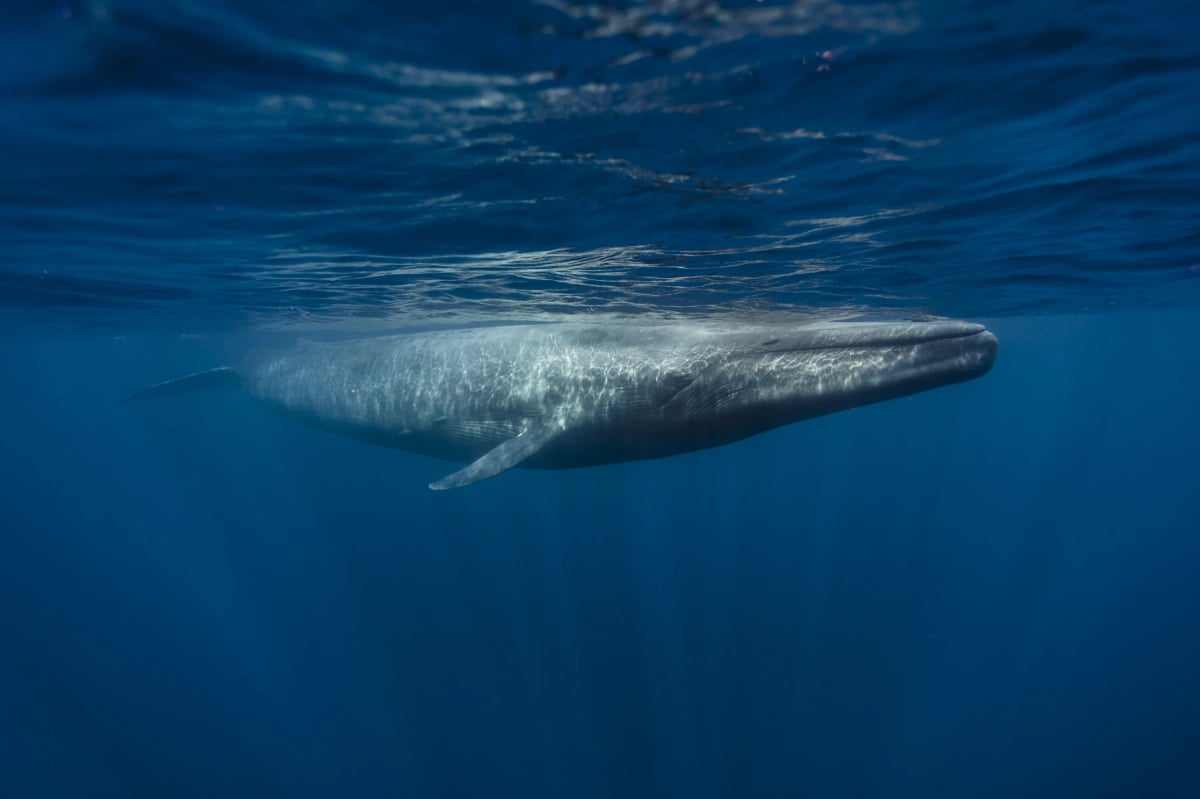
Blue Whale
Balaenoptera musculus
Blue whales pass through the Gulf of Oman and the northern Arabian Sea along Iran's southern coastline, making use of these productive waters during seasonal migrations. As the largest animal on Earth, a single adult can weigh up to 190 tonnes and consumes krill almost exclusively. Iran's coastal waters connect this species to a broader Indian Ocean range. Listed as Endangered, blue whales face threats from ship strikes and noise pollution in busy regional shipping lanes.
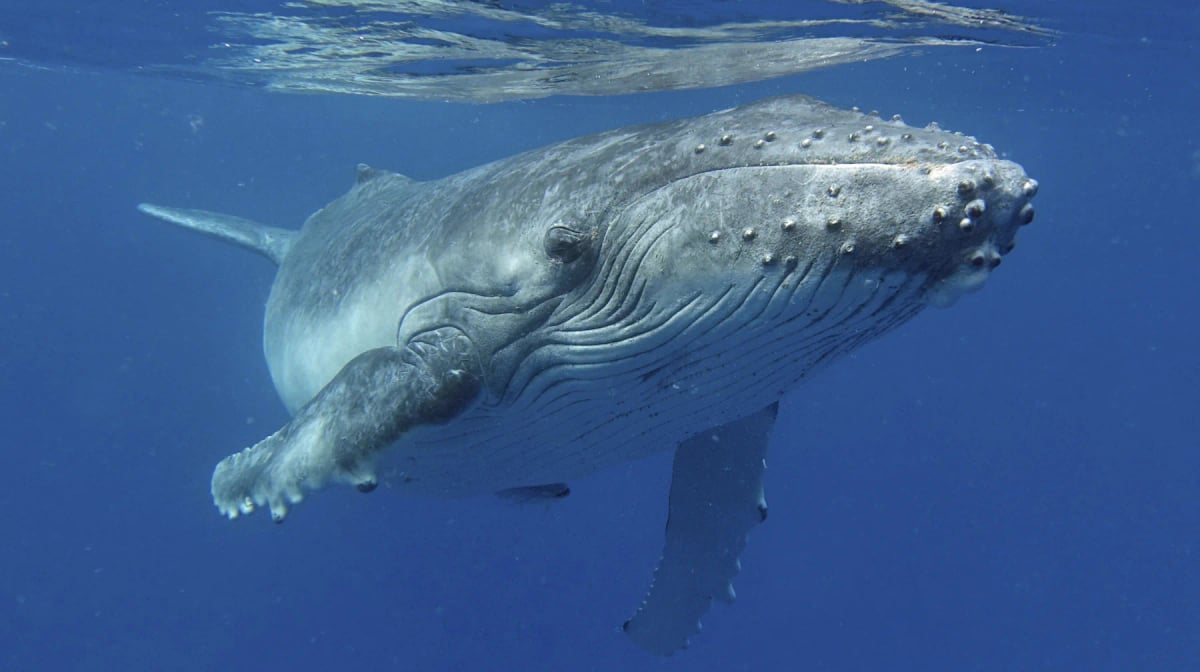
Humpback Whale
Megaptera novaeangliae
Humpback whales have been recorded in the Gulf of Oman and waters off the southern Iranian coast, where the Arabian Sea meets the region. These sightings are relatively uncommon and highlight the species' wide range across the northern Indian Ocean. The IUCN lists the humpback whale as Least Concern globally, though little dedicated research has been carried out on this population in Iranian waters.
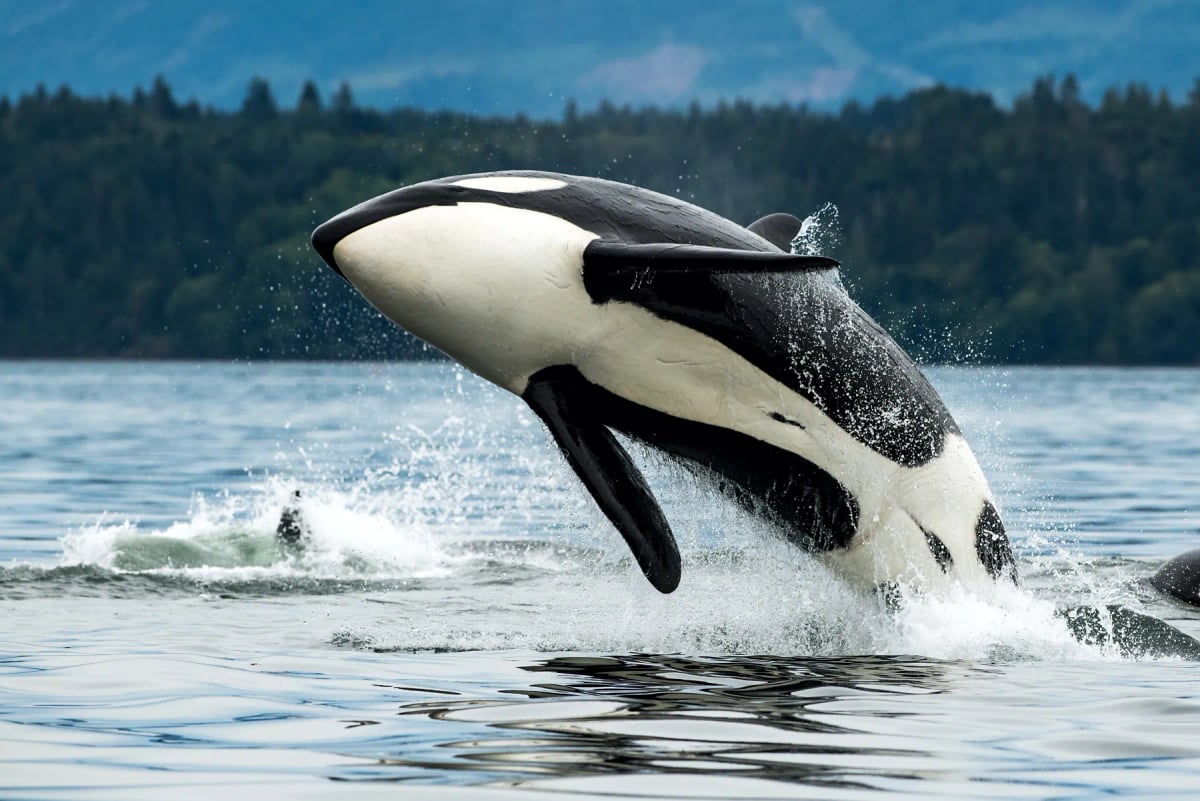
Orca
Orcinus orca
Orcas have been sighted in the Gulf of Oman and the northern Arabian Sea near Iranian waters, where they occasionally pursue large prey including fish and marine mammals. These visits are relatively rare, and little dedicated research has been conducted in the region. The IUCN lists the species as Data Deficient, reflecting how much remains unknown about their patterns in this part of the world.
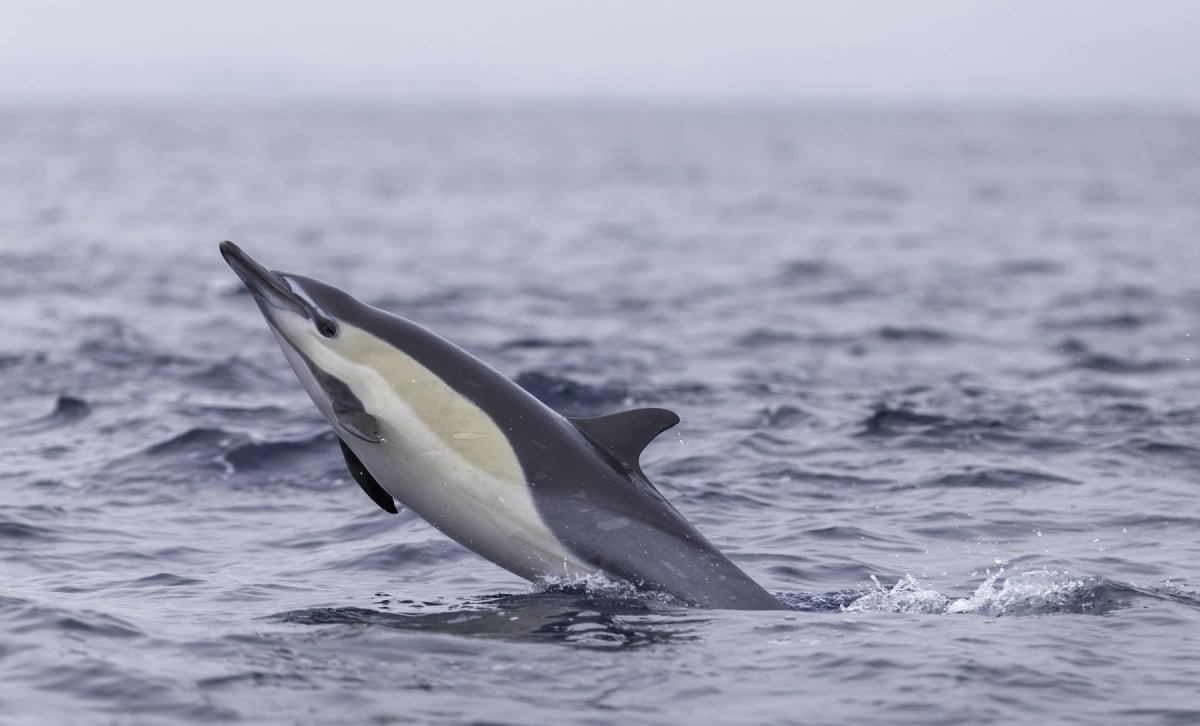
Common Dolphin
Delphinus delphis
The common dolphin is found in the Gulf of Oman and the northern Arabian Sea along Iran's southern coastline. These waters, though warm and sometimes shallow near the Persian Gulf entrance, support fish populations that attract feeding groups of dolphins. They are seen riding the bow waves of vessels passing through the Strait of Hormuz. Fishing pressure in Iranian waters makes bycatch a concern for local populations. IUCN status: Least Concern.
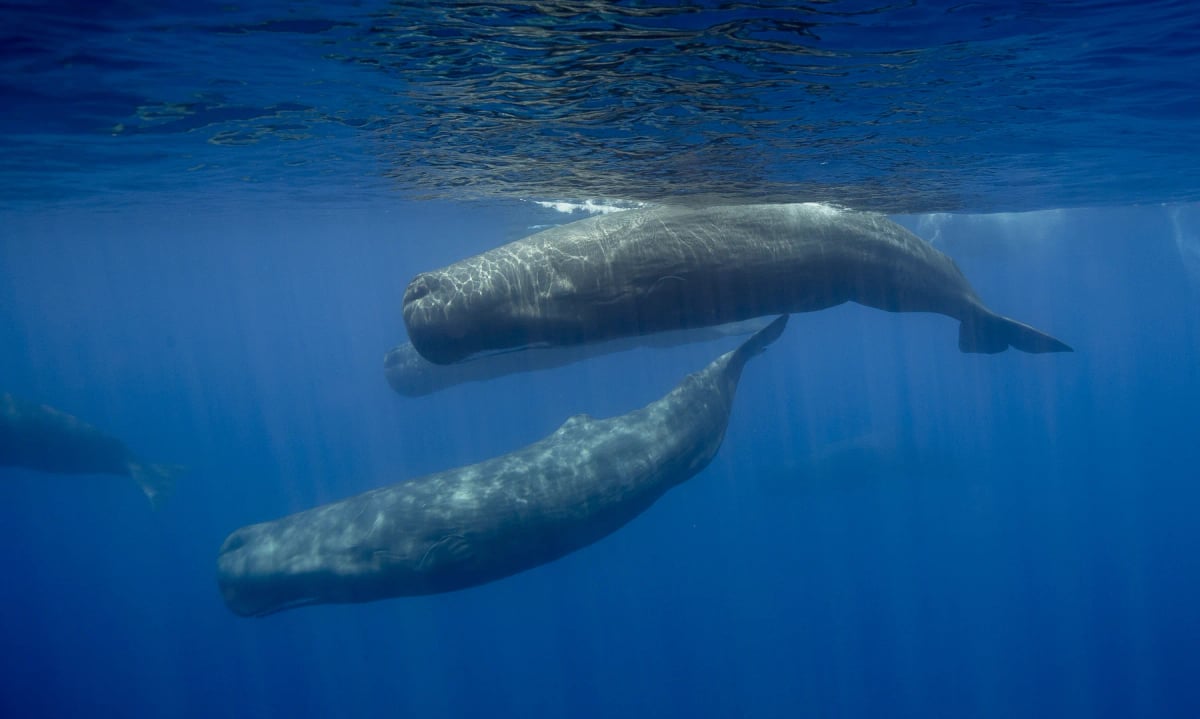
Sperm Whale
Physeter macrocephalus
Sperm whales enter the Arabian Sea along the southern waters near Iran, where deep oceanic basins provide suitable hunting grounds for this species. While the Gulf of Oman offers access to deeper water, the Persian Gulf itself is too shallow for sperm whales. Warm water temperatures suit the females and calves of this species. The IUCN classifies the sperm whale as Vulnerable globally.
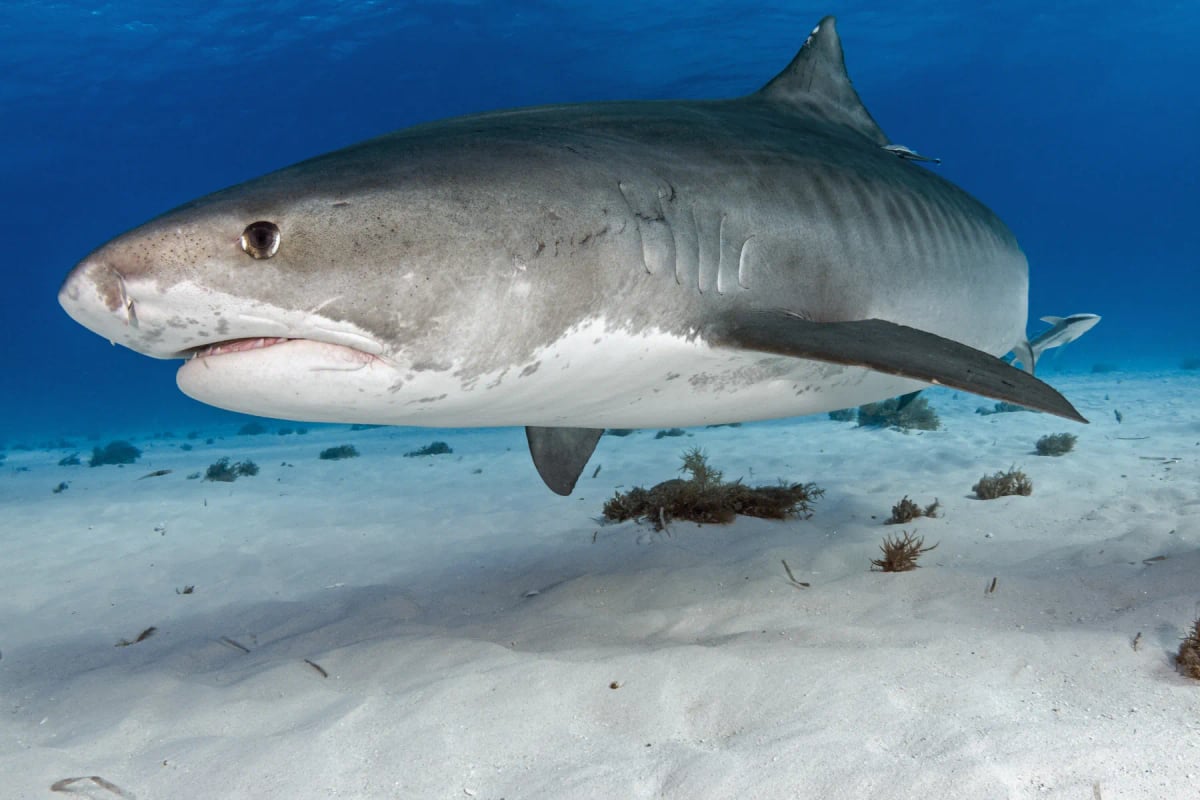
Tiger Shark
Galeocerdo cuvier
Tiger sharks are found in the warm waters of the Persian Gulf and the Gulf of Oman along Iran's southern coast. They tend to patrol coastal shallows and areas near river mouths, hunting fish, rays, and sea turtles. Fishing pressure in these busy commercial waters poses a challenge to the species. The IUCN lists the tiger shark as Near Threatened, and incidental capture in nets is a known concern in the region.
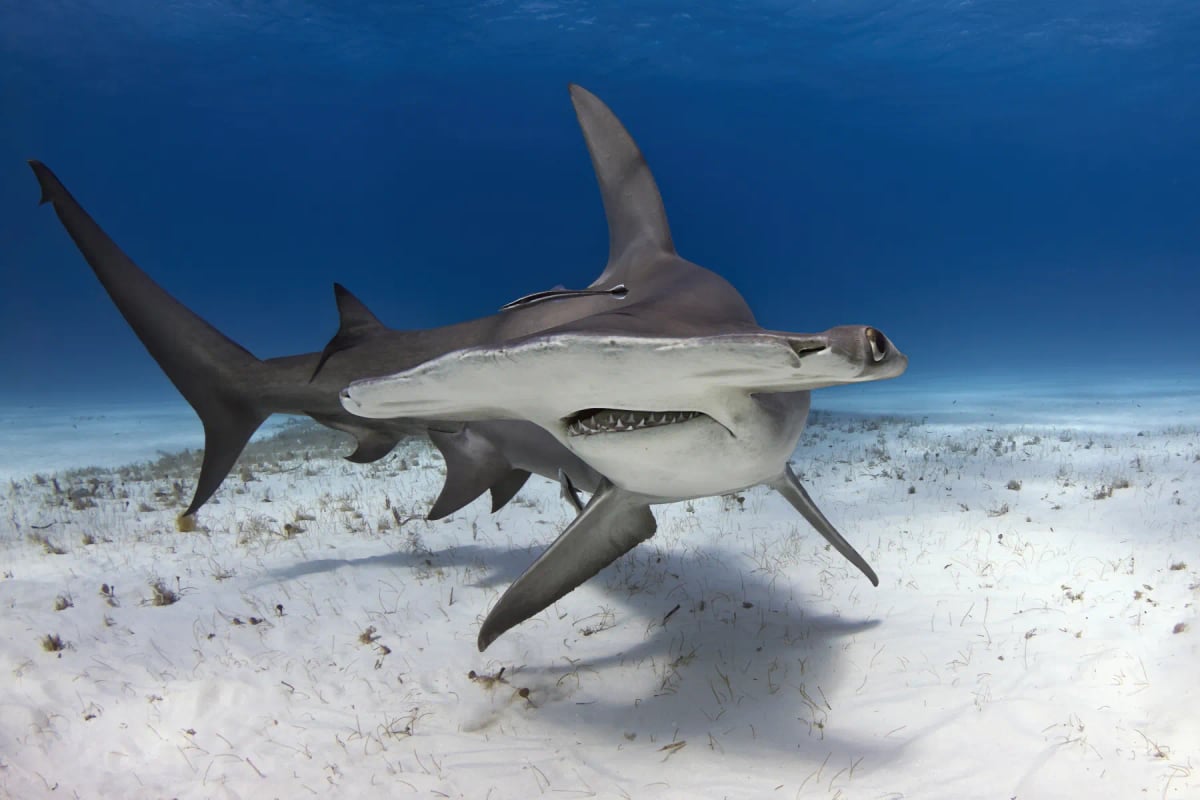
Hammerhead Shark
Sphyrna spp.
In Iranian waters, Hammerhead Sharks are present in both the Persian Gulf and the Gulf of Oman, where warm shallow seas and productive coastal zones provide suitable habitat. They feed on rays and fish in these waters. Fishing pressure in the region is considerable, and hammerheads are vulnerable to capture in commercial and artisanal nets. Globally, they are Critically Endangered due to overfishing and the fin trade.
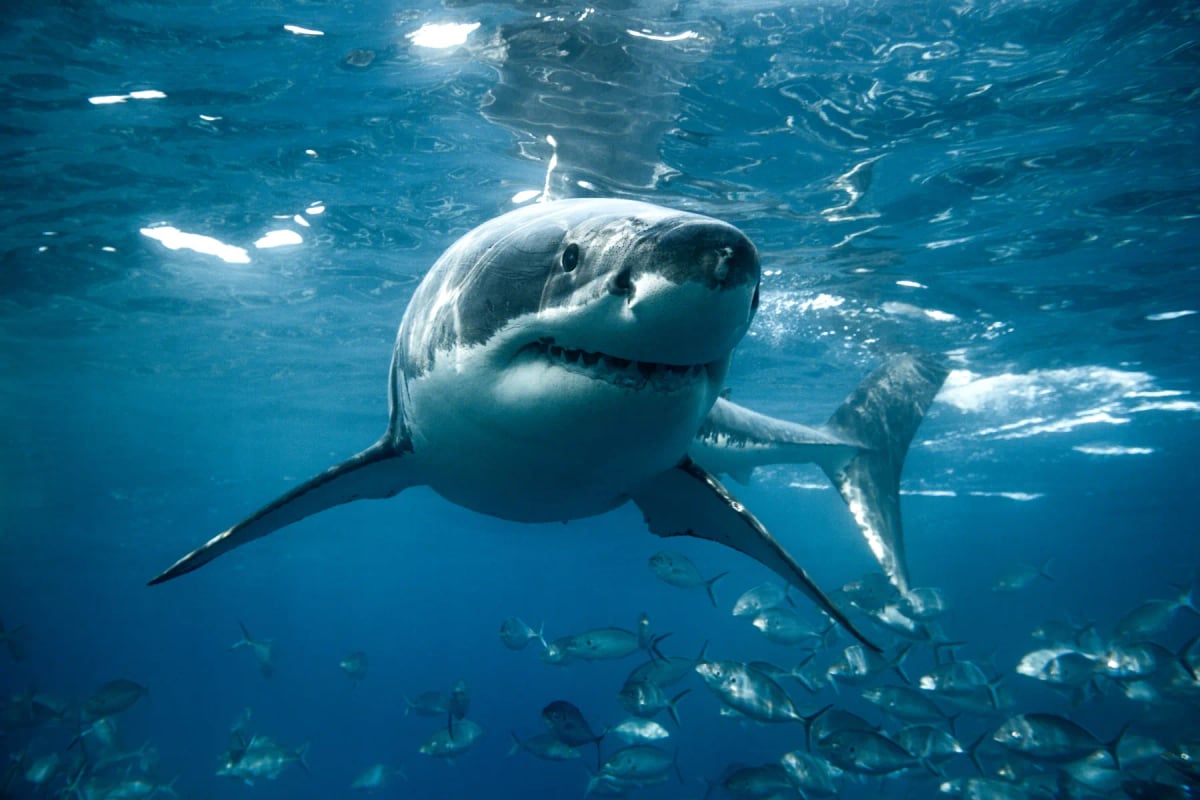
Great White Shark
Carcharodon carcharias
The great white shark has been recorded in the Gulf of Oman and waters connected to the northern Indian Ocean near Iran. While sightings in Iranian waters are not common, the species is known to range across the Indian Ocean. Iran has a long coastline along both the Persian Gulf and the Gulf of Oman, and fishing pressure in these seas contributes to the broader regional threats facing this Vulnerable species.
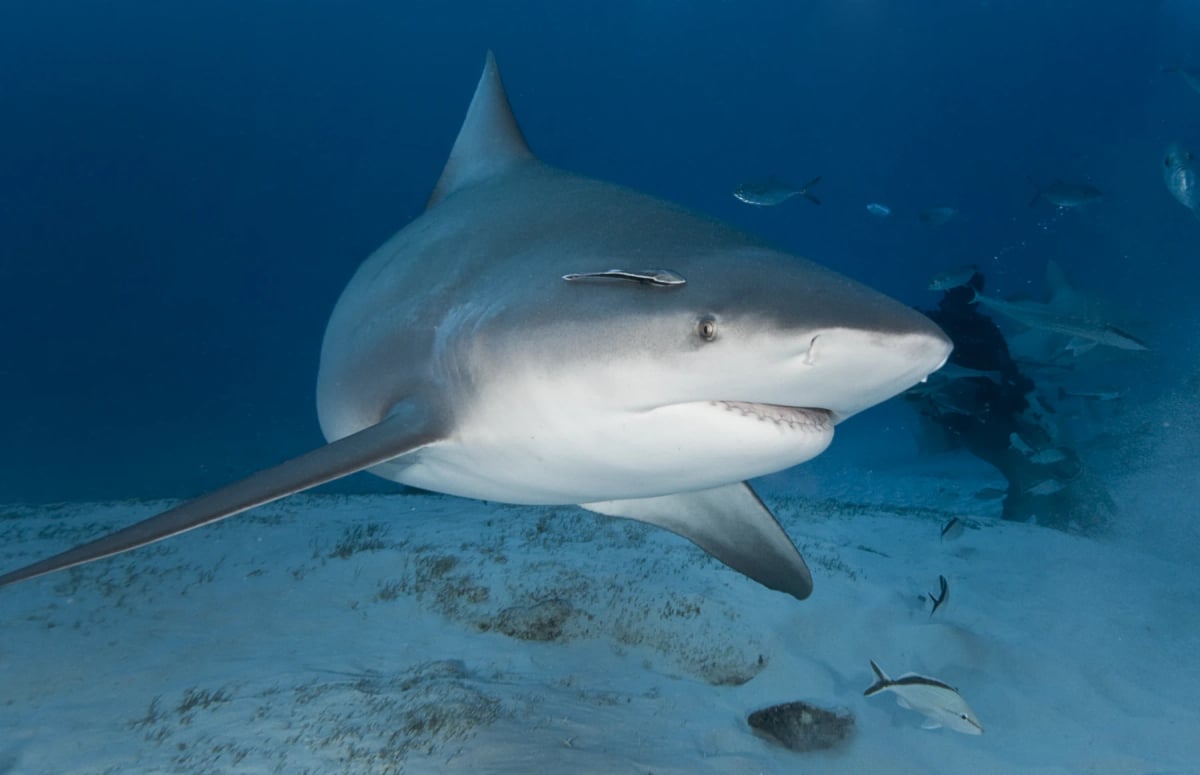
Bull Shark
Carcharhinus leucas
In Iran, bull sharks occur in the warm, shallow waters of the Persian Gulf and along the coast of the Gulf of Oman. These semi-enclosed seas offer the warm temperatures and productive inshore zones that bull sharks favour. They are encountered near fishing ports and estuarine habitats. Regional fishing pressure and coastal development have placed stress on shark populations throughout these waters. IUCN status: Near Threatened.
Researched and written by Juan Pablo. Sources: IUCN Red List, scientific literature and regional field guides. Last updated: .