Animals in California
Wildlife in California
California runs from redwood coast to high Sierra and warm deserts, so nature trips are easy to plan all year. National and state parks have signed trails to forests, waterfalls and wide views. Around Monterey Bay and the Channel Islands, boats offer whale and dolphin tours, and piers show seals and sea lions. Inland rivers and oak foothills bring steady views of deer, birds of prey and shy forest mammals near towns.
Most Dangerous Animals in California
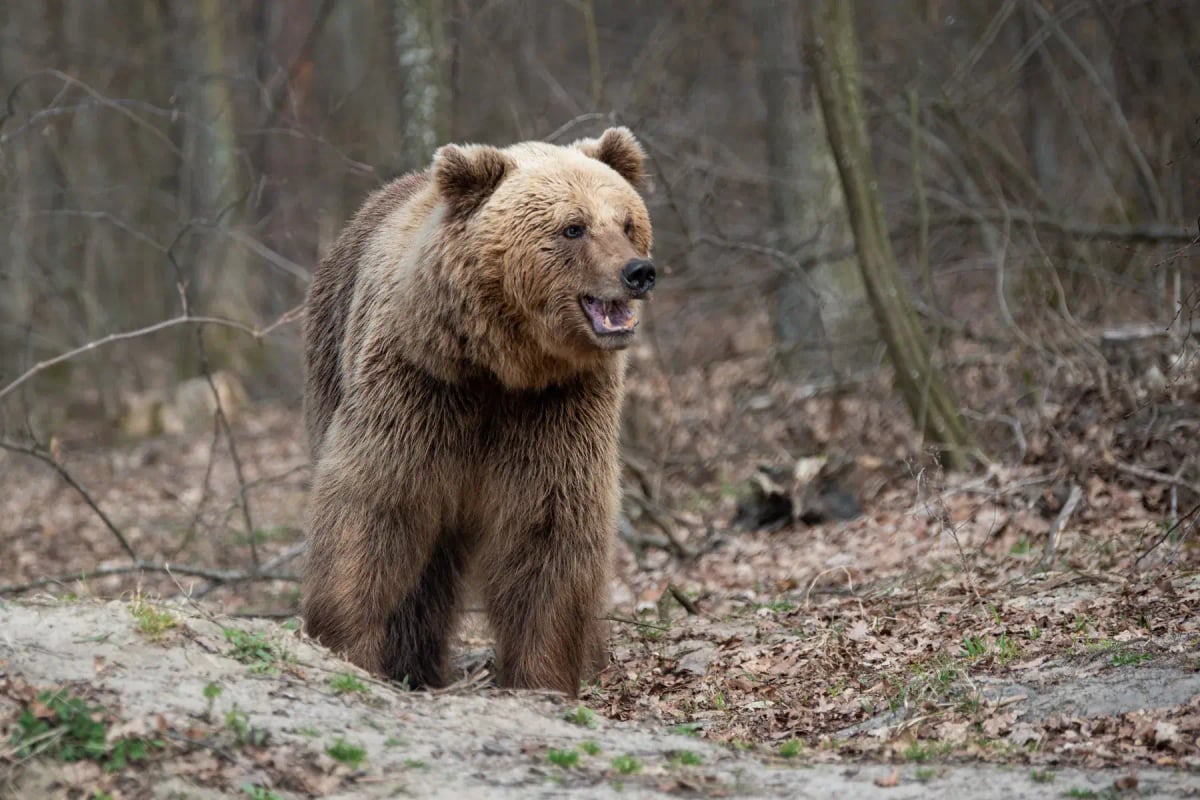
Risk in California follows habitat and season. In mountain and forest zones, cougar and American black bear are powerful animals that keep to quiet areas but can pass near trails. In warm months, rattlesnakes use sunny edges and rocks. At sea, orca and large sharks such as great white, tiger and bull move along channels and points, while most beaches stay busy and shallow. Most wildlife is met at a distance.
Top 10 Animals in California
Our Top 10 for California highlights species that shape visits across land and sea. Cougar and American black bear set the wild tone in large forests and mountains, while peregrine falcon and bald eagle add clear city and cliff views through the year. Offshore, the great white shark stands for the open Pacific and the drama of migration seasons. Together they frame a simple guide for photos, trails and boat days.
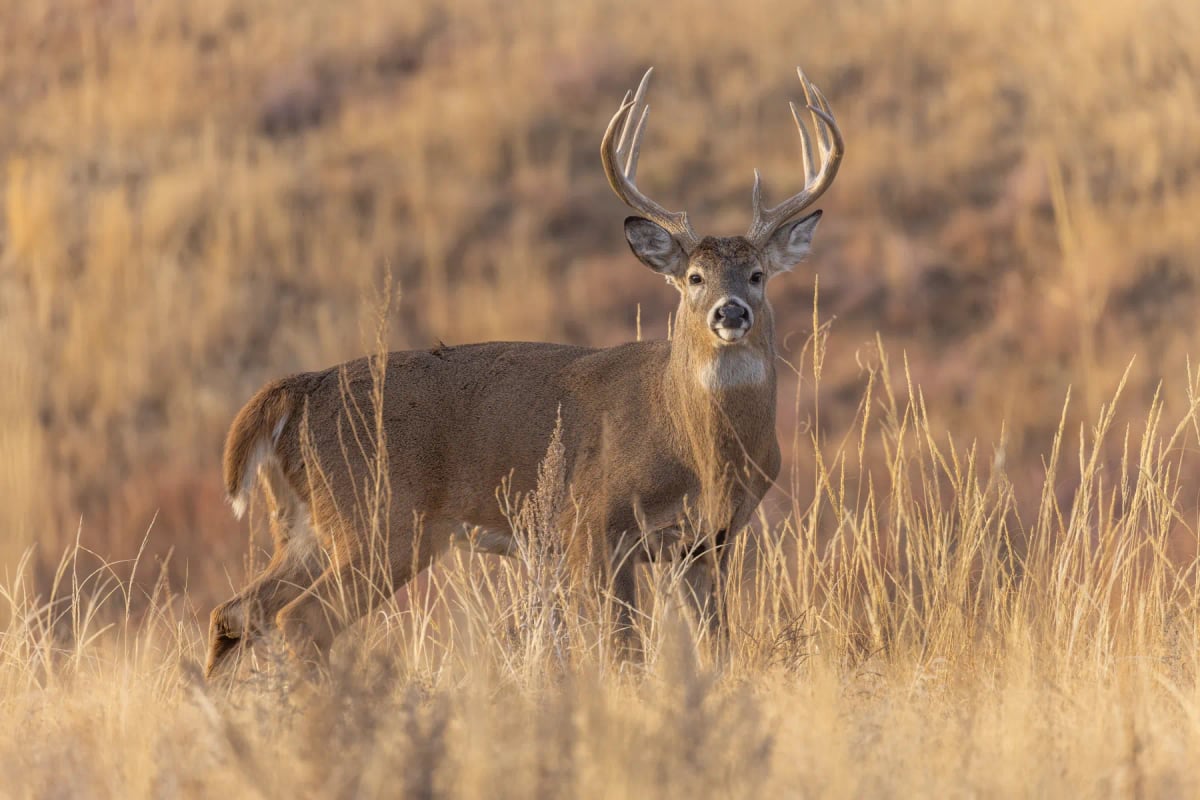
White tailed Deer
Odocoileus virginianus
The white-tailed deer is rarely seen in California, where the mule deer dominates most of the state. Small populations of white-tailed deer exist in scattered areas near the Oregon border and in parts of the Sacramento Valley. They favor dense riparian corridors and woodland edges close to water. Given California's dry climate and competition with mule deer, their presence here remains limited and largely overlooked by casual observers.
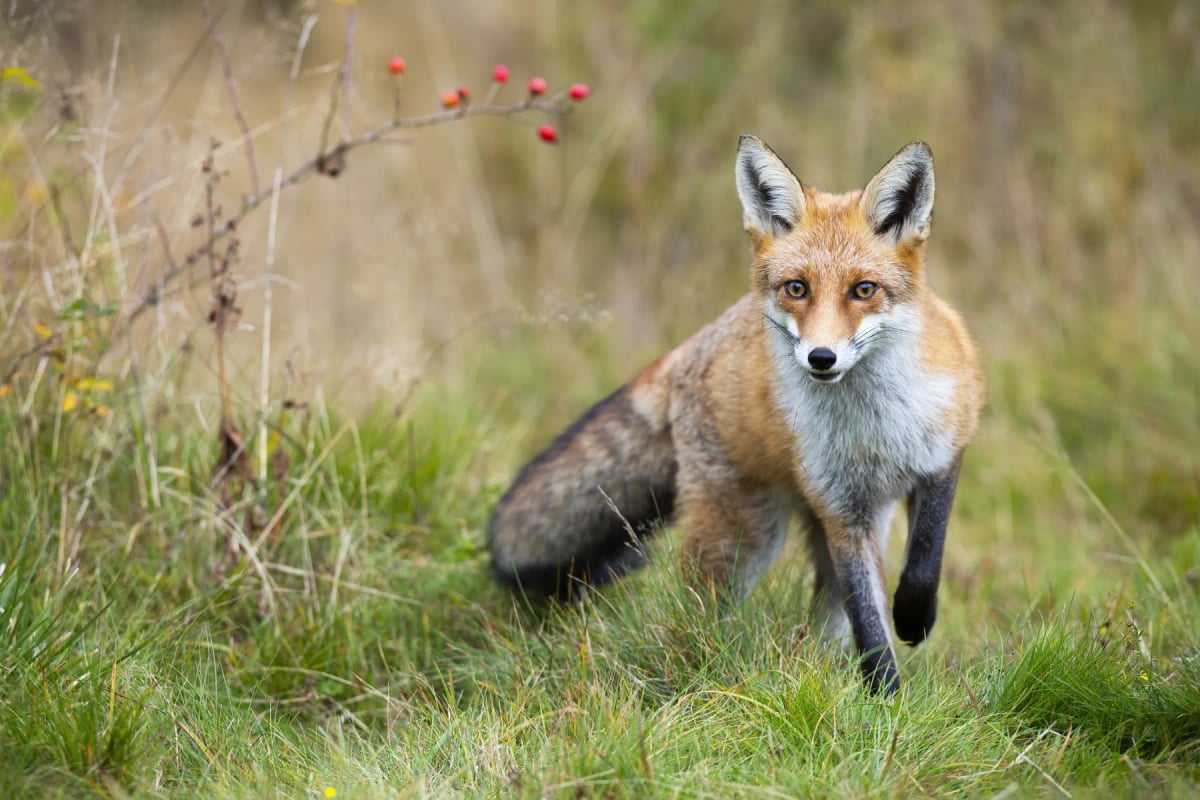
Red Fox
Vulpes vulpes
California is home to both native and introduced populations of red fox. The Sierra Nevada red fox, a rare native subspecies, lives at high elevations in the mountains and faces serious conservation concern due to its very small numbers. A separate introduced population is well established in the Central Valley and urban areas. The Sierra Nevada subspecies is considered at risk, though the broader species holds an IUCN status of Least Concern.
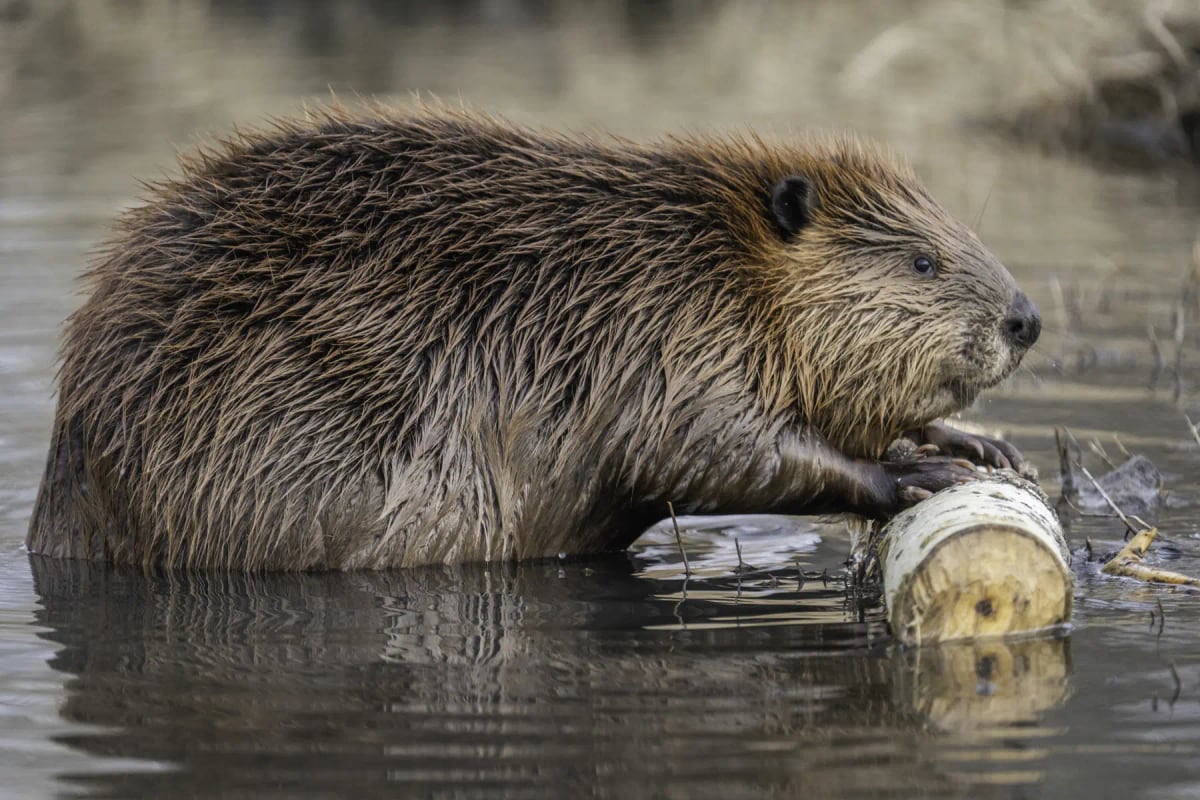
Beaver
Castor canadensis
Beavers inhabit river valleys and riparian corridors across parts of California, including the Central Valley and several northern watersheds. Their presence is increasingly welcomed by conservationists working on water retention and habitat restoration in a state prone to drought. Research in California has shown that beaver activity raises local water tables and supports populations of steelhead trout and other native species that depend on cool, slow-moving water.
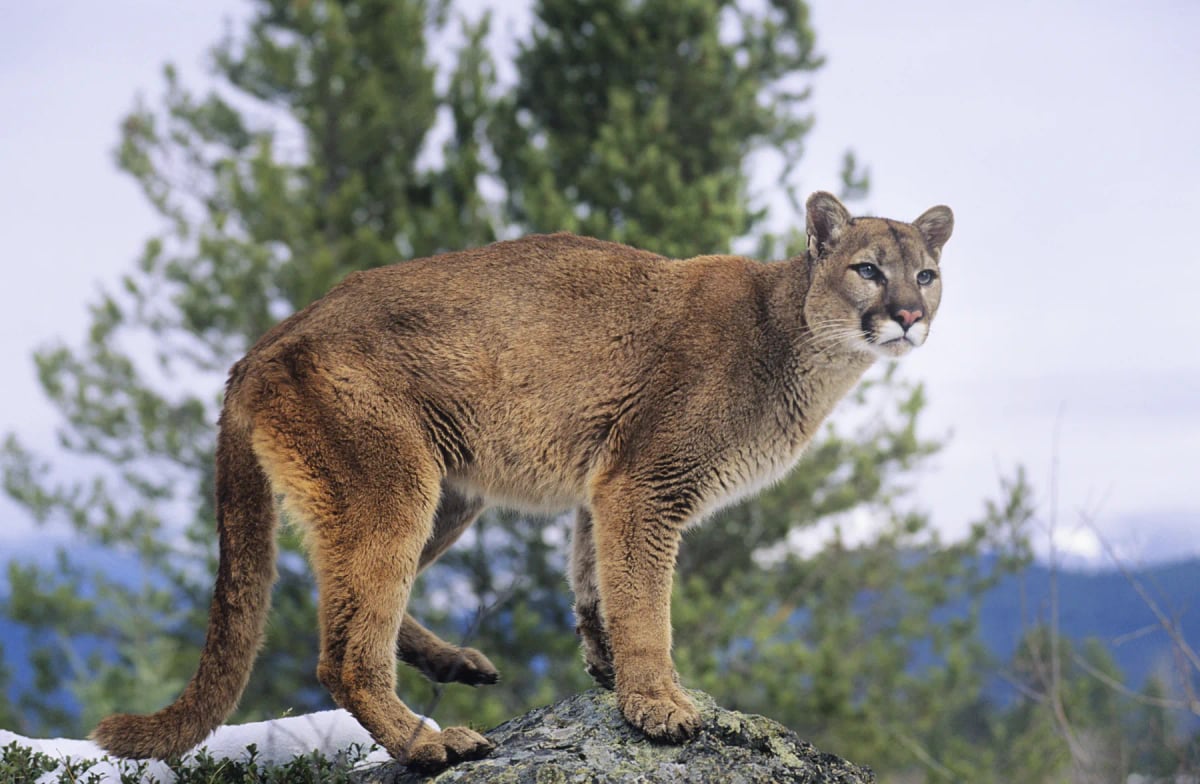
Cougar
Puma concolor
California has one of the most studied cougar populations in the world, with individuals tracked across the Coast Ranges, Sierra Nevada, and even the hills surrounding Los Angeles. The state prohibits sport hunting of cougars, which has allowed numbers to remain relatively stable. However, habitat fragmentation from roads and urban sprawl poses a serious challenge to the movement and survival of the population over the long term.
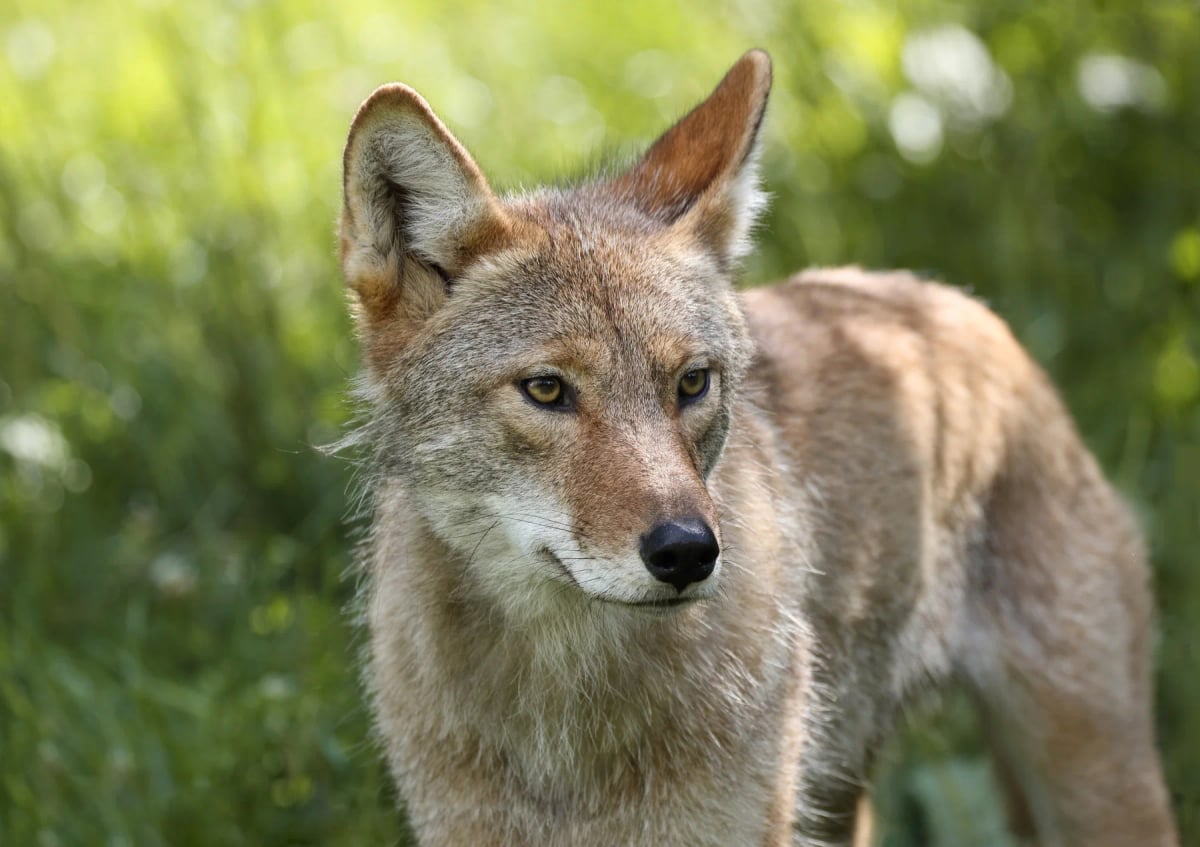
Coyote
Canis latrans
In California, coyotes are found everywhere from the Mojave Desert and the Central Valley to coastal chaparral and city neighborhoods in Los Angeles and San Francisco. They are one of the few large predators that have grown more common as the state has urbanized. Residents frequently spot them trotting through suburbs at dawn. They help control populations of rats, gophers, and rabbits. Their IUCN status is Least Concern.
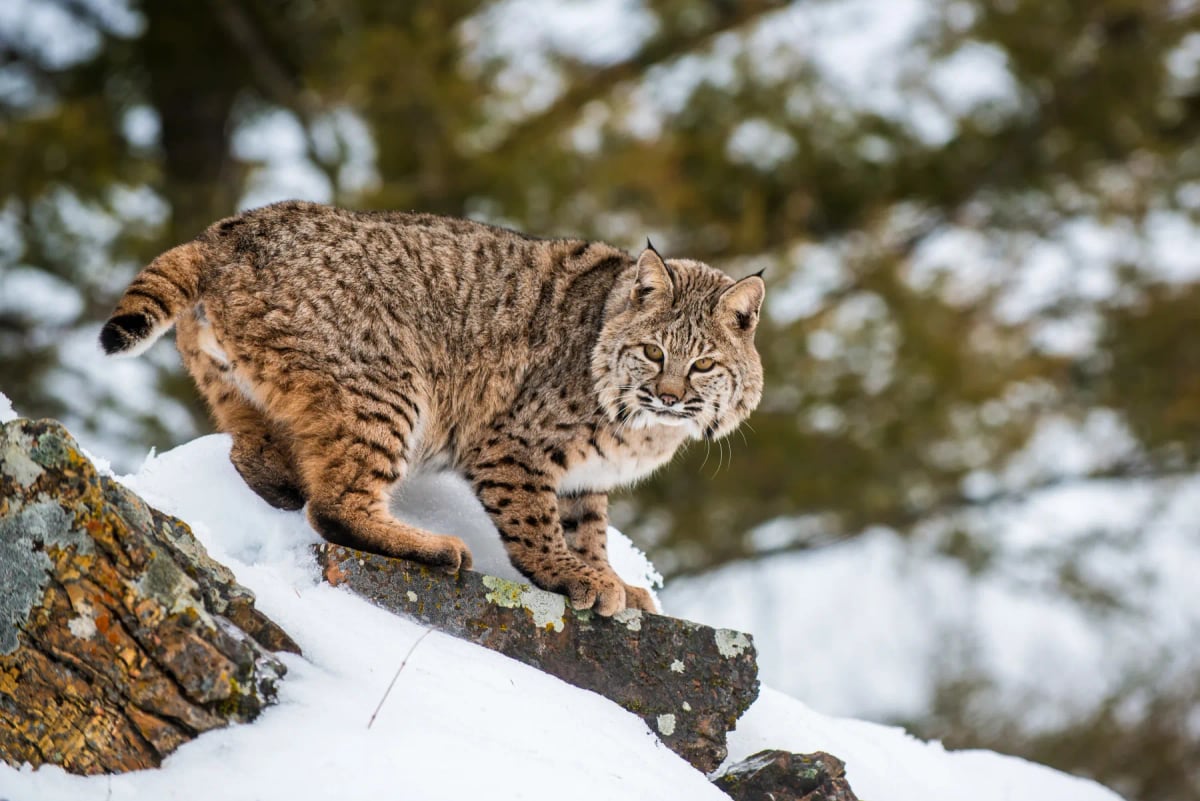
Bobcat
Lynx rufus
The bobcat is found throughout California, from the coastal chaparral and oak woodlands to the Sierra Nevada foothills and the Mojave Desert. The state hosts one of the most studied bobcat populations in North America. Urban expansion has pushed bobcats into close contact with human communities, particularly in the hills around Los Angeles. Rodenticide poisoning is a documented threat to California bobcats, especially those living near suburban and agricultural areas.
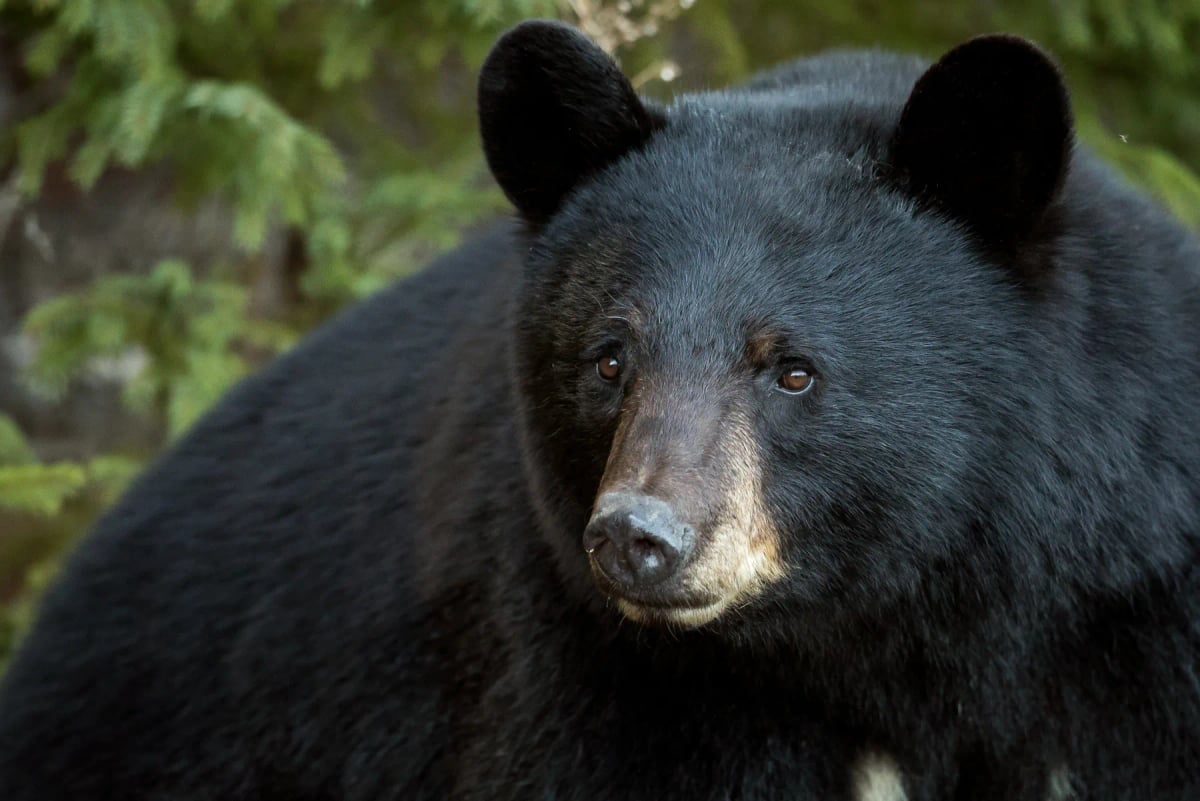
American Black Bear
Ursus americanus
California is home to a large and growing black bear population found throughout the Sierra Nevada, Cascade Range, and coastal mountains. Bears are a regular sight in national parks such as Yosemite, Sequoia, and Kings Canyon, where they have learned to associate humans with food. The state enforces strict rules on food storage in bear country to reduce conflict and protect both visitors and bears.
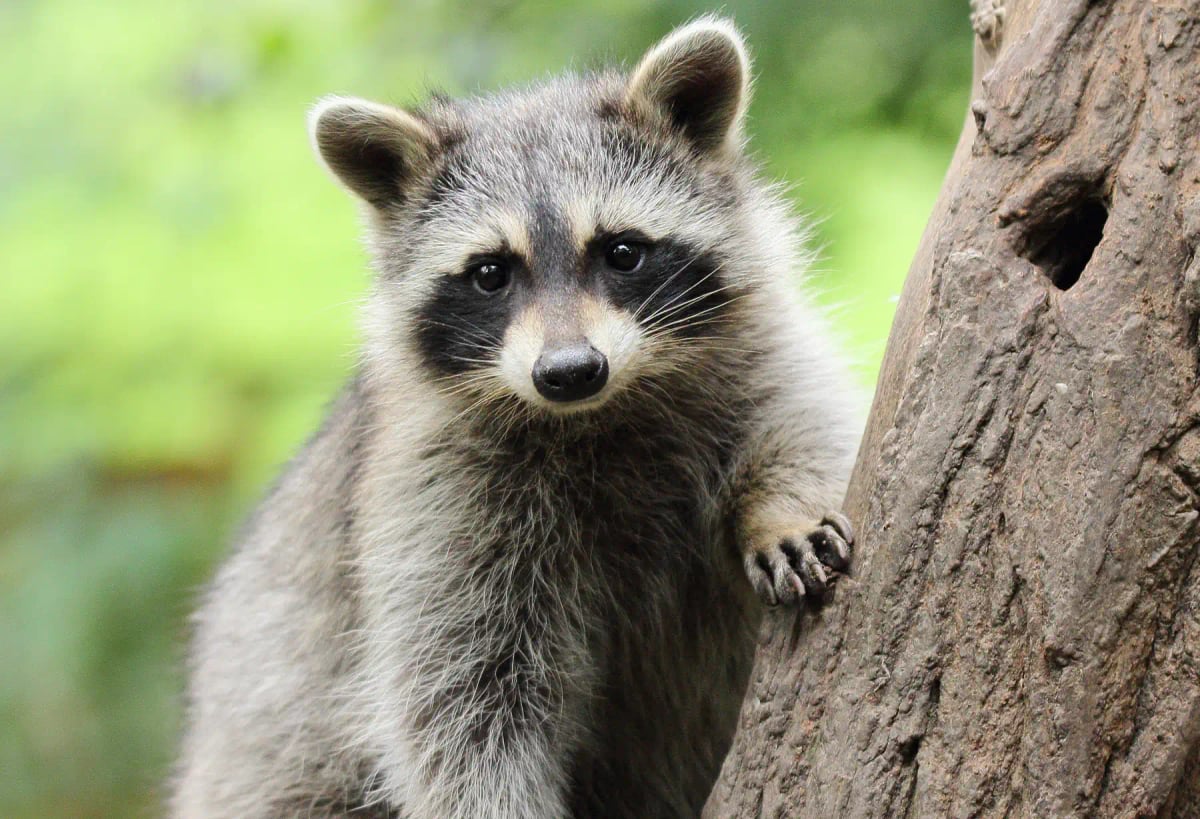
Raccoon
Procyon lotor
Raccoons are widespread across California, found in coastal woodlands, river valleys, mountain foothills, and densely populated cities. The San Francisco Bay Area and greater Los Angeles are well known for their bold urban raccoon populations. In natural settings, they favor riparian corridors along rivers and streams where water makes foraging easier. California wildlife officials advise residents not to feed raccoons, as contact with people can lead to conflicts and the spread of disease. Their IUCN status is Least Concern.
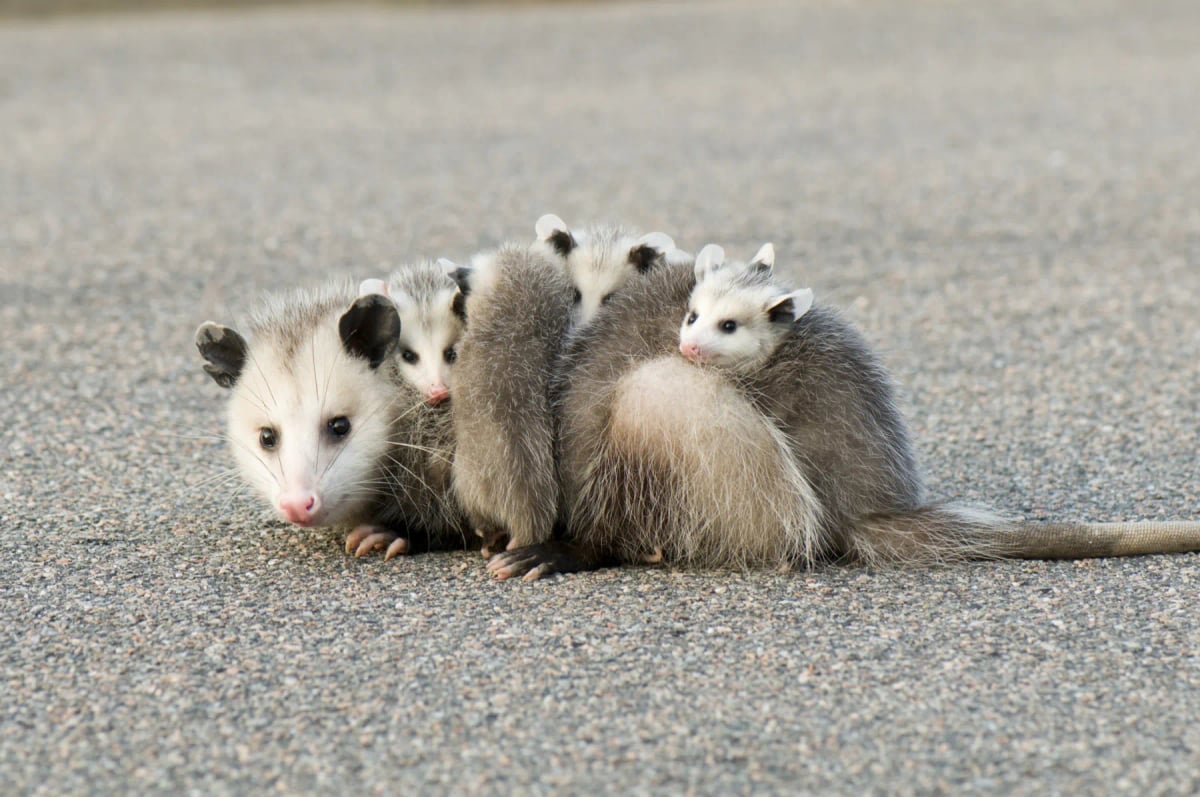
Opossum
Didelphis spp.
The Virginia opossum was not originally native to California but arrived in the early 20th century, likely brought by settlers. It has since spread throughout the state, from the Central Valley to coastal suburbs and the foothills of the Sierra Nevada. It does well in gardens, parks, and open woodland. Though non-native, it causes little ecological harm and is considered Least Concern, filling a scavenger role in many urban and suburban communities.
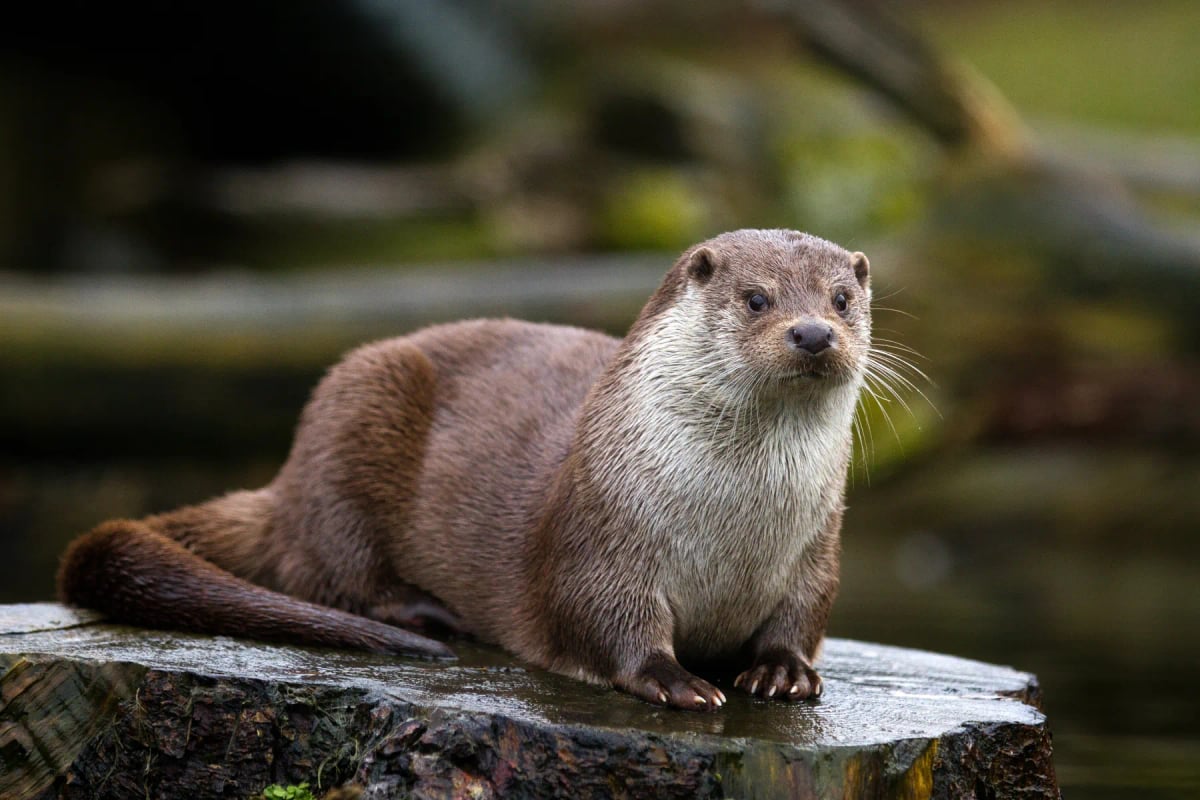
River Otter
Lontra canadensis
River otters were once thought to be gone from California, but in recent decades they have returned to the northern part of the state on their own, spreading along rivers in the North Coast and Central Valley regions. Their reappearance in waterways near the Sacramento and Russian rivers has delighted wildlife watchers. Their presence is widely seen as a positive sign of improving water quality and healthier riparian ecosystems throughout the region.
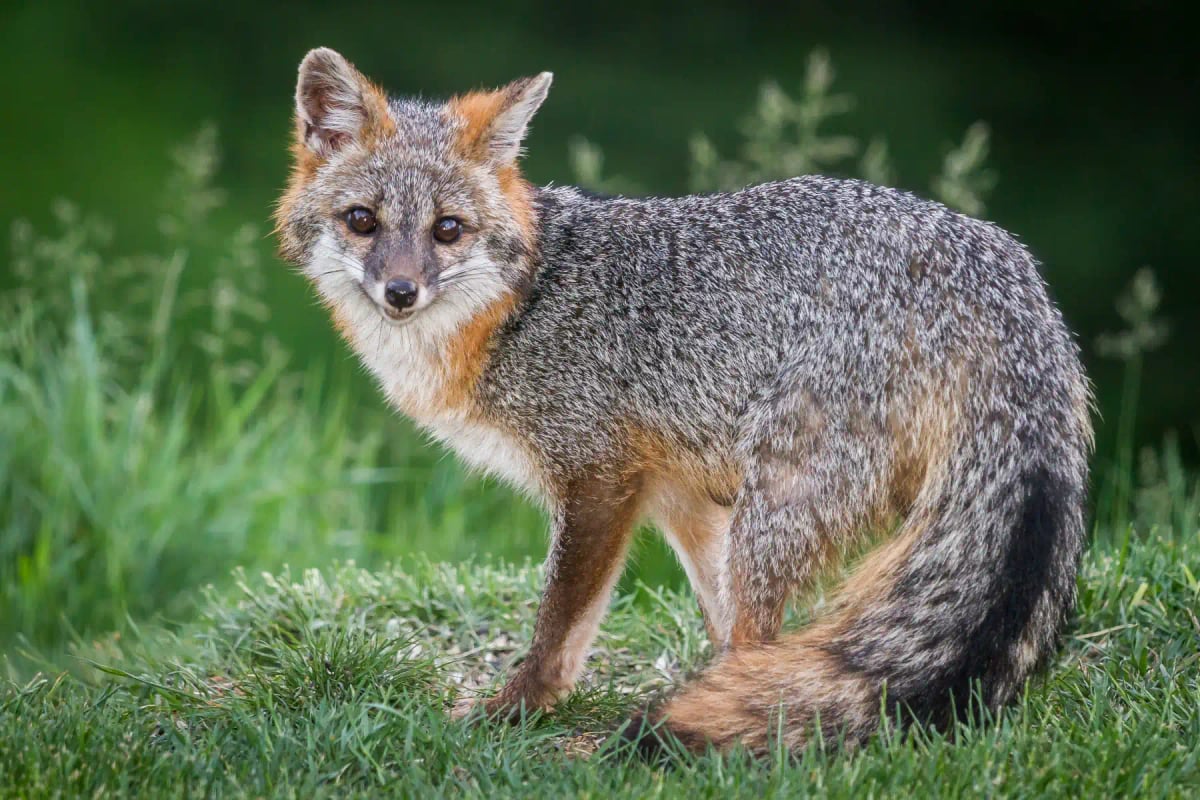
Gray Fox
Urocyon cinereoargenteus
The gray fox is widespread across California, living in the oak woodlands, chaparral, and mixed forests that cover much of the state. It is commonly seen in foothills and coastal ranges, and adapts well to areas where natural habitat borders developed land. In California, it plays an important role as a predator of small mammals and a consumer of fruit, helping disperse seeds across its territory. Sightings near suburban areas are not unusual.
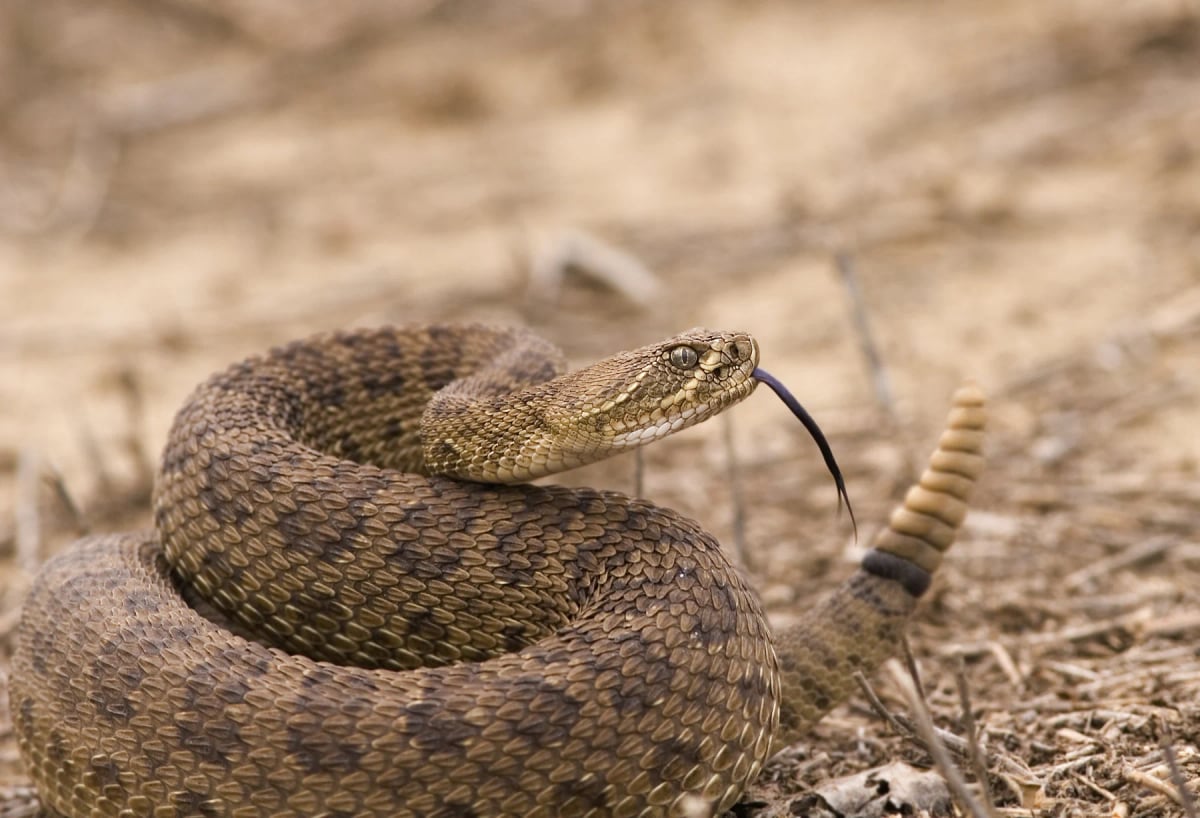
Rattlesnake
Crotalus spp. / Sistrurus spp.
California is home to several rattlesnake species, with the Western Rattlesnake (Crotalus oreganus) being the most widespread, found across grasslands, chaparral, woodlands, and mountain slopes. The Speckled Rattlesnake and Red Diamond Rattlesnake also occur in the southern and desert regions. Wildfires and urban sprawl into natural areas are growing concerns for their populations throughout the state. IUCN status: Least Concern.
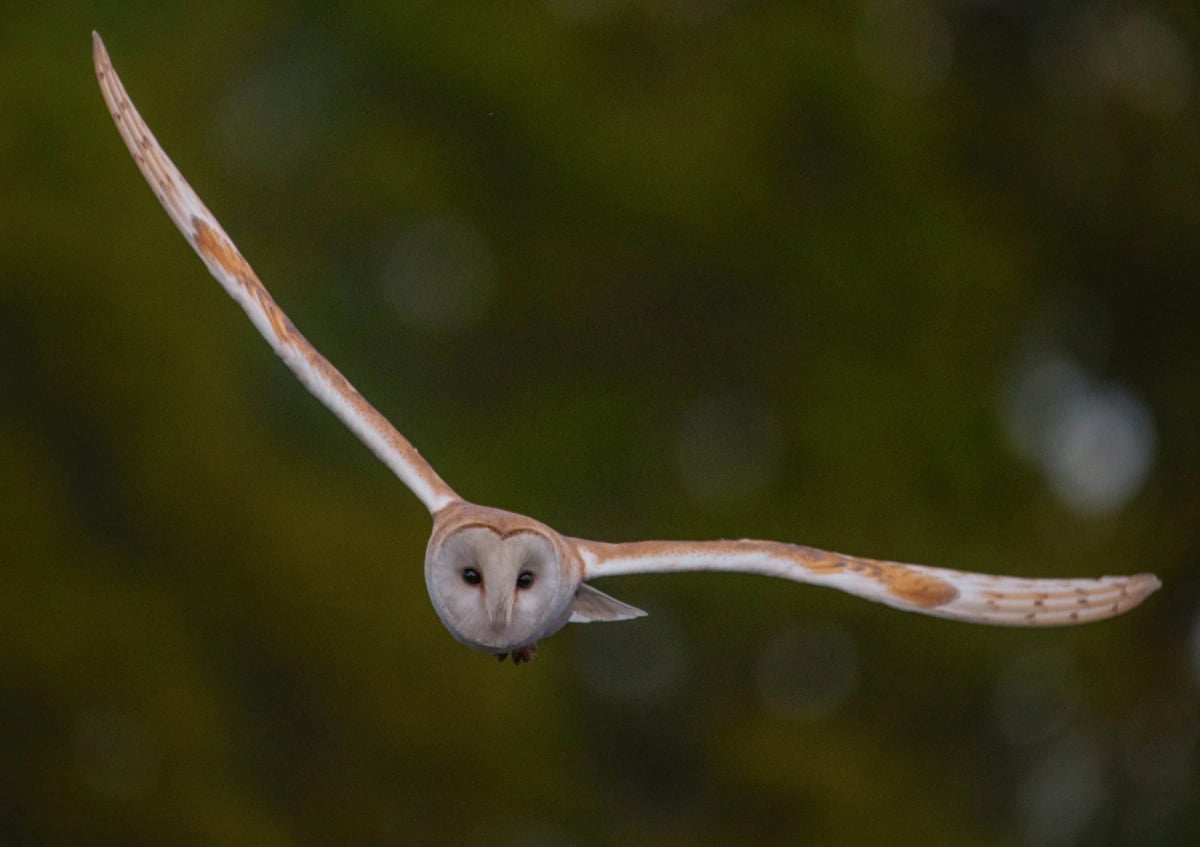
Barn Owl
Tyto alba
The barn owl is one of the most widespread birds of prey in California, found across the entire state from the Central Valley and the coastal ranges to the inland deserts and the foothill zones of the Sierra Nevada. It nests in old farm buildings, hollow trees, cliff faces, and nest boxes, and hunts rodents at night year round. California's mild climate and diverse agricultural landscape, including vineyards, orchards, and grain fields, support large and generally stable populations. Nest box programs promoted by wineries and farms across the Central Valley and wine country have made the barn owl a flagship species for natural pest management in California agriculture.
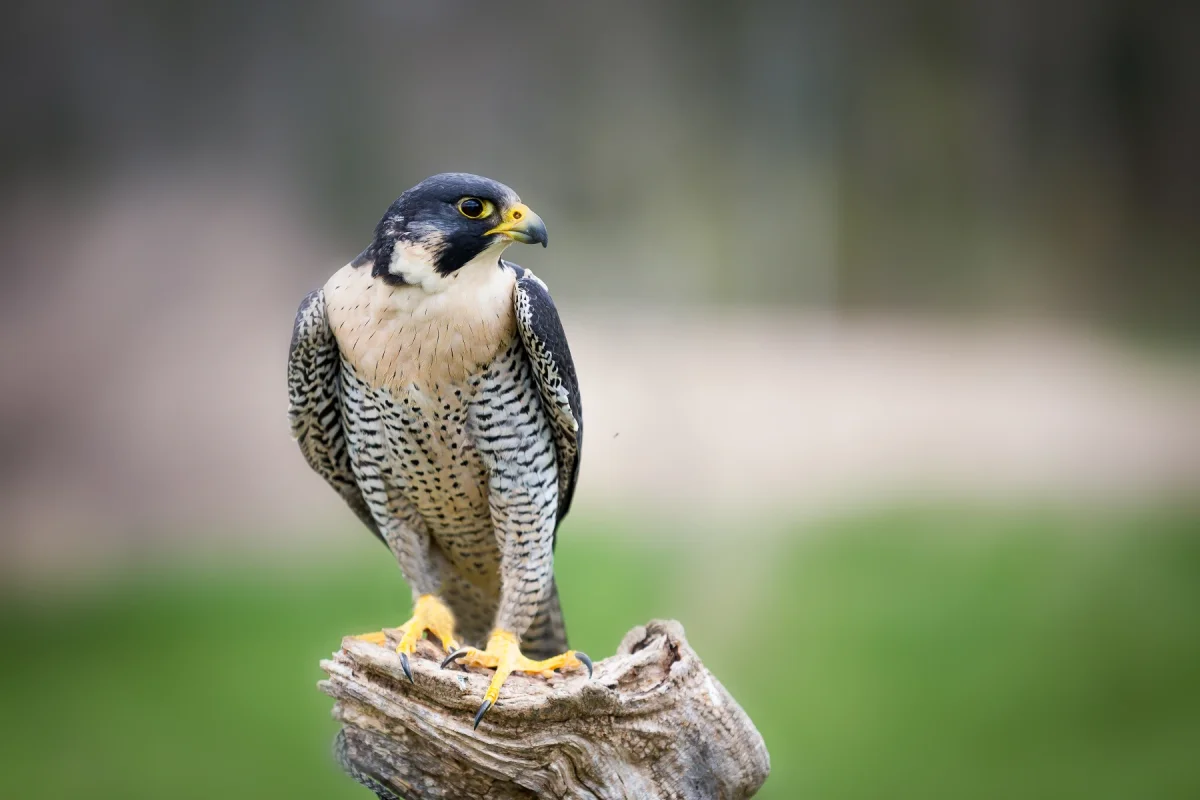
Peregrine Falcon
Falco peregrinus
California has a strong and growing breeding population of peregrine falcons after the species nearly vanished from the state due to DDT contamination. Coastal cliffs from the Bay Area to San Diego, as well as bridges and tall buildings in cities like San Francisco, now host nesting pairs. The California population is closely monitored by wildlife agencies and volunteer networks. Recovery here has been one of the most closely watched raptor conservation achievements in the western United States.
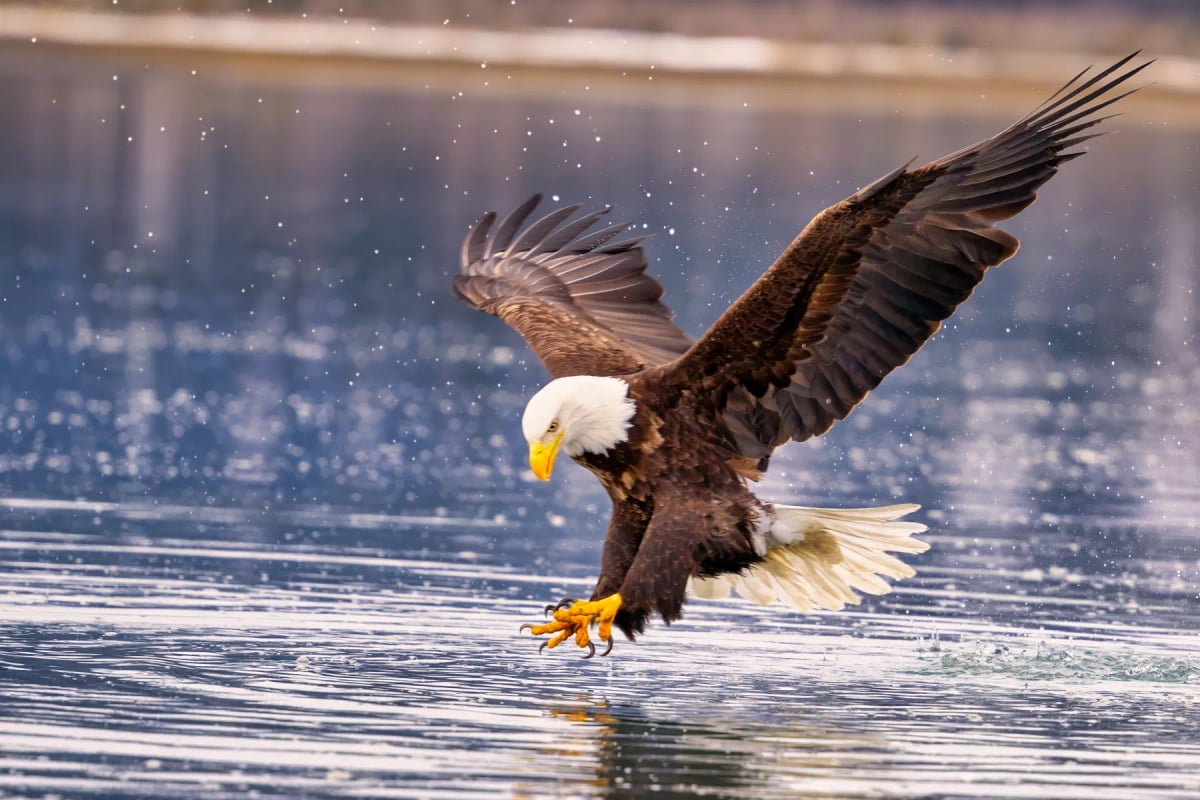
Bald Eagle
Haliaeetus leucocephalus
California hosts both resident and wintering bald eagles, with the strongest concentrations in the northern and central regions. The Klamath Basin near the Oregon border attracts some of the largest winter gatherings in the country, when eagles feed on waterfowl and fish. Shasta Lake, Lake Almanor, and other large reservoirs also support significant populations throughout the year.
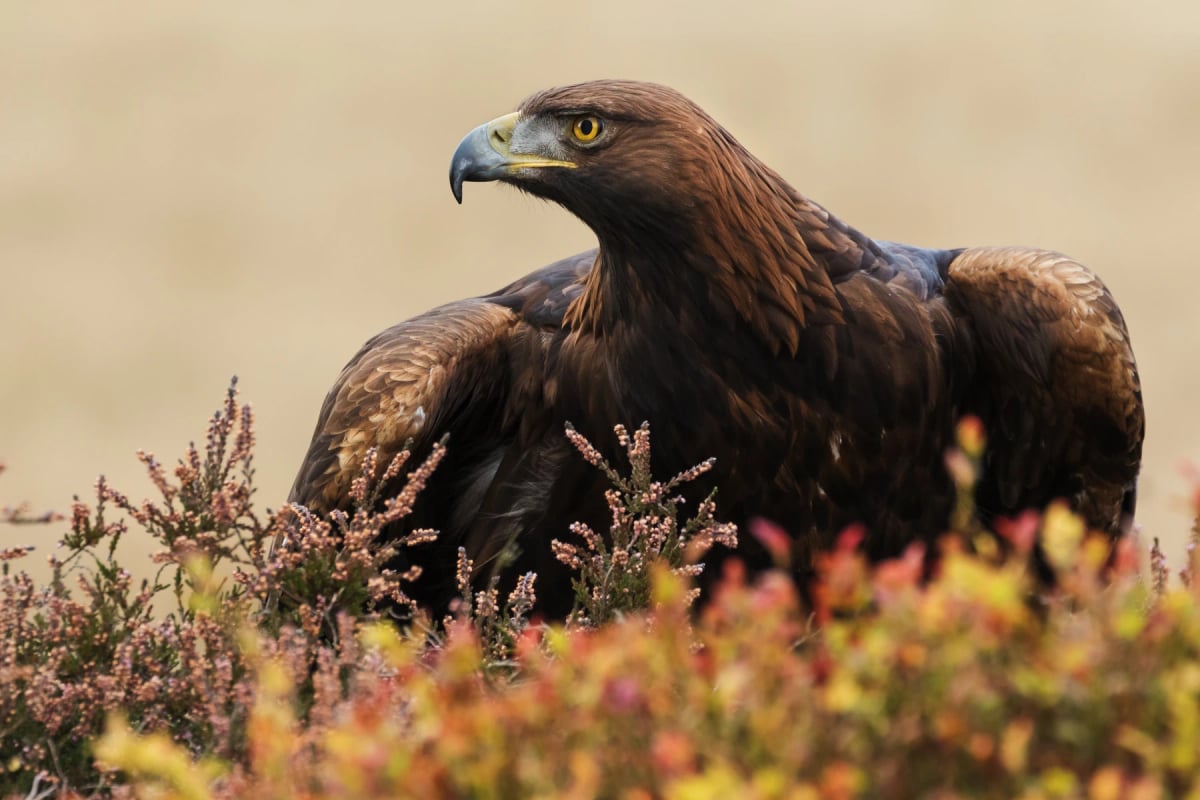
Golden Eagle
Aquila chrysaetos
In California, the golden eagle is a year round resident found across the Coast Ranges, the Sierra Nevada, and open grasslands in the interior. It is one of the most studied eagle populations in the world, particularly in the Diablo Range. Collisions with wind turbines have raised serious conservation concerns in some areas. It preys on ground squirrels and jackrabbits, and nests on cliff ledges and large trees. The IUCN lists it as Least Concern.
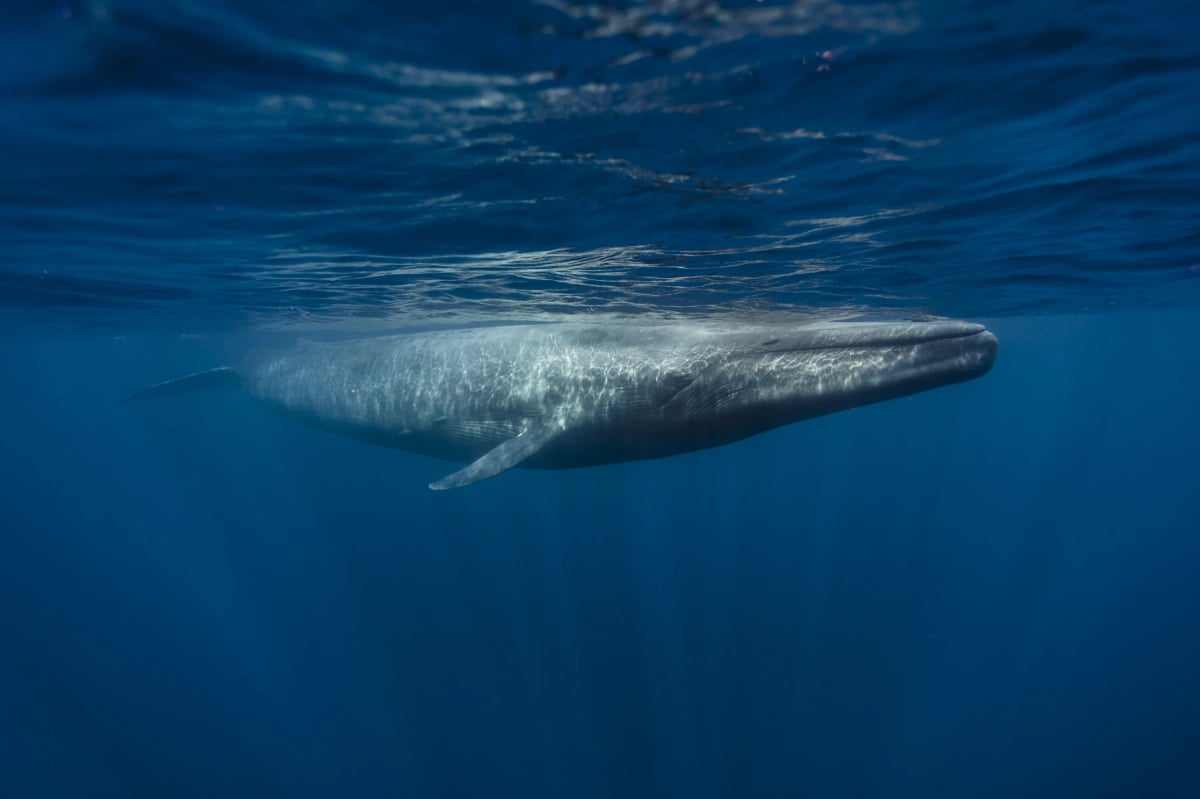
Blue Whale
Balaenoptera musculus
California hosts one of the most studied blue whale populations in the world. Each summer and autumn, whales gather along the coast to feed on the dense krill blooms driven up by coastal upwelling, especially around Monterey Bay and the Channel Islands. This population, part of the Eastern North Pacific group, numbers in the hundreds. Despite recovery since the whaling era, ship strikes along busy shipping lanes remain a serious threat.
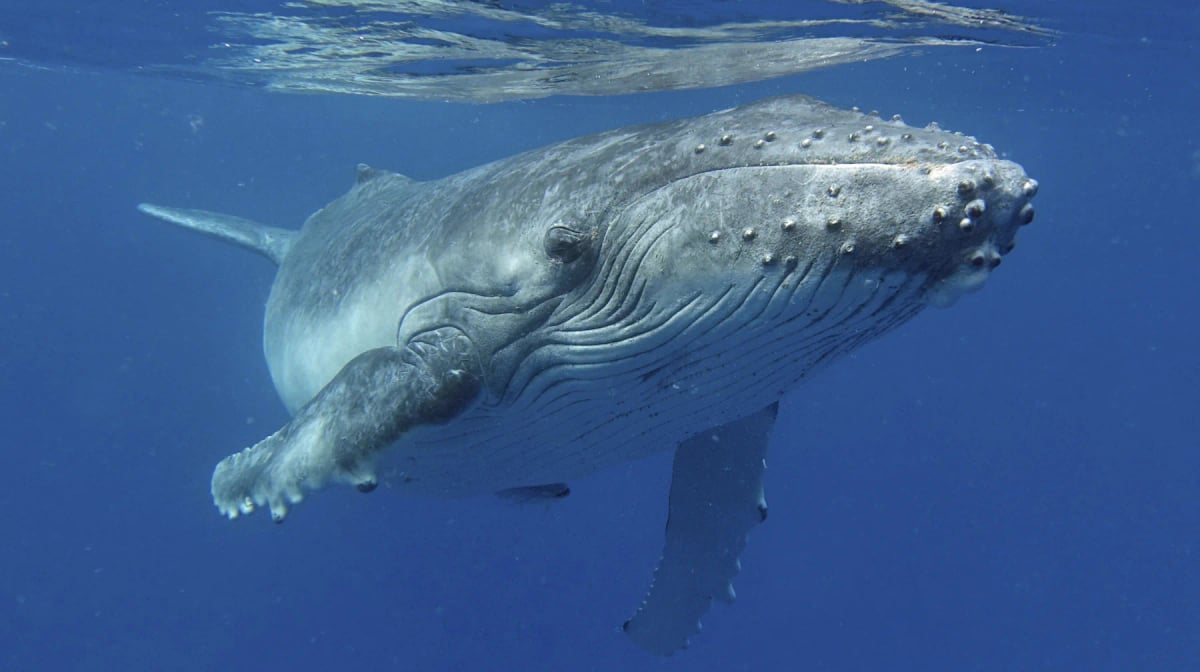
Humpback Whale
Megaptera novaeangliae
Humpback whales are a familiar sight along the California coast, where they arrive each spring and summer to feed in the cold, nutrient-rich waters of the California Current. Monterey Bay is particularly well known for whale watching, as upwelling brings abundant krill and anchovies to the surface. California also lies along the migration route connecting feeding grounds in the North Pacific to breeding areas further south. Adults here can reach up to 16 metres in length.
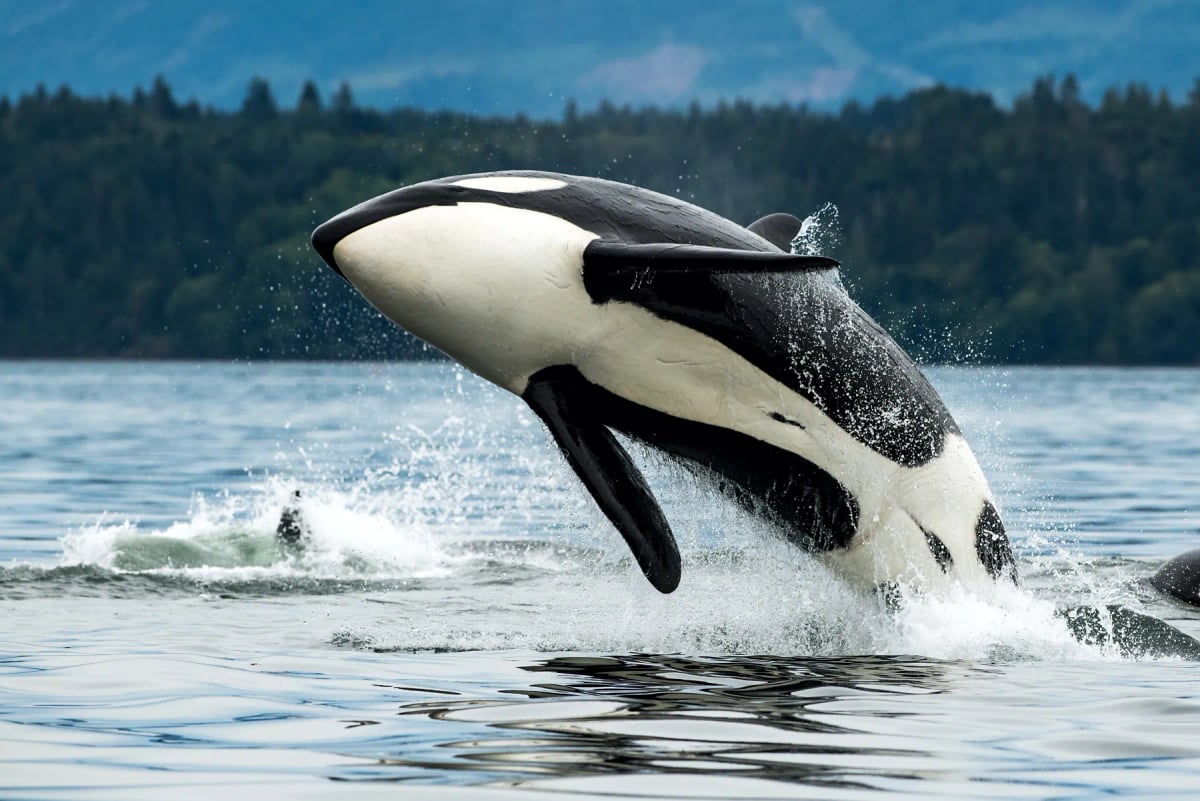
Orca
Orcinus orca
Along the California coast, orcas are seen in several forms. Transient orcas, which feed on marine mammals, hunt gray whale calves during their migration along the coast each spring. Offshore orcas also pass through deeper Pacific waters. The Monterey Bay area is a well-known hotspot for sightings. Pollution, noise from vessels, and changes in prey availability all pose challenges for orcas here.
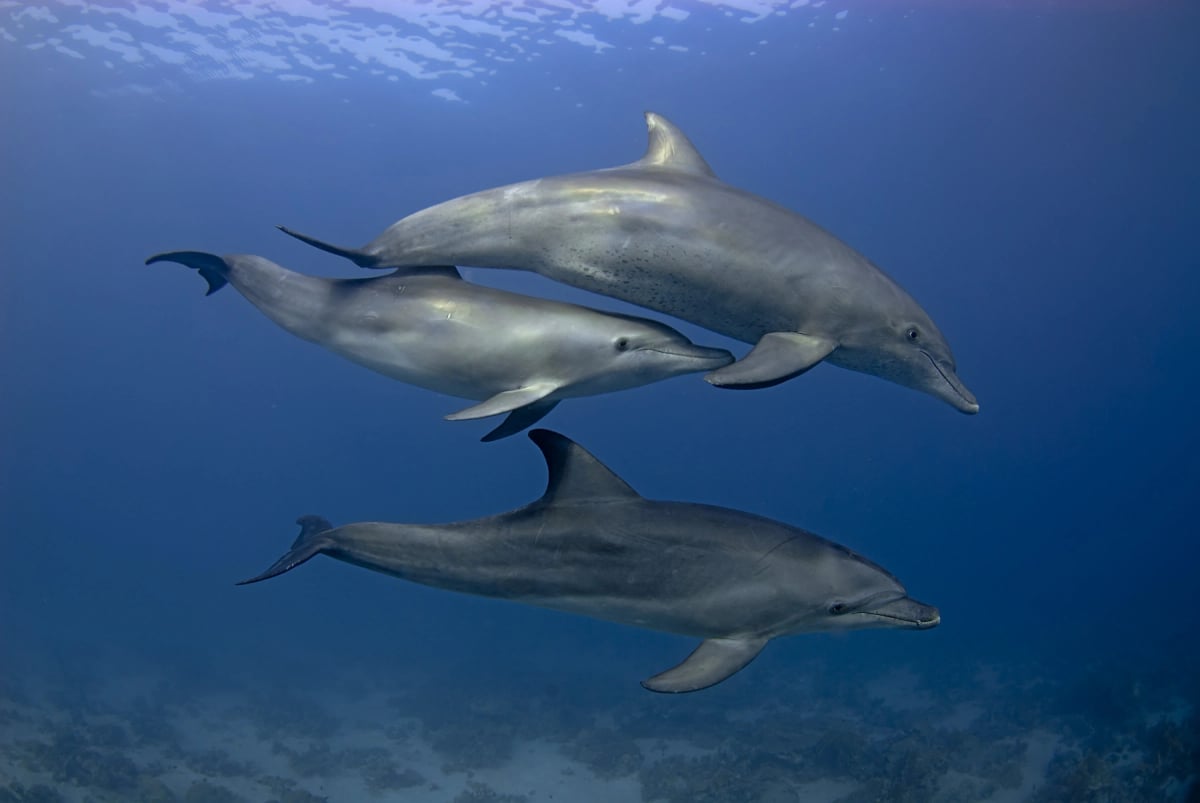
Bottlenose Dolphin
Tursiops truncatus
Bottlenose dolphins are a familiar sight along the California coast, particularly in the Southern California Bight, where two distinct populations exist: one that stays close to the shore and one that ranges farther offshore. They are regularly seen near San Diego, Los Angeles, and Monterey. The nearshore population is well studied and has shown resilience over the long term despite occasional concerns about prey availability and water quality.
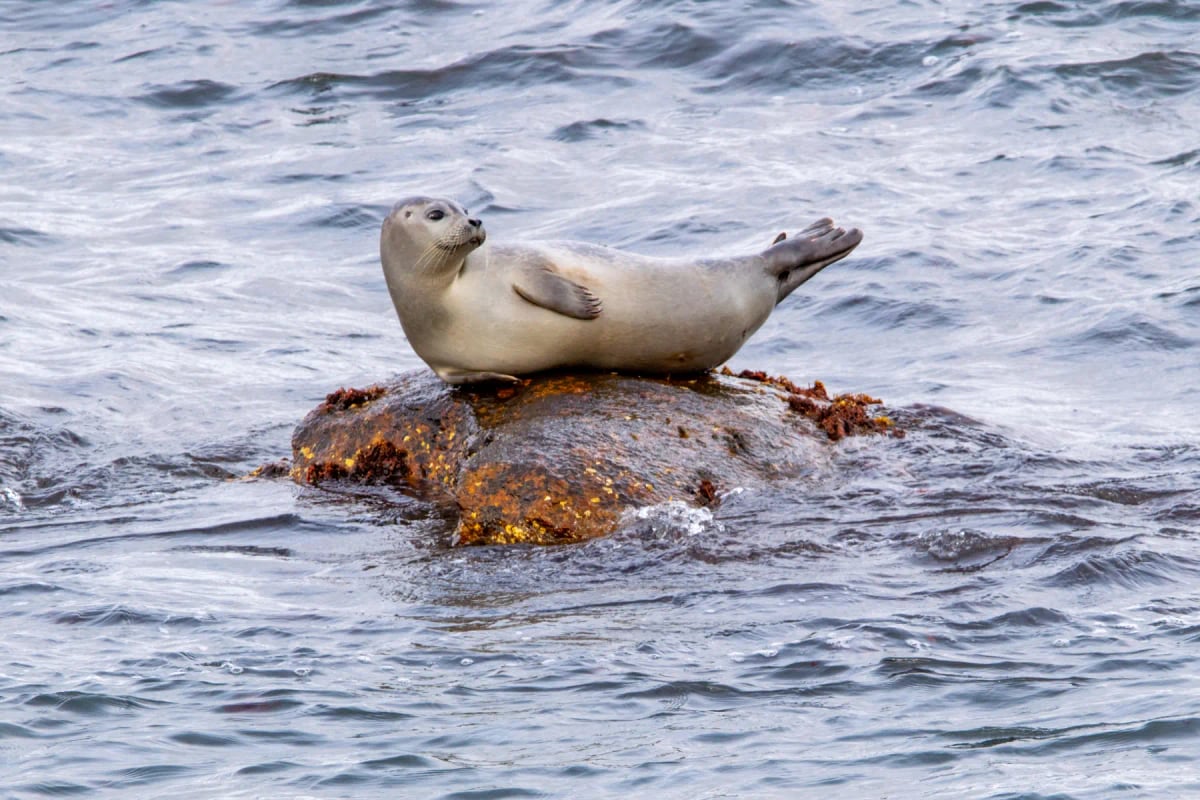
Seal
Phoca vitulina
California's harbor seals are a common sight along the state's coast, from the rocky shores of the north to the sandy beaches and protected bays of the south. They often share coastline with sea lions, though harbor seals tend to be quieter and less social. Año Nuevo State Park and La Jolla Cove are among the well known haul-out sites. California populations have remained relatively stable under federal protection.
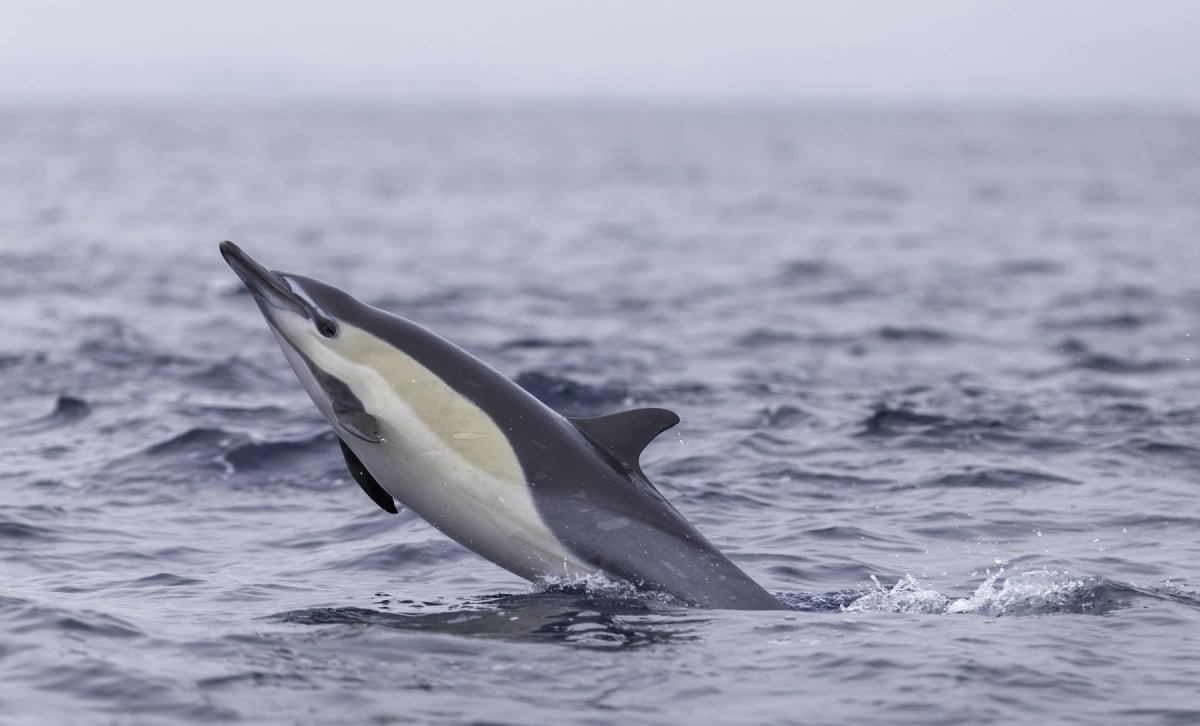
Common Dolphin
Delphinus delphis
Off the California coast, common dolphins are a familiar and beloved sight. They gather in superpods that can number in the thousands, particularly in the productive waters of the California Current. Feeding on anchovies, sardines, and squid, they are often spotted from whale watching boats riding bow waves at speed. Their hourglass flank pattern makes them easy to identify. IUCN status: Least Concern.
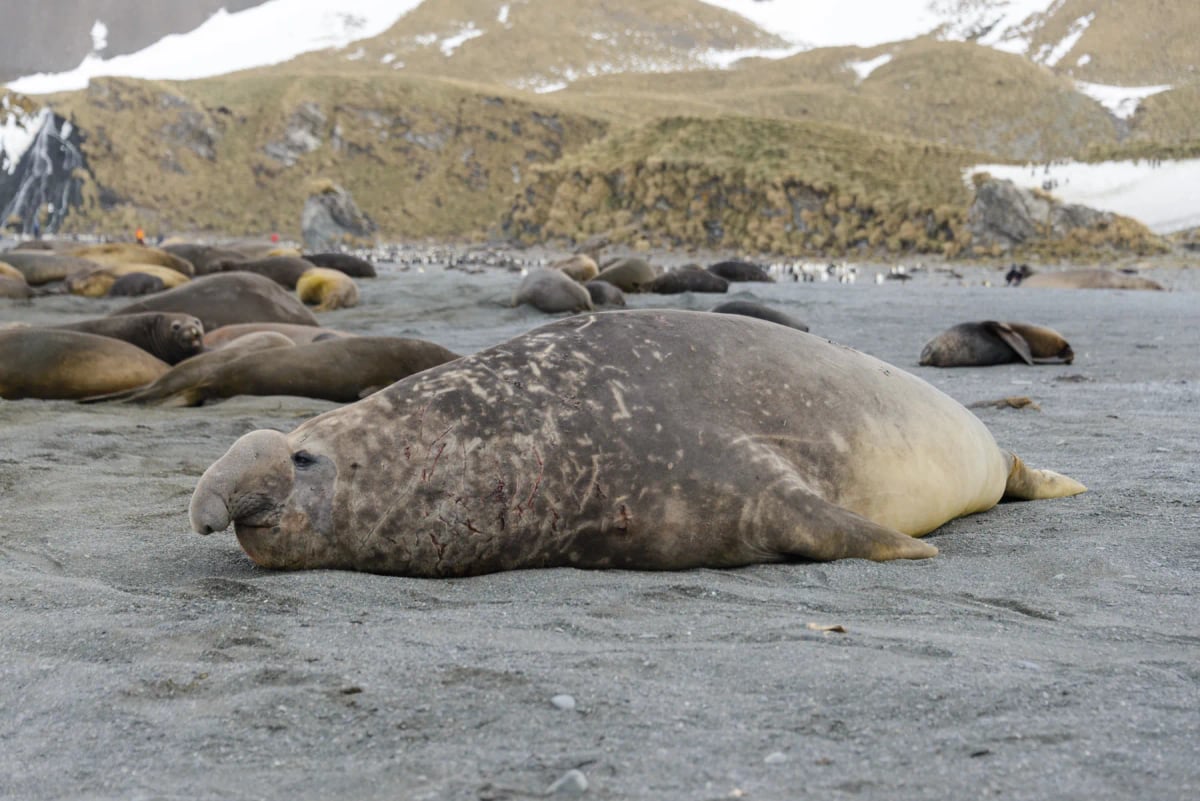
Elephant Seal
Mirounga spp.
Along the central California coast, northern elephant seals gather in large numbers at beaches like Año Nuevo State Park and the Piedras Blancas rookery. Males arrive first each winter to compete for breeding rights, filling the air with loud, rumbling calls. After near extinction from hunting, this population has made a remarkable recovery and now draws thousands of visitors each year who come to watch them up close.
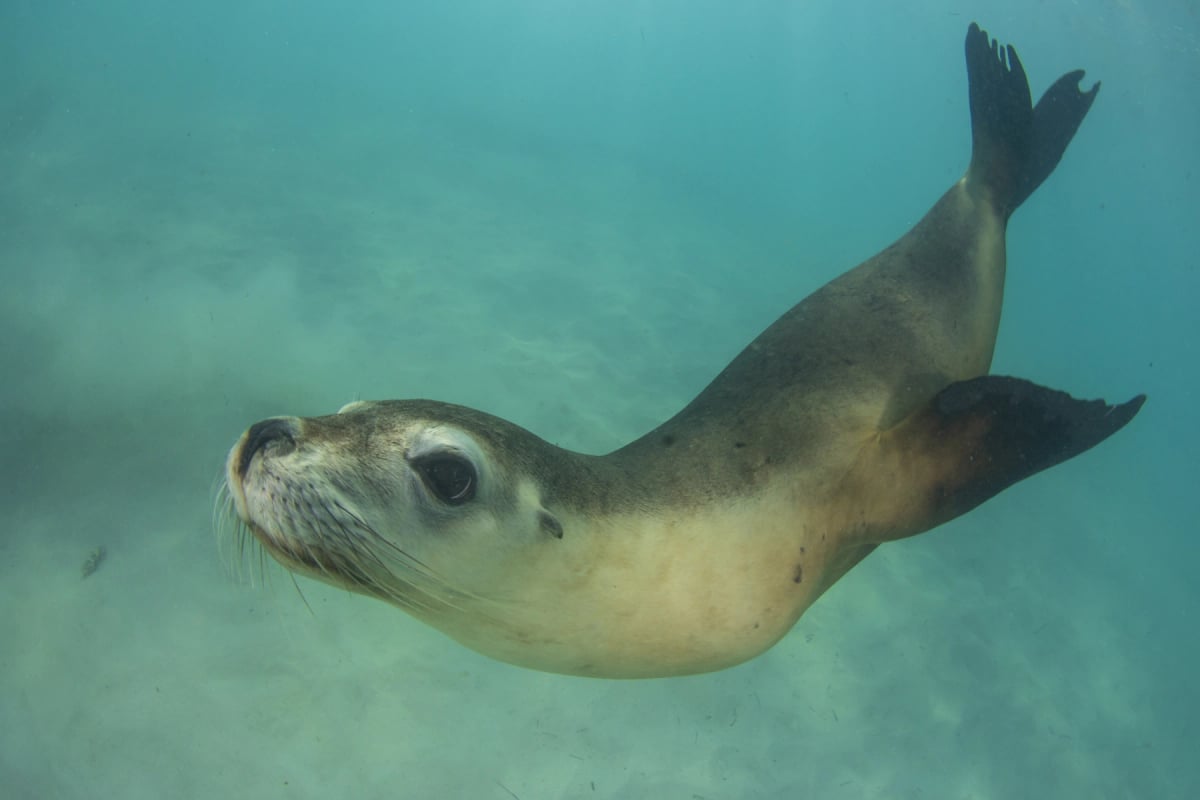
Sea Lion
Otariinae spp.
The California sea lion is one of the most recognized marine mammals on the Pacific coast of the United States. Large colonies gather on piers, buoys, and rocky shores from the Channel Islands northward. Highly intelligent and social, they feed on fish such as anchovies and sardines. Their population has grown steadily since protections under the Marine Mammal Protection Act took effect in 1972.
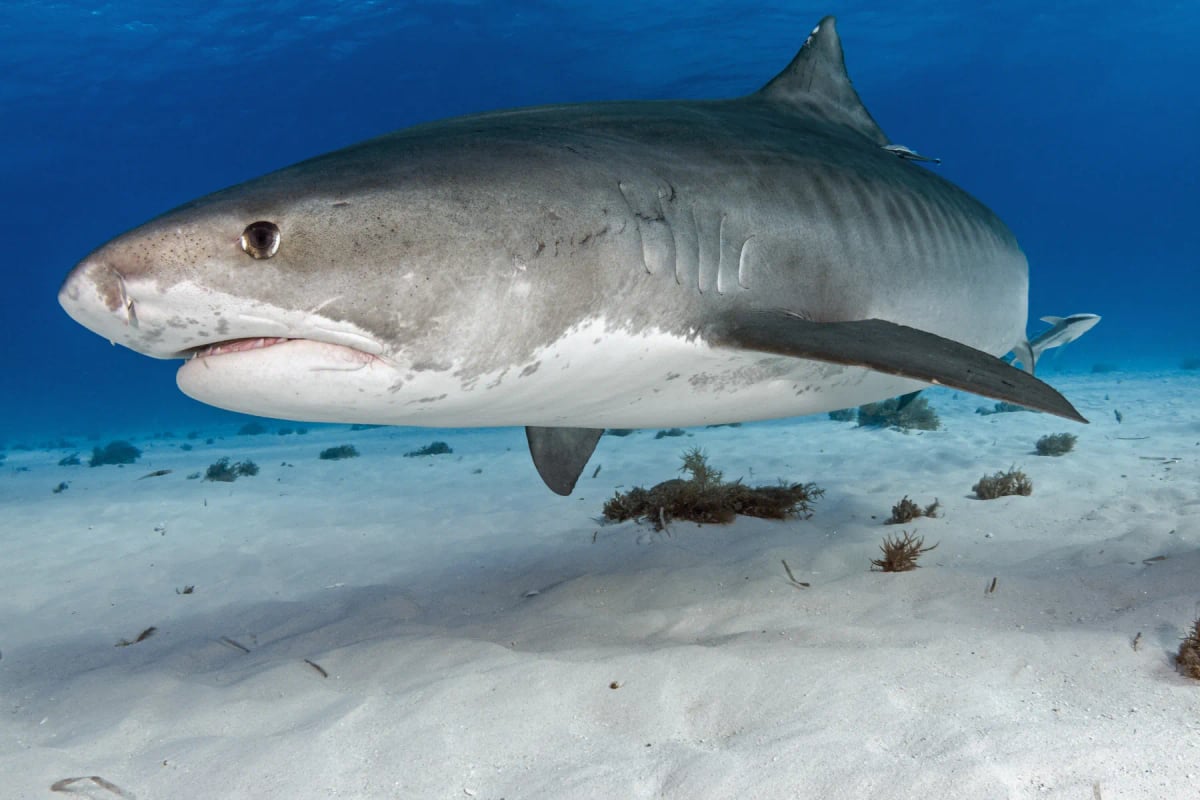
Tiger Shark
Galeocerdo cuvier
Tiger sharks are occasional visitors to California's Pacific waters, where cooler temperatures generally limit how far north they range. They are more likely to appear in the warmer southern stretches of the coast. California's marine protected areas and active shark research community contribute to a broader understanding of how this species moves along the Pacific coast of North America. Globally, the IUCN lists the tiger shark as Near Threatened.
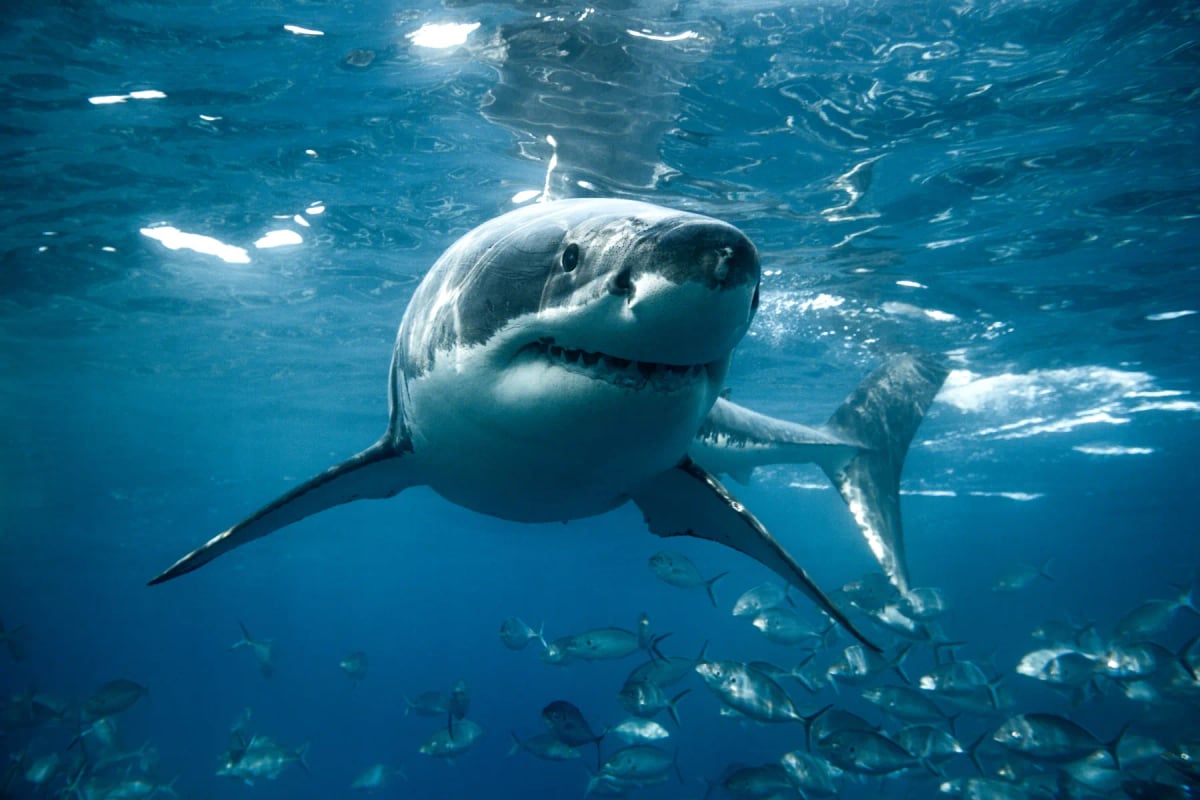
Great White Shark
Carcharodon carcharias
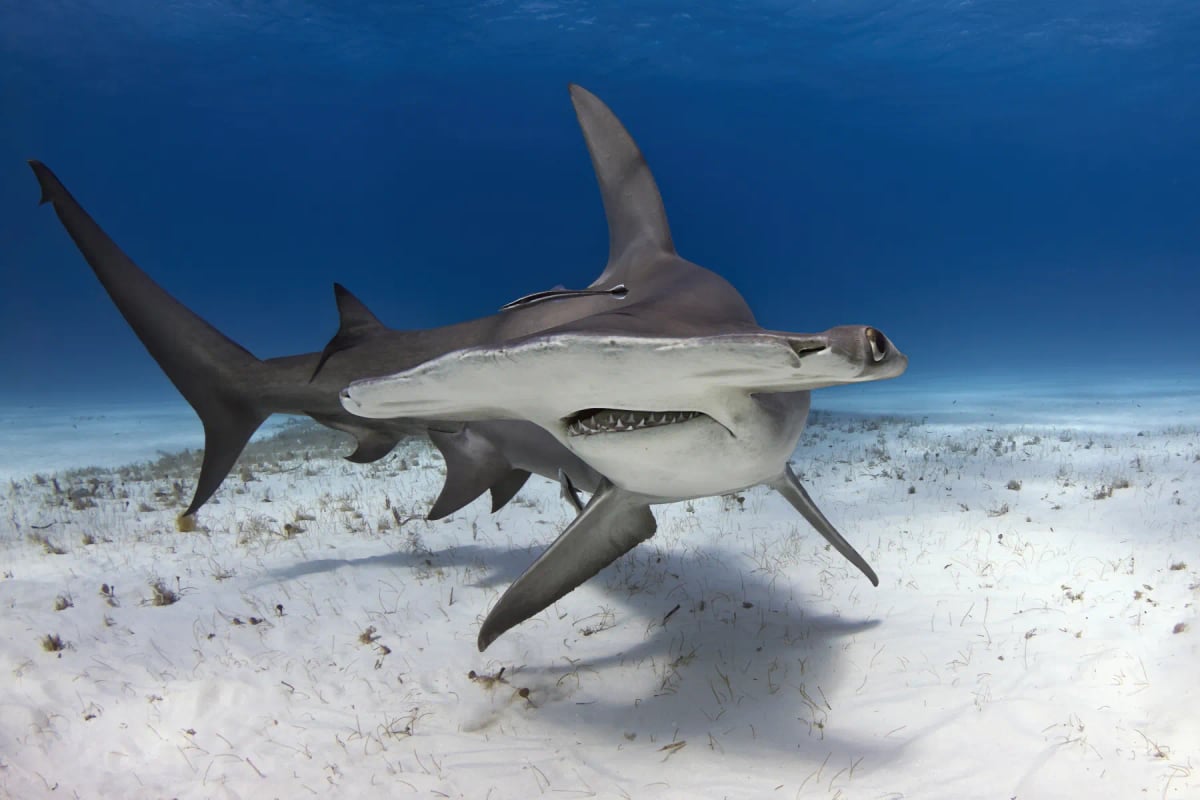
California is home to one of the best-studied great white shark populations in the world. The waters off central California, particularly around the Farallon Islands and Año Nuevo, serve as important feeding grounds where the sharks hunt northern elephant seals and sea lions. Young sharks use warmer southern California waters as a nursery area. Research off this coast has transformed global understanding of great white shark behavior and movement.
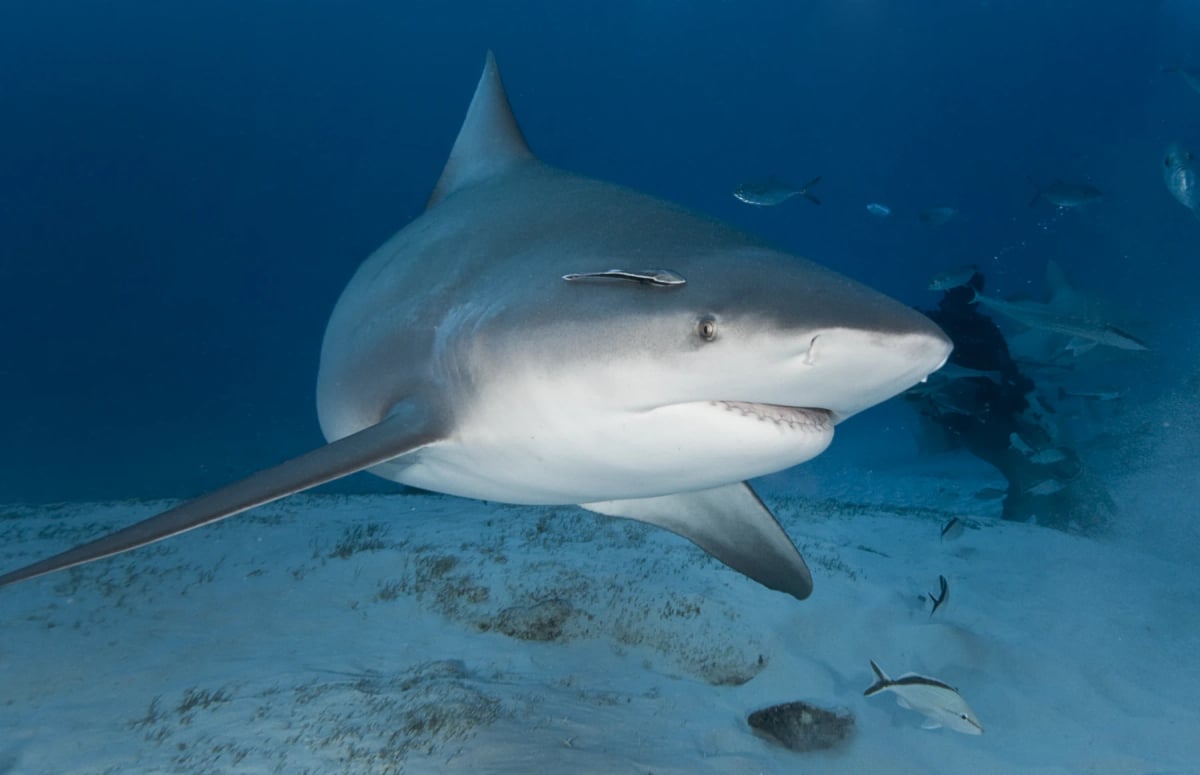
Bull Shark
Carcharhinus leucas
Bull sharks are rarely encountered in California, as the state's cooler Pacific waters sit at the outer edge of this species' preferred range. Occasional individuals may appear in warmer southern stretches near the Mexican border, particularly during periods of elevated sea surface temperatures. Their presence here is considered irregular rather than established. The vast majority of bull shark activity in the United States occurs along the Gulf Coast and Atlantic seaboard.
Researched and written by Juan Pablo. Sources: IUCN Red List, scientific literature and regional field guides. Last updated: .