Coyote
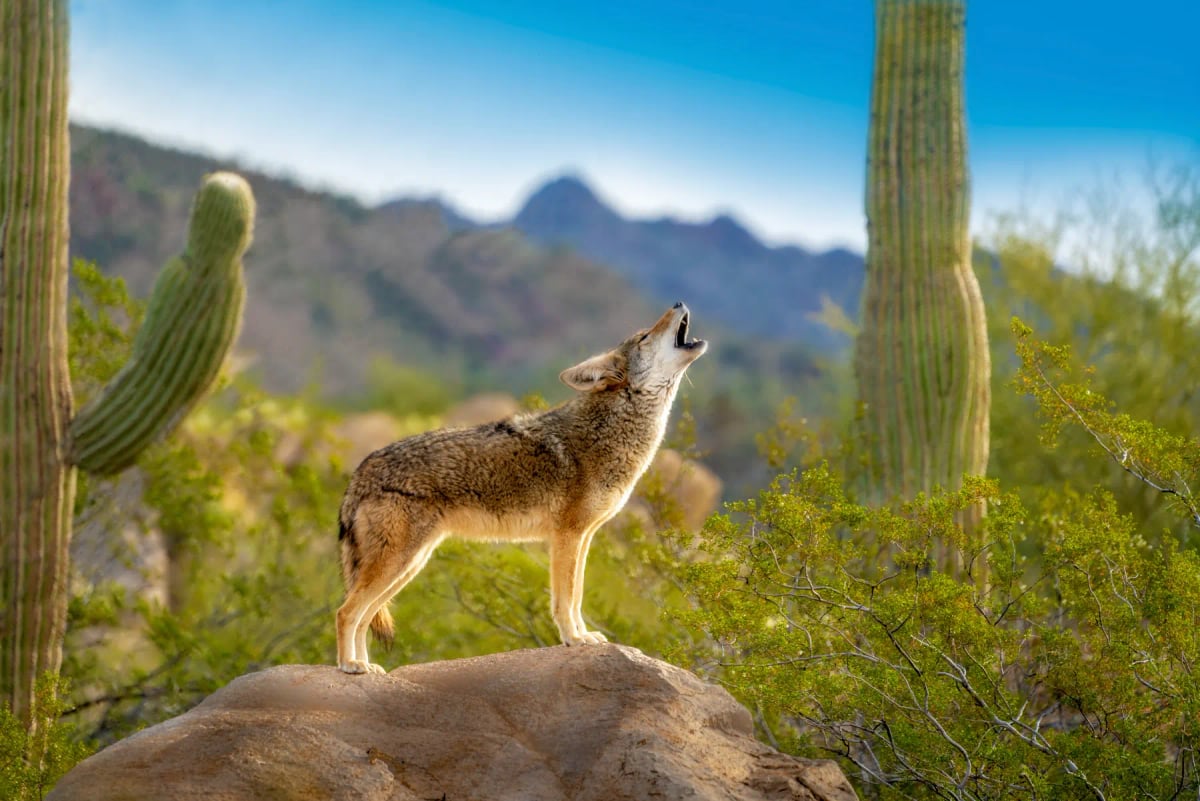
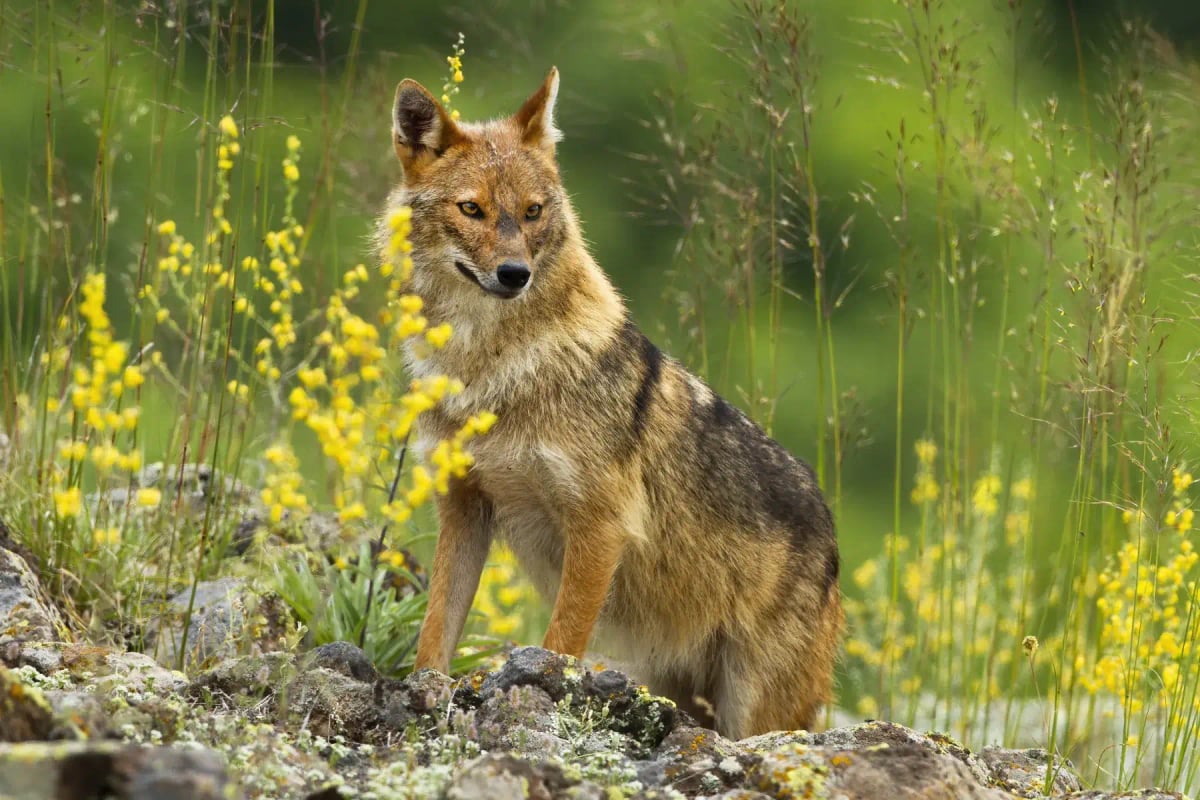
The coyote is a medium-sized wild canid native to North America and one of the continent's most adaptable predators. Slender in build, with a pointed muzzle, large ears, and a bushy tail tipped in black, it weighs between 9 and 23 kg and measures roughly 76 to 86 cm in body length. It thrives in an impressive range of settings, from scorching deserts and open grasslands to temperate forests, farmland, and busy city neighborhoods. Its diet shifts with the seasons and whatever is available: small mammals, rabbits, birds, insects, berries, and carrion all feature regularly. Coyotes communicate through a rich mix of howls, yips, and barks, especially around dusk and dawn. They live alone, in bonded pairs, or in loose family groups depending on the season. By keeping rodent and rabbit populations in check, the coyote fills a key role in nearly every ecosystem it inhabits.
Habitat and range
Few wild animals in the Americas have expanded their range as dramatically as the coyote. Originally concentrated in the open plains and deserts of central North America, it now occupies nearly every corner of the continent, from the boreal forests of northern Canada and Alaska down through the United States and Mexico to the forests of Guatemala. It does equally well in arid scrubland, mountain meadows, coastal marshes, and farmland. Over the past century, coyotes have also moved into cities and suburbs in large numbers, living in places like Los Angeles, Chicago, and New York City. Their ability to thrive wherever food and shelter exist has made them one of the most widespread wild canids on Earth.
Diet
The coyote's success owes a great deal to how it eats. It is a true omnivore, and its menu shifts with the seasons and whatever is available locally. Small mammals such as mice, voles, and ground squirrels form the backbone of its diet throughout much of the year. Rabbits and hares are also taken regularly, as are birds, lizards, frogs, and insects. When fruit is in season, coyotes seek out berries, melons, and other plant matter with obvious enthusiasm. Carrion provides important nutrition during the colder months. In urban areas, fallen fruit, compost, and unsecured garbage also find their way into the diet. This broad approach to feeding means the coyote rarely goes hungry, no matter the environment.
Behavior
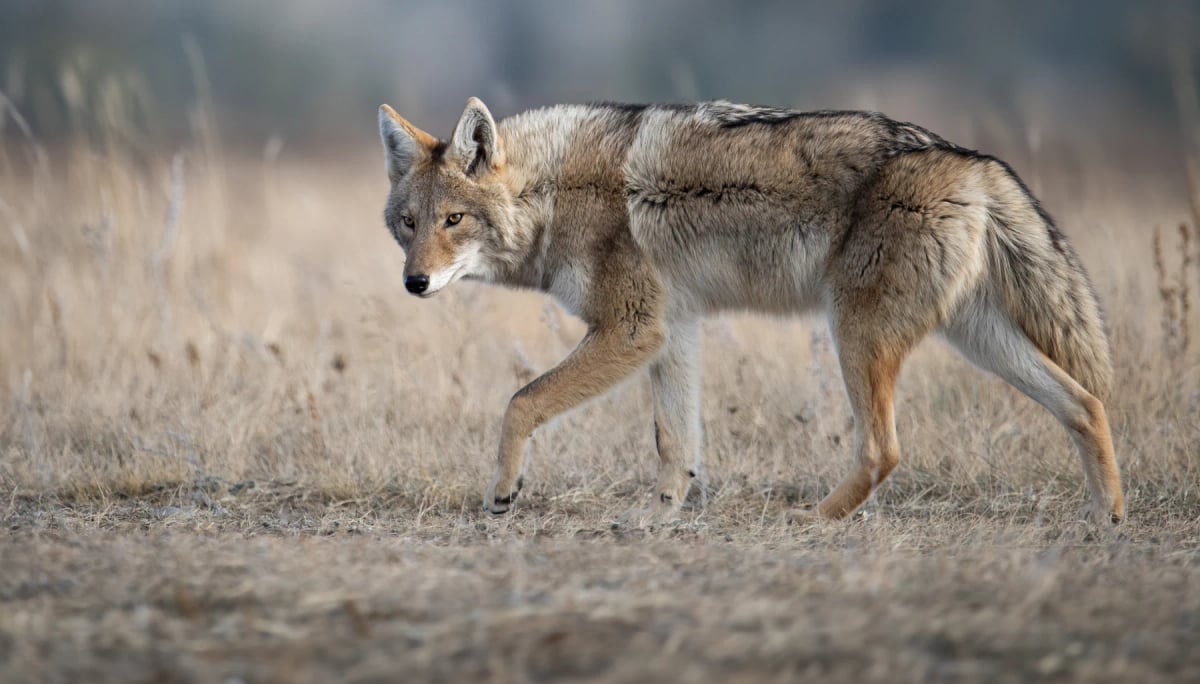
Social life in coyotes is more flexible than in most other wild canids. A coyote may roam alone for much of the year, searching for food across a territory it marks and defends. Bonded pairs form in winter and often stay together for several years. When prey is large or plentiful, loose family groups cooperate to hunt and raise young. Coyotes are most active around dusk and dawn, though those living near people often shift to nighttime activity to avoid disturbance. Their voices are one of their most recognizable features. The familiar rising howl, mixed with sharp yips and barks, serves to keep family members in contact and to announce territorial boundaries. A chorus from a single family group can sound like many more animals than are actually present.
Adaptations
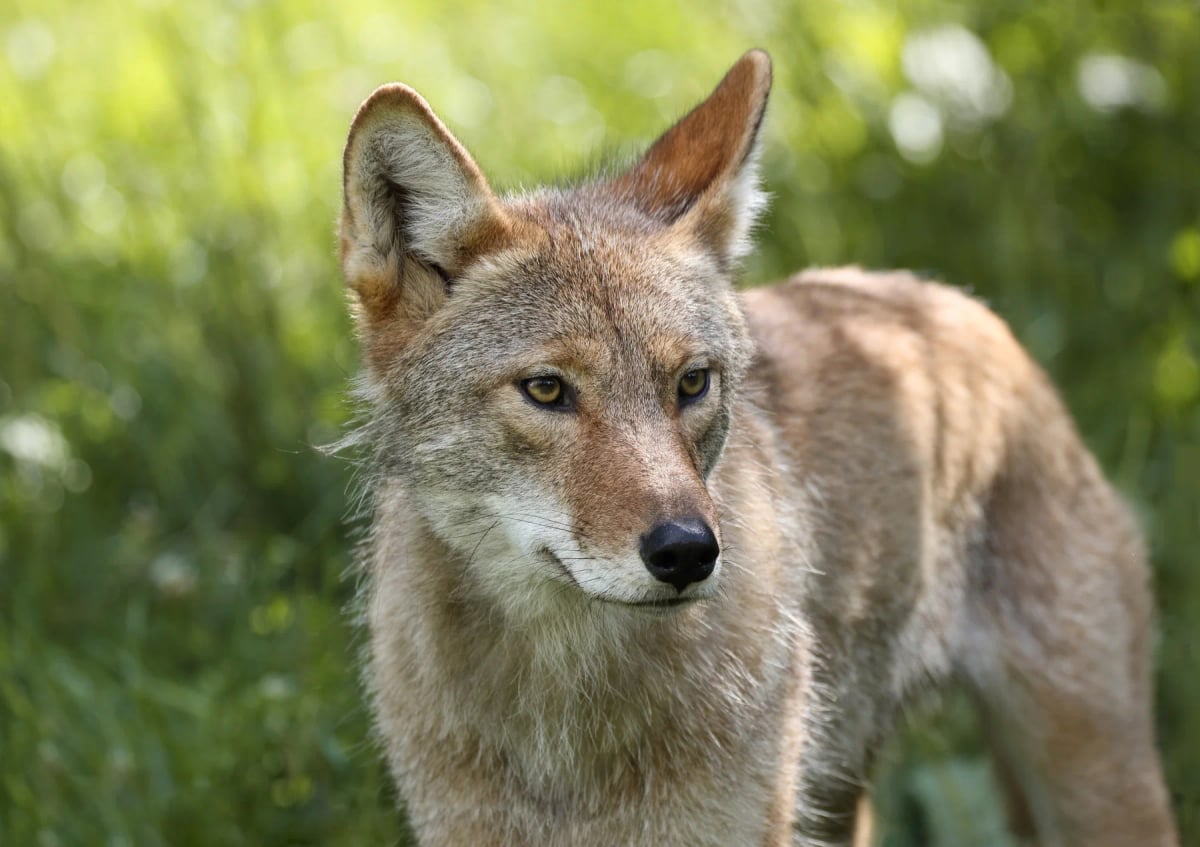
What makes the coyote so hard to displace is a combination of physical and behavioral traits that suit almost any situation. Its slender, athletic build allows it to reach speeds of around 64 km/h in short bursts, and it is a capable swimmer as well. Its senses of hearing and smell are acute, helping it detect prey or danger from a considerable distance. Perhaps more importantly, coyotes learn quickly and adjust their behavior in response to new pressures, including human activity. When persecuted in one area, populations tend to rebound quickly because litter sizes increase and more young survive to adulthood. This ability to compensate for losses has made large scale attempts to reduce coyote numbers largely unsuccessful over the long term.
Relation with humans
People and coyotes have shared space for thousands of years, but that relationship has grown more complicated as urban areas expand. Coyotes provide a genuine ecological service by keeping populations of rodents, rabbits, and other small animals in check, which benefits farmers and gardeners alike. Conflicts arise mainly when coyotes prey on free roaming pets or, less often, on livestock such as sheep and poultry. Attacks on people are rare but do occur, usually involving animals that have been fed by humans and lost their natural wariness. In many Native American traditions, the coyote holds a prominent place as a trickster figure, reflecting long observation of its clever, adaptable nature. Managing coexistence today relies on securing food sources, supervising pets outdoors, and avoiding the feeding of wild coyotes.
Where it is found
The Coyote can be found in places such as:
Researched and written by Juan Pablo. Sources: IUCN Red List, scientific literature and regional field guides. Last updated: .
Technical factsheet




Frequently Asked Questions
What do coyotes eat?
Coyotes eat just about anything they can find. Mice, rabbits, ground squirrels, birds, lizards, and insects all feature in their diet. They also eat berries, melons, and other fruit when it is in season, and they feed on carrion during winter. This flexibility is one of the main reasons coyotes thrive across so many different environments, from open deserts to city parks.
Where do coyotes live?
Coyotes are found across most of North America, from Canada and Alaska all the way down to Guatemala. They adapt to an enormous variety of environments: deserts, grasslands, forests, farmland, and even large cities like Los Angeles and New York. Originally animals of the open plains, they have expanded their range dramatically over the past century and are now among the most widespread wild canids on Earth.
Are coyotes dangerous to humans?
Attacks on people are rare. When they do happen, they almost always involve coyotes that have been fed by humans and have lost their natural fear of people. A healthy, wild coyote will normally keep its distance. The best way to stay safe is simple: never feed coyotes, keep pets supervised outdoors, and secure garbage bins. Respecting their wild nature goes a long way toward peaceful coexistence.
Do coyotes howl, and why?
Yes, and it is one of the most recognizable sounds in North American wildlife. Coyotes use a mix of howls, yips, and sharp barks to stay in contact with family members and to signal territorial boundaries to other groups. They are most vocal around dusk and dawn. A single family group can create a chorus that sounds like a much larger pack, which often surprises people hearing them for the first time.
How fast can a coyote run?
Coyotes can reach speeds of around 64 km/h in short bursts, which makes them effective hunters of quick prey like rabbits. Their slender, athletic build helps them move efficiently across all kinds of terrain. They are also capable swimmers, able to cross rivers and lakes when needed. These physical abilities, combined with sharp senses of hearing and smell, make them highly effective at finding food in almost any environment.
What is the conservation status of the coyote?
The coyote is listed as Least Concern on the IUCN Red List, meaning the species faces no immediate threat of extinction. In fact, coyote populations have grown and spread over the past century despite decades of hunting and trapping. When numbers drop in an area, litters tend to get larger and more young survive, allowing populations to recover quickly. This ability to rebound has made large scale control efforts largely ineffective.
Do coyotes live alone or in packs?
It depends on the season and the situation. Many coyotes roam alone for much of the year. In winter, bonded pairs form and can stay together for several years. When prey is large or abundant, loose family groups hunt and raise pups together. This flexibility sets coyotes apart from most other wild canids. They adjust their social structure based on what gives them the best chance of finding food and raising young successfully.