Animals in United Kingdom
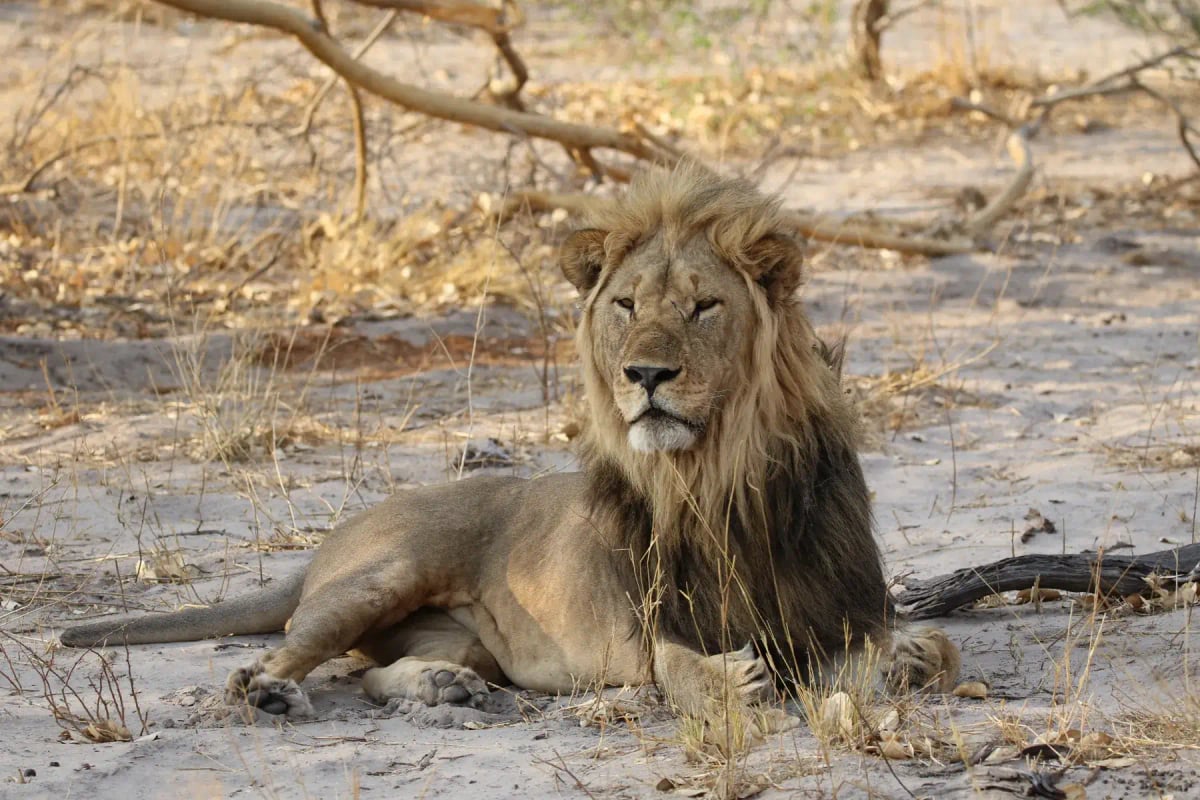
Lion
Panthera leo
The lion has represented the United Kingdom for nearly a thousand years without ever having lived on its shores. Its association with English royalty dates to the twelfth century, when it appeared on the royal standard of Richard I, and it has been woven into heraldry, coins, flags and sporting emblems ever since. Three golden lions appear on the England football and cricket kits, and the lion rampant features on the Scottish royal standard. Despite being a purely symbolic animal with no connection to British nature, the lion remains the most recognized emblem of the nation and its institutions worldwide.
View details→Wildlife in United Kingdom
The United Kingdom covers an extraordinary range of landscapes for a relatively small country, from the open plateaus of the Scottish Highlands and the sea cliffs of Shetland to the chalk downlands of southern England, the ancient oakwoods of Wales and the blanket bogs of northern Ireland. Red deer, red squirrels and pine martens persist in Scotland while otters, badgers and foxes are widespread across all four nations. The seas around the UK are among the richest in Europe, with large grey seal colonies, outstanding puffin and seabird cliffs, and regular sightings of dolphins, whales and basking sharks from both headlands and dedicated boat trips. National parks, nature reserves and coastal paths give visitors excellent access to wildlife across the entire country.
Most Dangerous Animals in United Kingdom
The UK is one of the safer countries in Europe for wildlife encounters. The European adder is the only venomous snake in Britain and while its bite is rarely fatal, it deserves respect. Wild boar have reestablished in parts of the Forest of Dean and other areas of England and can be dangerous if surprised with young. At sea, orcas occasionally appear off the Scottish and Welsh coasts and large basking sharks are common in summer, though neither poses a danger to humans. Strong tides, cold water and unpredictable Atlantic swells represent a greater real risk than any animal encounter for visitors exploring the UK's coastline.
Top 10 Animals in United Kingdom
The UK rewards wildlife seekers in every season and across all four nations. Scotland is the standout destination for large mammals and dramatic landscapes, where red deer, red squirrels, ospreys and pine martens draw visitors to the Highlands and the Cairngorms. Seabird cliffs in Northumberland, Yorkshire, Pembrokeshire and the Scottish islands host some of the largest puffin, gannet and guillemot colonies in Europe each summer. The seas off southwest England, Wales and Scotland offer some of the best cetacean watching in northern Europe, with common dolphins, bottlenose dolphins, humpback whales and minke whales all regularly encountered. Grey seal colonies at the Farne Islands and in Cornwall and Scotland are accessible all year.
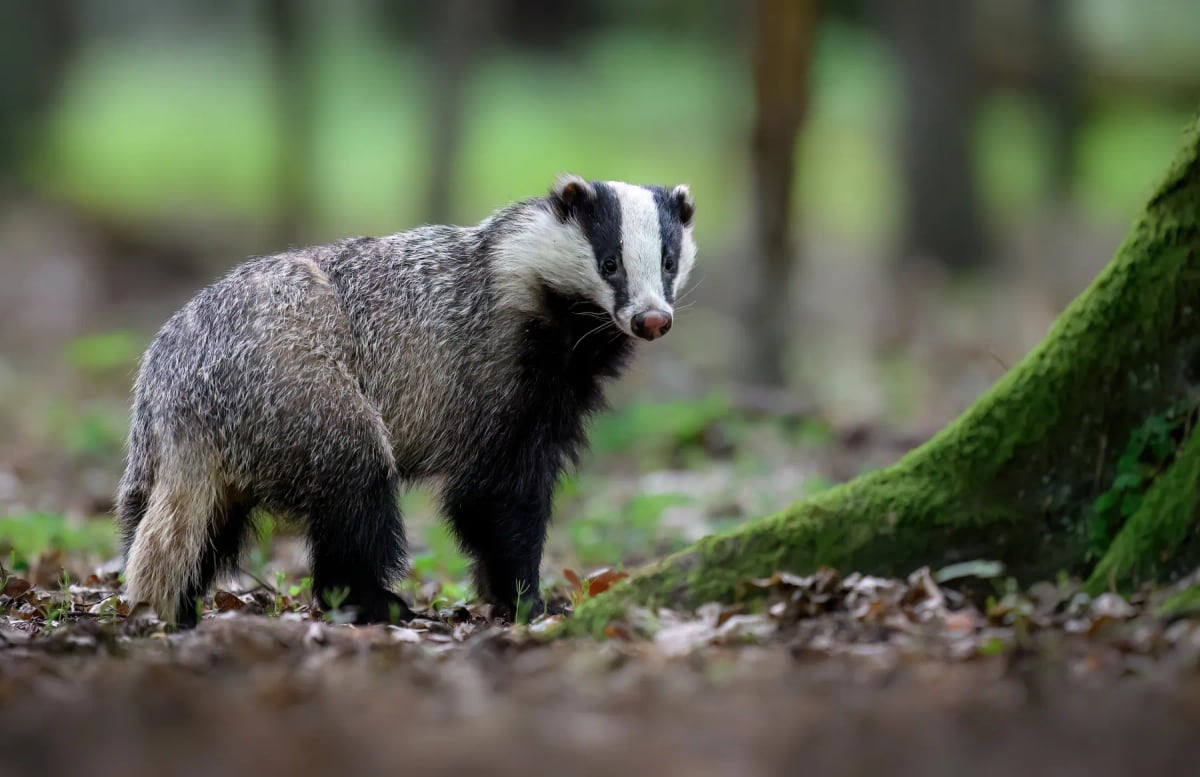
Badger
Meles meles
The Eurasian badger is widespread across the UK in woodland, farmland, hedgerow country and suburban areas throughout England, Wales and Scotland. It lives in family groups in extensive burrow systems called setts, many of which are centuries old. The badger is at the center of a long running controversy in Britain over its role as a reservoir of bovine tuberculosis in cattle, and a government sanctioned culling program in parts of England has made it one of the most politically contentious wildlife issues in the country. Despite this, badger populations remain healthy across most of their range.
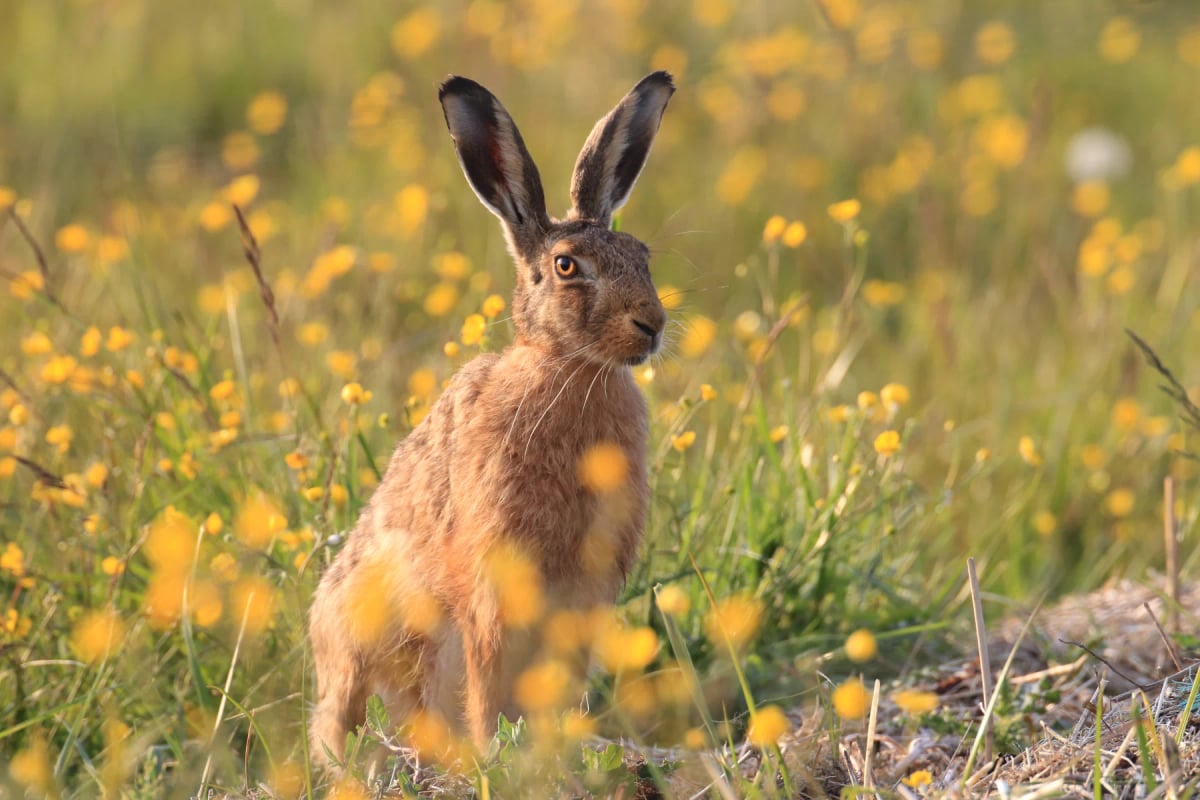
Hare
Lepus europaeus
In the United Kingdom, the European hare is widespread across lowland England and parts of Scotland, living on arable farmland and open grassland. Numbers have dropped sharply since the mid-twentieth century, largely due to intensive agriculture and the loss of suitable habitat. It is now considered a priority species under the UK Biodiversity Action Plan. Its famous 'mad March' boxing behaviour is males and females interacting during the breeding season.
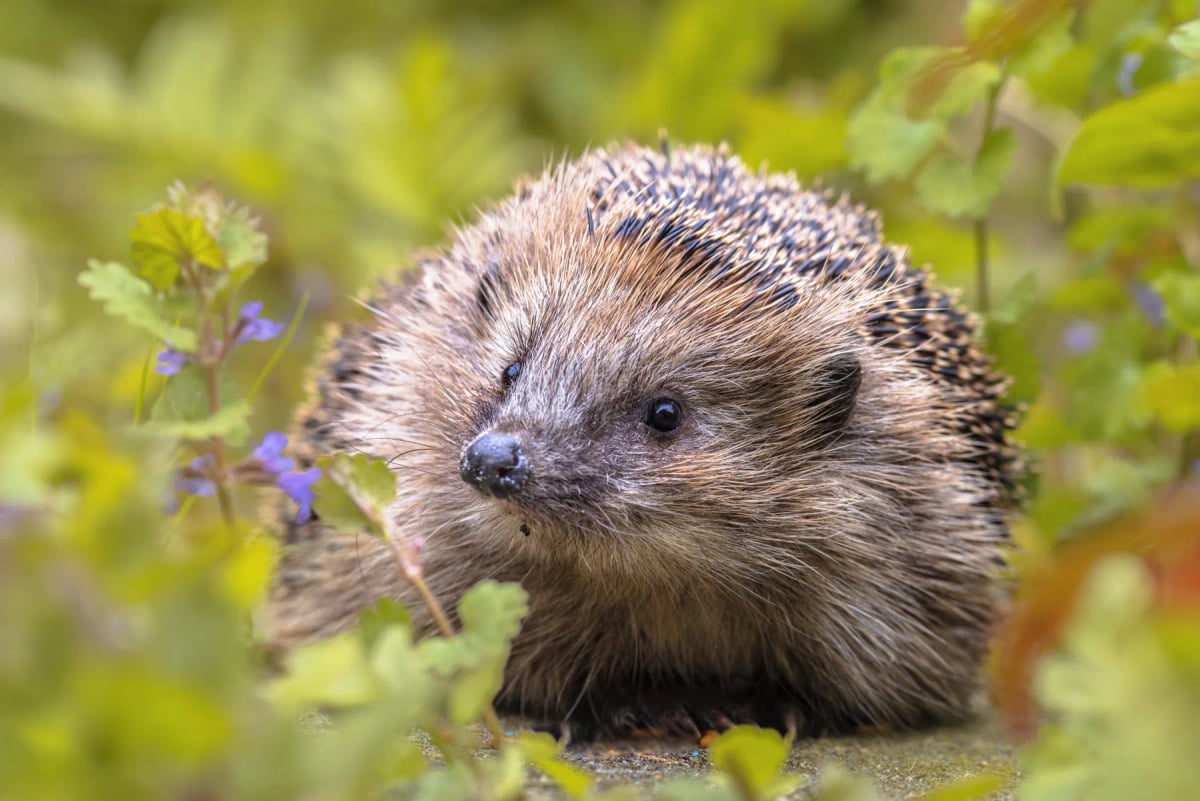
Hedgehog
Erinaceus europaeus
The hedgehog is one of Britain's most recognised wild mammals, found in gardens, parks, hedgerows, and farmland across England, Wales, and Scotland. Surveys by the British Hedgehog Preservation Society and the People's Trust for Endangered Species suggest the population has fallen sharply since the 1950s, with road deaths, loss of hedgerows, and changes in farming among the main causes. The IUCN lists it as Least Concern globally, but in Britain it is a species of conservation concern.
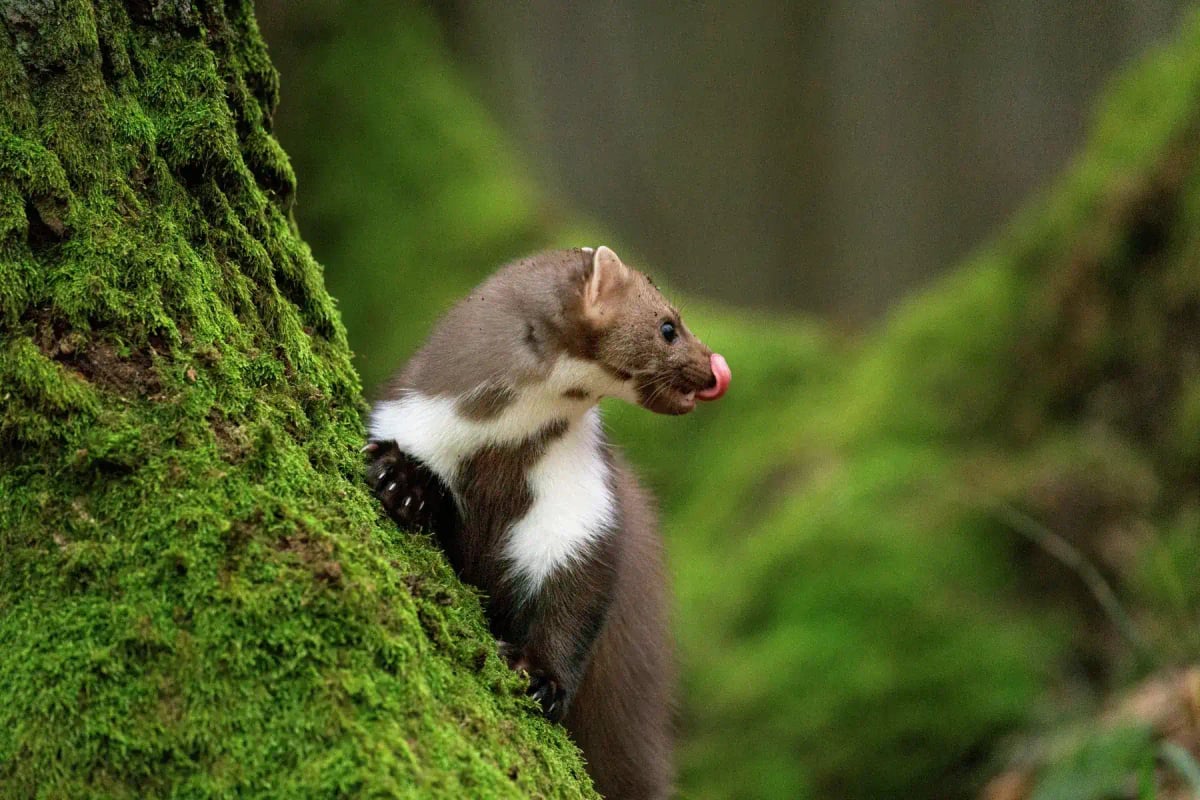
Marten
Martes martes / Martes foina
In the United Kingdom, the pine marten is the species present, and its story is one of remarkable recovery. Once pushed to the brink across most of Britain, it held on in the Scottish Highlands and has since been successfully reintroduced to Wales and parts of England. It favors woodland with plenty of cover. The IUCN lists it as Least Concern globally, though it remains protected under UK law.
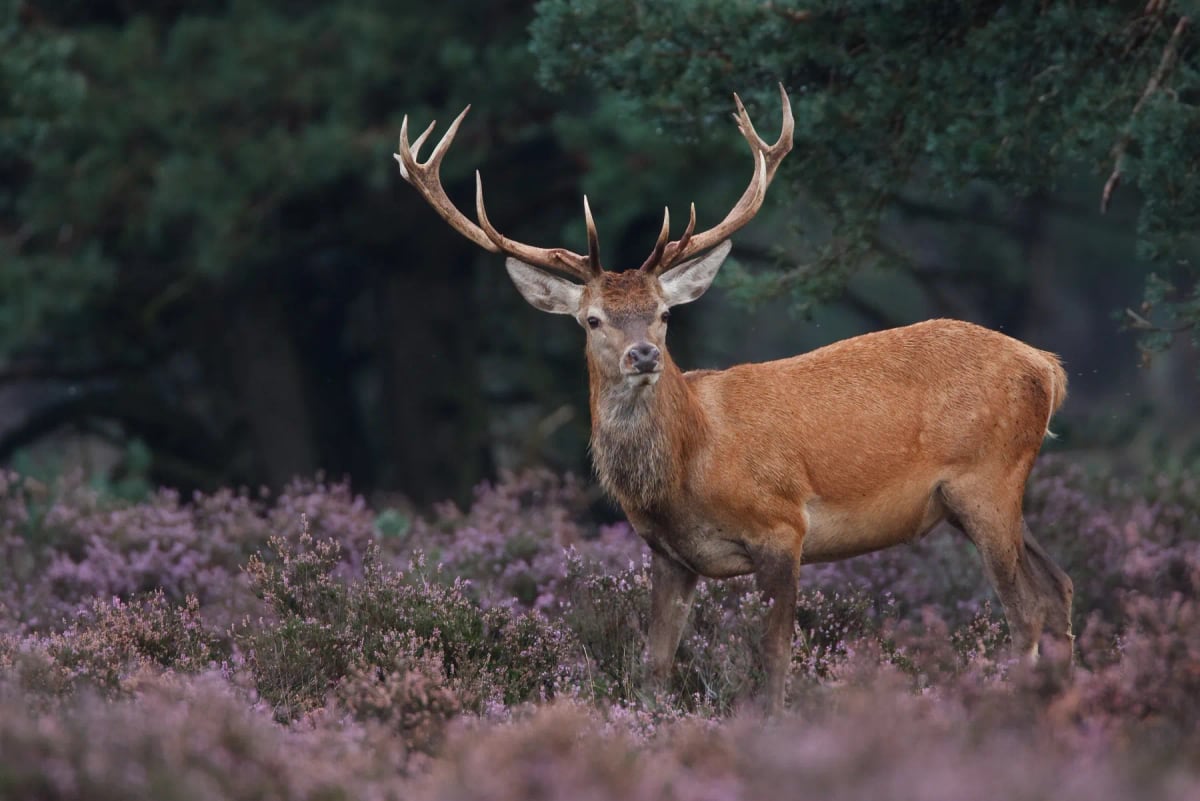
Red Deer
Cervus elaphus
The red deer is the largest native land mammal in the United Kingdom. Scotland holds the greatest numbers, particularly across the Highlands and islands, where open moorland is their signature habitat. Smaller populations exist in parts of England and Ireland. Stags are renowned for their dramatic autumn rut. Deer management is widely practised to balance population sizes with the needs of forestry, farming, and native vegetation.
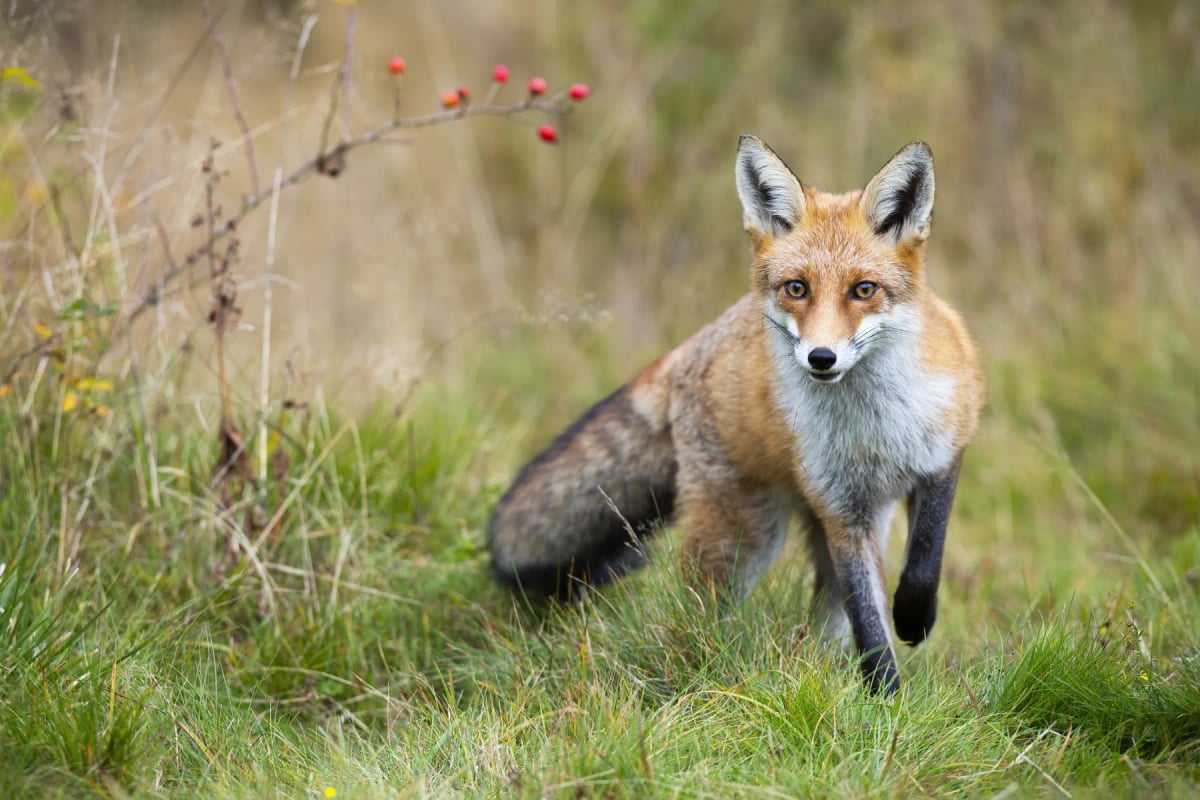
Red Fox
Vulpes vulpes
The red fox is one of Britain's most familiar wild mammals, found from the Scottish Highlands to the suburbs of London. Urban foxes have become a defining feature of British cities, raiding bins and raising cubs under garden sheds. In rural areas they live across farmland, woodland, and moorland. Despite being legally hunted for centuries, populations remain healthy throughout England, Scotland, and Wales. Its status is Least Concern.
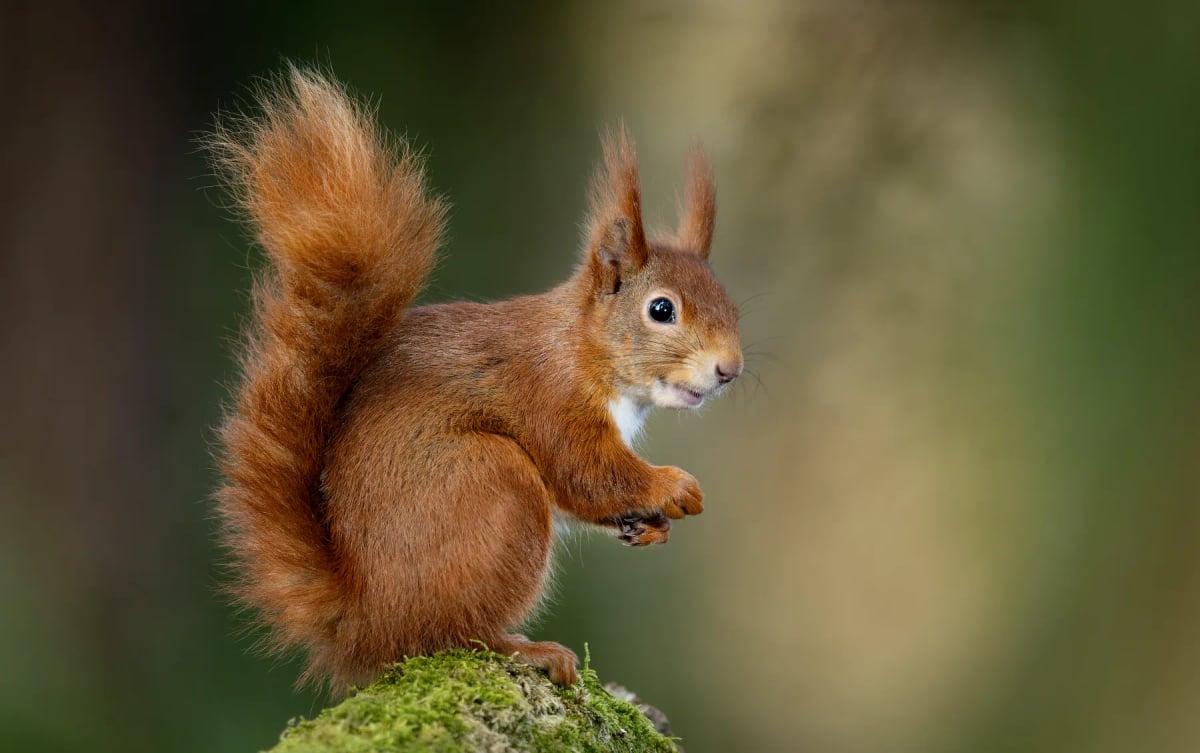
Red Squirrel
Sciurus vulgaris
In the United Kingdom, the red squirrel is under serious threat from the grey squirrel, introduced from North America in the late 1800s. It has been pushed back to northern Scotland, parts of northern England, and a few islands. Conservation programmes work hard to protect remaining populations. The red squirrel is a priority species for wildlife groups across the country. Its IUCN status is Least Concern.
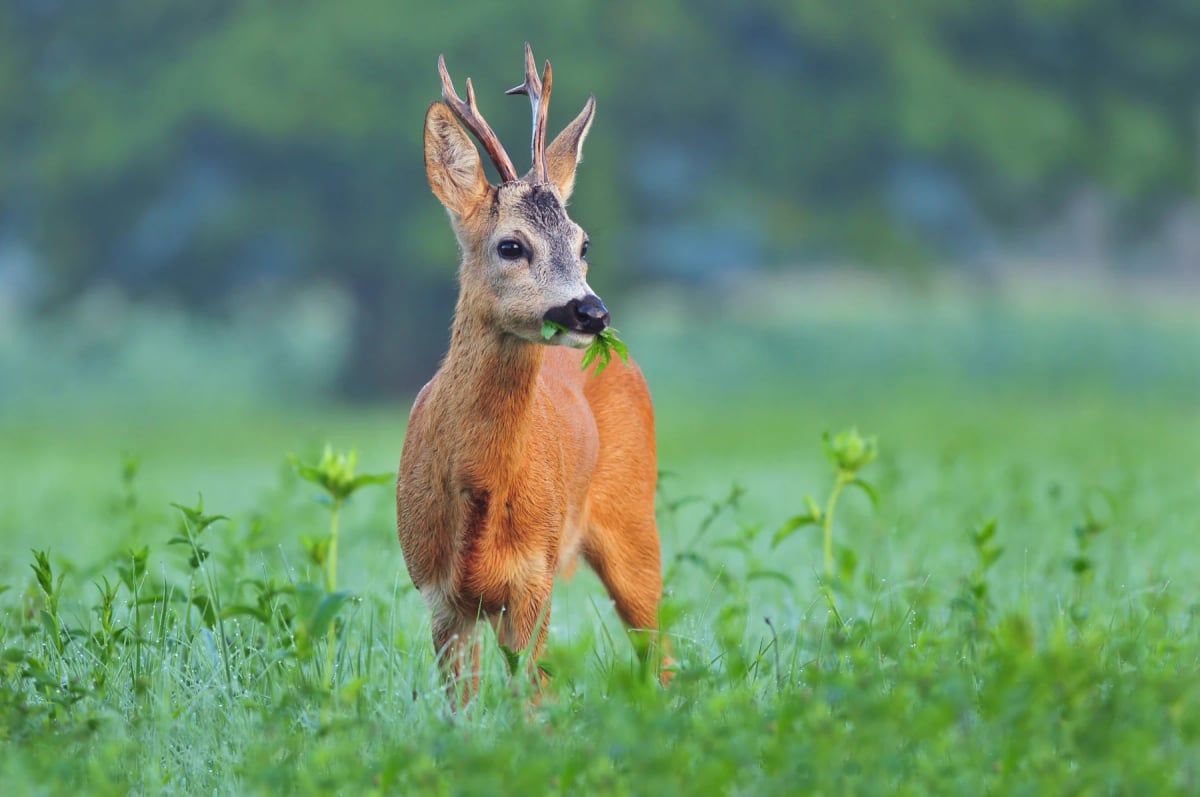
Roe Deer
Capreolus capreolus
The roe deer is native to the United Kingdom and is the country's most widespread deer species. It is found across Scotland and much of England, favouring woodland edges, conifer plantations, and areas of mixed farmland. After becoming locally extinct in England during the 18th century, populations recovered through natural recolonisation from Scotland and deliberate reintroductions. Today numbers are healthy, though they are managed carefully to reduce impacts on forestry and agriculture. IUCN status: Least Concern.
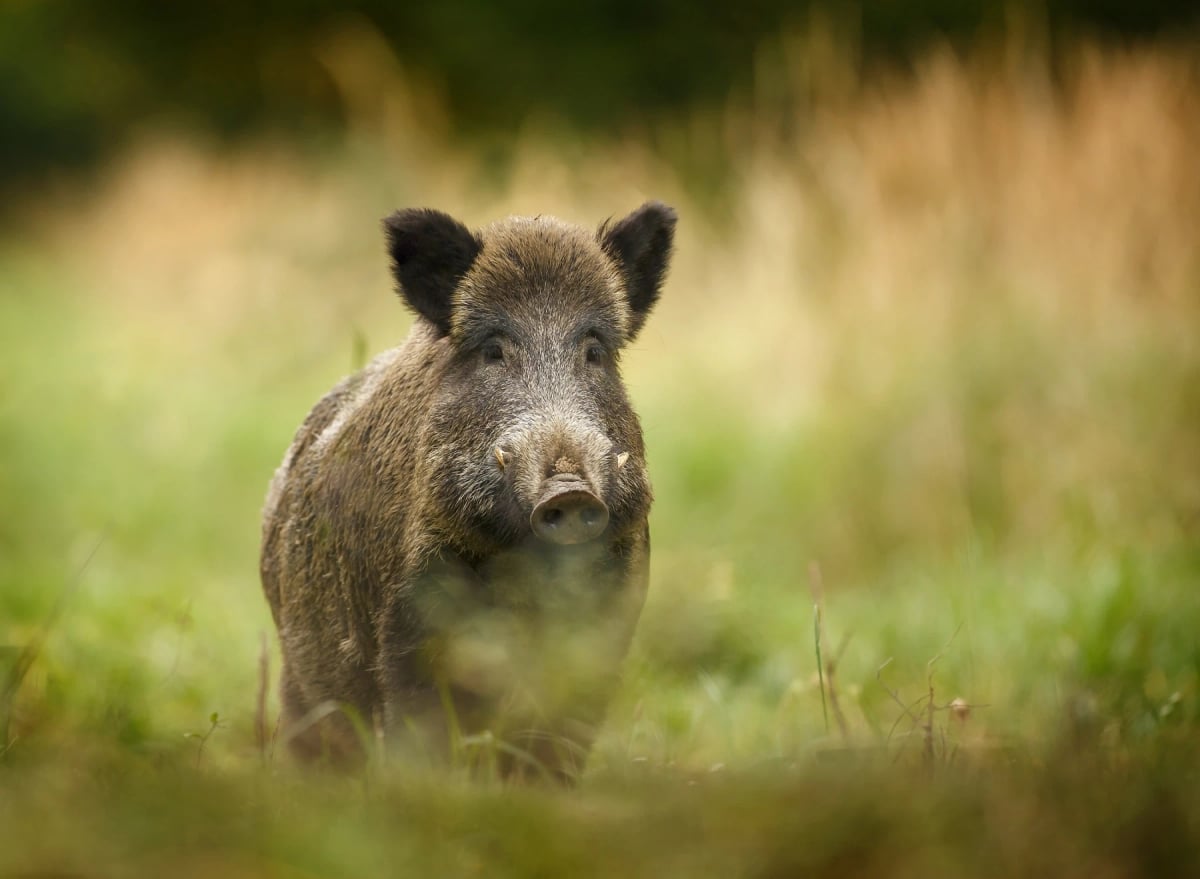
Wild Boar
Sus scrofa
Wild boar were hunted to extinction in Britain in the thirteenth century but have returned through farm escapes and deliberate releases since the 1980s. Established feral populations exist in the Forest of Dean, parts of Kent and East Sussex, and scattered locations across Scotland. The Forest of Dean population is the best known and has grown substantially, prompting ongoing debate over management, since wild boar currently receive no legal protection in Britain.
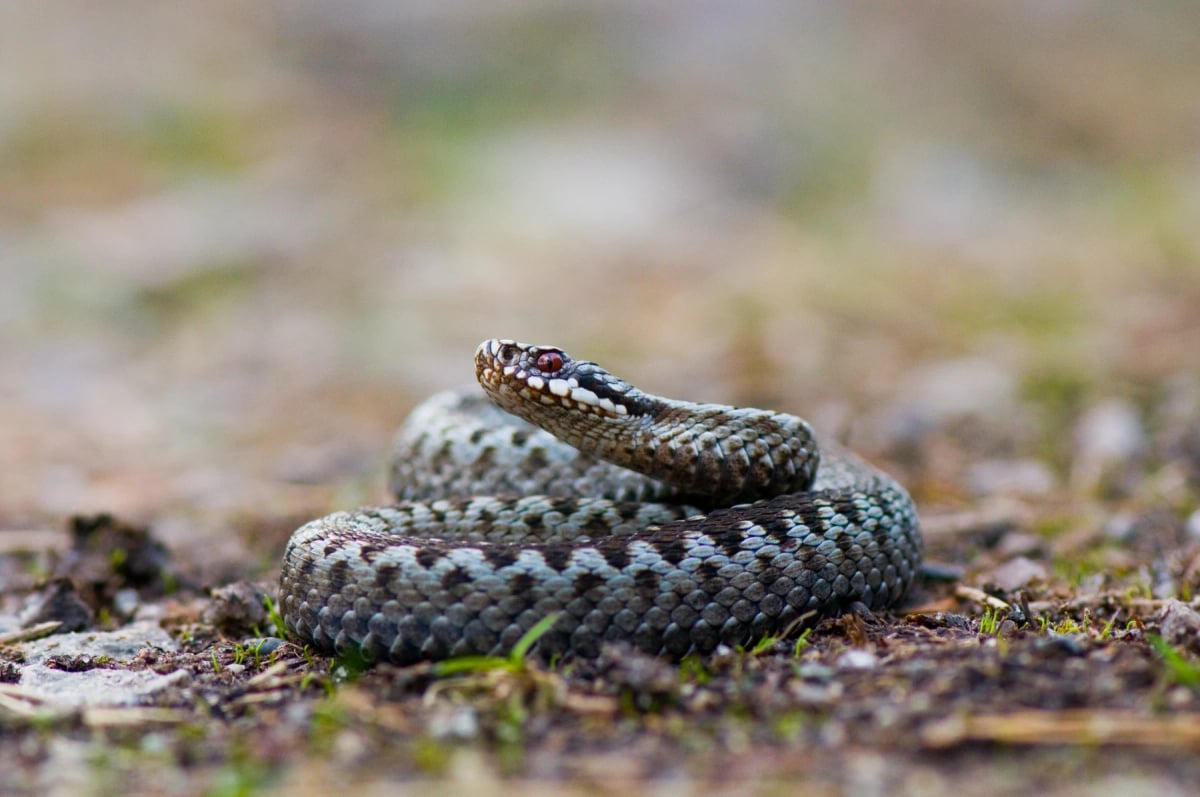
European Adder
Vipera berus
The European adder is the only venomous snake native to the United Kingdom, found in England, Wales, and Scotland. It favors heathlands, moorlands, woodland edges, and coastal dunes. Populations have declined in recent decades due to habitat loss and fragmentation. It is fully protected under the Wildlife and Countryside Act 1981. Its IUCN status is Least Concern.
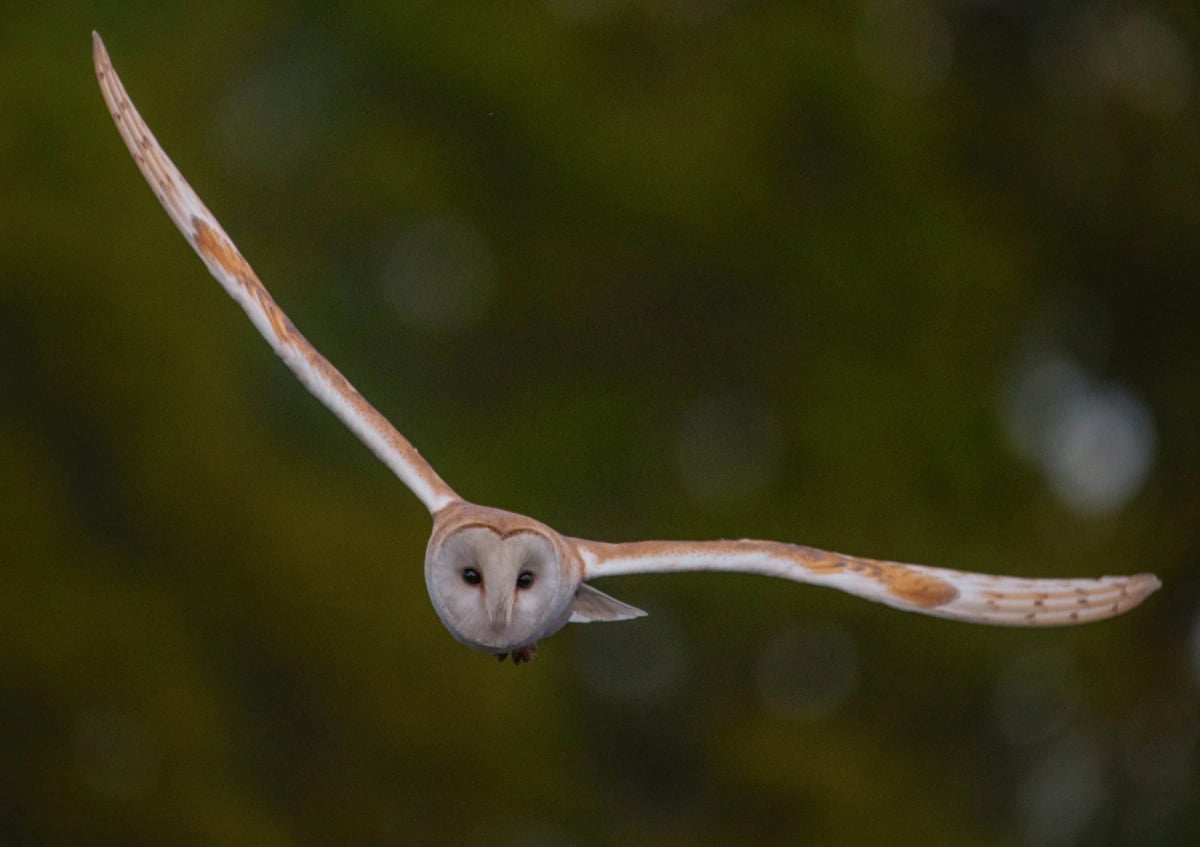
Barn Owl
Tyto alba
The barn owl is found across England, Wales and parts of Scotland and Northern Ireland, nesting in old farm buildings, hollow trees and church towers in open farmland, rough grassland and river valleys. It is one of the most studied birds in Britain and a key indicator of farmland health, as its numbers are closely tied to the availability of voles and mice. Populations fluctuate with rodent cycles and harsh winters can cause significant mortality. Nest box programs run by farmers and wildlife trusts have helped support the species across much of lowland Britain.
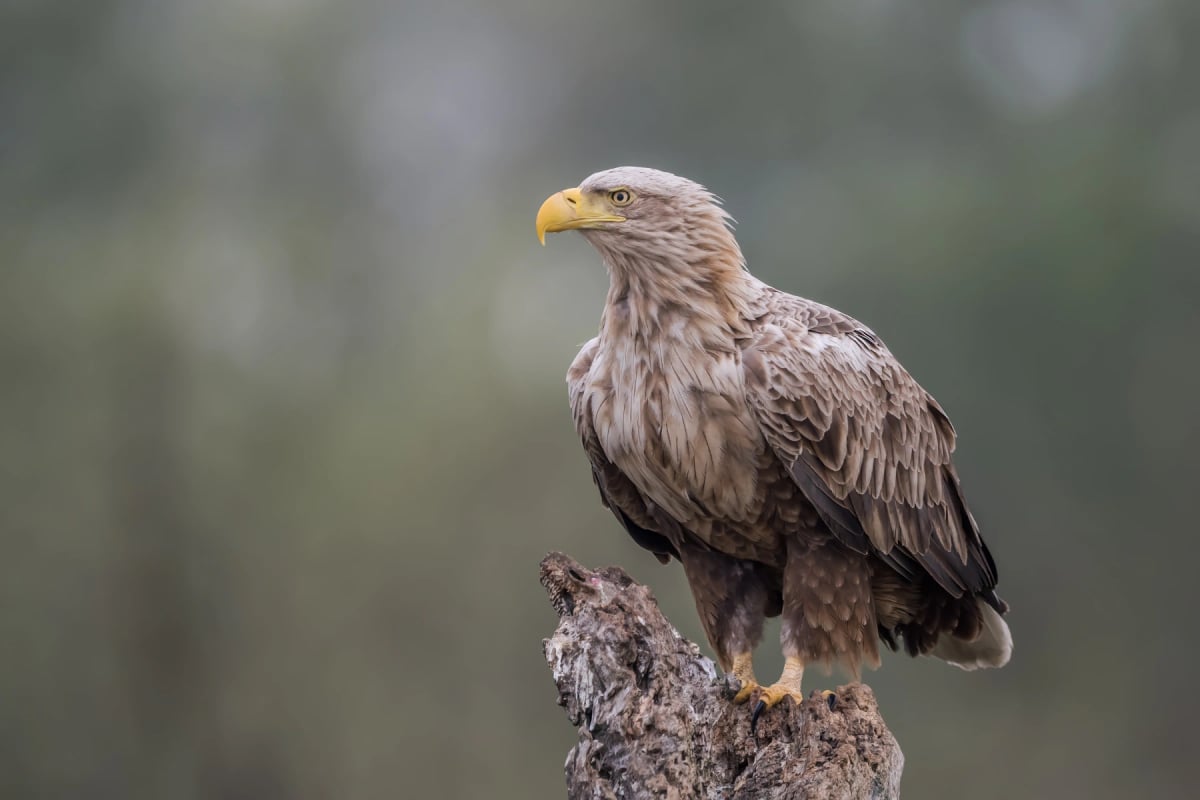
White tailed Eagle
Haliaeetus albicilla
The white-tailed eagle has made a triumphant return to the United Kingdom thanks to reintroduction efforts beginning in Scotland in the 1970s. Populations are now established on the west coast of Scotland and the Isle of Wight, with birds also regularly seen in England. It favours sea lochs, large inland lakes, and estuaries. Further reintroduction projects continue to expand its range across the country. Its IUCN status is Least Concern.
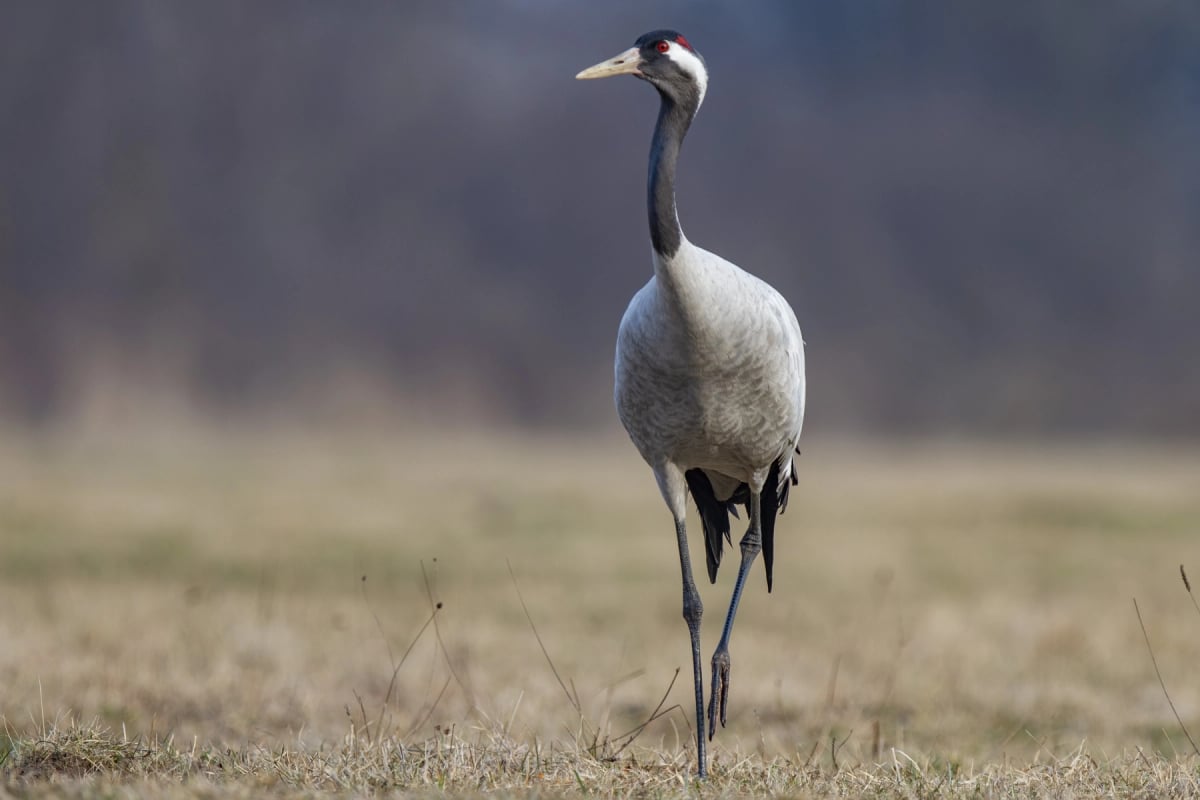
Crane
Grus grus
The common crane is making a gradual comeback in the United Kingdom after centuries of absence as a breeding bird. A small but growing population now nests in the Norfolk Broads, re-established naturally after cranes began returning in the 1970s. A reintroduction project in Somerset has also helped boost numbers. Cranes are still an exciting and relatively rare sight across most of Britain.
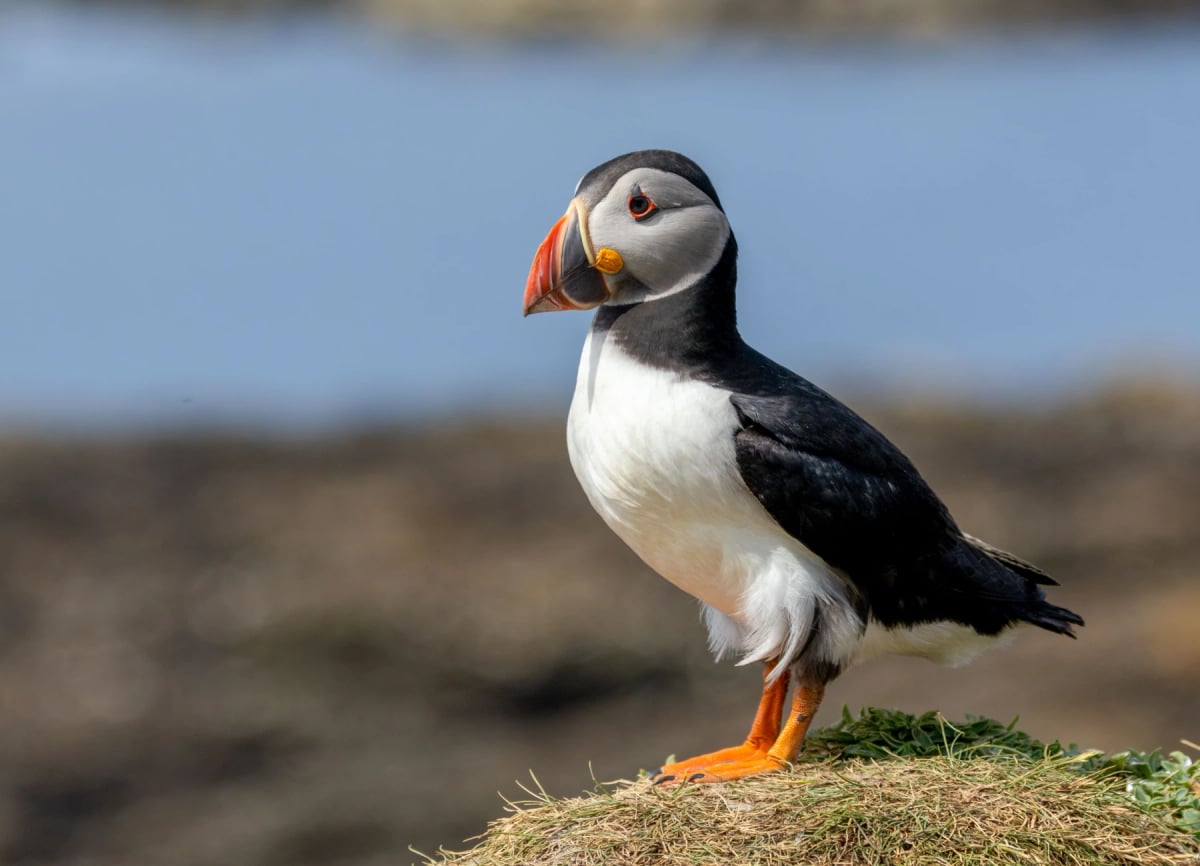
Puffin
Fratercula arctica
The United Kingdom holds some of the most important puffin colonies in the world, found on islands such as the Farne Islands, Skomer Island, and the Isle of May, as well as sites in Orkney and Shetland. The RSPB and other conservation groups monitor these populations closely. While some UK colonies have remained relatively stable, others have declined. Overfishing of sand eels and warming seas remain the main threats to breeding success across the country.
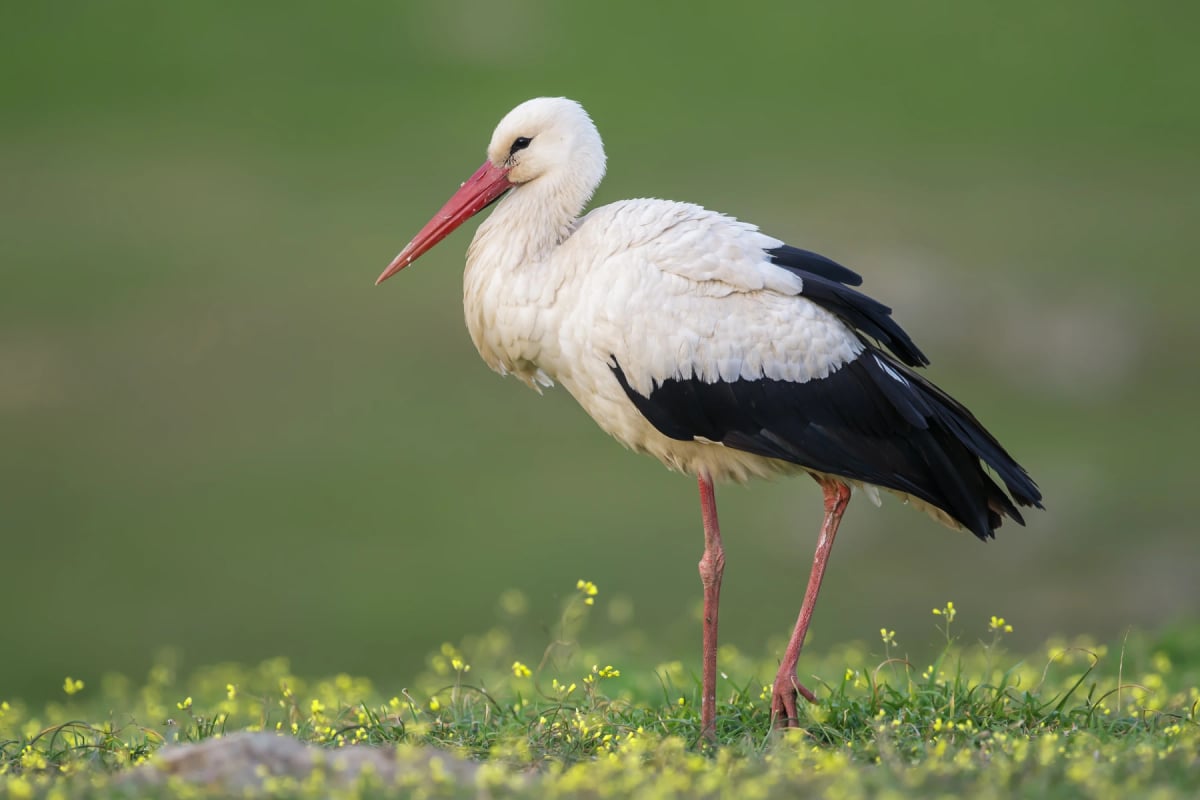
Stork
Ciconia ciconia
The white stork is a rare but increasingly hopeful sight in the United Kingdom. For centuries it was absent as a breeding bird, but a reintroduction project at Knepp Estate in West Sussex has seen chicks hatch for the first time since the 1600s. Migrants still pass through on occasion, and conservationists are working to establish a self-sustaining population across southern England. Its IUCN status is Least Concern.
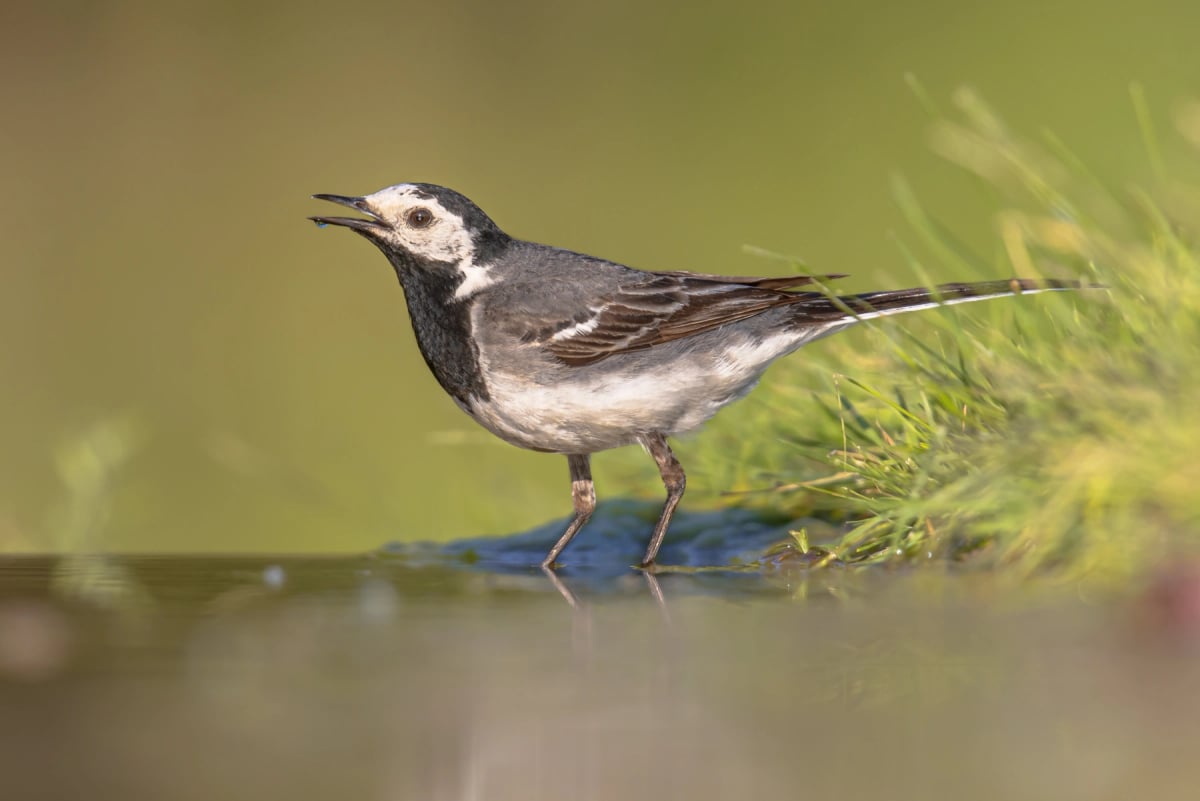
White Wagtail
Motacilla alba
The pied wagtail, the British subspecies of the white wagtail, is one of the most familiar and widespread small birds in the UK, found near rivers, streams, car parks, rooftops and open ground throughout the country year round. The continental white wagtail passes through Britain during spring and autumn migration and can be seen alongside pied wagtails on coastal headlands and in wetlands during these periods. Both forms bob their tails constantly as they walk and are instantly recognizable. In winter, pied wagtails gather in spectacular communal roosts in town centers across Britain.
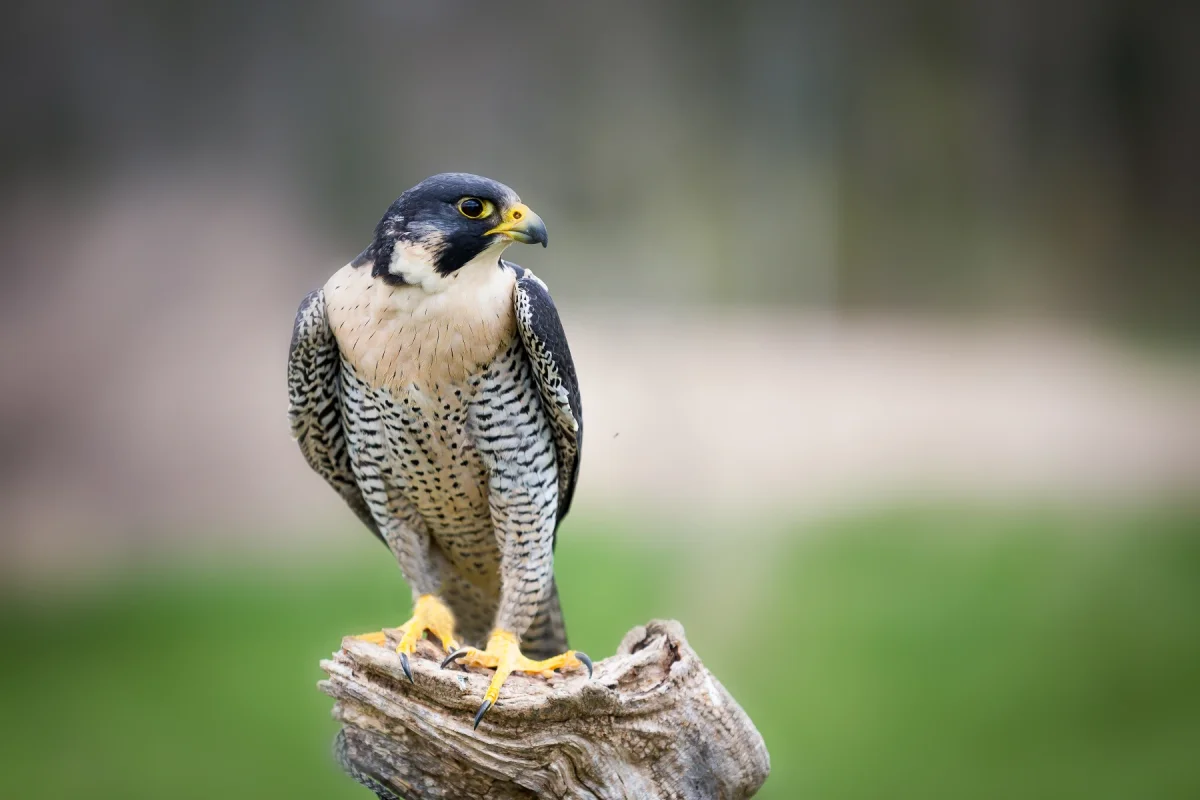
Peregrine Falcon
Falco peregrinus
The peregrine falcon is one of Britain's great conservation success stories. Populations crashed in the twentieth century due to DDT and deliberate persecution, but the species has recovered strongly and now breeds across upland moors, sea cliffs in Scotland, Wales, and England, and even on cathedral towers and city buildings. London, Exeter, and Bristol all have nesting pairs. Today the UK holds one of the largest peregrine populations in Europe. IUCN status: Least Concern.
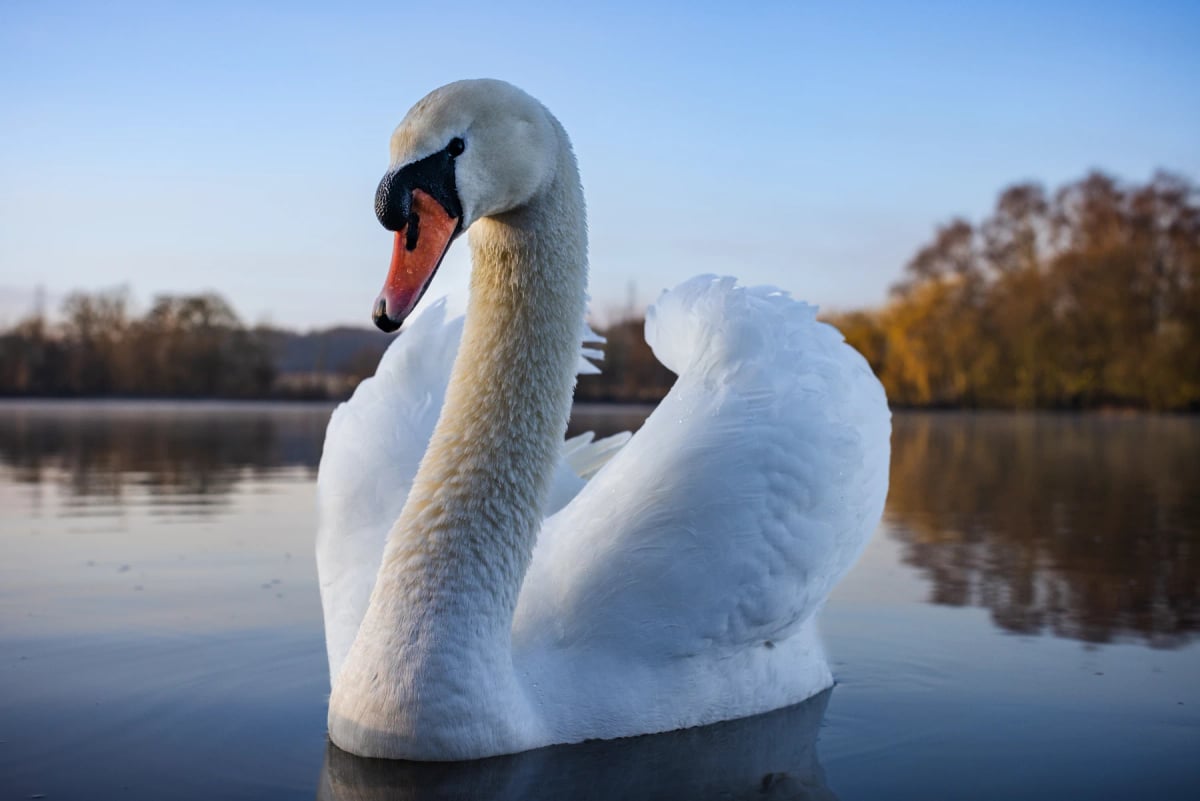
Mute Swan
Cygnus olor
The mute swan is one of Britain's most beloved waterbirds, found on rivers, lakes, gravel pits, and coastal estuaries throughout England, Scotland, Wales, and Ireland. The River Thames is famous for its resident population, which has been protected by the Crown for centuries. Pairs mate for many years and raise cygnets together each spring. The species is widespread and thriving across the country. IUCN status: Least Concern.
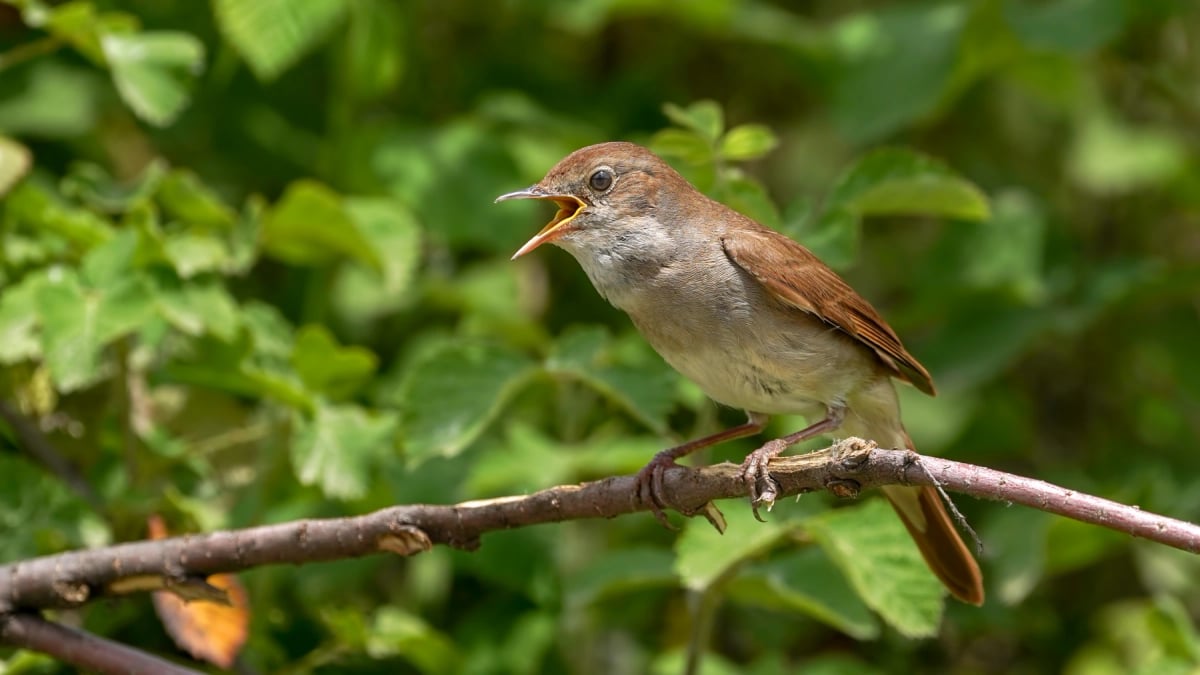
Nightingale
Luscinia megarhynchos
In the United Kingdom, the nightingale is a bird of the southeast, found mainly in coppiced woodland, dense scrub, and thickets in England. Its range has contracted noticeably over recent decades, with the loss of the dense undergrowth it depends on for nesting being the primary cause. Sites in Kent, Suffolk, and Sussex remain strongholds. Despite its famous song, most people in Britain never actually hear one in the wild.
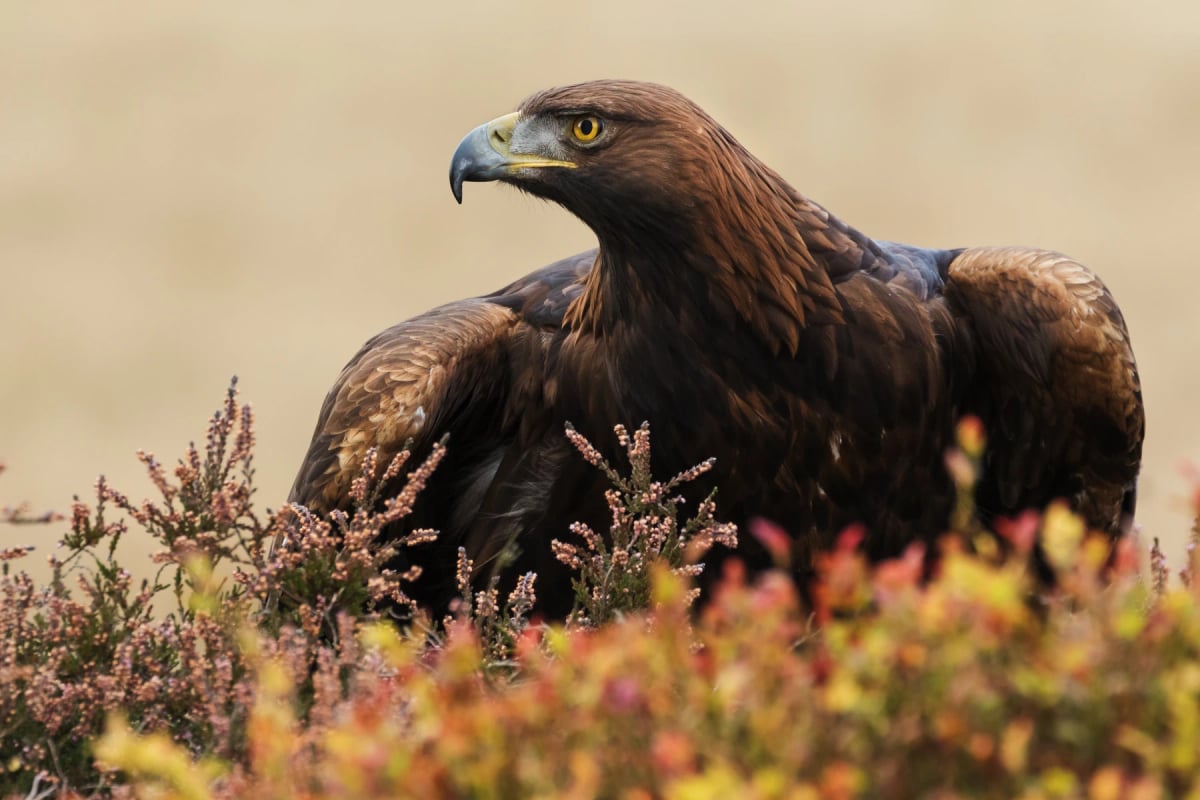
Golden Eagle
Aquila chrysaetos
In the United Kingdom, the golden eagle is a bird of the Scottish Highlands, where it soars above heather moorlands, glens, and mountain ridges. Scotland holds the vast majority of the breeding population, with a small number of pairs also present in parts of southern Scotland. It feeds on rabbits, mountain hares, and grouse. Legal protection has helped numbers recover steadily since the mid twentieth century. The IUCN lists it as Least Concern.
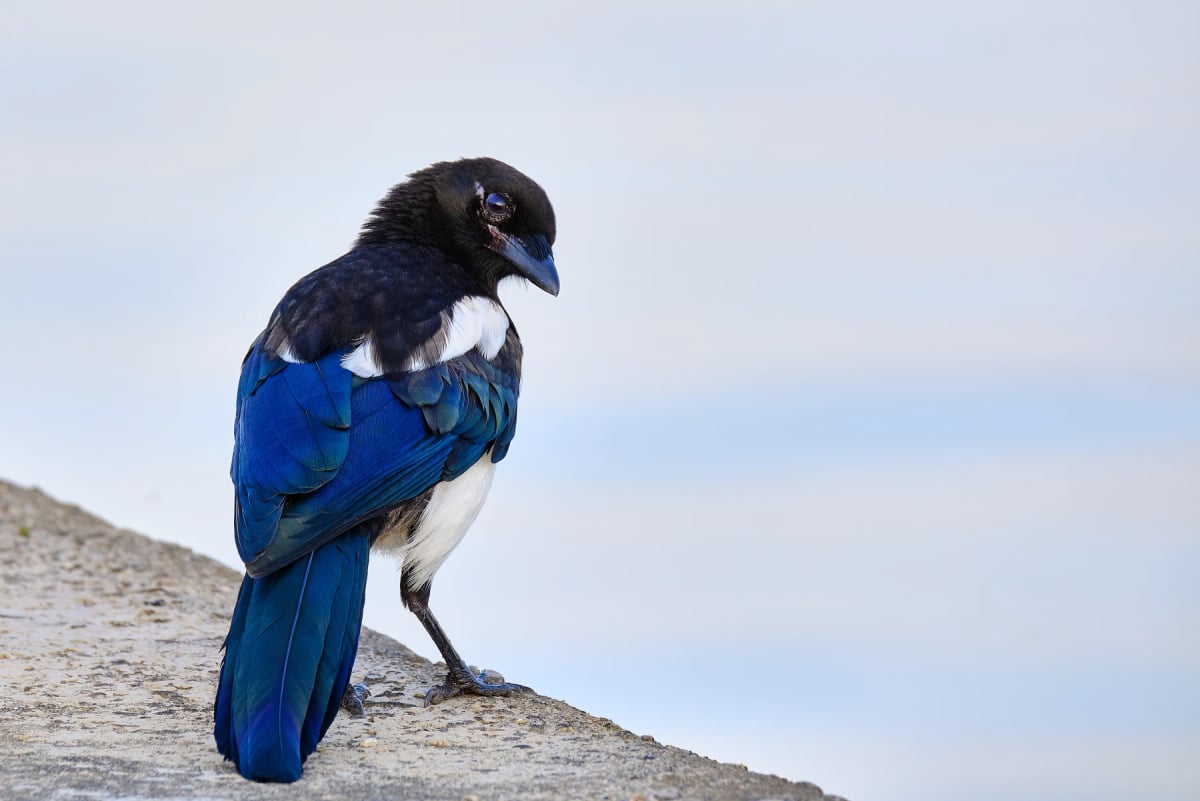
Eurasian Magpie
Pica pica
In the United Kingdom, the Eurasian Magpie is one of the most recognizable garden and parkland birds, found from southern England to the Scottish Highlands. Its population grew considerably through the latter decades of the twentieth century. It has a strong cultural presence in British folklore, including the tradition of counting magpies for luck. Despite being persecuted on some game estates, the overall population is healthy and stable. IUCN status: Least Concern.
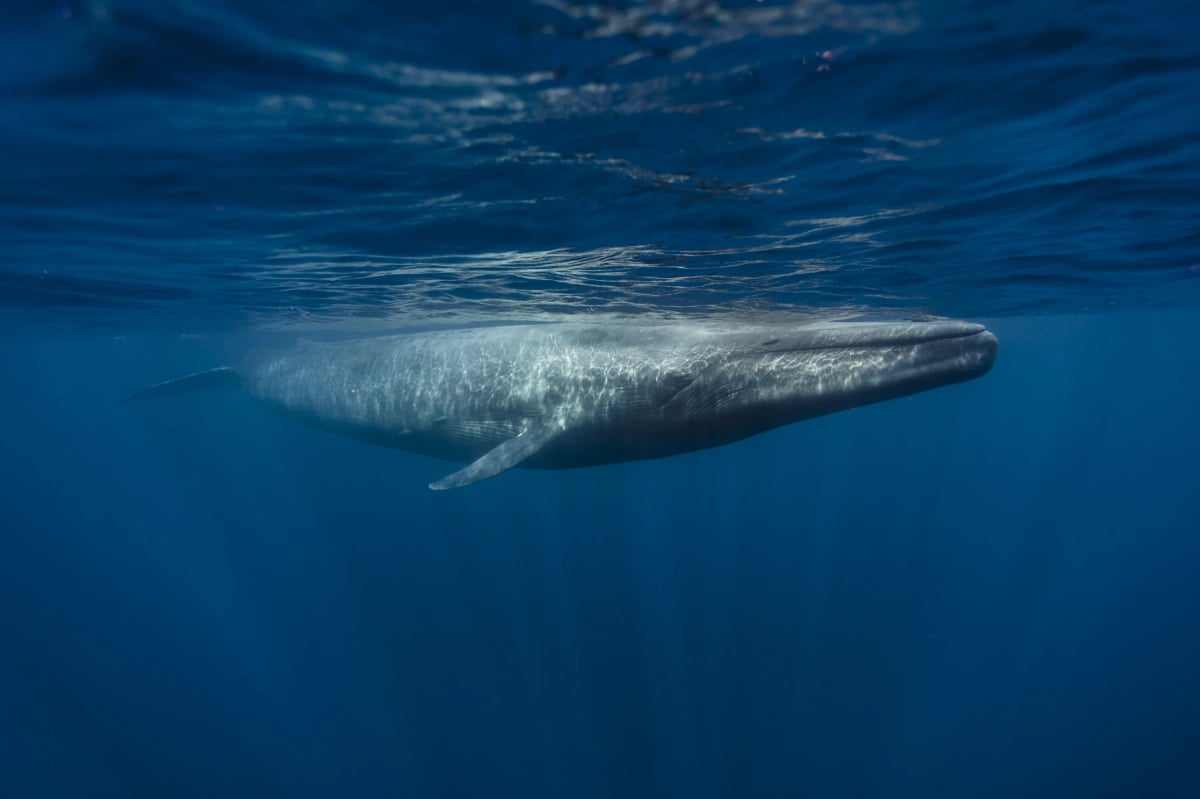
Blue Whale
Balaenoptera musculus
Blue whales are rare but documented visitors to UK waters, occasionally recorded off the coasts of Scotland and Ireland, particularly in the North Atlantic. They are drawn by productive feeding grounds rich in krill and small crustaceans. Conservation efforts under UK and international law offer the species protection, though ship strikes and underwater noise pollution remain ongoing concerns for individuals passing through these waters.
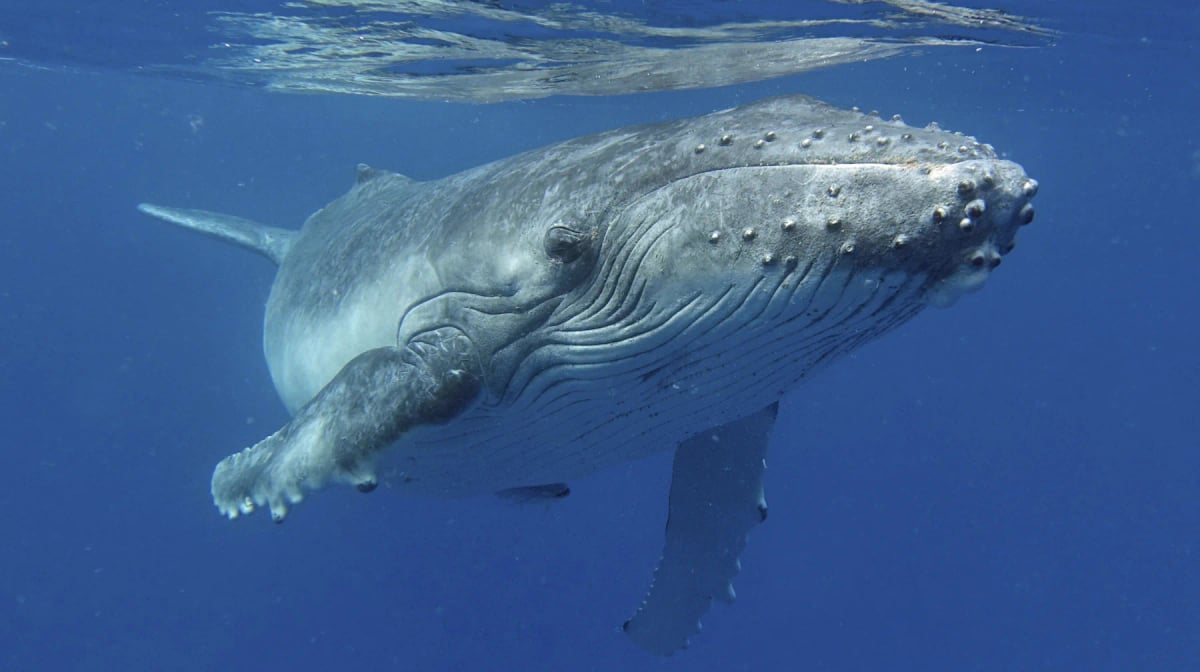
Humpback Whale
Megaptera novaeangliae
Humpback whales are recorded with increasing regularity in UK waters, particularly off Scotland, Ireland, and the Hebrides, where they feed during summer months. Cold, nutrient-rich waters in this part of the North Atlantic support the fish and krill that these whales depend on. Their return to British waters in greater numbers reflects population recovery following the end of commercial whaling. These animals can weigh up to 40 tonnes. The IUCN classifies the humpback whale as Least Concern.
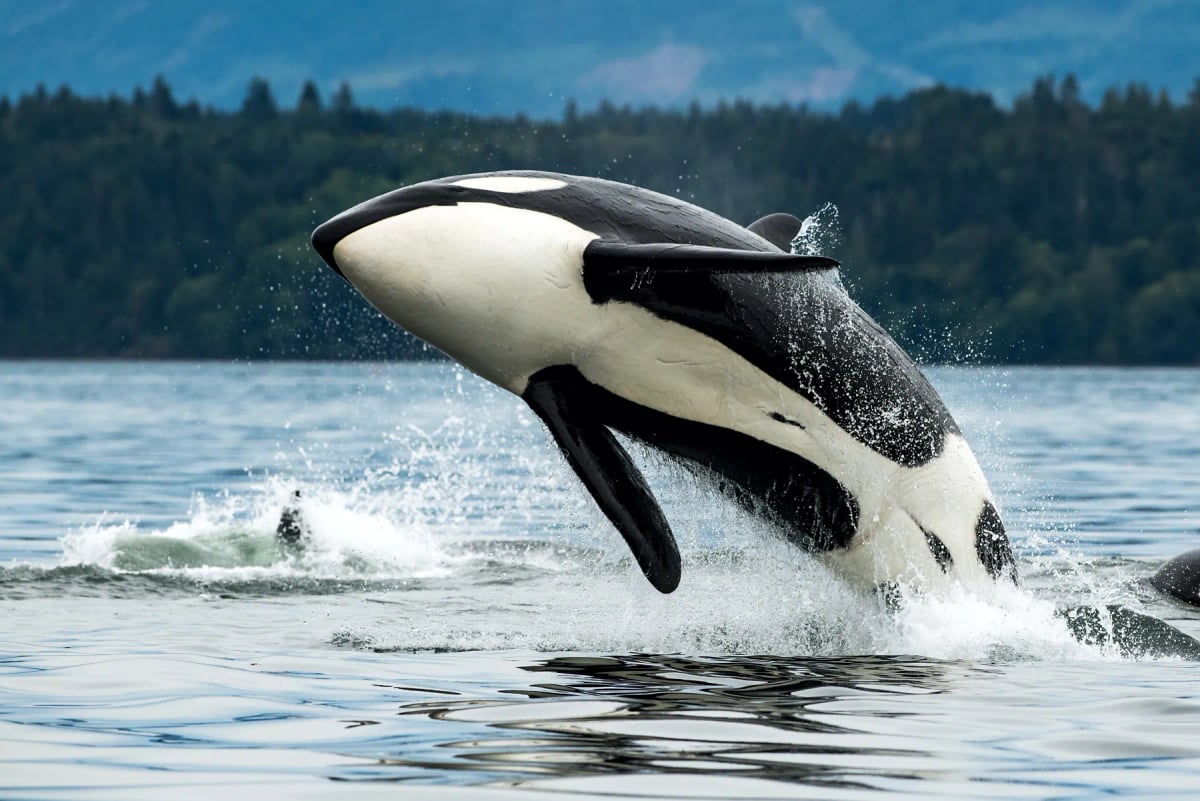
Orca
Orcinus orca
The UK is one of the best places in Europe to observe orcas, particularly around the Shetland Islands and the Hebrides off the coast of Scotland. A small, well-studied group known as the West Coast Community is regularly seen in Scottish waters, though this pod faces serious conservation concerns due to pollutants in their tissue. The North Atlantic also hosts transient orcas that pass through on seasonal movements.
Bottlenose Dolphin
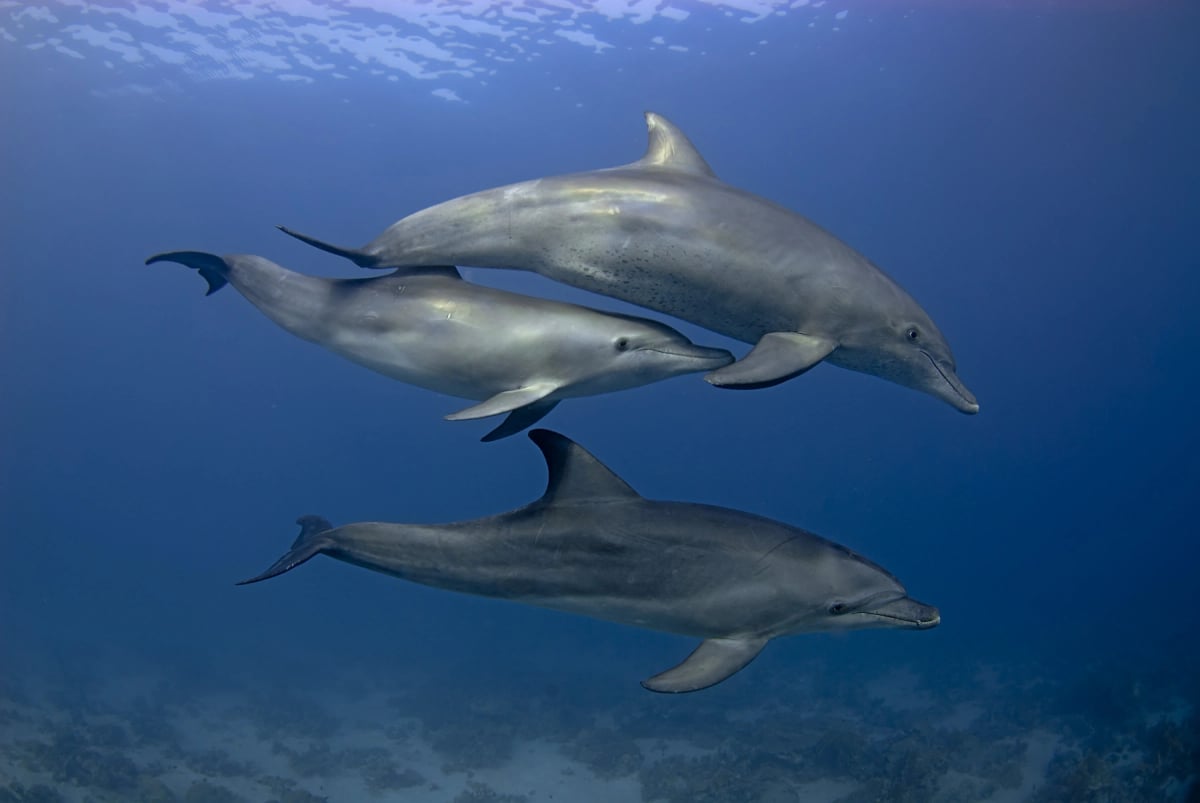
Tursiops truncatus
Bottlenose dolphins are found around the British Isles, with the most well-studied resident population living in Cardigan Bay, Wales, and another in the Moray Firth, Scotland. The Moray Firth group is one of the most northerly resident populations in the world. Both communities are protected under UK law, and boat-based watching guidelines help reduce disturbance. The IUCN lists the species as Least Concern.
Seal
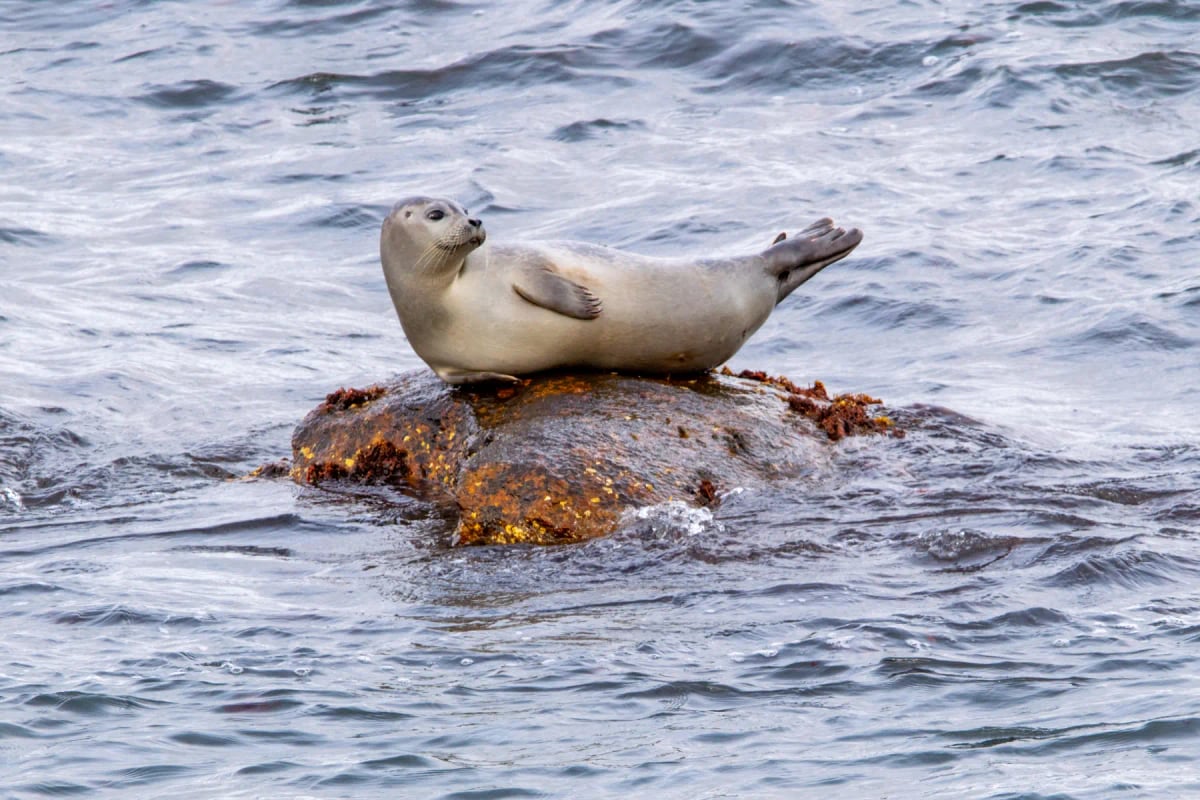
Phoca vitulina
The United Kingdom holds a significant share of the European harbor seal population, with concentrations around Scotland, the Orkney and Shetland Islands, and the east coast of England. These seals rest on sandbanks in estuaries and on rocky shores, feeding on a wide variety of fish. Numbers along parts of the Scottish coast have declined in recent decades, prompting concern and ongoing monitoring by conservation bodies.
Common Dolphin
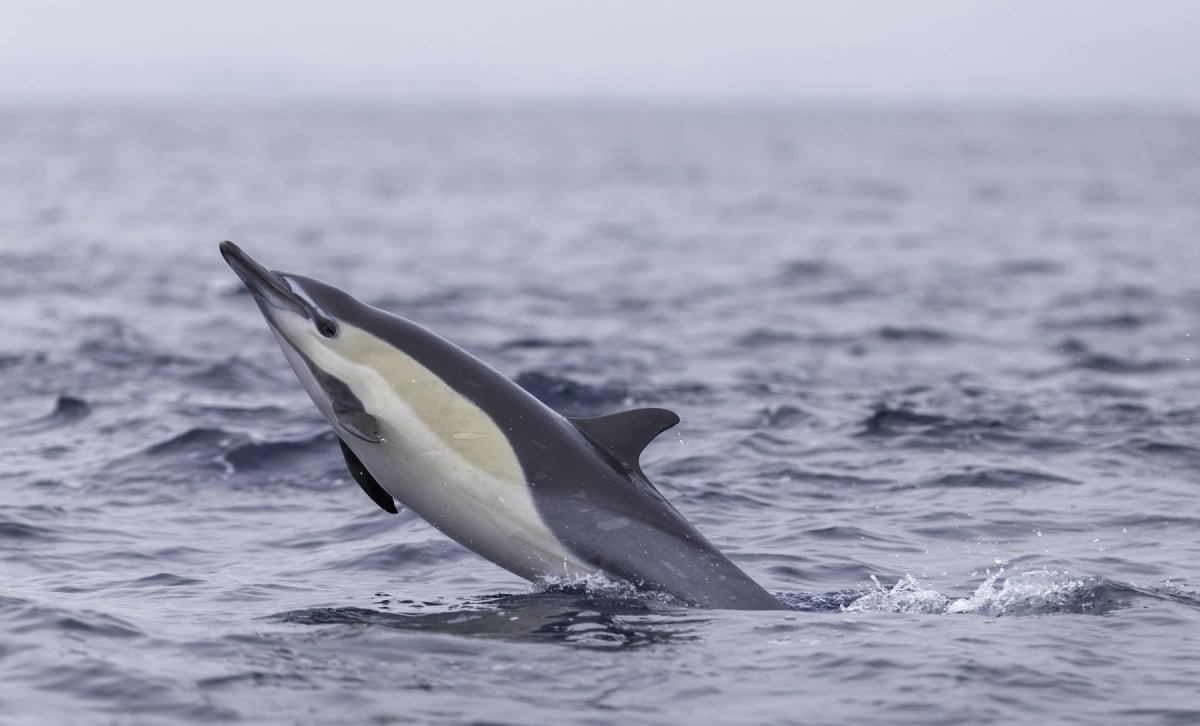
Delphinus delphis
Common dolphins are among the most frequently seen cetaceans in UK waters, especially off the coasts of Cornwall, Wales, and the west of Scotland. Large groups often pursue mackerel and herring in the Celtic Sea and the Atlantic approaches. Organisations such as the Sea Watch Foundation have monitored these dolphins for decades. Bycatch in fishing gear remains one of the main threats to their welfare around British coasts.
Sperm Whale
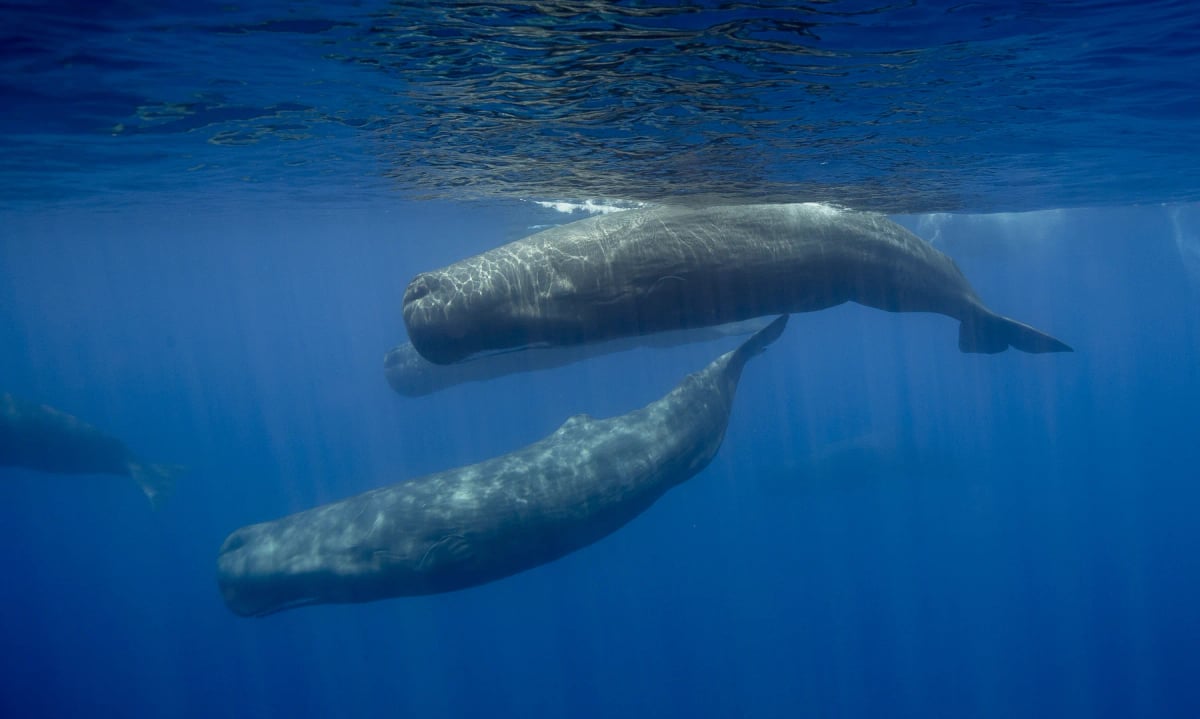
Physeter macrocephalus
Sperm whales are occasionally seen off the coasts of the United Kingdom, especially around the deep Atlantic waters west of Scotland and Ireland. Male whales heading toward higher latitudes in search of food sometimes pass through these northern seas. Strandings along British shores, while infrequent, attract significant public attention and research interest. The IUCN classifies the sperm whale as Vulnerable.
Researched and written by Juan Pablo. Sources: IUCN Red List, scientific literature and regional field guides. Last updated: .