Animals in Slovakia
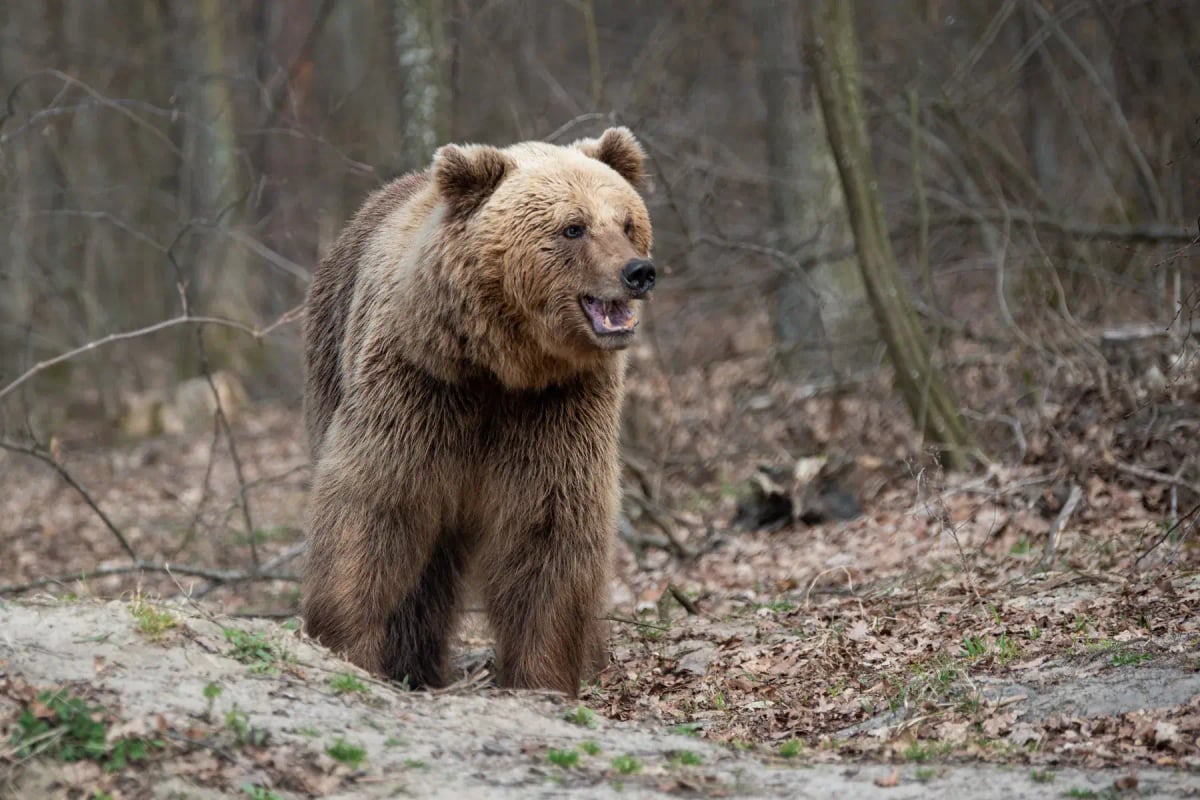
Brown Bear
Ursus arctos
The brown bear is treated as a national symbol in Slovakia. It appears in museums, park displays and local stories, and still lives in mountain forests where it feeds on fruit, nuts and insects. The animal represents strength tied to the Tatras and to rural life in valleys and pastures. Its image helps explain why large forests and clean rivers remain important to communities across the country.
View details→Wildlife in Slovakia
Slovakia is easy to visit, with the High and Low Tatras, beech forests and clean rivers close to towns. National parks such as Tatra and Slovak Paradise have clear trails, ladders and viewpoints. Visitors plan short day trips to see valleys, caves and mountain lakes, and in quiet areas they may notice signs of deer or bear. Winter routes stay open for calm walks and simple birdwatching near villages and ski roads.
Most Dangerous Animals in Slovakia
Wildlife risks in Slovakia vary with habitat. In beech and spruce forests the main concerns are brown bears and wild boar, which can react if surprised near food in late summer and autumn. Gray wolves and the elusive Eurasian lynx avoid people but defend young and prey. Moose and European bison are large and unpredictable in wetlands and river flats, while European adders rest on warm ground in sunny clearings.
Top 10 Animals in Slovakia
Our Top 10 for Slovakia highlights red deer, moose, brown bear, Eurasian lynx, gray wolf and peregrine falcon. Deer and moose shape meadows and forest edges, with best views at dawn in the Tatras and lowland parks. Bears, wolves and the shy lynx keep the wild image of mountain valleys. Peregrines nest on cliffs and tall buildings, giving clear flights over gorges and towns in spring and late summer.
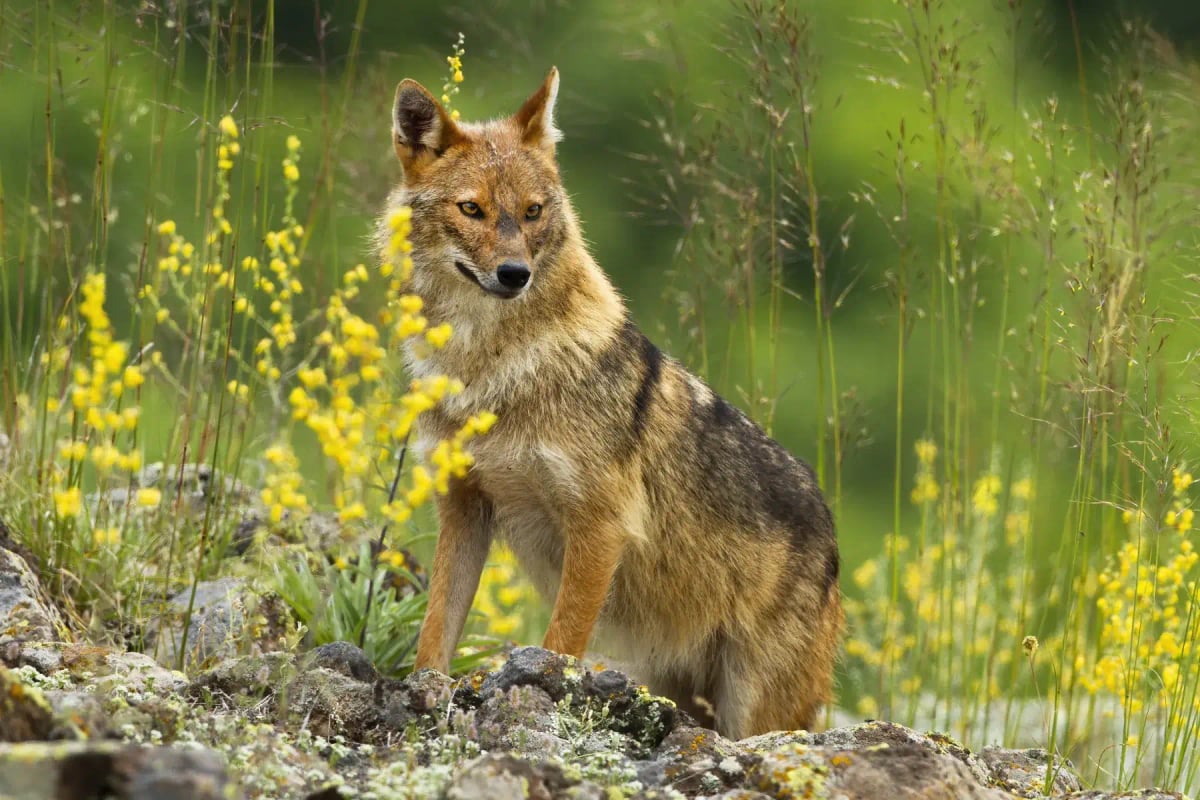
Golden Jackal
Canis aureus
The golden jackal is a relatively recent arrival in Slovakia, spreading northward through the Balkans and Pannonian lowlands over recent decades. It is now occasionally recorded in the south and east of the country, particularly in agricultural lowland areas near the Hungarian and Romanian borders. Its population in Slovakia remains small but appears to be growing. Its IUCN status is Least Concern.
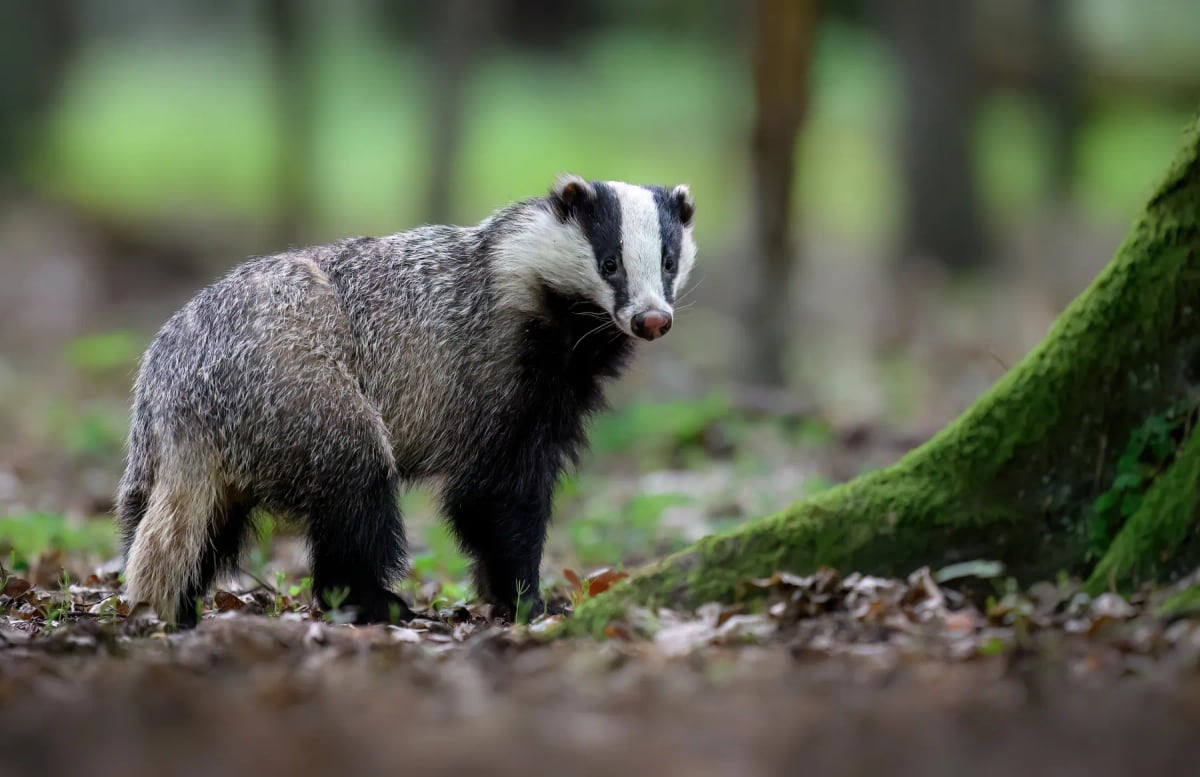
Badger
Meles meles
The Eurasian badger is widespread across Slovakia in mixed and deciduous woodland, farmland and forested hillsides from the lowlands of the southwest to the Carpathian uplands in the north and east. It lives in family groups in extensive setts and forages at night for earthworms, insects, berries and small animals. Populations are stable and the species is legally protected in Slovakia, where road mortality remains one of the main pressures on badger numbers.
Brown Bear
Ursus arctos
Slovakia holds one of the more significant brown bear populations in Central Europe, concentrated in the Carpathian mountain forests, particularly around the Low Tatras and Slovak Paradise areas. The population has grown in recent decades, which has increased encounters with humans and livestock. Management of this population is an ongoing challenge, balancing the protection of the species with the concerns of rural communities.
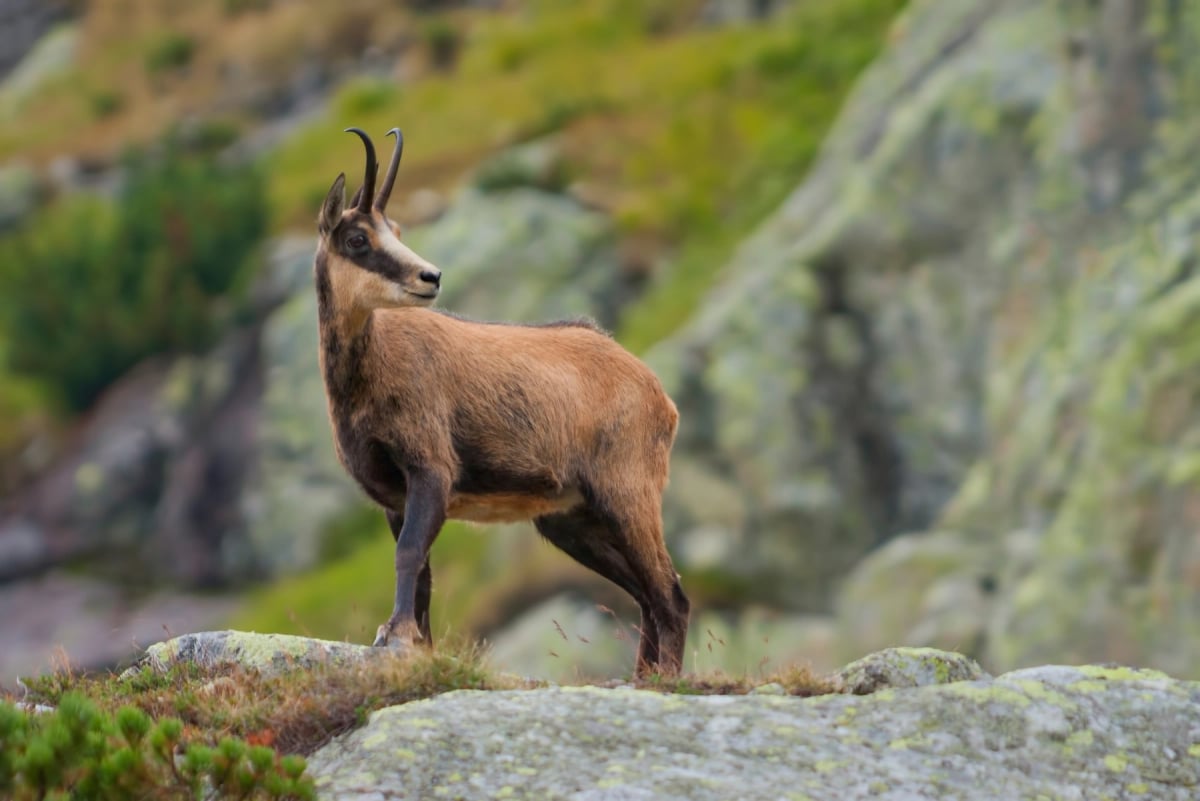
Chamois
Rupicapra rupicapra
Slovakia's chamois population is centered on the High Tatras, shared with Poland, as well as the Low Tatras and parts of the Western Carpathians. Tatra National Park is the core of their range on the Slovak side, where the species has been continuously monitored for decades. Avalanches and extreme weather events are natural hazards, but the population remains stable and is considered a conservation success story in central Europe. IUCN status: Least Concern.
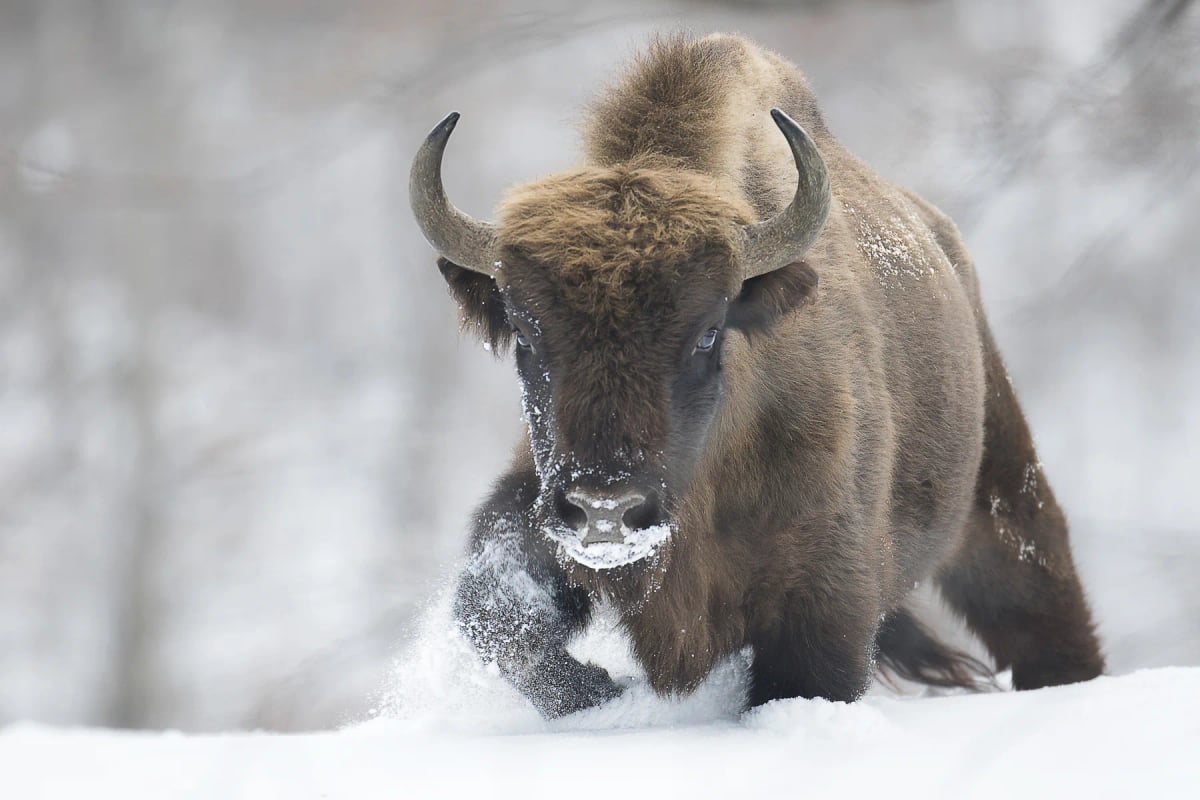
European Bison
Bison bonasus
European bison have been reintroduced to Slovakia as part of broader efforts to restore the species across Central Europe. The country's mixed and broadleaf forests, particularly in areas bordering the Carpathian range, provide suitable conditions for the animals to graze and browse. Slovak conservation programs work alongside international partners to track herd health and growth. The species remains dependent on human protection due to its low genetic diversity. IUCN status: Near Threatened.
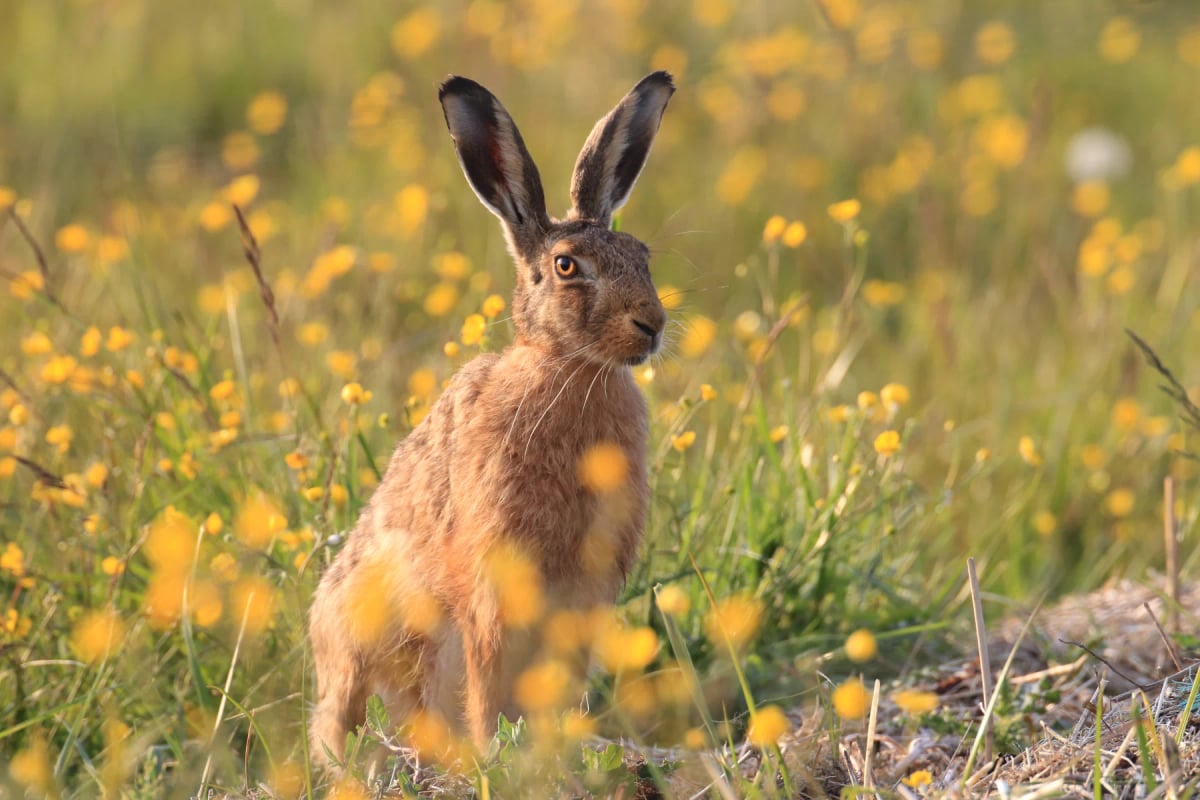
Hare
Lepus europaeus
The European hare is found throughout Slovakia, particularly across the fertile lowlands of the Danubian Plain in the southwest and the agricultural foothills of the Carpathians. It prefers open fields and meadows, where it can rely on speed to escape predators. Numbers have declined over recent decades as farming methods have intensified, reducing the variety of crops and cover that hares depend on through the colder months of the year.
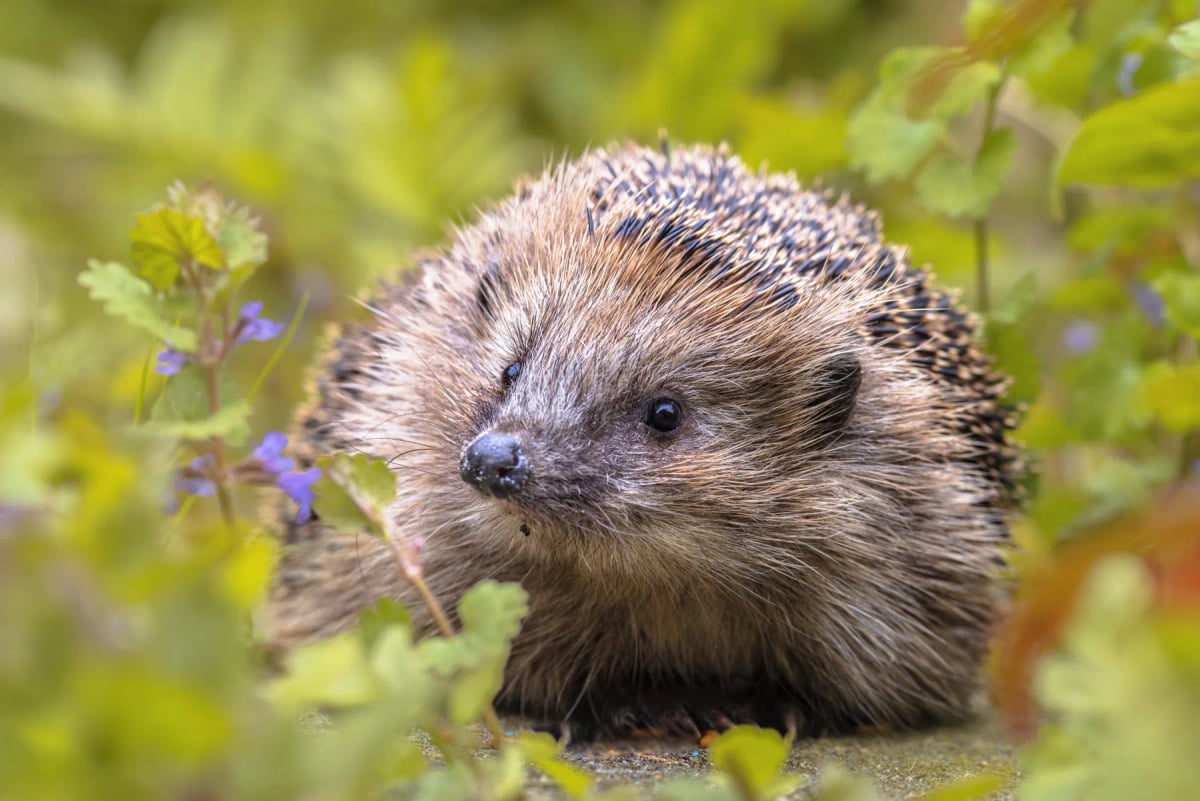
Hedgehog
Erinaceus europaeus
The European hedgehog is found across Slovakia, living in gardens, forest margins, and the agricultural land of the lowland plains in the south and west of the country. The Danube lowlands and the foothills of the Carpathians both support healthy populations. Like elsewhere in Central Europe, the main threats are road traffic and the loss of the rough, overgrown corners that hedgehogs need for nesting and foraging. Public interest in hedgehog conservation has grown steadily in recent years. IUCN status: Least Concern.
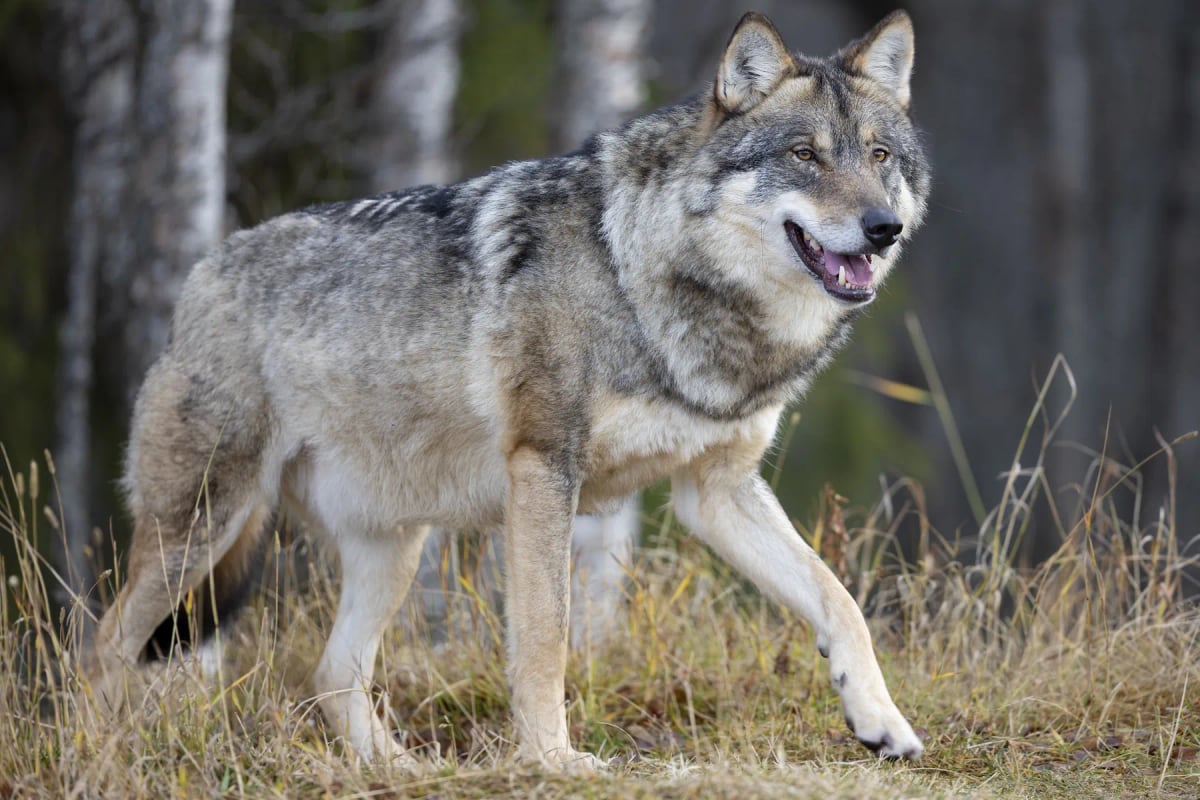
Gray Wolf
Canis lupus
Slovakia supports a resident wolf population concentrated mainly in the Carpathian Mountains, which provide dense forest cover and abundant prey. Wolves move across borders freely, connecting Slovak populations with those in Poland, Ukraine and Romania. The species has legal protection in Slovakia, though it remains a subject of debate between conservationists and farming communities concerned about livestock losses. IUCN status: Least Concern.
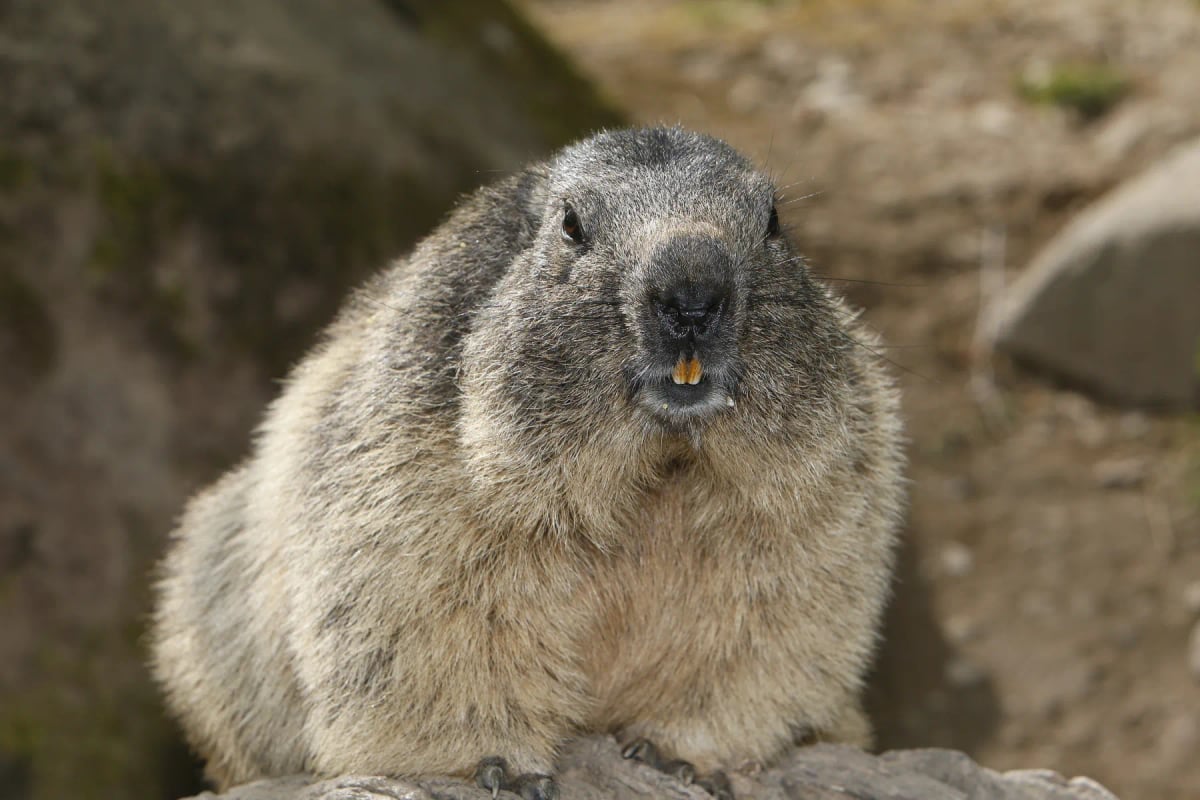
Alpine Marmot
Marmota marmota
The Alpine marmot has been reintroduced in the Slovak Tatras and has established colonies in the high alpine zones of Tatra National Park, which Slovakia shares with Poland. The species thrives in the open rocky meadows above the tree line and is commonly seen by hikers in summer. Slovakia's Carpathian marmot population connects with those in Poland and Ukraine and is considered an important part of the region's mountain fauna recovery efforts carried out during the twentieth century.
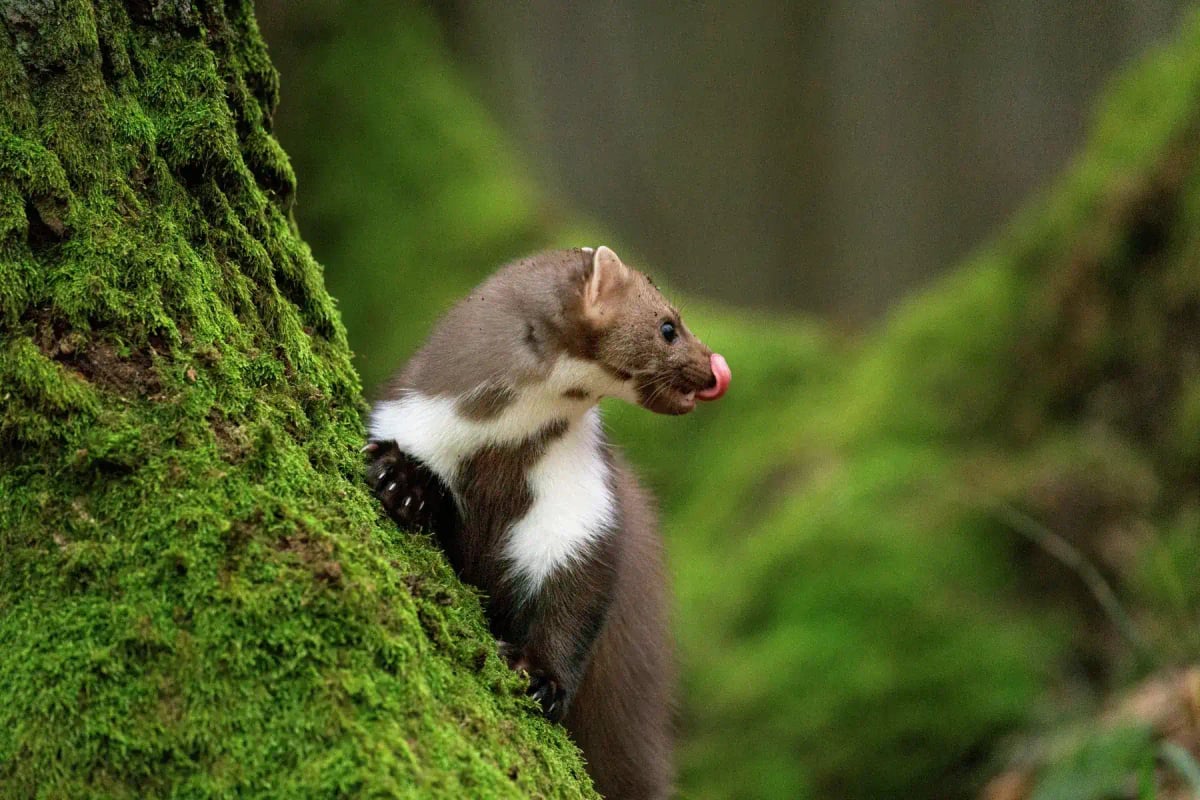
Marten
Martes martes / Martes foina
Slovakia is home to both marten species. The pine marten favors the mountain forests of the Carpathians, including protected areas such as Tatra National Park, while the stone marten is widespread in lowland farmland and villages across the country. Slovakia's forest coverage, one of the highest in Central Europe, provides excellent habitat for the pine marten in particular. Both species are legally protected. IUCN status: Least Concern.
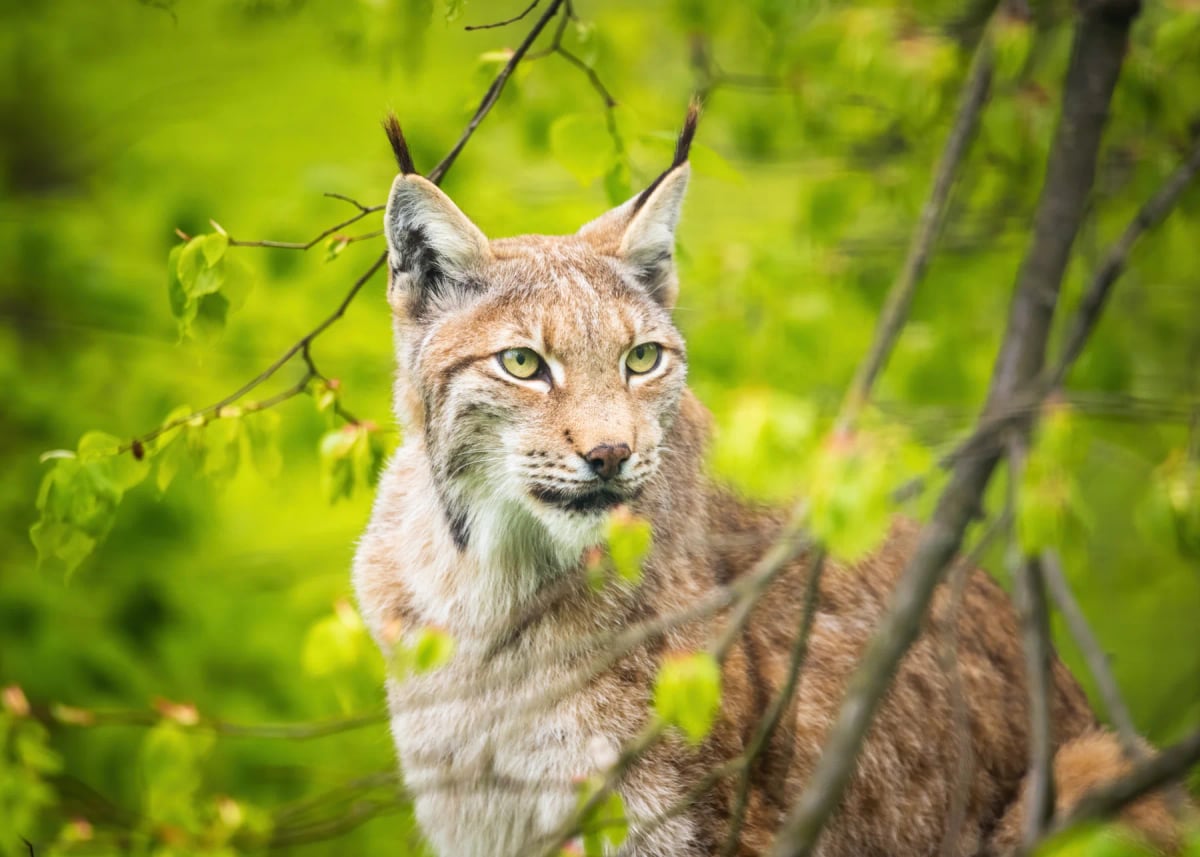
Eurasian Lynx
Lynx lynx
Slovakia supports one of Central Europe's more stable lynx populations, concentrated in the Carpathian forests of the east, particularly around the Low Tatras and Slovak Paradise national parks. The species benefits from dense woodland cover and healthy populations of roe deer. Occasional individuals also appear in western regions. The IUCN lists the Eurasian Lynx as Least Concern, though local pressures from poaching remain a concern.
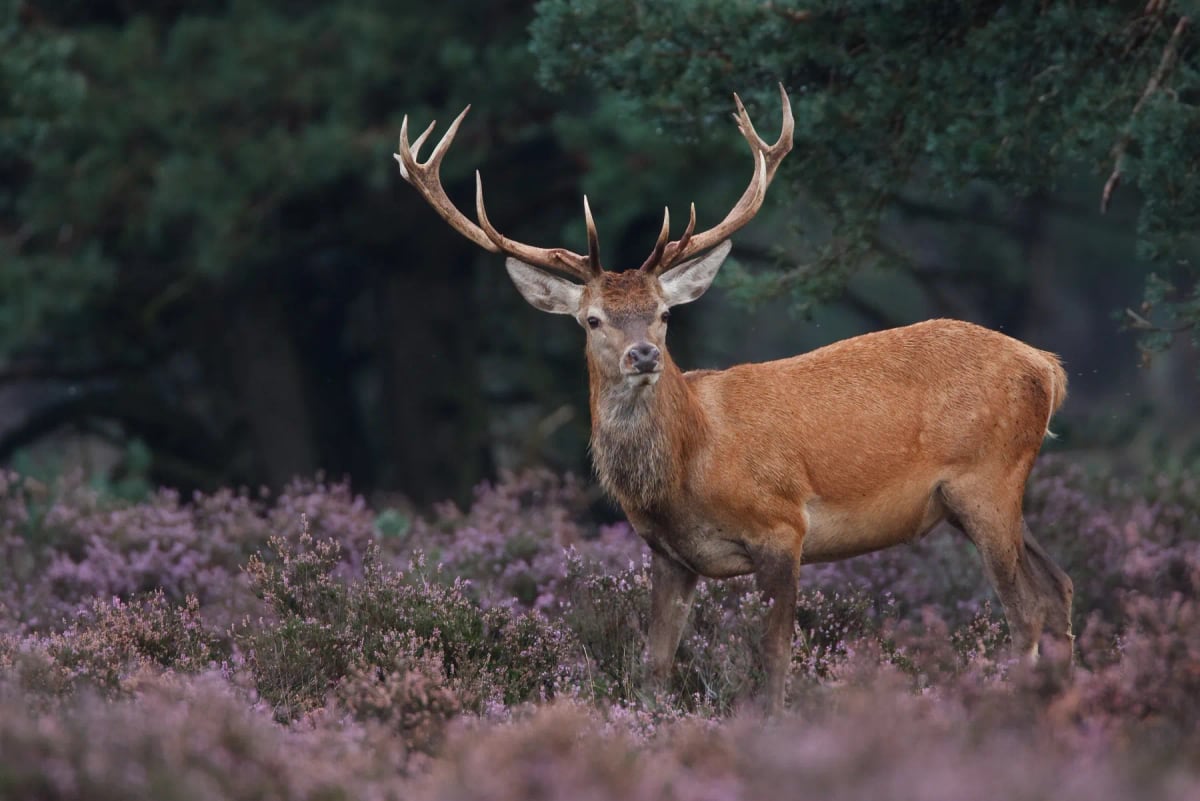
Red Deer
Cervus elaphus
Red deer are widespread across Slovakia's Carpathian mountain forests and lowland woodlands. The species benefits from large areas of protected landscape, including national parks such as Tatra and Poloniny. Stags are a prized species among hunters, and populations are carefully monitored. During autumn, the roaring of stags echoes through the mountain valleys. Red deer also browse on bark and shrubs through the winter months. Its IUCN status is Least Concern.
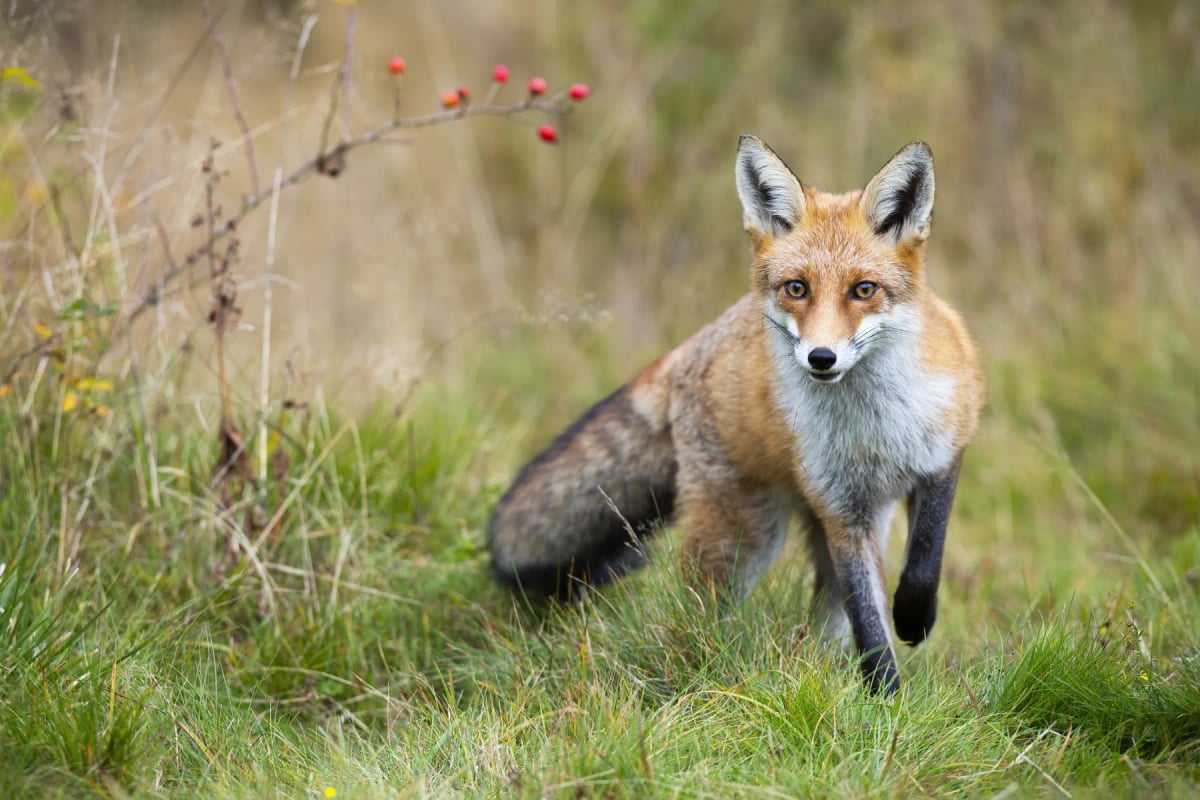
Red Fox
Vulpes vulpes
The red fox is one of Slovakia's most familiar wild mammals, found across the Carpathian forests, lowland farmland, and river valleys alike. It adapts easily to the varied Slovak landscape, hunting rodents in open fields and resting in woodland dens. Classified as Least Concern, it faces no major threats here and is regularly spotted even near villages and the edges of towns.
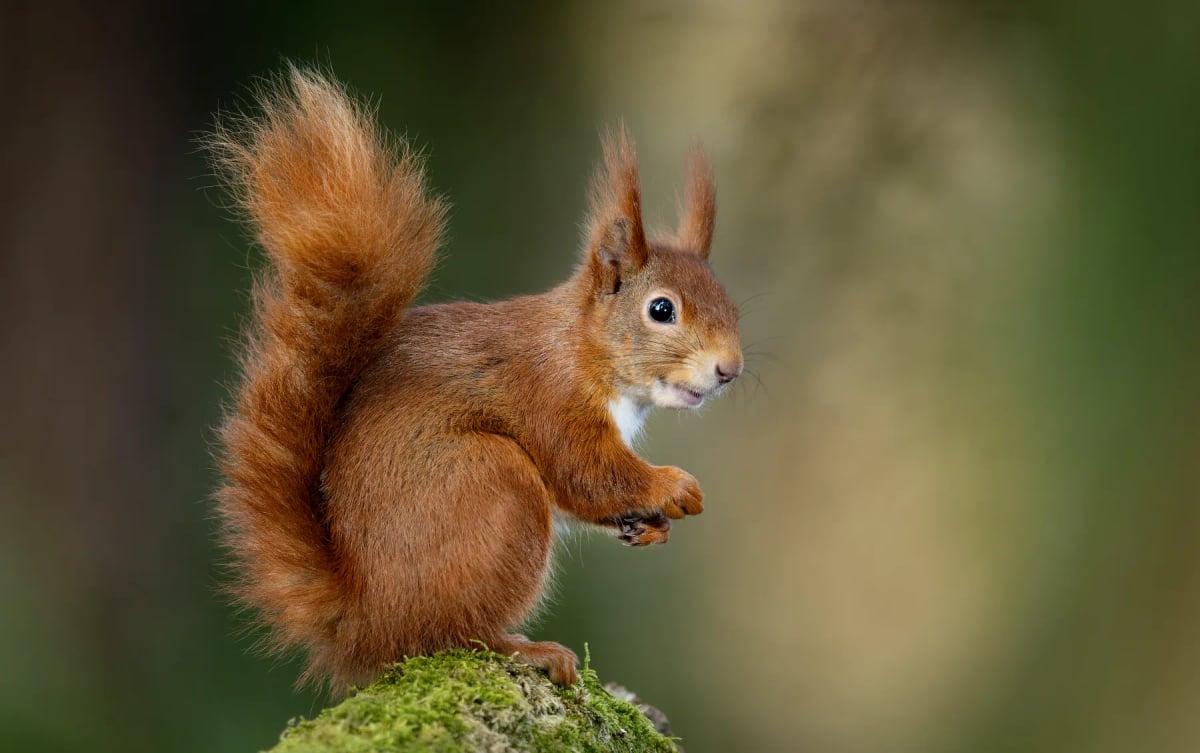
Red Squirrel
Sciurus vulgaris
Slovakia's mountain forests, particularly those of the Tatra and Fatra ranges, provide excellent habitat for the red squirrel. The species is found throughout the country's forested areas, from lowland oak woods to higher altitude spruce forests. It is a familiar and well established part of Slovak woodland wildlife, and populations remain in good health. Its IUCN status is Least Concern.
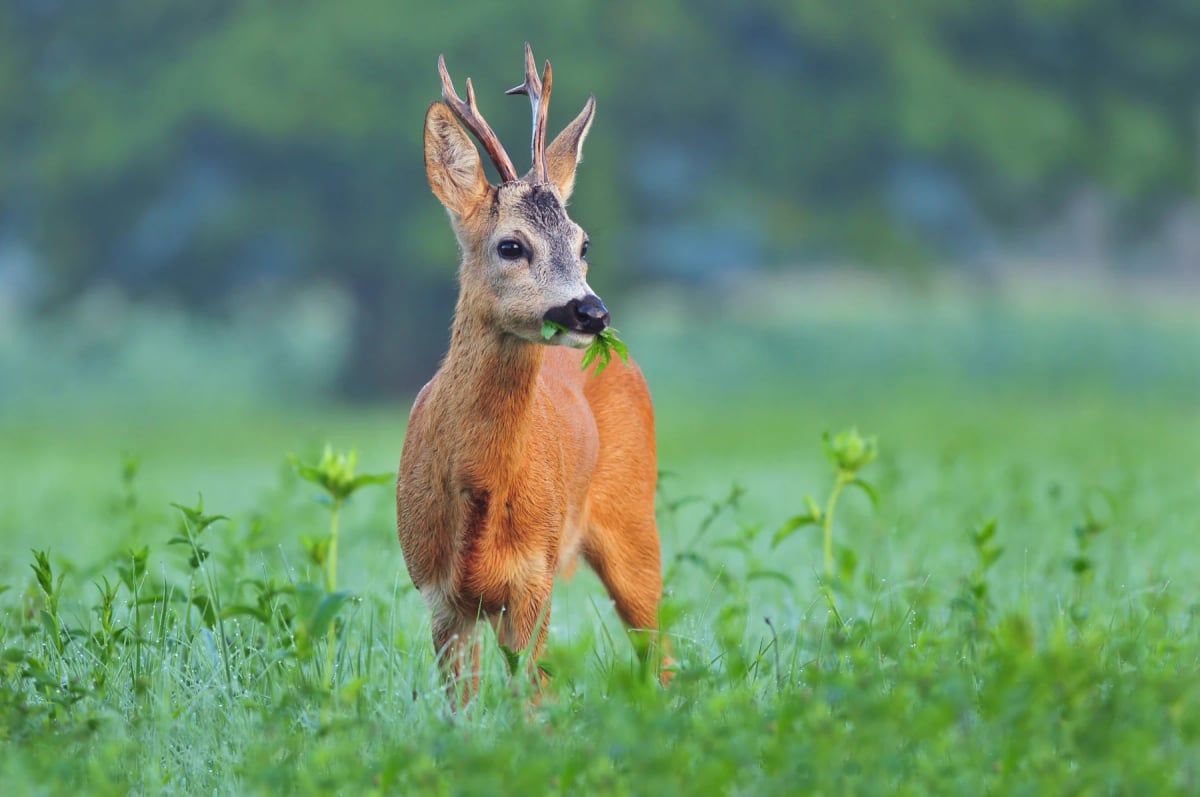
Roe Deer
Capreolus capreolus
Slovakia's roe deer inhabit the country's broad mix of Carpathian montane forests, mixed lowland woodland, and farmland in the Danube basin. They are one of the most hunted game species in Slovakia, and populations are monitored closely. Roe deer feed selectively on a wide variety of plants and are most active around sunrise and sunset. Their russet summer coat makes them easier to spot against green vegetation. IUCN status: Least Concern.
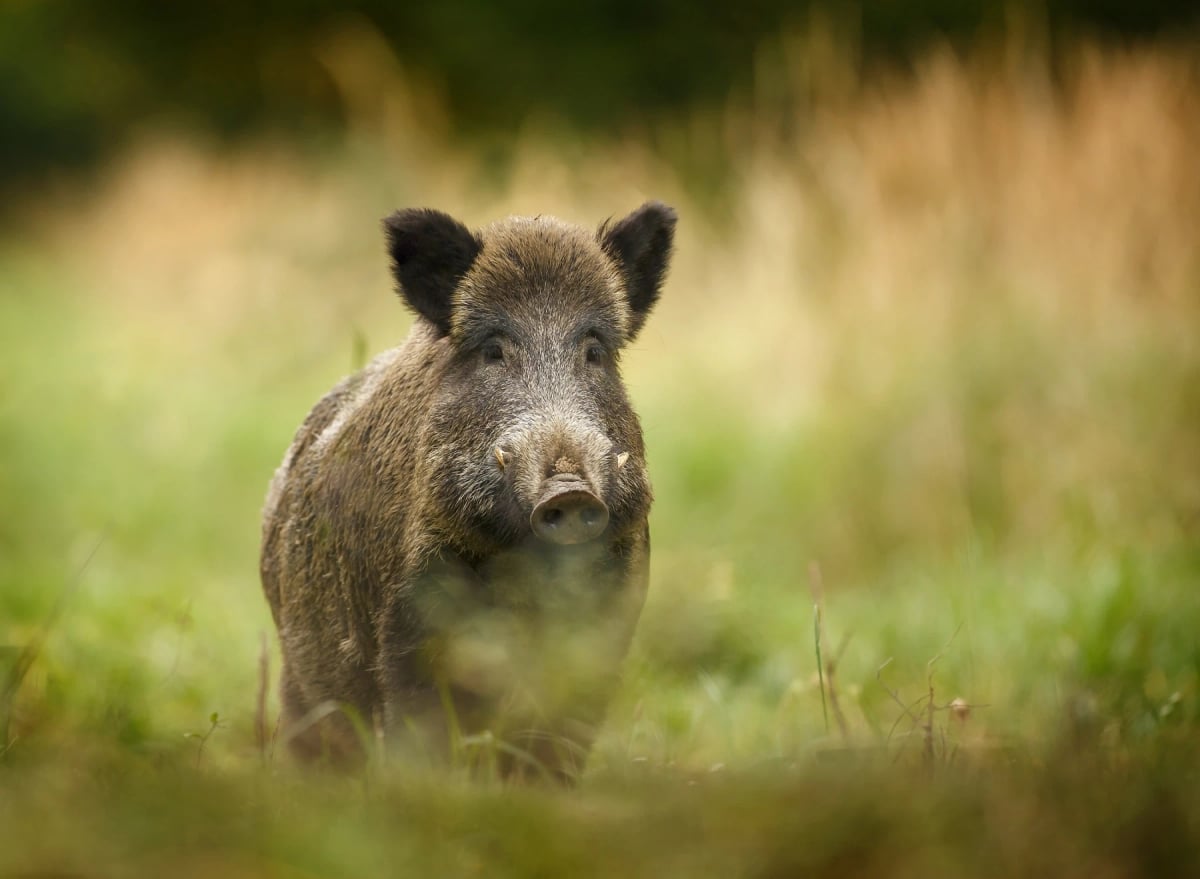
Wild Boar
Sus scrofa
Wild boars are common throughout the forested mountains of Slovakia, particularly in the Carpathian ranges that cover much of the country. The species is a popular game animal managed through licensed hunting, and growing populations have increased crop damage near agricultural land in recent decades. Wild boars are increasingly seen near the edges of towns, and authorities monitor numbers due to disease concerns.
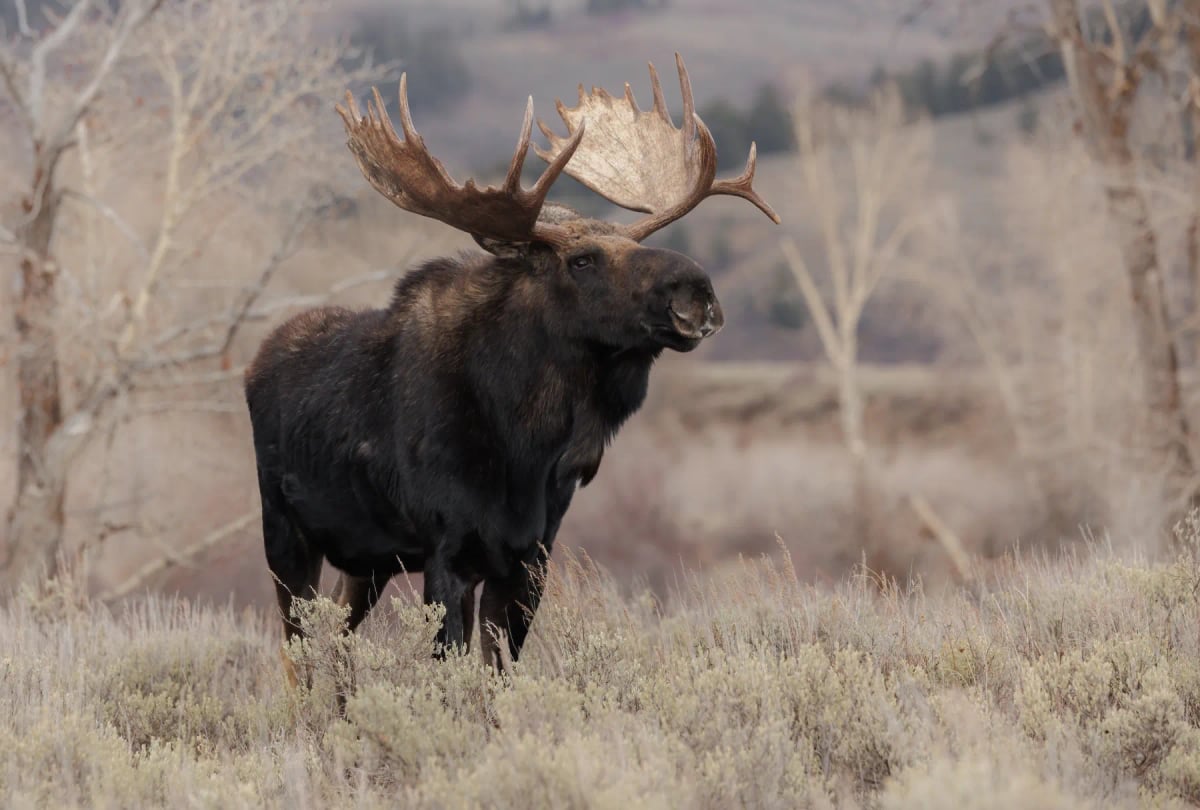
Moose
Alces alces
In Slovakia, moose are an irregular presence in the northern and eastern regions, particularly in the forests bordering Poland and Ukraine. They are not considered a resident breeding population across the country but appear through natural dispersal from more established groups to the north and east. Sightings occur mainly in the Tatras foothills and the forests of eastern Slovakia. IUCN status: Least Concern.
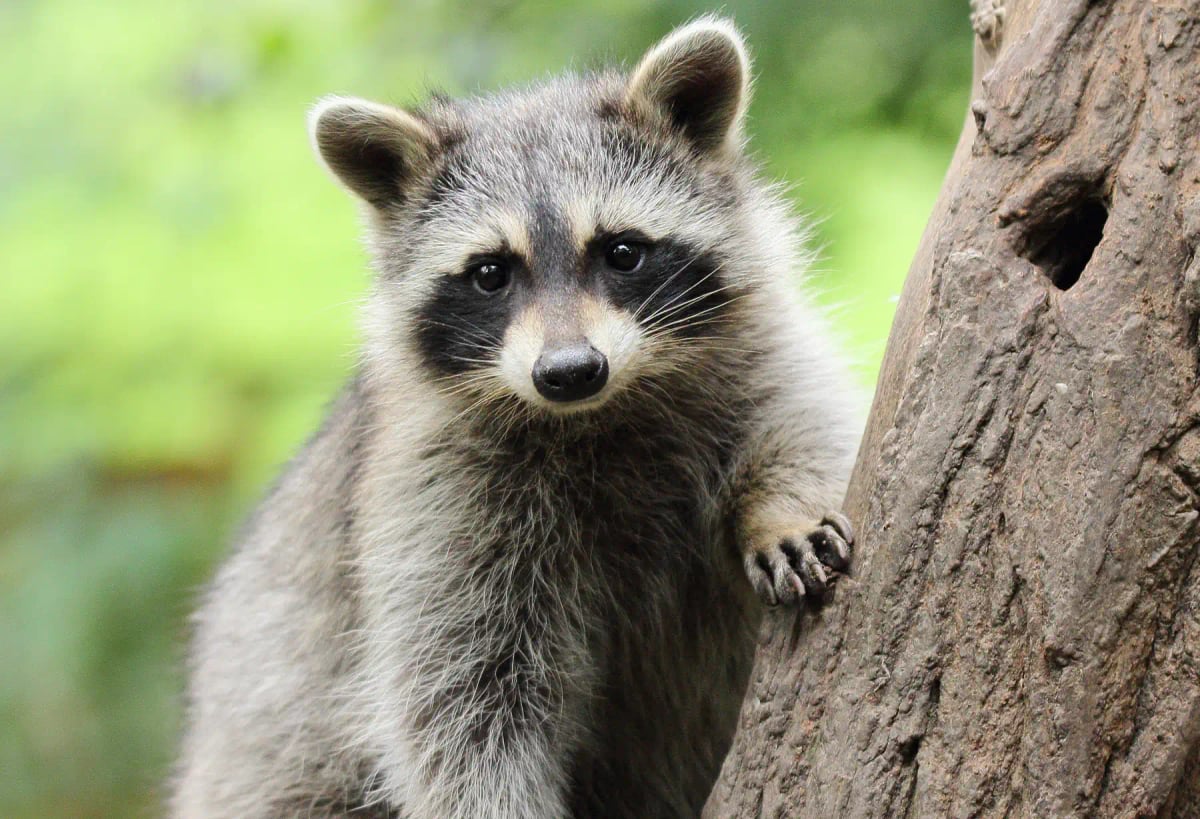
Raccoon
Procyon lotor
Raccoons have spread into Slovakia from neighbouring Germany and Czechia, moving through forested river valleys and mixed woodlands. They have been recorded mainly in the western and central parts of the country. Slovakia treats the raccoon as an invasive alien species of concern to the European Union, and hunters and wildlife managers cooperate to limit the growth of local populations and reduce pressure on native birds and small mammals.
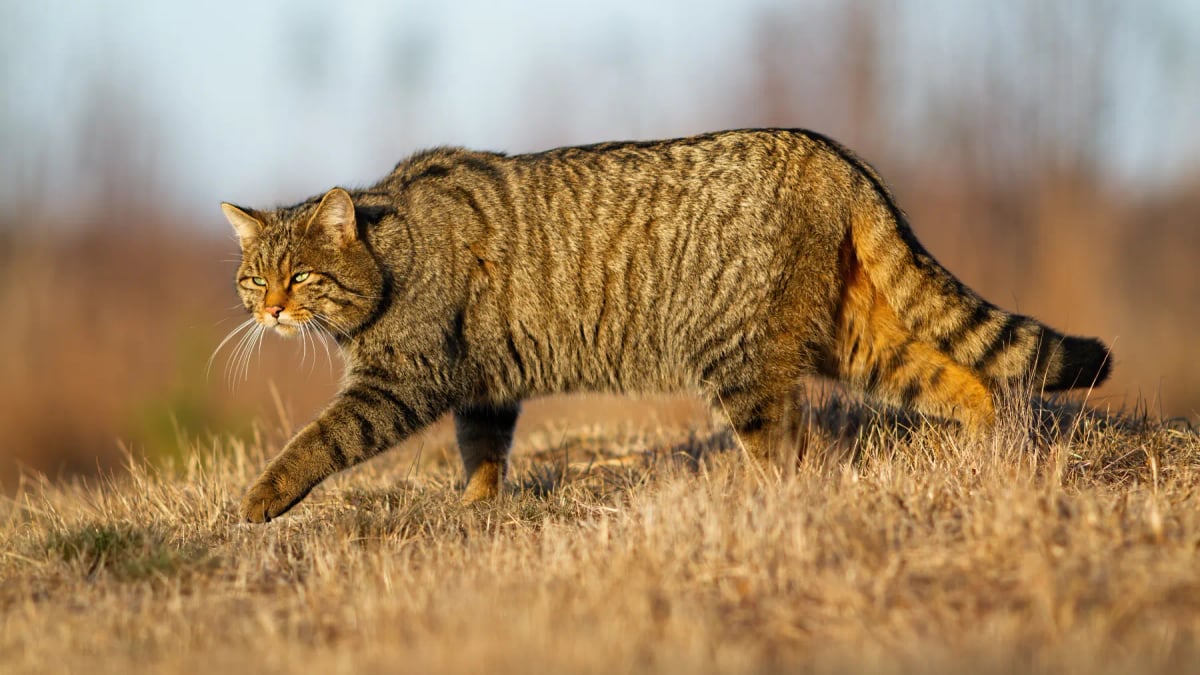
European Wildcat
Felis silvestris silvestris
In Slovakia, the European wildcat inhabits the forested mountain zones of the Western and Eastern Carpathians, as well as parts of the Slovak Paradise national park area. It is a solitary, nocturnal hunter with a thickset build and a blunt, ringed tail that sets it apart from domestic cats. Genetic erosion through crossbreeding and road casualties are key conservation concerns for the species in this country.
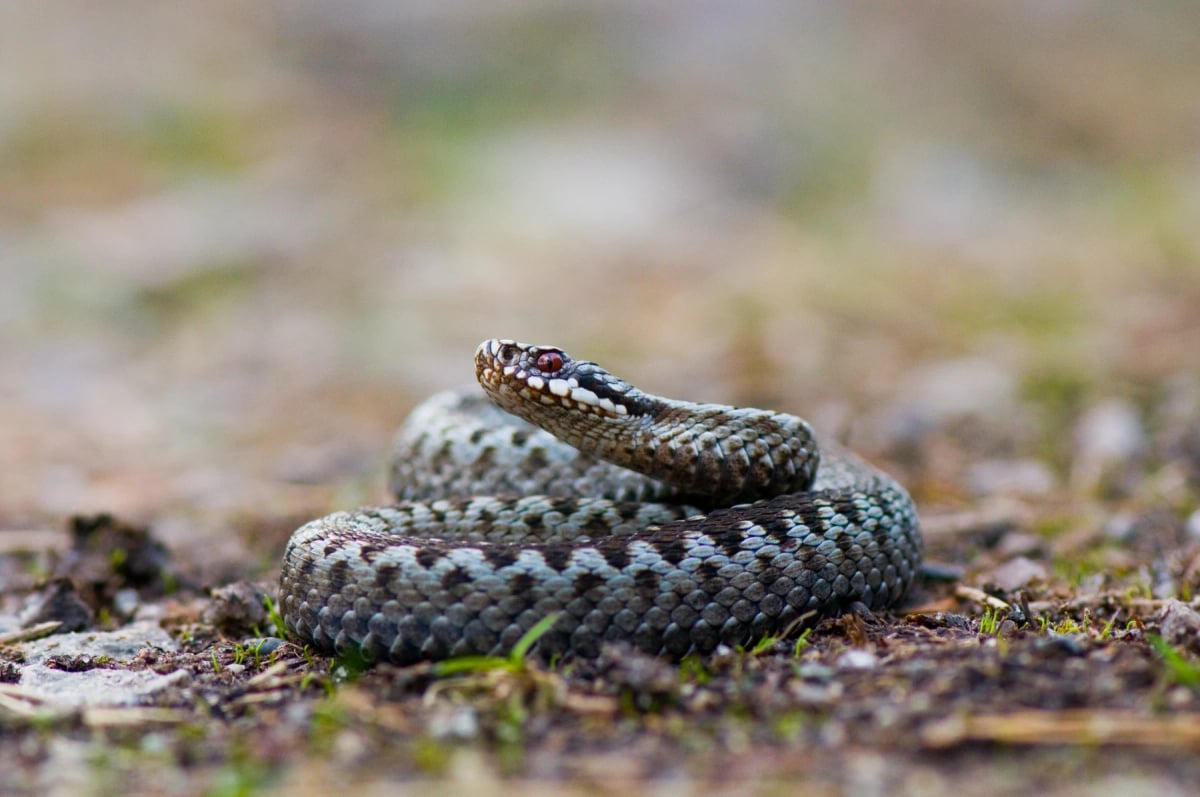
European Adder
Vipera berus
The European adder is found across Slovakia in forest clearings, mountain meadows, and the edges of upland bogs, particularly in the Carpathian ranges. It is the country's only venomous snake and is protected by law. Recognizable by the zigzag stripe along its back, it hibernates through the cold winters and emerges in spring to bask in sunny spots. Its IUCN status is Least Concern.
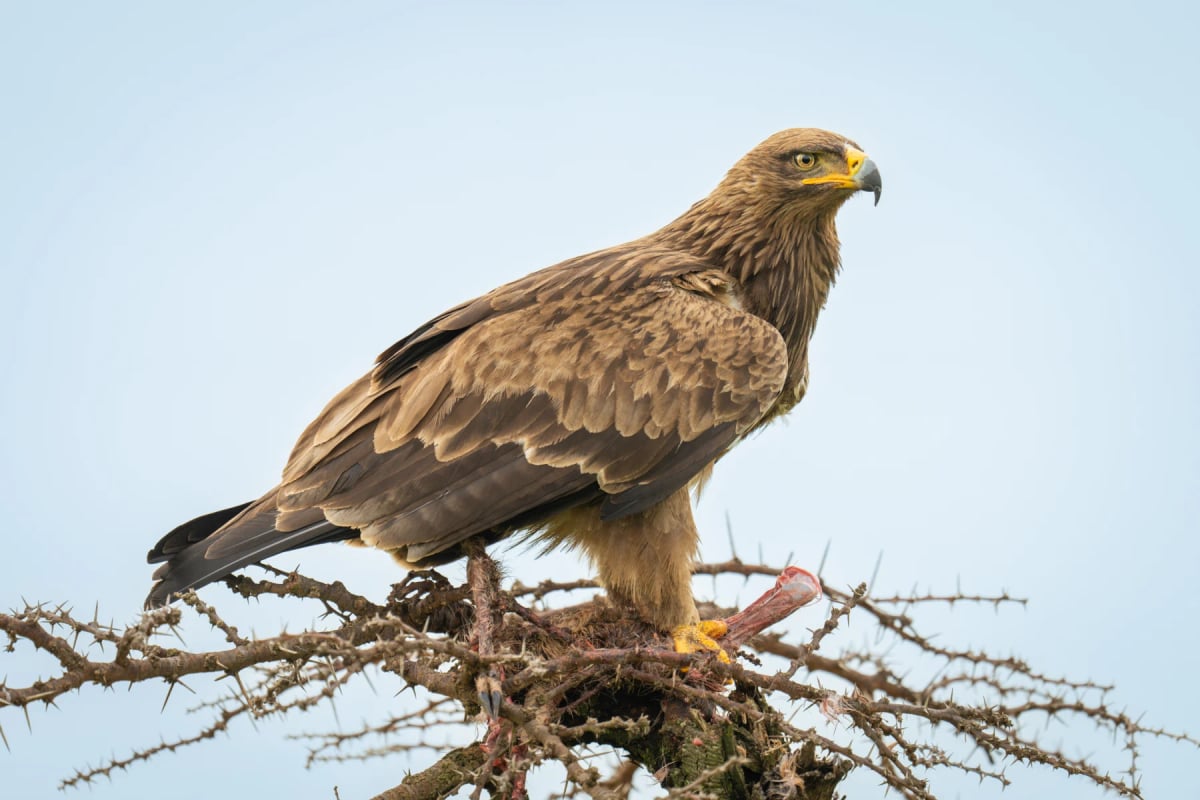
Steppe Eagle
Aquila nipalensis
Slovakia occasionally records the Steppe Eagle as a rare migrant passing through Central Europe on its way between breeding grounds in the Asian steppes and wintering areas in Africa and South Asia. Open lowland areas and the Danube plain offer suitable stopover conditions. There is no resident or breeding population in the country. The IUCN lists this eagle as Endangered, reflecting steep declines linked to electrocution, poisoning, and degradation of its steppe habitat.
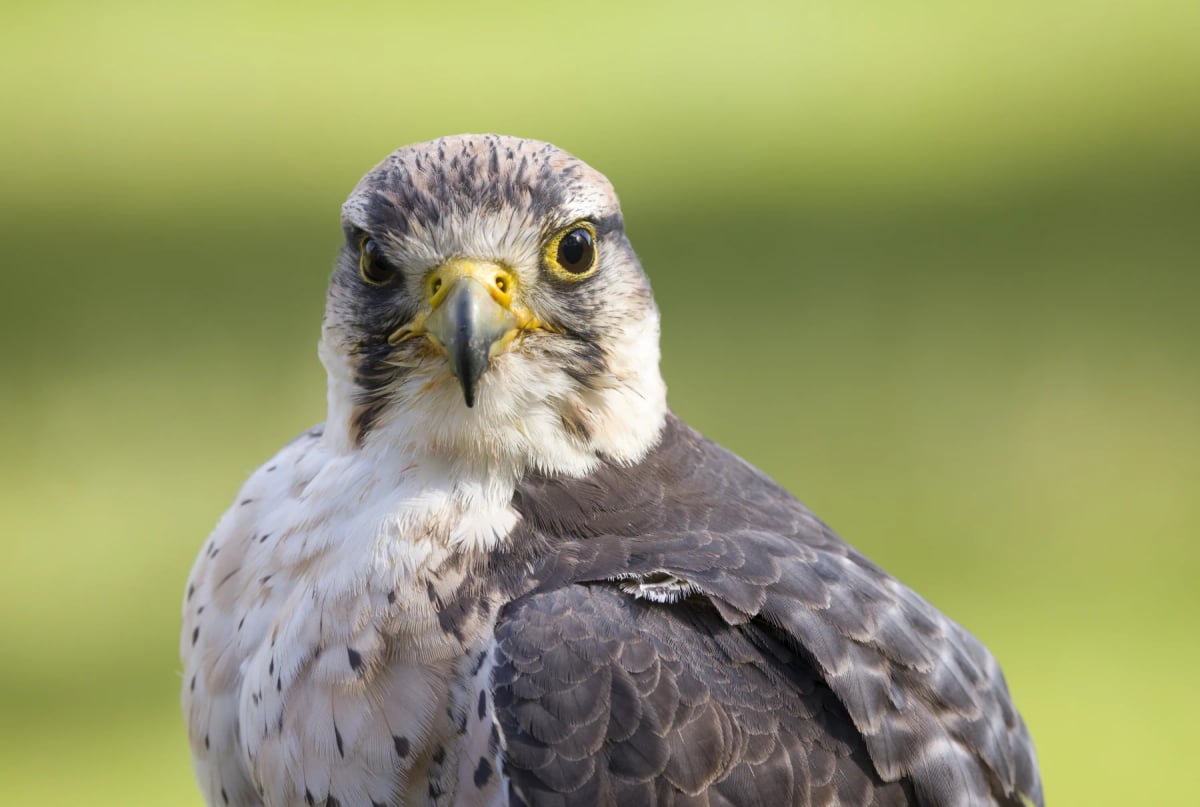
Lanner Falcon
Falco biarmicus
Slovakia lies at the northern periphery of the lanner falcon's European range, and the bird is considered a rare vagrant here. Sightings tend to occur in open lowland areas or along river corridors, often involving birds dispersing from breeding populations to the south. It does not breed in Slovakia. Every verified record is treated as a significant find by local ornithologists. The IUCN lists it as Least Concern.
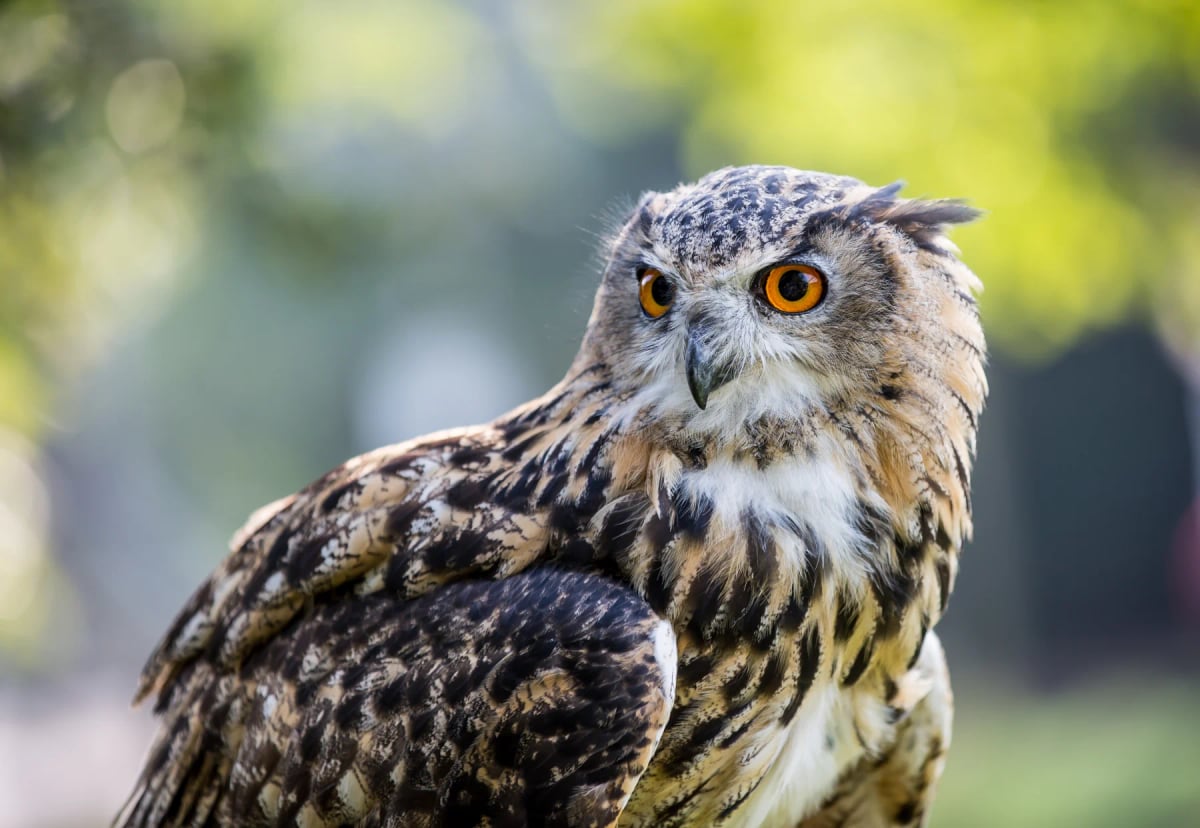
Eagle Owl
Bubo bubo
In Slovakia, the eagle owl nests mainly in the rocky gorges and karst landscapes of the Carpathian ranges, including areas within the Slovak Karst National Park. The species benefits from the country's well preserved natural habitats and relatively low human disturbance in upland areas. After years of population recovery since hunting was banned, the Slovakian population is now considered stable. The IUCN lists the eagle owl as Least Concern.
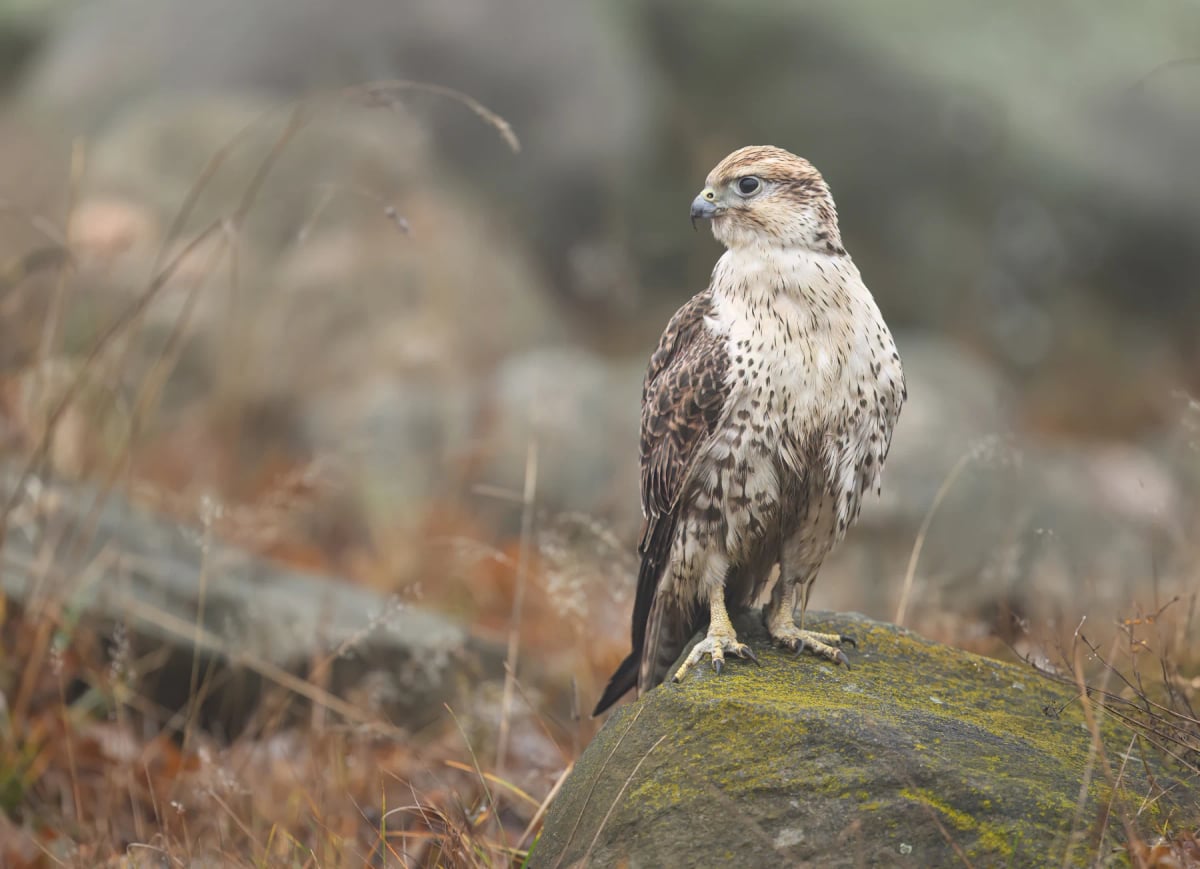
Saker Falcon
Falco cherrug
Slovakia supports a small but meaningful breeding population of saker falcons, concentrated in the lowland regions of the southwest, including the Danubian Plain. The country has been active in regional recovery efforts, including nest box programs and the installation of protective devices on power lines to prevent electrocution. Sakers here hunt over open farmland and grassy areas. Slovakia plays a notable role in the broader Central European conservation strategy for this Endangered species.
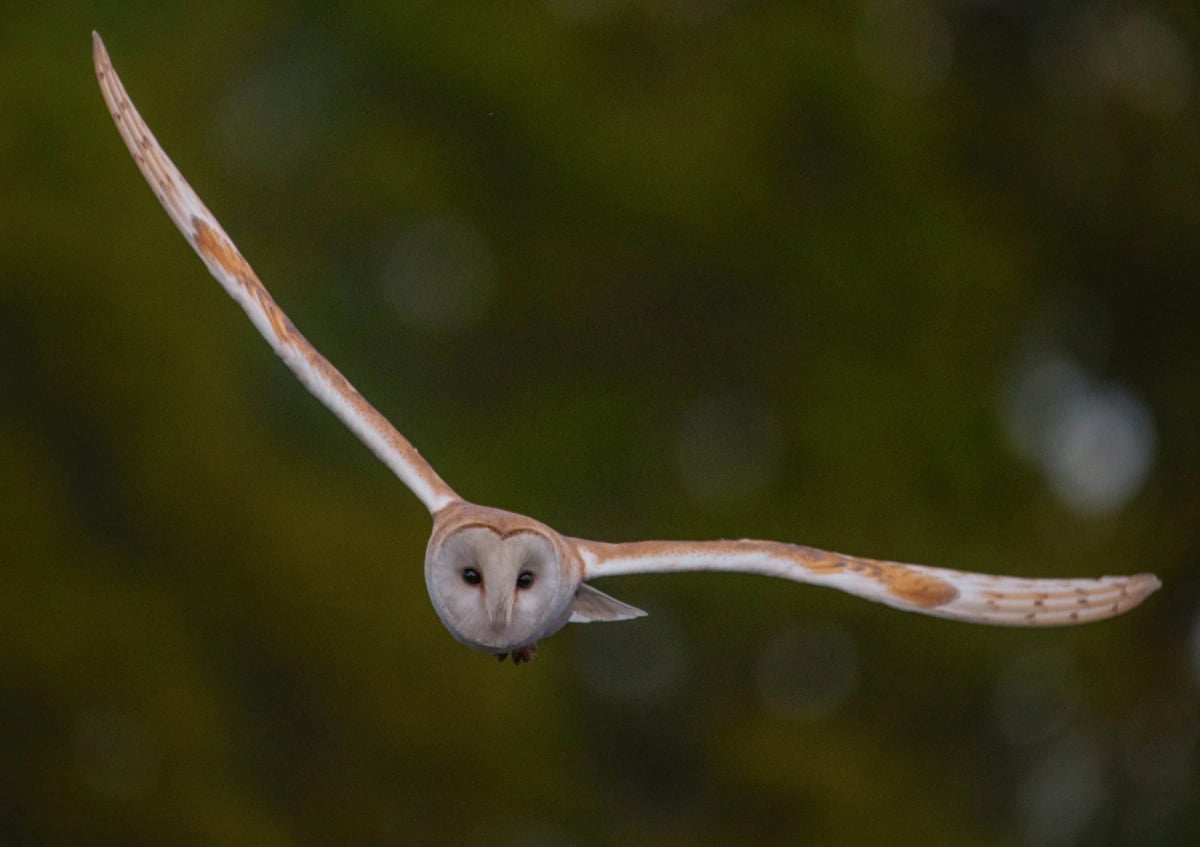
Barn Owl
Tyto alba
The barn owl is a resident of lowland Slovakia, found mainly in the Danubian lowlands, the Záhorie region, and the agricultural plains of southern and eastern Slovakia. It nests in old farm buildings, church towers, and hollow trees, and hunts mice and voles at night in open fields and meadows. Populations declined in the twentieth century due to agricultural intensification and harsh winters, and nest box programs have been instrumental in supporting recovery. Slovakia's extensive lowland farmland provides good hunting habitat when prey populations are high.
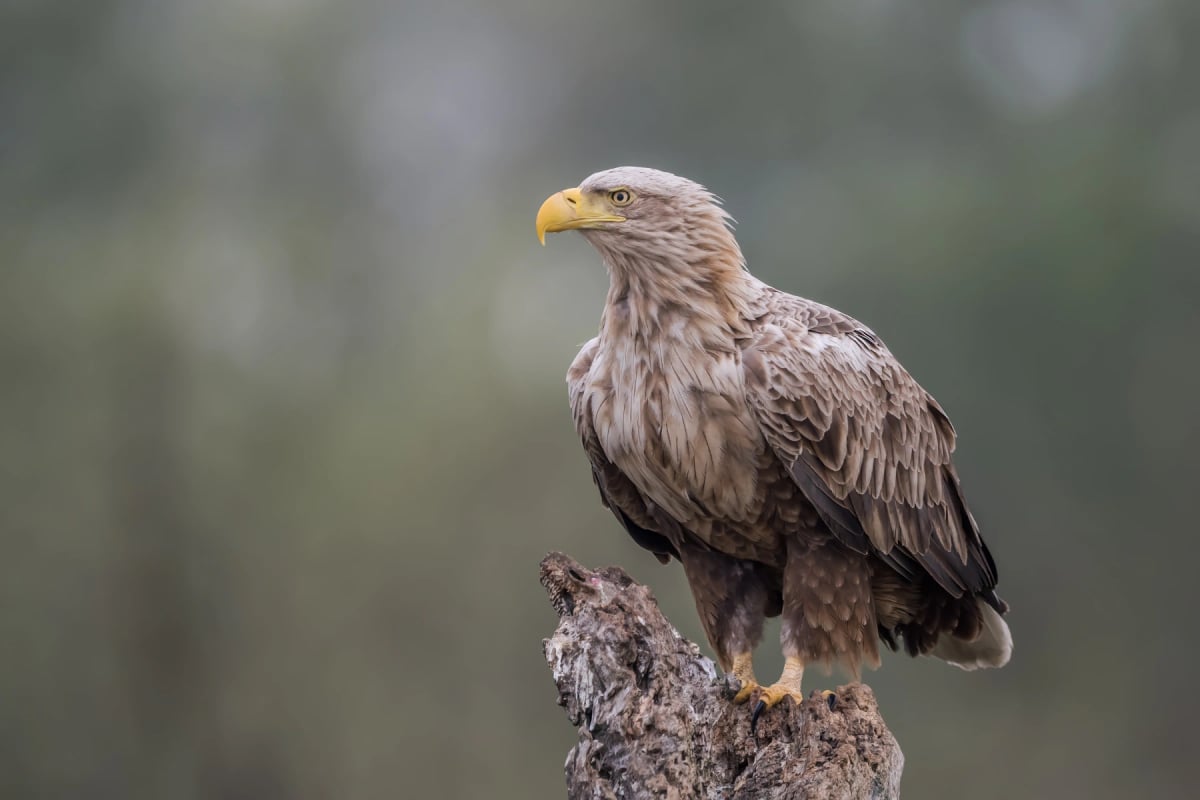
White tailed Eagle
Haliaeetus albicilla
Slovakia's white tailed eagles are concentrated in the lowland wetlands and fishpond areas of the southwest, particularly around the Danube floodplains near Žitný ostrov. The country supports a small but growing breeding population. Habitat protection and reduced persecution have allowed numbers to recover steadily. Fish ponds across the region provide a reliable food source during both the breeding season and winter months.
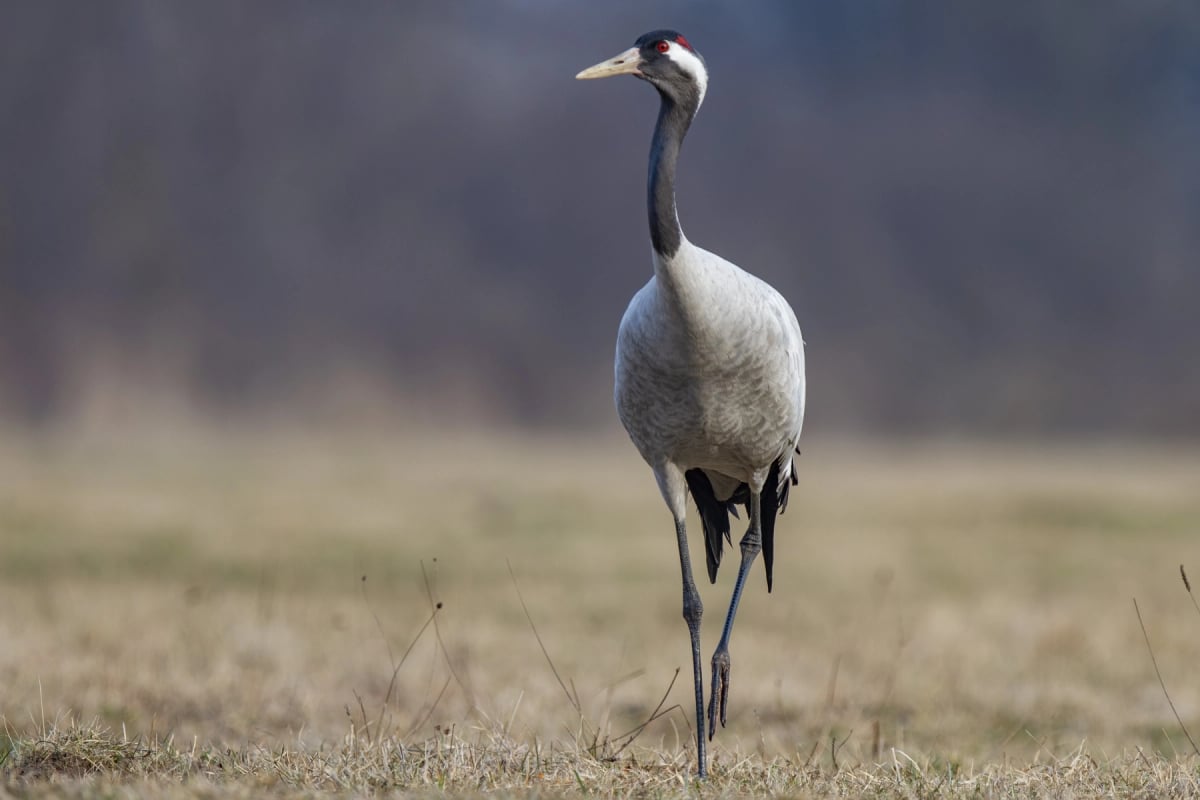
Crane
Grus grus
Slovakia is primarily a passage country for the common crane, with flocks moving through each spring and autumn between breeding grounds to the north and wintering areas to the south and west. The lowland wetlands and fish ponds of southern Slovakia, particularly in the Danube Basin, offer suitable resting and feeding habitat during migration. The IUCN lists the species as Least Concern, and growing European populations mean sightings in Slovakia have become more frequent in recent years.
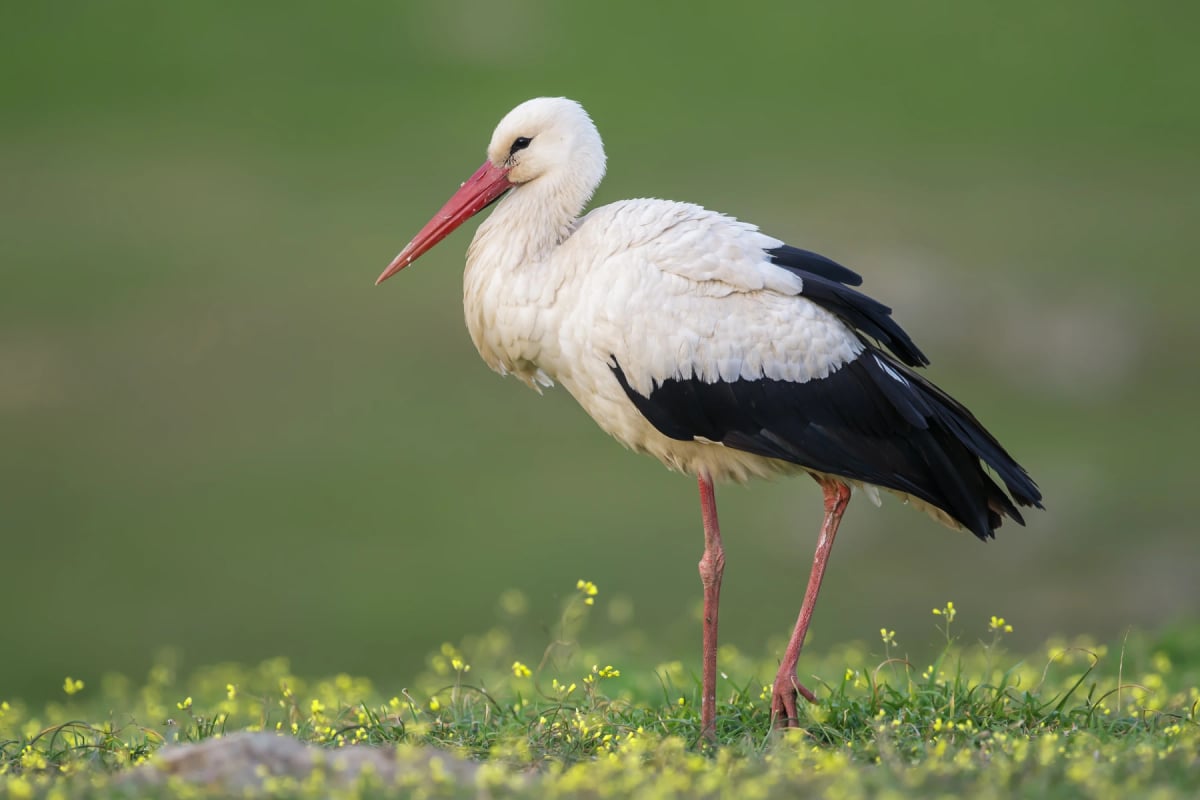
Stork
Ciconia ciconia
White storks breed regularly in Slovakia, particularly in the lowland areas of the southwest near the Danube and in eastern regions bordering the Carpathian foothills. Villages with open farmland and wet meadows attract nesting pairs, which often build their large stick nests on rooftops or purpose-built platforms. The species has benefited from conservation efforts and nest support structures installed by local communities over recent decades.
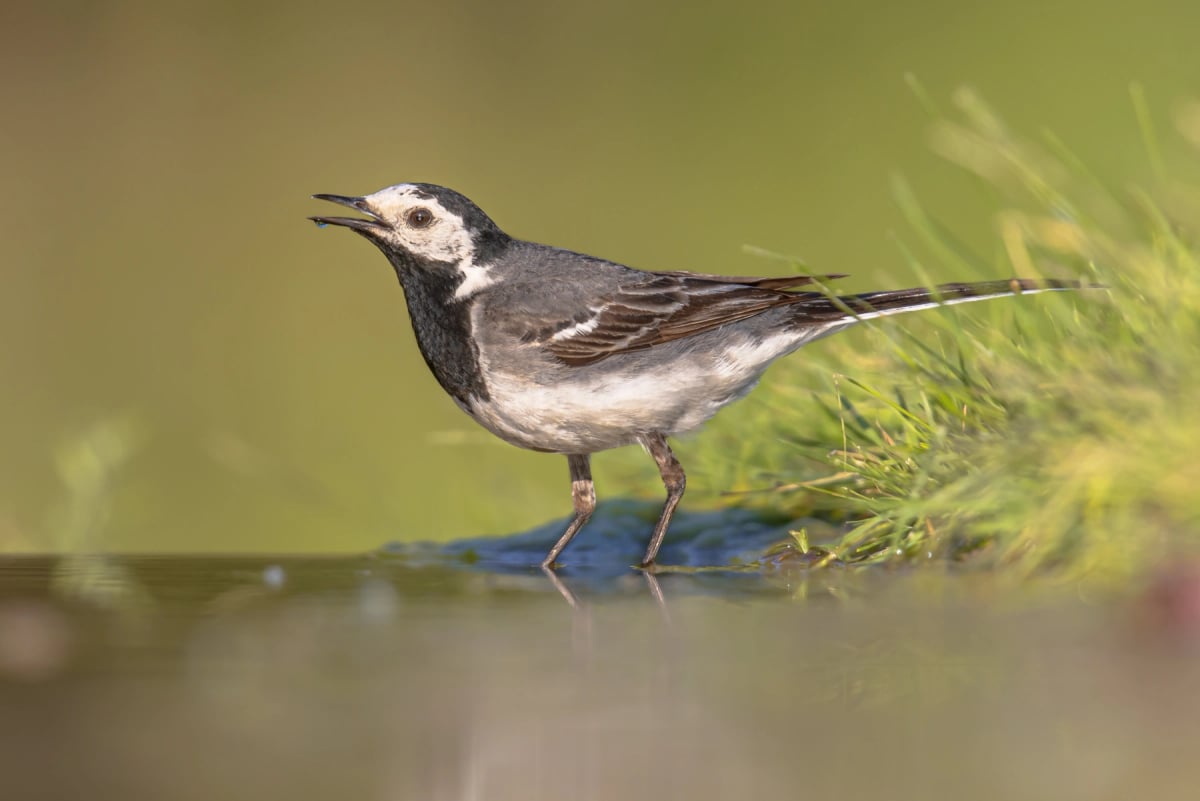
White Wagtail
Motacilla alba
Small black, white and grey bird with a slender tail that bobs up and down as it walks and feeds along the edges of water and open ground.
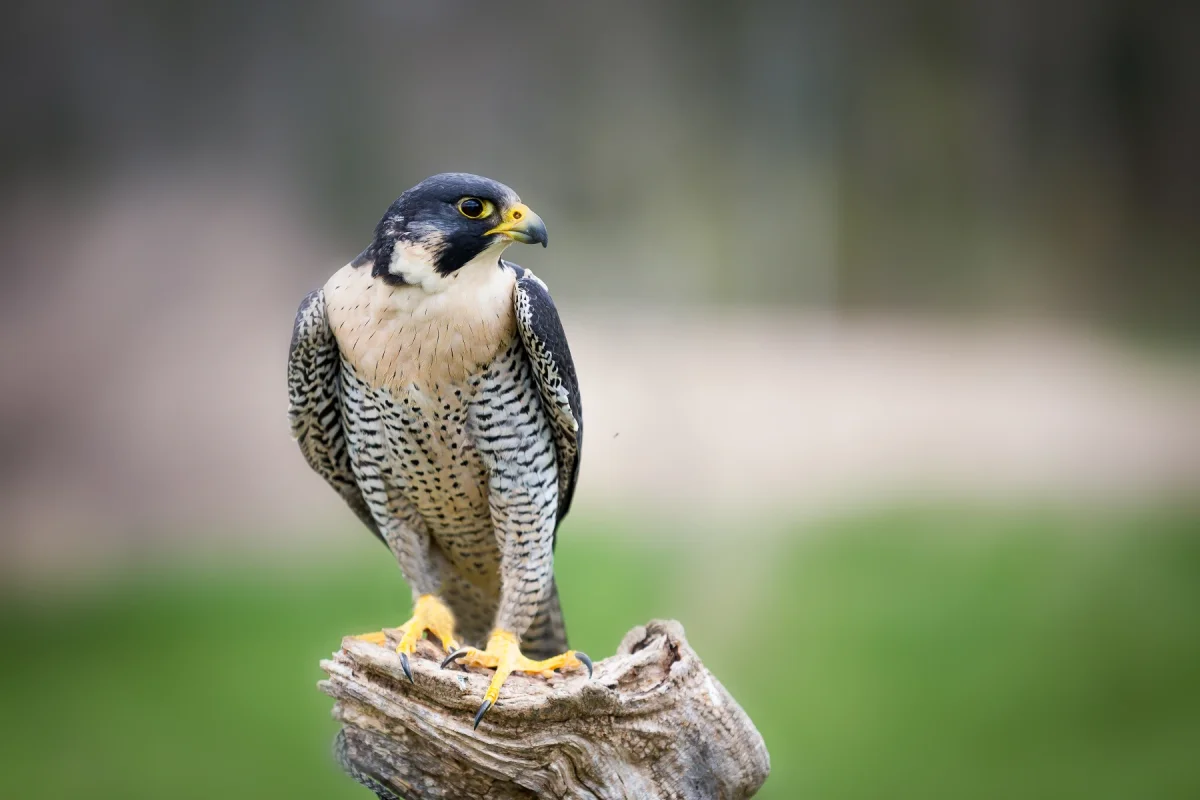
Peregrine Falcon
Falco peregrinus
In Slovakia, the peregrine falcon breeds in small but growing numbers, nesting on rocky faces in the Carpathian Mountains and on the cliffs of river gorges. After its populations collapsed in the mid twentieth century due to DDT, careful protection and nest monitoring helped the species return. Today it also nests on tall buildings and church towers in cities. Slovakia sits on important migratory routes, so birds on passage add to sightings throughout the year. Its IUCN status is Least Concern.
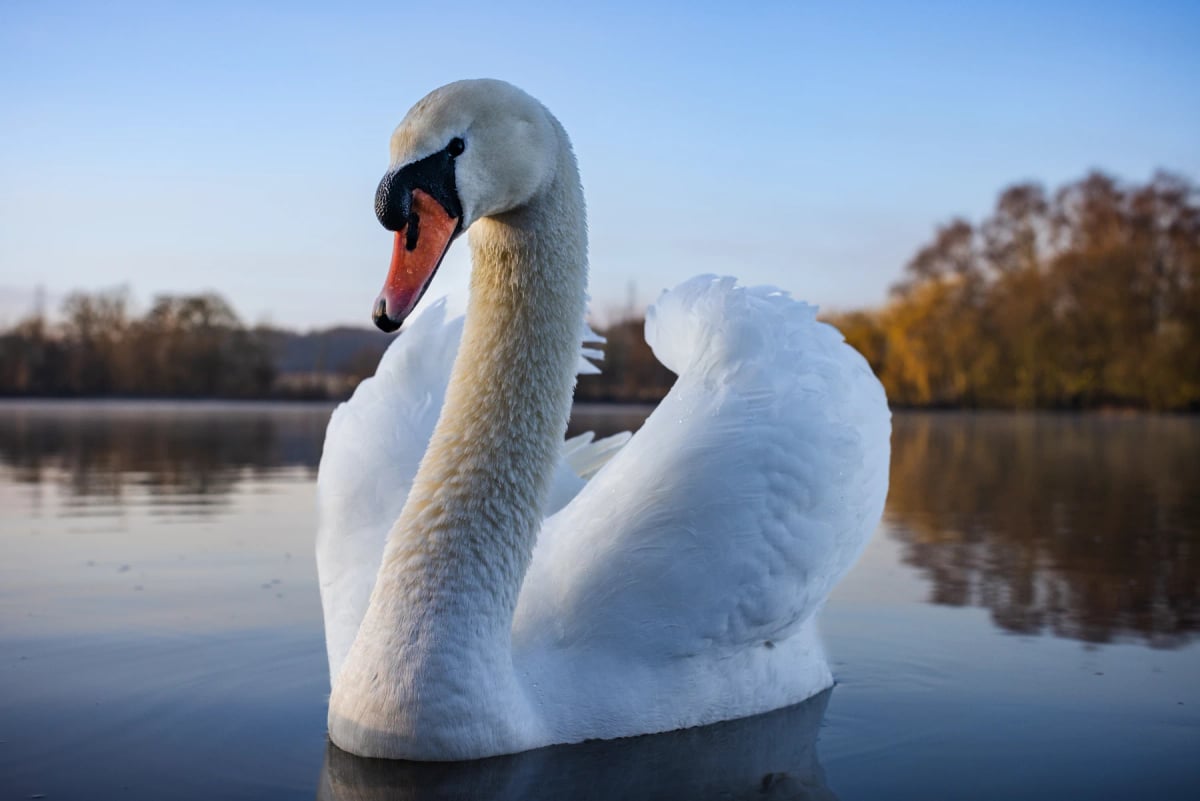
Mute Swan
Cygnus olor
In Slovakia, the mute swan is found mainly in the southwestern lowlands, particularly along the Danube and its tributaries and on fish pond systems in the Záhorie region. It nests among reed beds and dense bankside vegetation, with pairs defending their territories actively. During winter, small groups may gather on larger rivers and reservoirs that remain ice free. The IUCN lists it as Least Concern.
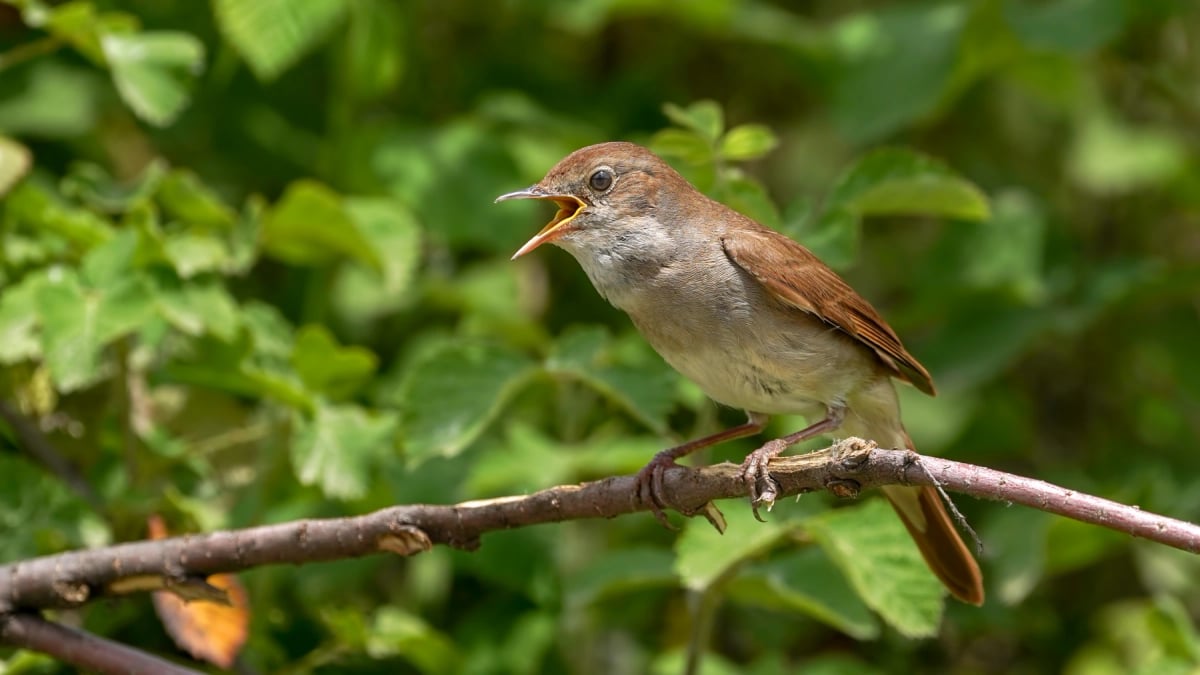
Nightingale
Luscinia megarhynchos
In Slovakia, the nightingale breeds in lowland and foothill areas, favoring dense thickets along rivers and forest edges, particularly in the Danube lowlands in the south and the Morava floodplain. It is less common in the mountainous north of the country. The song of the male, heard on warm May evenings, is a cherished seasonal sound. Habitat loss through the removal of scrub and riparian vegetation is a local concern.
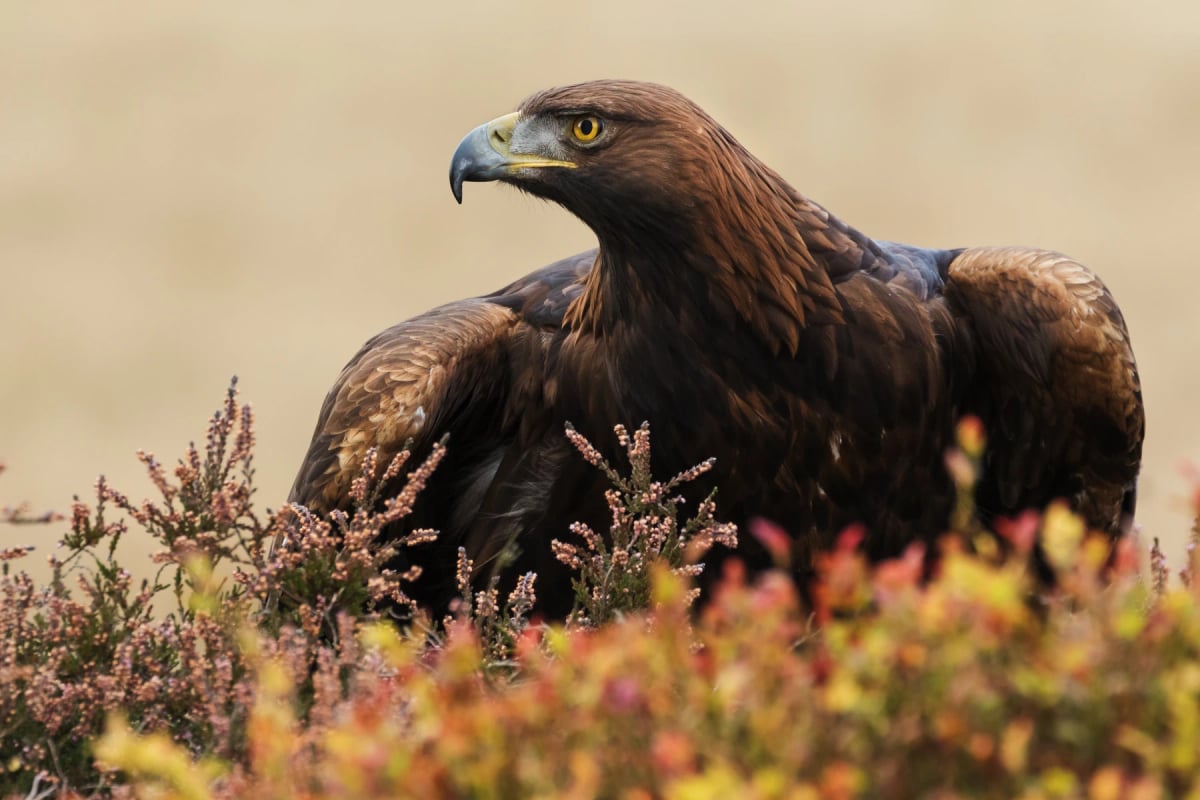
Golden Eagle
Aquila chrysaetos
In Slovakia, the golden eagle inhabits the Carpathian mountain ranges, particularly the Western and Low Tatras. It nests on cliff ledges and in tall trees within forested mountain terrain. The species is a protected bird under Slovak law, and conservationists monitor nest sites closely each breeding season. The IUCN lists it as Least Concern, but the Slovak population remains small and vulnerable to habitat disturbance.
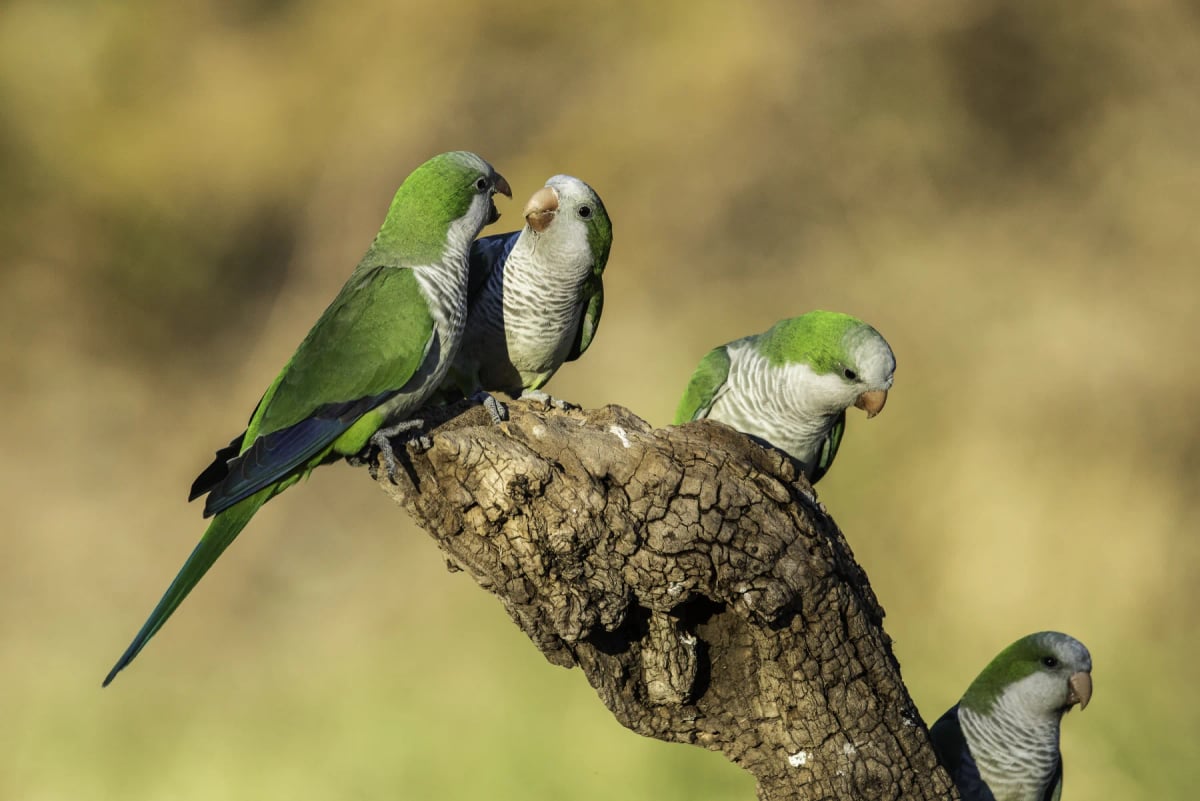
Monk Parakeet
Myiopsitta monachus
The Monk Parakeet has been recorded in Slovakia as an occasional visitor or escaped bird, with no firmly established breeding population confirmed to date. Sightings tend to occur in urban parks and gardens, where individuals sometimes linger for extended periods. Birdwatchers across the country report sporadic observations, and researchers continue to track whether a stable colony might take hold in the future.
Researched and written by Juan Pablo. Sources: IUCN Red List, scientific literature and regional field guides. Last updated: .