Buffalo
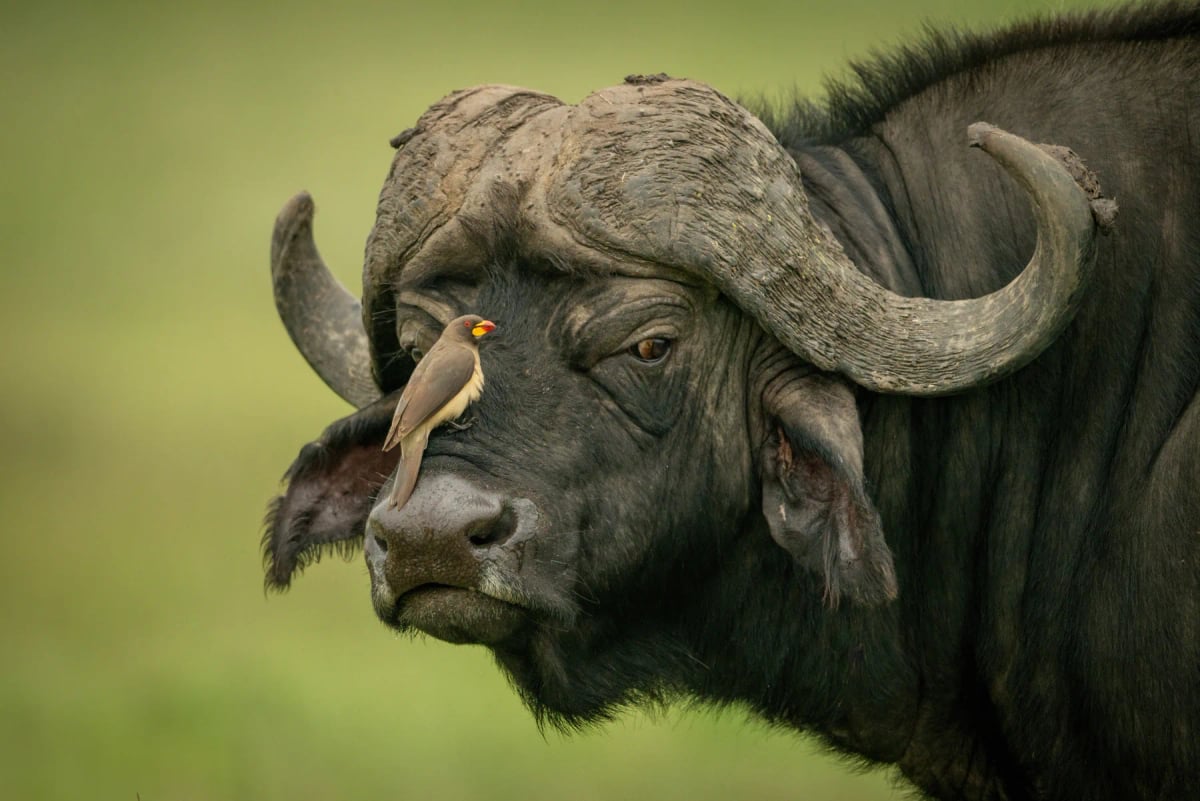
The African buffalo is one of the most formidable large mammals on the continent and a proud member of the Big Five. A heavily built bovid, it roams savannas, floodplains, woodlands, and the edges of forests across sub-Saharan Africa, always staying within reach of water. Herds can number in the hundreds and are held together by a complex social structure in which older cows often guide group movements. Adult bulls carry a distinctive boss, a thick, fused shield of horn at the base of the skull, which is used in clashes over dominance. When threatened, the herd may close ranks and mount a coordinated defense against lions or other predators. Old bulls that drift away from the herd and live alone or in small groups are considered especially unpredictable. Bovine tuberculosis and foot-and-mouth disease pose serious risks to many populations, particularly those living near livestock.
Habitat and range
Across sub-Saharan Africa, the African buffalo occupies one of the widest habitat ranges of any large bovid on the continent. It thrives in open savannas, grassy floodplains, miombo woodlands, and the dense margins of montane forests, adapting its preferences to local conditions. One factor remains constant regardless of habitat: the species is never found far from a reliable source of water, which it must drink daily. Populations in East Africa tend to favor open grasslands and acacia woodland, while those in Central and West Africa are smaller in body size and better suited to forest interiors. Elevation is not a barrier, as herds have been recorded at considerable altitude in the highlands of Ethiopia and on the slopes of Mount Kenya.
Herd structure
Buffalo society is built around large mixed herds that can swell to several hundred individuals during the wet season, when food and water are plentiful. Within these herds, older cows play a leading role in guiding the group's daily movements and decisions about where to graze or seek water. Bulls compete for dominance using their heavy bosses, the thick shields of fused horn at the base of their skulls, in head-on clashes that can be heard from a considerable distance. As bulls age, many gradually leave the main herd and join small all-male groups, often called bachelor herds, or begin living alone. These solitary old bulls, sometimes called dagga boys, are widely regarded as the most unpredictable individuals in the species.
Defense and behavior
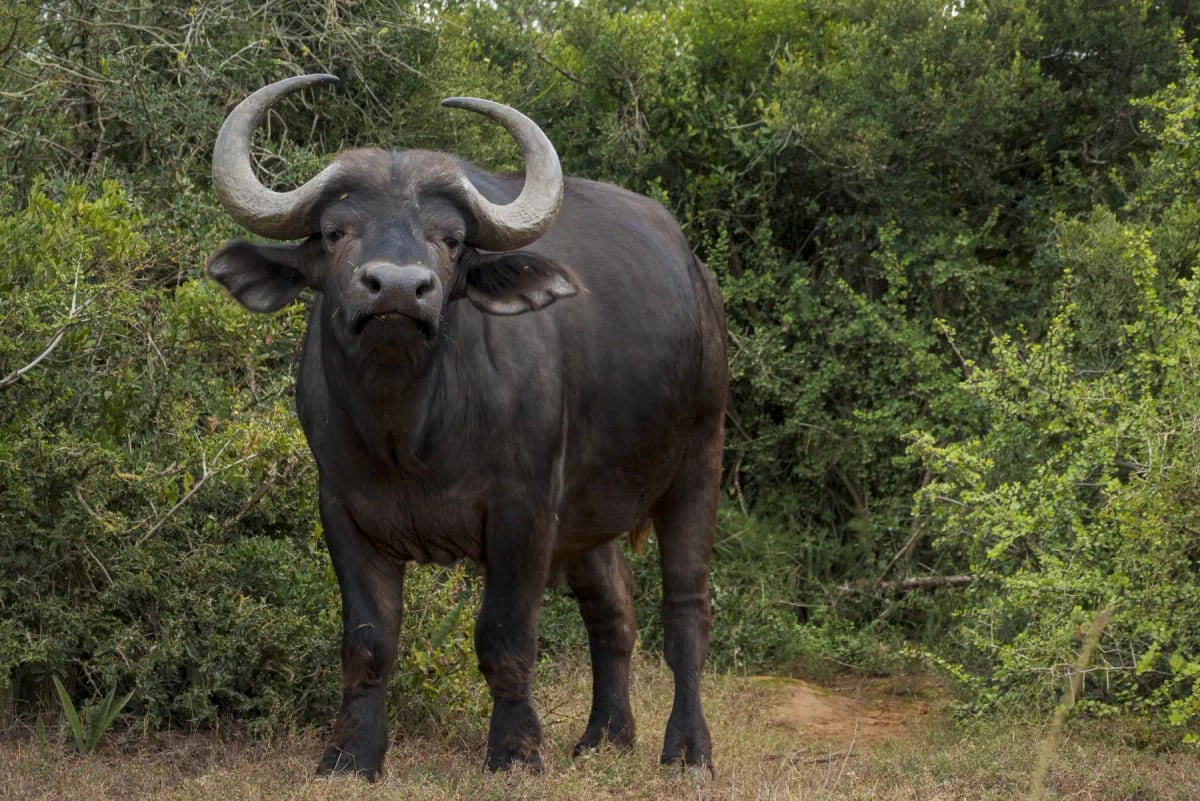
Few large herbivores on the African continent are as capable of defending themselves as the buffalo. When lions or spotted hyenas approach, a herd will often form a tight, outward-facing wall, placing calves at the center and presenting a line of horns to the threat. Coordinated mobbing behavior, in which herd members charge together toward a predator, has been documented on multiple occasions and can successfully drive off even large lion prides. The boss on an adult bull's head acts as both a weapon and a shield during these encounters. Solitary bulls, no longer protected by herd numbers, tend to be especially reactive to perceived threats and have been responsible for a significant number of attacks on people in protected areas across Africa.
Role in the ecosystem
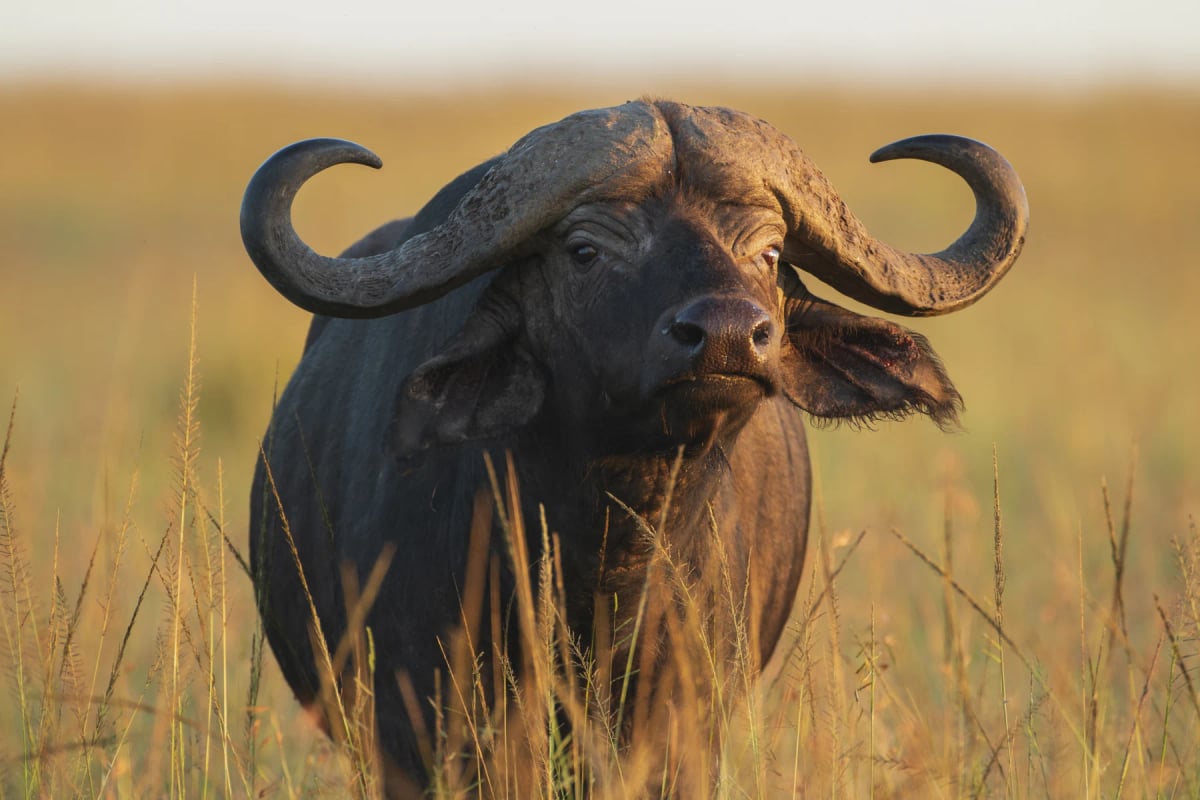
Through their grazing habits, buffalo have a measurable influence on the structure of savanna and floodplain vegetation. By cropping tall, coarse grasses down to shorter growth, they open up feeding opportunities for smaller grazers such as zebras and wildebeest, creating a layered pattern of grassland use across a landscape. Their dung supports a wide community of dung beetles, which in turn aerate the soil and aid nutrient cycling. As one of the primary prey species for lions across much of their range, buffalo sustain large predator populations and drive important predator-prey dynamics. Waterholes and riverbanks used regularly by herds also experience physical changes to the soil and vegetation, shaping the local environment over time.
Conservation
The IUCN currently lists the African buffalo as Least Concern, supported by large and stable populations in well-managed protected areas such as the Serengeti, Kruger National Park, and the Okavango Delta system. However, the species faces real pressure at a local level. Poaching for meat reduces numbers in areas where enforcement is limited, and the fragmentation of habitat isolates populations and reduces genetic exchange over the long term. Disease is among the most serious ongoing threats. Bovine tuberculosis, spread partly through contact with infected livestock, has significantly affected buffalo populations in South Africa, while foot-and-mouth disease creates tensions between wildlife managers and the agricultural sector. Maintaining buffer zones between wildlife areas and farms is central to managing these risks.
Where it is found
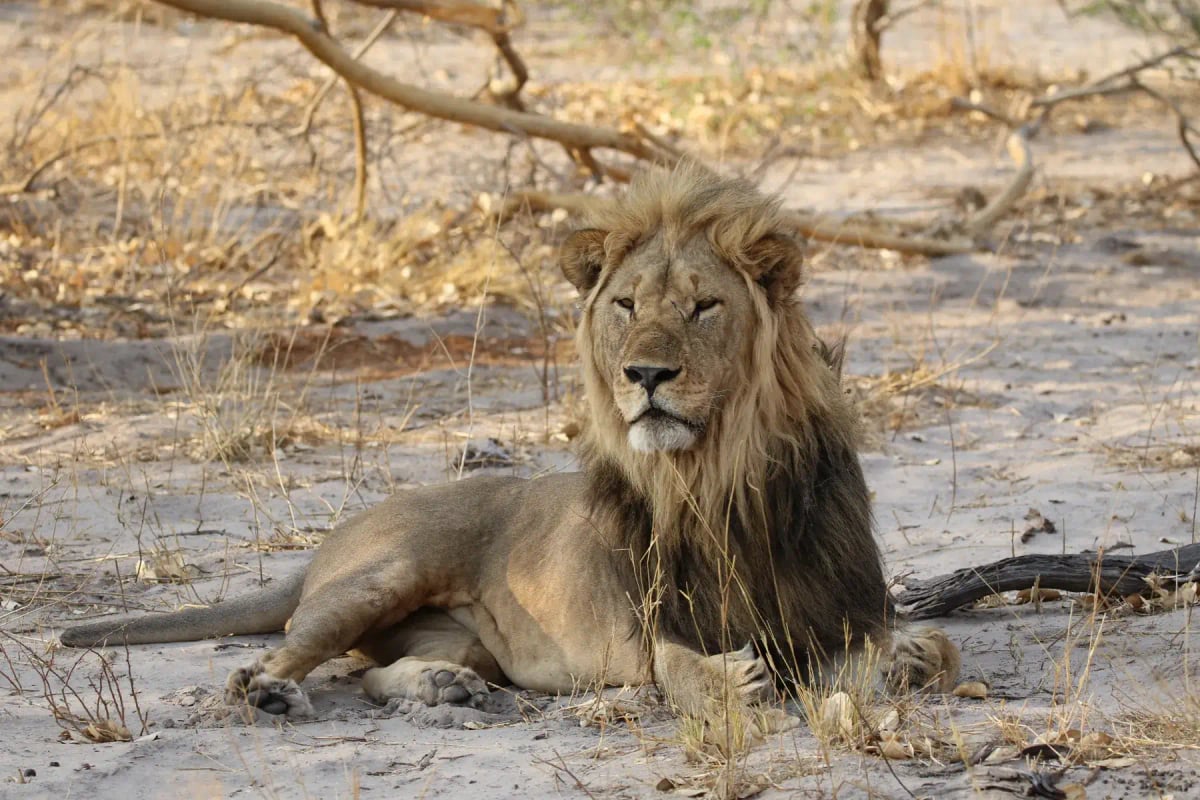
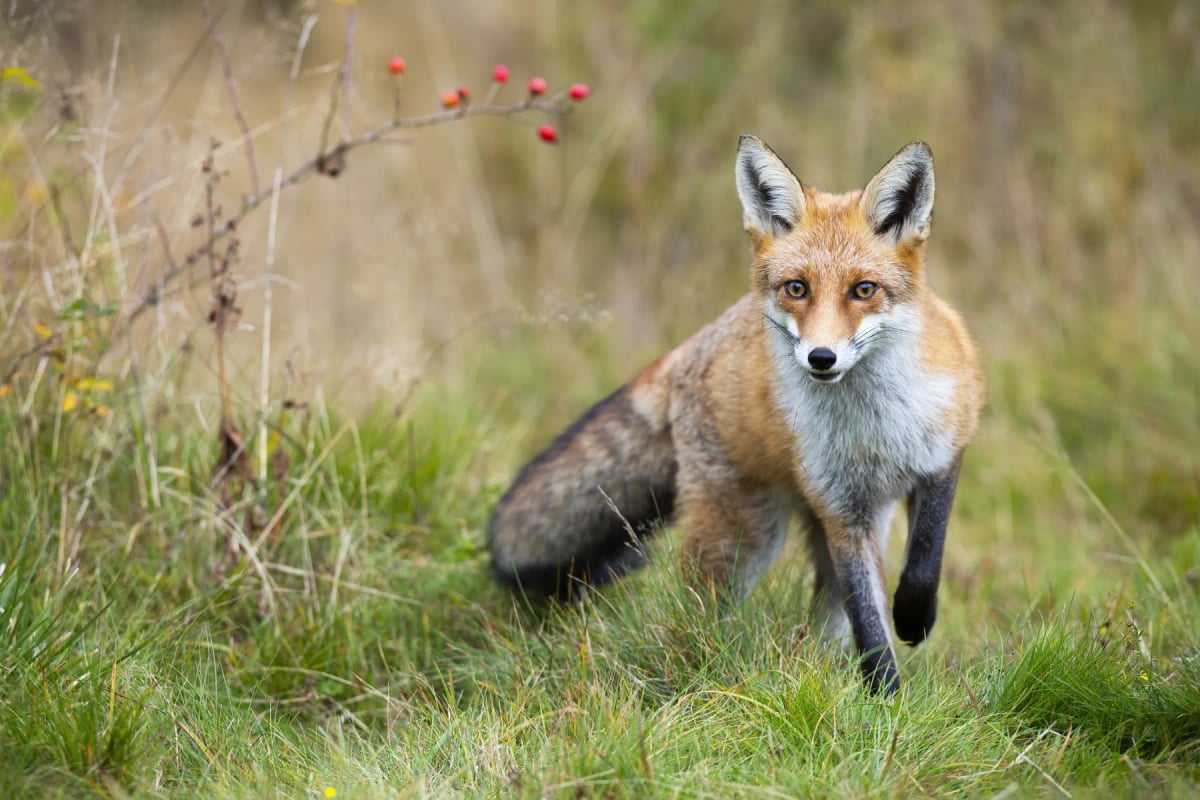
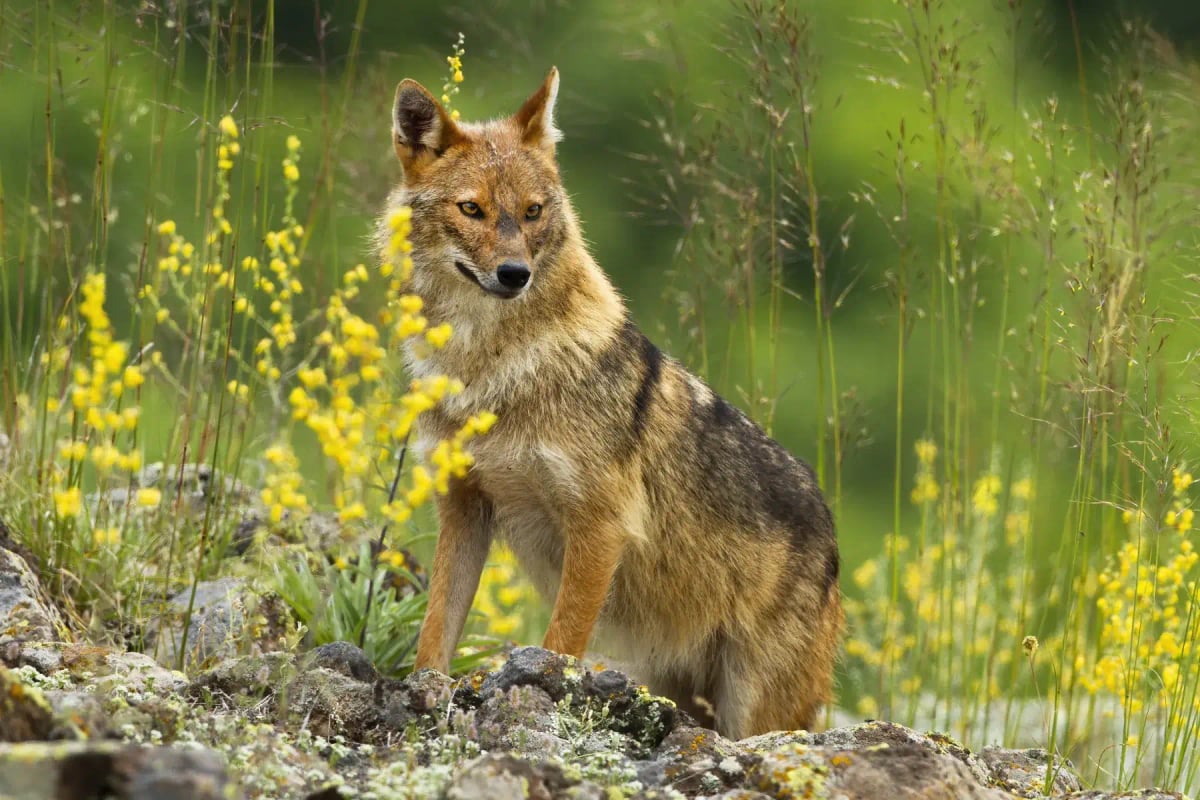
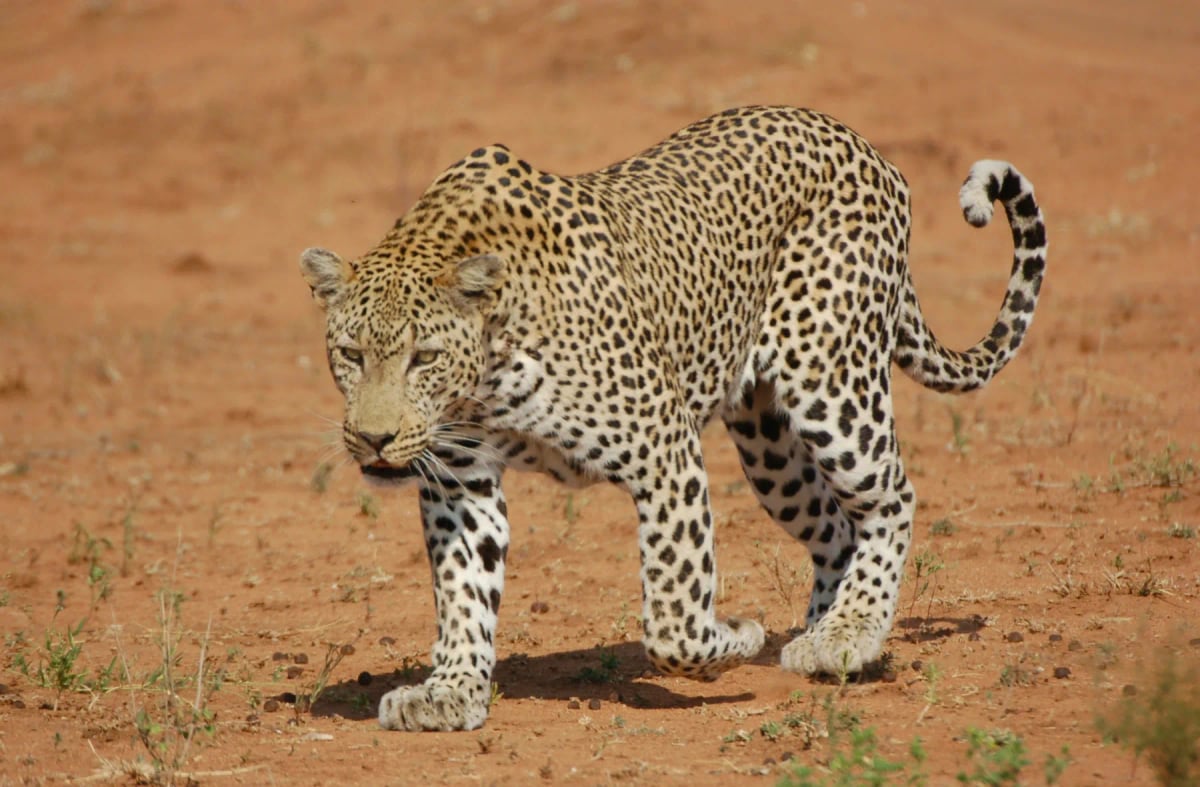
The Buffalo can be found in places such as:
Researched and written by Juan Pablo. Sources: IUCN Red List, scientific literature and regional field guides. Last updated: .
Technical factsheet



Frequently Asked Questions
What do African buffalos eat?
African buffalos are grazers that feed almost entirely on grasses. They prefer tall, coarse grasses and will spend many hours each day grazing, typically during the cooler morning and evening periods. In areas where grass is scarce during the dry season, they may browse on leaves and shrubs to supplement their diet. Because of their large body size, they need to consume significant quantities of vegetation daily and always remain close to water.
How dangerous is the African buffalo to humans?
The African buffalo is considered one of the most dangerous animals in Africa and is responsible for a notable number of human fatalities each year. Solitary old bulls are especially unpredictable and will charge with little warning. Even within protected areas, encounters can turn deadly. Unlike many large animals, a wounded or cornered buffalo will often circle back to confront a pursuer rather than flee, which makes it particularly hazardous.
Where do African buffalos live?
African buffalos are found across a wide stretch of sub-Saharan Africa, from Senegal and Guinea in the west to Ethiopia and Somalia in the east, and south through Kenya, Tanzania, and into South Africa. They occupy savannas, floodplains, woodlands, and forest edges, always staying near water sources. Some of the largest concentrations exist in protected areas such as the Serengeti ecosystem, Kruger National Park, and the Okavango Delta.
What are the main predators of the African buffalo?
Lions are the primary predators of adult African buffalos, though bringing down a healthy adult requires the coordinated effort of multiple lions and carries real risk of injury. Nile crocodiles prey on buffalos at river crossings, and spotted hyenas will target calves or weakened individuals. Leopards and wild dogs occasionally take calves. Adult buffalos in a herd are well protected by their collective defense, making lone individuals significantly more vulnerable.
How do African buffalos protect themselves from predators?
When threatened, a buffalo herd closes ranks into a tight defensive wall, with calves sheltered in the center and adults facing outward with their horns lowered. Groups will sometimes charge together toward a predator in a coordinated mob attack, which can drive away even a large pride of lions. The thick boss on an adult bull's head serves as both a weapon and a shield. Solitary bulls, without herd protection, rely instead on aggression and their capacity to deliver powerful charges.
What diseases affect African buffalos?
Bovine tuberculosis is one of the most serious diseases affecting African buffalo populations, particularly in South Africa where it has spread through contact with infected livestock. Foot-and-mouth disease is another major concern, creating ongoing tension between wildlife authorities and the farming sector. These diseases do not only threaten buffalo health directly but also complicate the management of areas where wildlife and livestock share land or come into contact near reserve boundaries.
How big do African buffalos get?
The African buffalo is a heavily built animal. Adult males typically weigh between 500 and 900 kilograms, with shoulder heights reaching around 1.5 meters. Females are noticeably smaller. The subspecies found in the forests of Central and West Africa, known as the forest buffalo, is considerably smaller than the Cape buffalo of East and Southern Africa. Both sexes carry curved horns, but the large, fused boss at the base of the horns is unique to adult males.