Animals in Timor Leste
Wildlife in Timor Leste
Timor Leste is a small country of forested hills, dry lowlands and long tropical coasts. Visitors usually experience wildlife on boat trips to watch marine life, snorkel or dive near coral reefs and on short walks to viewpoints above villages or bays. From these routes they may see sea birds, whales, dolphins and other coastal animals while staying close to towns.
Most Dangerous Animals in Timor Leste
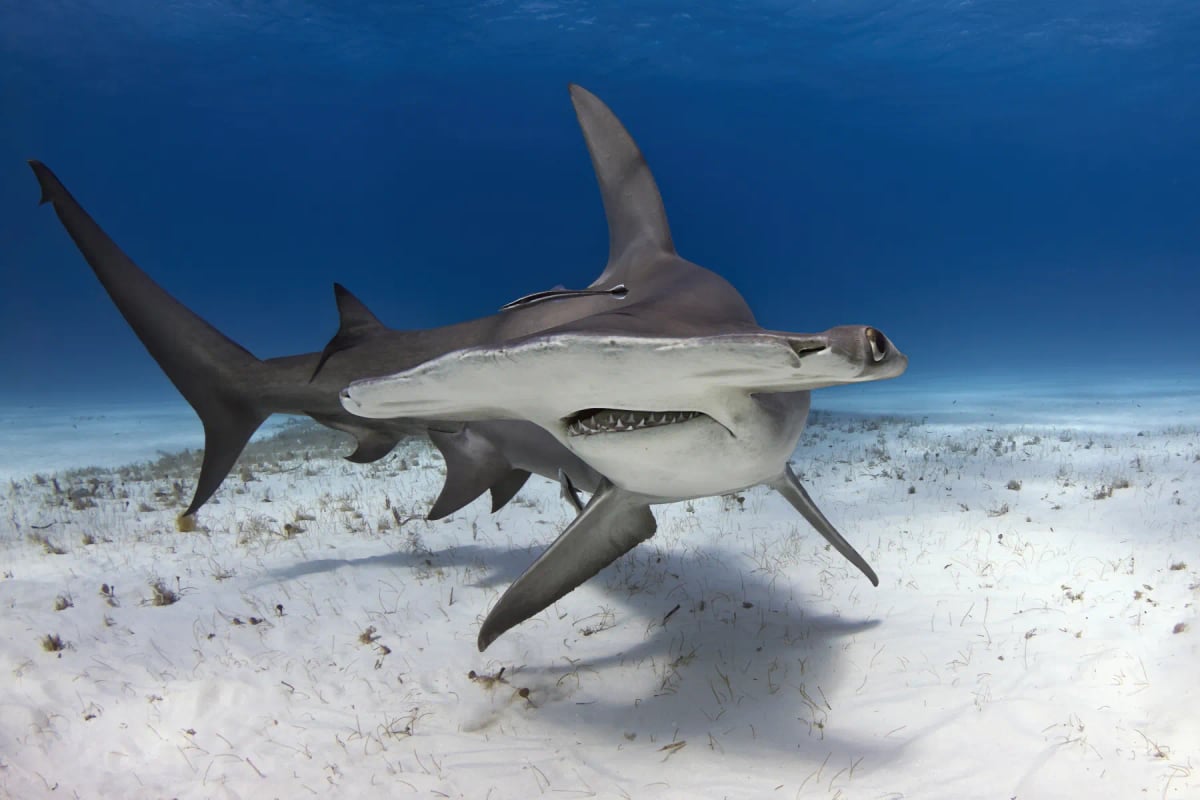
Though Timor Leste land fauna rarely poses threats to humans, the surrounding waters demand caution. Apex predators like tiger sharks, hammerheads and reef sharks are part of the rich marine ecosystem, and while encounters are infrequent, awareness is essential for safety. Orcas also patrol the deeper ocean, underscoring the power and unpredictability of the sea for divers, fishers and boat tours.
Top 10 Animals in Timor Leste
Timor Leste most iconic animals are often linked to the sea, with species that reflect both ecological richness and cultural narratives. While the selection will grow as more data emerges, it focuses on creatures with notable presence or symbolic value in local traditions or conservation efforts. This blend of marine giants and elusive land species captures the country wildlife identity and evolving environmental awareness.
Fruit Bat
Pteropodidae
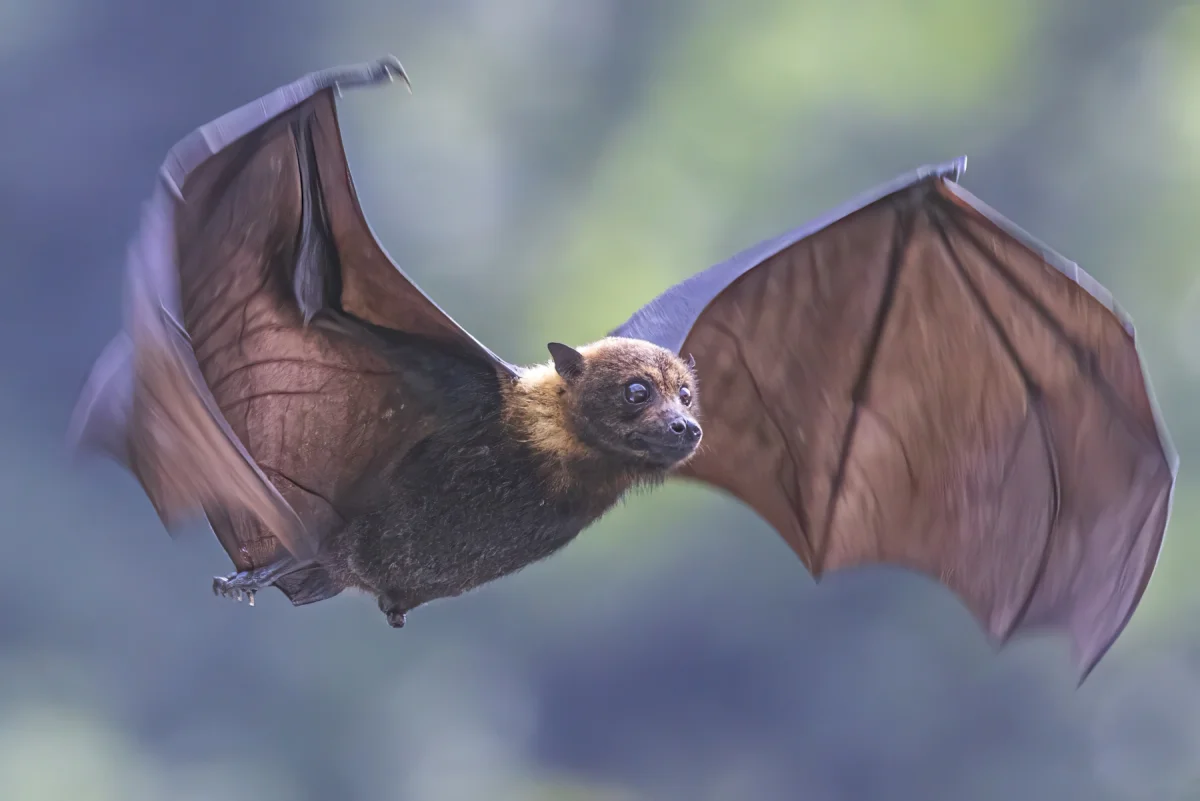
Timor-Leste is home to fruit bat species including the island flying fox, which roosts in coastal and montane forests across the small nation. These bats are important for the regeneration of native forests, which have faced heavy deforestation since the late twentieth century. Local communities in some areas hunt fruit bats as a source of protein. Conservation awareness efforts are growing, aimed at balancing traditional practices with the need to protect these animals over the long term.
Sea Turtle
Cheloniidae & Dermochelyidae (families)
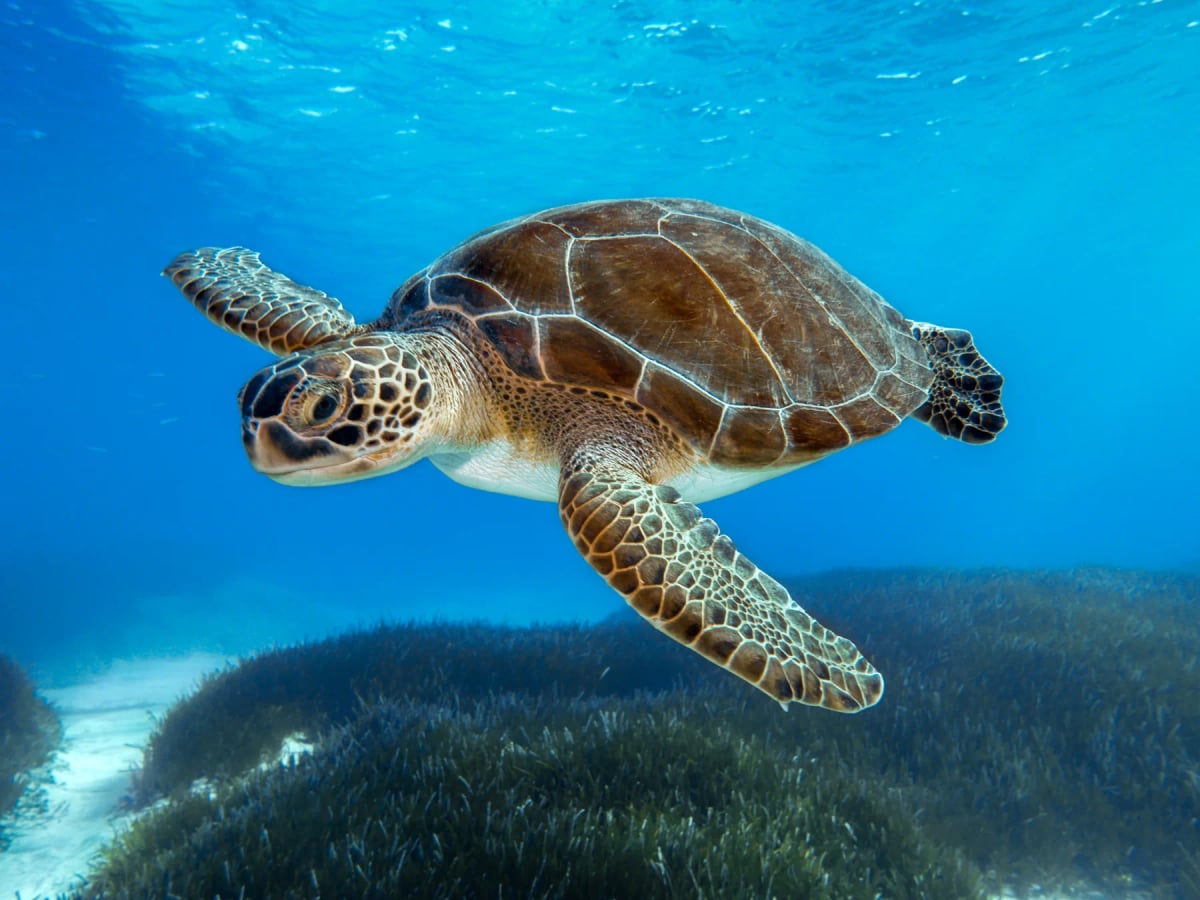
Timor-Leste's coral-rich waters in the Coral Triangle are important habitat for green and hawksbill sea turtles. Both species forage on the reef systems along the north and south coasts, and nesting has been recorded on several beaches. The country sits within one of the most biodiverse marine regions on Earth, and sea turtles are an important part of that ecosystem. Conservation capacity is still developing, and turtles face pressure from subsistence harvesting and fishing activity.
Barn Owl
Tyto alba
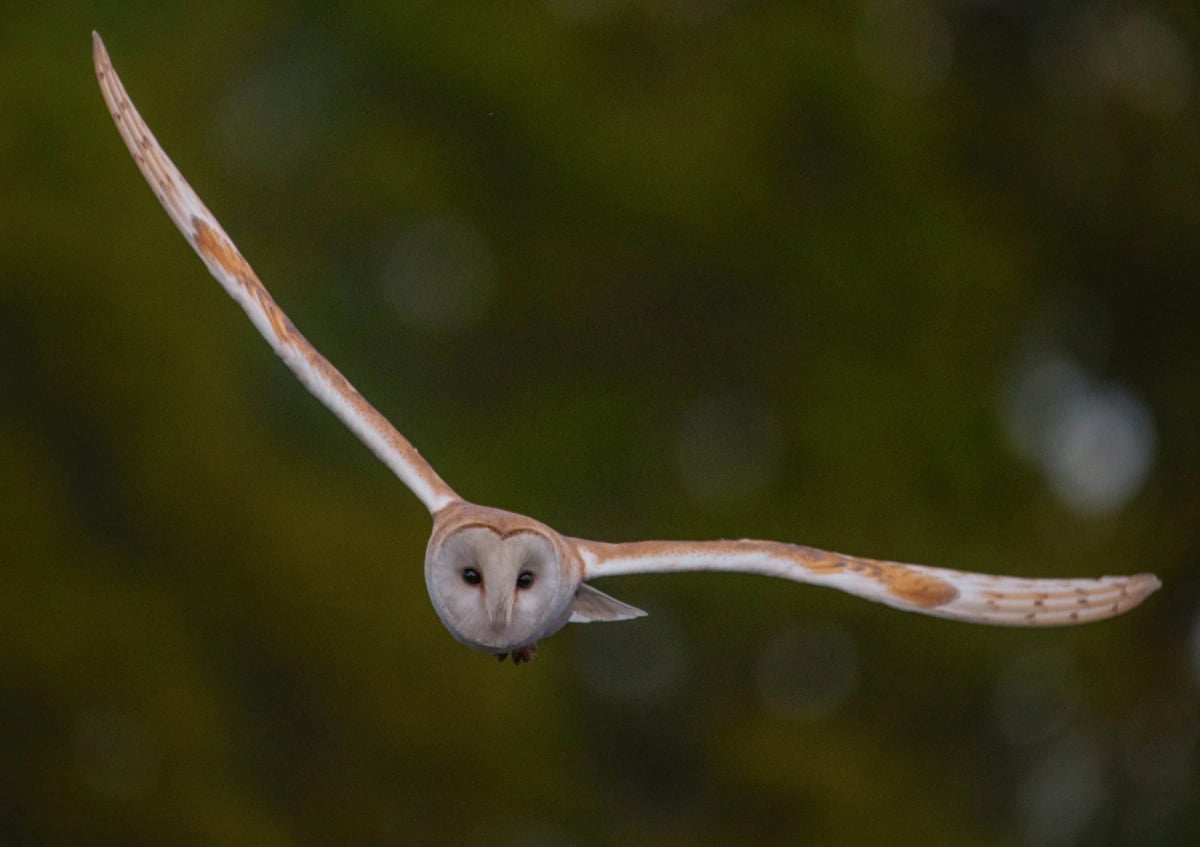
The barn owl is found in Timor-Leste in open farmland, grassland, and areas near villages and towns across the coastal lowlands and the lower mountain slopes. It nests in old buildings, cliff faces, and hollow trees, and hunts rodents and other small prey at night. In the agricultural communities of this small island nation it provides natural control of rat and mouse populations that damage rice and other crops. It is one of the more commonly encountered owls in the country's open and semi-open habitats.
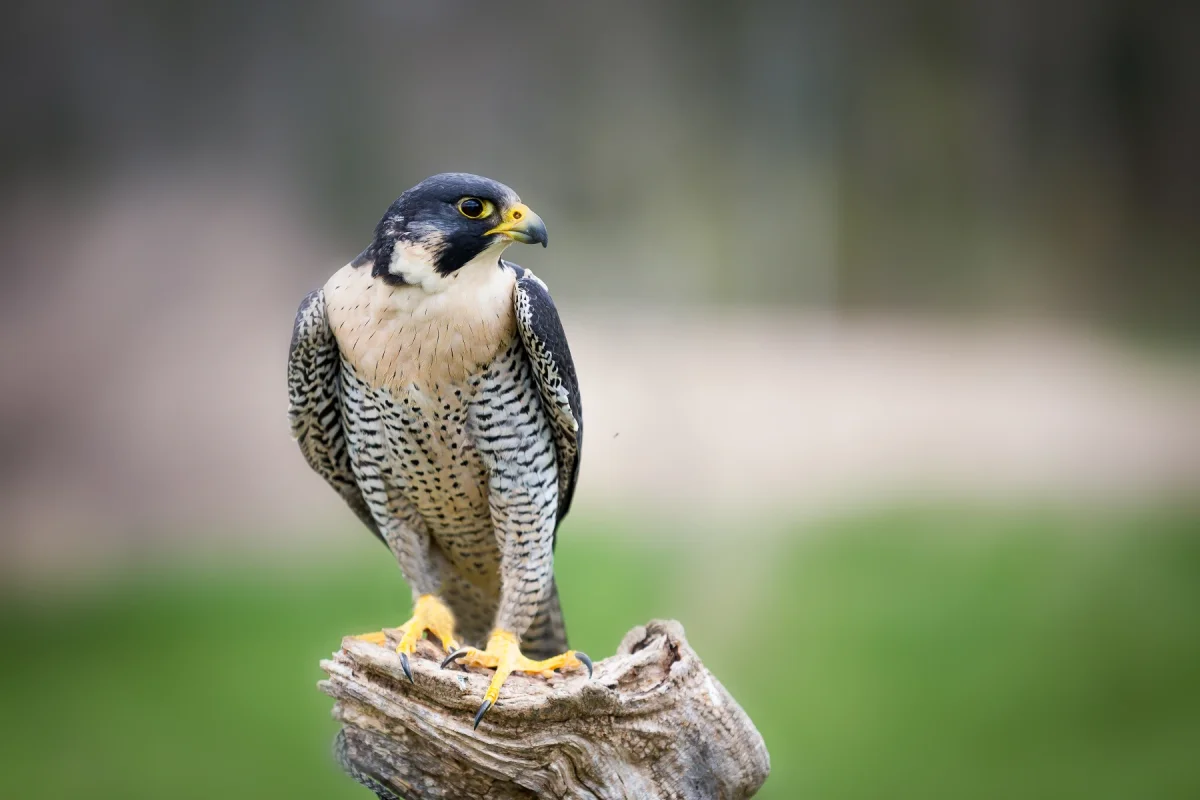
Peregrine Falcon
Falco peregrinus
In Timor-Leste, the peregrine falcon is recorded as a seasonal visitor, passing through or wintering in the country during the northern winter months. Its small island territory, with coastal cliffs and open hillsides, can provide suitable hunting habitat for this powerful bird. Ornithological research in Timor-Leste is still developing, but records confirm its presence. The IUCN lists it as Least Concern.
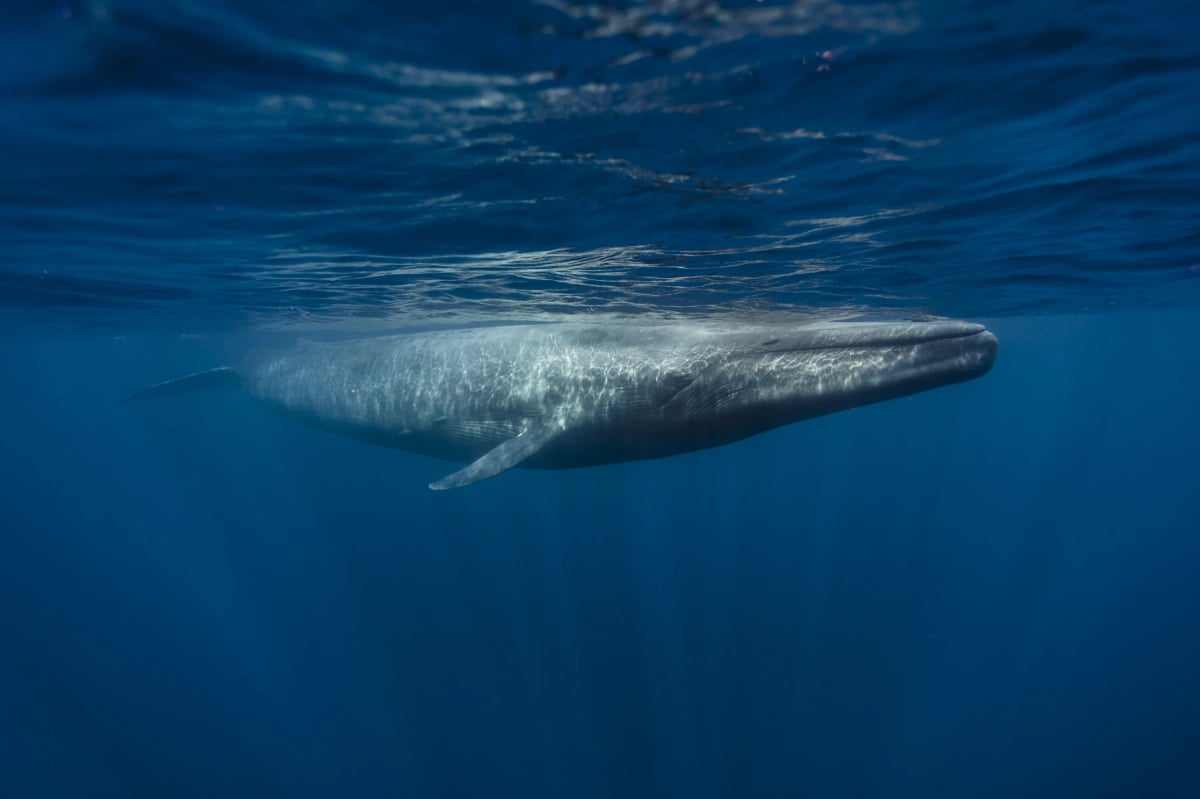
Blue Whale
Balaenoptera musculus
Timor-Leste's waters open onto the Banda Sea and the deep passages of the Indo-Pacific, a region where blue whales have been recorded during seasonal migrations. The island's location near the Coral Triangle and its access to deep offshore waters make it a potentially important transit zone for large cetaceans. Marine conservation infrastructure in Timor-Leste is still developing, and long-term monitoring of whale activity in the region remains limited. IUCN status: Endangered.
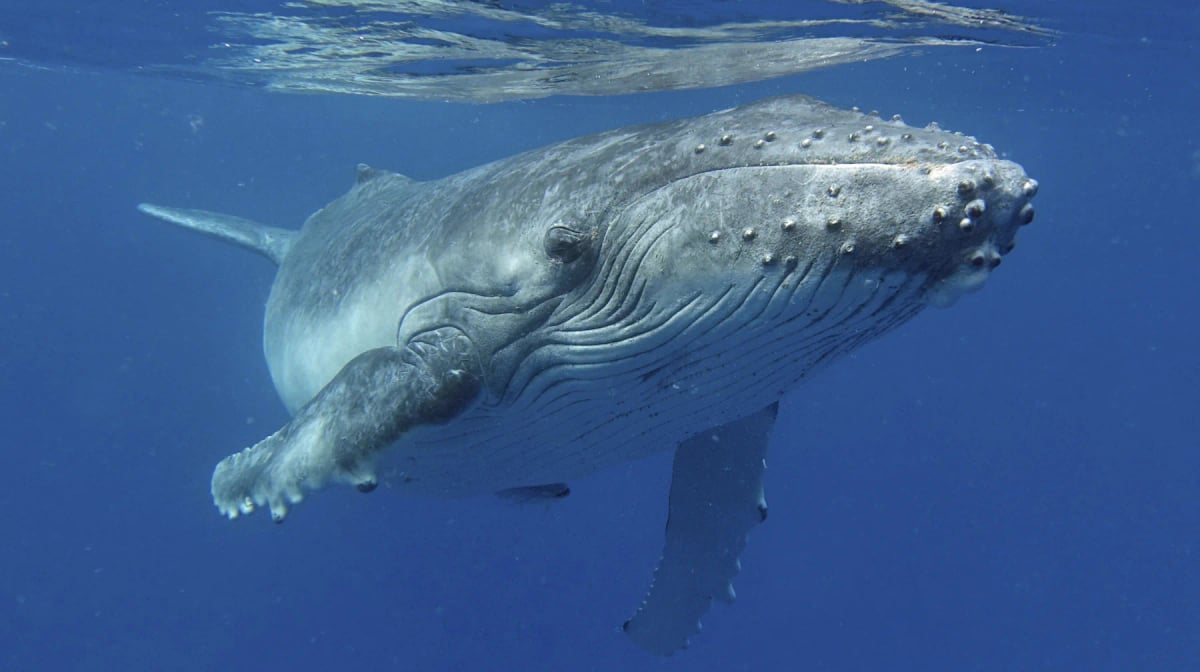
Humpback Whale
Megaptera novaeangliae
The waters of Timor-Leste, nestled within the Coral Triangle, lie along a migration route used by humpback whales as they travel through the Indo-Pacific. The region's warm, productive seas support a rich variety of marine life, and whales passing through add to its remarkable biodiversity. Growing ecotourism efforts in Timor-Leste are beginning to bring attention to these ocean giants. Adults can weigh up to 40 tonnes. The IUCN classifies the species as Least Concern.
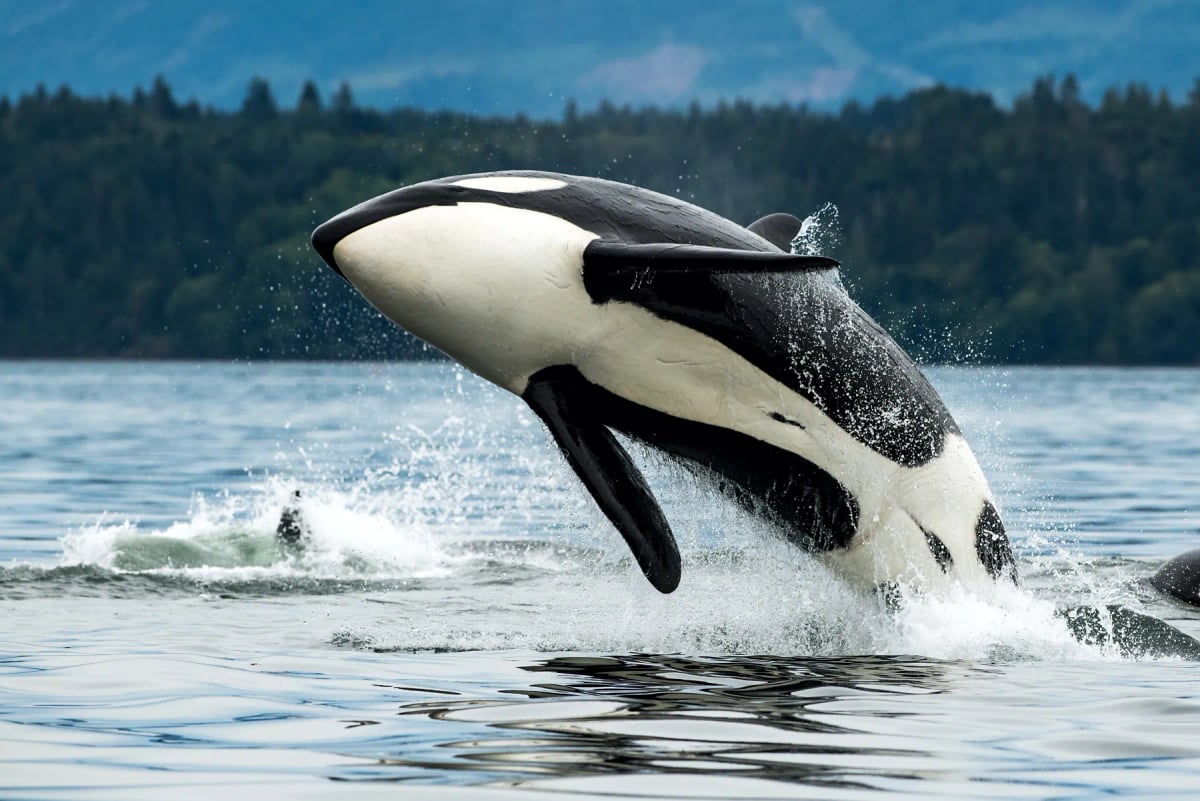
Orca
Orcinus orca
The waters surrounding Timor-Leste sit within the Coral Triangle, one of the most biodiverse marine regions on Earth. Orca sightings here are rare but documented, likely involving individuals passing through deeper offshore waters. As apex predators, they play an important role wherever they appear. Their IUCN status is Data Deficient, and more research is needed to understand how frequently they visit this region.
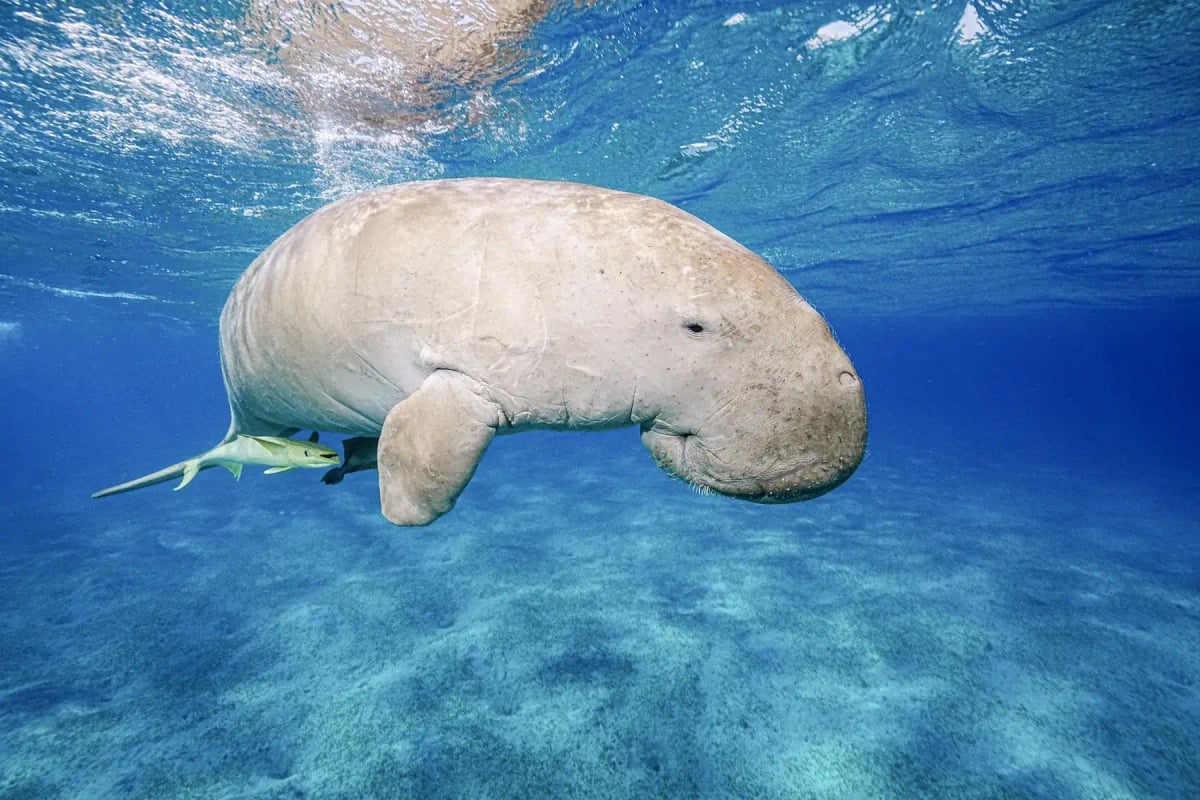
Dugong
Dugong dugon
Dugongs inhabit the shallow coastal waters of Timor-Leste, where seagrass beds grow across sheltered bays and inlets. The country's relatively intact coral reef systems help support the seagrass meadows these animals depend on. Local fishing communities occasionally encounter dugongs, and accidental capture in nets poses a real risk. Conservation awareness in Timor-Leste is still developing, making monitoring of this Vulnerable species especially important.
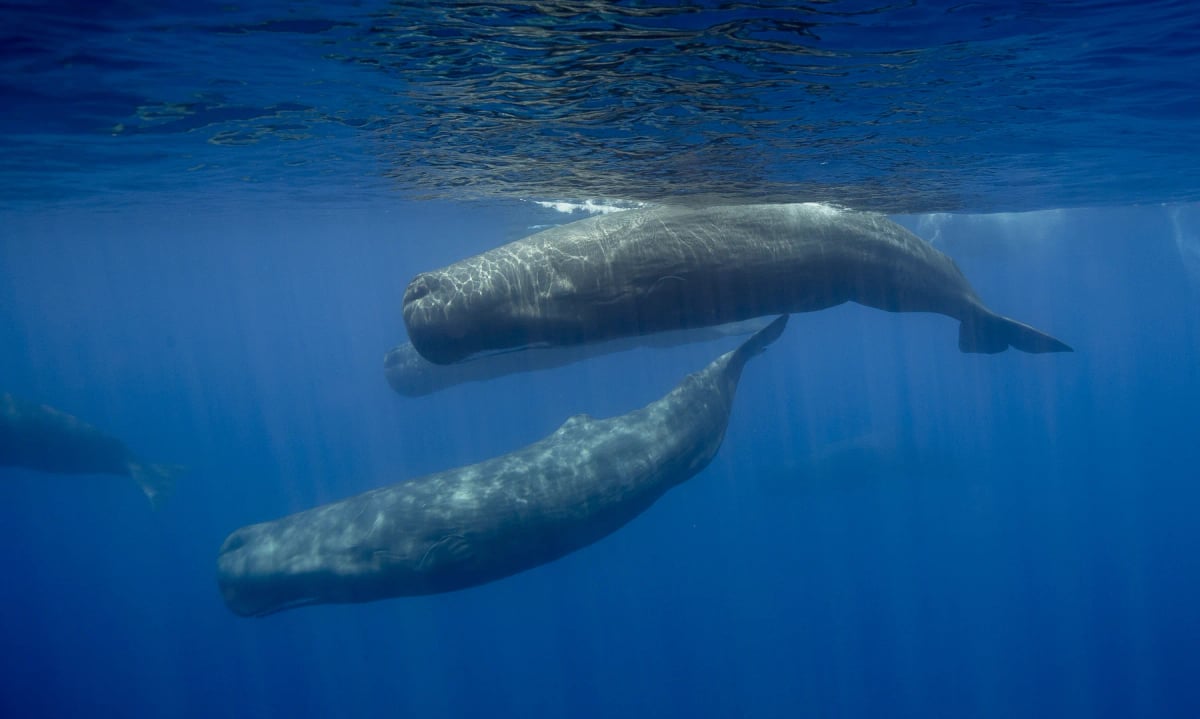
Sperm Whale
Physeter macrocephalus
The waters off Timor-Leste sit within the Coral Triangle, one of the most biodiverse marine regions on Earth, and sperm whales are known to pass through these deep offshore waters. The steep underwater terrain near the island drops quickly into the abyss, providing ideal diving conditions for these whales as they hunt squid in the depths. They are classified as Vulnerable by the IUCN.
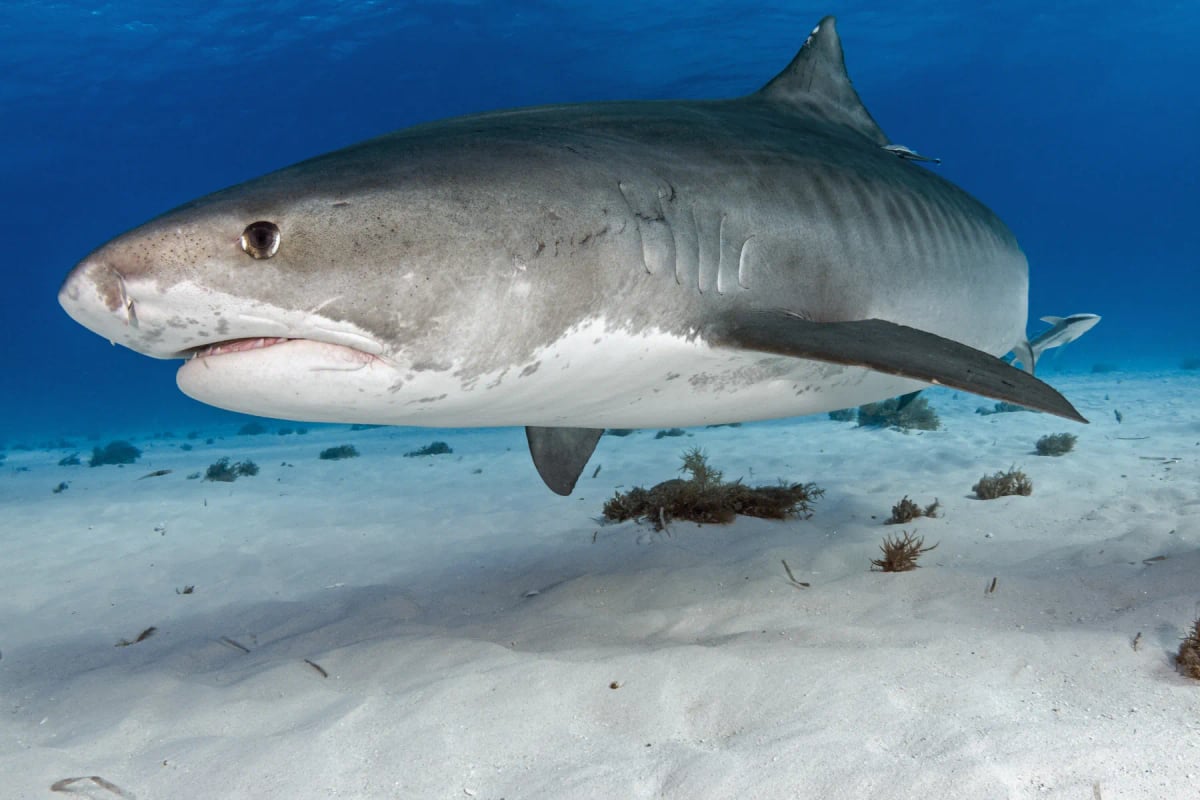
Tiger Shark
Galeocerdo cuvier
The waters of Timor-Leste lie within the Coral Triangle, one of the most biodiverse marine regions on Earth, and tiger sharks are among the large predators that roam these seas. They feed on the abundant fish, rays, and sea turtles found here. Small-scale fishing communities along the coast occasionally encounter these sharks. Protecting apex predators like the tiger shark is important for keeping this exceptional ecosystem in balance. Their IUCN status is Near Threatened.
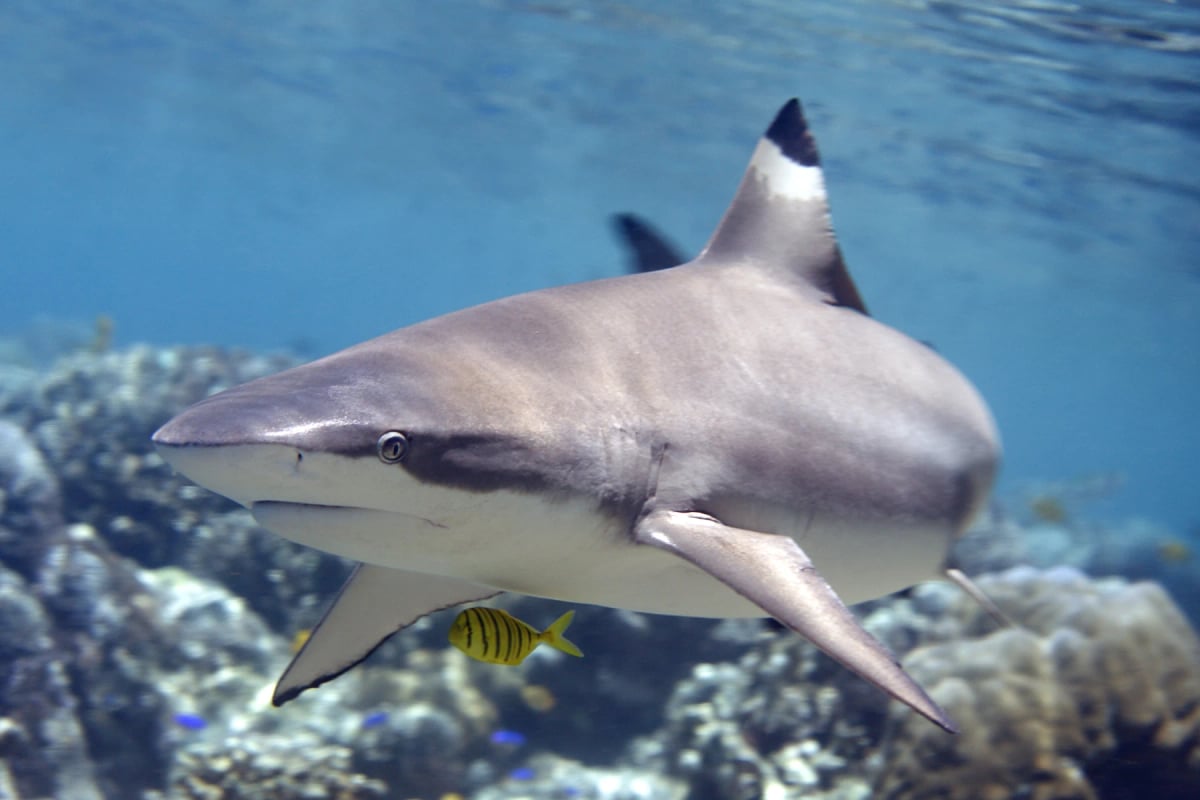
Reef Shark
Carcharhinus spp.
Timor-Leste's coral reefs, nestled within the Coral Triangle, support healthy populations of reef sharks, including blacktip and whitetip species. These sharks patrol shallow reef flats and drop-offs along the country's northern and southern coasts. Fishing pressure remains a concern, but the relatively low level of industrial fishing in Timorese waters has helped some reef shark populations stay in reasonable shape.
Researched and written by Juan Pablo. Sources: IUCN Red List, scientific literature and regional field guides. Last updated: .