Animals in Morocco
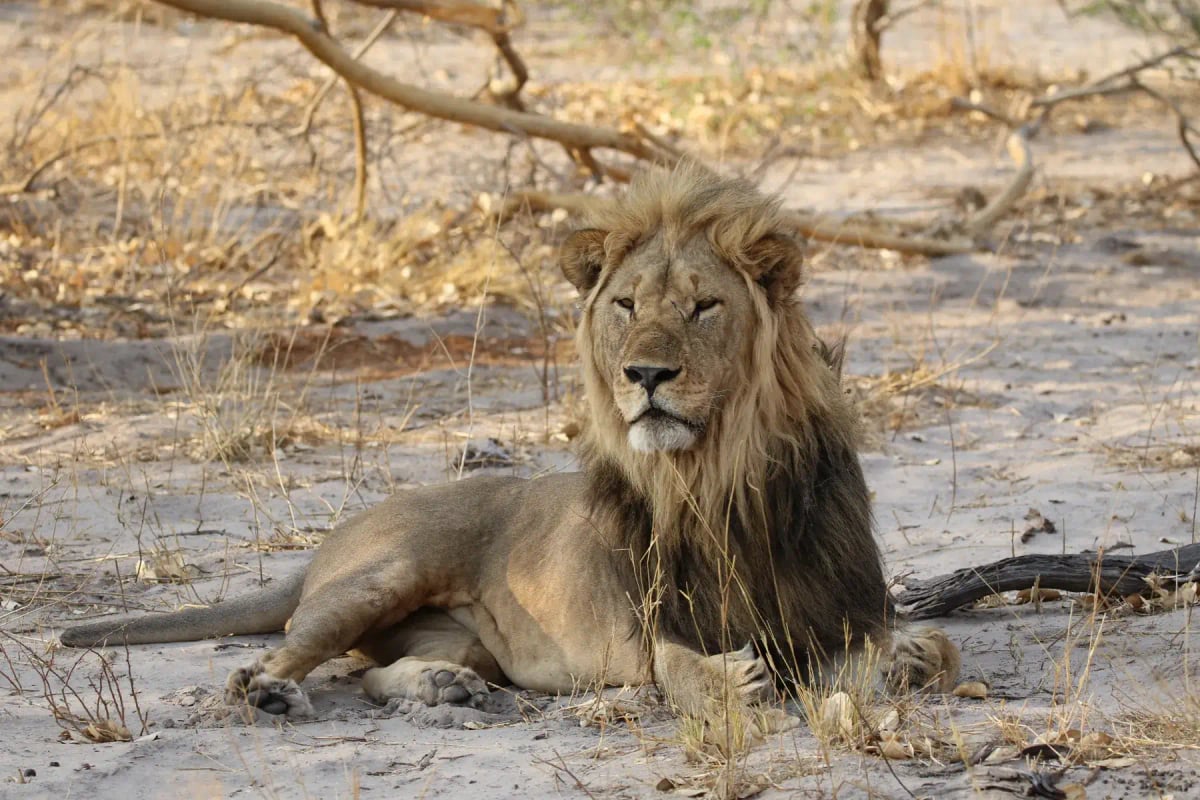
Lion
Panthera leo
The Barbary lion, Morocco’s national symbol, once roamed the Atlas Mountains. Although extinct in the wild, it remains a source of pride and appears in museums, art and conservation projects. It represents strength, endurance and the country’s lasting connection with its natural heritage.
View details→Wildlife in Morocco
Morocco’s wildlife stretches from the Mediterranean coast to the dunes of the Sahara and the snowy peaks of the Atlas Mountains. Fennec foxes, macaques, red deer and dolphins live in these varied habitats. National parks and coastal reserves protect many species that attract travelers interested in safaris, hiking and marine life.
Most Dangerous Animals in Morocco
Morocco has few dangerous animals, yet caution is advised in wild areas. Wild boars may act aggressively when threatened, and some snakes or scorpions can be venomous. In coastal waters, large sharks occasionally appear. Respecting local advice keeps encounters safe and enjoyable.
Top 10 Animals in Morocco
Morocco is home to desert foxes, red deer, macaques and migratory birds that rest along its coasts. The mix of Sahara and Mediterranean climates gives rise to unique wildlife. Visitors to parks such as Souss Massa or Ifrane can enjoy landscapes where mountains, forests and dunes meet.
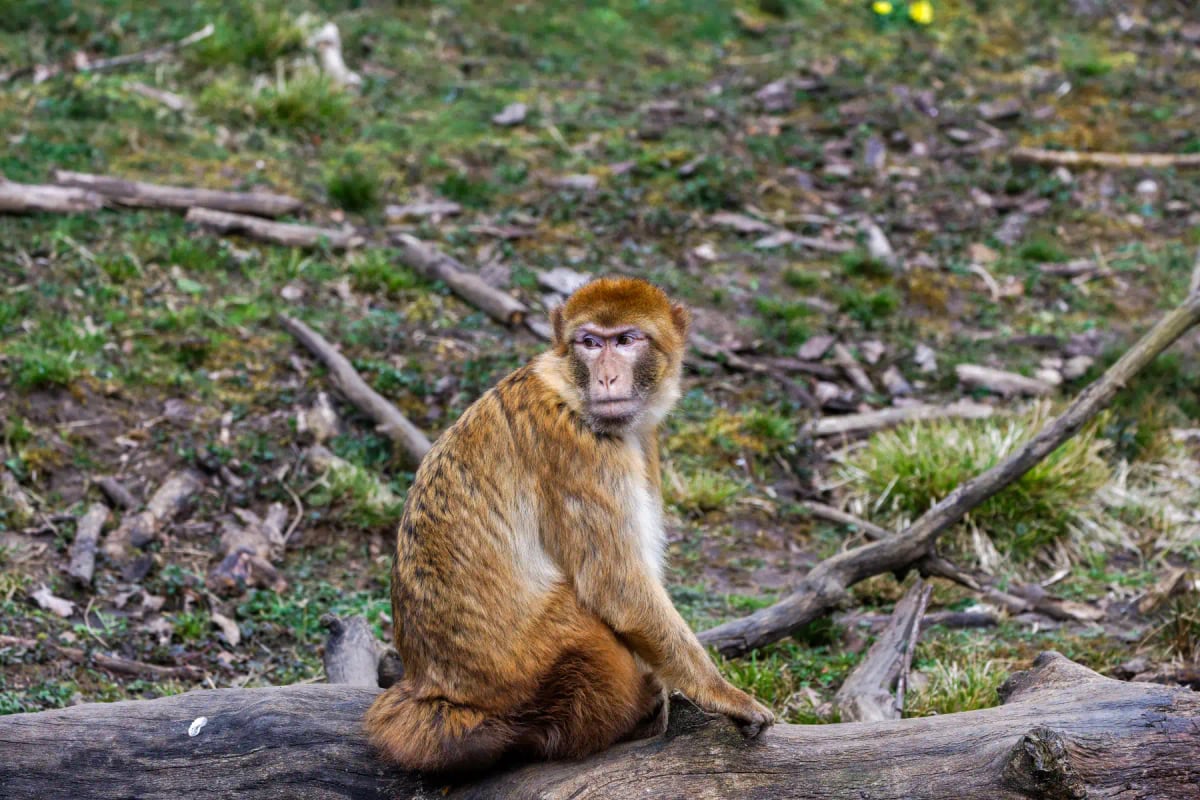
Barbary Macaque
Macaca sylvanus
The Barbary macaque finds its largest and most stable populations in Morocco, mainly across the Middle Atlas and Rif Mountains. Cedar and oak forests at elevations above 1,200 meters provide shelter and food year round. Ifrane National Park protects one of the most important troops in the country. Despite this, illegal capture for the pet trade and deforestation continue to threaten local groups.
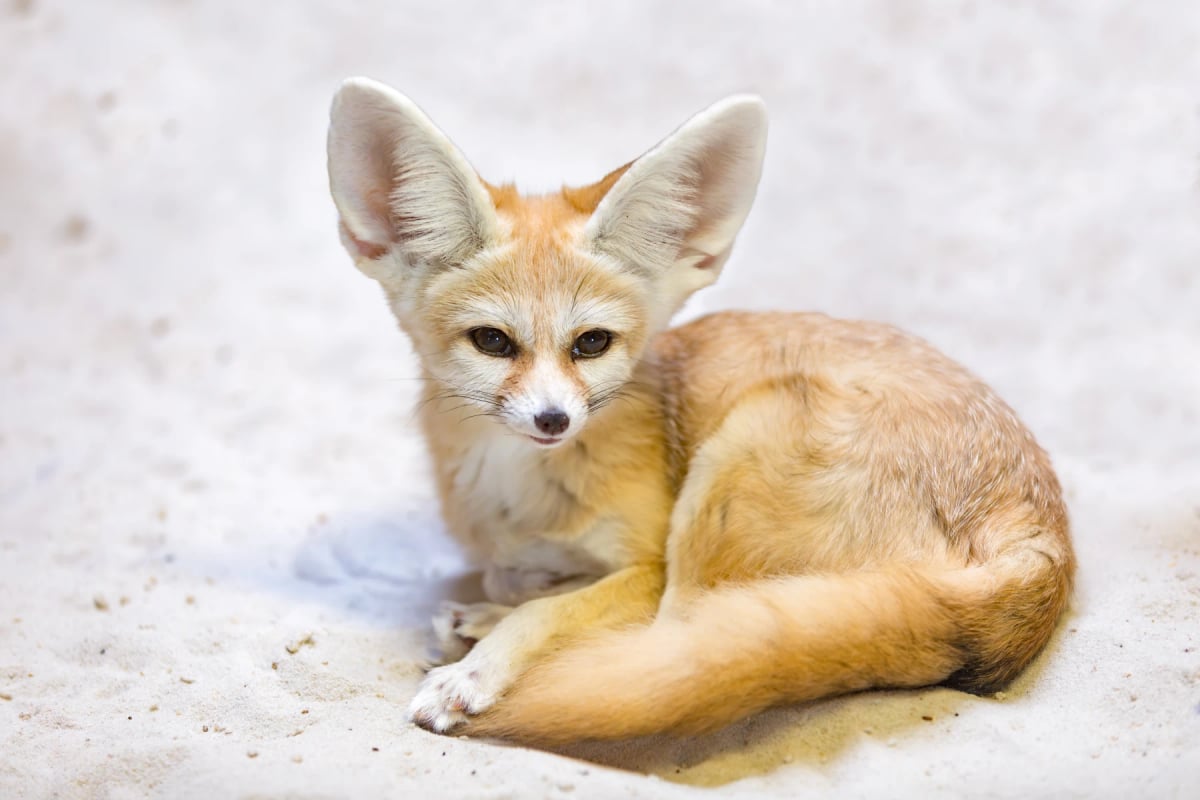
Fennec Fox
Vulpes zerda
In Morocco, the fennec fox is found in the southeastern desert regions, including the dune fields around Merzouga and the Draa Valley. It stays hidden during the intense daytime heat and emerges at night to hunt. Tourists visiting the Saharan areas of Morocco sometimes spot it on night excursions, making it one of the most memorable wildlife encounters in the country.
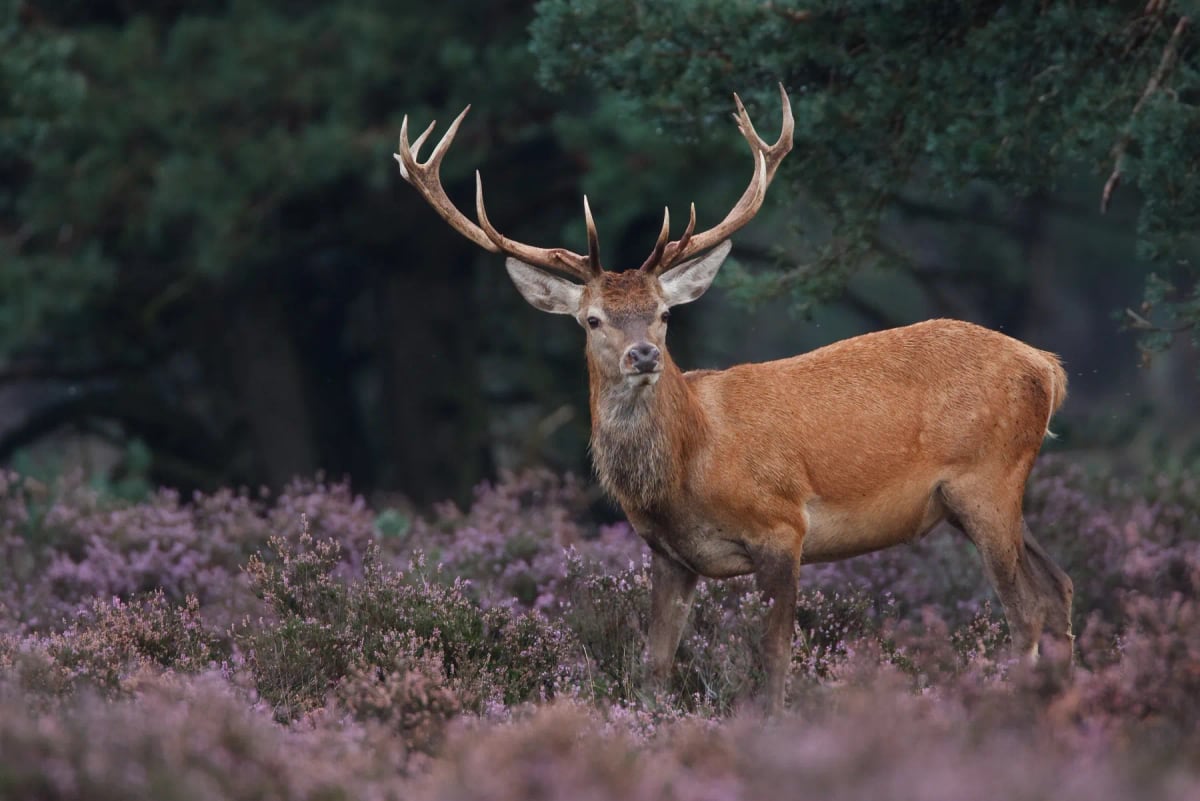
Red Deer
Cervus elaphus
In Morocco, the red deer is found in the northern forests of the Rif and Middle Atlas mountains, where cork oak and cedar woodland provide shelter and food. Populations here are small and isolated, making conservation efforts especially important. The species is listed as Least Concern globally by the IUCN, though North African populations face greater pressure from habitat loss and hunting than their European relatives.
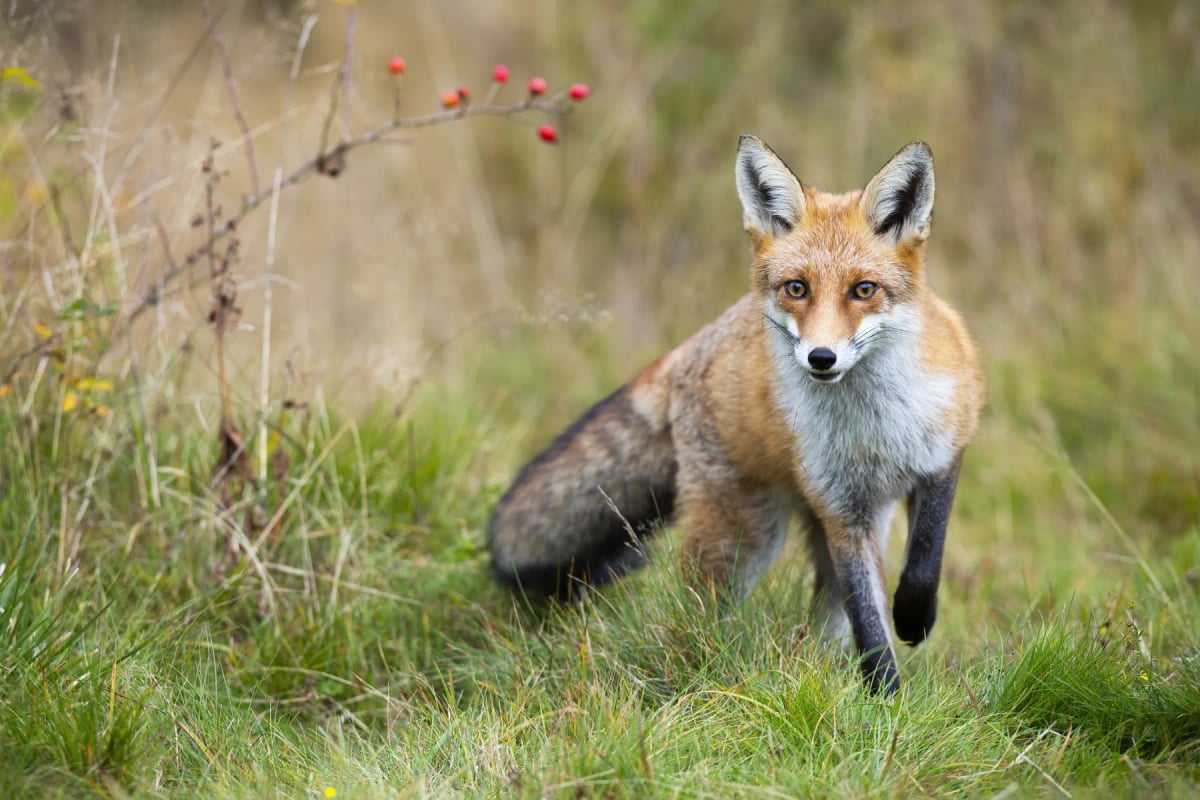
Red Fox
Vulpes vulpes
The red fox is widespread in Morocco, found in the Atlas and Rif mountain ranges, Mediterranean scrublands, and even the northern fringes of the Sahara. It adapts its diet skillfully to each habitat, eating rodents, reptiles, insects, and fruit. In rural areas it sometimes comes into conflict with poultry farmers. It remains abundant across the country and is classified as Least Concern globally.
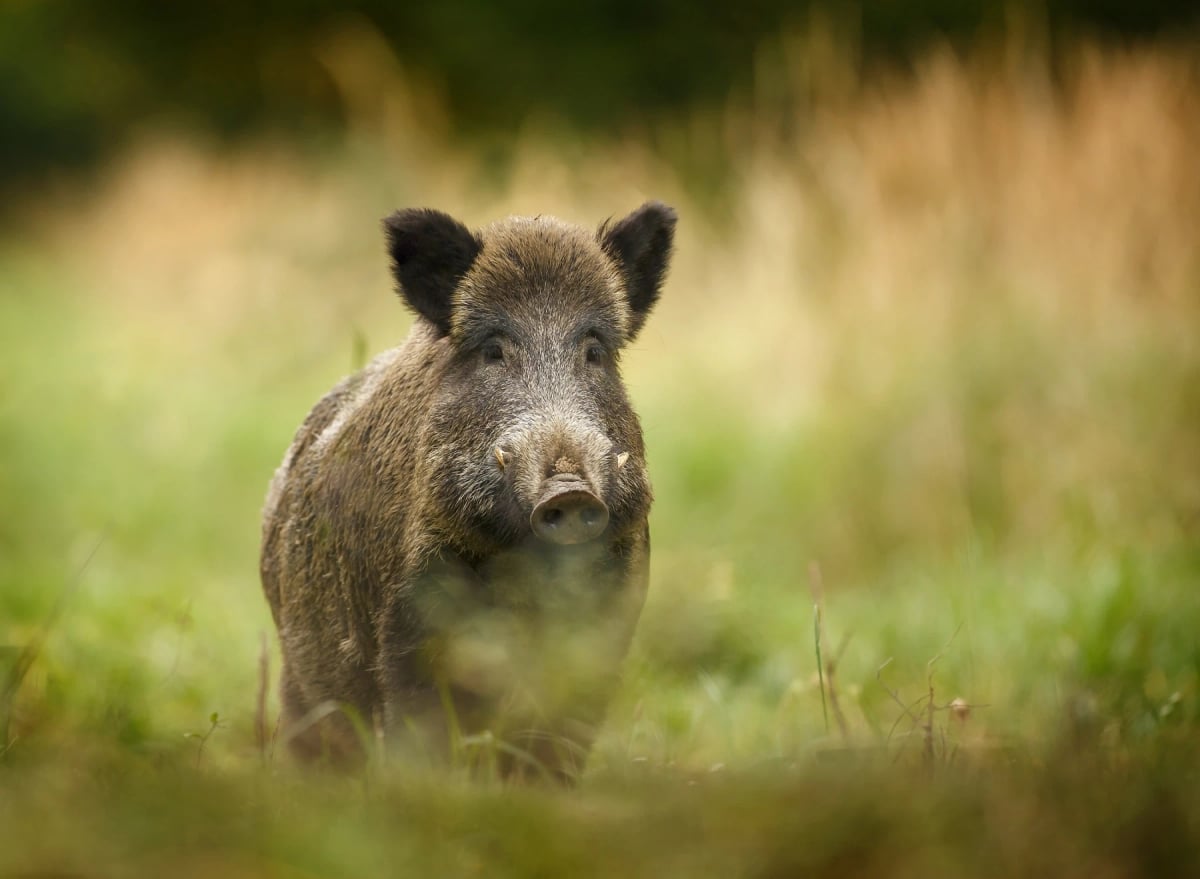
Wild Boar
Sus scrofa
Wild boars are common in the forested Atlas and Rif mountains of Morocco, where oak and cedar forests provide ample food and cover. Because Morocco's Muslim majority does not eat pork, boars face very little hunting pressure, allowing populations to grow substantially in several regions. They are widely regarded as serious agricultural pests, frequently raiding crops planted near forest edges.
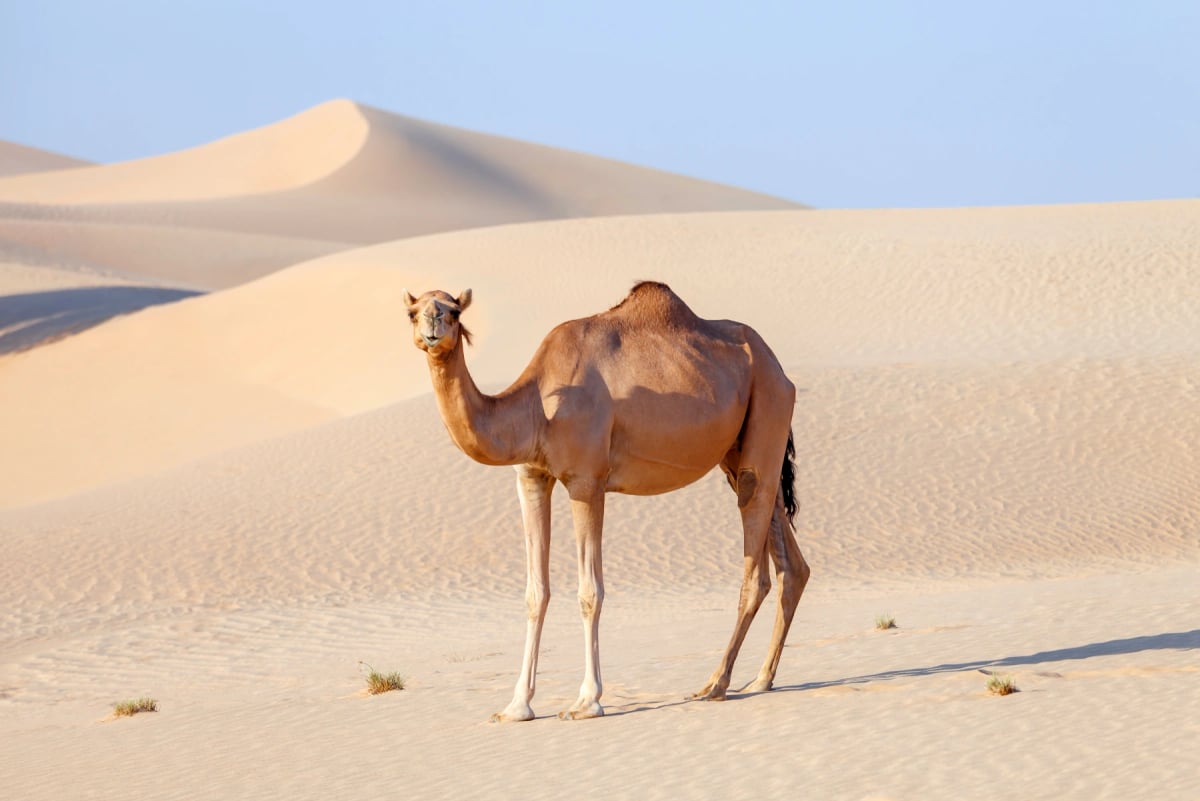
Dromedary Camel
Camelus dromedarius
In Morocco, dromedary camels are most at home in the Draa Valley, the Saharan dunes of Merzouga, and the arid plains near the Algerian border. They have been used for centuries on trade routes crossing the Sahara. Today, while many camels still serve pastoral communities in the south, they are also central to the tourism industry around Erfoud and Zagora, where visitors explore the desert by camelback.
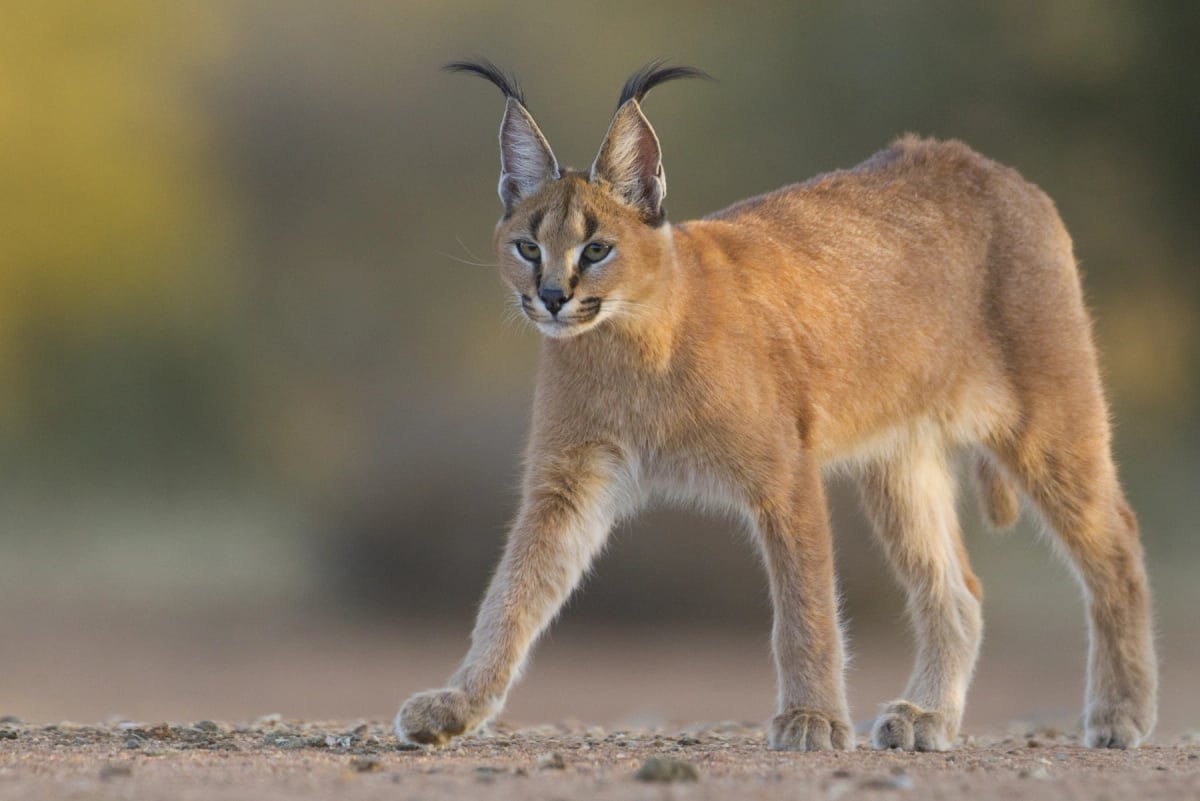
Caracal
Caracal caracal
In Morocco, the caracal inhabits rocky hillsides, scrubland, and semi-arid terrain, particularly in the Atlas Mountains and the pre-Saharan steppe to the south. It is considered rare and seldom observed. The species faces pressure from habitat loss, prey depletion, and persecution linked to livestock predation. Its secretive, nocturnal habits make monitoring challenging. Across its global range the IUCN classifies the caracal as Least Concern.
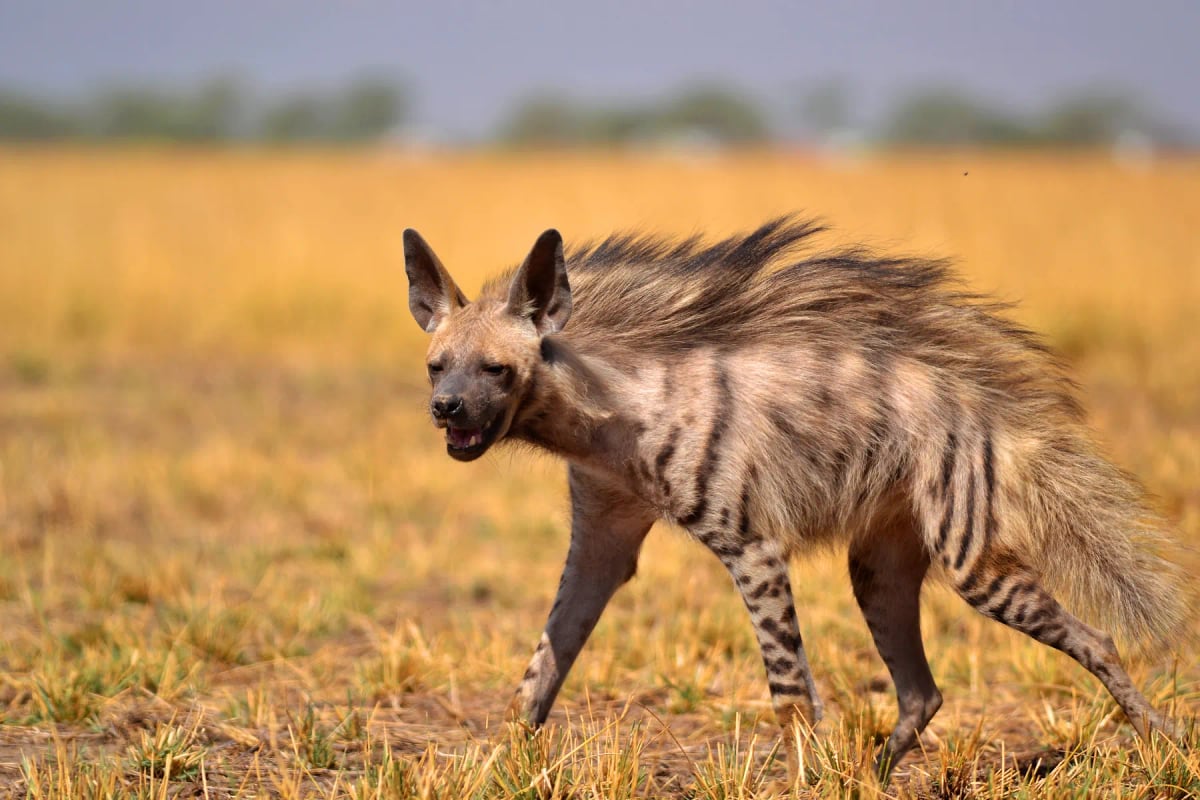
Striped Hyena
Hyaena hyaena
In Morocco, the striped hyena survives in the pre-Saharan steppes and the rocky foothills of the Atlas Mountains, where it shelters in caves and ravines. It feeds mainly on carrion and fruit, helping to keep ecosystems clean. Habitat loss and conflict with farming communities have reduced its presence considerably. The IUCN lists it as Near Threatened.
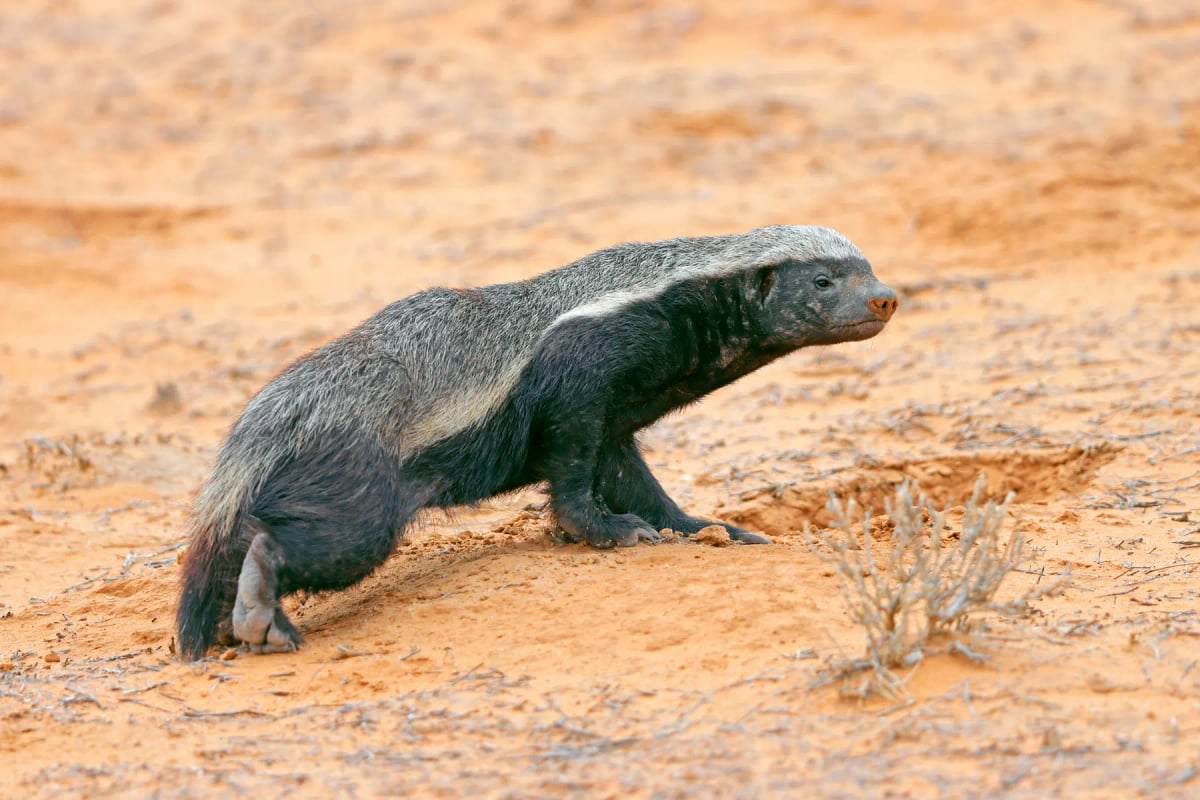
Honey Badger
Mellivora capensis
Morocco marks the northwestern limit of the honey badger's African range, with populations found in the semi arid south beyond the Atlas Mountains rather than along the Mediterranean coast. It digs for rodents, reptiles and insects in scrubland and rocky terrain. Sightings are infrequent due to its solitary, nocturnal habits. The IUCN lists the species as Least Concern across its broader distribution.
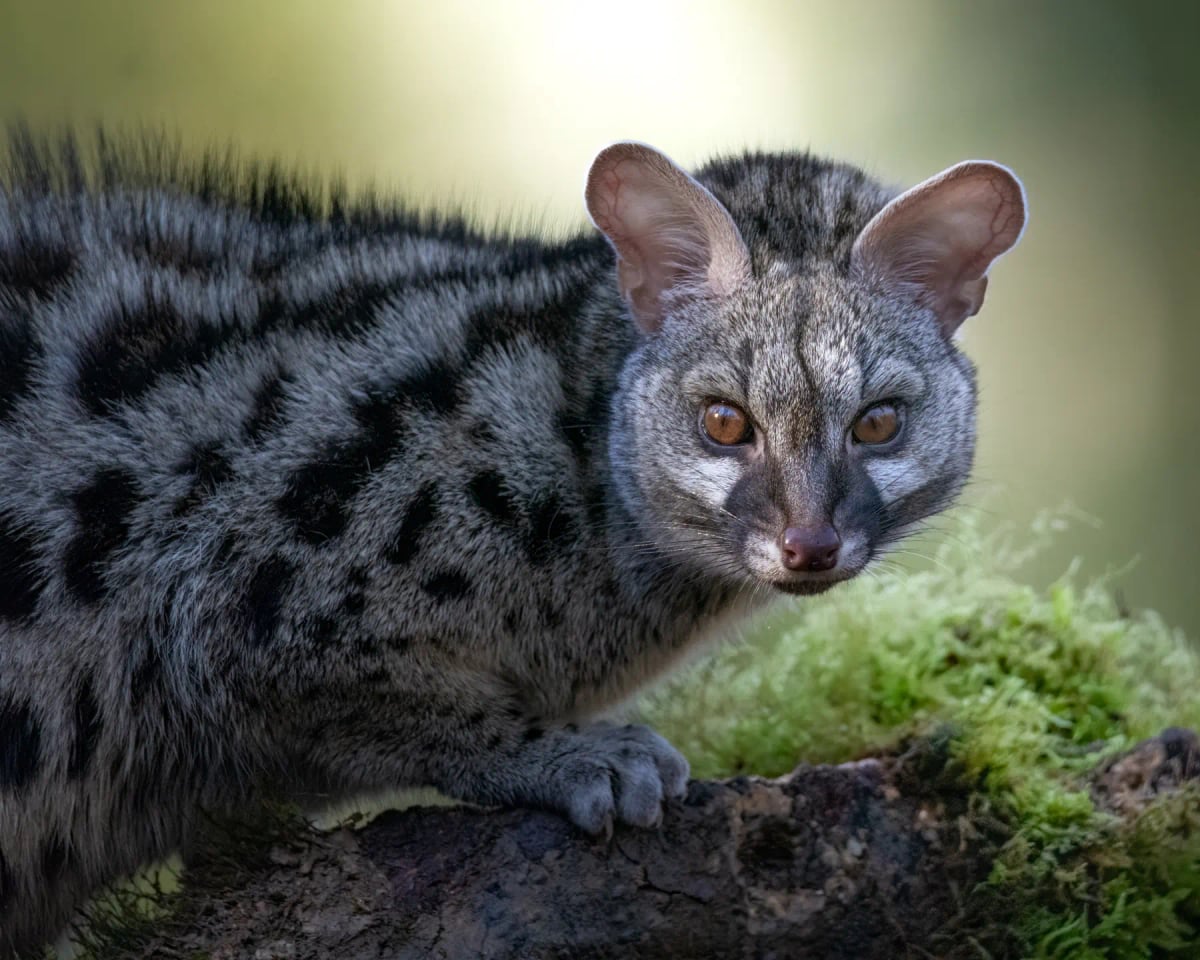
Common Genet
Genetta genetta
In Morocco, the common genet inhabits forests in the north, including the cork oak woodlands of the Rif and Middle Atlas mountains, as well as Mediterranean scrubland along the coast. It is an agile climber and a capable hunter of small prey. Though largely unseen by people due to its nocturnal habits, it is widespread across suitable habitats. IUCN status: Least Concern.
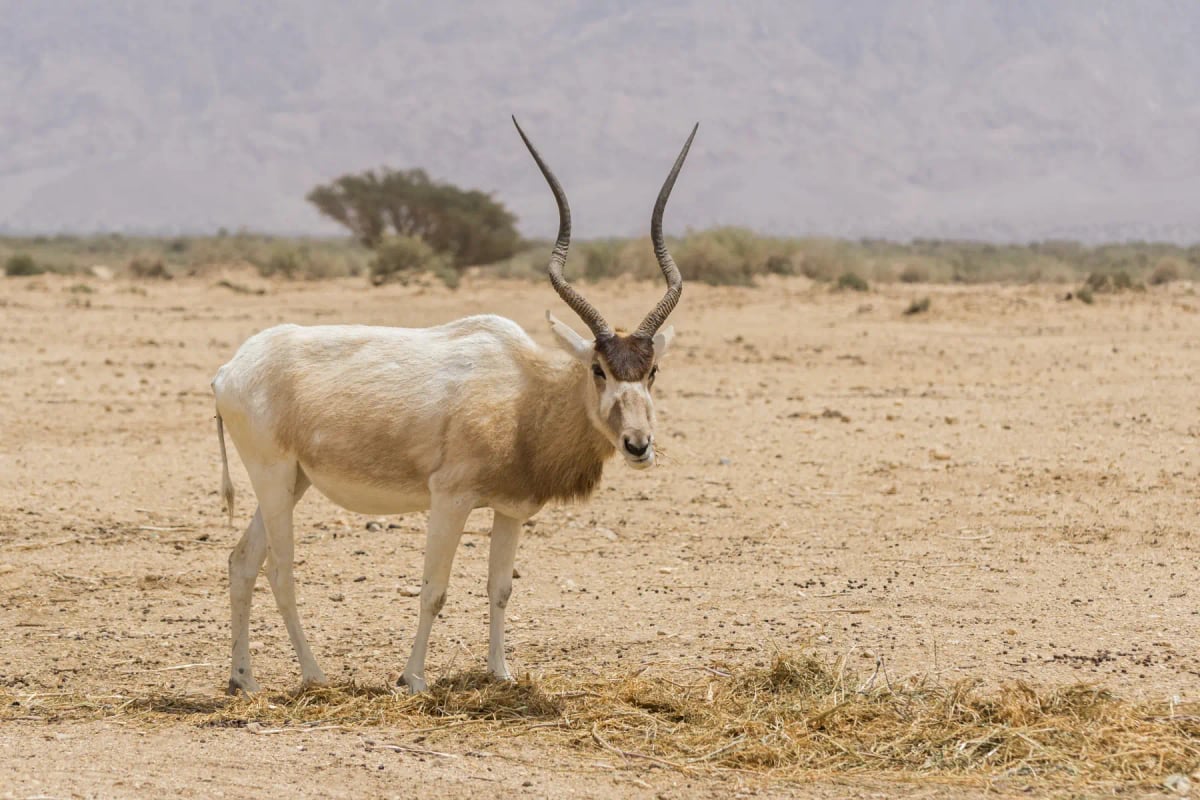
Addax
Addax nasomaculatus
Morocco became the site of the first addax reintroduction on African soil when animals were released into the M'Hamid Nature Reserve in southeast Morocco in 2019. Additional conservation work has taken place in Souss-Massa National Park. These efforts are part of a broader plan to restore the addax across portions of its former North African range, where it had been absent for decades.
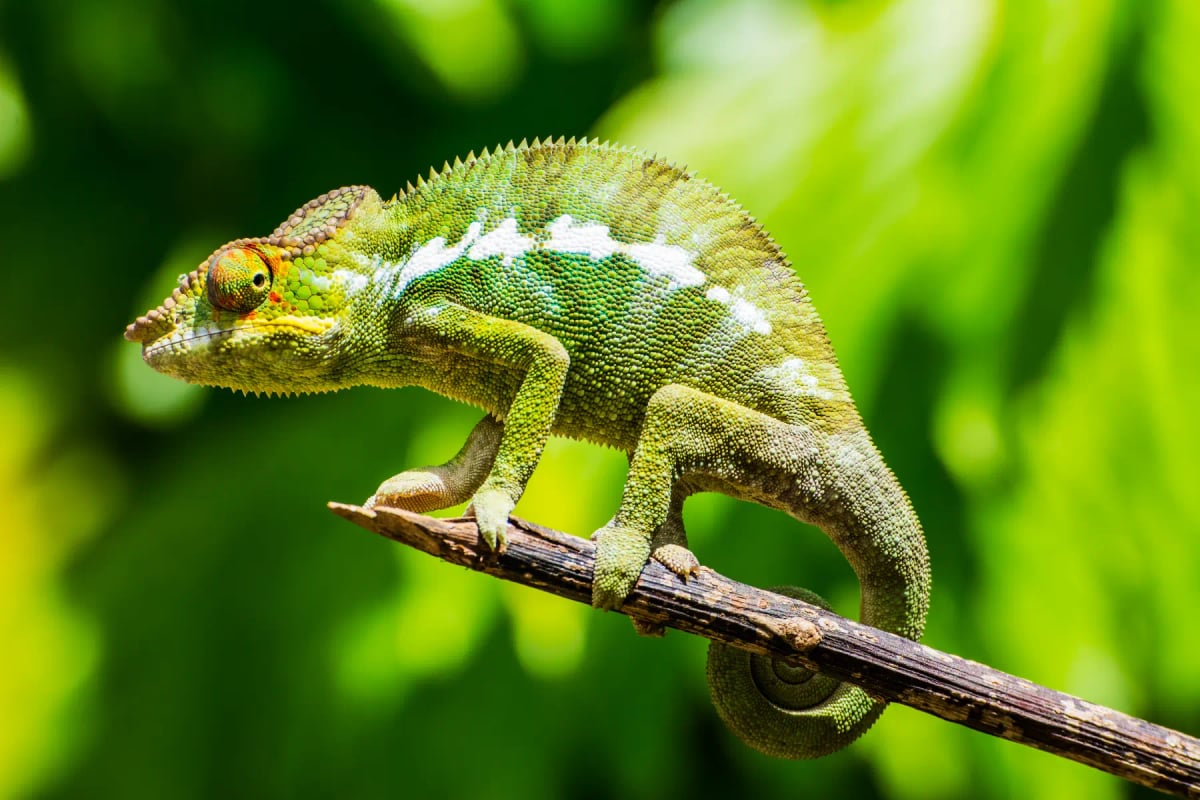
Chameleon
Chamaeleo chamaeleon
In Morocco, the common chameleon is found across a wide range of habitats, from the scrublands and argan forests of the southwest to the Mediterranean coastal zones in the north. It is a familiar sight in rural gardens and olive groves. While listed as Least Concern, collection for the pet trade and agricultural expansion put steady pressure on local populations across the country.
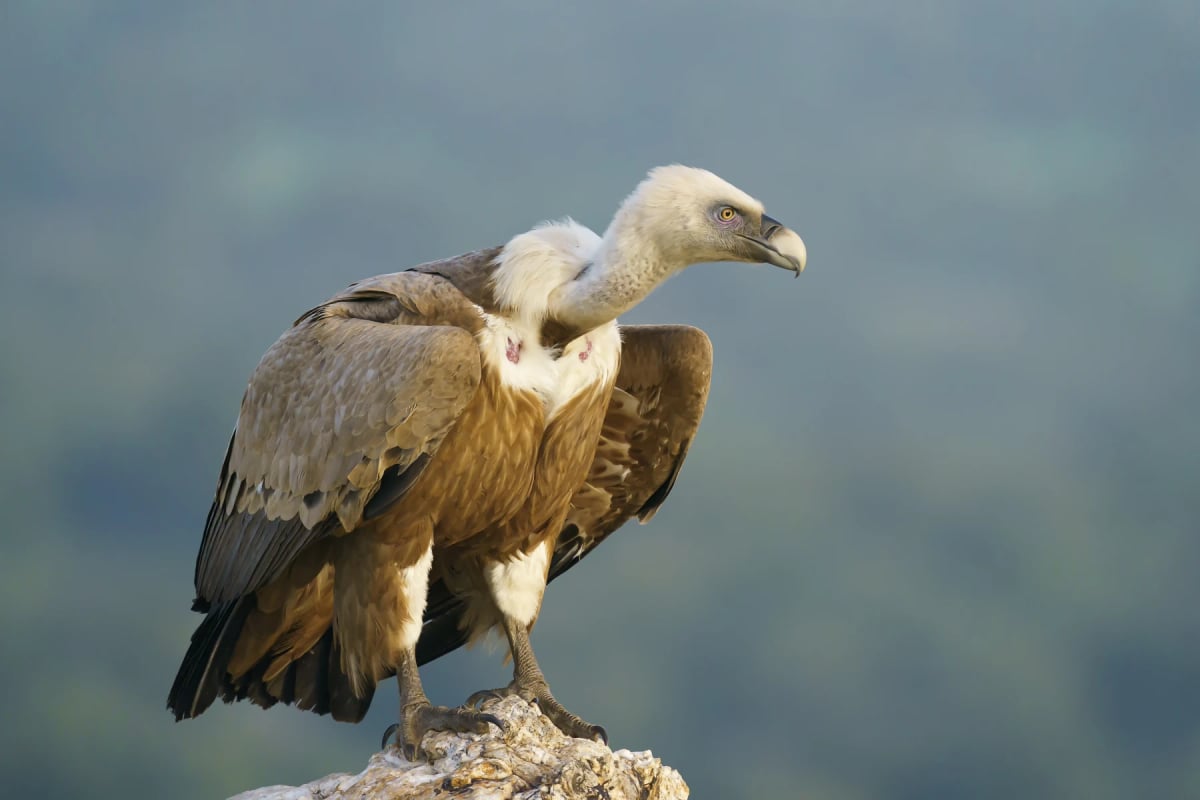
Griffon Vulture
Gyps fulvus
In Morocco, the griffon vulture is found in the Atlas Mountains and the rocky gorges of the Middle Atlas and High Atlas ranges, where it nests in colonies on cliff faces. It also appears in the Souss Valley and other open landscapes where livestock farming provides a reliable supply of carrion. Morocco holds one of the more significant breeding populations in North Africa. IUCN status: Least Concern.
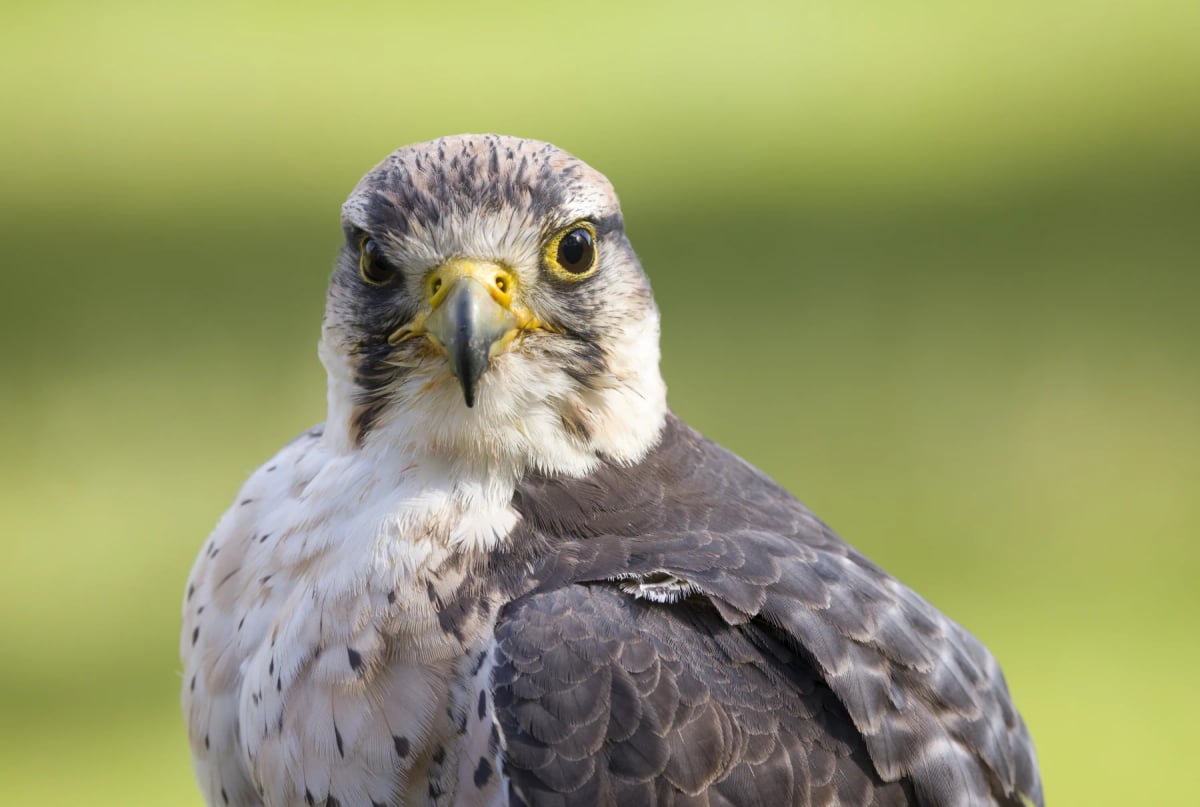
Lanner Falcon
Falco biarmicus
The lanner falcon is found across Morocco, from the rocky Atlas Mountain ranges to the arid plateaus of the south. It hunts birds such as doves and pigeons using low, fast pursuit flights, often in pairs. Nesting takes place on cliff ledges in rugged terrain. The species is listed as Least Concern by the IUCN, though illegal capture for falconry remains a concern in North Africa.
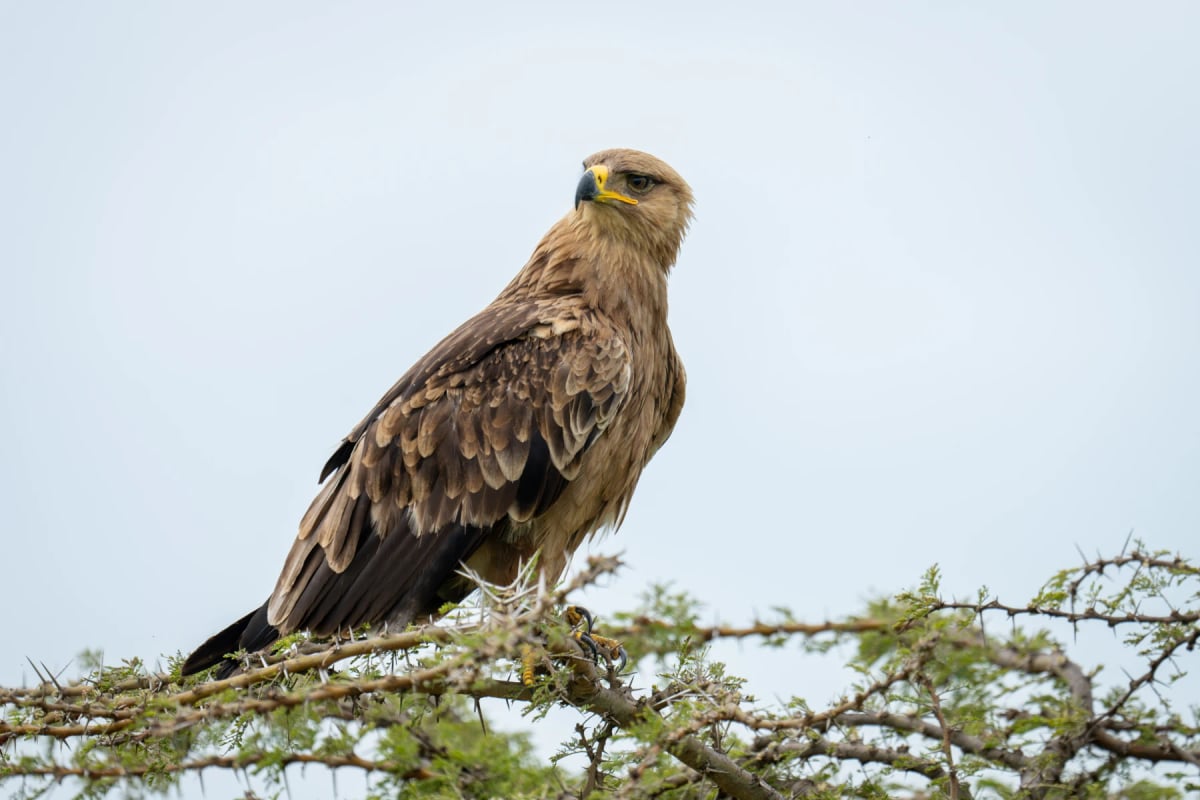
Tawny Eagle
Aquila rapax
The tawny eagle has a very limited and declining presence in Morocco, mainly associated with pre-Saharan steppes and arid plains in the southern and eastern parts of the country. It is considered rare here, and records have become increasingly infrequent over the years. Habitat loss and human disturbance are contributing factors to its scarcity. Globally, the IUCN lists it as Vulnerable, and its Moroccan population is of particular conservation concern.
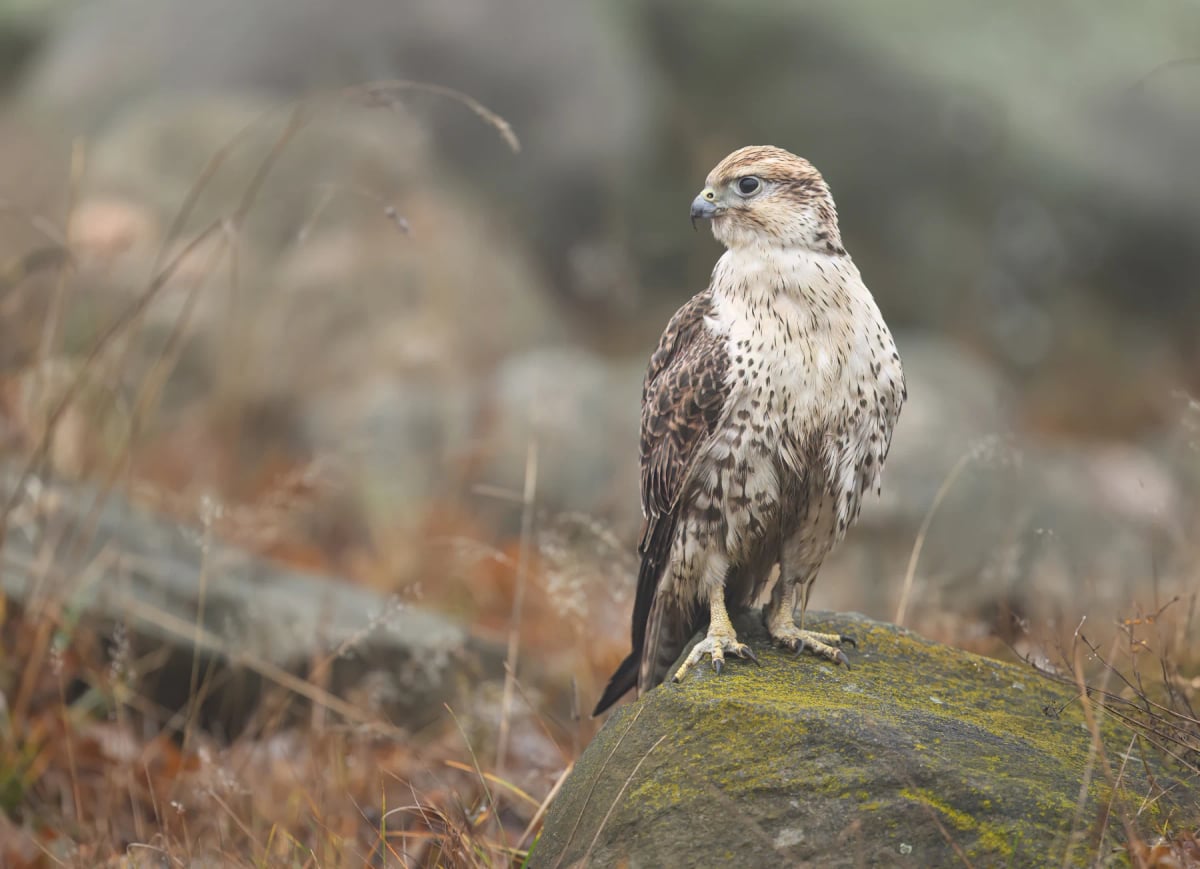
Saker Falcon
Falco cherrug
Morocco serves as a wintering ground and migratory stopover for the saker falcon, with birds recorded across the northern plains and the fringes of the Sahara. Open country rich in prey such as pigeons and small mammals suits its hunting style of fast, low pursuit. The species faces pressure from illegal trapping for the falconry trade throughout the region. The IUCN lists it as Endangered.
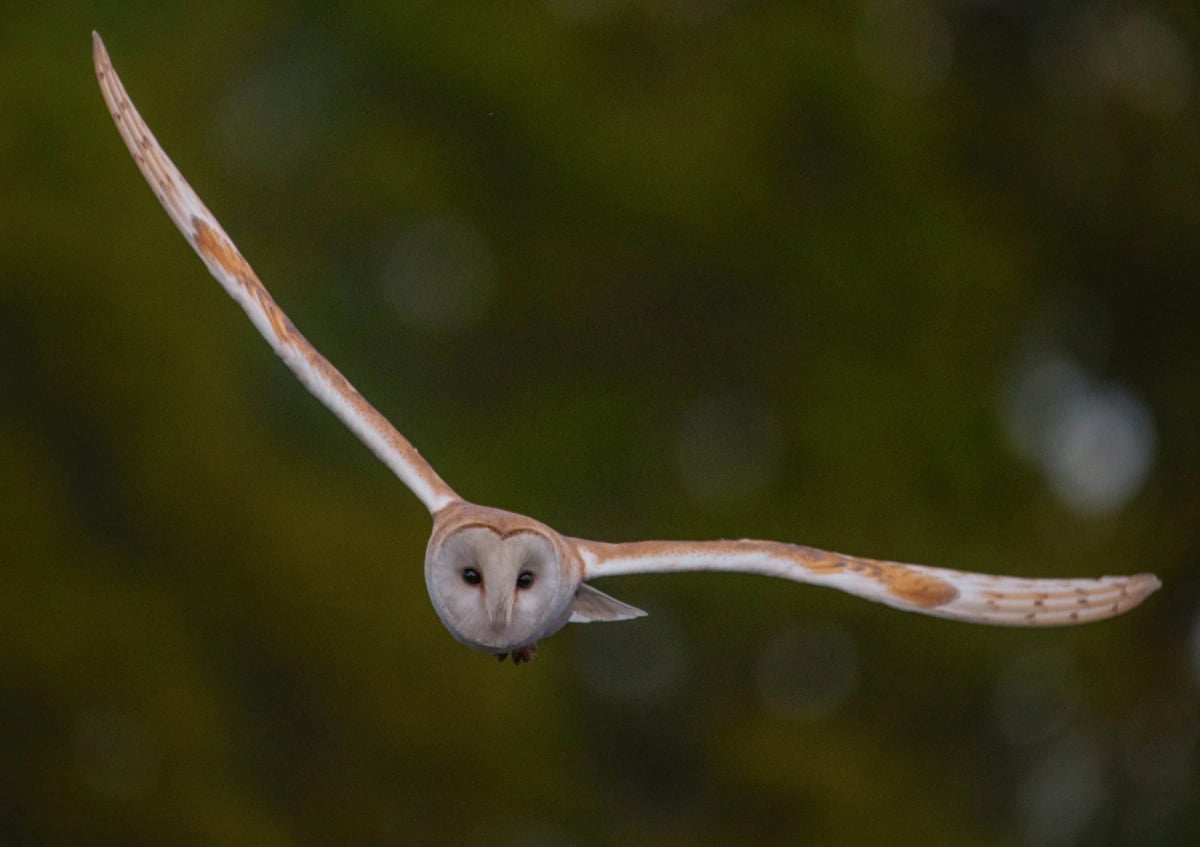
Barn Owl
Tyto alba
Nocturnal owl with a pale heart shaped face and long wings, flying almost silently and hunting mice and other small mammals around farms and grasslands.
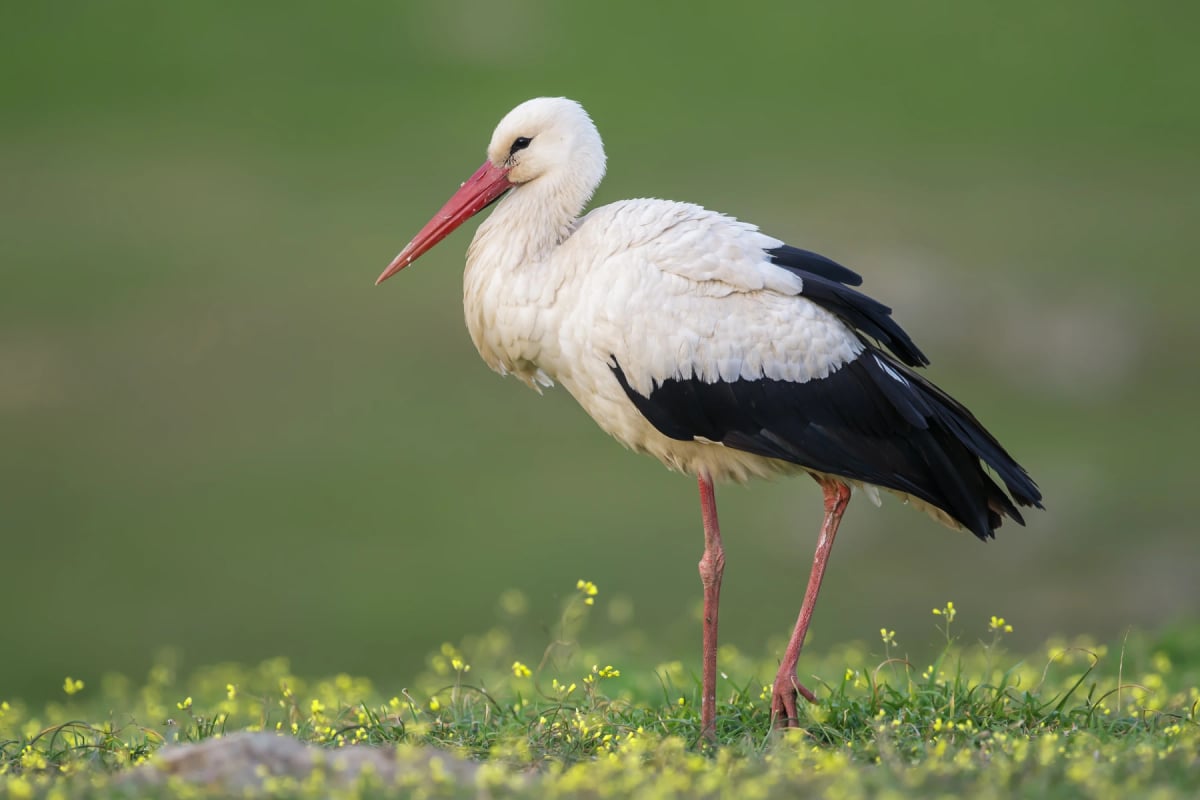
Stork
Ciconia ciconia
Morocco is one of the most important countries for the white stork in Africa. It supports a significant breeding population, particularly in cities like Marrakech and Fez, where storks nest on ancient walls and mosques. The country also sits along the western migration route, with birds crossing the Strait of Gibraltar in large numbers each autumn and spring. The IUCN lists the species as Least Concern.
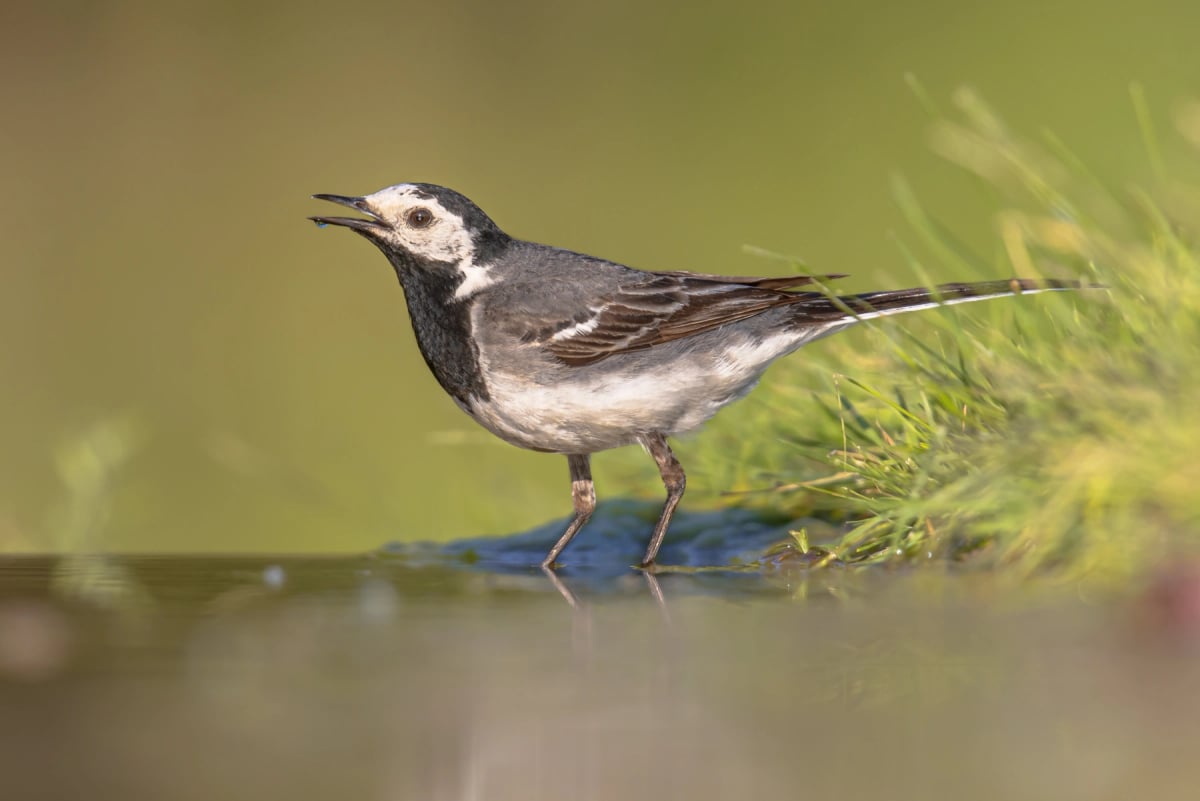
White Wagtail
Motacilla alba
In Morocco, the white wagtail is both a resident and a winter visitor in large numbers. Breeding birds occupy the Atlas Mountain foothills and river valleys, while migrants swell populations along the Atlantic and Mediterranean coasts each winter. It is a common sight near irrigation channels, wetlands and towns. The subspecies present varies between resident and visiting birds. Its IUCN status is Least Concern.
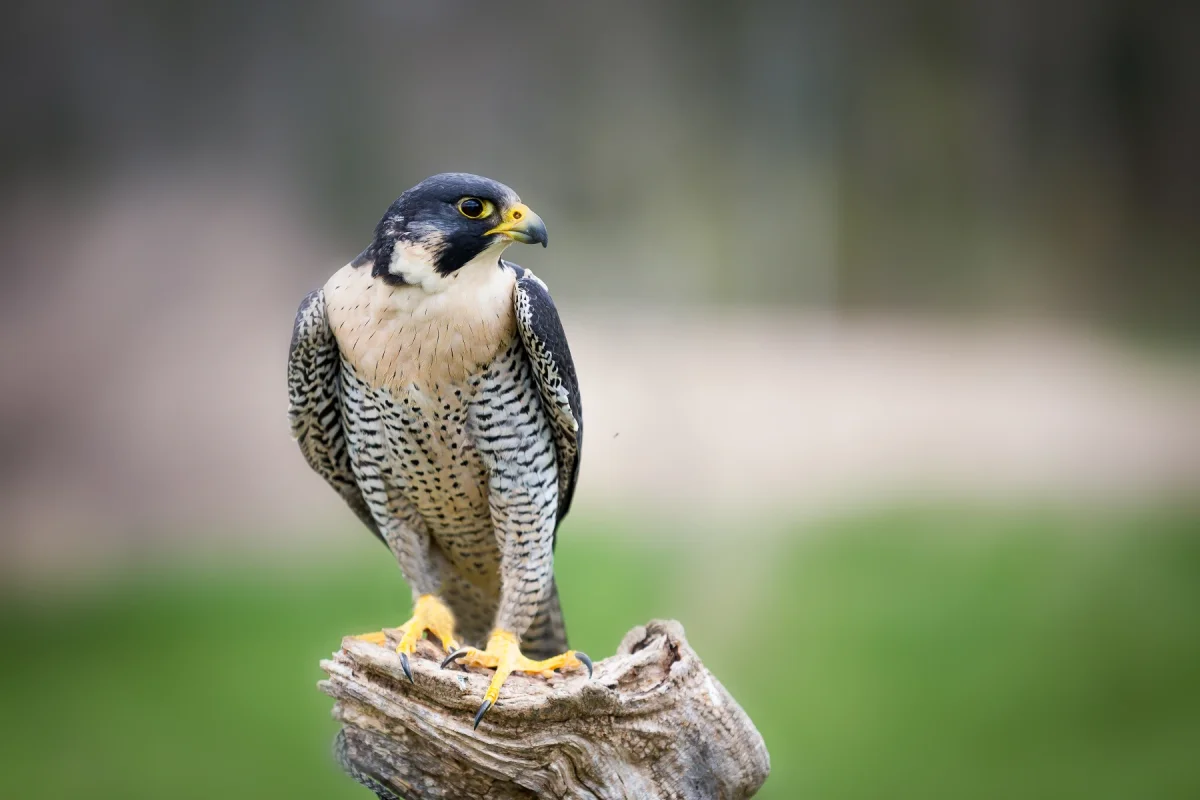
Peregrine Falcon
Falco peregrinus
In Morocco, the peregrine falcon occurs along the Atlantic and Mediterranean coastlines, in the High Atlas mountains, and across arid inland plains. Resident pairs nest on rocky cliff faces, while migratory individuals pass through during spring and autumn as they travel between Europe and sub-Saharan Africa. The species is rated Least Concern and is a regular sight for birdwatchers visiting the country's rugged southern landscapes.
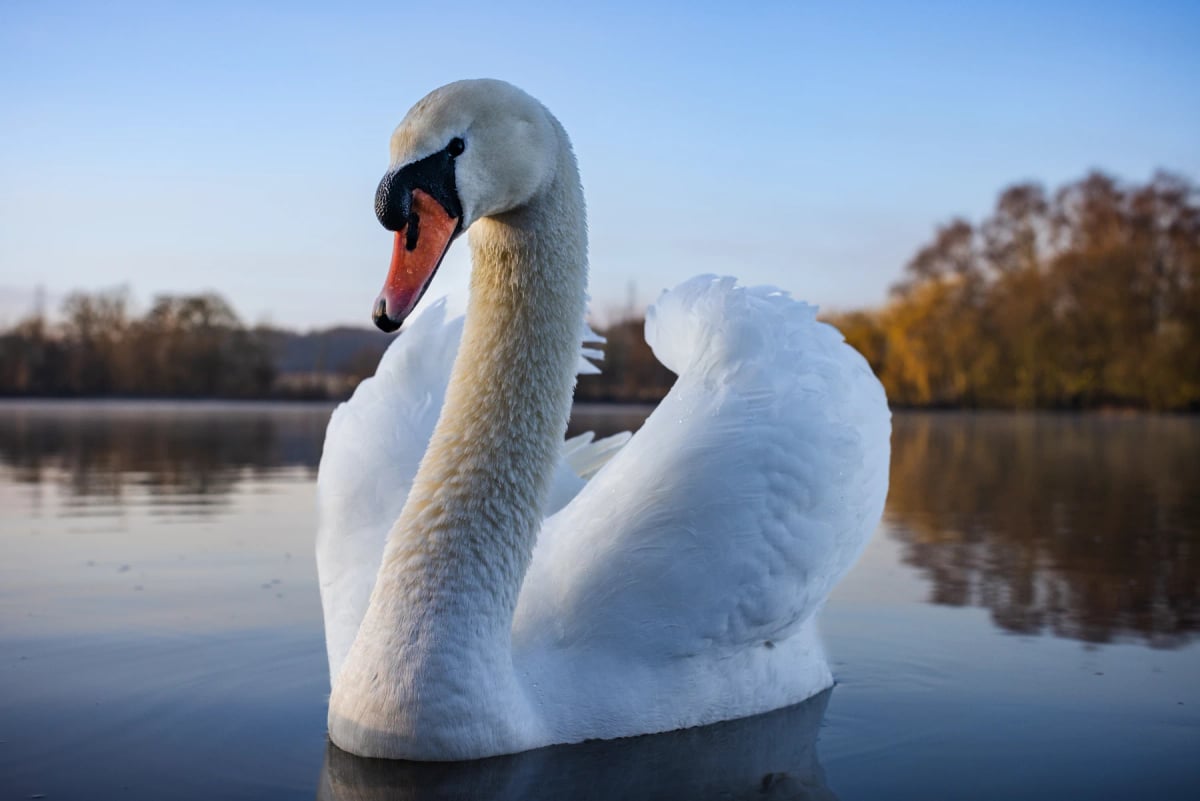
Mute Swan
Cygnus olor
In Morocco, the mute swan is a scarce winter visitor and passage migrant, occasionally recorded at coastal lagoons and inland wetlands such as Merja Zerga and the Moulouya estuary. Arriving from European breeding grounds, these birds make use of the country's rich network of wetland sites. The species carries Least Concern status on the IUCN Red List.
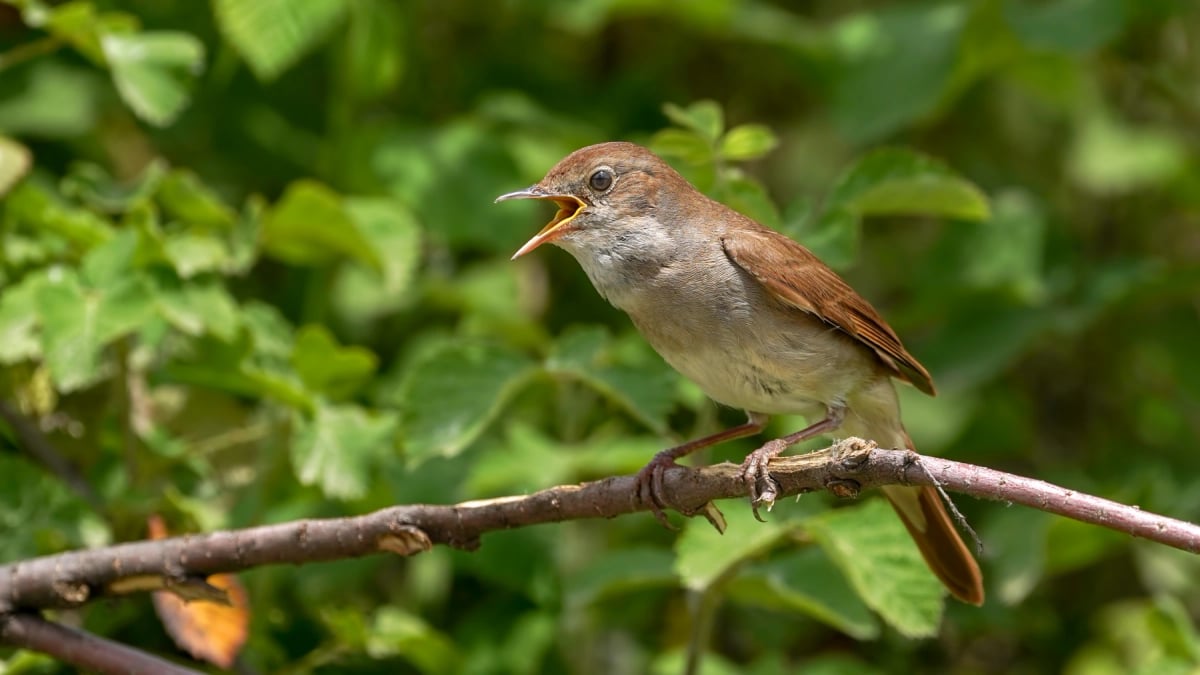
Nightingale
Luscinia megarhynchos
Morocco holds a significant place in the nightingale's story, as the country sits on one of its main migration routes between Europe and Africa. The bird also breeds in suitable habitat across northern Morocco, nesting low in dense thickets near woodland edges and river corridors. With its warm brown plumage and vivid rusty tail, it is most easily noticed by its powerful, complex song ringing through spring evenings. Its IUCN status is Least Concern.
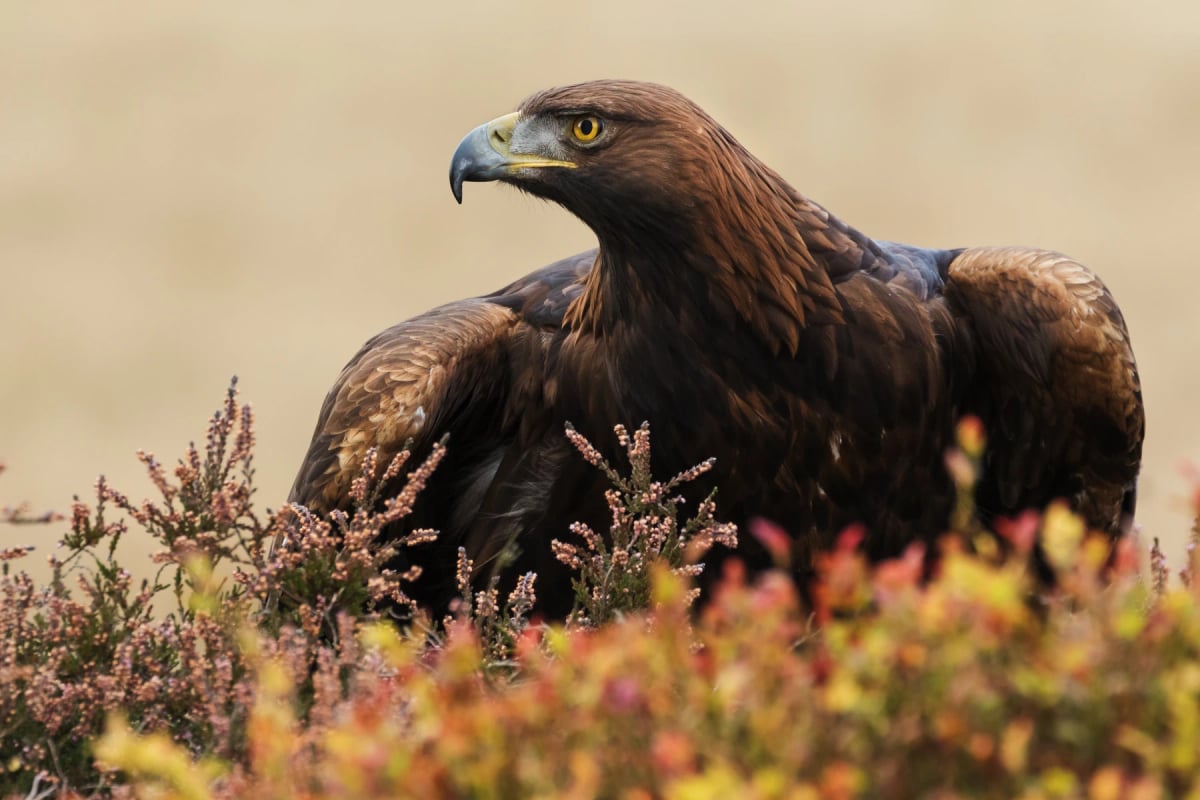
Golden Eagle
Aquila chrysaetos
In Morocco, the golden eagle inhabits the Atlas Mountains, where it soars over rocky ridges and open valleys. It hunts rabbits, hares, and other small animals across the rugged terrain. Pairs nest on sheltered cliff ledges and tend to return to the same sites year after year. The species is listed as Least Concern globally, though habitat pressure in North Africa remains a consideration for its future.
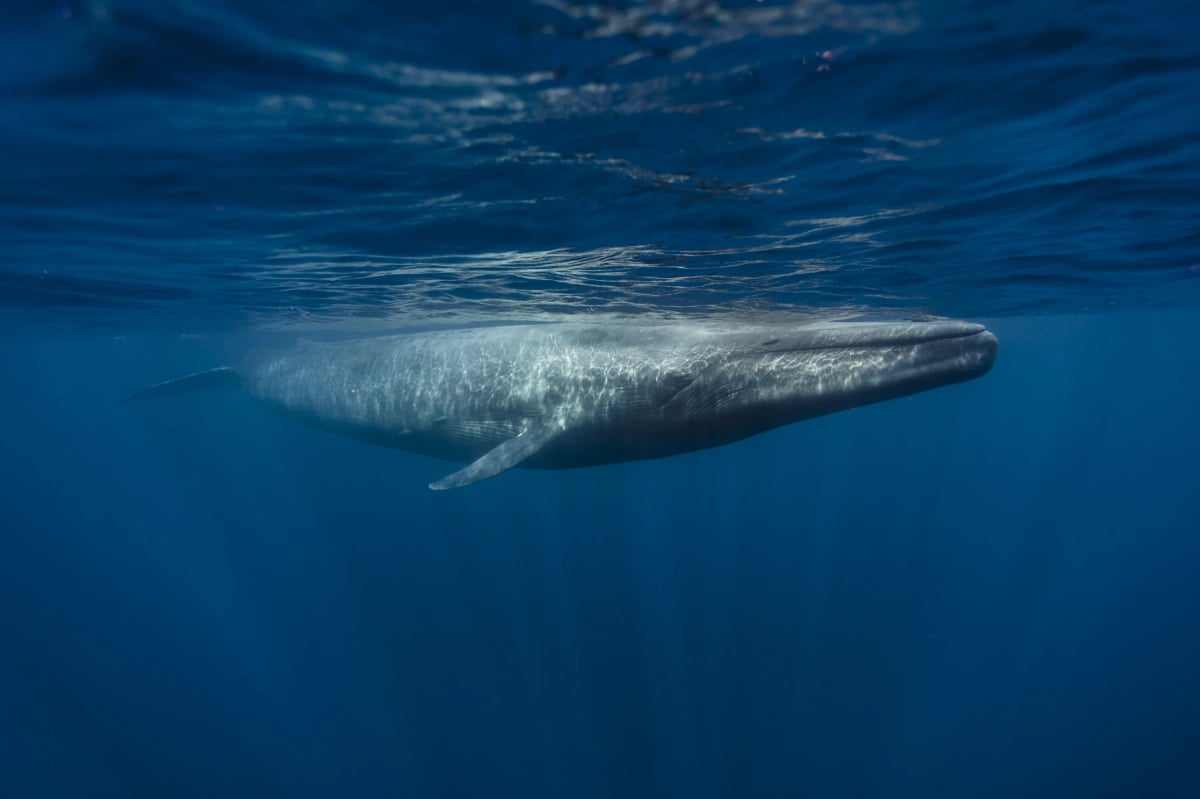
Blue Whale
Balaenoptera musculus
Morocco's Atlantic coastline, particularly the waters near the Strait of Gibraltar and along the northwestern African shelf, lies within the blue whale's eastern Atlantic range. Upwelling systems in this region generate productive conditions that can support prey concentrations relevant to large filter feeders. Blue whales have been documented moving through these waters during seasonal migrations between higher and lower latitudes. Listed as Endangered, the species faces risks from heavy shipping traffic passing through the Strait of Gibraltar.
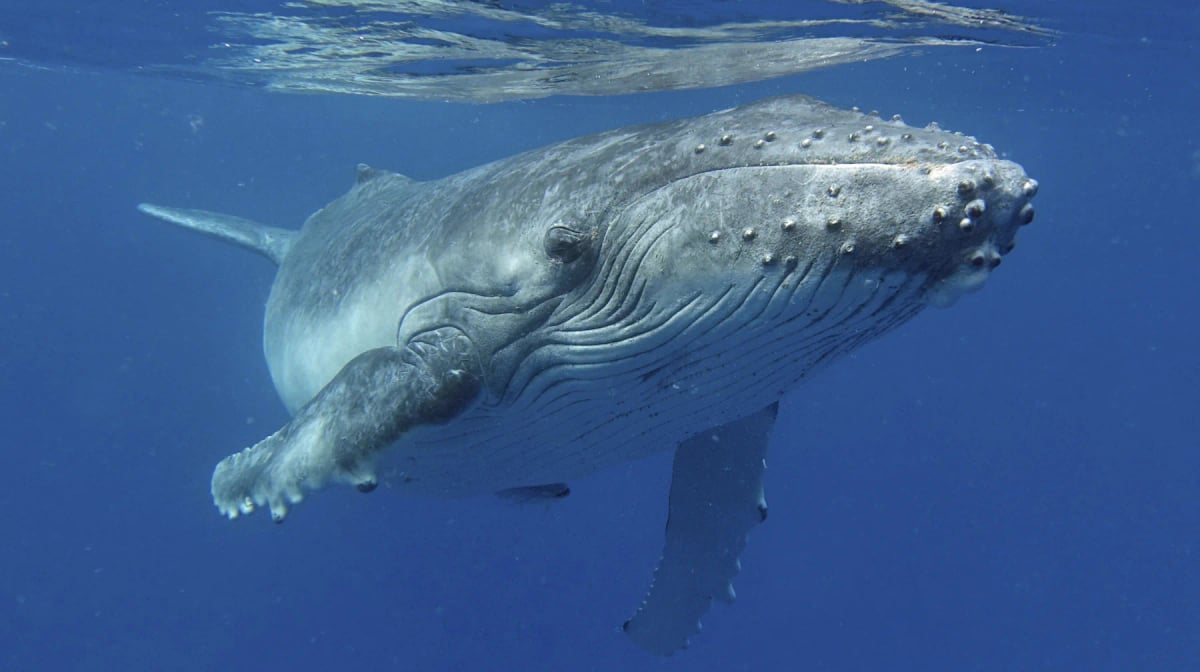
Humpback Whale
Megaptera novaeangliae
Humpback whales are observed in Moroccan Atlantic waters, particularly in the Strait of Gibraltar and along the northwestern coast, as they travel between colder feeding grounds and warmer breeding areas. The Strait of Gibraltar acts as a passage point for several cetacean species. The IUCN classifies the humpback whale as Least Concern, and sightings off Morocco contribute to broader research efforts tracking North Atlantic populations.
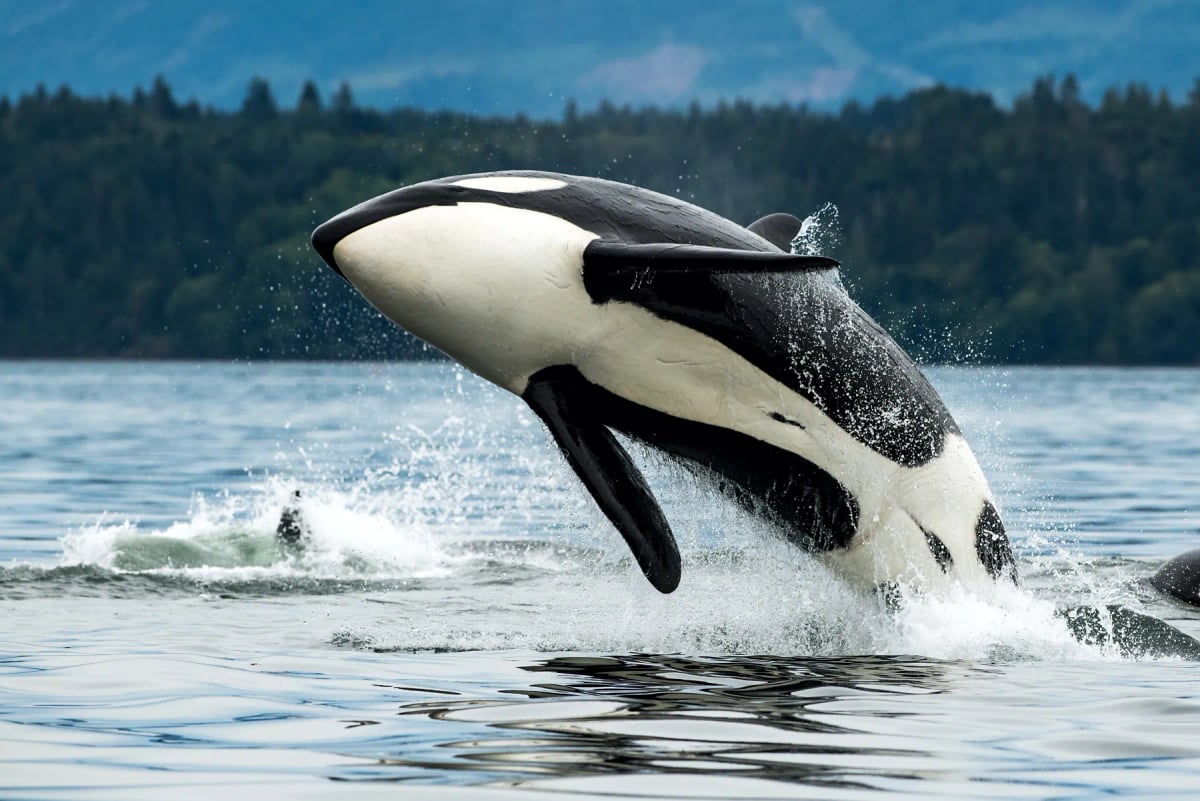
Orca
Orcinus orca
Orcas appear in Moroccan waters primarily around the Strait of Gibraltar, one of the most studied areas for orca activity in the world. A well-known group there has developed a behavior of interacting with sailing boats, which has drawn international attention. These orcas also hunt Atlantic bluefin tuna during seasonal migrations. The strait serves as a critical passage between the Atlantic Ocean and the Mediterranean Sea.
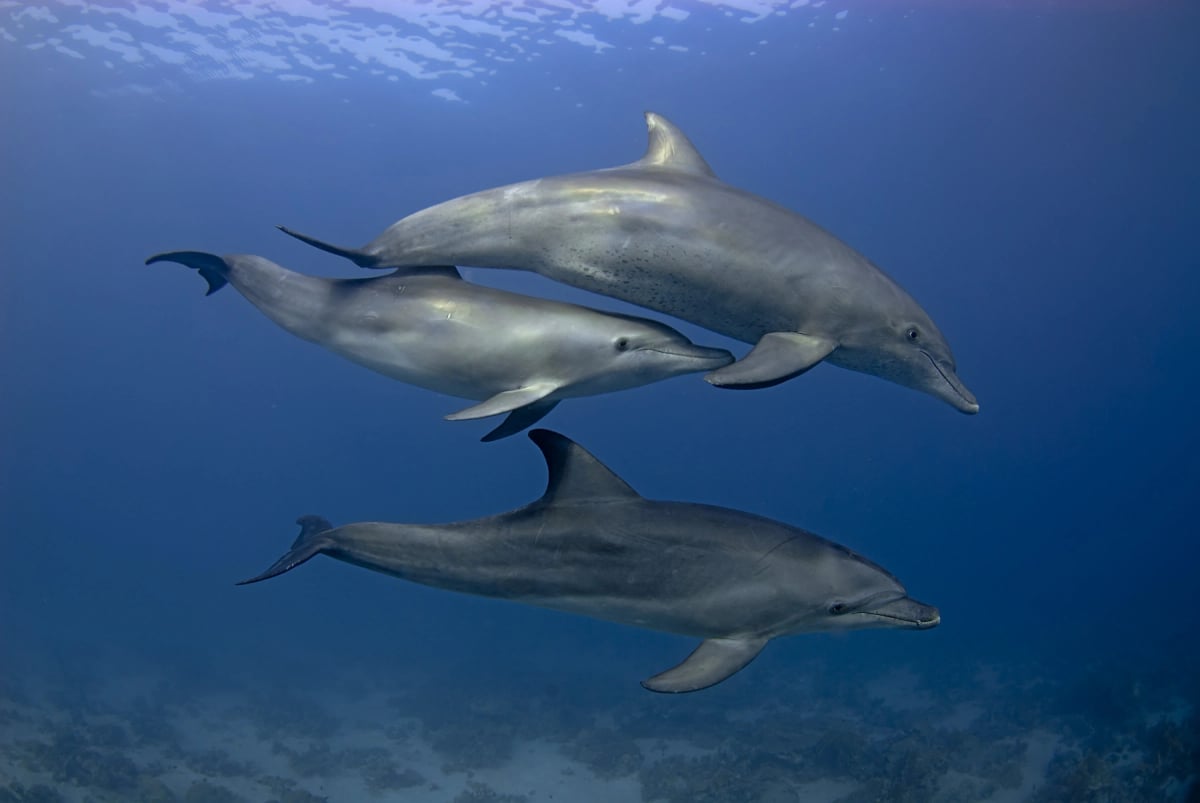
Bottlenose Dolphin
Tursiops truncatus
Bottlenose dolphins are found along Morocco's Atlantic and Mediterranean coastlines, where they take advantage of nutrient-rich waters influenced by Atlantic upwellings near the Strait of Gibraltar. They are frequently observed near fishing ports and in coastal bays. Their interactions with artisanal fisheries remain a topic of local concern. The IUCN classifies the species as Least Concern at the global level.
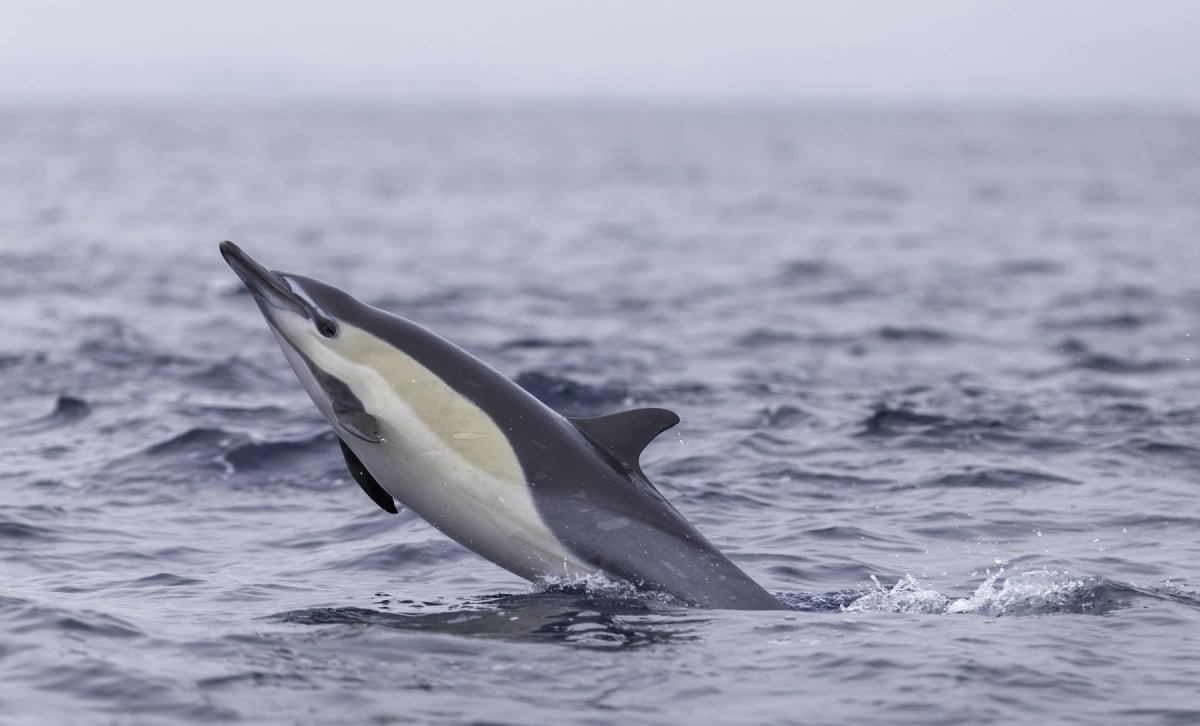
Common Dolphin
Delphinus delphis
Morocco sits at the meeting point of the Atlantic Ocean and the Mediterranean Sea, and the common dolphin is found in both bodies of water along its coastline. The Strait of Gibraltar is a particularly active corridor for this species. Moroccan waters support productive fisheries, and the dolphins feed on the same small fish that local fleets target, making interactions with fishing gear a real concern for their conservation.
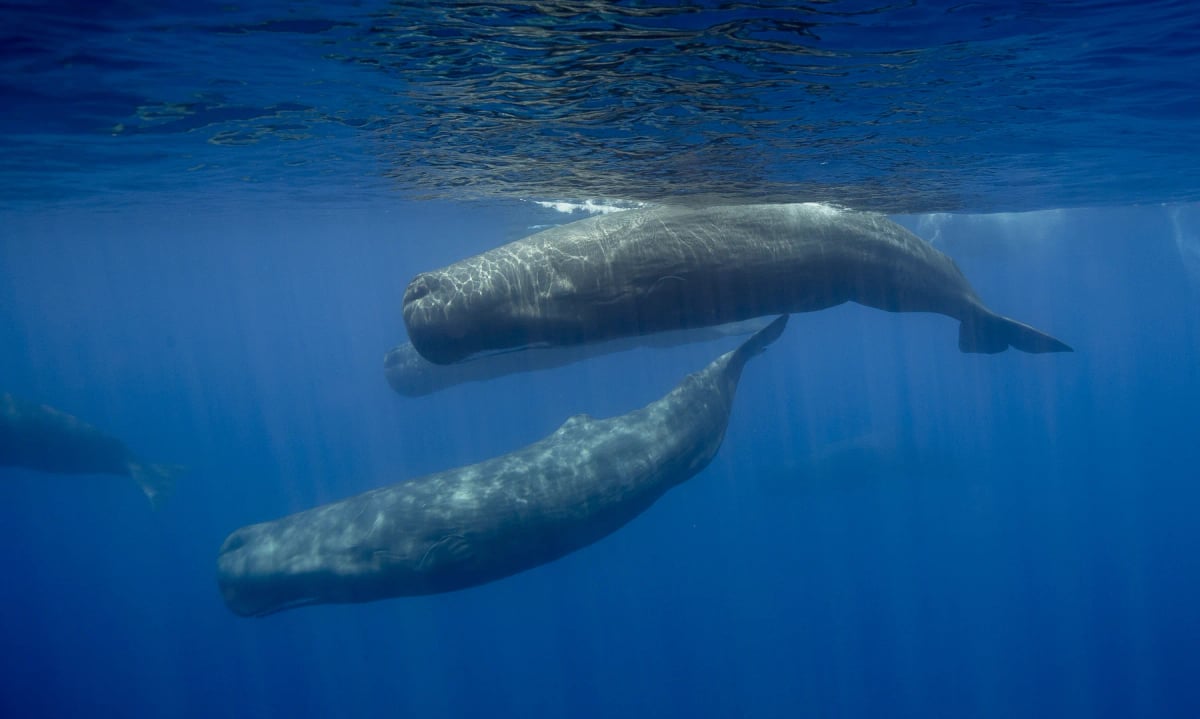
Sperm Whale
Physeter macrocephalus
Off the coast of Morocco, sperm whales travel through the Strait of Gibraltar and along the Atlantic shoreline, where deep underwater canyons provide ideal hunting grounds for squid. This region serves as a key passage between the Atlantic Ocean and the Mediterranean Sea. Their Vulnerable status under the IUCN reflects ongoing concerns about vessel collisions and fishing gear entanglement in these heavily trafficked waters.
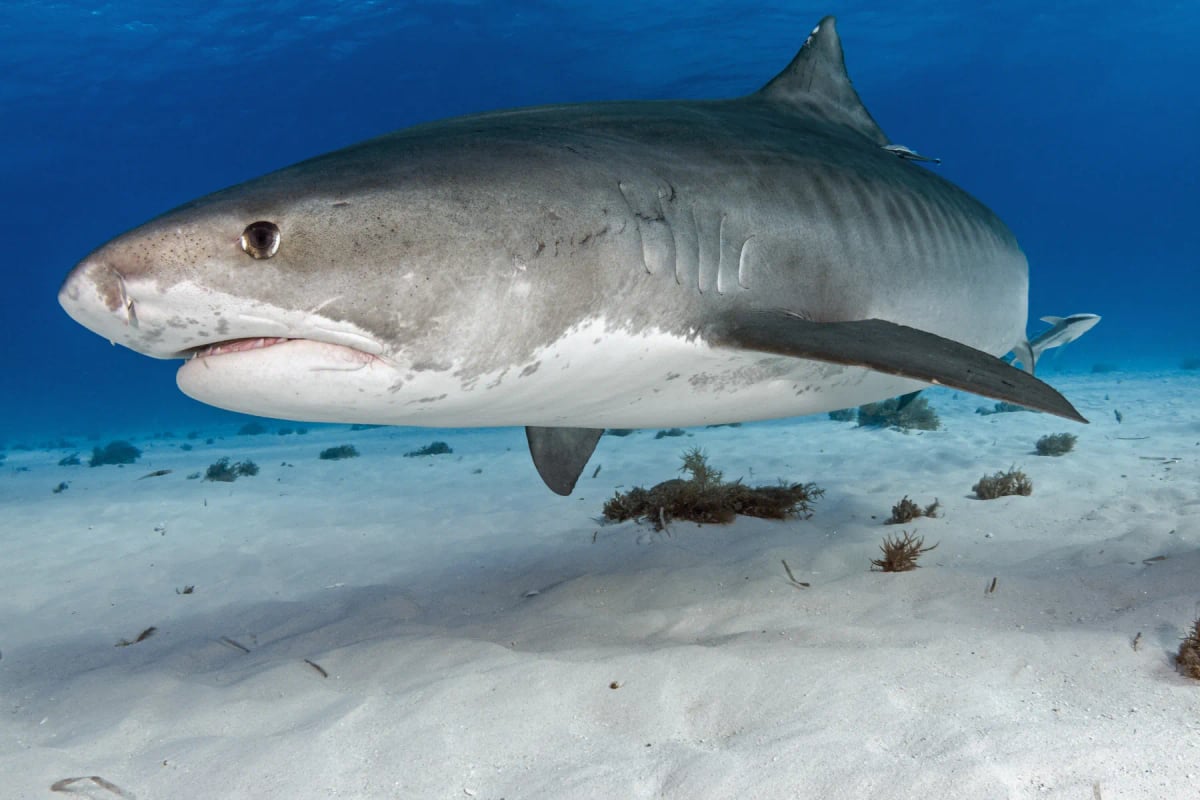
Tiger Shark
Galeocerdo cuvier
Tiger sharks patrol the Atlantic and Mediterranean waters off Morocco's coastline, occasionally appearing near the Strait of Gibraltar. Growing up to 5 metres long, they hunt fish, rays, and sea turtles in these productive seas. Listed as Near Threatened by the IUCN, tiger sharks face pressure from fishing fleets active in Moroccan waters, where demand for shark fins and meat continues to pose a serious risk to the species.
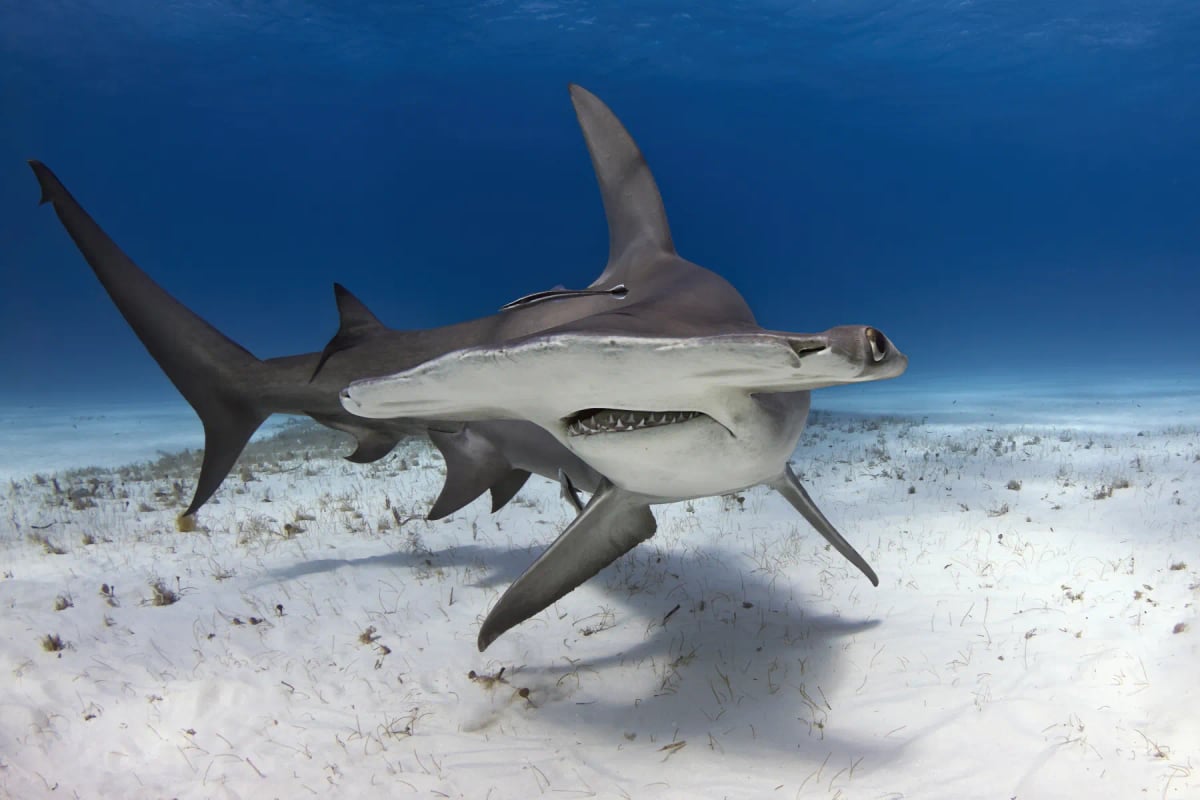
Hammerhead Shark
Sphyrna spp.
Morocco's long coastline spans both the Atlantic Ocean and the Mediterranean Sea, and hammerhead sharks have been recorded in both. The Atlantic waters off Morocco are especially productive, supporting rich marine ecosystems. Moroccan fishing ports have historically landed hammerhead sharks, contributing to population declines. These animals are now Critically Endangered, and their presence in Moroccan waters is far less common than it once was.
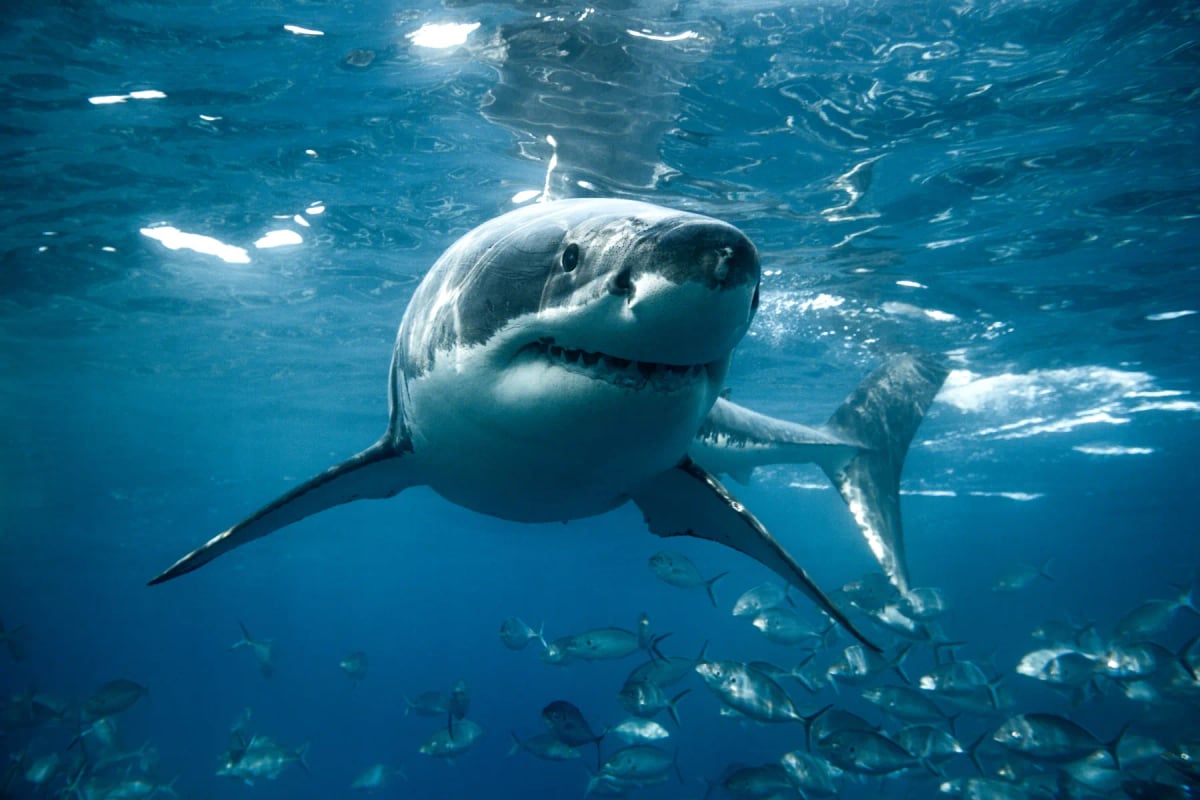
Great White Shark
Carcharodon carcharias
Morocco's coastline spans both the Atlantic Ocean and the Mediterranean Sea, and the great white shark has been recorded in both. The Strait of Gibraltar, where Moroccan and Spanish waters meet, is considered a key corridor for this species moving between ocean basins. Despite this, the shark is classified as Vulnerable and Moroccan waters see considerable fishing pressure. Scientists regard the strait as a critical zone for understanding great white shark movement across the region.
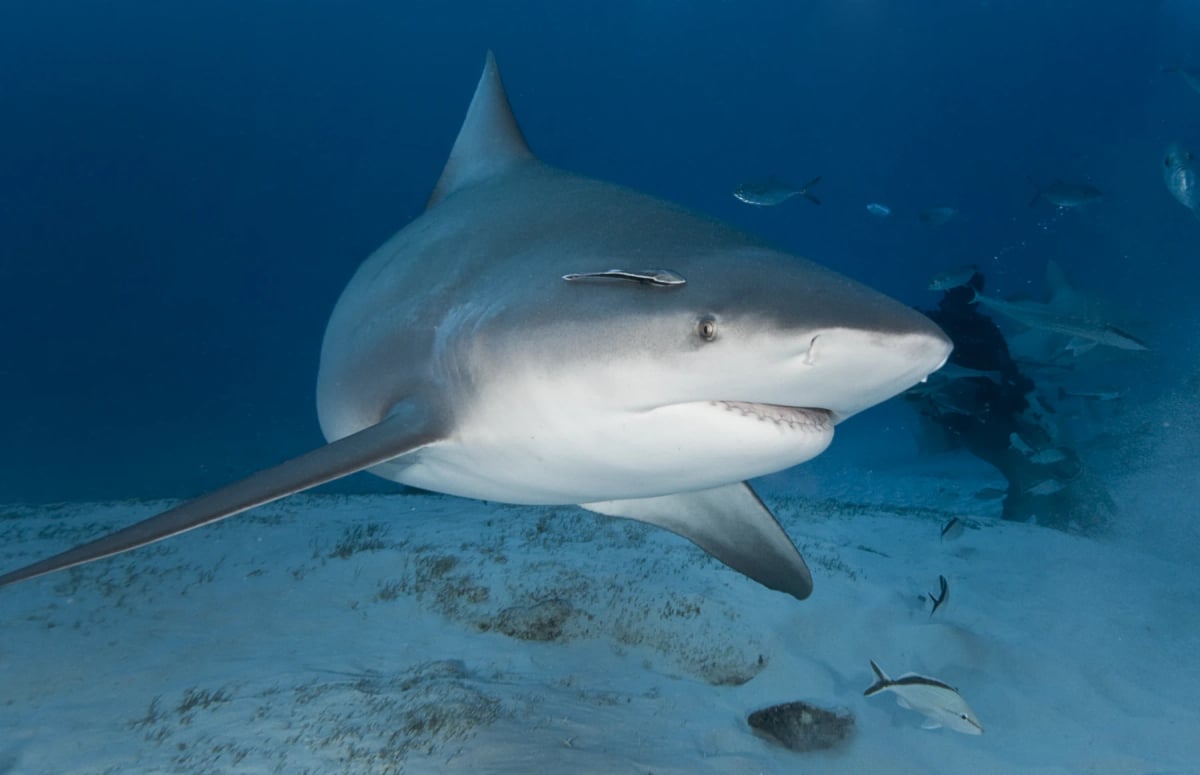
Bull Shark
Carcharhinus leucas
Bull sharks are occasionally recorded in Moroccan Atlantic waters, representing one of the northernmost points of their range along the African coast. They tend to favor the warmer, shallower waters near river mouths and estuaries in the southern part of the country. Morocco's active fishing sector means encounters and incidental captures occur, though dedicated monitoring of bull shark populations in Moroccan waters remains limited.
Researched and written by Juan Pablo. Sources: IUCN Red List, scientific literature and regional field guides. Last updated: .