River Otter
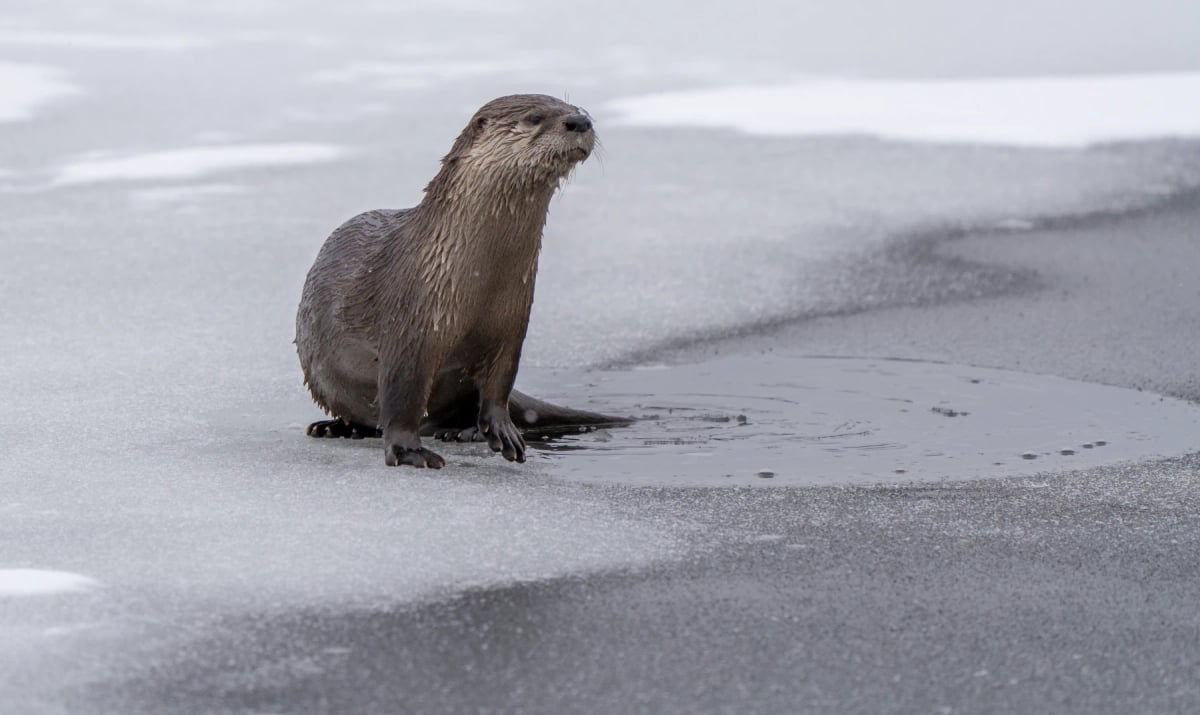
The North American river otter is a semi-aquatic mammal built for life in and around water. Its long, muscular body, dense waterproof fur and powerful tail make it one of the most capable swimmers in freshwater habitats. It hunts fish with bursts of speed, but also takes frogs, crayfish and the occasional small mammal. River otters are highly social and famously playful. Groups will wrestle, chase each other and slide repeatedly down muddy or snowy banks — behavior that appears to be genuine play. They communicate through a range of chirps, whistles and chitters. Found across most of North America, from Alaska to the Gulf Coast, they are strongly tied to clean, fish-rich waterways. Their recovery after decades of overhunting and pollution is one of the great conservation success stories on the continent.
Habitat and distribution
River otters are found across an enormous stretch of North America, from the coasts of Alaska and Canada all the way south through the contiguous United States and into parts of northern Mexico. They settle wherever clean, productive waterways exist: rivers, streams, lakes, marshes, estuaries and even some coastal marine areas. A reliable supply of fish is the single most important factor in determining where they live. They den in riverbanks, using the abandoned burrows of beavers or muskrats, or natural cavities among tree roots. After severe population losses during the 19th and 20th centuries, reintroduction programs carried out across many U.S. states have restored otters to large portions of their original range, making them a genuine conservation comeback story.
Diet
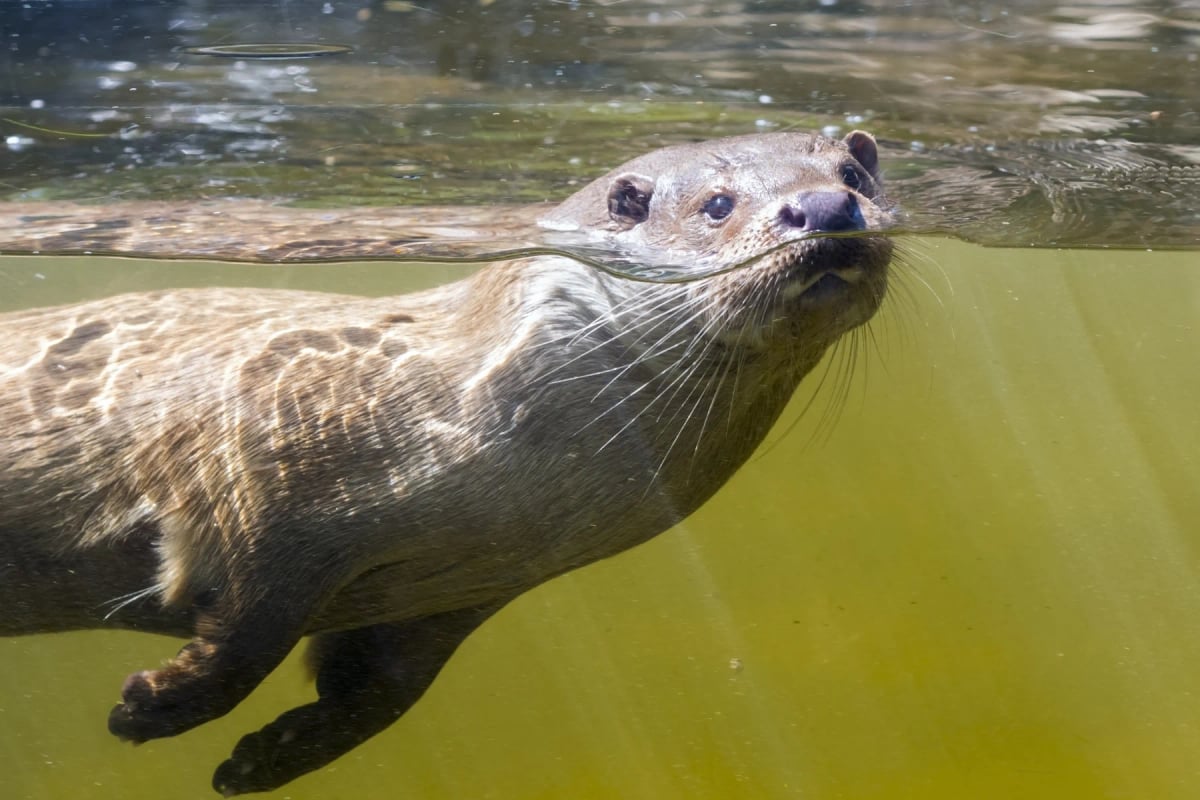
Fish make up the core of the river otter's diet, and they are remarkably effective hunters in the water. They pursue prey with short, powerful bursts of speed, relying on their sensitive whiskers to detect movement in murky conditions. Slower, more abundant fish species are targeted more often than fast or evasive ones, which reflects a practical, energy-saving approach to foraging. Beyond fish, river otters regularly eat crayfish, frogs, aquatic insects and the occasional small mammal or bird. Crabs and other crustaceans are important in coastal and tidal areas. What they eat shifts with the seasons and with whatever is most plentiful locally, making them flexible, opportunistic predators rather than strict specialists tied to a single food source.
Behavior
Few wild animals show as much apparent joy in movement as the river otter. Groups will wrestle, chase one another through the water and slide repeatedly down muddy or snowy banks, returning to the top each time to do it again. Researchers believe this behavior is genuine play rather than simply practice for hunting or other survival tasks. Otters are mostly active around dawn and dusk, though they will hunt at any hour when food is available. They are highly social, living in family groups and communicating through a wide range of sounds including chirps, whistles, chitters and growls. Males tend to have large territories that overlap with those of several females, and they mark boundaries using scent from specialized glands near the tail.
Ecological role
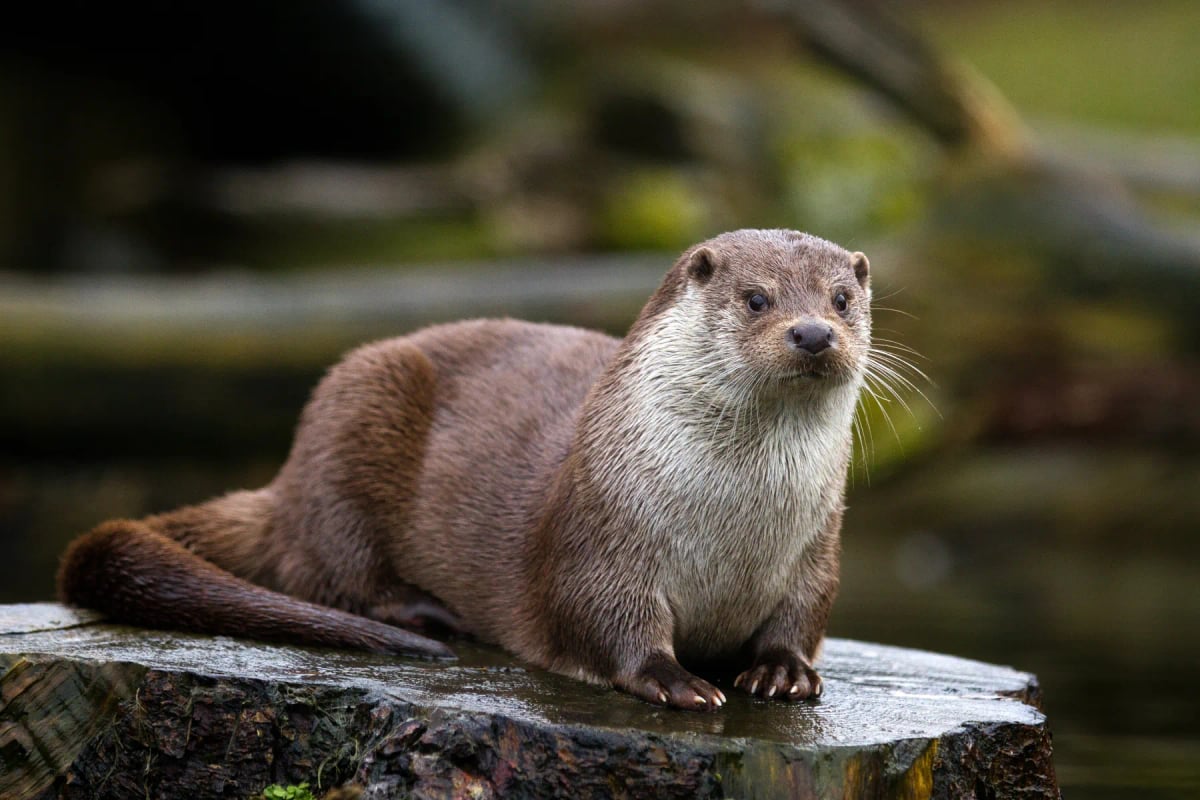
As a predator that sits near the top of freshwater food chains, the river otter shapes the communities it lives in. By feeding heavily on fish and crayfish, it exerts real pressure on those populations, which in turn affects the smaller organisms those prey species consume. This kind of ripple effect through a food web is sometimes called a trophic cascade. Otters also serve as a strong indicator of ecosystem health. Their presence in a waterway is a reliable sign that water quality is high and that fish populations are stable enough to support a demanding predator. When otters disappeared from rivers during the 20th century due to pollution and overhunting, many of those systems showed signs of ecological decline, underscoring just how connected their fate is to the health of entire watersheds.
Conservation
The story of the river otter's recovery is one of the most encouraging in North American wildlife history. By the early 20th century, relentless trapping for the fur trade and widespread water pollution had wiped out or drastically reduced otter populations across much of their range. Protection under national and state laws, combined with improvements in water quality following the U.S. Clean Water Act of 1972, allowed surviving populations to begin rebuilding. Targeted reintroduction programs, carried out in more than 20 U.S. states between the 1970s and 2000s, accelerated that recovery considerably. Today the species is listed as Least Concern on the IUCN Red List. Threats still exist in the form of habitat loss, pollution and incidental capture in fishing gear, but the overall trend for the species is genuinely positive.
Where it is found
The River Otter can be found in places such as:
Researched and written by Juan Pablo. Sources: IUCN Red List, scientific literature and regional field guides. Last updated: .
Technical factsheet
Frequently Asked Questions
What do river otters eat?
Fish are the foundation of their diet, but river otters are flexible eaters. They also hunt crayfish, frogs, aquatic insects and the occasional small mammal or bird. In coastal areas, crabs and other crustaceans become important food sources. They use their sensitive whiskers to detect prey in murky water and tend to target fish species that are slower and easier to catch, which keeps their hunting efficient.
Where do river otters live?
River otters are found across most of North America, from Alaska and Canada down through the contiguous United States and into parts of northern Mexico. They need clean waterways with plenty of fish, whether that means rivers, lakes, marshes or coastal estuaries. They den in riverbanks, often taking over burrows left behind by beavers or muskrats, or settling into natural gaps among tree roots near the water.
Are river otters really playful?
Yes, and it is one of the things that makes them so fascinating to watch. River otters wrestle, chase each other through the water and slide down muddy or snowy banks over and over again just for the fun of it. Researchers believe this is genuine play, not simply practice for hunting. They are also highly social animals that live in family groups and communicate using chirps, whistles and chitters.
How well can river otters swim?
They are exceptional swimmers. A river otter's body is built for the water: long and streamlined, with a powerful tail, webbed feet and dense fur that repels water and traps warmth. They can reach speeds of around 11 kilometers per hour in the water and are capable of diving to considerable depths. They can also hold their breath for up to eight minutes, which makes them very effective underwater hunters.
Are river otters endangered?
No. The river otter is currently listed as Least Concern on the IUCN Red List, which reflects a remarkable recovery. By the early 20th century, trapping for fur and widespread pollution had wiped them out across much of their range. Cleaner water, legal protection and reintroduction programs in more than 20 U.S. states brought them back. Threats like habitat loss and accidental capture in fishing gear still exist, but the overall picture is encouraging.
How long do river otters live?
In the wild, river otters typically live between 8 and 9 years, though some individuals reach their early teens. In captivity, where food is reliable and threats are minimal, they can live into their mid to late teens. Their survival over the long term depends heavily on the quality of the waterways they inhabit. Clean water with stable fish populations gives them the best chance of reaching old age.
Do river otters live alone or in groups?
River otters are social animals and generally live in family groups. A typical group includes a female and her young, while adult males tend to roam larger territories that overlap with those of several females. They communicate constantly through sounds and scent marking, using glands near the tail to signal their presence to others. Despite being social, they can also be territorial and will defend key stretches of waterway from rivals.