Animals in Serbia
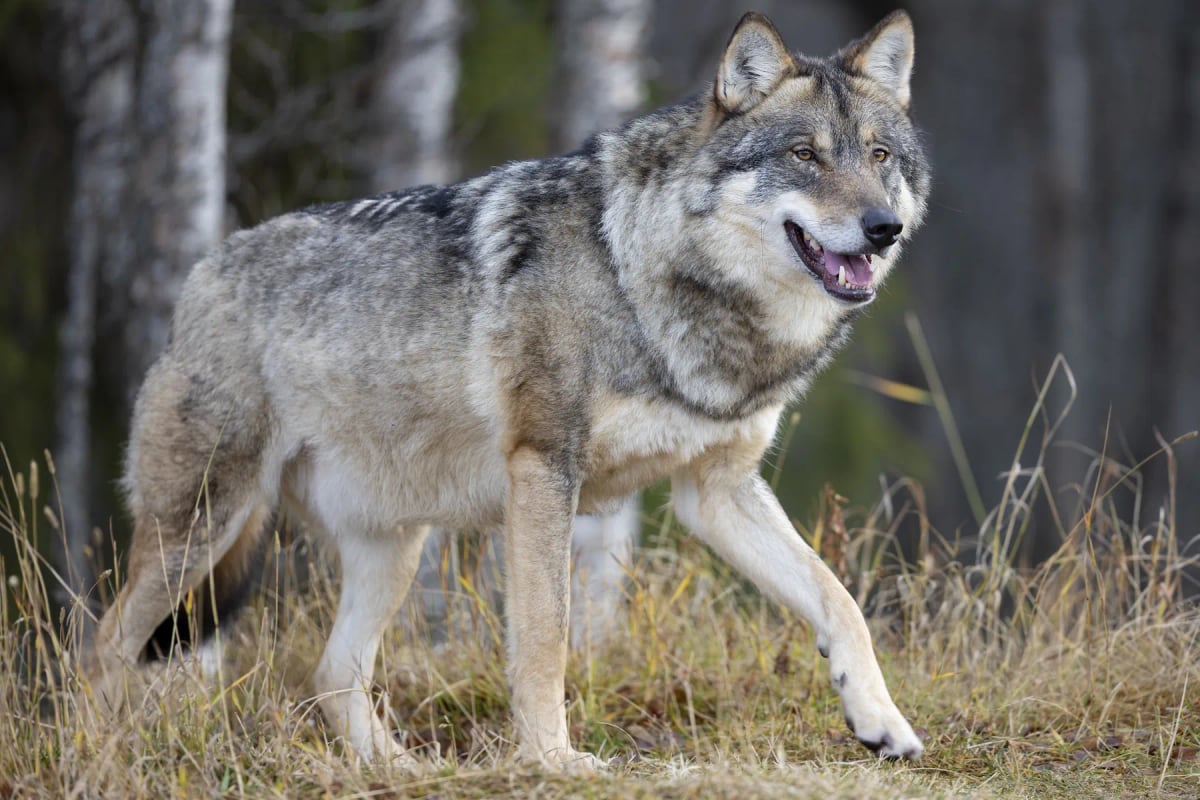
Gray Wolf
Canis lupus
The gray wolf is often used as a symbol in Serbia. It appears in folk tales and village stories and still lives in family groups in remote hills. People link the animal with endurance and teamwork, traits that fit life in the mountains. Visitor centers in Tara and Zlatar use the wolf to explain how herders, forests and wildlife share the same land, and why healthy woods need a top predator.
View details→Wildlife in Serbia
Serbia is easy to explore, with mountains, oak forests and river valleys that keep nature close to towns. National parks such as Tara, Djerdap at the Iron Gate, and Kopaonik offer marked paths, viewpoints and short boat trips on the Danube. Visitors see deer, foxes and many birds, and in quiet areas they may notice signs of bear or wolf. Weekend trips from Belgrade or Novi Sad make simple starting points for family friendly walks.
Most Dangerous Animals in Serbia
Wildlife risks in Serbia depend on habitat. In forested hills, brown bears and wild boar are the main concern, especially near fruit trees and beech mast in late summer and autumn. Gray wolves and the elusive Eurasian lynx tend to keep distance and are rarely seen. European adders rest on sunny rocks and grass edges in warm months. Most encounters happen at a distance on marked paths, fields and river banks.
Top 10 Animals in Serbia
Our Top 10 for Serbia highlights red deer, brown bear, Eurasian lynx, gray wolf and peregrine falcon. Deer shape many valleys and are common at forest edges at dawn. Bears, wolves and lynx hold the wild image of the Dinaric and Carpathian slopes, where careful tracking and quiet viewpoints help with sightings. Peregrines nest on cliffs and tall bridges, giving clear views over gorges such as Djerdap and Ovcar Kablar.
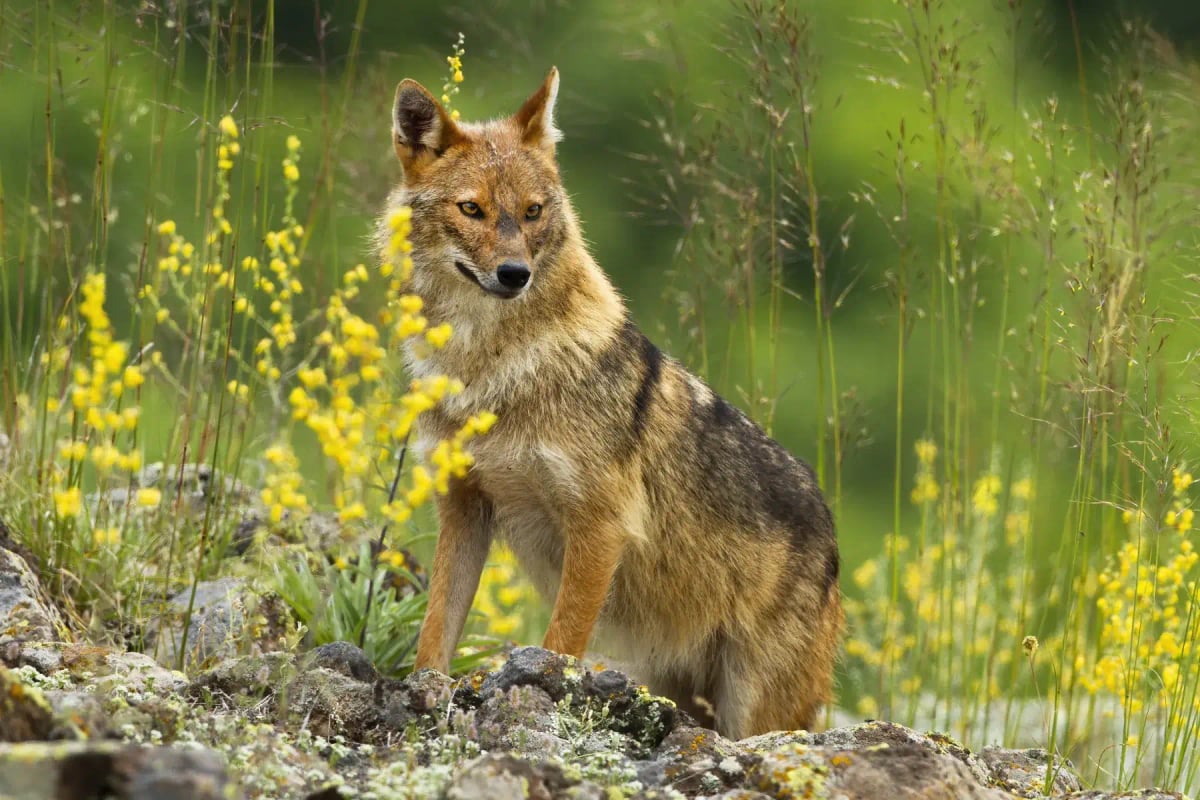
Golden Jackal
Canis aureus
Serbia holds one of the more established golden jackal populations in the Balkans. The species is especially common in the lowlands of Vojvodina, along the Danube and Sava rivers, and in agricultural plains further south. It has expanded steadily in recent decades and is now a regular presence across much of the country. Its IUCN status is Least Concern.
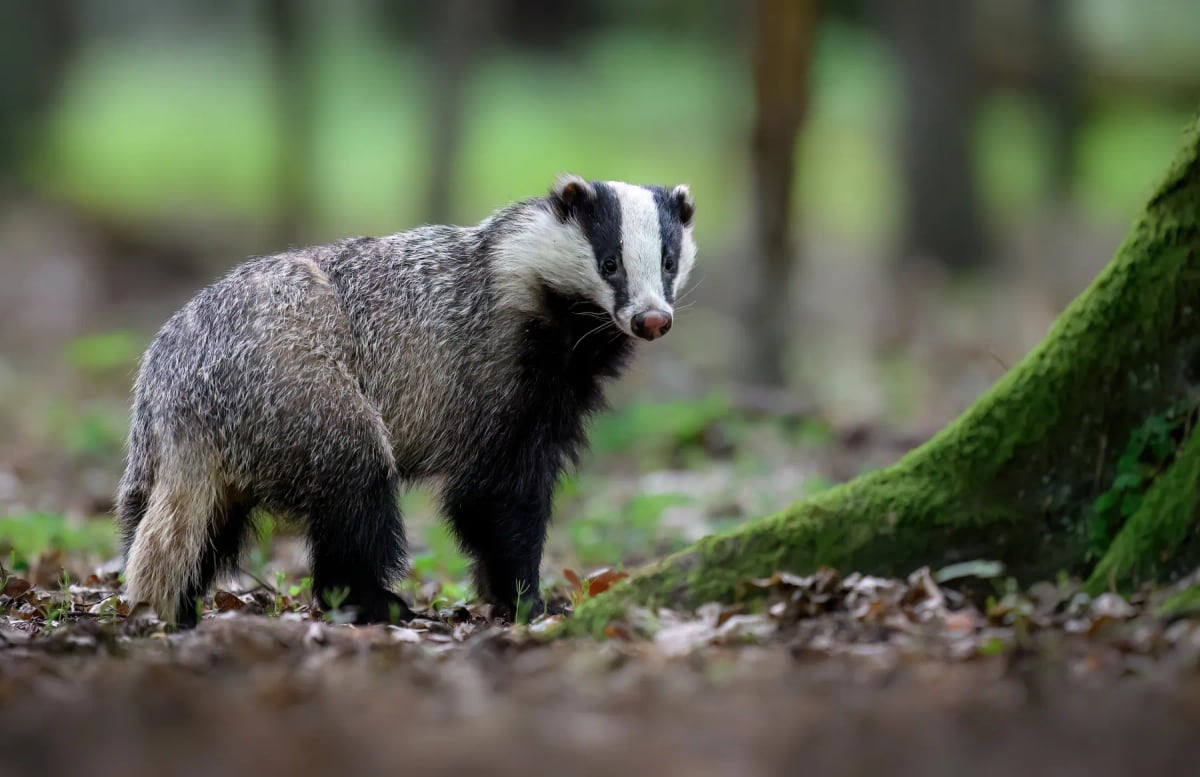
Badger
Meles meles
The Eurasian badger is widespread across Serbia in mixed and deciduous woodland, farmland and river valleys from the Pannonian plain in the north to the forested uplands of the south. It lives in family groups in extensive setts and is active at night, feeding on earthworms, insects, fruit and small animals. Badger populations in Serbia are stable and the species is distributed across suitable woodland habitat throughout the country.
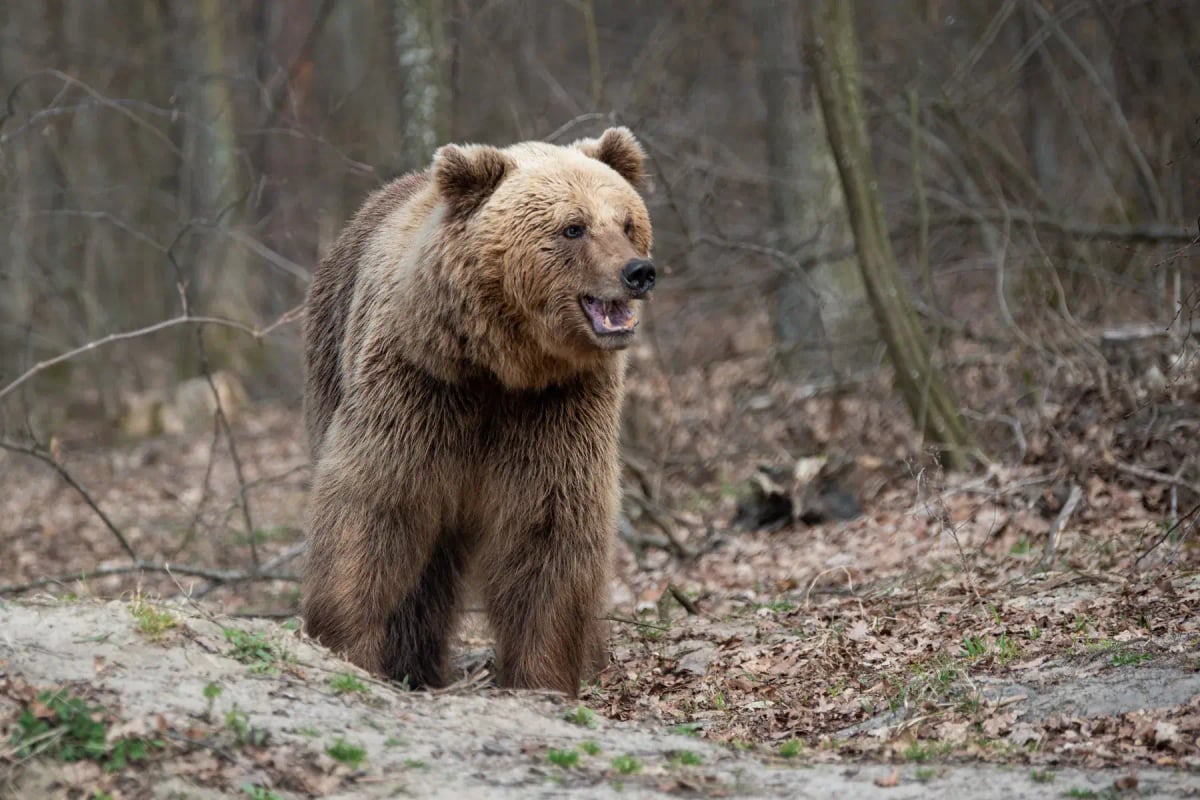
Brown Bear
Ursus arctos
In Serbia, brown bears are found primarily in the mountainous regions of the southwest, including the areas around Tara National Park and the Zlatibor highlands. The population is small and considered vulnerable, relying on forested slopes and connectivity with bear populations in neighboring Bosnia and Montenegro. Conservation efforts focus on reducing conflict with local communities and protecting corridors that allow bears to move between countries.
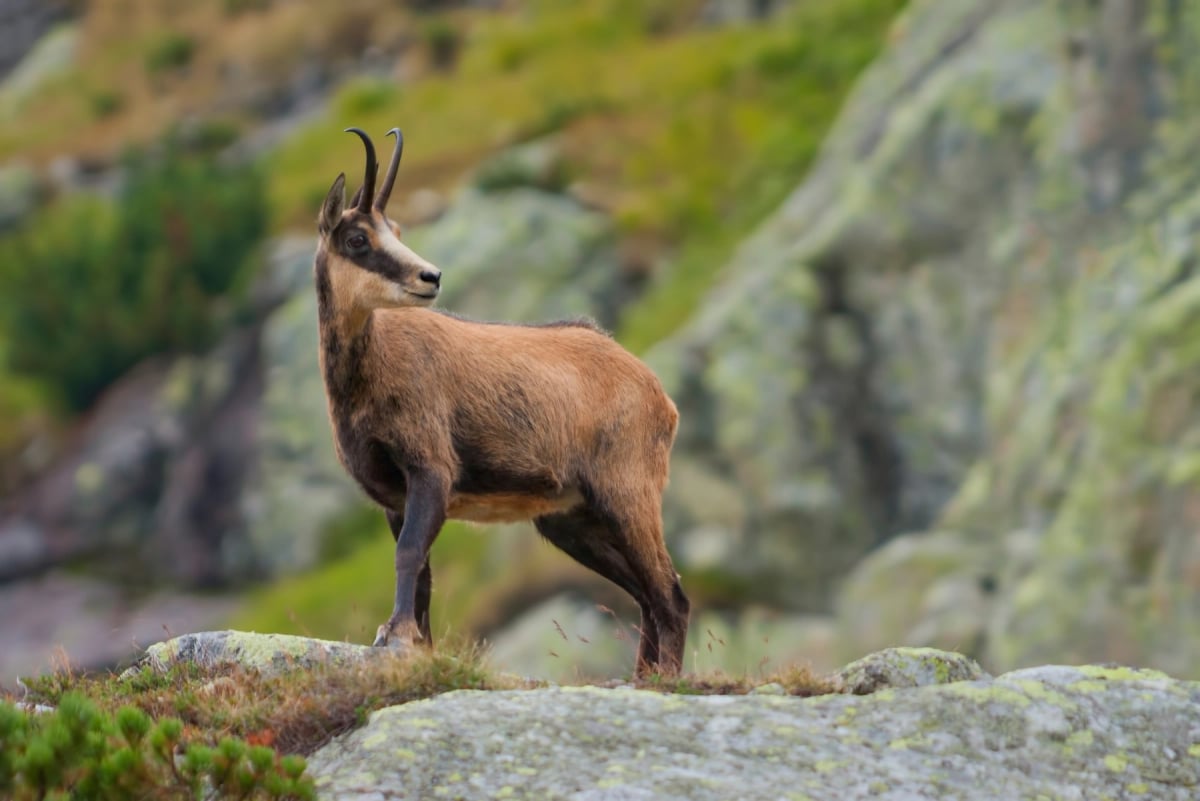
Chamois
Rupicapra rupicapra
In Serbia, chamois are found in the Šar Mountains and the peaks bordering Montenegro and North Macedonia. The populations are small and patchily distributed across the country's limited areas of high alpine terrain. Conservation attention has grown in recent years as part of broader efforts to protect mountain biodiversity in the western Balkans. Poaching remains the primary threat to the survival of these animals over the long term. IUCN status: Least Concern.
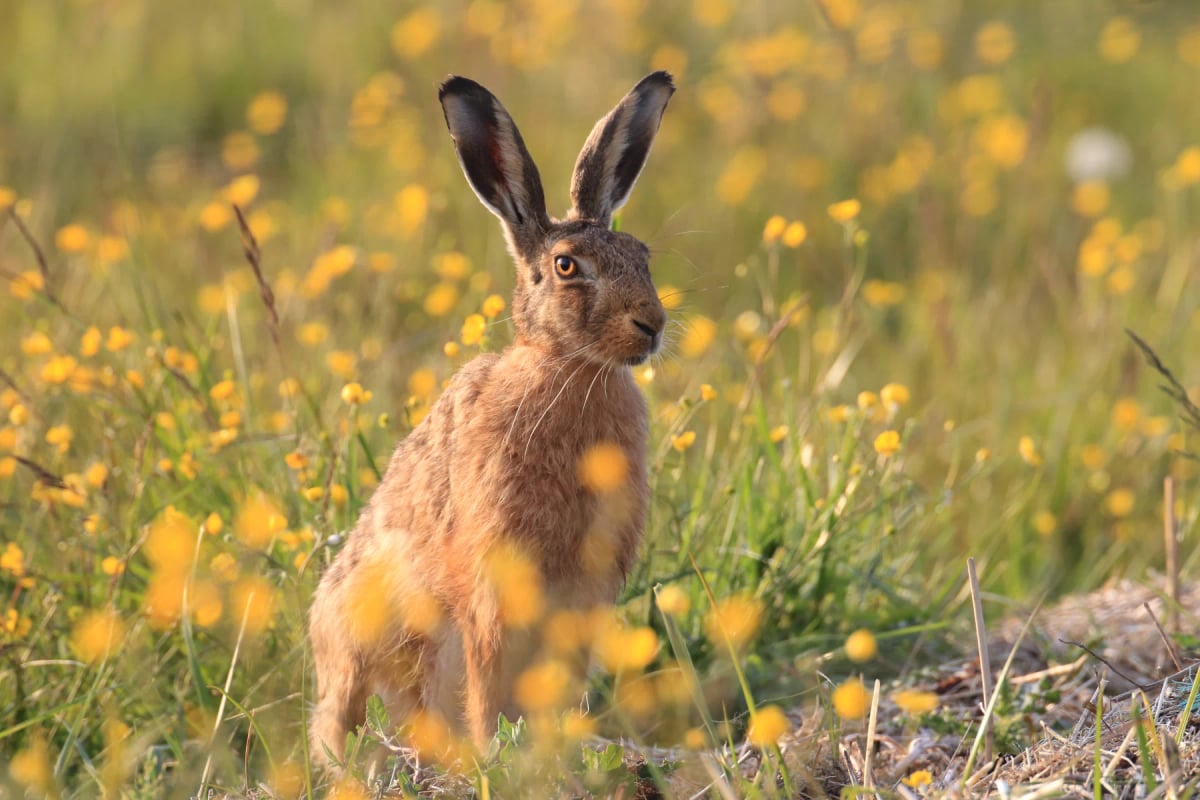
Hare
Lepus europaeus
In Serbia, the European hare is a familiar animal of the Pannonian Plain in the north and the open valleys further south. It thrives in agricultural landscapes of cereals and sunflowers, resting in shallow depressions among crop rows. Hunting is regulated and the species remains common, though the shift toward intensive farming has reduced suitable habitat in some areas. Young leverets are born fully furred and independent from the very first hours of life.
Gray Wolf
Canis lupus
Gray wolves returned to Serbia after decades of absence, recolonizing naturally from neighboring countries such as Montenegro and North Macedonia. They are now present mainly in the mountainous south and west of the country, including areas around the Stara Planina and Šar mountains. Wolves are legally protected in Serbia, though conflict with livestock farmers remains an ongoing challenge for their continued recovery. IUCN status: Least Concern.
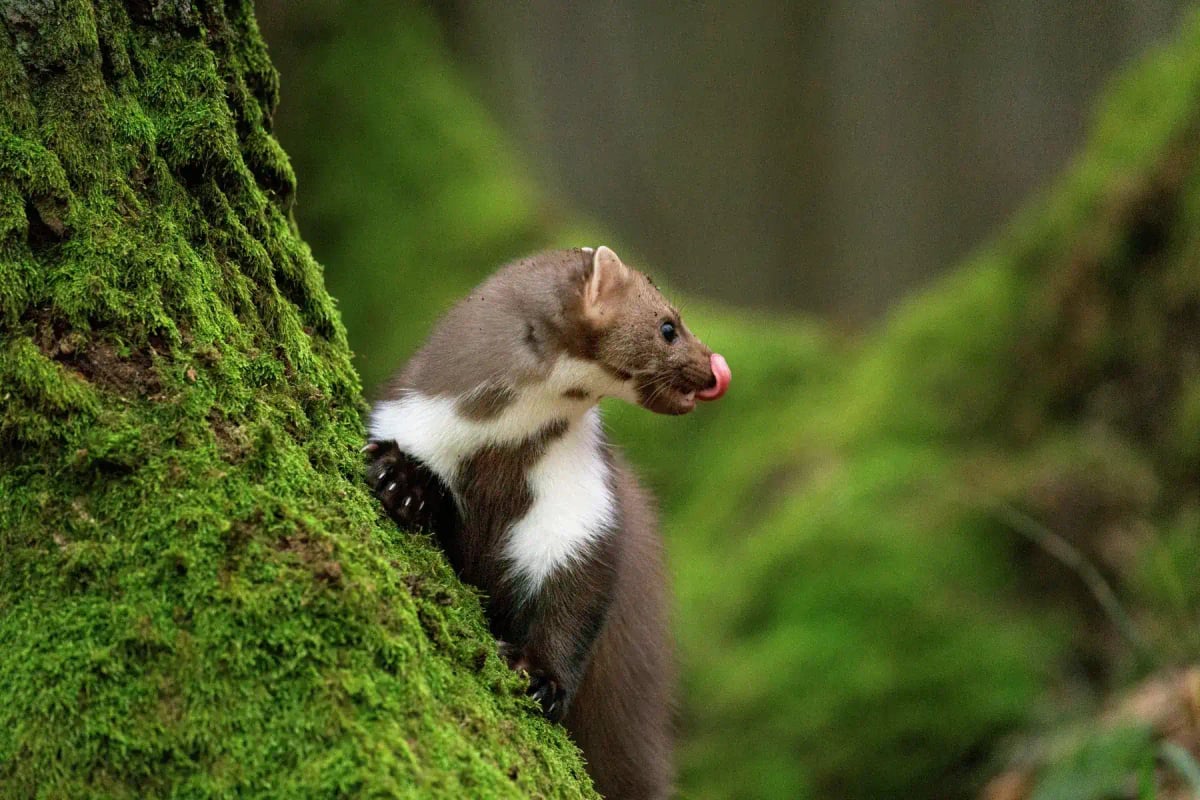
Marten
Martes martes / Martes foina
Both the pine marten and the stone marten live in Serbia. The pine marten is found in the forested mountain ranges such as Tara, Kopaonik, and Zlatibor, while the stone marten is widespread in lower terrain, farmland, and even the edges of towns. Serbia's mix of forest and open country gives both species room to thrive. They are protected under Serbian wildlife legislation. IUCN status: Least Concern.
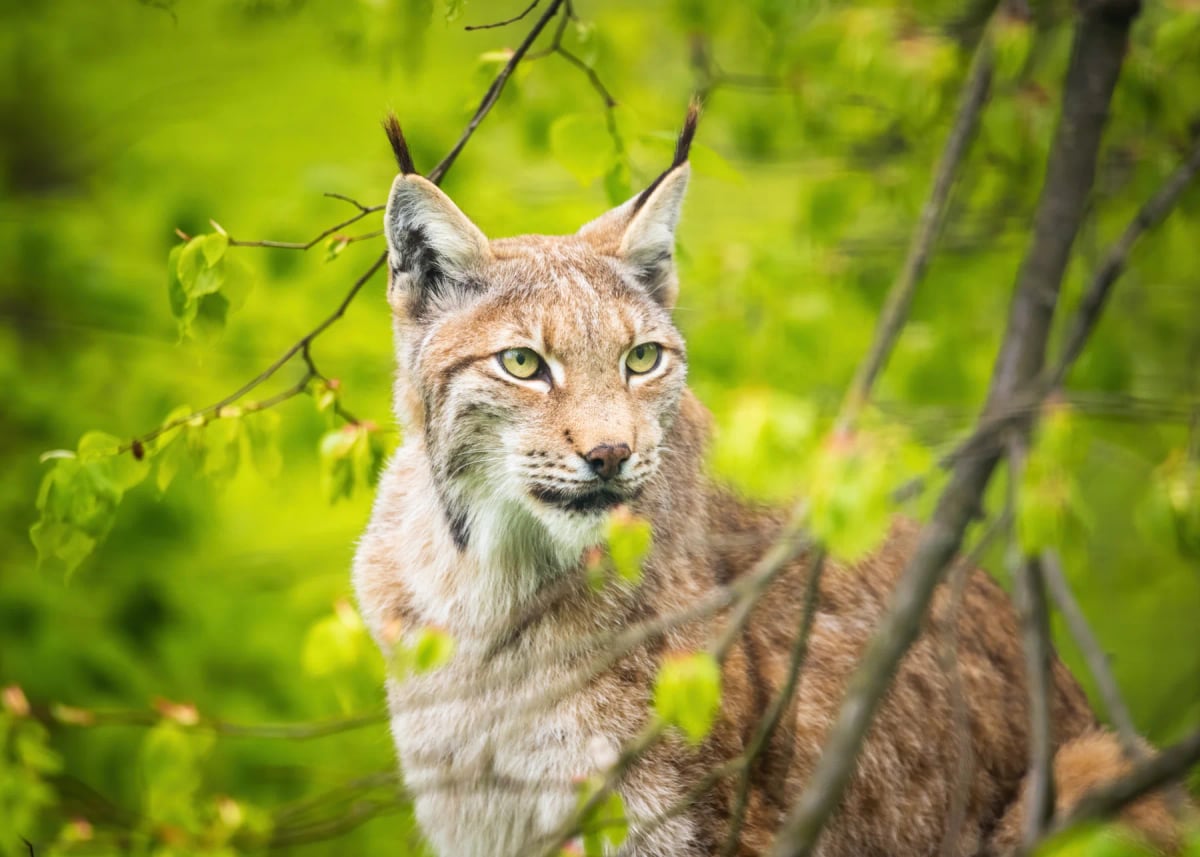
Eurasian Lynx
Lynx lynx
In Serbia, the Eurasian Lynx is a rare and protected predator, found mainly in the mountainous forests along the border with Montenegro and North Macedonia, including parts of the Dinaric Alps. The population is very small and connected to neighboring Balkan populations. Conservation efforts focus on reducing illegal hunting and improving habitat connectivity. The IUCN lists the species as Least Concern globally.
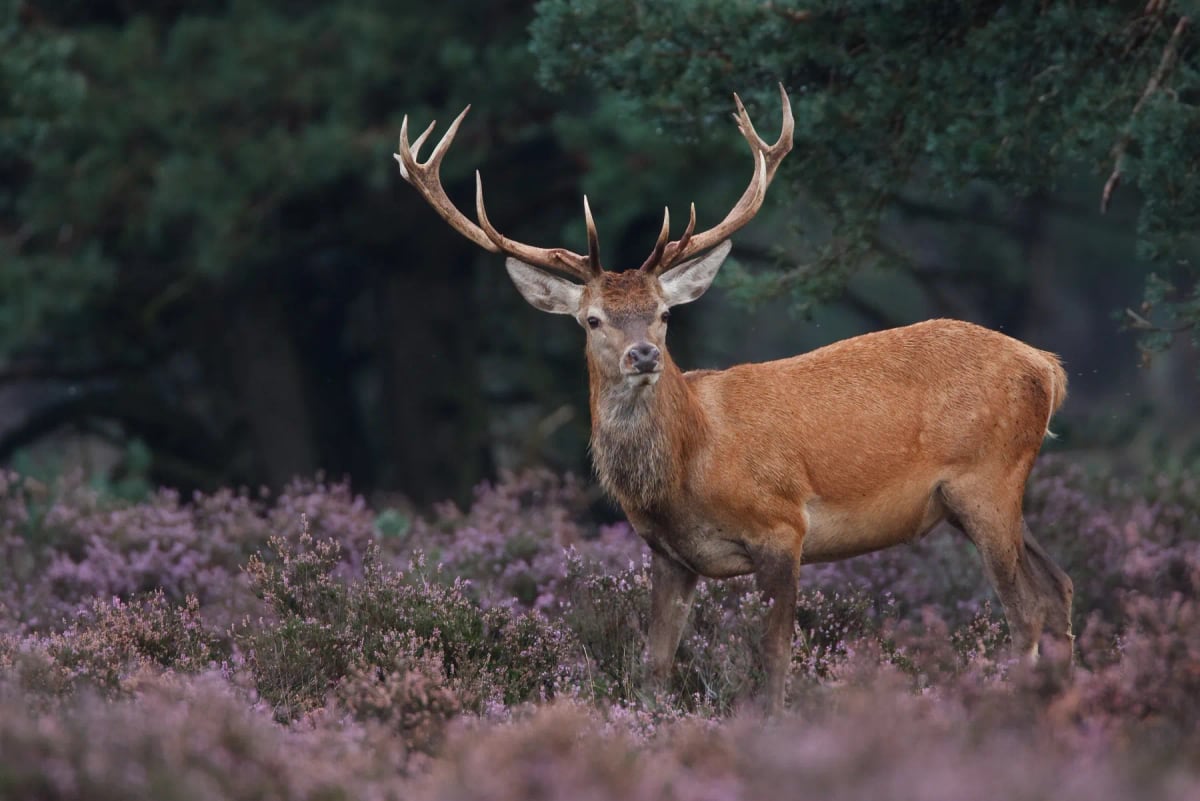
Red Deer
Cervus elaphus
In Serbia, red deer inhabit the mixed forests and river floodplains of the north and east, with strongholds in areas such as Fruška Gora and the Danube basin. Populations are managed through hunting reserves and protected areas. Stags shed and regrow their antlers each year, and their calls during the autumn rut are a well known feature of Serbian woodland life. Its IUCN status is Least Concern.
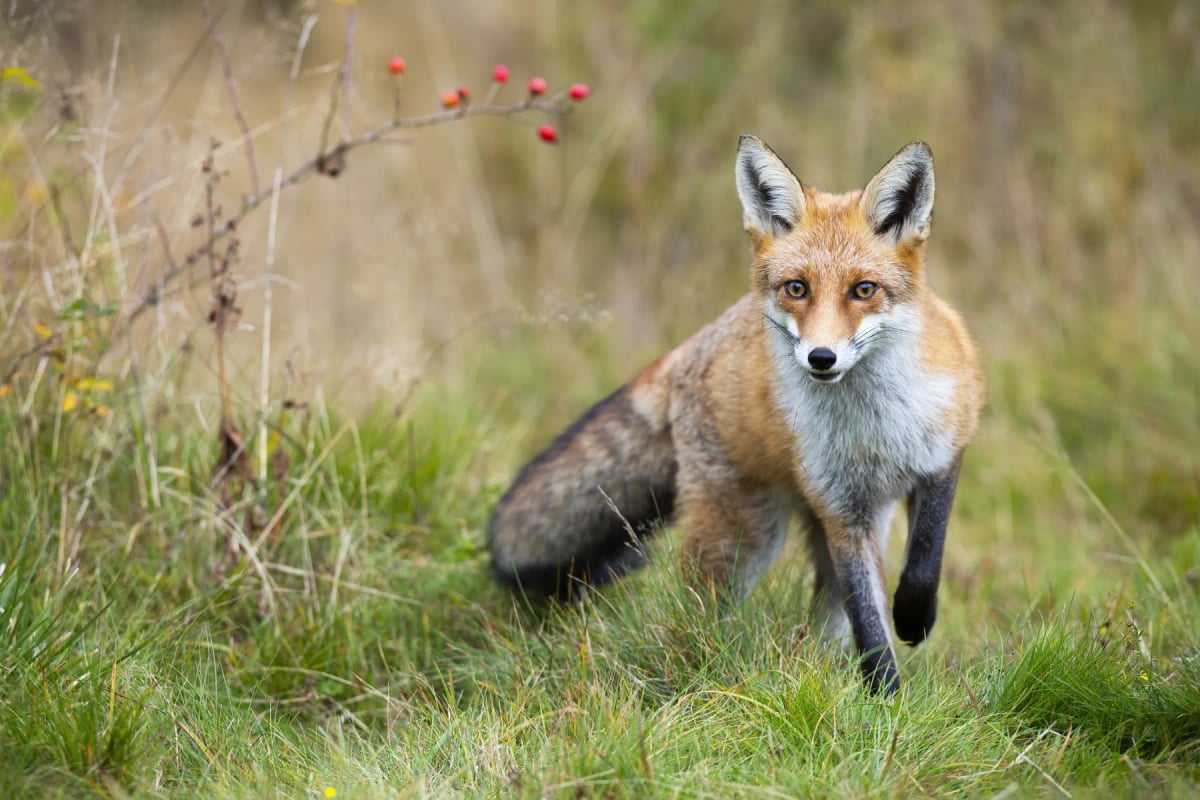
Red Fox
Vulpes vulpes
The red fox is widespread throughout Serbia, living in forests, river valleys, agricultural land, and the outskirts of towns. It is one of the most common carnivores in the country and plays a useful role controlling rodent populations in farming areas. Rabies management has historically involved fox population control, though vaccination programs have helped reduce the disease. Its IUCN status is Least Concern.
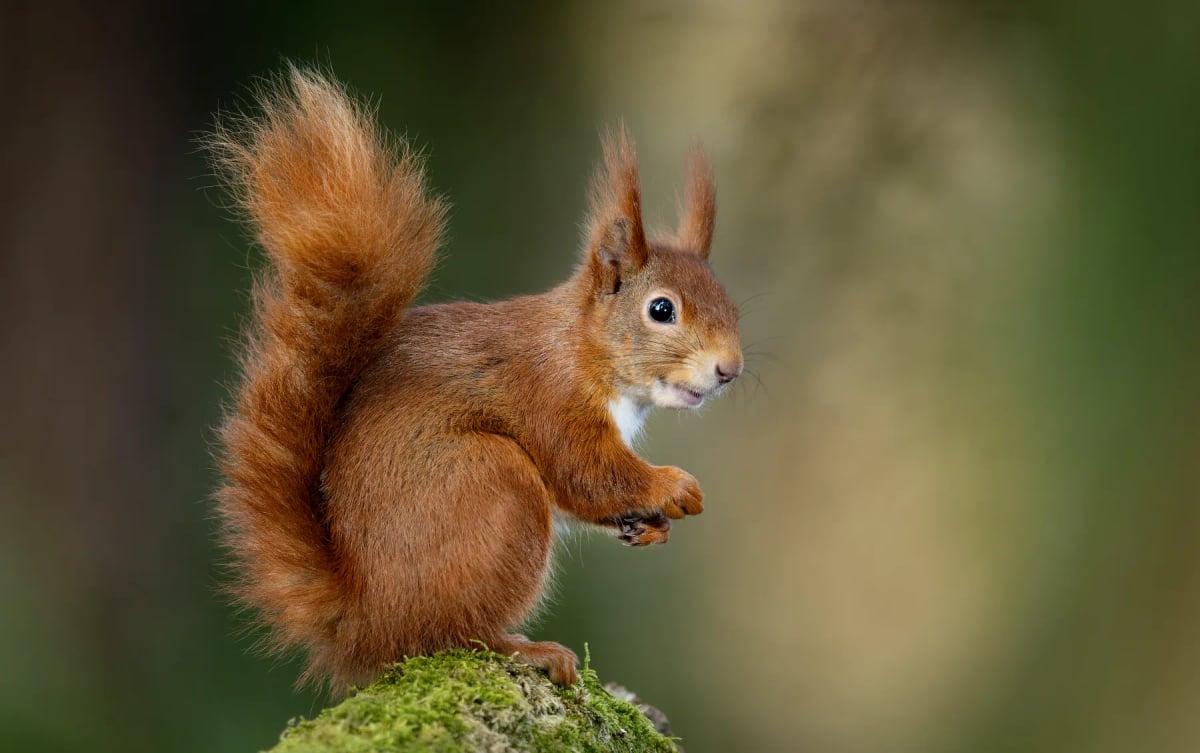
Red Squirrel
Sciurus vulgaris
In Serbia, red squirrels inhabit the deciduous and mixed forests that cover much of the country's hilly and mountainous interior, including areas around Tara National Park and Fruška Gora. They rely on acorns, beechnuts and conifer seeds throughout the year. The species is stable in Serbia and faces no major conservation concerns at present. Its IUCN status is Least Concern.
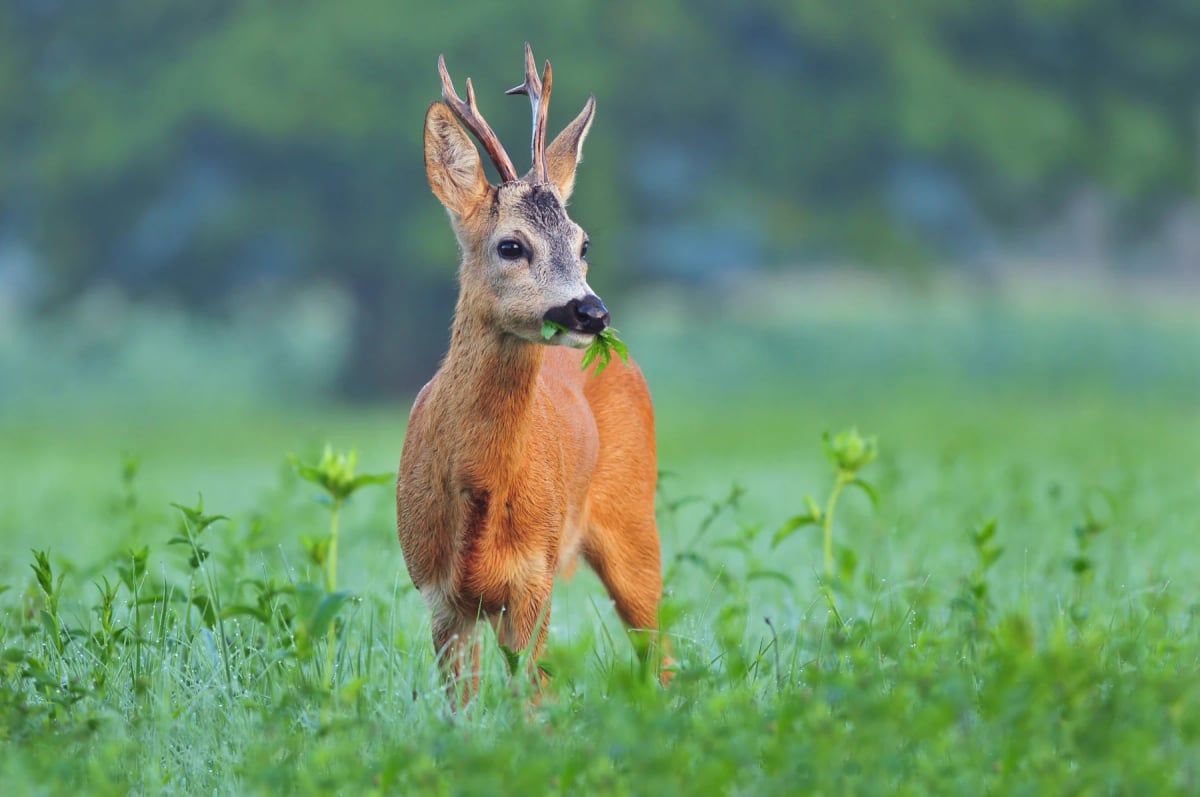
Roe Deer
Capreolus capreolus
Roe deer are widely distributed across Serbia, living in deciduous and mixed forests, river floodplains, and the agricultural lowlands of Vojvodina. The species benefits from the mosaic of woodland and open land that covers much of the country. Hunting is managed through a concession system. Roe deer are selective feeders, preferring shoots, leaves, and herbs over grass. They are most active at dawn and dusk. IUCN status: Least Concern.
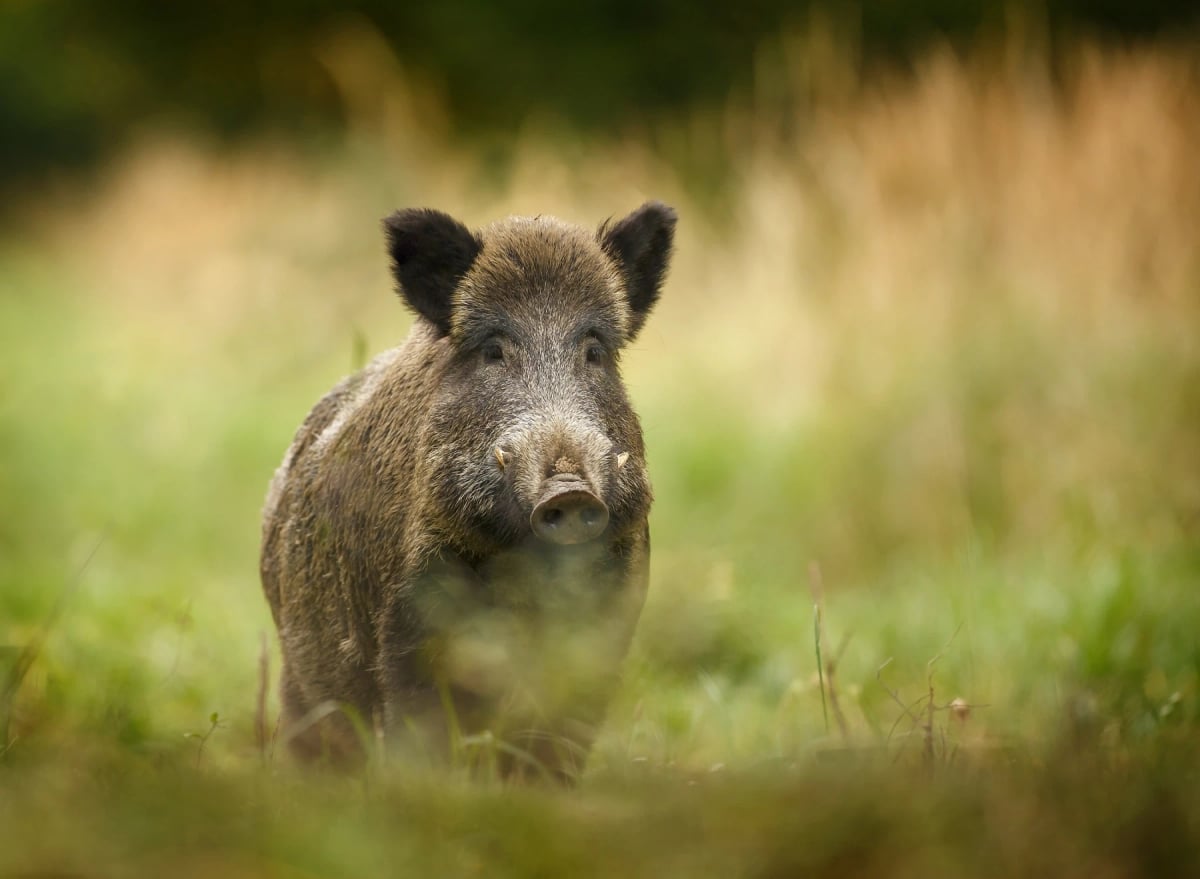
Wild Boar
Sus scrofa
Wild boars are widespread across Serbia's forests, from the floodplain woodlands of Vojvodina along the Danube to the mountainous forests of the south. The species is a popular game animal that also draws international hunting tourism to several well managed reserves. Growing populations in recent decades have increased crop damage near farmland and led to more frequent sightings close to towns.
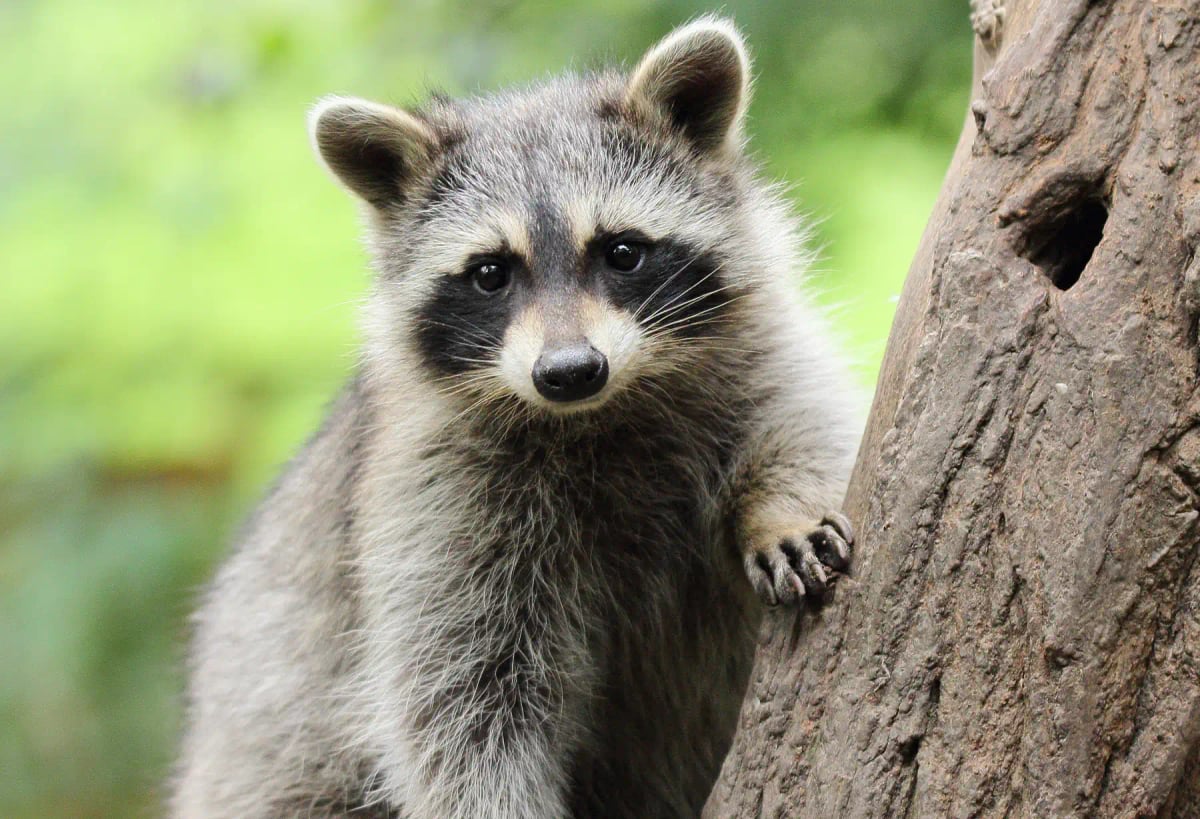
Raccoon
Procyon lotor
Raccoons have been recorded in Serbia as the species expands its range through the Balkans. They tend to favour lowland forests and areas near rivers and streams, habitats that are well represented along the Sava and Danube corridors in northern Serbia. Their numbers in the country are still considered low, but wildlife agencies keep track of them as an invasive alien species under European Union regulations that Serbia aligns with.
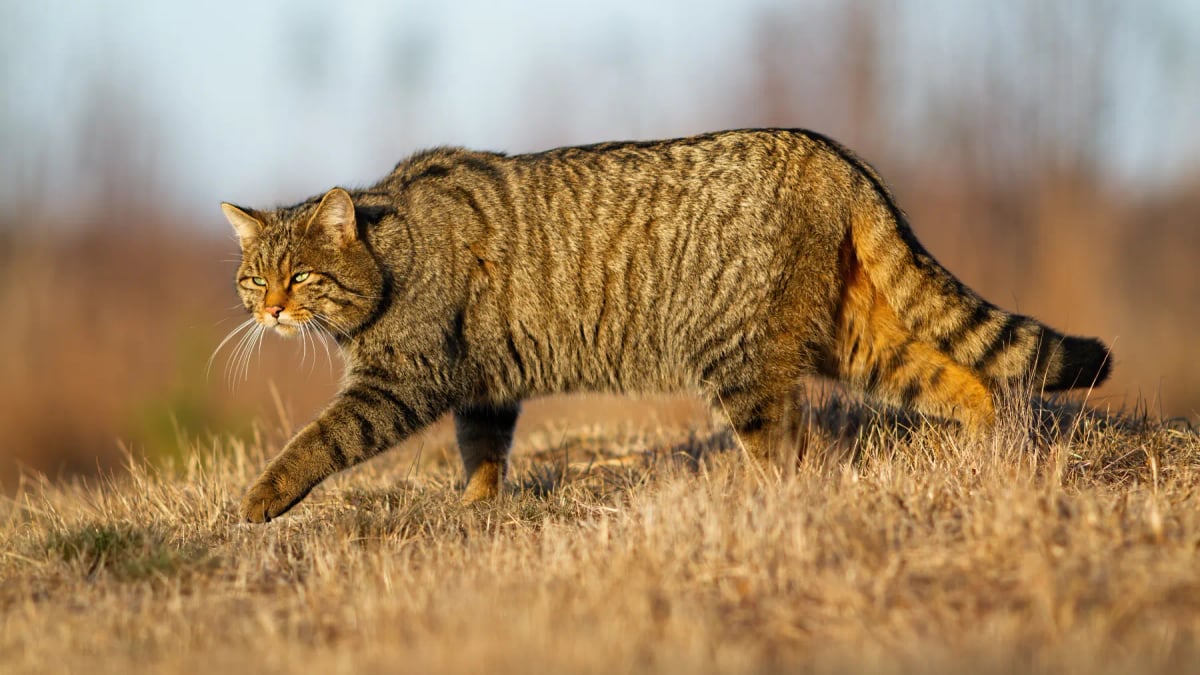
European Wildcat
Felis silvestris silvestris
The European wildcat lives across Serbia's forested mountain ranges, including Kopaonik, Tara, and the Dinaric highlands. Stockier than a domestic cat, it has a broad head, dark tabby markings, and a thick tail with a rounded black tip. It hunts rodents and plays a role in balancing local prey populations. Hybridization with feral cats and forest clearance are the main pressures on Serbian wildcats.
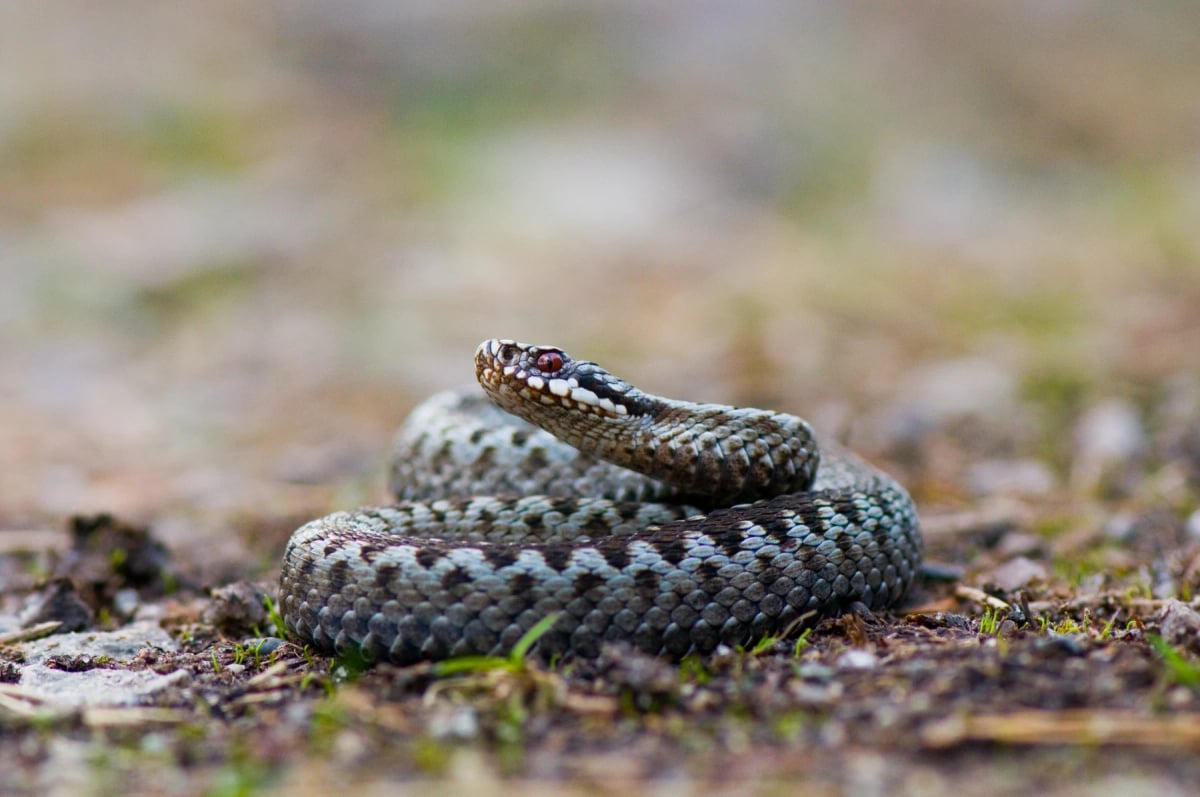
European Adder
Vipera berus
The European adder lives in the highlands and forested mountain ranges of Serbia, including areas around Kopaonik and Stara Planina. It prefers rocky slopes, forest clearings, and shrubby terrain where it can bask and find shelter. It is one of several snake species native to Serbia. Persecution by people who fear it remains a threat in rural areas. Its IUCN status is Least Concern.
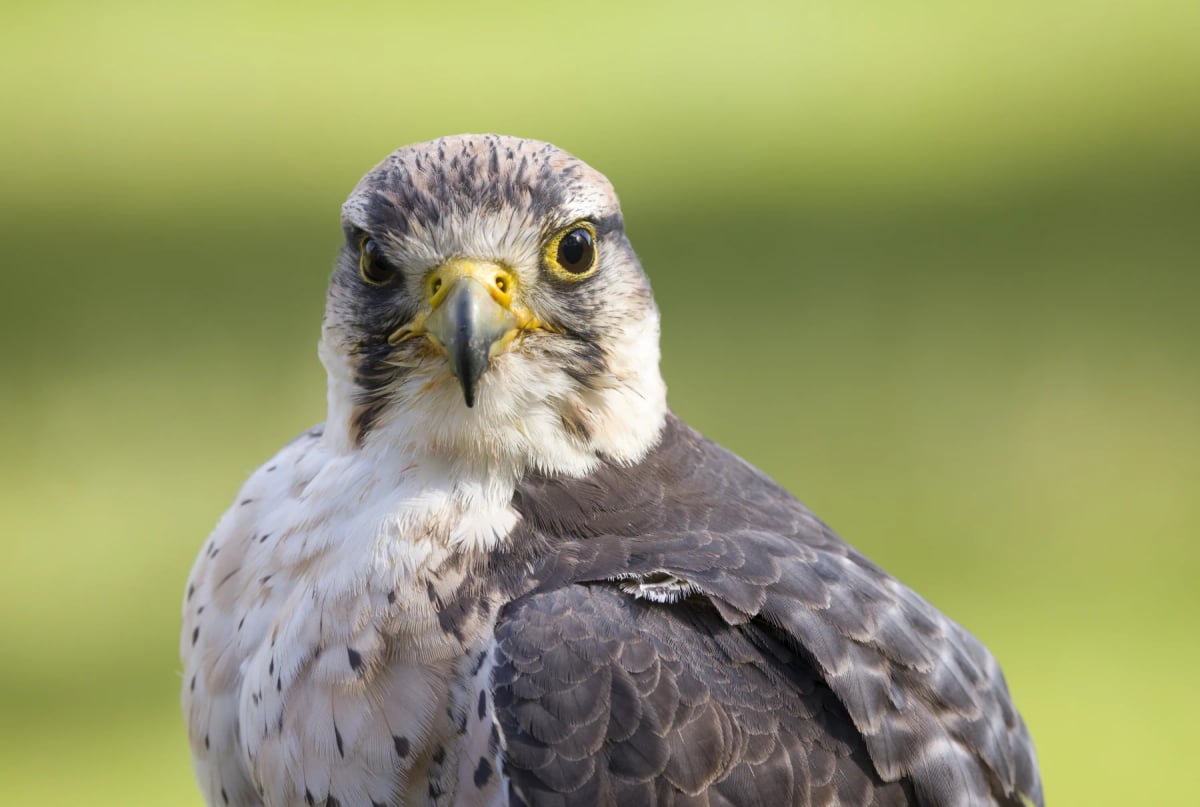
Lanner Falcon
Falco biarmicus
The lanner falcon is an uncommon resident in Serbia, found mainly along rocky gorges and river canyons such as those carved by the Danube and its tributaries. It hunts birds like doves and pigeons with fast, low pursuit flights. Pairs hold territories year round and nest on cliff ledges. The species faces pressure from power line electrocution and disturbance at nest sites. Its IUCN status is Least Concern.
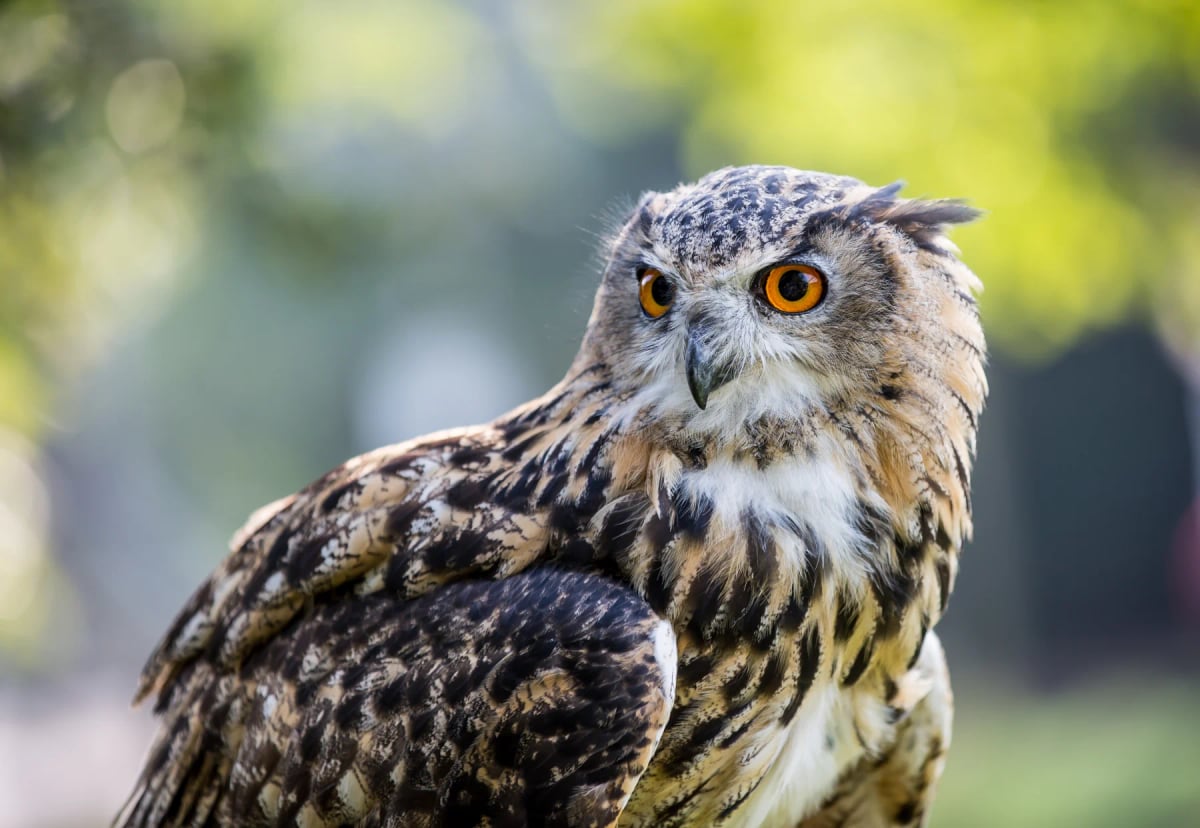
Eagle Owl
Bubo bubo
The eagle owl is a resident of Serbia's river gorges, limestone cliffs, and forested mountain ranges, including the dramatic canyon of the Uvac River, which is considered one of its strongholds in the country. It hunts across open farmland and rocky terrain at night. Serbia sits at the heart of the Balkans, a region where the species has maintained populations even through periods of wider European decline. The IUCN lists it as Least Concern.
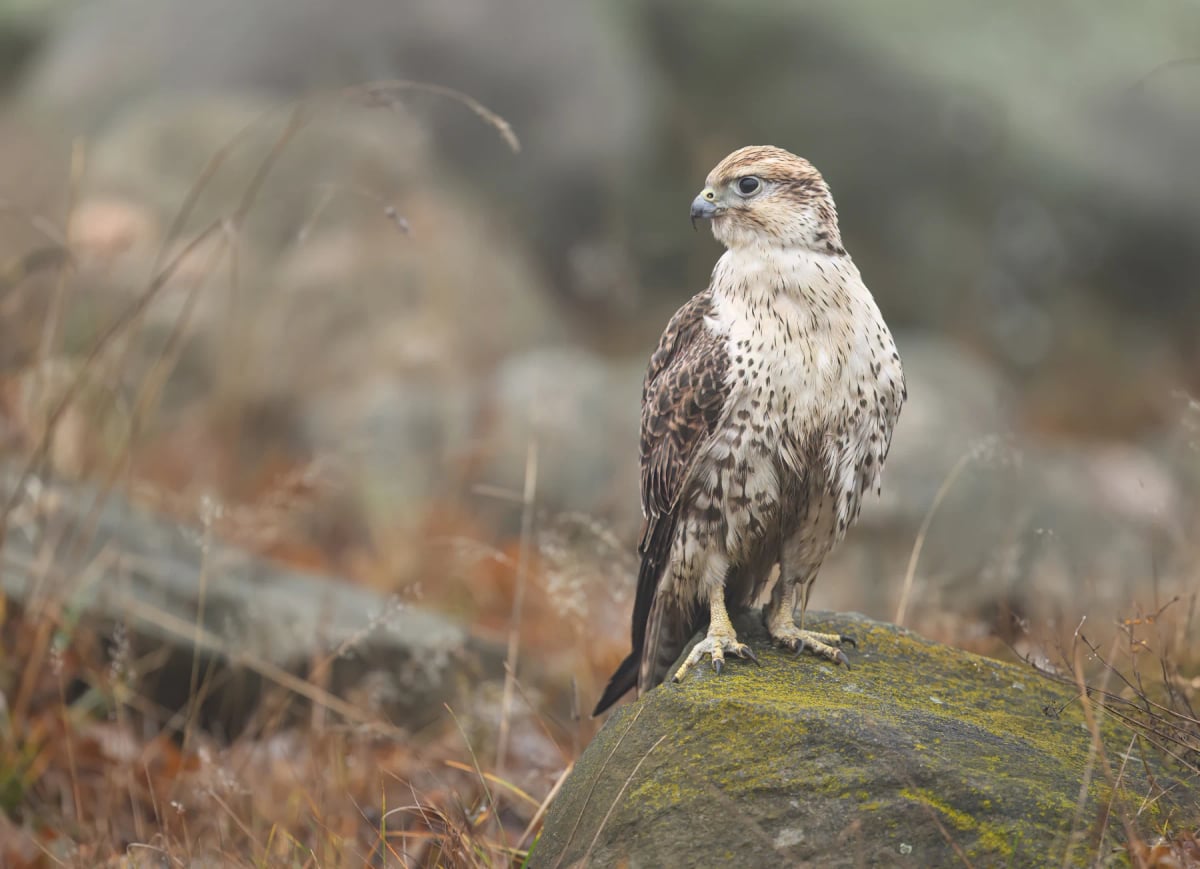
Saker Falcon
Falco cherrug
In Serbia, the saker falcon is a breeding resident found mainly in the open lowlands and agricultural plains of Vojvodina, in the north of the country. It nests in tall trees or on electricity pylons and hunts across wide, flat farmland. Electrocution on power lines is a known threat here, alongside habitat changes driven by intensive farming. Conservation groups have worked to install protective equipment on power infrastructure to reduce accidental deaths. The species is Endangered.
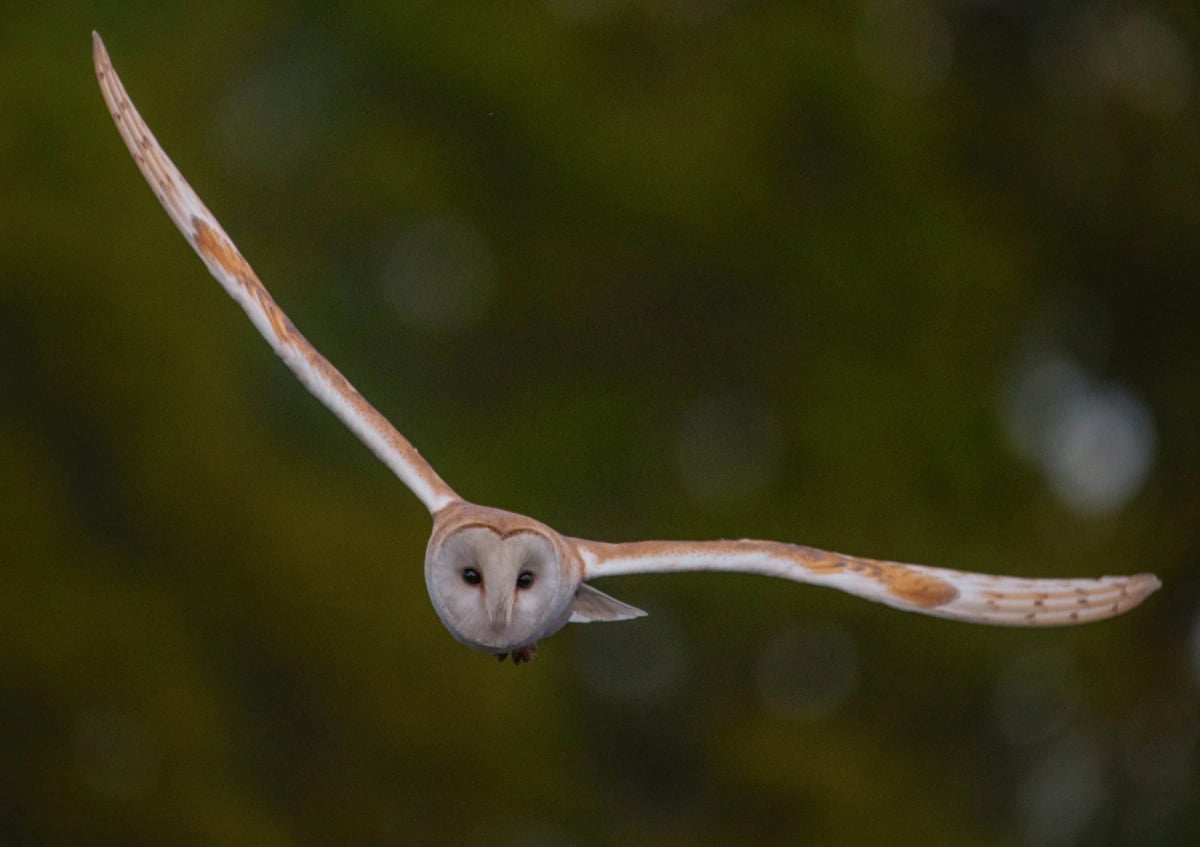
Barn Owl
Tyto alba
The barn owl is found across the lowlands and agricultural plains of Serbia, particularly in Vojvodina, the Pannonian plain, and the river valleys of the Morava and Sava. It nests in old farm buildings, church towers, and hollow trees, and hunts mice and voles at night in open fields. Vojvodina's flat, open agricultural landscape provides some of the best barn owl habitat in the Balkans. Populations are generally stable in the lowlands, though renovation of old farm buildings has reduced available nest sites in some areas.
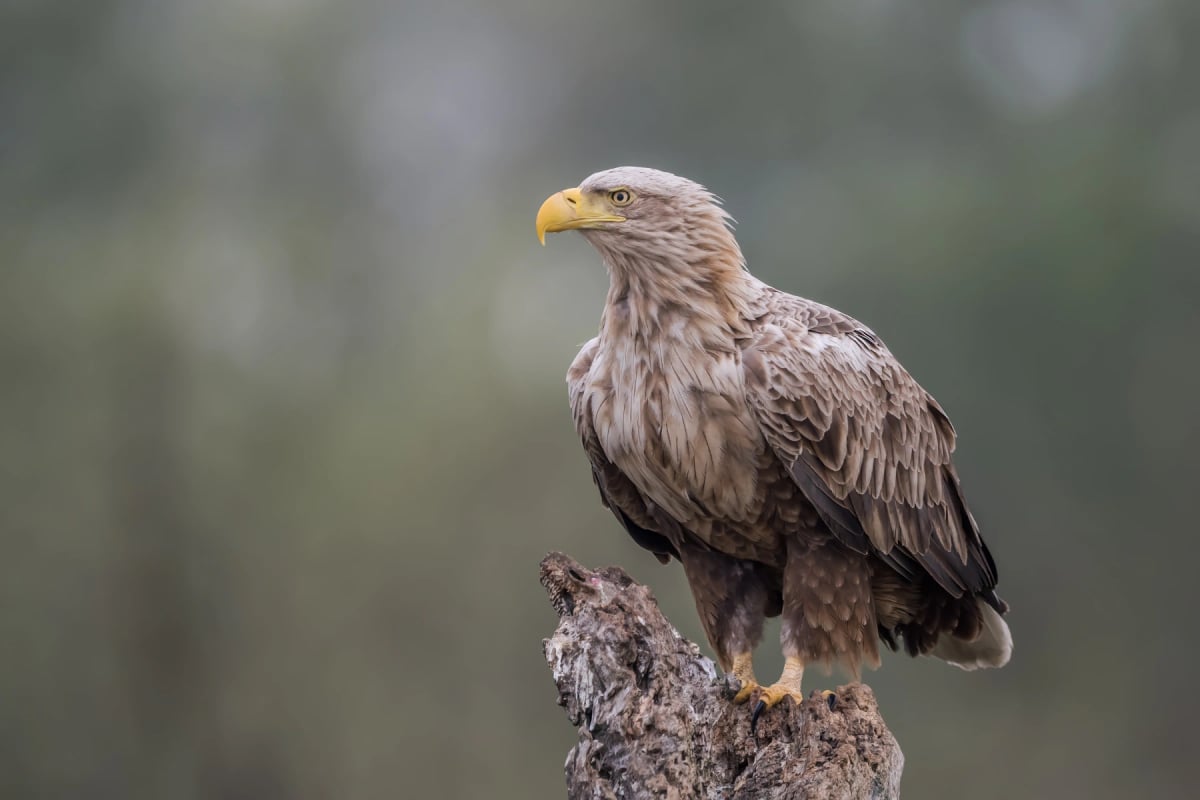
White tailed Eagle
Haliaeetus albicilla
In Serbia, the white tailed eagle is found mainly along the Danube and Sava rivers and within Special Nature Reserve Gornje Podunavlje, one of its most important strongholds in the country. The floodplain forests and wetlands of northern Serbia provide ideal nesting and feeding habitat. Conservation efforts have helped stabilize the population, and the species is now a symbol of river conservation in the region.
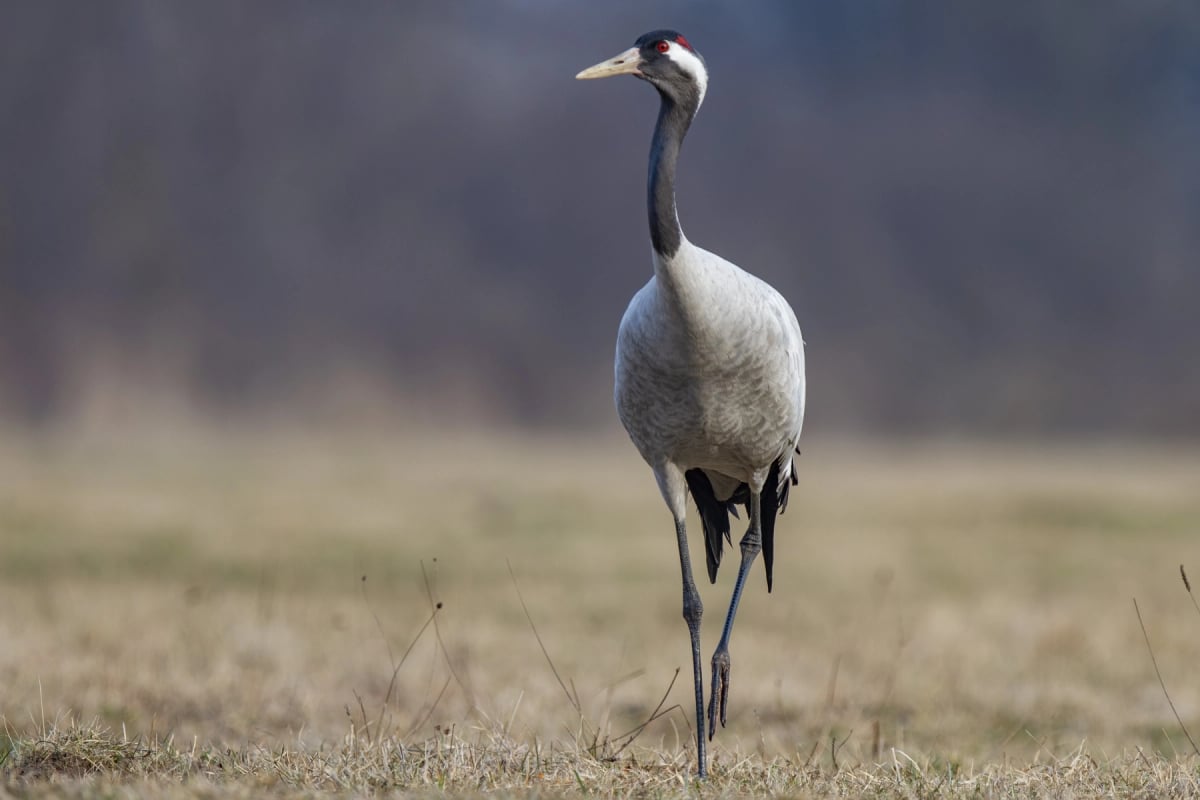
Crane
Grus grus
Serbia sits on a migratory route connecting northern Europe with the Mediterranean and the Middle East, and common cranes pass through the country in significant numbers each autumn and spring. Open river valleys and agricultural plains, particularly along the Sava and Danube rivers, provide resting and feeding stops for flocks on the move. The crane is a familiar and celebrated sight in the Serbian countryside during migration season. Its IUCN status is Least Concern.
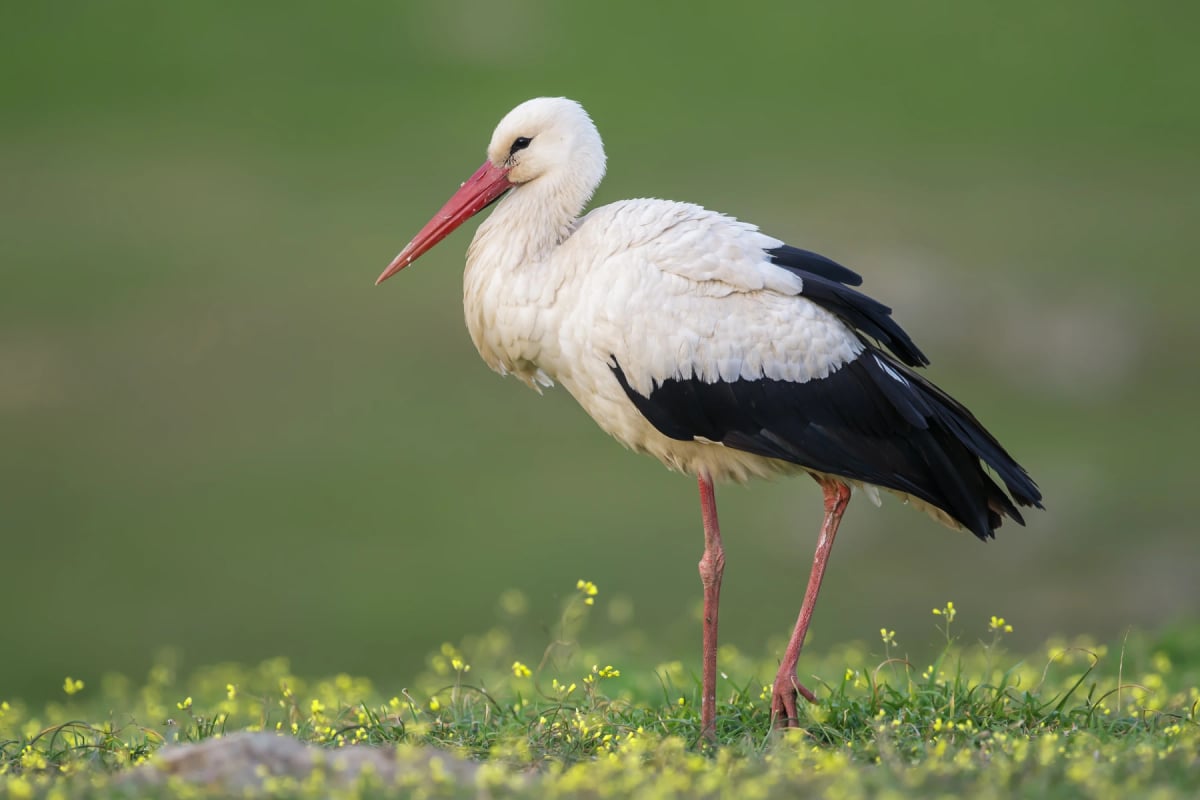
Stork
Ciconia ciconia
Serbia has a healthy breeding population of white storks, with nests commonly found on rooftops, chimneys, and electricity poles in villages across the Pannonian Plain. The flat, fertile lowlands of Vojvodina provide ideal foraging habitat, with wet meadows and agricultural fields offering a steady supply of frogs, insects, and small animals throughout the breeding season. The species is a familiar and beloved part of rural life.
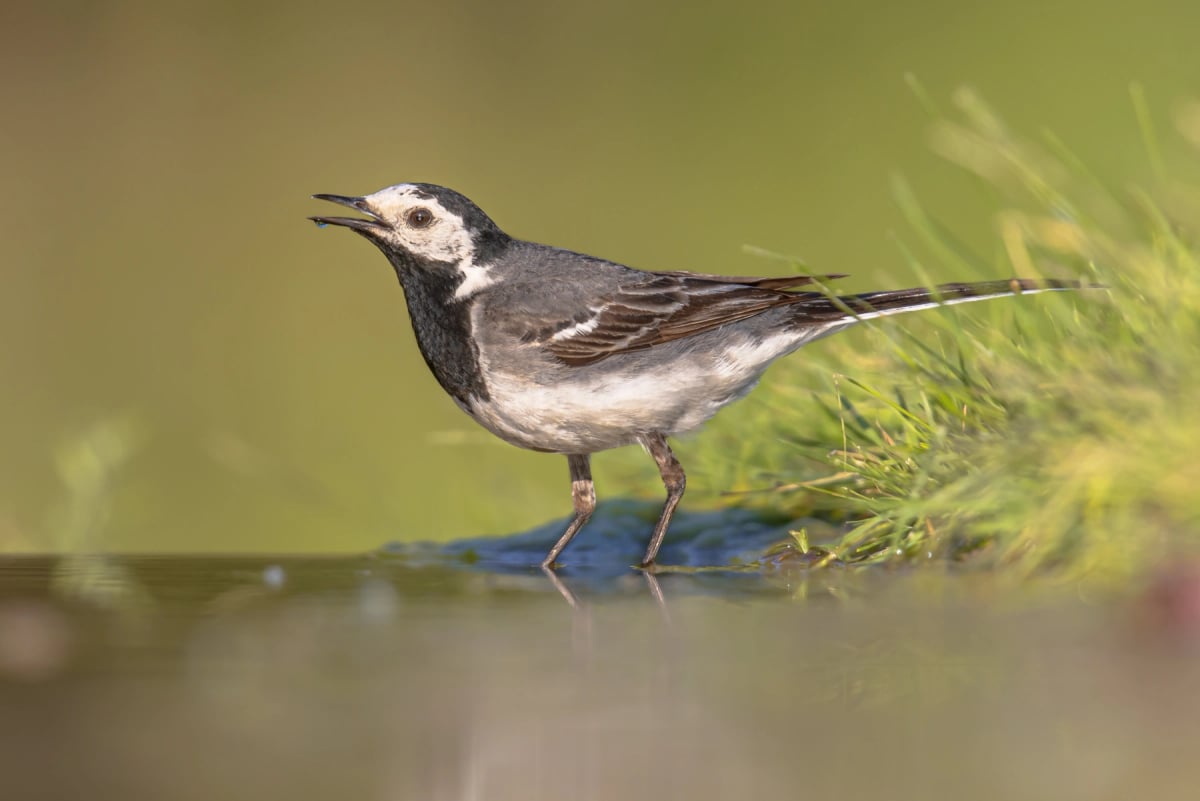
White Wagtail
Motacilla alba
Small black, white and grey bird with a slender tail that bobs up and down as it walks and feeds along the edges of water and open ground.
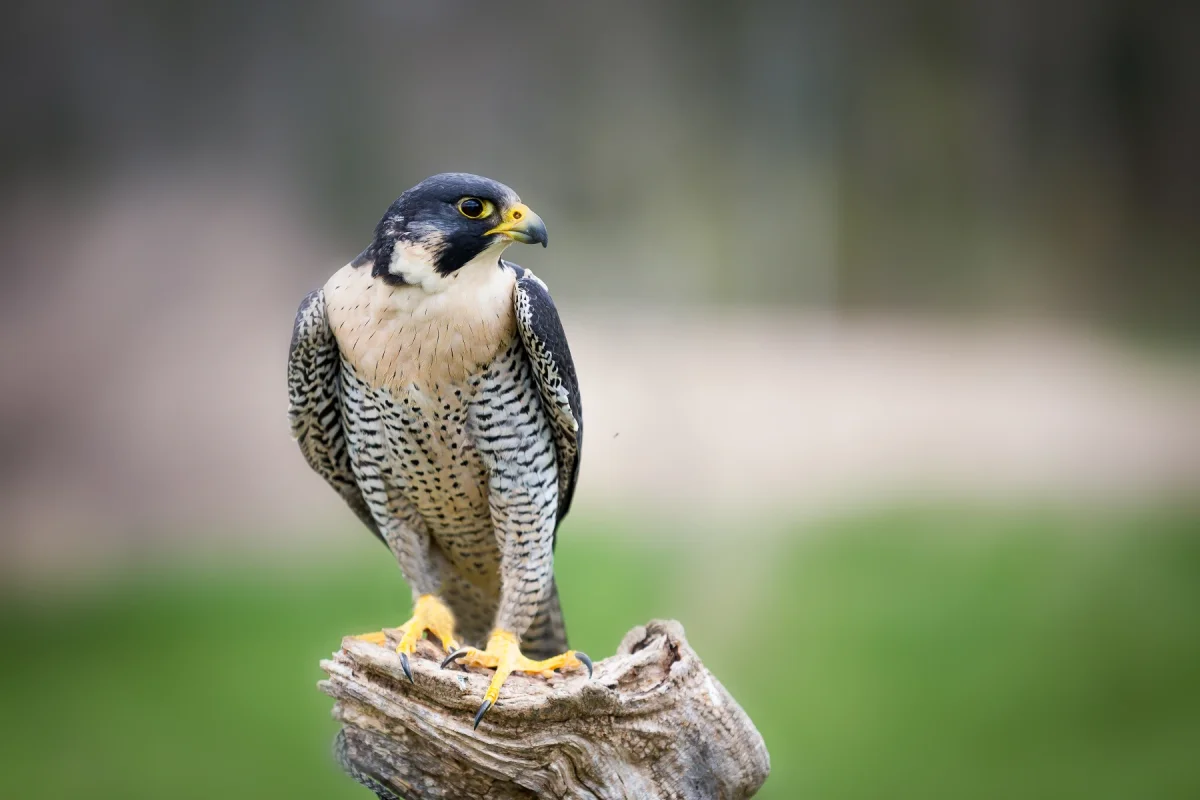
Peregrine Falcon
Falco peregrinus
In Serbia, the peregrine falcon breeds in small numbers on limestone gorges and rocky cliffs, particularly along the Danube and its tributaries such as the Drina and Tara rivers. The Tara National Park area provides suitable nesting terrain. The species also appears during migration across the country. Breeding pairs remain scarce, and local conservation efforts focus on monitoring known nest sites to protect this fast and powerful raptor.
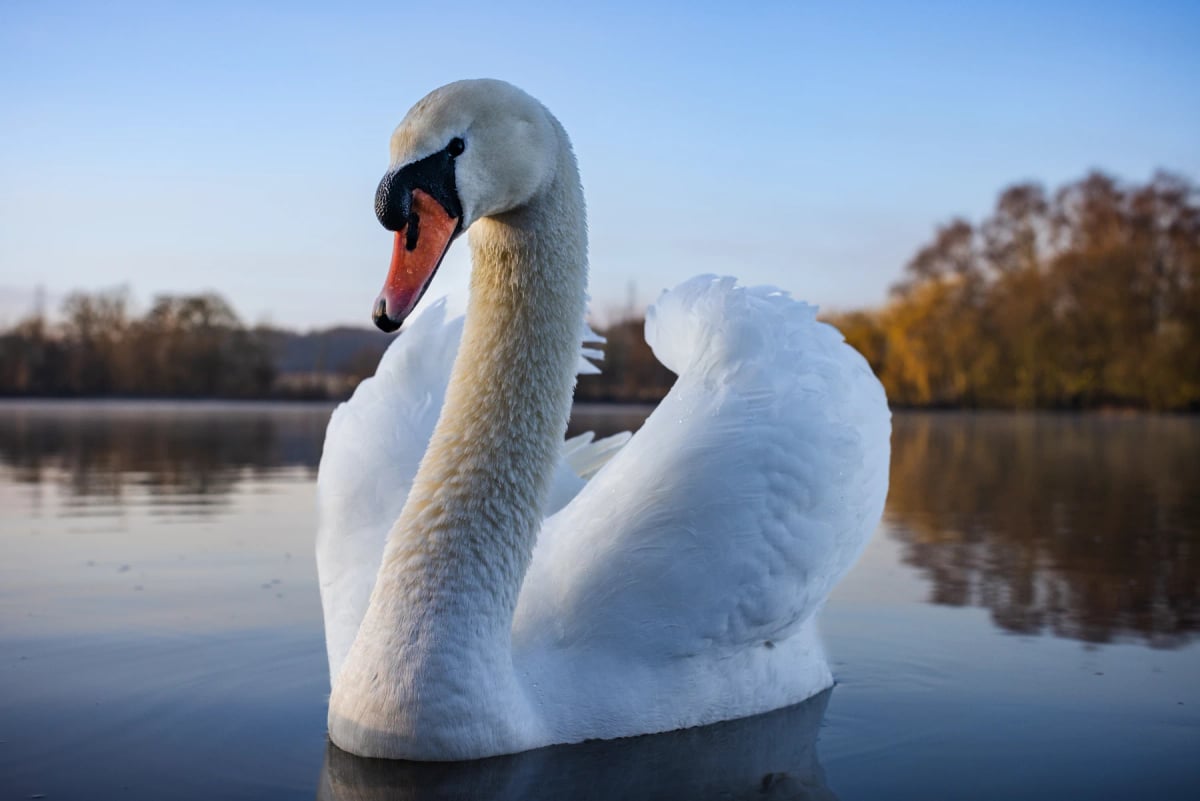
Mute Swan
Cygnus olor
The mute swan is present in Serbia along the Danube, Sava, and Tisa rivers, as well as on fish ponds and wetland reserves across the lowland plains of Vojvodina. These flat, water-rich landscapes offer good nesting habitat with plenty of emergent vegetation. Pairs are territorial during the breeding season and can be seen escorting their young on calm stretches of water. The IUCN lists it as Least Concern.
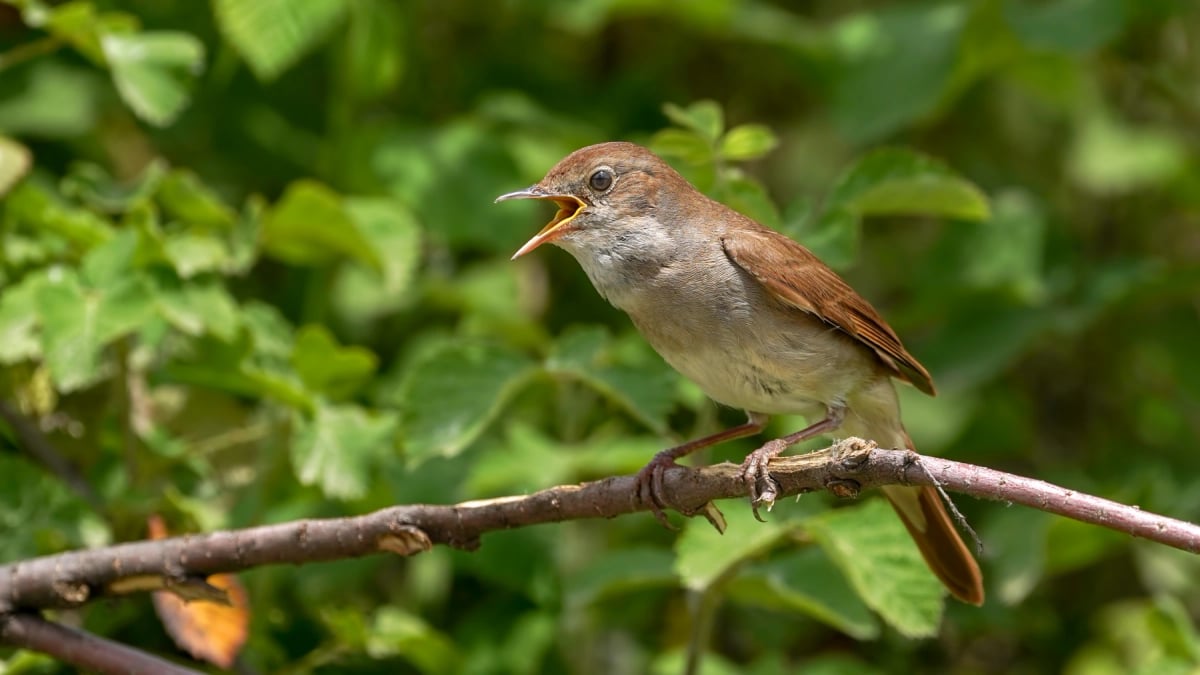
Nightingale
Luscinia megarhynchos
The nightingale is a well-known and widely distributed breeding bird in Serbia, found in riverine forests, scrubby hillsides and woodland edges throughout the country. The Morava and Sava river valleys are particularly productive areas. Males sing loudly from arrival in late April through June, and the species is considered common in suitable lowland and foothill habitats. Degradation of dense shrubby cover remains the main concern for populations here.
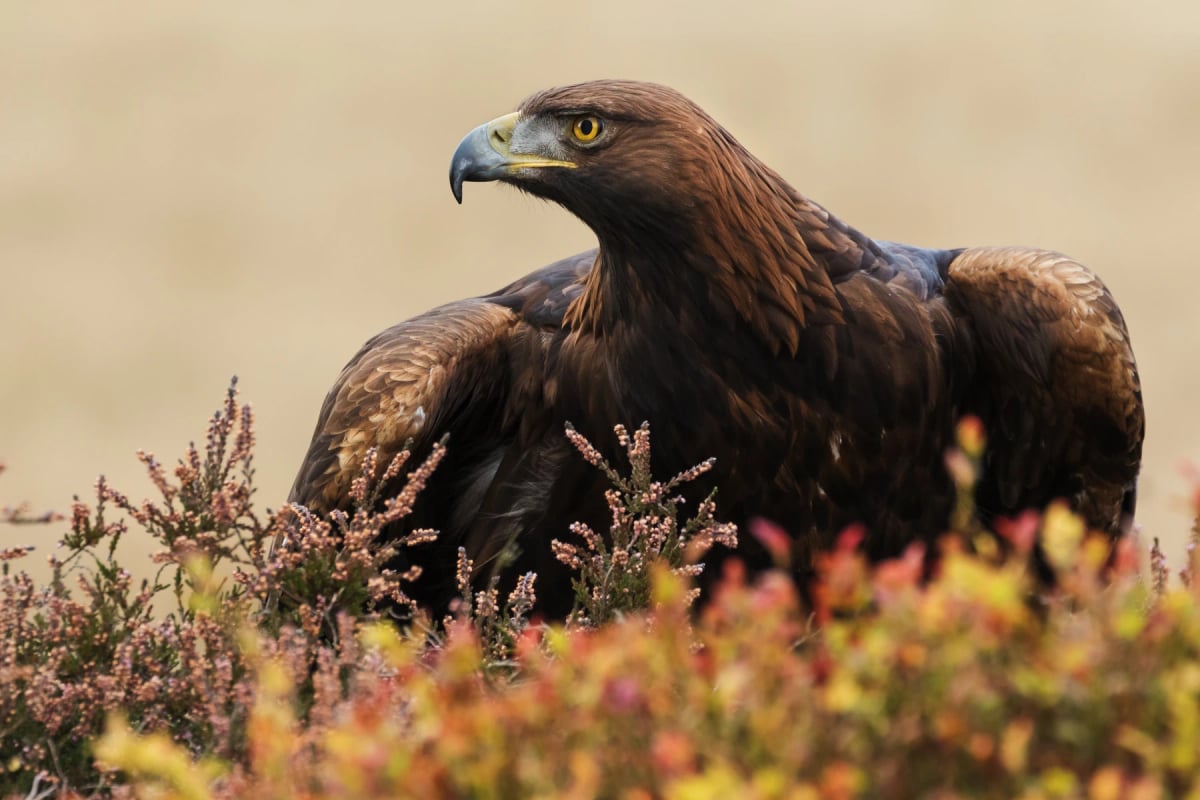
Golden Eagle
Aquila chrysaetos
The golden eagle is a rare but regular resident in Serbia, found mainly in the mountain ranges of the southwest, including Tara and Zlatibor. It nests on rocky cliff faces and hunts across open hillsides and forest edges. Pairs hold large territories and return to the same nest each year. The IUCN lists the species as Least Concern, though disturbance near nest sites remains a local concern.
Researched and written by Juan Pablo. Sources: IUCN Red List, scientific literature and regional field guides. Last updated: .